by Alan K. Lee
Introduction
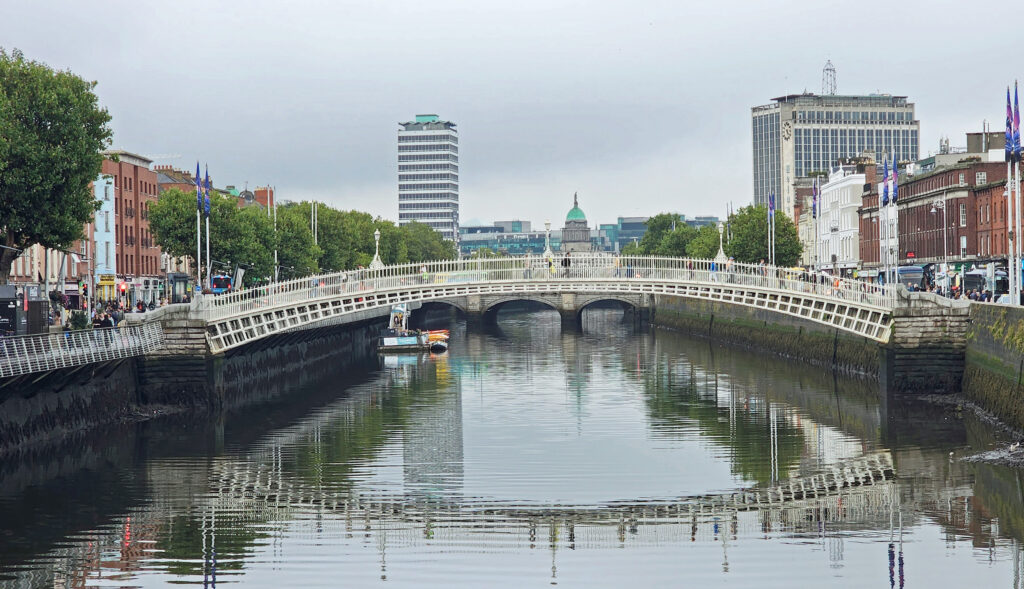
Dublin is the capital, largest city, and cultural hub of the Republic of Ireland. It is also the most diverse city in Ireland with more than 25% of the population having been born outside of Ireland. And it is the most visited city in Ireland. If you travel there in the summer, as my wife and I recently did, you will probably find that there are more tourists than locals walking the streets and populating the pubs, museums, parks, and galleries of the city. But don’t let that dissuade you from visiting. Even in high season, Dublin is well worth visiting. And its’s not hard to get away from the more touristy parts of the city and get a taste of what everyday life in Dublin is like.
History
There are a number of themes that run through the culture of Dublin. One of those is history. History is central to all aspects of life in Dublin, and there is plenty of history to be found there. The city of Dublin is over a thousand years old and the area has been inhabited for many millennia. The Vikings established a settlement in the Dublin area in 841 CE, but an archaeological dig in the Temple Bar area uncovered evidence of an Anglo-Saxon settlement that predated the arrival of the Vikings.
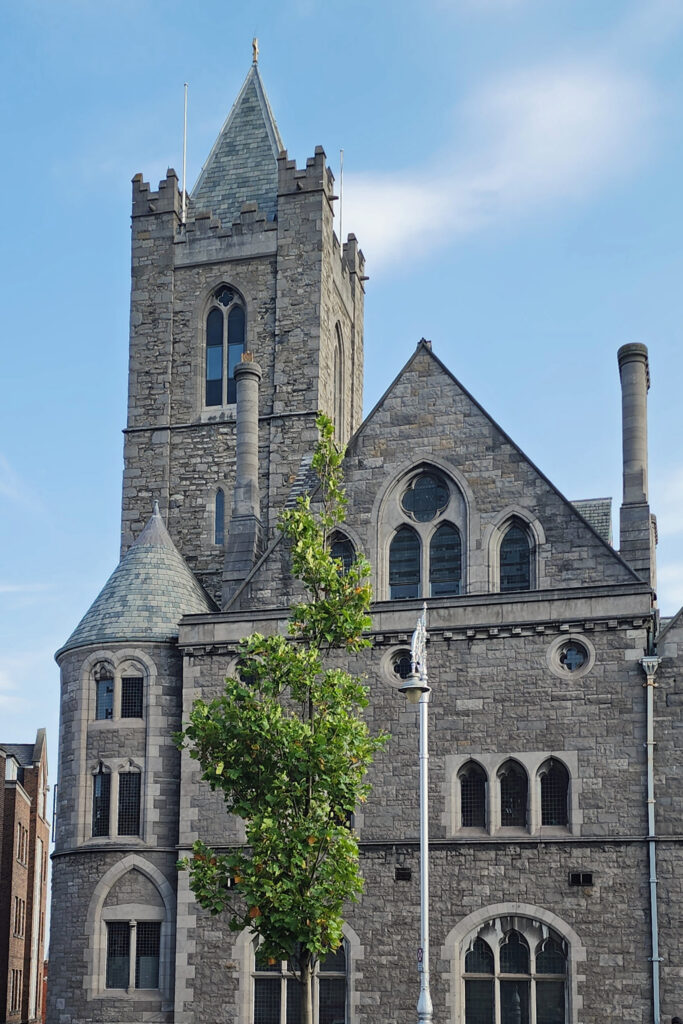
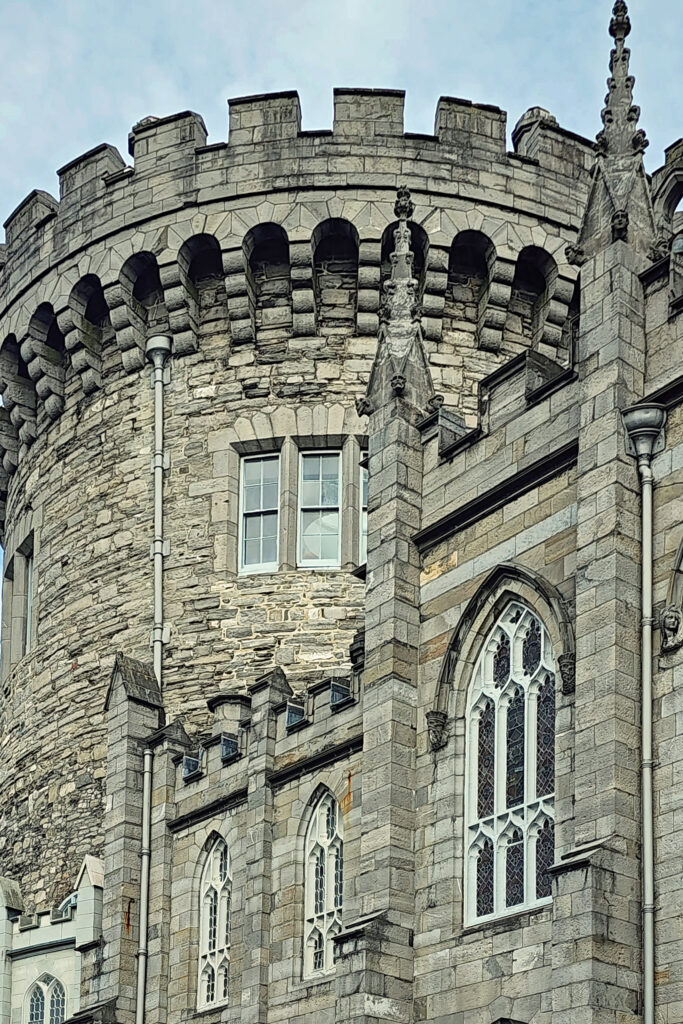
The Norman invasion of Ireland in the 12th century established English rule of Dublin. Dublin Castle was built in 1204 on orders of King John of England and became the center of power of the English ruled portion of Ireland. (It wasn’t until the 16th century that all of Ireland came under English rule).
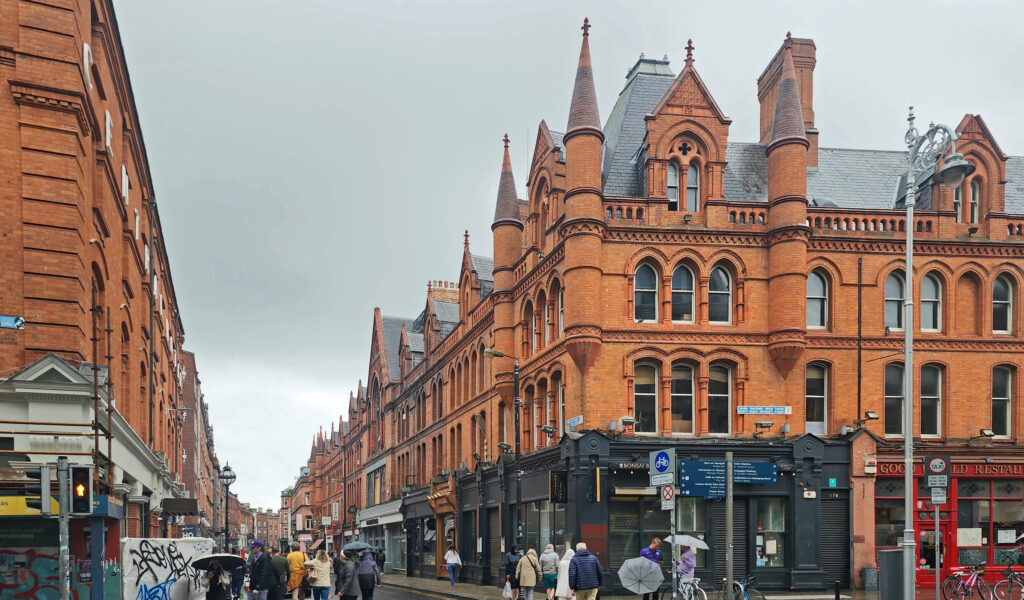
Dublin grew to be the city it is today during the 18th century. At one point it was the second largest city in the British Empire and the fifth largest in Europe. Dublin suffered a decline in the 19th century, but rebounded in the mid-20th century, and even more so in the last couple of decades. Today the city is vibrant and alive. The city itself has a population of about 600,000, County Dublin’s population is about 1.5 million, and the Greater Dublin area counts more than two million people – similar in size to Portland, Oregon.
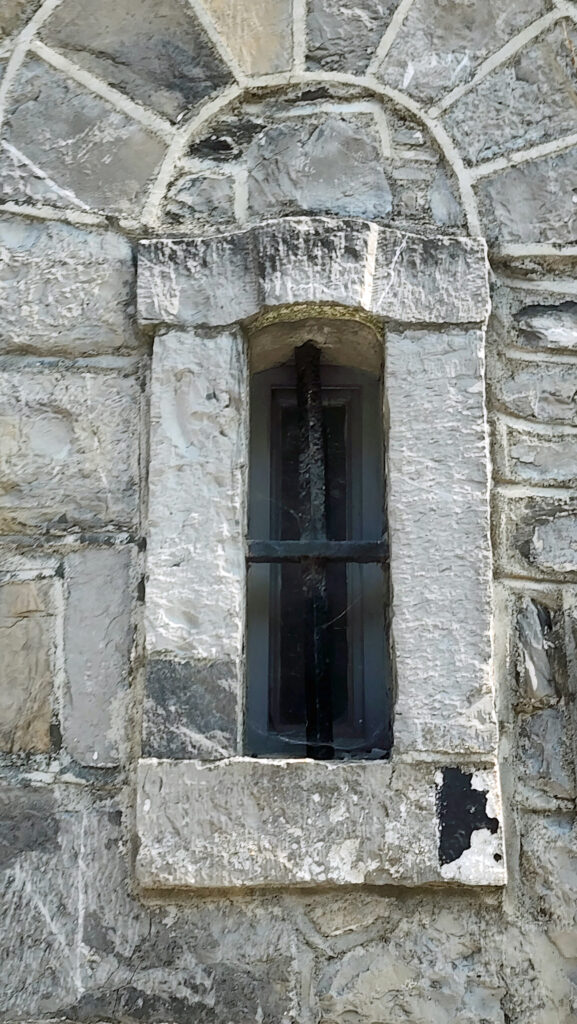
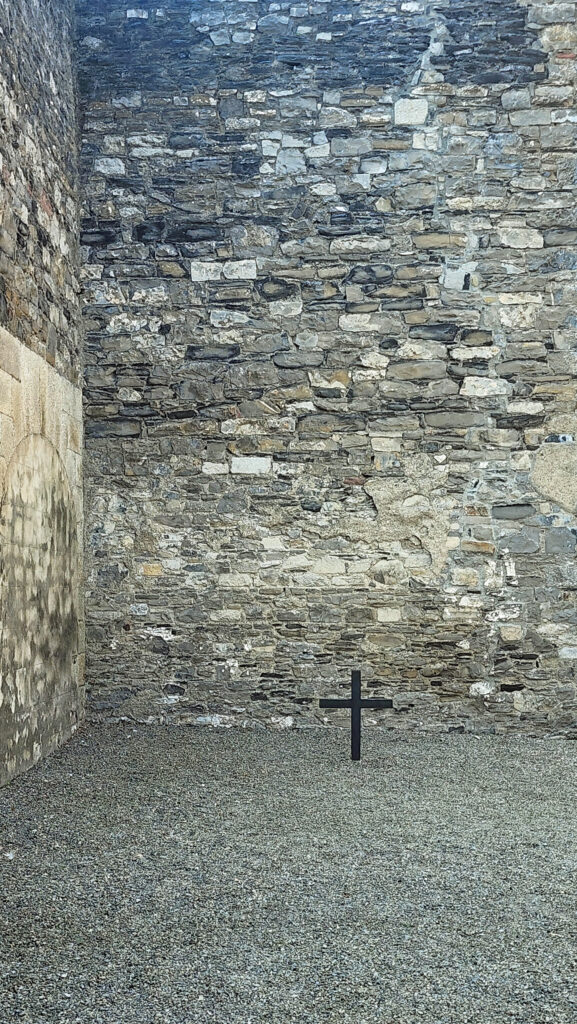
The 20th century was marked by conflict, first between those seeking independence from Great Britain and those opposed, and later between Catholic nationalists and Protestant traditionalists, colloquially known as the Troubles. The first led to the Easter Rising rebellion in 1916 and then the Irish Civil War, which resulted in the establishment of the Irish Republic in 1923. The Troubles were mostly centered in Northern Ireland, and there are still segregated sections of the cities there. But the Troubles also affected Dublin to an extent. There were several bombings in the city during that time. Today, peace reigns, and the border between the Republic of Ireland and Northern Ireland is completely open, even after Brexit. We took a bus tour from Dublin to Belfast during our visit and the border was hardly marked by even a sign.
Churches and Cathedrals
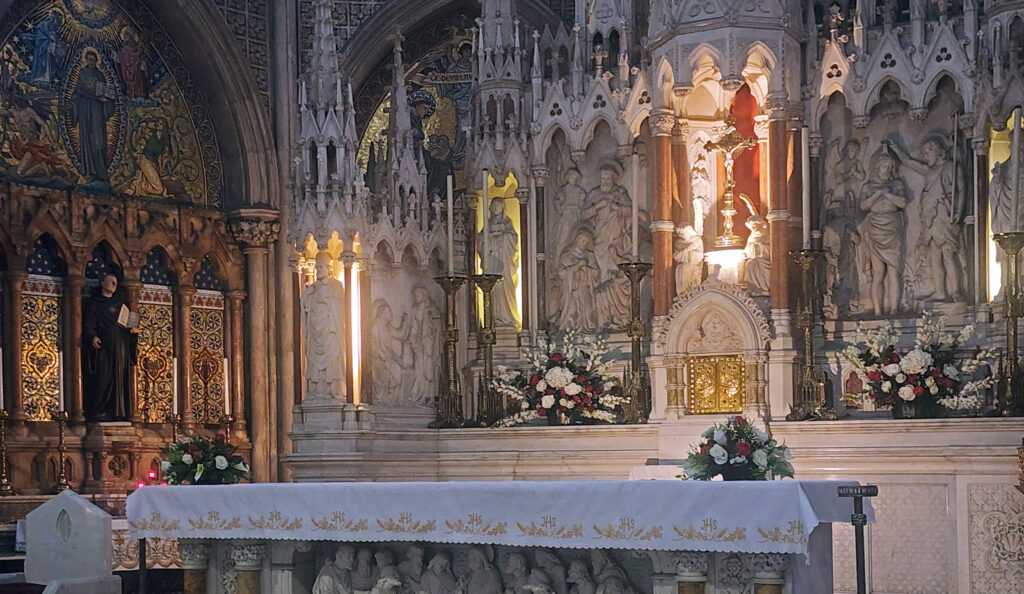
In addition to history, religion is also central to life in Dublin, perhaps a bit less than elsewhere in Ireland but it is still a majority Catholic city, and churches and cathedrals are found throughout the city. Neither my wife nor I are church goers, but we always visit the local churches and cathedrals when in Europe, for the incredible architecture and artworks, if nothing else.
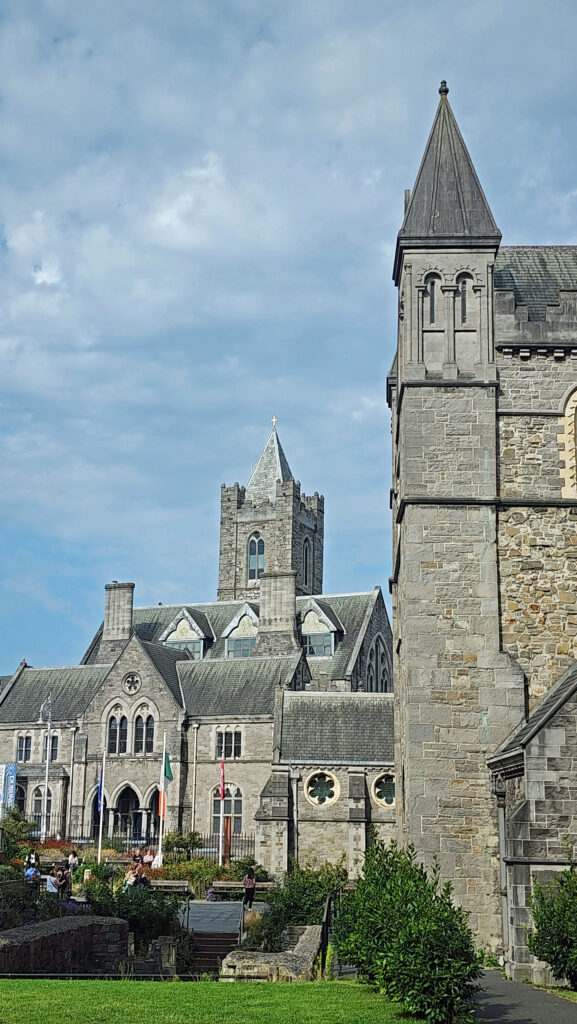
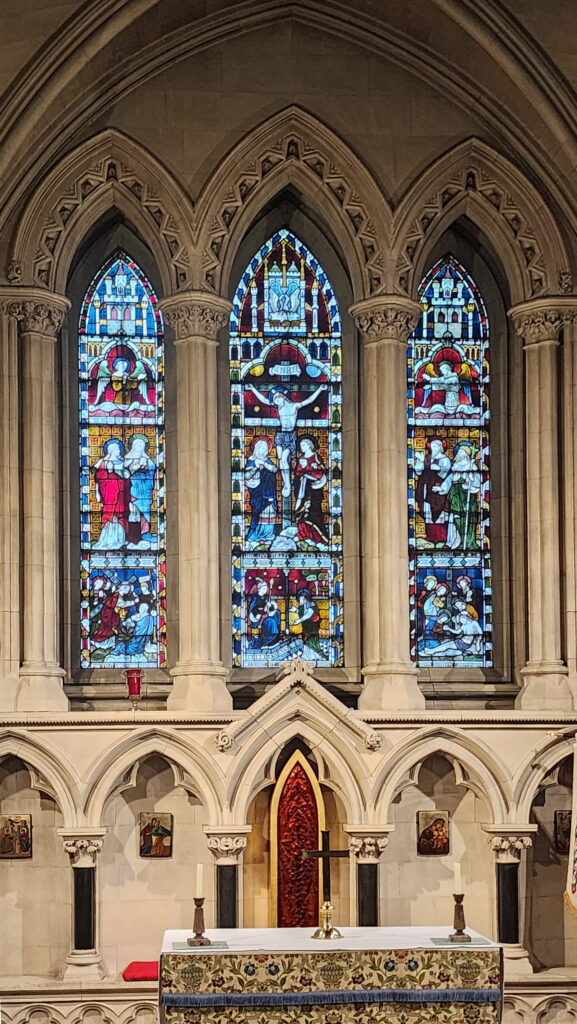
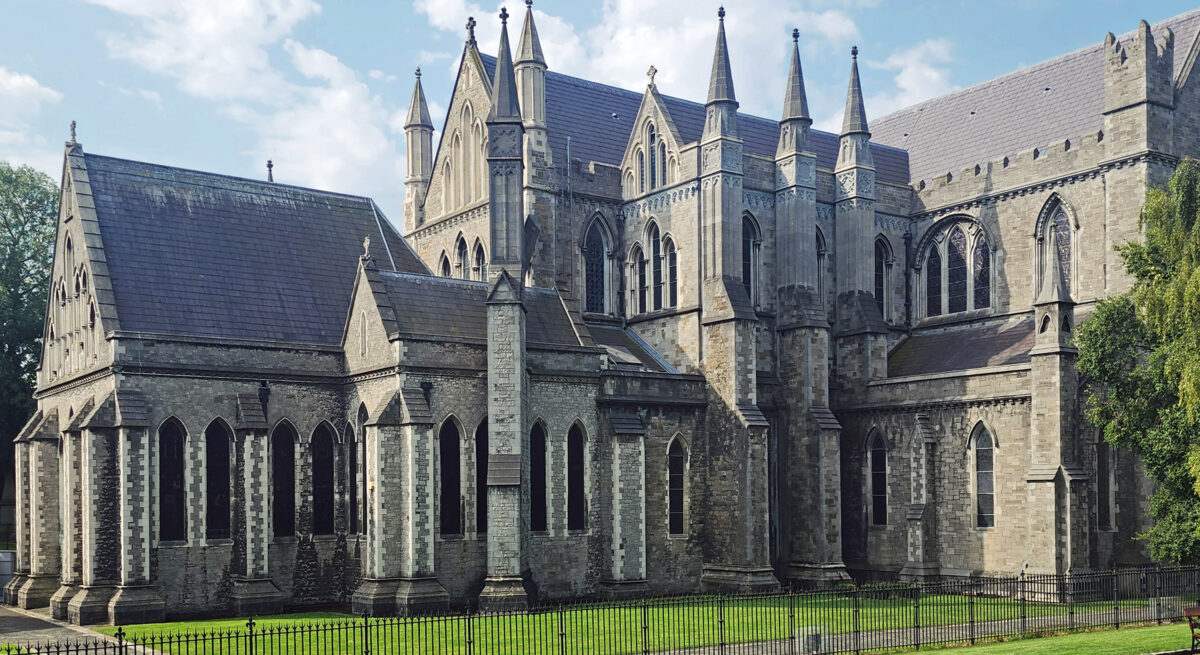
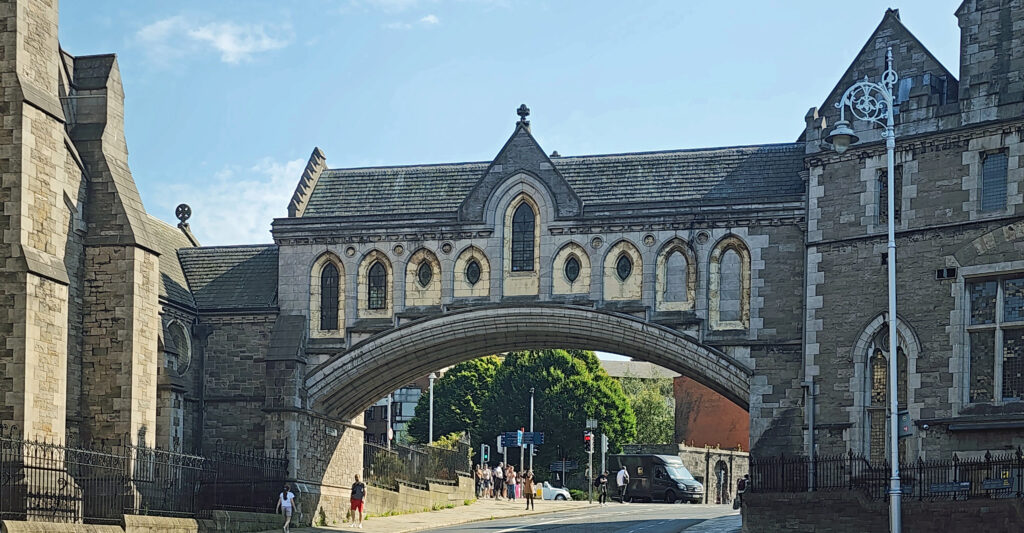
In the center of the city, Christ Church Cathedral and St. Patrick’s Cathedral (pictured in the featured image at the top of this post) are must see attractions.
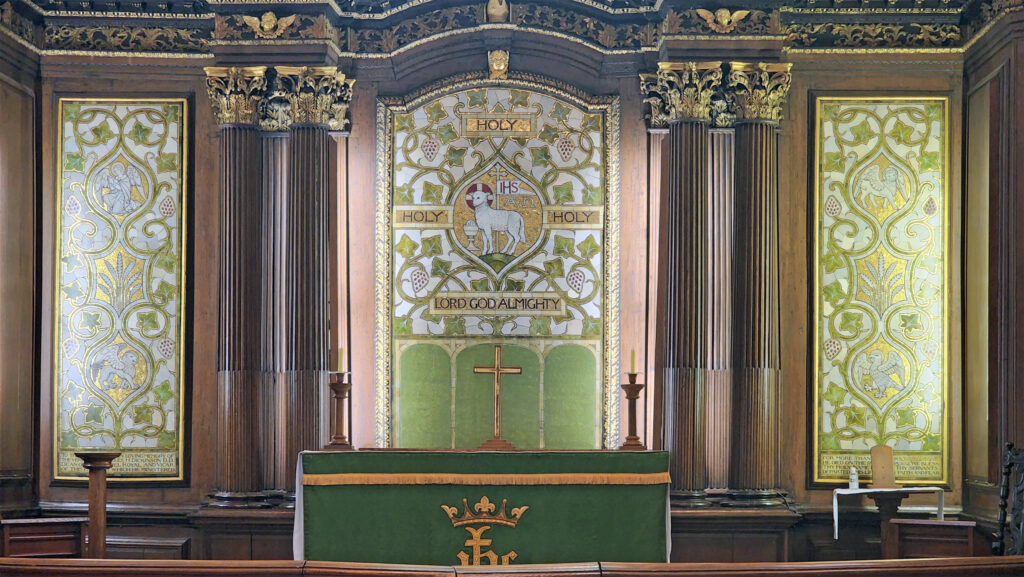
We also spent some time exploring St. Ann’s Church, between Trinity College and St. Stephan’s Green, St. Augustine & St. John the Baptist Church, as well as a few smaller churches in our wanderings outside of the main downtown area.

Museums, Galleries, and Public Art
Dublin is a city of art. There are many museums, galleries, and public artworks to be found in the city center. And since my wife and I are interested in both art and history, we spent much of our time in Dublin’s various museums and galleries.
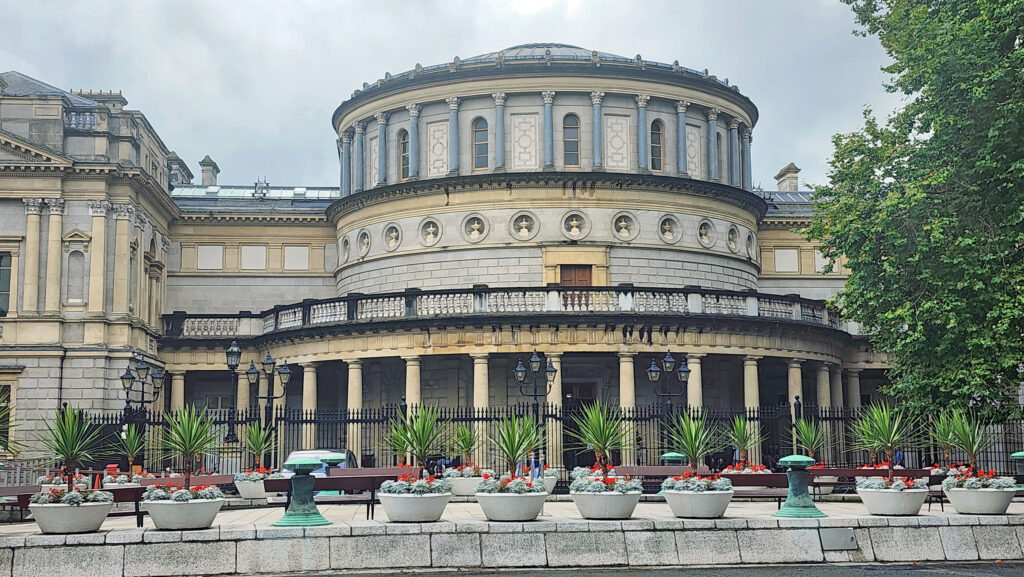
The National Museum of Ireland has three branches in Dublin, one featuring local archaeologic finds (on Kildare Street in downtown), one featuring decorative arts and history (at Collins Barracks just west of downtown on the north bank of the River Liffey), and another (colloquially known as the “dead zoo lab”) dedicated to natural history, located adjacent to Collins Barracks. Entry to all three is free. The archaeology museum is huge and impressive, to say the least. You could probably spend a whole day there and not see it all. Admission to all three museums is free.
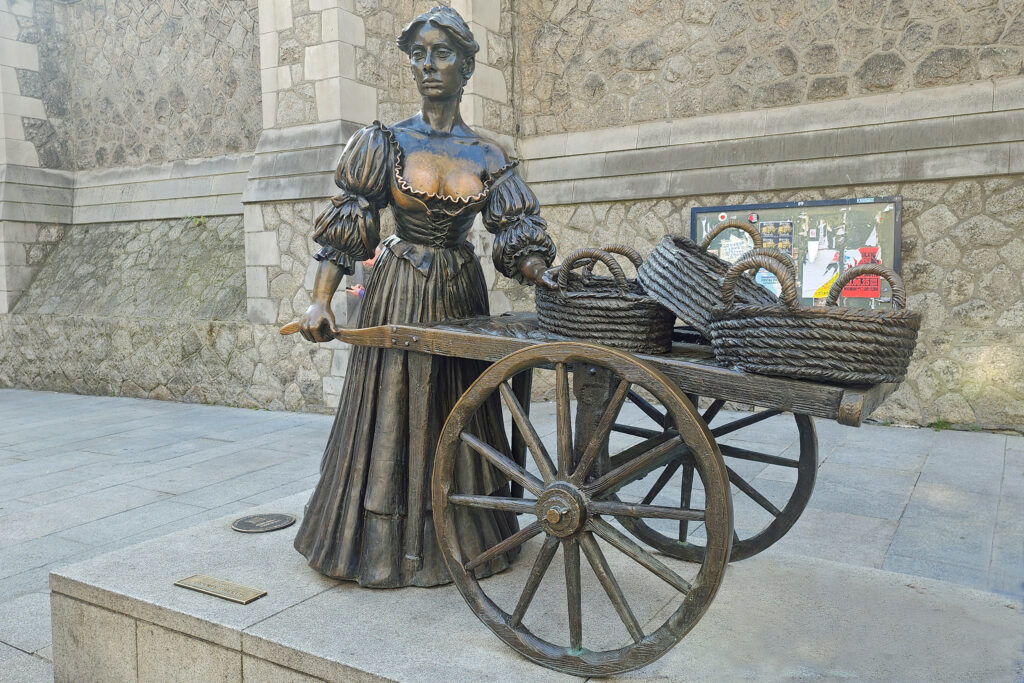
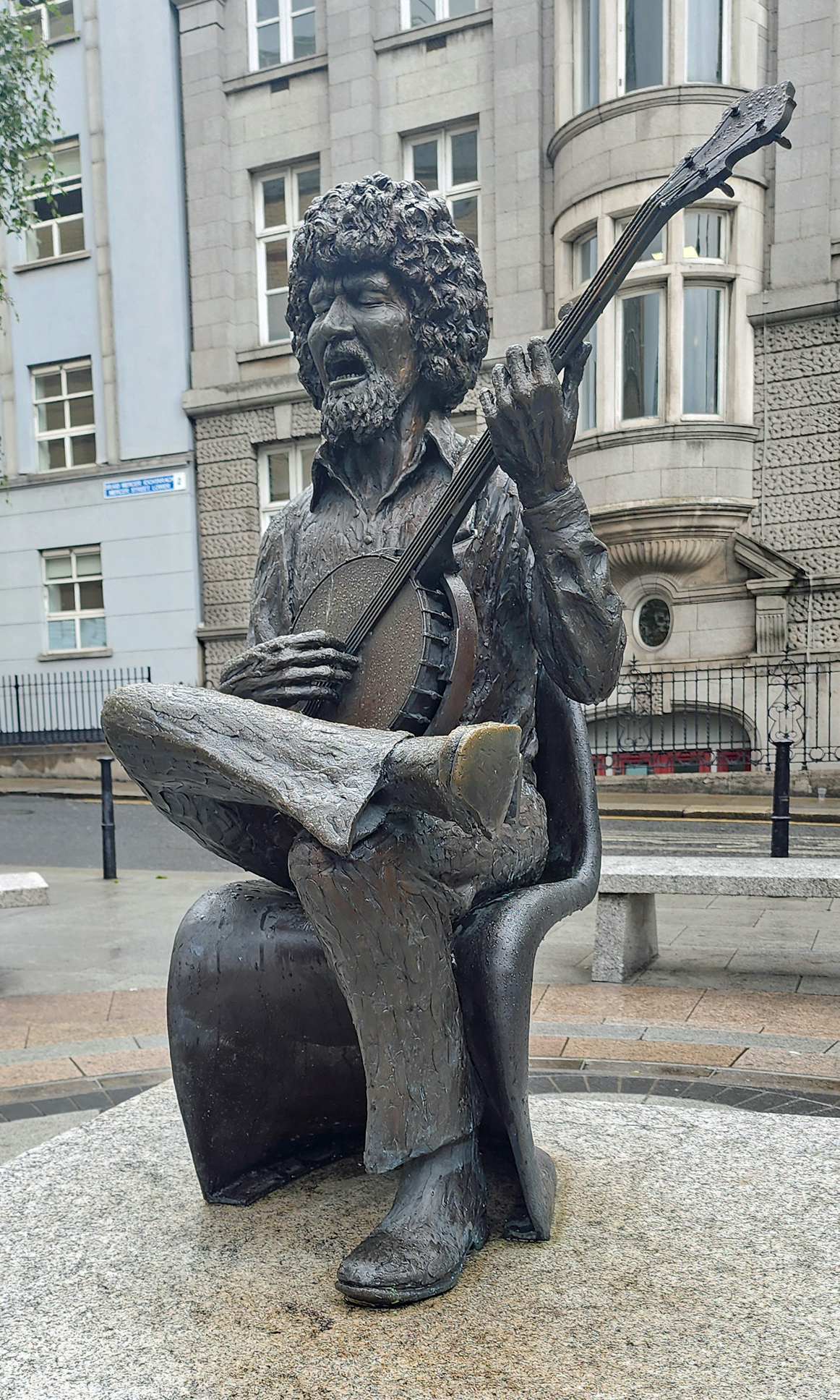
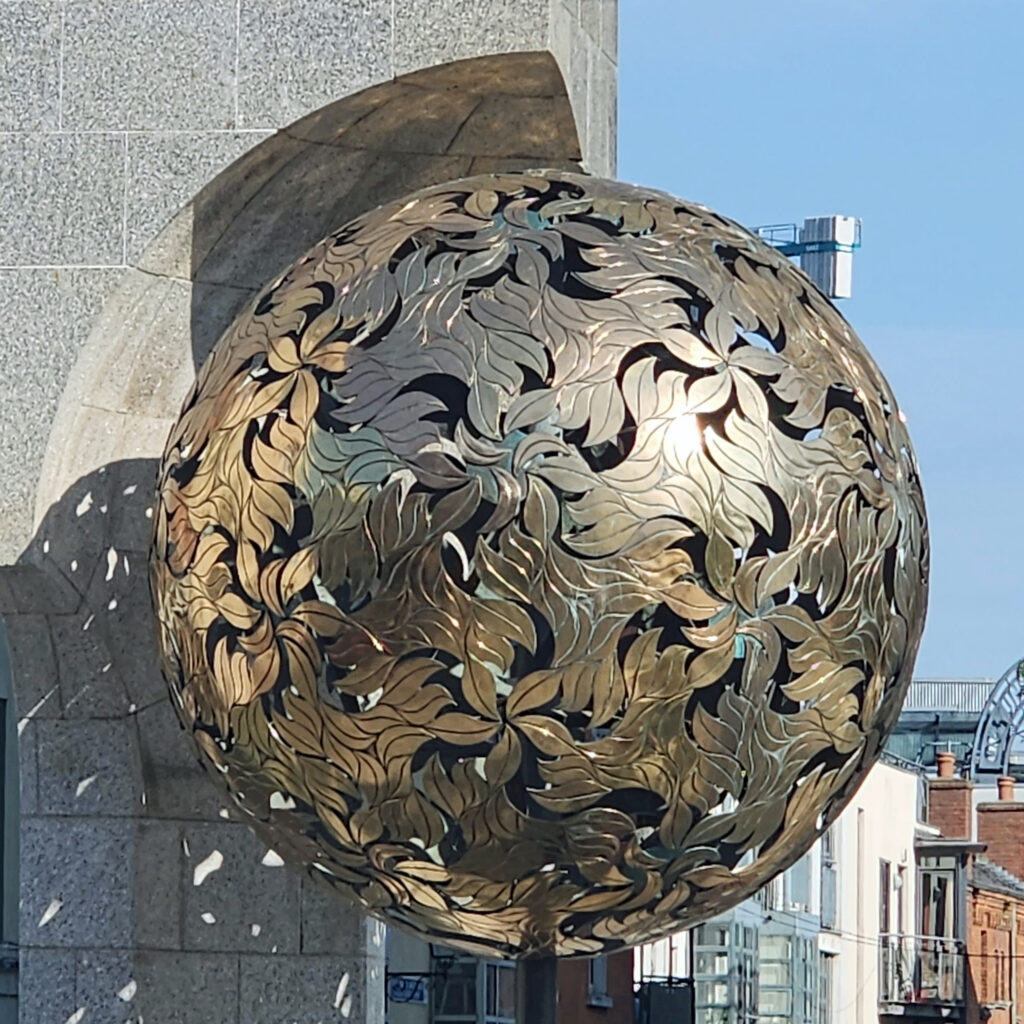
Sculptures and other public artworks dot the central city, perhaps none more iconic than the statue of Molly Malone. The song “Molly Malone” has been Dublin’s unofficial anthem for more than a century. Tourists have taken to rubbing the statue’s bosom for good luck, though locals are generally opposed to that practice and city officials plan to install plantings around the statue to keep tourists away from the sculpture. I kept my hands to myself. Another iconic sculpture is that of Luke Kelly, a folk musician and founding member of the band The Dubliners, who died at the age of 43 in 1984.
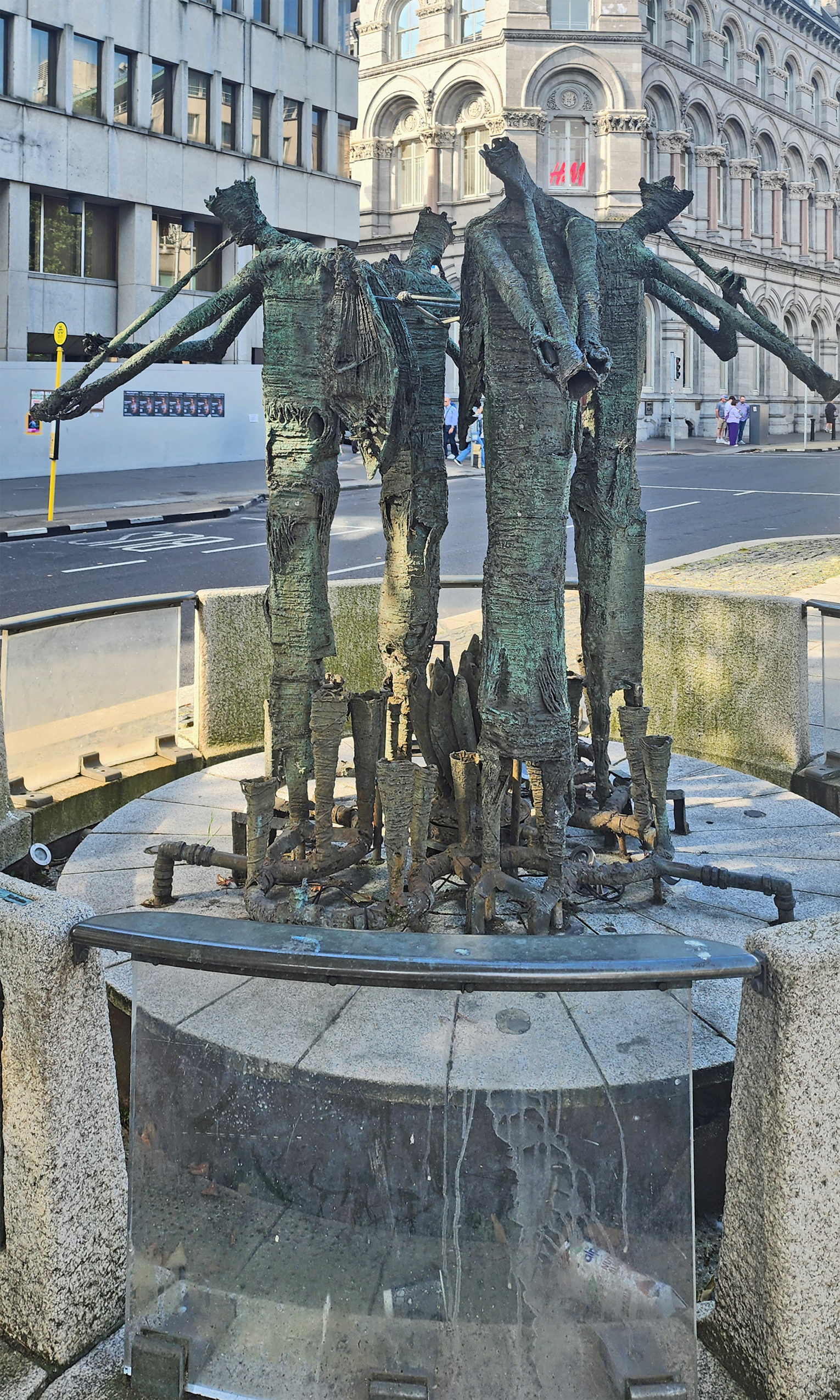
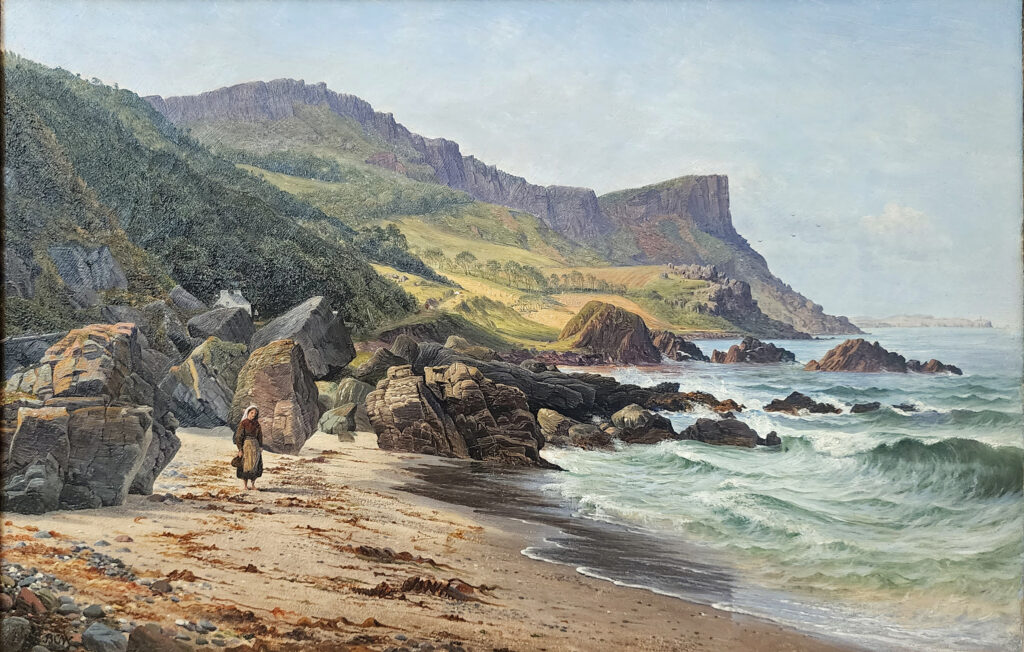
The National Gallery of Ireland, located in the central part of the city near Trinity College and Merrion Square Park, houses more than 14,000 artworks. The gallery was opened in 1864 and has been expanded several times, most recently in the 1960s. Like the National Museums, admission to the National Gallery is free.
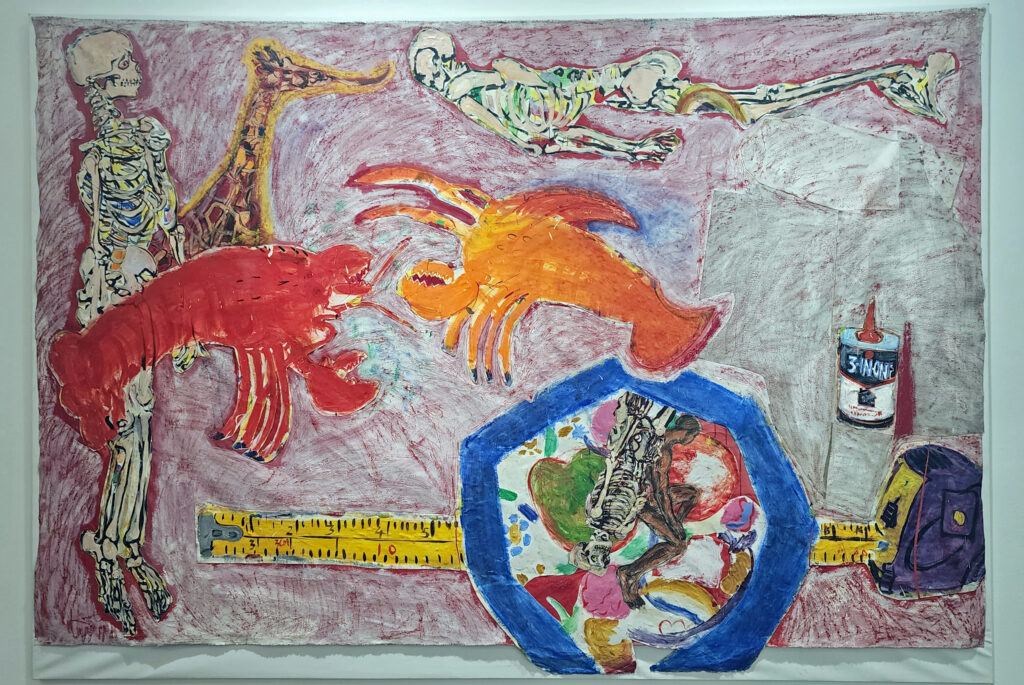
The Irish Museum of Modern Art, located on the west edge of downtown not far from the railroad station, opened in 1991, but the building it occupies is much older. The building was once the Royal Hospital Kilmainham and dates to the 17th century. The museum houses 3500 works of contemporary art. Again, admission is free.
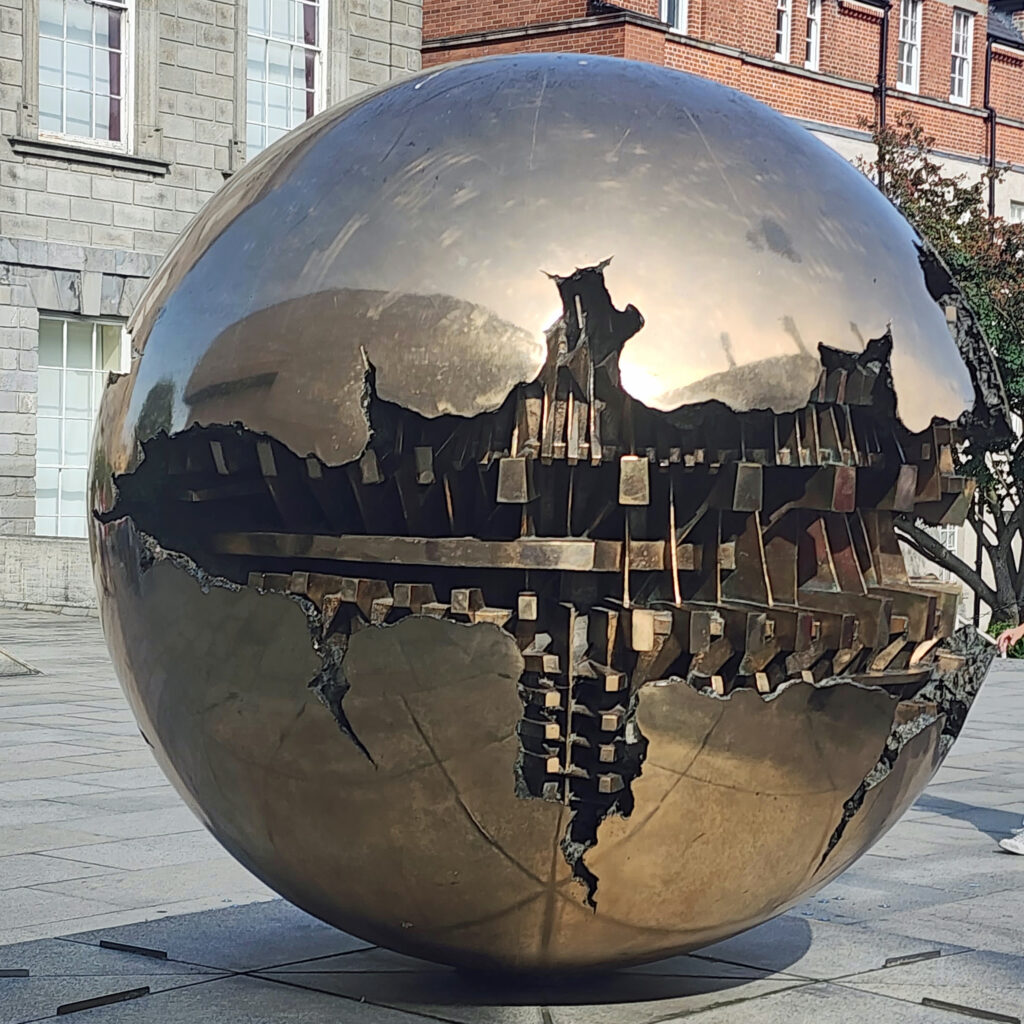
Kilmainham Gaol
A tree-lined lane takes you from the Irish Museum of Modern Art to the Kilmainham Gaol (“gaol” being the British and Irish spelling of “jail”), which was built in the late 1700s as the County Dublin jail. It is perhaps best remembered as the site of the execution of the leaders of the 1916 Easter Rising (including one who was transported from a hospital to the goal, tied to a chair because he was too injured to stand on his own, and shot by firing squad). The Easter Rising eventually led to the Irish Civil War and independence from the United Kingdom in 1923. Kilmainham Gaol was closed in 1929 and became a museum in the 1930s.
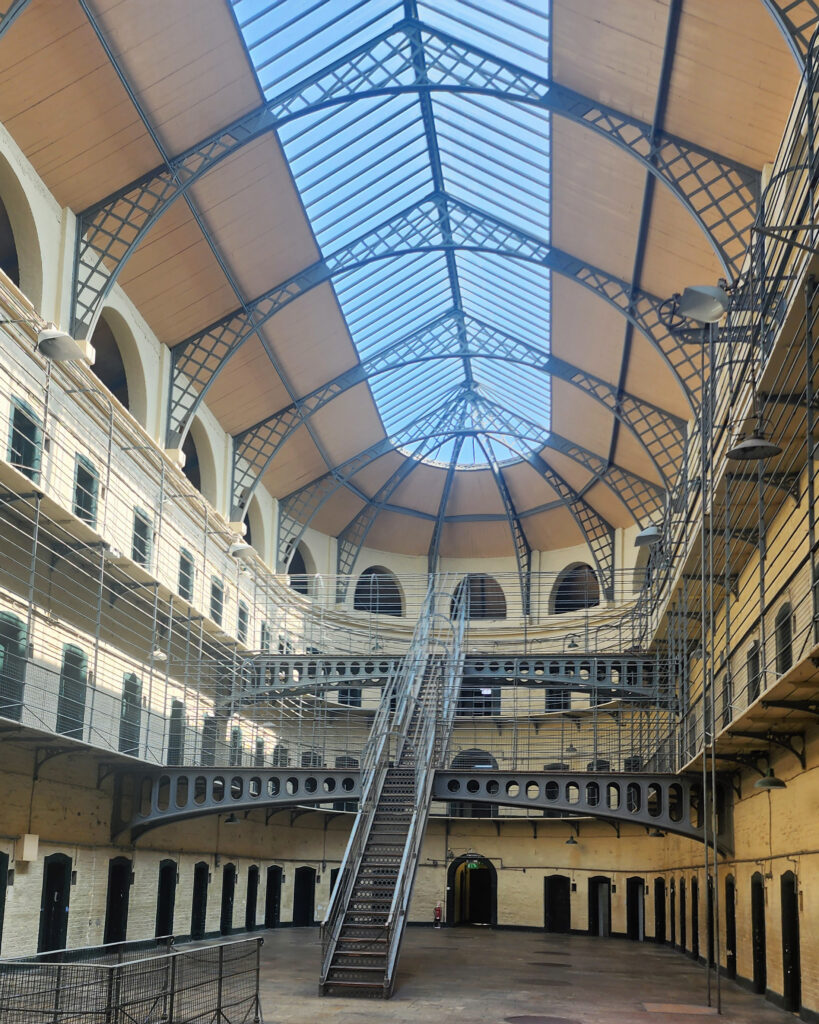
Today, Kilmainham Gaol is one of Dublin’s top tourist attractions. If you plan to visit, it’s best to purchase tickets online in advance. We didn’t, and when we inquired at the entrance, we were told that we would have to wait several hours for the next available tour. However, we were told to return in half an hour, and were given an abbreviated tour at no cost. (Adult admission for the full tour is €8). We didn’t see the whole facility, but the tour we got was interesting and informative.
Parks
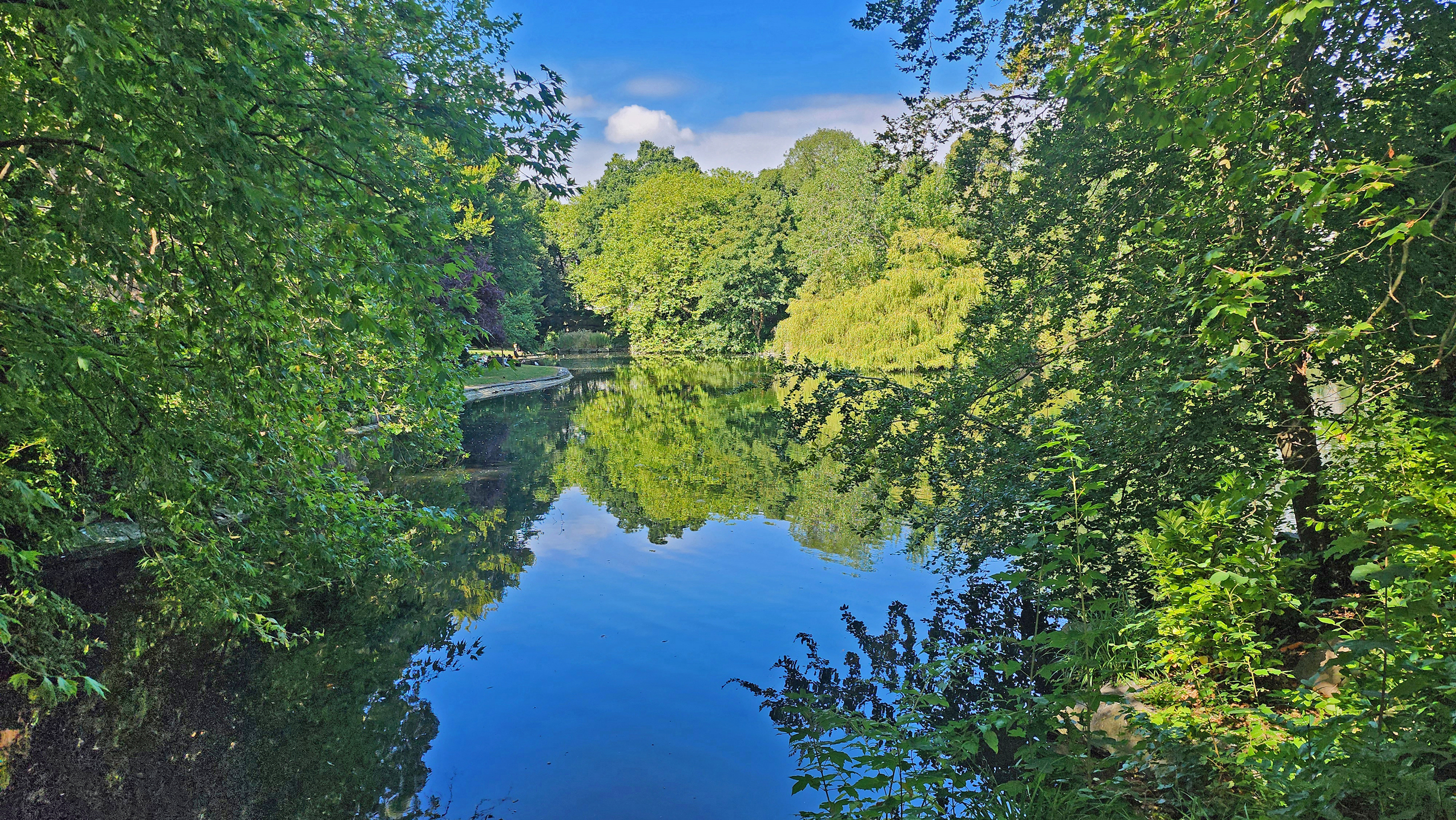
Dublin is a beautiful city, both in terms of its architecture and the natural beauty that can be found in the more than 300 parks in the city. We visited a number of parks, including Croppies Acre Memorial Park near Collins Barracks, St. Patrick’s Park at St. Patrick’s Cathedral, Merrion Square Park, St. Steven’s Green (the largest park in the central Dublin area), Iveagh Gardens, and Blessington Basin Park, a former water reservoir converted into a city park.
Trinity College and the Book of Kells
Trinity College was established as a Protestant institution in 1592 by Queen Elizabeth I in her attempt to make Dublin a Protestant City. For centuries, Trinity College was an institution of the Protestant ruling elite. While Catholics were not prevented from attending the college, they had to take an oath objectionable to Catholics to graduate. That requirement was not lifted until 1793, and even then Catholics were not allowed to be Fellows or members of the faculty, and scholarships were restricted to Protestants only.
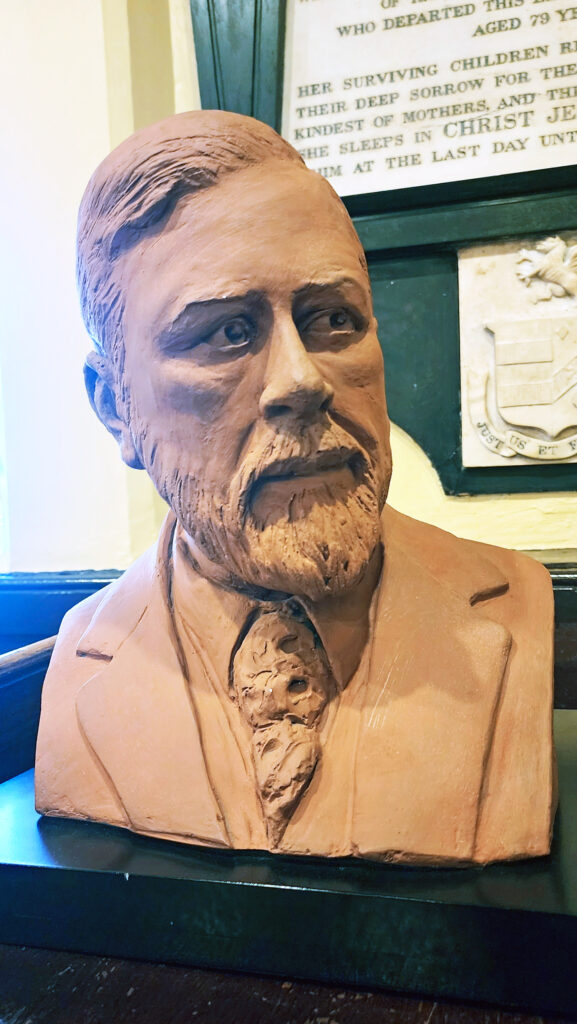
Notable alumni of Trinity College include Oscar Wilde, Samuel Beckett, Jonathan Swift, and Bram Stoker, author of Dracula. (I always thought of Bram Stoker as being Eastern European, but he was in fact Irish. His name was actually Abraham Stoker.)
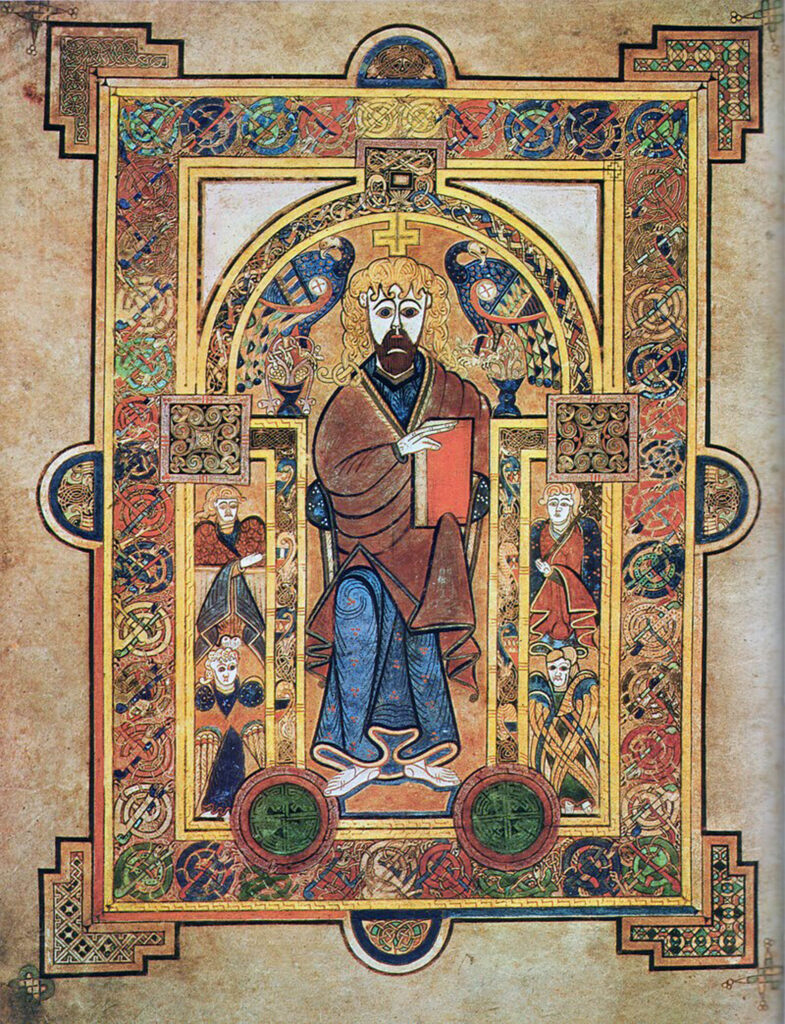
Trinity College is perhaps the best known for the majestic Book of Kells, the spectacularly illustrated Celtic Gospel that is housed in the Trinity College Library. But Trinity College is anything but stuck in the past. Today, Trinity College is a modern institution with an enrollment of approximately 22,000 students and one of the leading educational institutions in Europe.
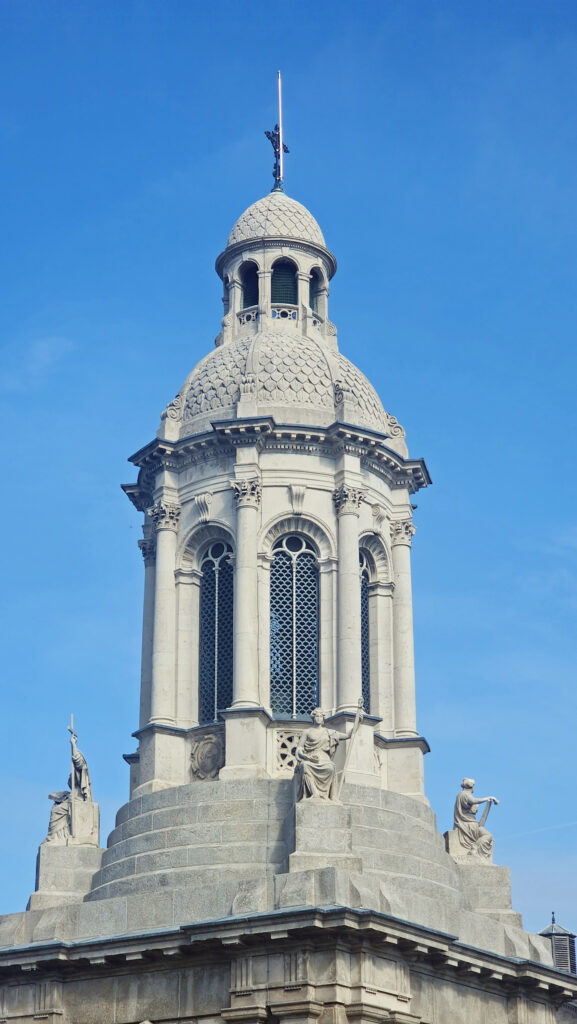
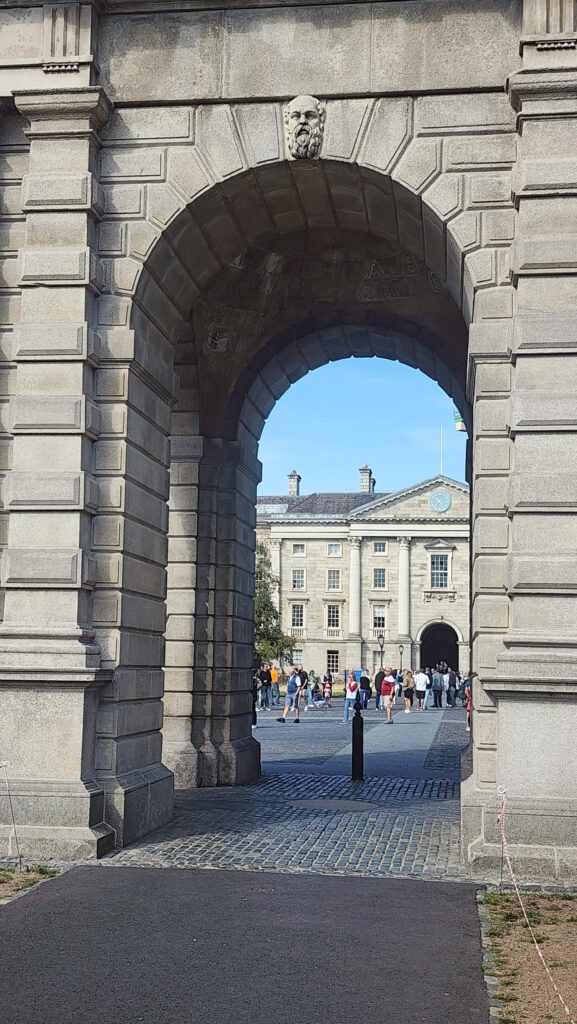
While we did not take the Book of Kells Experience tour, it will be on our agenda if we ever return to Dublin. And, as I discovered after we had already booked our accommodations, you can stay on campus if you visit during the summer. A room with a private bathroom in the Printing House, for example, can be rented for under €200 per night. That would be quite an experience.
Temple Bar and Guinness
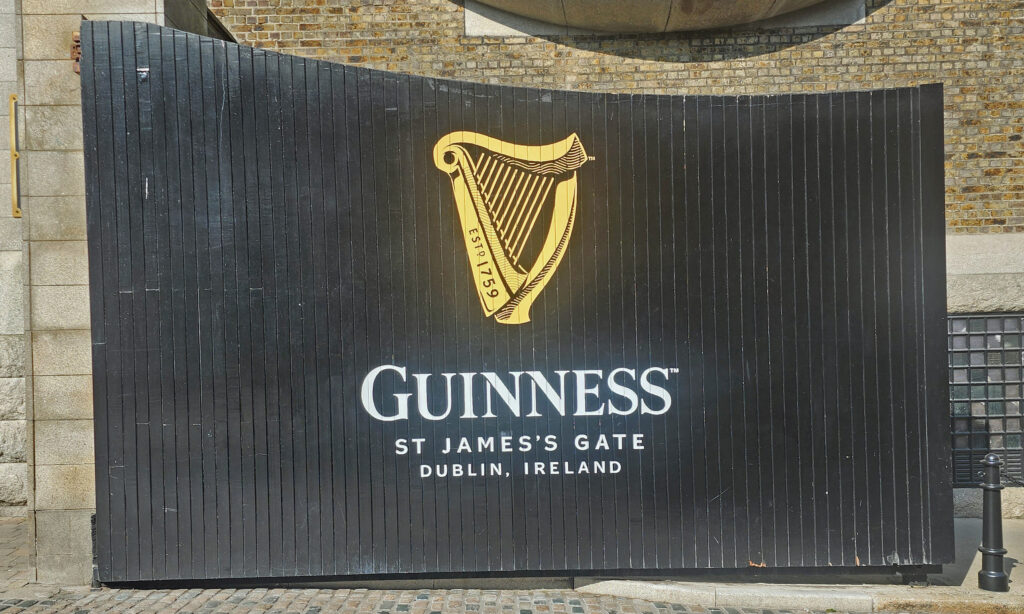
And then there are the pubs. Ireland is known for both their whiskey and, of course, for Guinness. The Guinness Storehouse is the top tourist attraction in Dublin and second most popular in the country, behind only the Cliffs of Moher (which I’ll cover in a future post).
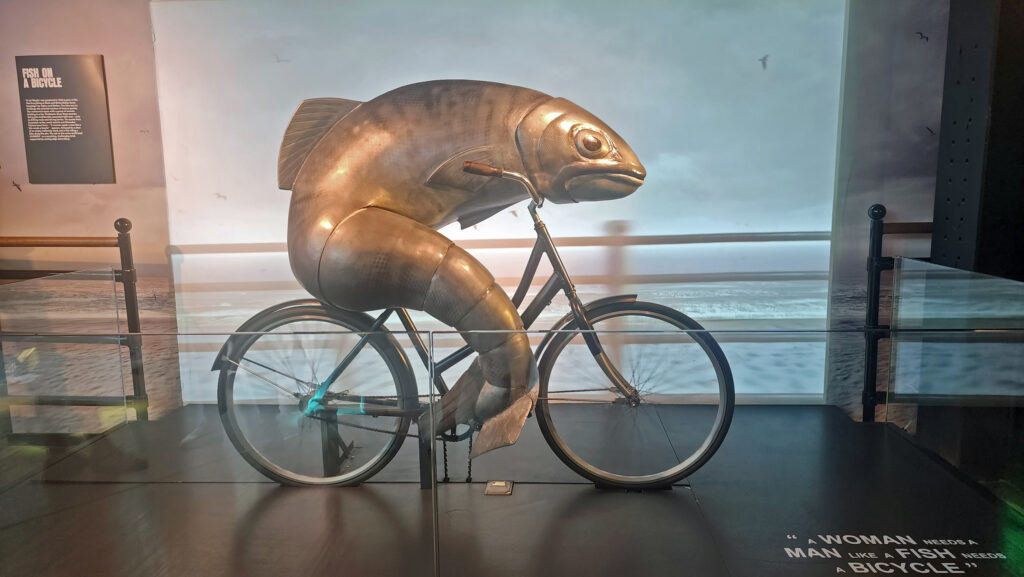
Guinness has been brewing beer in Dublin since 1759, when the founders signed a 9000-year lease for the property that now houses the oddly entertaining (and informative) Guinness Storehouse, which was originally a fermentation plant in the heart of the St. James Gate brewery complex. Today, it is a seven-story showcase of Guinness beer and the history of Guinness Brewing. Your €30 entry ticket also gets you a free pint at the glass walled Gravity Bar on top of the structure that has a 360⁰ view of the city. Good luck finding a table, though. It took us a while.
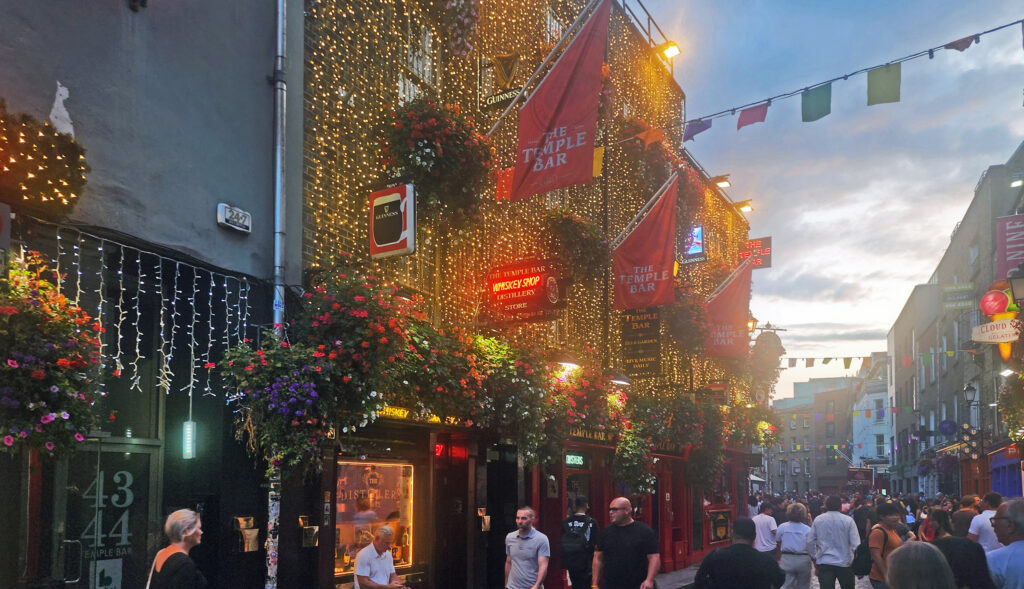
And about a mile to the east, the Temple Bar neighborhood, on the south bank of the River Liffey, is the nightlife center of Dublin, akin to Bourbon Street in New Orleans or Duval Street in Key West. You won’t find many locals in any of the Temple Bar pubs in high season, except for the bartenders, but it’s wildly entertaining in the evening, even early in the evening when we were there.
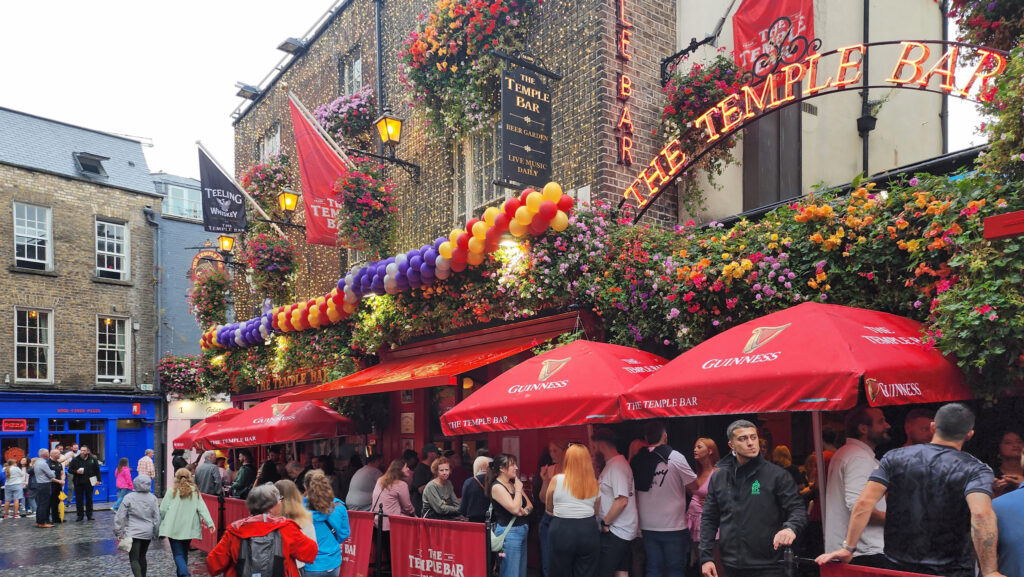
Many of the pubs in Temple Bar have “Temple” as part of their name, but The Temple Bar is probably the most popular. And the most crowded. When we were there early on a Friday evening, we could barely get in the door, much less get a table or get served. So, we just crowded our way in to say we had been there and left to find a less crowded place to get a pint and get some food. We landed at The Mercantile Bar and Restaurant on Dame Street – good food and, of course, good beer, and not crowded.
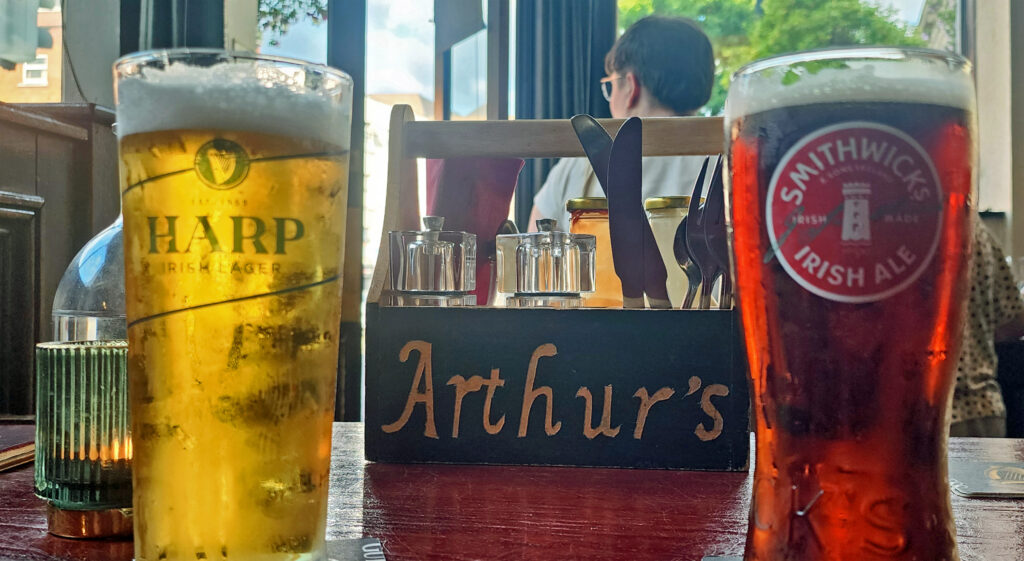
Temple Bar isn’t a truly Irish experience, but get even a little way off the beaten track and you can find a more authentic Irish Pub without much difficulty. Ryan’s, just west of Iveagh Gardens and St. Steven’s Green on Camden Street Lower, was one of two pubs that we took refuge from thunderstorms in on our last day in Dublin. I’m not sure what percentage of the patrons were locals, but they’ve been serving beer there since 1882. You can find a similar bar almost anywhere in Dublin.
Sports
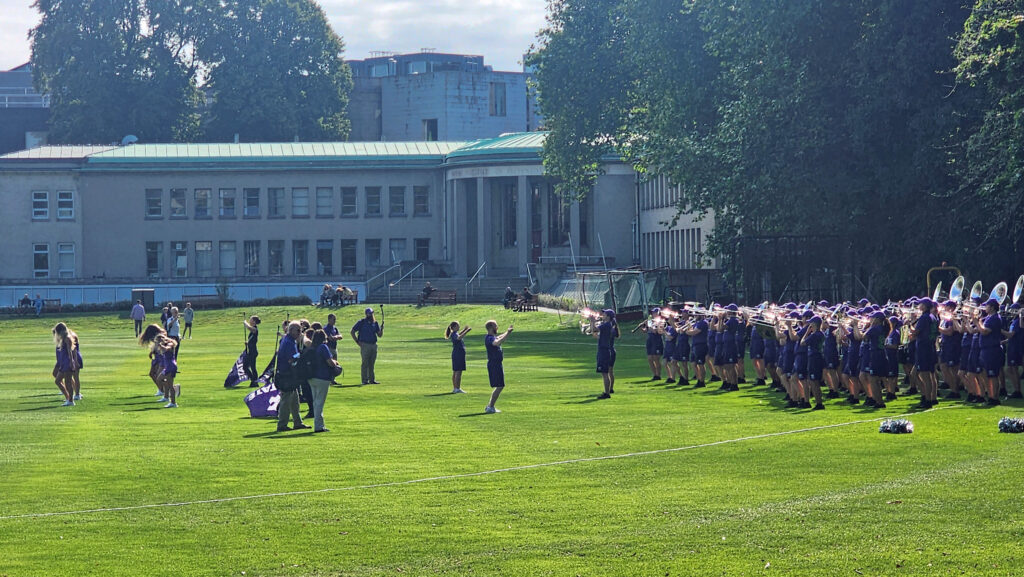
Sports are an important aspect of Irish culture, although probably not to the traveler, so I won’t get into that here except for one slightly weird note on our visit. While exploring Trinity College, we came across a marching band, complete with cheerleaders, rehearsing on an athletic field. I thought it odd that Trinity College would have such a stereotypically American thing, but didn’t give it much more thought. But a few hours later we came across the same group performing in a nearby square. Turns out that it wasn’t the Trinity College Band, it was the Kansas State University Band. They were there because Kansas State and Iowa State were opening the college football season the next day – in Dublin. We came 5000 miles to immerse ourselves in Irish culture and smacked into an outbreak of pure Americana. Small world, I guess.
Conclusion
We had a great time on our visit, and while our interests and your interests may not be the same, I think I can truthfully say that you will find Dublin to be an interesting and worthwhile place to visit, regardless of where your interests lie. It’s a cliché to say that there’s something there for everyone to enjoy, but I think Dublin is one place where it may literally be true. If a visit to Dublin is on your bucket list, go sooner rather than later. And if it’s not already, you should consider adding it. You won’t be disappointed.
Posted November 3, 2025
All photos © Alan K. Lee, except the Book of Kells photo