by Alan K. Lee
Introduction
In August 2026 my wife and I went on a tour of Scandinavia. According to Ancestry, my heritage is almost totally Scandinavian. All four of my grandparents were born there, but I had never visited. So, the trip was very interesting to me. One of our stops was Bergen, Norway, and we also took a day trip to the small village of Televag.
Bergen
Bergen is the second largest city in Norway with a population just under 300,000. It’s also the closest big city to where my maternal grandfather was born and raised. Like most European cities, Bergen has a long history, dwarfing anything we have in the U.S. The city was founded in 1070, making it almost 1000 years old. Bergen served as Norway’s capital in the 13th century and was Norway’s largest city until the 1830s.
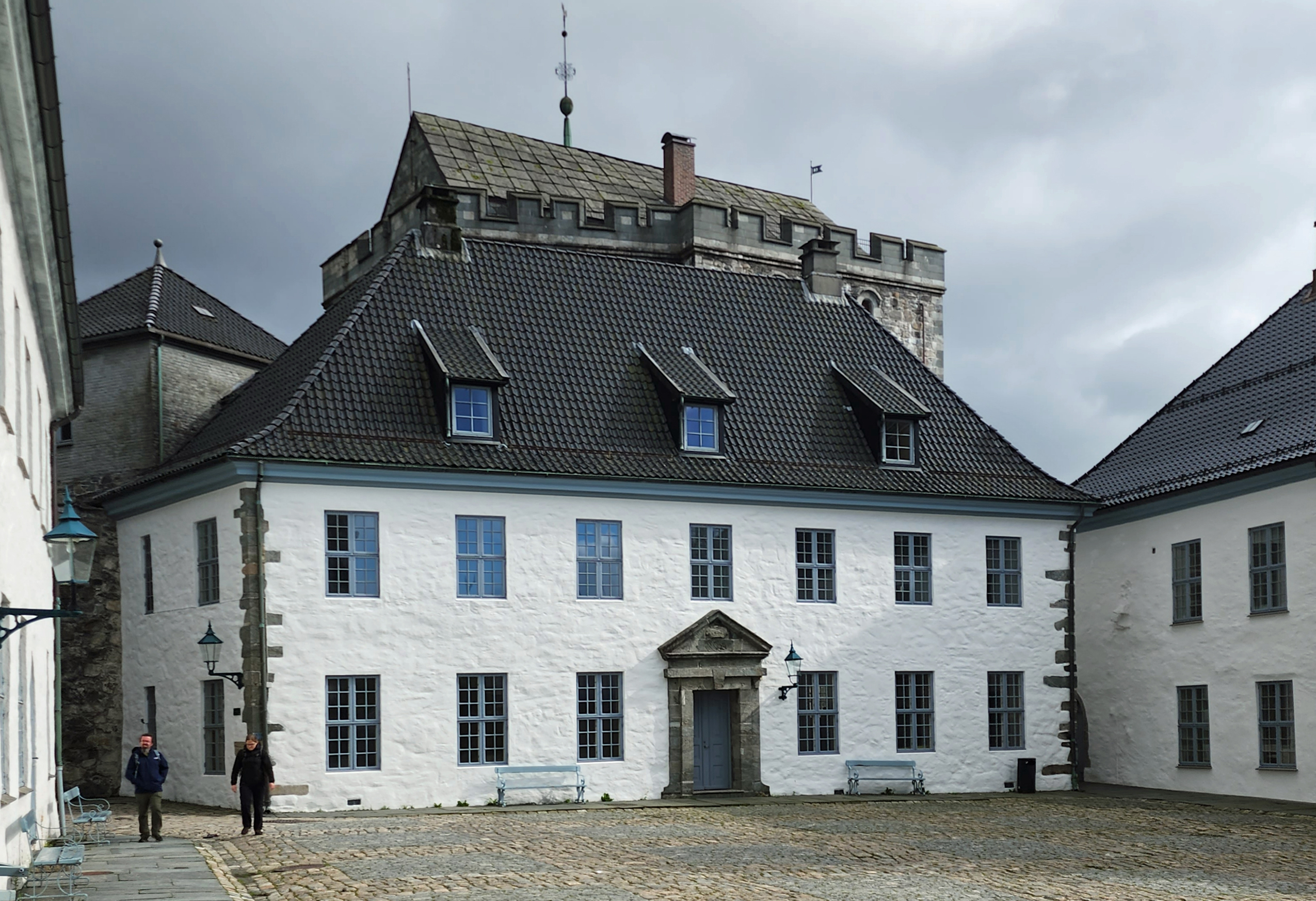
Our hotel was located next to the Bergenhus Fortress, so that was the first place we visited after checking in to the hotel. The site of what is now the fortress was originally the royal residence. It also originally housed a cathedral, several churches, a Dominican monastery, and the bishop’s residence. The site was converted to a military complex in the 16th century.
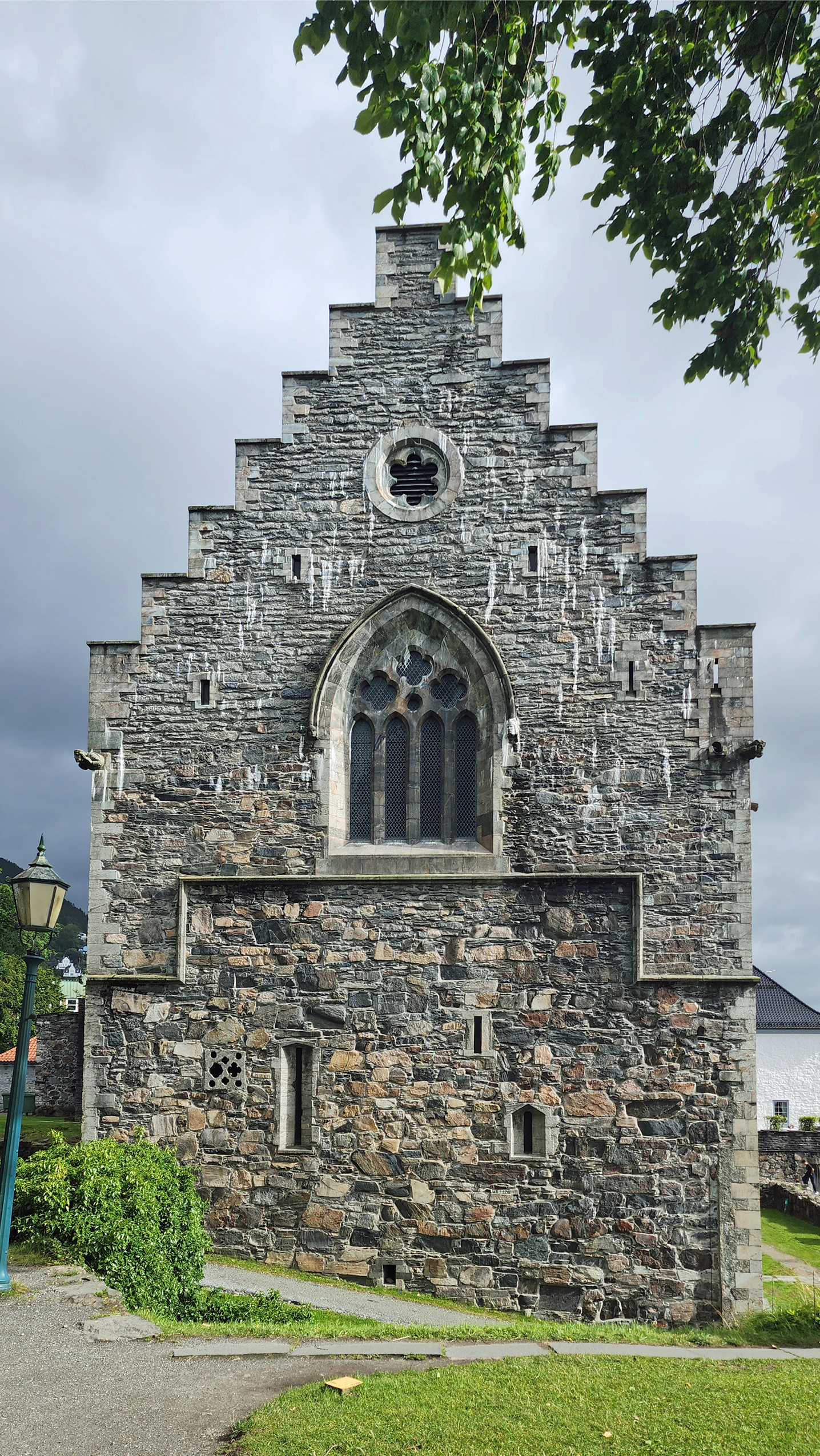
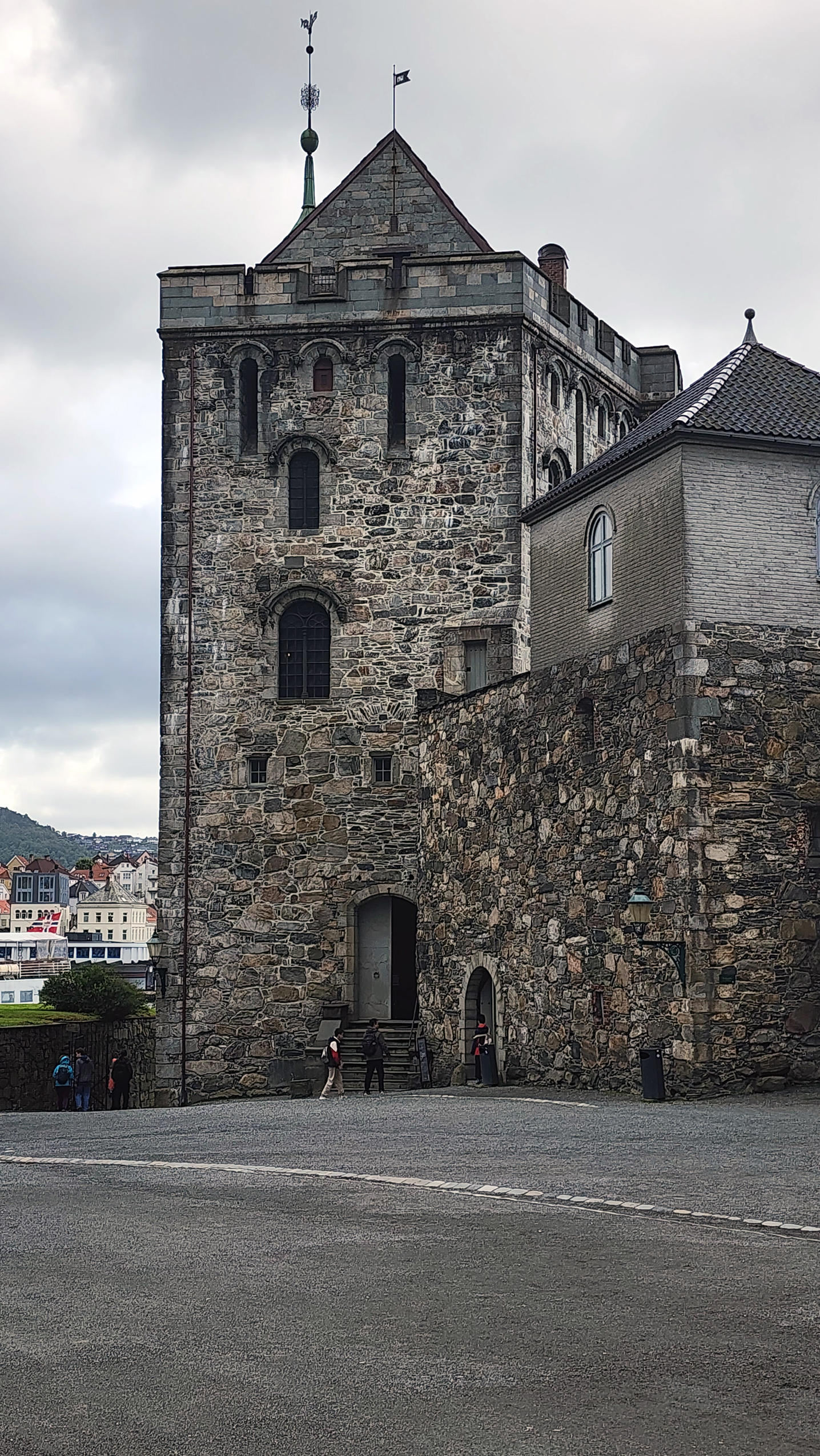
The oldest existing structures of the fortress date from the 13th century. Haakon’s Hall was built c. 1260 and the oldest section of the Rosenkrantz Tower was built about a decade later. The tower was expanded to its present size in the 16th century. The newest structures were constructed during World War II.
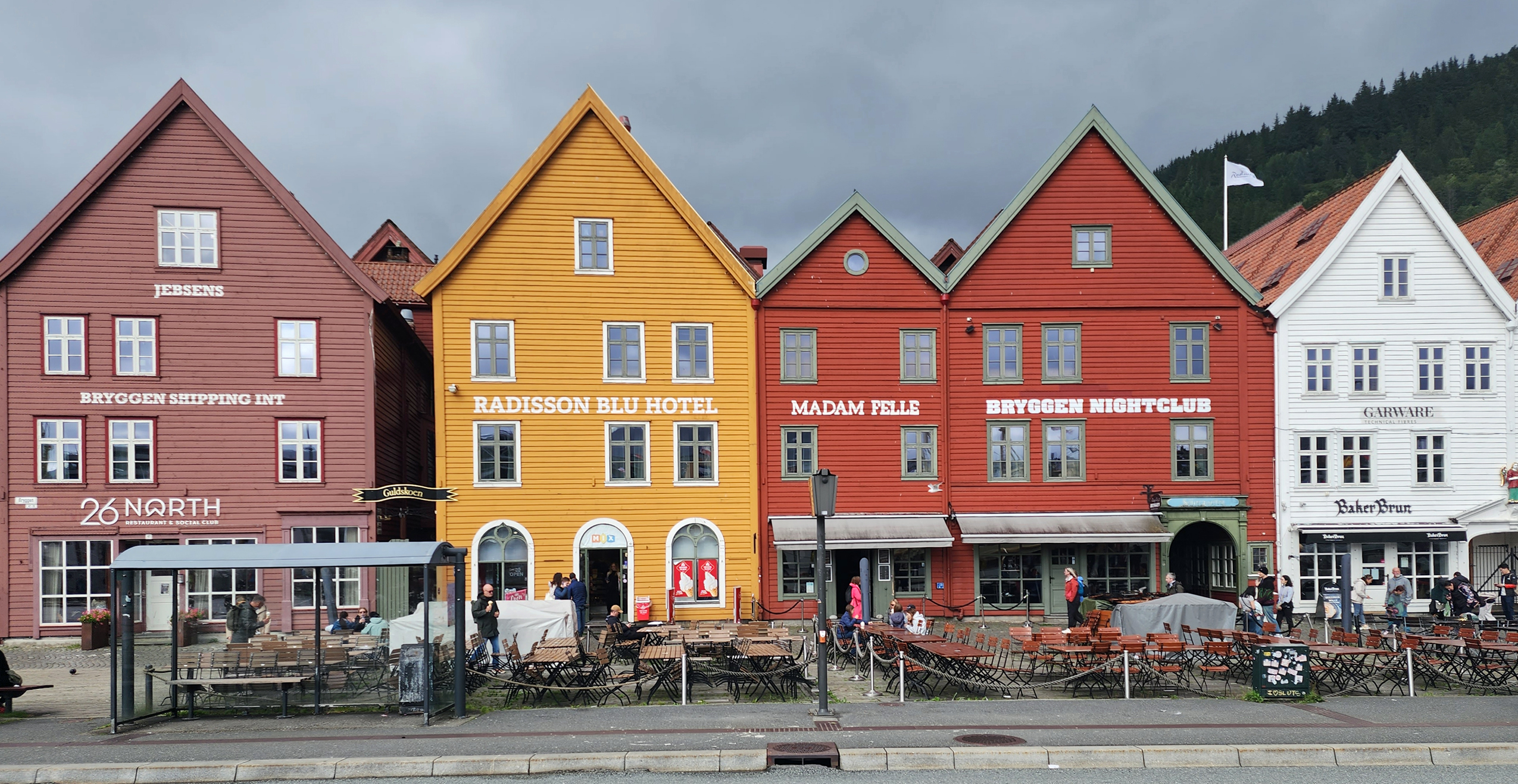
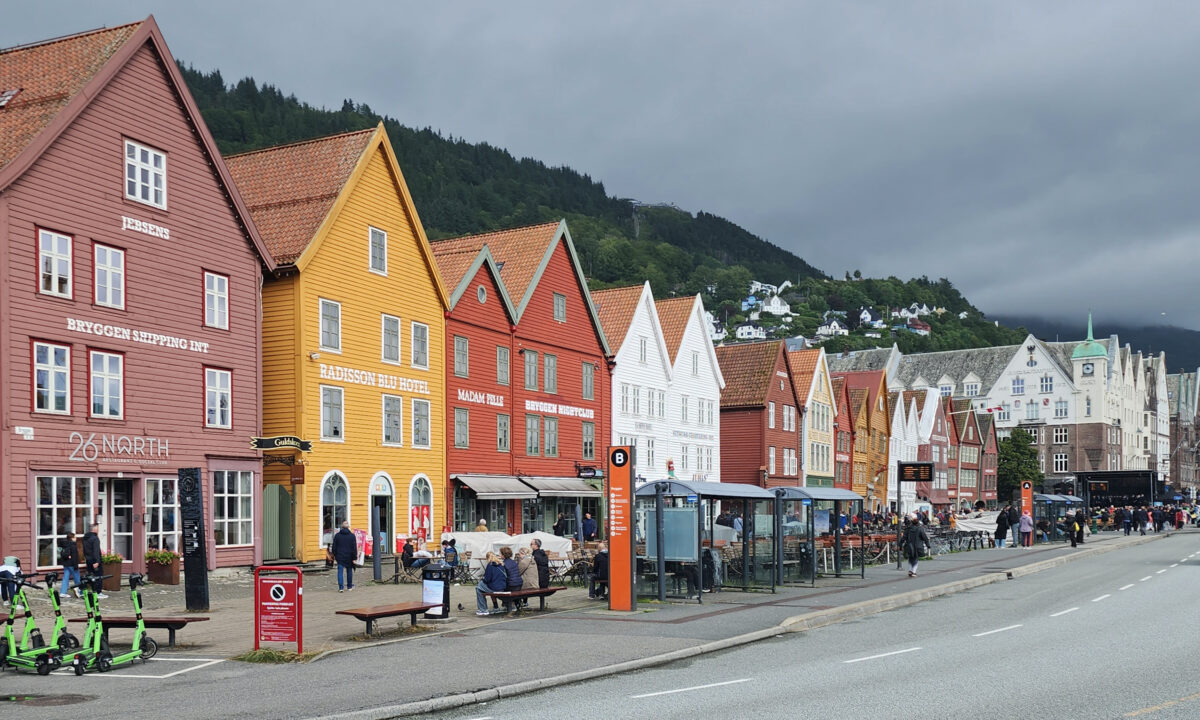
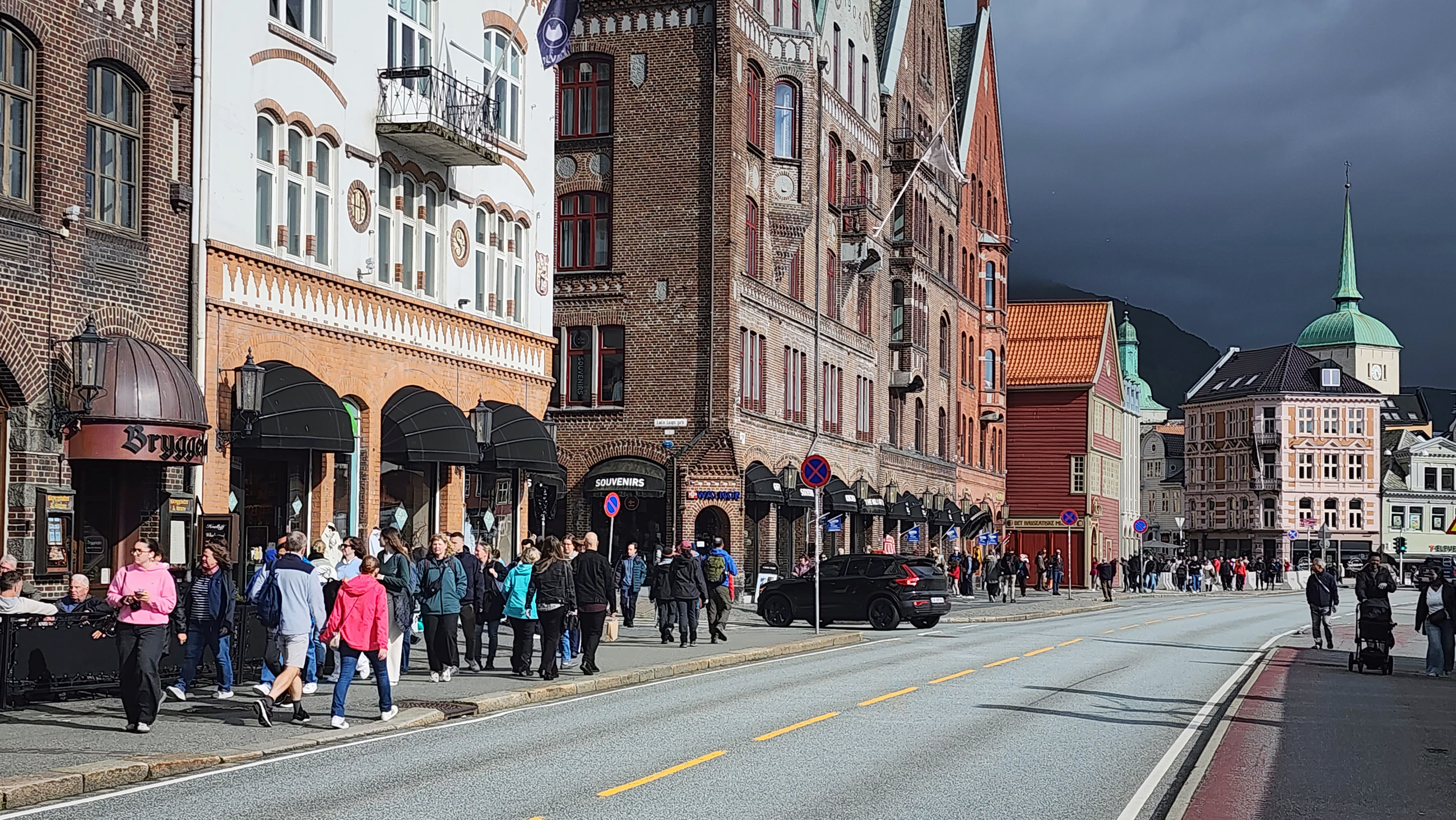
Our hotel was also close to Bryggen, the section of the city around the harbor that was a maritime center of trade in the Middle Ages. Some of Bryggen’s colorful buildings date to the early 18th century, but most are newer. Fire has repeatedly destroyed parts of Bryggen, so few original buildings survive. But some of the less ancient buildings are built on foundations that have been dated to as early as the 1500s. Bryggen was named a UNESCO World Heritage site in 1979.
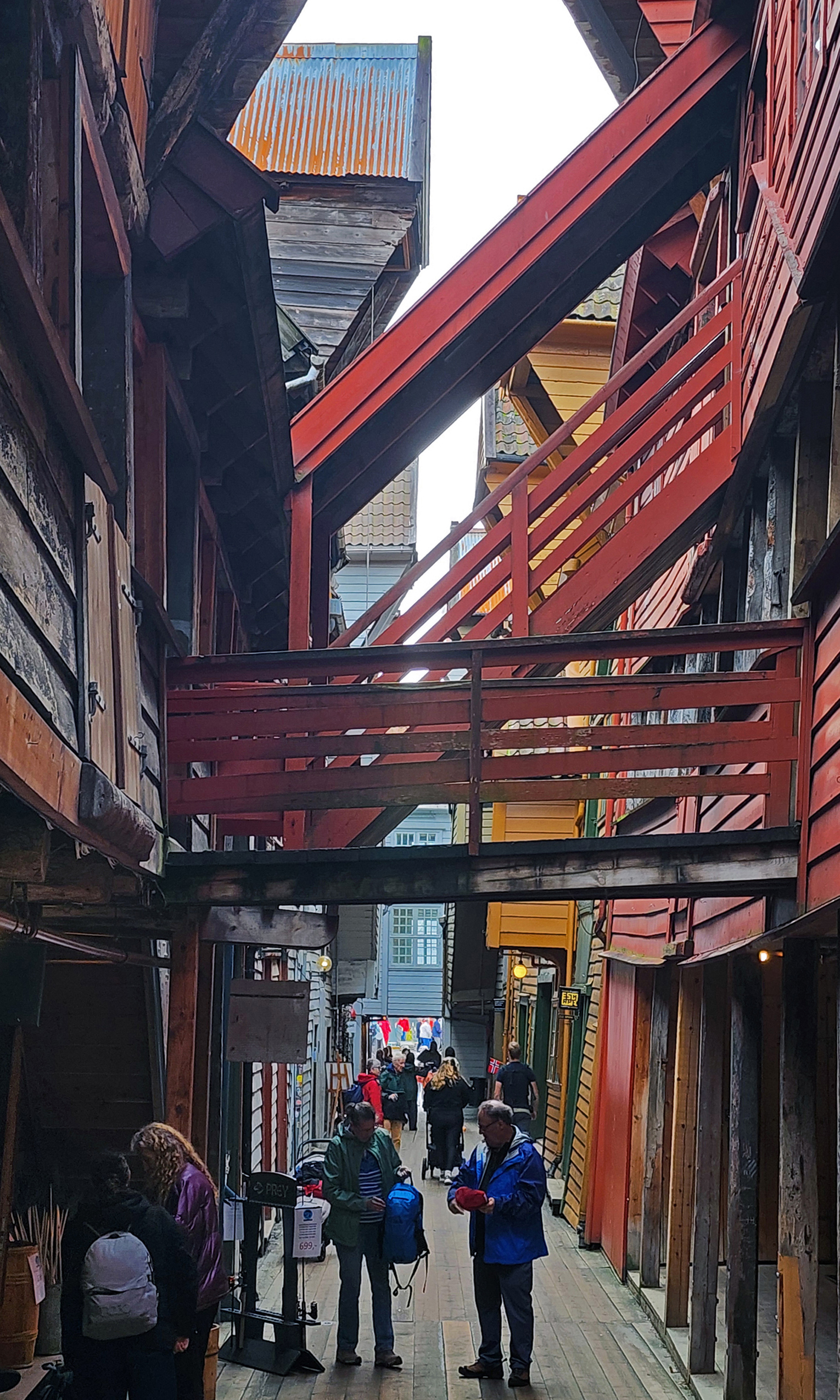
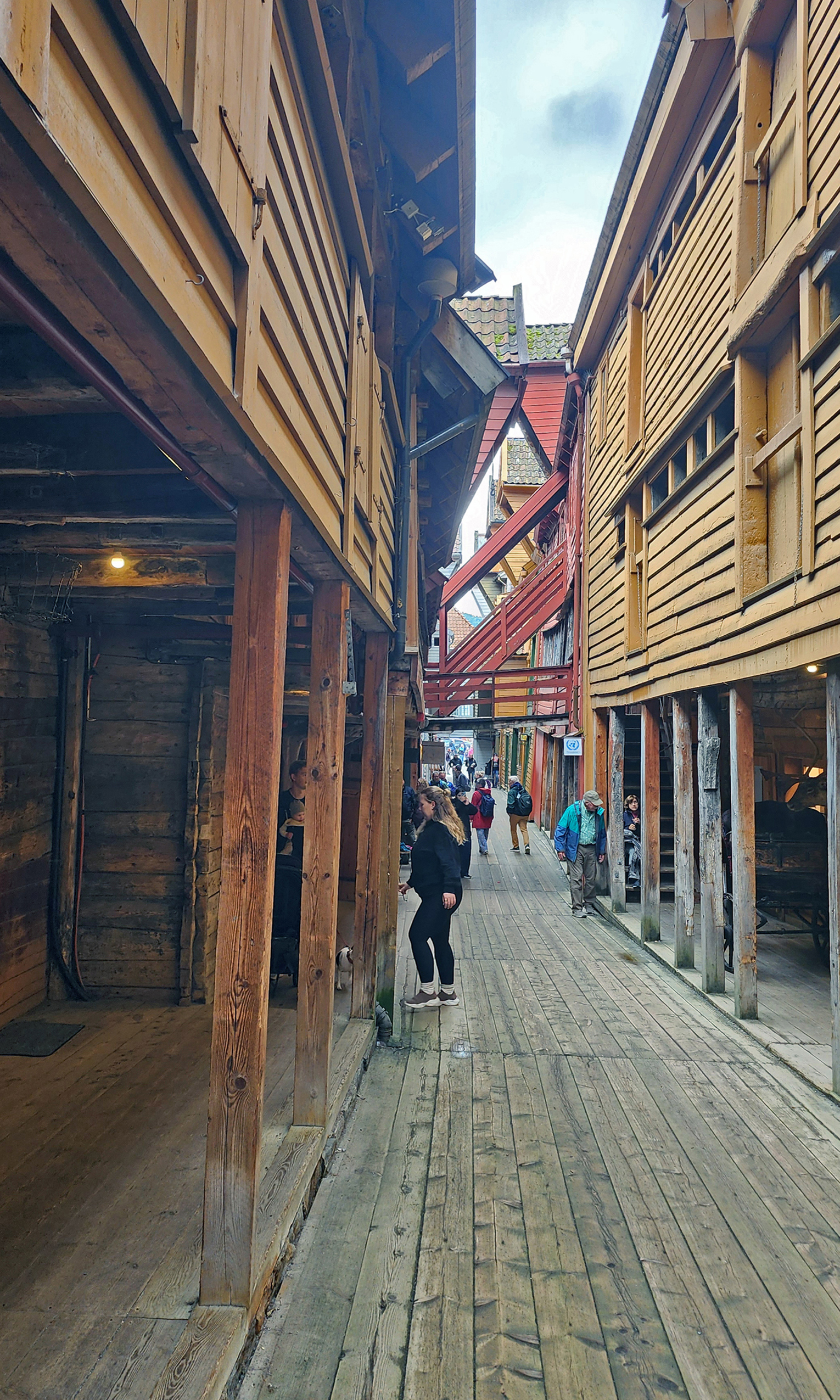
Bryggen is interesting enough to warrant spending an hour or two exploring the old buildings and the waterfront. Many of the ships docked along the waterfront house restaurants and bars, as do many of the colorful waterfront buildings, so it’s also a good area to relax and linger for a while.
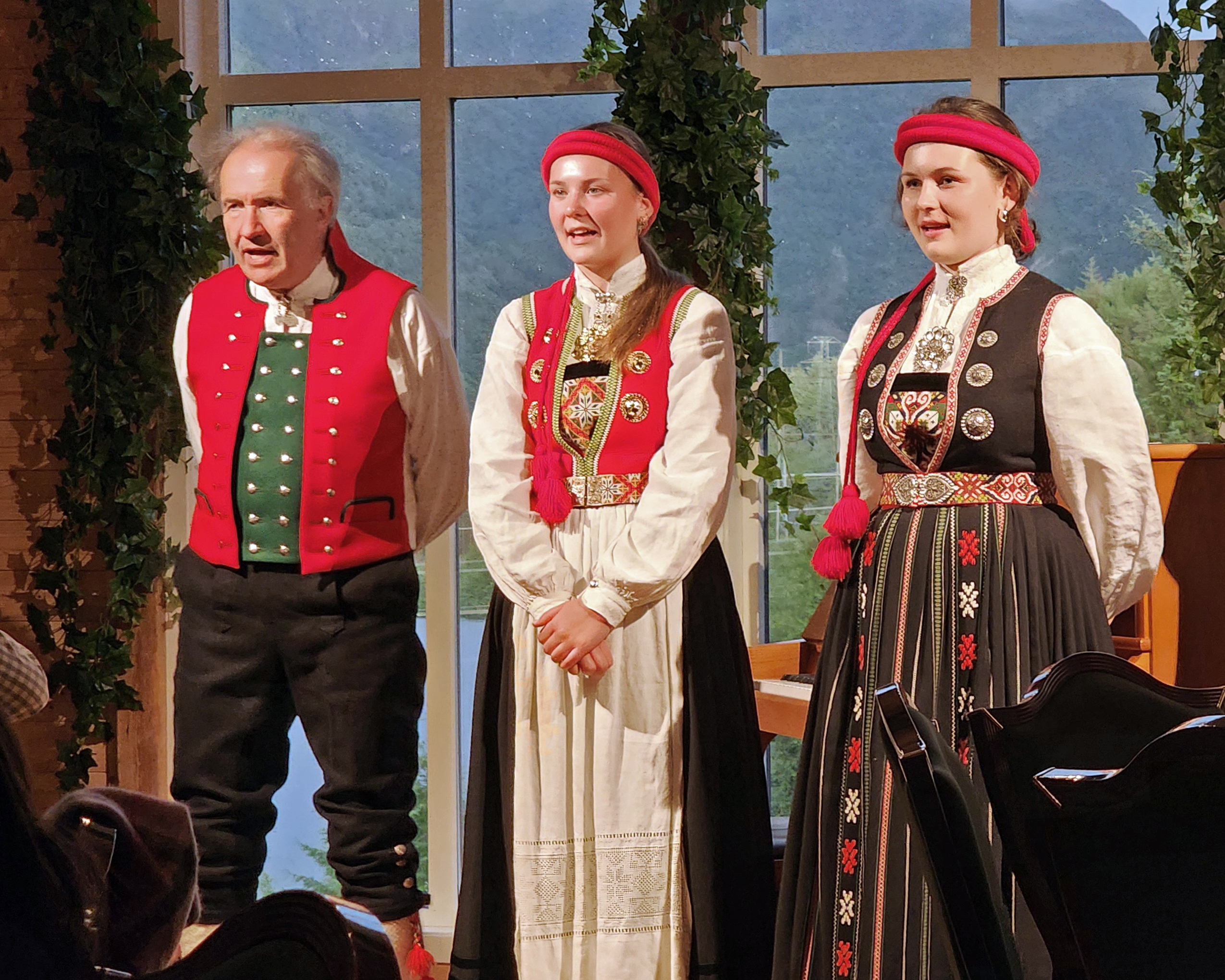
On one evening our tour group was treated to a dinner at Oure-Eide Gard, a local family run agritourism business and farm that has been in existence for nearly 500 years. We were given a tour of the farm and, in addition to a very nice dinner, we were entertained with traditional Norwegian music by the farm owner and his family.
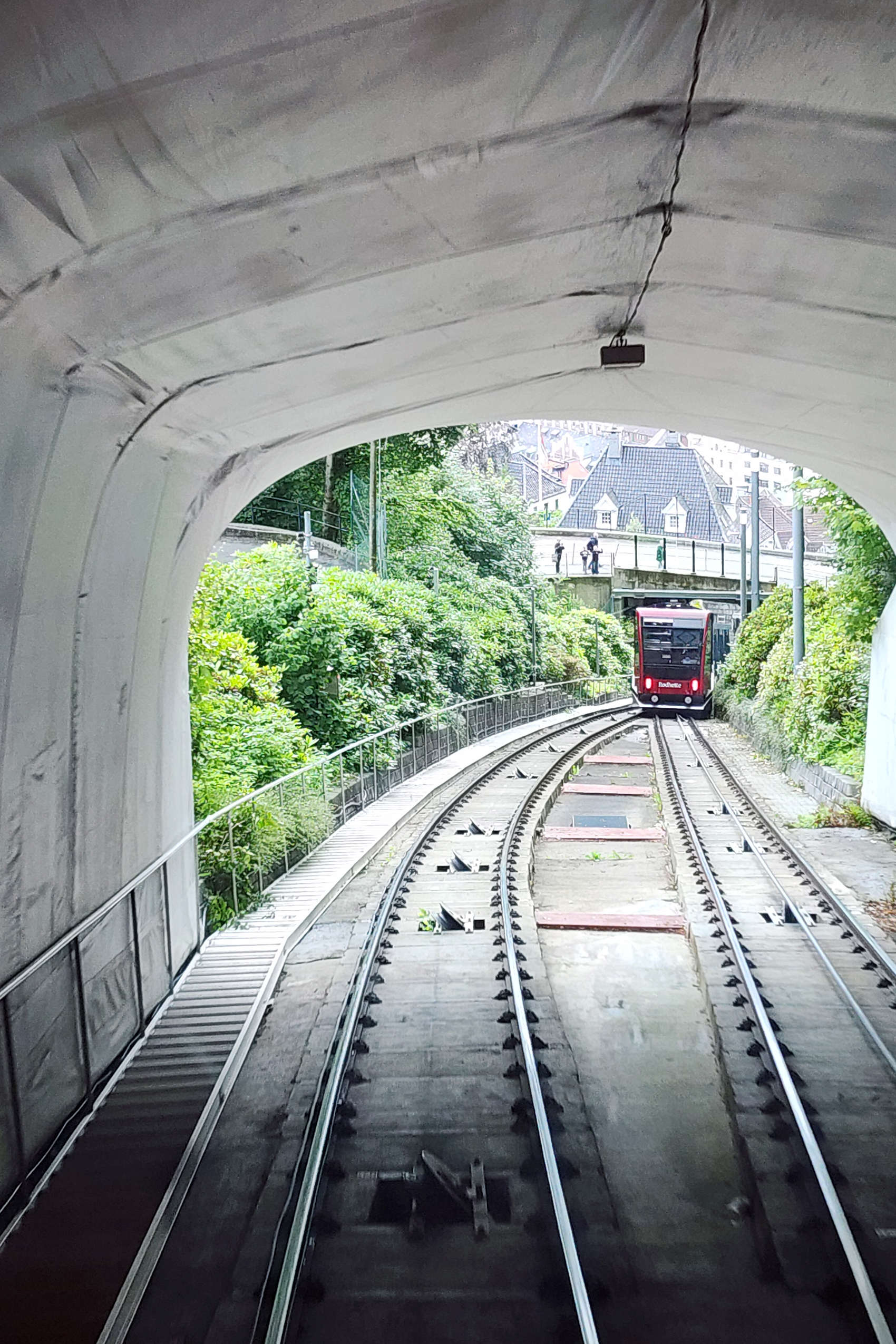
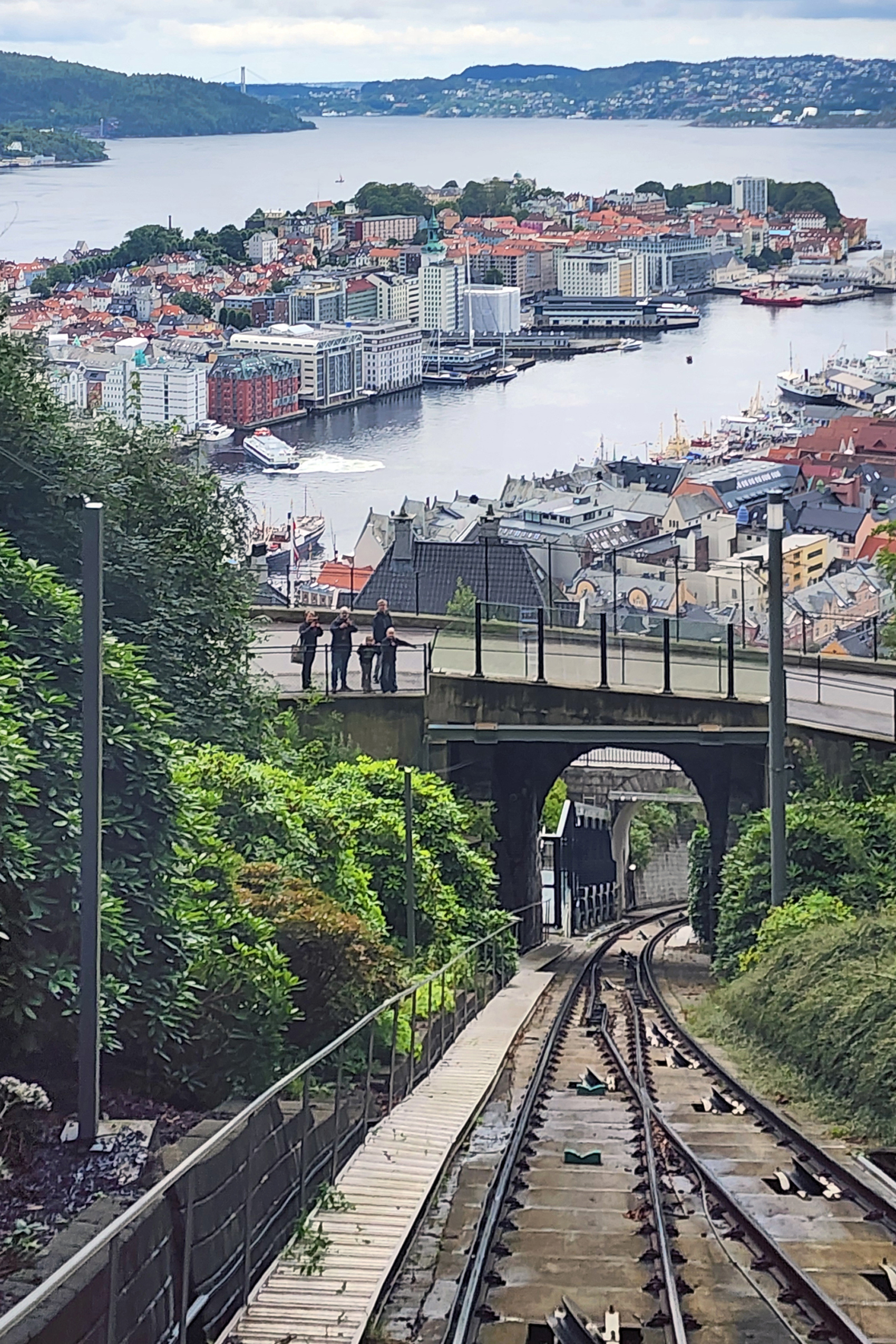
One of the things that every visitor to Bergen should do is ride the Floibanen funicular. It’s billed as the steepest funicular in Europe. It’s fun to ride, especially if you can snag a seat at the lower end of the car, and the views from the top are spectacular.
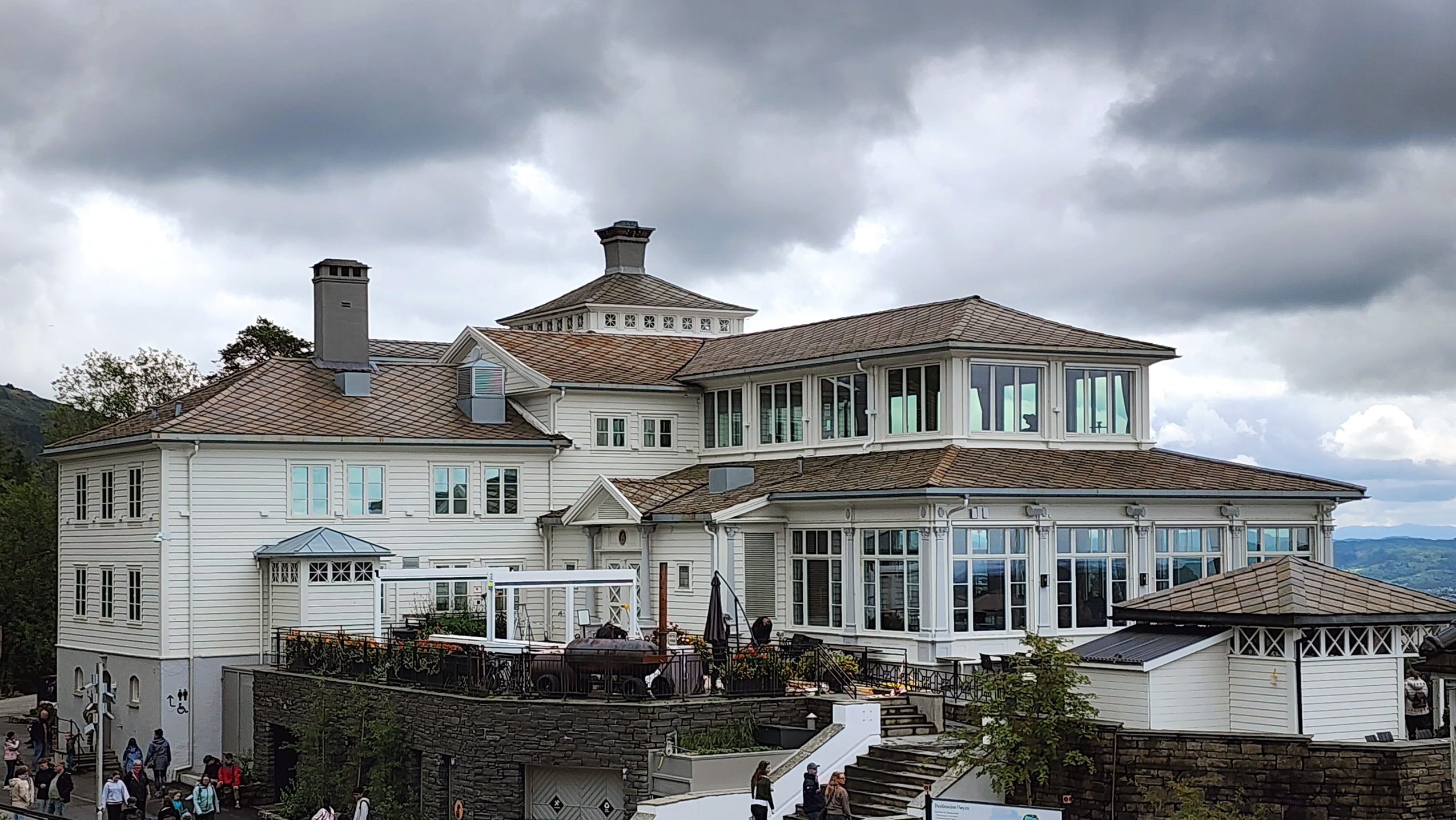
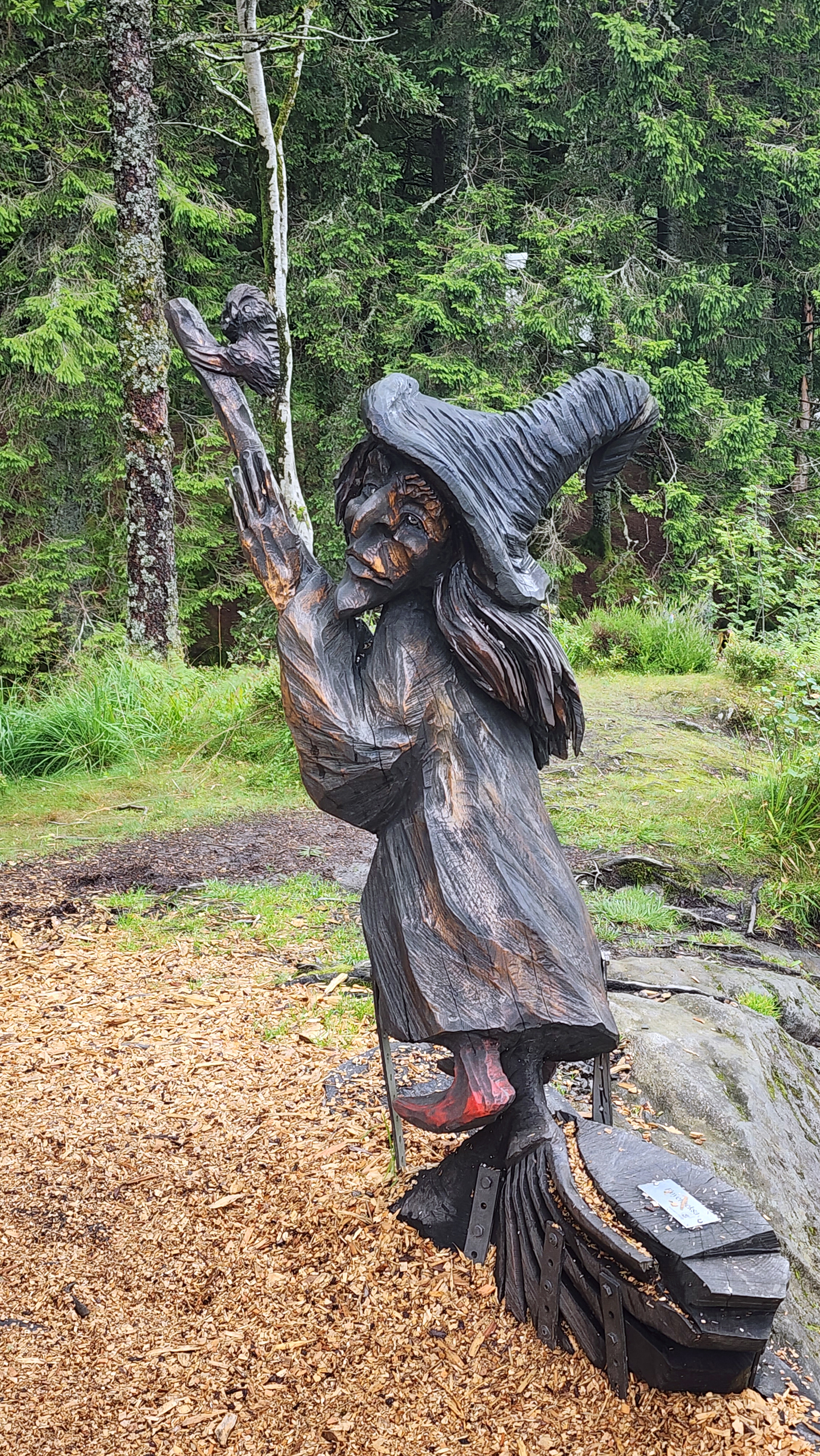
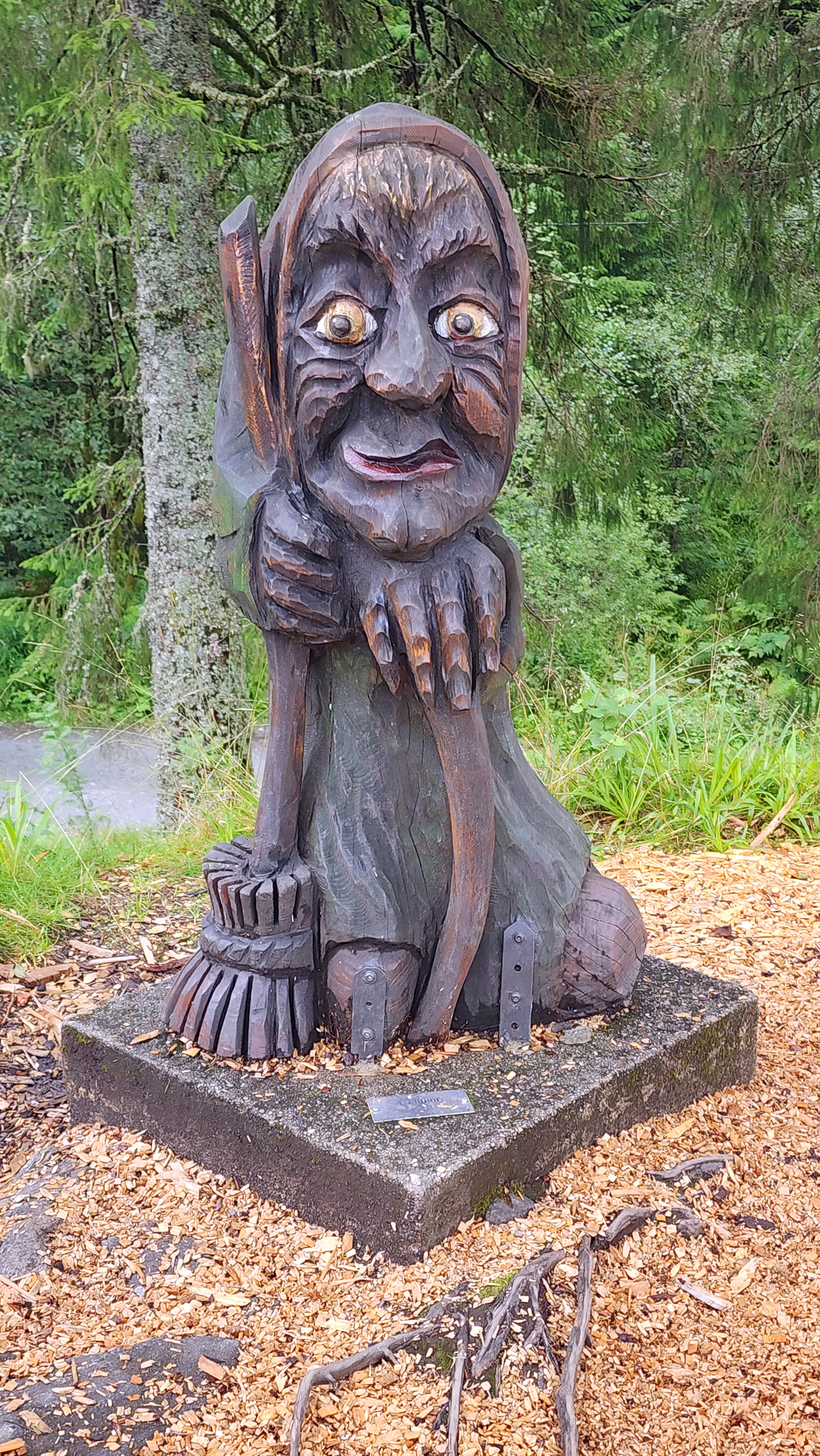
The upper station at Floyen features a large restaurant, a children’s playground, many troll sculptures and other fantastical wood carvings, a few tame goats wandering freely, and hiking trails leading further up the mountain.
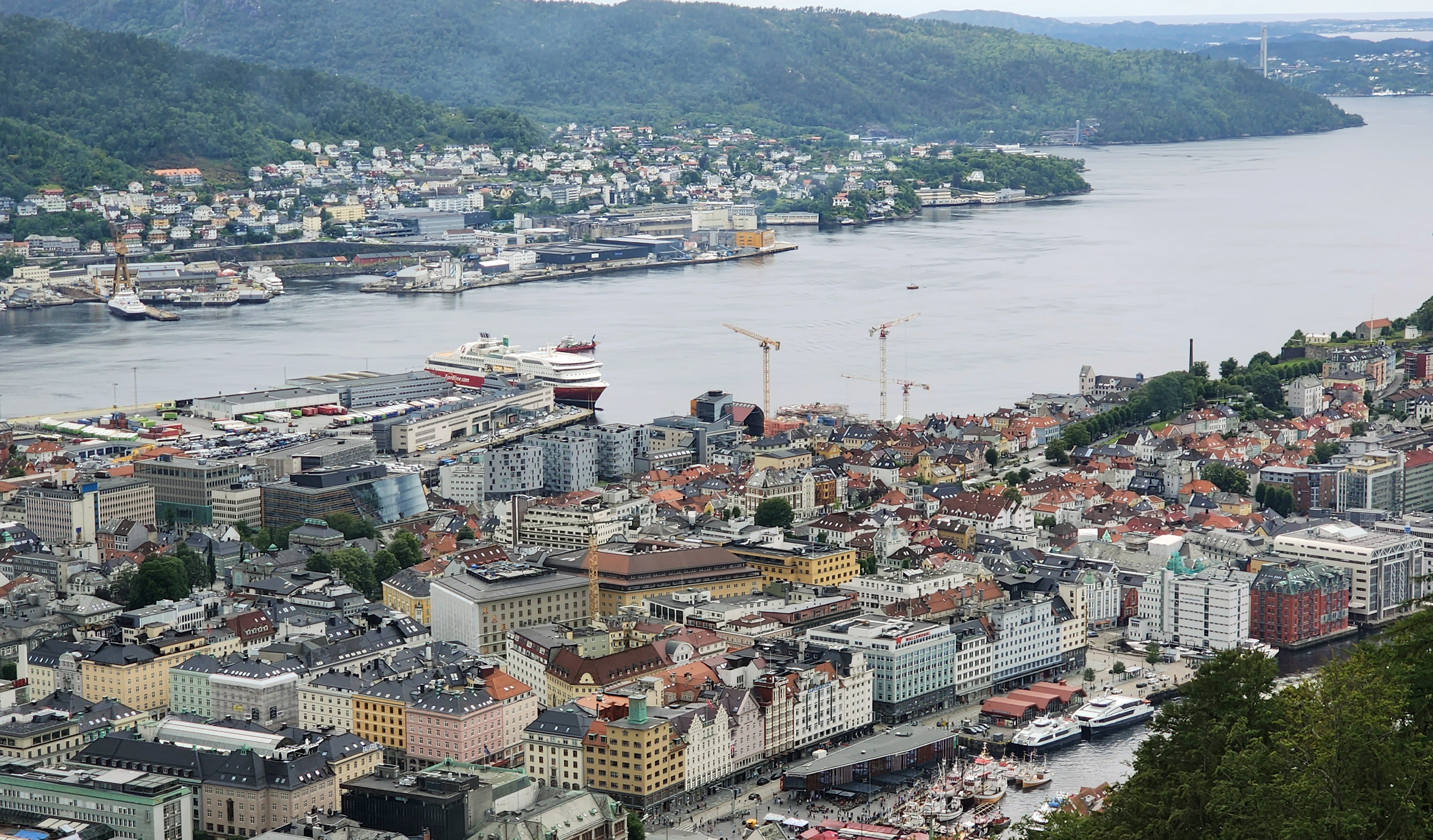
You can also hike up to the upper station from the waterfront if you have the legs for it, but the funicular is, of course, easier, is well worth the cost of a ticket, and is an attraction in and of itself. If you have time, the hike down to Bryggen might be worth your while, though.
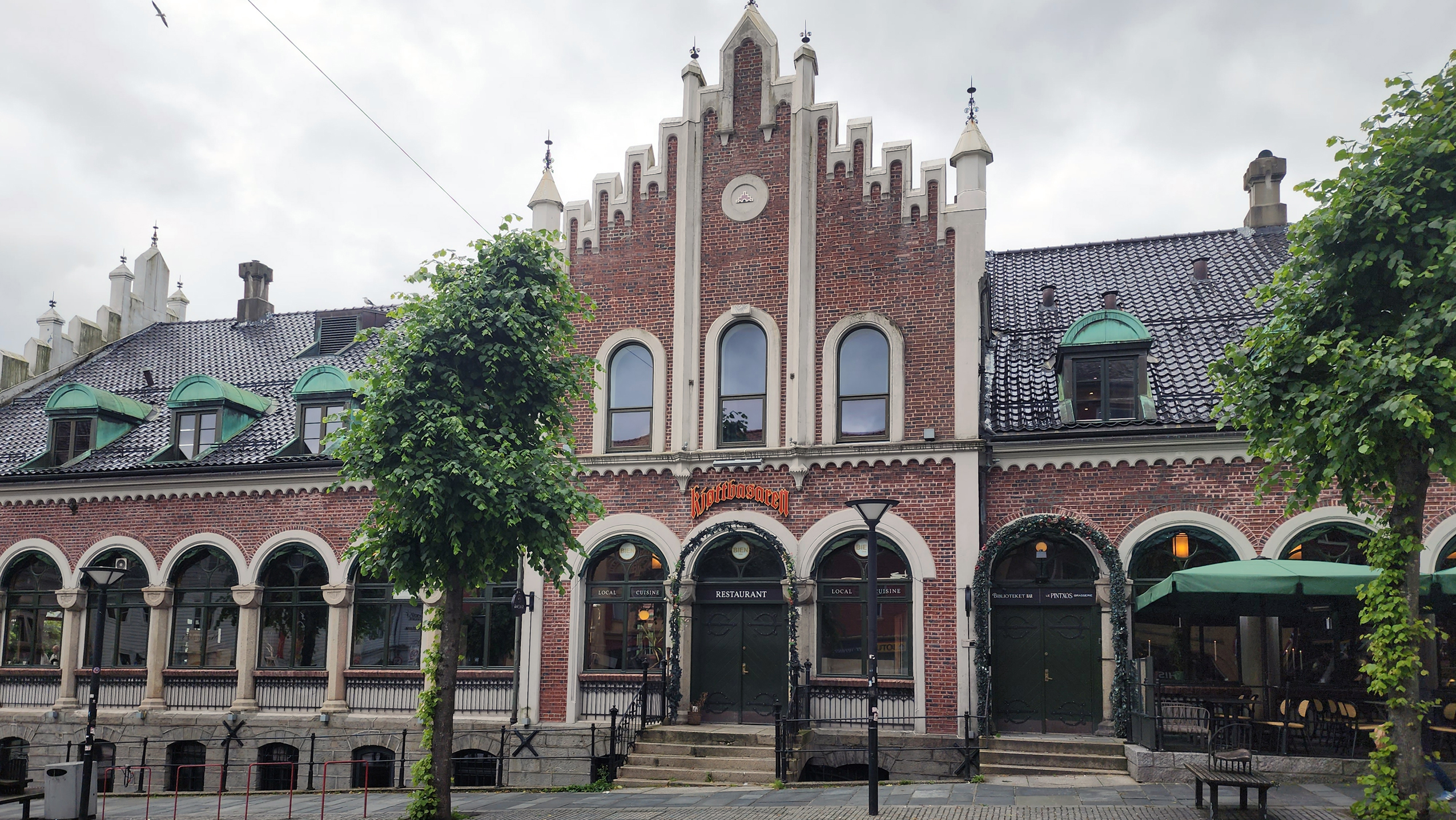
Bergen also has a number of museums and art galleries that we did not have time to visit. Some of the museums that we would have visited if we had the time include the Hanseatic Museum, the Bryggens Museum, and the Troll Museum. Prominent art galleries include DMG Gallery, Hugleik Bryggen, and Galleri Marianne Skjelbred. But all those will have to wait for a future visit.
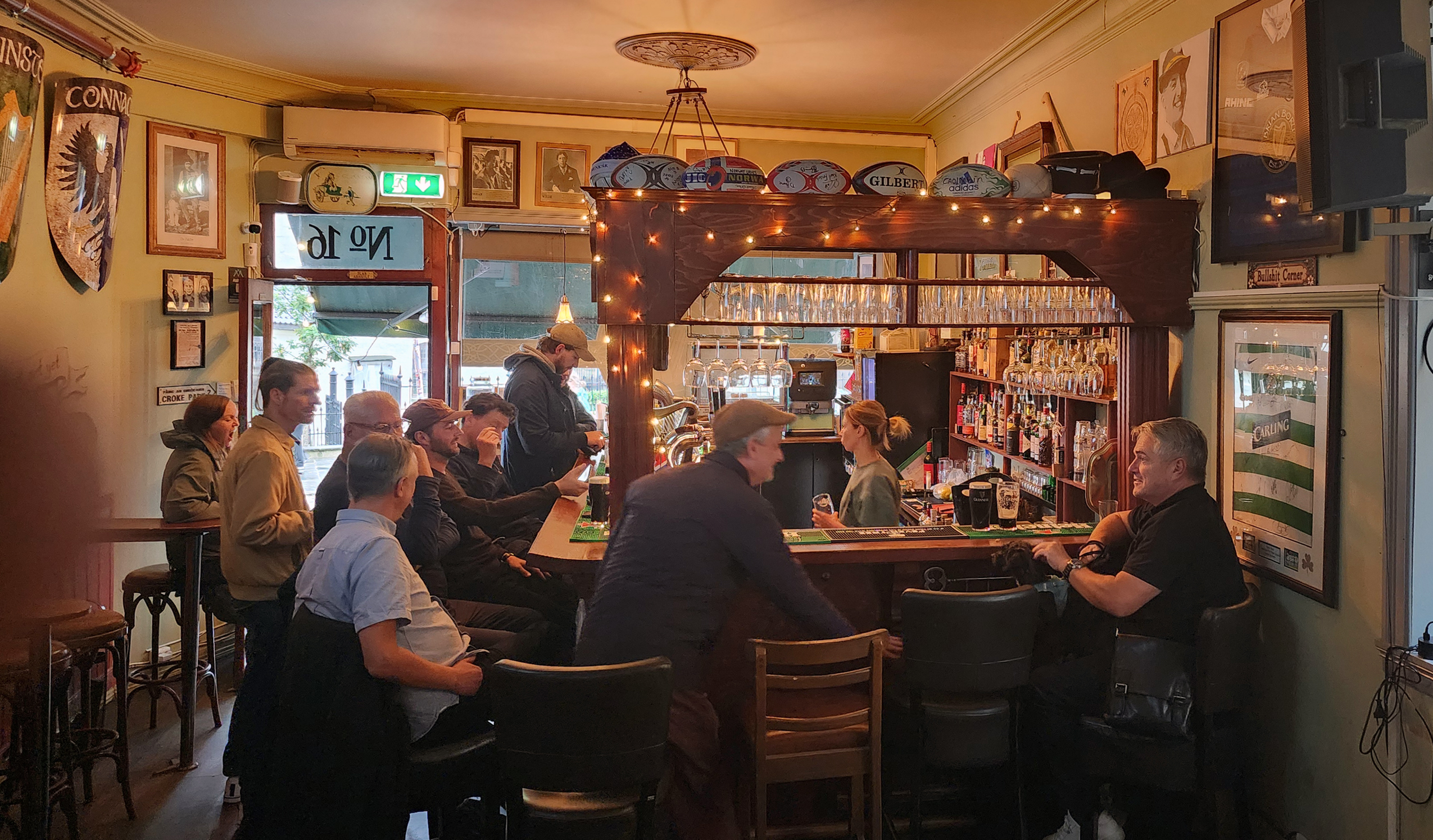
On our last evening in Bergen we found a traditional Irish pub, Brian Boru, in Bryggen where we had dinner and downed a pint or two. Although we came to Norway to experience Scandinavian culture, a bit of Irish pub culture is always welcome.
Televag
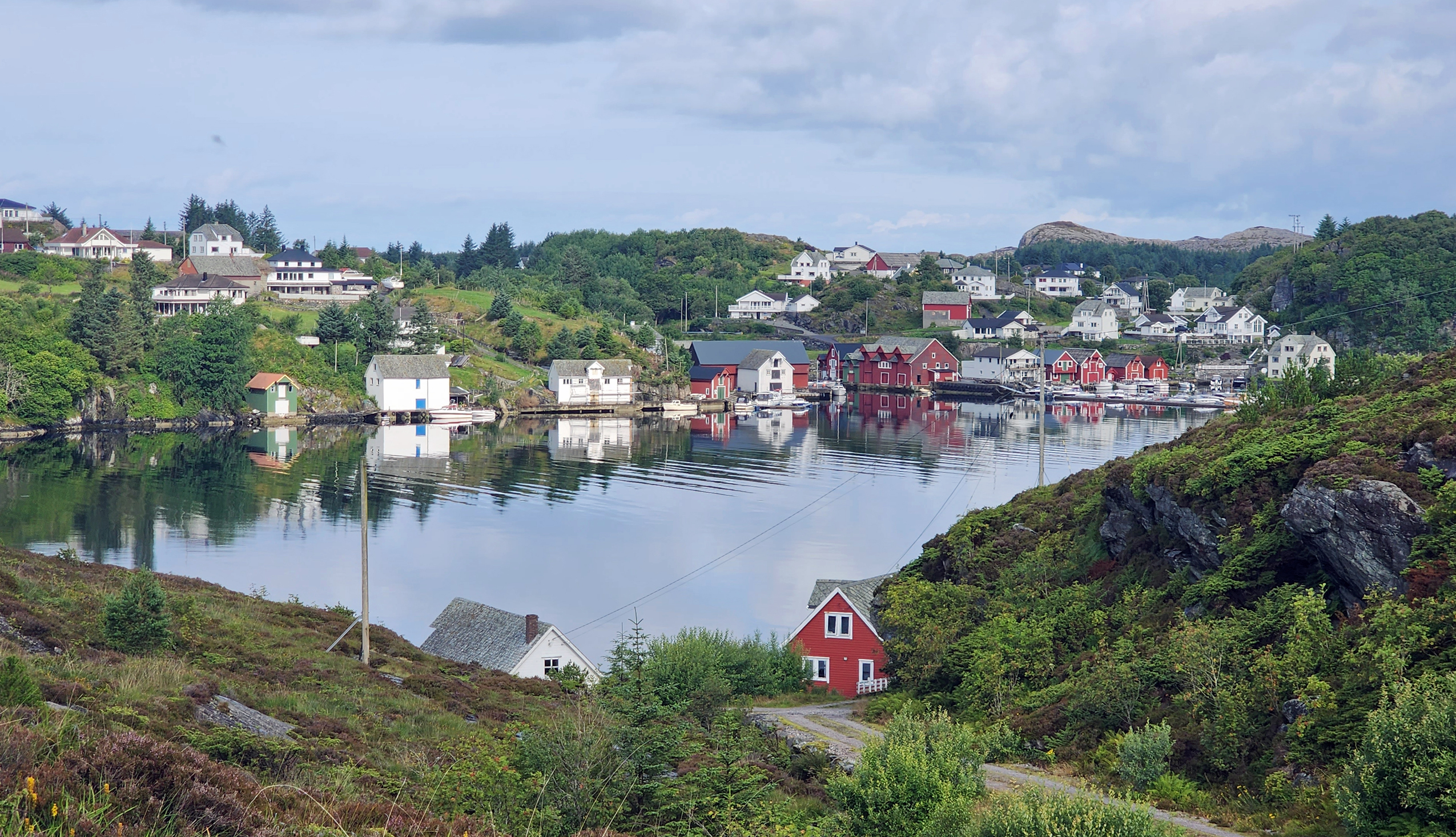
Our group took a day trip from Bergen to the small town of Televag, located on Sotra Island about 25 miles (40 km) southwest of Bergen. It’s a beautiful little town with a very picturesque harbor. There, we visited the North Sea Maritime Museum (Nordsjofartmuseet) where we learned of the Televag tragedy.
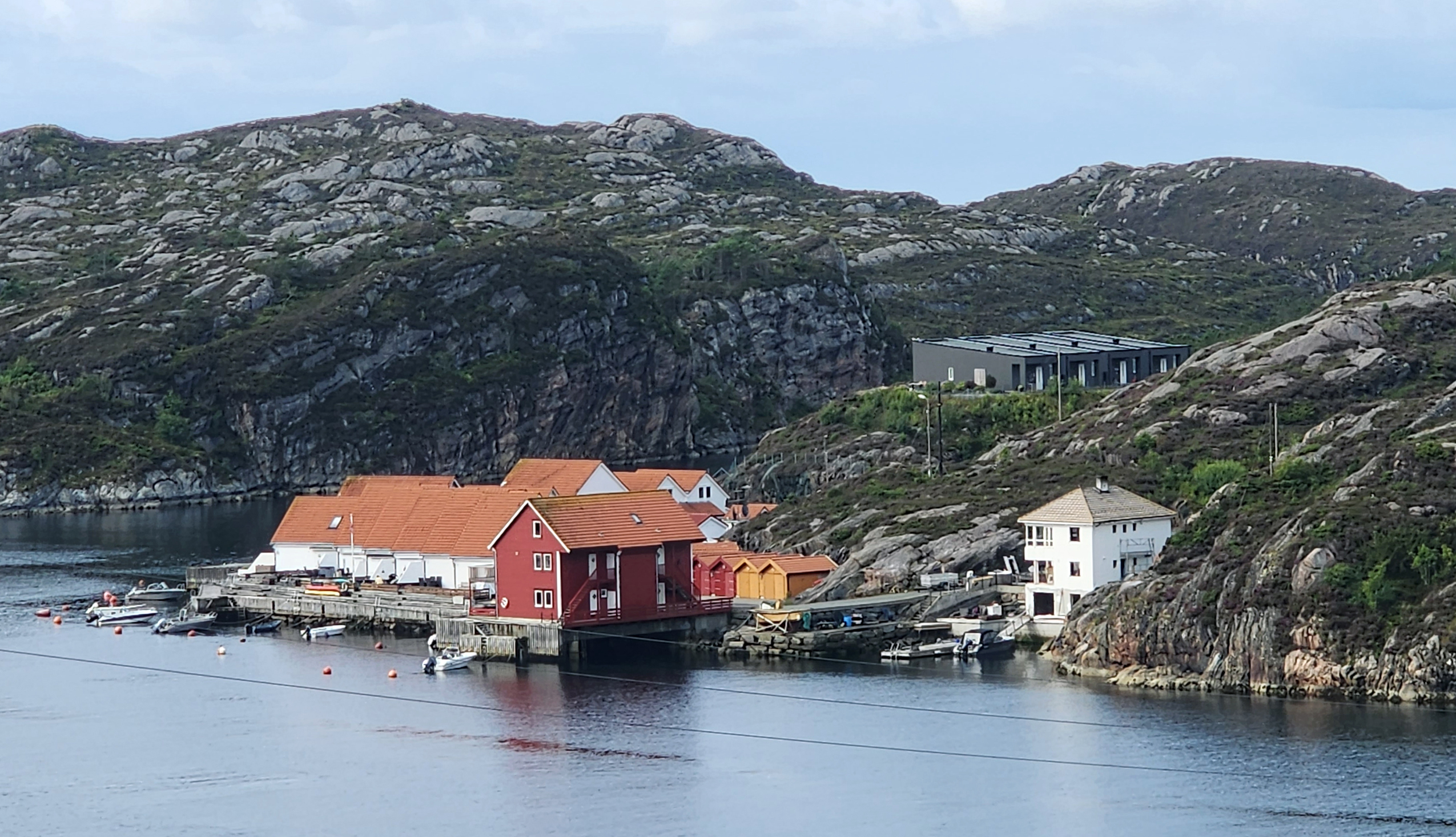
Televag played a significant role, and paid a significant price, in the Norwegian people’s resistance to the Nazi occupation during World War II. Televag’s harbor is one of the closest to the Shetland Islands and was used to transport people and materials in fishing boats in the dead of night between Norway and the United Kingdom, in defiance of the Nazis.
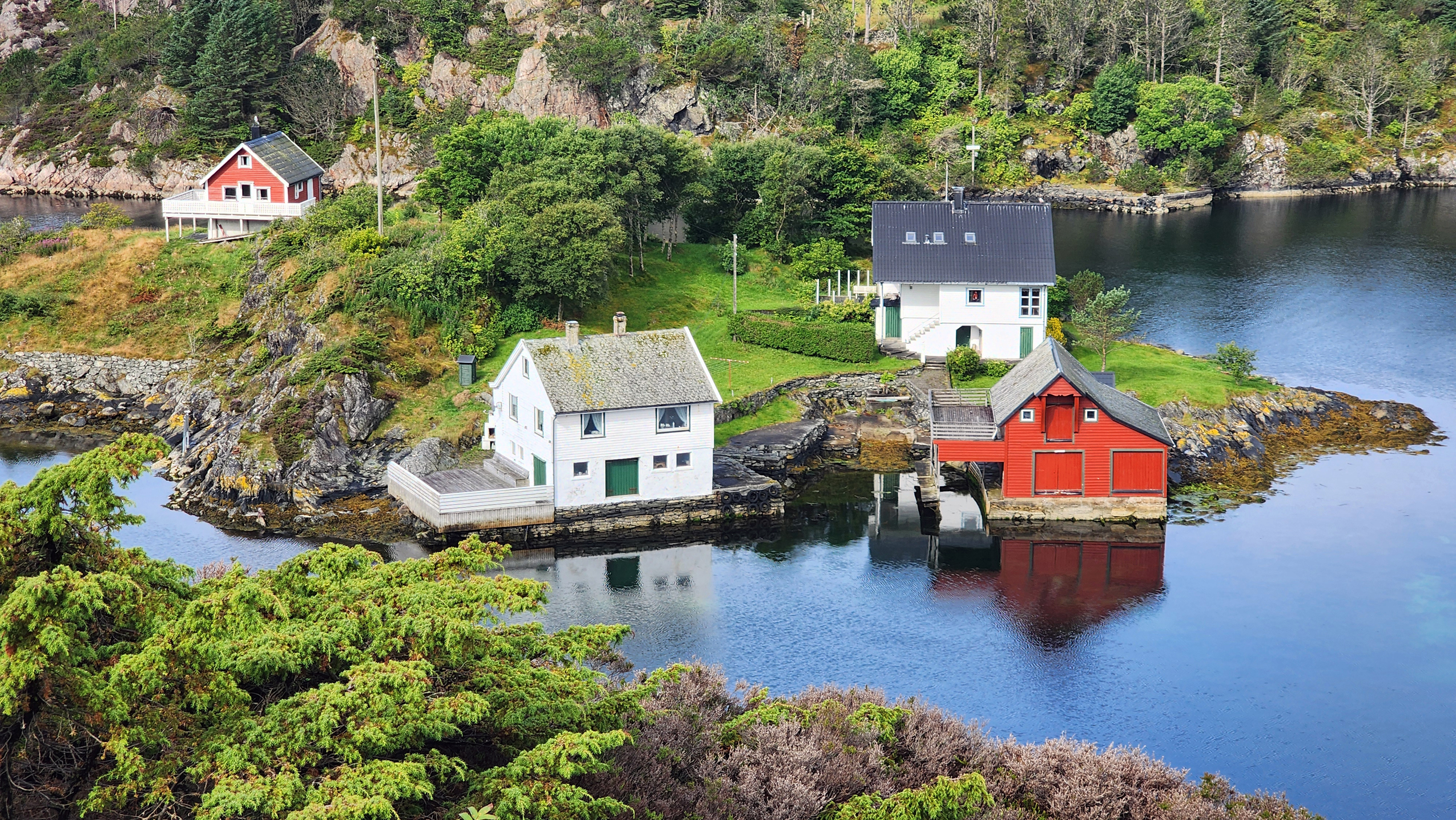
In April 1942 the Gestapo learned that two Norwegian military officers wanted by the Gestapo were hiding in Televag, awaiting transport to the UK. When the Gestapo arrived to arrest the two officers a gun battle erupted and two Gestapo officers were killed. In revenge, the Gestapo burned the town to the ground. All the men of the village were sent to Nazi concentration camps where many of them died. The women and children were all imprisoned for two years. Many families were never reunited.
Today, Televag is a small community of less than a 1000 people. But its history is important and its story should not be forgotten.
Conclusion
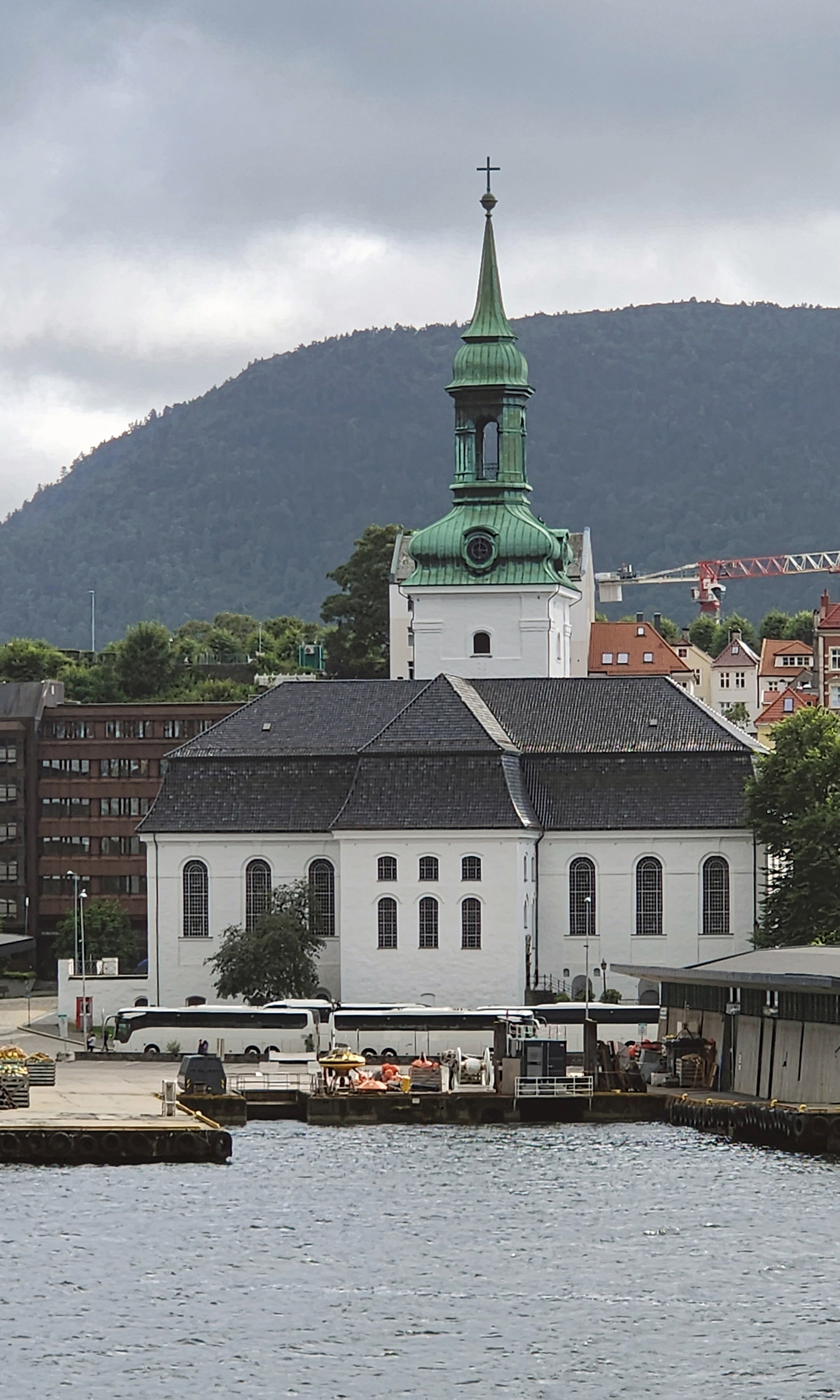
Bergen is a gem and well worth a visit. And Televag has an important story to tell that few people outside of Norway have heard. I’m very glad that we were able to visit both.
For more on our tour of Scandinavia, check out my posts on Copenhagen and Odense, Denmark. And posts on the Norwegian fjords and Stockholm will be coming soon.
Posted October 18, 2026
All photos © Alan K. Lee