By Alan K. Lee
Many of us that live in the Pacific Northwest have a connection of one kind or another to the state of Arizona. Many Northwest retirees, like my parents, become snowbirds, escaping the Northwest winters by spending the colder months in the sunnier and warmer climes of the desert Southwest. Others, like my brother, escape at an earlier age. Most of the rest of us have vacationed at least once in Arizona, or at least have dreamed of doing so. My wife and I have both lived in the Pacific Northwest all our lives, but we’ve made many trips to Arizona over the years. One of our favorite places is Frank Lloyd Wright’s Taliesin West.
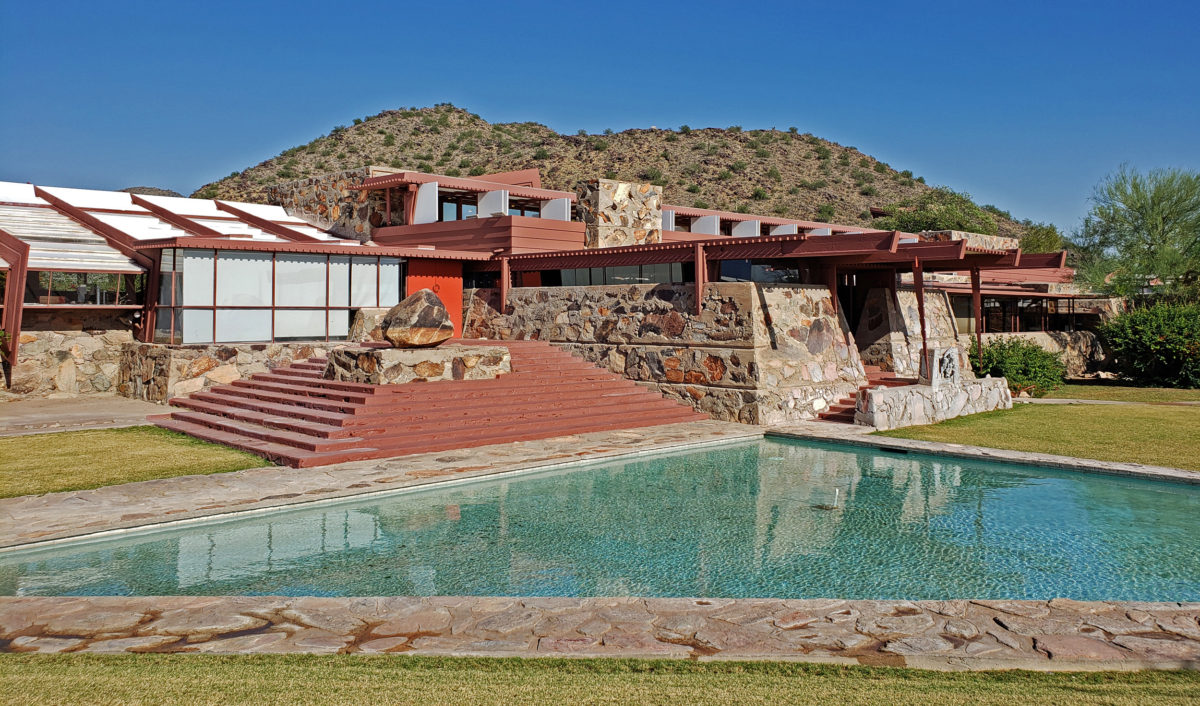
Taliesin West is one of Frank Lloyd Wright’s most iconic creations. Begun in the same year that Falling Water, arguably his greatest creation, was built, Taliesin West was Wright’s winter home for the last two decades of his life.
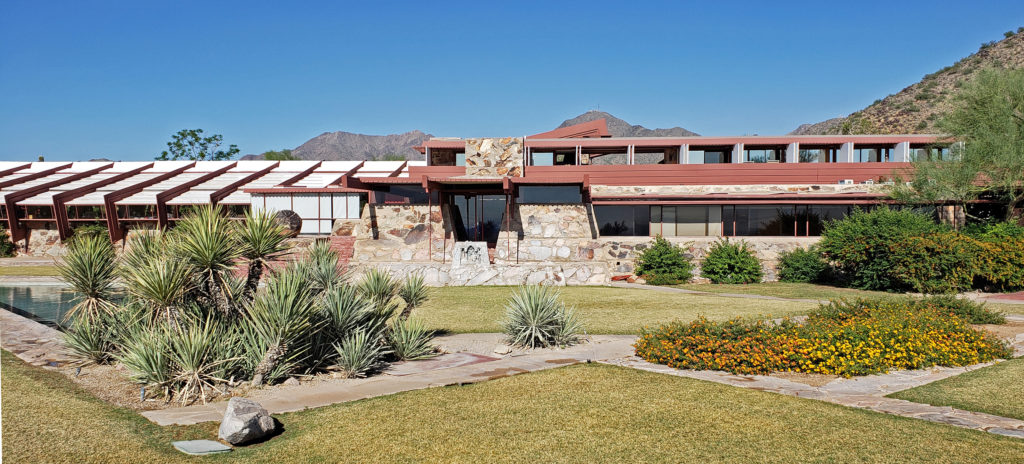
 Taliesin West was founded as the winter home for the Frank Lloyd Wright Fellowship, Wright’s school of architecture. It was always a school of architecture as well as Wright’s winter home. The Fellowship evolved into the Frank Lloyd Wright School of Architecture, which conducted classes at Taliesin West until 2020, when it separted from the Frank Lloyd Wright Foundation, changed its name to The School of Architecture, and moved its campus to Cosanti and Arcosanti, Arizona.
Wright’s designs and his design philosophy had a profound impact on American architecture. He is without question the most famous American architect, by a wide margin. Ask anyone to name an architect and almost all, if they can name any, will name Wright.
Wright first achieved fame shortly after the turn of the 20th century for his Prairie House residential designs, and he was always more interested in designing homes for people than structures for businesses or government agencies. During the Great Depression he designed a planned community that featured simple, affordable residences that he called Usonian homes. Although his planned community was never built, many Usonian homes were. One of those, the Gordon House, is now located at the Oregon Garden in Silverton, Oregon, not far from my home.

Over his long career, Wright designed more than 1100 structures, 532 of which were built. But as famous and influential as he was, for much of his career he received few commissions. In the 1920s he made most of his income from writing and lecturing, rather than from his designs.
In 1932 Wright formed the Taliesin Fellowship, an apprenticeship program that taught not just architectural design, but also construction and “farming, gardening, and cooking, and the study of nature, music, art, and dance” according to the Frank Lloyd Wright Foundation website.
The original Taliesin, in Spring Green, Wisconsin, was Wright’s primary residence for most of his life and also served as the campus of the Taliesin Fellowship. In 1934, to escape the often brutal weather in Wisconsin, Wright began taking his students to Arizona each winter.
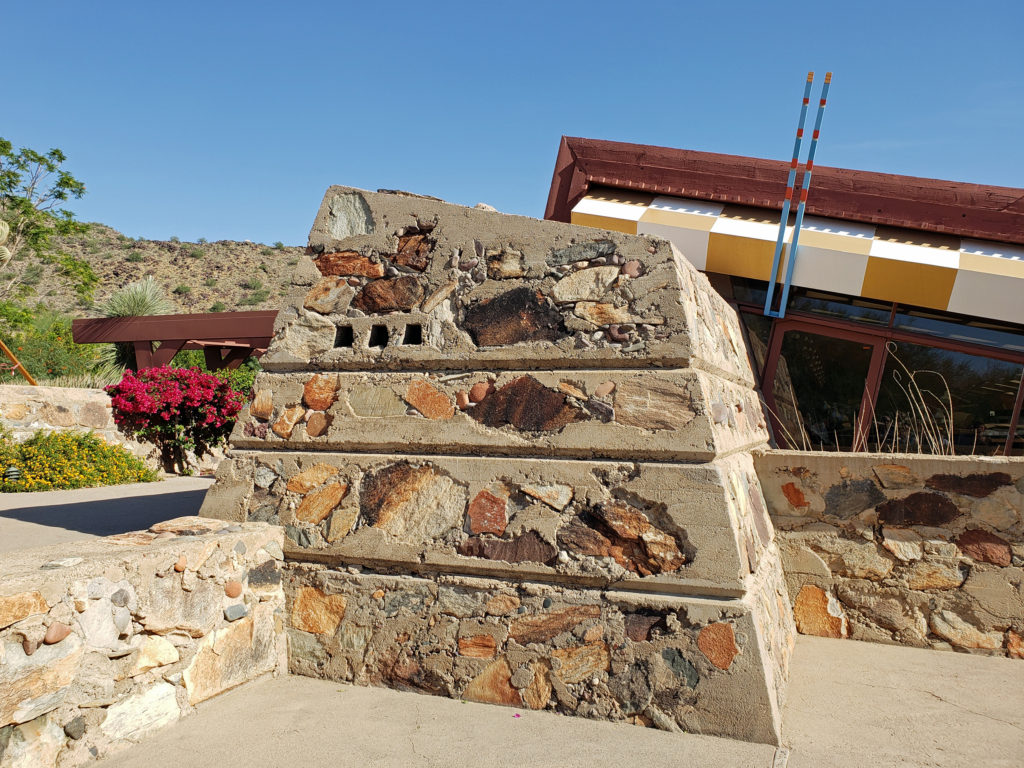
Taliesin West began as the winter camp for Wright and his students. And it was an actual camp in the beginning. The students lived in tents for their first few winters in Arizona, and Taliesin West was an ongoing project for many years. Even after most of the structures were completed, for example, all of the windows were simply openings in the walls, without glass, for almost a decade.
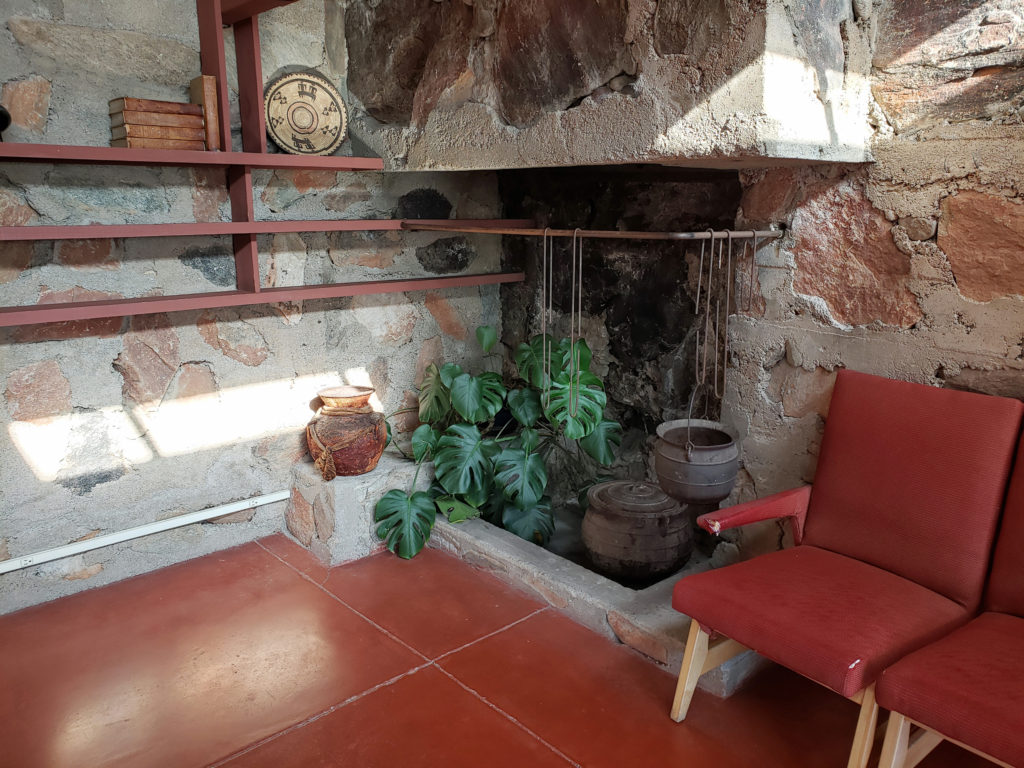
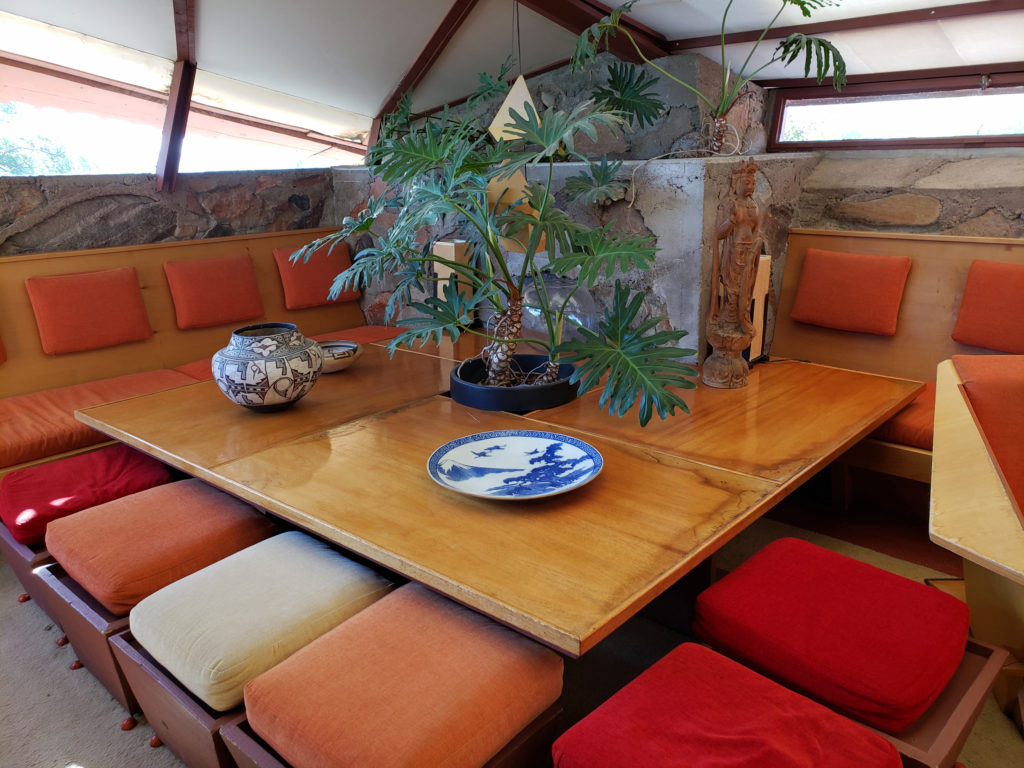
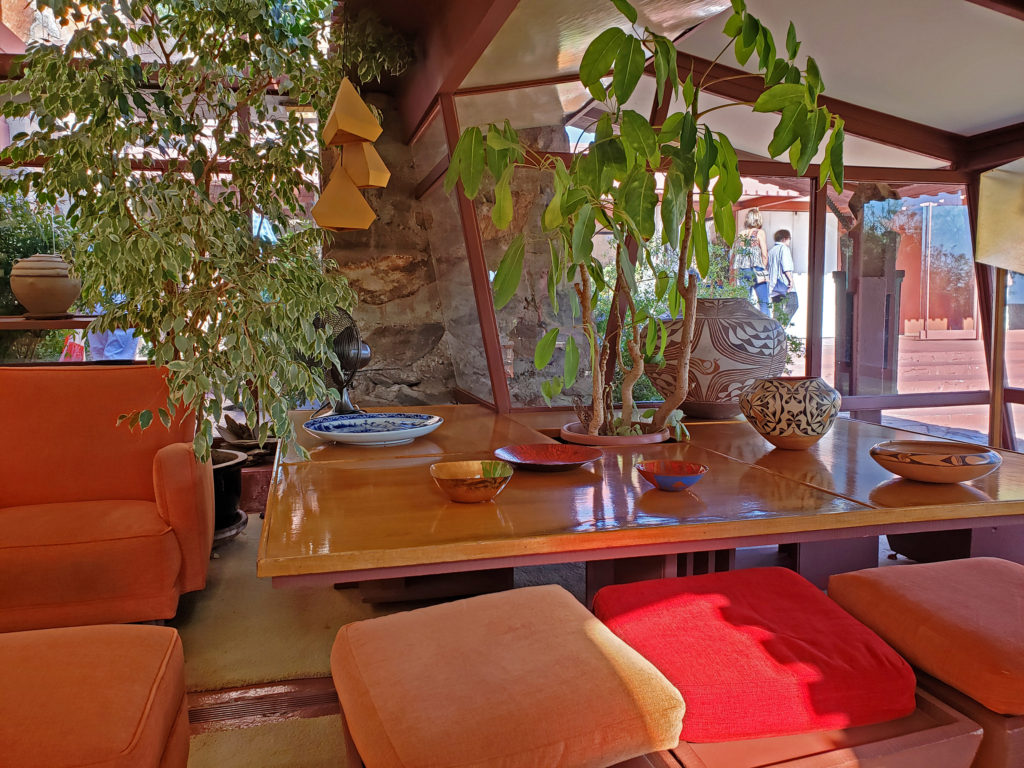
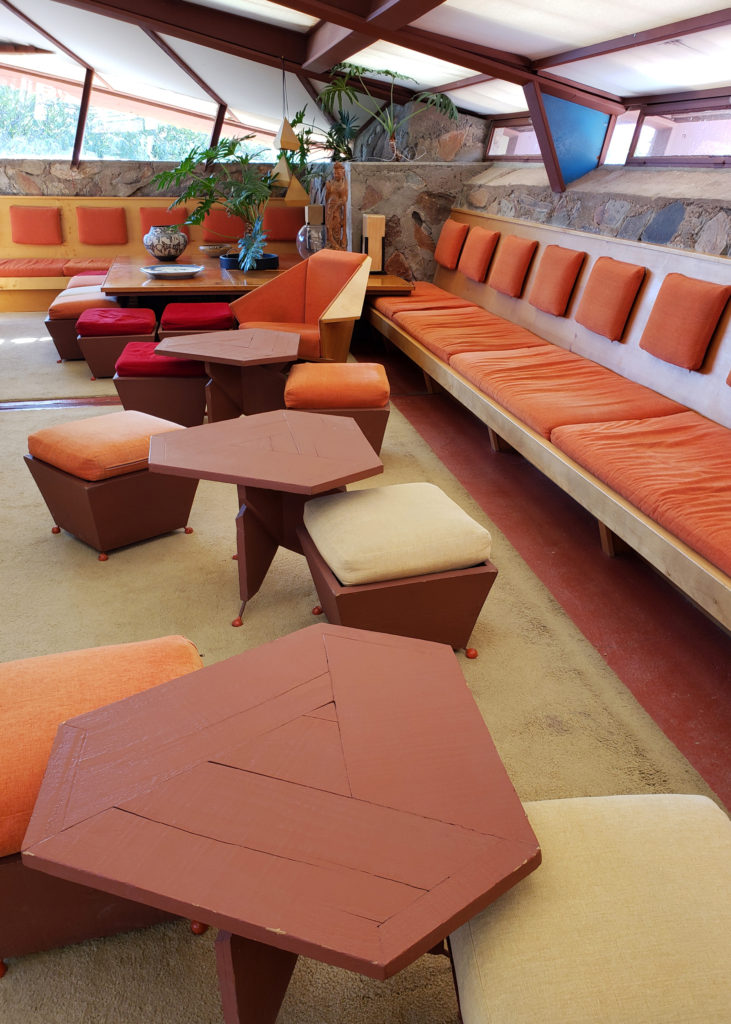 Wright’s design philosophy was holistic, and humanistic. He saw houses as organic structures that should be built in harmony with their environment and in tune with their inhabitants. “It is quite impossible to consider the building as one thing, its furnishings another and its setting and environment still another,” he wrote. He believed that all had to work “as one thing.” There is a story, whether true or not I don’t know, that the purchasers of one of his early residential designs invited him to their home after they moved in and he was so appalled by the way they had furnished the home that from that point on he not only designed the structures, he designed all of the furniture (much of it built in), the lighting, the rugs, the artwork, and even the dinnerware that went into them.
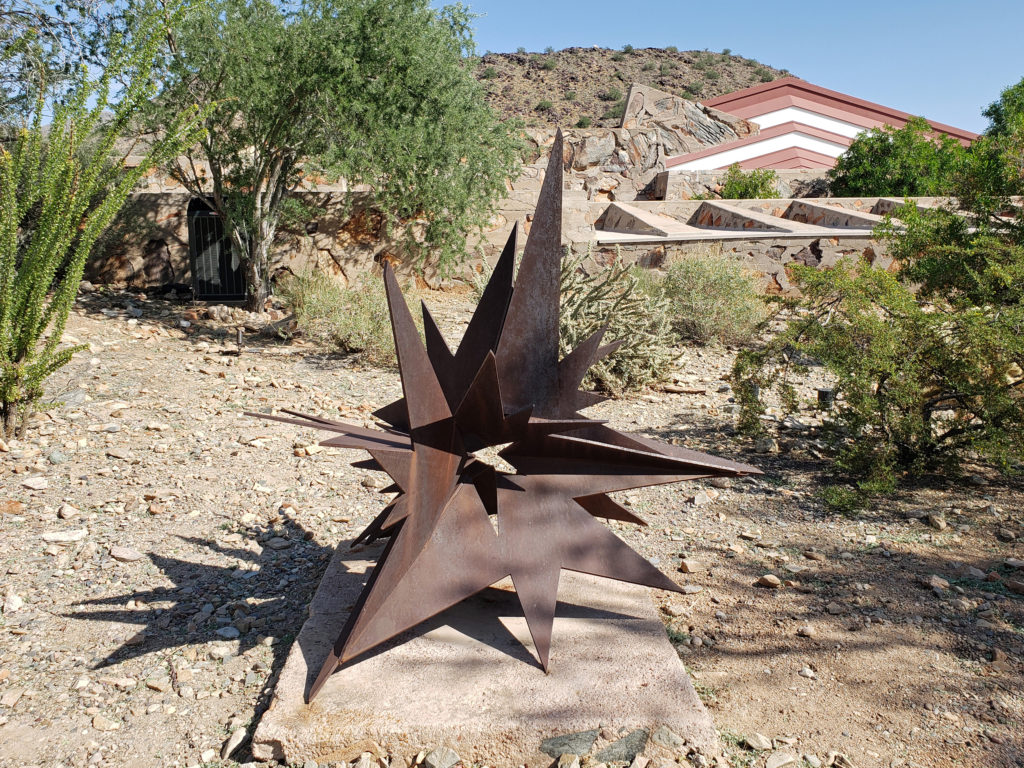
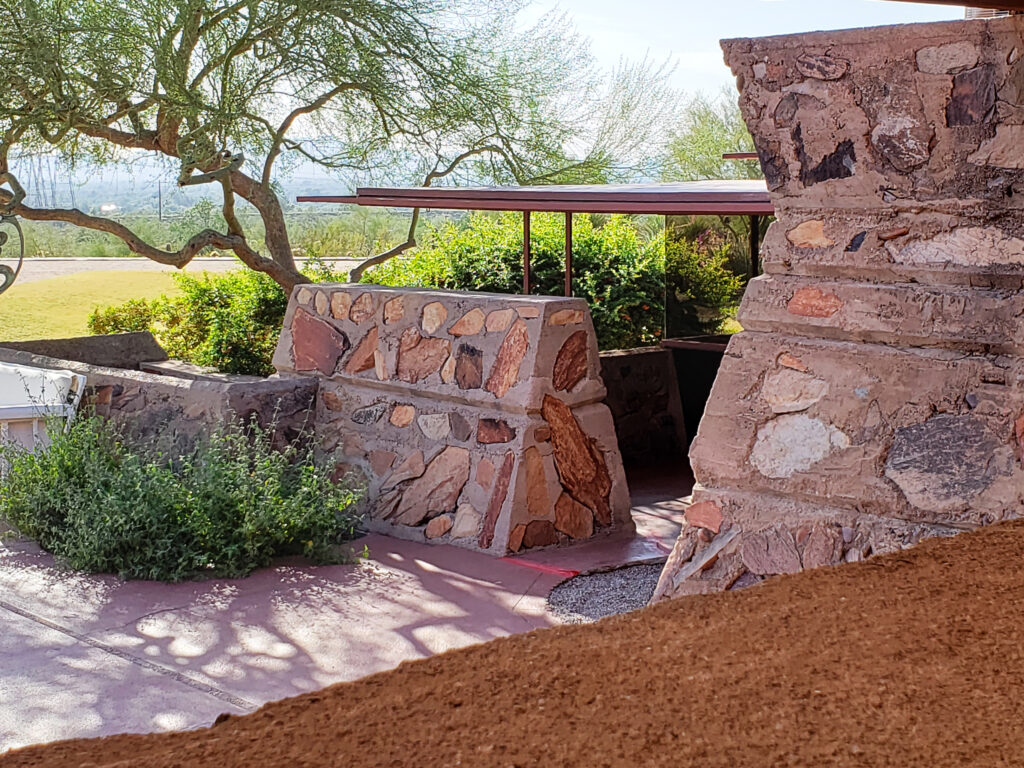
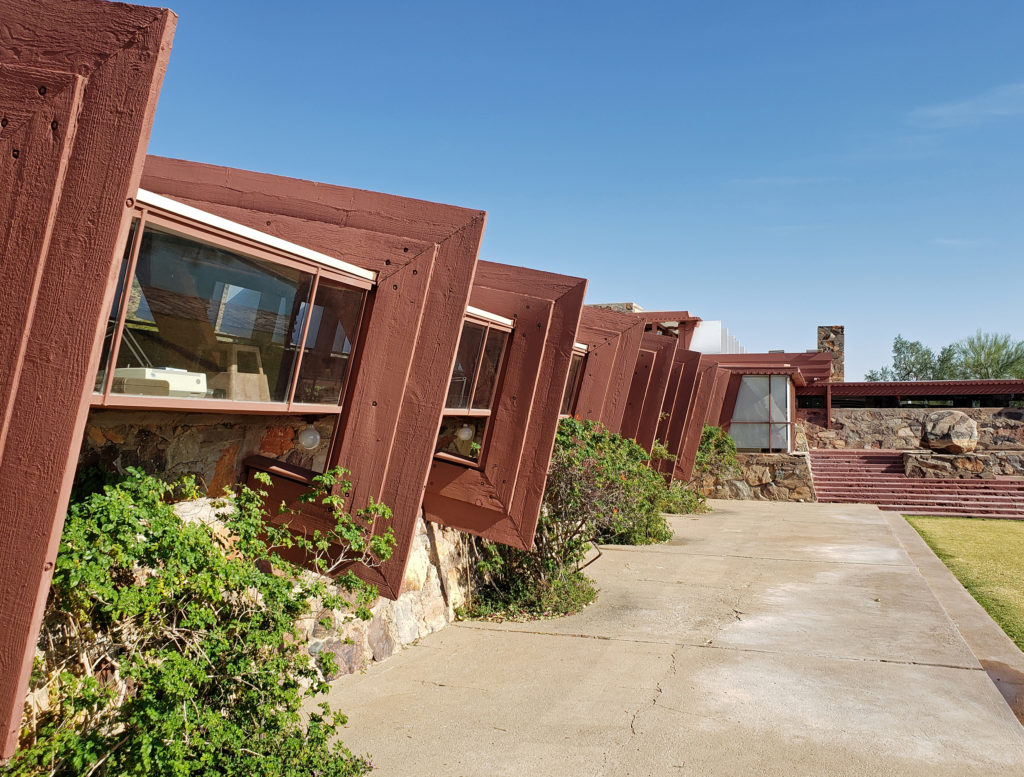
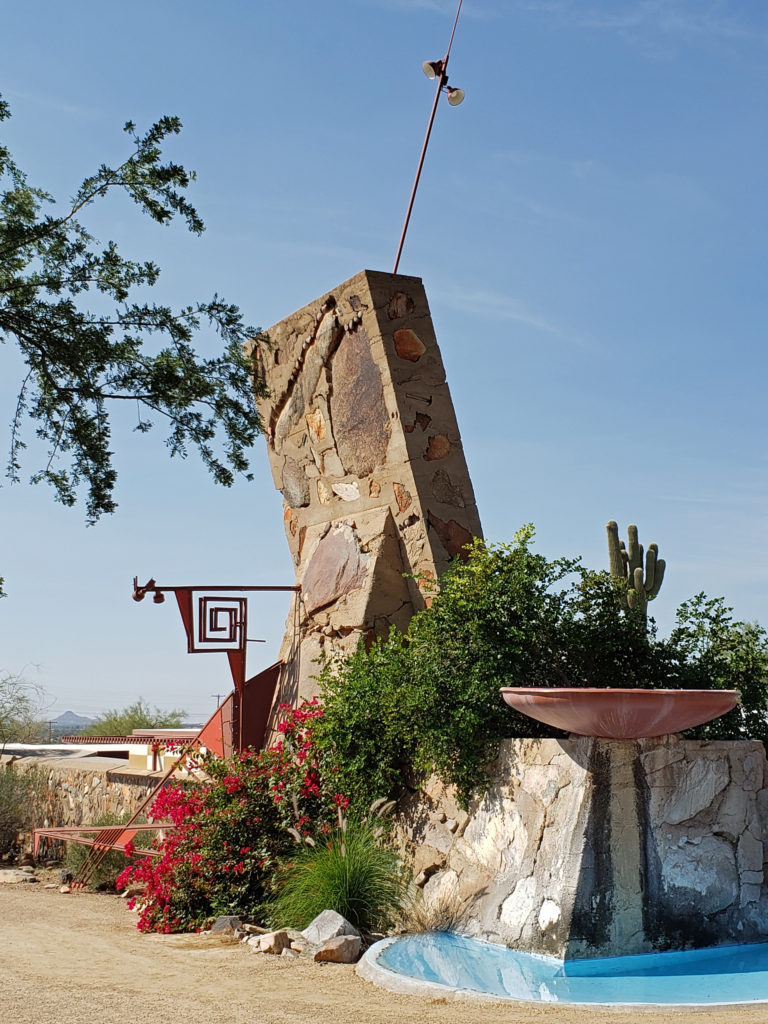
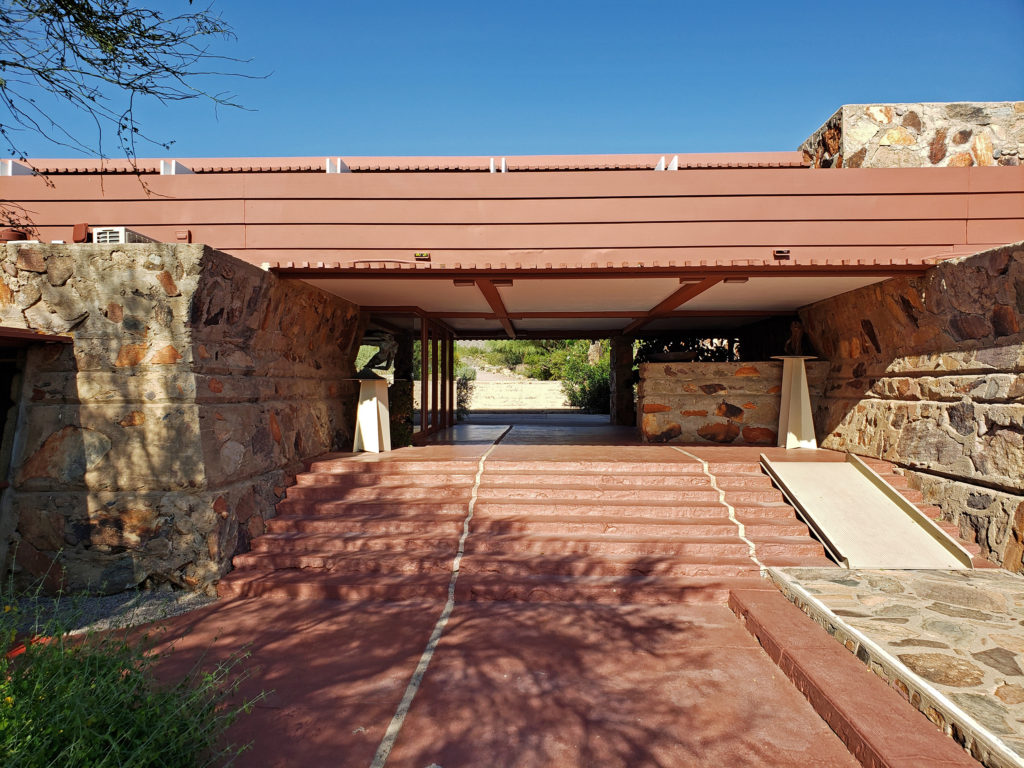
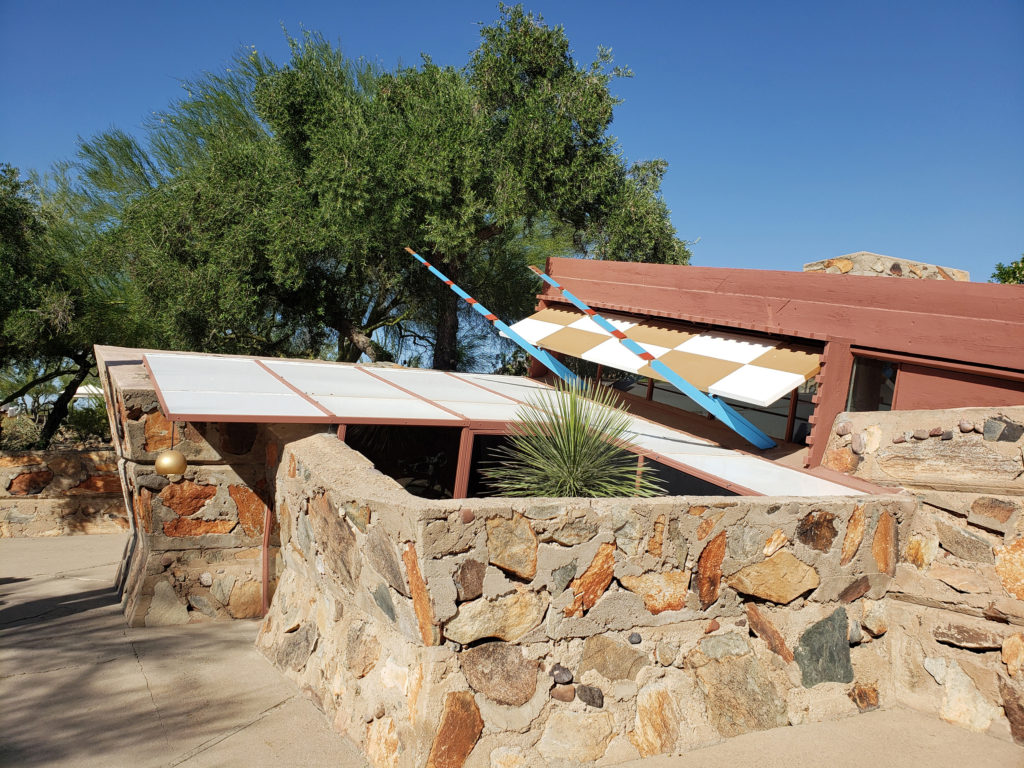
The structures at Taliesin West reflect Wright’s belief that architecture must reflect the natural setting of the site. To that end, they were built using native stone and other materials harvested from the site. That, and the long, horizontal orientation and flat roofed construction help them blend almost seamlessly into the environment. Taliesin West would still be a beautiful and striking piece of architecture even if it was located elsewhere, but it would not be as in harmony with its setting as it is, and it would be a lesser work.
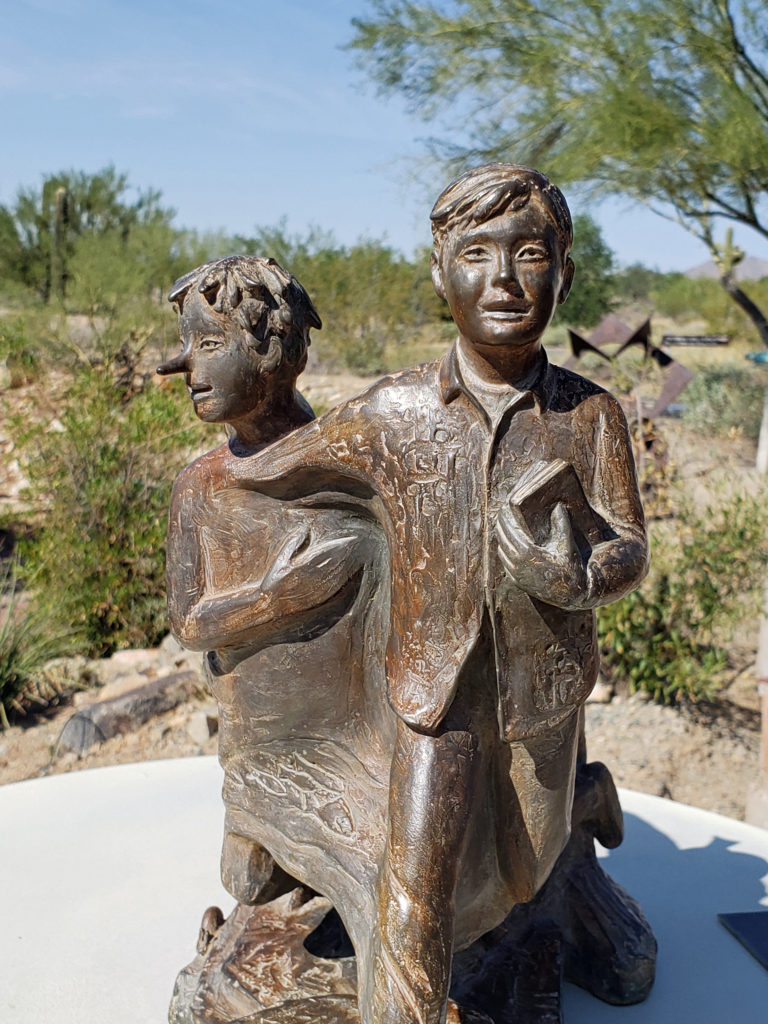
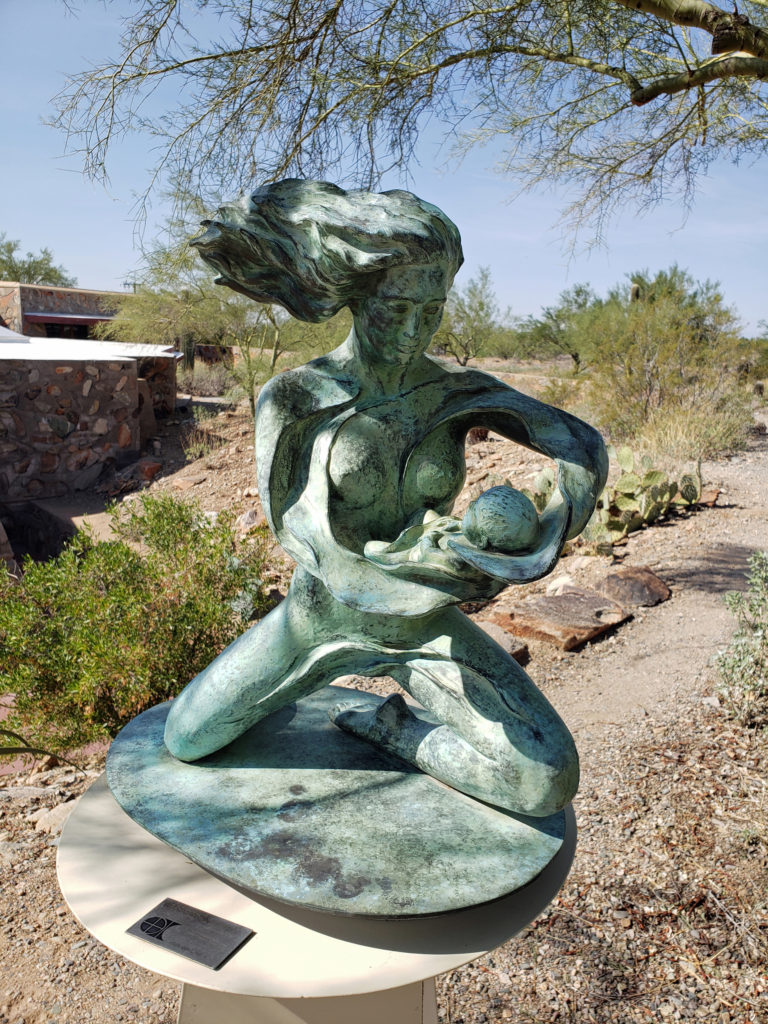
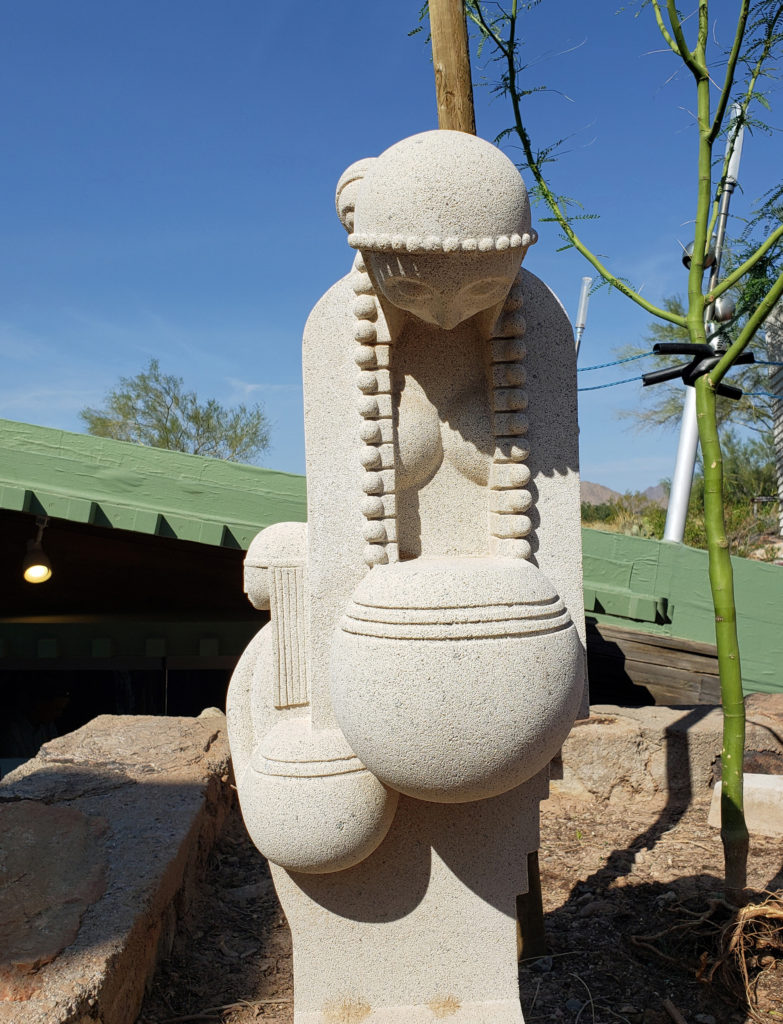
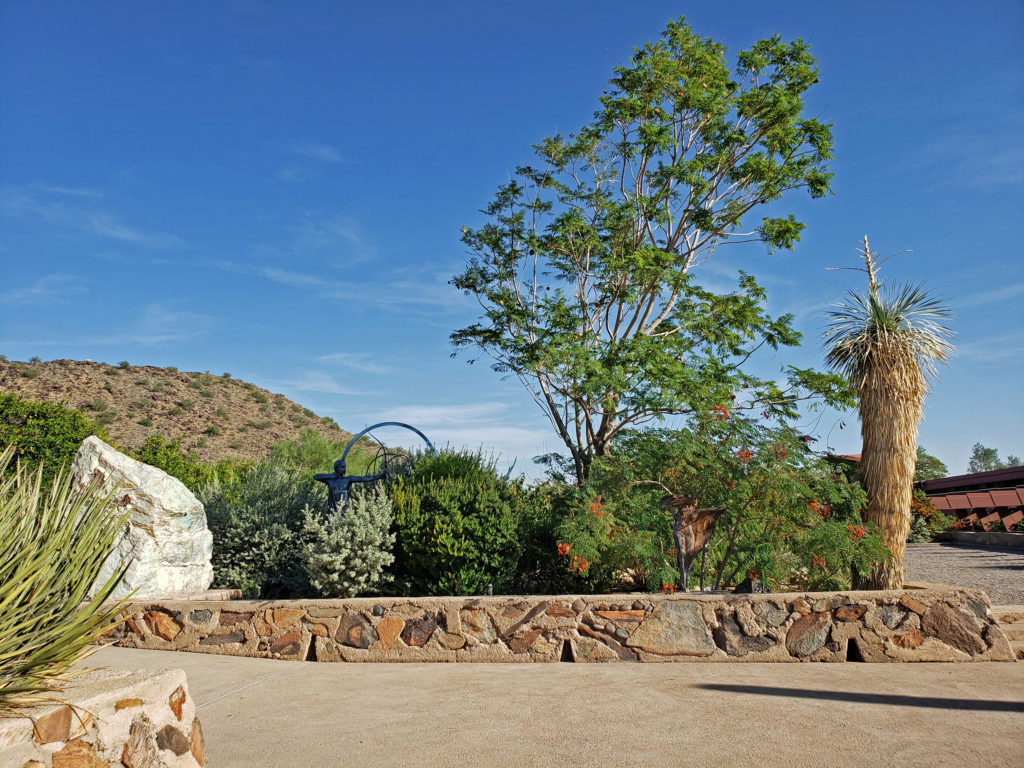
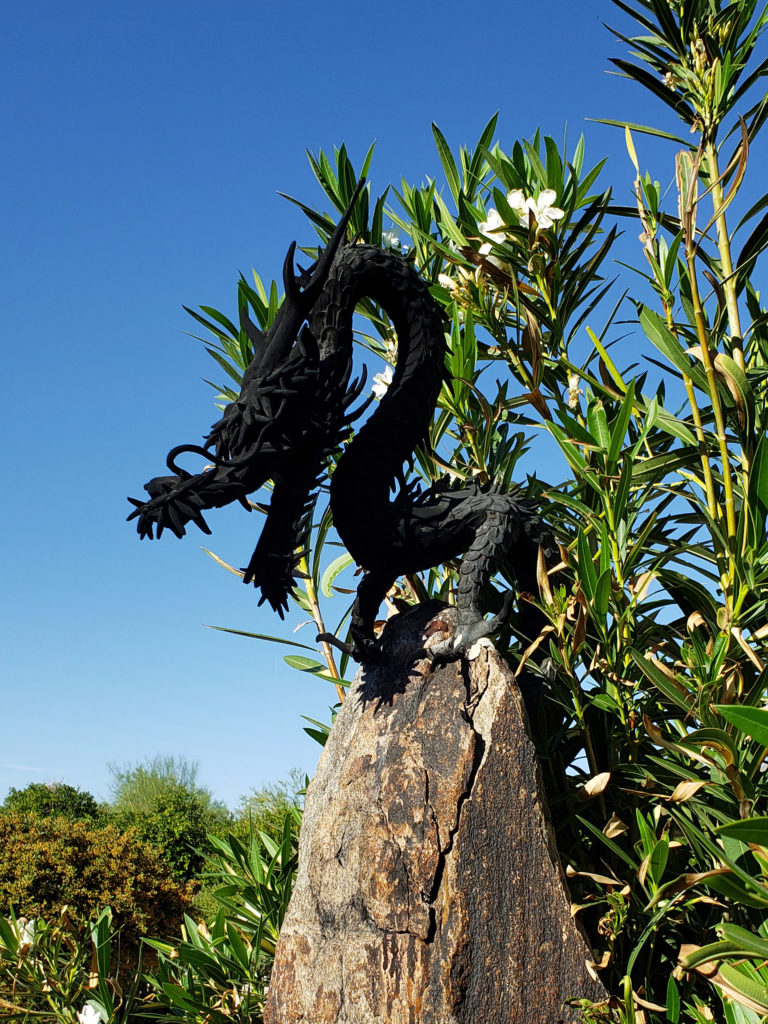
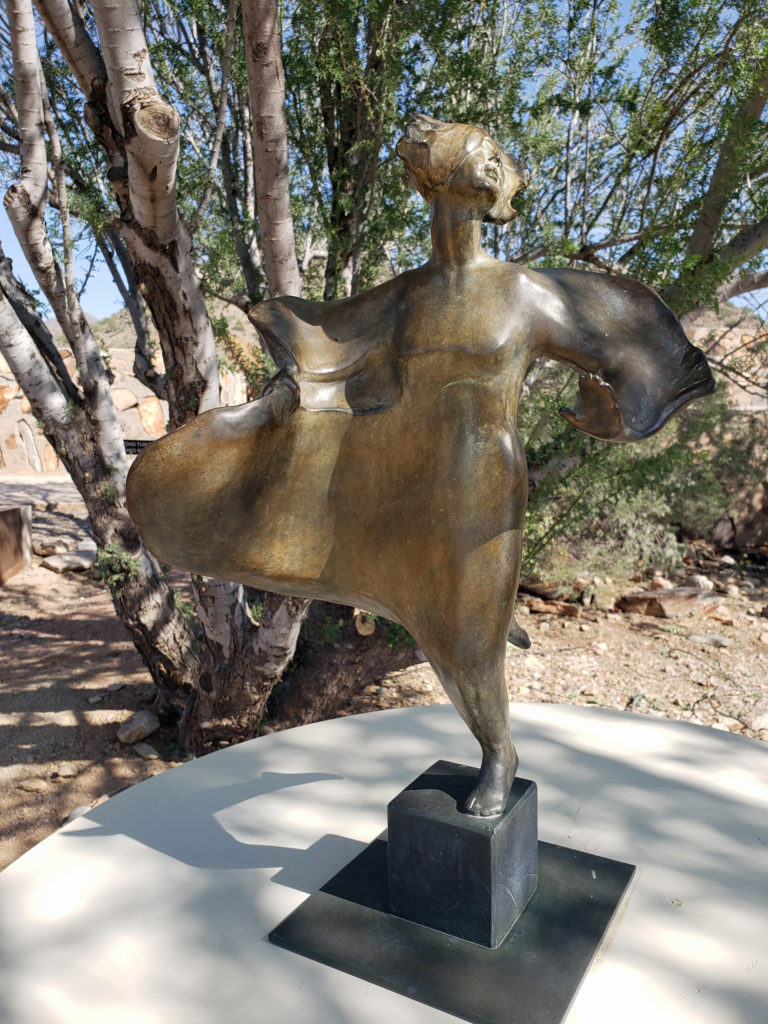 The grounds of Taliesin West are beautifully landscaped and feature many outdoor works of art by various artists. Wright saw architecture as the “mother” of all the arts, and art was an important component of his designs, as was the landscaping.
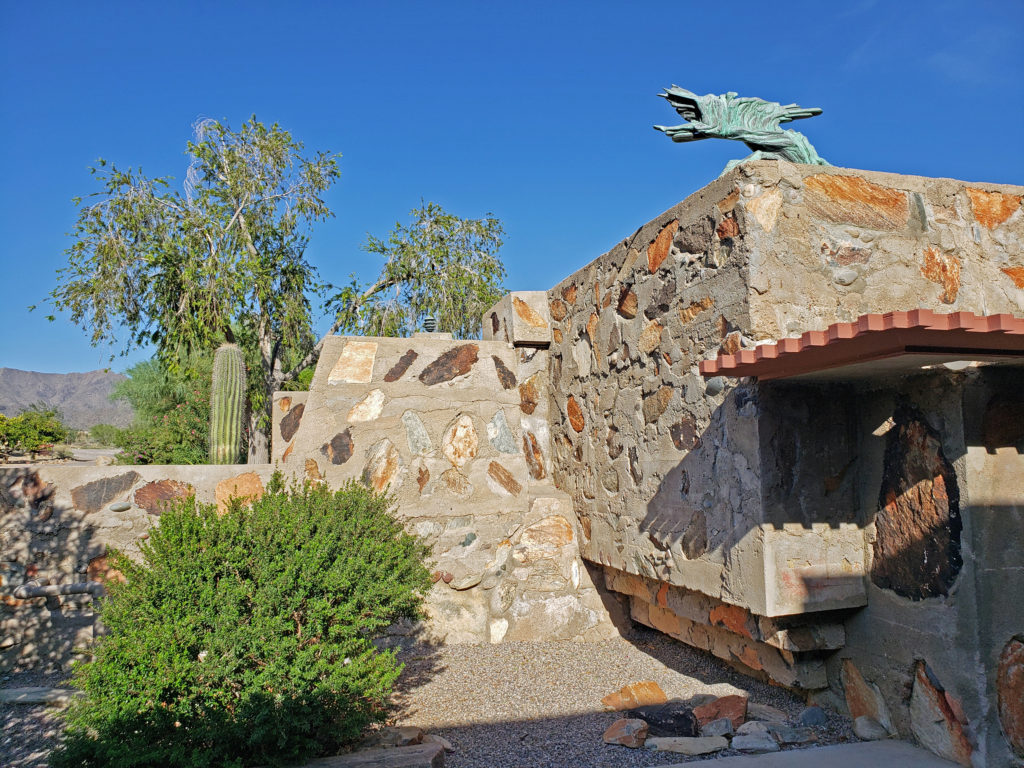
Wright’s work ensures his place in history as one of the architectural greats. Today, Taliesin West lives on as testament to that greatness, and as home to the Frank Lloyd Wright Foundation.
 Taliesin West is located in Scottsdale, Arizona, about 20 miles northeast of downtown Phoenix.
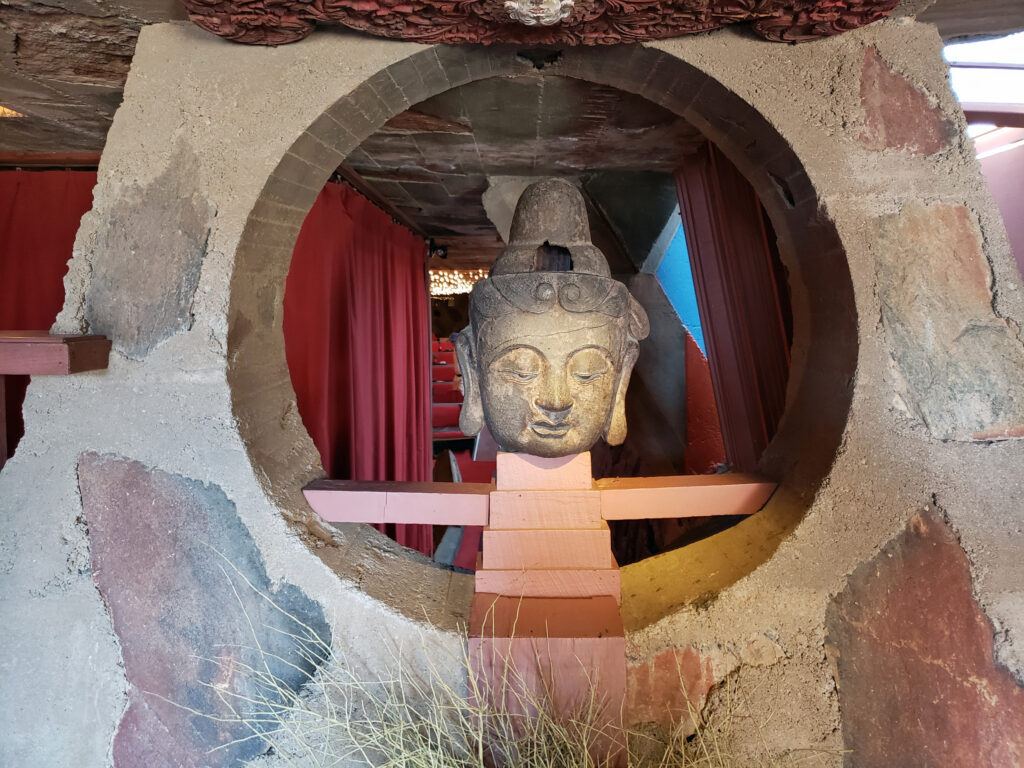 Originally posted November 26, 2019. Updated and re-posted January 7, 2022.
All photos © Alan K. Lee
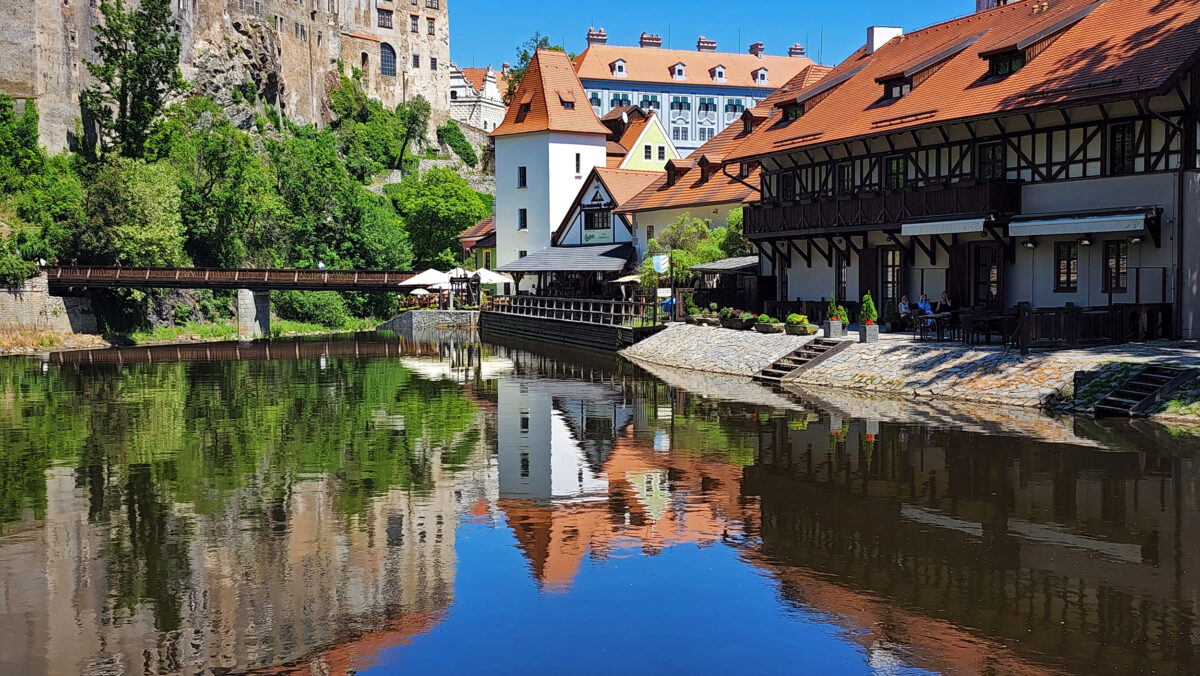
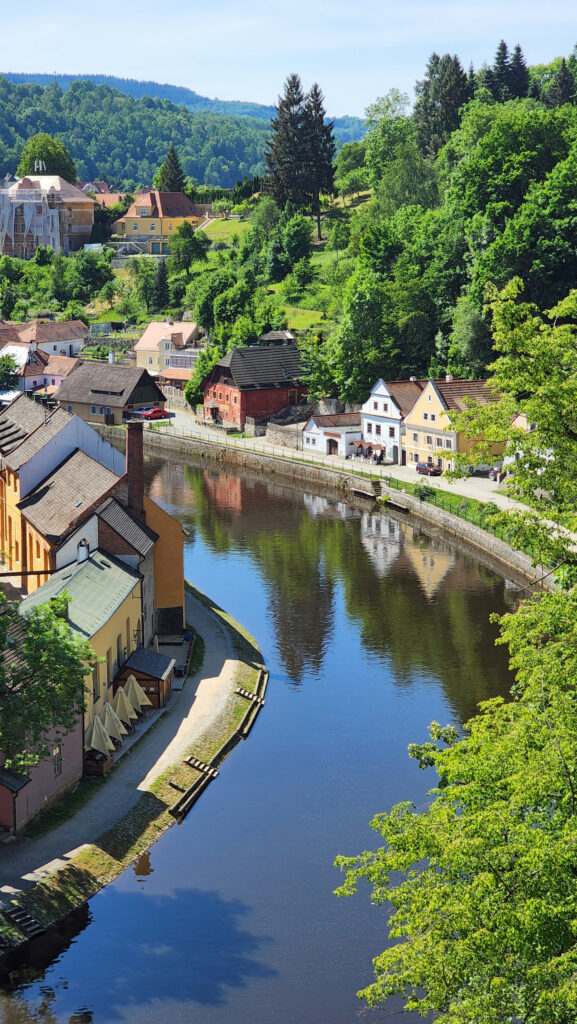
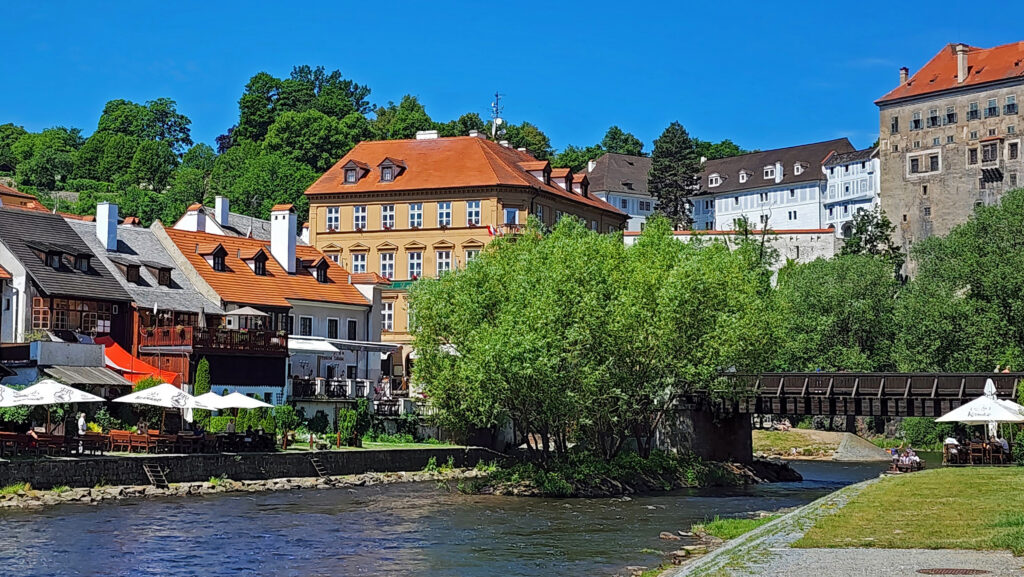
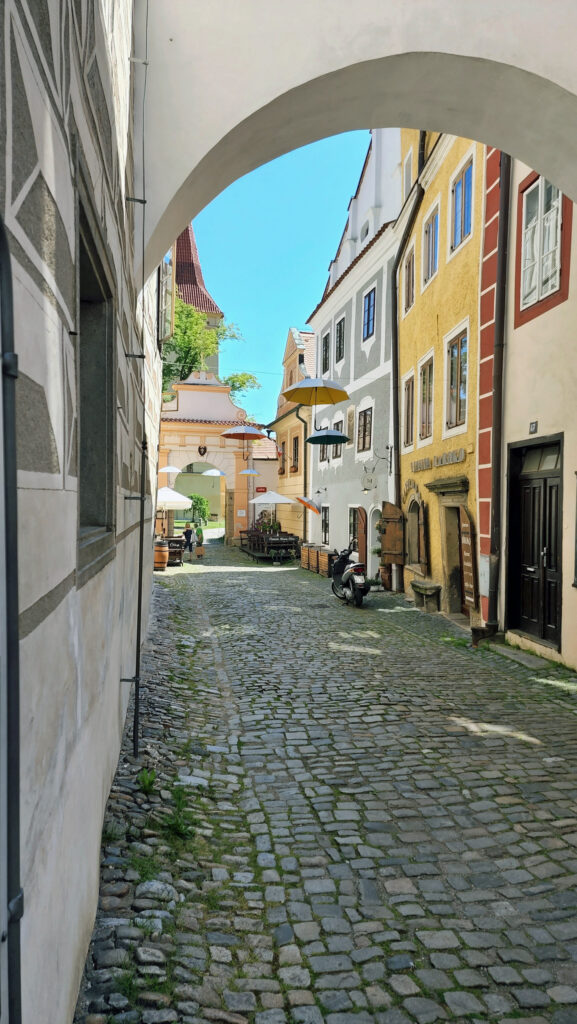
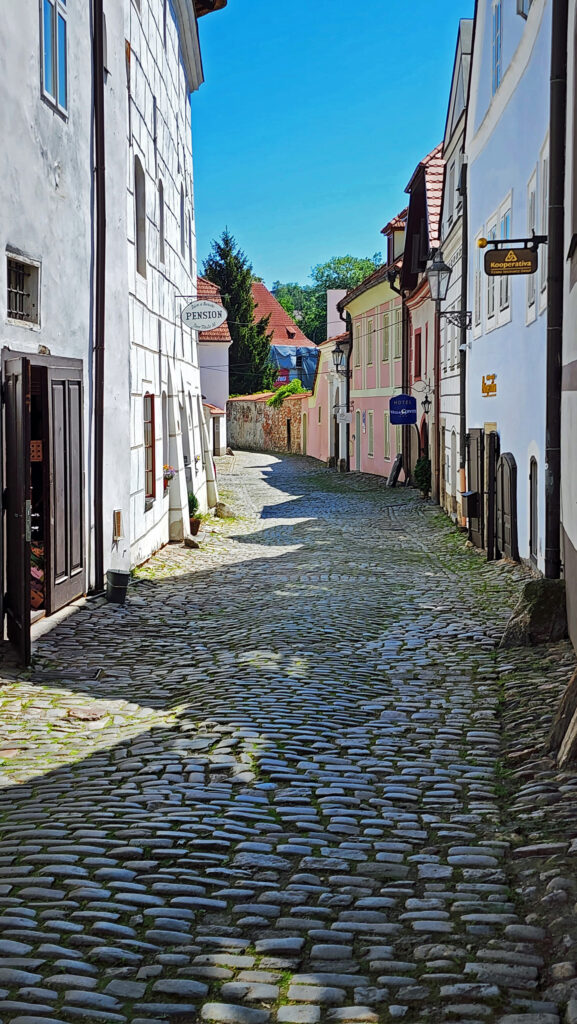
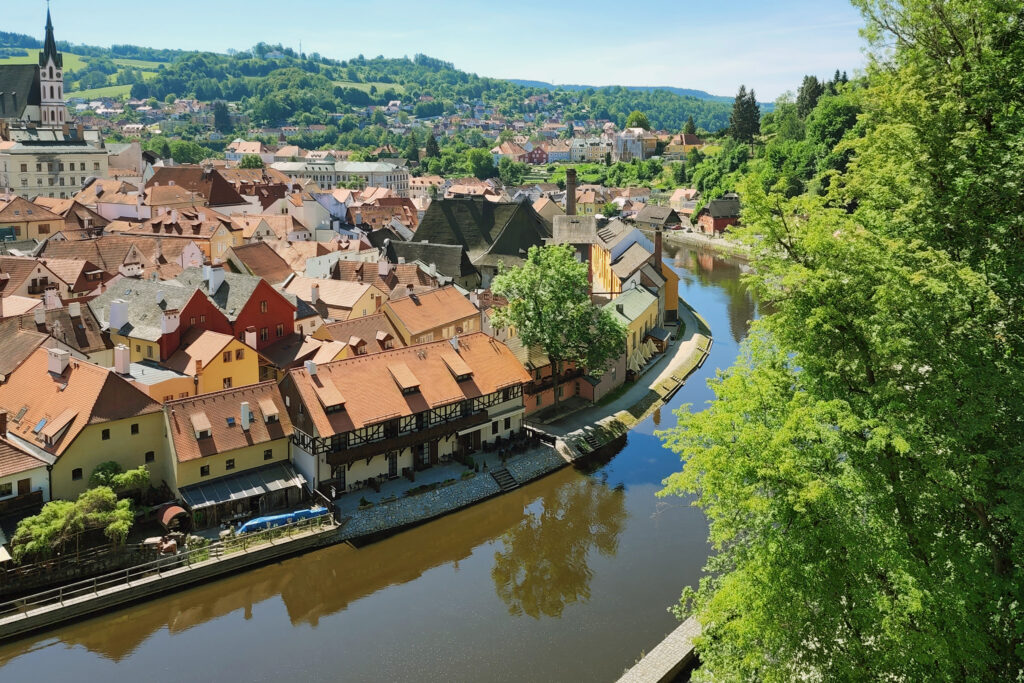
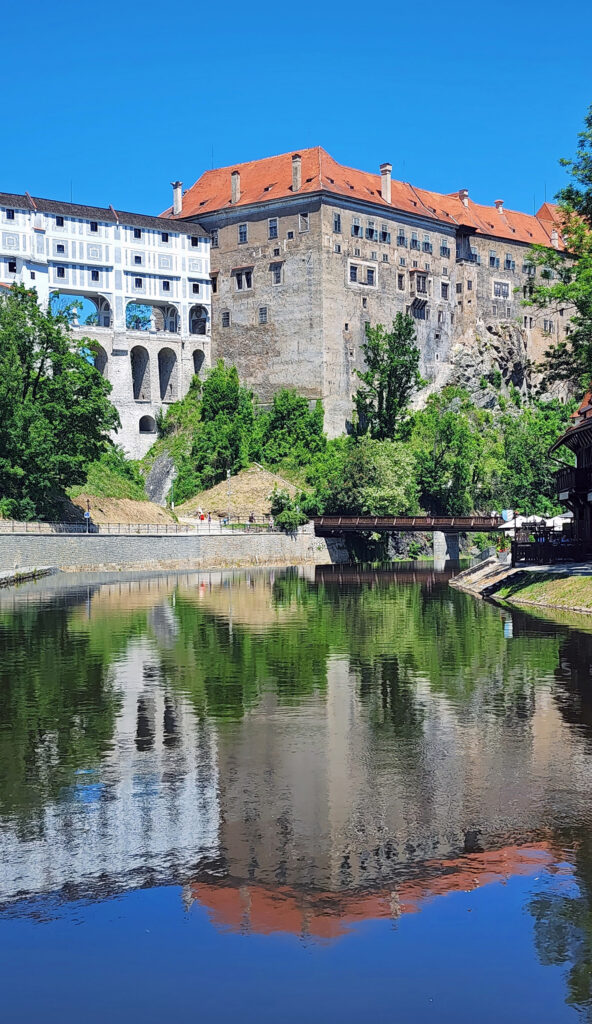
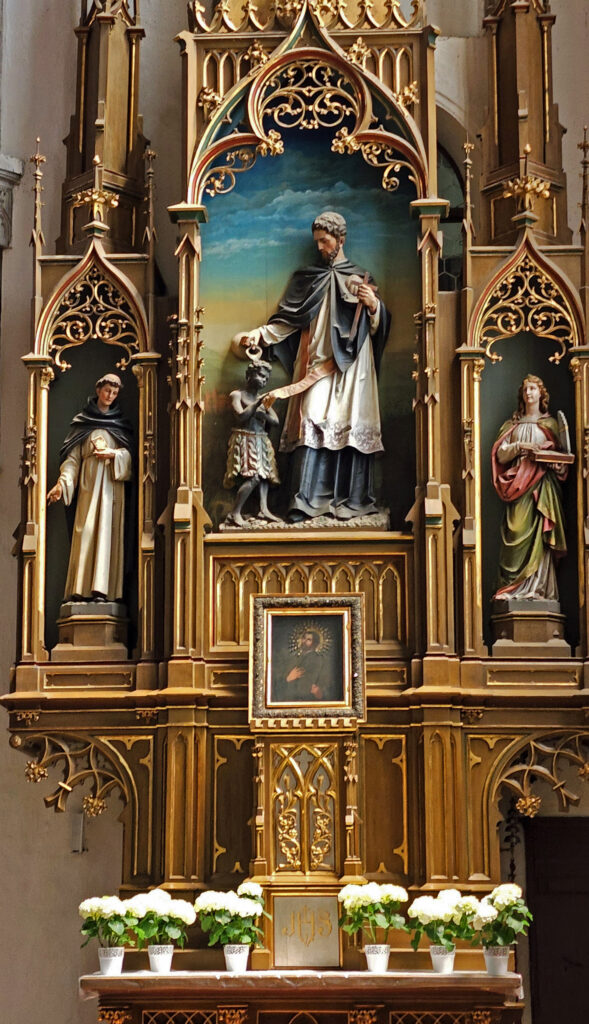
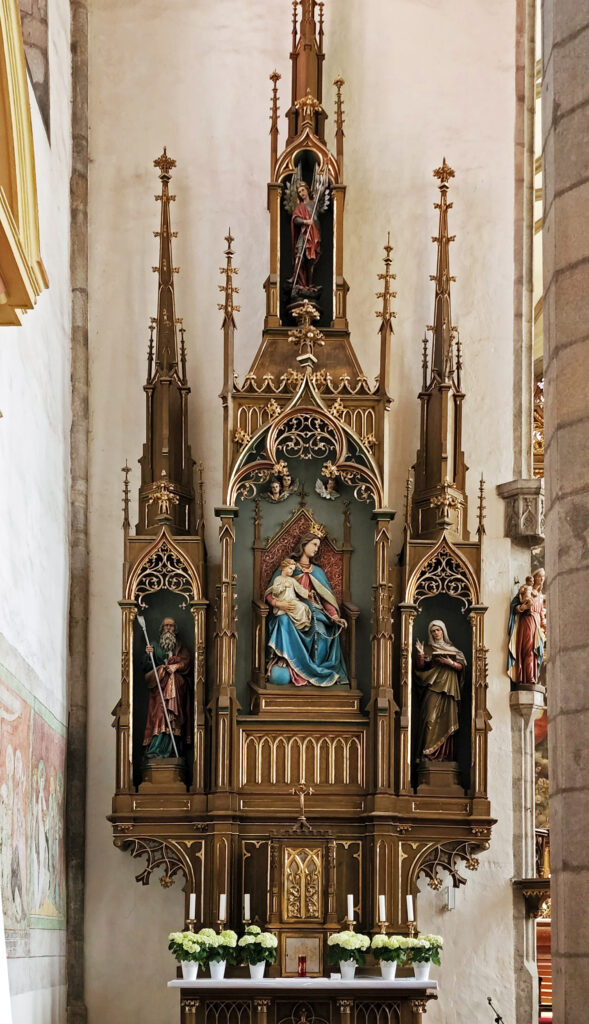
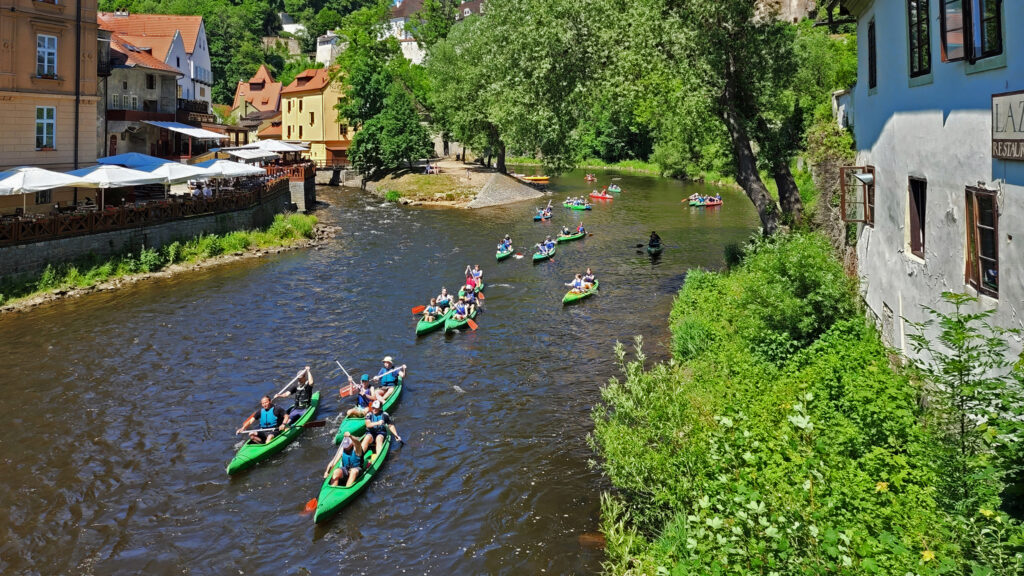
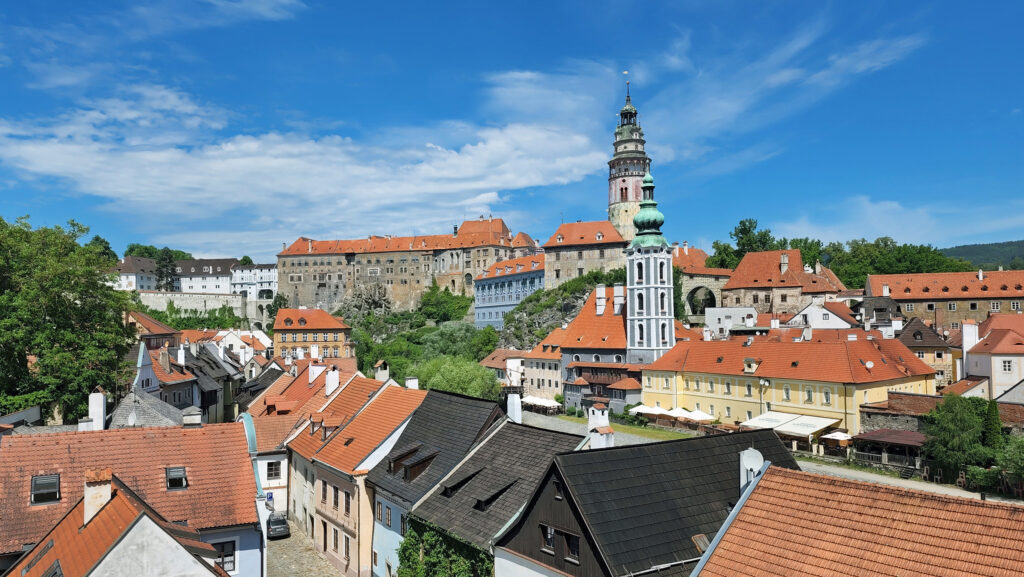
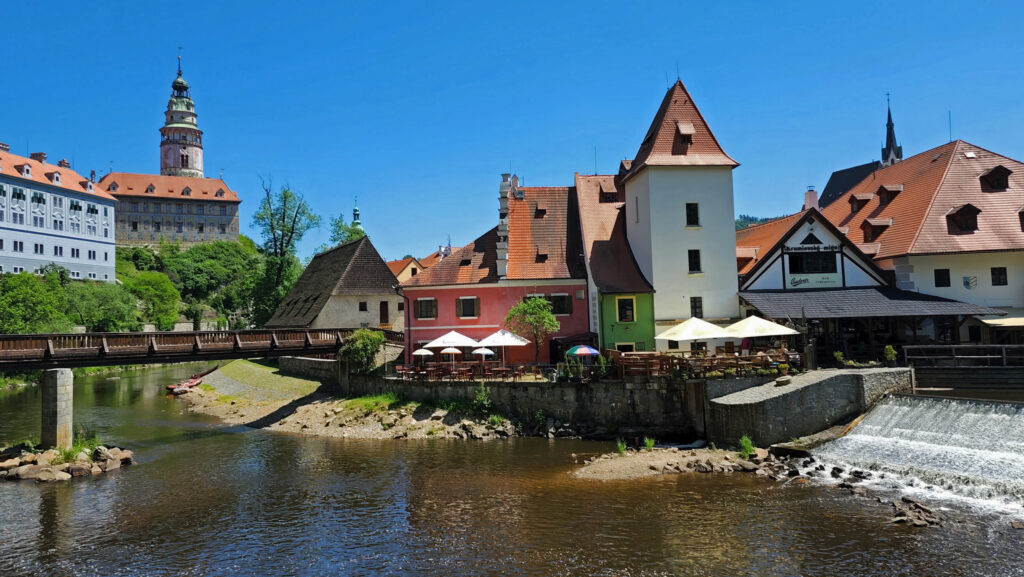
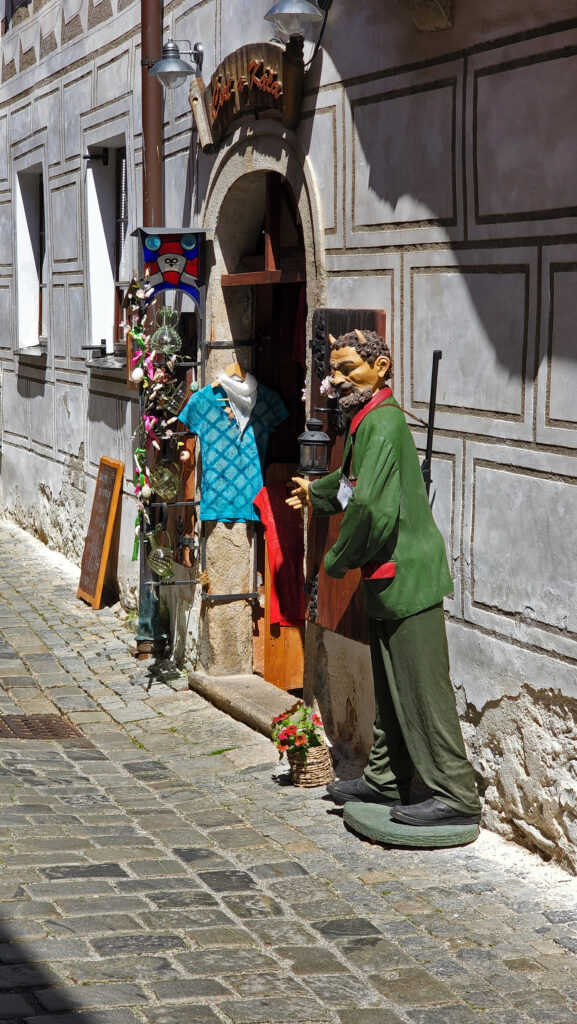 For my money, the best part of our visit was simply wandering around the historic center, walking the cobblestone streets and taking in the wonderful architecture, the beauty of the Vltava River that meanders around and through the town, and finding some of the charming and quirky things that set Czesky Krumlov apart. The old town area is car free and pedestrian friendly.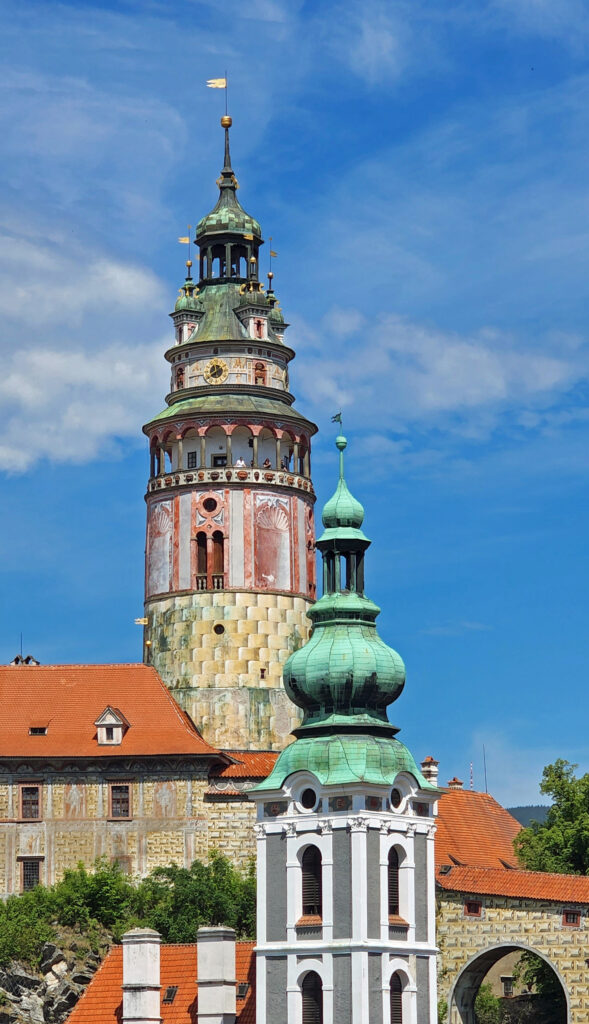
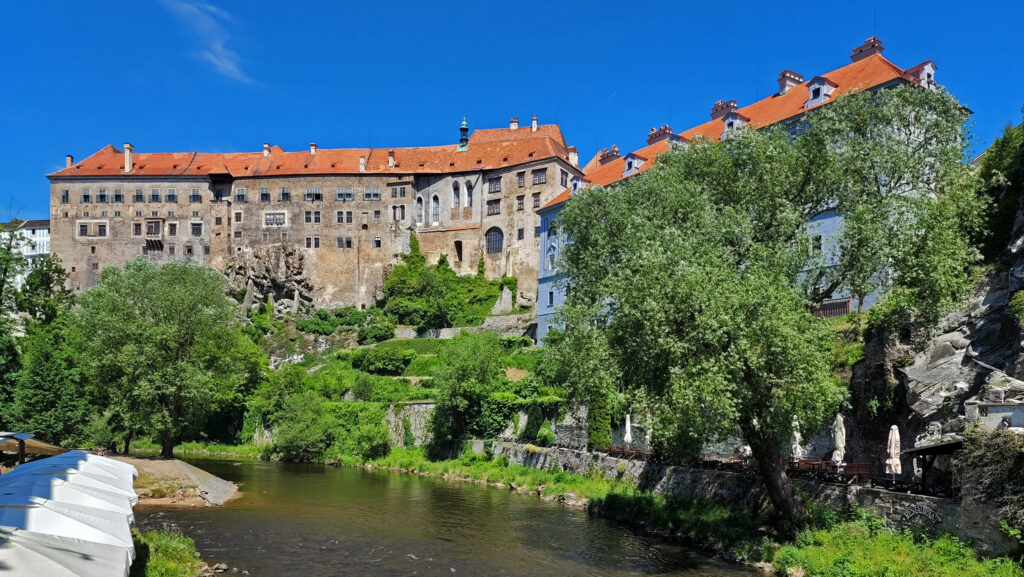
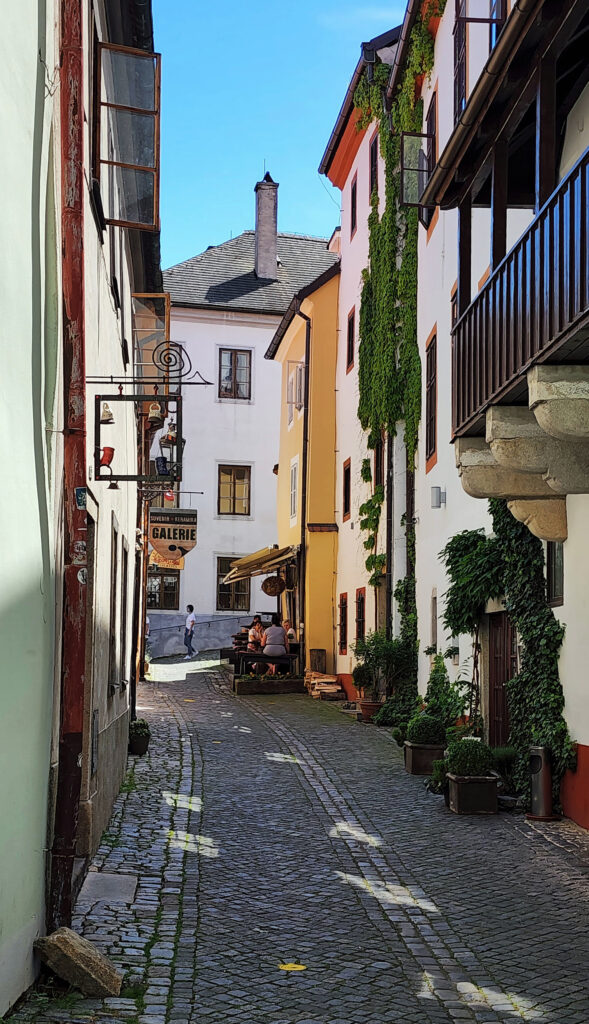
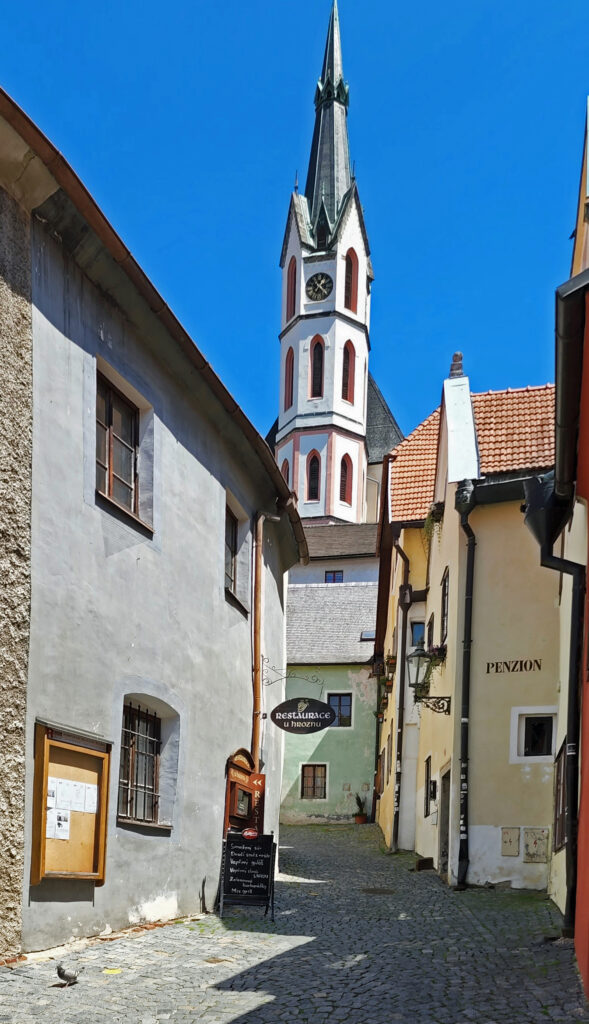
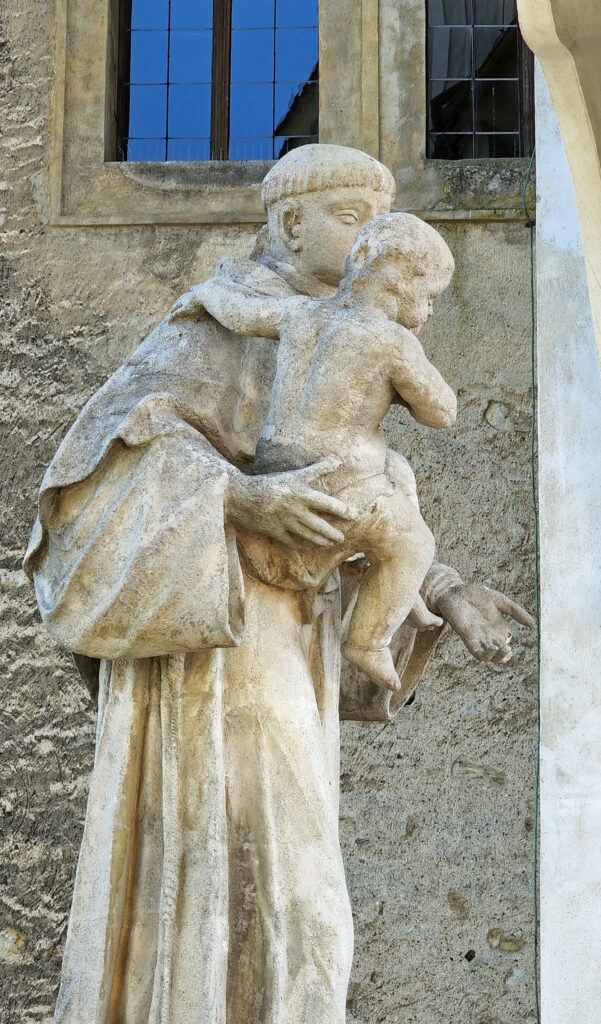
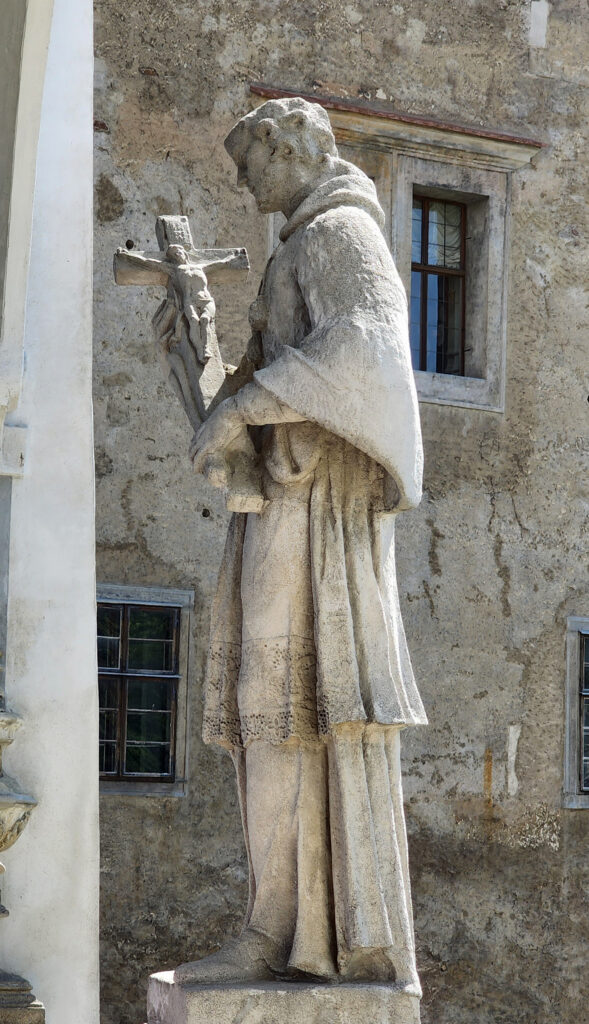
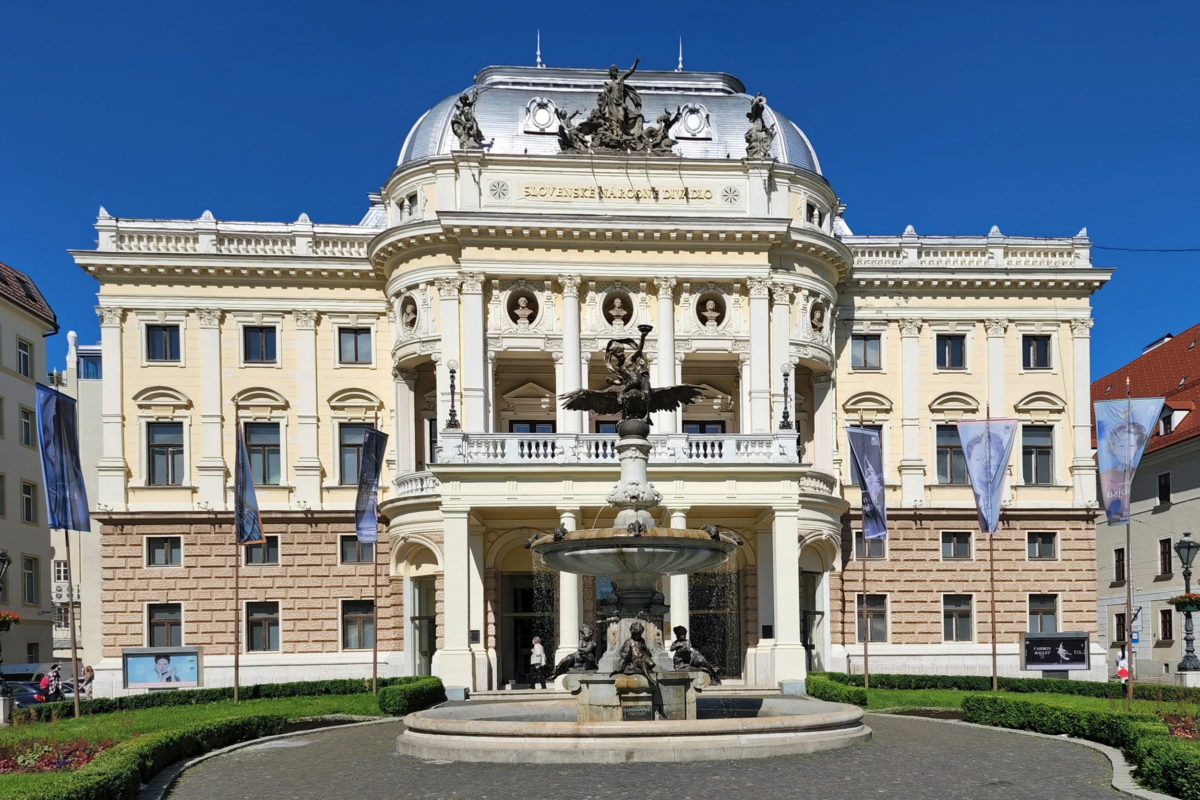
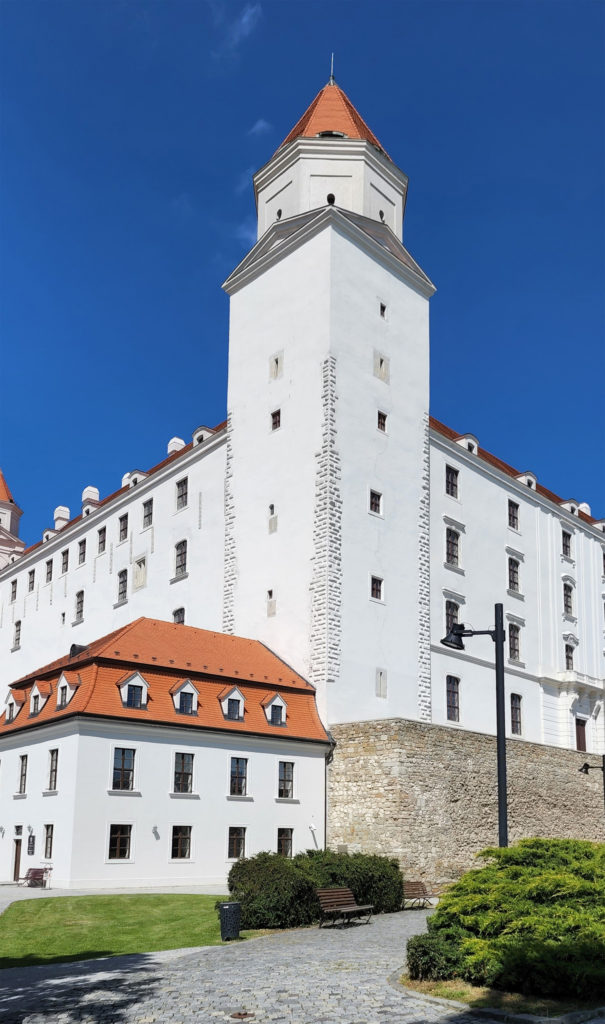
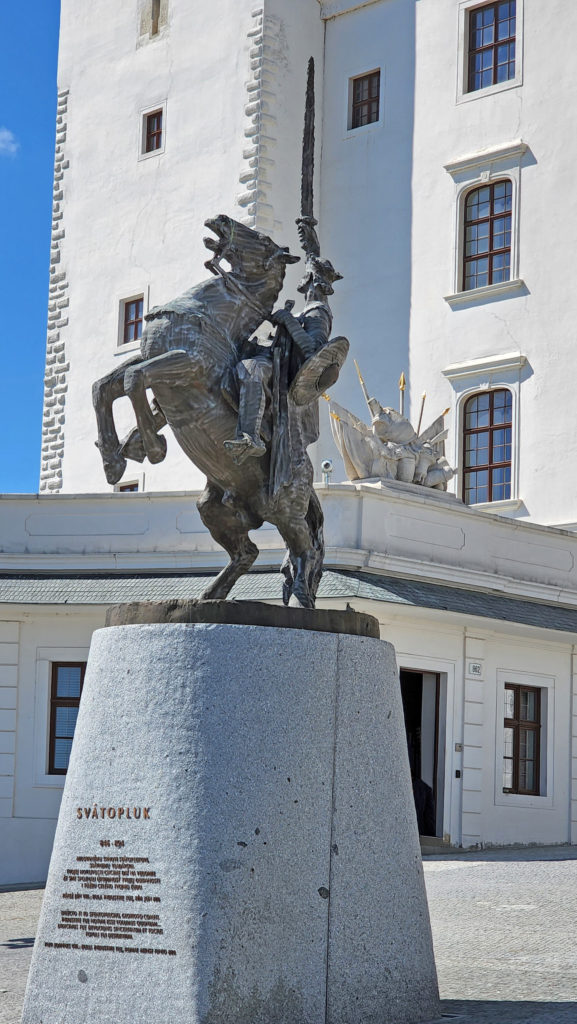
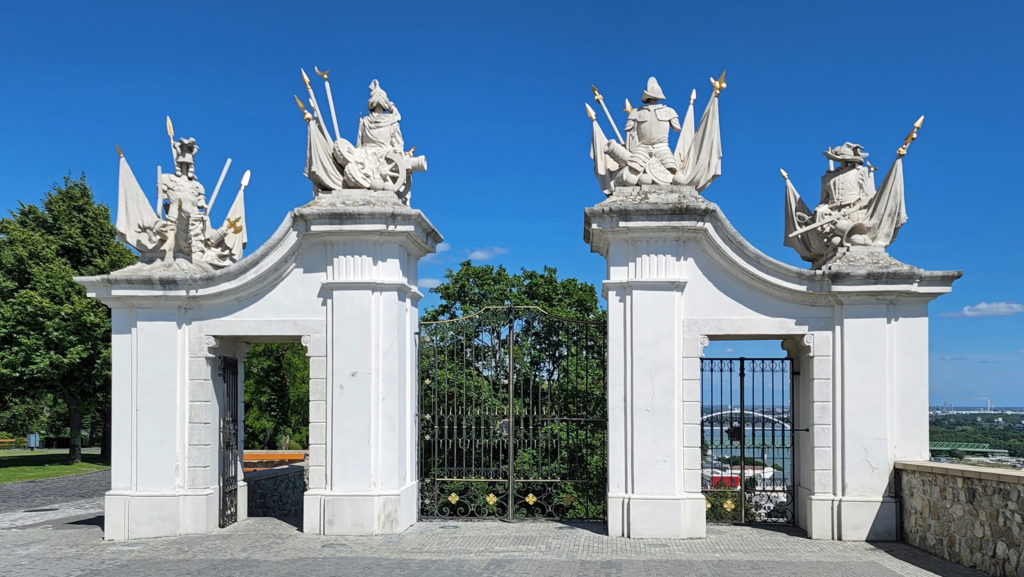
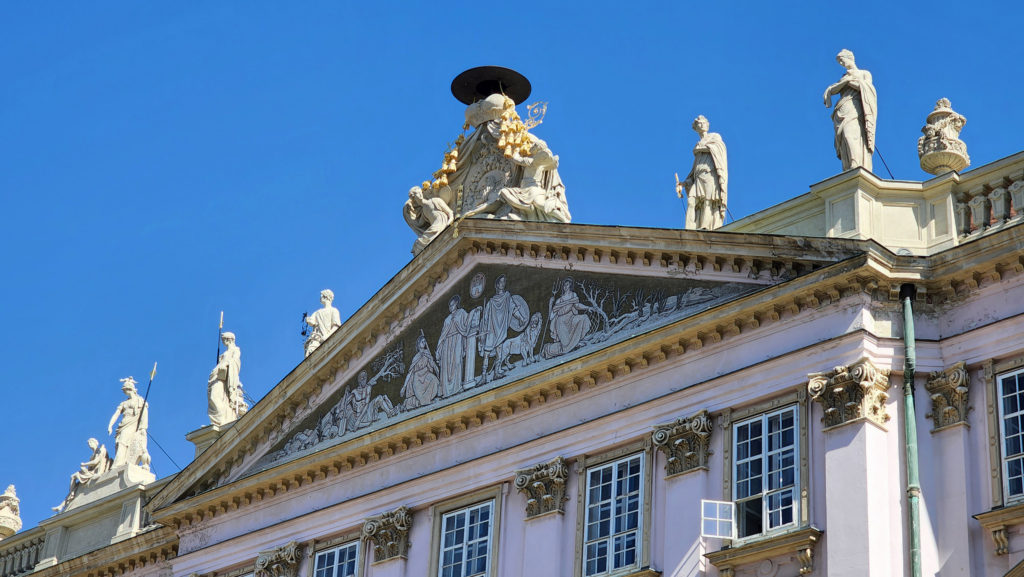
 After the castle tour, we did a guided walking tour of the old town area along the river. Among the highlights of the old town are St. Martin’s Cathedral, the old Slovak National Theater building, Michael’s Gate, and the historic Hlavne namestie (town square).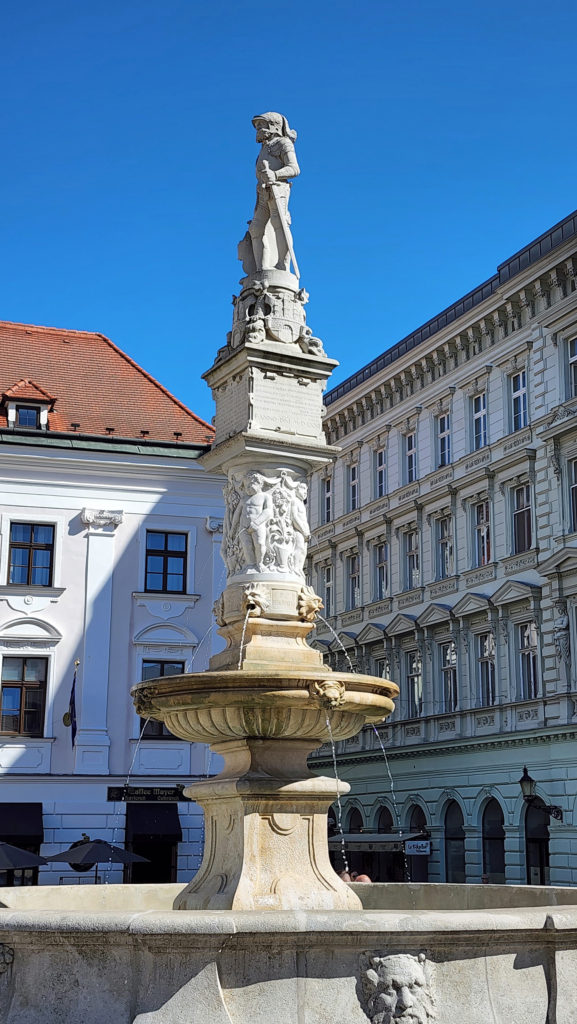
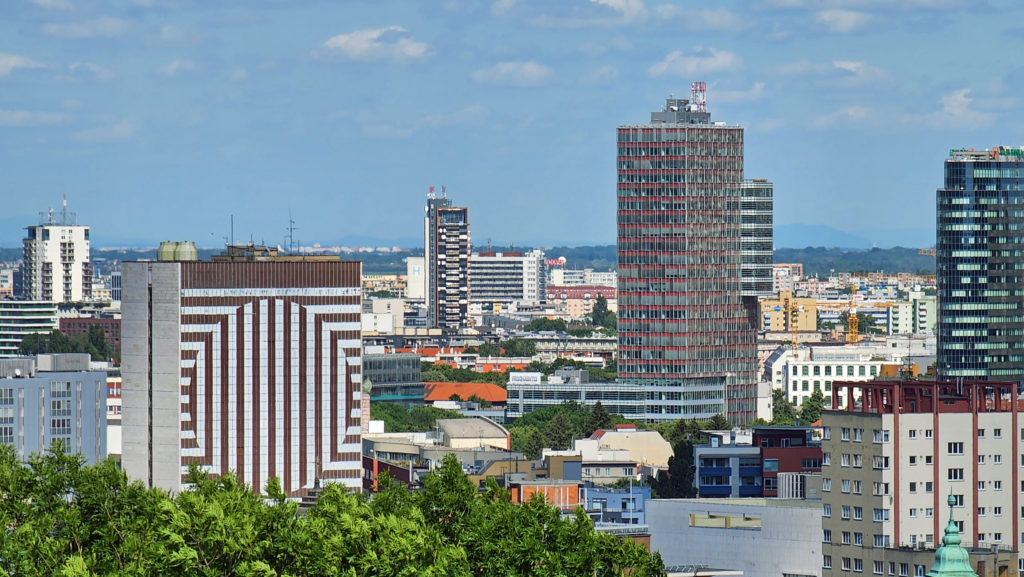
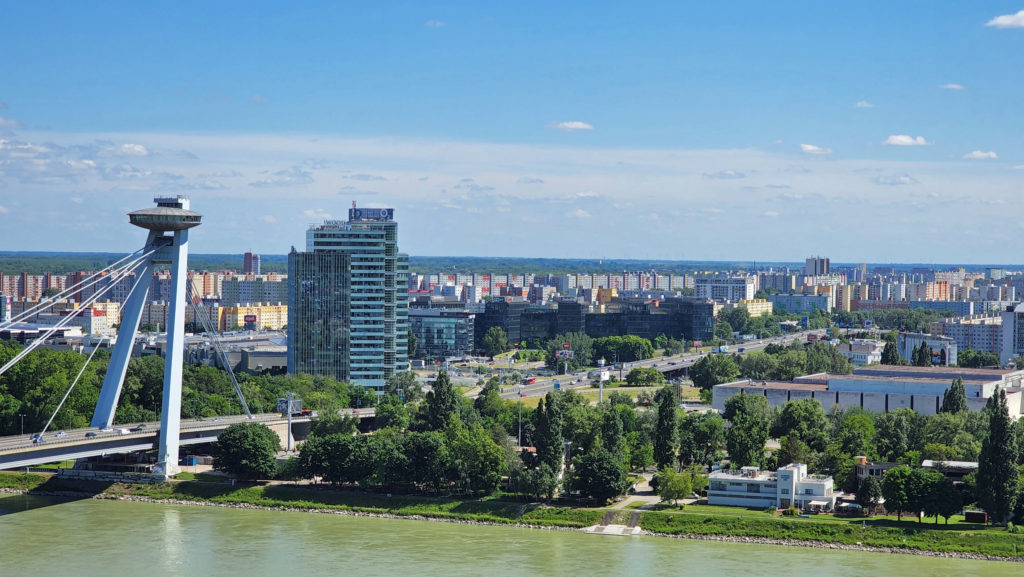
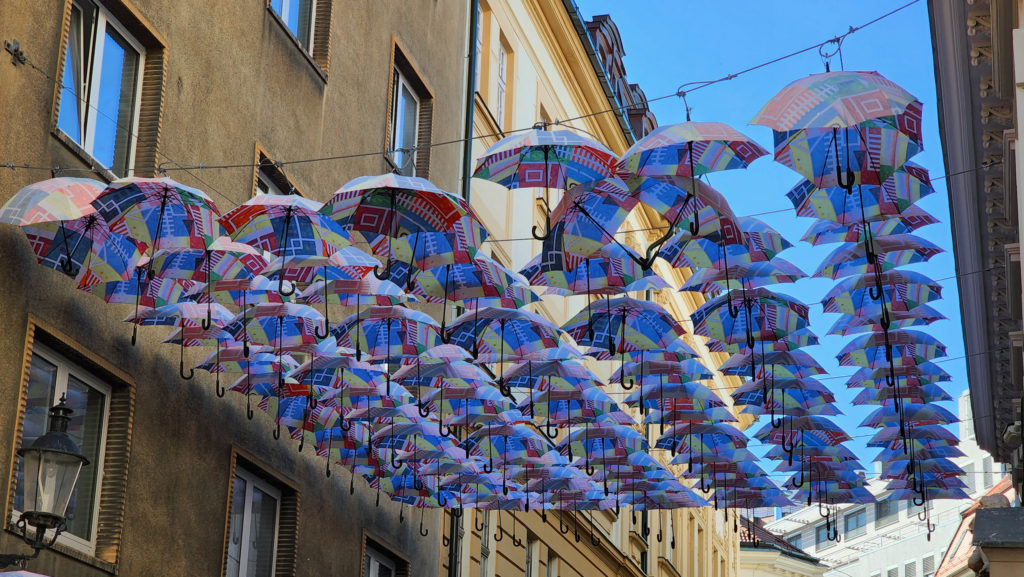 In the 19th and 20th centuries Bratislava’s influence waned, becoming a sleepy regional center of no great significance during the Soviet era. But Bratislava today is a vibrant, modern city with a diverse population and a surprisingly Western European vibe.
 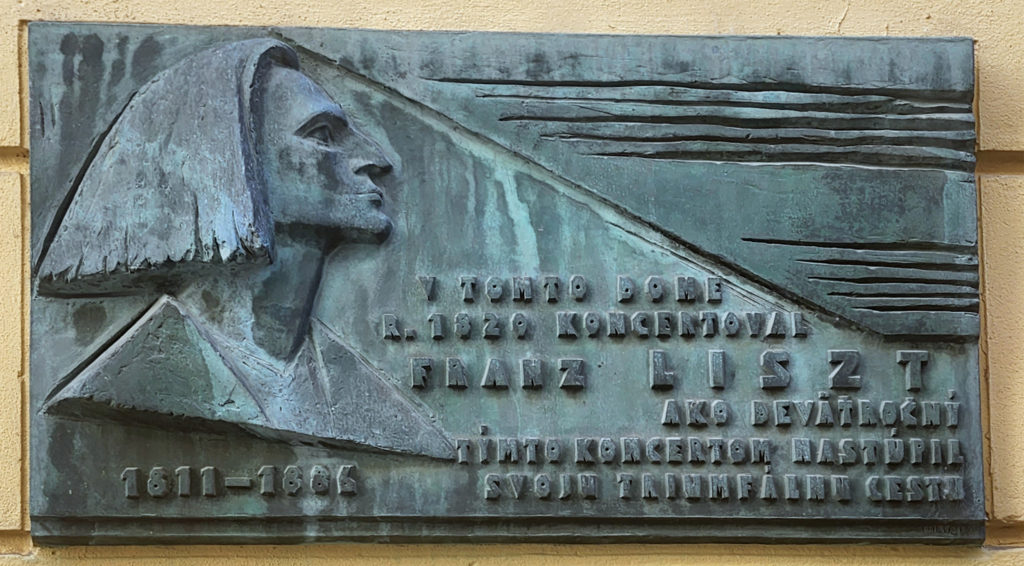 Neighboring Vienna is internationally recognized as a center of classical music and culture, but Bratislava has its own deeply rooted history of arts and culture. Mozart gave a concert in Bratislava at the age of six, and Franz Liszt’s career began (at nine years of age) with a concert in Bratislava. And Hayden, Beethoven, and many other prominent composers performed or conducted concerts in Bratislava in the 19th century. Today, there are a number of music festivals in Bratislava throughout the year, and the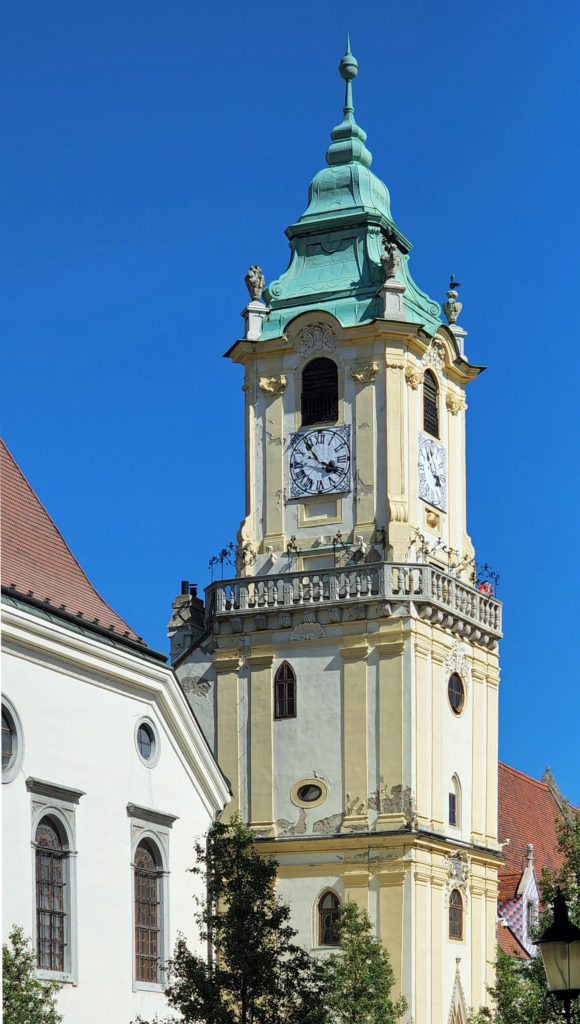
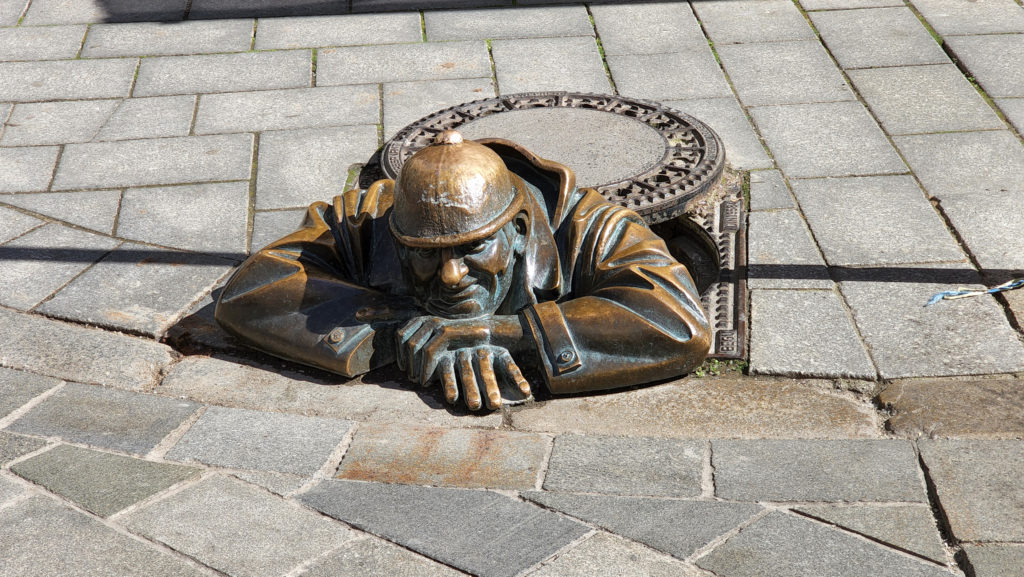 There is much for the visitor to see and do in Bratislava, the vast majority of which we did not have time to take in. But I’m glad that we were able to see at least a portion of this small but interesting and historic city.
 Posted September 14, 2022

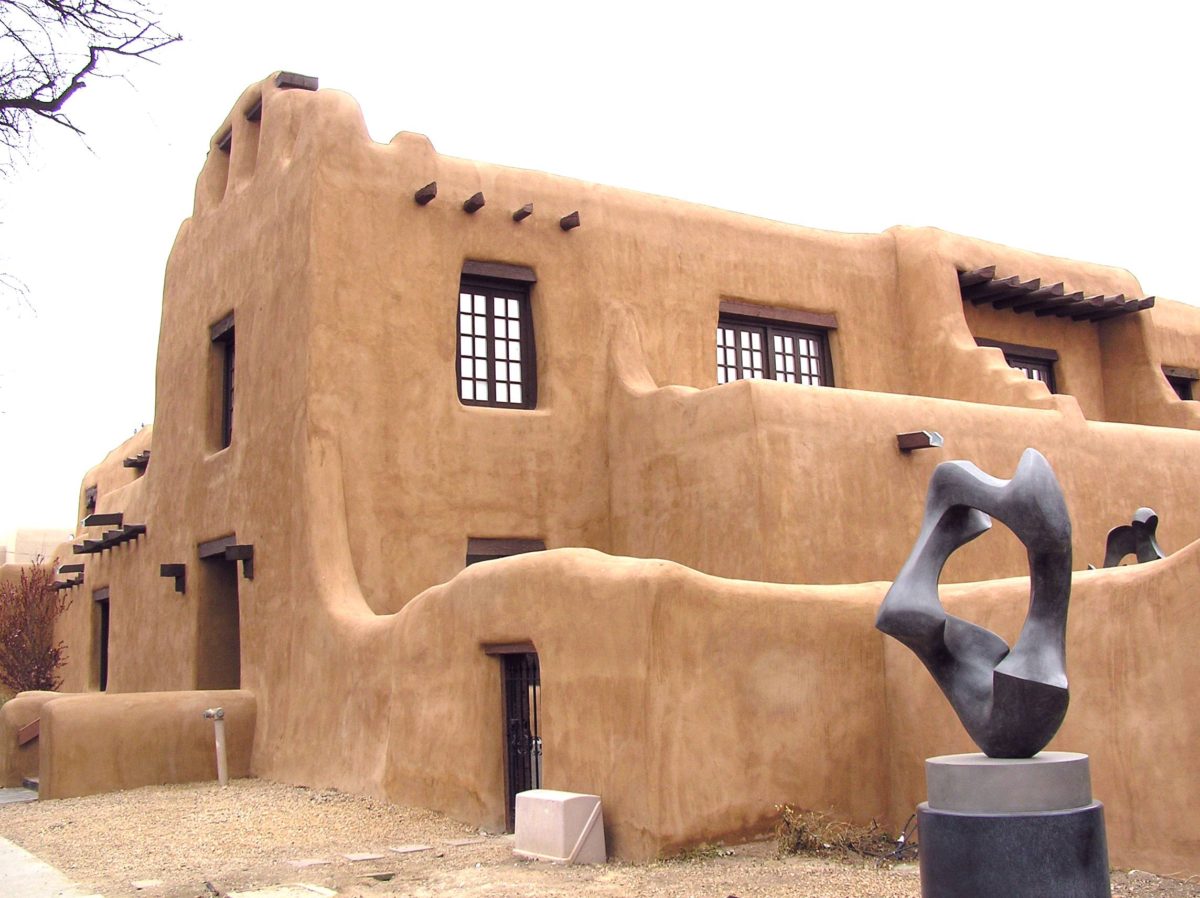
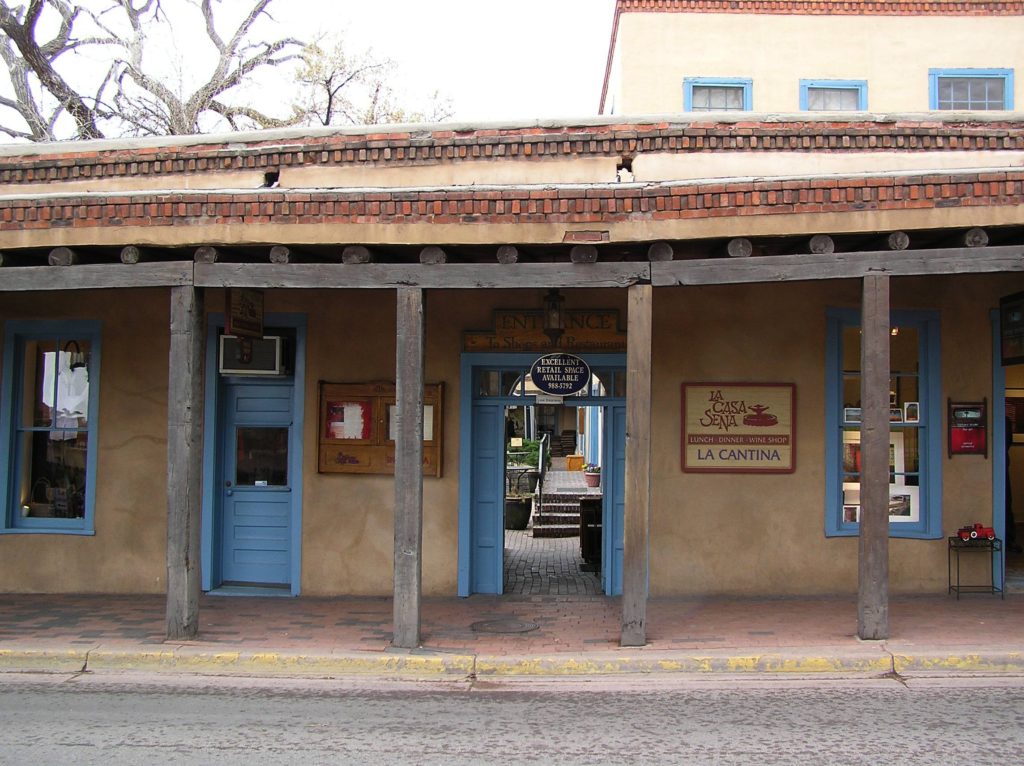
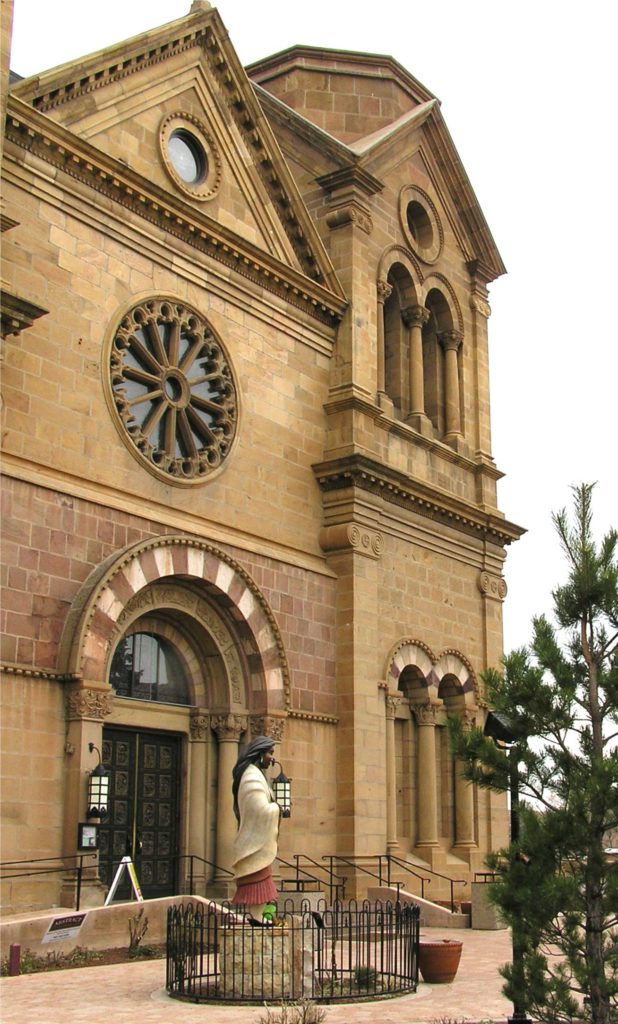
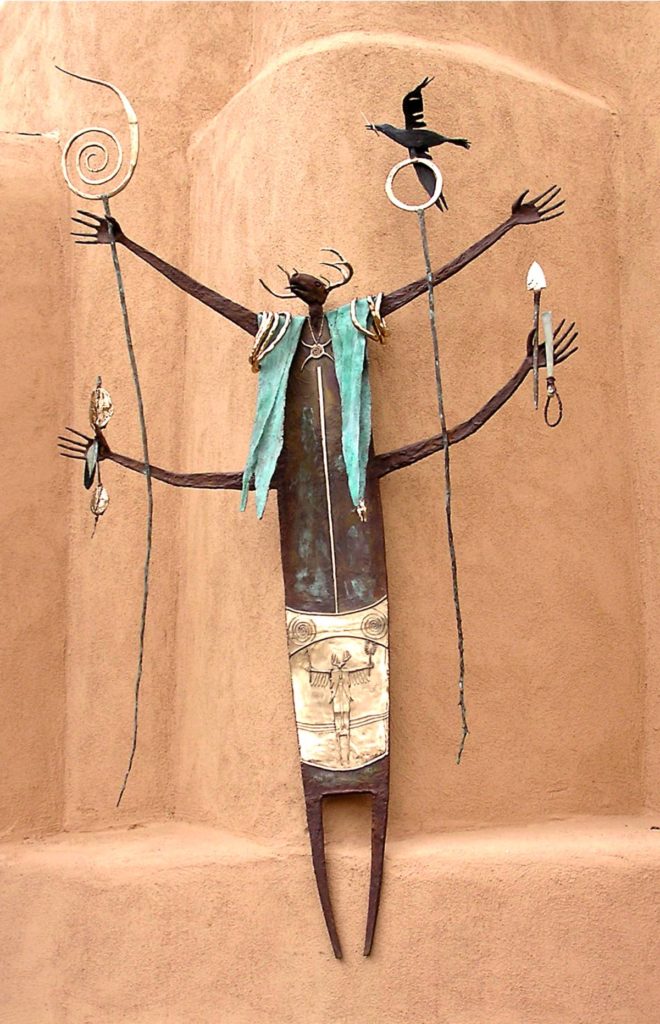
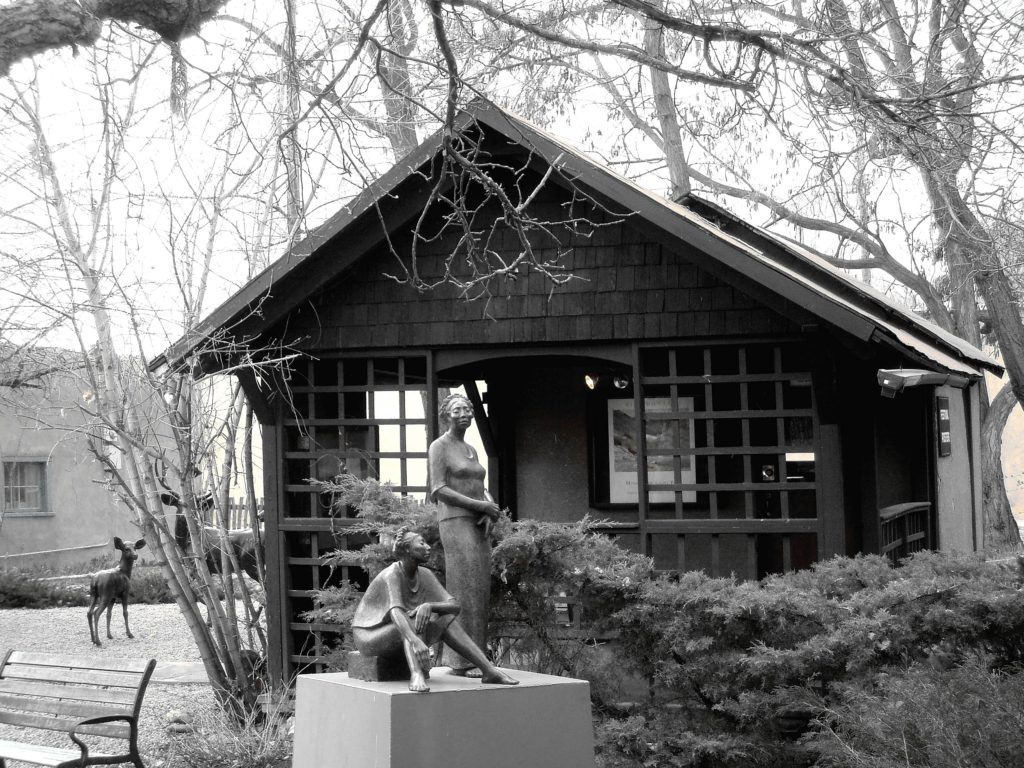
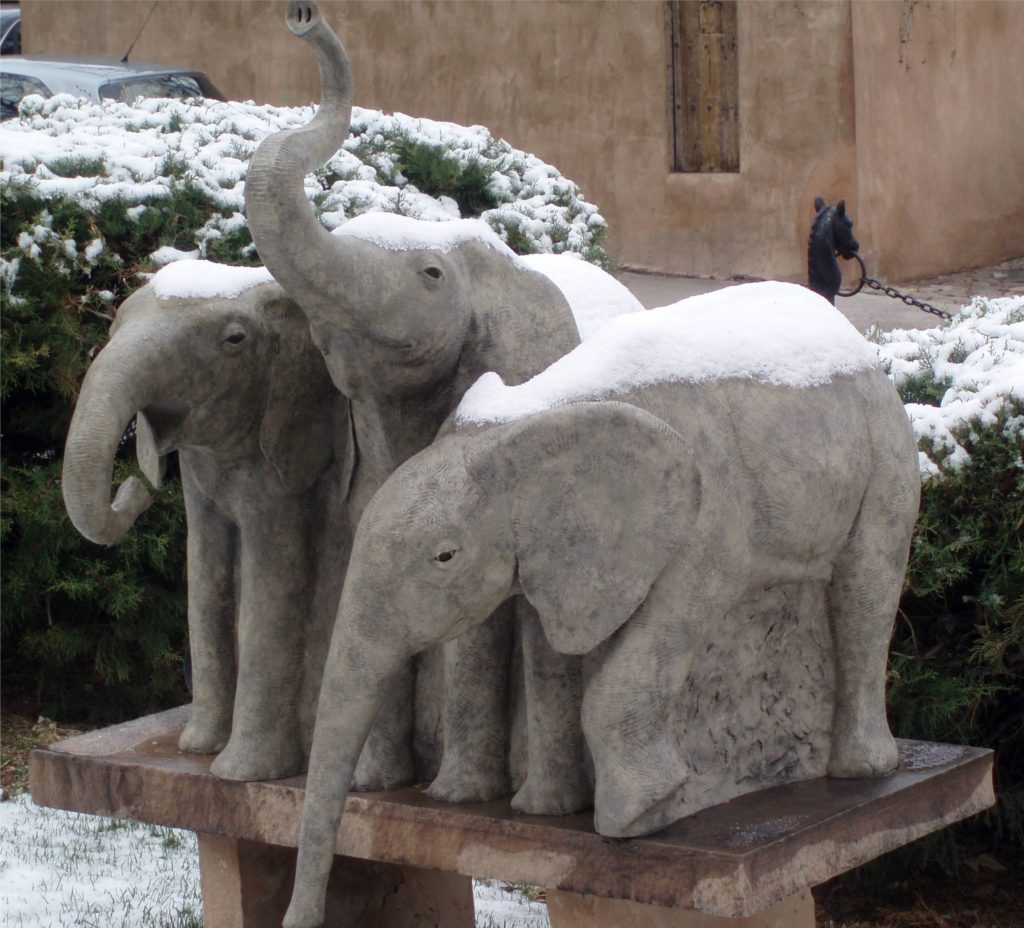 The Plaza is an ideal place to begin your exploration of Santa Fe, particularly if you are an art lover, as my wife and I are. The New Mexico Museum of Art and the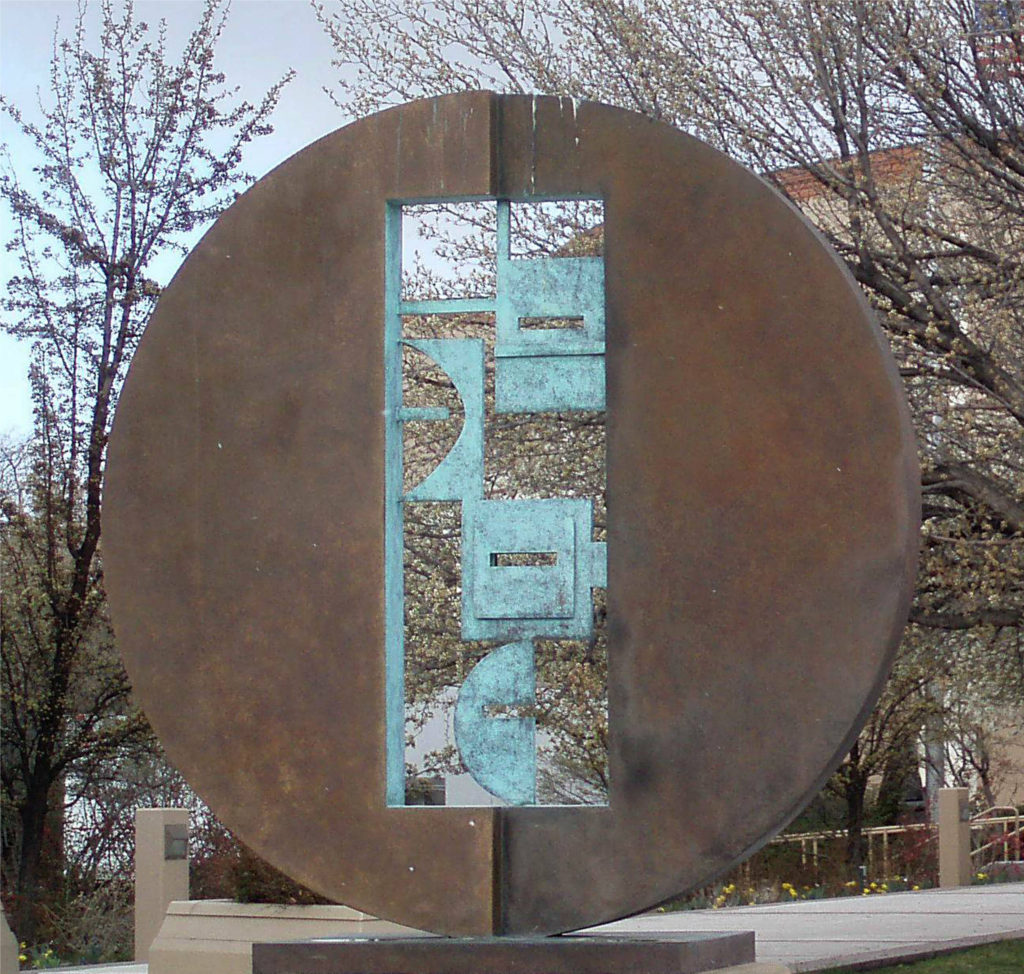
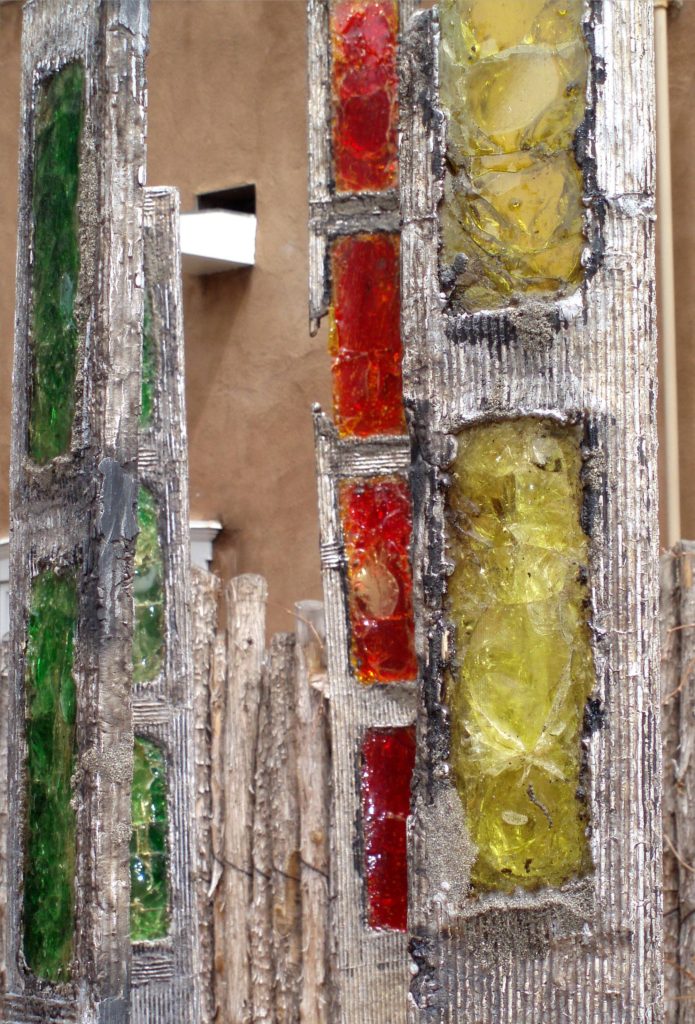
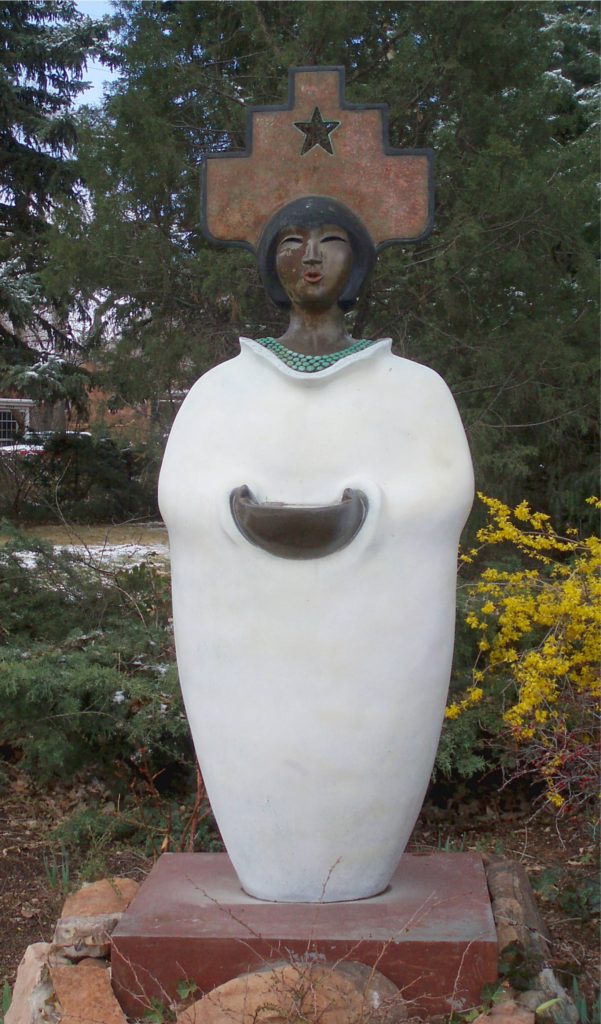 Of course there are plenty of things to see and do in Santa Fe beyond just the visual arts and local history. The Tourism Santa Fe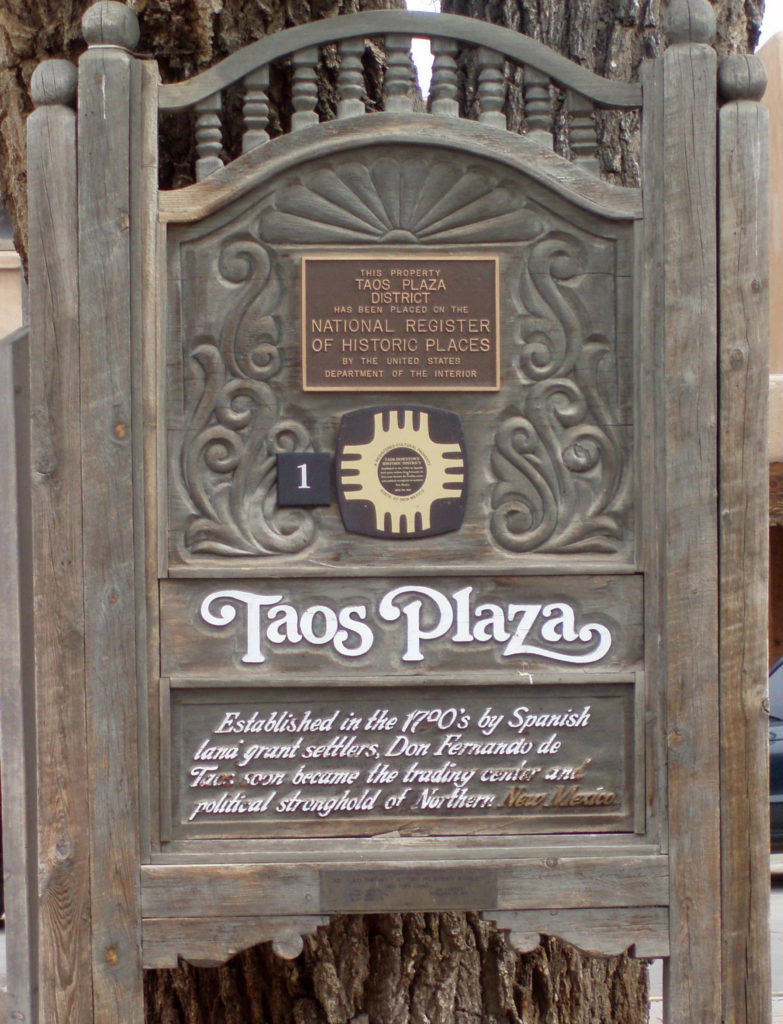
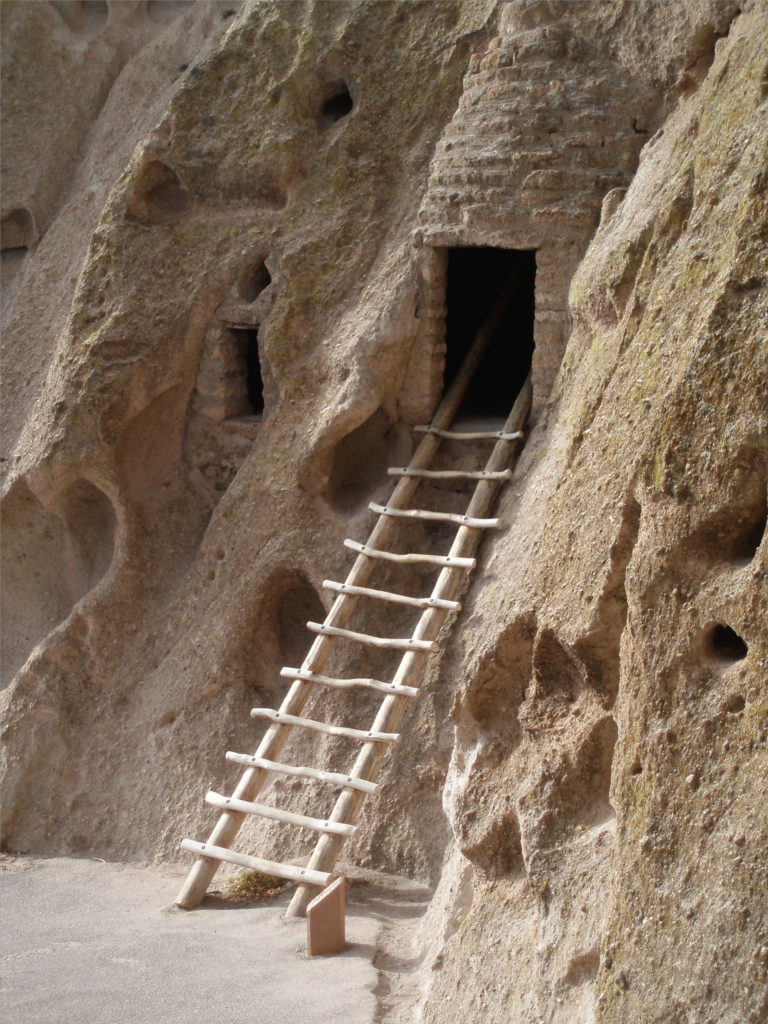
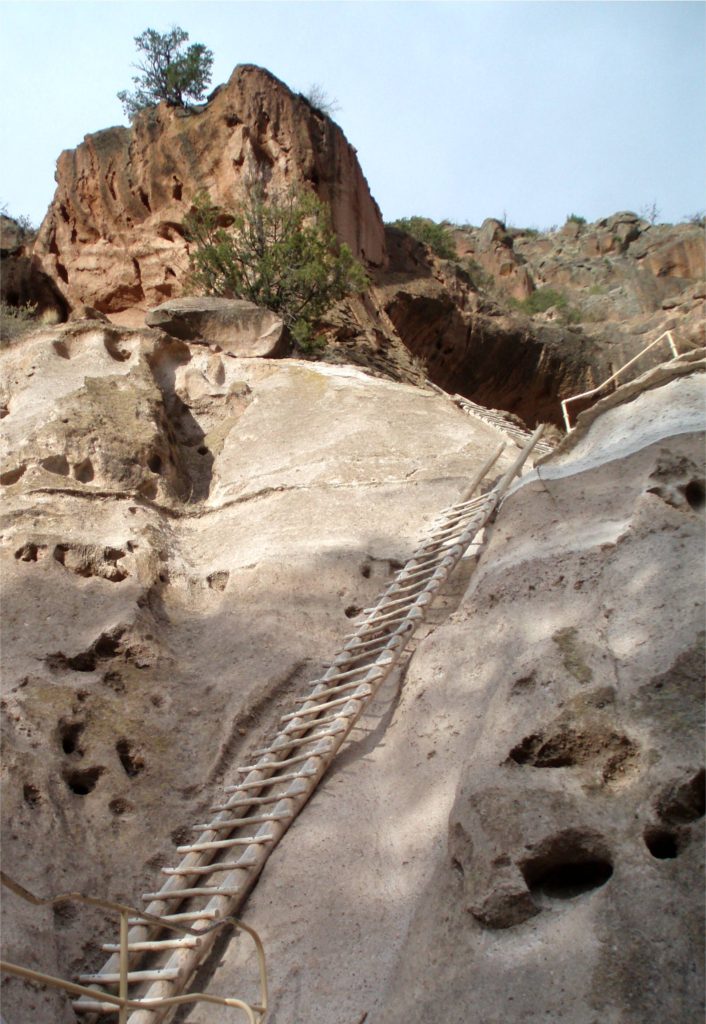
 Puebloan history and culture is an even more pronounced component of modern day Taos than it is in Santa Fe. The nearby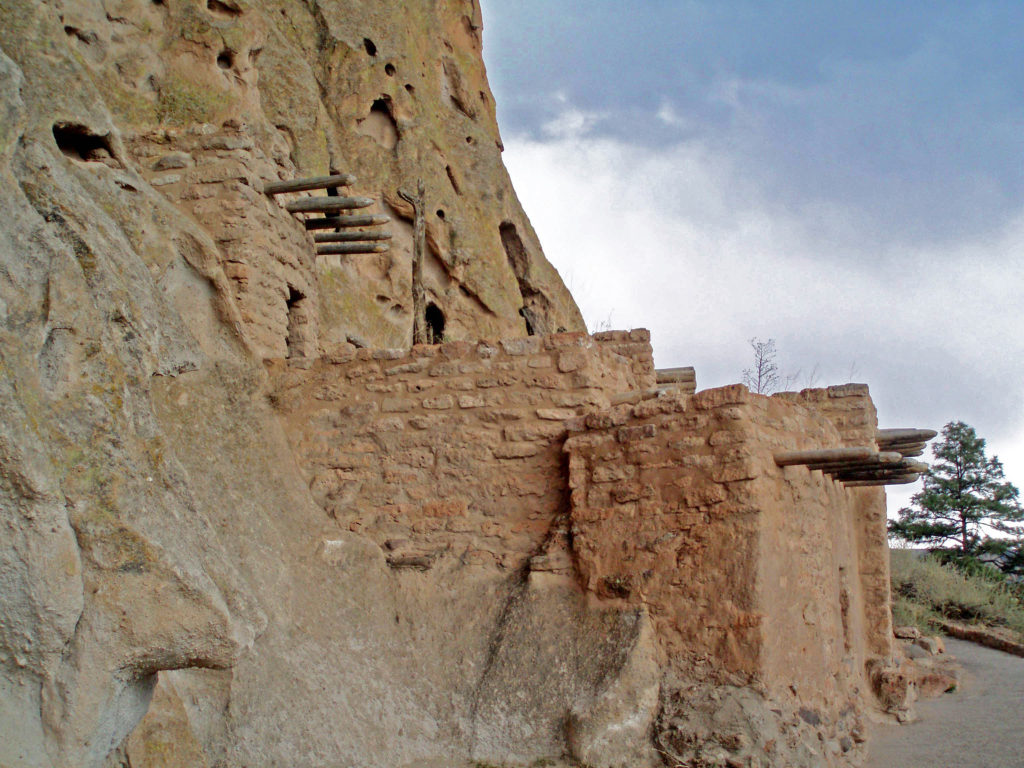
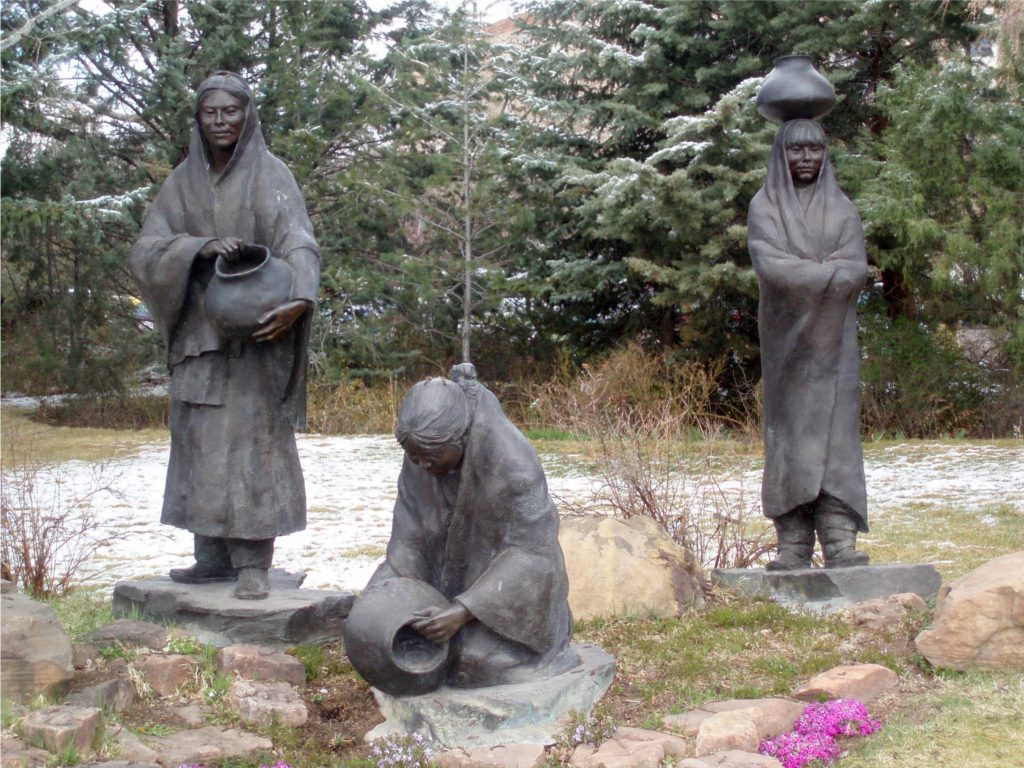
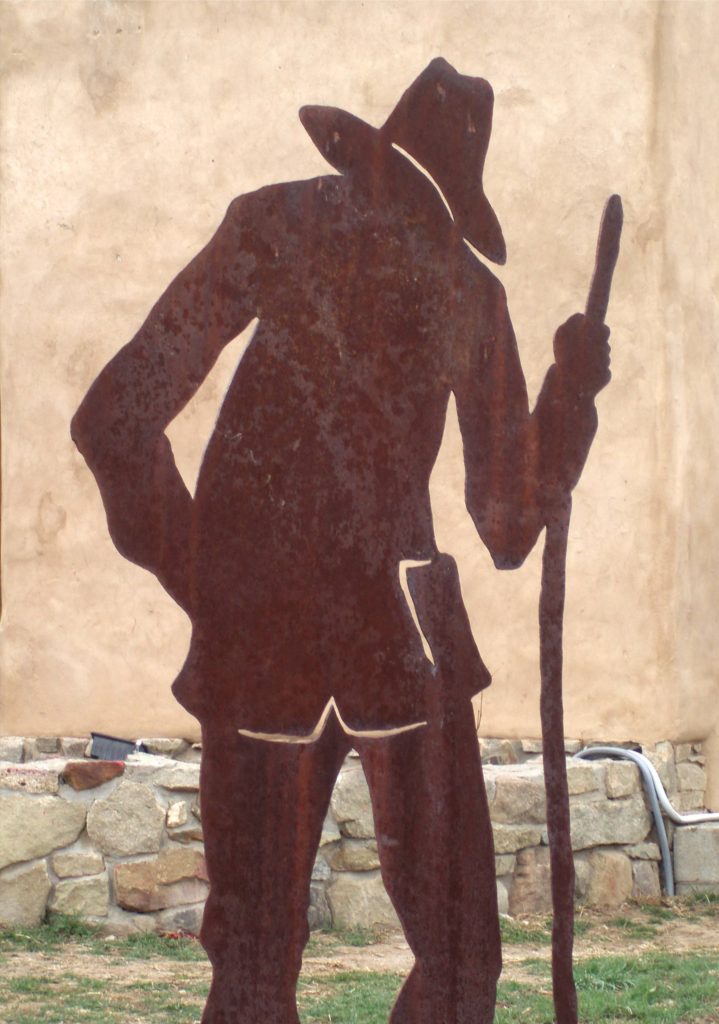
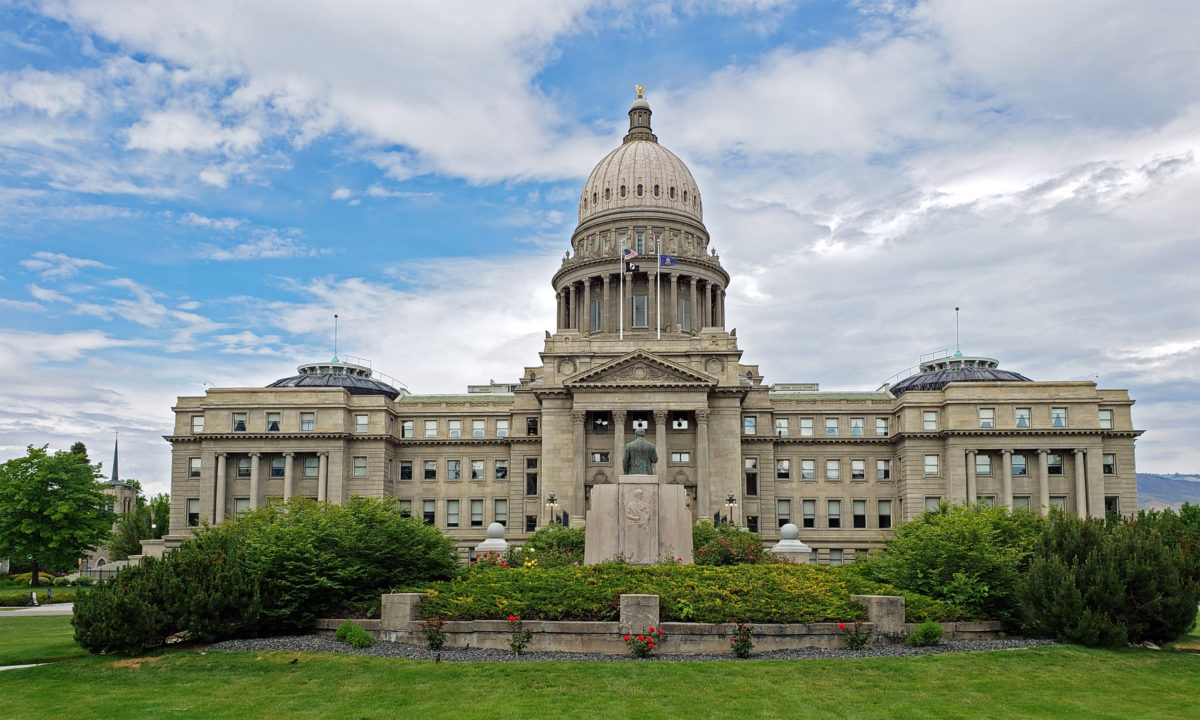
 Boise is Idaho’s capital and largest city, with a metropolitan area population of around 750,000. It’s large enough to have many of the amenities of a big city, but small enough to still retain something of a small town feel. And it’s a surprisingly modern and cosmopolitan city, blending elements of both West Coast and Rocky Mountain cultures.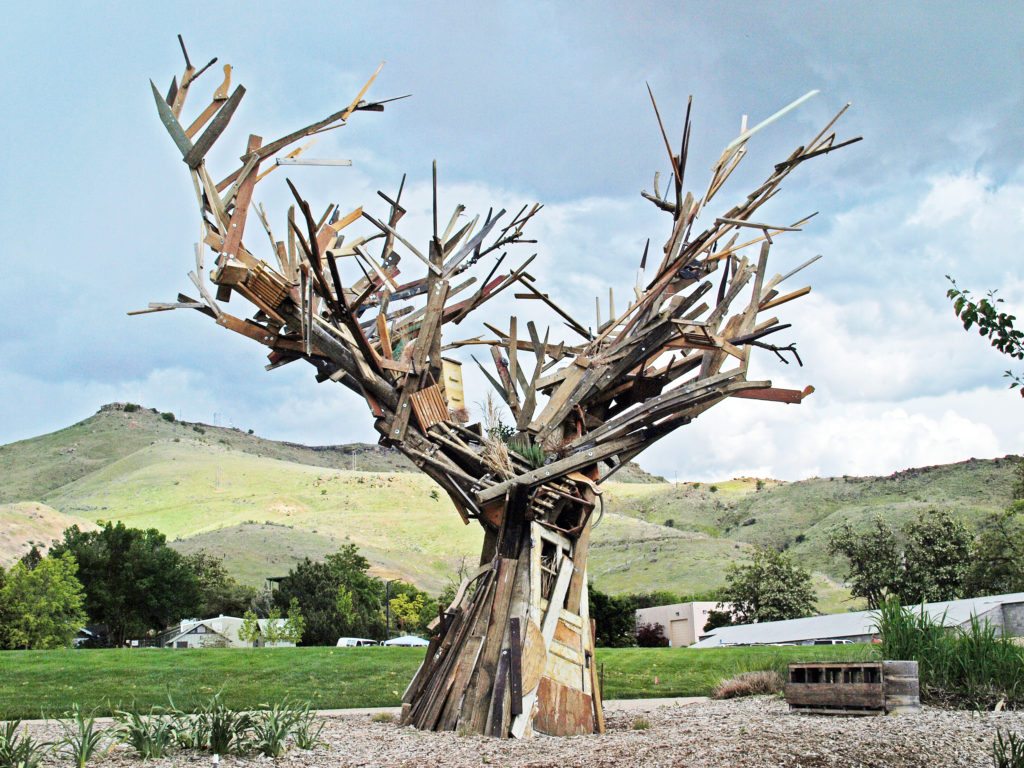
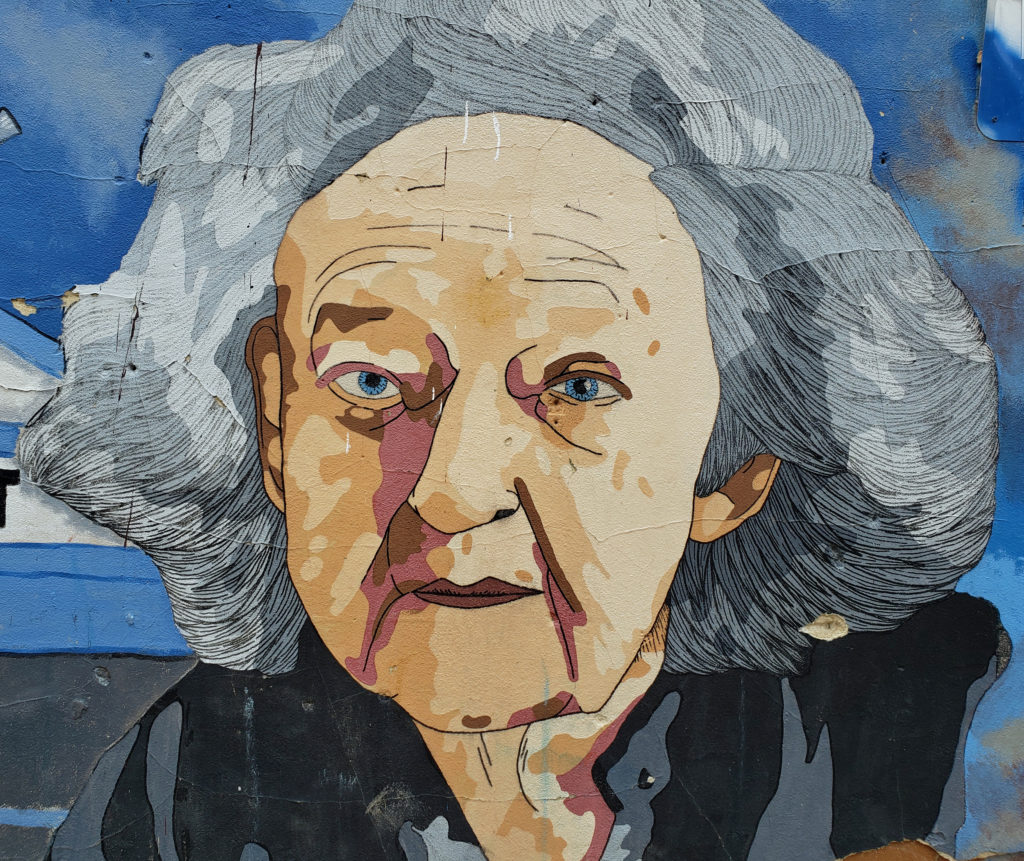
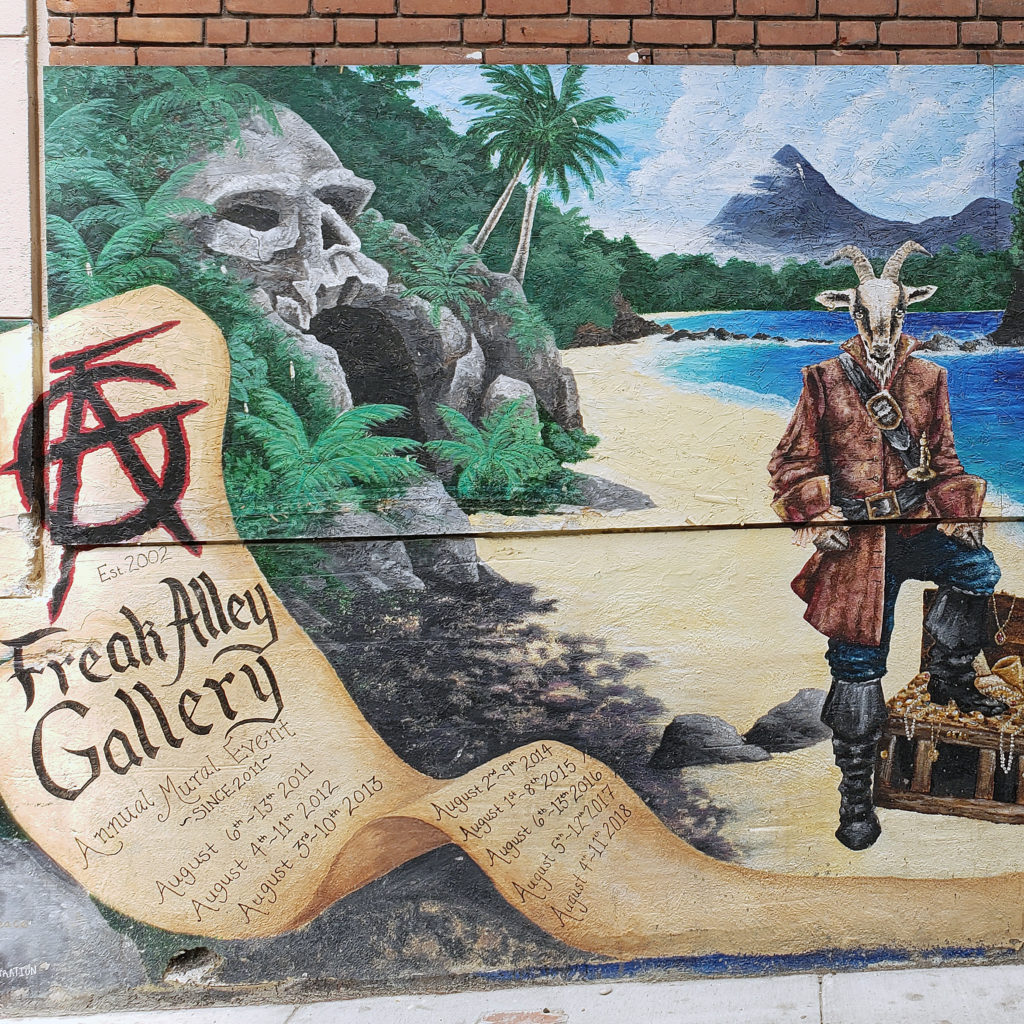
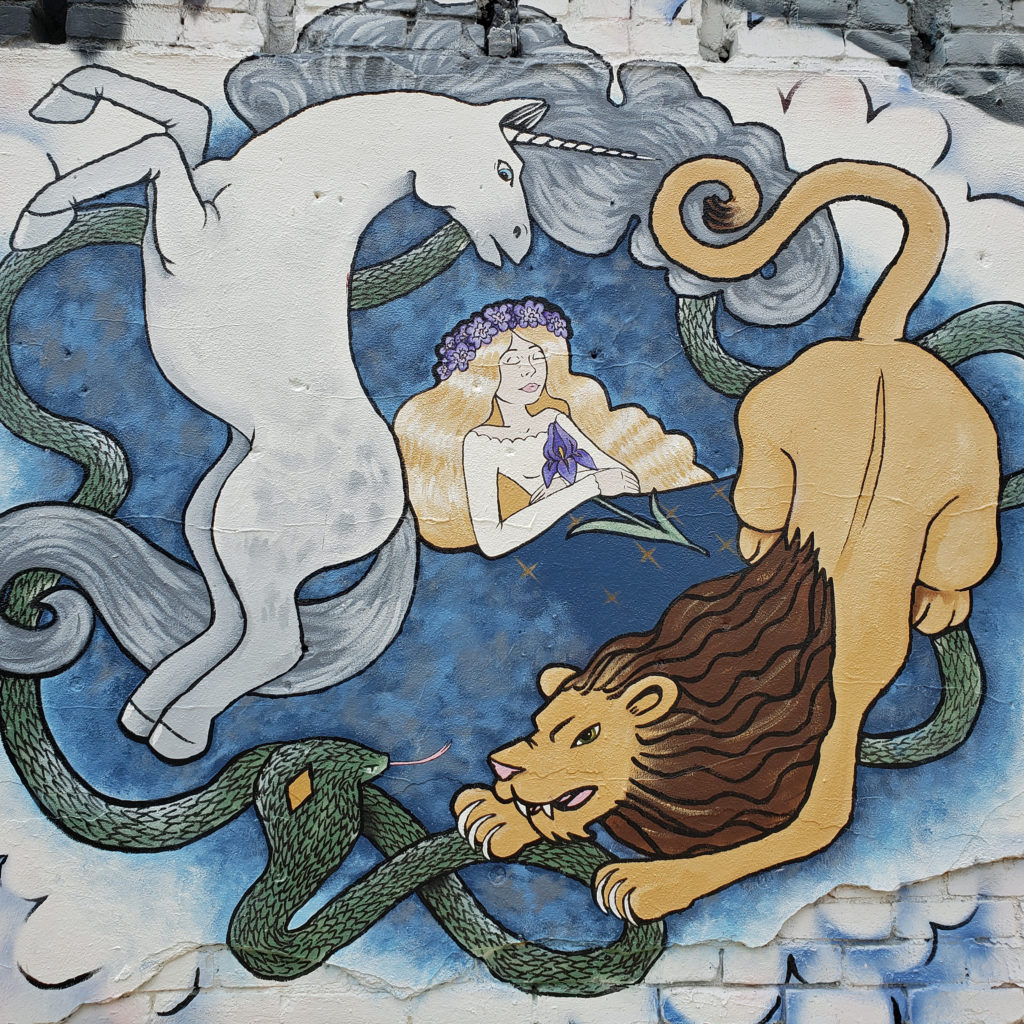
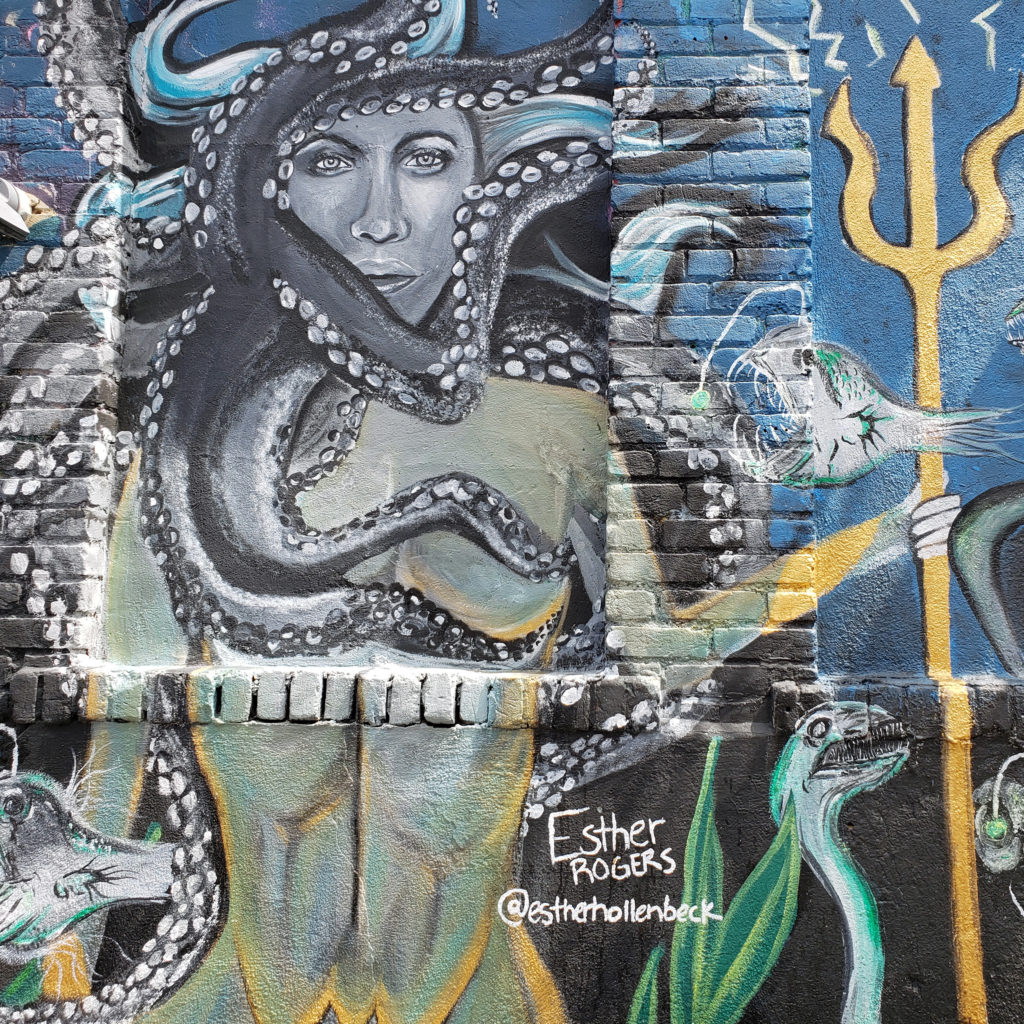
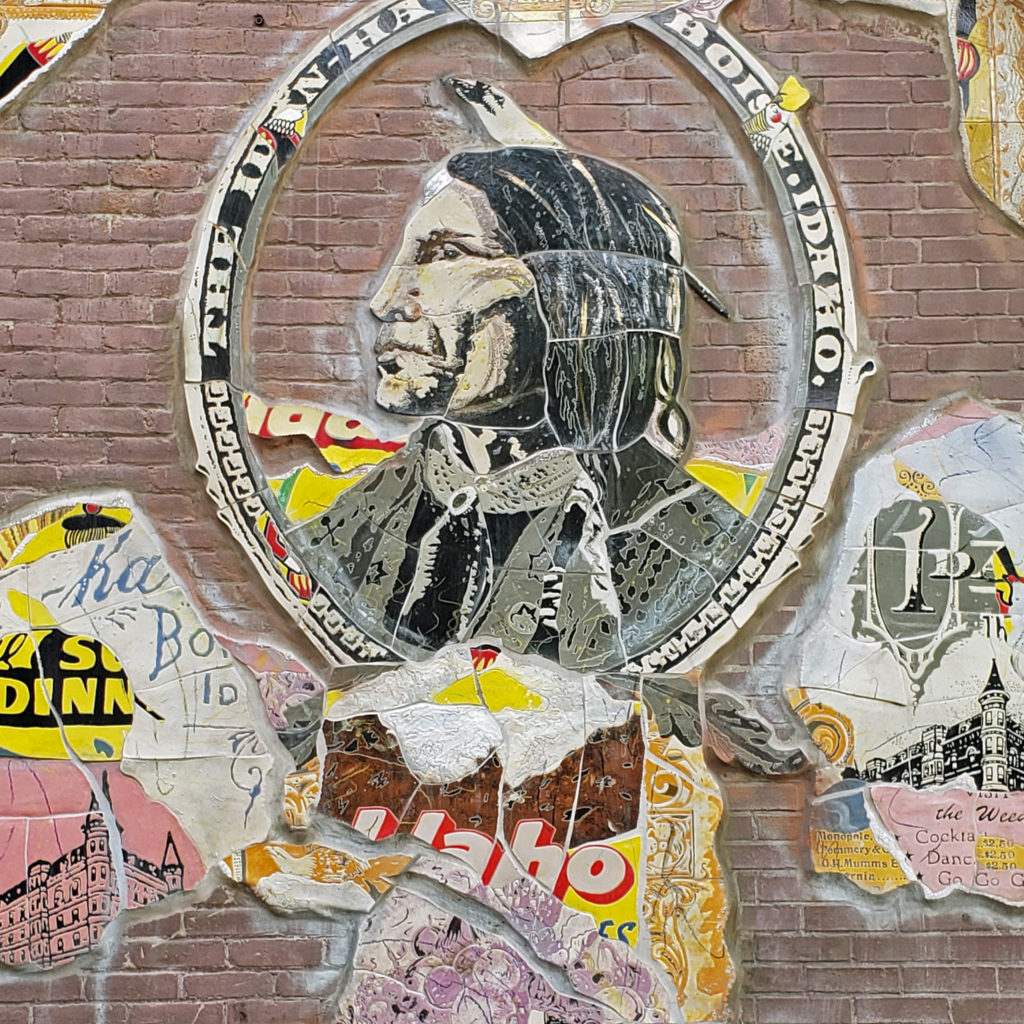
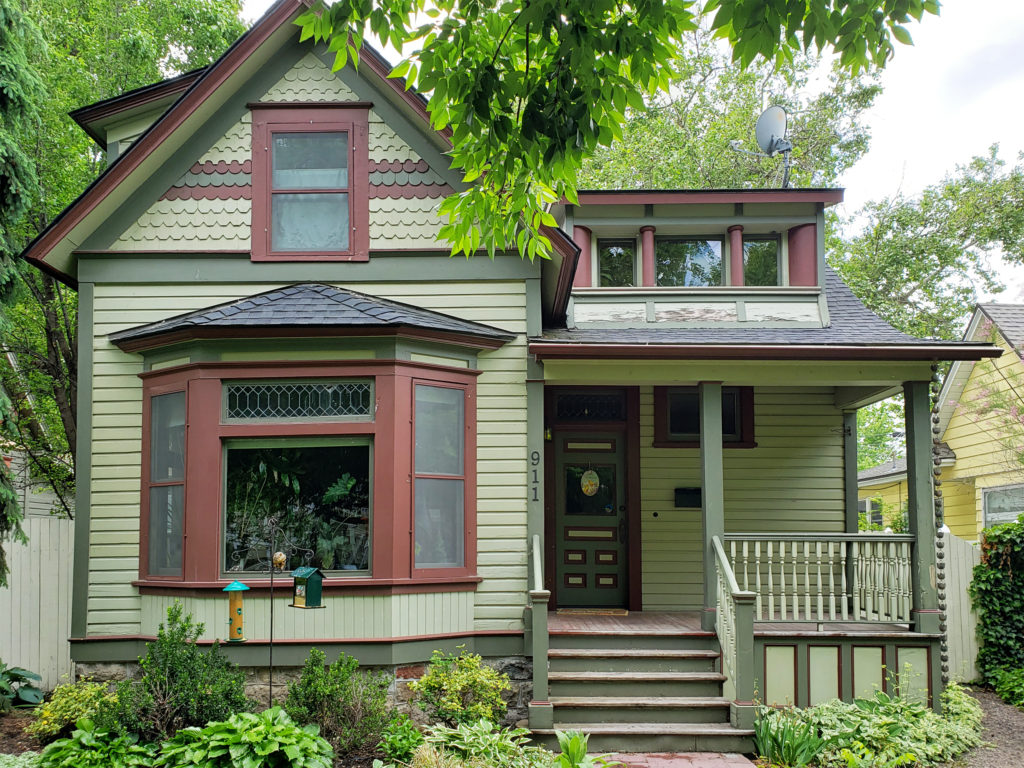
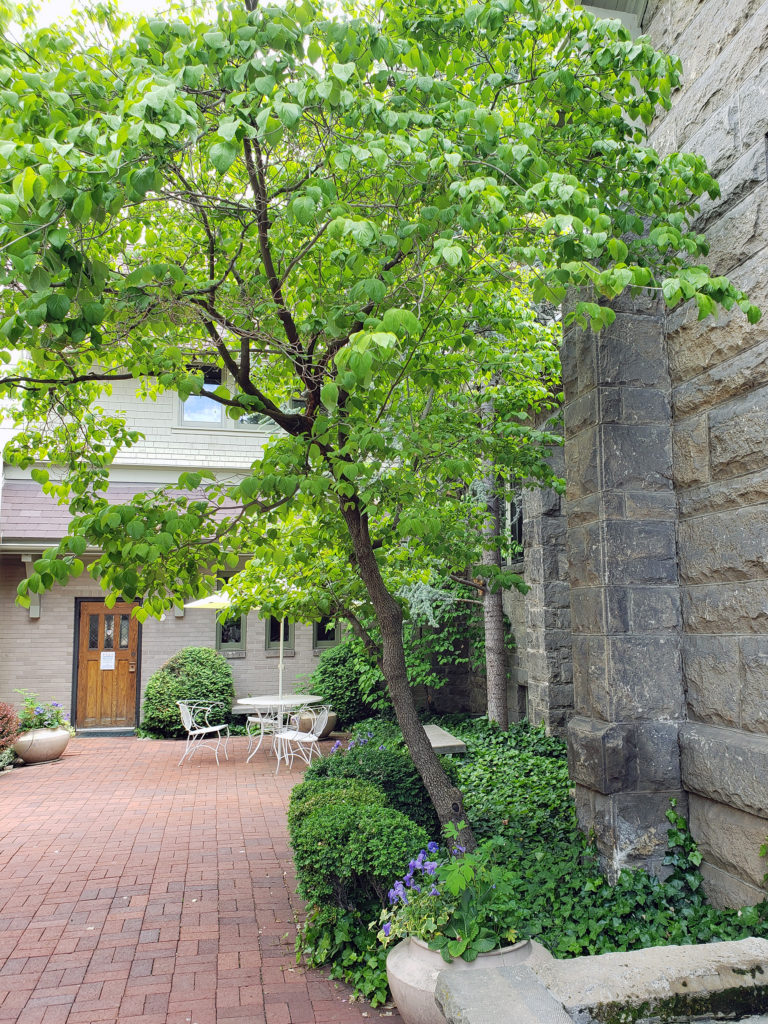
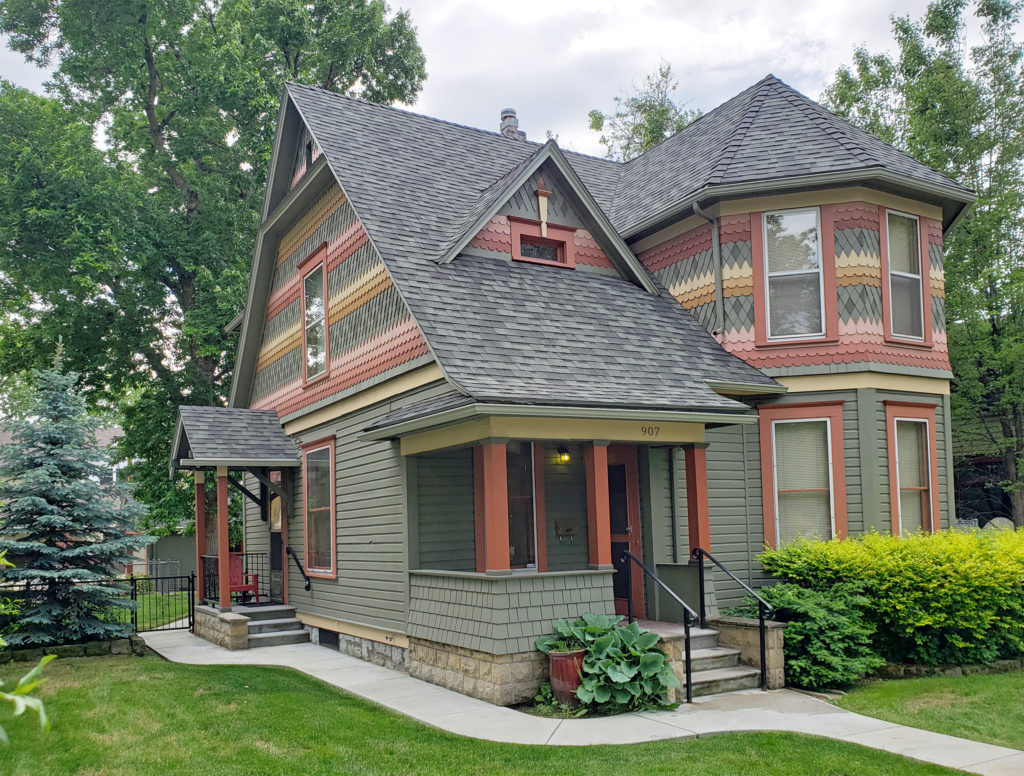 Many fine Victorian houses and architecturally interesting buildings can also be found in the downtown area.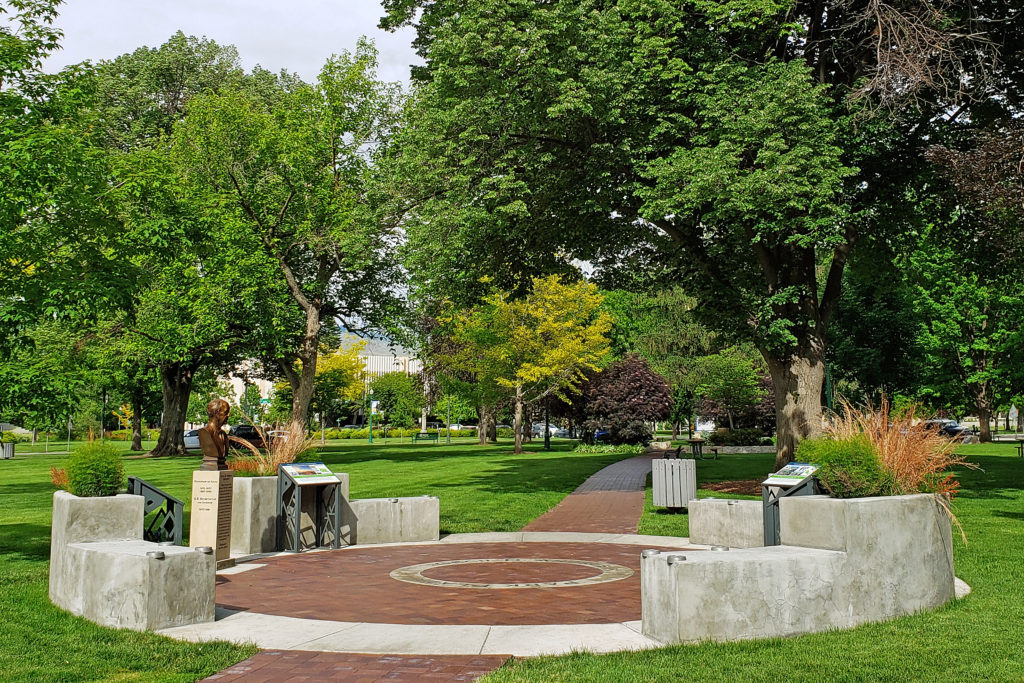
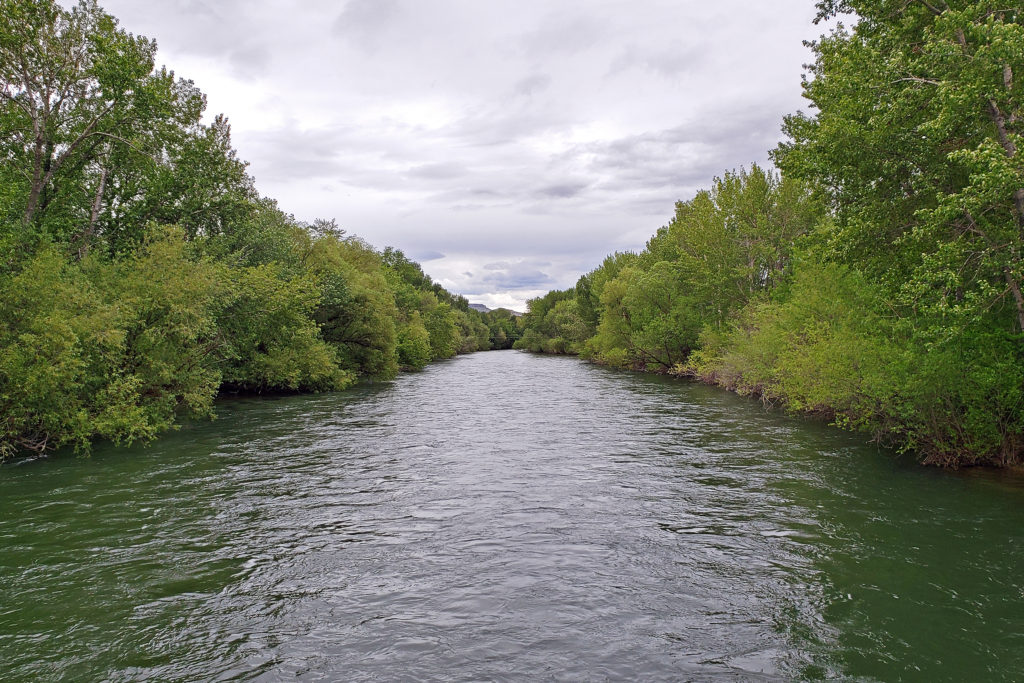
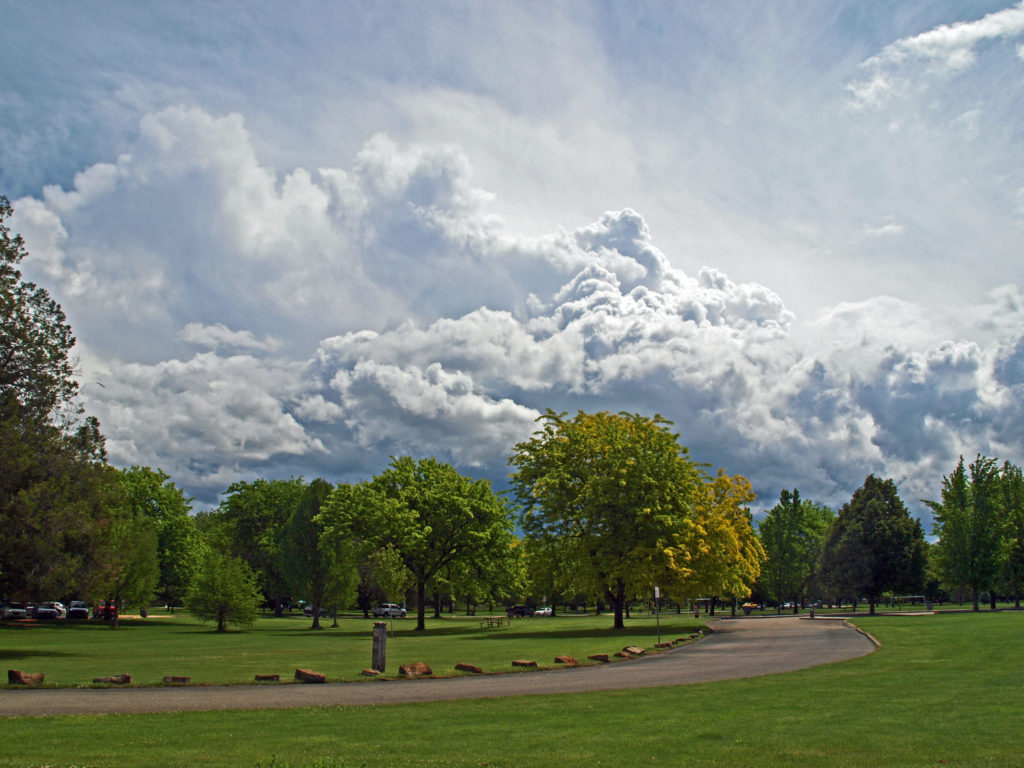
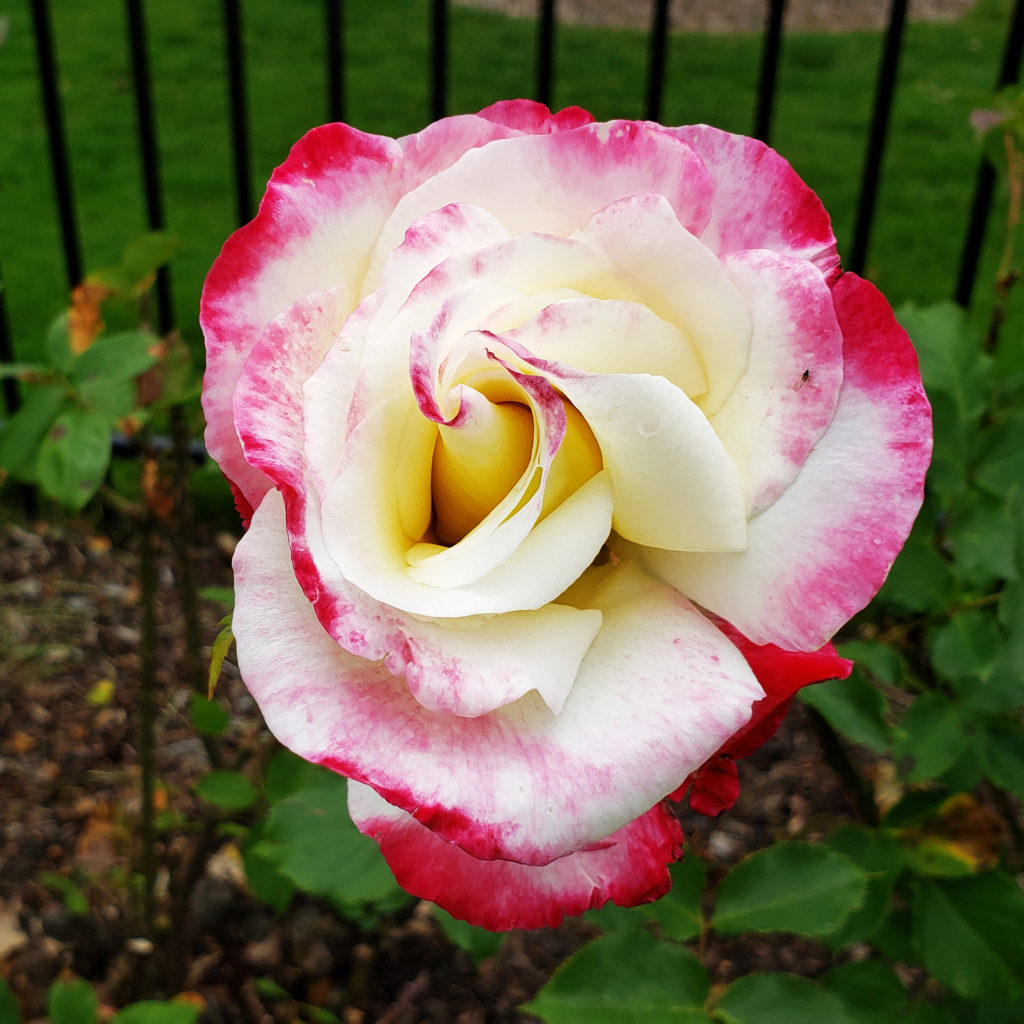
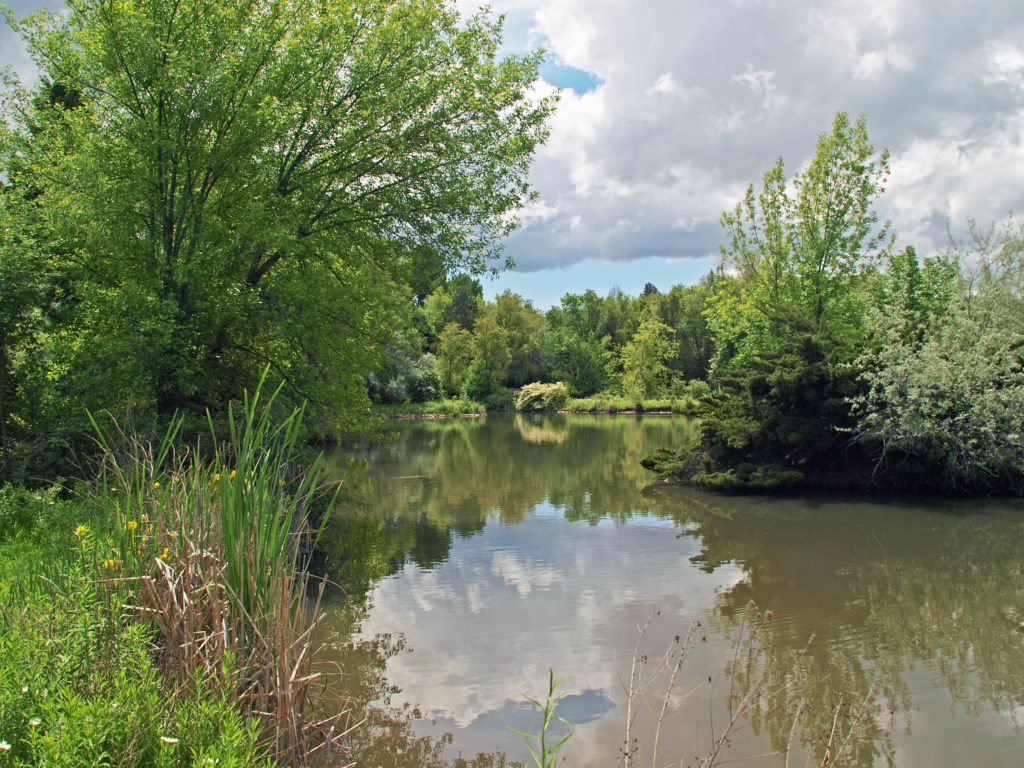
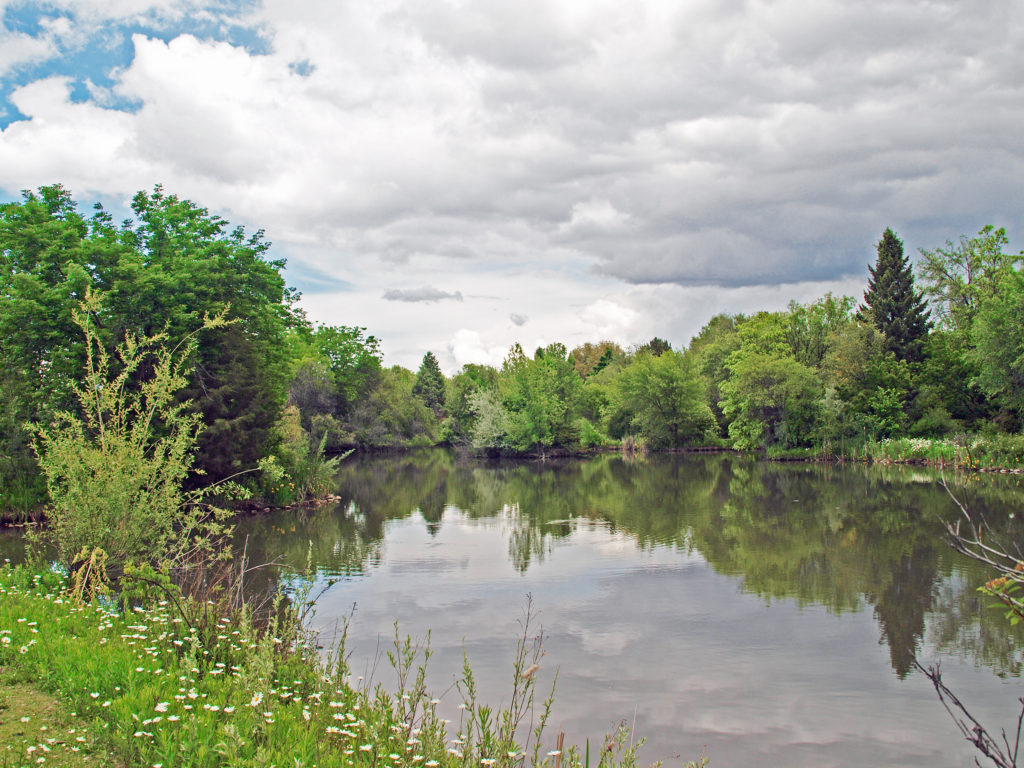
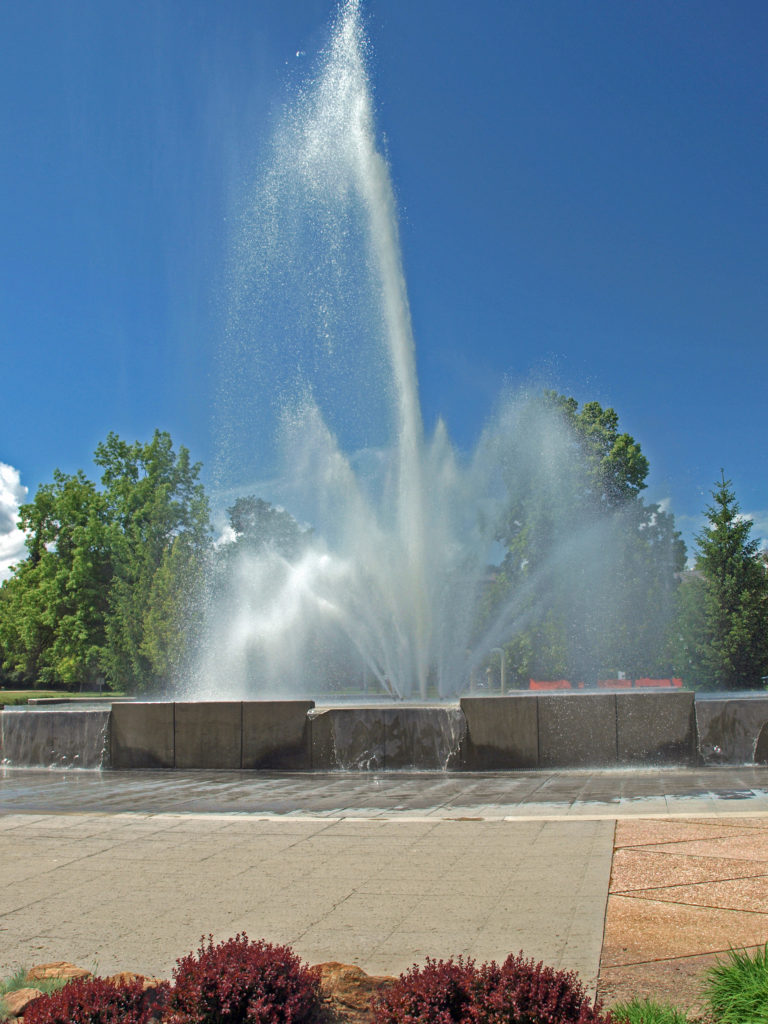 Anne Morrison Memorial Park on the south bank of the river, and the Julia Davis Park, just south of the downtown area on the north bank, are large urban parks with a variety of open spaces and tree lined paths along the river.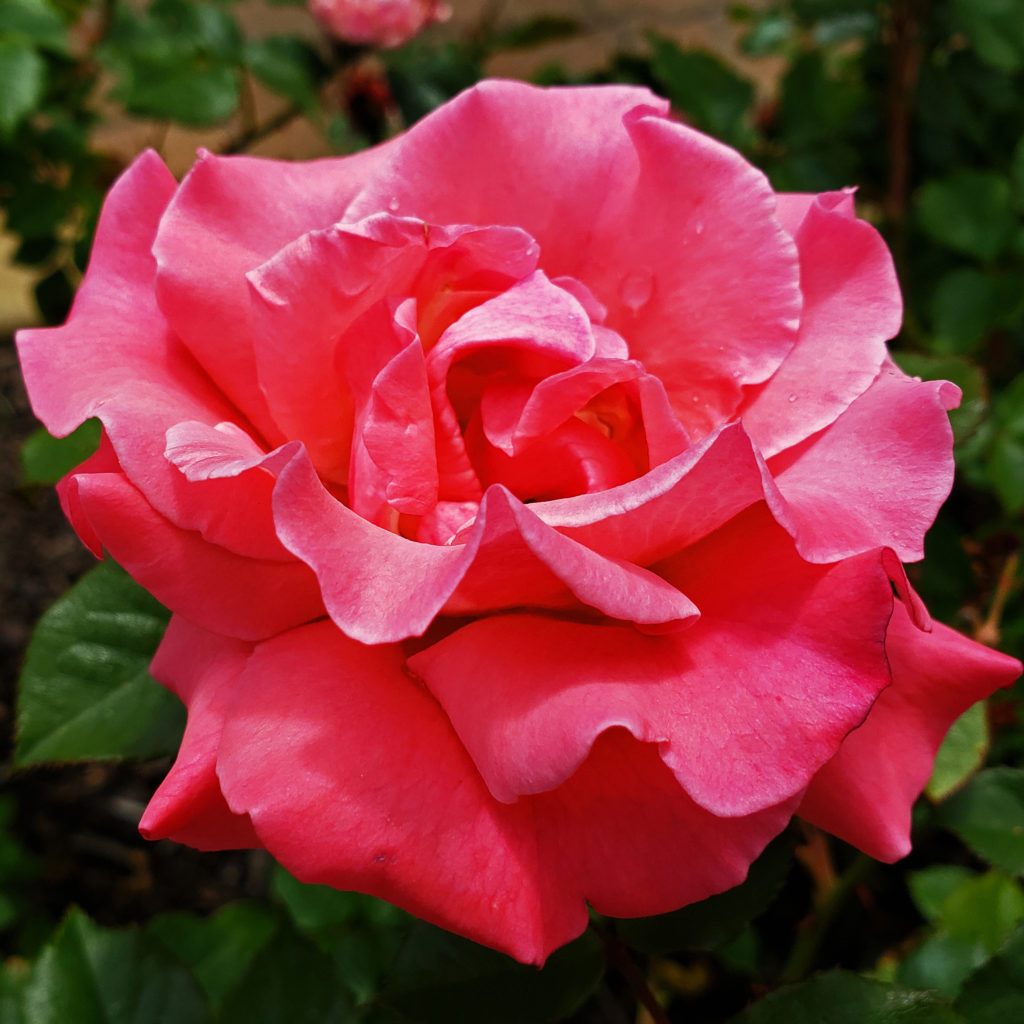
 Boise is definitely worth visiting, and southwest Idaho has many truly unique, beautiful, and enjoyable places to visit, all within a short drive of each other. For more on those, check out my other Exploring Southwest Idaho posts: