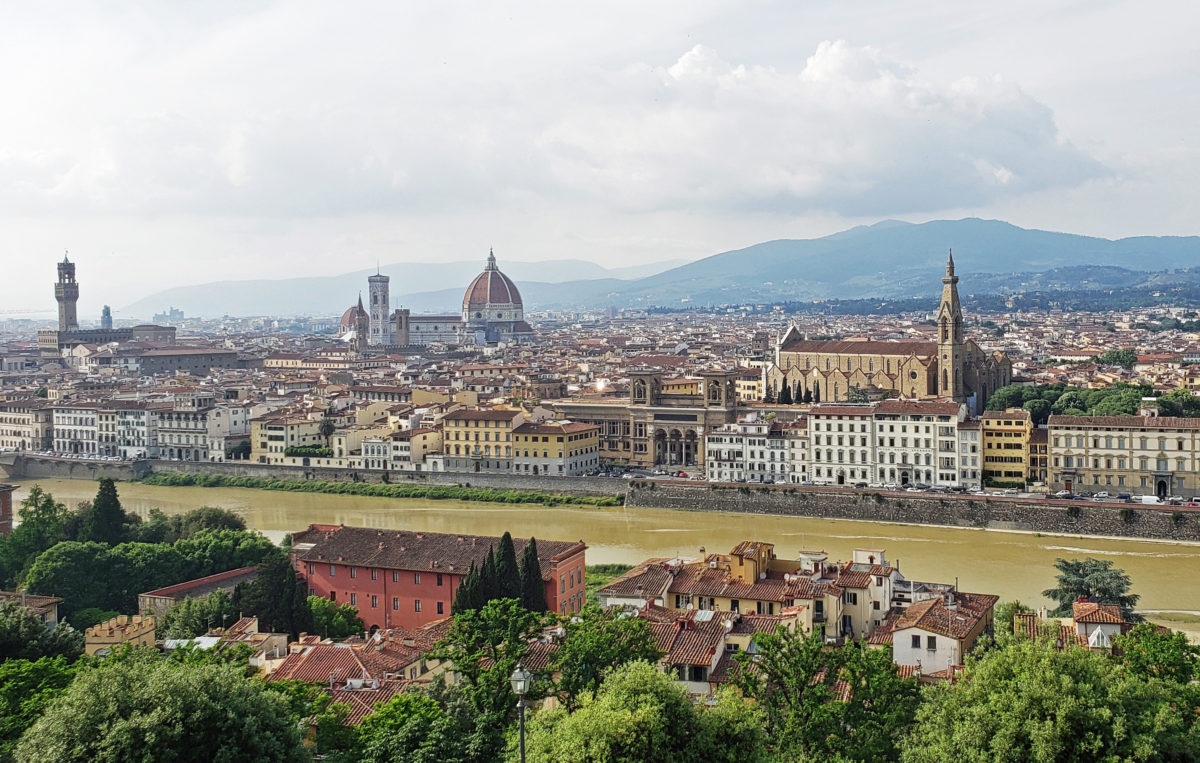
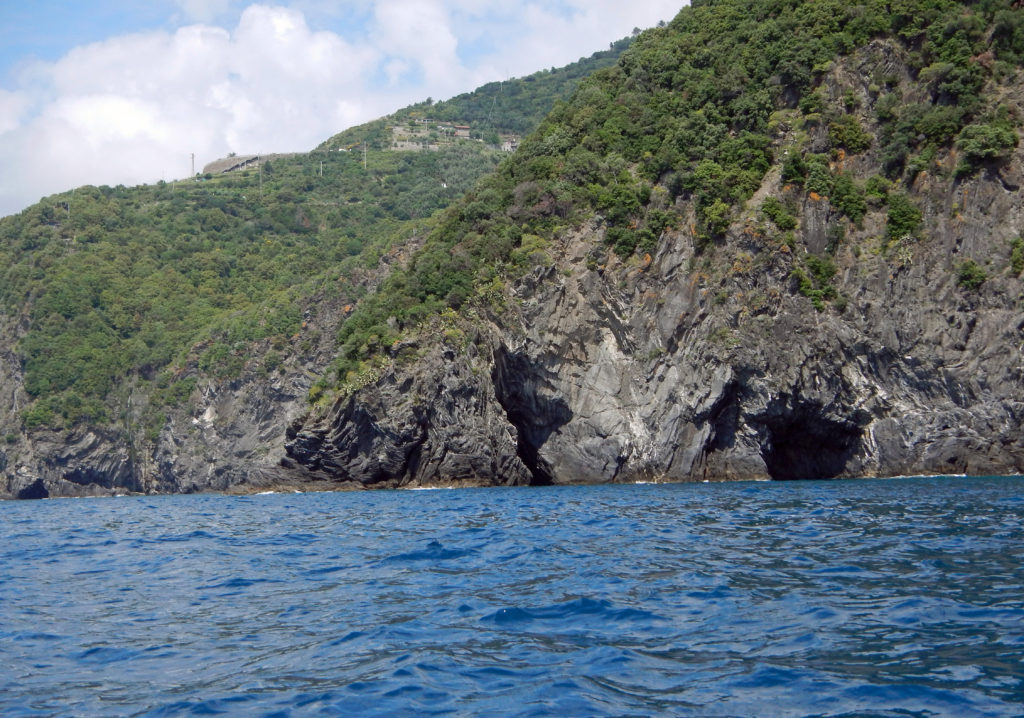
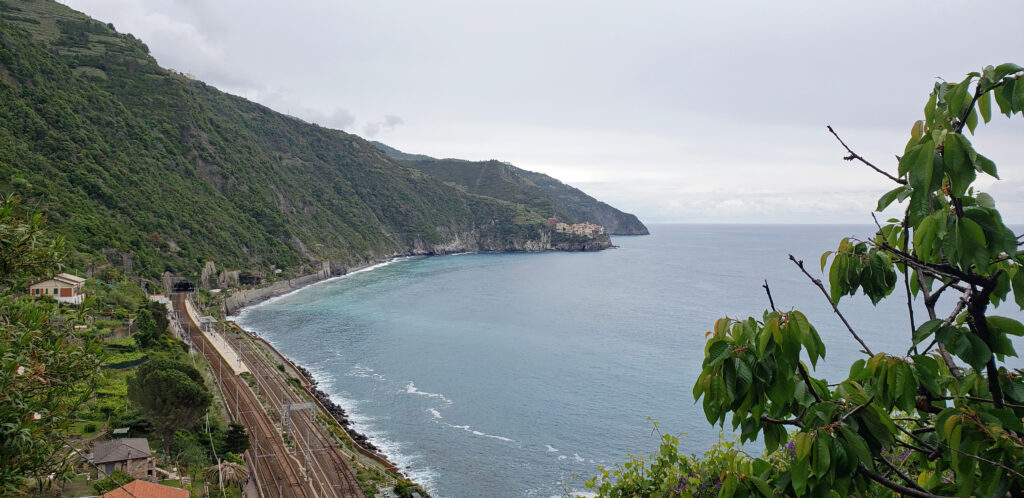
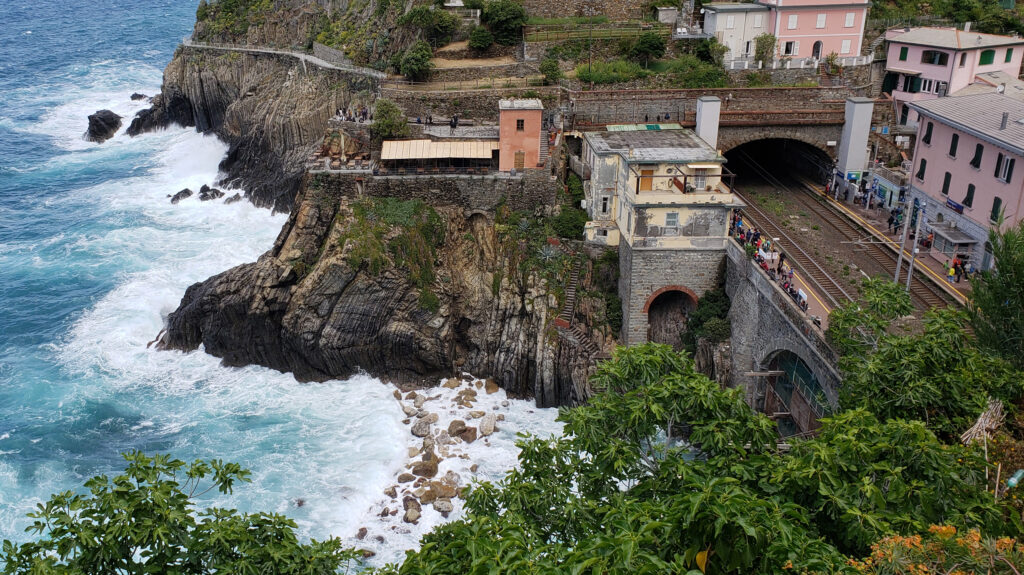
In 2018 my wife and I had the great pleasure of visiting Florence, Italy. It was the final leg of our 2018 trip that also included visits to Cinque Terre, Lucca, Pisa, and Siena.

There is probably no other city in the world where history, culture, and art intersect as strongly as they do in Florence. Walking the streets of the old city center, you are walking the same streets that Leonardo da Vinci, Michelangelo, Galileo, the Medicis, and Machiavelli walked. You are literally walking in their footprints. That’s a very powerful and pretty magical connection. Never mind that there are tens of thousands of other visitors walking those same streets.
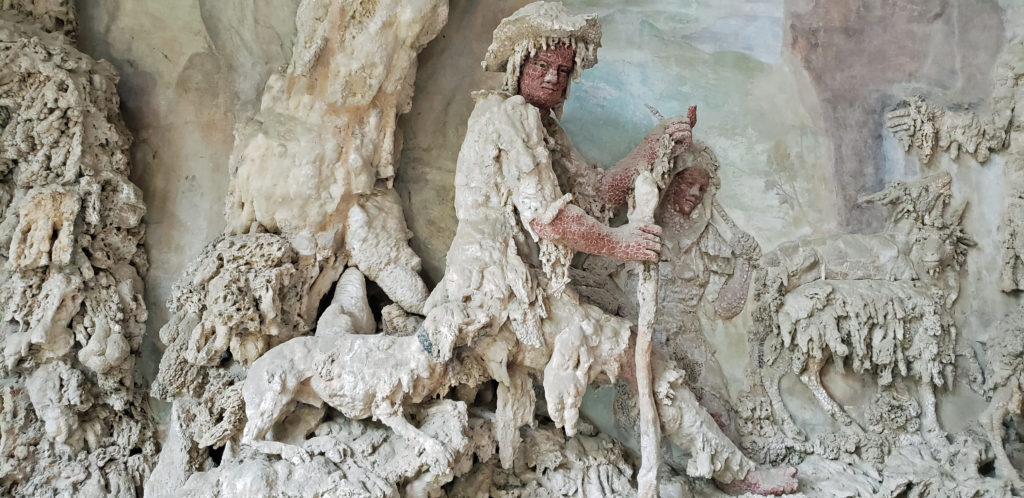
If you an art aficionado, you have a problem here – you simply can’t see everything worth seeing unless you have an unlimited amount of time to spend in Florence. There are dozens of galleries, museums, and palaces, and hundreds, probably thousands, of statues and other significant pieces art scattered around the city. Many of Florence’s churches have impressive art collections, as well. We visited many, but by no means all, of the major galleries in our four days there.
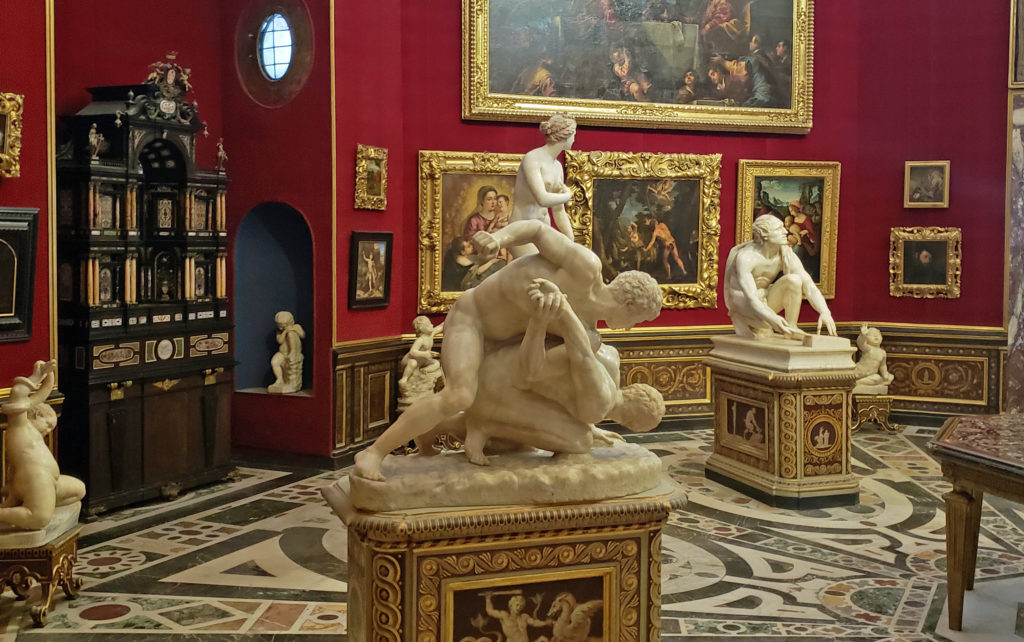

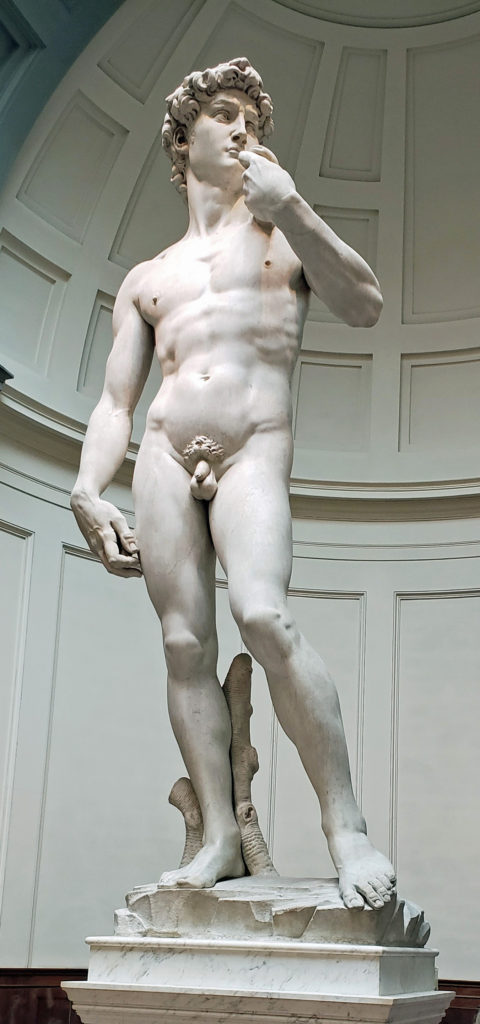
The two most acclaimed art museums in Florence are the Uffizi Gallery and the Galleria dell’ Accademia. The Uffizi has the most extensive collection of Italian renaissance art in existence, and the Accademia is home to Michelangelo’s David. Though very crowded, both are absolute must sees if this is your first visit to Florence.

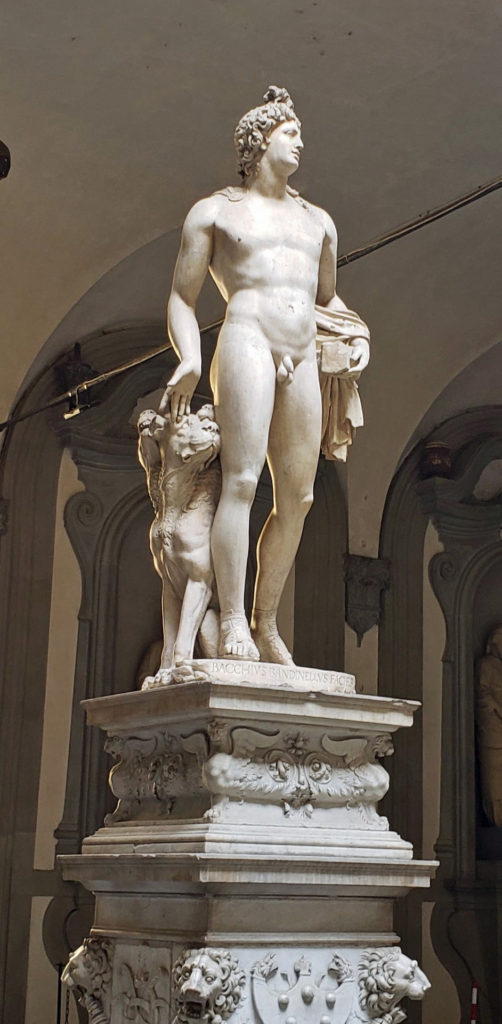
The Duomo Museum is also highly worth visiting, and the Bargello has the best collection of early Florentine sculpture. The Palazzo Medici-Riccardi and the Palazzo Vecchio both also house significant works of Florentine art. The Galileo Science Museum, the Museum of San Marco, and the museums in the Palazzo Pitti are also highly recommended by the guide books. We weren’t able to visit any of those, however.
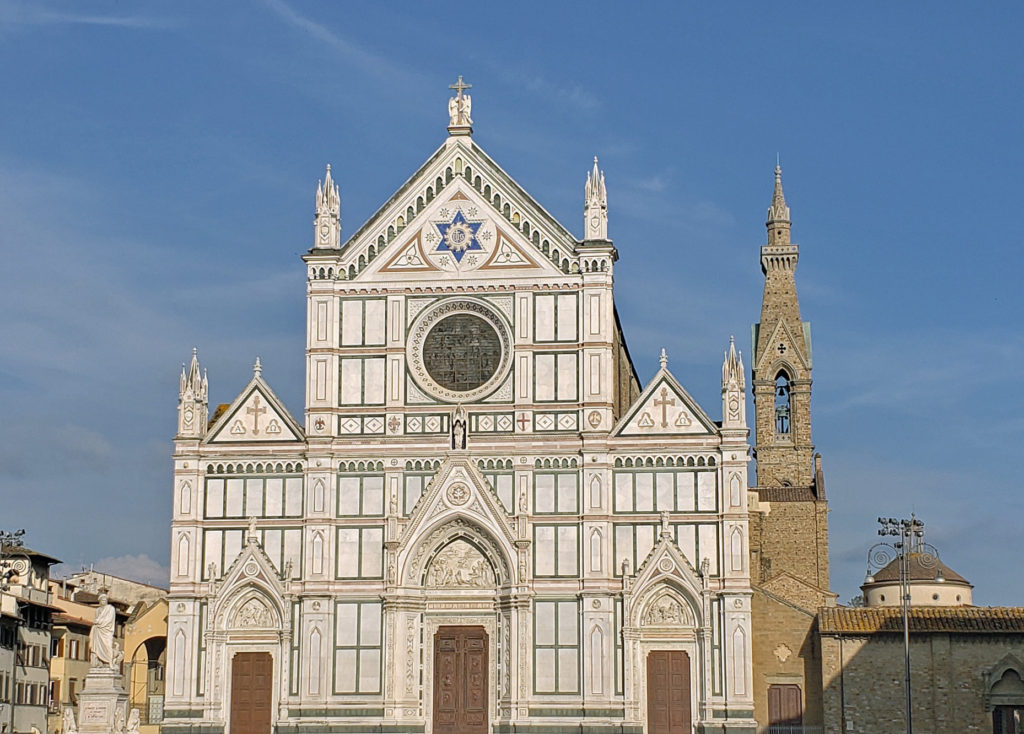
The history and culture of Florence is intimately tied to the Catholic Church, and many of the city’s churches are among the major attractions of Florence, including the Church of Santa Maria Novella, the Santa Croce Church, the Brancacci Chapel, the Medici Chapels, the San Miniato Church, and, of course, the Duomo cathedral (officially the Cattedrale di Santa Maria del Fiore) and the Baptistery (the oldest structure in Florence, built in the eleventh century).
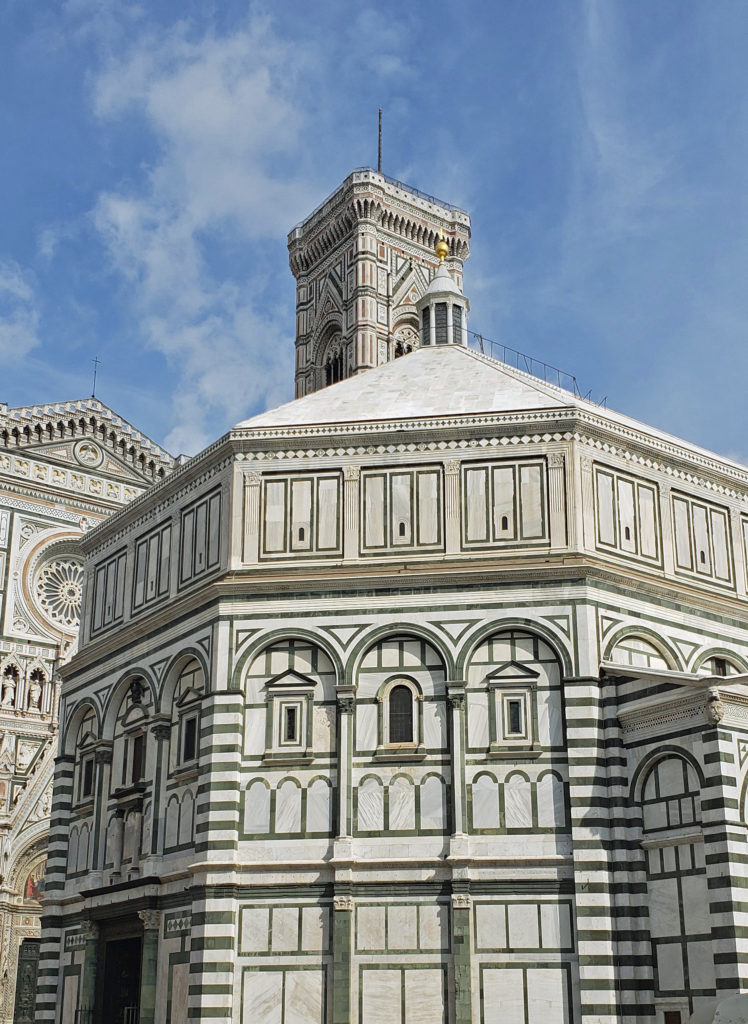
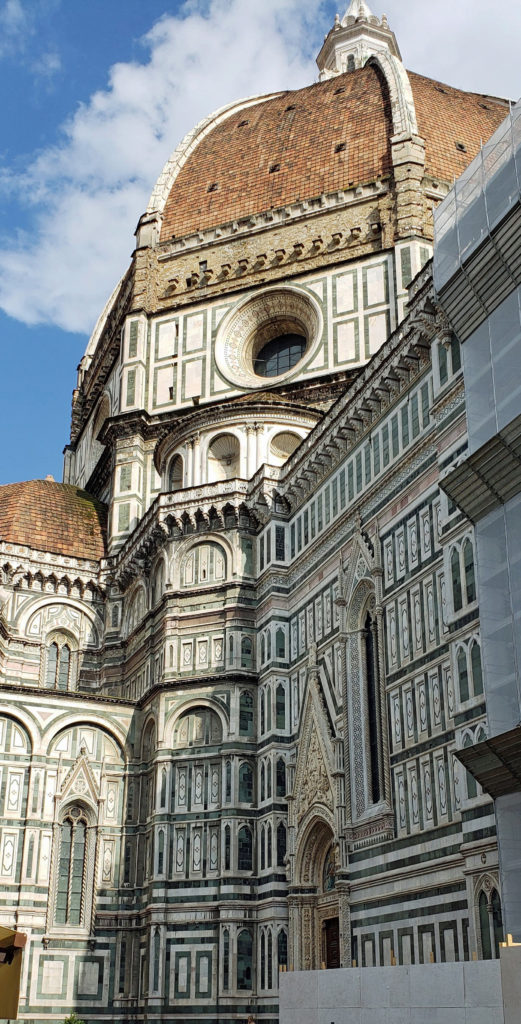
Construction of the cathedral started in 1296, but the nave wasn’t finished until 1420, and the dome wasn’t completed until 1436. (The Lantern that tops the dome wasn’t added until 1472). The dome of the cathedral is by itself one of the wonders of Florence. When the cathedral was designed no one had any idea how to build a dome spanning 150 feet, especially one that began 180 feet off the ground. Nothing like it had been built before. No one knew if it could be built. Filippo Brunelleschi, who both designed and built the dome, had nothing to guide him. He literally had to invent the engineering techniques and much of the equipment needed to construct it as he went. It is still the largest masonry dome in the world. The Florence Inferno website has more information on construction of the dome. There is also a fascinating episode of the PBS series NOVA depicting the building of the dome that I highly recommend. There is a link to that at the end of this post.
Entrance to the Duomo cathedral is free. Because of that and because the cathedral is one of the most prominent attractions in Florence, the lines are long – many blocks long when we were there. The cathedral opens to the public at 10:00, except Sunday. Mass (which is open to the public) is held at 10:30 on Sunday, and the cathedral opens for public tours at 1:30. A €15 combo ticket gets you into all of the other Duomo attractions, including the Campanile, the Baptistery, the Duomo Museum, and the climb to the top of the dome (which also requires reserving a time in advance).
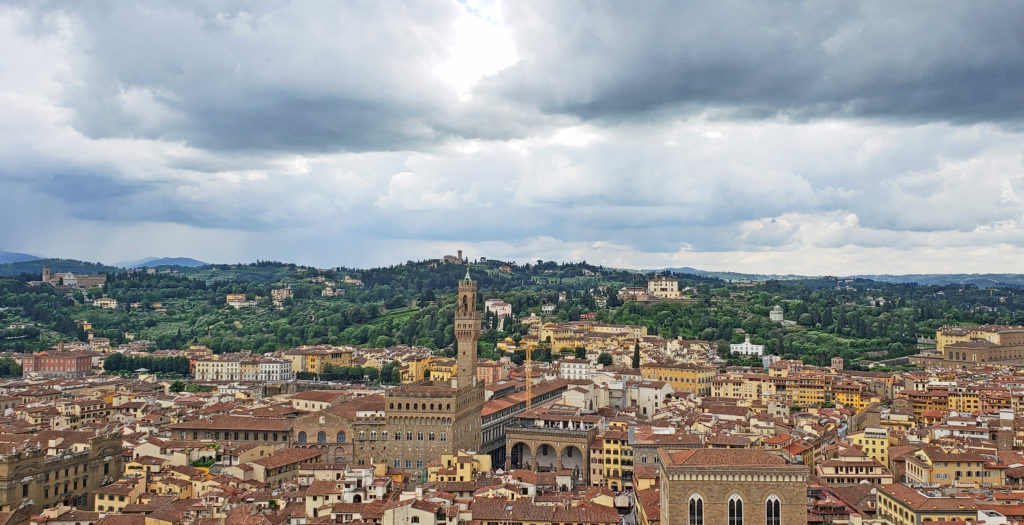
Since we were climbing the dome, we skipped the long line to get into the Duomo cathedral. Climbing the dome does not get you into the main floor of the cathedral (except for a small roped off area as you exit), but does give you a birds eye view looking down on the altar and the 500 foot long nave from halfway up, and gives you an up close view of Vasari’s magnificent painting that covers the dome’s ceiling. And the view of the city from the top of the dome is spectacular, especially if you’re there near sunset, and makes the 463 step climb definitely worth the effort.
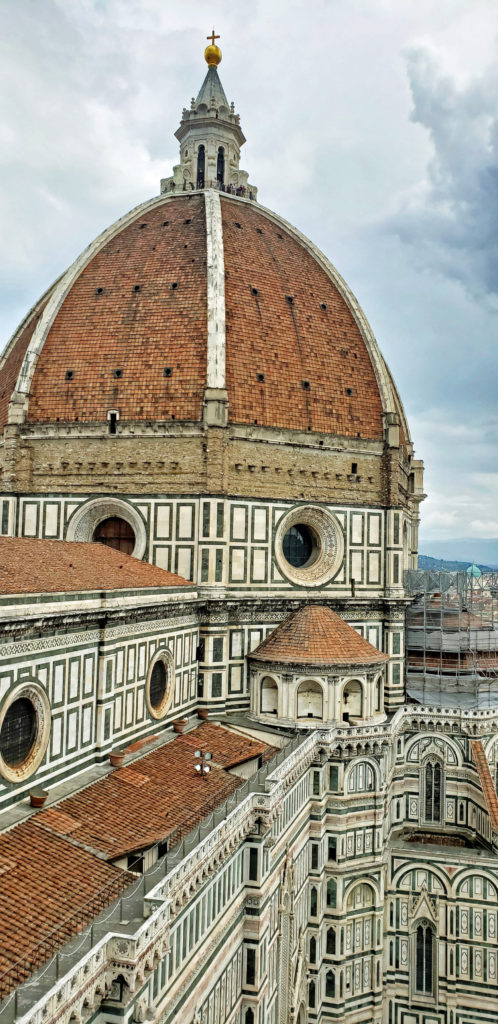
After our dome climb, and a short rest, we climbed the Campanile (bell tower), also known as Giotto’s Tower. While the view of the city is essentially the same as from the cathedral dome, from the Campanile you have a great view of the dome itself. The 414 step climb to the top of the bell tower is slightly less taxing than the climb to the top of the dome (unless you climb them back to back like we did). If you just want a good view of the city, the more sensible option would be to just climb the Campanile and skip the dome, but climbing both is certainly doable for most people.
We stayed at an Airbnb rental near the city center, and walked everywhere we went. All of the major attractions of Florence are within easy walking distance of each other. The closer to the center of the city the more expensive hotels and other accommodations tend to be, of course, so staying outside of the center and taking a taxi or bus in makes some sense. (Even if you have a car, I would advise not driving into the city center). Our Airbnb was reasonably affordable and only a ten minute walk to the Duomo, though, so that is also a good option to consider if the cost of accommodations is a concern.

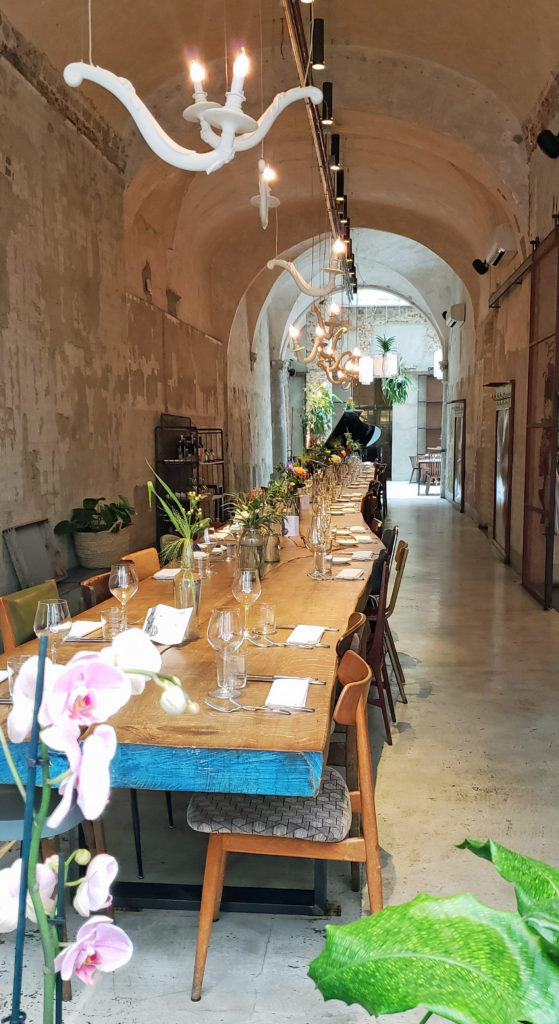
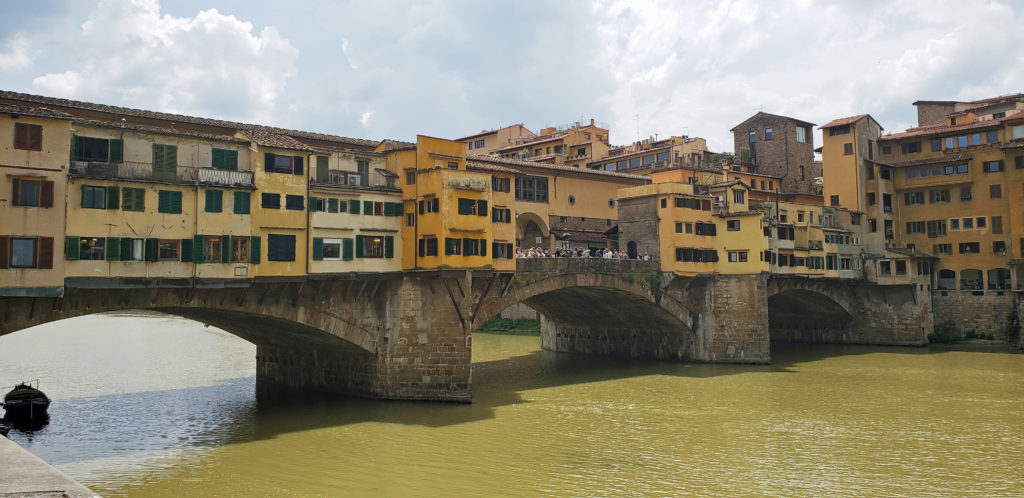
There is just too much to Florence to cover here. If you’re planning a trip, do your homework (Rick Steves’ guide to Florence and Tuscany is a good starting point), pick the sights you have to see, and plan accordingly. But also leave time to explore the city, especially areas away from the Duomo, the Uffizi Gallery and the Ponte Vecchio. Sample the local cuisine (the food was very good at every place we ate, so don’t be a slave to guide book recommendations), drink some wine, and get a feel for the city. Visit the Pitti Palace (closed on Mondays) and the Boboli Gardens in the Oltrarno area south of the river, take in the sunset from the Piazzale Michelangelo (also in the Oltrarno), or just wander at random. You will find interesting, artistic, and historical attractions wherever you go.
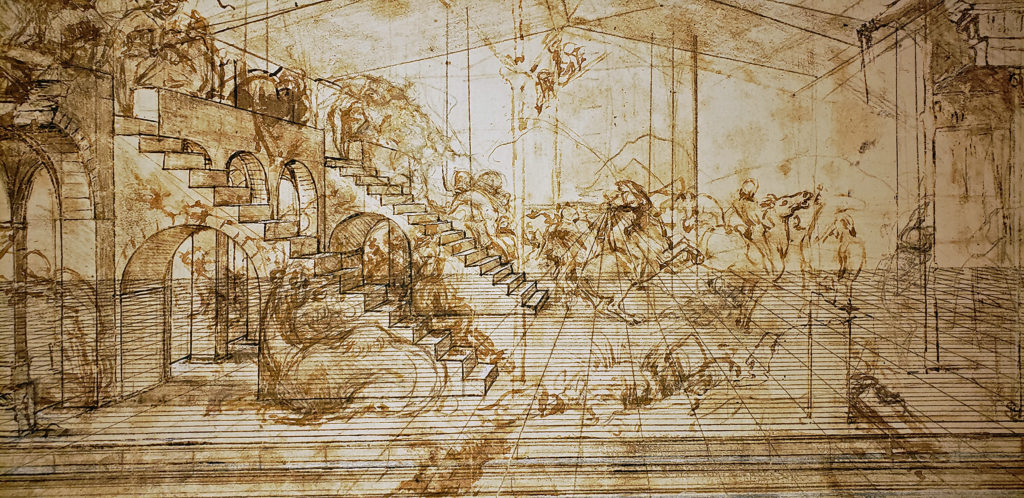

There is simply no other place like Florence. If you are contemplating a trip to Tuscany, Florence has to be at the top of your list of places to visit. And you should spend enough time there to get a real feel for the city. There’s just too much history, too much art, and too much of the soul of Italy there to not experience as much of it as you can.
I don’t know if we will ever return to Tuscany, but there is still much to see if we do, in Siena, Lucca, and Pisa as well as Florence. And the hilltop villages in central Tuscany that we did not make it to on this trip beckon.
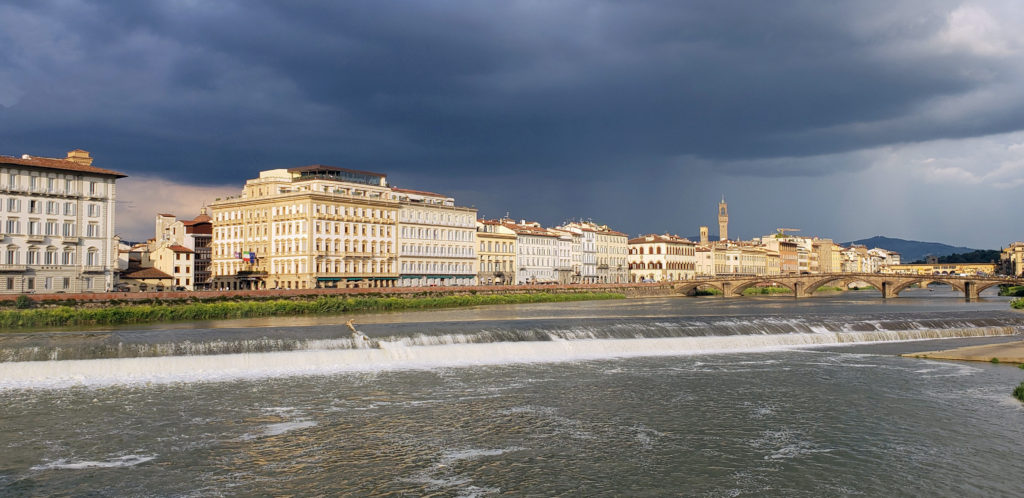
Originally posted 11/4/18 by Alan K. Lee. Updated and re-posted 8/24/20 and 6/20/23.
All photos © Alan K. Lee




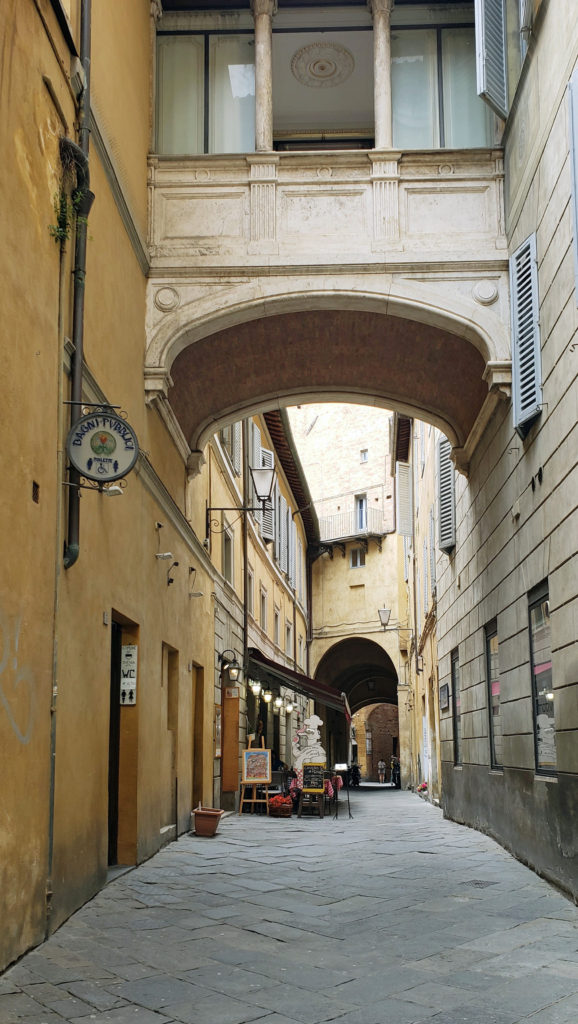
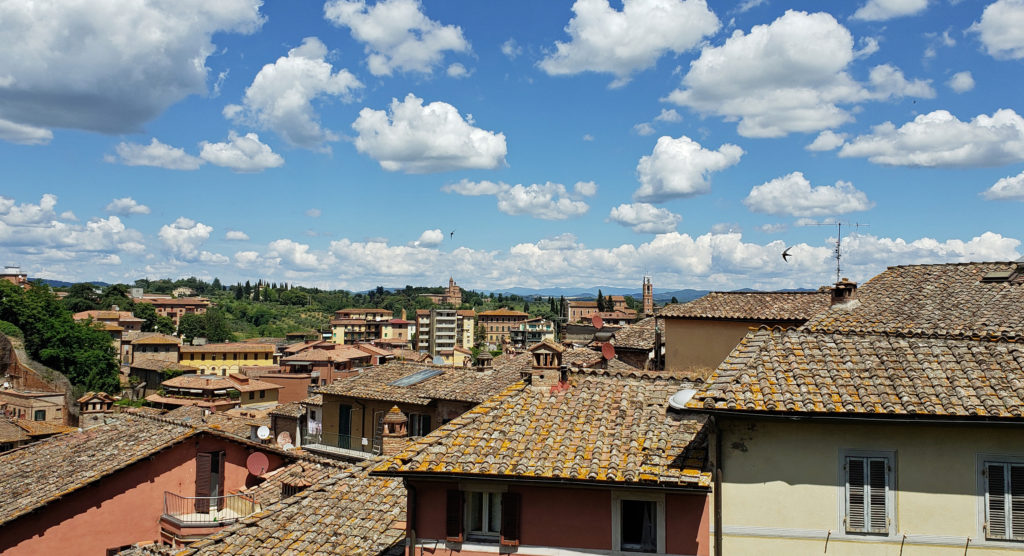


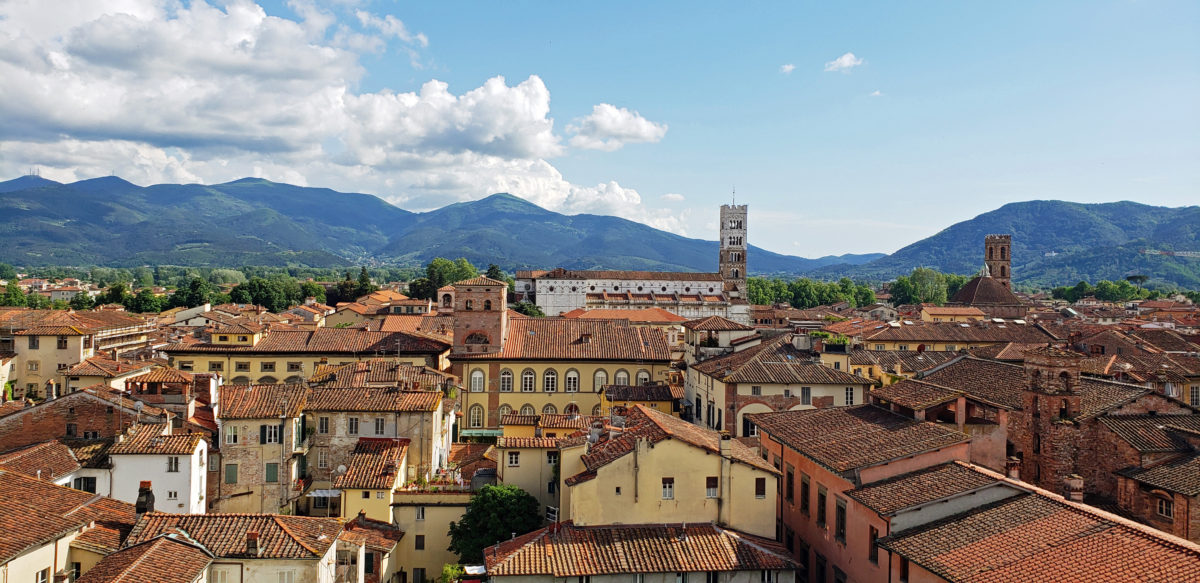
 Lucca, Italy is a modern city of about 85,000 people, located about ten miles northeast of Pisa and 40 miles west of Florence. But the old walled city was what my wife and I came to see. Lucca has one of the most intact medieval city centers you will find anywhere in Europe. The historic center, or centro storico, is relatively compact, easily walkable, and almost unchanged from medieval times.
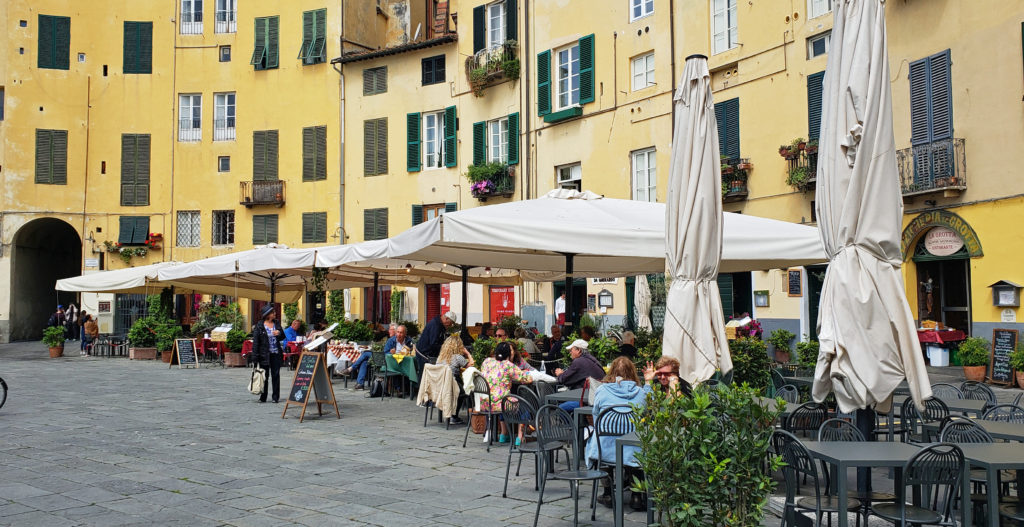 Lucca is an ancient city, founded by the Etruscans, probably on the site of an earlier Ligurian settlement. It became a Roman colony in 180 BC. Little remains of the Roman city, though. Most of the old city is of medieval origin, but some of the streets date to the Roman settlement, and a hint of the Roman amphitheater can be seen in the Piazza dell’ Anfiteatro. The popular Piazza San Michele occupies the site of the old Roman forum.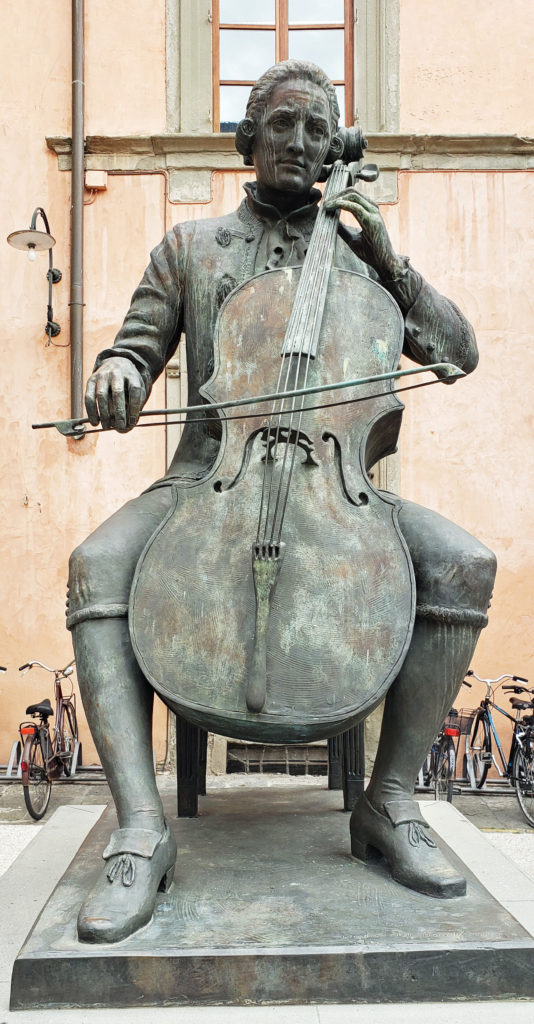
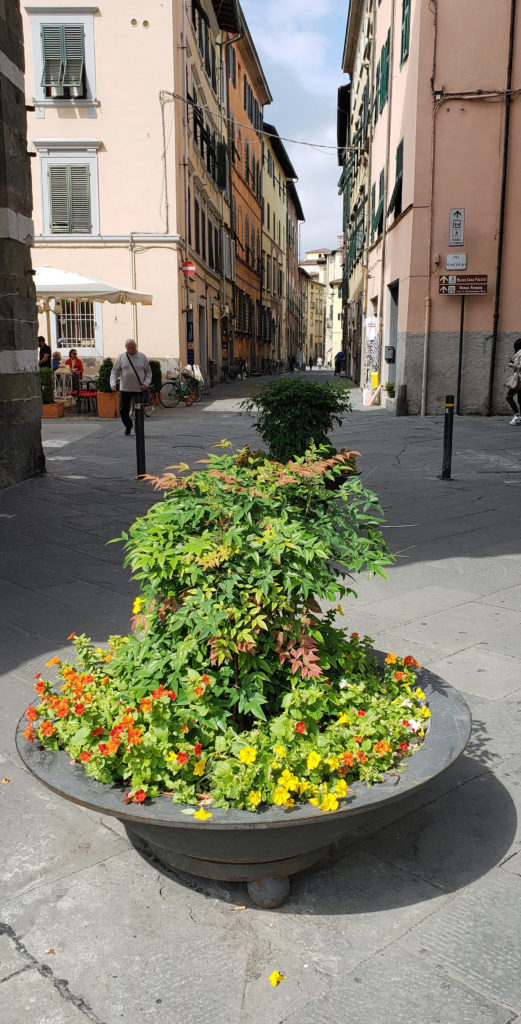 Lucca became an independent state in 1160 and retained its independence for 500 years. In the Middle Ages Lucca grew rich from the silk industry. Banking was also an important source of wealth for the city. More recently, the city was conquered by Napoleon and given to his sister Elisa Bonaparte Baciocchi in 1805. It later became part of the Grand Duchy of Tuscany, then the Kingdom of Sardinia-Piedmont, and finally the modern Italian State in 1861.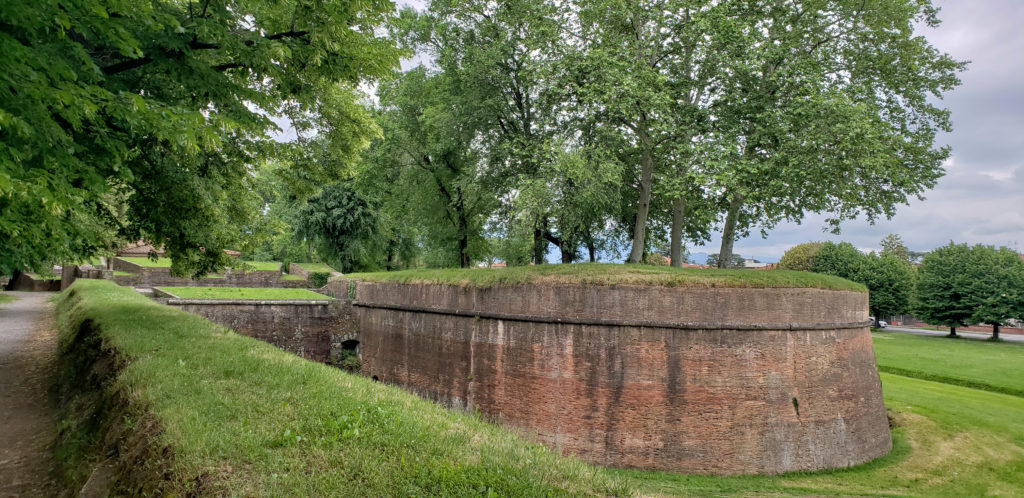
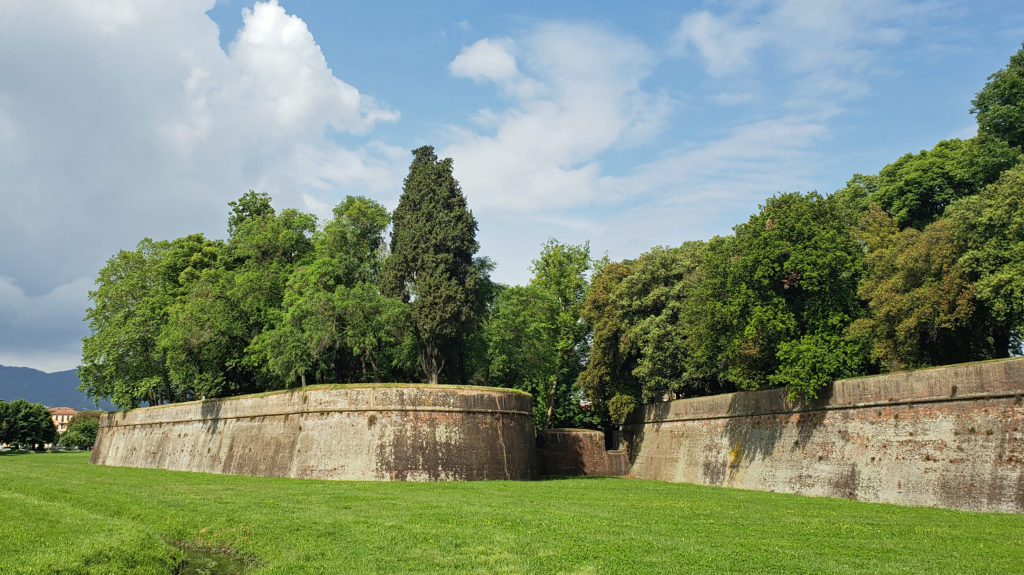
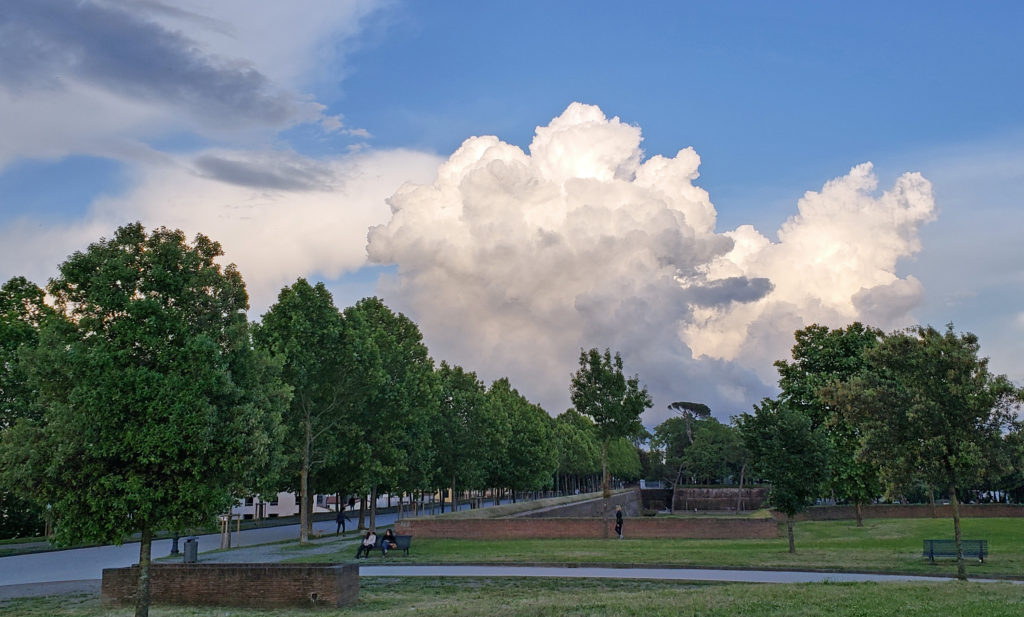
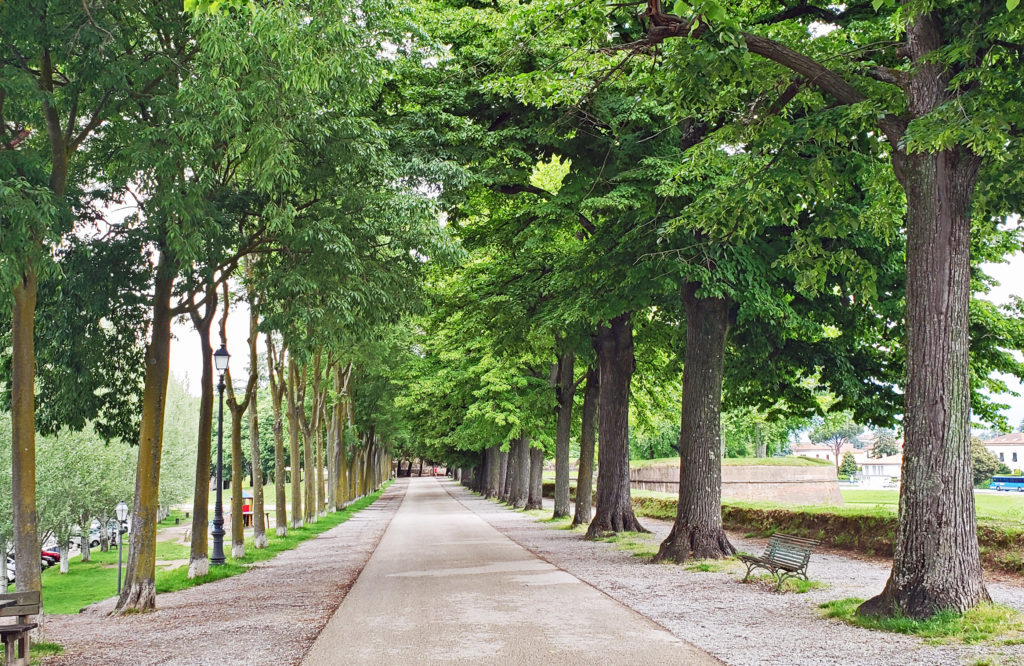 One of the attractions of Lucca is the medieval city wall. Lucca is one of the few ancient cities in Europe with an intact wall. The wall is a wide earthen structure faced with brick, constructed between 1550 and 1650. The top of the wall is now a tree-lined park with a wide pedestrian/bicycle path. The 2.5-mile-long path is a popular walking, jogging, and cycling path.
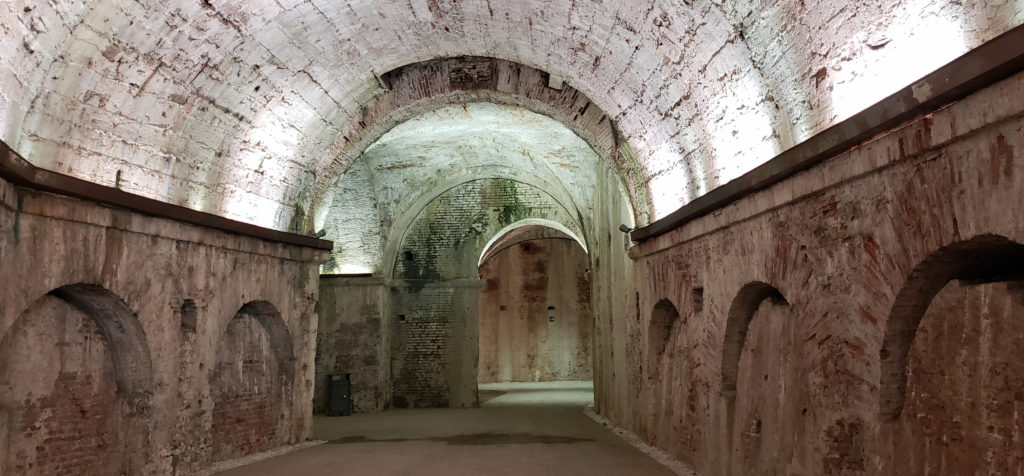 Bicycles can be rented for about €5/hour or €20/day at several shops in the old city. Riding or walking the wall is a good way to get a view of the city, and a good place to people watch, too. You will see many locals, as well as fellow tourists, walking and riding the walls or just relaxing on park benches. There are also several places where there are tunnels inside the structure of the wall that are surprisingly interesting and well worth seeking out.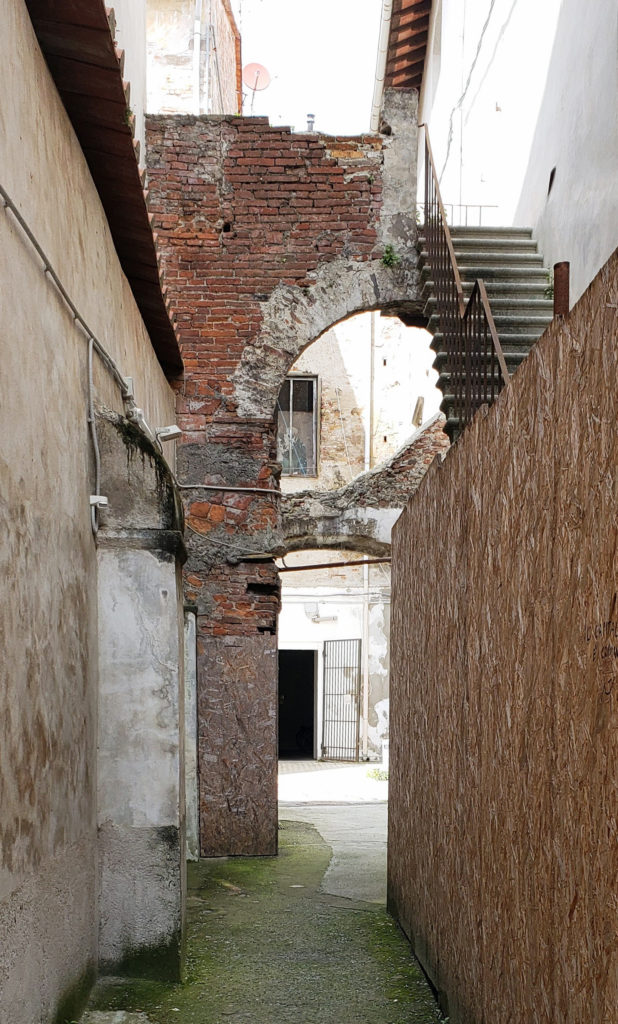
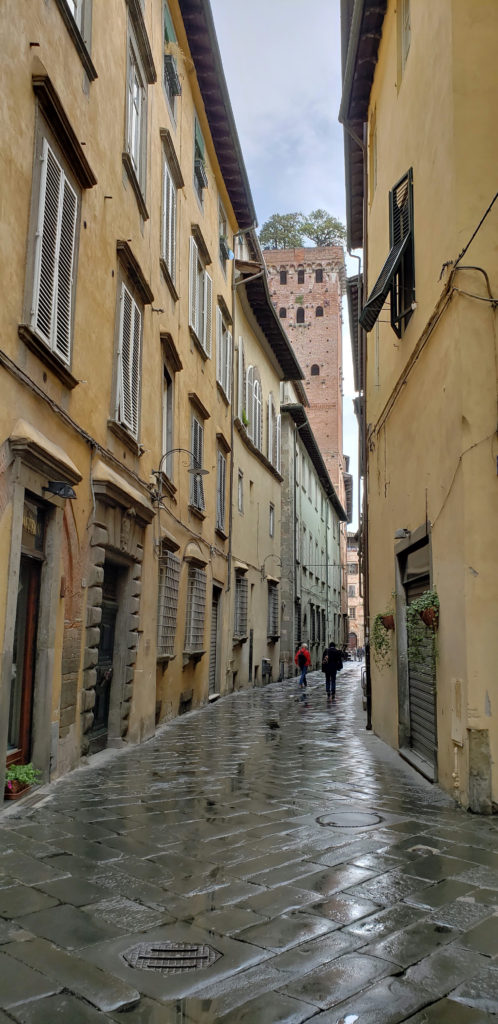 Inside the walls, the old city has many fine old churches, plazas (piazzas), palaces (palazzos), and villas. Getting around can be confusing, as the streets are narrow and lined with tall (4-6 story) buildings, and some much taller towers that block out any visual reference points. On a cloudy day it can be difficult to orient yourself. You may come out onto the street and have no idea which way is north. A city map and a good guidebook are essential. Rick Steves’ guide to Florence and Tuscany has a chapter on Lucca and is a good reference. His walking tour is a good way to see the major sights.
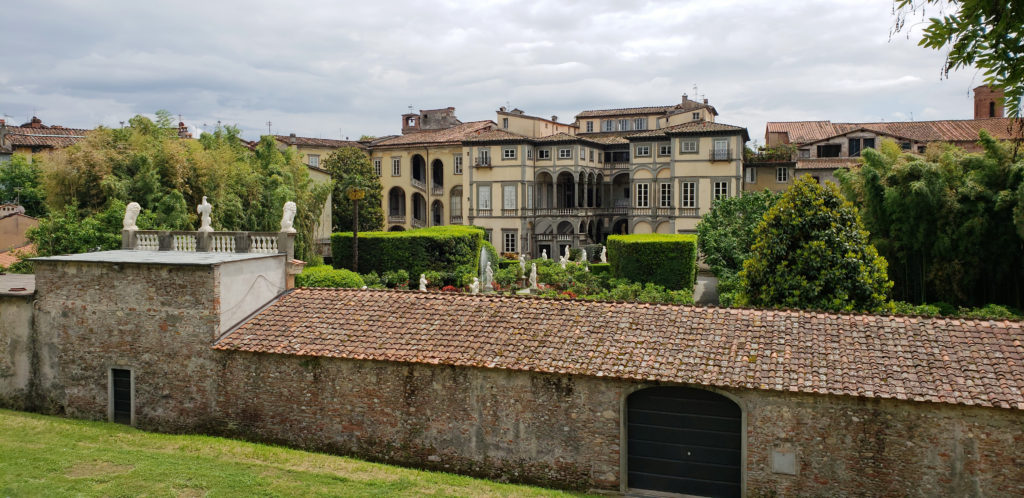 We wandered around without a set itinerary and got lost on several occasions. Wandering aimlessly and getting lost has a certain appeal, but one time we couldn’t find the side street where we had left the bikes that we borrowed from the owner of the Airbnb we were staying in. Eventually we figured out that we were on the opposite side of the city than we thought we were. We retrieved the bikes and rode back to our rental, but only after walking almost all of the 2.5-mile wall.
 Some of the major attractions in Lucca are the Piazza San Michele and the Church of San Michele (Chiesa di San Michele), the Cathedral Museum (Museo della Cattedrale), the Guingi Tower (Torre Guingi) and Villa Guingi, the Casa di Puccini (the birthplace of the opera composer Giacomo Pucccini), the San Martino Cathedral, the San Giovanni Church, the Church of San Fediano, the Pallazzo Mansi, and the Palazzo Pfanner. All of these are described in the Rick Steves guide, as well as other guidebooks.
 Climbing the 220 steps of the Torre Guinigi gives you a good view of the city and you’ll find an interesting little grove of trees growing on the summit of the tower. This was the first of our tower climbs during our trip. More would come in Siena and Florence, culminating with our back-to-back climbs of the Duomo and Campanile (Giotto’s Tower) in Florence (both 400+ steps). Lucca once had 160 towers like the Torre Guingi, all private residences of wealthy merchant families. Only a few remain. A combination ticket that gets you into both the Torre Guinigi and the Clock Tower costs less than €10. Most of the other attractions in Lucca are similarly inexpensive, mostly between €5 and €10.
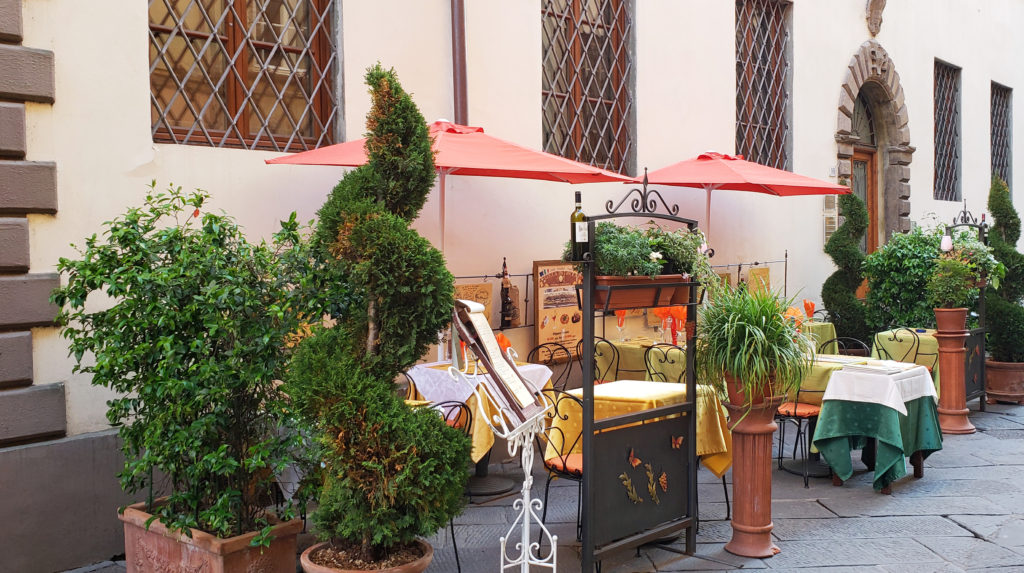
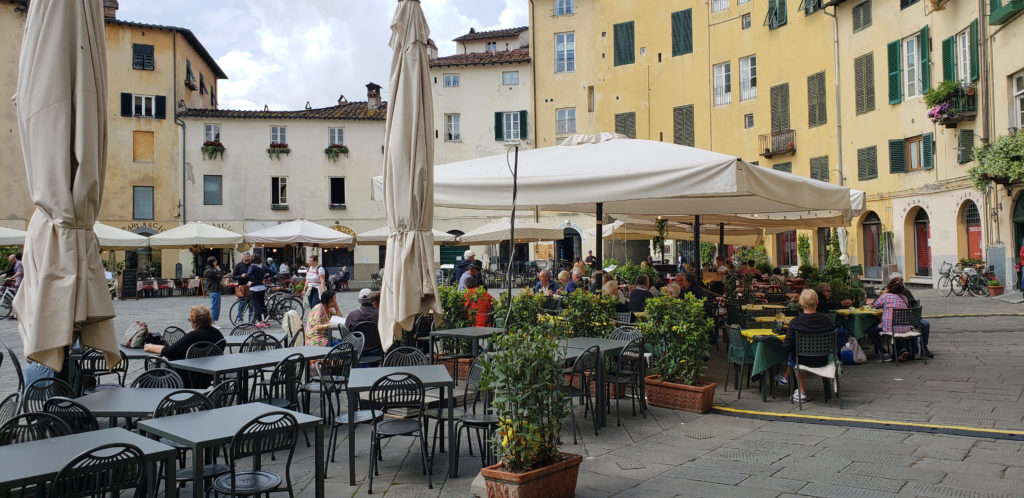
 There are no shortages of places in Lucca to get a good meal, something we found true everywhere we went in Italy. There are some fine dining establishments that are recommended the guidebooks, but we found the sidewalk and piazza cafes that are so abundant all had very good food at surprisingly affordable prices. It’s hard to go wrong, wherever you choose to dine. Gelato is serious stuff in Lucca, too, as it is everywhere in Italy.
 If you’re visiting Tuscany, Lucca should be on your itinerary, even if you only have an afternoon to explore it. Siena is prettier, and Lucca doesn’t have the history or art and culture of Florence, but it is more authentic and much less touristy, and has its own appeal. You won’t regret it.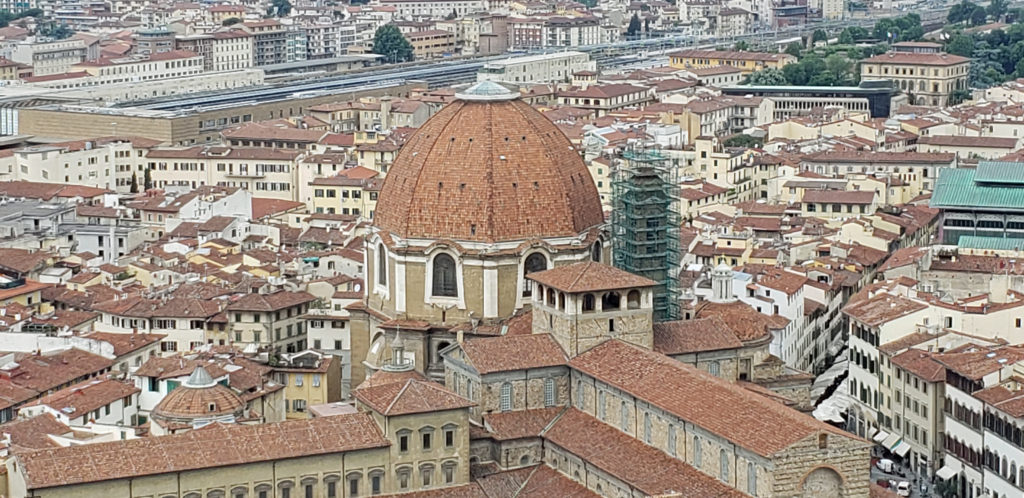
 Originally posted September 17, 2018. Updated and re-posted April 14, 2021 and May 21, 2023.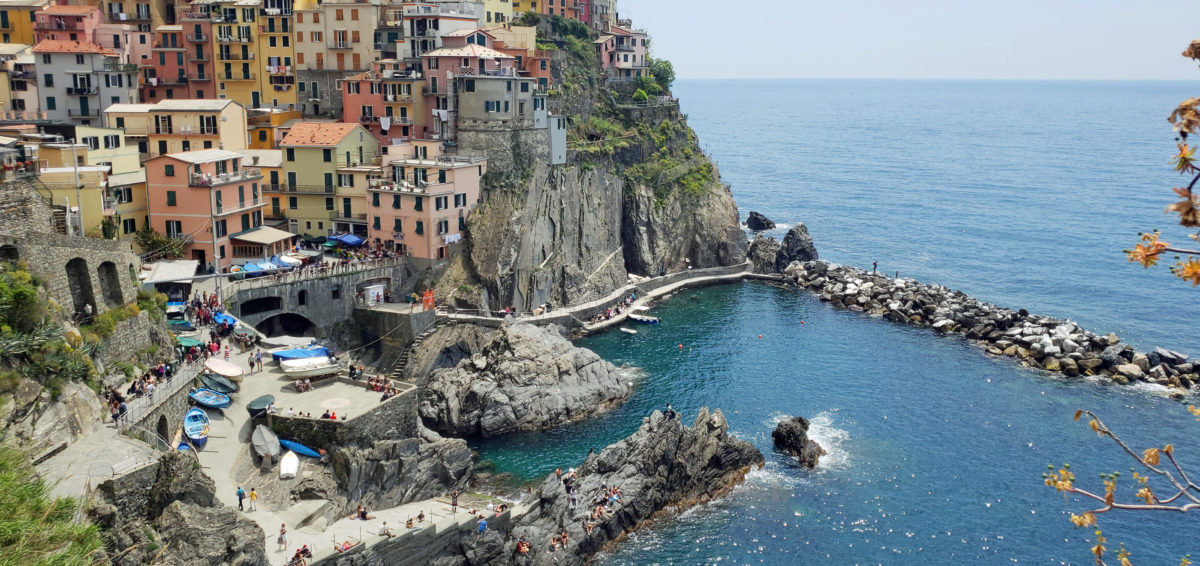
 The following is an expanded and updated version of an August 2018 post on this site.
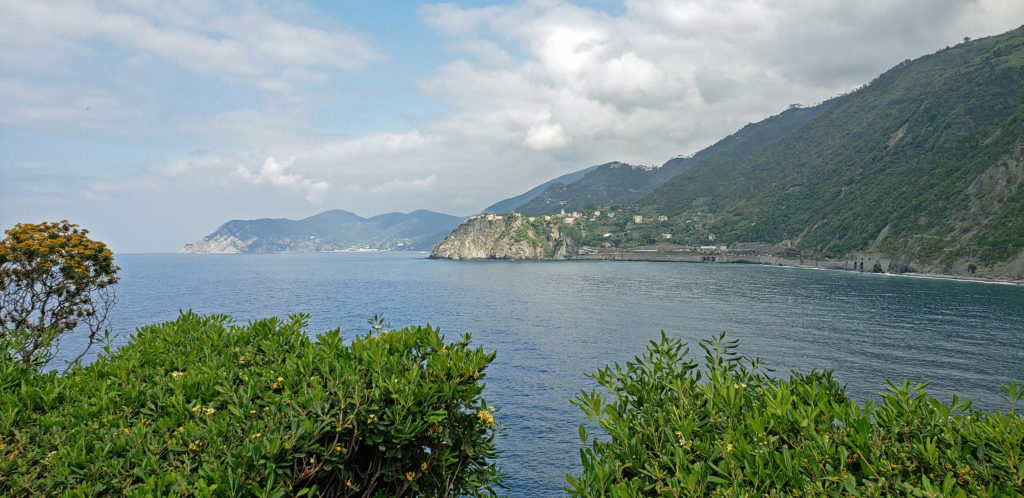
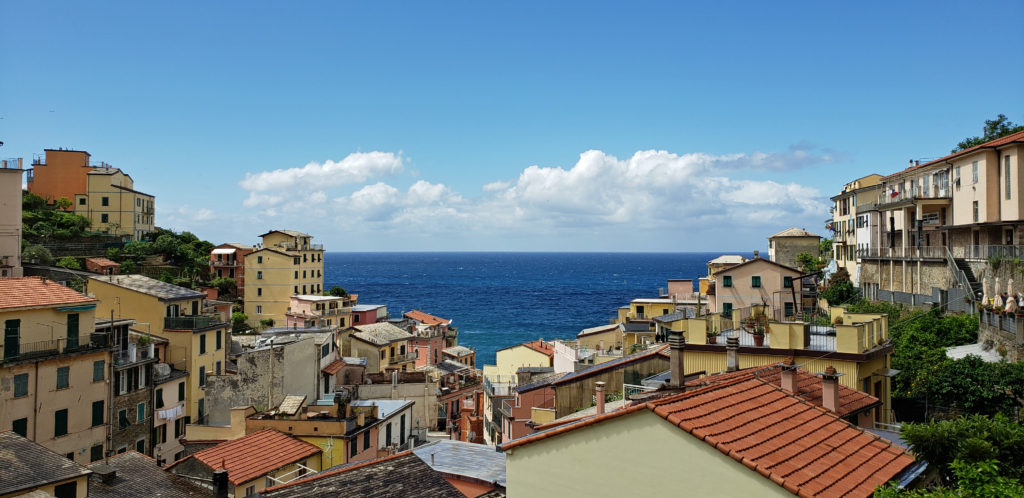
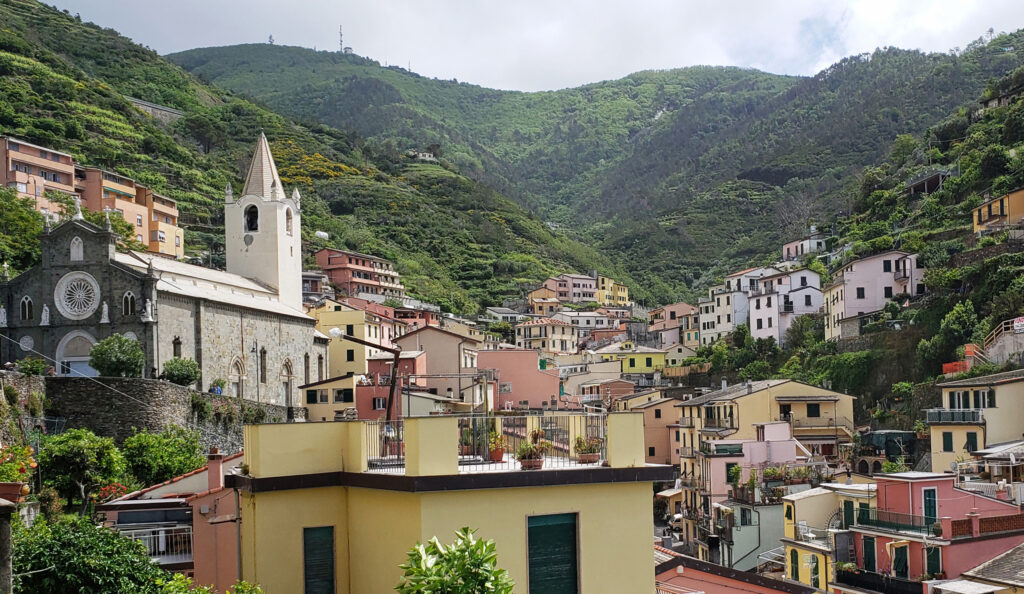
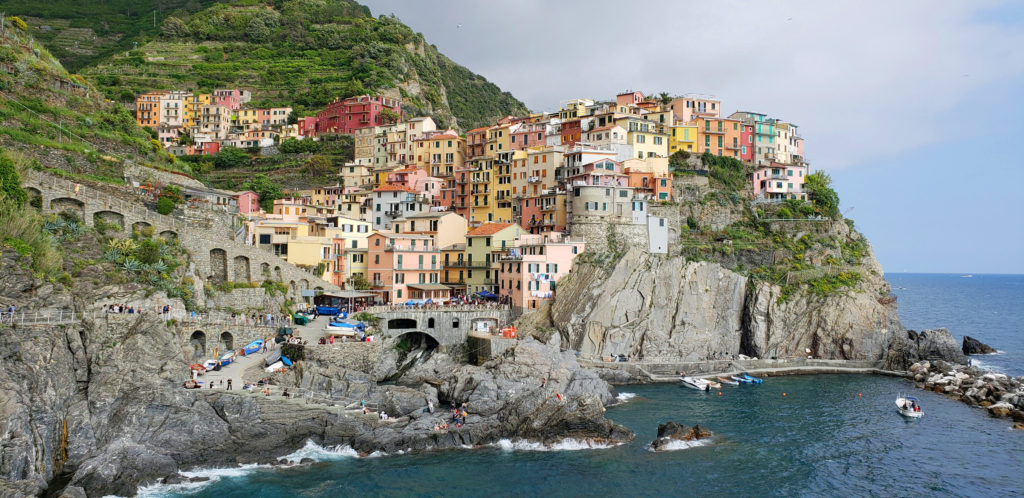
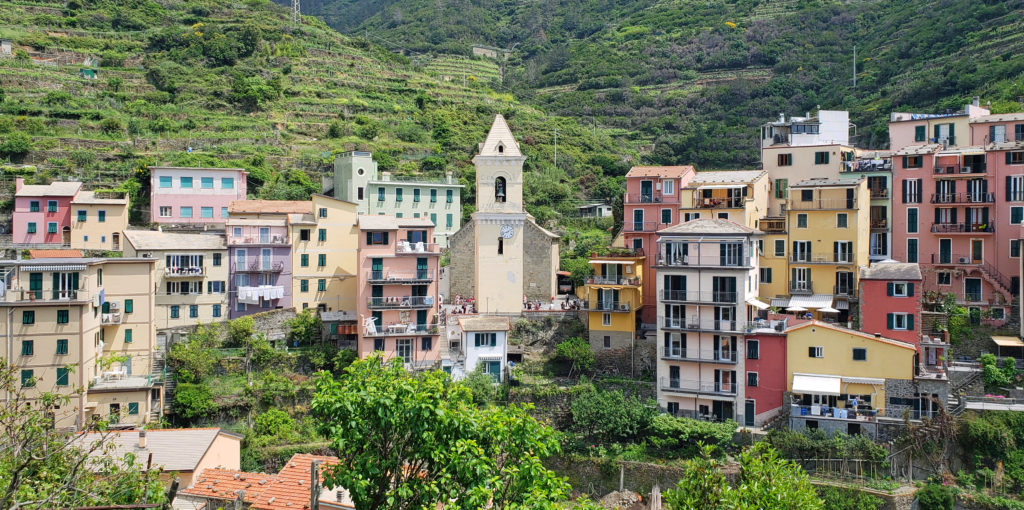
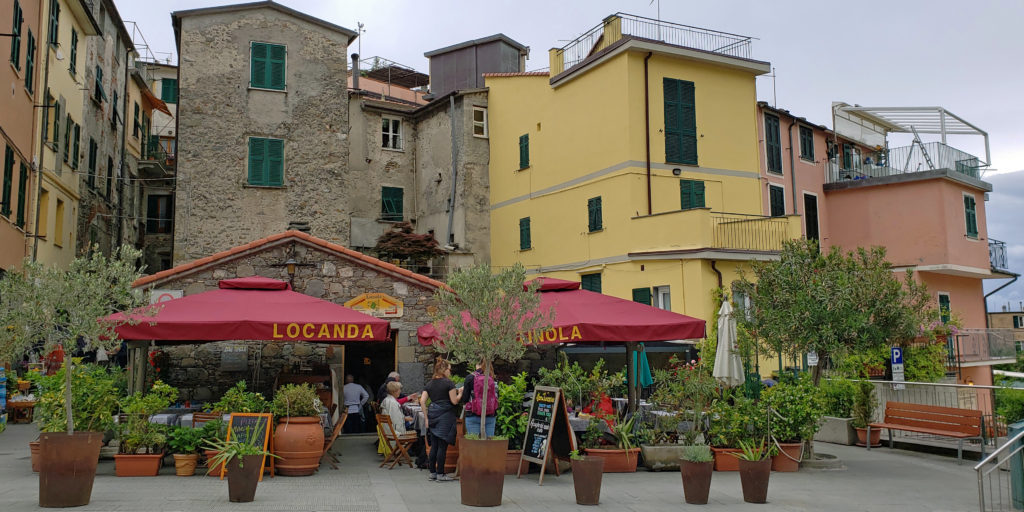
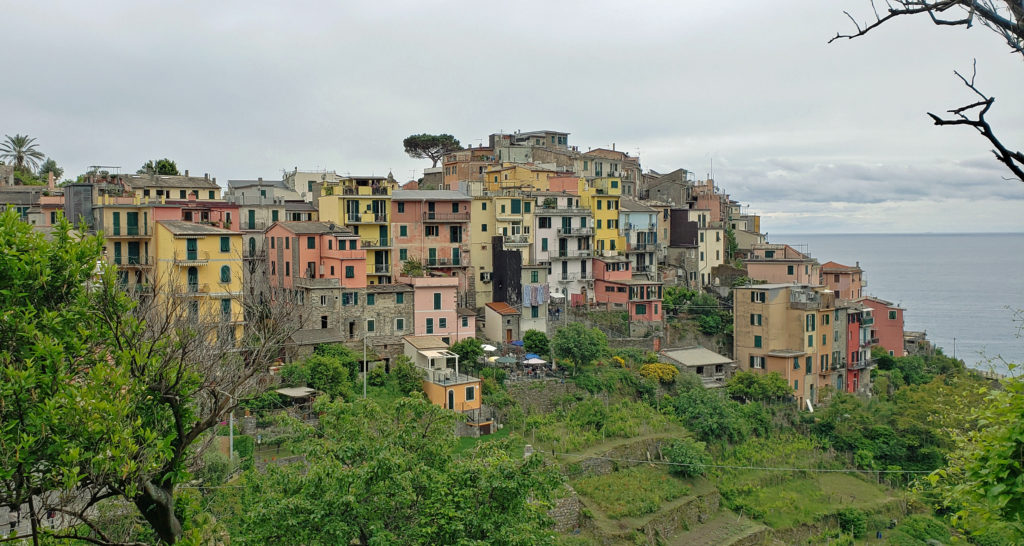
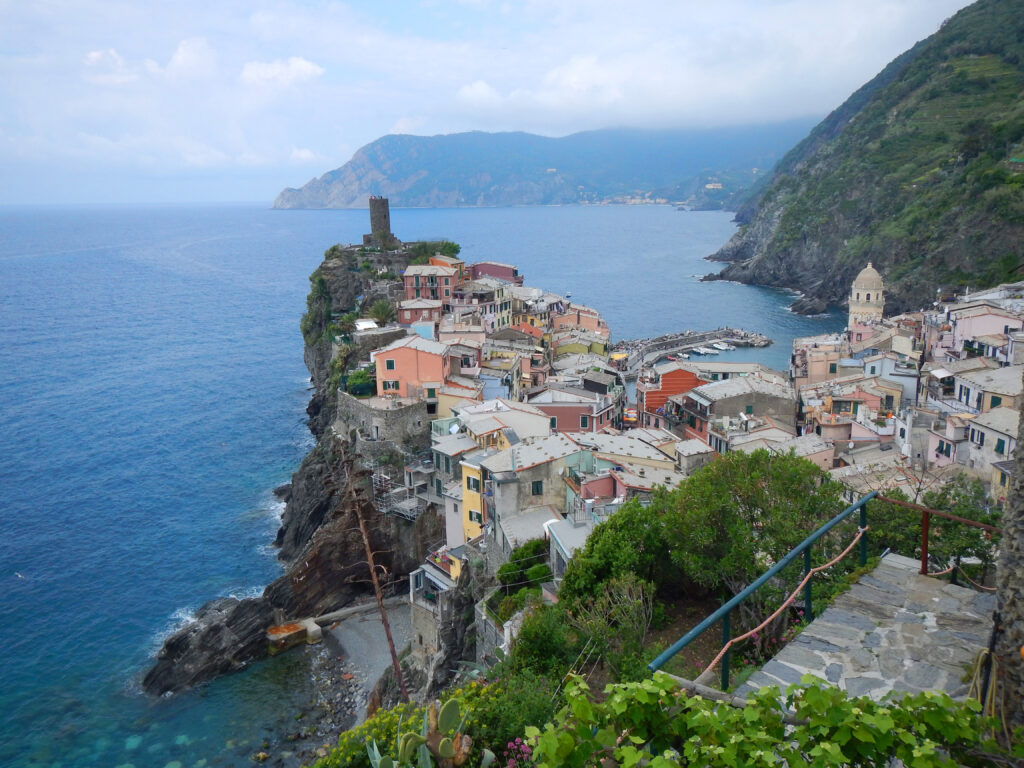
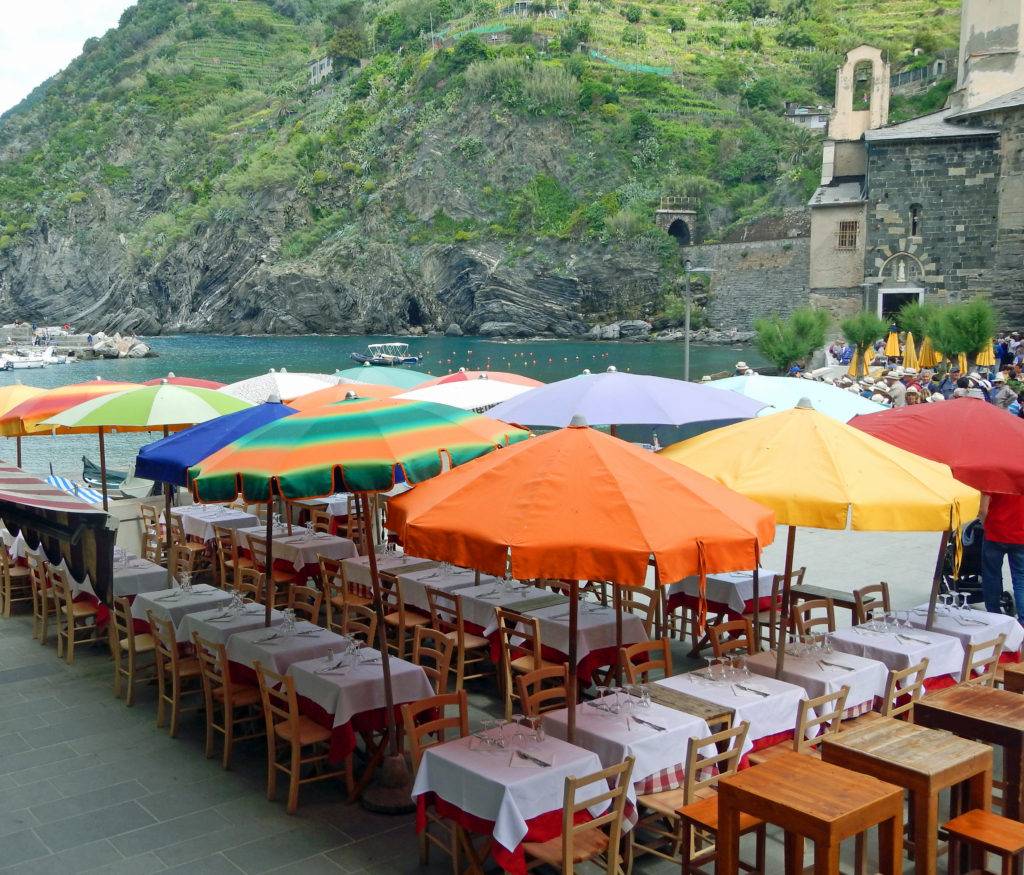
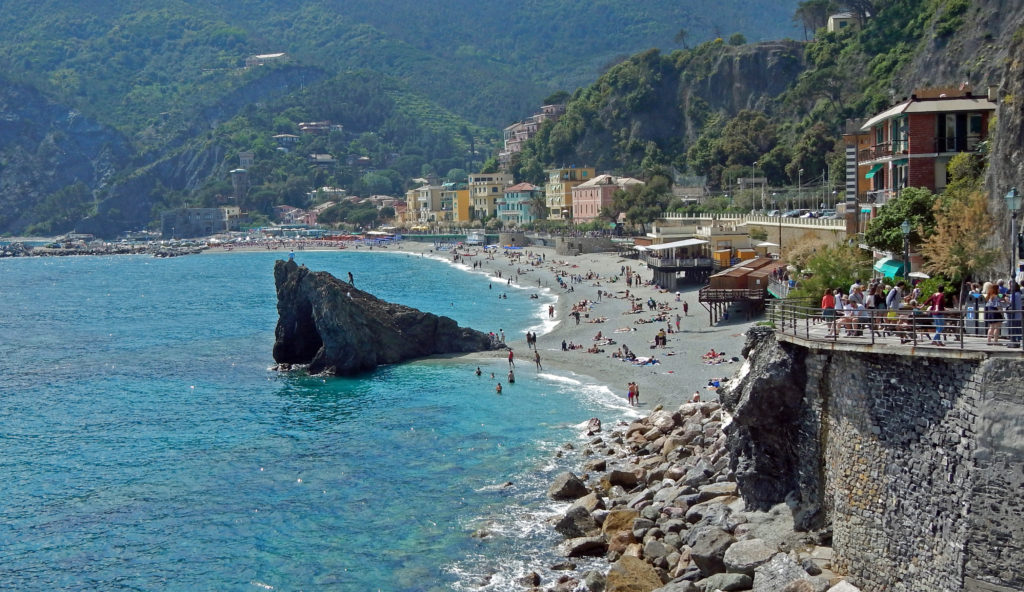
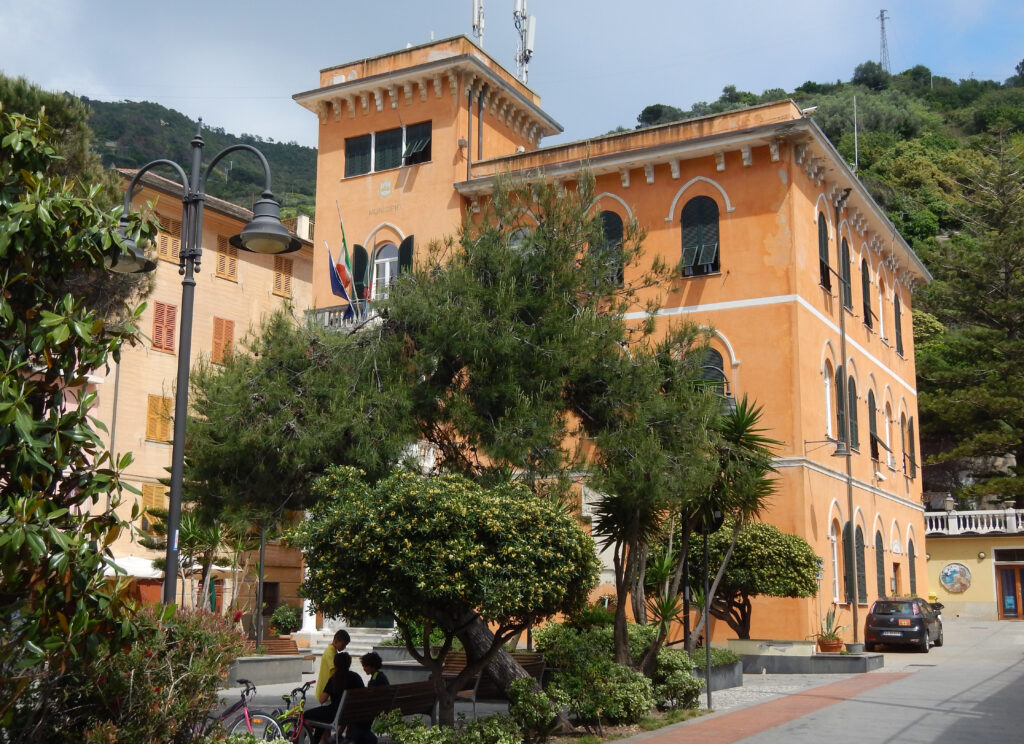
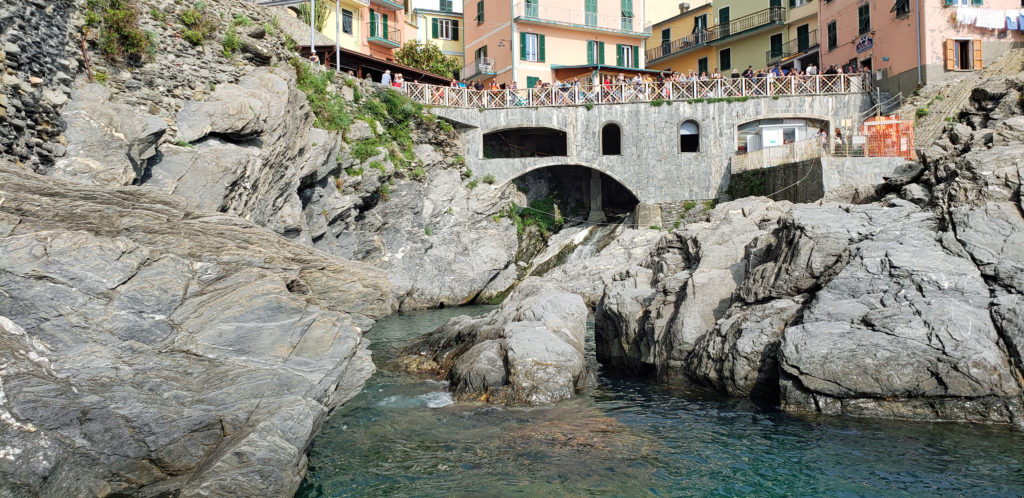
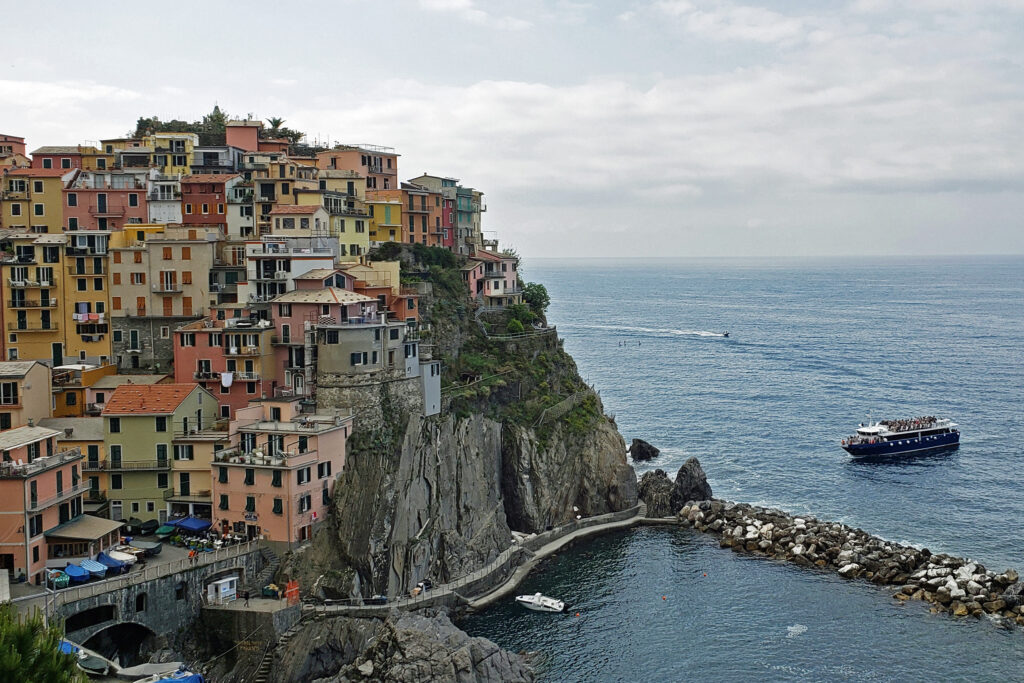
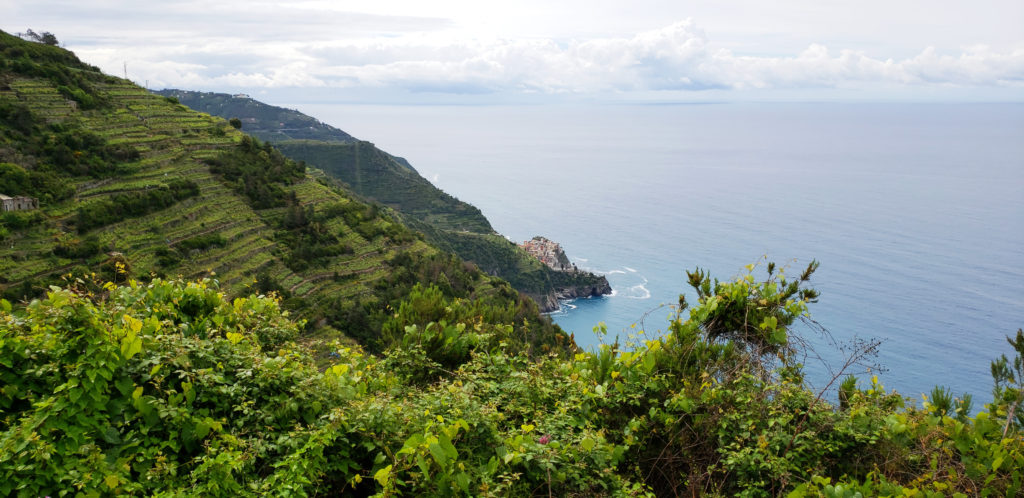
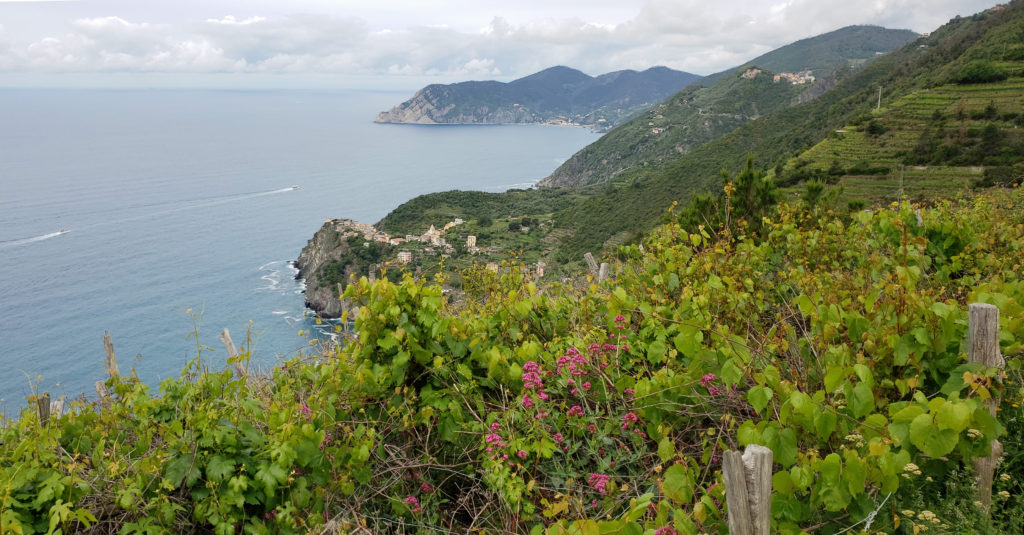
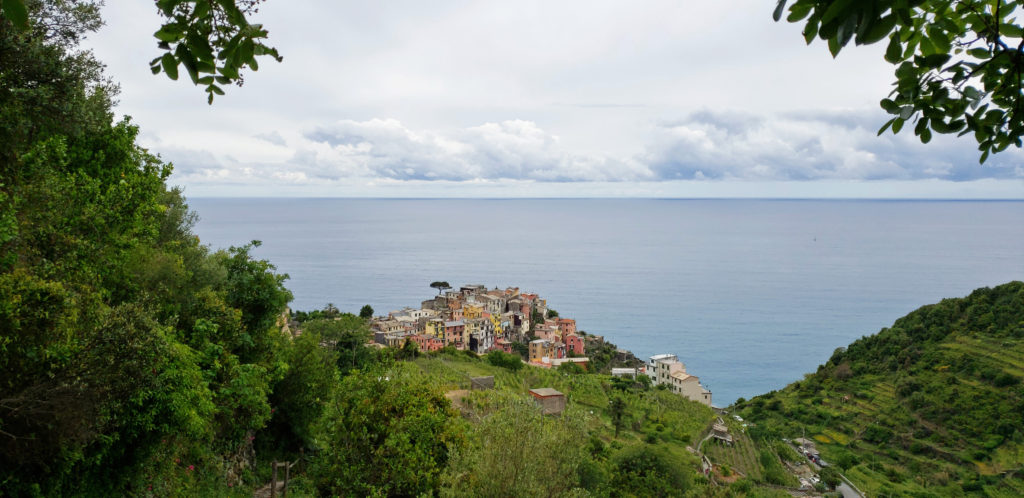
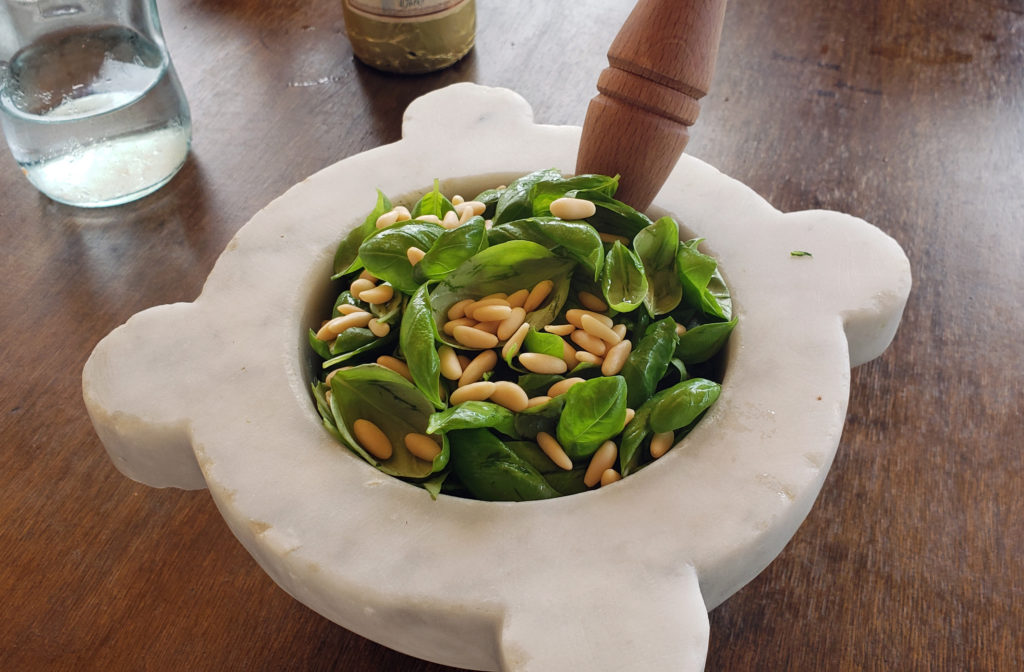 Because we would not be home on Mother’s Day, my two stepdaughters bought my wife (and me) tickets to a pesto making class and lunch at the Nessum Dorma Restaurant in Manarola, something I would not have done on my own, but which turned out to be both a good introduction to Italian cuisine and loads of fun. And the food was very good, including the pesto that we made ourselves.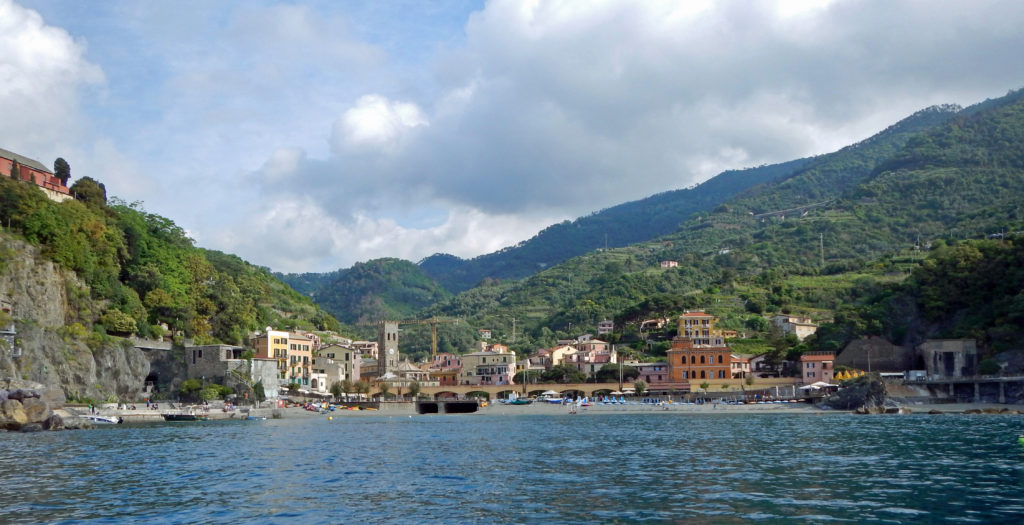
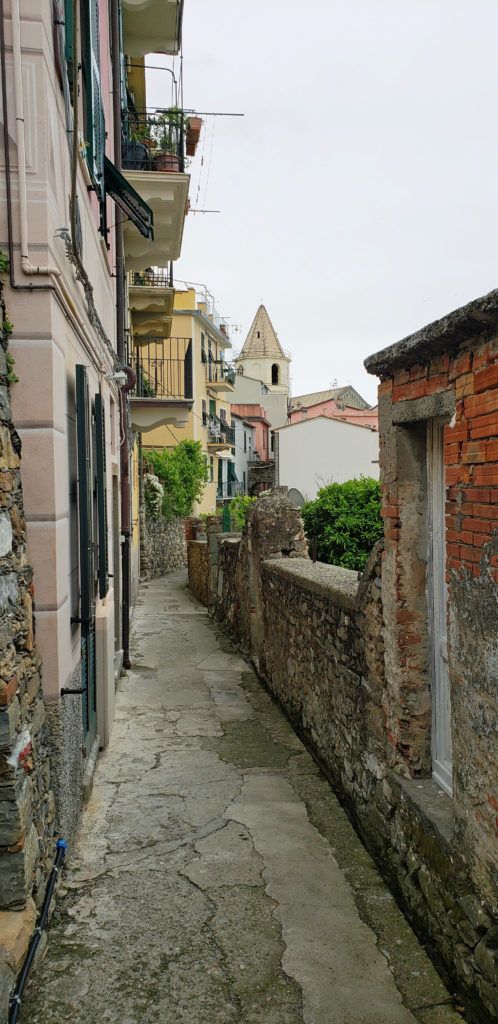
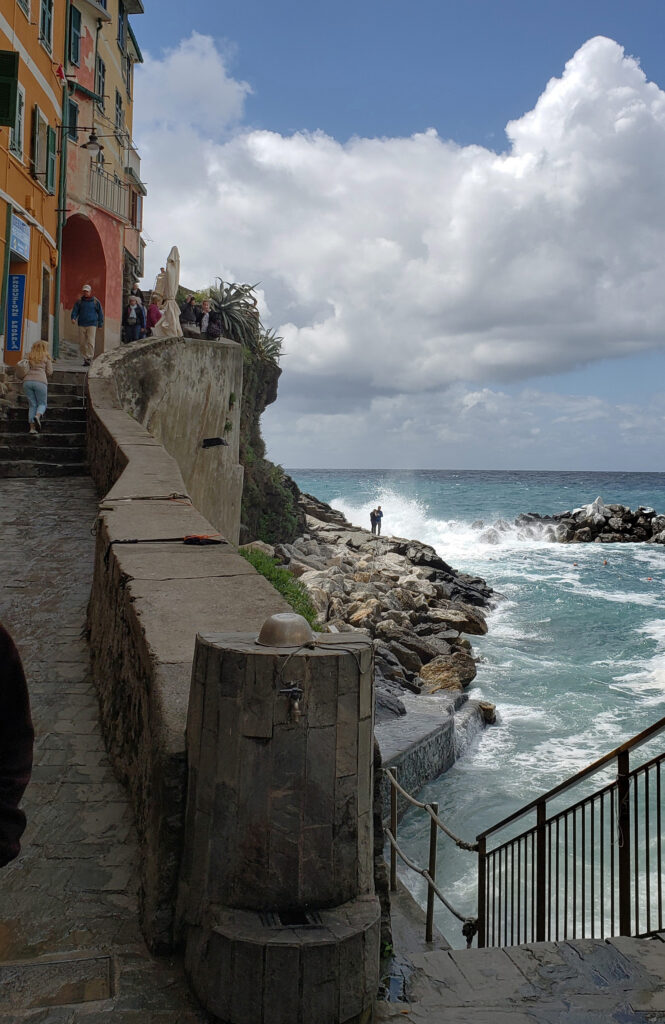
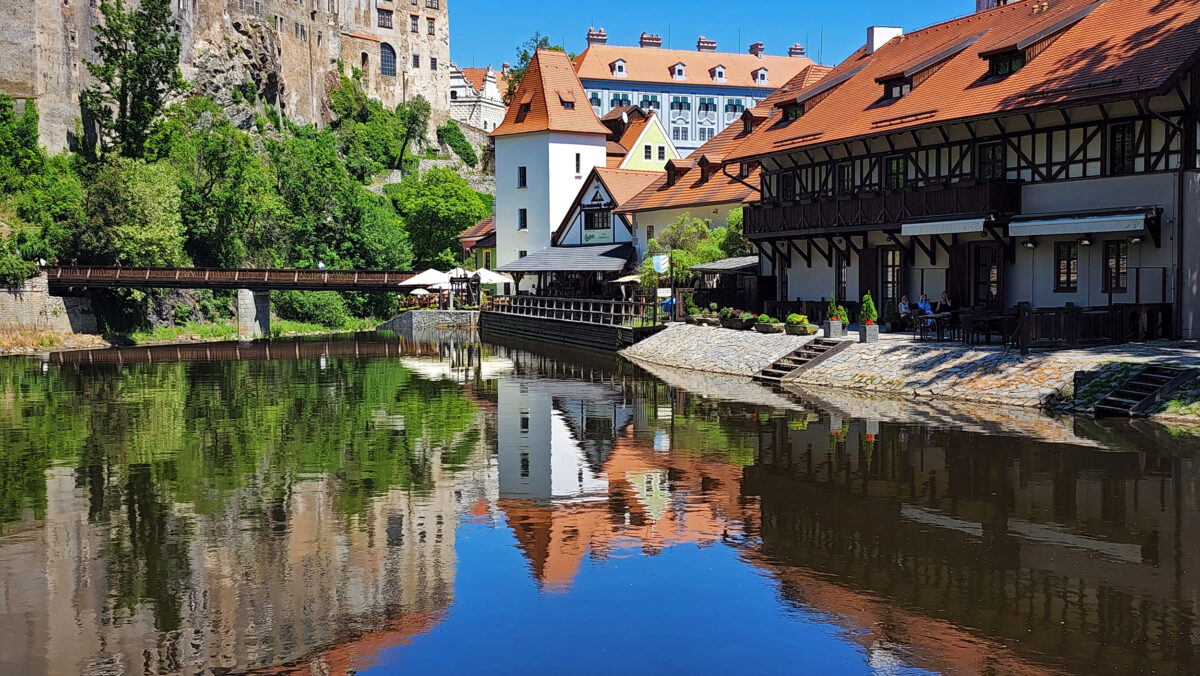
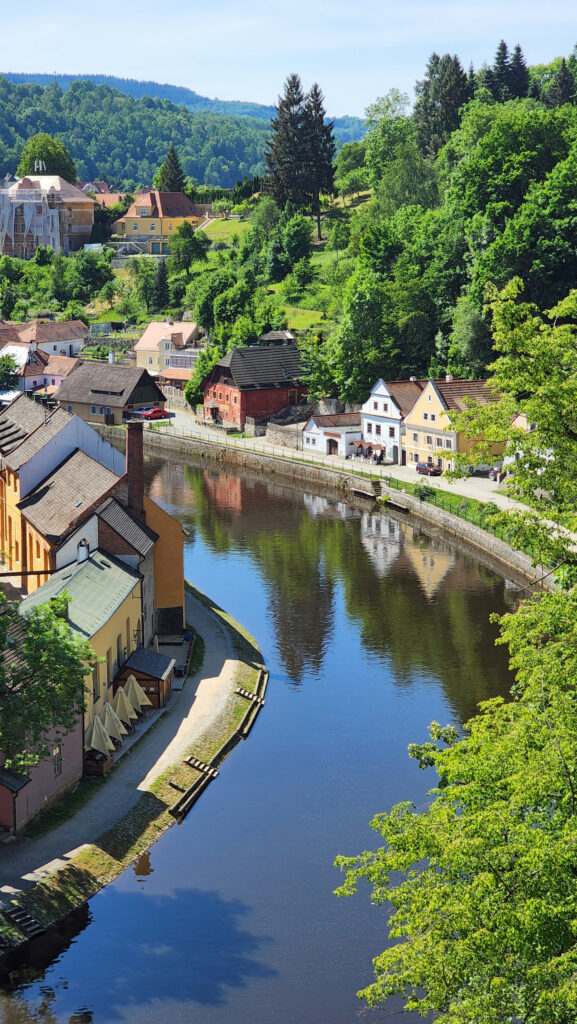
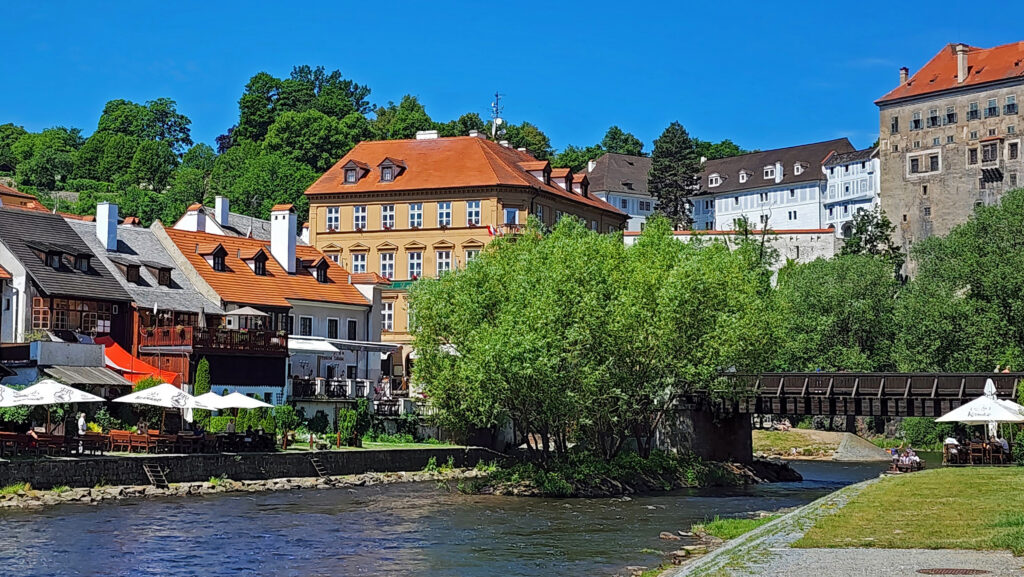
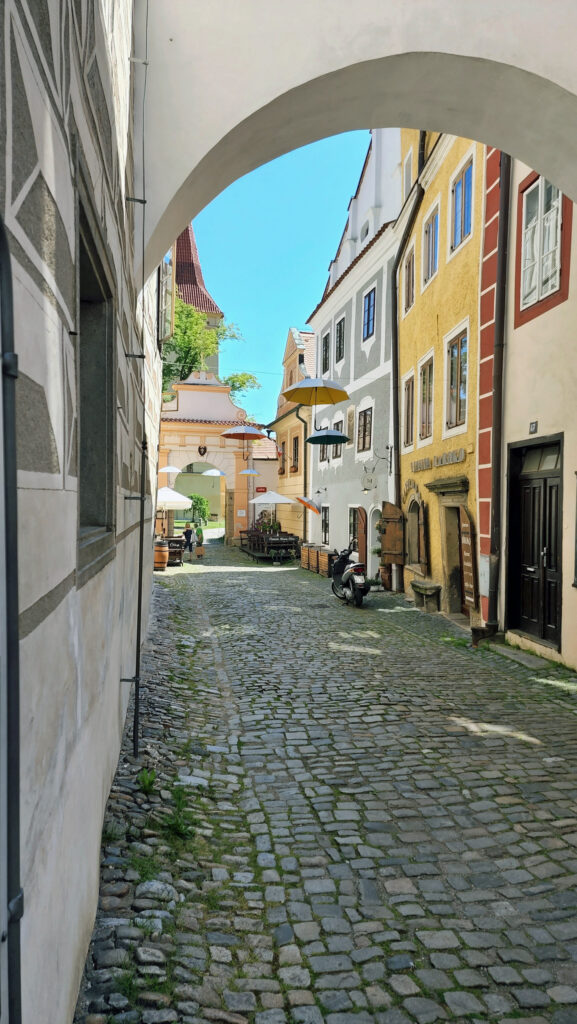
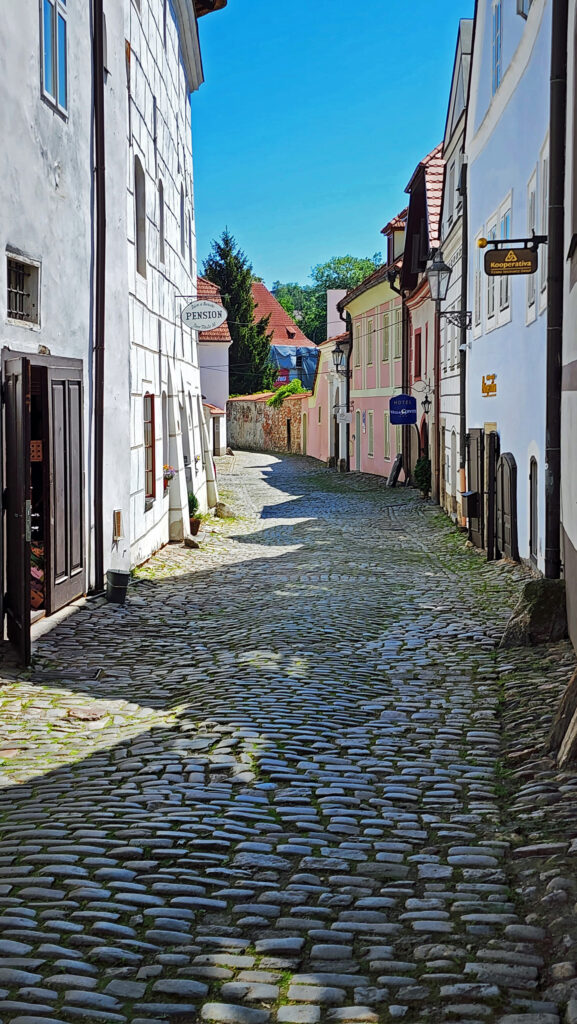
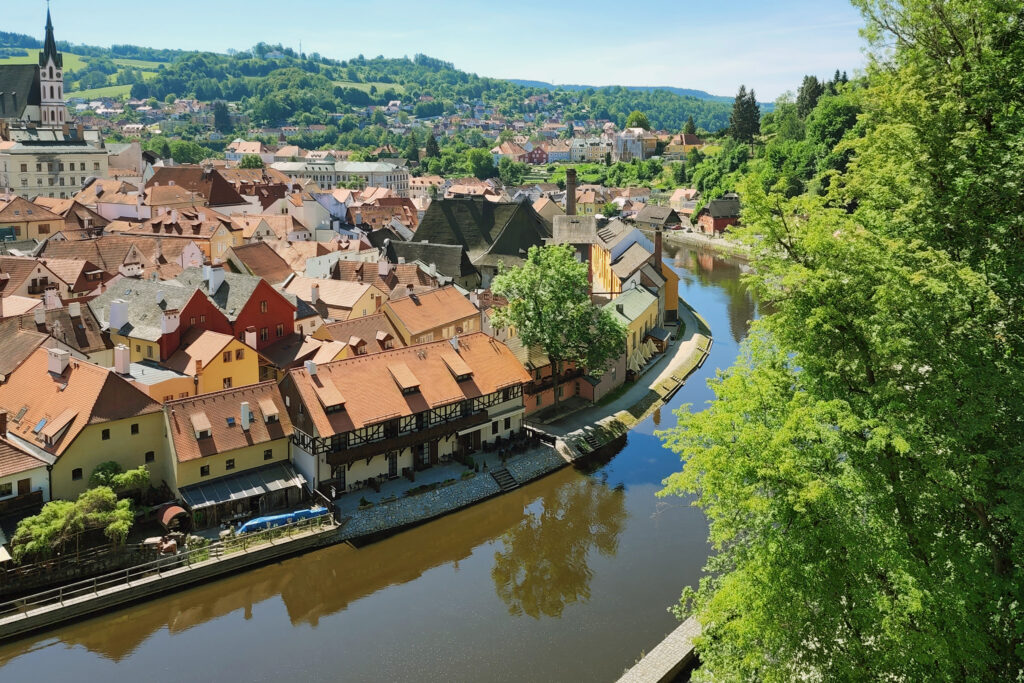
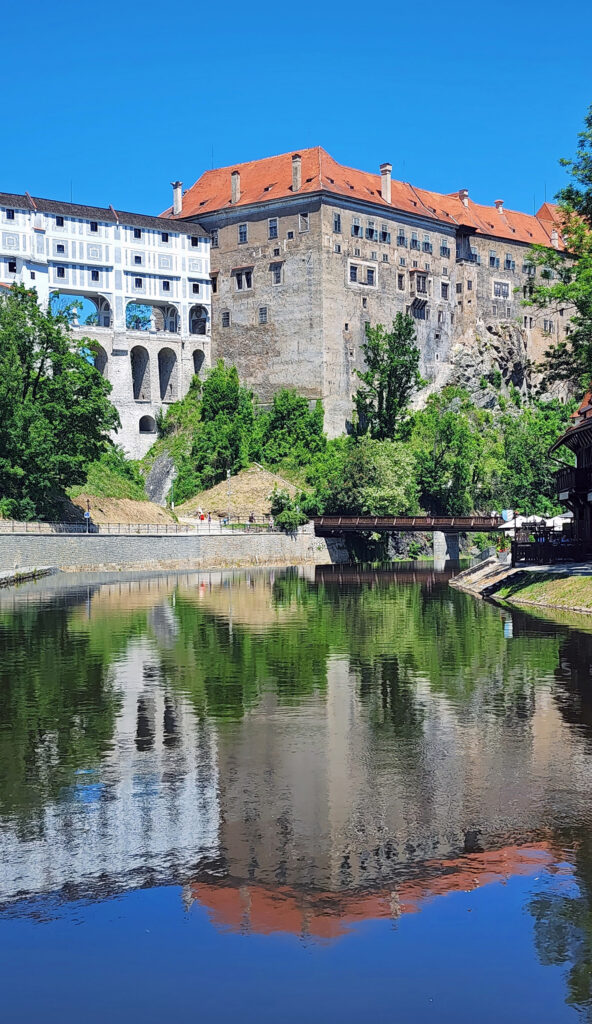
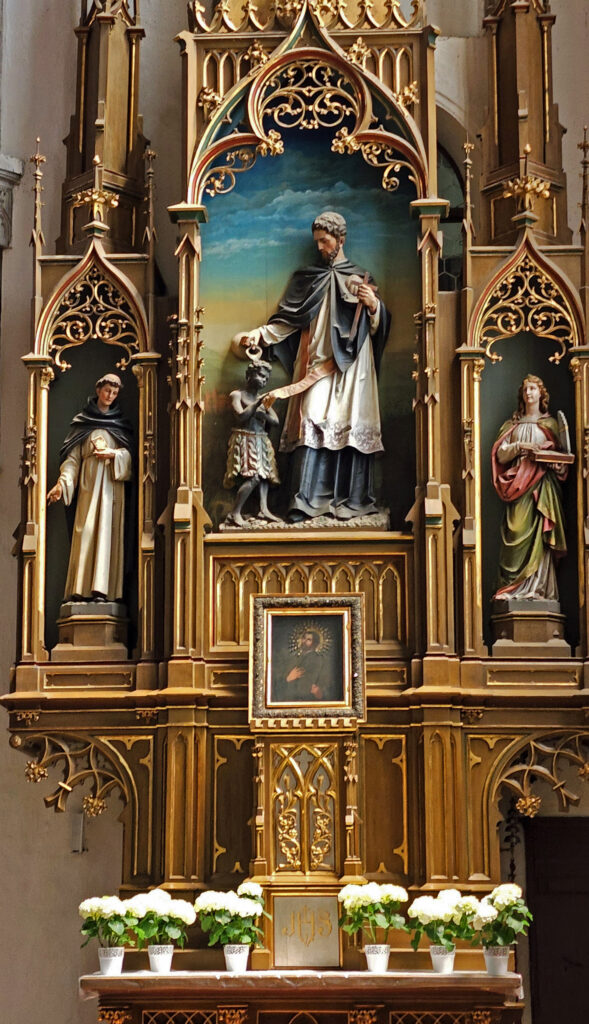
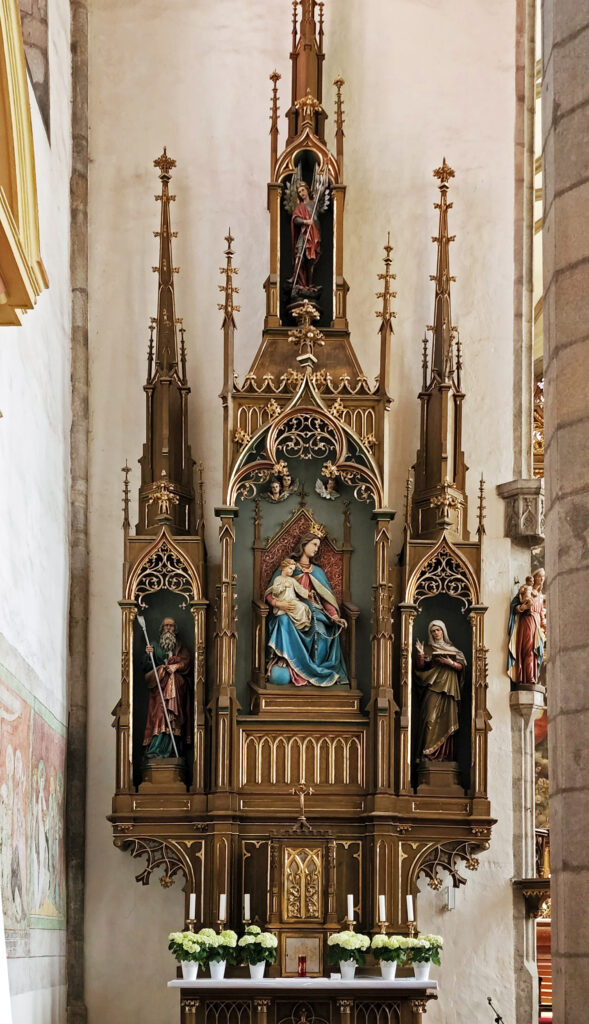
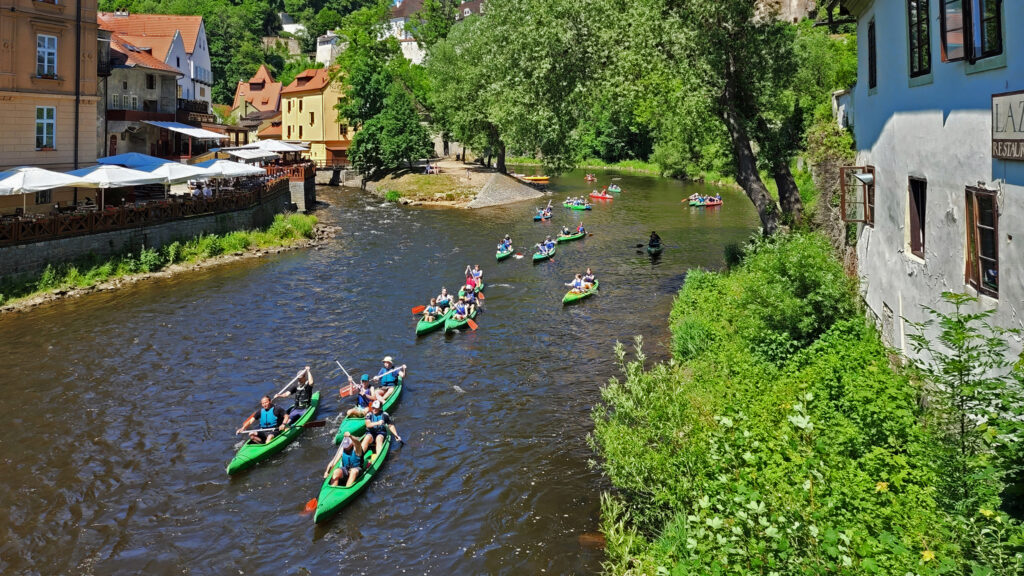
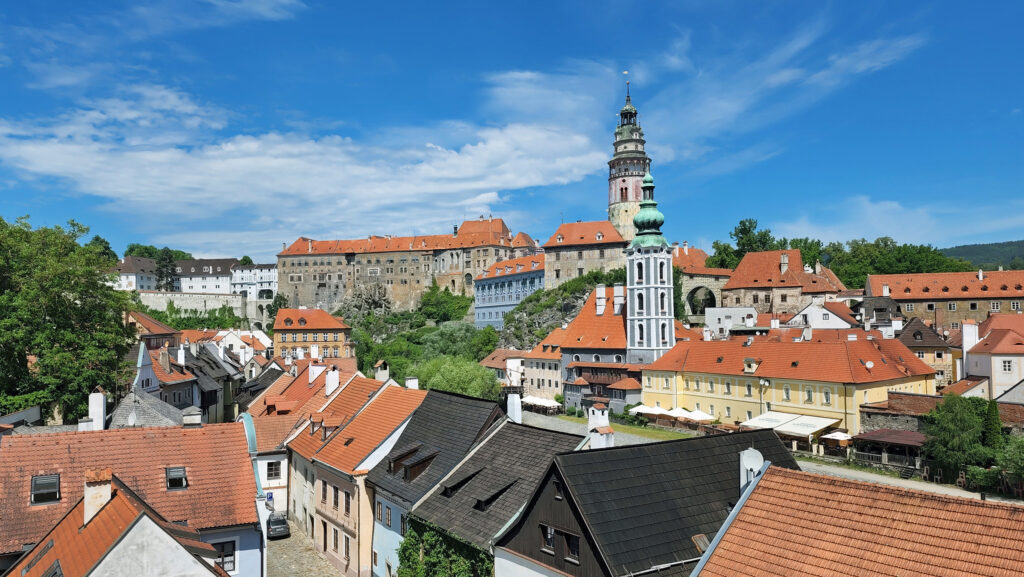
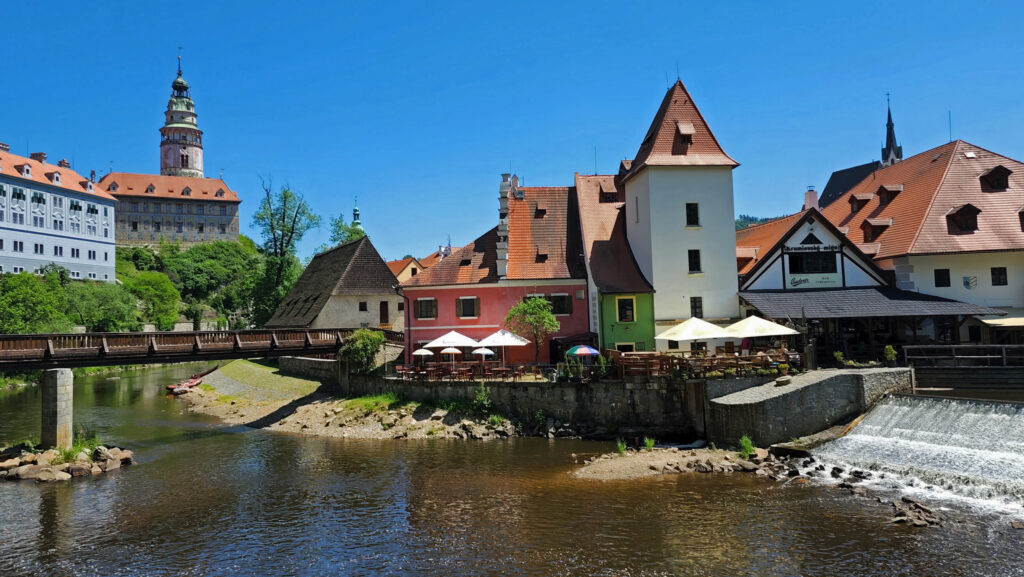
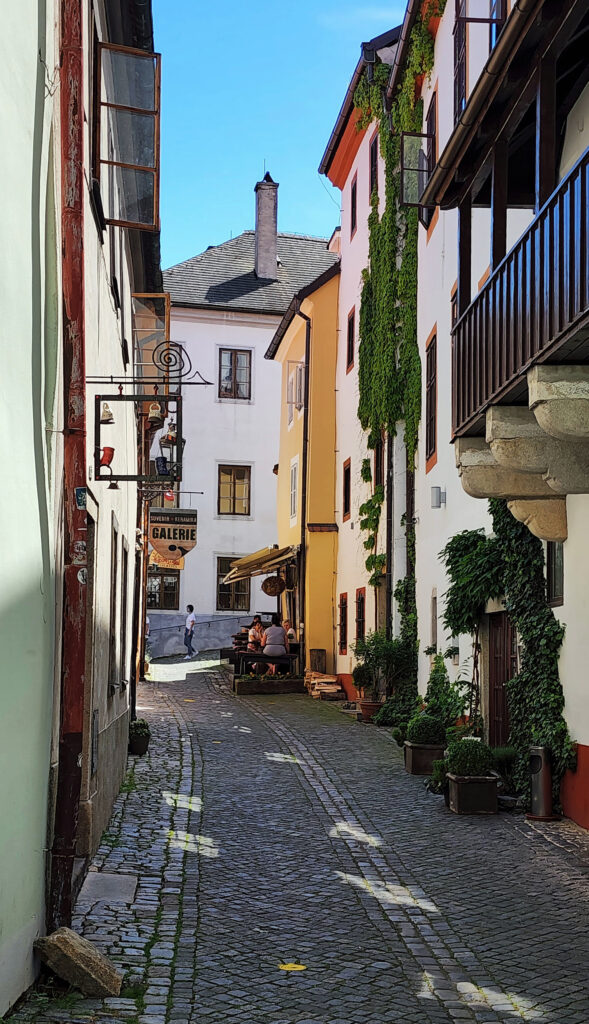
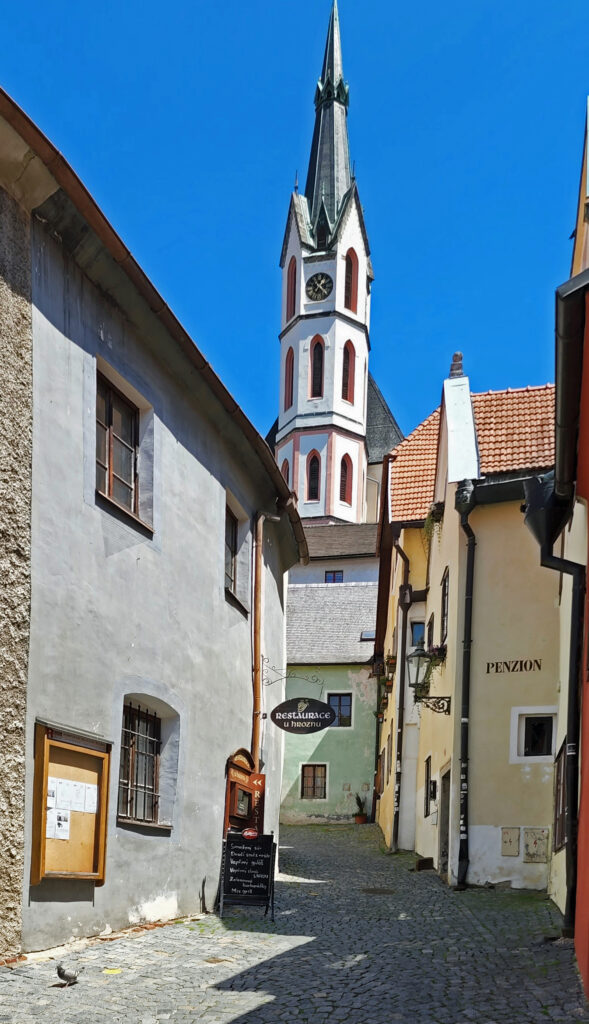
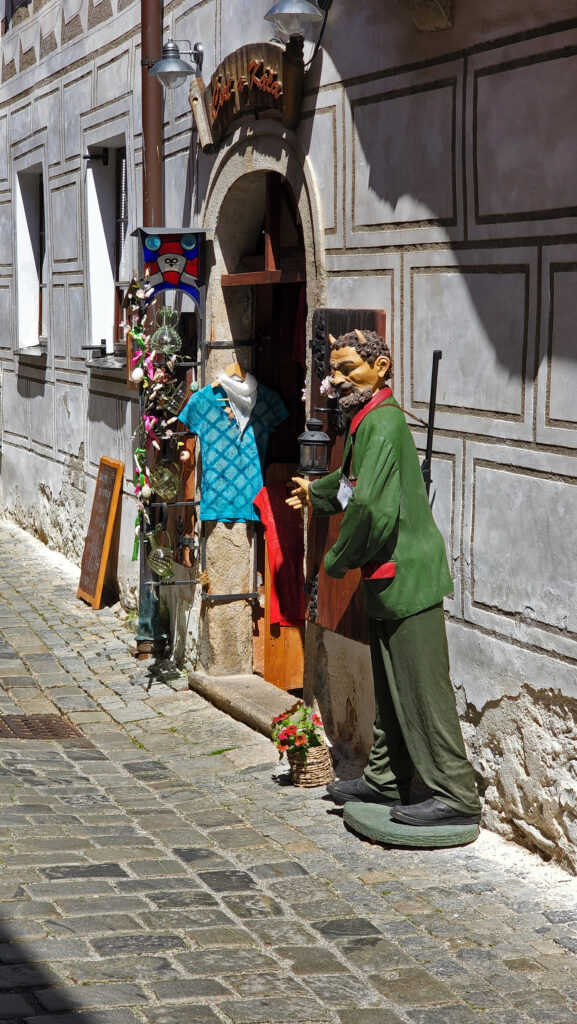 For my money, the best part of our visit was simply wandering around the historic center, walking the cobblestone streets and taking in the wonderful architecture, the beauty of the Vltava River that meanders around and through the town, and finding some of the charming and quirky things that set Czesky Krumlov apart. The old town area is car free and pedestrian friendly.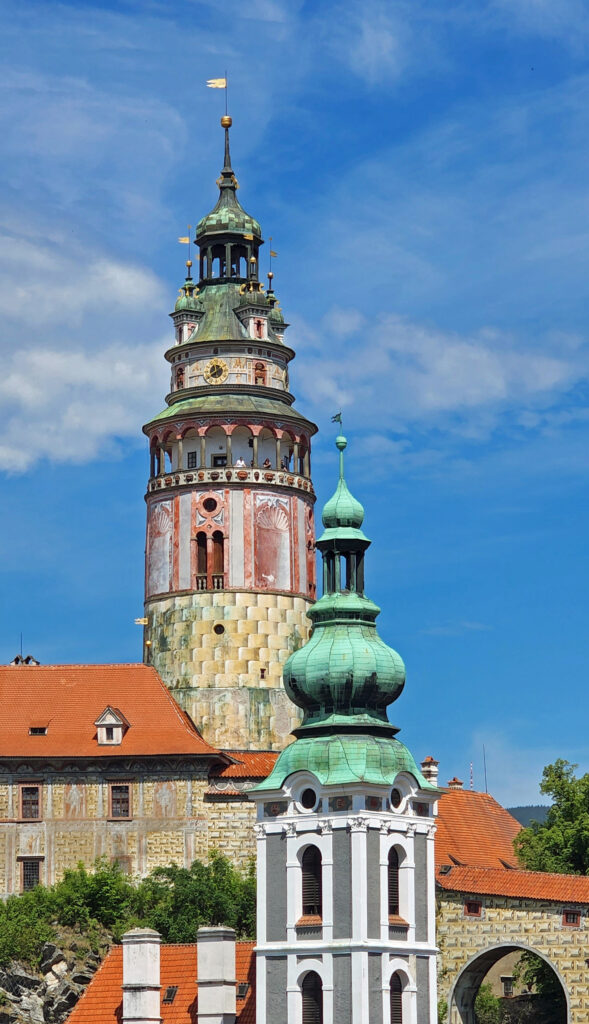
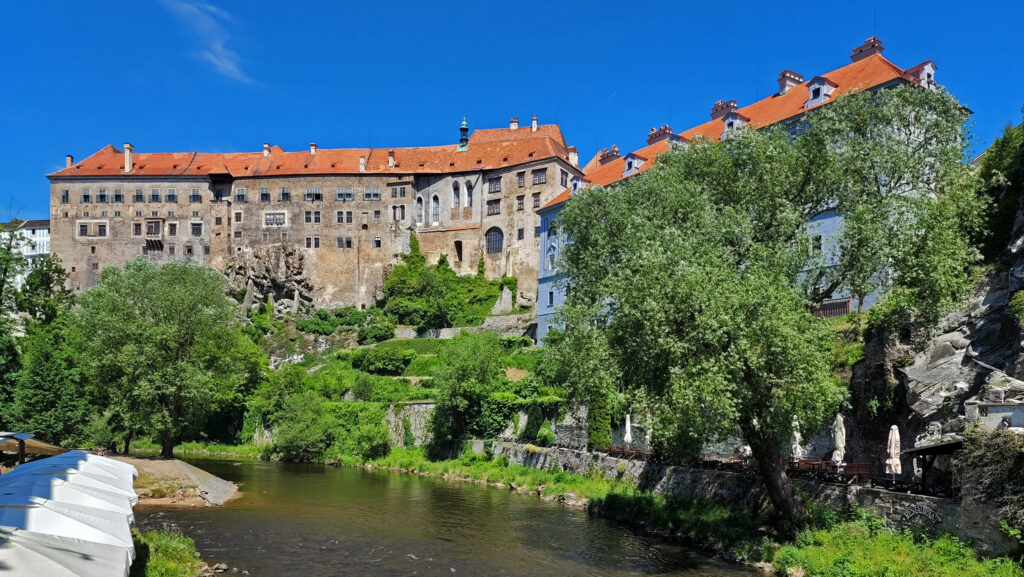
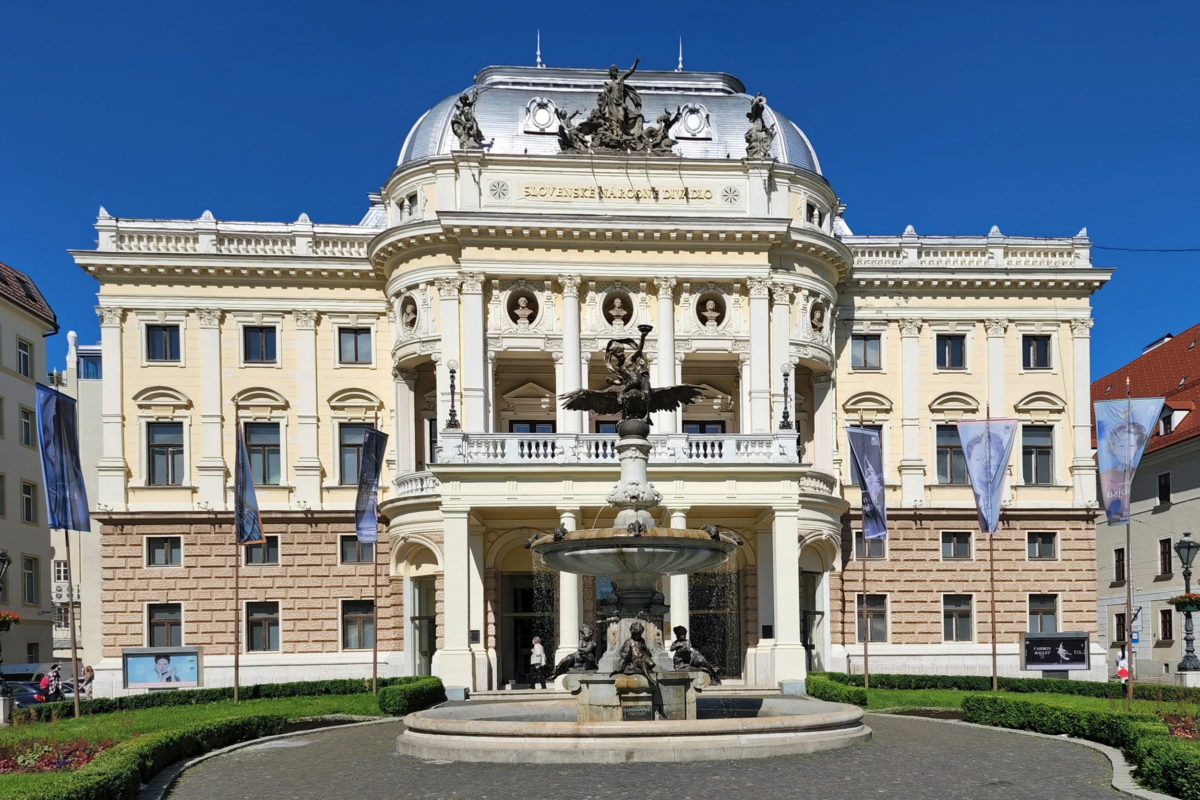
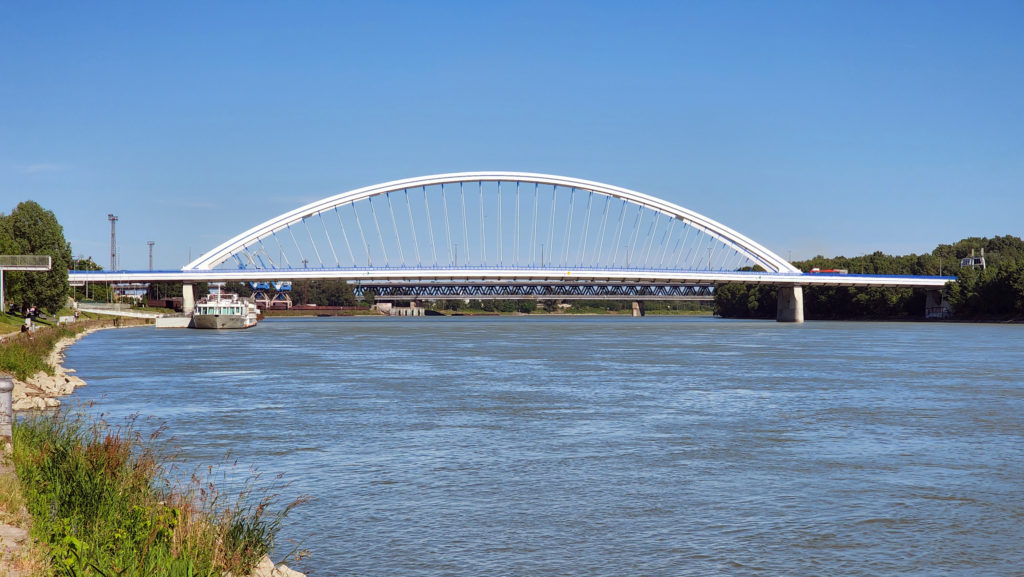
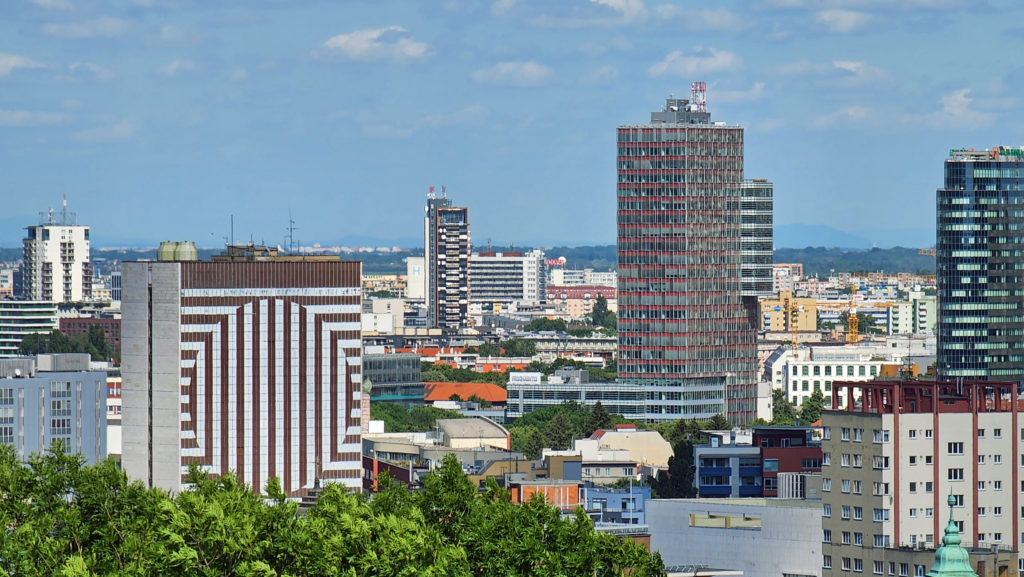
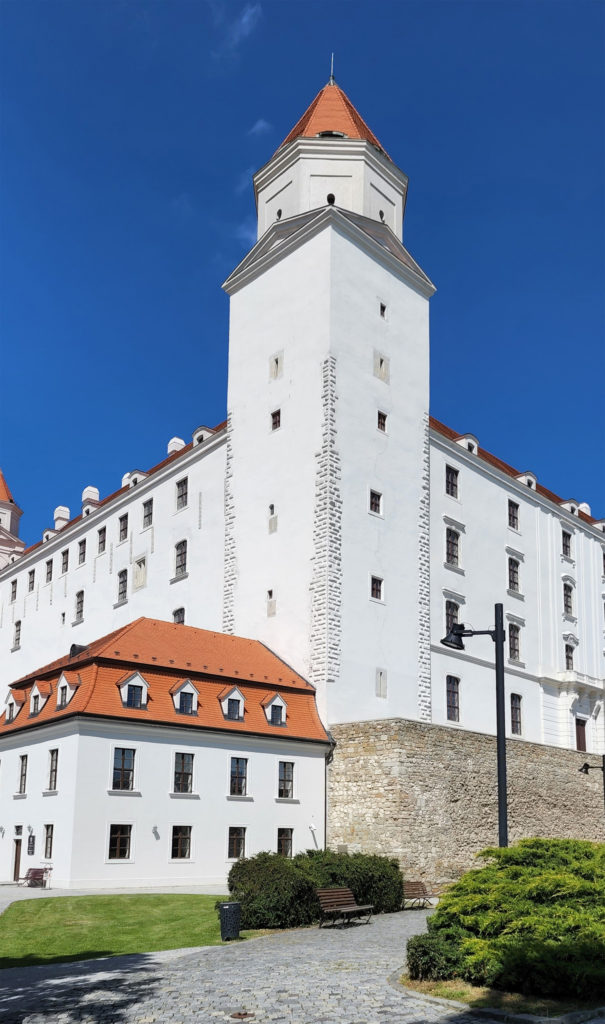
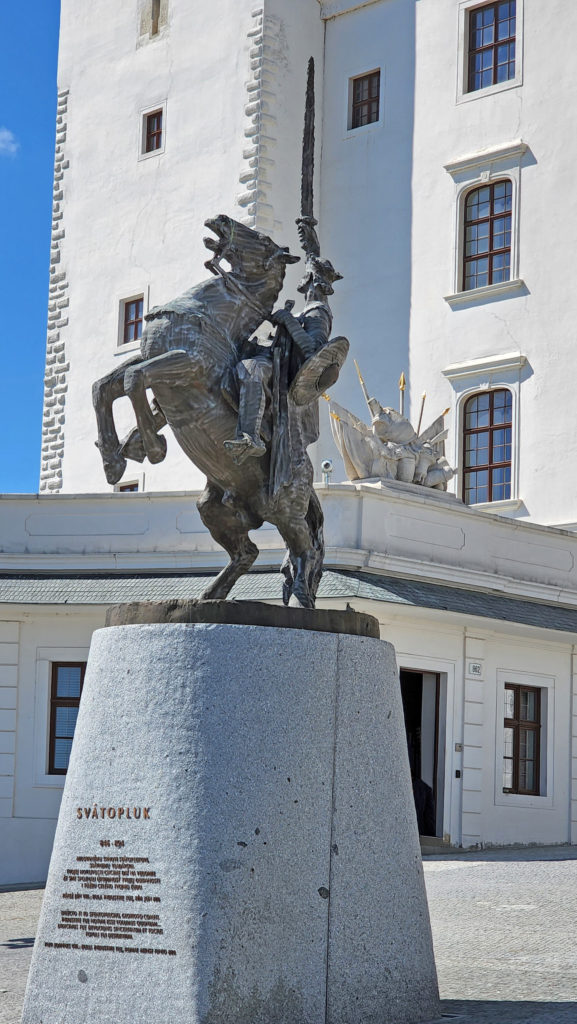
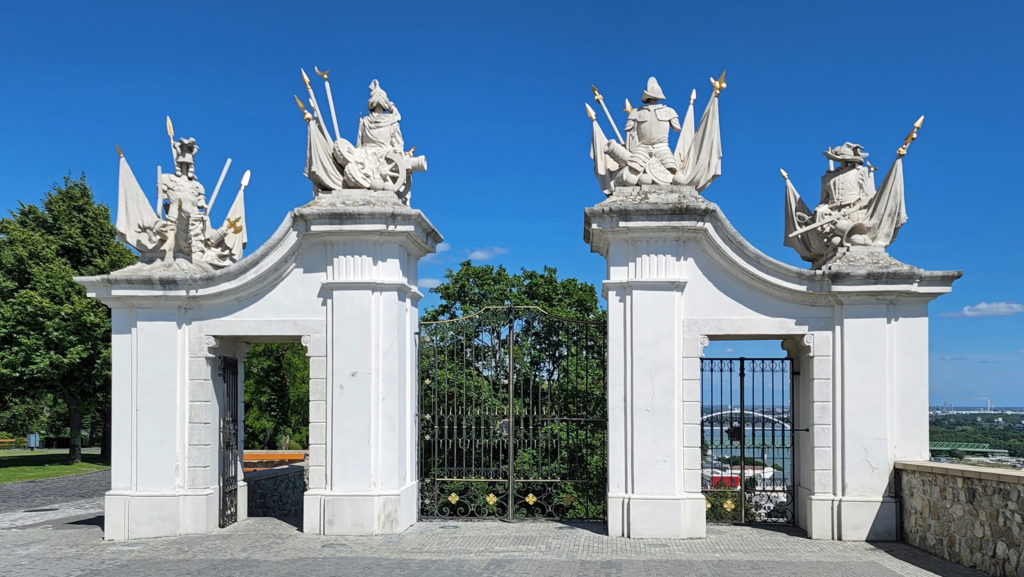
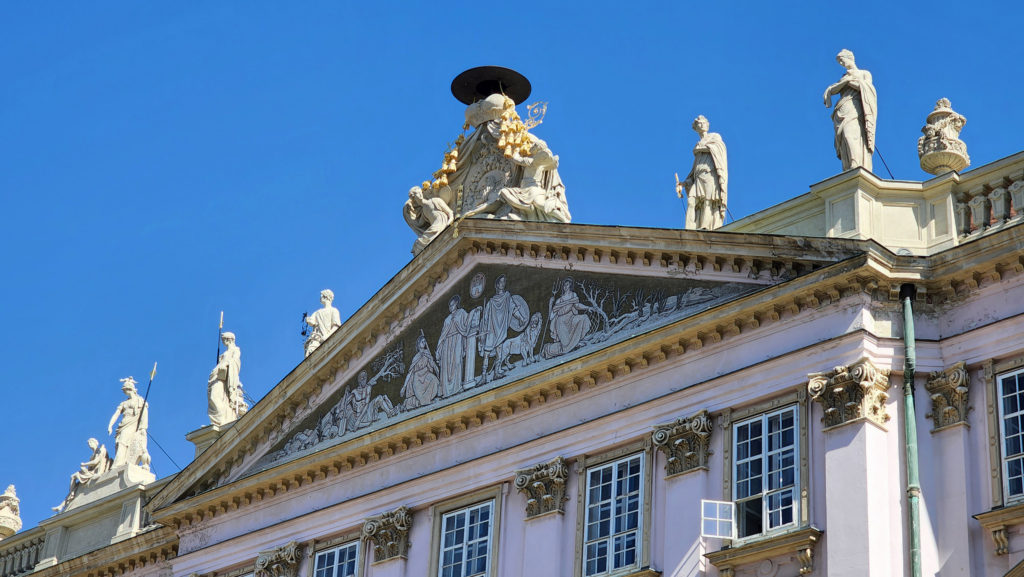
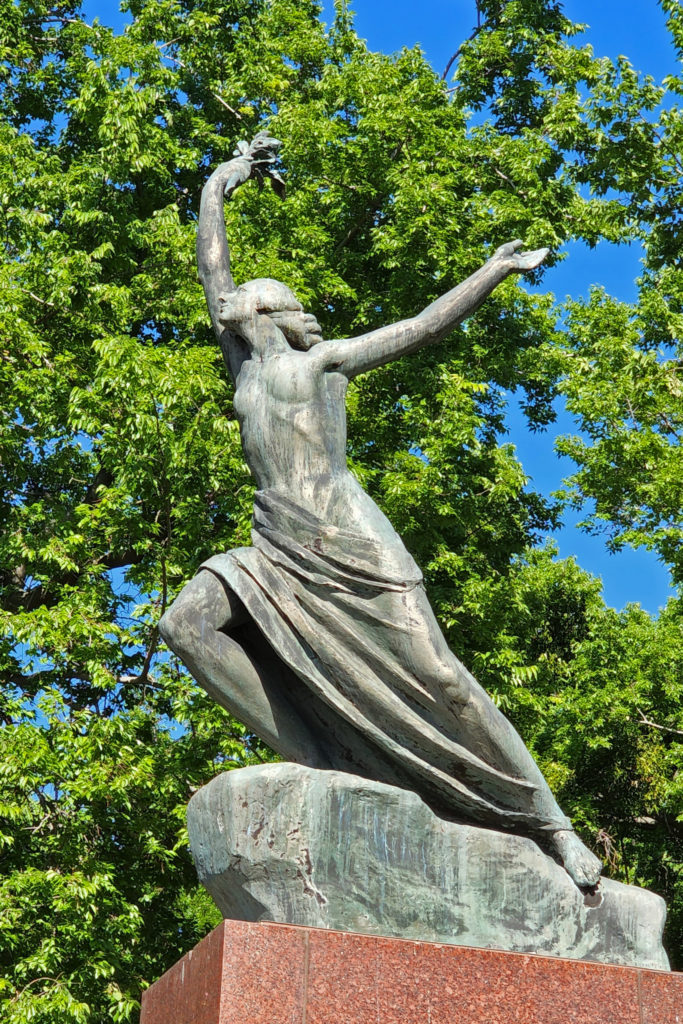
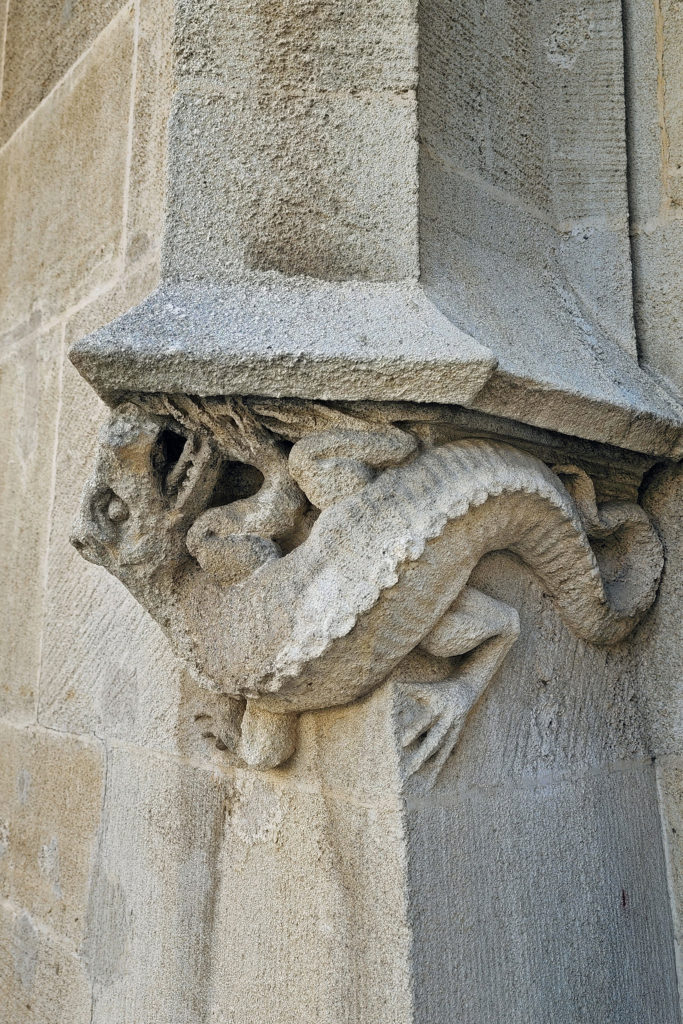 After the castle tour, we did a guided walking tour of the old town area along the river. Among the highlights of the old town are St. Martin’s Cathedral, the old Slovak National Theater building, Michael’s Gate, and the historic Hlavne namestie (town square).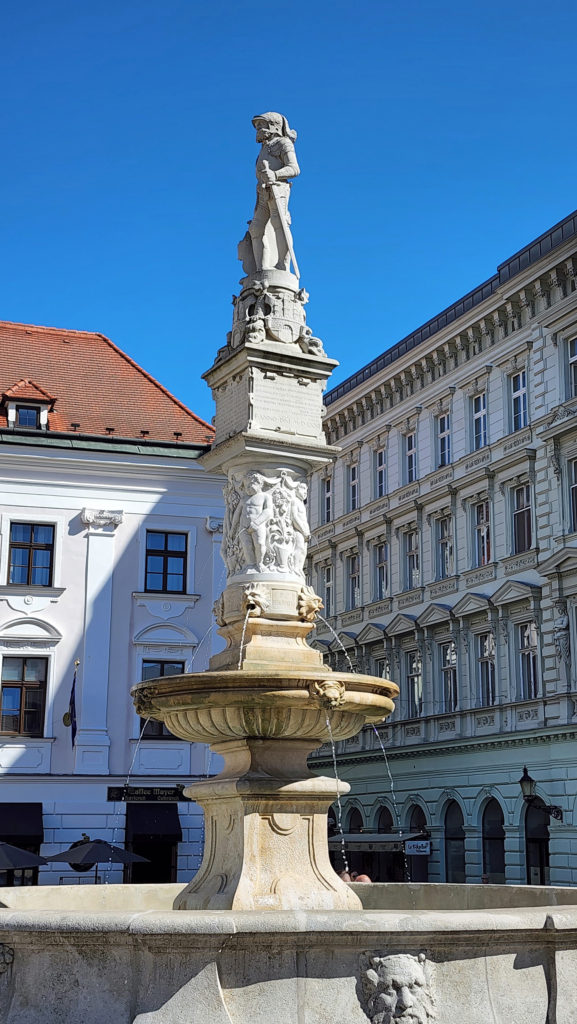
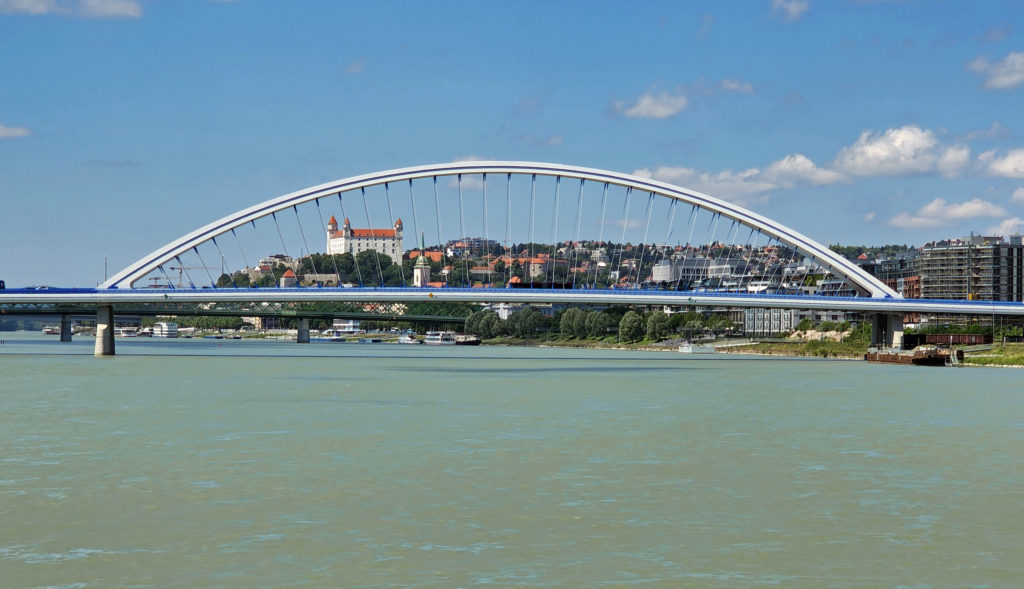
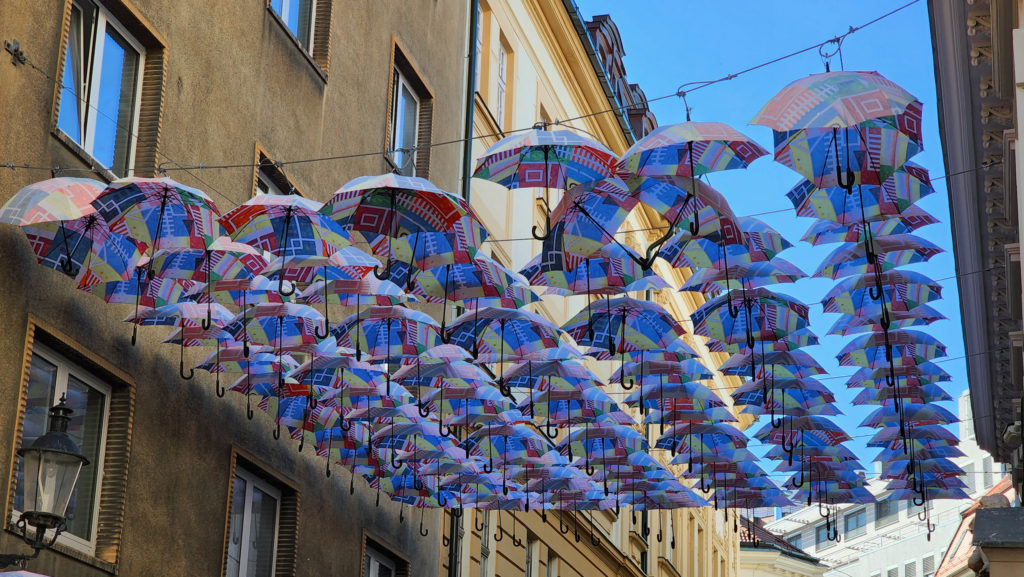 In the 19th and 20th centuries Bratislava’s influence waned, becoming a sleepy regional center of no great significance during the Soviet era. But Bratislava today is a vibrant, modern city with a diverse population and a surprisingly Western European vibe.
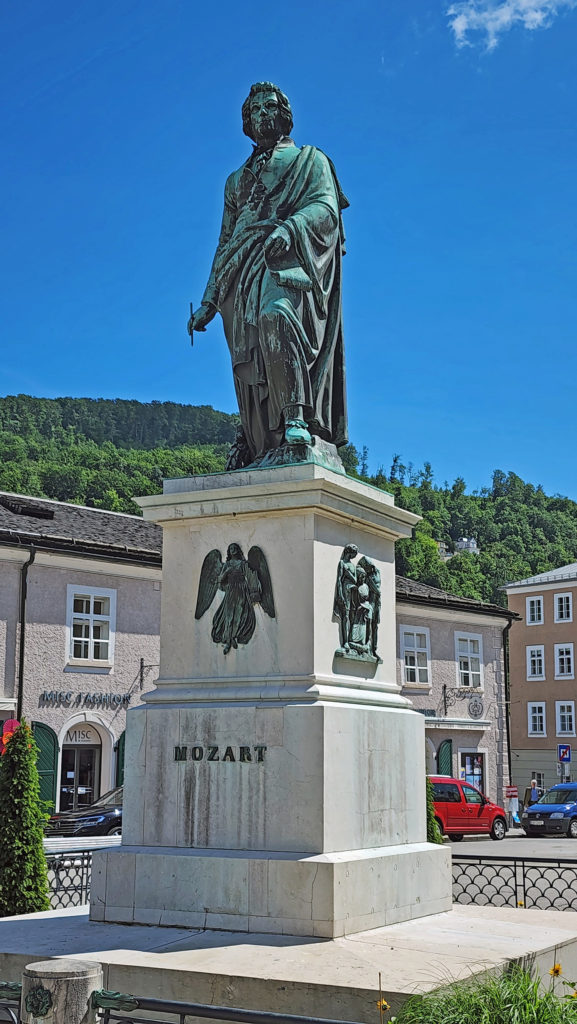
 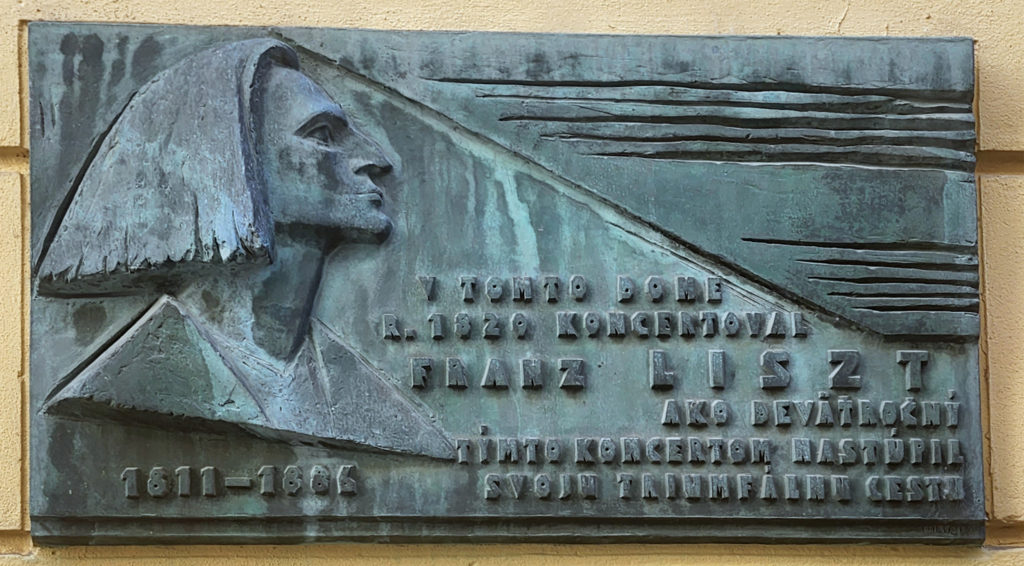 Neighboring Vienna is internationally recognized as a center of classical music and culture, but Bratislava has its own deeply rooted history of arts and culture. Mozart gave a concert in Bratislava at the age of six, and Franz Liszt’s career began (at nine years of age) with a concert in Bratislava. And Hayden, Beethoven, and many other prominent composers performed or conducted concerts in Bratislava in the 19th century. Today, there are a number of music festivals in Bratislava throughout the year, and the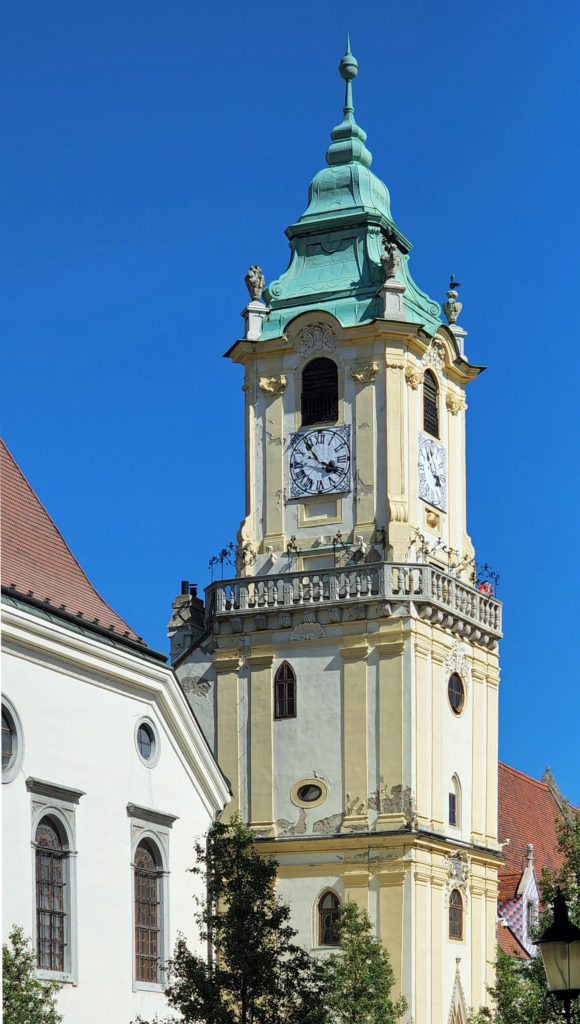
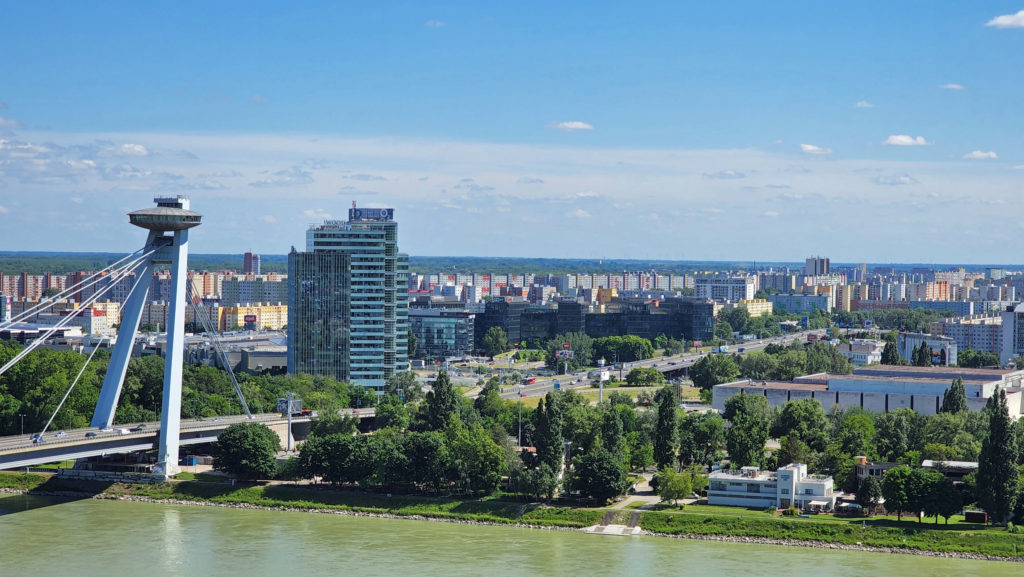
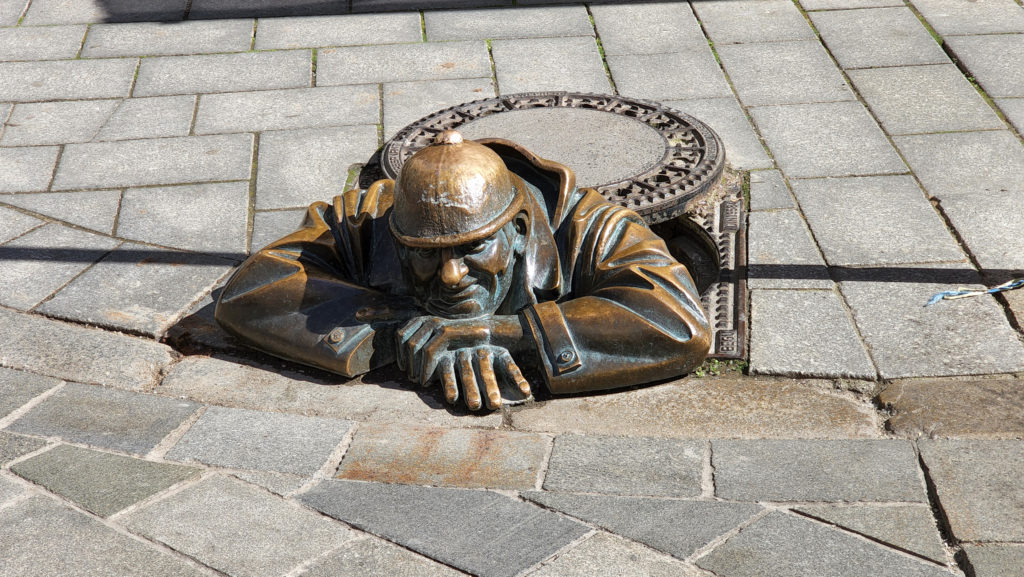 There is much for the visitor to see and do in Bratislava, the vast majority of which we did not have time to take in. But I’m glad that we were able to see at least a portion of this small but interesting and historic city.
 Posted September 14, 2022
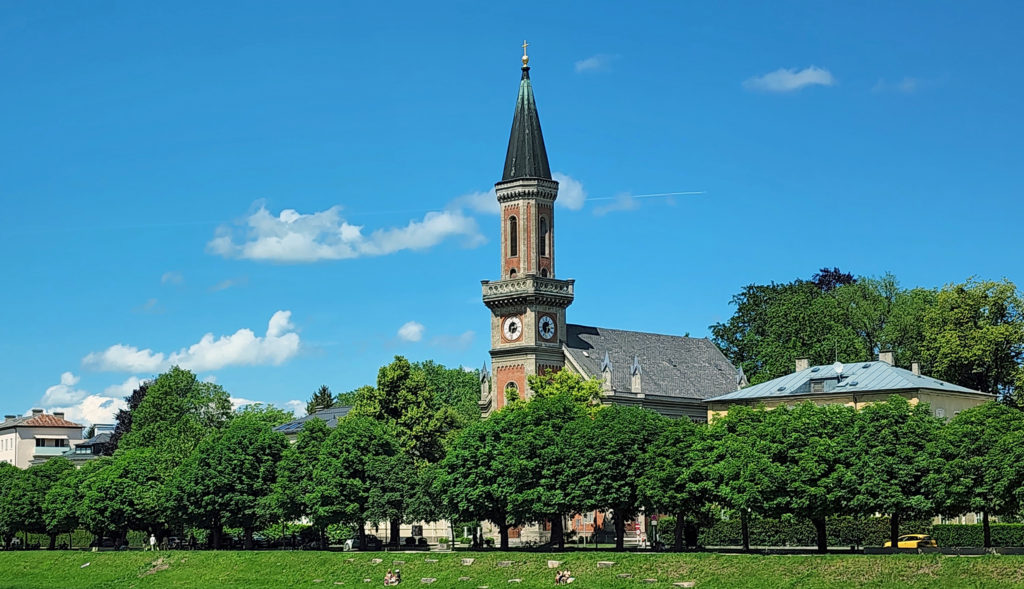
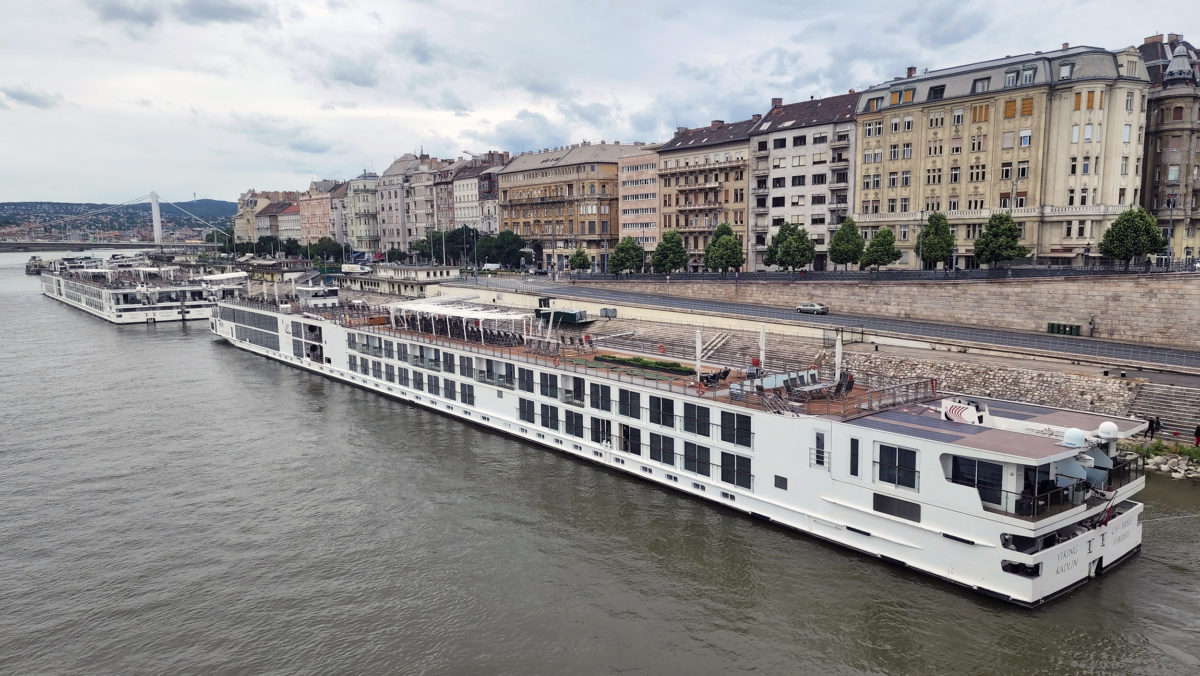
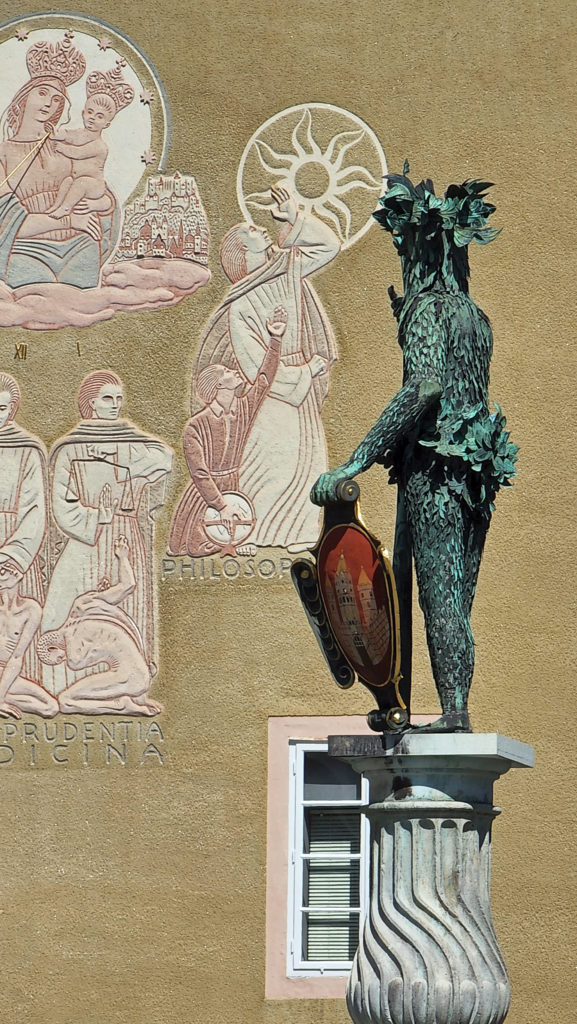
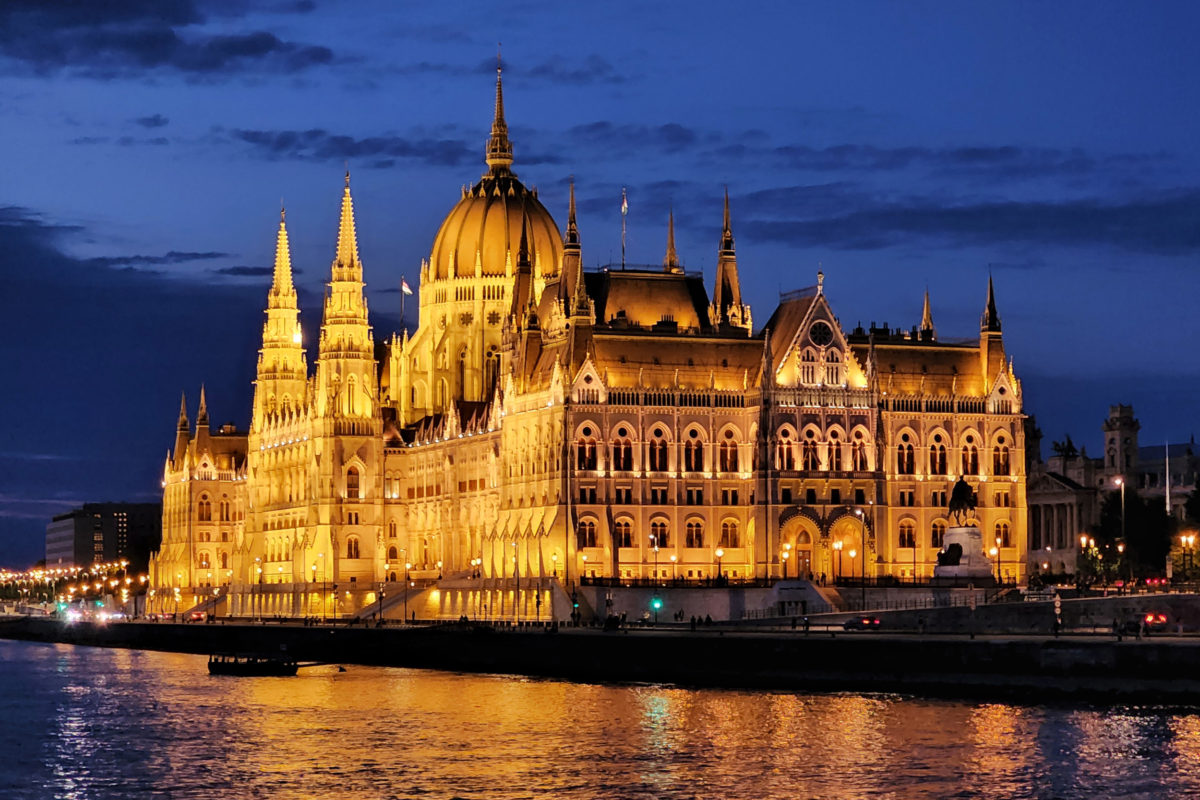
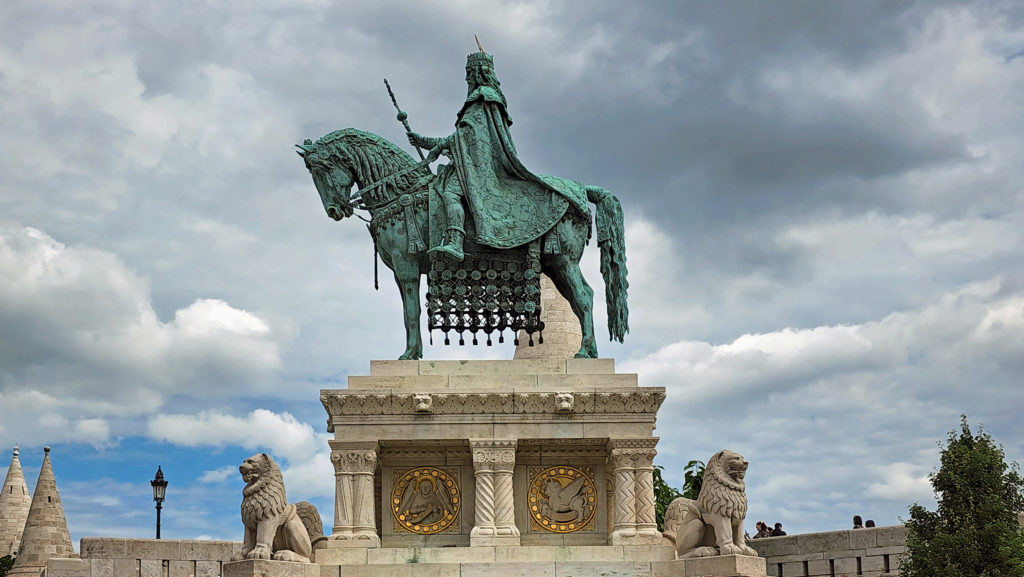
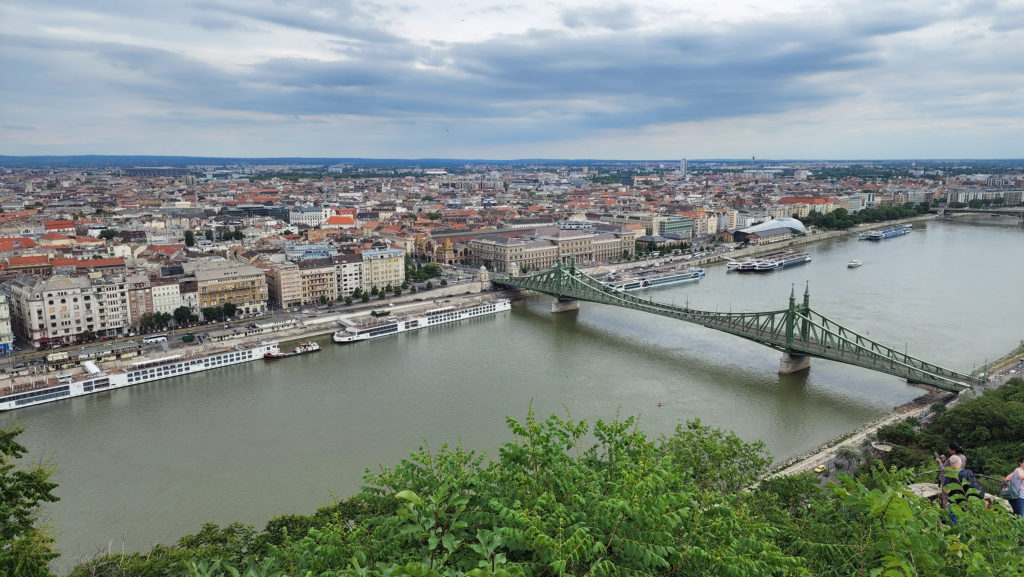
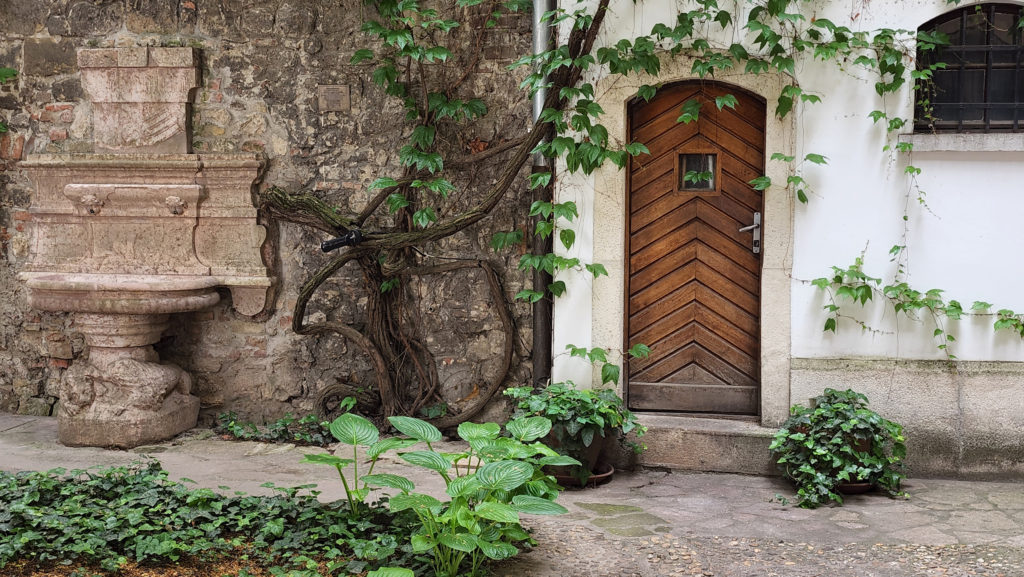
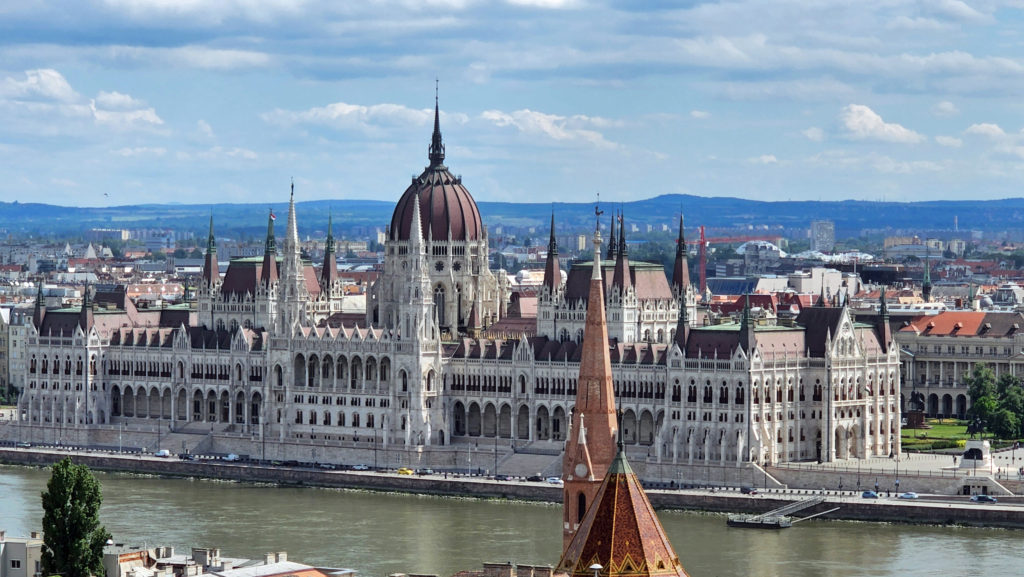
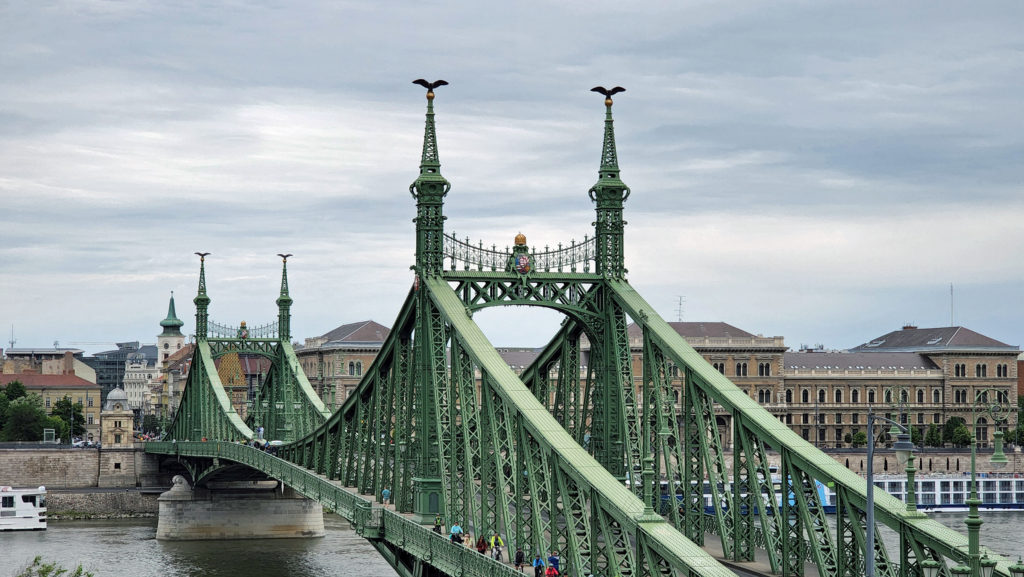
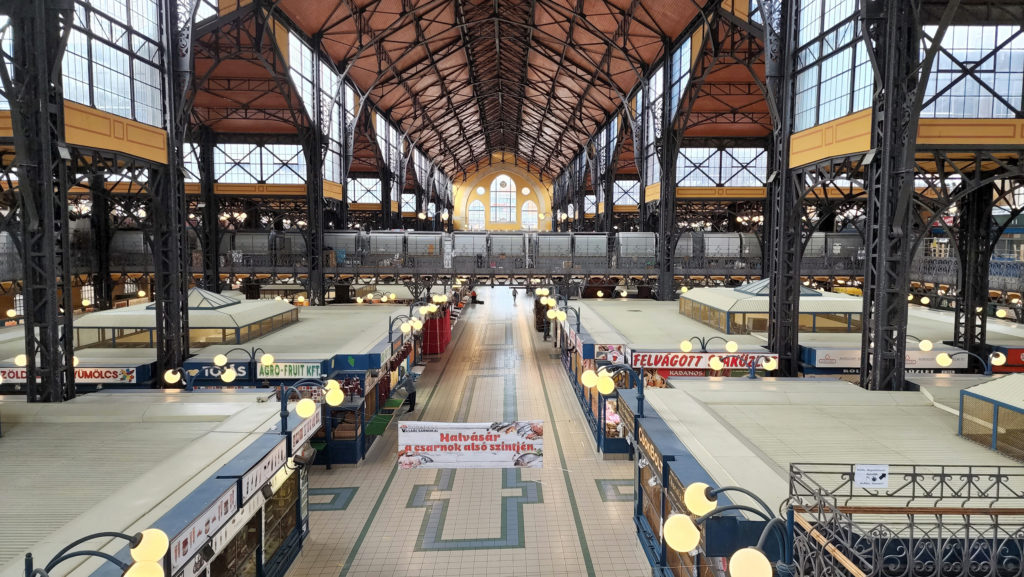
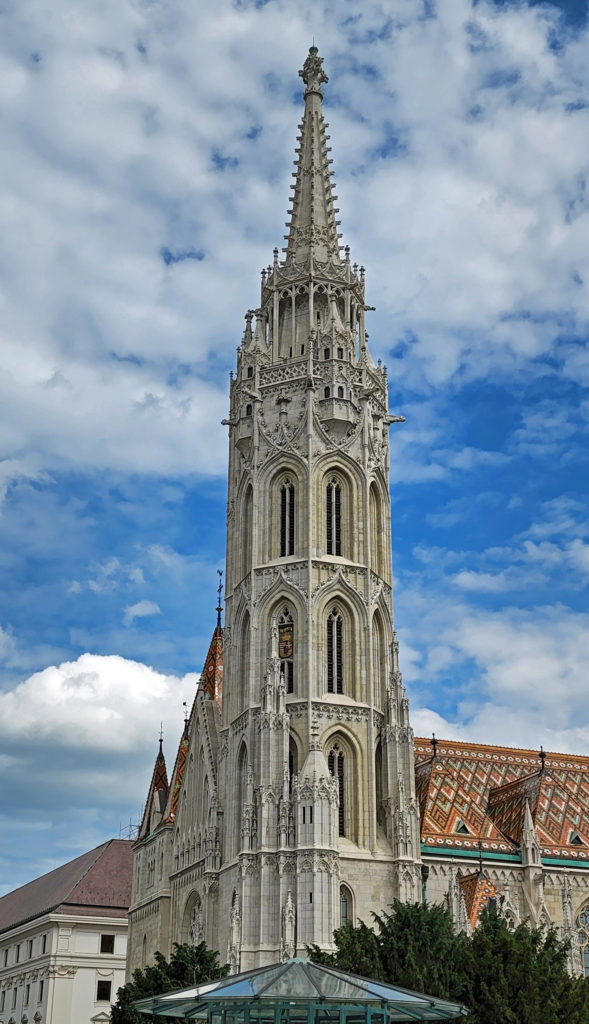
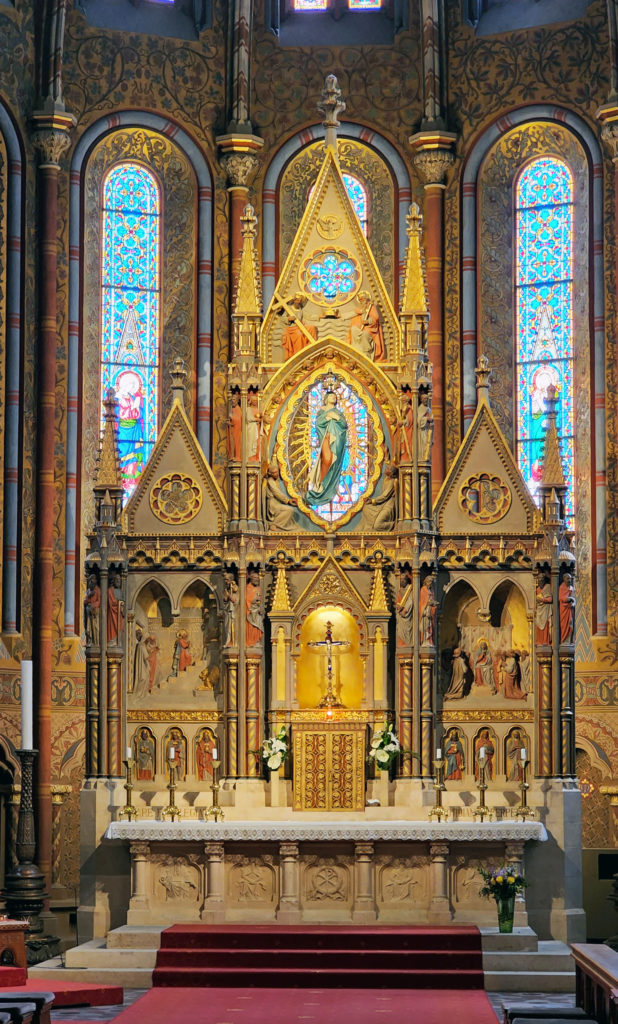
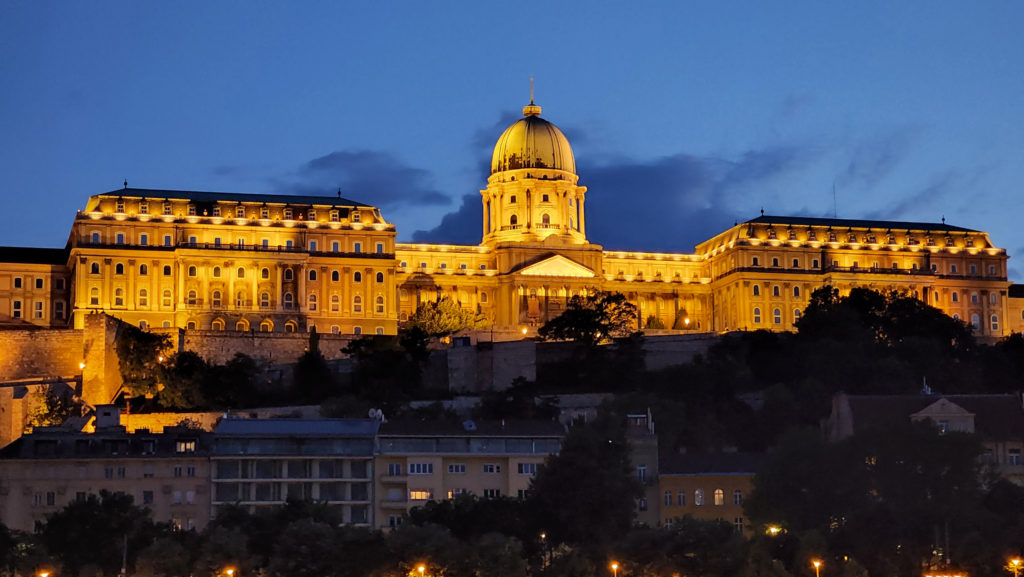
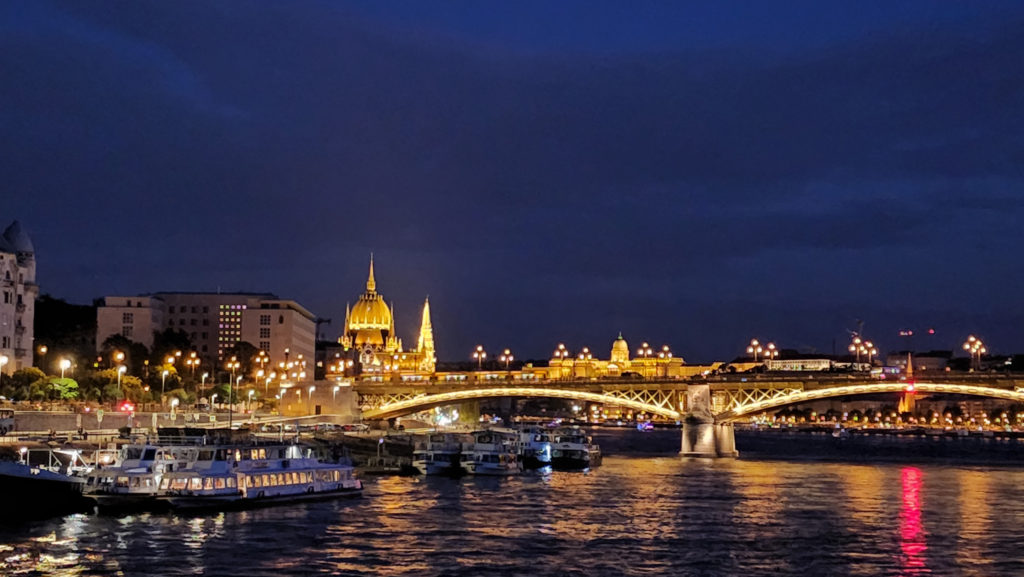
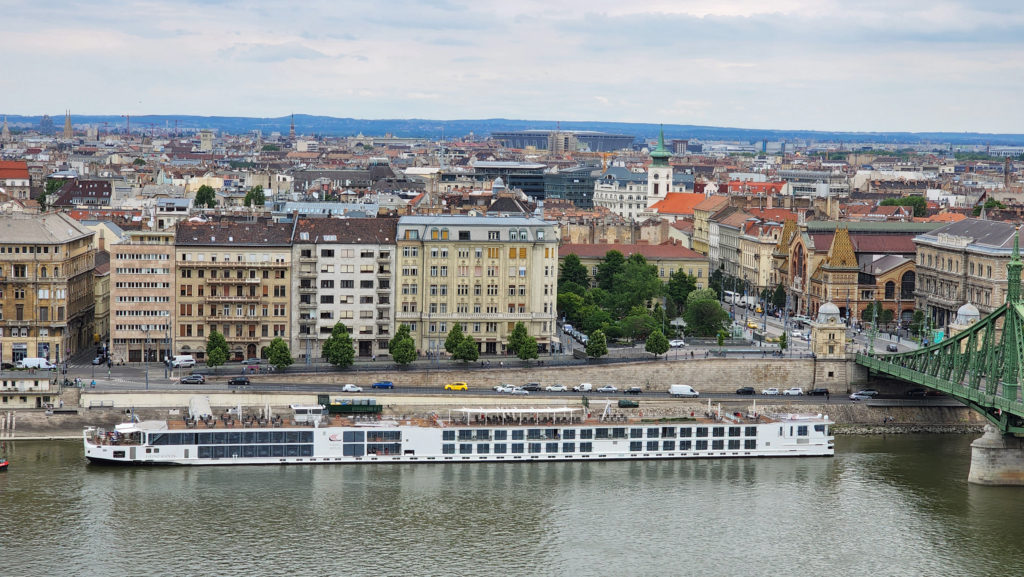
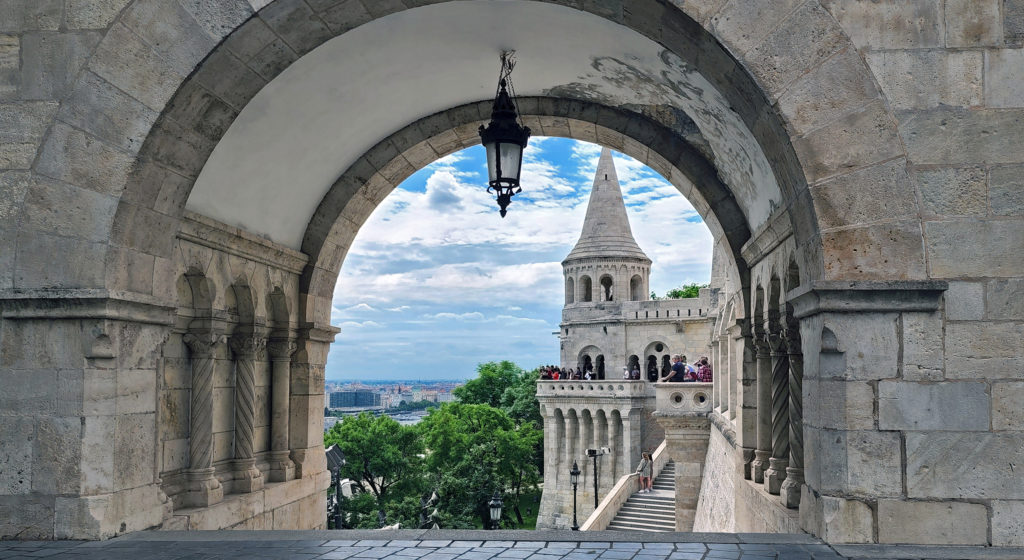
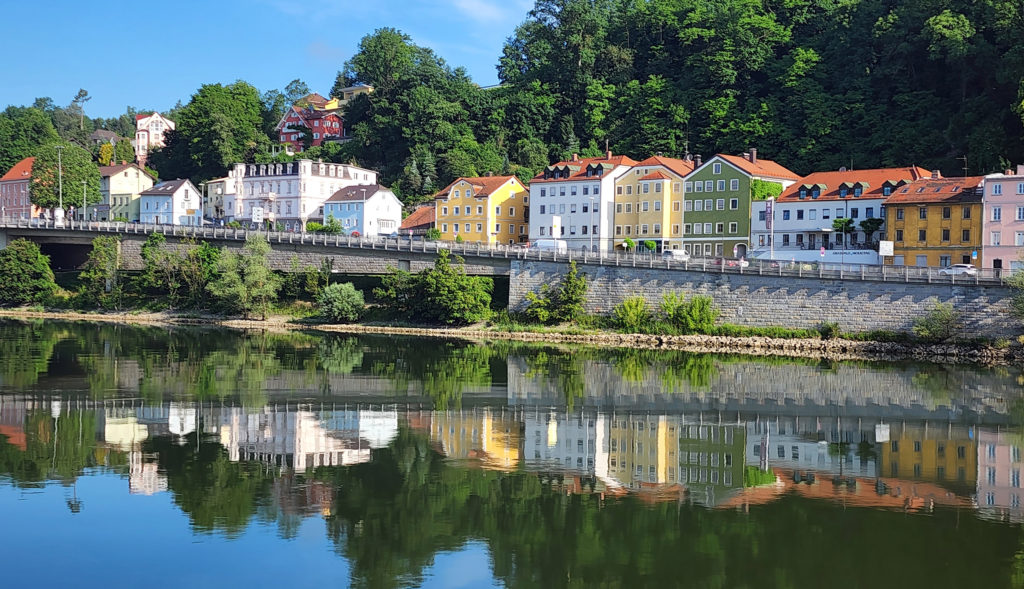
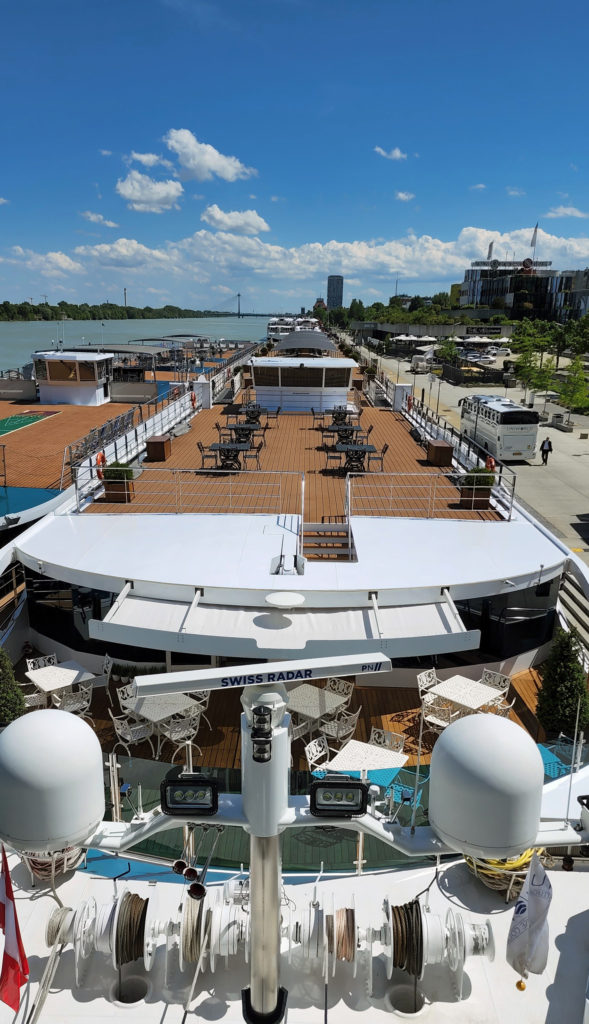
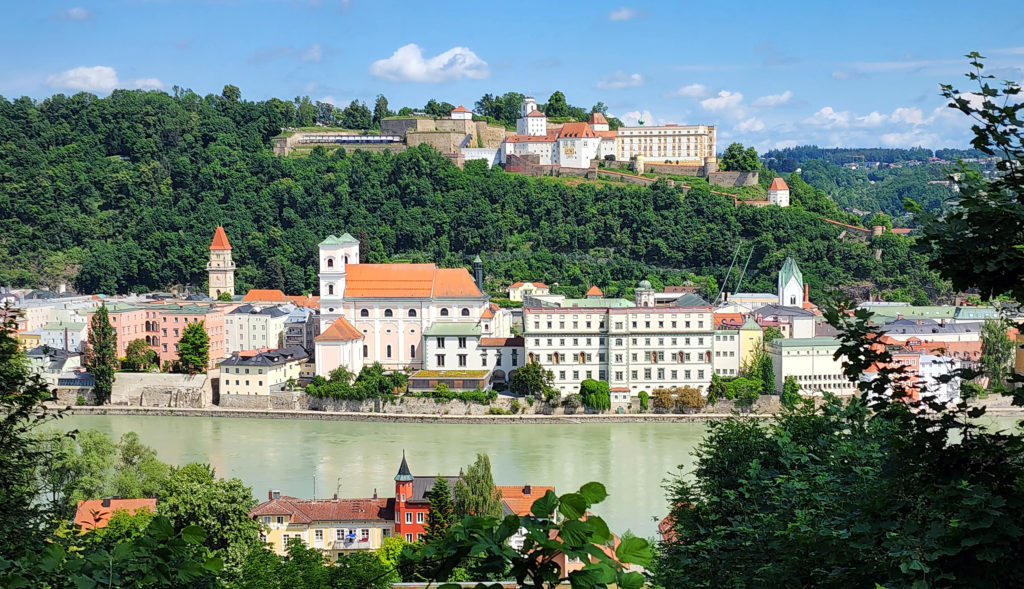
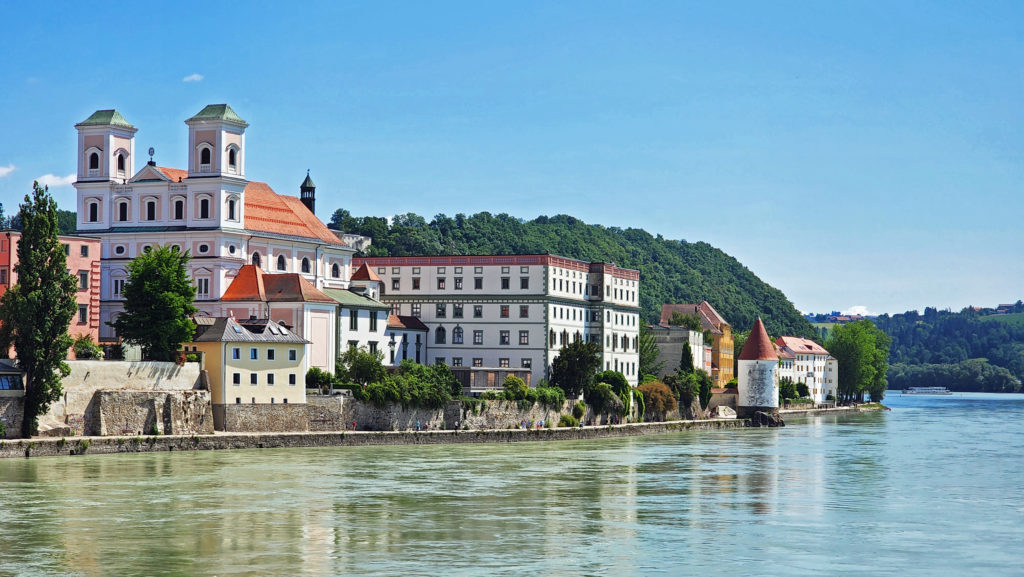
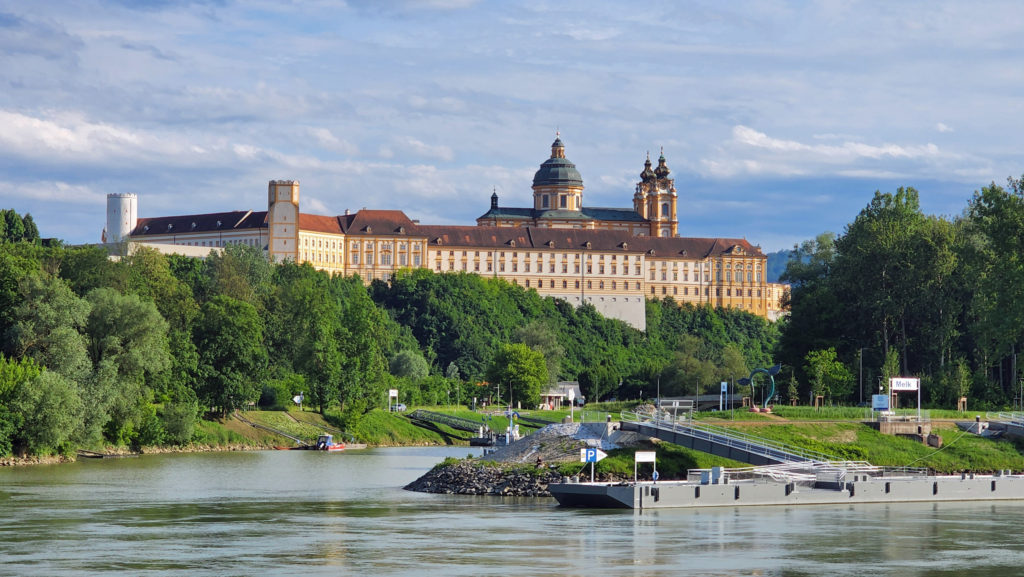
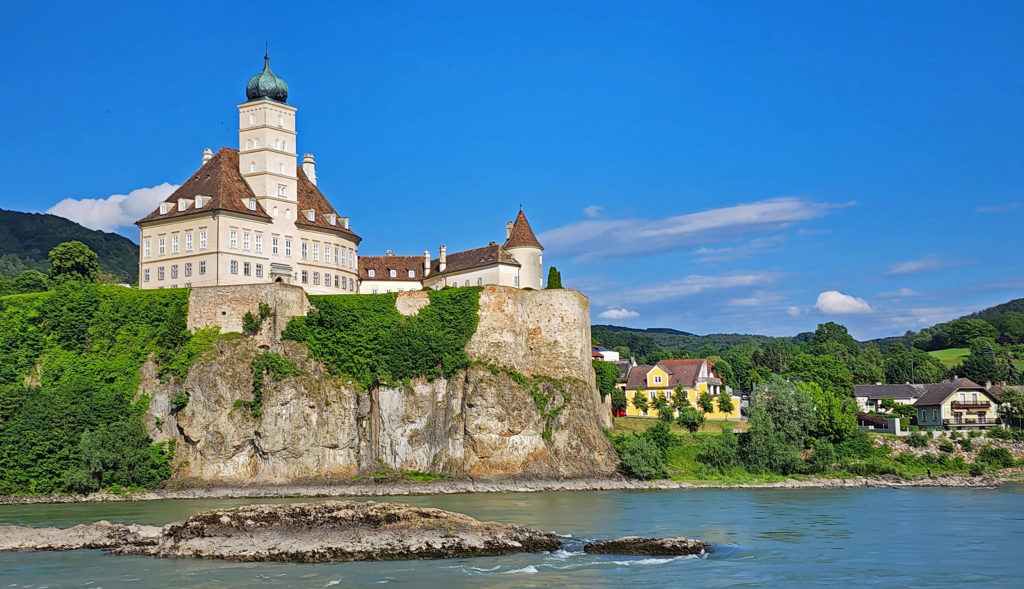
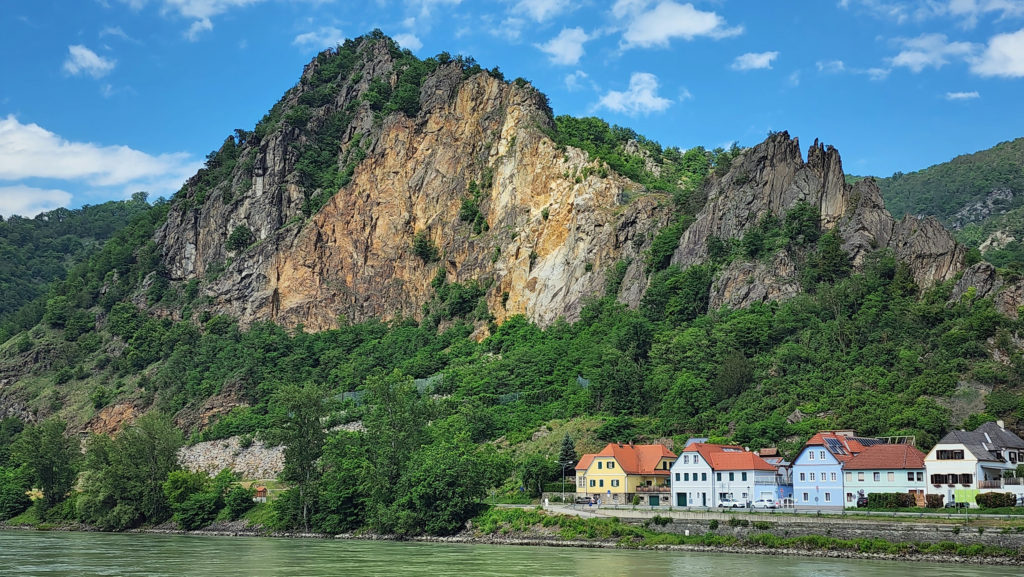
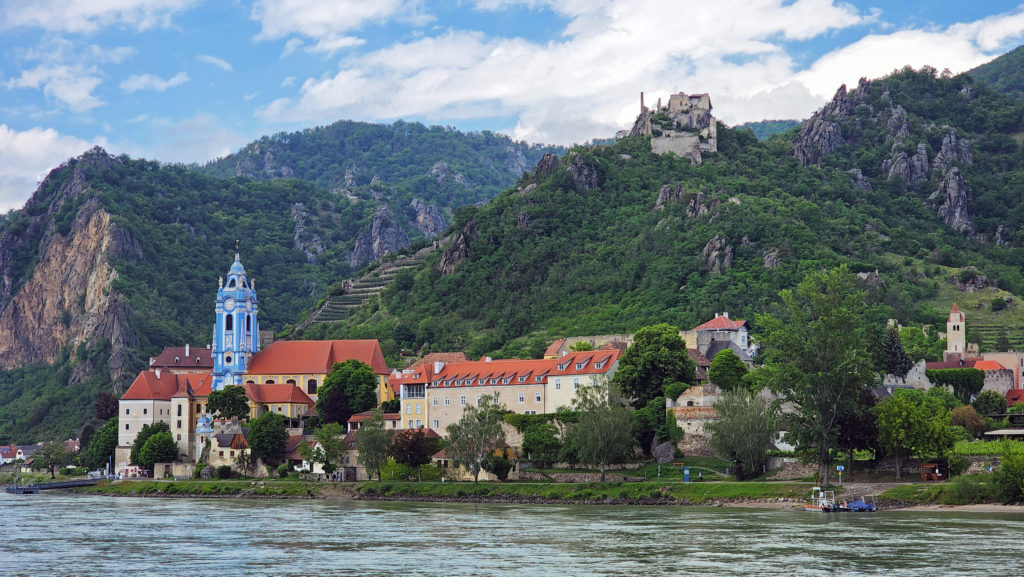
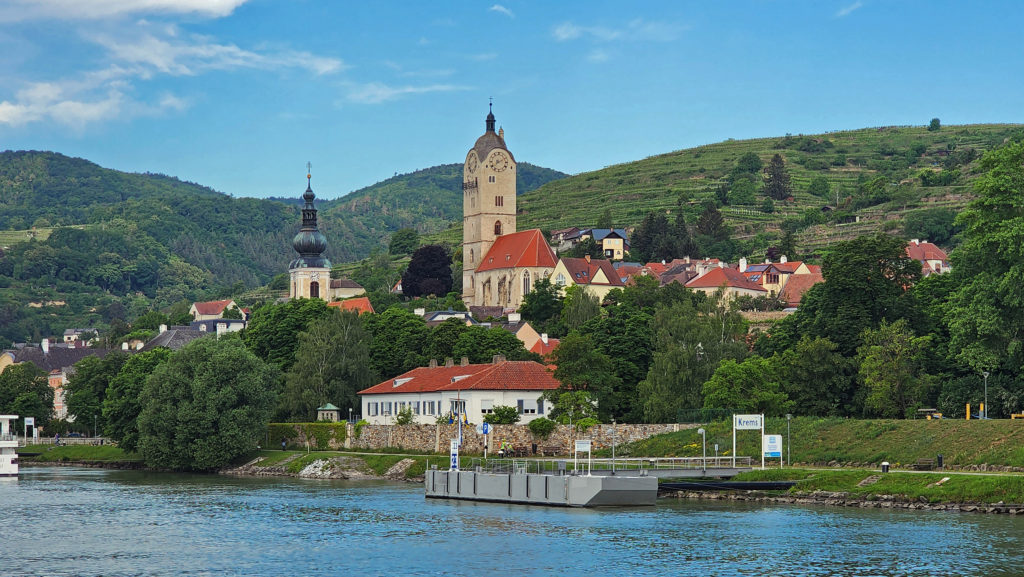
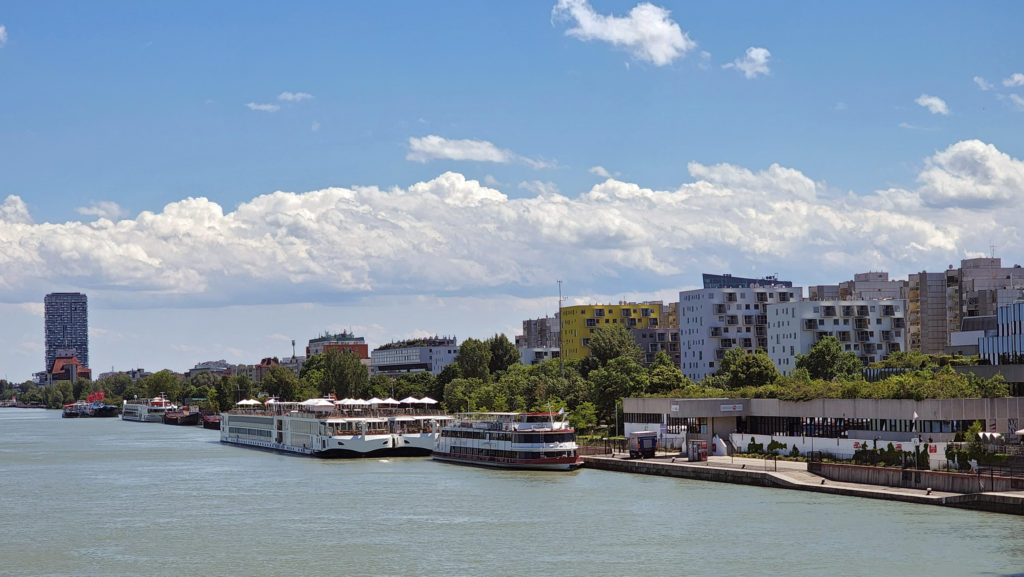
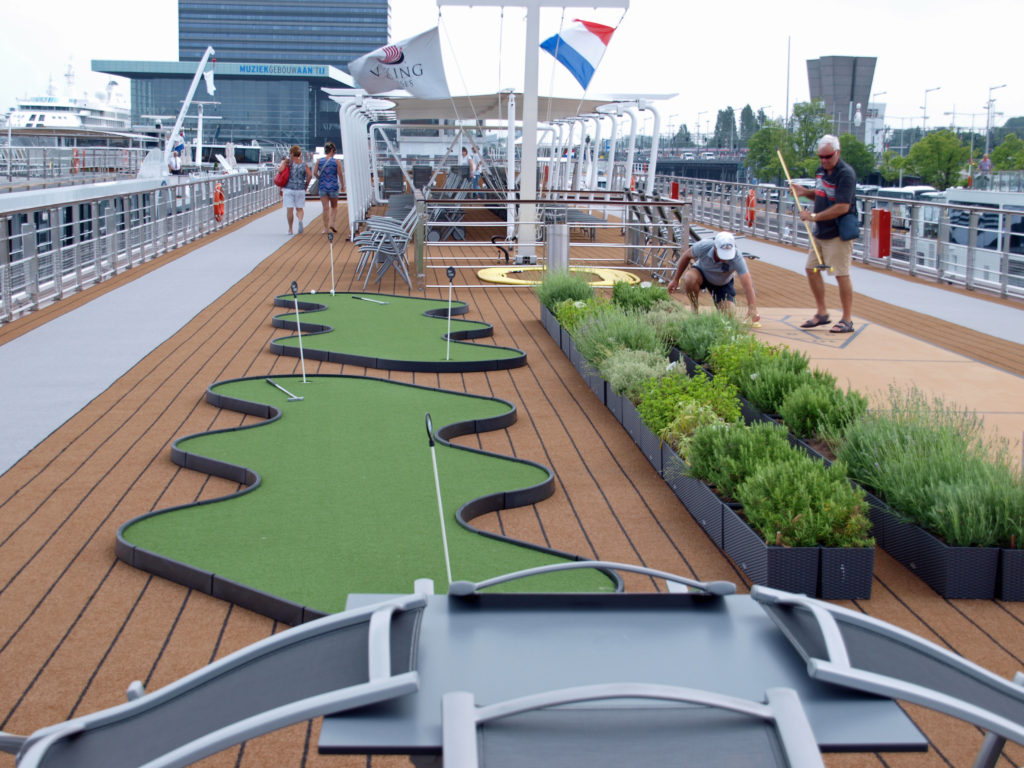
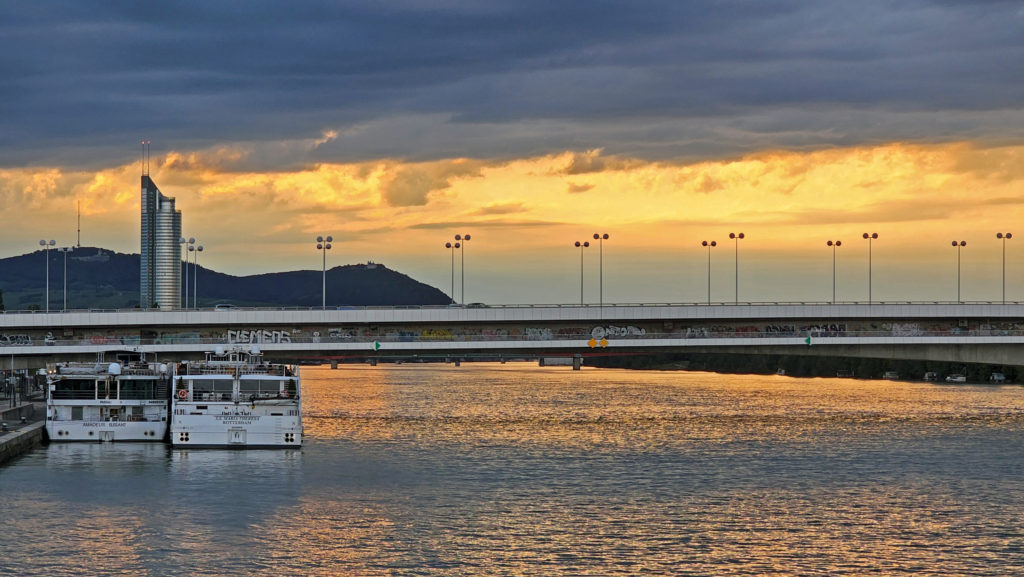
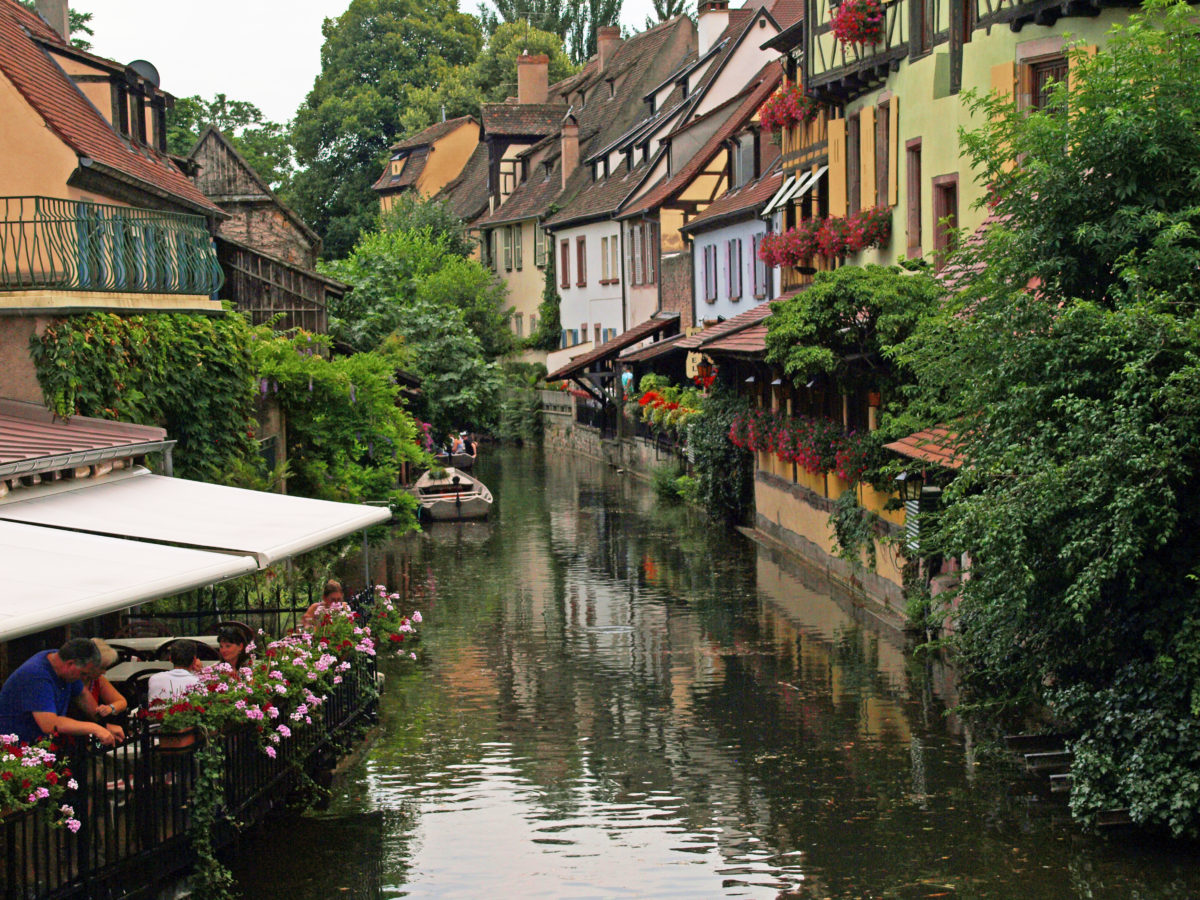
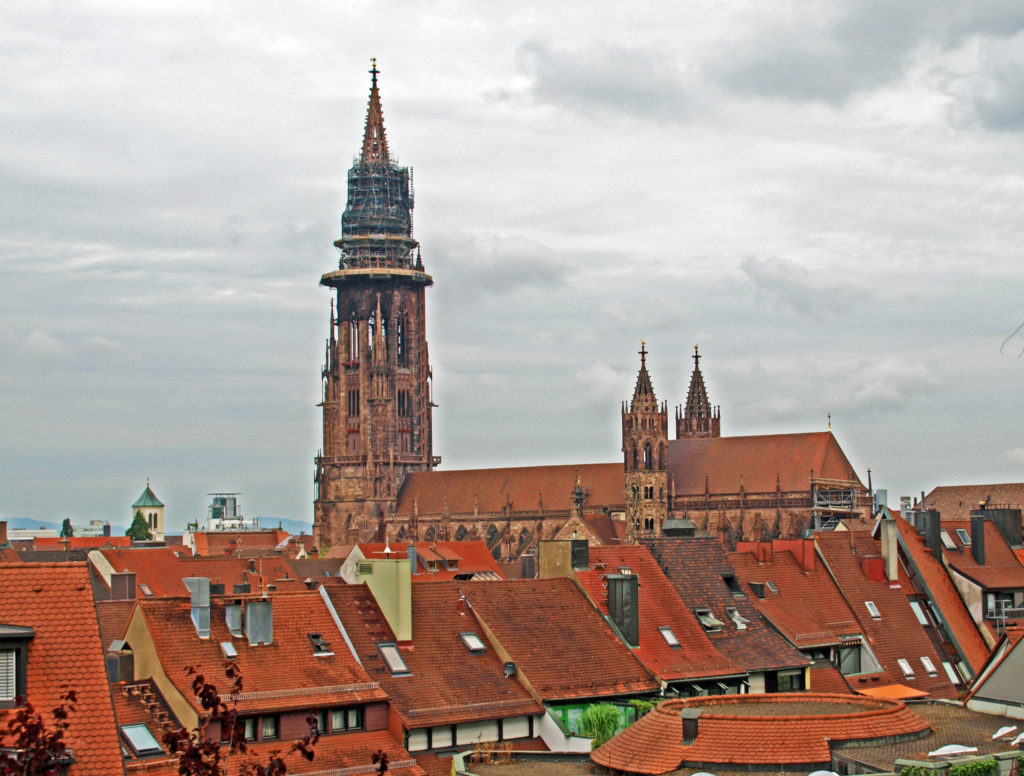
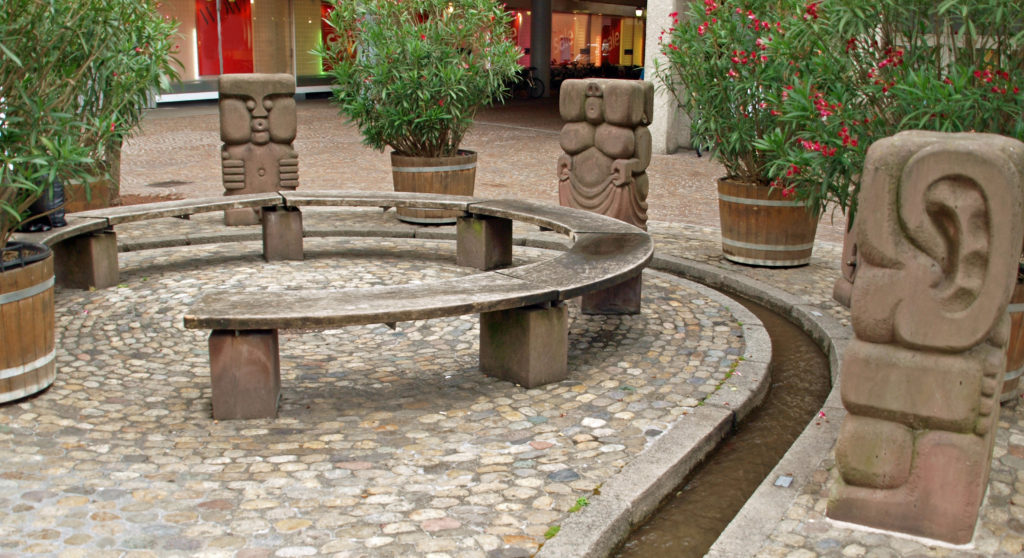
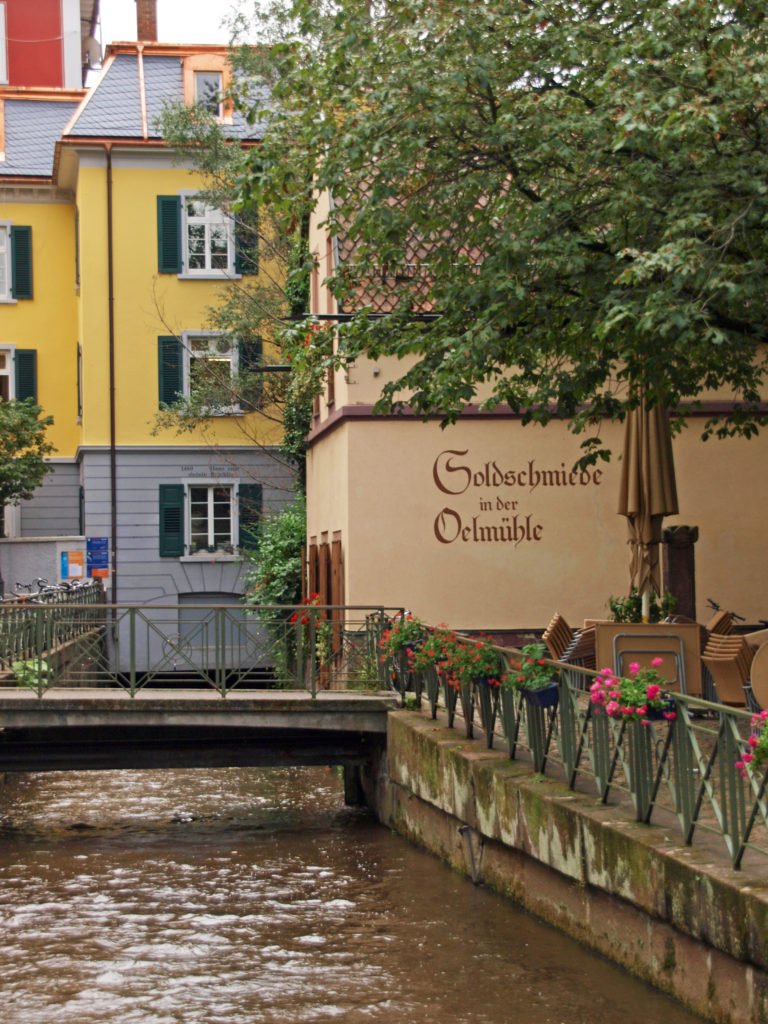
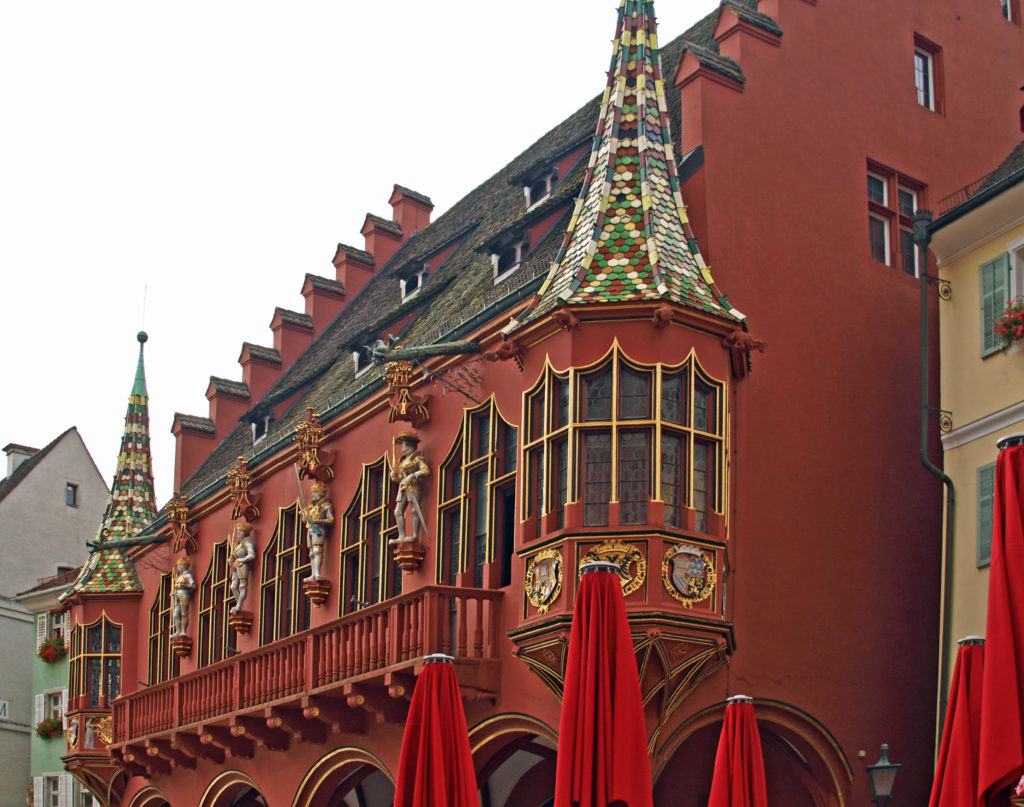
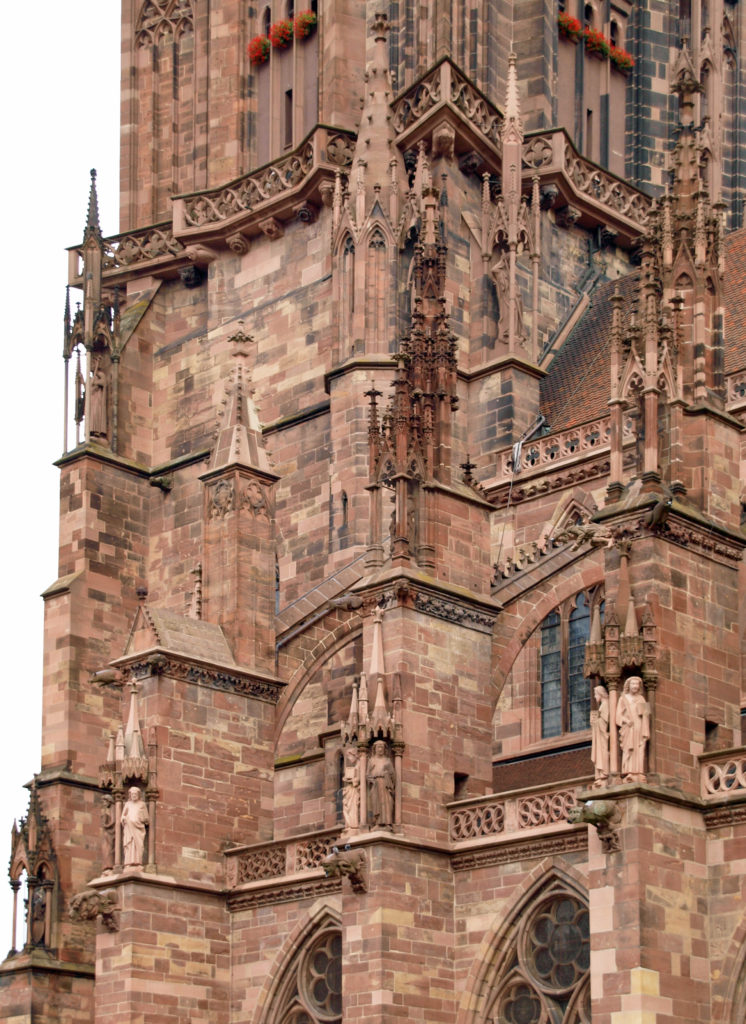
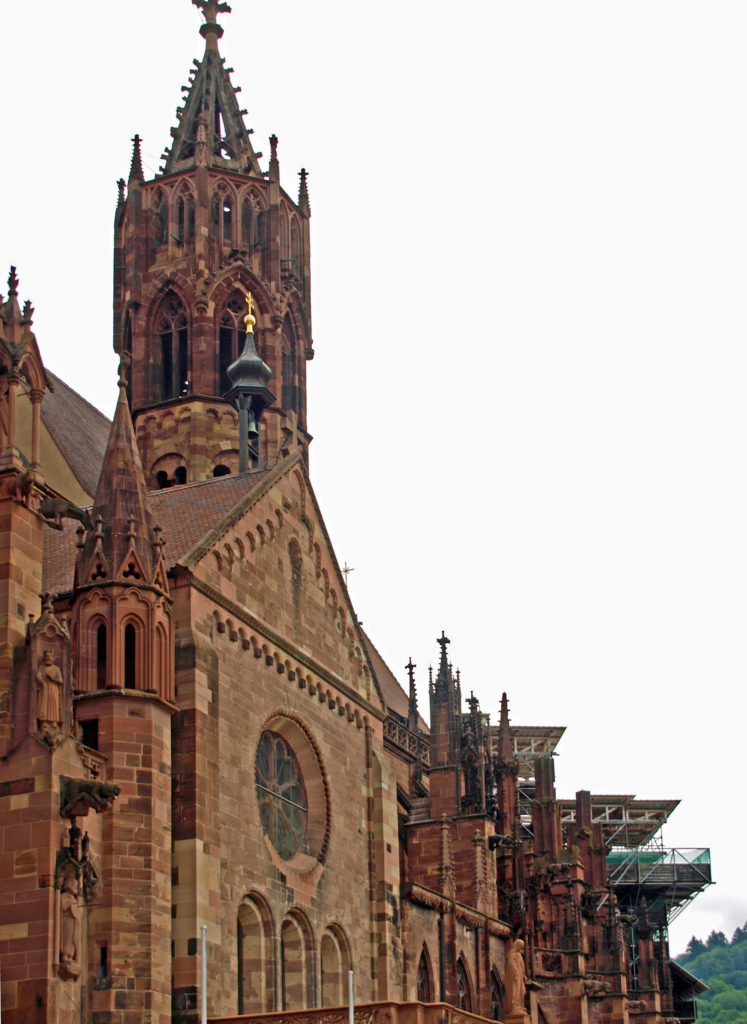
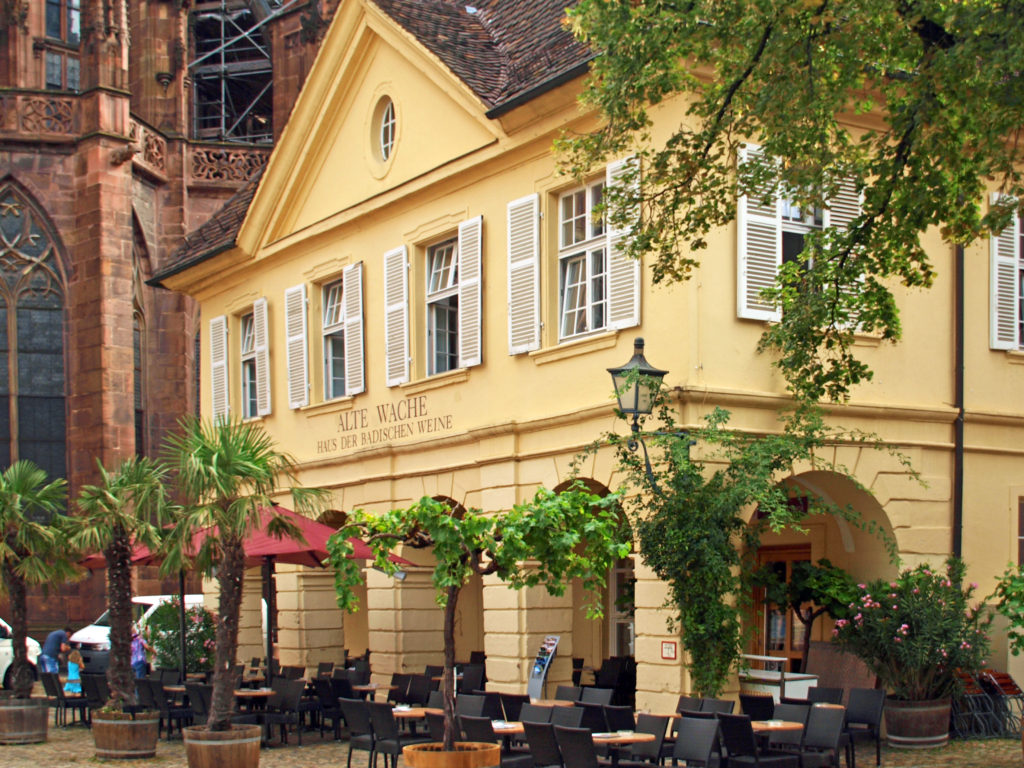
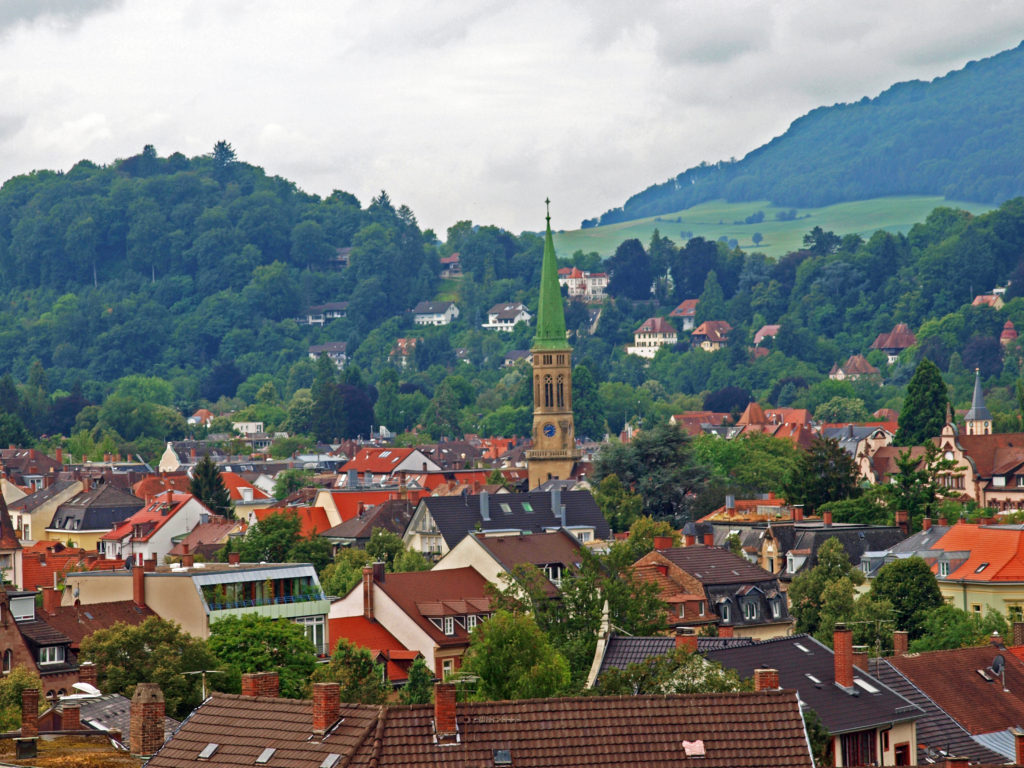
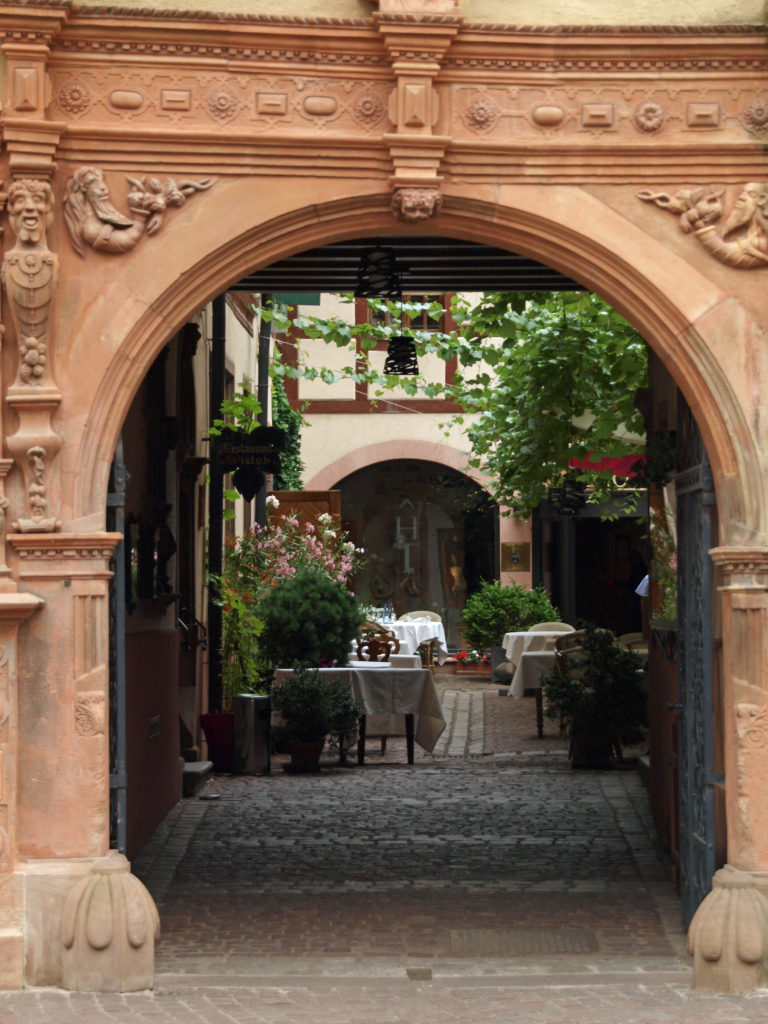
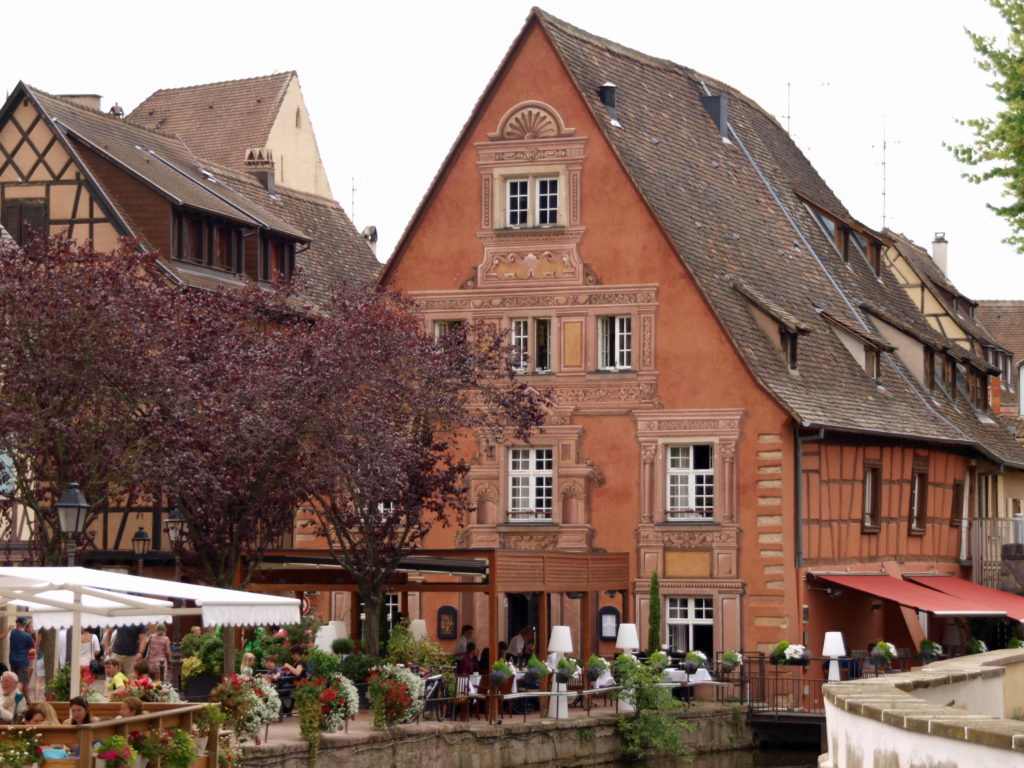
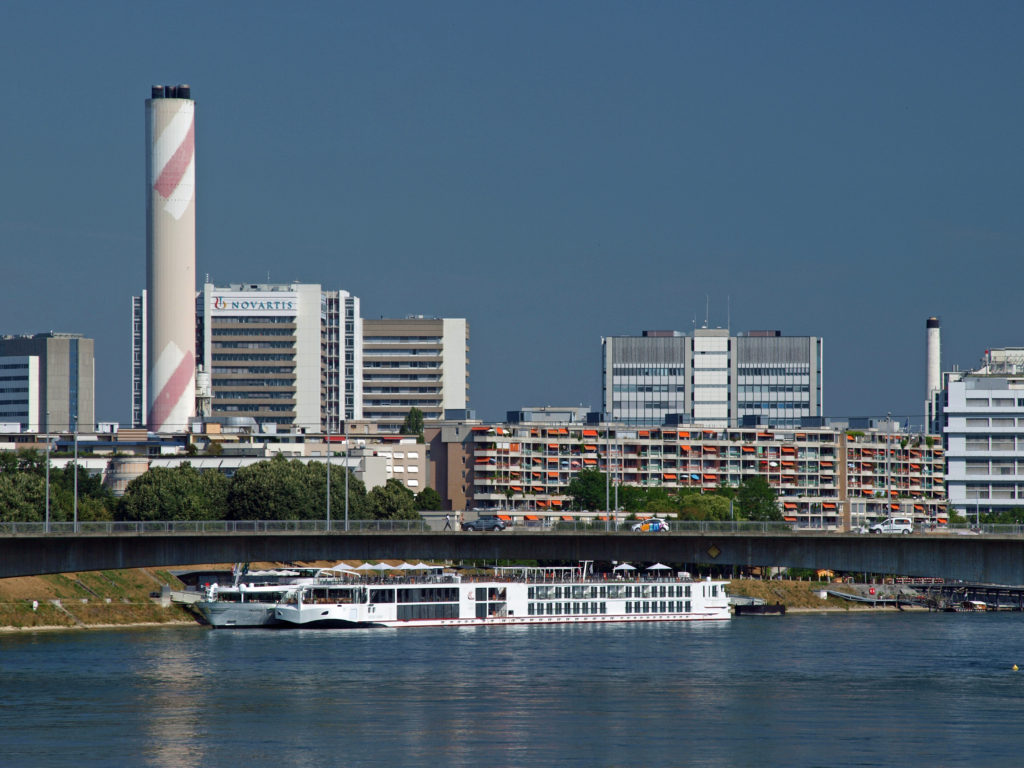
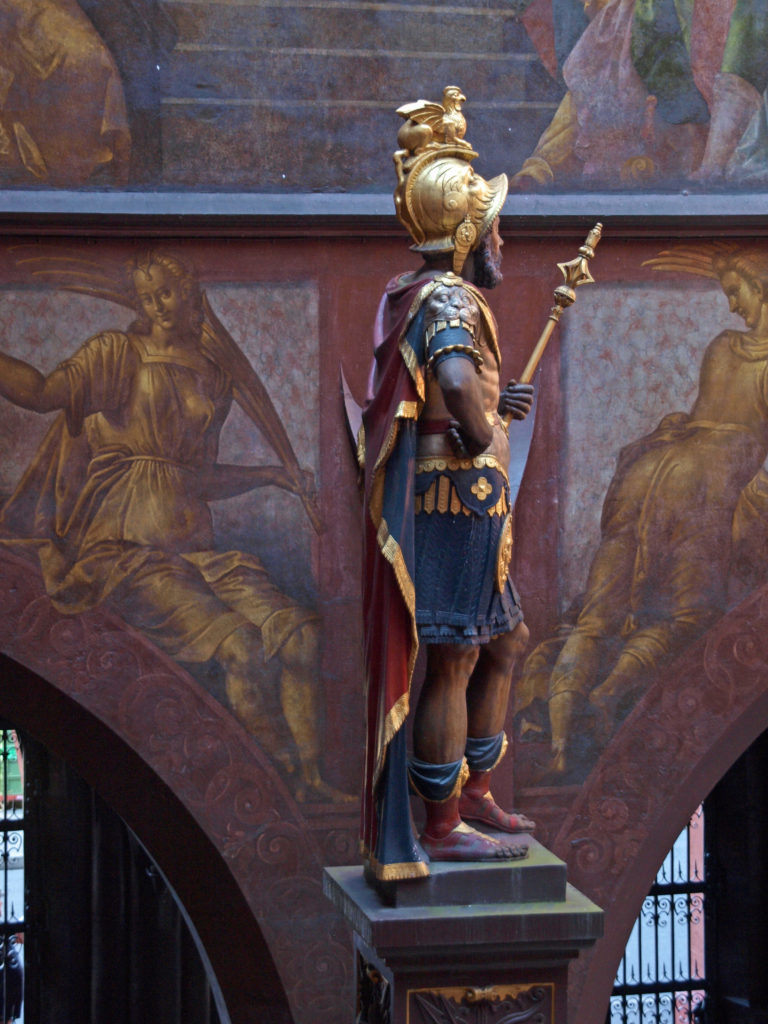
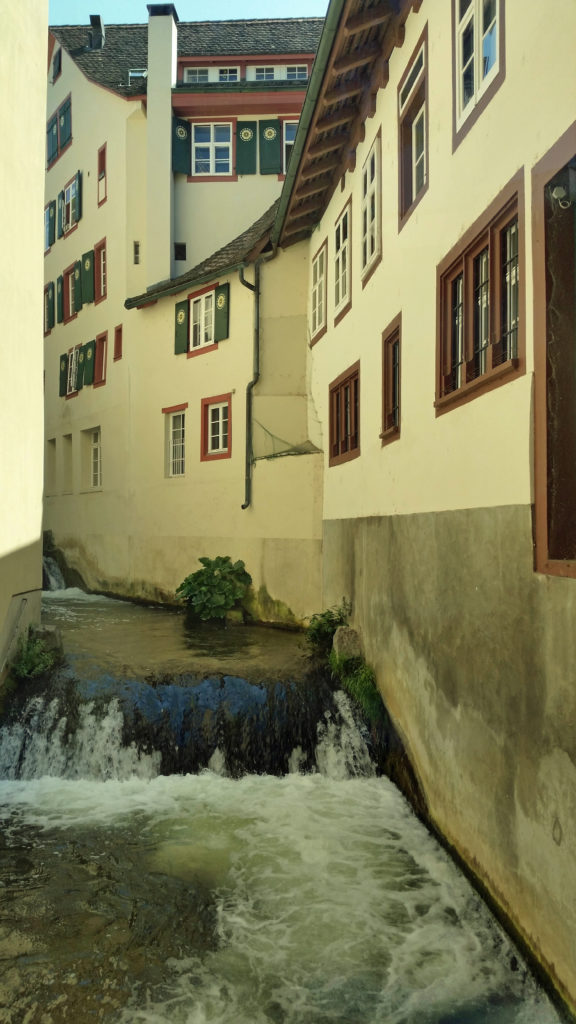
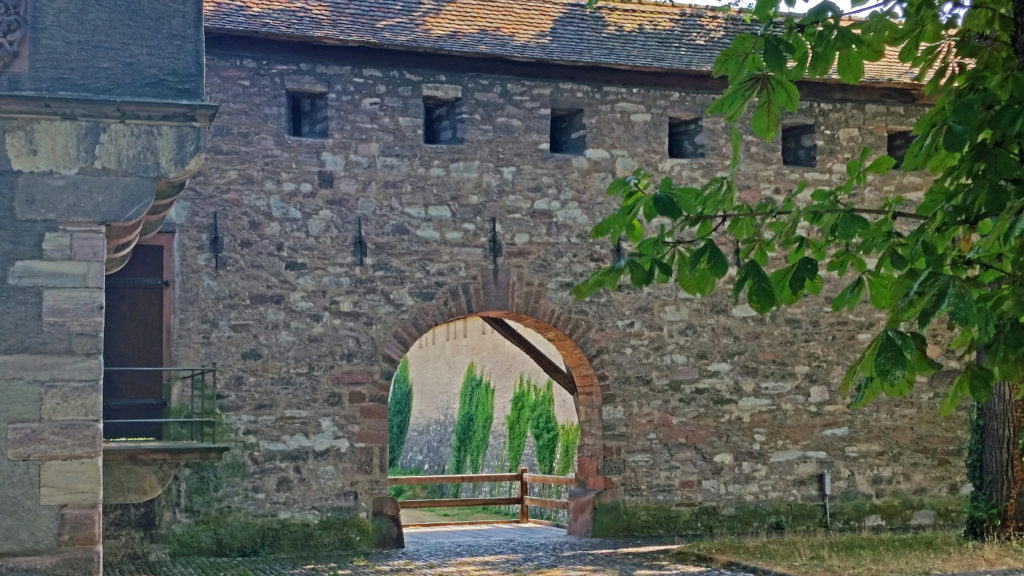 We spent the rest of the day exploring the city center, including Basel Cathedral (Basel Munster), and the Basel Town Hall, and sampling Swiss cuisine. All in all, Basel was a delightful surprise, and a fitting end to our Rhine River cruise.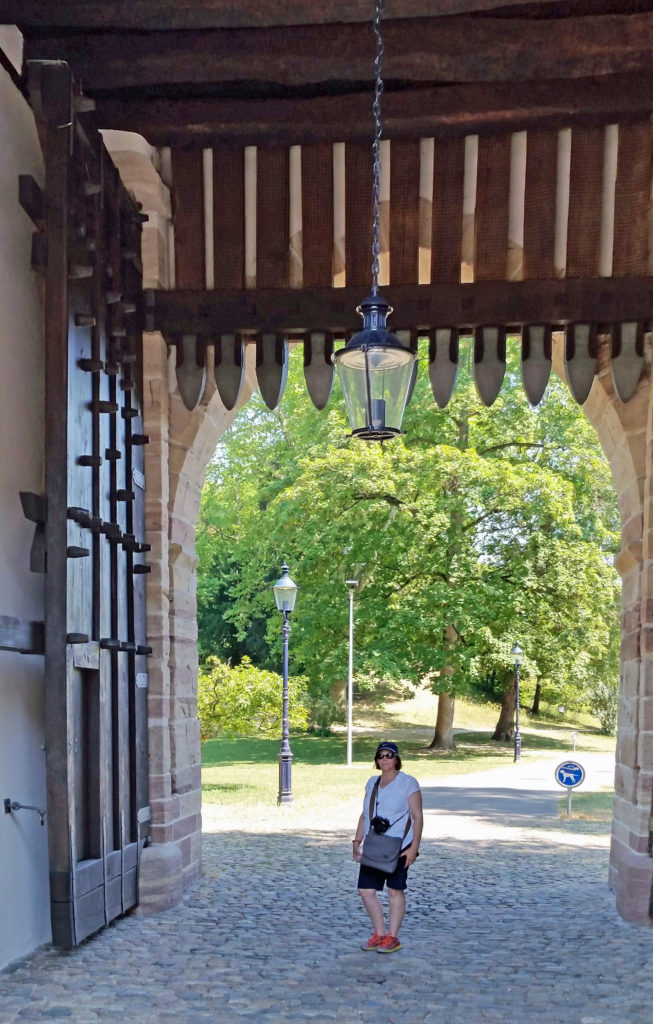
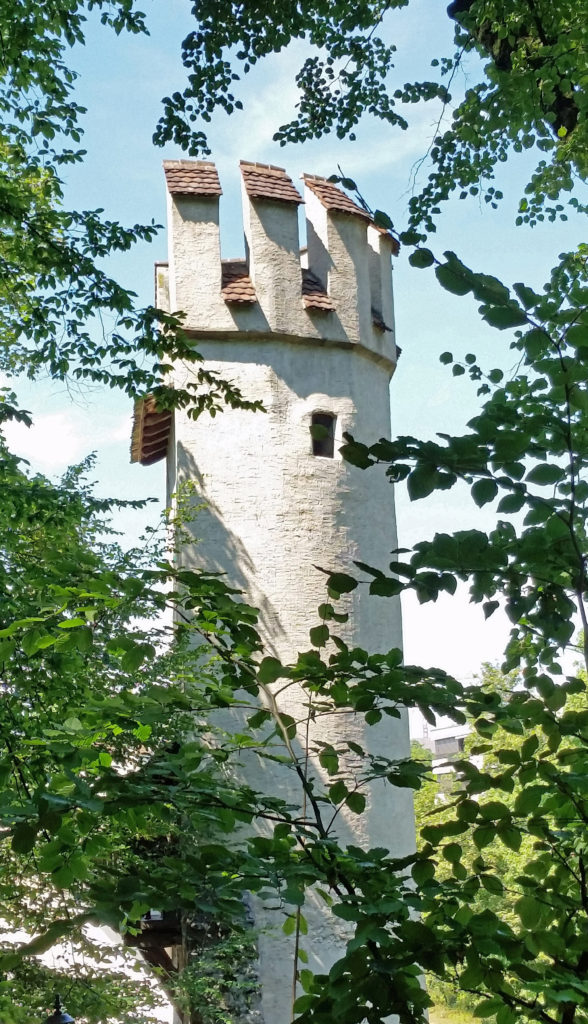
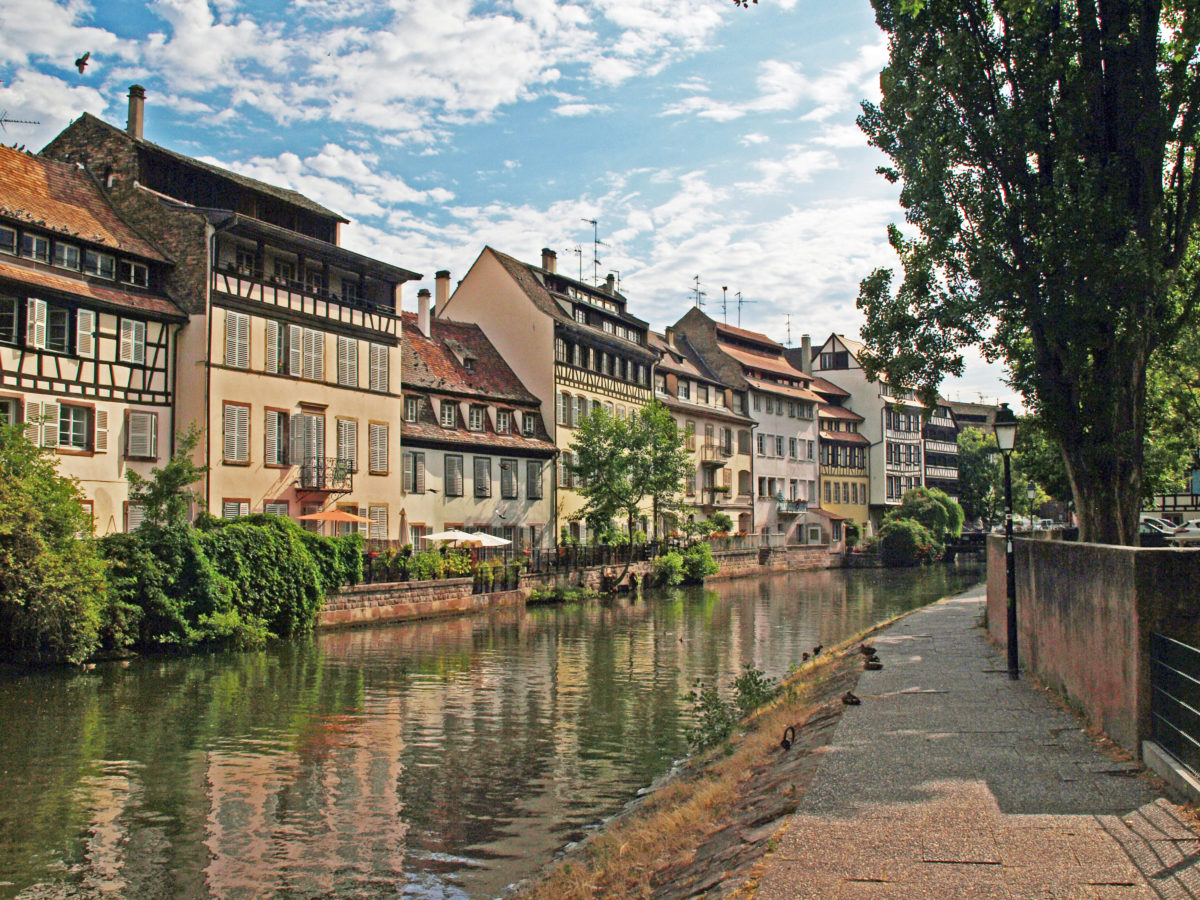
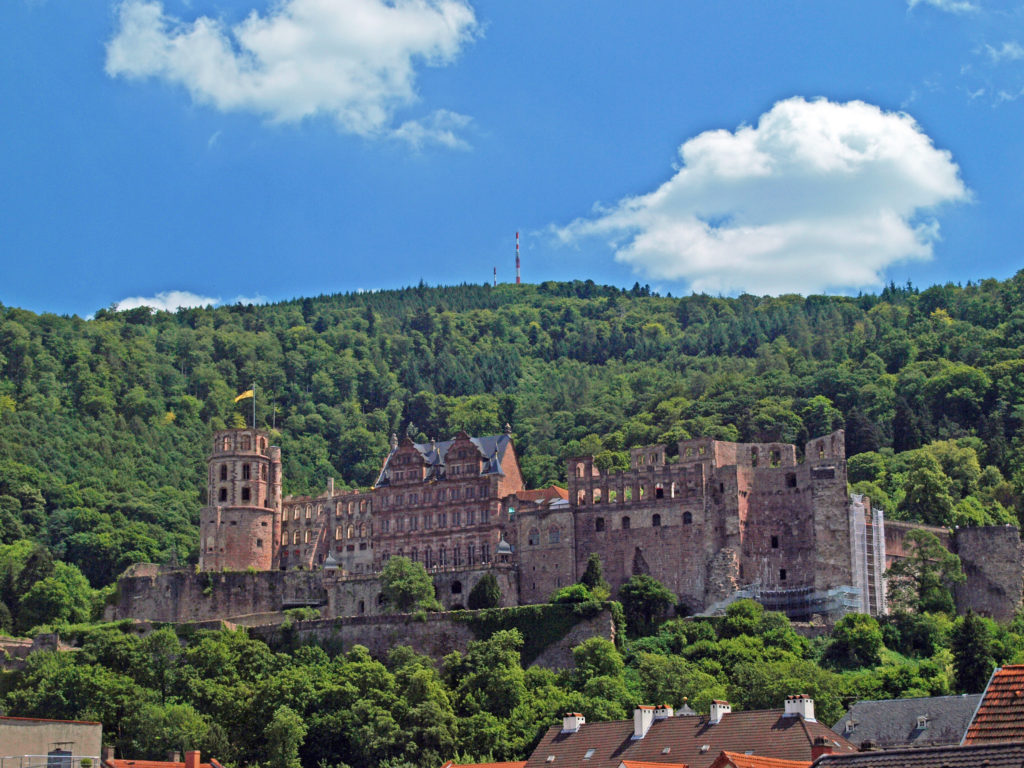
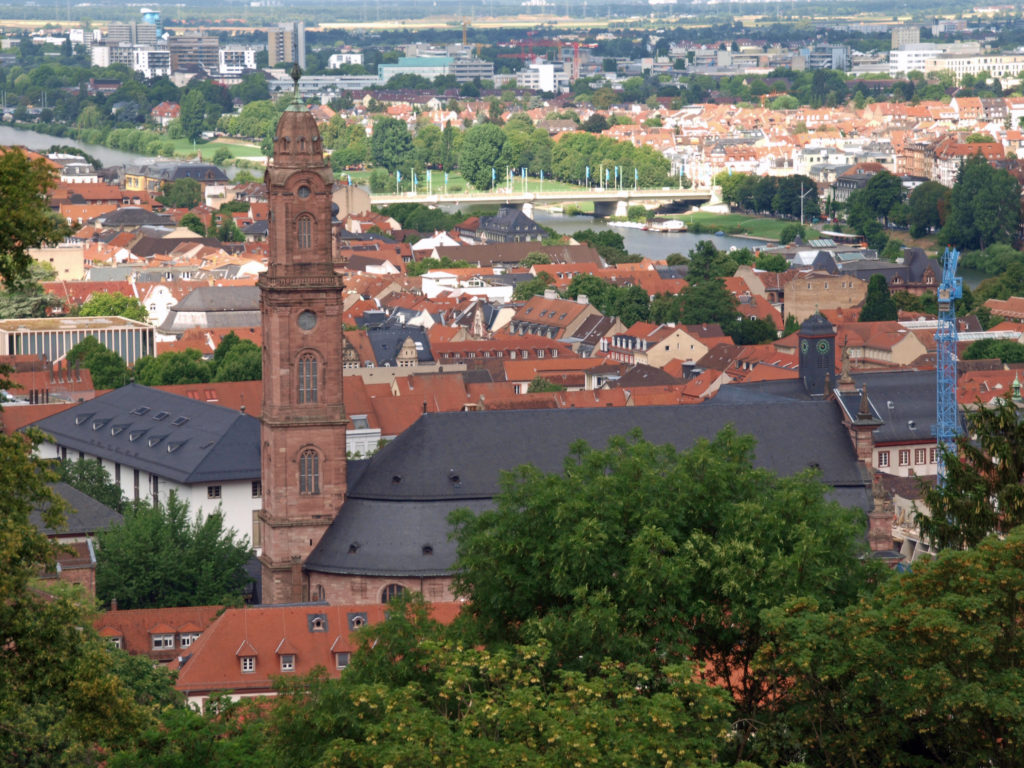
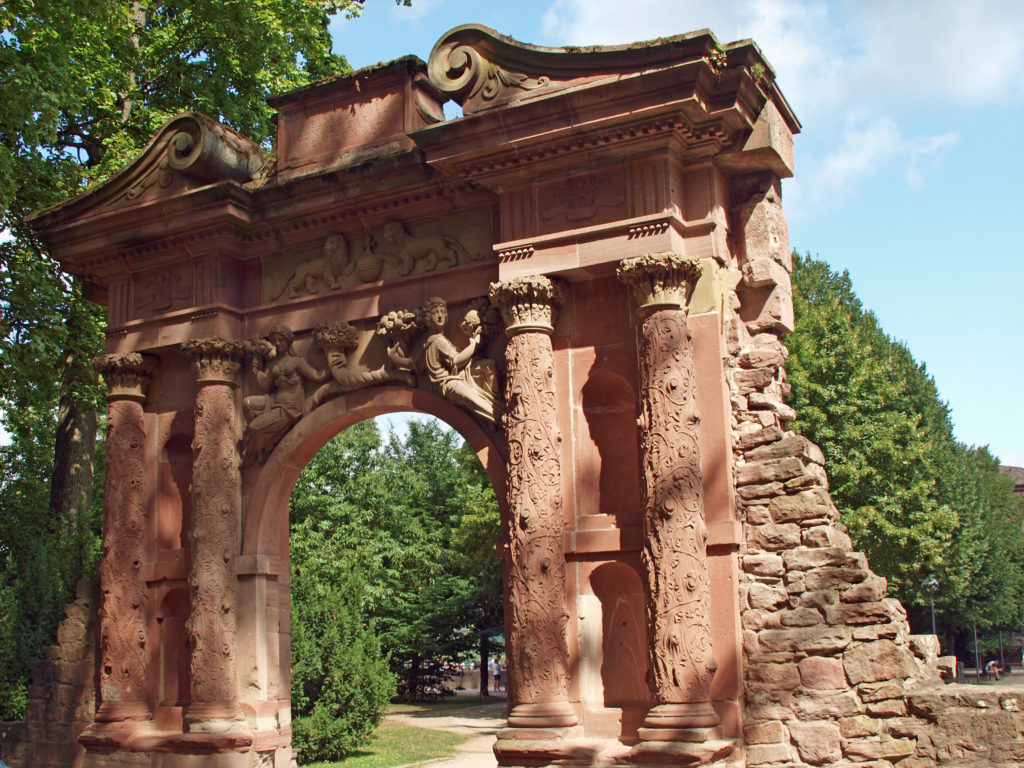
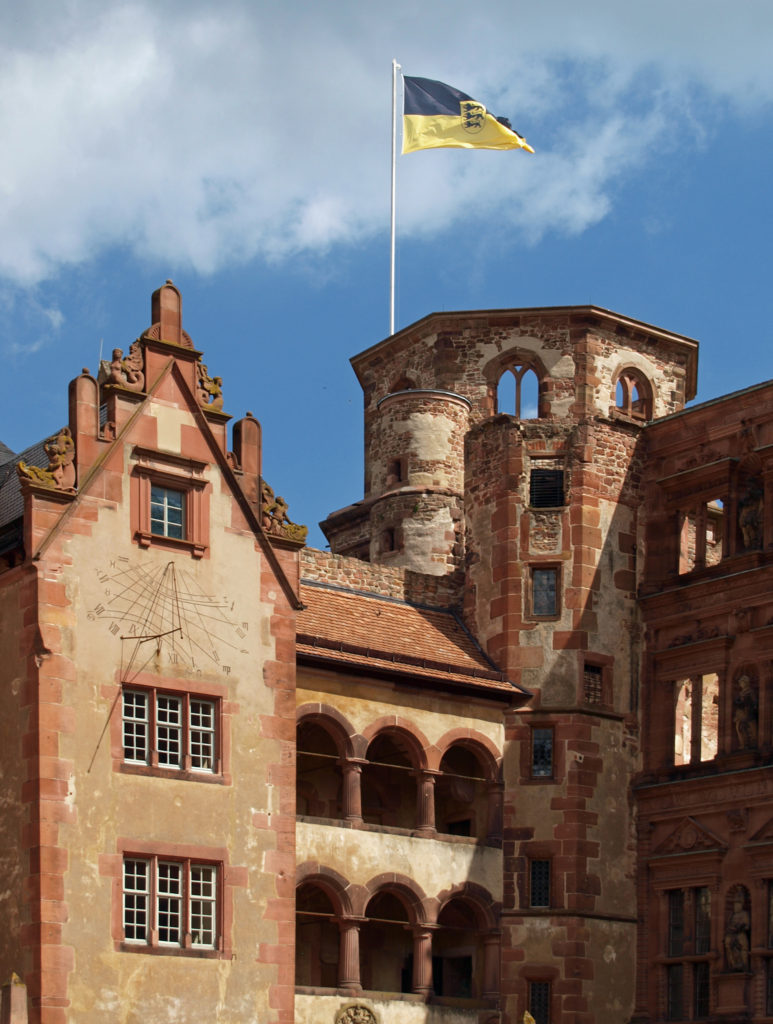
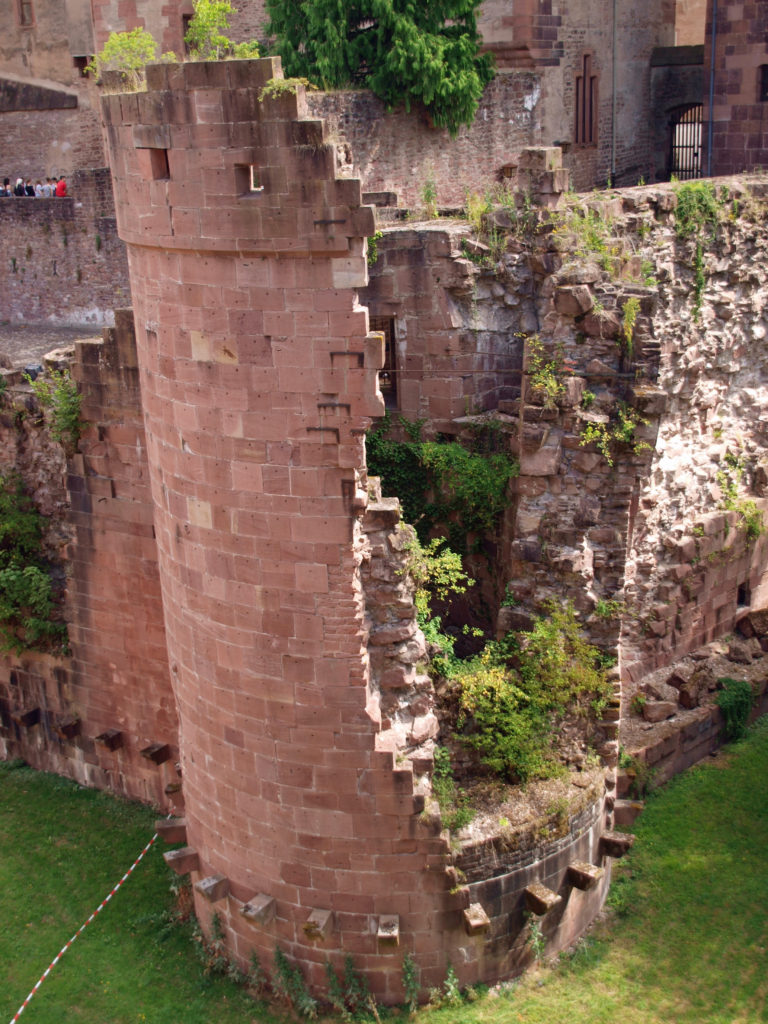 Our tour guide was a graduate student working on his doctorate in history at Heidelberg University, so we got a wealth of local history during our tour, told in an entertaining and often humorous manner. The castle ruins are a treasure trove of photo opportunities, as well. I could easily have spent a full day, or more, at the castle, but had to move on with the group.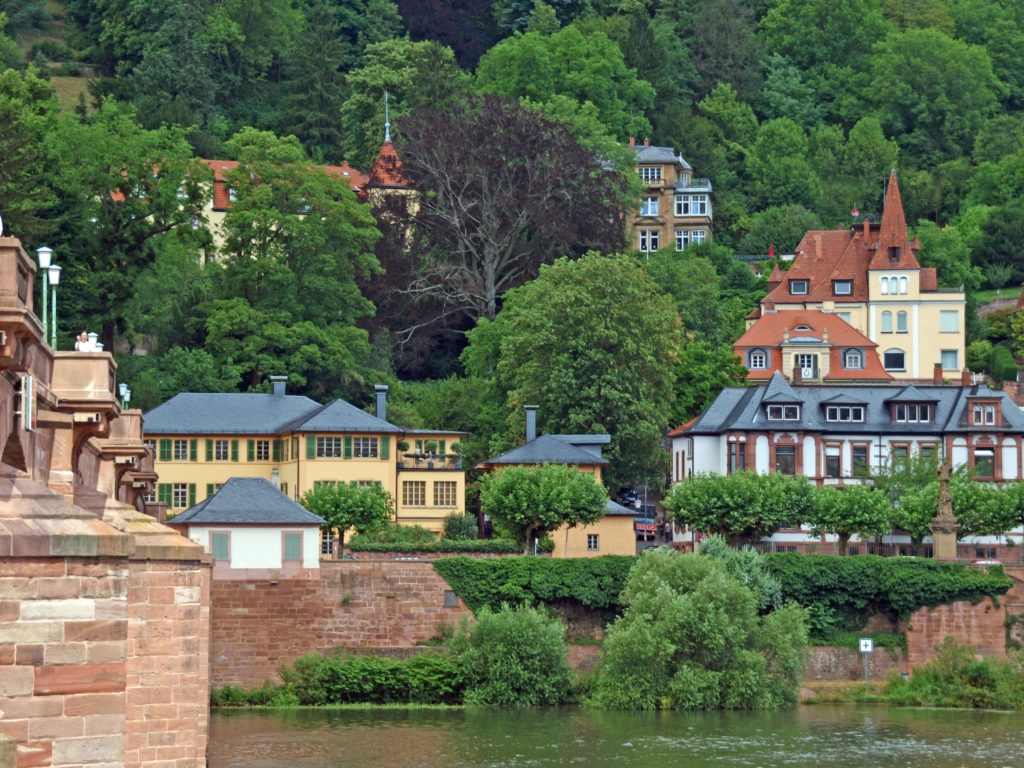
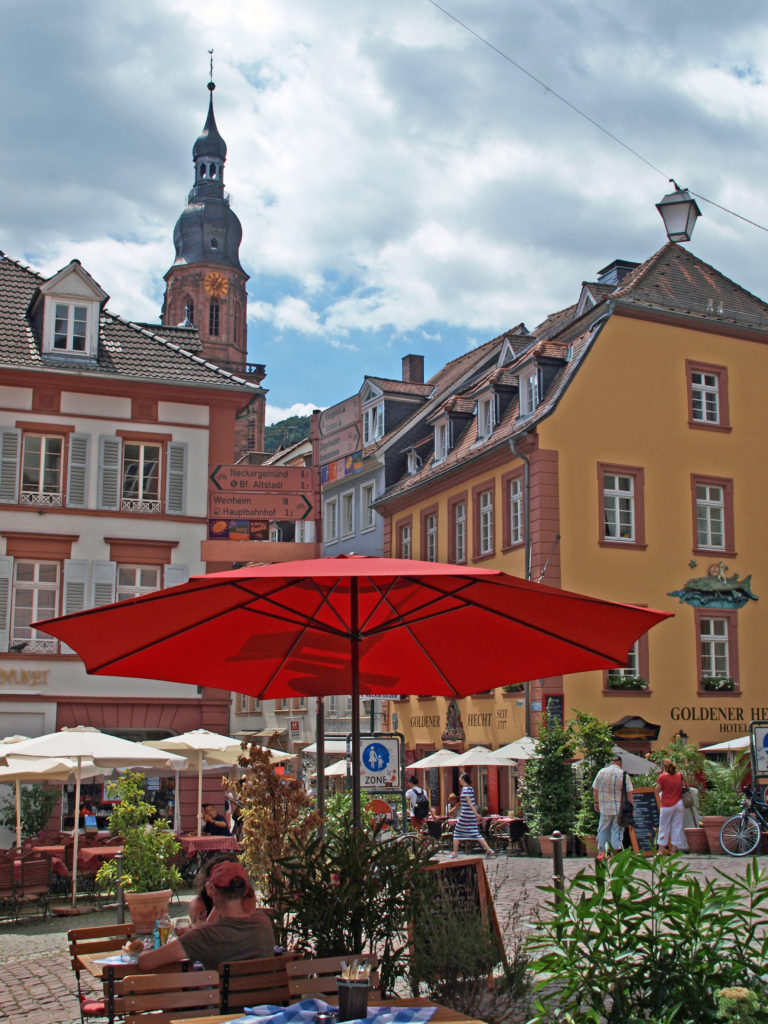
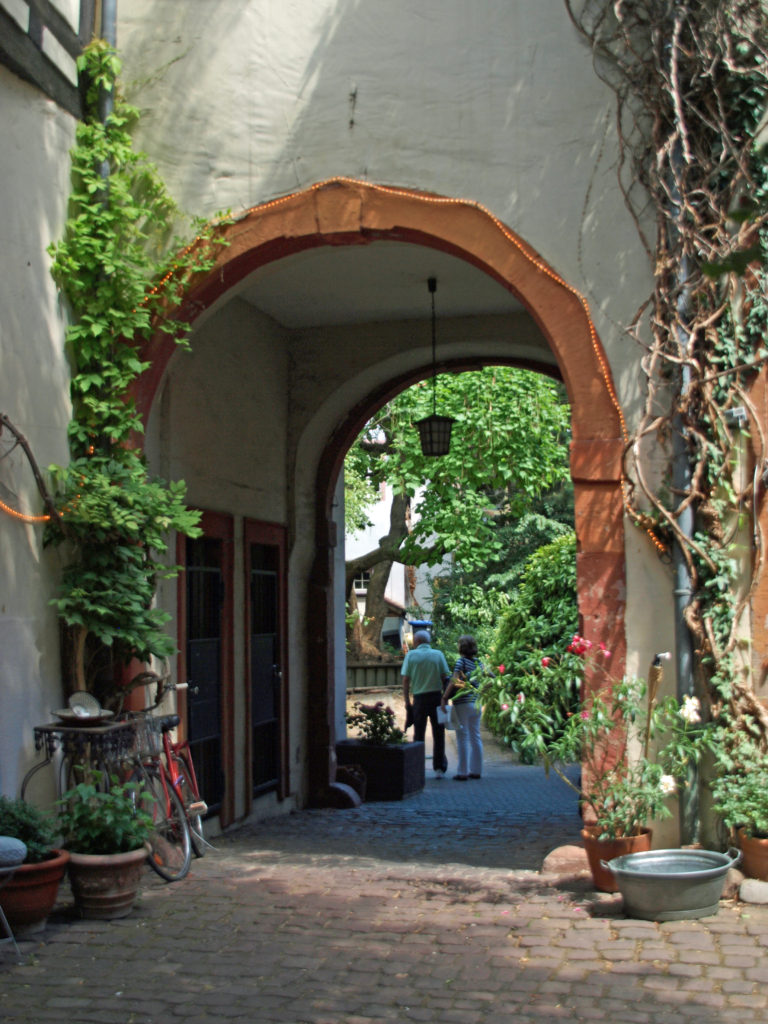 We spent an hour or so exploring the old city, then stopped at a sidewalk cafe at one of the hotels for lunch. While there, another of the couples on the cruise joined us. Fran and Victor, from Santiago, Chile, were one of the few non-American couples on the cruise. Coincidentally, Victor, who is a surgeon, had been sent to Heidelberg some time previously by the university hospital where he practiced (they had some sort of reciprocal relationship with Heidelberg University), and had stayed in the same hotel at which we were dining.
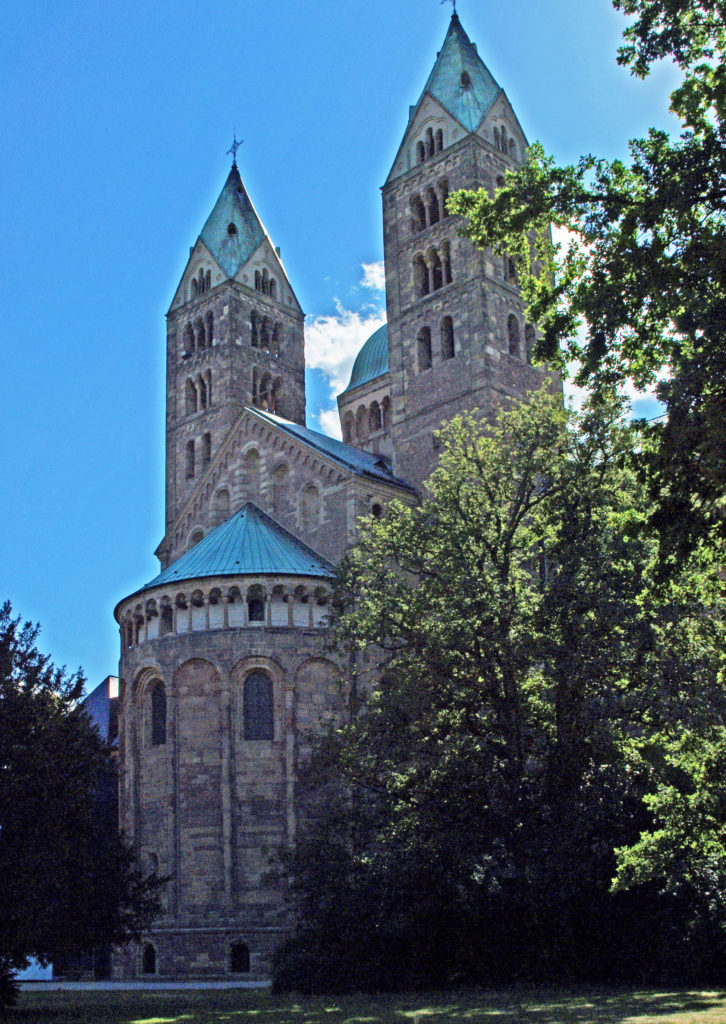
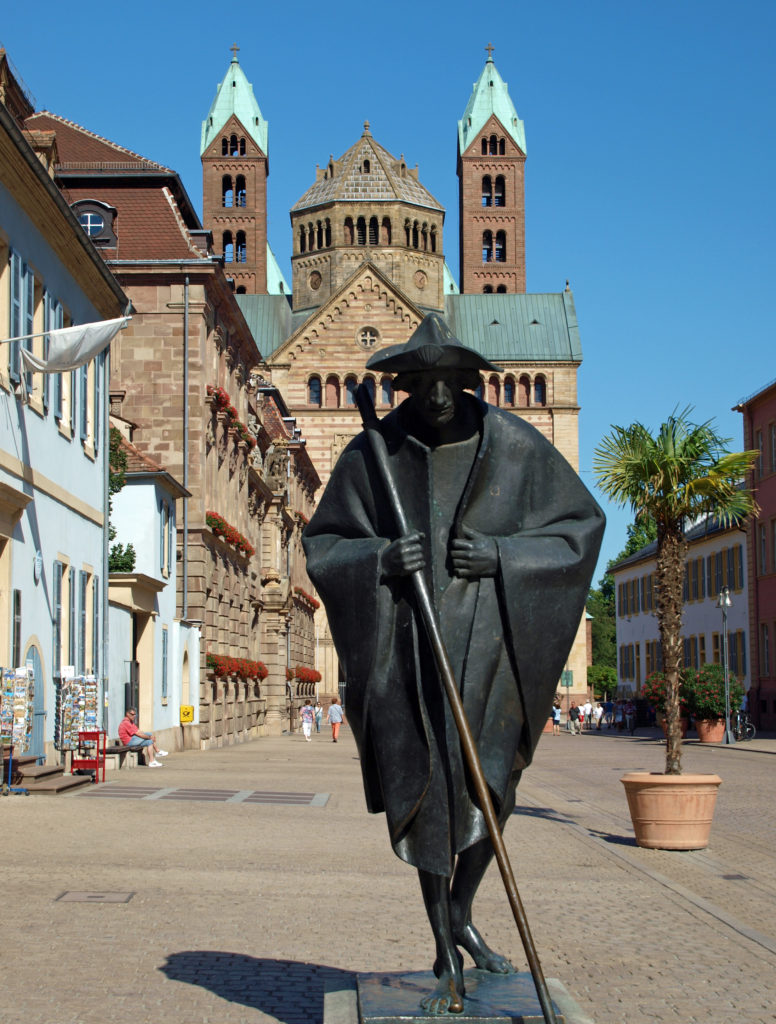
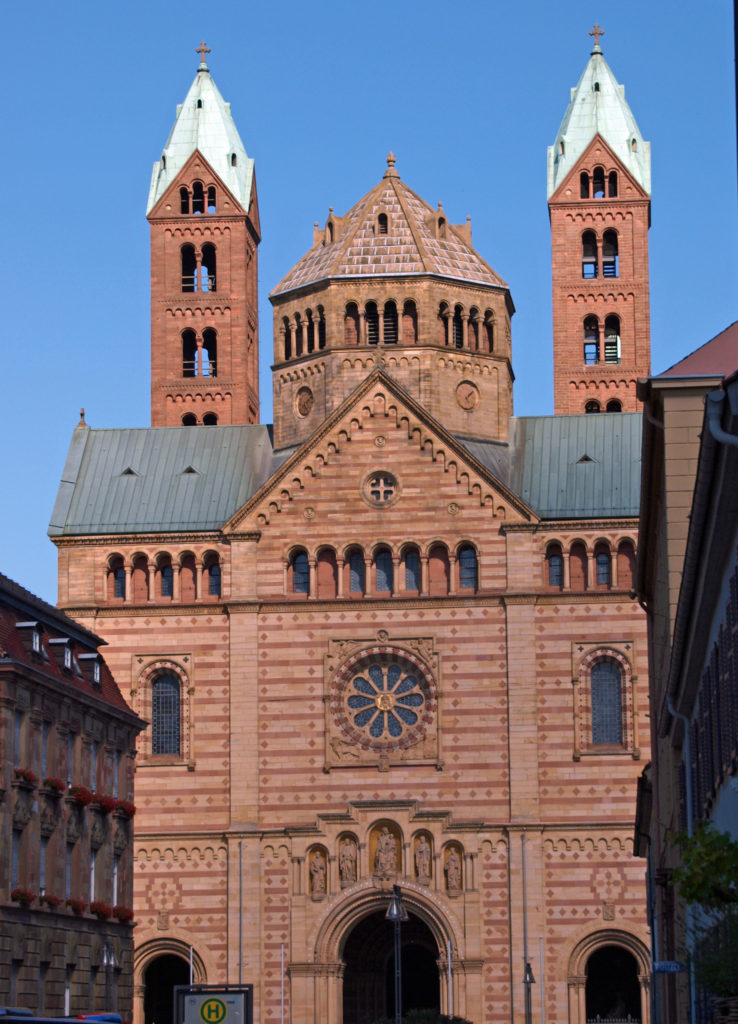
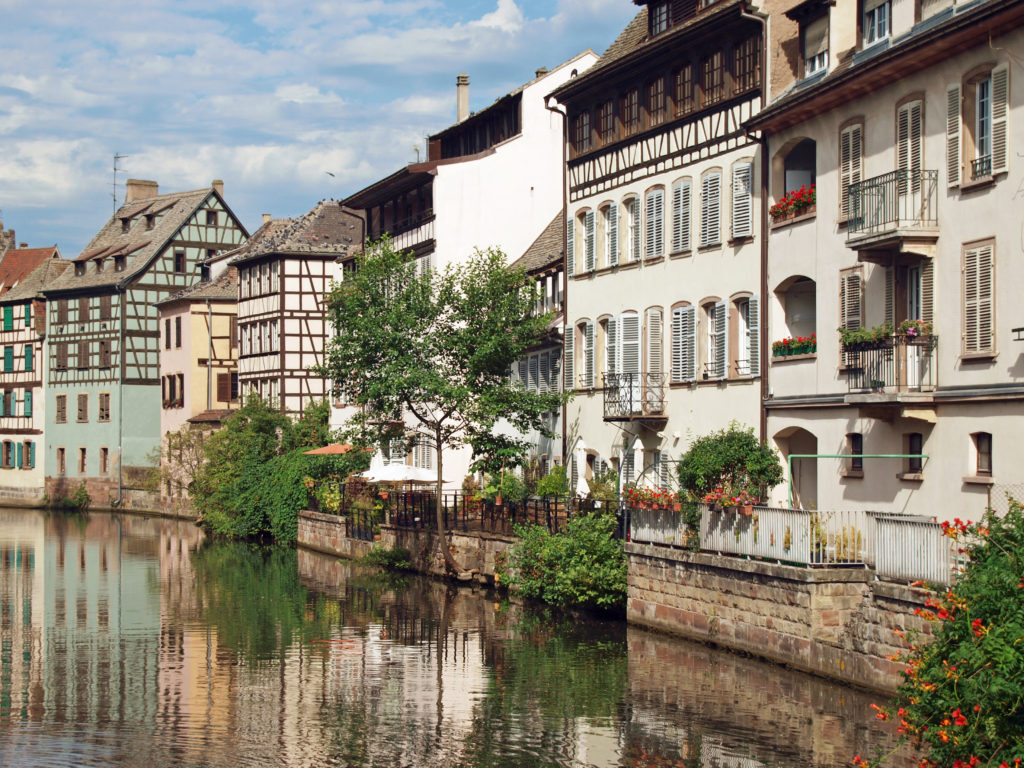
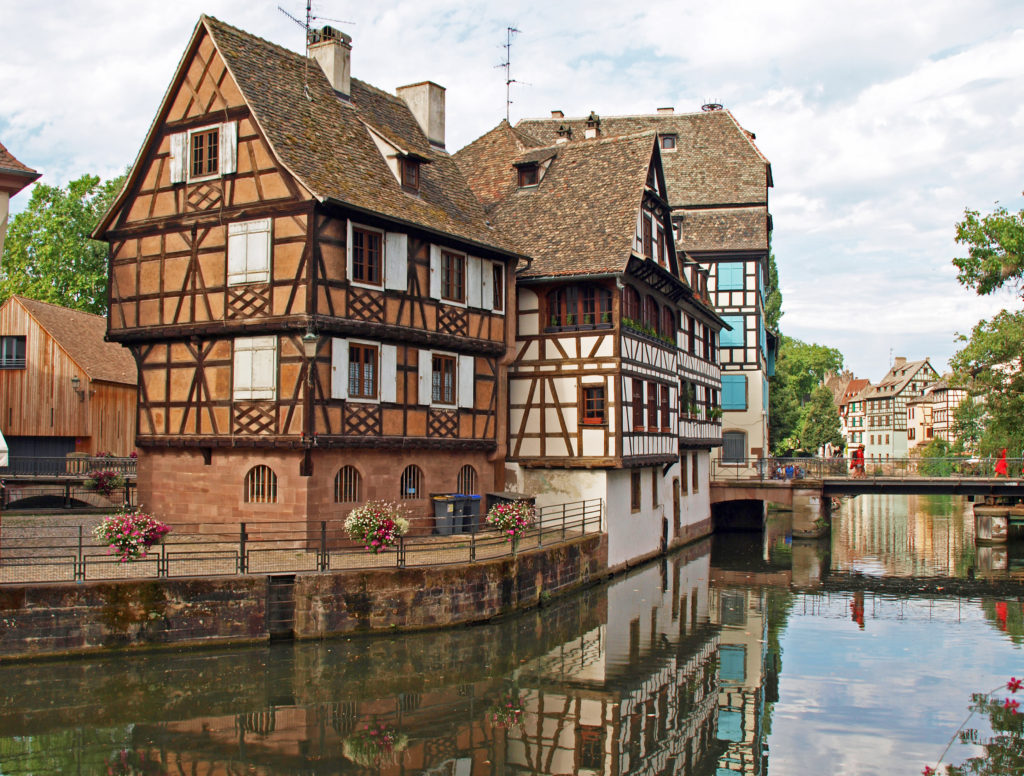
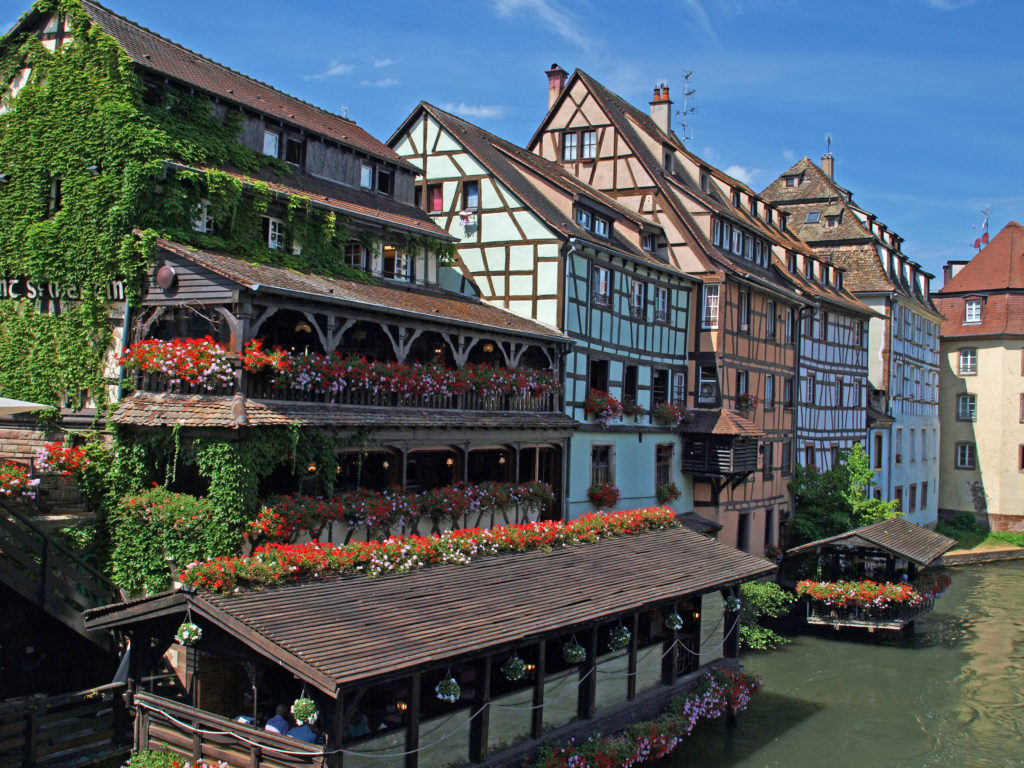
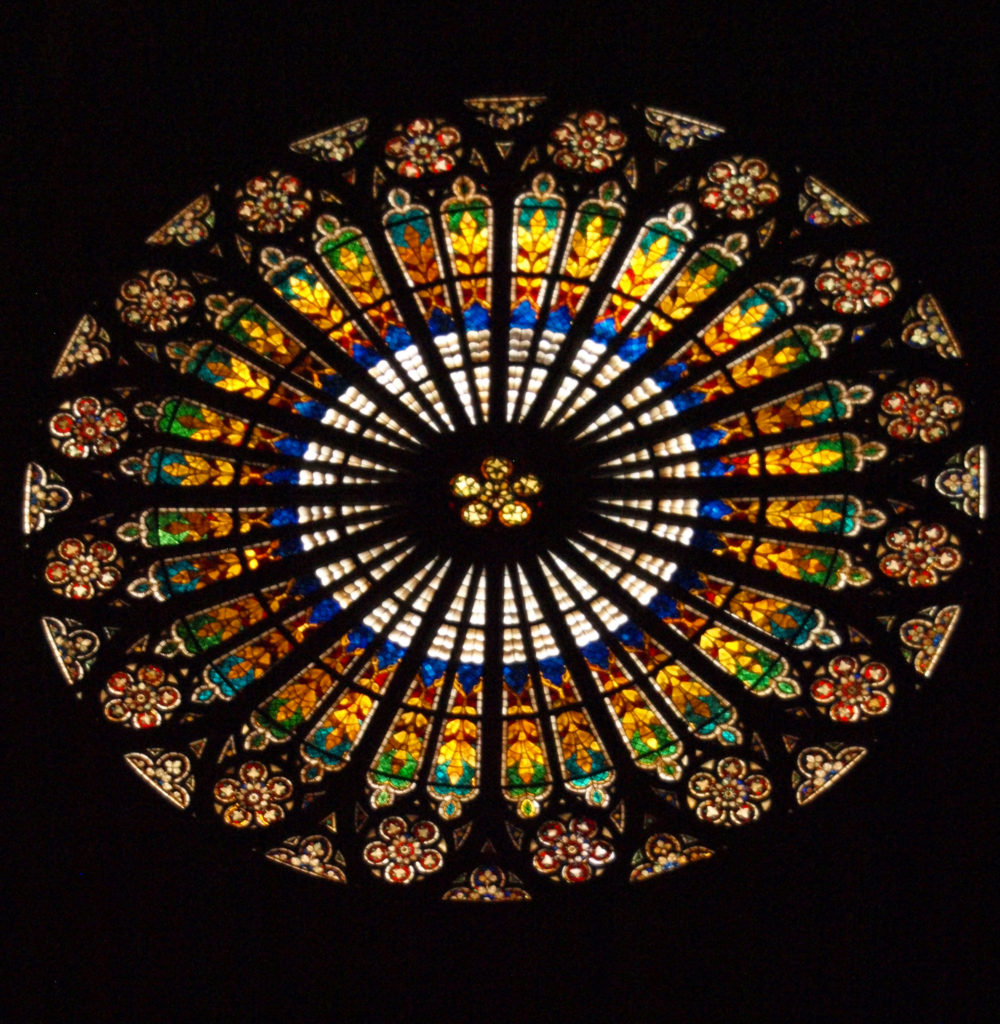
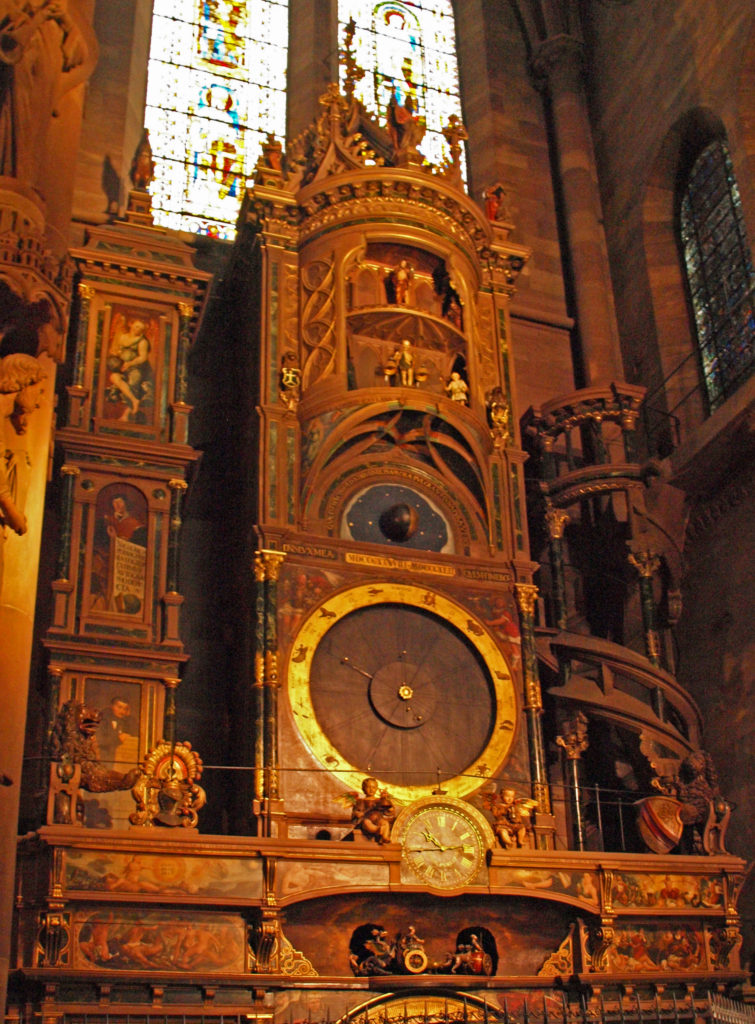
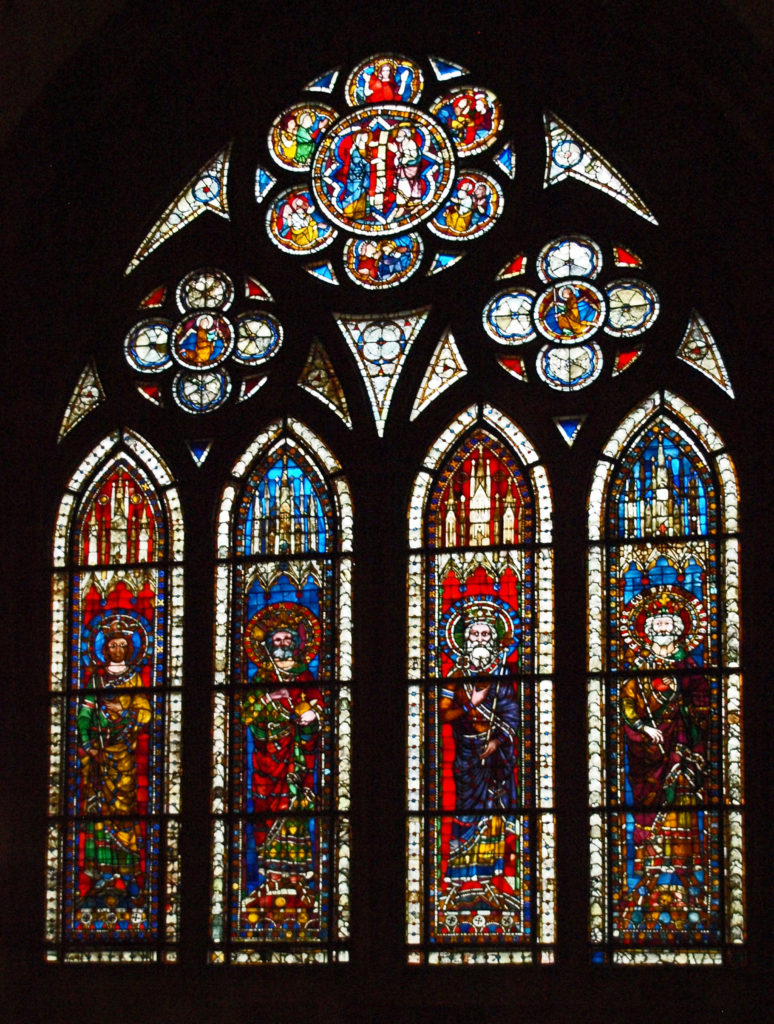
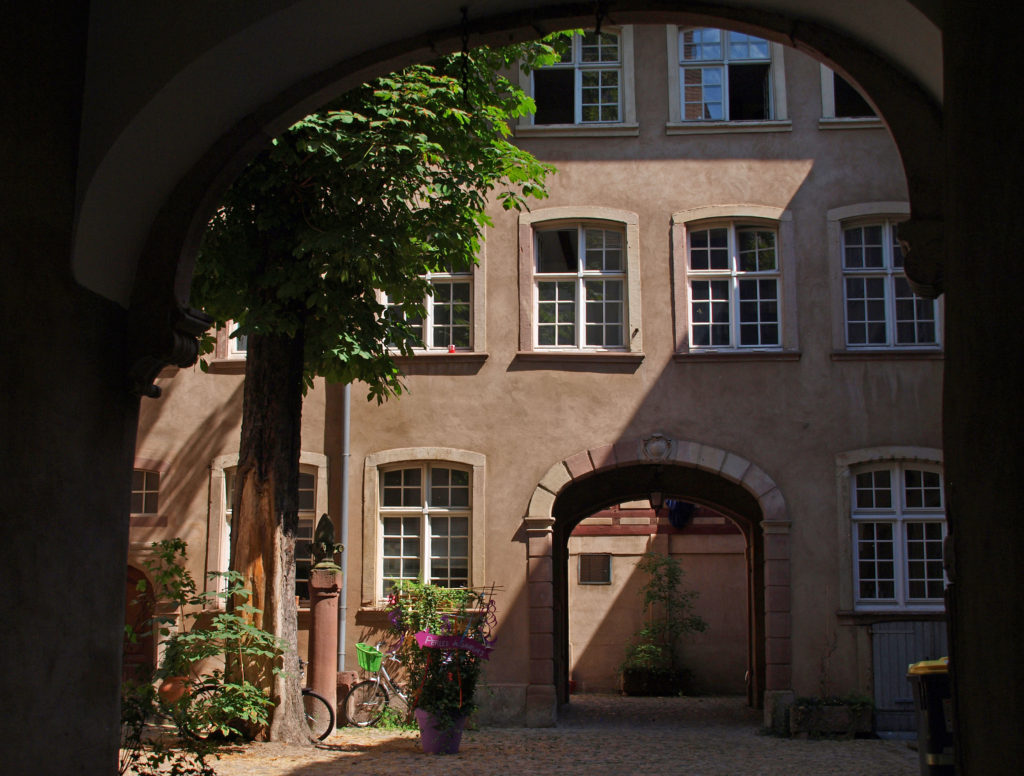
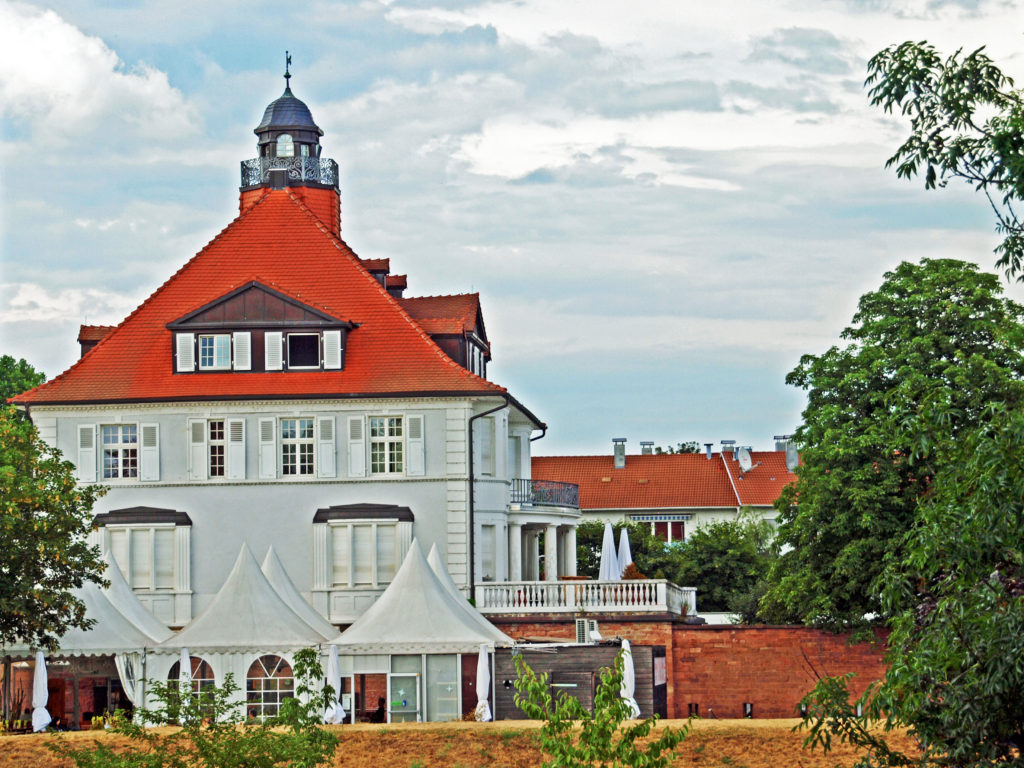 From Kehl, the ship sailed that evening to Breisach, Germany. Our excursions on the following day took us to Freiburg, Germany and Colmar, France. Look for an upcoming post on those outings.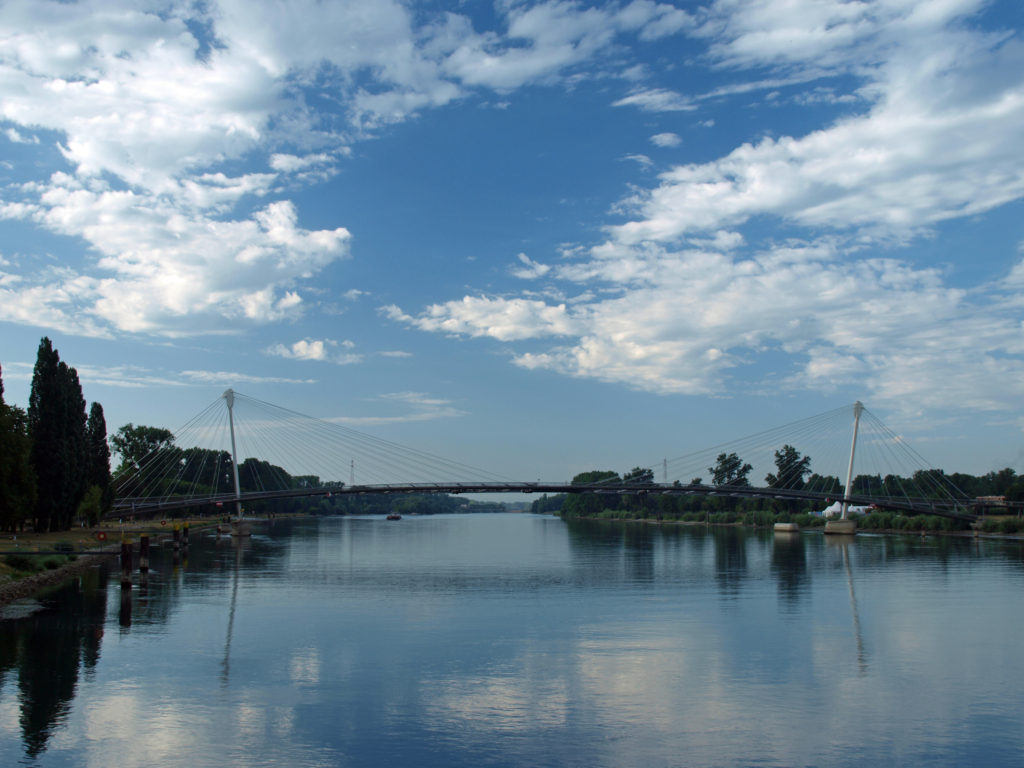
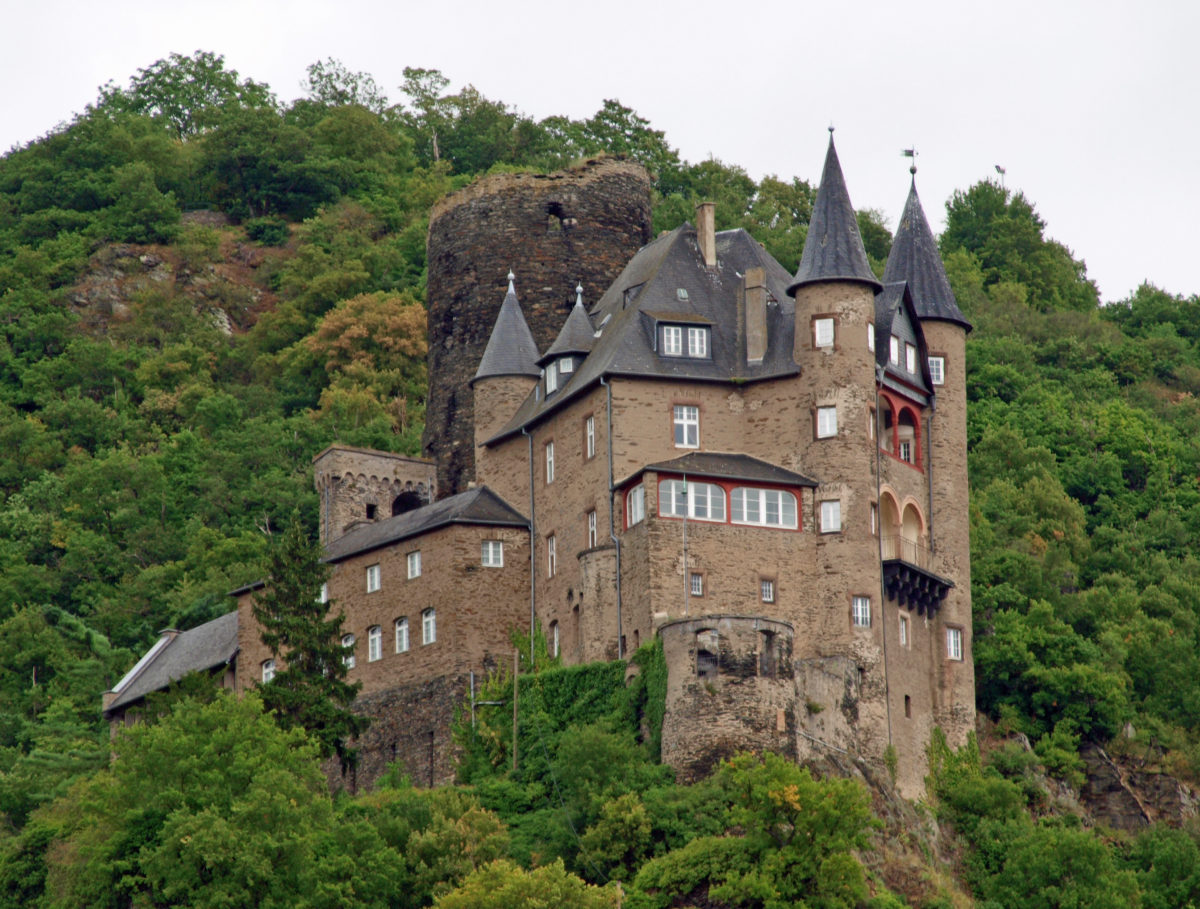
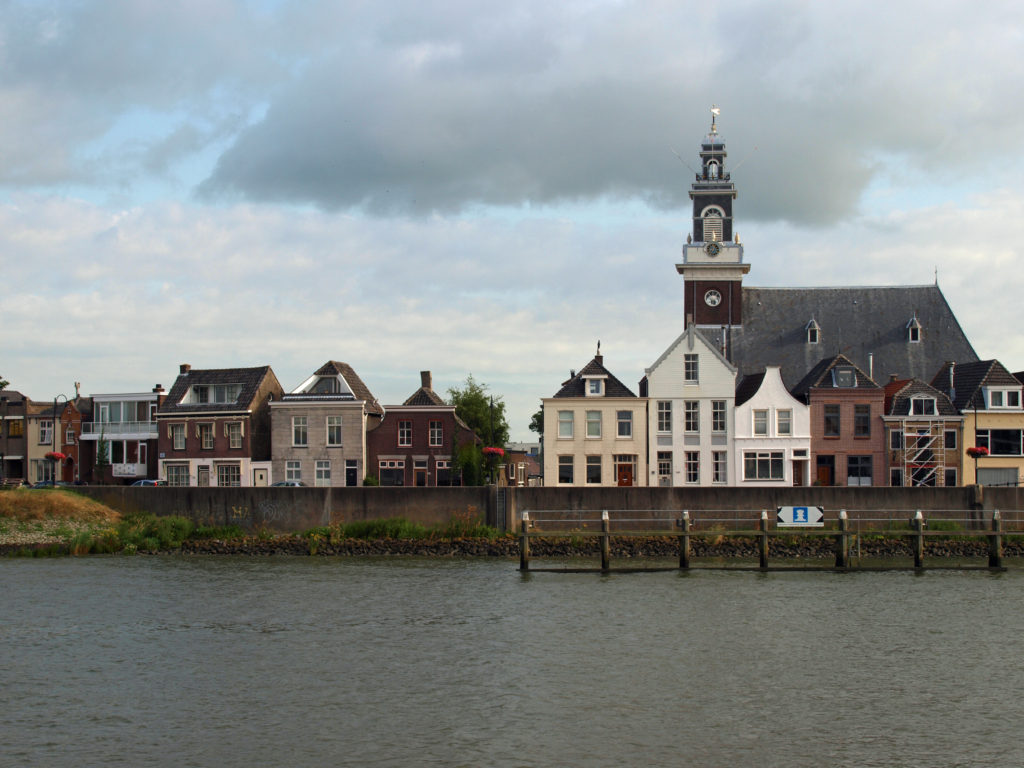
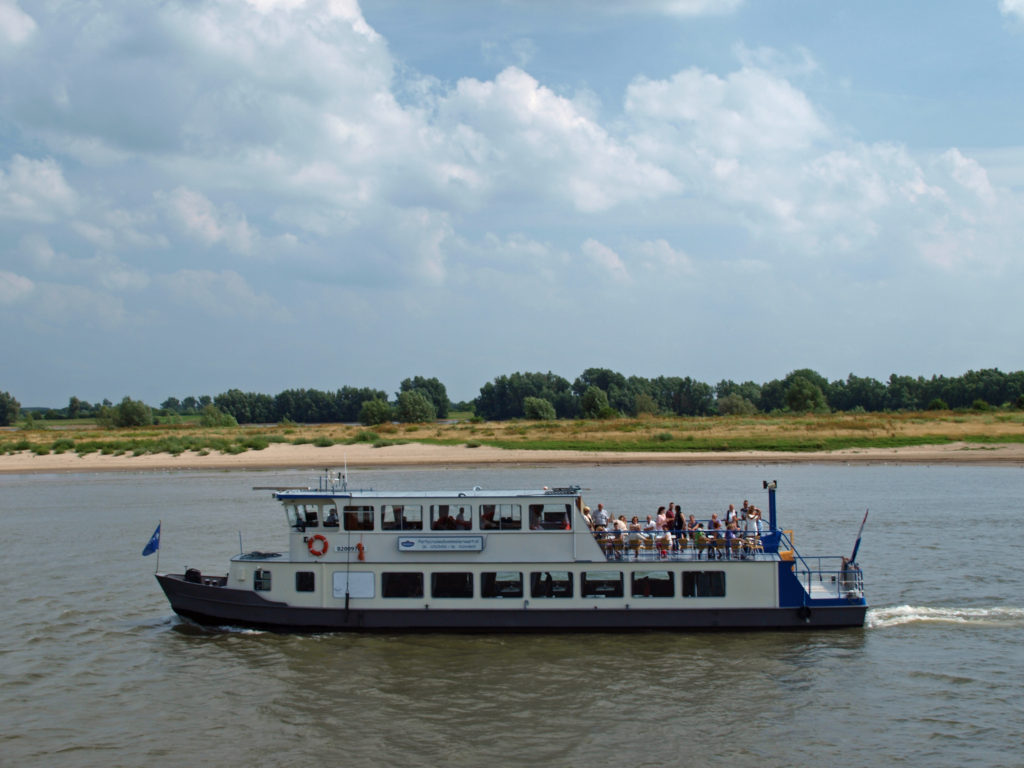
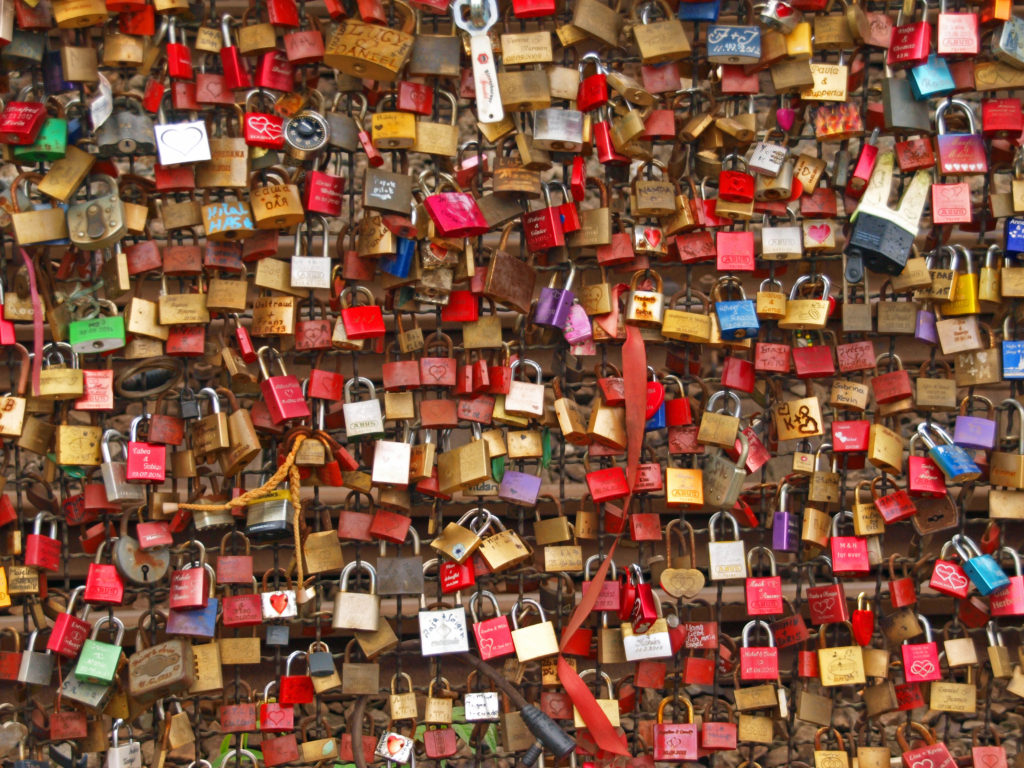
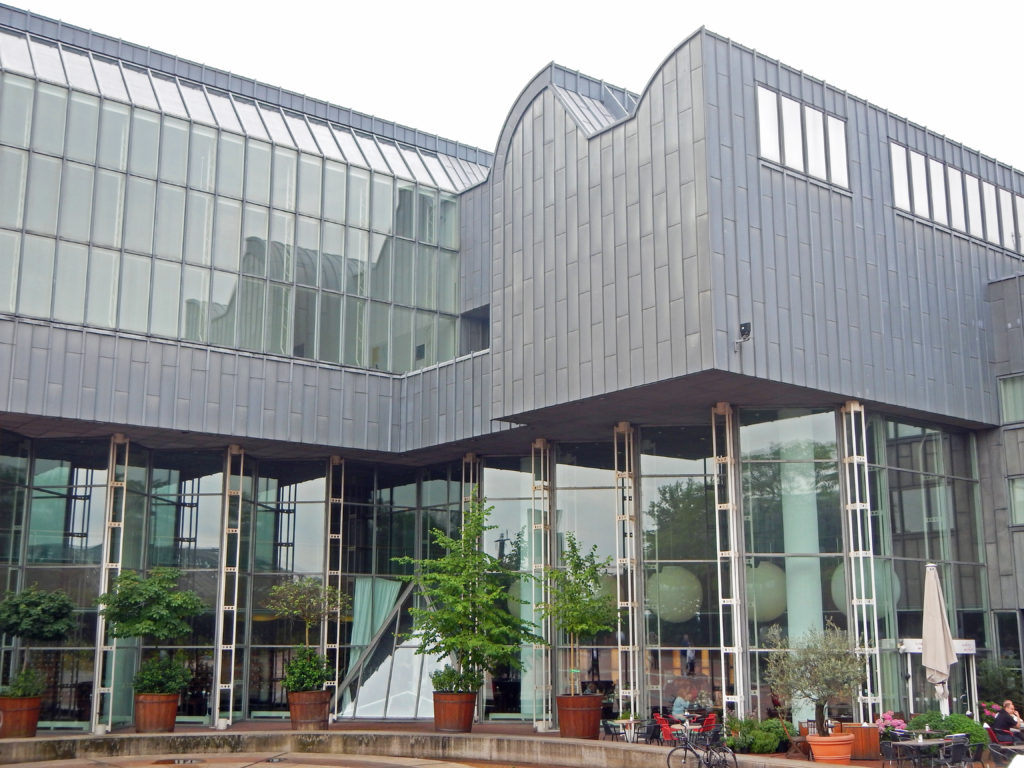
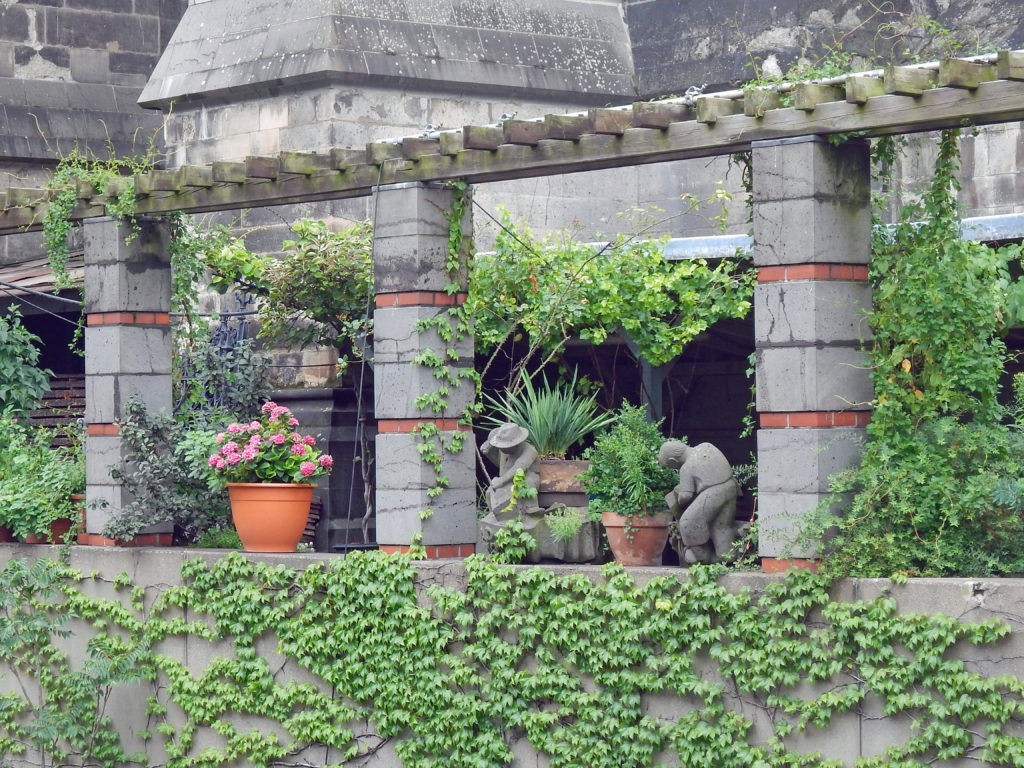
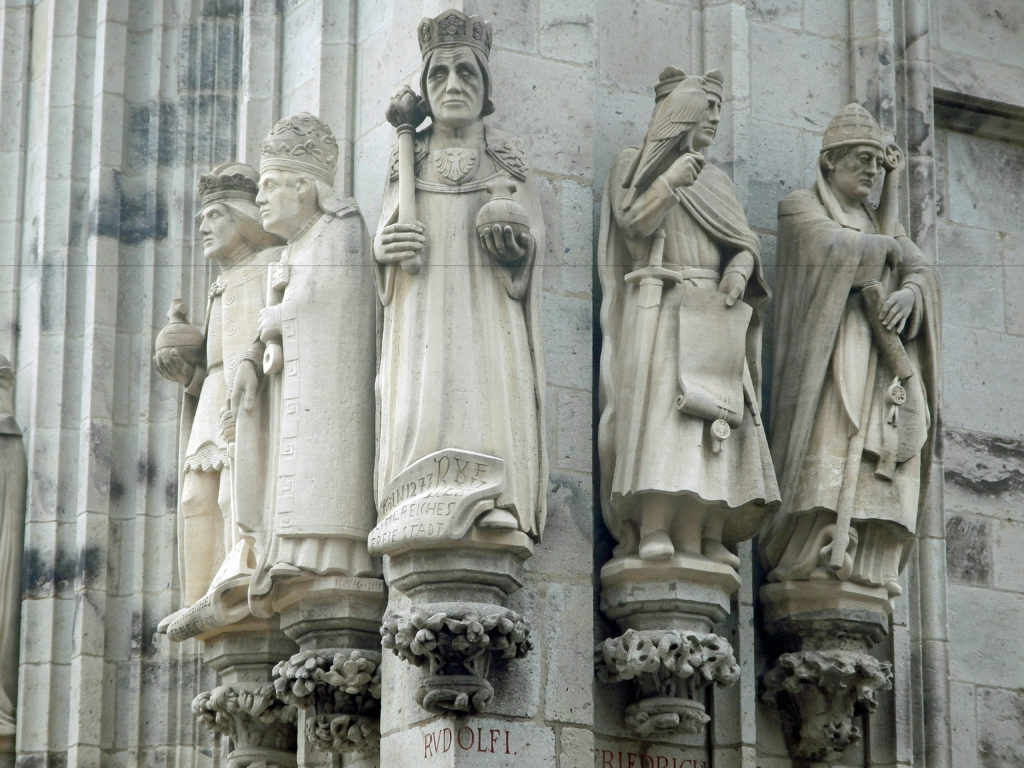
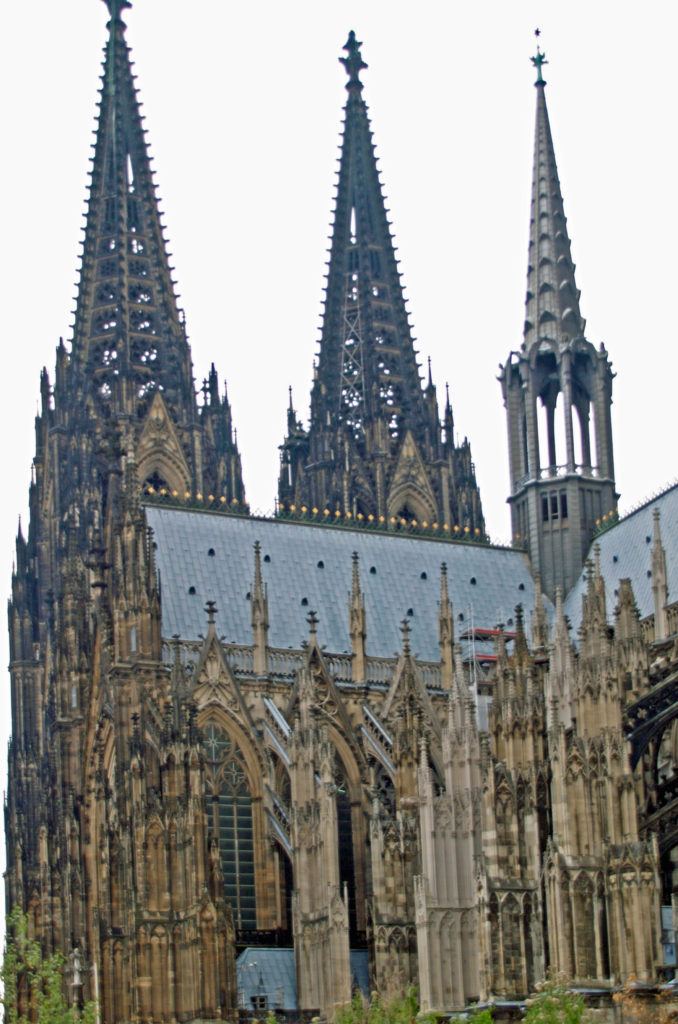
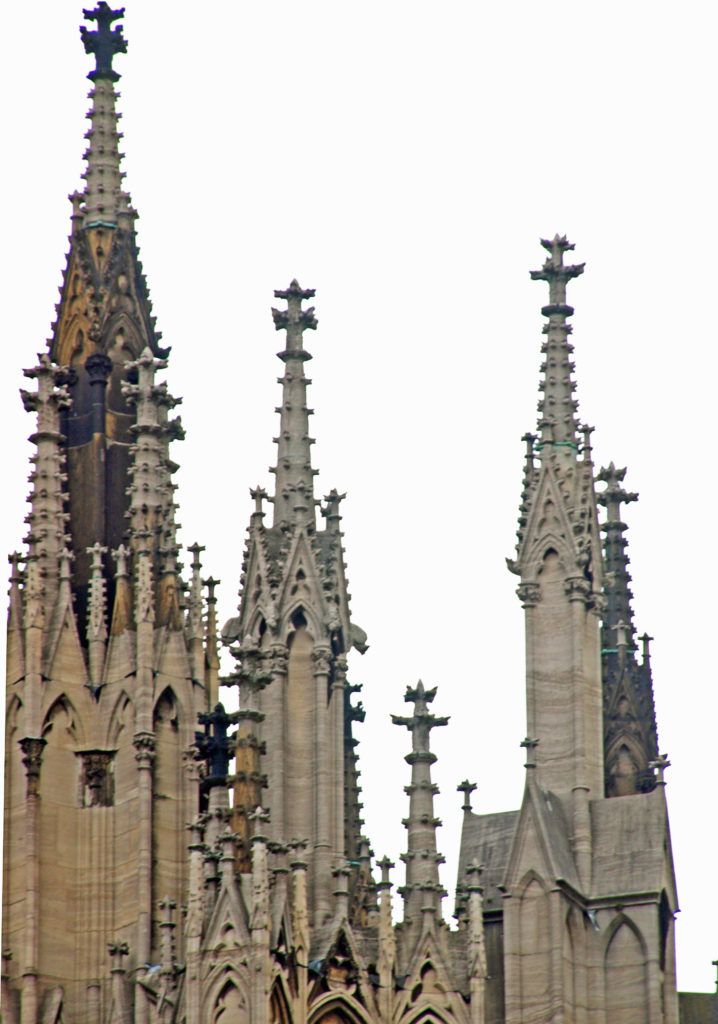
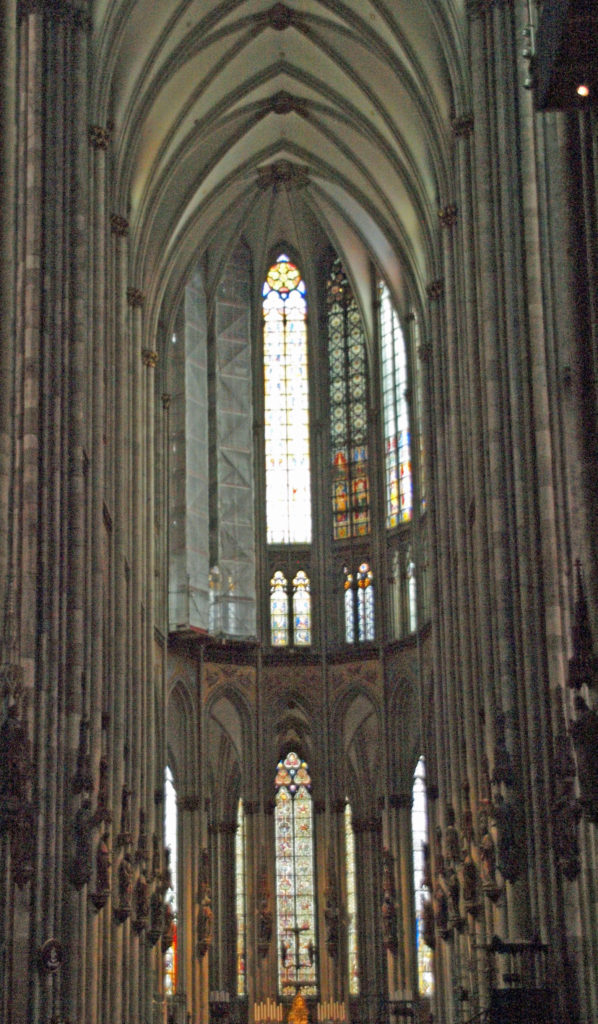 Construction of the Cologne Cathedral began in 1248. In 1478 construction was halted and the cathedral remained unfinished for another 400 years. It wasn’t until 1880 that it was completed to the original medieval plan. The cathedral was damaged by a number of bombing raids in WWII, but remained standing, and repairs were completed in 1956.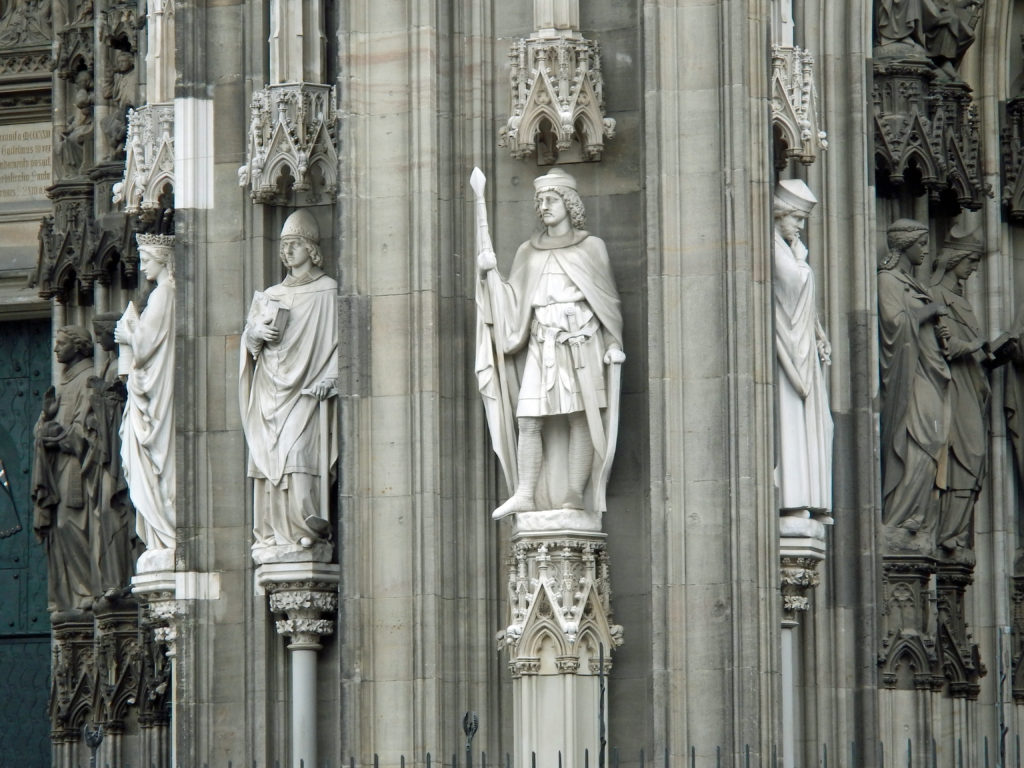
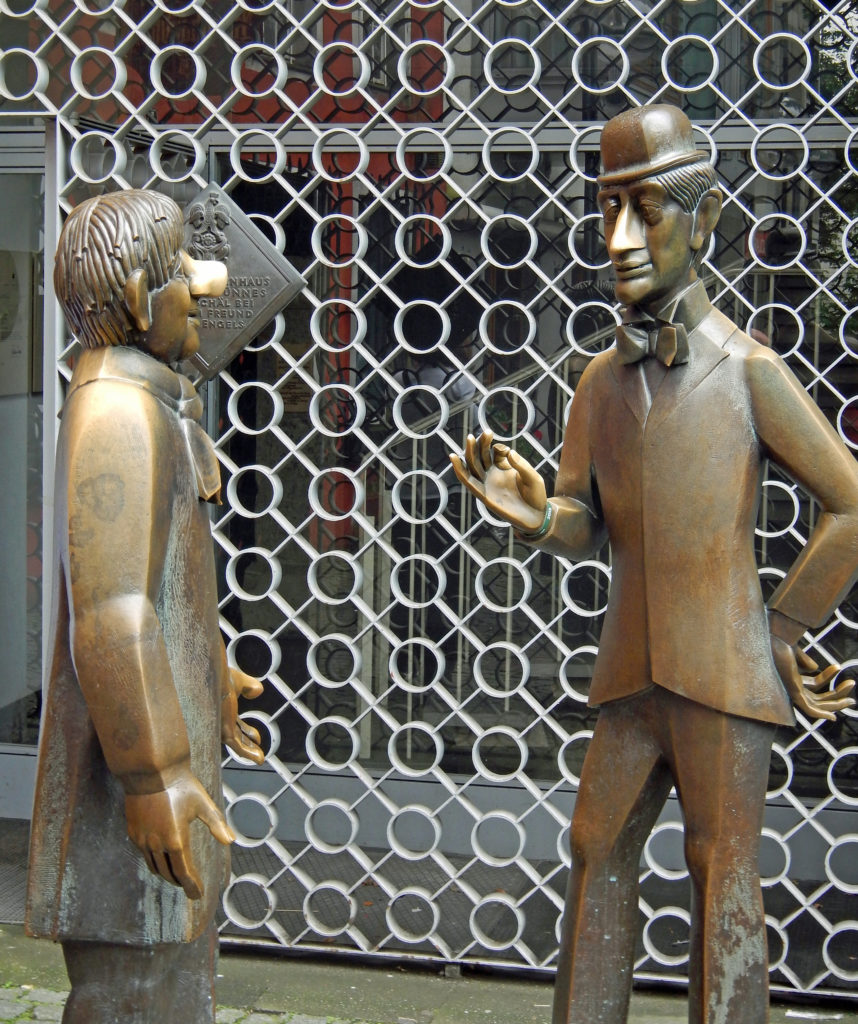 Our second tour in Cologne was an optional pub crawl that evening, led by a local guide. In Cologne each pub has a working agreement with one of the local breweries that produce the local brew, called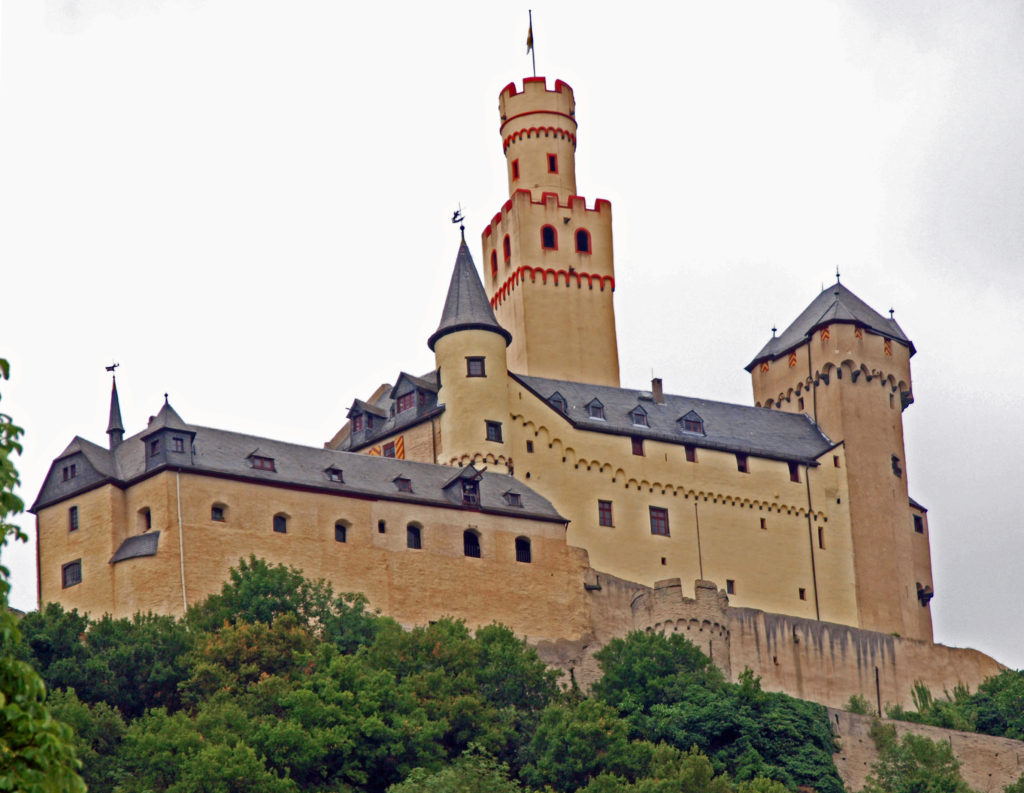
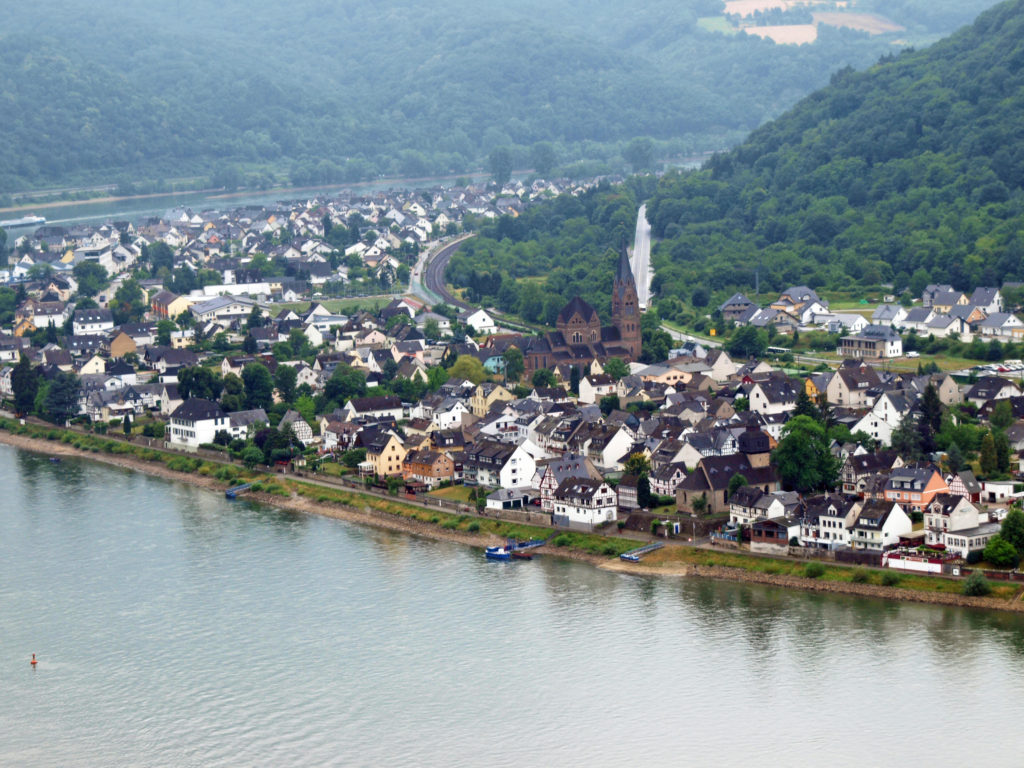
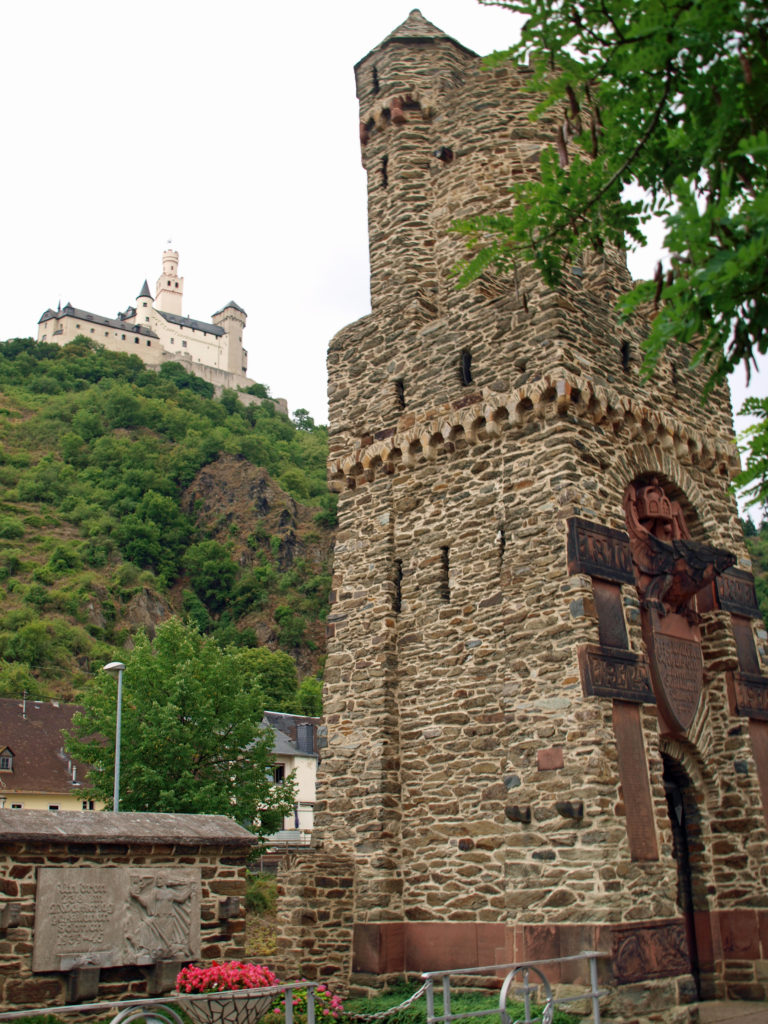
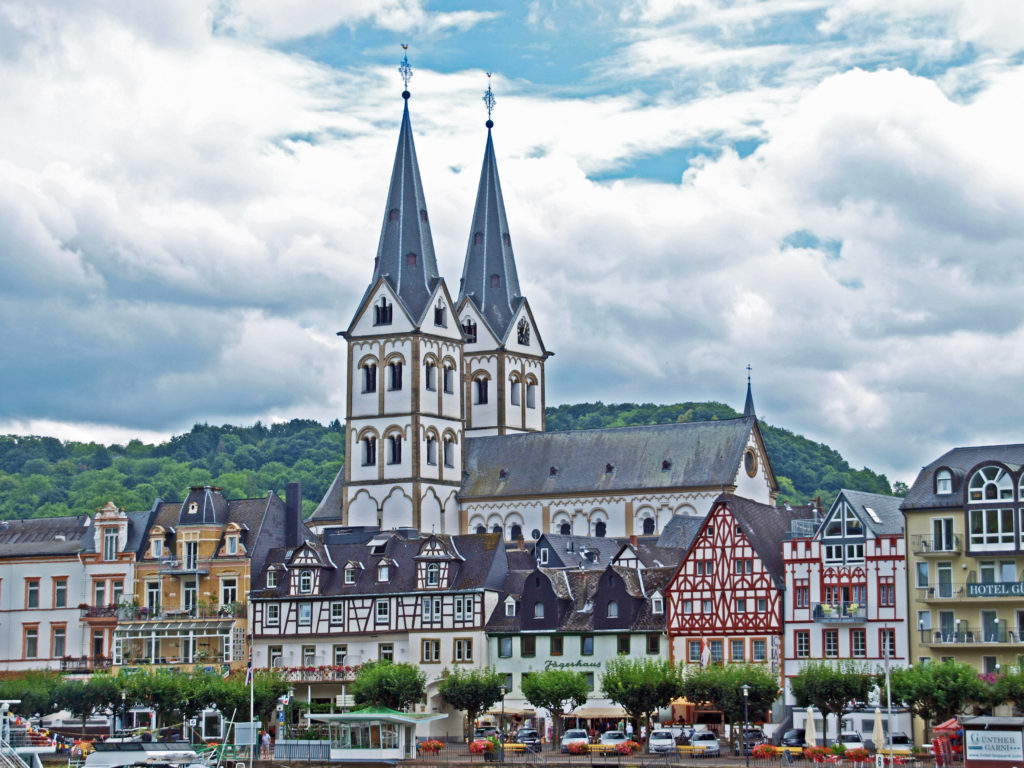
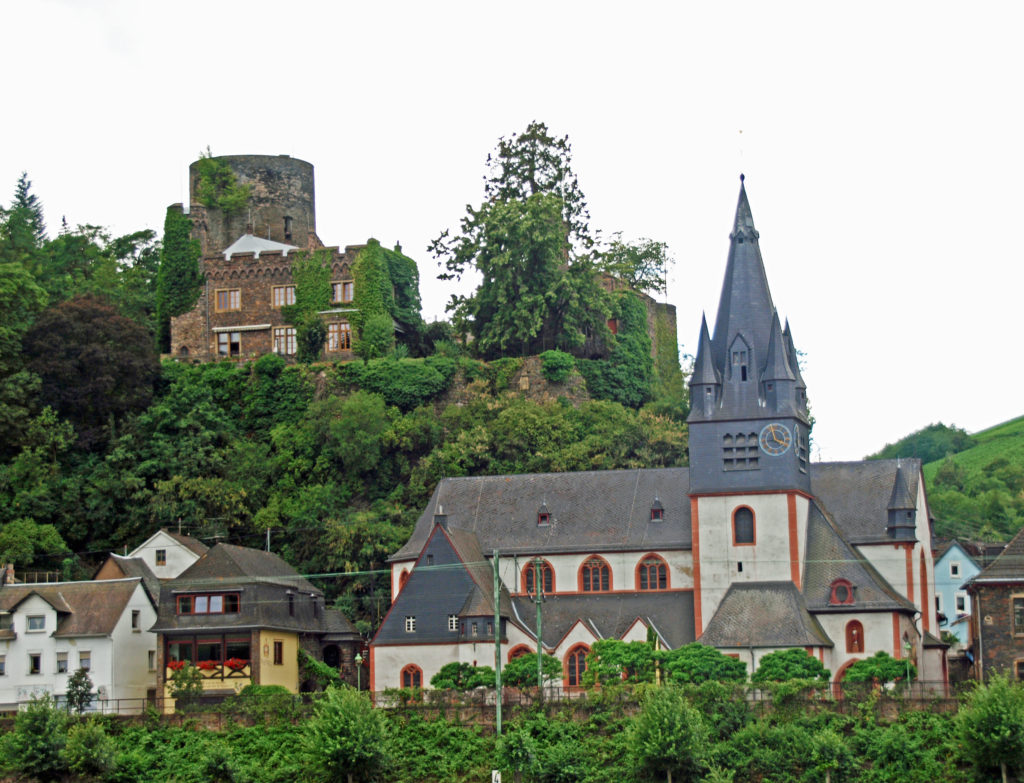
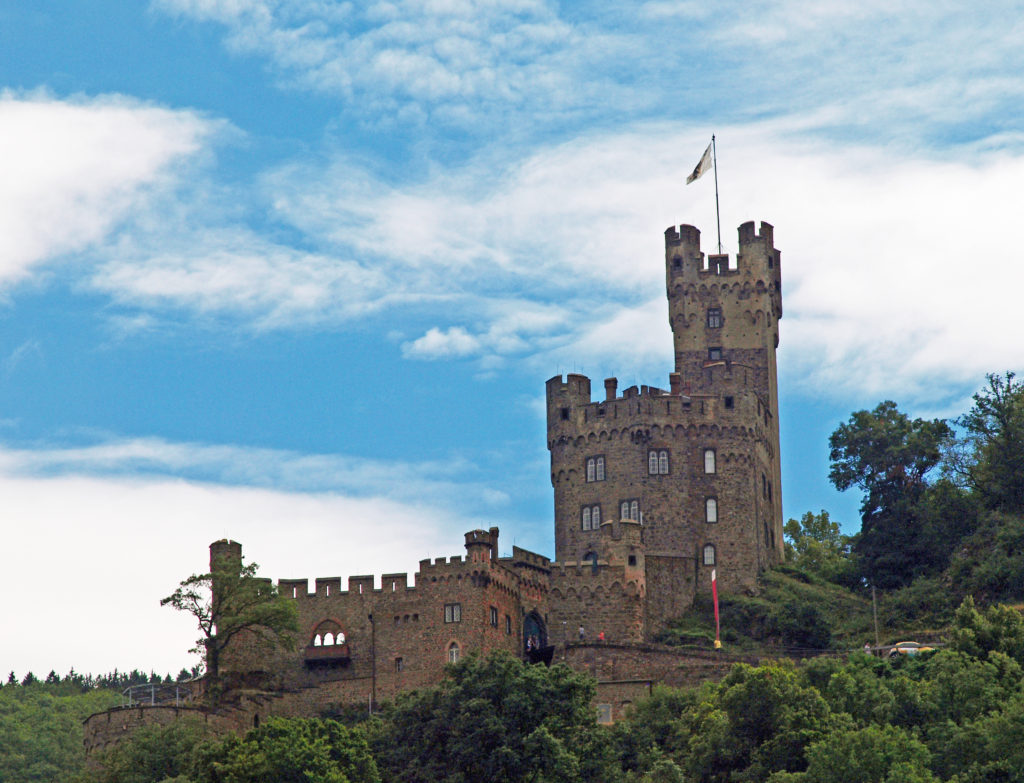
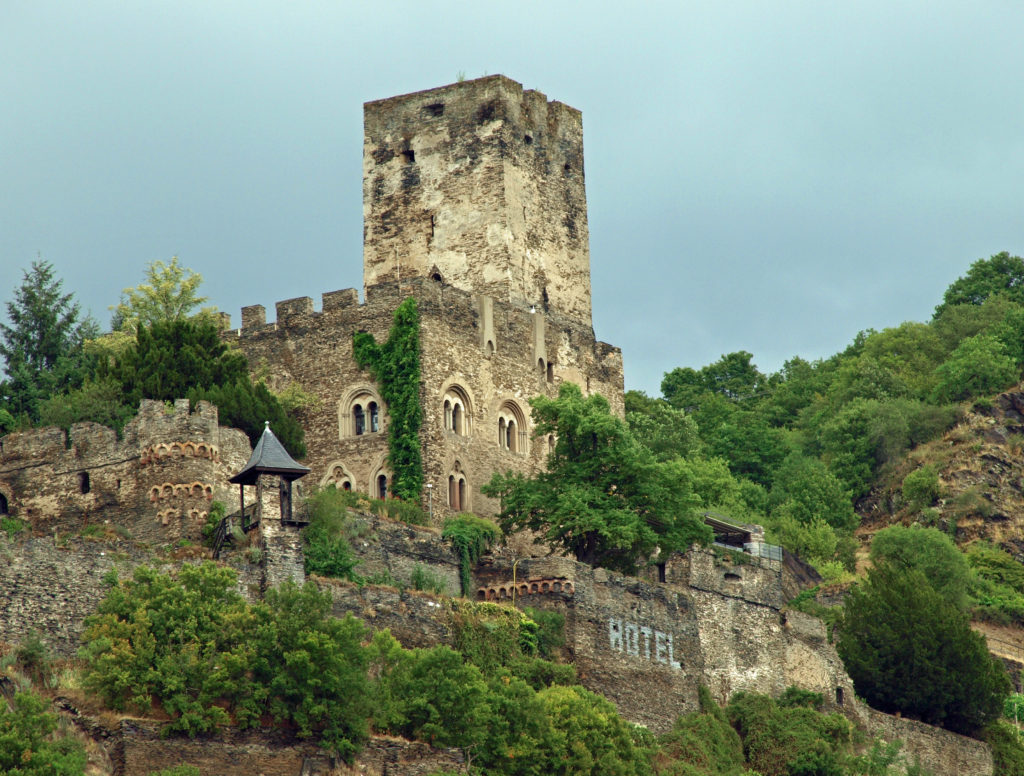
 Museum tickets can be purchased online. Also check out the
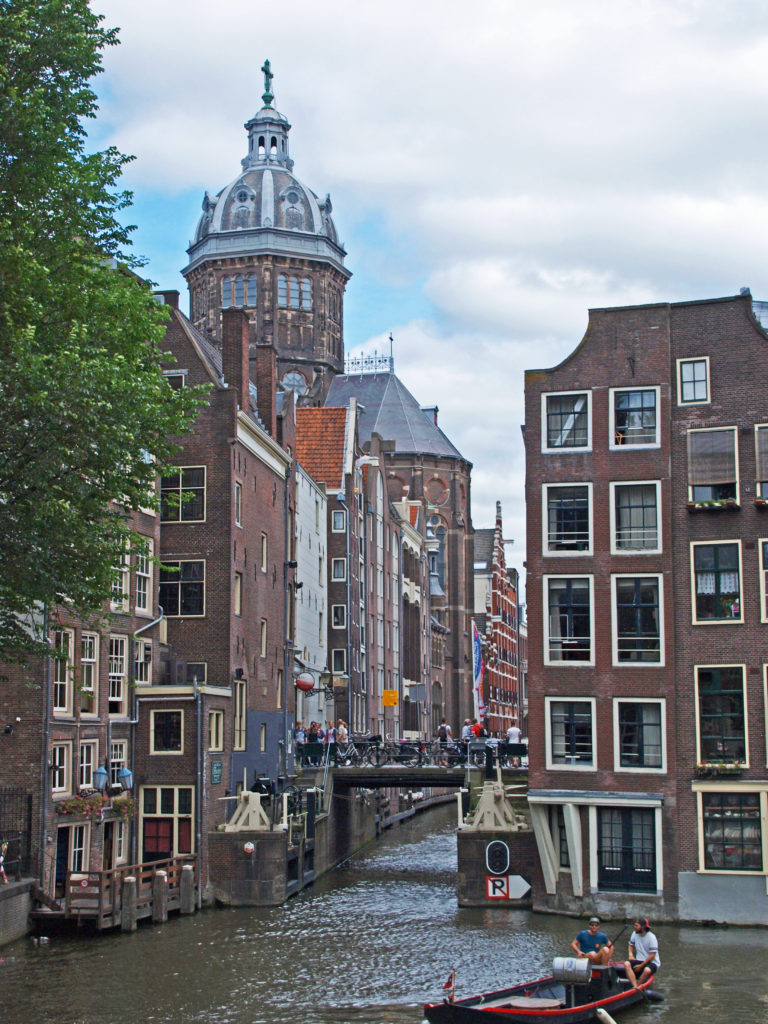
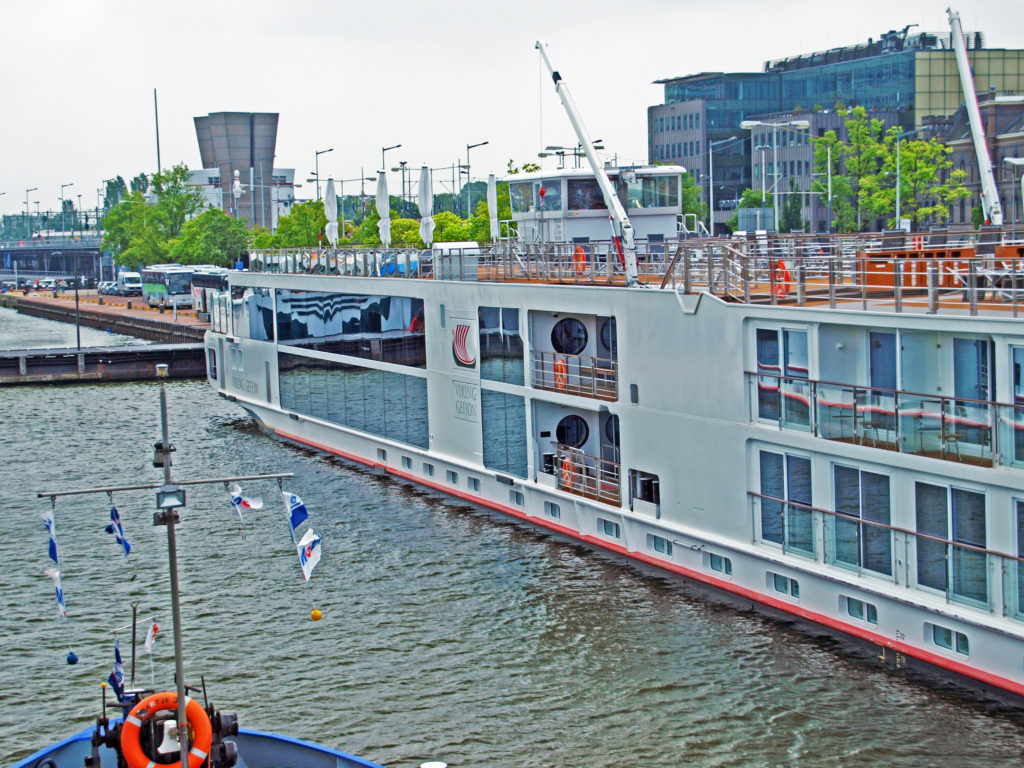 Our Rhine River cruise began with boarding our “longship” (the Viking Mani), and dinner onboard. That was the first of many outstanding meals served on the ship – and the first of many pleasant surprises on the cruise. (See my
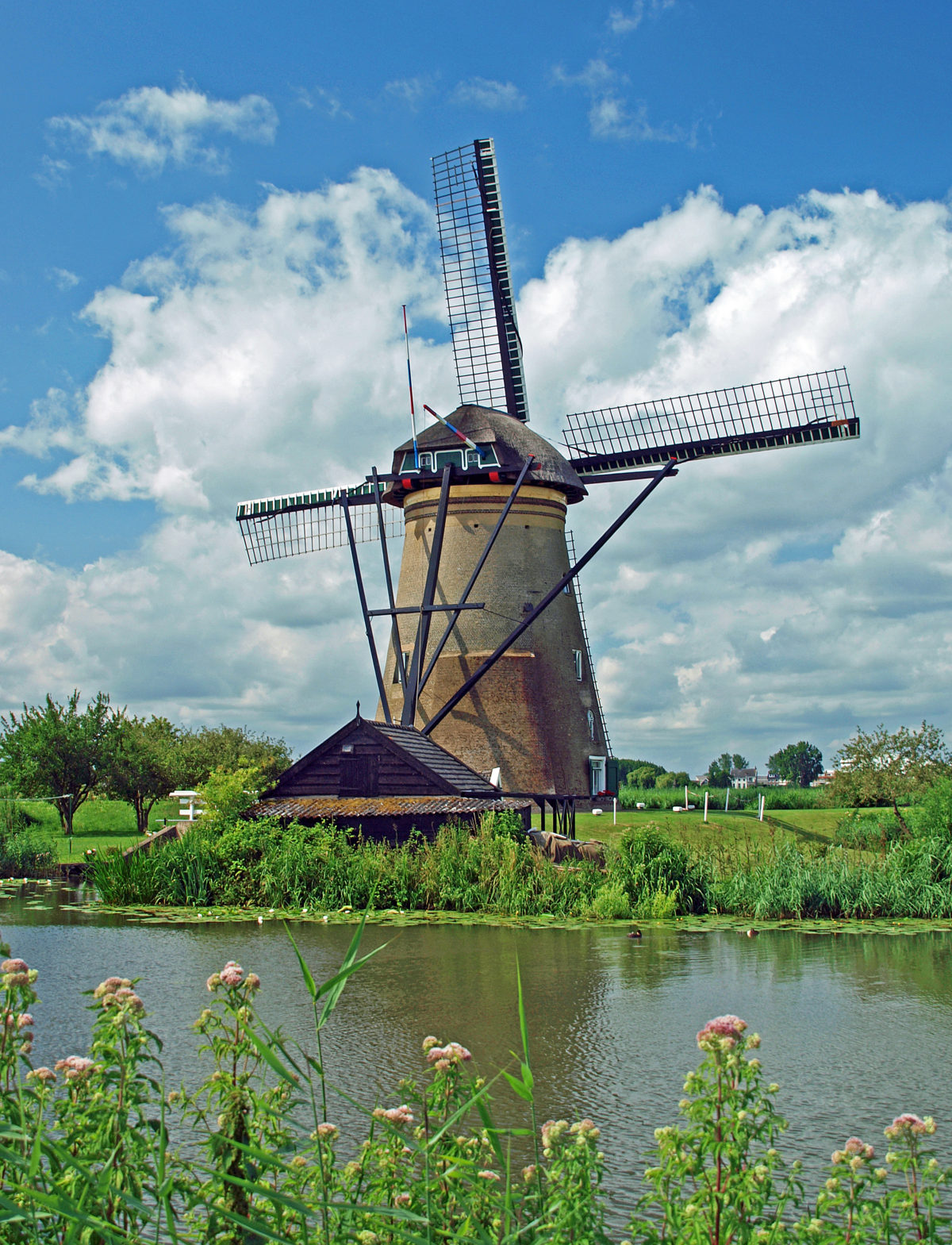
 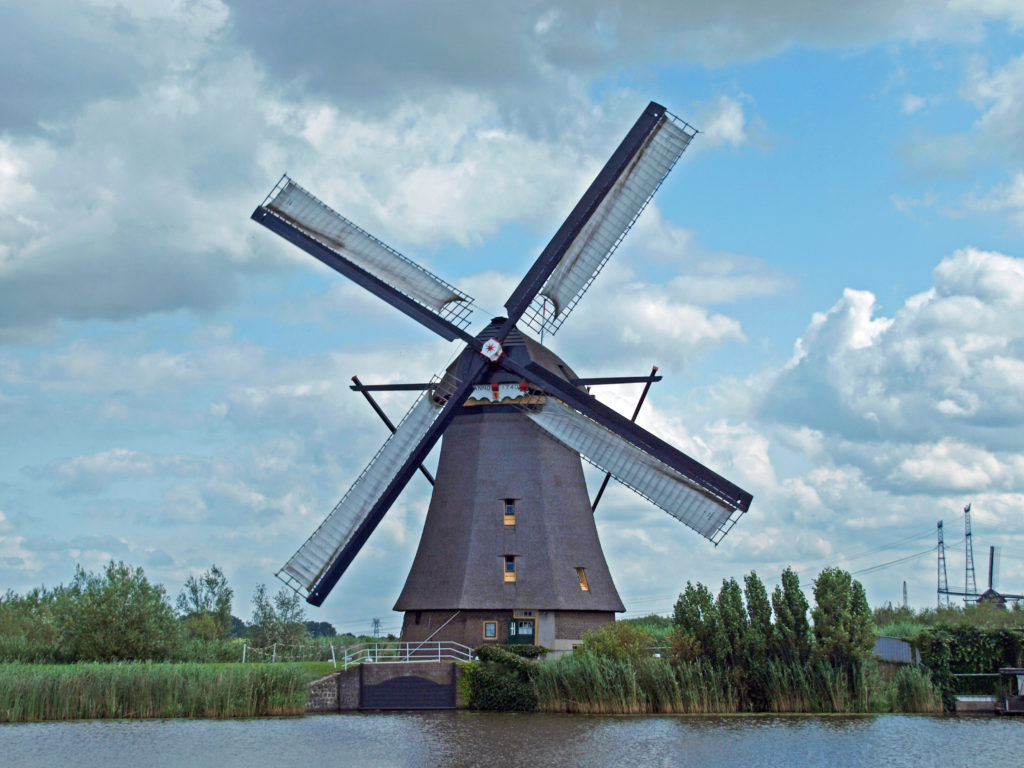 The largest surviving group of ancient windmills in the world is in village of