By Alan K. Lee
Introduction
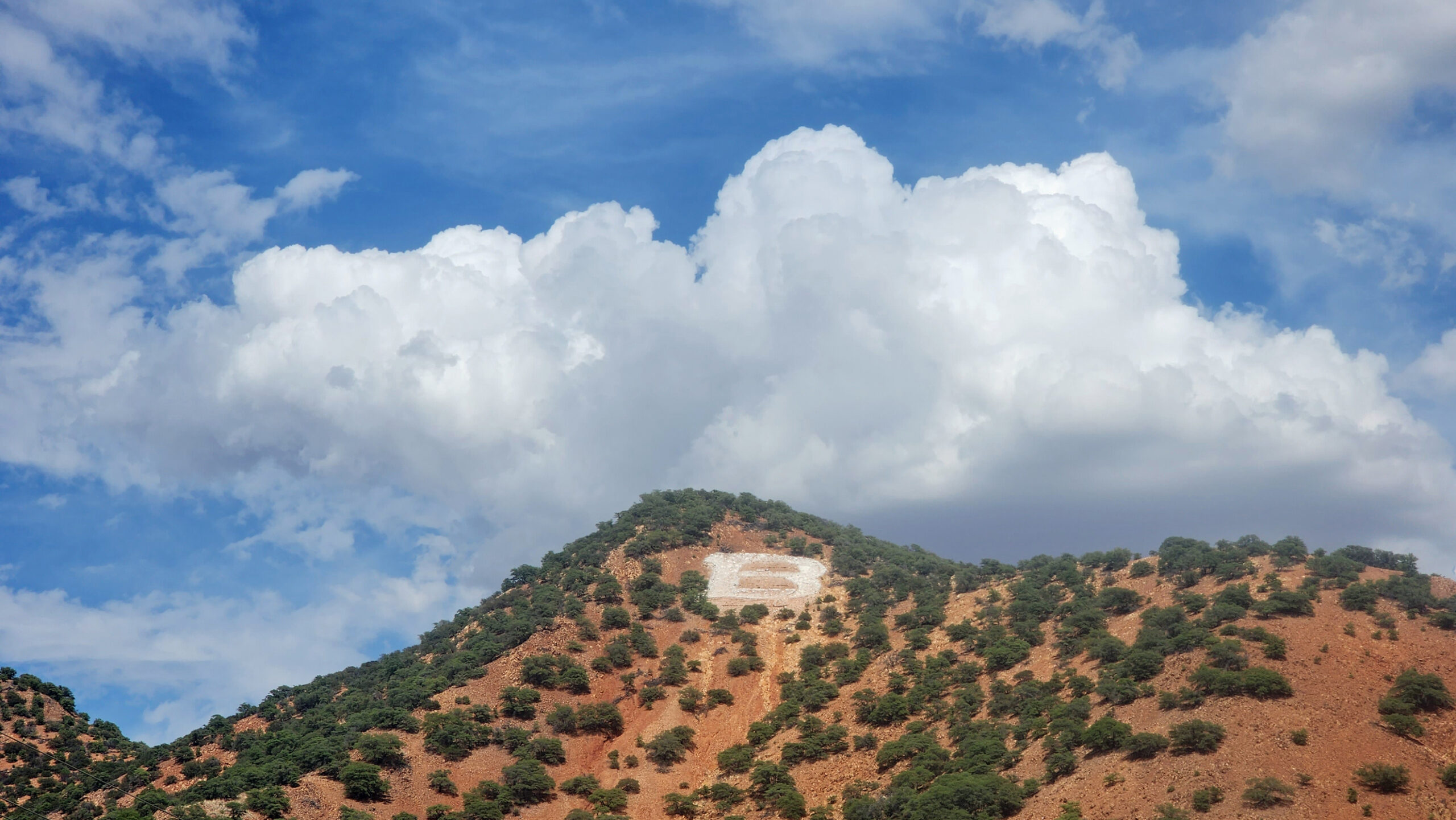
Bisbee is one of the most unique and interesting towns in Arizona (or anywhere for that matter). My brother worked as an electrical engineer for a company based in Bisbee for many years, and my wife and I visited Bisbee many times during those years. He is now retired, but has remained in the area, living in nearby Sierra Vista. We always include a day in Bisbee on our visits, most recently in the spring of 2026.
History
Bisbee was founded in 1880 and incorporated in 1902. Its early economy was based on copper, gold, and silver mining. Demand for copper surged during World War I and Bisbee’s population peaked at 9205 in the 1920 Census. Mining activity declined significantly in the 1930s and 40s, and Bisbee’s population had dropped to 3801 by 1950.
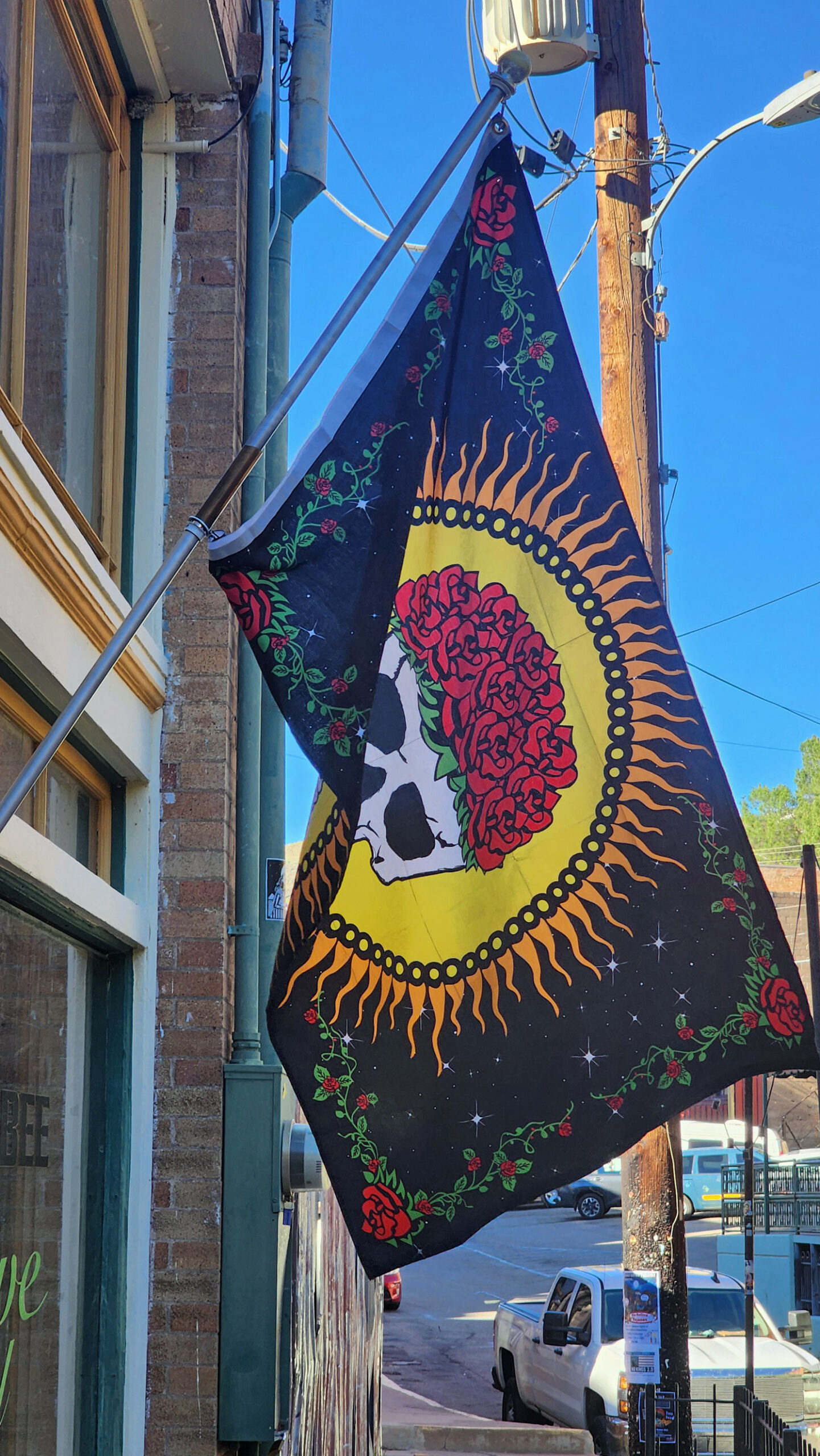

Housing prices crashed in the 1960s, leading to an influx of artists and counter culture types taking advantage of the cheap housing. That combination of artists and eccentrics of all types gave Bisbee a unique and colorful local culture that persists to this day.
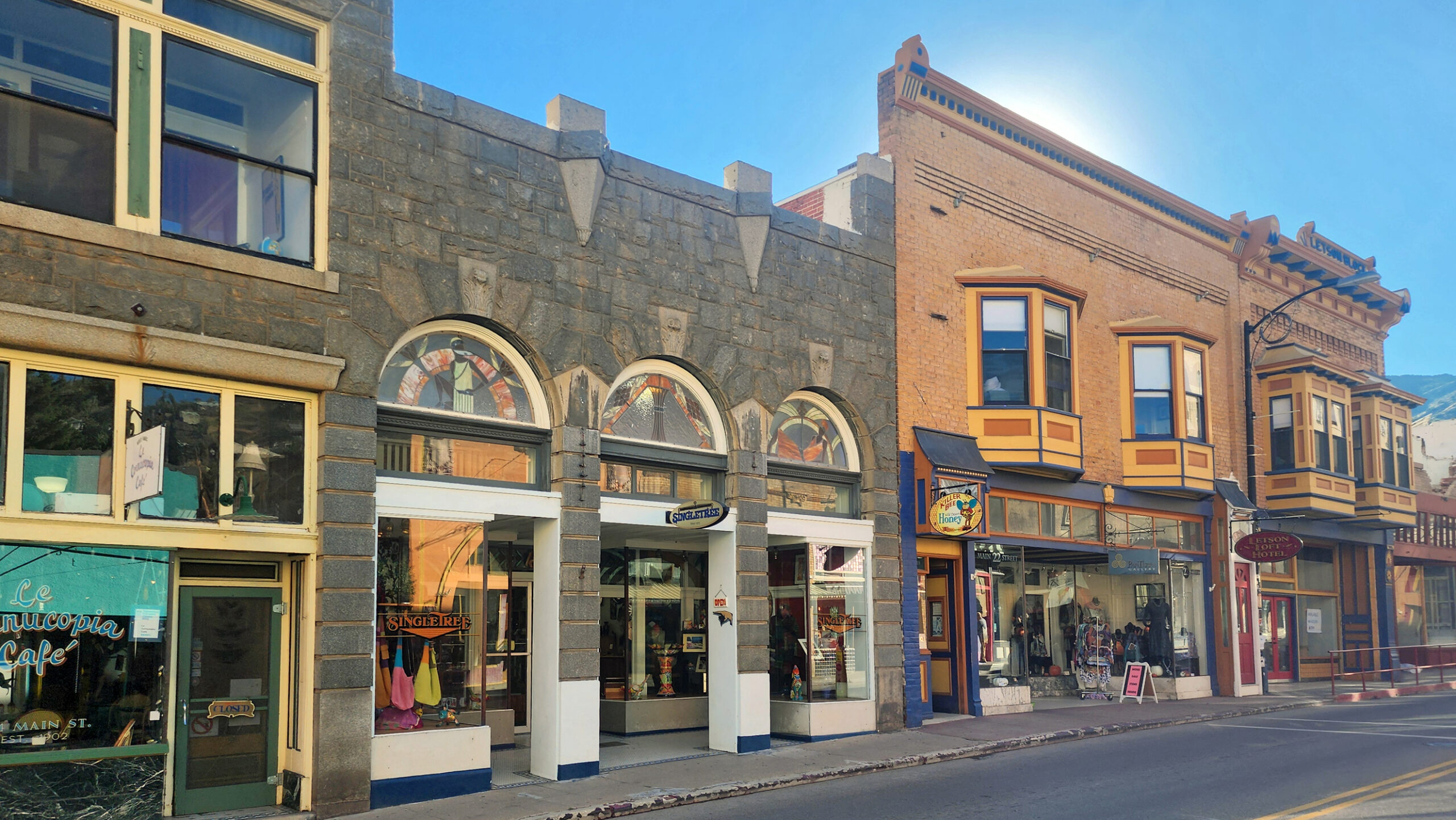
Phelps Dodge Corporation ceased all mining activities in Bisbee in 1975, and local leadership pivoted to tourism to boost the economy. Today, tourism is the largest component of Bisbee’s economy.
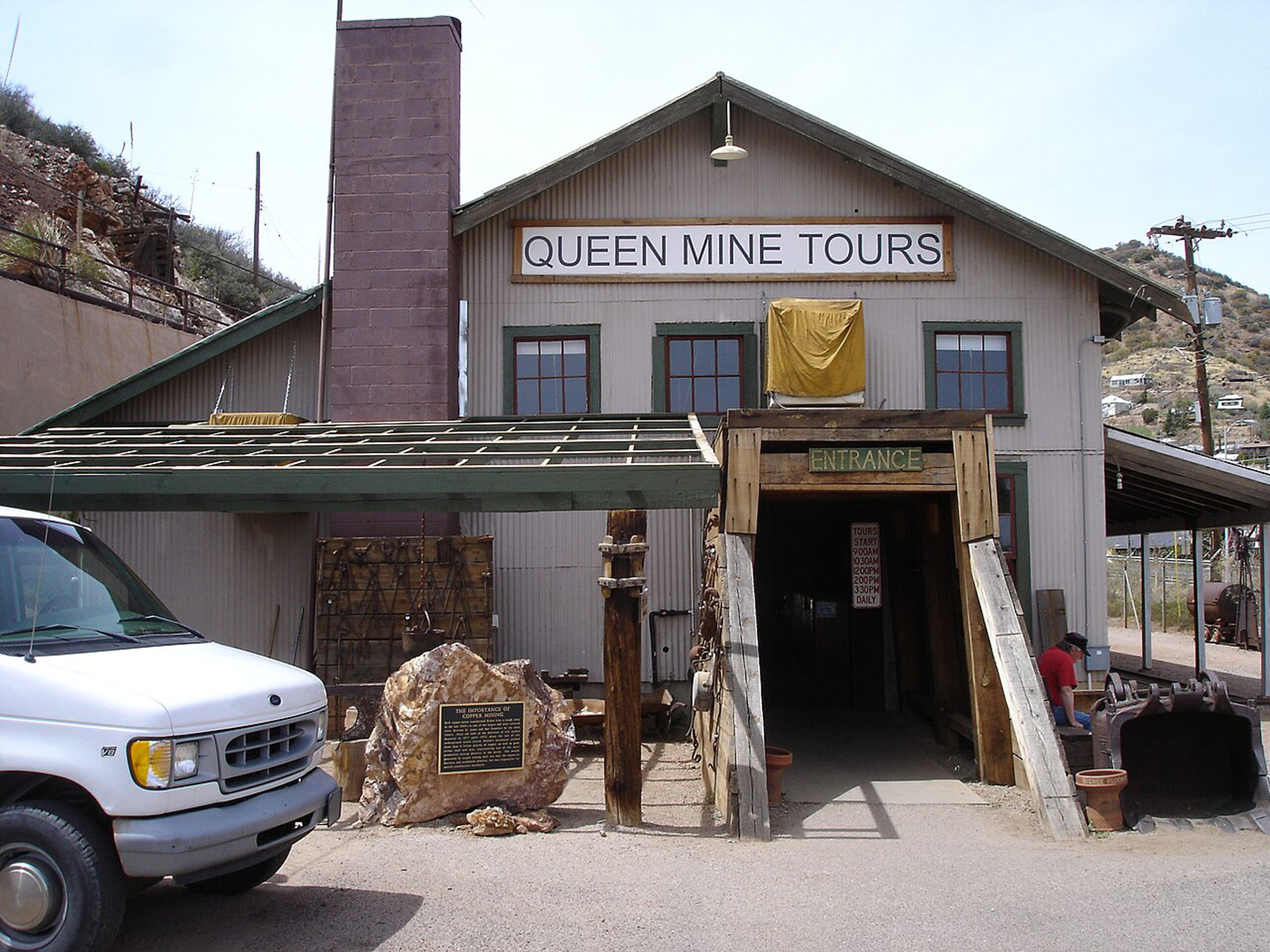
Copper Queen Mine
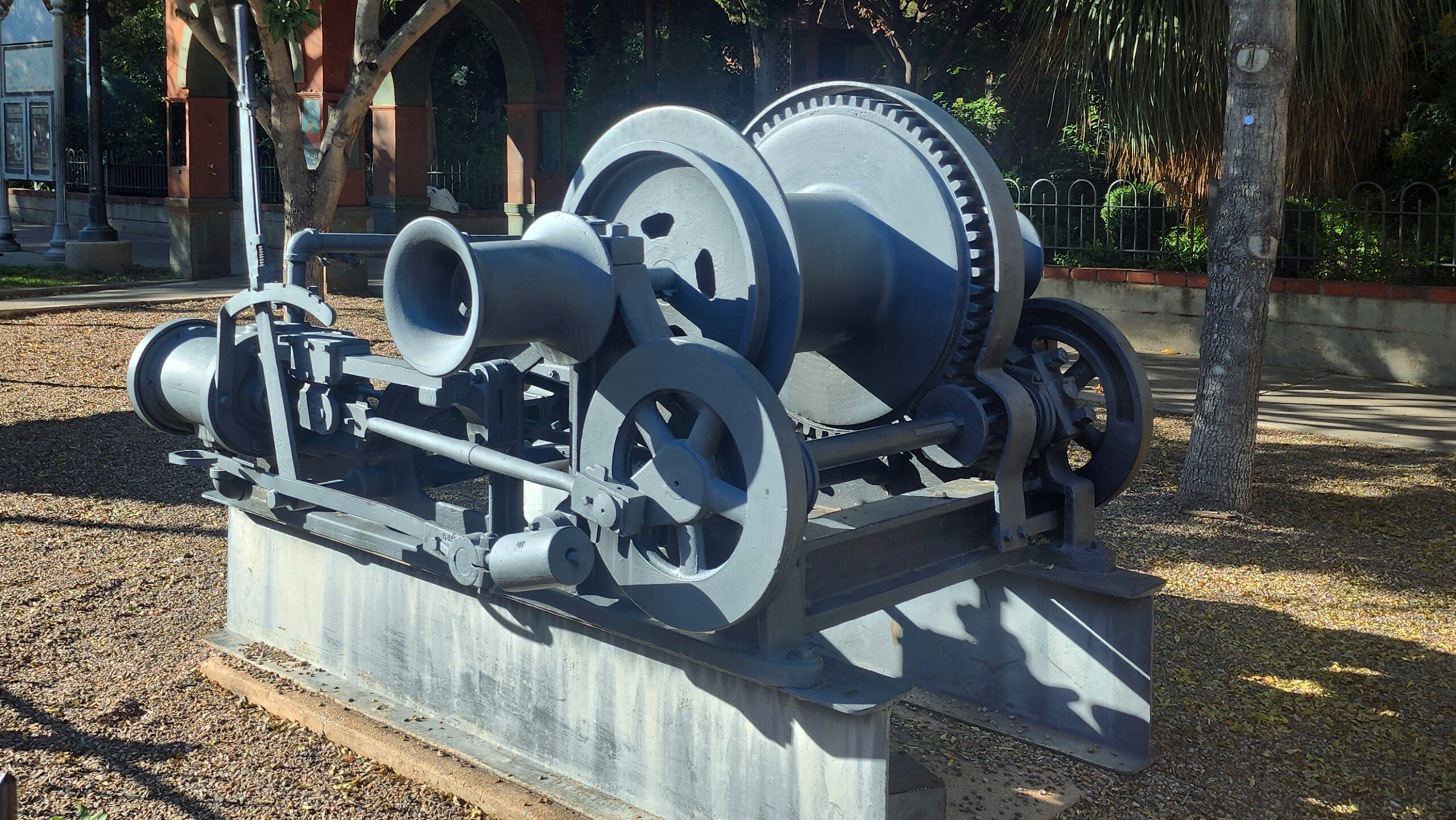
The Copper Queen was the largest mine in the Bisbee area and produced ore that was 23% copper, an extremely high grade, with lesser amounts of gold and silver. The mine closed in 1975, and local leaders persuaded Phelps Dodge to allow a portion of the mine to be opened to the public. Tours of the mine began in 1976 and more than a million people have taken the tour to date. That total does not include my wife and I, but the Copper Queen tour is the top tourist attraction in Bisbee. Tour prices as of 2026 are $16 for adults and $8 for children 6-12. (Children under six are not allowed on the tour). Reservations are required and can be made online.
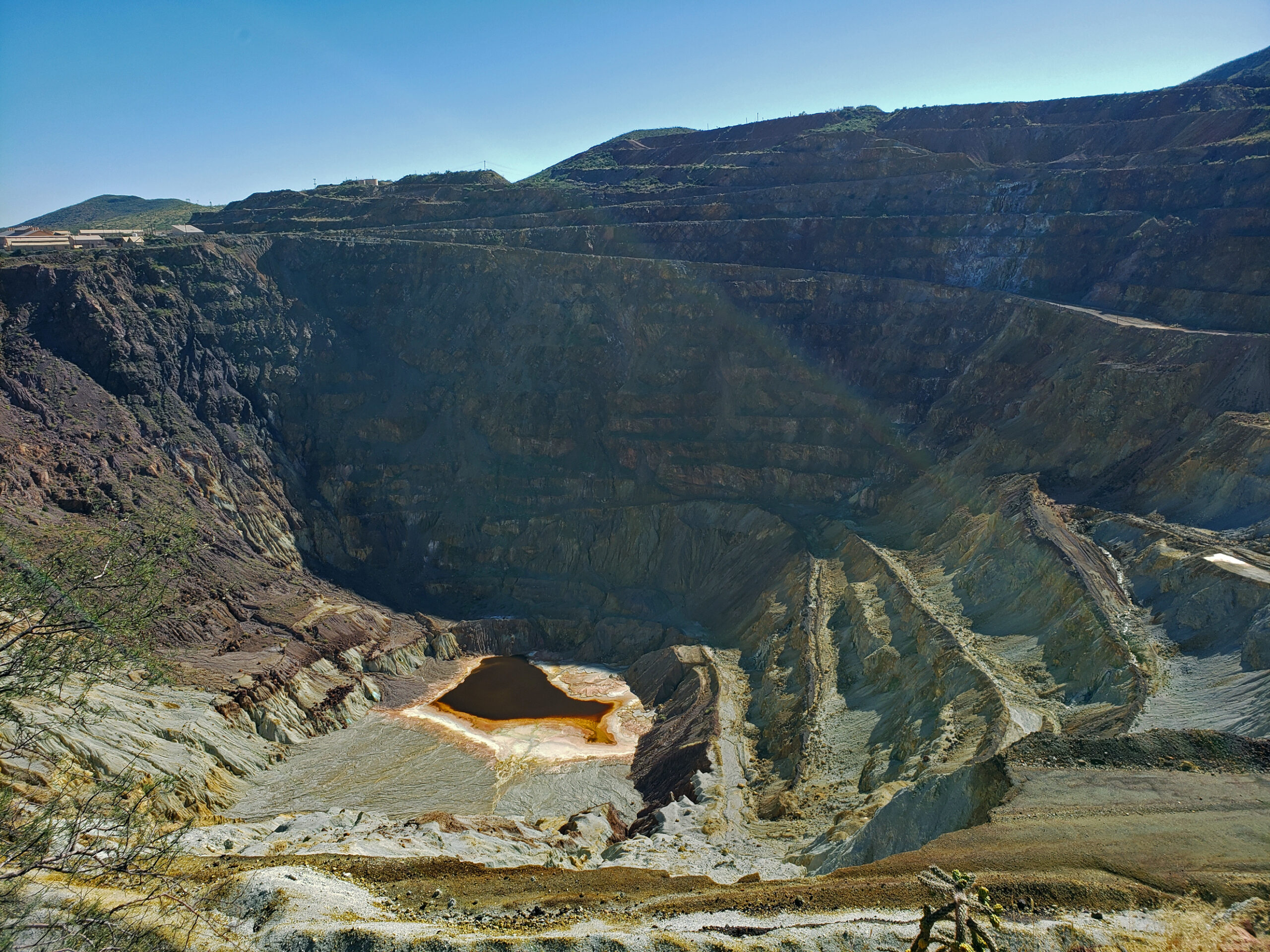
Lavender Pit
Phelps Dodge began open pit mining in 1950 and continued until 1974, taking advantage of a process promoted by Harrison Lavender, then Vice President of Phelps Dodge, that allowed profitable extraction of copper from ore as low as 0.7% copper. Today, the Lavender Pit is an impressively large (300 acres and 900 feet deep) hole in the ground, but to my eye is more an eyesore than an attraction.
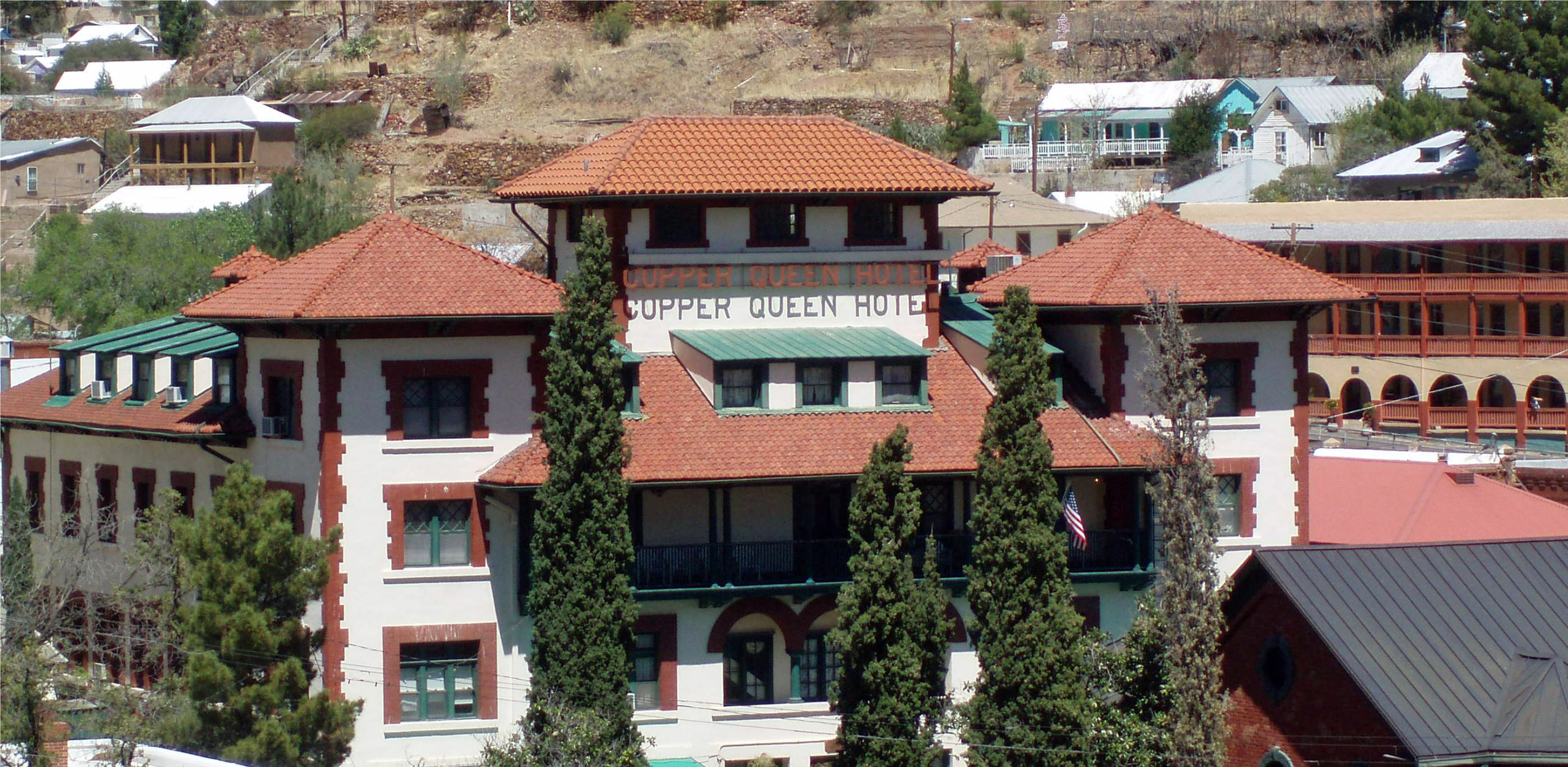
Copper Queen Hotel
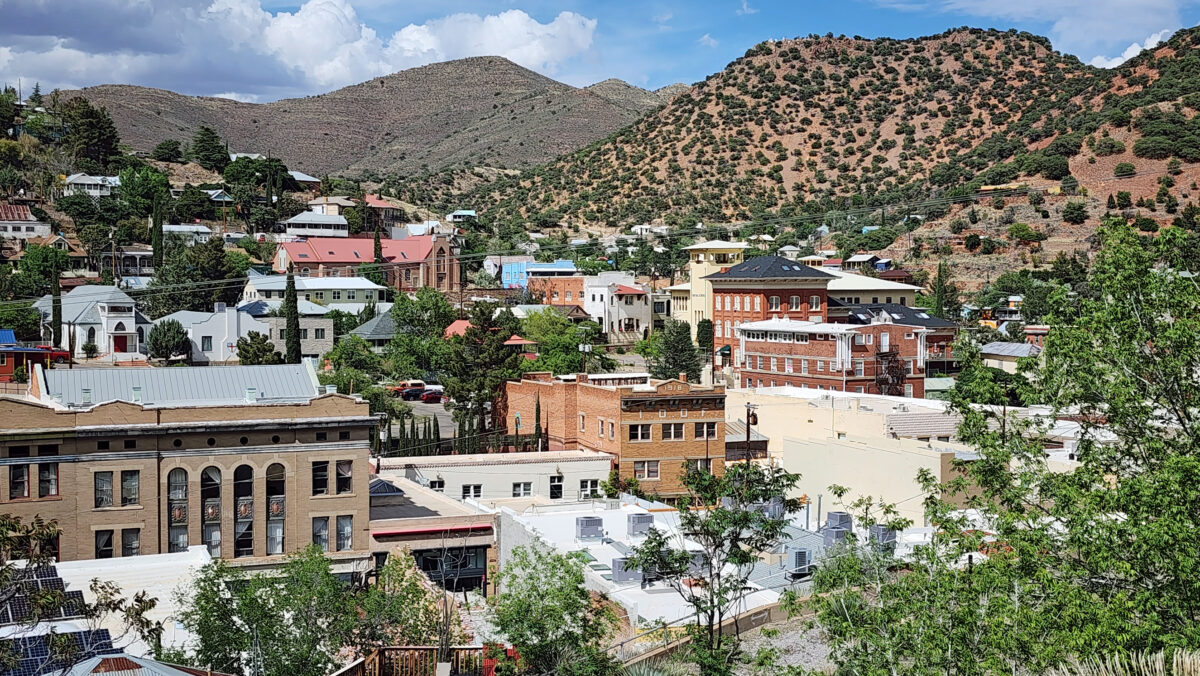
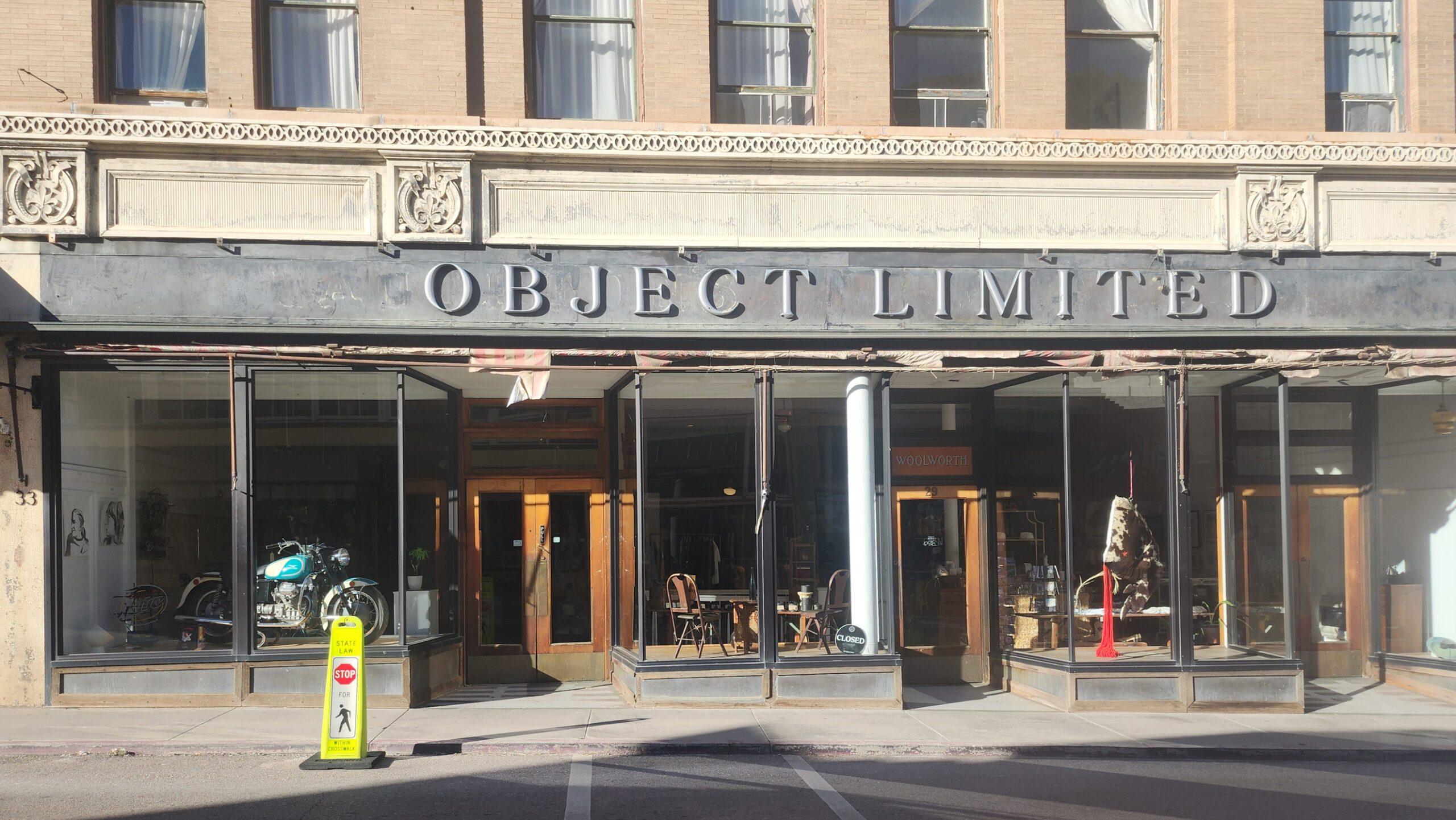
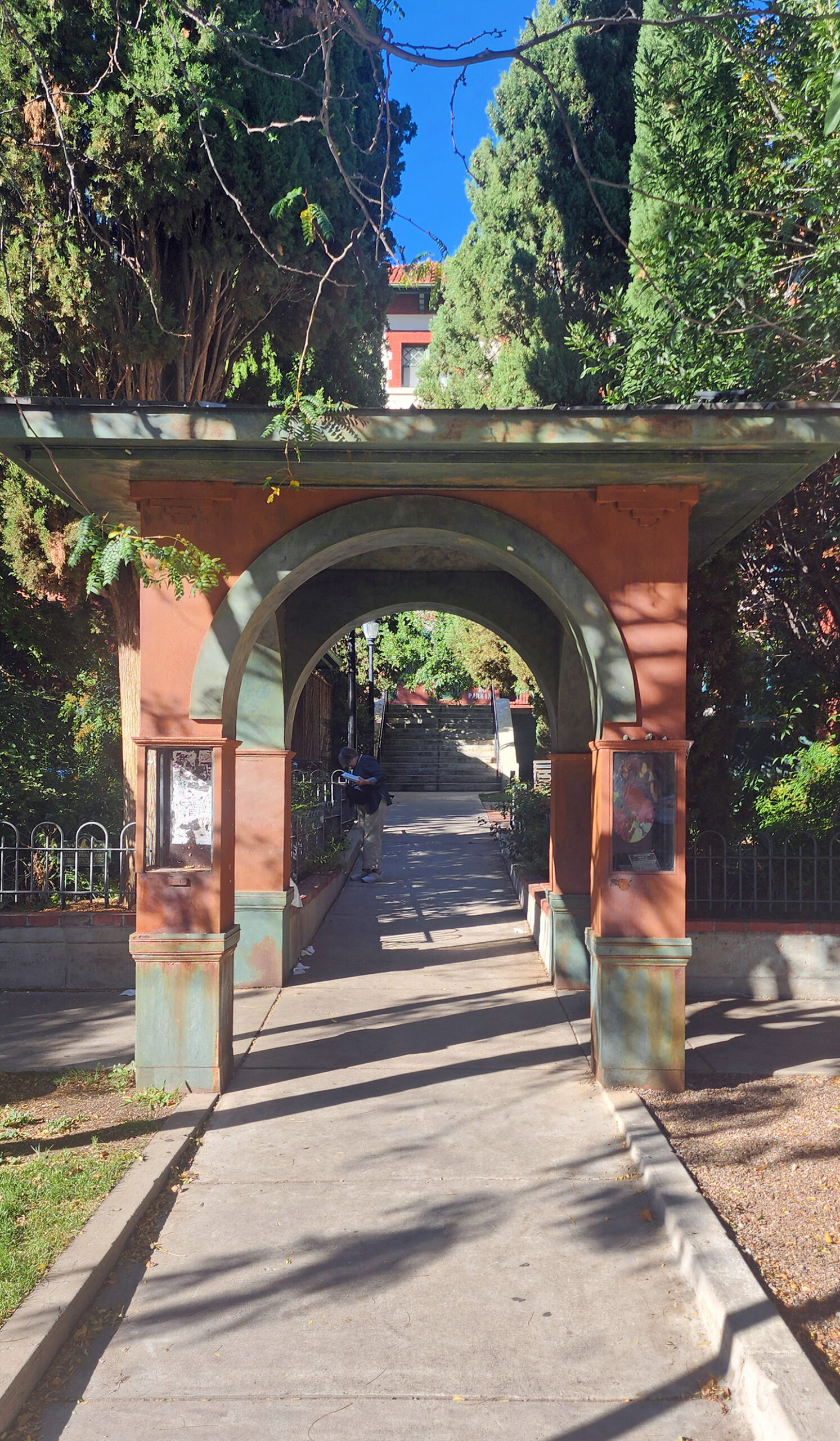
Downtown Bisbee streets are lined with many old brick buildings dating to the early 20th century. There are also many fine Victorian era and Craftsman style houses in the town’s residential areas. Probably the most noteworthy building in Bisbee is the Copper Queen Hotel. The hotel was constructed around the turn of the 20th century by Phelps Dodge and is the longest continually operated hotel in Arizona. It is listed on the National Register of Historic Places.
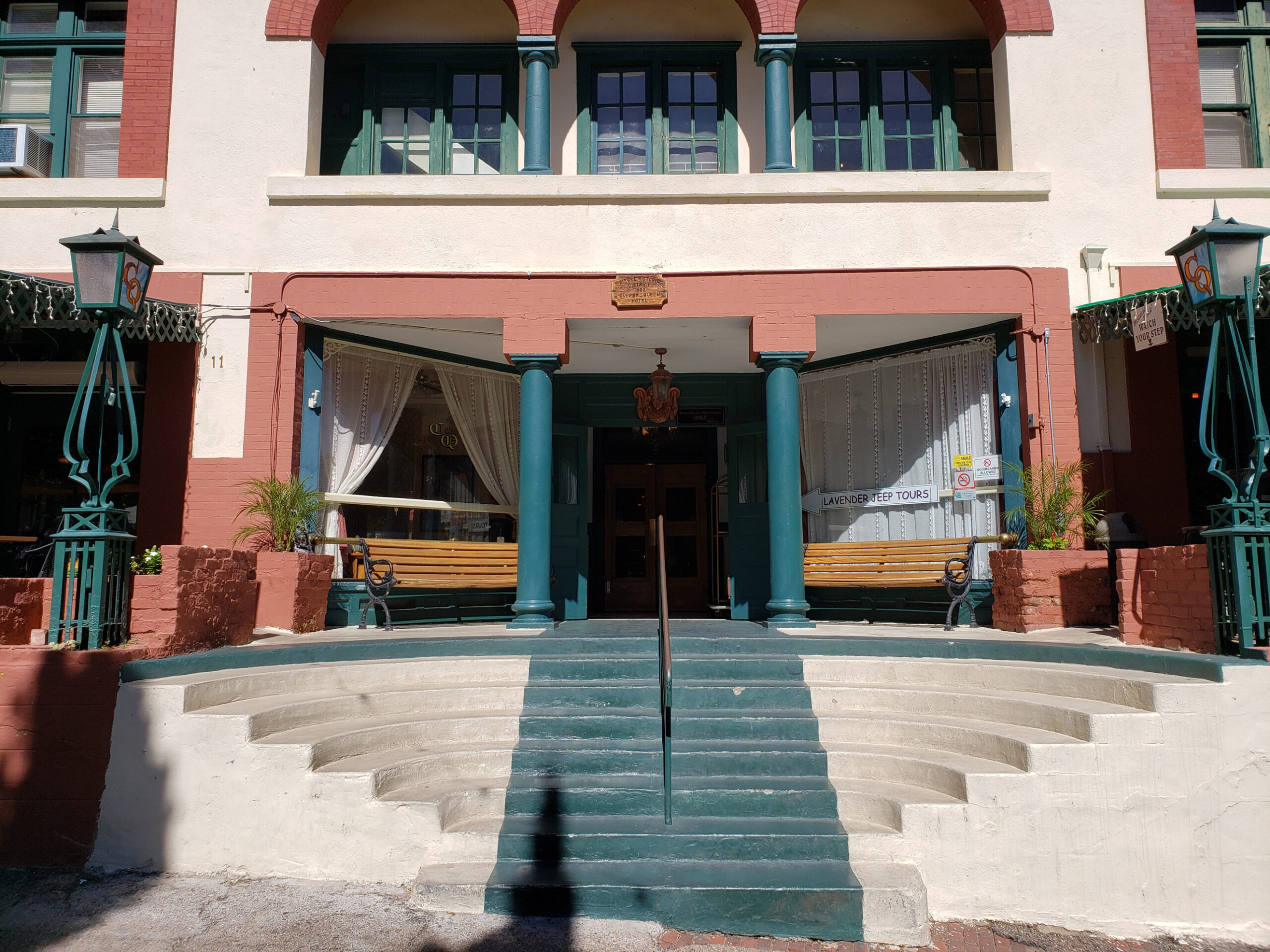
The hotel had deteriorated over the years and was sold by Phelps Dodge to artist Stephen Hutchinson and his wife Marcia in 1970. They did a complete renovation of the structure, along with other buildings in the downtown area that is now called Old Bisbee.
The Hutchinsons lured many celebrities to Bisbee, most notably John Wayne, who visited often and later became a business partner of the Hutchinsons, and helped establish Bisbee as a tourist destination. Many of the rooms are named after celebrities that have stayed at the hotel. In addition to John Wayne, those include Teddy Roosevelt, Harry Houdini, and Lilly Langtree.
Bisbee Arts Scene
Bisbee is home to almost twenty art galleries. Some of the more popular include Sam Poe Gallery, Belleza Fine Art Gallery, Artemezia Foundation – Gallery 818, Subway Gallery, and 55 Main Gallery. About half of Bisbee’s galleries can be found on Main Street.
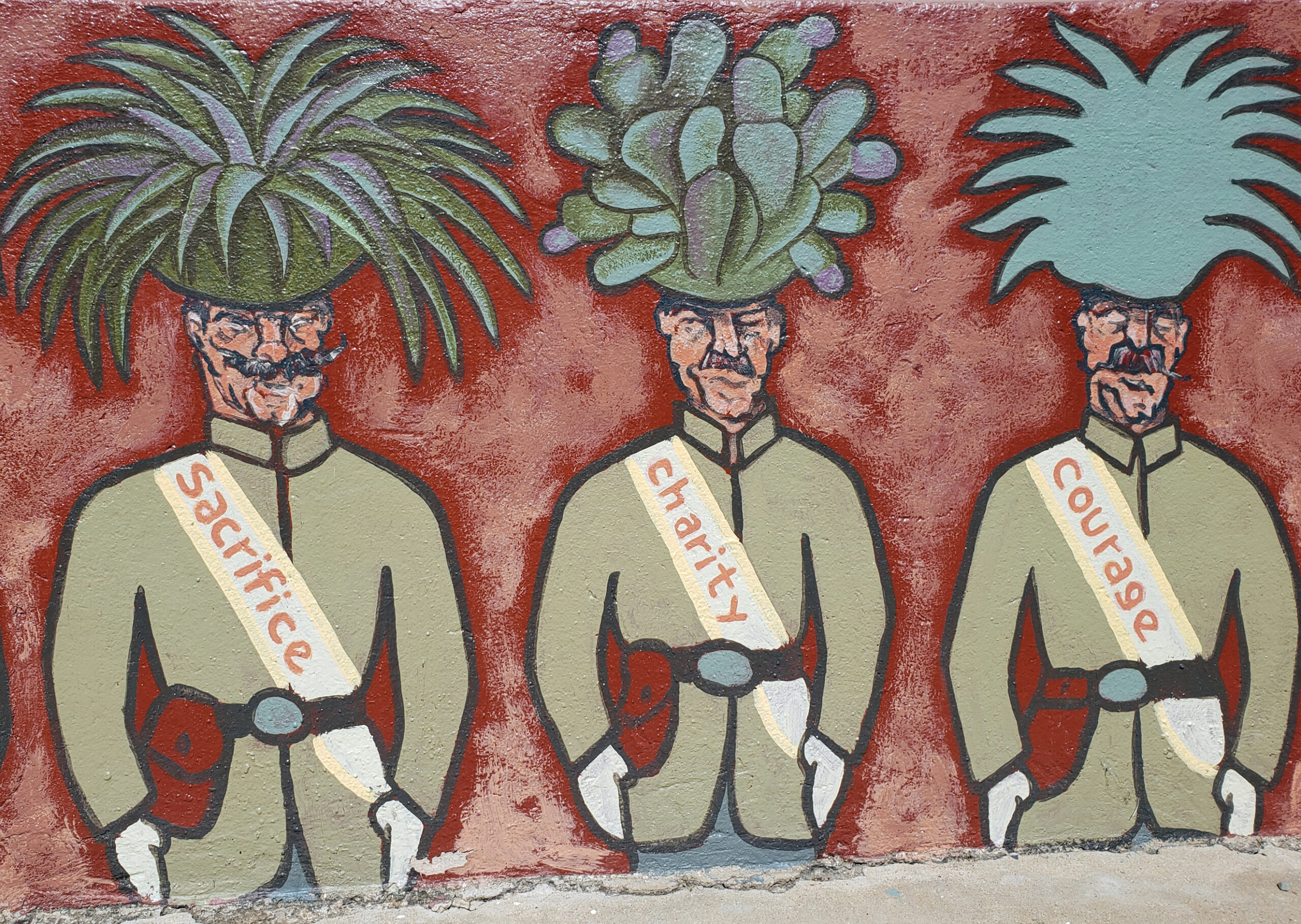
The Bisbee After Five Art Walk, a self-guided tour of galleries, stores, and restaurants in Old Bisbee takes place on the second Saturday of every month from 5 to 8 pm.

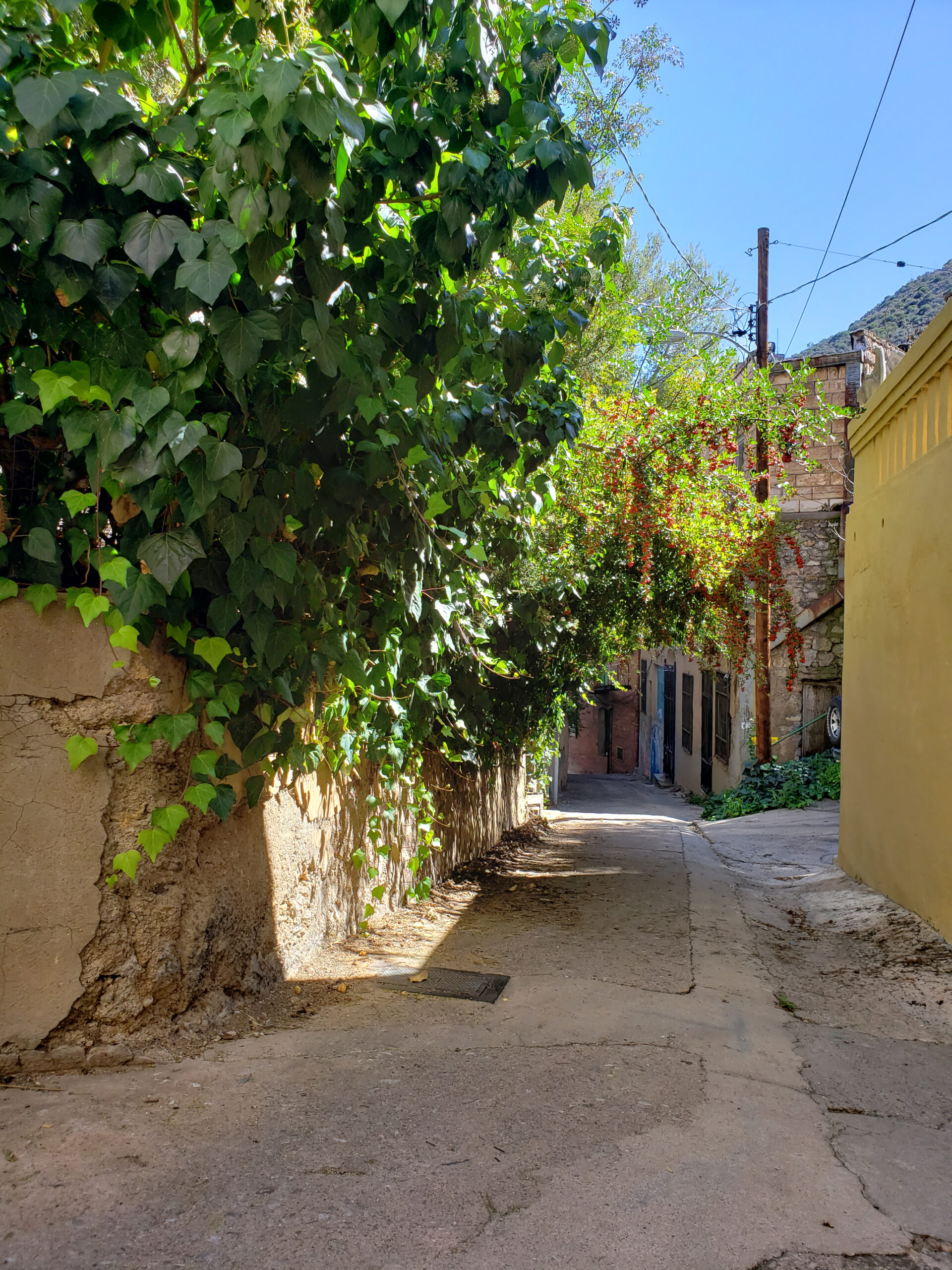
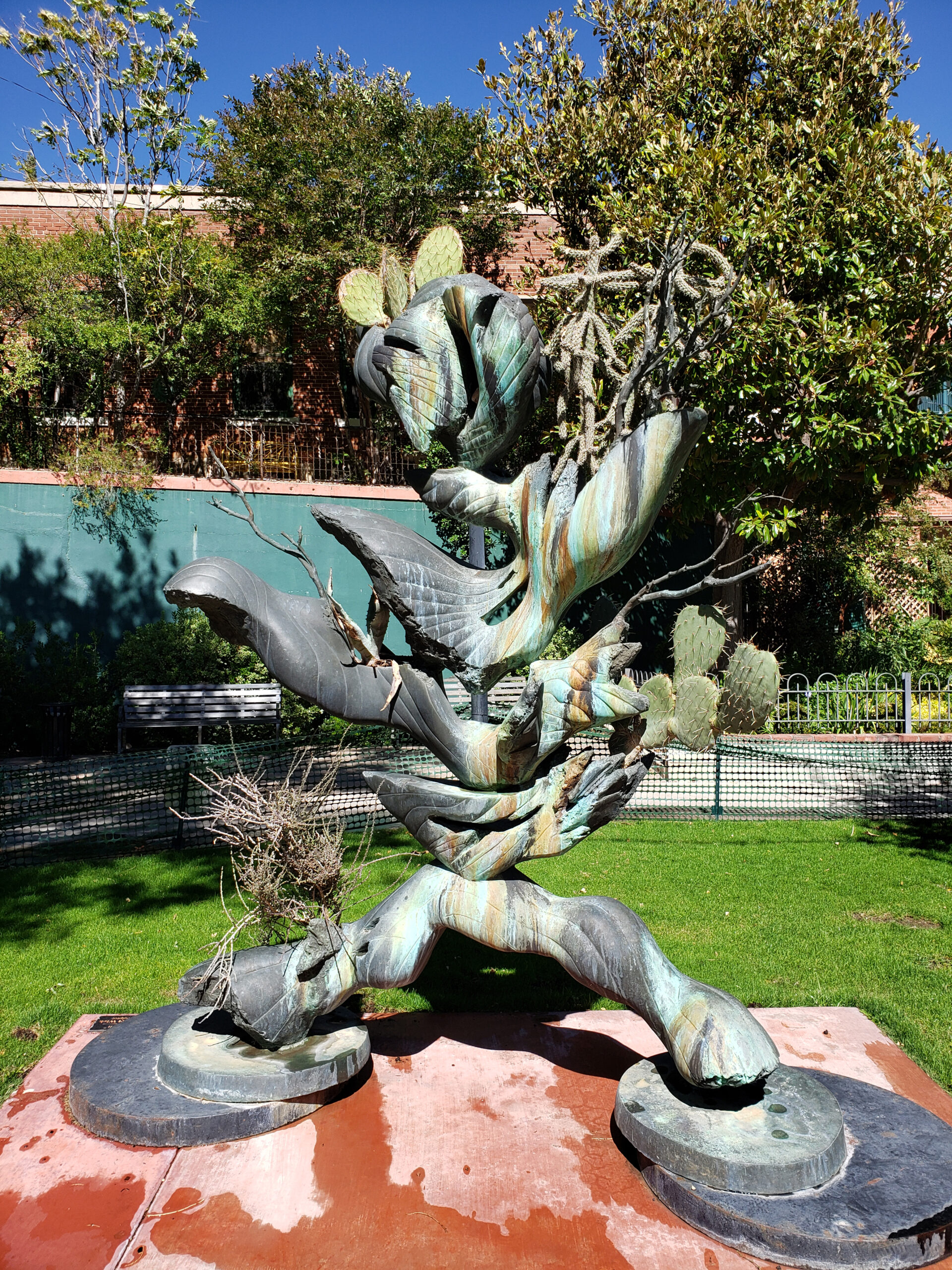
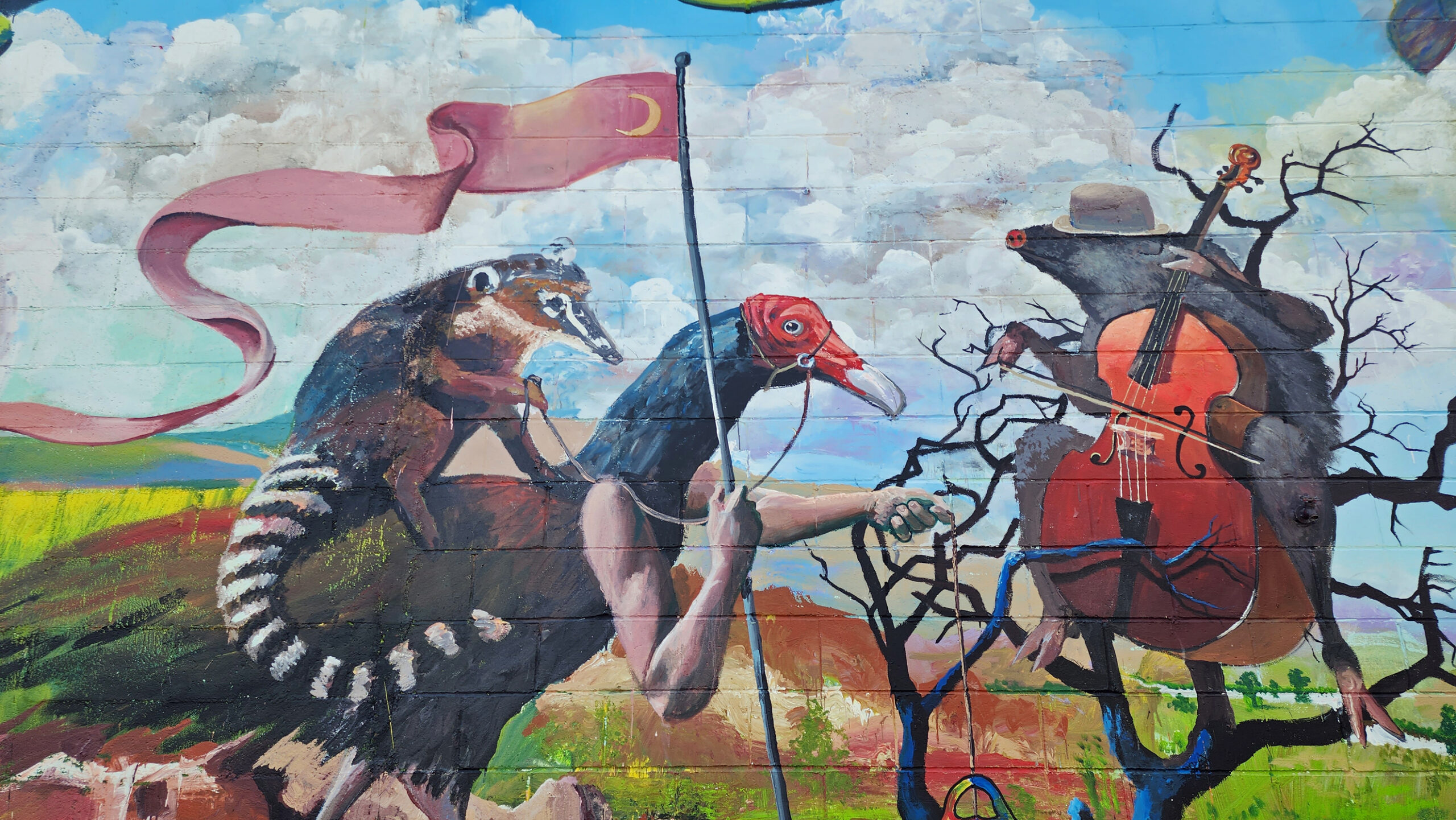
For me, one of the joys of visiting Bisbee is simply wandering around the town and taking in all of the often off-beat public art and artist’s studios that permeate the town. It seems like we find a new murals and other pieces of public art on every visit.
Food and Drink
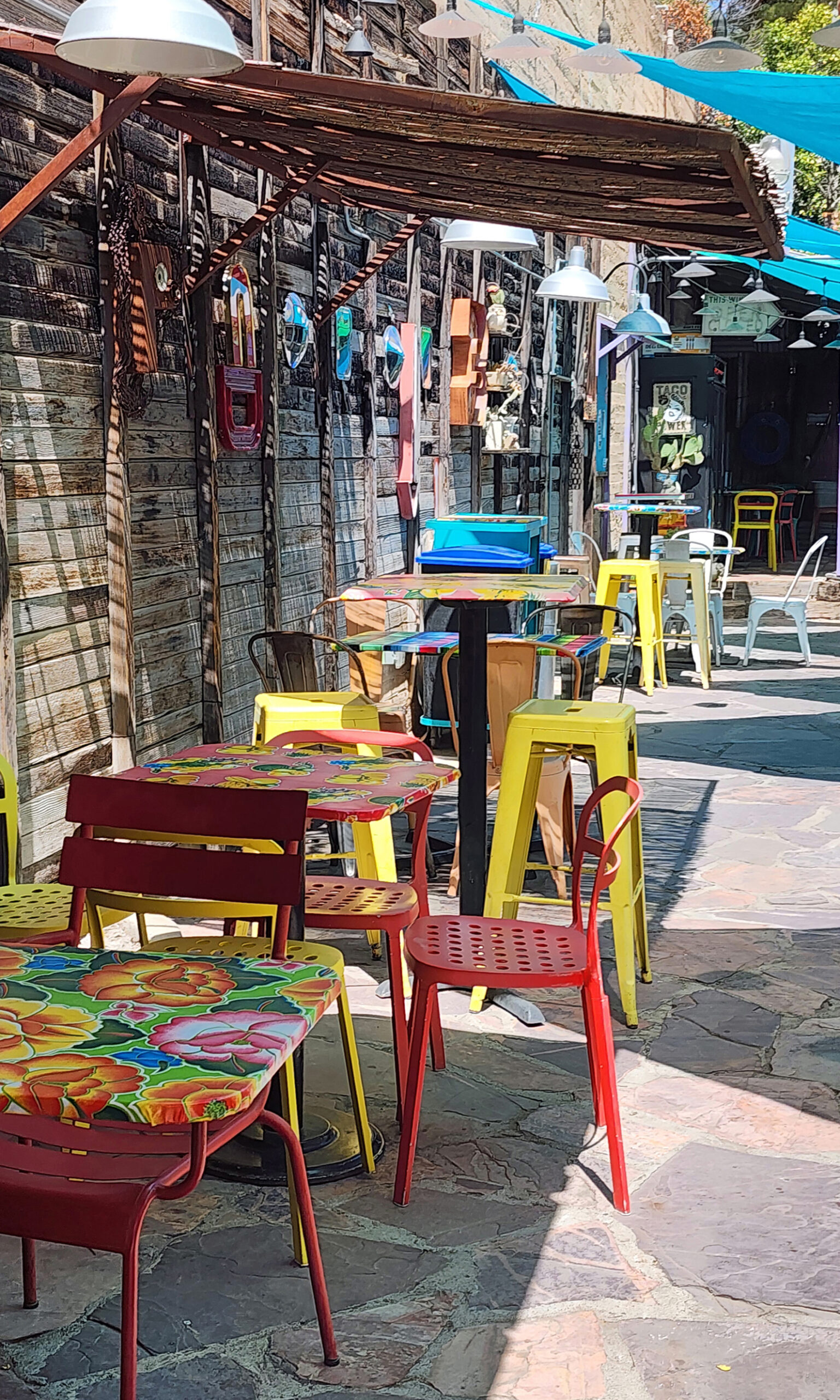
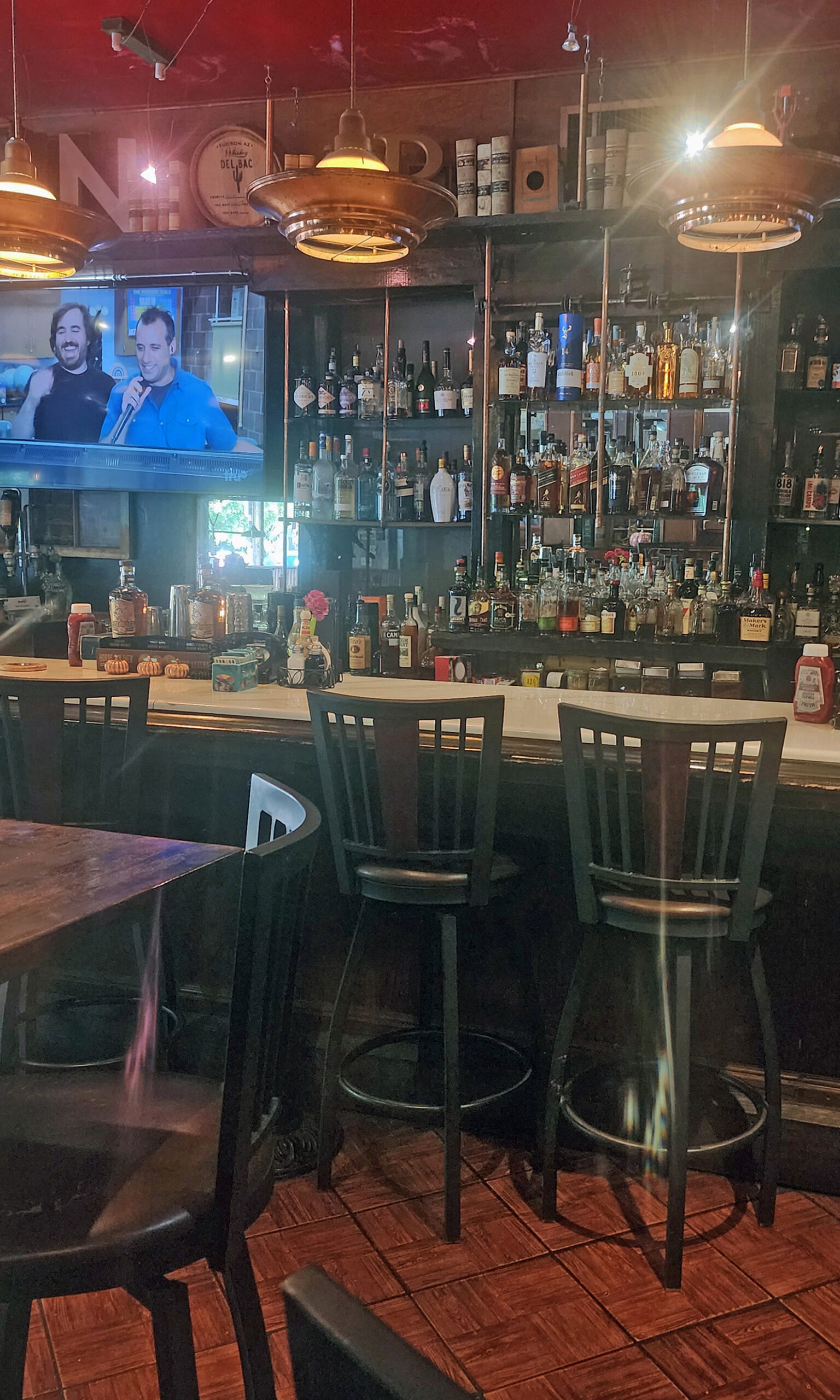
While the food and drink scene in Bisbee isn’t what draws people to the town, there’s no shortage of decent places to eat and quench your thirst. In Old Bisbee, Bisbee’s Table is a place we’ve dined at a number of times and can recommend. Another place is Le Cornucopia. If you’re a vegetarian or vegan or need gluten free food, you might want to try Bisbee Badassery. It’s also dog friendly. Poco Restaurant + Market’s Mexican inspired 100% vegan menu is another option. Another place to get great Mexican food is Taqueria Outlaw. Café Roka gets good reviews and offers a more upscale dining experience than most of the other restaurants in Old Bisbee. Legion Bar & Grill and Old Bisbee Brewing are two places that I can recommend for good beer and pub food.
Accommodations
My wife and I have only done day trips to Bisbee from Sierra Vista, so I can’t speak from personal experience, but there are a number of highly rated hotels in Bisbee. Among those are Letson Loft Hotel, Warner Hotel, El Dorado Suites Hotel, Copper City Inn, Canyon Rose Hotel, and The Oliver House. The Copper Queen Hotel doesn’t get great reviews, but it’s such an iconic attraction that it might be worth a stay. Sierra Vista offers many other hotels and motels (try the Comfort Inn & Suites on Fry Boulevard). And, of course, there are numerous B&Bs in both Bisbee and Sierra Vista to choose from.
Other Area Attractions
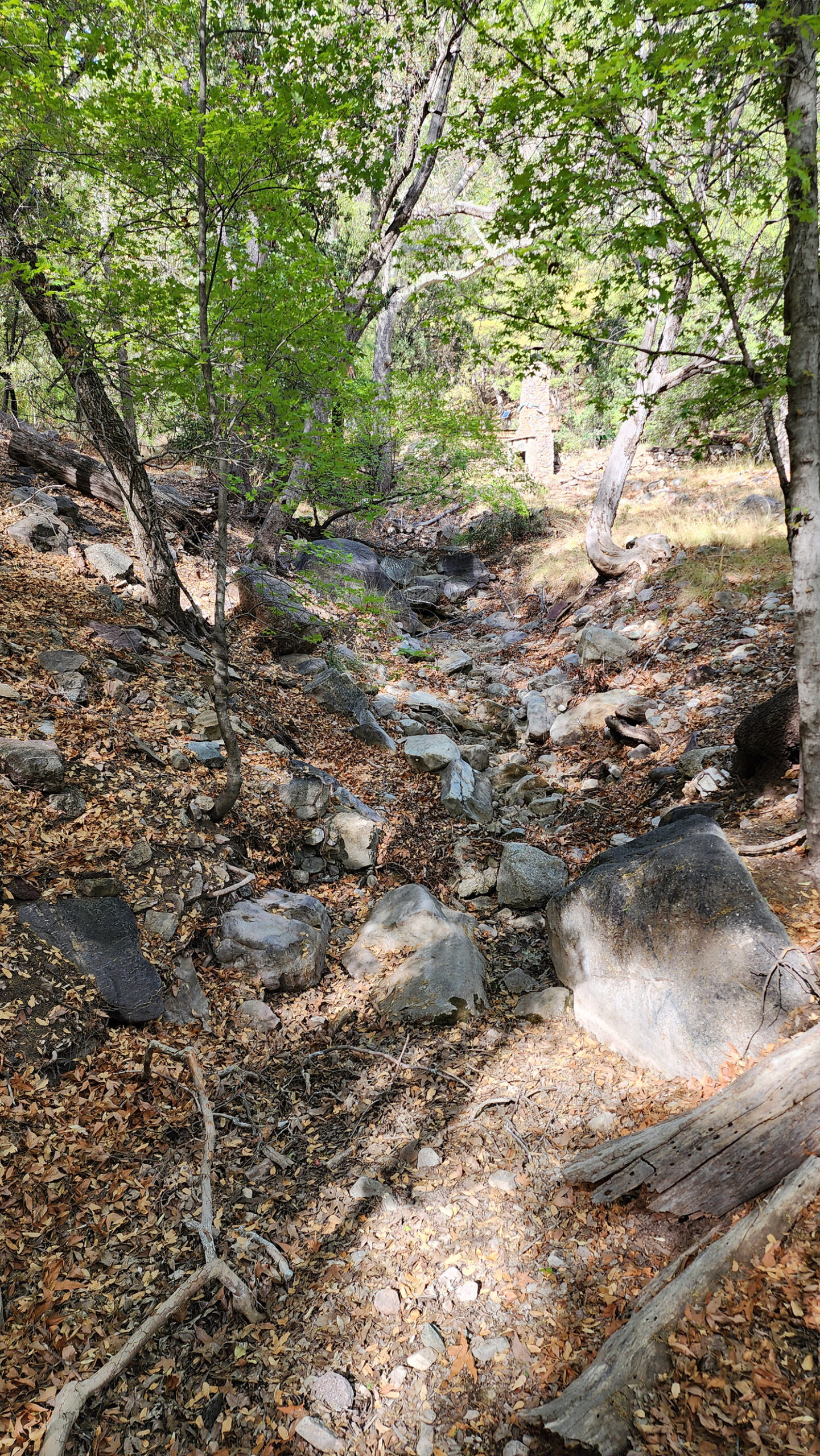
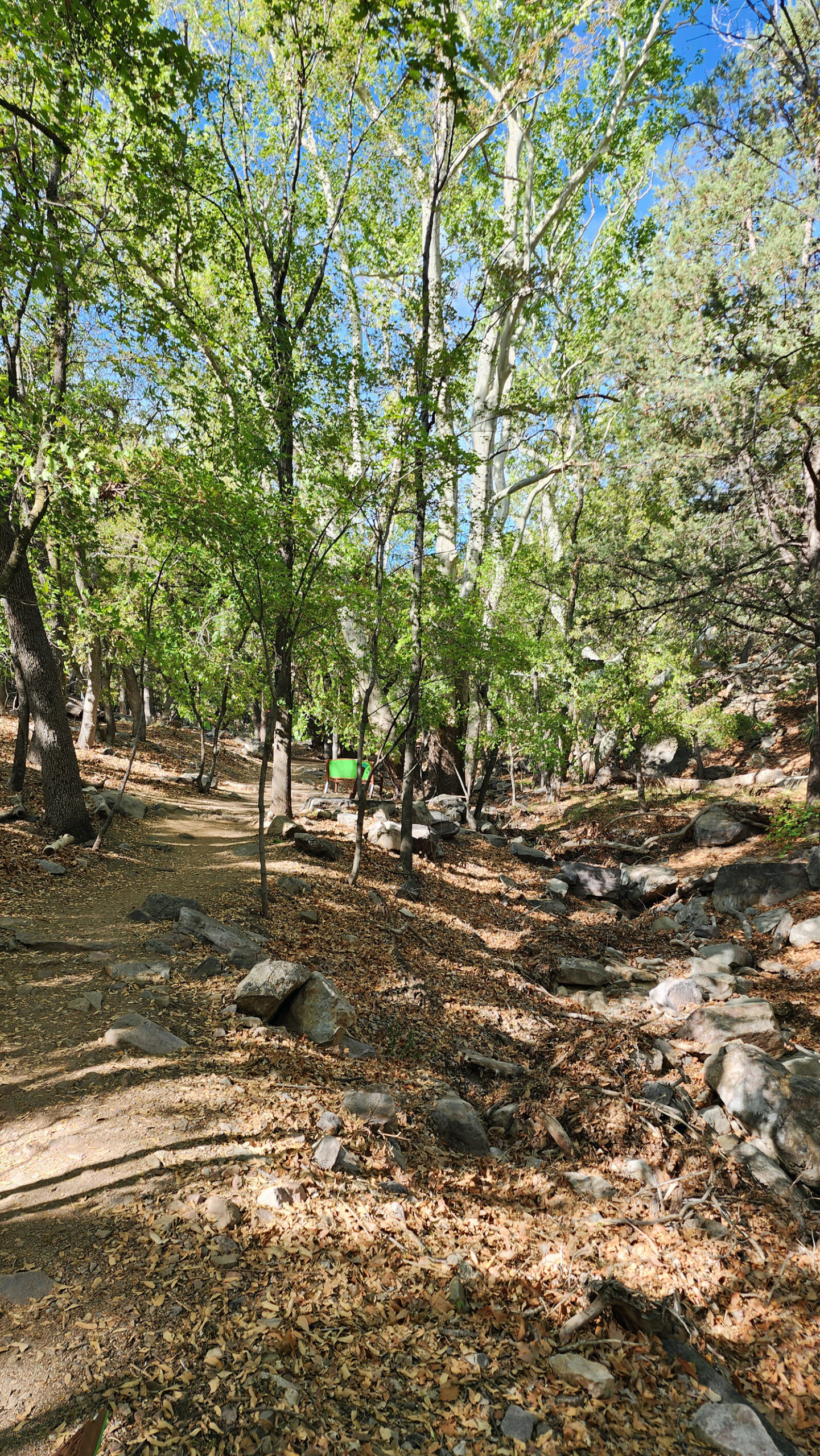
Bisbee is surrounded by abundant natural and cultural attractions. Jeep tours of the surrounding Mule Mountains are popular. Another mountain range, the Huachuca Mountains, west and southwest of Sierra Vista, offer outdoor enthusiasts a variety of hiking and sightseeing options. My wife and I took a short hike at the Nature Conservancy’s Ramsey Canyon Preserve on our most recent visit.
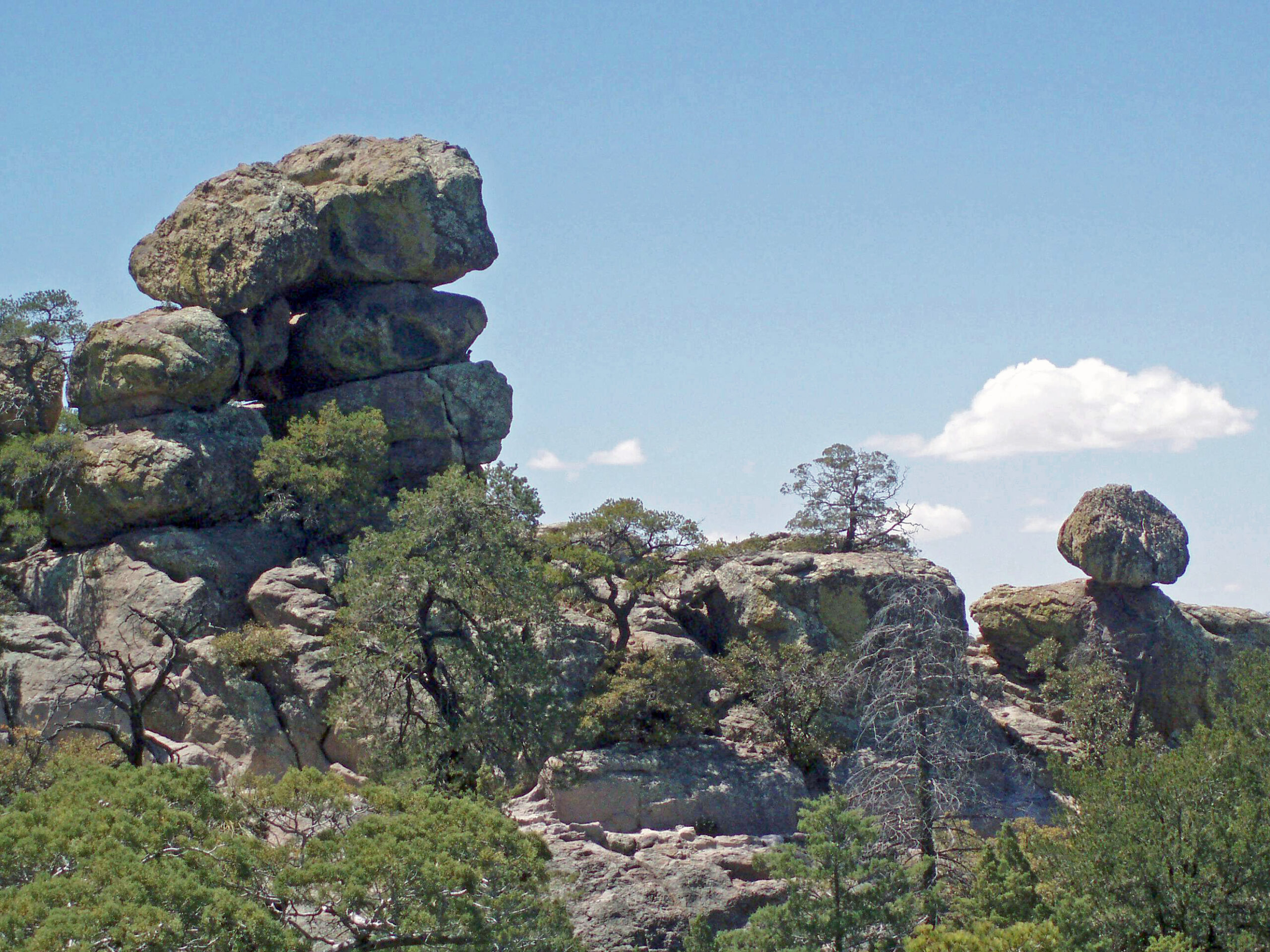
A little farther afield, Chiricahua National Monument, about an hour’s drive from Bisbee, is a spectacular collection of rock formations well worth a visit if you have the time. Karchner Caverns, about twenty miles north of Sierra Vista is also well worth a visit. Park rangers give guided tours of the caverns several times a day.
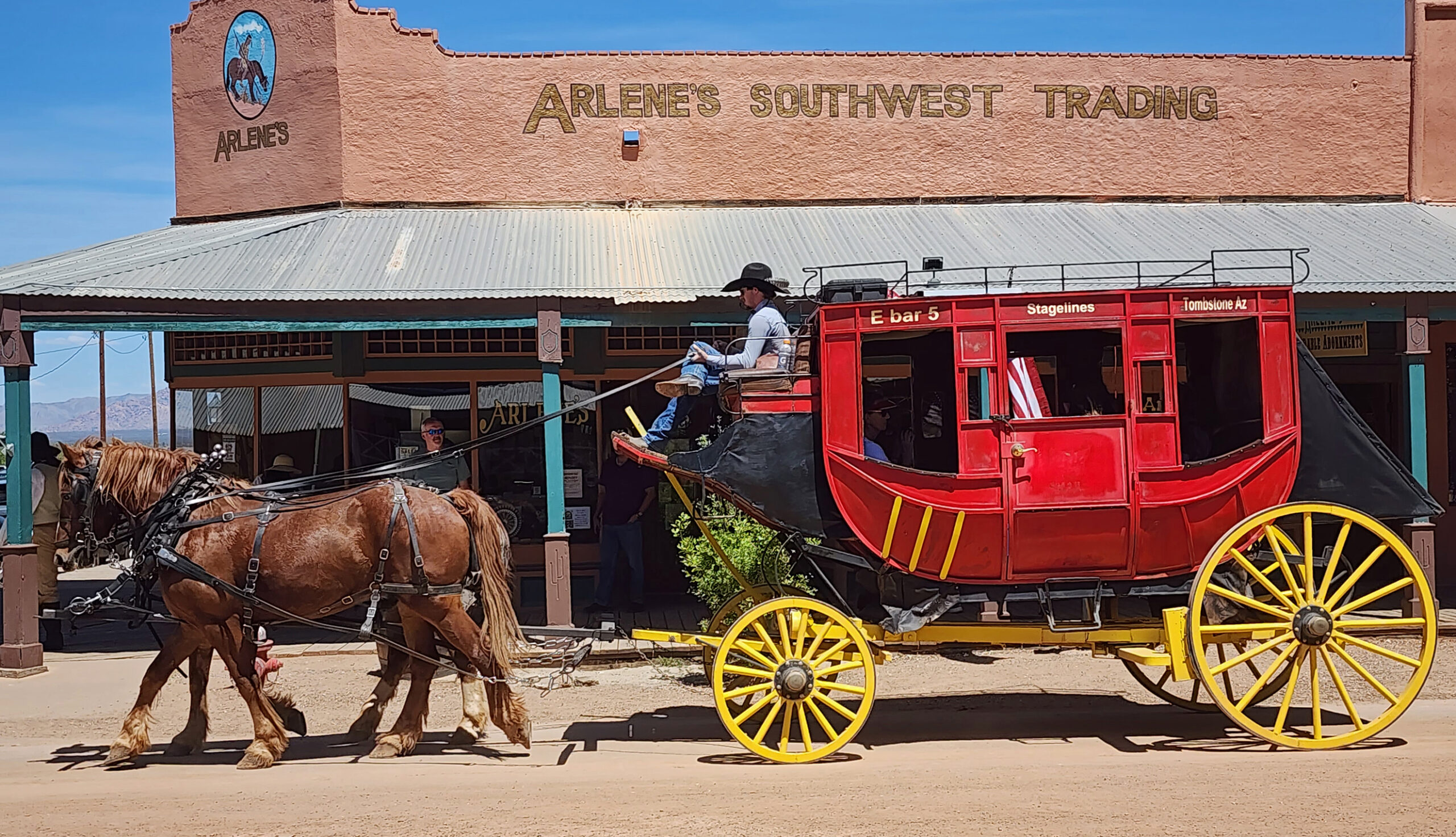
And, about 25 miles north of Bisbee, the wild west town of Tombstone draws thousands of tourists every week. You can visit the O.K. Corral and watch reenactments of the famous gunfight between the Earps (with Doc Holliday) and the Clantons, and visit the Boot Hill Cemetery. The whole town is a bit of a tourist trap, but interesting enough and close enough to Bisbee to make a visit worthwhile.
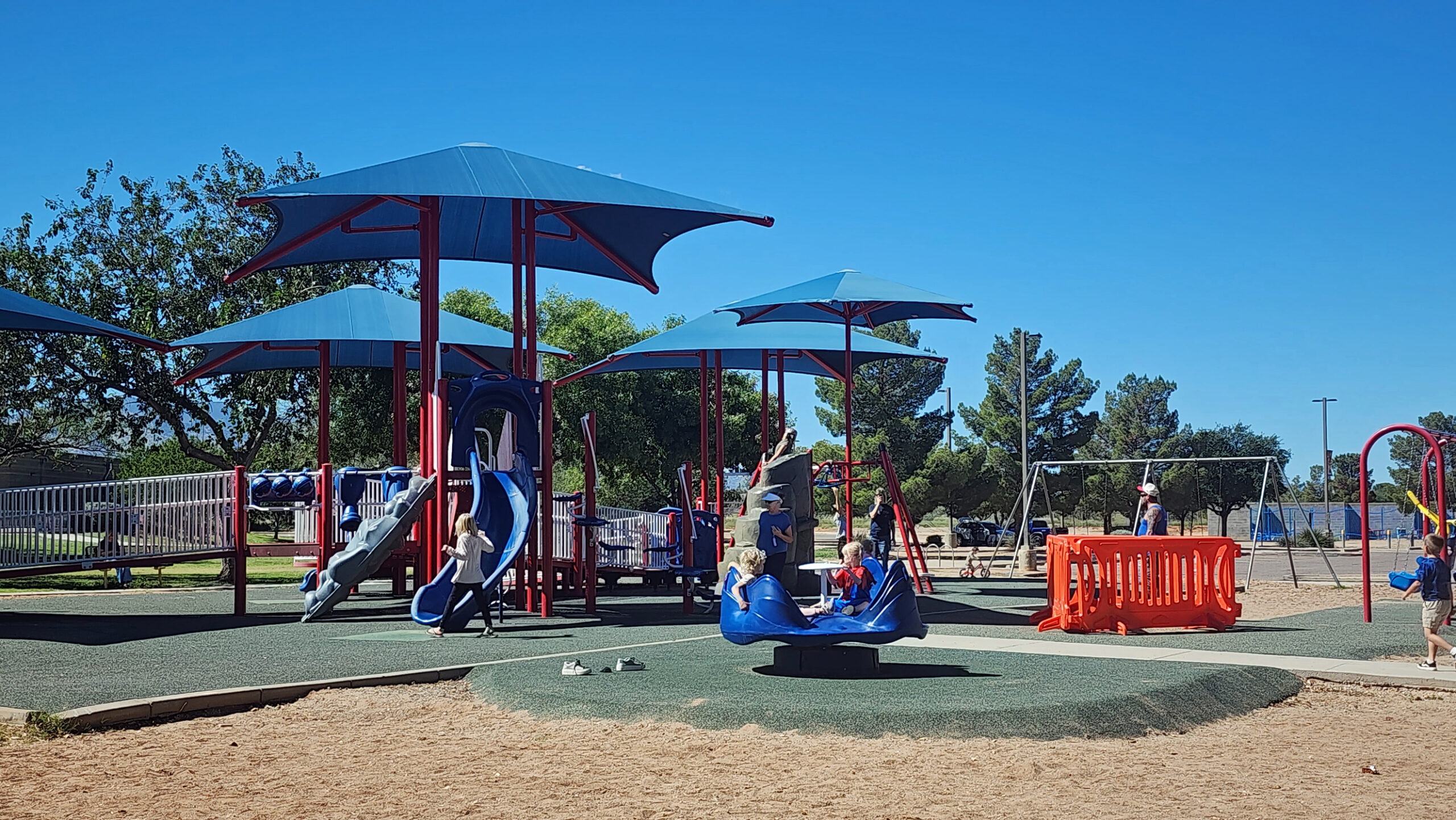
Sierra Vista, home to the large Fort Huachuca army base, is a good place to base explorations of the area, but doesn’t offer much in the way of attractions of its own.
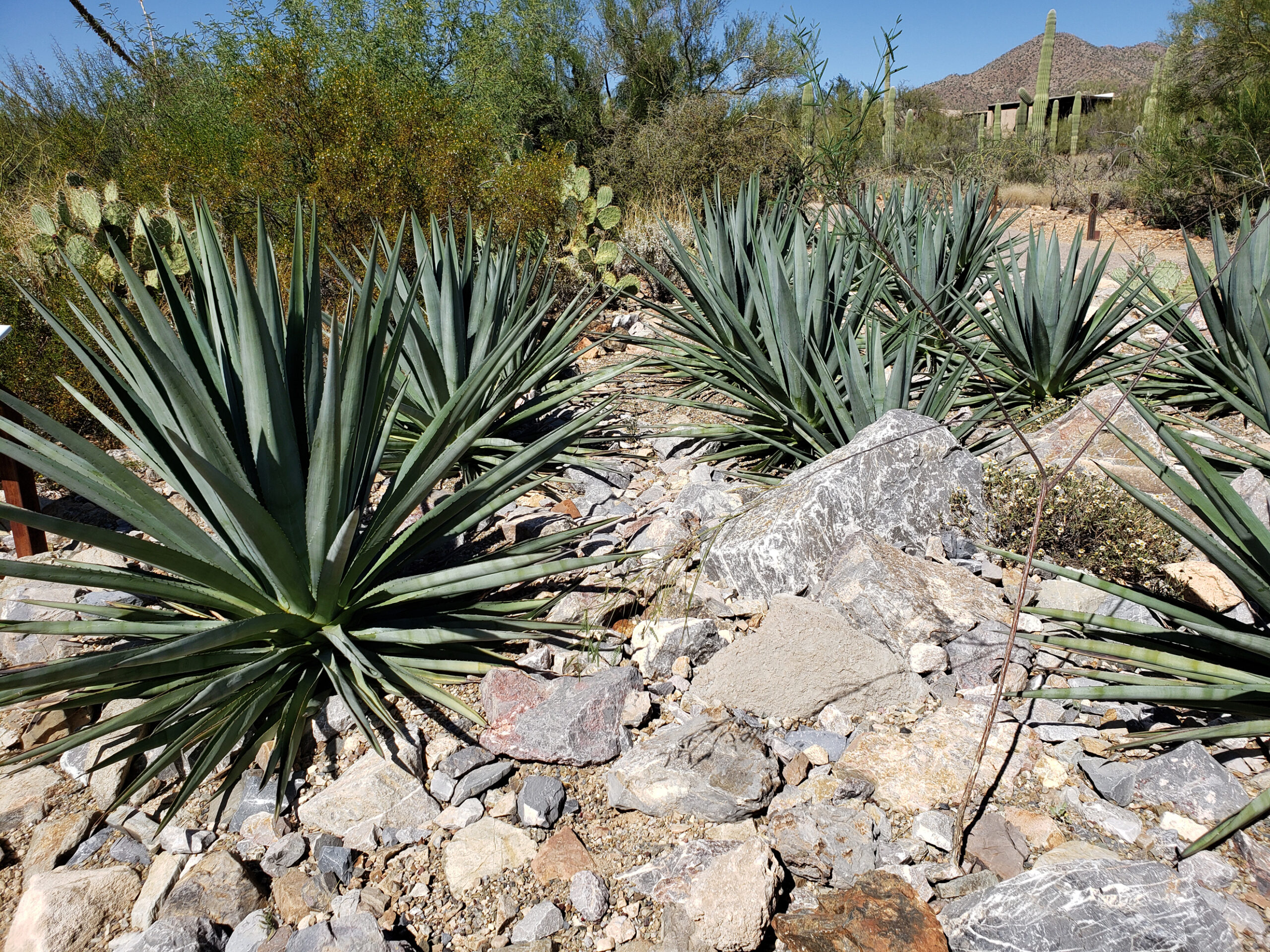
While my wife and I have not spent much time in the city of Tucson, about 90 miles northwest of Bisbee, we can recommend several nearby attractions that we have visited, some multiple times.
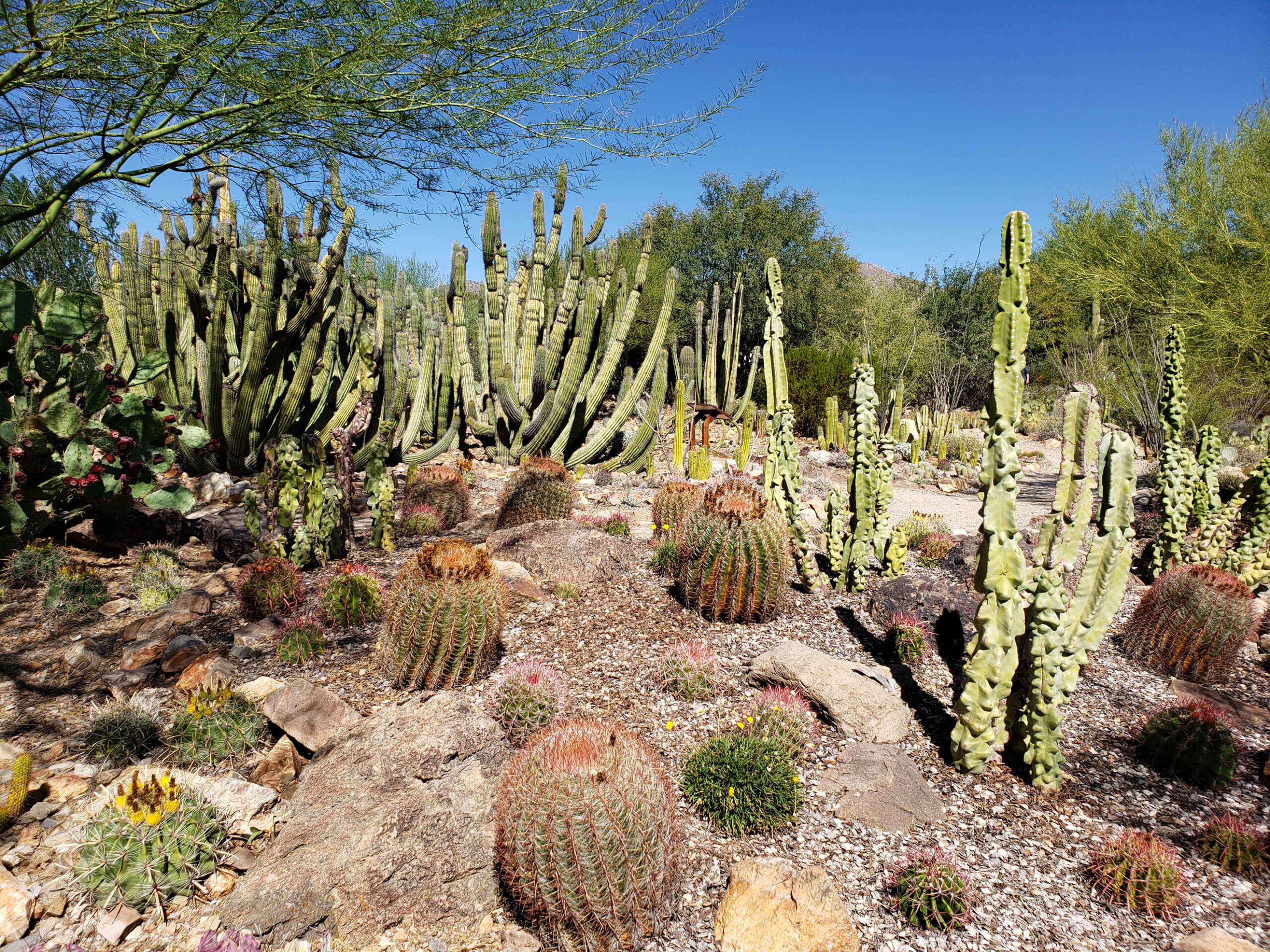
There are two units of Saguaro National Park near Tucson, one just east of the city and one just west. Near the west unit of Saguaro National Park, the Arizona-Sonora Desert Museum is one of my favorite places in Arizona.
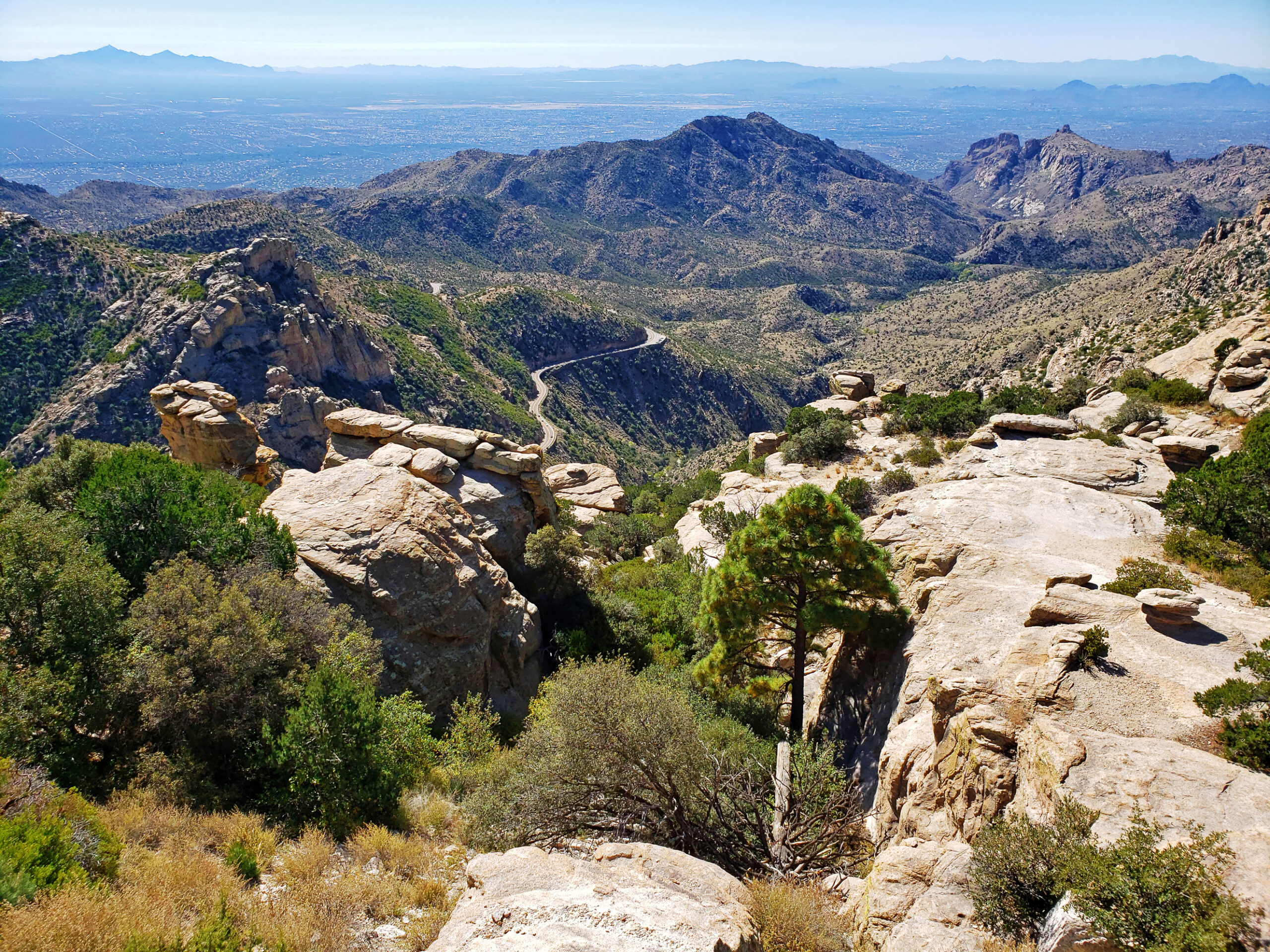
And you may be surprised to learn, as I was, that the Tucson area boasts a local ski area. At an elevation of more than 9000 feet, Mount Lemmon rises 6500 vertical feet above the city and is home to the Mount Lemmon Sky Center Observatory and the small community of Summerhaven, as well as Mount Lemmon Ski Valley. A paved road leads to the summit area with a number of spectacular viewpoints looking down on the city and to the Sonora Desert beyond. There are also many trailheads along the roadway that offer a variety of hiking trails.
Conclusion
Bisbee is often described as quirky and charming, which it certainly is. That, combined with its unique history, contemporary arts scene, distinctive architecture, beautiful mountain environment, and great weather, makes Bisbee a unique and memorable destination worth every bit of the effort it takes to get there. Spring and fall are probably the best times to visit, but I don’t think there is a bad time. At an elevation of more than 5000 feet, it’s still hot in the summer, but considerably cooler than Phoenix. It can get cold in the winter because of the elevation, but cold is a relative term here. This is Arizona, after all.
Posted July 12, 2026
All photos © Alan K. Lee, except as noted

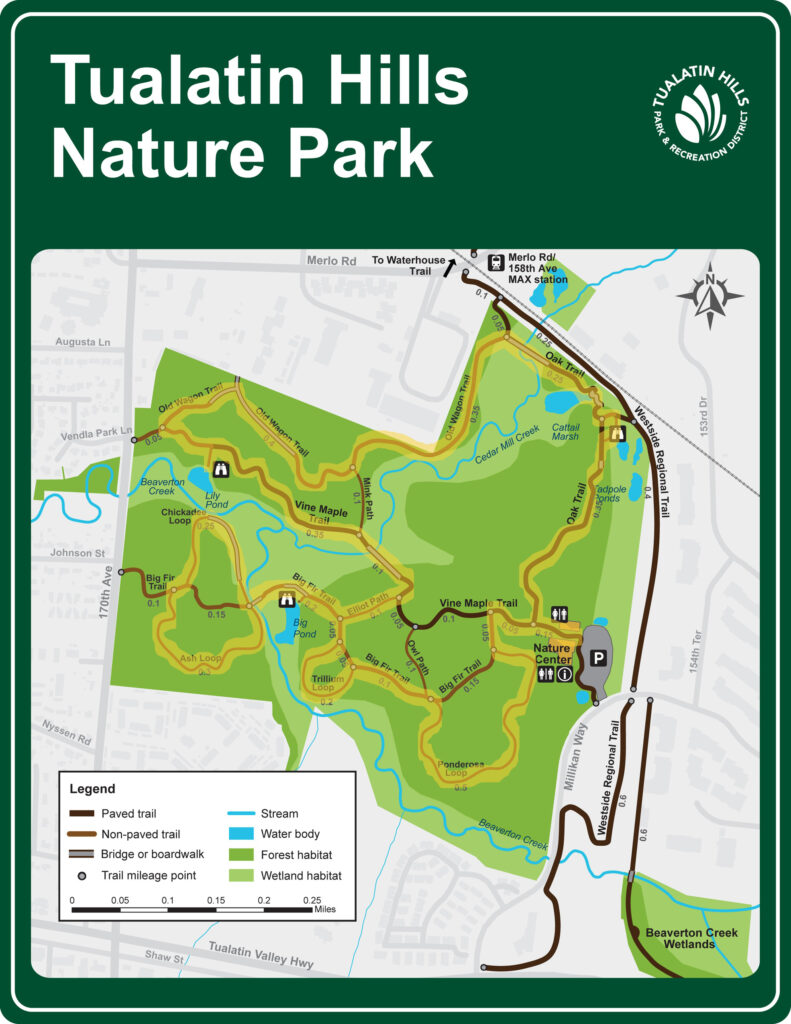
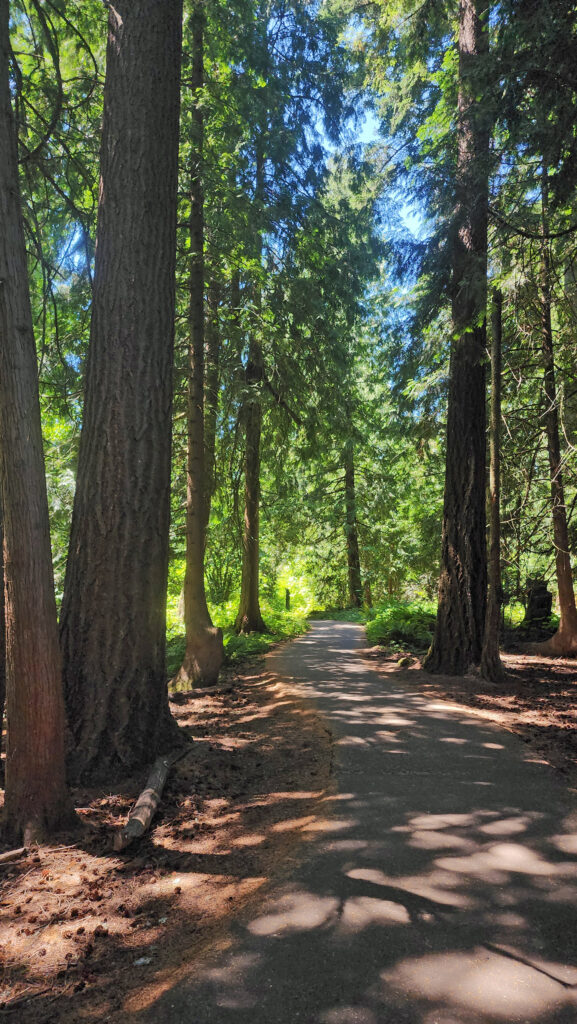
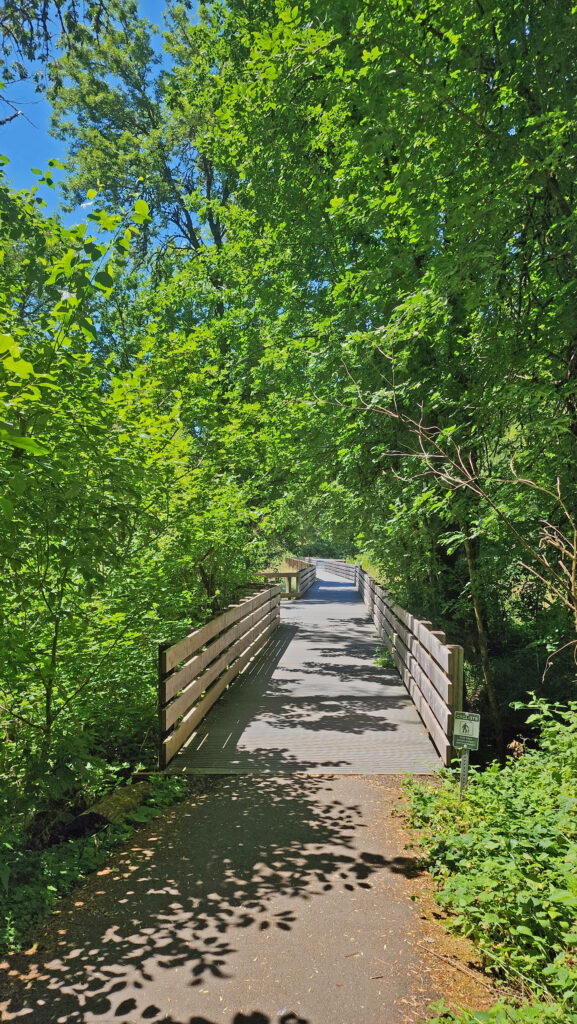
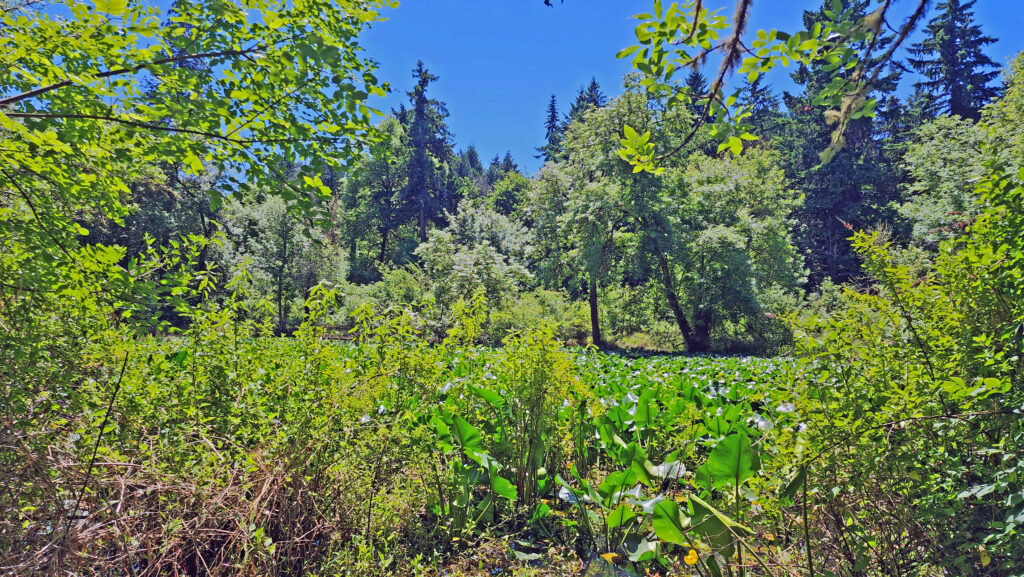

 Introduction:
 The Park: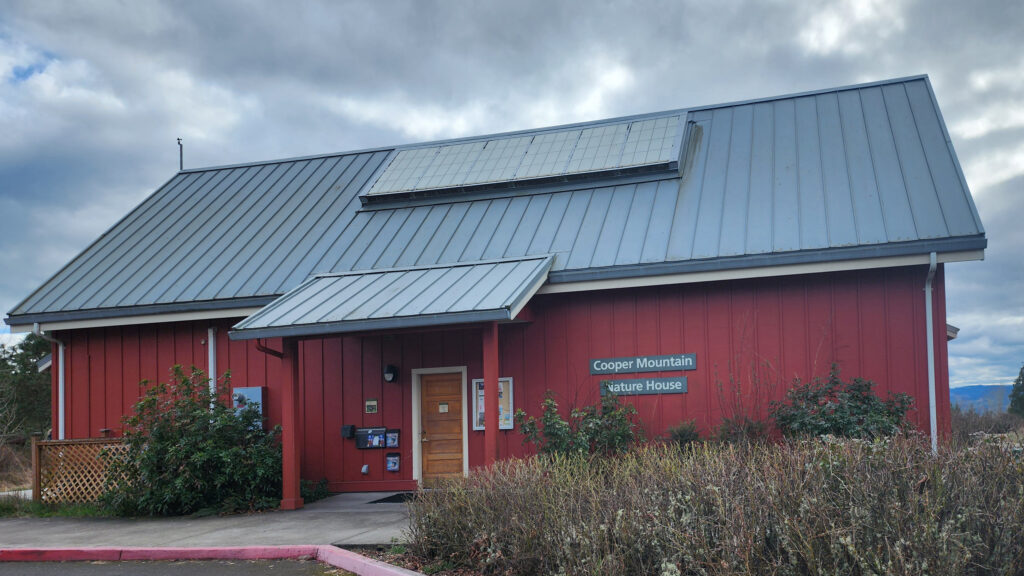
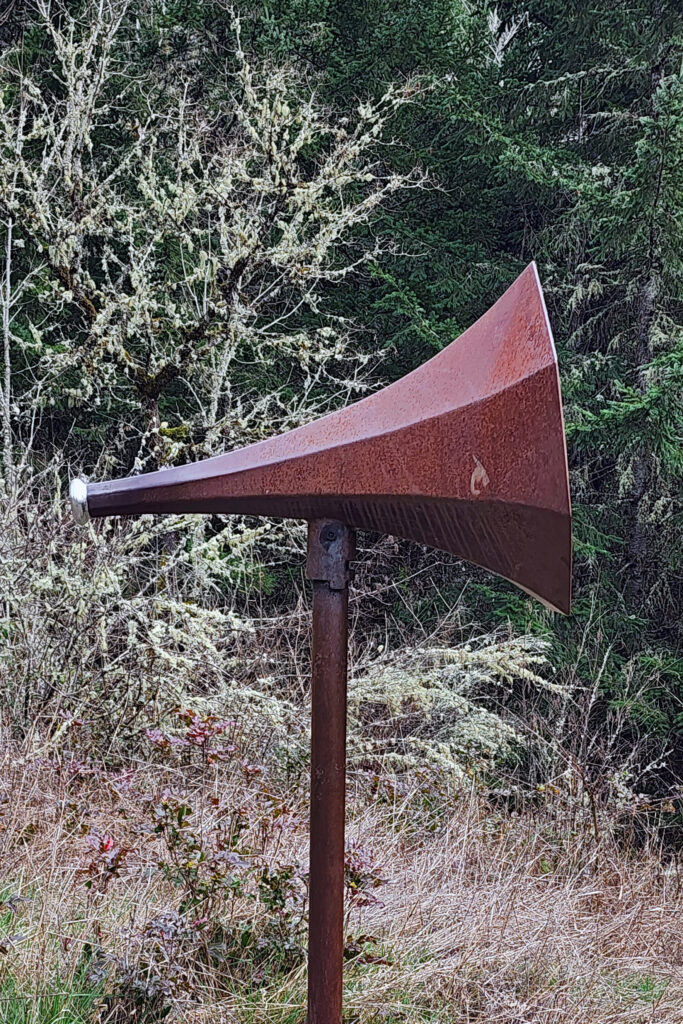
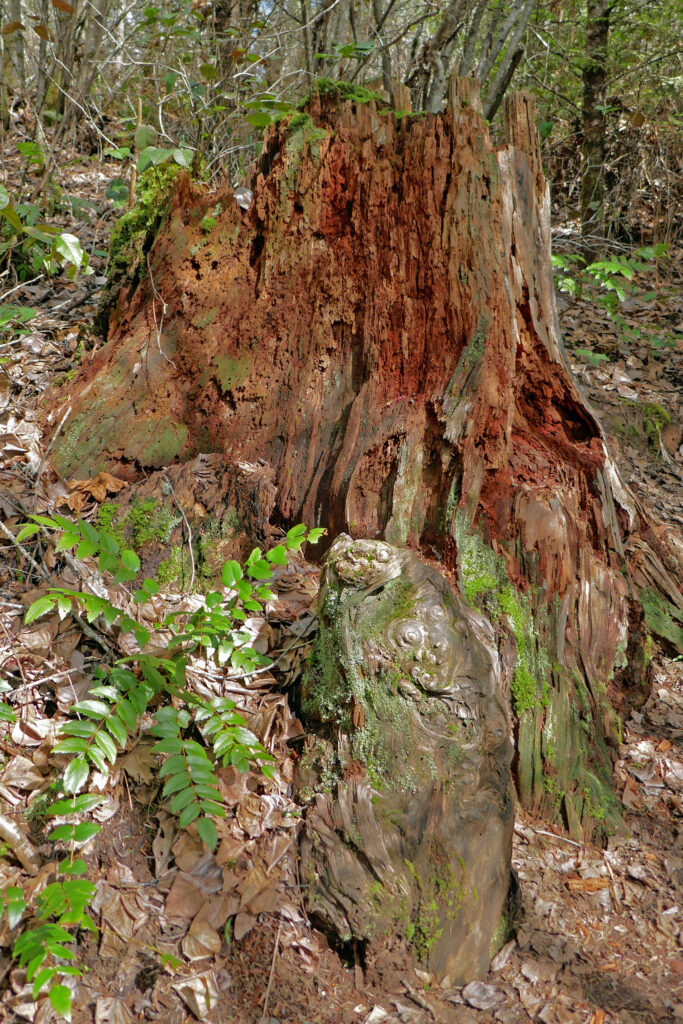
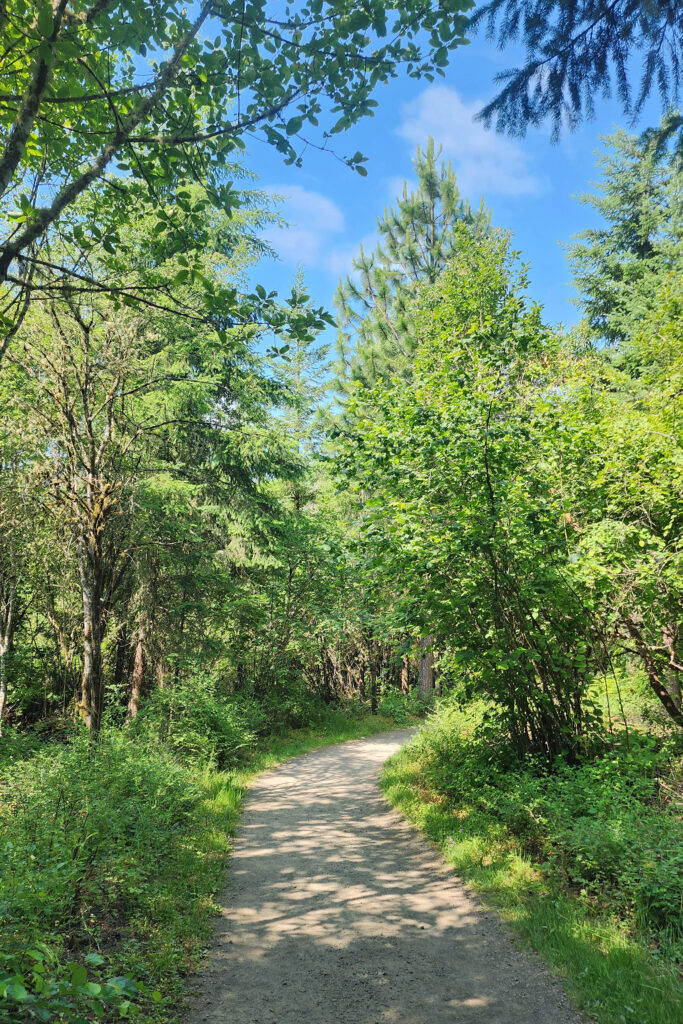
 The Hike: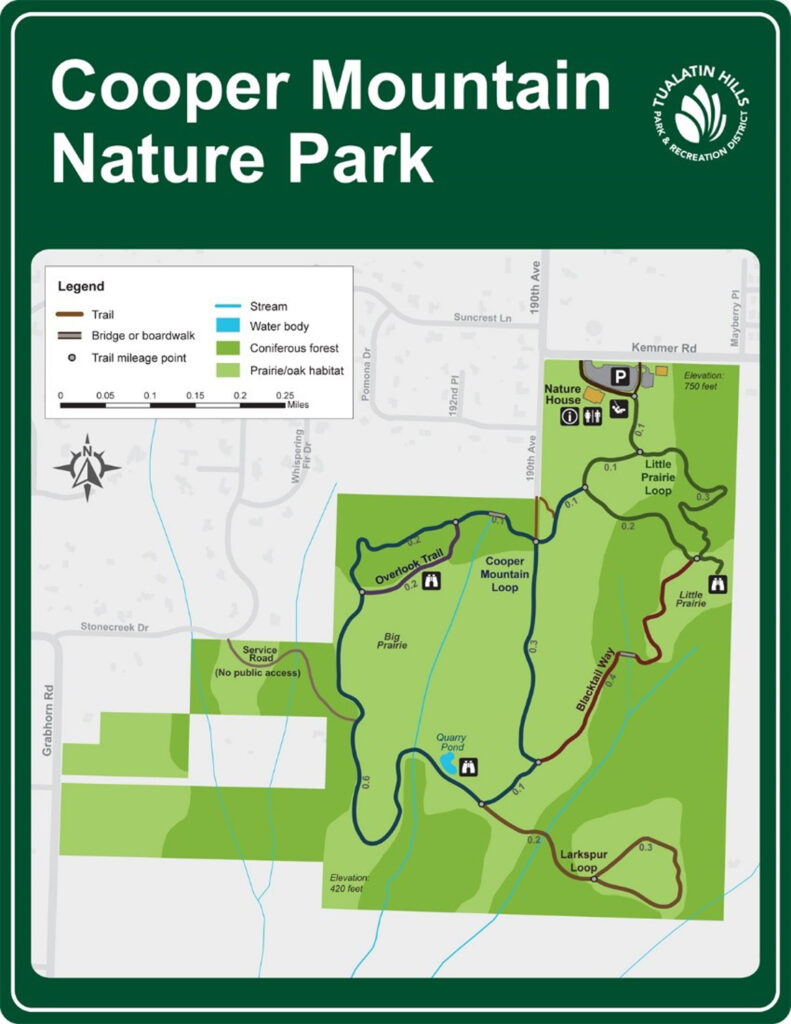
 Trailhead:
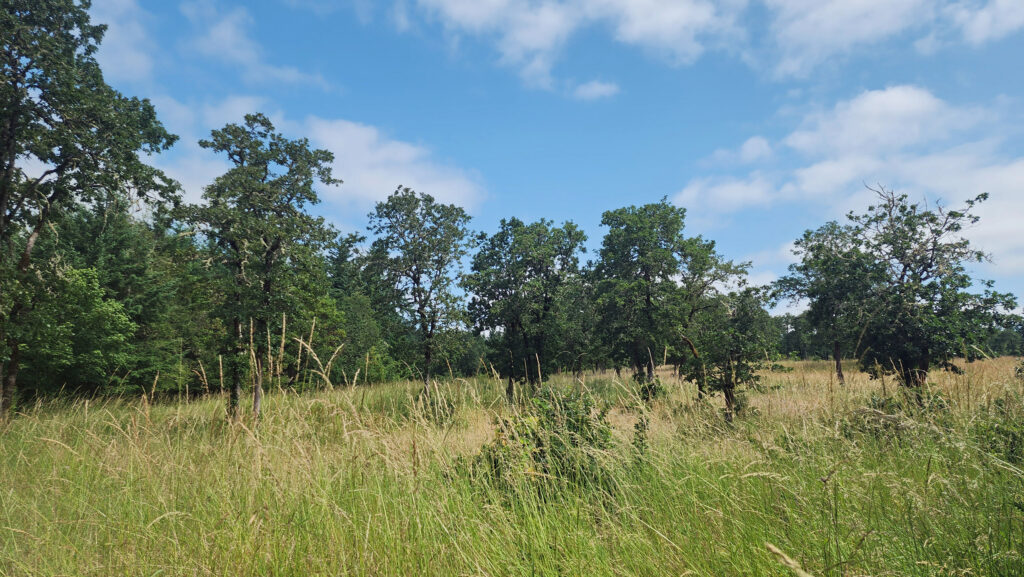 The hike: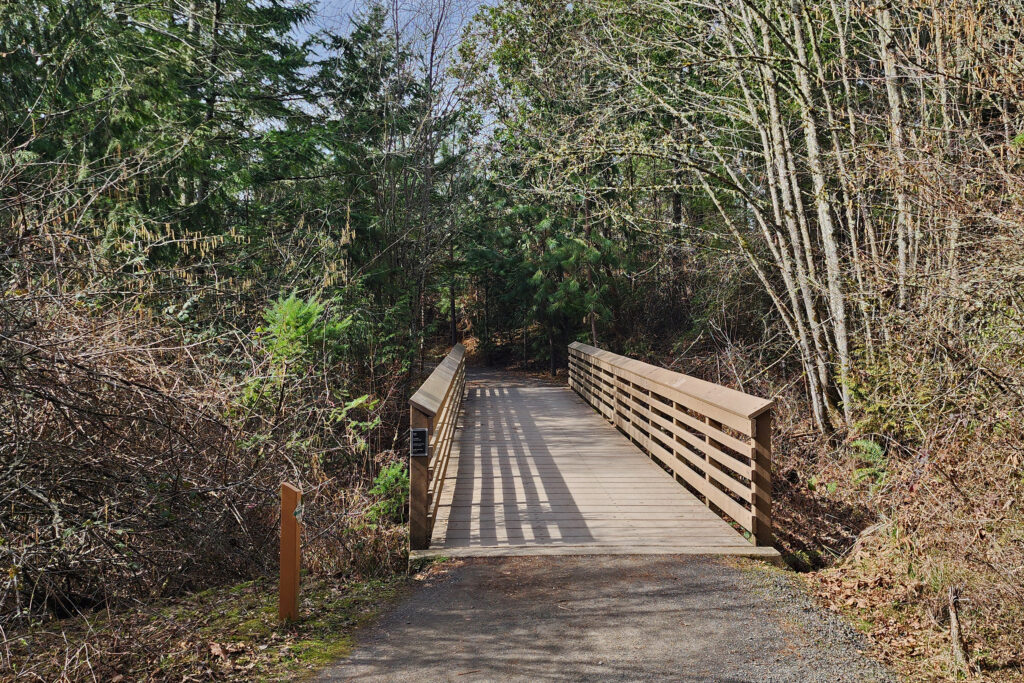
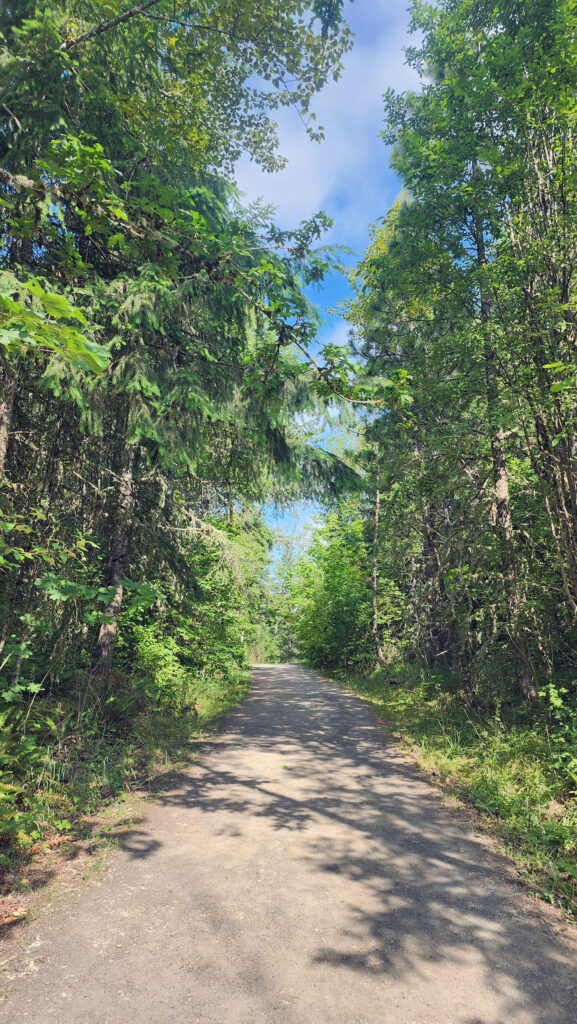
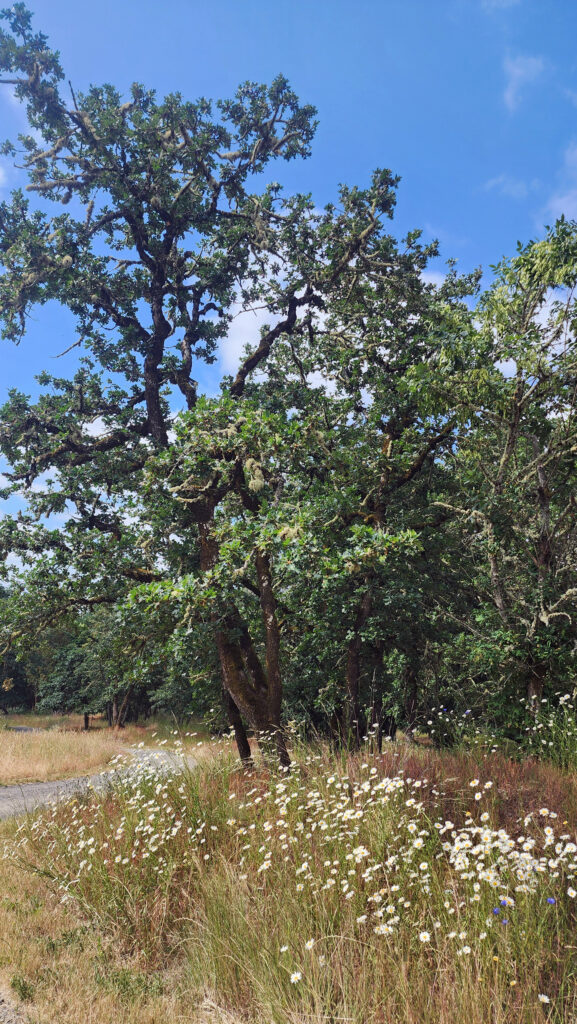
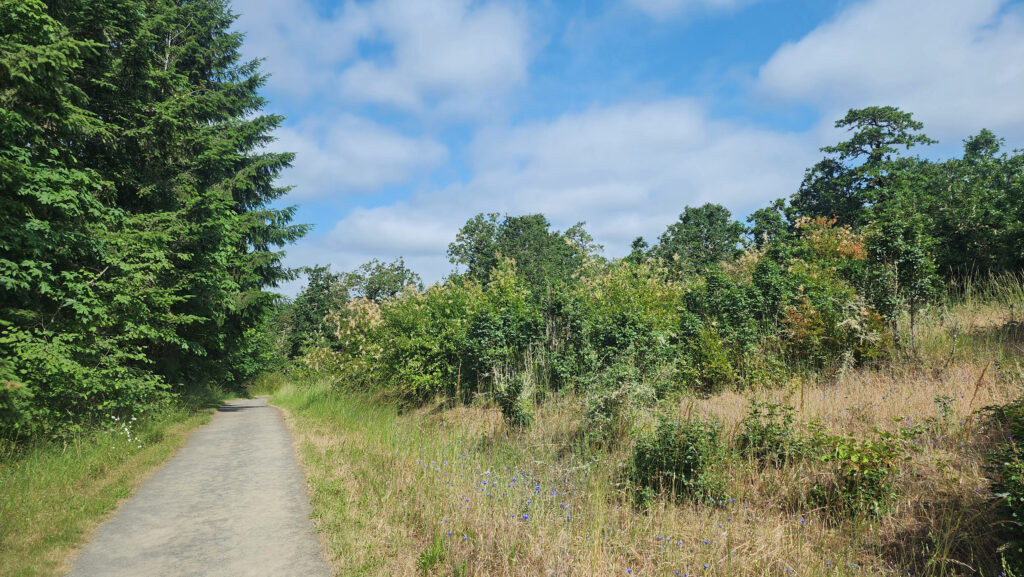 At the next junction, turn right onto Blacktail Way, which climbs, steeply in places, for half a mile to the next junction. Here there is a short trail to the right to a viewpoint. Back at the junction, turn right onto Little Prairie Loop and follow it through the forest and back to the trailhead.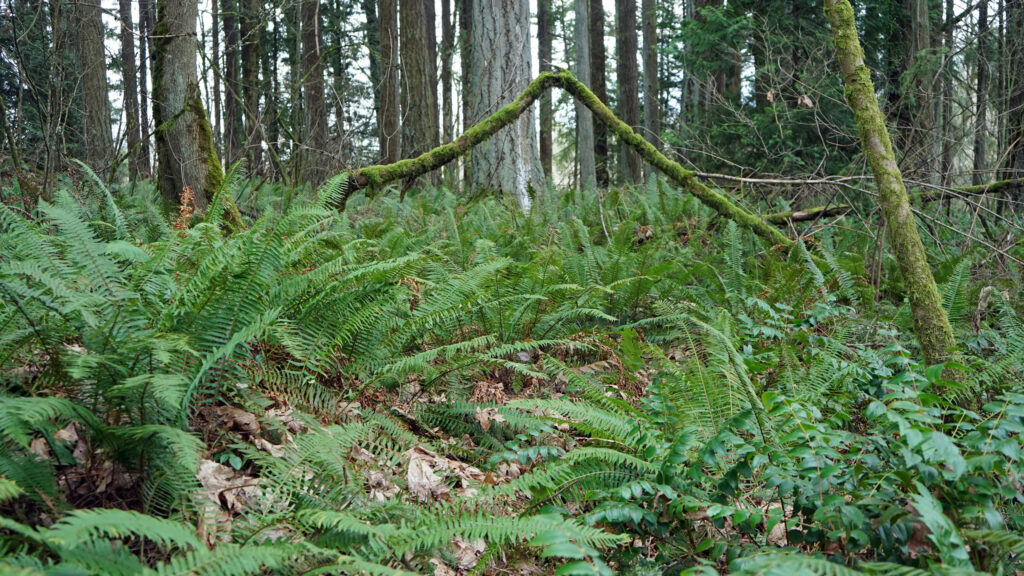
 Posted May 2, 2025. Updated with new photos June 16, 2025.


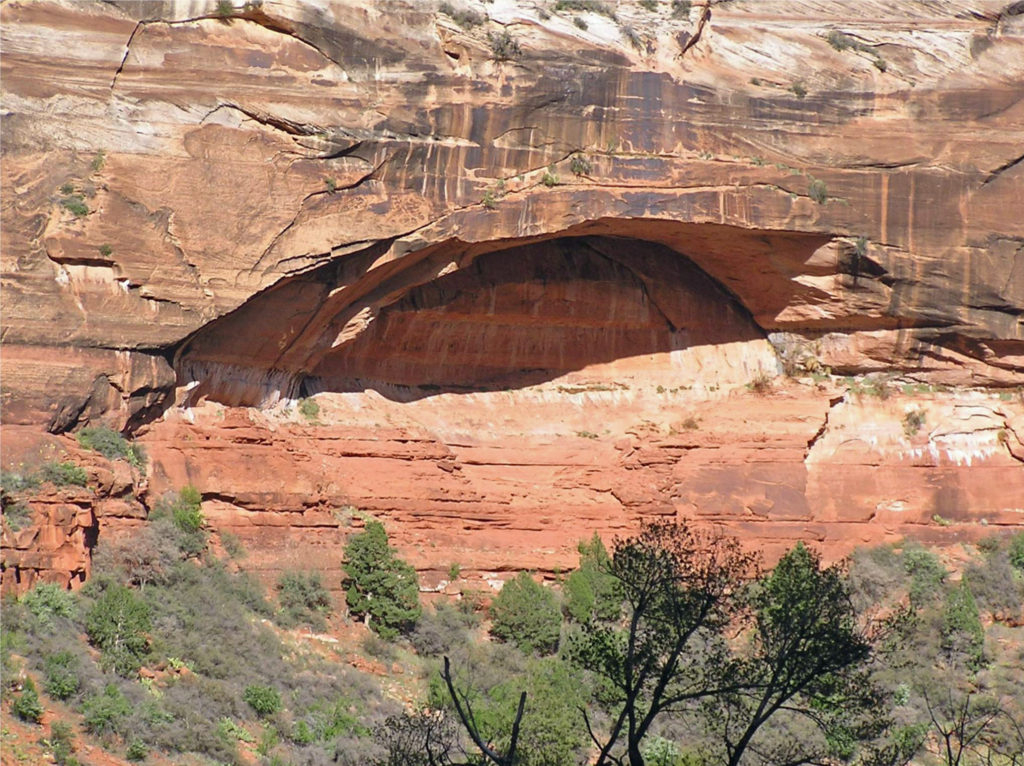
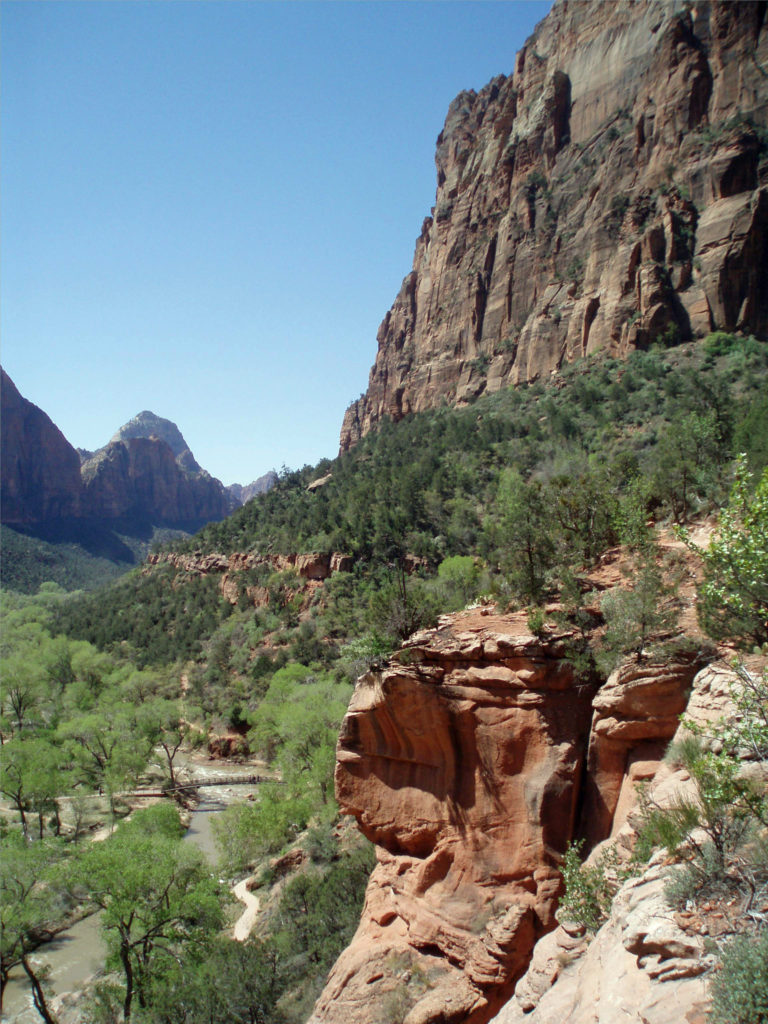 Bicycling is permitted on all park roadways and on the Pa’rus Trail. All other park trails, off-trail routes, and the Zion-Mount Carmel Tunnel are closed to bikes. There are a number of places in Springdale where you can rent bikes and there are also numerous companies offering bicycle tours of Zion. Biking the canyon is a good alternative to riding the shuttle. From the Zion Canyon Visitor Center to the Temple of Sinawava at the end of the Zion Canyon Scenic Drive is about eight miles, with a few moderate hills along the way.
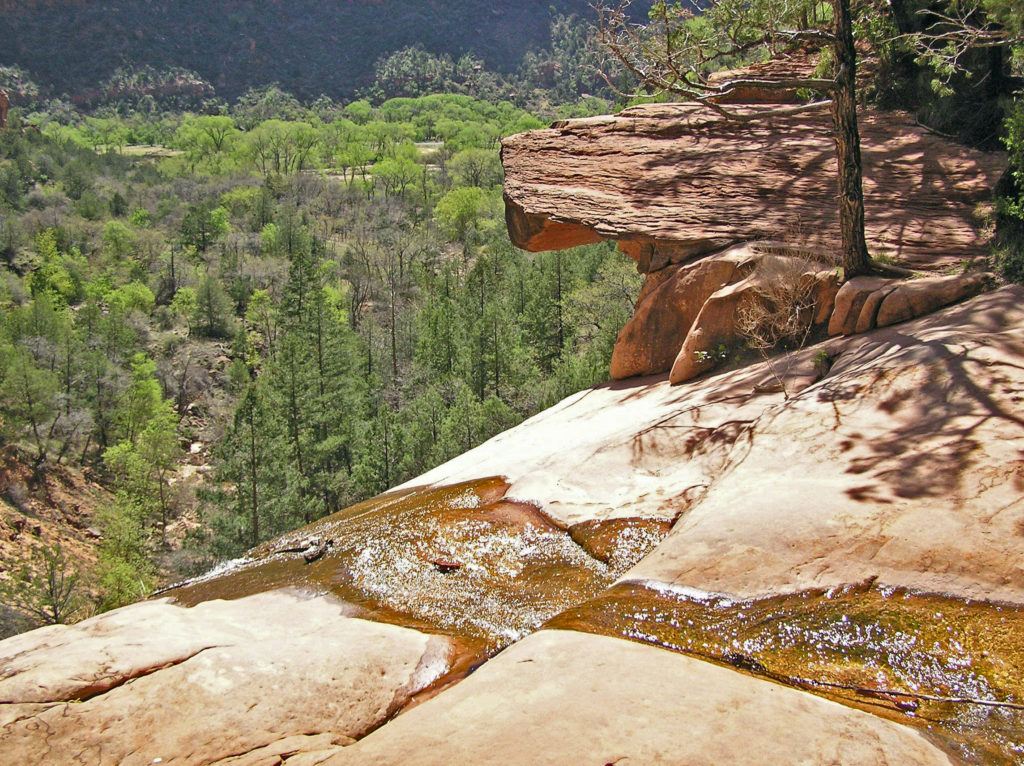 If you drive an electric vehicle, two charging stations are located within Zion National Park, one at the Zion Canyon Visitor Center and the other at the Kolob Canyons Visitor Center in the north end of the park. You can purchase a $5 pass code at the Zion Canyon Visitor Center that is valid for three days at either of the park’s charging stations. In Springdale, there are three Tesla charging stations (as well as others in nearby communities). Electrify America stations are located in St. George and Cedar City. ChargePoint and SemaConnect stations can be found in St. George.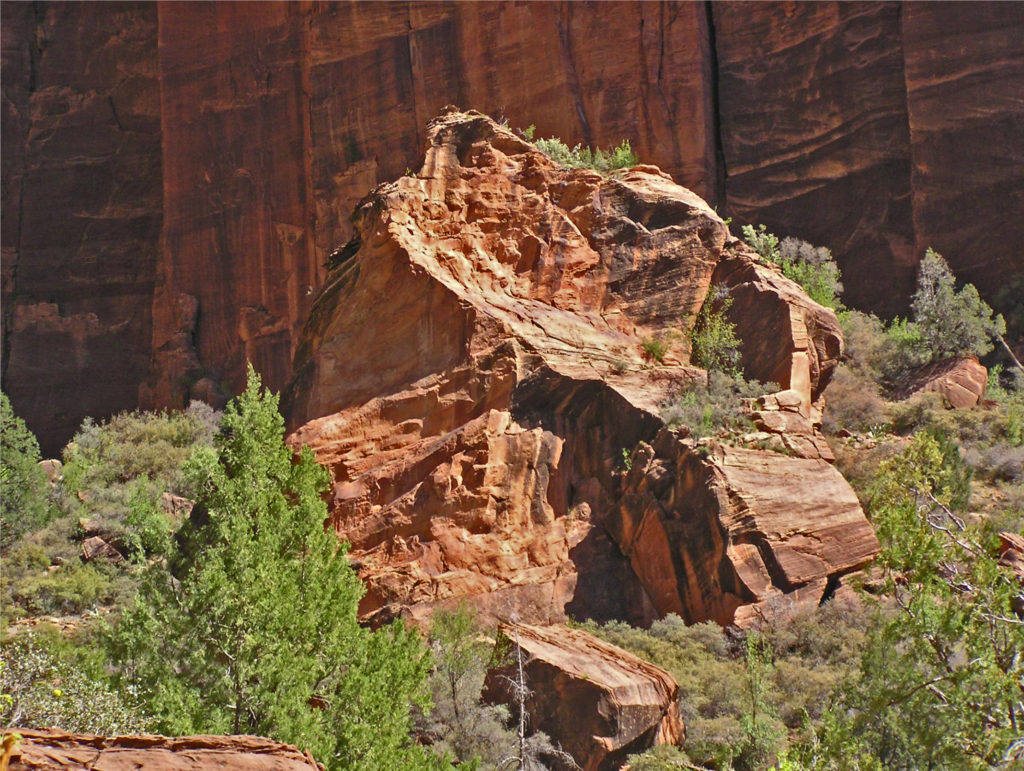
 If you’re camping, Zion Canyon Campground in Springdale has 133 RV sites and 47 tent sites. Zion River Resort in nearby Virgin, Utah also has RV sites and cabins. There are two campgrounds within the national park near Springdale, South Campground and Watchman Campground. South Campground has 117 sites, but no hookups. Watchman has about 120 RV sites with full hookups and about 70 tent sites. South and Watchman both require advance reservations, except in winter. The small Lava Point Campground in the north end of the park is first come, first served, but has only six primitive sites. Check the park website for more detailed information. Reservations for the South and Watchman campgrounds can be made through
 Where to Eat
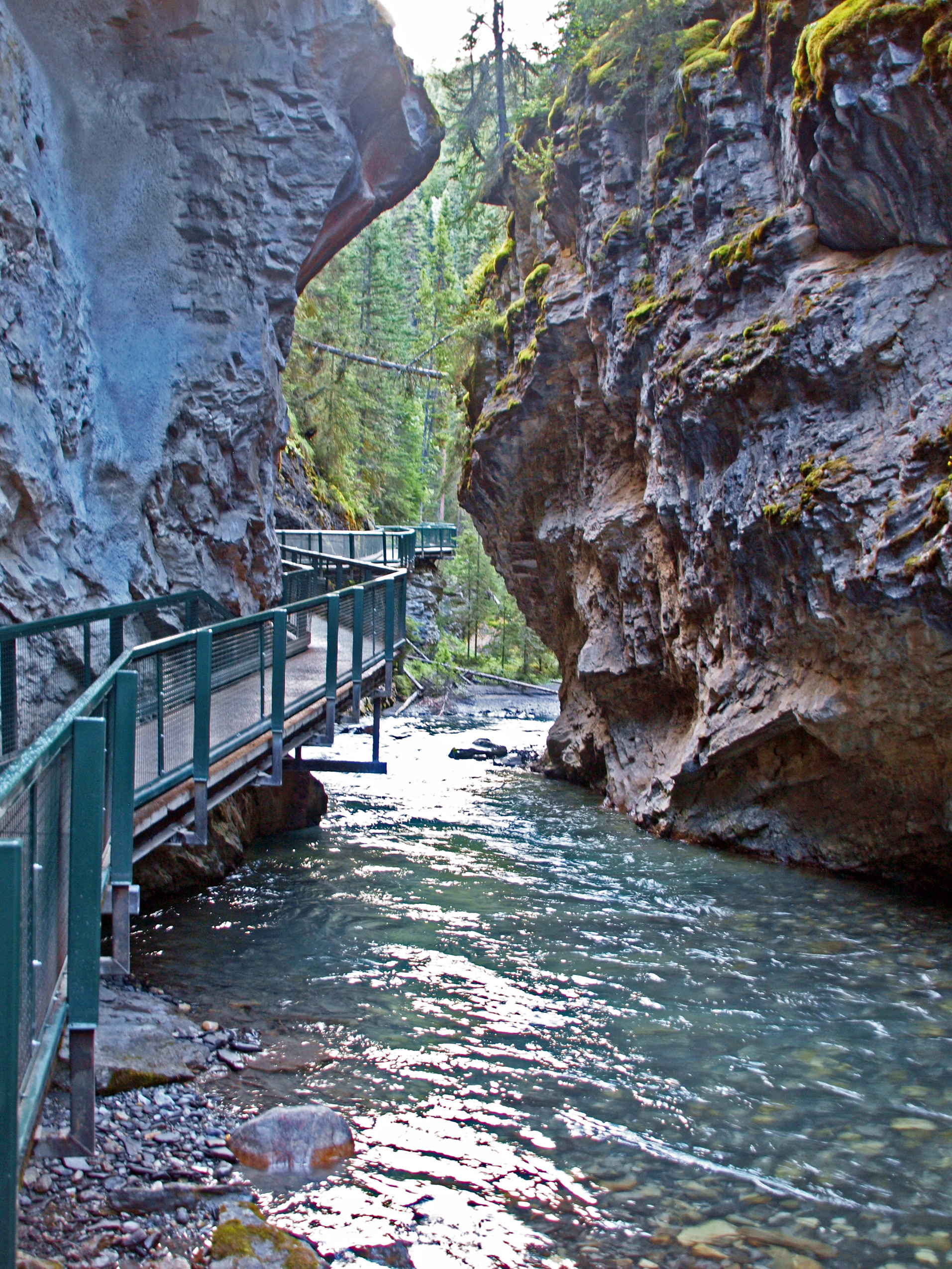
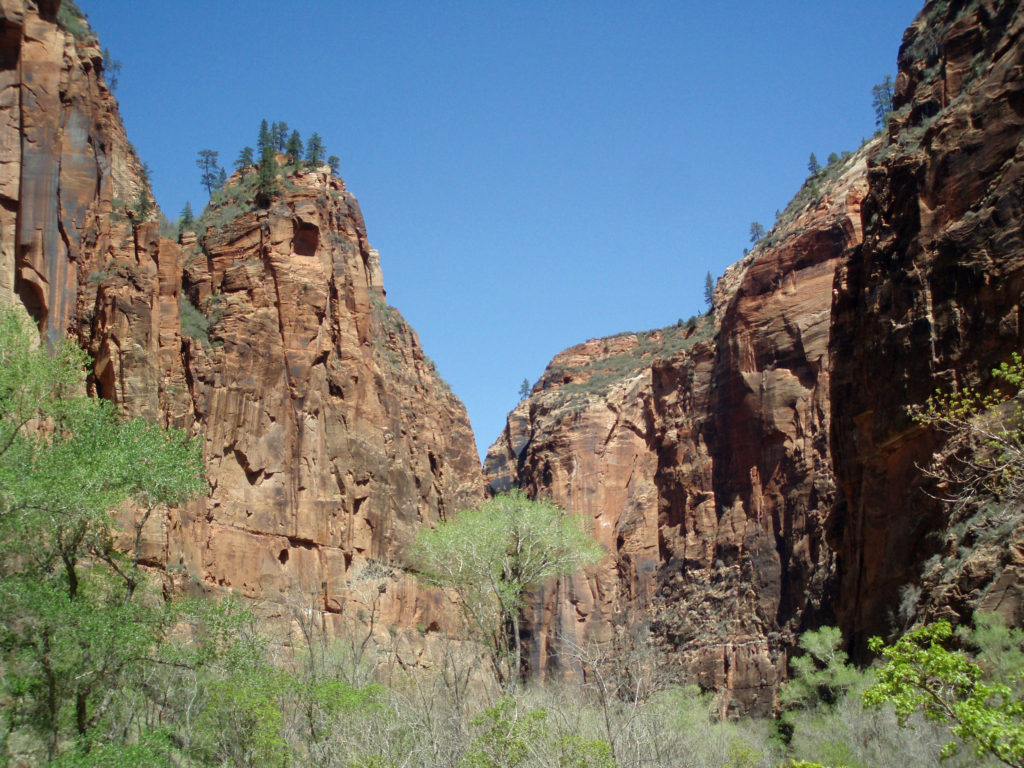
 One of the most spectacular hikes in the canyon is The Narrows. There is no trail through The Narrows – you’re hiking the bed of the Virgin River through a narrow canyon no more than 40 feet wide in places. If you’re interested in hiking The Narrows, be sure to check with the park rangers at the Zion Canyon Visitor Center. No permit is required, but The Narrows may be closed to hiking due to the possibility of flash floods. Thunderstorms many miles north of the park may lead to sudden and potentially life threatening rises in the river level with no warning, even when the park is sunny and cloudless. But if it’s doable safely, it’s a fantastic and unique hiking experience.
 Trails outside of Zion Canyon (and all canyoneering routes) require a wilderness pass. Most are available online through the park’s website, but permits for some trails are only available in person.
 One hour and three hour horseback rides within the park can be booked through
  Off road vehicle tours are also available from a variety of providers. Like mountain bike tours, these are outside of the park. Again, I have no personal experience, so can’t make any recommendations, but the tours are popular.
 I can pretty much guarantee that no matter who you are or where your interests lie, a trip to Zion National Park will be an adventure you will not soon forget.
 Originally posted June 14, 2021 by Alan K. Lee. Updated and re-posted March 15, 2024.
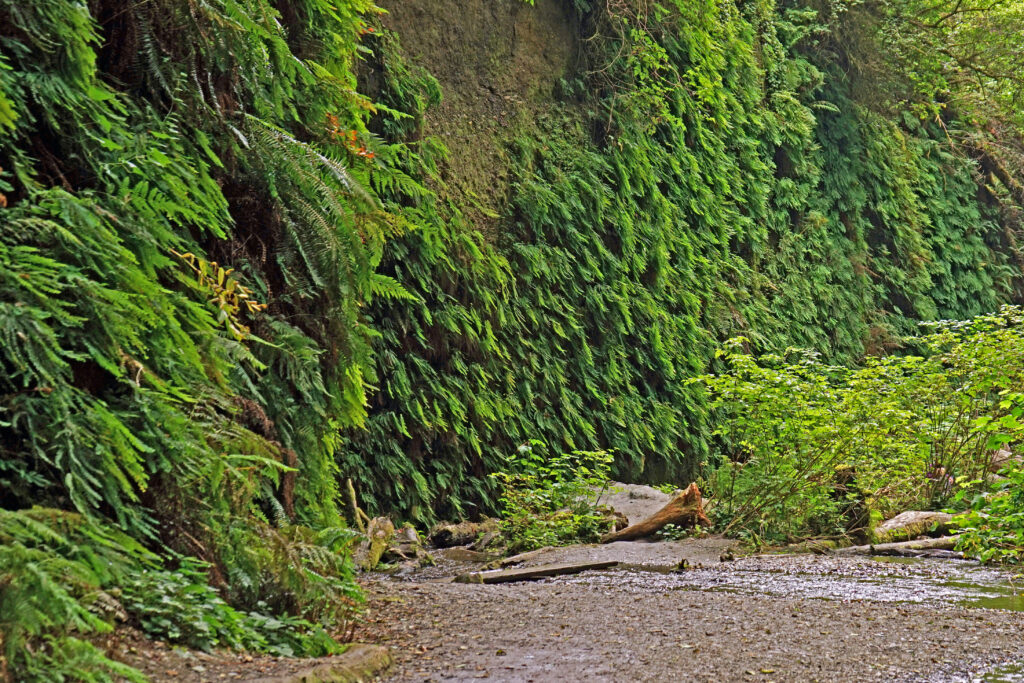
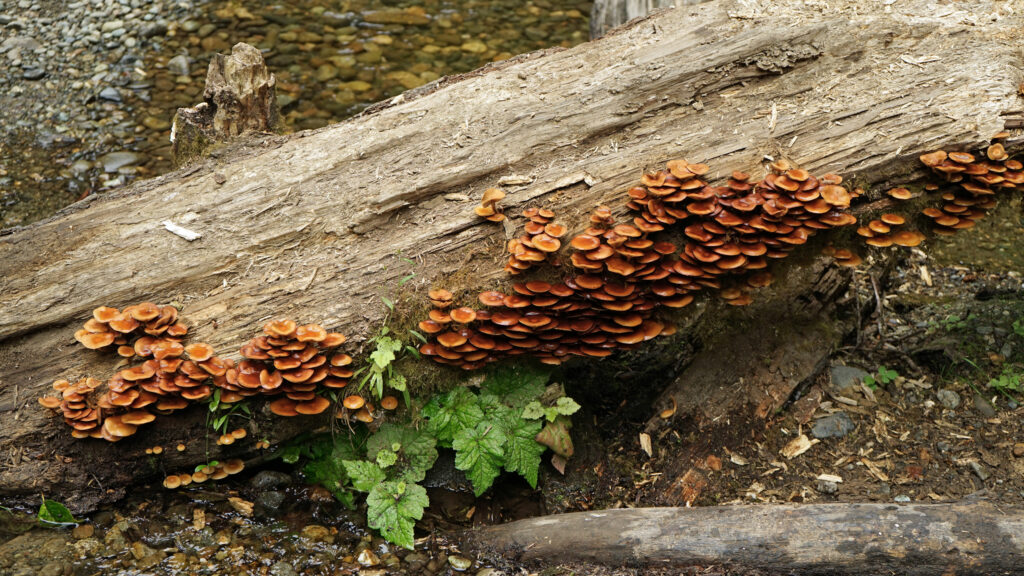
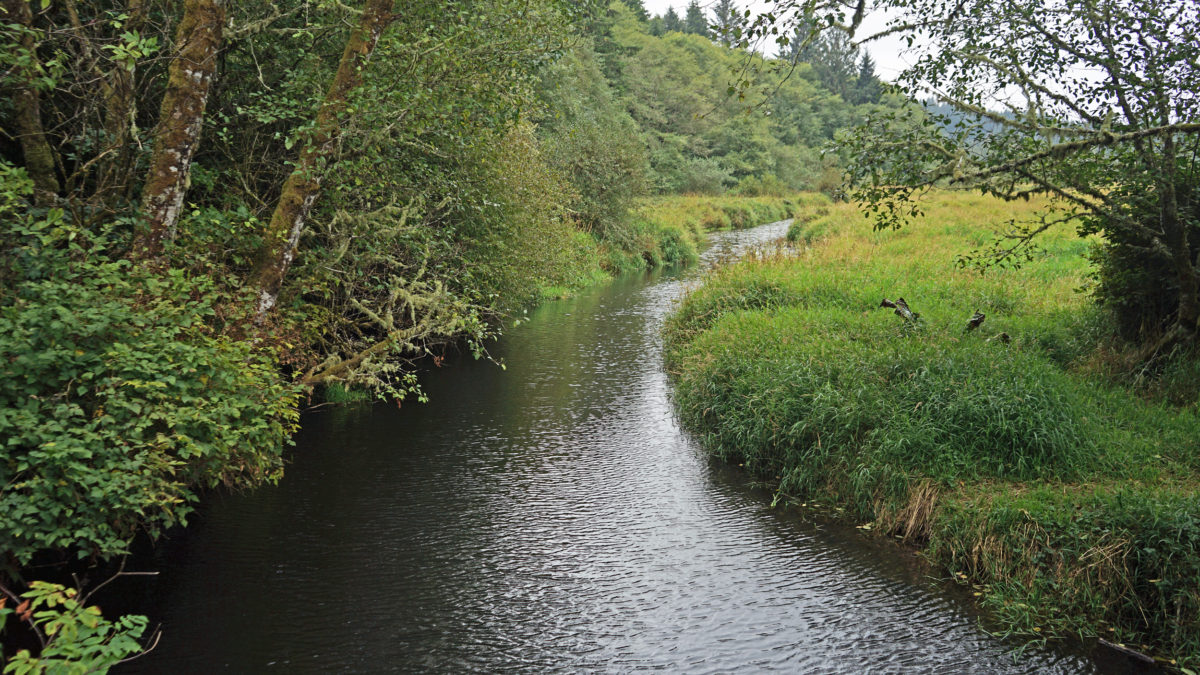
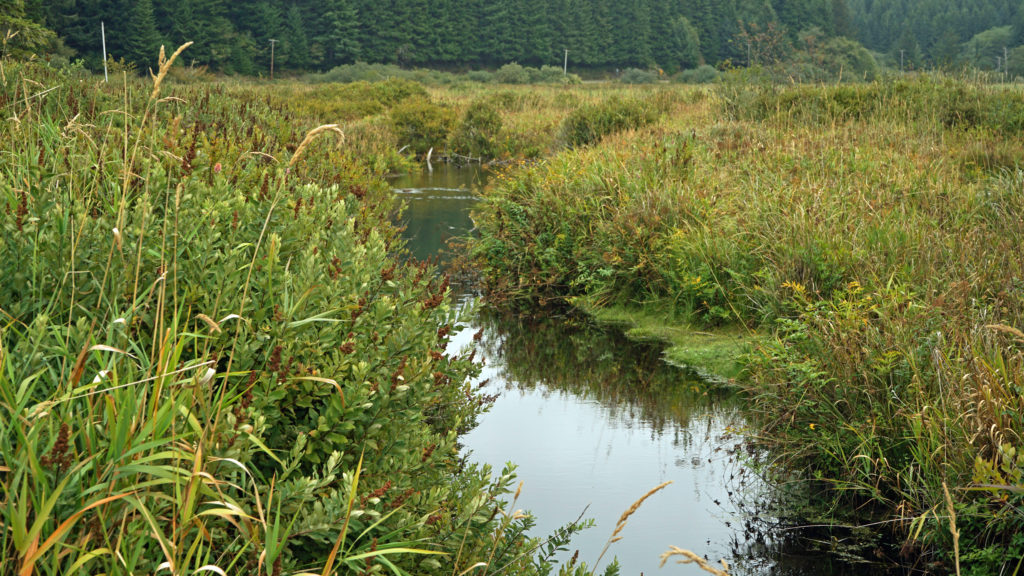
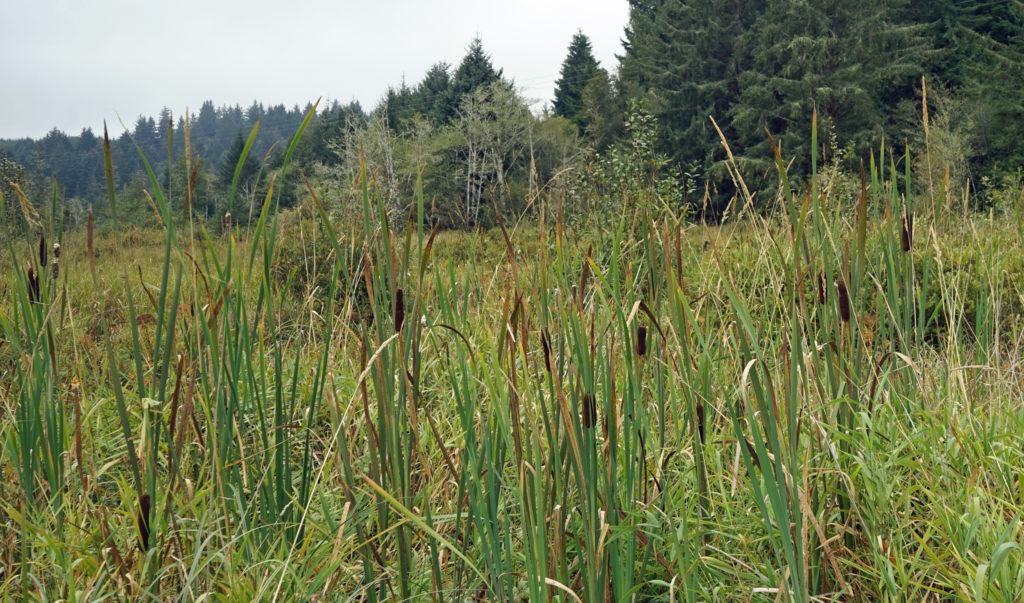
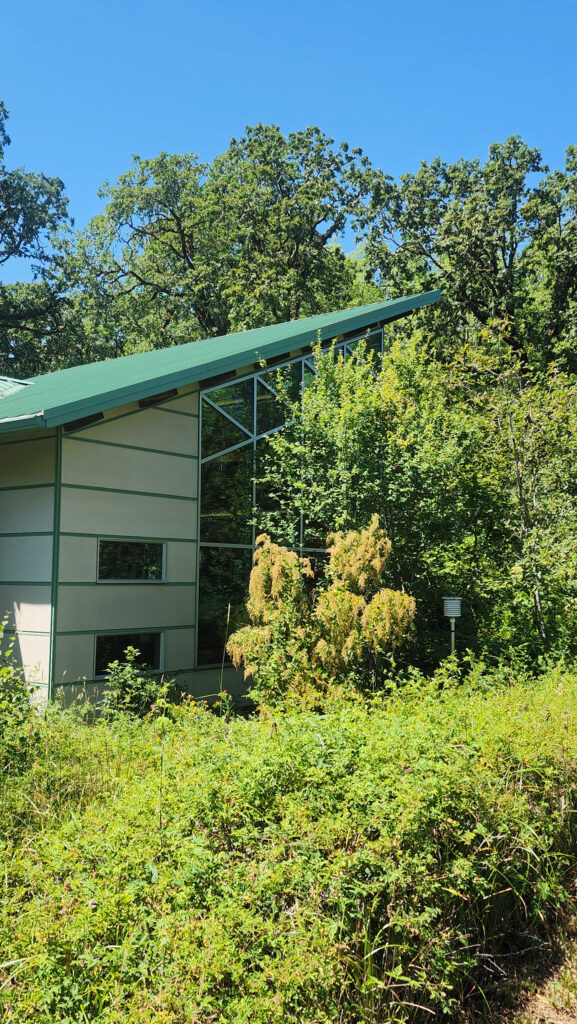
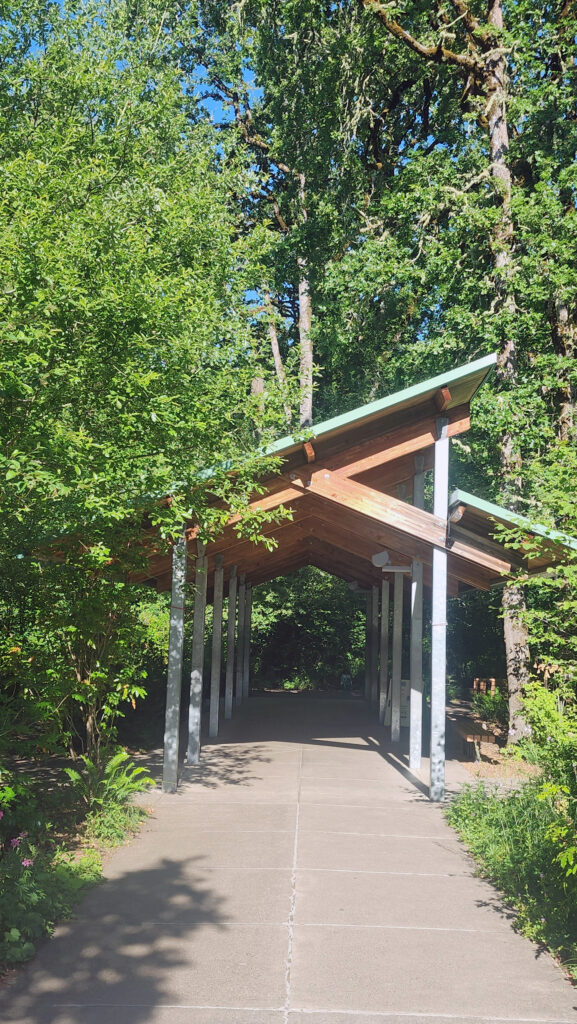
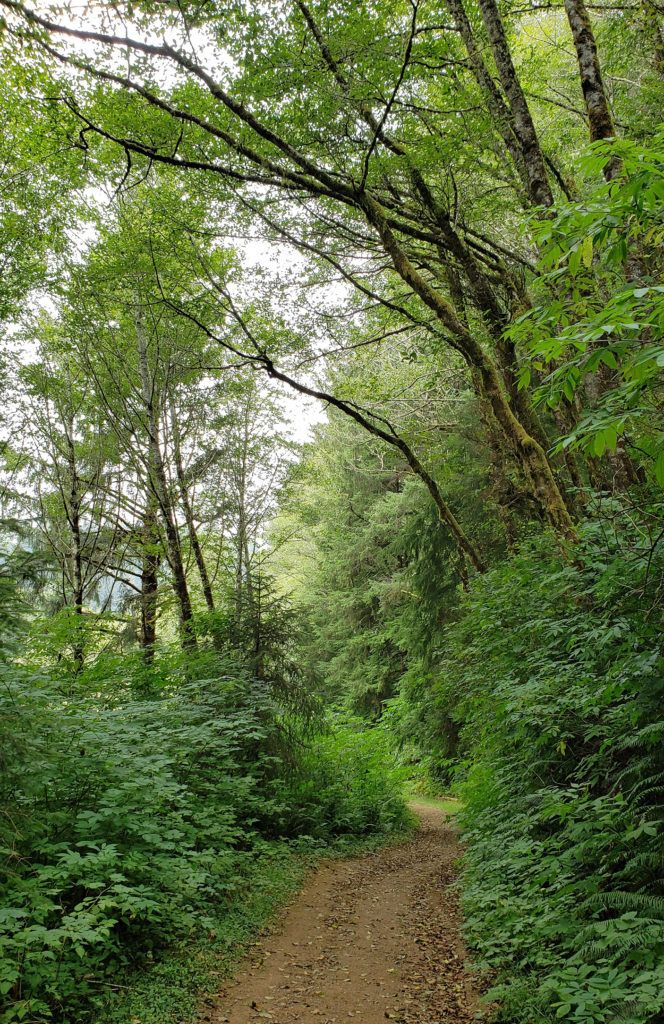 The Beaver Creek visitor center, 1.2 miles east of Hwy 101 on North Beaver Creek Road, would normally be a good first stop to acquaint yourself with the area. If it’s open, you can pick up an informational brochure and map of the trail system there. The map and brochure can also be downloaded from the Beaver Creek State Natural Area website (linked above). There is also a small parking area a few hundred yards east of the visitor center that may have the map and brochure if the visitor center is closed. You can also find a checklist of the birds found at Beaver Creek on the website.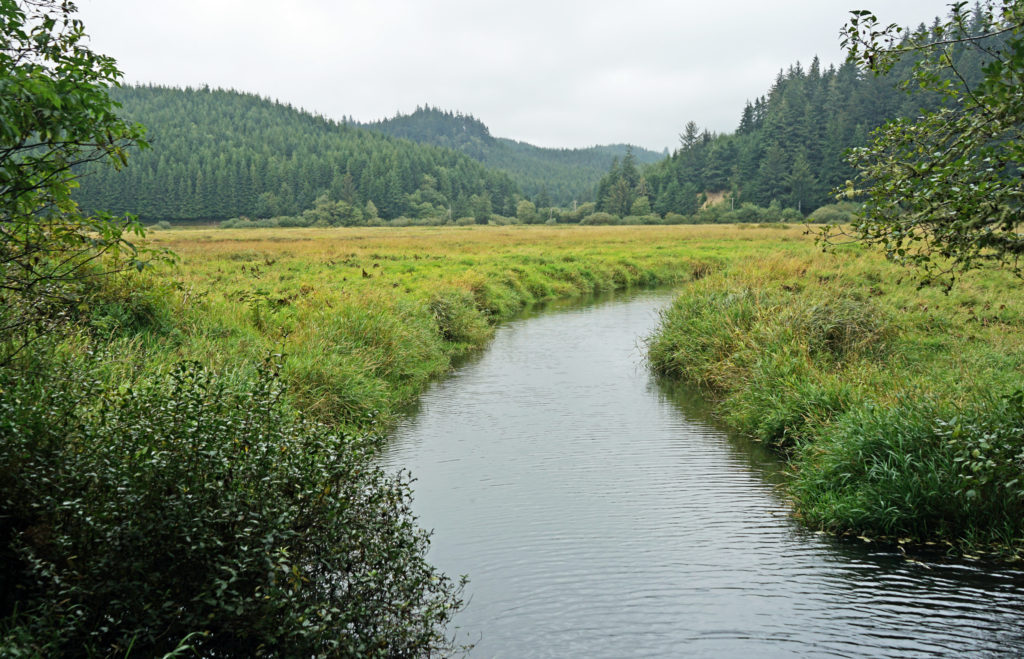
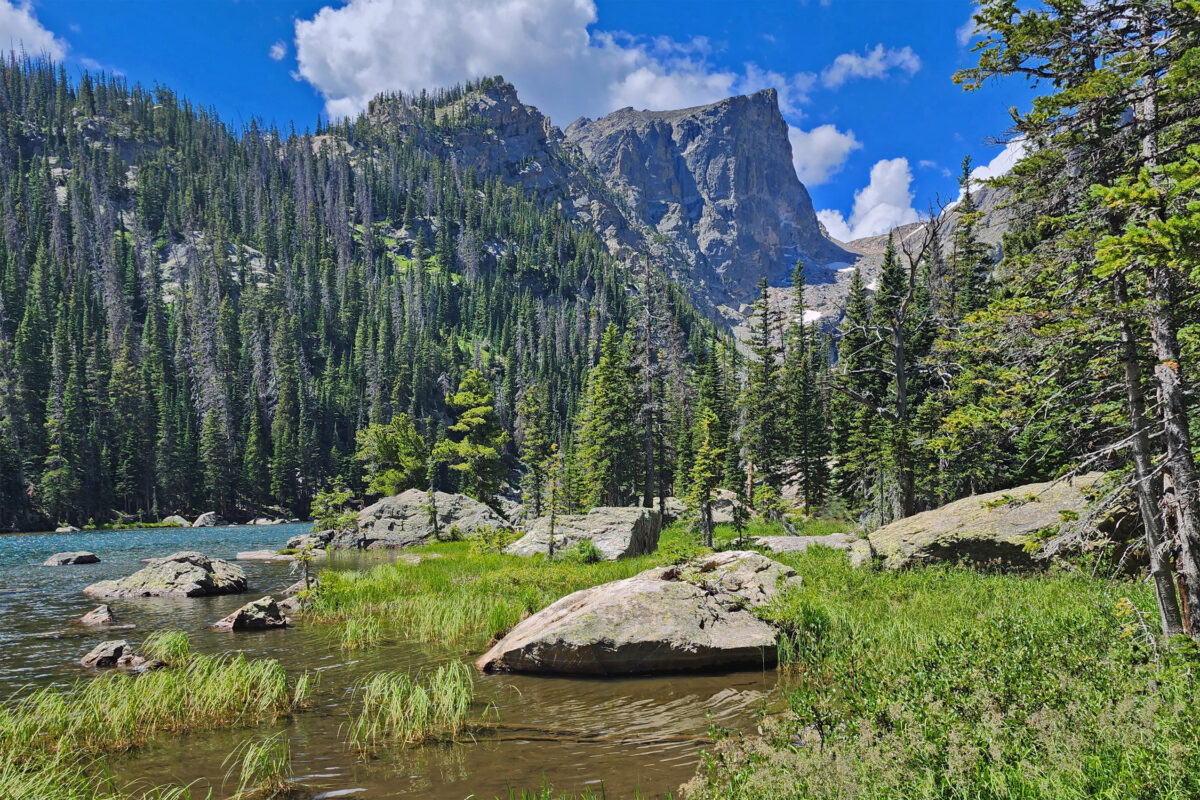
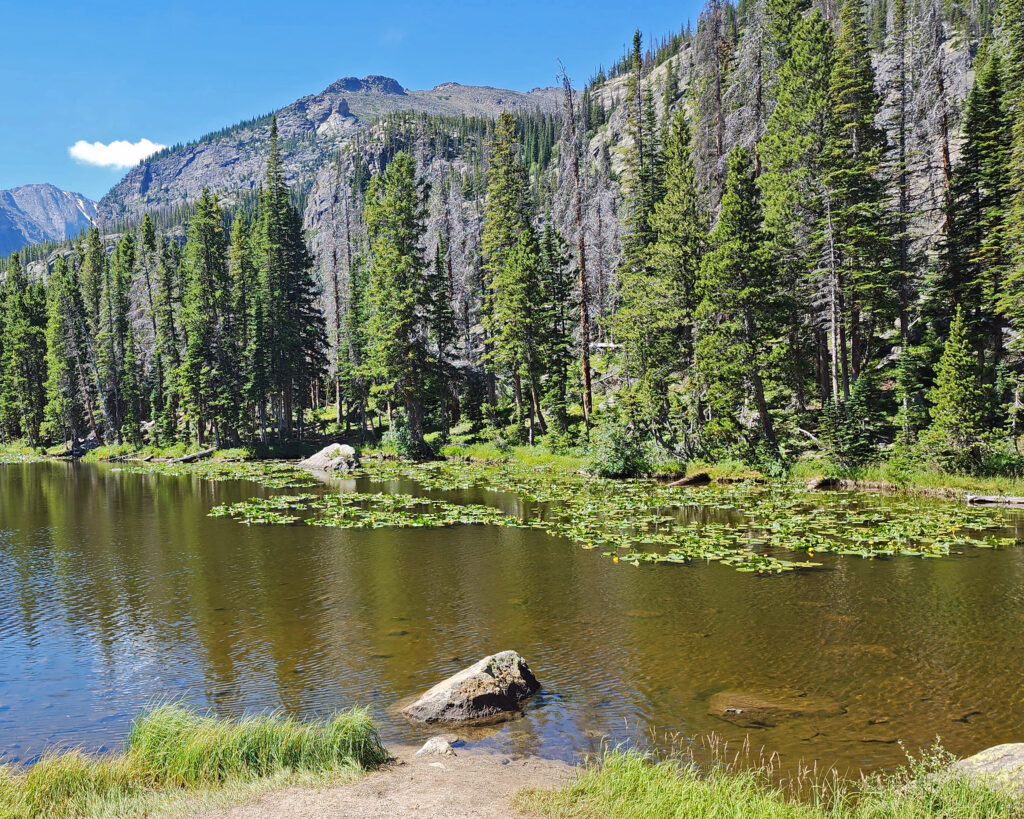
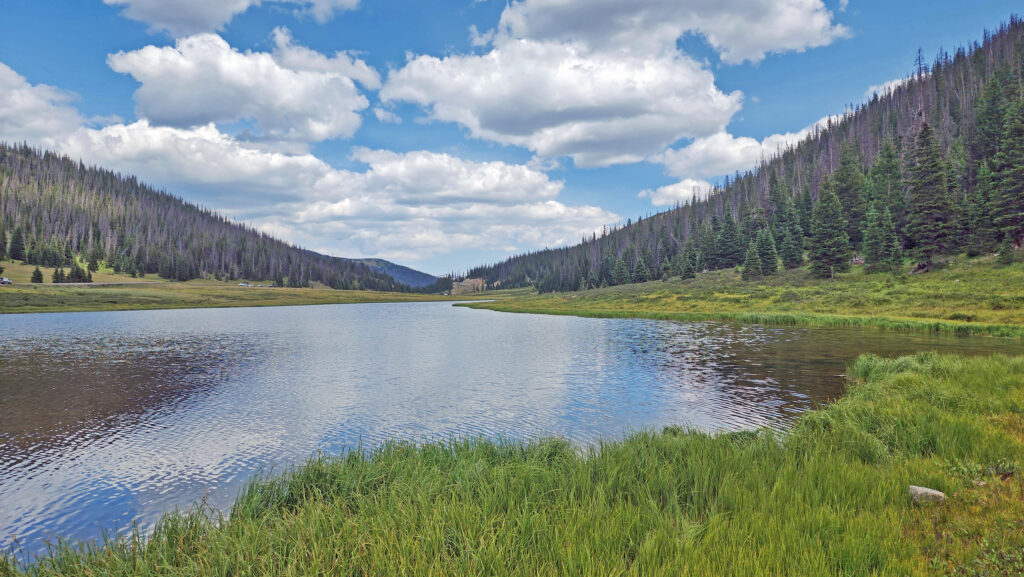
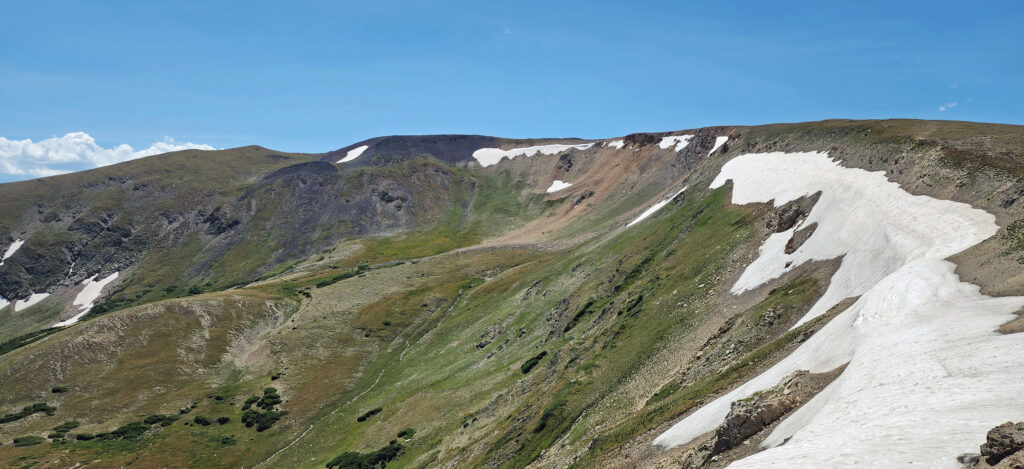
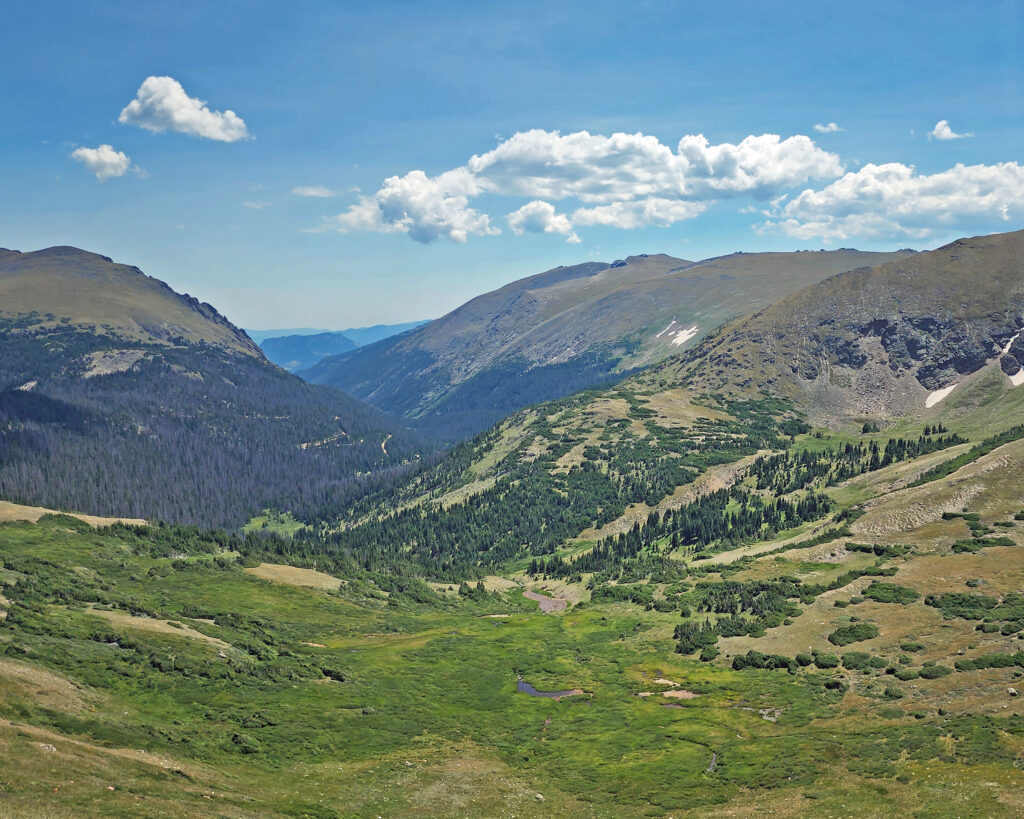
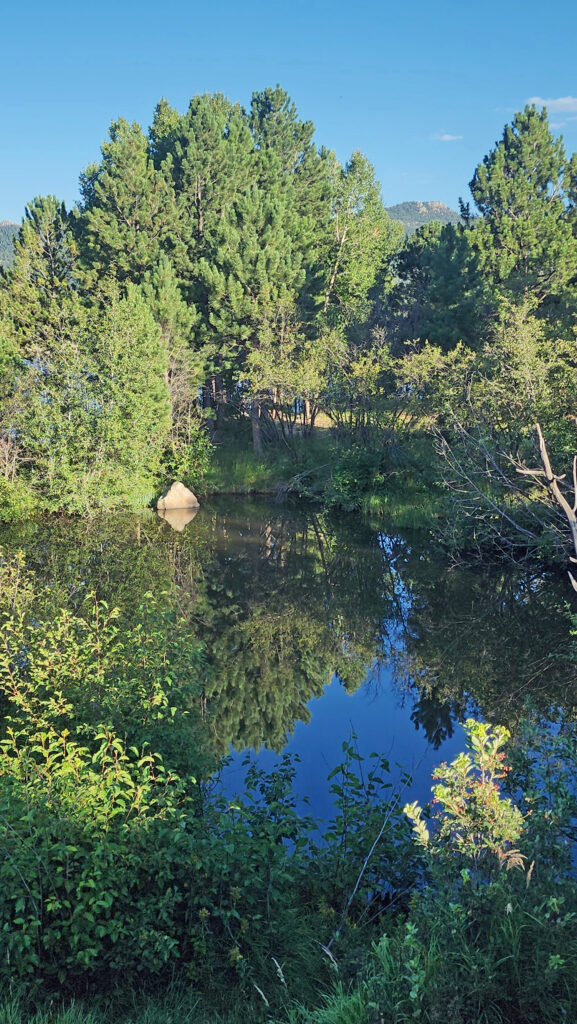
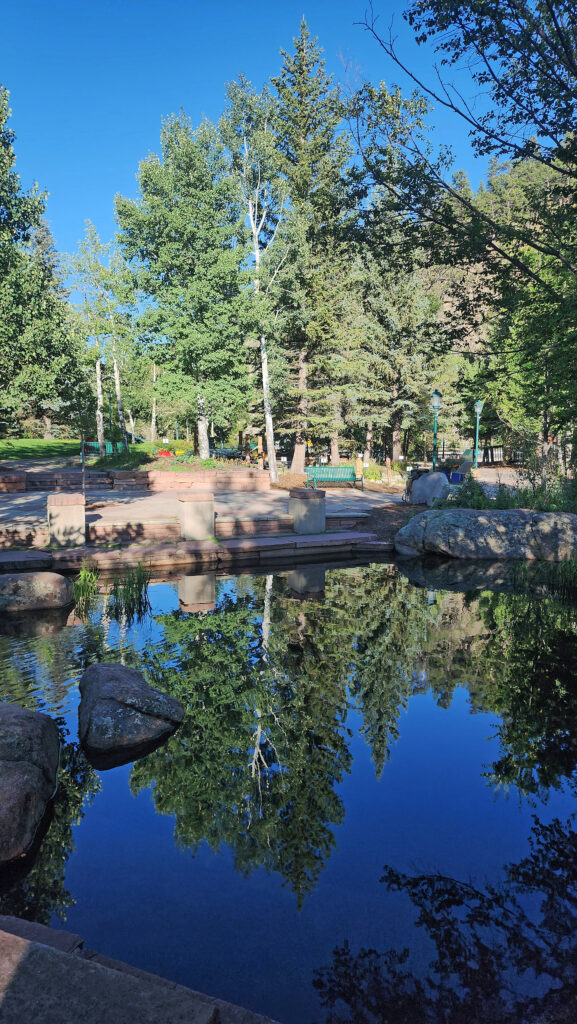
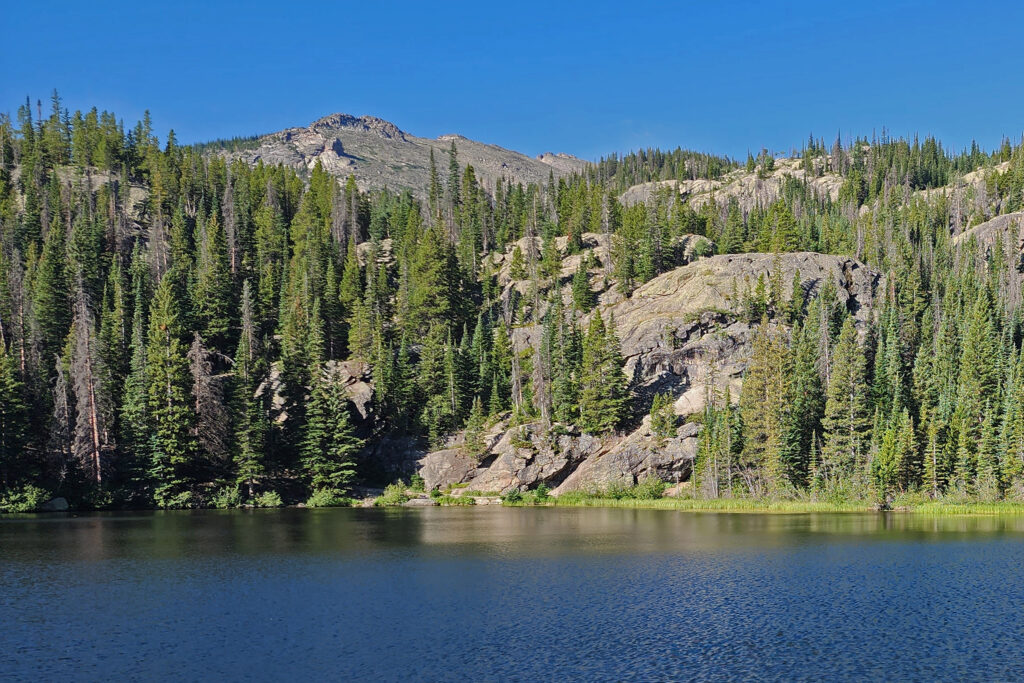
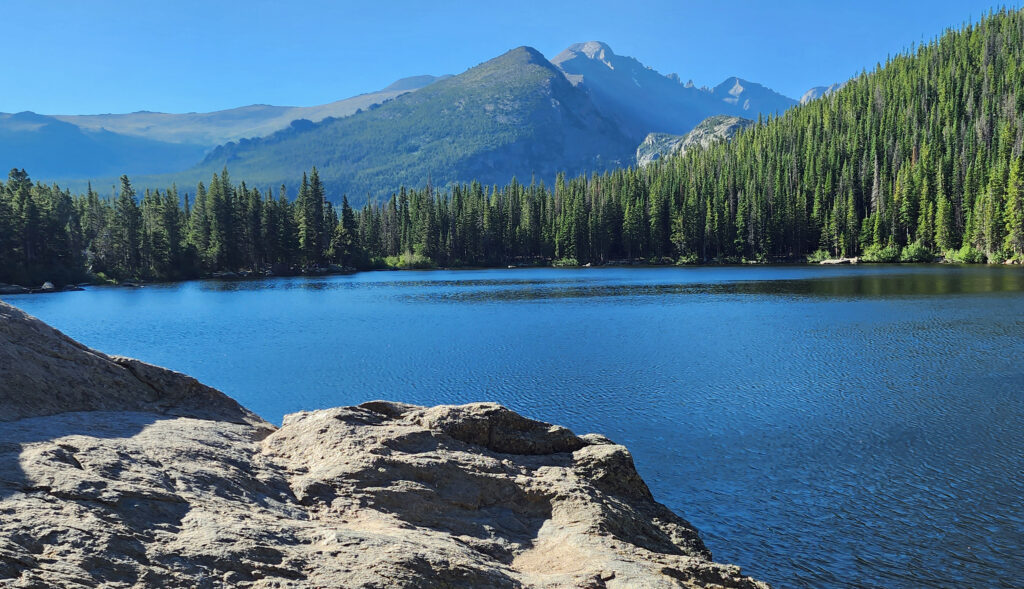
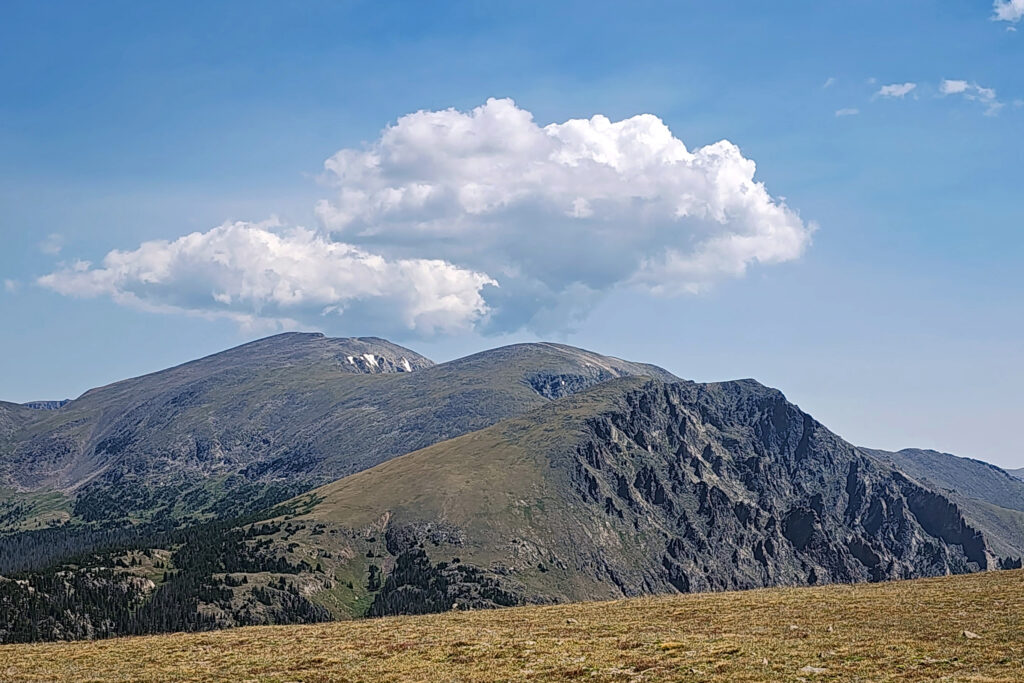
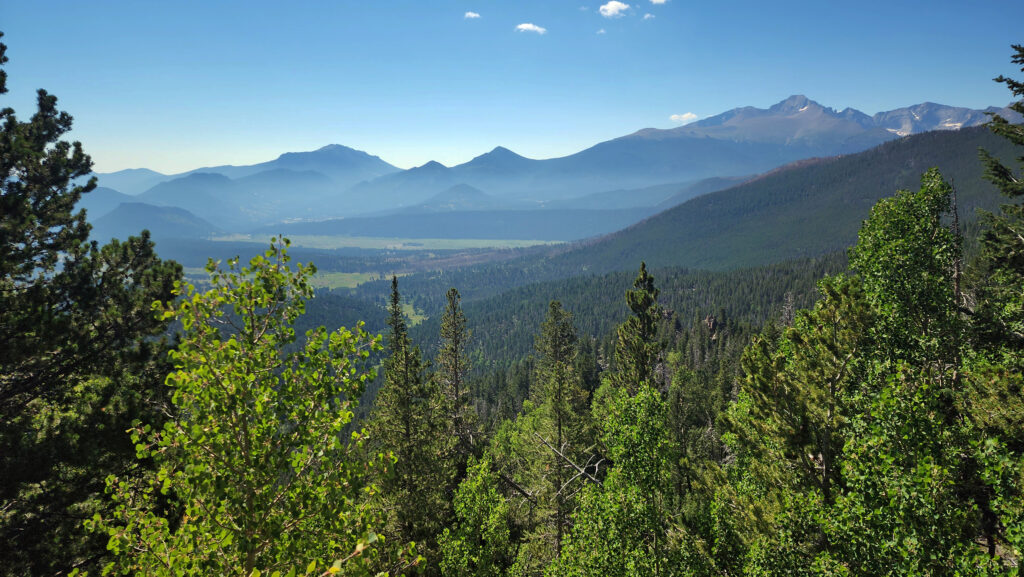
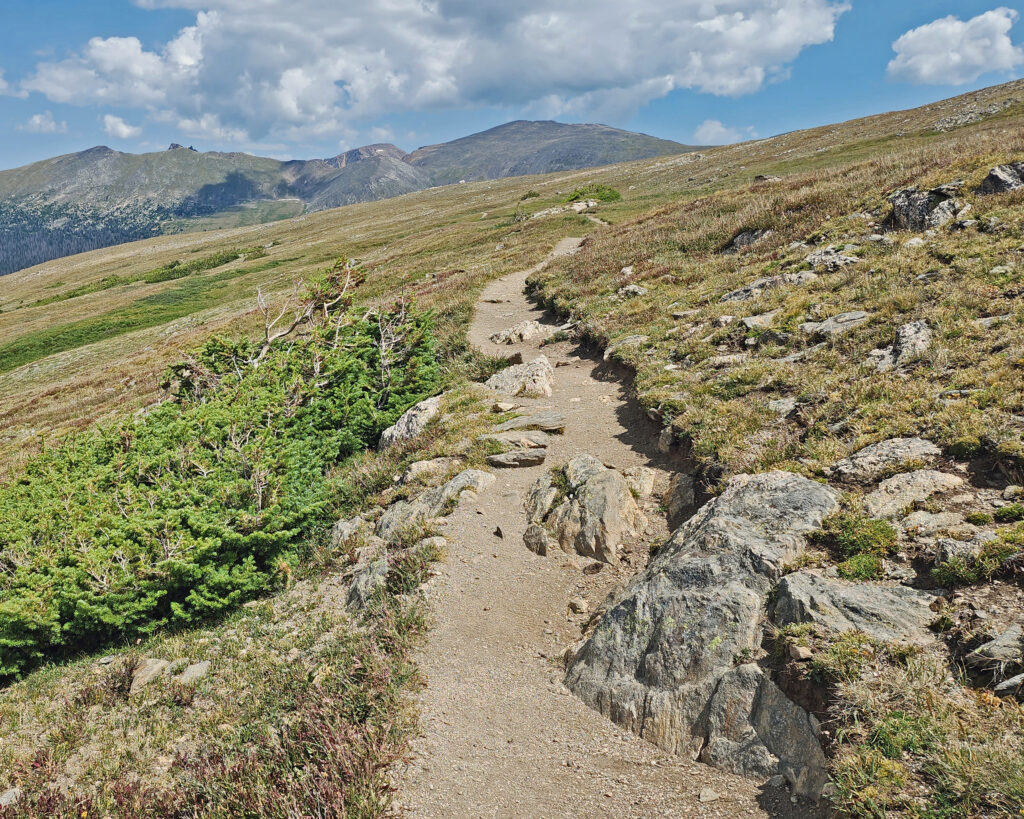
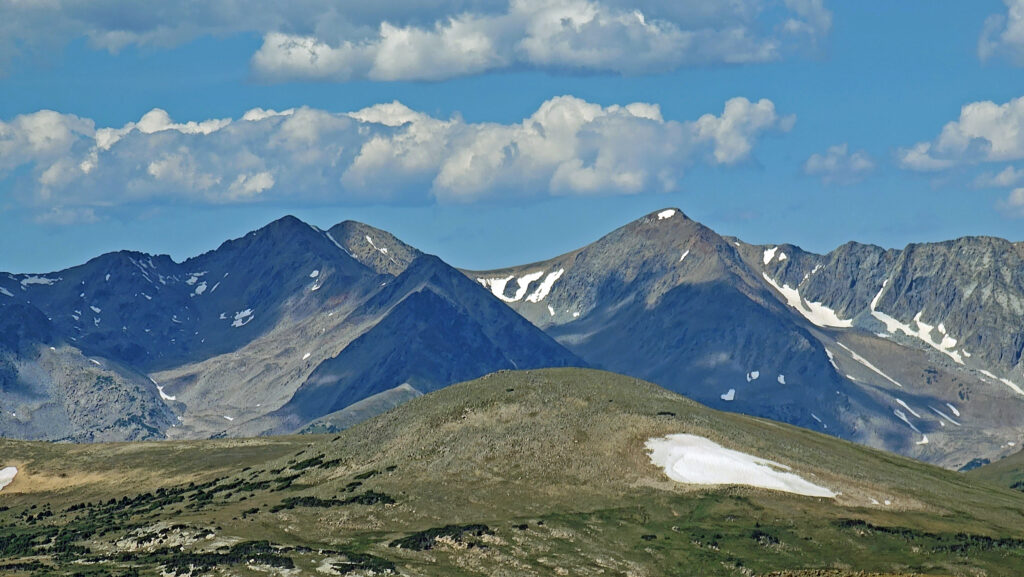
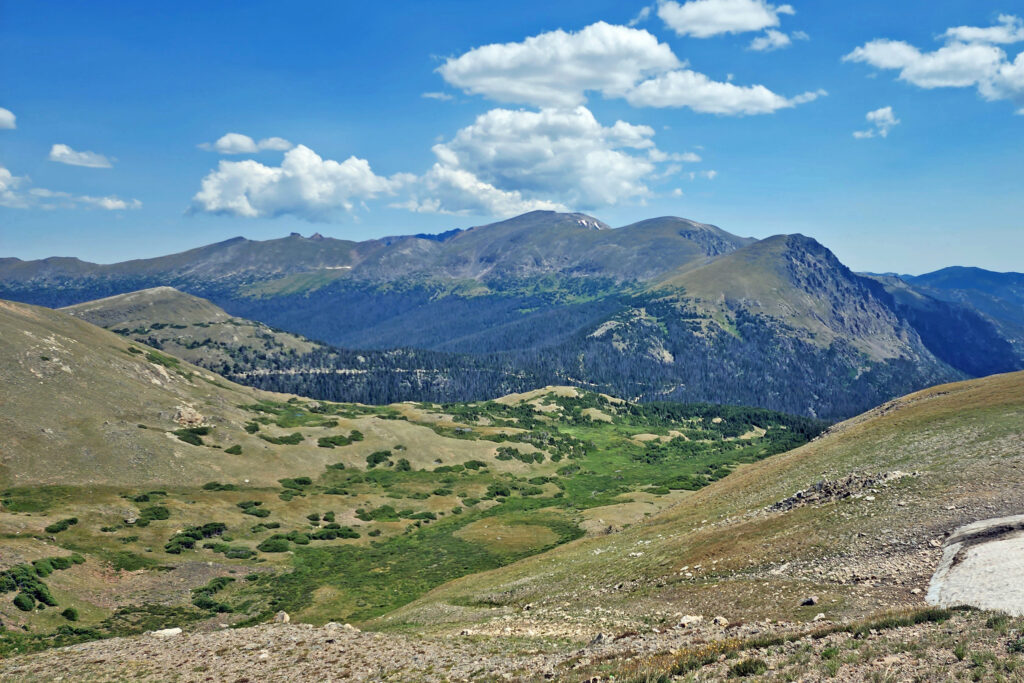
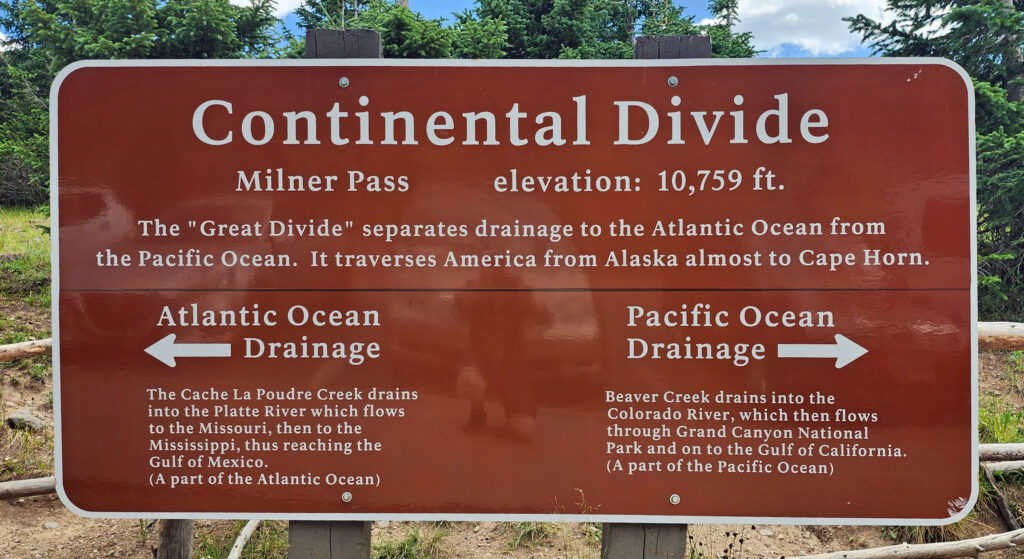 Coming down off Trail Ridge we stopped on the continental divide at Milner Pass (at 10,759 feet you actually come down in elevation from Trail Ridge to the divide). We did a short walk there along the shore of Poudre Lake and, of course, took a photo of the continental divide sign before heading south.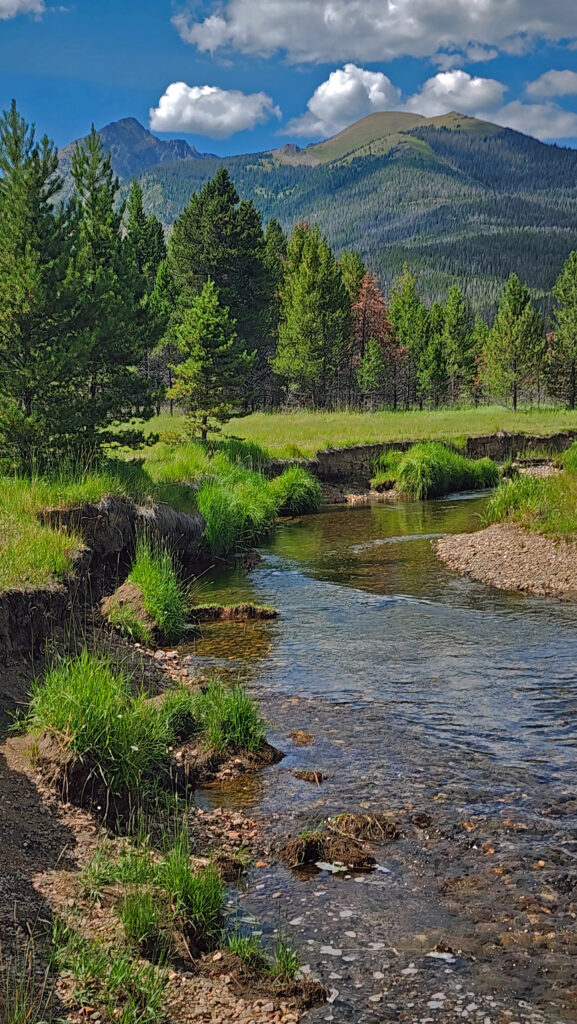
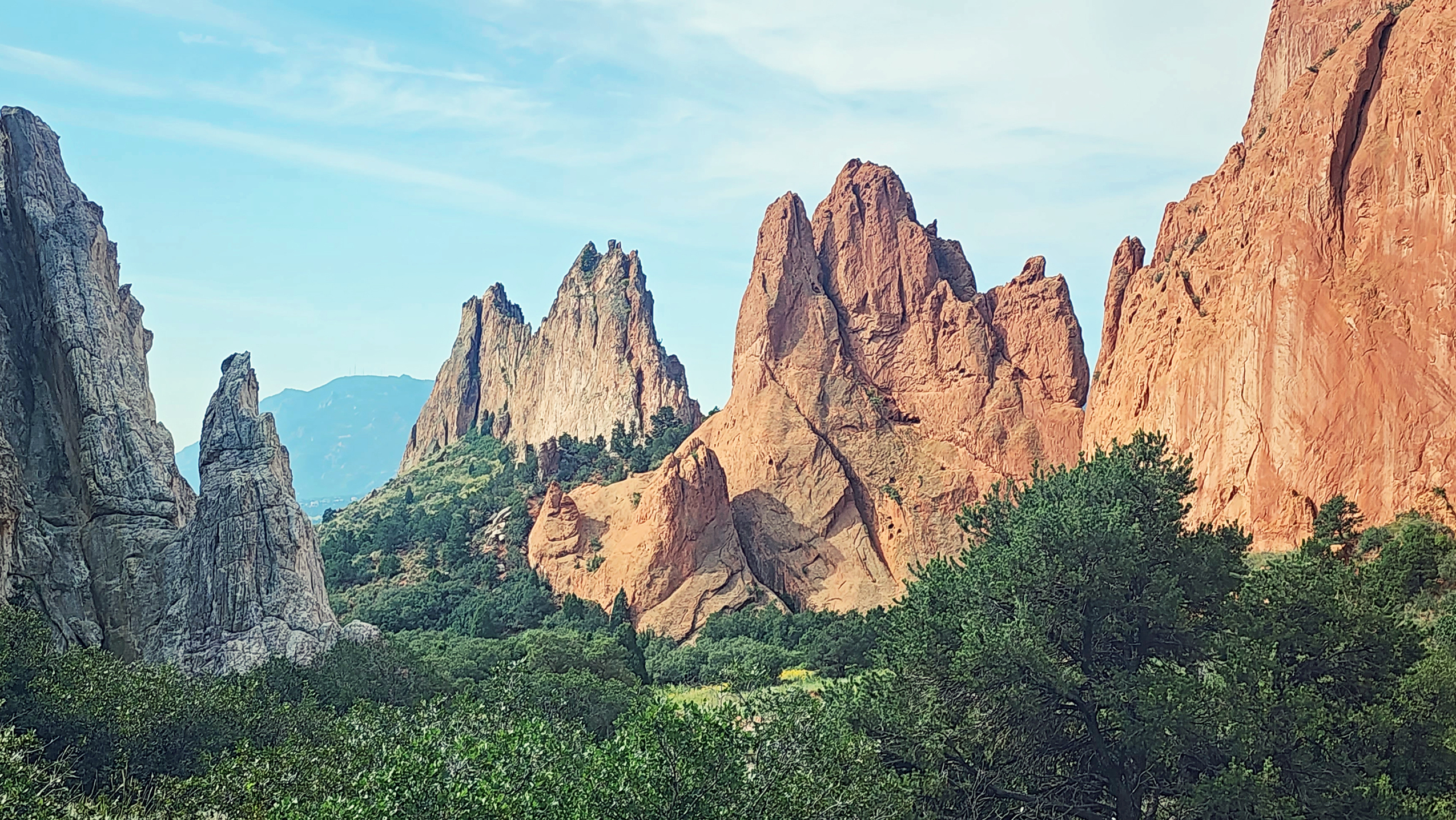
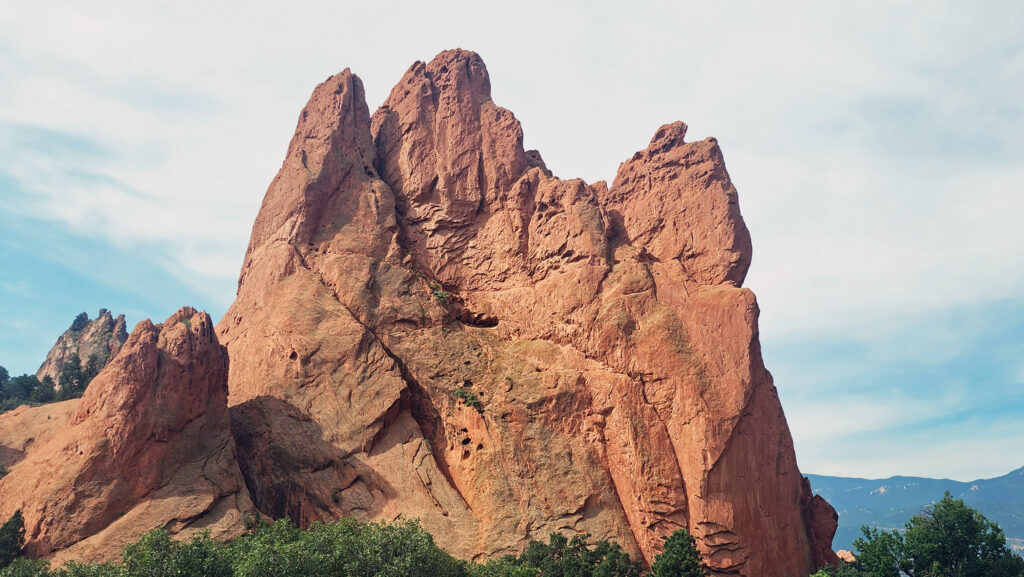
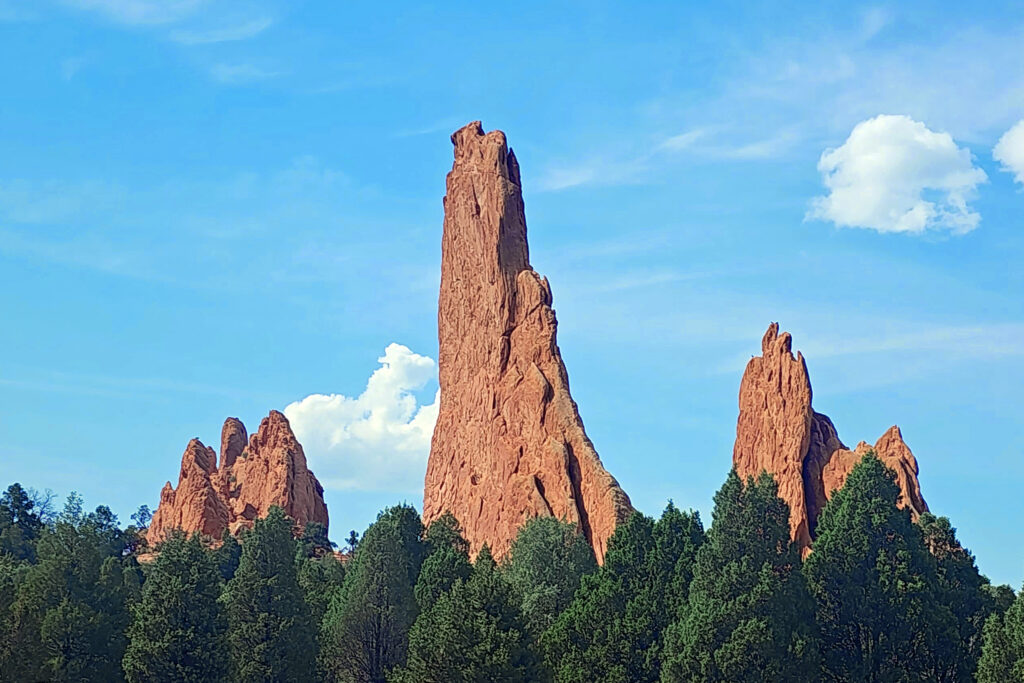
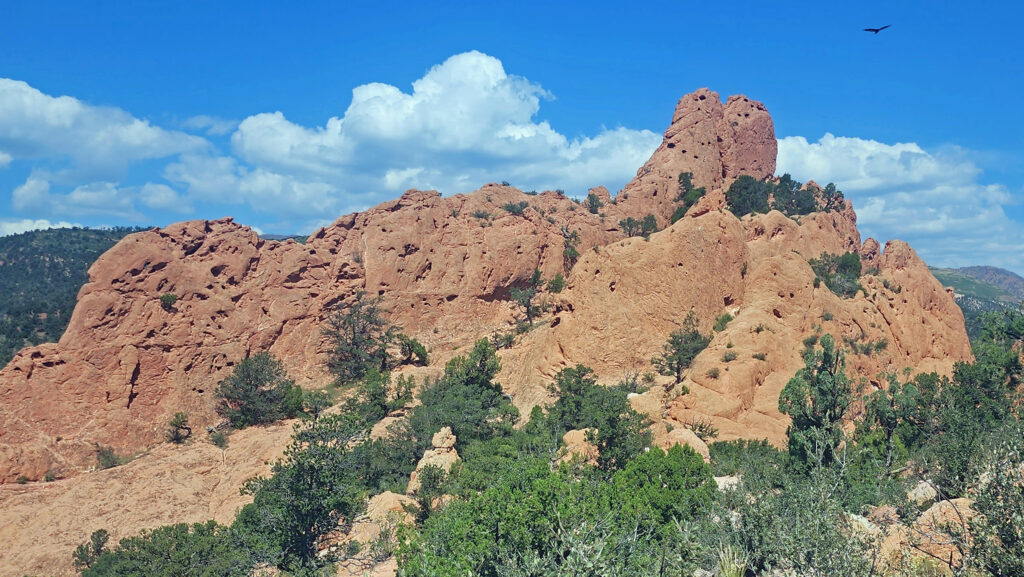
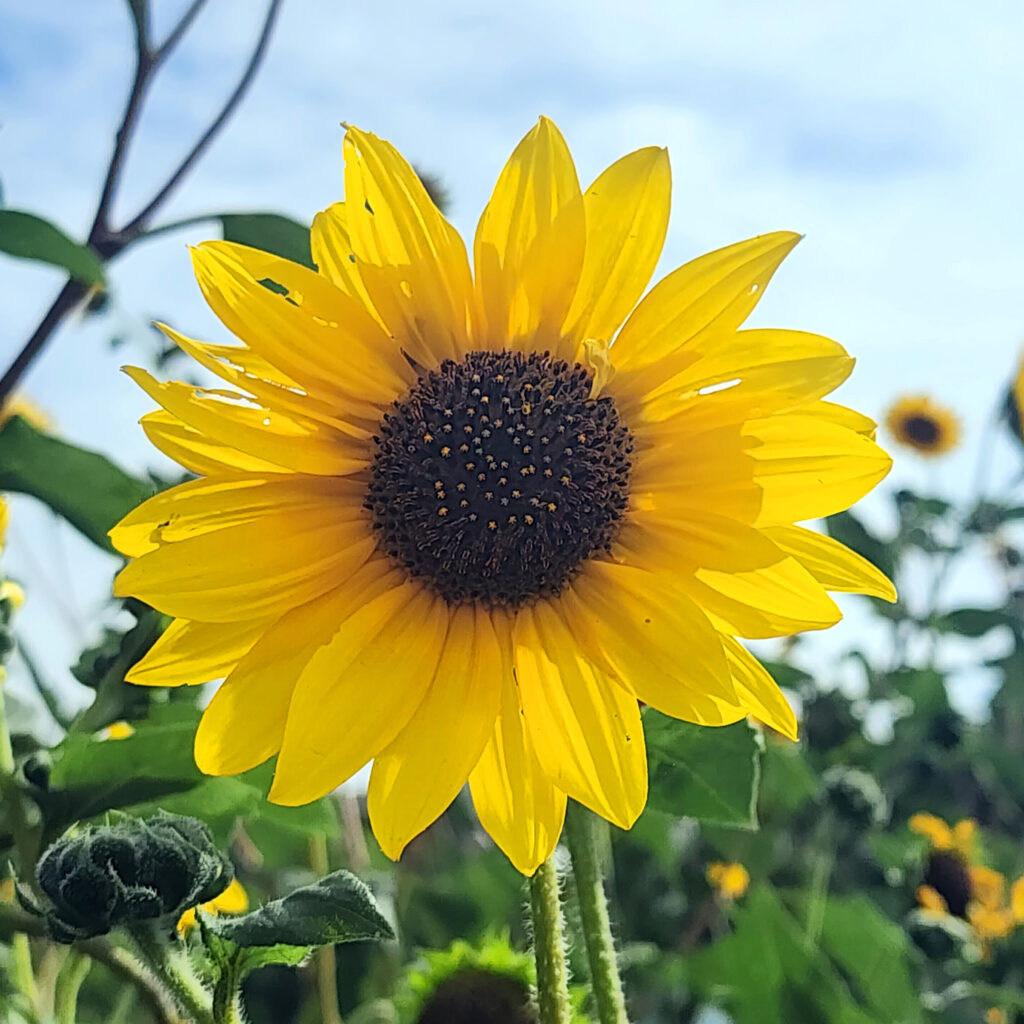 In 1859, Colorado City was founded and later became the capital of the Colorado Territory before the capital was moved first to Golden, then Denver. Colorado Springs was founded in 1871 just east of what became known as Old Colorado City. Colorado Springs grew rapidly and eventually Old Colorado City became incorporated into the growing city, and is now a neighborhood west of downtown Colorado Springs.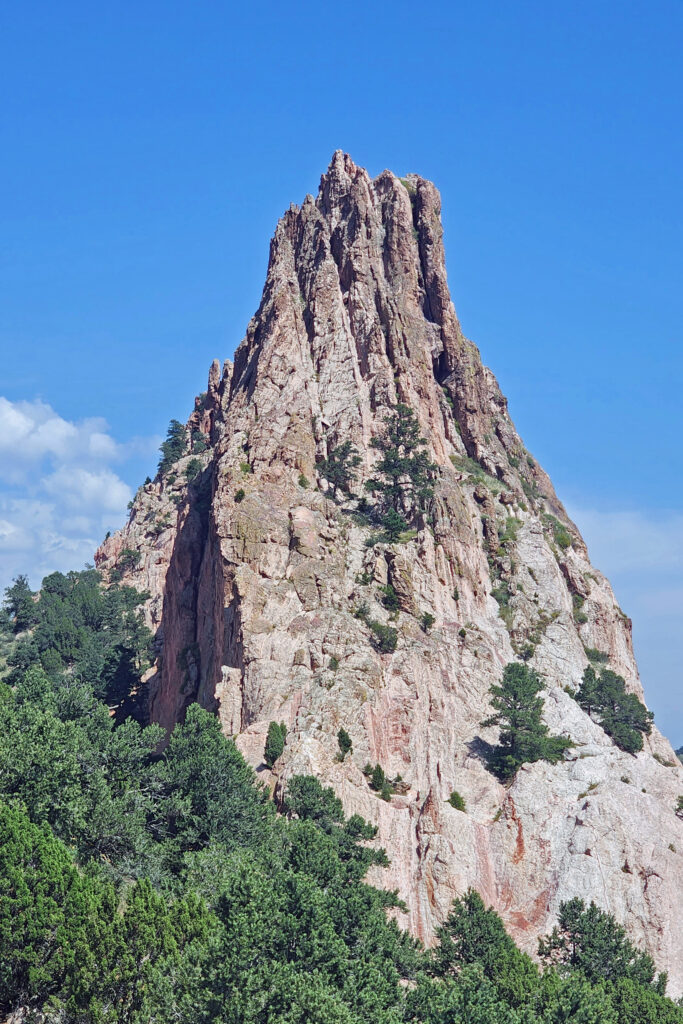
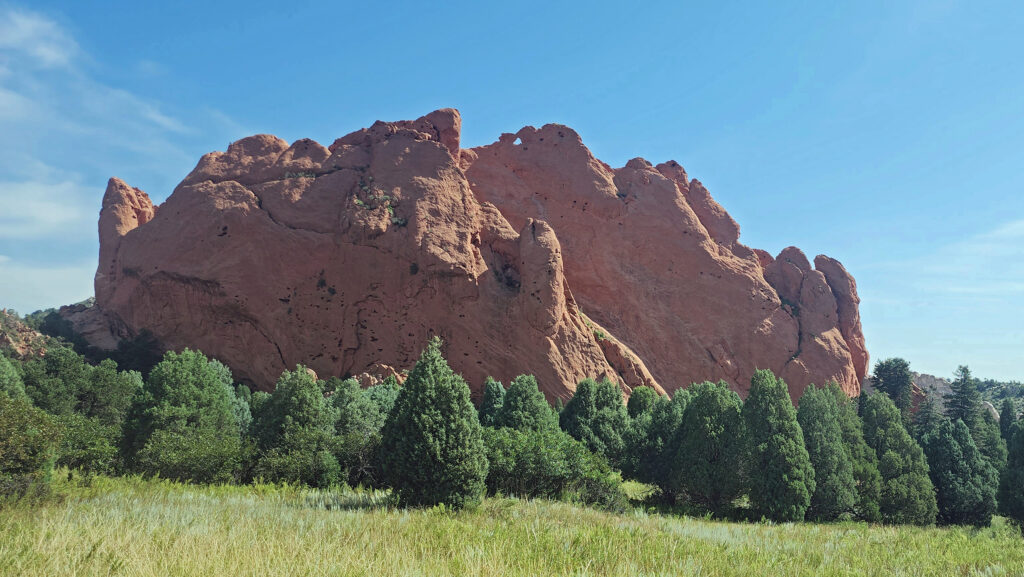
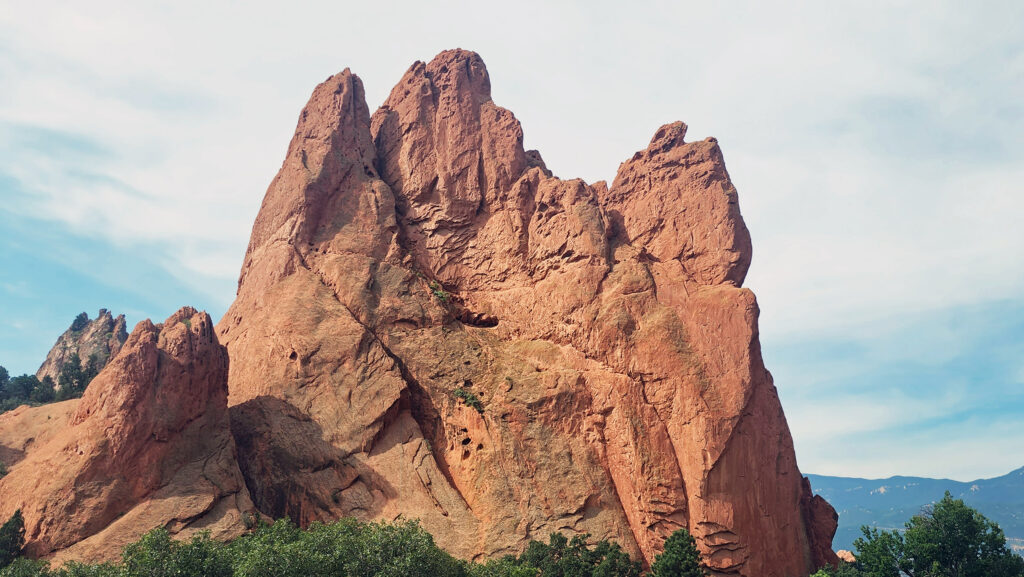
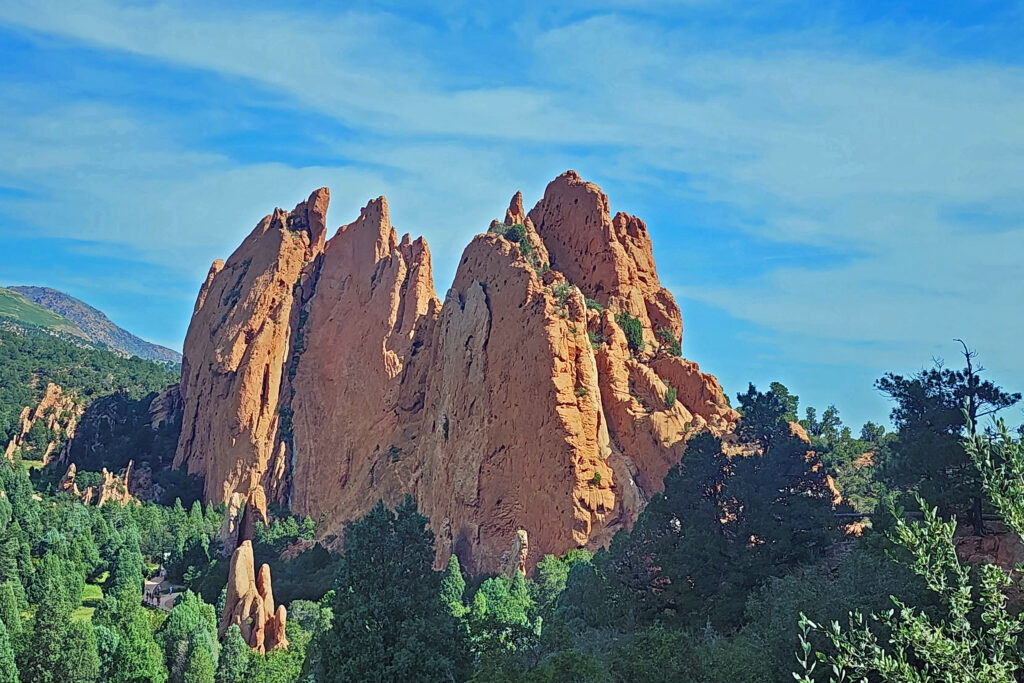
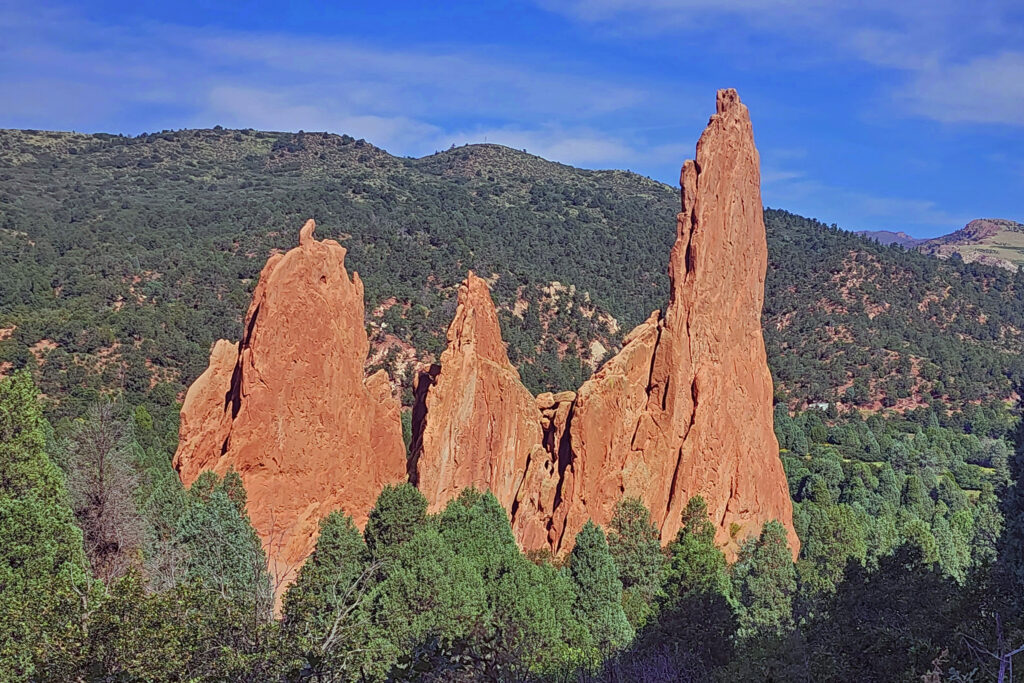 The park is very popular and parking can be a problem, but there is also a large overflow parking area just west of 30th Street if the visitor center parking lot is full. There is a pedestrian tunnel under 30th Street to get from the overflow lot to the visitor center. The park also operates a free shuttle bus in the summer that runs from the visitor center to the center of the park with stops at the overflow parking area and the Rock Ledge Ranch Historic Site.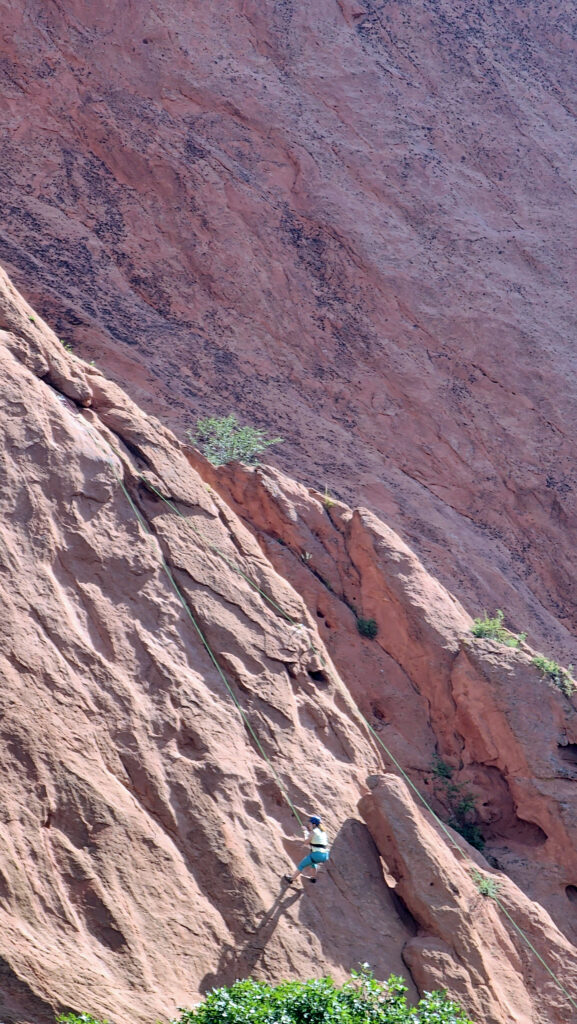
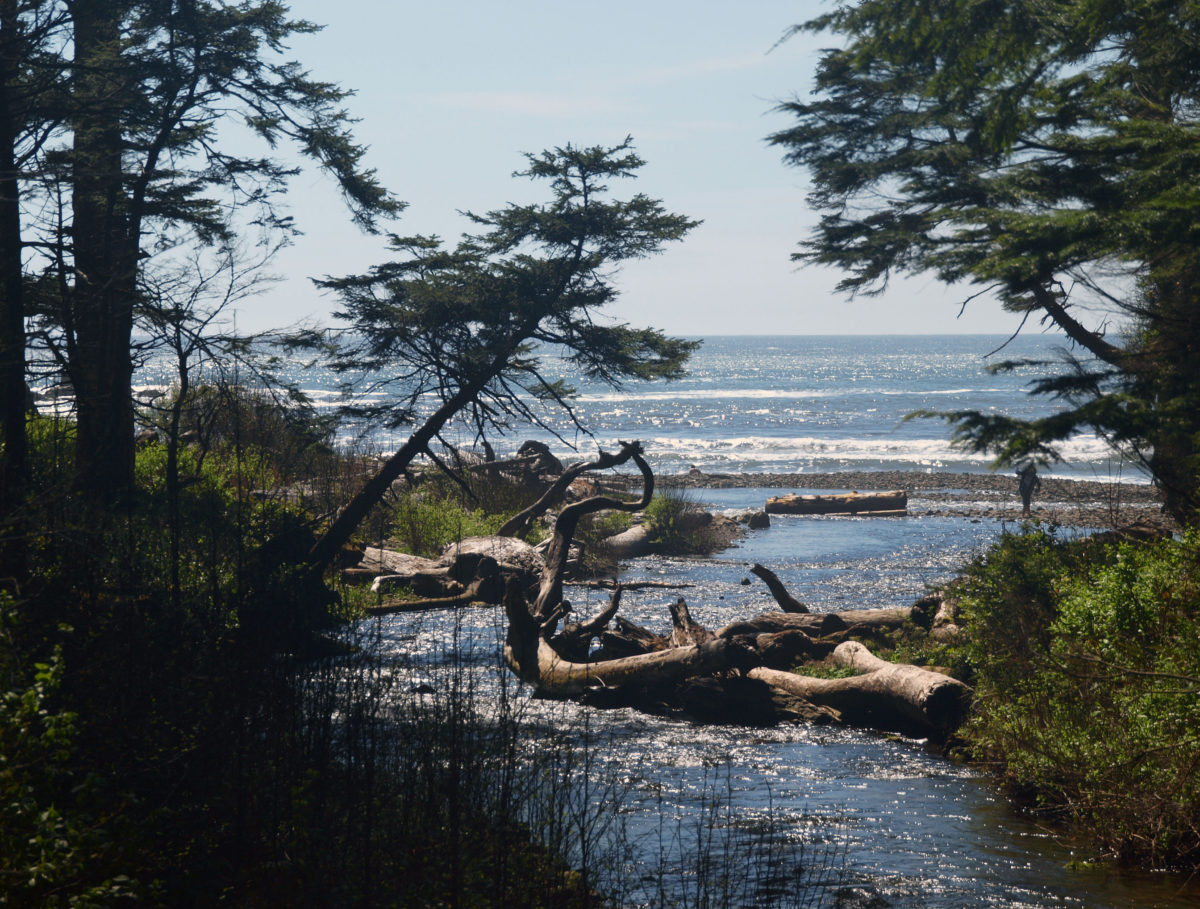
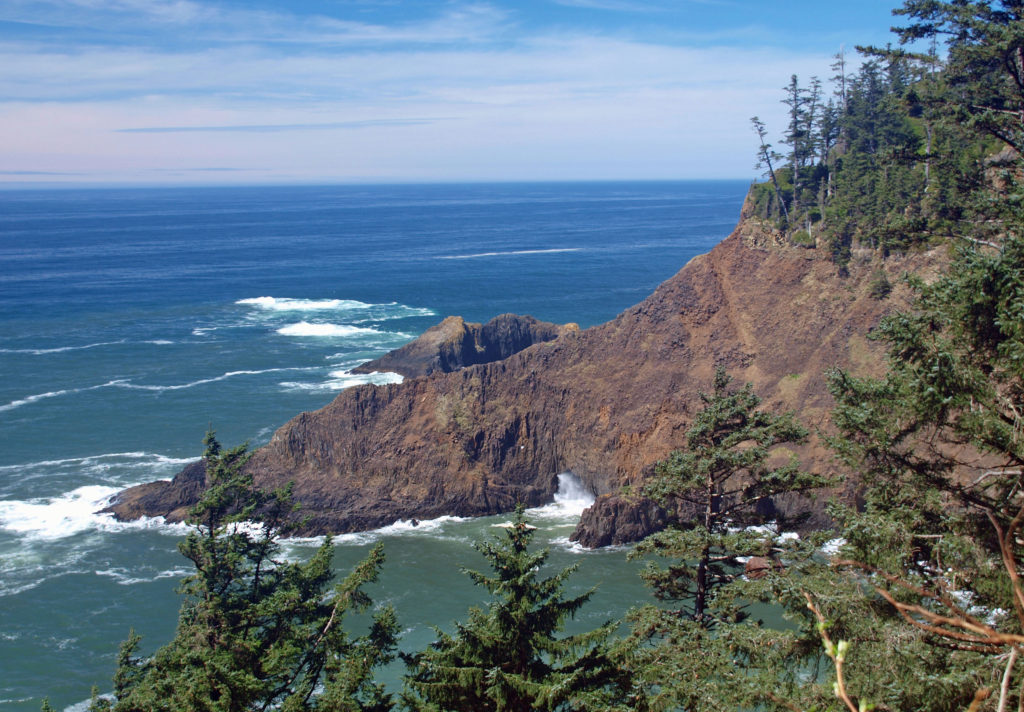
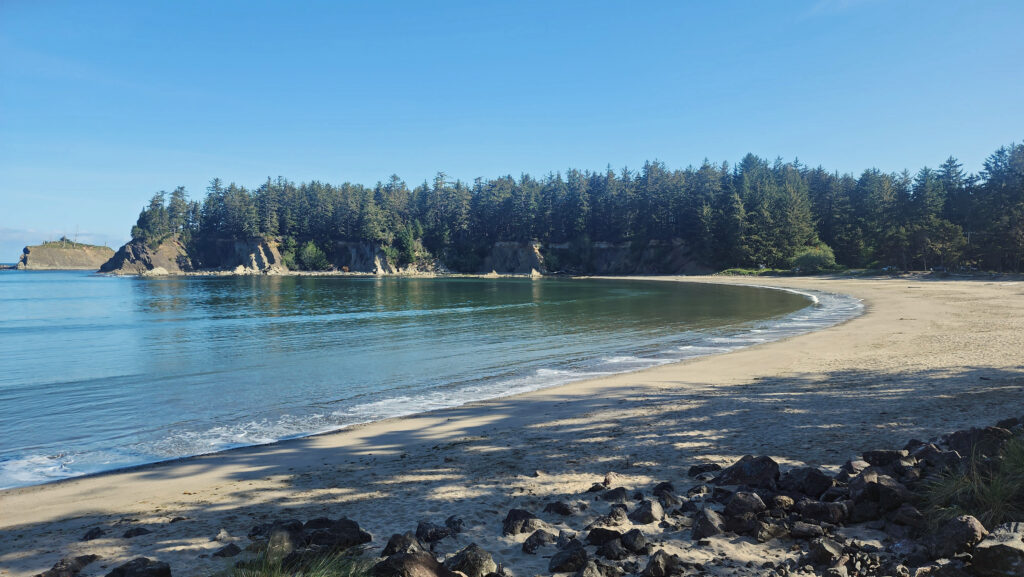
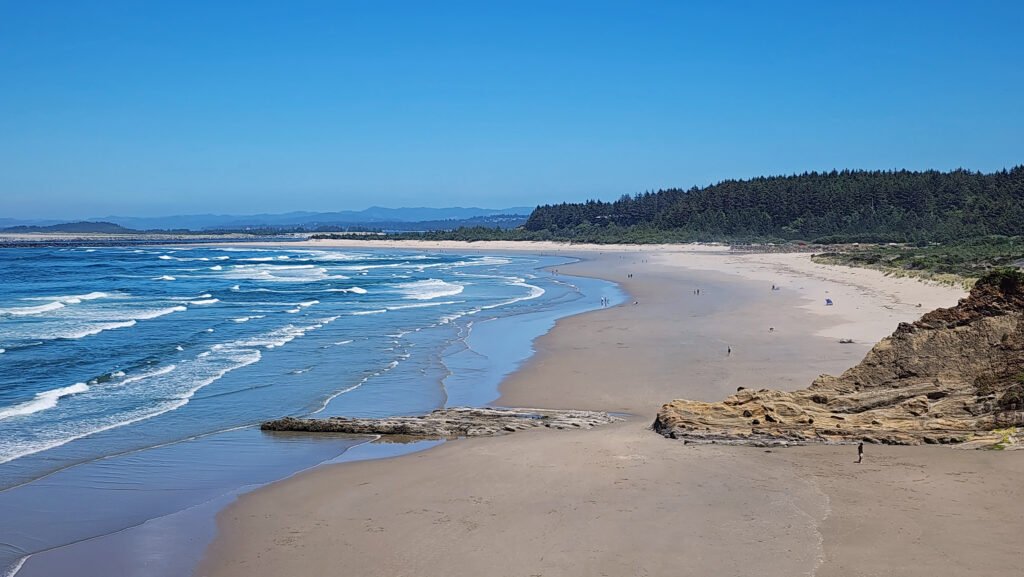
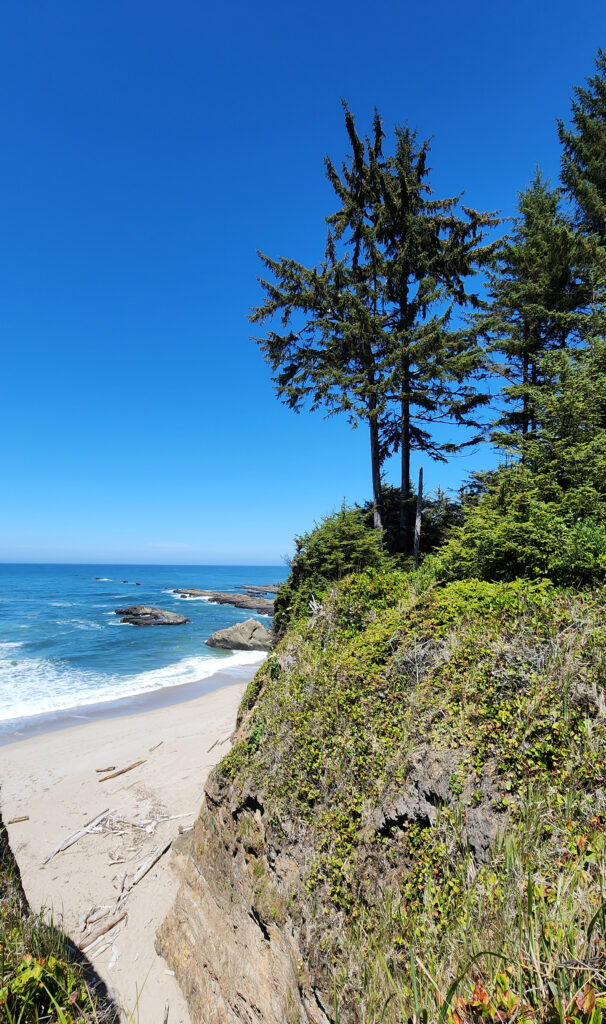
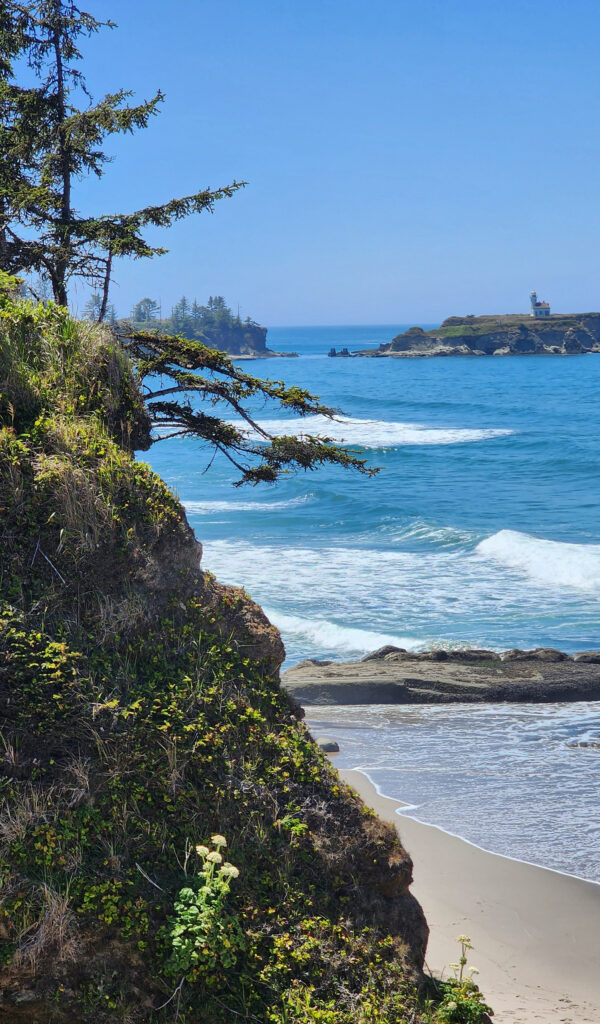
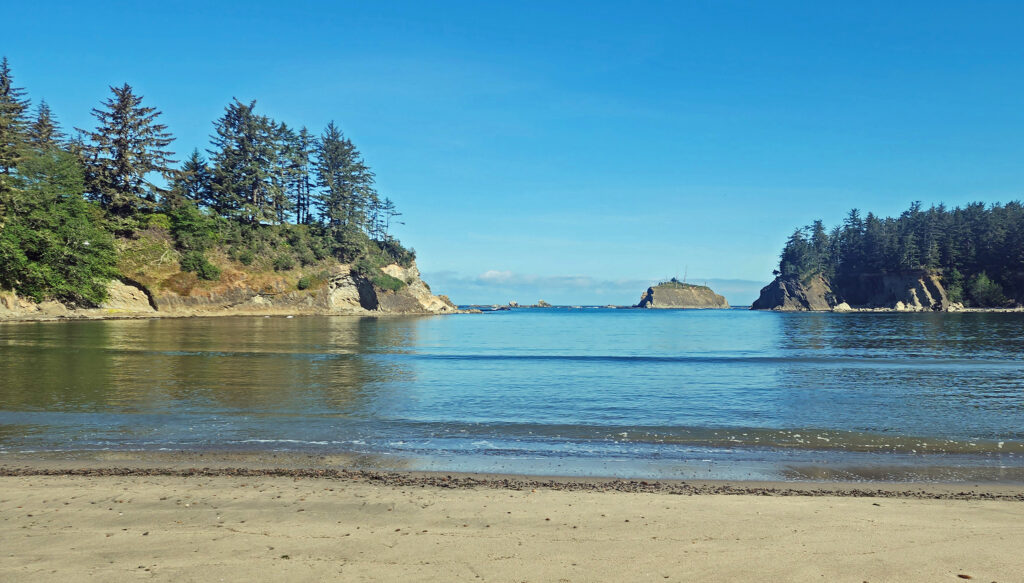
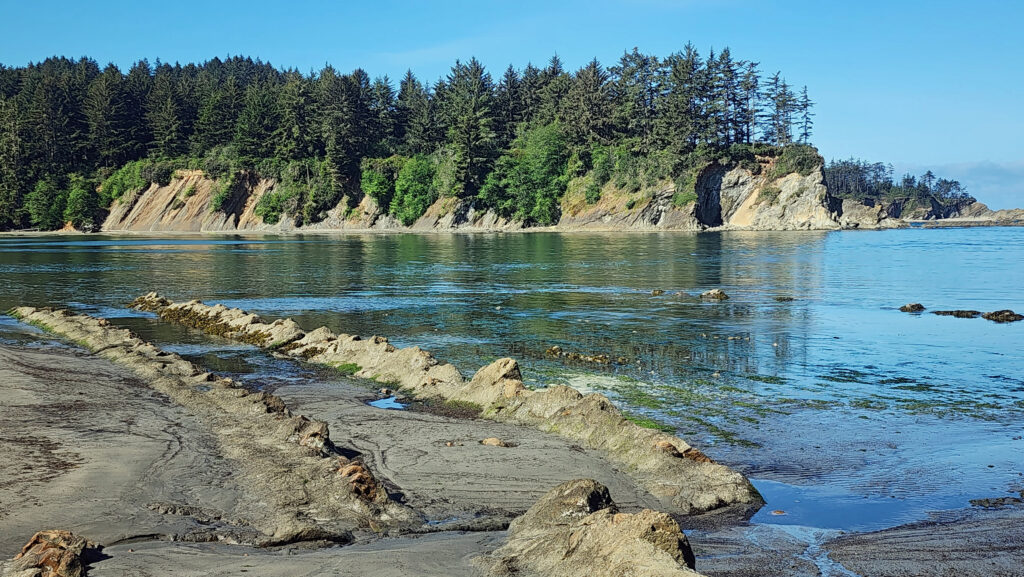
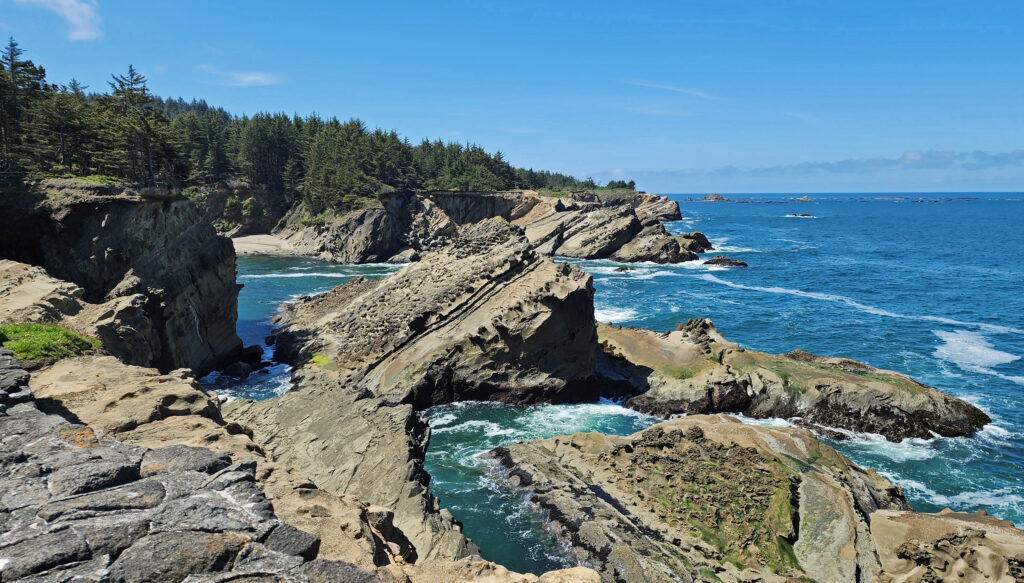
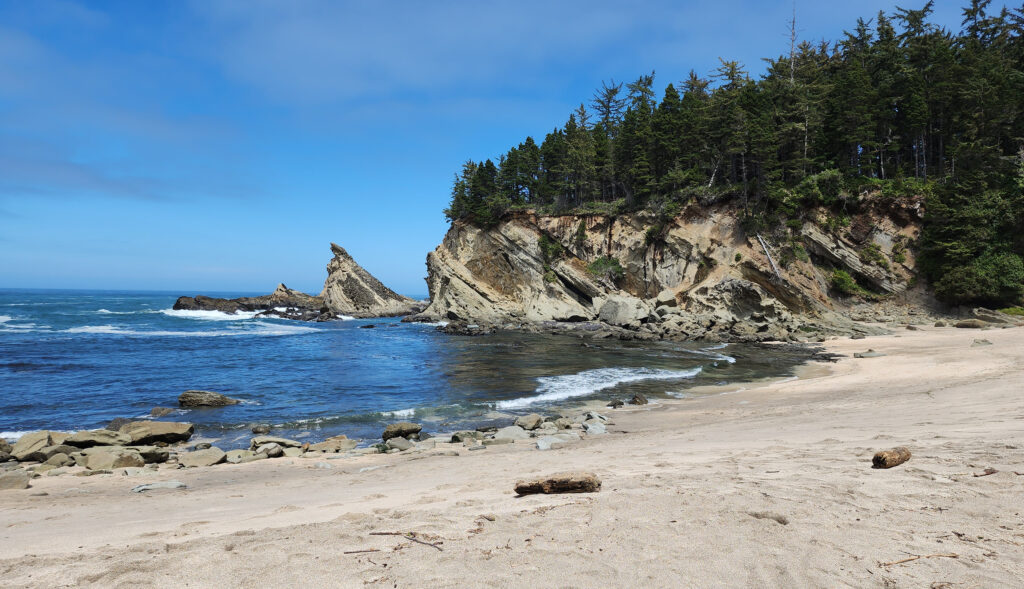
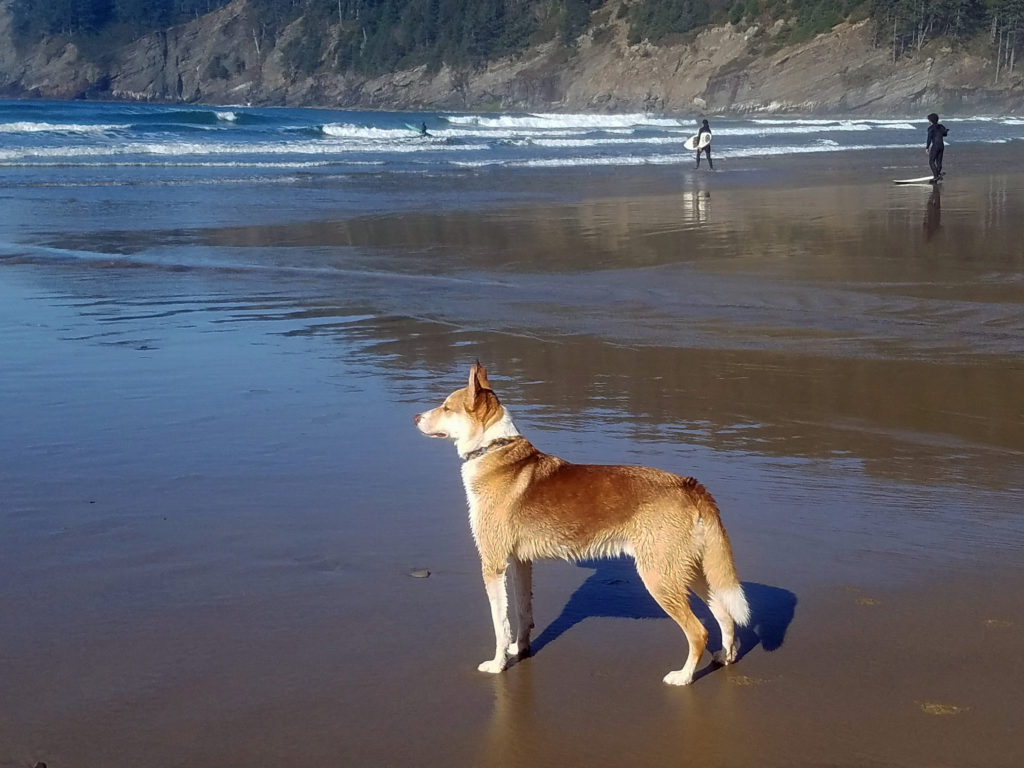
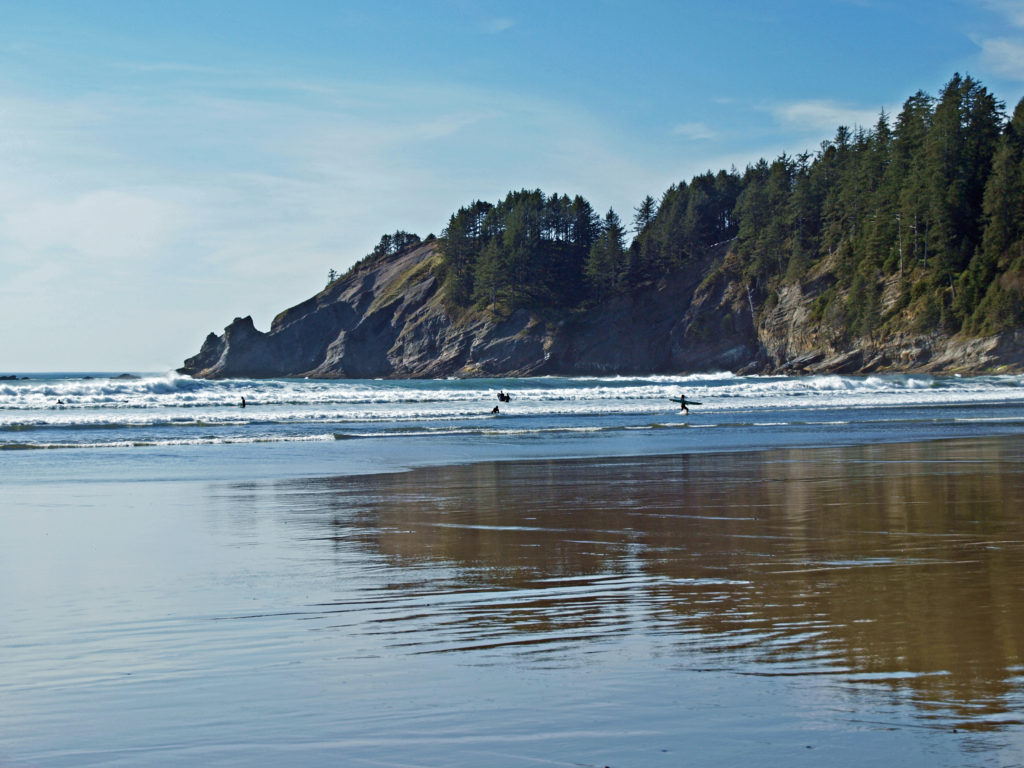
 The park, originally called Short Sand Beach State Park, was created in 1931 through the efforts of Oregon’s first State Parks Superintendent, Samuel H. Boardman. Boardman was a fervent believer that of as much of the coast should be preserved in public ownership as possible. Many of the state parks along the coast were created under his stewardship. Short Sand Beach State Park was renamed in 1958 to honor former Oregon Governor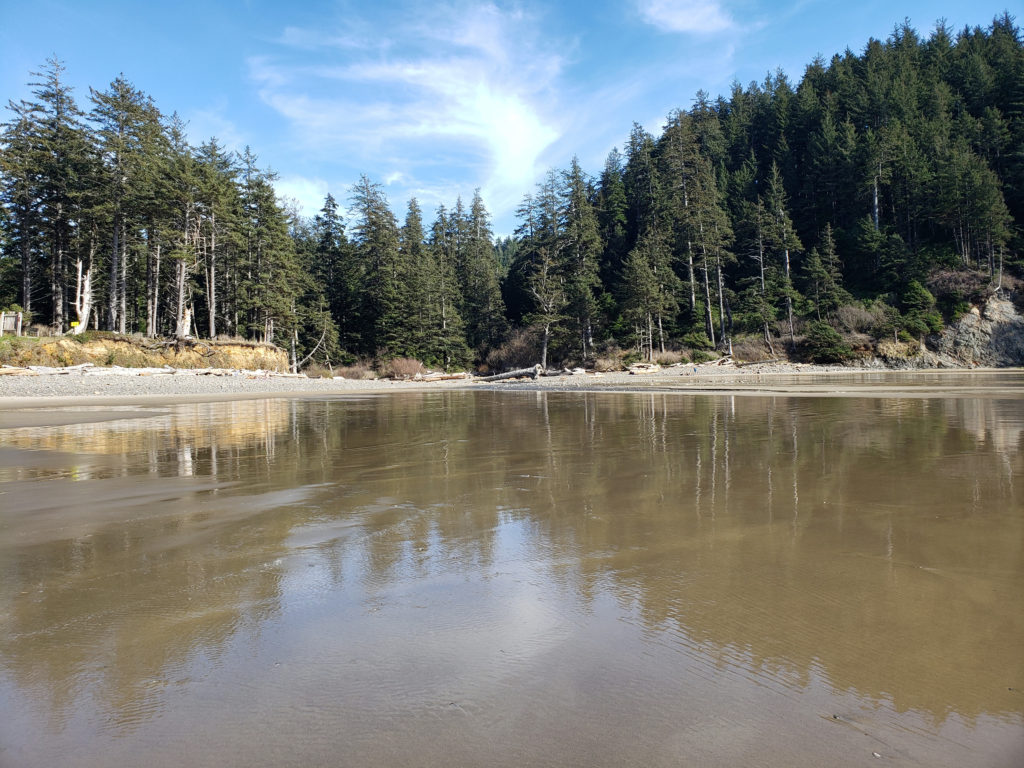
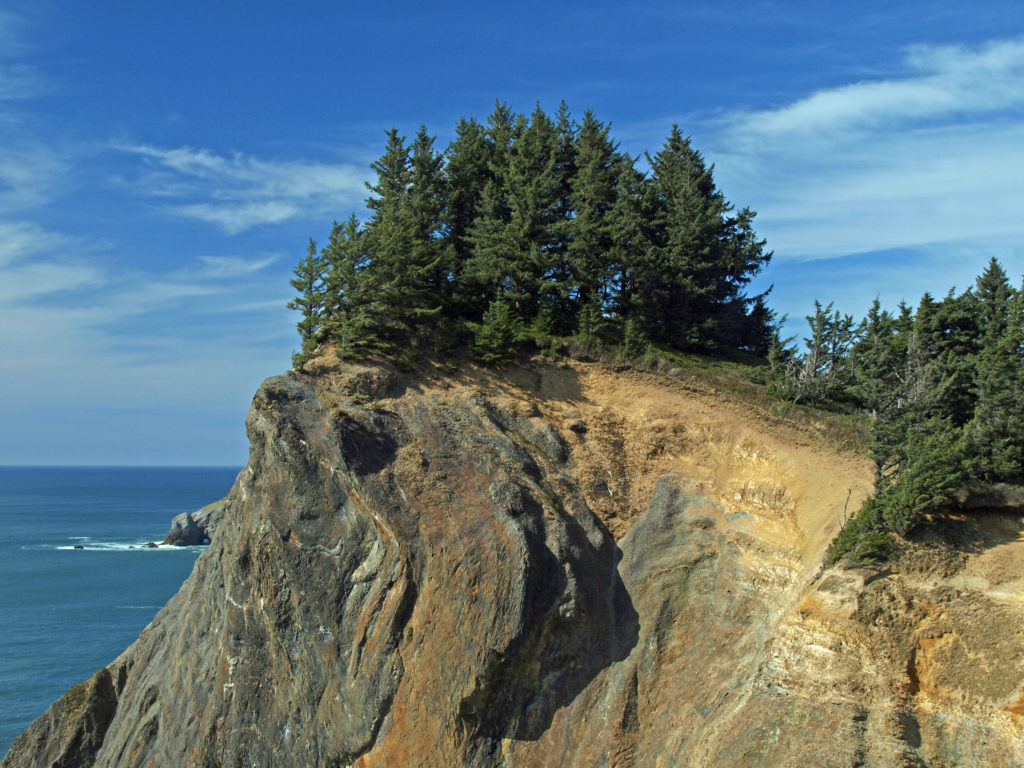
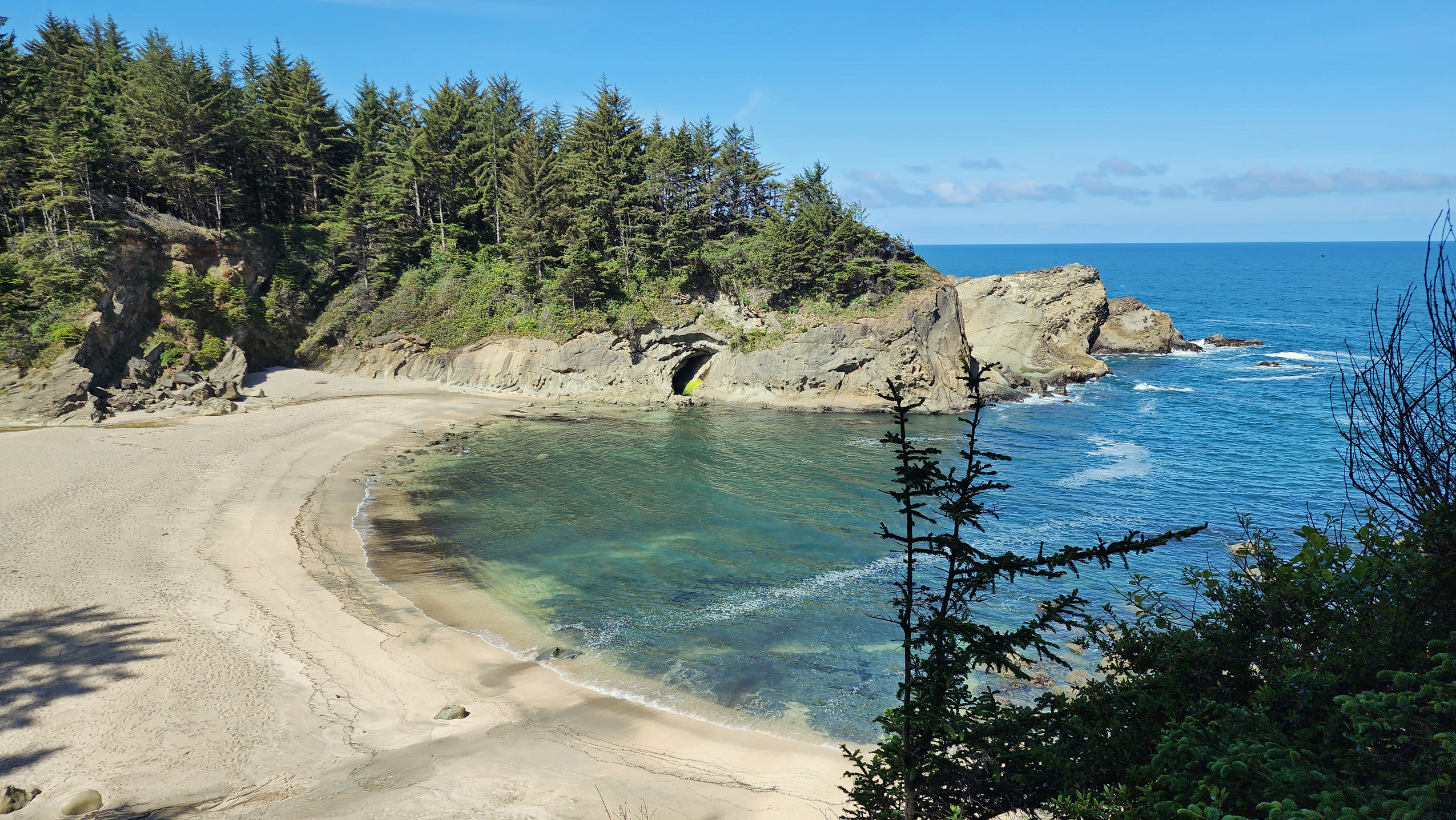
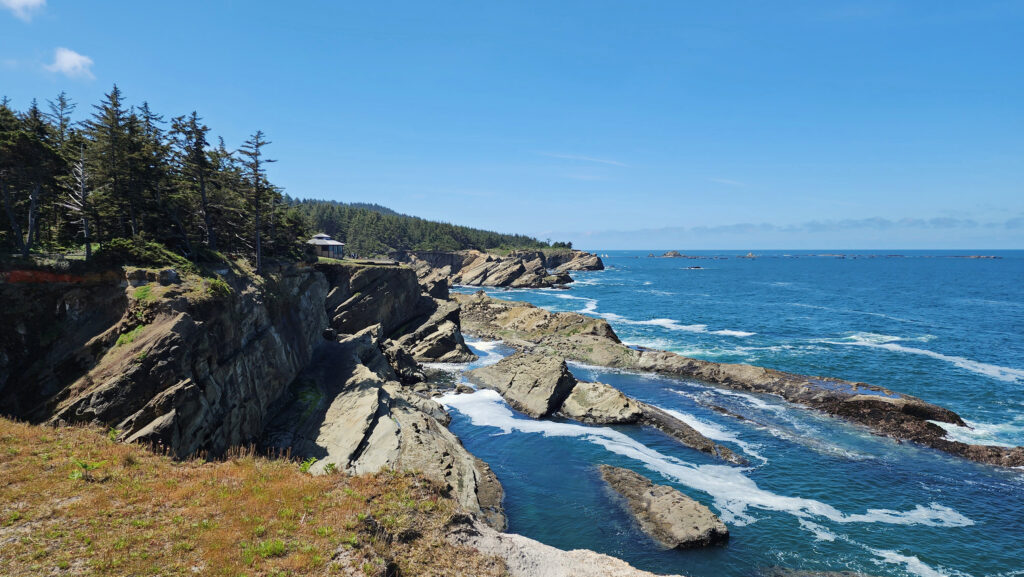
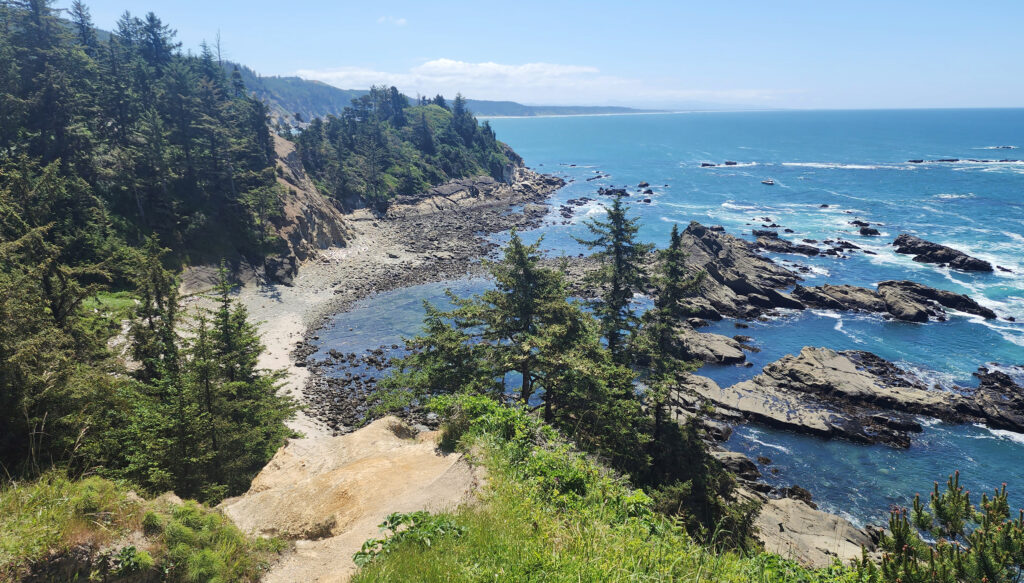
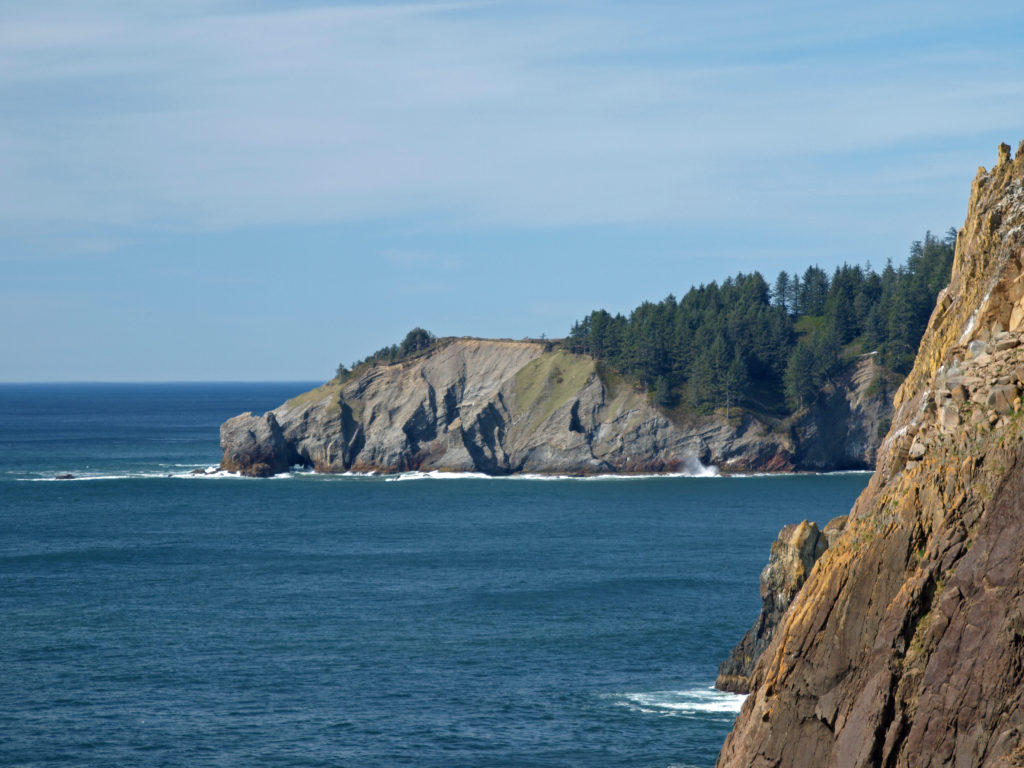
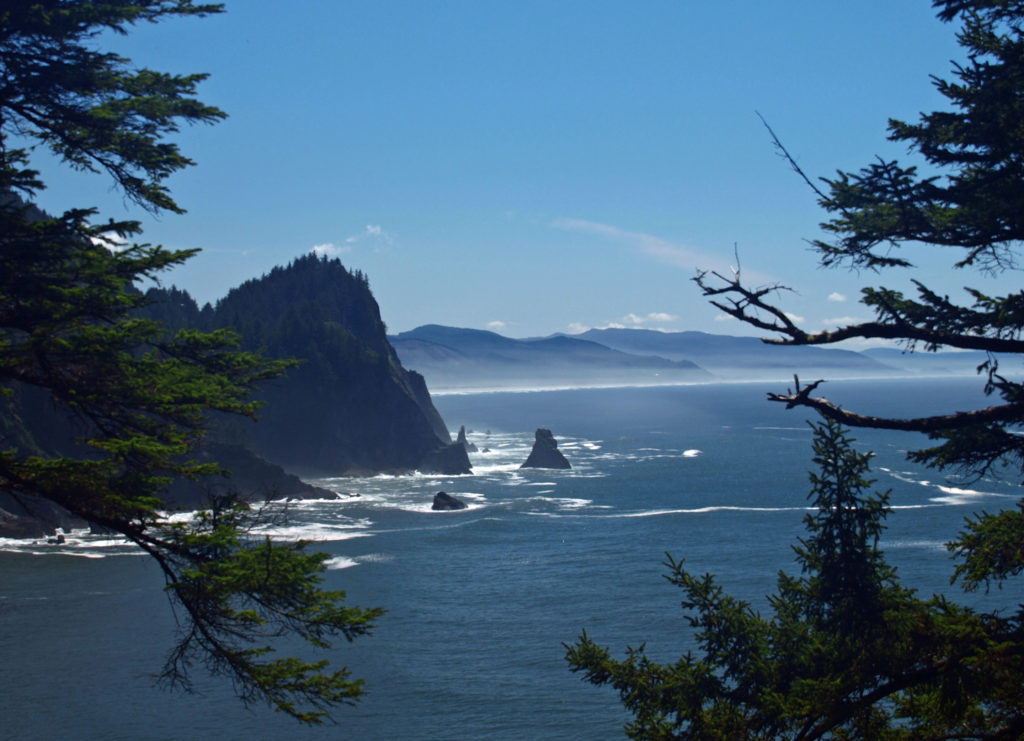
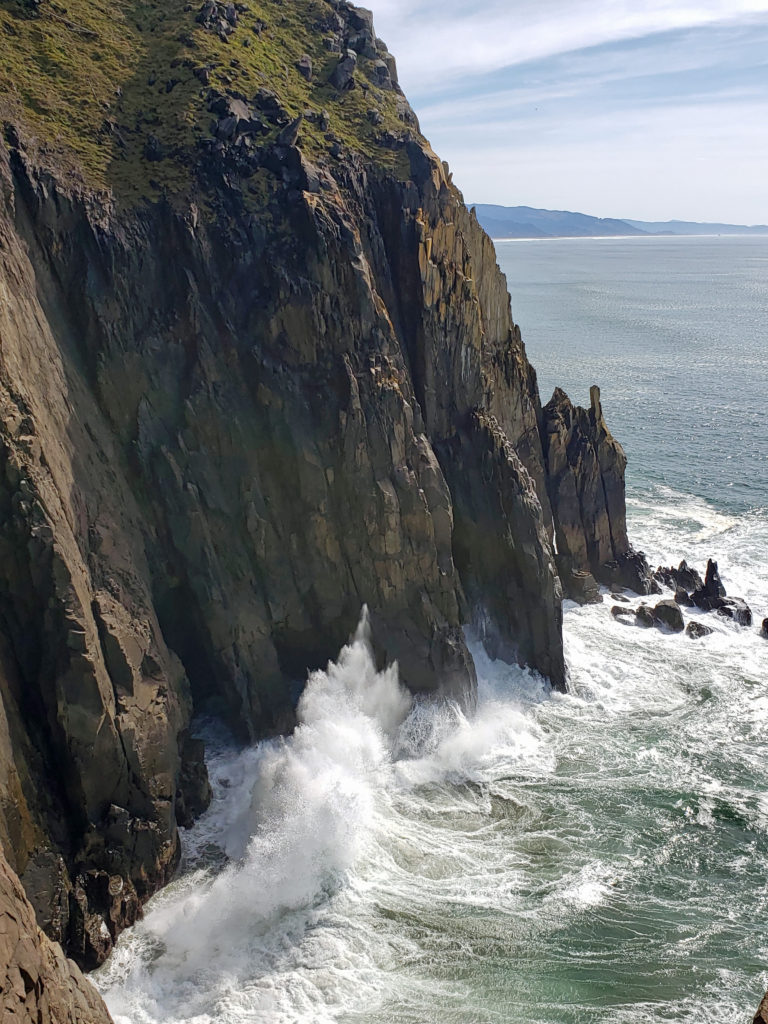
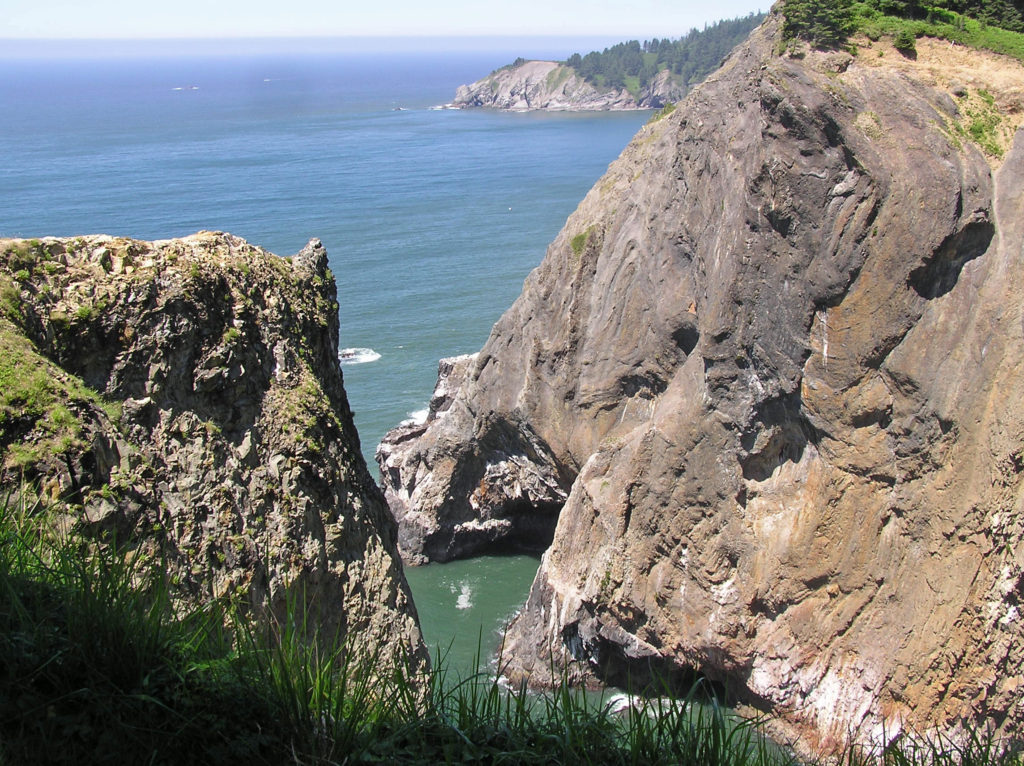 Devils Cauldron is a spectacularly beautiful little cove on the north side of Neahkahnie Mountain. It can be reached by either a one mile hike from Short Sand Beach or a much shorter hike from where the Coast Trail crosses Hwy 101. To access the shorter route, drive south on Hwy 101 from the Short Sand Beach parking lots and look for a gravel parking area on the ocean side of the highway. Follow the Coast Trail north a short ways to a signed junction. The Devils Cauldron viewpoint is just a quarter mile walk from the parking area.
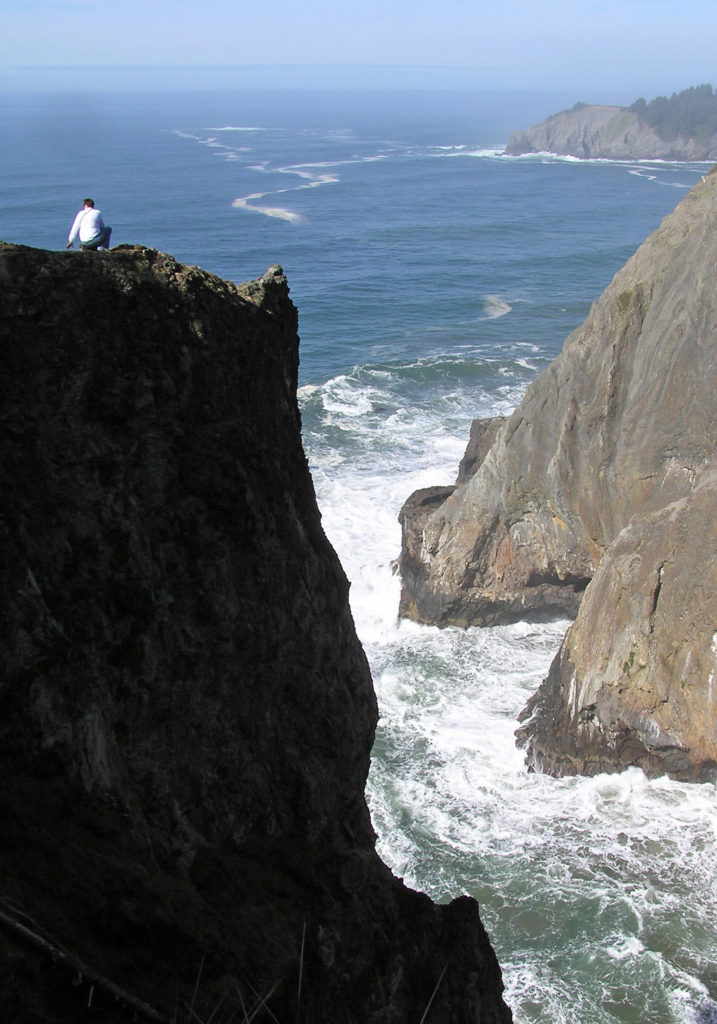
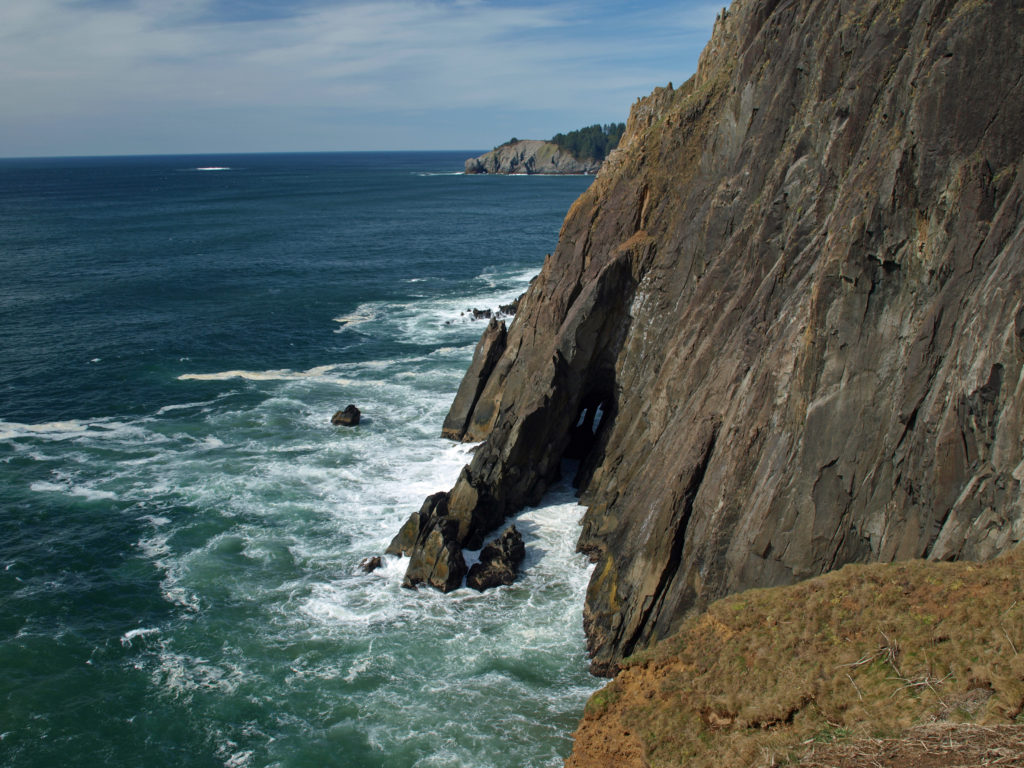 On your way back to the trailhead look for another trail branching off to the south. The junction here is unsigned and the trail is sometimes overgrown and impassable. But if it’s open, the trail leads to a narrow shelf of rock that falls away on three sides to the ocean below, and the cliffs of Neahkahnie Mountain tower over the viewpoint to both the north and south. It may not be a place for people with a fear of heights, but it’s one of the most awesome places on the entire coast.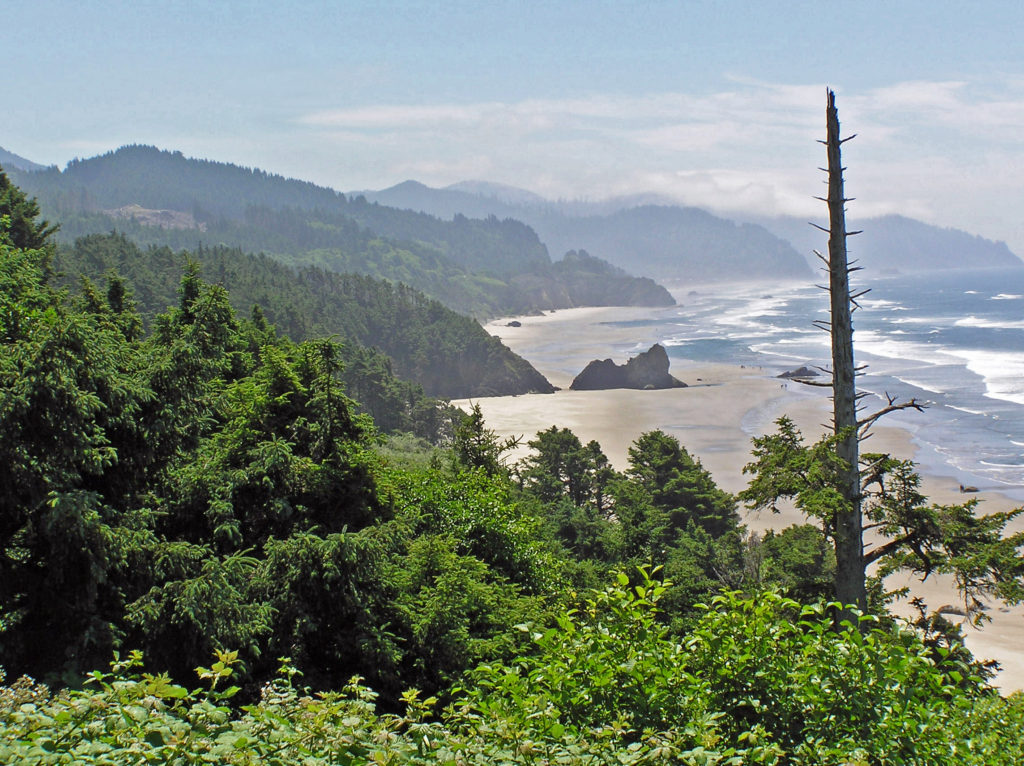
 Oswald West State Park is about a two hour drive from Portland, so it’s easily doable as a day trip if you’re from the Portland area or are visiting Portland. But if you want to make a weekend of it, there are plenty of other attractions on the north Oregon coast beyond Oswald West.
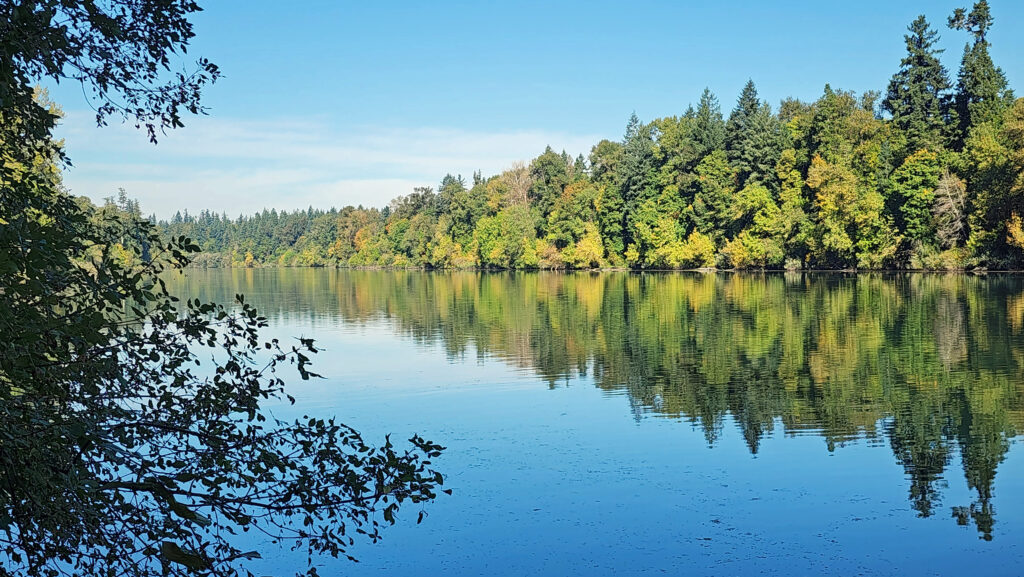 Overview:
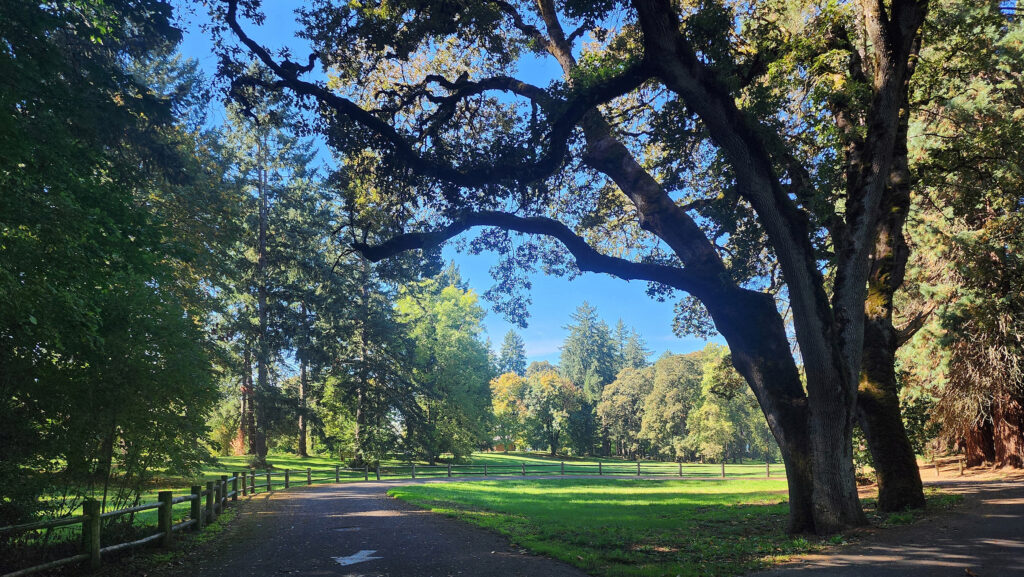 Getting there:
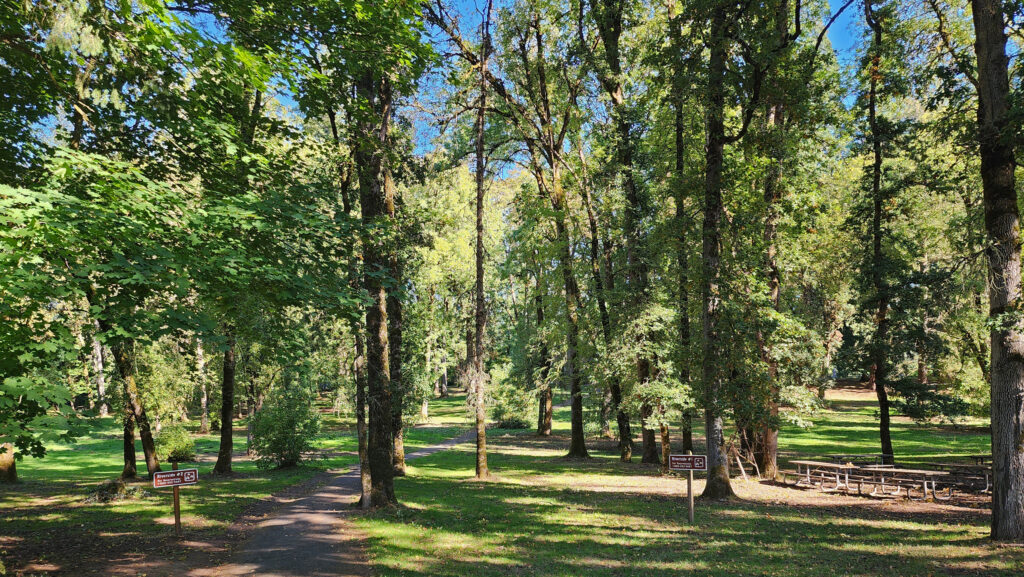 Trailhead:
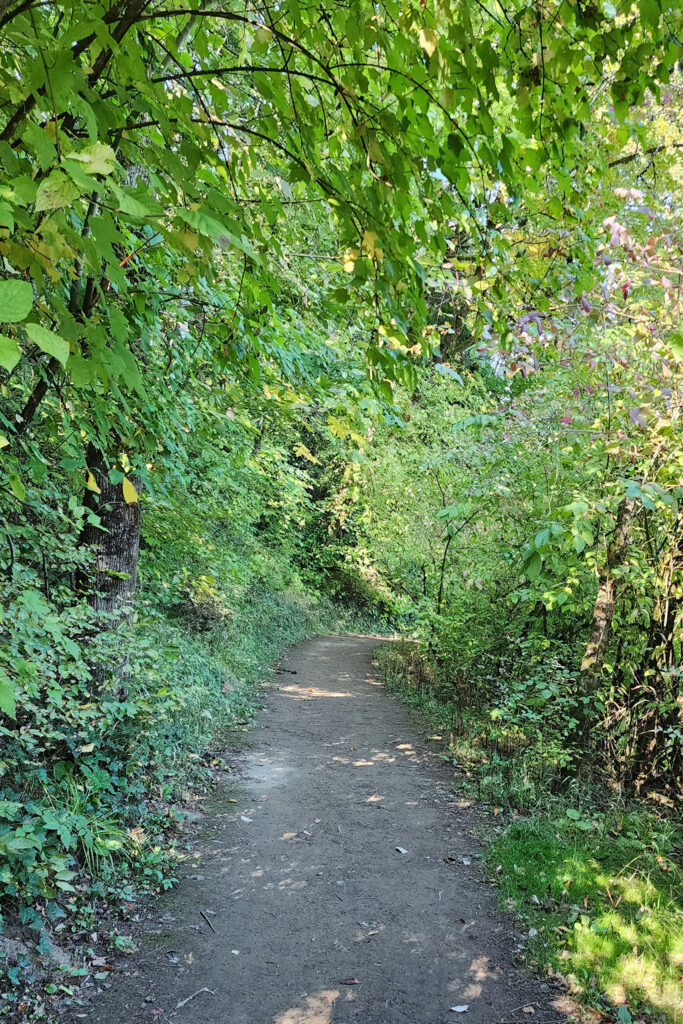 The hike:
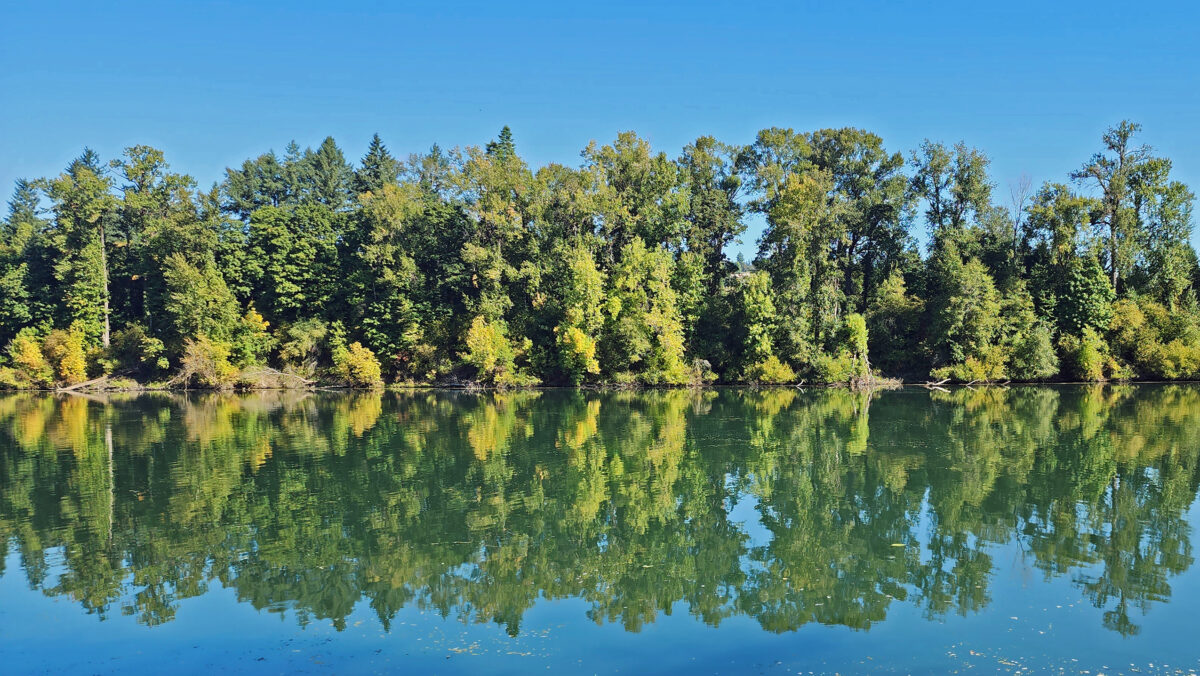
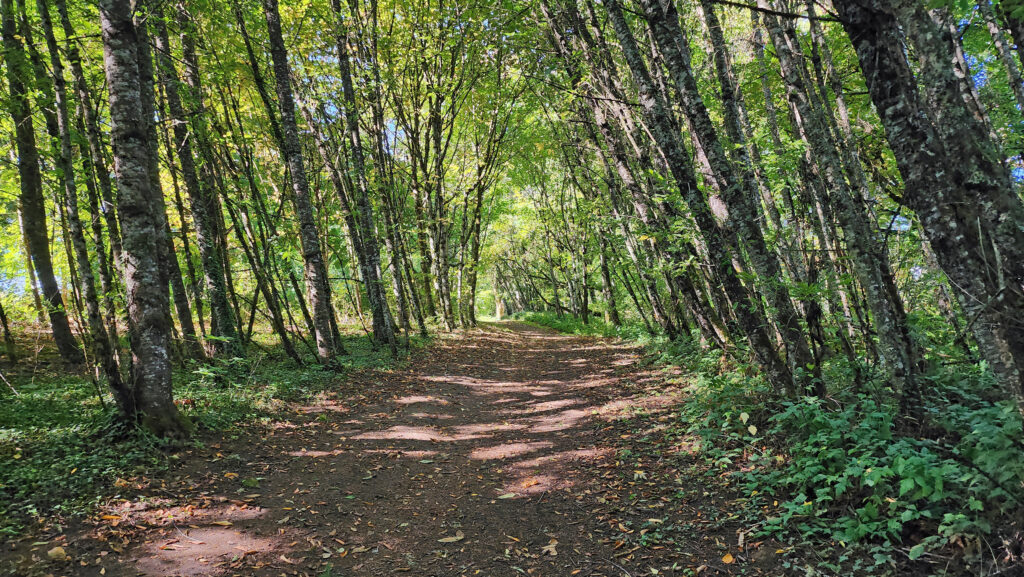
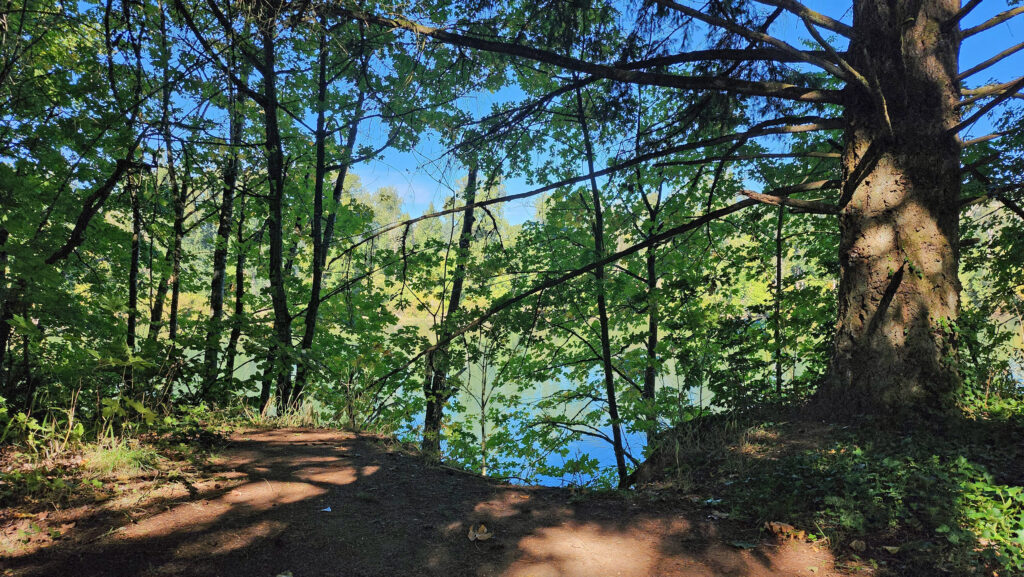 The Townsite Trail takes you along the river through a mixed woodland of Douglas fir, bigleaf maple, and red alder with partially screened views of the river. There are several user-made trails leading down to the water, but they are steep (and dangerous if the ground is wet), so be careful if you want to get to the water for a better view of the river.
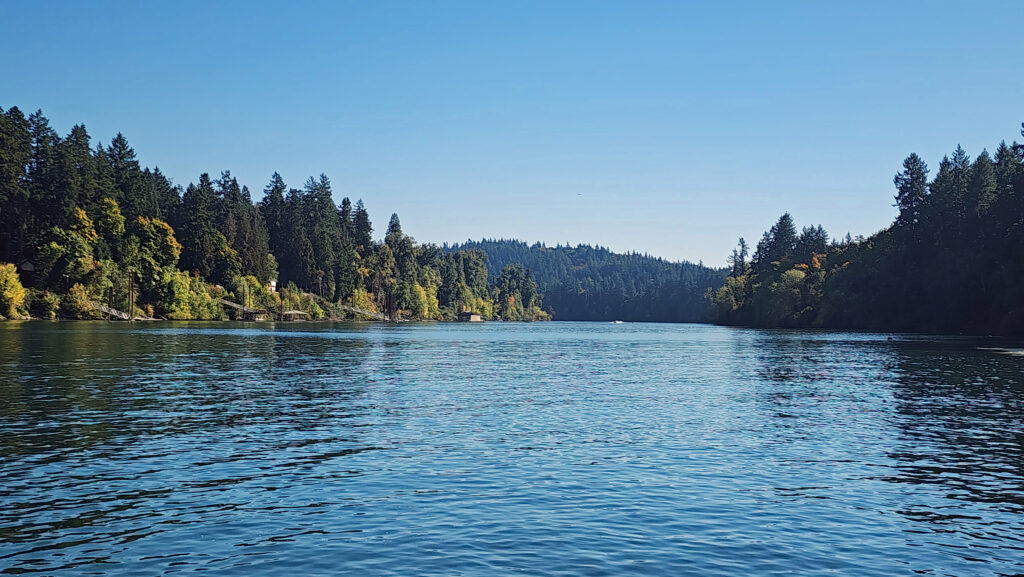 At about the one-mile mark you’ll come to an open field on your right and you’ll see a boat dock ahead on your left. There is a small parking area here with a restroom. Head down to the dock for the best views of the river on this hike.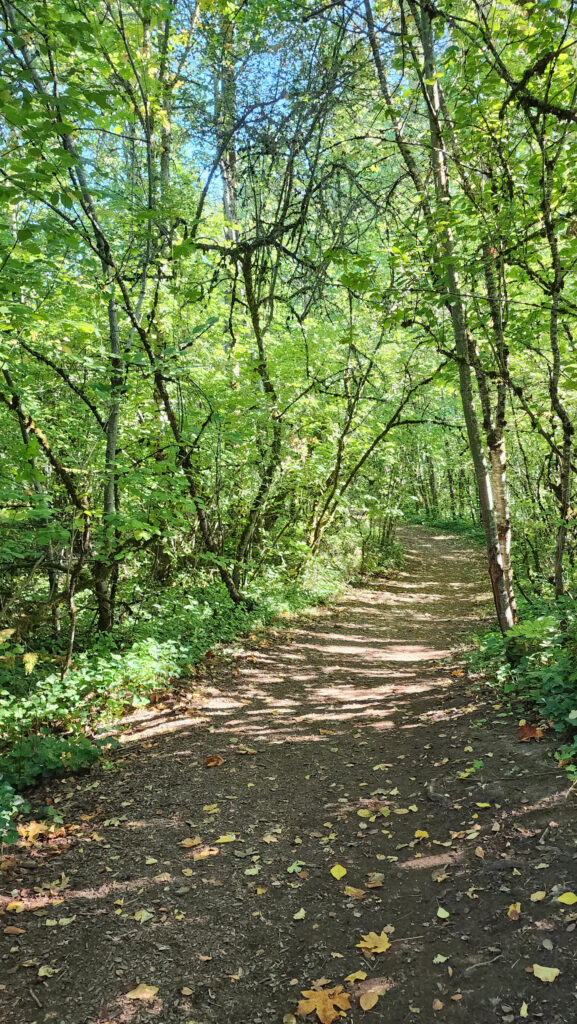
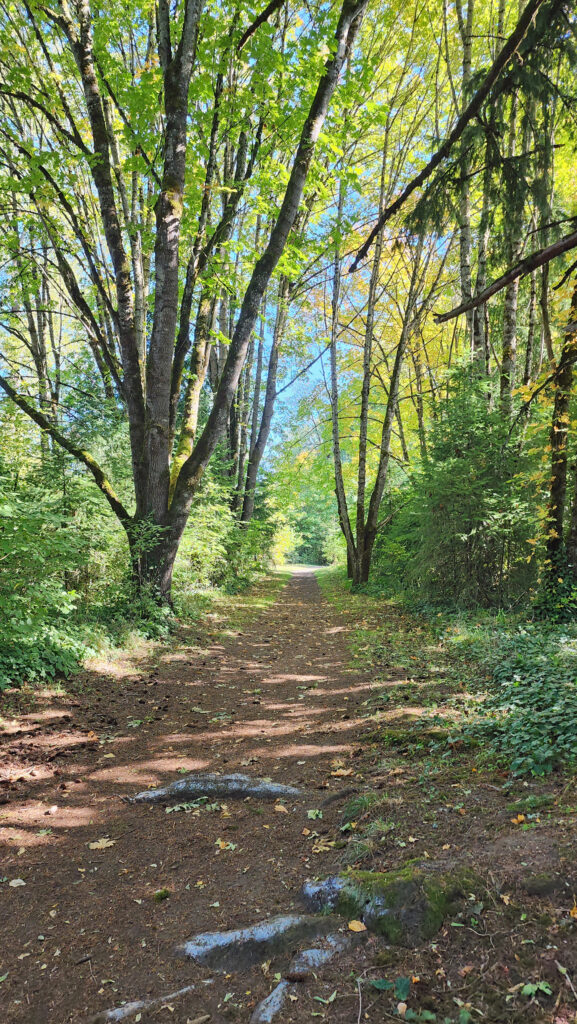 Coming back up from the dock, look for a trail to your left. This will take you to Champoeg Creek where it flows into the Willamette. The trail then loops back through the forest and comes out into a clearing. Follow the edge of the clearing back to the restroom above the dock. From there, retrace your route back to the trailhead at the Riverside picnic area.
 Best time to go:
 Champoeg State Park:
 Posted October 26, 2023 by Alan K. Lee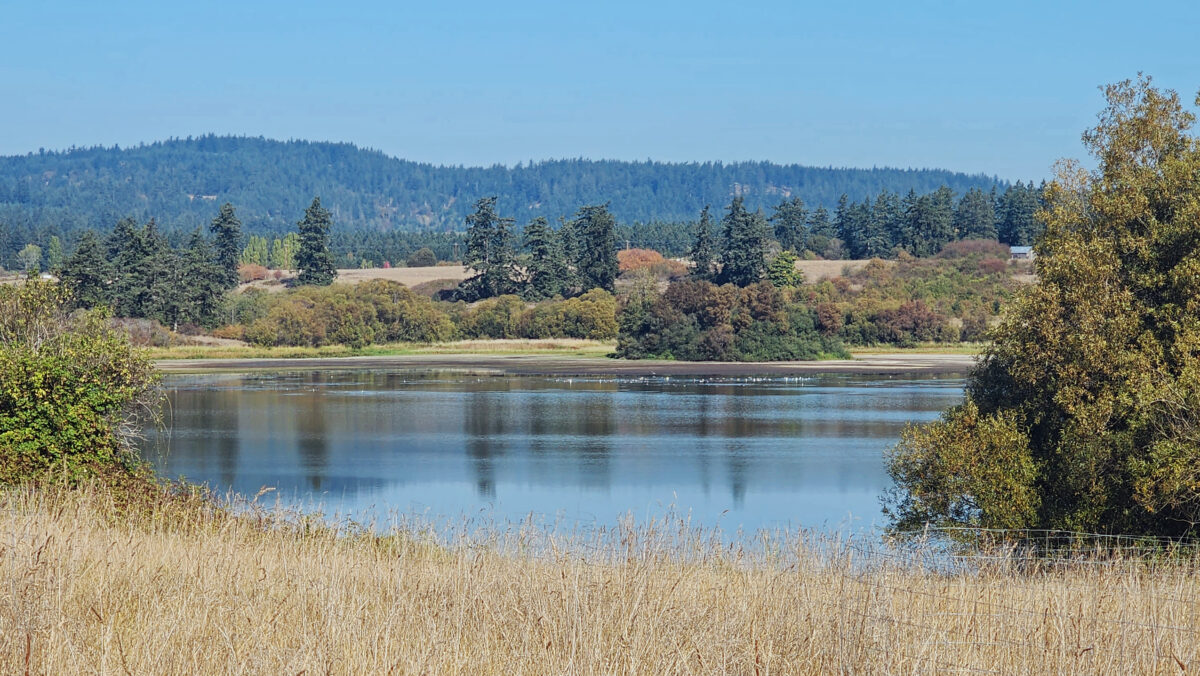
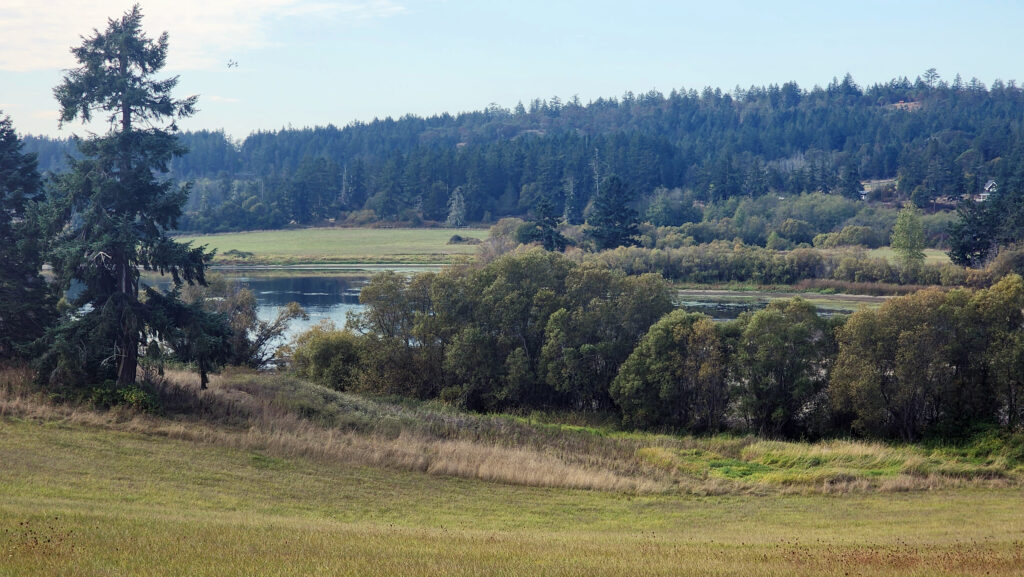
 The property was formerly a privately owned farm that was the site of a proposed housing development. Instead, the property was sold to the land bank in 2015 and the trust obtained the conservation easement. Thirty acres of the property, including the farmhouse and agricultural buildings, were sold by the land bank to Island Haven, a non-profit animal sanctuary, with a conservation easement to protect the land.
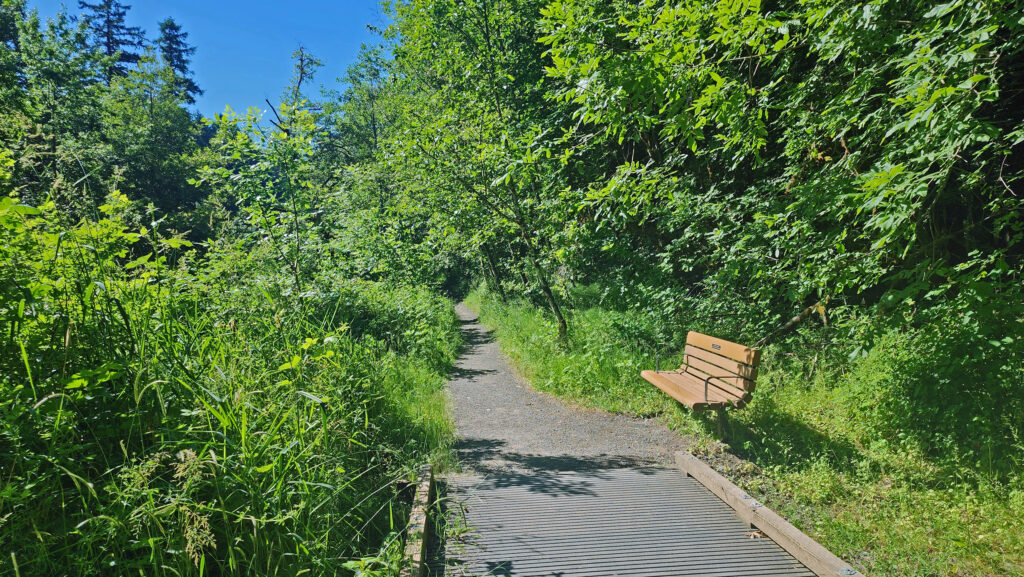
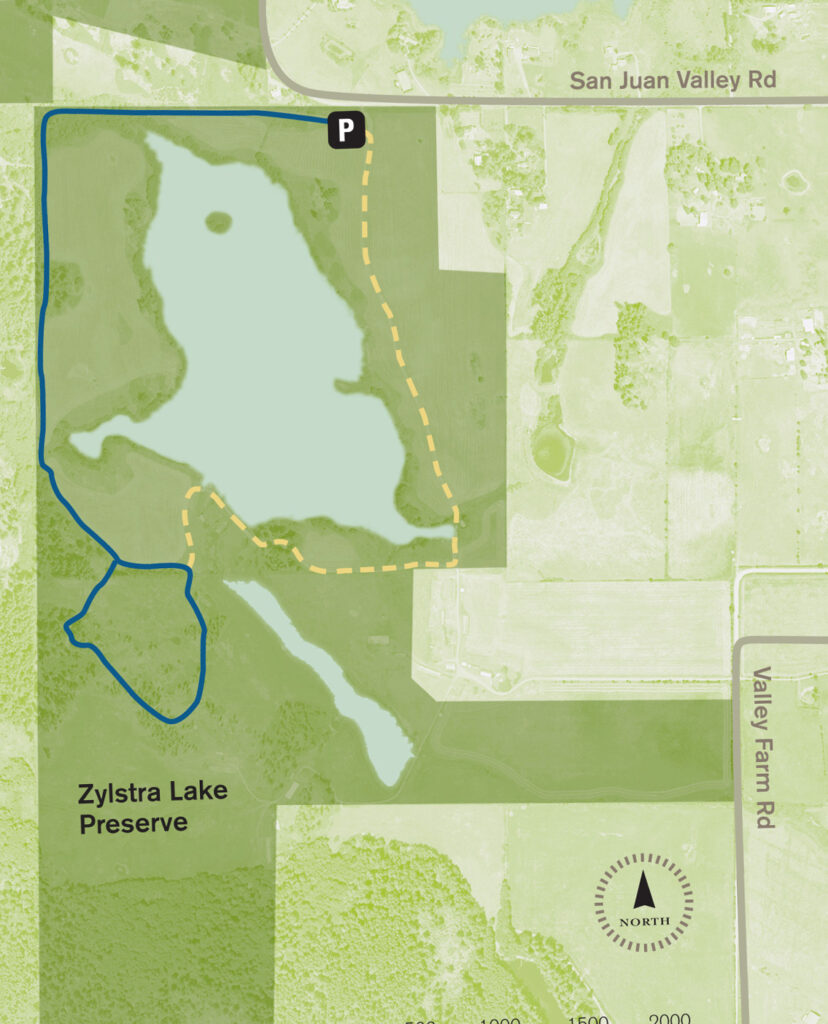
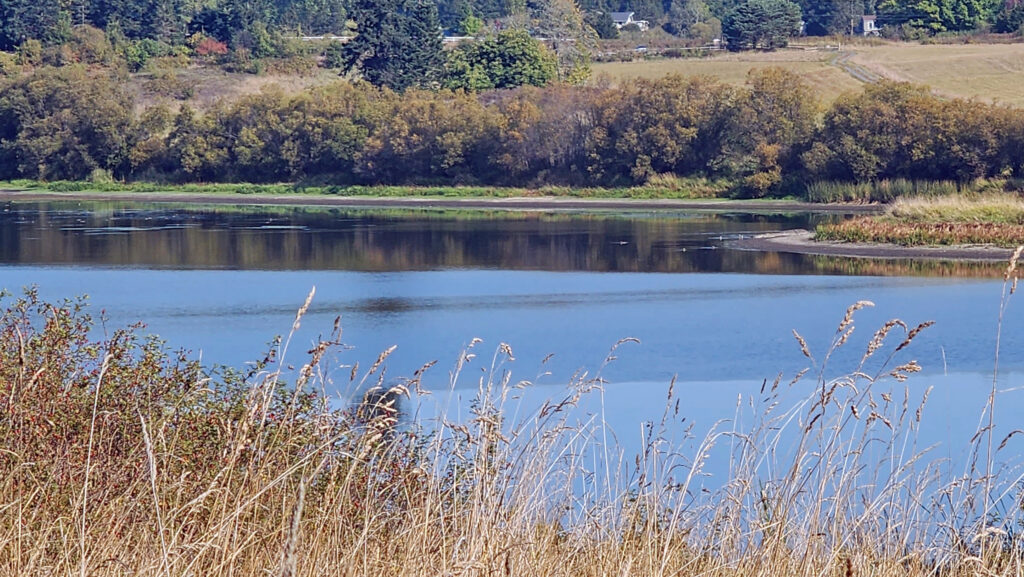 Currently, there is no public access to the lakeshore, and the eastern and southern portions of the trail around the lake are closed from October through March. The northern and western portions of the loop are open year-round and can be hiked as a lollipop loop during the winter.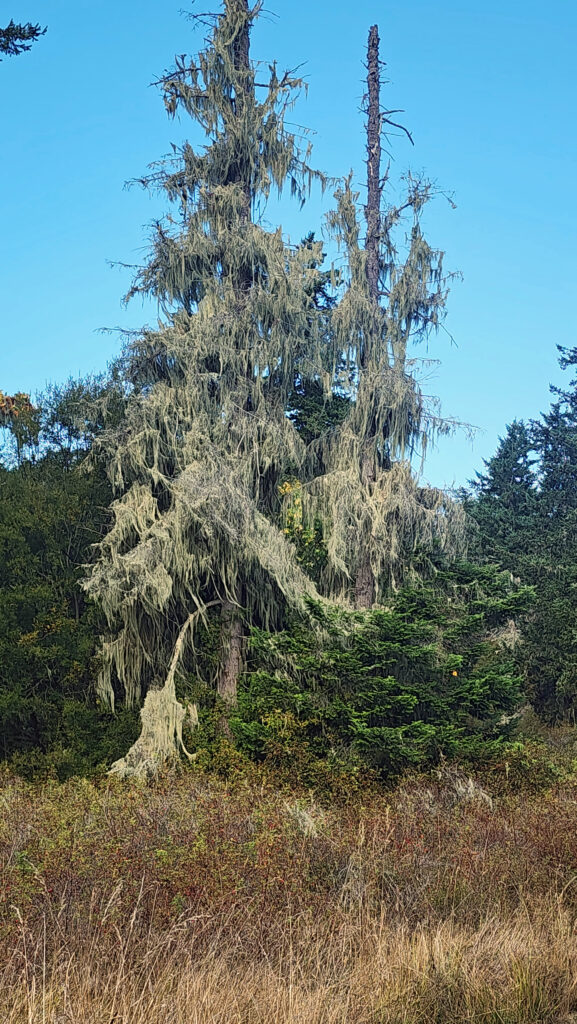
 Getting there:
 Trailhead:
 The hike: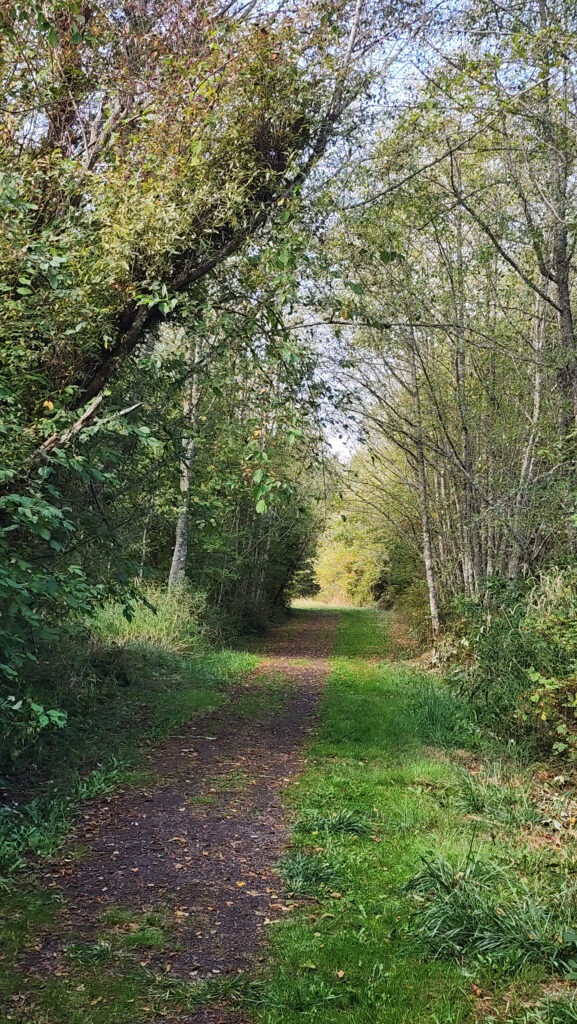
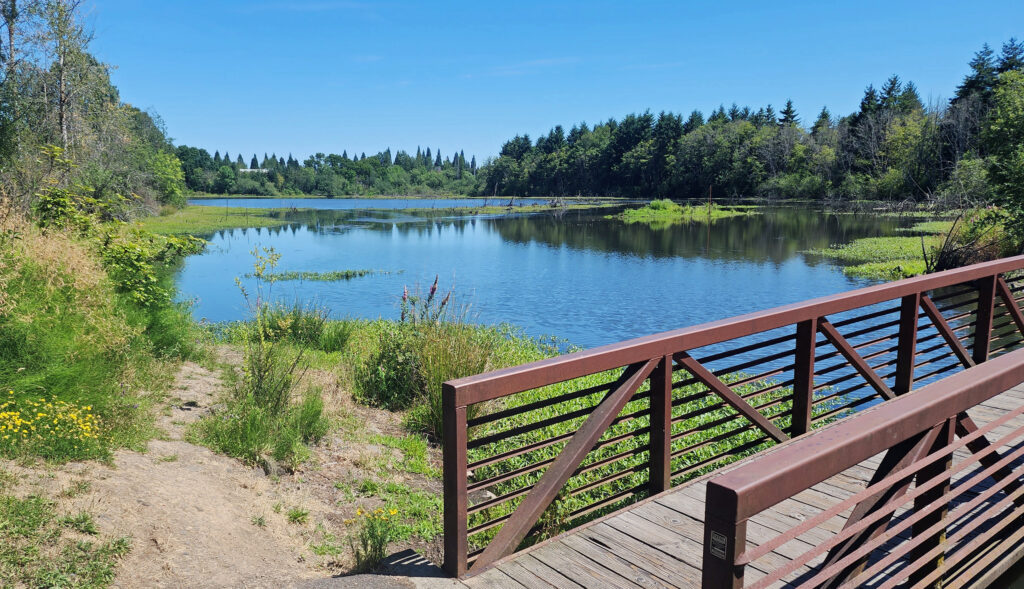
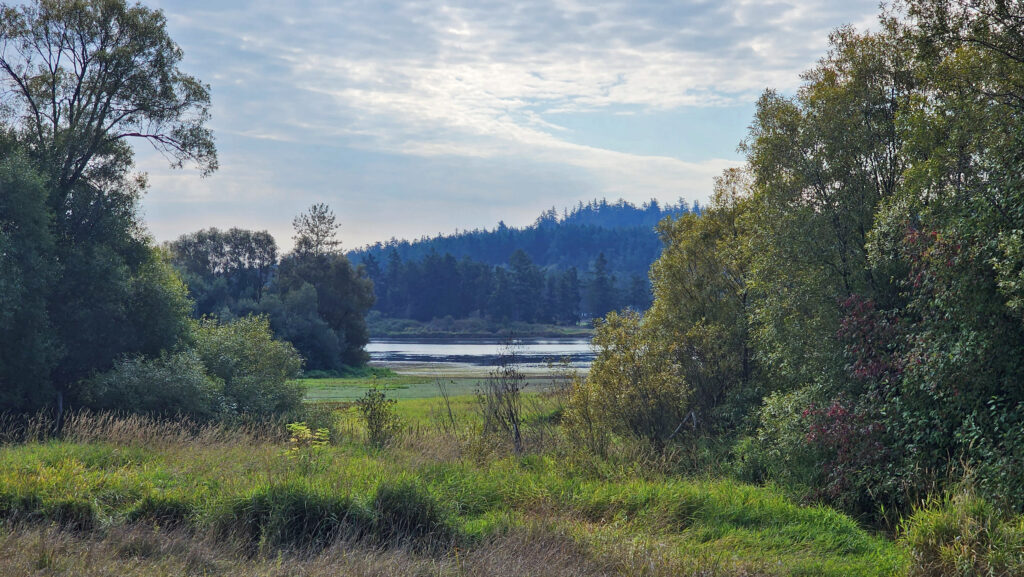
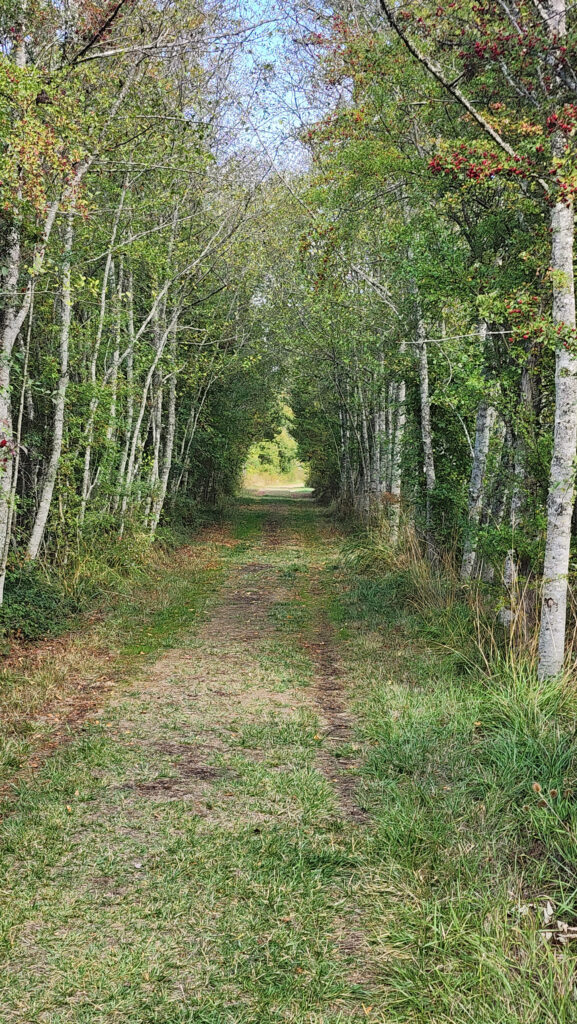 At 0.3 miles the trail turns south and runs along the western boundary of the preserve for another 0.4 miles. The trail then turns southeast and follows the edge of an open field with good views of the lake.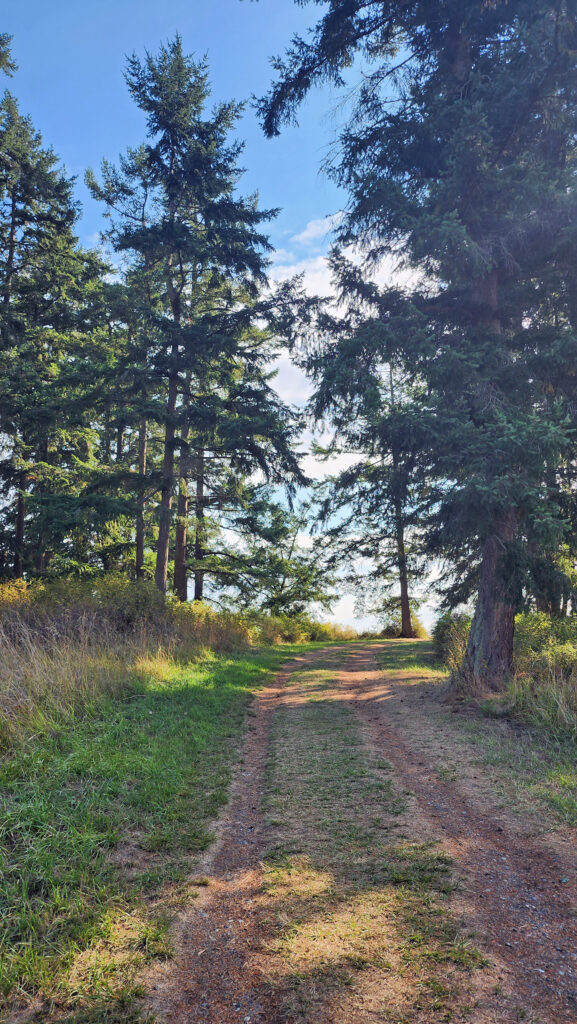
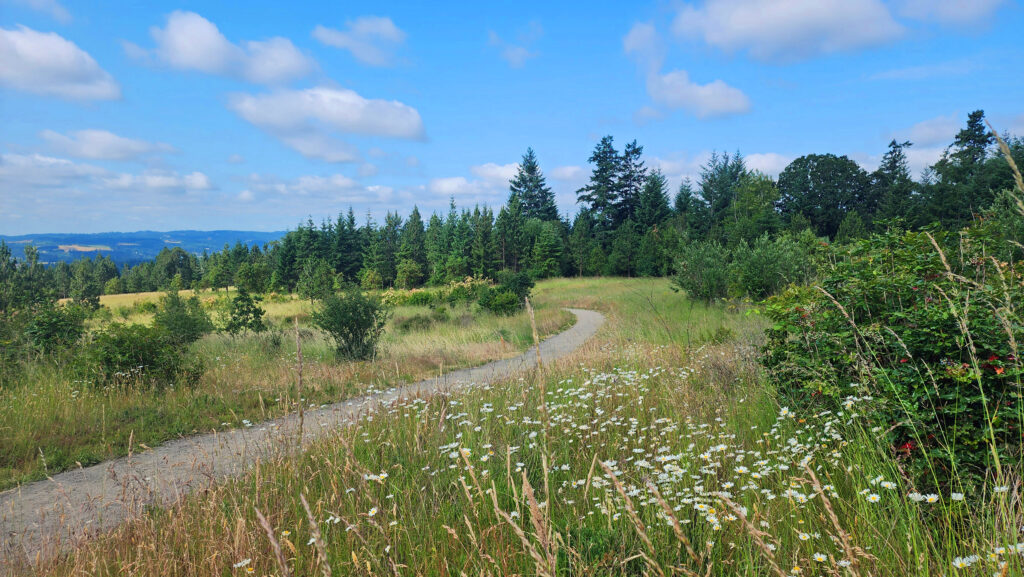
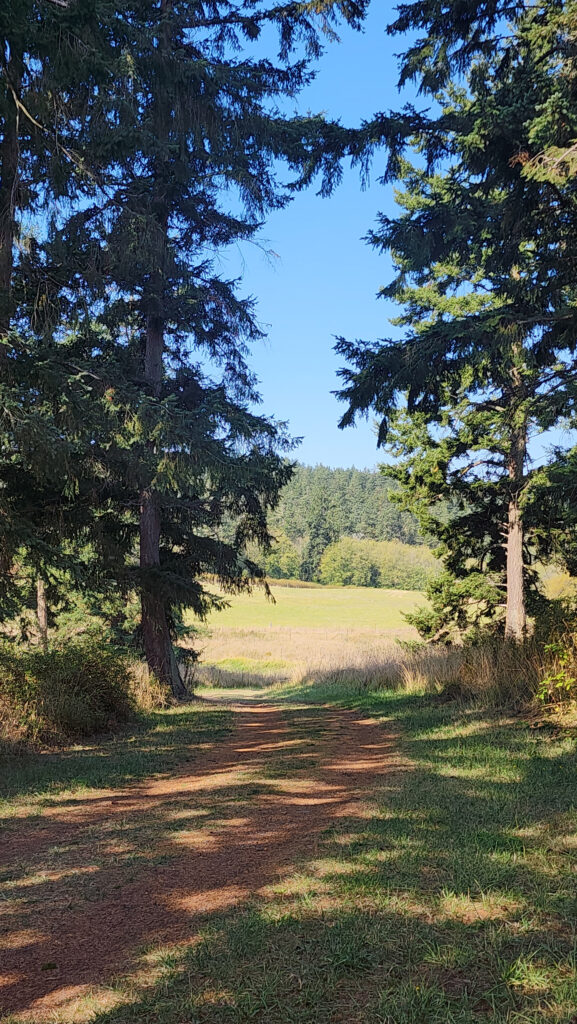 At the 0.85-mile mark, turn right onto a trail that leads through a mix of open fields and partially logged woodland.
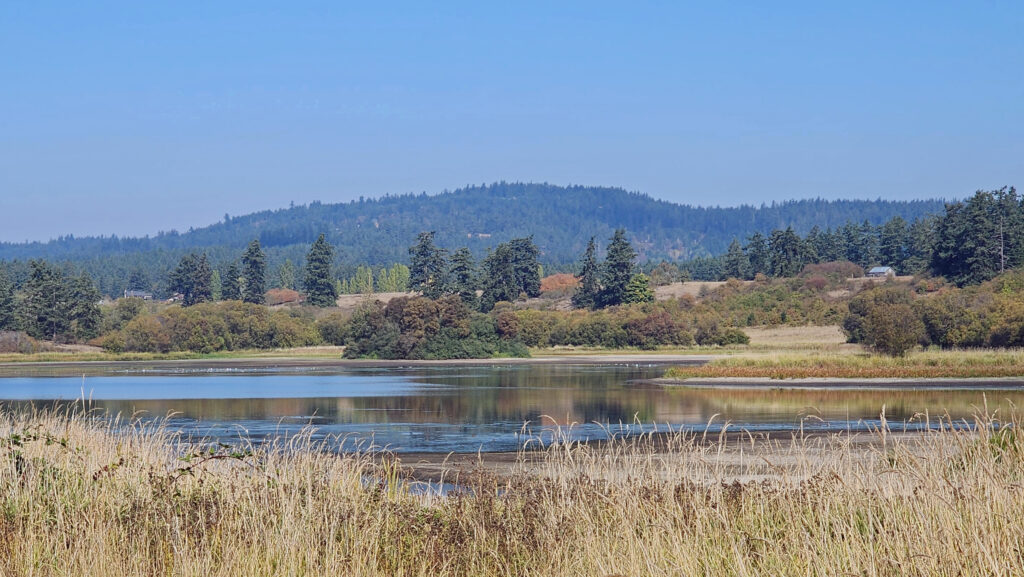 At the 1.25-mile mark, the trail returns to the open field. In winter, the trail ahead is closed, so you need to turn left and retrace your route back to the trailhead parking area.
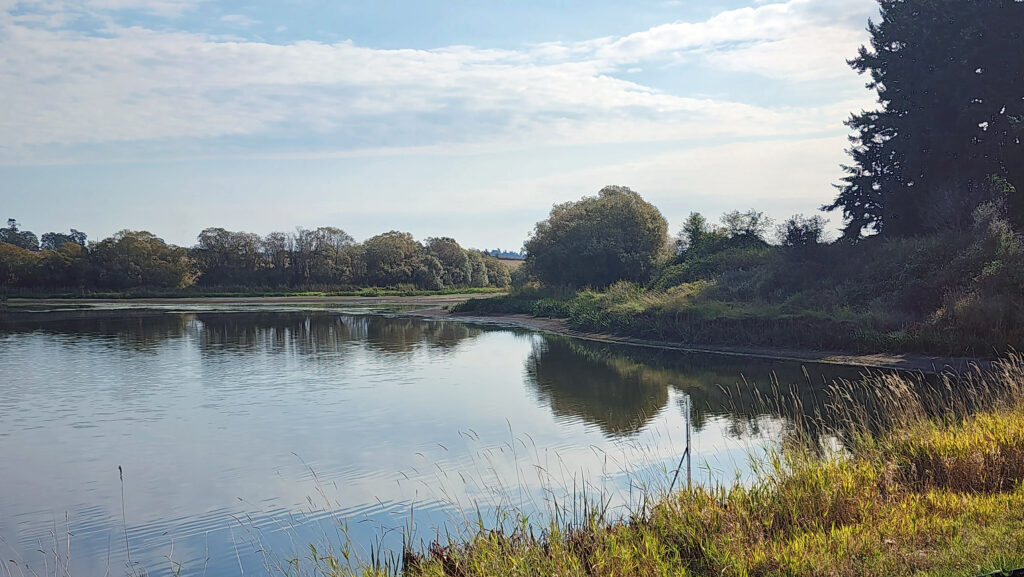 In summer, you can continue straight. The trail then turns right and crosses a bridge over the creek that flows from the lake. Beyond the bridge, the trail runs along the top of the dam that forms the lake, then passes through a small grove of trees.
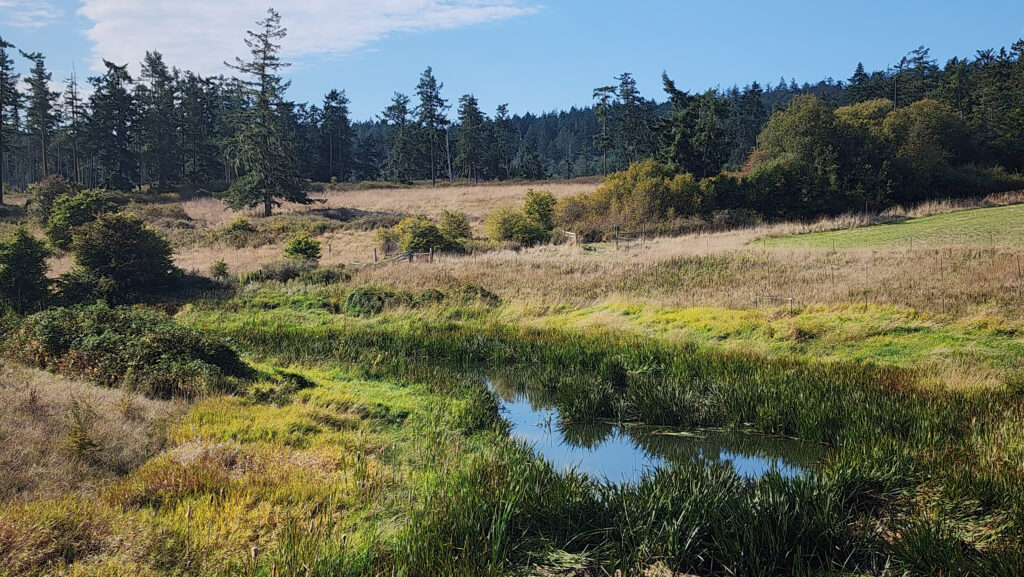 From there, the trail runs between fields to the old farmhouse site that is now home to the Island Haven animal sanctuary. The trail turns left there and follows a gravel farm road back to the trailhead.
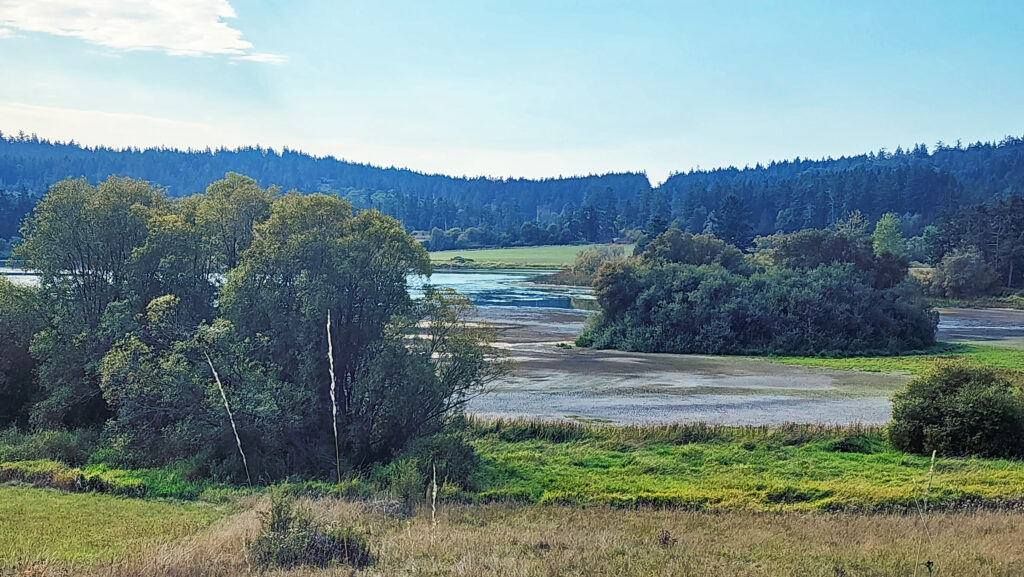 Posted October 12, 2023 by Alan K. Lee
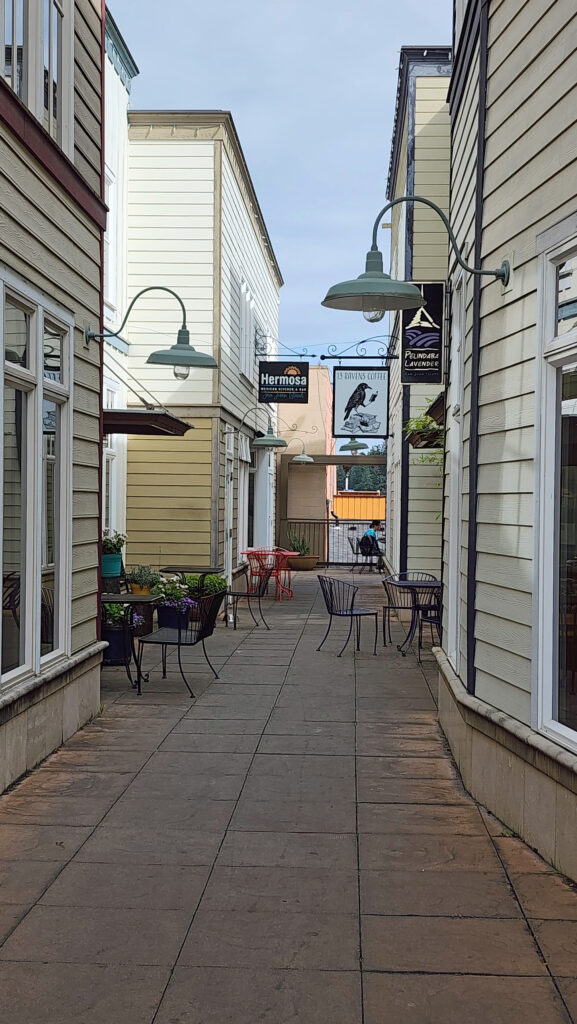
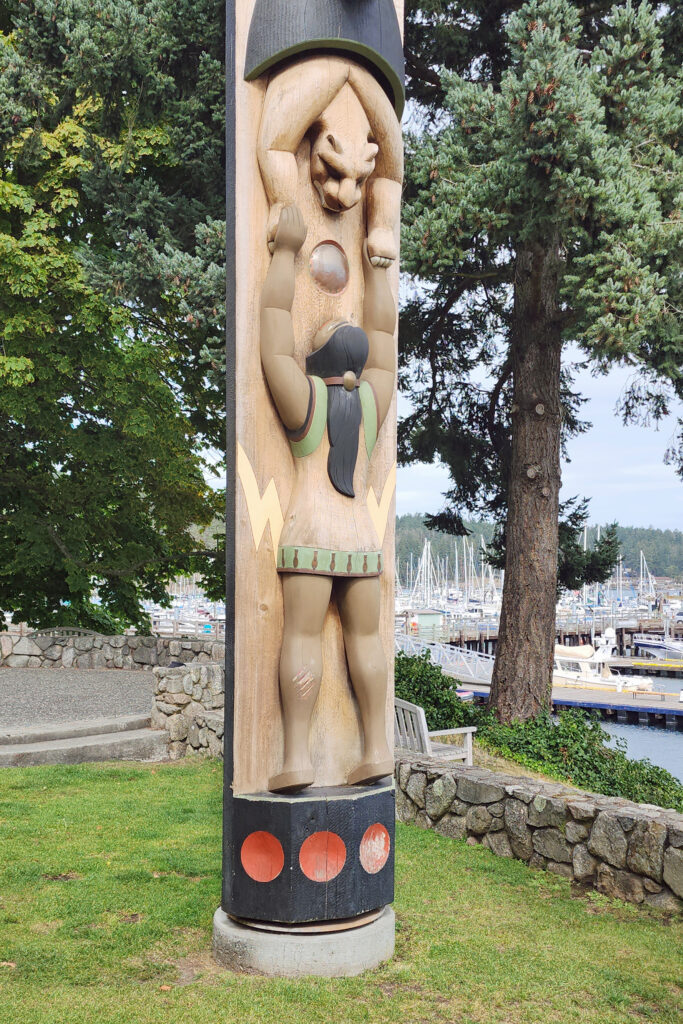
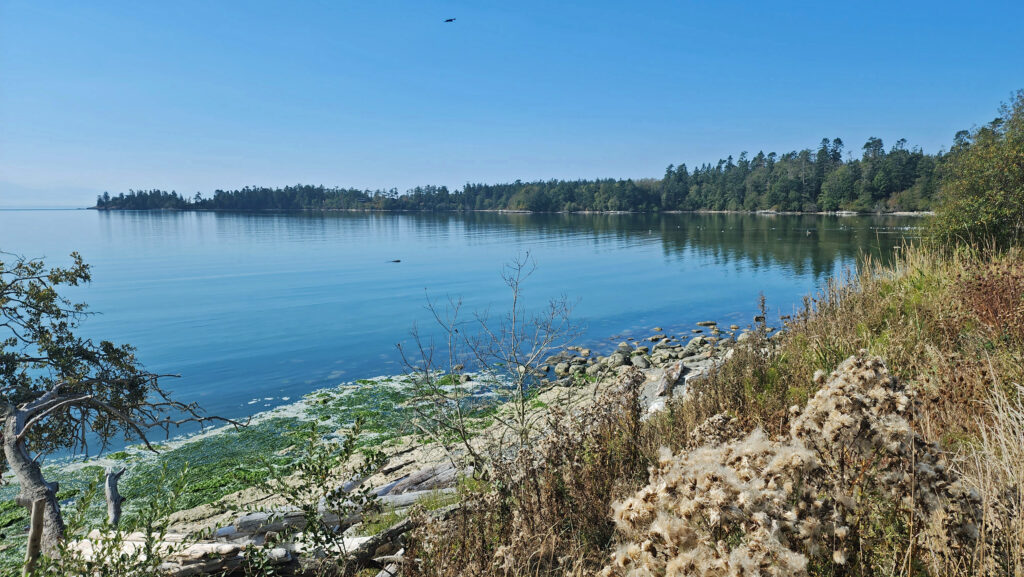
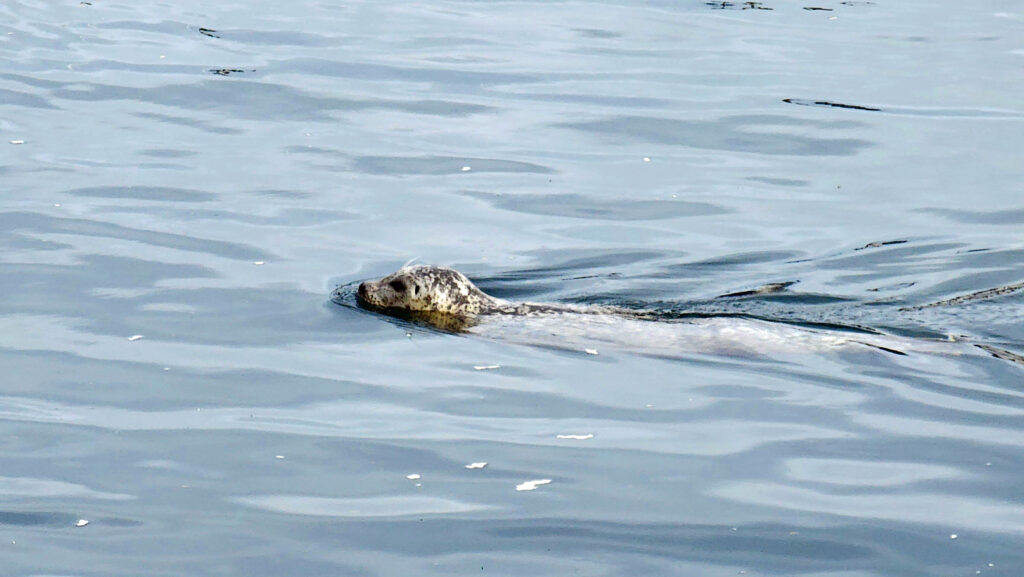
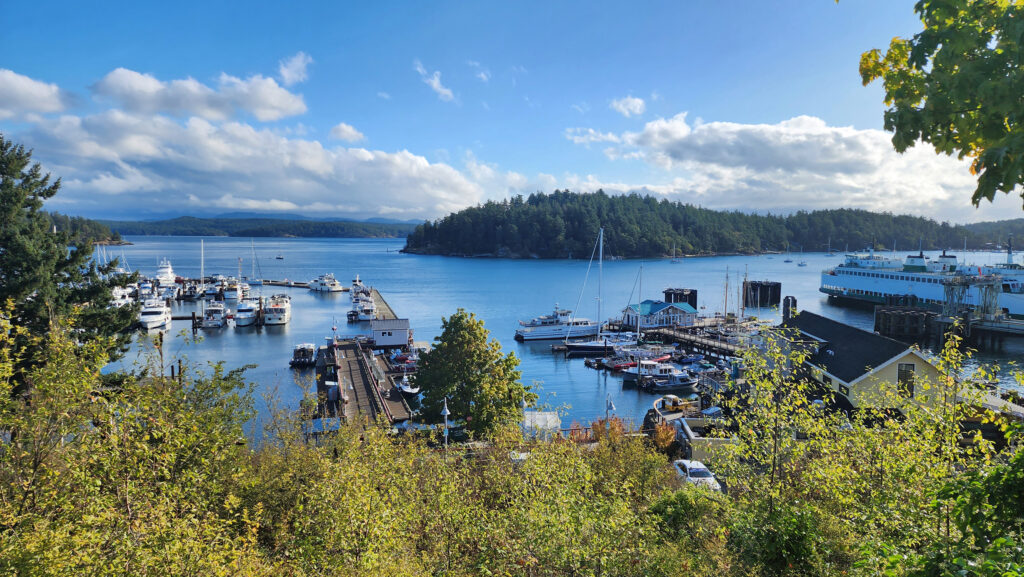
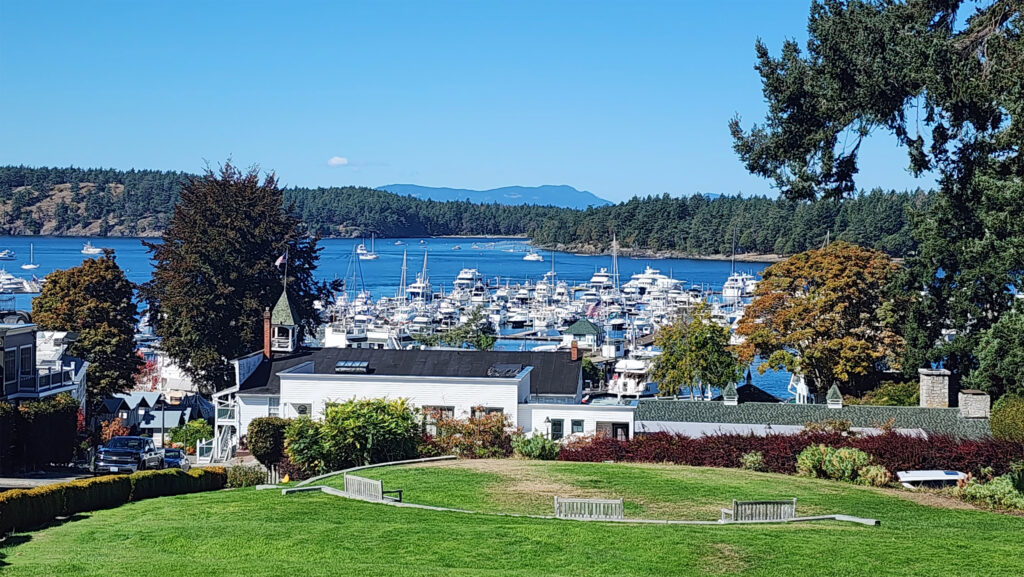
 There is no shortage of places to eat in Friday Harbor. For breakfast and lunch, I can personally recommend both Rocky Bay Café and Tina’s Place. For dining with a view, go to Downriggers on the bayfront. Classic Italian food can be found at Vinny’s Ristorante. Vegetarian and vegan food can be had at Mike’s Café and Wine Bar. For quality craft beers and upscale pub food, try San Juan Brewing. For seafood in a casual dining space, check out Friday’s Crab House. We ate at all of those, and all were good. But that’s just a sampling of what Friday Harbor offers. I wish we had had a few more days to sample more of the town’s eateries. What’s a vacation for, after all.
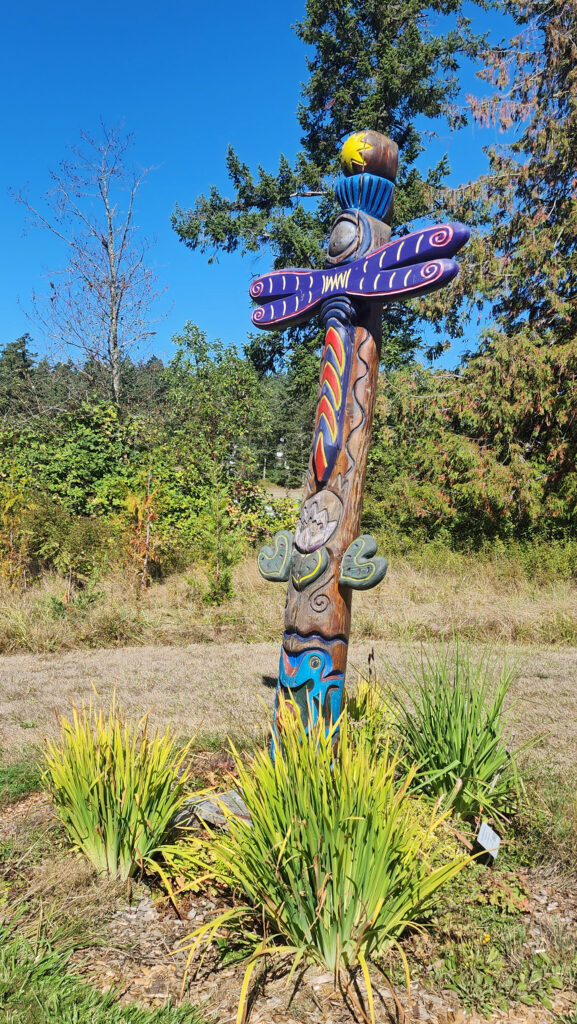
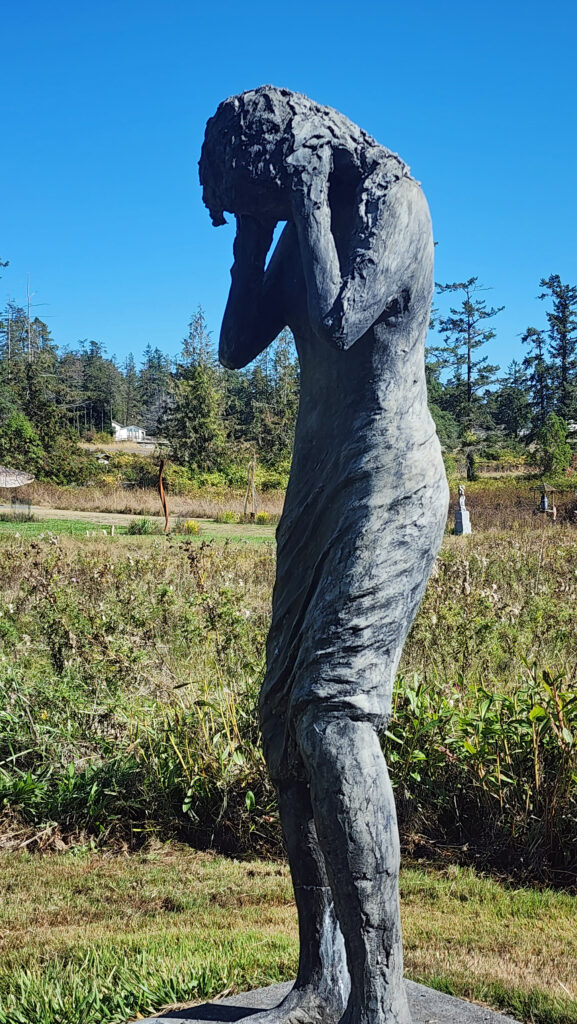
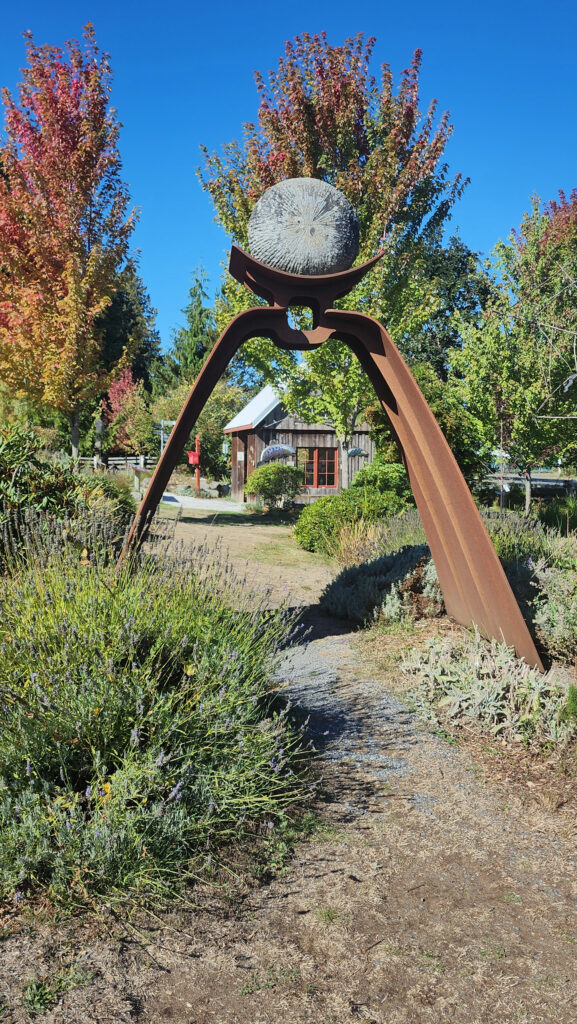
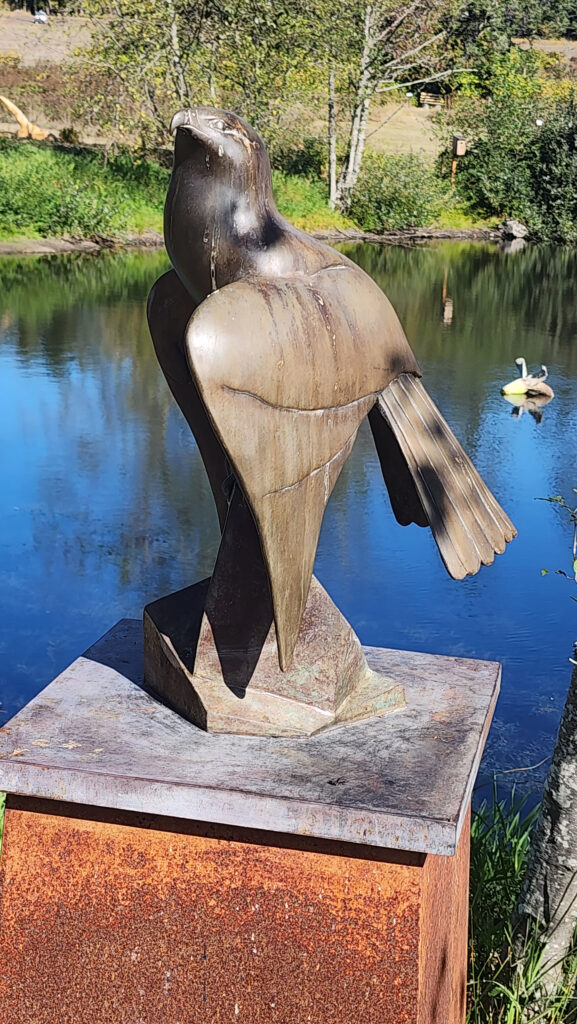 Near Roche Harbor (I think it’s actually part of the resort), the San Juan Islands Sculpture Park is a must see if you’re at all interested in sculpture. There are over 100 works of art (it seemed like many more) spread out over the twenty acres of the garden. Plan to spend at least an hour here. We spent more than that and still didn’t see it all. Admission is free, but donations are requested.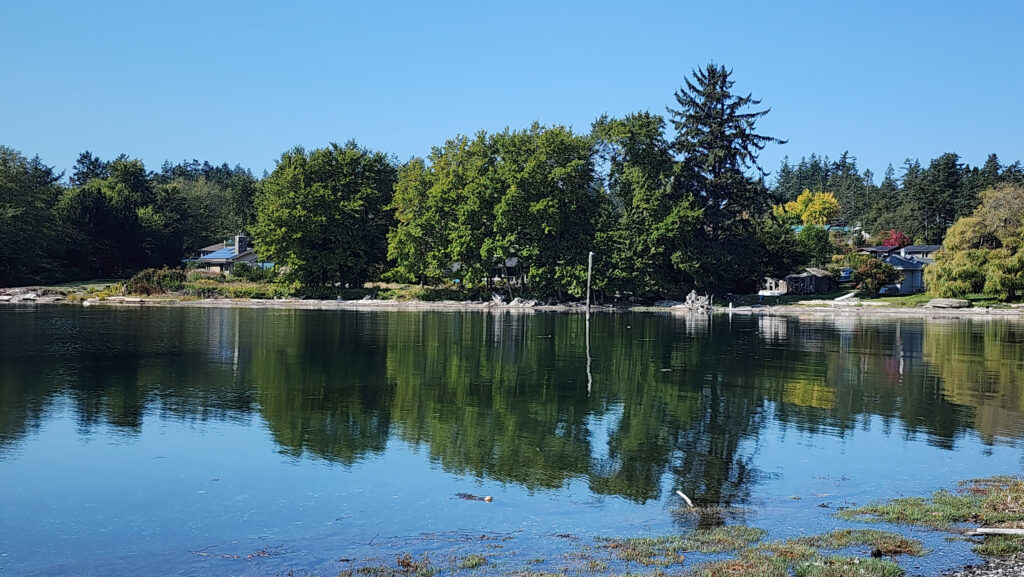
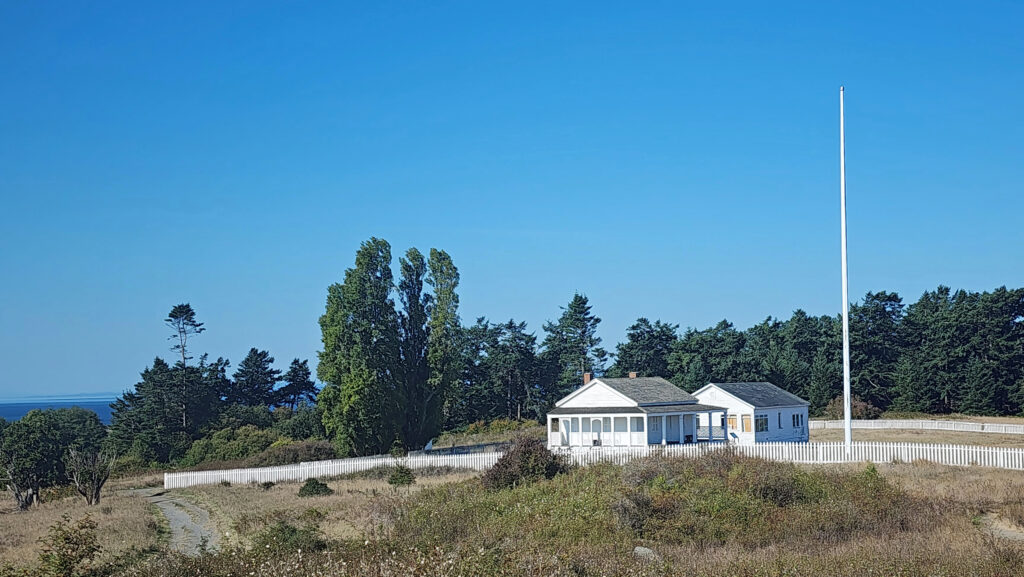
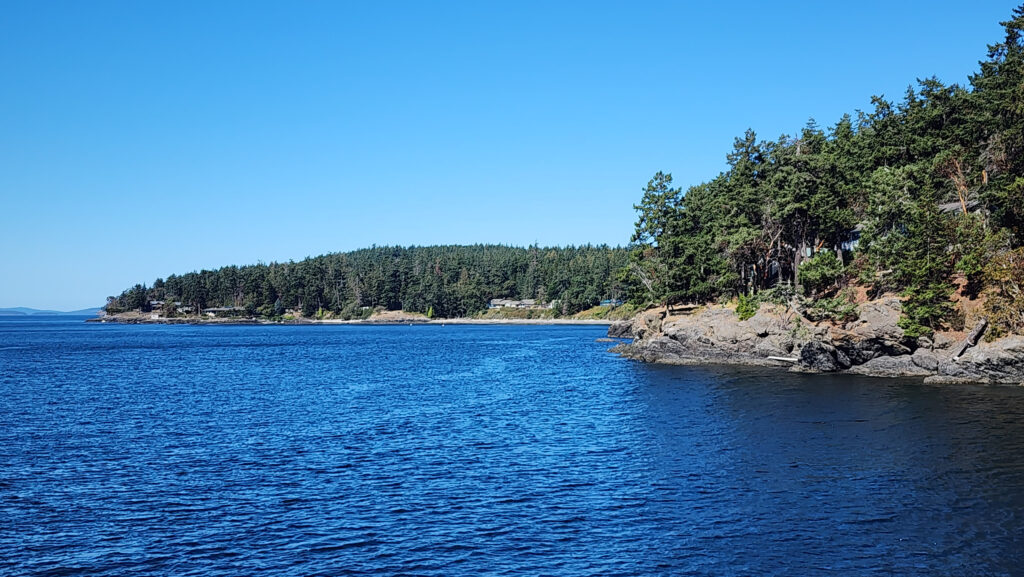
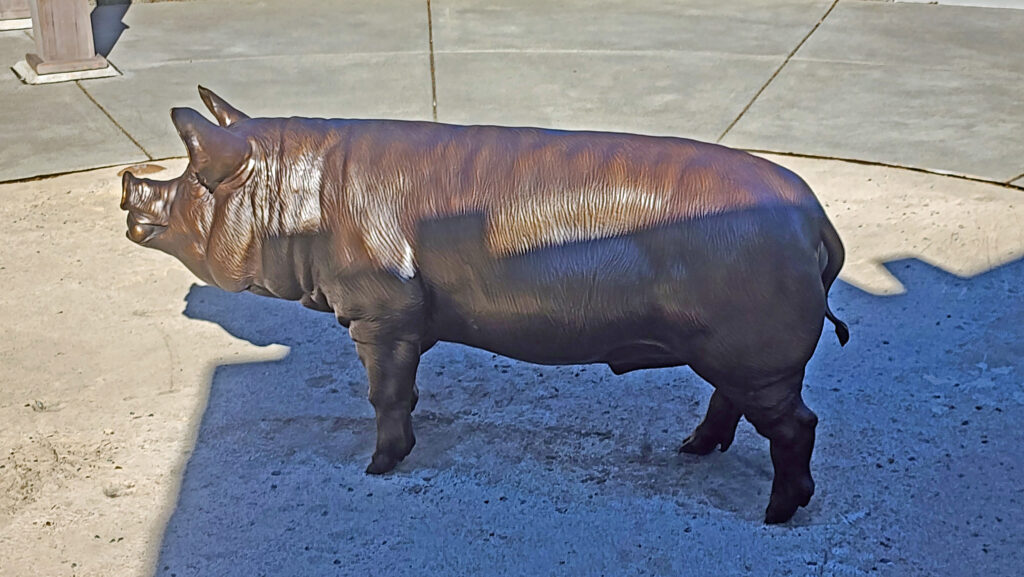 Tensions between the American and British contingents led both England and the U.S. to send military forces to the island. From 1859 to 1872, when the boundary dispute was finally settled in favor of the United States, the island was jointly occupied by both forces. No actual combat occurred, and no one was injured in the Pig War. The sites of the two country’s military installations are now part of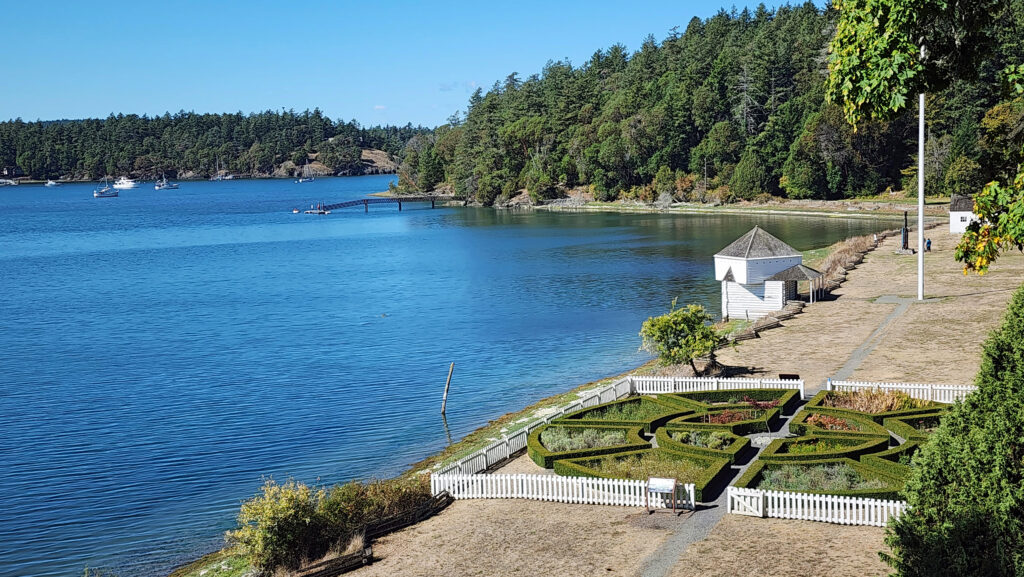
 Conclusion
 Posted October 12, 2023 by Alan K. Lee