by Alan K. Lee
Introduction
My wife and I had driven through Spokane once or twice on our way to Glacier National Park, but it had been decades since I had actually set foot in Spokane. My wife, though, had spent a few days there a couple of years ago and had enjoyed her time there. That got me to thinking about paying the town another visit, so we packed up our bags and spent a few days exploring the city this past summer.
History
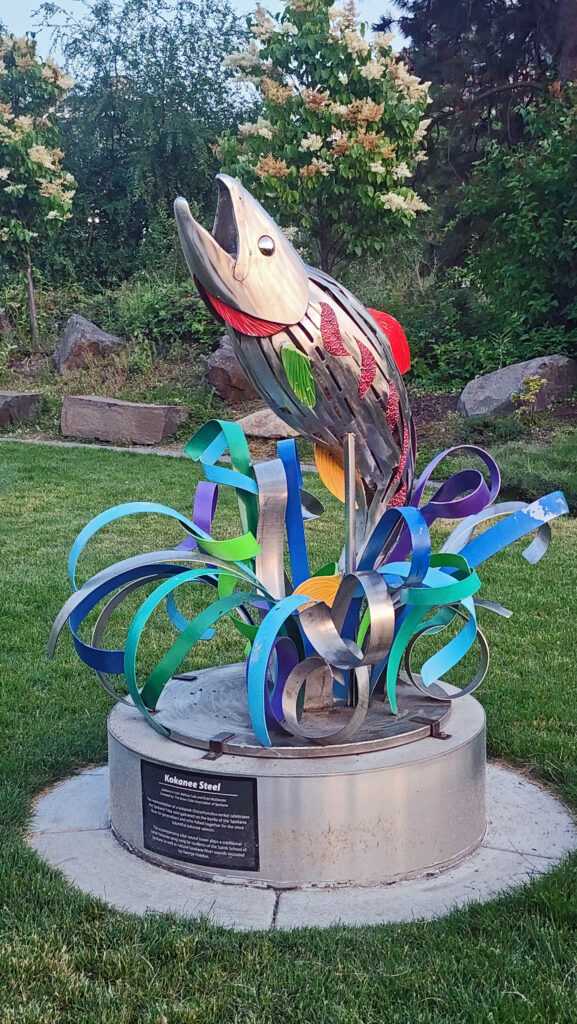
The city gets its name from the Spokane (or Spokan) Tribe of Native Americans that lived in what is now eastern Washington for millennia prior to the arrival of European settlers. The first European presence in the Spokane area was a trading post of the North West Company that opened in 1810. The city of Spokane was incorporated (originally as Spokane Falls) in 1881, the same year that the Northern Pacific Railway line was completed, linking Spokane to both Seattle and the Midwest and East Coast of the United States.
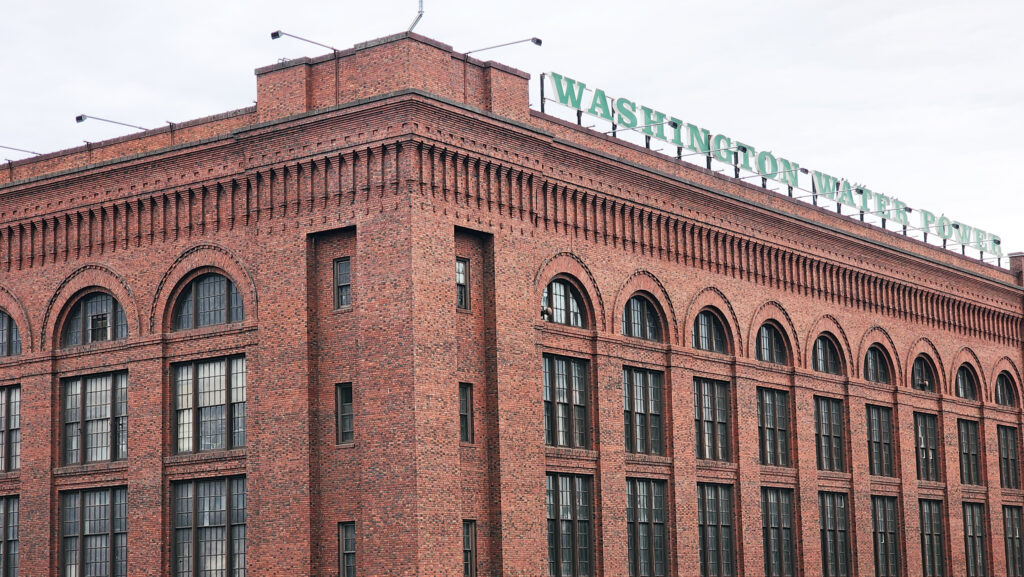
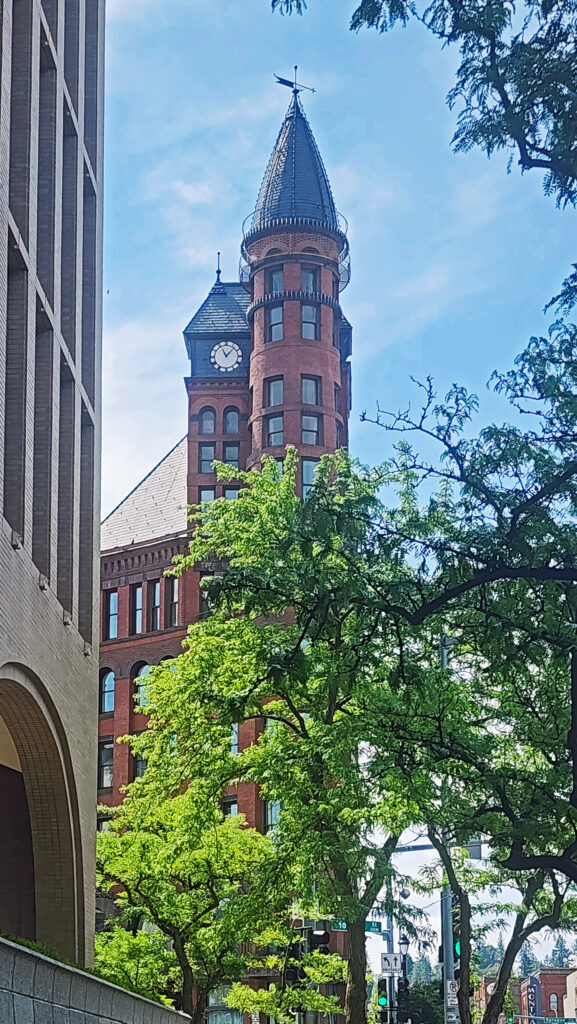
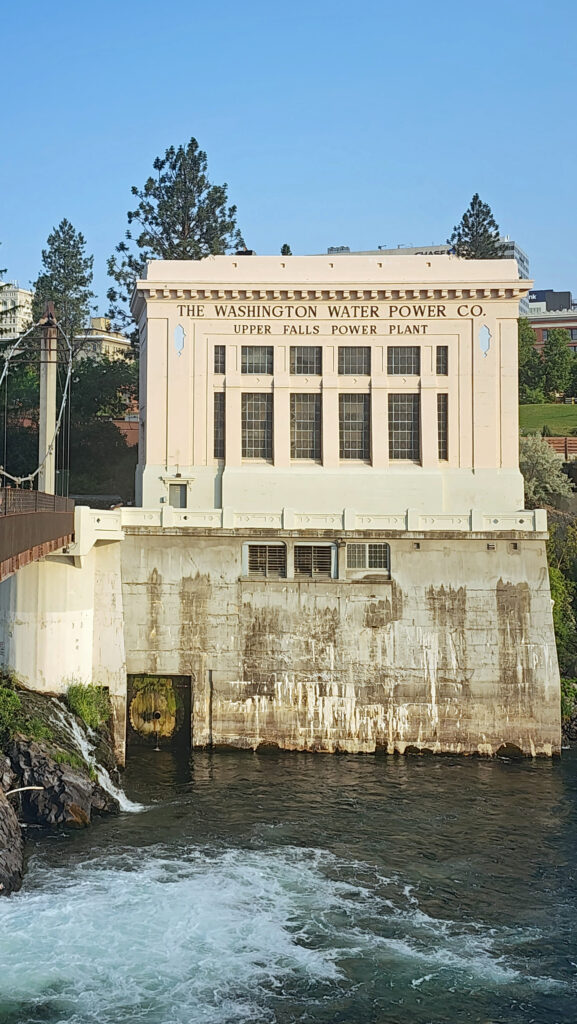
Two years after the city was incorporated, gold was discovered near Coeur d’Alene, Idaho, about 30 miles east of Spokane. That set off a boom in both Spokane’s economy and population. By 1890 Spokane’s population was almost 20,000. By 1910 it exceeded 100,000. The city was powered by electricity generated at Spokane Falls by the Washington Water Power Company. Many of the buildings constructed in that period are still standing, giving the visitor a visual link to the city’s early history.
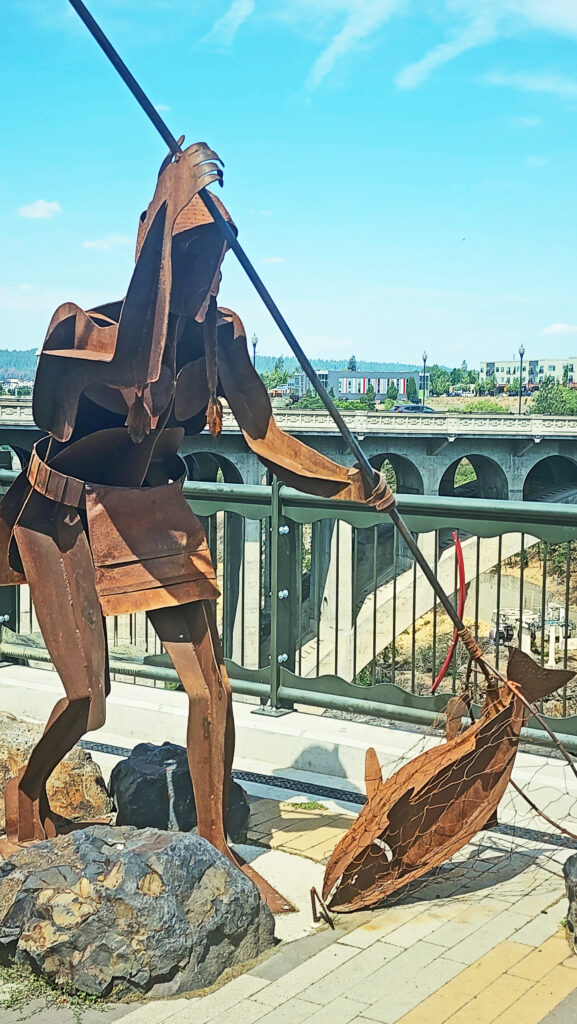
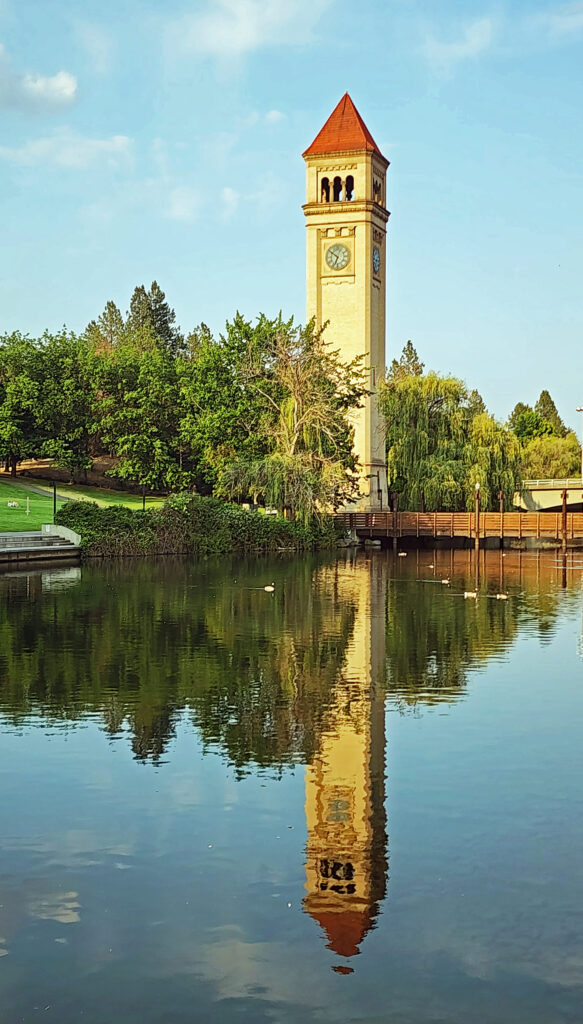
With the decline of the mining industry in the early 20th century and then the advent of the Great Depression, Spokane’s economy stagnated and its population plateaued. By the 1960s Spokane was in serious decline. To turn things around, the local business community began a planning process that eventually led to Spokane hosting the environmentally themed World’s Fair, Expo ’74, and the revitalization of the downtown area. Today, Spokane has a lively downtown, the site of Expo ’74 has become Riverfront Park, and you’ll find public artworks scattered throughout the city.
Getting There
We chose to drive from our home in the Portland area. It’s a long drive – 350 miles and 5½ hours (plus any stops along the way). It’s a little shorter trip from Seattle – 280 miles and 4¼ hours. Flying from Portland to Spokane takes just over an hour and tickets can be had for as little as $150 dollars. Cost and flight time from Seattle are similar. A brief search of Amtrak routes and ticket costs yielded a quickest trip from either Seattle or Portland of 7½ hours and basic coach fares of $50-70 (one way), but you might need to be flexible on your departure and return dates, and the cheapest tickets were for overnight trips.
Our Visit
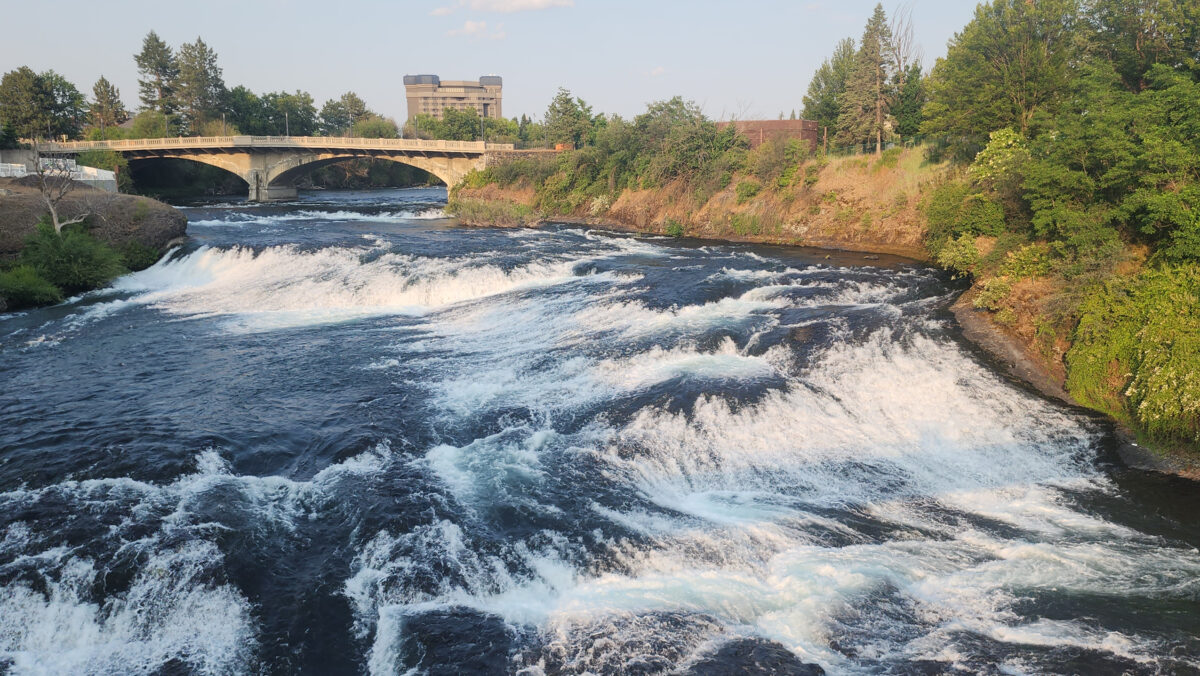
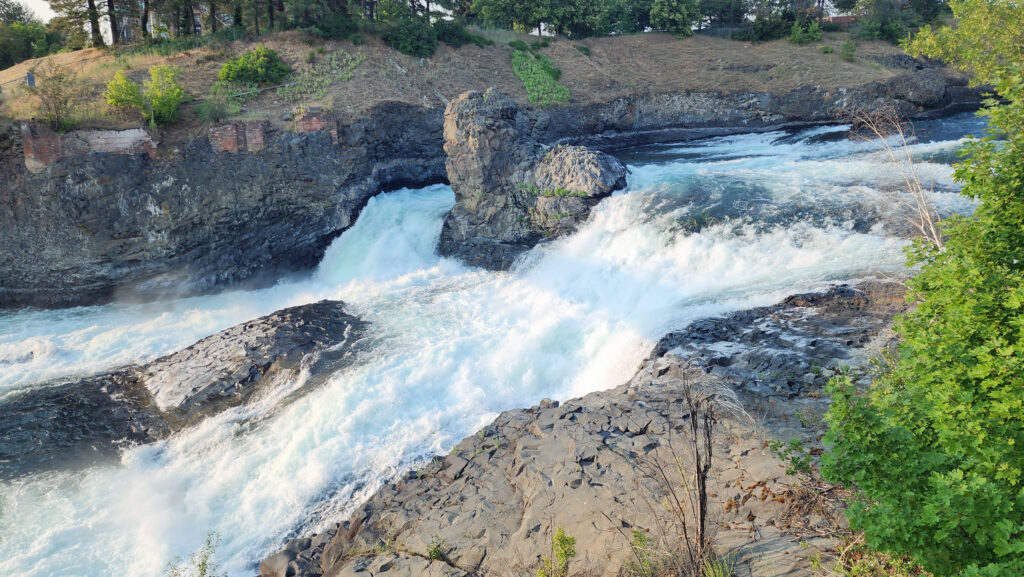
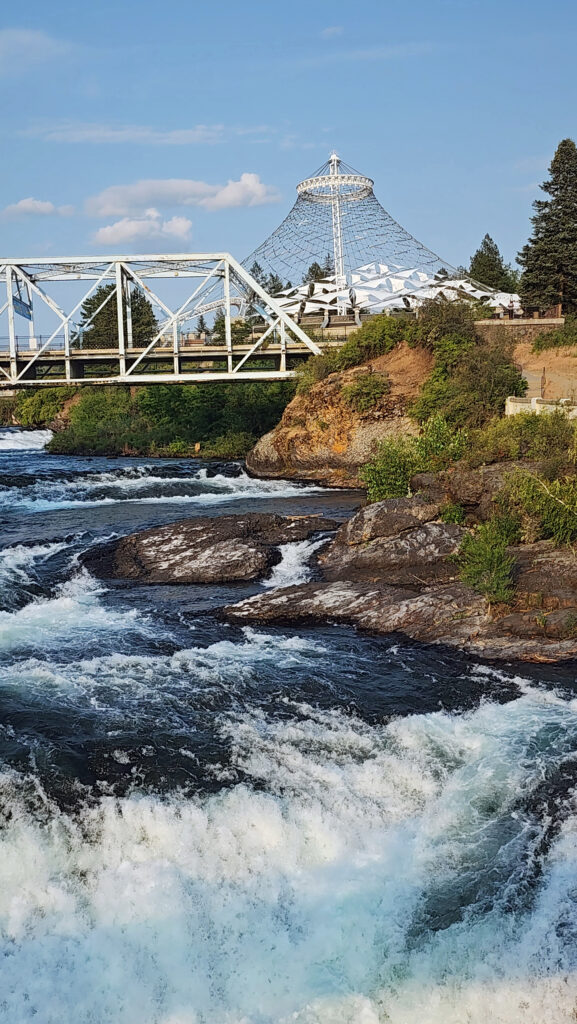
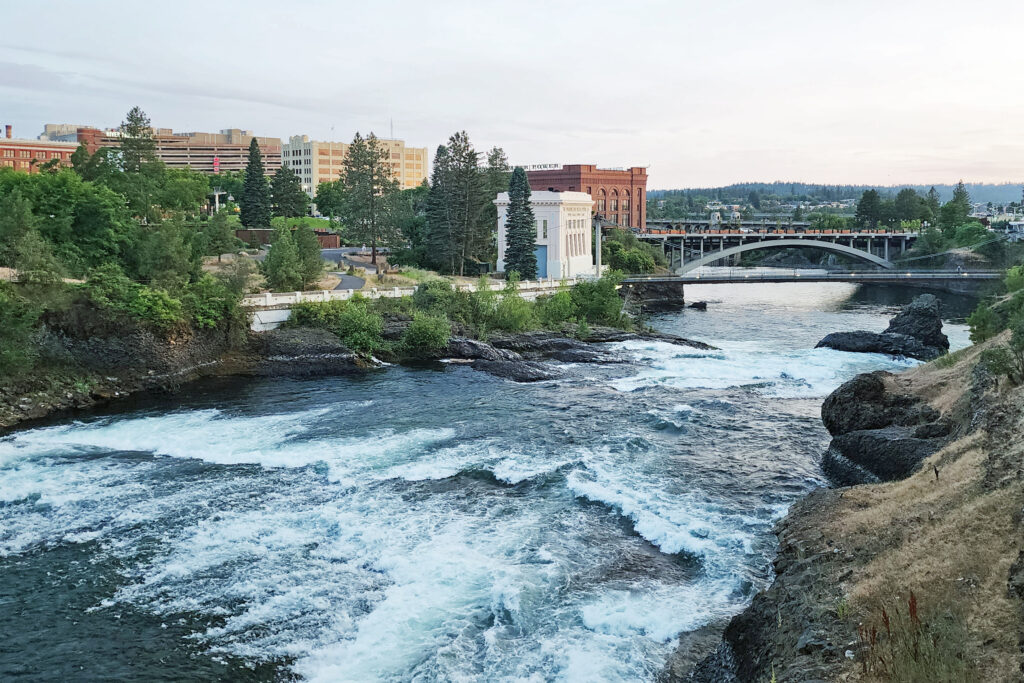
I’m old enough to remember a trip my older brother and I took to see the World’s Fair in 1974. Although I didn’t remember much about the actual fair, one of the things that left a lasting impression on me was Spokane Falls. Not many cities have a major waterfall in the middle of the downtown area. The fair spread across both banks of the Spokane River and Havermale and Canada Islands in the river. Canada Island is literally in the middle of the two cascades of the upper falls.
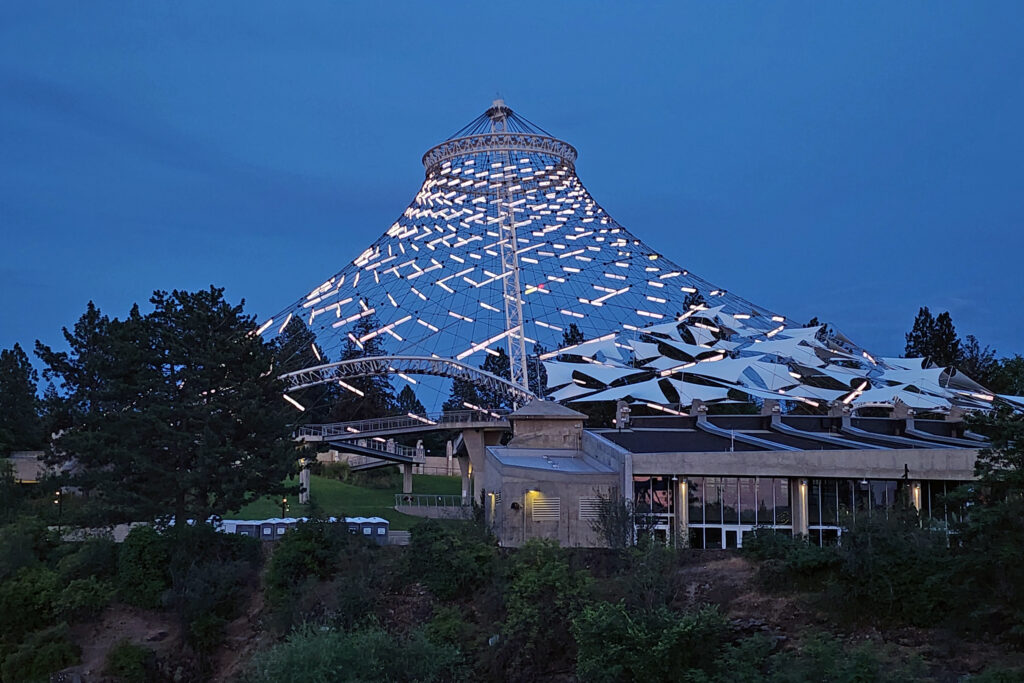
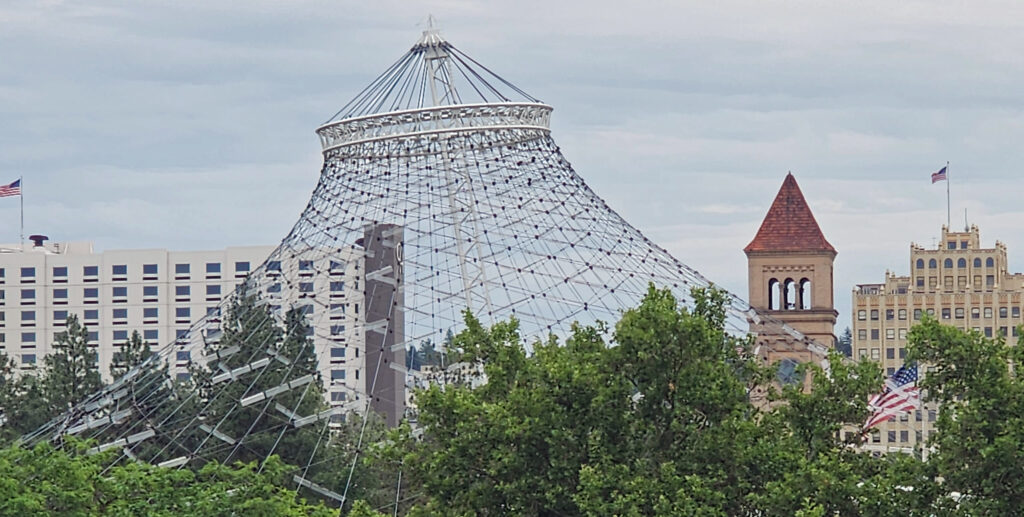
Most of the Expo ’74 structures were dismantled after the fair closed, but the Spokane Pavilion and the bones of the United States Pavilion still stand. The U.S. Pavilion was an open air structure with a fabric roof. The roof is gone, but the supporting structure remains, the cables that supported the roof now strung with hundreds of lights that are lit every night. The ground below is now a grassy park, part of Riverfront Park, the jewel of Spokane’s downtown.
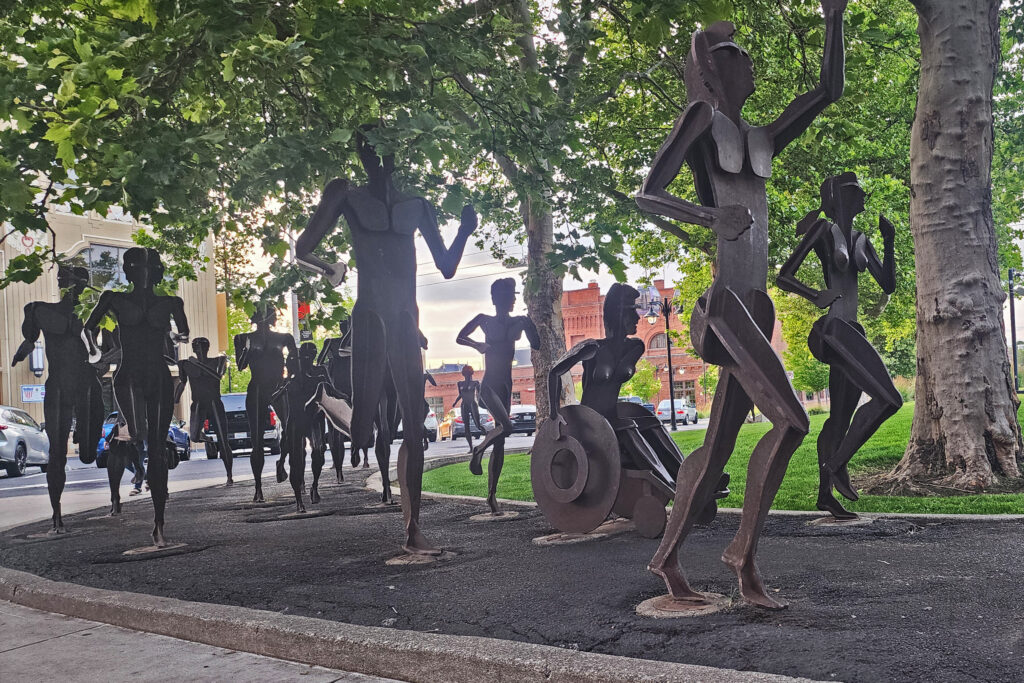
We spent three days exploring downtown Spokane. Riverfront Park and Spokane Falls kept drawing us back. It’s really quite a marvelous area. Spokane is still the second largest city in Washington (the metropolitan area has a population of over 600,000), but it’s also small enough to have retained something of a small town vibe, something Seattle, Portland, and Vancouver, BC, definitely lack.
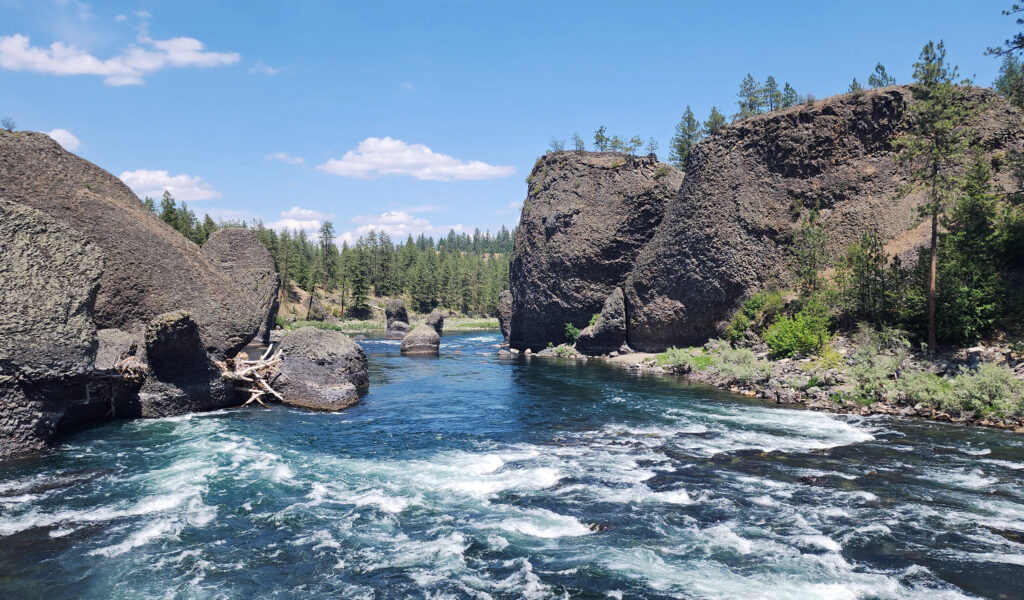
On our last day in town, we drove to Riverside State Park, a 9000 acre park along the banks of the Spokane and Little Spokane Rivers, about five miles downstream of downtown Spokane. The Bowl and Pitcher area of the park features a picnic area, ranger station, and campground on the east bank of the Spokane River, and miles of hiking trails on the west bank.
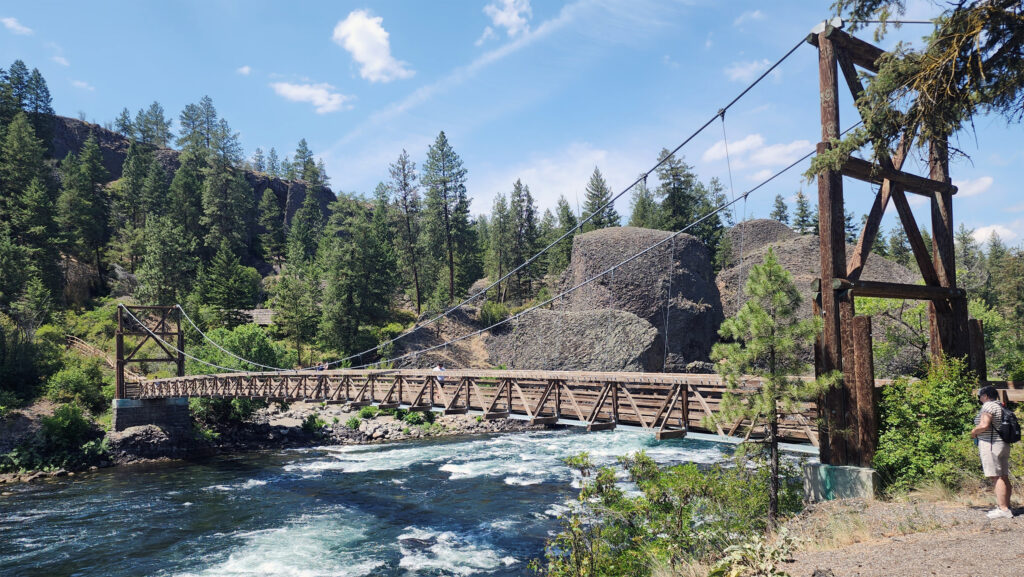
The trail network is accessed by a pedestrian-only suspension bridge spanning the Spokane River. We crossed the bridge and did a short hike along the river, but we could easily have spent all day there.
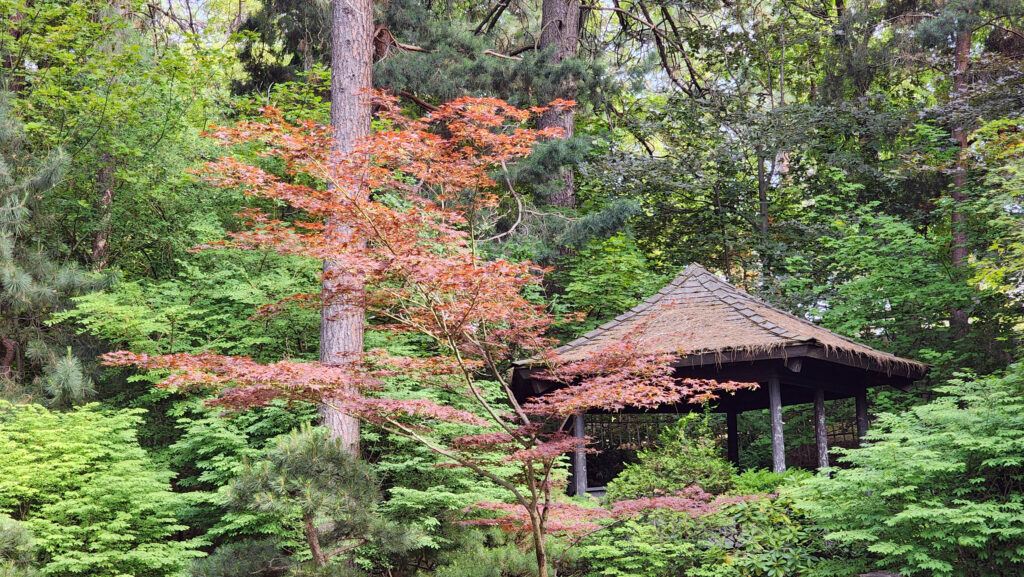
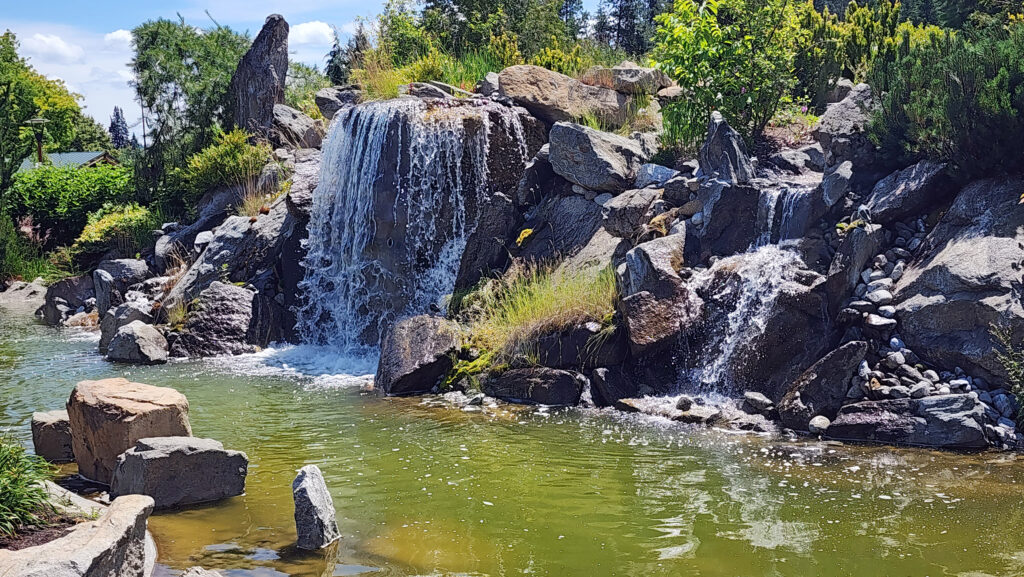
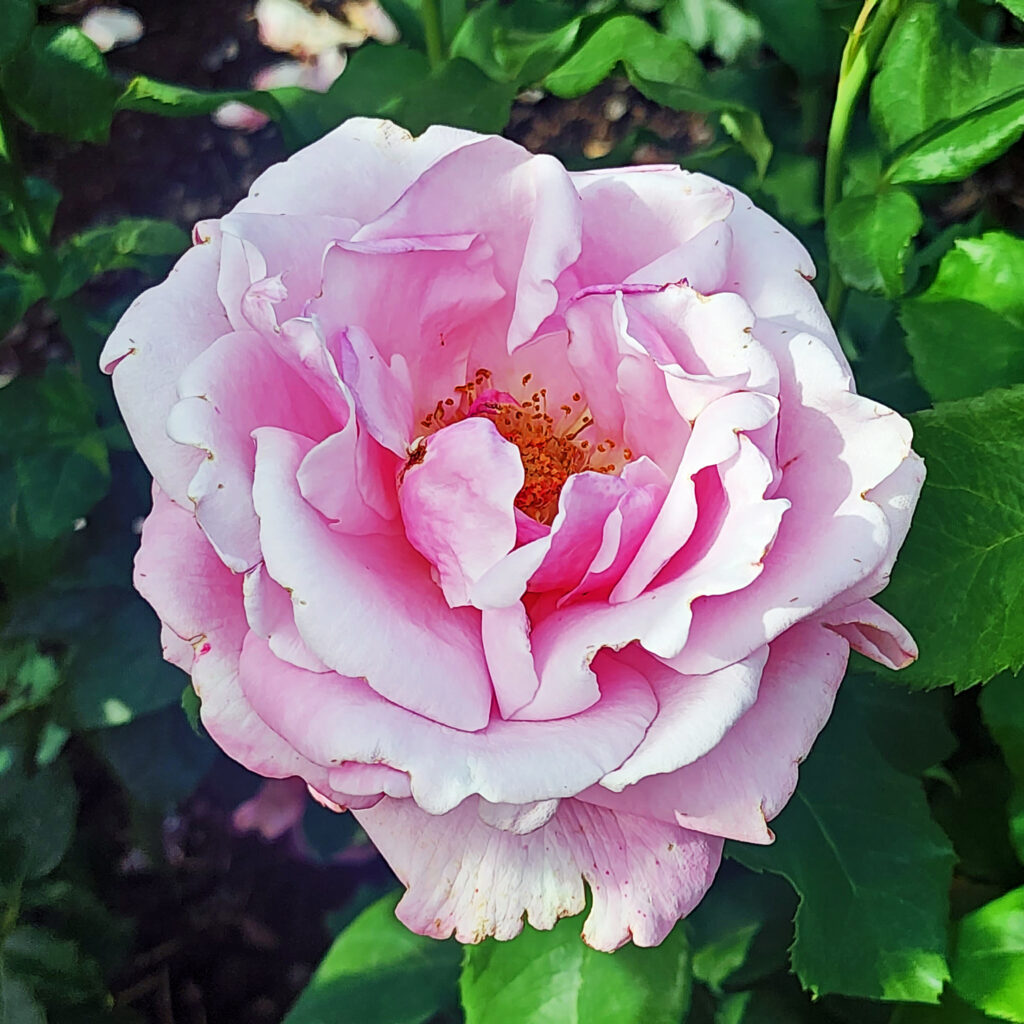
Later that day we visited the Japanese garden and rose garden in Manito Park before returning to our hotel to get ready for the long drive back to Portland.
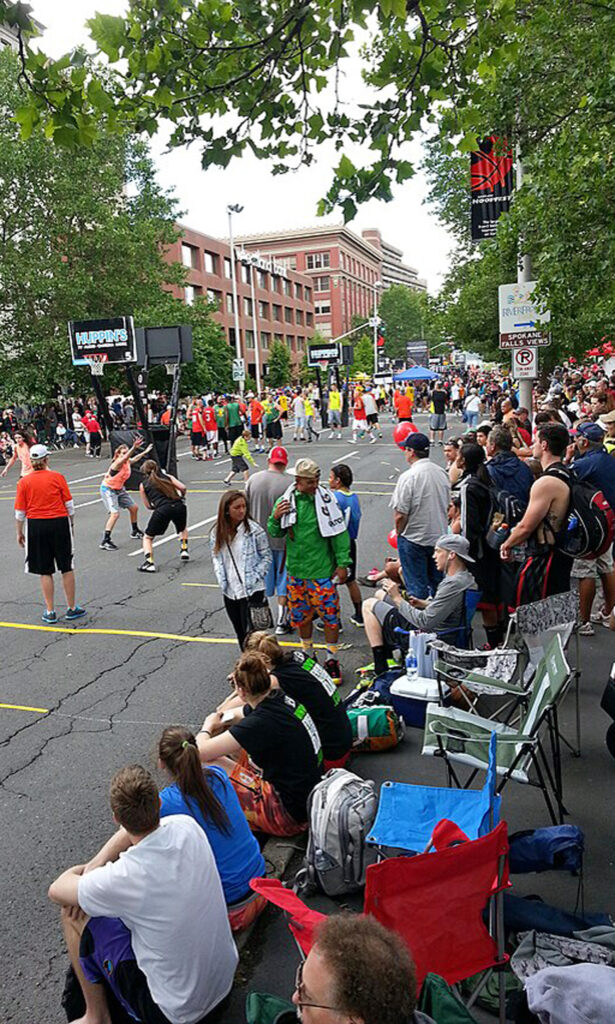
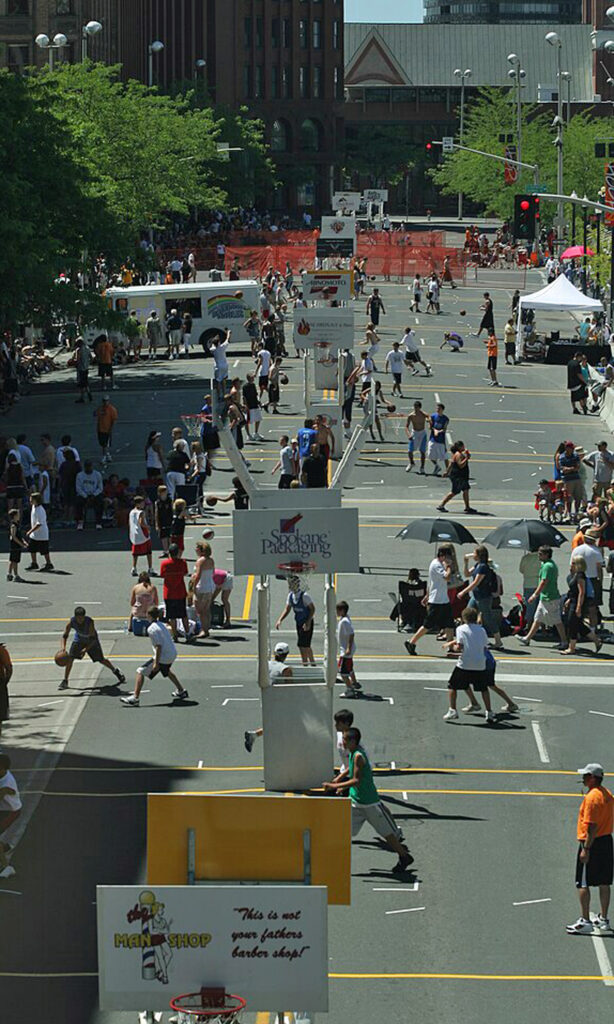
We left Spokane the next morning, the day before the start of Hoopfest 2025. The Spokane Hoopfest is the largest 3-on-3 basketball tournament in the world. Every year more than 6000 teams and 25,000 players take part in the tournament that features 450 courts covering 45 city blocks and draws more than 250,000 spectators. It is a very, very big deal. One I had never heard of. And I’m sorry we missed it.
Other Area Attractions
There are a number of other areas near Spokane that are worth visiting. We took day trips to both Sandpoint, Idaho, and Coeur d’Alene, Idaho during our weeklong visit. Look for future posts on both on this site in the coming months. Outdoor enthusiasts might want to take the 30 mile journey to Mount Spokane, northeast of the city. And if you drive to Spokane, or fly and rent a car, Grand Coulee Dam and Lake Roosevelt National Recreation Area are about a 90 minute drive west of Spokane, making for an easy day trip or a worthwhile detour on a trip back to Seattle. We didn’t make that side trip, but we did make a detour to Palouse Falls, a spectacular 200 foot high falls on the Palouse River south of Ritzville, Washington, on our way back to Portland.
Conclusion
I was surprised by how much I enjoyed my time in Spokane. It’s a beautiful city with an interesting history and lively downtown. Visiting the site of Expo ’74 brought back memories that I had long forgotten, and our side trips to Sandpoint, Coeur d’Alene, and Palouse Falls added to the enjoyment of our trip. I think we’ll be back. (And if you go, make sure to stop by Rosie’s Restaurant and try their breakfast burrito. It’s one of the best I’ve ever had).
Posted September 10, 2025
All photos © Alan K. Lee, except as noted