By Alan K. Lee
Introduction
If Copenhagen is a bucket list destination for you and you are trying to decide between it and any other place, you can’t go wrong by picking Copenhagen. It wasn’t particularly high on my bucket list, but Scandinavia in general was, partly because all four of my grandparents were born in Scandinavia (none in Denmark, though). So, a tour of Scandinavia won out when my wife and I were planning our latest adventure. Copenhagen just happened to be the starting point of the tour. And we couldn’t have been more delighted by the charm and history of the city. We enjoyed our visit immensely. It’s a very cool place and I would love to go back someday.
The City
Copenhagen is the capital of Denmark and its largest city. Its population of 670,000 and metropolitan area population of 2.1 million make it very similar in size to Portland, Oregon, where we live. Copenhagen is a much more international city than Portland, though. In fact, the closest city to Copenhagen is Malmo, Sweden, only 15 miles away as the crow flies. The two cities have been connected by a road and rail bridge since 2000, making travel between the two cities and two countries quick and easy. And Copenhagen is very much a European city.
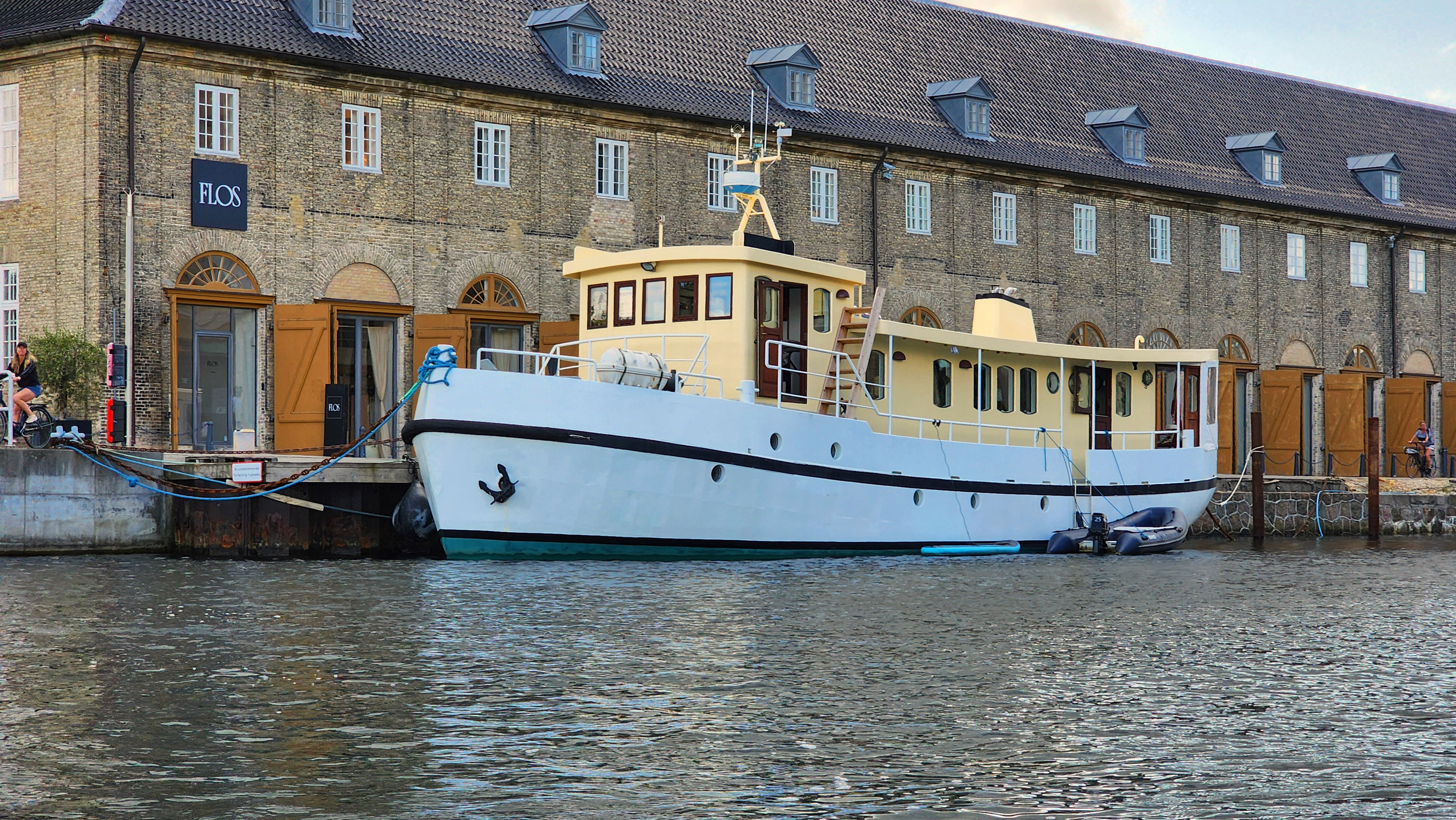
Copenhagen, especially the old city center, is bounded and defined by water. The name Copenhagen translates to Merchants Harbor and the city has been a center of maritime trade since its inception.
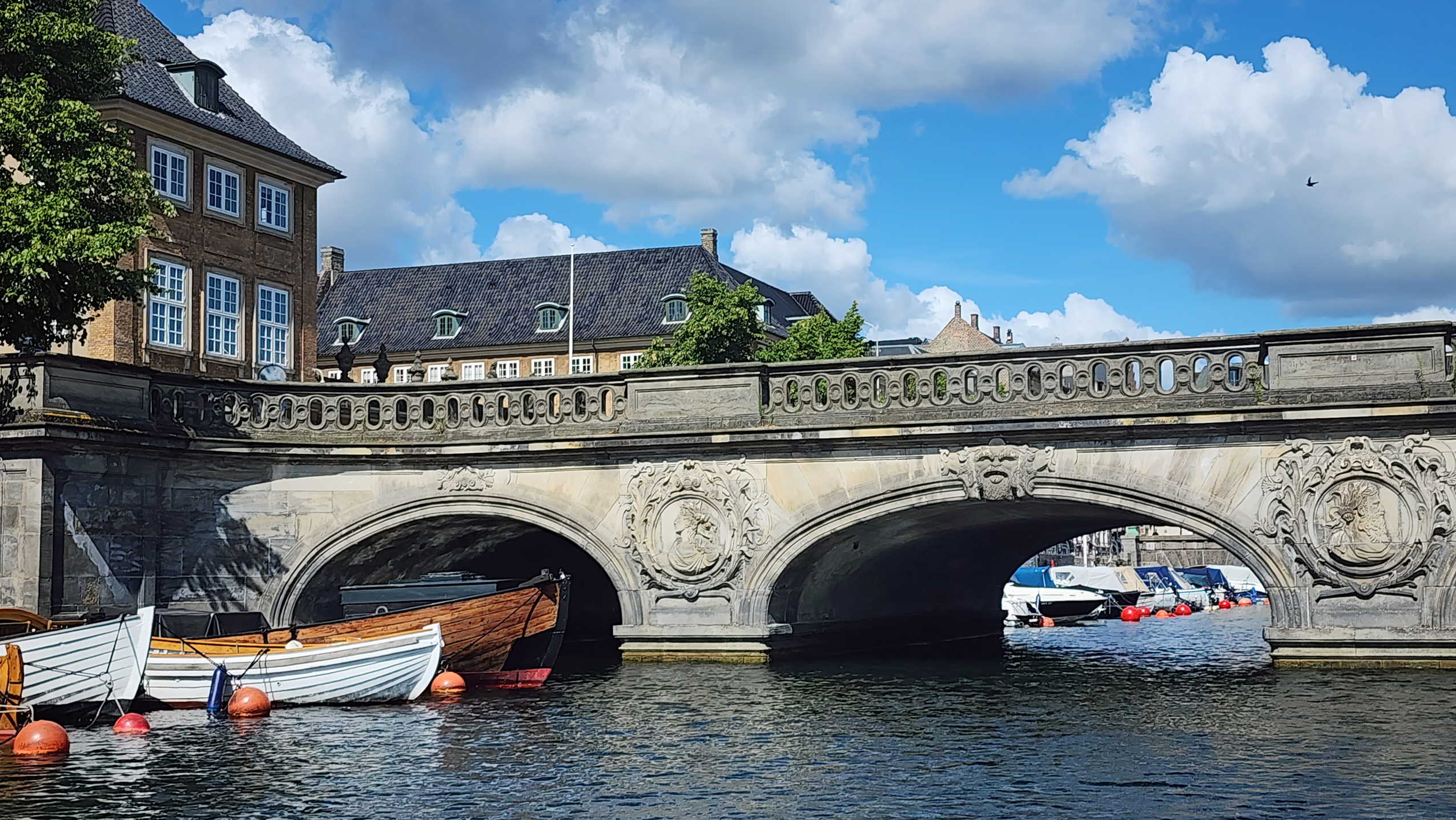
Most of the city is located on the island of Zealand. A smaller part is on the island of Amager. An even smaller part is the islet of Slotsholmen, the location of Christiansborg Palace. In addition to the channel separating Zealand from Amager, the city has numerous canals and side channels, so that no part of the city center is far from a waterway of some sort.
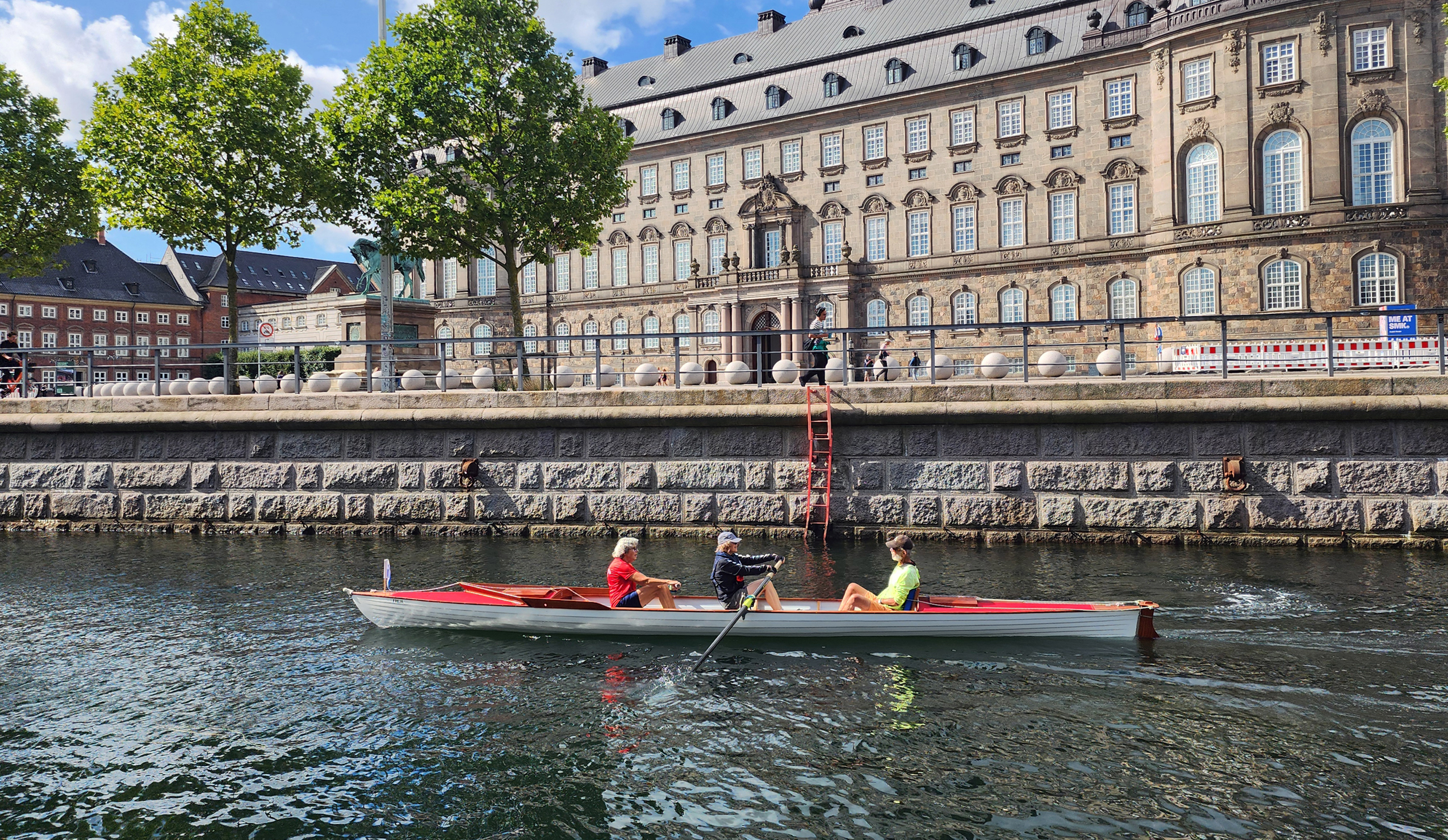
And one of the best ways to get an introduction to the city is by boat. We booked a small (twelve passenger) boat tour on our first full day in Copenhagen that was well worth the price. Our captain described the city’s sights in ways that were both informative and hilarious at times. We learned a lot and laughed a lot on that tour.
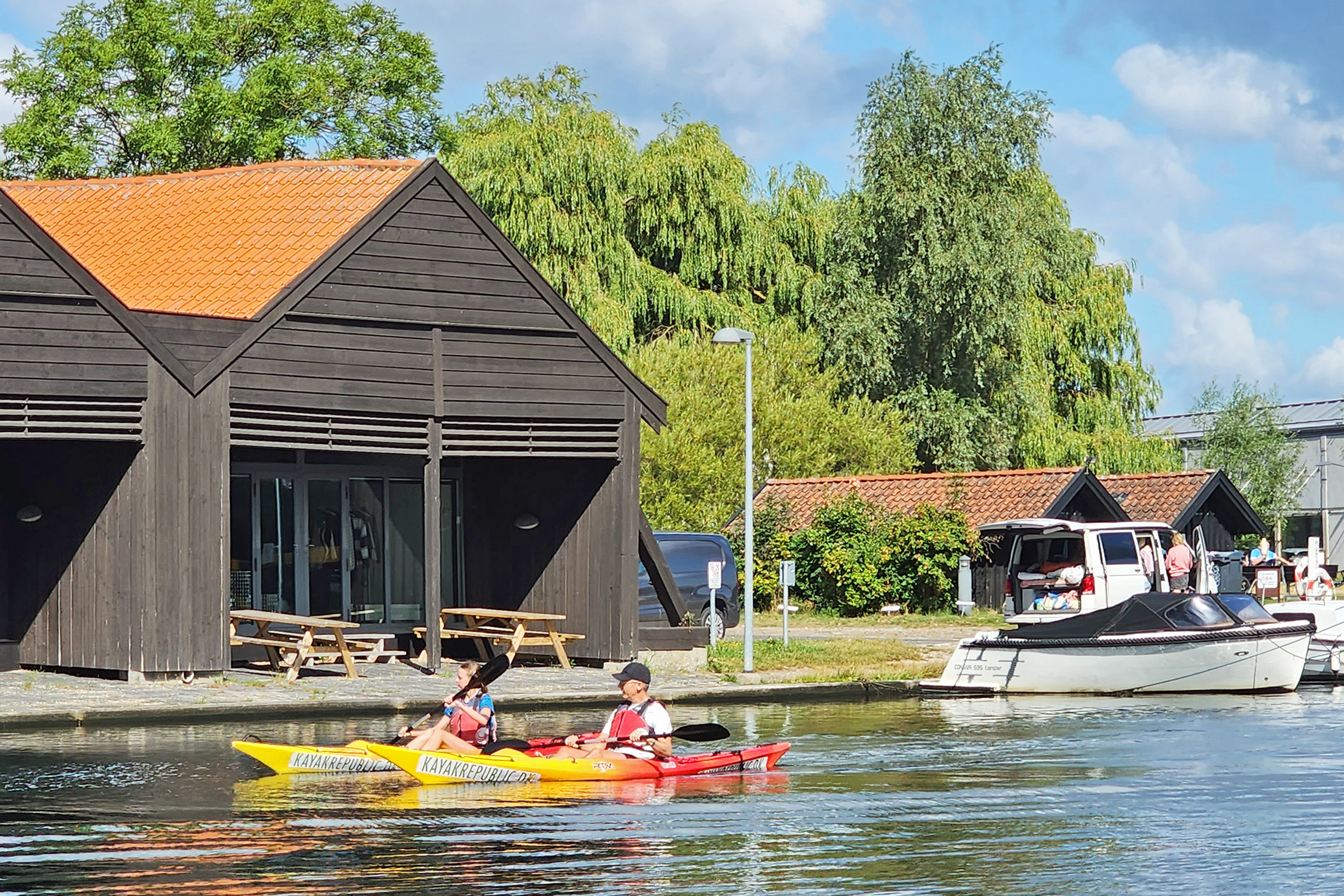 There were many people on the water that day (and every day that we were there). In addition to the tour boats, both large and small, there were many kayakers out exploring the city, and many others in private boats and rented “Go Boats.”
We found the city and its people to be friendly and welcoming. Denmark (and all of Scandinavia for that matter) ranks high on both the lists of the happiest places in the world and those having the highest quality of life. And you don’t need to learn any Danish to get by. Almost everyone speaks English.
History
Archeological evidence indicates that the Copenhagen area has been inhabited for at least 5000 years, and probably much longer. Copenhagen itself originated as a fishing village in the 11th century. The city of Copenhagen dates to the 12th century construction of a fortress on the site of what is now Christiansborg Palace. The original fortress was replaced by Copenhagen Castle in the 14th century, which was torn down and replaced by the first Christiansborg Palace in the 18th century.
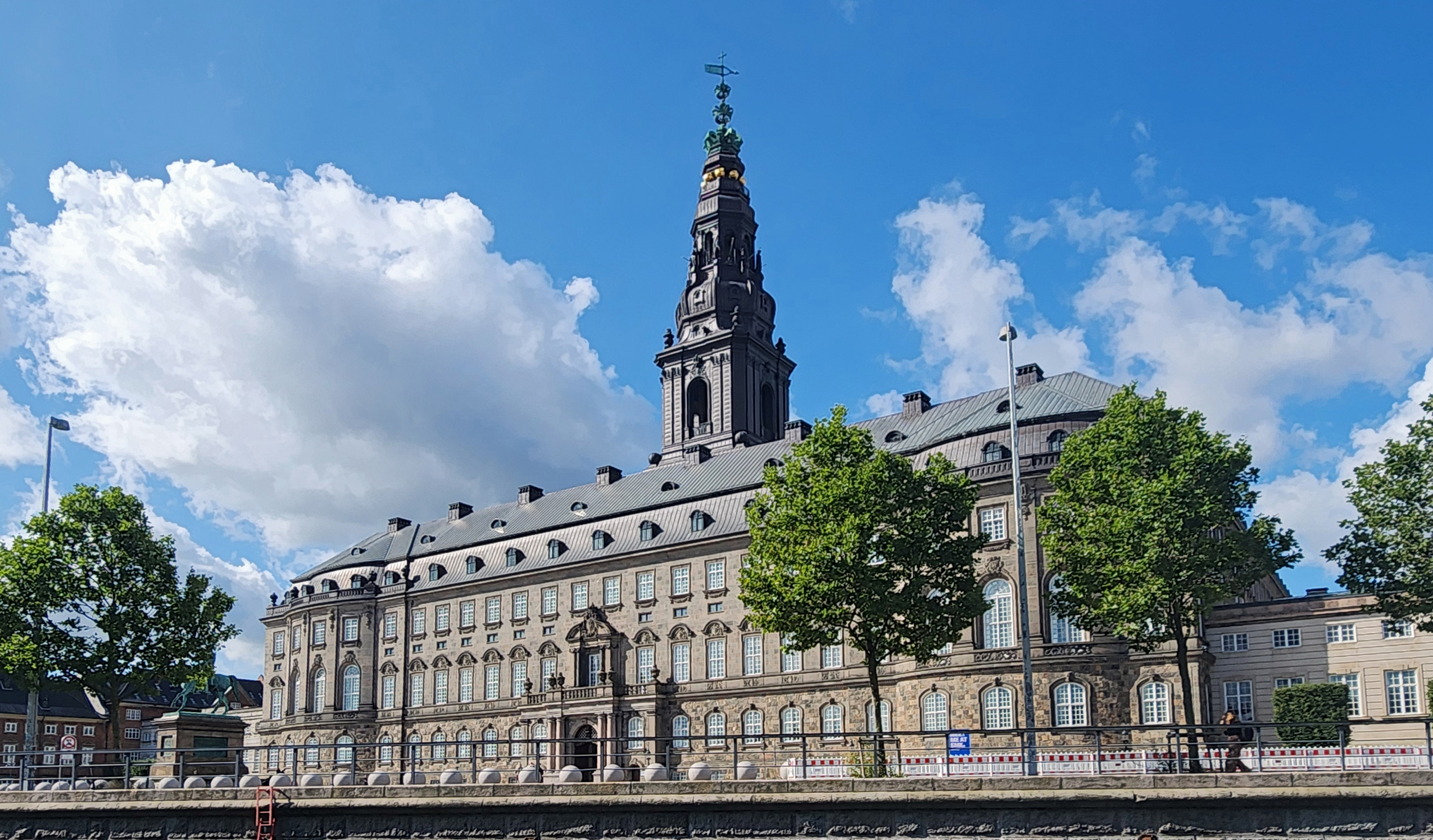
We spent one whole day exploring Copenhagen’s history, touring Rosenborg Castle (finished in 1624), Christiansborg Palace, and the Amalienborg Museum (in one of the four palaces making up the Amalienborg Palace complex). The three palaces (or “slots” in Danish) can be visited on a single combination ticket. Rosenborg Castle is the only one of the three that requires a timed entry ticket, so visit it first if you want to see all three.
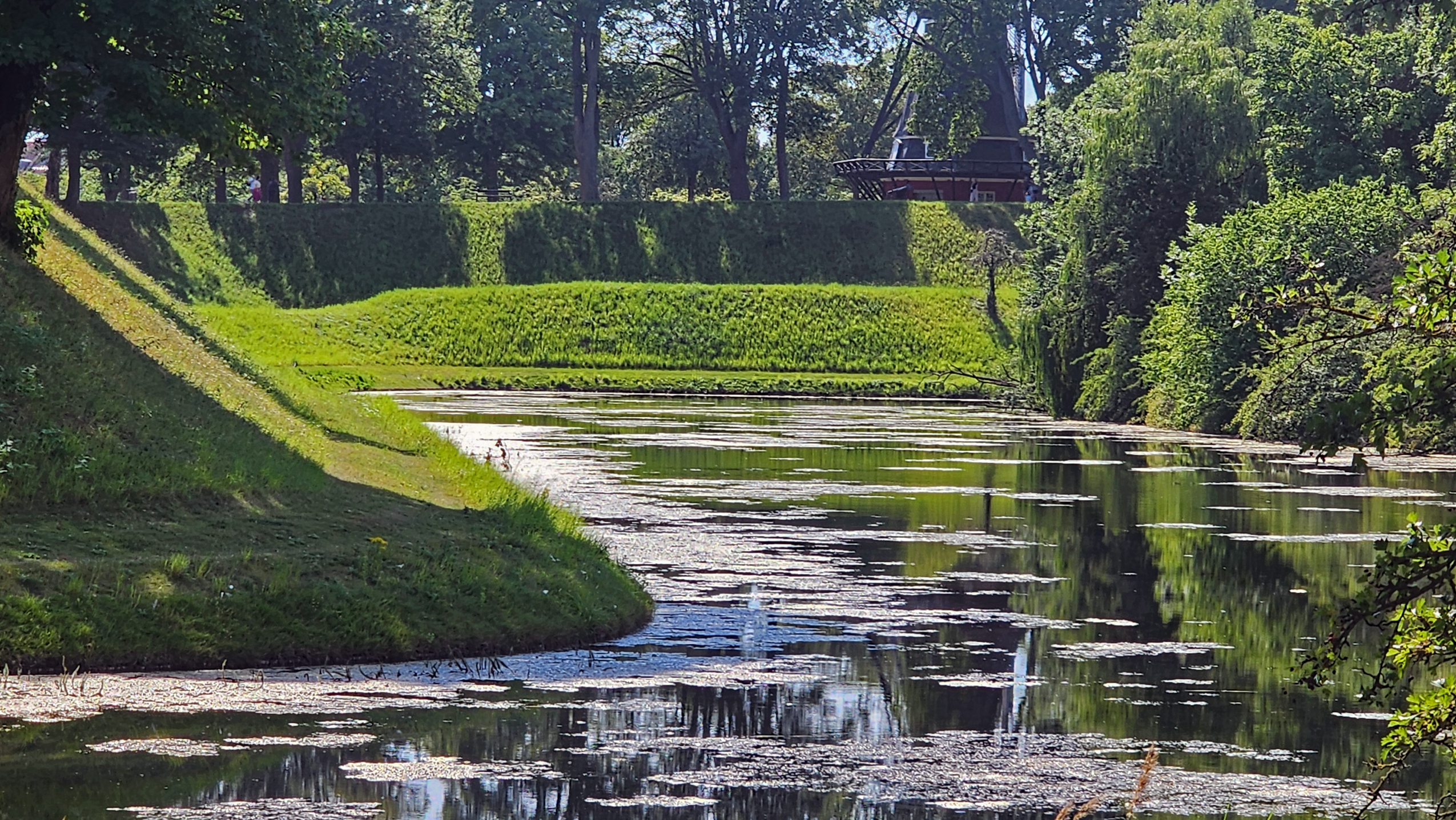
We also visited Kastellet on that same day, a former fortress near the site of the Little Mermaid sculpture that continues to house military buildings (of no particular architectural interest) that are surrounded by a beautiful public park. And we ended the day with a visit to Freetown Christiania (see below). That made for a long and tiring, but very interesting, day.
Rosenborg Castle
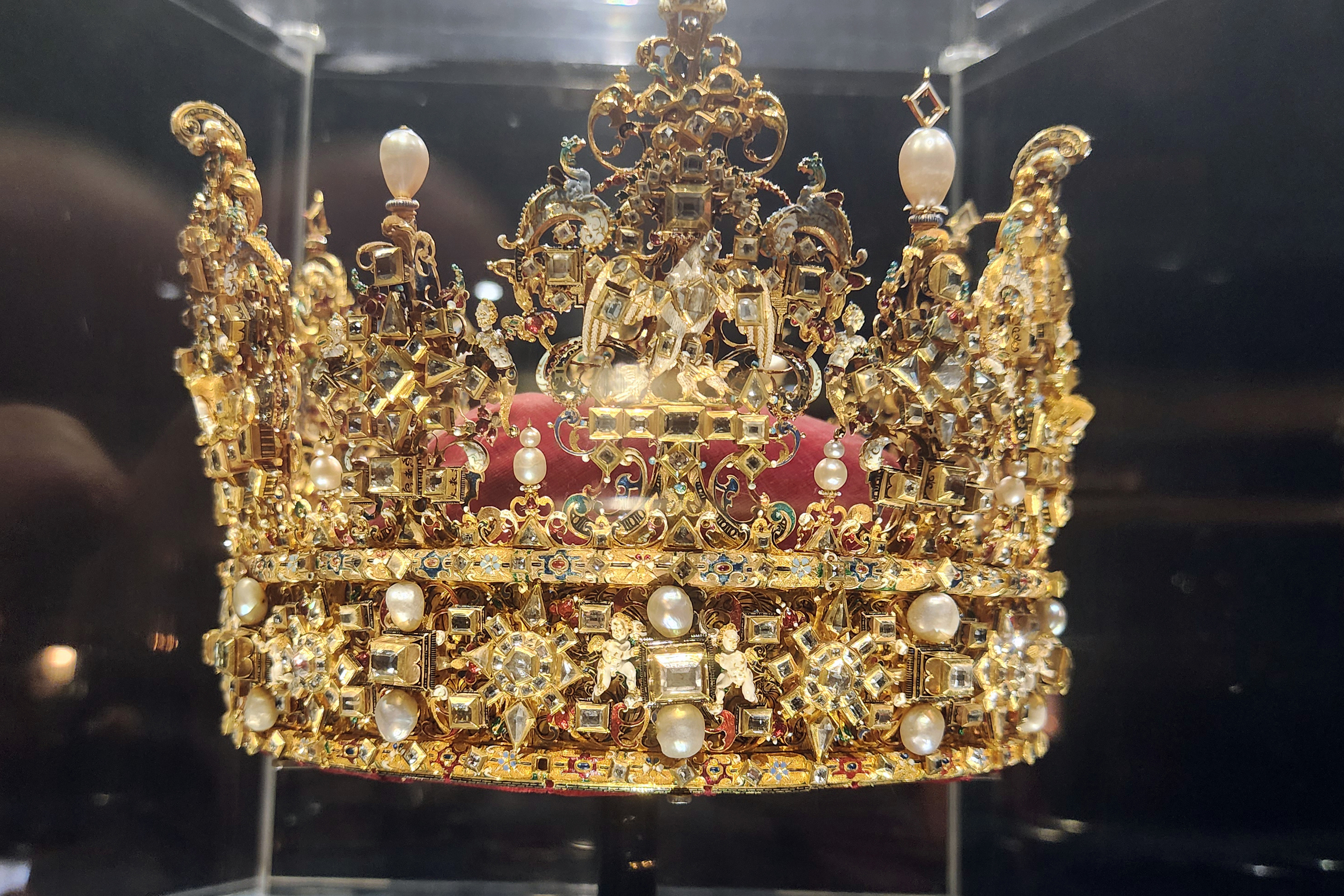
Rosenborg Castle (Rosenborg Slot) was built by King Christian IV as a summer residence in 1606, then expanded to its present size in 1624. Some of Christian IV’s possessions, including his private writing cabinet (and his bathroom) are on display. And everything on display can only be described as magnificently opulent.
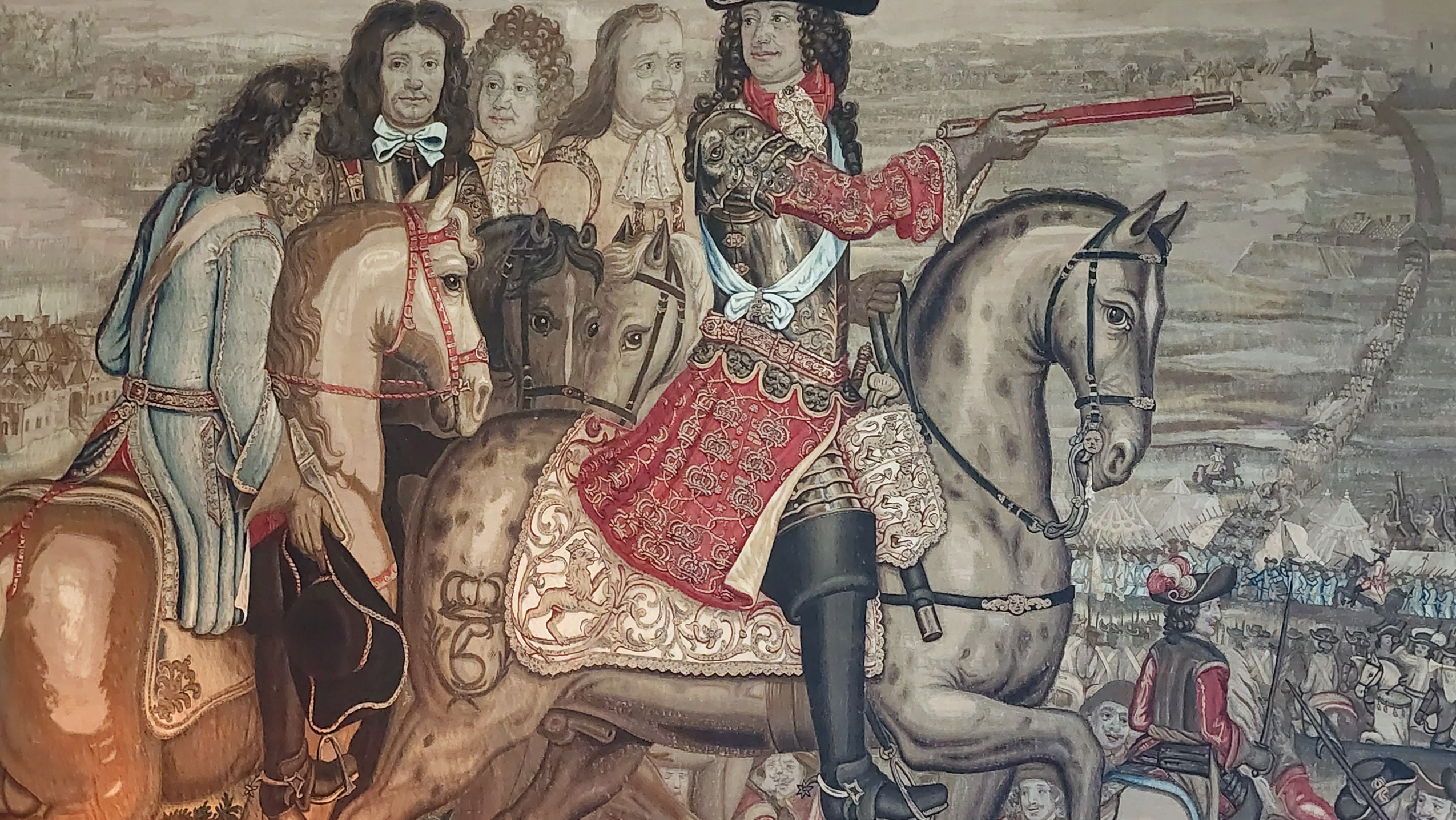
The Knight’s Hall contains the coronation throne, queens throne, three life-size silver lions, and twelve tapestries from the 17th century. The Danish Crown Jewels can be viewed in the castle basement (which has a separate entrance from the main castle).
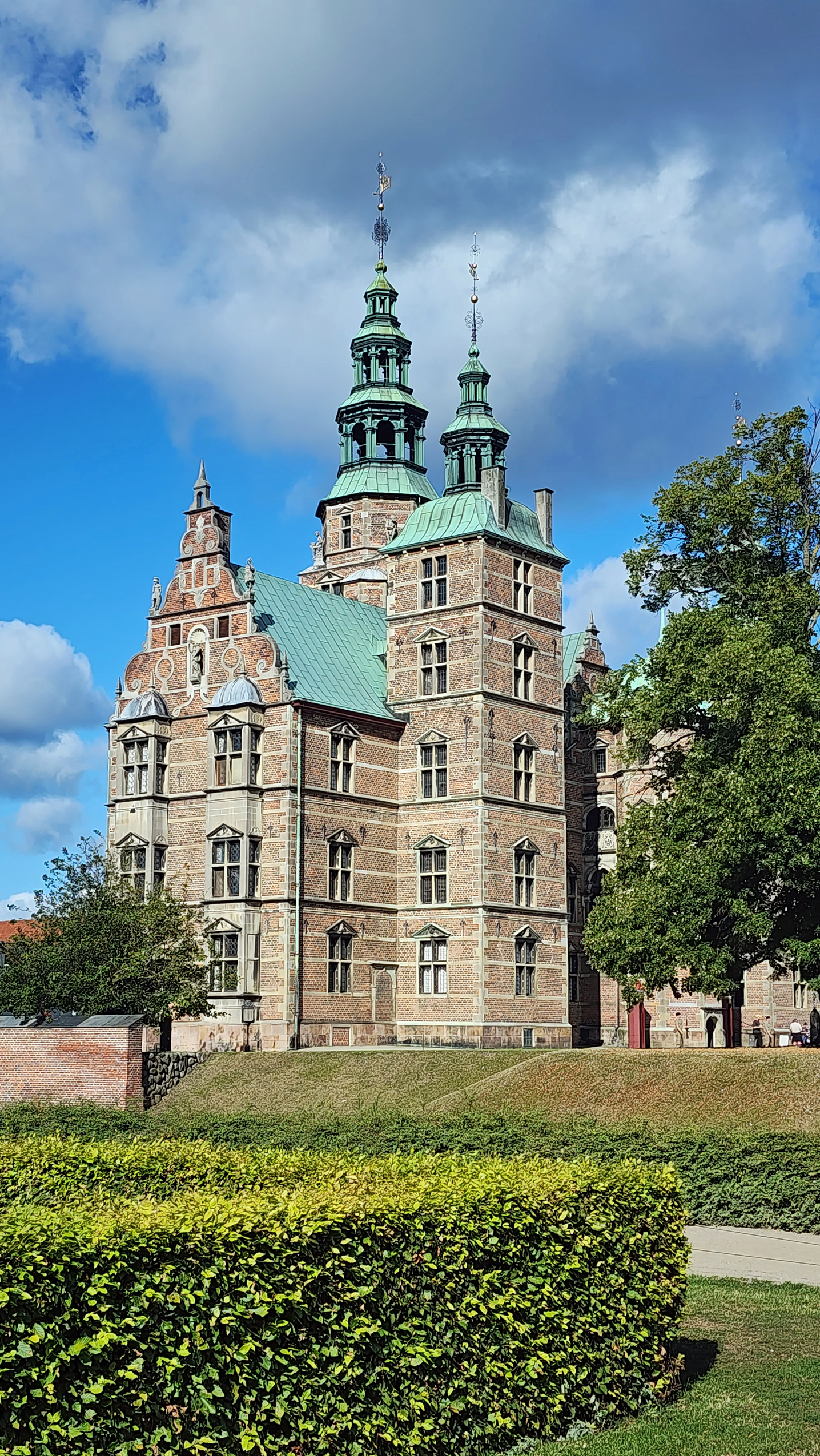
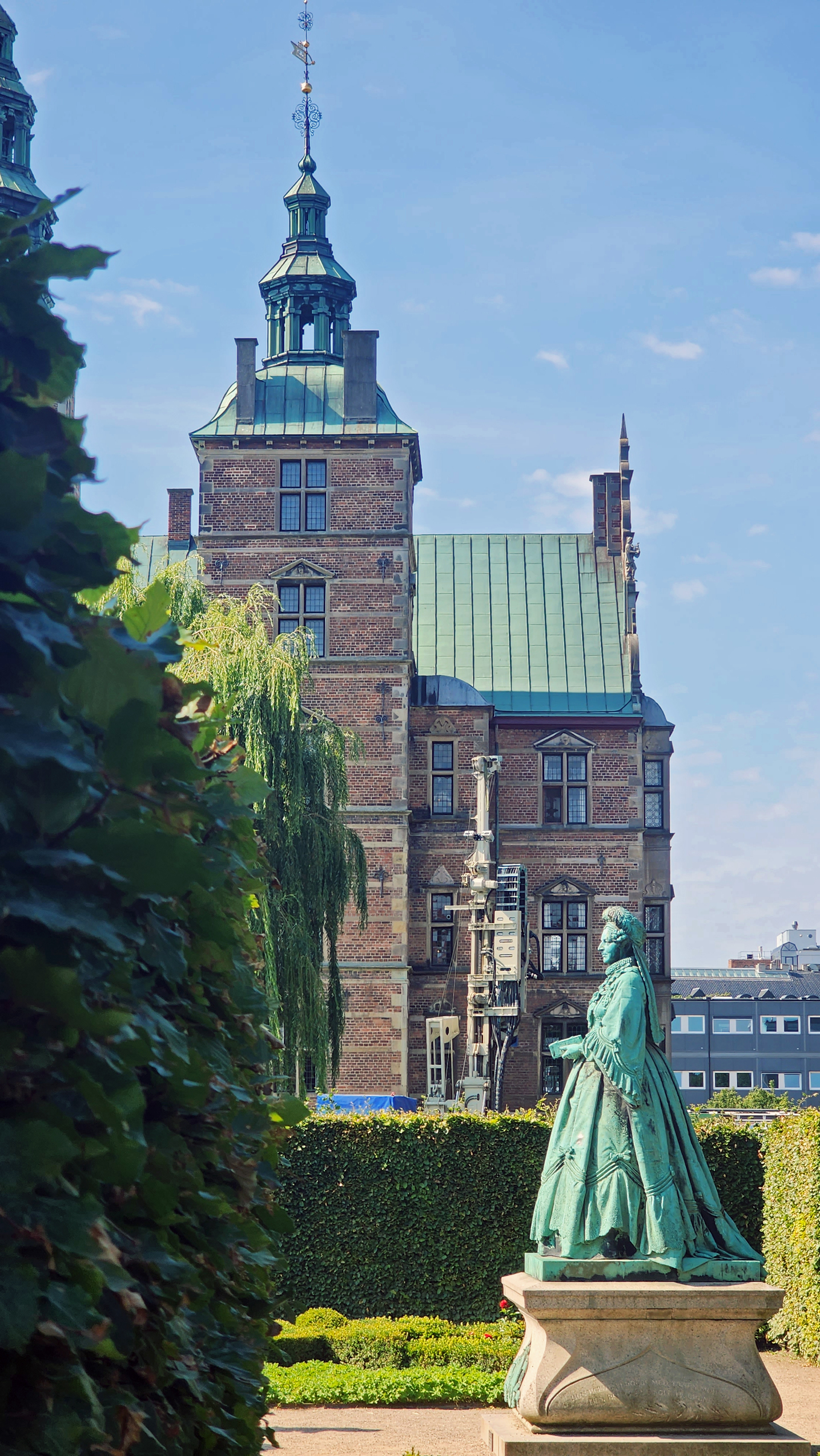
The King’s Garden (Kongens Have), also known as the Castle Garden, is located adjacent to the castle. See the Parks and Natural Areas section below.
Christiansborg Palace
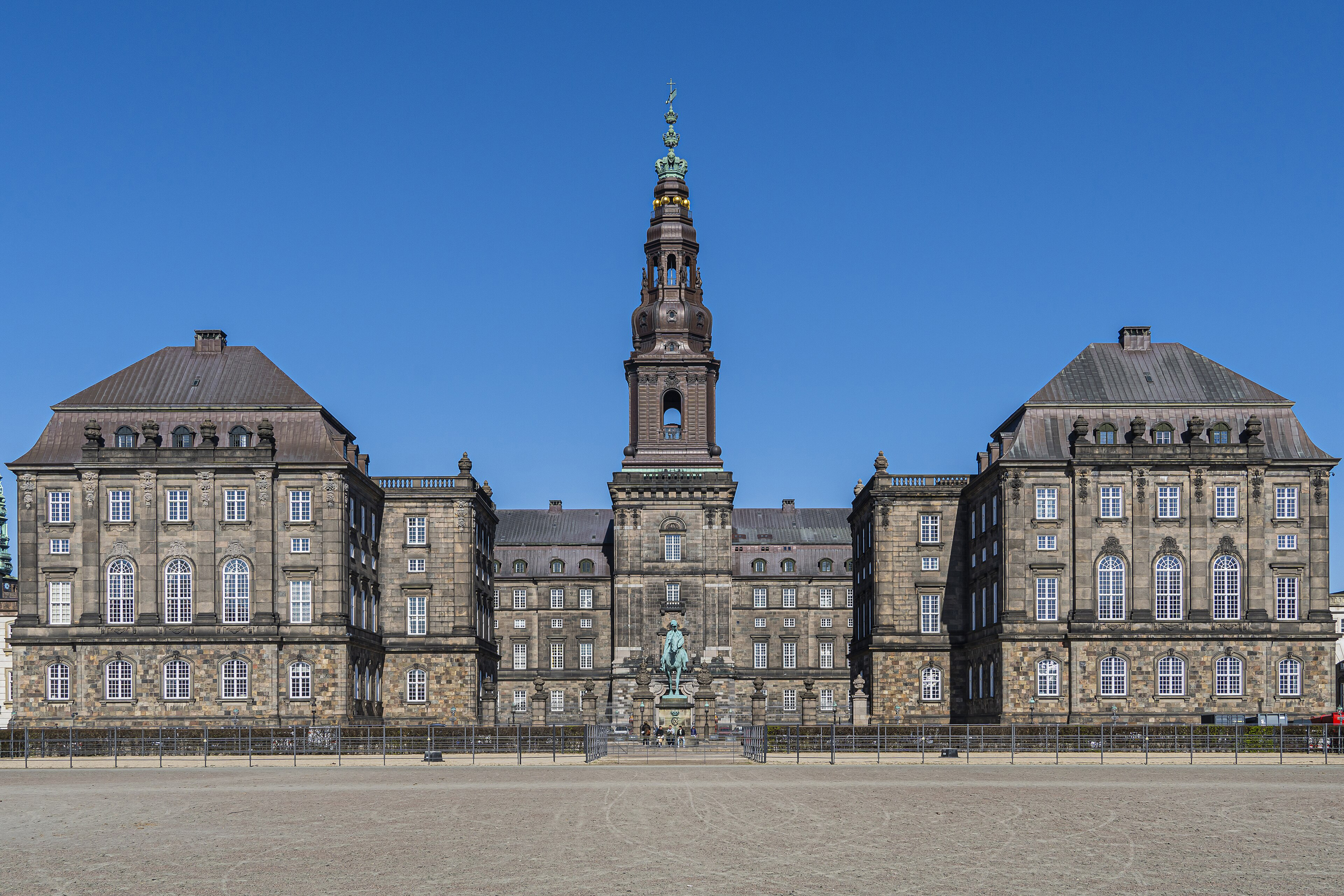
The original Christiansborg Palace (Christiansborg Slot) was completed in 1745. A fire in 1794 nearly destroyed the structure, which was then replaced by the second palace, completed in 1828.
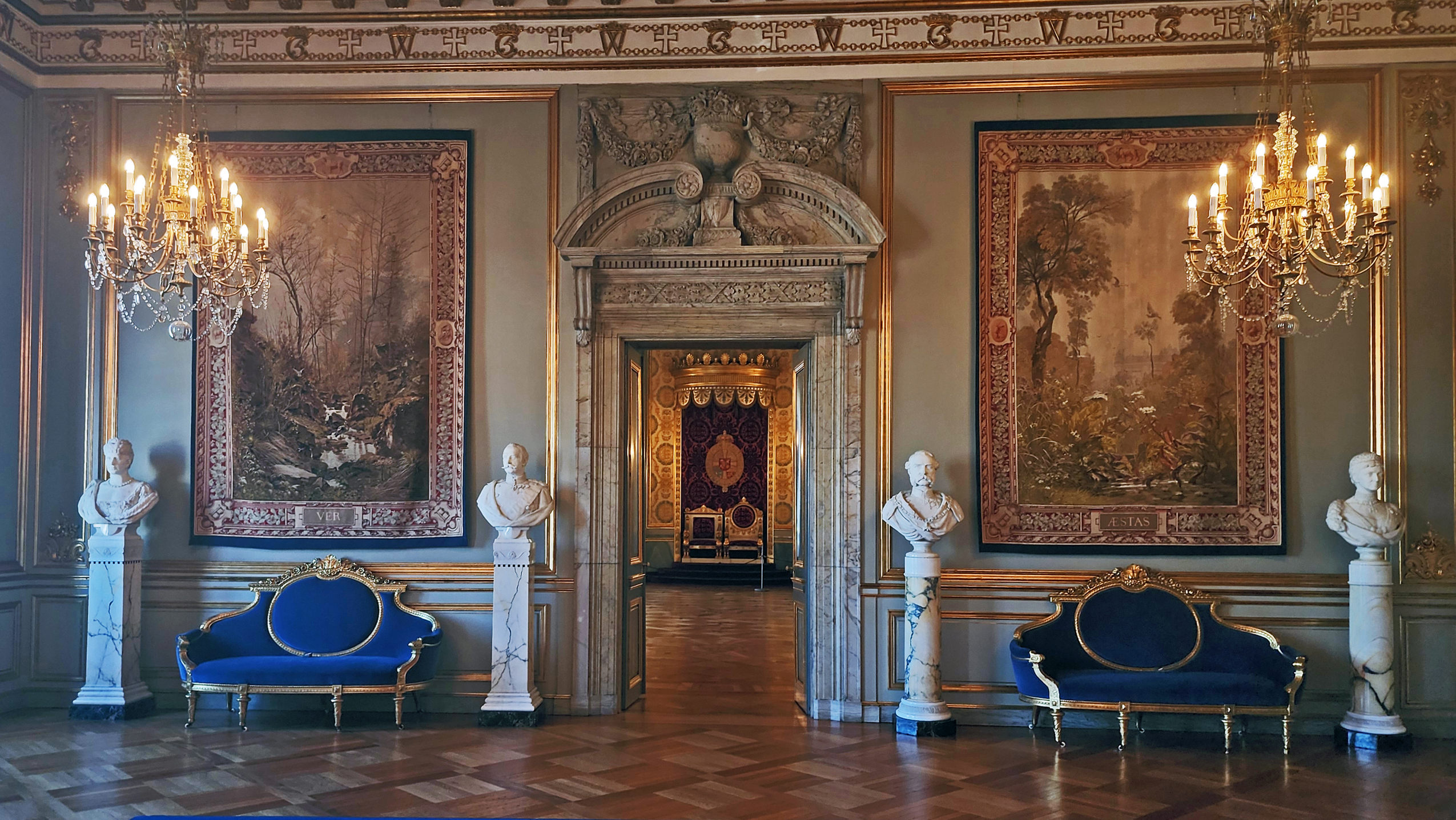
In 1849, when Denmark became a constitutional monarchy, the first Danish Parliament met in the south wing of the palace. The only king to use the second palace as a residence was Frederick VII, from 1852 to 1863.
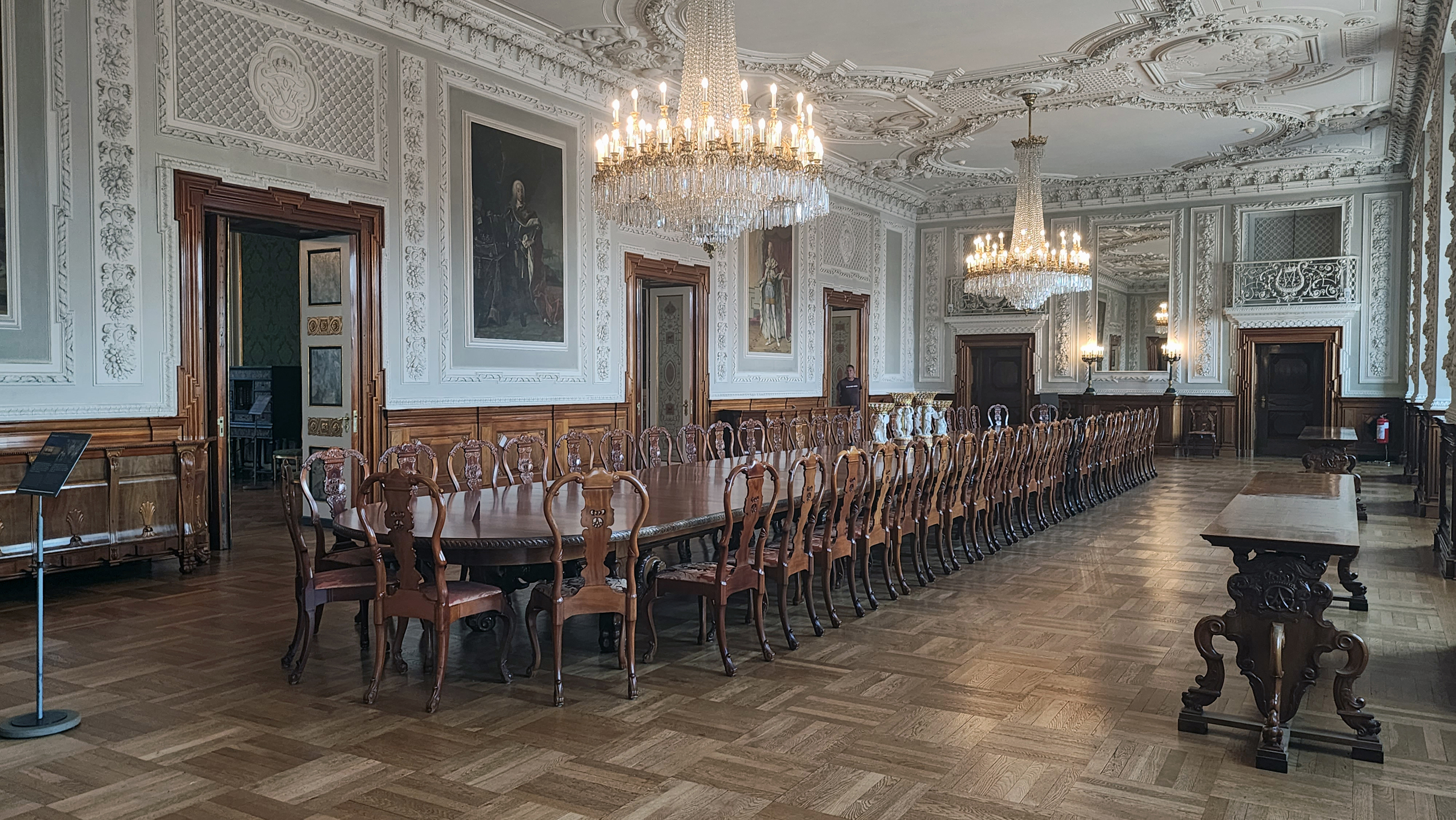
The second palace also burned, in 1884. Construction of the current palace was completed in 1928 and is the seat of the current Danish Parliament, as well as the Danish Supreme Court and the office of the Prime Minister, making it the seat of all three branches of the Danish government.
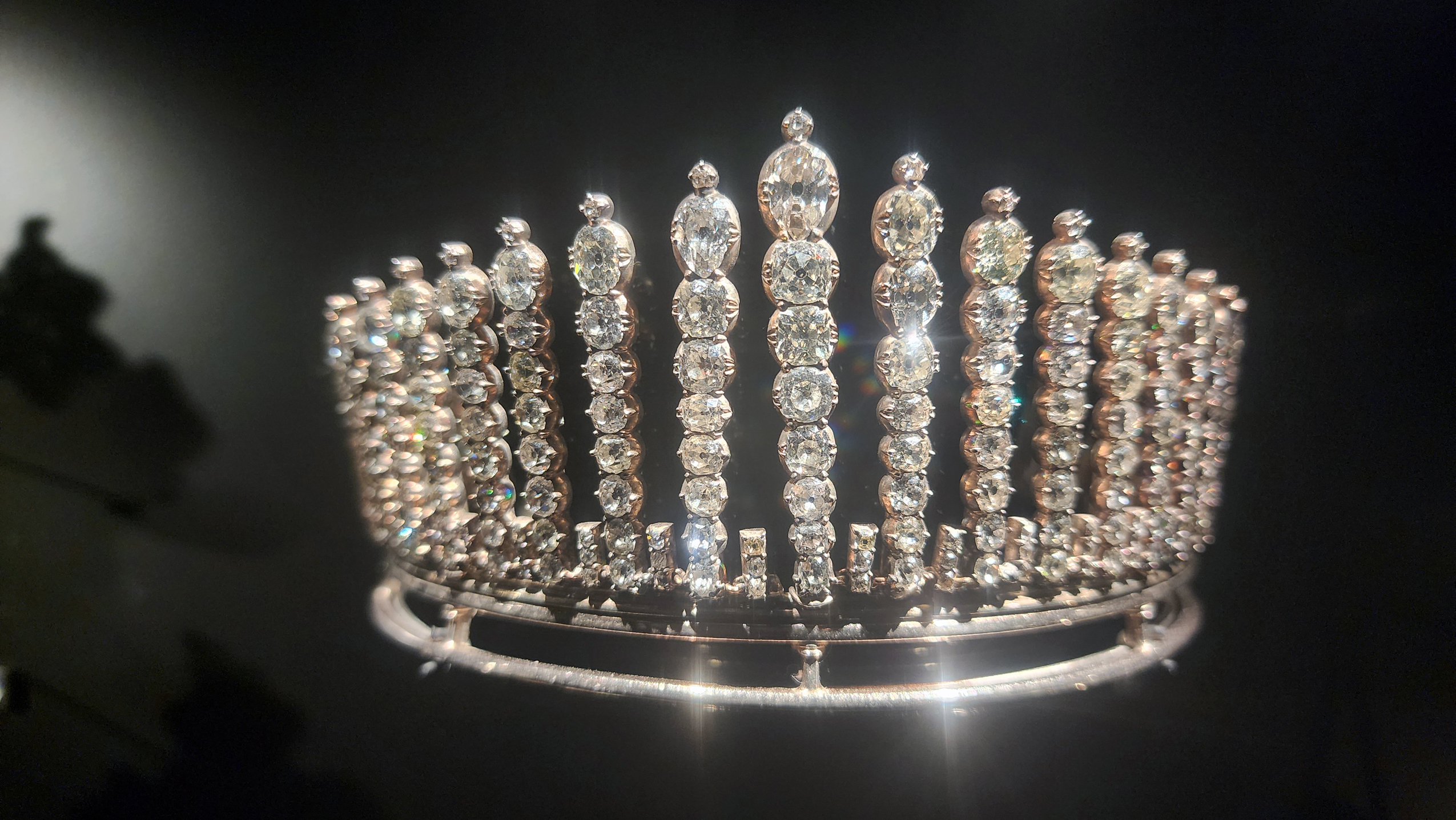
Amalienborg Museum
The Amalienborg Museum is located in one of the four buildings making up Amalienborg Palace. The palaces surround a central courtyard with a statue of King Frederik V at its center. The structures were originally the homes of four noble families, but were purchased by the Danish royal family after the original Christiansborg Palace burned in 1794. The palace has been the official residence of the royal family ever since.
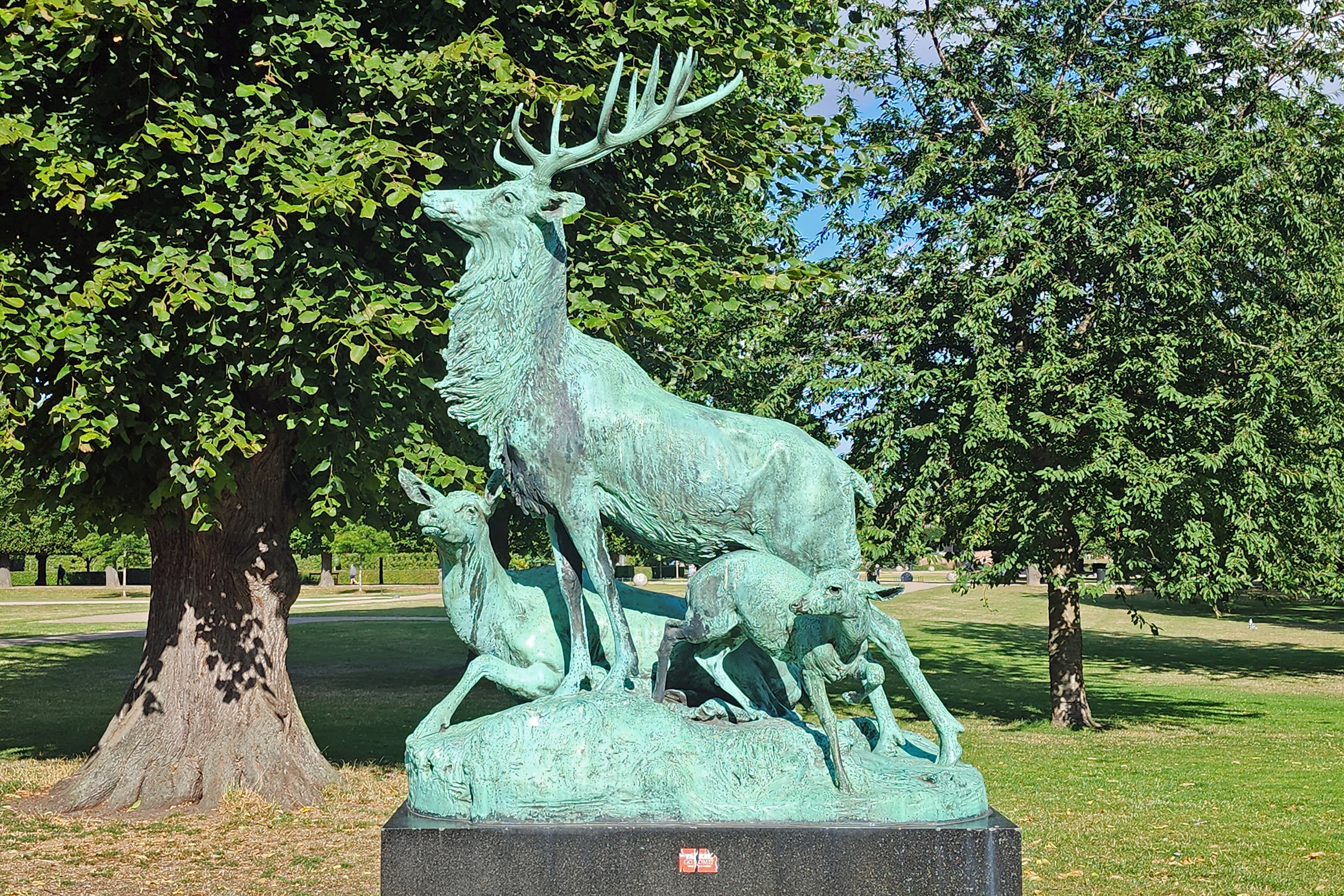
Parks and Natural Areas
Copenhagen is a beautiful city with many parks and natural areas. The largest park in the central city is Kongens Have, adjacent to Rosenborg Castle.
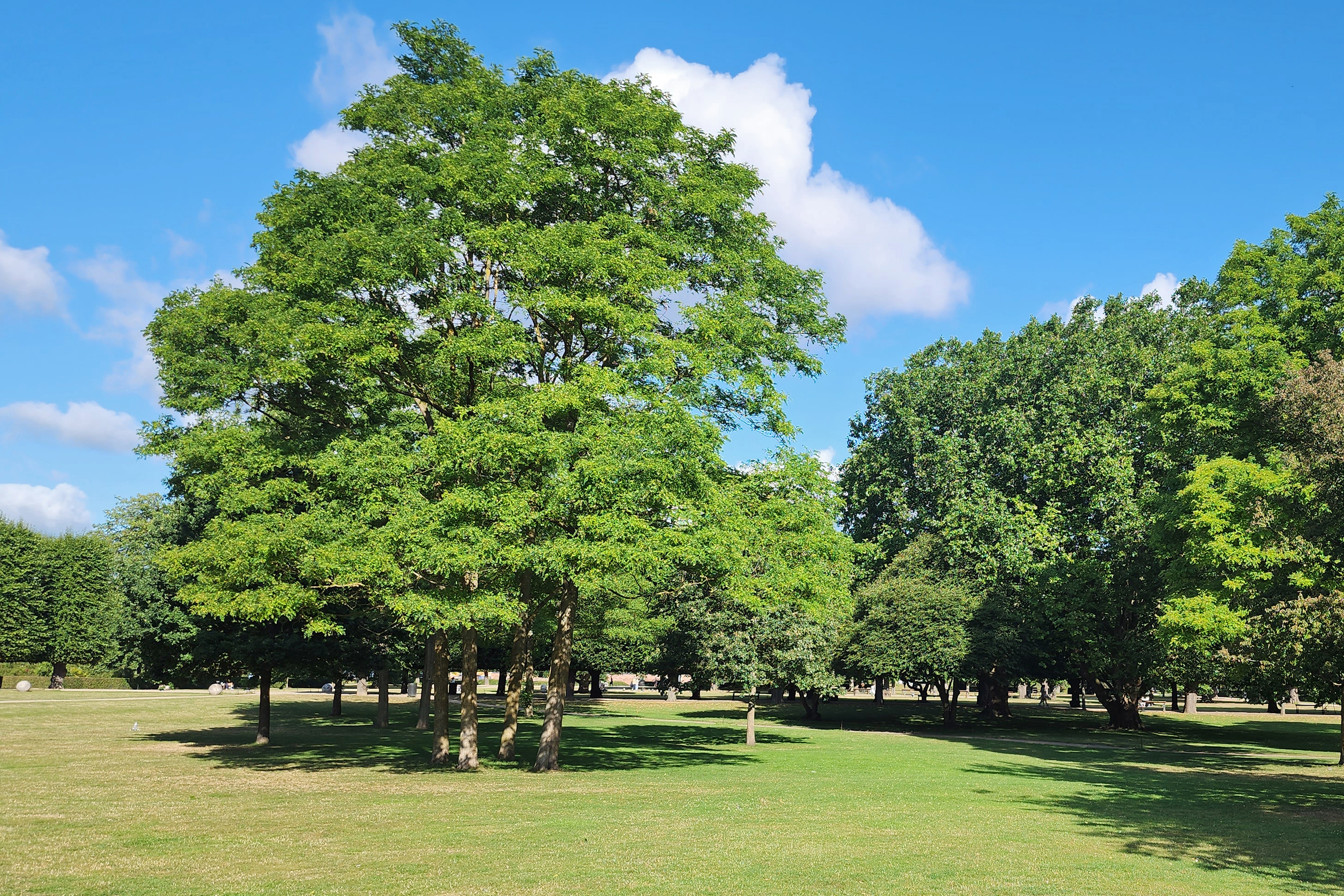
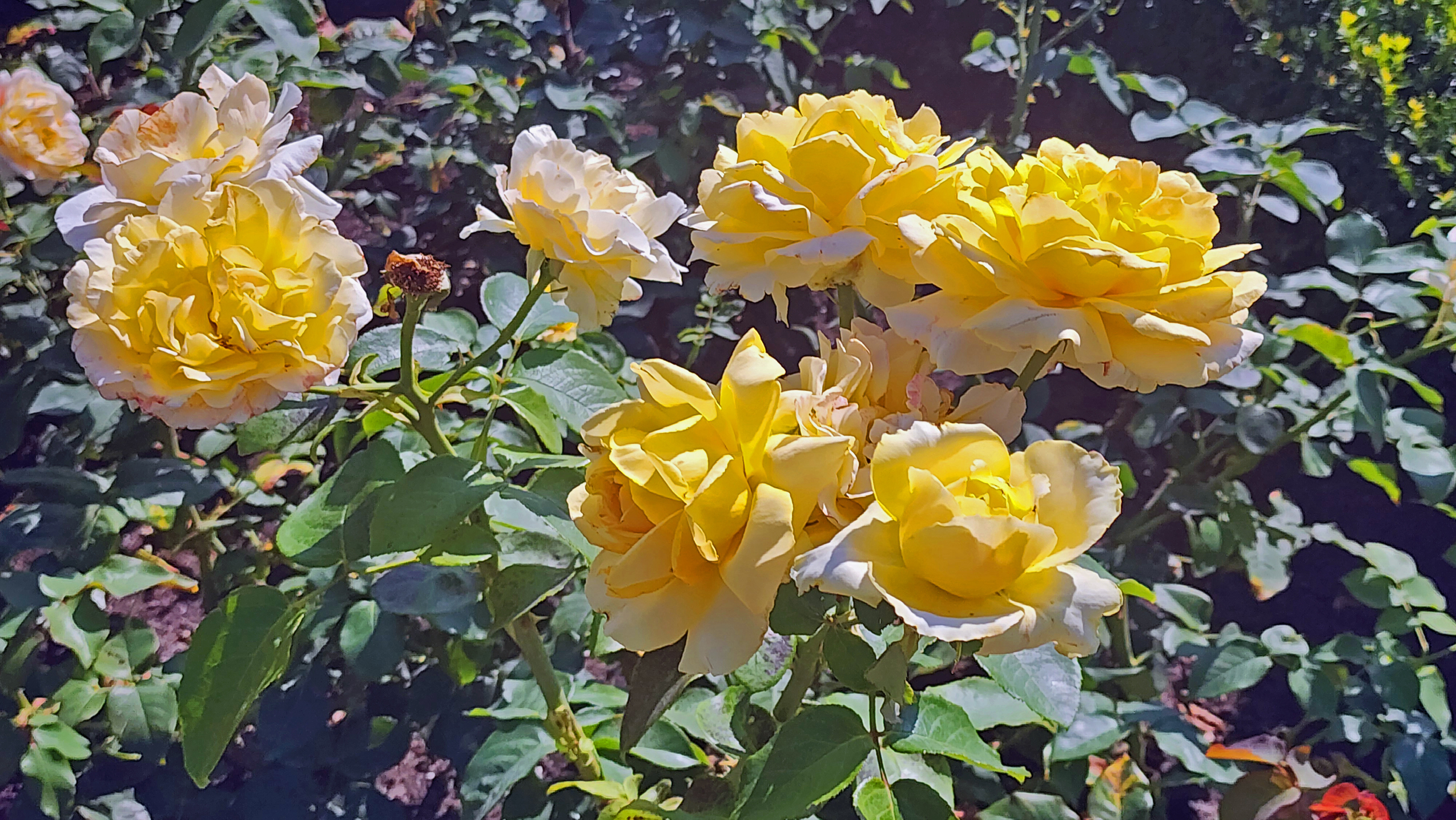
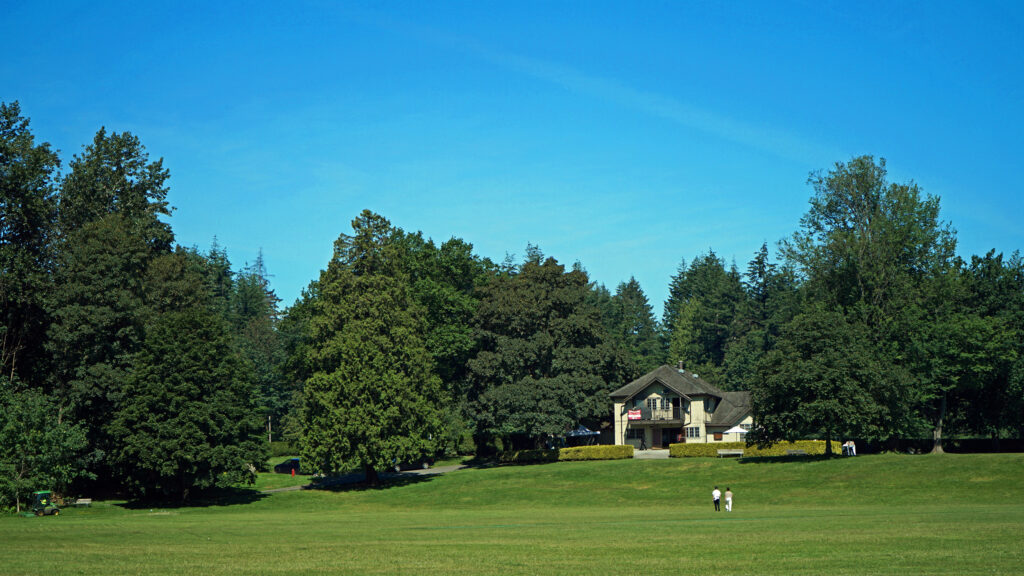
The park has large open areas, shaded lanes lined with trees, a formal rose garden, and a children’s playground. There is also a monument to Hans Christian Andersen, and a café (the Herkules Pavillon Café).
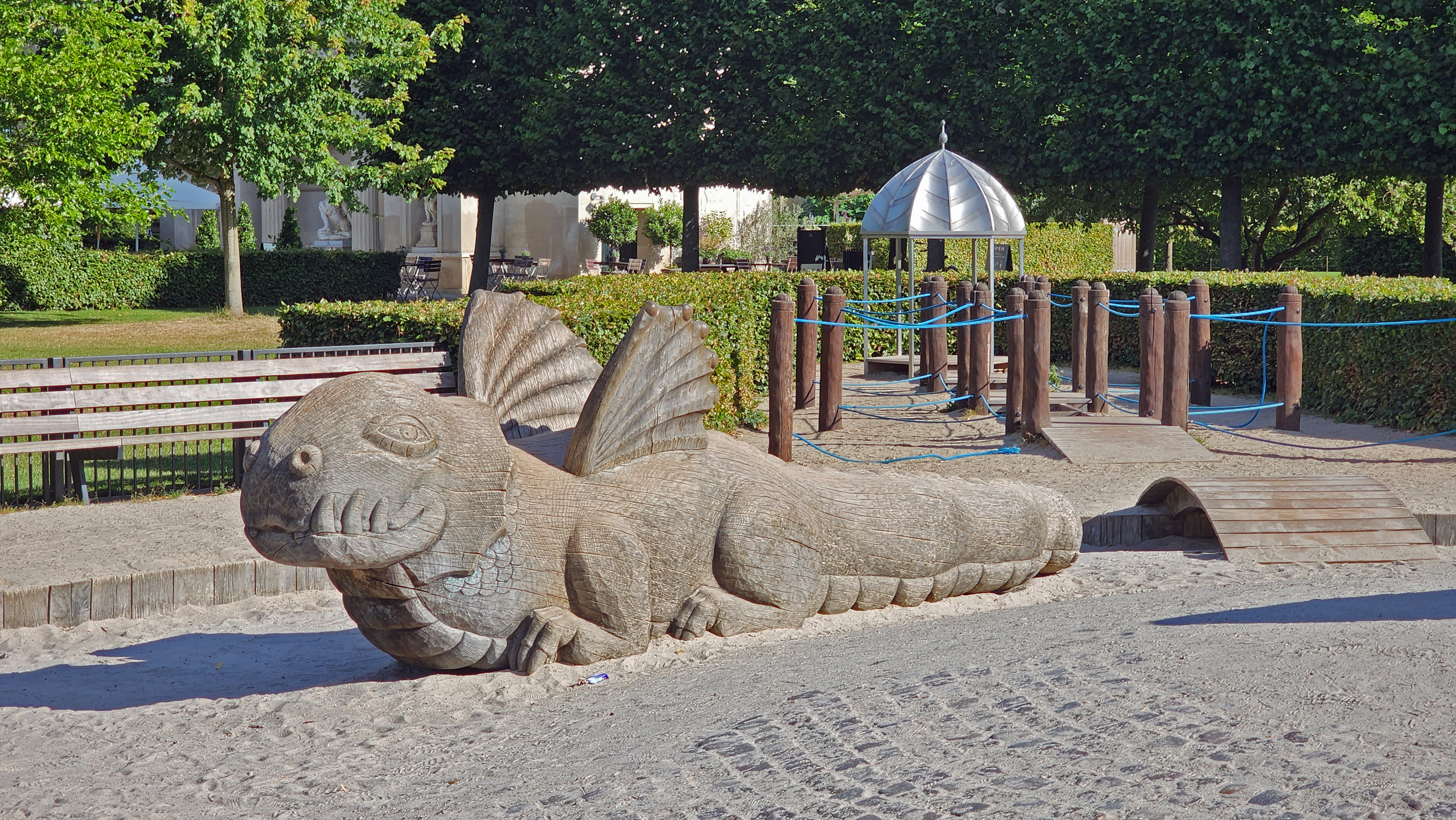
There are many other parks that we did not have time to explore, including Faelledparken, about a mile north of Rosenborg Castle, and Amager Faelled, on Amager Island about a mile south of the city center.
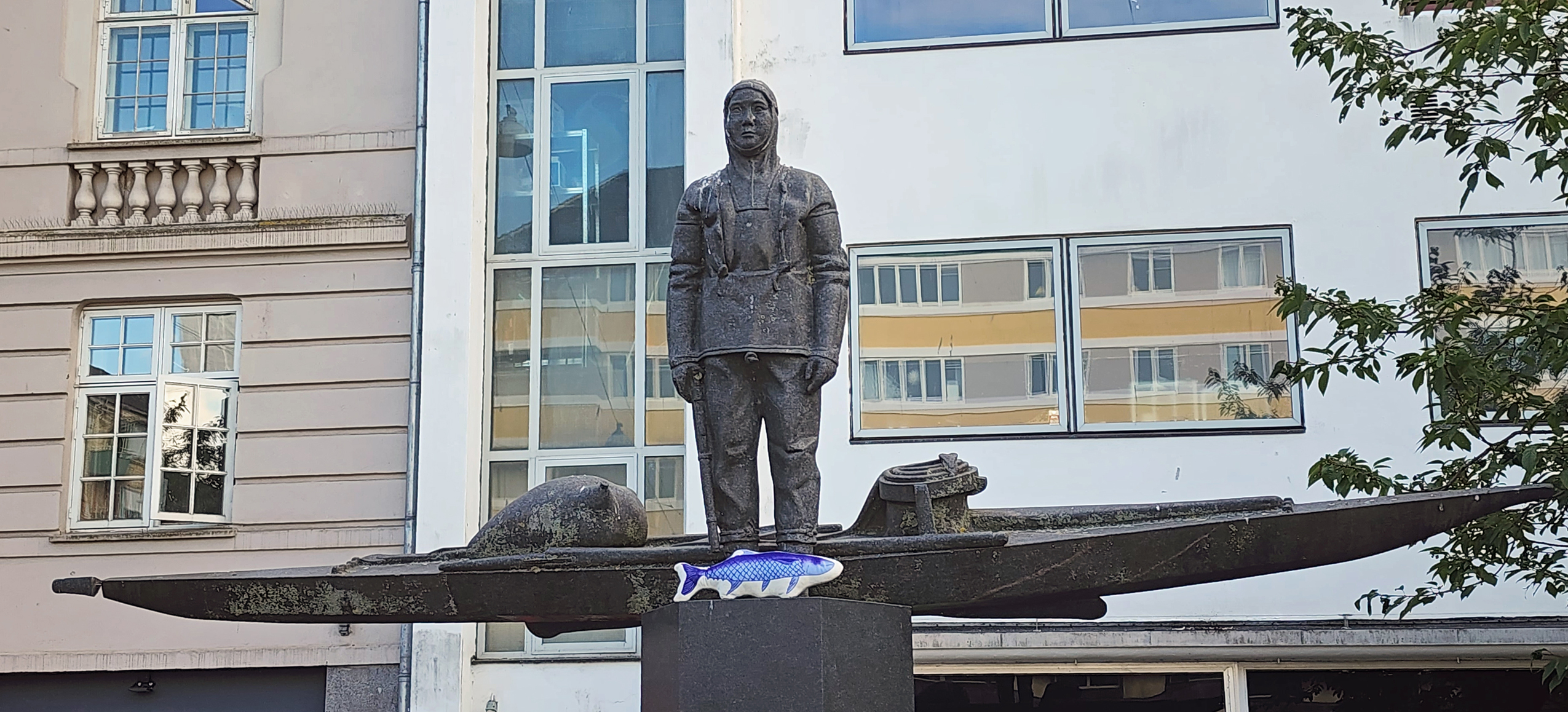
Art and Architecture
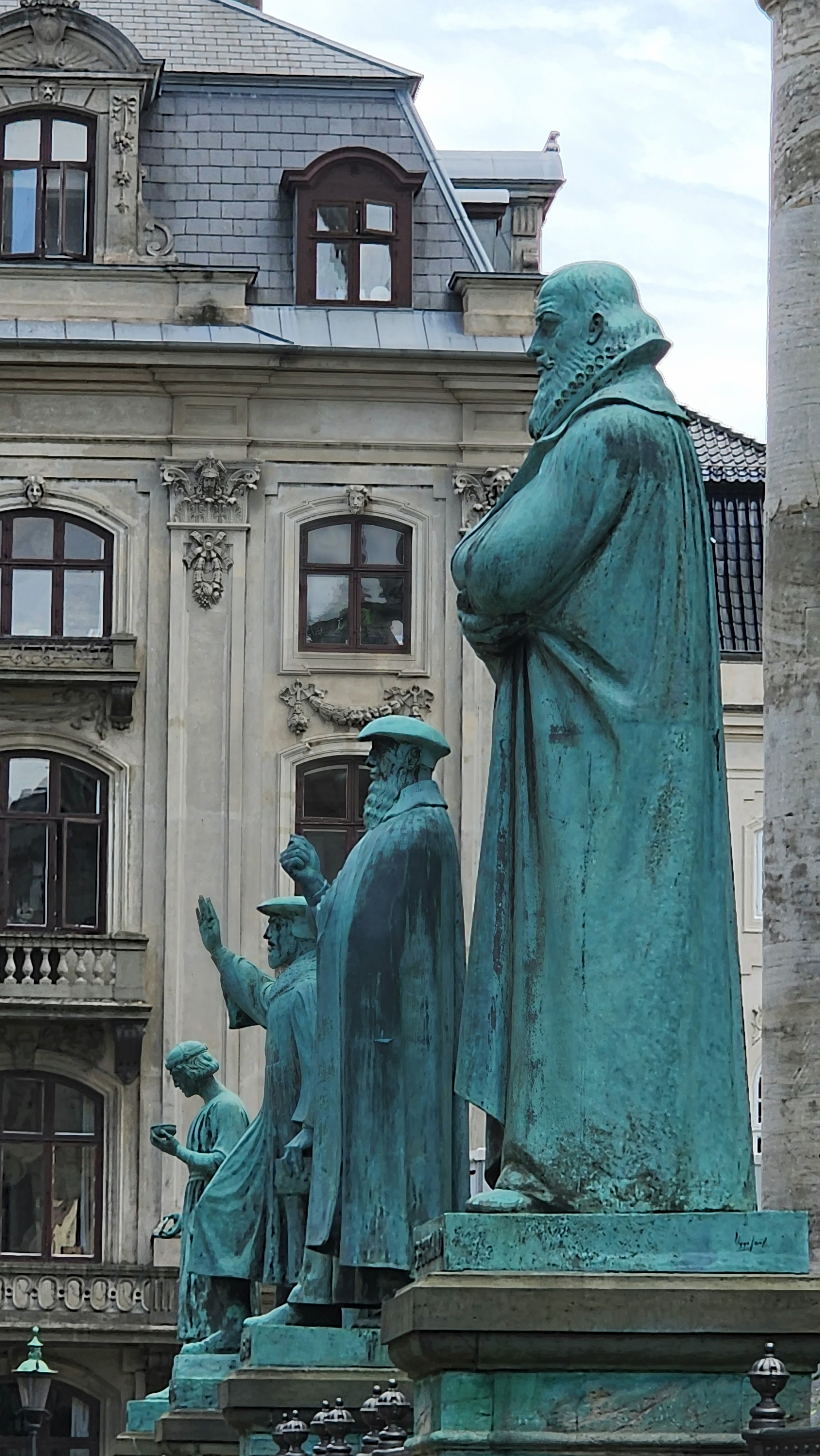
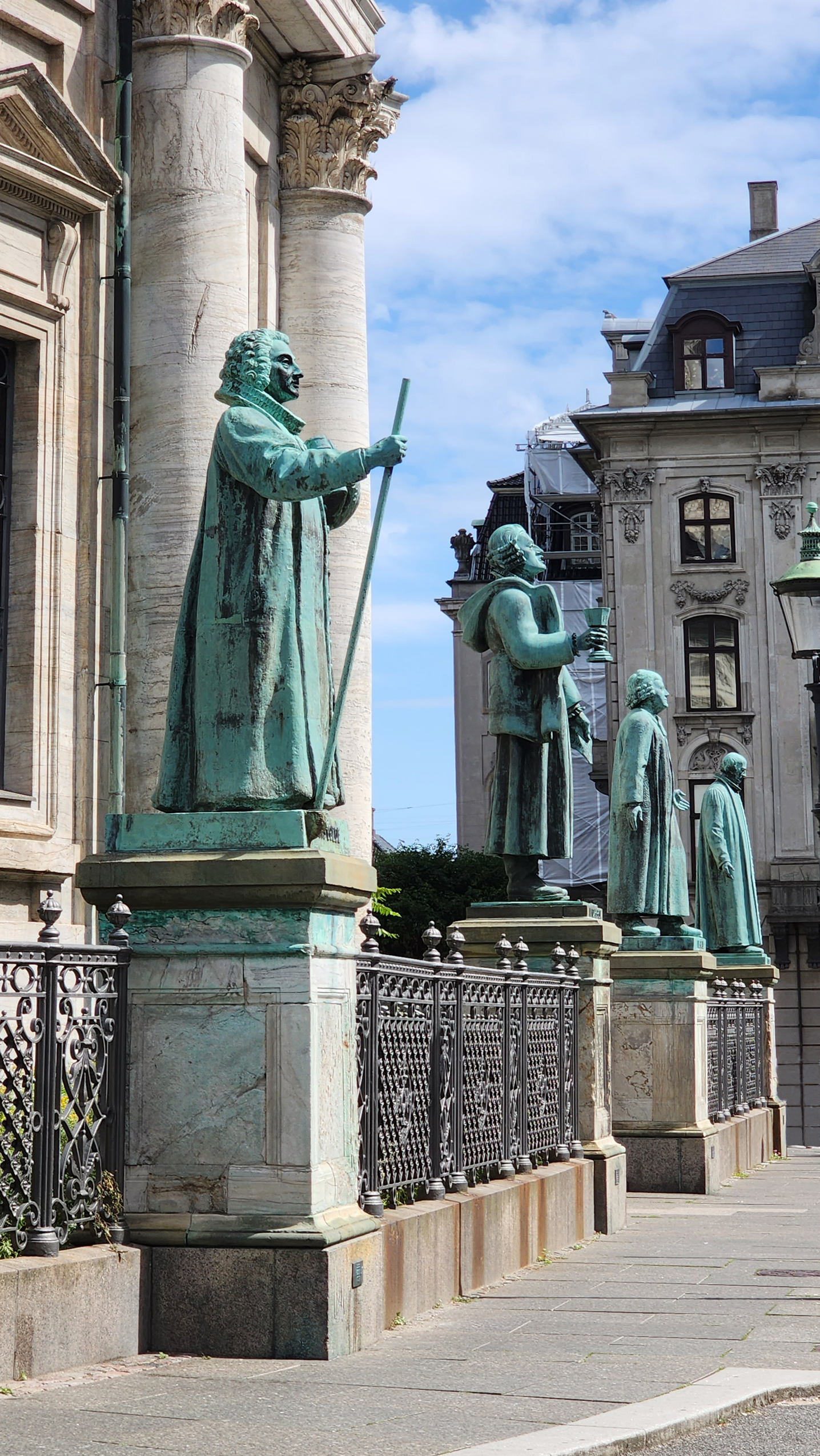
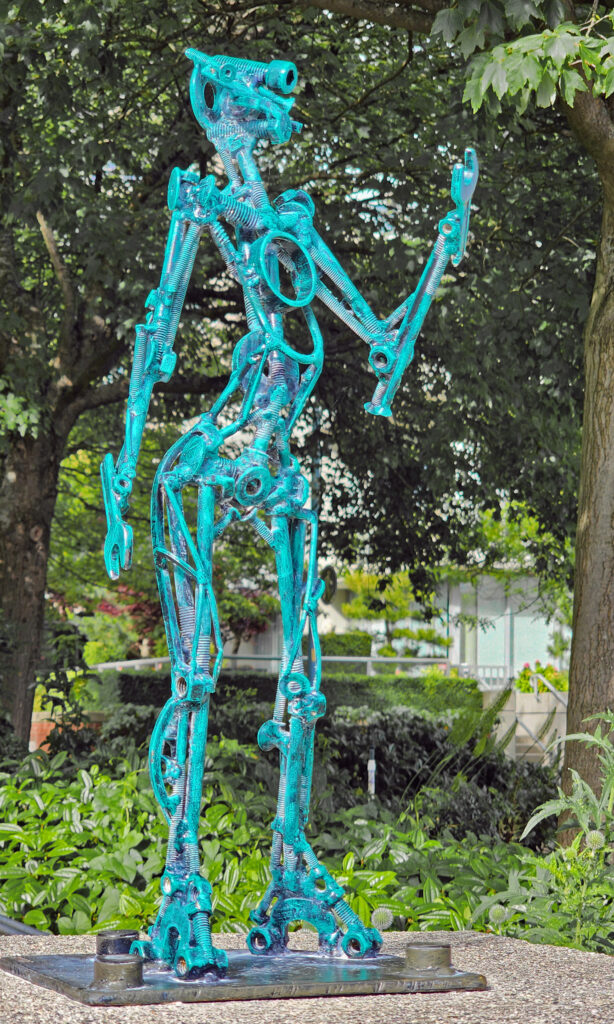
Statues, monuments, and many other public art exhibits are scattered throughout the city center. And there are many art museums and galleries in the old city, including the Nicolaj Art Gallery and the Ny Carlesberg Glyptotek.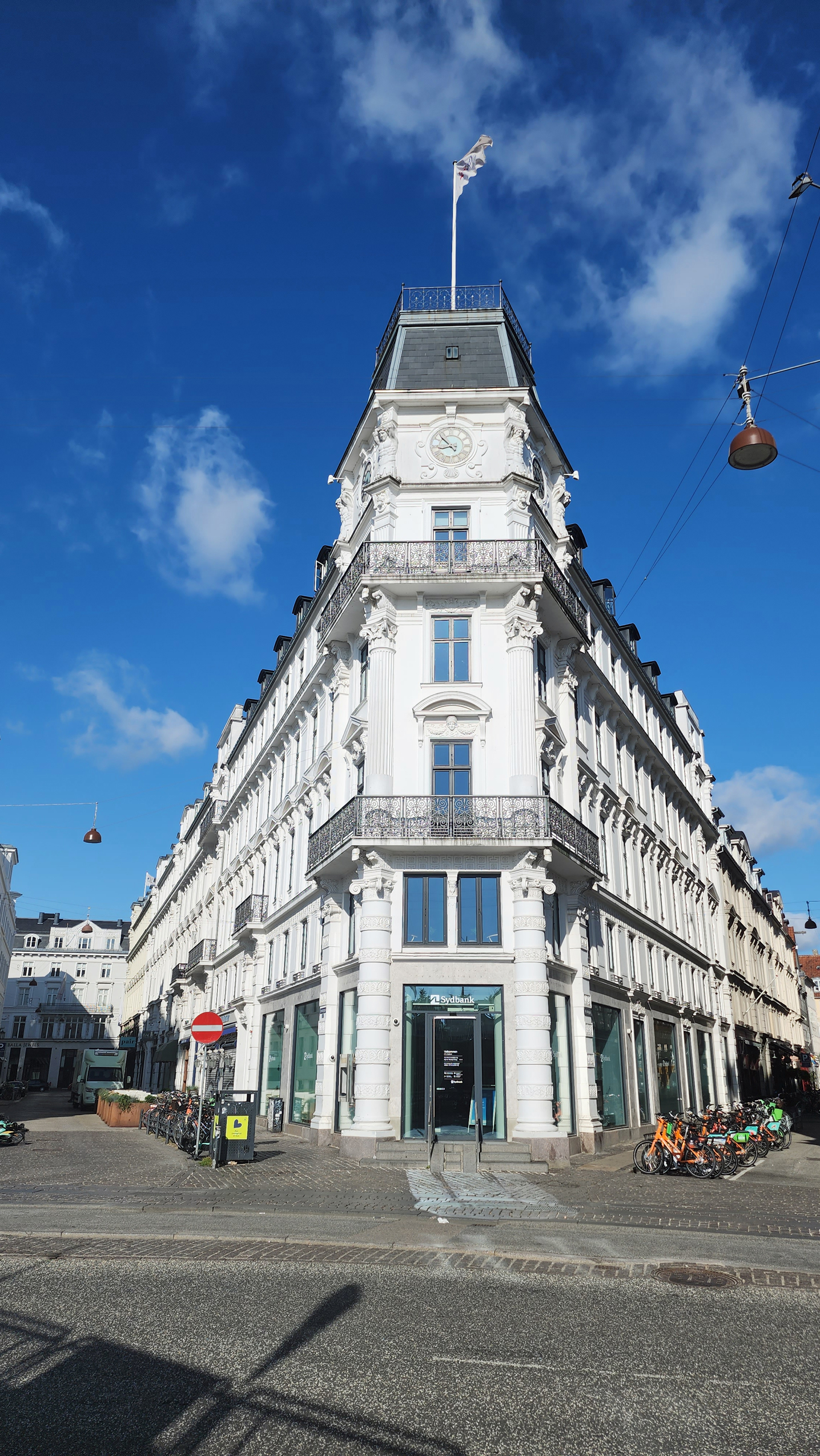
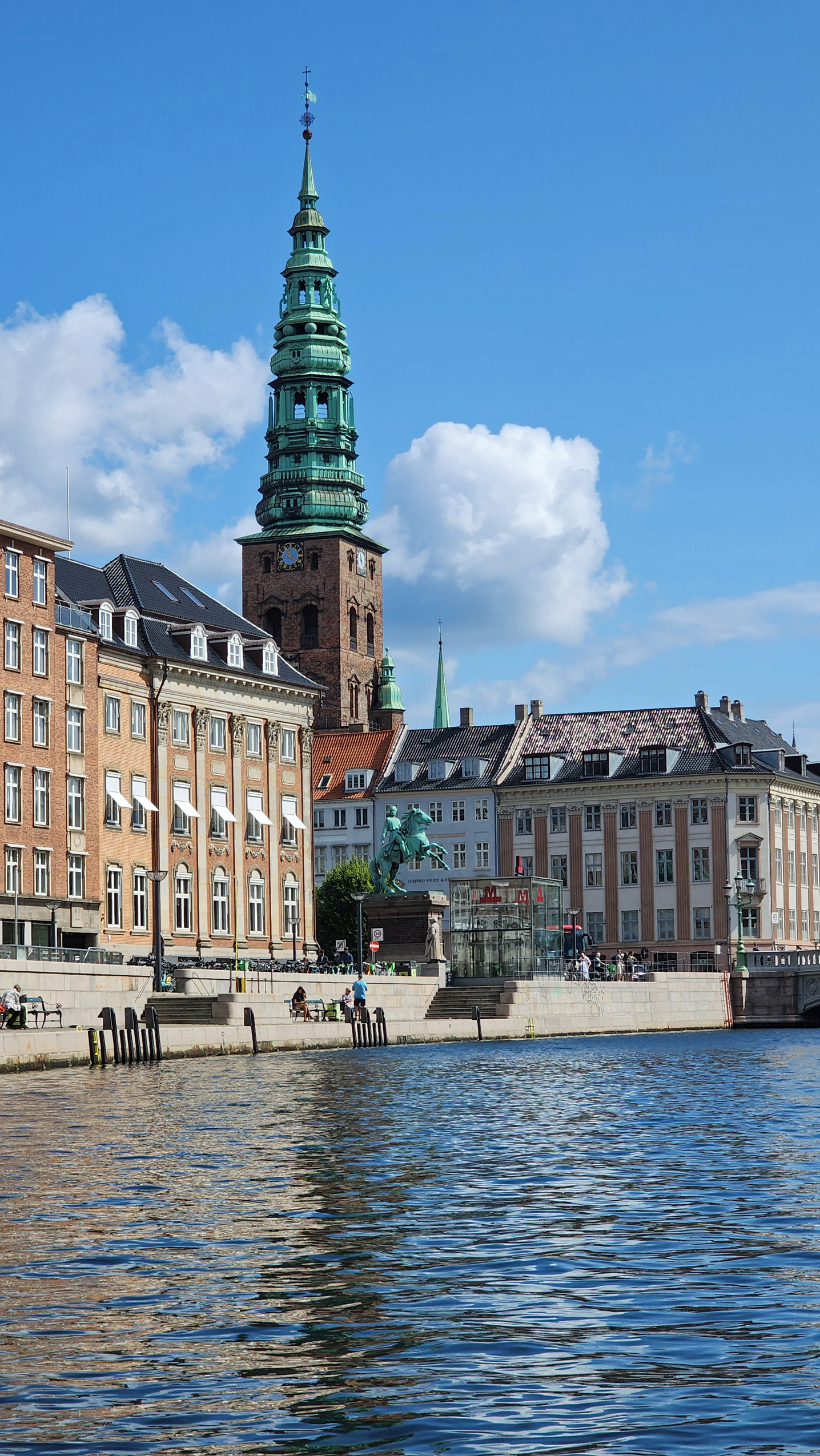
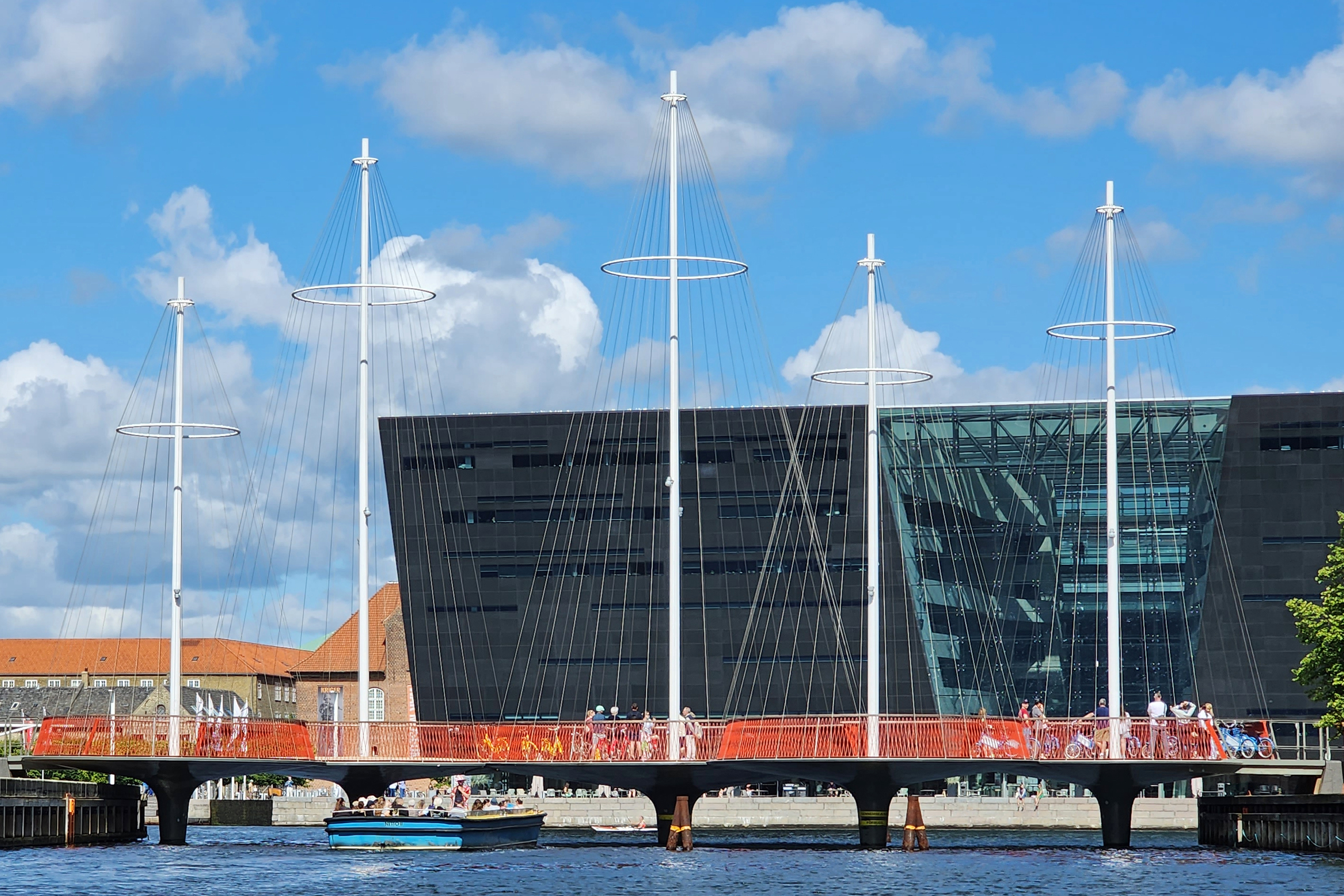
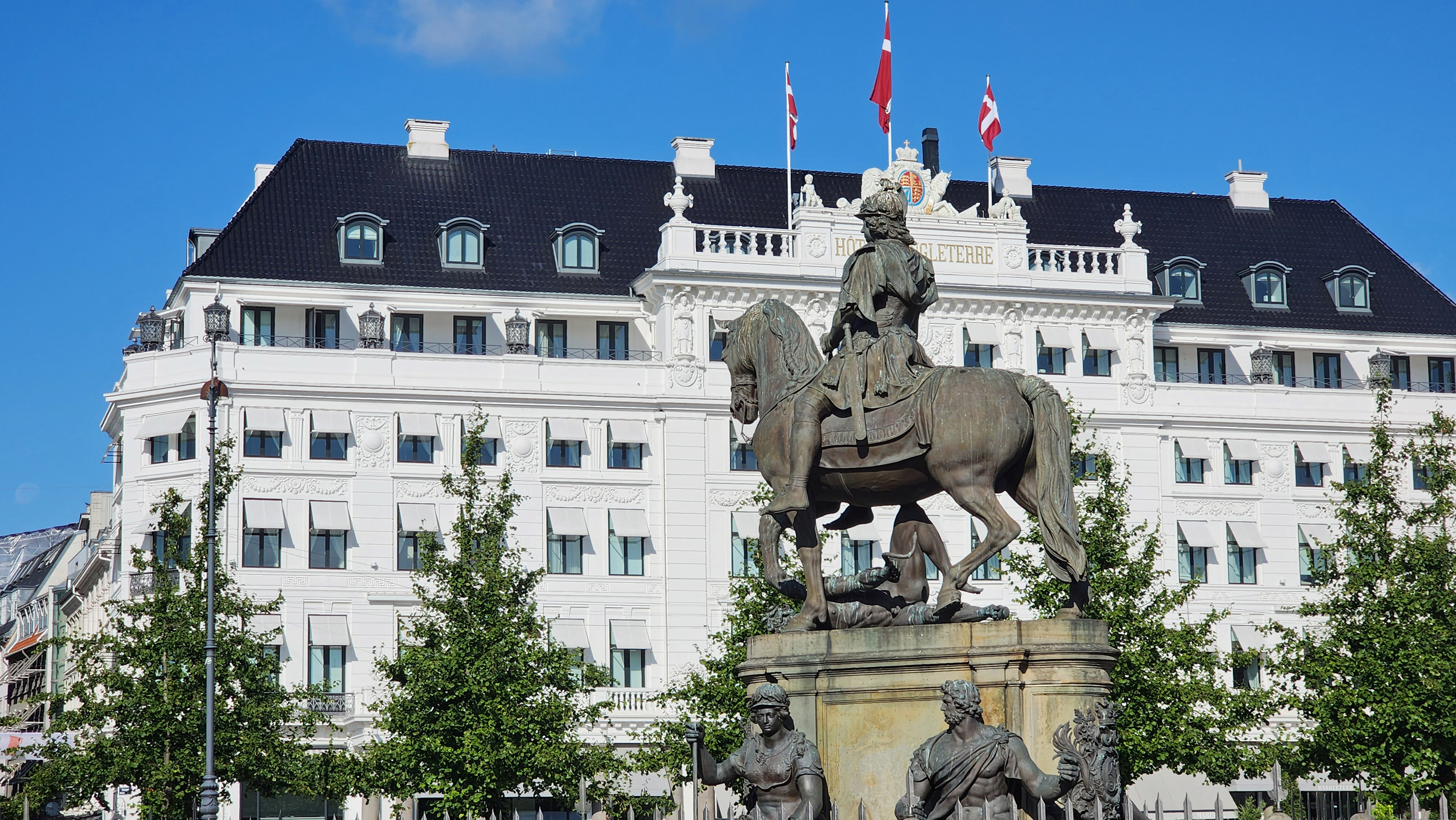
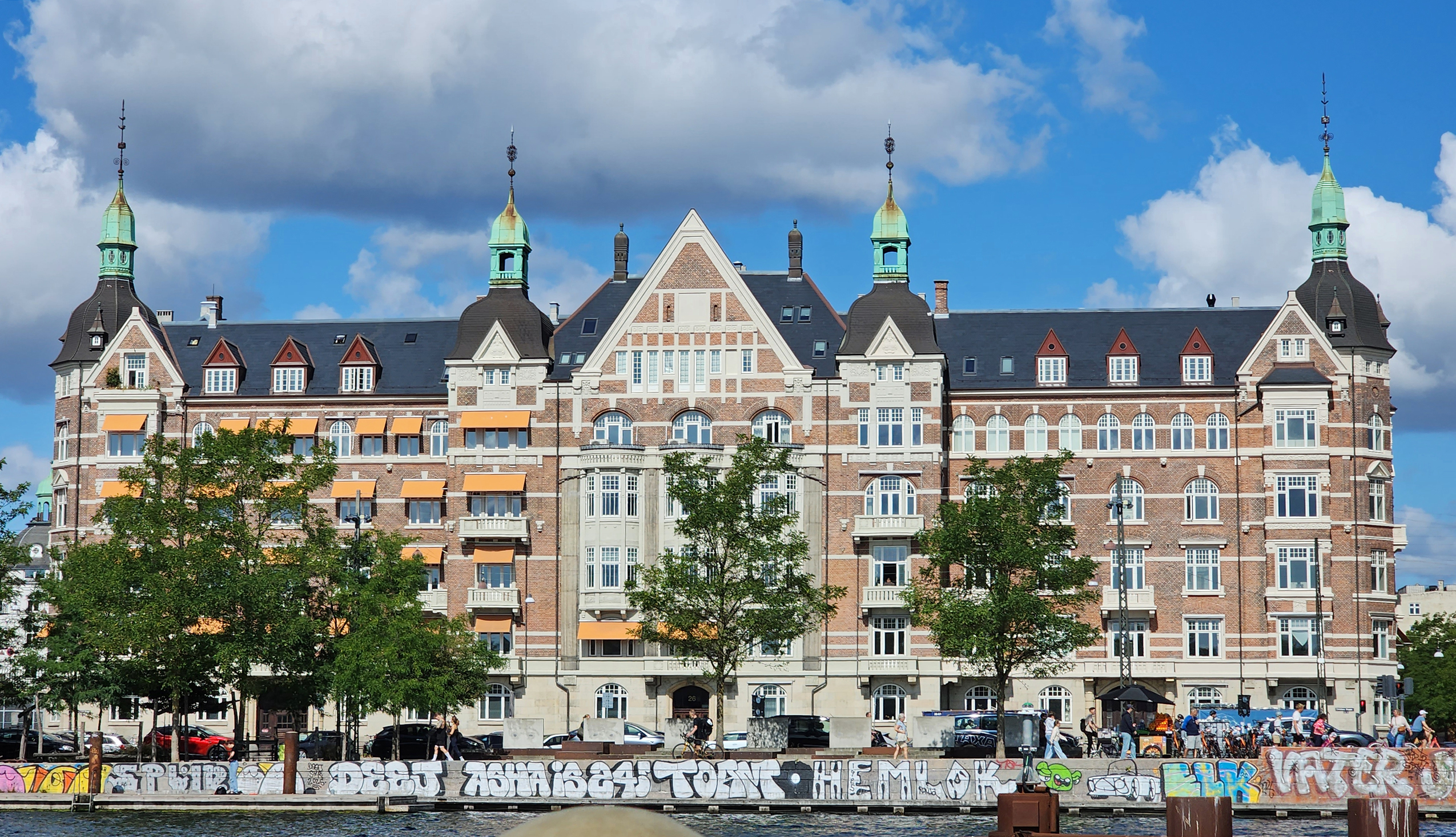
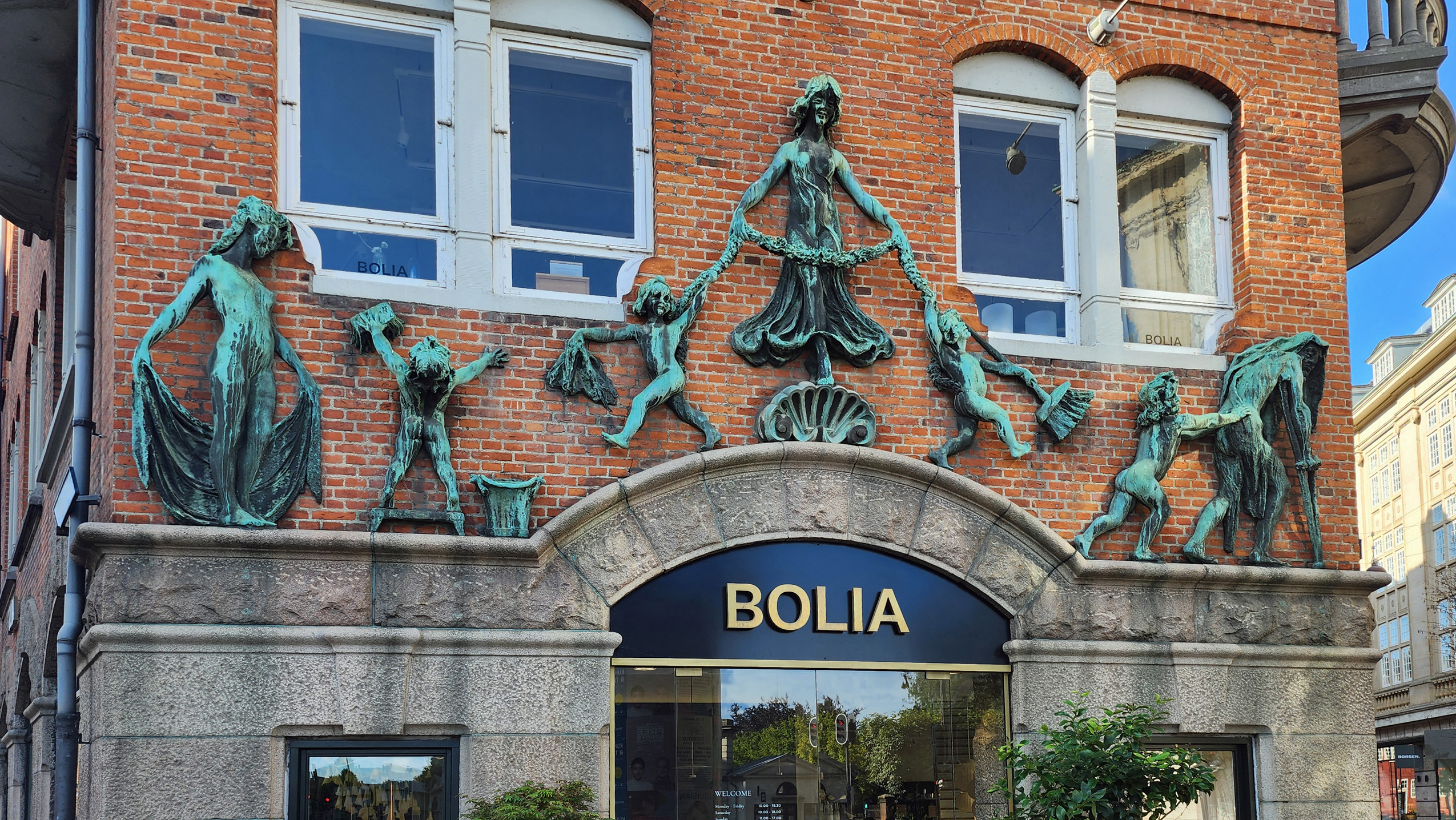
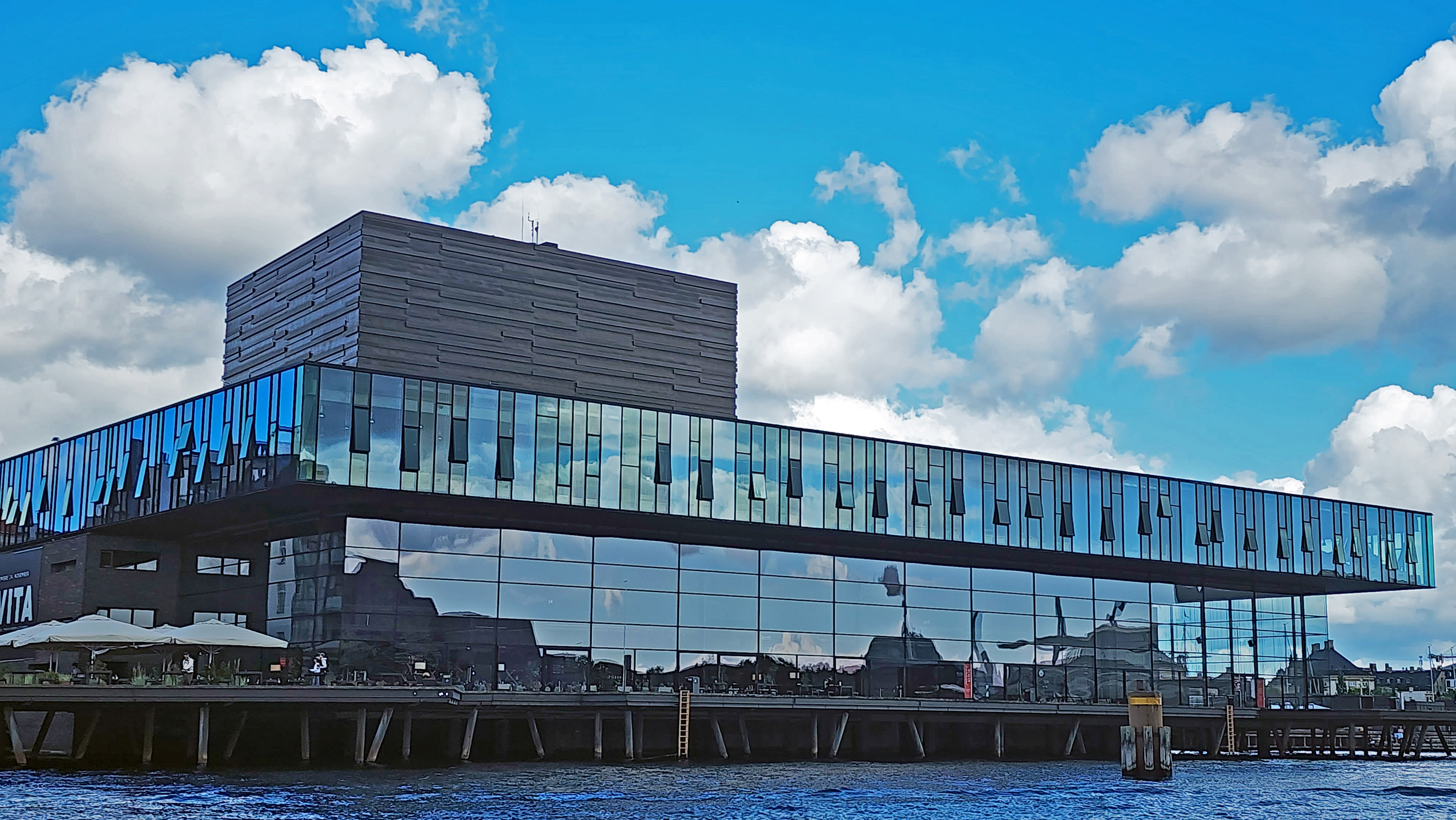 I’m a big fan of architecture in general and Copenhagen has a wide range of building styles from centuries old churches to ultra-modern office buildings. The images above are only a tiny slice of what you can find in the city center.
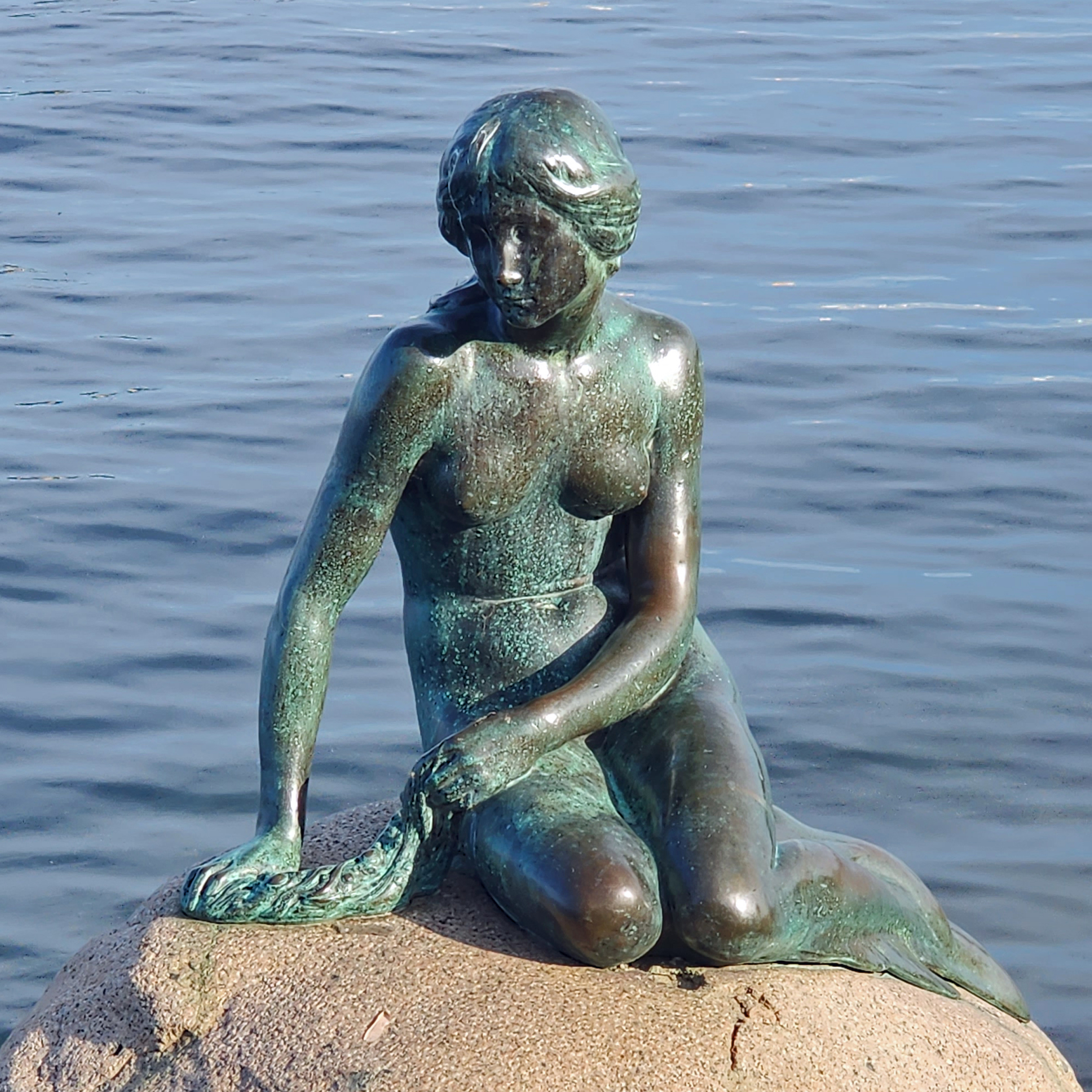
The Little Mermaid
Edvard Eriksen’s iconic bronze sculpture is one of the top tourist attractions in Copenhagen and not to be missed. Although not imposing (the sculpture is less than five feet tall), it has been captivating people ever since its creation in 1913.
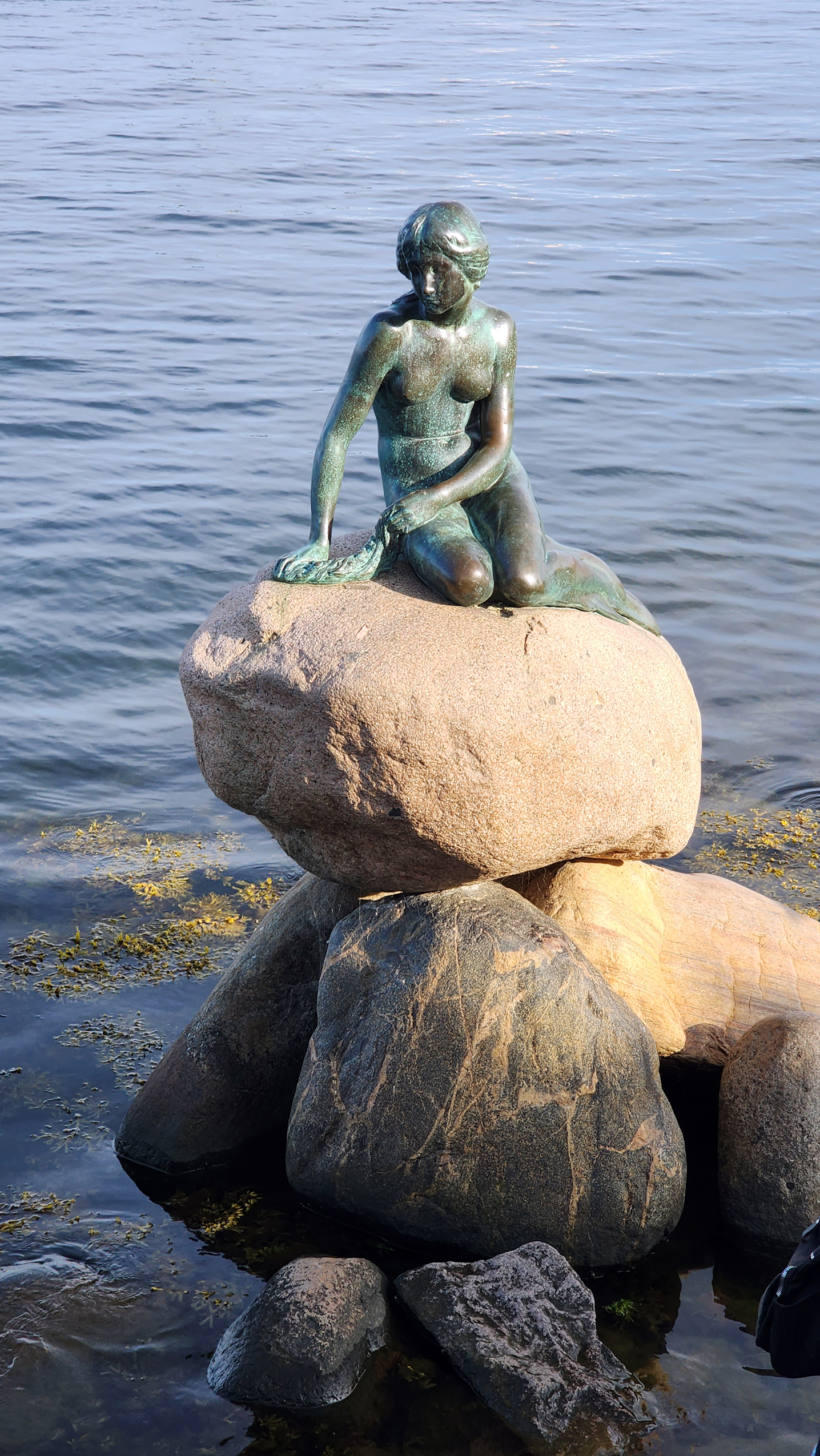 The Little Mermaid sculpture was inspired by the 19th century Hans Christian Andersen fairy tale of the same name. It was commissioned by Carl Jacobsen, son of the founder of Carlsberg, one of the ten largest beer brewers in the world. He was inspired by a ballet based on the fairy tale and wanted the ballerina, Ellen Price, to model for the sculpture, but she refused to pose nude. The model was actually Ericksen’s wife, Eline Ericksen.
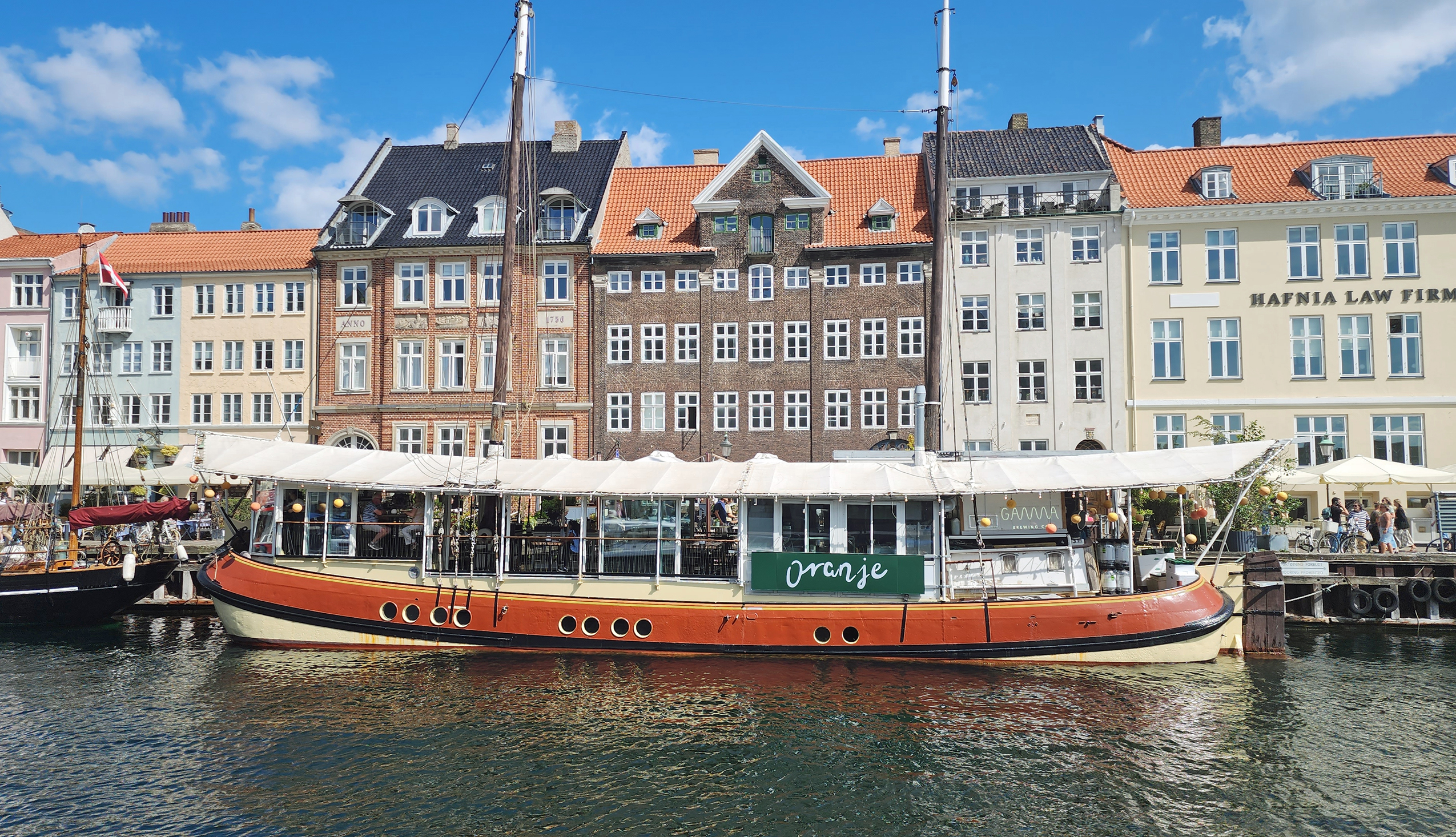
Nyhavn
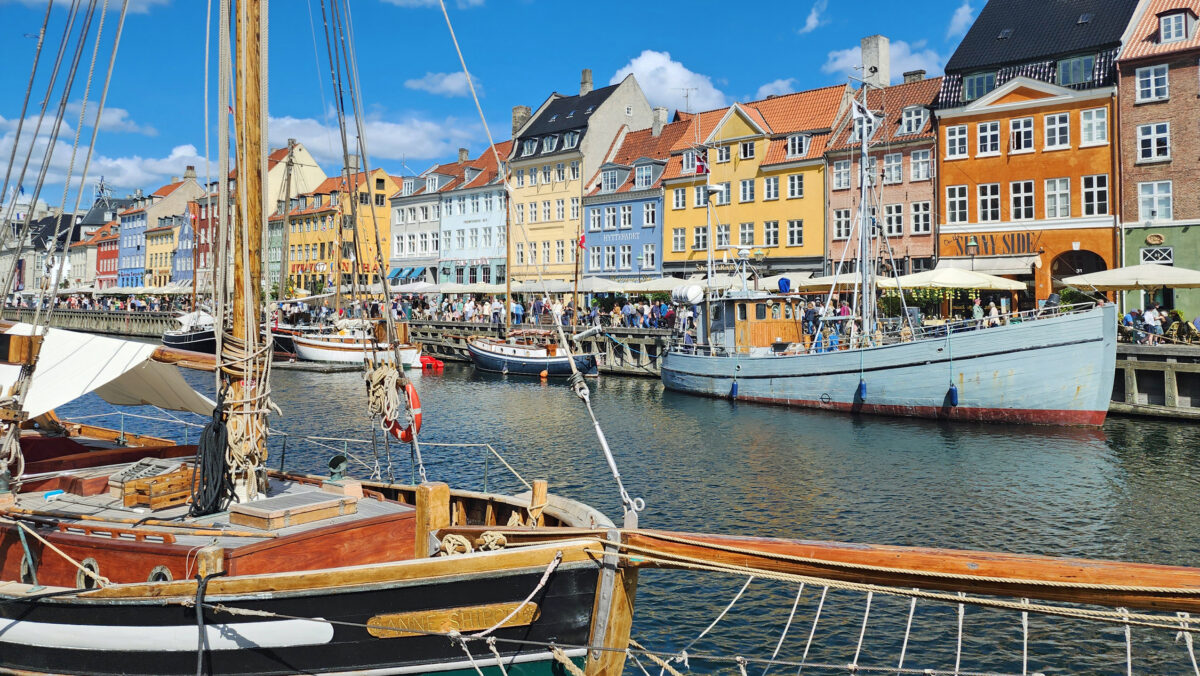
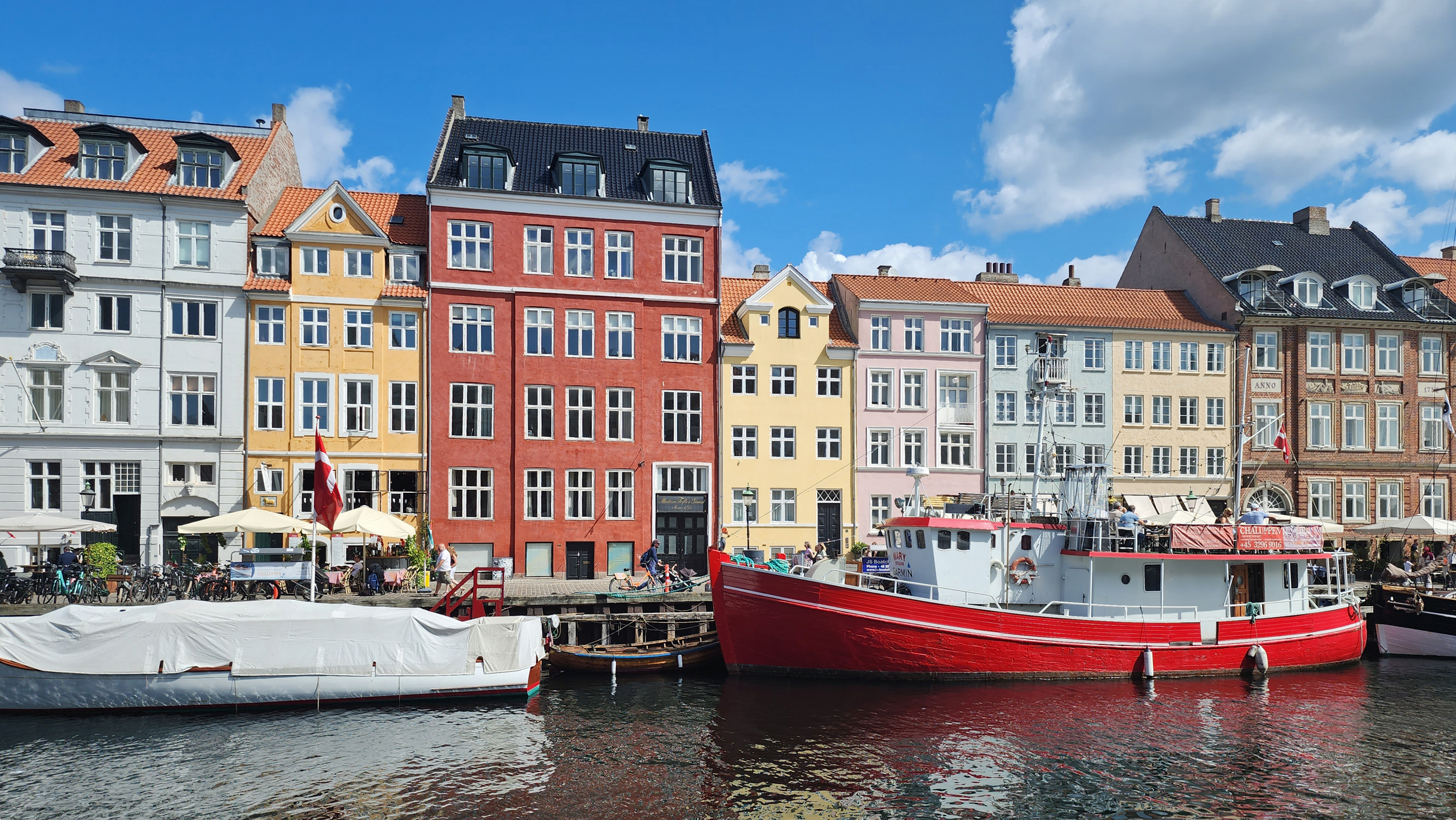
Another iconic location in Copenhagen is Nyhavn, where brightly colored buildings house cafes, pubs, and townhouses along both sides of a canal. Hans Christian Andersen lived and wrote in three different houses in Nyhavn. Built in the 17th century, Nyhavn (“new harbor”) was once home to sailors, merchants, taverns, and bordellos. Today it a mecca for tourists.
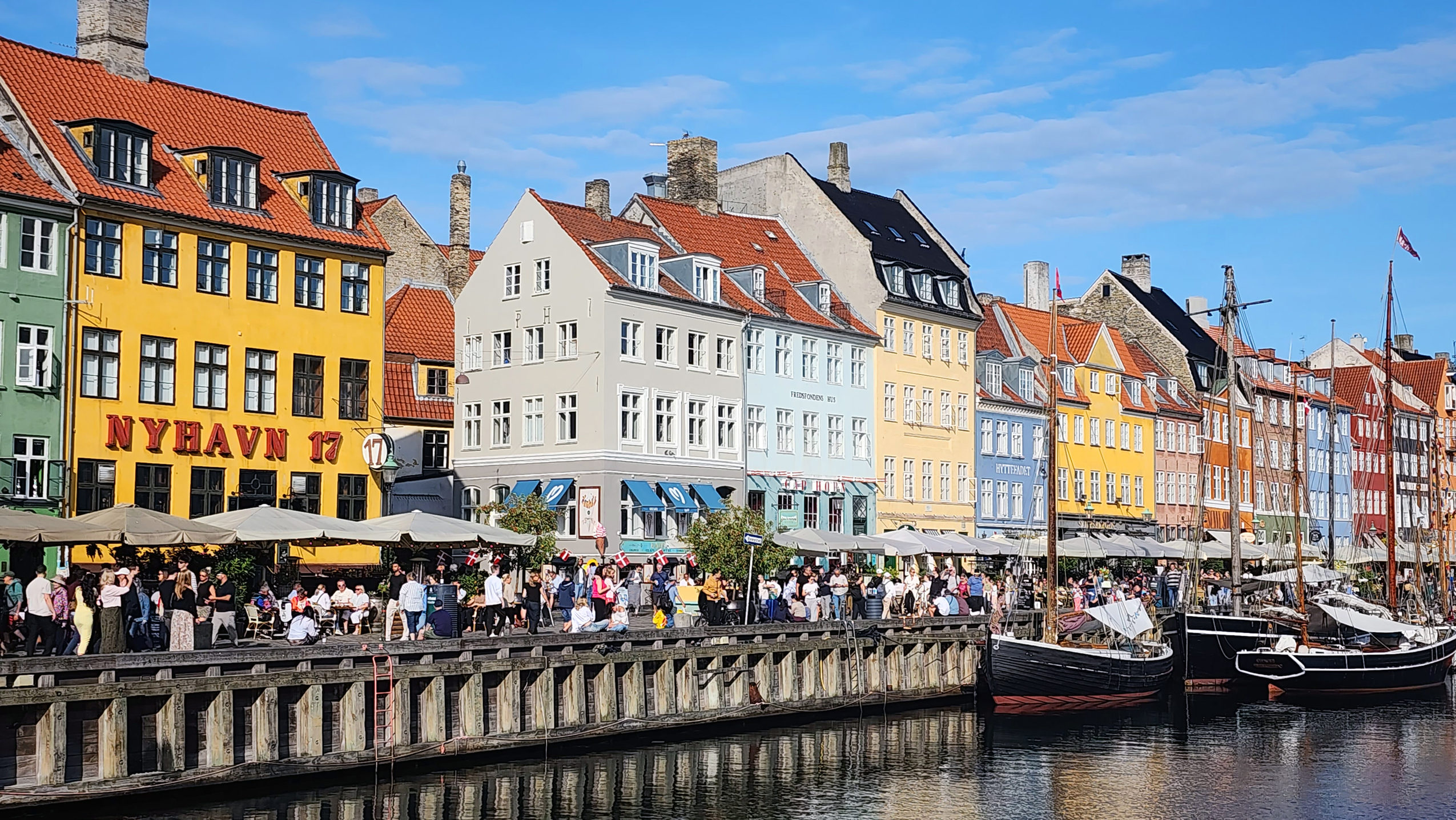
In summer, Nyhavn is a great place to get a beer and relax in an outdoor café, as long as you don’t mind the throngs of tourists that flock there. In winter, it is home to a Christmas Market that is something of a tourist attraction of its own.
Freetown Christiania
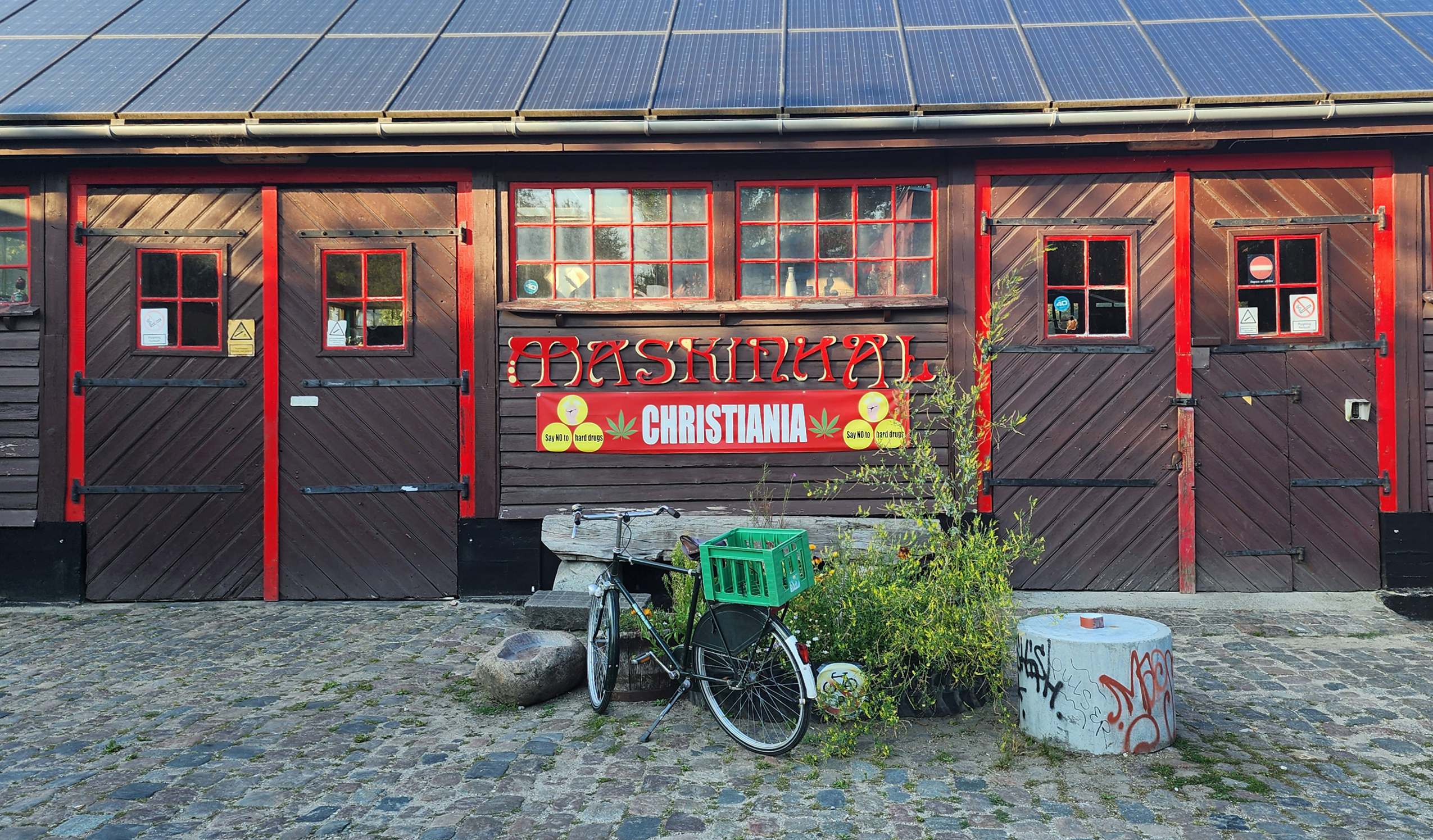
In 1971, counter-culture journalist Jacob Ludvigsen declared a former military barracks on Amager Island “open” and Freetown Christiania (more often just called Christiania) was born. Christiania was, and still is, an intentional community akin to a hippie commune.
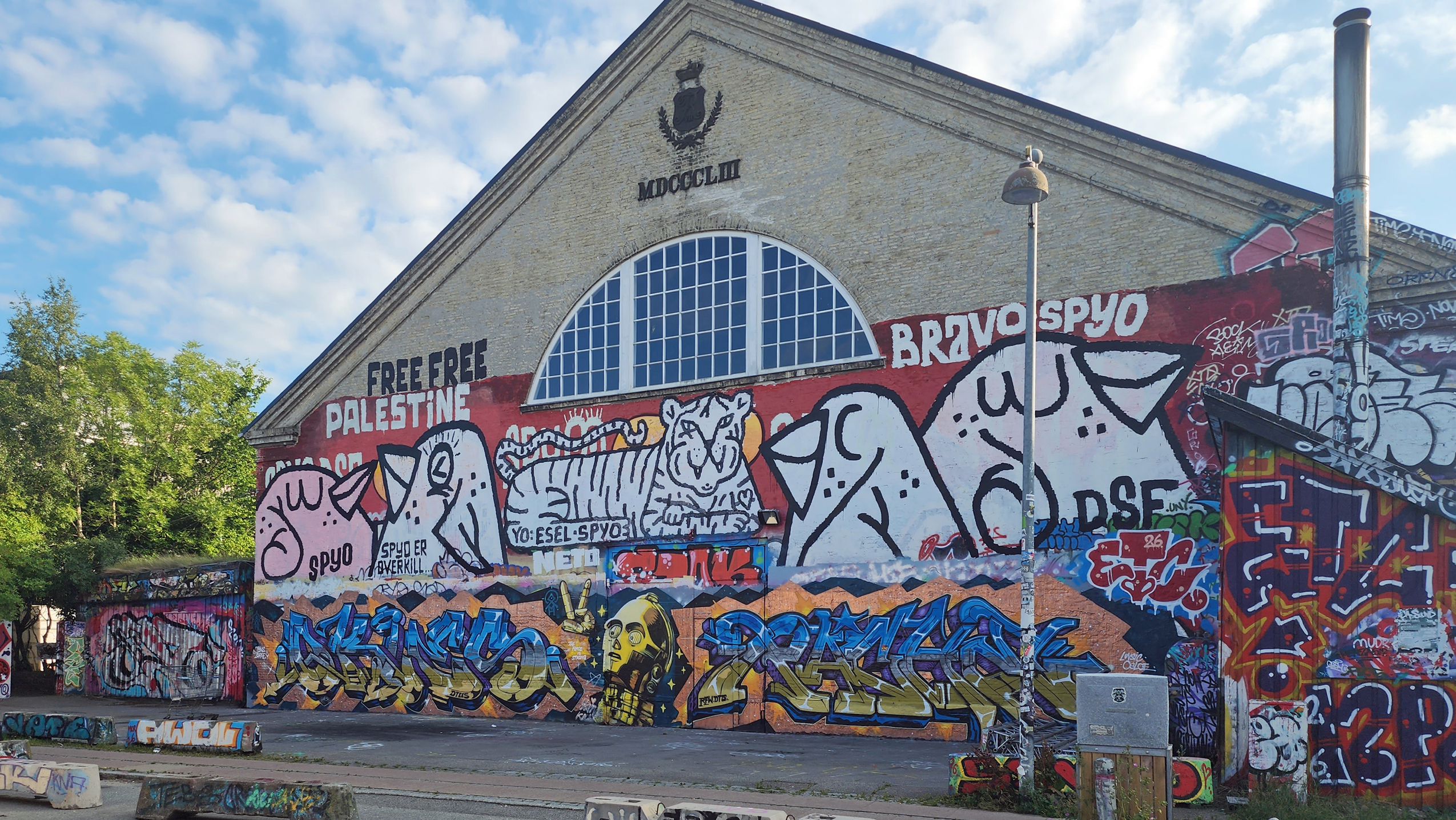
One of Christiania’s most contentious (mostly to outsiders, but also to a lesser extent to Christiania residents) provisions was open tolerance to drug use and drug dealing. Aptly named Pusher Street became home to open stalls selling cannabis, but hard drugs were only slightly less publicly sold. The cannabis stalls were removed by the residents and Pusher Street was dug up in 2016 after two police officers and a citizen were shot by a cannabis dealer. Cannabis is still widely tolerated, but hard drugs are not.
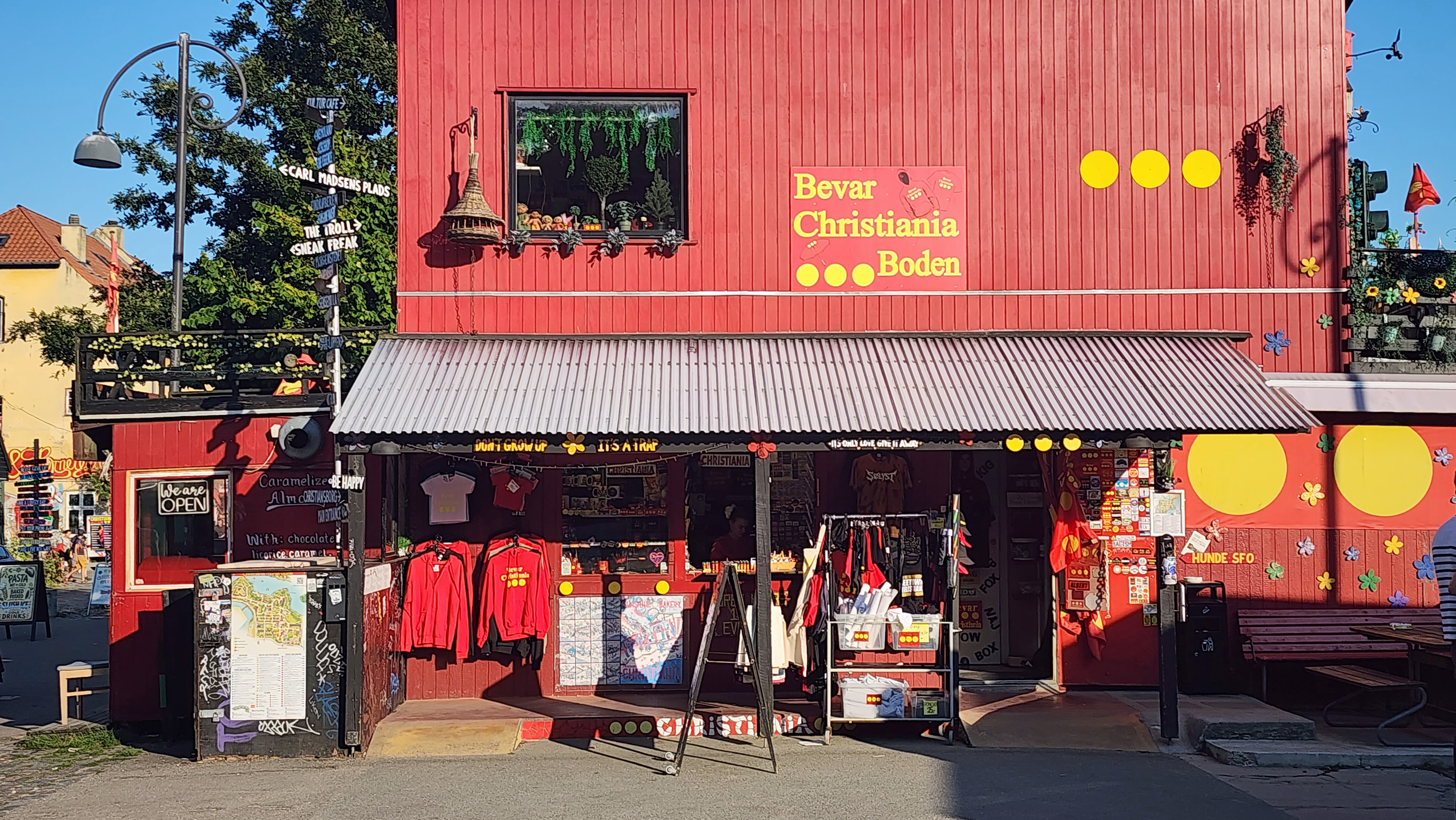
Ownership of the former barracks was bandied about in Danish courts until the Danish Supreme Court ruled that the state was still the ultimate land owner. But Copenhagen and Christiania leaders came to an agreement that resulted in the newly created Foundation Freetown Christiania acquiring 19 of the 84 acres of the former barracks. Residents of Christiania went from squatters to the legal owners in 2012.
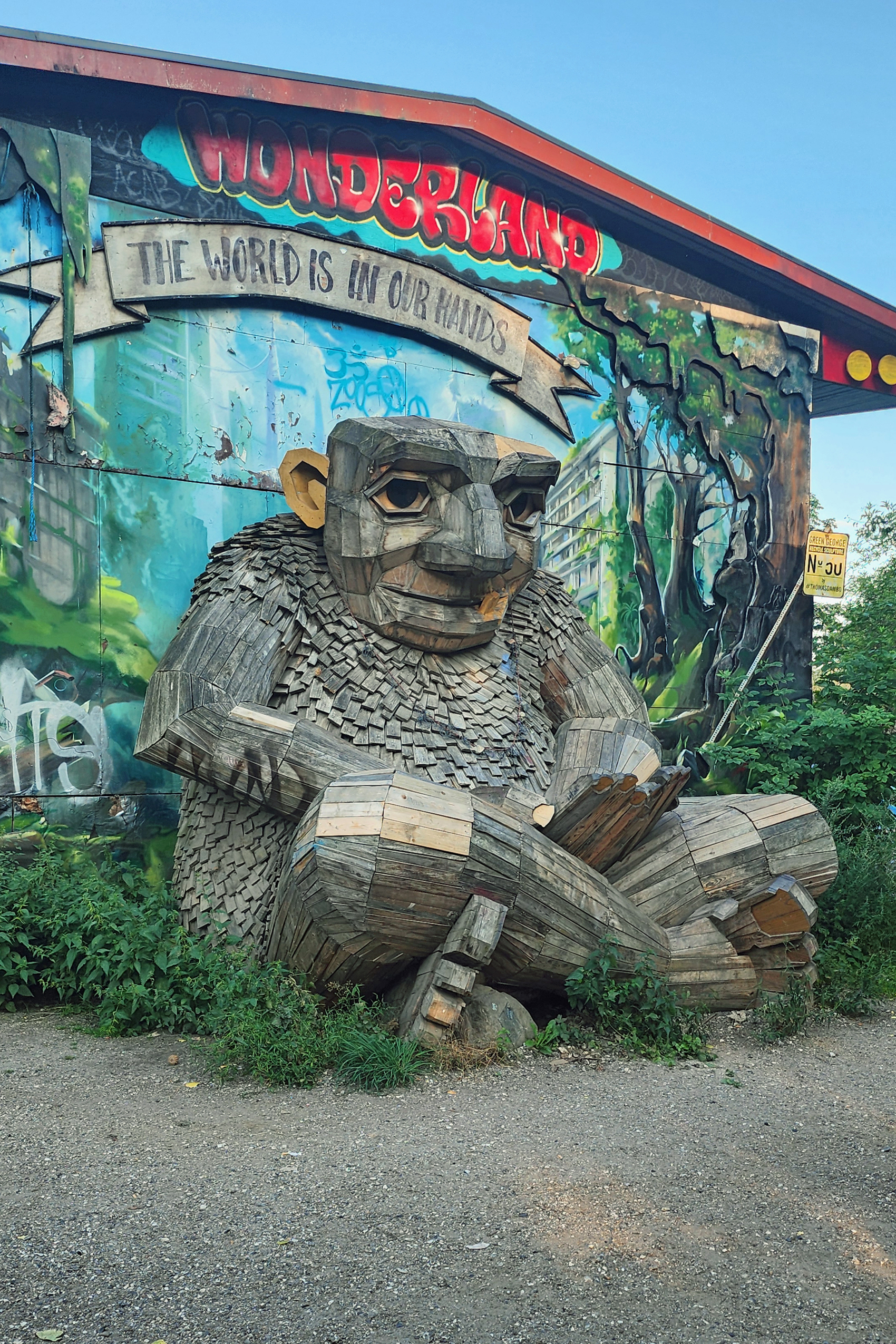
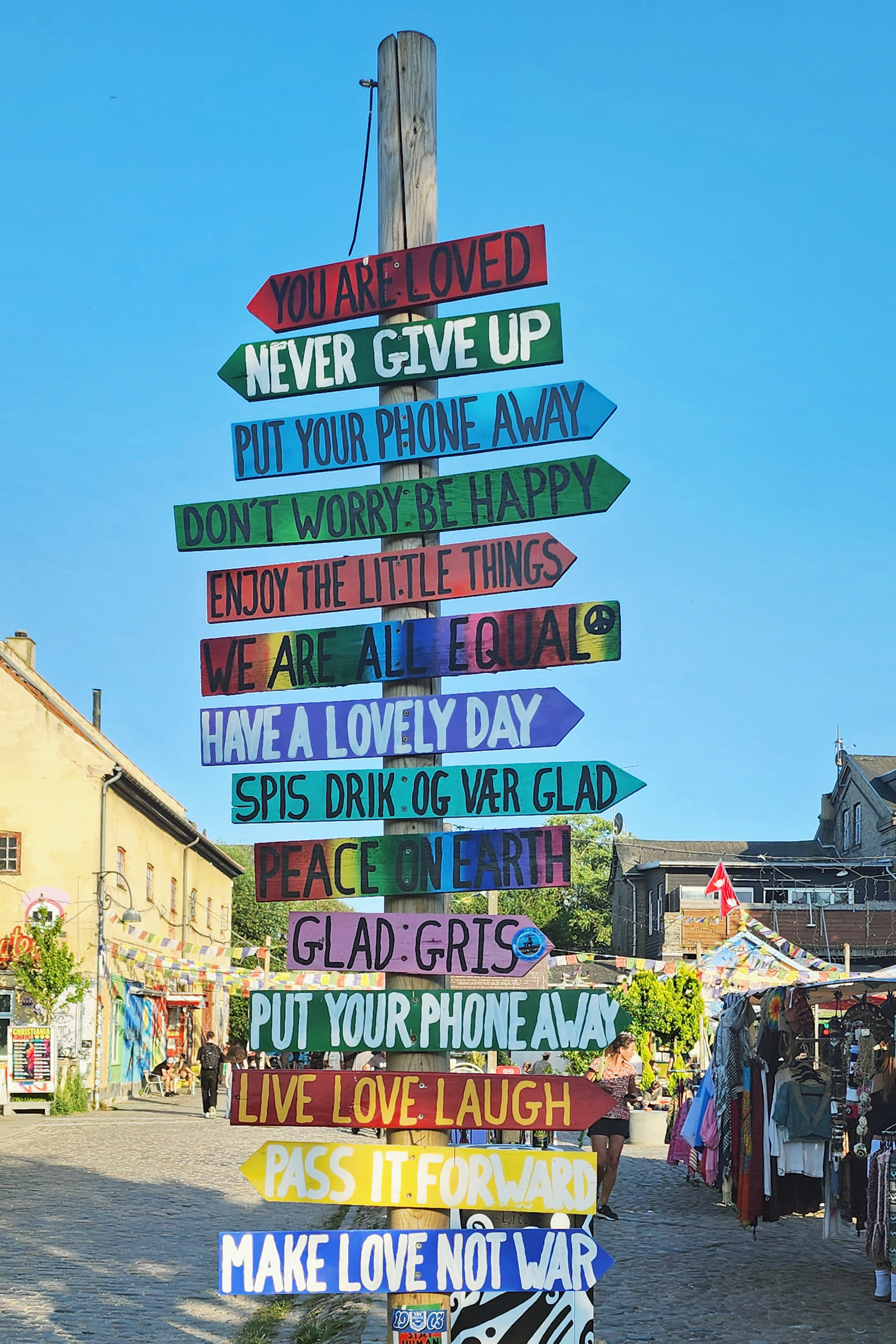
Today, Christiania is one of the top five tourist attractions in Copenhagen. It is home to many artists, and public art installation are common, including one of Thomas Dambo’s giant troll sculptures. Other troll sculptures of his can be found around the world, including one in Portland, only a few miles from my home. The Christiania Art Gallery is also a place you might want to visit. (Bring Danish krone if you might want to buy anything – they don’t accept Euros or US dollars). There are also numerous shops and cafes, including Café Nemoland.
Tivoli Gardens
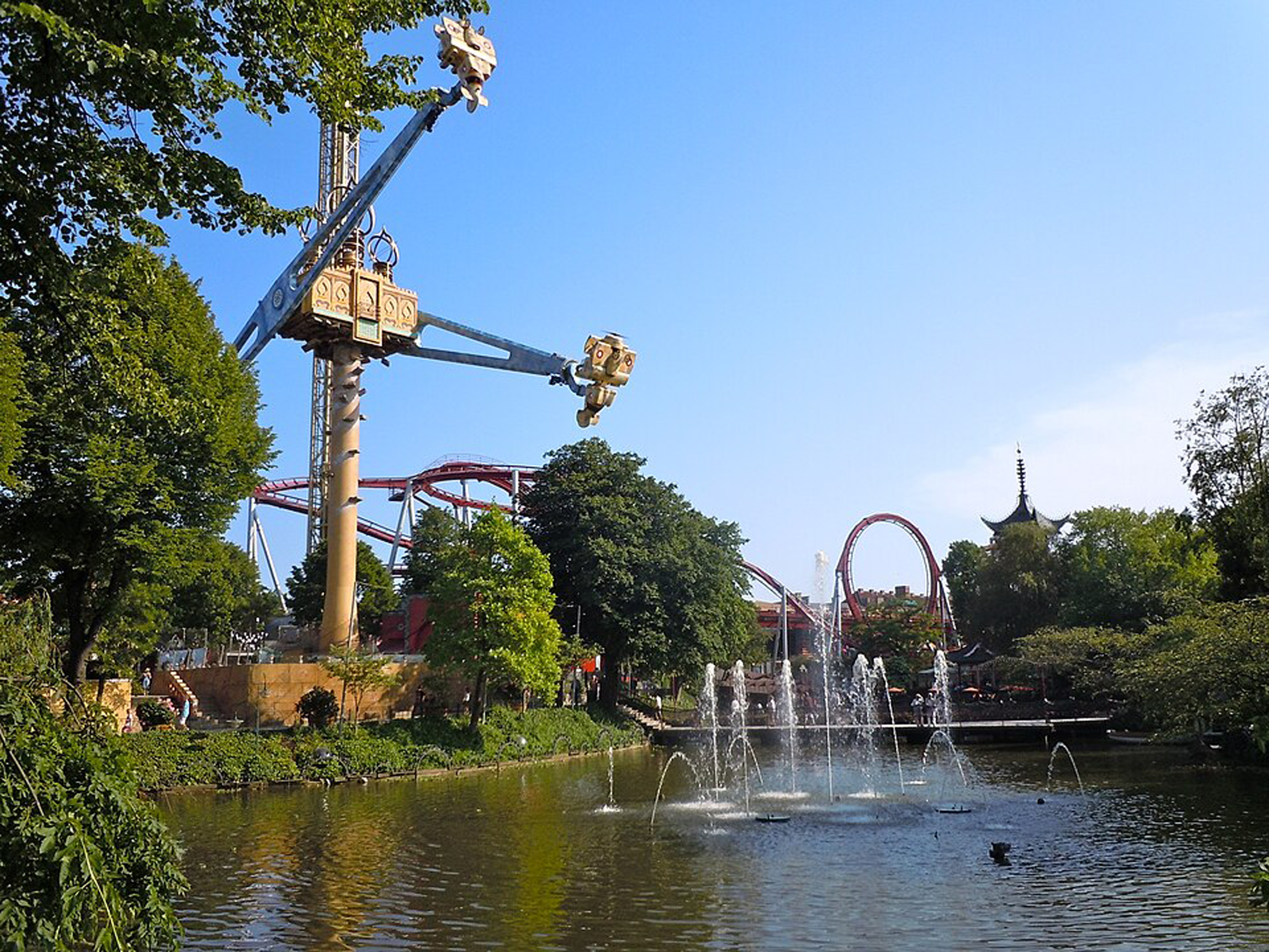
Tivoli Gardens (often referred to as just Tivoli) is an amusement park located in the middle of Copenhagen with 30 different rides and many other attractions. It opened in 1843 and has been in continuous operation ever since, 183 years and counting. It is the second oldest continuously operated amusement park in the world, second only to the Dyrehavsbakken (or simply Bakken), which opened to the public in 1756 and is also located in Denmark, not far from Copenhagen. We did not visit Tivoli, but if you have young children or are just into thrill rides, it might be a must see attraction. It gets somewhat mixed reviews, though. Most of the criticism seems to be due to the cost of admission. An entrance and ride pass (for ages eight and up) currently costs about $60. Children 3-7 get in for half price and children under three get in free.
Practical Matters
Today, Copenhagen is a sprawling metropolis, but the old town section of the city is compact and walkable. Getting around is easy, either on foot or by the efficient, safe, and quick Metro train system or municipal buses. Our hotel was several miles from the city center, but only about a five minute walk to a Metro station and a 15 minute train ride away from the old town center.
 Denmark is part of the European Union but uses its own currency, the Danish krone. Euros are accepted most places, though, and even American dollars in some places. And almost every place accepts credit cards.
Pubs and cafes are found everywhere in the city center, especially along the waterfront and in other touristy areas. You don’t really need a guidebook. Menus in most cafes and restaurants are printed in both Danish and English, some in English only. And almost everyone speaks passable English, so if you have any questions just ask your server. Servers are paid a living wage, so tipping is optional, but appreciated. At some of the cafes and pubs that we ate it wasn’t even an option, but where it is 10% is sufficient.
There are many hotels and other accommodations available in downtown Copenhagen. Prices (including taxes and fees) for hotels generally start at about $350 per night on summer weekends, but can be much higher depending on location and degree of luxury desired. Our hotel, several miles from the city center, was a little over $300 per night and was more than adequate.
Conclusion
Copenhagen’s a fascinating place, especially if you love to be on the water, with a long and interesting history, friendly and welcoming people, beautiful art, architecture, and parks, and far more to see than we could in the three days we had there. A week (or two) would have been better. But our visit was long enough to fall in love with the city and its people. I heartily recommend that, if you can, you should visit at least once in your life. It’s really a magnificent city.
Posted September 20, 2026
All photos © Alan K. Lee, except as noted


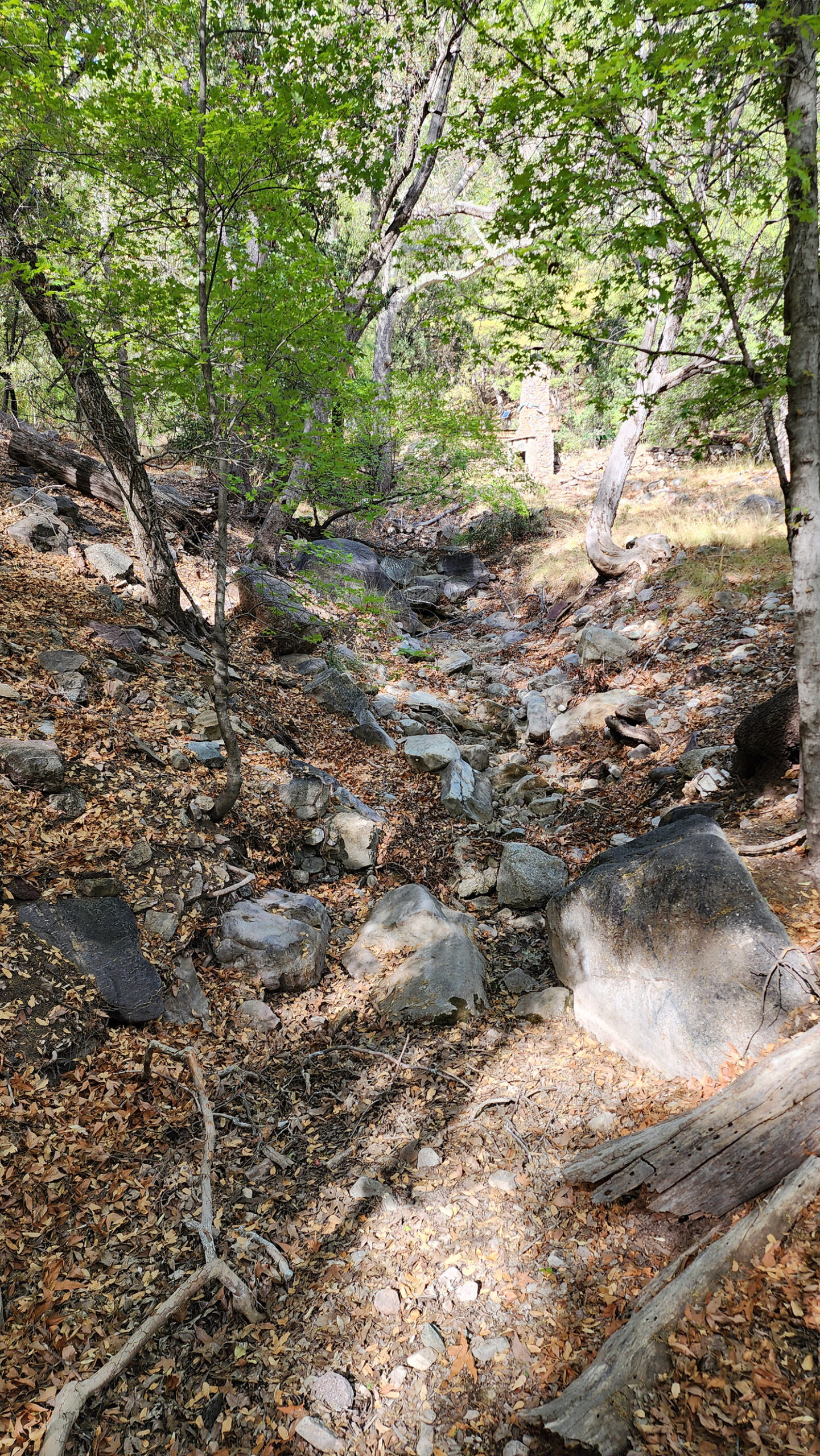
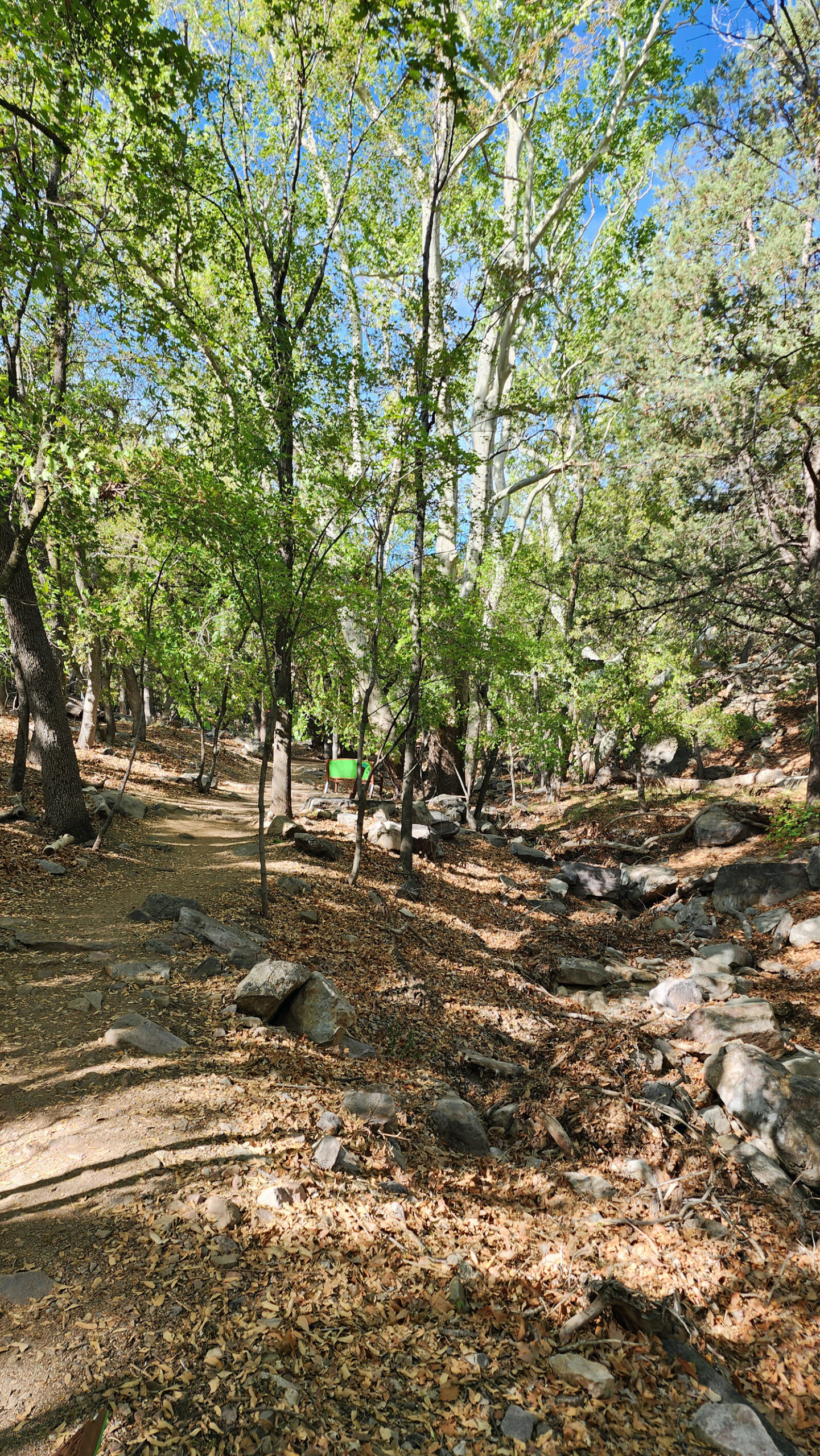
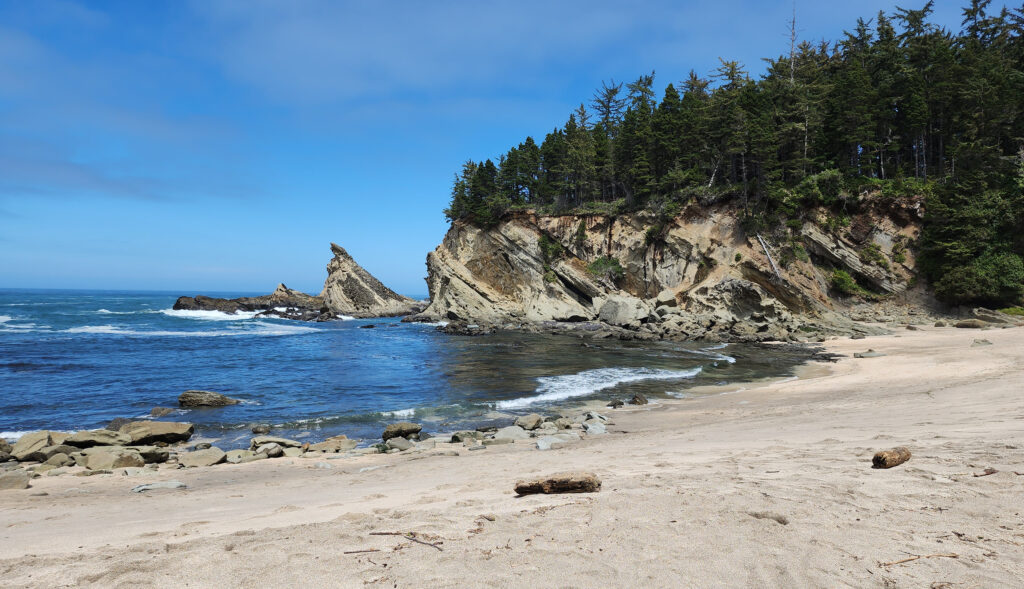
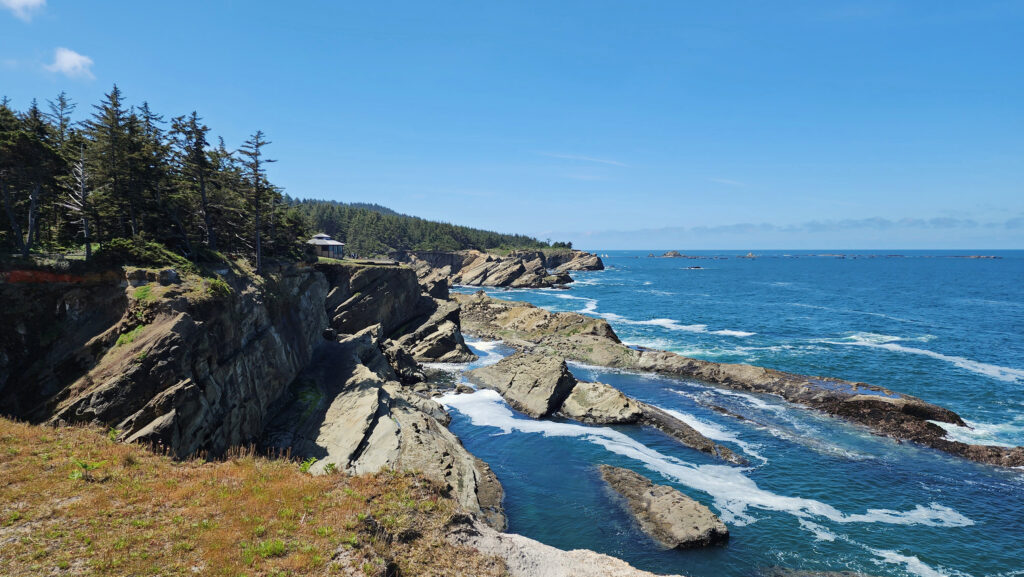
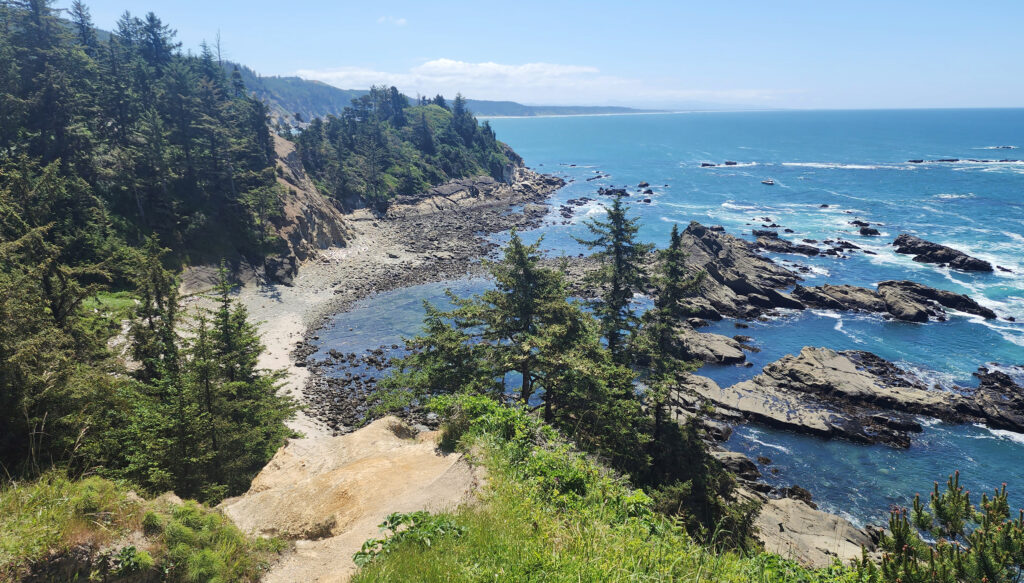
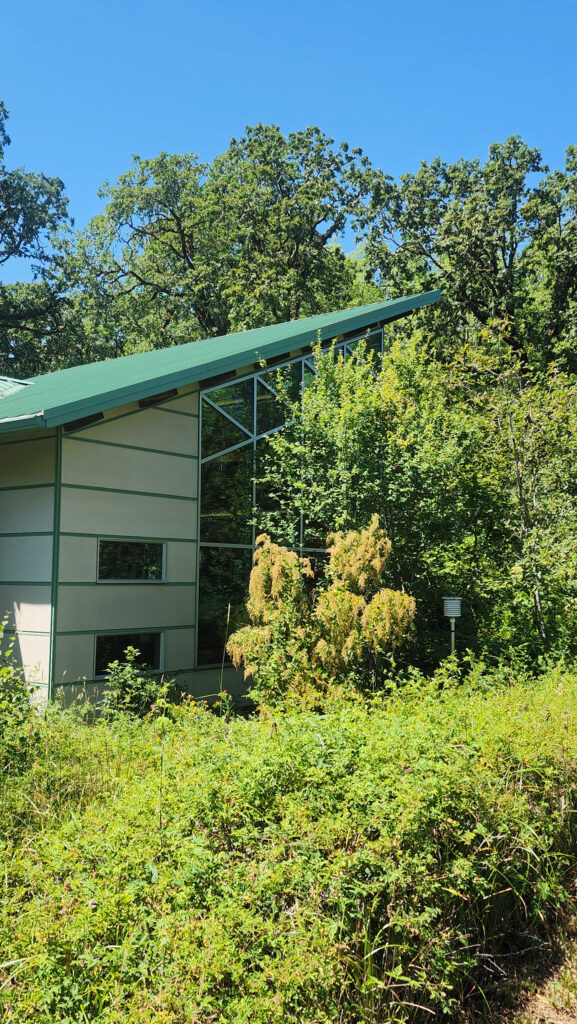
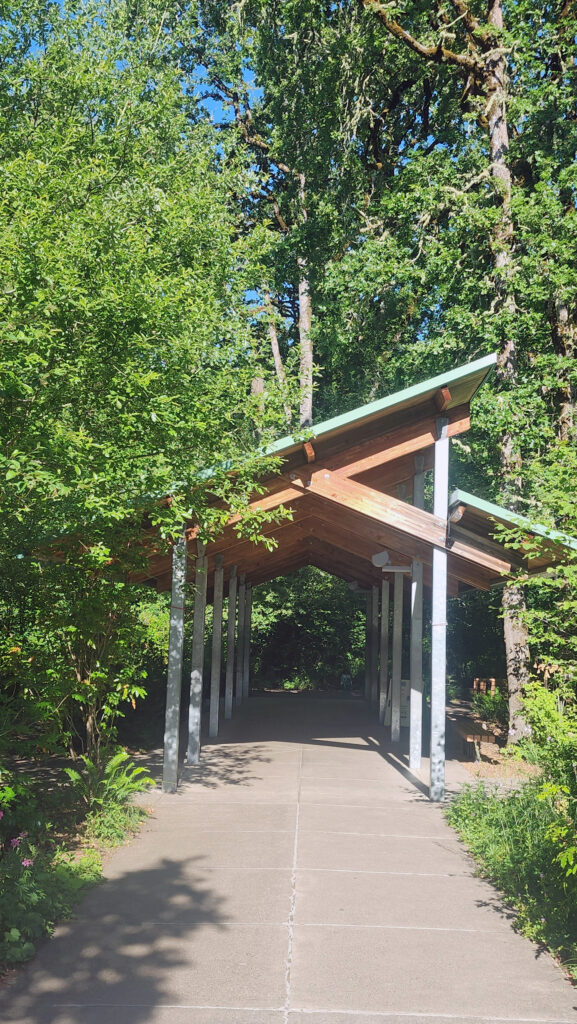
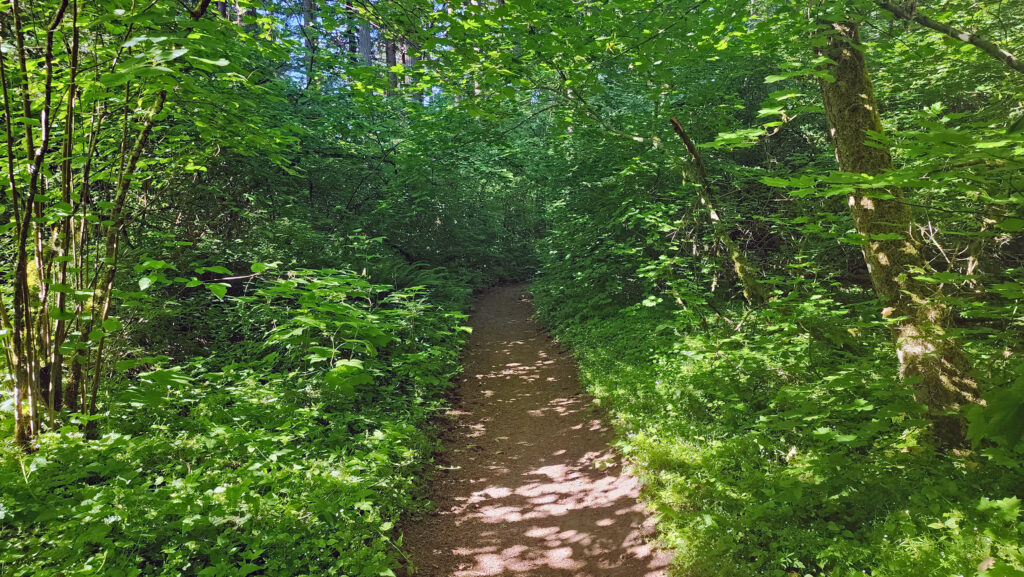
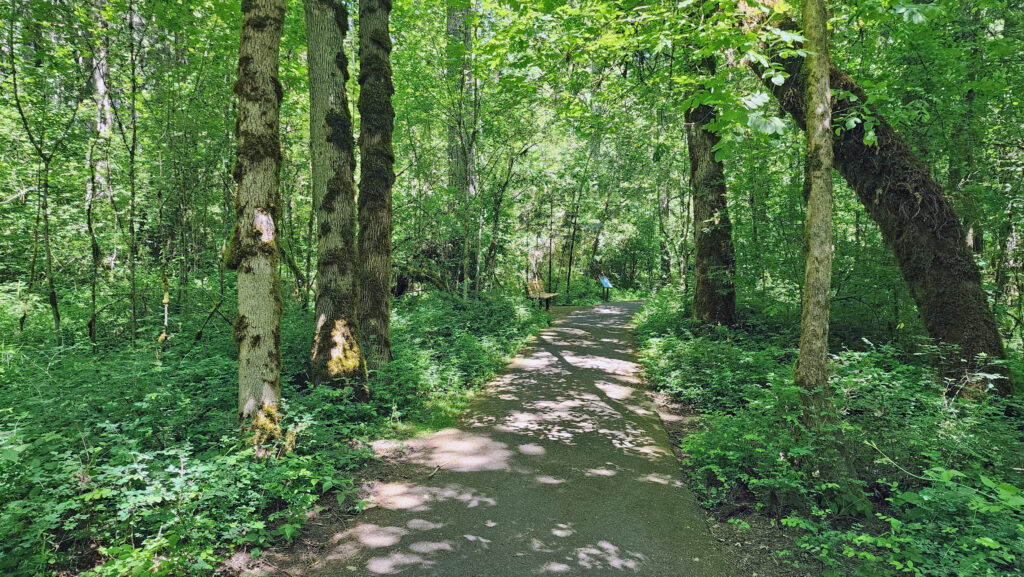
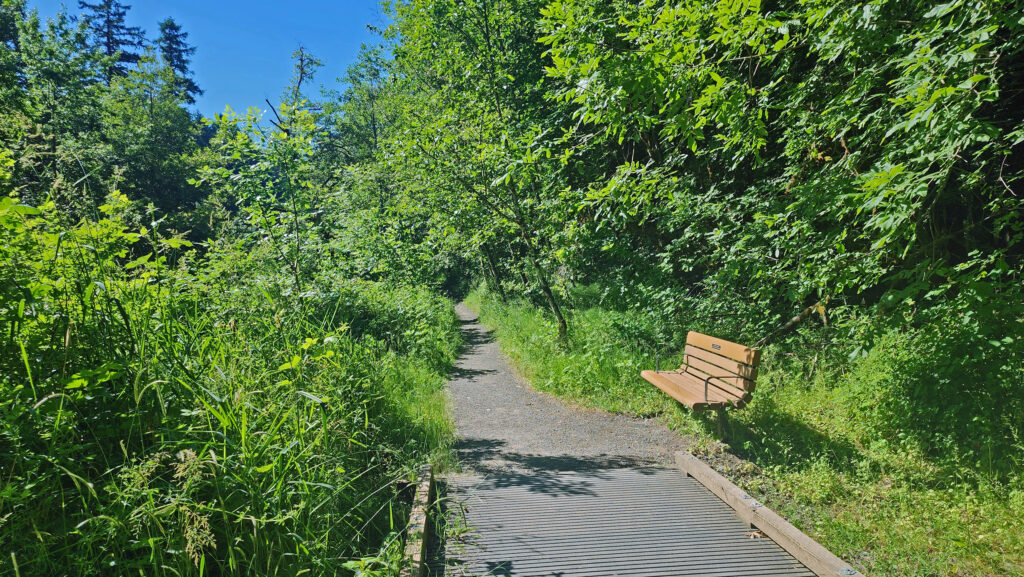

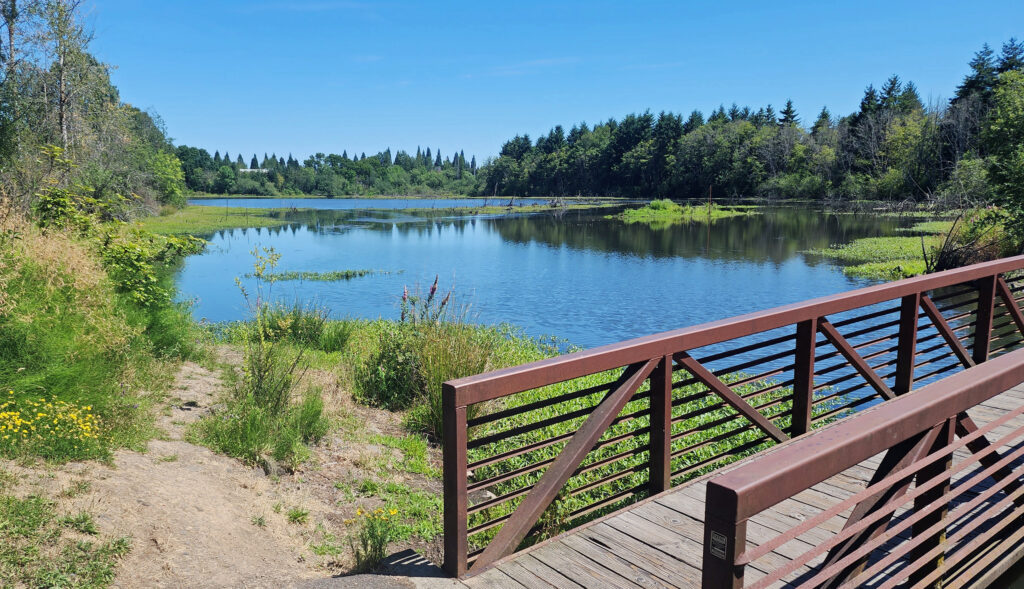
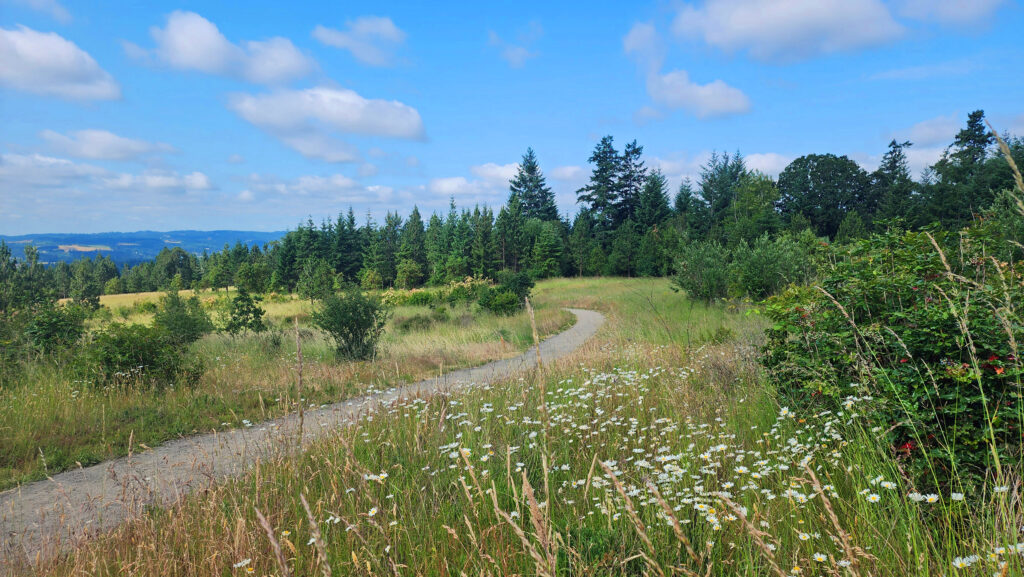

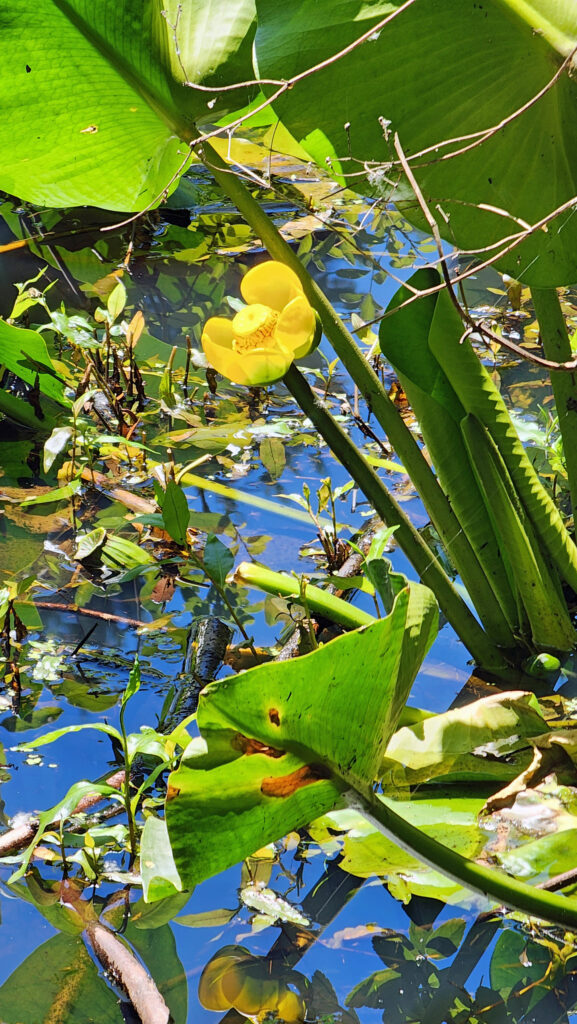
 Introduction:
 The Park:
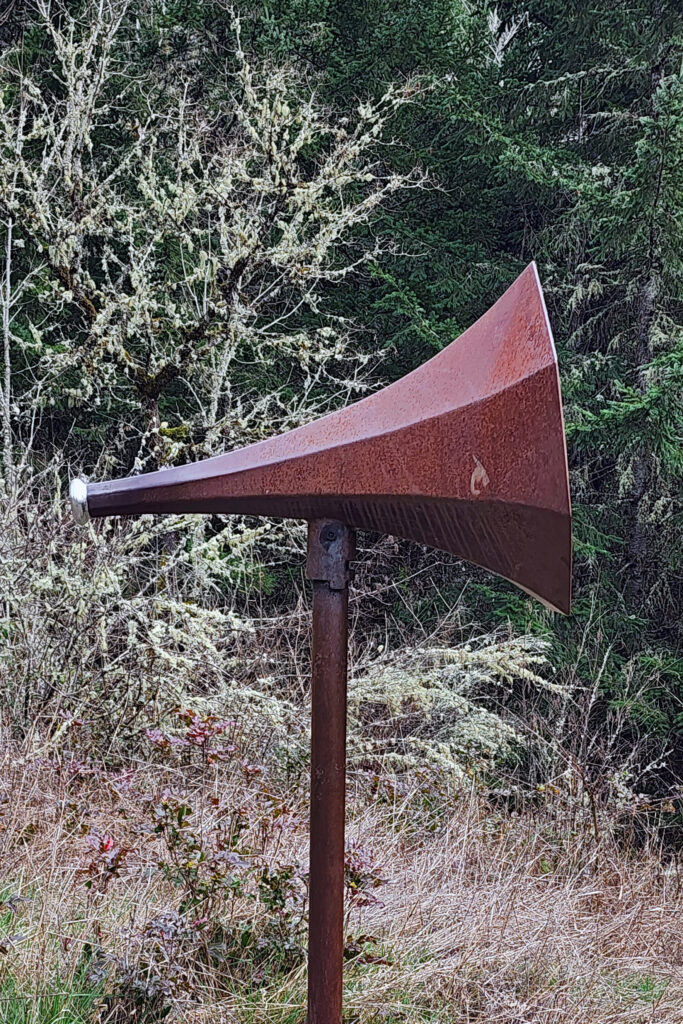
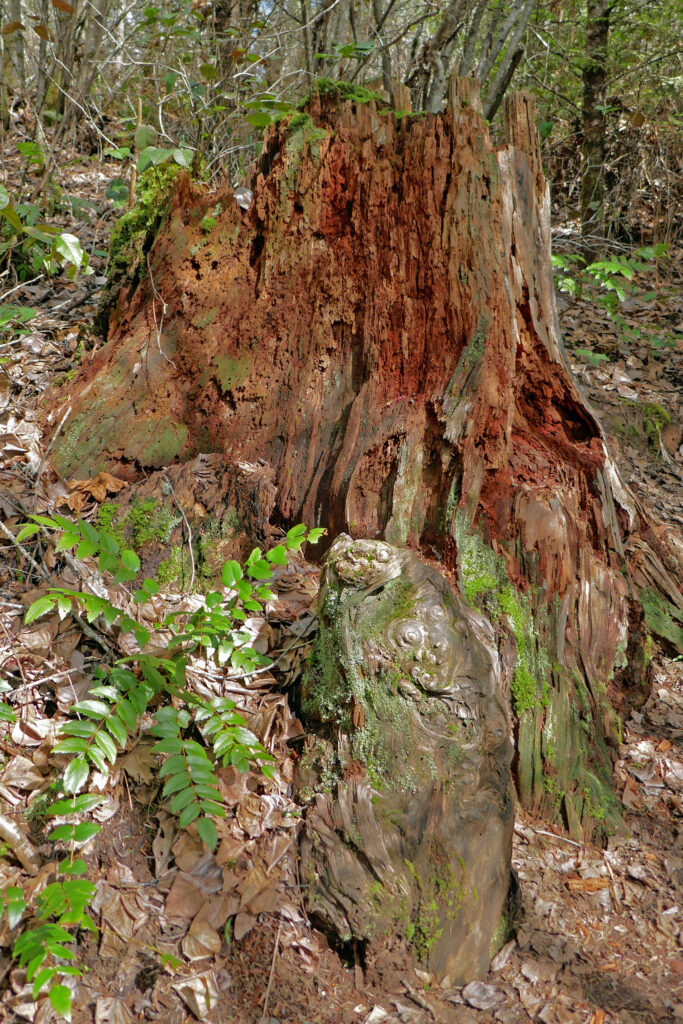
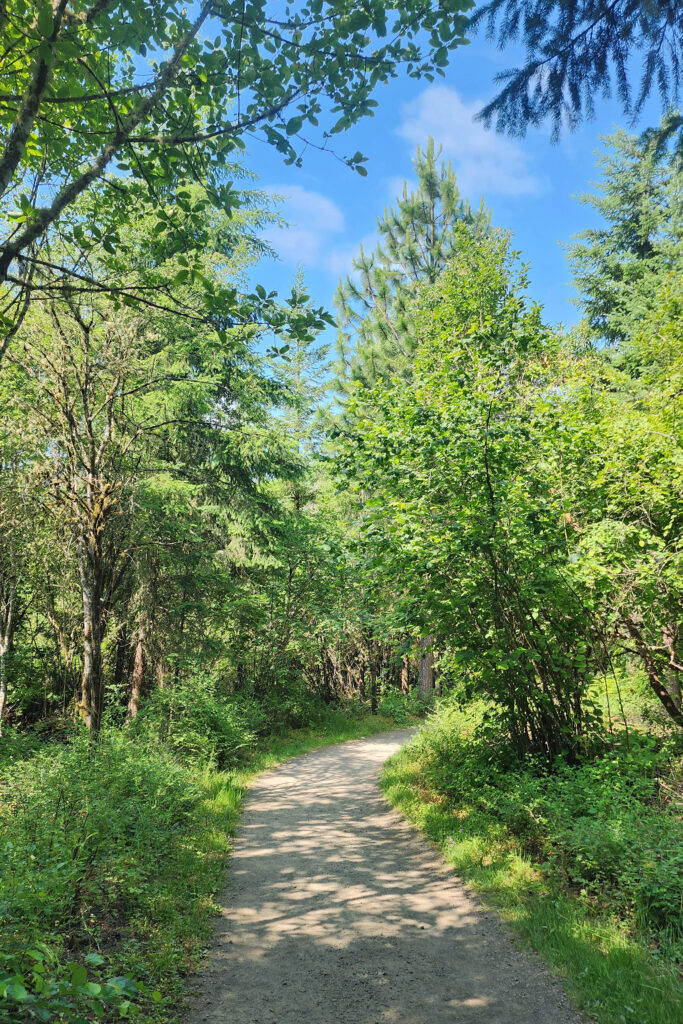
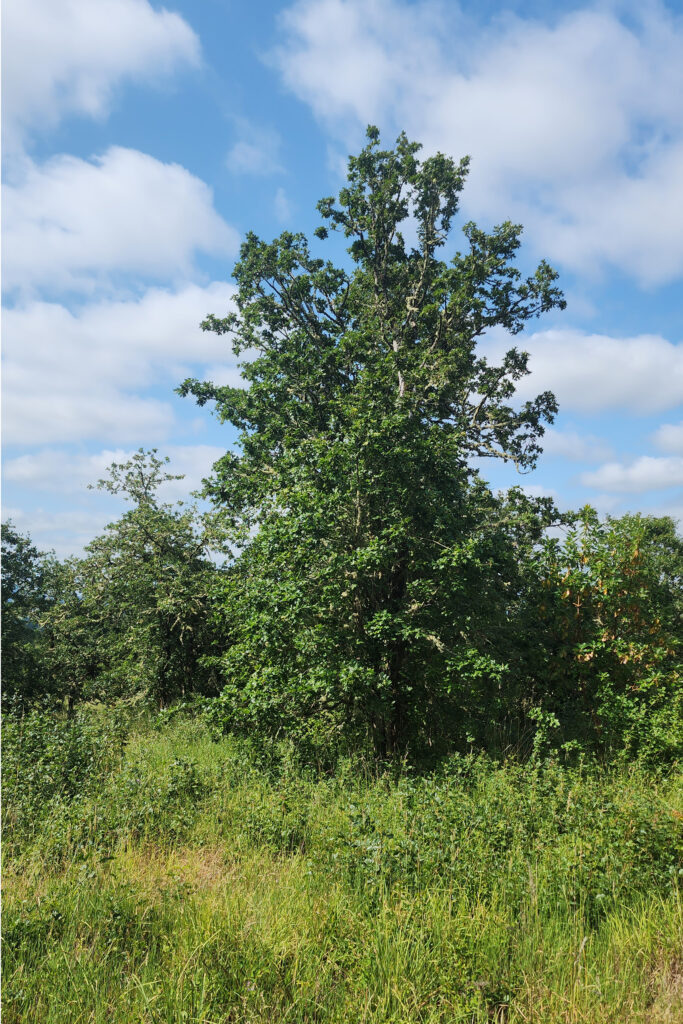 The Hike: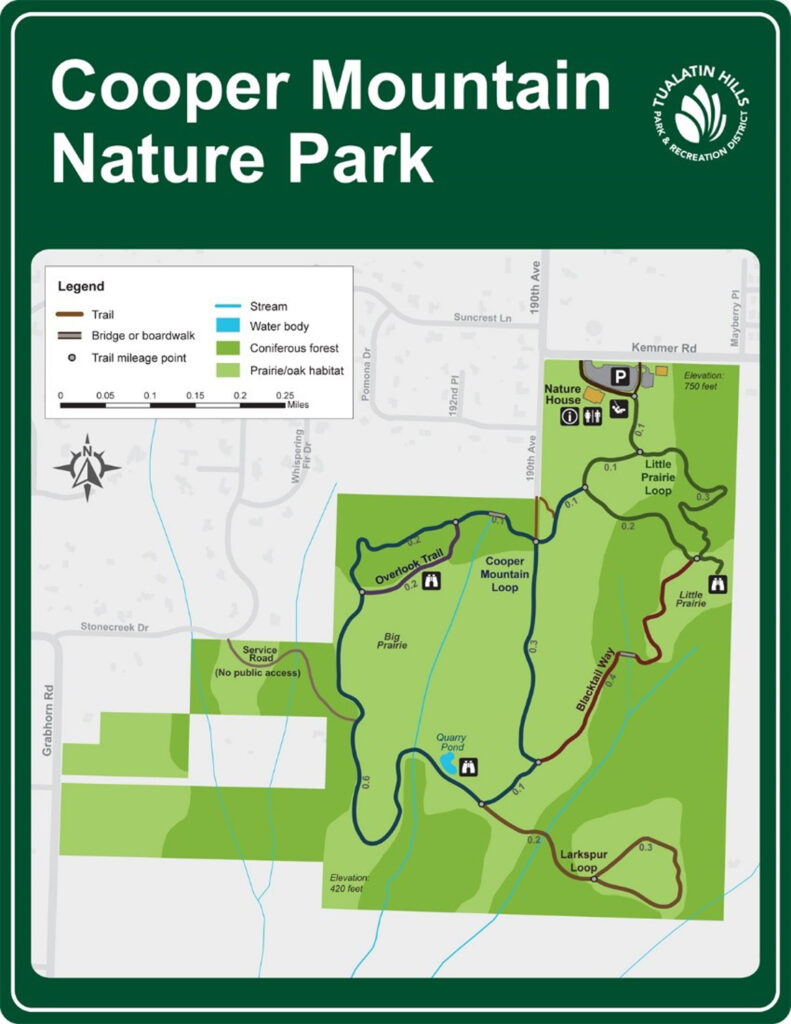
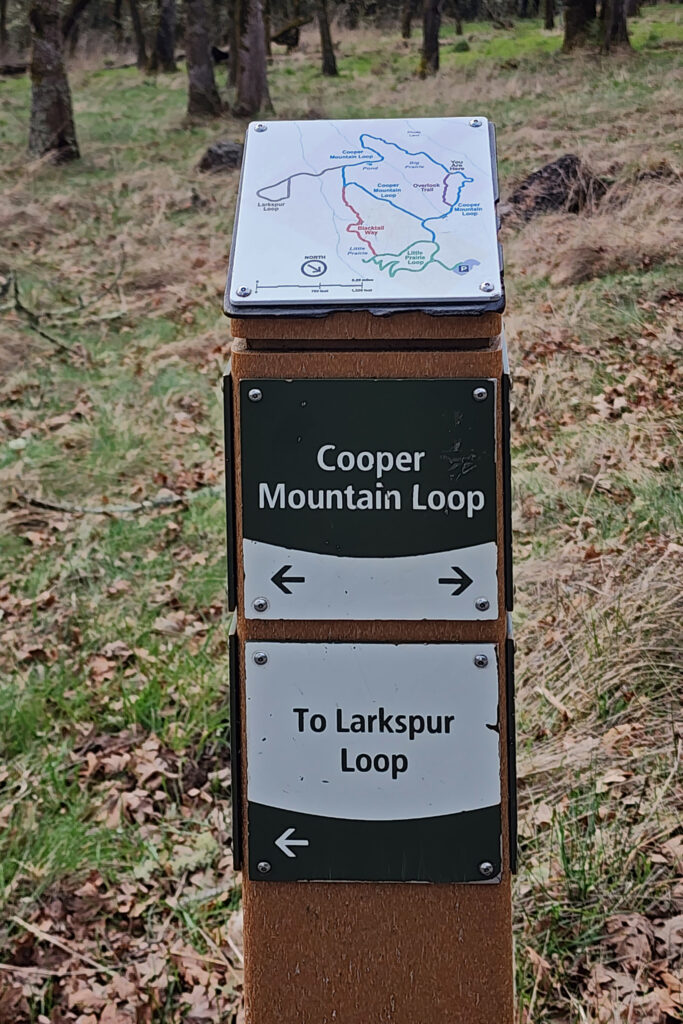
 Trailhead:
 The hike: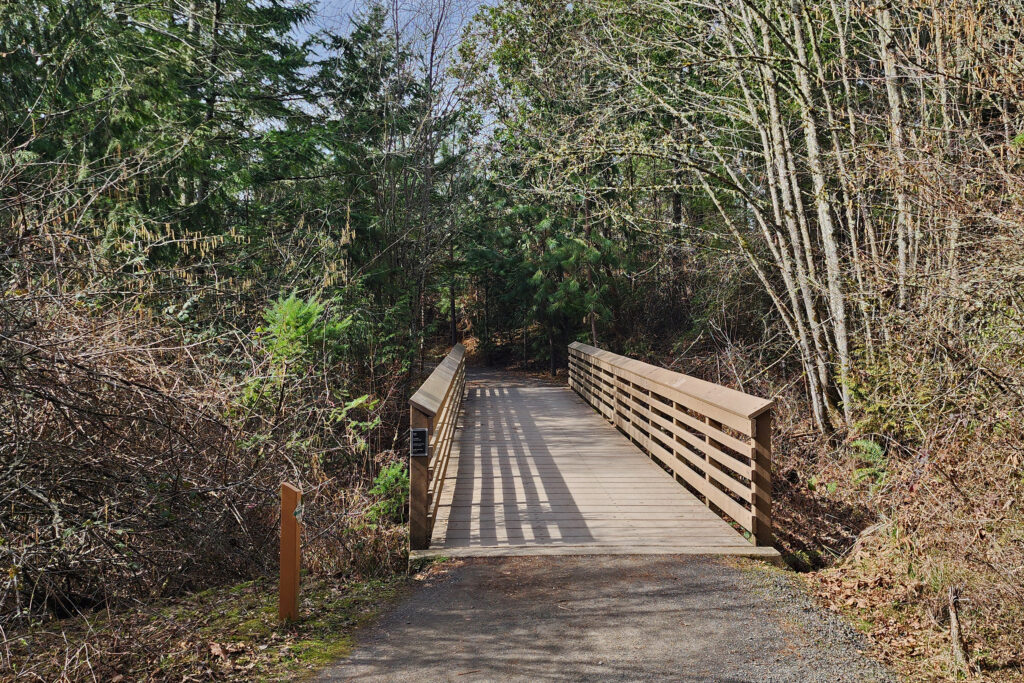
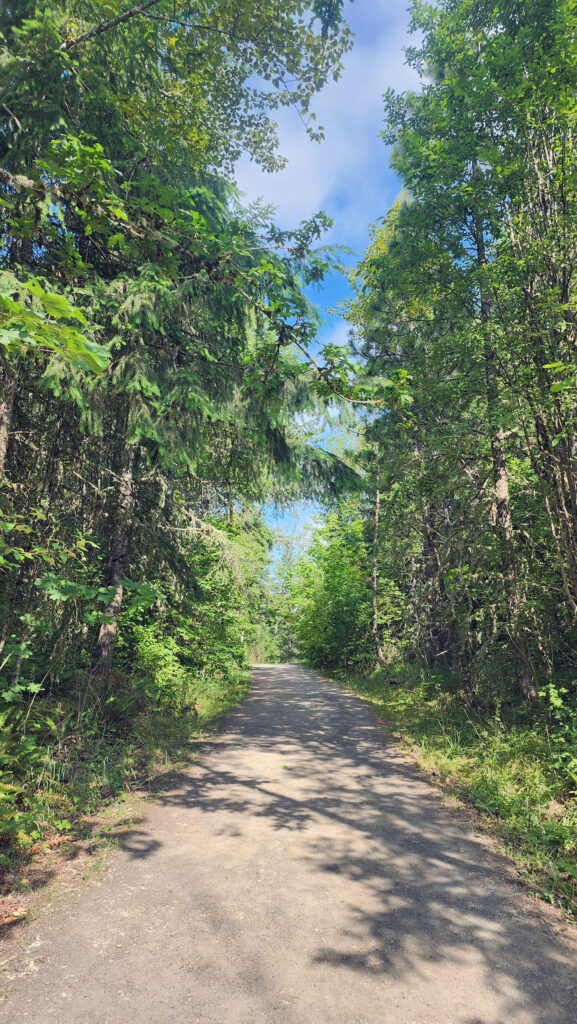
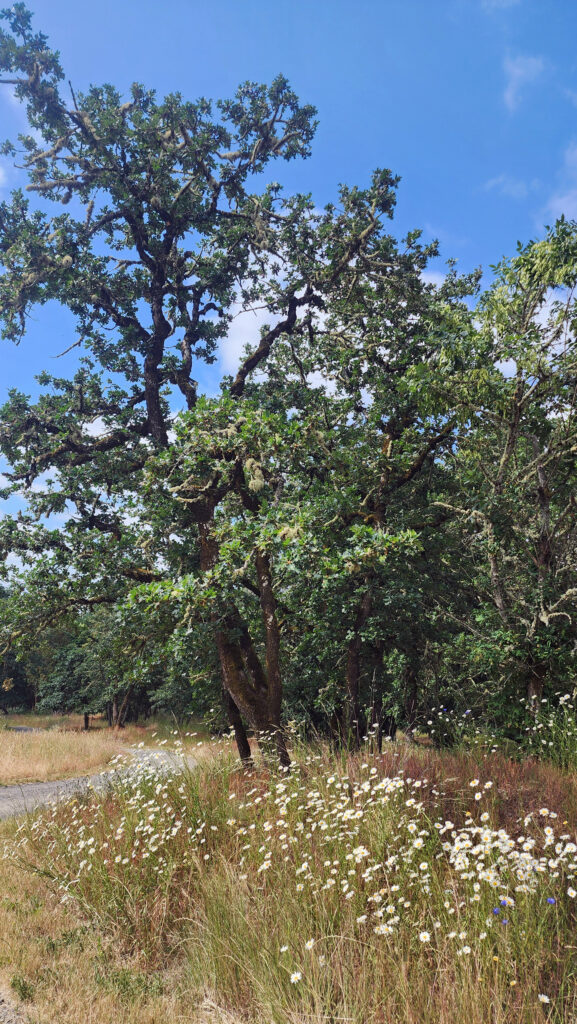
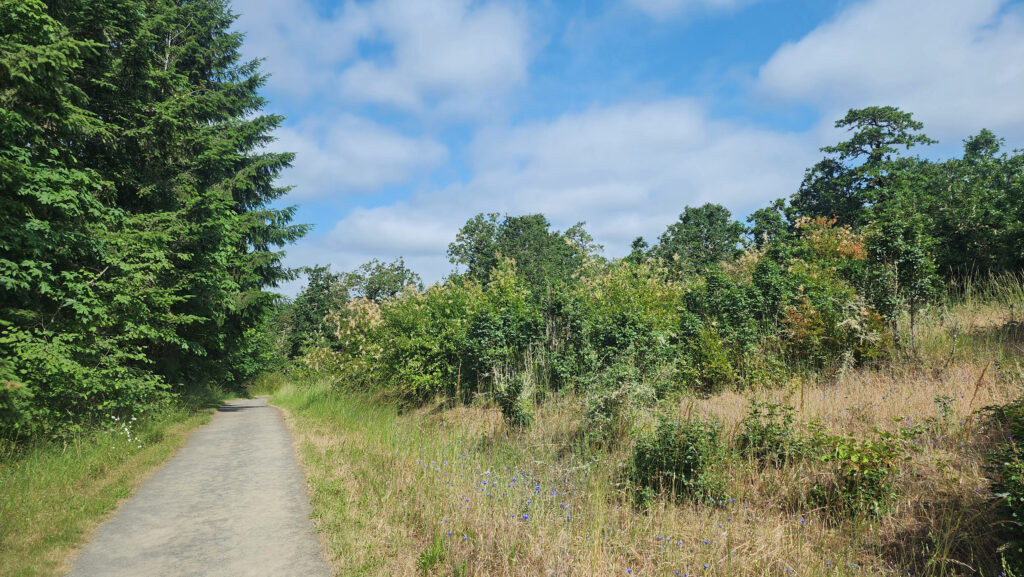 At the next junction, turn right onto Blacktail Way, which climbs, steeply in places, for half a mile to the next junction. Here there is a short trail to the right to a viewpoint. Back at the junction, turn right onto Little Prairie Loop and follow it through the forest and back to the trailhead.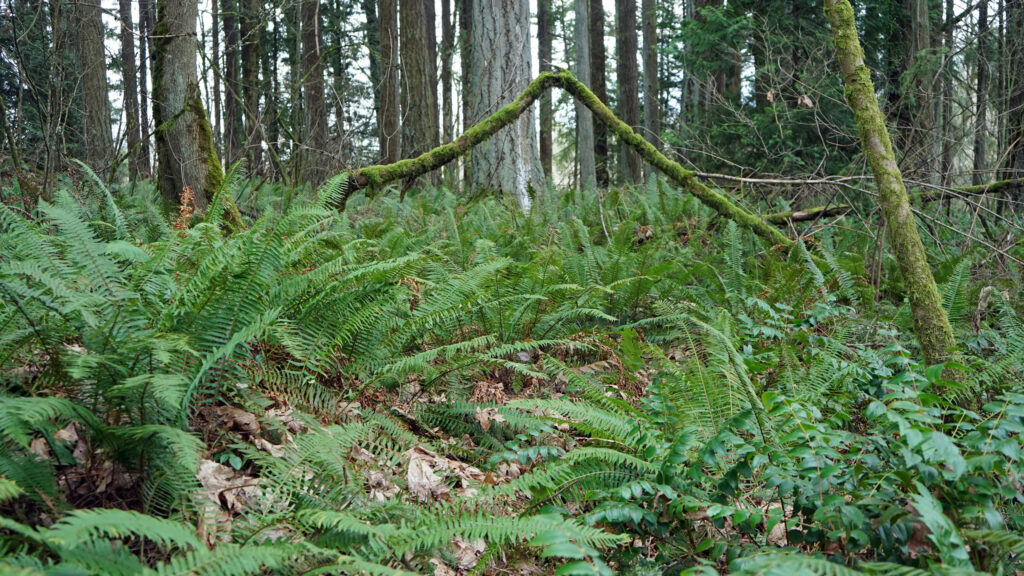
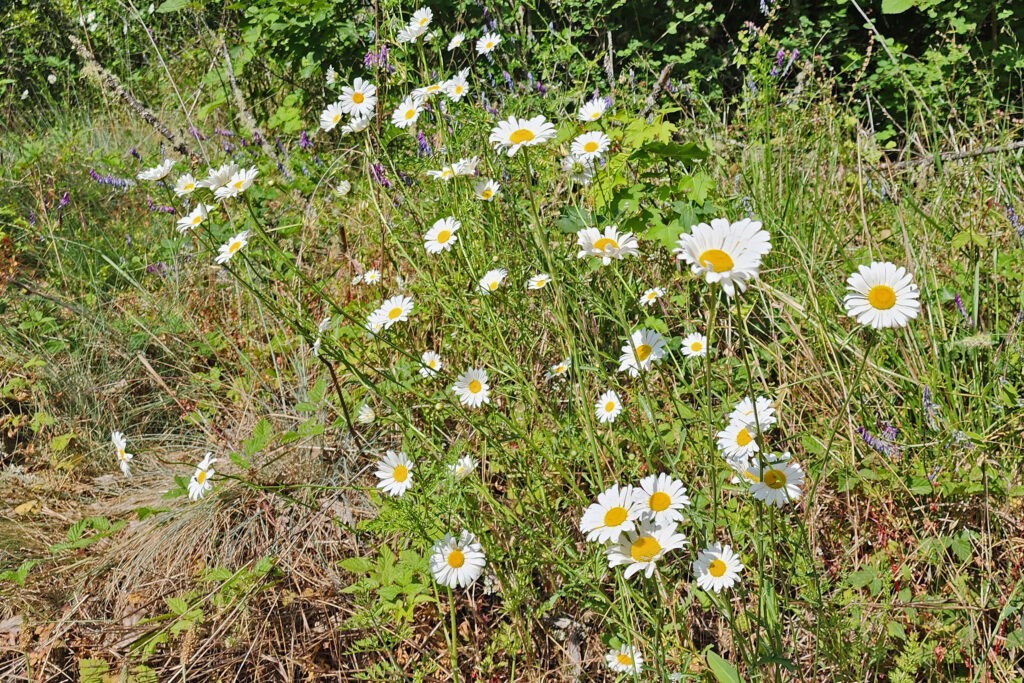
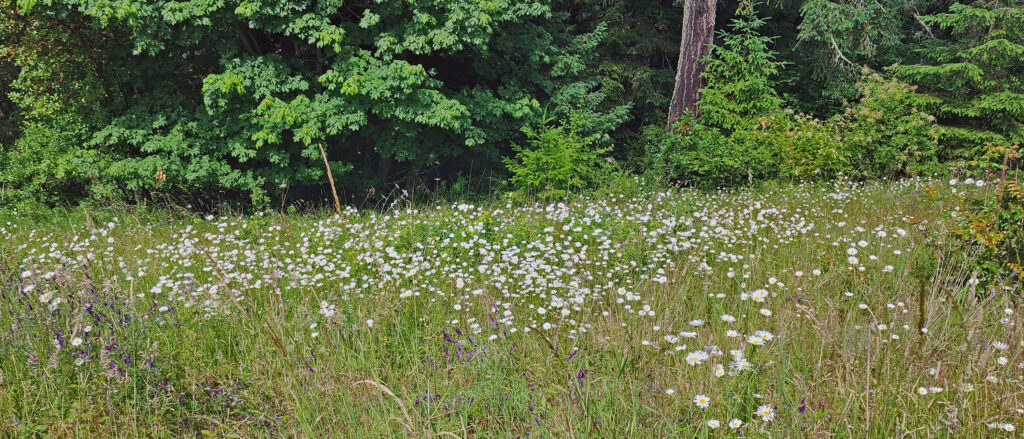
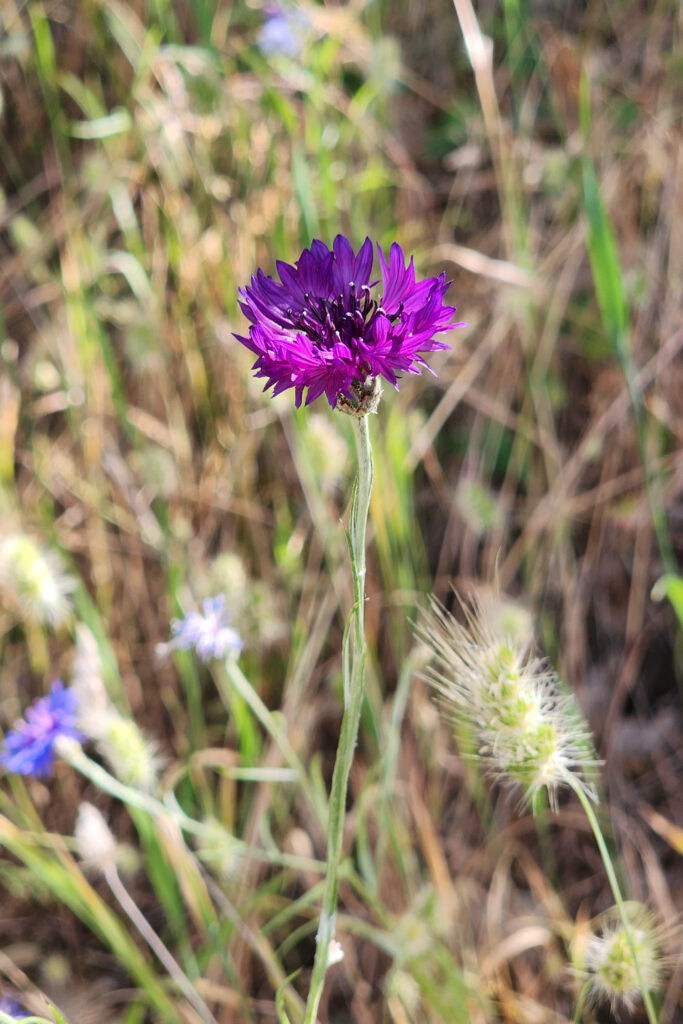 Posted May 2, 2025. Updated with new photos June 16, 2025.




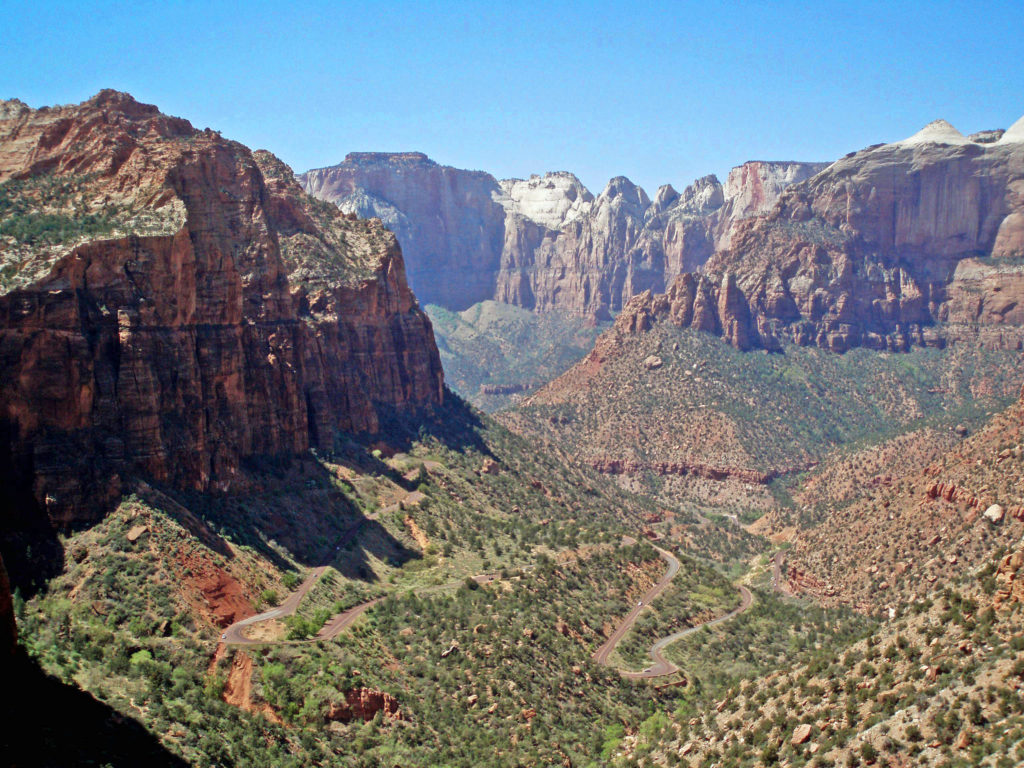
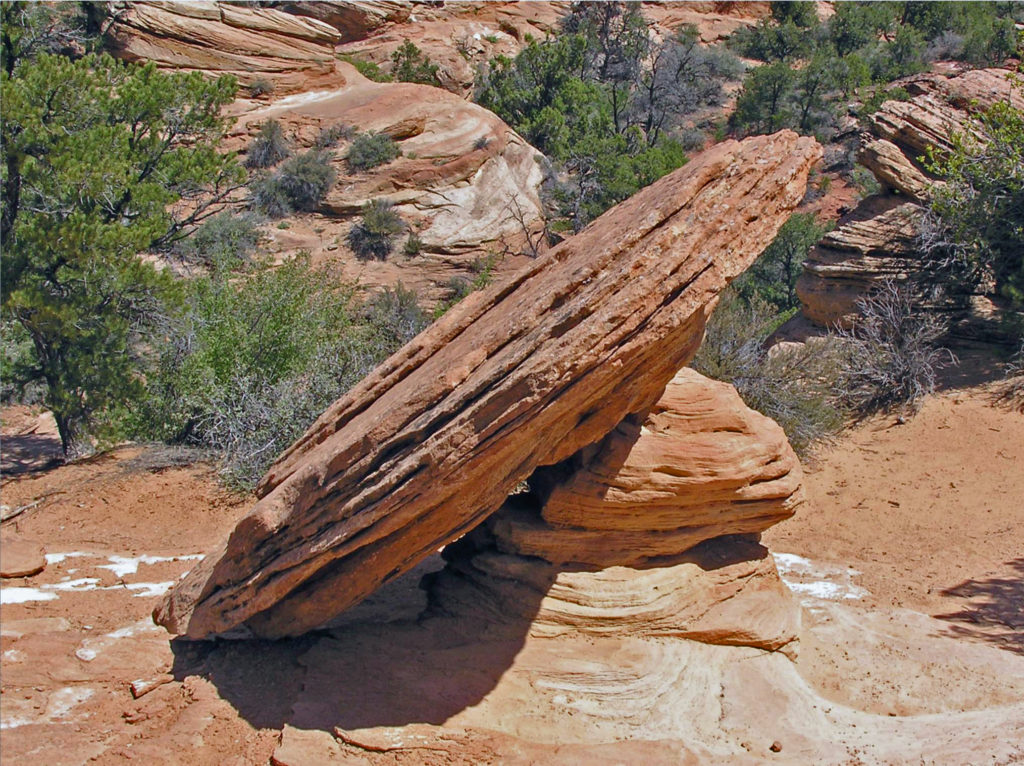
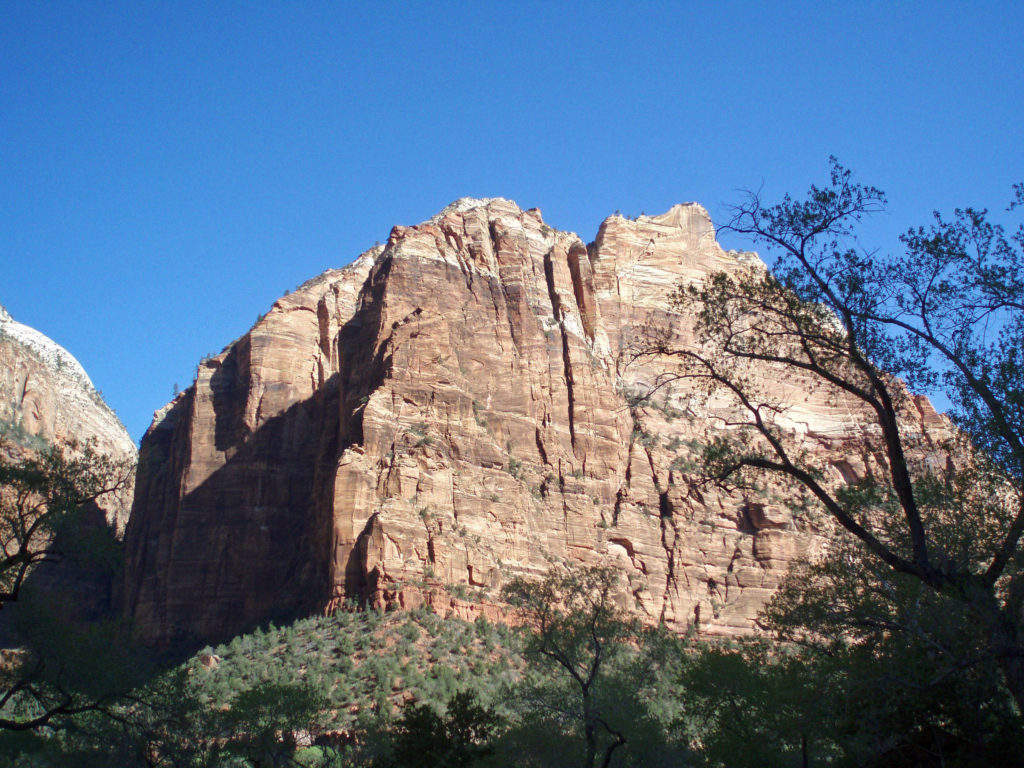
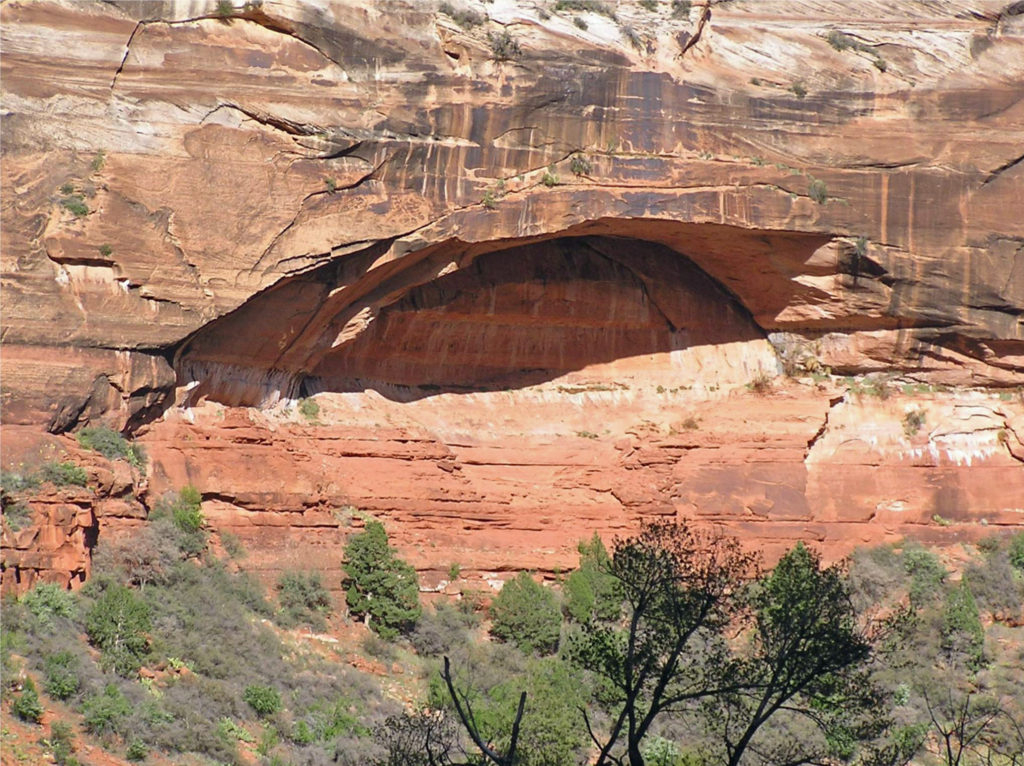
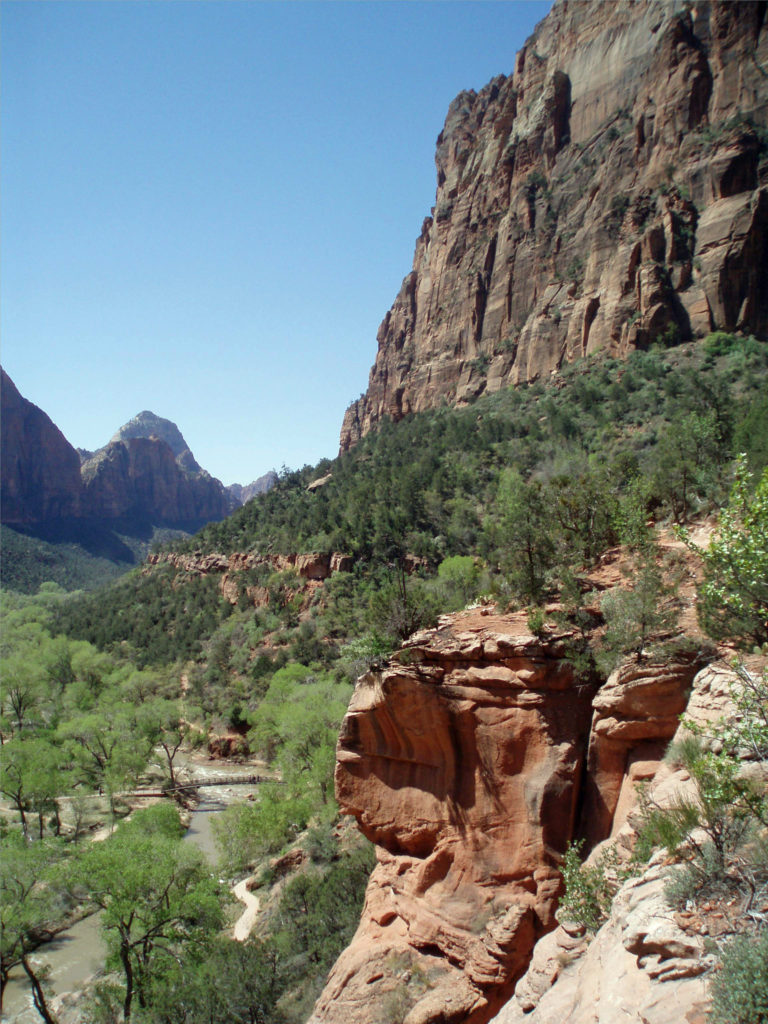 Bicycling is permitted on all park roadways and on the Pa’rus Trail. All other park trails, off-trail routes, and the Zion-Mount Carmel Tunnel are closed to bikes. There are a number of places in Springdale where you can rent bikes and there are also numerous companies offering bicycle tours of Zion. Biking the canyon is a good alternative to riding the shuttle. From the Zion Canyon Visitor Center to the Temple of Sinawava at the end of the Zion Canyon Scenic Drive is about eight miles, with a few moderate hills along the way.
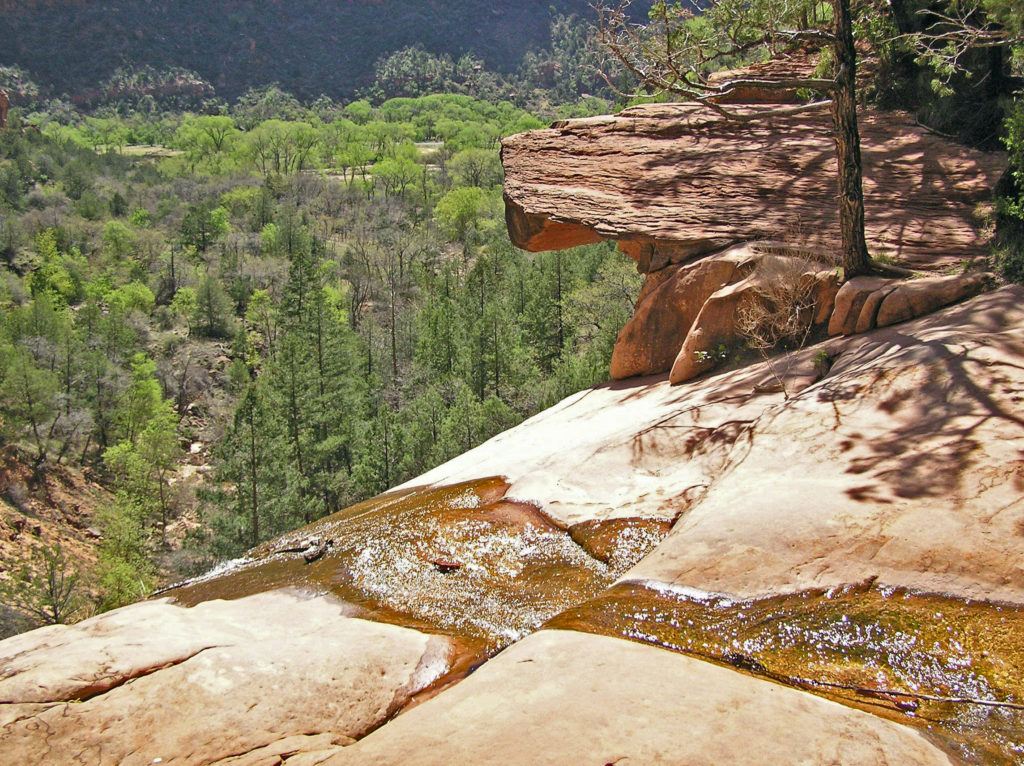 If you drive an electric vehicle, two charging stations are located within Zion National Park, one at the Zion Canyon Visitor Center and the other at the Kolob Canyons Visitor Center in the north end of the park. You can purchase a $5 pass code at the Zion Canyon Visitor Center that is valid for three days at either of the park’s charging stations. In Springdale, there are three Tesla charging stations (as well as others in nearby communities). Electrify America stations are located in St. George and Cedar City. ChargePoint and SemaConnect stations can be found in St. George.
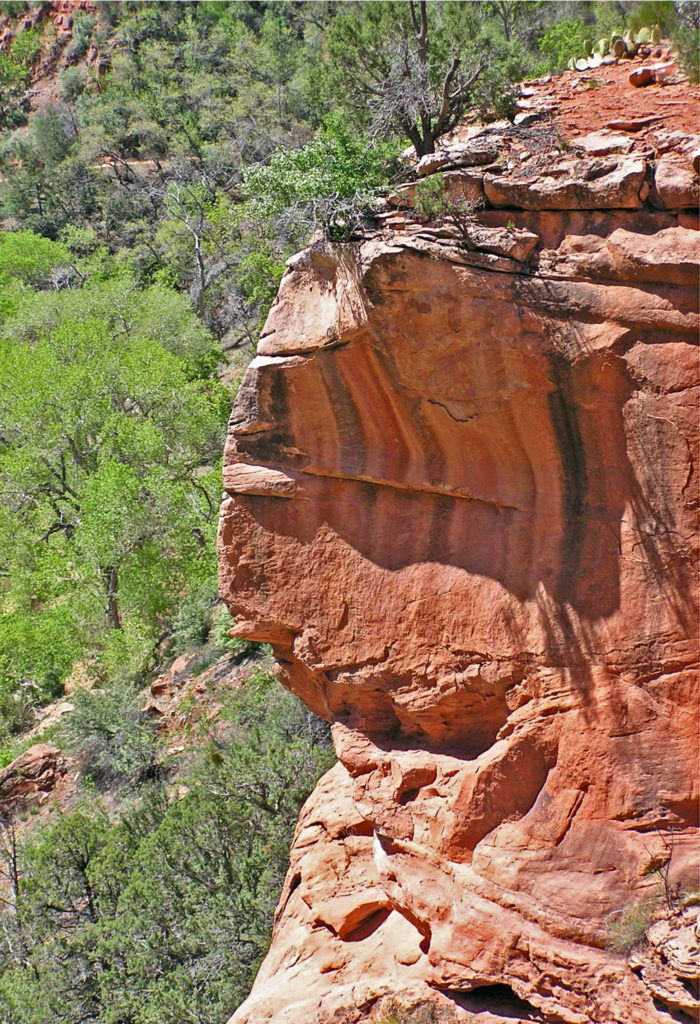 If you’re camping, Zion Canyon Campground in Springdale has 133 RV sites and 47 tent sites. Zion River Resort in nearby Virgin, Utah also has RV sites and cabins. There are two campgrounds within the national park near Springdale, South Campground and Watchman Campground. South Campground has 117 sites, but no hookups. Watchman has about 120 RV sites with full hookups and about 70 tent sites. South and Watchman both require advance reservations, except in winter. The small Lava Point Campground in the north end of the park is first come, first served, but has only six primitive sites. Check the park website for more detailed information. Reservations for the South and Watchman campgrounds can be made through
 Where to Eat
 One of the most spectacular hikes in the canyon is The Narrows. There is no trail through The Narrows – you’re hiking the bed of the Virgin River through a narrow canyon no more than 40 feet wide in places. If you’re interested in hiking The Narrows, be sure to check with the park rangers at the Zion Canyon Visitor Center. No permit is required, but The Narrows may be closed to hiking due to the possibility of flash floods. Thunderstorms many miles north of the park may lead to sudden and potentially life threatening rises in the river level with no warning, even when the park is sunny and cloudless. But if it’s doable safely, it’s a fantastic and unique hiking experience.
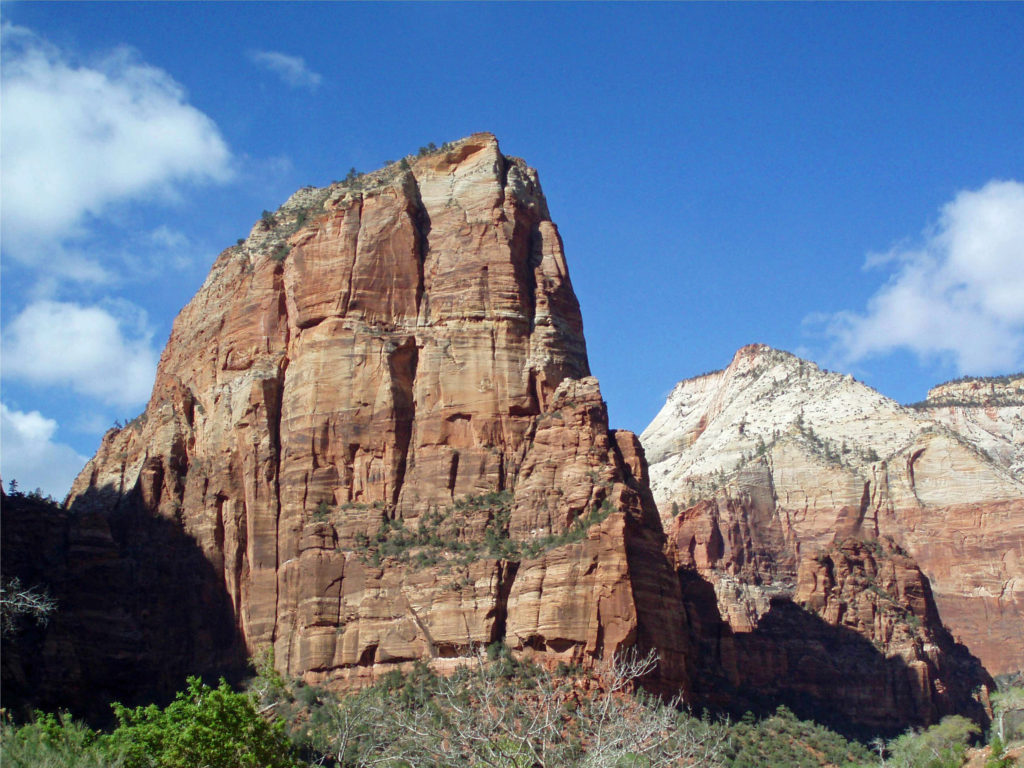 Trails outside of Zion Canyon (and all canyoneering routes) require a wilderness pass. Most are available online through the park’s website, but permits for some trails are only available in person.
 One hour and three hour horseback rides within the park can be booked through
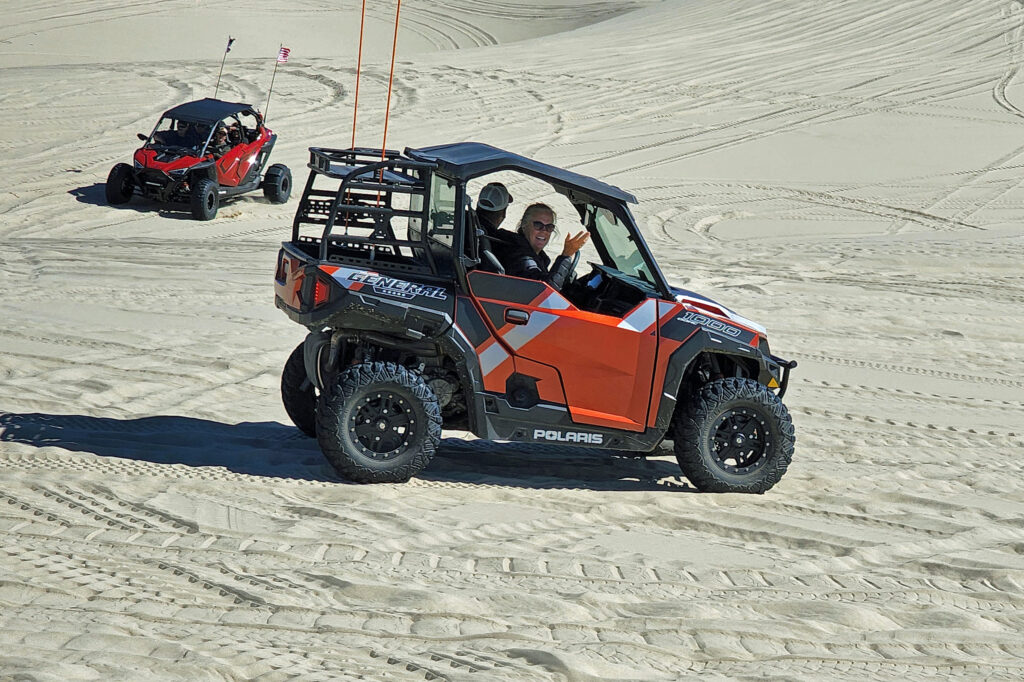
  Off road vehicle tours are also available from a variety of providers. Like mountain bike tours, these are outside of the park. Again, I have no personal experience, so can’t make any recommendations, but the tours are popular.
 I can pretty much guarantee that no matter who you are or where your interests lie, a trip to Zion National Park will be an adventure you will not soon forget.
 Originally posted June 14, 2021 by Alan K. Lee. Updated and re-posted March 15, 2024.

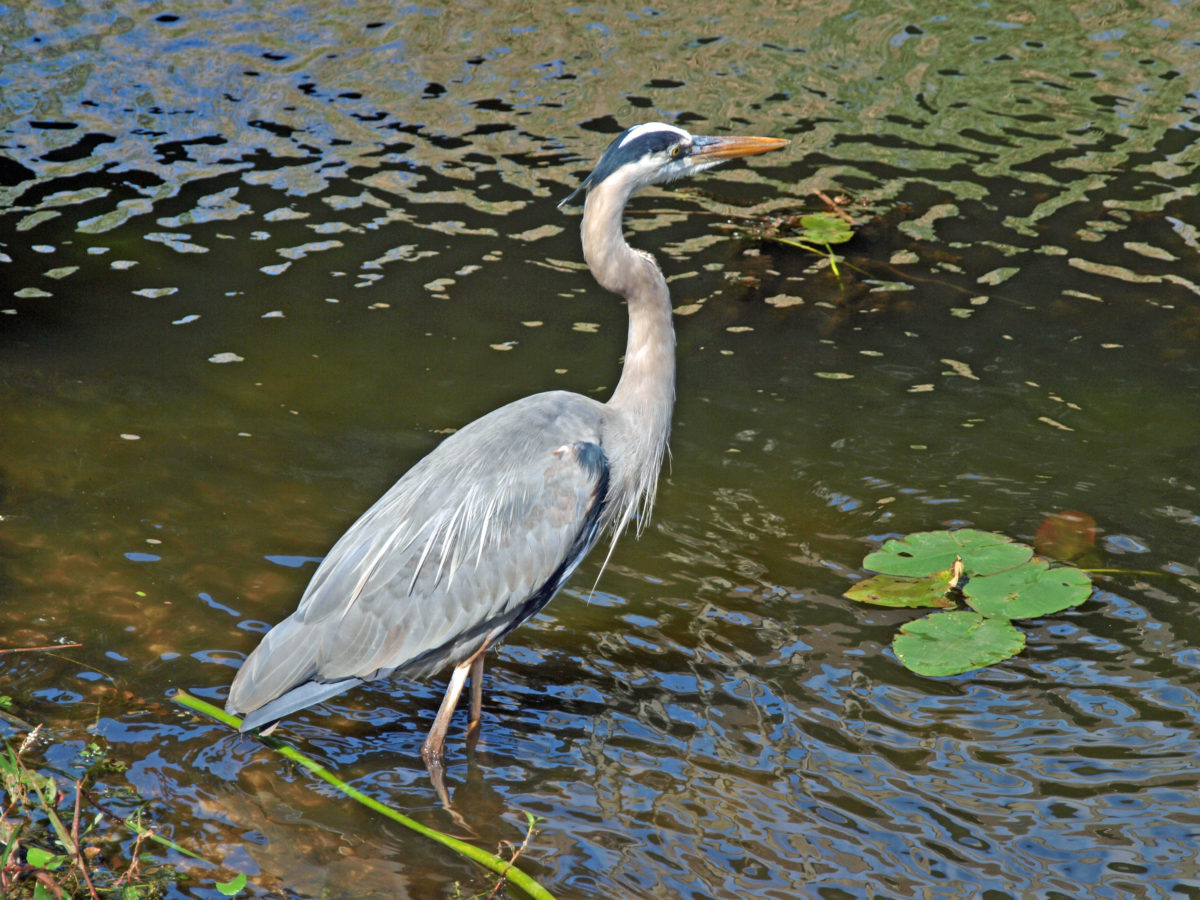
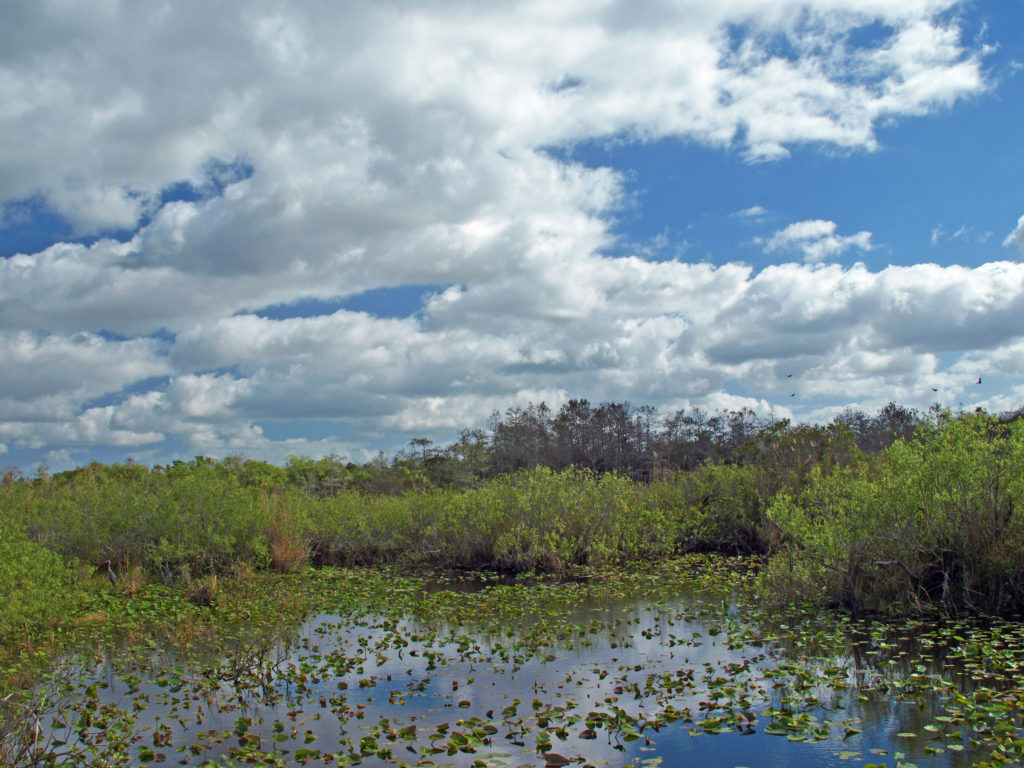
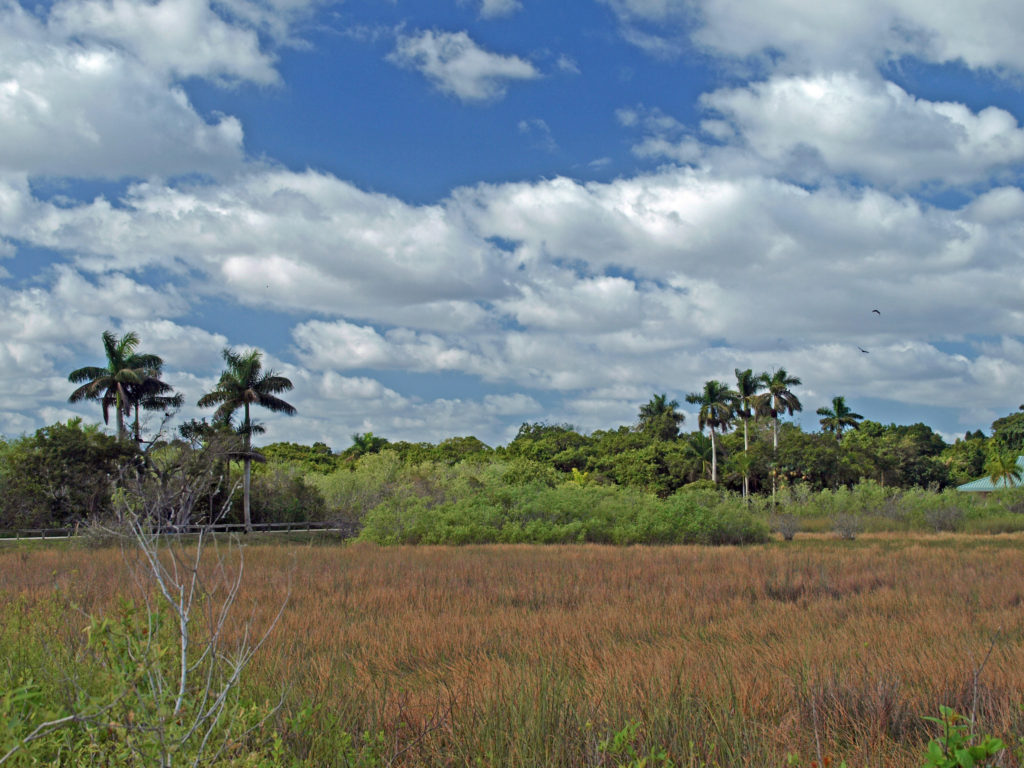
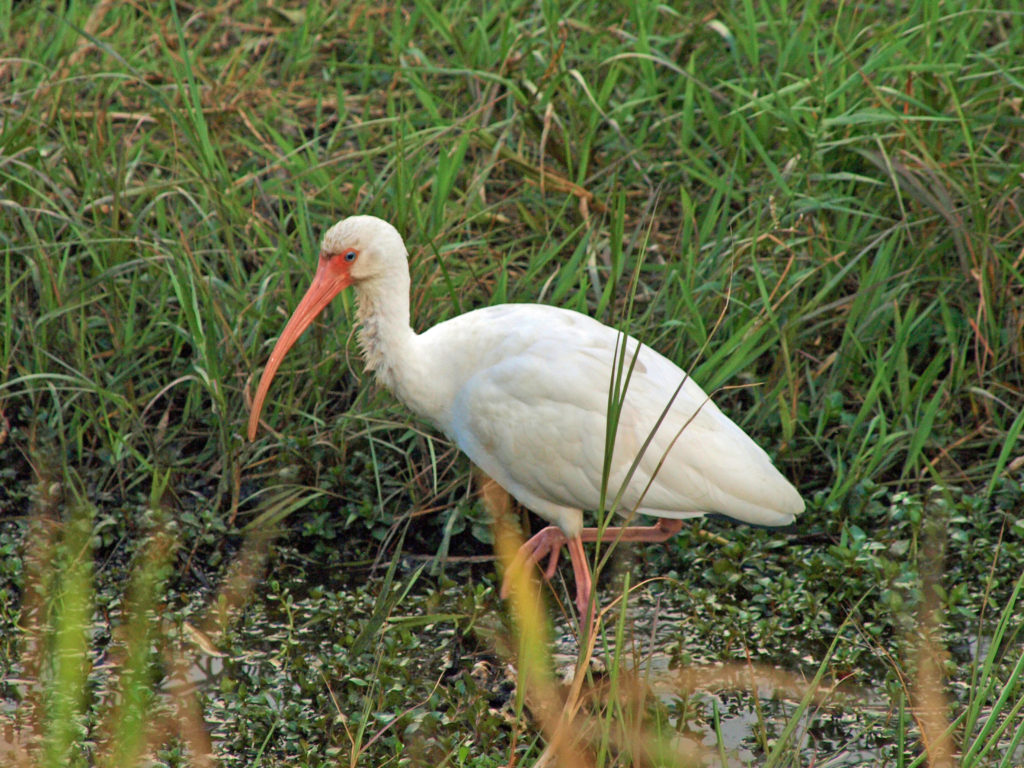
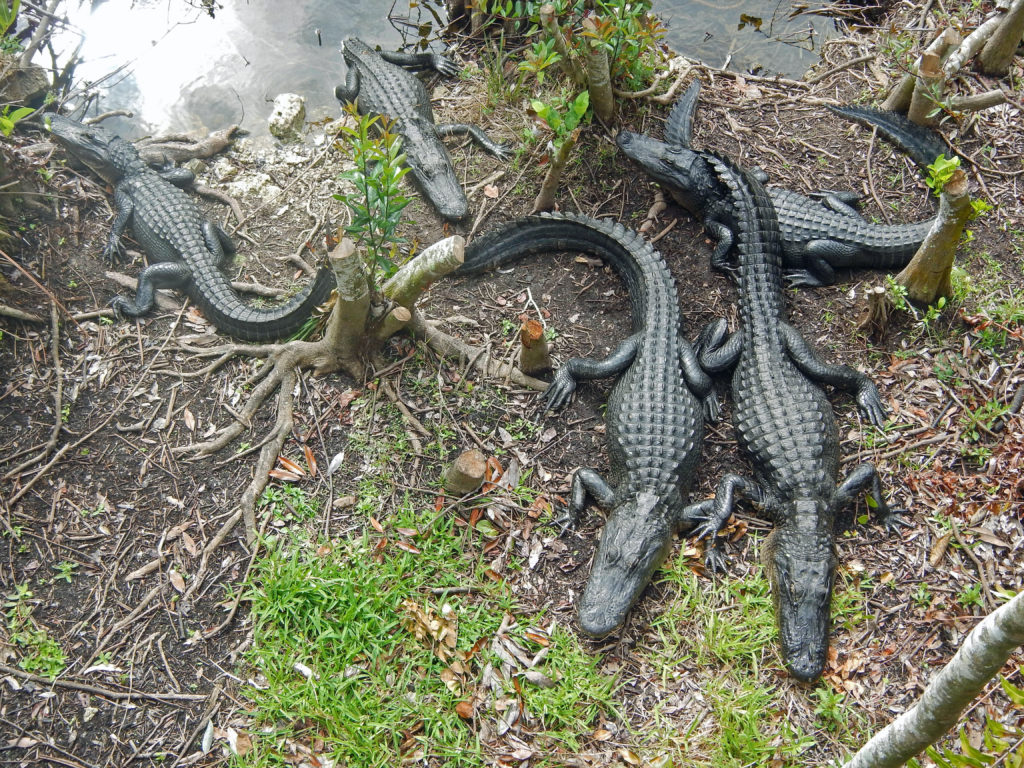
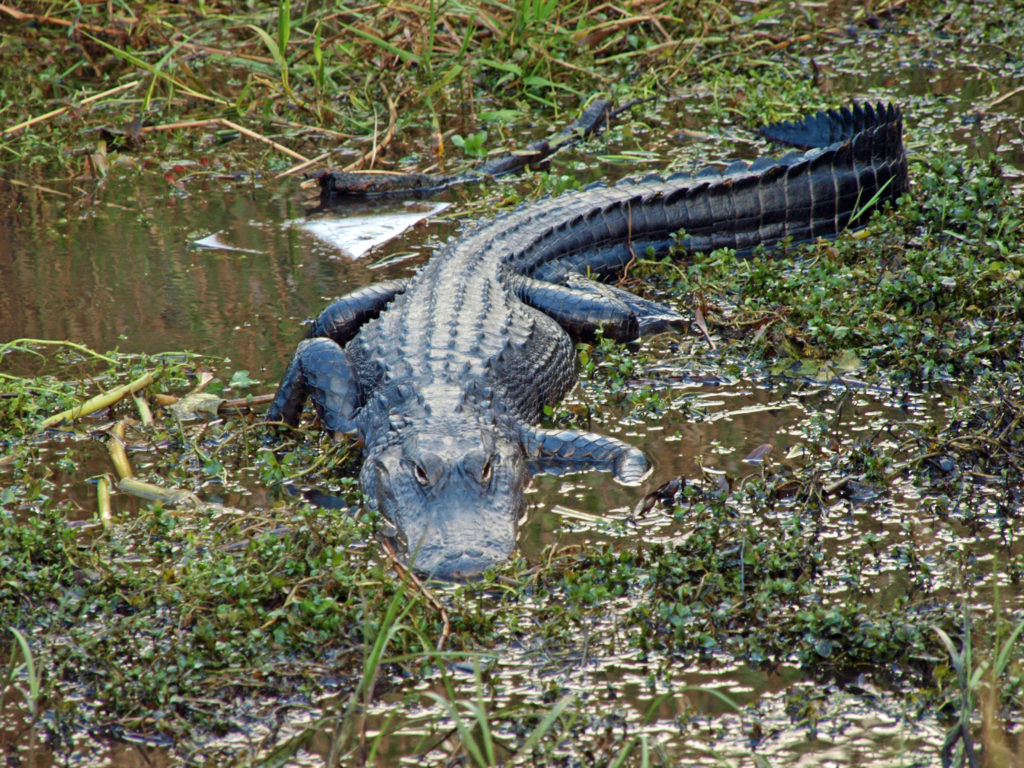 Today, the Everglades are still one of the most endangered ecosystems in the country. Diversion of water upstream of the park for use by the agricultural industry and the ever growing population of southern Florida has greatly reduced the volume of water flowing through the park, which in turn has had a significant impact on the flora and fauna of the park. Nutrient pollution and residual pesticides from agricultural runoff have also had a significant impact on the park’s ecosystem. Introduced species, such as the Burmese python, have also put stress on the system. And, since much of the Everglades is less than three feet above sea level, global warming and sea level rise threaten the very existence of the Everglades.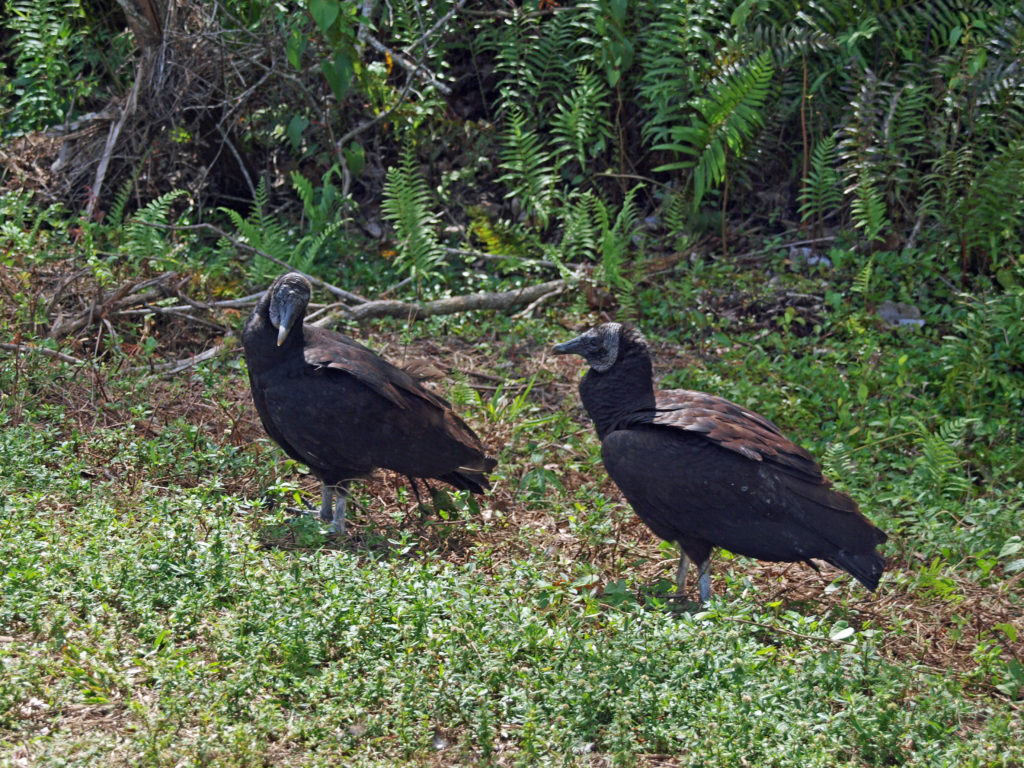
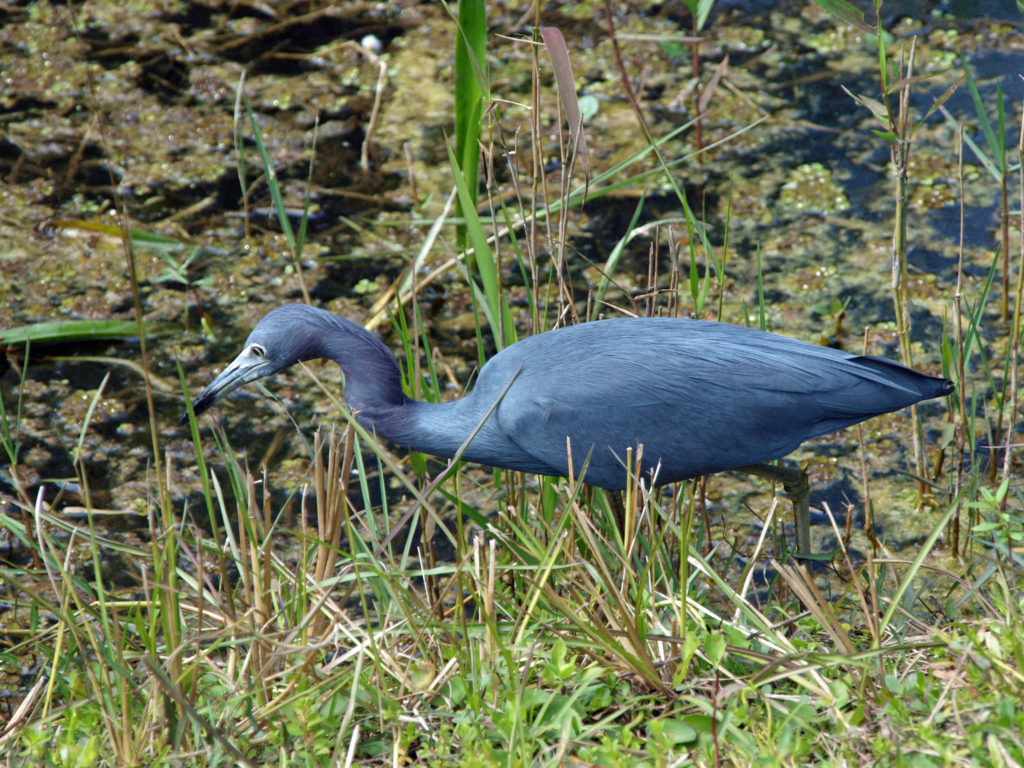
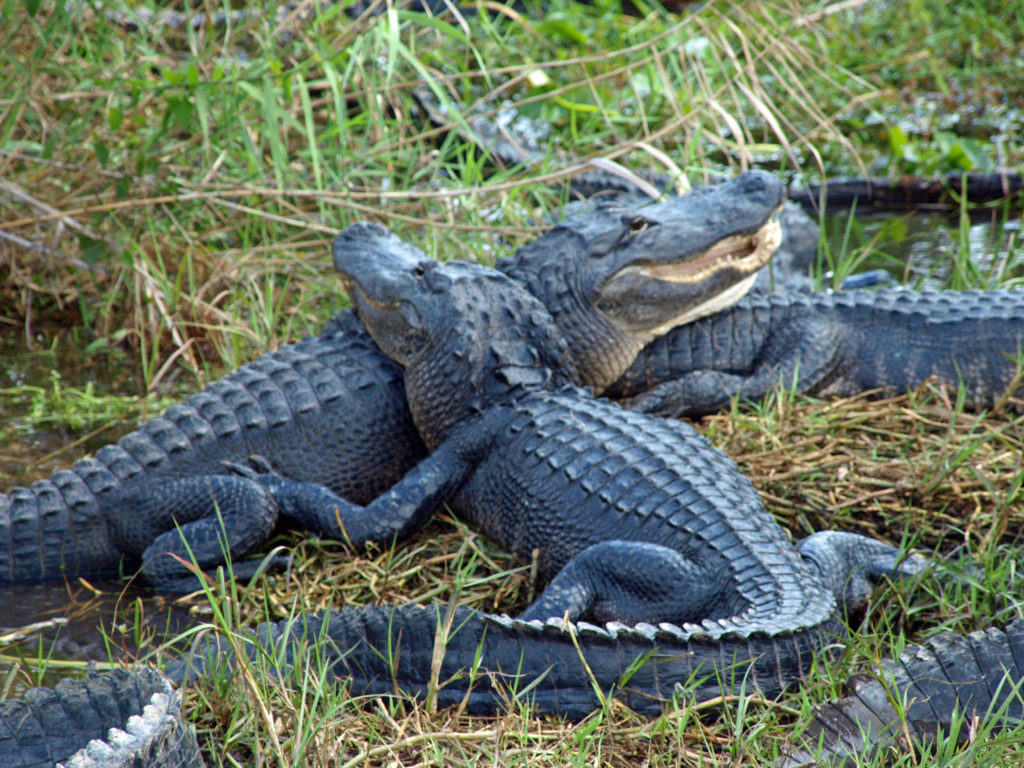
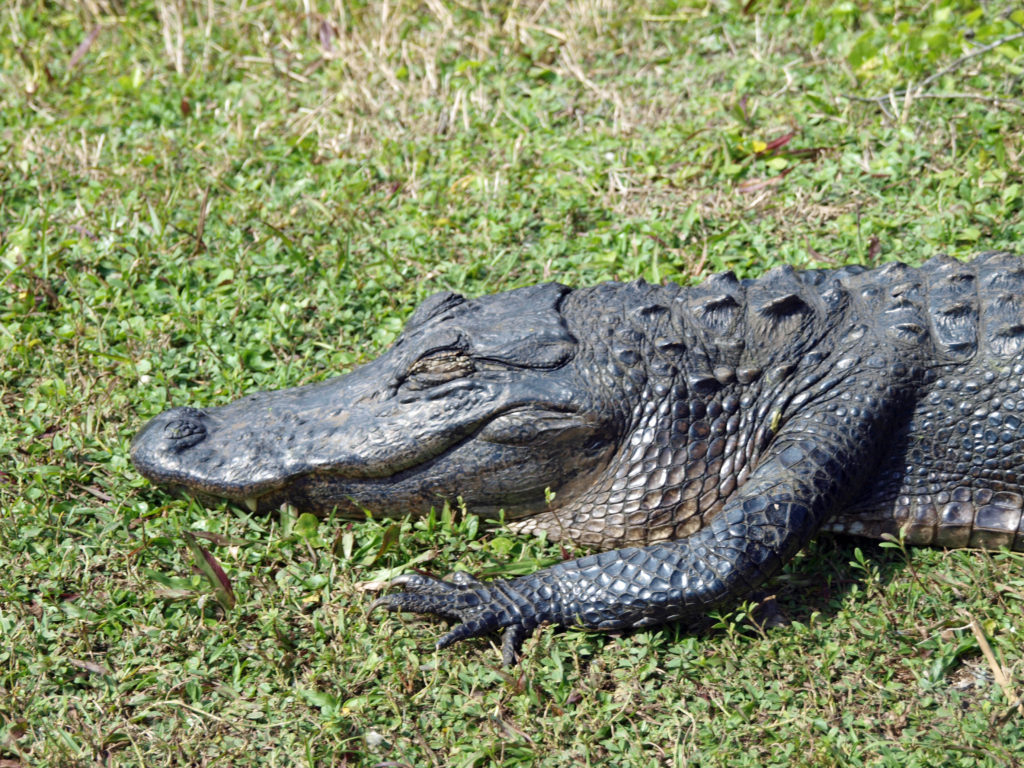
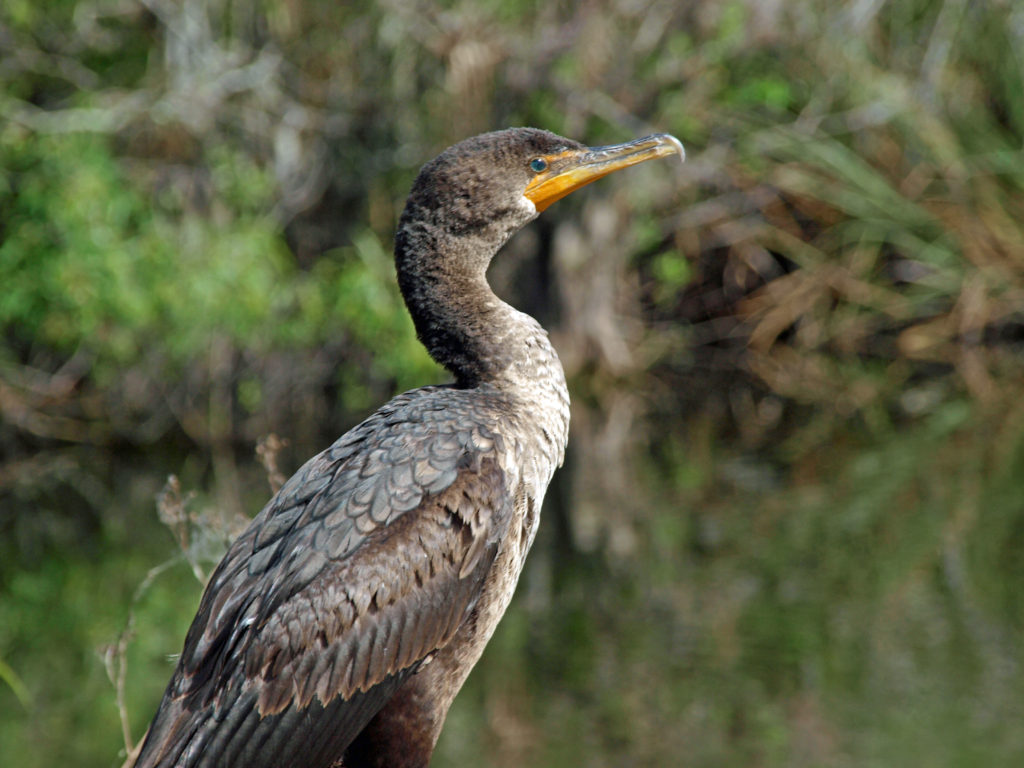
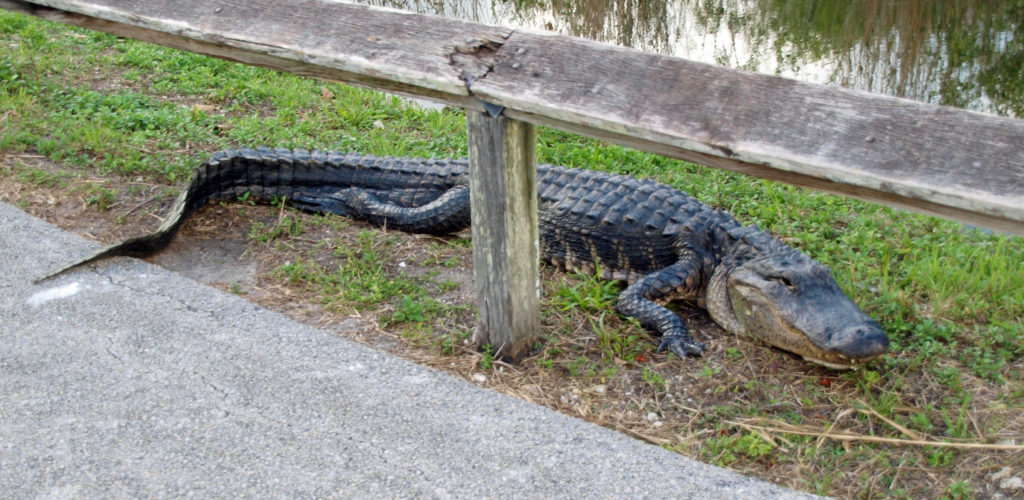
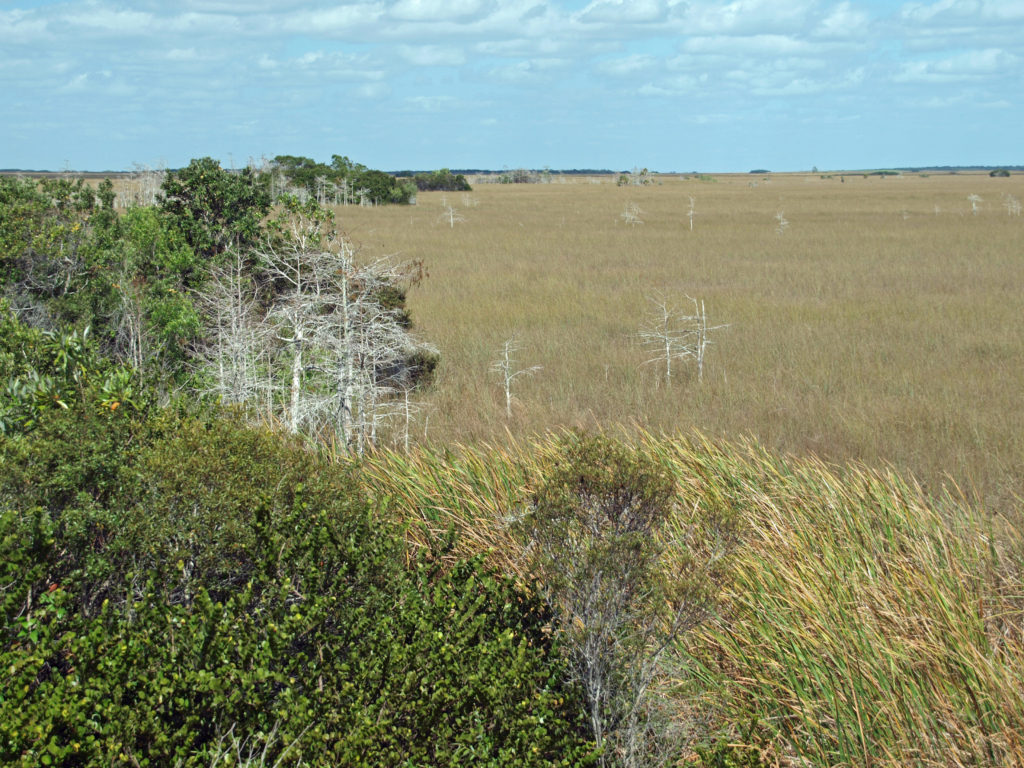 Farther along the road to Flamingo, the Long Pine Key, Pahayokey Overlook, and Mahogany Hammock stops offer short hiking trails. Canoeing and kayaking opportunities are found at Nine Mile Pond and West Lake. You’ll also find a nice picnic area at Nine Mile Pond, and another at Paroutis Pond.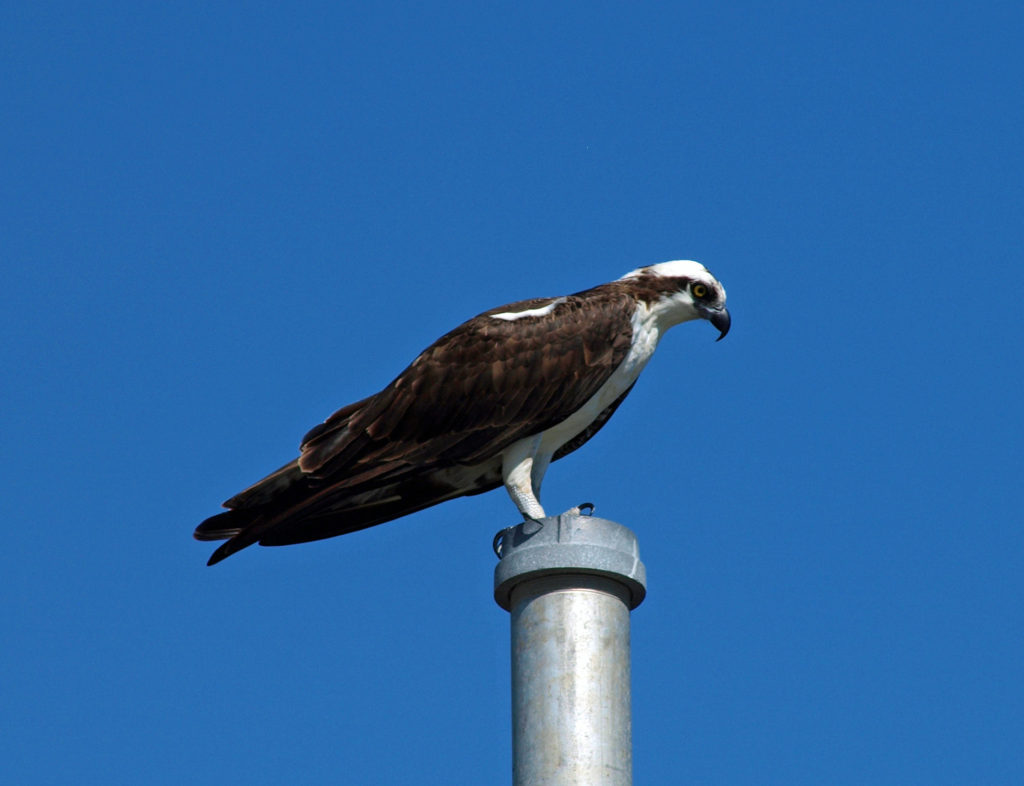
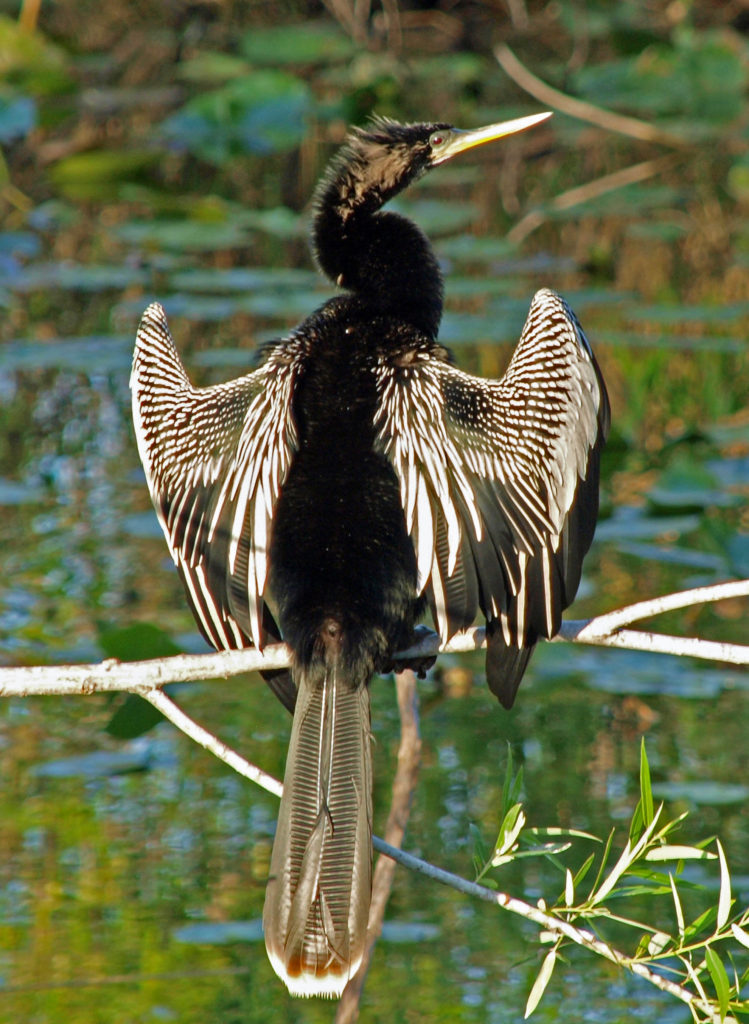
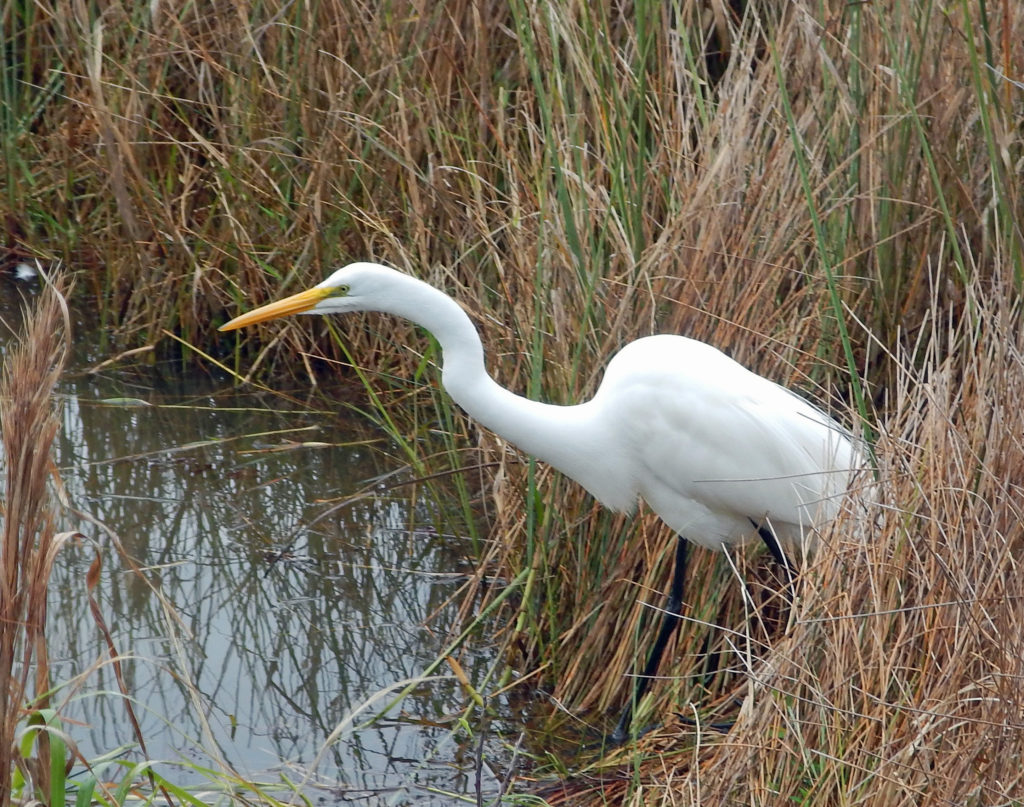
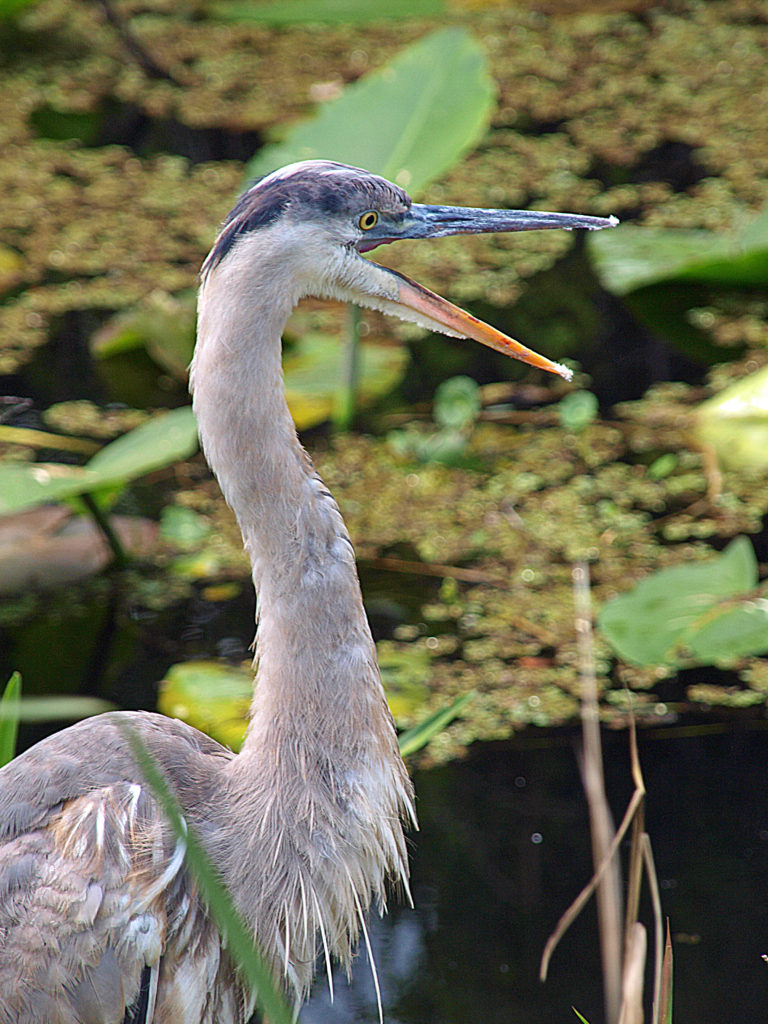
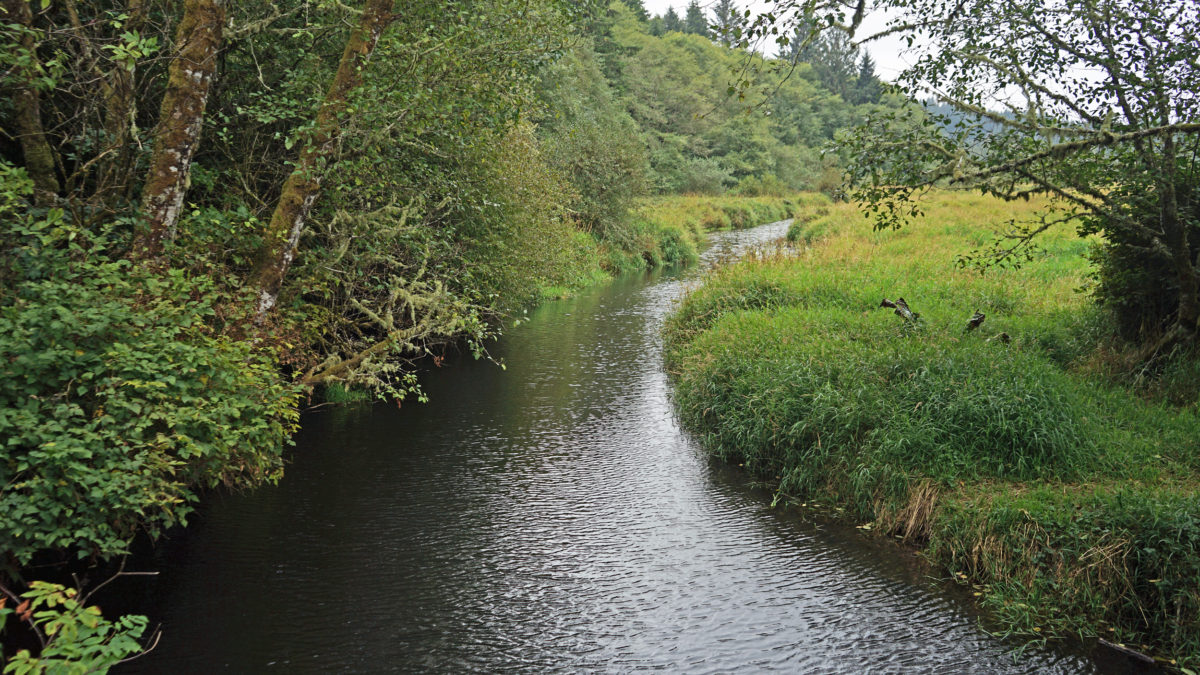
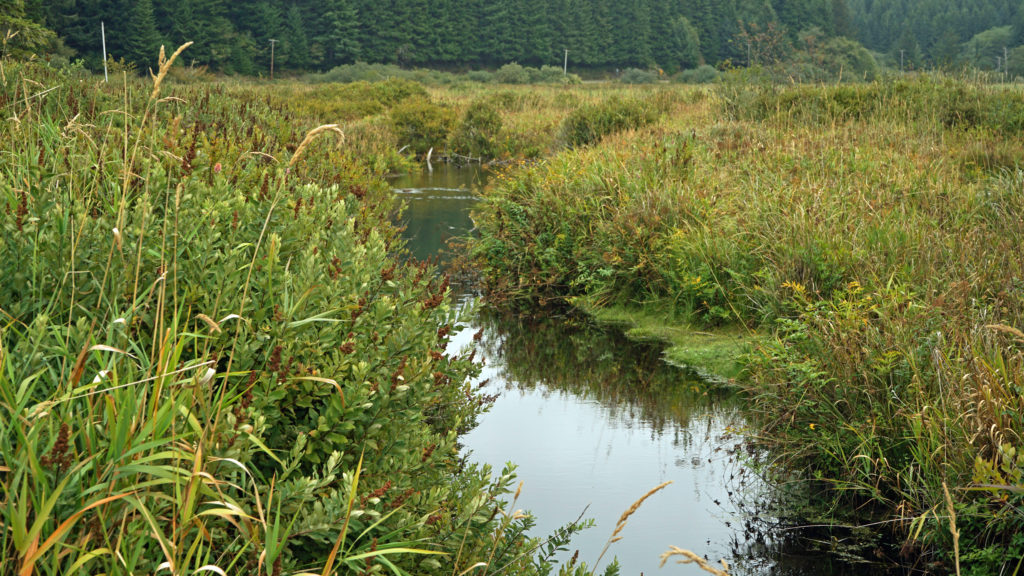
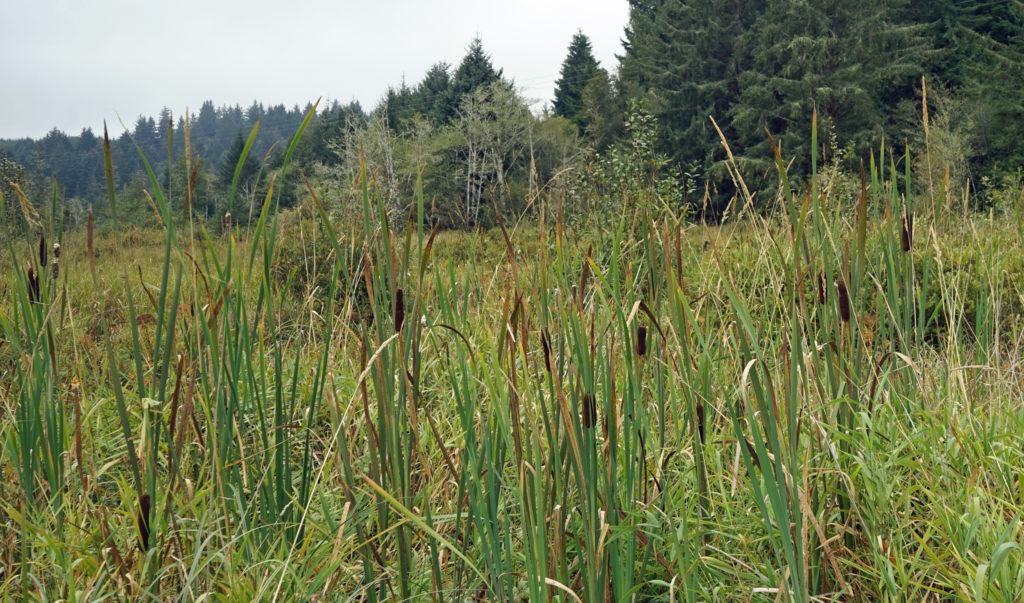
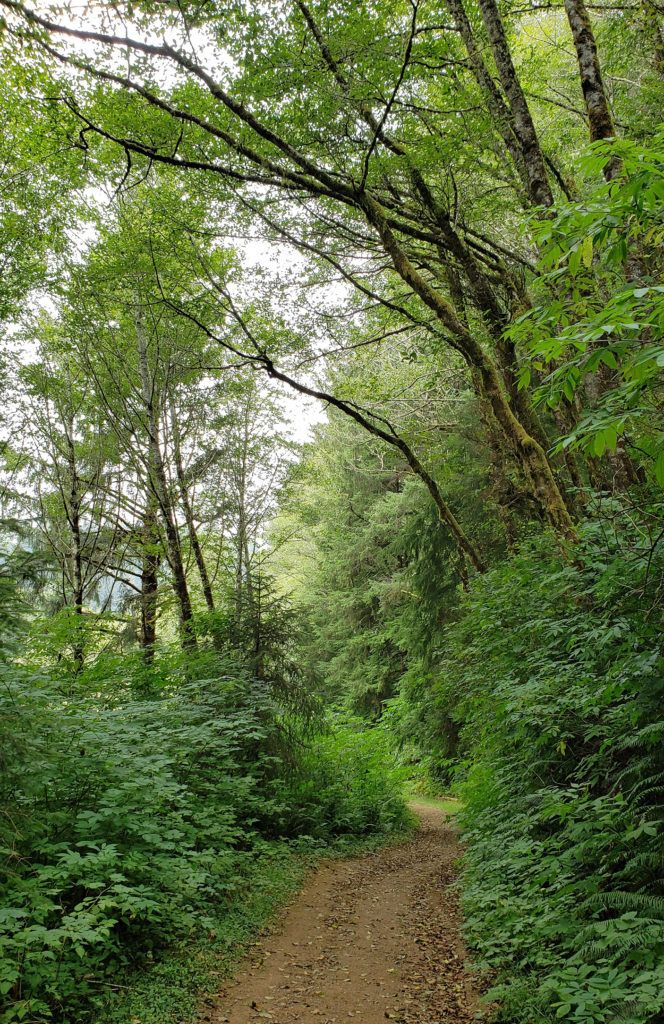 The Beaver Creek visitor center, 1.2 miles east of Hwy 101 on North Beaver Creek Road, would normally be a good first stop to acquaint yourself with the area. If it’s open, you can pick up an informational brochure and map of the trail system there. The map and brochure can also be downloaded from the Beaver Creek State Natural Area website (linked above). There is also a small parking area a few hundred yards east of the visitor center that may have the map and brochure if the visitor center is closed. You can also find a checklist of the birds found at Beaver Creek on the website.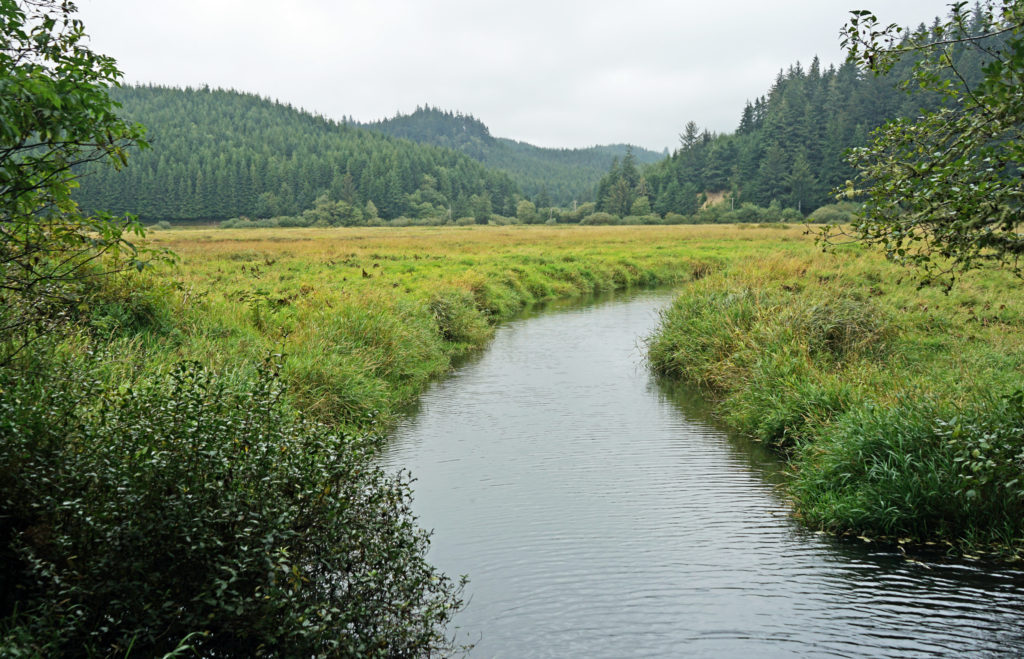


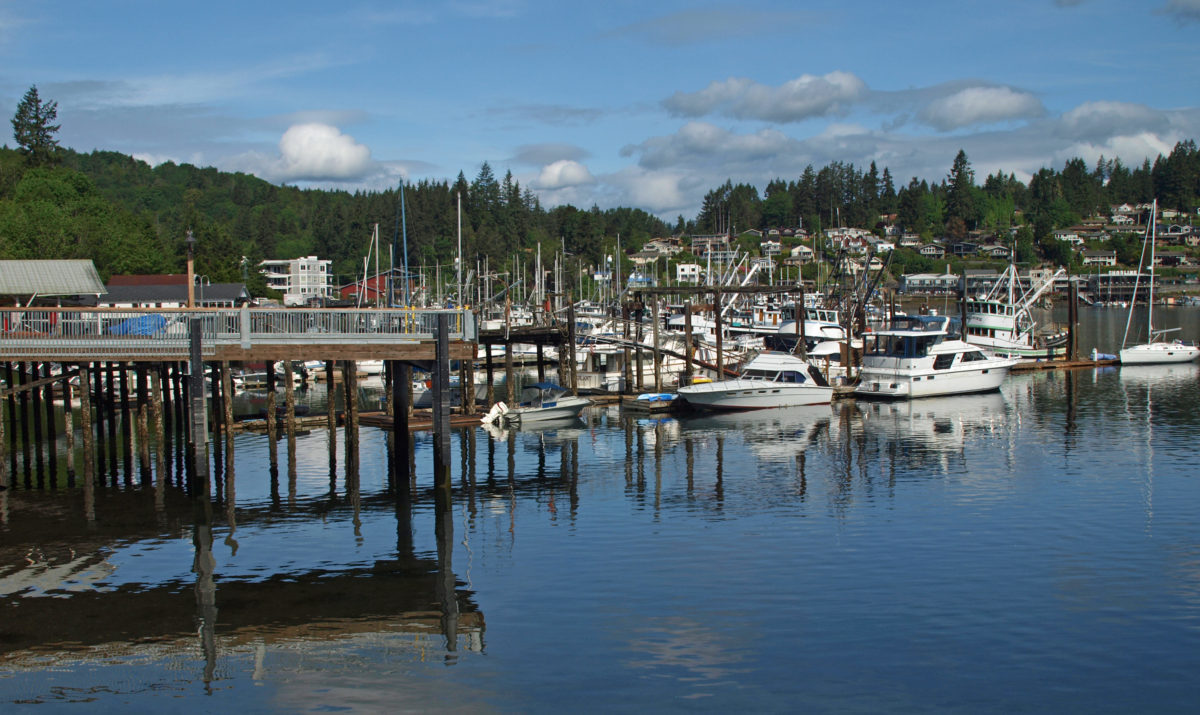
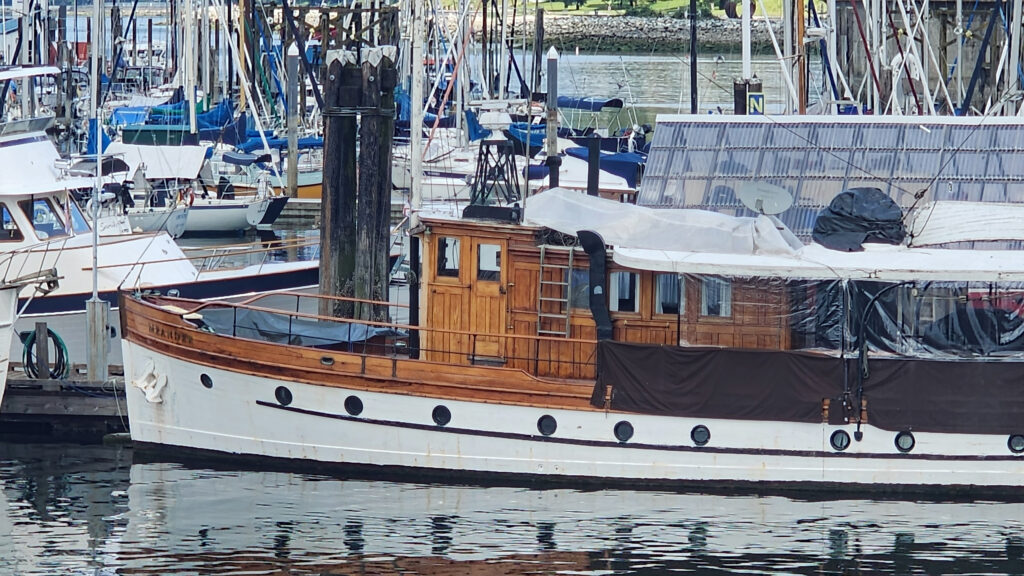
 Gig Harbor, Washington is located on Puget Sound near Tacoma. My first visit came about eight years ago. At the time it was one of the few towns on Puget Sound that I had not explored. I had heard testimonials to the town’s charm. And charming it is, at least the historic downtown along the waterfront. Like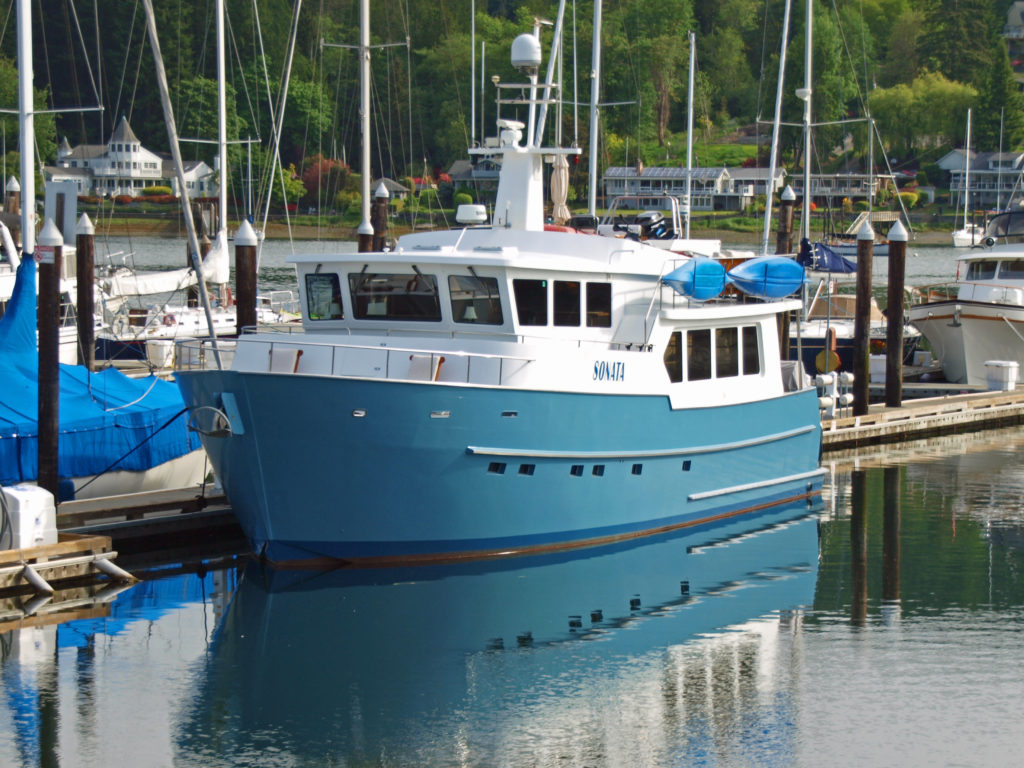
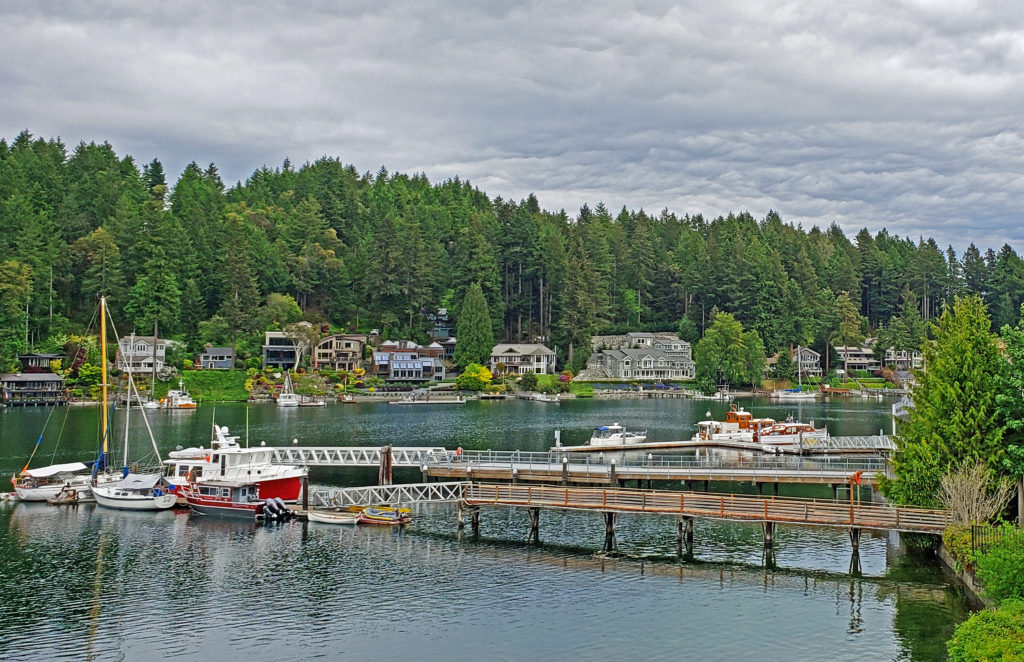
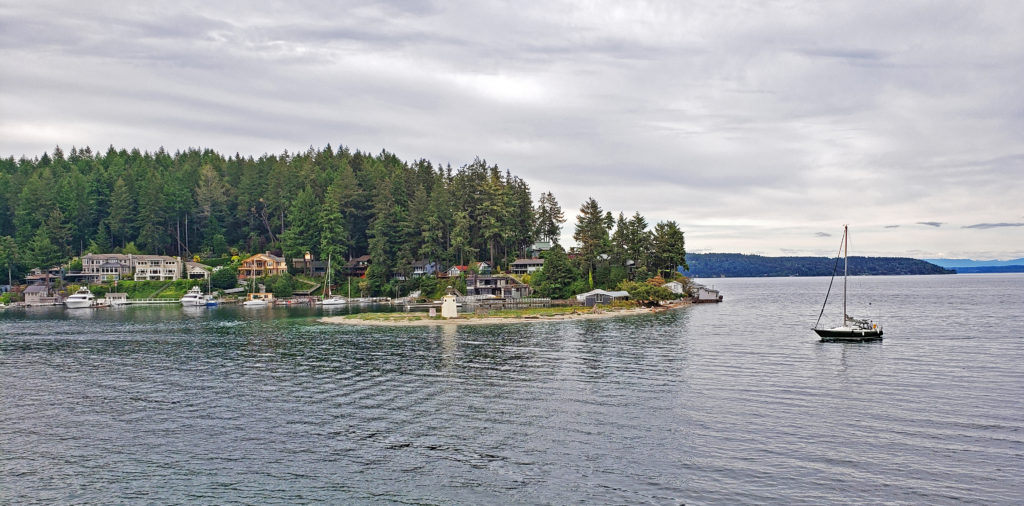
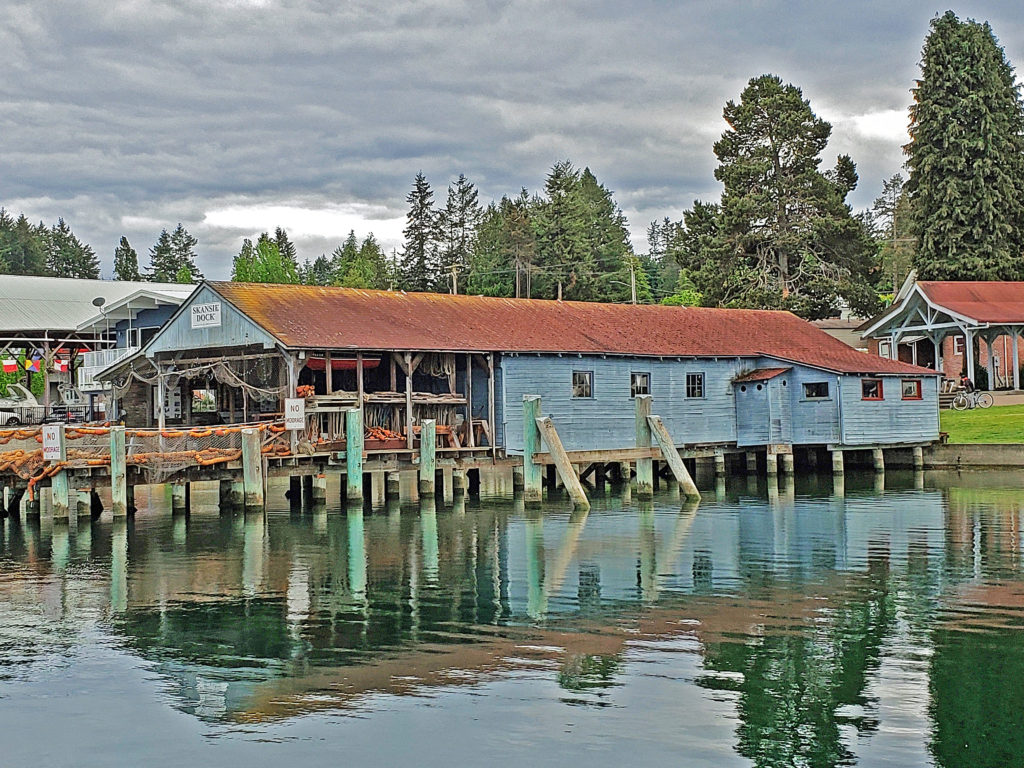
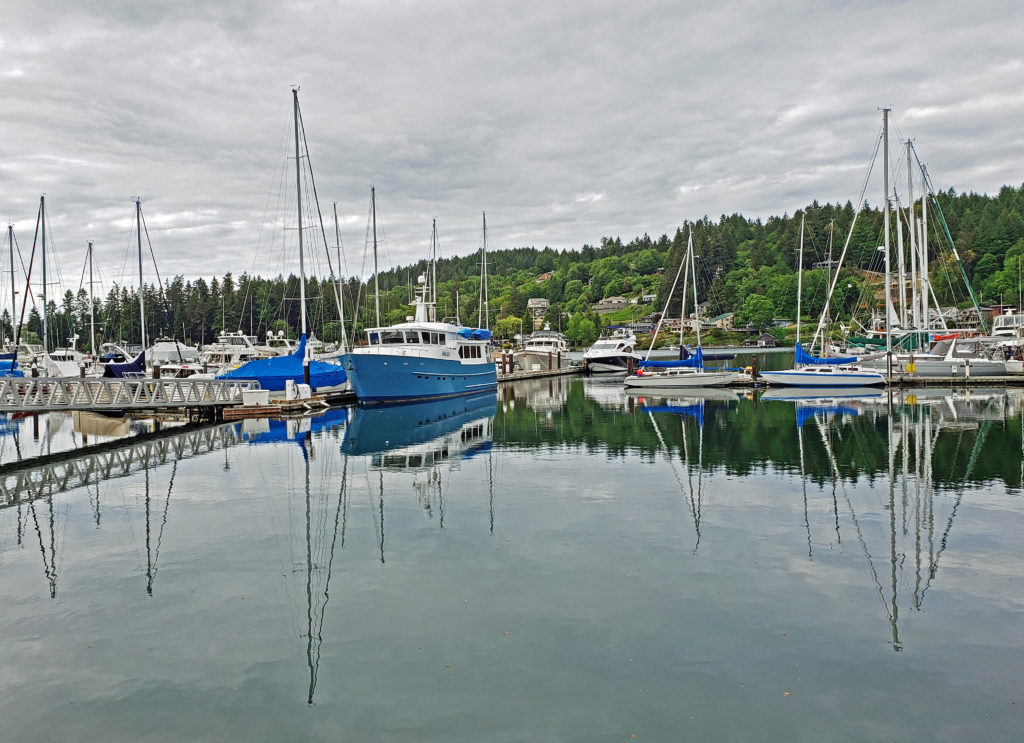
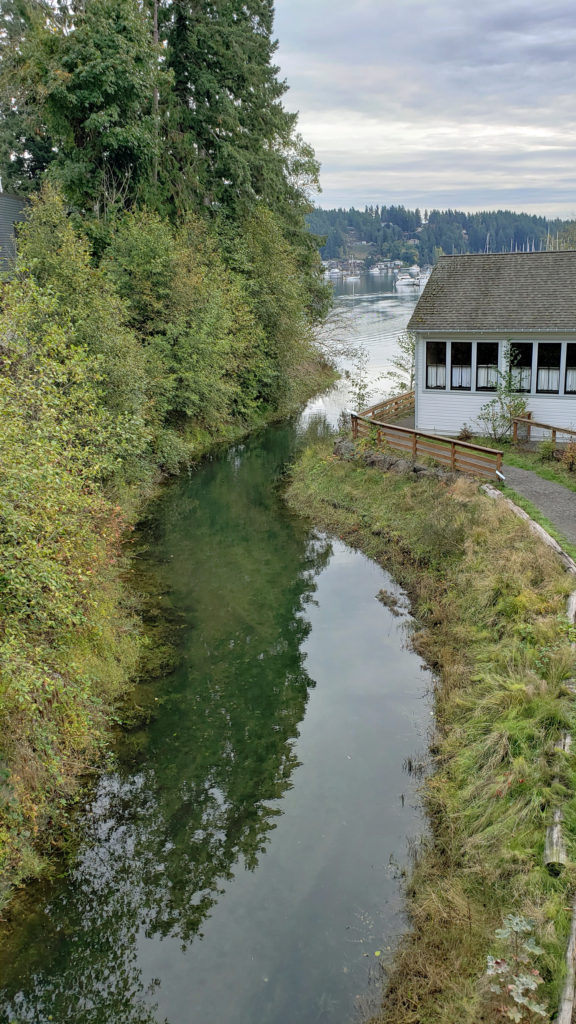
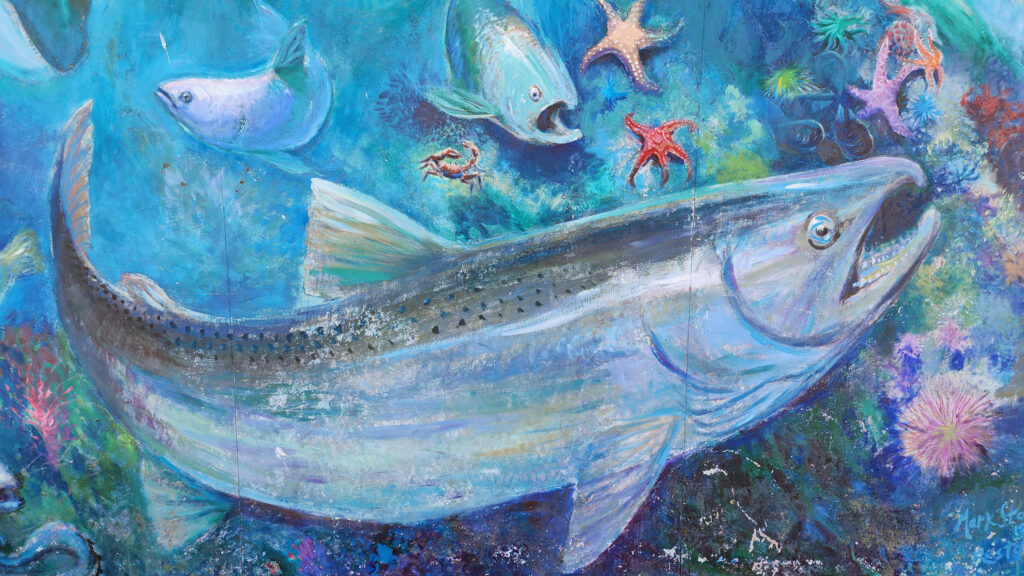
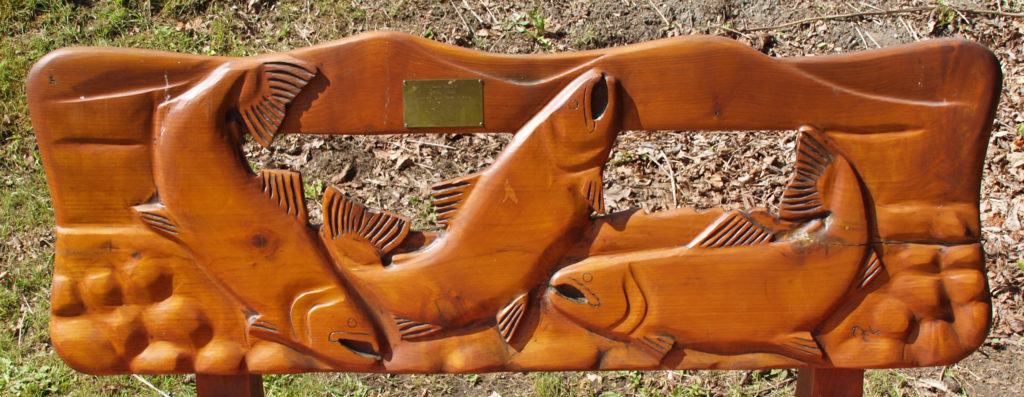
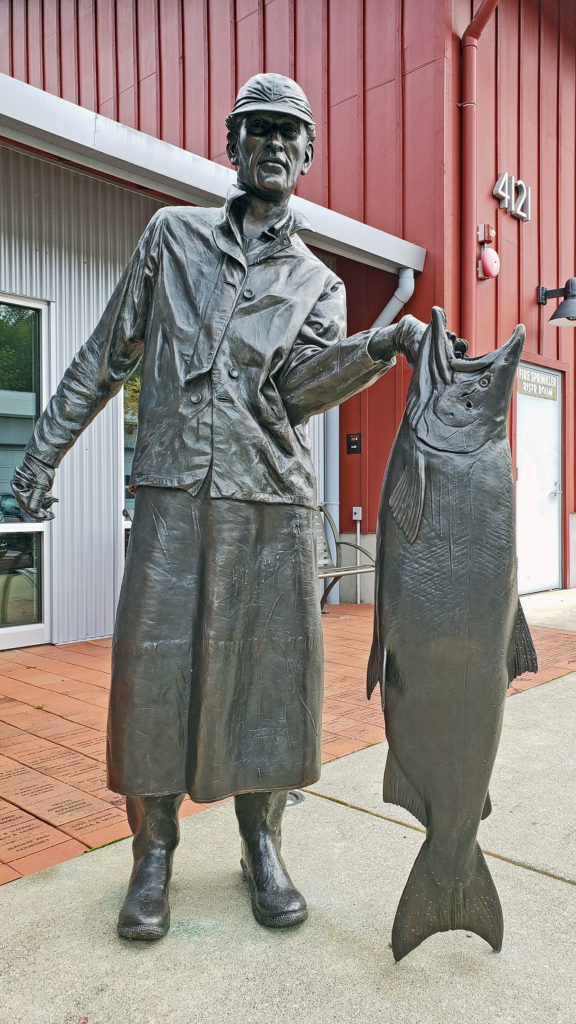 The museum is located where Donkey Creek flows into the harbor, and when the salmon are spawning you can watch them swimming upstream from viewing platforms in Donkey Creek Park, across Harborview Drive from the museum.
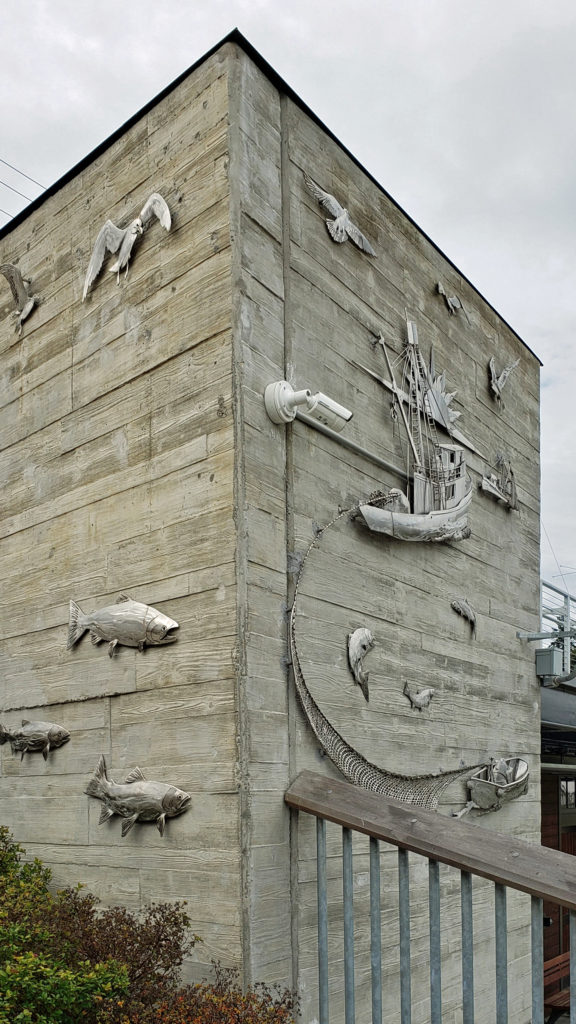
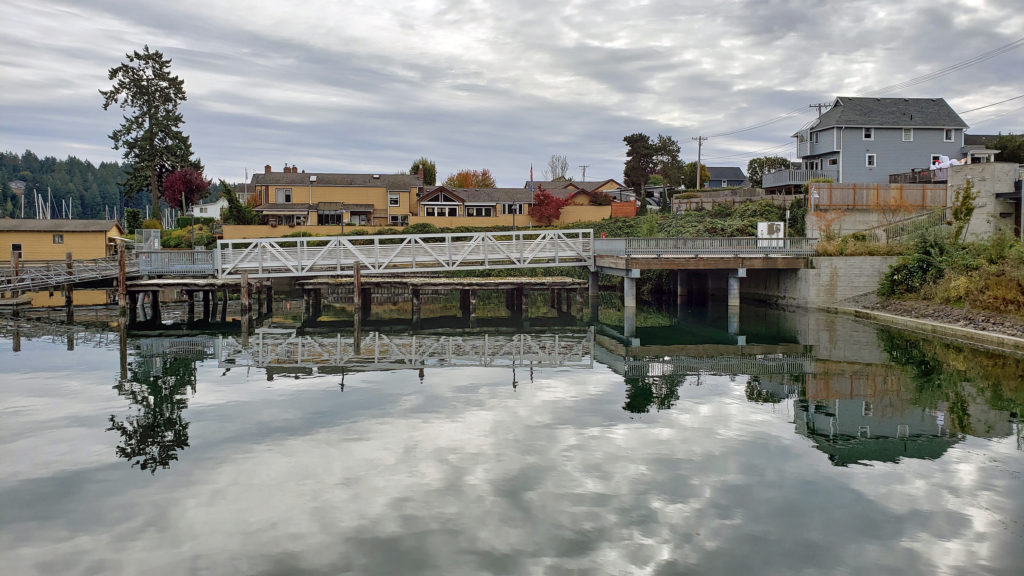 Tourism is more important than fishing to Gig Harbor’s economy today, but a small fishing fleet still exists and is still important to the cultural identity of the town. On the first weekend of June each year, during the Maritime Gig Festival, the fleet gathers in the bay for a Blessing of the Fleet ceremony.
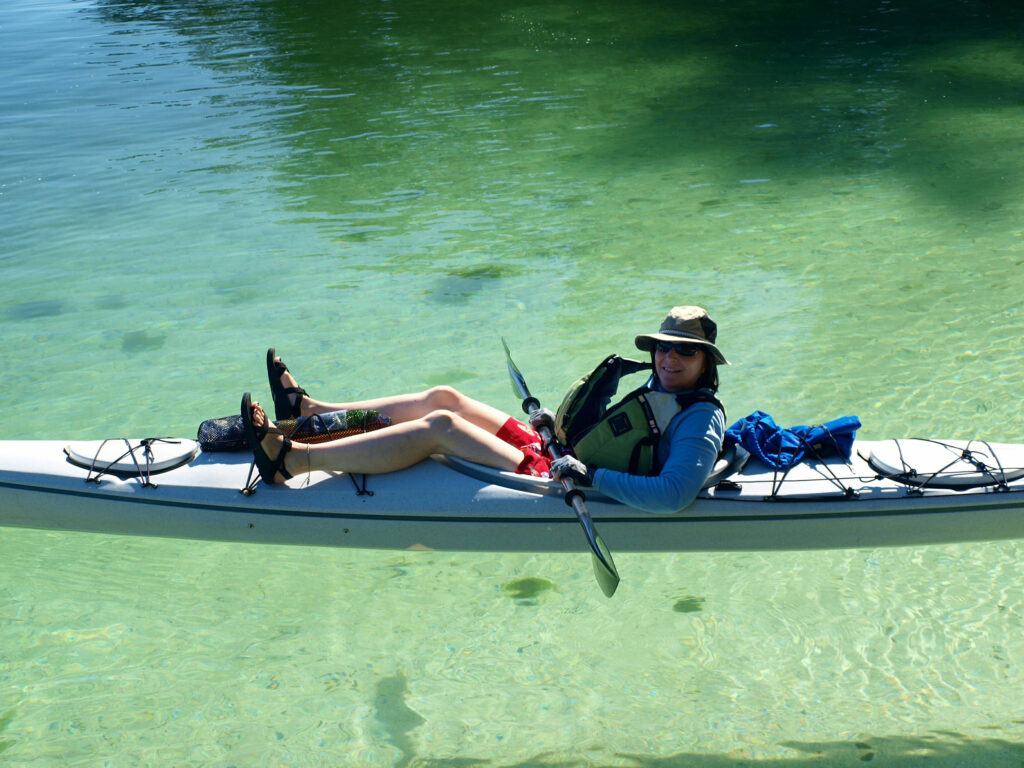
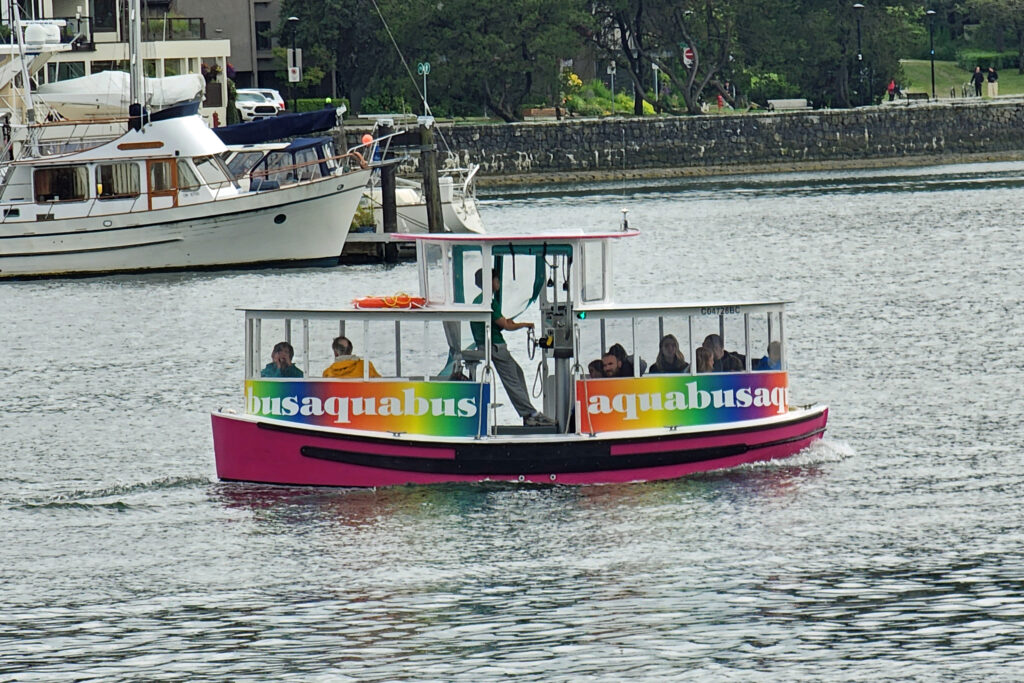
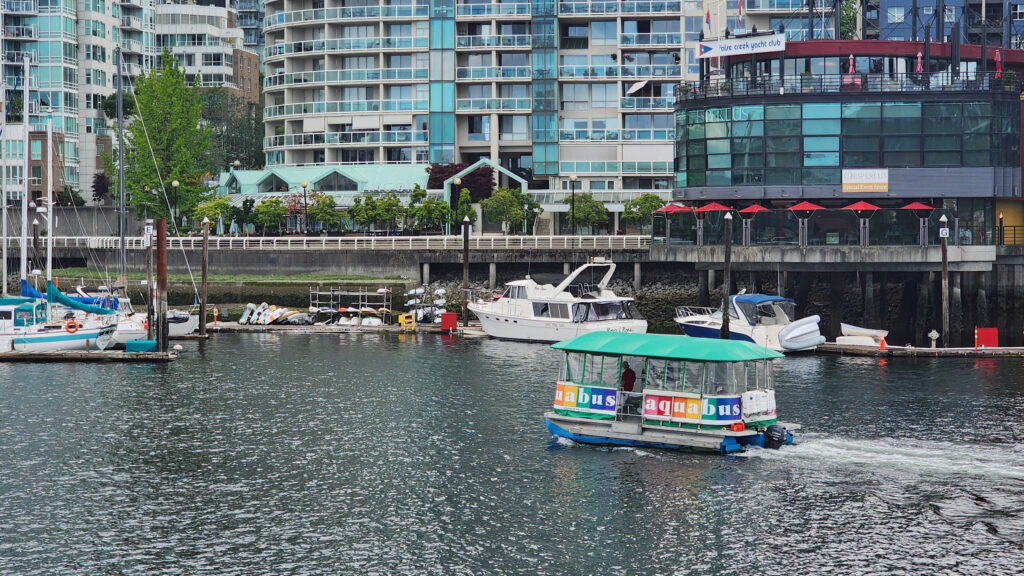
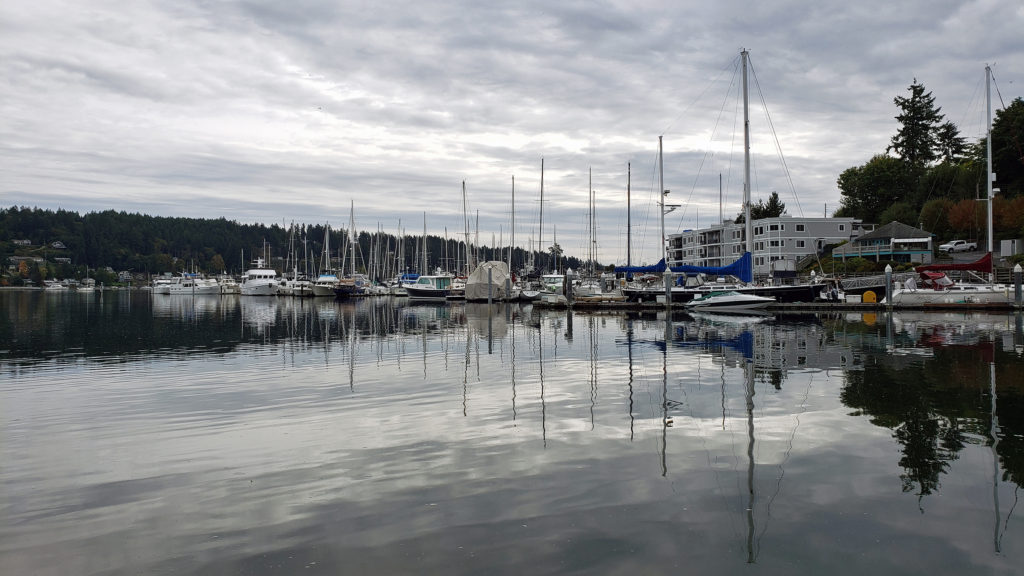 Getting out on the water is both great fun and a way to view the waterfront from a different perspective. You can rent kayaks, stand-up paddle boards, and electric boats at
  If you’re thinking about paying Gig Harbor a visit, a good place to start is the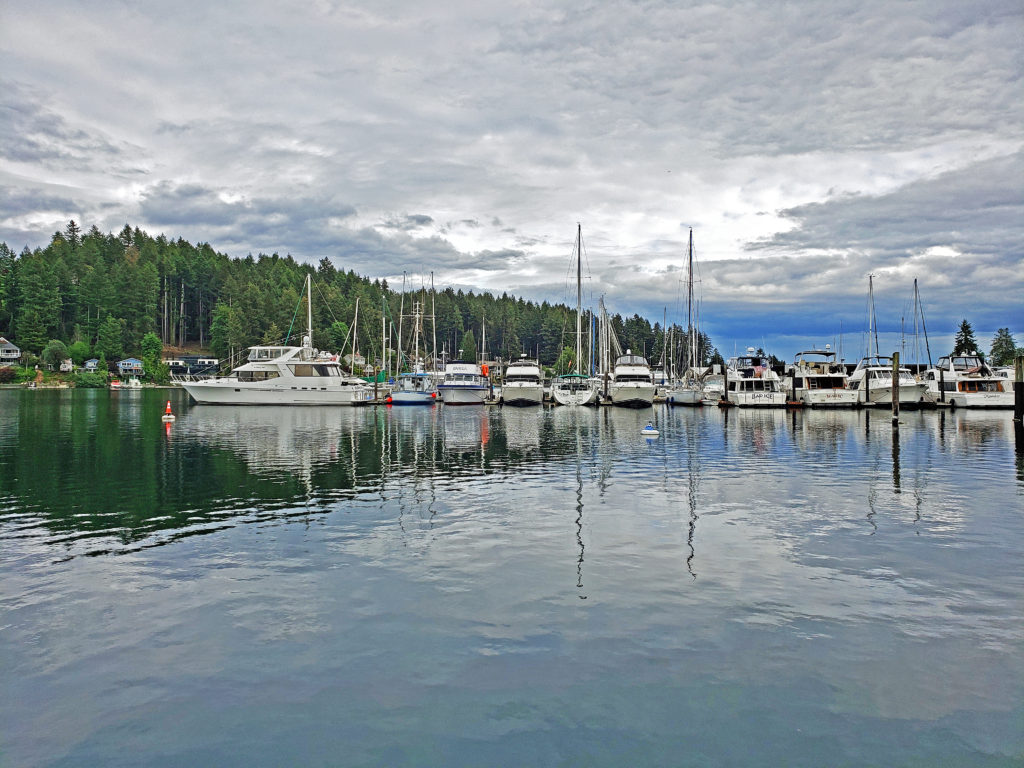
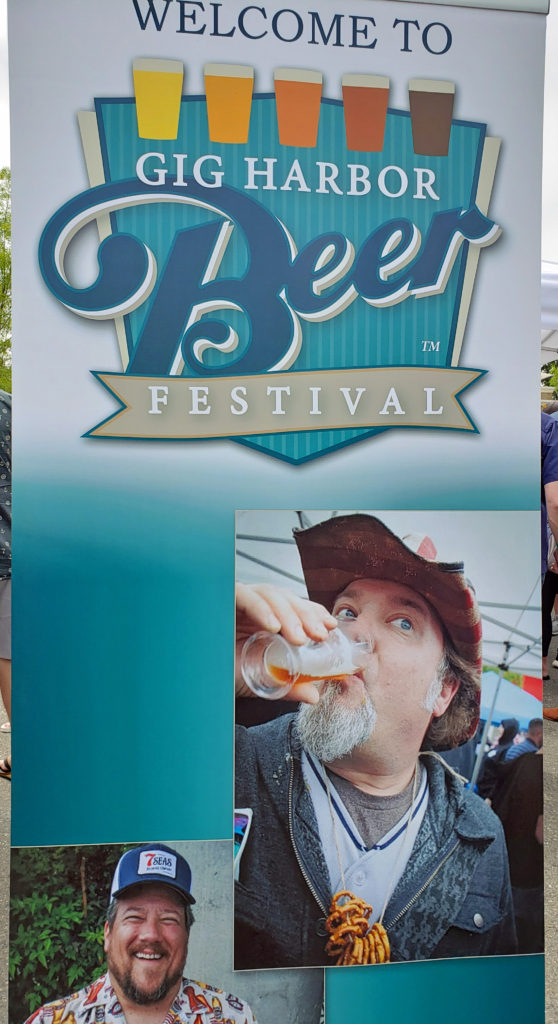 My wife and I timed our first visit to coincide with the Gig Harbor Beer Festival. We’re from Beervana (also known as Portland), after all, and we frequently seek out new opportunities to sample craft beers that we’ve not tried before. Gig Harbor has four craft breweries: Gig Harbor Brewing, 7 Seas Brewing, Wet Coast Brewing, and Dunagan Brewing. We sampled beers from all but Dunagan at the beer festival, and we both found a number of beers to our liking, even though we have very different tastes in beer. We’ve attended the festival (now called the Gig Harbor Beer and Cider Festival) several more times since that first visit. Gig Harbor Brewing and 7 Seas Brewing have taprooms located on the waterfront in Gig Harbor. Wet Coast has a taproom just off Hwy 16 in the newer part of Gig Harbor. And Dunagan’s Irish Pub and Brewery is located about a mile south of Wet Coast, also just off Hwy 16. Of the four, only Dunagan’s serves food. If you want to eat as well as drink, try the Tides Tavern or one of the other establishments listed in the Gig Harbor Guide.
 One restaurant that you should not miss is