by Alan K. Lee
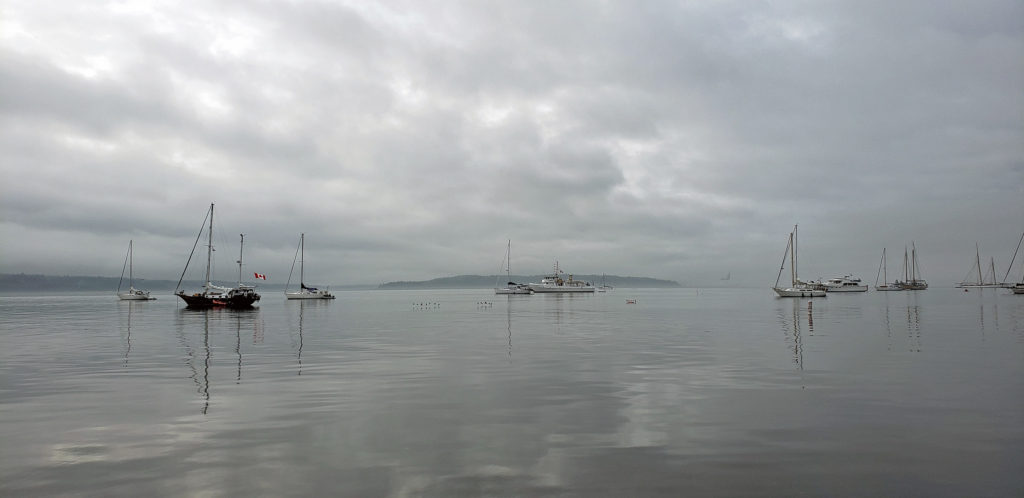
Port Townsend has long been one of my favorite towns in the Pacific Northwest. Port Townsend has it all – a beautiful setting on Puget Sound, some of the best preserved Victorian homes and buildings in the Northwest, an active maritime and boat building industry, a thriving arts community, fine food and drink, and a friendly populace.
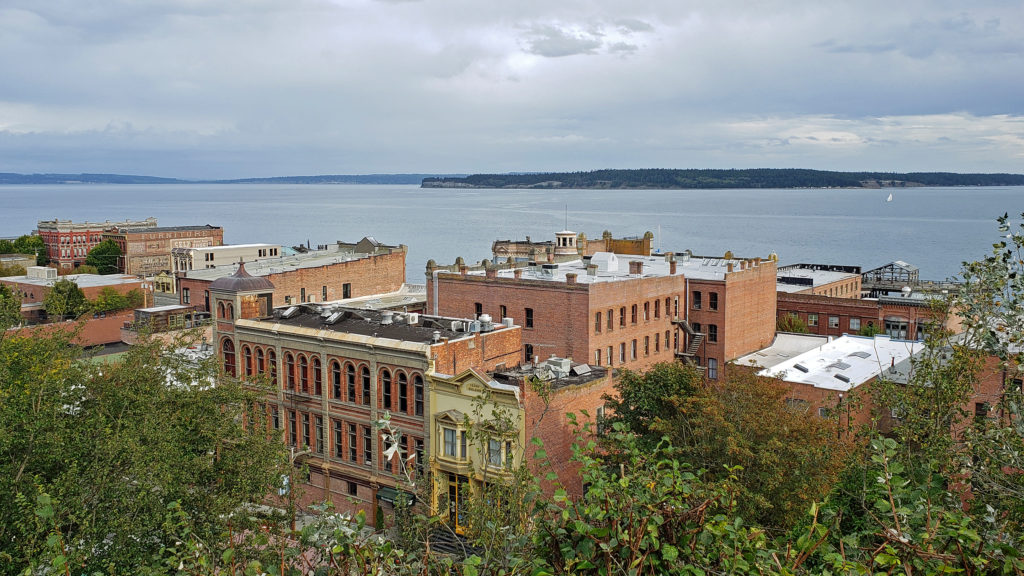
Port Townsend bills itself as a “Victorian Seaport and Arts Community.” The town never became the major seaport that its early promoters envisioned it becoming, but the Victorian character of the town has been well preserved, and the arts community is thriving.
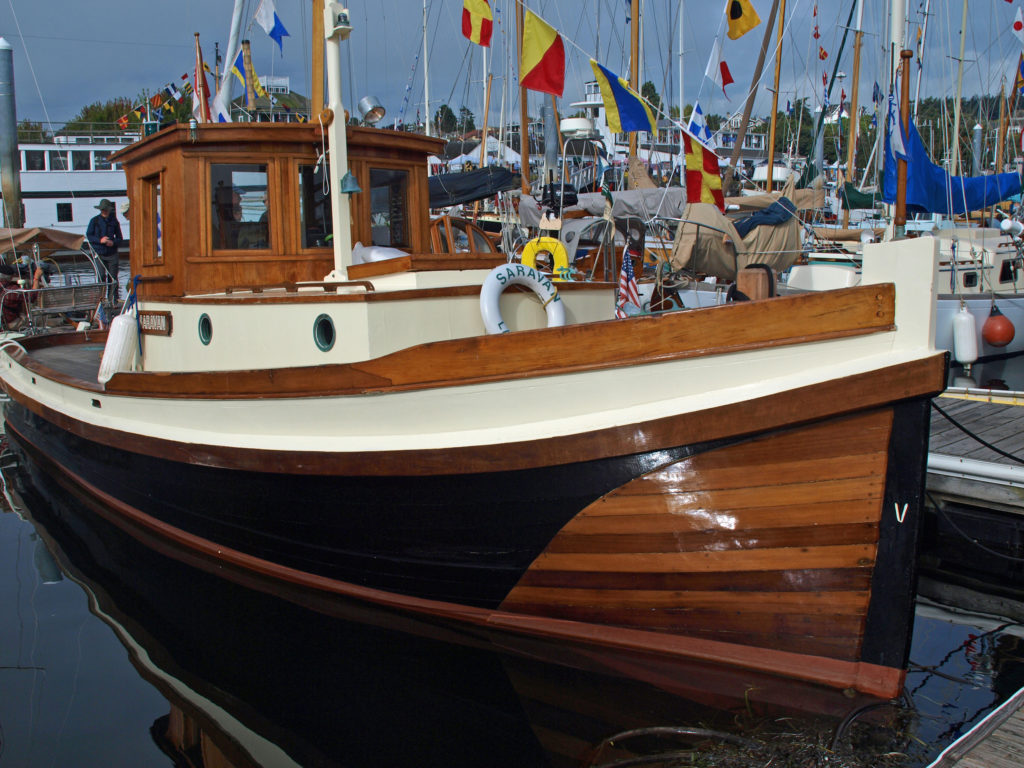
Although Port Townsend is no longer a player in the shipping industry, sailing and the marine trades, and maritime life are ingrained in the town’s culture. The hugely popular Wooden Boat Festival grew out of the revival of interest in wooden boats that began in the 1970s. The festival led to the creation of the Northwest Maritime Center, located in Port Townsend’s historic downtown. Today, the center conducts classes in sailing, maritime skills, and the traditions of maritime life.
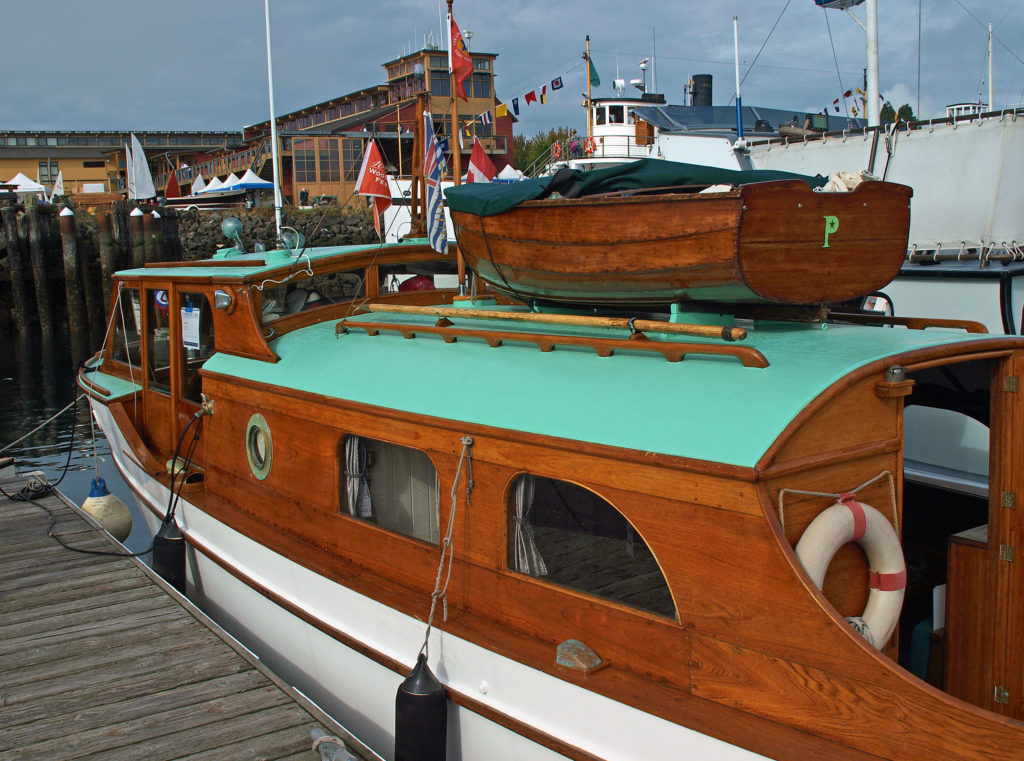
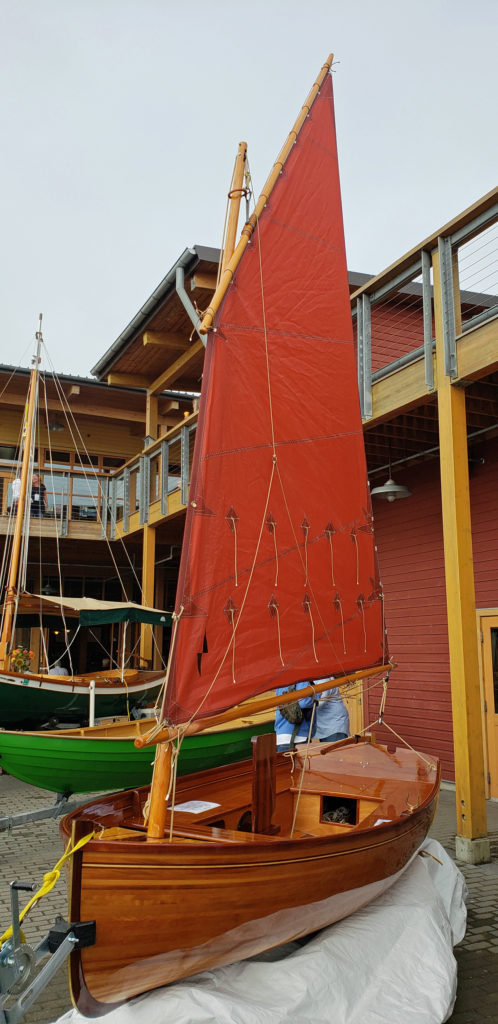 Wooden sailing ships were key to the town’s early economy and history, and the boatbuilding and woodworking crafts live on in Port Townsend. The Northwest School of Wooden Boat Building in nearby Port Hadlock and the Port Townsend School of Woodworking help preserve and promote the skills that were so vital to the early history of Port Townsend.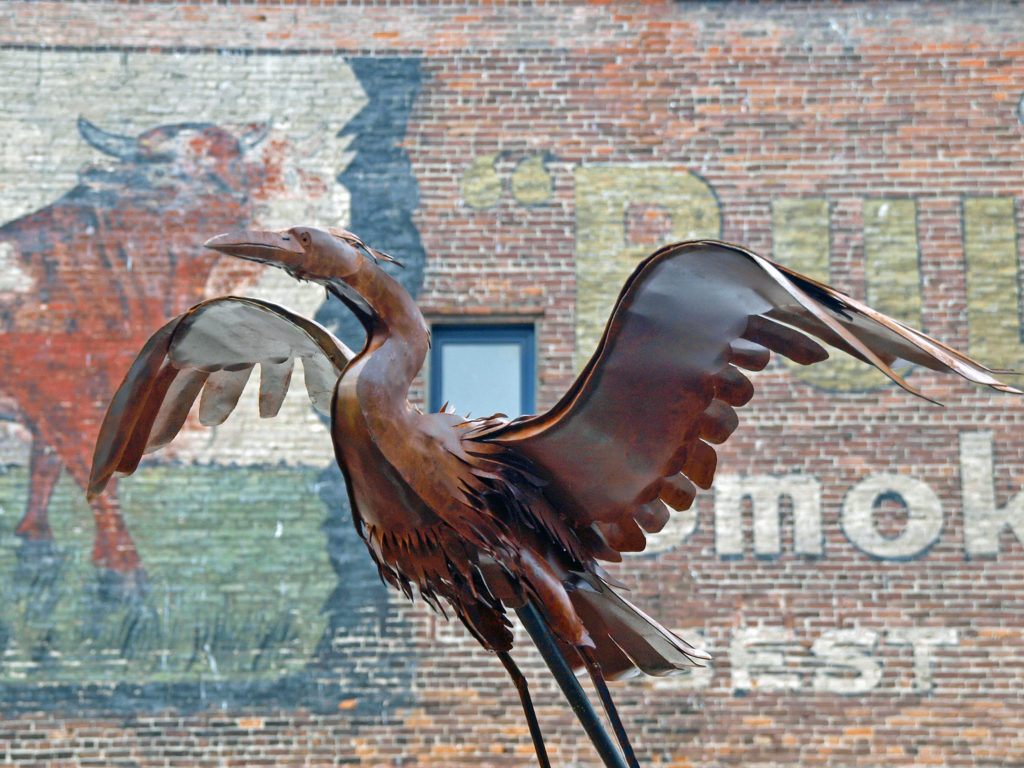
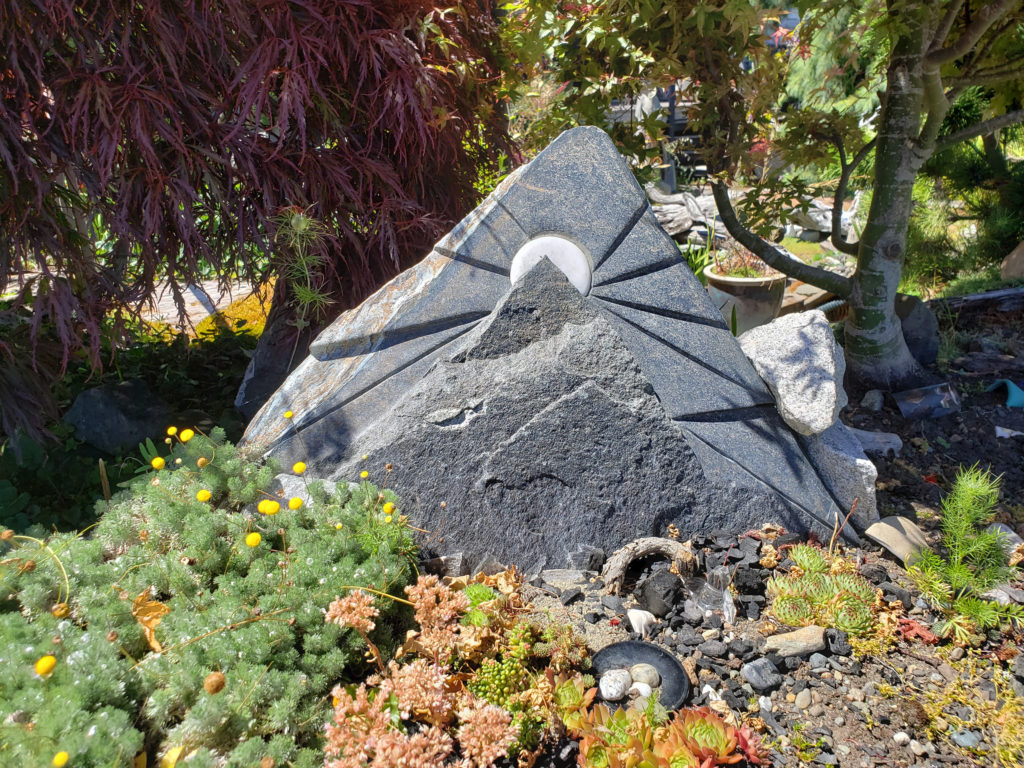
While its history is important to understanding Port Townsend, the town is anything but stuck in the past. Modern Port Townsend’s vibrant artists community is a reflection of the town’s modern aesthetic. You’ll find outdoor sculptures scattered throughout the town, and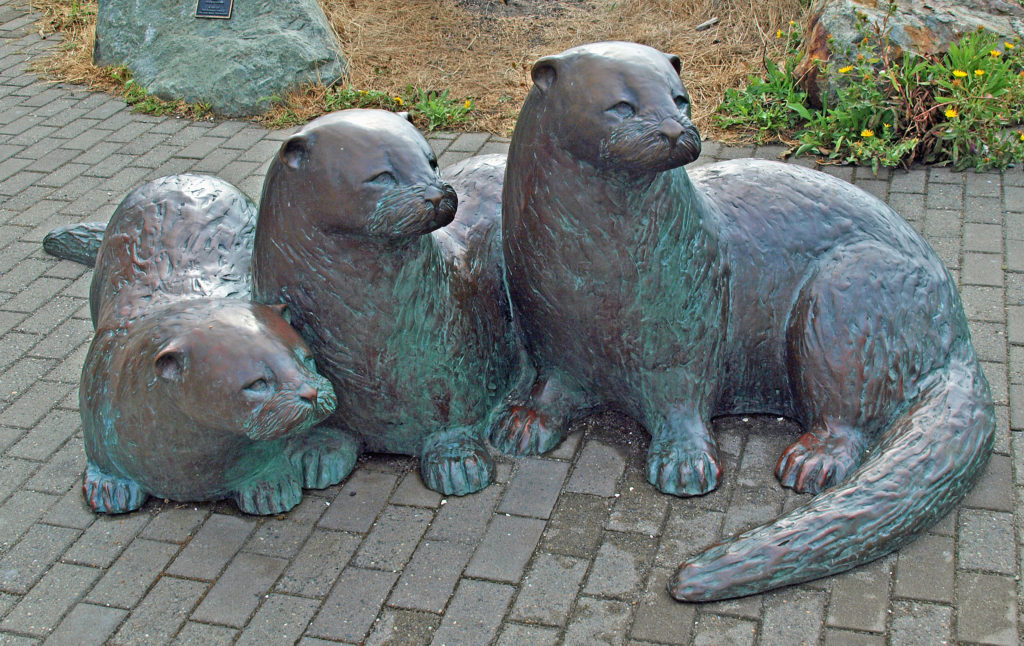 more than a dozen fine art and craft galleries can be found in the historic waterfront section of town.
A variety of festivals throughout the year feature the performing arts. Music festivals include jazz and blues, ukulele and fiddle music, a classical concert series, and others, many presented by the Centrum Foundation. The annual Port Townsend Film Festival features more than 100 films presented in eight venues. The Key City Public Theatre puts on a Shakespeare In the Park series every August. The plays are presented on a “pay-what-you-wish” basis at Chetzemoka Park, on the waterfront a few blocks north of the historic district. And then there’s the steampunk lunacy of the more or less impossible to describe Brass Screw Consortium (aka Brass Screw Confederacy).
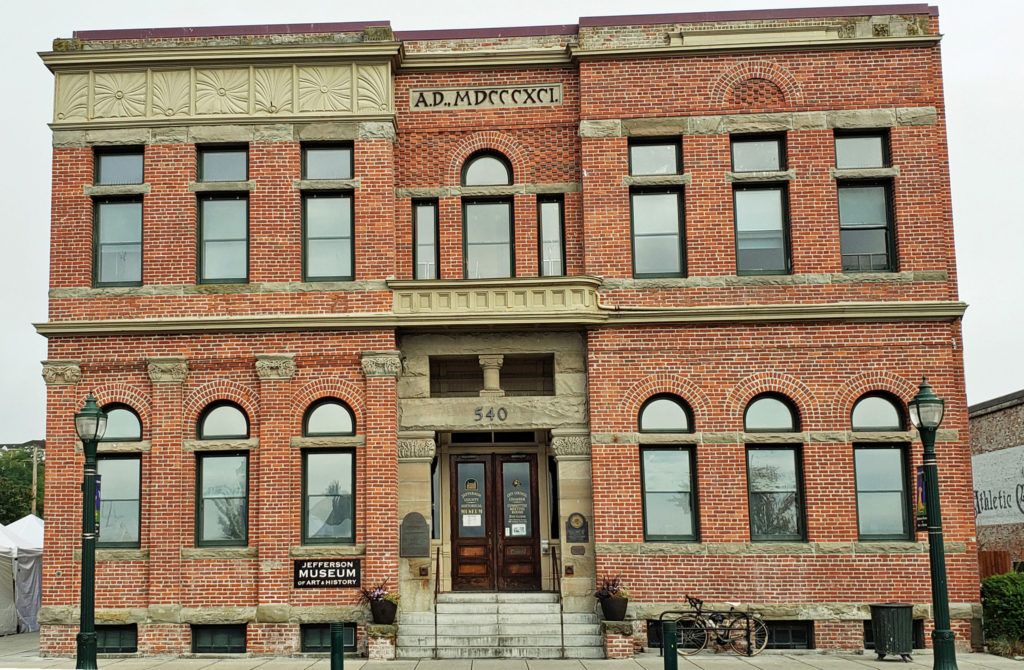
If you want to really understand what Port Townsend is all about, you need to delve into the town’s history, explore the town’s maritime heritage, and sample the town’s artistic leanings. A good place to start is the Jefferson Museum of Art and History in the 1892 City Hall building in the historic downtown area along the waterfront.
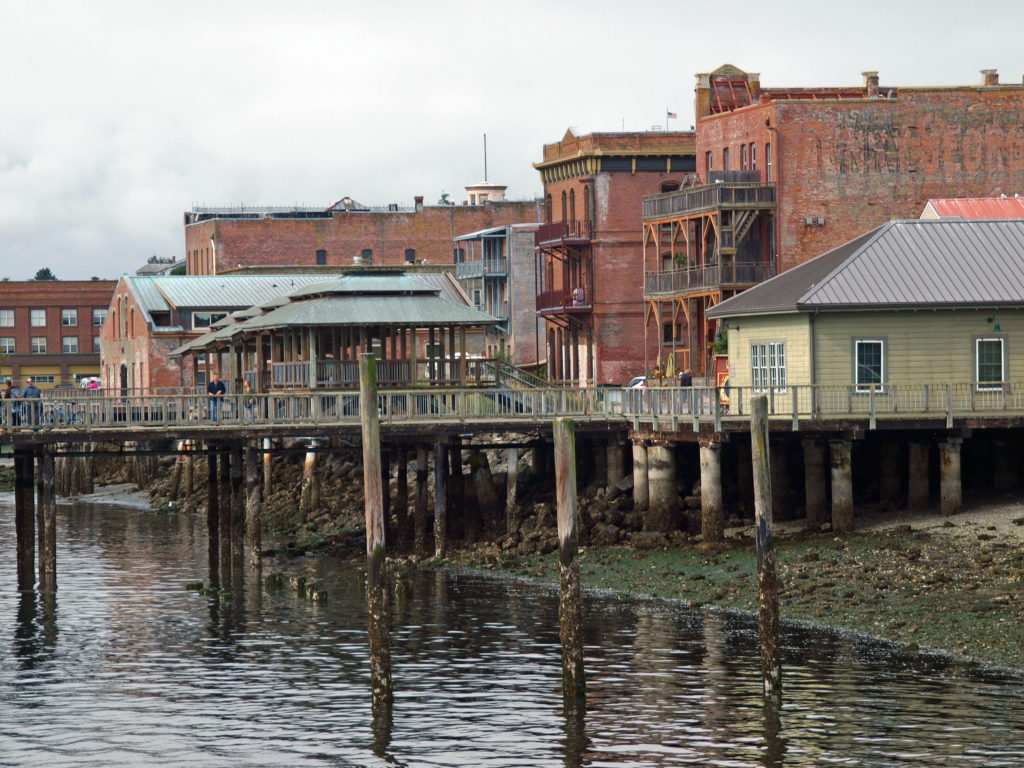
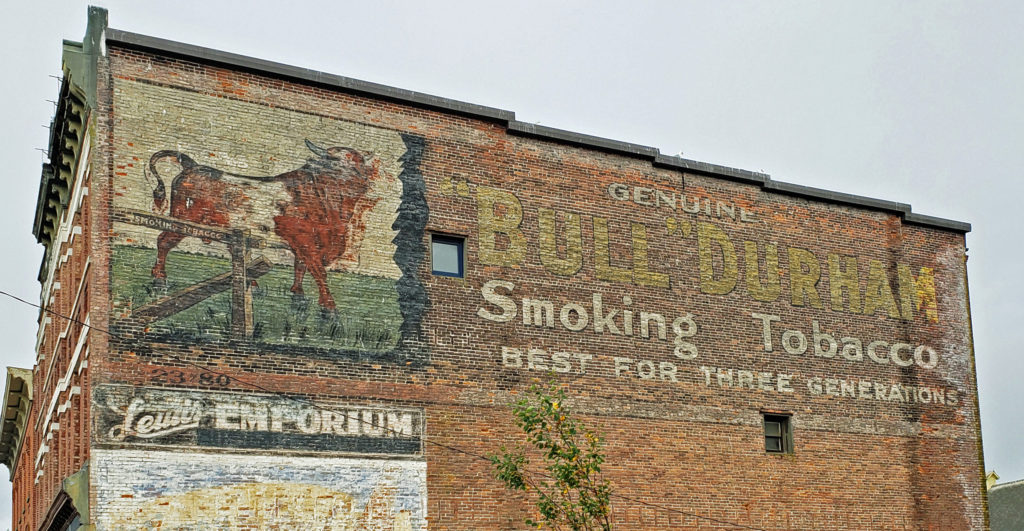
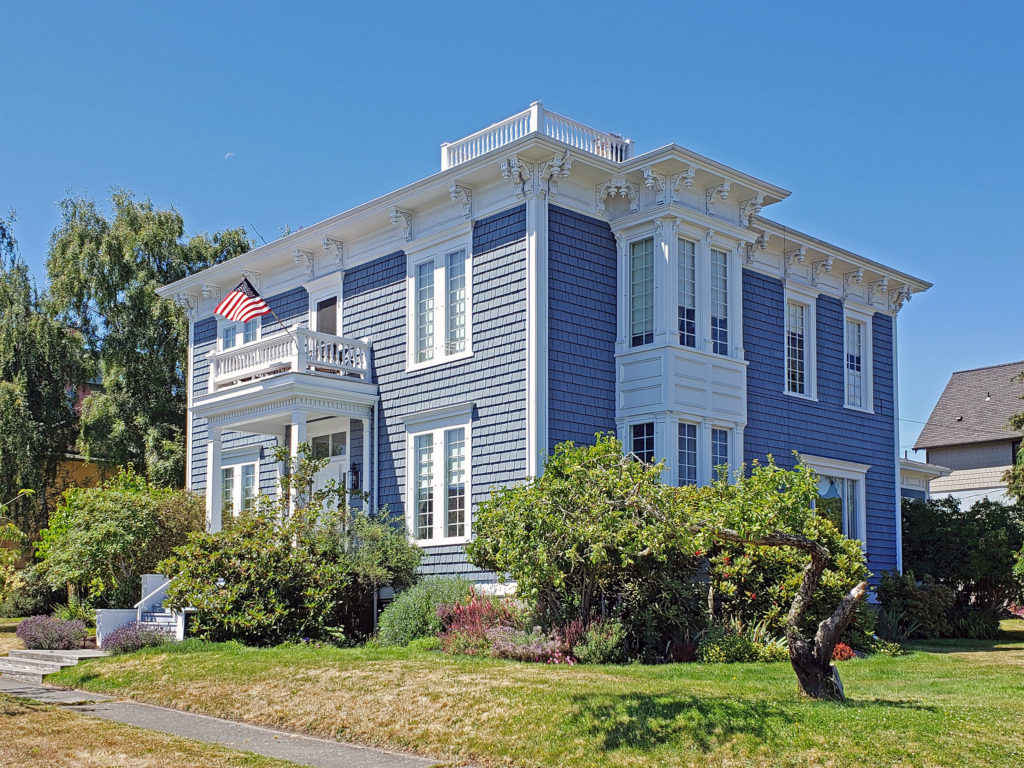 Take a walk along Water Street. It’s not hard to imagine what the town was like 130 years ago because most of the buildings you see today date from that period. Venture up to the bluff above the waterfront and you’ll find many Victorian era homes, most of which have been well preserved or restored. If you visit in the summer months you can tour the Rothschild House, which was built in 1868 and has been preserved intact for more than a hundred years.
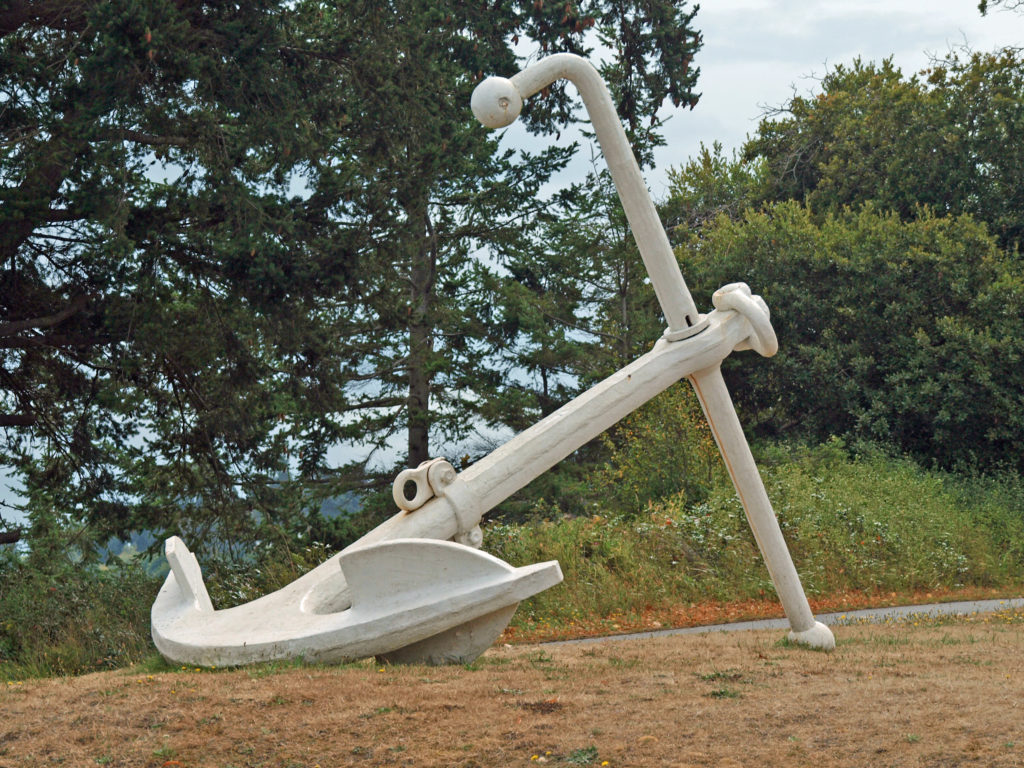
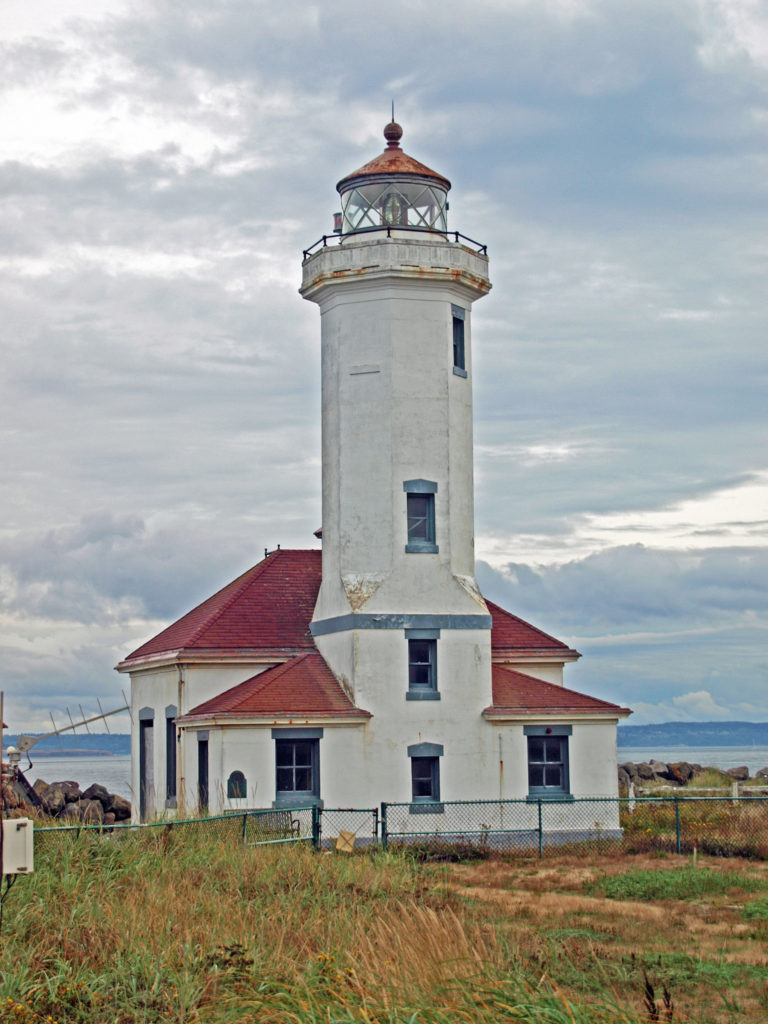
Visit Fort Worden State Park. Most of the fort’s original buildings have been preserved, some as museum pieces, such as the Commanding Officer’s Quarters Museum, and some repurposed to meet today’s changed lifestyle, like the Taps at the Guardhouse pub. Visit Point Hudson Lighthouse and the aquarium at the Marine Science Center on the waterfront at Fort Worden.
The history of the area predates European settlement, of course, and you can learn a little of that through the 18 interpretive signs that describe aspects of the S’Klallam tribe’s history and culture along the číčməhán trail. číčməhán (pronounced cheech-ma-han) was a S’Klallam chief known to the European settlers as Chetzemoka. The trail consists of walking, cycling, and driving routes around the town connecting the 18 signs.
 Even if you’re not interested in the town’s history, its maritime traditions, or the arts, Port Townsend is still worth visiting, if only to take in its beautiful setting and indulge in its food and drink scene.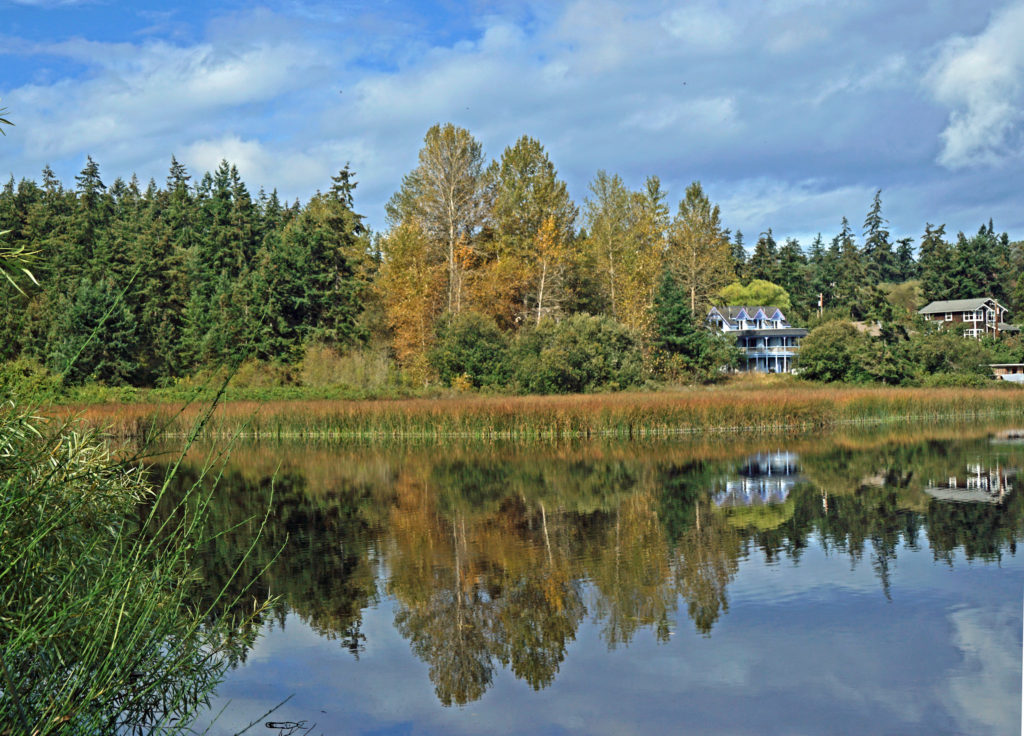
Explore the waterfront, but venture inland as well. Take a walk around the Kah Tai Lagoon Nature Park, about a mile west of the historic district. And visit the Chinese Gardens west of Fort Worden. The trail along the lake there, and the connecting trails through the hills of Fort Worden State Park are very much worth hiking. (When we first visited, I was thinking the Chinese Gardens would be like the formal Lan Su Garden in Portland. But in this case the name refers to the 19th Century Chinese immigrants’ vegetable gardens, which, of course, no longer exist).
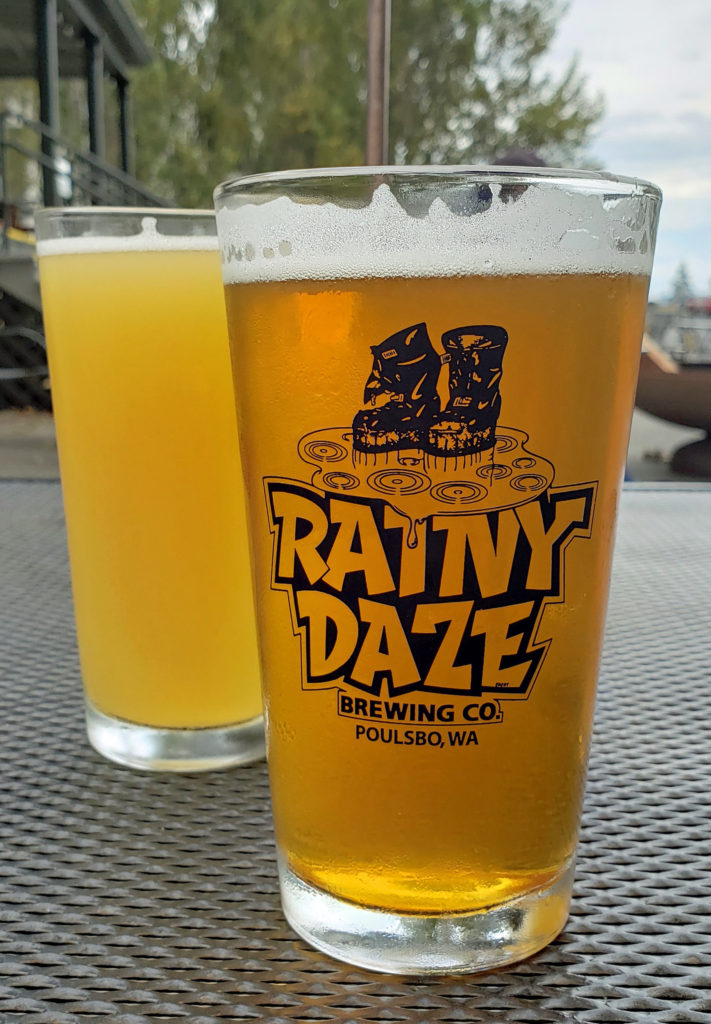 When you’re done with your hike, check to see if Taps at the Guardhouse in Fort Worden is open (it was closed in 2022) to quench your thirst with a good craft brew. Back in the historic district, I highly recommend that you visit Sirens. The atmosphere is casual and relaxed, and they have a good selection of craft beers, cocktails, specialty drinks, and wines. But the surprise for me was the food. The jambalaya that I had may not have been authentic Cajun fare, but it was one of the best meals I’ve had in a recent memory. Not your typical pub food by a long ways.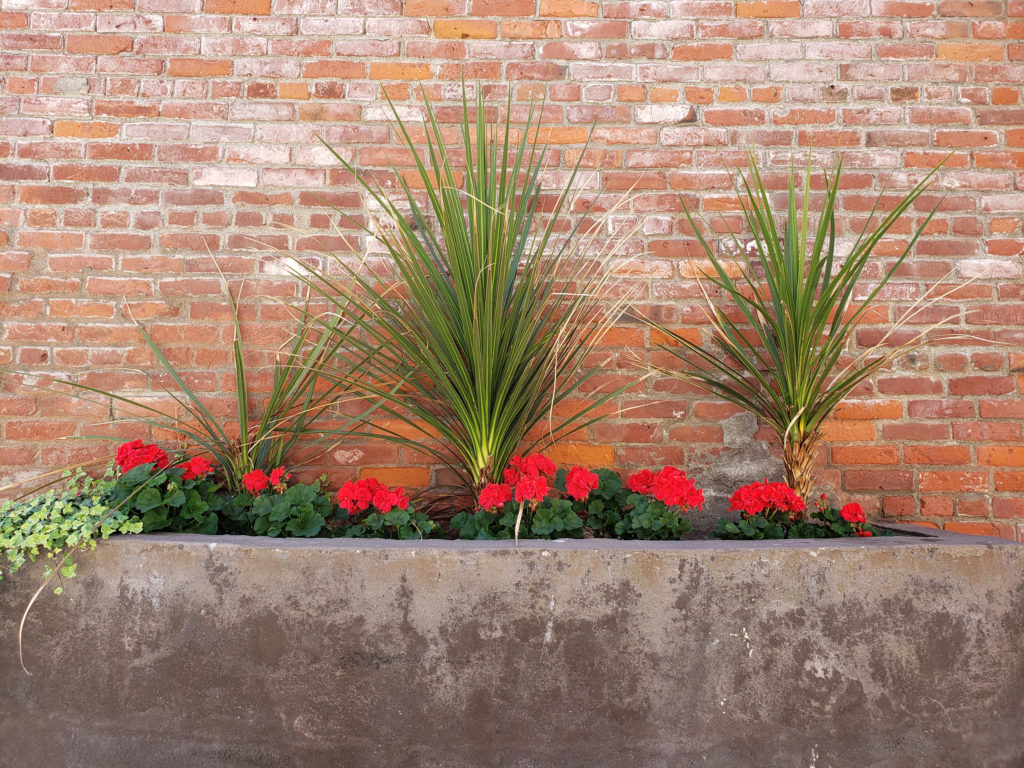
Other places to get a good beer include Quench Waterfront Kitchen and Bar, where you can get Hawaiian food as well as craft brews and cocktails. They also have a decent wine list. Also check out The Old Whiskey Mill in the historic district, and Propolis Brewing and the Pourhouse, both about a mile to the west. If you’re more interested in wine than beer, Vintage by Port Townsend Vineyards is a tasting room with an outdoor courtyard and some of the best wines around. Also try Alchemy Wine Bar. They have an extensive wine list and a bistro kitchen.
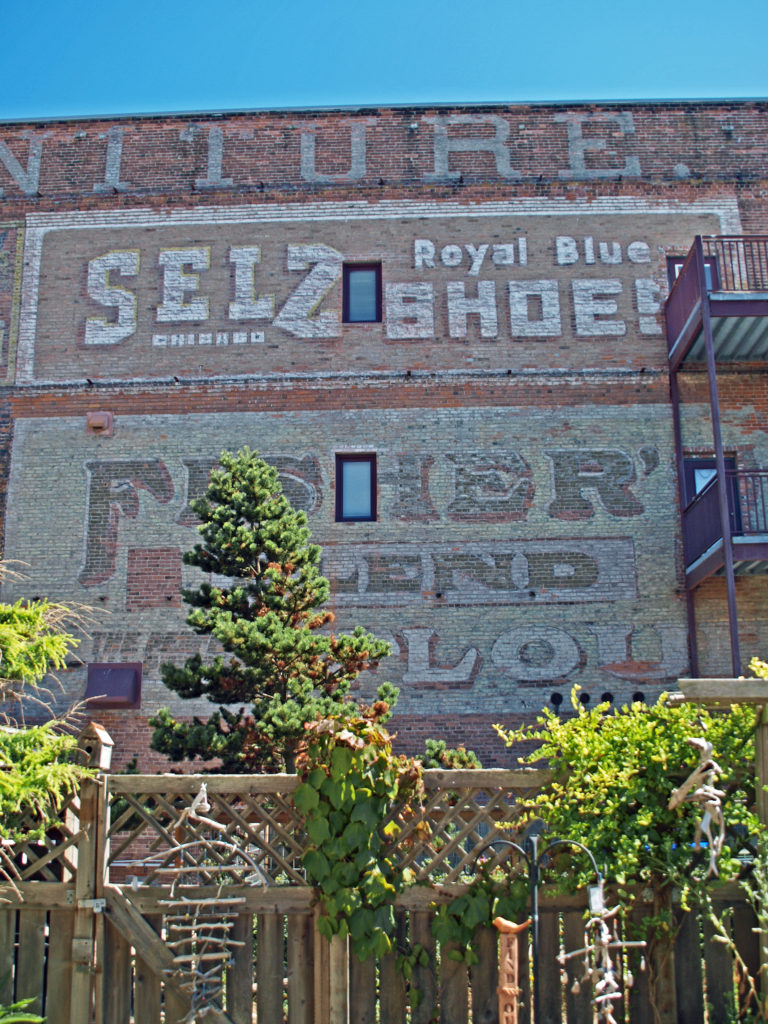 On the food side, Owl Spirit Cafe is a good place to grab a sandwich or burrito for lunch. If you have pizza in mind, try Waterfront Pizza. My go to spot for breakfast and lunch is Courtyard Cafe, on Quincy Street a block north of Water Street. A more upscale dining experience can be had at Silverwater Cafe at Taylor and Washington. There are many other places to eat and drink, too, of course. Check the Enjoy Port Townsend website for a more complete listing.
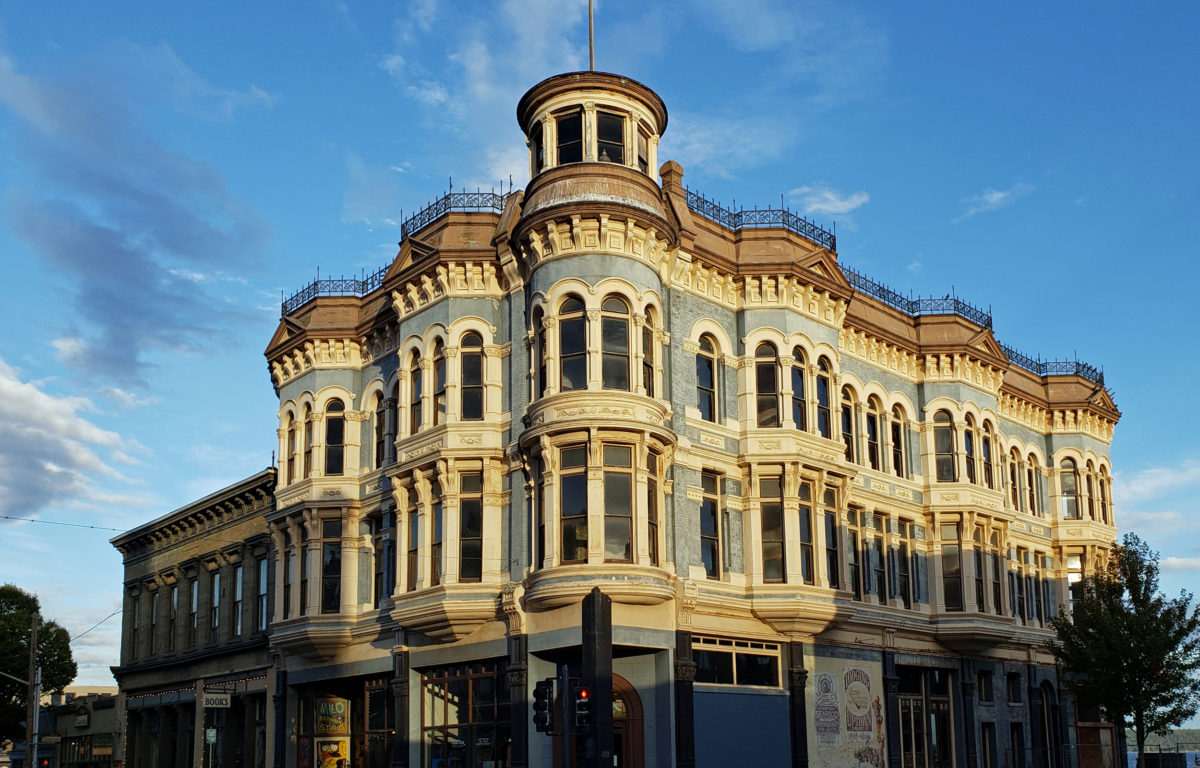
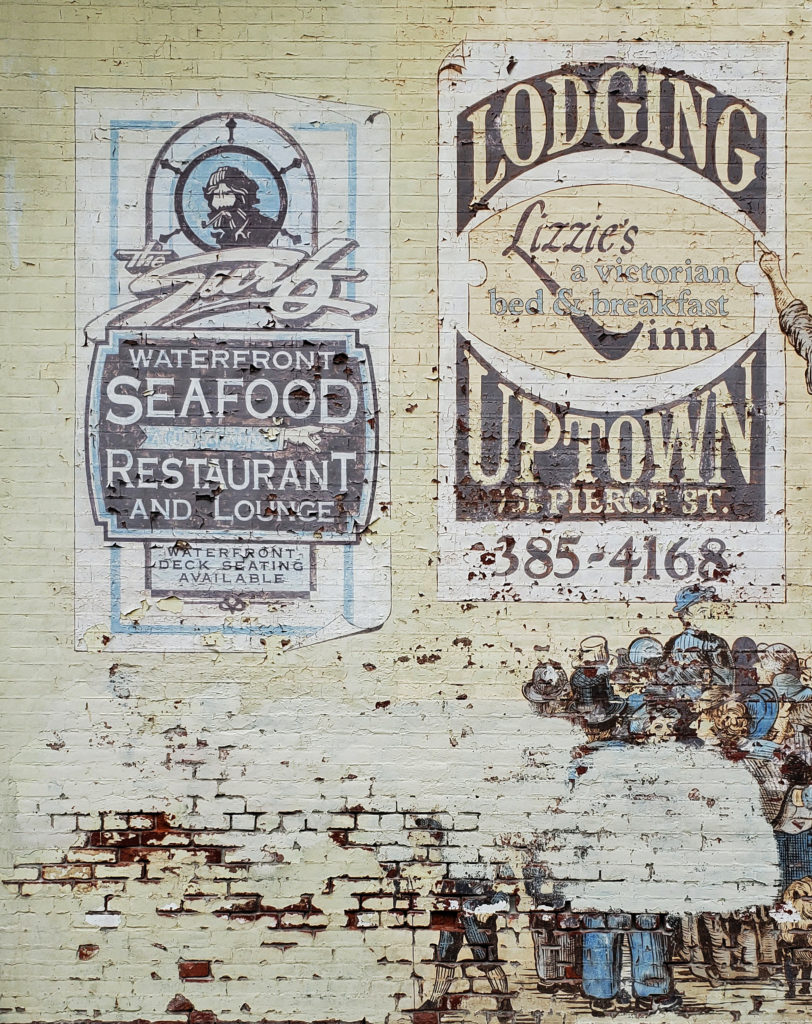 My wife and I stayed at the Water Street Hotel on our most recent visit, recently renamed the Monarch Hotel. Located in the ornate Victorian era N.D. Hill Building in the heart of the historic downtown area, the hotel features comfortable and nicely appointed rooms for a reasonable price. The N.D. Hill Building is listed in the National Register of Historic Places. There are a myriad of other places to stay in Port Townsend, of course, so check the Enjoy Port Townsend website (linked above) for more options. One note, though. If you’re planning to visit during the Wooden Boat Festival in September, book early. I wound up staying in Poulsbo after I made a late decision to attend the 40th annual festival in 2018 because there were no rooms available anywhere near Port Townsend. Poulsbo is a delightful town in its own right, though, so I was not unhappy about having to make the 30-mile drive to Port Townsend each day.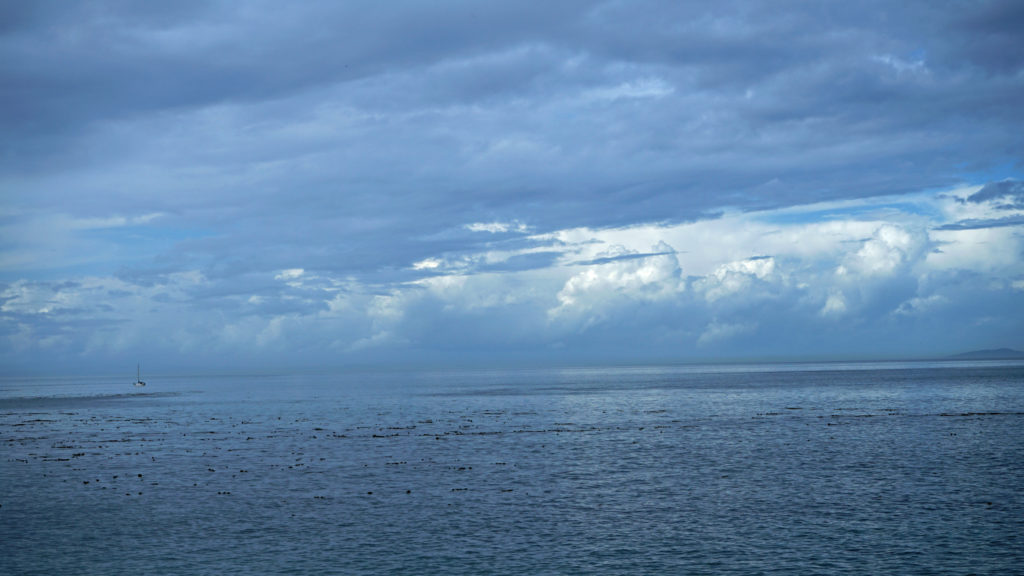
I’ve just scratched the surface of what Port Townsend has to offer. If you’ve never visited, I highly recommend that you go. I’m guessing that it won’t be your only visit.
 Originally posted November 20, 2020. Updated and re-posted January 12, 2023.
All photos © Alan K. Lee





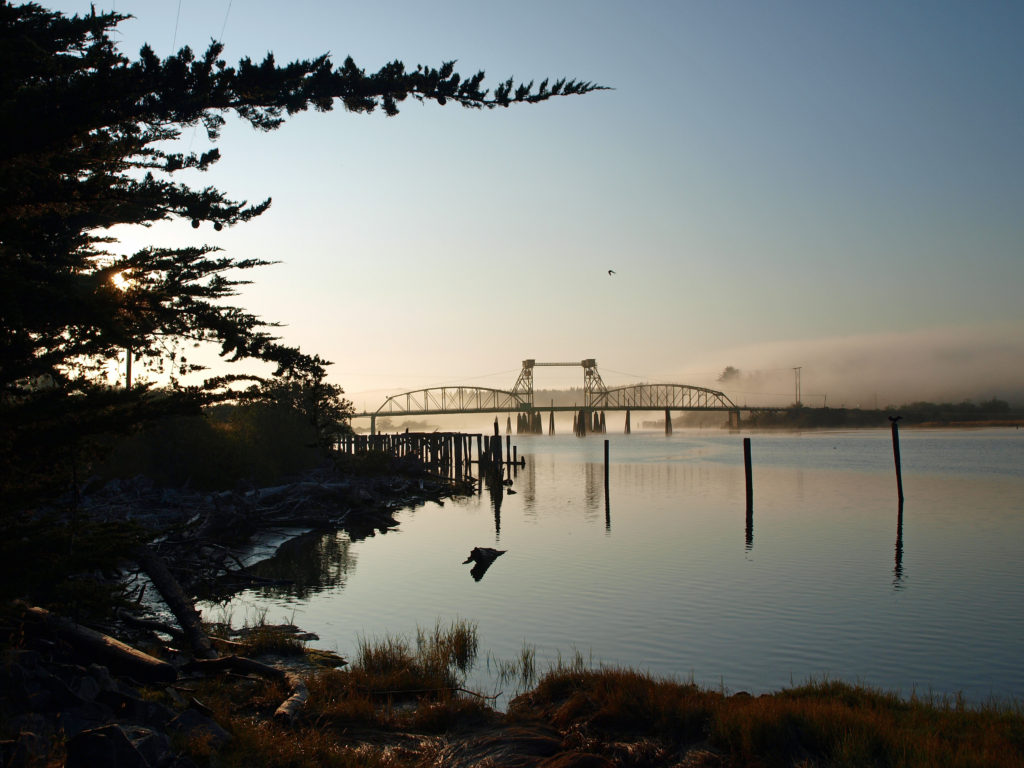
 One of the things Lord Bennett brought to Bandon from Ireland was gorse, a thorny, thick growing plant with bright yellow flowers. In Ireland it was used for privacy hedges and property boundaries because it is almost impenetrable. In Oregon it went wild and was one of the state’s first invasive plants. Besides being thick and thorny, it is also a very oily plant and burns readily. In 1936 a small forest fire started from a slash burn that got out of hand, spread to the gorse near the town, and then to the town itself, destroying all but 16 of the 500 structures in the town. The fire decimated the community and all but ended shipping to and from the harbor.
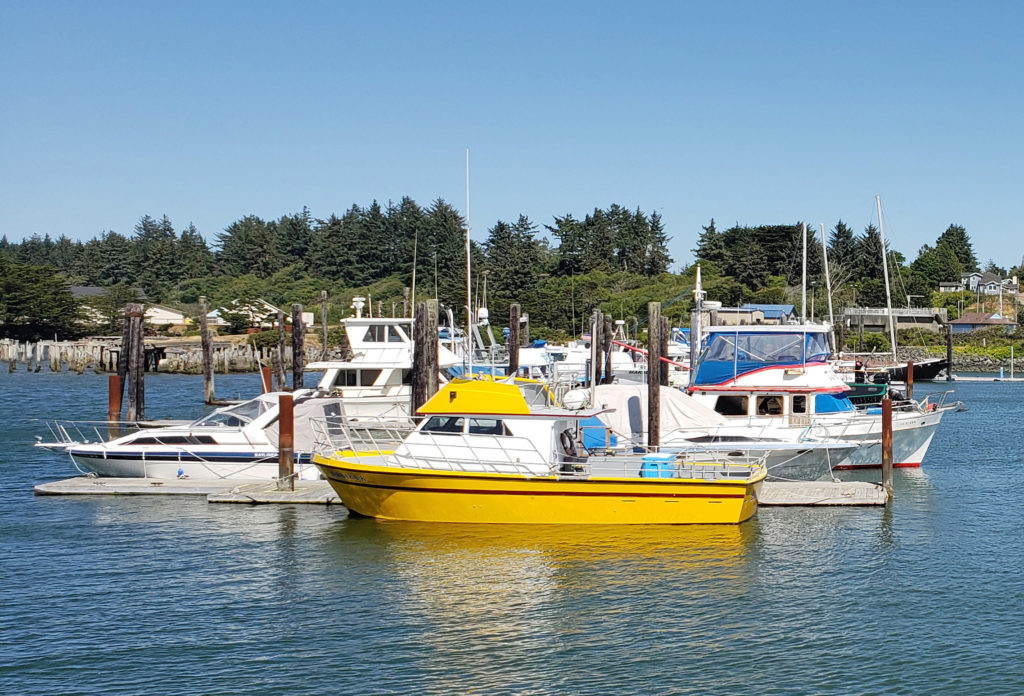 In my youth, Bandon was primarily a mill town, with fishing and agriculture secondary industries. Today, the lumber and plywood mills are long gone. There is still a small fishing fleet that operates out of the harbor, Bandon is still one of the leading cranberry producing areas of the country, and dairy farming is still an important component of the economy. But it is tourism that drives the economy today. The three main tourist draws are the beaches, Bandon Dunes Golf Resort, and the old town section of Bandon.
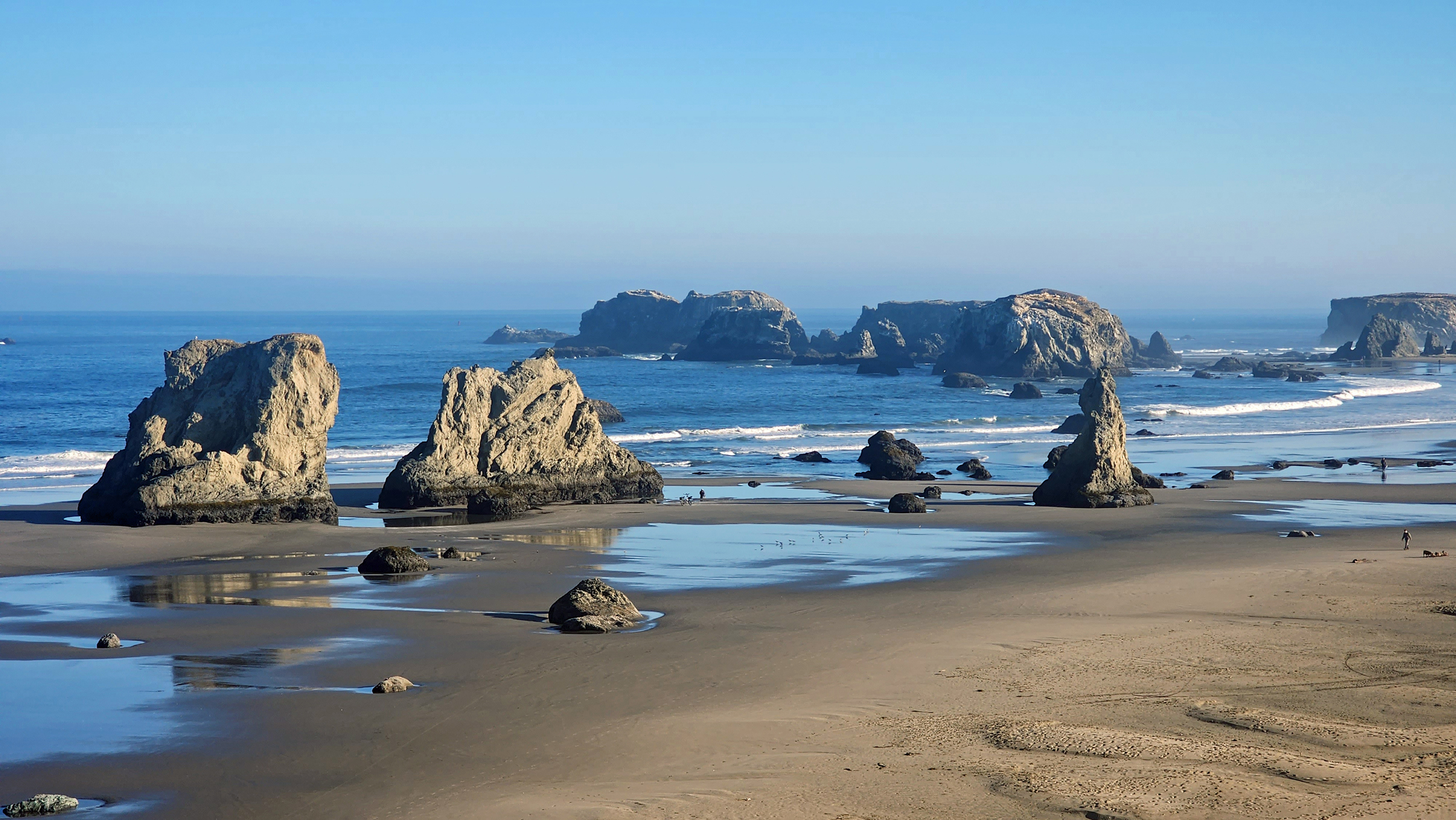
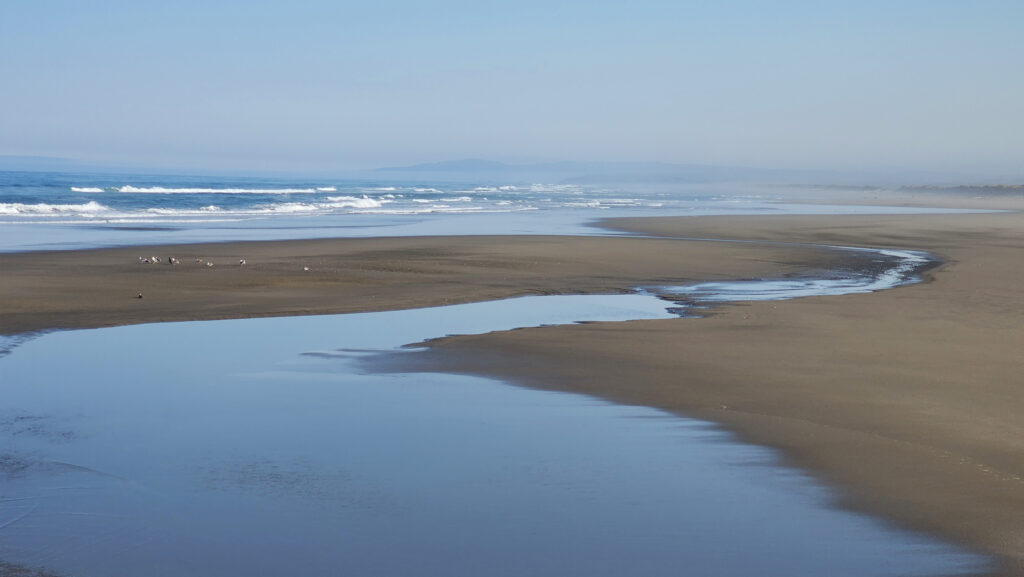 The Beaches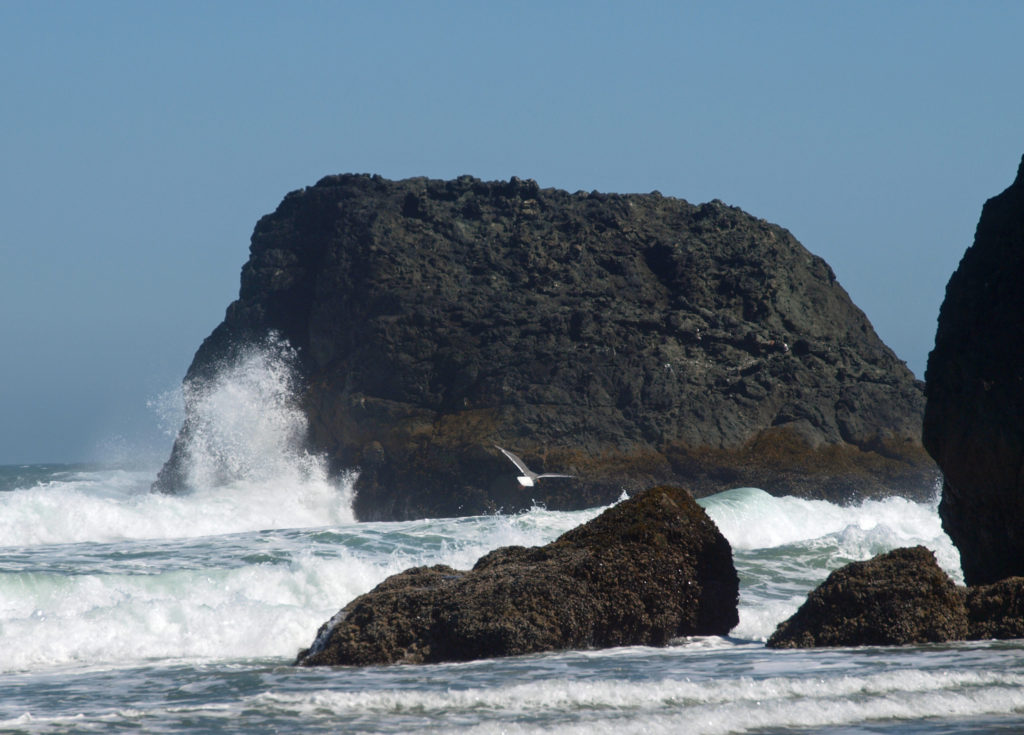
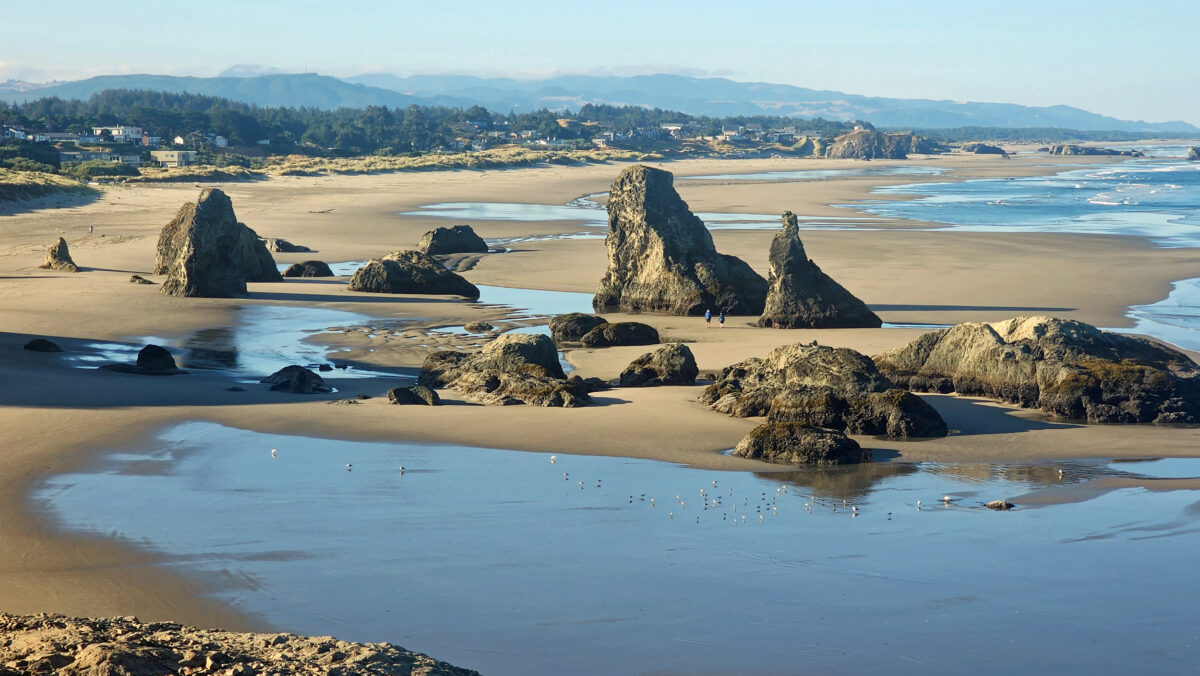
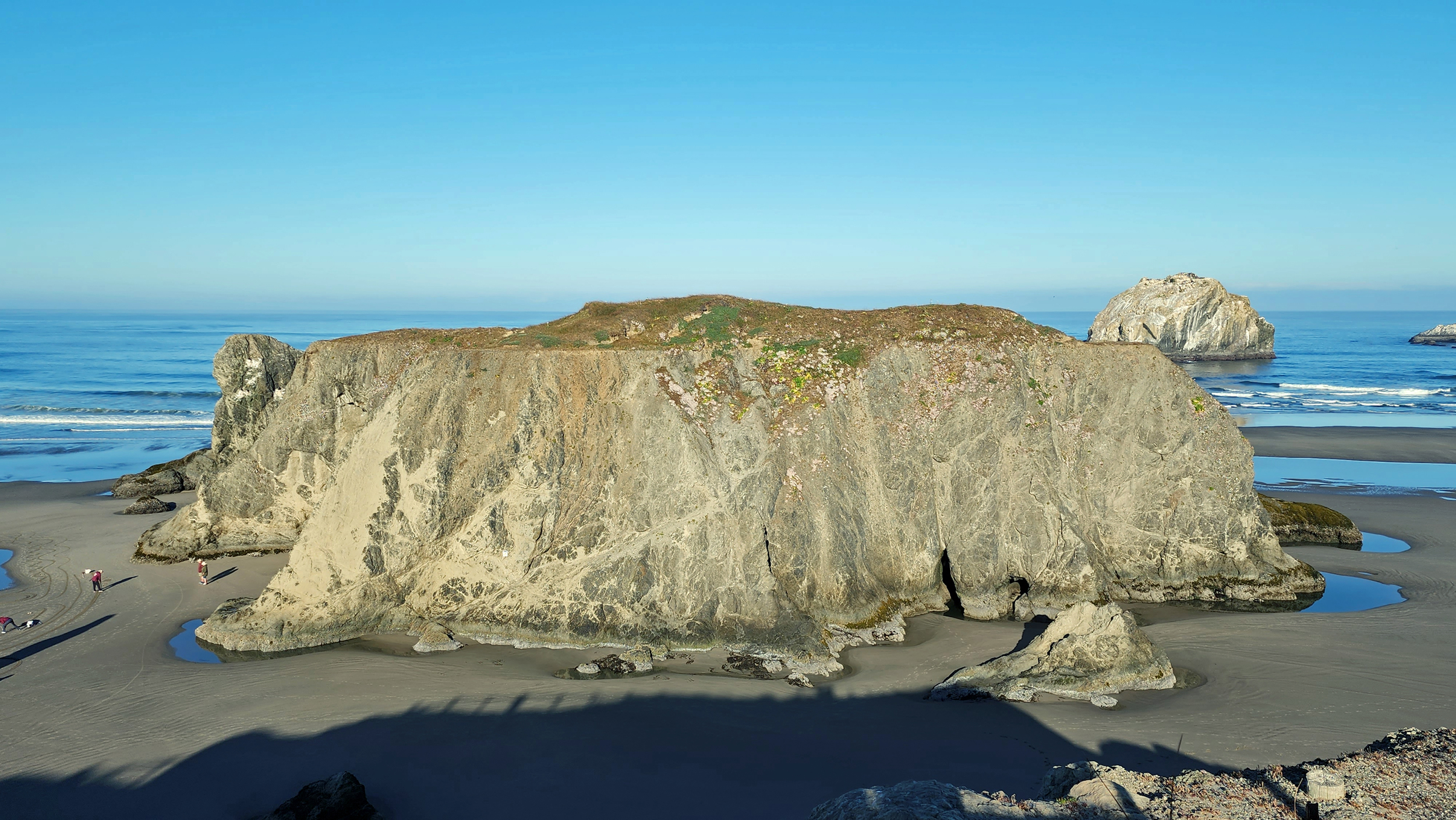
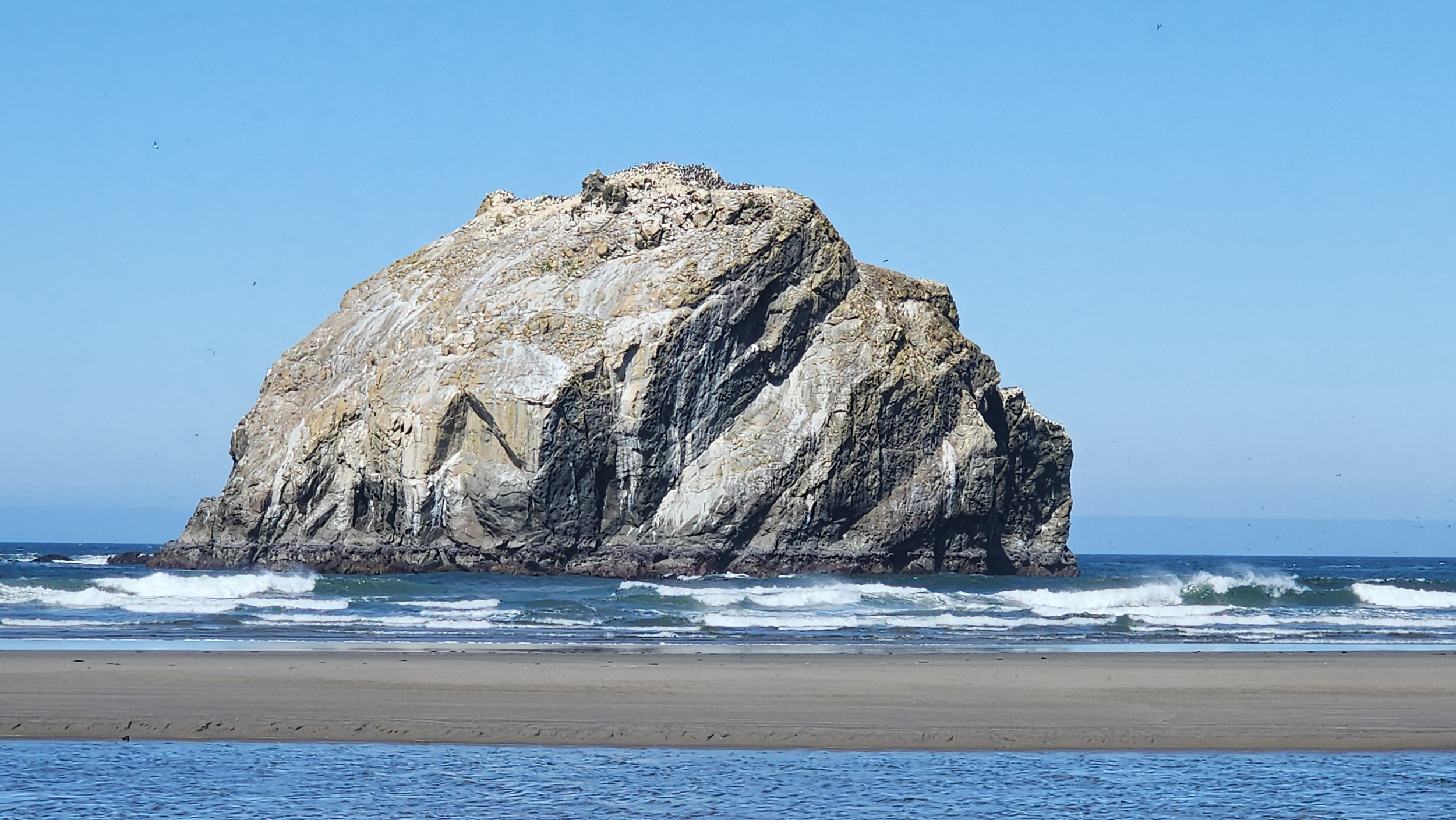
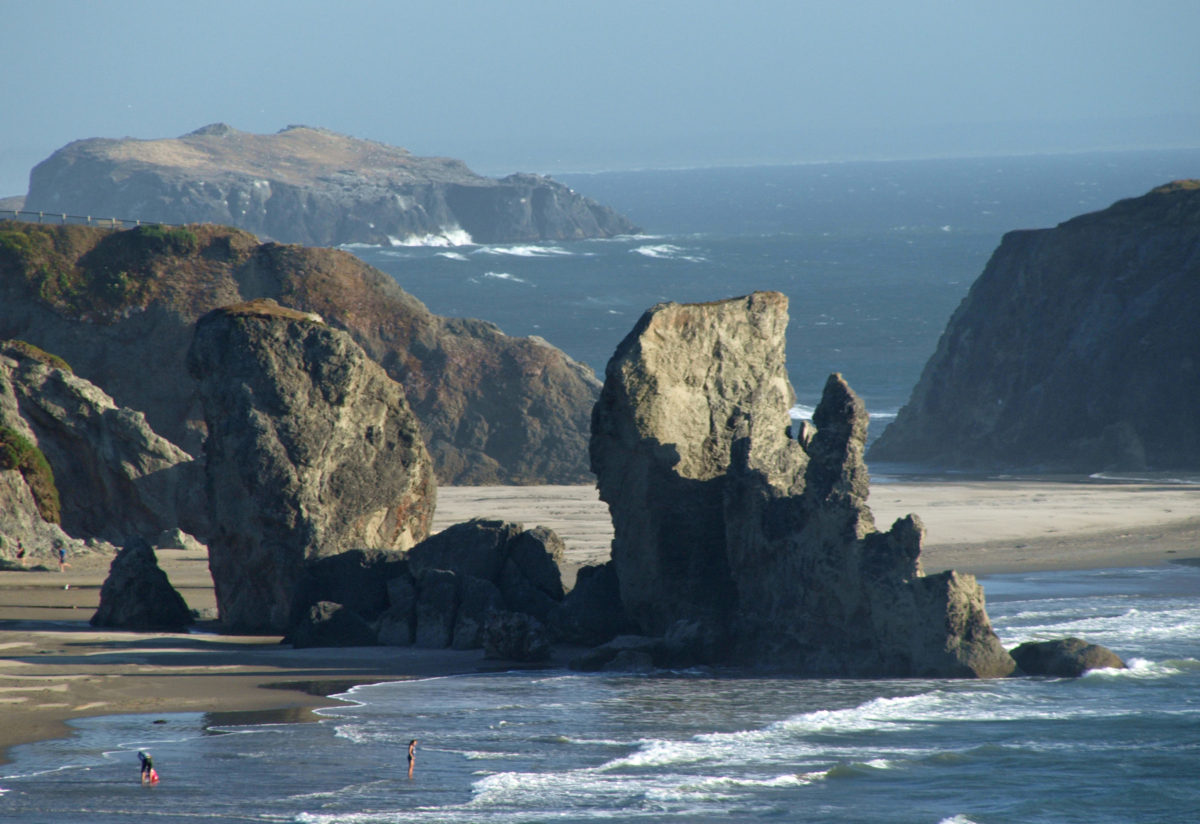
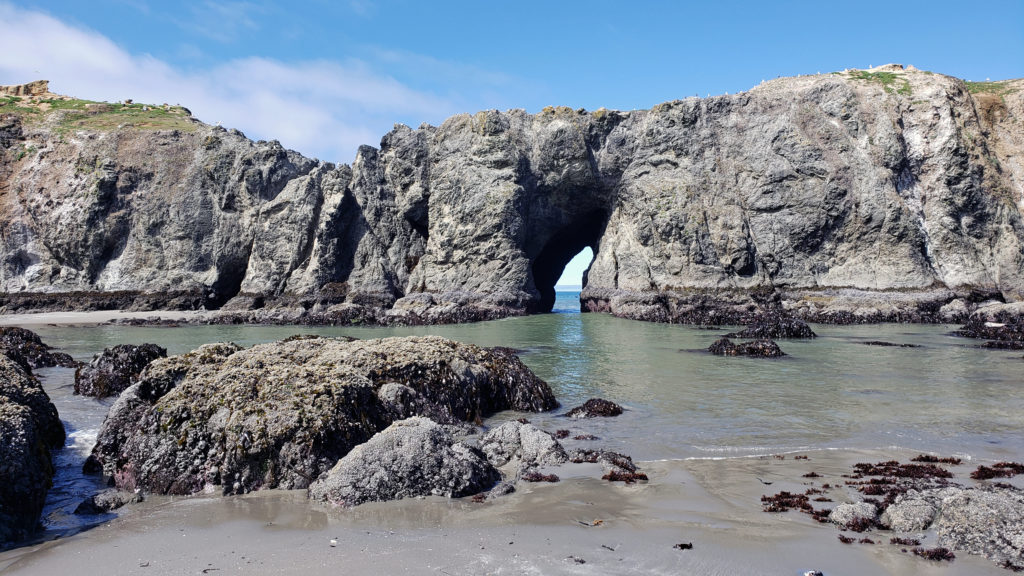 Access can be had from the south jetty area, from the wayside at the end of 11th Street, and from Face Rock State Scenic Viewpoint on the Beach Loop Road. Farther south on the Beach Loop Road are other beach access points at Devils Kitchen and Bandon State Natural Area.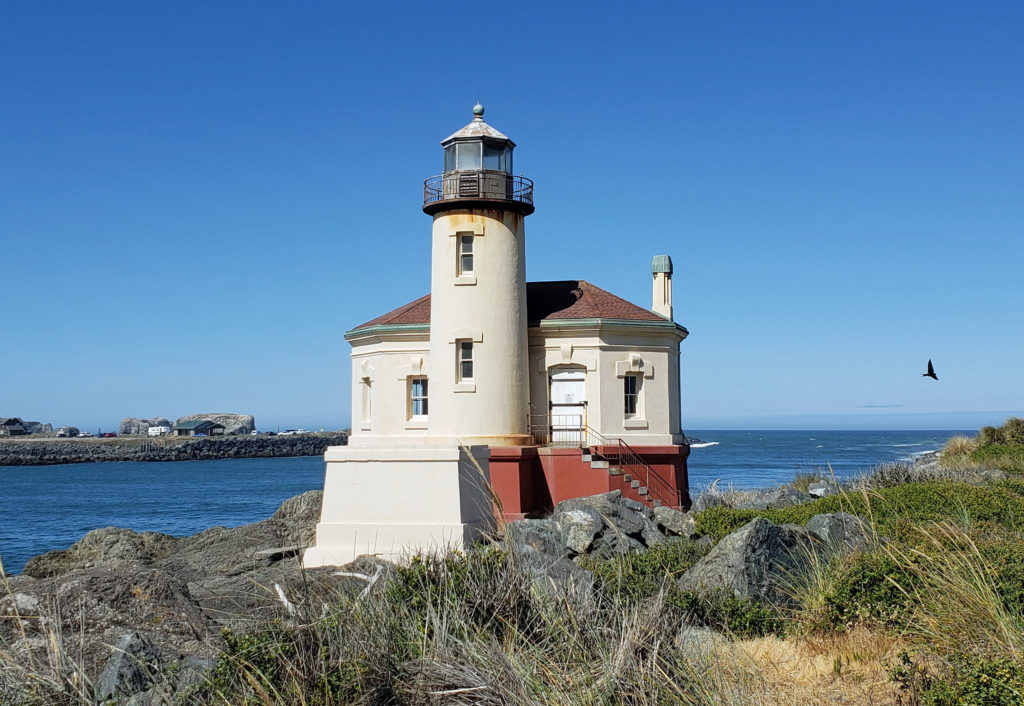
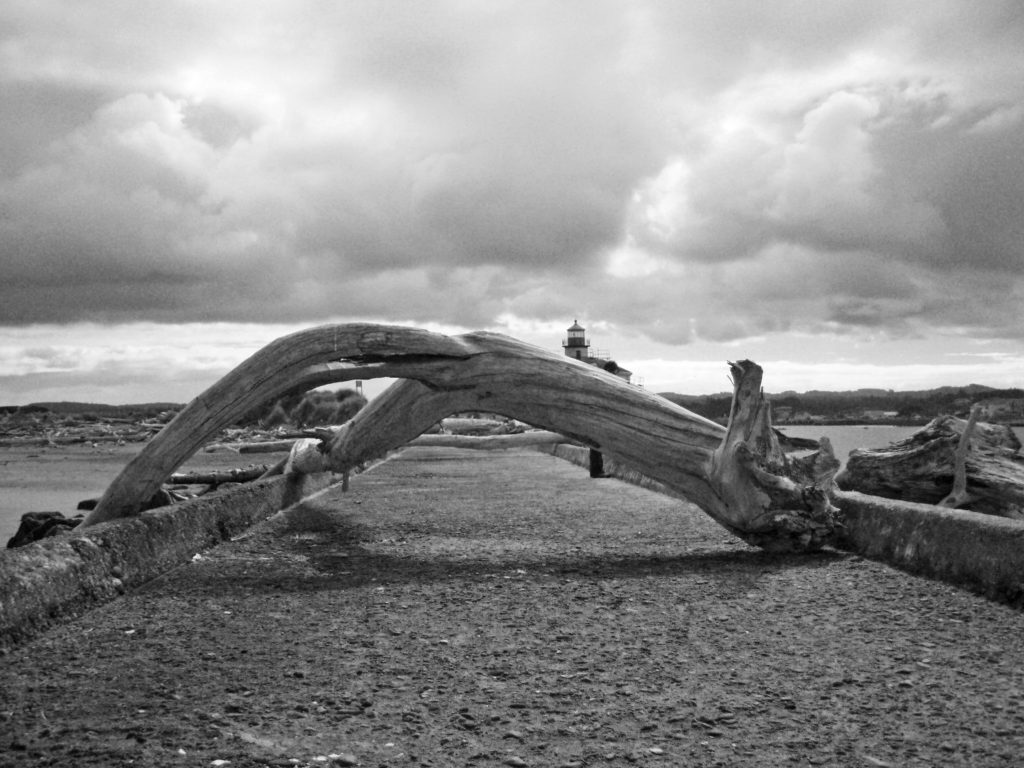
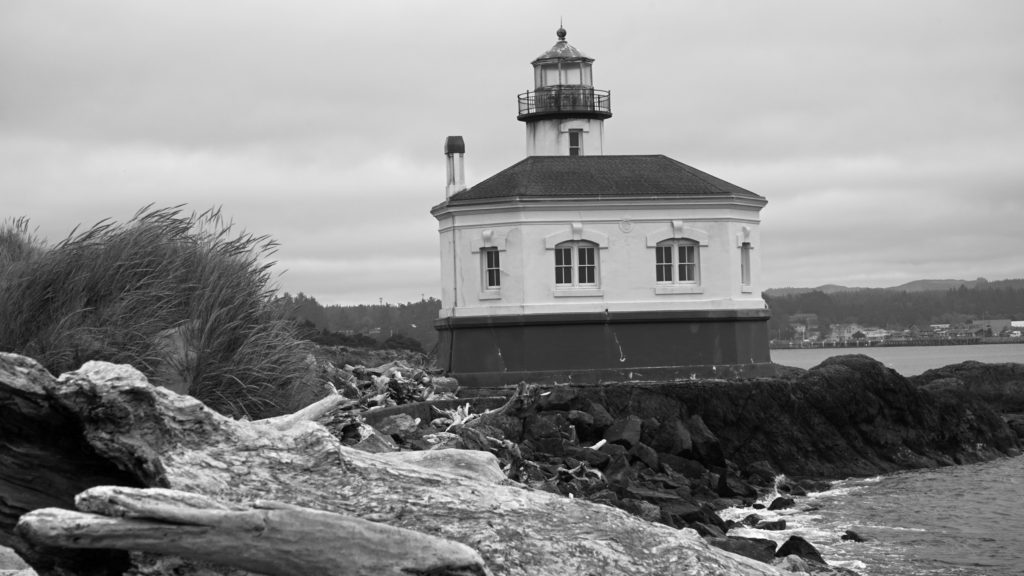 In 1939 the Coast Guard took over the lighthouse and deemed it unnecessary. The lighthouse was replaced by an automated light on the south jetty. The lighthouse sat abandoned for 24 years until it became part of the new Bullards Beach State Park in 1963. It was another 13 years before renovation of the lighthouse began, but it finally opened to the public in 1979. In 1991, during Bandon’s centennial celebration, a solar powered light was installed, ending the Coquille River Lighthouse’s 52 years of darkness. Further renovation of the lighthouse was done in 2007. The bottom floor of the lighthouse is staffed by volunteers and open to the public, but the tower and the light are not.
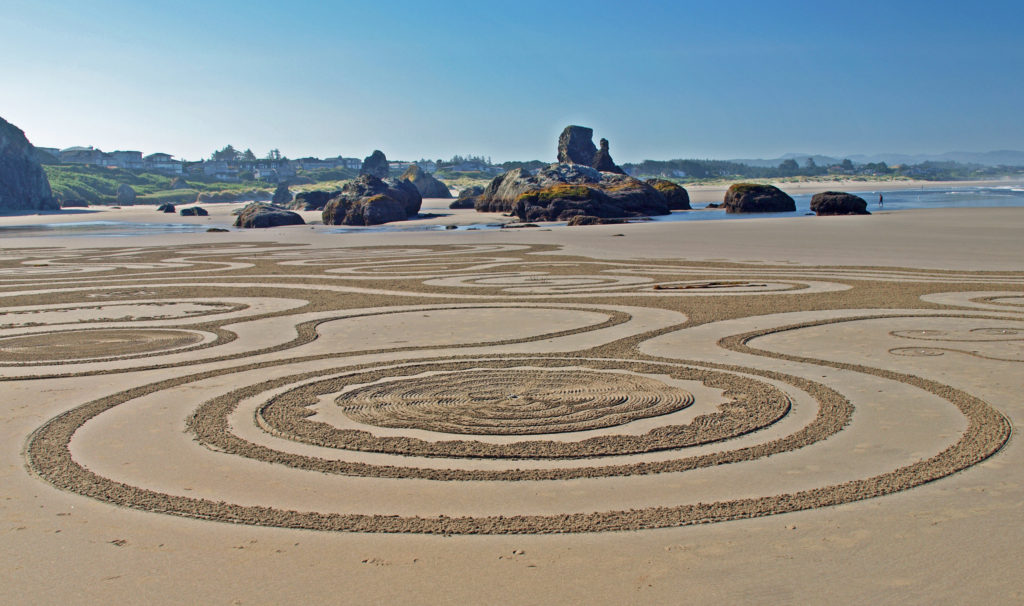
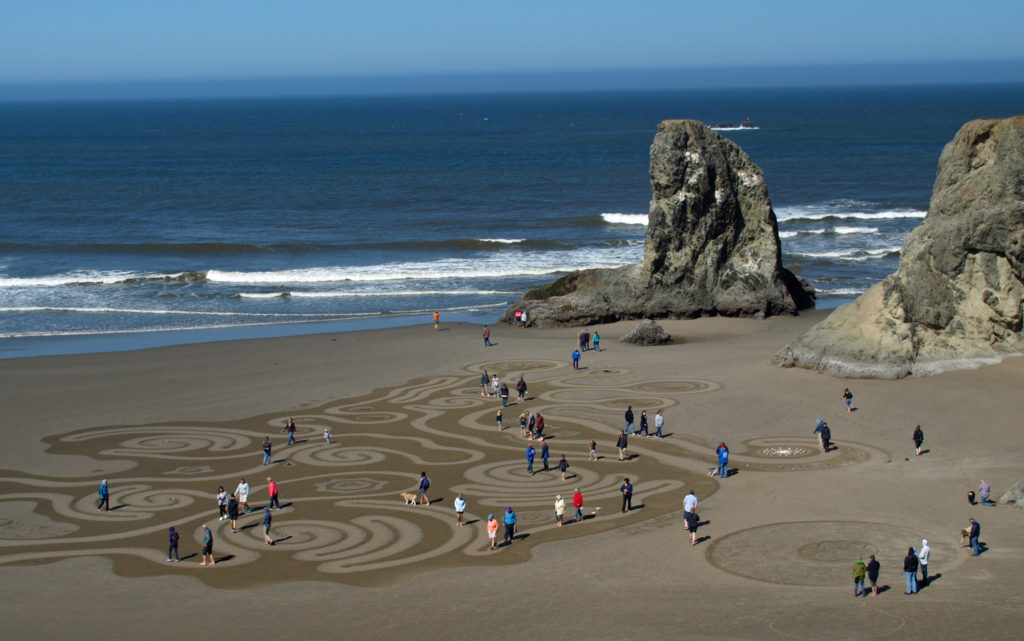 Circles in the Sand
 The
The 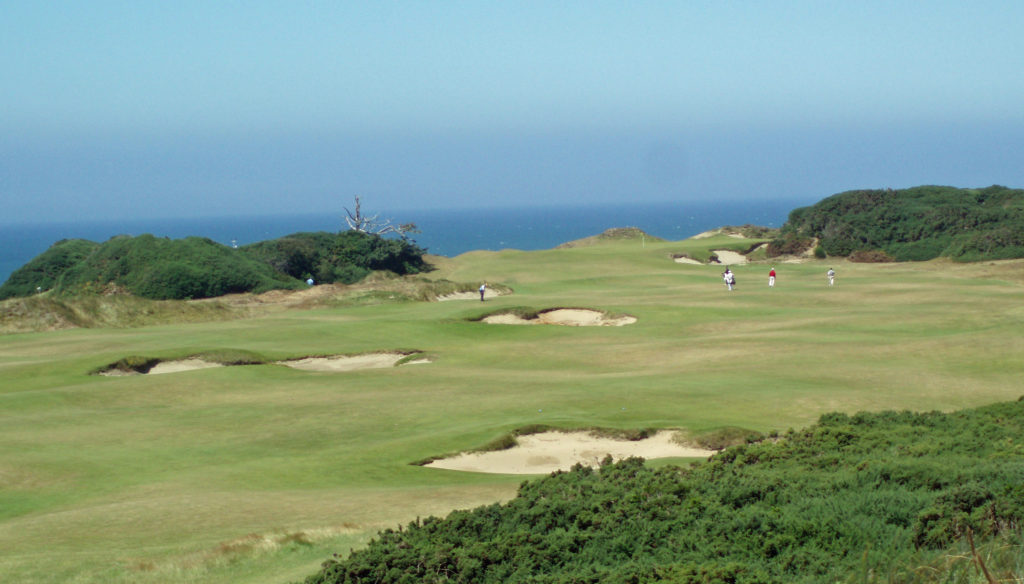
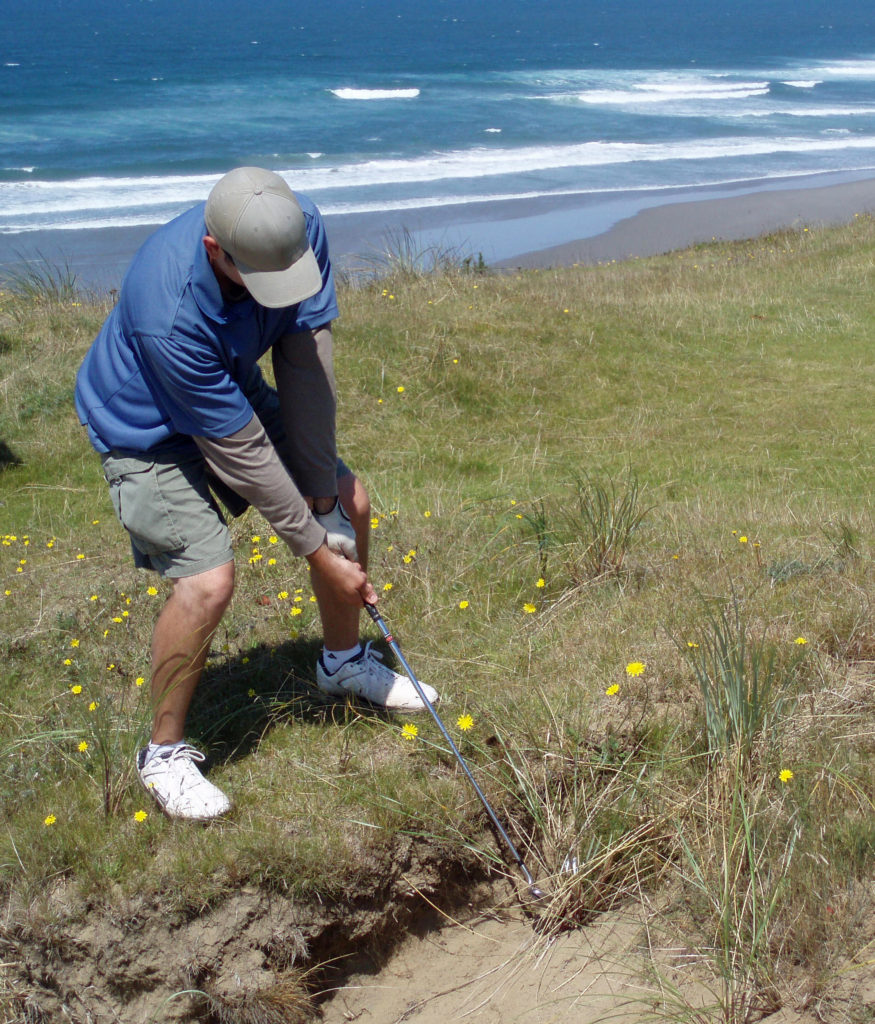 All of the Bandon Dunes courses are consistently rated in the top 100 courses in the United States, and the 13 hole par three course, Bandon Preserve, is a challenge in itself. A few miles south of town,
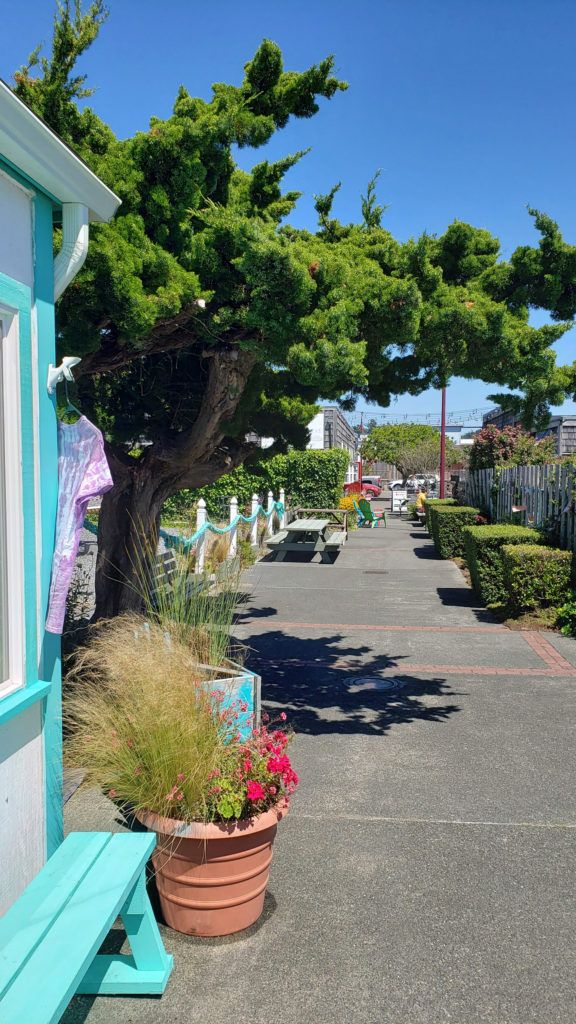 Good eats abound in Old Town. Start your day at Bandon Coffee Cafe or Bandon Baking Company. Stop at
  Accommodations
 There is a campground at
  Getting There
 Consider combining a visit to Bandon with a drive south along the spectacular







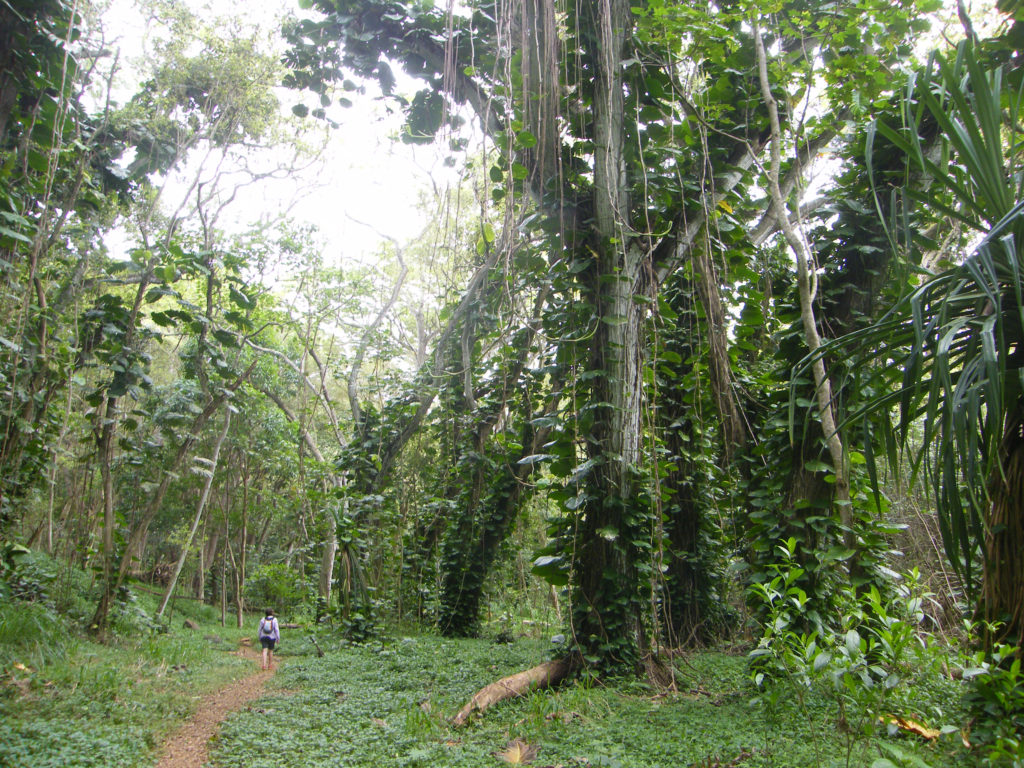
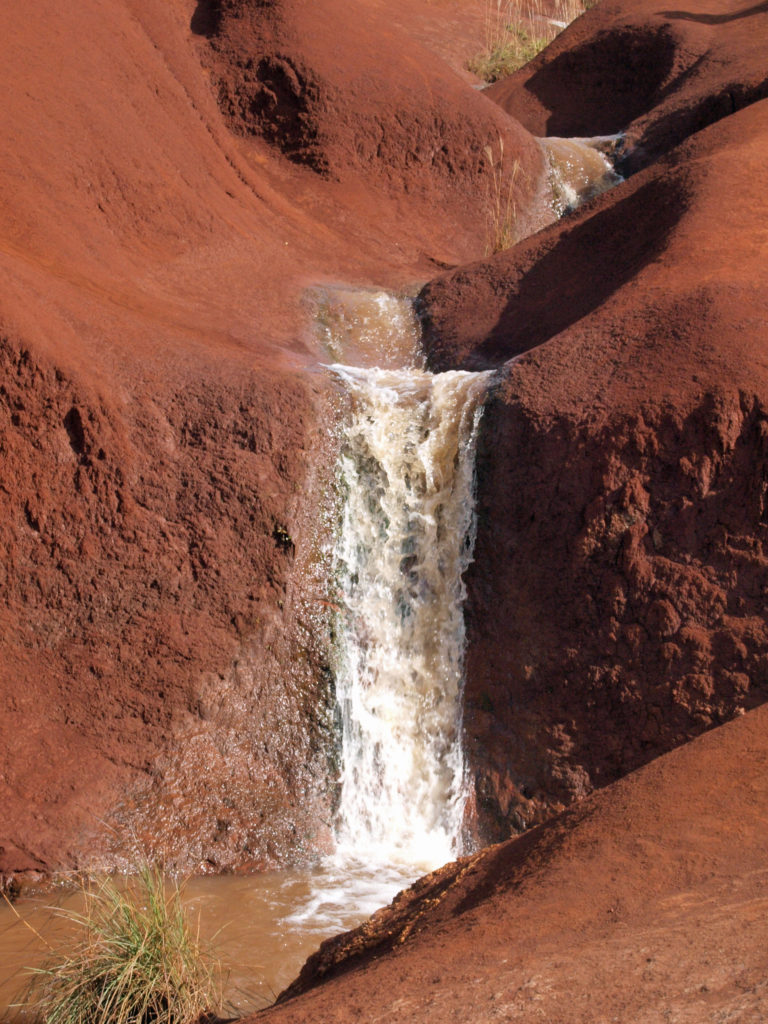
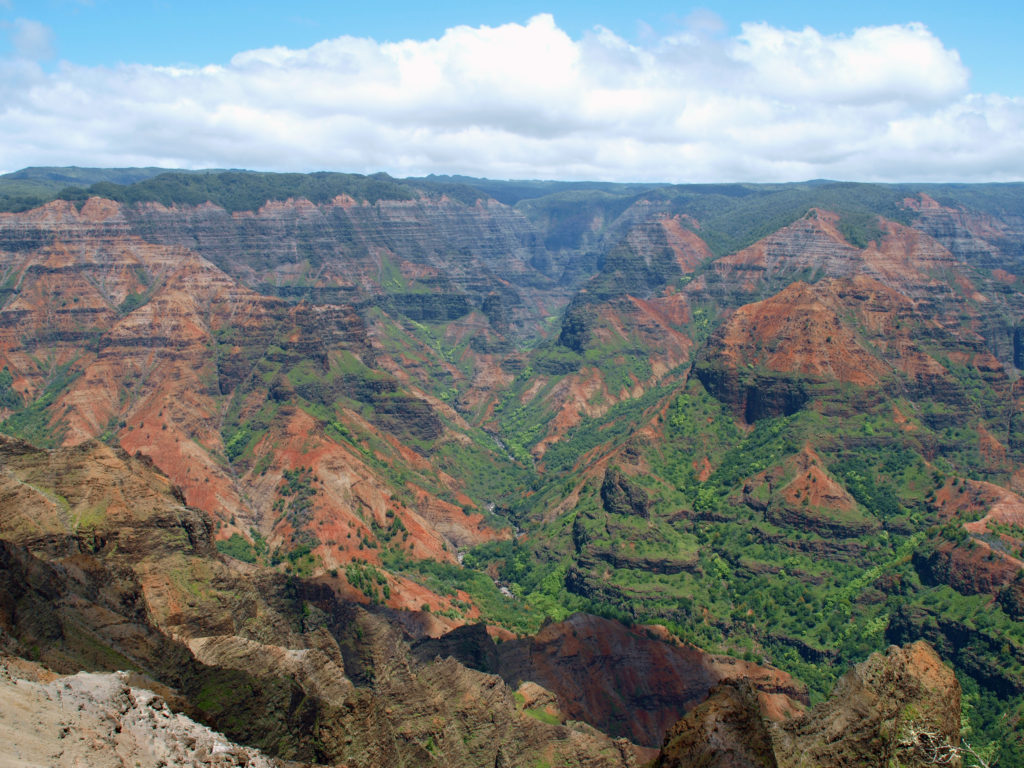
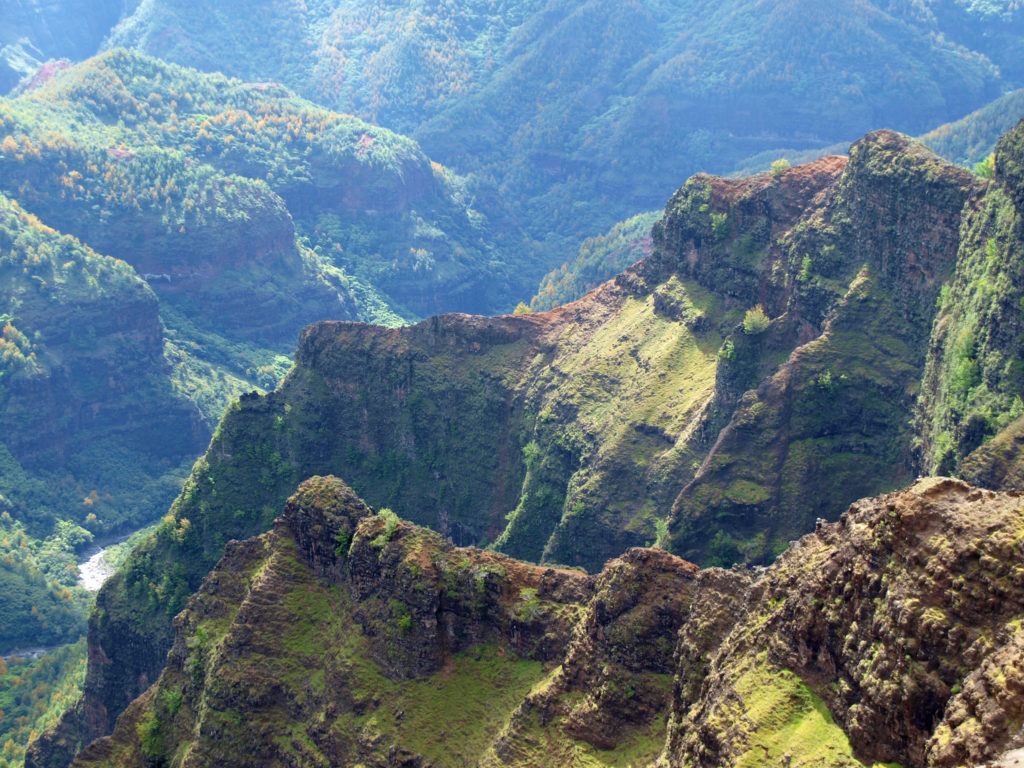
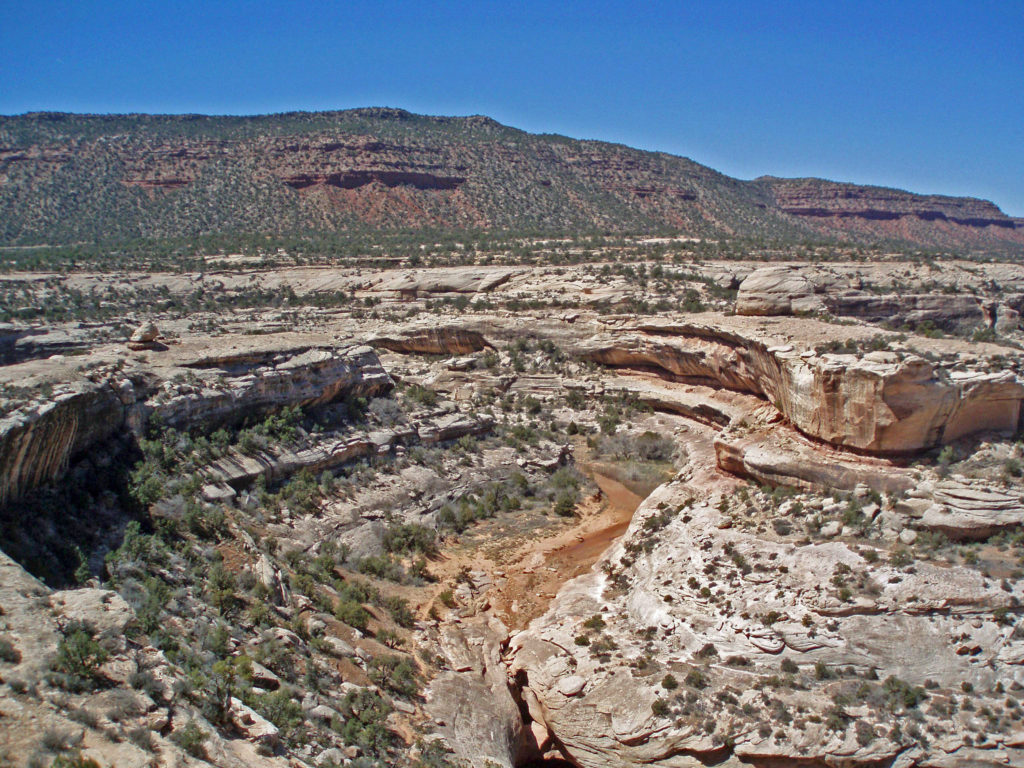
 For hikers, there are more than 45 miles of trails in the canyon. You could easily spend days in the canyon and not hike all of the trails. For those that do want to spend multiple days hiking or sightseeing,
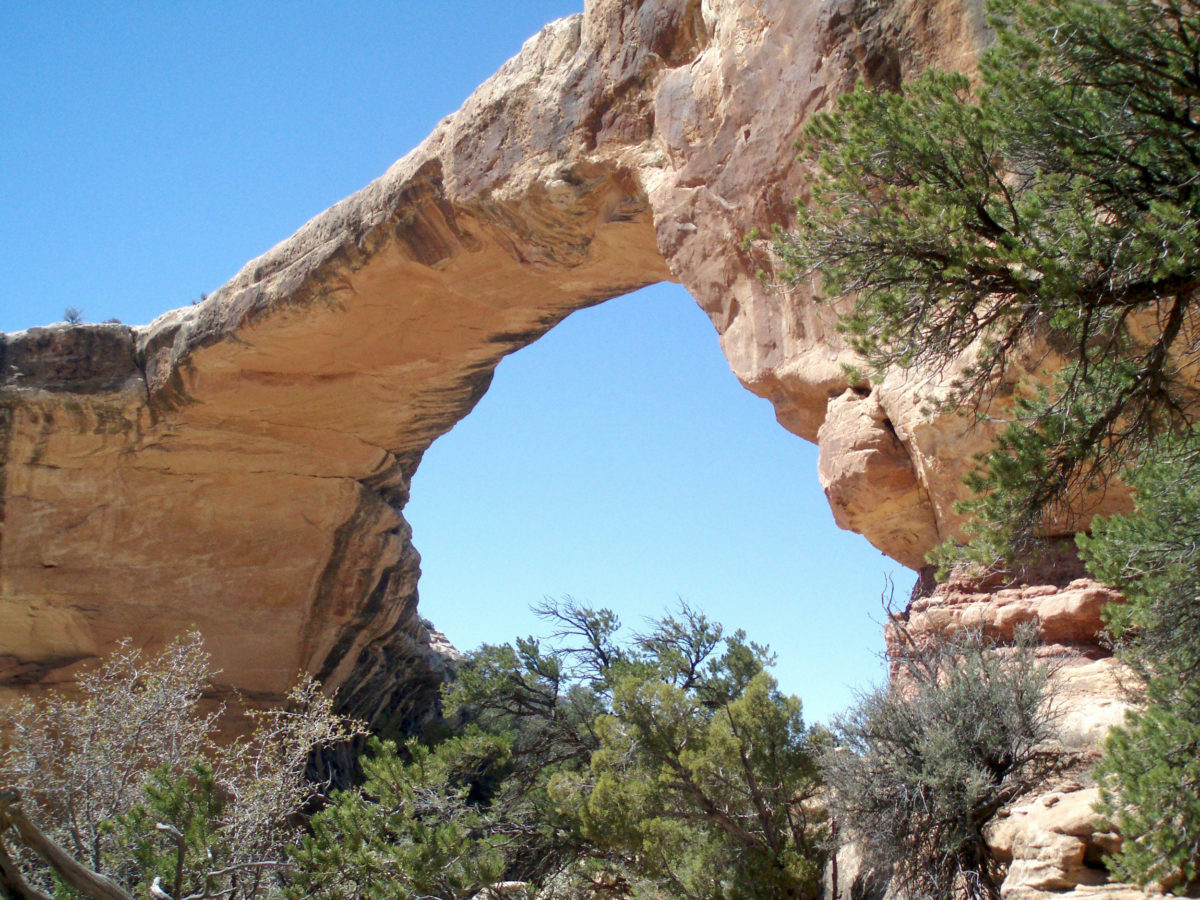
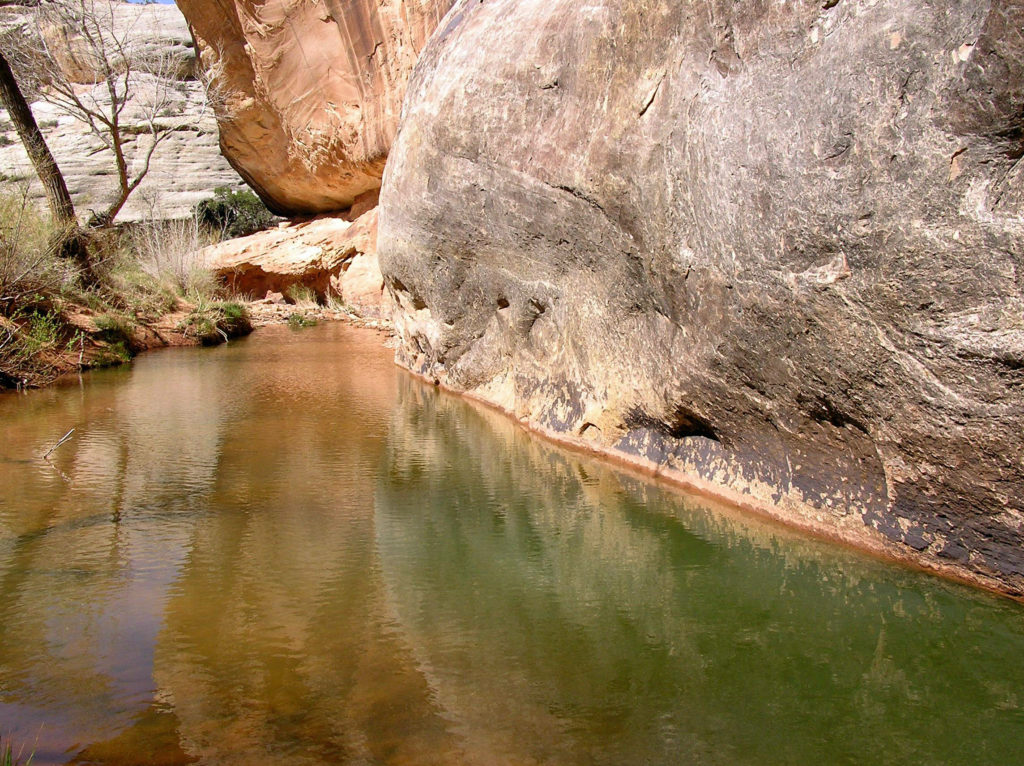 First Impressions
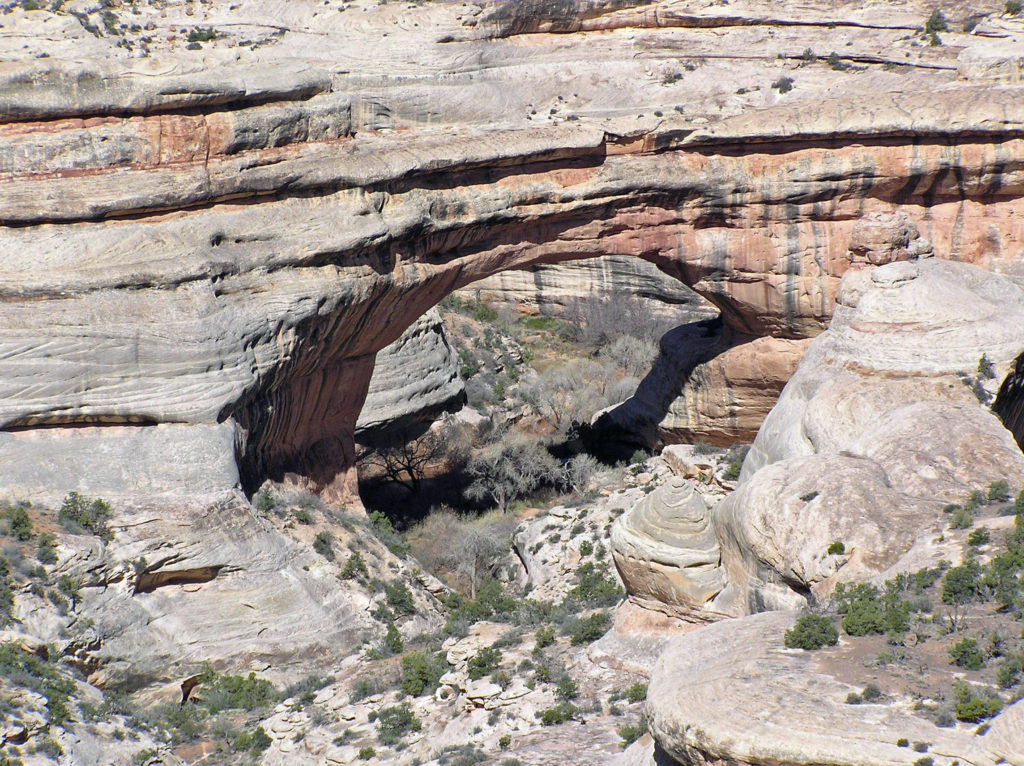 My wife and I have been back once since that first visit. The photos here were taken on that second trip in 2008. I think we’re long overdue for a third visit.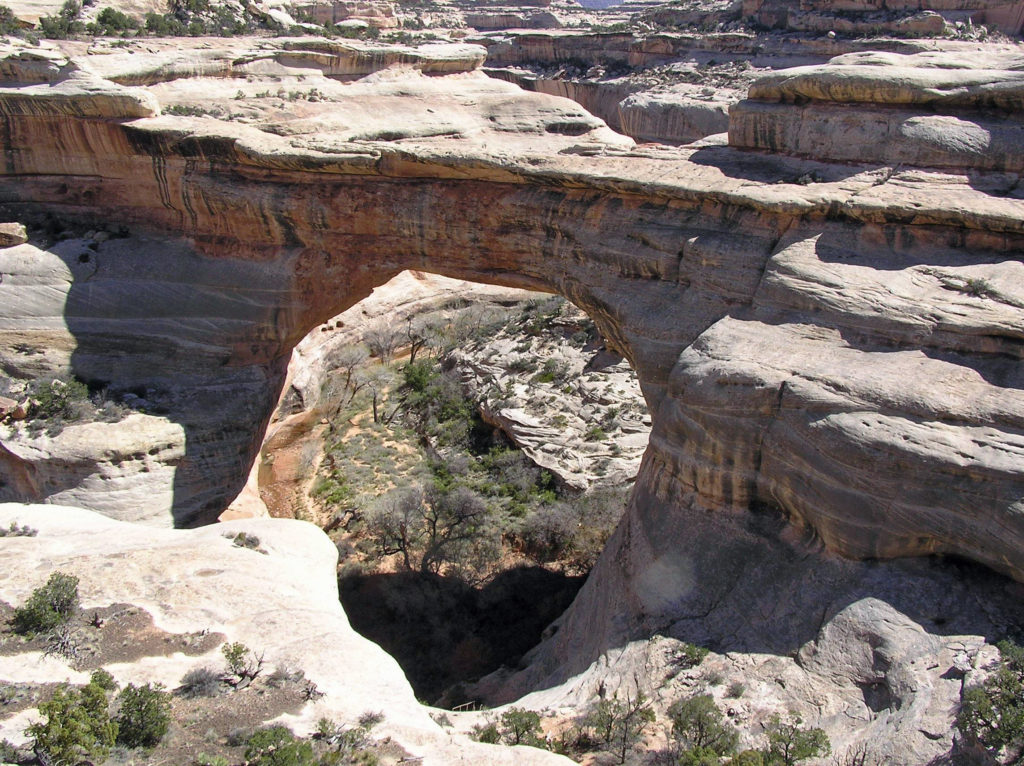
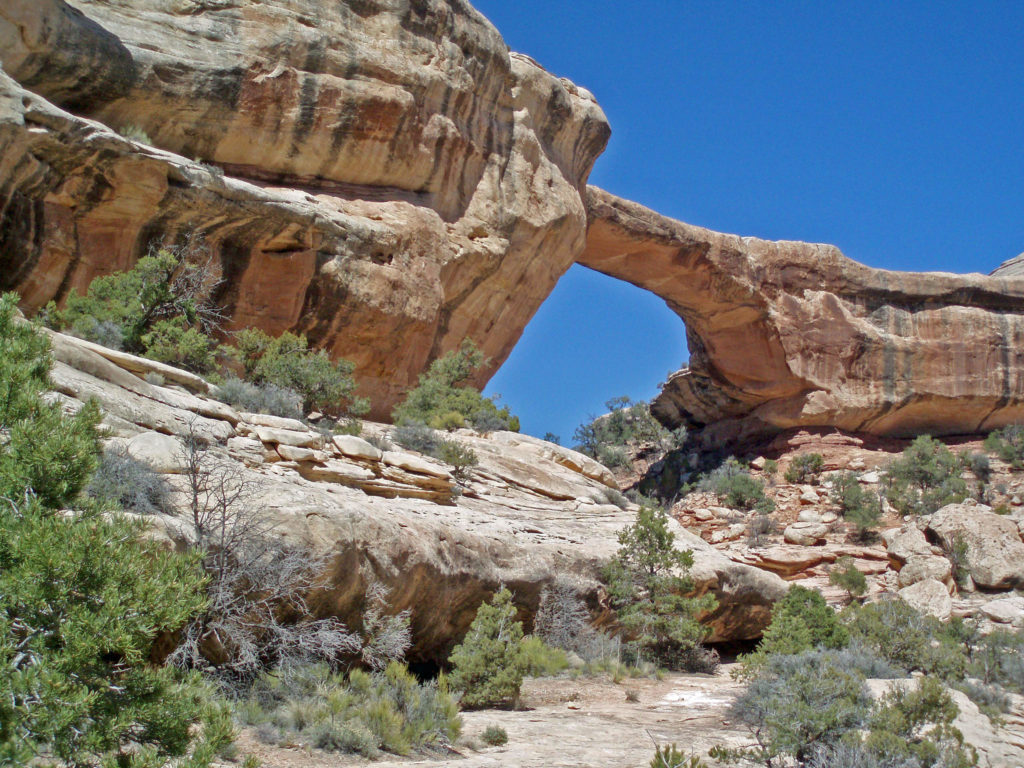
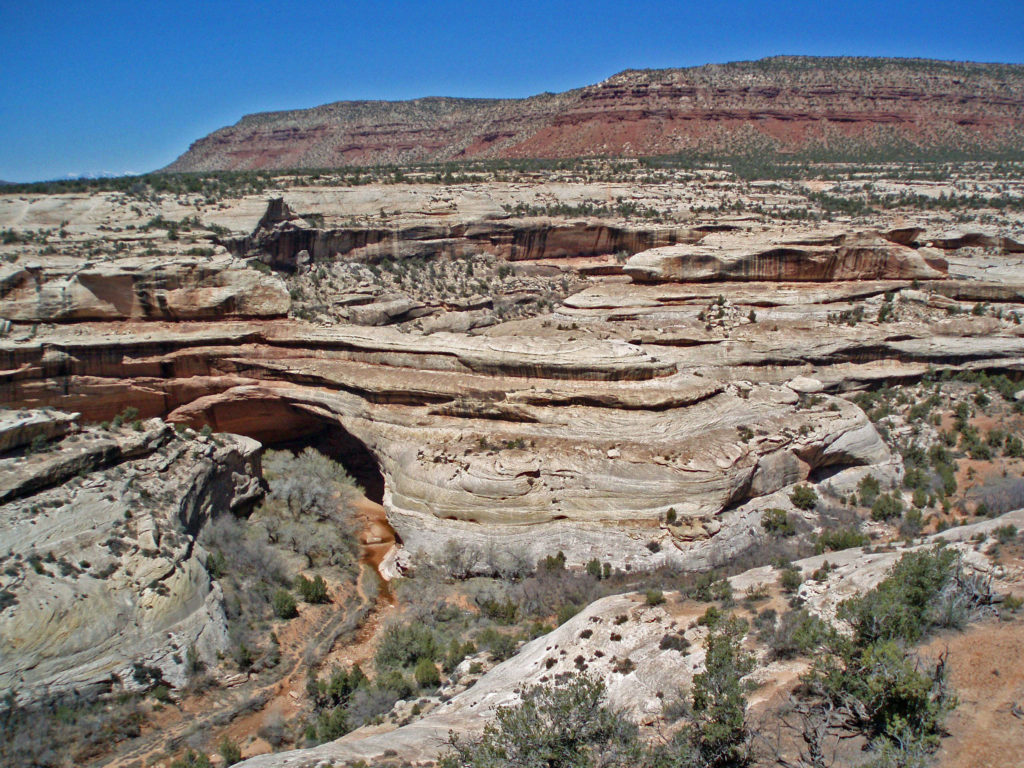 The white Cedar Mesa Sandstone of the canyons in Natural Bridges was formed from white quartz sand with relatively little iron. The red and orange sandstone of the mesa tops gets its color from more iron rich rocks. Oxygen and hydrogen react with the iron, forming compounds that vary in color depending on the relative proportions of oxygen and hydrogen in the rock.
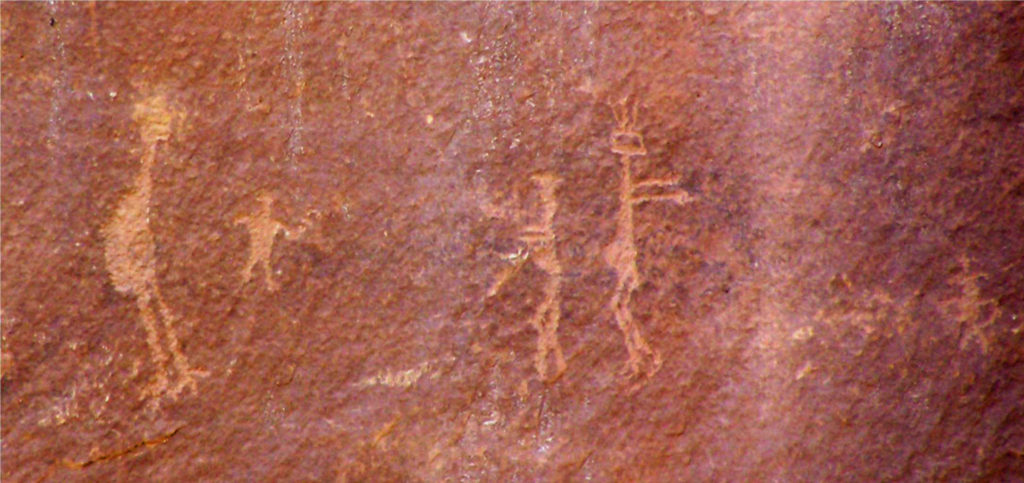 Human Presence
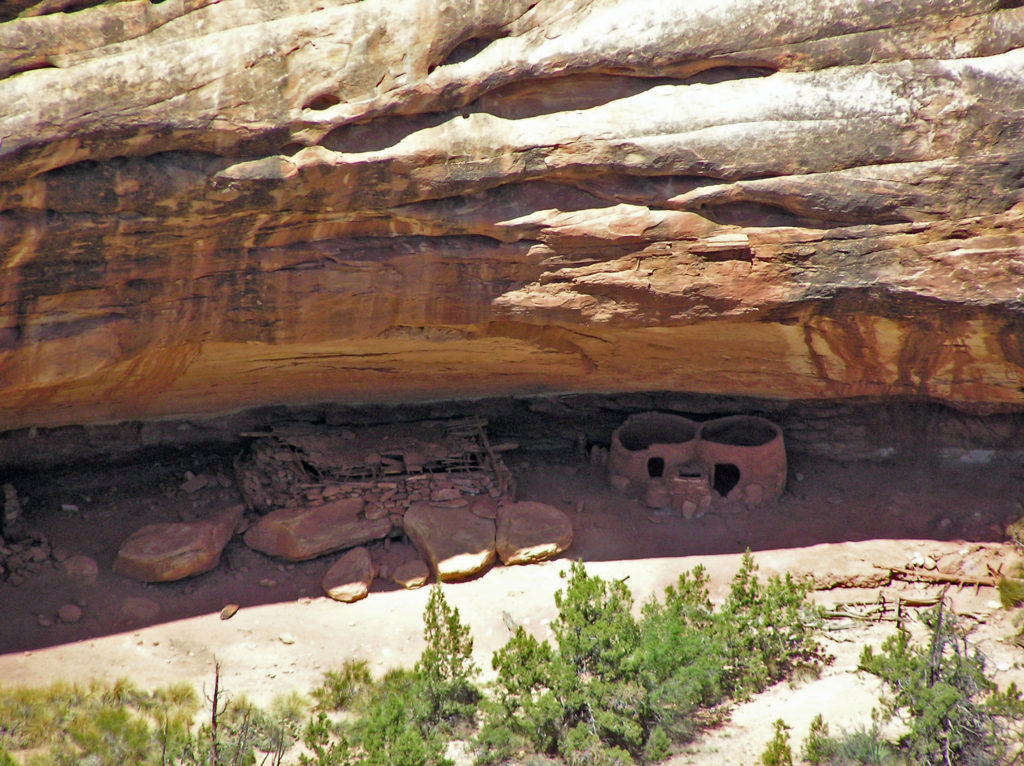 The Ancestral Puebloan people began farming the mesa tops around 1500 years ago, but later abandoned the area, presumably because of a prolonged drought. After 300 years, the ancestors of modern day Hopi and Navajo returned to the Natural Bridges area, only to abandon the area again around the year 1280 CE. Modern Hopi, Navaho, and Paiute peoples reoccupied the area once again at later dates.
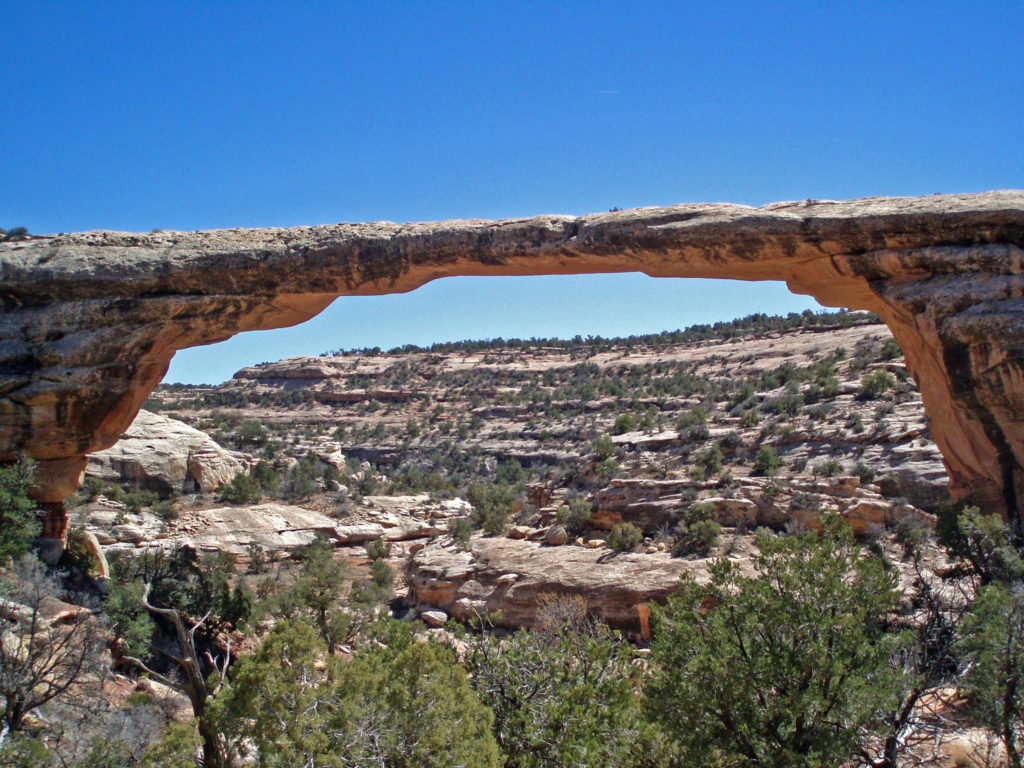 Europeans didn’t discover the area until 1883 when prospector Cass Hite ventured into the canyons looking for gold. He didn’t find any gold, but he did find the three magnificent natural bridges. Twenty years later, National Geographic Magazine published an article about the bridges, gaining the attention of President Theodore Roosevelt, who established
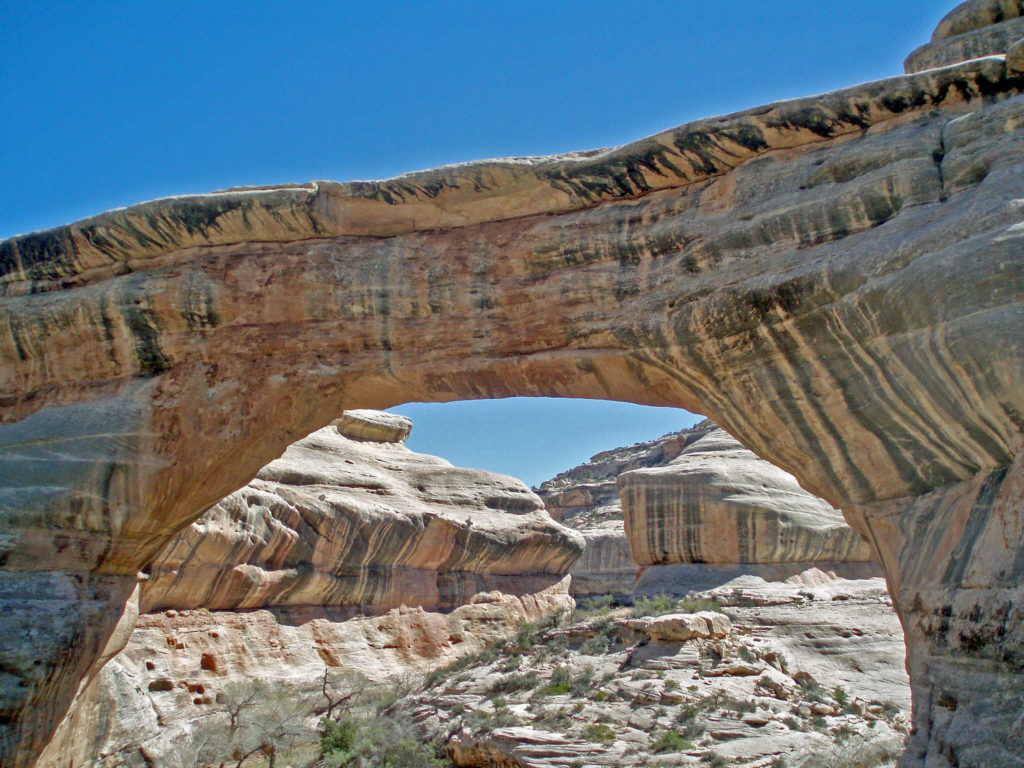
 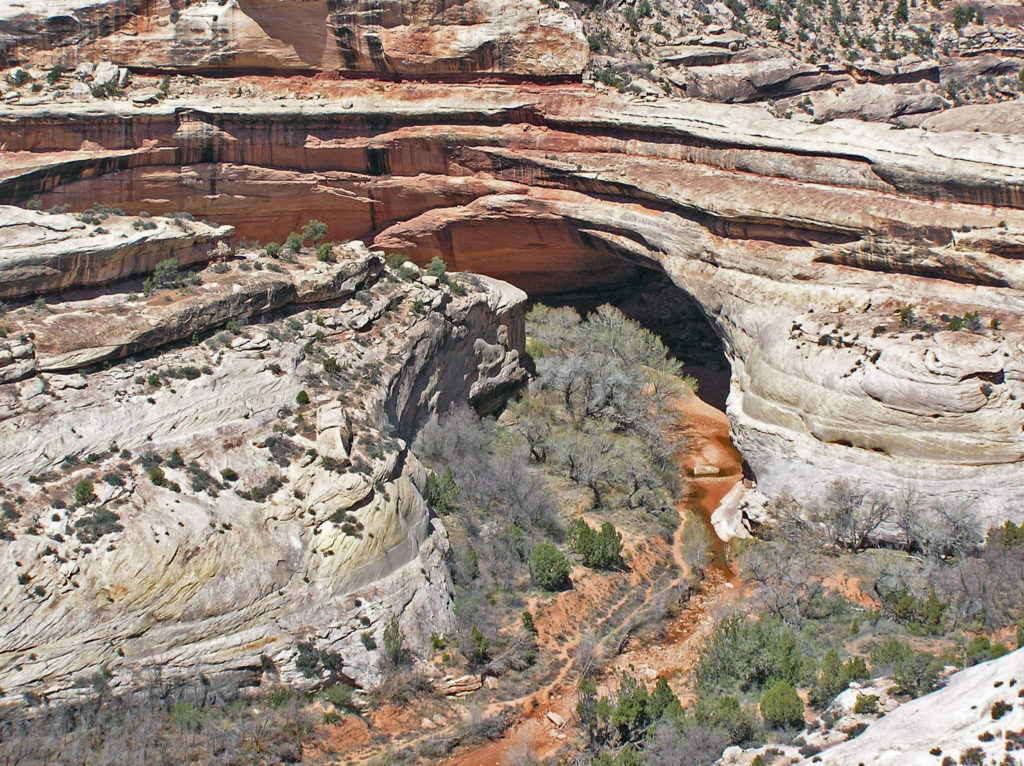 The bridges were named President, Senator and Congressman by Cass Hite. Later explorers gave them the names Augusta, Caroline and Edwin. But neither set of names stuck. In 1909 the bridges were given the Hopi names they carry today: Sipapu, Kachina, and Owachomo.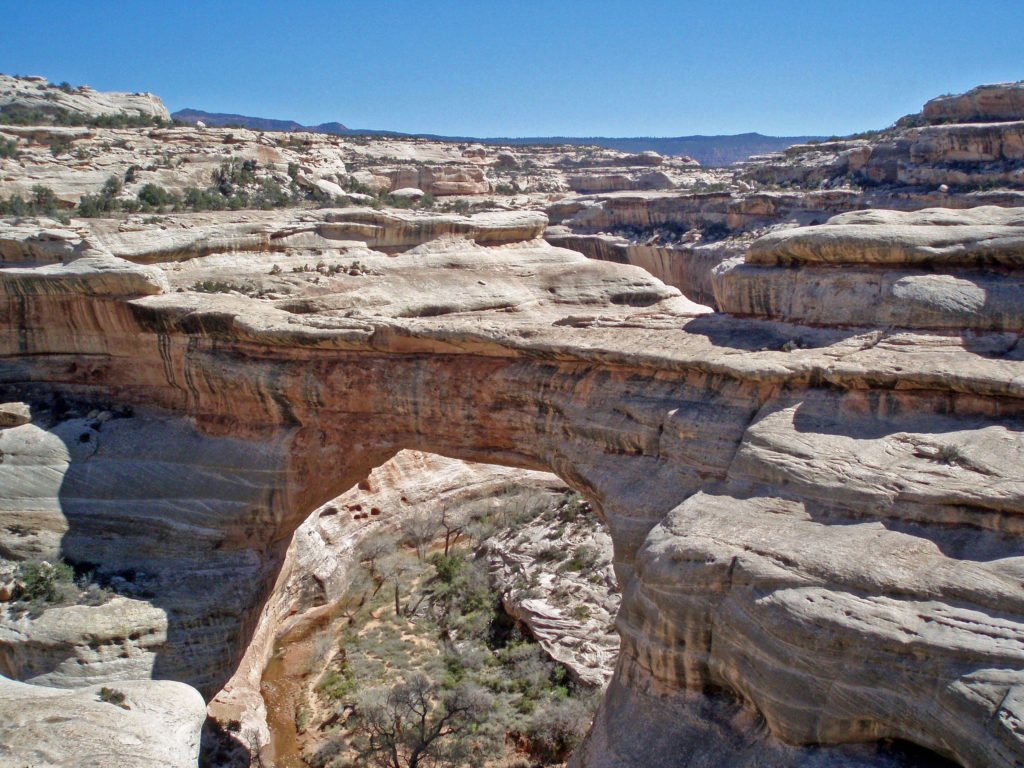
 Visitor Center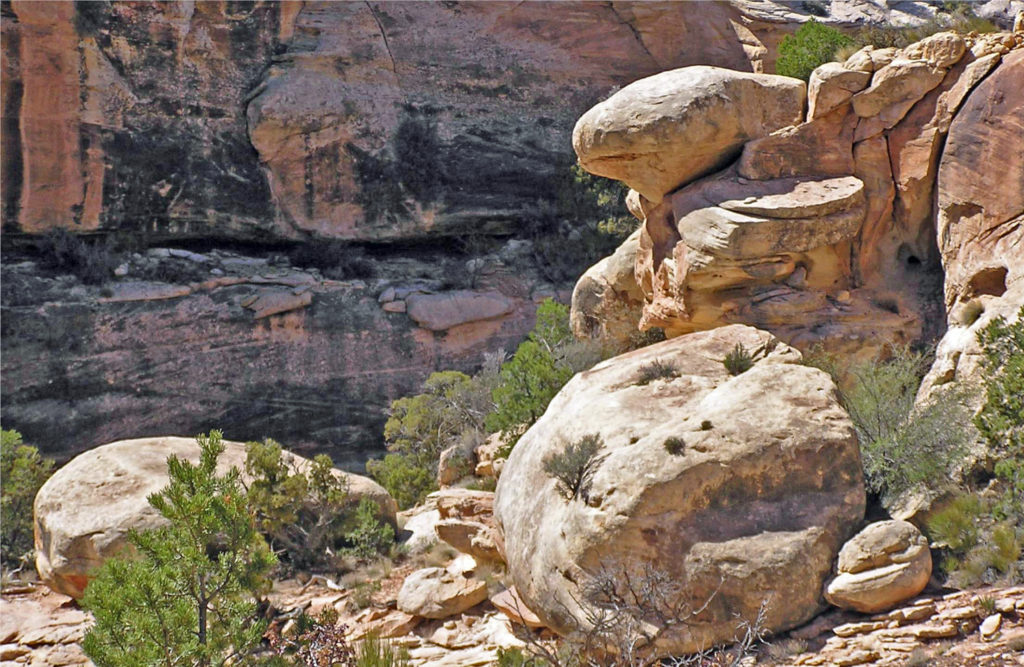


 Conclusion
 Originally posted July 10, 2021. Updated July 21, 2024.