by Alan K. Lee
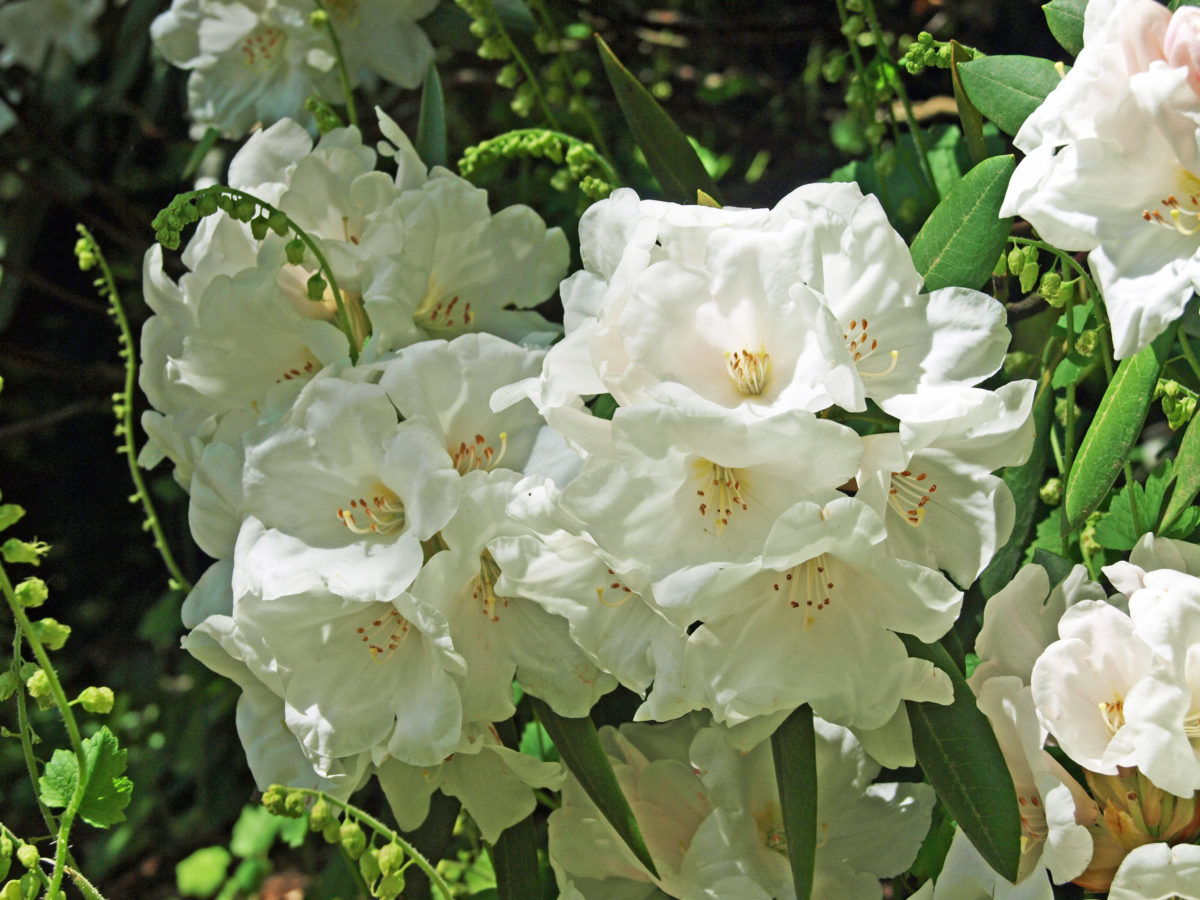
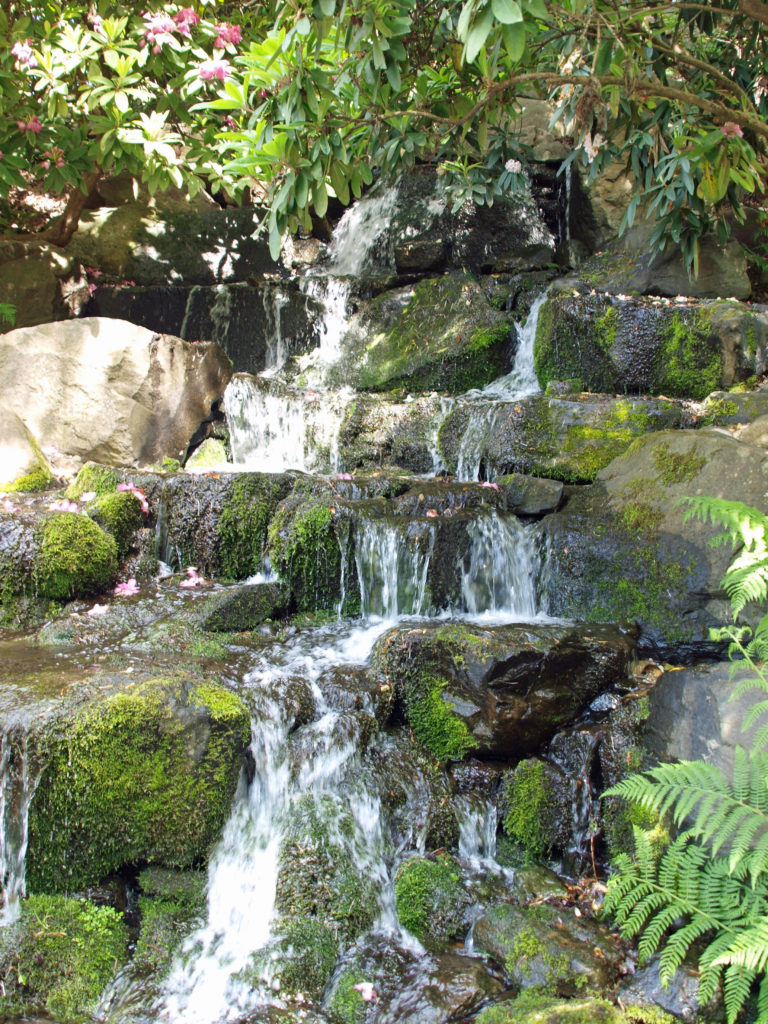
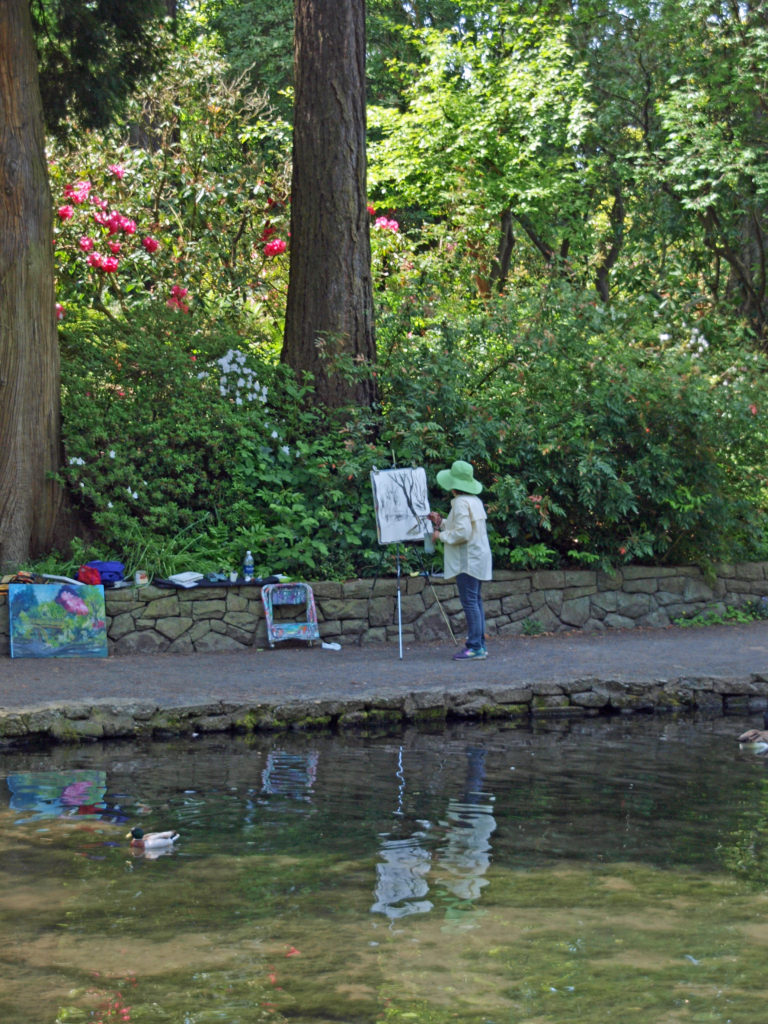
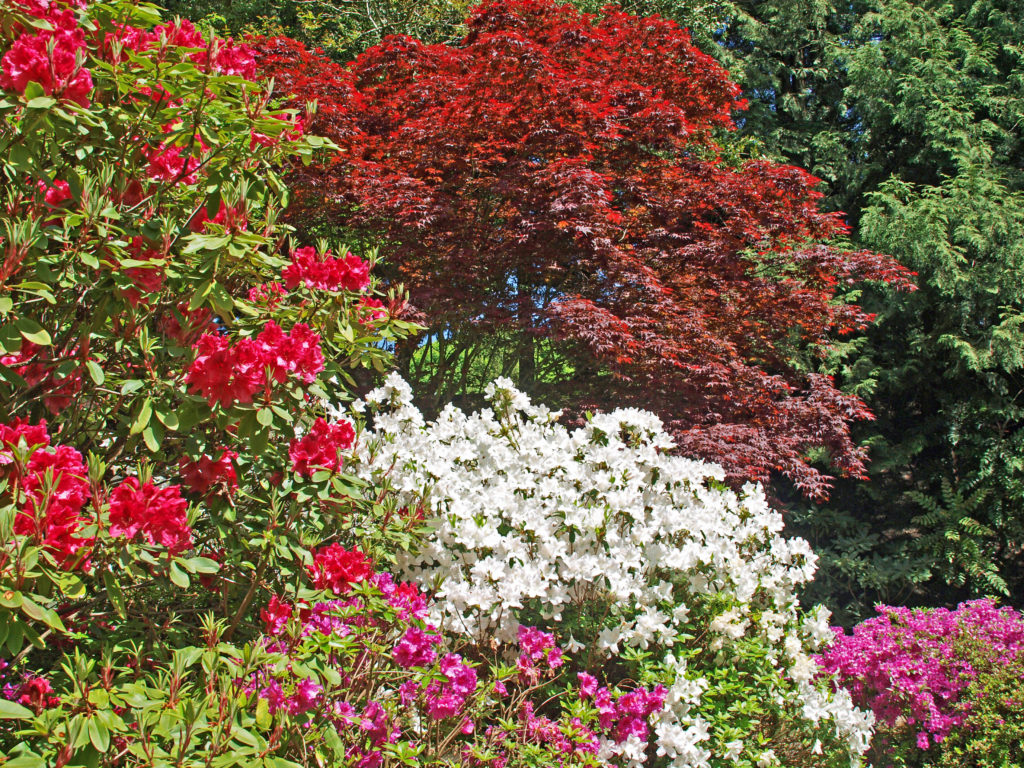
Crystal Springs Rhododendron Garden in southeast Portland, Oregon is an internationally recognized garden containing many rare rhododendrons, azaleas, and related species. It’s a beautiful and (sometimes) quiet island of serenity in the midst of the city, and it’s one of my favorite places in Portland..
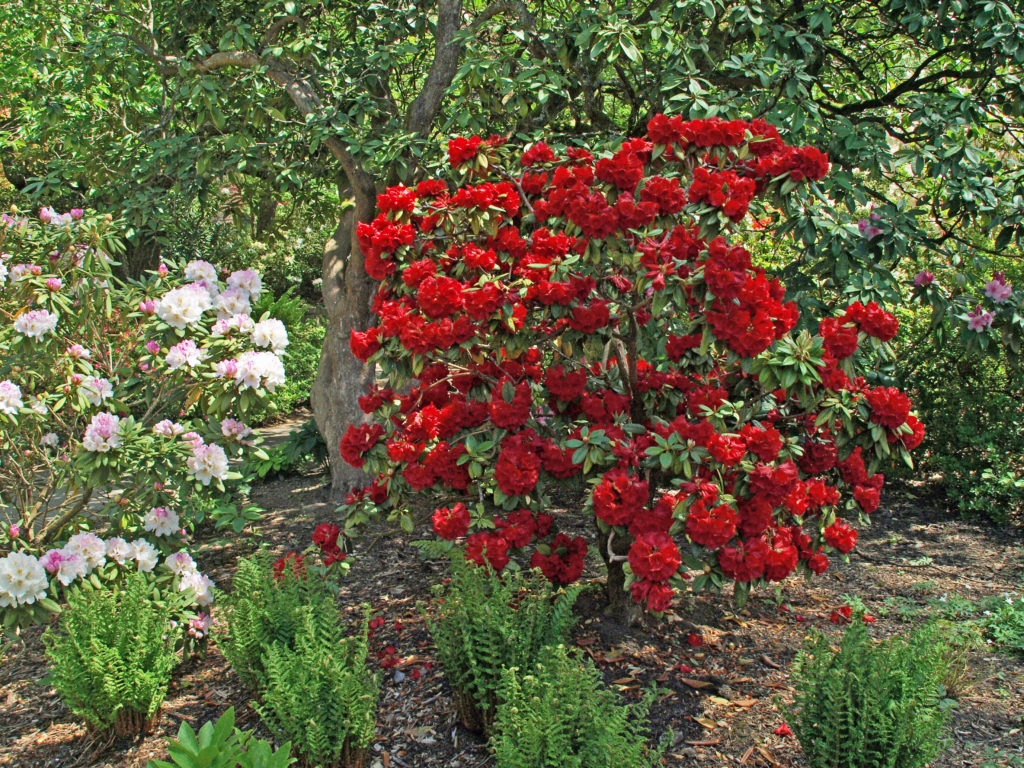
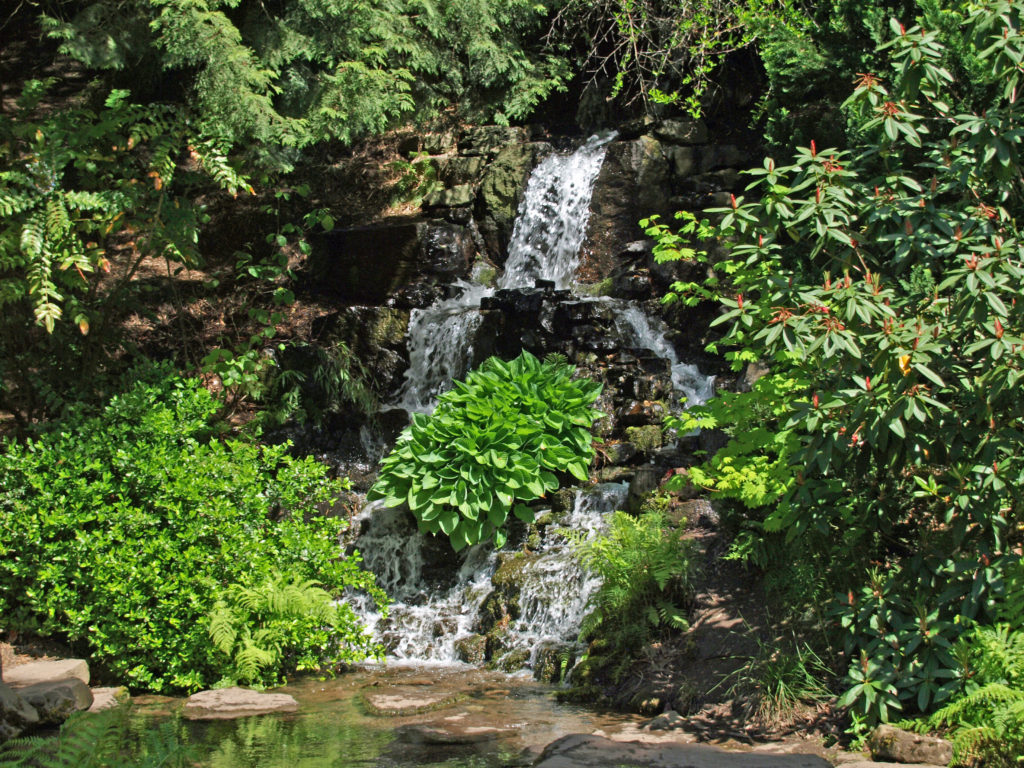
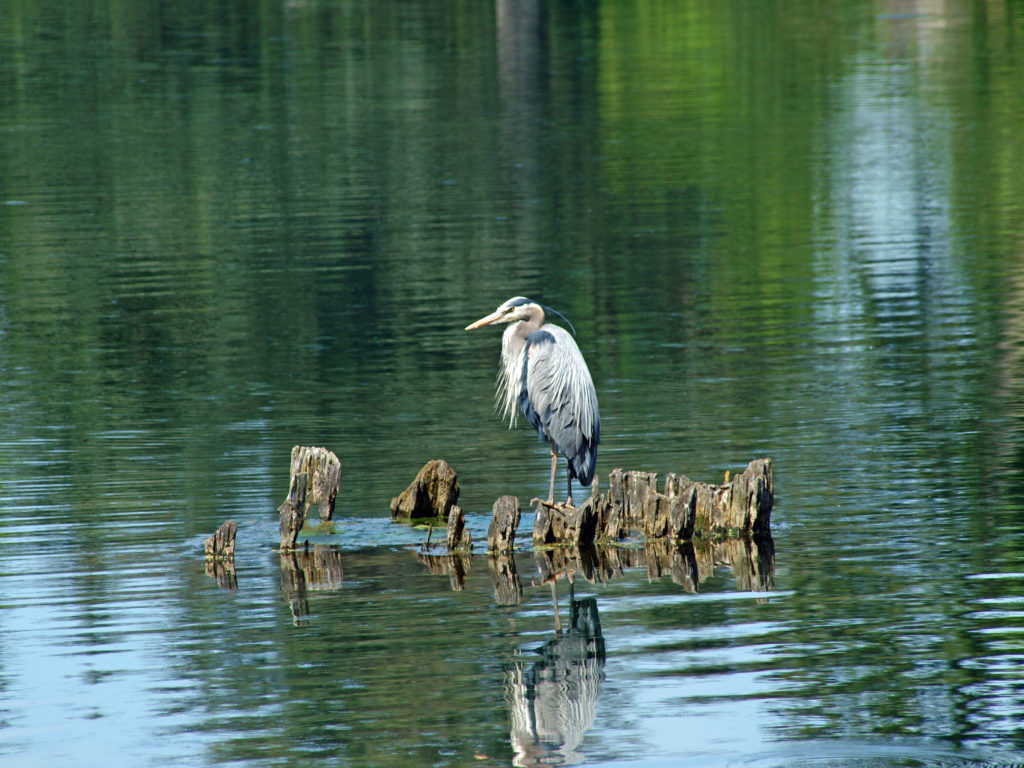
Crystal Springs Rhododendron Garden is spectacularly beautiful in the spring blooming season, but its attractions are not limited to that season, and not just to rhododendrons and azaleas. The garden is beautiful the year round. And it’s nearly surrounded by Crystal Springs Lake, making it a haven for waterfowl and other birds. More than 90 species of birds can be found in the garden, including Bald Eagles, which can often be seen flying over the lake in search of fish or unwary waterfowl.
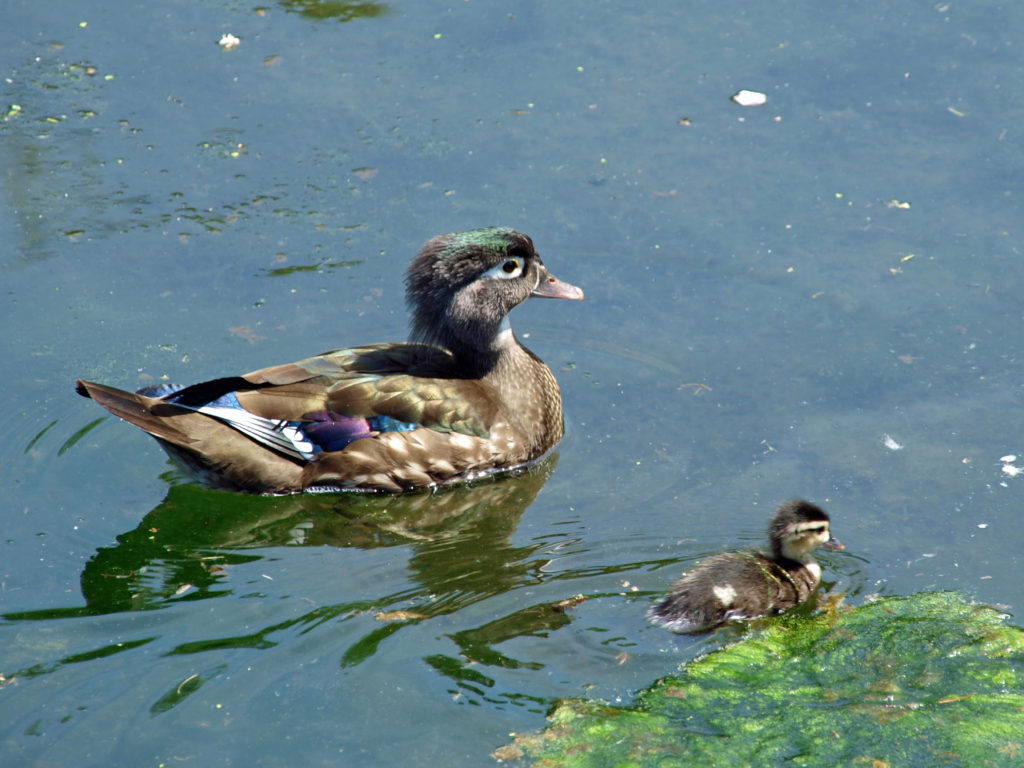
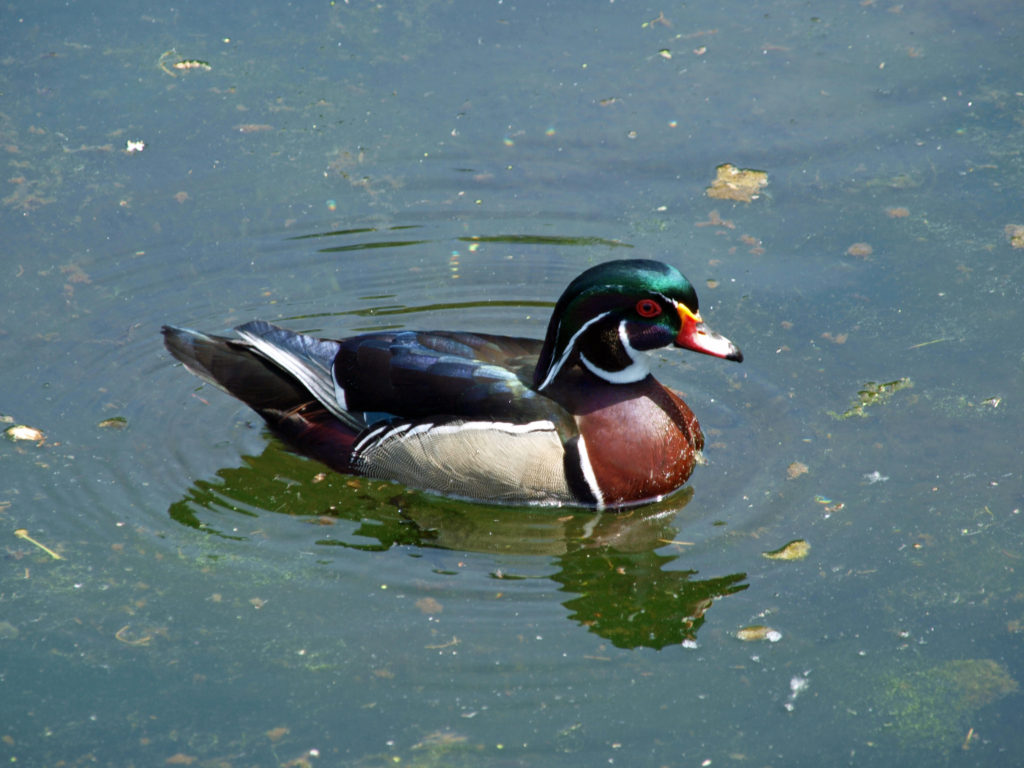
The garden covers 9.5 acres, divided into two areas, called The Island and The Peninsula. Originally owned by William S. Ladd (1826-1893), twice Mayor of Portland in the 1850s, and called Crystal Springs Farm, the City of Portland acquired the the Island portion of the Garden in the 1920s.
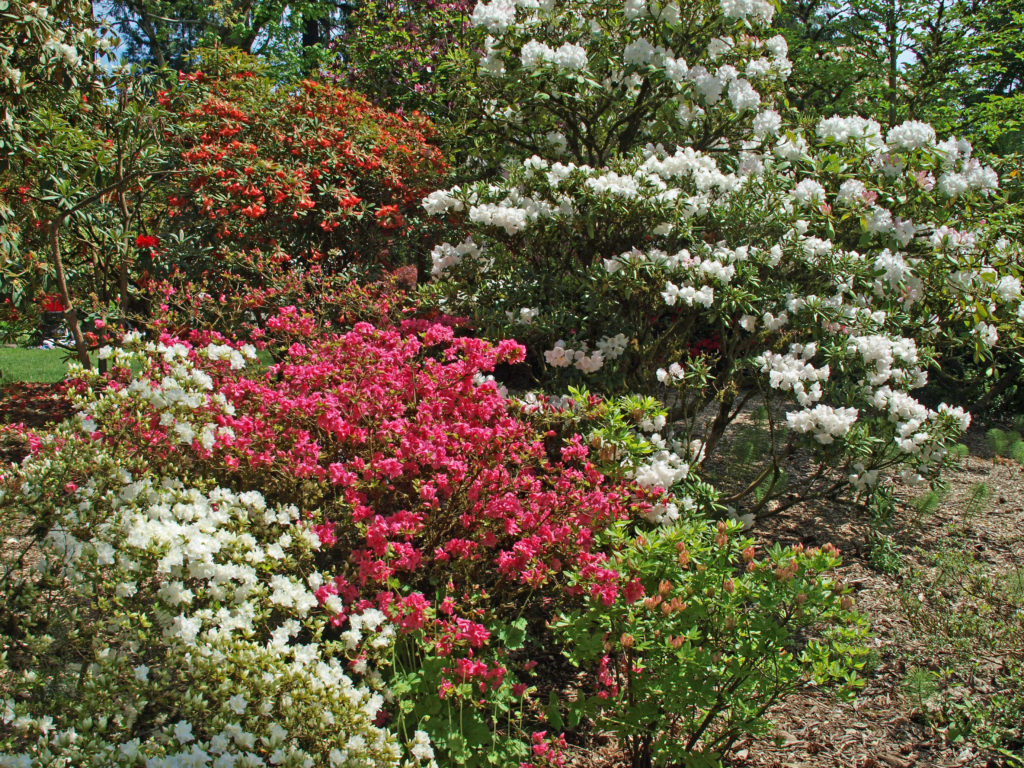
In the first half of the 20th Century, The Island was the site of Shakespearean plays produced by Reed College, which adjoins the garden. But by 1950 the site was largely abandoned and overgrown. In that year the Portland Chapter of the American Rhododendron Society established a display and test garden on The Island. The area now known as The Peninsula was donated to the garden in 1977 by Portland landscape architect Wallace K. Huntington. Volunteers from the Friends of Crystal Springs (the Portland Chapter of The American Rhododendron Society) and the Master Gardeners program now maintain the Garden.
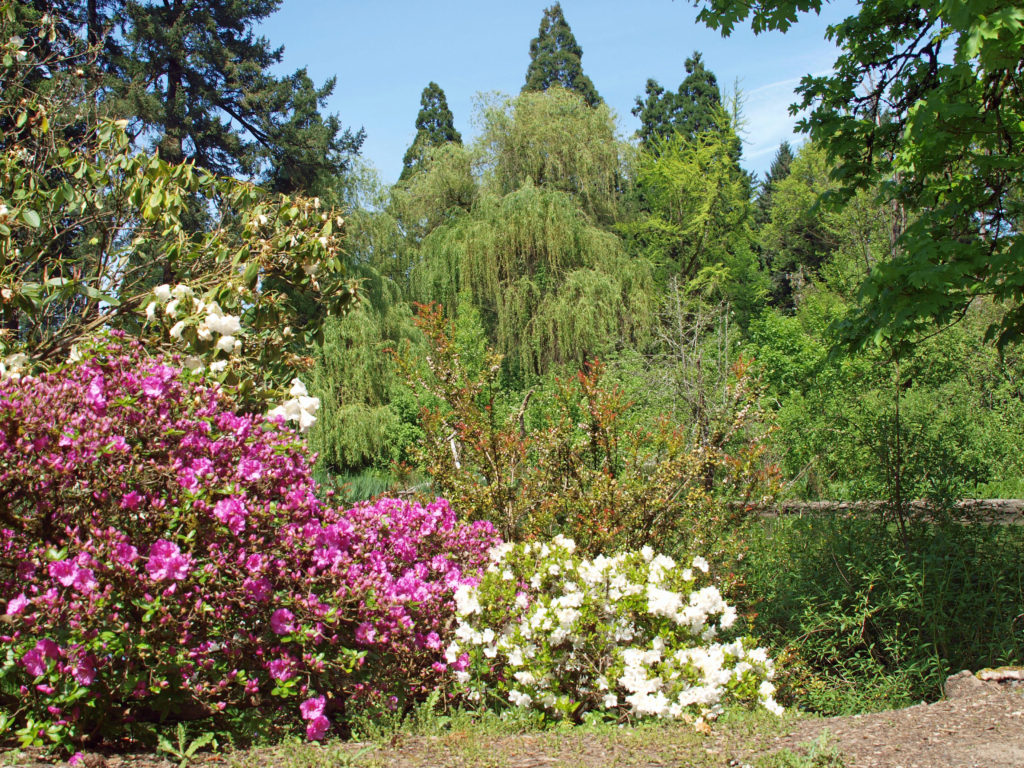
The garden is open daily year round. Spring and summer hours are 10:00-5:30, except Wednesdays, when it opens at 1:00. Adult admission is $9.00, $8.00 for seniors, $6.00 for youth (6-18), and free for children under six.
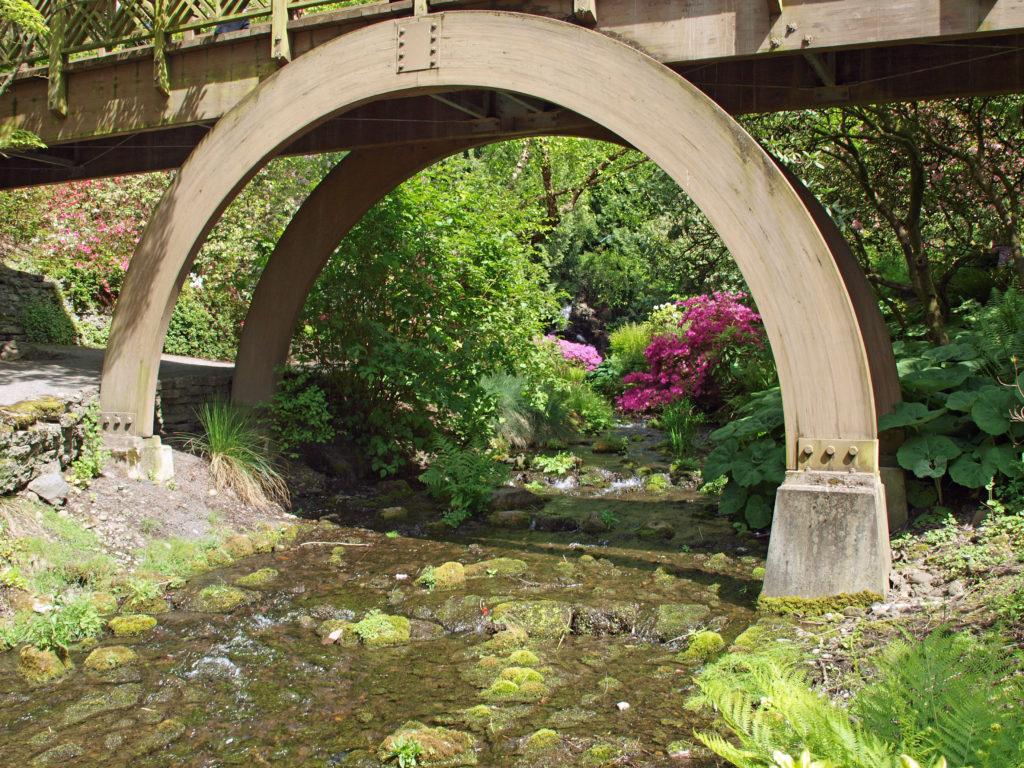
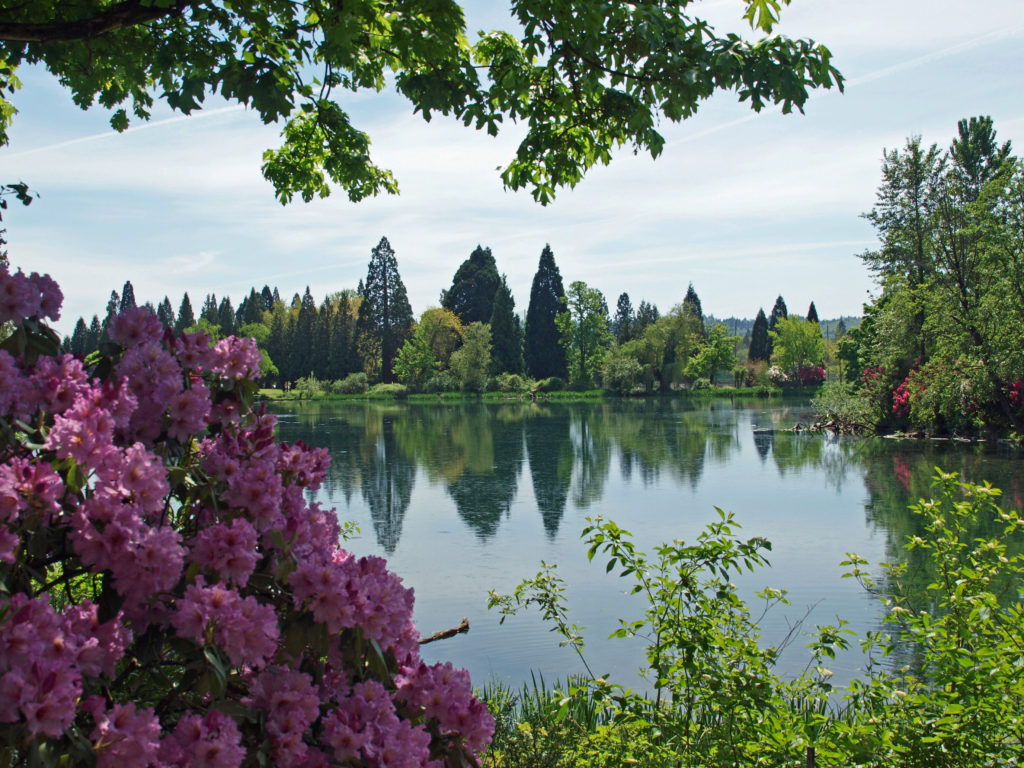
In the past, the Friends of Crystal Springs have hosted rhododendron shows and plant sales at the garden. Check the garden website for current information and event schedules. The garden also hosts weddings and other private events, so a potion of the garden may be closed to the public on spring and summer weekends.
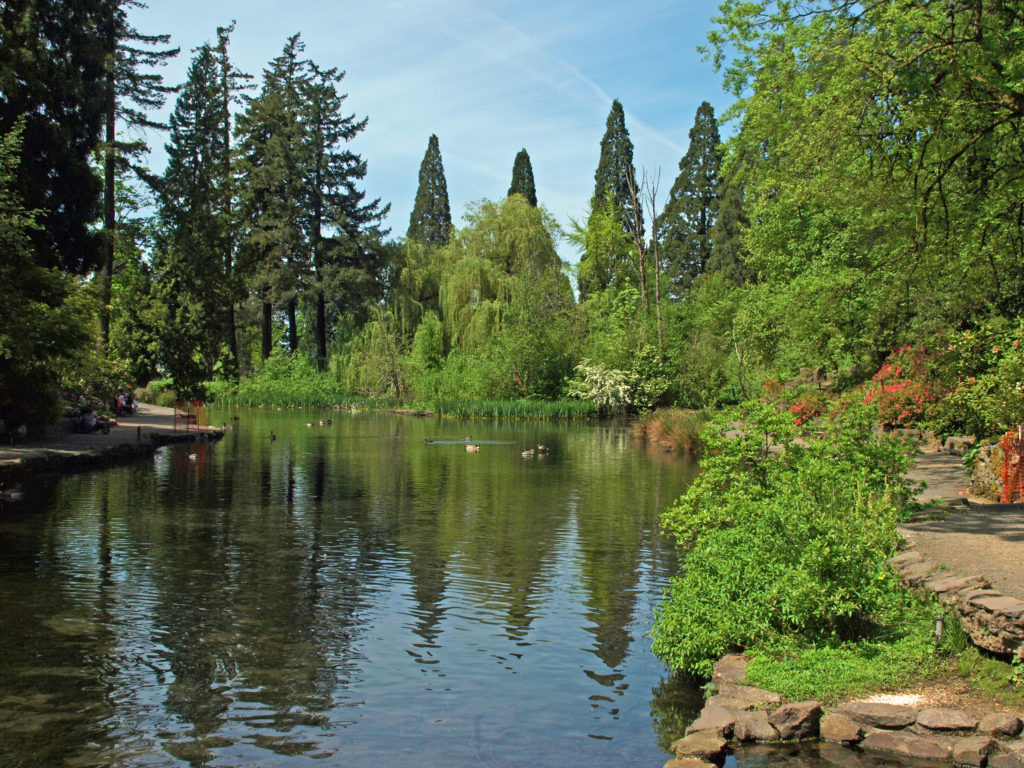
 The garden is located at 5801 SE 28th Avenue. The small parking lot fills up early in spring and summer, and there is no on street parking on 28th or other nearby streets, so come early if you’re coming by car (and do not park in the Reed College lot across the street from the garden). Or take the bus (Tri-Met bus #19 Woodstock).
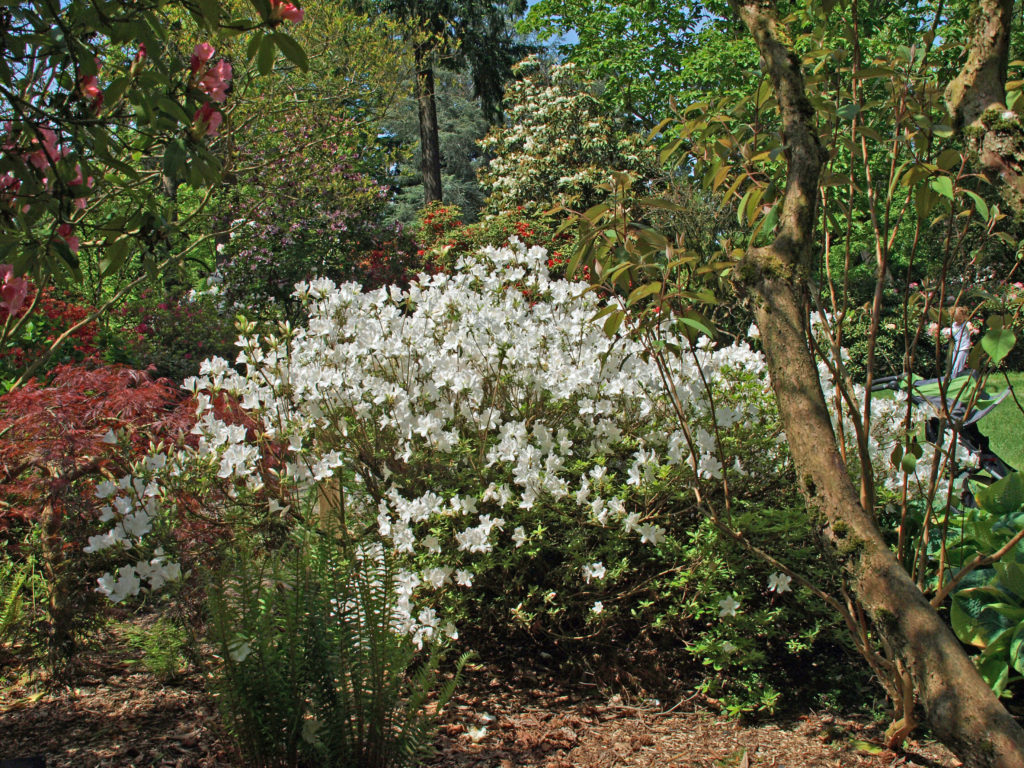
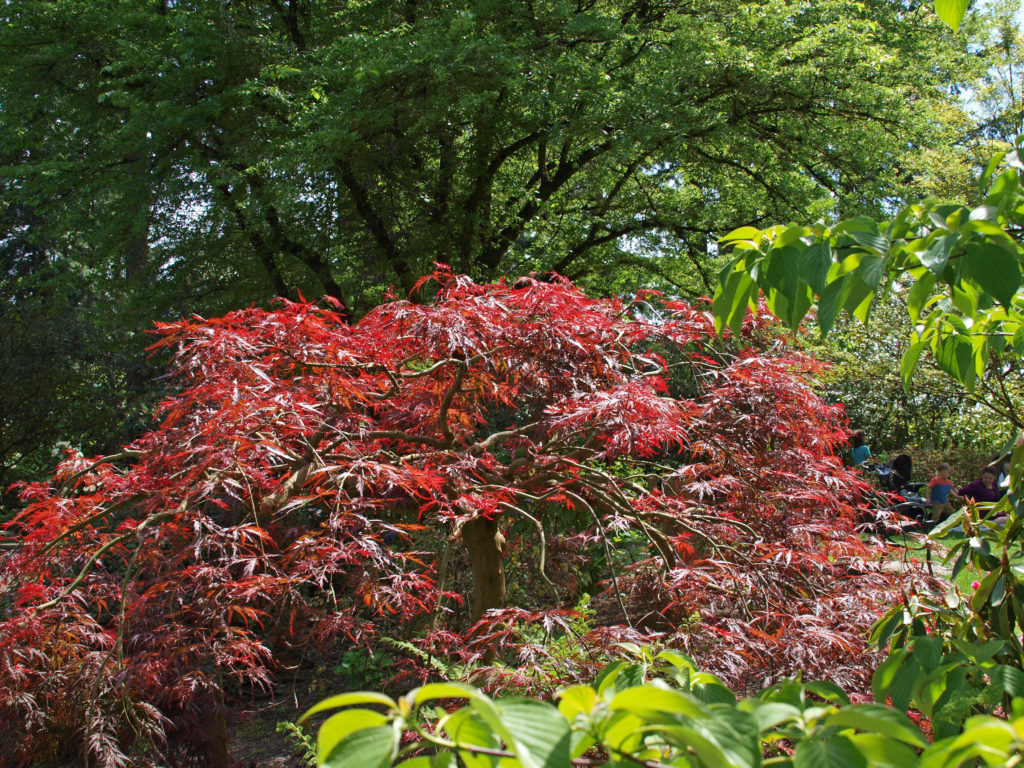
The garden is often crowded, especially on the spring and summer weekends. Visiting during the week will avoid the worst of the crowds. But even during peak visitation the garden is well worth visiting. The colorful foliage makes fall a good time to visit, also. And on a winter morning you might have the Garden all to yourself.
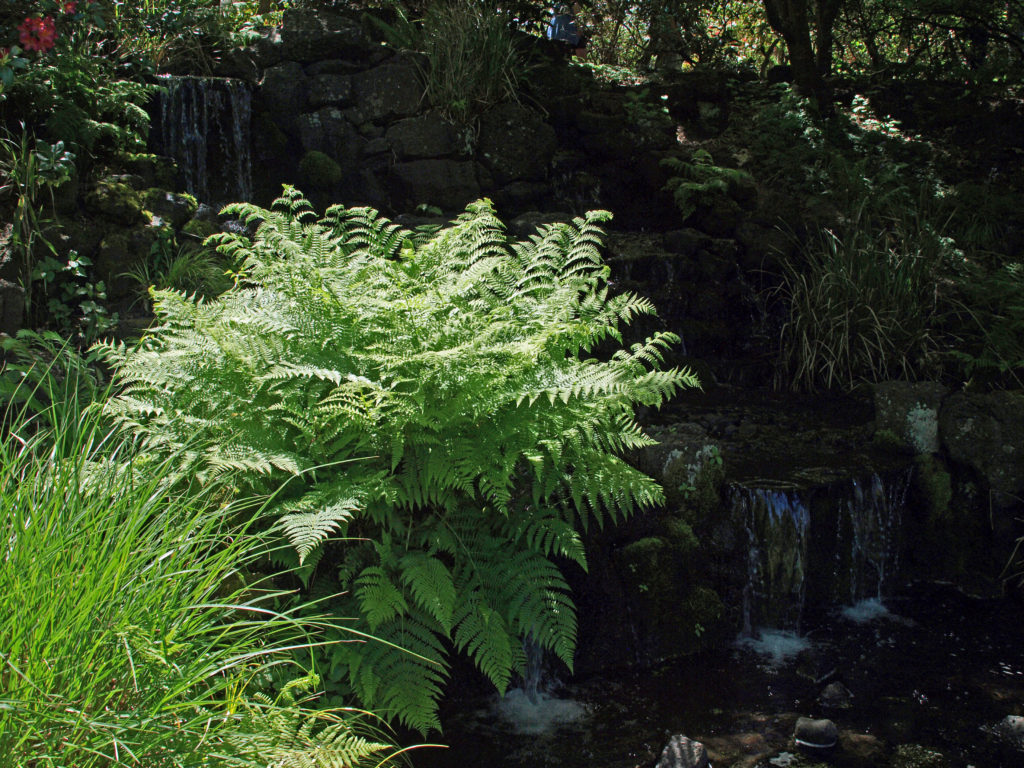 Whether you are a garden lover, birder, photographer, artist, or just looking for a beautiful place to spend some time in, Crystal Springs is a place you’ll love. For my money, only the Portland Japanese Garden tops Crystal Springs among Portland area gardens.
Originally posted July 16, 2019. Most recently updated April 10, 2025.
All photos © Alan K. Lee
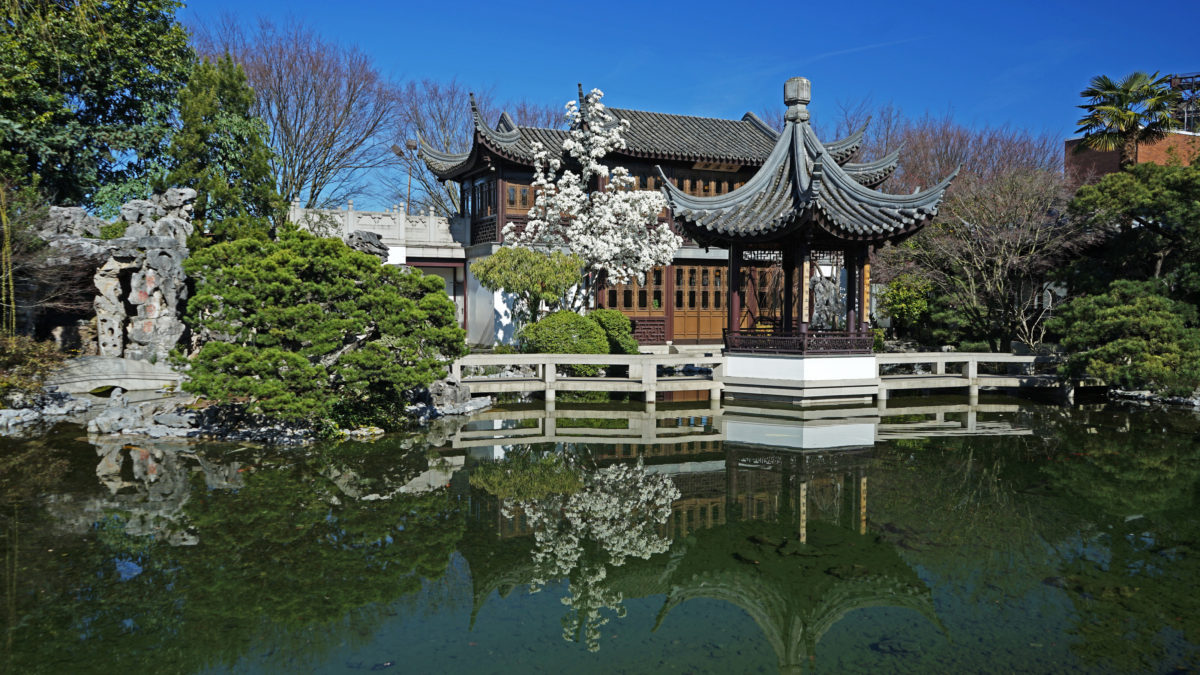
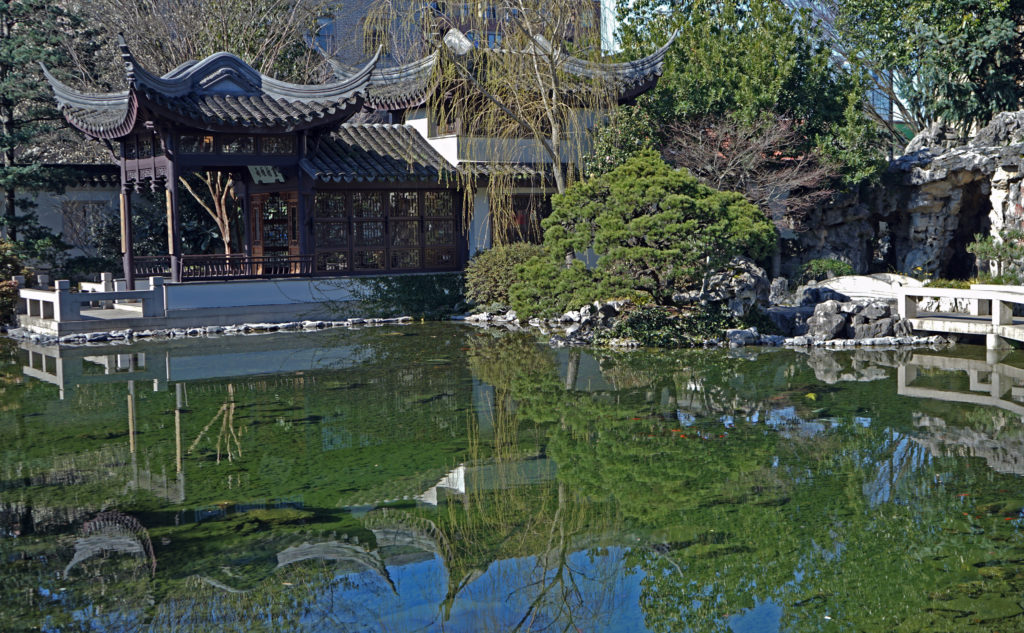 The garden came about through Portland’s sister city relationship with Suzhou, in Jiangsu Province, China. Suzhuo is noted for its Ming Dynasty gardens, and Lan Su Garden was created by artisans from Suzhou following a 2000 year old tradition that melds art, architecture, and nature into a harmonious and serene whole.
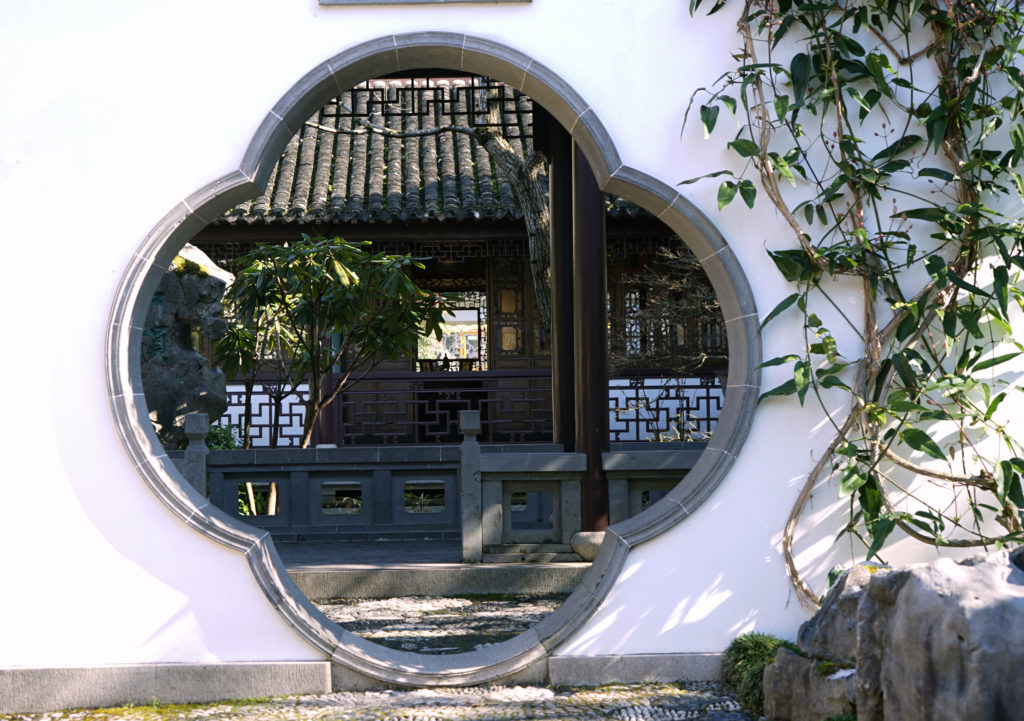 Entering the garden, you come first to the Courtyard of Tranquility. The courtyard (and the whole garden, for that matter) is designed to be a peaceful and soothing place to escape the problems of everyday life, and it succeeds in that remarkably well. It’s surprisingly quiet, and once inside it’s easy to forget that you are in the middle of a busy city.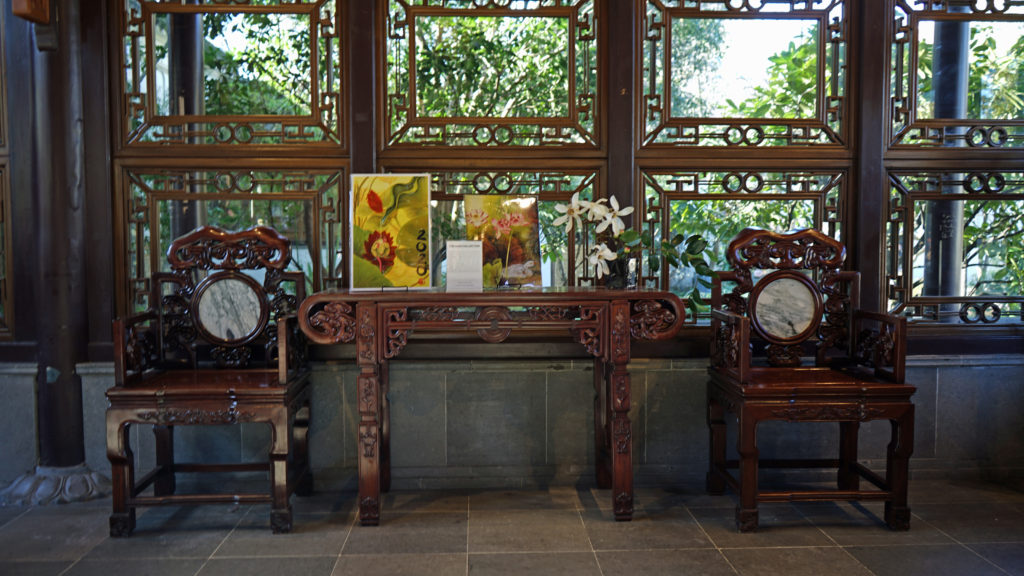
 From the courtyard, you pass through the Hall of Brocade Clouds, traditionally the place where a family entertains guests, and then onto the Terrace. This is a great place to just sit and take in the view. Most of the garden can be seen from the Terrace. The various pavilions and the Tea House (the “Tower of Cosmic Reflections”) are beautifully reflected in the central pond known as Lake Zither.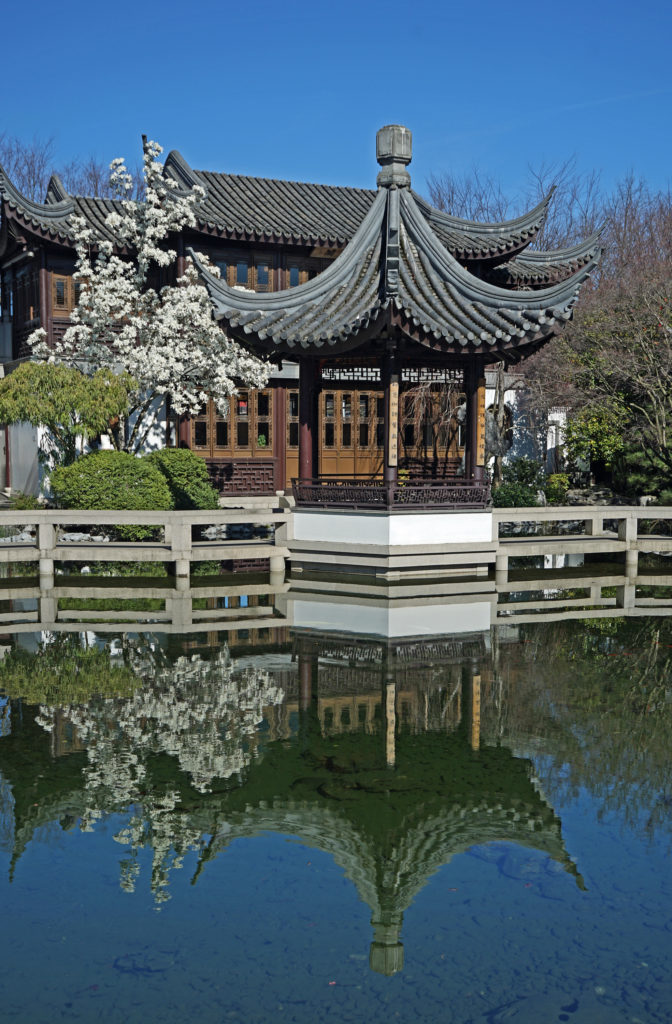

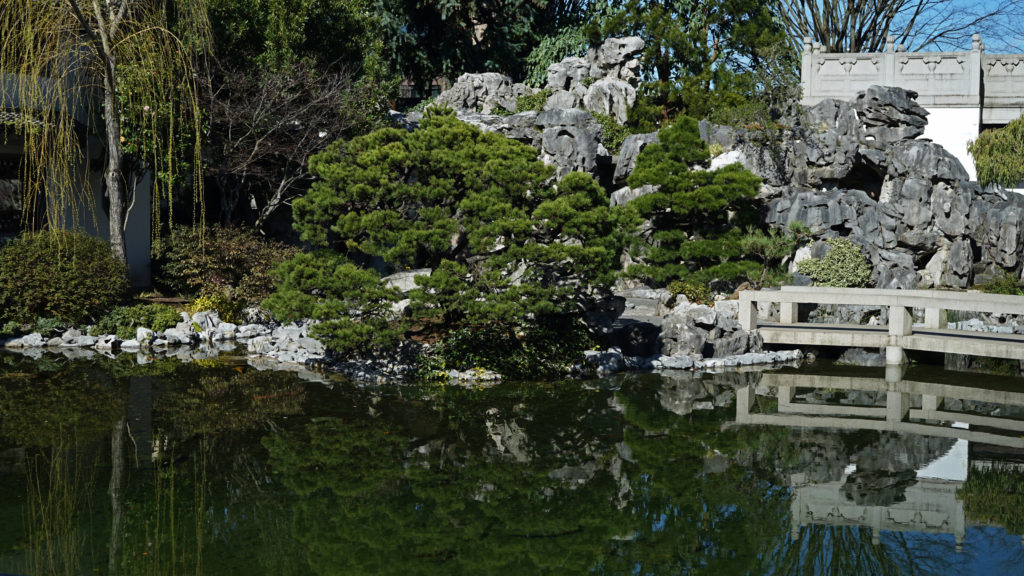
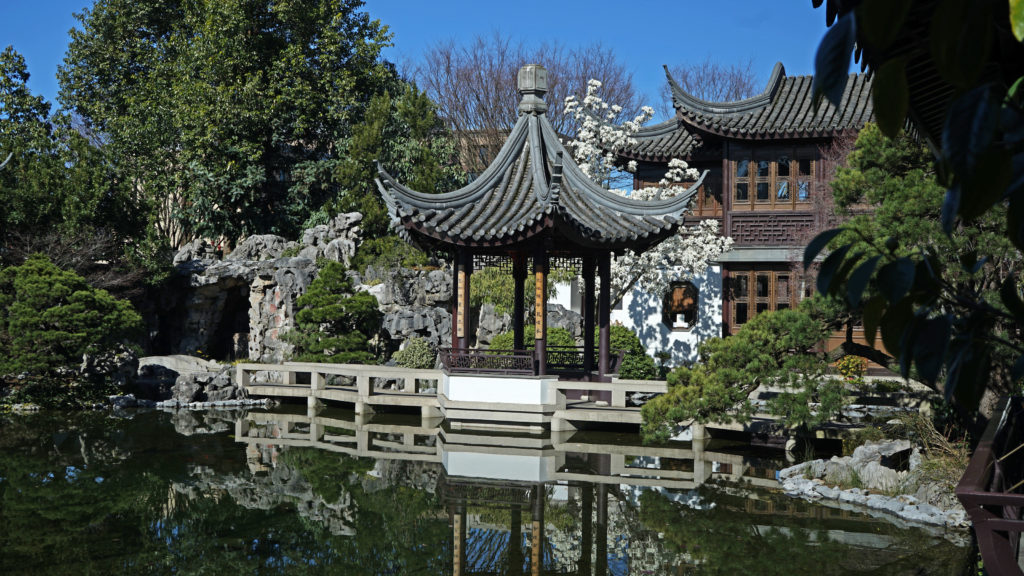 From the Terrace, wander at will through the Painted Boat In Misty Rain pavilion, past the Rock Mountain and Waterfall, across the boardwalk to the Moon Locking Pavilion, Scholar’s Study and Scholar’s Courtyard, and the Knowing the Fish Pavilion. Take some time to visit the Tower of Cosmic Reflections teahouse where you can enjoy a cup of tea and learn a little about the Chinese social art and culture of tea.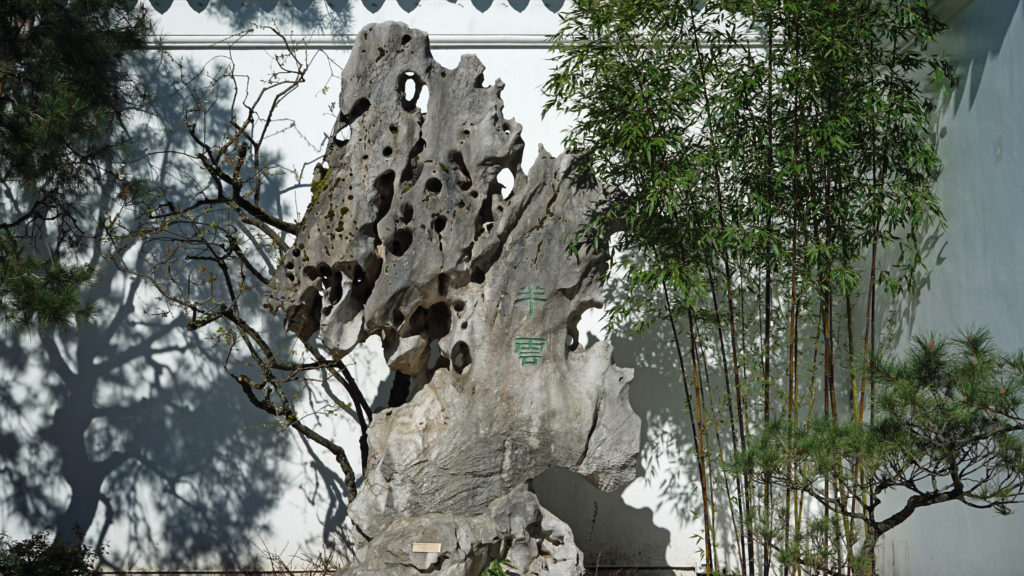
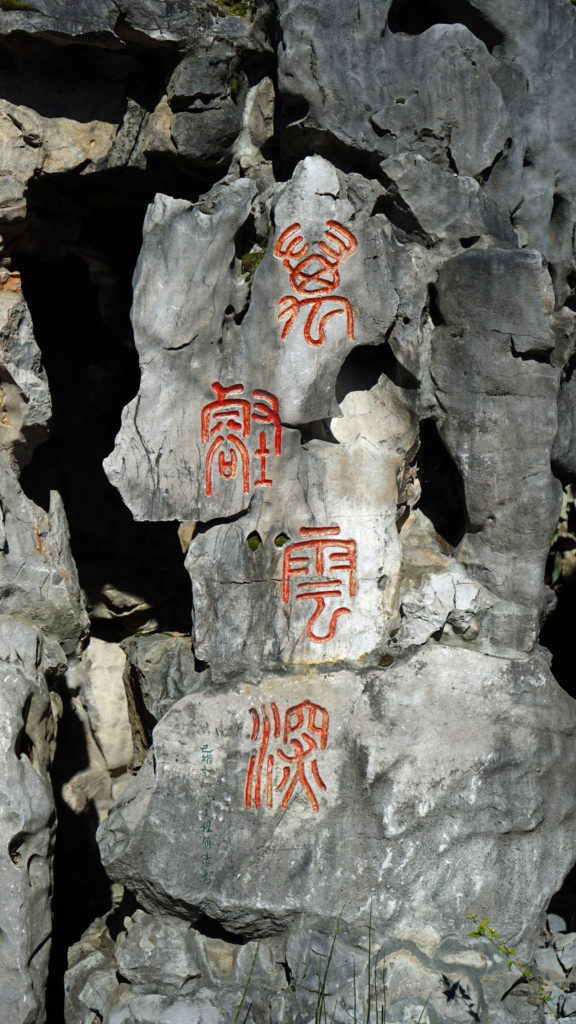 Throughout the garden you will see Lake Tai Rocks. These large, fantastically shaped rocks were imported from China – 600 tons of them. The rocks were formed underwater through the erosive action of Lake Tai’s acidic waters, and are highly prized by landscape architects.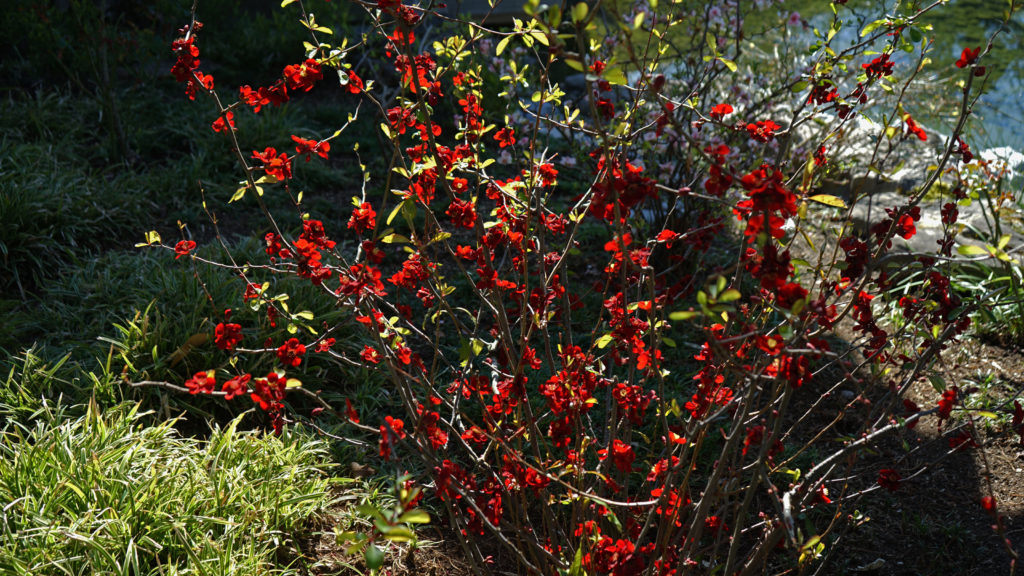

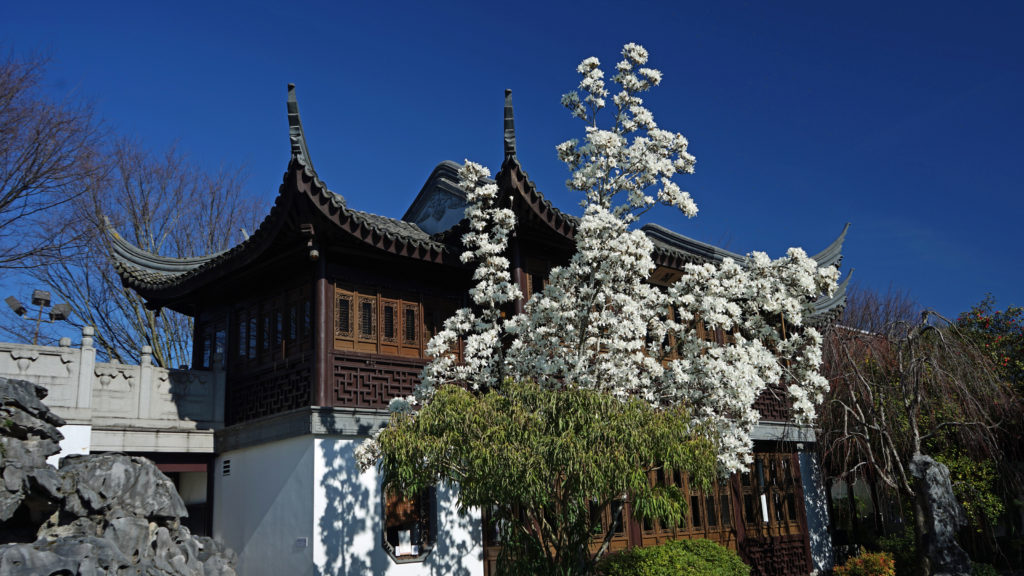 The garden exhibits more than 100 species of trees, shrubs, and plants native to China, including the Pacific Northwest’s largest collection of lotus. The plants found in the garden were not imported from China due to import restrictions, but were found in botanical gardens and nurseries in the United States and transplanted to the garden.
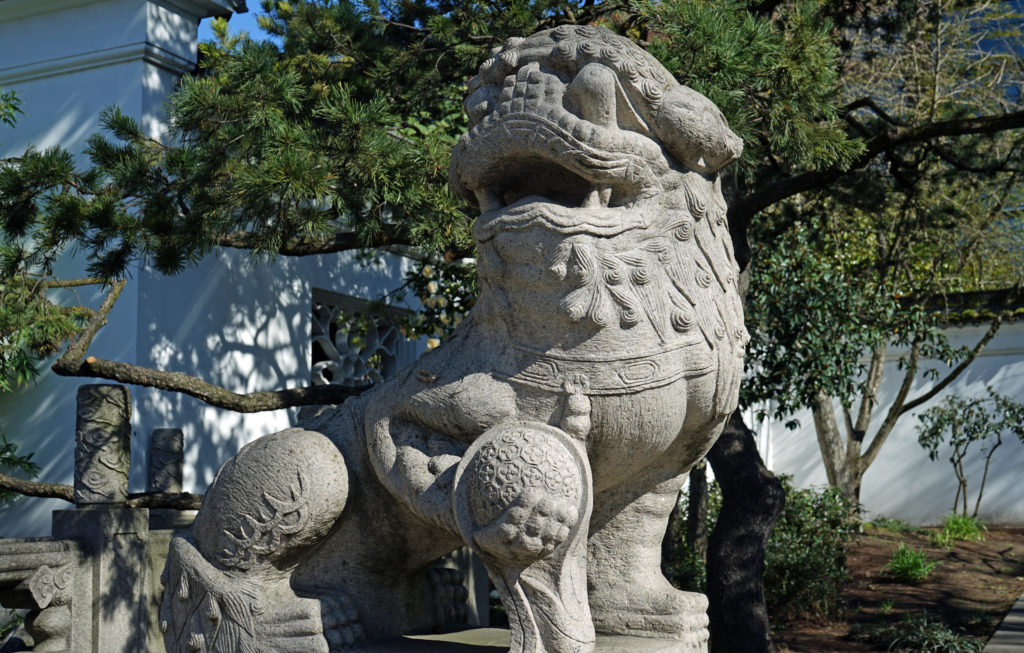 Part of the mission of the Lan Su Chinese Garden is to promote better understanding of Chinese art, history, tradition, and culture. Classes and demonstrations of Chinese calligraphy, brush painting, paper folding, poetry, music, horticulture, wood carving, and other arts such as kite making, are held throughout the year at the garden. And public tours of the garden led by trained docents are held several times a day.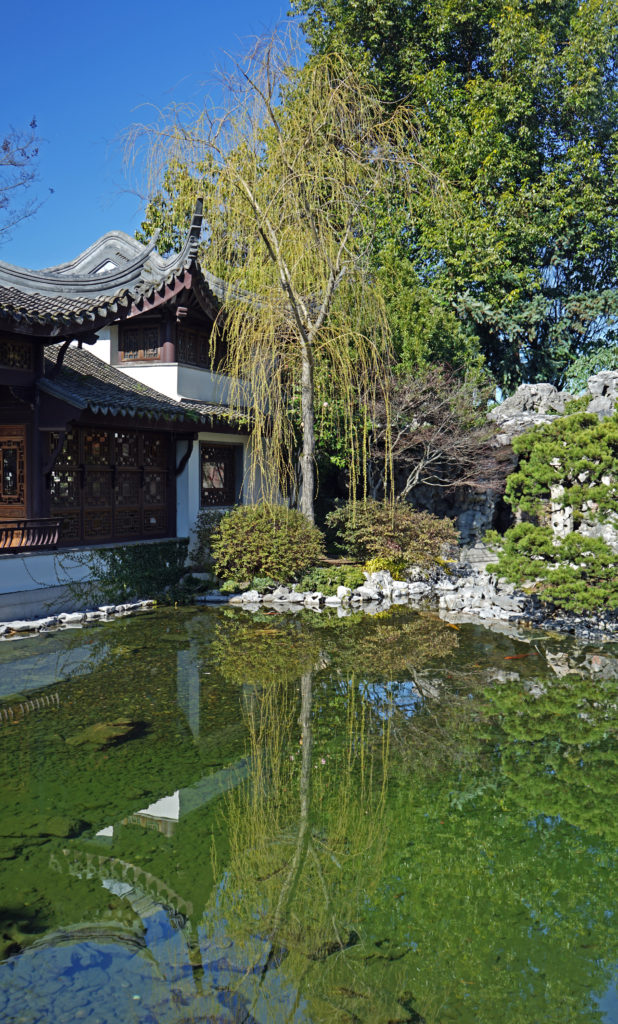

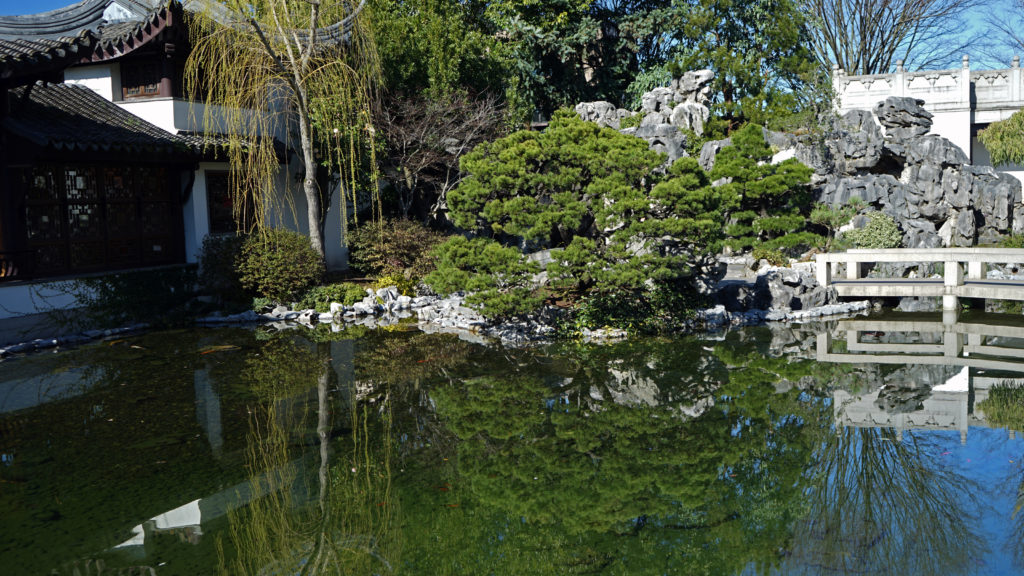 The Lan Su Garden is small, taking up only one city block, but it is one of Portland’s premier gardens (along with the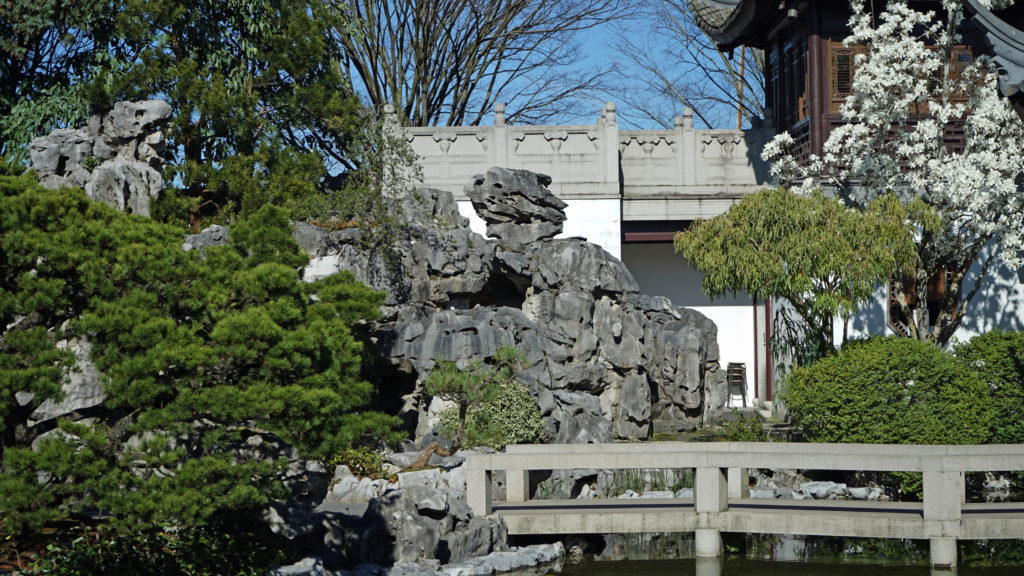
 Lan Su Chinese Garden is open from 10:00 to 4:30 daily in the winter and 10:00 to 6:30 in the summer. The garden is closed on Thanksgiving, Christmas, and New Year’s Day. Admission is $16 for adults, $15 for seniors (62+), and $13 for children 6-18 and college students (2025 prices). Children five and under are free. Annual memberships are available for $60 (one individual plus one guest per visit). Senior and student memberships are $40 (one individual). Family memberships (two individuals plus two guests ) are $100. You can find more information about the garden at the Lan Su
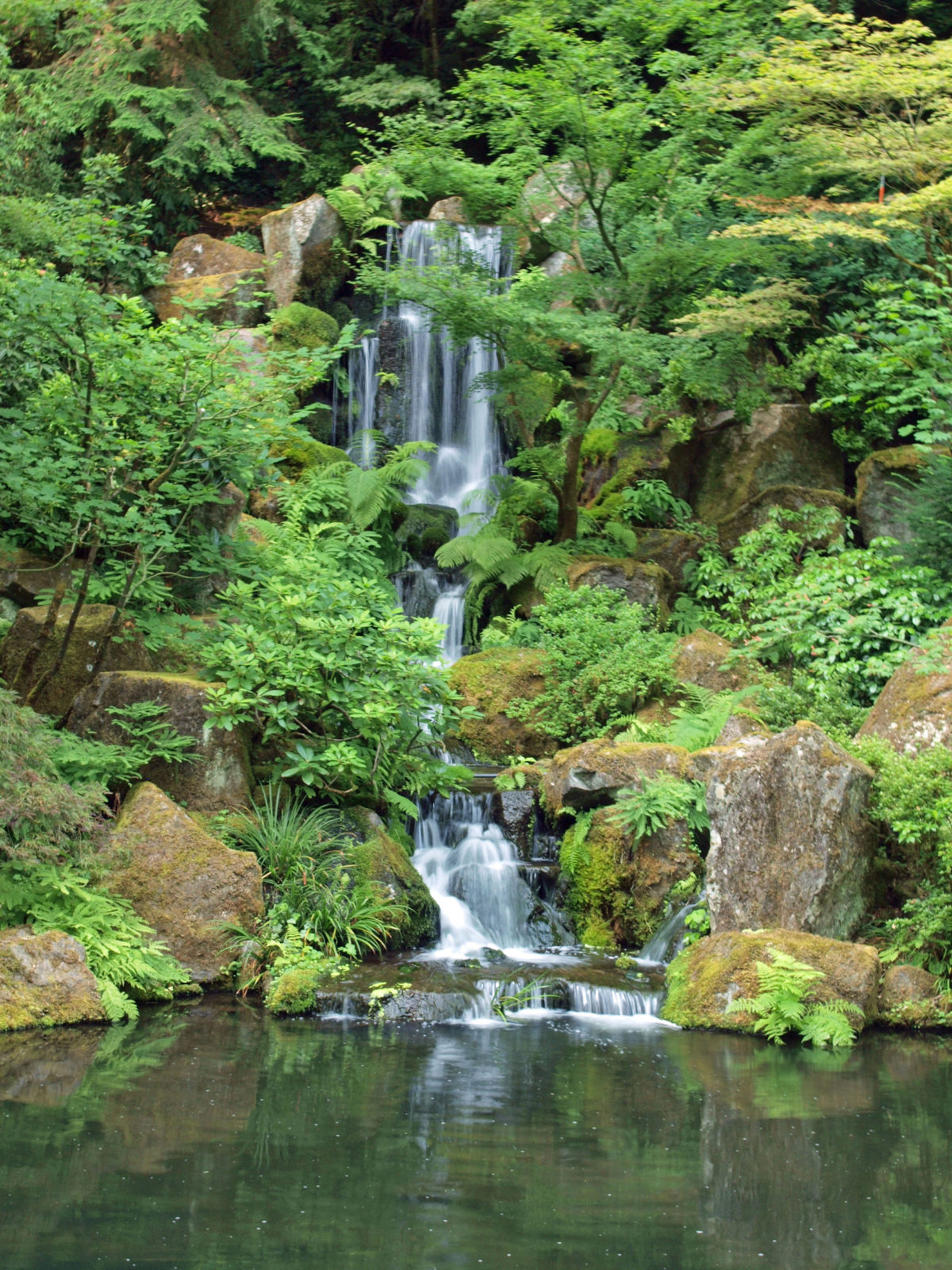
 The serenity and transcendent beauty of the Portland Japanese Garden make it one of my favorite places in the Pacific Northwest. Located in Washington Park in Portland’s West Hills, the garden overlooks downtown Portland, but it is worlds away from the hustle and bustle of the city. The tranquility that the garden aspires to is somewhat compromised by the 450,000 annual visitors that it attracts, but the beauty of the gardens make it more than worth visiting despite any crowds.
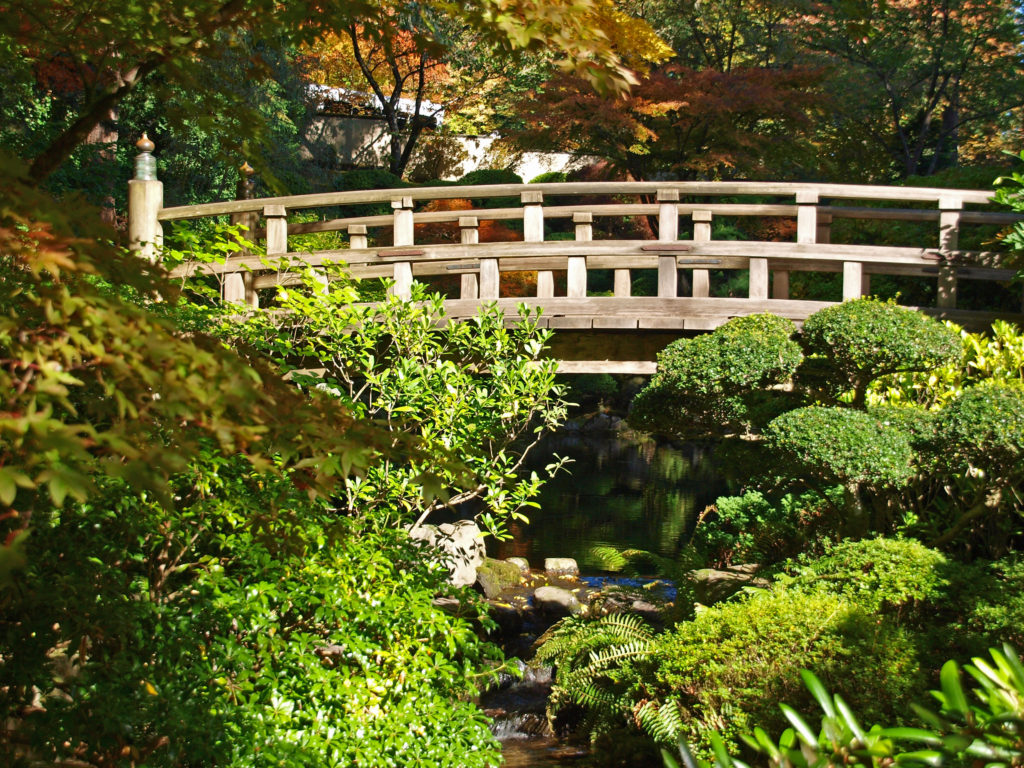 Former Japanese Ambassador to the United States Nobuo Matsunaga has called the Portland Japanese Garden “the most beautiful and authentic Japanese garden in the world outside of Japan.”
 The Portland Japanese Garden came out of the sister city relationship between Portland and Sapporo, Japan, which was created at least in part as an effort to heal the wounds of World War II. The garden website says it best: “Born out of a hope that the experience of peace can contribute to a long lasting peace. Born out of a belief in the power of cultural exchange. Born out of a belief in the excellence of craft, evidence in the Garden itself and the activities that come from it. Born out of a realization that all of these things are made more real and possible if we honor our connection to nature.”
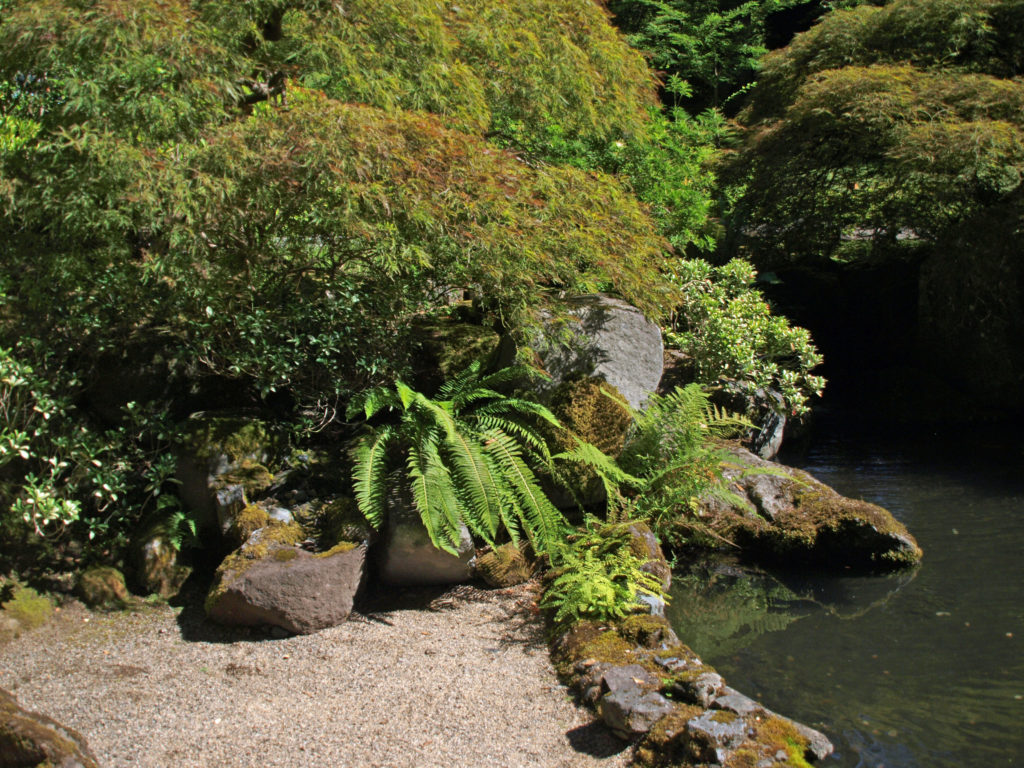 The site, once the location of the Washington Park Zoo, was dedicated in 1961. Construction of the garden began in 1963, and the garden opened to the public in the summer of 1967. Designed by Professor Takuma Tono of Tokyo Agricultural University, the garden originally consisted of five different garden styles spread over 5.5 acres.
 Over its more than half a century of existence, the garden has evolved and more than doubled in size. The Kashintei Tea House was built in Japan in 1968, dismantled, and shipped to Portland. But it wasn’t until 1980 that it was reconstructed on its present site. It was dedicated on May 18, 1980, the same day that Mount St. Helens erupted.
 The most recent expansion, completed in 2017, added a new entrance and entry garden, a courtyard garden, a bonsai terrace, and a Cultural Village consisting of three new buildings designed by Japanese architect Kengo Kuma: the Jordan Schnitzer Japanese Arts Learning Center; the Garden House; and the Umami Cafe. Today, the Portland Japanese Garden consists of eight gardens covering 12 acres.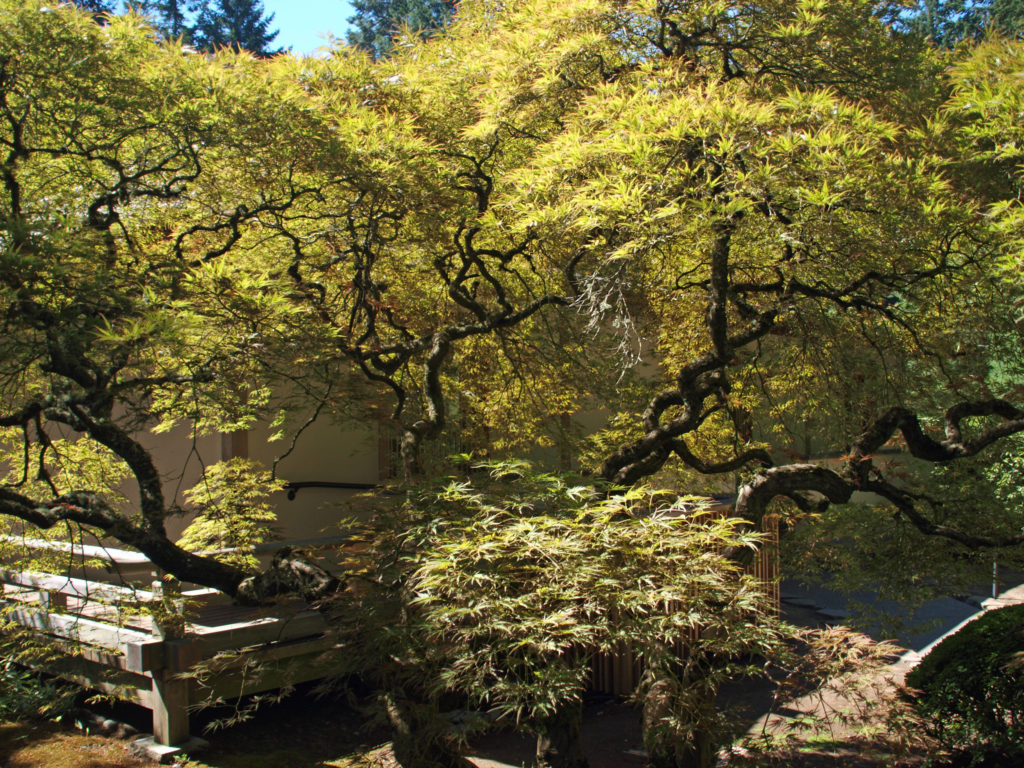
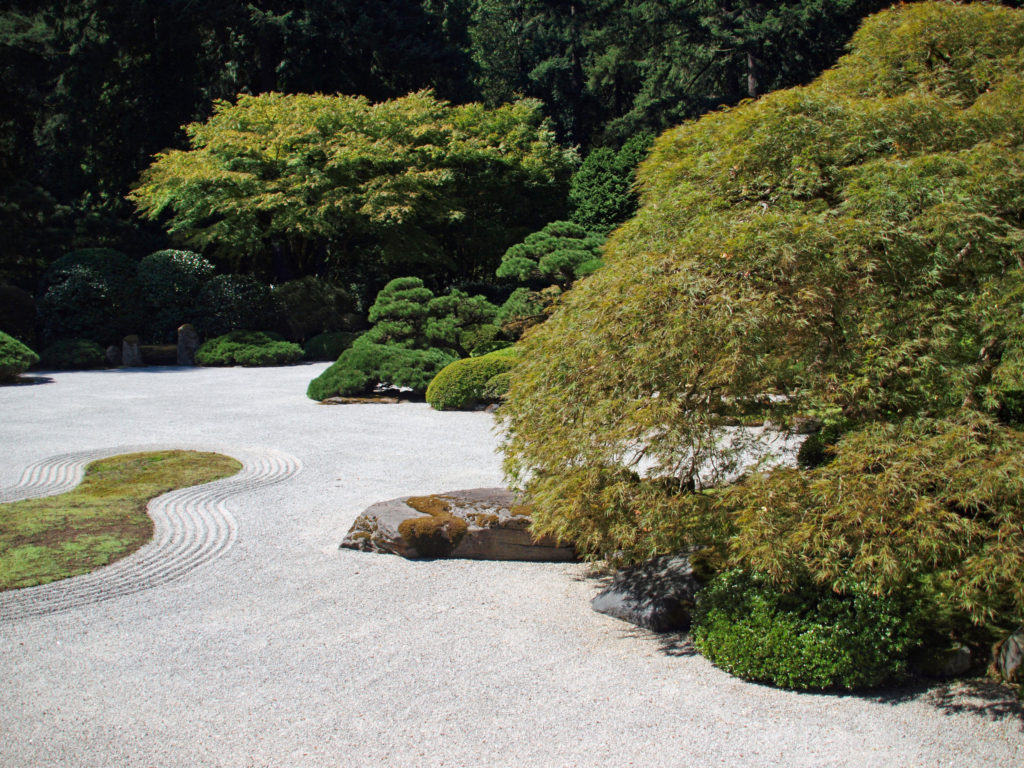
 The garden is open Wednesday through Monday. Summer hour are 10:00 to 5:30. Admission is $18.95 for adults, $16.25 for seniors (65+), $15.25 for students (with ID), and $13.50 for youths (6-17). Children under six are free. Group tickets (for 15 or more people) are offered at a discount. Tickets must be purchased in advance through the garden’s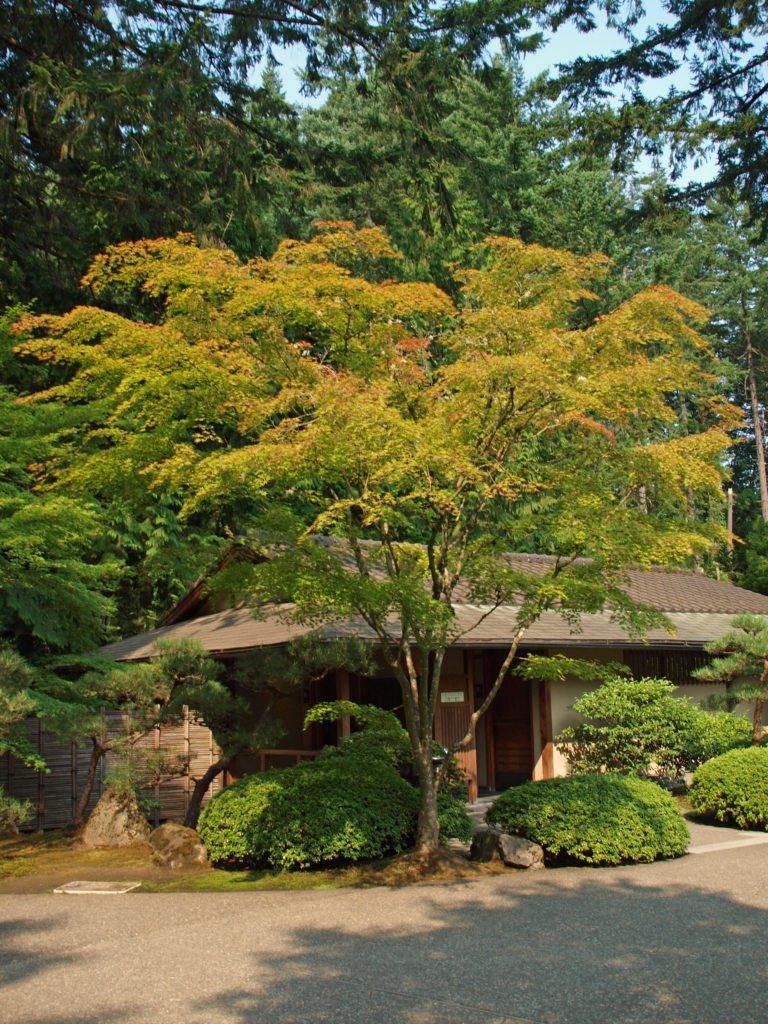
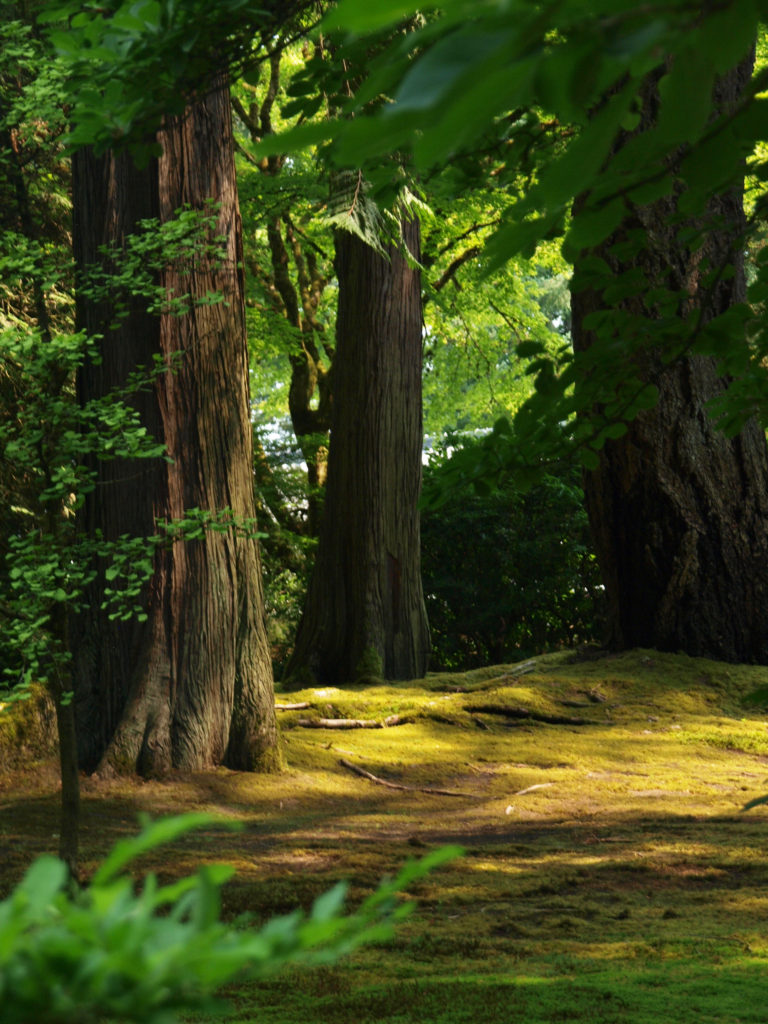 Covid-19 update (April 2022): The garden is open to everyone, and masks are required only on the garden shuttle that runs from the parking area up the hill to the old garden entrance. (You do not have to take the shuttle and masks are not required if you walk). Some of the paths are one way only, and entrance to the Umami Cafe requires proof of vaccination. all garden staff are fully vaccinated.
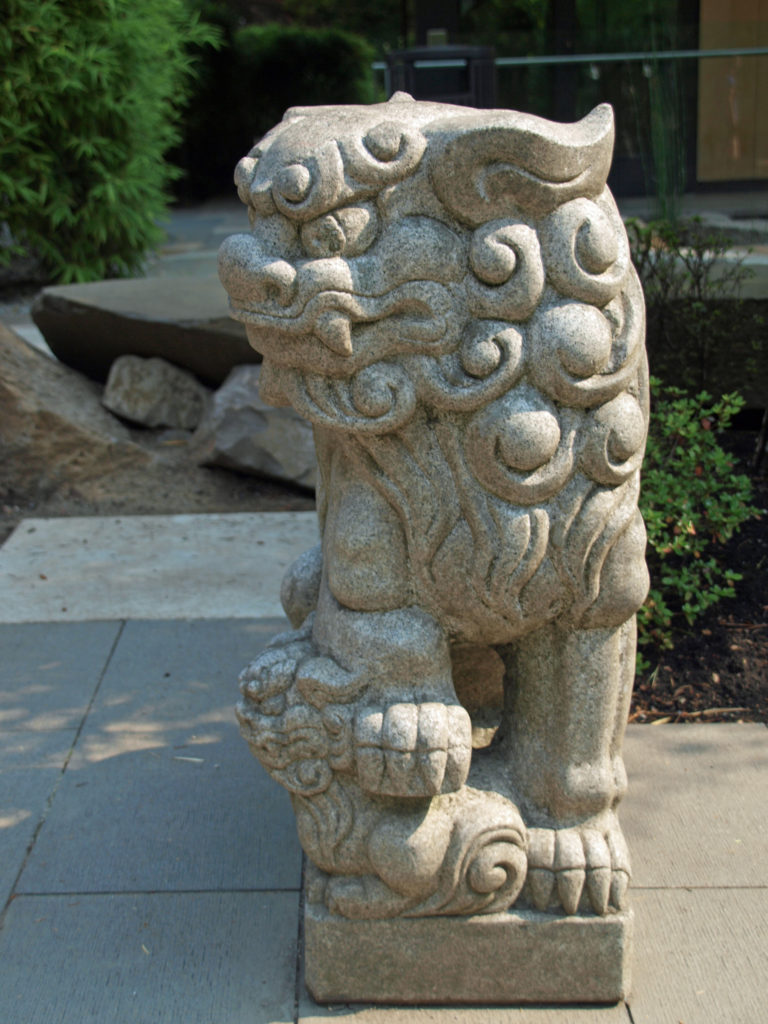 The Portland Japanese Garden is, in my opinion, a must see for anyone visiting Portland. And you’ll probably also want to visit the
  Other gardens featured on this site include Crystal Springs Rhododendron Garden, Butchart Gardens, Hulda Klager Lilac Gardens, Lan Su Chinese Garden, and the Connie Hansen Garden. Those and other Northwest gardens have been or will soon be featured on this site. Check the Recent Posts list or click on the Upcoming Posts tab at the top of this post for gardens to be featured this spring.
 Originally posted August 13, 2018. Updated December 20, 2020 and April 4, 2022.
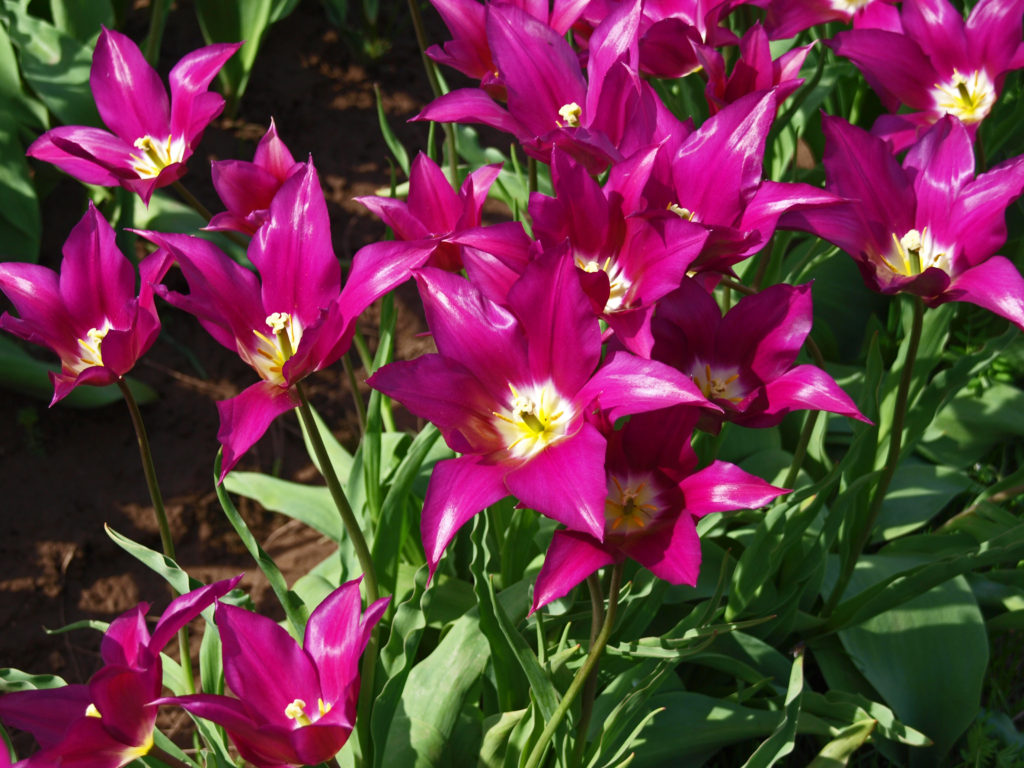
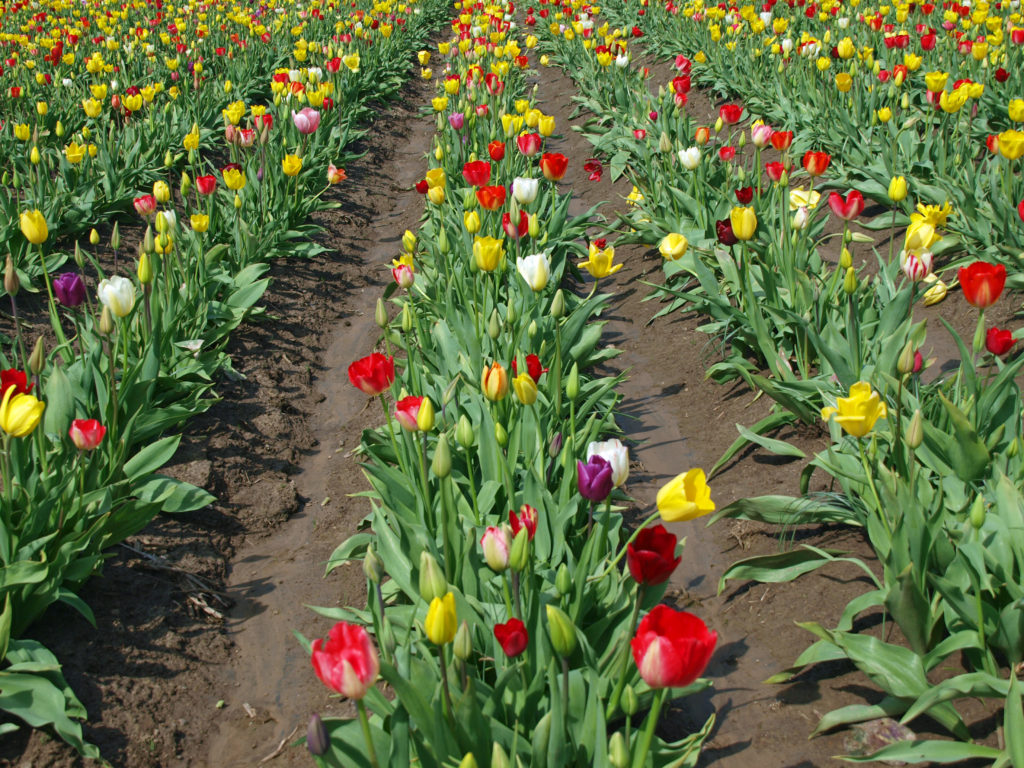

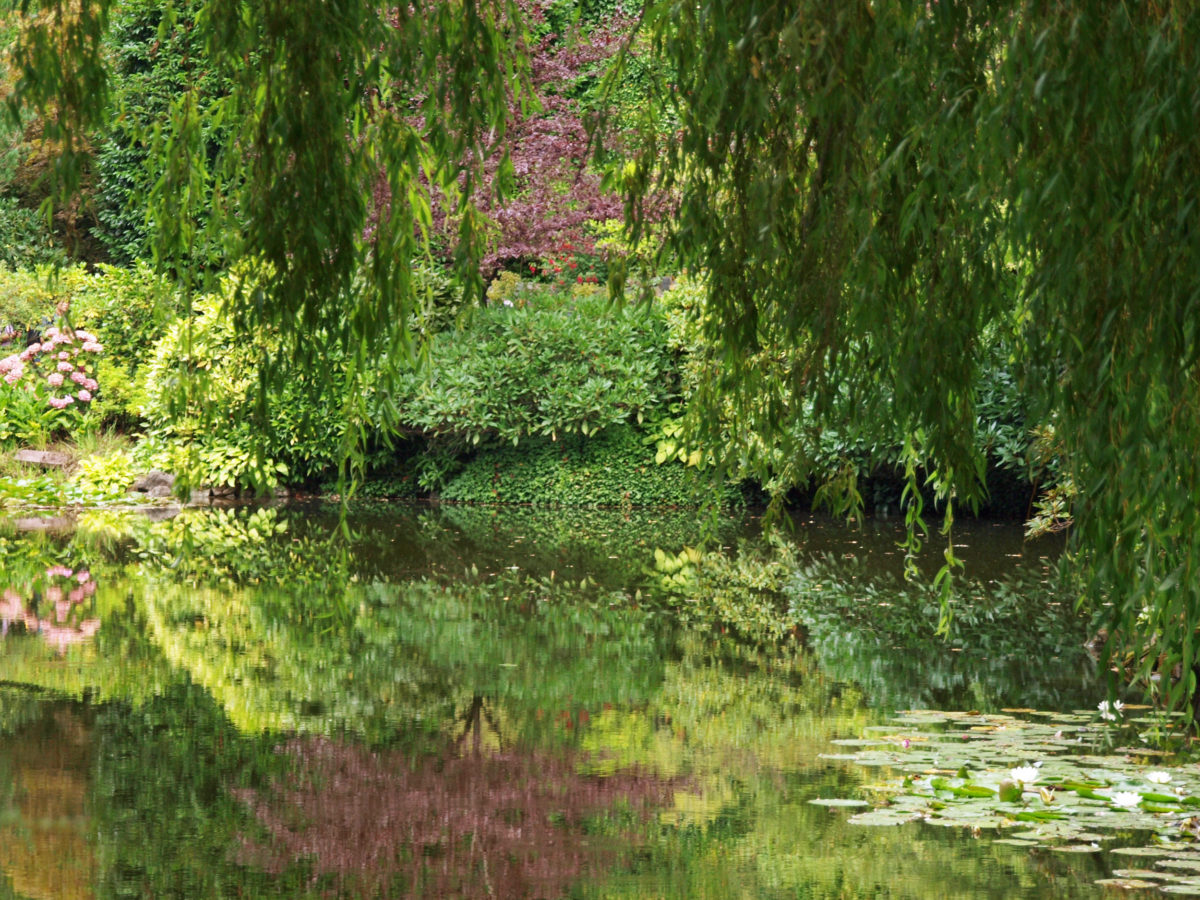
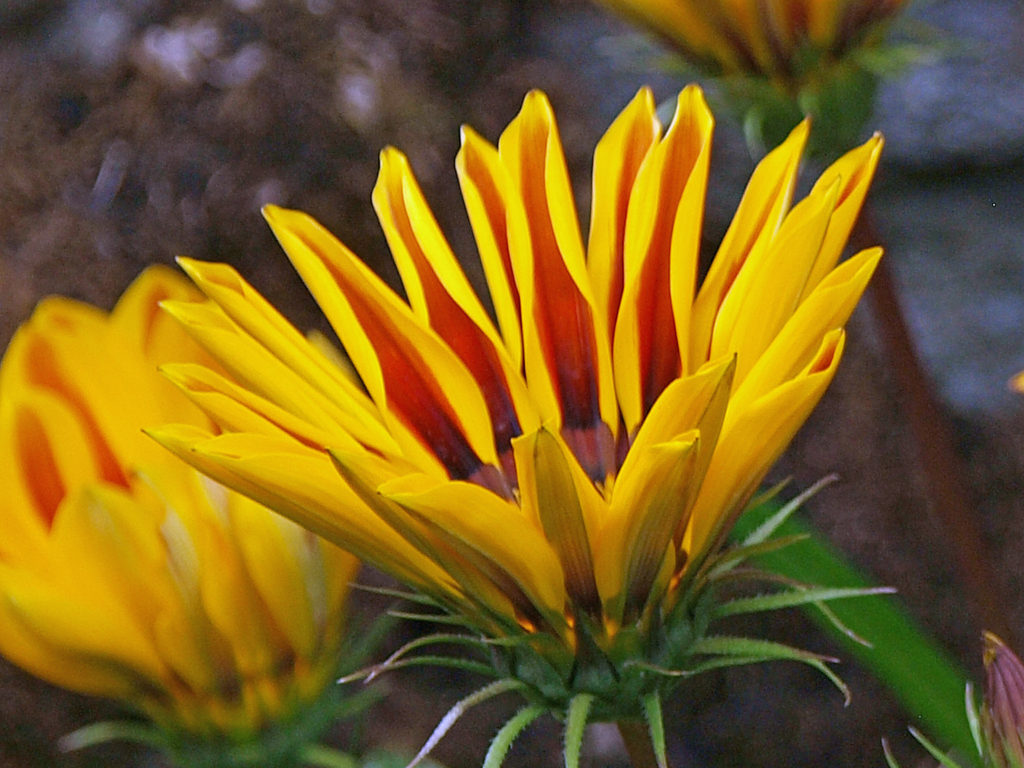
 Jeanette (Jenny) Butchart created the gardens in the early 20th century. Her husband, Robert, owned a cement manufacturing business. He was drawn to Vancouver Island because of its abundant limestone deposits, a key ingredient in Portland cement. Near the turn of the 20th century he purchased the site of what is now Butchart Gardens and began mining limestone and manufacturing cement. In 1904 the Butcharts built their estate on land adjacent to the quarry. Shortly thereafter, Jenny Butchart hired Isaburo Kishida to design and build the Japanese Garden at the estate.
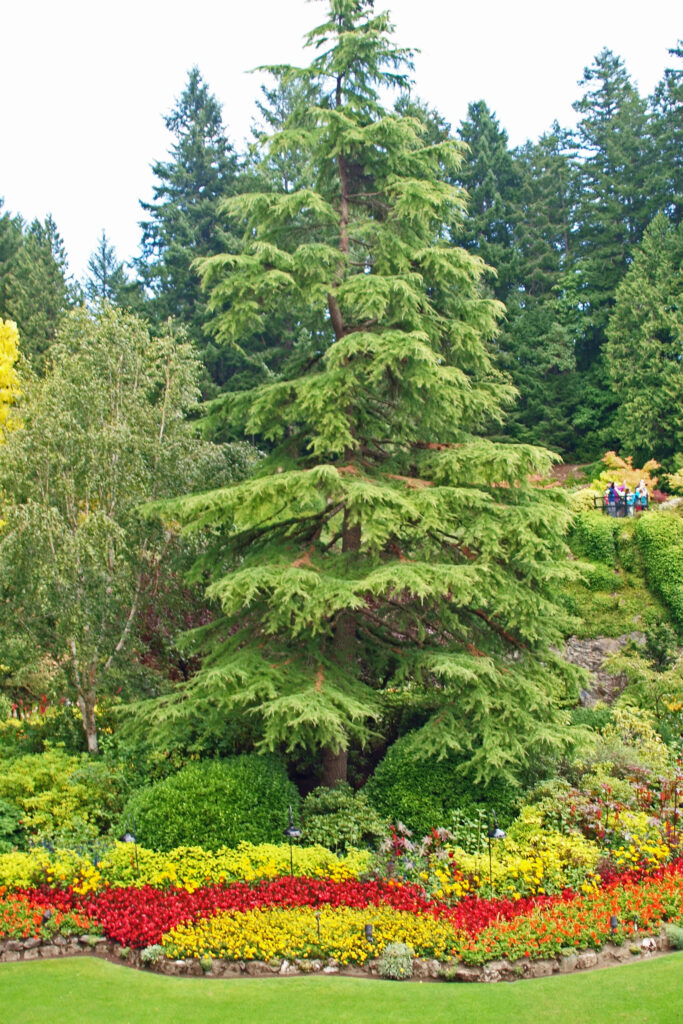
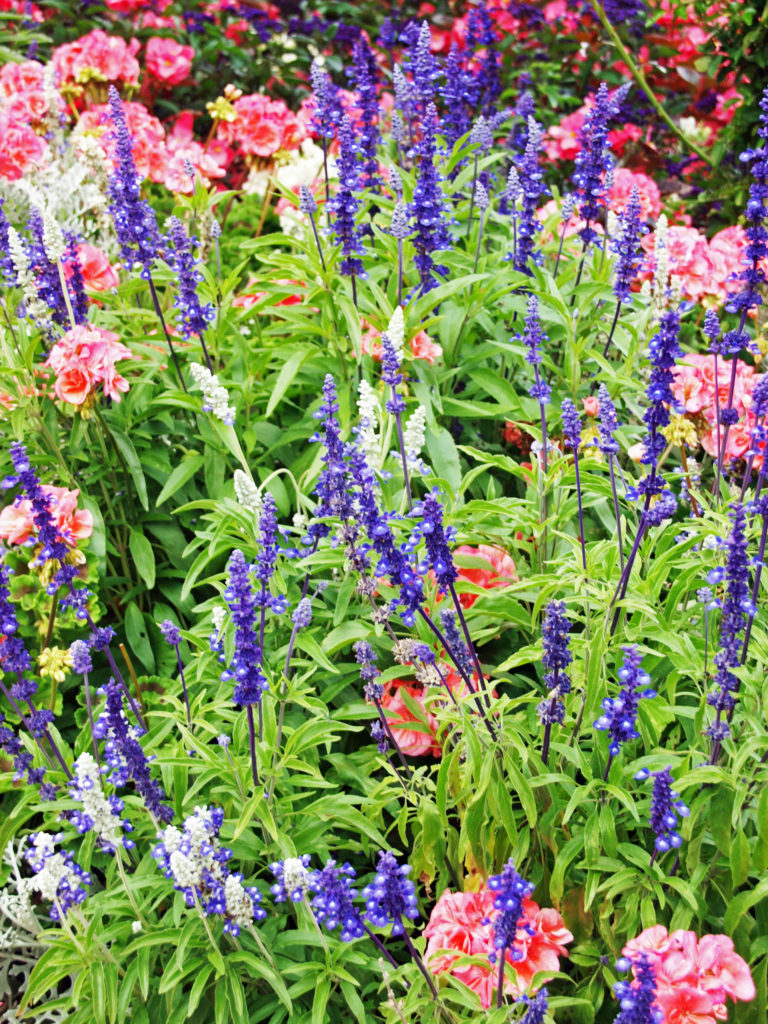
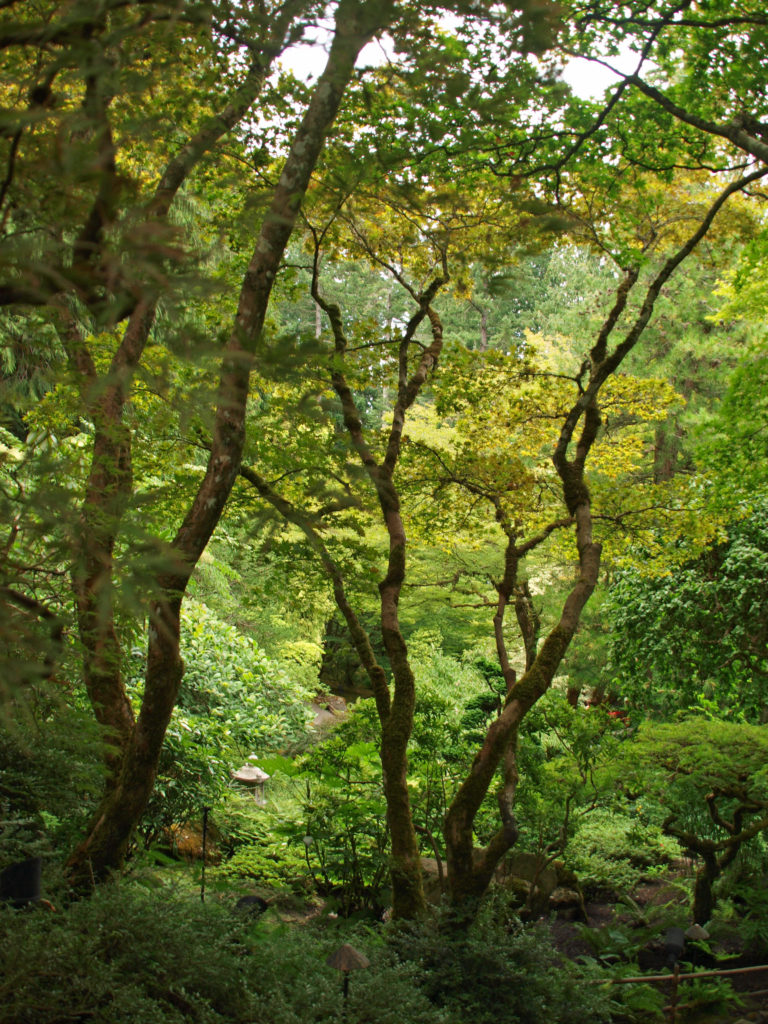 Numerous improvements and additions to the Gardens have been made over the years. In 1953 Ian Ross added lighting to illuminate the Gardens at night, and in 1964 the Ross Fountain was installed in the lower reservoir in the Sunken Garden. The two large totem poles next to the Fireworks Lawn were erected in 2004. In 2009 Robin-Lee Clarke added the Children’s Pavillion and the Rose Carousel.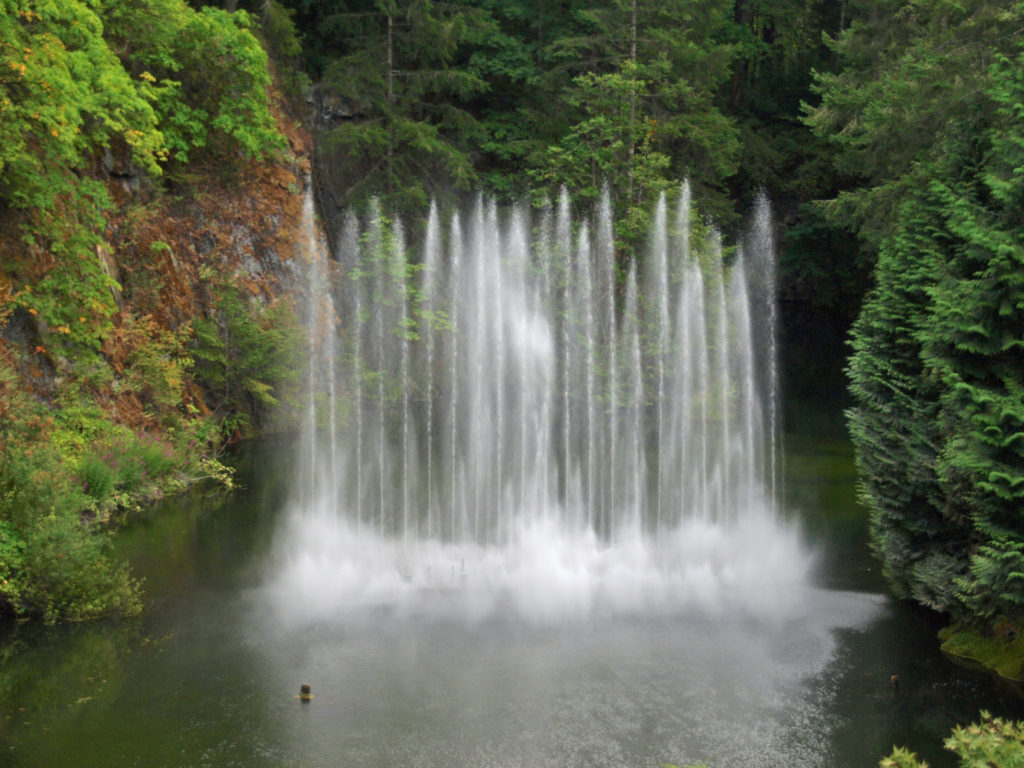
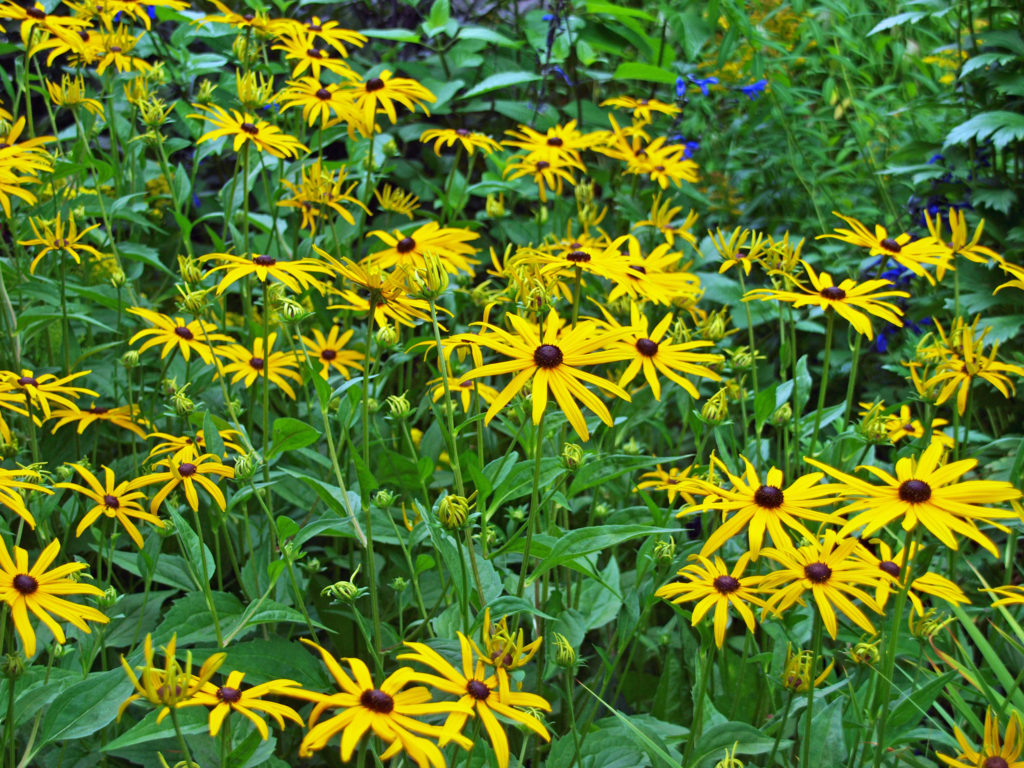
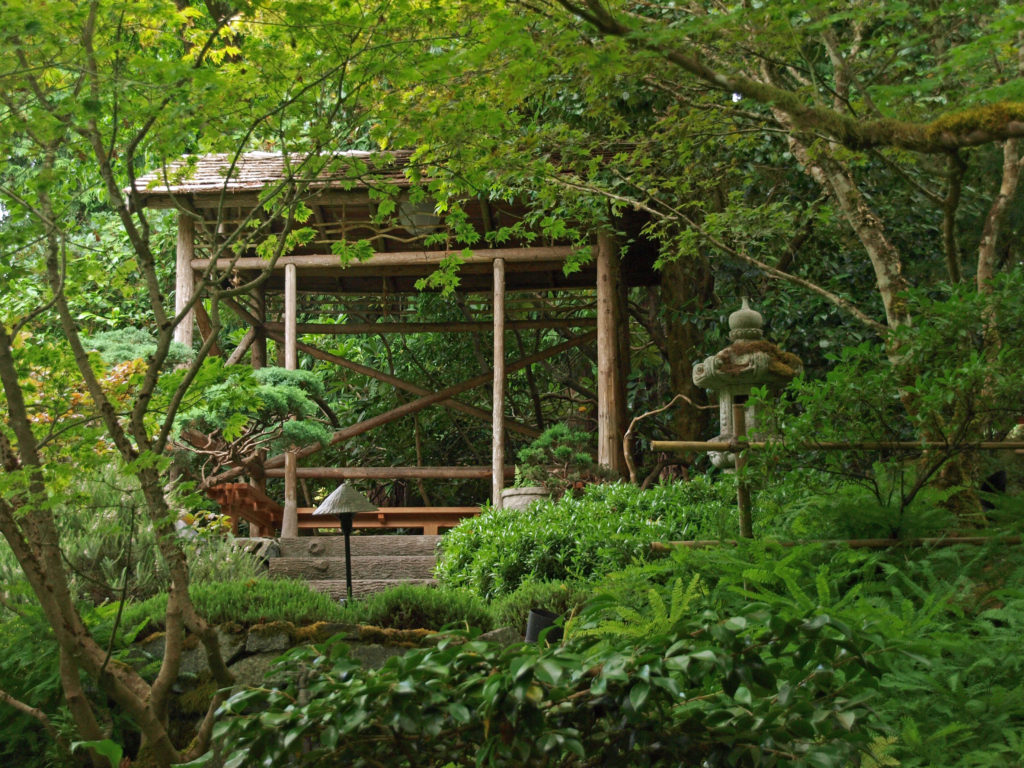
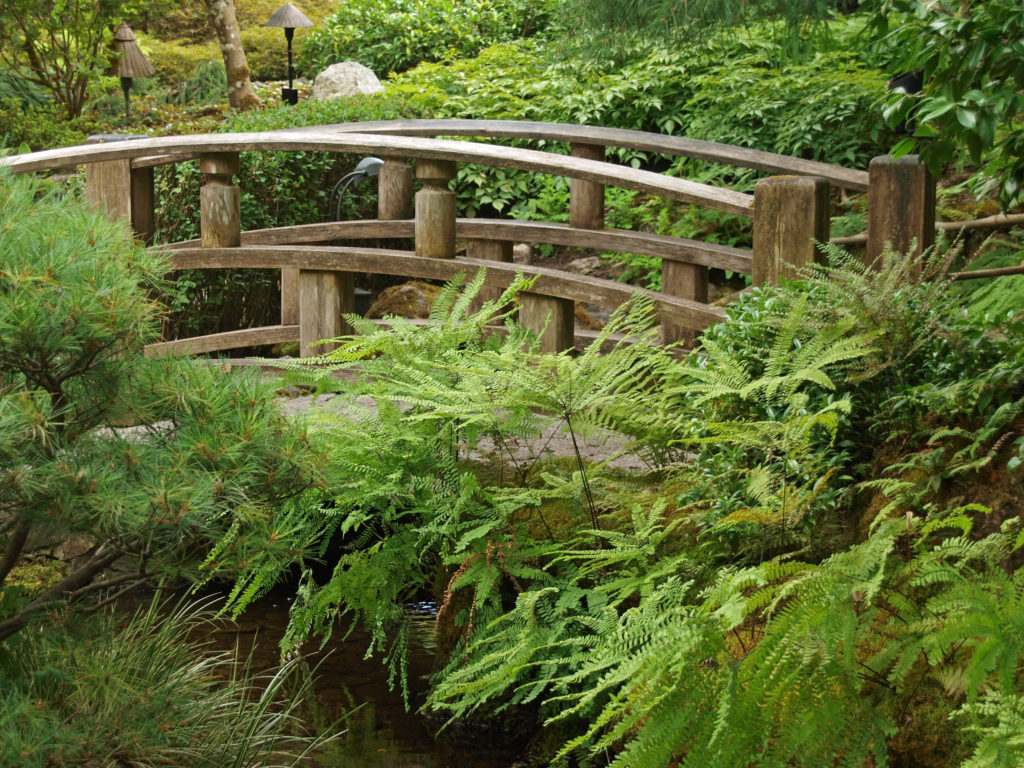
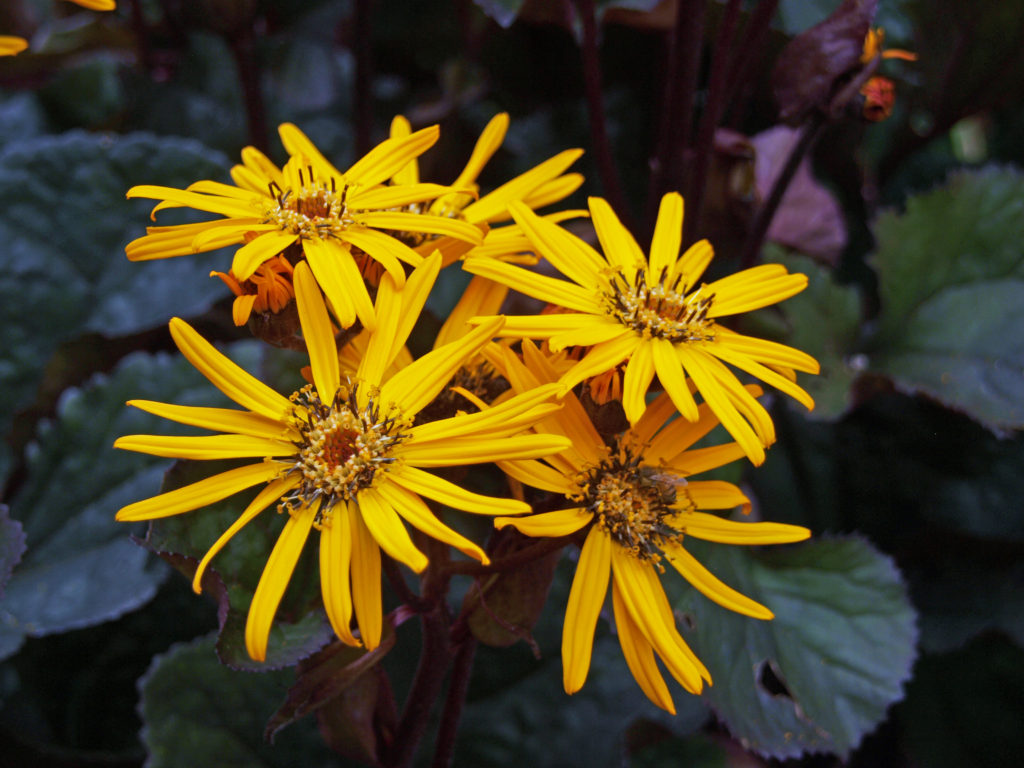
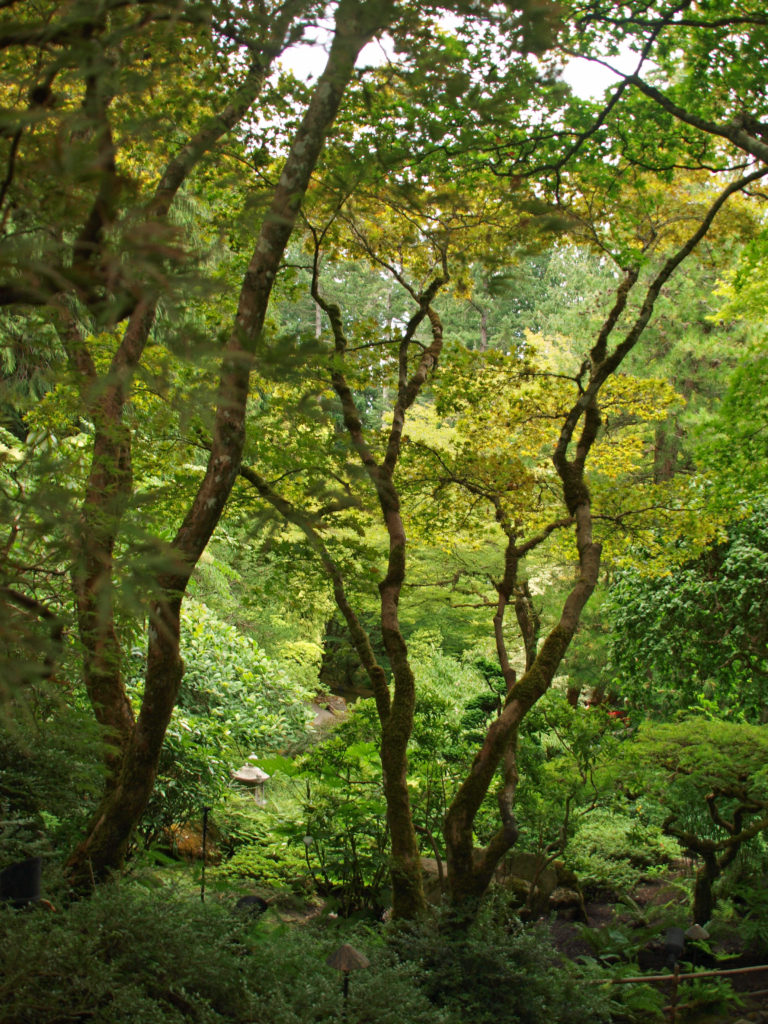
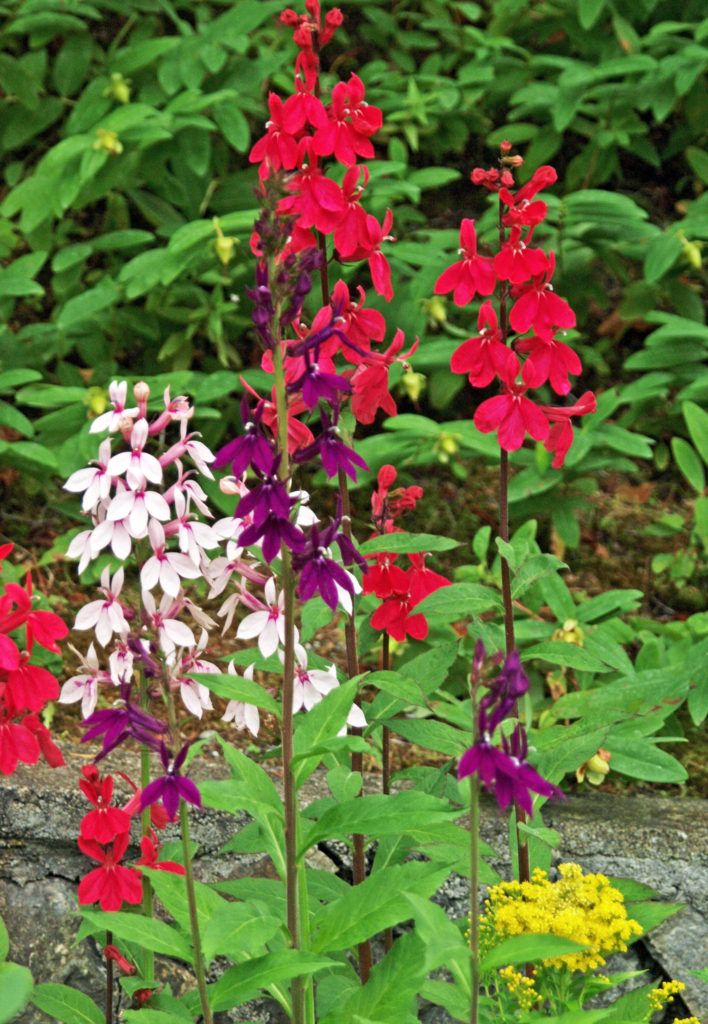 There have been a few reviews that have called the Gardens overpriced and under-whelming, but that’s definitely a minority opinion. And I’m siding with the majority here. Butchart Gardens may not be my favorite garden, but in my opinion the Gardens reputation and World Heritage Site designation are well deserved. And the Gardens are so beautiful that the cost of admission and the crowds shouldn’t dissuade anyone from visiting. If you have never been to Butchart Gardens, they should be on your bucket list, if they aren’t already. And now is as good a time as any to start planning a trip to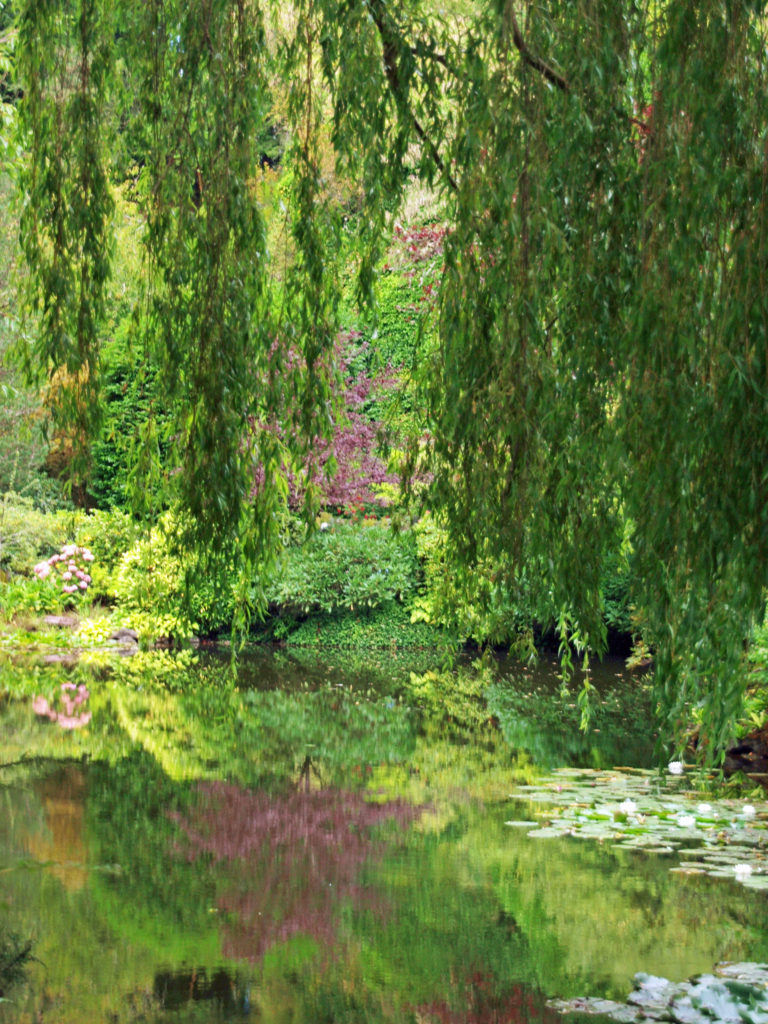
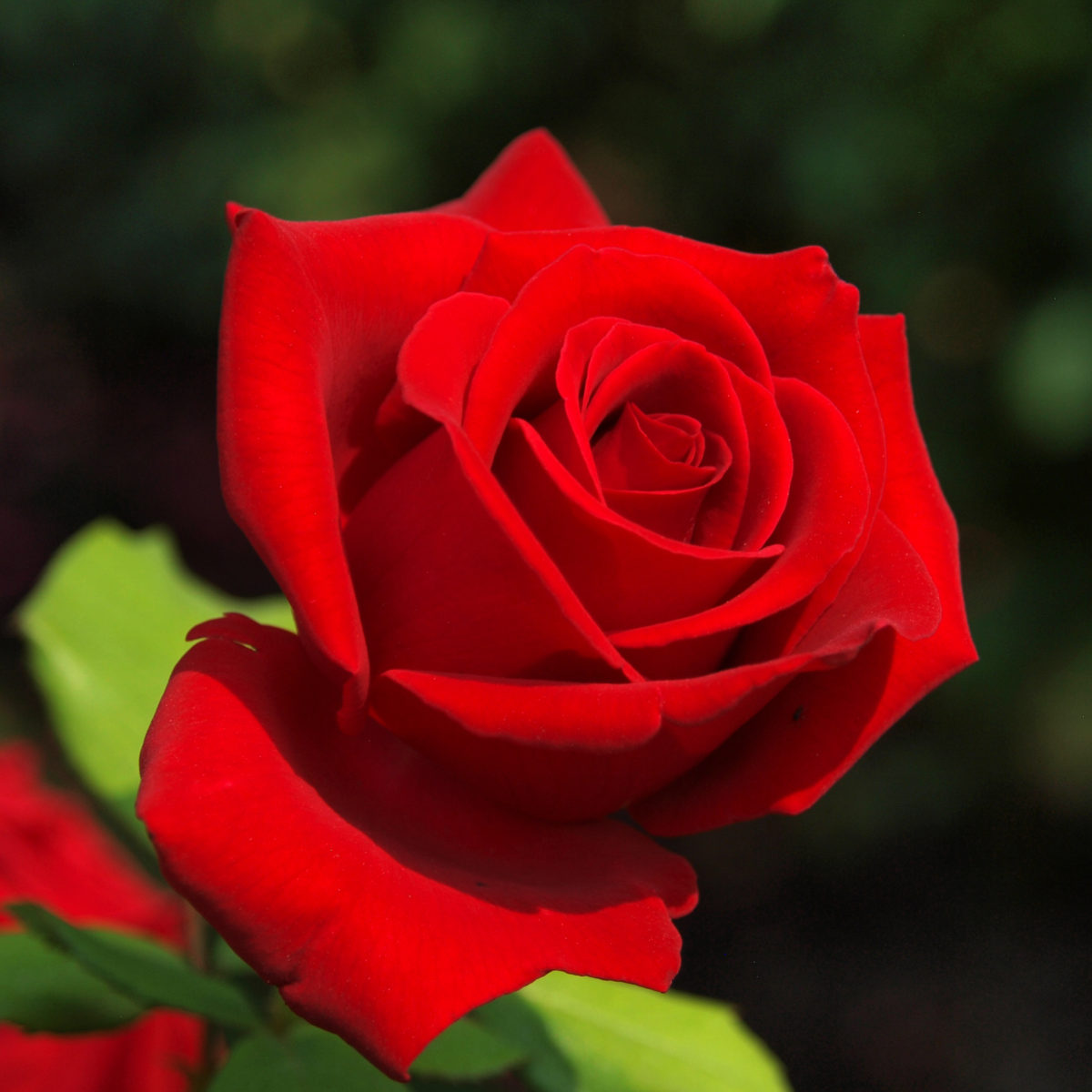
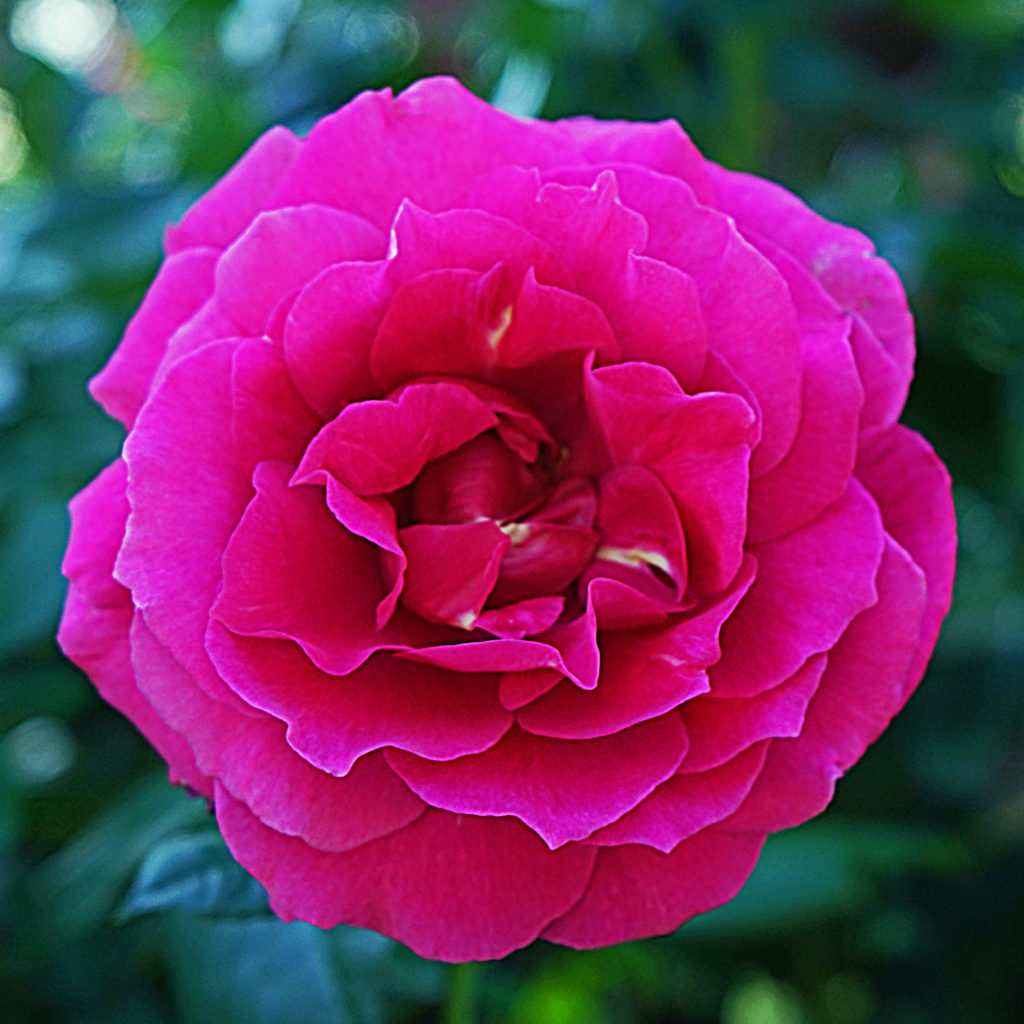
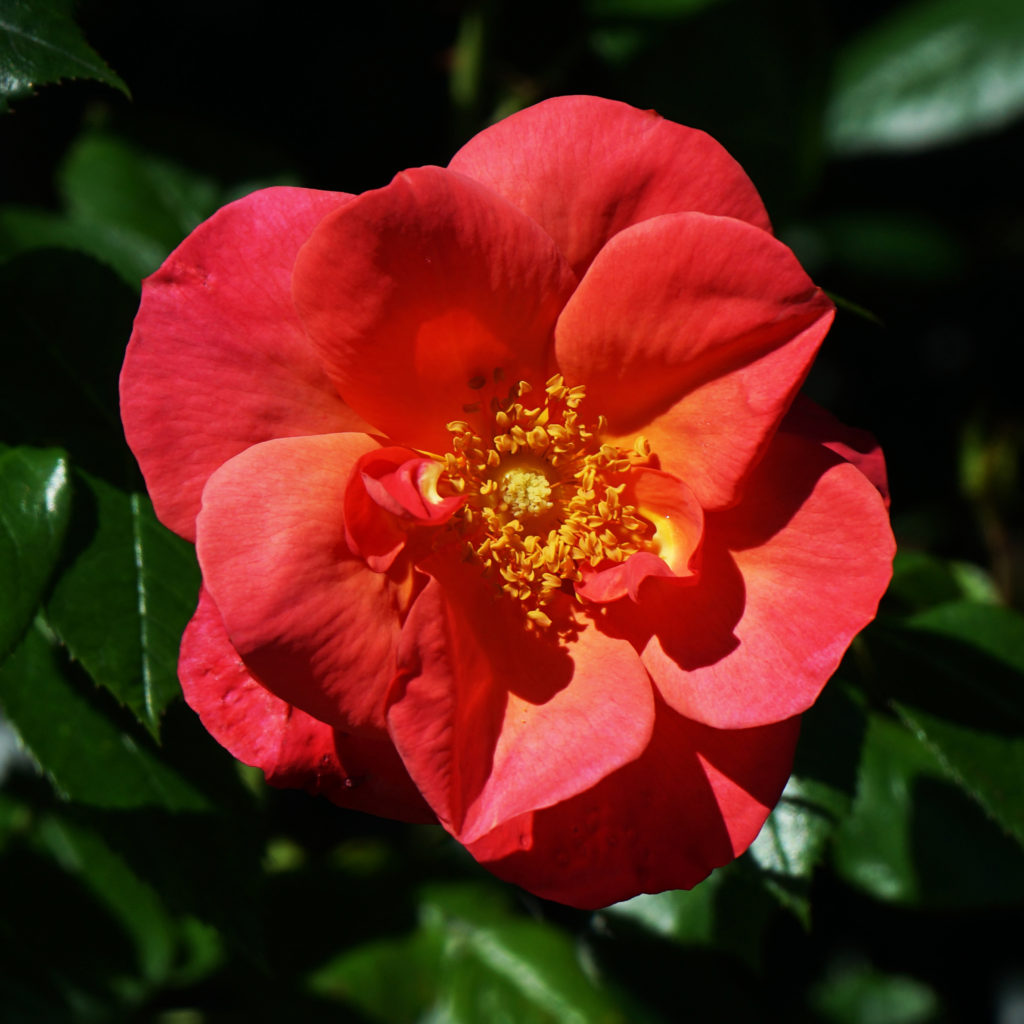
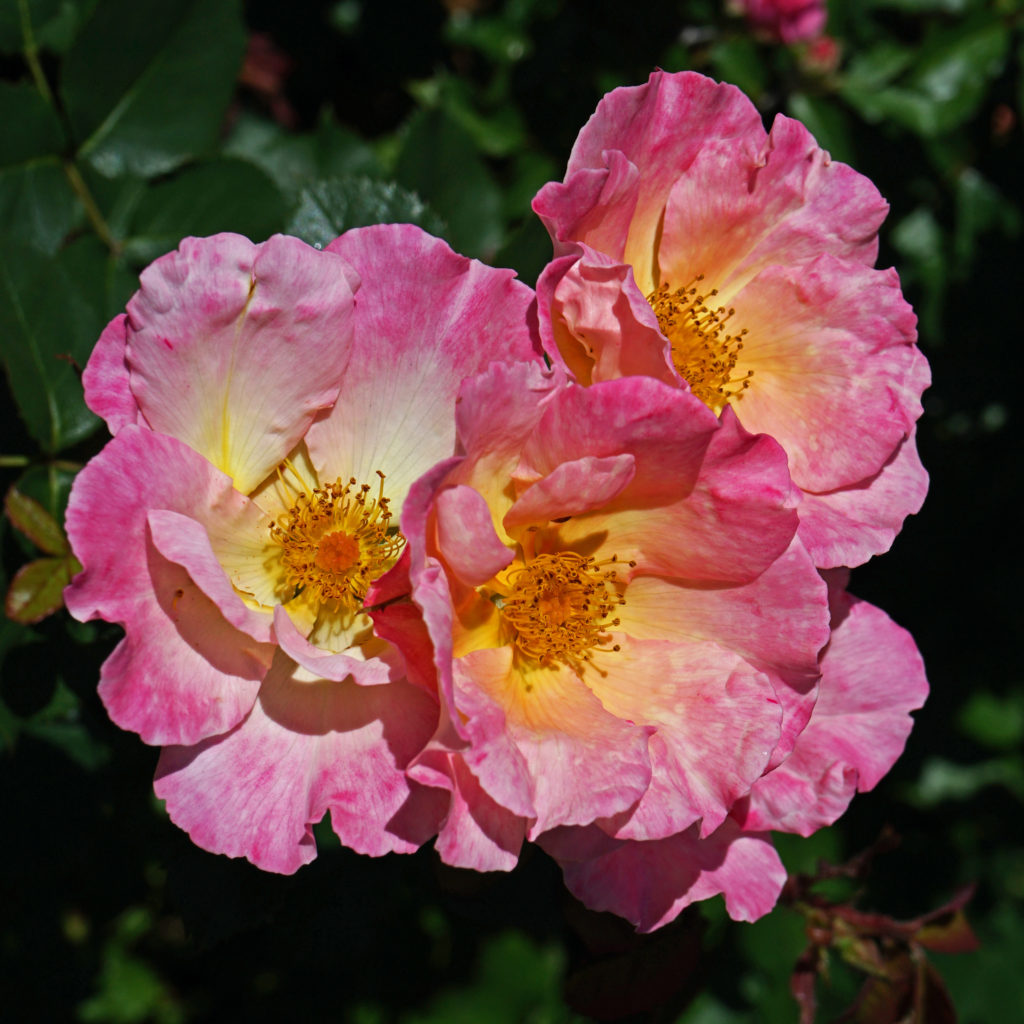
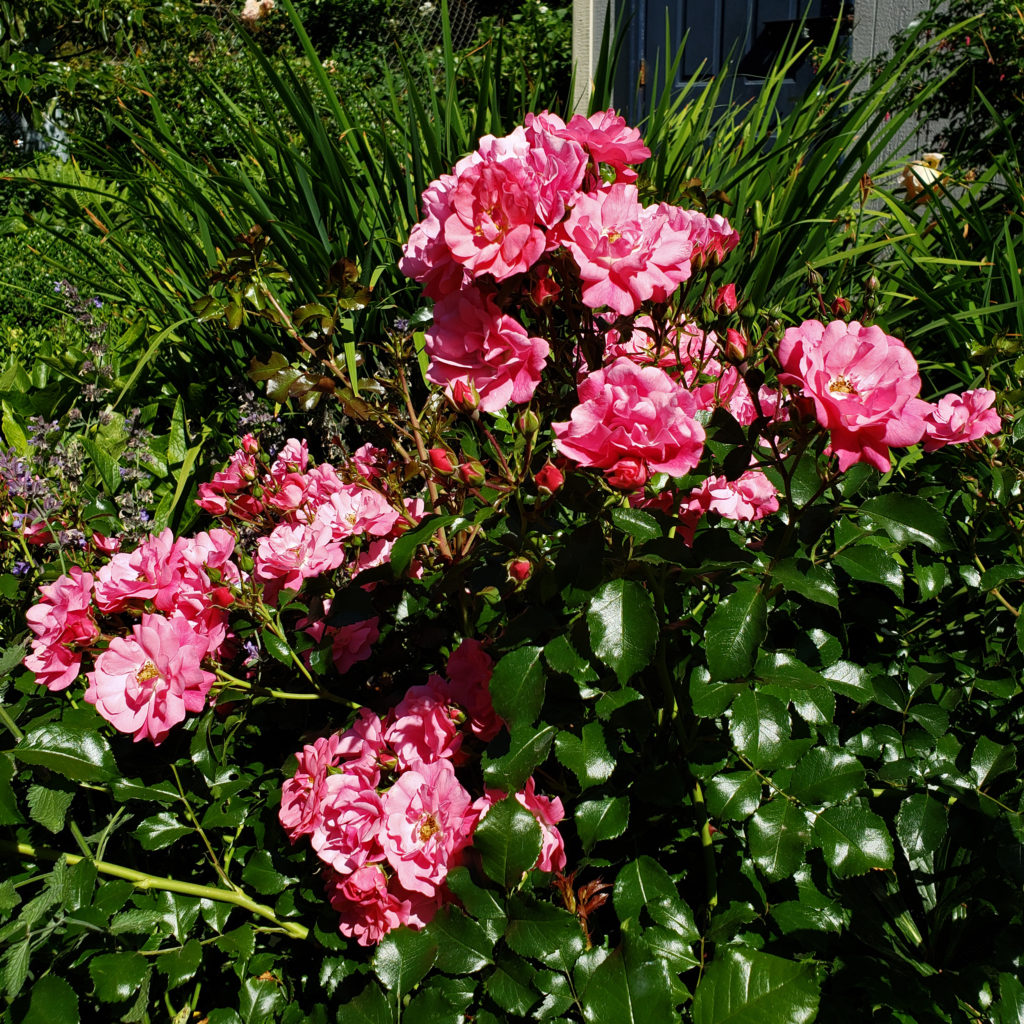
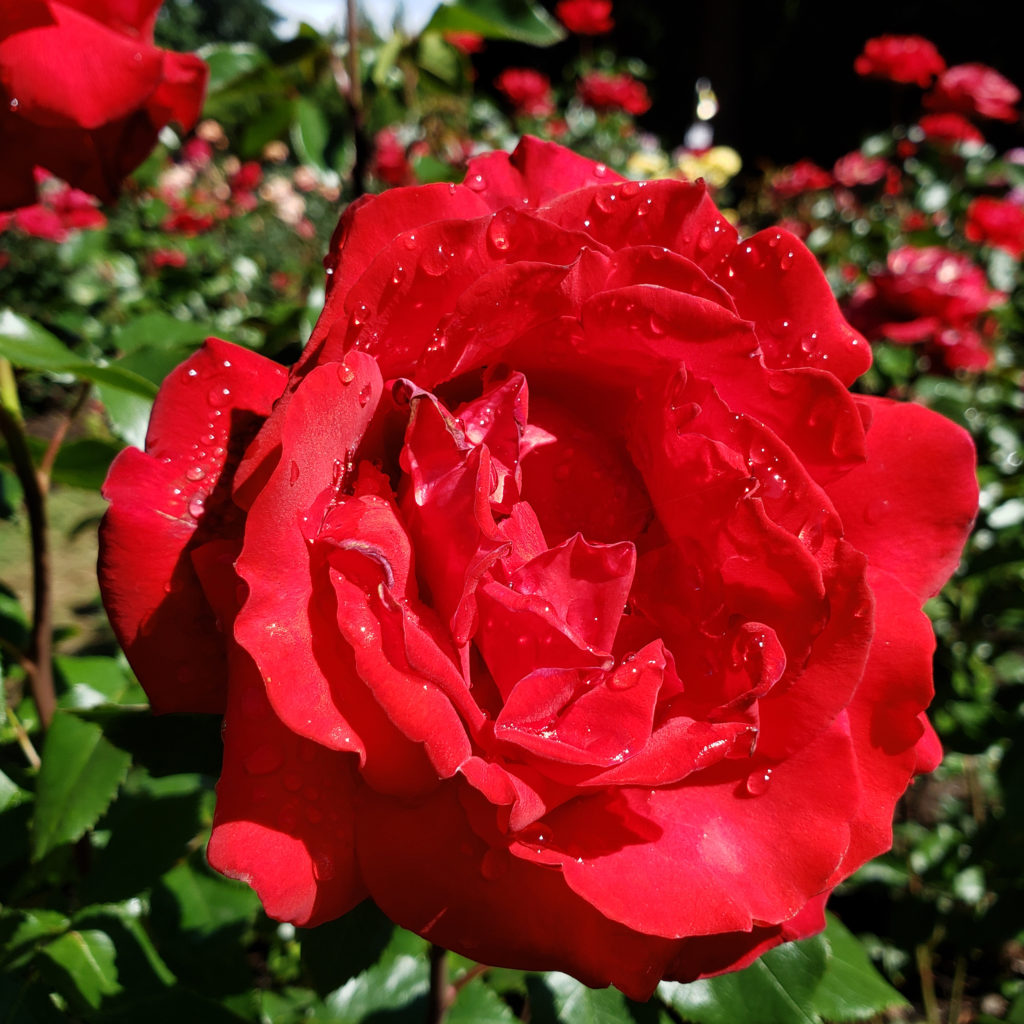
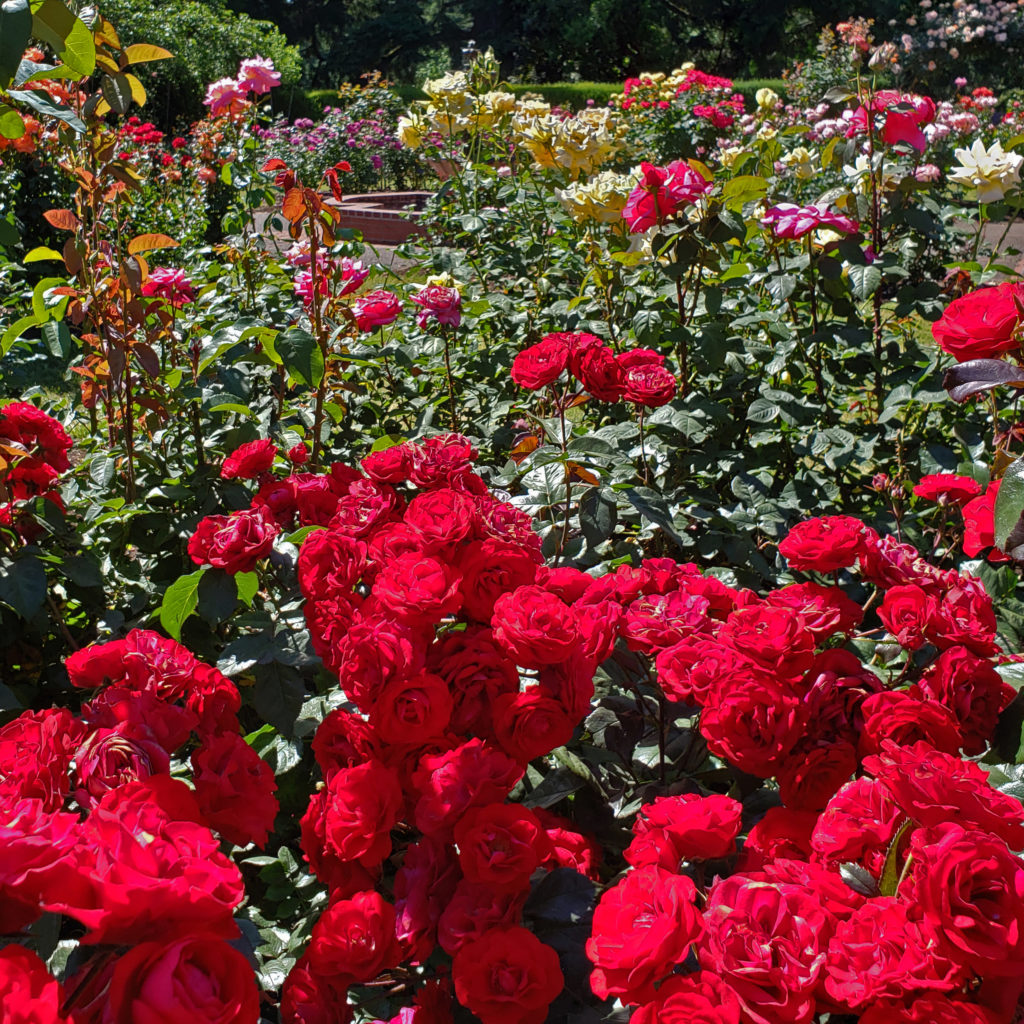 Portland, Oregon is known as the Rose City, and has long had a love affair with roses. The Portland Rose Society has been in existence for more than 130 years. Portland’s premier festival is the annual Rose Festival, held in June every year since 1907. And one of the city’s best, if not the best, botanical gardens is the International Rose Test Garden.
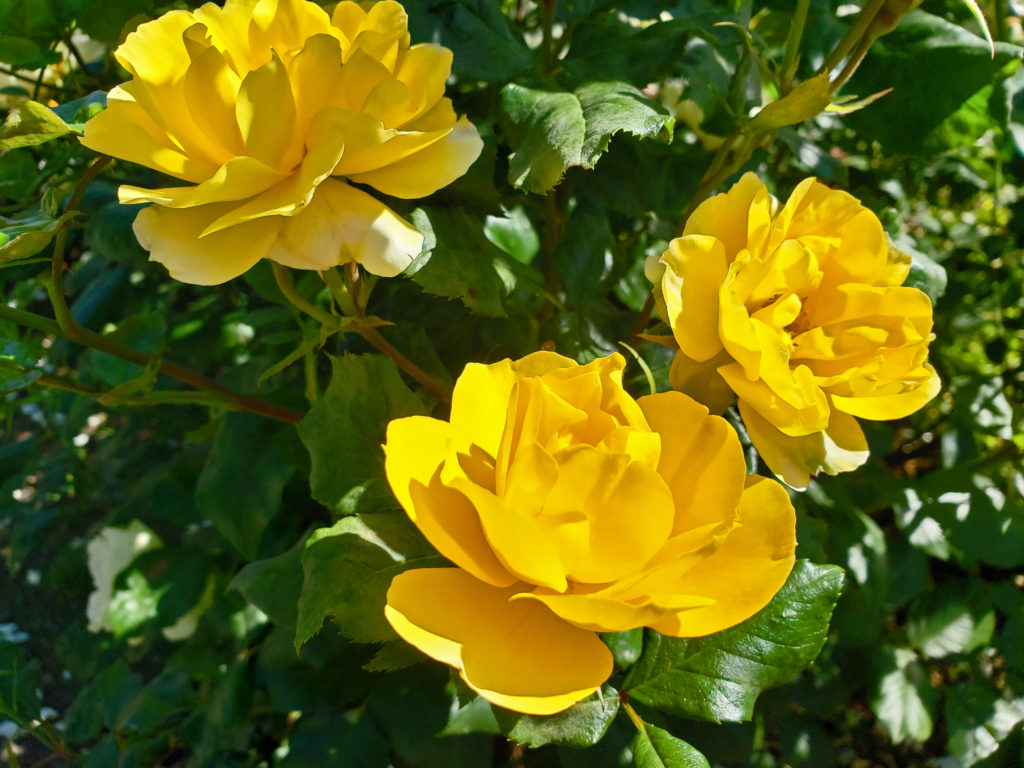 The International Rose Test Garden was conceived in 1915 as a safe haven during World War I for hybrid roses grown in Europe, and rose hybridists in England began sending roses to Portland in 1918. Over the years, other hybridists have sent roses to Portland from all over the world.
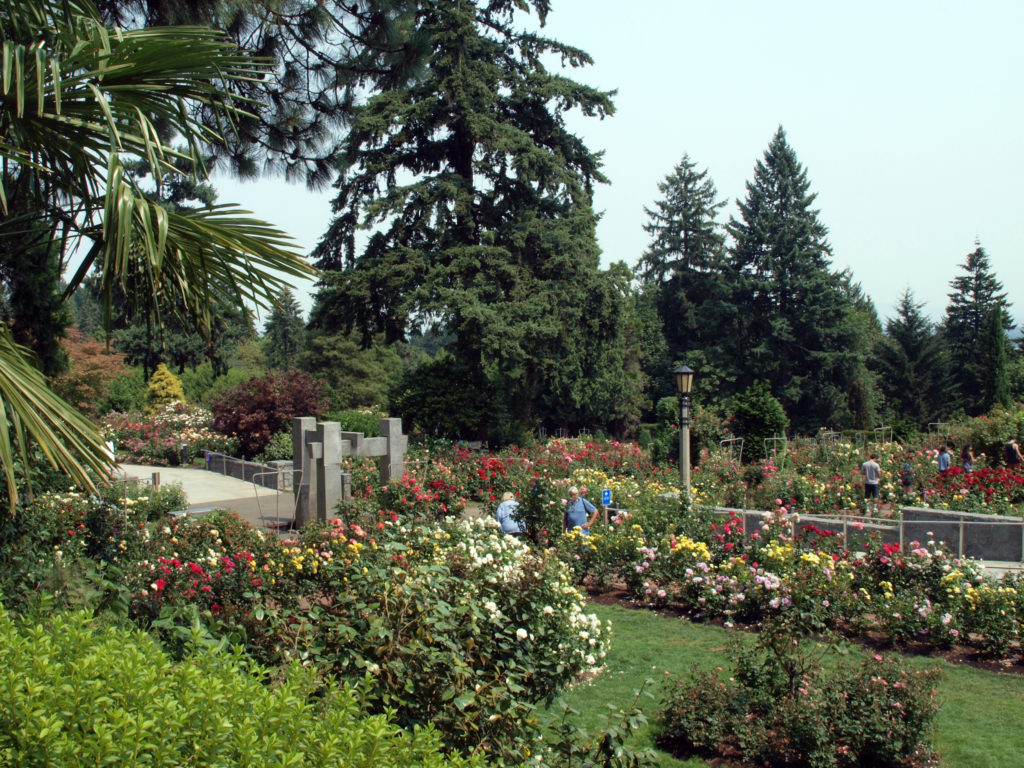 The primary purpose of the Garden is to serve as a testing ground for new rose varieties. The Garden is home to a variety of formal rose evaluation programs in designated test beds. Rose companies send potential variety introductions for evaluation. How each variety performs determines if it makes it onto the
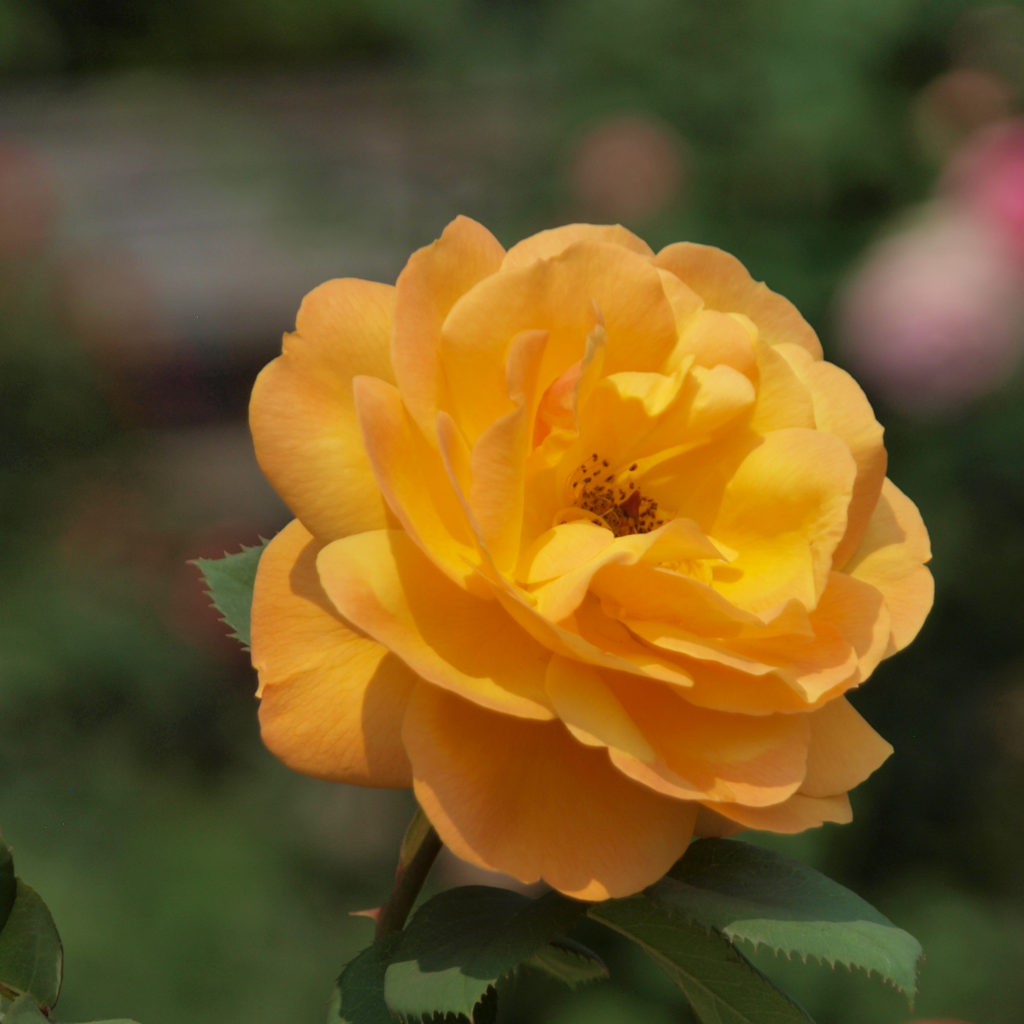 Today, the
 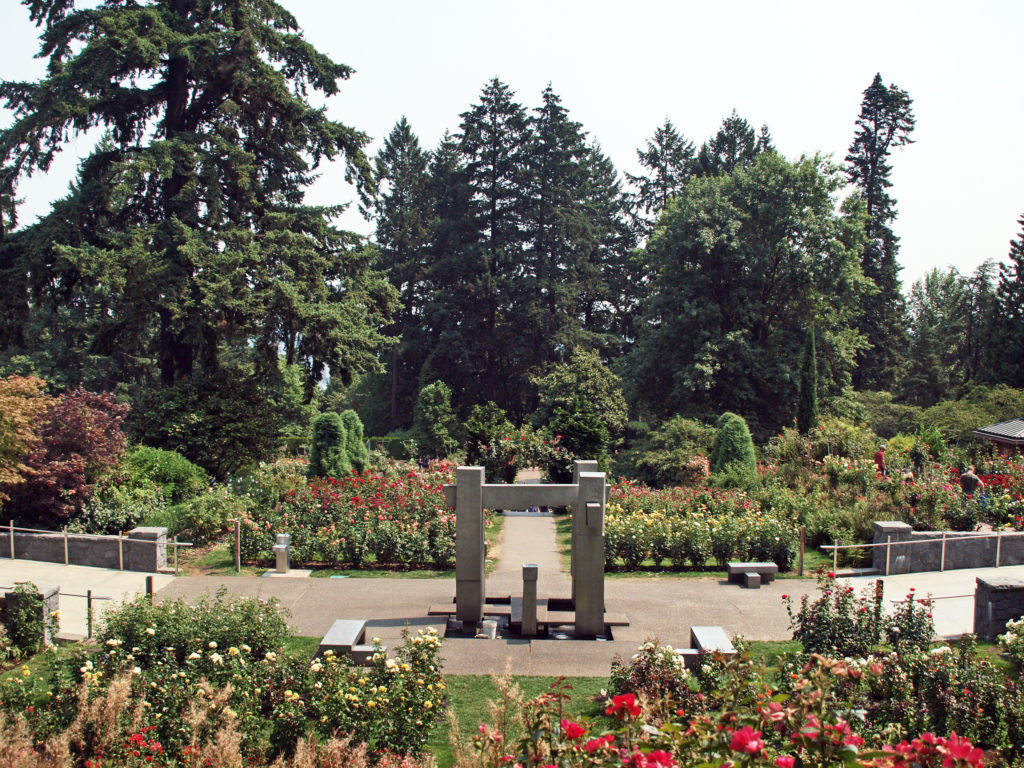 The Rose Garden is located in Washington Park, west of Portland’s downtown. Admission is free. To get there from downtown, take Burnside Street west, turn left onto Tichner Drive, then right onto Kingston Avenue. The Rose Garden will be on your left, behind the public tennis courts. Parking is limited, though, and will be hard to find on a summer weekend. Come on a weekday, if possible, and come early in the day to have the best chance to find a spot. Or consider parking in the downtown area and taking the Washington Park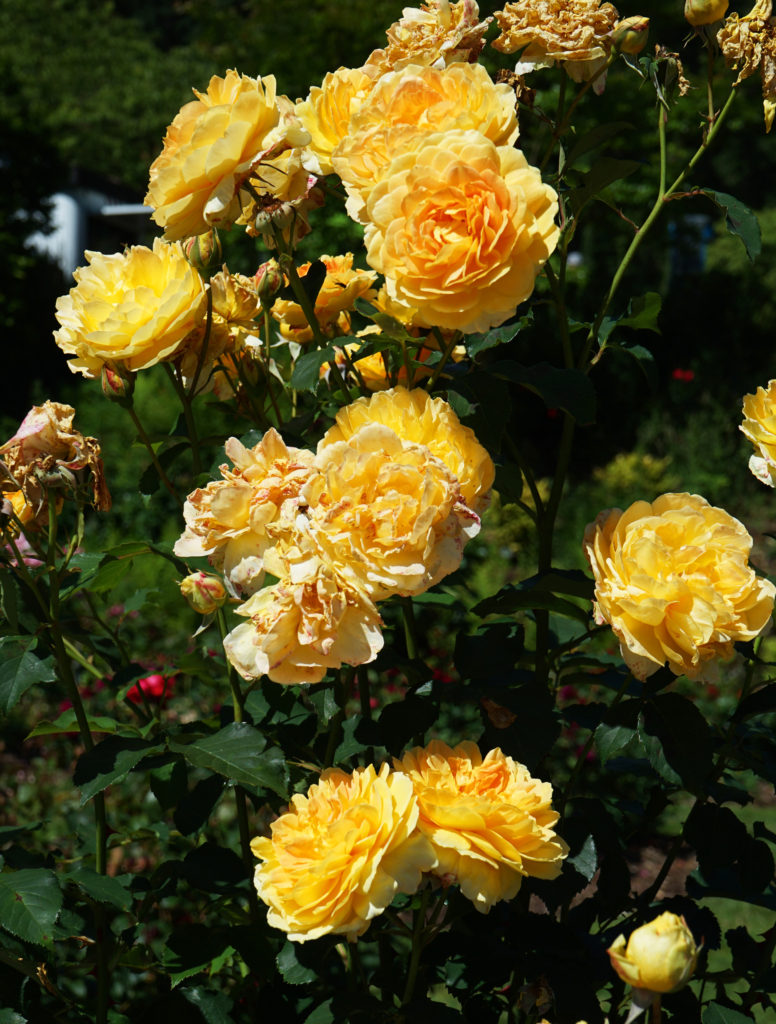
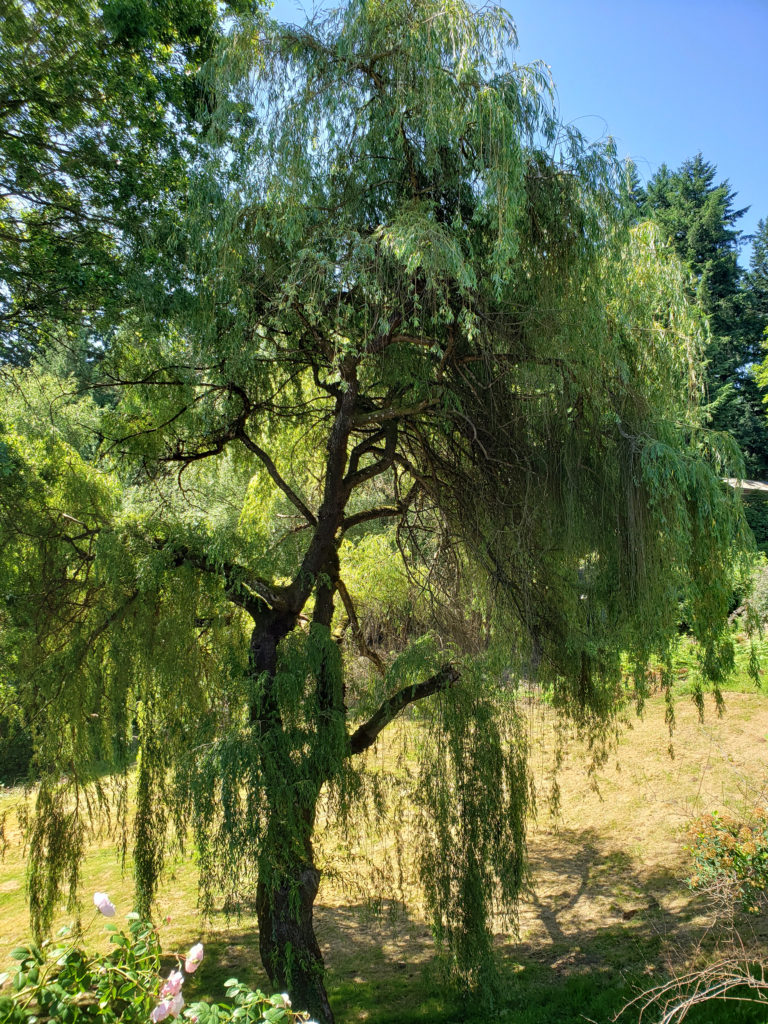 If you want a souvenir of your visit, or information on growing roses, check out the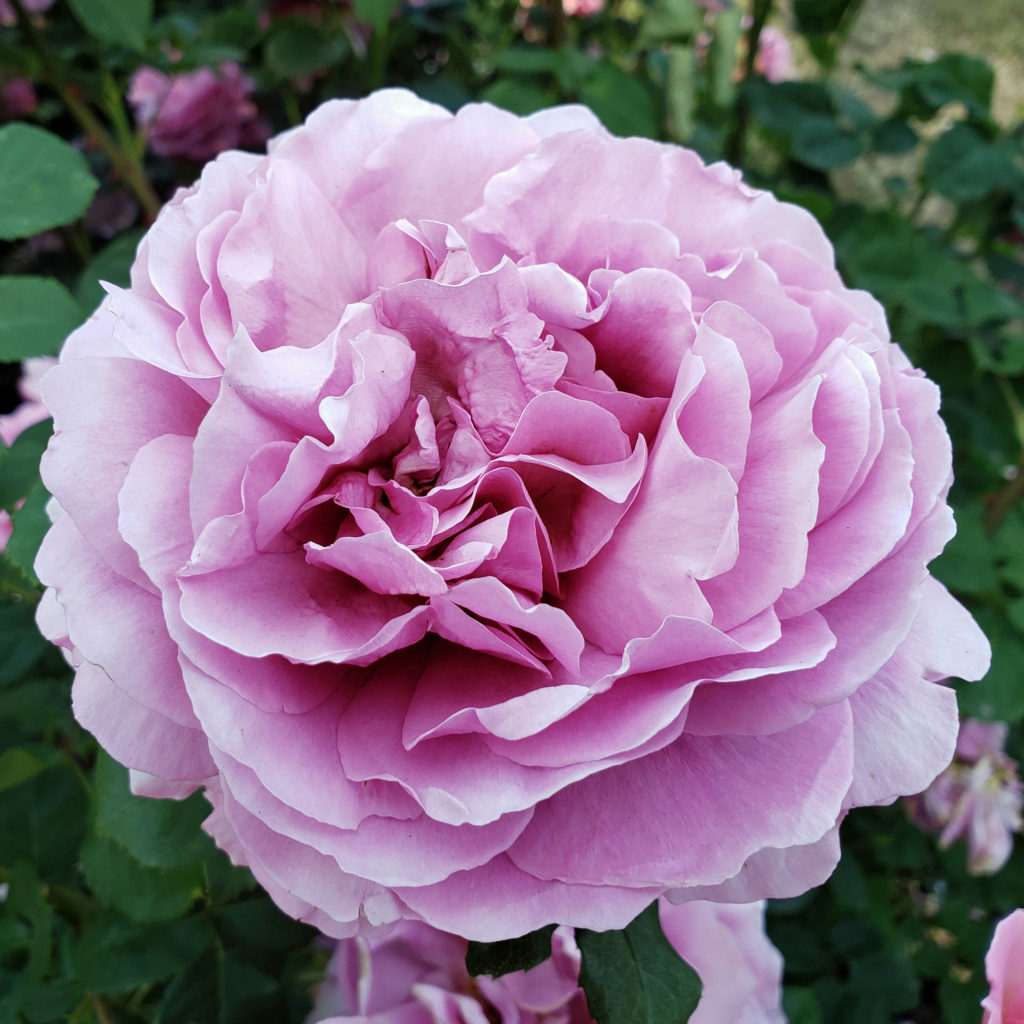
 Posted March 16, 2022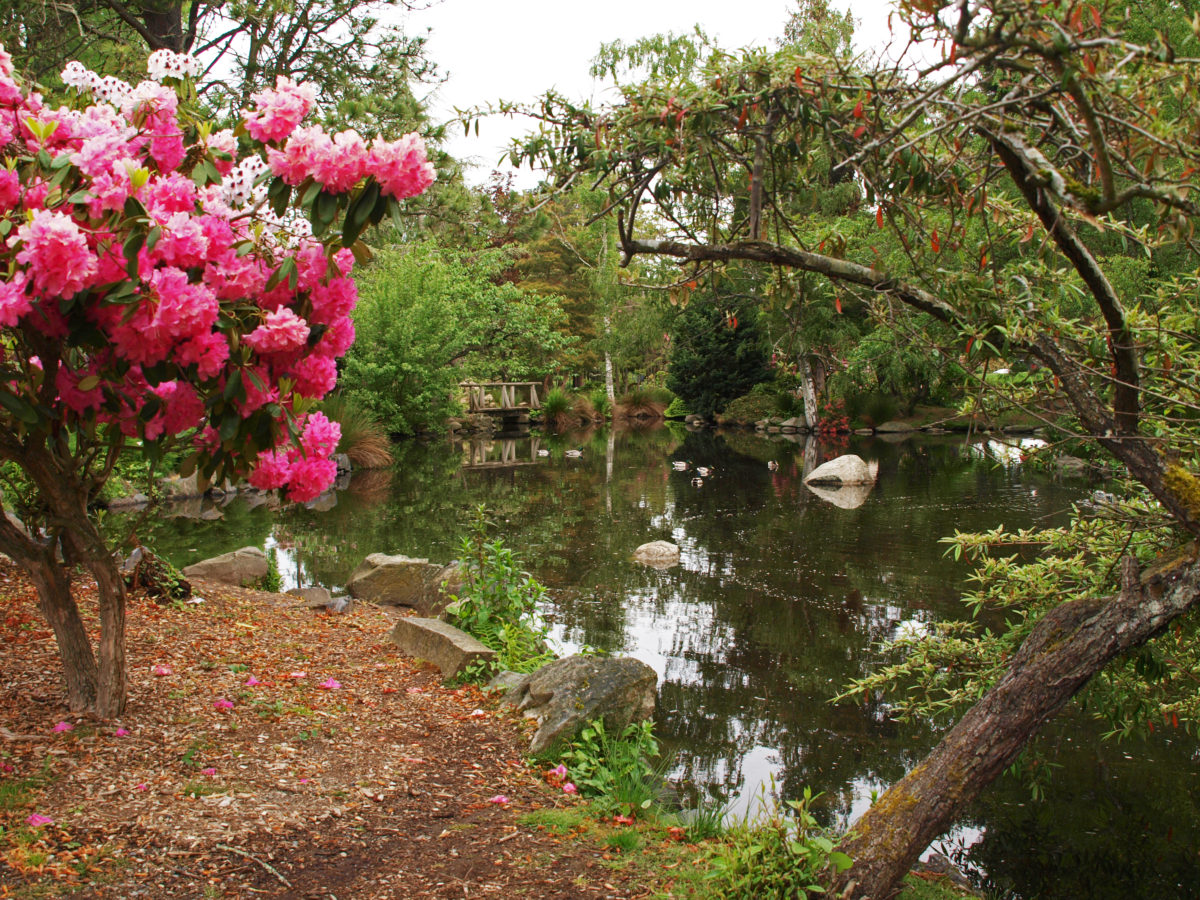
 If you’ve never been to Point Defiance, check out the park’s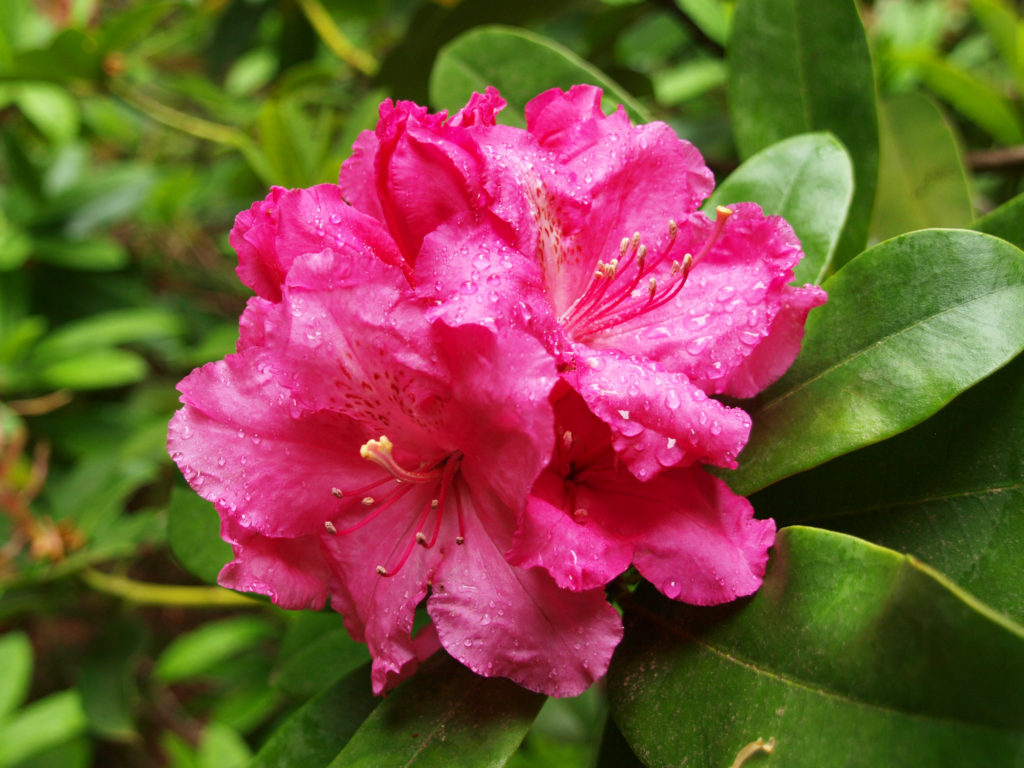
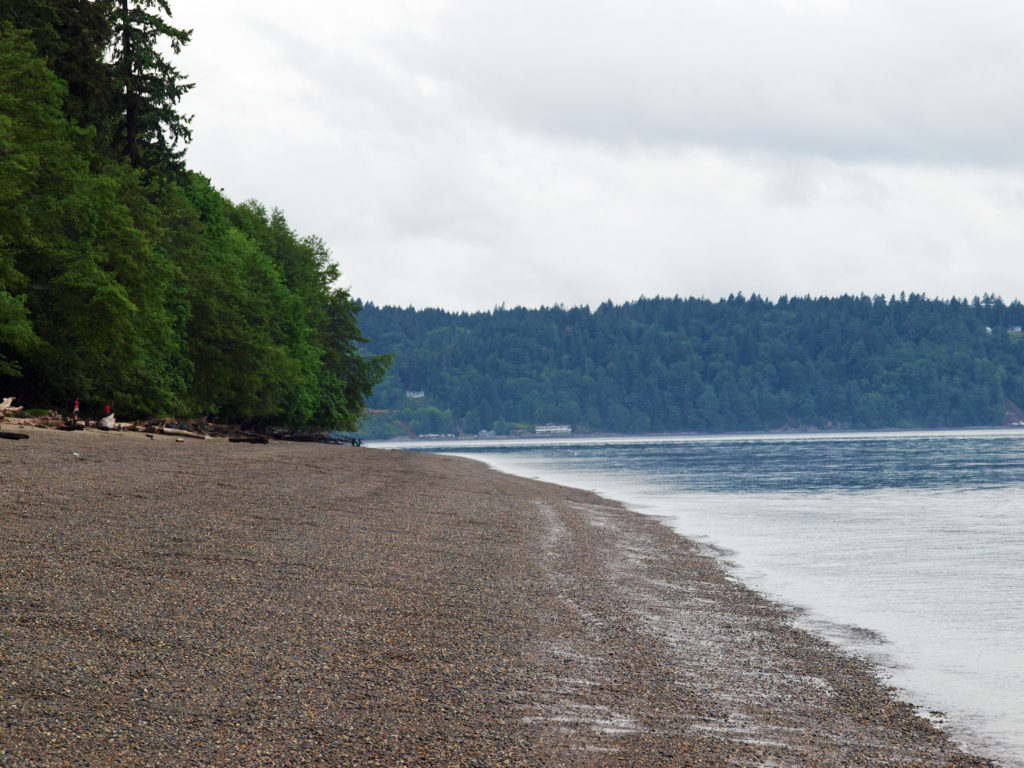
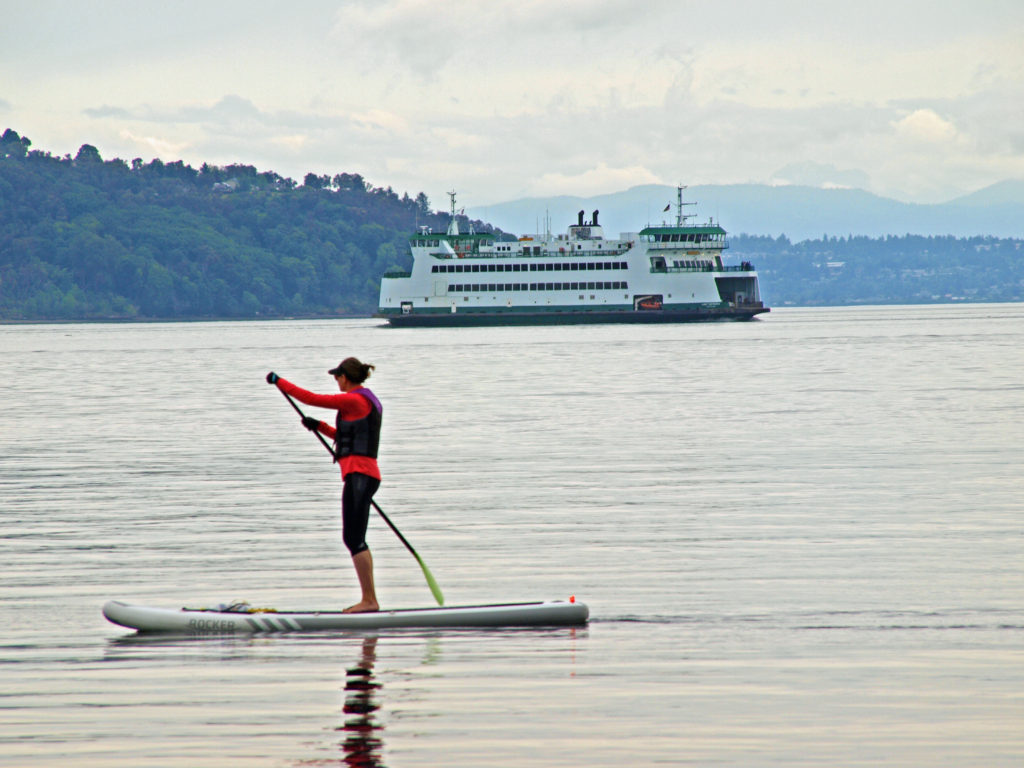 There is a wide, paved, ADA accessible path (the Promenade) connecting the beach with the marina area of the park and the Point Ruston Waterwalk, giving unhindered pedestrian and bicycle access to the park from the Tacoma waterfront. And a construction project completed in 2022 expanded the parking lot, created new entry and exit paths for pedestrians and cyclists separated from the vehicle roadway, a new beach pavilion, new restrooms, a new ADA accessible children’s playground, new ADA accessible plazas and pathways, and a renovated WPA-era picnic shelter.
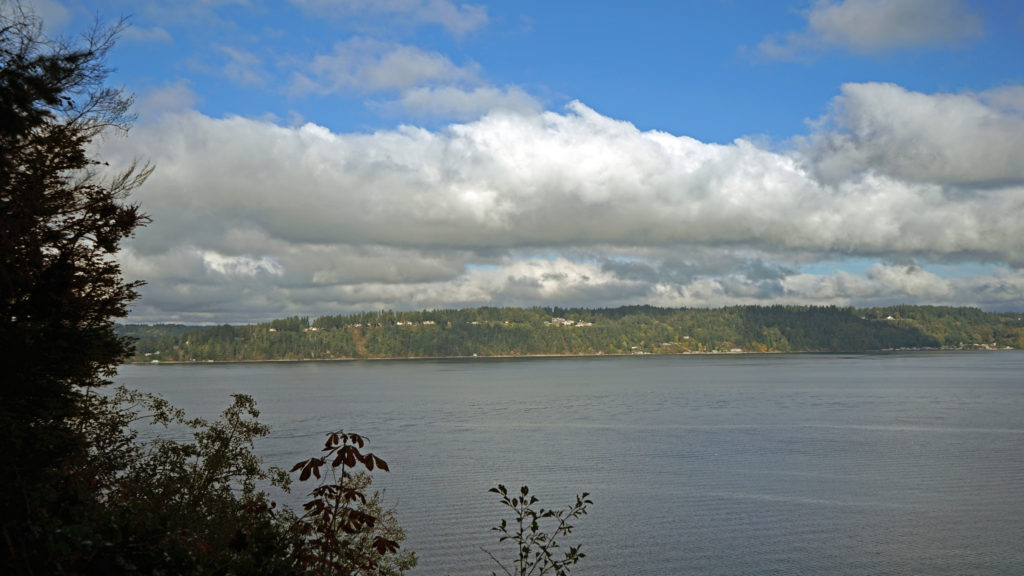 The outer loop of the Five Mile Drive provides numerous waterfront access points with views across Dalco Passage to Vashon Island and across The Narrows to the
 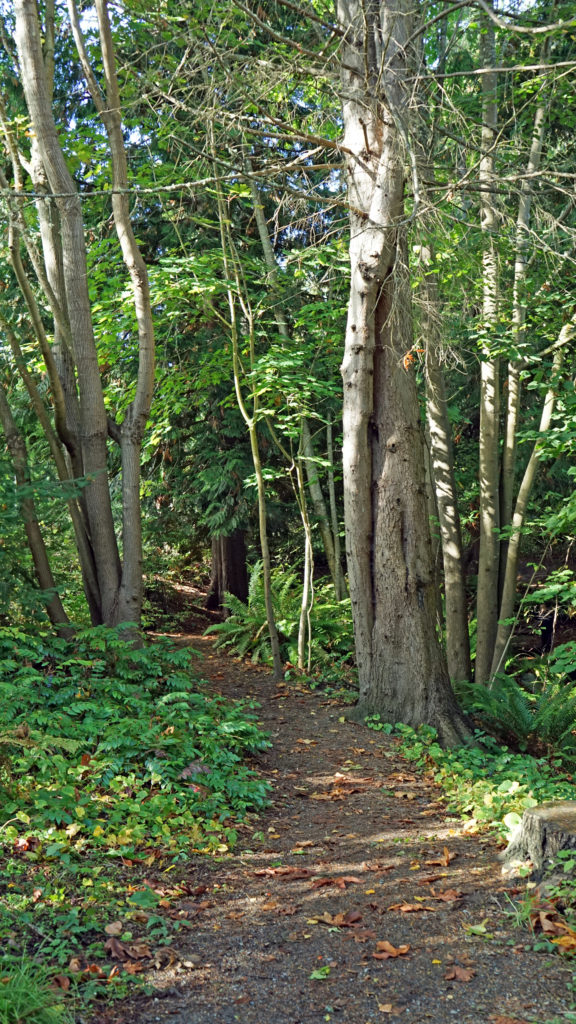 The outer loop is closed to vehicular traffic part of the day to give cyclists, runners, and pedestrians access to the northern half of the park free from conflicts with motor vehicles. On our most recent visit it was closed after 2:00 pm, but on our previous visit it was, I believe, closed in the morning. Check the Point Defiance Park website (linked above) for the current schedule if you plan to visit the park.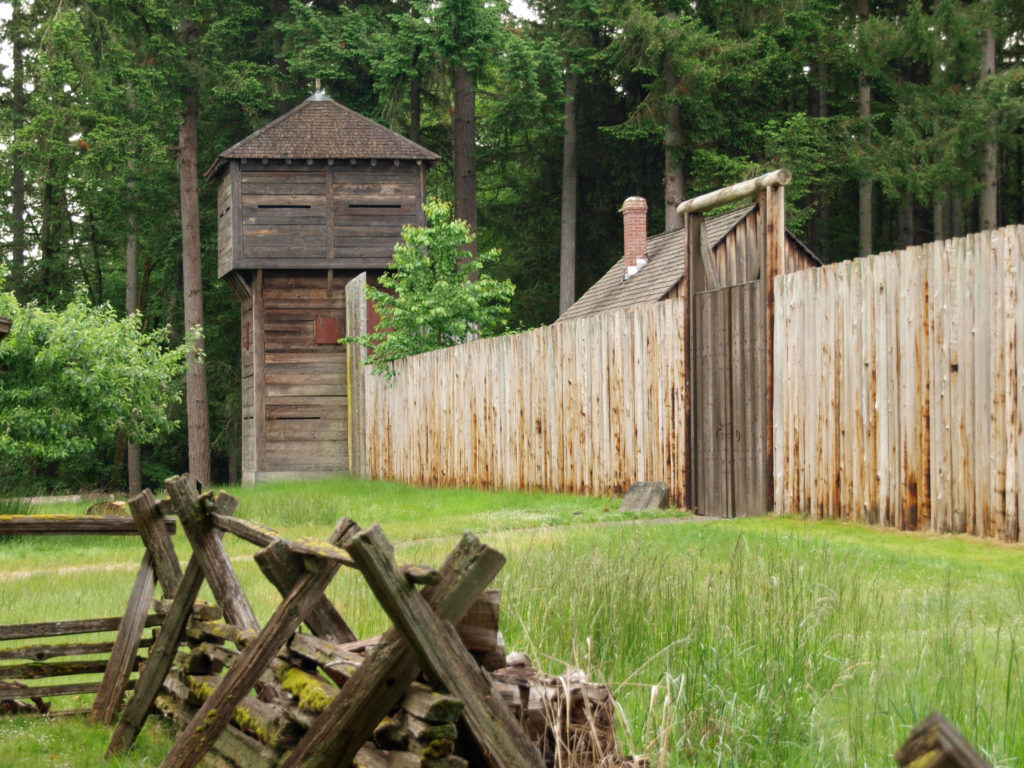
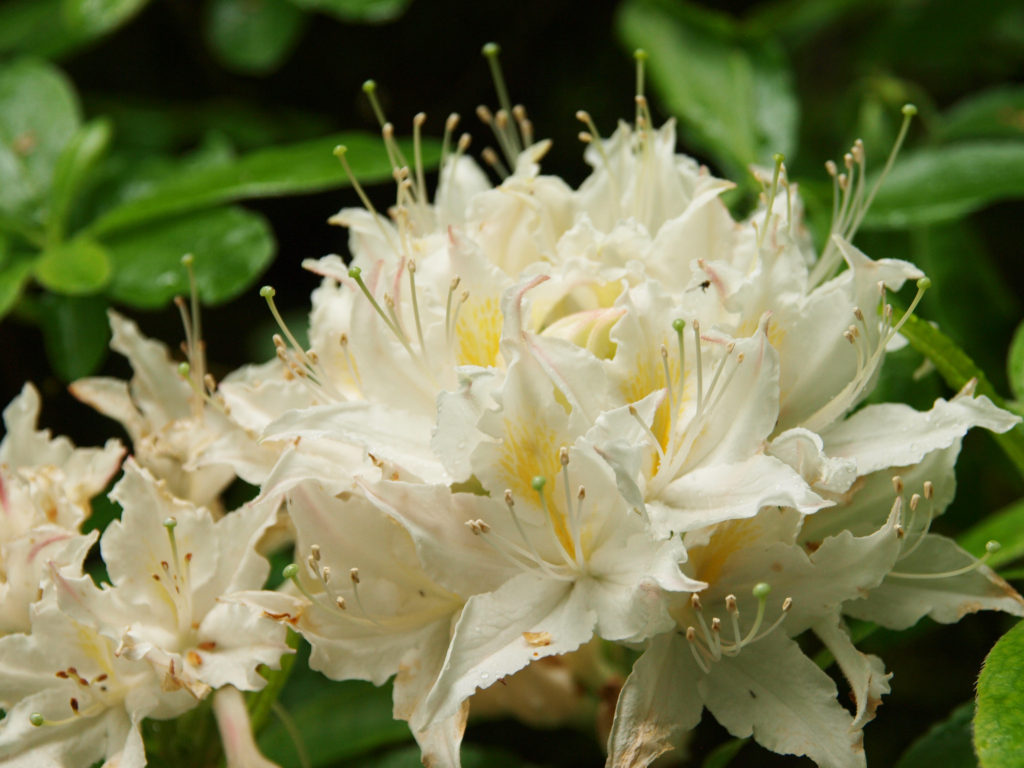
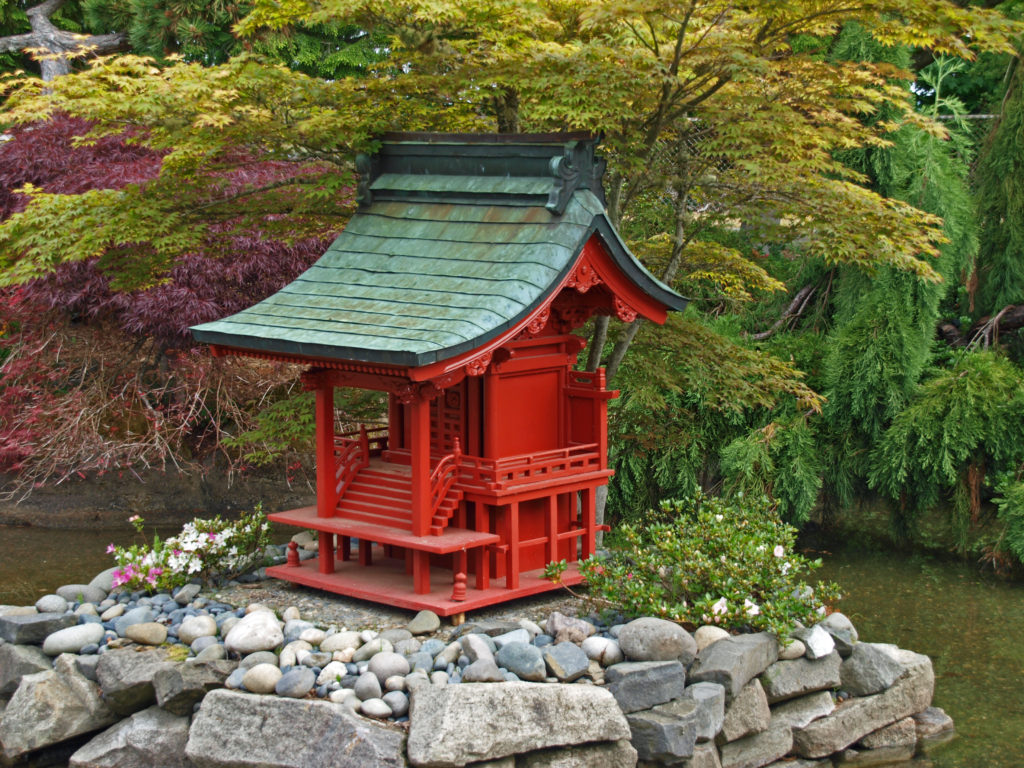
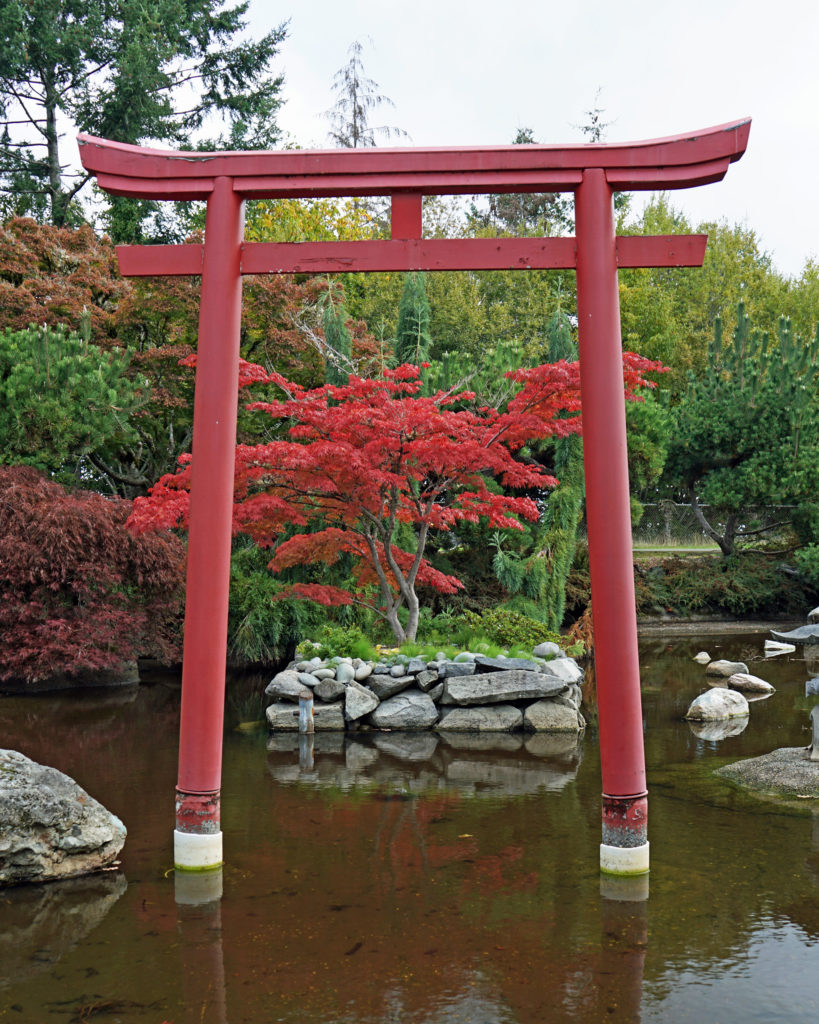
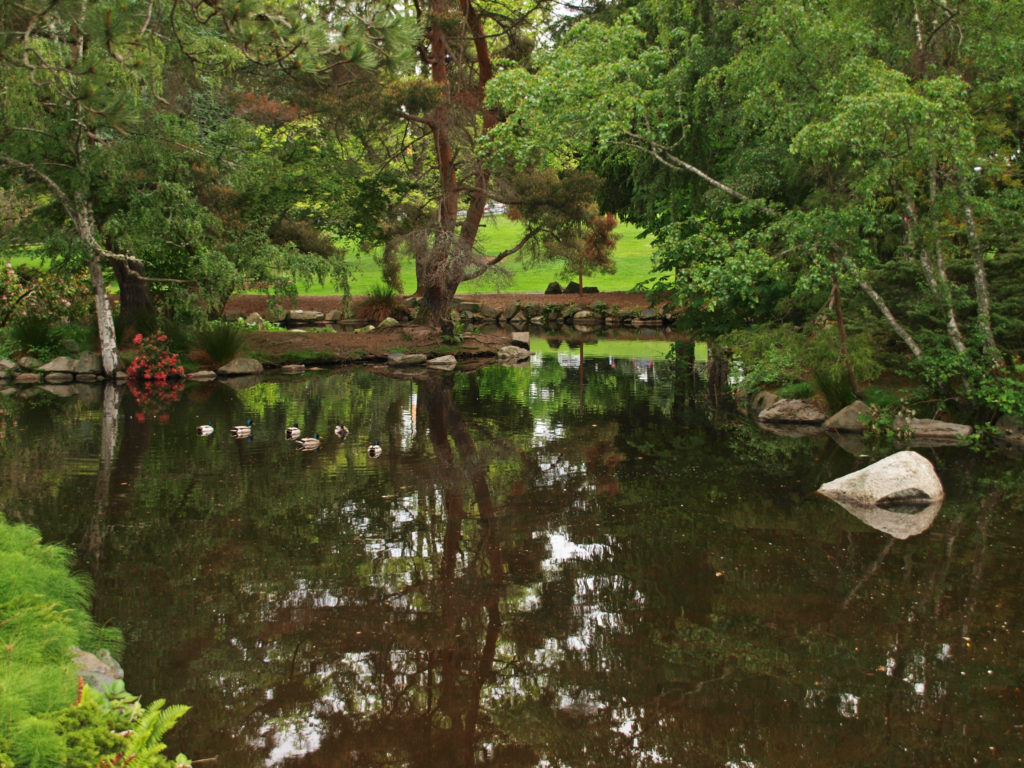 On both of our recent visits our final, and longest, stop was at the botanical gardens area near the entrance to the park. Here there is a large pond with a waterfall, an herb garden, a large rose garden, a dahlia garden, an iris garden, and a Japanese garden. We could easily have spent even more time here than we did on either visit. And if you visit the
 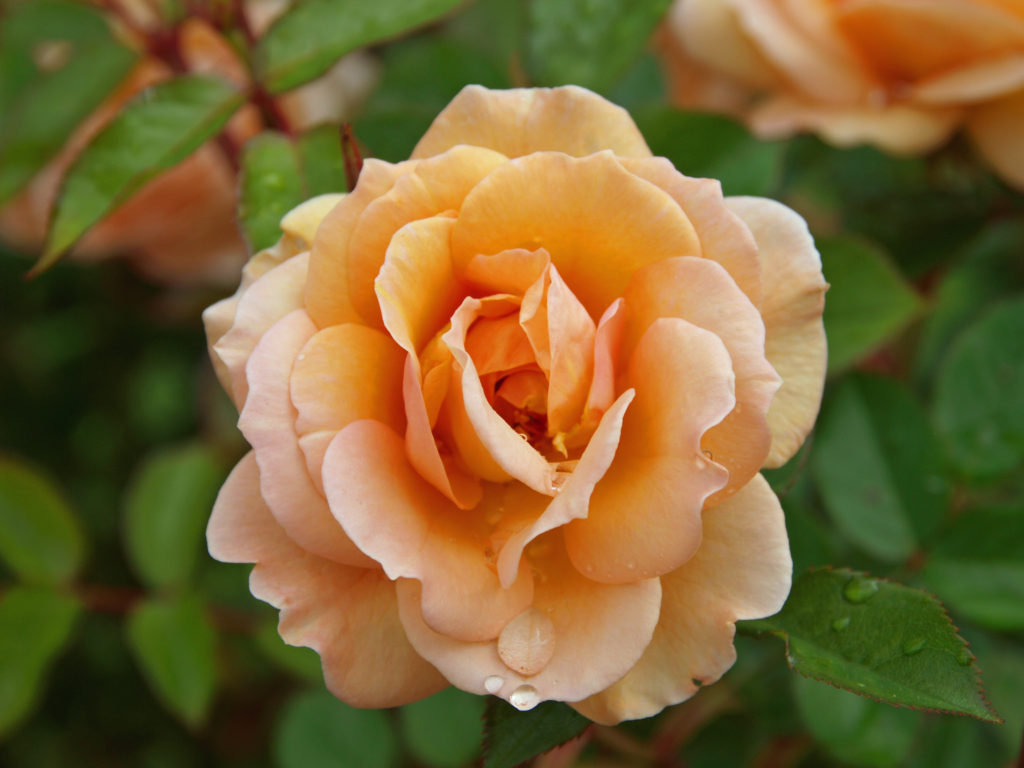 Point Defiance Park is one of the largest, and best, city parks in the Pacific Northwest. The park is similar in many ways to Vancouver, BC’s Stanley Park. Point Defiance is, without question, one of Tacoma’s top attractions.
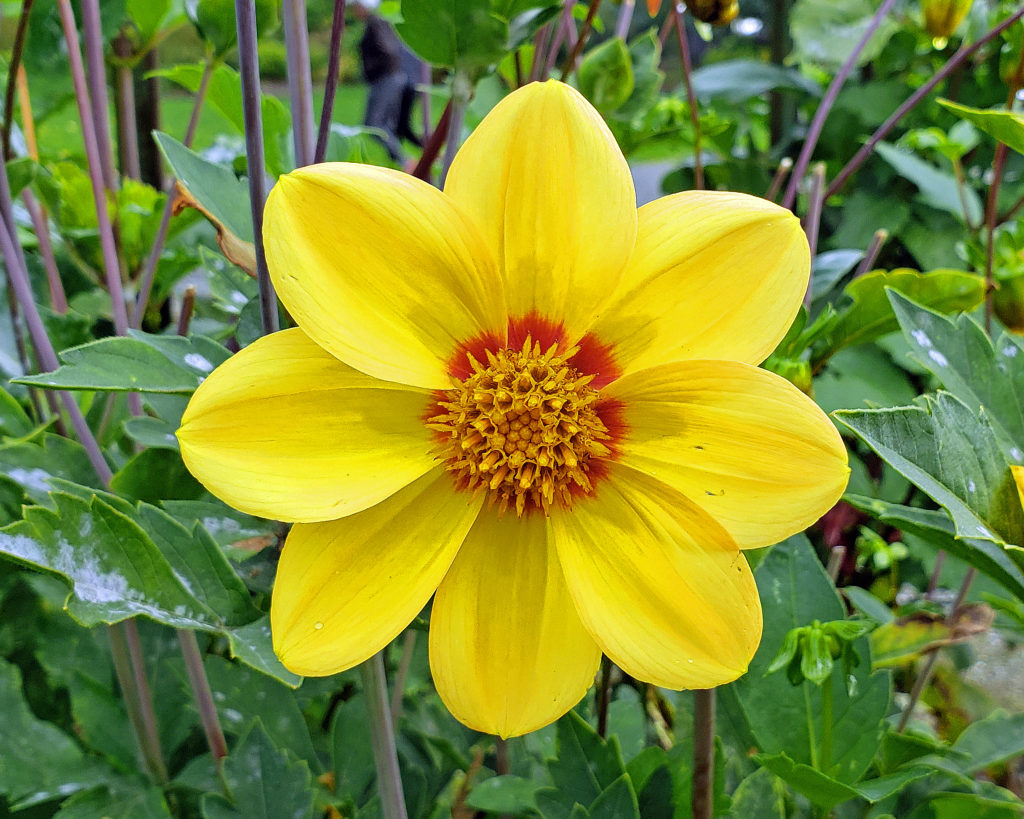 Originally posted May 19, 2019. Most recently updated February 18, 2025.