The final leg of our Rhine River cruise took us to Freiburg, Germany, Colmar, France, and Basel, Switzerland.
On the next to last day of our cruise, we docked at Breisach, Germany, after an overnight sail from Kehl. After breakfast a number of us boarded a bus that took us to Freiburg im Breisau. Others opted for a day long bus tour of the Black Forest.
Freiburg
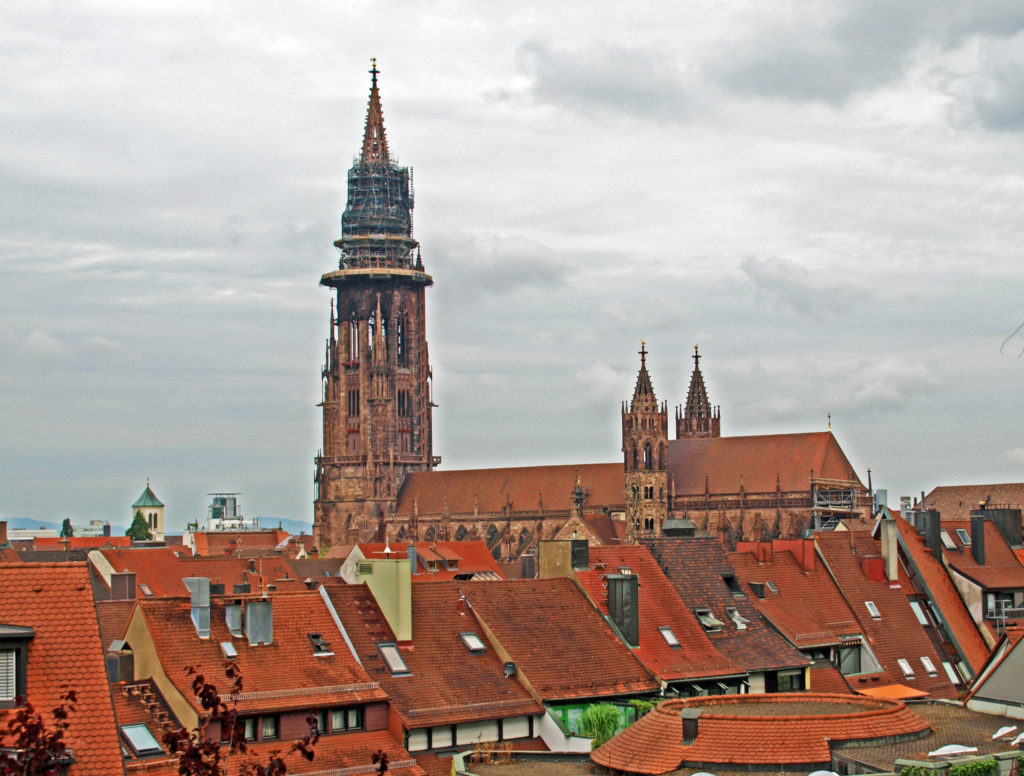
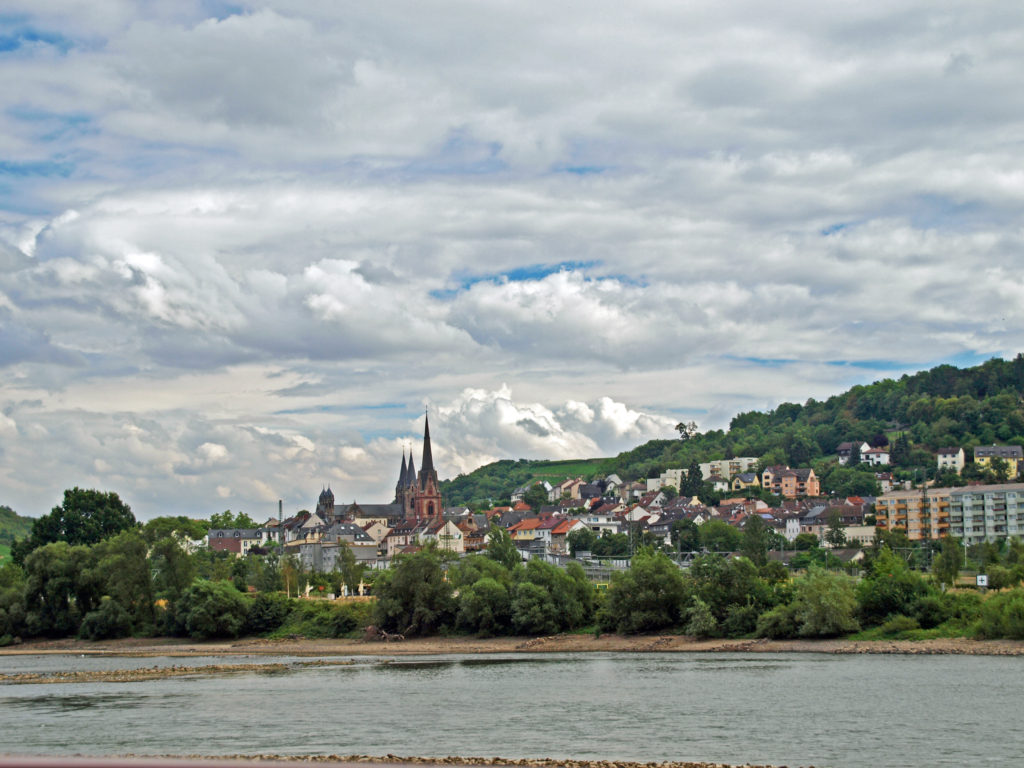
Freiburg is a city of about a quarter of a million people, located on the western edge of the Black Forest, about 15 miles east of the Rhine River. It is another ancient city, founded in 1120 at the intersection of trading routes from the Mediterranean to northern Europe and from the Rhine River to the Danube.
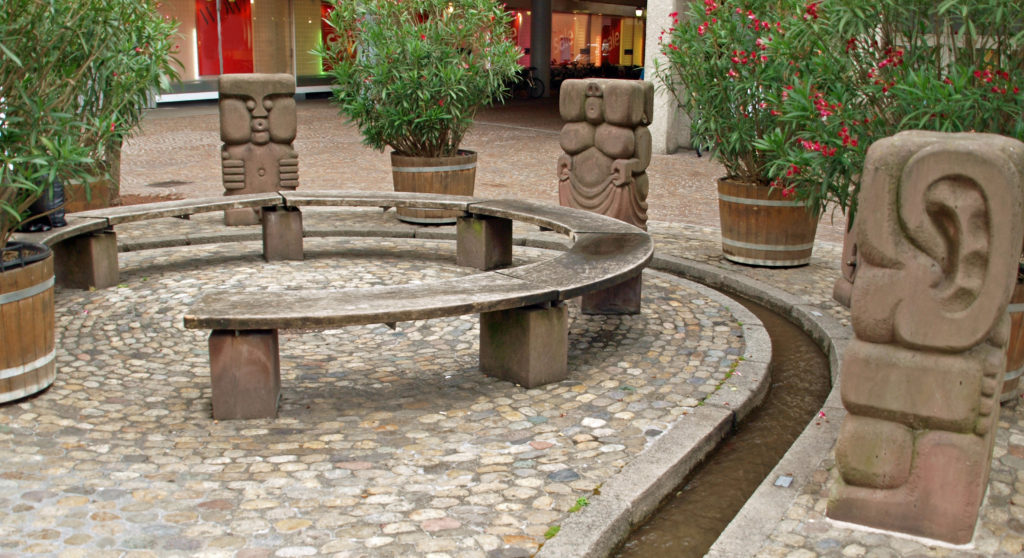
“Freiburg” translates to “free town” and the city has a long history of independent minded and educated citizens. Freiburg has long been an academic and research center, and today is home to the Albert Ludwig University of Freiburg and several other universities. The city has an interesting mix of old and new, provided by the city’s long and valued history and the youthful energy generated by the large university student population.
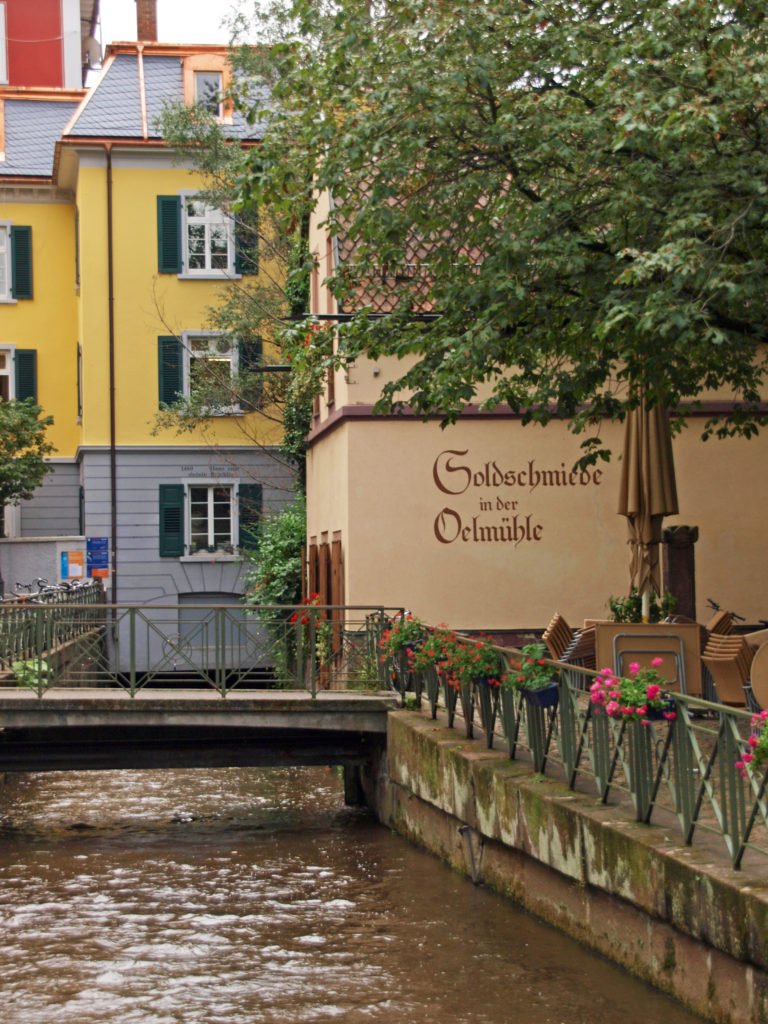
Freiburg residents have a strong environmental commitment, and Freiburg is known as an “eco city.” In 1995 the city council passed an ordinance allowing only “low energy” buildings to be constructed, and Freiburg has become home to a growing solar power industry and is a leading center of green energy research and development.
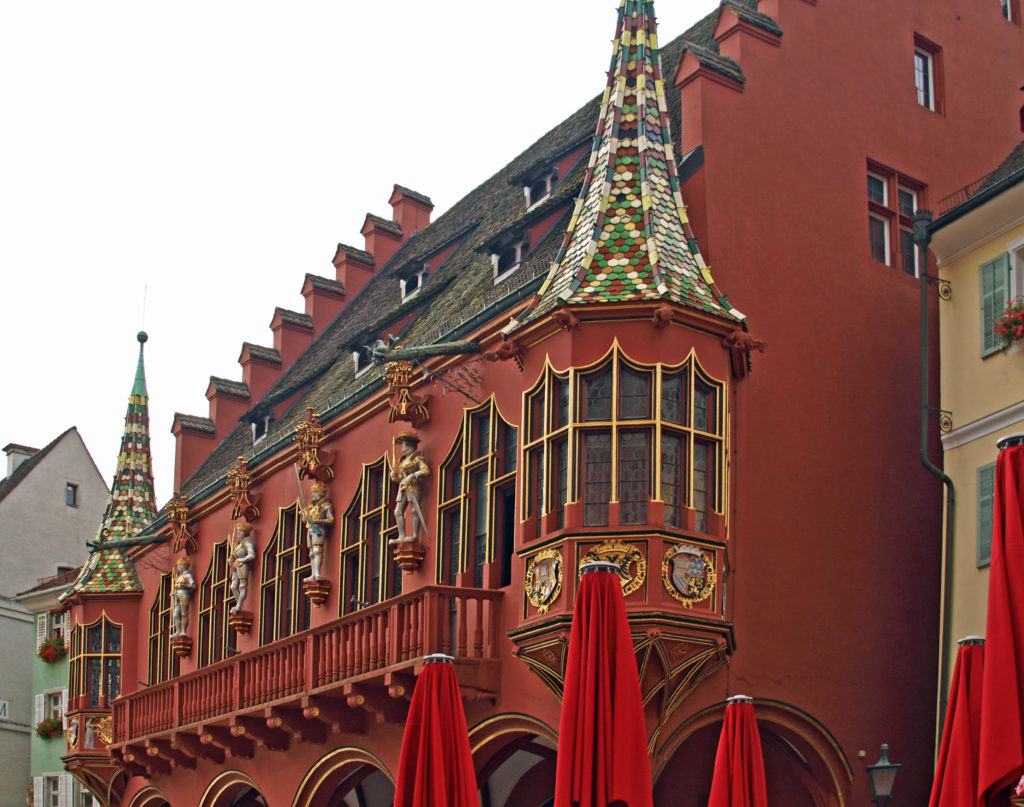
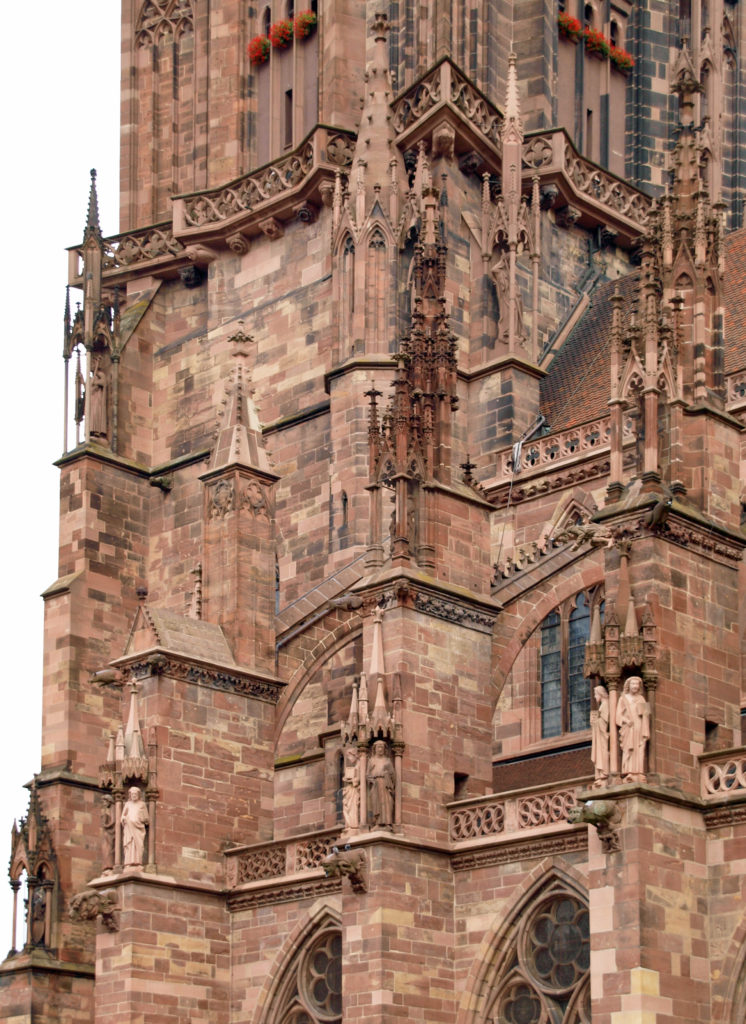
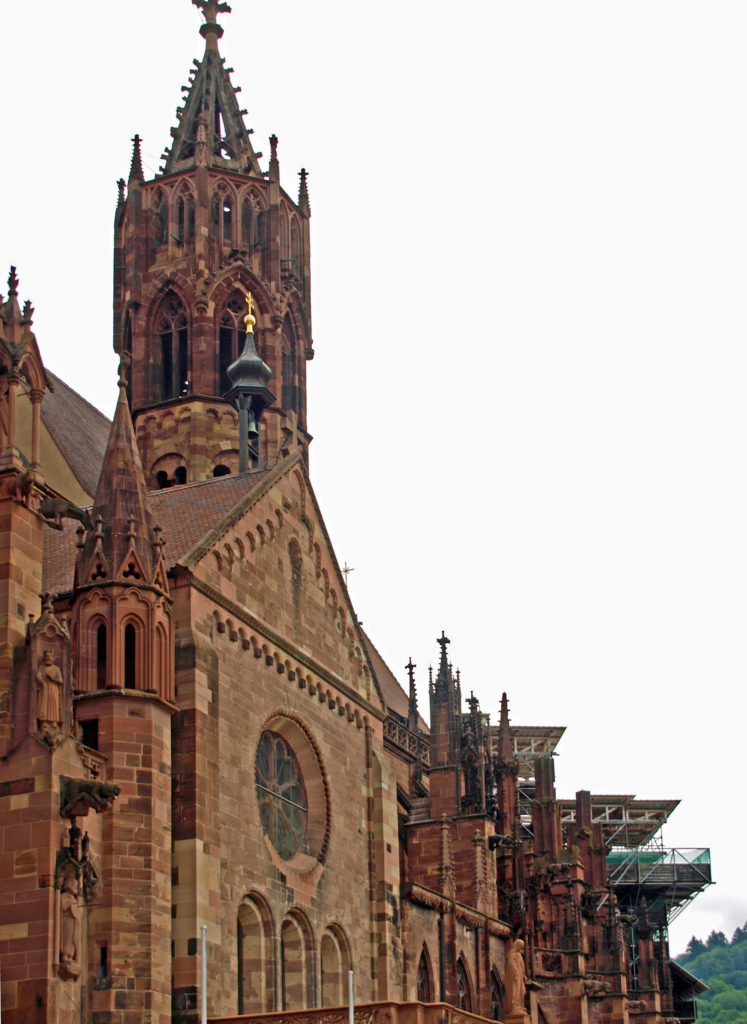
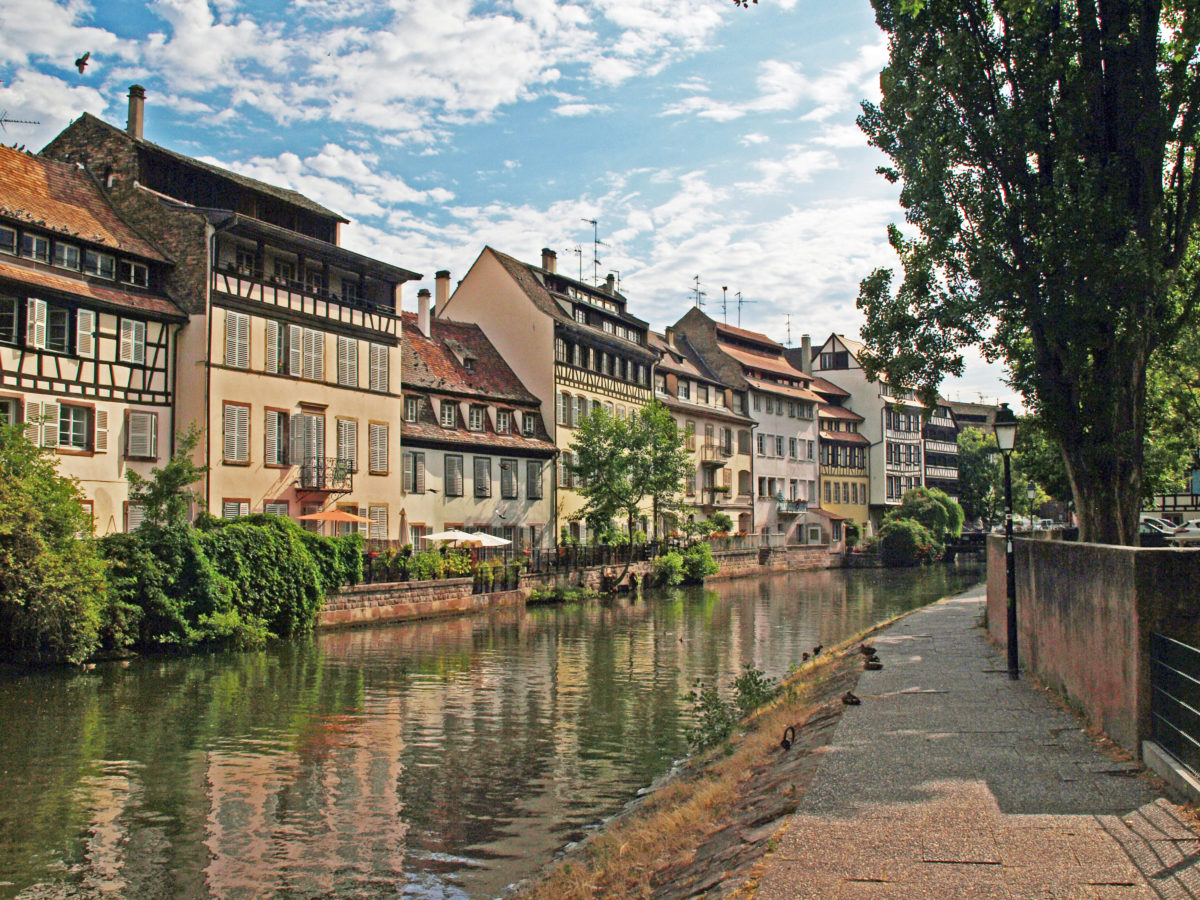
Much of Freiburg was destroyed in WWII by Allied bombing raids (and one, mistakenly, by the German Luftwaffe in 1940). The city’s cathedral, though, was spared, and the city was rebuilt along its medieval plan, so its city center retains the look and feel of a medieval town. Most of the historical center is a car-free pedestrian zone, which also adds to its medieval feel.
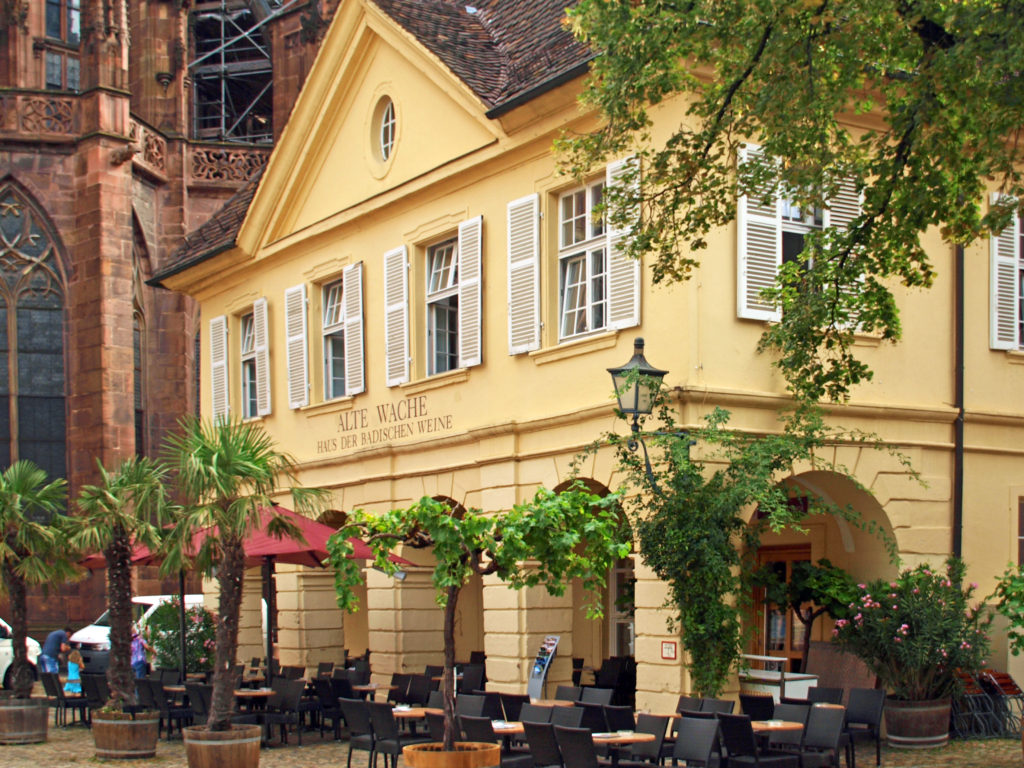
The city has an unusual network of street gutters with flowing water diverted from the Dreisam River. These “bachle” were originally built to provide water for livestock and for fighting fires. They are at least partly responsible for Freiburg never having had a major fire, unlike almost every other medieval town.
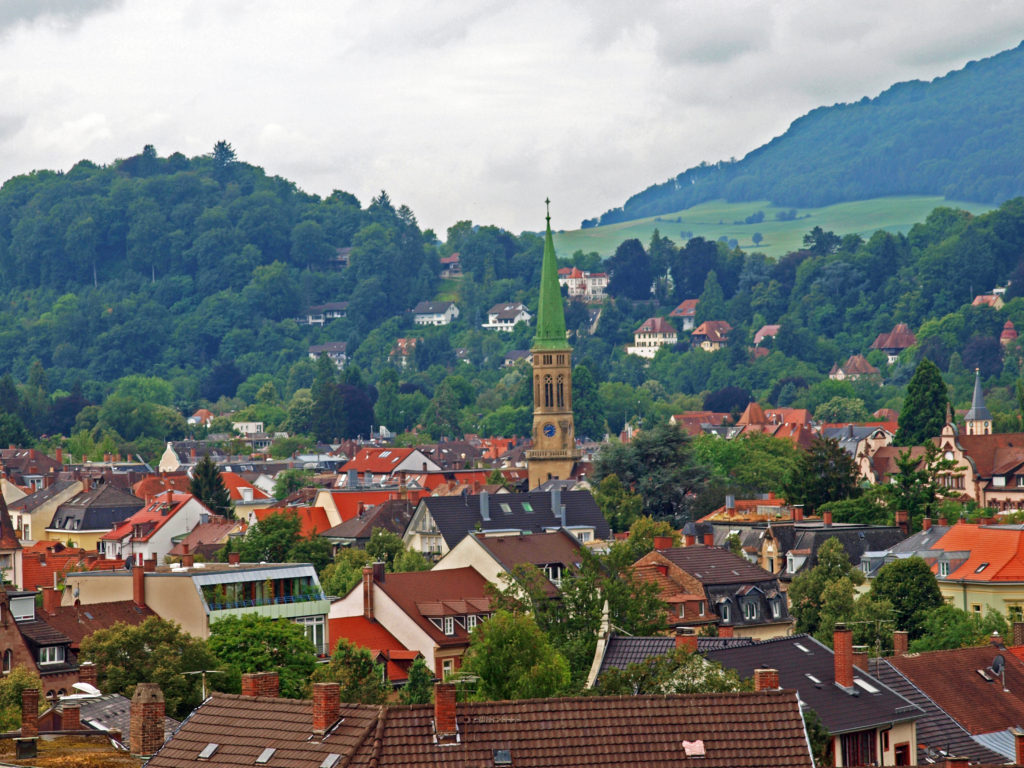
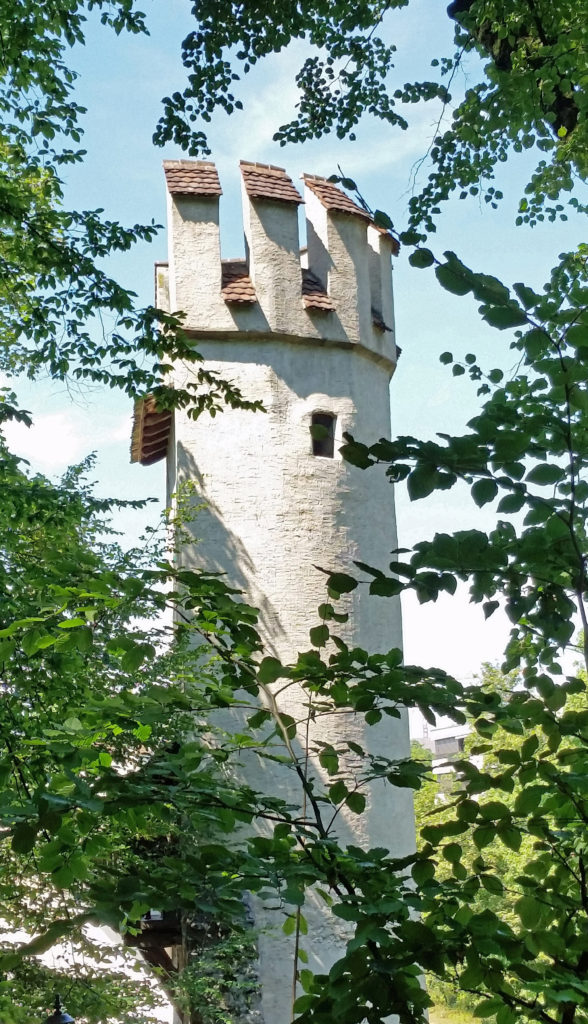
To the east of the historic center, Schlossberg hill rises almost 900 feet above the city. A funicular railway takes visitors part way up the hill to a restaurant with a good view of the city below. Hiking trails lead higher, to a park near the summit with an observation tower. While we didn’t have time to take the funicular and hike to the summit, we did have enough time after our guided tour to hike part way up the hill to get a good view of the city.
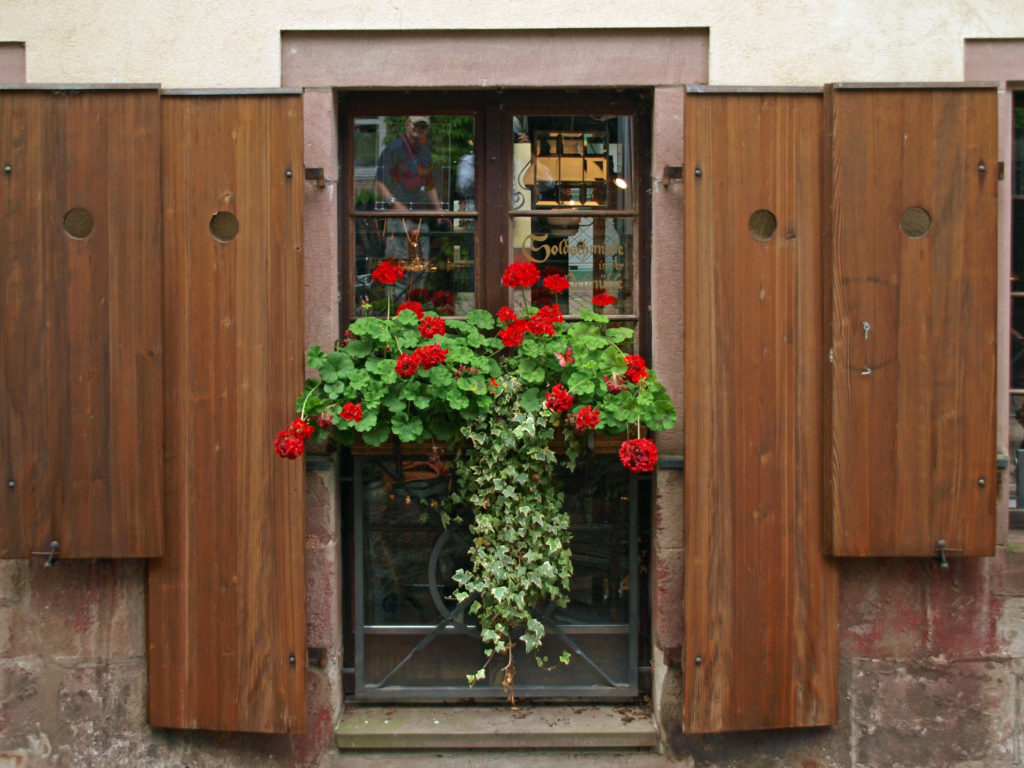
Freiburg is a beautiful and very interesting place, and I wish we had been able to spend more time there. But we had to return to the boat with the rest of the tour group. After lunch, we once again boarded a bus for a second excursion, this time across the Rhine to Colmar, France.
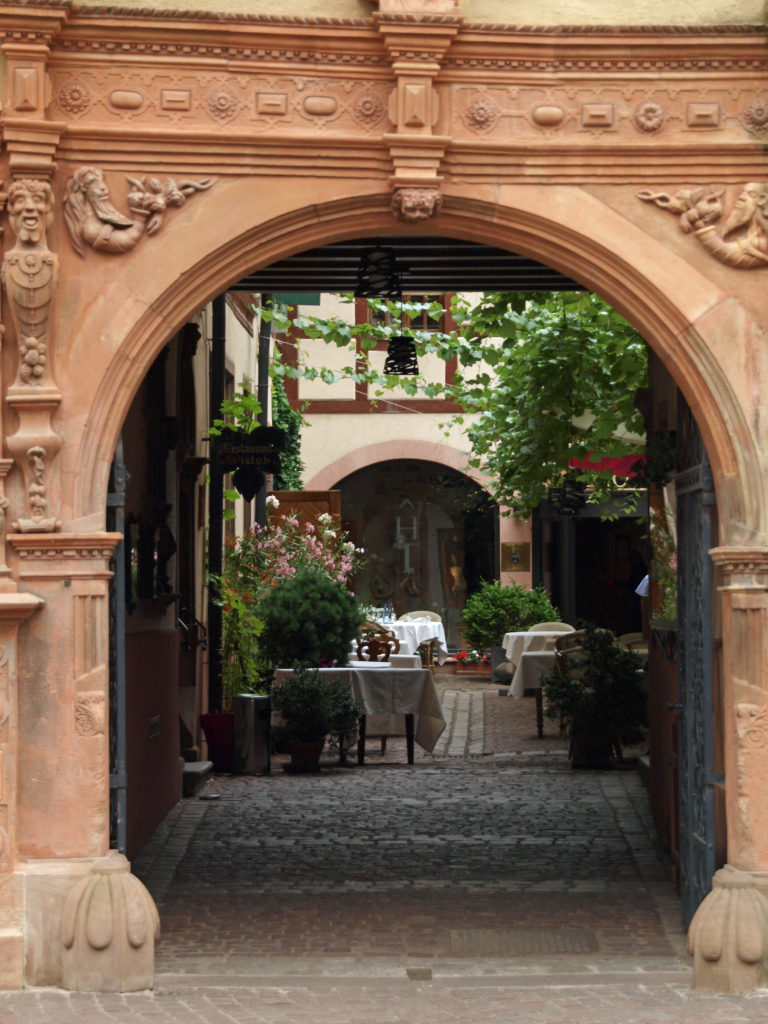
Colmar
Like Strasbourg, Colmar has changed hands between France and Germany several times over the centuries and its local culture is a mix of French and German. It’s also similar to Strasbourg in look and feel, with its half-timbered buildings and cobble stone streets. And Colmar is even older than Strasbourg, dating back to at least the early ninth century.
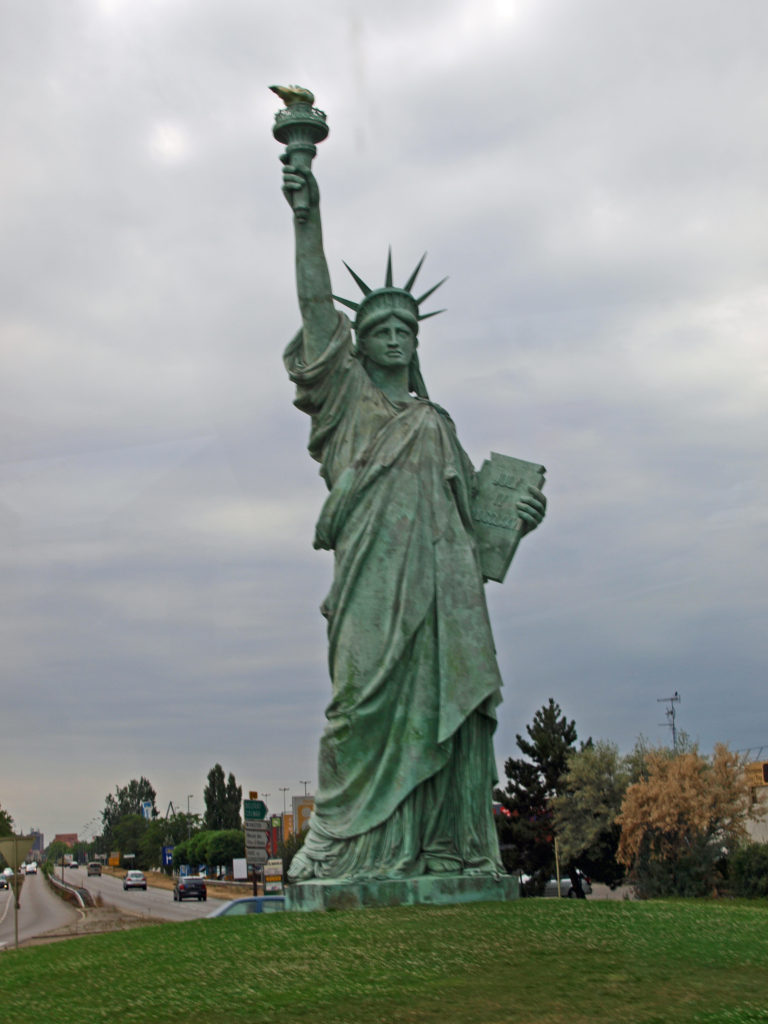
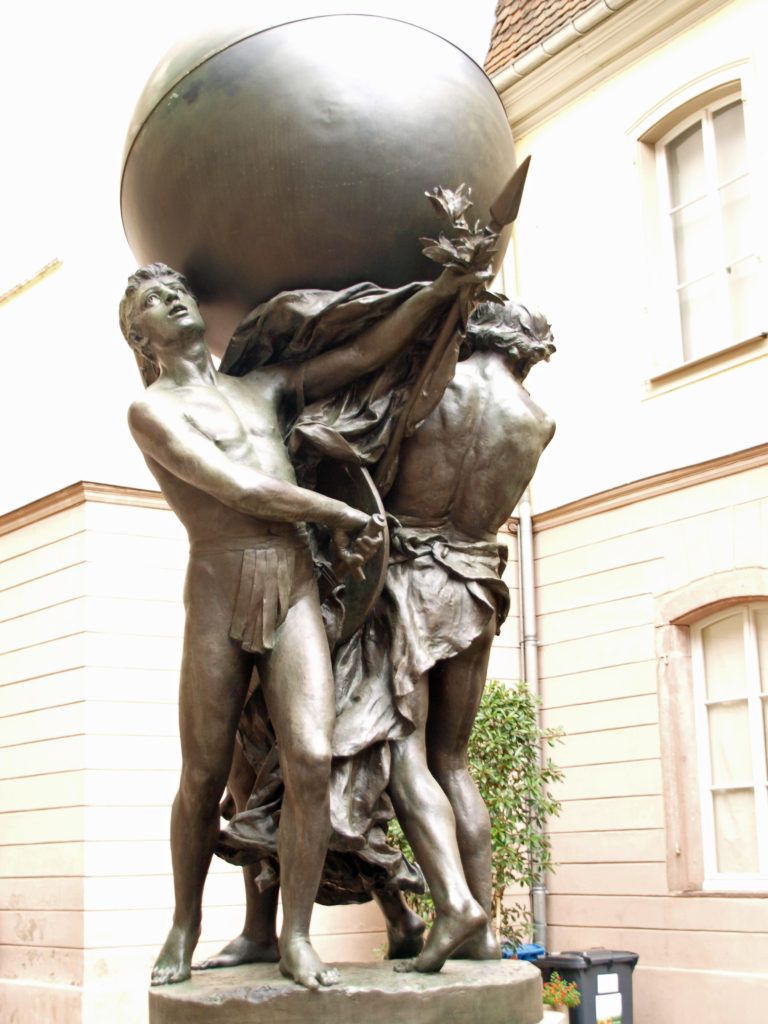
One of the first things we saw upon arriving in Colmar was a scaled down replica of the Statue of Liberty. It’s there because the creator of the statue, Frederic-Auguste Bartholdi, hailed from Colmar. In addition to the Statue of Liberty, Bertholdi created many other large-scale sculptures and fountains, including the Lion of Belfort. The Bartholdi Museum, located in what was once the Bartholdi family home, contains scale models of the Statue of Liberty and the Lion of Belfort used in creation of those works, as well as many of Bartholdi’s other works. Other Colmar museums include the Unterlinden Museum, the Musee du Jouet (Toy Museum), and the Hansi Museum, dedicated to the works of Jean-Jacques Waltz, a native of Colmar known for his satirical works and his opposition to German control of the region.
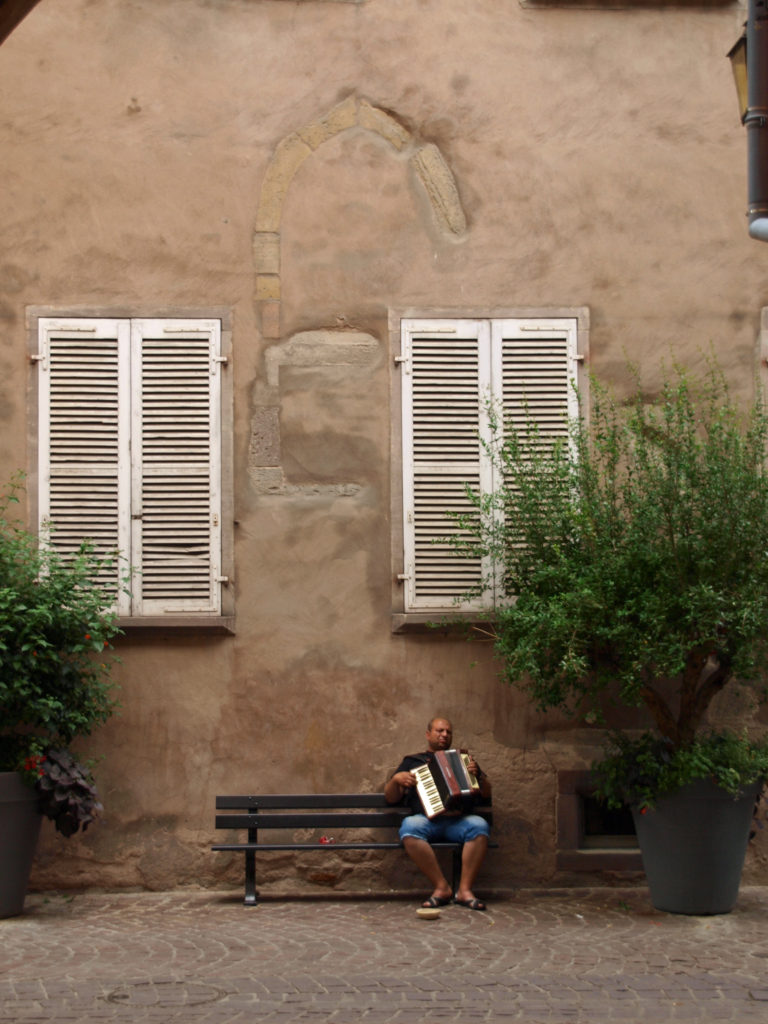
Colmar is known for its white wines, and one of the optional tours that many of our fellow passengers took advantage of was a tour of the areas wineries and vineyards. A variety of grapes are grown in the region, including reisling, gewurtztraminer, pinot gris, and pinot blanc. Colmar and the Alsace region have been producing these wines since the early middle ages.
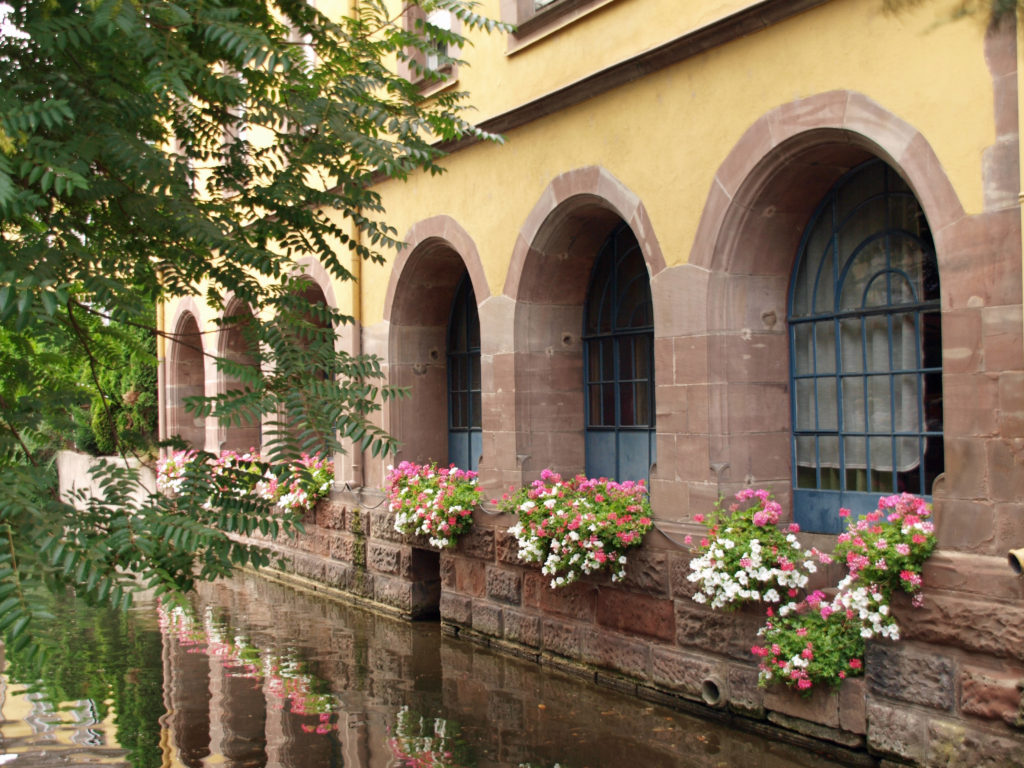
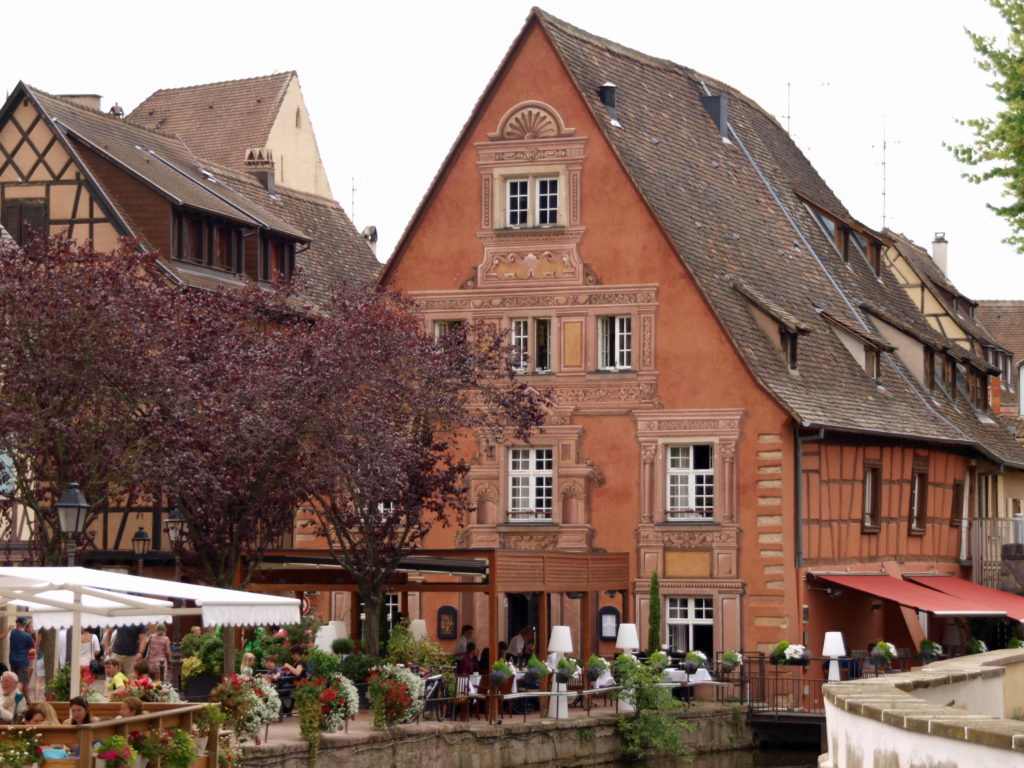
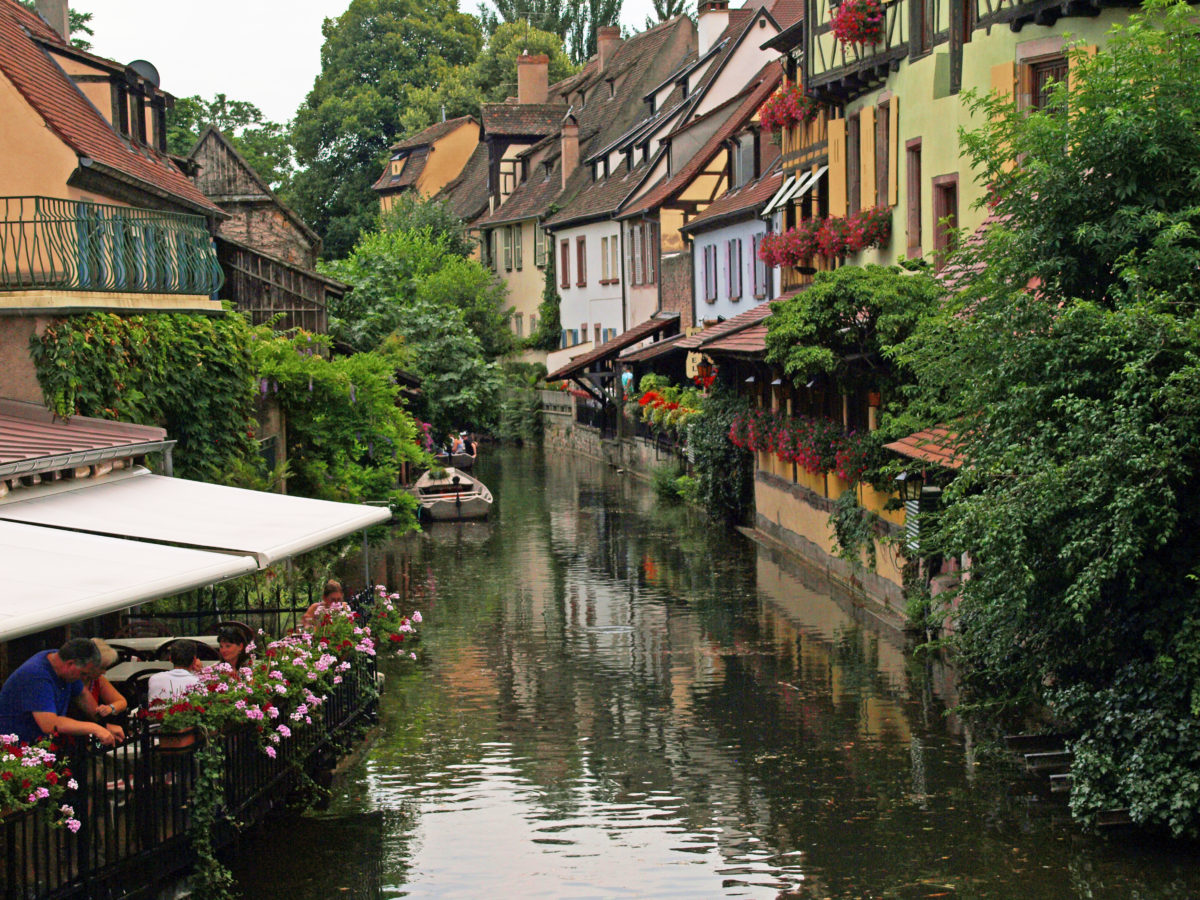
After our organized tour of the city, we had time to wander around the town for awhile on our own. The old town of Colmar is interesting, historic, and one of the prettier towns we visited on our cruise. Part of the old city along the Lauch River is known as Petite Venise (Little Venice). That comparison might be a little off the mark, but it is certainly picturesque. I took many photos of Little Venice and we would have lingered there longer, but, alas, once again we had to return to the ship with our fellow passengers or get left behind. One of the downsides to river cruising, I guess.
Basel
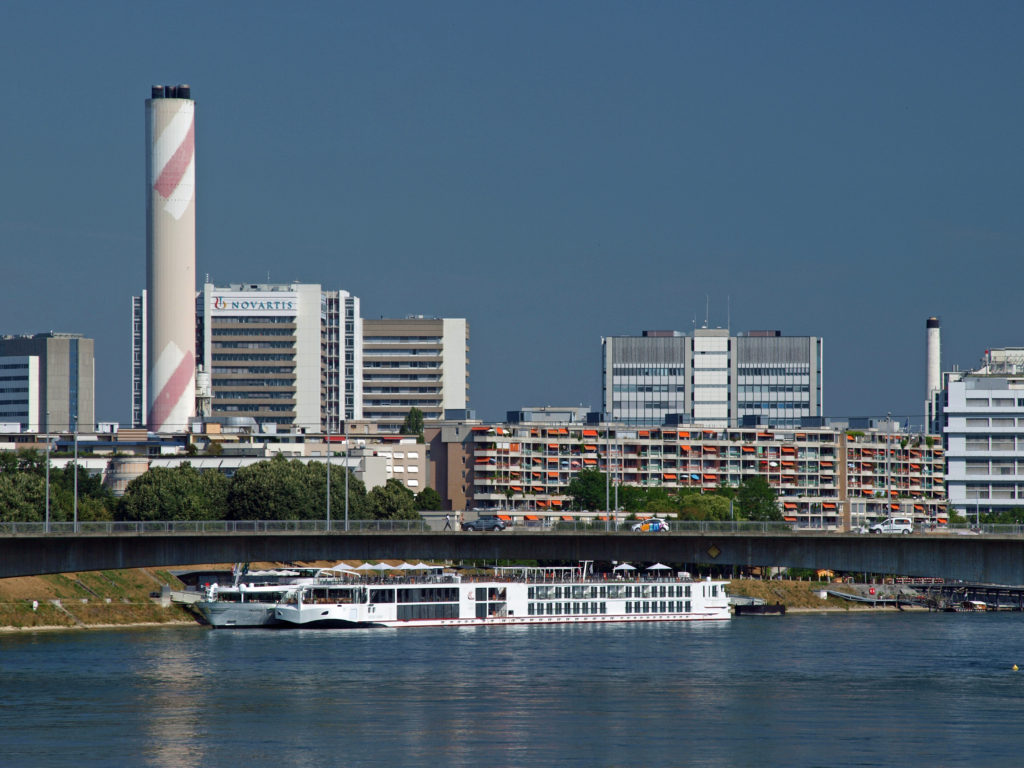
Our cruise ended the following morning in Basel, Switzerland. We rather reluctantly said goodbye to our Viking Longship and the friends we had made on the trip.
After disembarking the ship and taking a taxi to our hotel, we had the rest of the day to explore the city. Since Rick Steves’ Switzerland guide book had not a single mention of Basel, I didn’t have high expectations. But we discovered, on our way to Museum of Contemporary Art, an old section of the city (the St. Alban District) that is as picturesque and has all of the charm of the other old city centers we’ve visited, but with few tourists and no crowds.
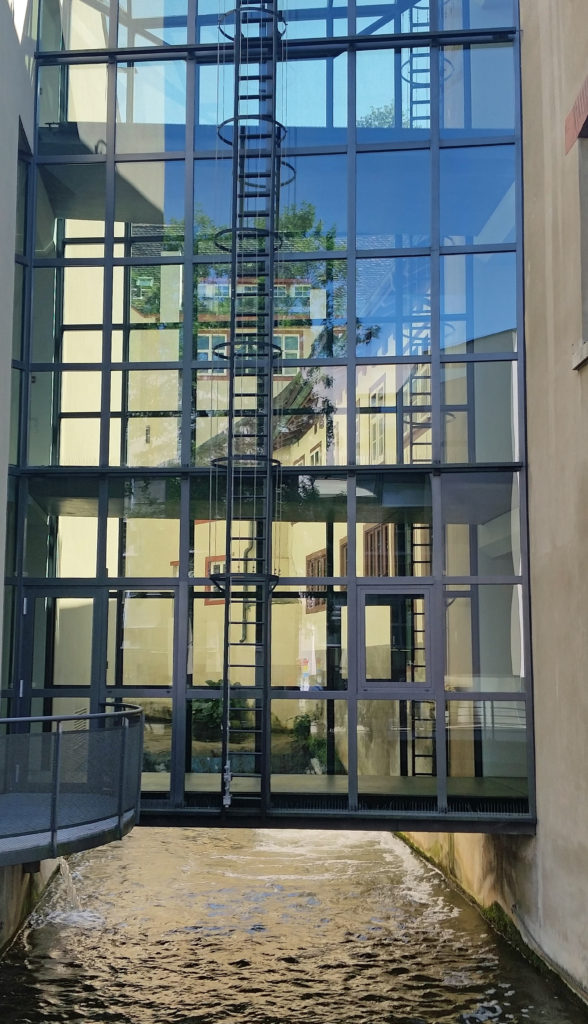
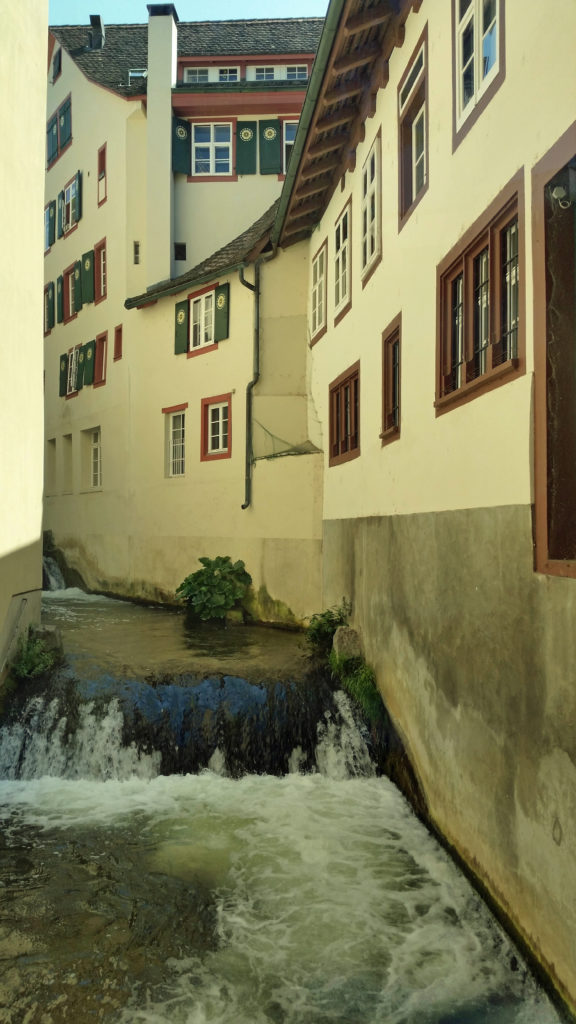
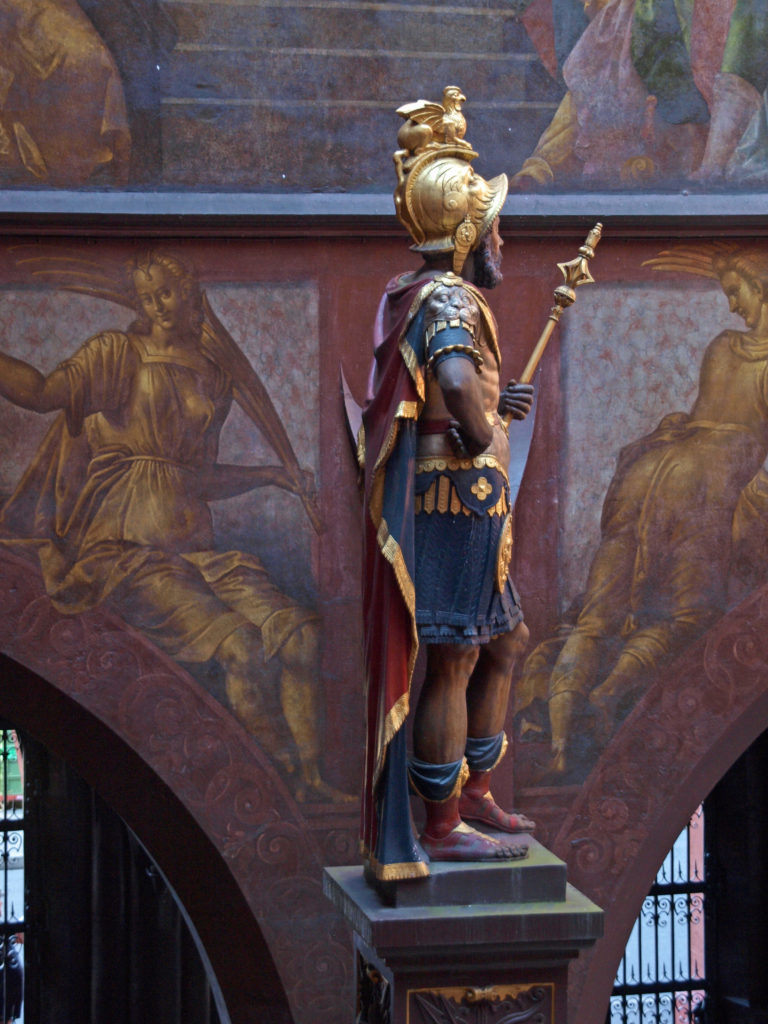
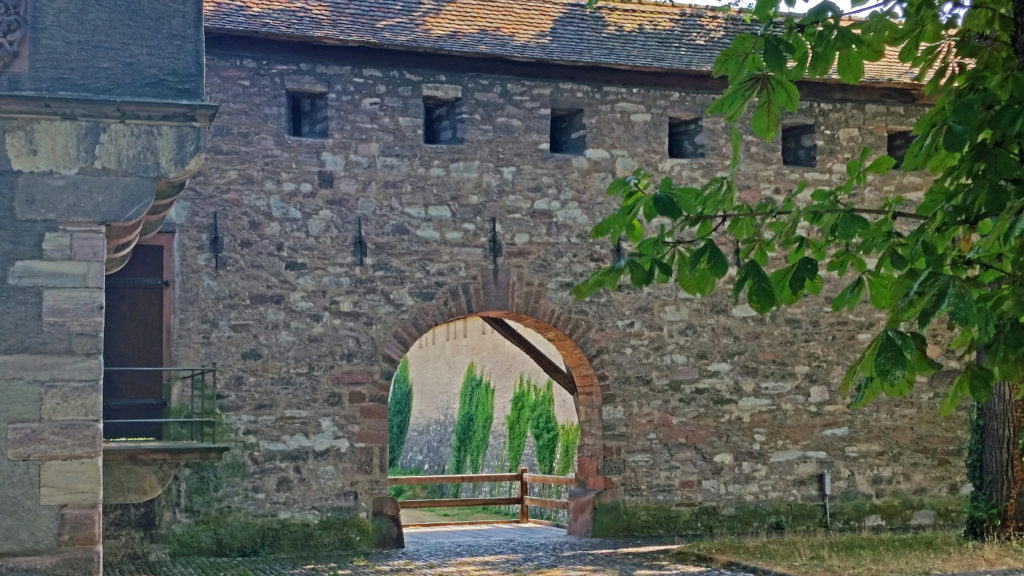 We spent the rest of the day exploring the city center, including Basel Cathedral (Basel Munster), and the Basel Town Hall, and sampling Swiss cuisine. All in all, Basel was a delightful surprise, and a fitting end to our Rhine River cruise.
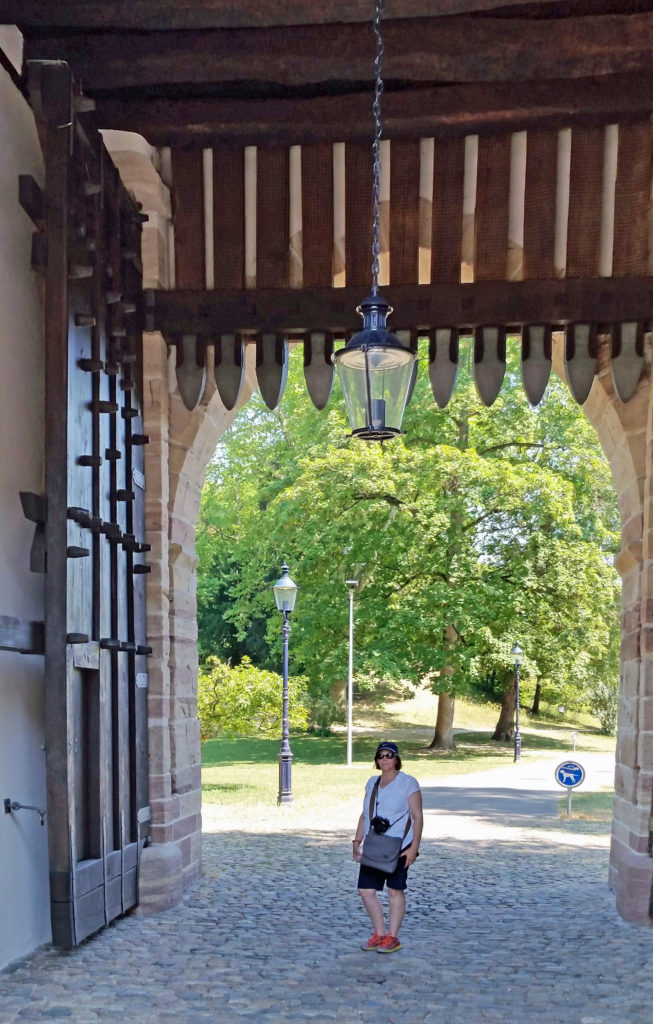
The end of our cruise wasn’t the end of our vacation, though, as we continued on to the Lauterbrunnen Valley in the Berner Oberland section of Switzerland. Look for a future post on that delightful extension of our trip.
Posted by Alan K. Lee, May 2, 2019
All photos by the author








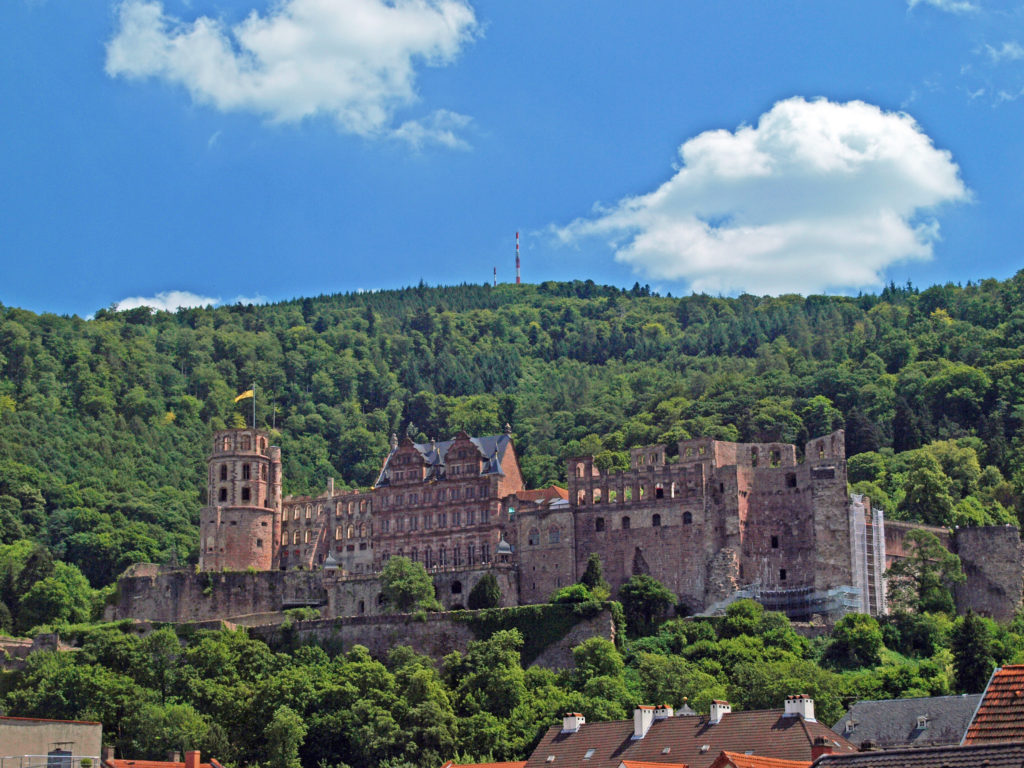
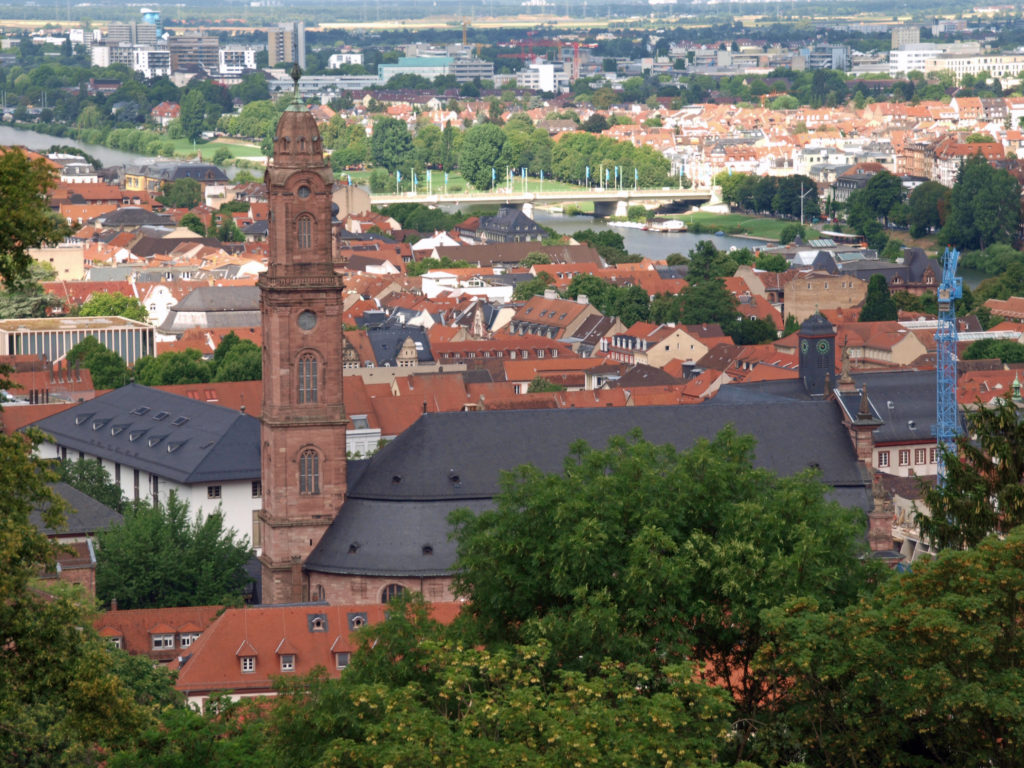
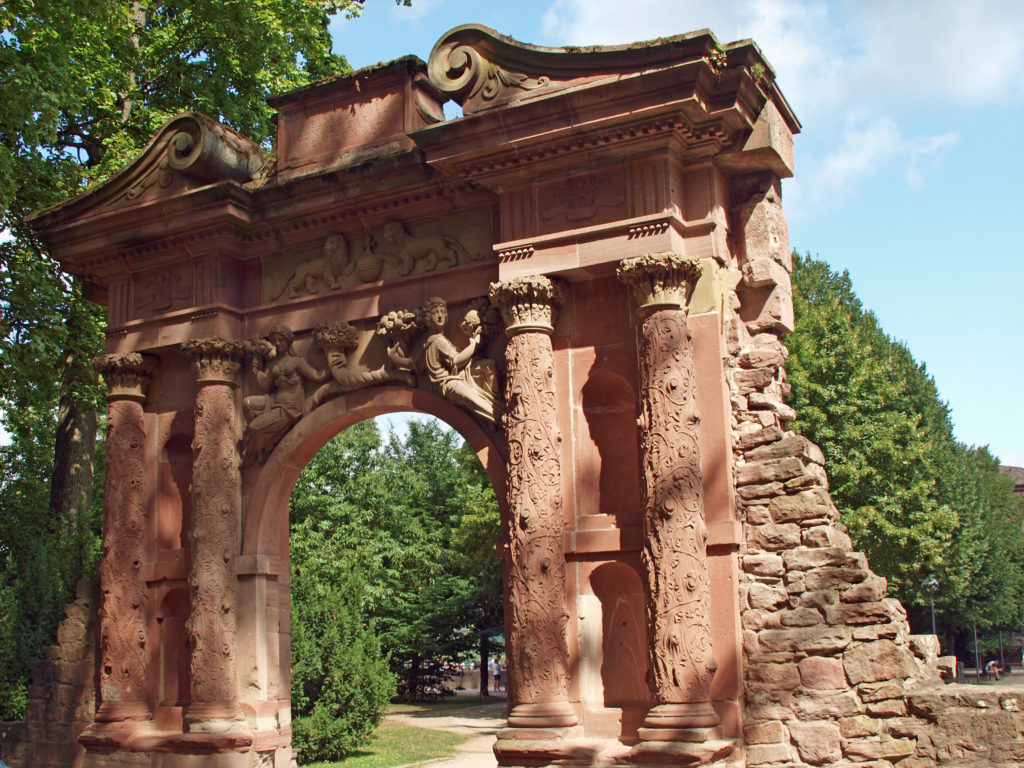
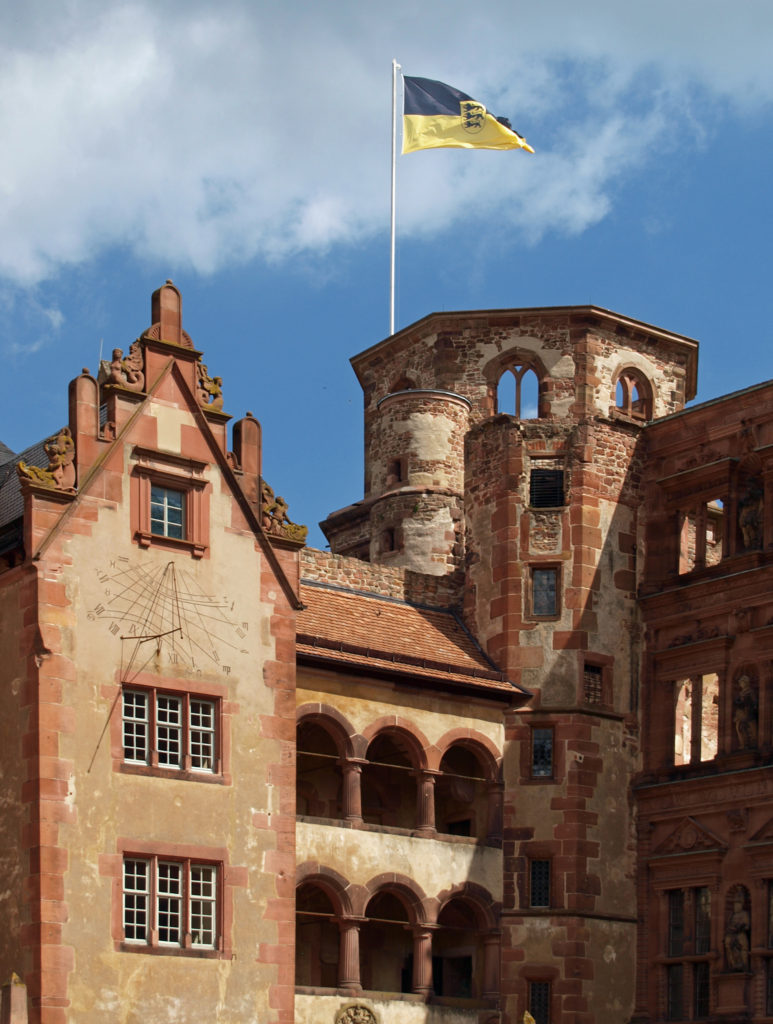
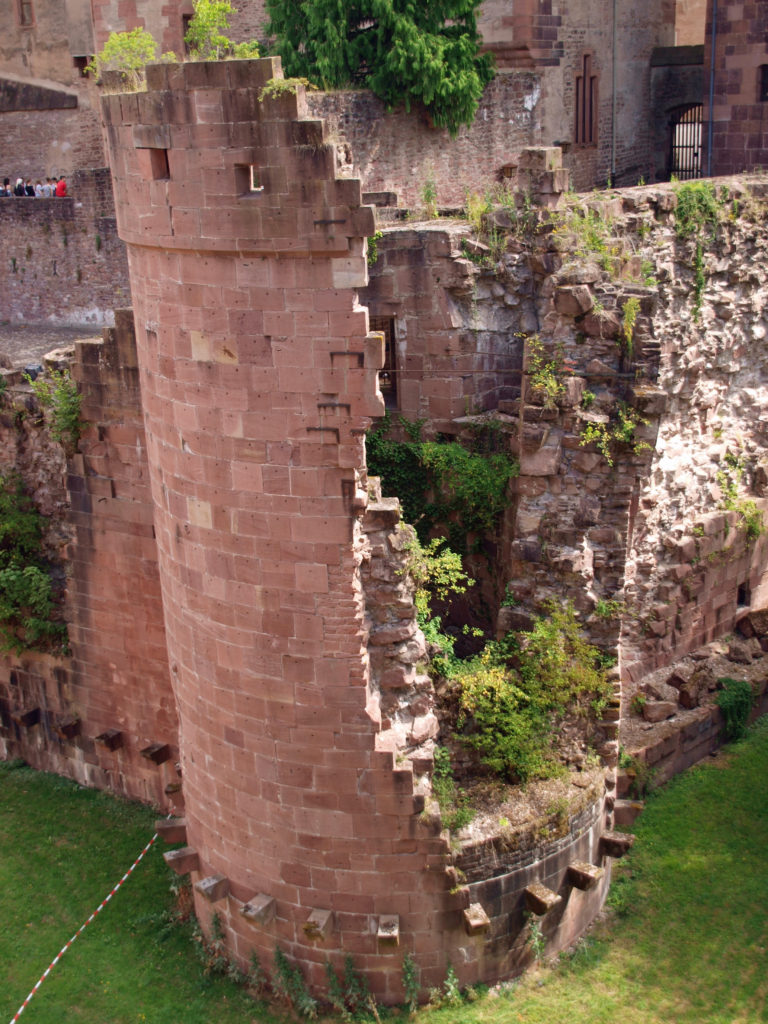 Our tour guide was a graduate student working on his doctorate in history at Heidelberg University, so we got a wealth of local history during our tour, told in an entertaining and often humorous manner. The castle ruins are a treasure trove of photo opportunities, as well. I could easily have spent a full day, or more, at the castle, but had to move on with the group.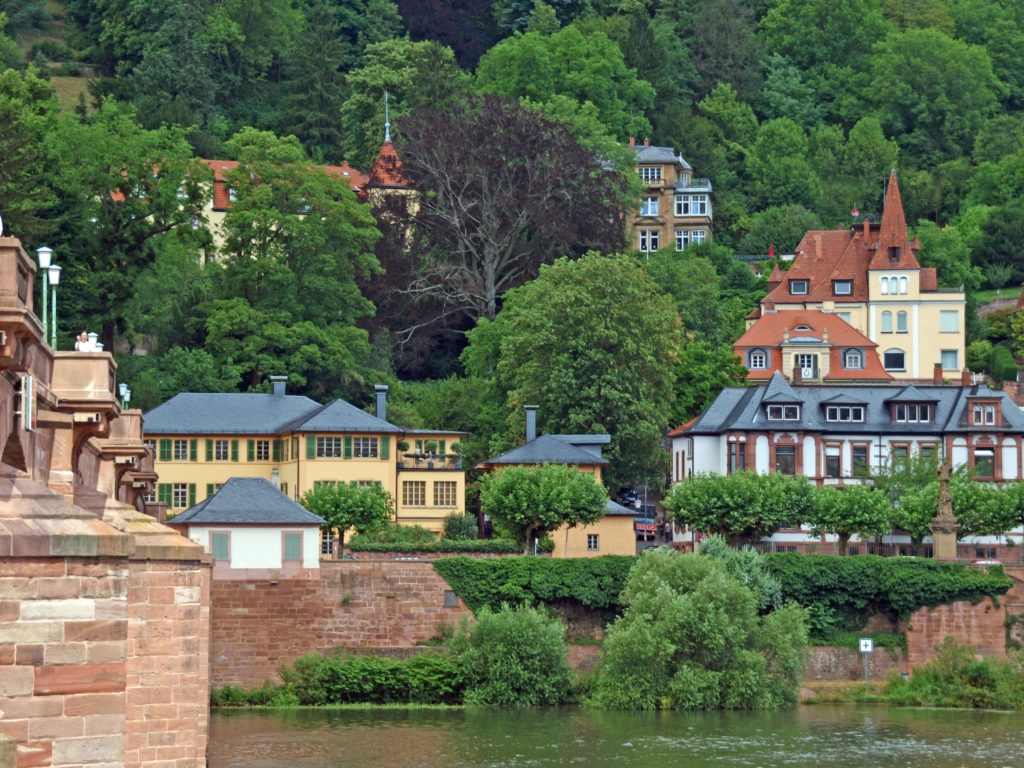
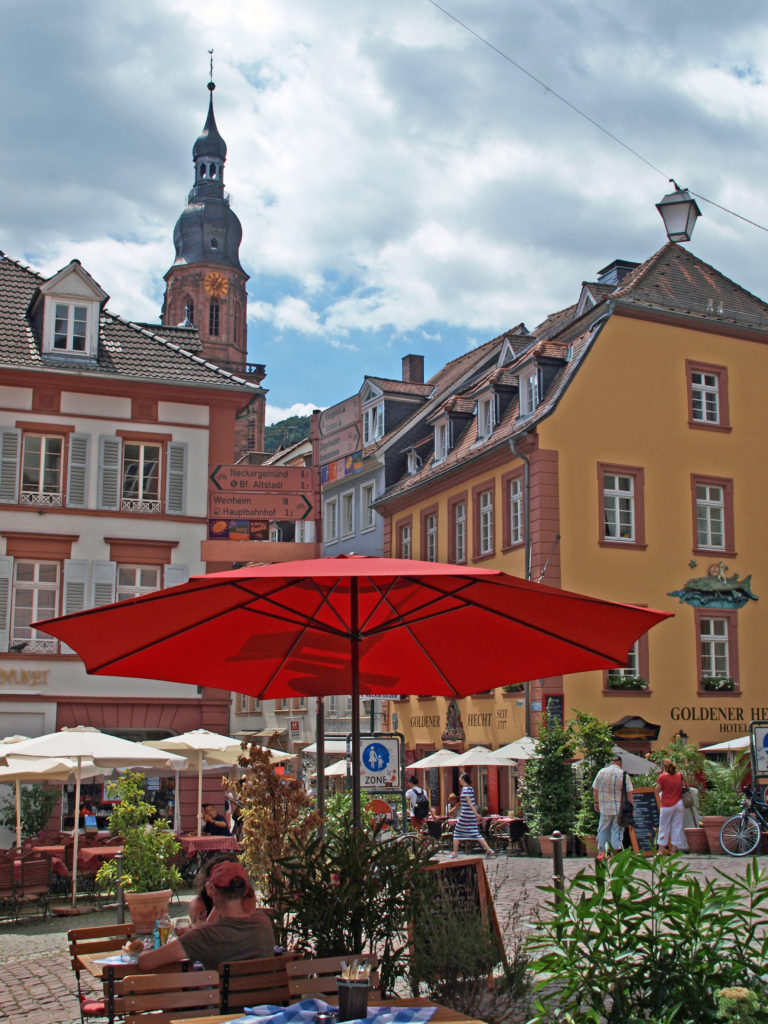
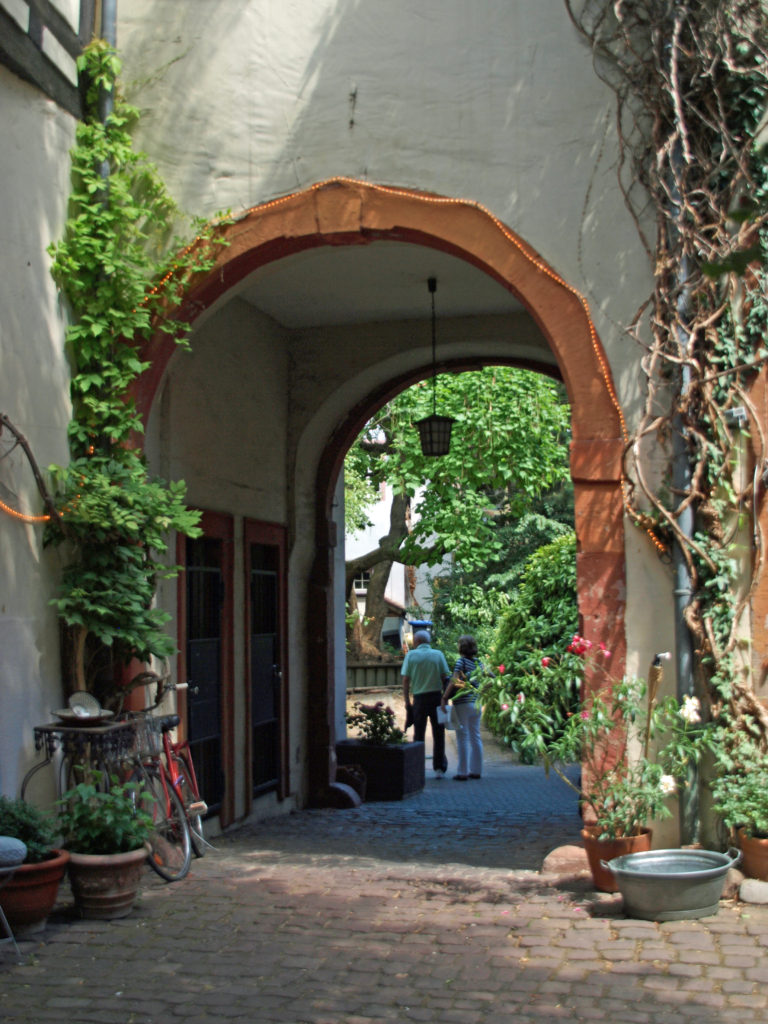 We spent an hour or so exploring the old city, then stopped at a sidewalk cafe at one of the hotels for lunch. While there, another of the couples on the cruise joined us. Fran and Victor, from Santiago, Chile, were one of the few non-American couples on the cruise. Coincidentally, Victor, who is a surgeon, had been sent to Heidelberg some time previously by the university hospital where he practiced (they had some sort of reciprocal relationship with Heidelberg University), and had stayed in the same hotel at which we were dining.
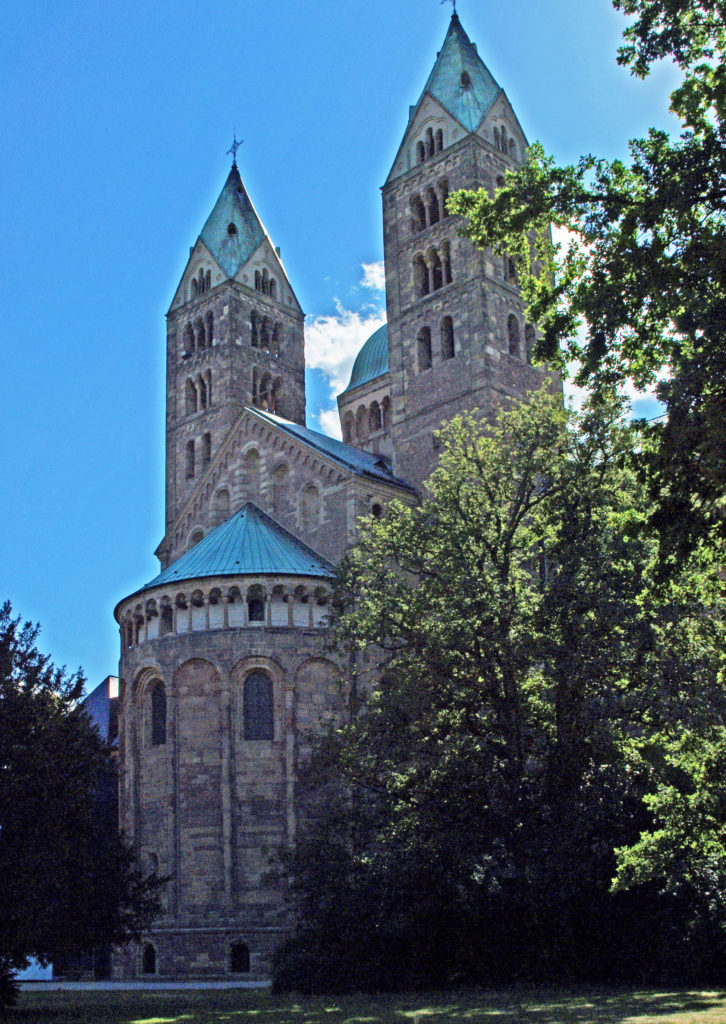
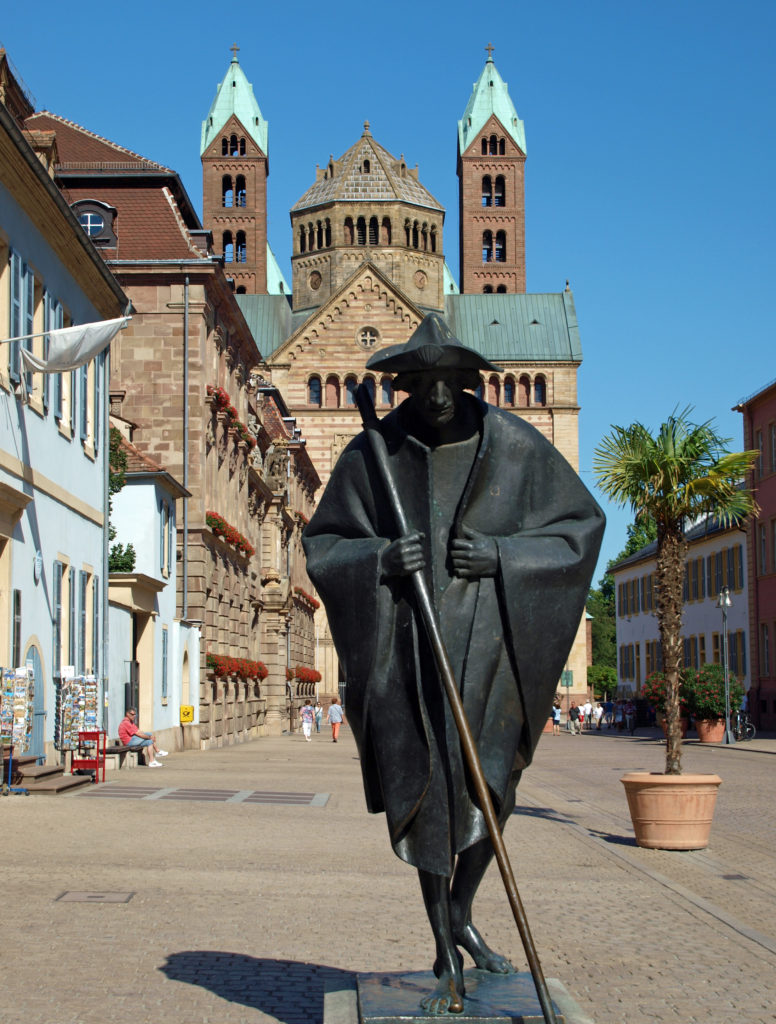
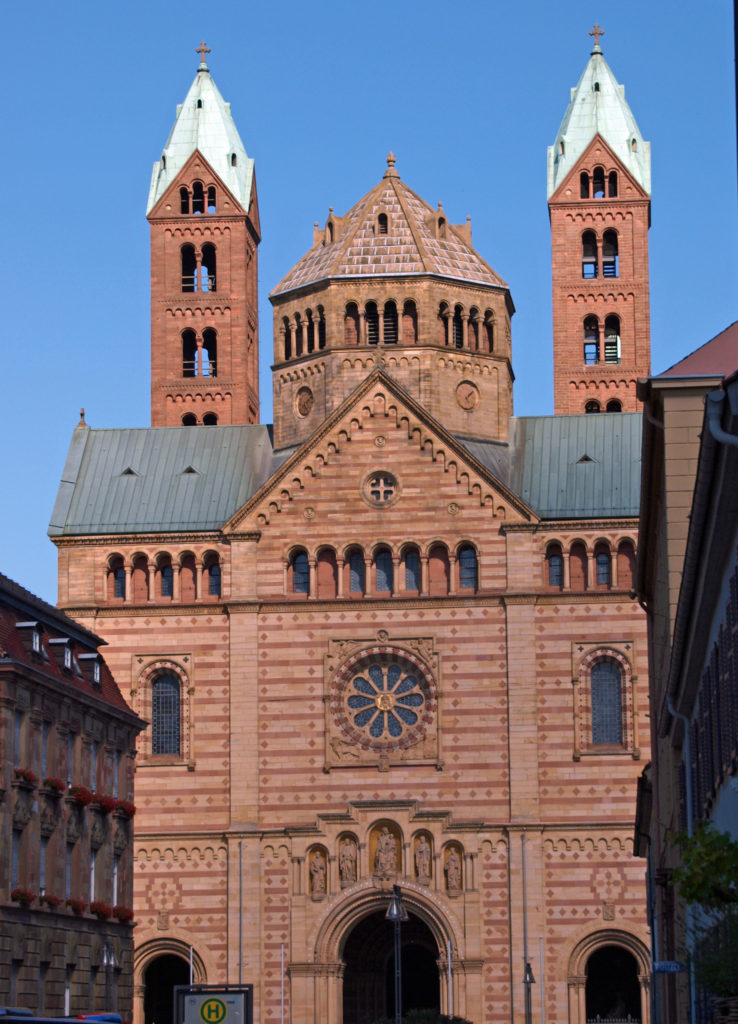
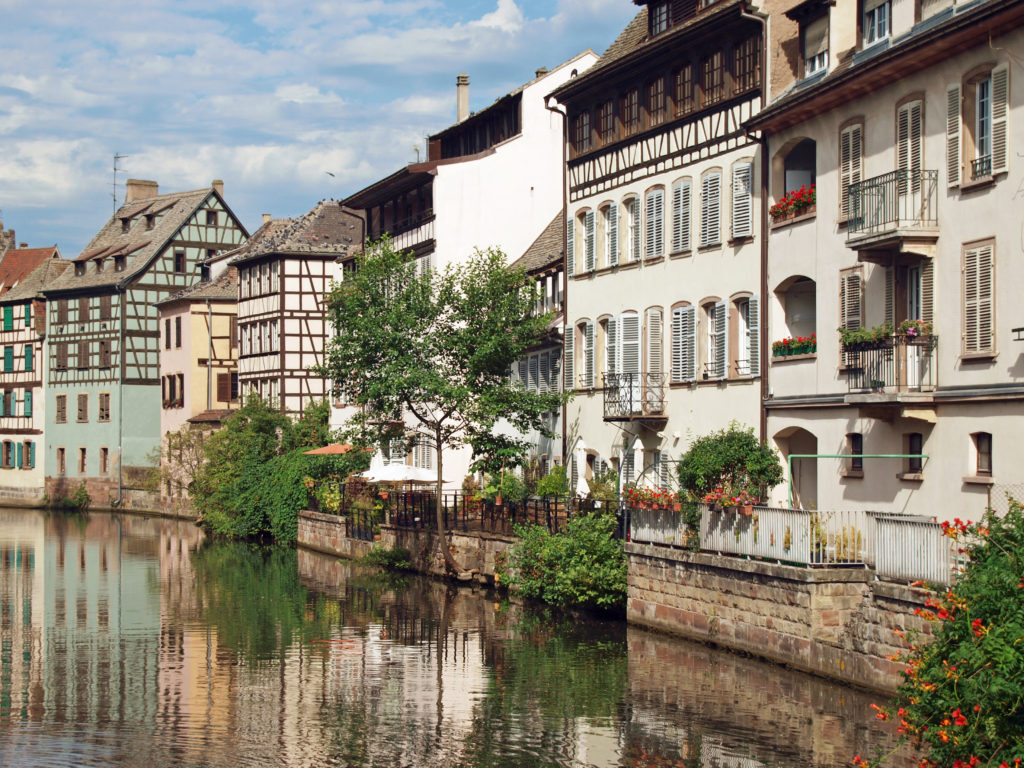
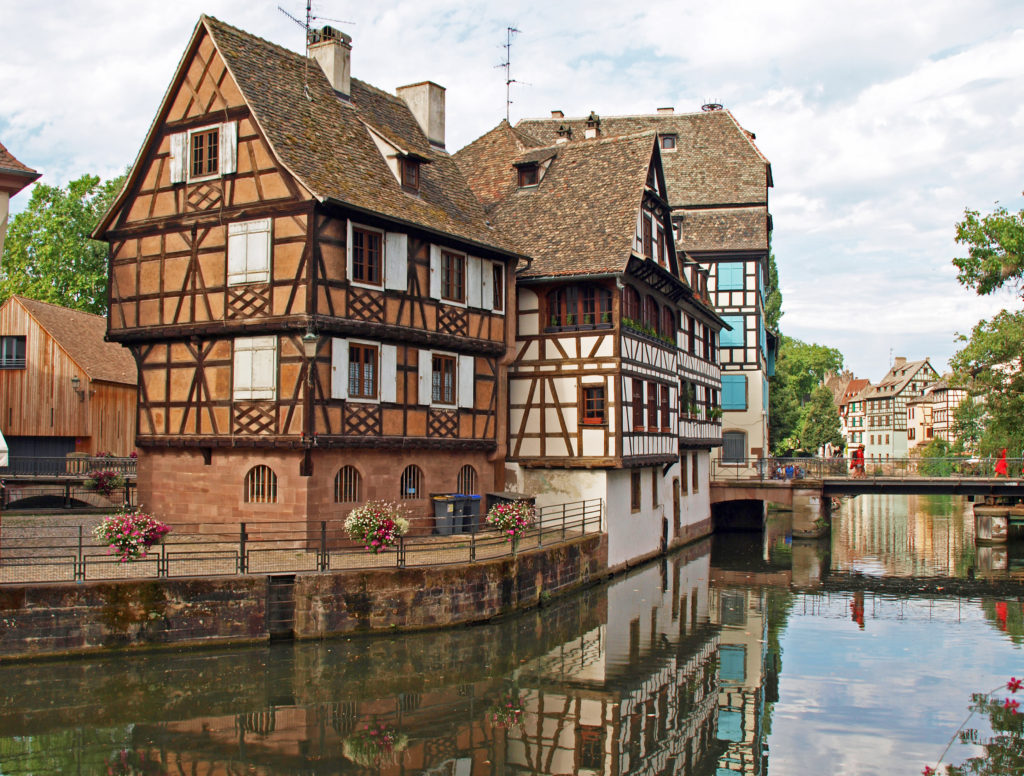
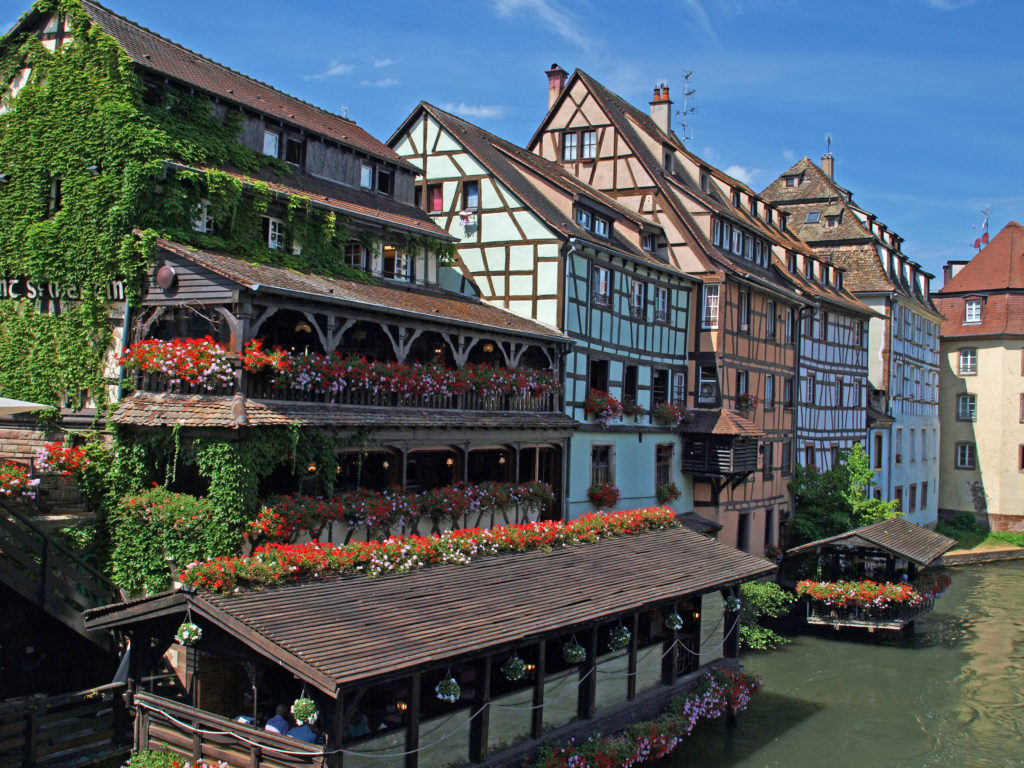
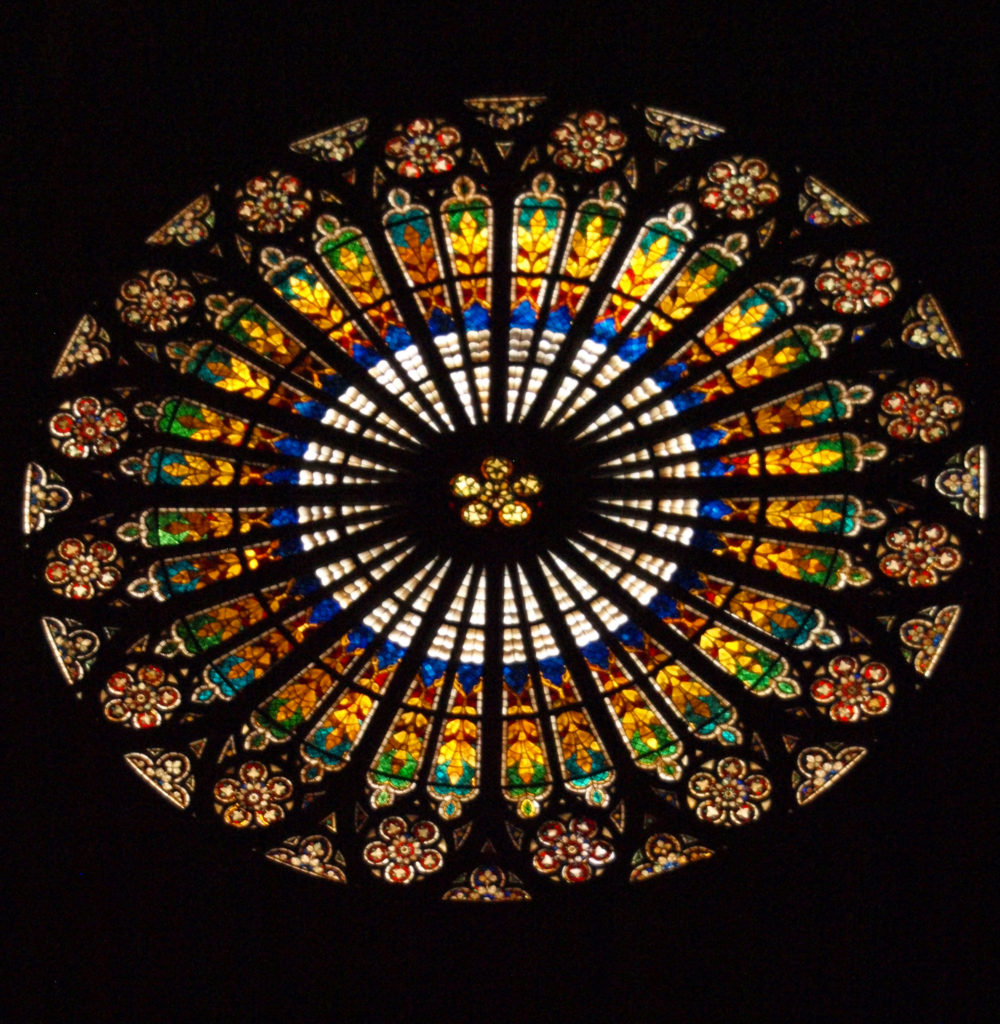
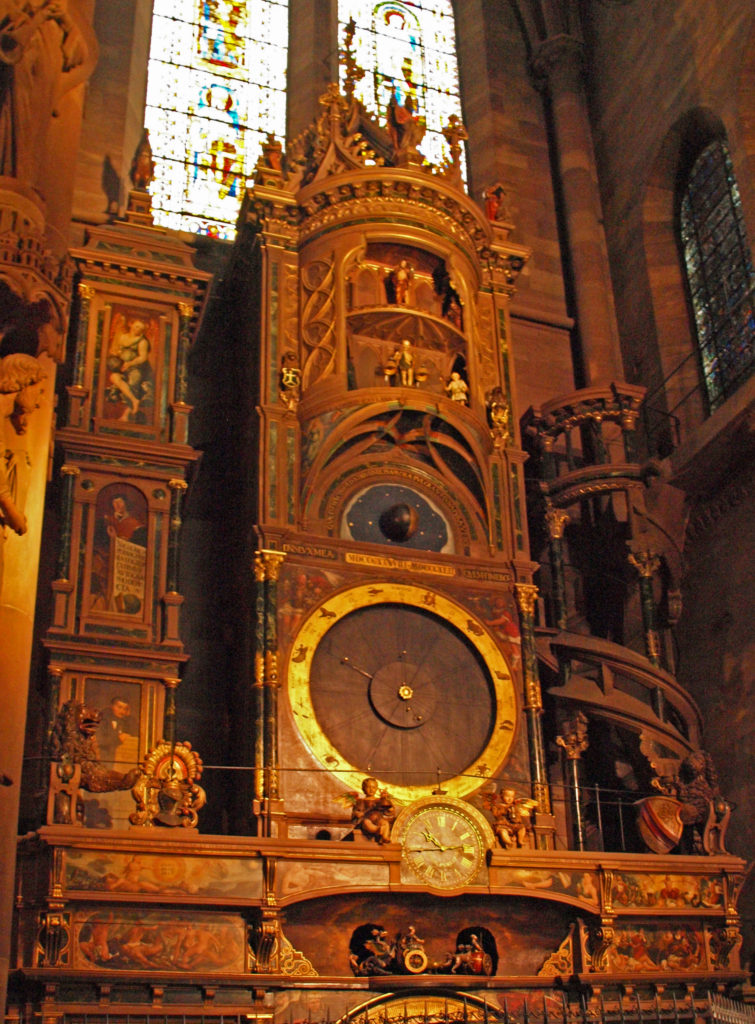
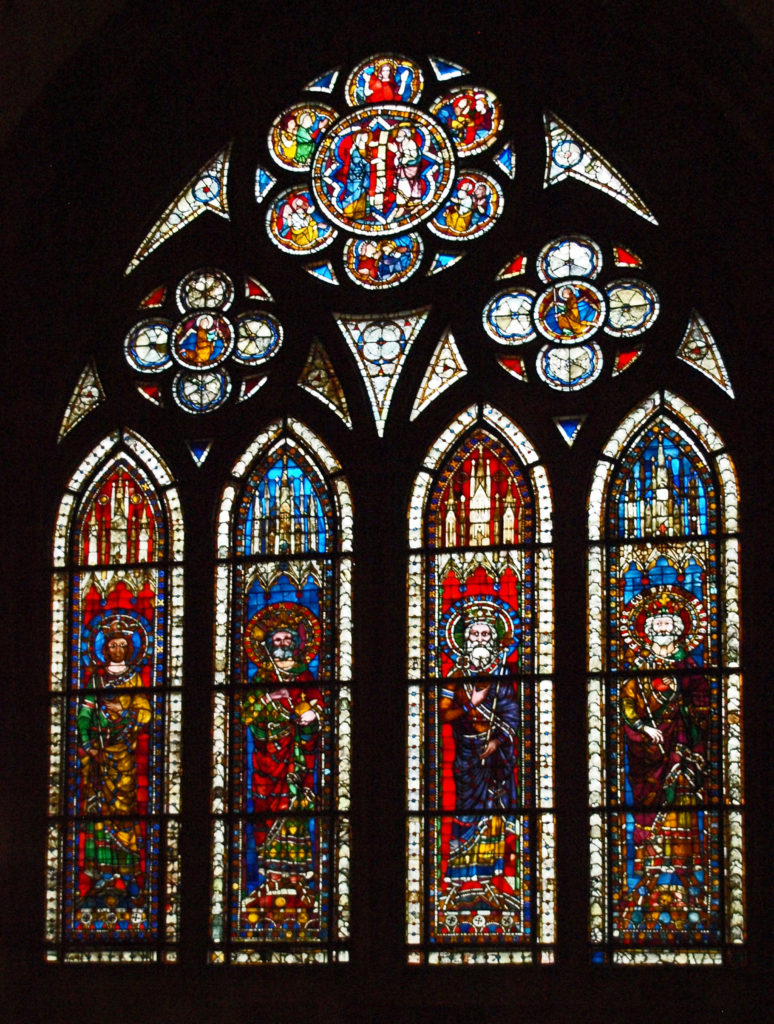
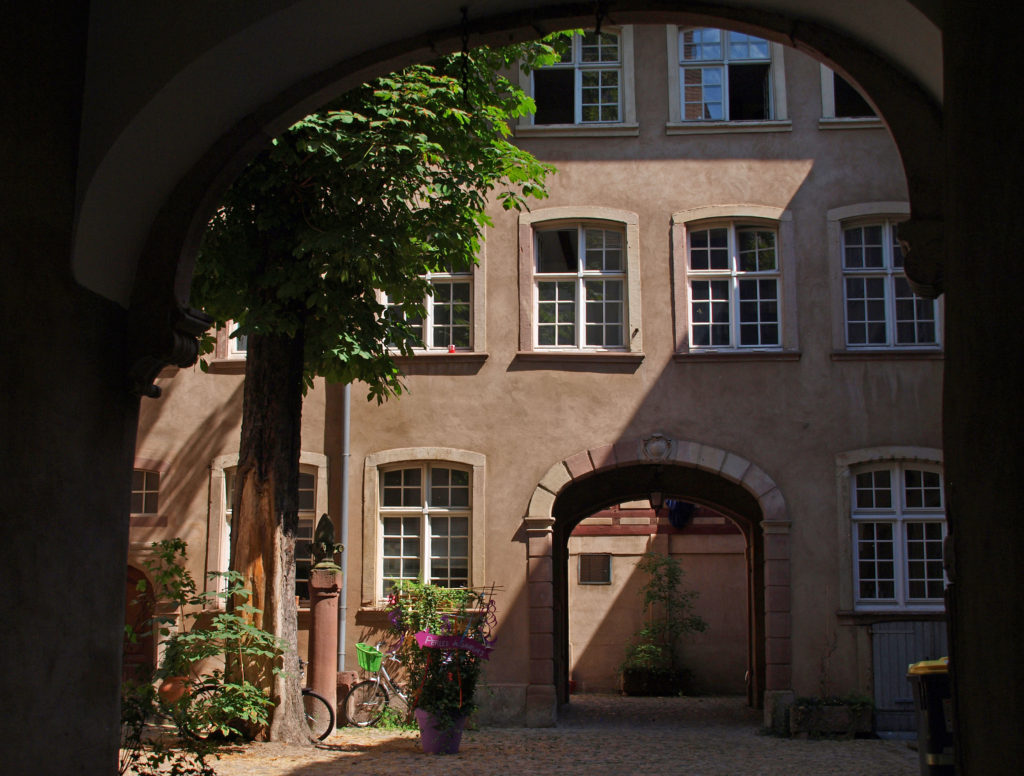
 From Kehl, the ship sailed that evening to Breisach, Germany. Our excursions on the following day took us to Freiburg, Germany and Colmar, France. Look for an upcoming post on those outings.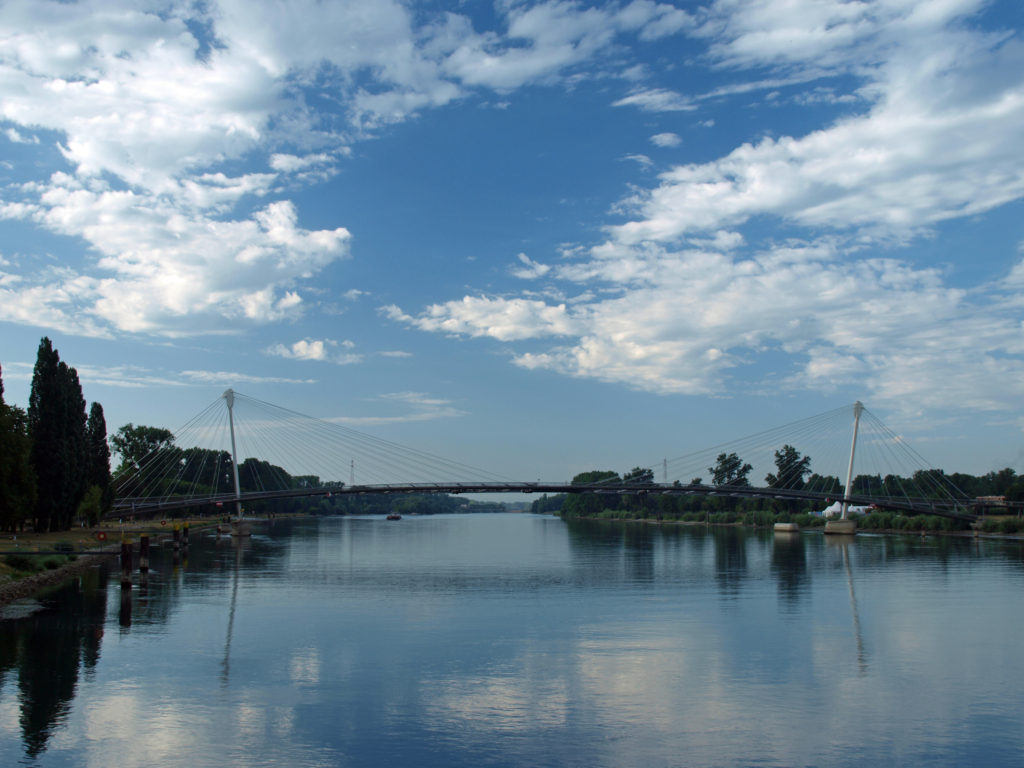
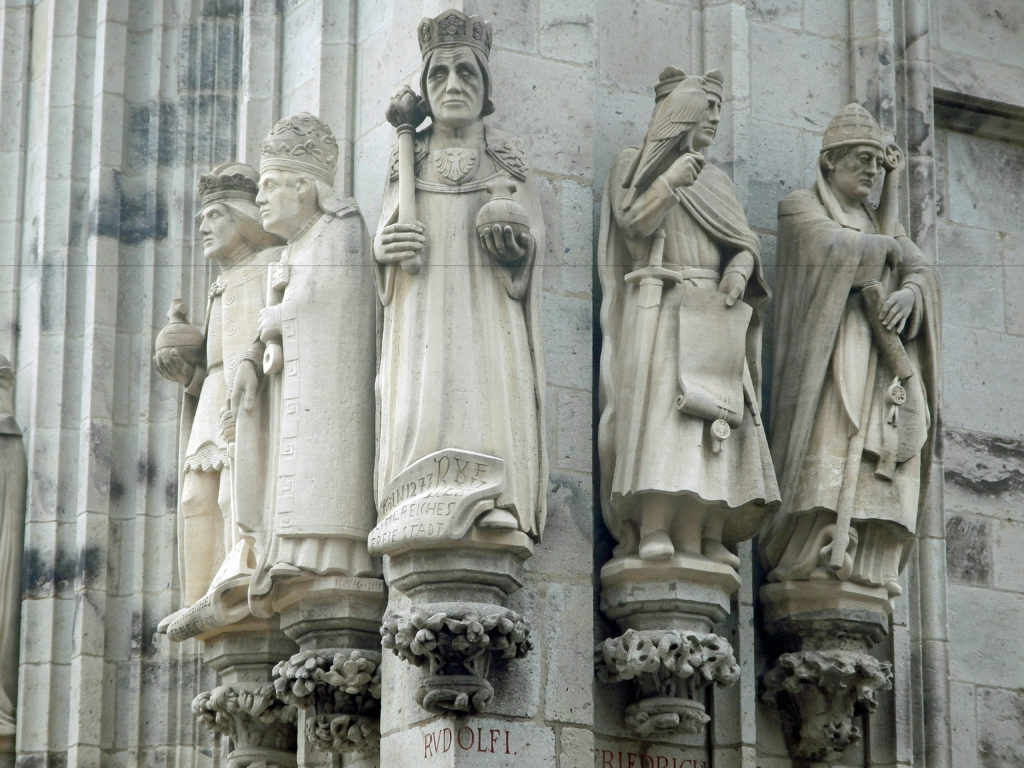
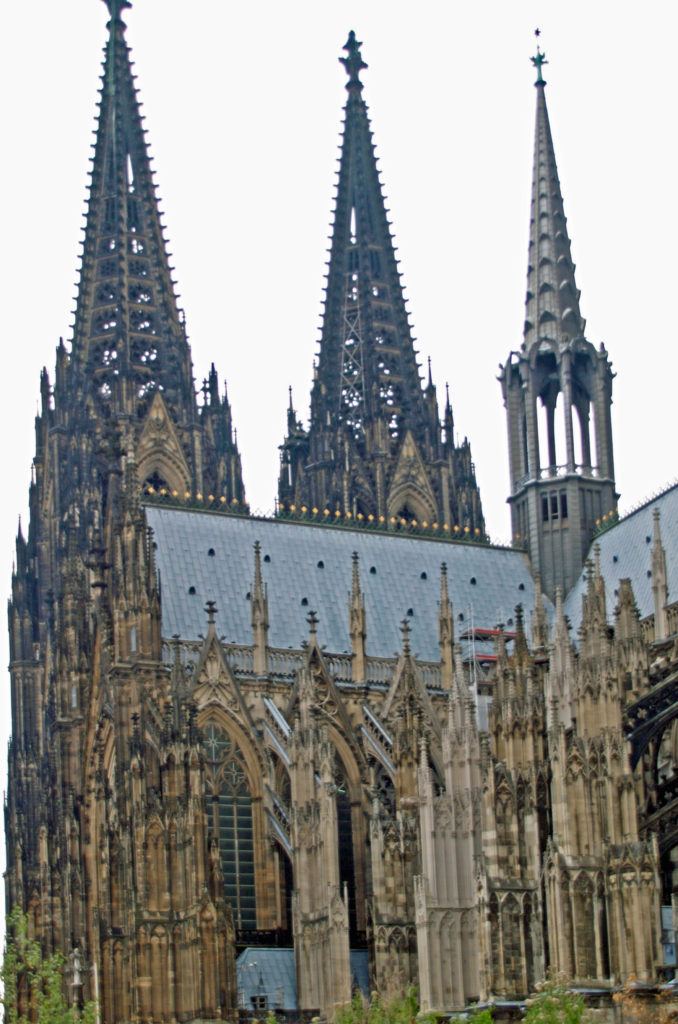
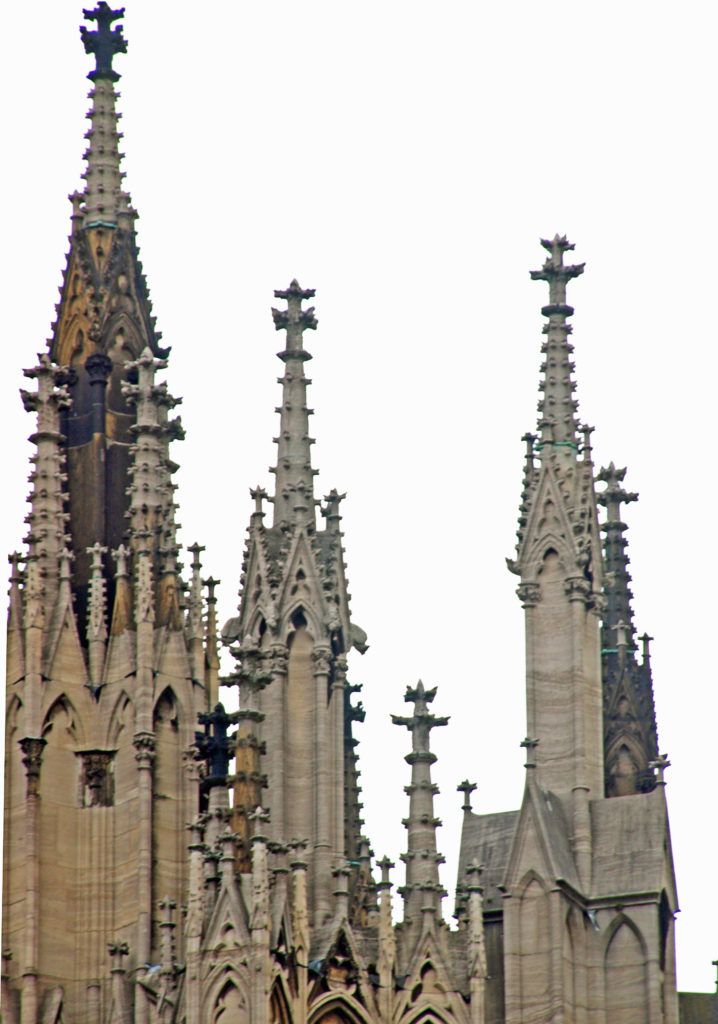
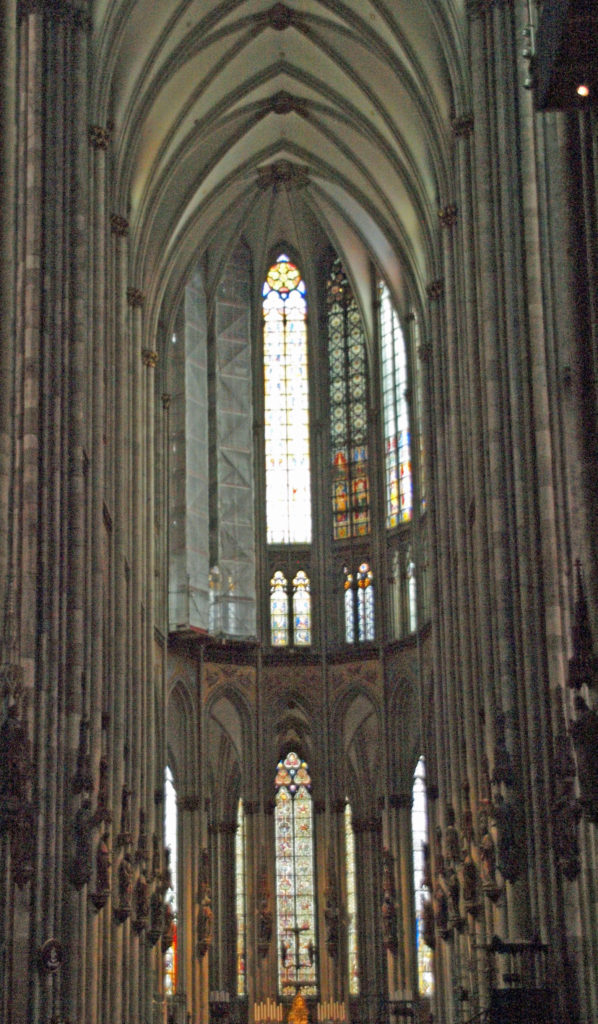 Construction of the Cologne Cathedral began in 1248. In 1478 construction was halted and the cathedral remained unfinished for another 400 years. It wasn’t until 1880 that it was completed to the original medieval plan. The cathedral was damaged by a number of bombing raids in WWII, but remained standing, and repairs were completed in 1956.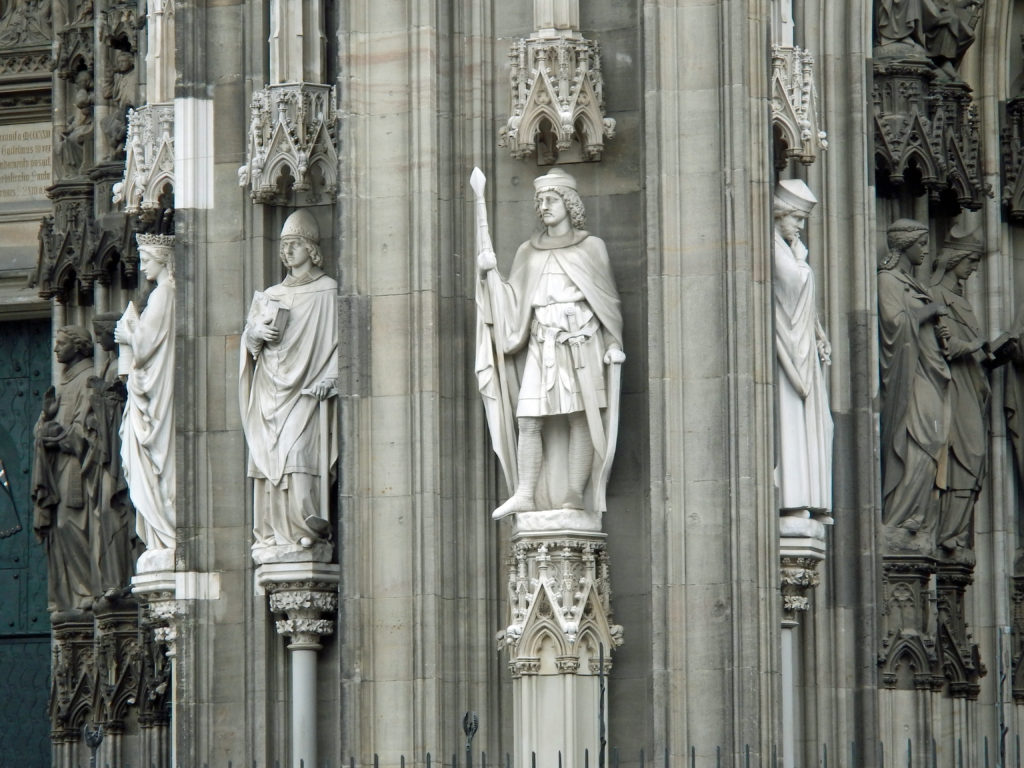
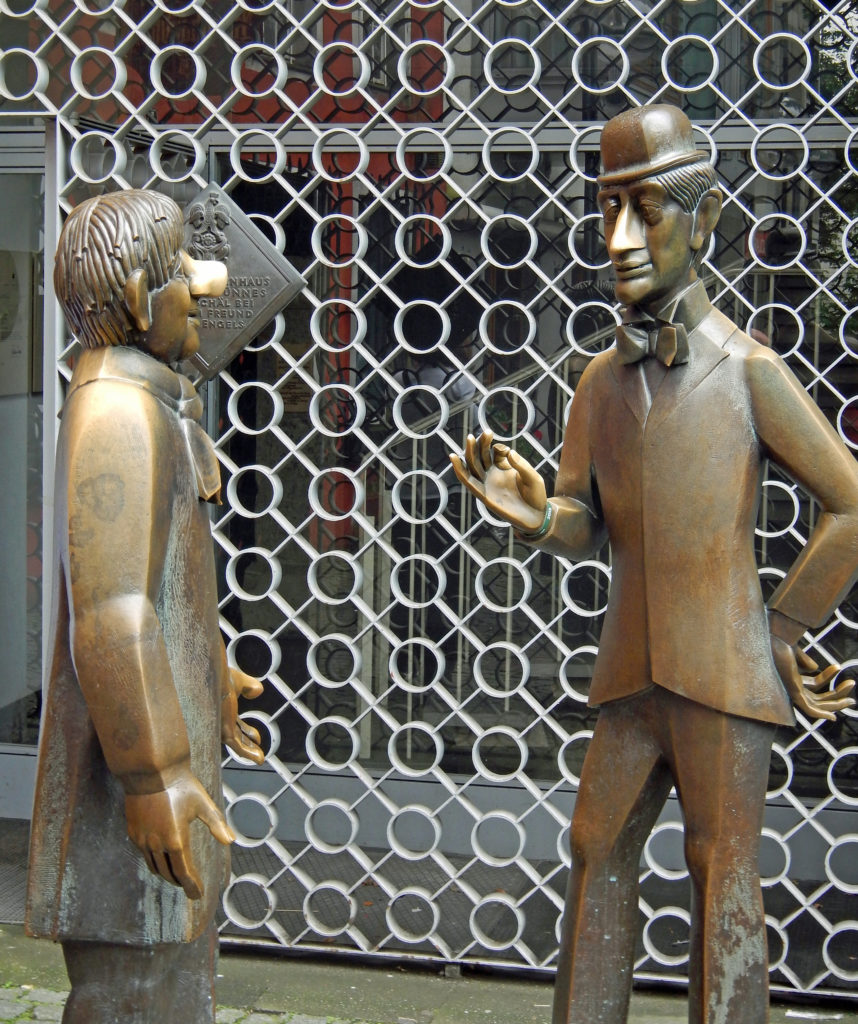 Our second tour in Cologne was an optional pub crawl that evening, led by a local guide. In Cologne each pub has a working agreement with one of the local breweries that produce the local brew, called
 Museum tickets can be purchased online. Also check out the
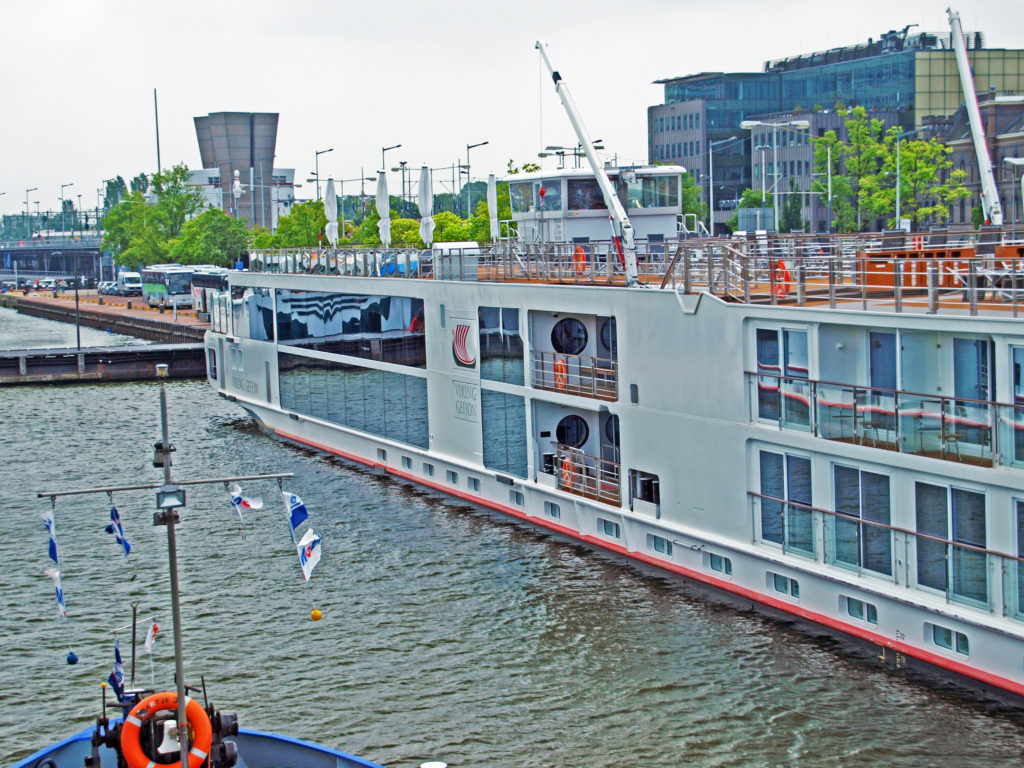 Our Rhine River cruise began with boarding our “longship” (the Viking Mani), and dinner onboard. That was the first of many outstanding meals served on the ship – and the first of many pleasant surprises on the cruise. (See my
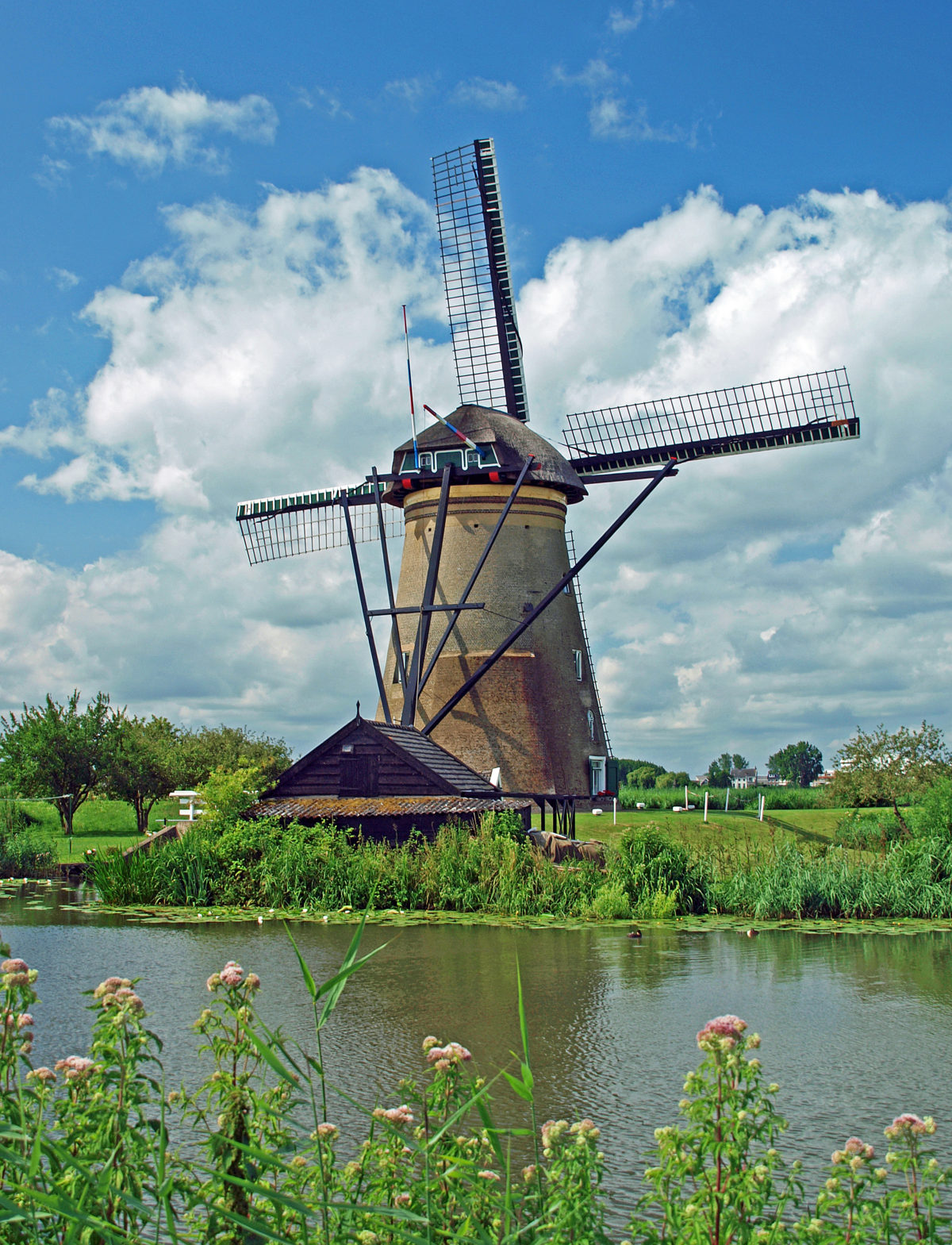
 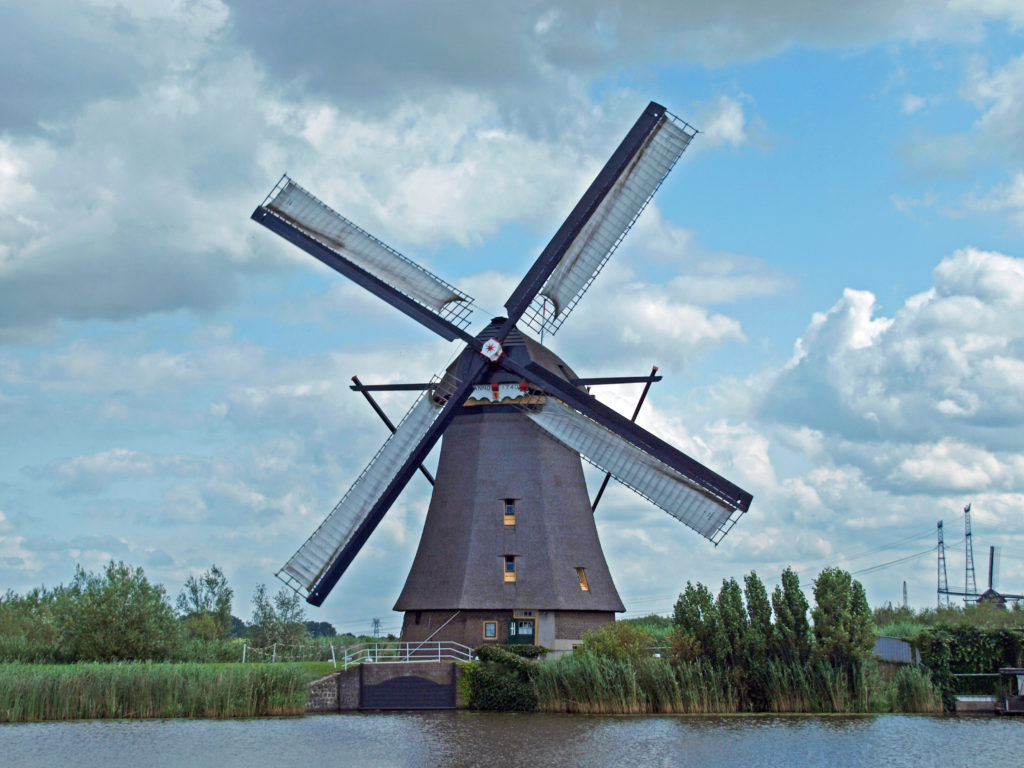 The largest surviving group of ancient windmills in the world is in village of