The Circles in the Sand labyrinths began appearing on the beach at Bandon, Oregon in 2011. Created by Denny Dyke as part of his ministry, Sacred Journeys, the labyrinths are intended to be a form of walking meditation. Over the next few years Dyke created hundreds of labyrinths.
In 2014 Dyke’s efforts evolved into the Dreamfields labyrinths, larger and more elaborate than his original creations. The labyrinths are not mazes – there is one path and there are no dead ends or wrong turns.
The labyrinths are true works of art, each unique, each washed away by the next high tide. The sand is carefully groomed by a group of volunteers to a design by Dyke. Driftwood, kelp, shells, and other things left behind by the retreating tide are incorporated into the designs. Other shells and rocks are brought in and purposely incorporated into the design by the labyrinth builders, and the sand is raked into intricate and beautiful geometric designs.
The Circles in the Sand labyrinths are created on the beach below the Face Rock Wayside in Bandon. The beach there is a mix of flat sand and soaring sea stacks and off shore islands that is one of the most beautiful beaches on the Oregon coast.
Together with the rock formations at Coquille Point, a short distance north of the Face Rock Wayside, this stretch of beach is truly spectacular, well worth a visit at any time of the year. Combining a visit with the opportunity to experience Circles in the Sand makes for a unique and memorable experience.
Thousands of people walk the labyrinths each year. The labyrinths can be walked by anyone, free of charge. Circles in the Sand is funded entirely by donations. For schedules and more information, click here.
Originally posted July 24, 2019. Most recently updated July 28, 2026.
My wife and I recently paid a visit to Powells Wood Garden in Federal Way, Washington, just north of Tacoma. We had seen a set of photos taken at Powells Wood that were quite beautiful, so we decided to take a side trip on our recent weekend visit to Gig Harbor and check it out in person.
What we found was a beautiful three acre botanical garden containing eight “rooms” separated by manicured hedges, and an adjacent 35 acre natural area preserve. We spent several very pleasant hours exploring the botanical garden and the nature preserve. It was a nice way to unwind after the drive up from Portland.
The botanical garden is small, but it’s a nicely constructed set of gardens and a place that any flower lover will enjoy.
The adjacent natural area is a maturing second growth forest with many large conifers, a small stream, and the typical temperate rainforest understory of native shrubs and ferns. Several trails loop through the preserve. We hiked most of the trails that afternoon and saw only a few other people.
Powells Wood Garden is located at 430 S. Dash Point Road in Federal Way. The garden is open Tuesday through Saturday from 10am to 3pm. Admission is $7 per person (children 12 and under are free). Tickets can be purchased online on the Garden’s website . Reservations are not required and tickets can also be purchased on site.
If you visit Powells Wood Garden, you might also want to stop in at Dash Point State Park, a few miles west of Powells Wood. The main attraction at Dash Point is the 3000 feet of Puget Sound shoreline. But there are also miles of hiking and mountain biking trails and a campground with 141 campsites.
While Powells Wood Garden is probably not worth a trip to Tacoma on its own, the Tacoma area has a lot of other attractions, not the least of which are the Museum of Glass and the Tacoma Art Museum, both part of the Tacoma Museum District.
And across the Tacoma Narrows from the city of Tacoma, the charming small town of Gig Harbor is well worth a visit, as well. Gig Harbor has a beautiful waterfront and the community has done a good job of preserving its history as it has grown from a small fishing village into a bedroom community of Tacoma. It’s one of our favorite towns in the Northwest and one we return to often.
If you find yourself in the Tacoma area and you’re interested in flowers, gardens, or natural areas, pay a visit to Powells Wood Garden. It’s definitely worth seeking out.
I visit Tryon Creek State Park in southwest Portland often, as it is only a few miles from my home. I go to connect with nature and escape the noise and hustle and bustle of the city. The park is an urban oasis where it’s easy to forget that you’re in the middle of a major metropolitan area. That is a major draw and the park is a much beloved, and much used, place. But the park is big enough (658 acres) that it seldom feels overly crowded.
Bigleaf maples cover a large part of the park and, as a photographer, I appreciate the extraordinary quality of light under their canopy. The light can change dramatically from season to season, day to day, and sometimes moment to moment. I find the interplay of light and shadow always beautiful, endlessly fascinating, and often challenging to capture with the camera. It is one of the things that continues to draw me back to the park.
The park, now officially called Tryon Creek State Natural Area, is a transitional second growth forest. What is now the park was logged at least once between 1870 and 1960 to provide fuel for the iron smelter that once operated nearby and to produce ties for the railroad industry.
Today, the forest has regrown. While still not a mature old growth forest, the new forest contains many large Douglas firs, western hemlocks, western red cedars, bigleaf and vine maples, and red alders.
Nearly 300 different forest plants and flowers grow in the park. Blacktail deer, raccoons, coyotes, red foxes, beaver, and more than two dozen other mammals roam the park. More than 70 species of birds have been seen in the park. And cutthroat trout, coho and chinook salmon, and steelhead can be found in Tryon Creek.
The area was saved from development in the late 1960s and early 1970s by a combination of dedicated citizens, the Friends of Tryon Creek, Multnomah County, and the State of Oregon. Tryon Creek State Park was officially dedicated on July 1, 1975.
Many, if not most, of the park’s visitors come to hike the nearly fifteen miles of hiking and mixed use trails. Some bring their horses to ride the three and a half miles of equestrian trails. There is also a three mile paved bike path running through the park and a paved all abilities trail. The Nature Center, with a friendly staff, interpretive exhibits, a small store, and public restrooms, is a popular starting point for many visitors.
The park is jointly managed by the Oregon Parks and Recreation Department and the Friends of Tryon Creek. The park’s mission has always included adult and youth environmental education programs, including day camps, a junior ranger program, school field trips, guided tours of the park, and special events. It is not uncommon to encounter large groups of children, and sometimes adults, in the park.
Many of the events and programs sponsored by the park were cancelled or available only online during the majority of the Covid-19 pandemic. The Nature Center was closed and entrance to the park was limited at times. While we’re still living with Covid, most, if not all, of the park’s programs have been restored, and the Nature Center is open again.
The main parking area and the Nature Center are located at 11321 SW Terwilliger Blvd in Portland. The park is currently open from 7:00 am to 9:00 pm. (closing times vary with the season). For more information, check the park’s website or call 1-800-551-6949.
And finally, this reminder from the Friends of Tryon Creek:
“It is important to ground ourselves and acknowledge the people whose land we are utilizing; the Clackamas Chinook, the Wasco-Wishram, the Willamette Tumwater, the Multnomah, and other Chinookan peoples, as well as the Tualatin Kalapuya, the Cayuse, the Molalla and other tribes and bands of the Columbia and Willamette Rivers. It is important to acknowledge the original inhabitants of the land now known as Tryon Creek State Natural Area, and to recognize that we are here because of the sacrifices that were forced upon them. We also remember that we are guests of this land and must do our best to honor the original peoples, through authentic cultural narratives and continued stewardship of the water, the land, and plants that make up this forest community.”
Originally posted July 29, 2020. Updated and re-posted May 25, 2022.
Hulda Klager Lilac Gardens, in Woodland, Washington, draws thousands of visitors every year, especially in the spring during Lilac Days when the many varieties of lilacs are in bloom.
My wife and I first visited the Lilac Gardens in 2018 during a weekend trip to Mount St. Helens. We had done a long hike on the mountain the previous day (see my previous posts on our Harry’s Ridge and Lava Canyon hikes), and needed a day to recover, plus the weather had taken a turn for the worse. So, we looked for other things to do in the Kalama or Woodland areas. Visiting the Lilac Gardens seemed like it would be a pleasant way to spend an afternoon. And that it was, even though the lilacs had long since finished blooming.
The Lilac Gardens have a long and interesting history and many people come to the Gardens because of Hulda Klager’s influence on both the local area and on the development of both botanical gardens and plant propagation techniques.
Hulda Thiel was two years old when the Thiel family emigrated to the U.S. from Germany. After spending a decade in Wisconsin and Minnesota, her parents purchased a farm in Woodland in 1877, when Hulda was thirteen. The Lilac Gardens occupy four acres of that original farmland.
Hulda married Frank Klager in her teens. She was always interested in gardening and raising flowers, but it wasn’t until 1903, when she was nearly forty, that she became interested in plant propagation and hybridization. She first started working with lilacs in 1905, and by 1910 had created more than a dozen new varieties. Over the course of her long life, she developed about 250 different varieties.
In 1920 Hulda began opening her garden to the public during the spring bloom, and continued doing so until 1948, when a spring flood destroyed the original gardens. Despite being in her 80s, she spent the next two years tirelessly rebuilding her gardens, and was able to re-open them in 1950. She continued to open her gardens to the public until her death in 1960. Known as the Lilac Lady, Hulda’s life story was the basis for Jane Kirkpatrick’s novel Where Lilacs Still Bloom.
After Hulda’s death, her family put the farm up for sale. The local garden society succeeded in having Hulda’s gardens declared a state and national historic site to prevent them from being bulldozed for a proposed industrial site.
The Hulda Klager Lilac Gardens have been owned and operated by the non-profit Hulda Klager Lilac Society since 1976. Each spring when the lilacs are blooming the society sponsors Lilac Days, when the society sells lilacs, operates a gift shop in what was the farm’s barn, and opens the restored Klager farmhouse to the public.
In 2019 my wife and I re-visited the Gardens on Mother’s Day weekend at the tail end of the Lilac Days celebration. Despite being past the peak of the bloom, there were still may lilacs in bloom, and the Gardens have many varieties of other flowering plants, as well. Even the previous year, on our first visit at the end of summer, there were many flowers in bloom. We toured the family farmhouse, wandered around the Gardens for some time, and took literally hundreds of photos. It was another very pleasant day.
The Lilac Gardens are on the western edge of Woodland, Washington. Woodland is located on I-5 about twenty-five miles north of Portland, Oregon. Lilac Days run from mid-April through Mothers Day each year.
2025 Update: The gardens have been closed for the winter, but will reopen for Lilac Days, which run from April 19 to May 11 this year. The gardens will be open all days from 10:00-4:00. Adult admission cost is $10, payable at the gate. After Lilac Days, the gardens will remain open, but times and days may differ. Go to the garden website for more information.
Originally posted May 14, 2019. Most recently updated April 10, 2025.
The Oregon Garden, located in Silverton, Oregon, consists of more than 20 specialty gardens covering 80 acres. While it was created about 25 years ago primarily to promote the Oregon nursery industry, the Garden has grown into one of the premier botanical gardens of the Northwest.
The Oregon Garden is spectacularly beautiful in the spring, but it has plenty to offer in other seasons. The photos shown here were taken in September, for example, and there were a lot of plants still in bloom, as you can see. Even in winter, the garden is worth a visit.
Flowers take center stage here, but there’s much more to the Oregon Garden than just flowers. Wetlands that are the final stage of Silverton’s wastewater treatment process and a formal water garden are also part of the larger Garden. As are a conifer garden, oak grove, and a 15 acre working demonstration forest. You can also find many agricultural products, such as berries, hops, and grapes, growing in the garden in artful settings.
Stained glass window by Judy Kunkle, Lake Oswego, OregonCopper and glass sculpture by Lauren Wingert, Albany, Oregon
Throughout the Garden you will find art works by local artists.
The Gordon House. Photo from Wikimedia Commons.
The Gordon House, Oregon’s only surviving Frank Lloyd Wright designed house (and the only one in the Northwest open to the public) is located immediately adjacent to the Garden.
Oregon Garden Resort. Photo from the Oregon Garden Resort website.
The Oregon Garden Resort, featuring 103 guest rooms, restaurant, and spa, is also located adjacent to the Garden.
Start your tour of the gardens at the Visitor Center, where you purchase your tickets. Pick up a free map of the gardens and check out the gift shop. And there is a retail nursery located adjacent to the Visitor Center where you can purchase plants grown by the garden staff and volunteers.
The Oregon Garden is open daily, except for Thanksgiving Day, Christmas Eve, Christmas Day, New Years Eve, and New Years Day. Hours are 9:00-6:00 Mon-Fri and 9:00-4:00 on weekends from April through October and 10:00-3:00 all days from November through March.
Adult admission prices are $10 Nov-Mar and $14 Apr-Oct. There are discounts for seniors (60+), students (12-17), children (5-11), veterans, and AAA members. Children under five are free. Go to the Garden website for a schedule of events and other information.
The Garden is ADA compliant and all mobility devices are allowed in the Garden. There is a 1.4 mile paved path that runs through most of the 20+ specialty gardens. There is also a tram that takes guests on a 20 minute narrated tour of the Garden. Check the Garden website for more information.
Take your time and enjoy the beauty of the Garden. There are plenty of benches in the gardens to sit and relax. There’s enough to see and do here that it wouldn’t be hard to make a full day of it. And you can bring your dog (on leash). There’s even a pet friendly garden.
If you are making a day of it, the Visitor Center has grab and go snacks, and the adjacent Oregon Garden Resort has a restaurant and lounge. Or you can bring a picnic lunch and enjoy it in one of the designated picnic areas. A variety of dining options are also available in downtown Silverton.
And if you’re visiting from outside the area, a trip to nearby Silver Falls State Park should also be on your itinerary. There aren’t many other places where you can see ten waterfalls on a single hike, and the trail will actually take you behind four of them. It’s one of Oregon’s premier attractions.
Originally posted October 6, 2019. Most recently updated June 5, 2025.
Hoyt Arboretum, in Portland, Oregon, was founded in 1928 to conserve endangered tree species and help educate the community about the value and wonder of trees and the natural environment.
Today, the arboretum features more than 100 collections of trees and plants, organized by taxonomy and geography, spread over 189 acres in Washington Park in Portland’s West Hills. There are more than 2300 species native to six continents represented in the arboretum collections.
The arboretum features a small visitor center, a covered picnic structure, and 12 miles of hiking trails, including a portion of the 30 mile long Wildwood Trail that connects Washington Park to the Pittock Mansion, the Portland Audubon Society sanctuary, and Forest Park, the nation’s largest forested city park. The arboretum also makes a number of outdoor areas available to rent for weddings or other private events.
The visitor center is a good place to begin your visit to the arboretum, especially if it is your first visit. It is open daily from 10:00 to 3:00. You can pick up a free map there, which I have found to be very useful. You can also download a map from the arboretum’s website. The arboretum’s trails are well signed, but there are many intersecting trails and an almost limitless number of possible loops to hike, so having a good map is definitely a plus. The visitor center staff are also friendly and can answer any questions that you may have. The center also includes restrooms and a small gift shop.
Many of the trees and plants throughout the arboretum are labeled and there are interpretive signs describing the featured collections. And, if you want information on specific trees and plants, you can access the arboretum’s online plant directory.
As an educational institution as well as a conservatory, arboretum staff regularly conduct public tours, sponsor educational events, and offer a variety of classes to the public.
Hoyt Arboretum is just one of a number of attractions in Washington Park, making it one of the true centerpieces of what makes Portland such an attractive place to live. Besides the arboretum, Washington Park is also home to the Oregon Zoo, the Portland Japanese Garden, the World Forestry Center, the Oregon Vietnam Veterans Memorial, and the International Rose Test Garden.
More information on the arboretum, directions, and parking and public transit information can be found on the arboretum’s website (linked above).
Hoyt Arboretum is one of my favorite places in the Portland area. Whether you want to learn more about the environment, are interested in the plants and trees in the arboretum’s collections, want to find a quiet and peaceful retreat, or just want to stretch your legs, Hoyt Arboretum is a great place to spend a few hours. Add in the other attractions in Washington Park and you can easily make a day of it.
Originally posted April 8, 2020. Updated July 15, 2020 and May 5, 2022.
The Connie Hansen Garden in Lincoln City, Oregon is one of the smallest botanical gardens in the Northwest, at just 1¼ acres, but don’t let the size fool you, it’s also one of the best.
Connie Hansen grew up in Oregon, but moved to California to attend the University of California at Berkeley, where she earned a degree in botany. She moved back to Oregon late in her life, after her husband’s death and her retirement from the faculty of UC Berkeley.
She began creating her garden in 1973 and she tended and continually expanded it for the next 20 years. After her death in 1993 a group of neighbors and local gardeners formed the Connie Hansen Garden Conservancy to preserve the magnificent garden that she had created. The Conservancy is a not for profit corporation run by a dedicated group of volunteers.
The garden is located at 1931 NW 33rd Street in Lincoln City. It is open daily from dawn to dusk. Admission is free, but donations are welcomed. The Garden House, Hansen’s former home, now houses a small gift shop where you can find gardening supplies, books, and souvenirs. There is also a small art gallery. It is open from 10:00 to 2:00 Tuesday and Friday through Sunday from March to mid-December.
The Conservancy conducts spring, summer, and fall plant sales, and there are usually plants for sale at other times as well. Garden memberships are available through the conservancy website for those that want to support the garden.
The Connie Hansen Garden is one of the hidden gems of the Oregon Coast. It is both a beautiful and tranquil oasis and a lasting tribute to the woman who spent 20 years of her life creating it. Pay the garden a visit the next time you’re in the Lincoln City area. I’m sure you will enjoy it as much as I do.
Originally posted June 17, 2021. Updated and re-posted April 27, 2022.
Leach Botanical Garden in southeast Portland may not leap to mind when you think of Portland area gardens, but pay it a visit and you will find that it truly belongs in the top tier of Portland botanical gardens. The beautiful and serene set of gardens feature more than 2000 varieties of plants, including 125 species of ferns.
What is now Leach Botanical Garden was once the home of John and Lilla Leach. They purchased the property in the early 1930s and built a cottage on the south shore of Johnson Creek in 1932. Four years later they built a larger house on the north shore.
Both the Stone Cabin and the Manor House still stand. The Manor House now houses the garden’s gift shop and is a popular wedding venue and event space. (The part of the garden south of Johnson Creek, including the Stone Cabin, is currently closed to the public).
Lilla Leach was an amateur botanist and discovered five plants previously unknown to science. One, Kalmiopsis leachiana, is named after her, and the southwest Oregon wilderness where she discovered it is now known as the Kalmiopsis Wilderness. Over the years she planted many native plant species, some of them rare, on the estate they called Sleepy Hollow.
John and Lilla lived in Sleepy Hollow until John’s death in 1972. The Leaches willed the property to the City of Portland, and the city created Leach Botanical Garden after Lilla’s death in 1980 to preserve her botanical garden.
Originally four acres in size, the botanical garden has been expanded, most recently in 2021, and now covers some 17 acres and includes an aerial tree walk (part of the 2021 expansion) that extends out over the slope leading down to Johnson Creek and the Manor House.
The garden is located at 6704 SE 122nd Avenue and is open to the public Tue-Fri 10am-5pm and Sat-Sun 10am-4pm. The garden is closed on Monday. Reservations are not required, but are recommended. Walk up tickets are available, but may be limited during busy periods. Reserved tickets can be obtained on the garden’s website.
There is currently no admission charge, but donations are encouraged and go to support operation of the garden and the garden’s educational programs. You can also register for a garden tour on the website, which is currently the only way to visit the Stone Cabin and the historic Outdoor Kitchen on the south side of Johnson Creek..
If you’re visiting Portland, consider paying Leach Botanical Garden a visit. Pair it with a visit to Crystal Springs Rhododendron Garden in inner southeast Portland, and to the International Rose Test Garden, Hoyt Arboretum, and the Portland Japanese Garden, all in Washington Park in Portland’s West Hills, for an immersive experience in the Rose City’s garden culture. If you enjoy the peace and beauty of botanical gardens, you won’t regret it.
Crystal Springs Rhododendron Garden in southeast Portland, Oregon is an internationally recognized garden containing many rare rhododendrons, azaleas, and related species. It’s a beautiful and (sometimes) quiet island of serenity in the midst of the city, and it’s one of my favorite places in Portland..
Crystal Springs Rhododendron Garden is spectacularly beautiful in the spring blooming season, but its attractions are not limited to that season, and not just to rhododendrons and azaleas. The garden is beautiful the year round. And it’s nearly surrounded by Crystal Springs Lake, making it a haven for waterfowl and other birds. More than 90 species of birds can be found in the garden, including Bald Eagles, which can often be seen flying over the lake in search of fish or unwary waterfowl.
The garden covers 9.5 acres, divided into two areas, called The Island and The Peninsula. Originally owned by William S. Ladd (1826-1893), twice Mayor of Portland in the 1850s, and called Crystal Springs Farm, the City of Portland acquired the the Island portion of the Garden in the 1920s.
In the first half of the 20th Century, The Island was the site of Shakespearean plays produced by Reed College, which adjoins the garden. But by 1950 the site was largely abandoned and overgrown. In that year the Portland Chapter of the American Rhododendron Society established a display and test garden on The Island. The area now known as The Peninsula was donated to the garden in 1977 by Portland landscape architect Wallace K. Huntington. Volunteers from the Friends of Crystal Springs (the Portland Chapter of The American Rhododendron Society) and the Master Gardeners program now maintain the Garden.
The garden is open daily year round. Spring and summer hours are 10:00-5:30, except Wednesdays, when it opens at 1:00. Adult admission is $9.00, $8.00 for seniors, $6.00 for youth (6-18), and free for children under six.
In the past, the Friends of Crystal Springs have hosted rhododendron shows and plant sales at the garden. Check the garden website for current information and event schedules. The garden also hosts weddings and other private events, so a potion of the garden may be closed to the public on spring and summer weekends.
The garden is located at 5801 SE 28th Avenue. The small parking lot fills up early in spring and summer, and there is no on street parking on 28th or other nearby streets, so come early if you’re coming by car (and do not park in the Reed College lot across the street from the garden). Or take the bus (Tri-Met bus #19 Woodstock).
The garden is often crowded, especially on the spring and summer weekends. Visiting during the week will avoid the worst of the crowds. But even during peak visitation the garden is well worth visiting. The colorful foliage makes fall a good time to visit, also. And on a winter morning you might have the Garden all to yourself.
Whether you are a garden lover, birder, photographer, artist, or just looking for a beautiful place to spend some time in, Crystal Springs is a place you’ll love. For my money, only the Portland Japanese Garden tops Crystal Springs among Portland area gardens.
Originally posted July 16, 2019. Most recently updated April 10, 2025.
The Lan Su Chinese Garden, an urban oasis in the middle of downtown Portland, Oregon, is regarded as one of the most authentic Chinese gardens outside of China itself. It is also one of the most beautiful places in the city, and one of my favorite places in the city.
The garden came about through Portland’s sister city relationship with Suzhou, in Jiangsu Province, China. Suzhuo is noted for its Ming Dynasty gardens, and Lan Su Garden was created by artisans from Suzhou following a 2000 year old tradition that melds art, architecture, and nature into a harmonious and serene whole.
Entering the garden, you come first to the Courtyard of Tranquility. The courtyard (and the whole garden, for that matter) is designed to be a peaceful and soothing place to escape the problems of everyday life, and it succeeds in that remarkably well. It’s surprisingly quiet, and once inside it’s easy to forget that you are in the middle of a busy city.
From the courtyard, you pass through the Hall of Brocade Clouds, traditionally the place where a family entertains guests, and then onto the Terrace. This is a great place to just sit and take in the view. Most of the garden can be seen from the Terrace. The various pavilions and the Tea House (the “Tower of Cosmic Reflections”) are beautifully reflected in the central pond known as Lake Zither.
From the Terrace, wander at will through the Painted Boat In Misty Rain pavilion, past the Rock Mountain and Waterfall, across the boardwalk to the Moon Locking Pavilion, Scholar’s Study and Scholar’s Courtyard, and the Knowing the Fish Pavilion. Take some time to visit the Tower of Cosmic Reflections teahouse where you can enjoy a cup of tea and learn a little about the Chinese social art and culture of tea.
Throughout the garden you will see Lake Tai Rocks. These large, fantastically shaped rocks were imported from China – 600 tons of them. The rocks were formed underwater through the erosive action of Lake Tai’s acidic waters, and are highly prized by landscape architects.
The garden exhibits more than 100 species of trees, shrubs, and plants native to China, including the Pacific Northwest’s largest collection of lotus. The plants found in the garden were not imported from China due to import restrictions, but were found in botanical gardens and nurseries in the United States and transplanted to the garden.
Part of the mission of the Lan Su Chinese Garden is to promote better understanding of Chinese art, history, tradition, and culture. Classes and demonstrations of Chinese calligraphy, brush painting, paper folding, poetry, music, horticulture, wood carving, and other arts such as kite making, are held throughout the year at the garden. And public tours of the garden led by trained docents are held several times a day.
The Lan Su Garden is small, taking up only one city block, but it is one of Portland’s premier gardens (along with the Portland Japanese Garden, the International Rose Test Garden, and Crystal Springs Rhododendron Garden, among others). You can tour the garden in an hour, but the longer you linger, and the more times you visit, the more you come to appreciate the beauty, tranquility, and harmony of the garden, and understand the philosophy and outlook on life that led to its creation.
Lan Su Chinese Garden is open from 10:00 to 4:30 daily in the winter and 10:00 to 6:30 in the summer. The garden is closed on Thanksgiving, Christmas, and New Year’s Day. Admission is $16 for adults, $15 for seniors (62+), and $13 for children 6-18 and college students (2025 prices). Children five and under are free. Annual memberships are available for $60 (one individual plus one guest per visit). Senior and student memberships are $40 (one individual). Family memberships (two individuals plus two guests ) are $100. You can find more information about the garden at the Lan Su website.
Originally posted March 12, 2020. Most recently updated May 20, 2025.
The serenity and transcendent beauty of the Portland Japanese Garden make it one of my favorite places in the Pacific Northwest. Located in Washington Park in Portland’s West Hills, the garden overlooks downtown Portland, but it is worlds away from the hustle and bustle of the city. The tranquility that the garden aspires to is somewhat compromised by the 450,000 annual visitors that it attracts, but the beauty of the gardens make it more than worth visiting despite any crowds.
Former Japanese Ambassador to the United States Nobuo Matsunaga has called the Portland Japanese Garden “the most beautiful and authentic Japanese garden in the world outside of Japan.”
The Portland Japanese Garden came out of the sister city relationship between Portland and Sapporo, Japan, which was created at least in part as an effort to heal the wounds of World War II. The garden website says it best: “Born out of a hope that the experience of peace can contribute to a long lasting peace. Born out of a belief in the power of cultural exchange. Born out of a belief in the excellence of craft, evidence in the Garden itself and the activities that come from it. Born out of a realization that all of these things are made more real and possible if we honor our connection to nature.”
The site, once the location of the Washington Park Zoo, was dedicated in 1961. Construction of the garden began in 1963, and the garden opened to the public in the summer of 1967. Designed by Professor Takuma Tono of Tokyo Agricultural University, the garden originally consisted of five different garden styles spread over 5.5 acres.
Over its more than half a century of existence, the garden has evolved and more than doubled in size. The Kashintei Tea House was built in Japan in 1968, dismantled, and shipped to Portland. But it wasn’t until 1980 that it was reconstructed on its present site. It was dedicated on May 18, 1980, the same day that Mount St. Helens erupted.
The most recent expansion, completed in 2017, added a new entrance and entry garden, a courtyard garden, a bonsai terrace, and a Cultural Village consisting of three new buildings designed by Japanese architect Kengo Kuma: the Jordan Schnitzer Japanese Arts Learning Center; the Garden House; and the Umami Cafe. Today, the Portland Japanese Garden consists of eight gardens covering 12 acres.
Each year the garden presents Art in the Garden, a series of works by a variety of Japanese artists (or works inspired by Japanese design or tradition) “to explore the ideas and aesthetics integral to the fabric of life in Japan.”
The garden is located within Washington Park, but is operated by a non-profit organization. In addition to maintaining the garden, the organization operates the International Japanese Garden Training Center, which teaches the traditional skills and techniques for creating Japanese gardens (the only program of its kind outside of Japan), offers tours and teaching materials for schools, offers a variety of classes and workshops for the public, and conducts public tours of the garden. The organization also operates the Bill de Weese Chabana Research Garden, the only garden of its type in North America.
The garden is open Wednesday through Monday. Summer hour are 10:00 to 5:30. Admission is $18.95 for adults, $16.25 for seniors (65+), $15.25 for students (with ID), and $13.50 for youths (6-17). Children under six are free. Group tickets (for 15 or more people) are offered at a discount. Tickets must be purchased in advance through the garden’s website. Individual garden memberships are available for $60. Dual memberships (two people) are $85 and household memberships are $110.
Covid-19 update (April 2022): The garden is open to everyone, and masks are required only on the garden shuttle that runs from the parking area up the hill to the old garden entrance. (You do not have to take the shuttle and masks are not required if you walk). Some of the paths are one way only, and entrance to the Umami Cafe requires proof of vaccination. all garden staff are fully vaccinated.
The Portland Japanese Garden is, in my opinion, a must see for anyone visiting Portland. And you’ll probably also want to visit the International Rose Test Garden, located across the street from the Japanese Garden entrance.
Other gardens featured on this site include Crystal Springs Rhododendron Garden, Butchart Gardens, Hulda Klager Lilac Gardens, Lan Su Chinese Garden, and the Connie Hansen Garden. Those and other Northwest gardens have been or will soon be featured on this site. Check the Recent Posts list or click on the Upcoming Posts tab at the top of this post for gardens to be featured this spring.
Originally posted August 13, 2018. Updated December 20, 2020 and April 4, 2022.
The Wooden Shoe Tulip Festival is a great way for the whole family to get out, get some sun, and enjoy the riot of color that the spring flowers bring to our lives.
Each year Wooden Shoe Tulip Farm opens their property to the public from late March through late April or early May for their annual Tulip Festival, and the fields are absolutely stunning.
The festival also offers more than just access to the tulip fields. There is a cafe on site where you can get locally made pastries and fresh brewed coffee and there are a variety of food vendors at the festival each day. There is also a Wooden Shoe Vineyards tasting room on site, with beer and cider also available. The festival also hosts many crafts vendors and there is a playground and activities available for kids.
There are a variety of daily festival activities, and wooden shoe making demonstrations and steam tractor demonstrations on the weekends. There are also a variety of special events every year.
Sunrise hot air balloon flights are available daily. Tethered hot air balloon flights are also available. All balloon flights are weather dependent. When the weather grounds the balloons, kite flying exhibitions are held in their place. Sunrise balloon flights require advanced reservations. Tethered rides are first come, first served. Check the Wooden Shoe webpage for details on balloon flights and other events and activities.
Cut flowers and potted bulbs are available for purchase at the farm, and flower bulbs can be ordered for fall delivery.
All tickets must be purchased online. Tickets can be purchased through the Wooden Shoe Tulip Farm website. Tickets include parking, and transportation from the parking lot to the fields is available for those with mobility issues. Photographers and early risers can purchase sunrise passes that allow entry to the farm before regular festival hours. Drone operators can also purchase a pass that allows drone flights during certain hours of the day.
2025 update: The farm is currently in full bloom (4-13-25), and this year’s festival runs through April 27. Festival hours are 9am-6pm Mon-Thu, 9am-7pm Fri, 8am-7pm Sat, and 8am-6pm Sun. General admission (ages 13-64) is $16 on weekdays and $21 on weekends. Seniors (65+) get a $5 discount and children under 13 are free. Individual season passes are $70.
This is just a great event, fun for the whole family. In previous years it has been a very popular event. There are a limited number of tickets available each day and having to purchase tickets in advance means that you have to take your chances with the weather, and weekend tickets often sell out quickly. But even so, this is a really worthwhile outing, especially if you’re a photographer or just a flower lover. And who doesn’t love flowers?
And if you live in the Seattle area, or are planning a visit, check out the Skagit Valley Tulip Festival in Mount Vernon. It runs through the end of April.
Originally posted March 26, 2022. Most recently updated April 13, 2025.
Butchart Gardens, located on the Saanich Peninsula of Vancouver Island about twelve miles north of Victoria, draws visitors from around the world. The Gardens brochure is printed in 22 languages! Butchart Gardens is a National Historic Site of Canada and was designated a World Heritage Site in 2004.
Jeanette (Jenny) Butchart created the gardens in the early 20th century. Her husband, Robert, owned a cement manufacturing business. He was drawn to Vancouver Island because of its abundant limestone deposits, a key ingredient in Portland cement. Near the turn of the 20th century he purchased the site of what is now Butchart Gardens and began mining limestone and manufacturing cement. In 1904 the Butcharts built their estate on land adjacent to the quarry. Shortly thereafter, Jenny Butchart hired Isaburo Kishida to design and build the Japanese Garden at the estate.
When the limestone deposit was exhausted and the quarry closed in 1909, Jenny Butchart set about transforming the quarry into the Sunken Garden, which was completed in 1921. Five years later she replaced the estate’s tennis courts with the Italian Garden. In 1929 the Rose Garden, designed by Butler Sturtevant, was created where the kitchen vegetable garden had been. The Mediterranean Garden was added later, completing the five gardens present today. All told, Butchart Gardens covers 55 acres, and include some 900 varieties of plants in the five gardens.
Ownership of the Butchart Gardens remains in the family. In 1939 the Butcharts gave the Gardens to their grandson, Ian Ross, on his 21st birthday. After World War II, Ross set about turning them into the internationally renowned attraction they are today, and he ran the Gardens for more than fifty years. The Gardens are currently owned and managed by Ross’s daughter, Robin-Lee Clarke.
Numerous improvements and additions to the Gardens have been made over the years. In 1953 Ian Ross added lighting to illuminate the Gardens at night, and in 1964 the Ross Fountain was installed in the lower reservoir in the Sunken Garden. The two large totem poles next to the Fireworks Lawn were erected in 2004. In 2009 Robin-Lee Clarke added the Children’s Pavillion and the Rose Carousel.
Two full service restaurants at the Gardens, the Dining Room and the Blue Poppy Restaurant, give visitors a choice of indoor dining options. A Coffee Shop, Gellateria, and, during the summer, Annabelle’s Cafe, located in the Children’s Pavillion, add to the dining options. And on summer Saturday’s you can purchase gourmet picnic baskets in the Italian Garden. Beer and wine are available as well.
Nightly concerts, held at the Gardens in July and August, give visitors another way to experience the Gardens. And during that same period, Saturday evenings feature a fireworks display after the concert. Many people are drawn to the Gardens in the fall, especially to the Japanese Garden, for the fall foliage. During the month of December the gardens are illuminated for their Magic of Christmas celebration. Spring brings an abundance of flowers. The Gardens have something to offer almost year around, and they are much less crowded in the off season. Ticket prices vary by season. Check the Butchart Gardens website for more information.
There have been a few reviews that have called the Gardens overpriced and under-whelming, but that’s definitely a minority opinion. And I’m siding with the majority here. Butchart Gardens may not be my favorite garden, but in my opinion the Gardens reputation and World Heritage Site designation are well deserved. And the Gardens are so beautiful that the cost of admission and the crowds shouldn’t dissuade anyone from visiting. If you have never been to Butchart Gardens, they should be on your bucket list, if they aren’t already. And now is as good a time as any to start planning a trip to Victoria and Butchart Gardens.
Portland, Oregon is known as the Rose City, and has long had a love affair with roses. The Portland Rose Society has been in existence for more than 130 years. Portland’s premier festival is the annual Rose Festival, held in June every year since 1907. And one of the city’s best, if not the best, botanical gardens is the International Rose Test Garden.
The International Rose Test Garden was conceived in 1915 as a safe haven during World War I for hybrid roses grown in Europe, and rose hybridists in England began sending roses to Portland in 1918. Over the years, other hybridists have sent roses to Portland from all over the world.
The primary purpose of the Garden is to serve as a testing ground for new rose varieties. The Garden is home to a variety of formal rose evaluation programs in designated test beds. Rose companies send potential variety introductions for evaluation. How each variety performs determines if it makes it onto the
commercial market.
Today, the International Rose Test Garden covers 6.9 acres in Portland’s West Hills, has more than 600 varieties of roses, and has more than 10,000 individual rose bushes. By any measure, that’s a lot of roses, and that draws a lot of people to the garden, not just from the Portland area, but from around the country and other parts of the world.
The Rose Garden is located in Washington Park, west of Portland’s downtown. Admission is free. To get there from downtown, take Burnside Street west, turn left onto Tichner Drive, then right onto Kingston Avenue. The Rose Garden will be on your left, behind the public tennis courts. Parking is limited, though, and will be hard to find on a summer weekend. Come on a weekday, if possible, and come early in the day to have the best chance to find a spot. Or consider parking in the downtown area and taking the Washington Park free shuttle.
If you want a souvenir of your visit, or information on growing roses, check out the Rose Garden Store, located just south of the garden itself. Proceeds from the store go to support the Portland Rose Festival Foundation.
Washington Park has enough attractions in addition to the Rose Garden that you can easily make a day of it. Directly west of the Rose Garden is the Portland Japanese Garden, one of the finest Japanese gardens outside of Japan itself. It’s also home to the Oregon Zoo, the World Forestry Center, the Portland Children’s Museum, the Oregon Vietnam Veterans Memorial, and Hoyt Arboretum. And for hikers there are a variety of trails, including the Wildwood Trail which runs for more than 20 miles through Washington Park and Forest Park, the largest forested city park in the country.
The International Rose Test Garden is one of Portland’s top attractions for obvious reasons, and a place all visitors to Portland should see before they leave.
The Tacoma Museum District consists of four museums within easy walking distance of each other: the Museum of Glass, the Washington State History Museum, the Tacoma Art Museum, and the Children’s Museum of Tacoma. In addition, two other museums, Foss Waterway Seaport, and LeMay – America’s Car Museum, are less than a mile form the four central museums.
“Penumbra In Grey and Amber” by Hanne Enemark and Louis Thompson, Museum of Glass
“Aurora Orange Basket with Night Black Lip Wrap” by Dale Chihuly, Museum of Glass
On a recent trip to Tacoma, my wife and I had an opportunity to visit the Museum District. Our first stop was the Museum of Glass. I love sculpture, be it stone, wood, metal, ceramic, or glass. And I’ve long been a fan of Dale Chihuly’s glass artistry, so I was eager to see the museum’s display of his work, as well as the works of other the artists featured.
“Gibson Chandelier” by Dale Chihuly
Chihuly is a native of Tacoma, and the city is rightfully proud of its most famous son. He is one of the world’s foremost glass artists. His works can be found in museums and galleries around the world. I was a little disappointed that the collection of his work at The Museum of Glass, at least what is on display, is modest. You can see much more of his work at Seattle’s Chihuly Garden and Glass. And the Tacoma Art Museum has a large collection of his works. More on that below.
Chihuly Bridge of Glass
Outside the Museum of Glass there is much more of Chihuly’s work displayed on the Chihuly Bridge of Glass, a pedestrian bridge that spans I-705 and connects the Museum of Glass to the Washington State History Museum, the Tacoma Art Museum, and the Children’s Museum of Tacoma.
“White Raven” by Preston Singletary, Museum of Glass“Feather Pulled Through Water” by Preston Singletary, Museum of Glass
The Museum of Glass is not as much about Chihuly as it is about the diversity of Northwest glass artists. There was a large exhibit of works by Native American artist Preston Singletary when we visited. The museum also has a large collection of works by many other glass artists. There was also an interesting display of works designed by children and made at the museum by the Hot Shop Team.
“Untitled” by Clare Belfrage, Museum of Glass“Untitled” by Michael Fox, Museum of Glass
“Mr. Popcicle” (left), designed by Emily Cooper (age 9) and “Hamburger Cowboy” (right), designed by James Barr (age 7), Museum of Glass“The Square Shark,” designed by Adelle R. Patton (age 11), Museum of GlassHot Shop Team in the Cone, Museum of Glass
Inside the distinctive and massive Cone, you can watch members of the Hot Shop Team at work as they create glass art works. There are also workshops at the museum where you can actually work with the Hot Shop Team to create your own glass art pieces.
The Cone, Museum of GlassTacoma Art Museum
After taking in the Museum of Glass, we crossed the Bridge of Glass and made our way to the Tacoma Art Museum. TAM has developed a national reputation in recent years as an outstanding regional mid-sized museum. Its focus is on Northwest artists and Western American art.
“Old Santa Fe” by Tom Lovell (1909-1997), oil on board, Tacoma Art Museum“Pinons With Cedar” by Georgia O’Keeffe (1887-1986), oil on canvas, Tacoma Art Museum
The majority of TAM’s collection of more than 5000 works of art are by Northwest artists, and the recently added Haub Family Collection makes TAM the premier museum in the Northwest for Western American art.
“Mad Wolf, Blackfeet” by Bi Wei Liang, oil on linen, Tacoma Art Museum“Georgia On My Mind” by Jaune Quick-to-See Smith, oil on canvas, Tacoma Art Museum
The In the Footsteps of My Ancestors exhibit of contemporary works by Native American artist Jaune Quick-to-See Smith was a nice compliment to the more traditional depictions of Native Americans in many of the Haub Family Collection works.
Artist: Dale Chihuly, Tacoma Art MuseumArtist: Dale Chihuly, Tacoma Art MuseumDebora Moore, Arboria exhibit, Tacoma Art Museum
TAM also has a large collection of glass art by Dale Chihuly and other glass artists, much of it donated by the Benaroya family. I particularly liked the Arboria exhibit of works by Debora Moore.
“Raven With Salmonberry” by Marvin Oliver, cast bronze, Tacoma Art Museum
We didn’t have time to visit either the Washington State History Museum or Foss Waterway Seaport on our last trip. We’ll save those for another time. I would have enjoyed the LeMay car museum, but my wife had little or no interest, so we skipped that. And we didn’t have any of the grandkids with us on this trip, so we skipped the Children’s Museum, also. The information below was gathered from the websites of the other museums in the Tacoma Museum District and various other websites.
Washington State History Museum
The Washington State History Museum is owned and operated by the Washington State Historical Society. The Society was founded in 1891, the original museum was dedicated in 1911, and the current museum opened its doors in 1996. In addition to the museum, the society also operates the State History Research Center, and publishes Columbia magazine.
Children’s Museum of Tacoma
The Children’s Museum of Tacoma is unique in that it does not charge an admission fee. A donation is requested, but not required. Everyone is welcome regardless of their ability to pay. The museum is dedicated to the idea that play is central to children’s learning, and the museum has six “playscapes” that let children explore, play, build, and learn. In addition, the museum sponsors Play To Learn programs for children under six and their adults at more than twenty locations around Pierce County.
Foss Waterway Seaport
Foss Waterway Seaport houses historic maritime exhibits, an education center, the Heritage Boat Shop, and event spaces in the Balfour Dock Building on the Thea Foss Waterway. The Seaport also has docks and floats on the waterway for educational and recreational use. Foss Waterway Seaport is located on Dock Street, a little less than a mile north of the Museum of Glass.
1954 Dodge Carrera Panamerica, LeMay – America’s Car Museum
LeMay – America’s Car Museum is located south of the main group of museums, just west of the Tacoma Dome. During his lifetime, Harold LeMay (1919-2000) of Spanaway, Washington collected more than 3000 cars. At its peak, the LeMay collection was the largest privately owned automotive collection in the world. America’s Car Museum houses some 300 cars from his collection. In addition to the museum, the LeMay Car Show, held on the last Saturday in August each year, offers the public a chance to view more than 1000 vintage cars from the LeMay collection.
If you’re planning to visit more than two of the museums, purchasing a Museum District Pass can save you some money. The pass is available for purchase at any of the six museums and can also be purchased online from the Travel Tacoma website. The pass is good for one visit to each of the six museums and is valid for one year from the date it is first used.
Artist: Dale Chihuly, Tacoma Art Museum
Originally posted June 30, 2019. Most recently updated June 26, 2023.
Photo Notes:
The featured image at the top of this post is a work by Shayna Lieb titled “Dawn” displayed at the Museum of Glass (photo by the author)
The photo of the Washington State History Museum was taken from Wikimedia Commons (credited to “Visitor 7”)
The photo of the the car at LeMay – America’s Car Museum is also from Wikimedia Commons (photo credit to John Lloyd, Concrete, Washington)
The photos of The Children’s Museum and Foss Waterway Seaport are taken from their respective websites (photos not credited)
During our exploration of southwest Idaho, my wife and I used Boise as our base and did day trips to Thousand Springs, Balanced Rock, Bruneau Dunes, and the Snake River Birds of Prey National Conservation Area, as I’ve documented in the past few posts.
Boise is Idaho’s capital and largest city, with a metropolitan area population of around 750,000. It’s large enough to have many of the amenities of a big city, but small enough to still retain something of a small town feel. And it’s a surprisingly modern and cosmopolitan city, blending elements of both West Coast and Rocky Mountain cultures.
My wife and I are both art lovers, and Boise has a vibrant arts community featuring both visual and performing arts. The Velma V. Morrison Performing Arts Center on the Boise State University campus is home to the Boise Philharmonic, Ballet Idaho, the Trey McIntyre Project (modern dance company), and the Boise Shakespeare Festival. The Gene Harris Jazz Festival is held each spring, also on the Boise State campus.
The Boise Art Museum in Julia Davis Park, just south of the downtown center, features permanent American, Northwest, Native American, and Asian Art collections, and rotating temporary exhibits. In addition to the Boise Art Museum, there are a number of notable art galleries in the downtown area, including the Art Source Gallery, Capitol Contemporary Gallery, the Delia Dante Gallery and FireFusion Studio, and MING Studios.
There is also an interesting street art scene in Boise, featured prominently in the building murals of the outdoor gallery known as Freak Alley in the downtown center.
Many fine Victorian houses and architecturally interesting buildings can also be found in the downtown area.
Other points of interest in the downtown area include the Anne Frank Human Rights Memorial and the Wassmuth Center For Human Rights, the Idaho Black History Museum, the Idaho State Museum, the Basque Museum and Cultural Center, and the Idaho Discovery Center, a hands-on, interactive science, technology, engineering, and mathematics (STEM) educational center.
If you want to take a break, grab a bite to eat, and have a glass of wine or a pint of beer, there are plenty of places in downtown Boise to do just that. Moon’s Kitchen Cafe, Wild Root Cafe, and the vegan High Note Cafe are all within a few blocks of the capitol building. Goldy’s Corner is a small cafe and bakery that features a take-a-book/leave-a-book free library. For beer lovers, Ten Barrel Brewing Boise, Prost German Pub, Mad Swede Brew Hall, and Bittercreek Alehouse are all within a few blocks of the Capitol. Near Julia Davis Park you’ll find Boise Brewing, White Dog Brewing, Mother Earth Brew Company, and the Double Tap Pub. If you’re an oenophile, Les Bois Wines, Voodoo Cellar Boise, Thick As Thieves, Press and Pony, and Ochos are all within two blocks of the Capitol. I’m sure Boise has an interesting night life scene, but we didn’t explore that aspect of the city on this trip.
We did explore a number of Boise’s many parks and natural areas. The nearly 25-mile long Boise River Greenbelt has many miles of trails along both banks of the river.
Anne Morrison Memorial Park on the south bank of the river, and the Julia Davis Park, just south of the downtown area on the north bank, are large urban parks with a variety of open spaces and tree lined paths along the river.
Julia Davis Park is also home to the Boise Rose Garden and Zoo Boise. Idaho Botanical Garden, a mile or so southeast of downtown, is also definitely worth a visit.
Kathryn Albertson Park , across Americana Blvd from Anne Morrison Park, is a nature park with several large ponds that is home to a variety of wildlife and provides the visitor with more intimate natural areas to explore.
I hadn’t been in Boise for quite a few years. The last time had been for an environmental conference and I didn’t see much of the city on that trip. And, honestly, we didn’t come to Idaho to explore Boise on this trip. But I found it surprisingly beautiful and interesting on a number of different levels. It’s definitely not the cowboy town I remember visiting in my younger days. Boise has grown up a lot (and maybe it was never as much of a cow town as I remember it being).
We had a great time exploring Boise, but there is far too much there to experience it all in in the short time we had on this trip. We’ll almost certainly be visiting Idaho again in the near future, and I’m sure we’ll spend another few days exploring more of what Boise has to offer. We may even see what Boise nightlife is like on our next visit.
Boise is definitely worth visiting, and southwest Idaho has many truly unique, beautiful, and enjoyable places to visit, all within a short drive of each other. For more on those, check out my other Exploring Southwest Idaho posts:
The roughly 100 mile (as the crow flies) stretch of the Snake River, from south of Boise to just west of Twin Falls, is a geologically interesting area, wildlife is abundant, the scenery is outstanding, and there’s plenty there for those interested in the history of the American West, as well. Thousand Springs, Balanced Rock, Bruneau Dunes, and the Snake River Canyon are all beautiful, unique, and well worth visiting.
Snake River Birds of Prey
People from all over the world come to the Morley Nelson Snake River Birds of Prey National Conservation Area to view, photograph, and study the hawks, owls, eagles, and falcons that make the Snake River Canyon home. And Boise is home to the World Center For Birds of Prey, the home base of the Peregrine Fund, a non-profit environmental organization that played a key role in bringing the Peregrine Falcon back from the brink of extinction. The Peregrine Fund now runs raptor recovery and protection programs around the world. The canyon is not just for hardcore birders, though. It is spectacularly beautiful for one thing. And there are cultural and historic attractions as well.
There are two primary access points to the Snake River Canyon in the Birds Of Prey NCA – Swan Falls and Celebration Park. Our first stop was the Dedication Point Overlook on the rim of the canyon above the Swan Falls area. The canyon here is about 600 feet deep, with sheer vertical walls several hundred feet high below the rim. There was a group of photographers there attempting to get photos of raptors. We saw a few hawks soaring overhead, but too high to get decent photos. It’s a scenic spot, though, and we hung around for awhile, before heading down to Swan Falls.
The falls are long gone, flooded by construction of Swan Falls Dam in the early 1900s. Swan Falls was the first hydroelectric project on the Snake River. A fish ladder was constructed, but was largely ineffective, and the dam effectively blocked salmon and steelhead passage. That was a different era, and the fish ladder was never made functional. Newer dams were built both upstream and downstream with no fish ladders at all. Electricity was the point. The fish didn’t matter. But it’s a historically interesting and beautiful area, so it’s worth a visit even if, like me, you’d rather see the dam gone.
A new power generation facility was constructed at Swan Falls Dam in the 1990s. The dam’s original power plant is now open to the public, with some of the century-old generators and other equipment still in place. There are also displays depicting the history of the area, and the construction and operation of the dam. We walked across the dam after visiting the power house museum, then drove down the canyon a ways. The road was too rough for the car, though, and we turned around and drove back up to Dedication Point, and then on to Celebration Park.
Celebration Park is Idaho’s only archaeological park. Petroglyphs dating back as far as 10,000 years can be found there. Visitors can learn about the Native American “lifeways” at the visitor center, try their hand at throwing a spear with an atlatl, and explore the petroglyph area on a self-guided walk. There is a picnic ground, and a small tent campground. The visitor center is open from 10:00 to 2:00 daily, except holidays. Check the park website for more information.
A short ways downstream, the Guffey Railroad Bridge provides pedestrian and equestrian access to the south bank of the Snake River and the Guffey Butte area. The bridge was built in the late 19th century and carried rail traffic until the 1940s. It is listed in the National Register of Historic Places. Guided tours of the area highlighting the area’s early mining and railroad history are conducted periodically.
Hikers will find trails on both sides of the river. On the north side a trail follows the river upstream for about five miles to the end of the road from Swan Falls Dam. A side trail leads to Halverson Lake, nestled against the cliffs of the canyon wall.
We didn’t have time to do any hiking at Celebration Park, but the trail to Swan Falls would be an interesting outing, and a good place to do some serious raptor watching, if you’re so inclined, away from most of the human influences in the Conservation Area.
Back in Boise, we toured the World Center For Birds of Prey the following morning. The staff there are friendly and knowledgeable, and dedicated to the mission of educating the public about birds of prey and protecting the vulnerable populations of raptors around the world. We sat in on a talk given by two of the staff that was fascinating, informative, and entertaining.
There are a number of raptors from around the world on display there, birds that for one reason or another could not be returned to the wild. Being able to see these magnificent birds up close was a highlight of our trip. The center is also home to a pair of California Condors, North America’s largest bird, that are part of the captive breeding program that has helped save the species from extinction.
For more on Boise, a lively, surprisingly cosmopolitan city that still has a small town vibe, and the other posts in this series, click on the links below:
Southwest Idaho is full of interesting and unusual places, Balanced Rock and Bruneau Dunes prominent among them. They’re a couple of the most unique places you’ll find anywhere, and stunningly beautiful, as well.
Balanced Rock
After touring the Thousand Springs area at the beginning of an extended Memorial Day weekend trip to Southwest Idaho, my wife and I took a short side trip to Balanced Rock, a rock formation sculpted by wind and the freeze/thaw cycle of countless millennia.
Balanced Rock is located about twenty miles west of Twin Falls and ten miles from Buhl, the nearest town. The area around Buhl is flat, featureless farm land that looks more like Kansas than the pictures I had seen of Balanced Rock, which had more the look of the Arizona or Utah deserts. But after a few miles, the road began to drop into a canyon and the view and landscape changed radically.
Balanced Rock is nearly fifty feet tall, weighs forty tons, and is supported precariously by a stem of rock less than three feet in diameter. It is, to say the least, a striking sight. We climbed up to the rock and hiked along the hillside above the rock formations (there’s quite a lot more than just Balanced Rock). It’s not a large area, and the trail is short and not difficult. It’s easy to explore in an hour or so, and I found it definitely worth the time and effort. But you can still get a good view of Balanced Rock and the other rock formations from the parking area if you don’t want to, or are unable to, climb up to them.
Bruneau Dunes
The second day of our Idaho trip took us to Bruneau Dunes State Park, about fifteen miles south of Mountain Home, and about forty miles northwest of Balanced Rock. The 470 foot tall Big Dune at Bruneau Dunes is the tallest free standing dune in North America.
The dunes are impressive and certainly the main attraction here, but the park also has two small lakes, marshes and wetland areas, and open desert areas to explore. The marshes and lakes are full of waterfowl, and coyotes, jackrabbits, lizards, and gopher snakes can be found in the drier areas of the park. In the spring, desert wildflowers are abundant.
For hikers, there’s a six mile loop trail that takes you over the top of the dunes. There is also an equestrian camp and a ten mile long horse trail, two campgrounds, a picnic area, and a visitor center. We didn’t do the six mile hike, but did climb the Small Dune, hiked around the smaller lake, checked out the picnic area on the Big Lake, and, of course, spent a lot of time photographing the area.
Bruneau Dunes is also an outstanding “dark skies” area, and the Boise Astronomical Society has constructed an observatory at the park. On weekends, visitors can view the depths of space through the observatory’s 25 inch telescope.
The weather was better than it was for our Thousand Springs and Balanced Rock visits on the previous day, and the sunshine made for some good photo ops. But it got a little warm on the dunes after awhile, and there were swarms of mosquitoes by the water where it was cooler. Still, it was a nice morning’s outing. The dunes and the small lakes between them are incredibly beautiful, and climbing the dunes was a fun adventure.
Bruneau Dunes definitely exceeded my expectations. The dunes are huge, much bigger than I expected, and the area around them is interesting and very beautiful. The park is small enough that it can be explored in half a day, which is what we did, but there’s enough there to keep you occupied for a few days, at least. It’s also a place where you can slow down, relax, and spend some time just enjoying the views and the peace and quiet, which won’t be marred by the presence of dune buggies and trail bikes. They’re prohibited in the park to protect the dunes.
We returned to Boise that afternoon and spent some time exploring the downtown area and the parks and paths along the Boise River Greenway. The next day it was on to the Snake River Canyon, the Birds of Prey National Conservation Area, and the World Center for Birds of Prey. Click on the links below to view other posts from our trip.
In eastern Idaho, northwest of Idaho Falls, the Big Lost River, Little Lost River, and other smaller streams sink into the lava fields and disappear. That water re-emerges a hundred miles to the southwest, from springs on the north side of the Snake River west of Twin Falls – the Thousand Springs.
Niagara Springs
I can remember seeing part of the Thousand Springs somewhere along US Hwy 30 on a family vacation when I was a kid, back in the late 1950s or early 60s. We didn’t stop back then, but seeing all that water gushing out of the canyon wall obviously made a big impression on me, as I have retained that memory for more than fifty years. And I had a chance to chase down that memory a couple of years ago when my wife and I spent five days exploring southwest Idaho. We spent the first day at Thousand Springs State Park, which consists of seven separate units spread out along the Snake River.
Devil’s Washbowl
The Malad Gorge unit was our first stop. It’s the most accessible of the seven sections of the park, just off I-84. In what the signs still called Malad Gorge State Park, there is a short trail from a parking area near the park entrance to a viewpoint on the rim of the canyon overlooking the narrow gorge and the 60-foot waterfall and plunge pool known as the Devil’s Washbowl.
Malad GorgeCanyon rim at Malad Gorge
The trail continues across a foot bridge 250 feet above the river to another viewpoint a short ways downstream. The road through the park continues from the first parking area to other viewpoints, a large picnic area, and a campground.
Upland area near Malad GorgeMarsh at Malad Gorge State Park
Near the campground is another canyon called Woody’s Cove. Although not as impressive as Malad Gorge, the springs at the head of Woody’s Cove were the first of the Thousand Springs that we had a chance to see. (The source of the Malad River is in the Sawtooth Mountains to the north, near Sun Valley, not the Thousand Springs).
Malad GorgeWoody’s Cove
There are no trails to the bottom of either Malad Gorge or Woody’s Cove, but the views from the rims of both make the park well worth the five dollar entrance fee. On the other side of I-84 from Malad Gorge is the Kelton Trail section of the park. Here there is a section of the historic Oregon Trail where the wagon wheel ruts can still be seen.
Billingsley Creek Wildlife Management AreaFarm pond adjacent to Billingsley Creek
Two of the park’s units are along Billingsley Creek. The lower unit, Billingsley Creek Wildlife Management Area, just north of the town of Hagerman, is an area of marsh and open water that is prime waterfowl and wildlife habitat. Upstream, a few miles east of Hagerman, the Vardis Fisher Day Use Area runs along Billingsley Creek in a narrow valley. The unit is named for the Idaho author of the novel Mountain Man, which was the basis for the 1972 movie Jeremiah Johnson. The ruins of the Fisher home are located in the park unit.
Canyon wall above Ritter Island
A few miles to the south is the Ritter Island unit of the park. The island was once home to the historic Thousand Springs Dairy Farm run by a locally famous woman named Minnie Miller in the first half of the 20th Century. Ritter Island was also the site of the Payne Lewis Ferry Crossing on the Kelton Road from Boise to Utah. This was an important transportation route in the 19th Century prior to the coming of the railroad.
Ritter Island Unit, Thousand Springs State Park
Some of the structures from the farm and ferry crossing are still standing. There are several miles of hiking trails on the island and, according to the park literature, an abundance of wildlife and wonderful views of the Hagerman Valley. It’s also a good place to kayak, according to the reviews I read. Unfortunately, the island is only open from Memorial Day to Labor Day, and we were there a few days before the island’s opening. It was disappointing that we couldn’t get onto the island, but the springs here made the area worth visiting, regardless.
Ritter Island springs
There are literally hundreds of springs midway up the canyon wall above Ritter Island, and Sand Spring Creek emerges full blown from the cliff face. Much of the water from the springs and the creek have been diverted to a hydroelectric generating plant, and some of the spring water is also diverted to the Ten Springs Fish Hatchery. But there is still lots of water pouring down the canyon walls to a side channel of the Snake River.
Falls below Ten Springs Fish Hatchery
The outfall from the fish hatchery tumbles over the cliff face in an impressive waterfall. And below the hatchery there is a Nature Conservancy preserve that has a nice trail along the river below the canyon walls.
Box CanyonBox Canyon Springs
Our next stop was the Box Canyon unit of the park (officially the Earl M. Hardy Box Canyon Springs Preserve), a couple of miles south of Ritter Island. The springs at the head of the canyon flow at an impressive 180,000 gallons per minute.
Box Canyon Springs
Like at Malad Gorge, there is no trail to the bottom of the canyon here. There is a trail to a viewing platform that overlooks a small waterfall. That trail was closed when we were there, but the views from the canyon rim, here too, were impressive enough.
Niagara Springs
The final stop on our tour of the Thousand Springs was Niagara Springs, eight miles southeast of Box Canyon. The springs are on the left side of the access road just beyond a fish hatchery. If you have your windows rolled down, you’ll probably hear them before you see them. The roar the springs make is no doubt the inspiration for their name.
There is a short trail to a viewing platform directly below the springs, which flow out of a 150 foot wide section of the canyon wall at a rate of almost 2,000 gallons per second. Just beyond the springs there’s a picnic area and a small tent campground on the right side of the road adjacent to the fish hatchery.
White Pelicans on Crystal LakeCrystal Springs
About a mile beyond Niagara Springs you’ll find Crystal Springs and Crystal Lake, which is a popular swimming and fishing spot. But we were there on a Thursday and it was quiet and peaceful, almost deserted. The only swimmers were a pair of white pelicans.
Balanced Rock
After leaving Niagara Springs and getting a bite to eat in Buhl, we took a short side trip to the rock formation known as Balanced Rock. After climbing up to the base of the rock, we resumed our journey back to Boise, where we were staying. The road from Balanced Rock took us back to Hwy 30 and the Snake River, not far from the Ritter Island area..
Ritter Island Unit, Thousand Springs State Park
I was curious if I could find the spot along the highway that had made such an impression on me on that family vacation so long ago, and I think I did. I’m pretty sure what I saw back then was the springs above Ritter Island. The highway is on the opposite side of the river, but if the hydroelectric plant had not yet been built and none of the spring water was being diverted, there must have been an incredible amount of water pouring out of the canyon wall and tumbling down to the river. No wonder it made such an lasting impression on me. Even with the water diversions, the springs there are still quite a sight from the highway. That was the end of our first day’s outing. Not a bad start, to say the least.
Snake River CanyonBruneau Dunes
Our trip continued in the following days with visits to Bruneau Dunes State Park, the Snake River Birds of Prey National Conservation Area, and the World Center For Birds of Prey in Boise. We also spent time exploring downtown Boise and the parks and trails of the Boise River Greenbelt. Check out the rest of our southwest Idaho exploration:
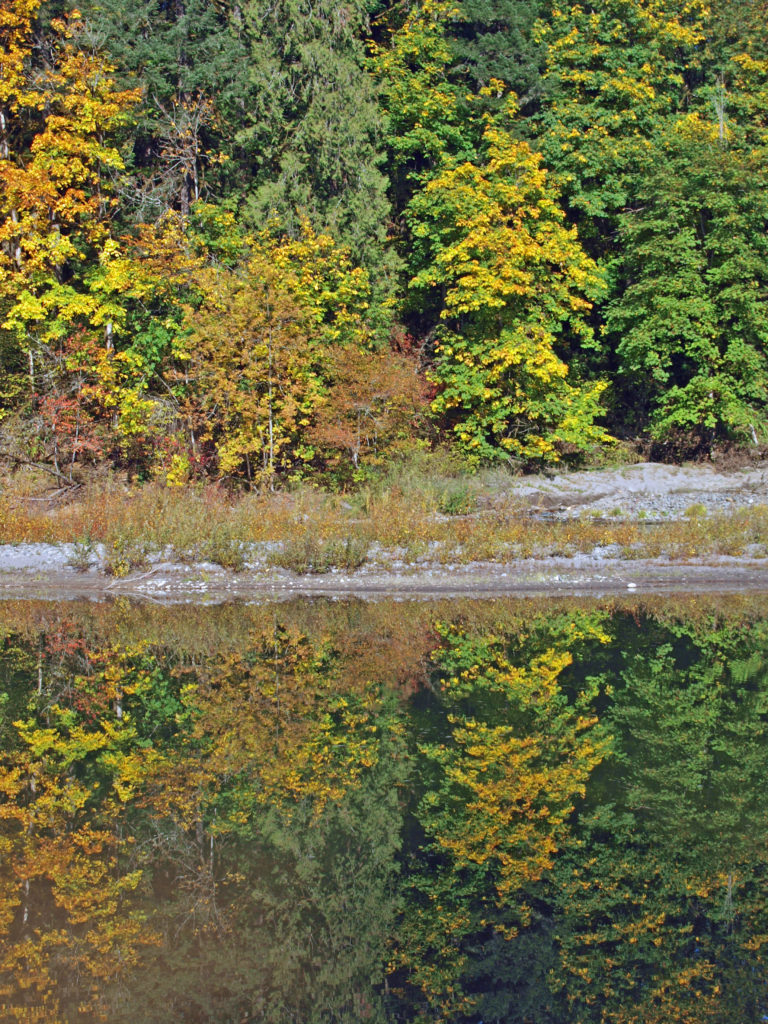
Oxbow Park is a popular picnicking and camping area located on the Sandy River just east of Portland, Oregon at the base of the Cascade foothills. The photos here were taken a few years ago when my wife and I visited on a beautiful fall day.
Oxbow Regional Park is owned and operated by the Metropolitan Service District (Metro for short), the regional government agency covering Multnomah, Washington, and Clackamas counties. The park covers 1000 acres on both sides of the river. There are twelve miles of hiking trails, five group picnic areas that can accommodate groups as large as 300 people, many smaller picnicking areas, a public campground with 74 tent sites, 12 RV sites, and four ADA accessible sites, and two group campgrounds available to non-profit youth organizations.
Update: Oxbow Park closed on September 8, 2026 to allow for the replacement of the park’s aging water system. Construction is estimated to take at least three months. The park will reopen this winter once the new system has been installed and tested and the park’s roads have been repaved.
Metro conducts a variety of nature education programs and activities at Oxbow, including school and group field trips, nature programs for families and individuals, and custom programs for groups.
The park can be very crowded on summer weekends, but gets much less use after Labor Day. Even on a sunny October day there were just a few people fishing from the river bank and some out for a hike or just enjoying the sunshine. This section of the river is popular with kayakers and rafters in the summer, but we didn’t see anyone on the river other than one family that floated by on stand up paddle boards.
The Sandy River flows from its headwaters on Mount Hood to the Columbia River at Troutdale. Two sections of the river totaling 25 miles are designated Wild and Scenic, including the section of the river that runs through Oxbow Park.
In 2007 the Marmot Dam on the Sandy River was demolished, making the river free flowing for its entire 57 mile course for the first time in nearly a century, and opening up miles of restored spawning grounds for salmon and steelhead. A smaller dam on the Little Sandy River was also demolished.
One of the more popular events at Oxbow has been the annual Salmon Homecoming weekend held in mid-October when you can watch salmon spawning in the gravel beds of the river.
Most of the visitor activity at the park takes place along the banks of the river. The upland trails through the mixed conifer and hardwood forest get much less use. But the forest is beautiful, quiet, and peaceful. If you’re looking for tranquility, head away from the river. On our visit when these photos were taken, we hiked some of the forest trails and saw almost no one.
To get to the park, take I-84 east from Portland to Exit 17 at Troutdale. Turn right onto Graham Road, then left onto the Historic Columbia River Highway. In two blocks, turn right onto Buxton Road. Follow Buxton (which becomes South Troutdale Road) to Division Street. Turn left on Division and follow the signs to the park.
One of the great things about the Pacific Northwest is that there are so many beautiful places like this that are within a half hour drive of even the biggest cities. Just one of the reasons that I think this is one of the best places in the world to live.
Originally posted 10/31/18. Most recently updated 9/8/26.
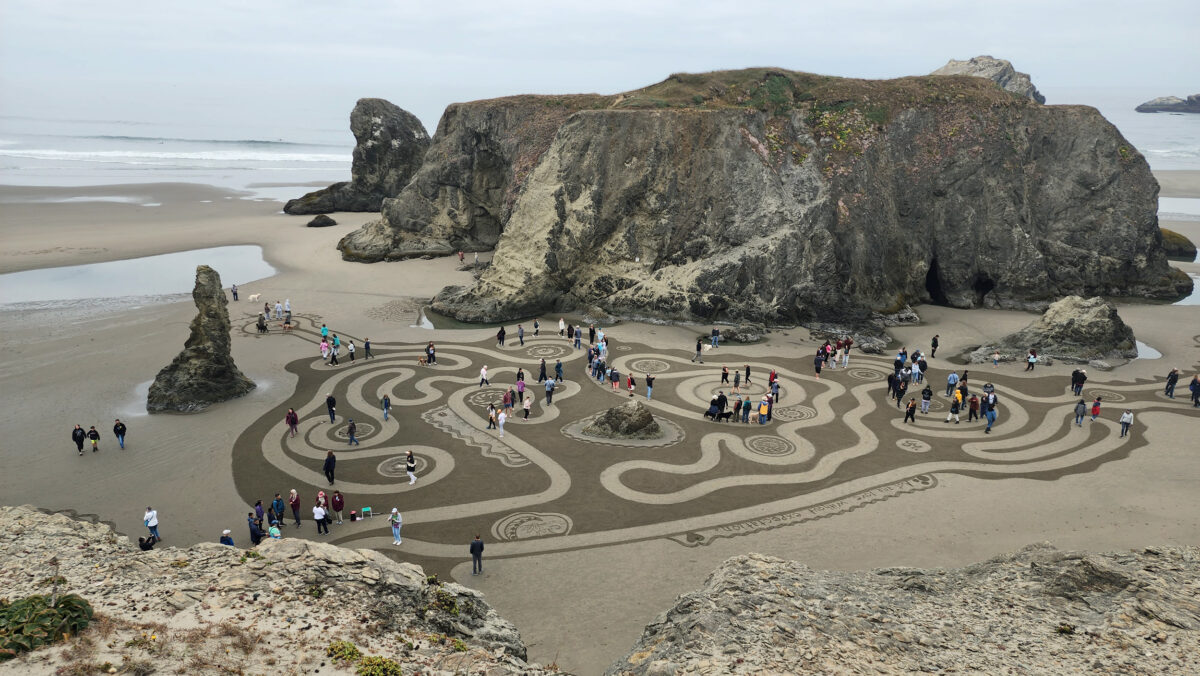
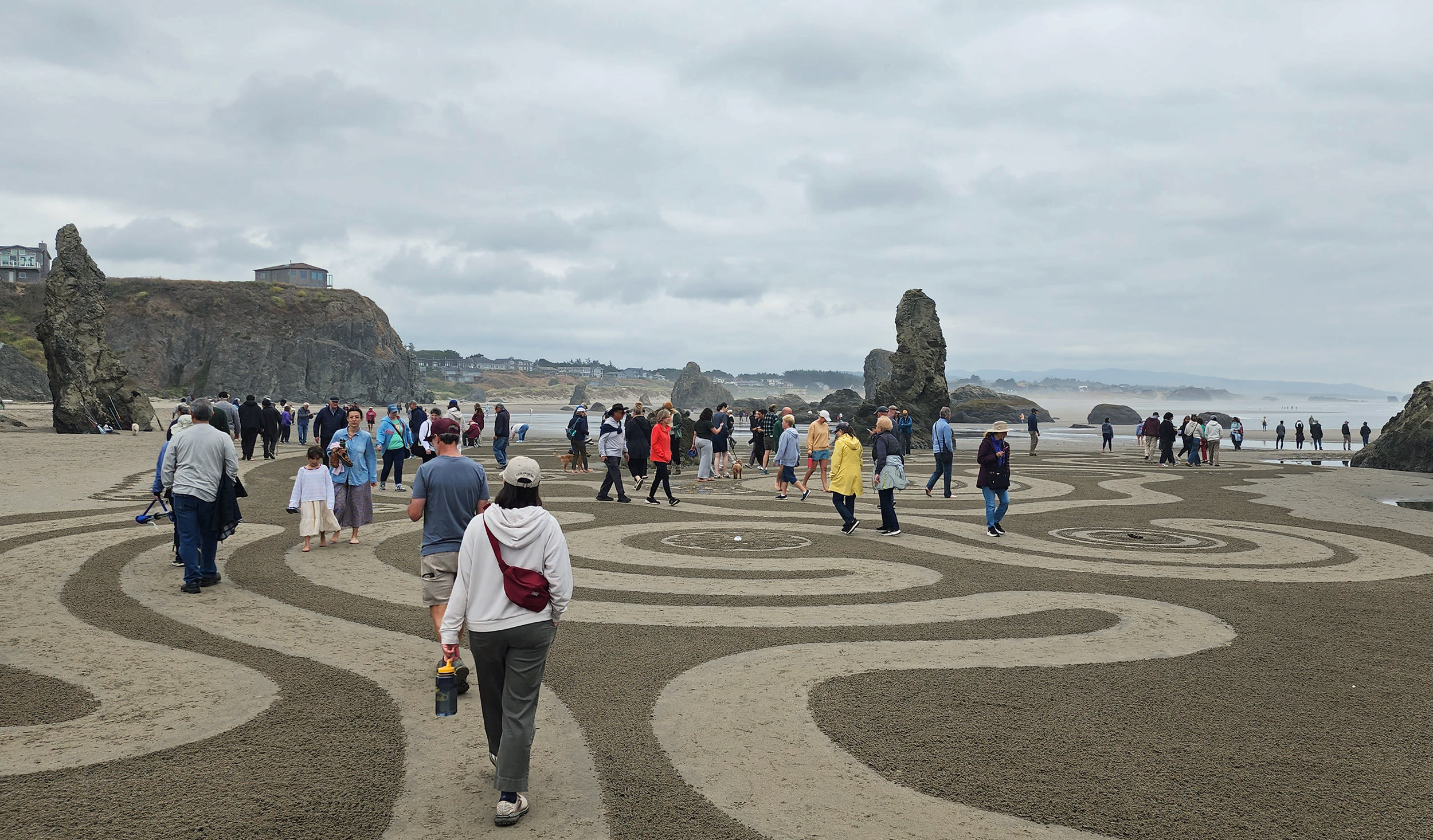
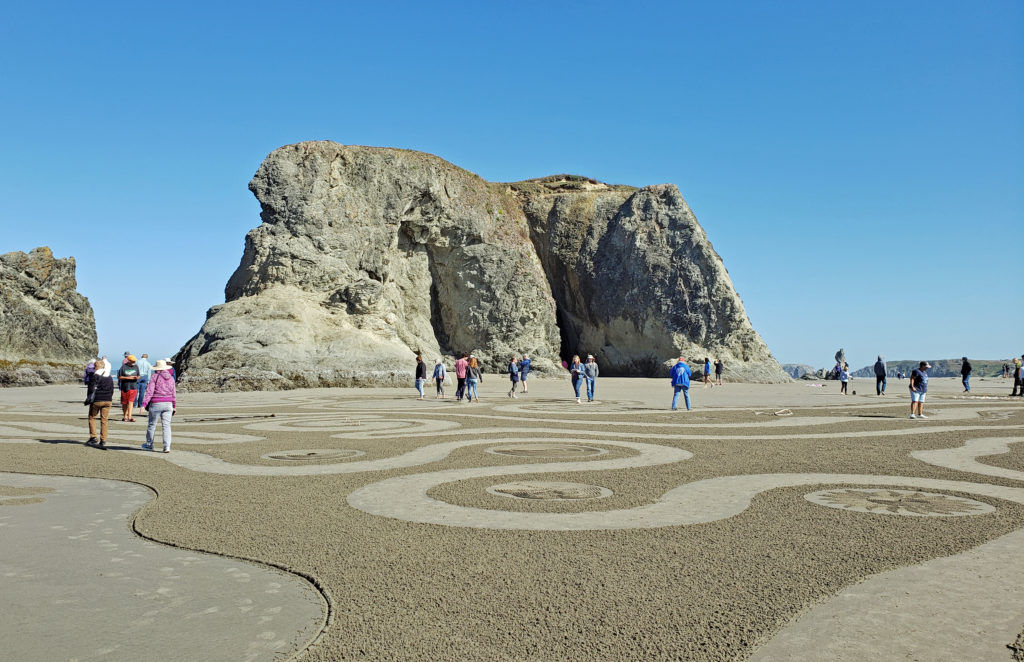
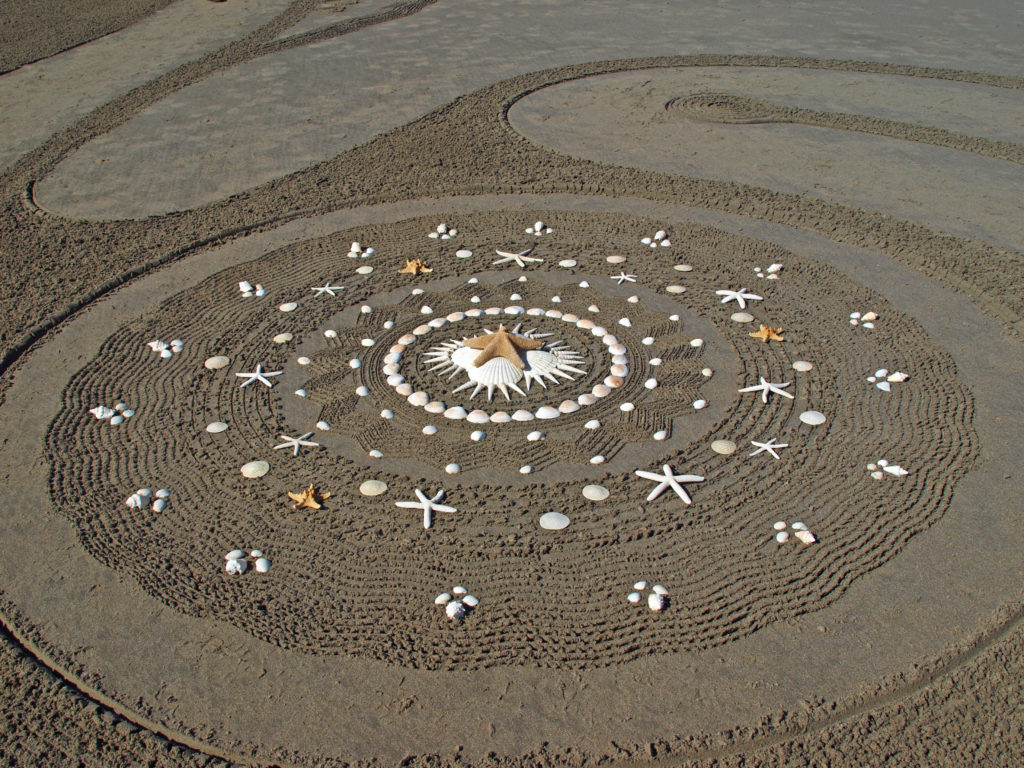
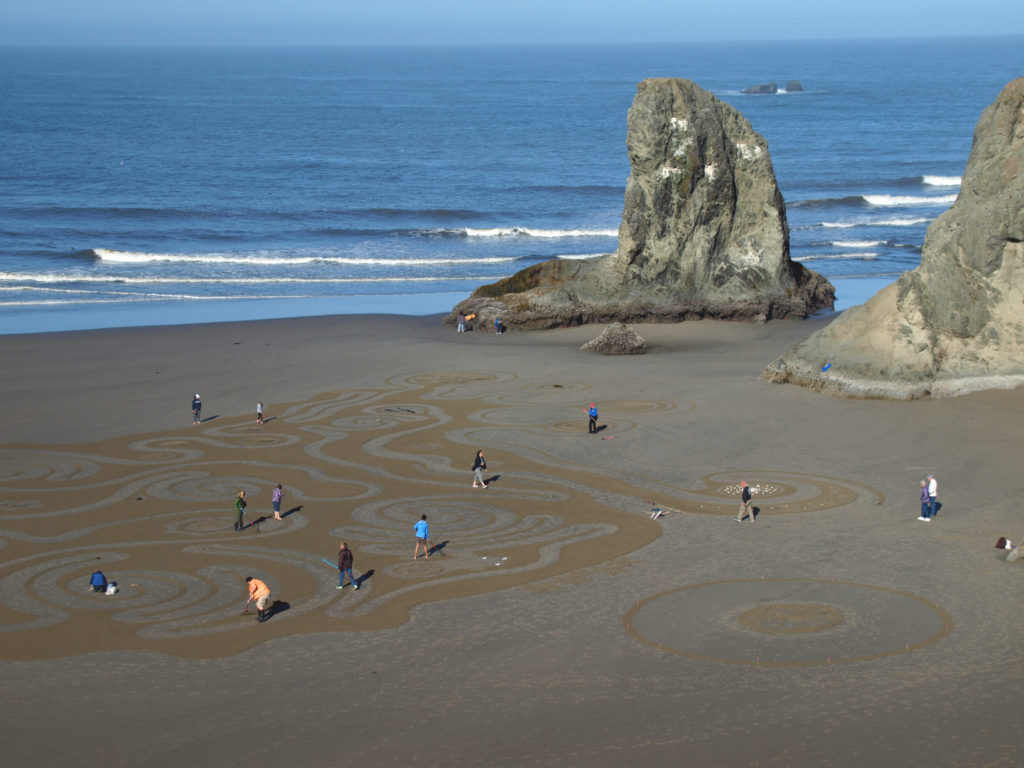
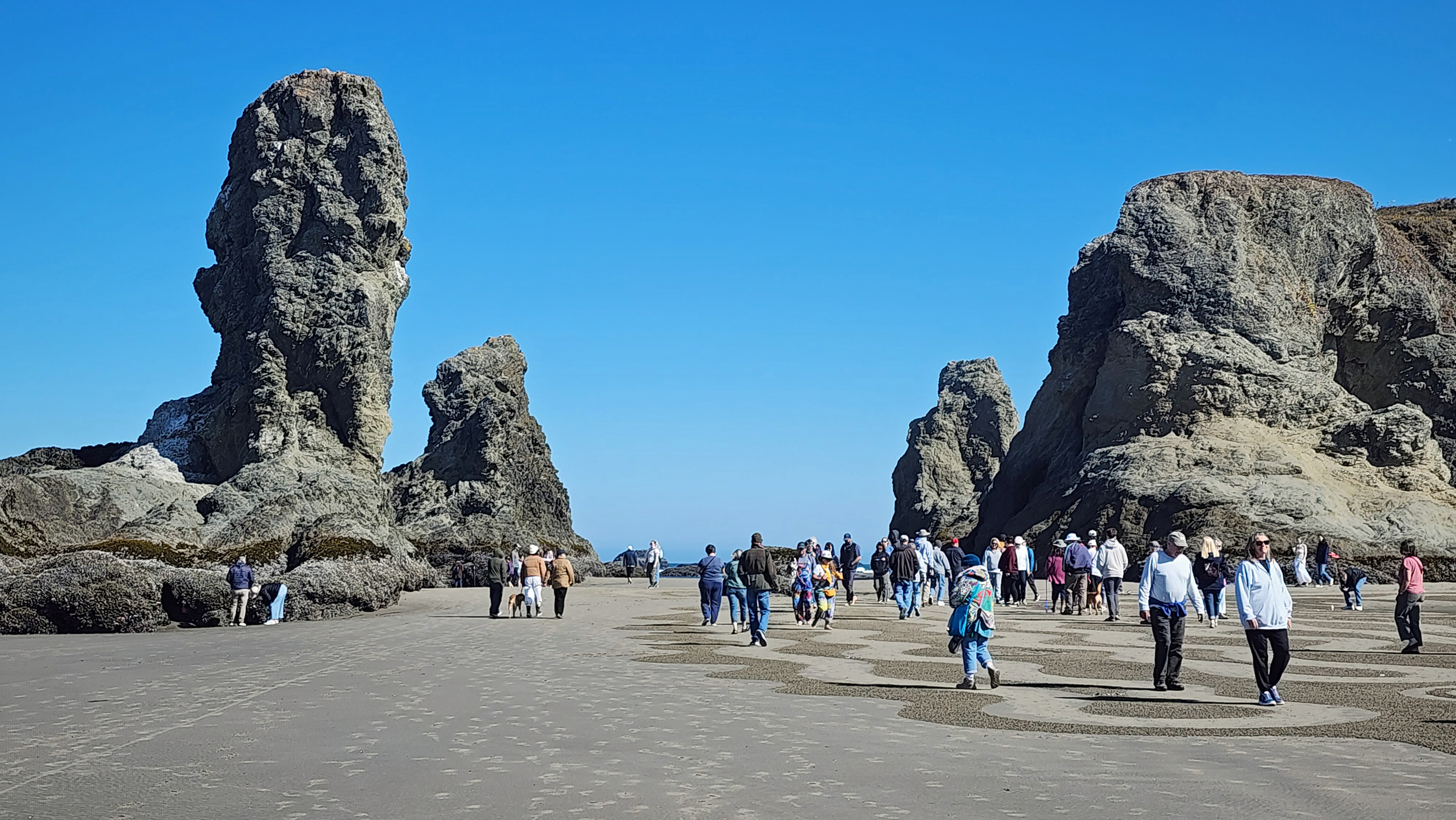
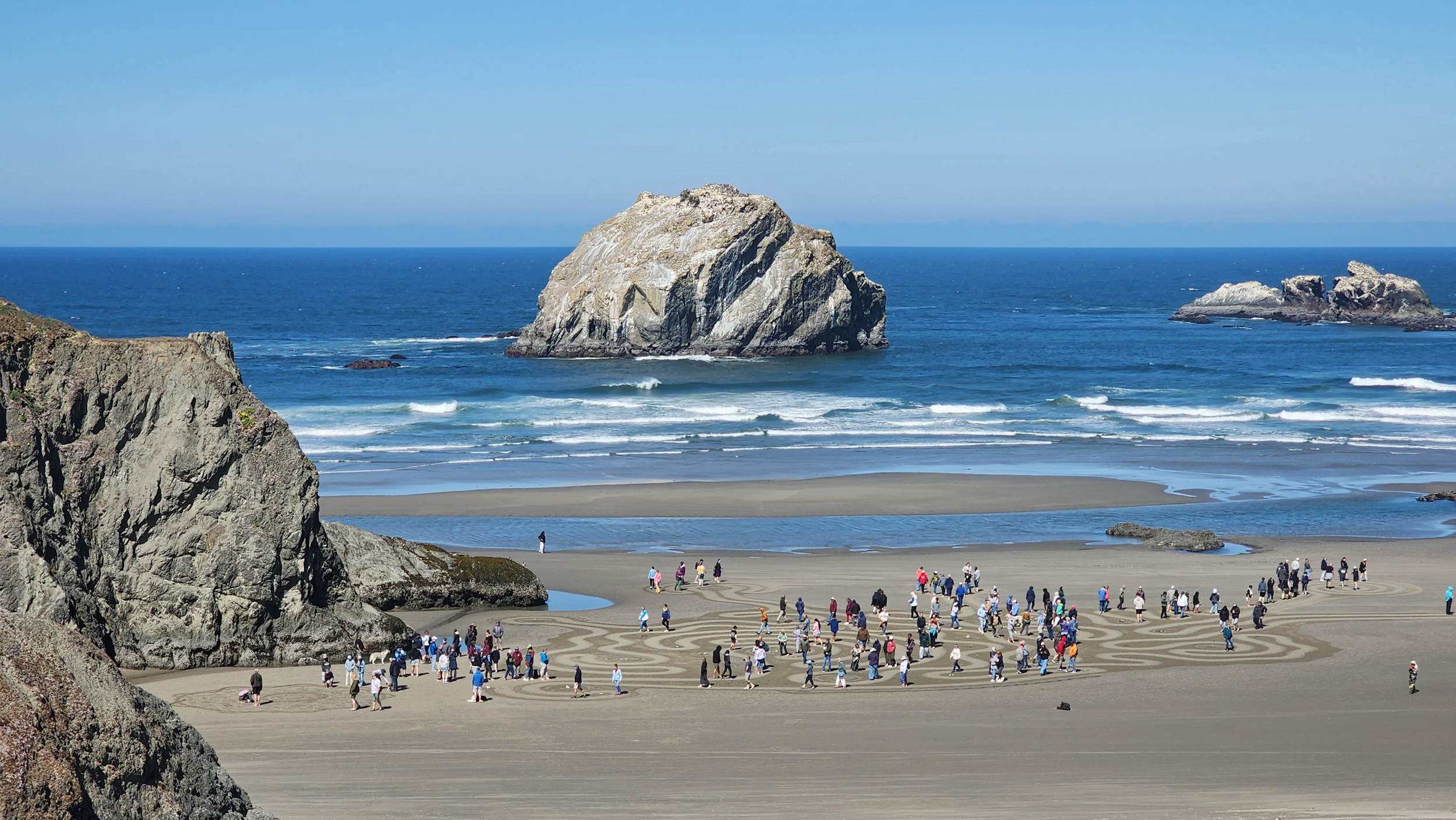 The Circles in the Sand labyrinths are created on the beach below the Face Rock Wayside in Bandon. The beach there is a mix of flat sand and soaring sea stacks and off shore islands that is one of the most beautiful beaches on the Oregon coast.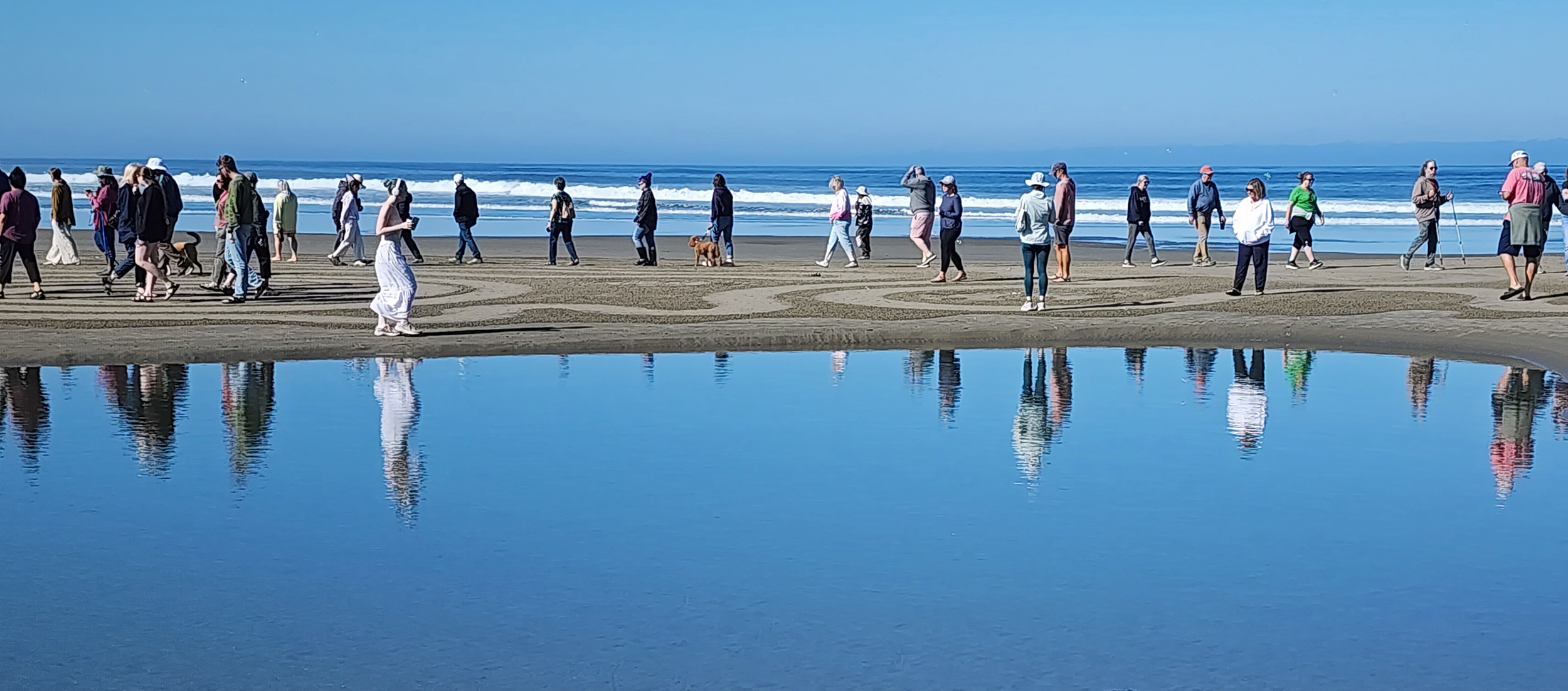
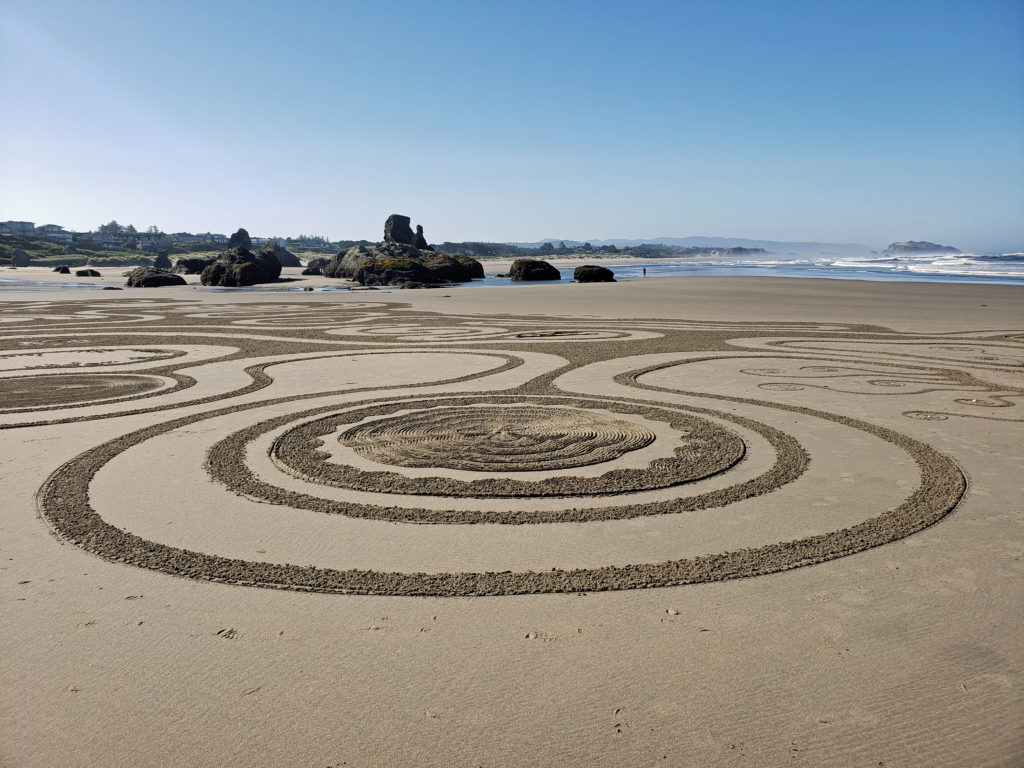 Together with the rock formations at Coquille Point, a short distance north of the Face Rock Wayside, this stretch of beach is truly spectacular, well worth a visit at any time of the year. Combining a visit with the opportunity to experience Circles in the Sand makes for a unique and memorable experience.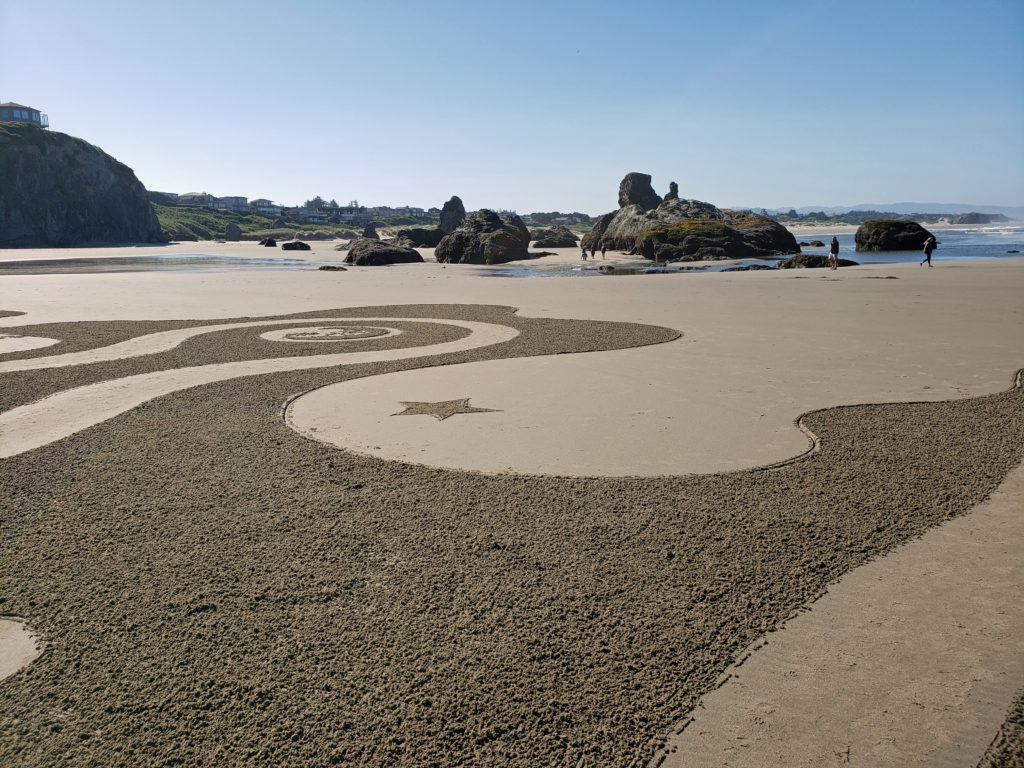
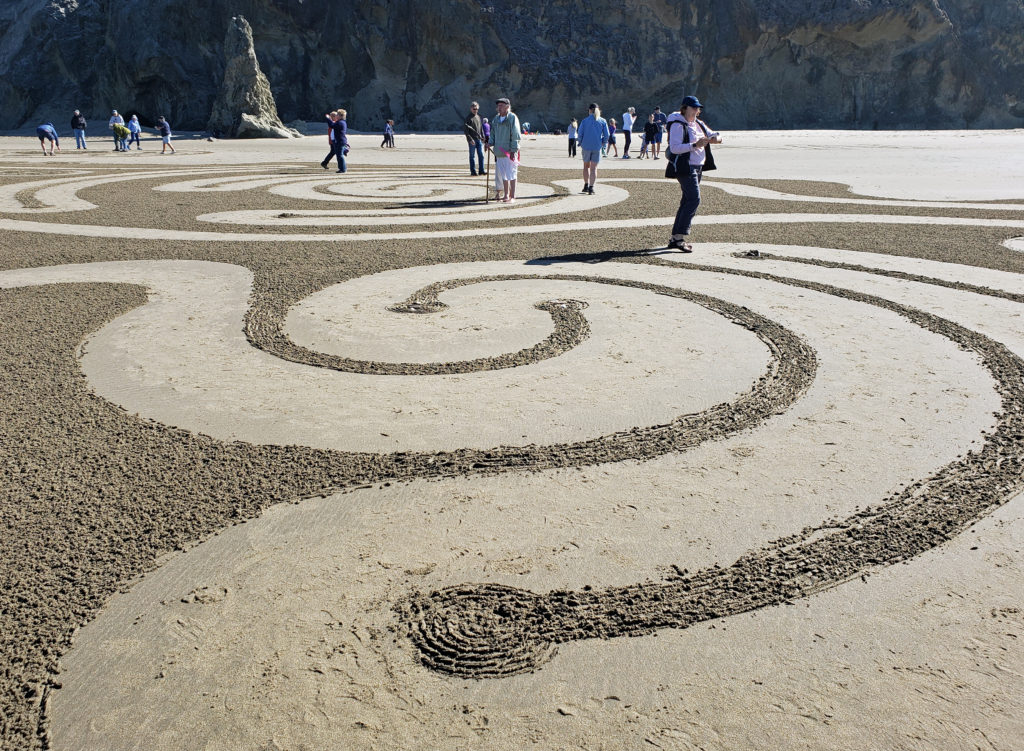
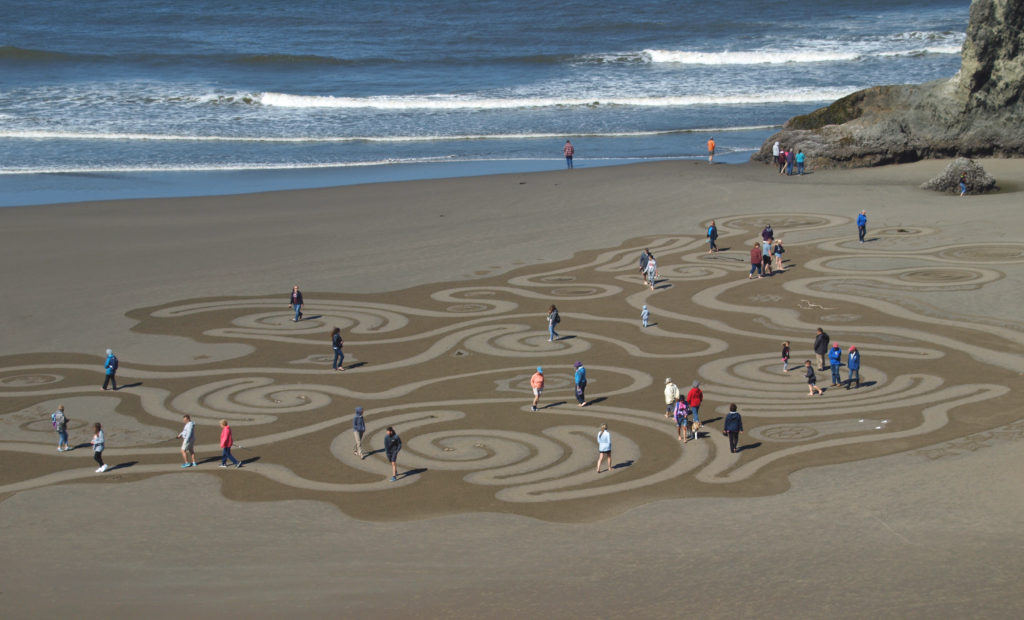
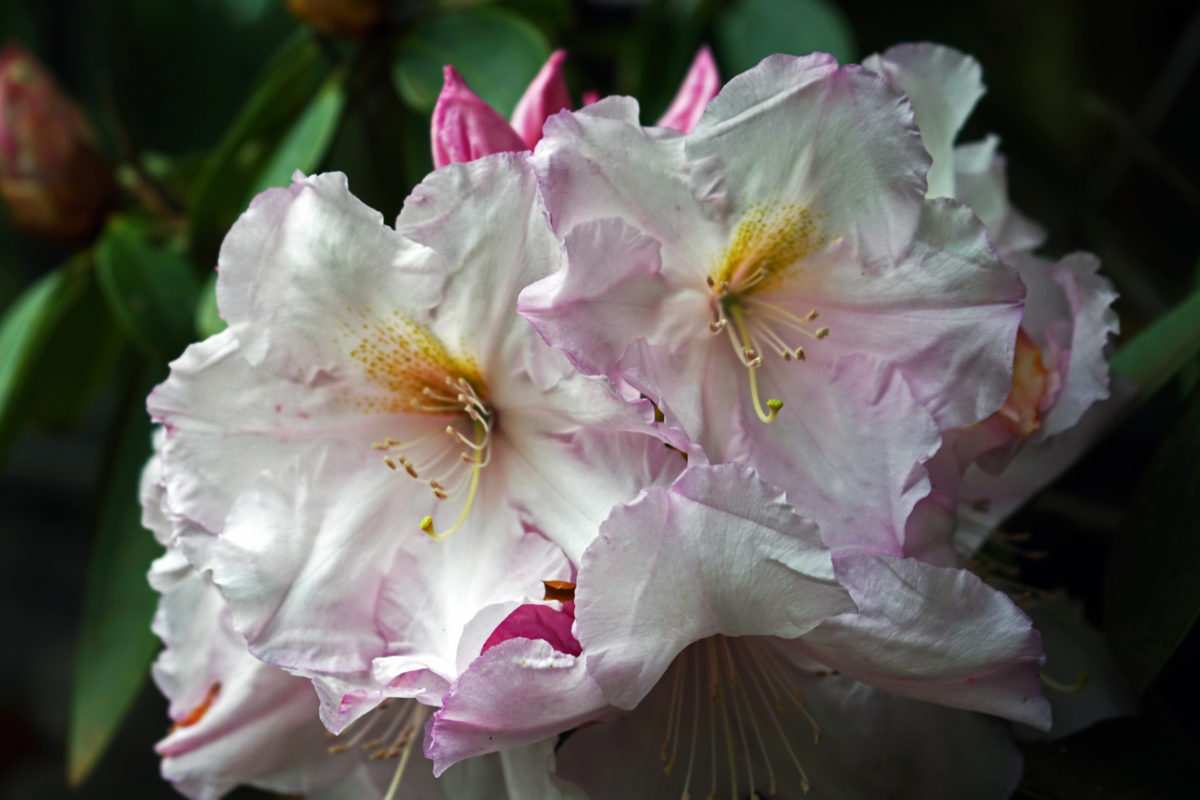
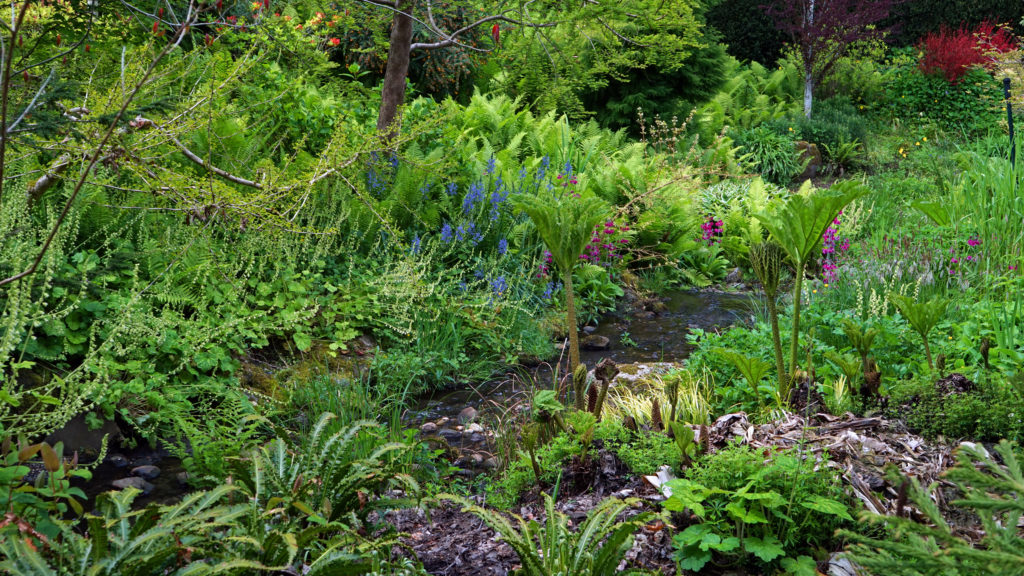
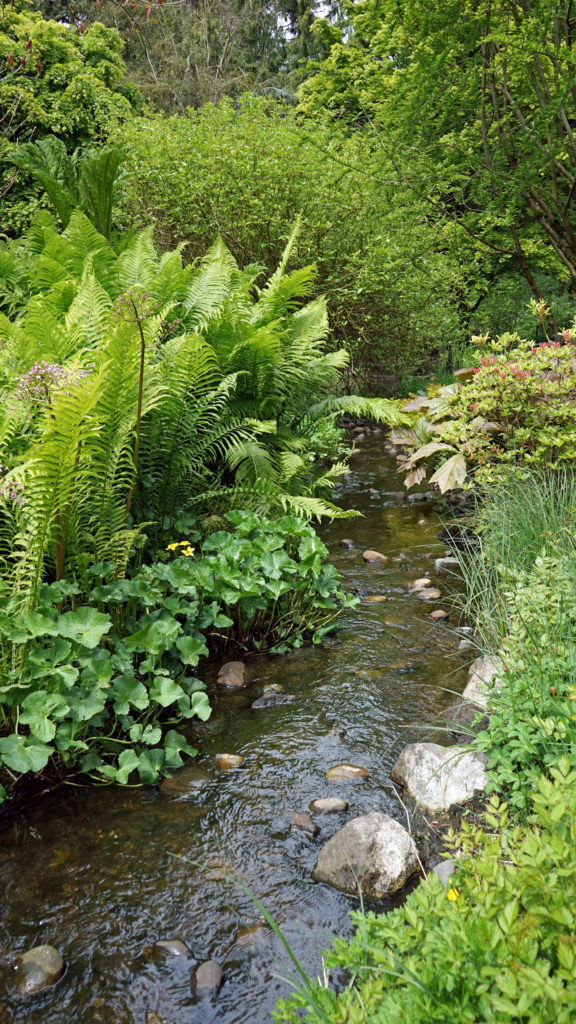
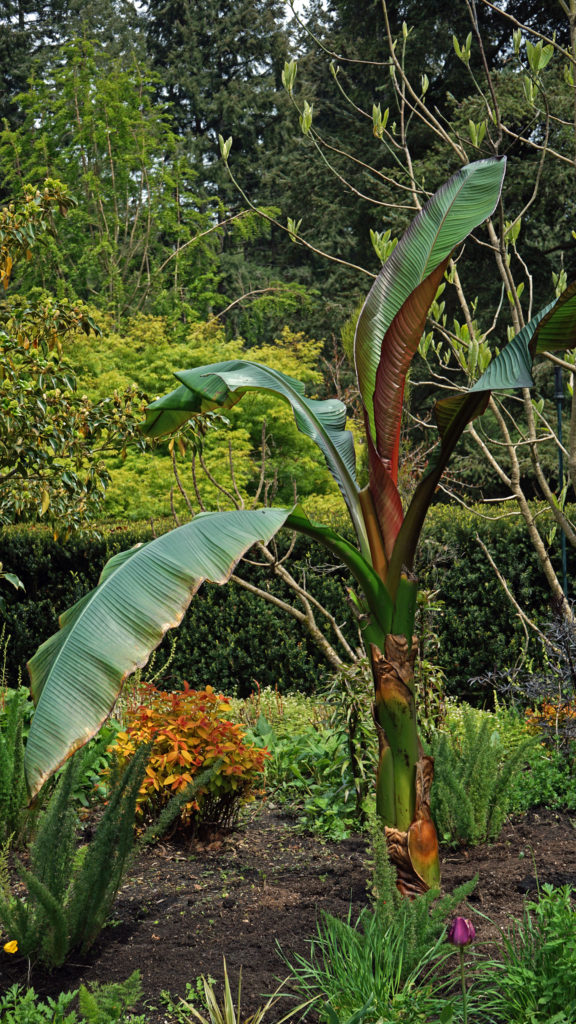
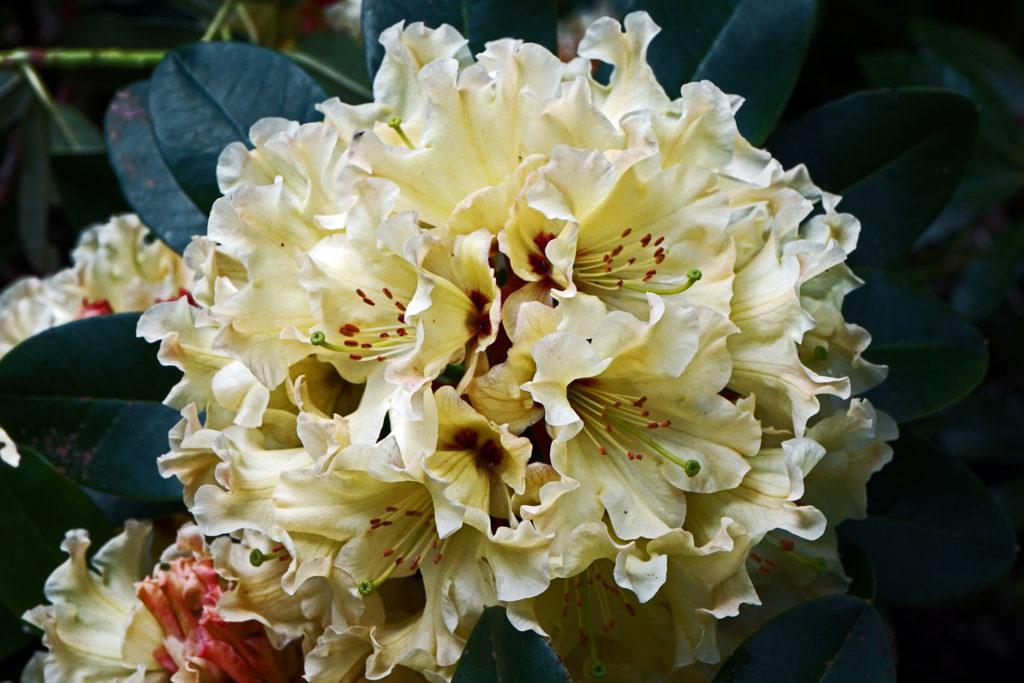
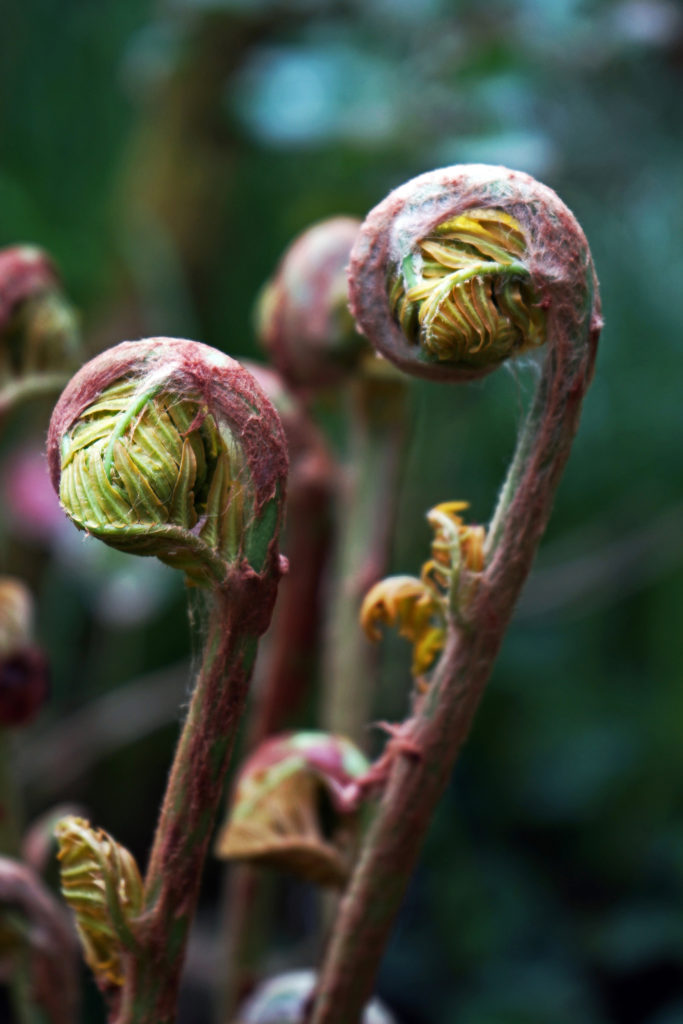
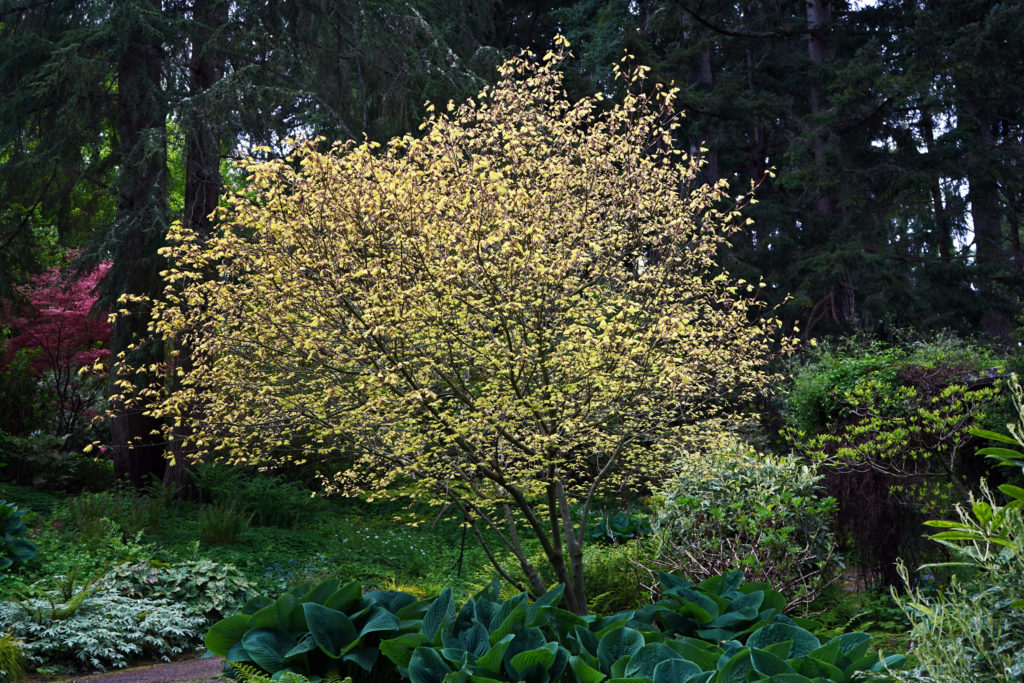
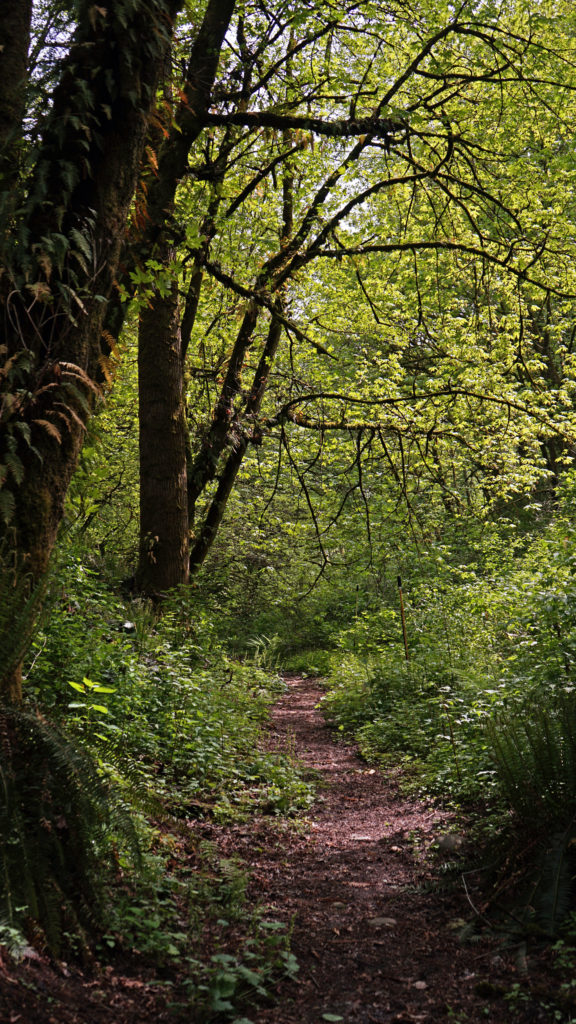
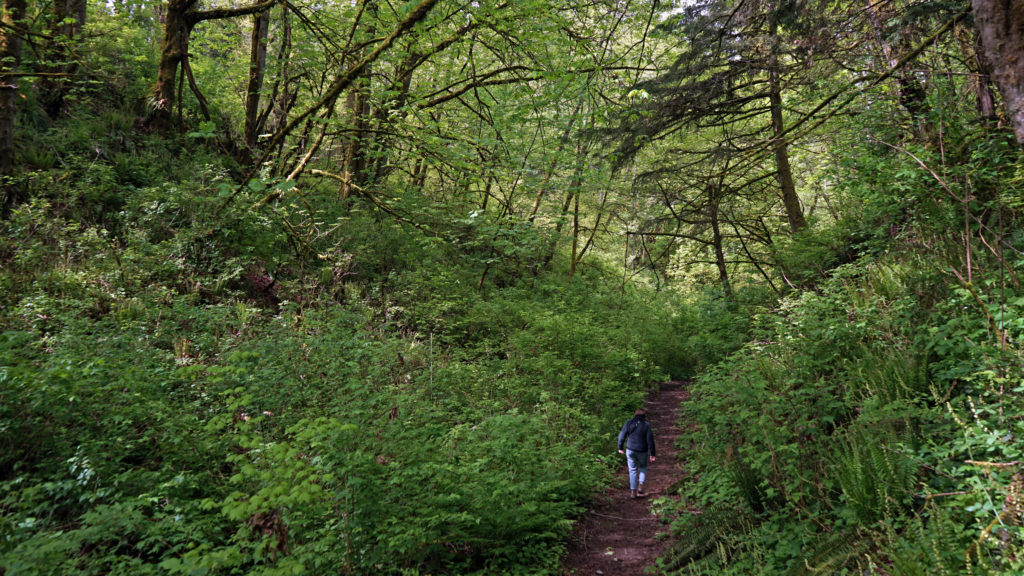 Powells Wood Garden is located at 430 S. Dash Point Road in Federal Way. The garden is open Tuesday through Saturday from 10am to 3pm. Admission is $7 per person (children 12 and under are free). Tickets can be purchased online on the Garden’s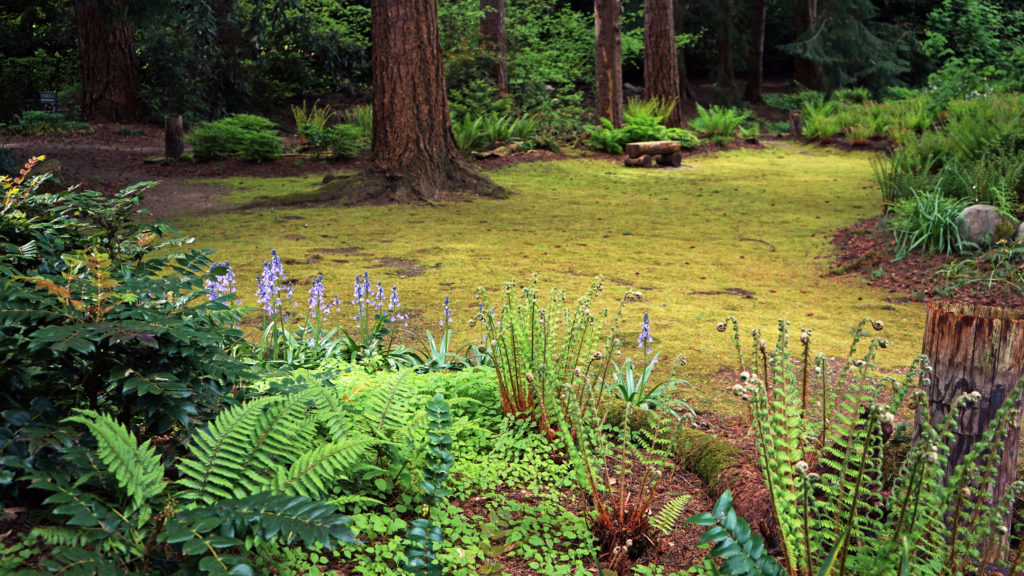
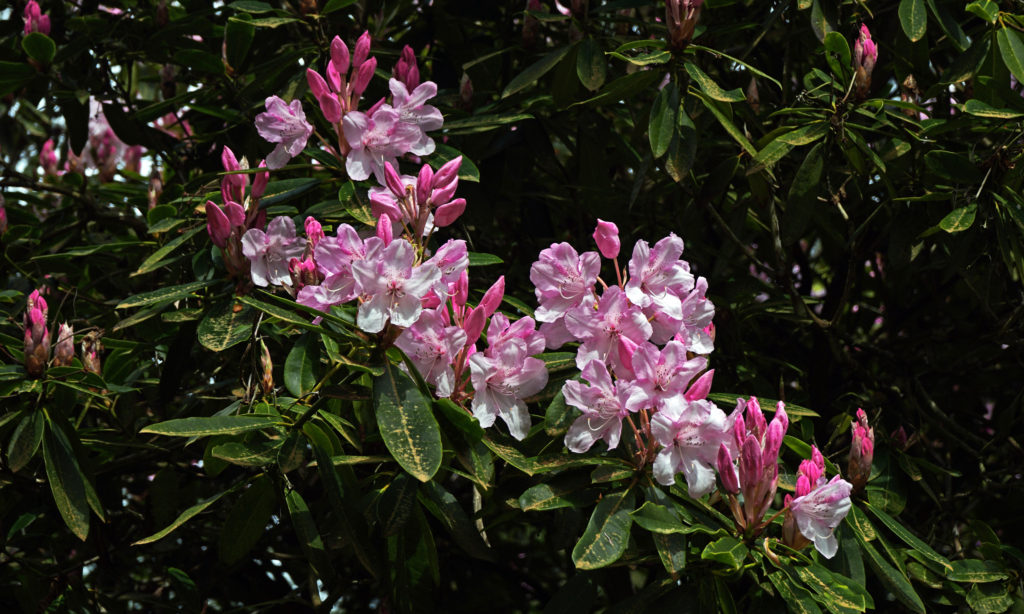 If you visit Powells Wood Garden, you might also want to stop in at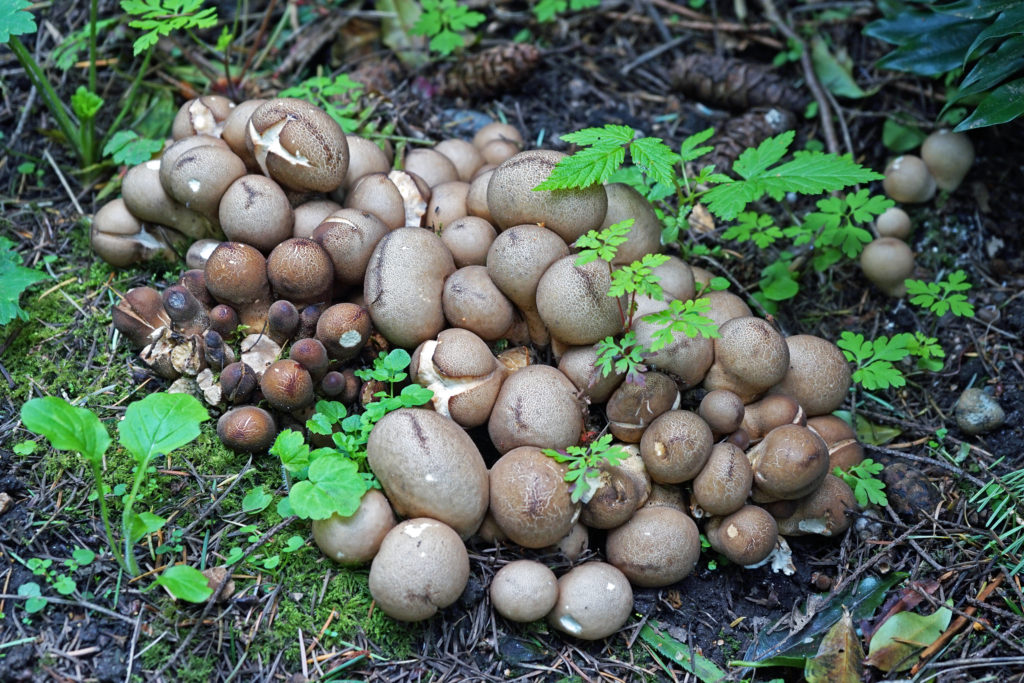
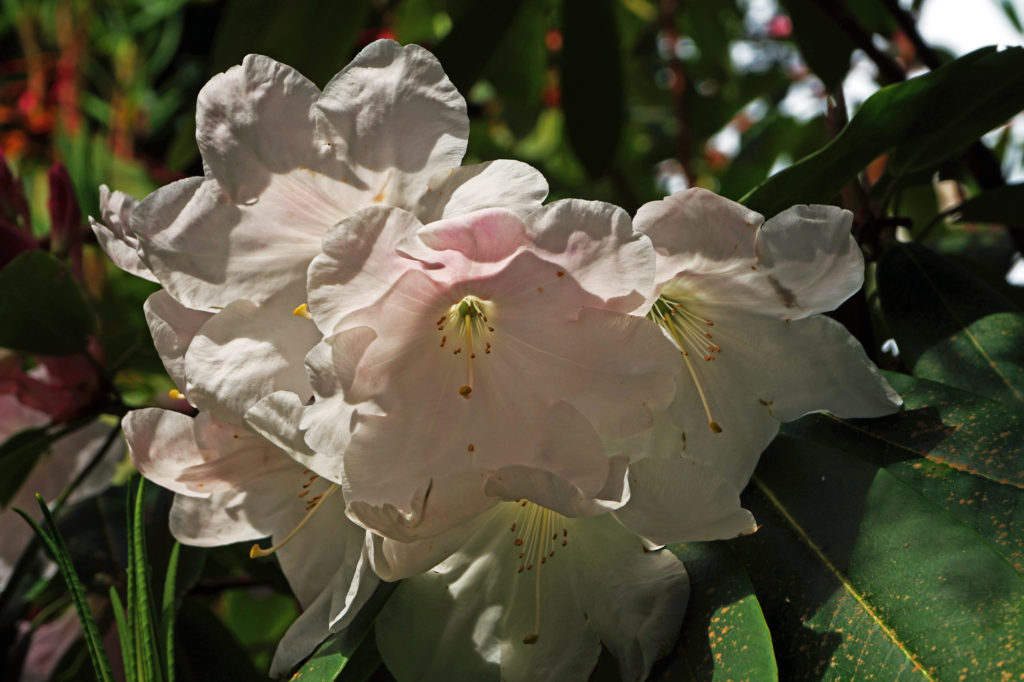 While Powells Wood Garden is probably not worth a trip to Tacoma on its own, the Tacoma area has a lot of other attractions, not the least of which are the Museum of Glass and the Tacoma Art Museum, both part of the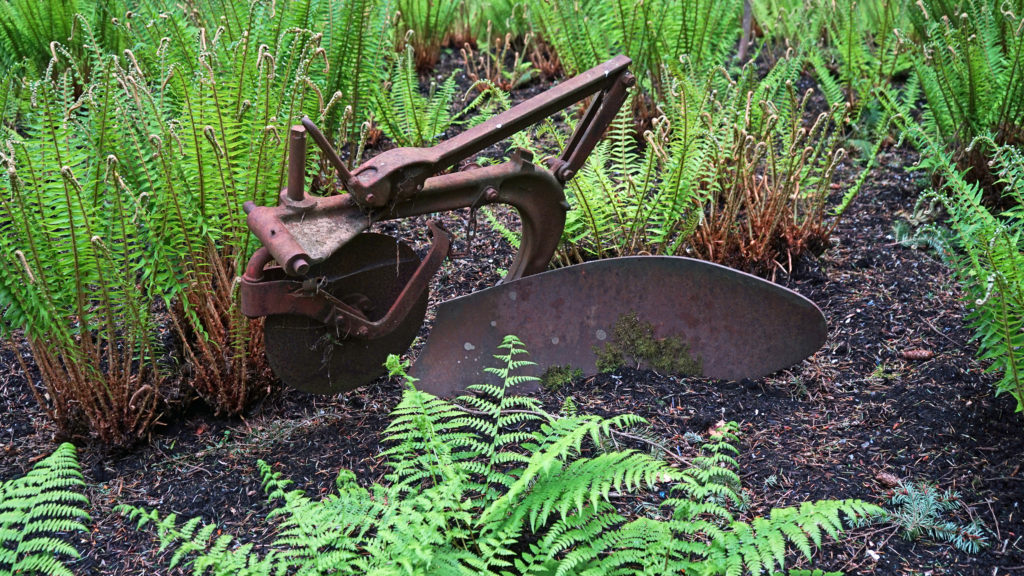
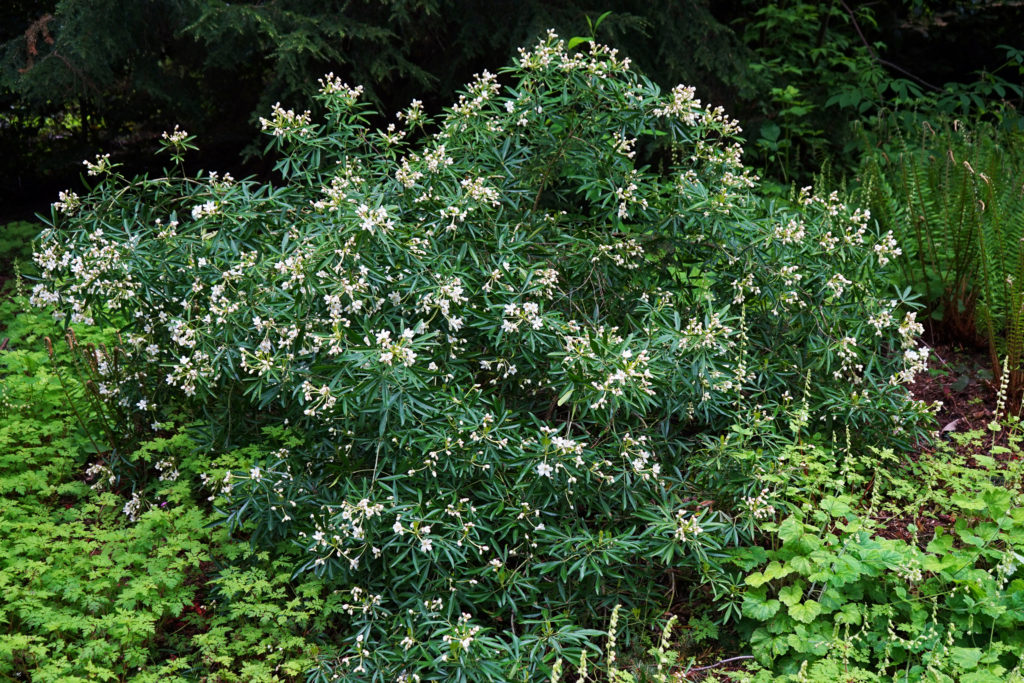
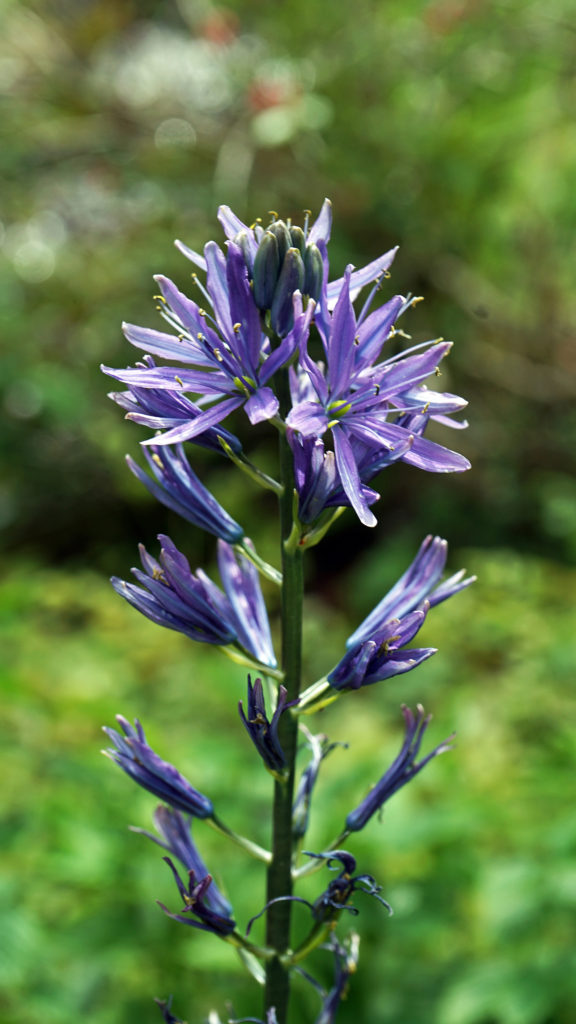
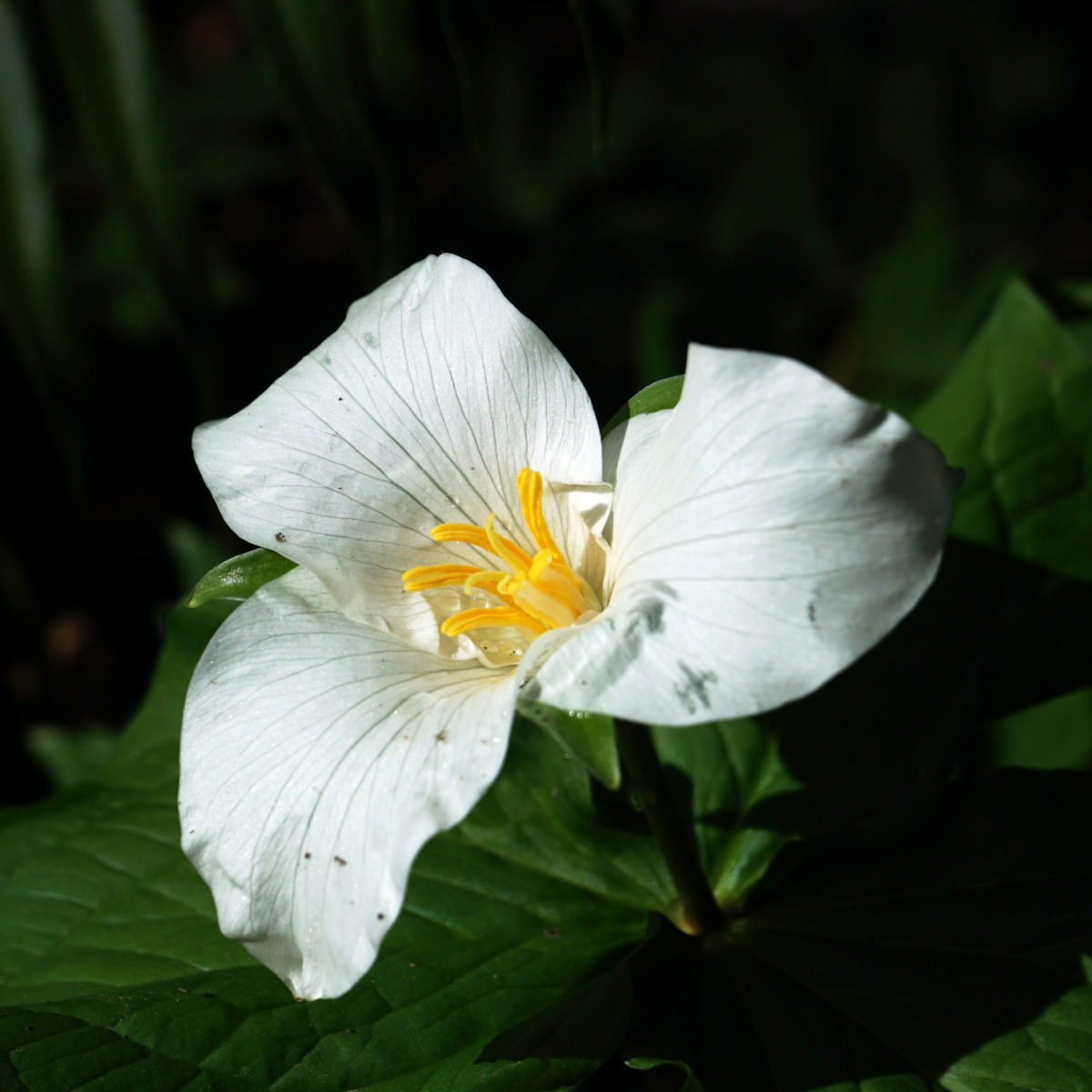
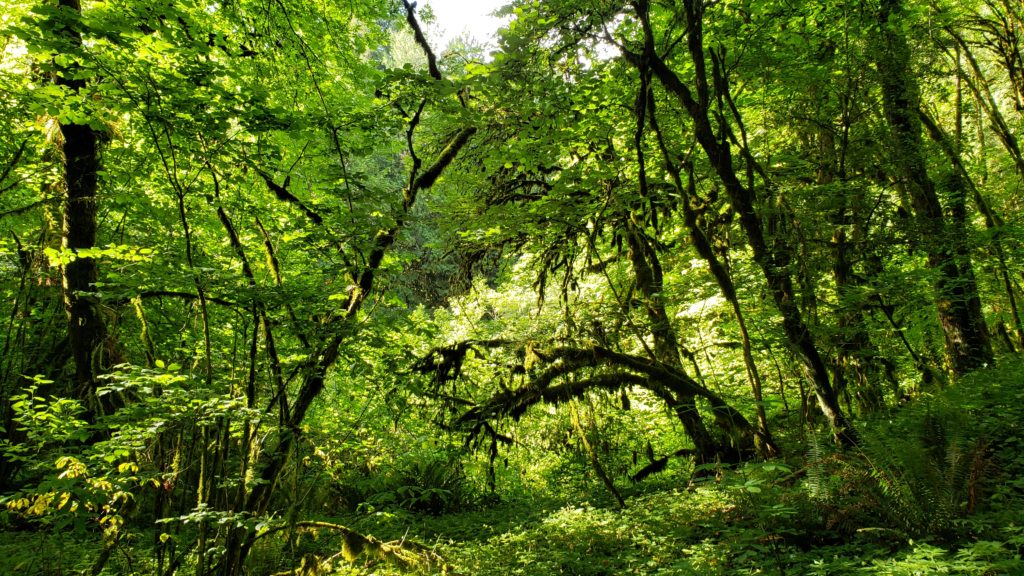
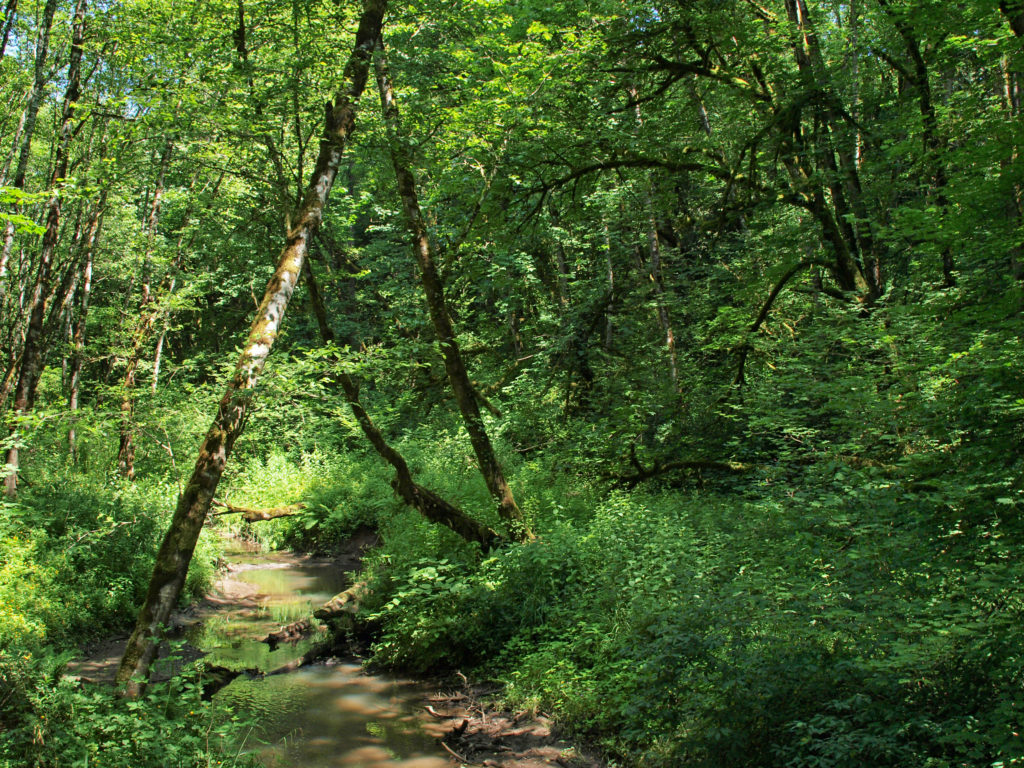
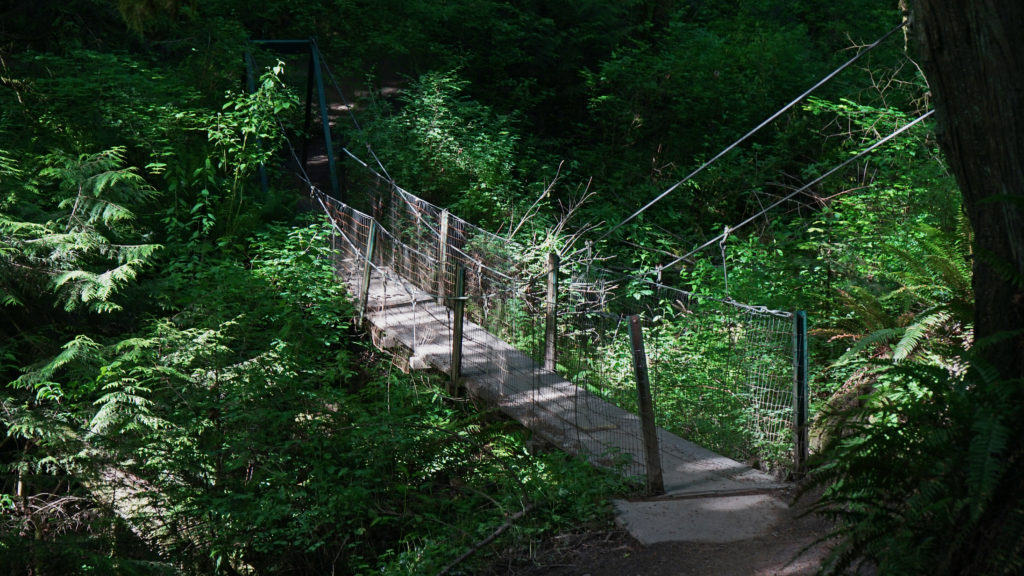
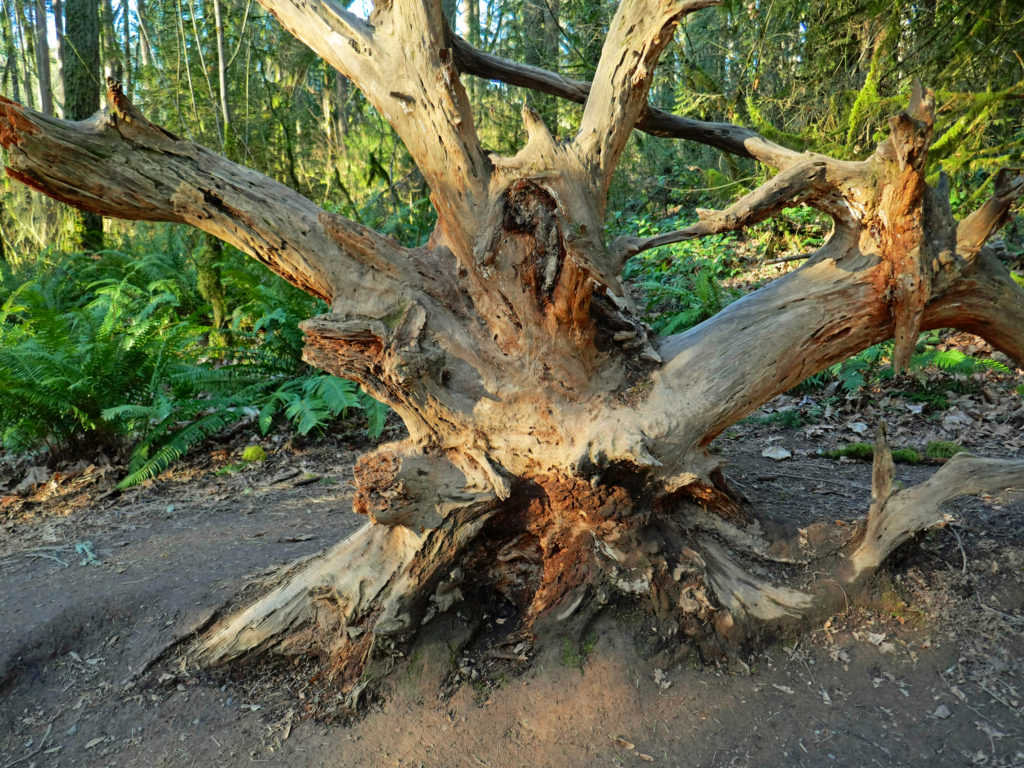
 Nearly 300 different forest plants and flowers grow in the park. Blacktail deer, raccoons, coyotes, red foxes, beaver, and more than two dozen other mammals roam the park. More than 70 species of birds have been seen in the park. And cutthroat trout, coho and chinook salmon, and steelhead can be found in Tryon Creek.
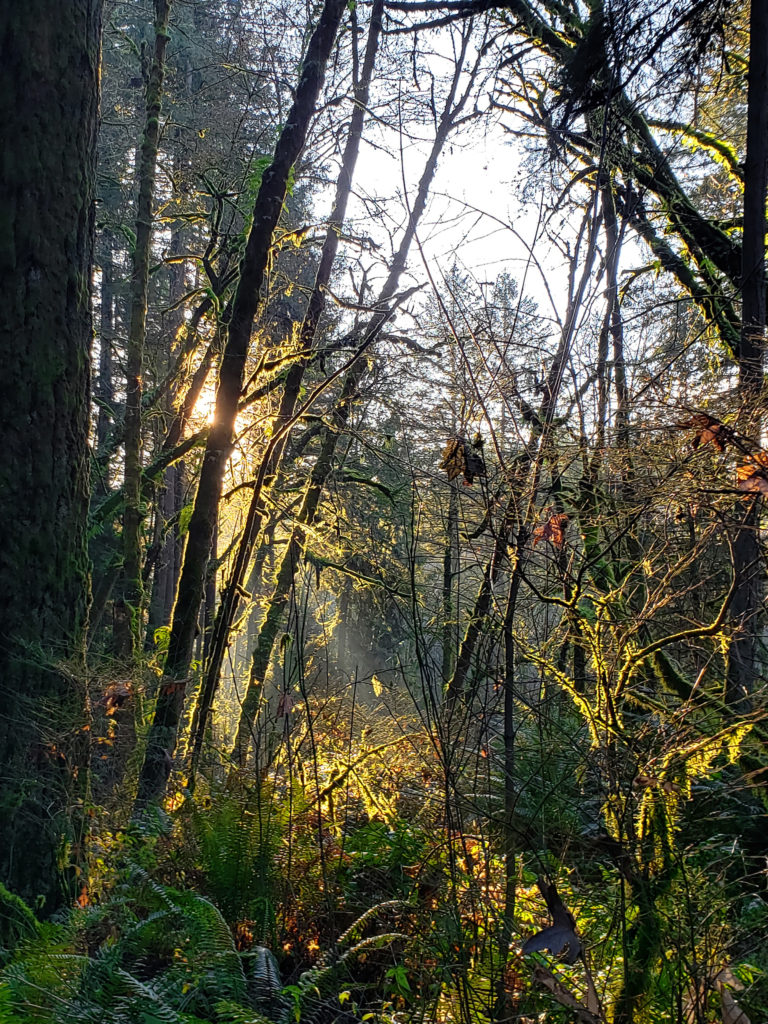 The area was saved from development in the late 1960s and early 1970s by a combination of dedicated citizens, the
 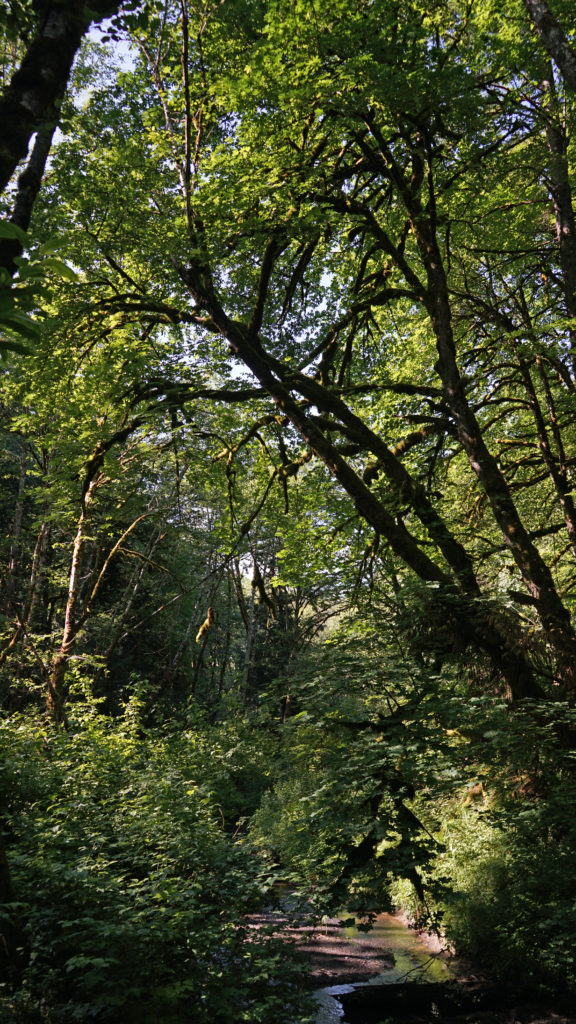 Many, if not most, of the park’s visitors come to hike the nearly fifteen miles of hiking and mixed use trails. Some bring their horses to ride the three and a half miles of equestrian trails. There is also a three mile paved bike path running through the park and a paved all abilities trail. The Nature Center, with a friendly staff, interpretive exhibits, a small store, and public restrooms, is a popular starting point for many visitors.
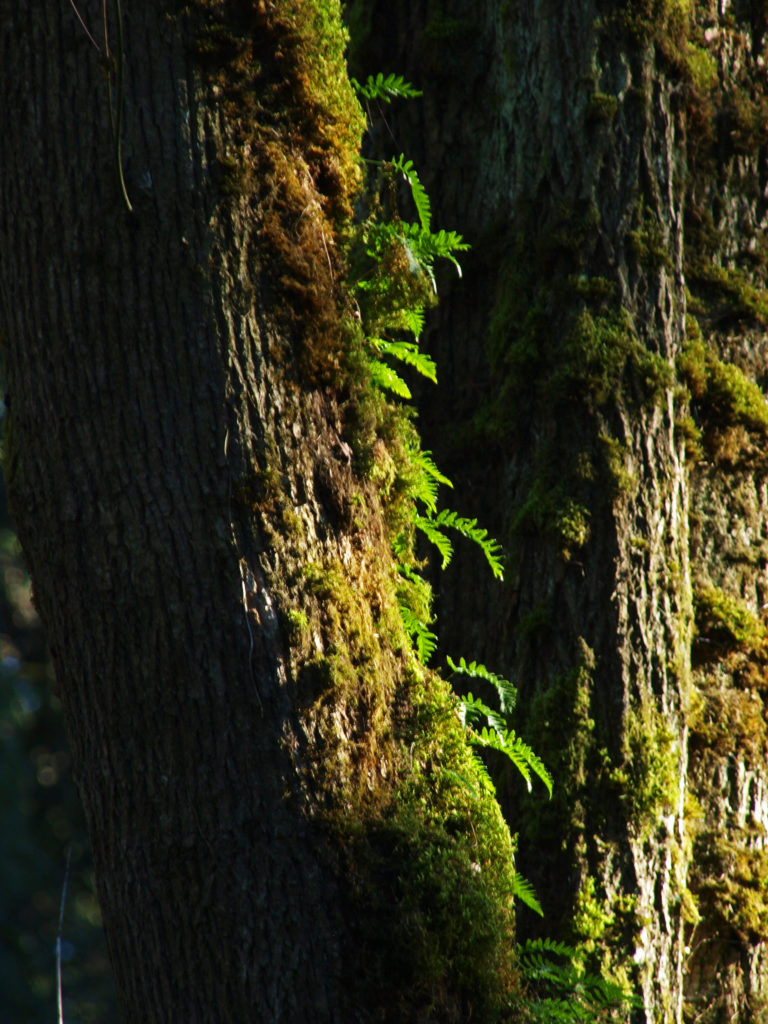 Many of the events and programs sponsored by the park were cancelled or available only online during the majority of the Covid-19 pandemic. The Nature Center was closed and entrance to the park was limited at times. While we’re still living with Covid, most, if not all, of the park’s programs have been restored, and the Nature Center is open again.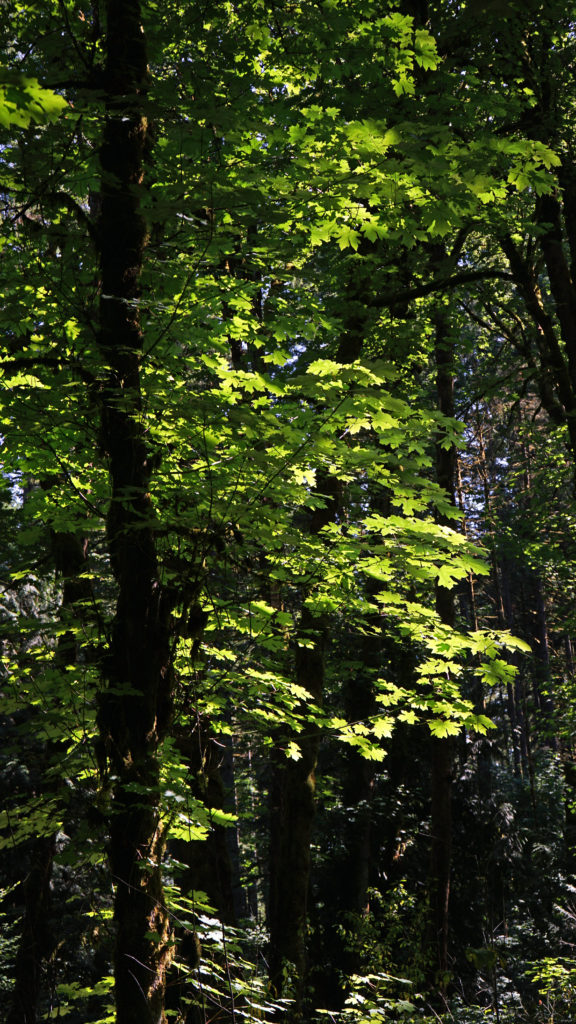

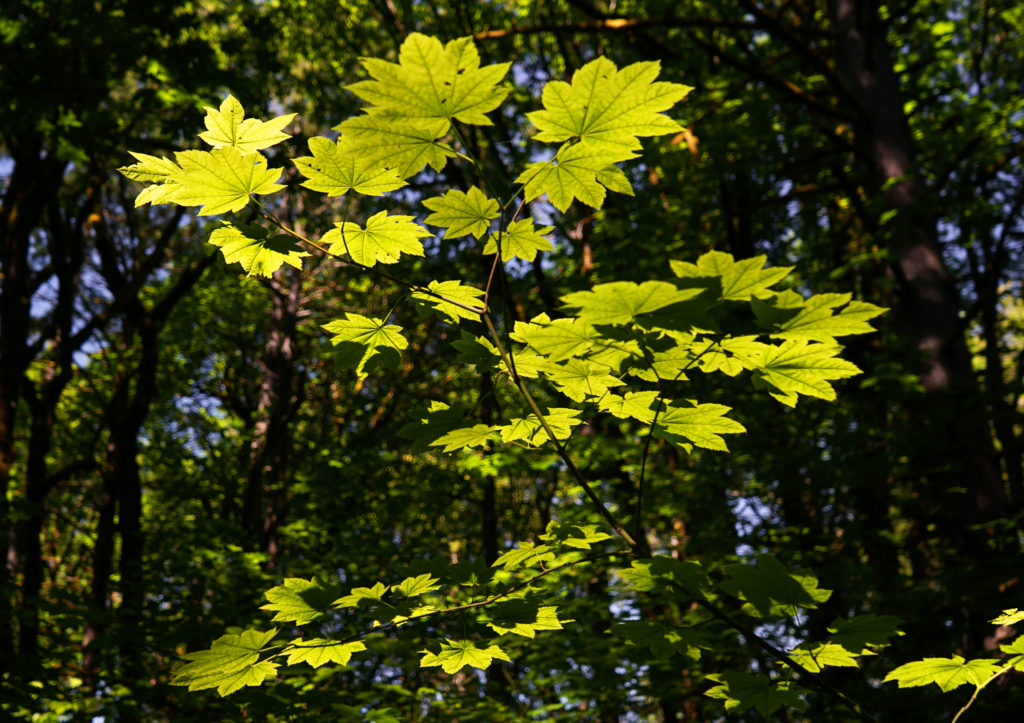 Originally posted July 29, 2020. Updated and re-posted May 25, 2022.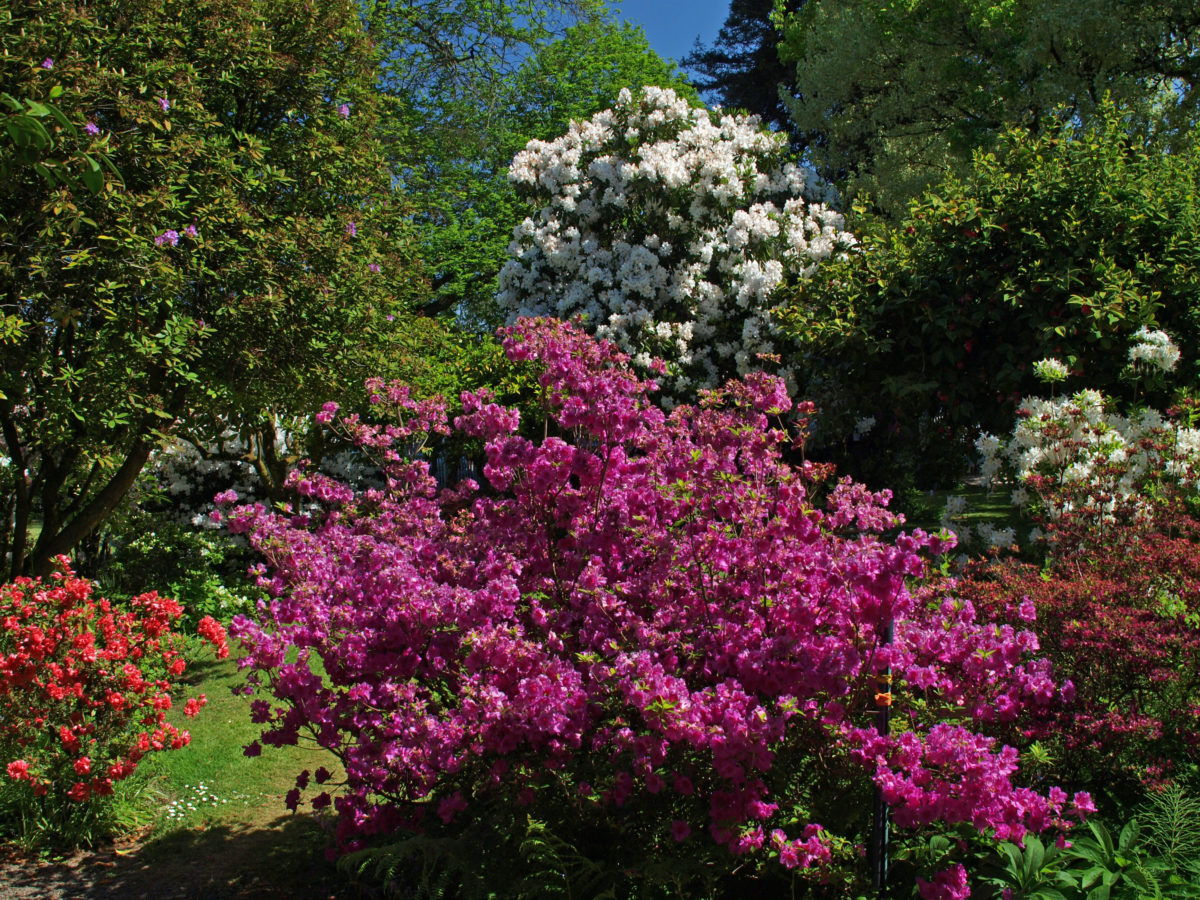
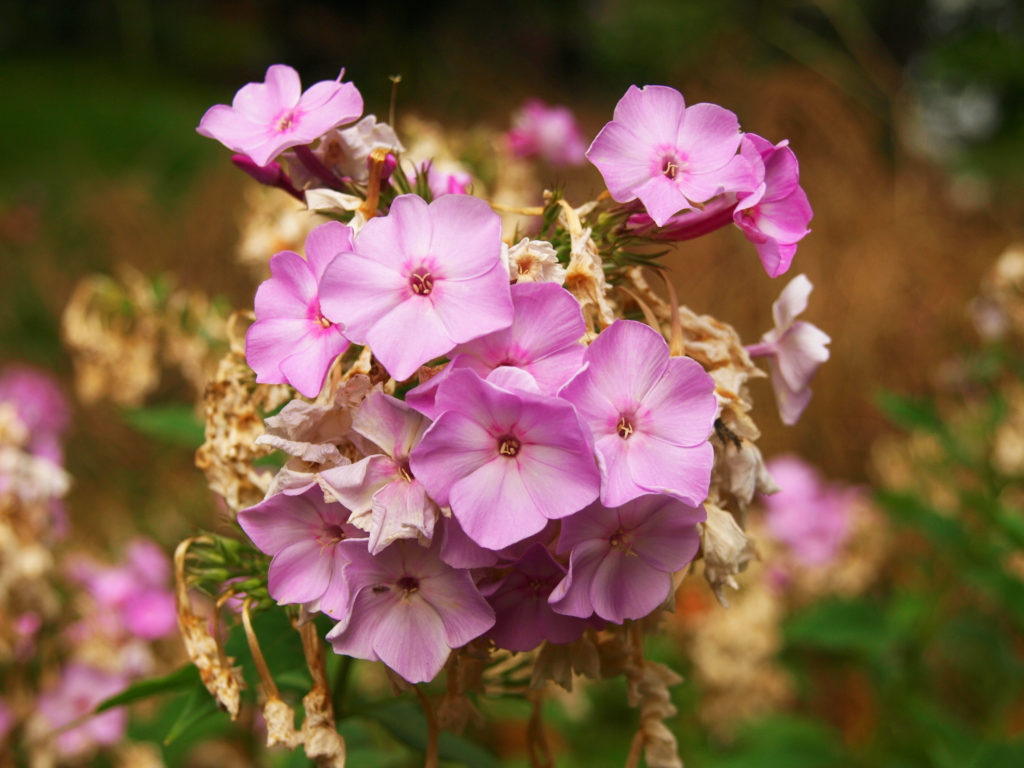
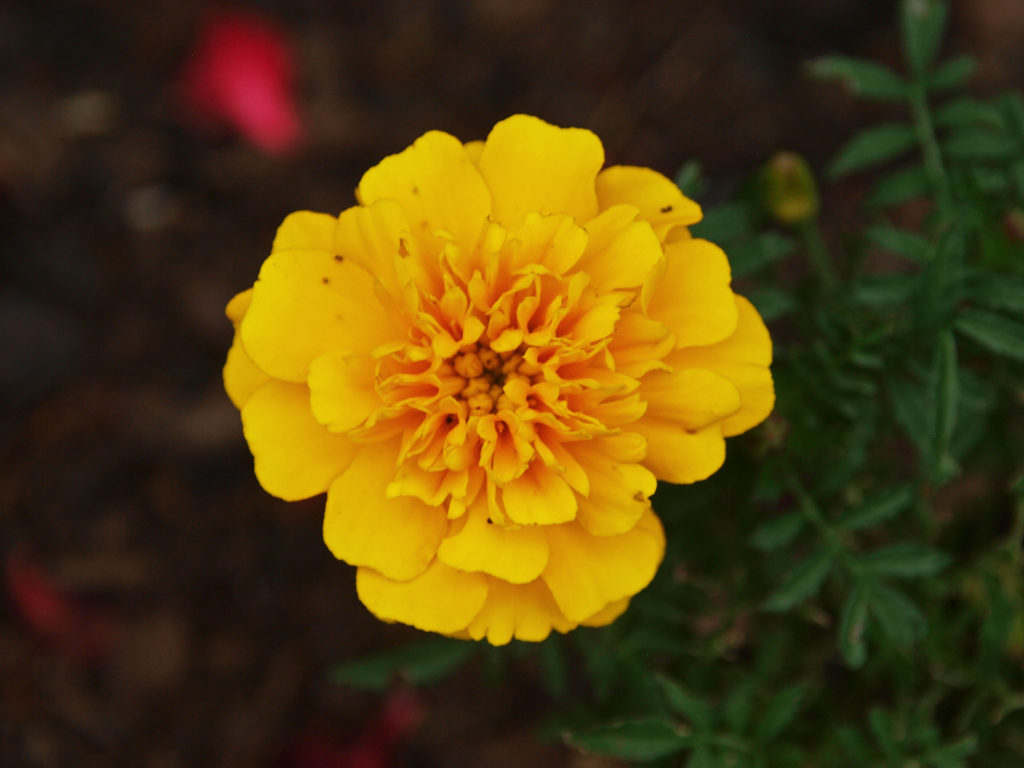
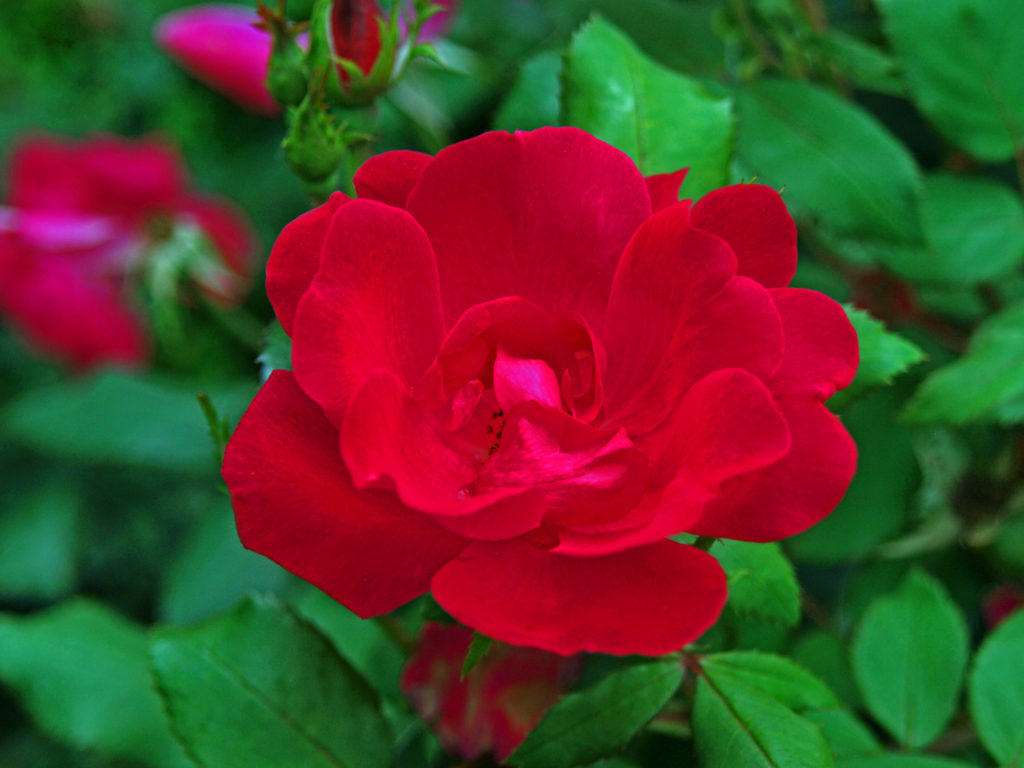
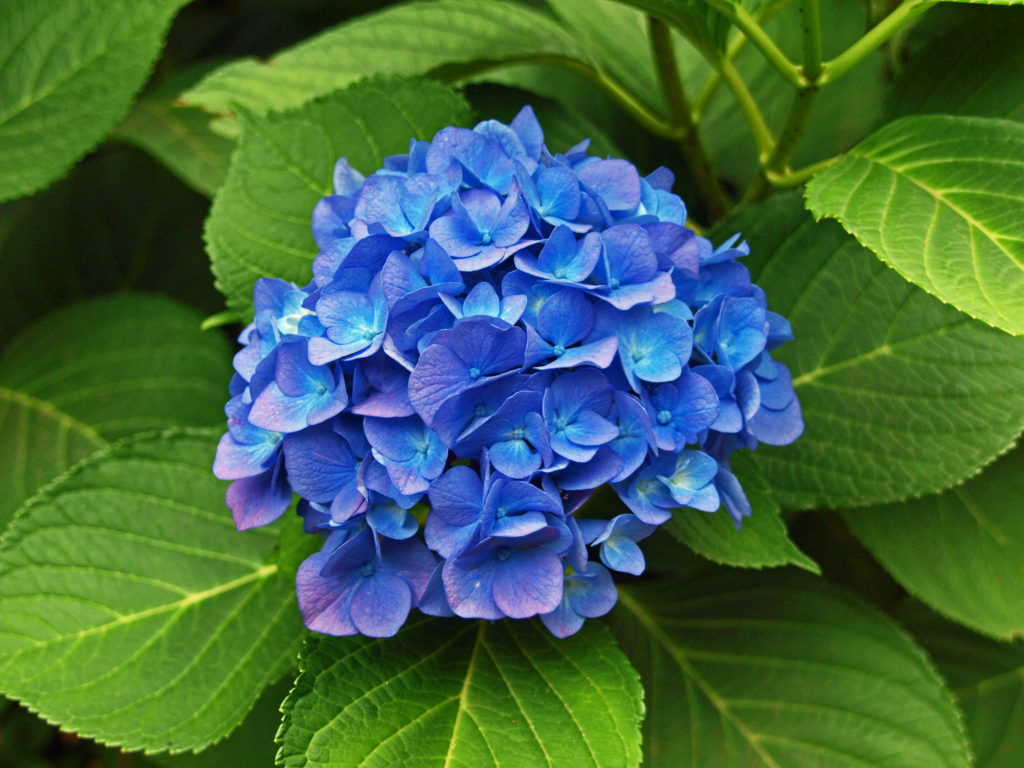
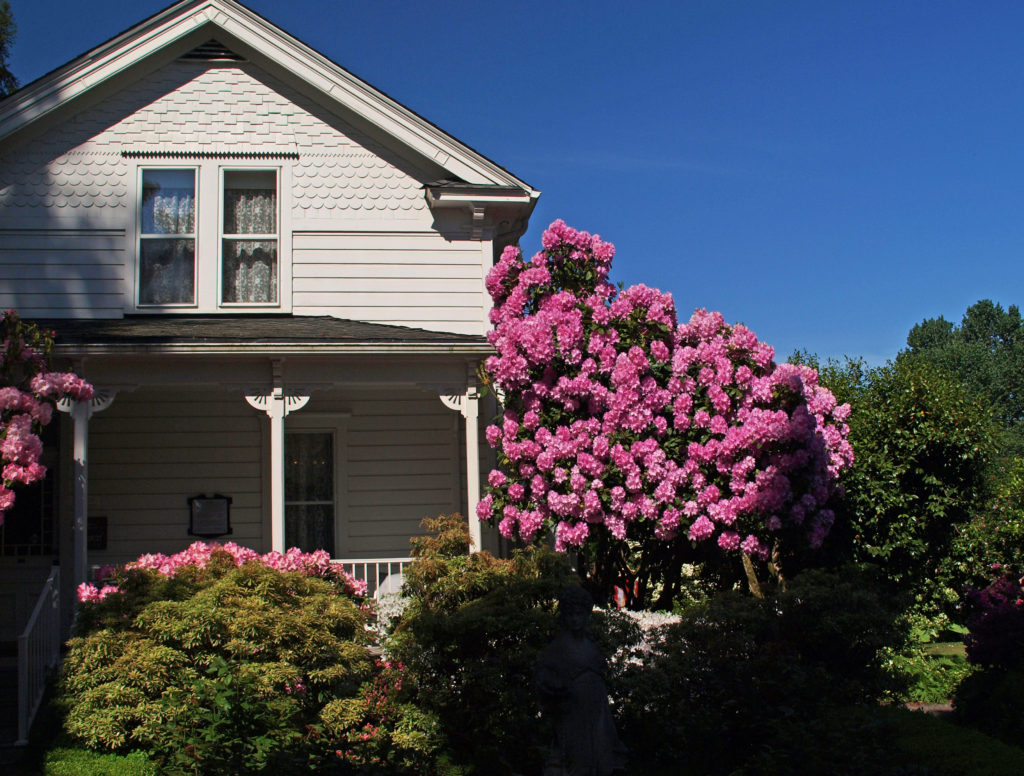
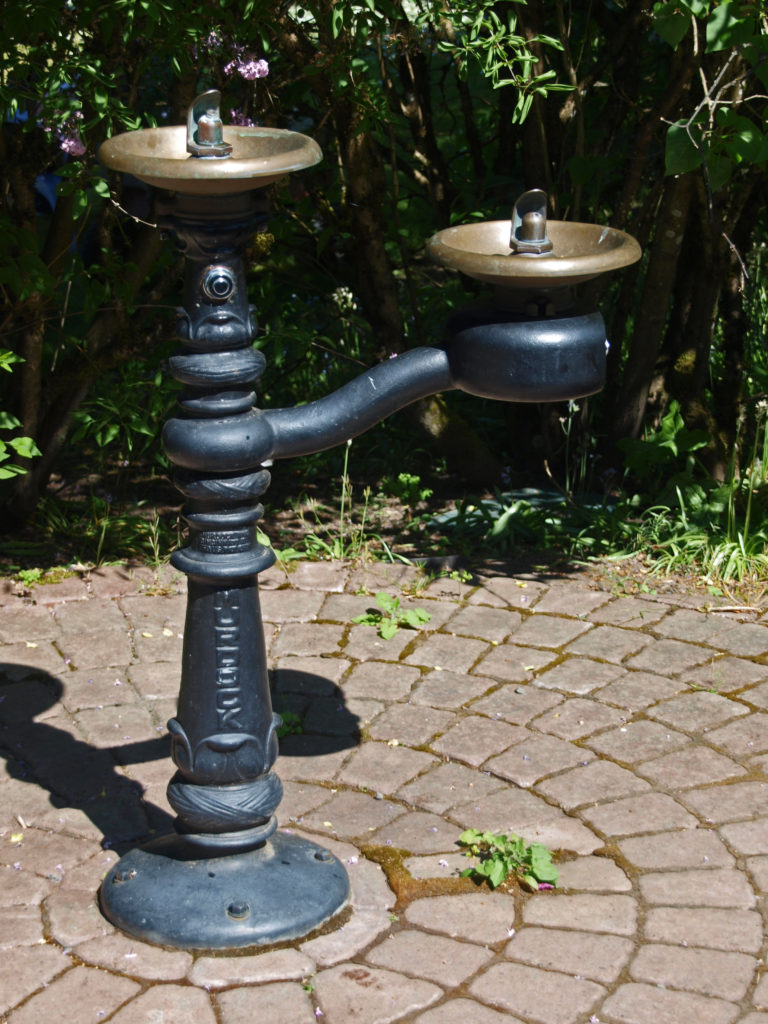
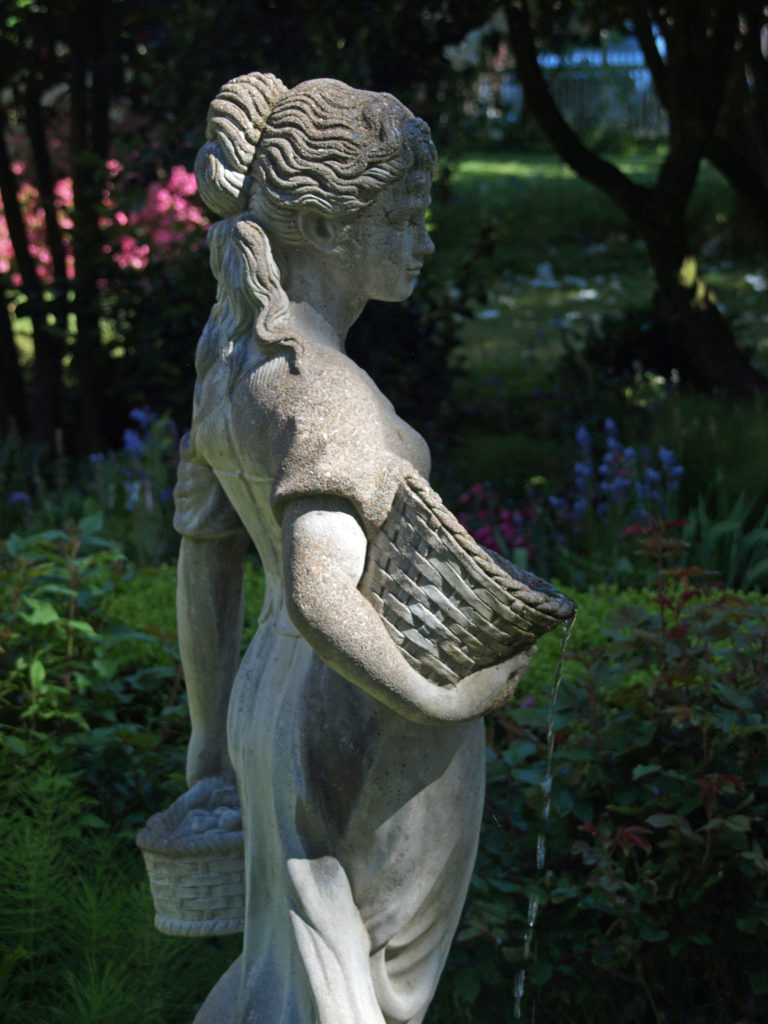
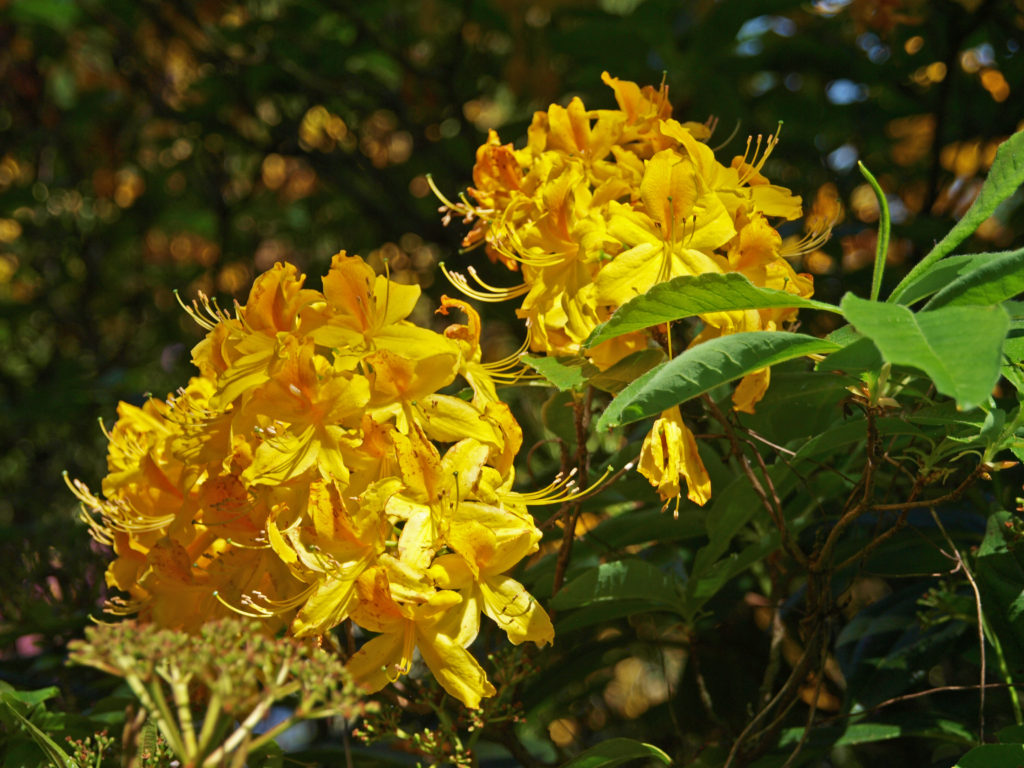
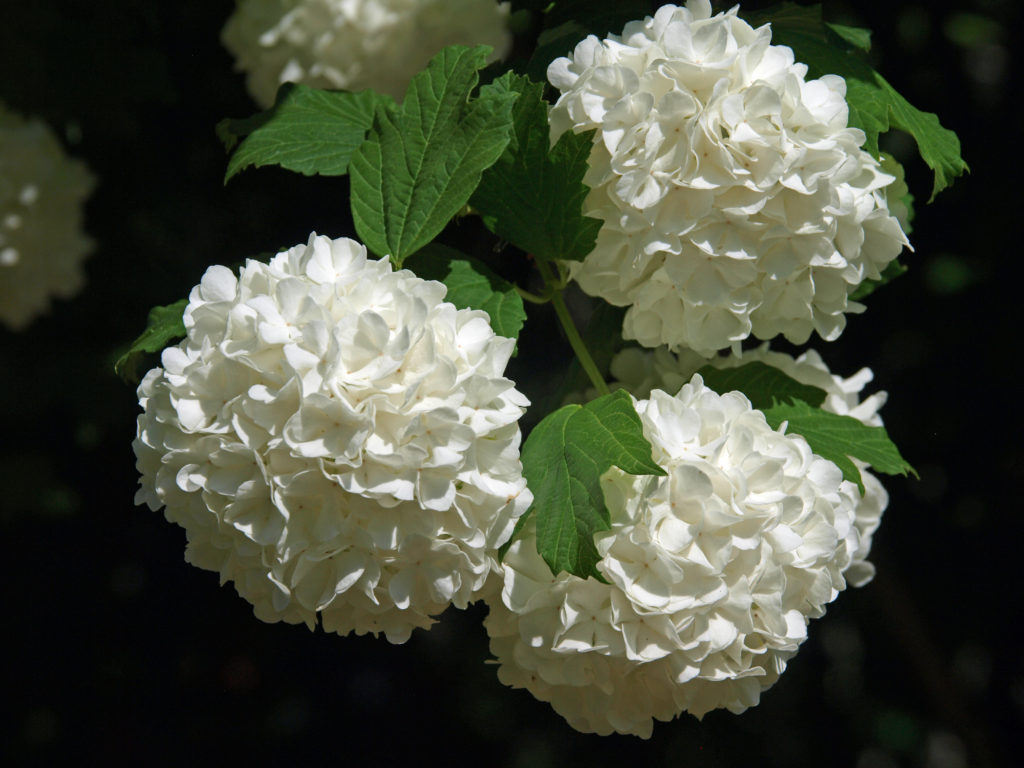
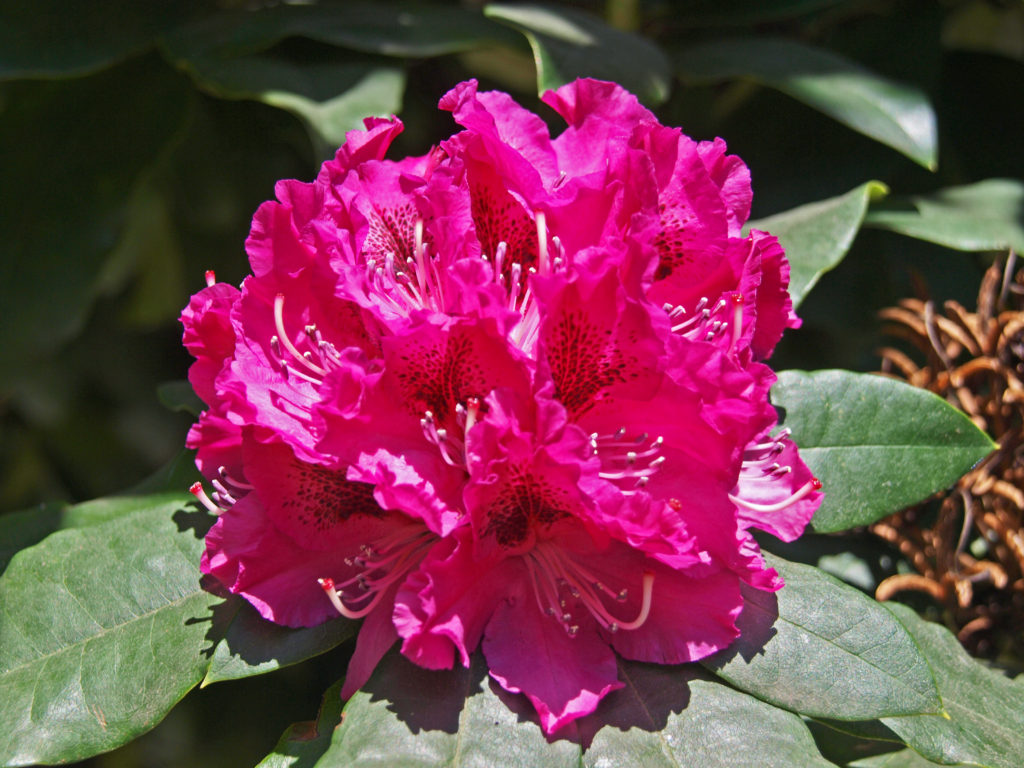
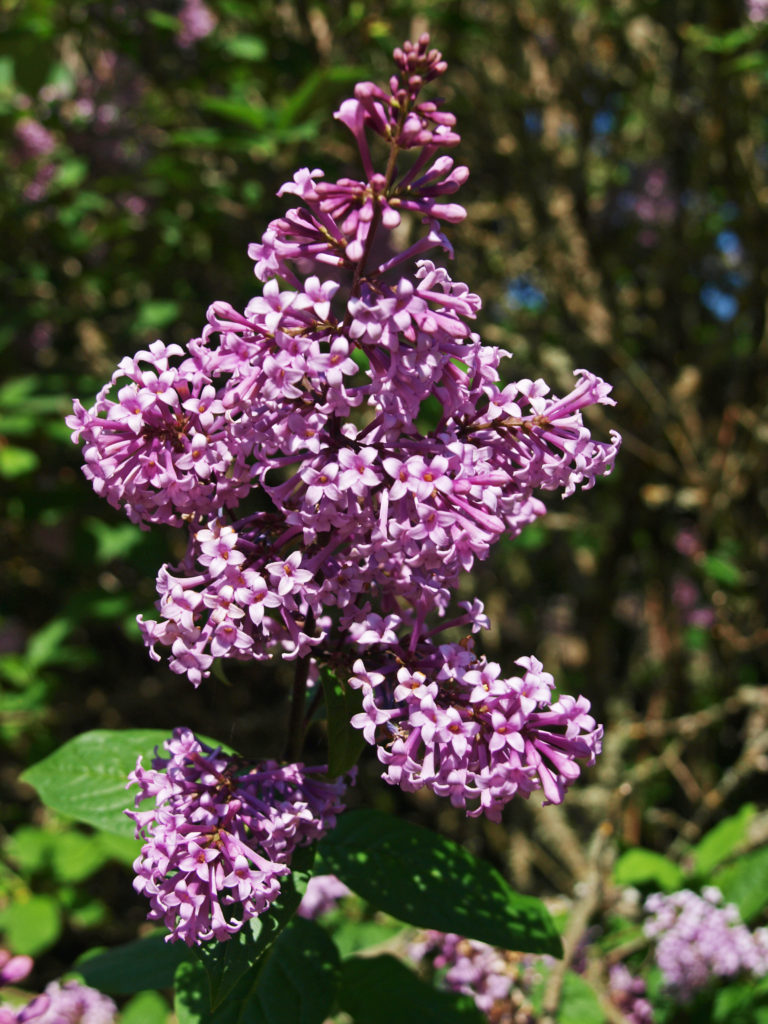
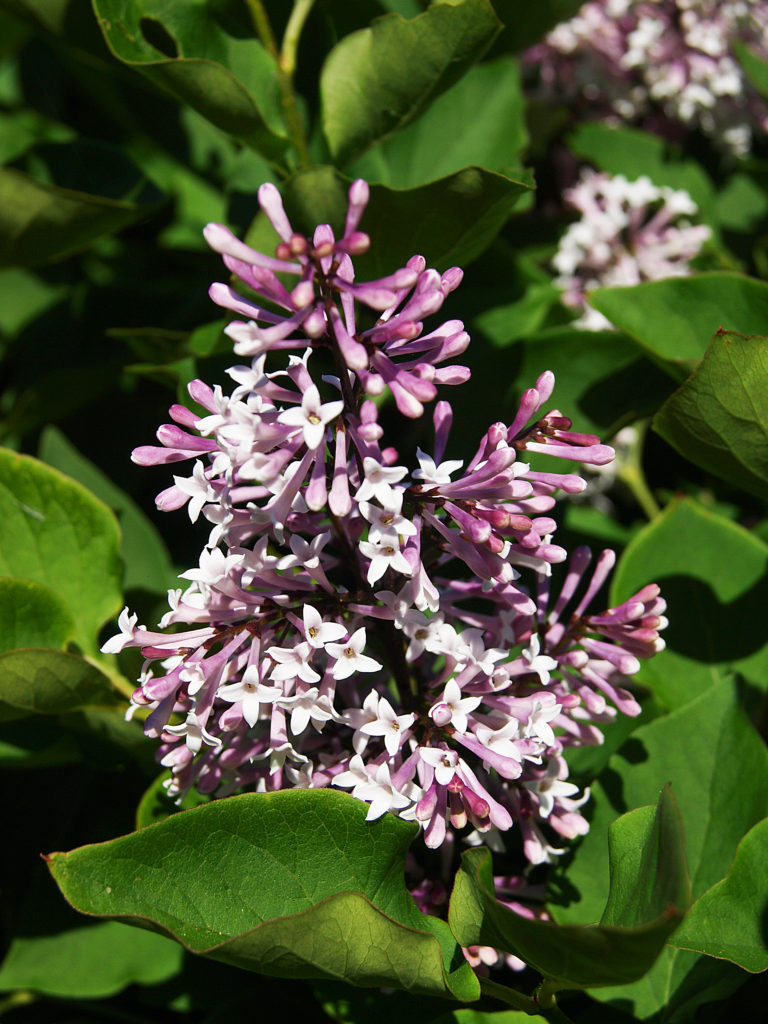
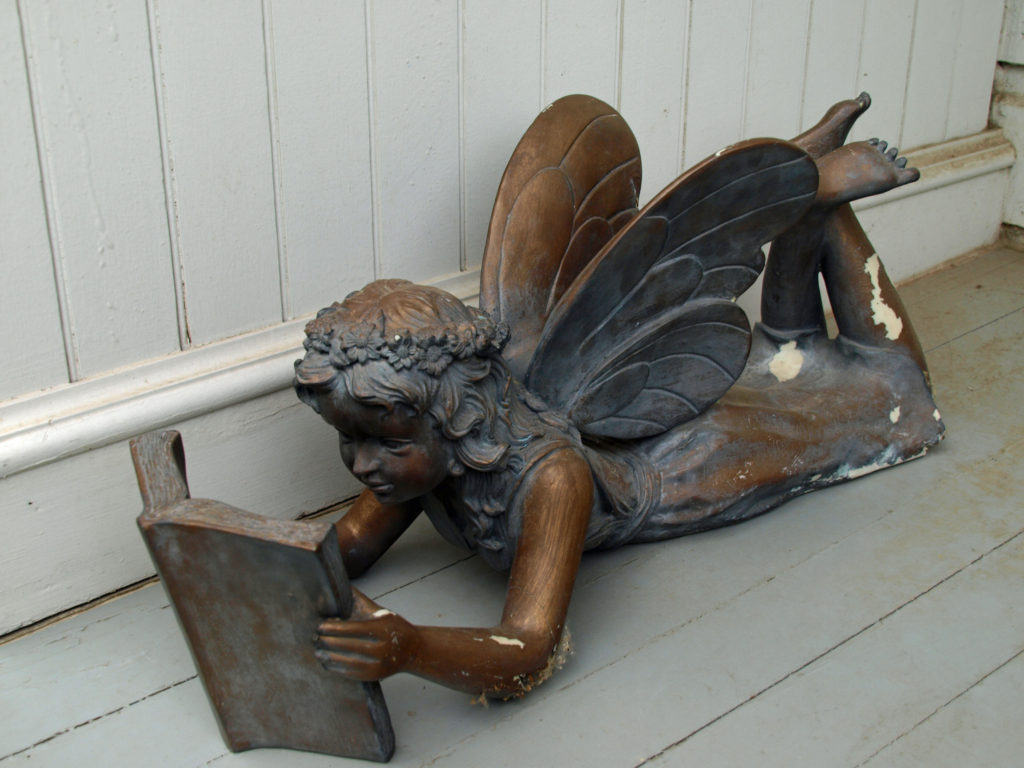 After Hulda’s death, her family put the farm up for sale. The local garden society succeeded in having Hulda’s gardens declared a state and national historic site to prevent them from being bulldozed for a proposed industrial site.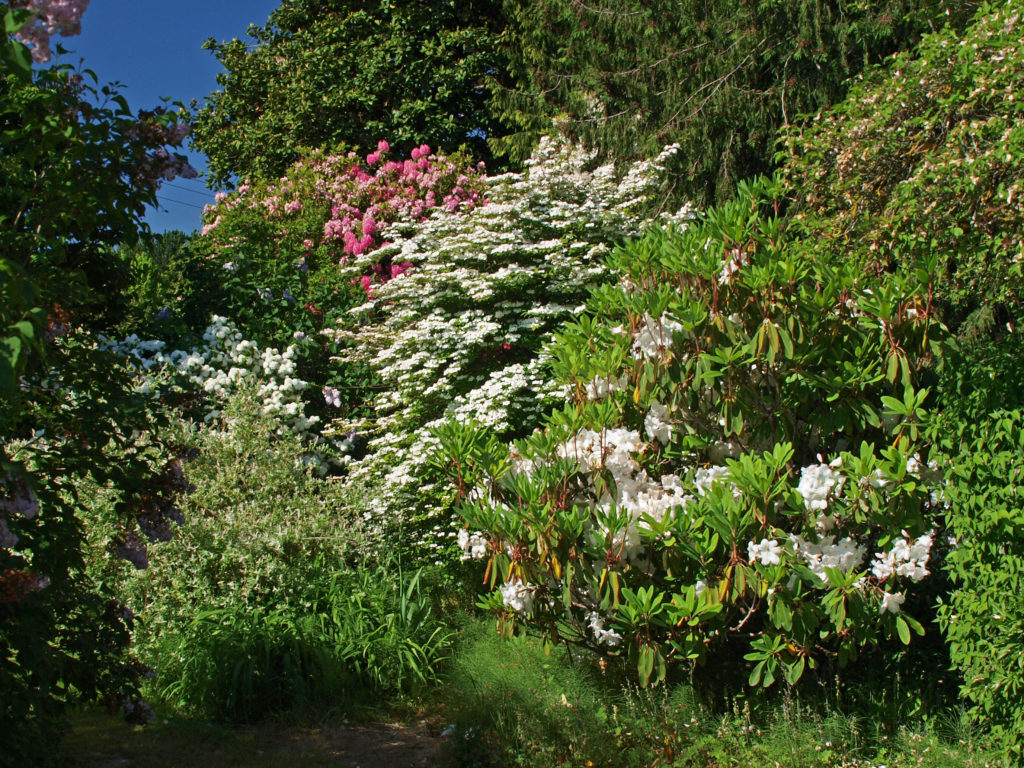
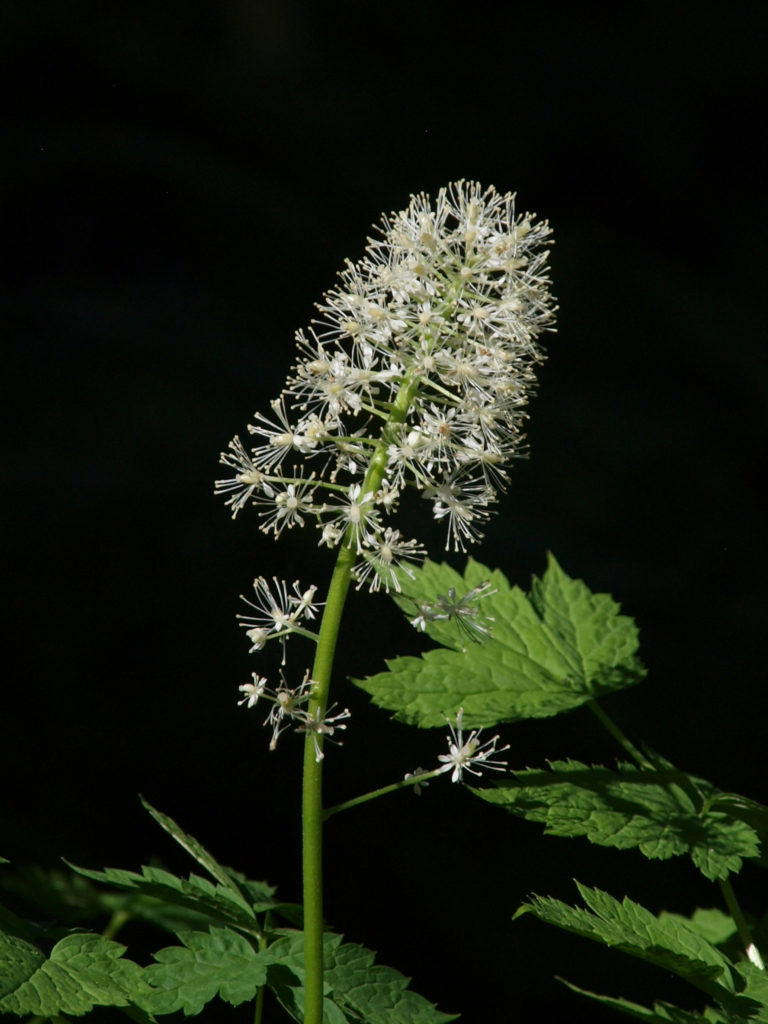
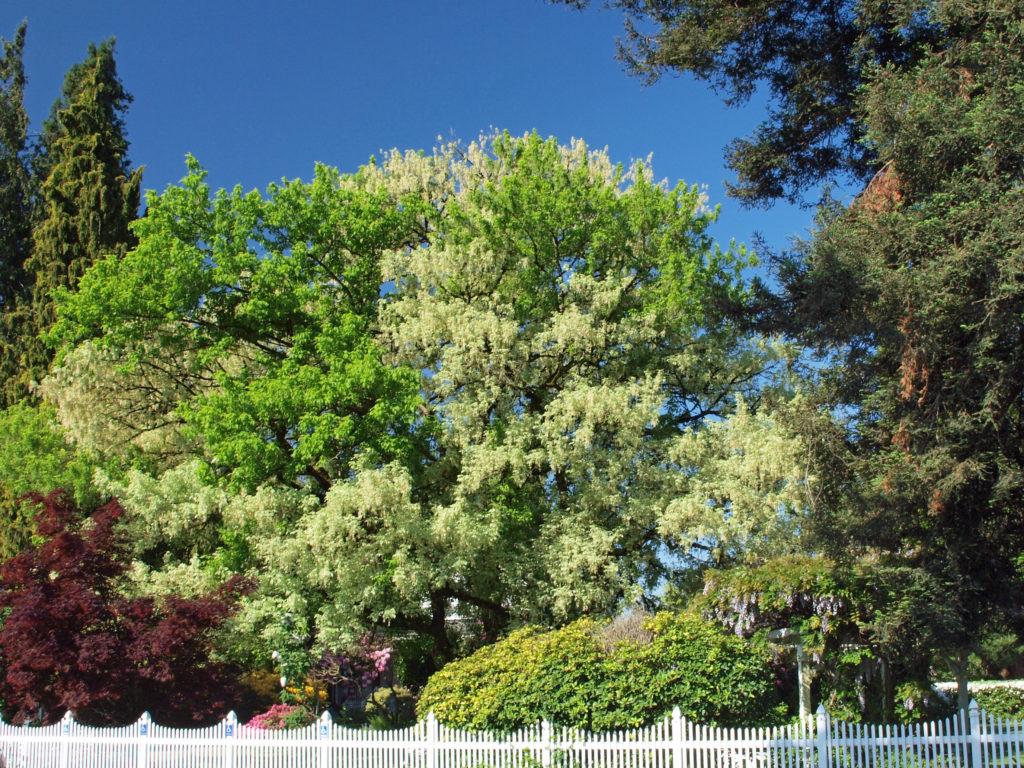
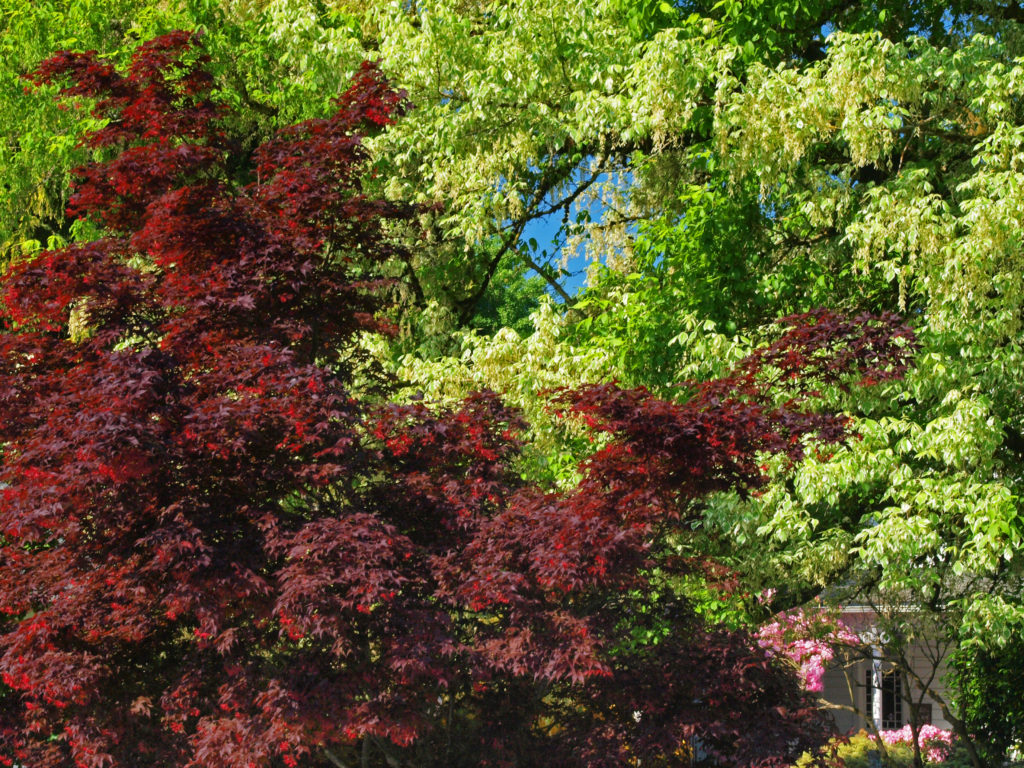
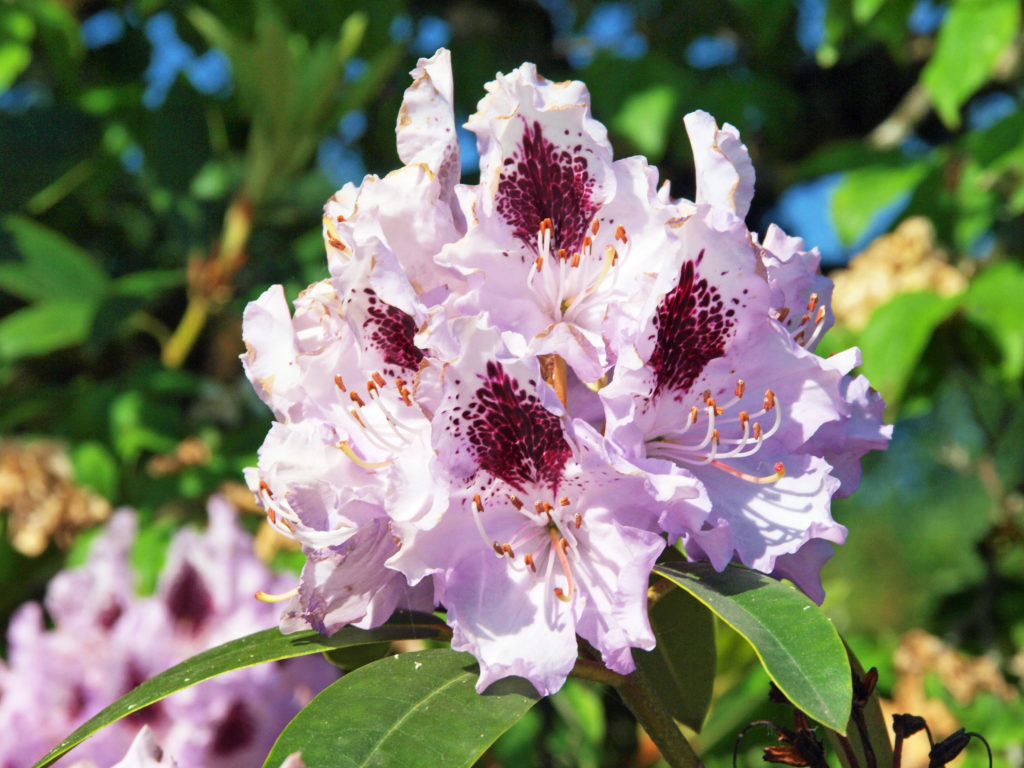
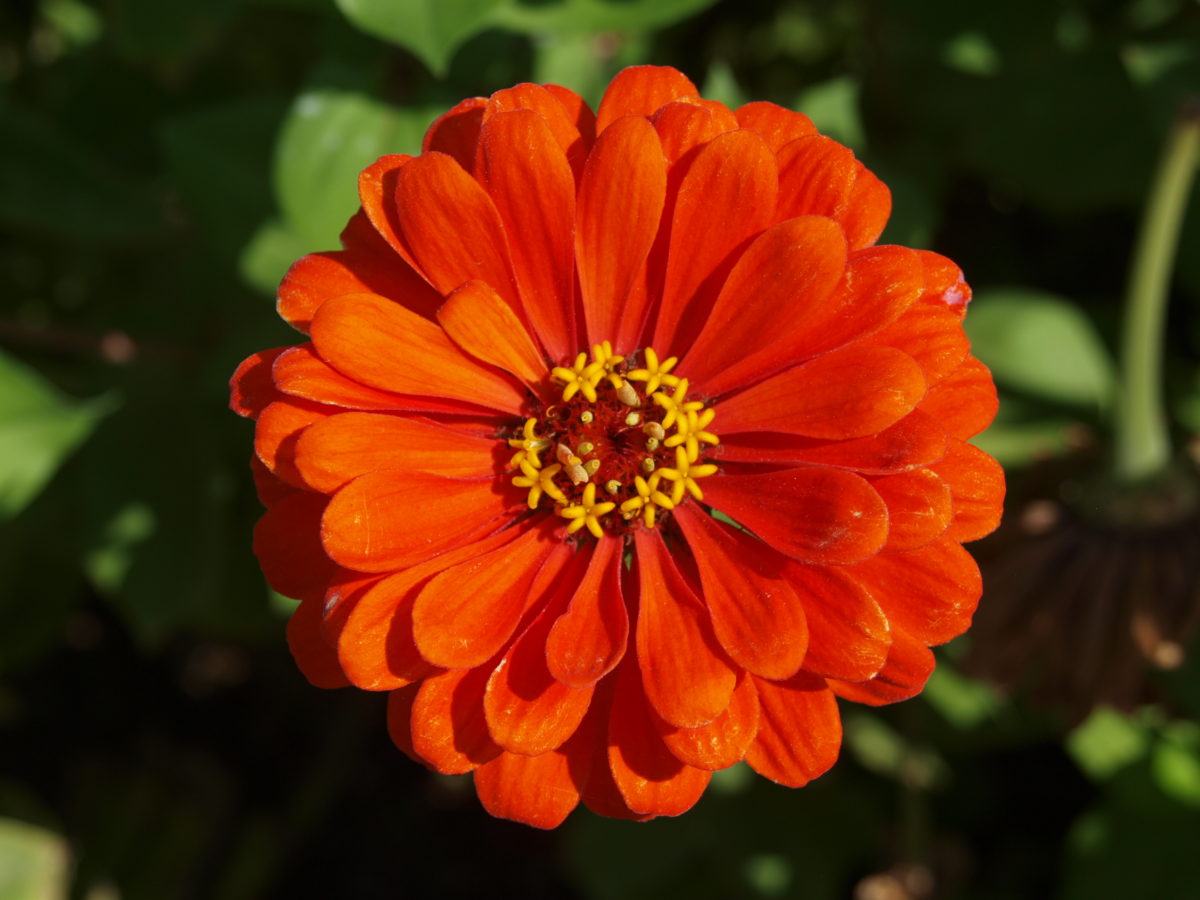
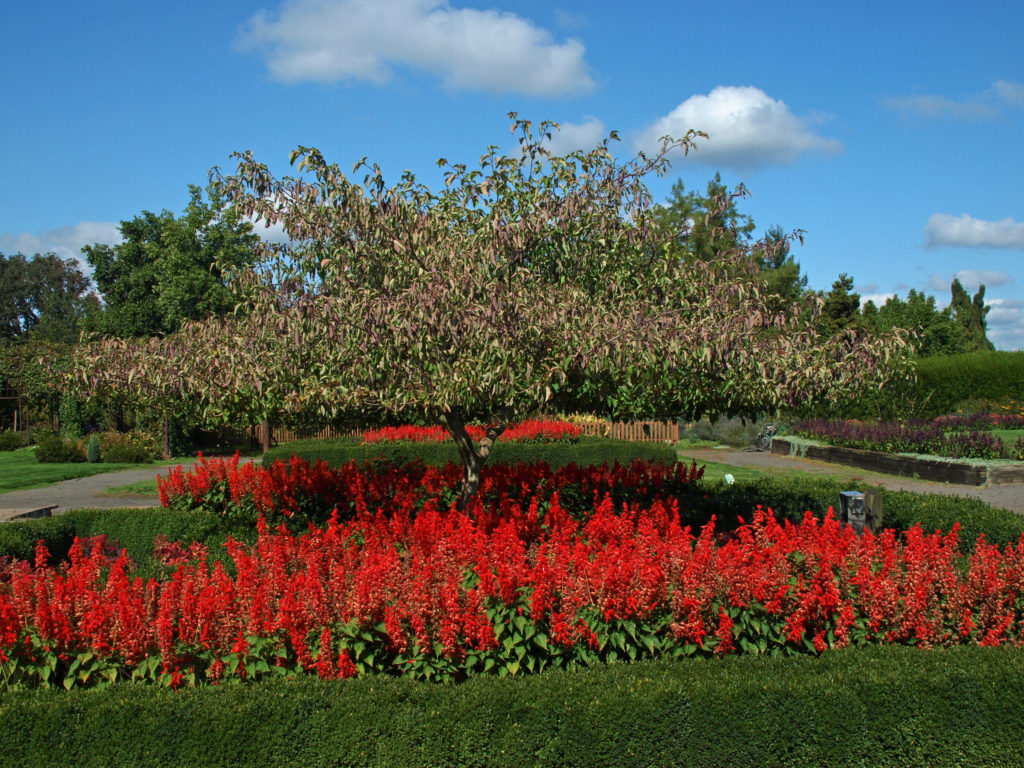
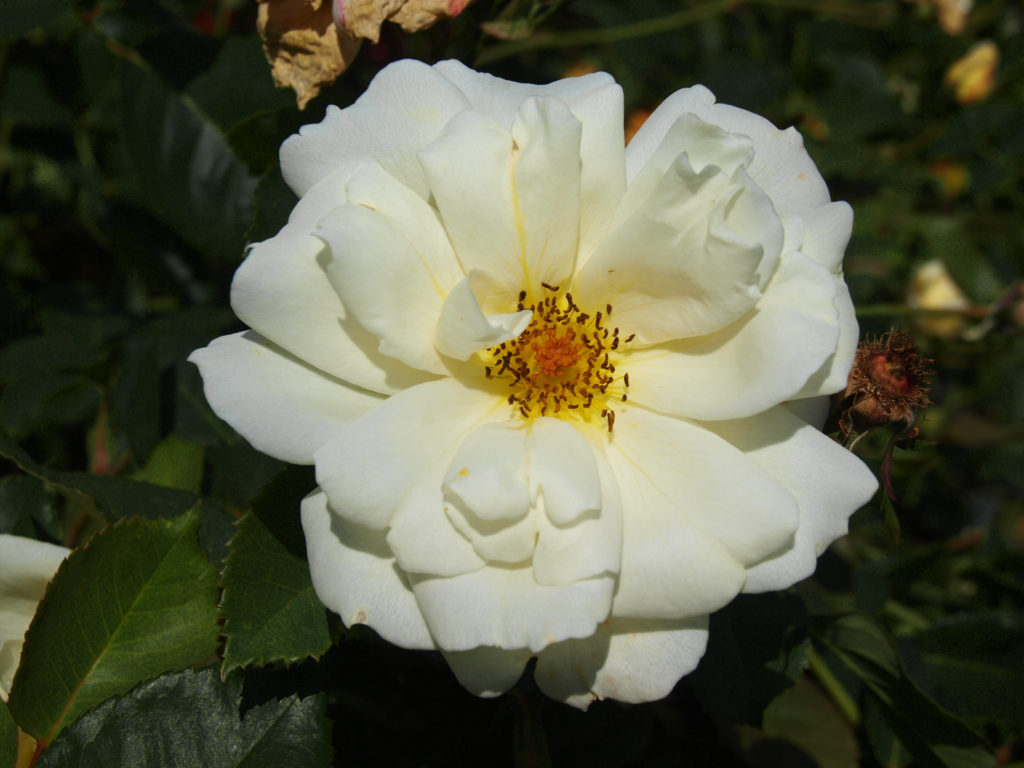
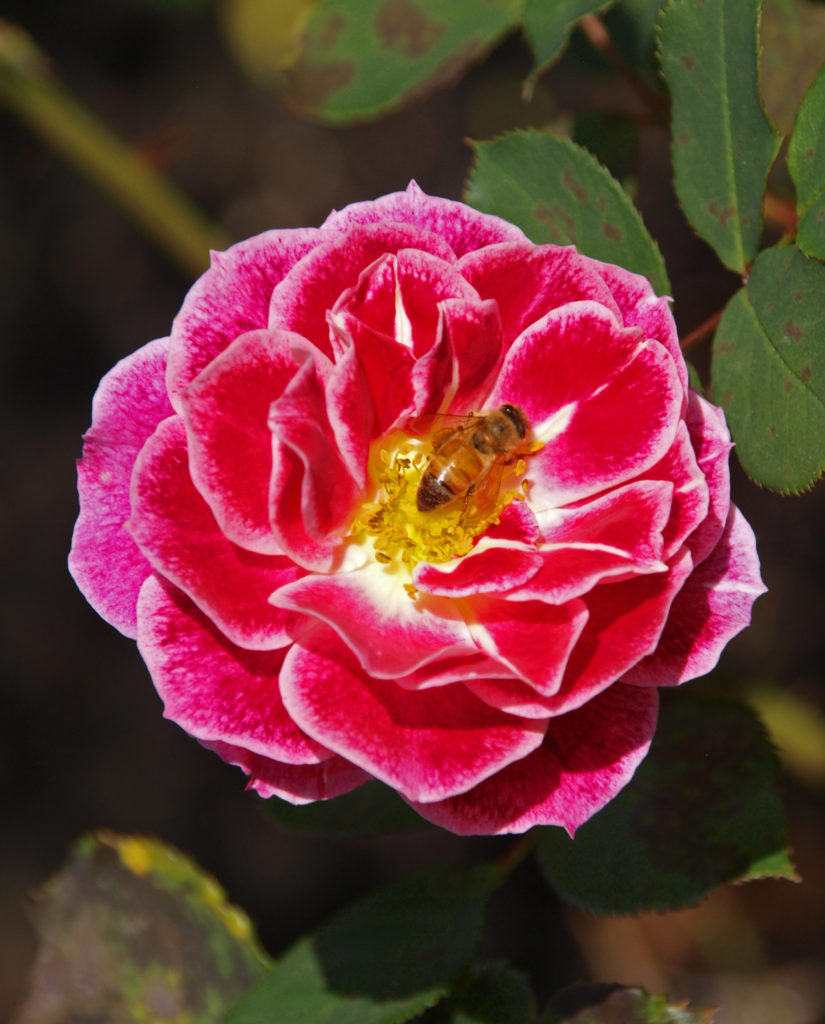
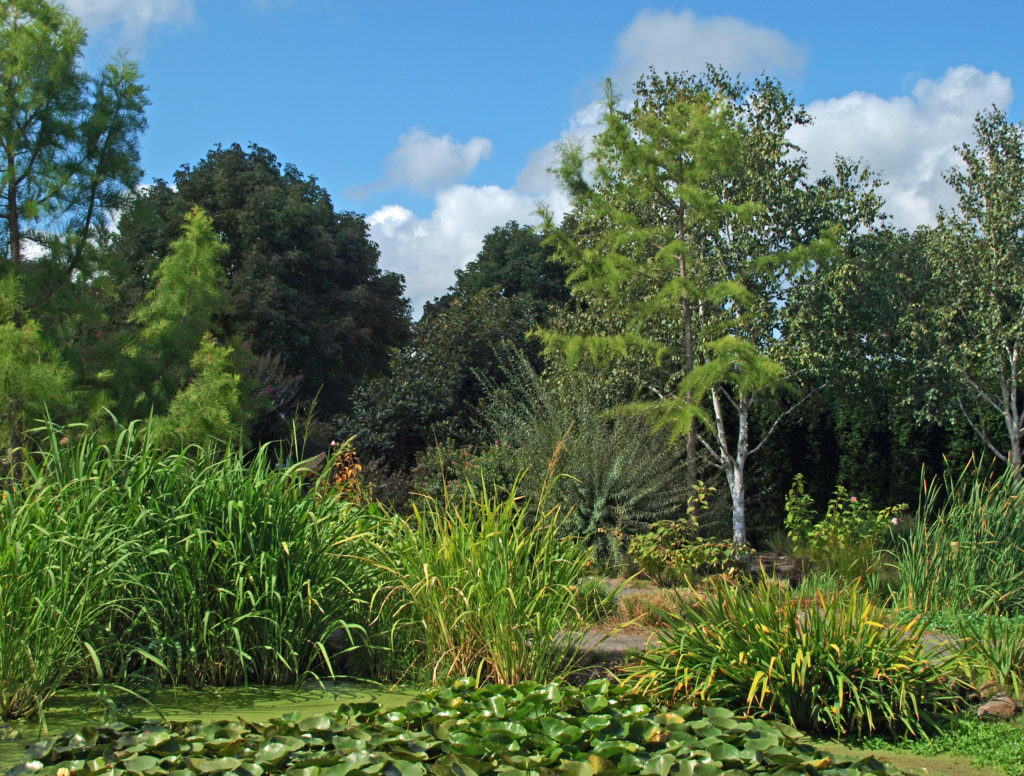
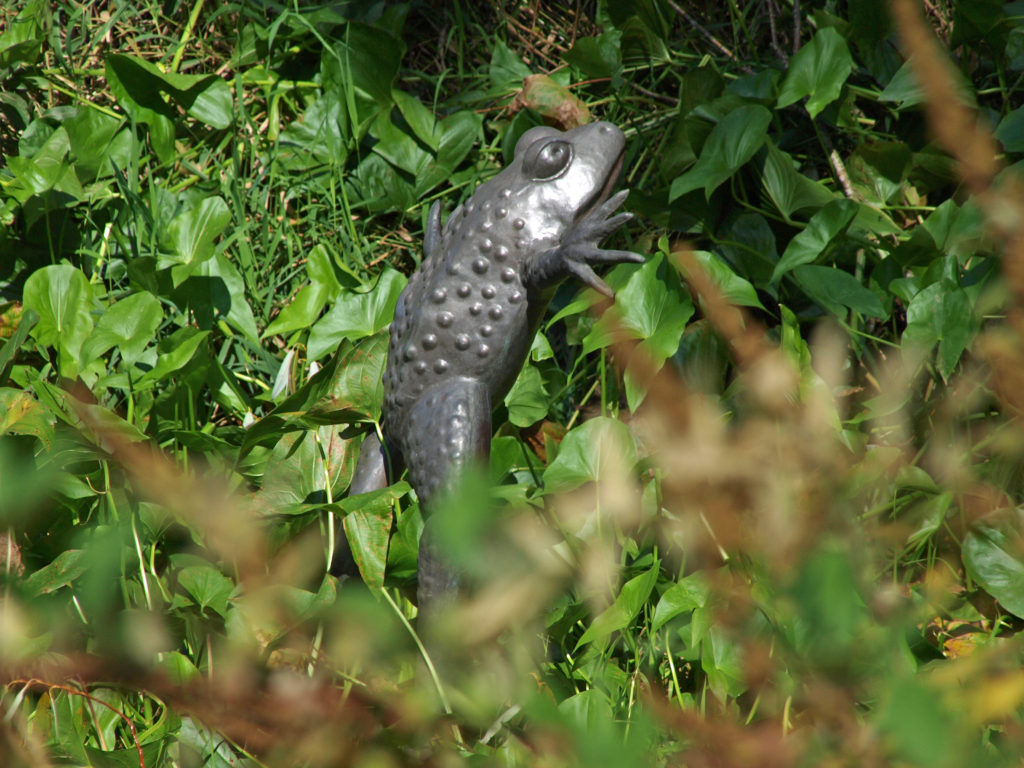
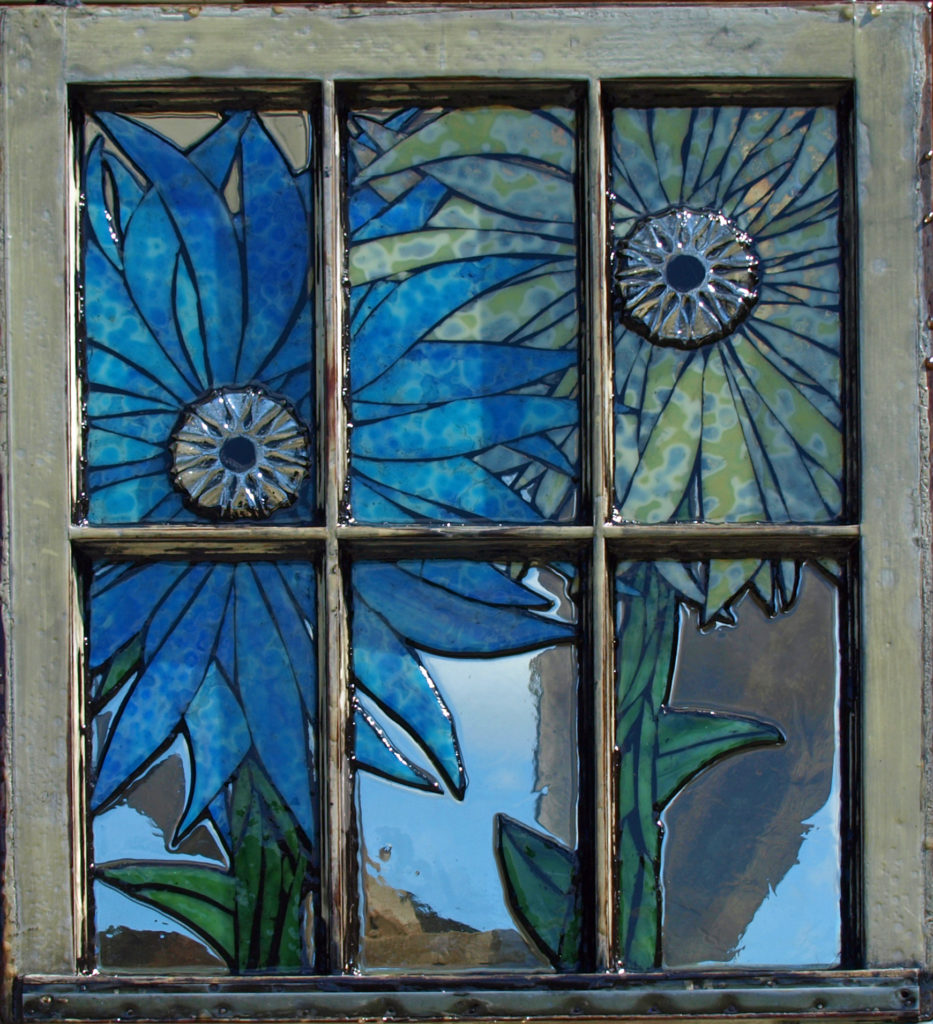
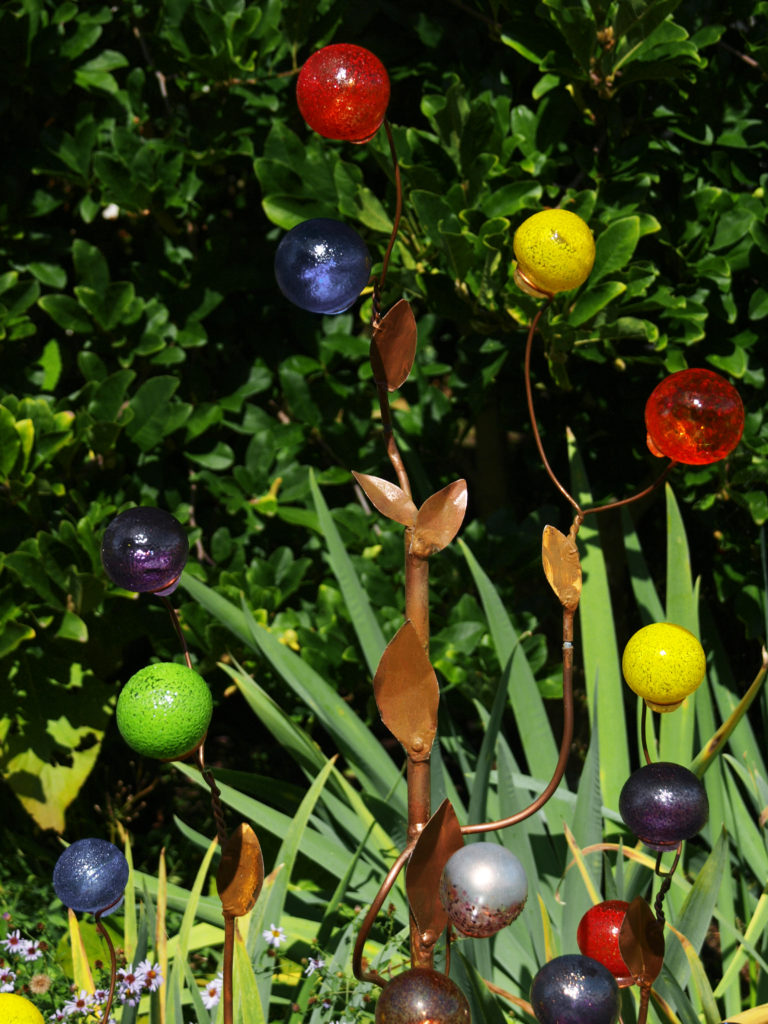
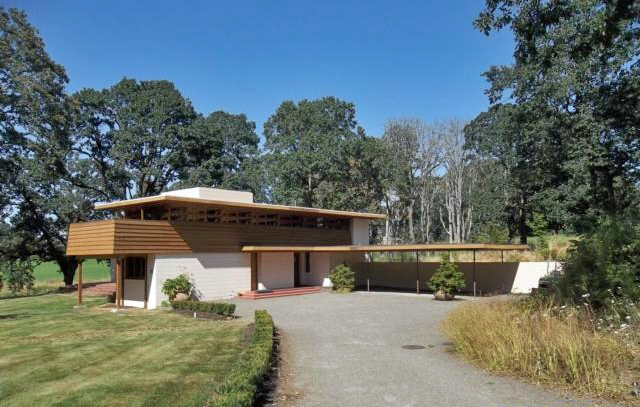
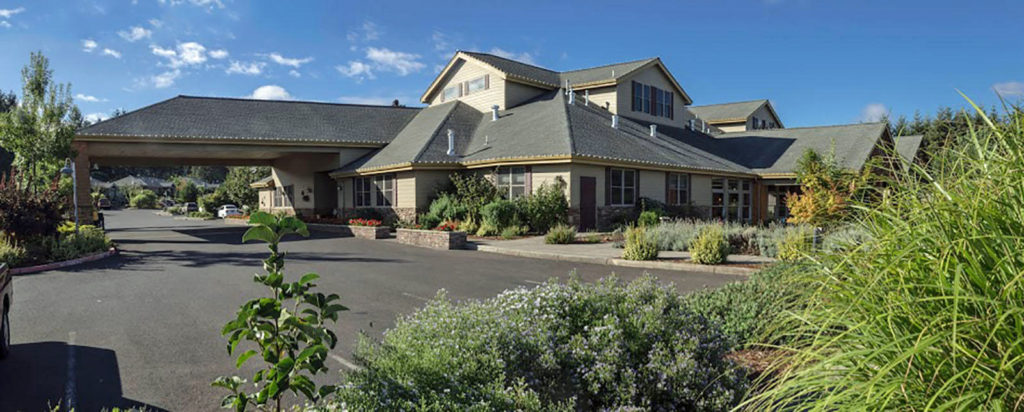
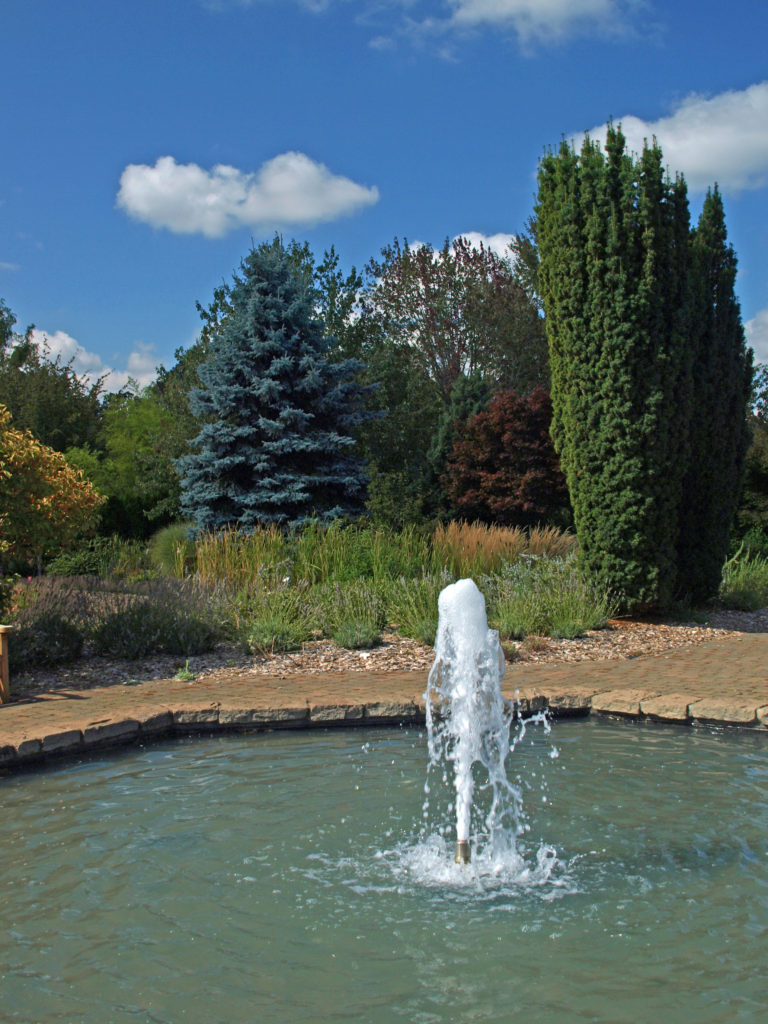 Start your tour of the gardens at the Visitor Center, where you purchase your tickets. Pick up a free map of the gardens and check out the gift shop. And there is a retail nursery located adjacent to the Visitor Center where you can purchase plants grown by the garden staff and volunteers.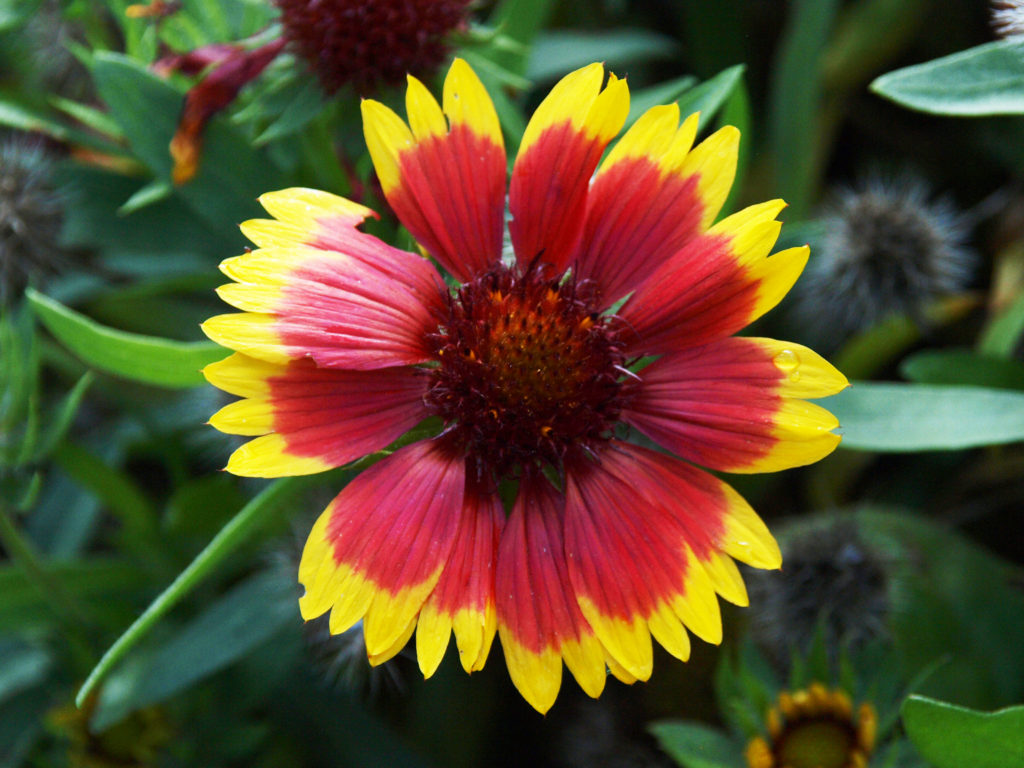
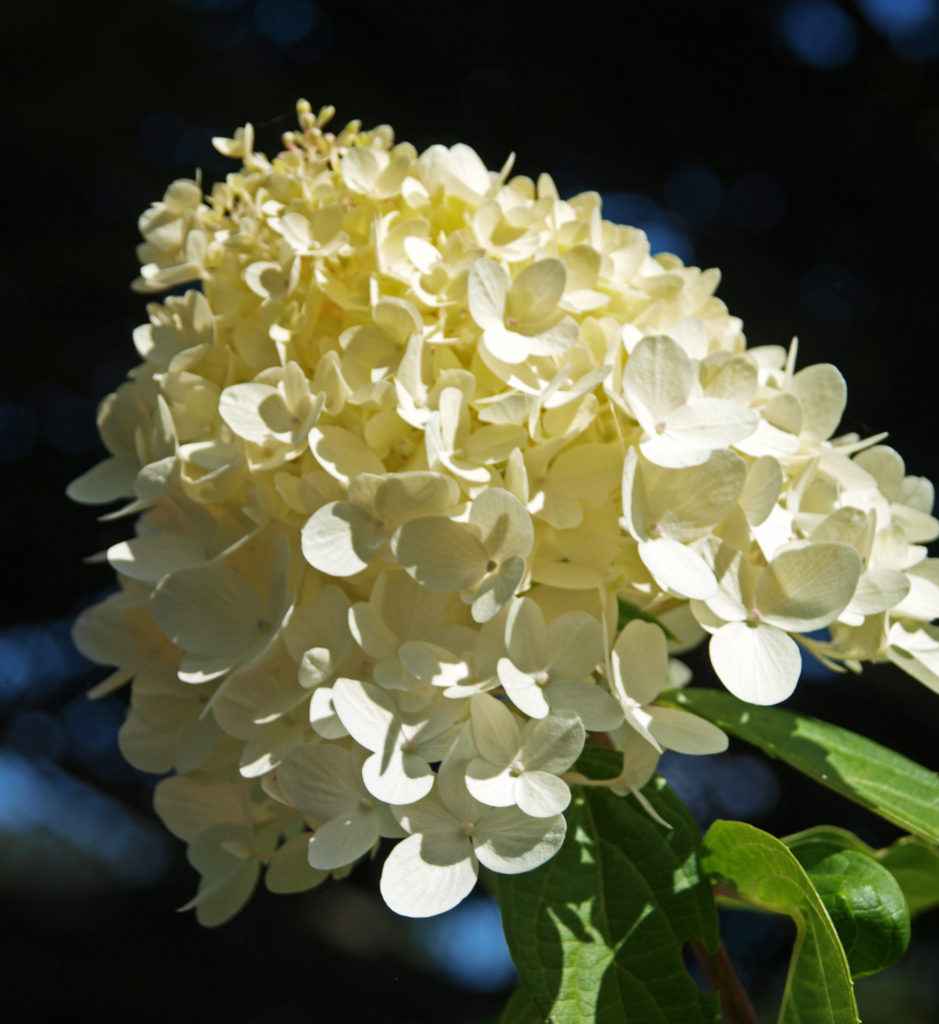
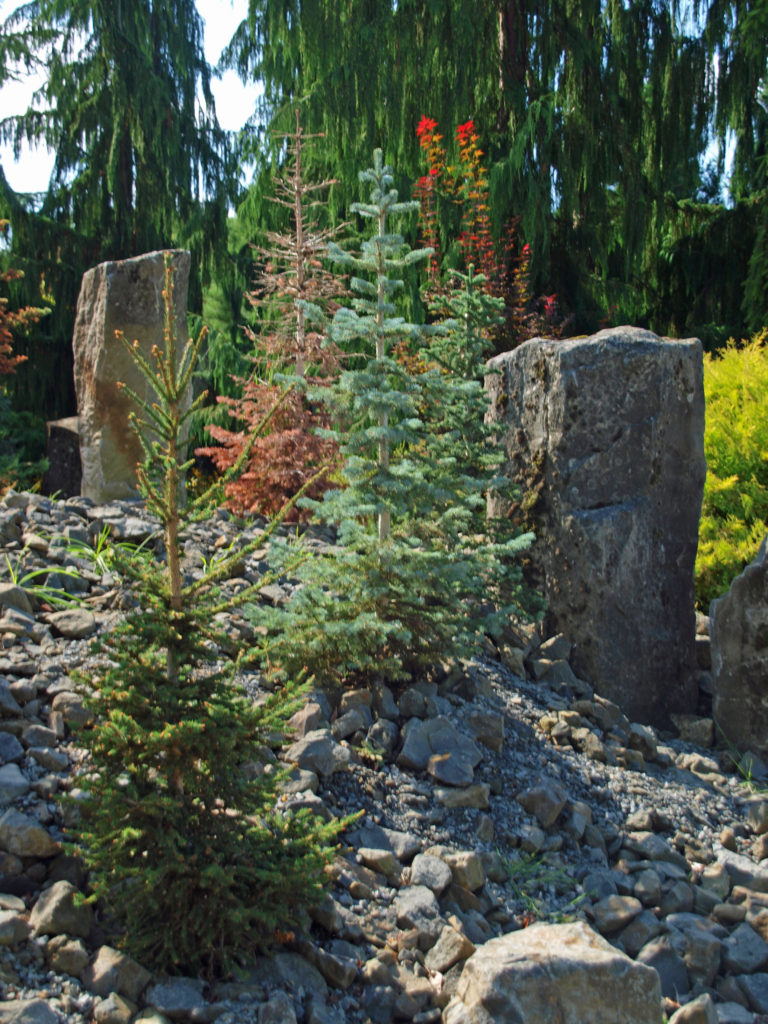
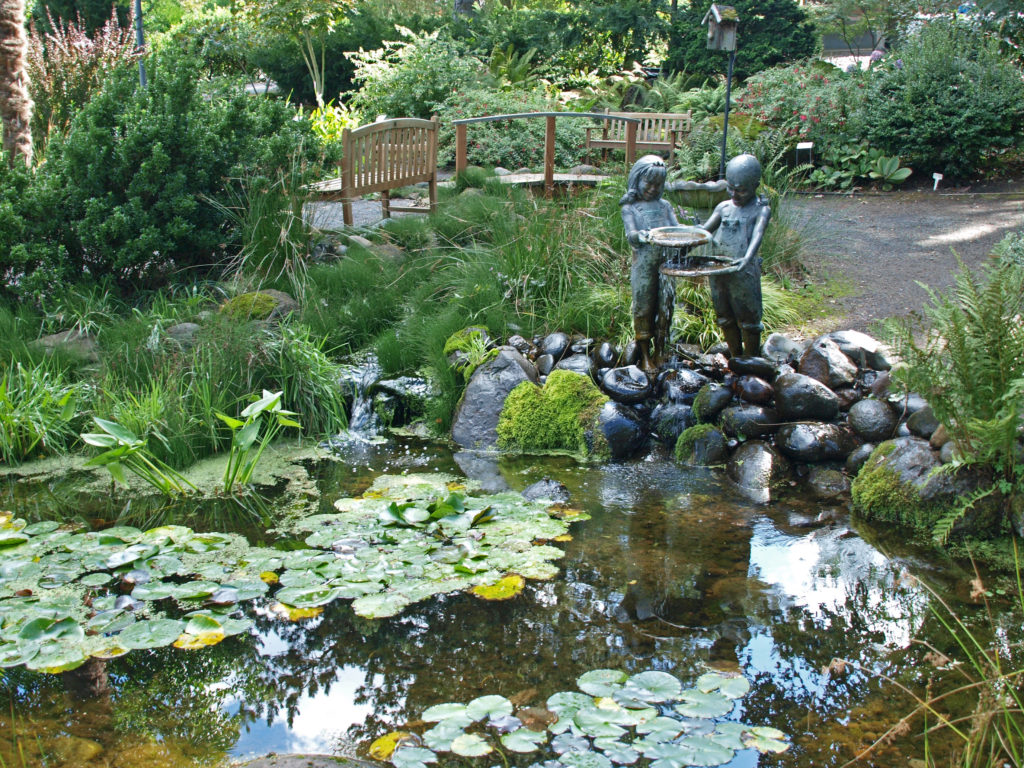
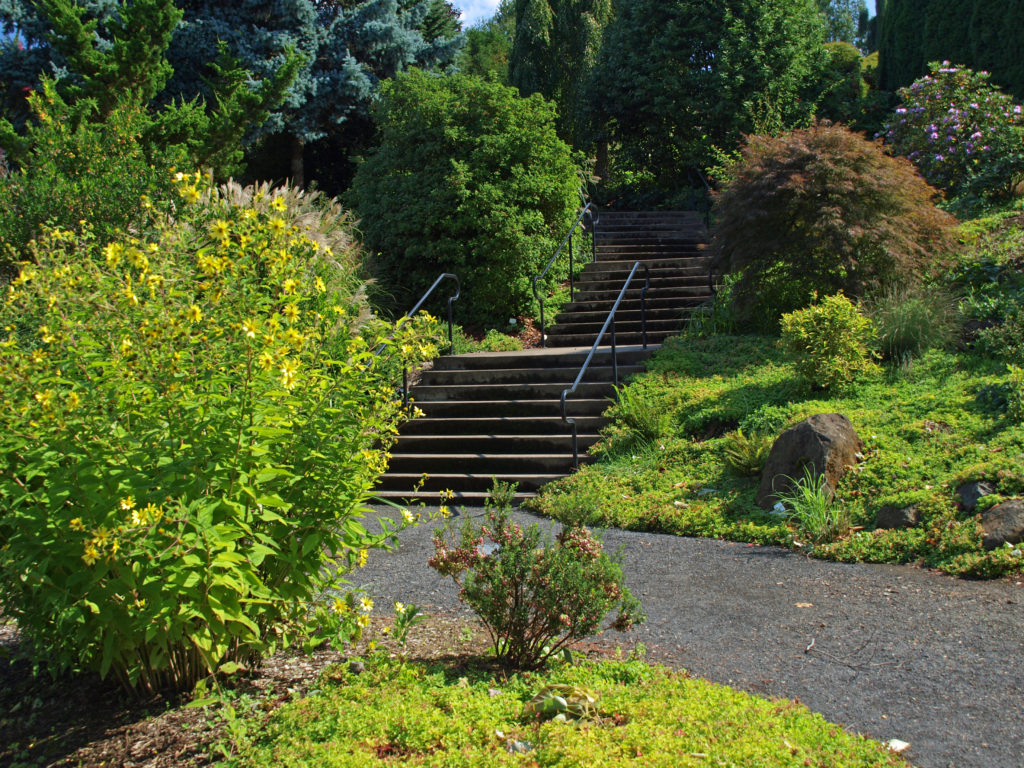 If you are making a day of it, the Visitor Center has grab and go snacks, and the adjacent Oregon Garden Resort has a restaurant and lounge. Or you can bring a picnic lunch and enjoy it in one of the designated picnic areas. A variety of dining options are also available in downtown Silverton.
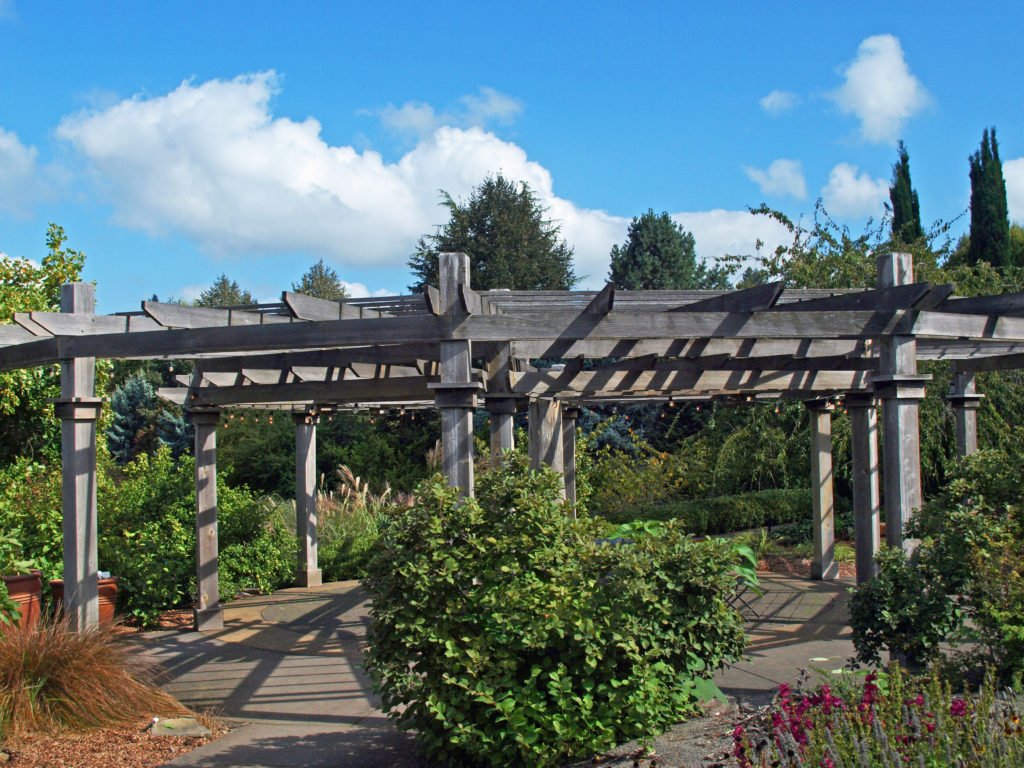 And if you’re visiting from outside the area, a trip to nearby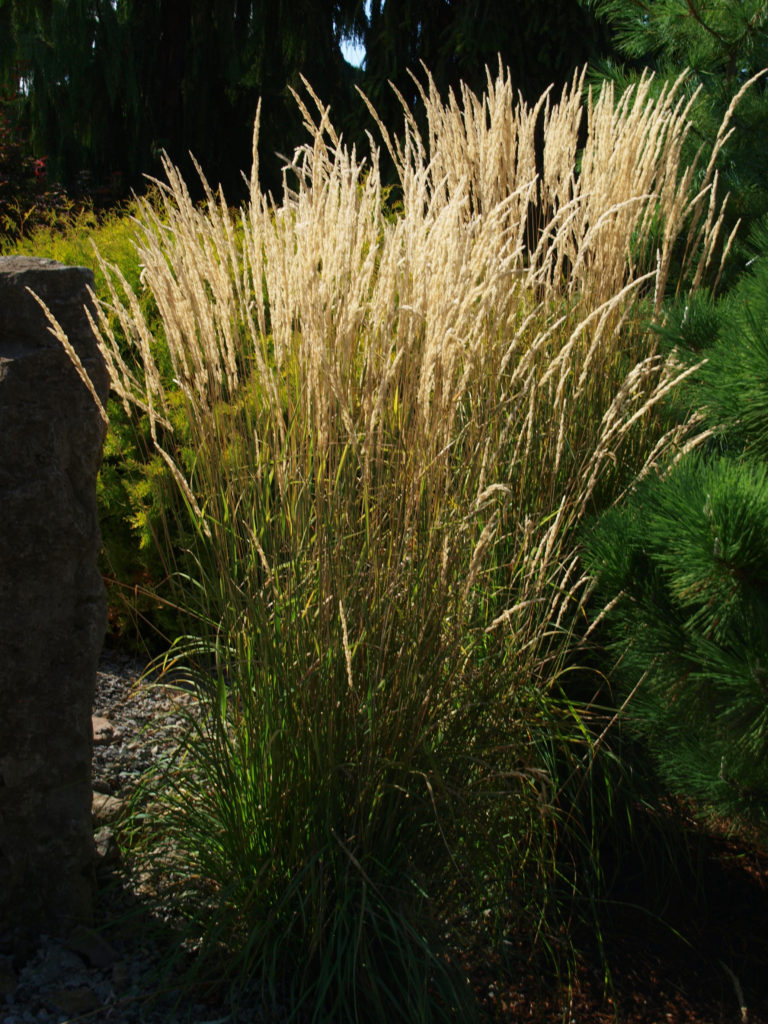
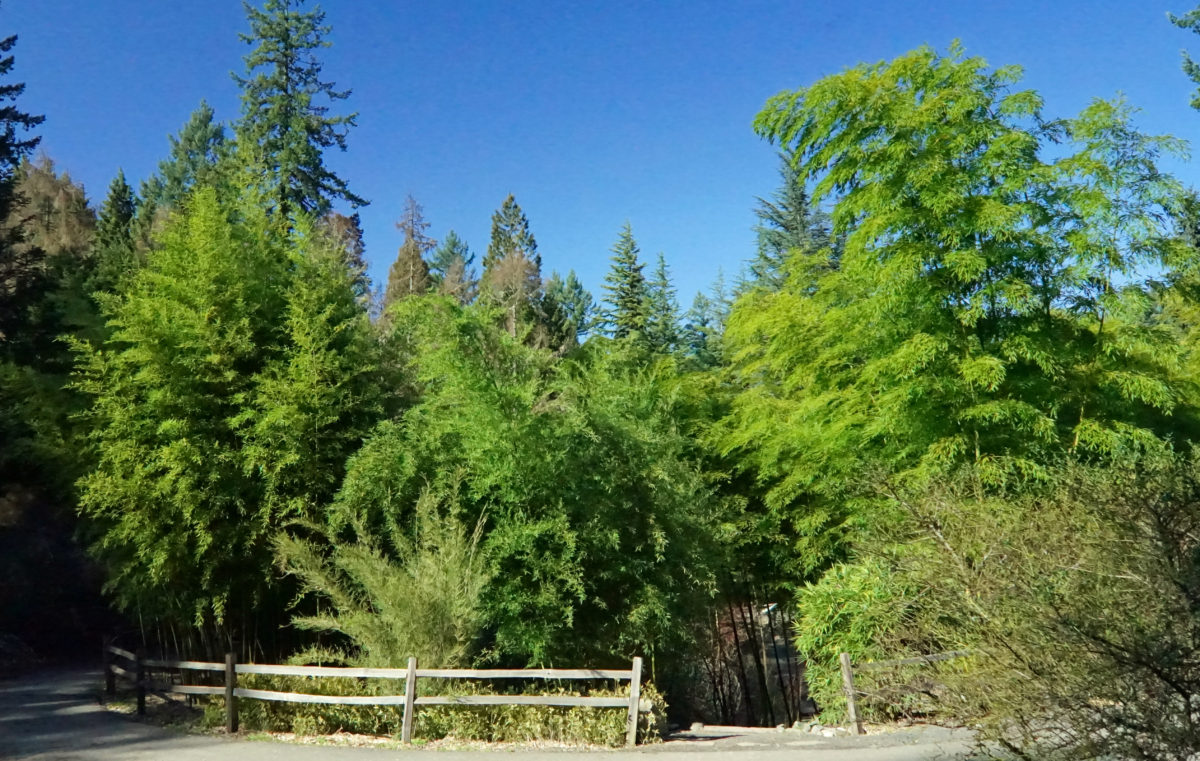
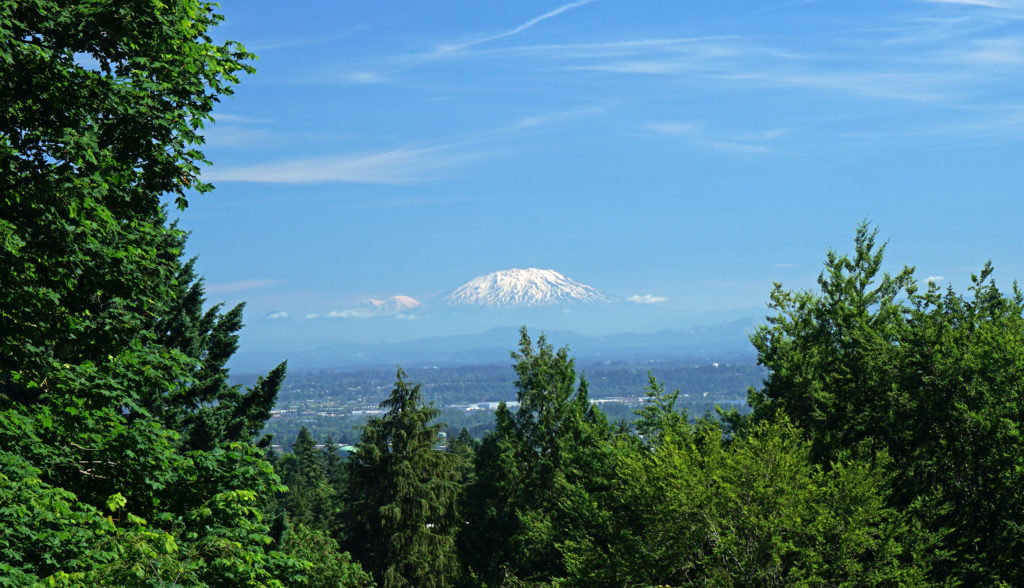 Today, the arboretum features more than 100 collections of trees and plants, organized by taxonomy and geography, spread over 189 acres in Washington Park in Portland’s West Hills. There are more than 2300 species native to six continents represented in the arboretum collections.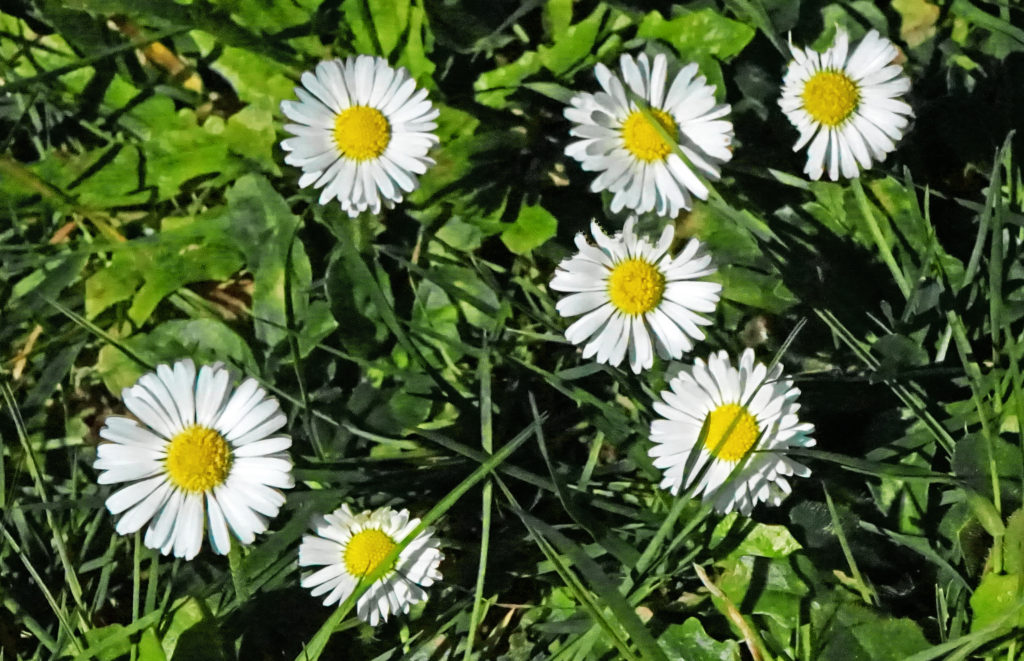
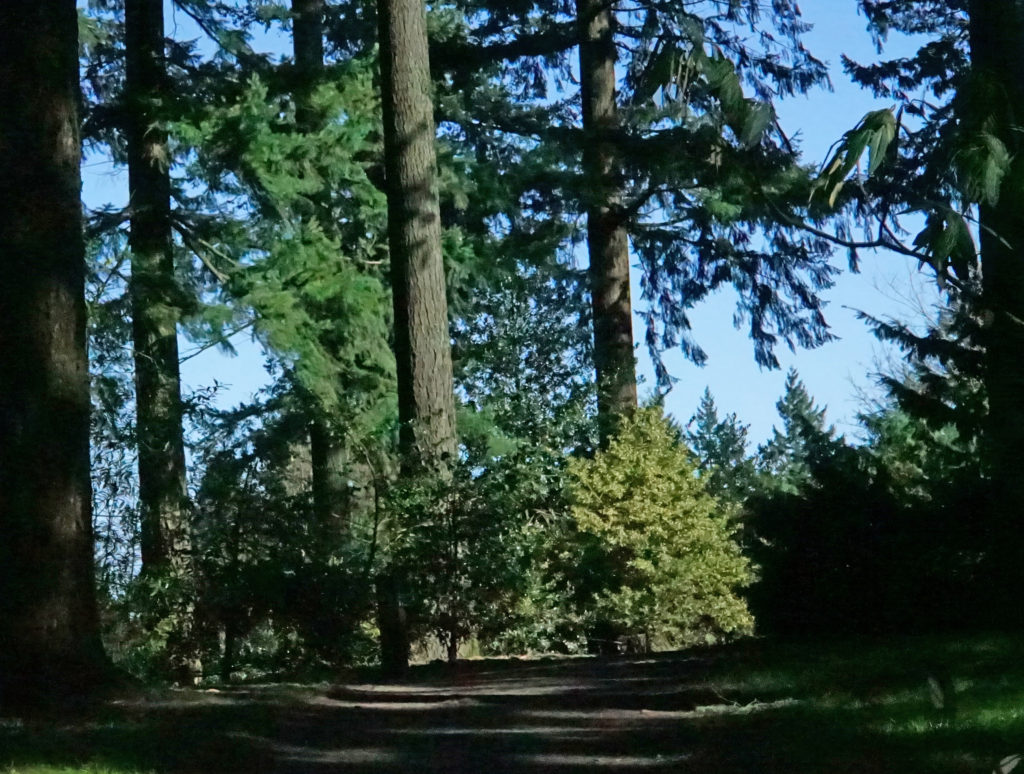
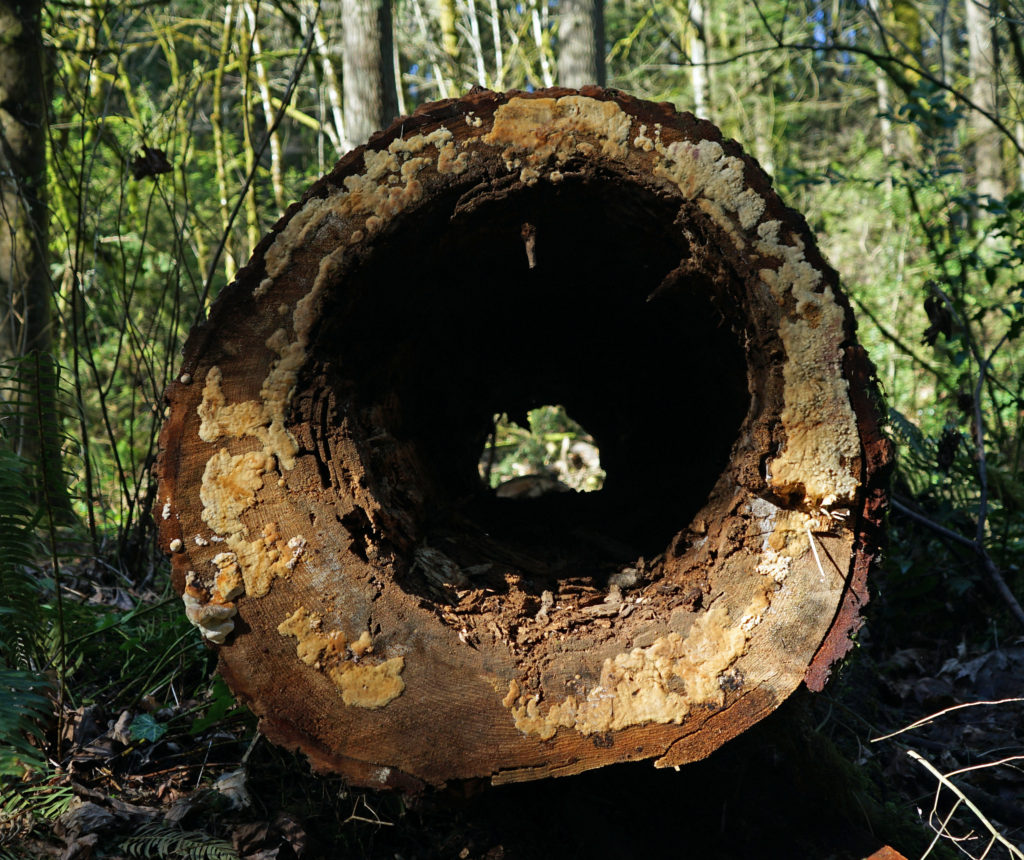
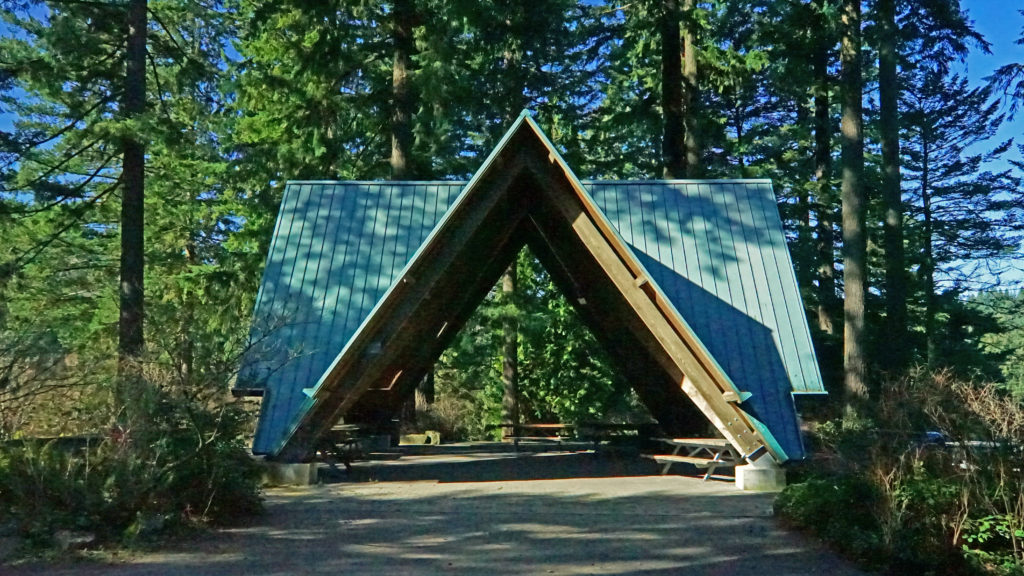

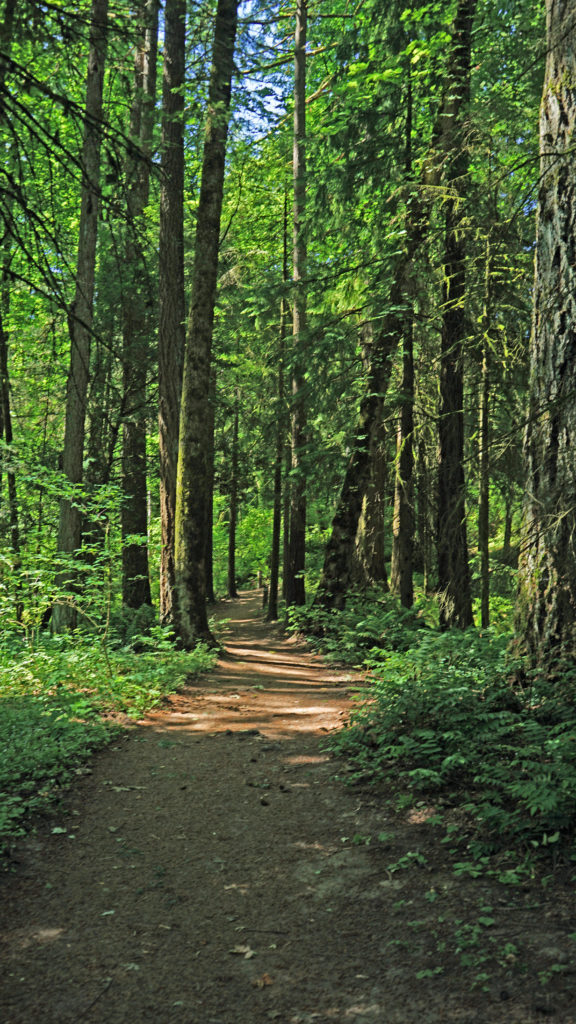
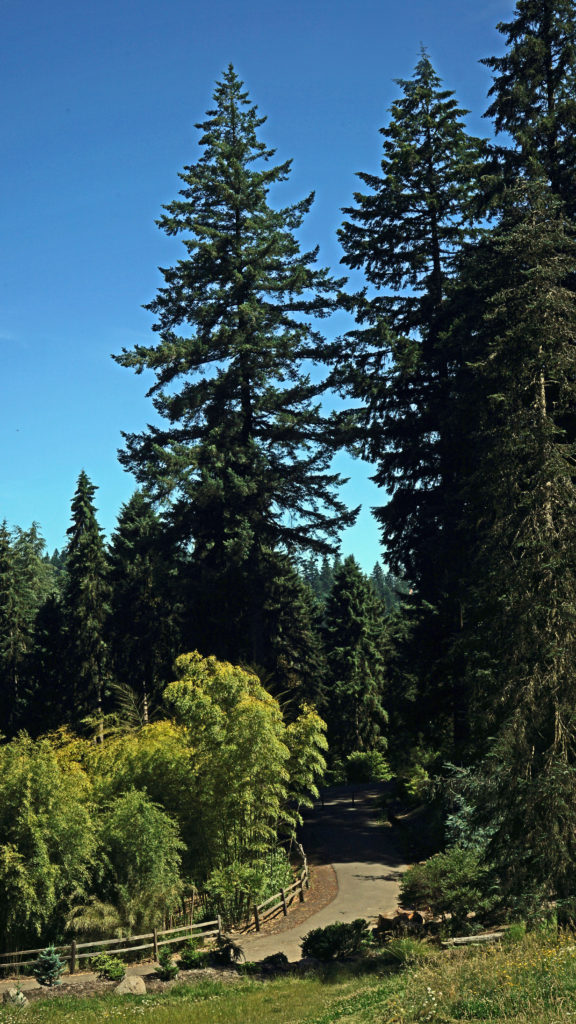 More information on the arboretum, directions, and parking and public transit information can be found on the arboretum’s website (linked above).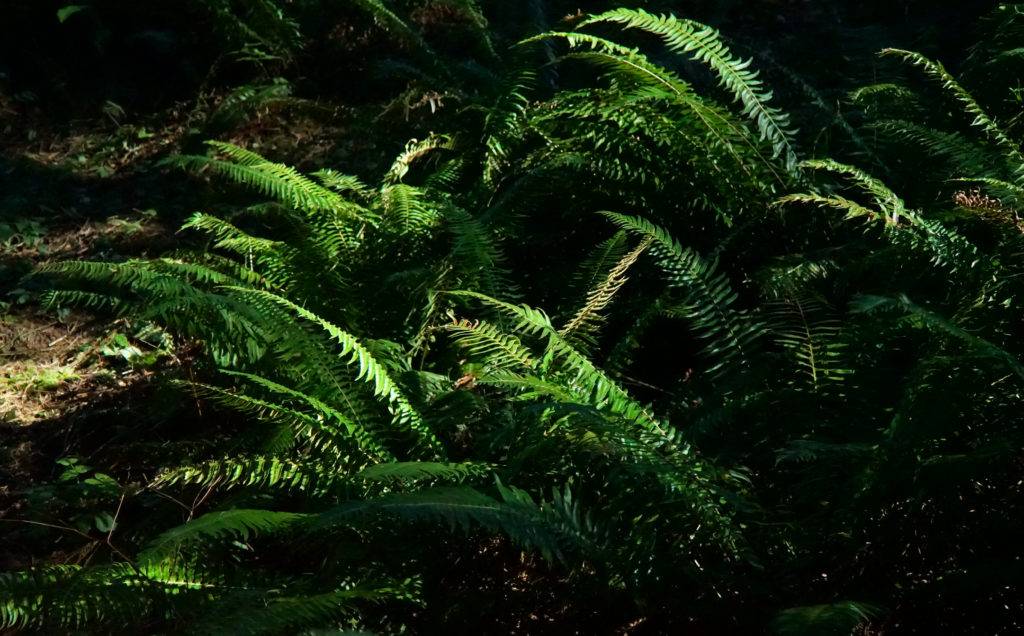
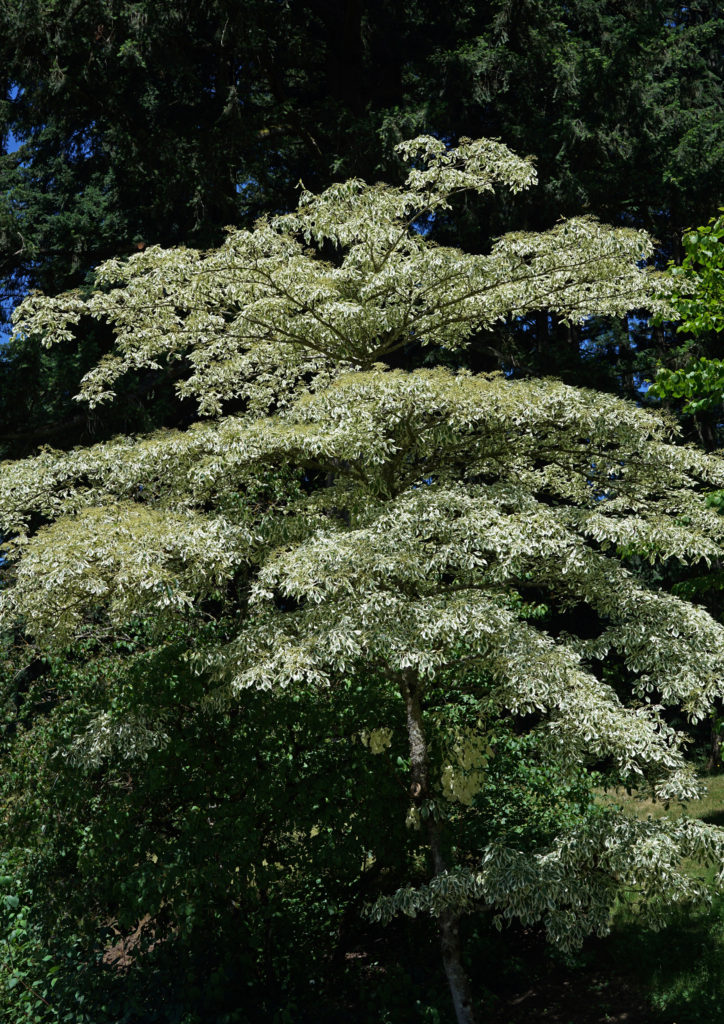 Originally posted April 8, 2020. Updated July 15, 2020 and May 5, 2022.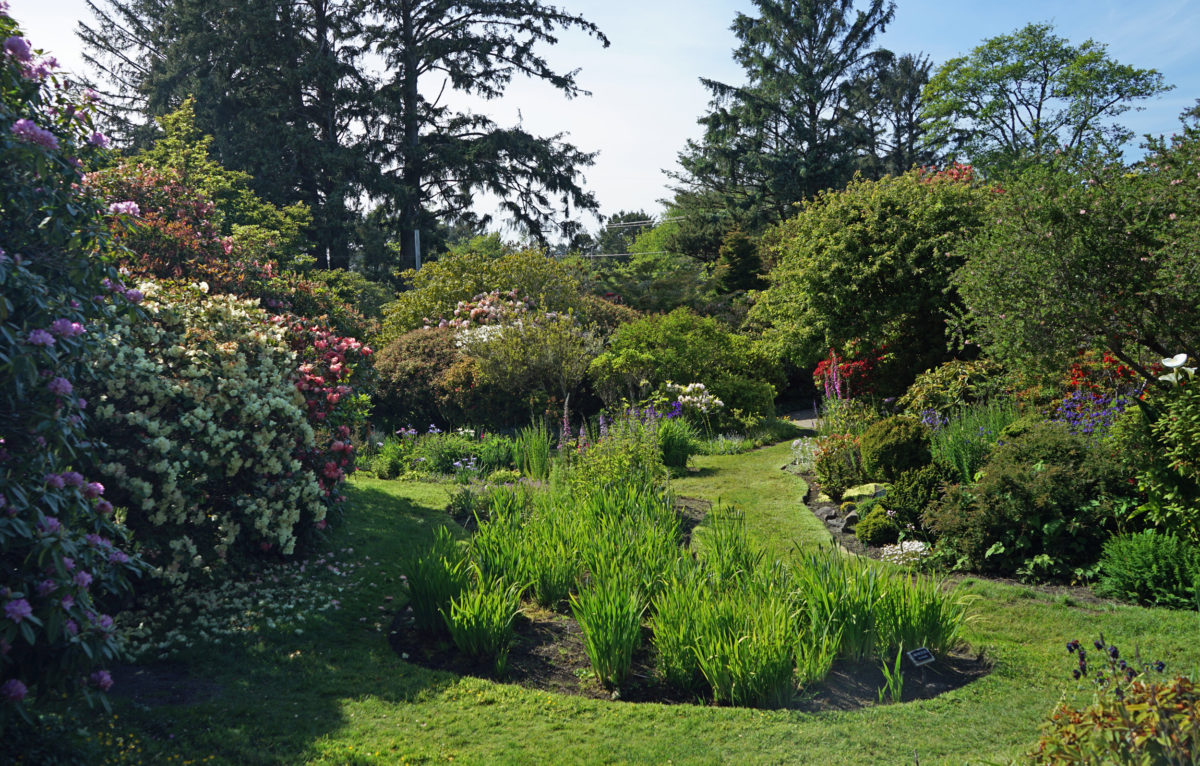
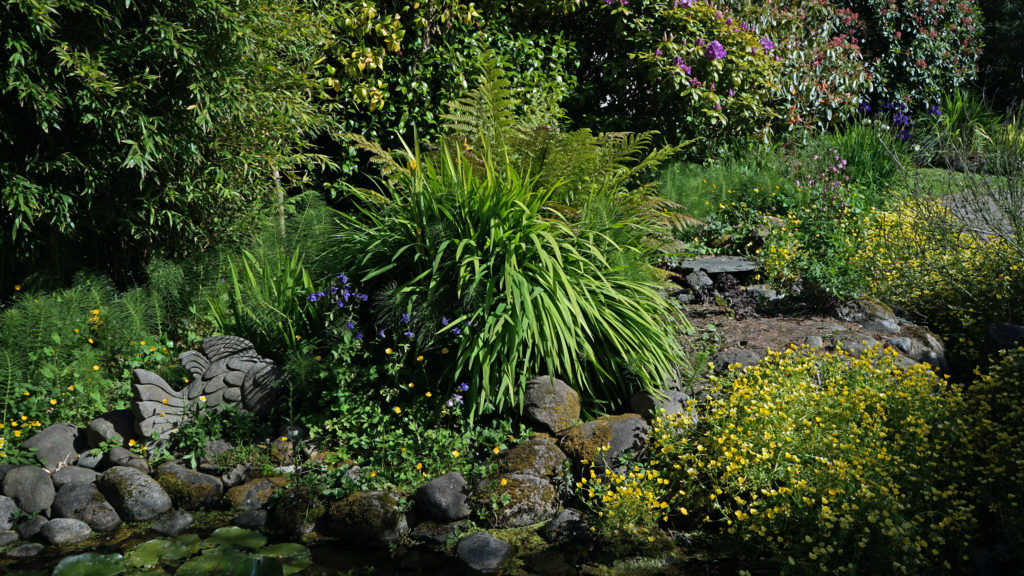 The Connie Hansen Garden in Lincoln City, Oregon is one of the smallest botanical gardens in the Northwest, at just 1¼ acres, but don’t let the size fool you, it’s also one of the best.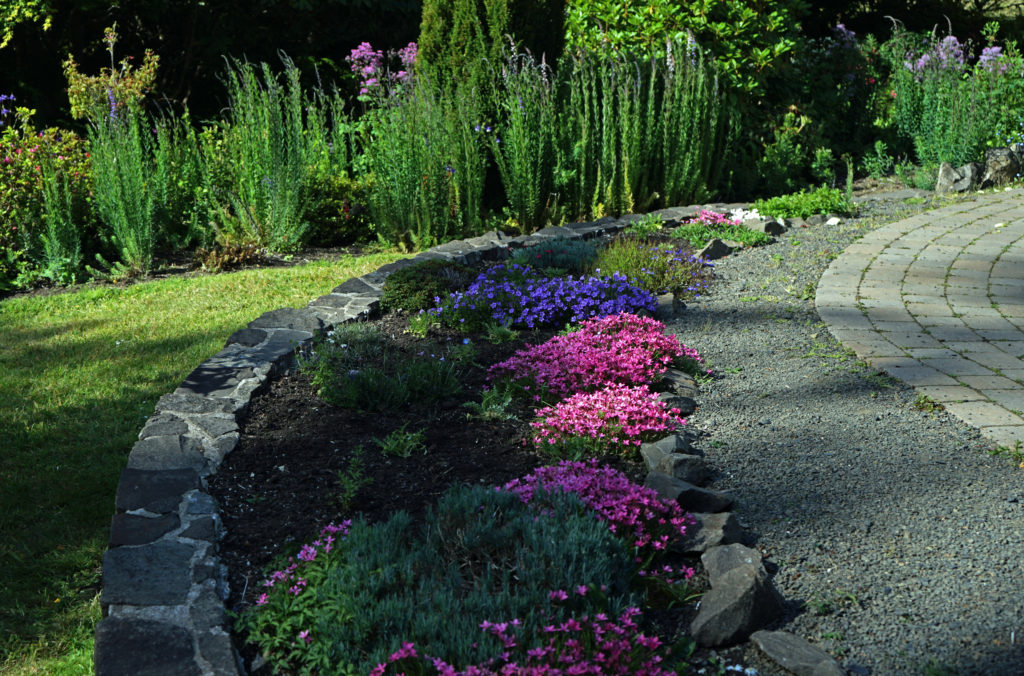
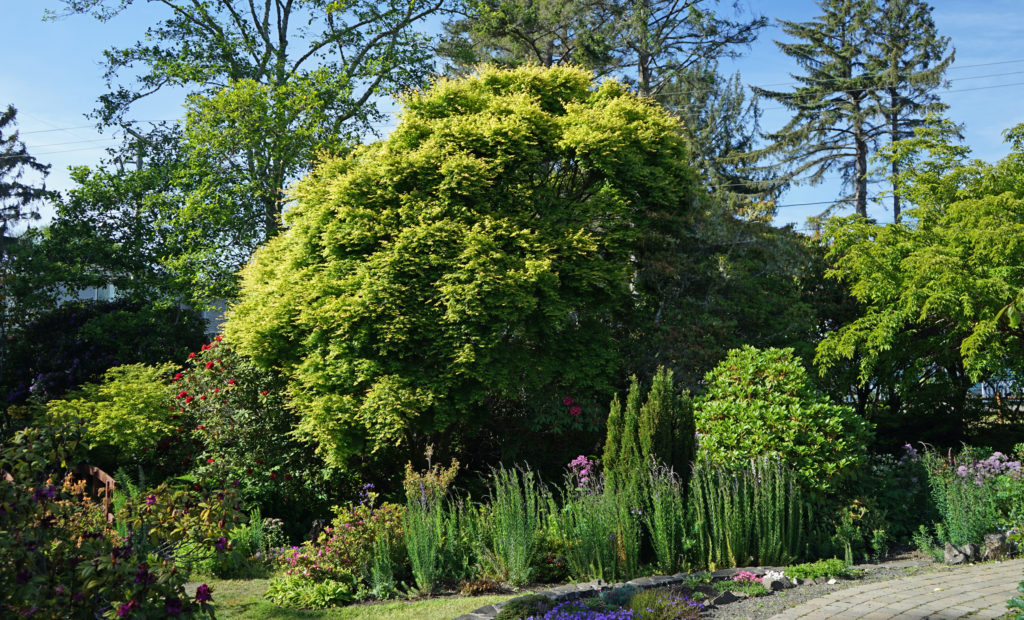 Connie Hansen grew up in Oregon, but moved to California to attend the University of California at Berkeley, where she earned a degree in botany. She moved back to Oregon late in her life, after her husband’s death and her retirement from the faculty of UC Berkeley.
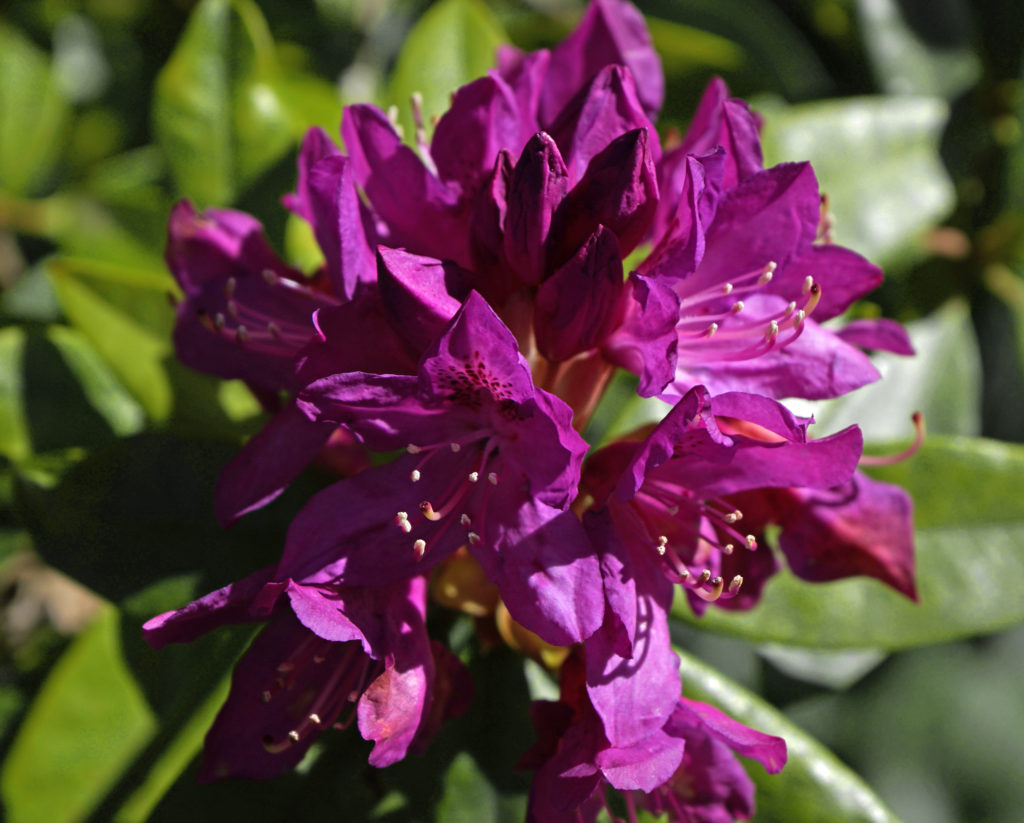 She began creating her garden in 1973 and she tended and continually expanded it for the next 20 years. After her death in 1993 a group of neighbors and local gardeners formed the
 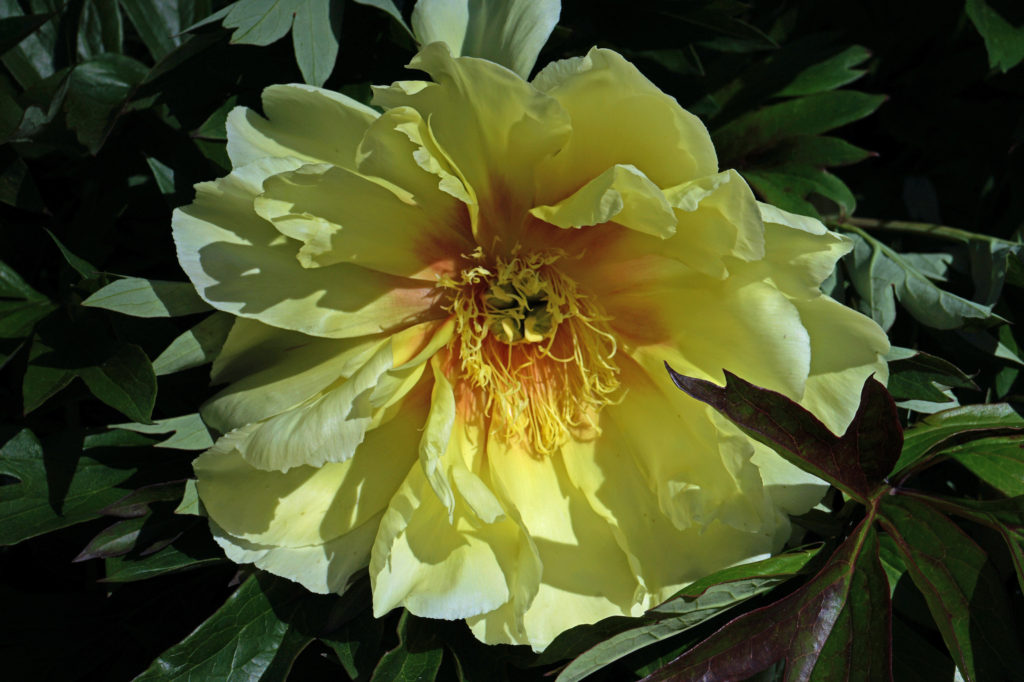 The garden is located at 1931 NW 33rd Street in Lincoln City. It is open daily from dawn to dusk. Admission is free, but donations are welcomed. The Garden House, Hansen’s former home, now houses a small gift shop where you can find gardening supplies, books, and souvenirs. There is also a small art gallery. It is open from 10:00 to 2:00 Tuesday and Friday through Sunday from March to mid-December.
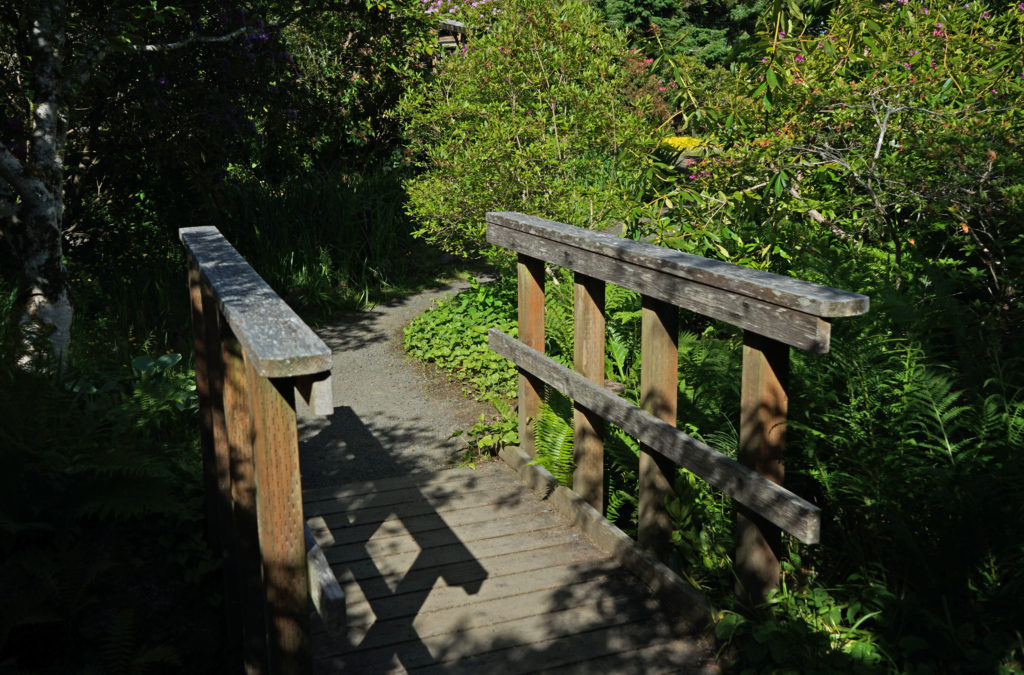 The Conservancy conducts spring, summer, and fall plant sales, and there are usually plants for sale at other times as well. Garden memberships are available through the conservancy website for those that want to support the garden.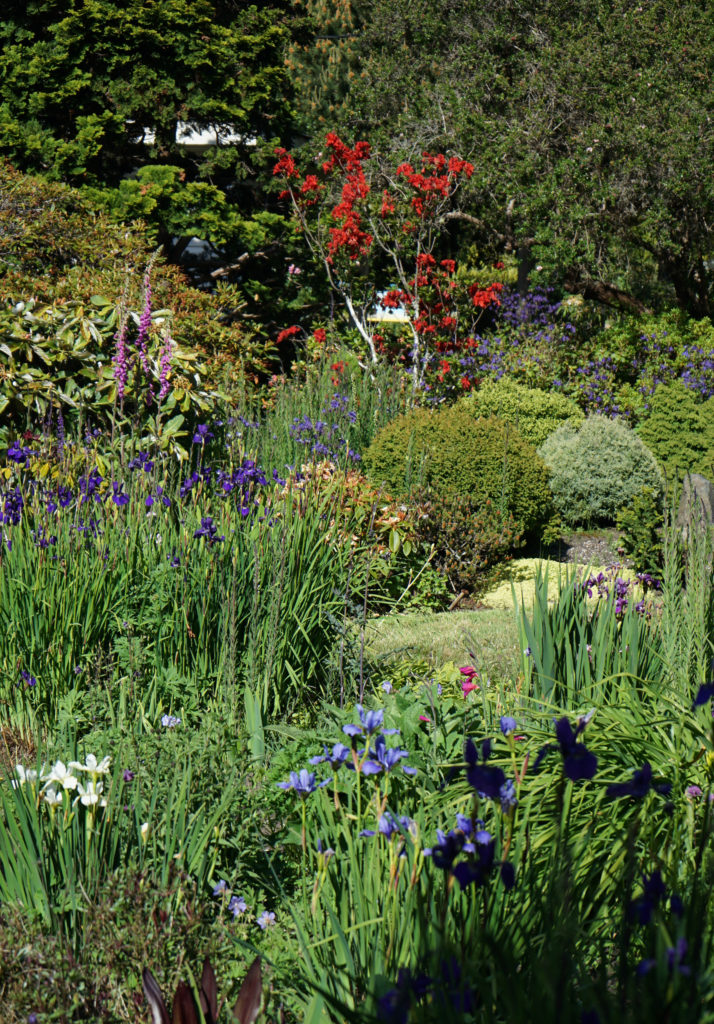
 Originally posted June 17, 2021. Updated and re-posted April 27, 2022.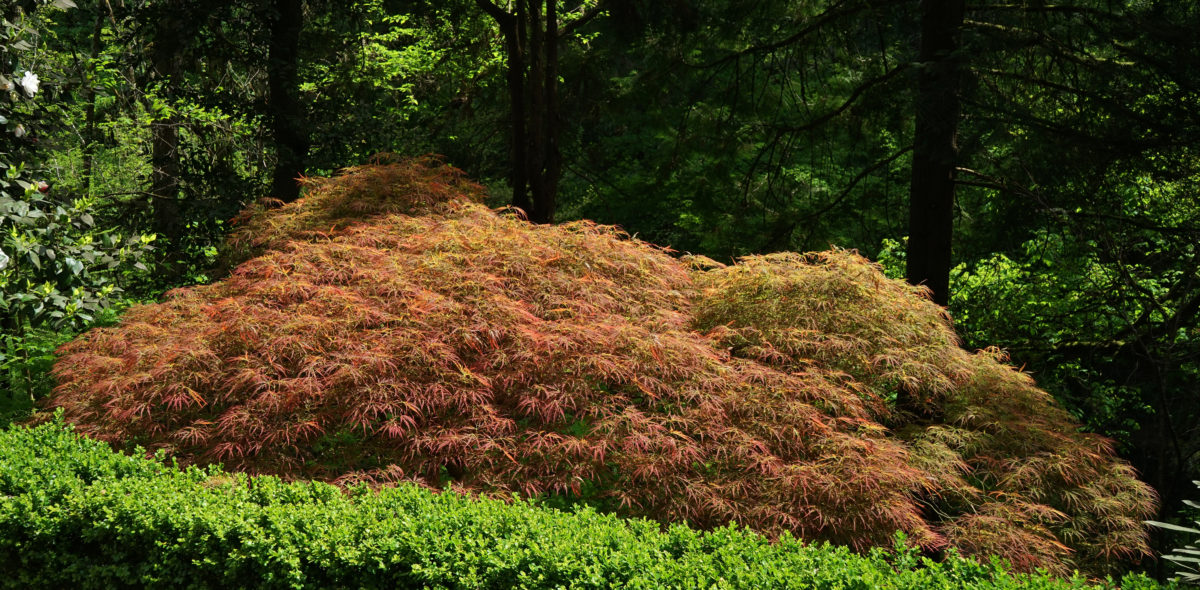
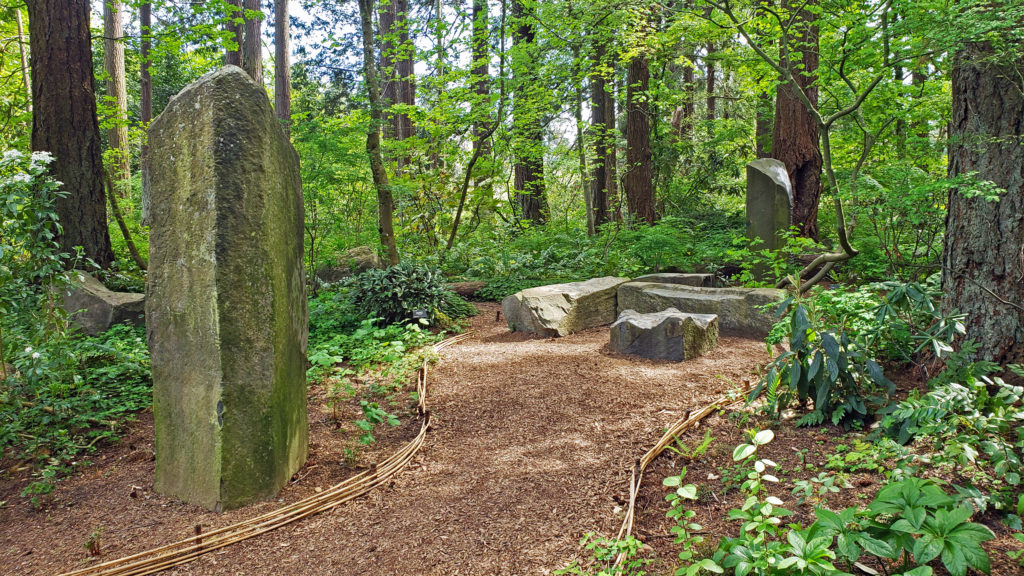
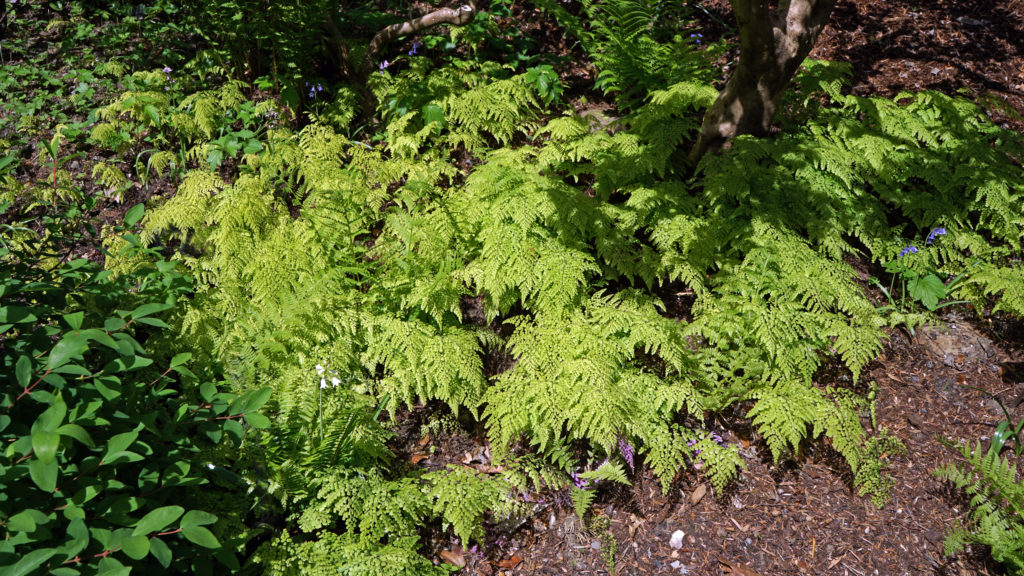 Both the Stone Cabin and the Manor House still stand. The Manor House now houses the garden’s gift shop and is a popular wedding venue and event space. (The part of the garden south of Johnson Creek, including the Stone Cabin, is currently closed to the public).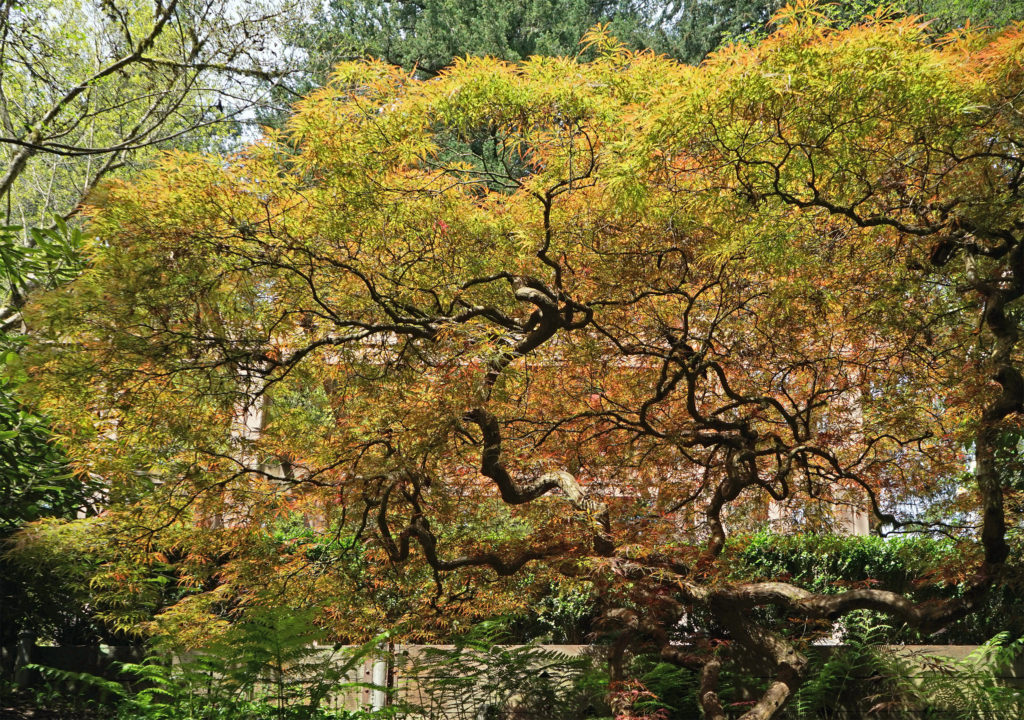
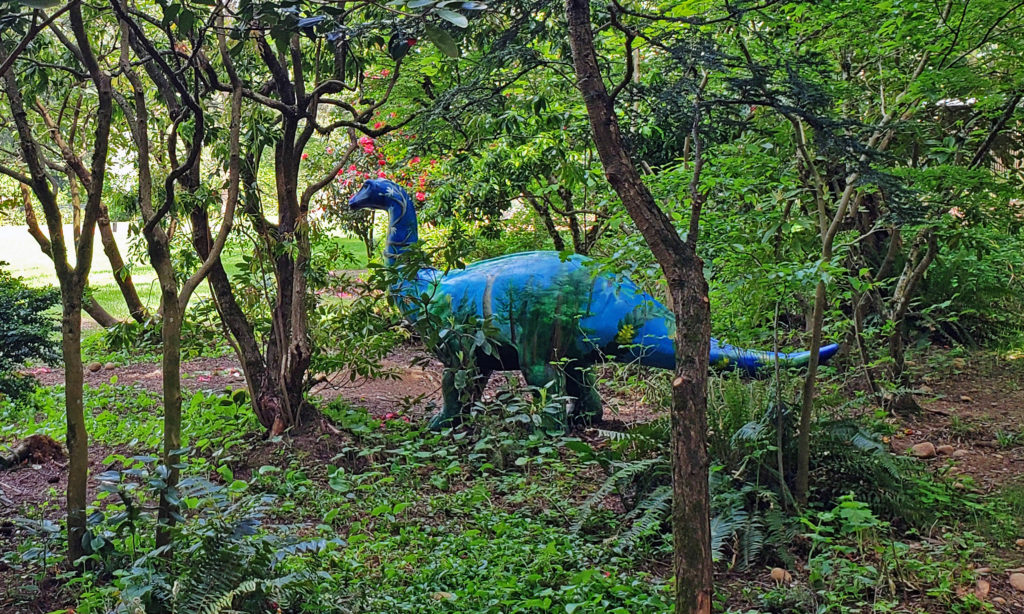 Lilla Leach was an amateur botanist and discovered five plants previously unknown to science. One, Kalmiopsis leachiana, is named after her, and the southwest Oregon wilderness where she discovered it is now known as the Kalmiopsis Wilderness. Over the years she planted many native plant species, some of them rare, on the estate they called Sleepy Hollow.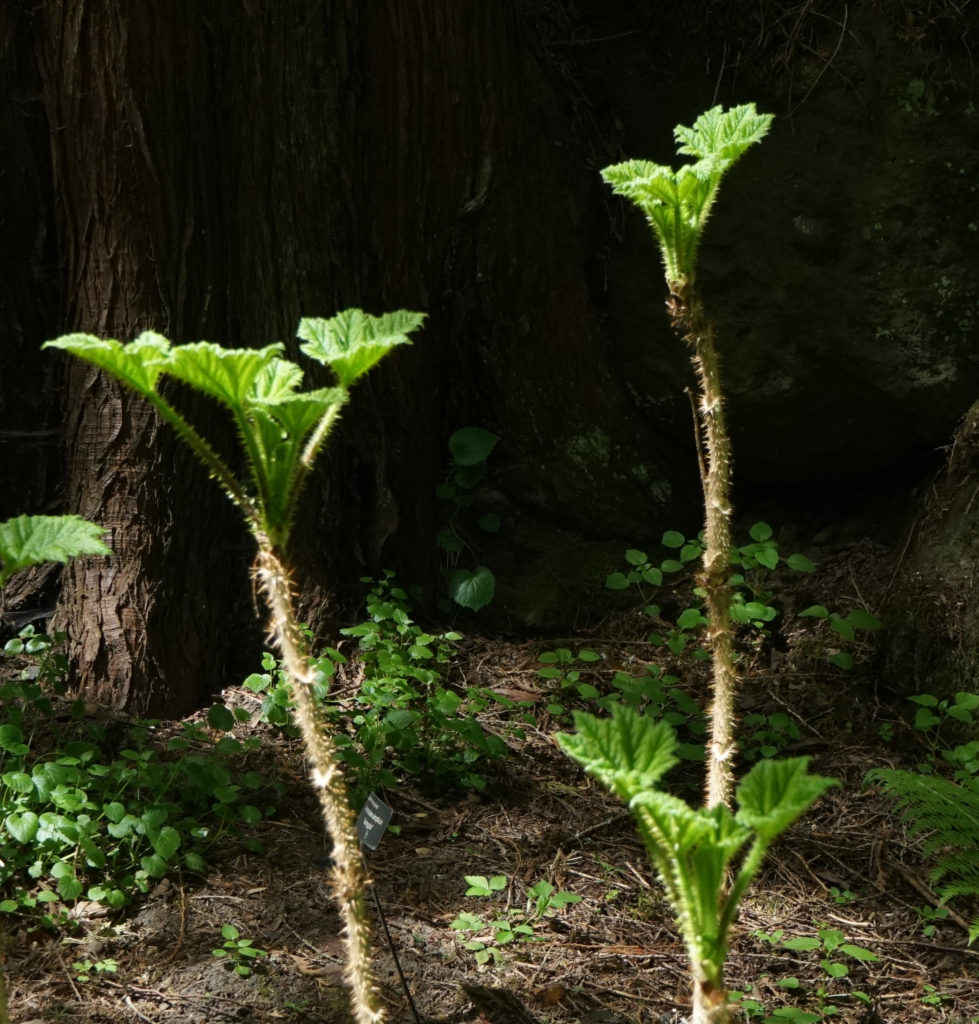
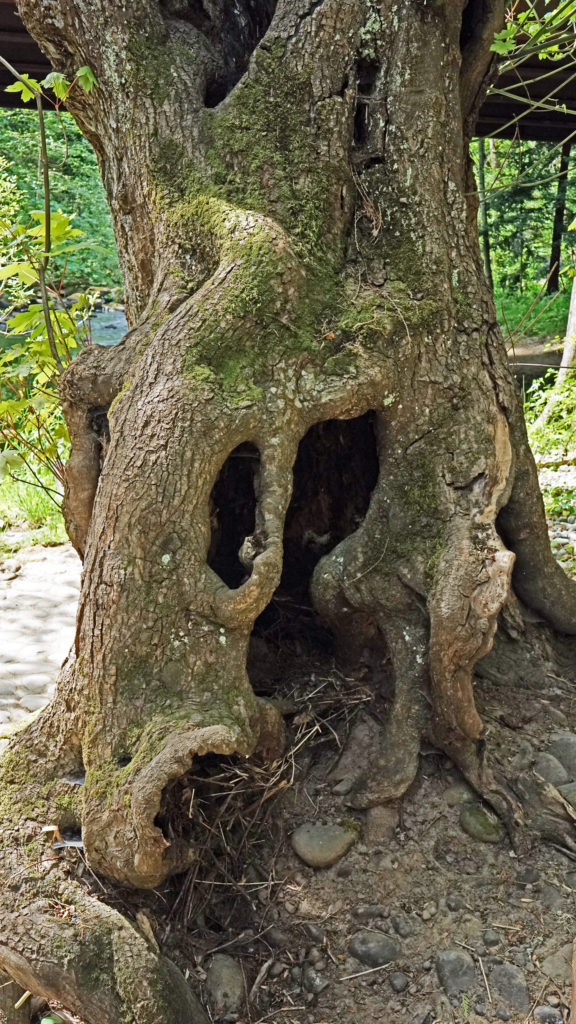
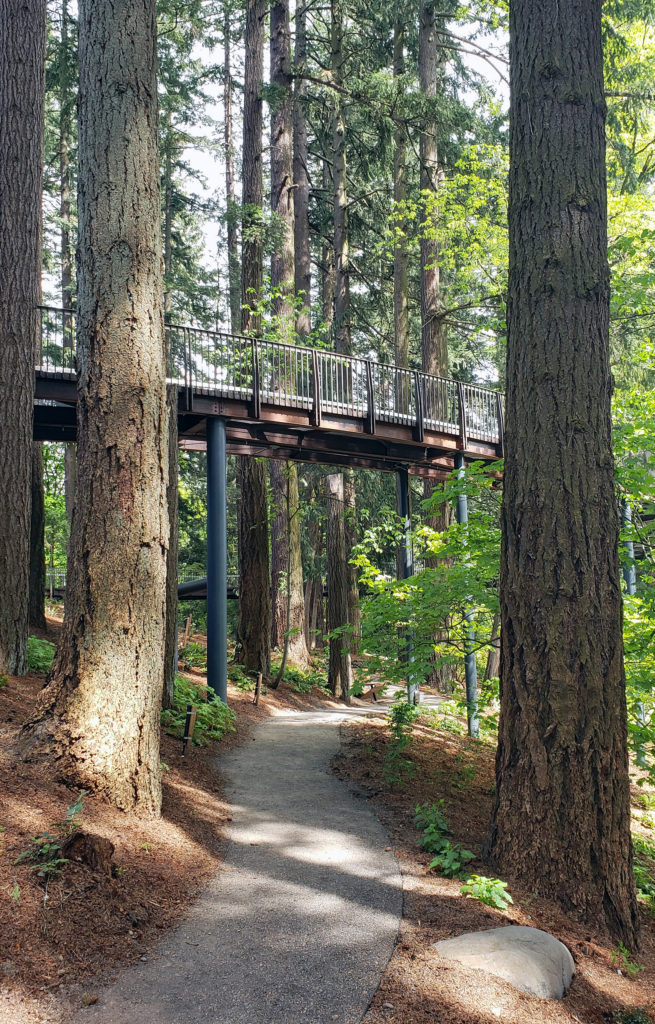
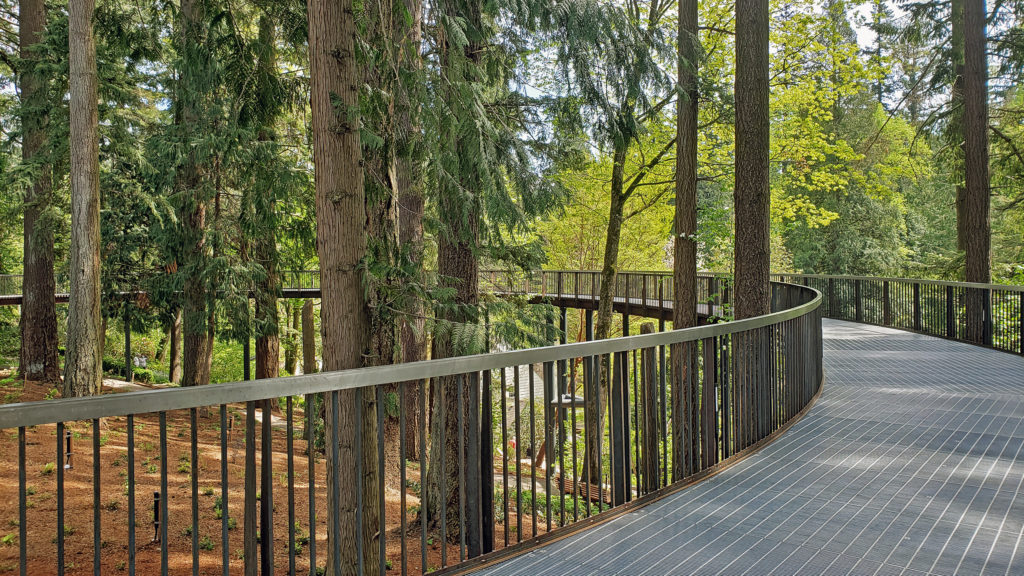
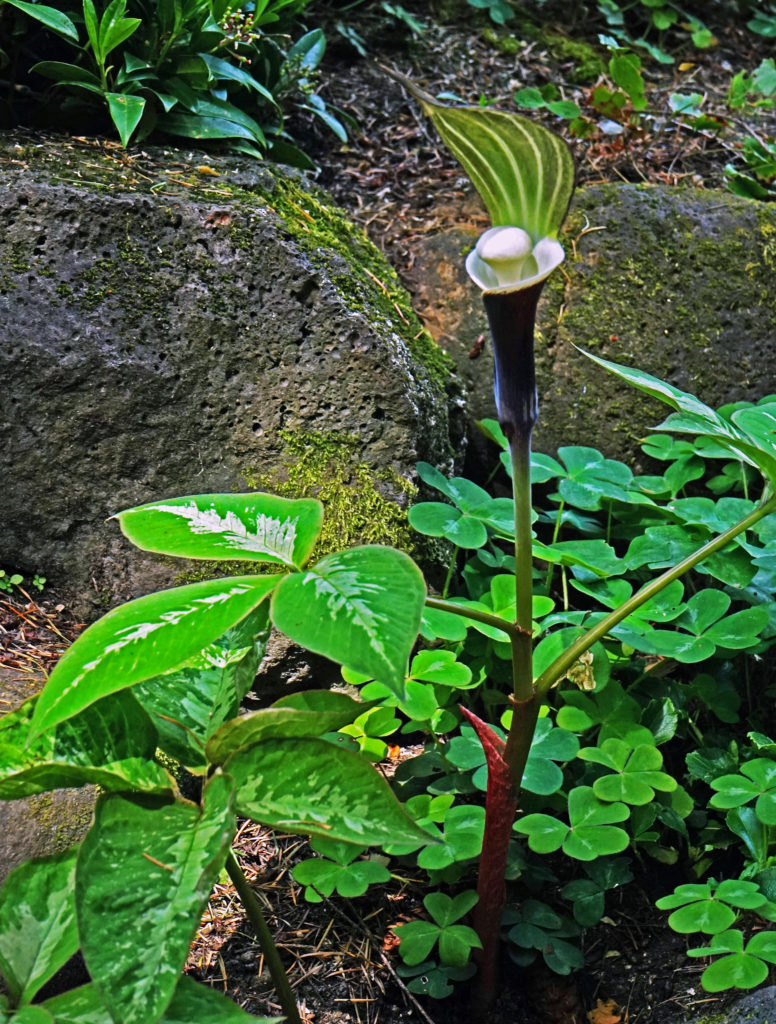
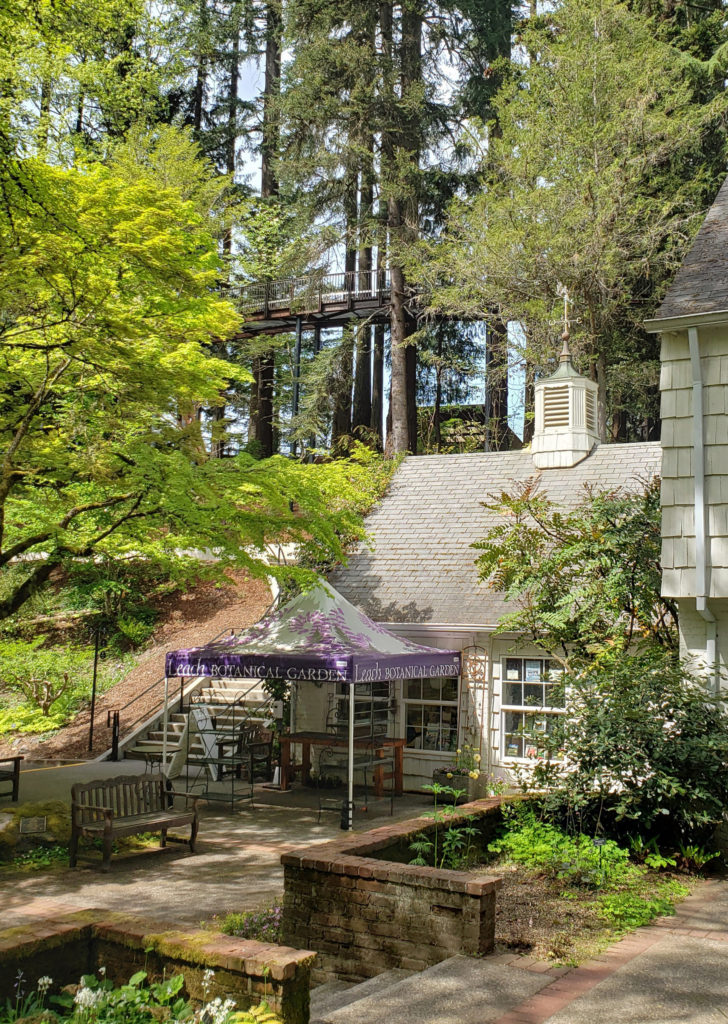
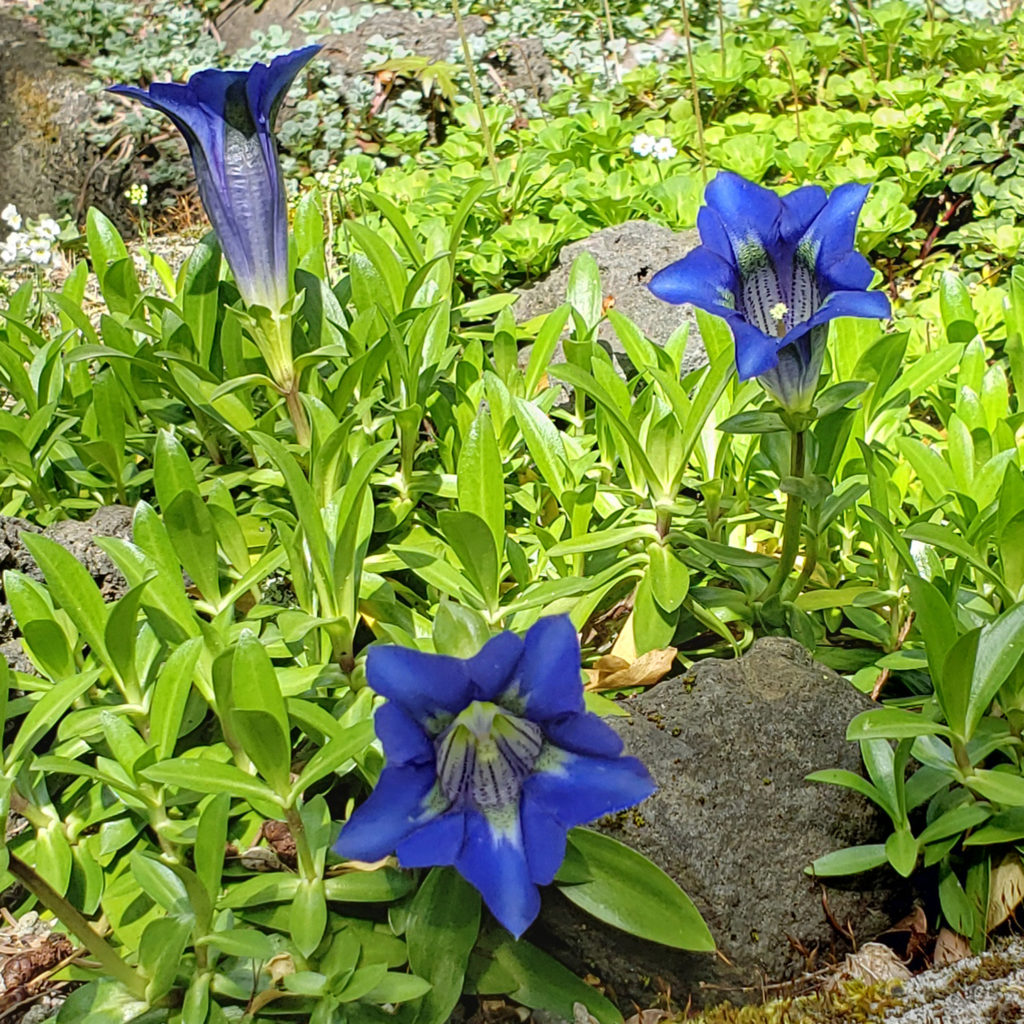 There is currently no admission charge, but donations are encouraged and go to support operation of the garden and the garden’s educational programs. You can also register for a garden tour on the website, which is currently the only way to visit the Stone Cabin and the historic Outdoor Kitchen on the south side of Johnson Creek..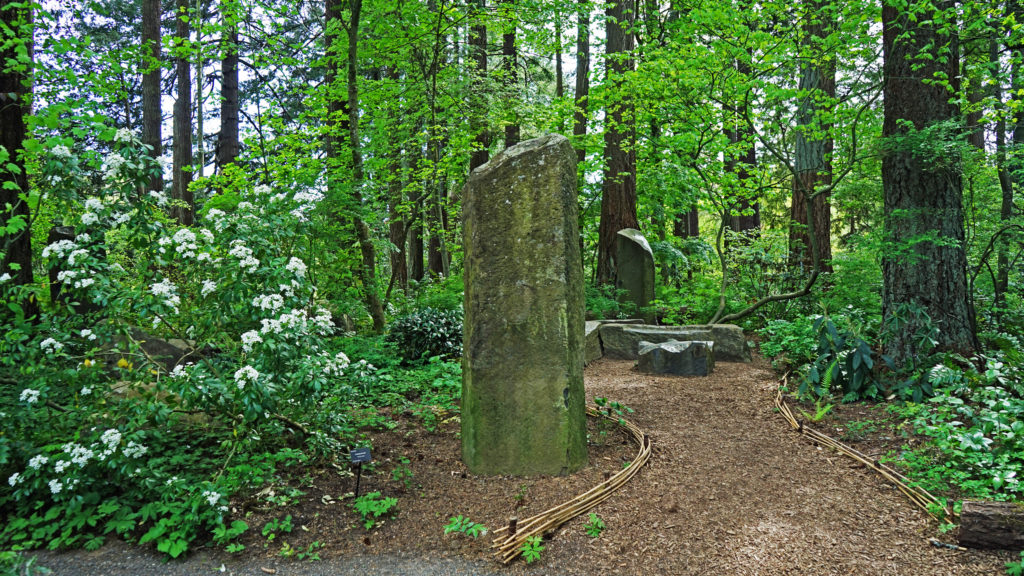
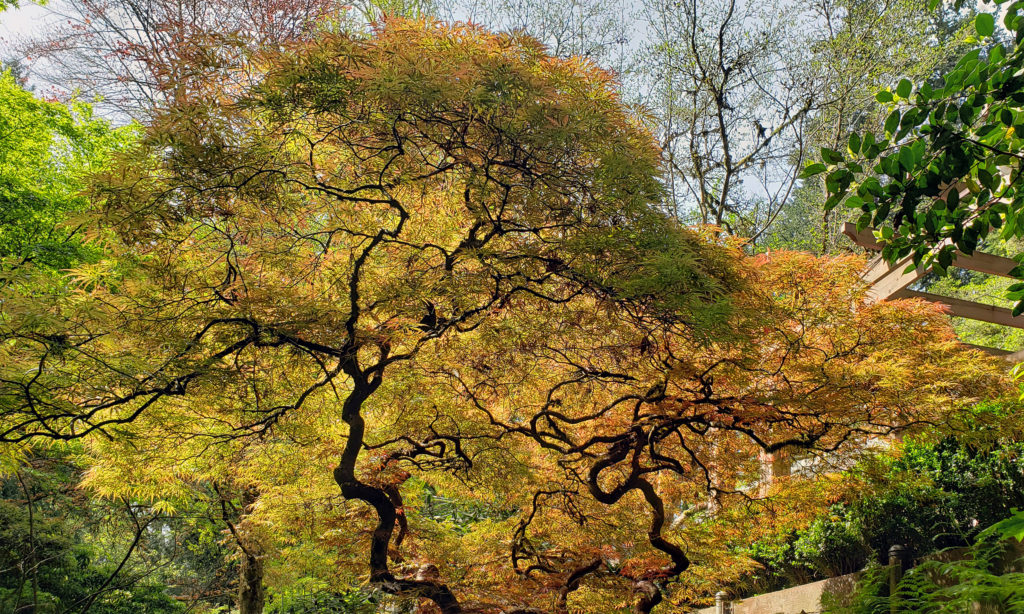
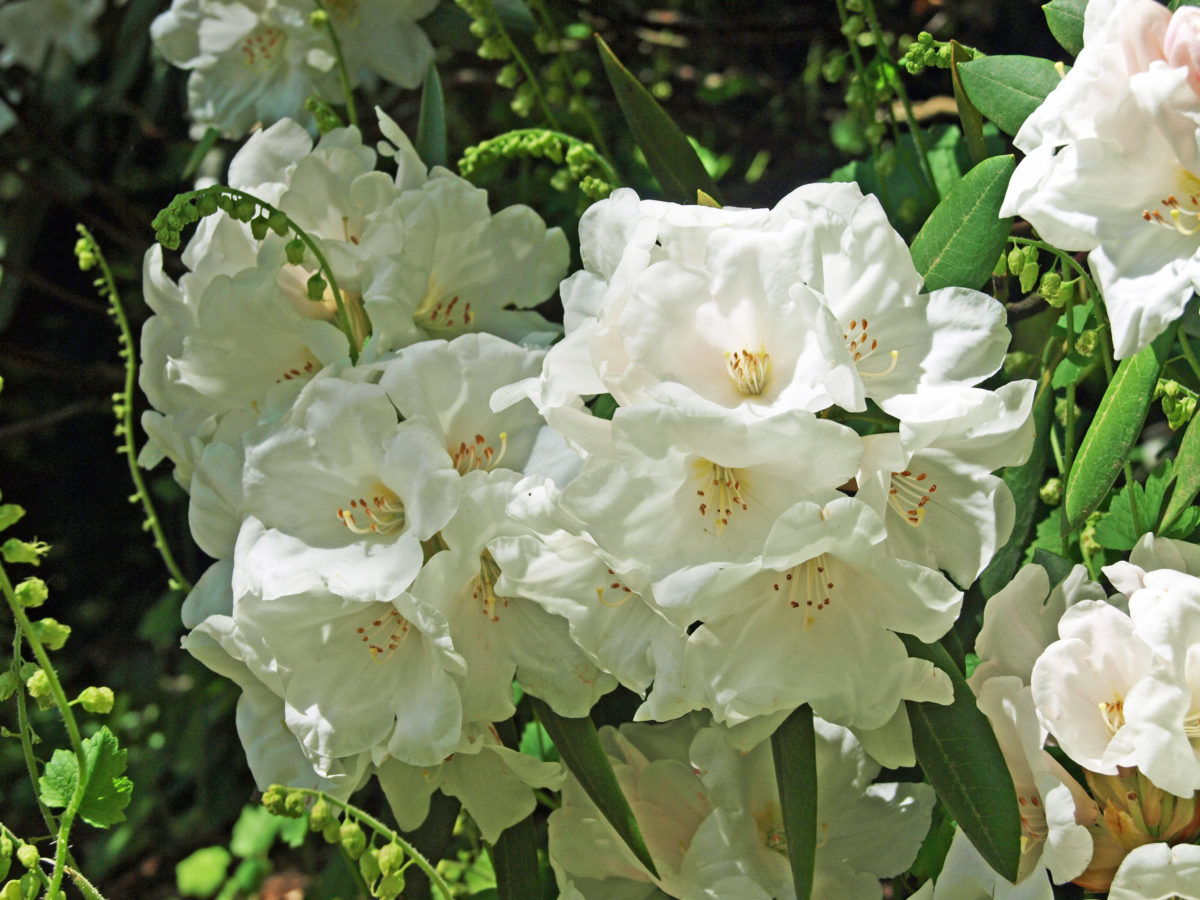
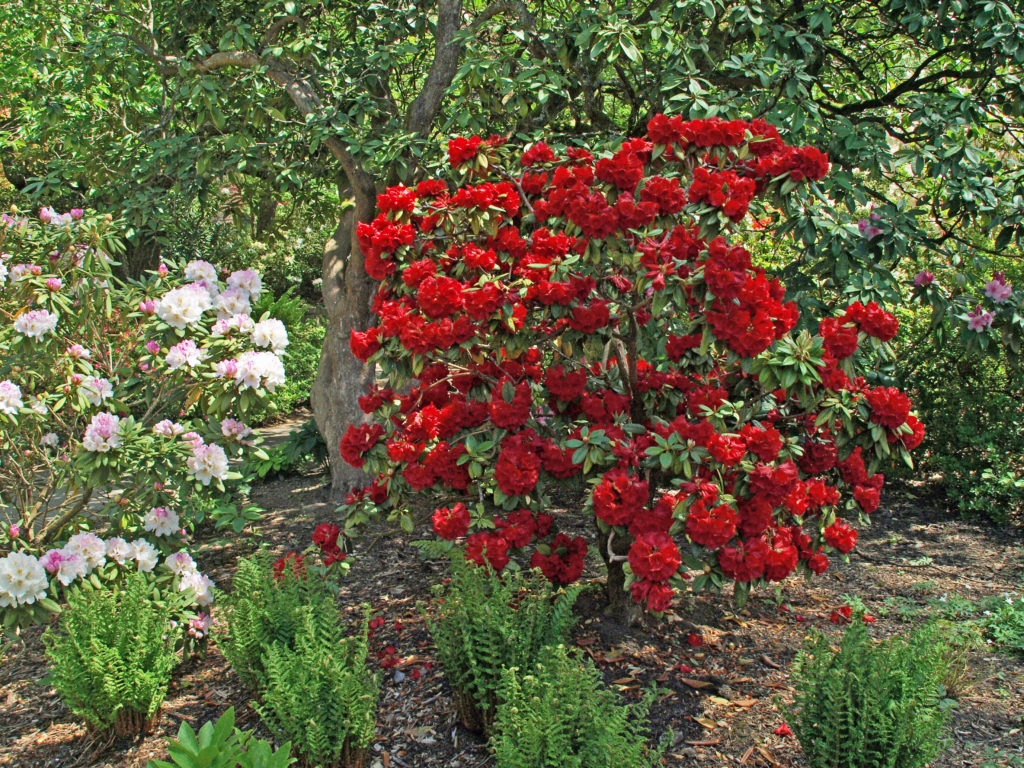
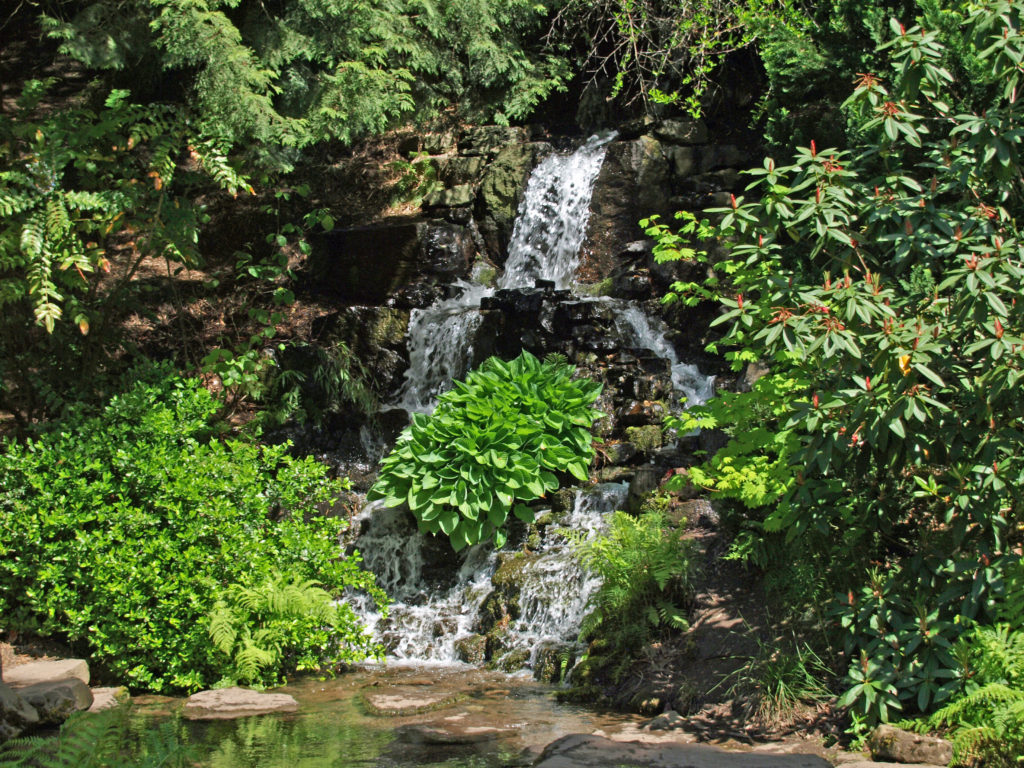
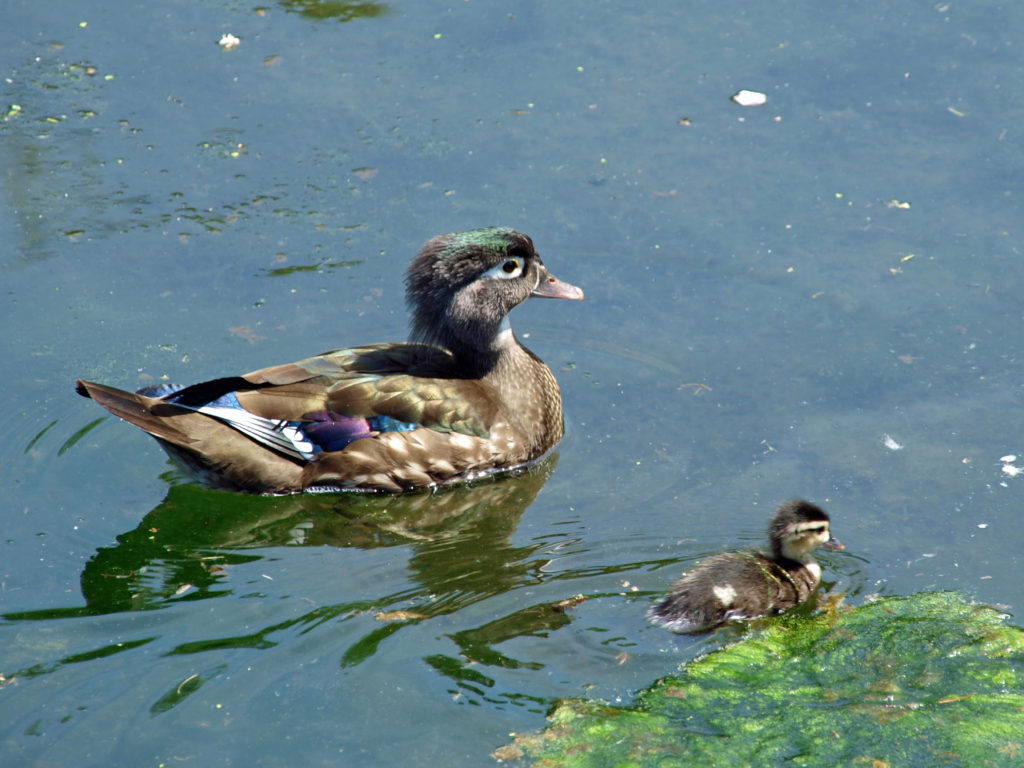
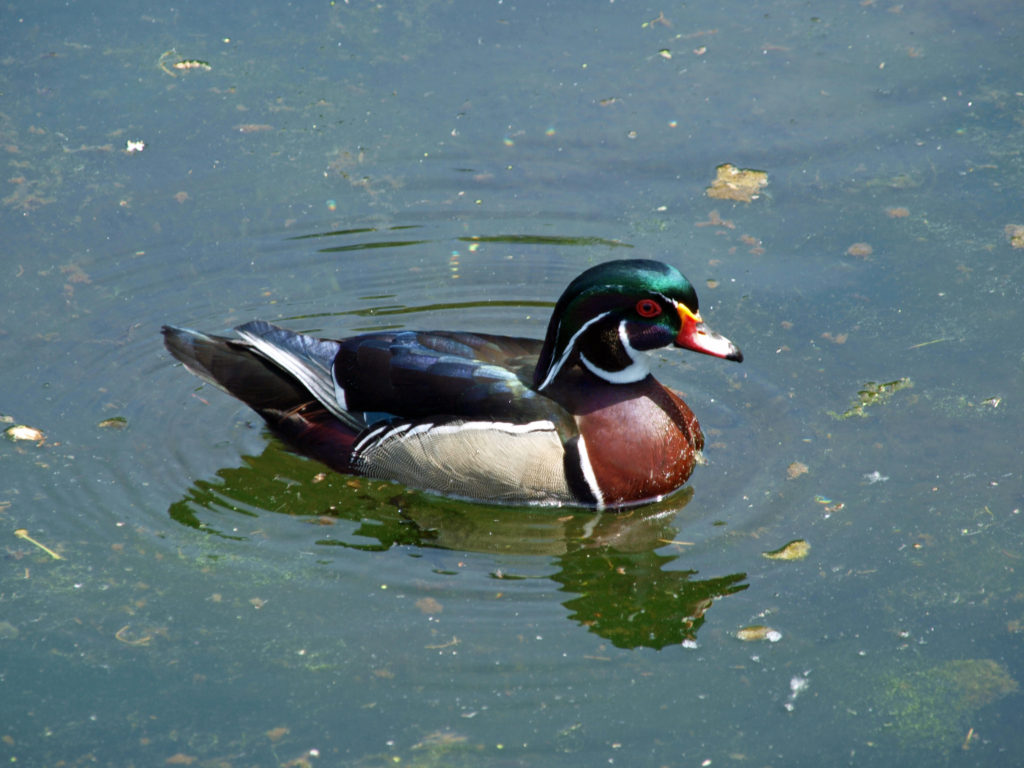
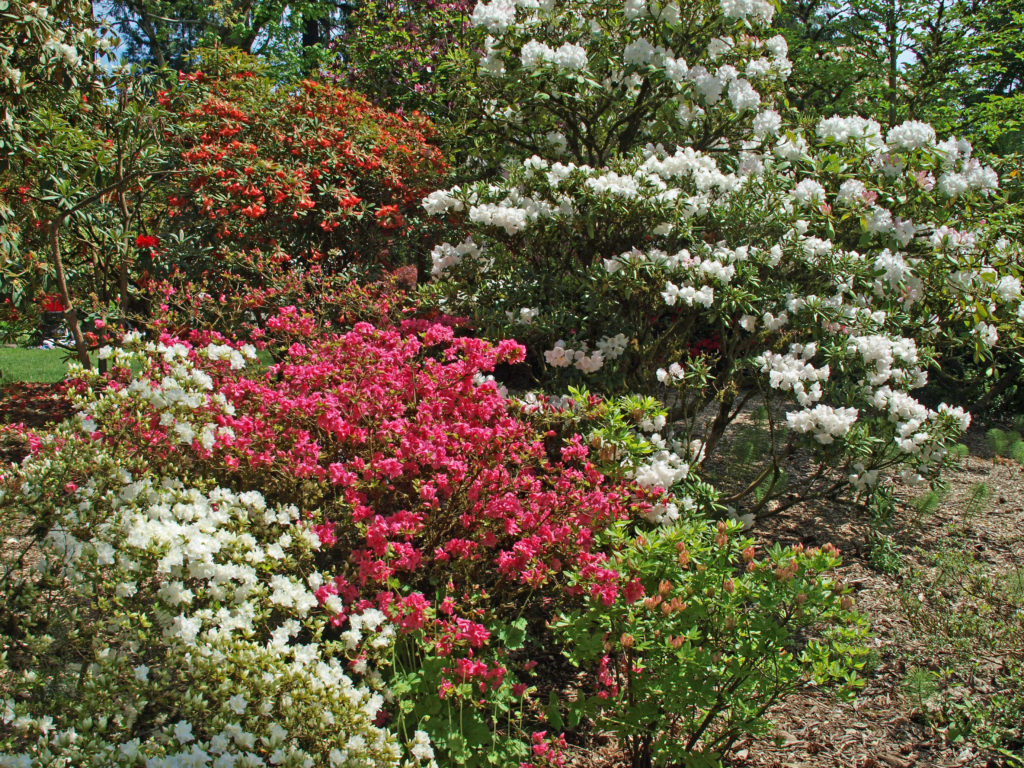
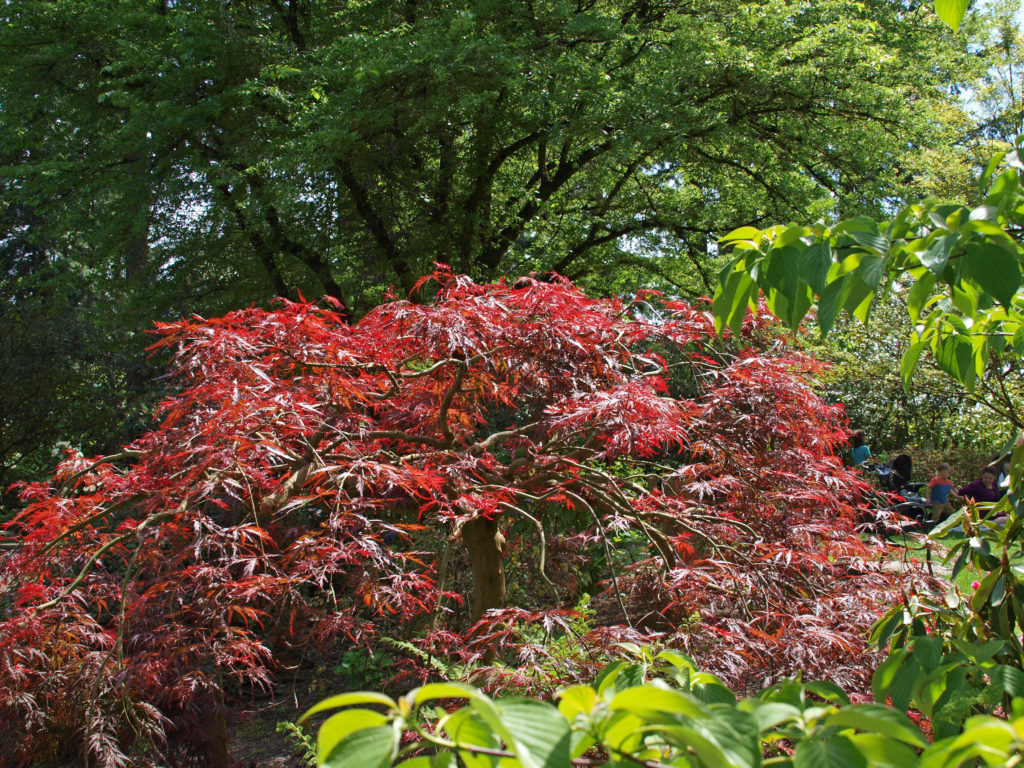
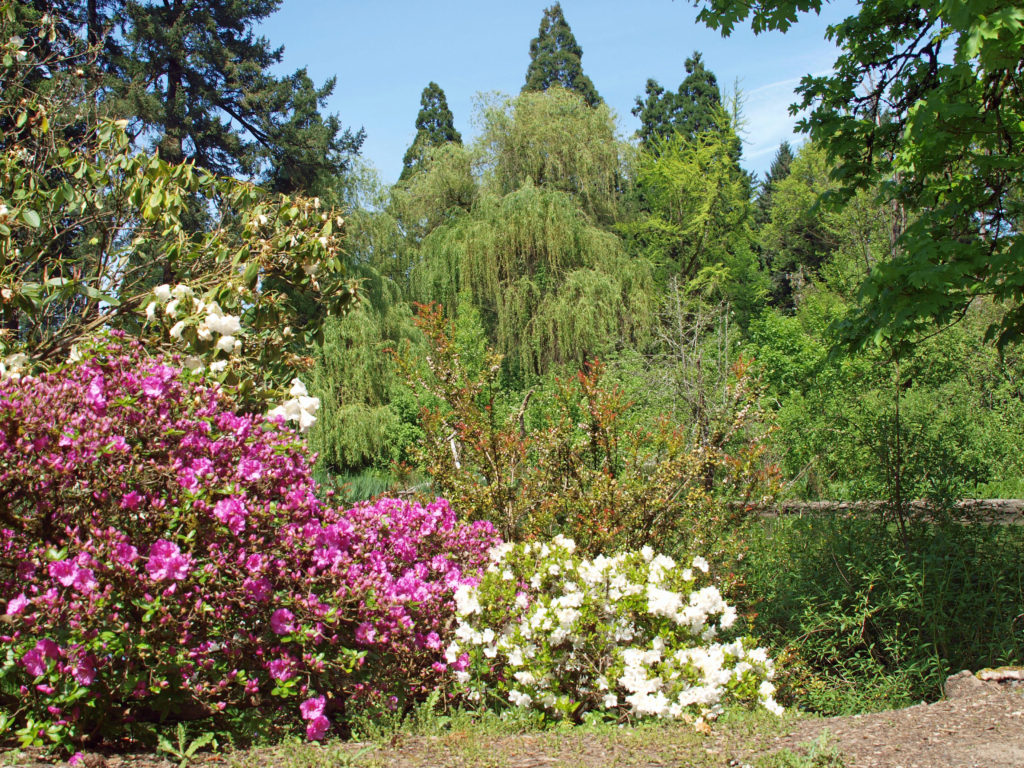
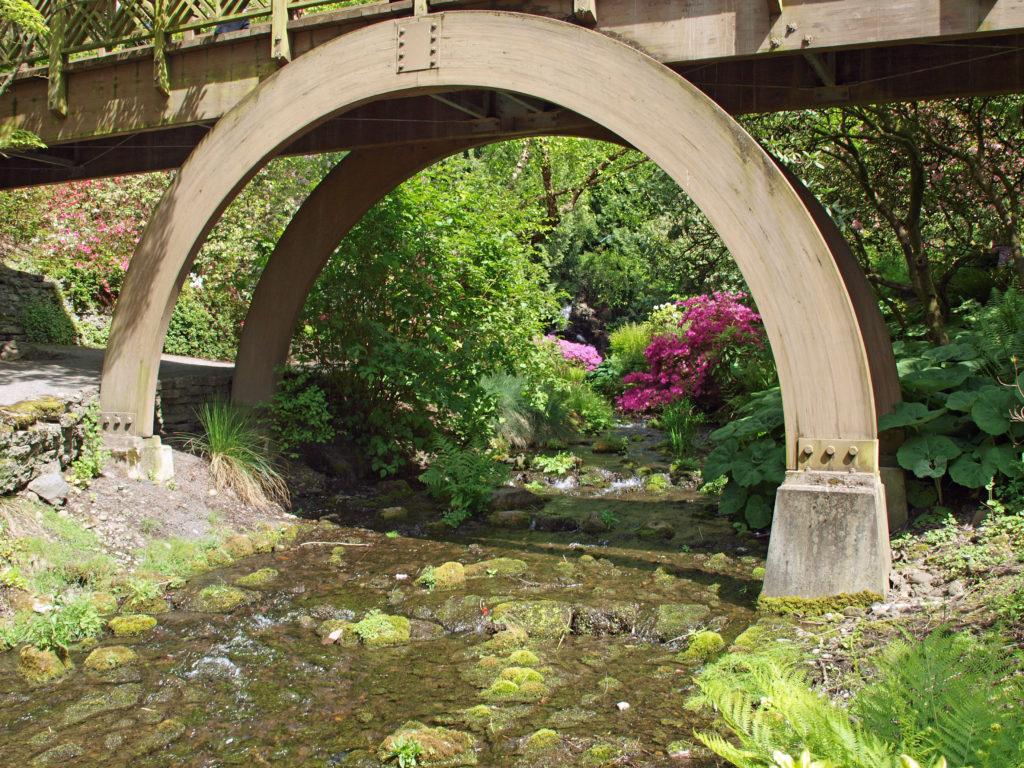
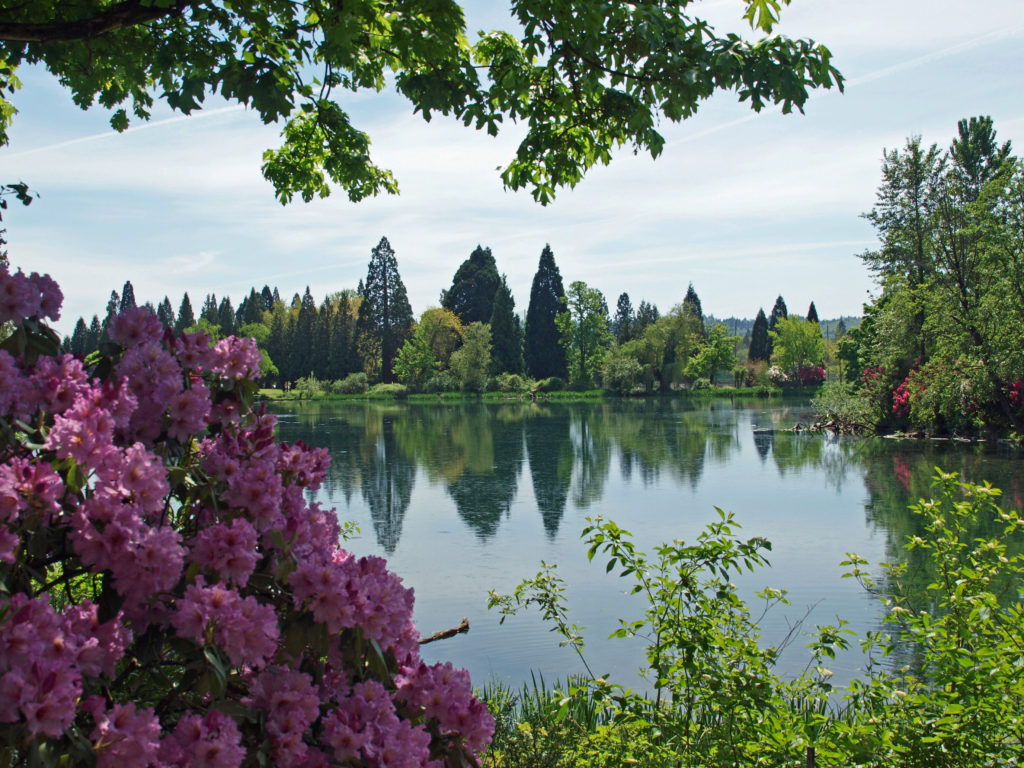
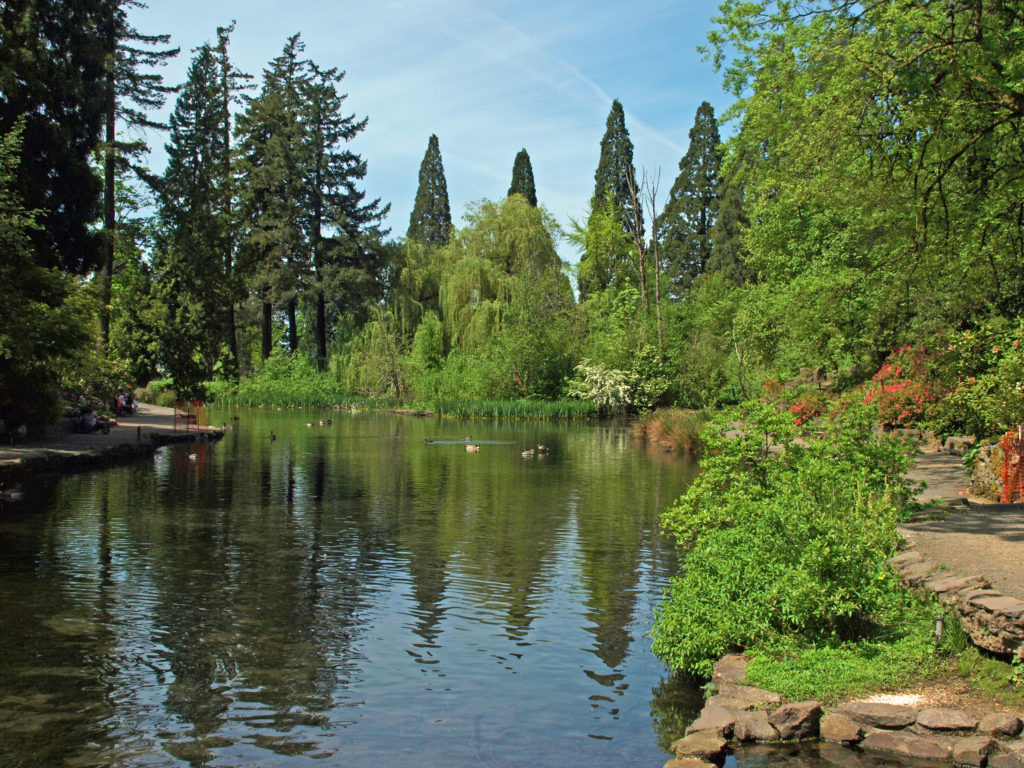
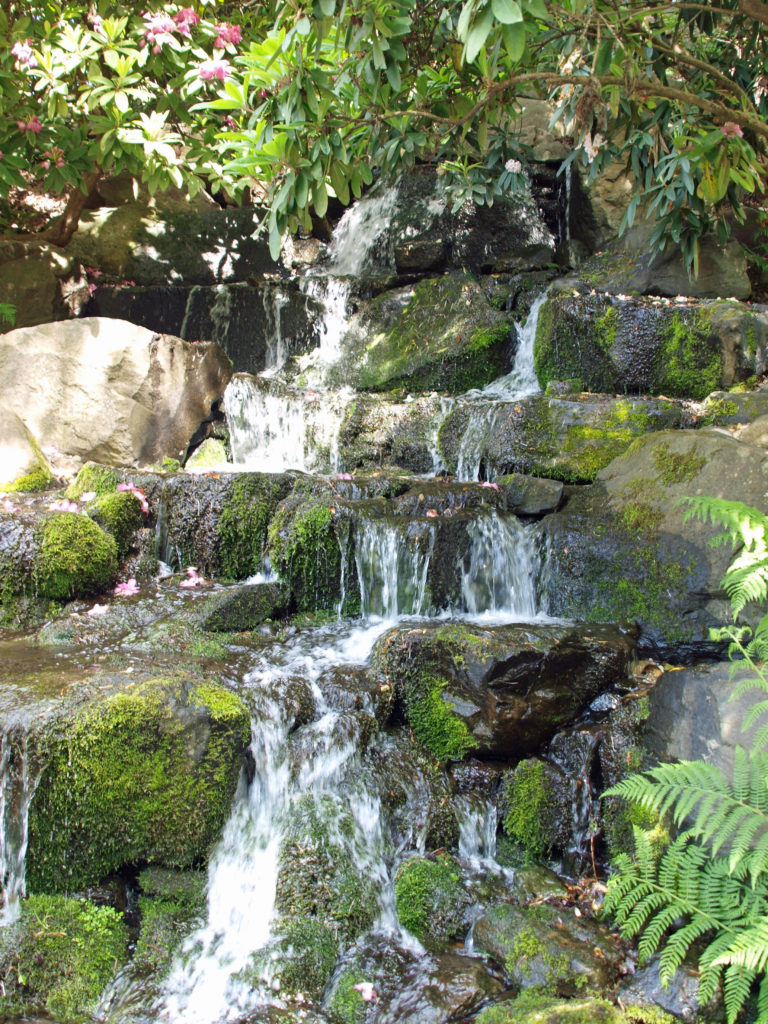
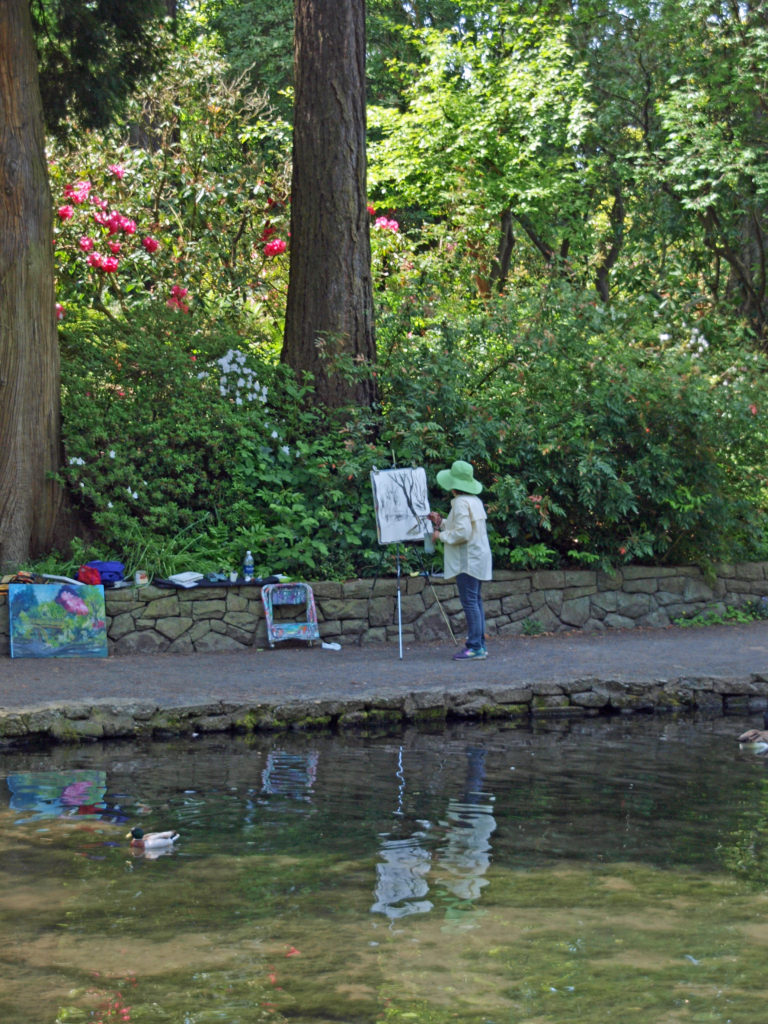 The garden is located at 5801 SE 28th Avenue. The small parking lot fills up early in spring and summer, and there is no on street parking on 28th or other nearby streets, so come early if you’re coming by car (and do not park in the Reed College lot across the street from the garden). Or take the bus (Tri-Met bus #19 Woodstock).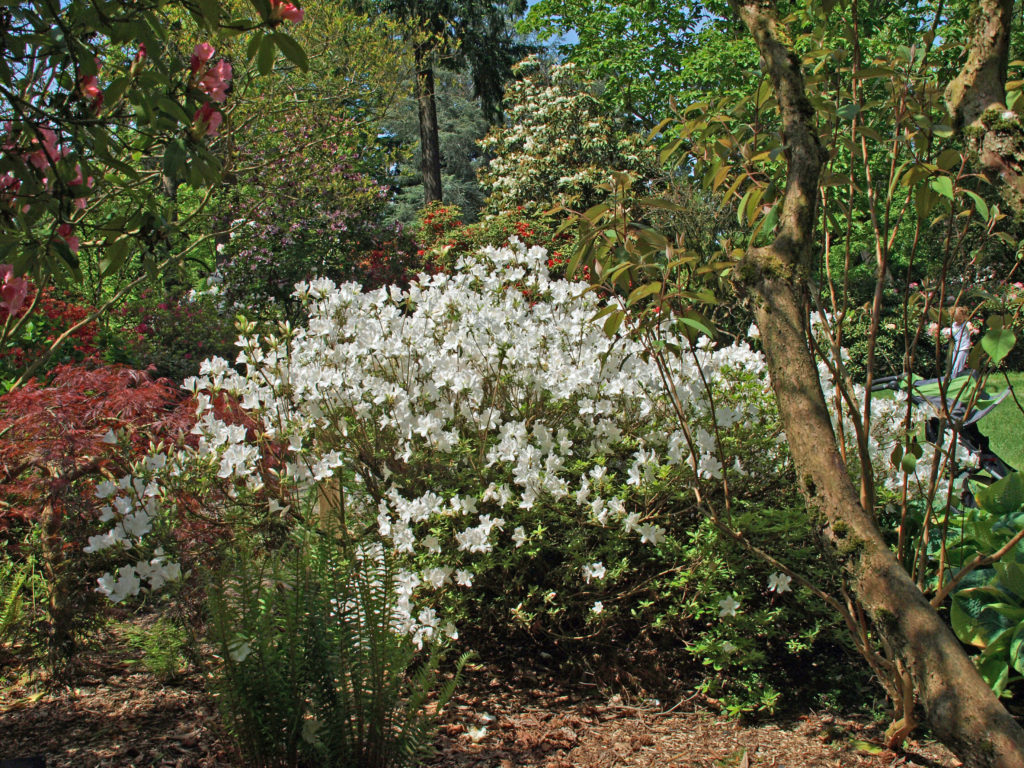
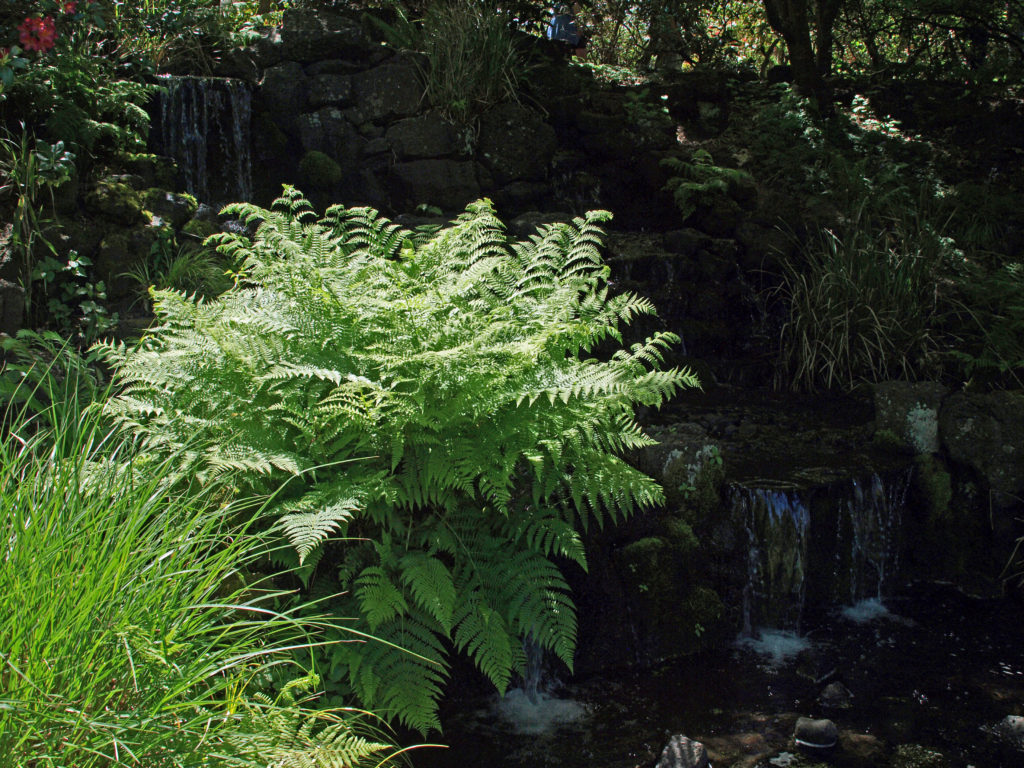 Whether you are a garden lover, birder, photographer, artist, or just looking for a beautiful place to spend some time in, Crystal Springs is a place you’ll love. For my money, only the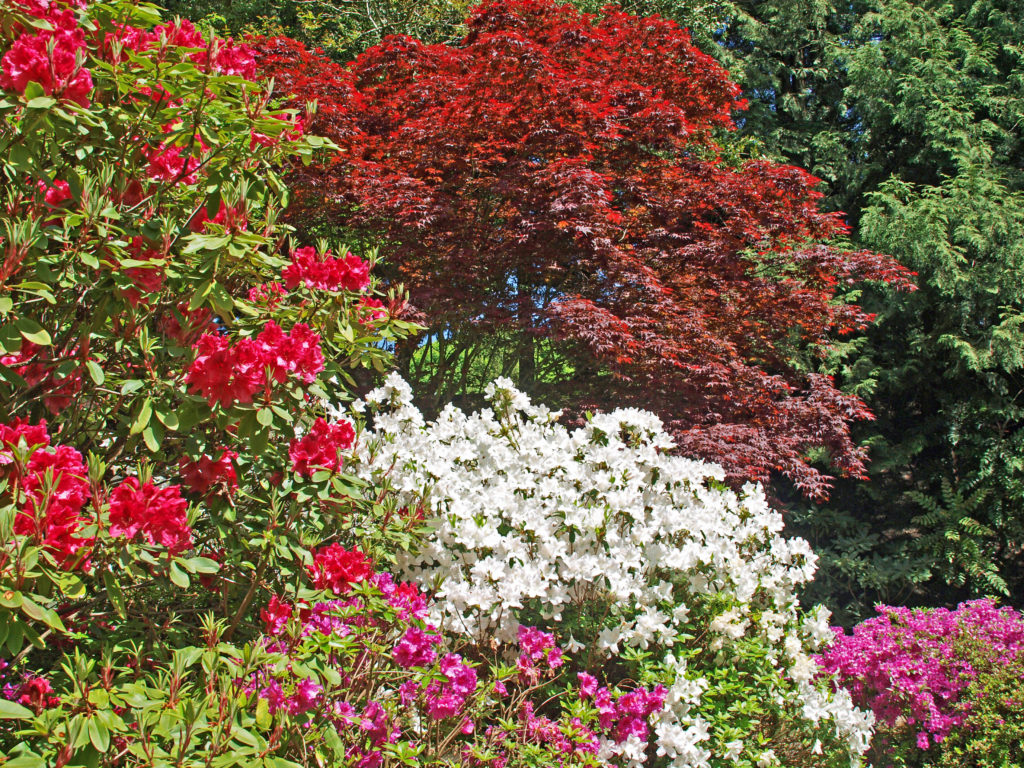
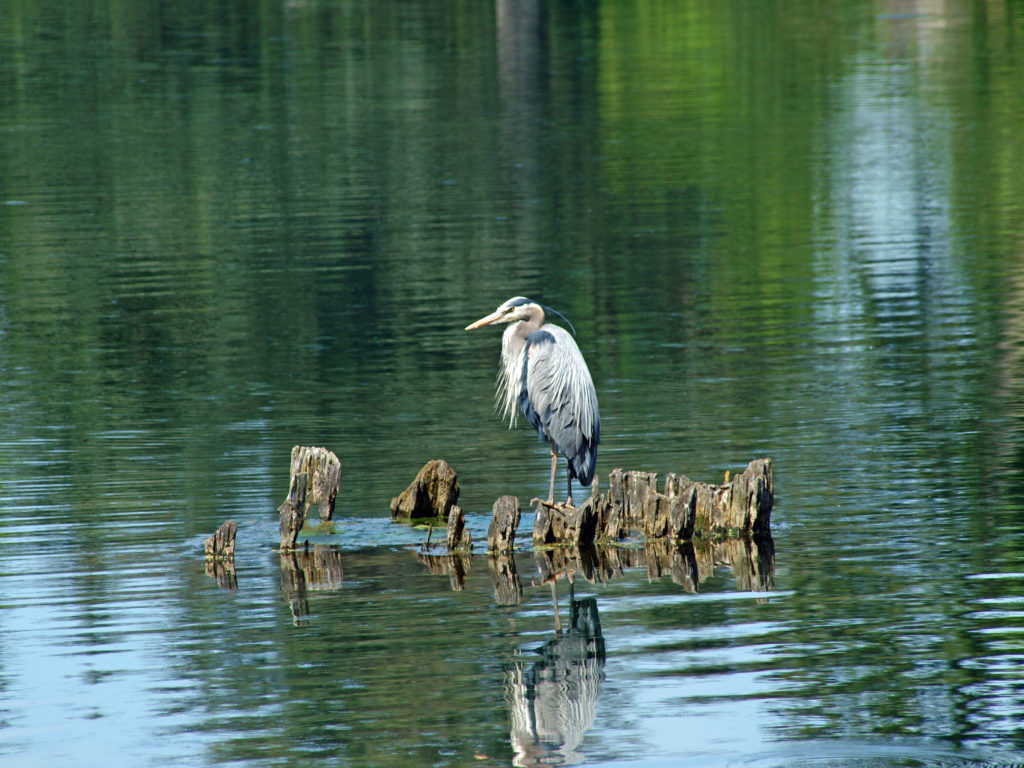
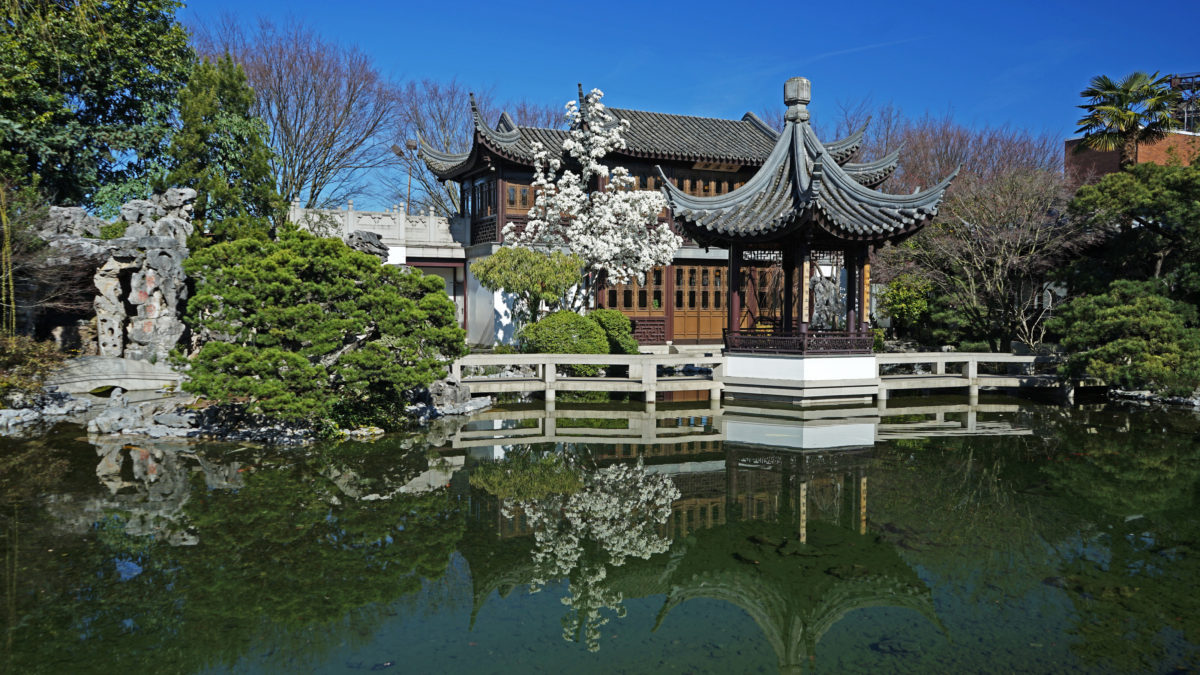
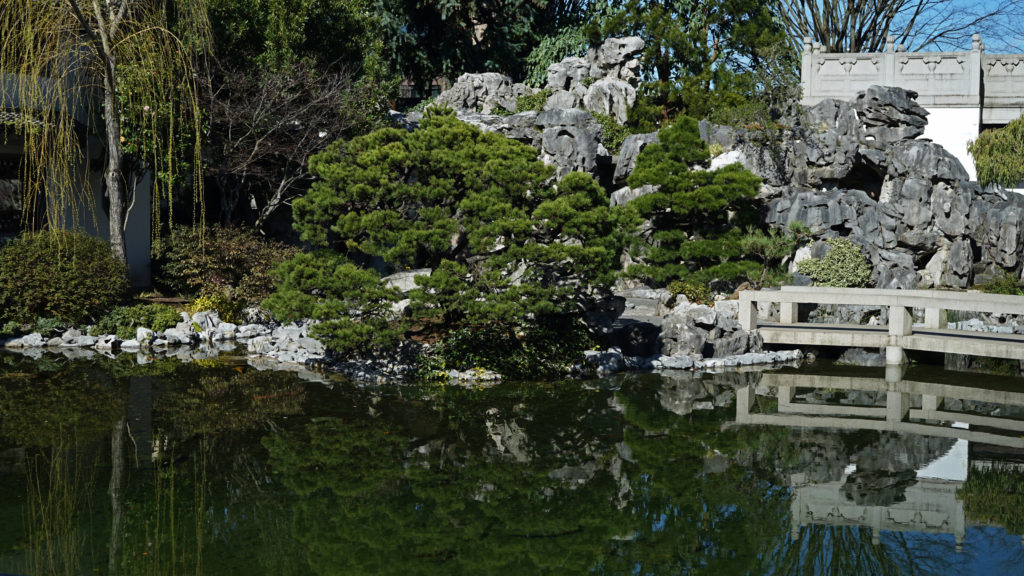
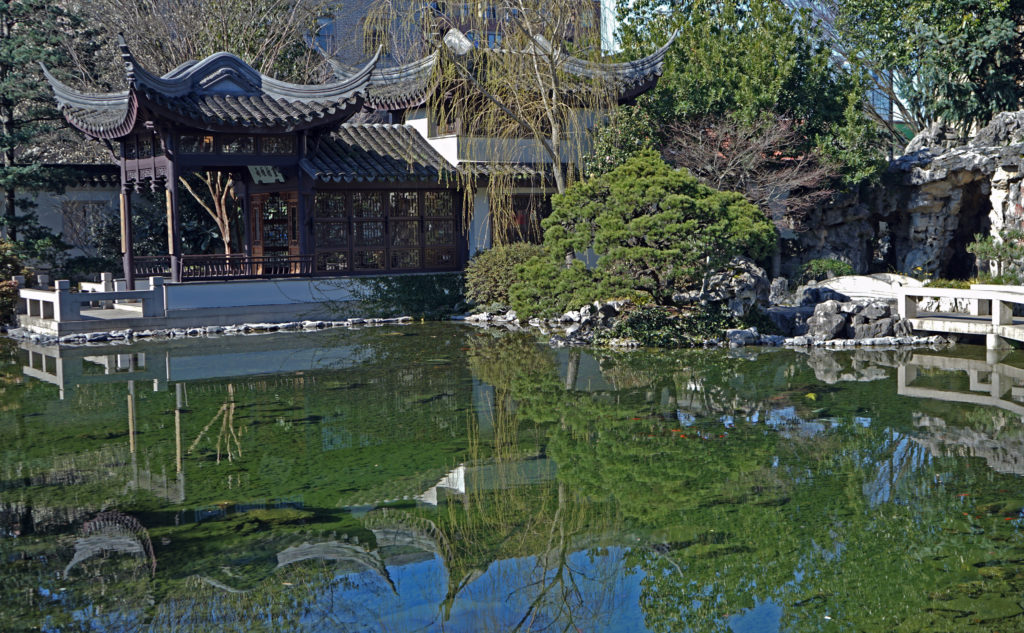 The garden came about through Portland’s sister city relationship with Suzhou, in Jiangsu Province, China. Suzhuo is noted for its Ming Dynasty gardens, and Lan Su Garden was created by artisans from Suzhou following a 2000 year old tradition that melds art, architecture, and nature into a harmonious and serene whole.
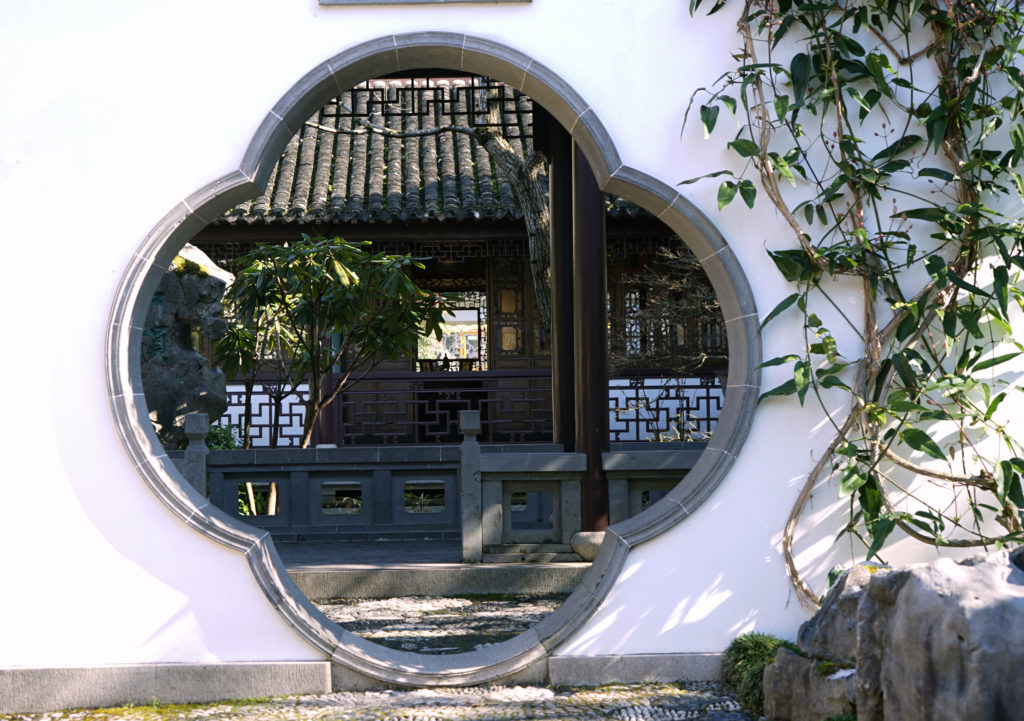 Entering the garden, you come first to the Courtyard of Tranquility. The courtyard (and the whole garden, for that matter) is designed to be a peaceful and soothing place to escape the problems of everyday life, and it succeeds in that remarkably well. It’s surprisingly quiet, and once inside it’s easy to forget that you are in the middle of a busy city.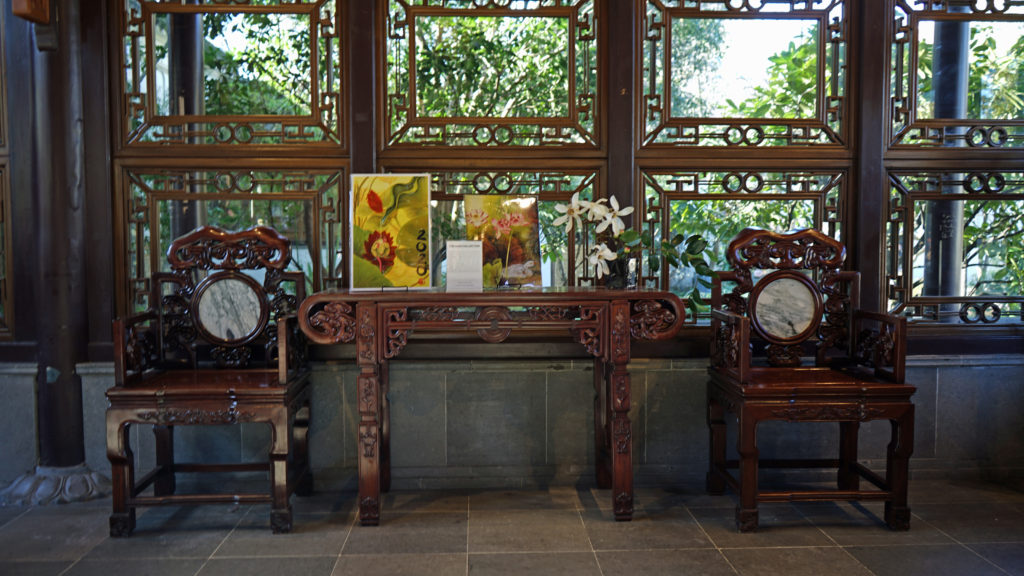
 From the courtyard, you pass through the Hall of Brocade Clouds, traditionally the place where a family entertains guests, and then onto the Terrace. This is a great place to just sit and take in the view. Most of the garden can be seen from the Terrace. The various pavilions and the Tea House (the “Tower of Cosmic Reflections”) are beautifully reflected in the central pond known as Lake Zither.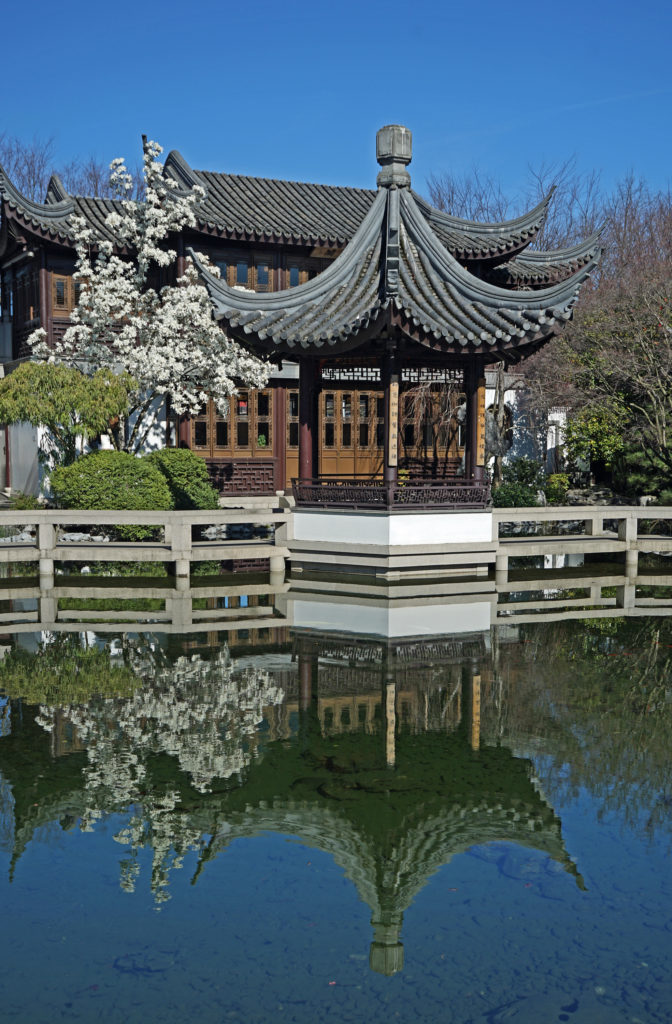

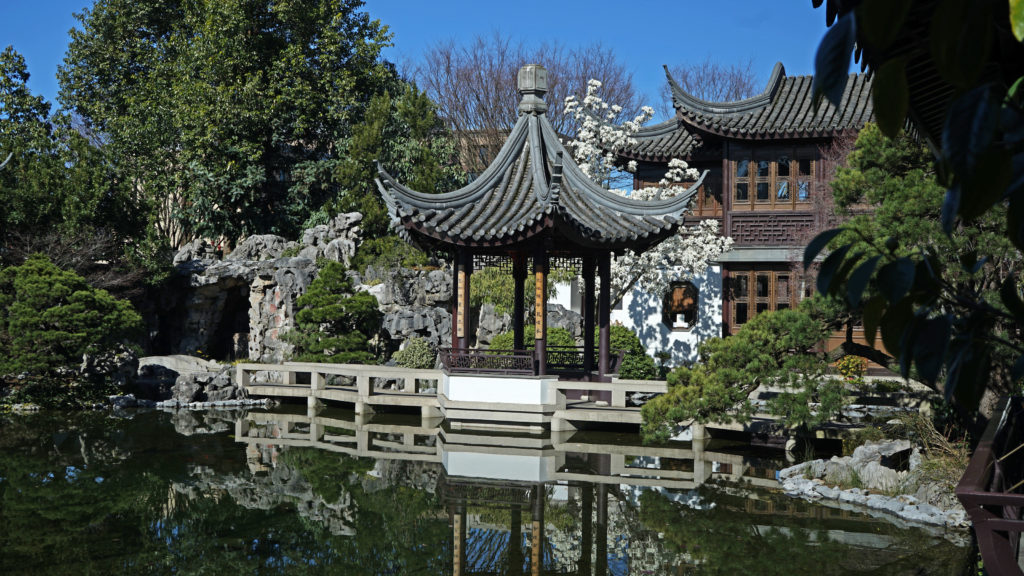 From the Terrace, wander at will through the Painted Boat In Misty Rain pavilion, past the Rock Mountain and Waterfall, across the boardwalk to the Moon Locking Pavilion, Scholar’s Study and Scholar’s Courtyard, and the Knowing the Fish Pavilion. Take some time to visit the Tower of Cosmic Reflections teahouse where you can enjoy a cup of tea and learn a little about the Chinese social art and culture of tea.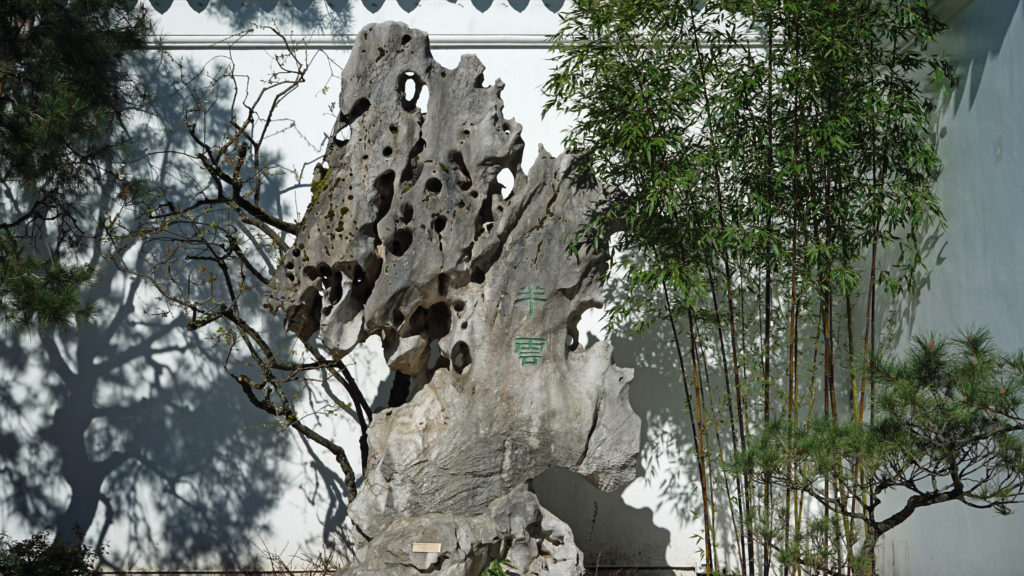
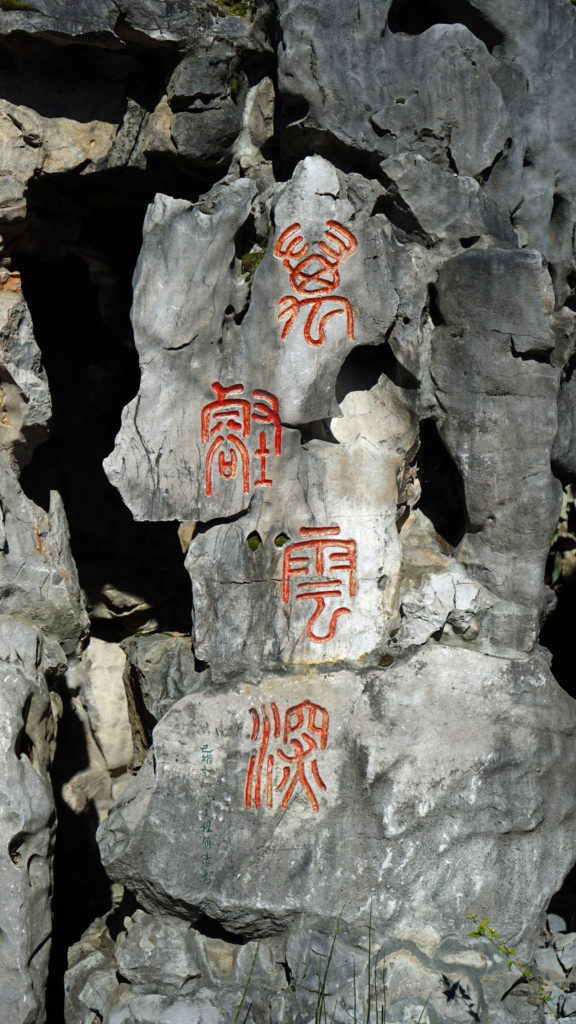 Throughout the garden you will see Lake Tai Rocks. These large, fantastically shaped rocks were imported from China – 600 tons of them. The rocks were formed underwater through the erosive action of Lake Tai’s acidic waters, and are highly prized by landscape architects.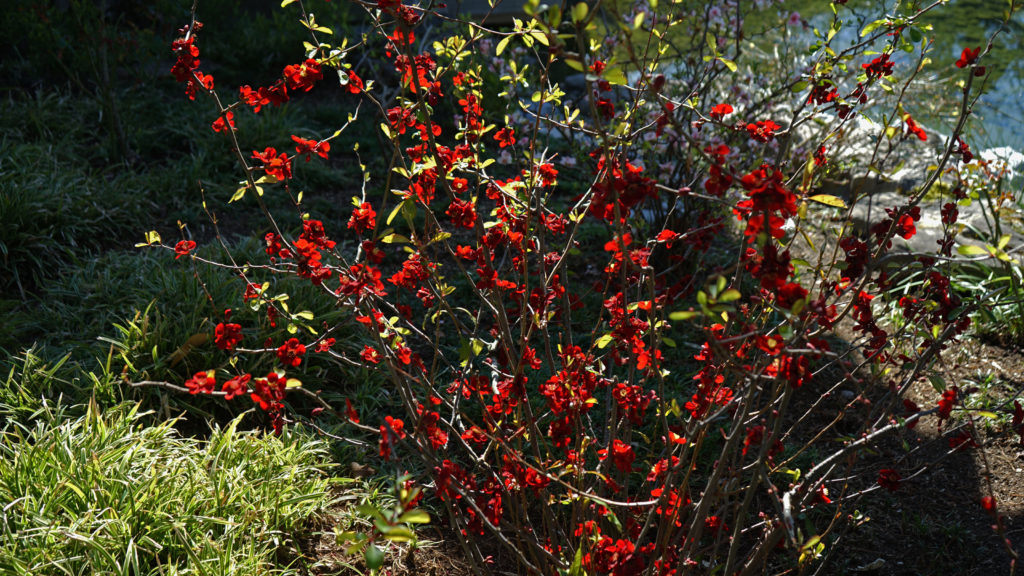

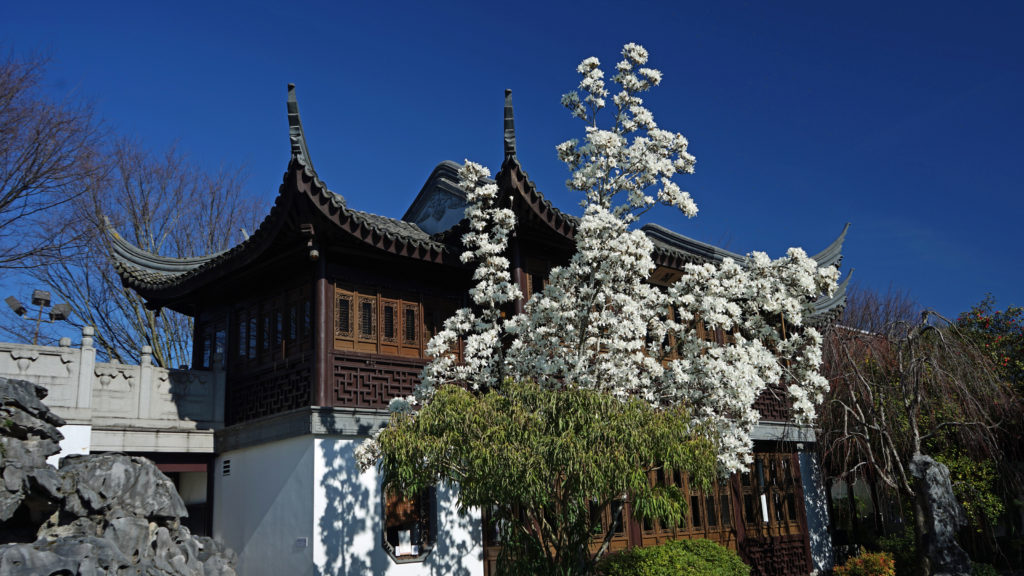 The garden exhibits more than 100 species of trees, shrubs, and plants native to China, including the Pacific Northwest’s largest collection of lotus. The plants found in the garden were not imported from China due to import restrictions, but were found in botanical gardens and nurseries in the United States and transplanted to the garden.
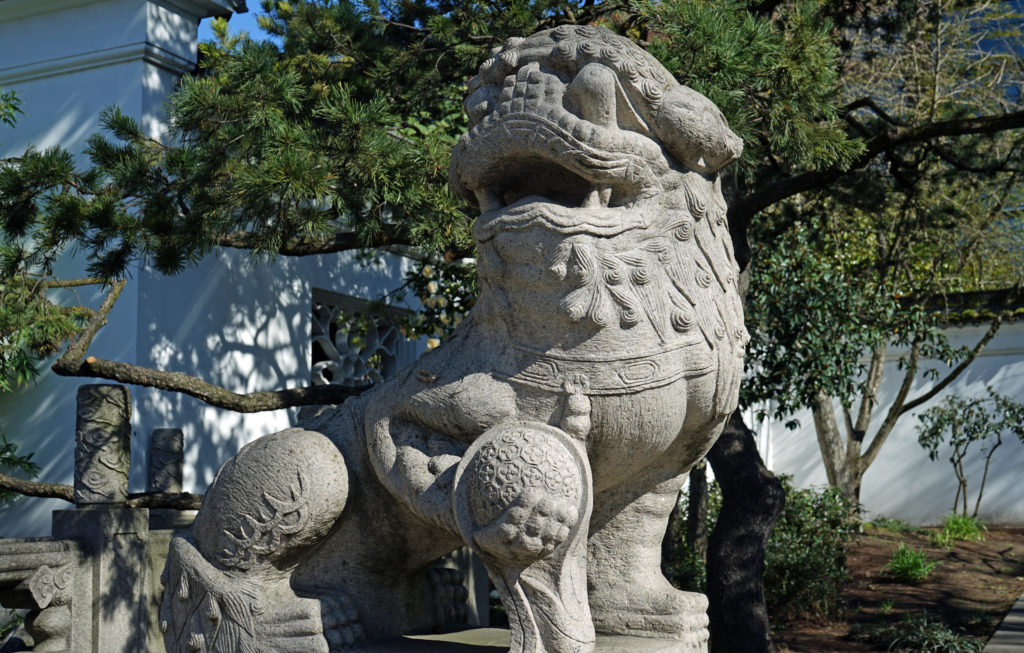 Part of the mission of the Lan Su Chinese Garden is to promote better understanding of Chinese art, history, tradition, and culture. Classes and demonstrations of Chinese calligraphy, brush painting, paper folding, poetry, music, horticulture, wood carving, and other arts such as kite making, are held throughout the year at the garden. And public tours of the garden led by trained docents are held several times a day.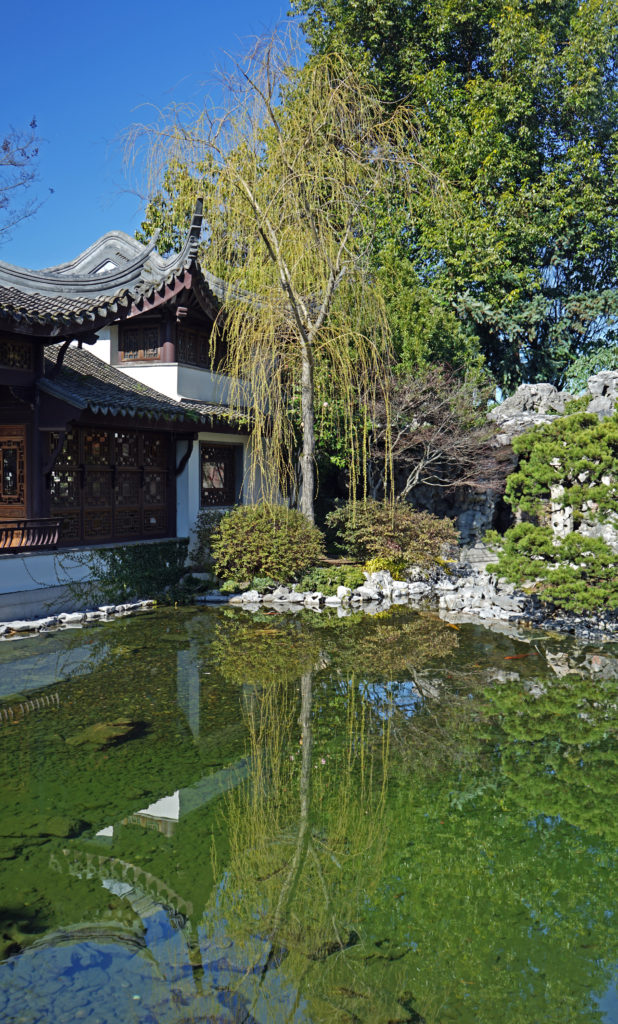

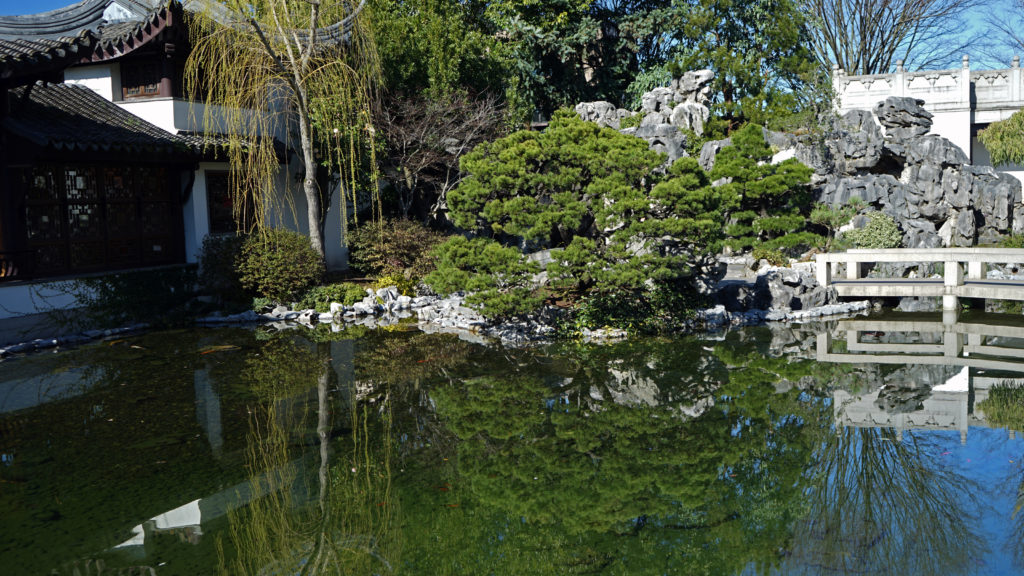 The Lan Su Garden is small, taking up only one city block, but it is one of Portland’s premier gardens (along with the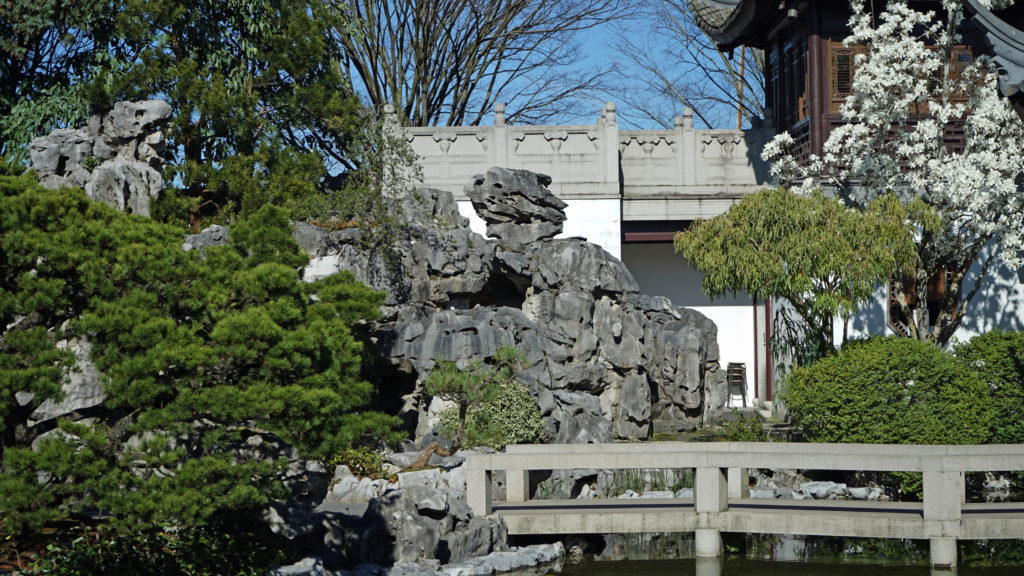
 Lan Su Chinese Garden is open from 10:00 to 4:30 daily in the winter and 10:00 to 6:30 in the summer. The garden is closed on Thanksgiving, Christmas, and New Year’s Day. Admission is $16 for adults, $15 for seniors (62+), and $13 for children 6-18 and college students (2025 prices). Children five and under are free. Annual memberships are available for $60 (one individual plus one guest per visit). Senior and student memberships are $40 (one individual). Family memberships (two individuals plus two guests ) are $100. You can find more information about the garden at the Lan Su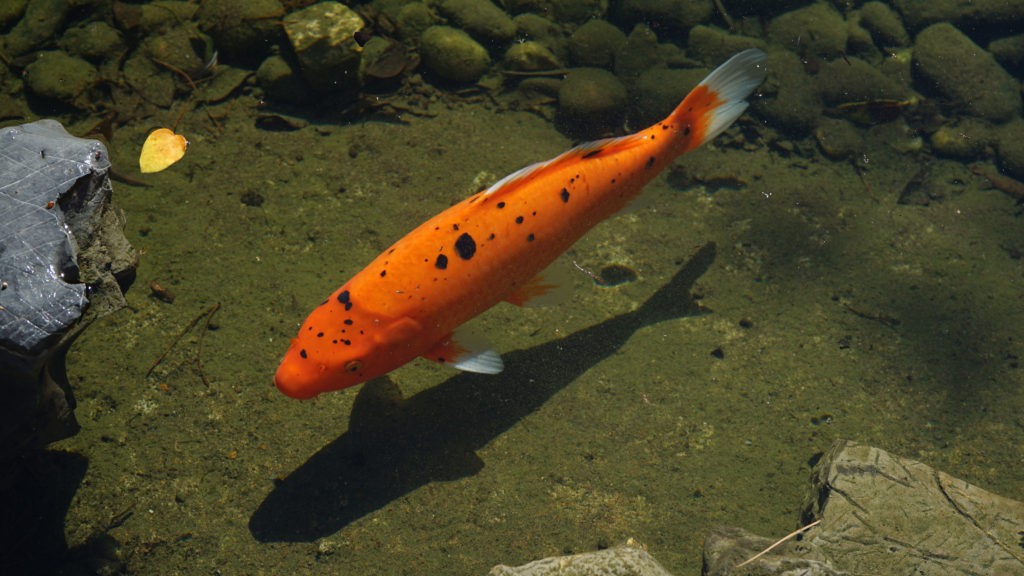
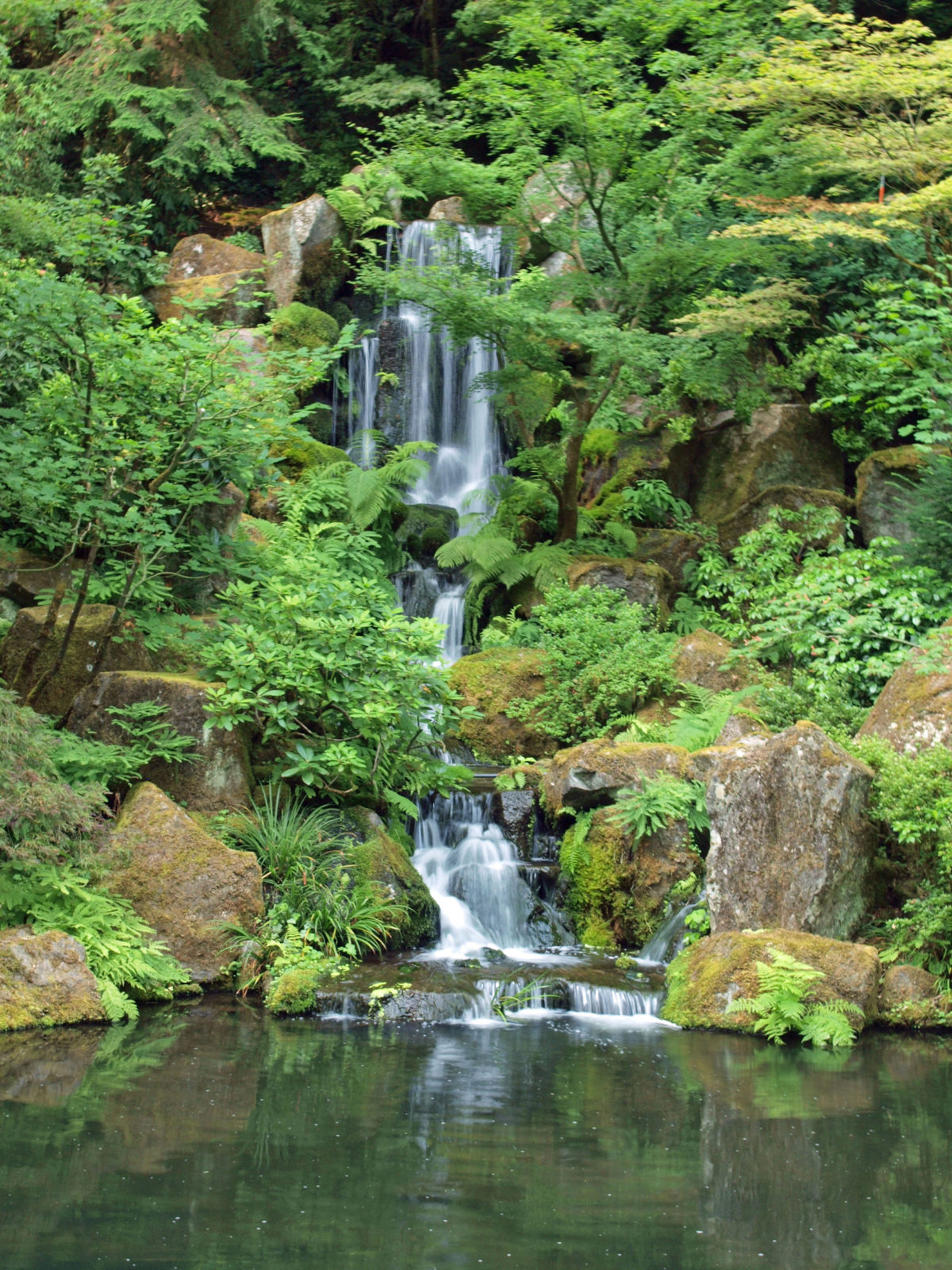
 The serenity and transcendent beauty of the Portland Japanese Garden make it one of my favorite places in the Pacific Northwest. Located in Washington Park in Portland’s West Hills, the garden overlooks downtown Portland, but it is worlds away from the hustle and bustle of the city. The tranquility that the garden aspires to is somewhat compromised by the 450,000 annual visitors that it attracts, but the beauty of the gardens make it more than worth visiting despite any crowds.
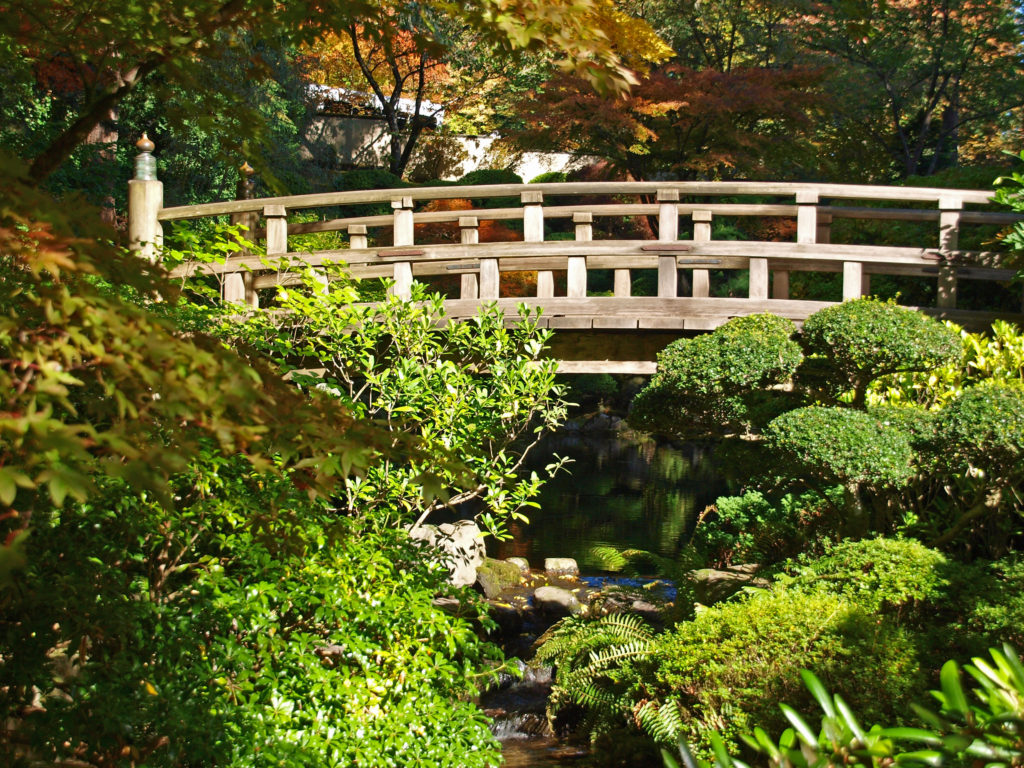 Former Japanese Ambassador to the United States Nobuo Matsunaga has called the Portland Japanese Garden “the most beautiful and authentic Japanese garden in the world outside of Japan.”
 The Portland Japanese Garden came out of the sister city relationship between Portland and Sapporo, Japan, which was created at least in part as an effort to heal the wounds of World War II. The garden website says it best: “Born out of a hope that the experience of peace can contribute to a long lasting peace. Born out of a belief in the power of cultural exchange. Born out of a belief in the excellence of craft, evidence in the Garden itself and the activities that come from it. Born out of a realization that all of these things are made more real and possible if we honor our connection to nature.”
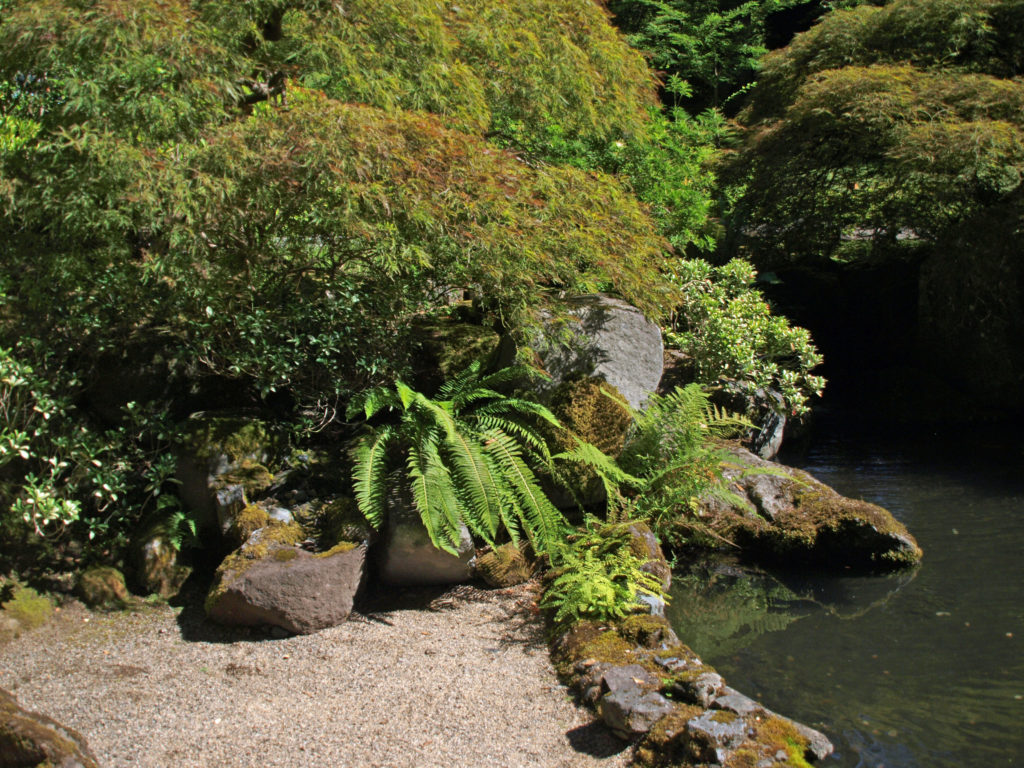 The site, once the location of the Washington Park Zoo, was dedicated in 1961. Construction of the garden began in 1963, and the garden opened to the public in the summer of 1967. Designed by Professor Takuma Tono of Tokyo Agricultural University, the garden originally consisted of five different garden styles spread over 5.5 acres.
 Over its more than half a century of existence, the garden has evolved and more than doubled in size. The Kashintei Tea House was built in Japan in 1968, dismantled, and shipped to Portland. But it wasn’t until 1980 that it was reconstructed on its present site. It was dedicated on May 18, 1980, the same day that Mount St. Helens erupted.
 The most recent expansion, completed in 2017, added a new entrance and entry garden, a courtyard garden, a bonsai terrace, and a Cultural Village consisting of three new buildings designed by Japanese architect Kengo Kuma: the Jordan Schnitzer Japanese Arts Learning Center; the Garden House; and the Umami Cafe. Today, the Portland Japanese Garden consists of eight gardens covering 12 acres.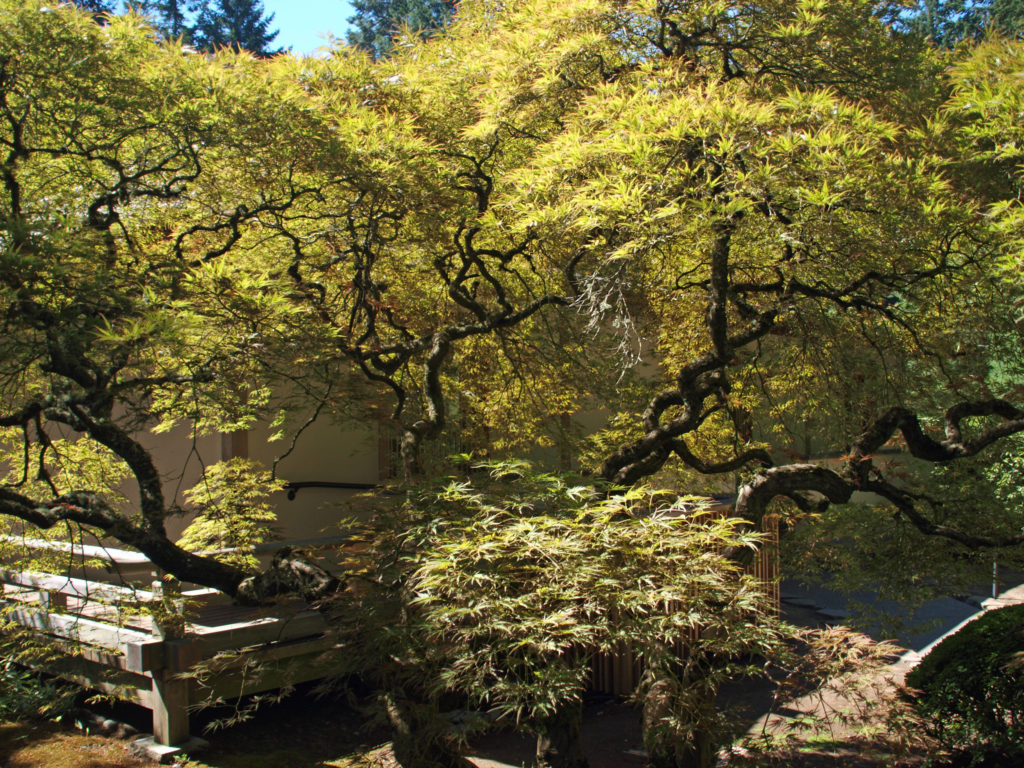
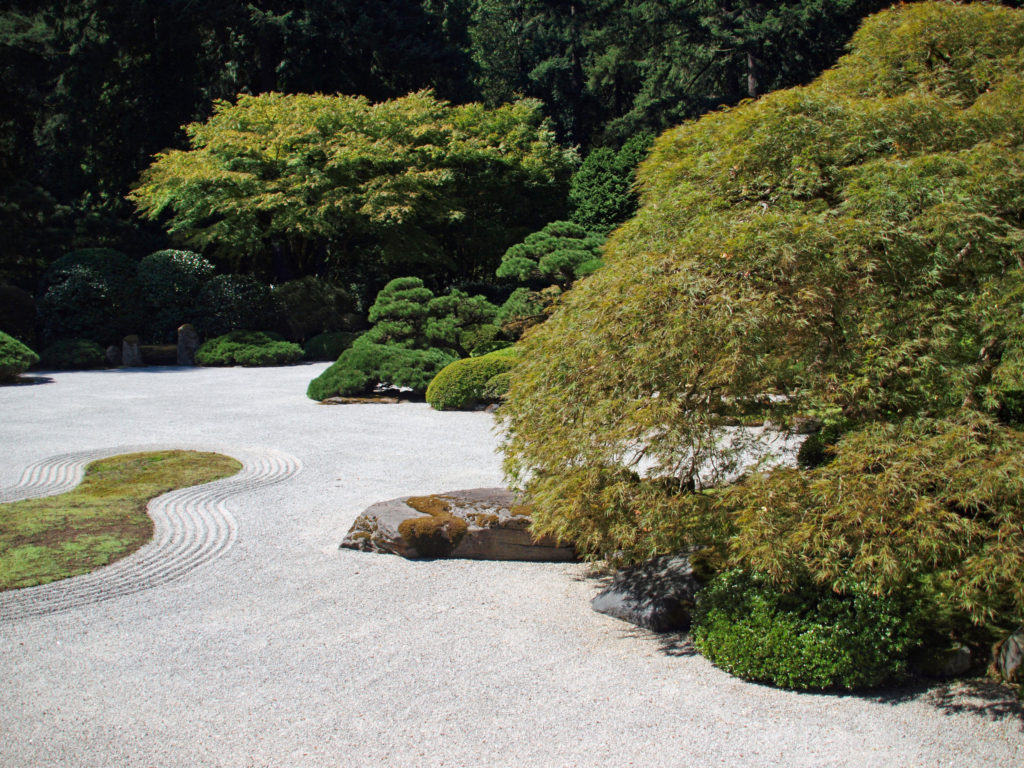
 The garden is open Wednesday through Monday. Summer hour are 10:00 to 5:30. Admission is $18.95 for adults, $16.25 for seniors (65+), $15.25 for students (with ID), and $13.50 for youths (6-17). Children under six are free. Group tickets (for 15 or more people) are offered at a discount. Tickets must be purchased in advance through the garden’s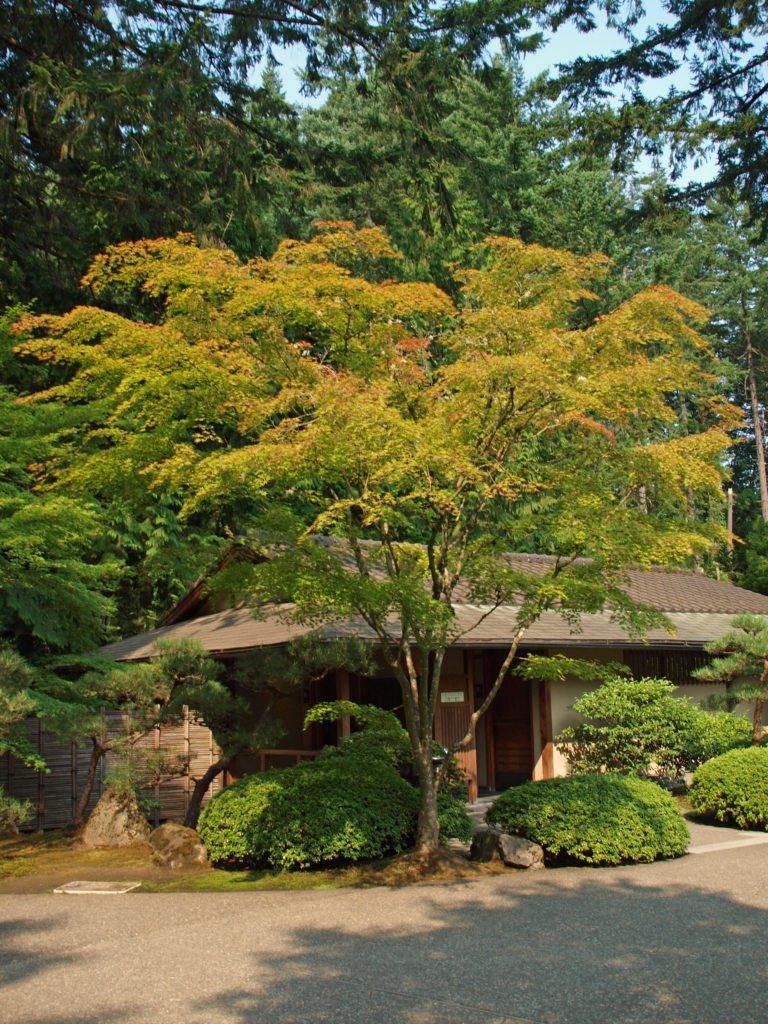
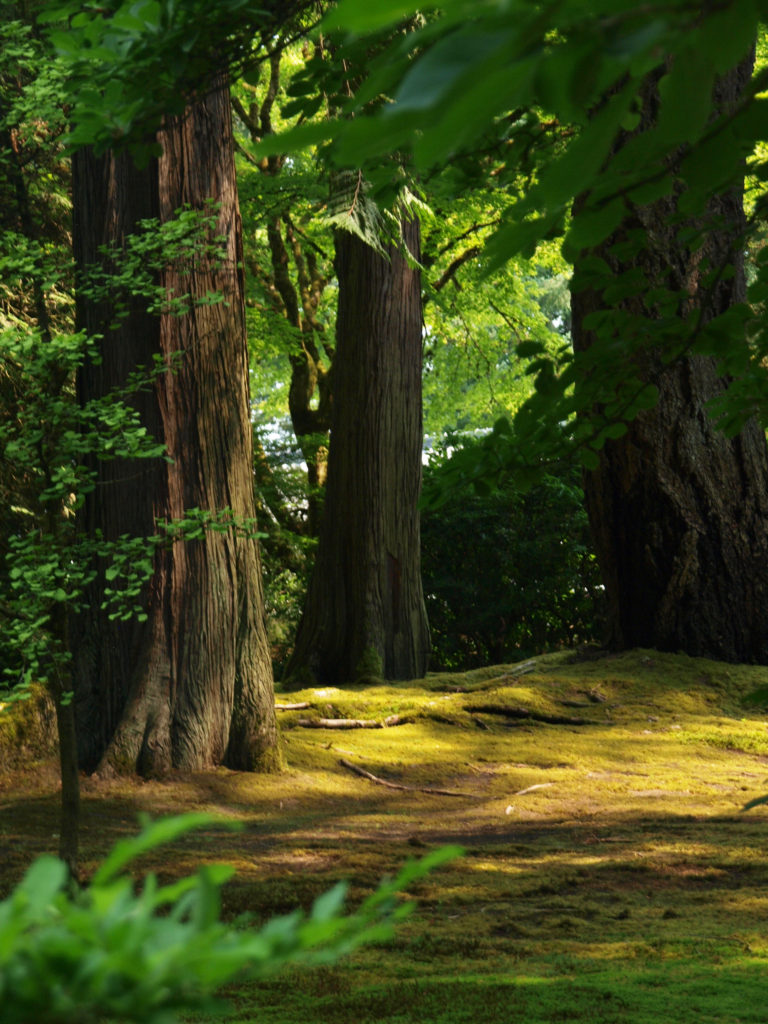 Covid-19 update (April 2022): The garden is open to everyone, and masks are required only on the garden shuttle that runs from the parking area up the hill to the old garden entrance. (You do not have to take the shuttle and masks are not required if you walk). Some of the paths are one way only, and entrance to the Umami Cafe requires proof of vaccination. all garden staff are fully vaccinated.
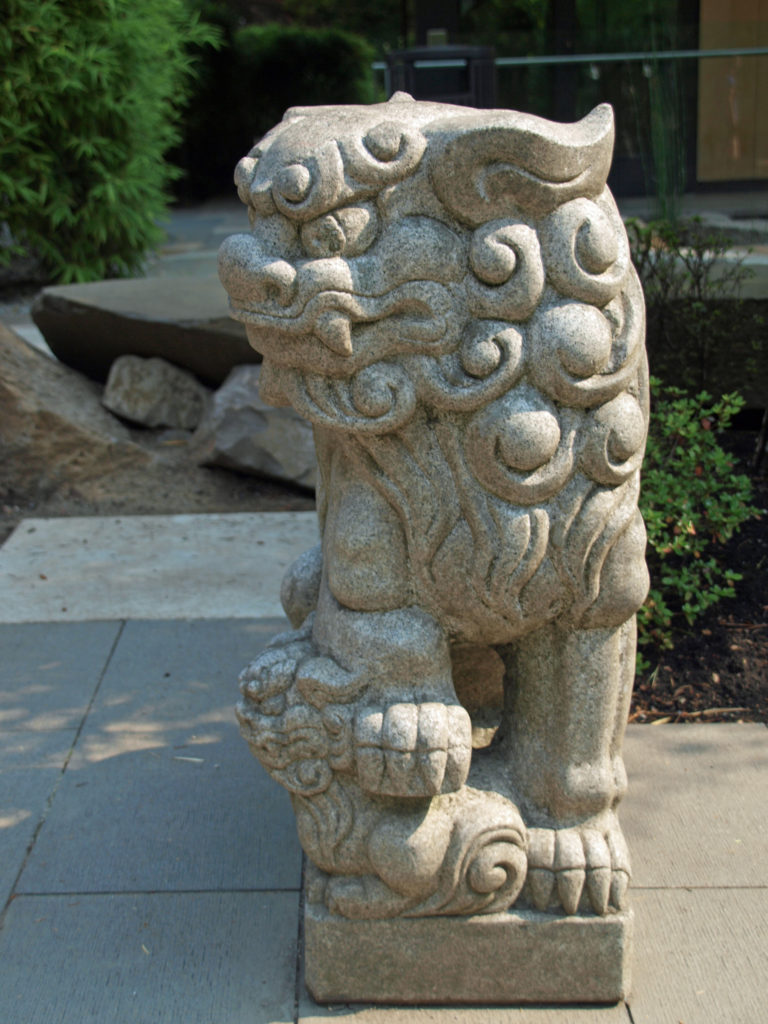 The Portland Japanese Garden is, in my opinion, a must see for anyone visiting Portland. And you’ll probably also want to visit the
  Other gardens featured on this site include Crystal Springs Rhododendron Garden, Butchart Gardens, Hulda Klager Lilac Gardens, Lan Su Chinese Garden, and the Connie Hansen Garden. Those and other Northwest gardens have been or will soon be featured on this site. Check the Recent Posts list or click on the Upcoming Posts tab at the top of this post for gardens to be featured this spring.
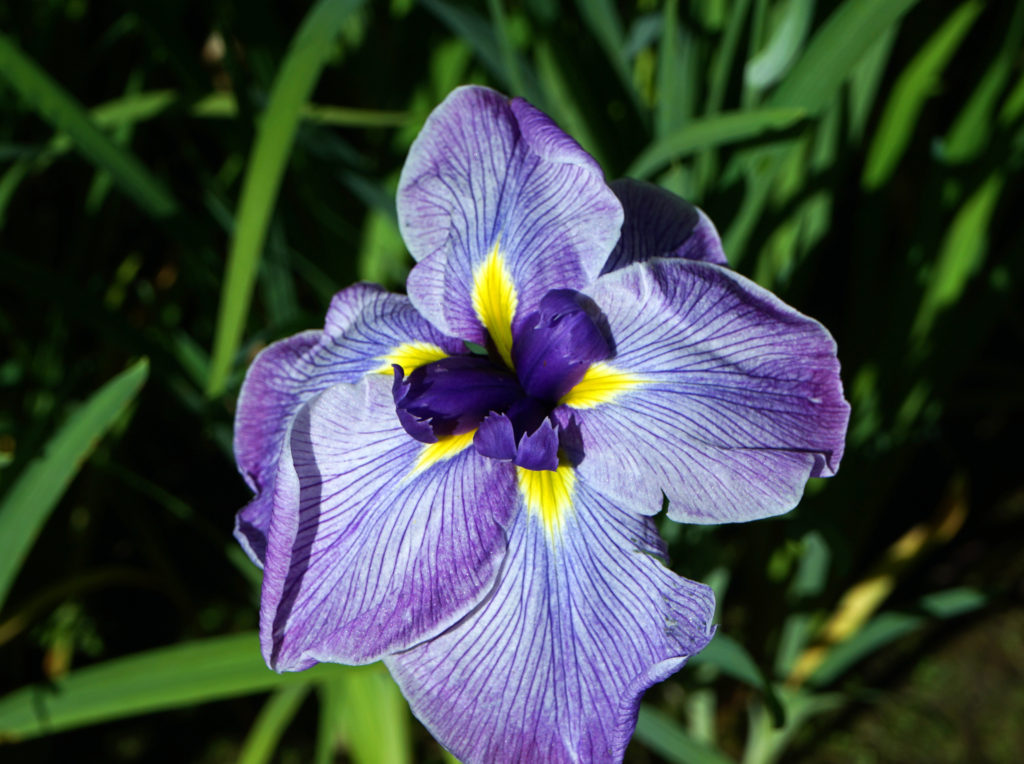 Originally posted August 13, 2018. Updated December 20, 2020 and April 4, 2022.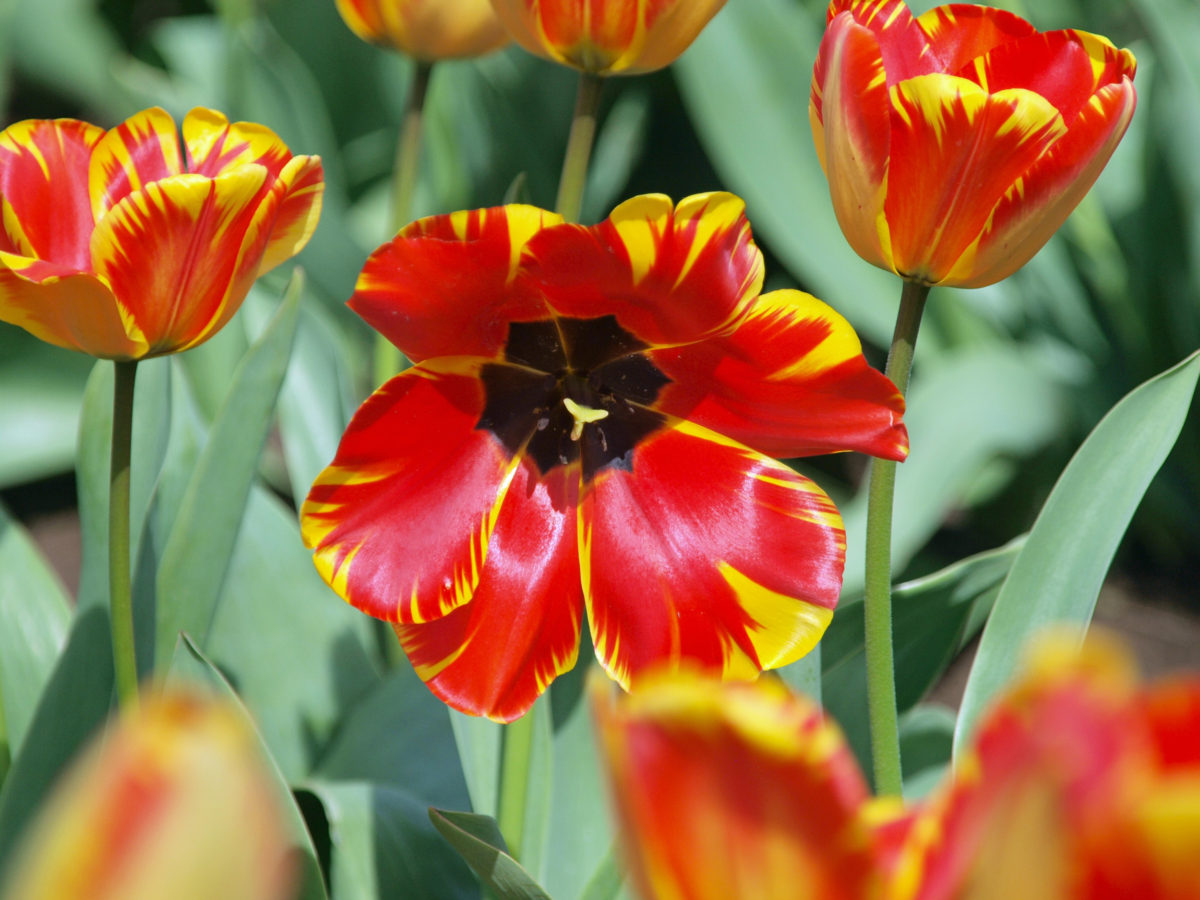
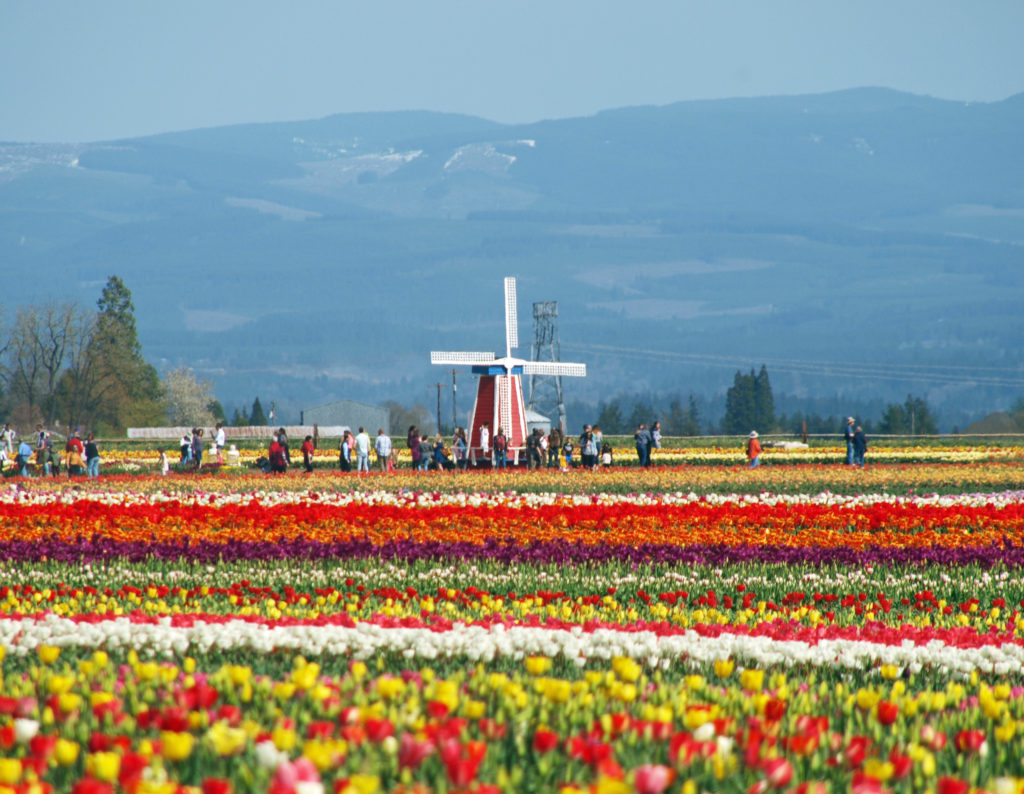
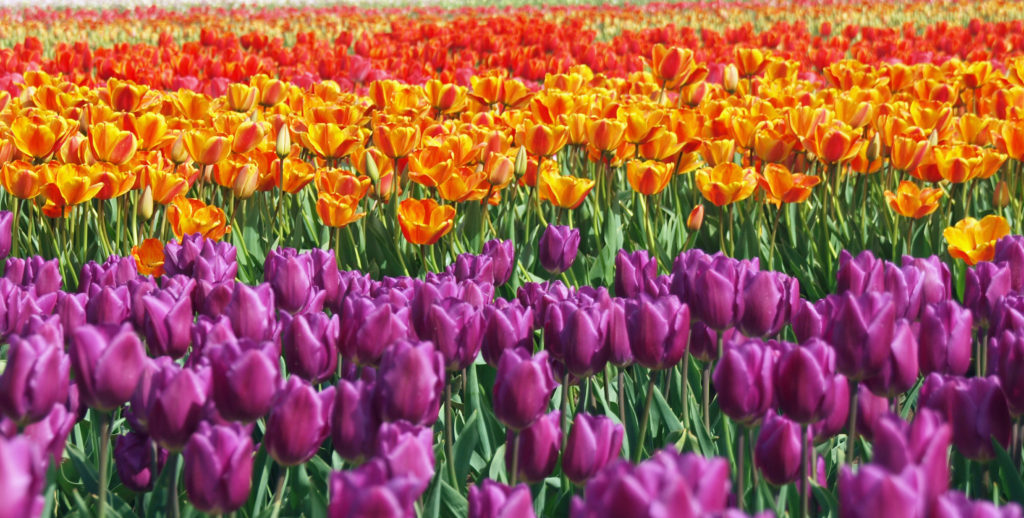
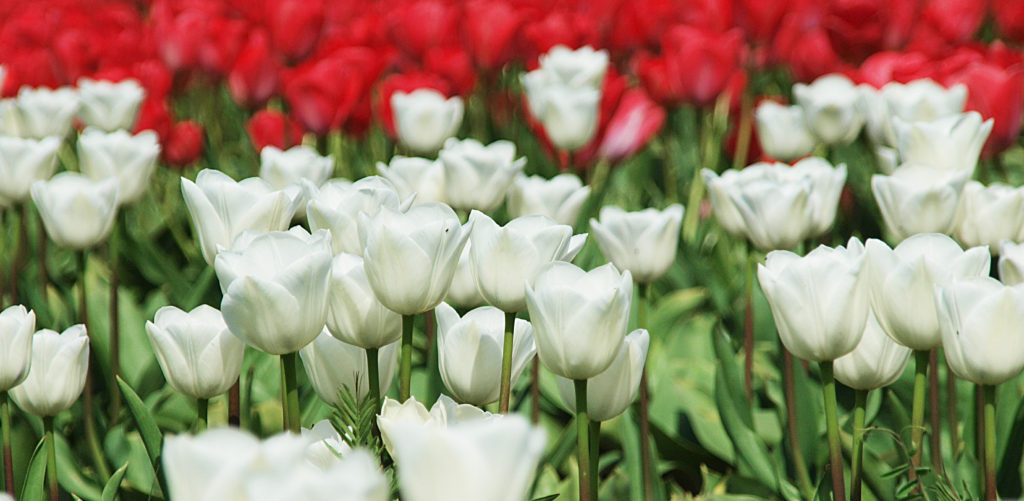
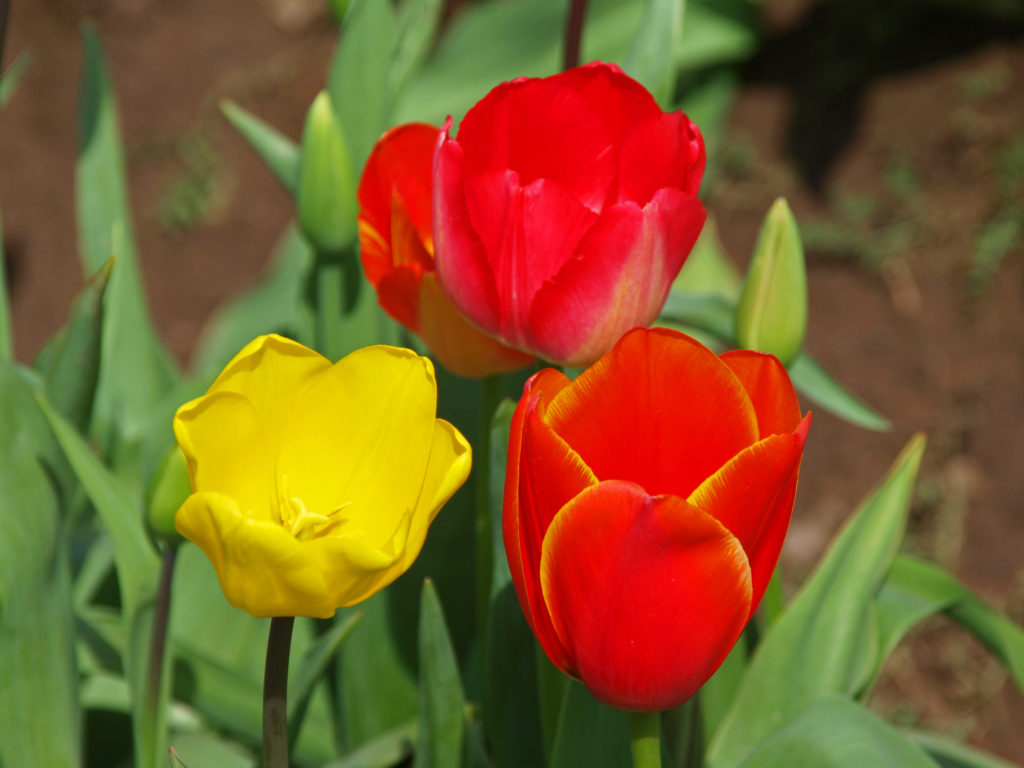
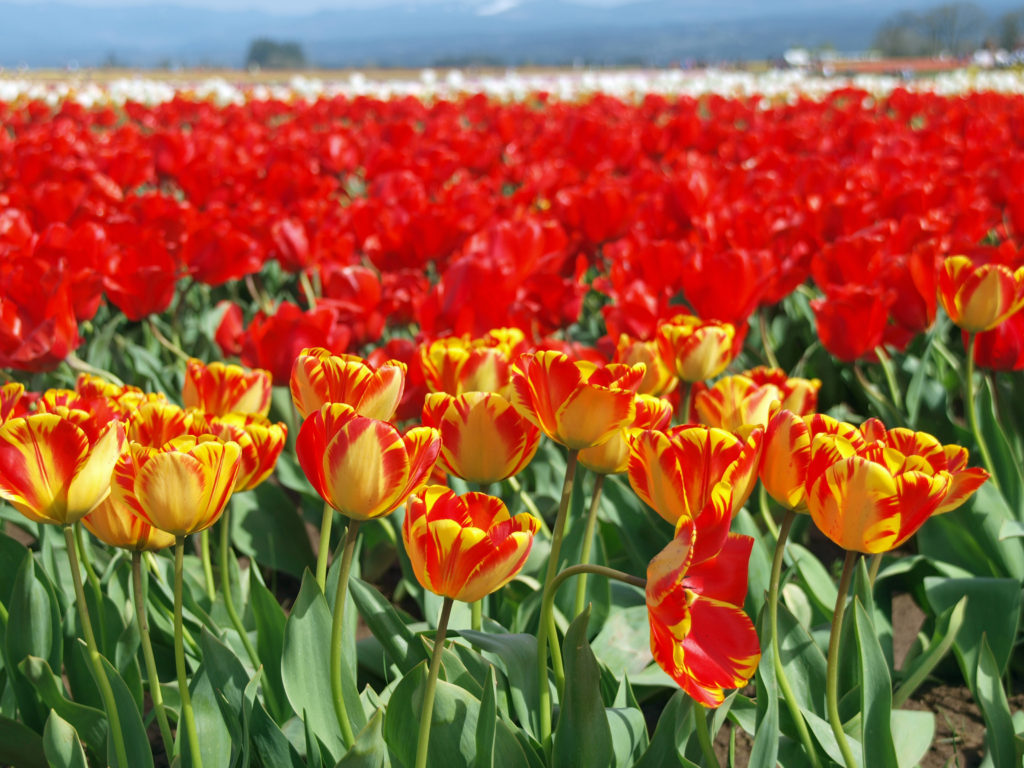
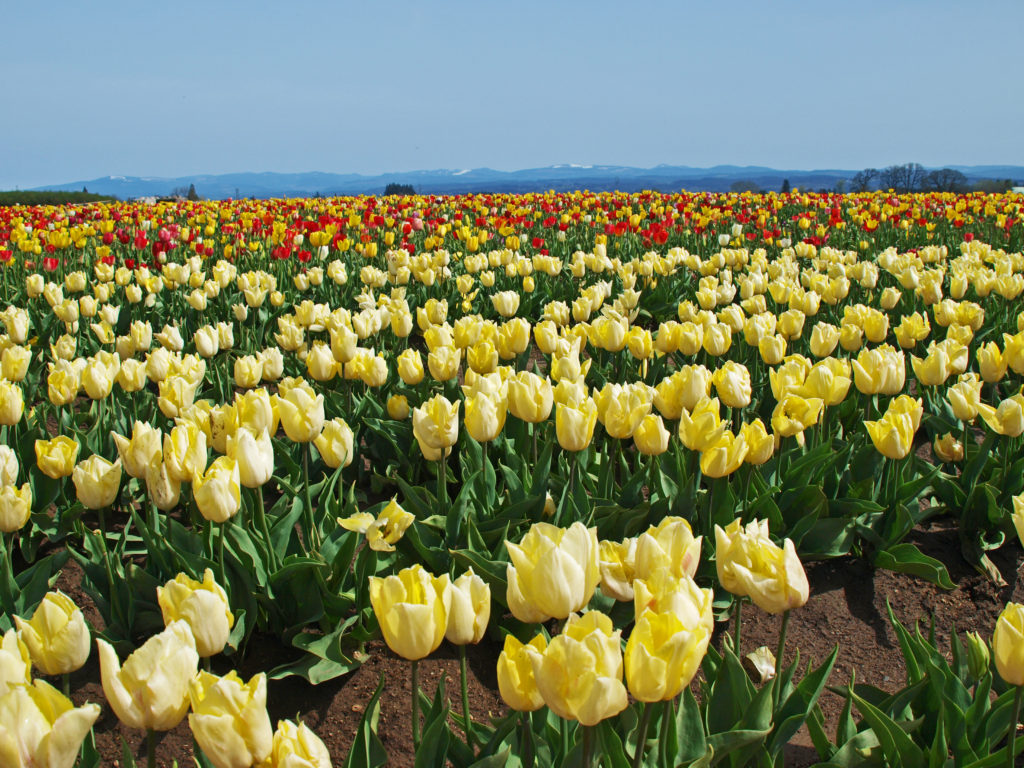
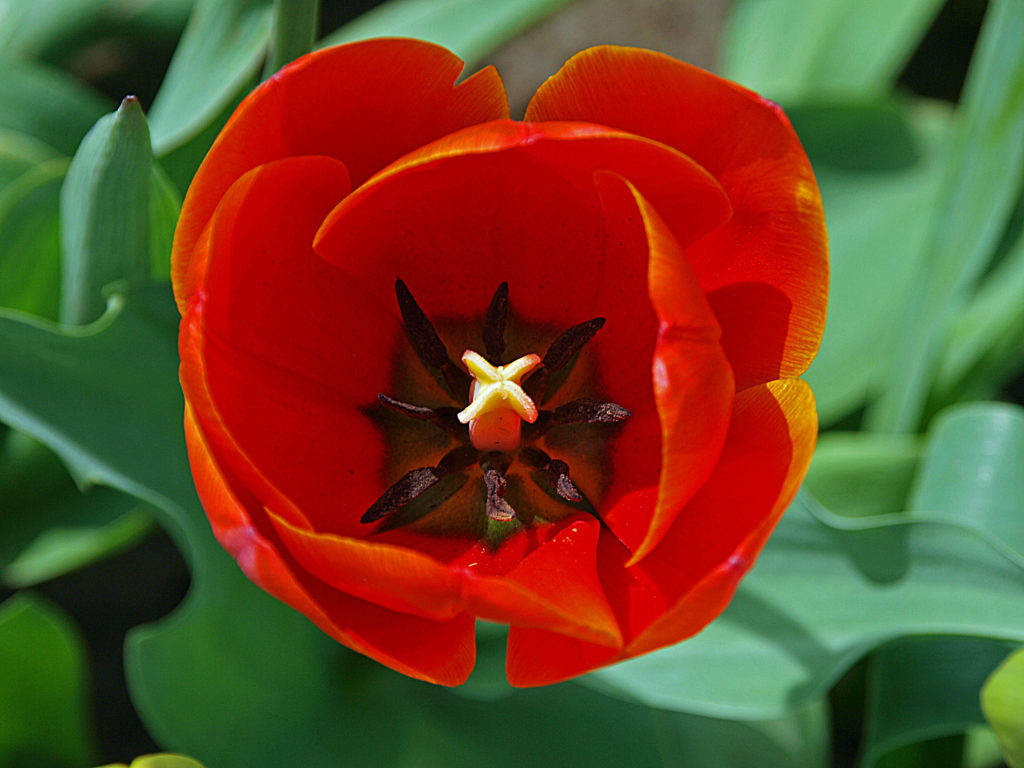
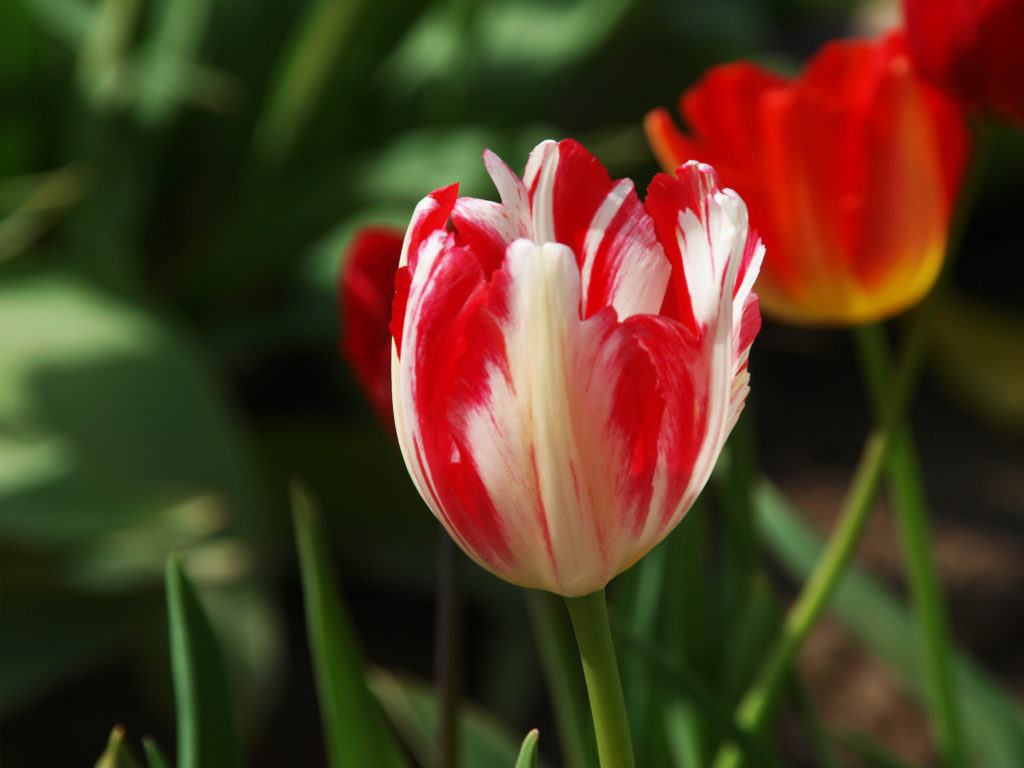
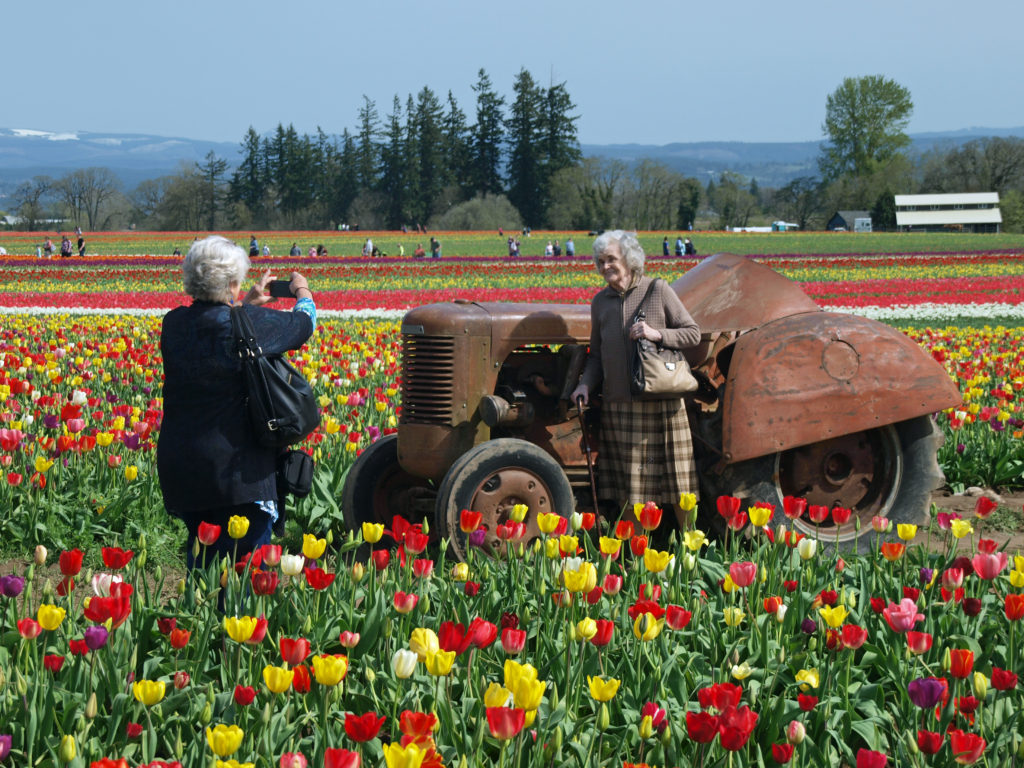
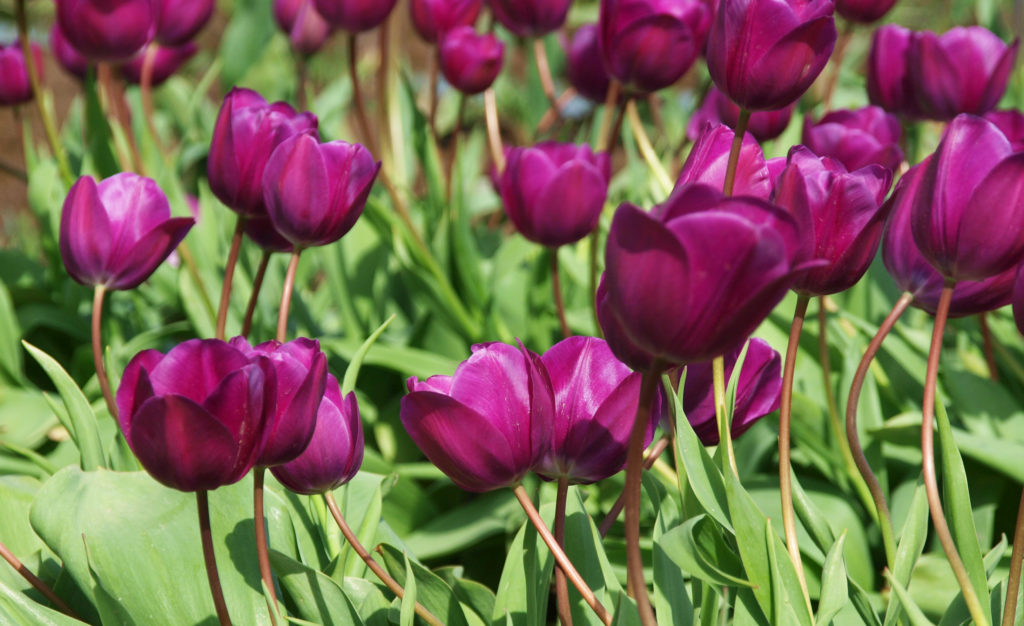
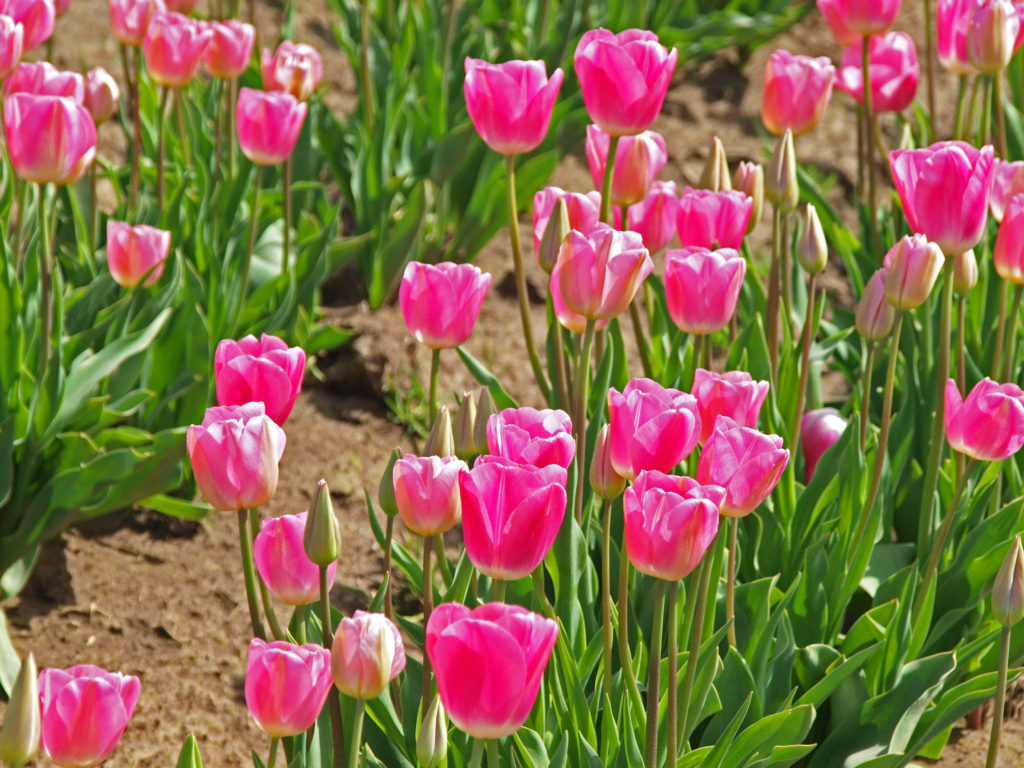
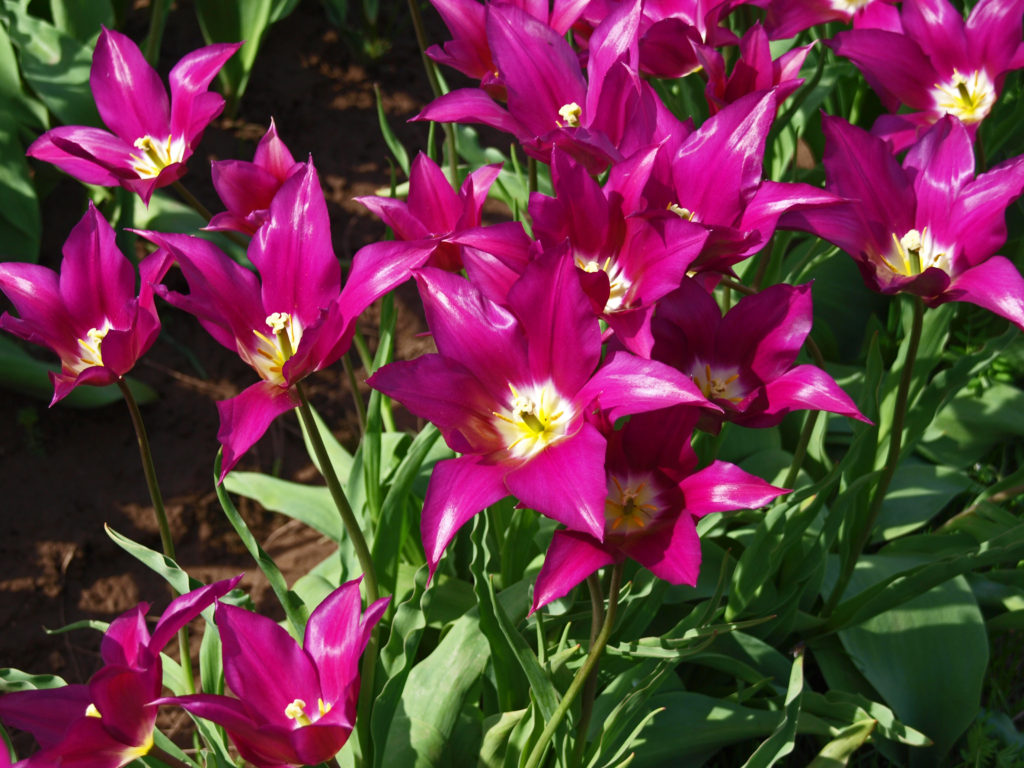
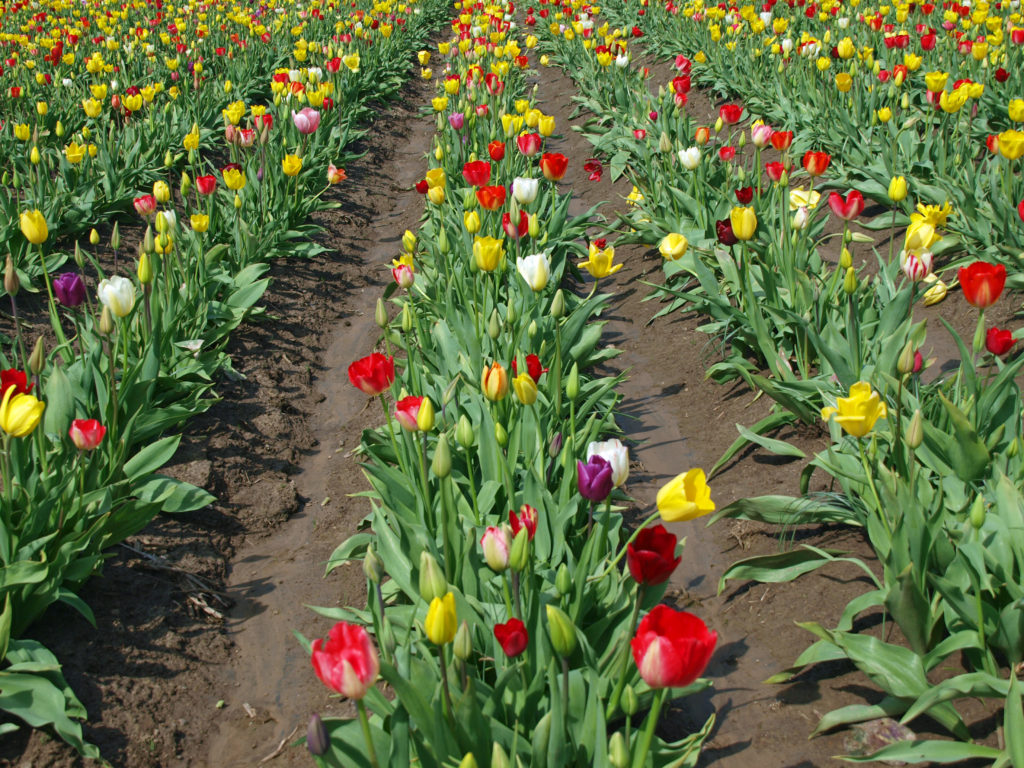
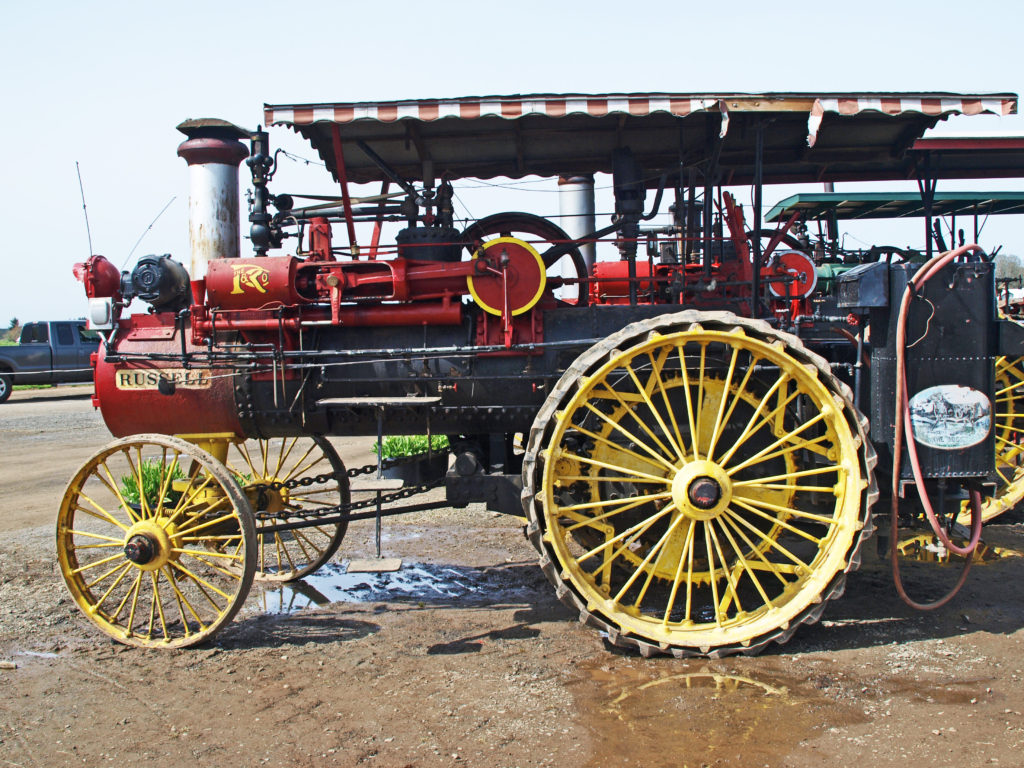
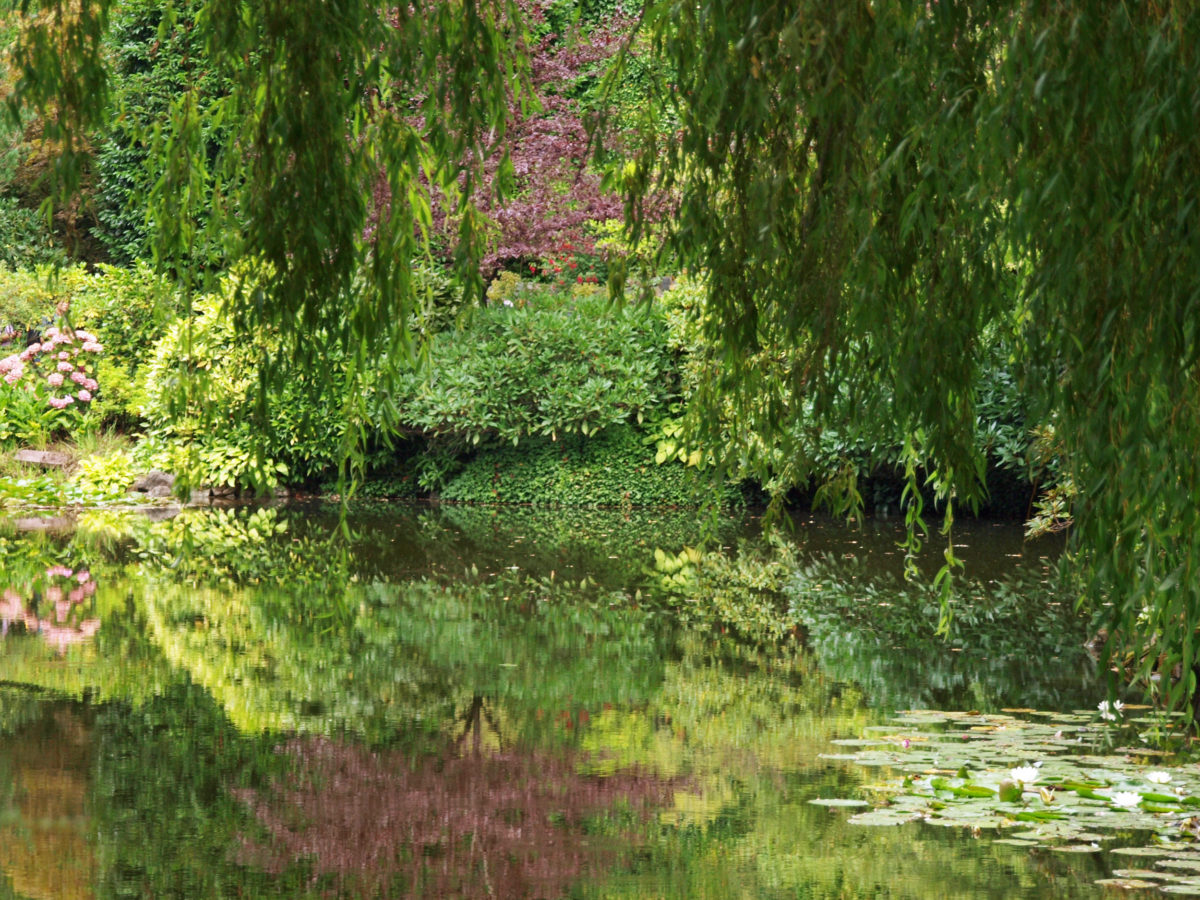
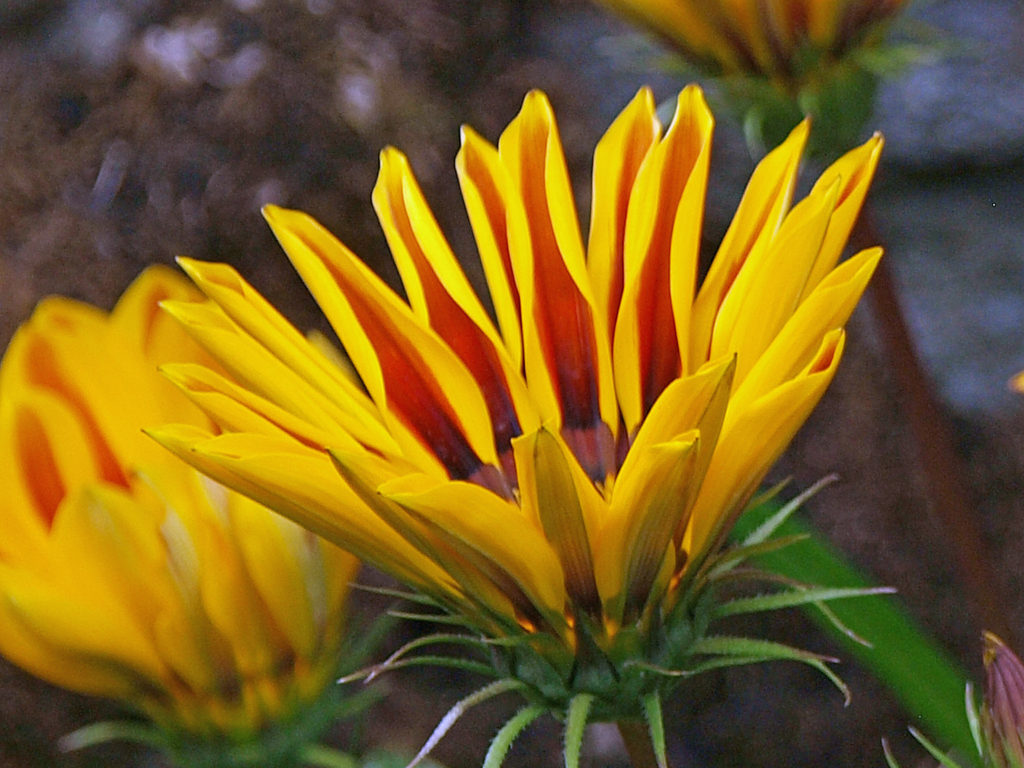
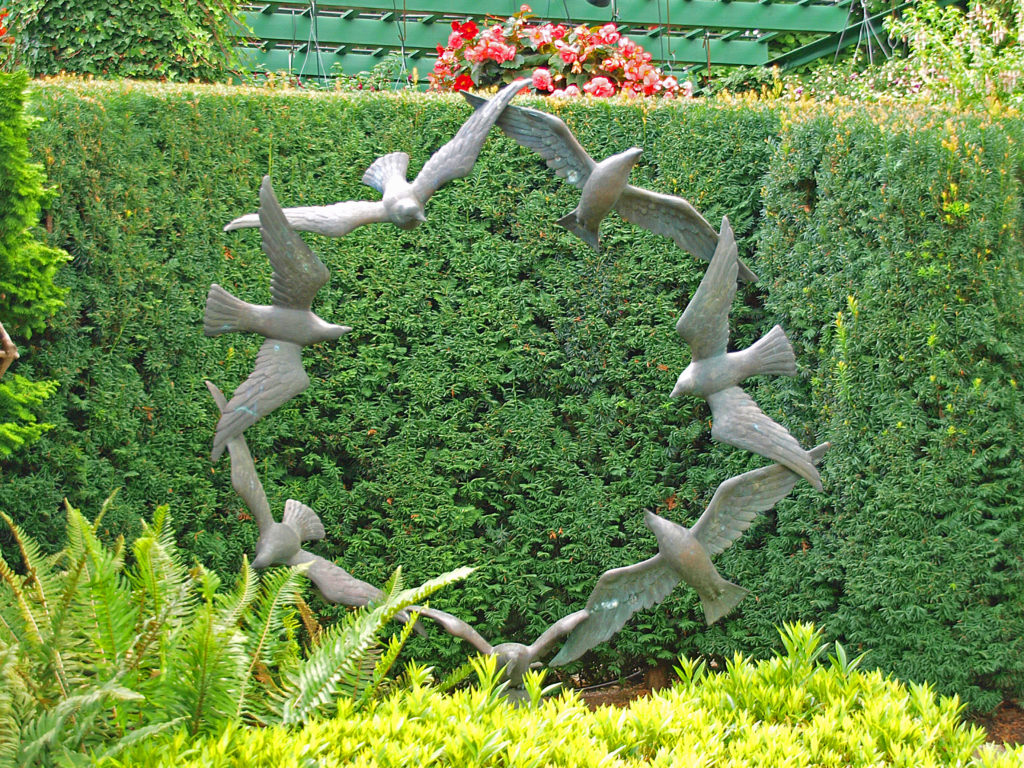 Jeanette (Jenny) Butchart created the gardens in the early 20th century. Her husband, Robert, owned a cement manufacturing business. He was drawn to Vancouver Island because of its abundant limestone deposits, a key ingredient in Portland cement. Near the turn of the 20th century he purchased the site of what is now Butchart Gardens and began mining limestone and manufacturing cement. In 1904 the Butcharts built their estate on land adjacent to the quarry. Shortly thereafter, Jenny Butchart hired Isaburo Kishida to design and build the Japanese Garden at the estate.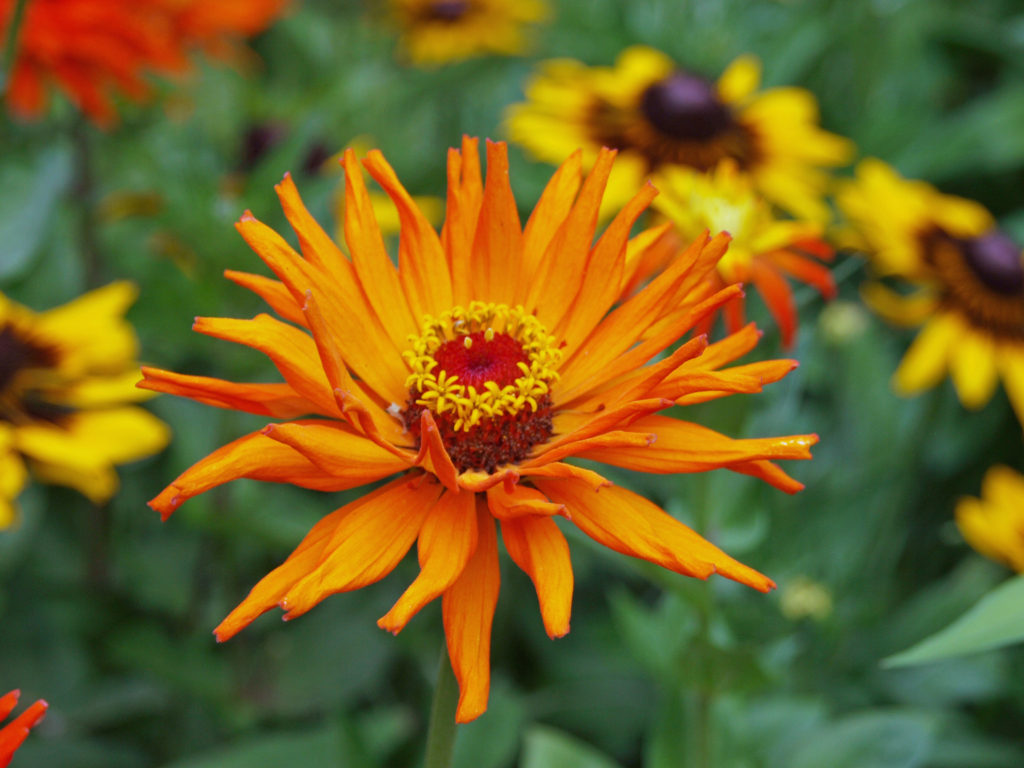
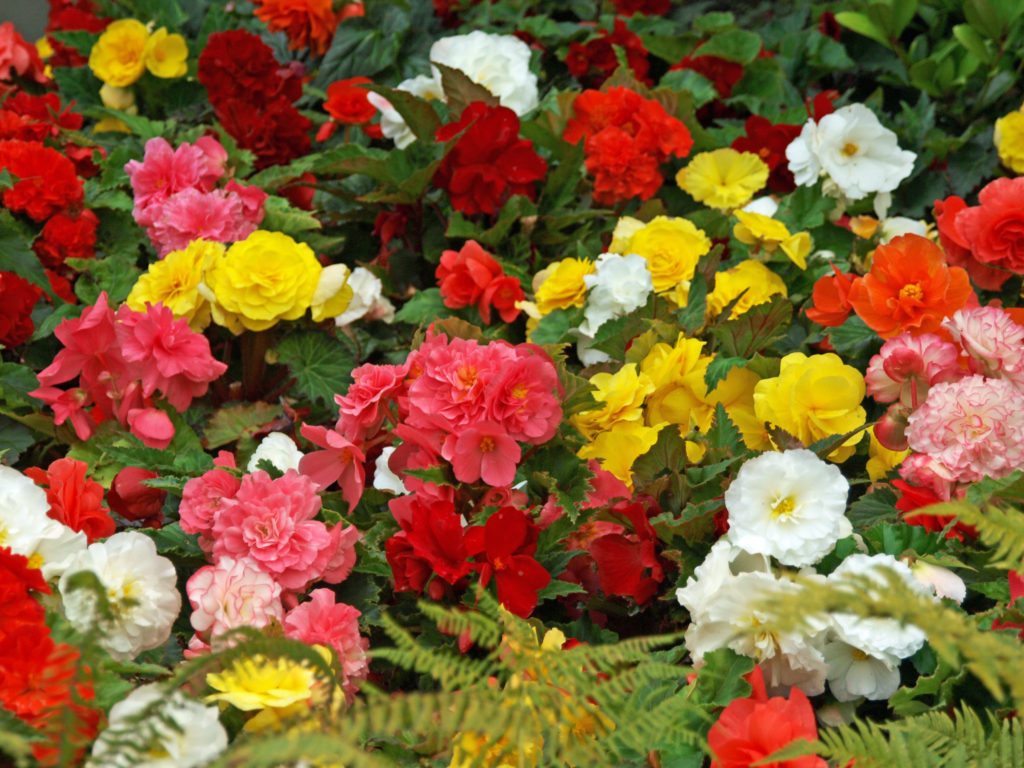
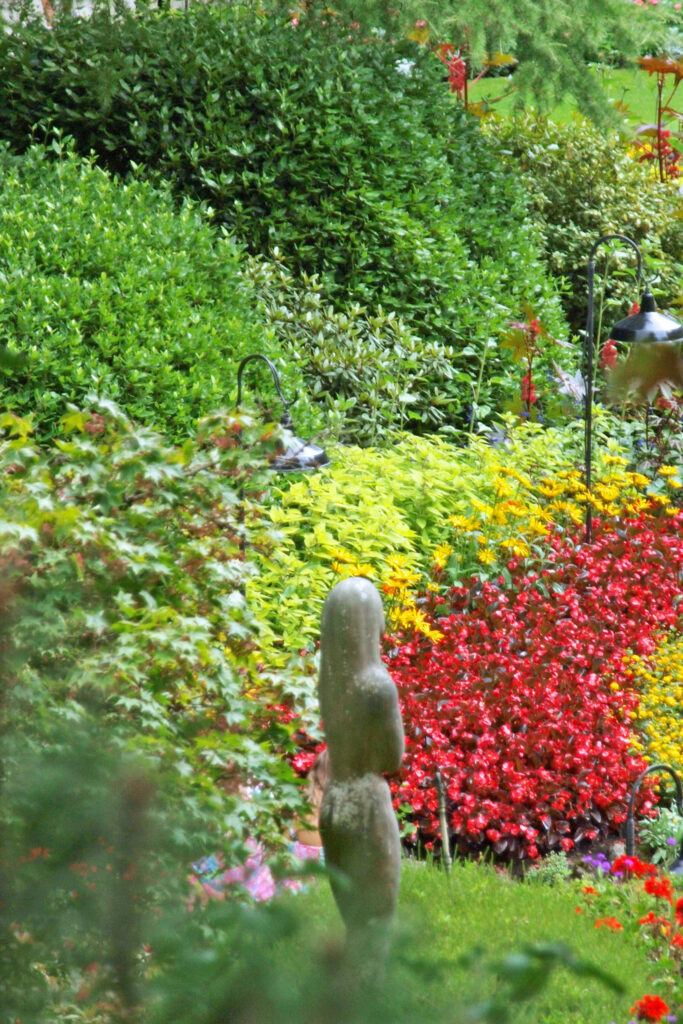
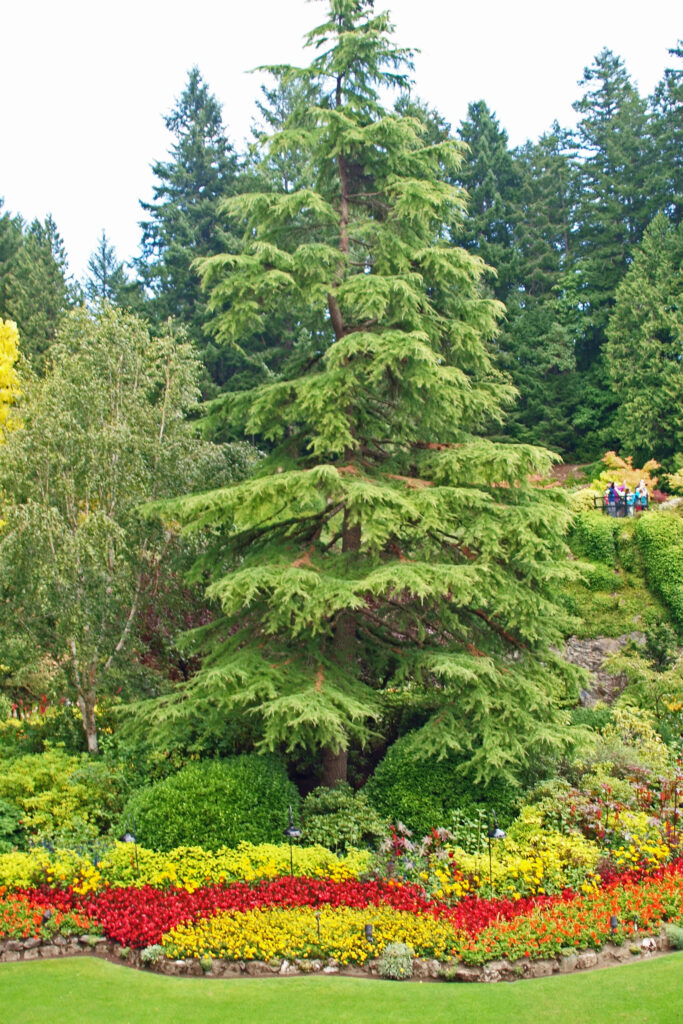
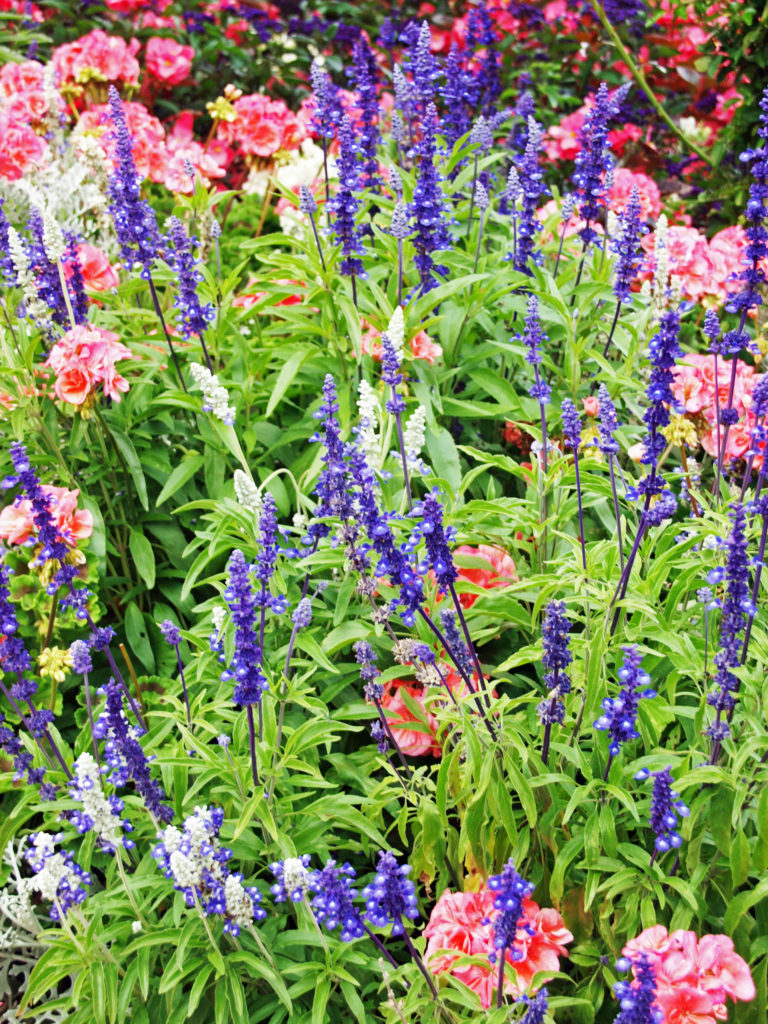
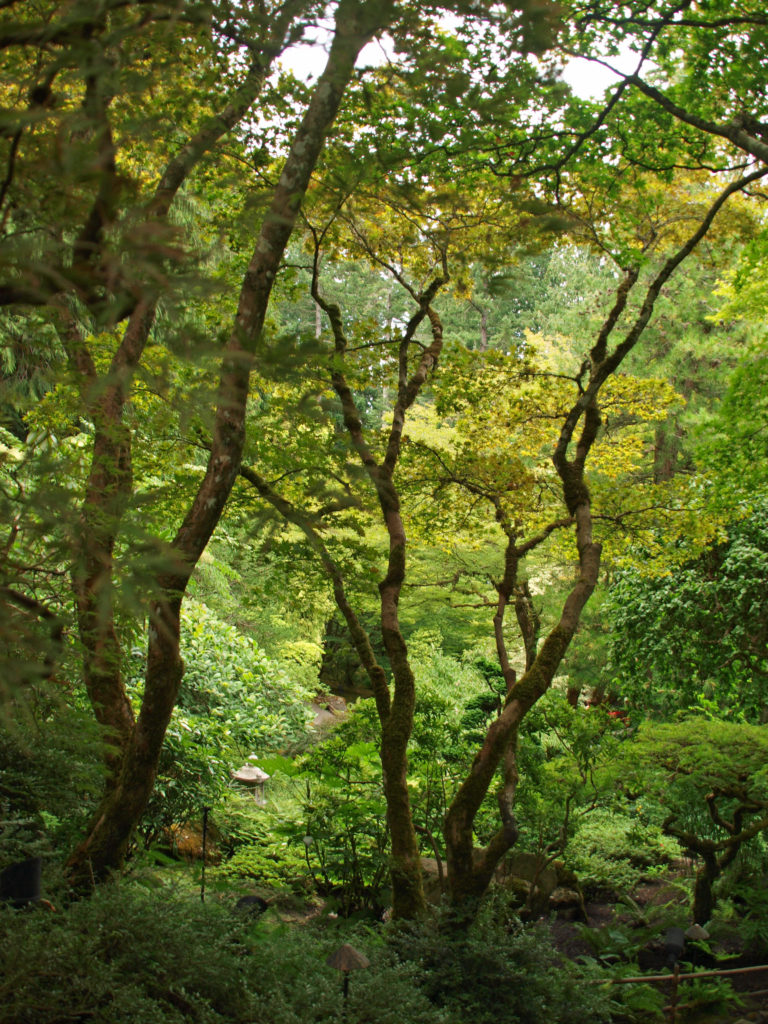 Numerous improvements and additions to the Gardens have been made over the years. In 1953 Ian Ross added lighting to illuminate the Gardens at night, and in 1964 the Ross Fountain was installed in the lower reservoir in the Sunken Garden. The two large totem poles next to the Fireworks Lawn were erected in 2004. In 2009 Robin-Lee Clarke added the Children’s Pavillion and the Rose Carousel.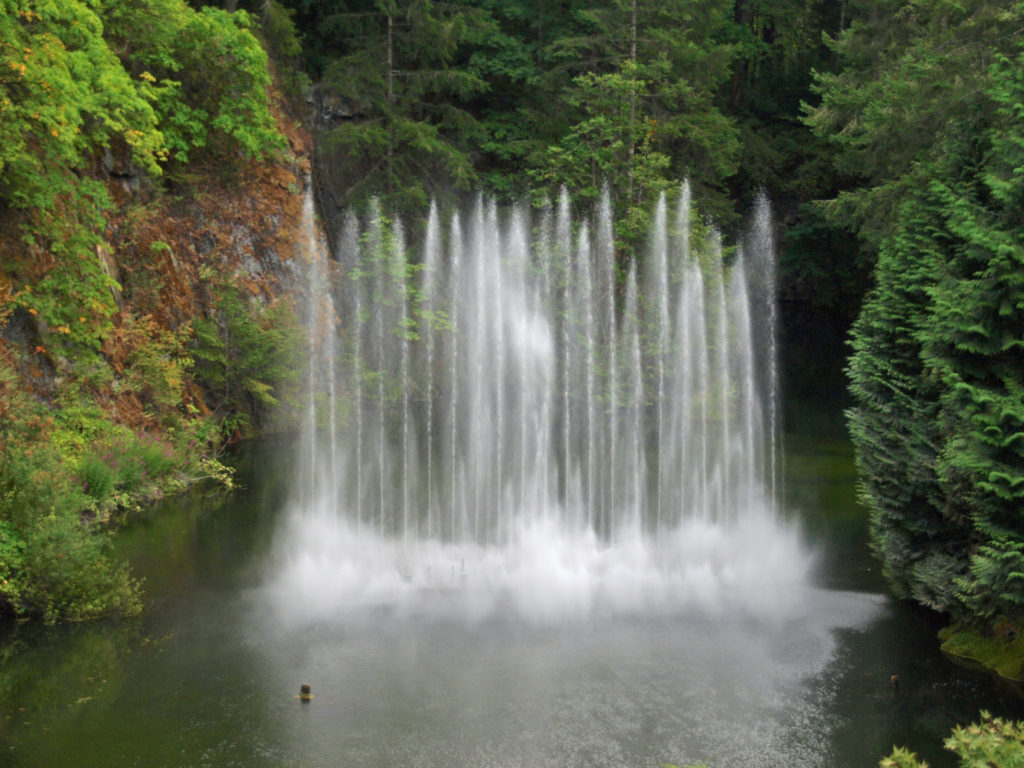
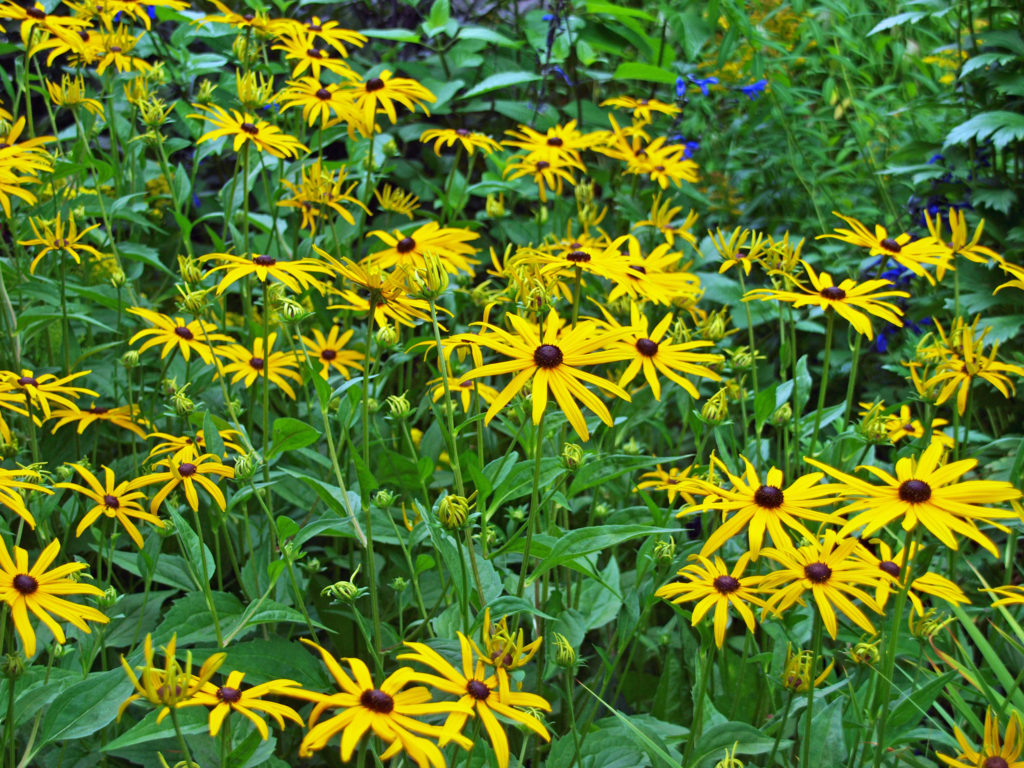
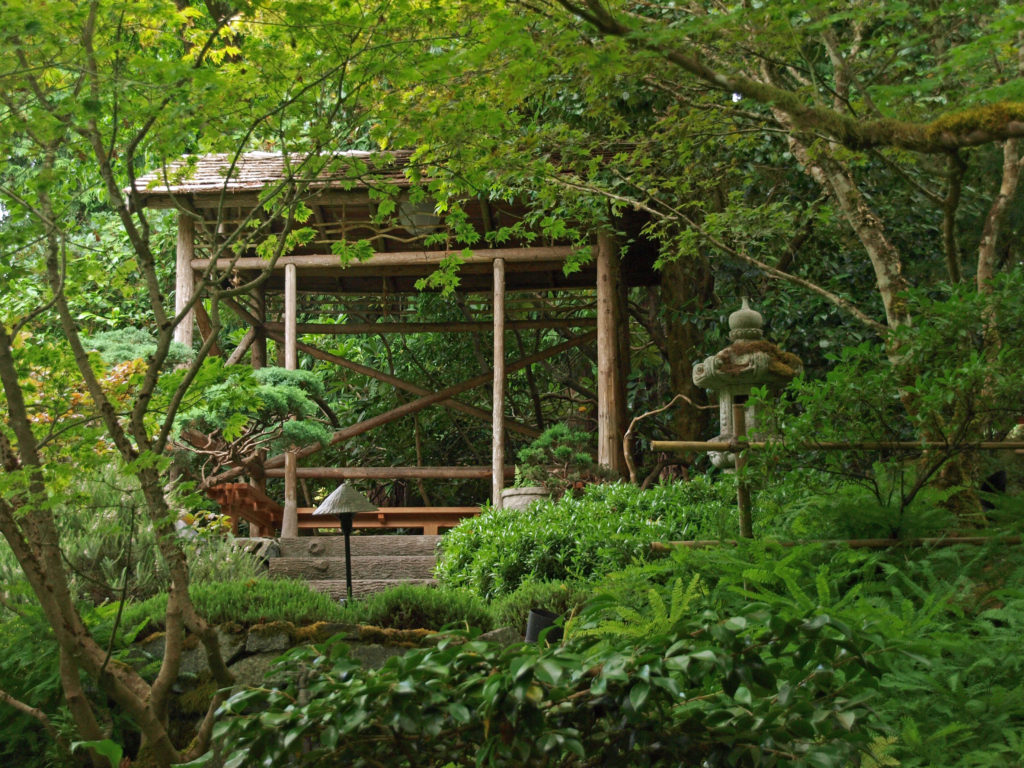
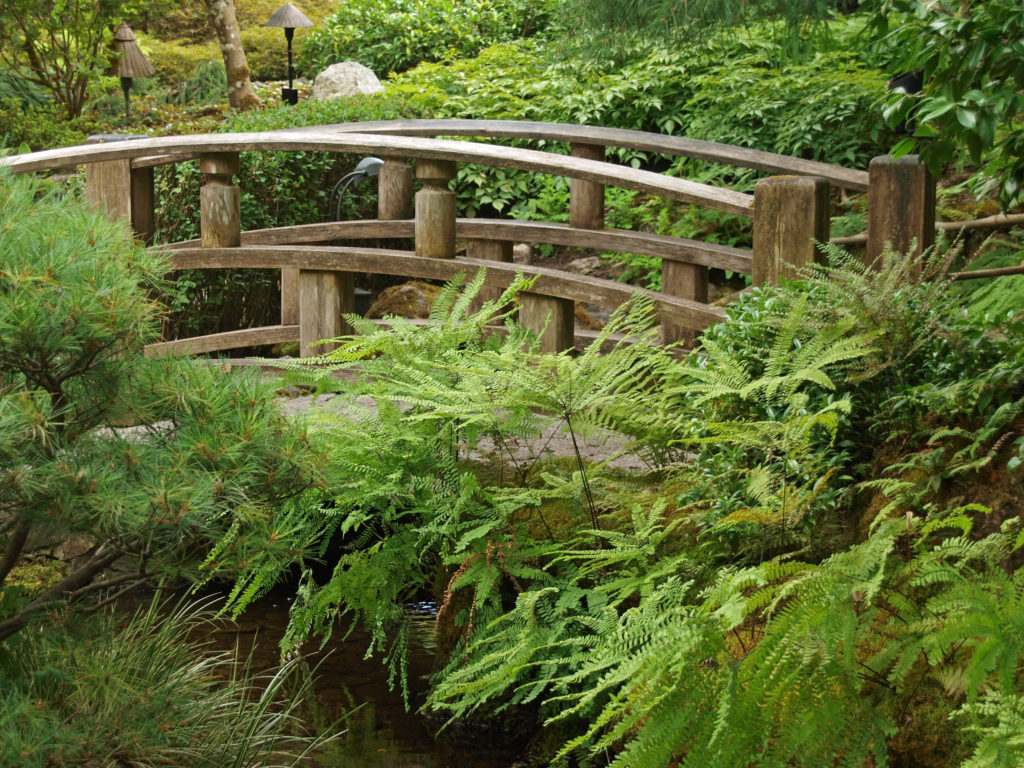
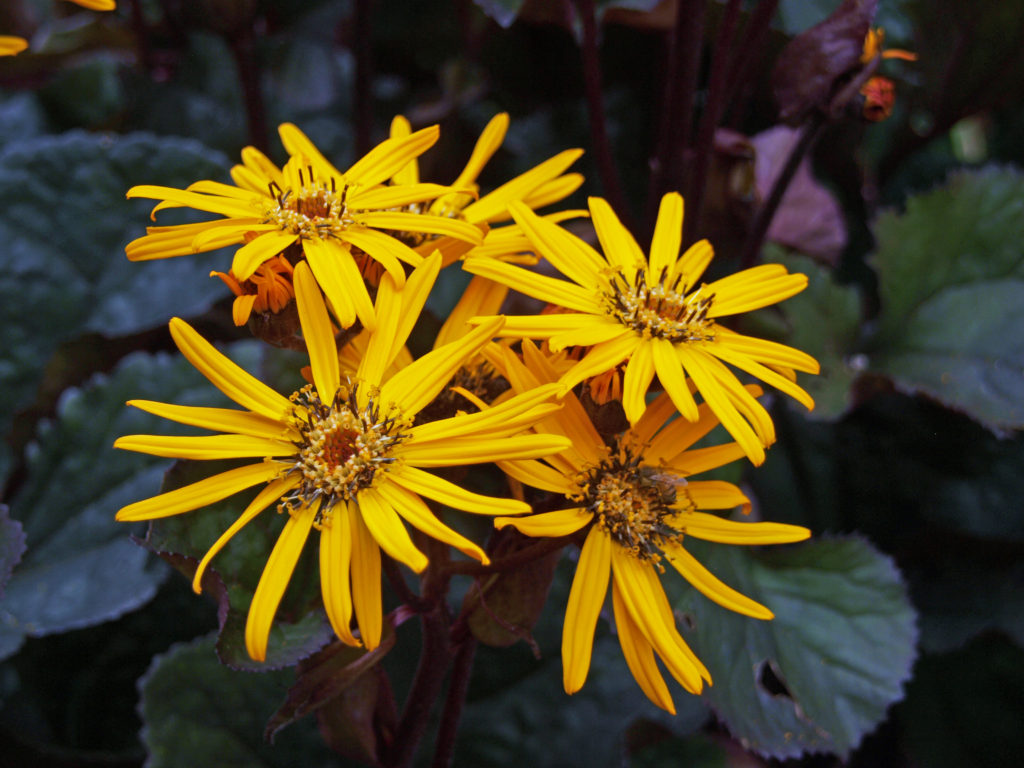
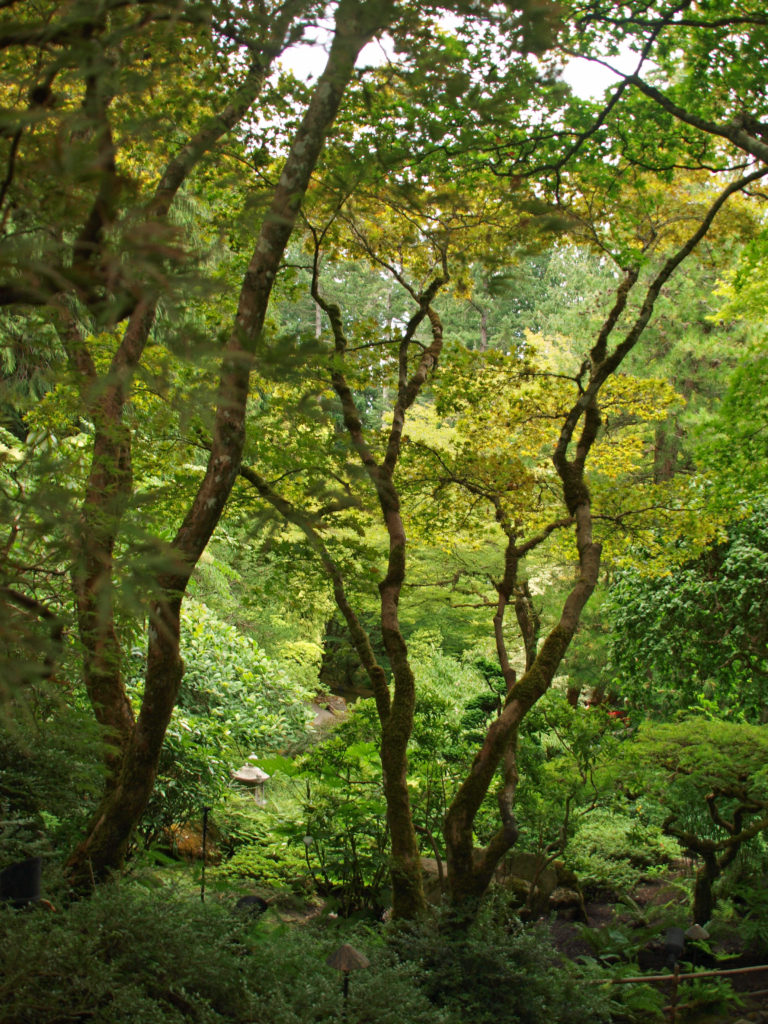
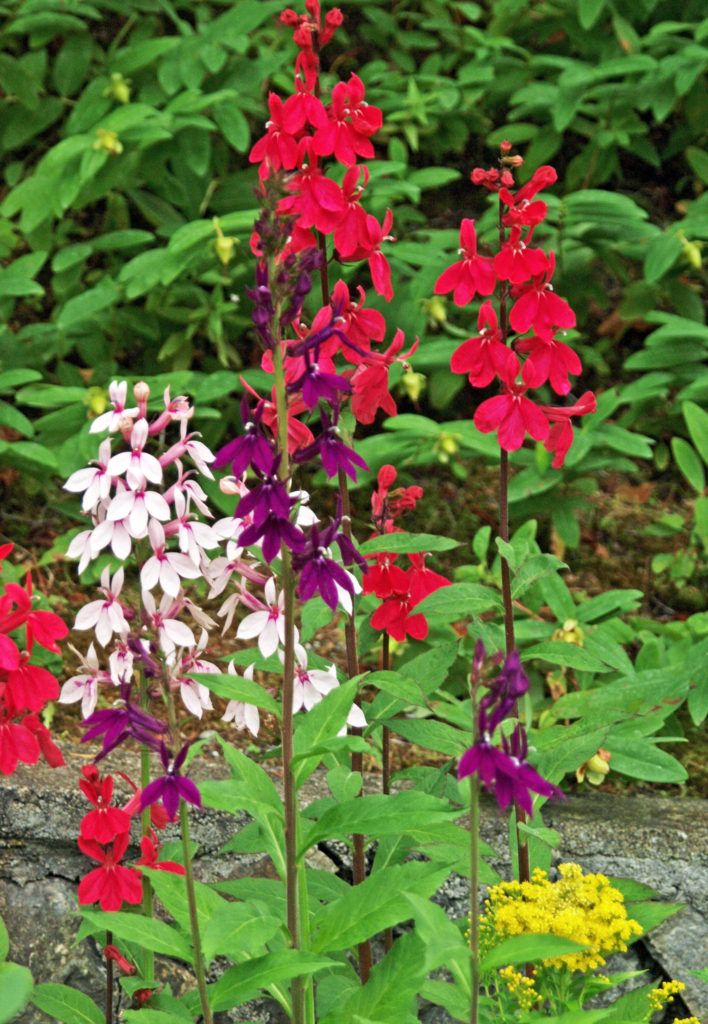 There have been a few reviews that have called the Gardens overpriced and under-whelming, but that’s definitely a minority opinion. And I’m siding with the majority here. Butchart Gardens may not be my favorite garden, but in my opinion the Gardens reputation and World Heritage Site designation are well deserved. And the Gardens are so beautiful that the cost of admission and the crowds shouldn’t dissuade anyone from visiting. If you have never been to Butchart Gardens, they should be on your bucket list, if they aren’t already. And now is as good a time as any to start planning a trip to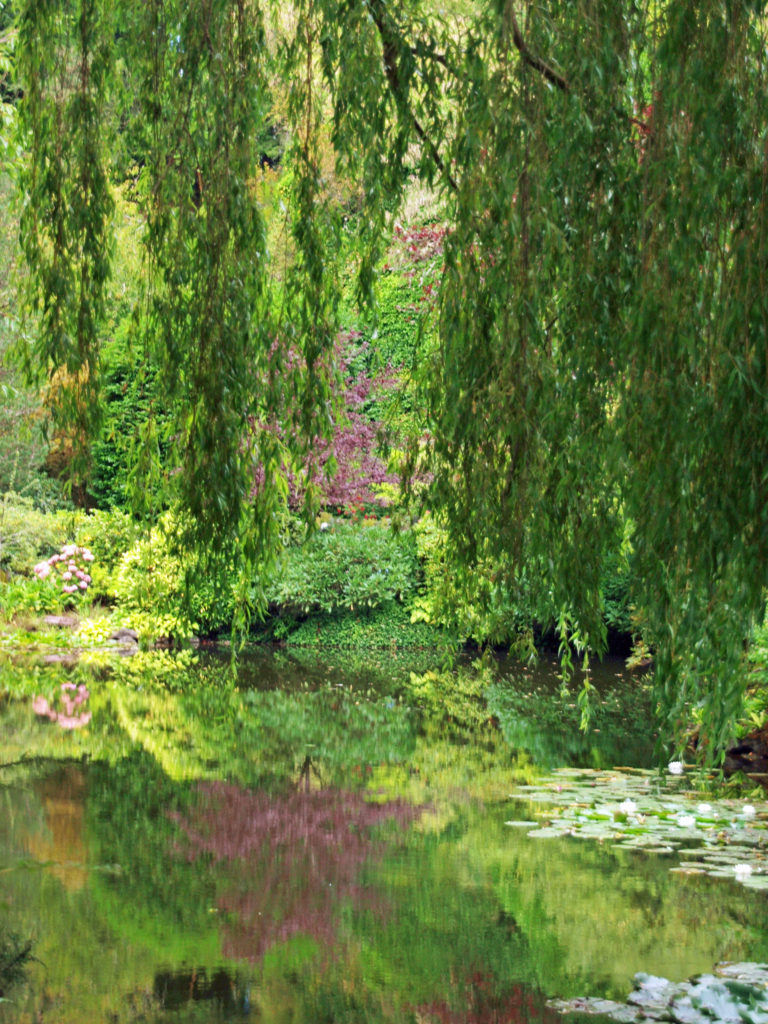
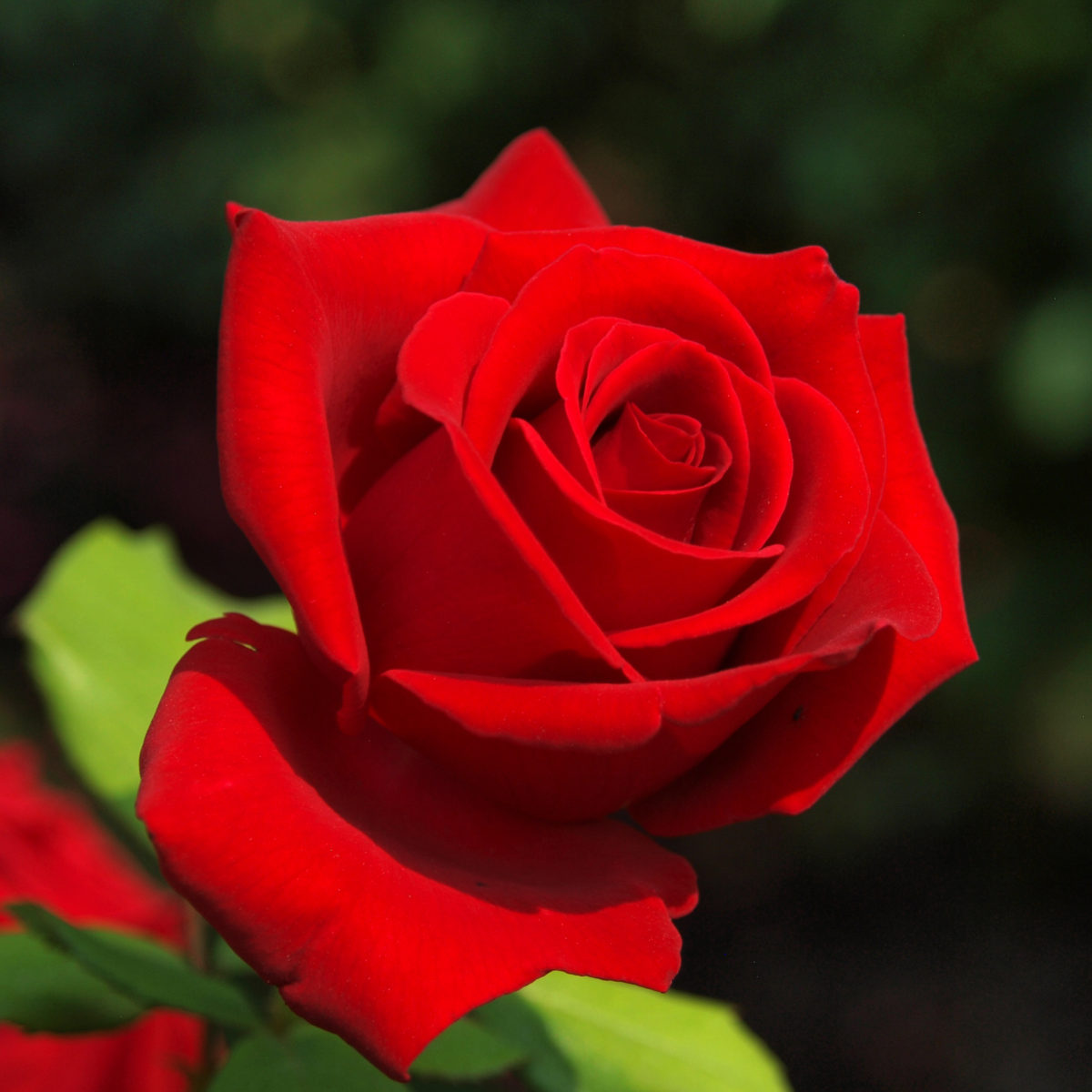
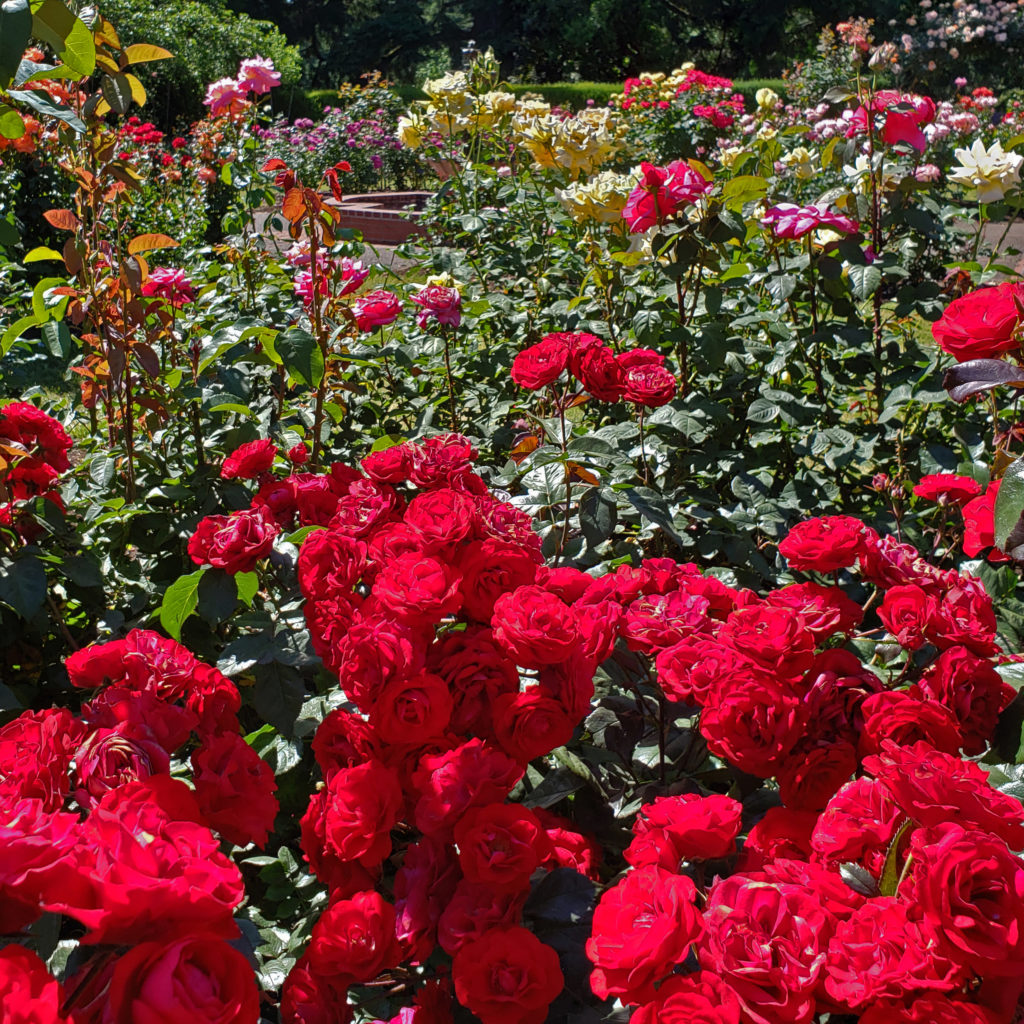 Portland, Oregon is known as the Rose City, and has long had a love affair with roses. The Portland Rose Society has been in existence for more than 130 years. Portland’s premier festival is the annual Rose Festival, held in June every year since 1907. And one of the city’s best, if not the best, botanical gardens is the International Rose Test Garden.
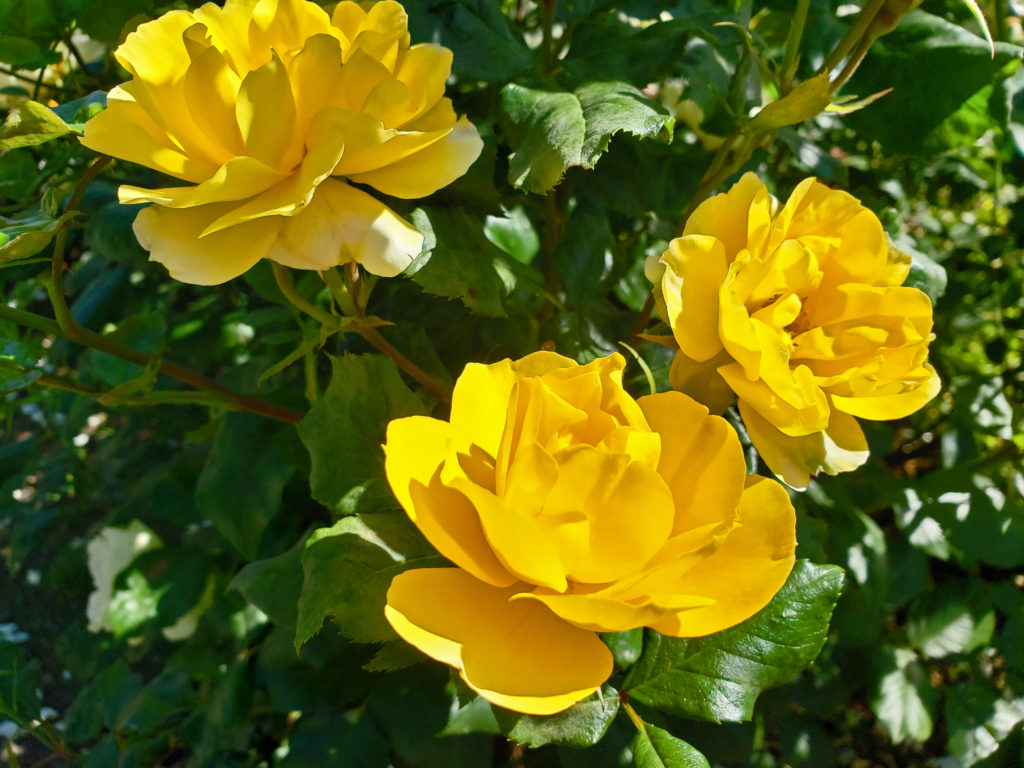 The International Rose Test Garden was conceived in 1915 as a safe haven during World War I for hybrid roses grown in Europe, and rose hybridists in England began sending roses to Portland in 1918. Over the years, other hybridists have sent roses to Portland from all over the world.
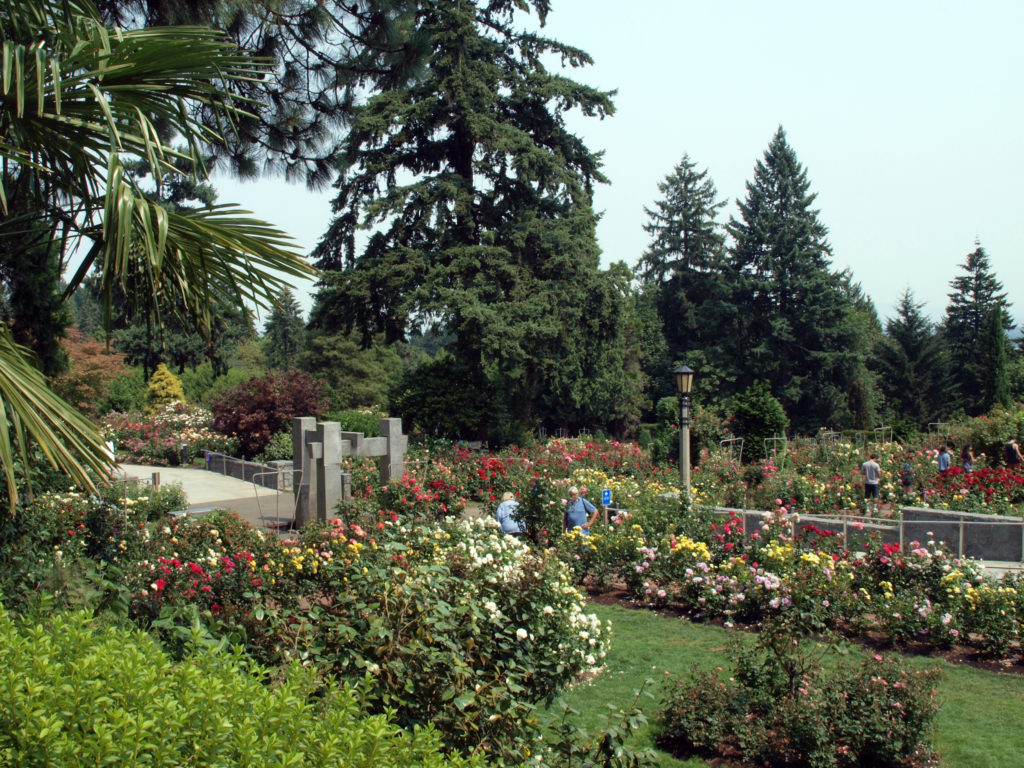 The primary purpose of the Garden is to serve as a testing ground for new rose varieties. The Garden is home to a variety of formal rose evaluation programs in designated test beds. Rose companies send potential variety introductions for evaluation. How each variety performs determines if it makes it onto the
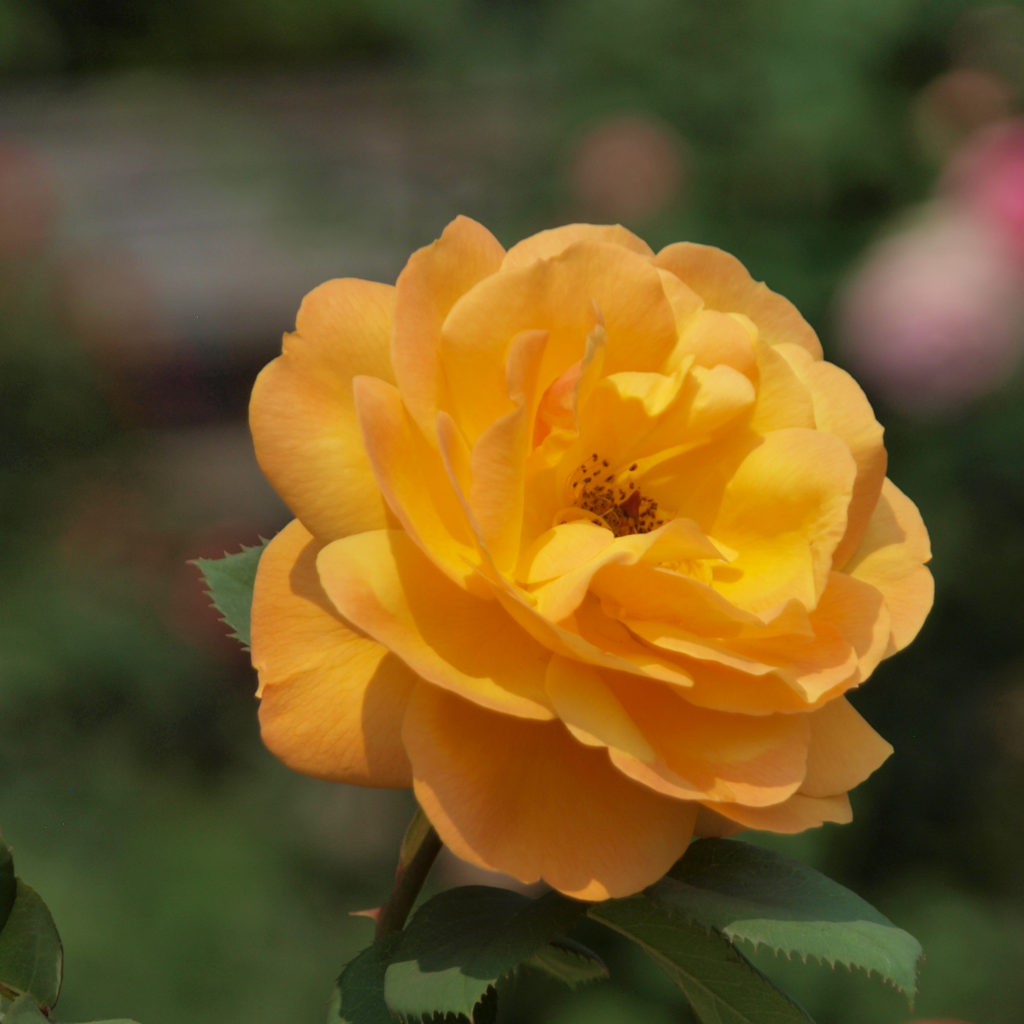 Today, the
 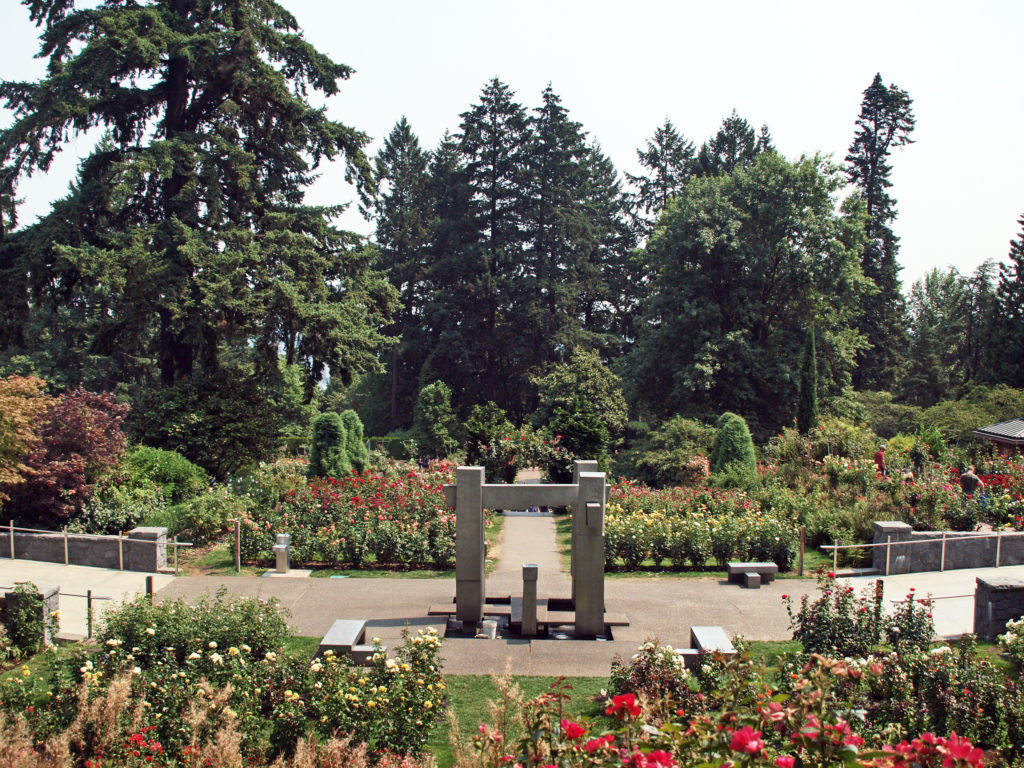 The Rose Garden is located in Washington Park, west of Portland’s downtown. Admission is free. To get there from downtown, take Burnside Street west, turn left onto Tichner Drive, then right onto Kingston Avenue. The Rose Garden will be on your left, behind the public tennis courts. Parking is limited, though, and will be hard to find on a summer weekend. Come on a weekday, if possible, and come early in the day to have the best chance to find a spot. Or consider parking in the downtown area and taking the Washington Park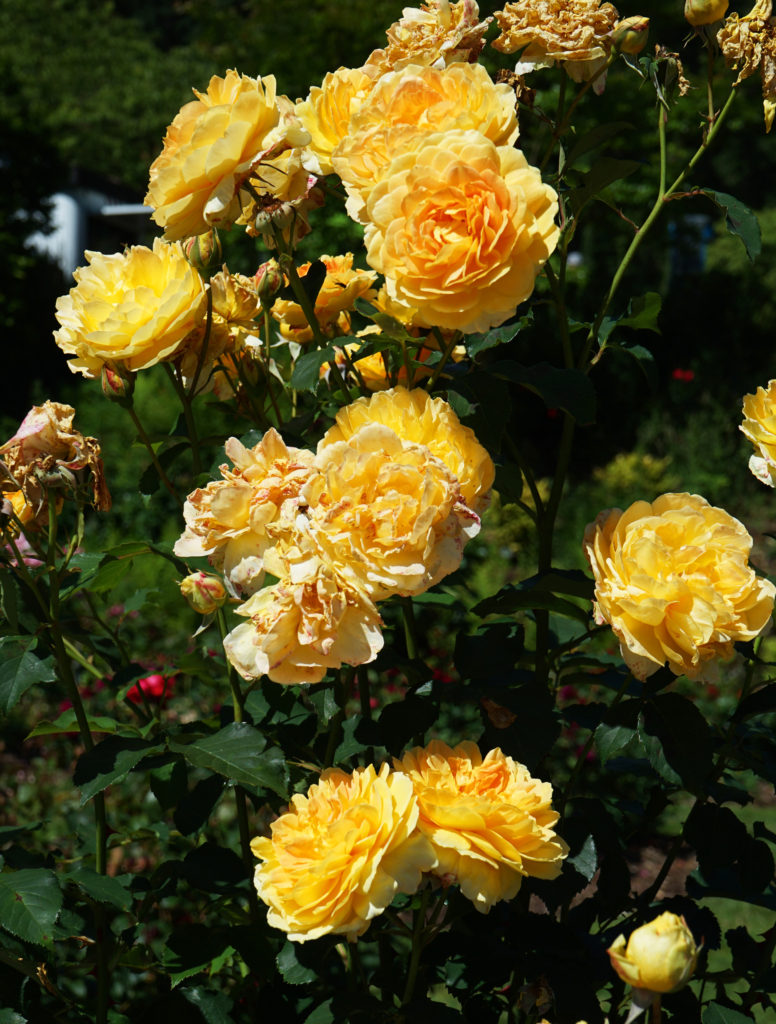
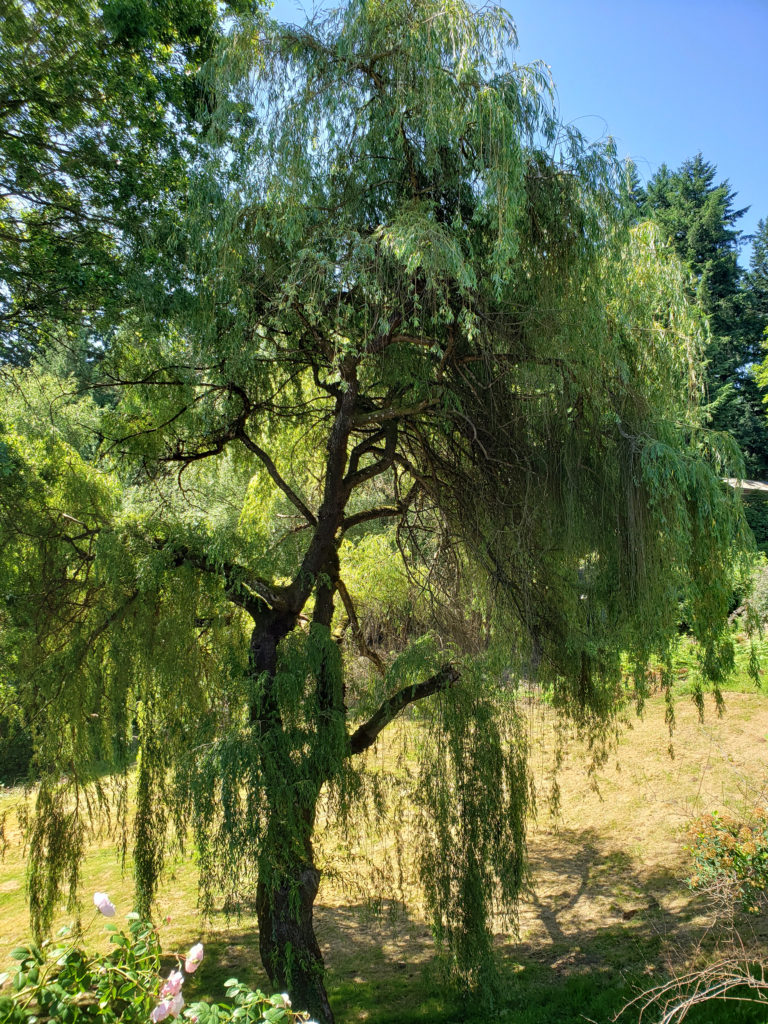 If you want a souvenir of your visit, or information on growing roses, check out the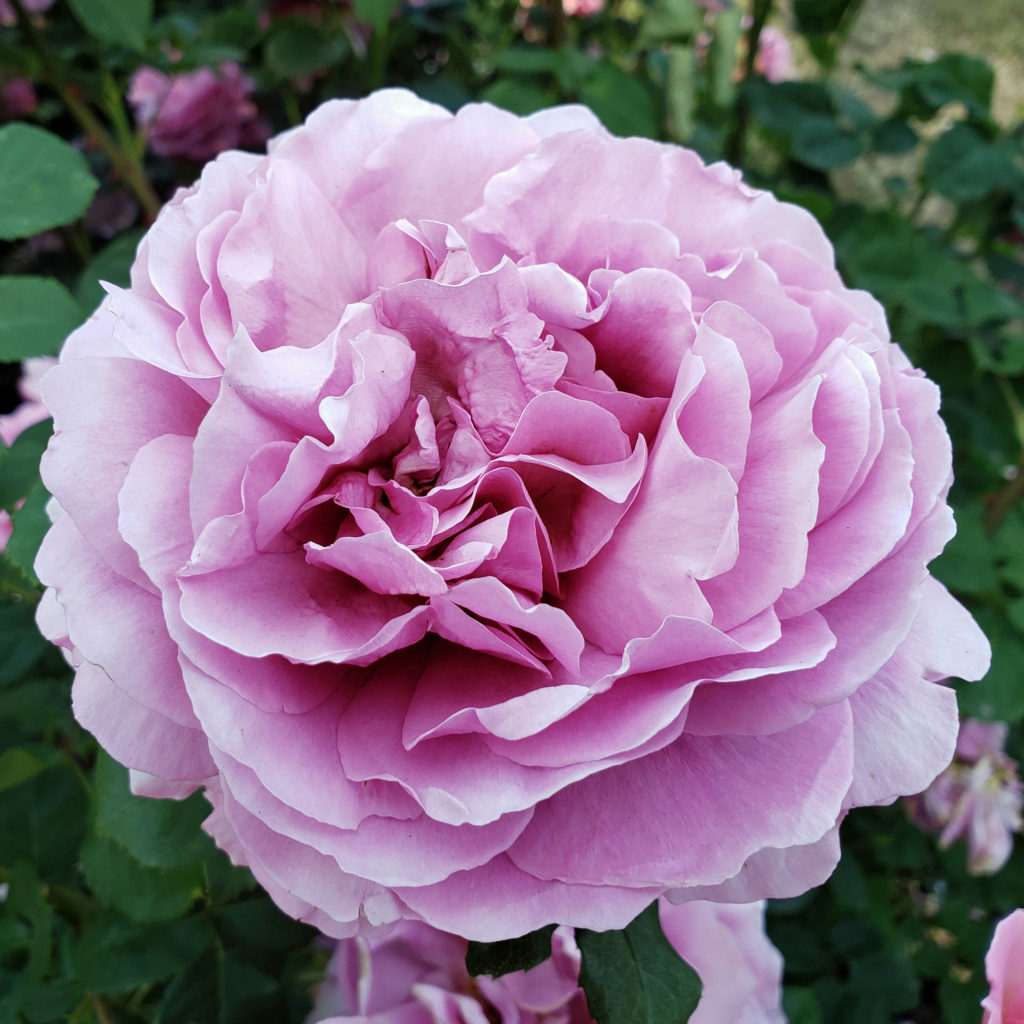
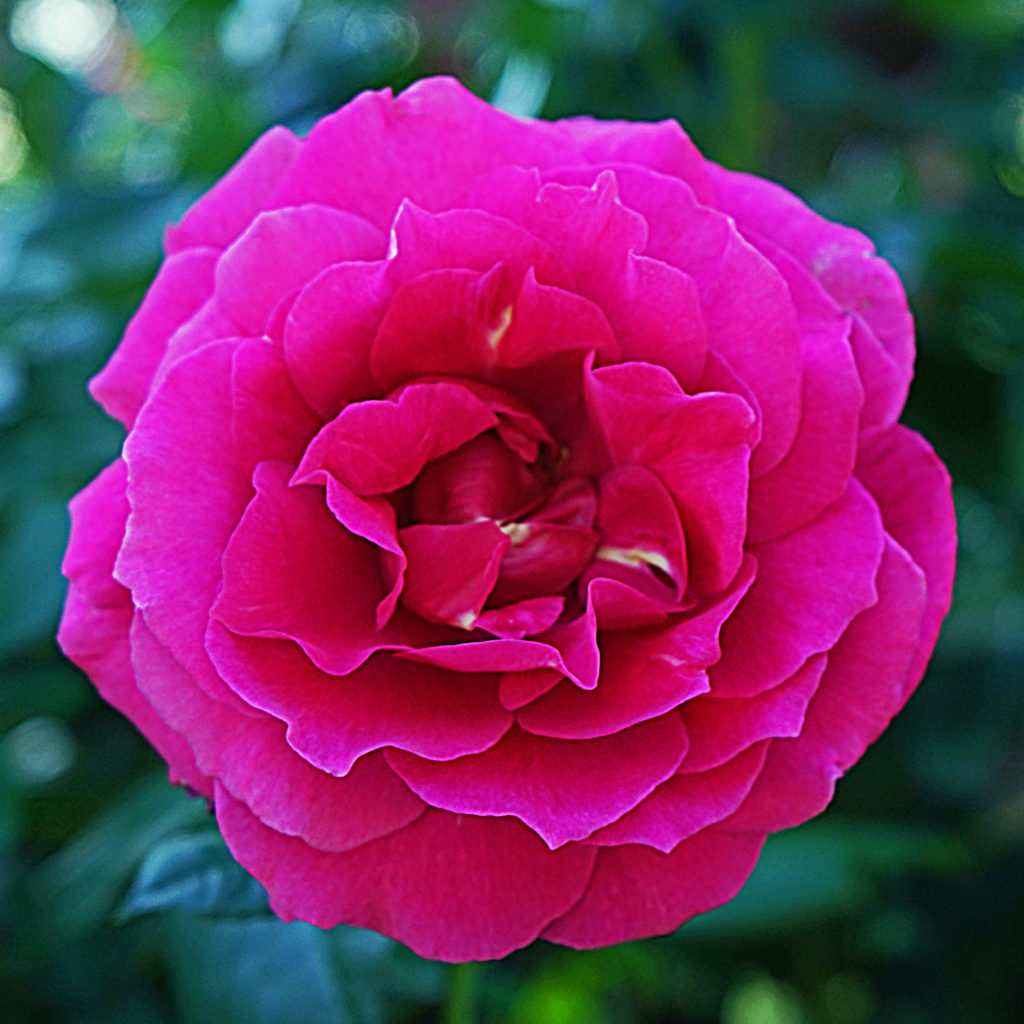
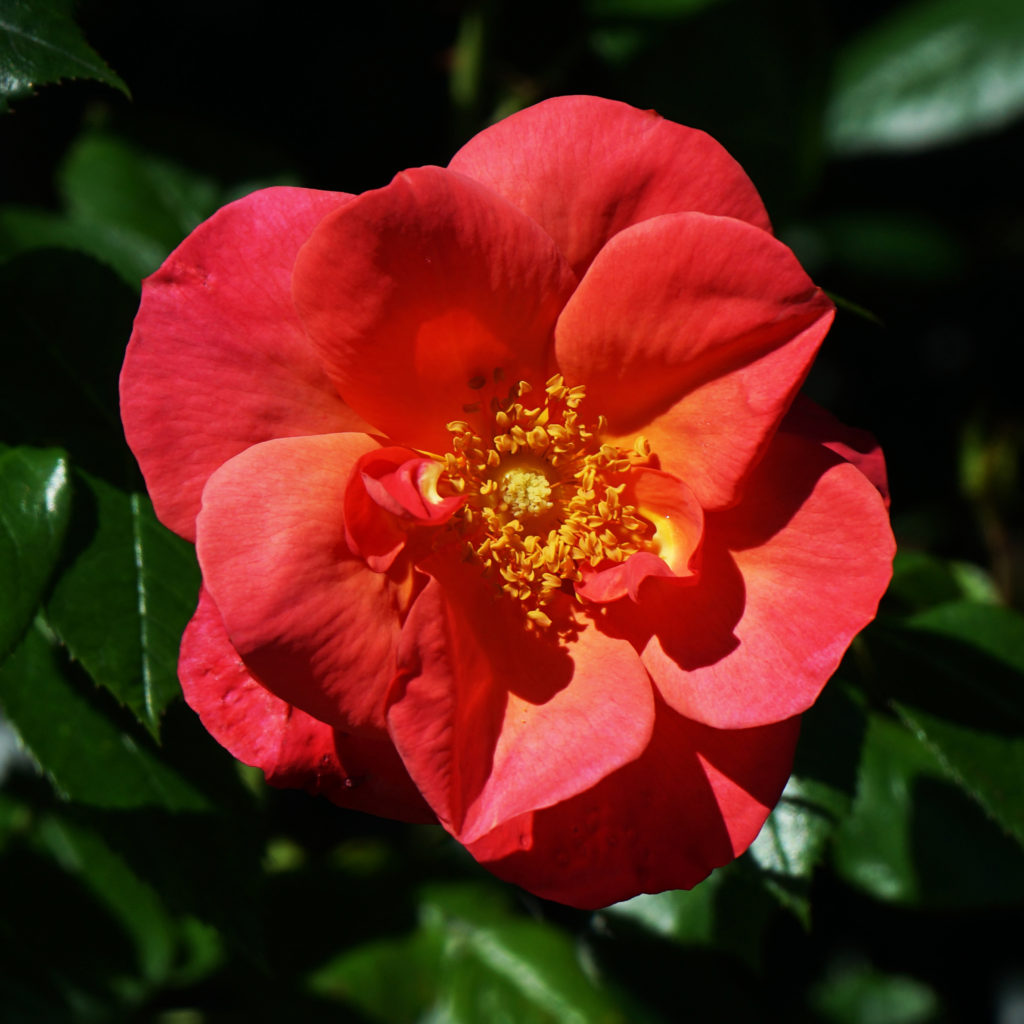
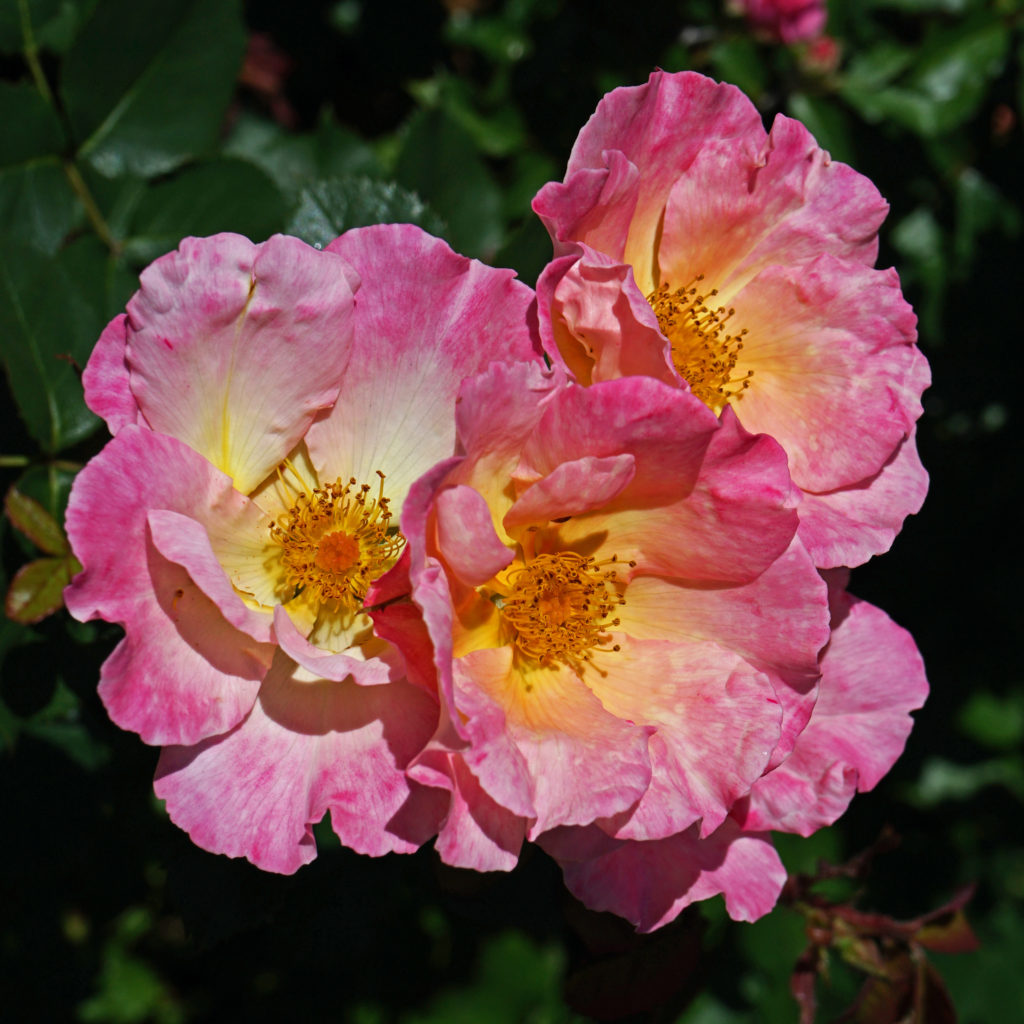
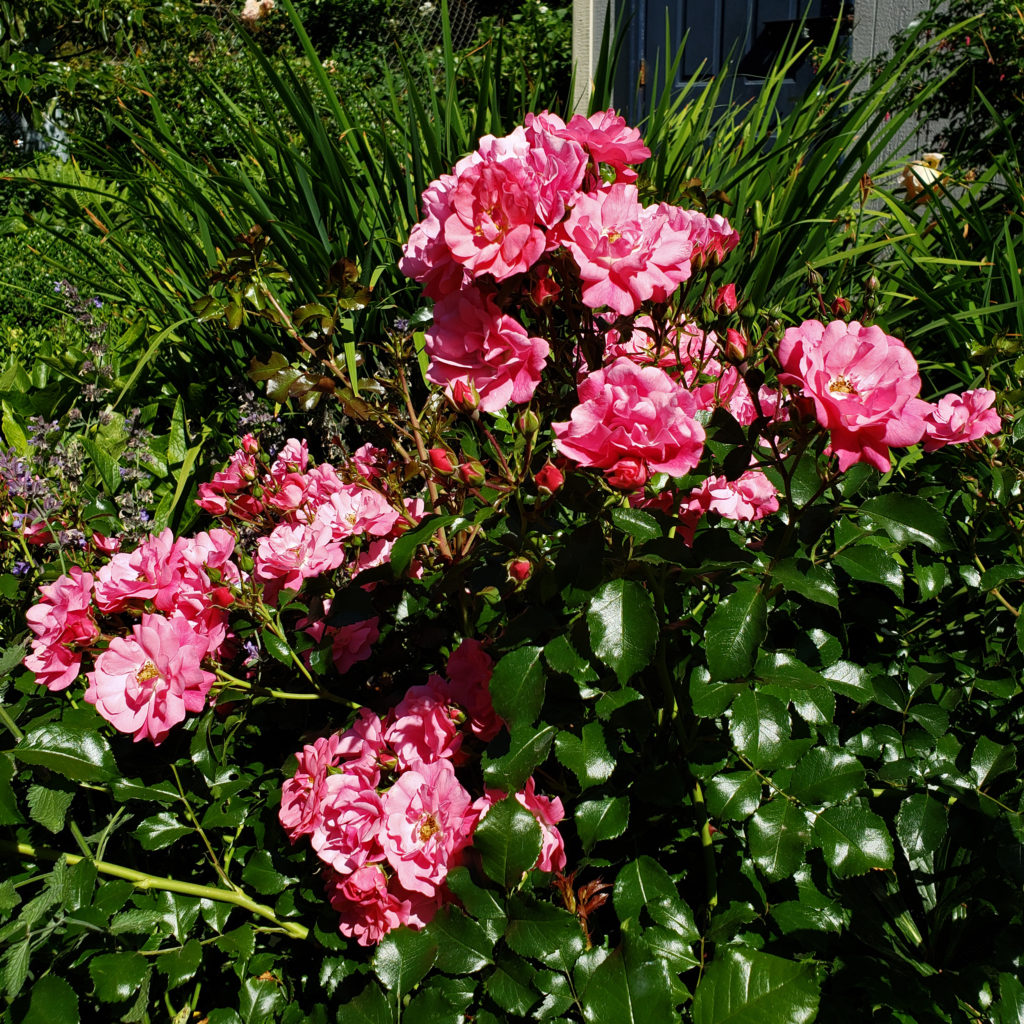
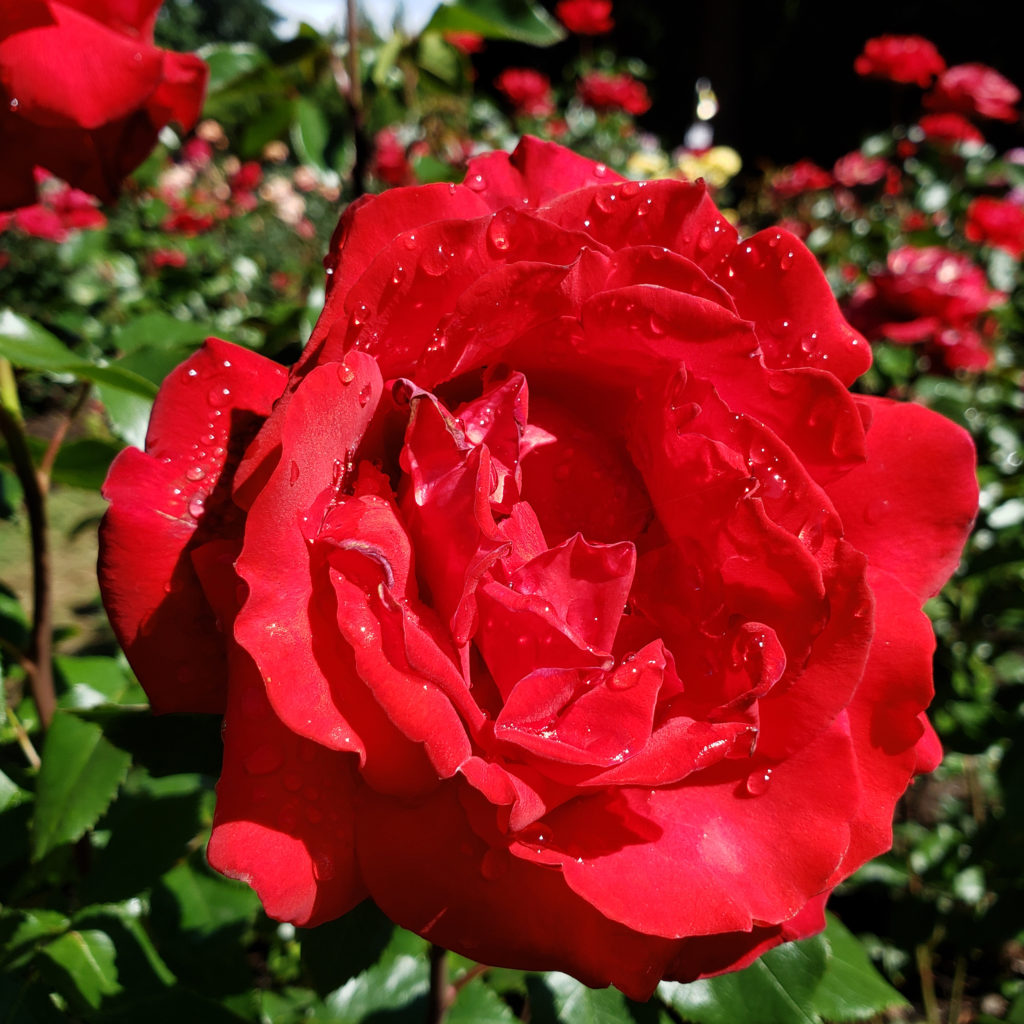 Posted March 16, 2022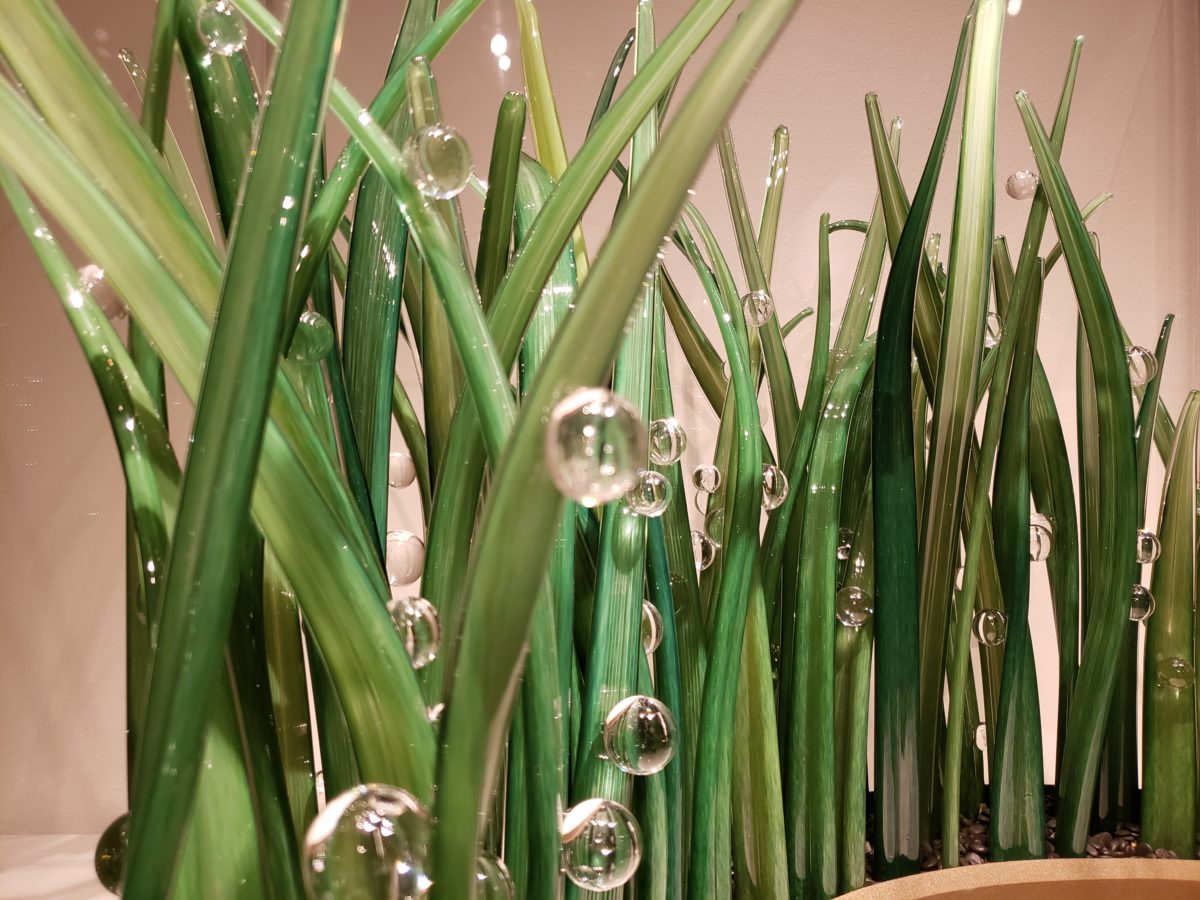


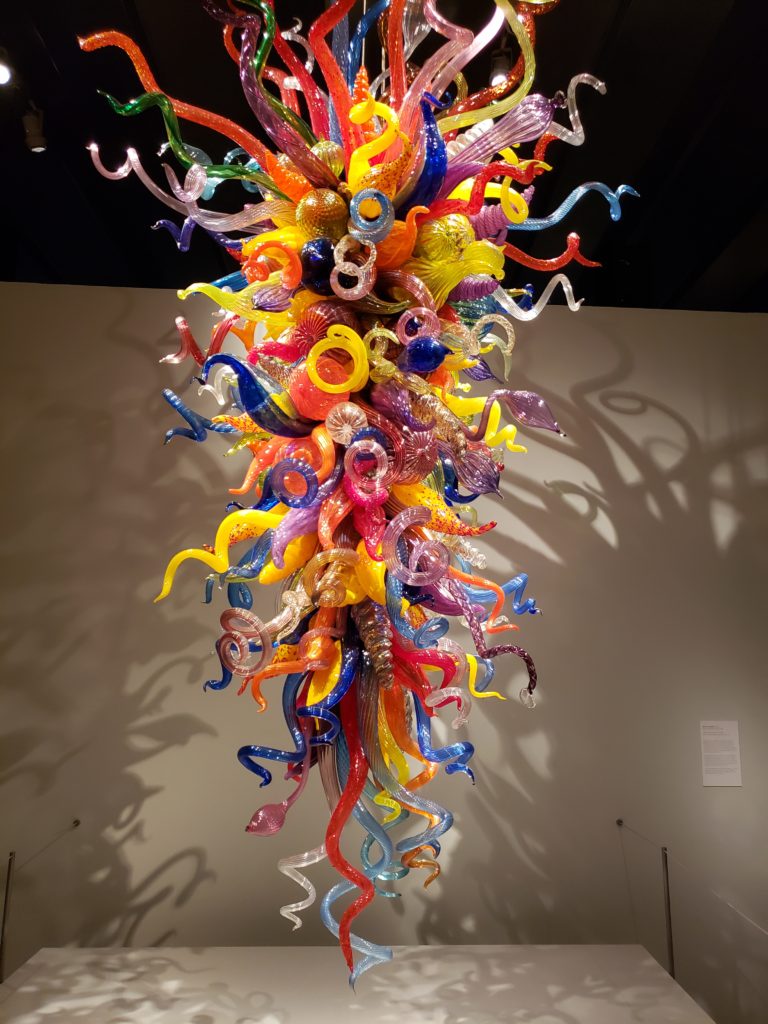
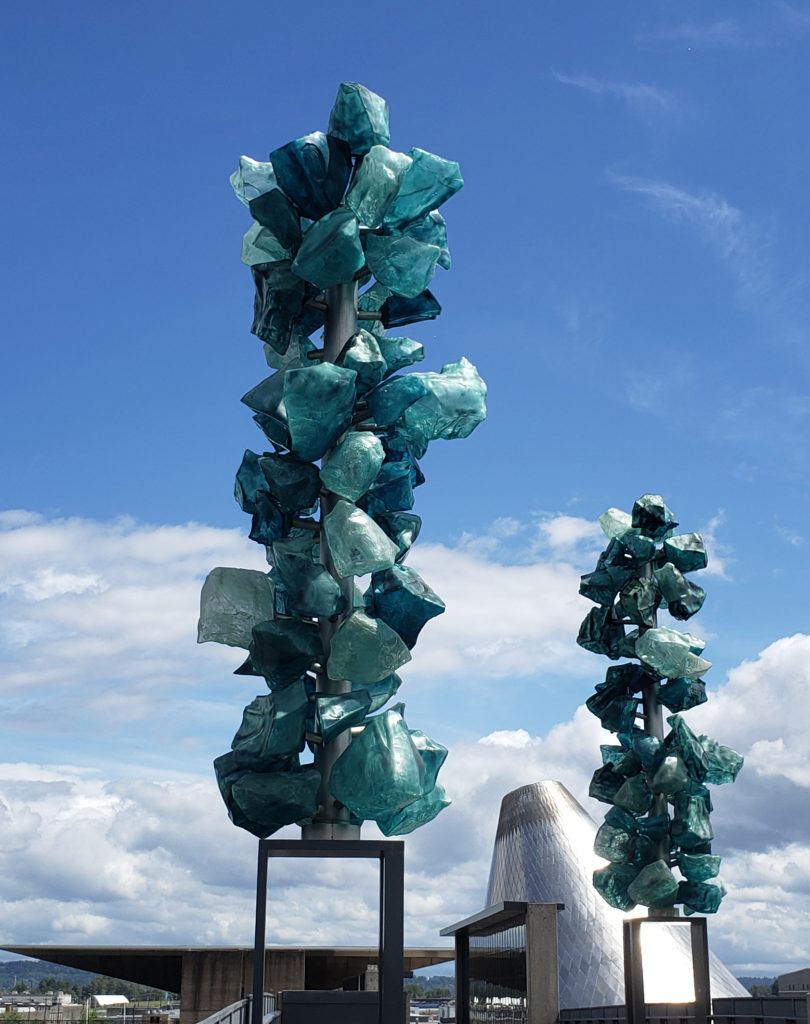
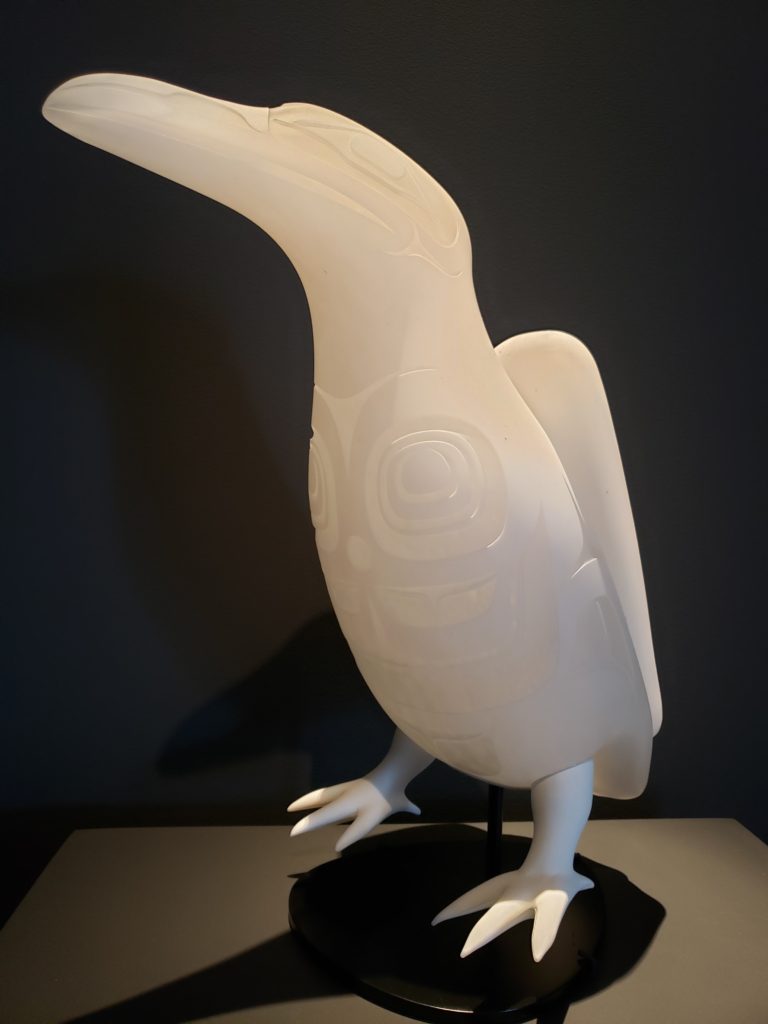
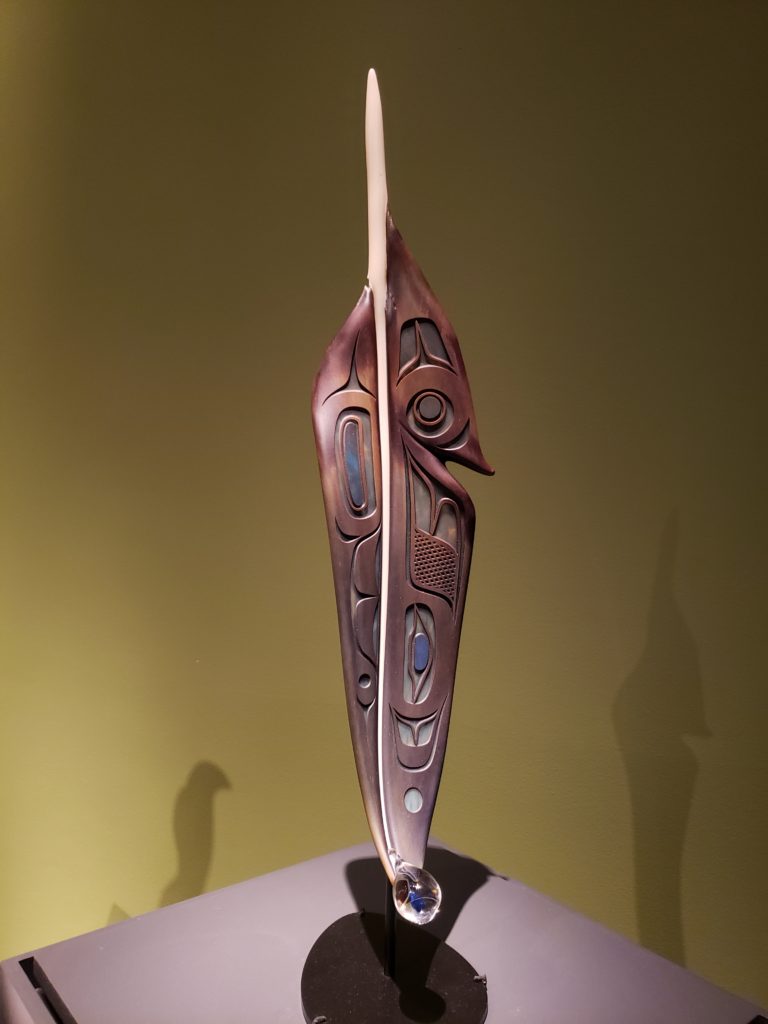
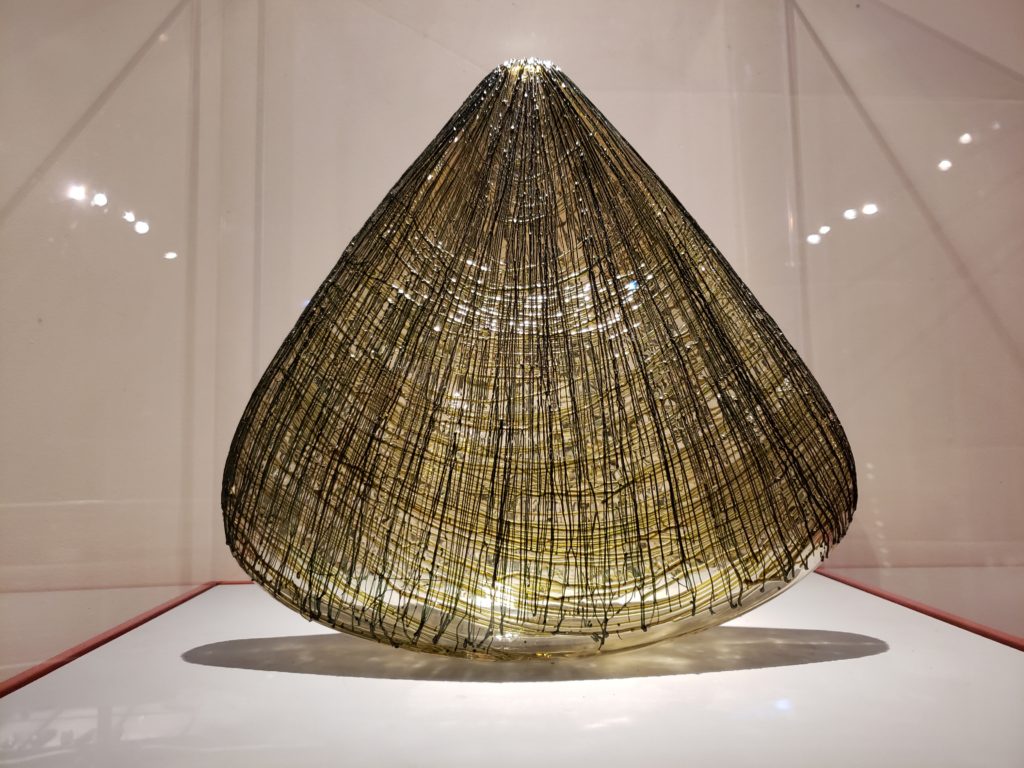
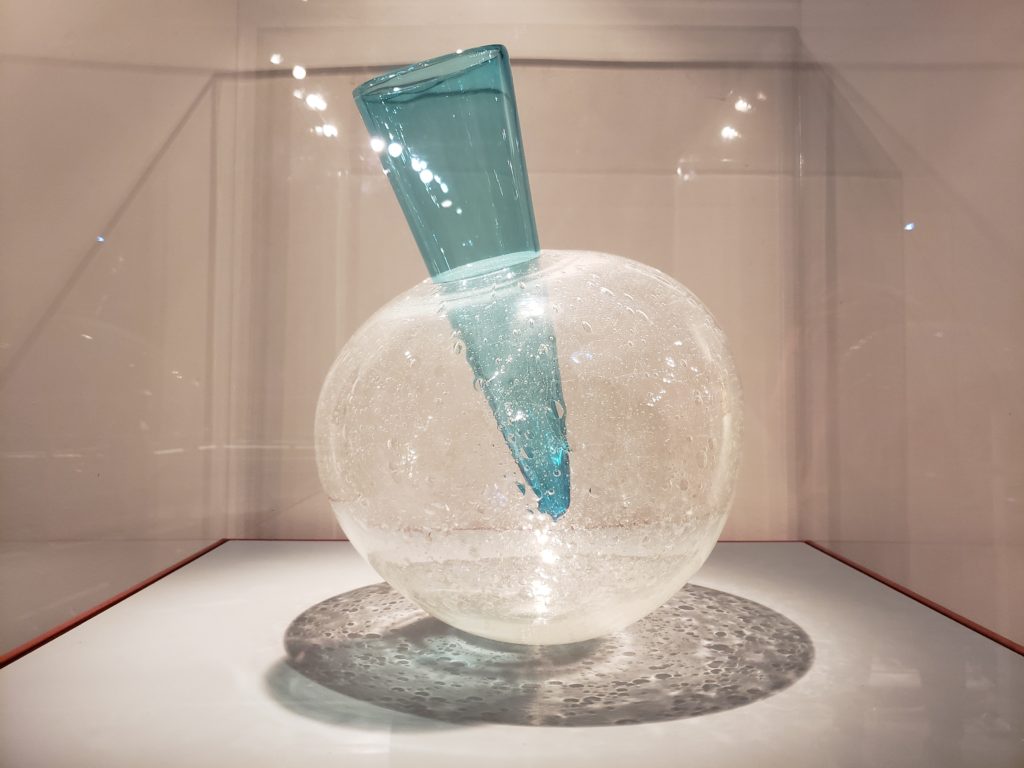


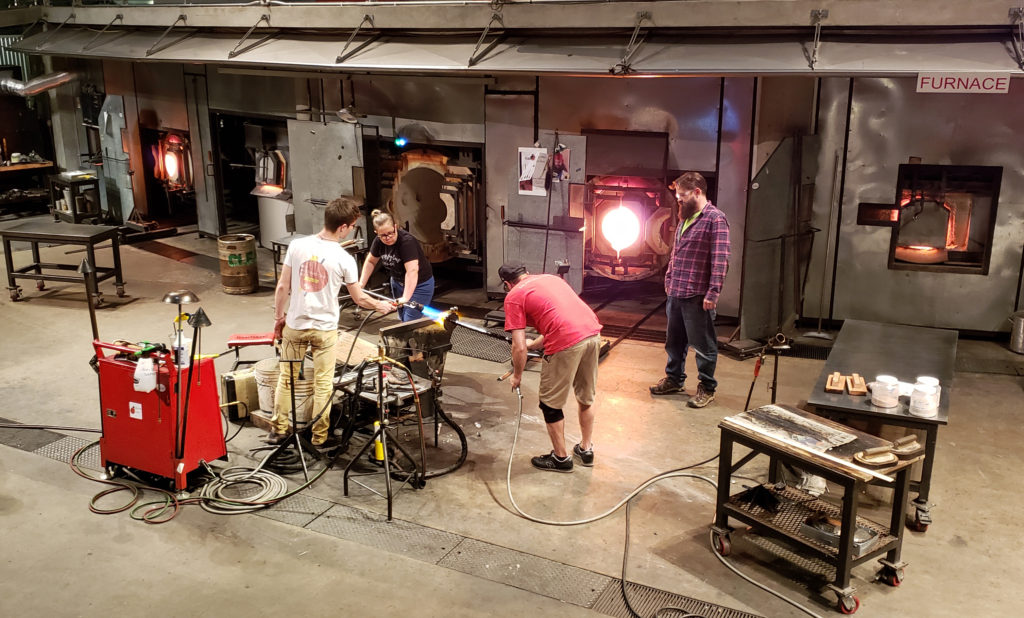
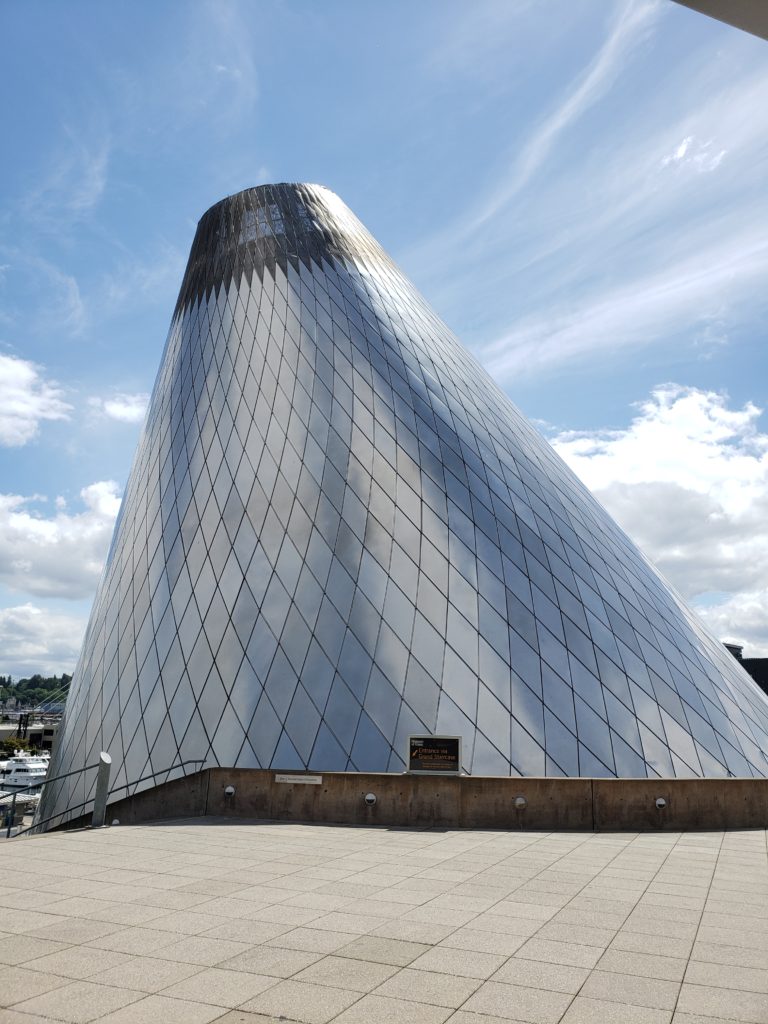
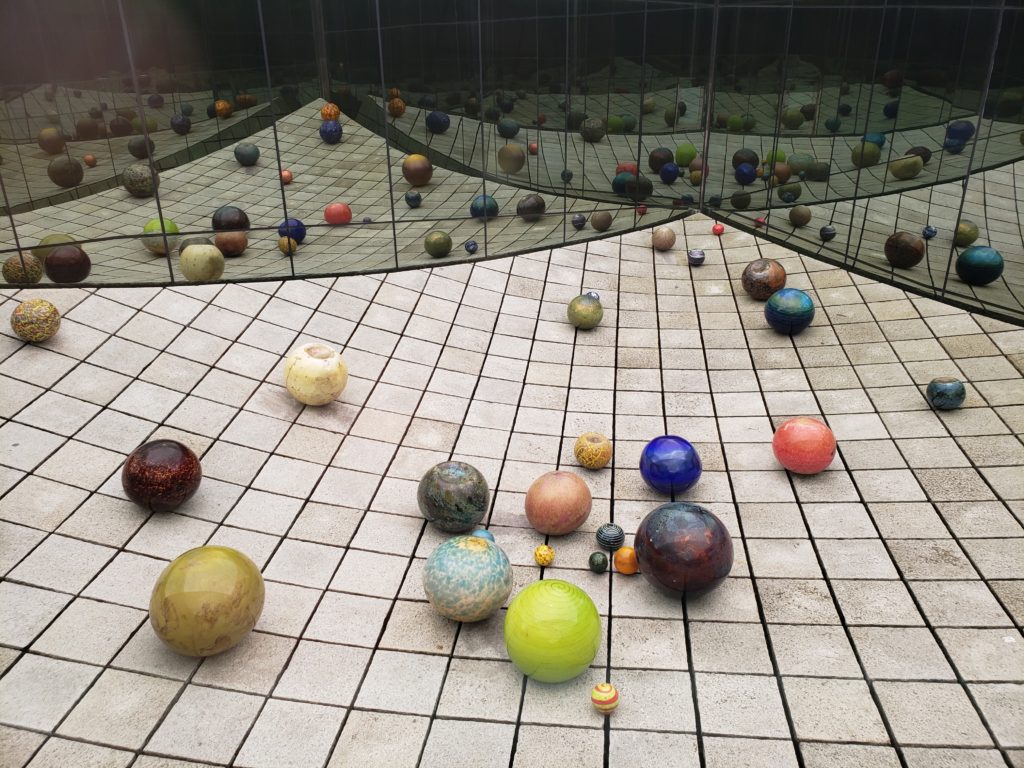
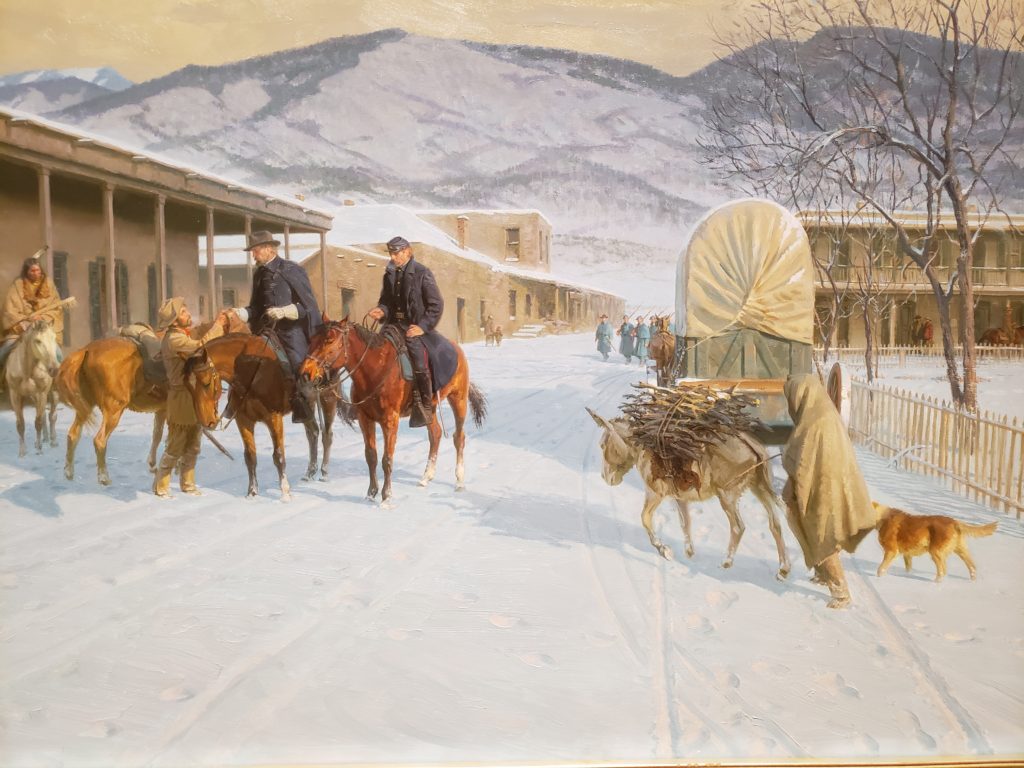
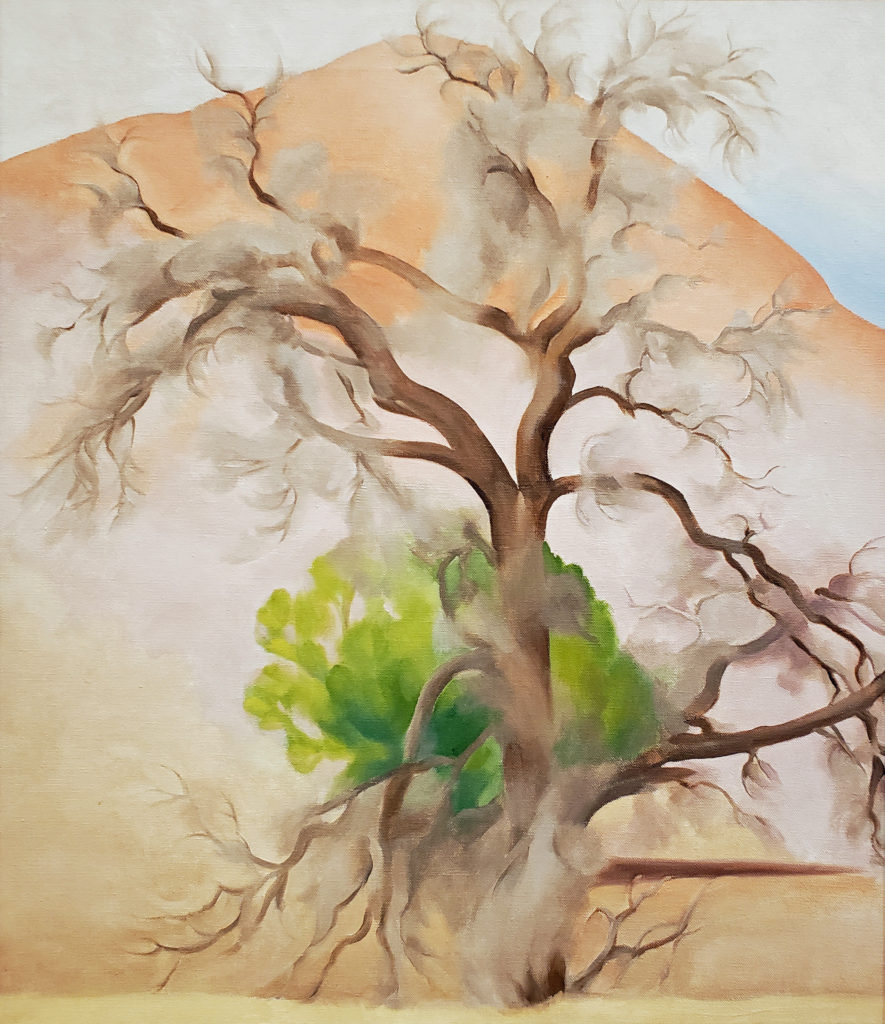
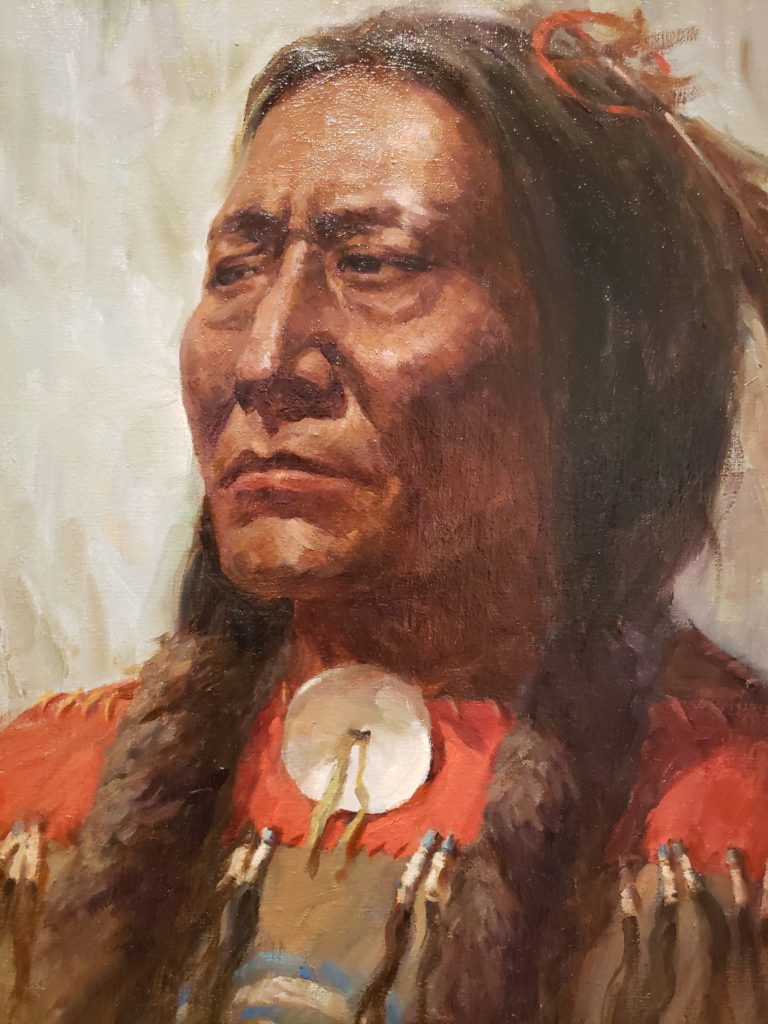

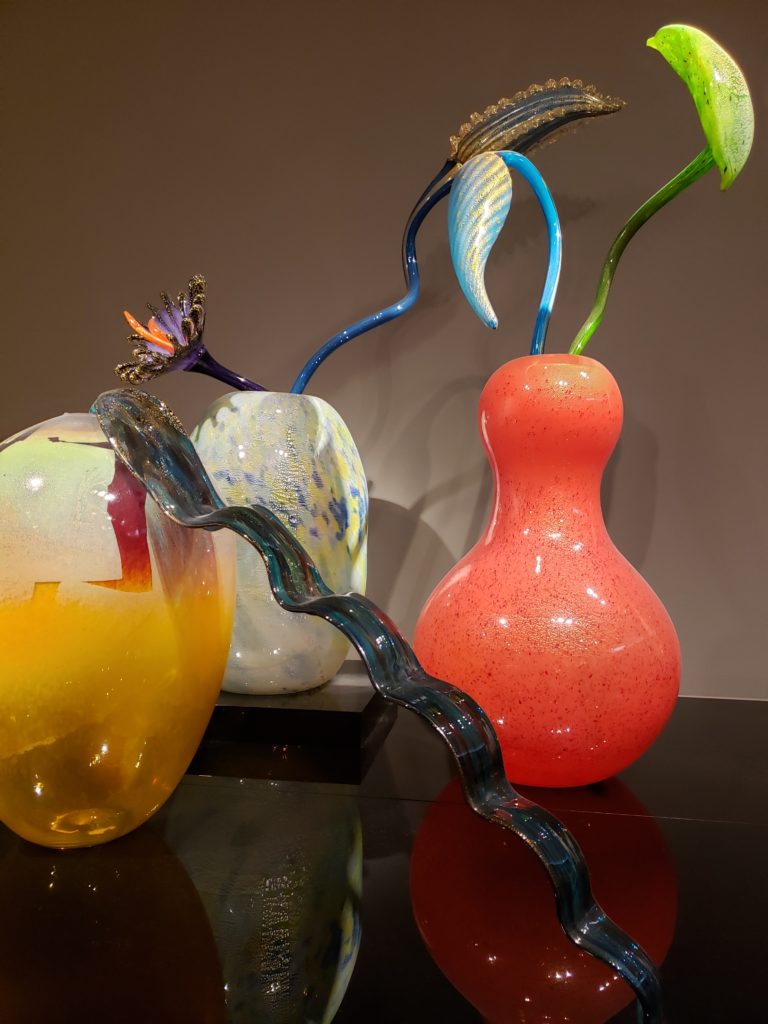
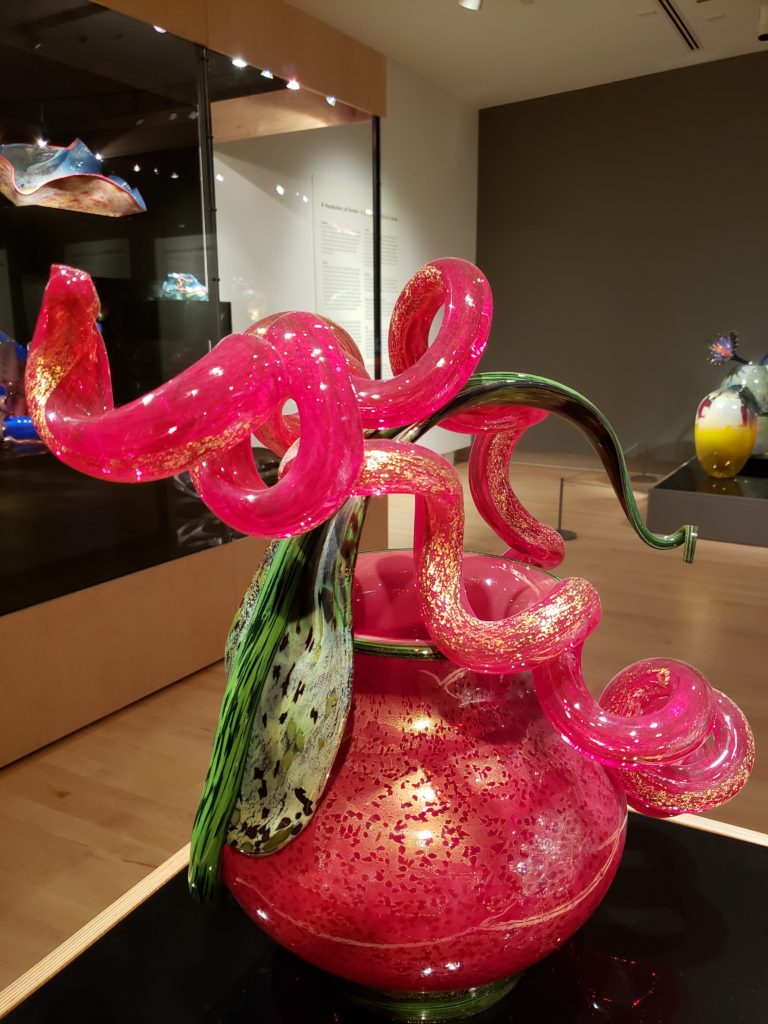
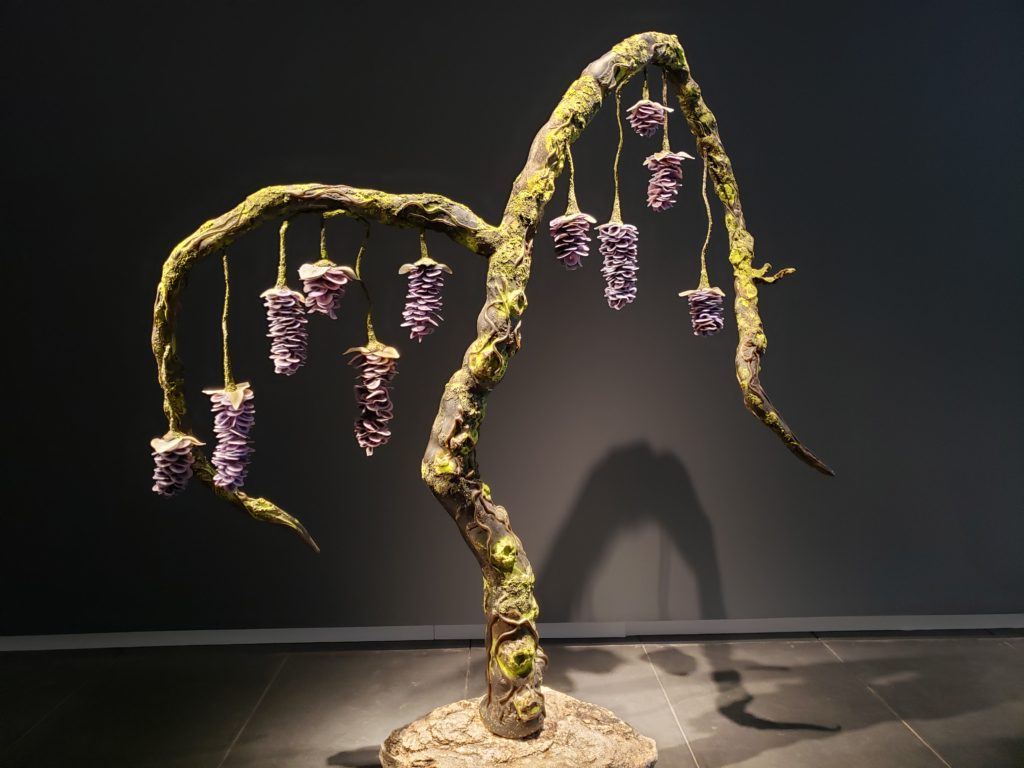
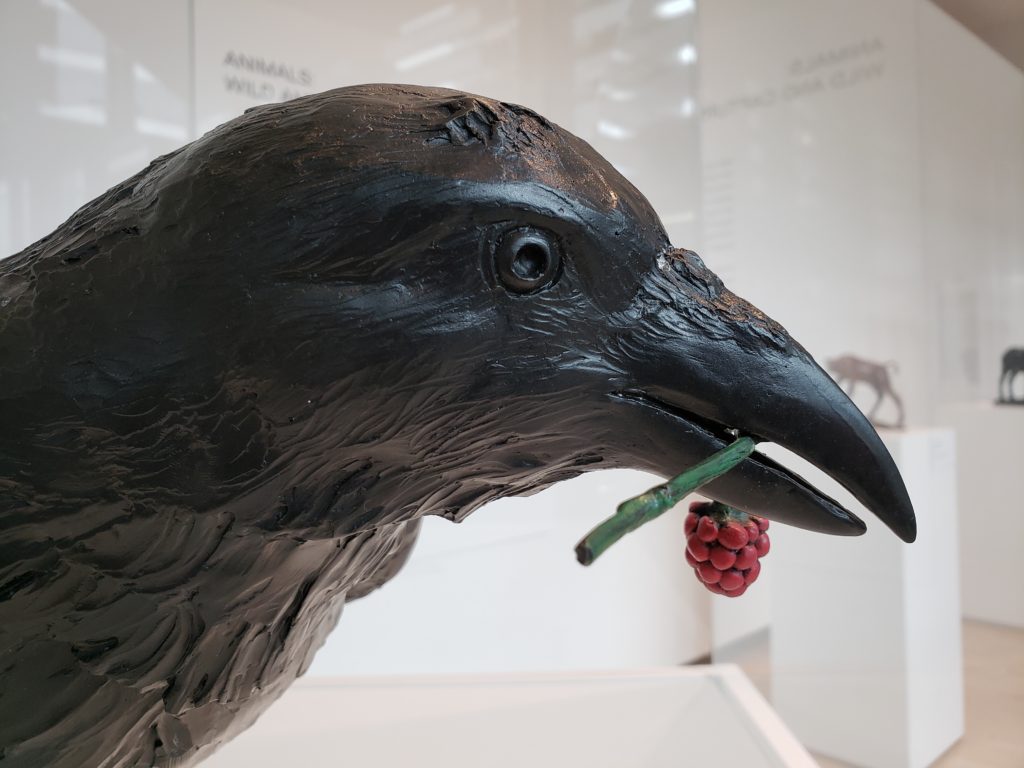

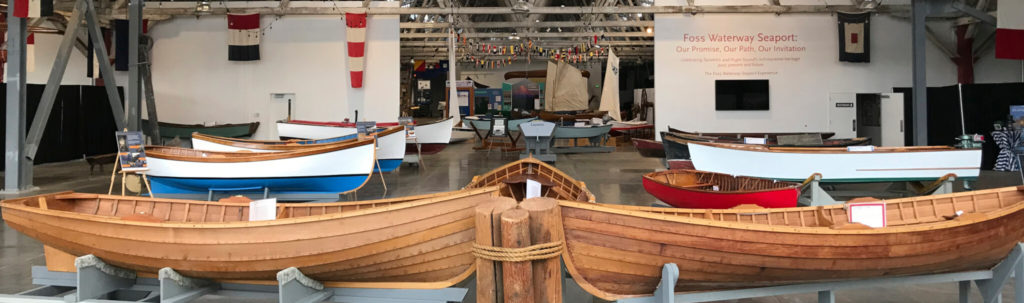
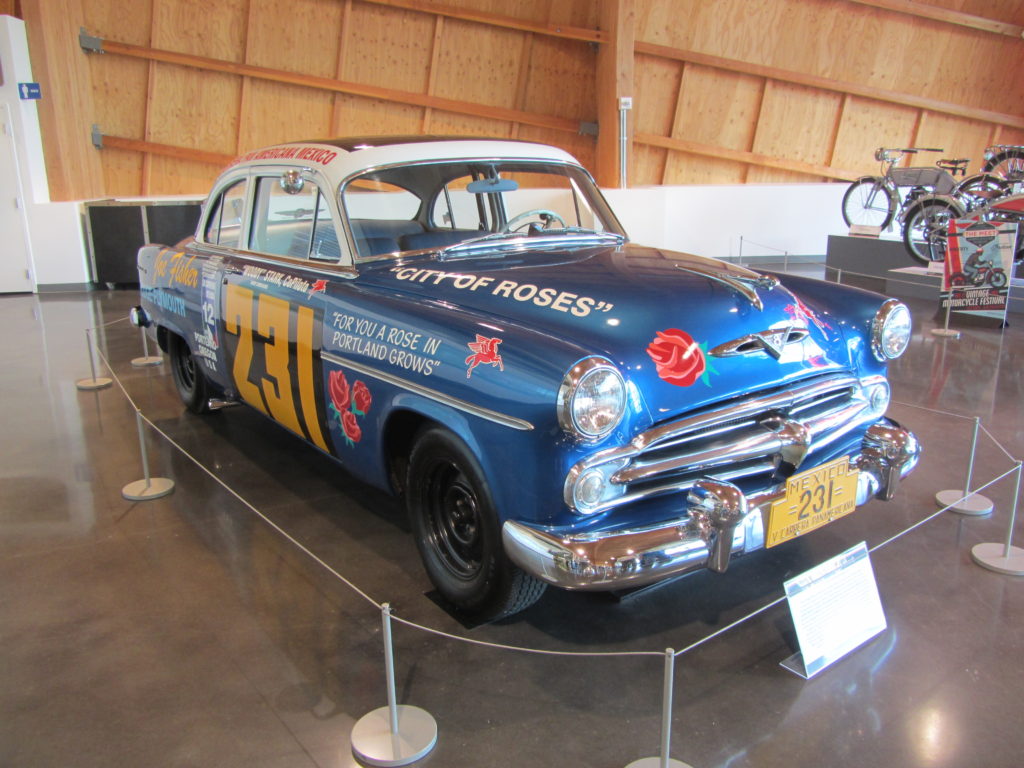
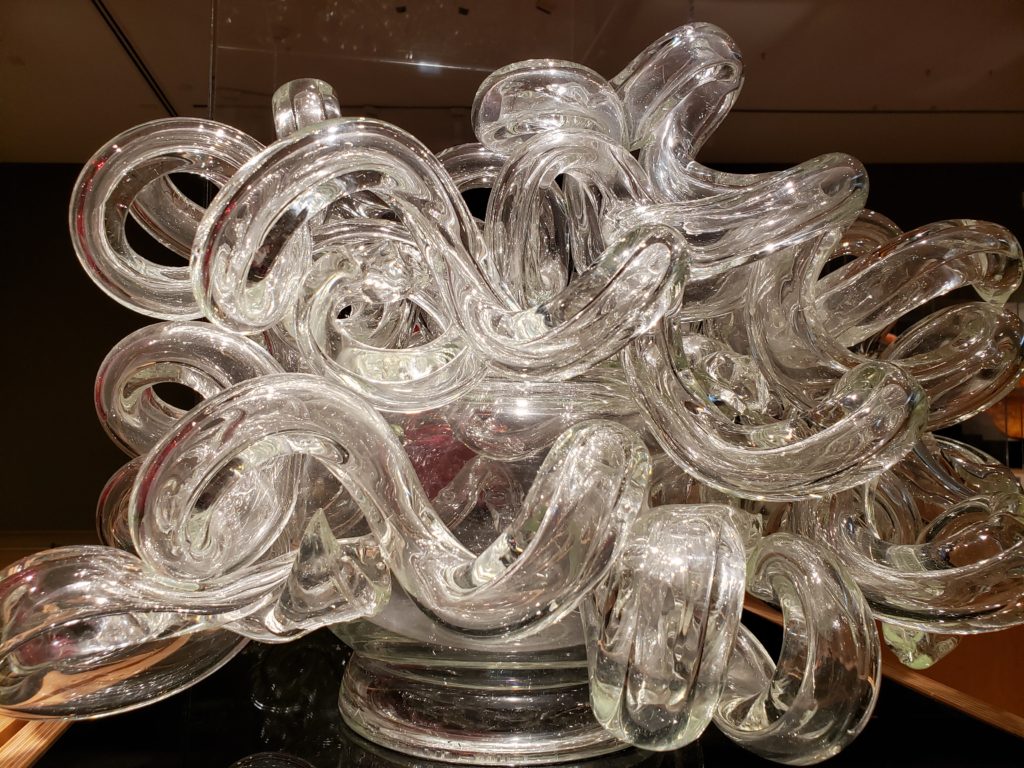

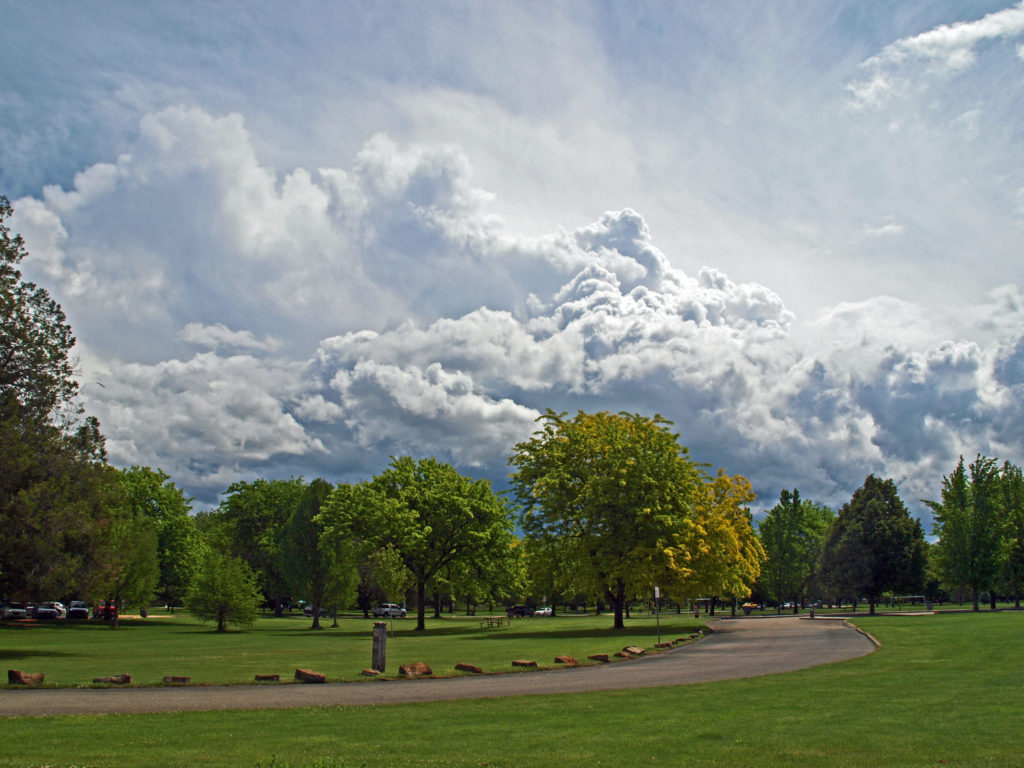 Boise is Idaho’s capital and largest city, with a metropolitan area population of around 750,000. It’s large enough to have many of the amenities of a big city, but small enough to still retain something of a small town feel. And it’s a surprisingly modern and cosmopolitan city, blending elements of both West Coast and Rocky Mountain cultures.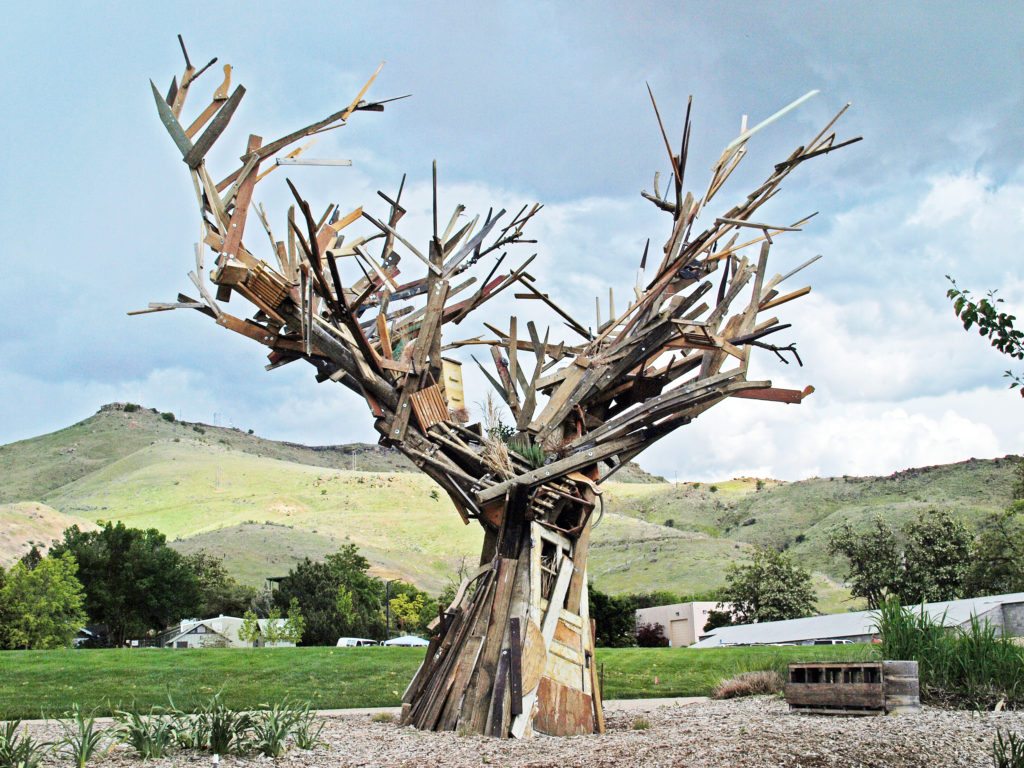

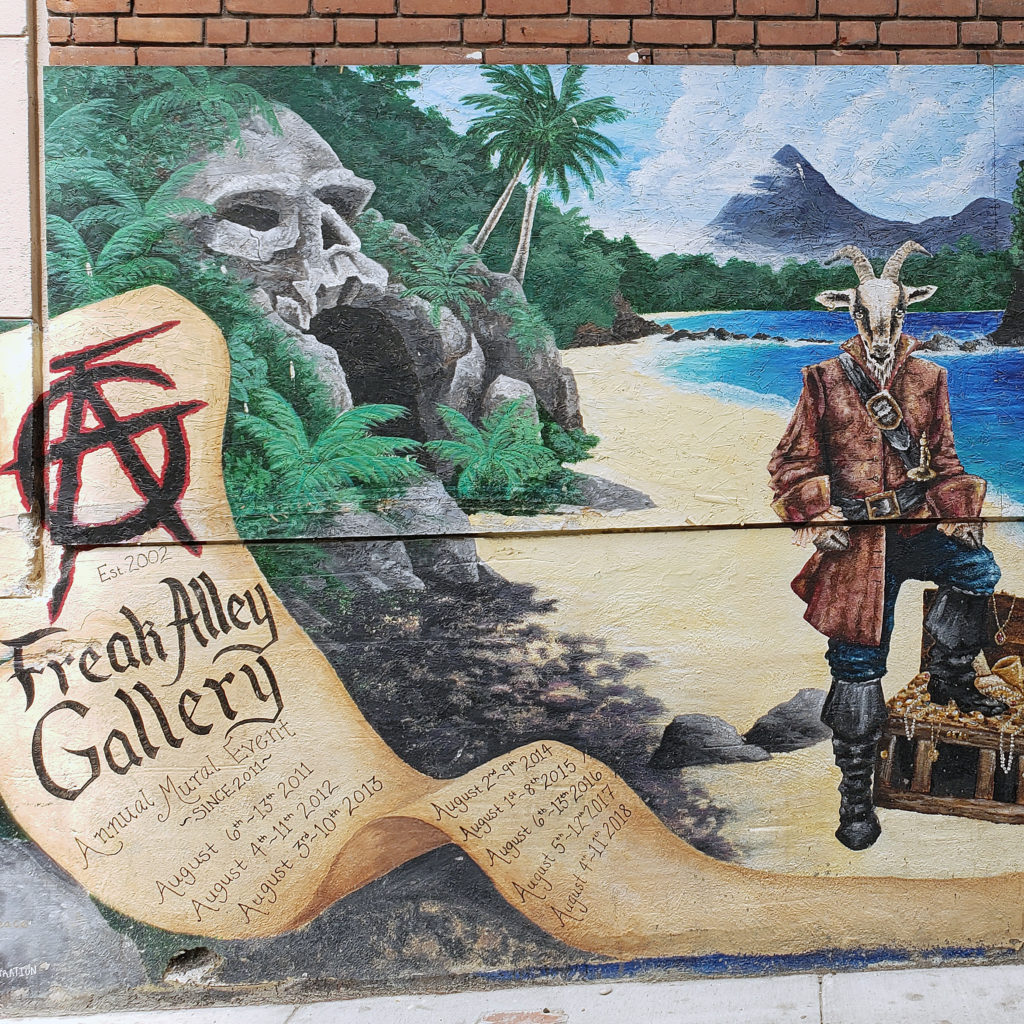
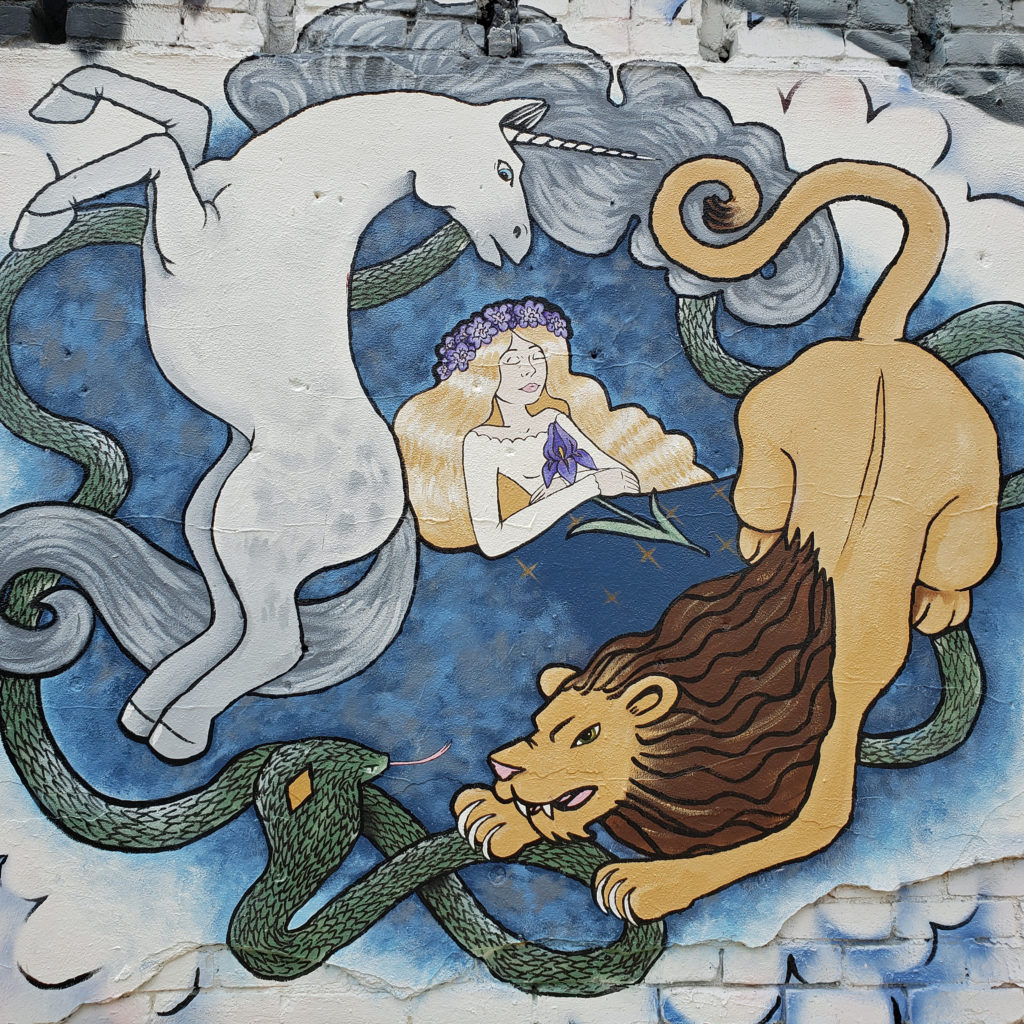


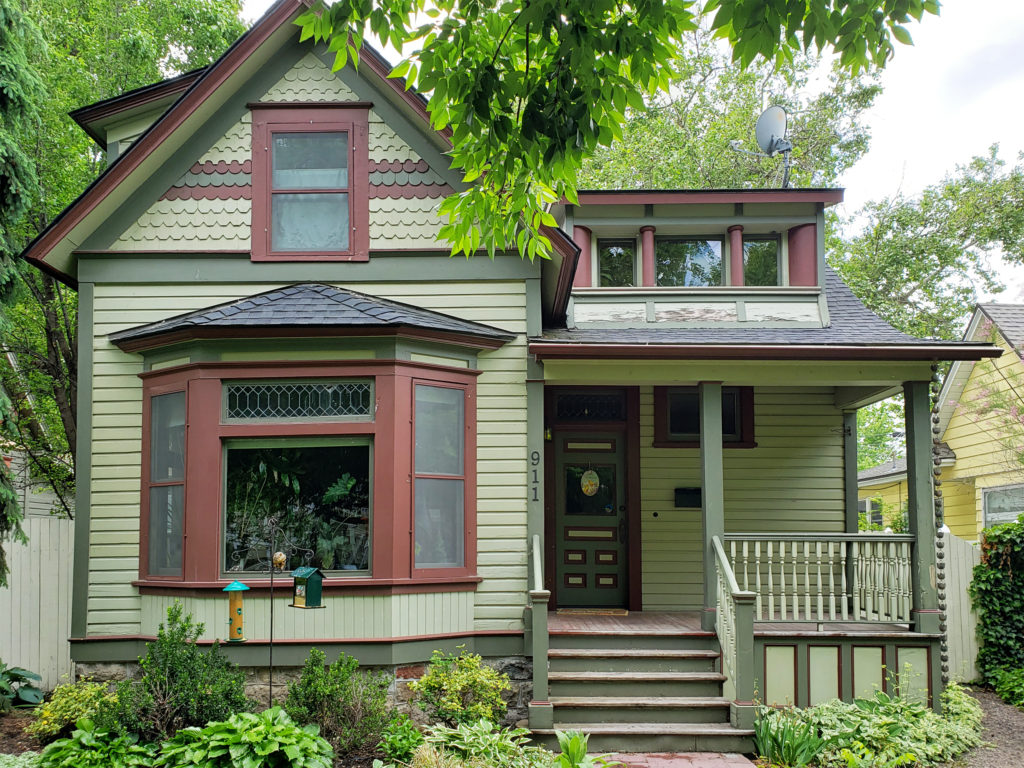
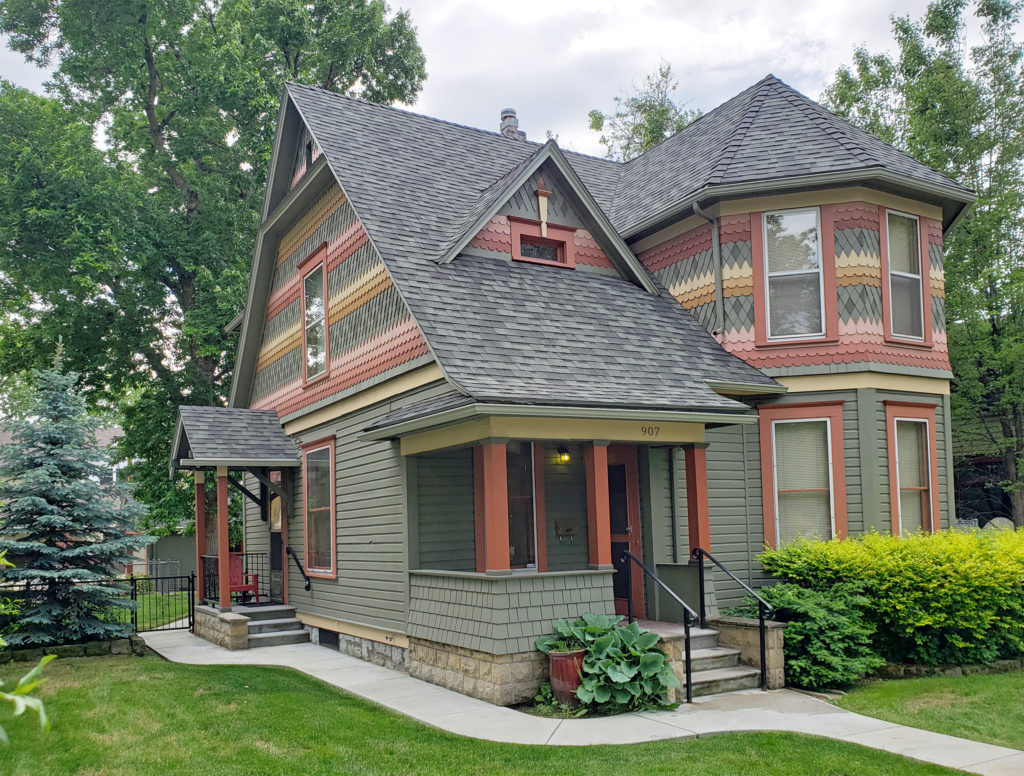 Many fine Victorian houses and architecturally interesting buildings can also be found in the downtown area.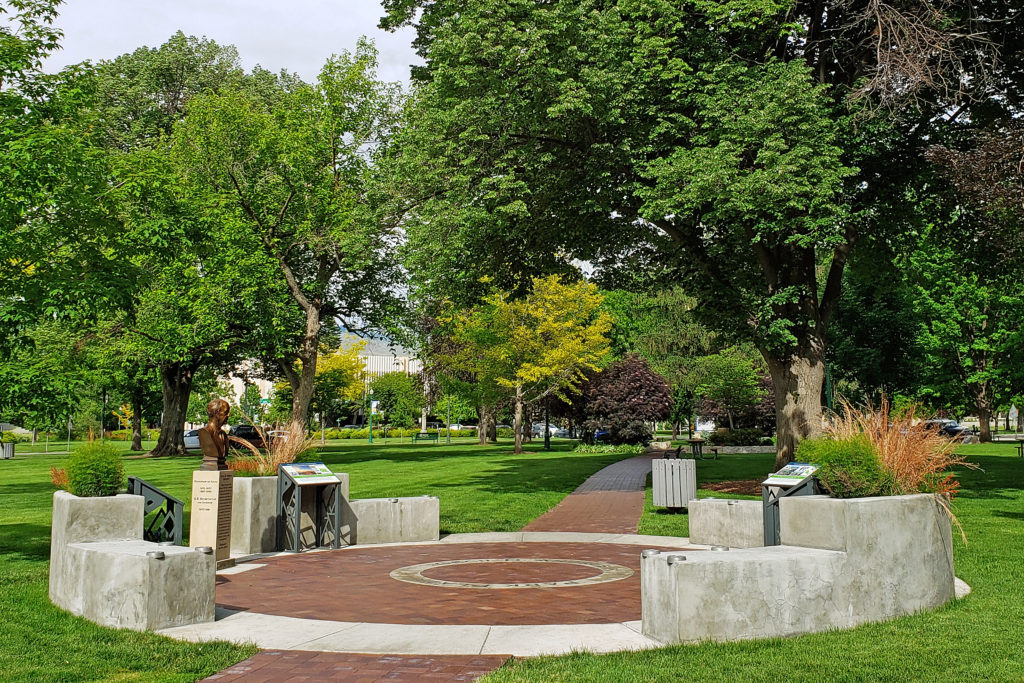
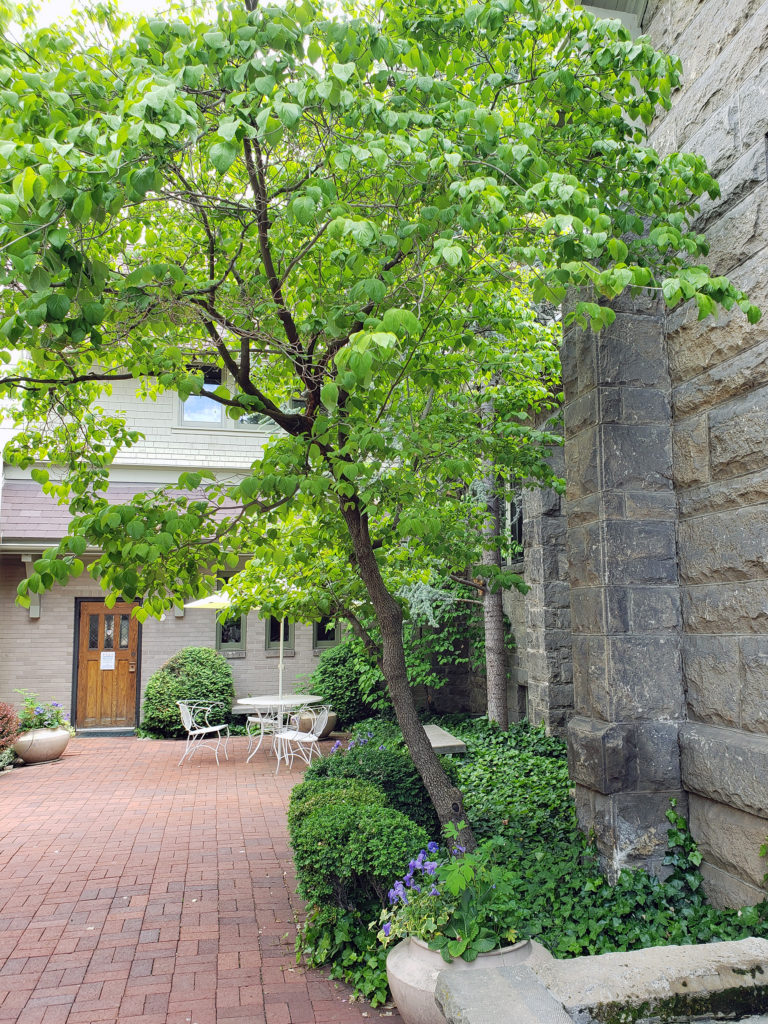
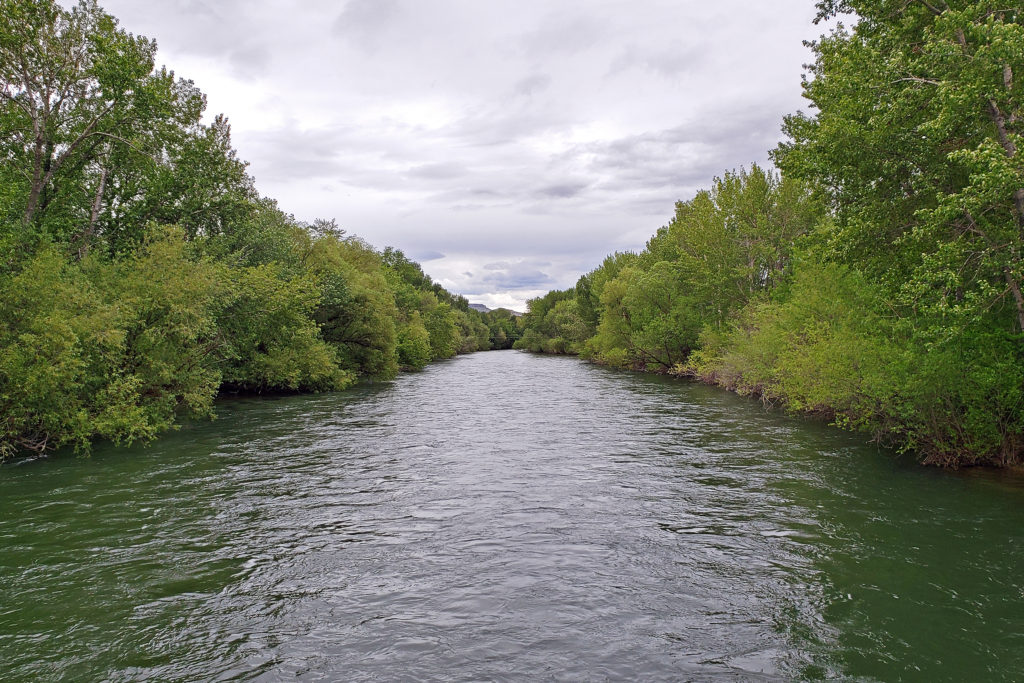
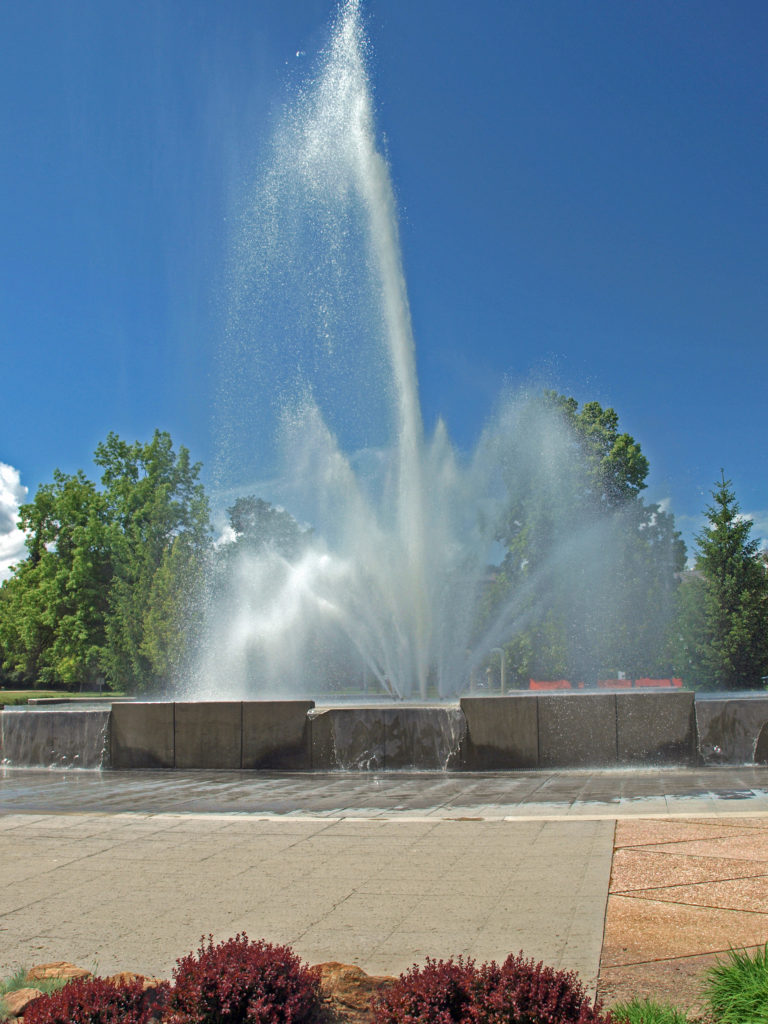 Anne Morrison Memorial Park on the south bank of the river, and the Julia Davis Park, just south of the downtown area on the north bank, are large urban parks with a variety of open spaces and tree lined paths along the river.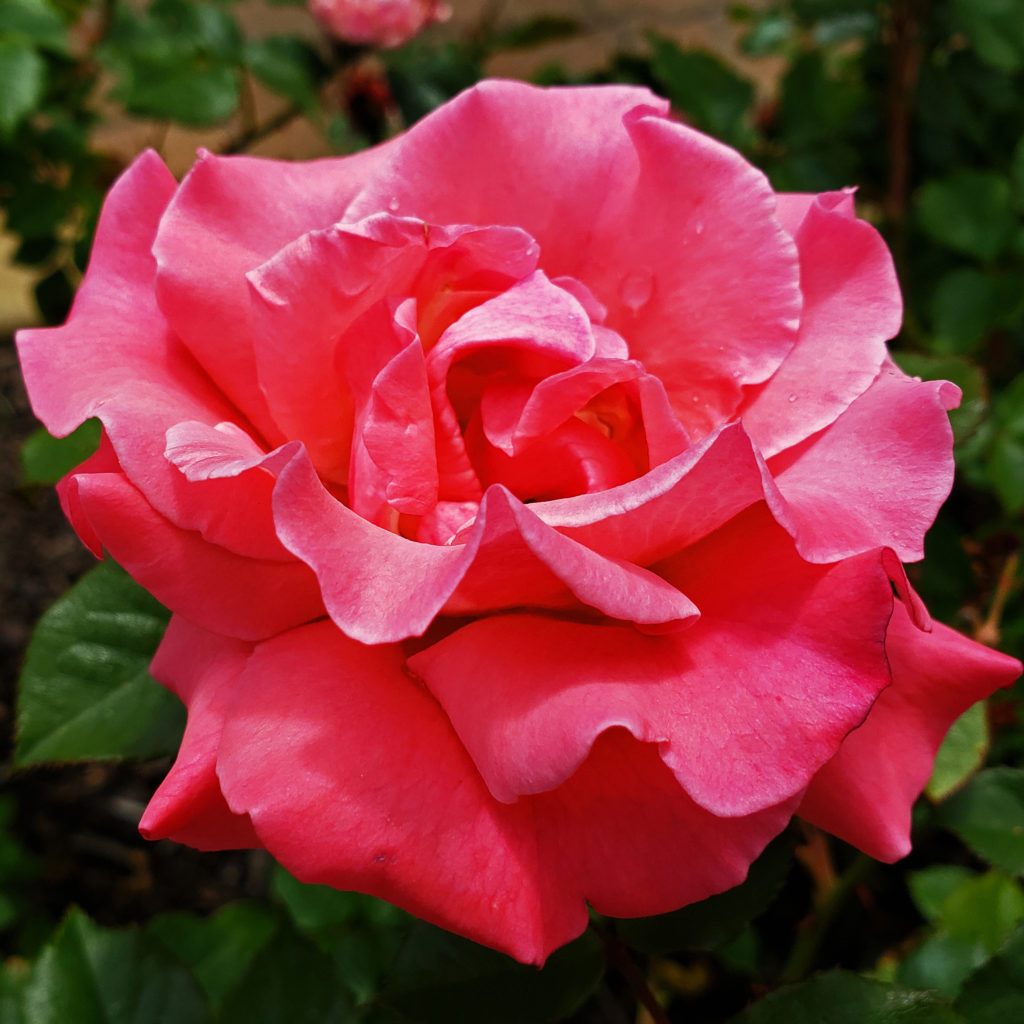
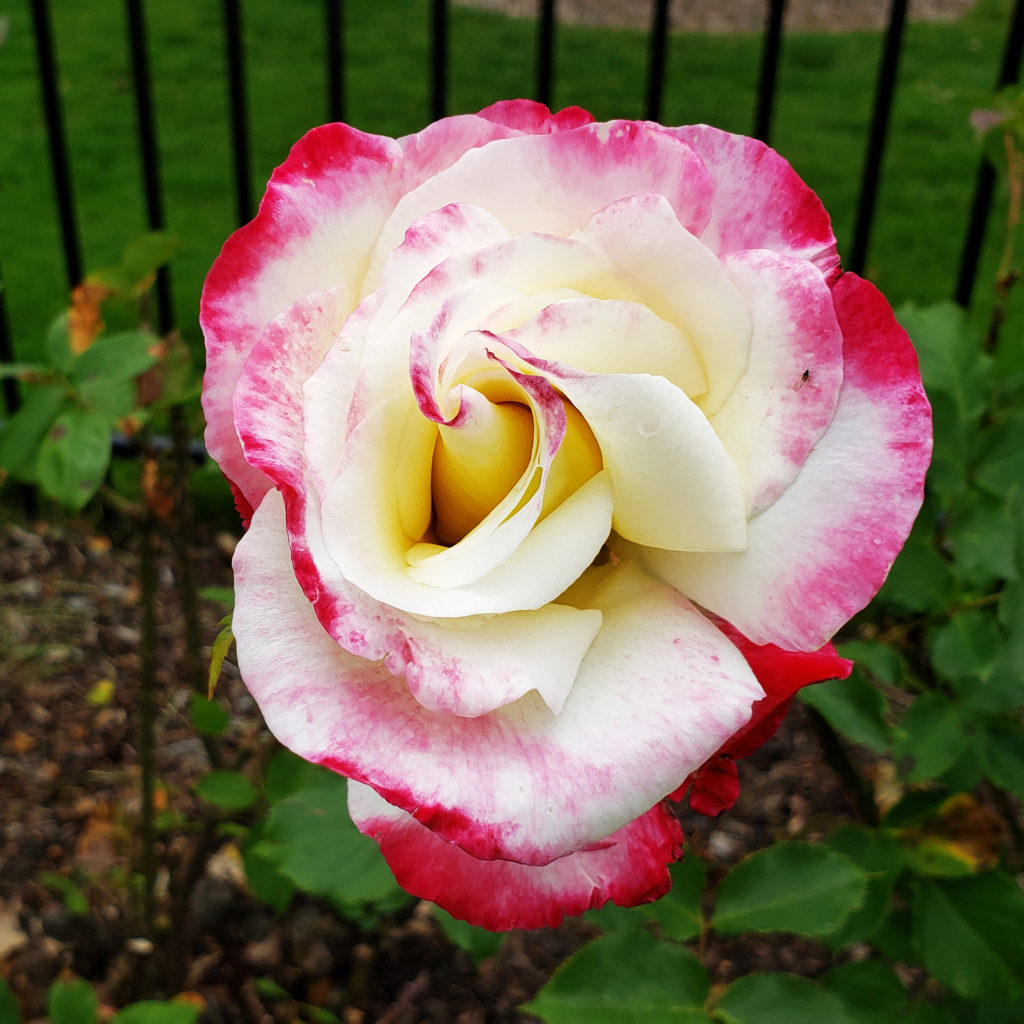
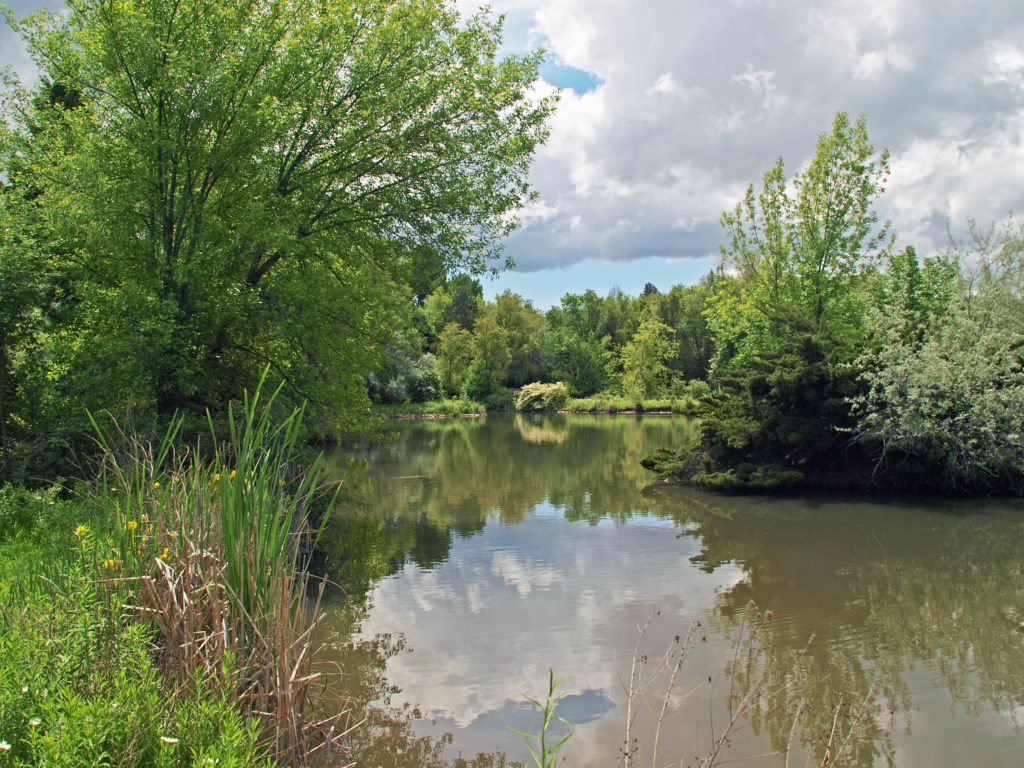
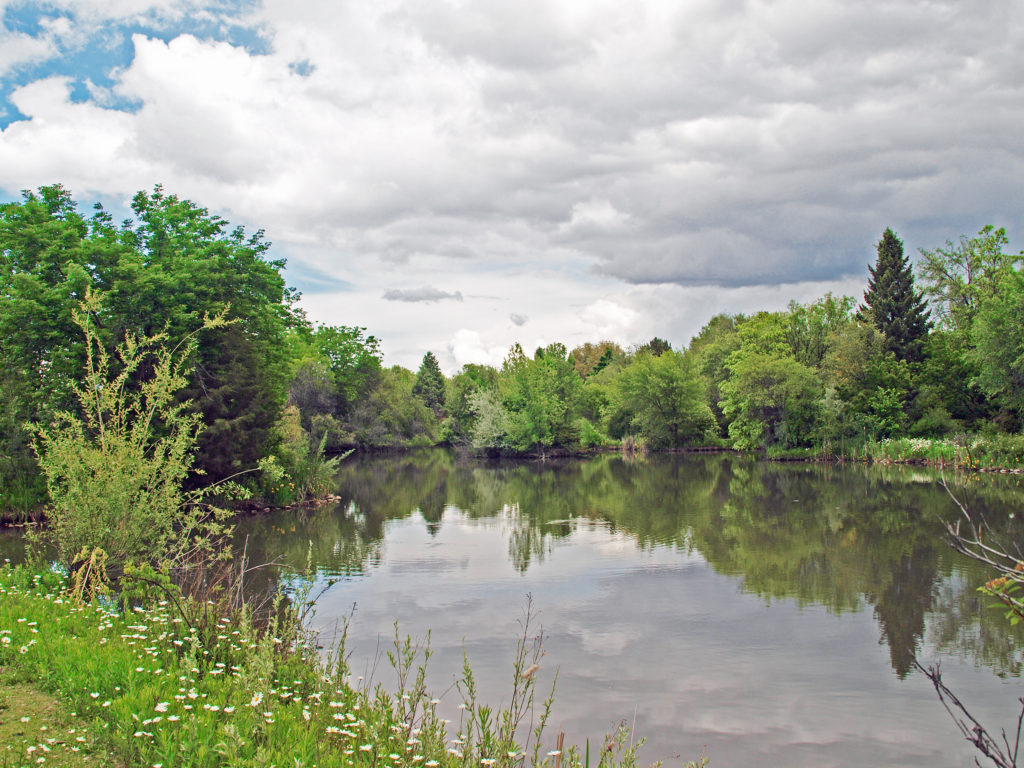
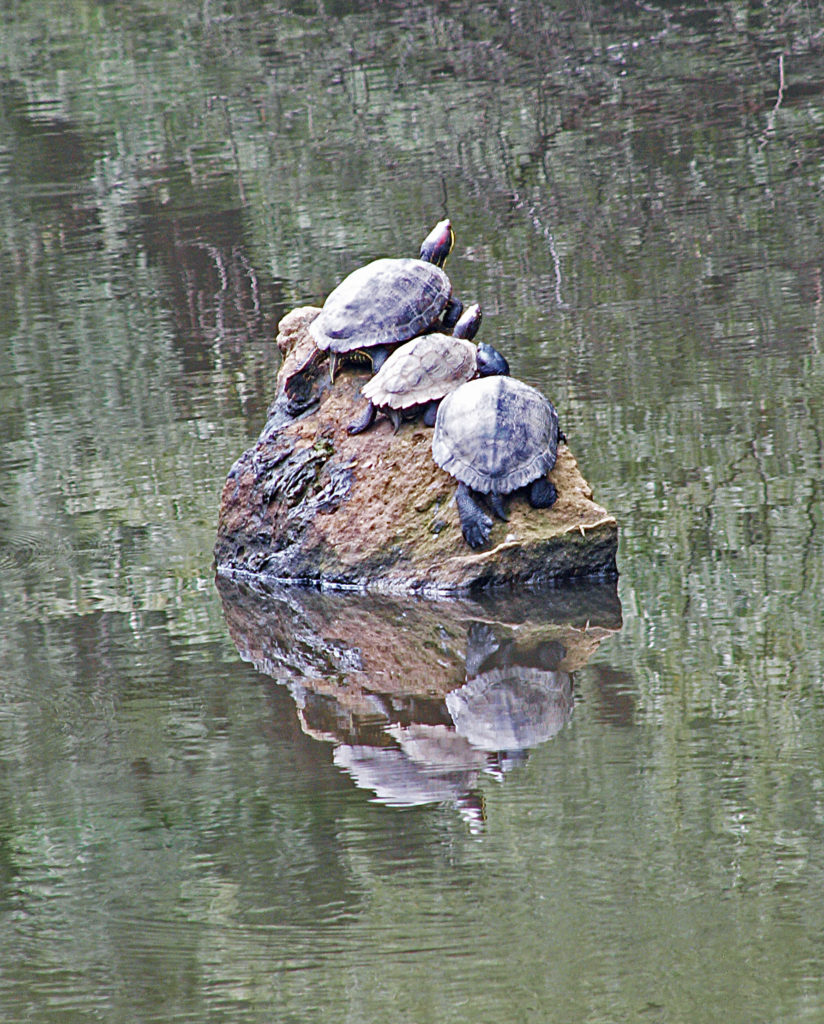
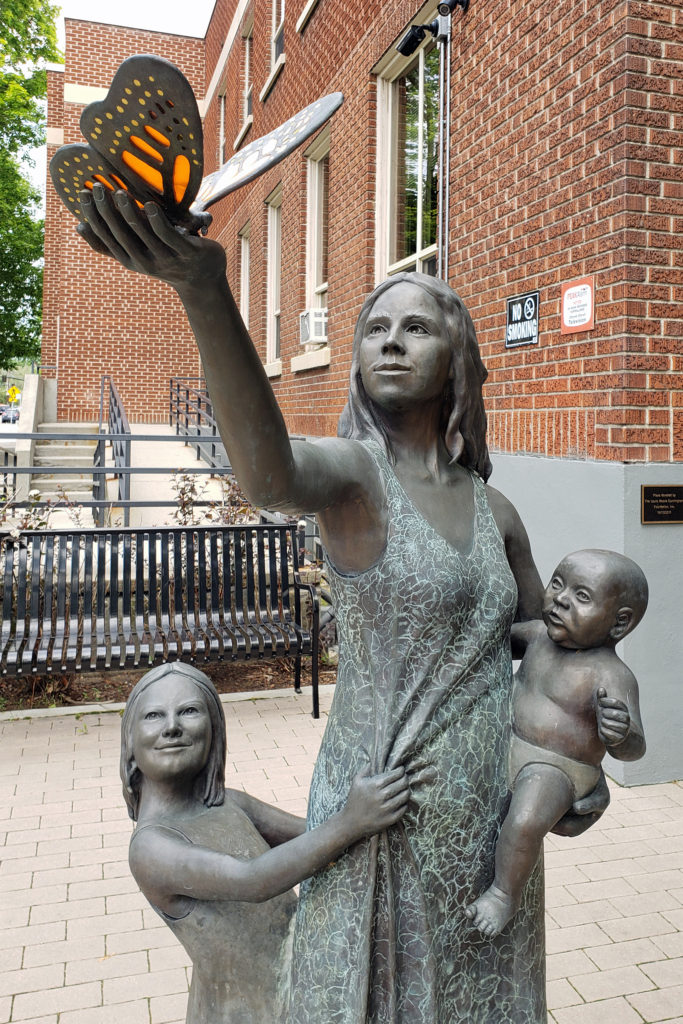 Boise is definitely worth visiting, and southwest Idaho has many truly unique, beautiful, and enjoyable places to visit, all within a short drive of each other. For more on those, check out my other Exploring Southwest Idaho posts:
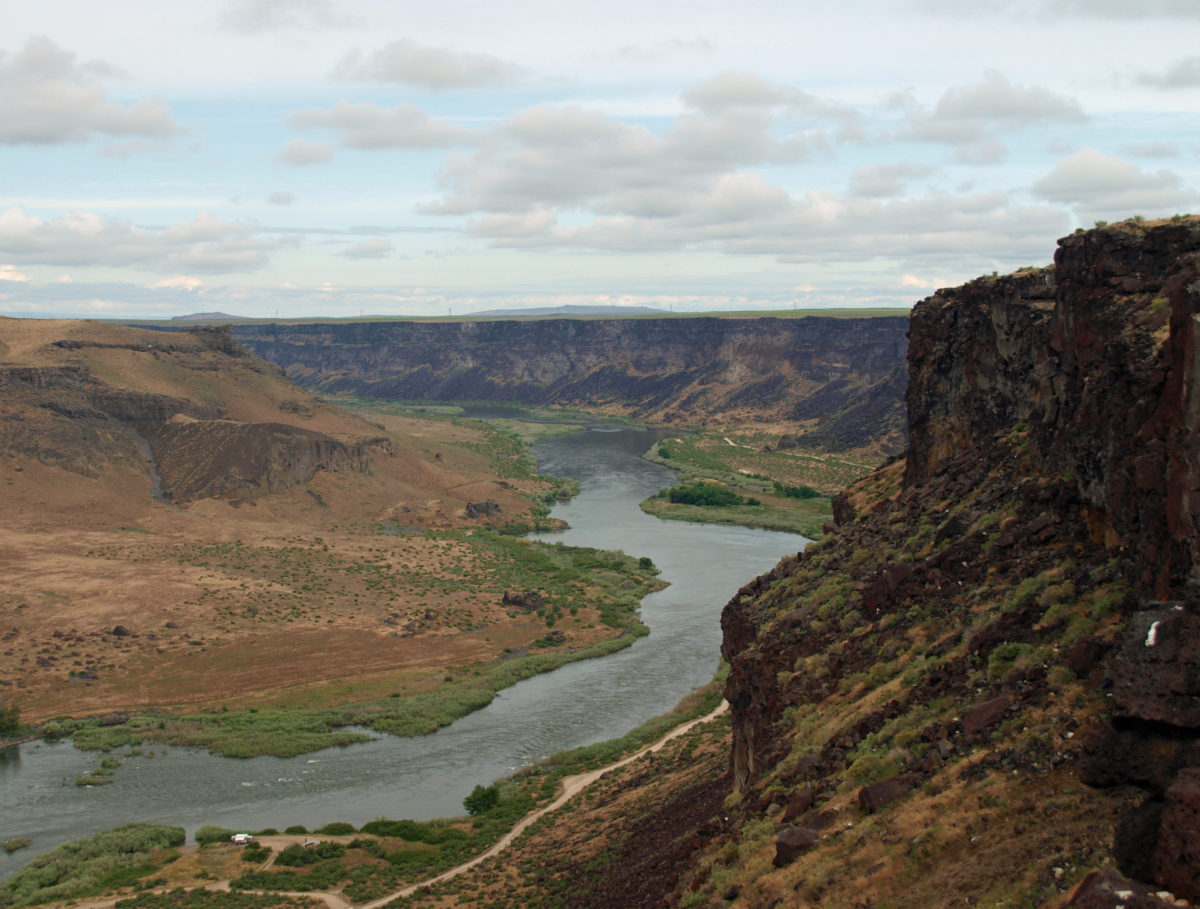
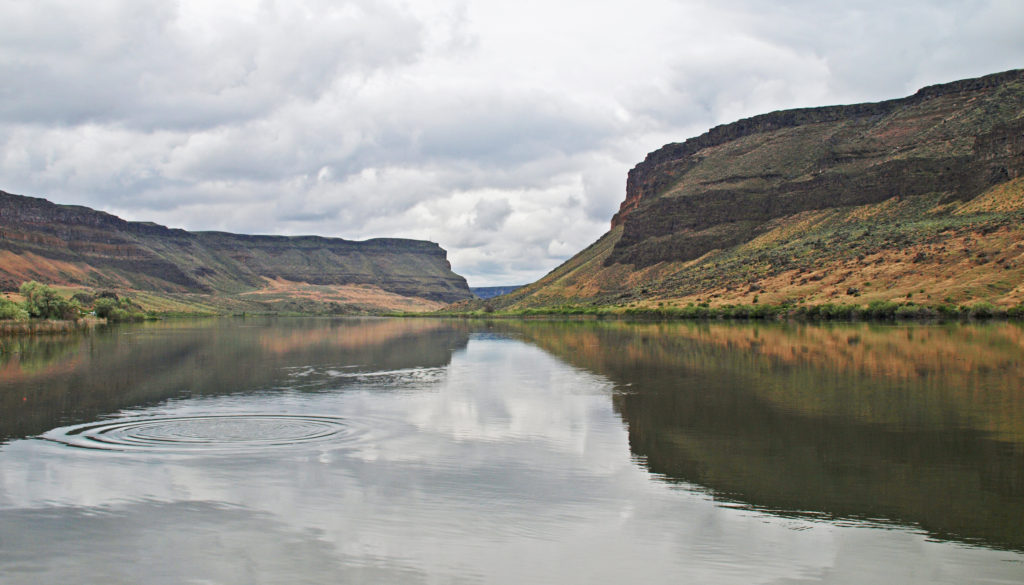
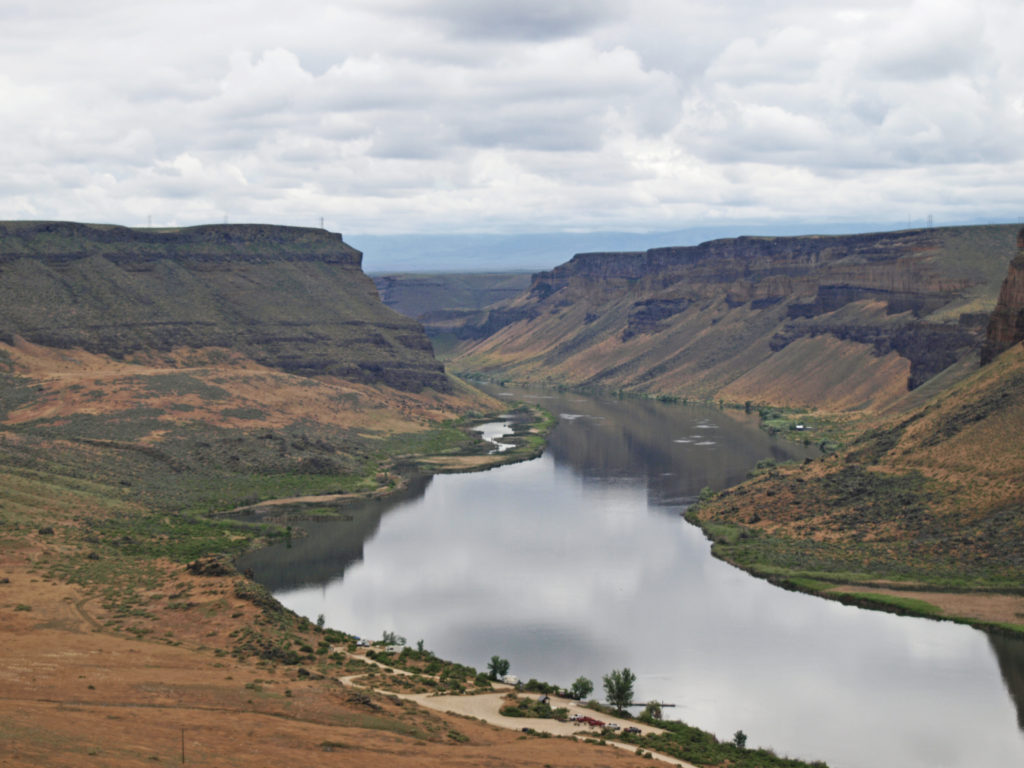
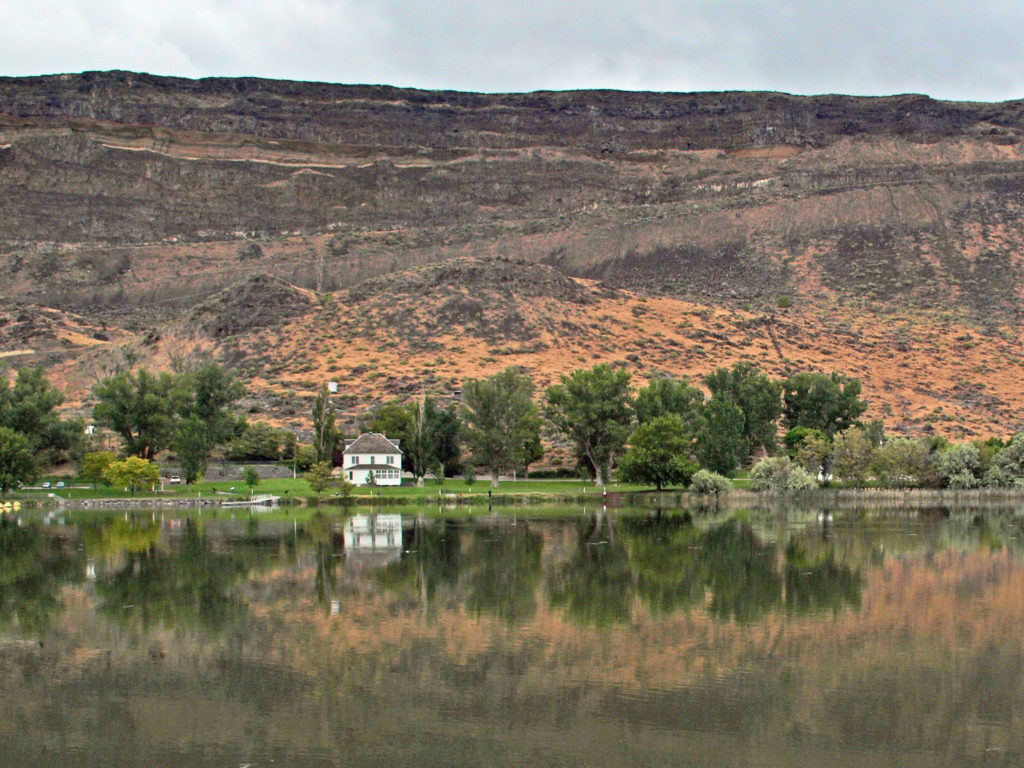 The falls are long gone, flooded by construction of Swan Falls Dam in the early 1900s. Swan Falls was the first hydroelectric project on the Snake River. A fish ladder was constructed, but was largely ineffective, and the dam effectively blocked salmon and steelhead passage. That was a different era, and the fish ladder was never made functional. Newer dams were built both upstream and downstream with no fish ladders at all. Electricity was the point. The fish didn’t matter. But it’s a historically interesting and beautiful area, so it’s worth a visit even if, like me, you’d rather see the dam gone.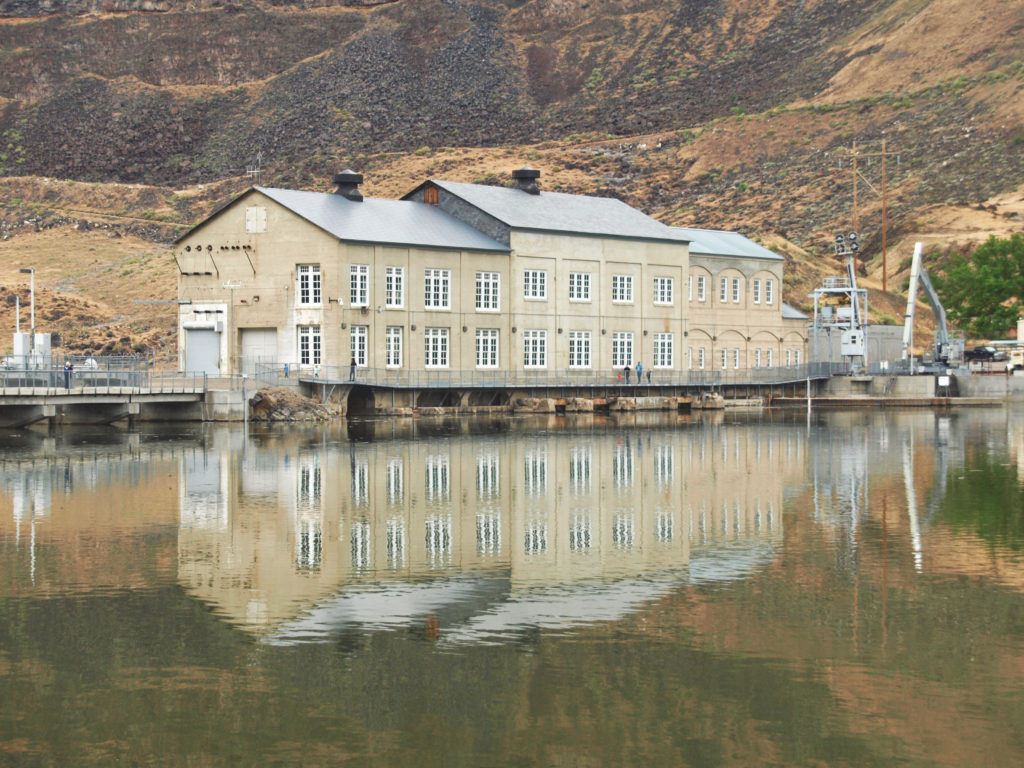
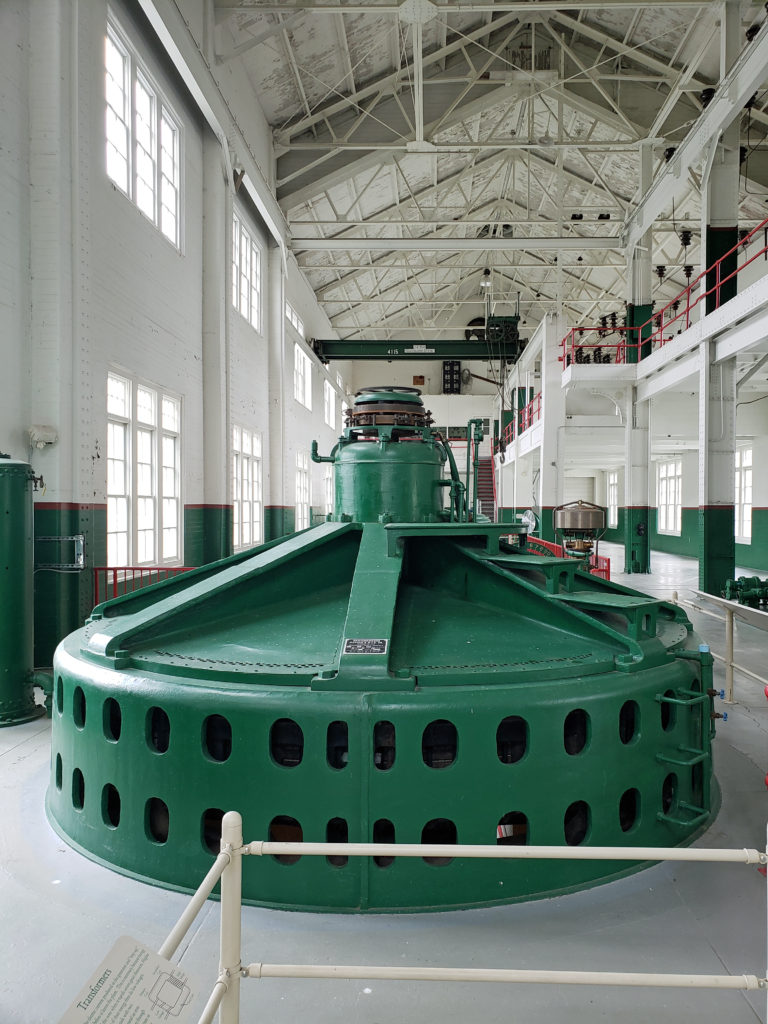 A new power generation facility was constructed at Swan Falls Dam in the 1990s. The dam’s original power plant is now open to the public, with some of the century-old generators and other equipment still in place. There are also displays depicting the history of the area, and the construction and operation of the dam. We walked across the dam after visiting the power house museum, then drove down the canyon a ways. The road was too rough for the car, though, and we turned around and drove back up to Dedication Point, and then on to Celebration Park.
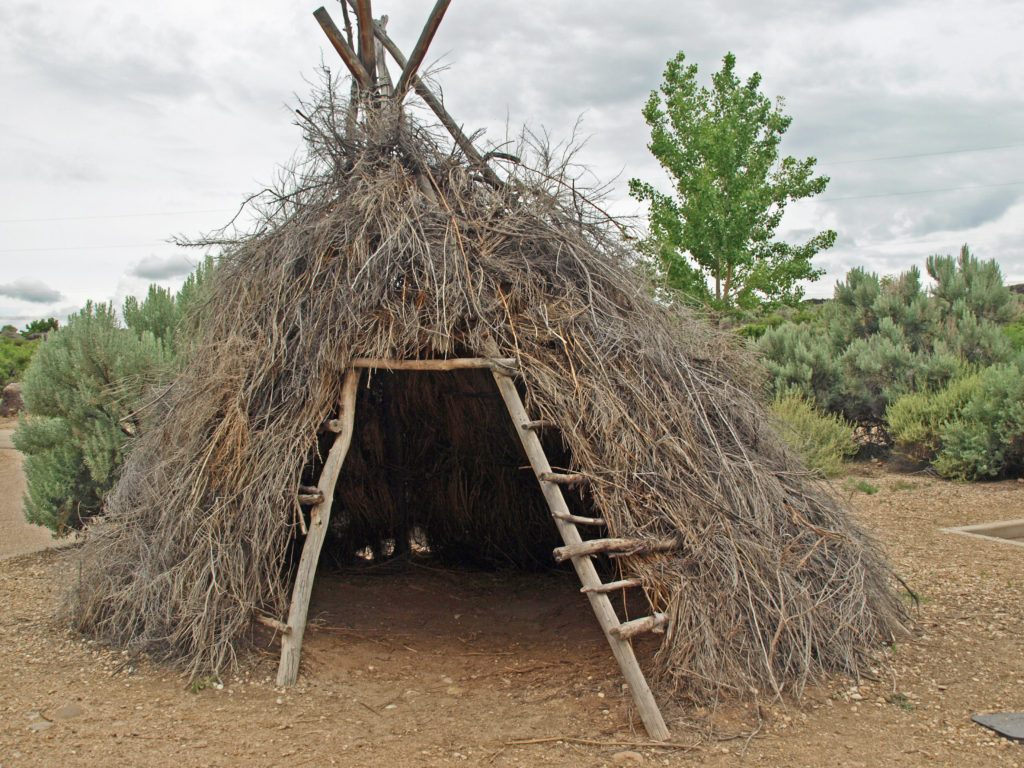 Celebration Park is Idaho’s only archaeological park. Petroglyphs dating back as far as 10,000 years can be found there. Visitors can learn about the Native American “lifeways” at the visitor center, try their hand at throwing a spear with an atlatl, and explore the petroglyph area on a self-guided walk. There is a picnic ground, and a small tent campground. The visitor center is open from 10:00 to 2:00 daily, except holidays. Check the park
 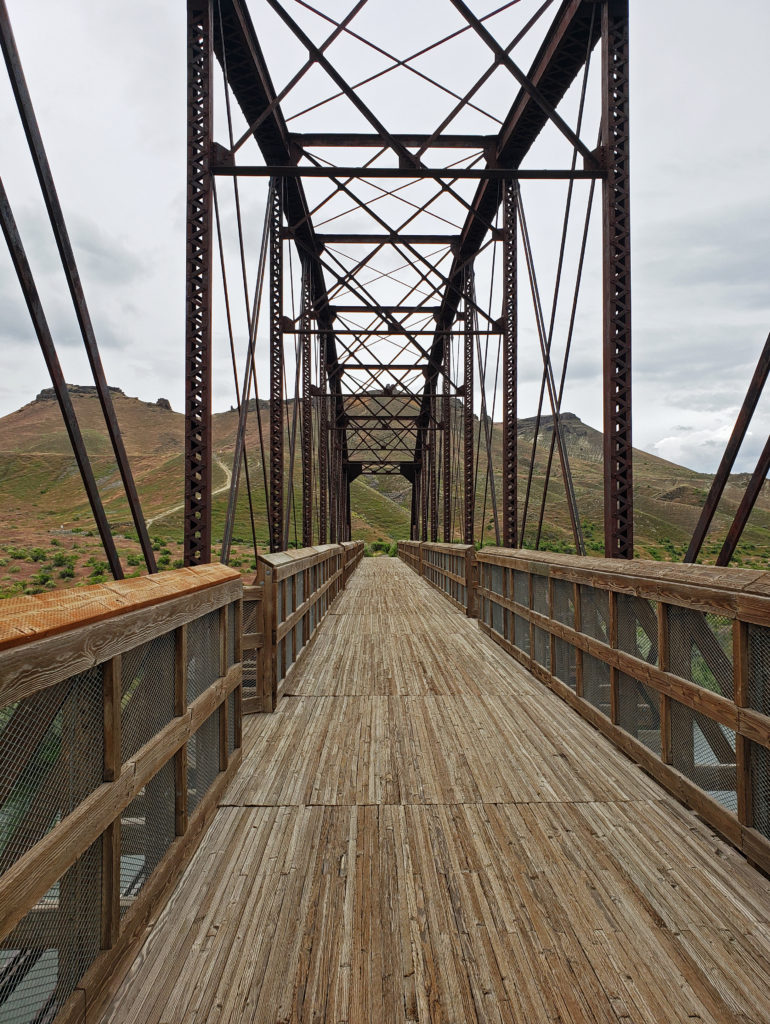 A short ways downstream, the Guffey Railroad Bridge provides pedestrian and equestrian access to the south bank of the Snake River and the Guffey Butte area. The bridge was built in the late 19th century and carried rail traffic until the 1940s. It is listed in the National Register of Historic Places. Guided tours of the area highlighting the area’s early mining and railroad history are conducted periodically.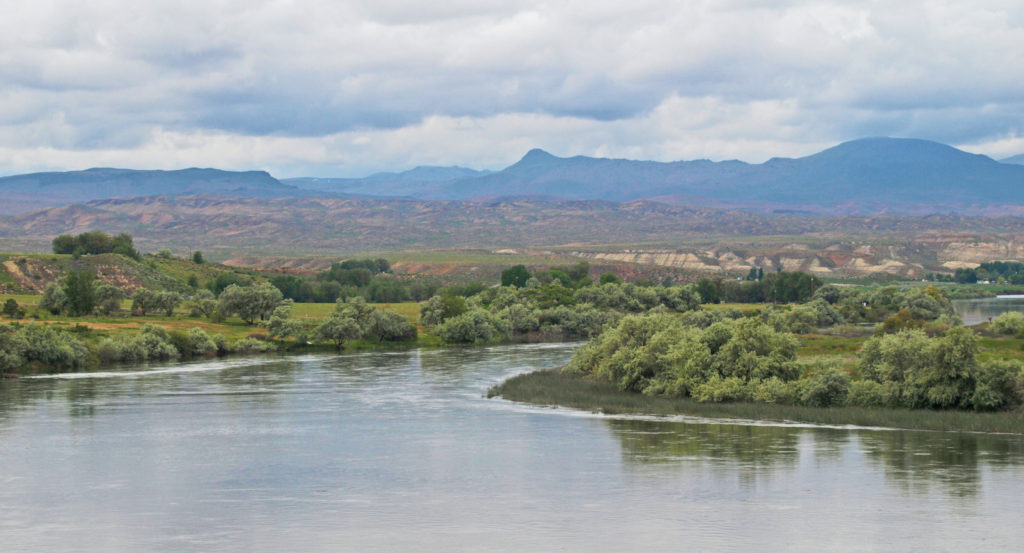
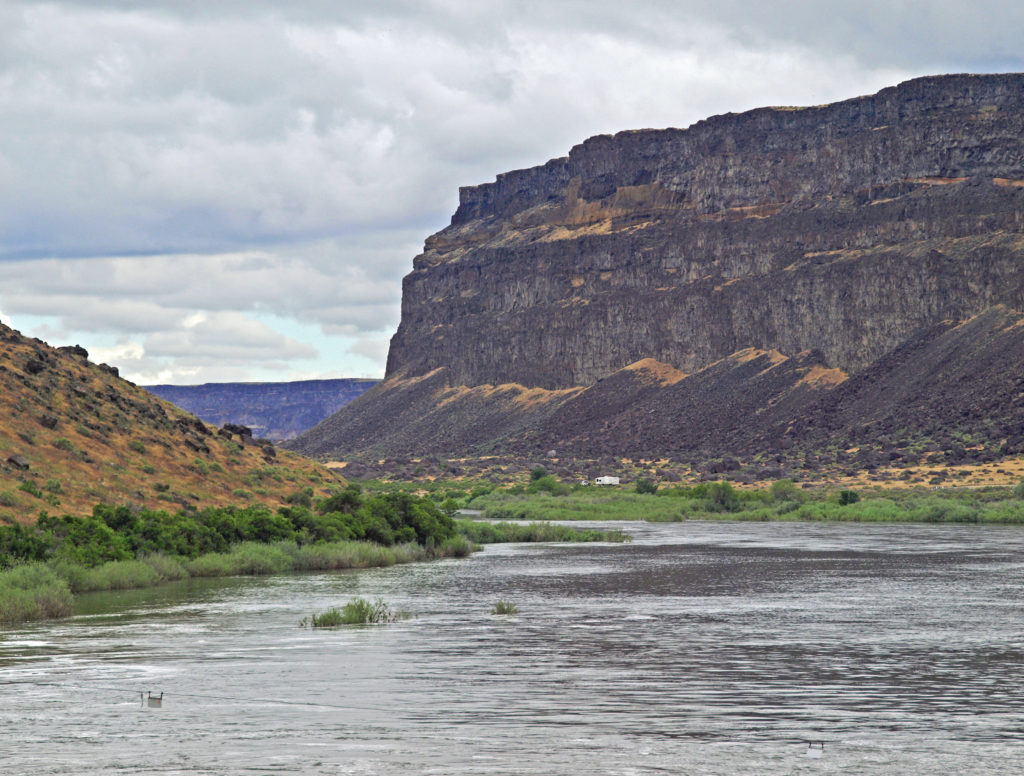
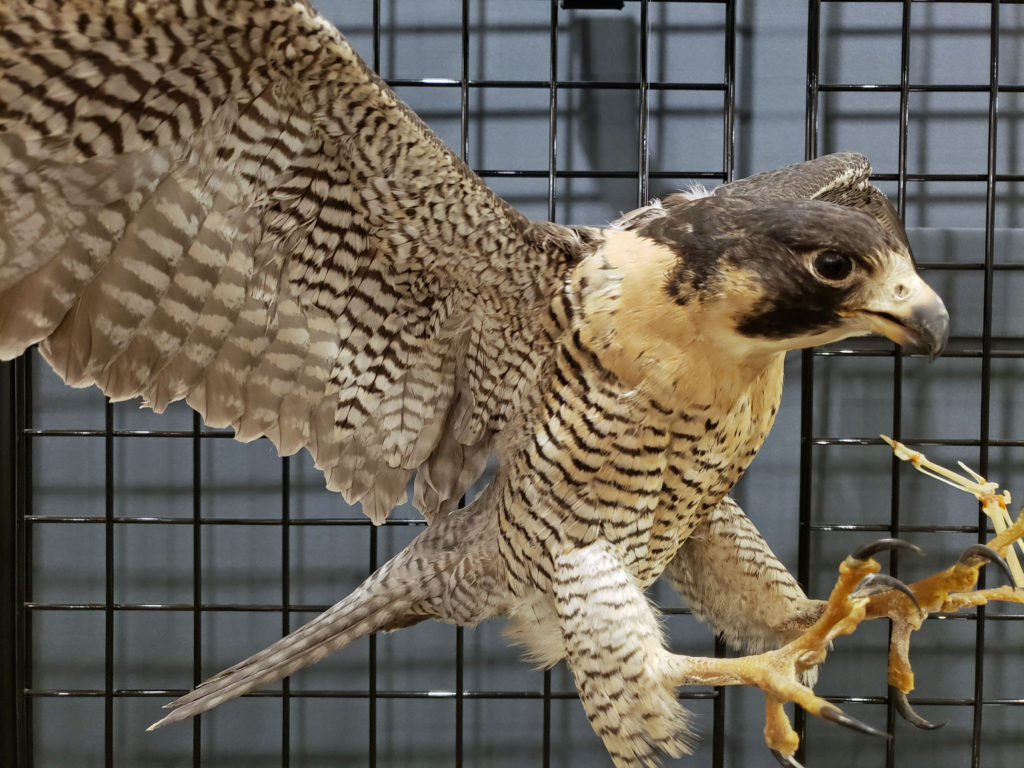 Back in Boise, we toured the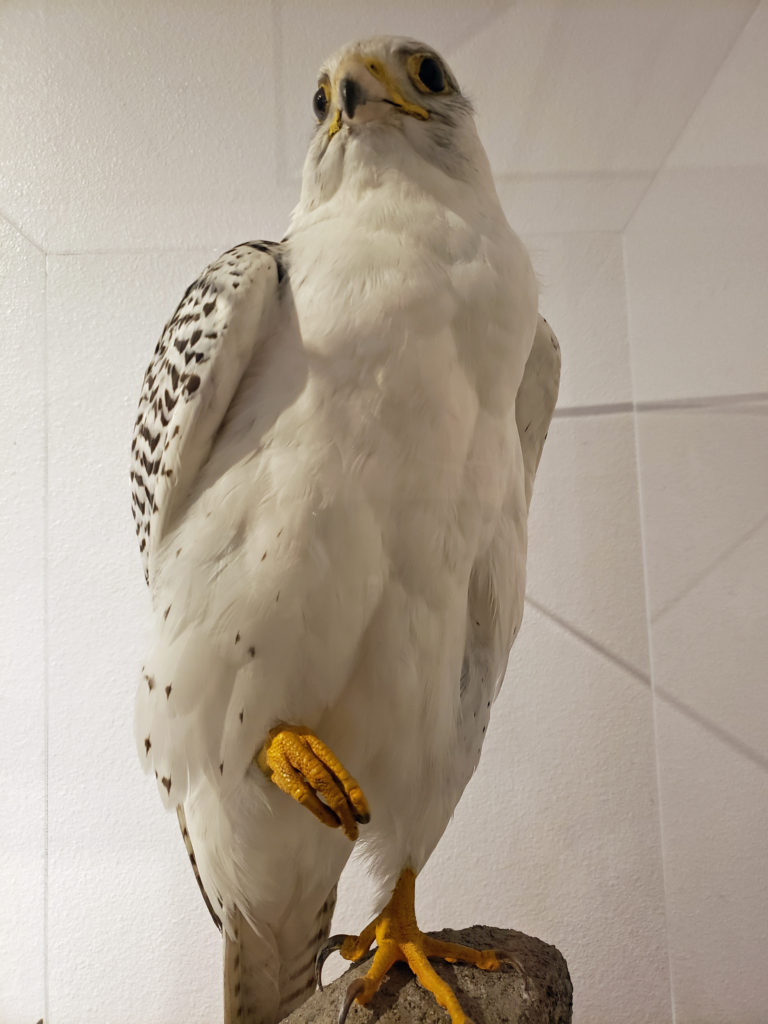
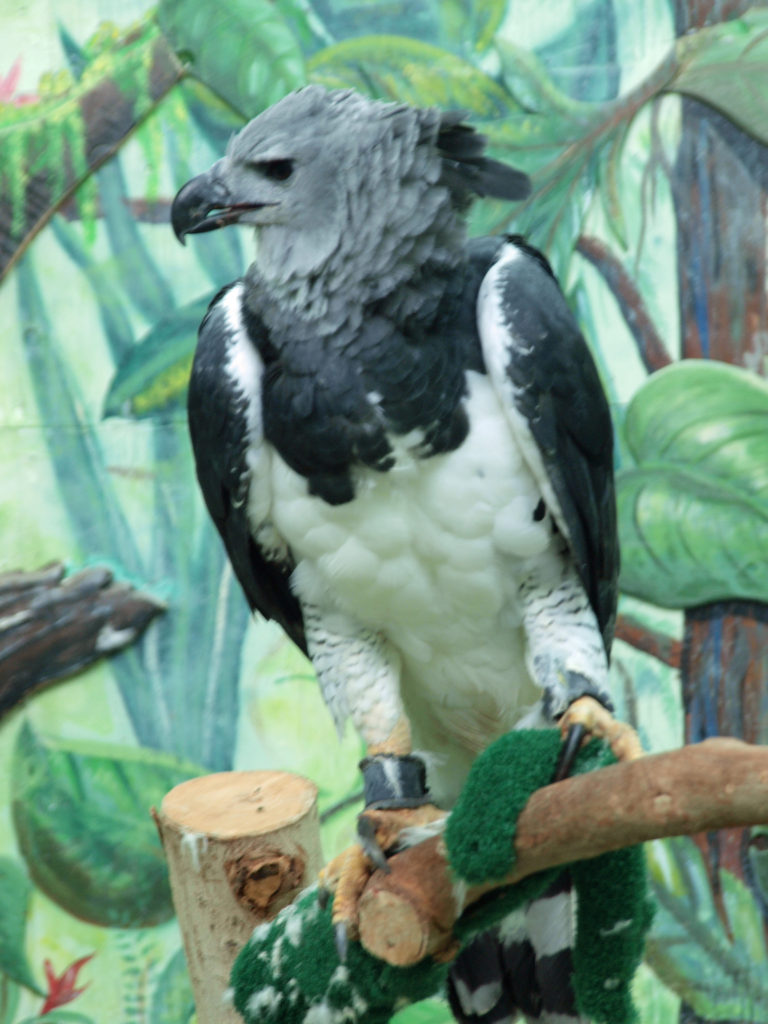
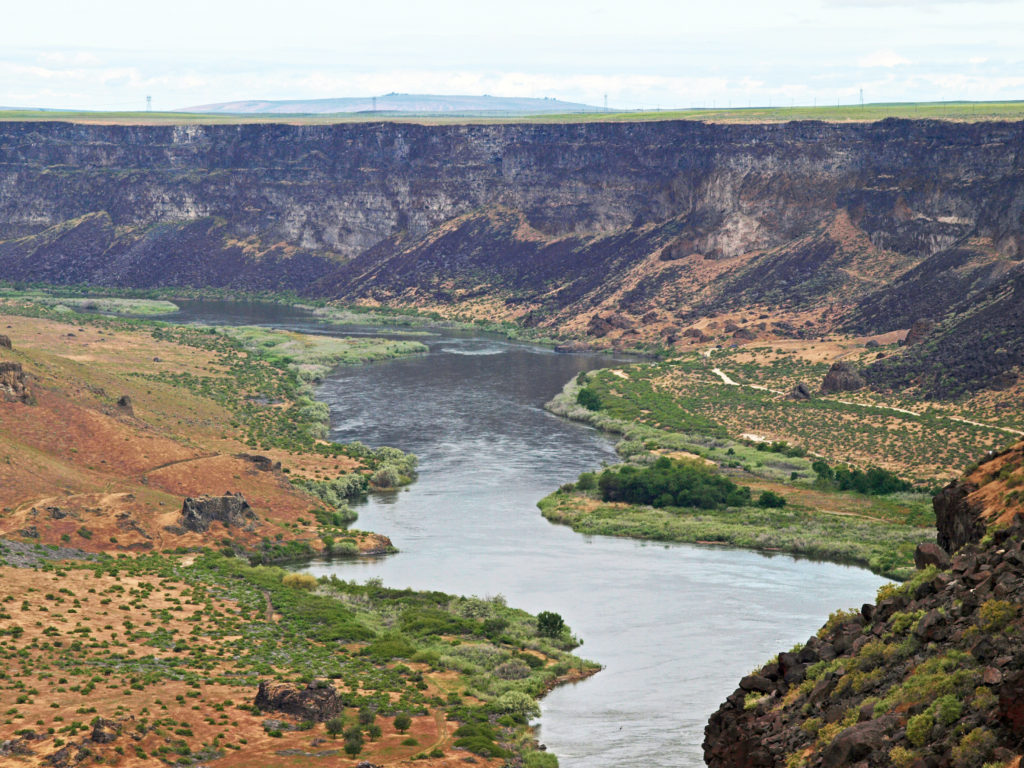
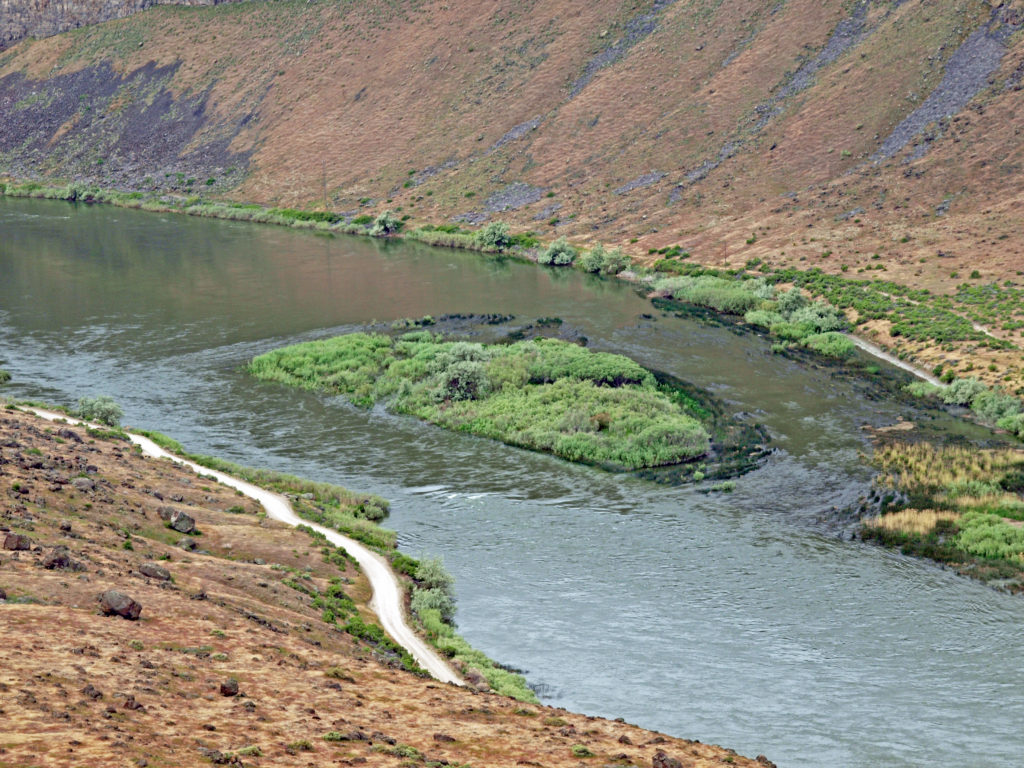
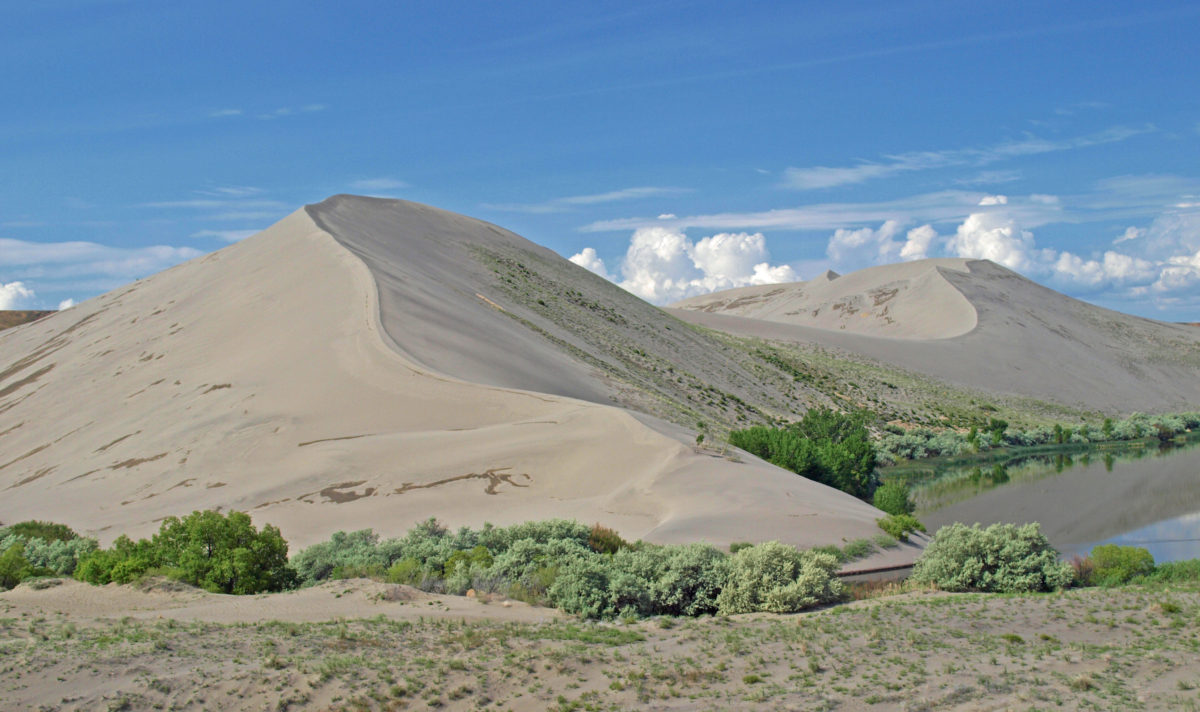
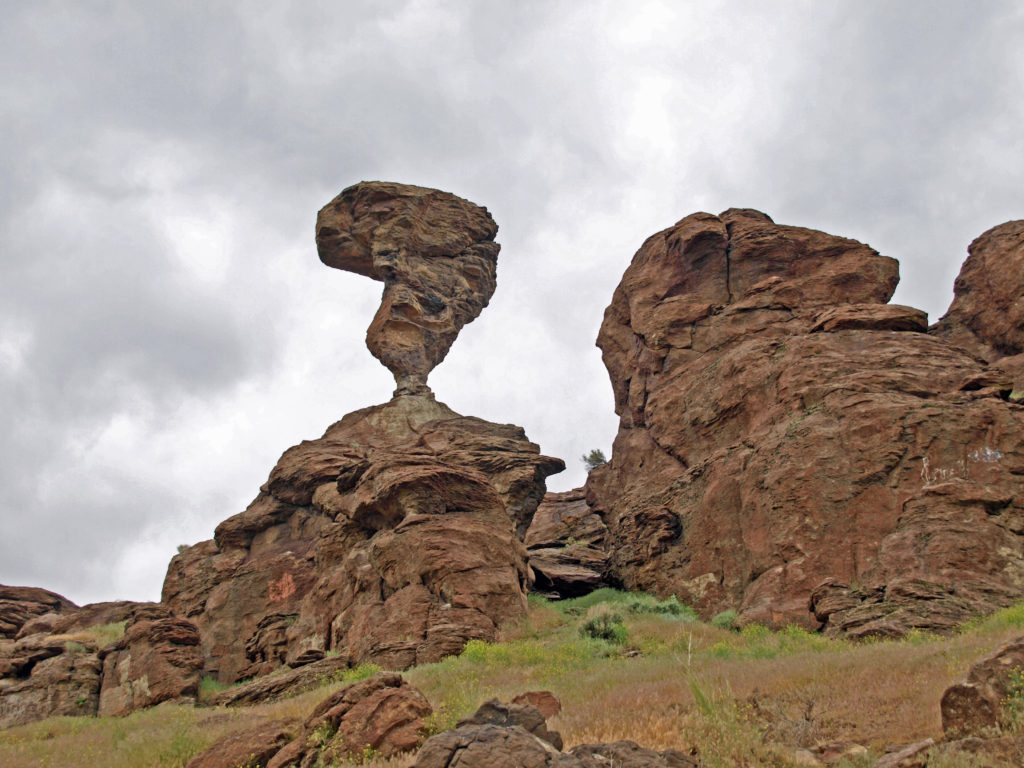 After touring the Thousand Springs area at the beginning of an extended Memorial Day weekend trip to Southwest Idaho, my wife and I took a short side trip to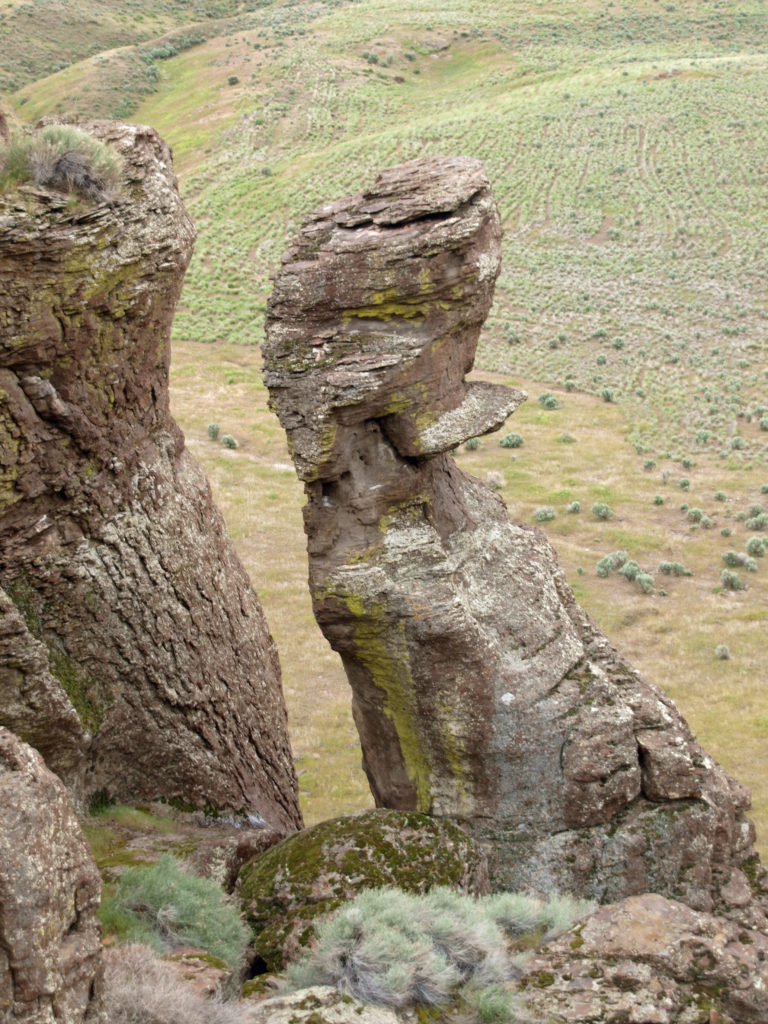
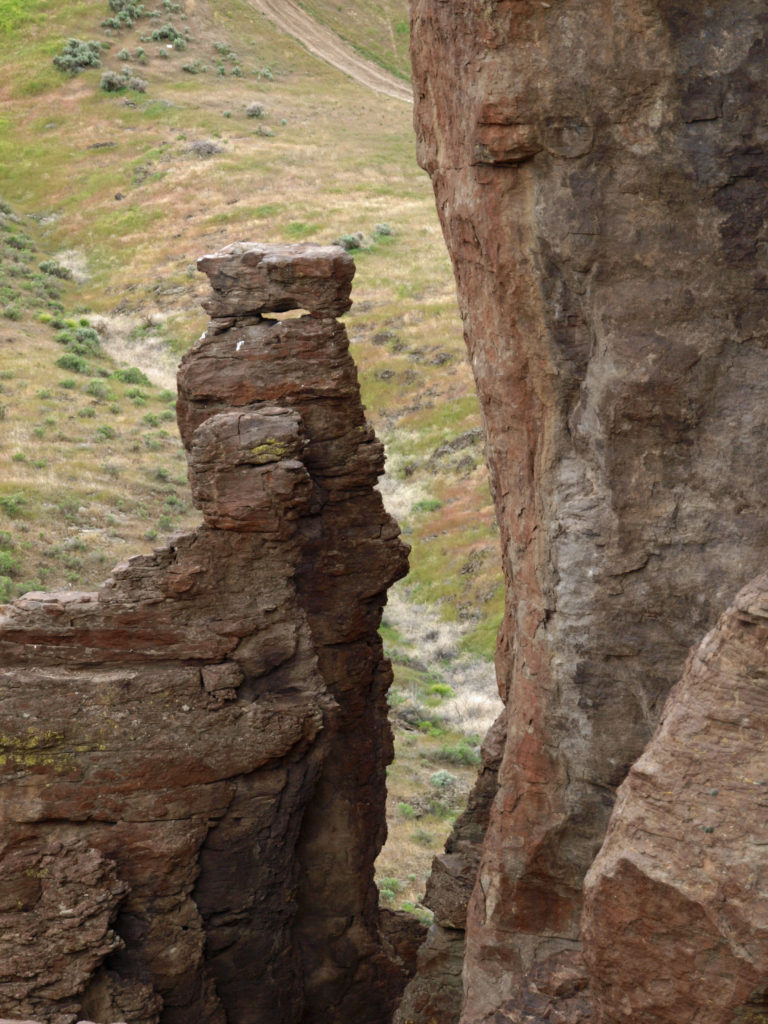 Balanced Rock is located about twenty miles west of Twin Falls and ten miles from Buhl, the nearest town. The area around Buhl is flat, featureless farm land that looks more like Kansas than the pictures I had seen of Balanced Rock, which had more the look of the Arizona or Utah deserts. But after a few miles, the road began to drop into a canyon and the view and landscape changed radically.
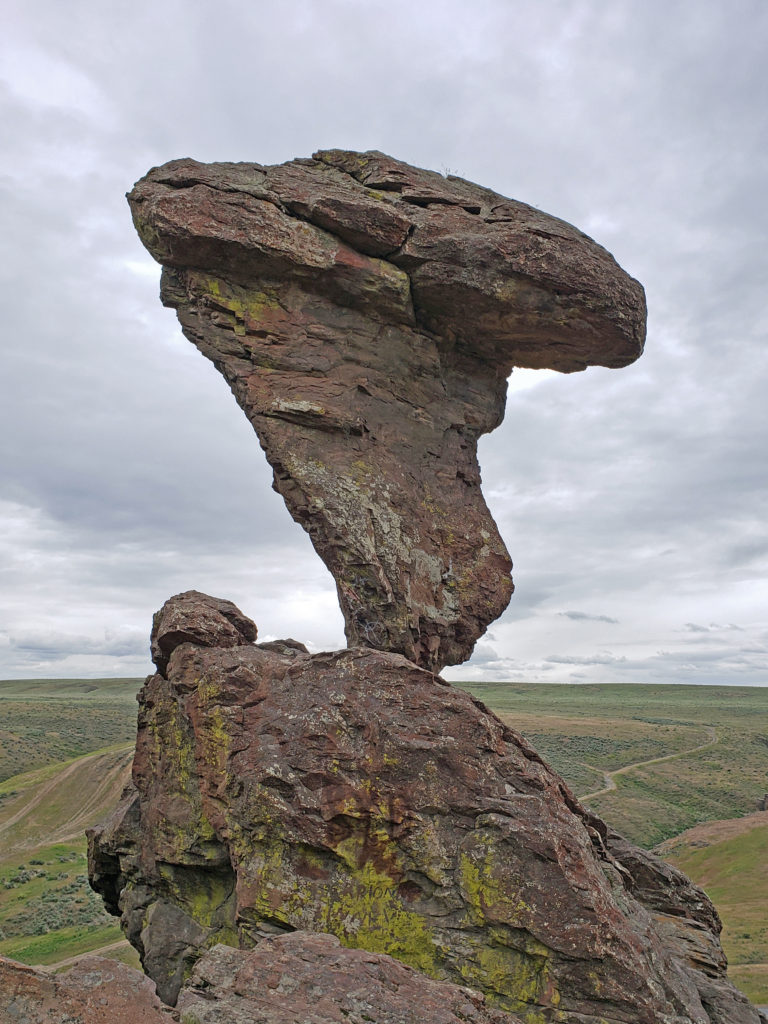 Balanced Rock is nearly fifty feet tall, weighs forty tons, and is supported precariously by a stem of rock less than three feet in diameter. It is, to say the least, a striking sight. We climbed up to the rock and hiked along the hillside above the rock formations (there’s quite a lot more than just Balanced Rock). It’s not a large area, and the trail is short and not difficult. It’s easy to explore in an hour or so, and I found it definitely worth the time and effort. But you can still get a good view of Balanced Rock and the other rock formations from the parking area if you don’t want to, or are unable to, climb up to them.
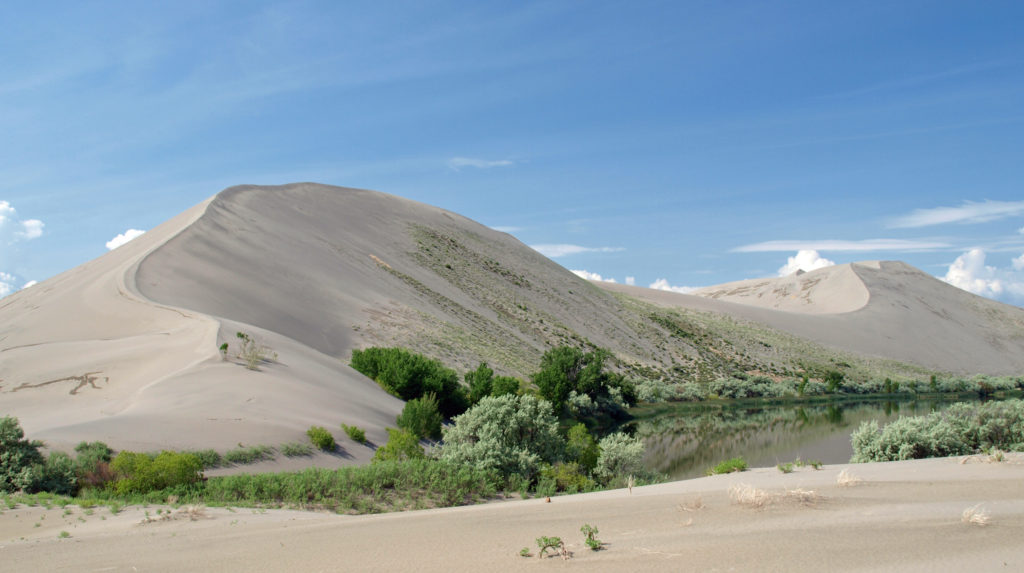 Bruneau Dunes
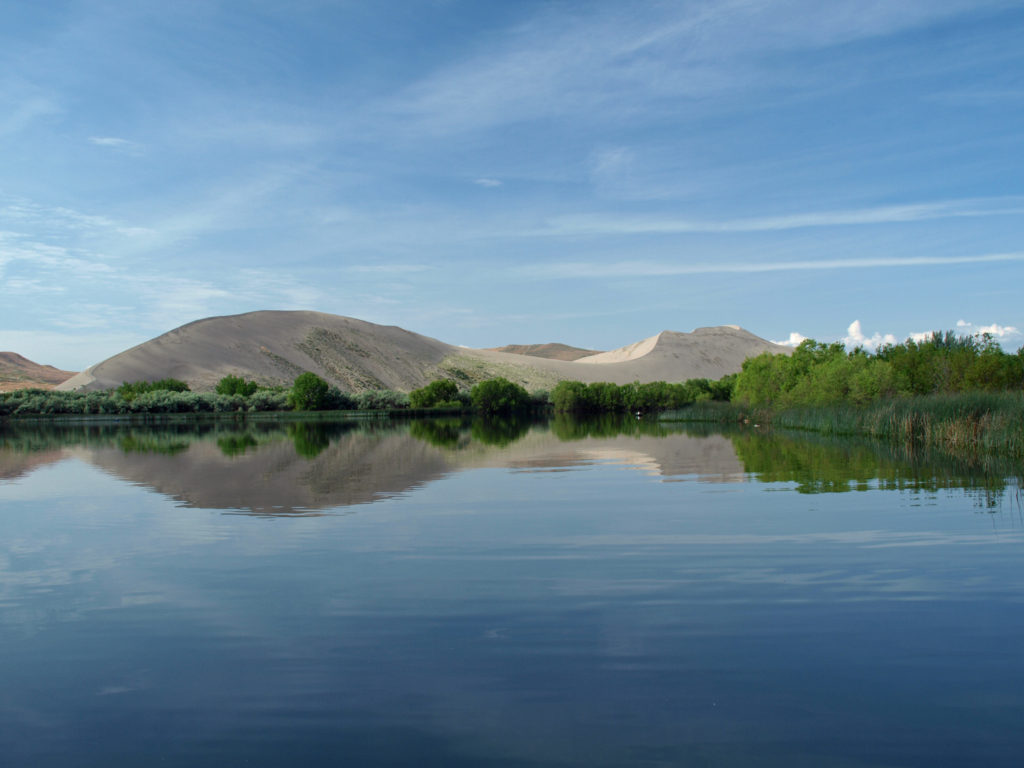 The dunes are impressive and certainly the main attraction here, but the park also has two small lakes, marshes and wetland areas, and open desert areas to explore. The marshes and lakes are full of waterfowl, and coyotes, jackrabbits, lizards, and gopher snakes can be found in the drier areas of the park. In the spring, desert wildflowers are abundant.
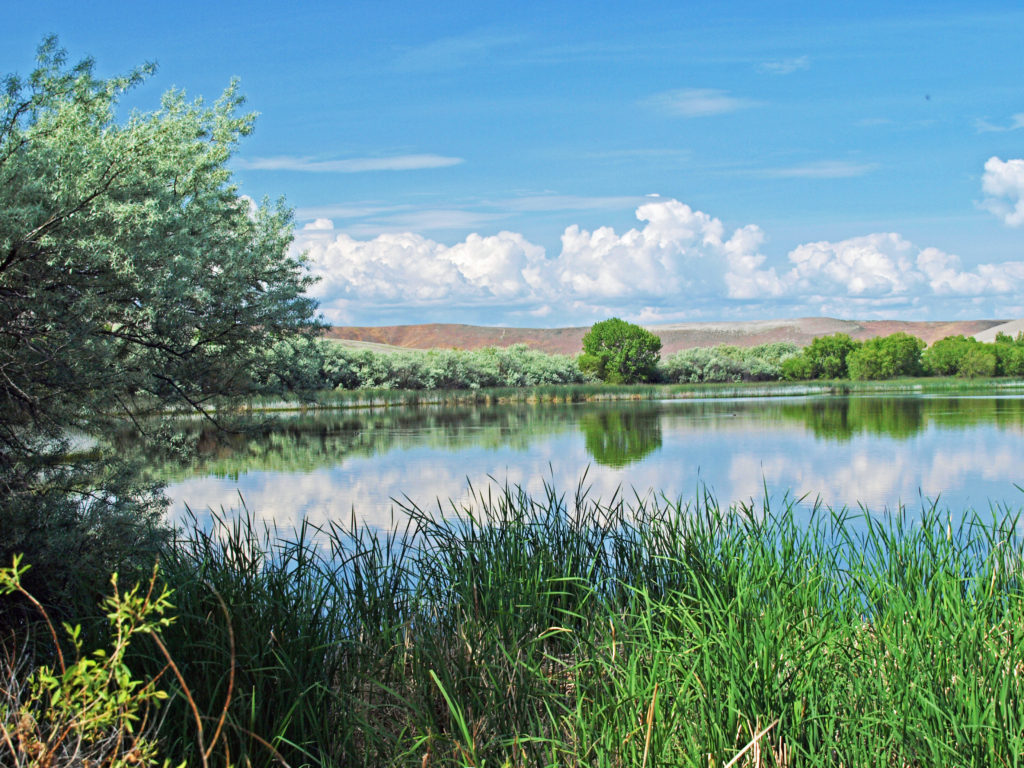 For hikers, there’s a six mile loop trail that takes you over the top of the dunes. There is also an equestrian camp and a ten mile long horse trail, two campgrounds, a picnic area, and a visitor center. We didn’t do the six mile hike, but did climb the Small Dune, hiked around the smaller lake, checked out the picnic area on the Big Lake, and, of course, spent a lot of time photographing the area.
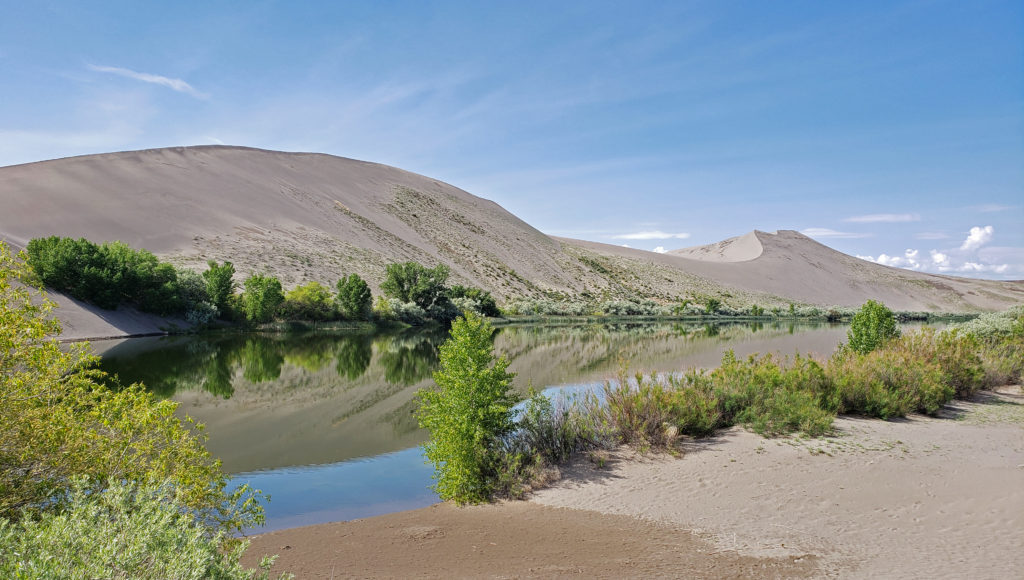 Bruneau Dunes is also an outstanding “dark skies” area, and the Boise Astronomical Society has constructed an observatory at the park. On weekends, visitors can view the depths of space through the observatory’s 25 inch telescope.
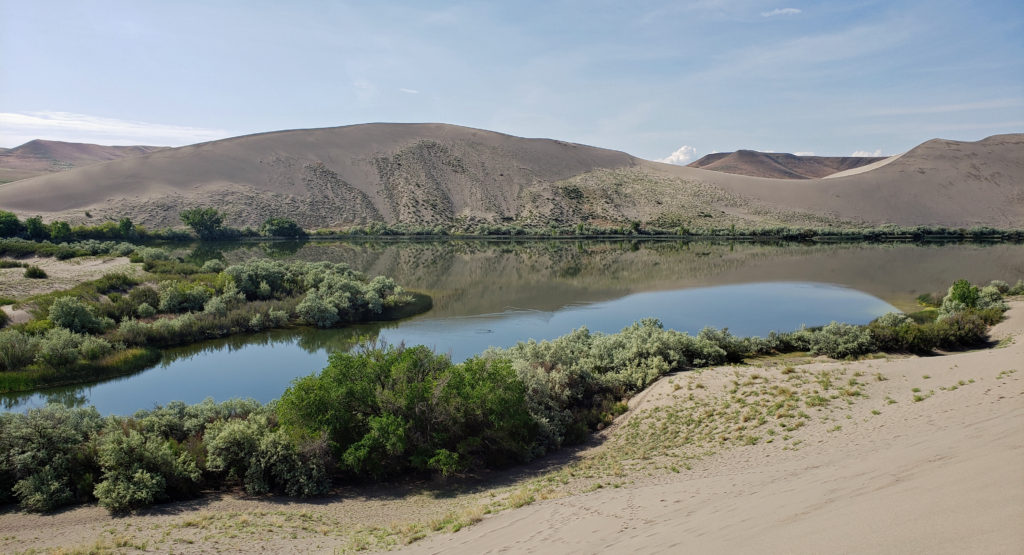 The weather was better than it was for our Thousand Springs and Balanced Rock visits on the previous day, and the sunshine made for some good photo ops. But it got a little warm on the dunes after awhile, and there were swarms of mosquitoes by the water where it was cooler. Still, it was a nice morning’s outing. The dunes and the small lakes between them are incredibly beautiful, and climbing the dunes was a fun adventure.
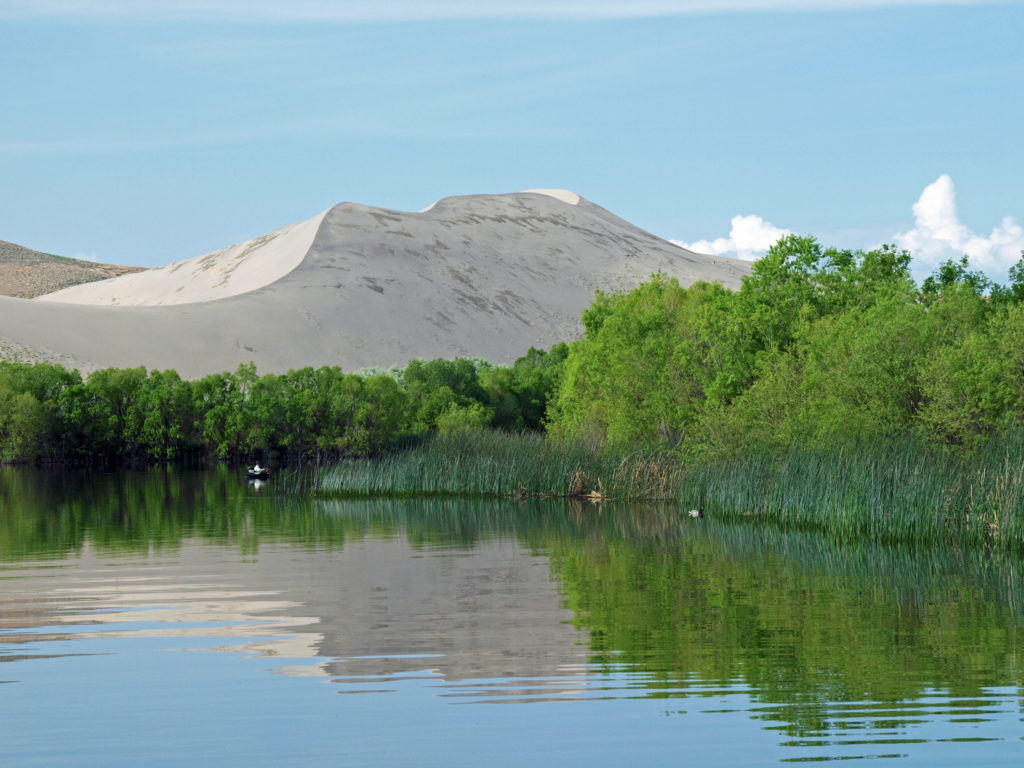 Bruneau Dunes definitely exceeded my expectations. The dunes are huge, much bigger than I expected, and the area around them is interesting and very beautiful. The park is small enough that it can be explored in half a day, which is what we did, but there’s enough there to keep you occupied for a few days, at least. It’s also a place where you can slow down, relax, and spend some time just enjoying the views and the peace and quiet, which won’t be marred by the presence of dune buggies and trail bikes. They’re prohibited in the park to protect the dunes.
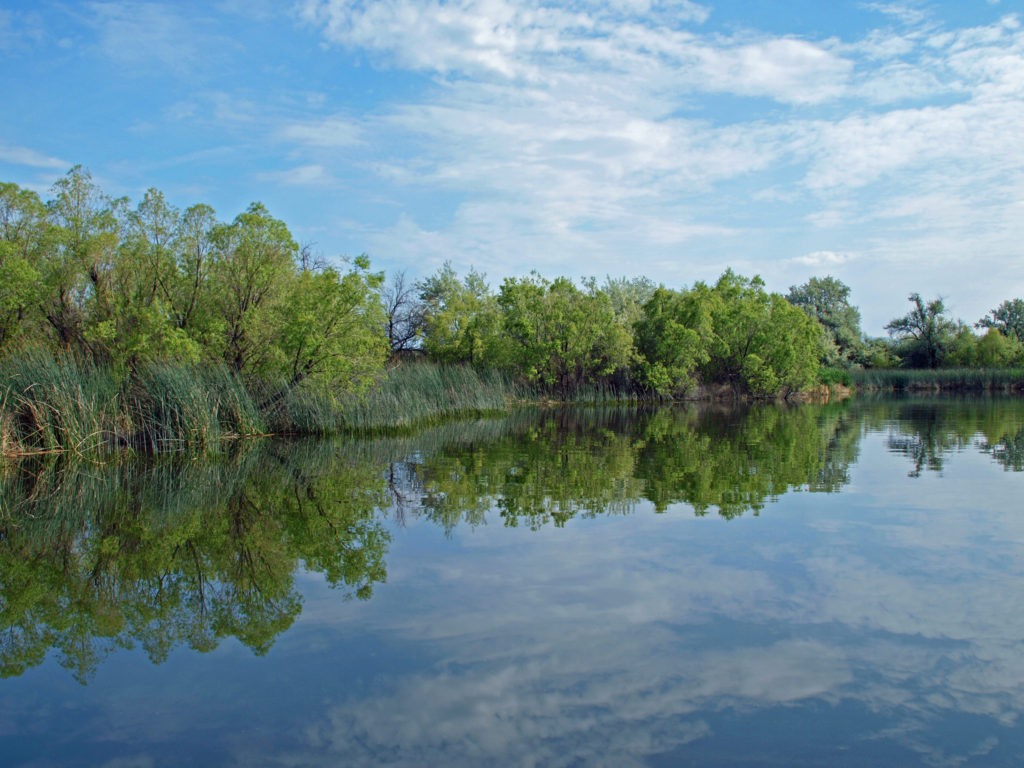 We returned to Boise that afternoon and spent some time exploring the downtown area and the parks and paths along the Boise River Greenway. The next day it was on to the Snake River Canyon, the Birds of Prey National Conservation Area, and the World Center for Birds of Prey. Click on the links below to view other posts from our trip.
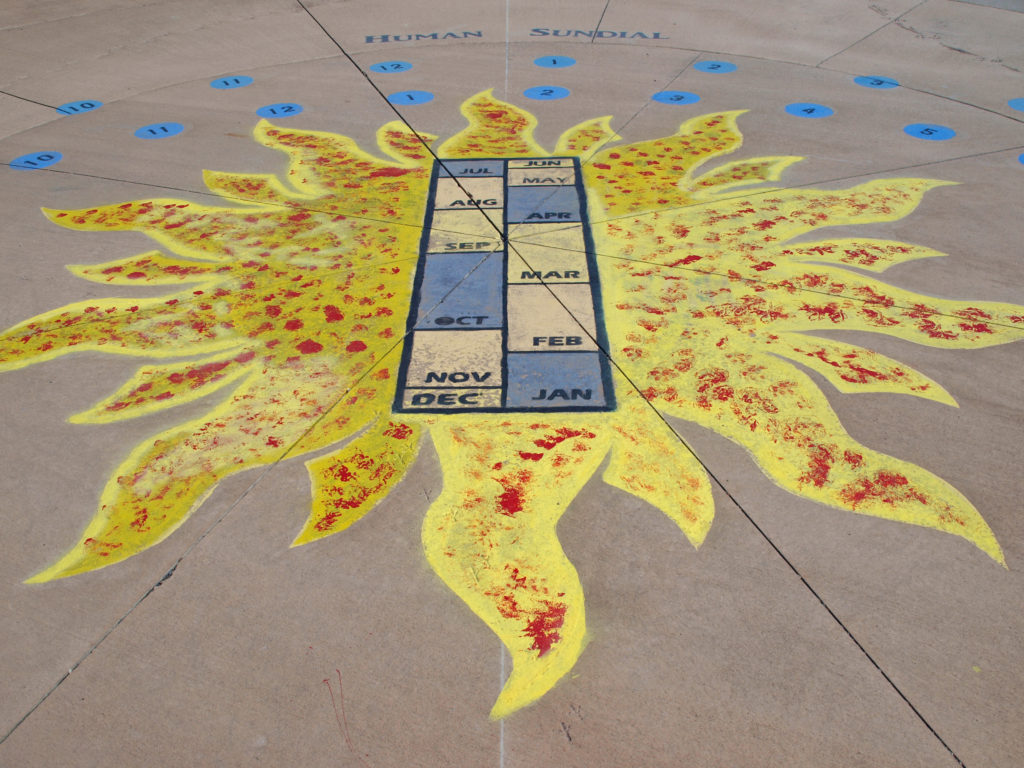 Originally posted June 20, 2019. Most recently updated April 2, 2025.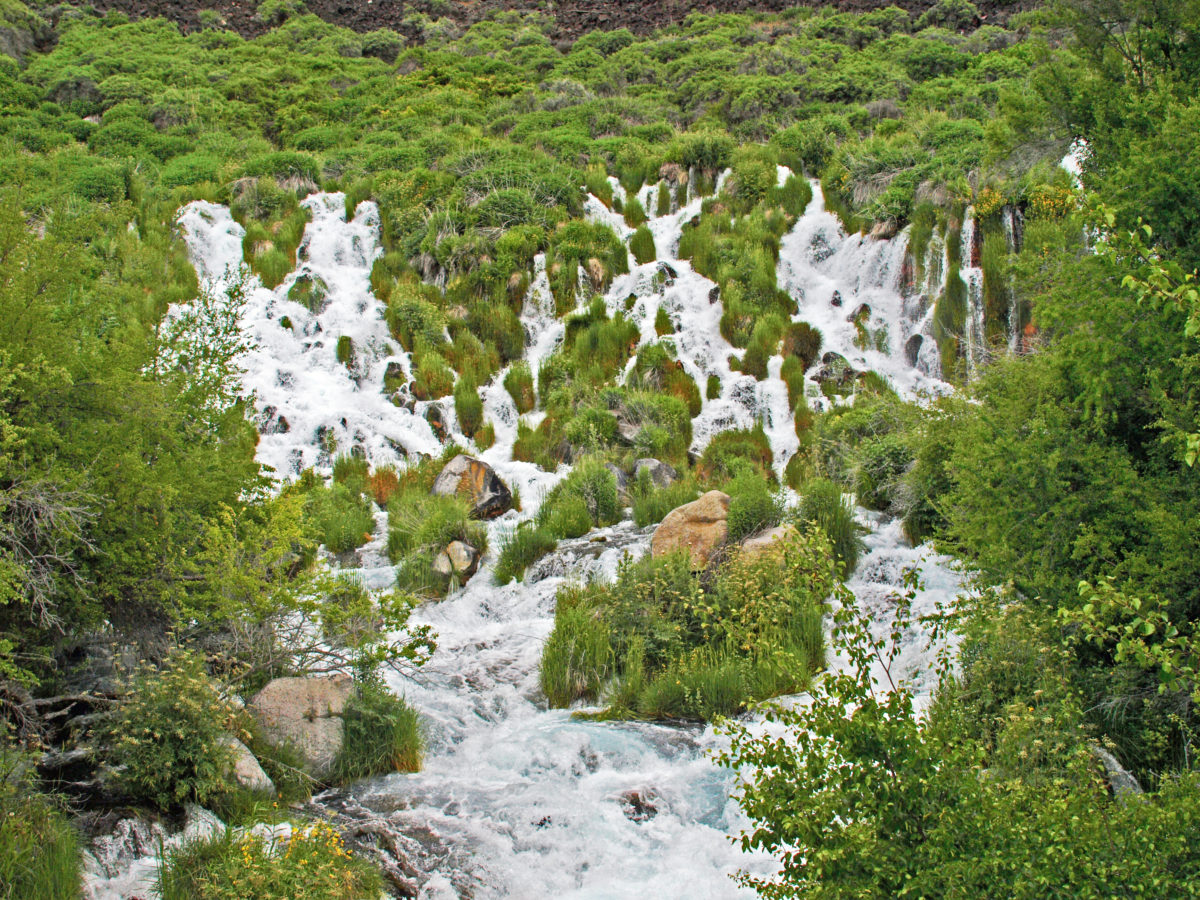
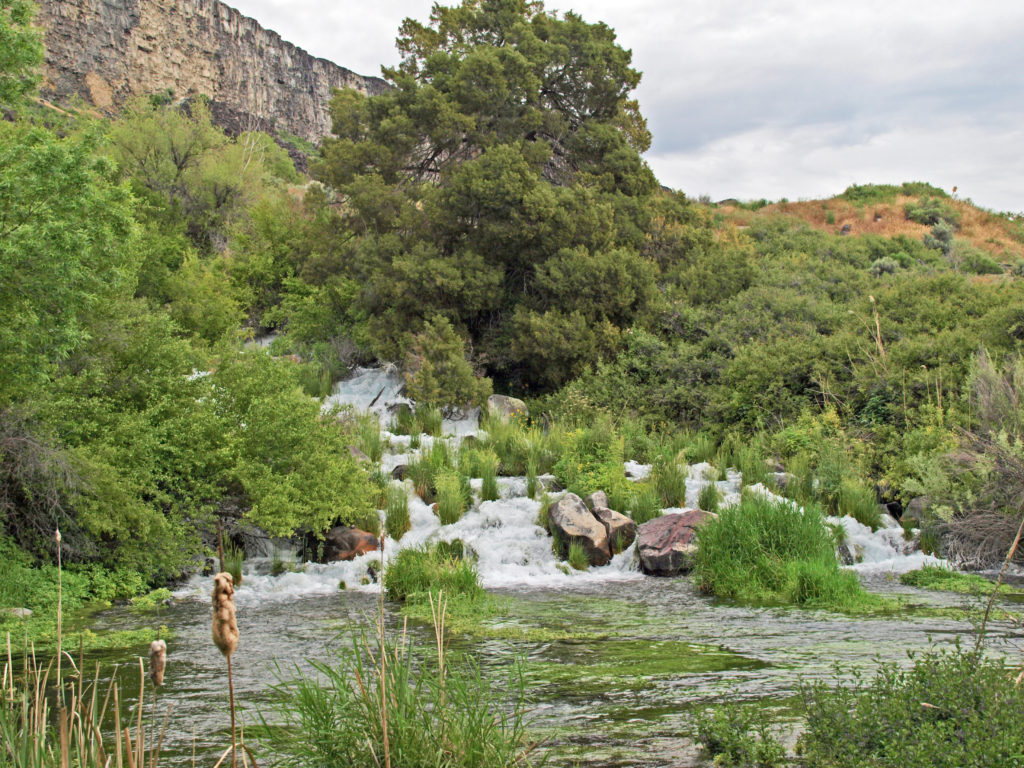

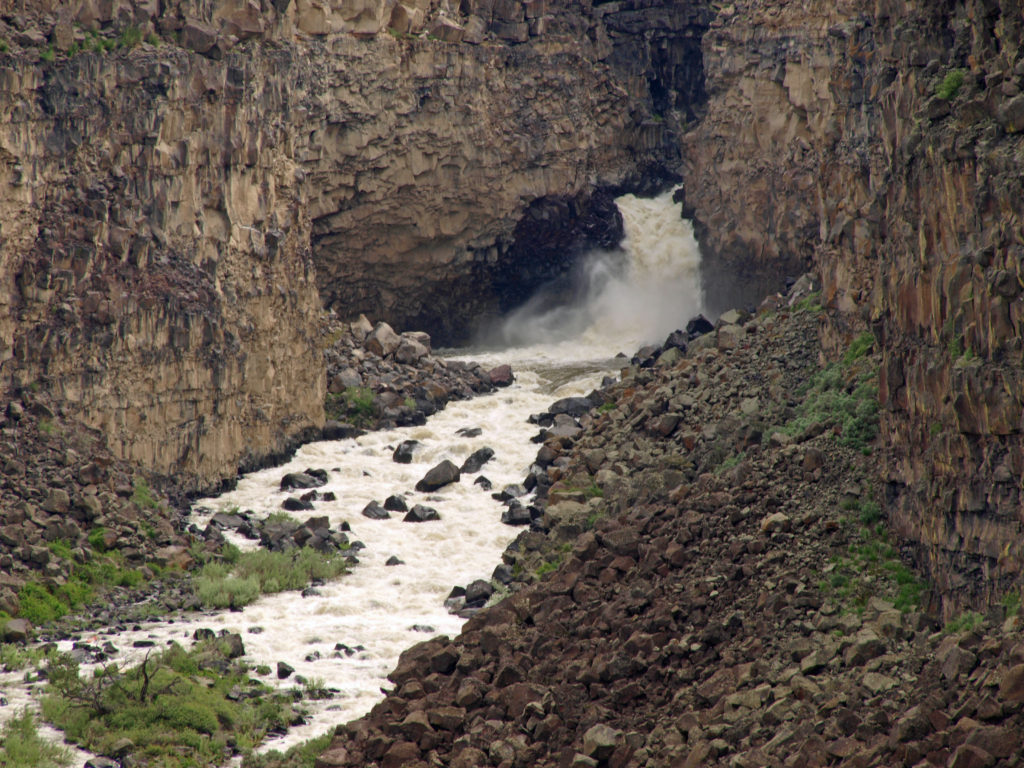
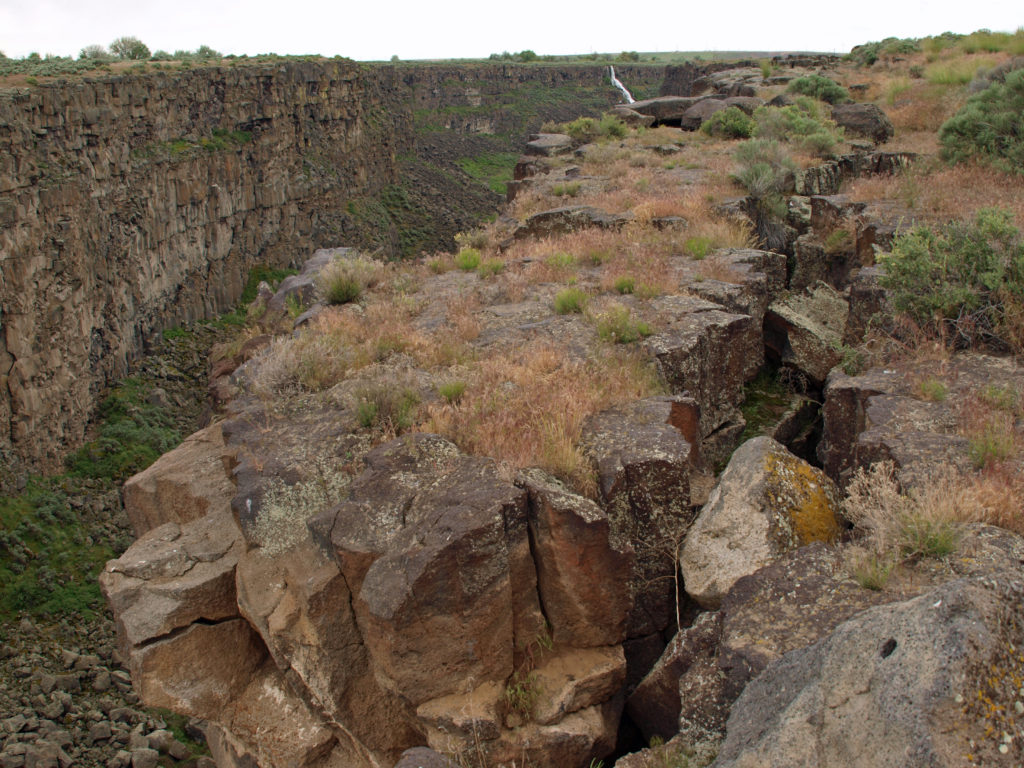

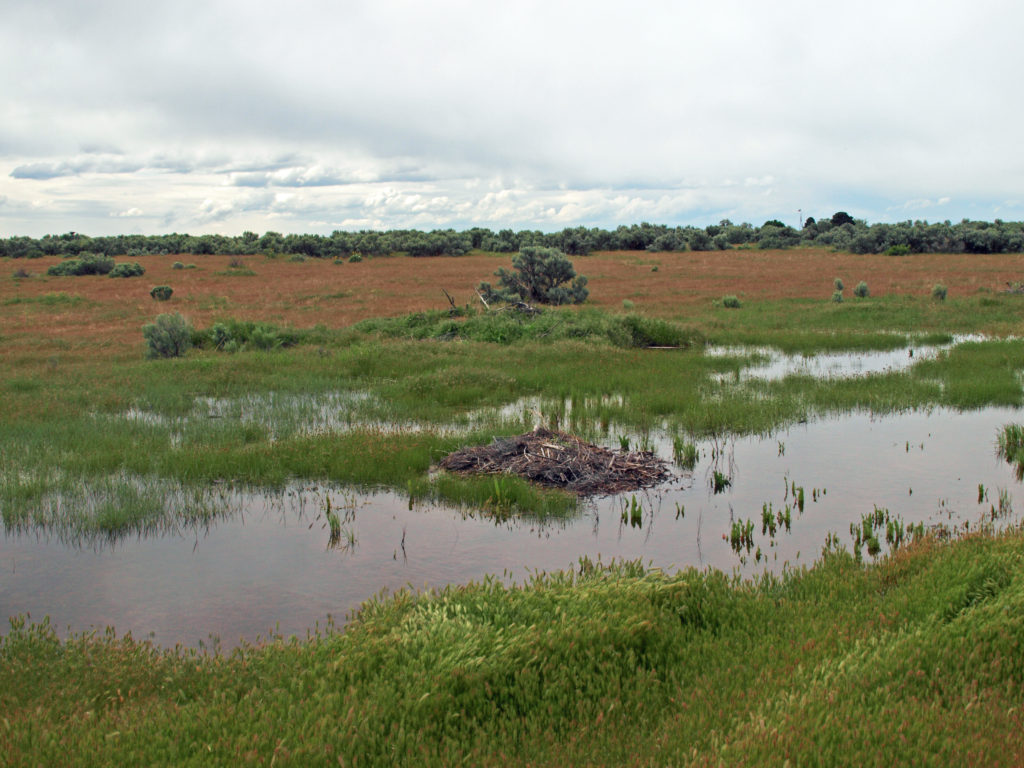
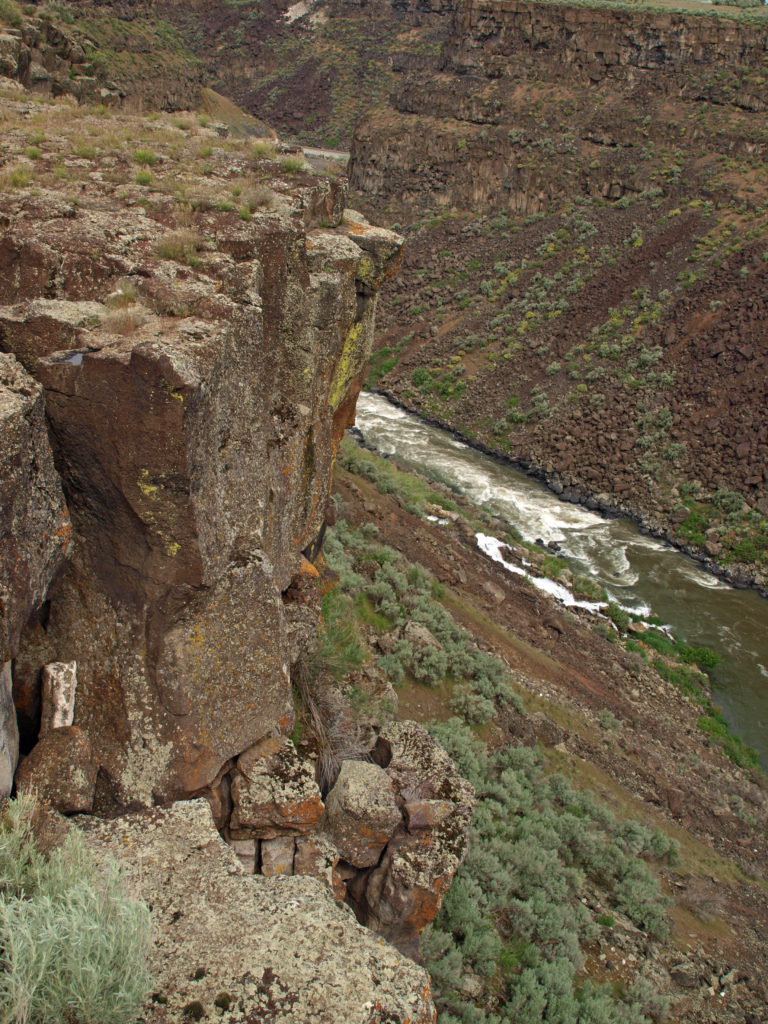
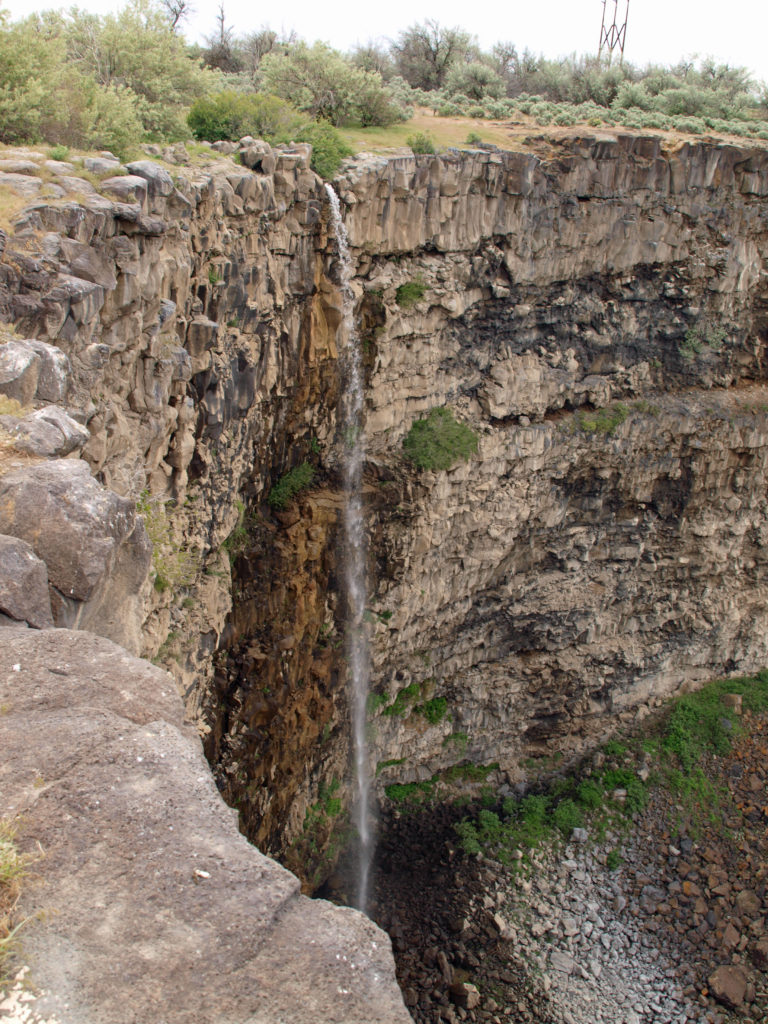

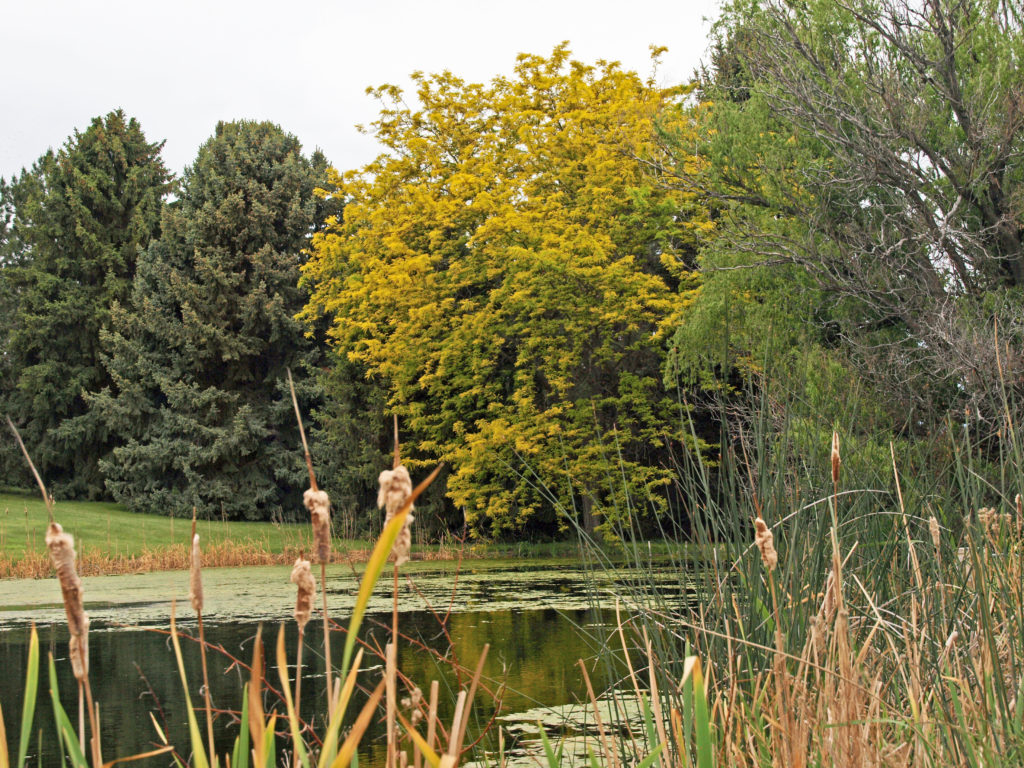
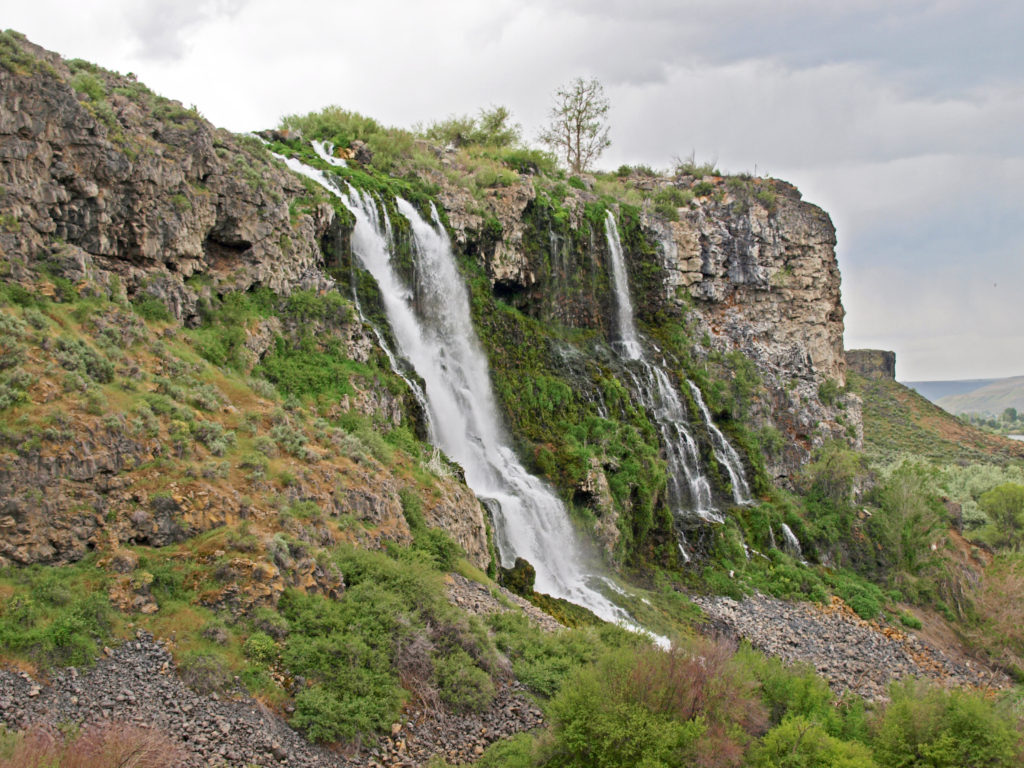

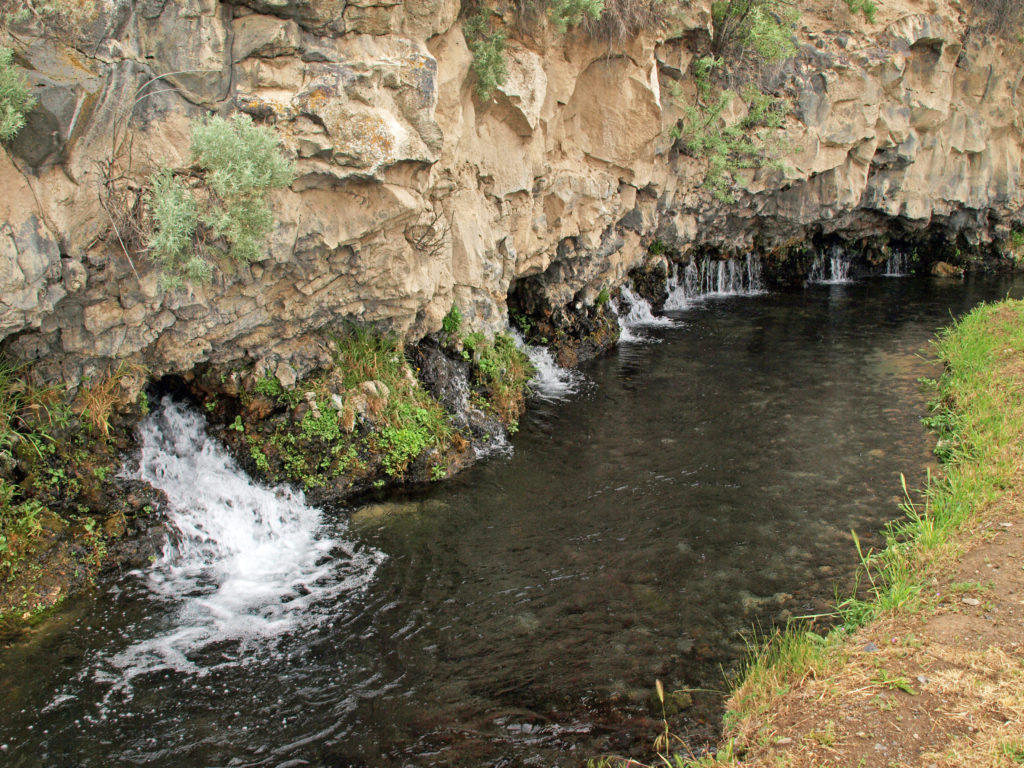
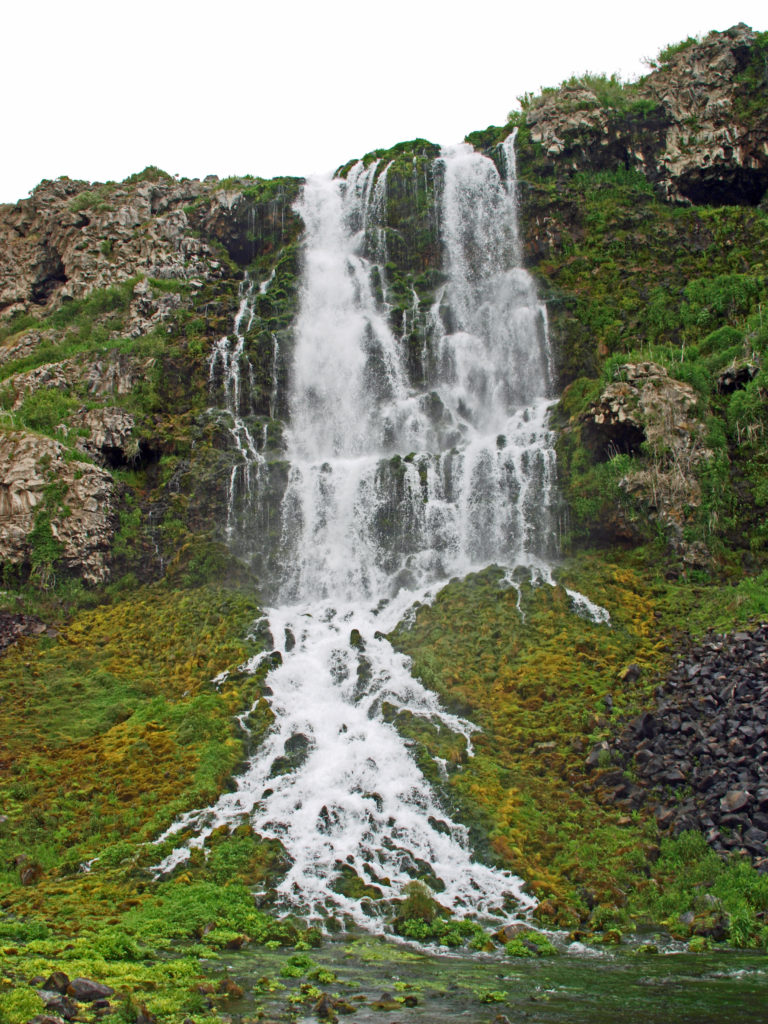


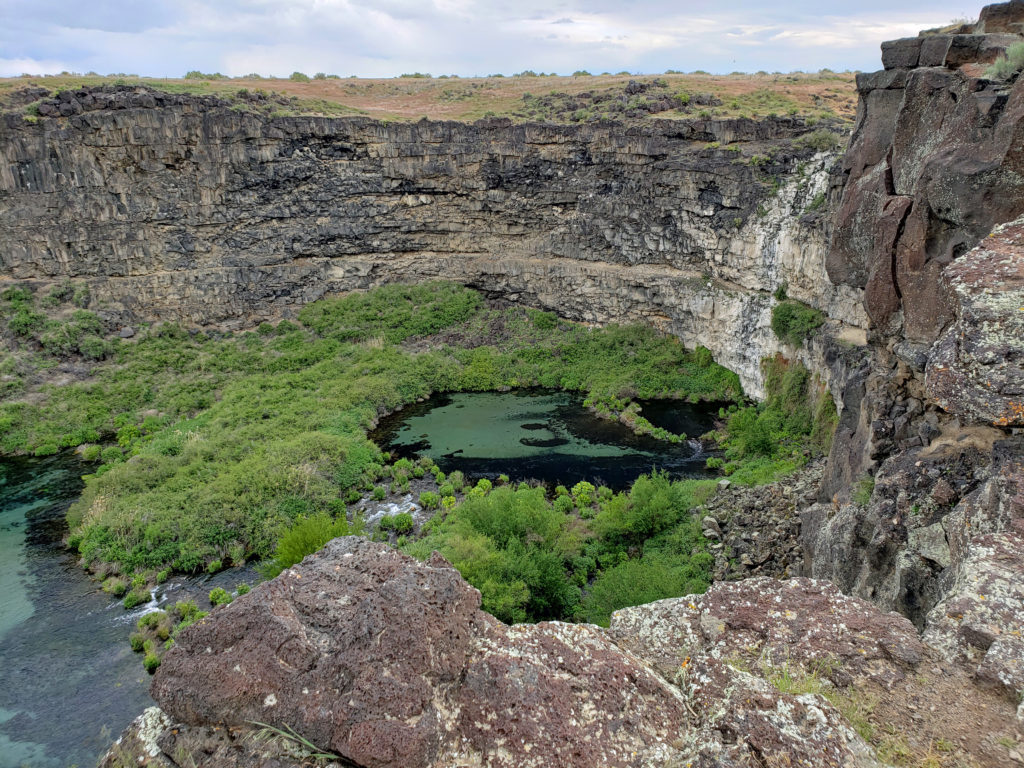
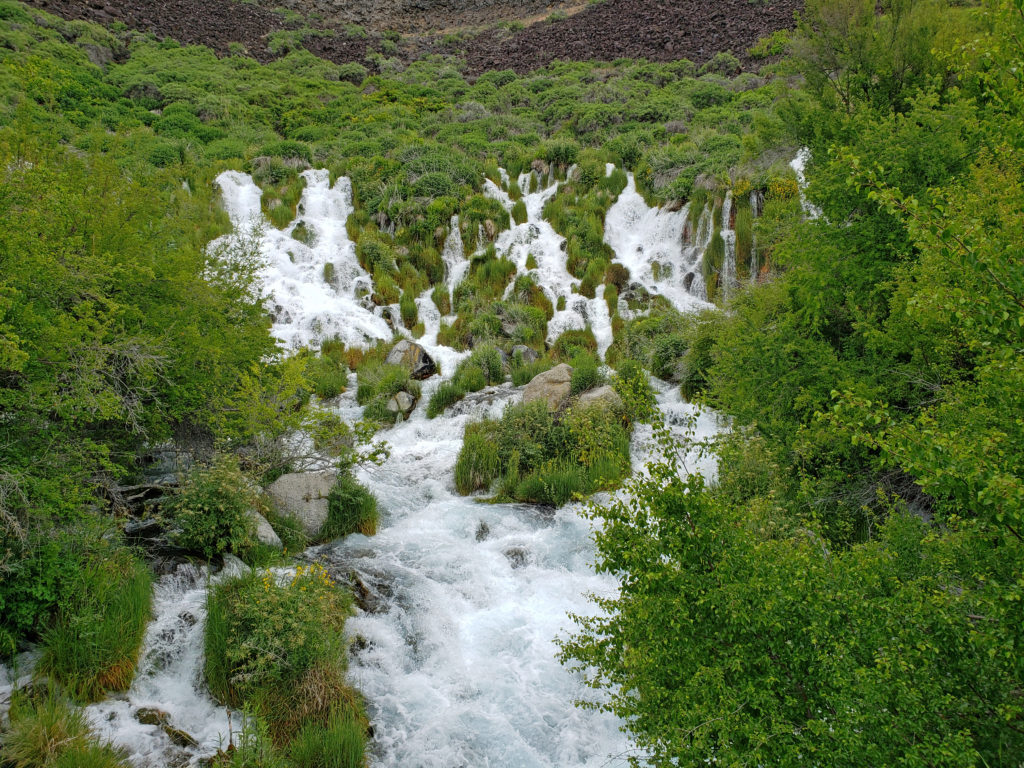
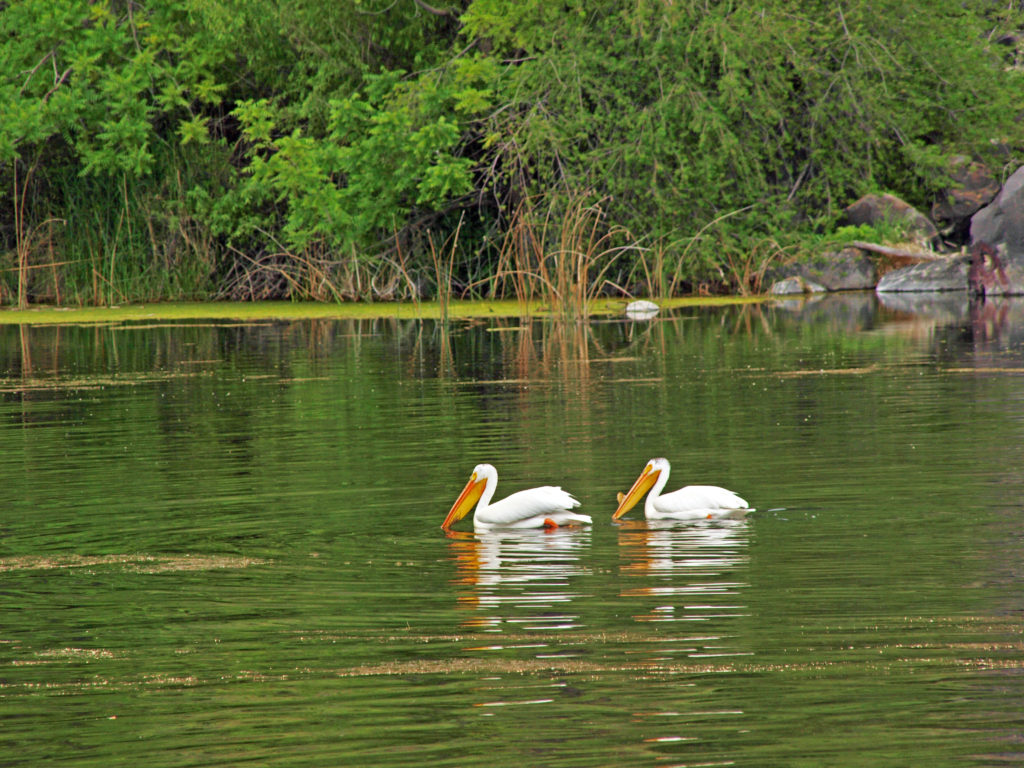

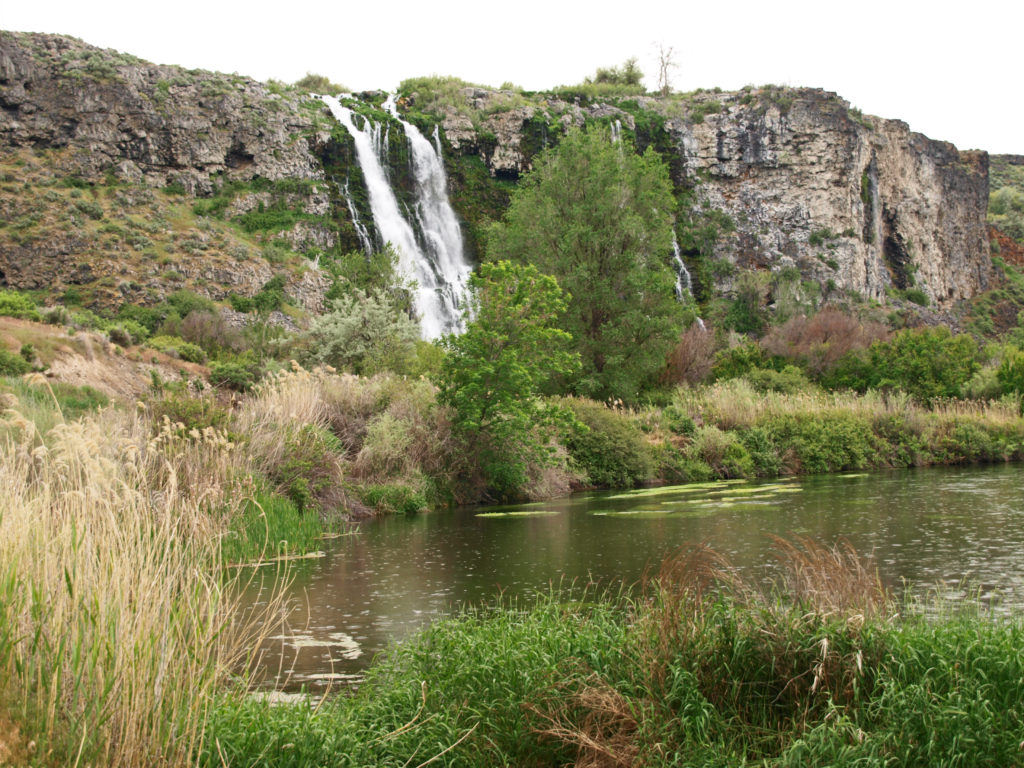
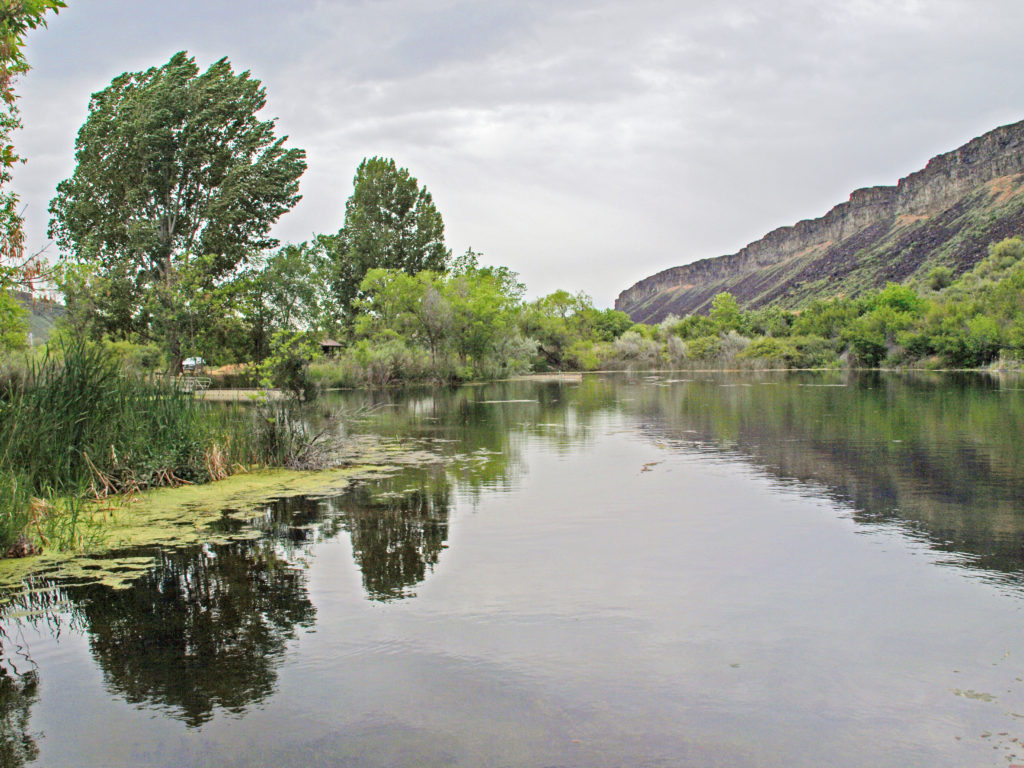
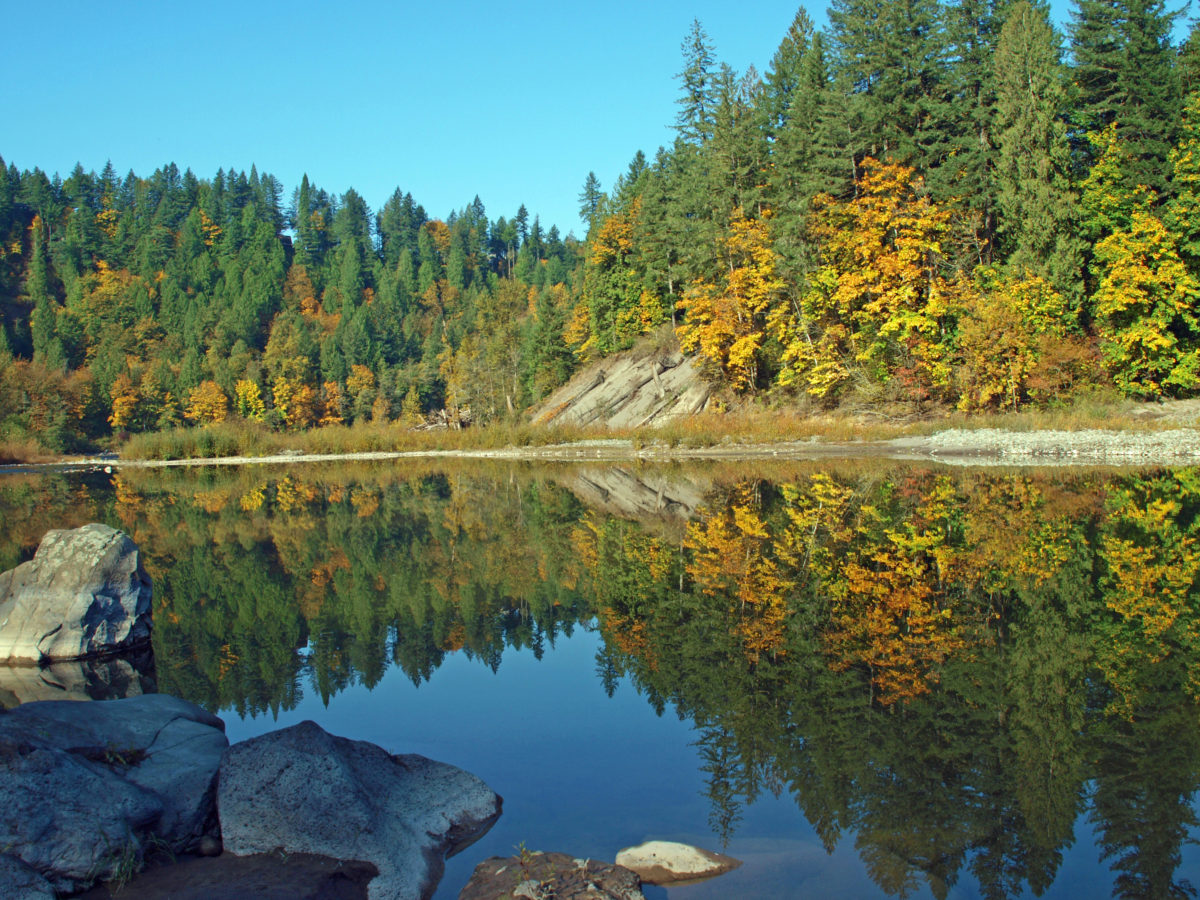

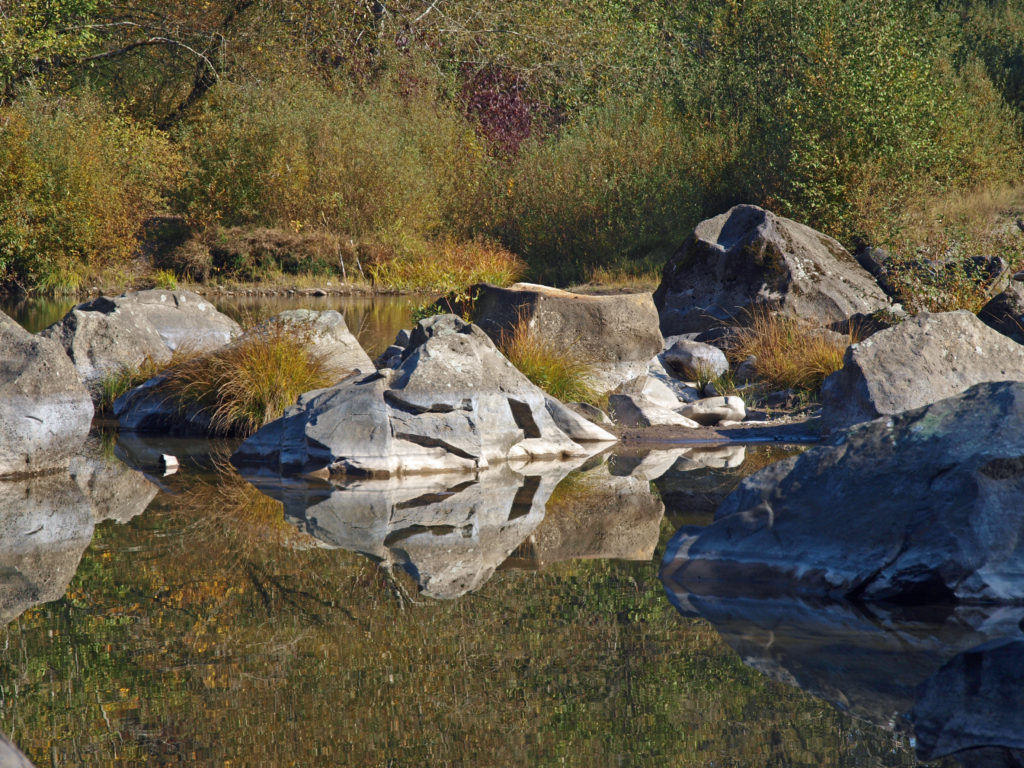
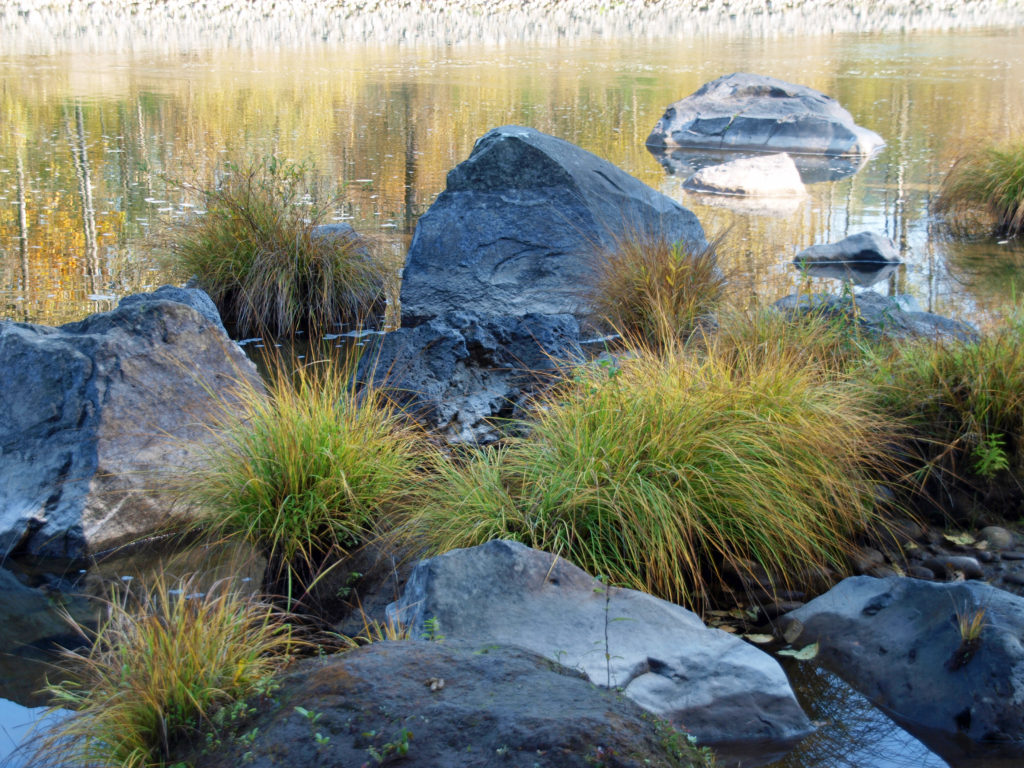
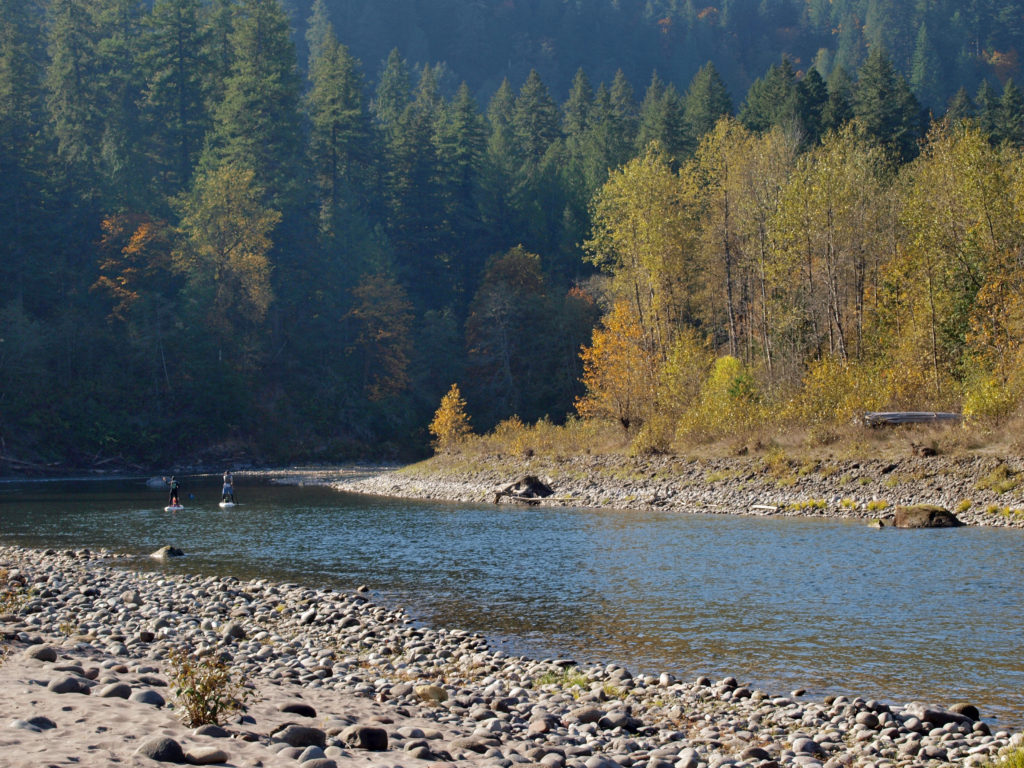
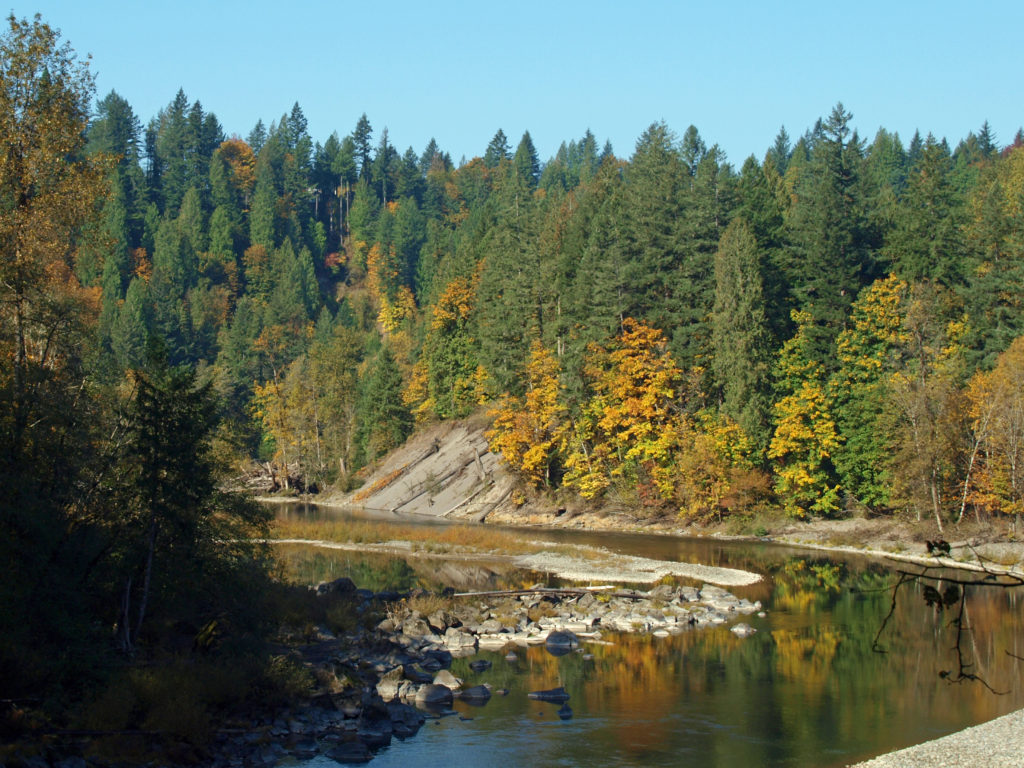 The Sandy River flows from its headwaters on Mount Hood to the Columbia River at Troutdale. Two sections of the river totaling 25 miles are designated Wild and Scenic, including the section of the river that runs through Oxbow Park.
 In 2007 the Marmot Dam on the Sandy River was demolished, making the river free flowing for its entire 57 mile course for the first time in nearly a century, and opening up miles of restored spawning grounds for salmon and steelhead. A smaller dam on the Little Sandy River was also demolished.
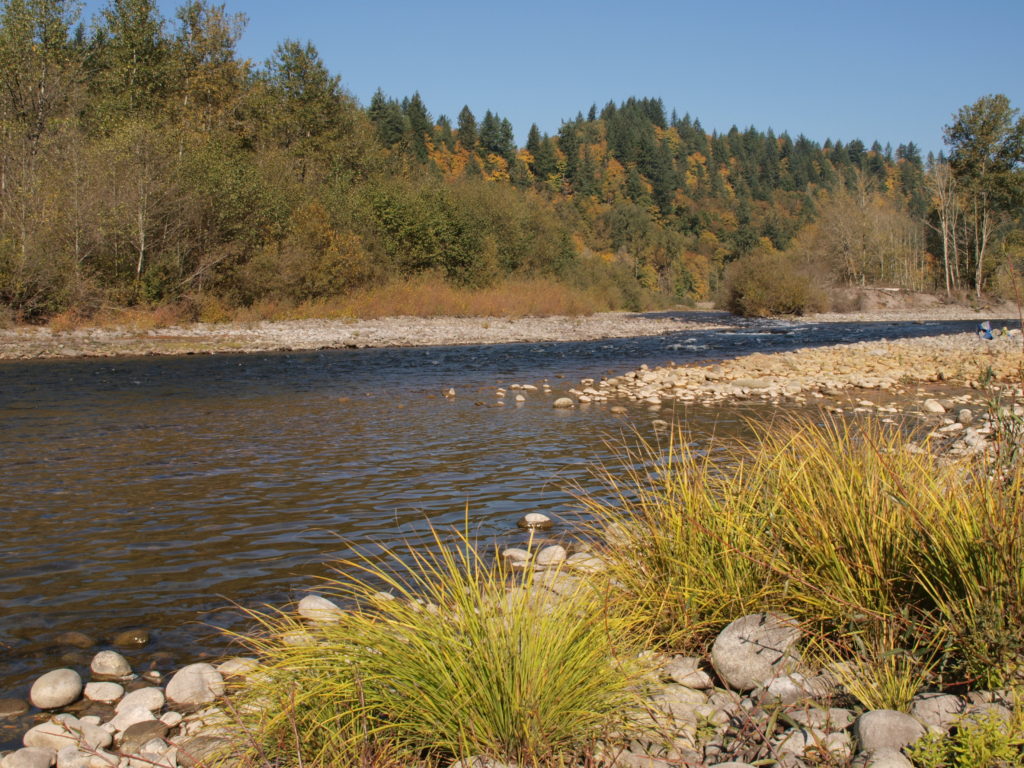 One of the more popular events at Oxbow has been the annual Salmon Homecoming weekend held in mid-October when you can watch salmon spawning in the gravel beds of the river.
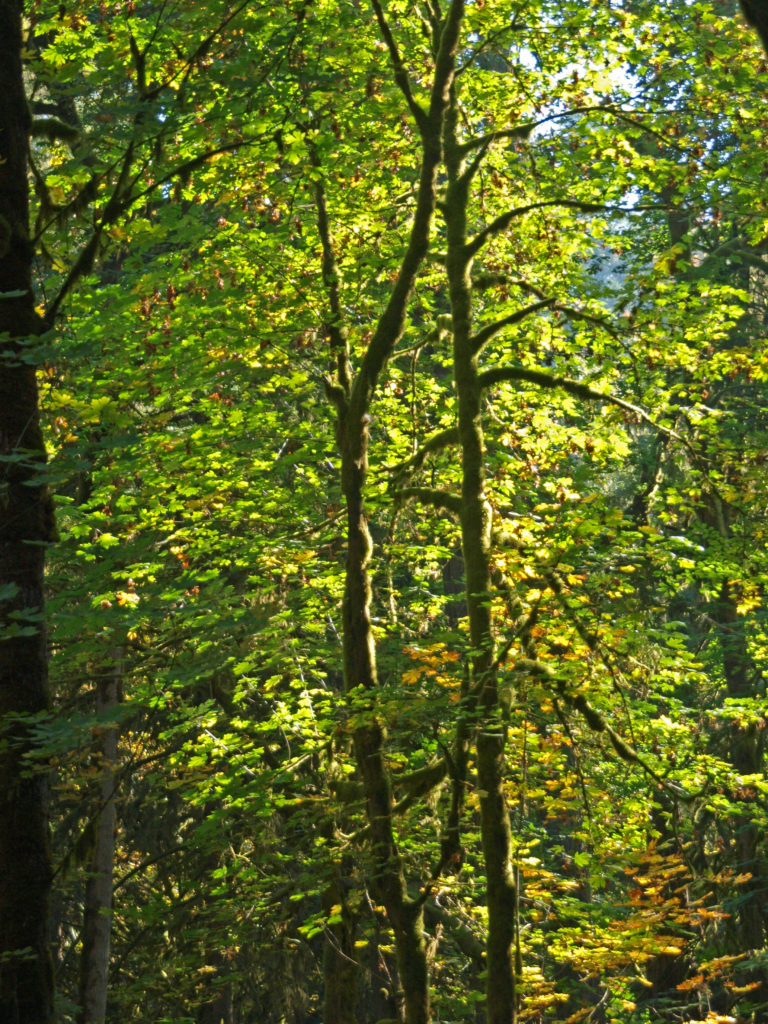
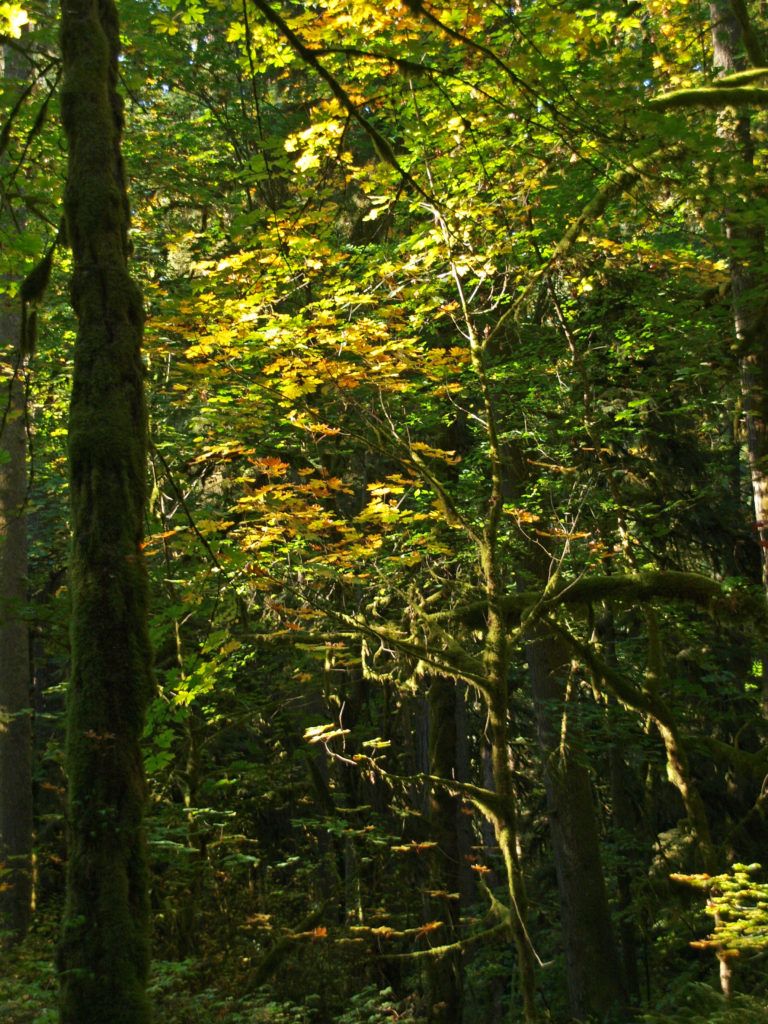 Most of the visitor activity at the park takes place along the banks of the river. The upland trails through the mixed conifer and hardwood forest get much less use. But the forest is beautiful, quiet, and peaceful. If you’re looking for tranquility, head away from the river. On our visit when these photos were taken, we hiked some of the forest trails and saw almost no one.
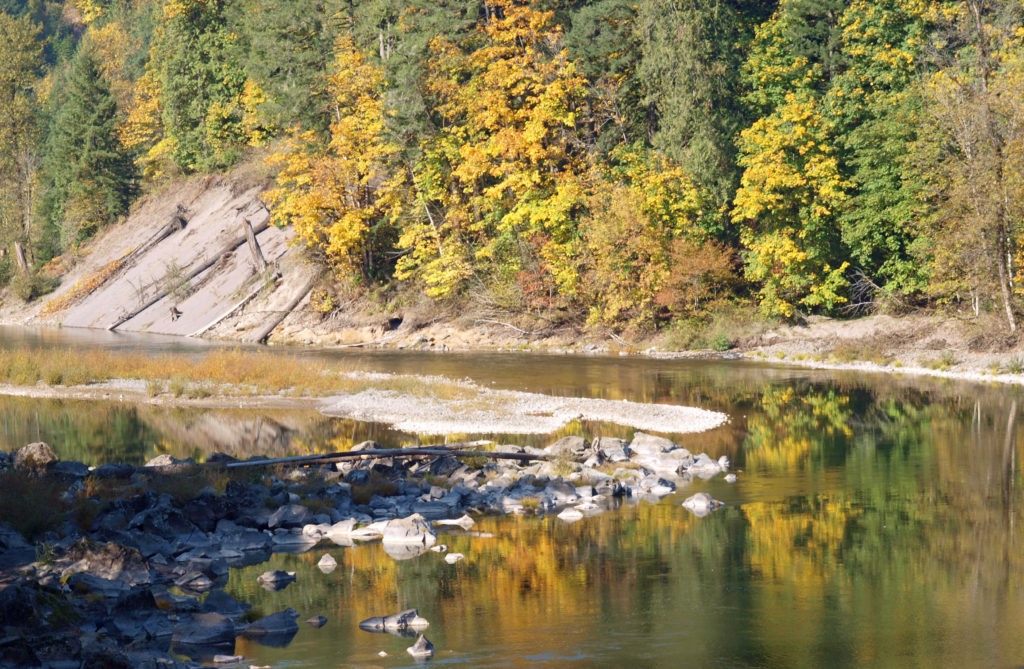 To get to the park, take I-84 east from Portland to Exit 17 at Troutdale. Turn right onto Graham Road, then left onto the Historic Columbia River Highway. In two blocks, turn right onto Buxton Road. Follow Buxton (which becomes South Troutdale Road) to Division Street. Turn left on Division and follow the signs to the park.
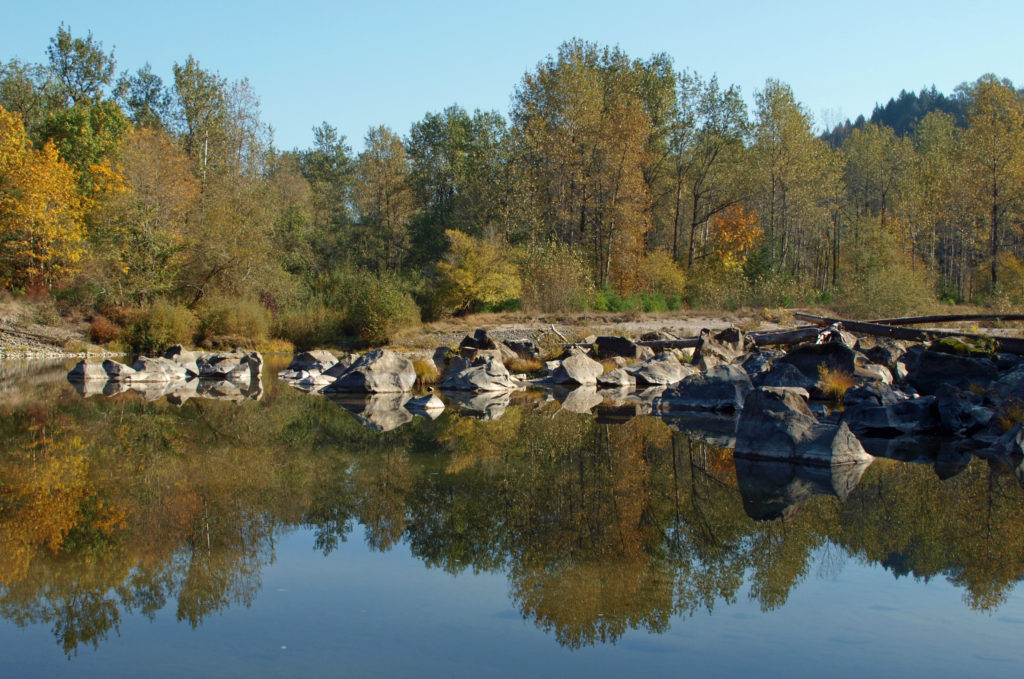 One of the great things about the Pacific Northwest is that there are so many beautiful places like this that are within a half hour drive of even the biggest cities. Just one of the reasons that I think this is one of the best places in the world to live.