Bratislava is the capital of Slovakia, but it is less known and less visited than its neighboring country’s capitals, Prague, Vienna, and Budapest. You won’t find many guide books devoted solely to Bratislava. Prague, Vienna, and Budapest are all great cities and there are a multitude of reasons to visit them. But Bratislava has its own charms, and anyone traveling to the region should consider adding it to their itinerary.
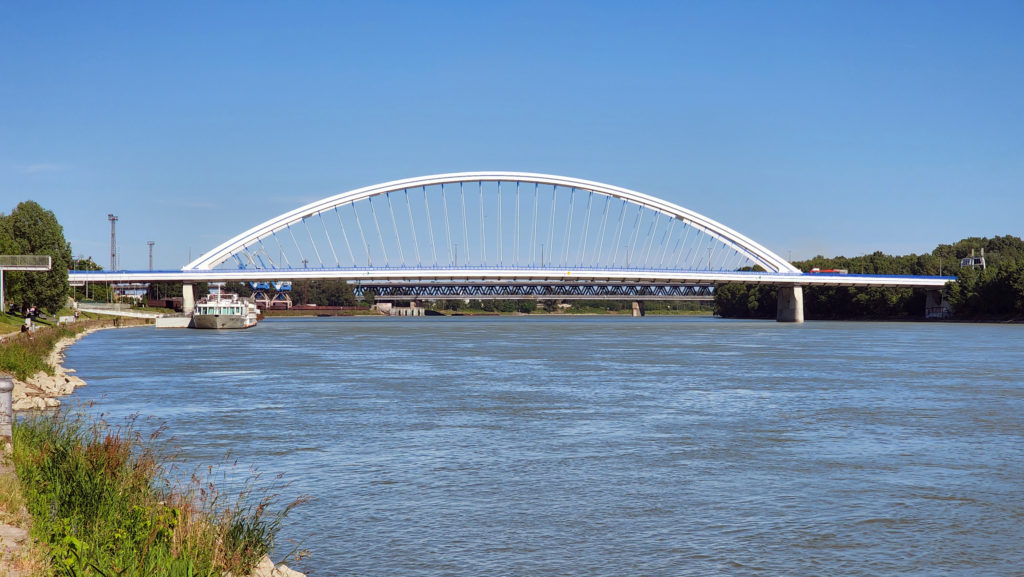
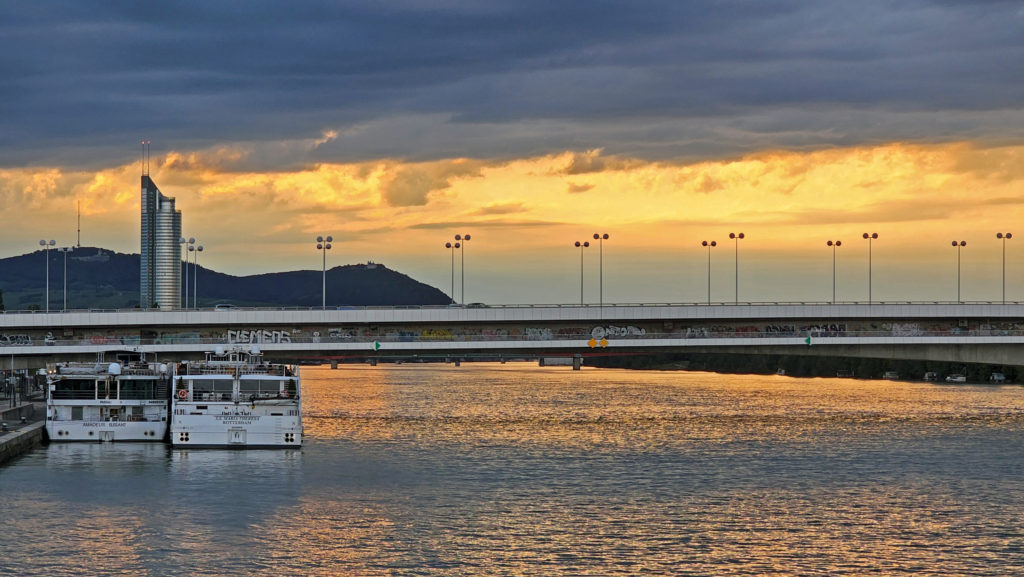
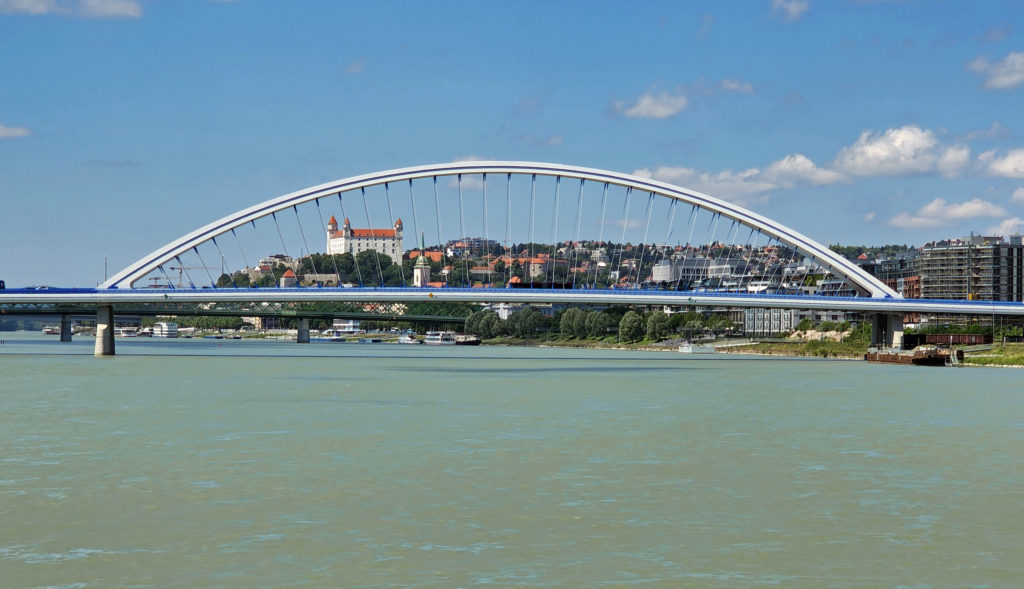
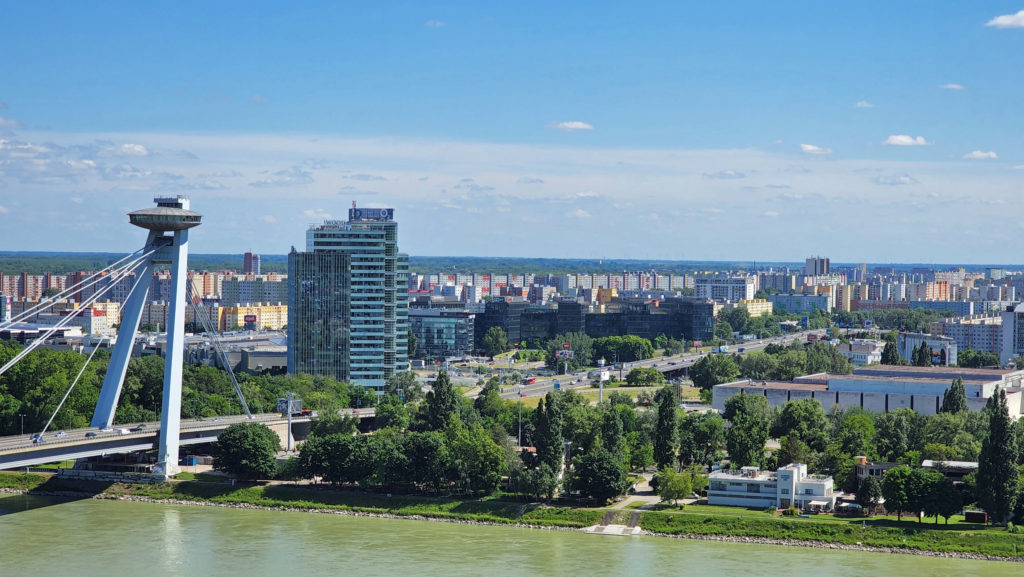
Apollo Bridge
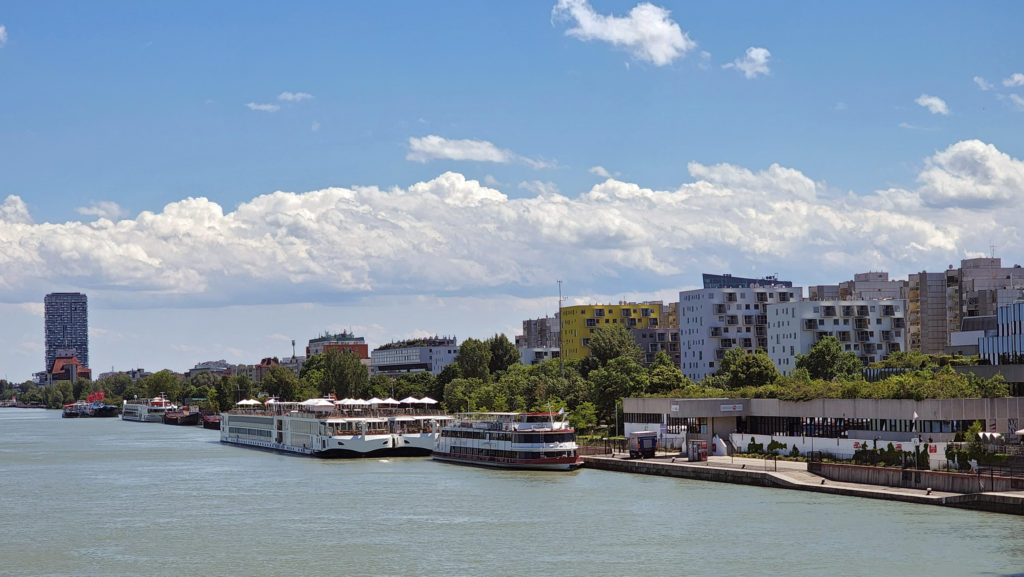
Bratislava lies on the Danube River, between Budapest and Vienna. It’s a mere 35 miles from Vienna, and about 100 from Budapest – a short hop by train or car (or in our case, by boat) from either. My wife and I were fortunate to have visited all three cities on a Danube River cruise last spring.
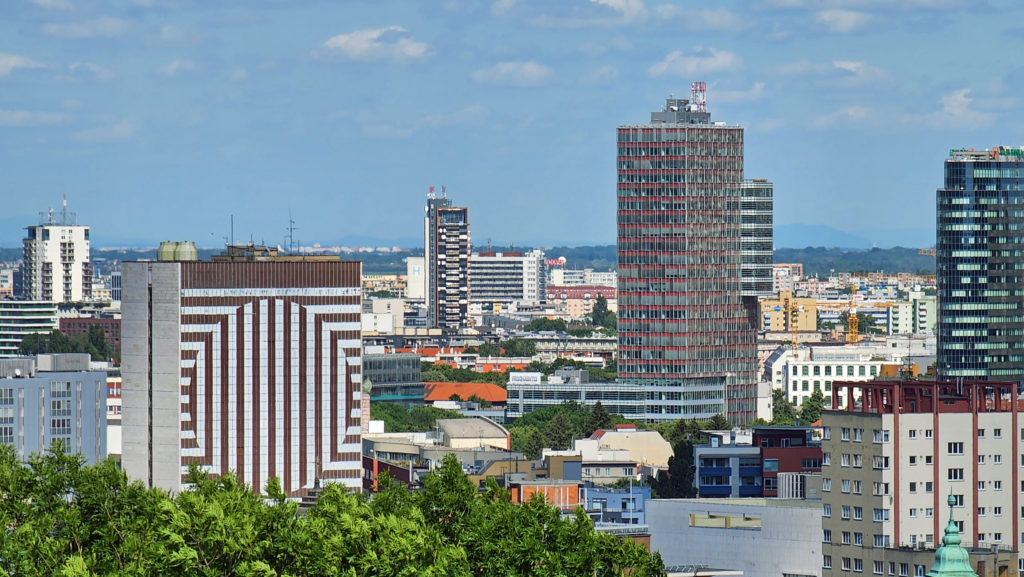
Downtown Bratislava
We spent less than 24 hours in Bratislava, so we didn’t get to know the city well, but saw enough of it to think that another day or two (or more) wouldn’t have been wasted.
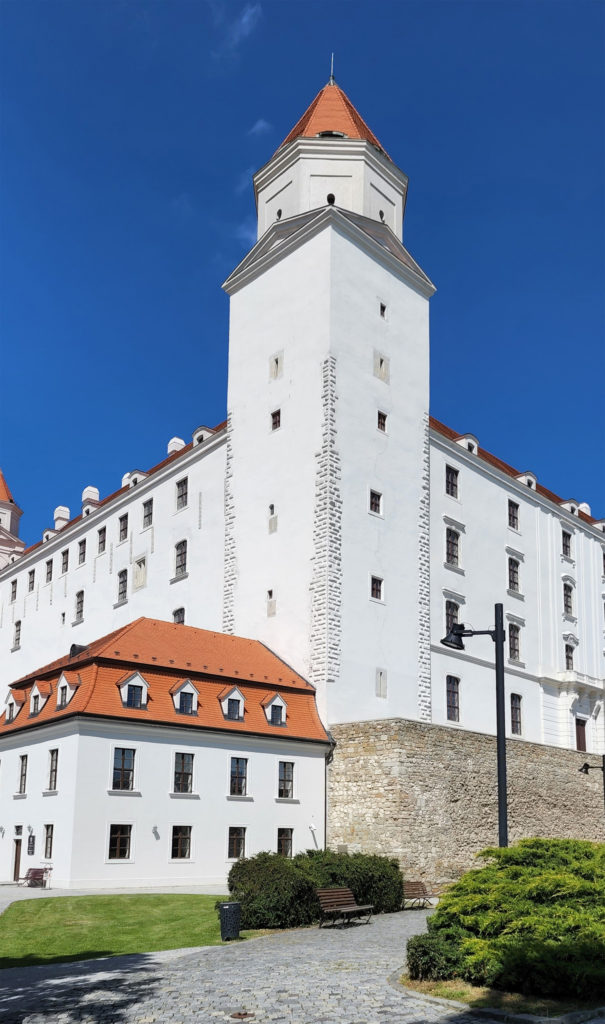
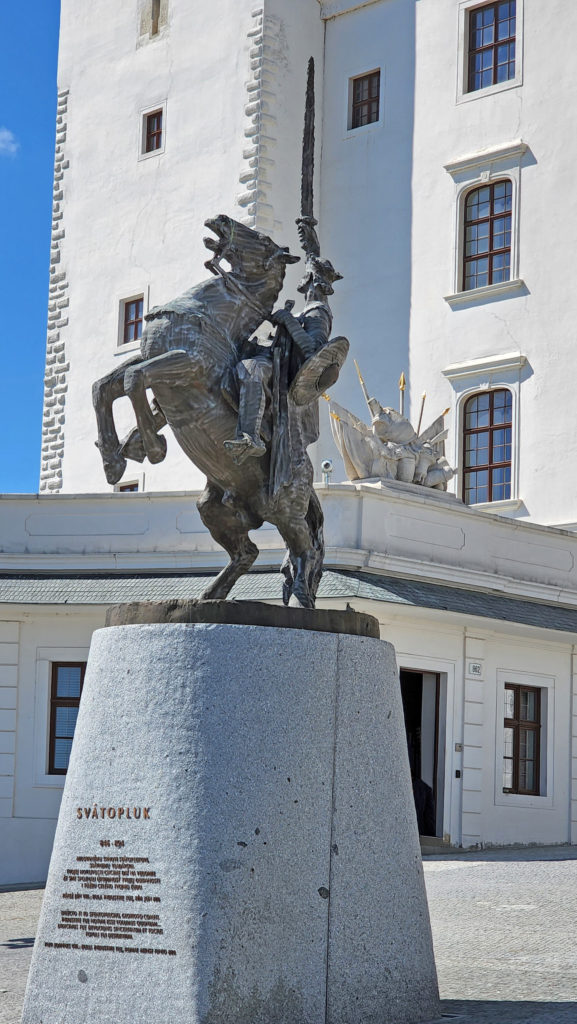
Bratislava Castle
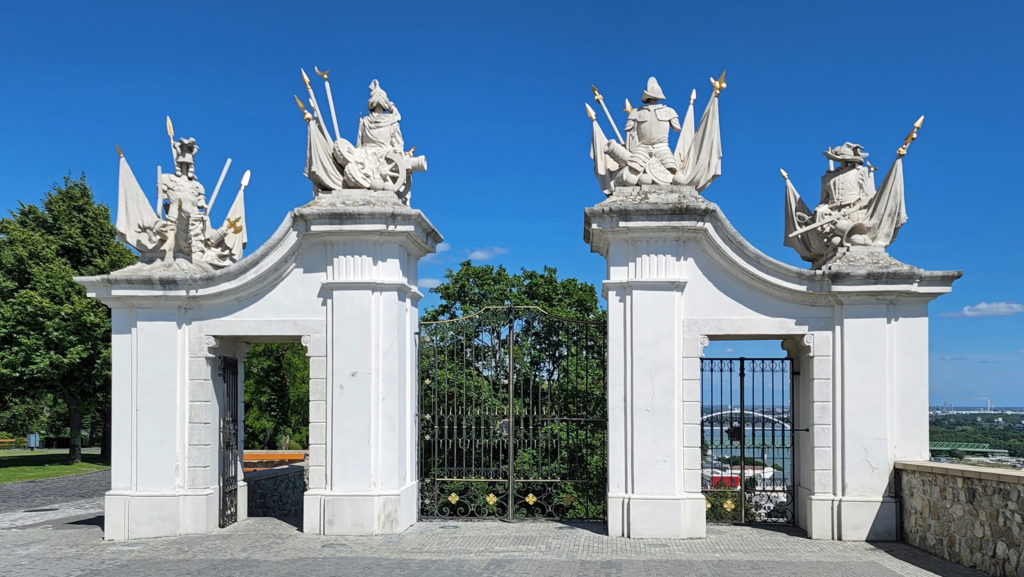
Bratislava Castle Gate
Our day in Bratislava began with a bus tour that took us through parts of the city and up to Bratislava Castle, 290 feet above the river. The first castle on the site was built around 1000 AD and was remodeled, expanded, and rebuilt a number of times. In 1811 the castle burned and lay in ruins for 150 years. The present castle dates only to the 1960s, but looks and feels much older. The ruins of Devin Castle, another important historic site, lie about seven miles west of the city center..
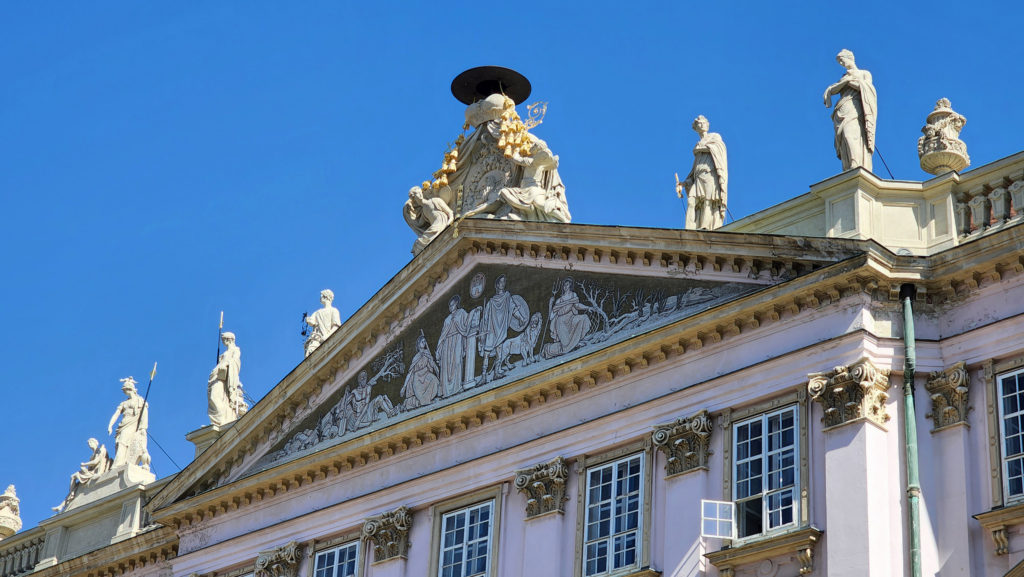
Primate’s Palace
After the castle tour, we did a guided walking tour of the old town area along the river. Among the highlights of the old town are St. Martin’s Cathedral, the old Slovak National Theater building, Michael’s Gate, and the historic Hlavne namestie (town square).
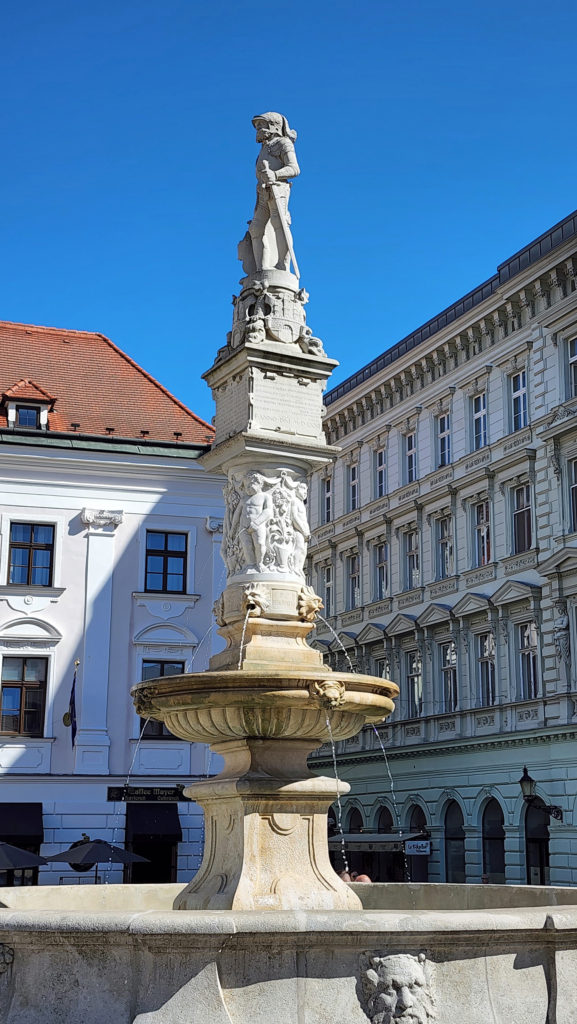
Roland Fountain (aka Maximilian’s Fountain)
The Bratislava area has a long and varied history, like many central European cities. The region was part of the Roman Empire from the first to the fourth century AD. After Roman rule ended, what is now Bratislava became part of the first Slavic nation. In the 10th century, it became part of the Hungarian Empire, then became part of the Hapsburg Empire in the 16th century. During the reign of Queen Maria Theresa in the 18th century Bratislava flourished, and was the capital and largest city in Hungary.
In the 19th and 20th centuries Bratislava’s influence waned, becoming a sleepy regional center of no great significance during the Soviet era. But Bratislava today is a vibrant, modern city with a diverse population and a surprisingly Western European vibe.
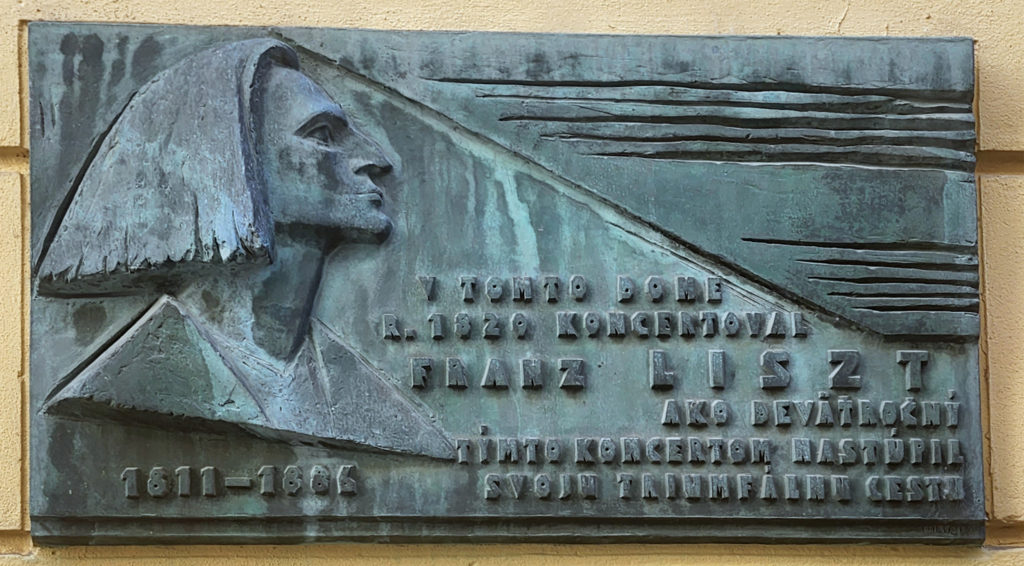
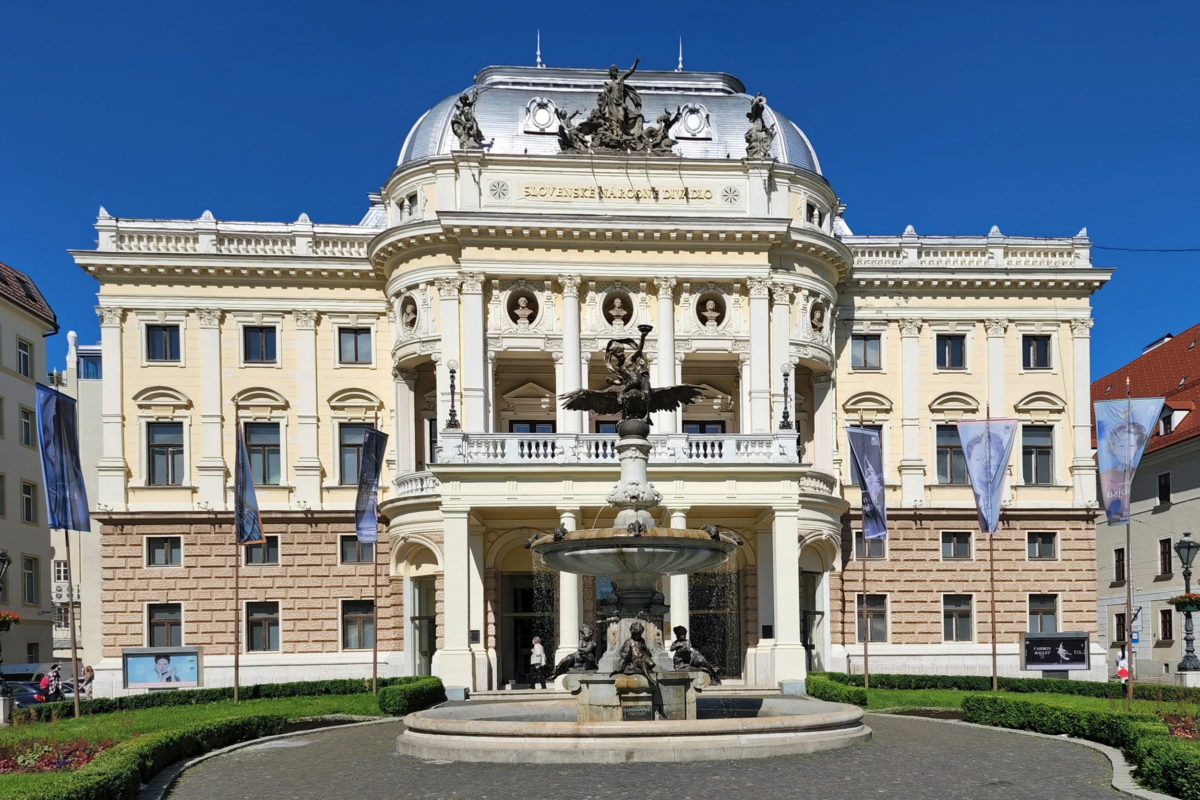
Neighboring Vienna is internationally recognized as a center of classical music and culture, but Bratislava has its own deeply rooted history of arts and culture. Mozart gave a concert in Bratislava at the age of six, and Franz Liszt’s career began (at nine years of age) with a concert in Bratislava. And Hayden, Beethoven, and many other prominent composers performed or conducted concerts in Bratislava in the 19th century. Today, there are a number of music festivals in Bratislava throughout the year, and the Slovak National Theater has been staging performances for more than a century. (The old Slovak National Theater building is the featured photo at the top of this article).
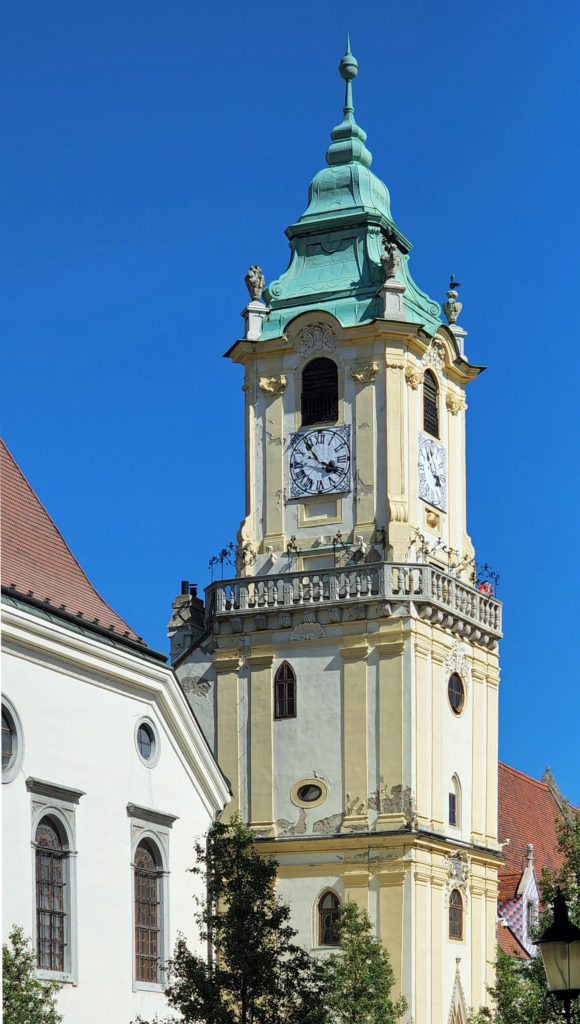
Old Town Hall
As with most ancient European cities, religion has played a central role in both Bratislava’s history and culture. Every major city that we’ve visited in Europe has a central cathedral and Bratislava is no different. St. Martin’s Cathedral may not be as large or grand as some others, but it has a significant place in the history of the region, politically and culturally as well as spiritually. The cathedral was completed in 1452, and from 1563 to 1830 it was the coronation site for the crowning of eleven kings of Hungary. It was also the site of the first performance of Beethoven’s Missa Solemnis in 1830 and Franz Liszt conducted his Coronation Mass in St. Martin’s in 1883.
There is much for the visitor to see and do in Bratislava, the vast majority of which we did not have time to take in. But I’m glad that we were able to see at least a portion of this small but interesting and historic city.
The beautiful Snoqualmie Valley runs from just east of Seattle, Washington southeast to Snoqualmie Pass at the crest of the Cascade Mountains. The valley’s proximity to Seattle and its eastern and southern suburbs makes the Snoqualmie Valley quite literally Seattle’s backyard. We’ll touch on some of the many recreational opportunities in the Snoqualmie Valley and in the Snoqualmie Pass area, but we’ll focus first on the two areas we visited on our most recent visit, Twin Falls on the South Fork of the Snoqualmie, and Snoqualmie Falls on the main stem.
Snoqualmie River
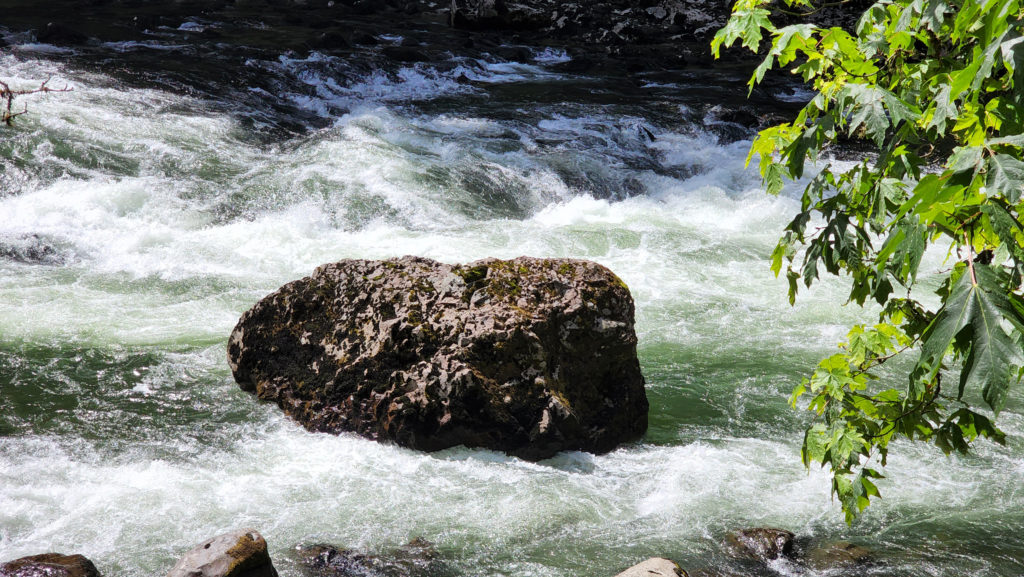
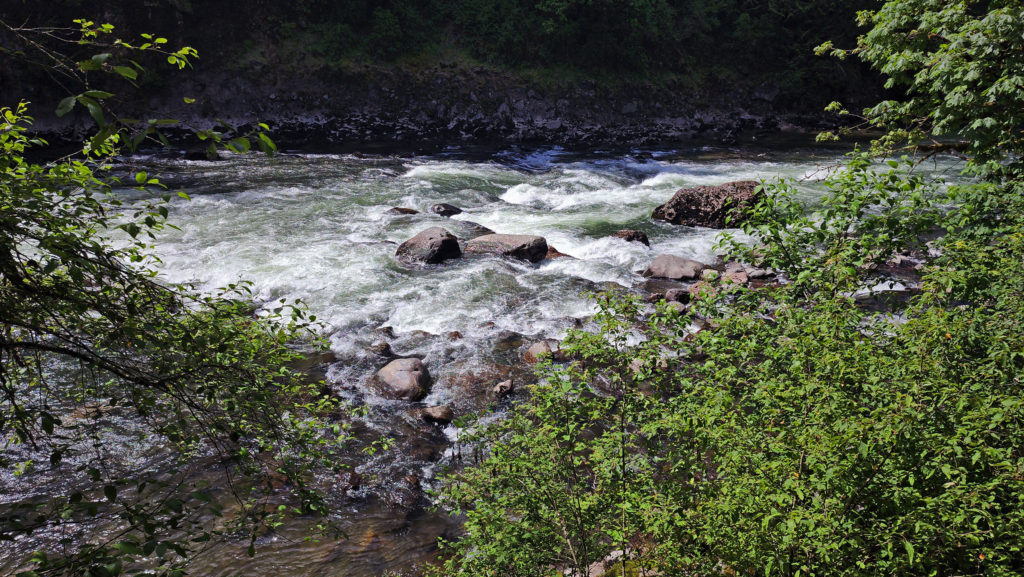
The middle and south forks of the Snoqualmie River arise near Snoqualmie Pass, which is only about 45 miles as the crow flies from downtown Seattle. The middle, south, and north forks of the river all come together to form the main stem of the Snoqualmie River just above the magnificent Snoqualmie Falls.
To say that the river is a very popular destination for people looking to escape the city is a bit of an understatement. On summer weekends it can seem like half the population of the metro area can be found along its banks or in the surrounding mountains. But there are dozens, probably hundreds, of hiking trails and other attractions, so the crowds disperse to some extent. But we were last there on the Fourth of July, and Snoqualmie Falls was a madhouse that day. Nevertheless, my wife and I still enjoyed our time there, and we had done a hike earlier in the day that was much less crowded. More on that below.
Snoqualmie Falls
Less than an hour’s drive from most of the Seattle metropolitan area, Snoqualmie Falls gets a lot of tourist traffic. More than 1.5 million people visit the falls annually. Most of the visitors are day trippers, but Salish Lodge sits on the north bank of the river at the top of the falls, so there are still many people in the area mornings and evenings. You’re not going to find solitude here.
The falls have been used to generate electricity since the turn of the 20th century. The first power plant was built in 1899. Power Plant #1 is largely inconspicuous because it is entirely underground, the first underground power plant built in the country. Power Plant #2, built in 1910 on the north bank of the river just downstream of the falls, is much more conspicuous, with three large pipelines running above ground down the slope to the plant.
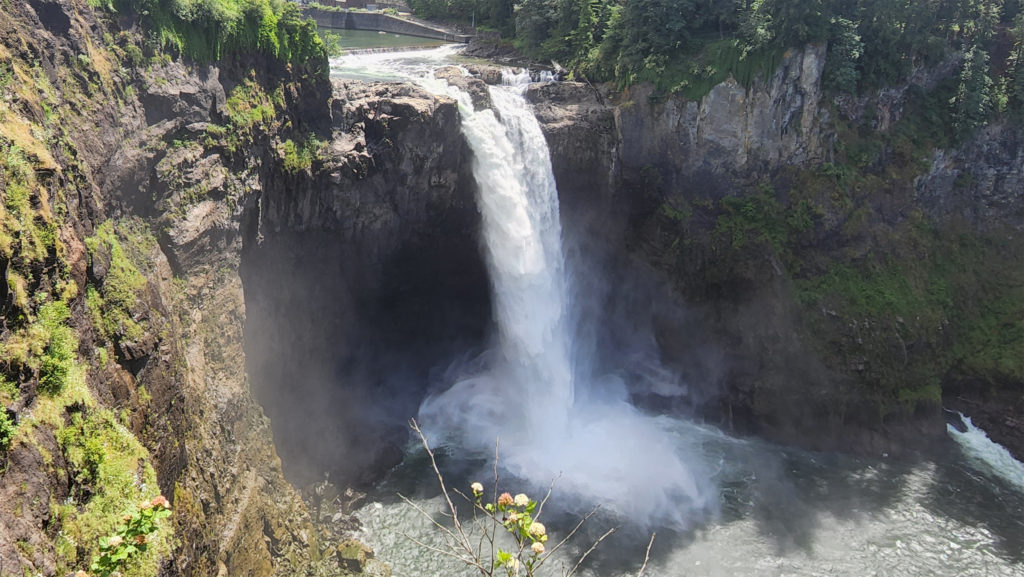
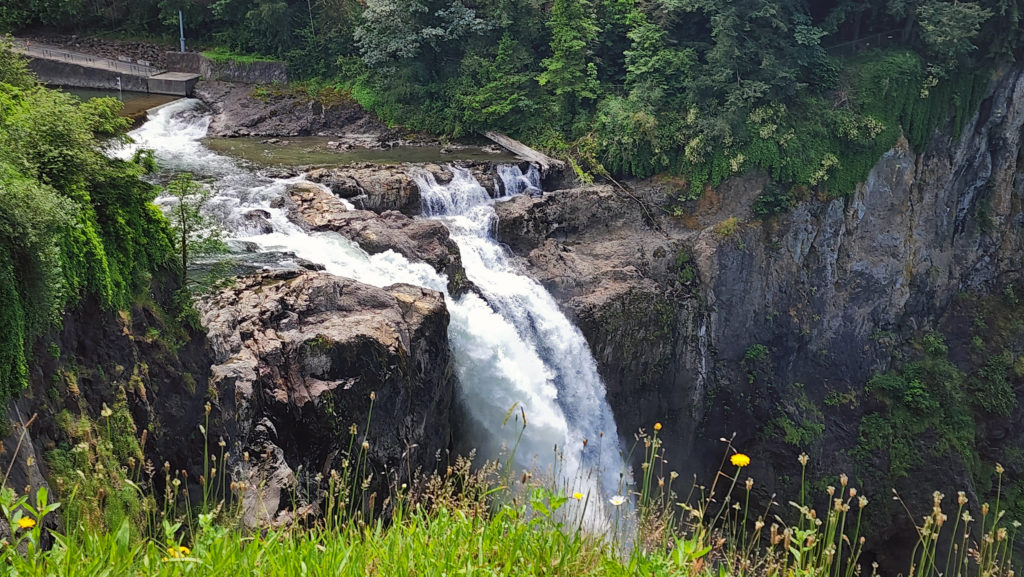
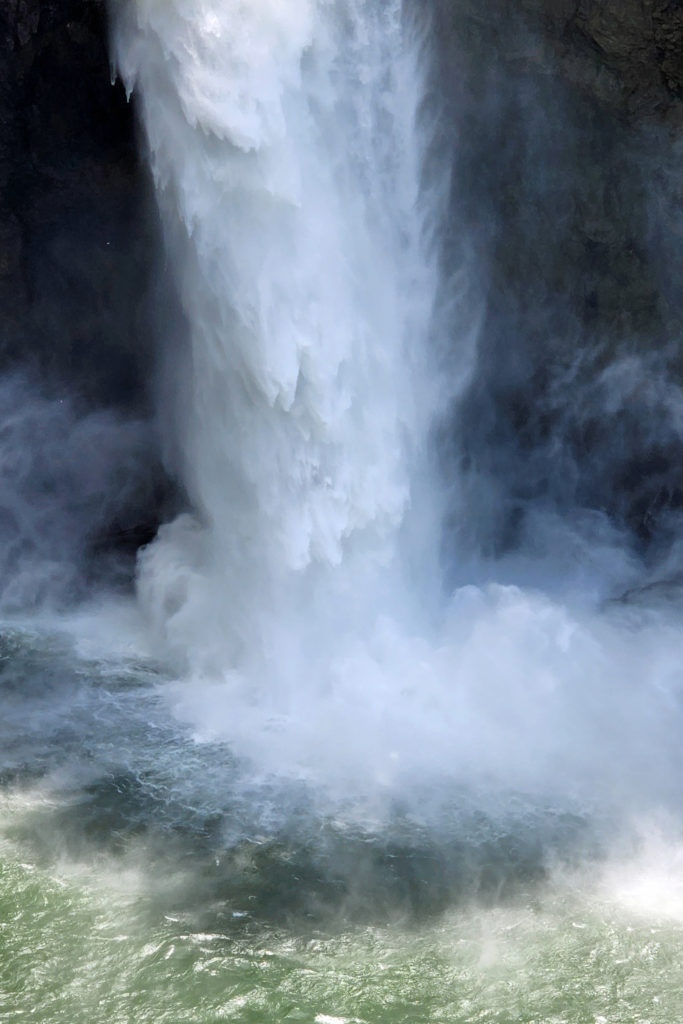
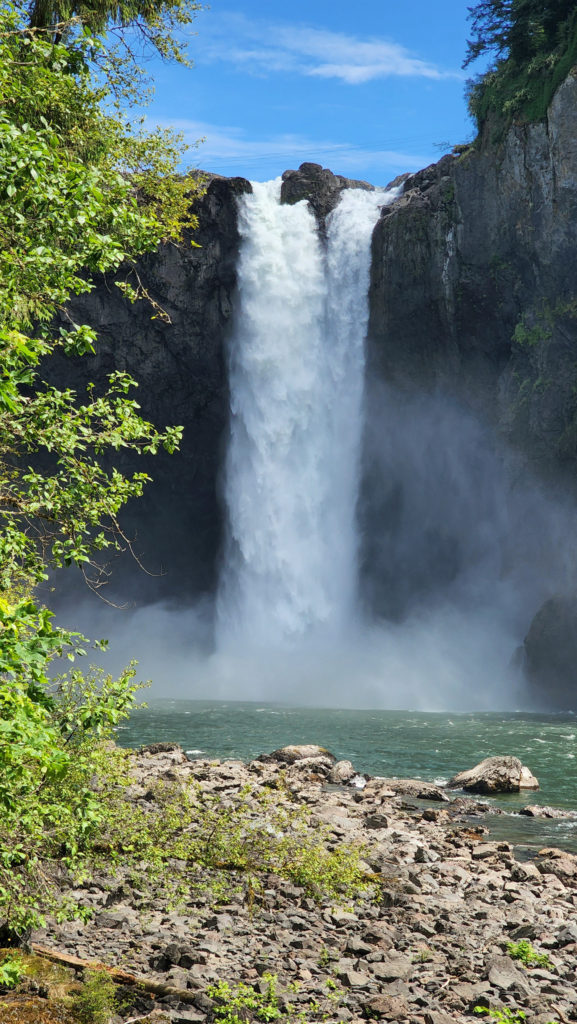
So, this is not prime wilderness. But with a 268 foot vertical drop, Snoqualmie Falls is more than twice the height of Niagara Falls. And fed by the abundant winter and spring rains and the spring and summer snow melt from the Cascade Mountains, the volume of water flowing over the falls can be an awesome sight.
The Fourth of July might be the worst possible time to visit the falls. It took us some time just to find a parking place, and the viewing areas at the top of the falls were elbow to elbow. After waiting our turn to get photos at several view points, we hiked down to the base of the falls. There were fewer people at the bottom than the top, but it wasn’t uncrowded by any means. My advice would be to go on a weekday, if possible, come early in the day if you can only come on a weekend, and avoid holiday weekends completely. But despite the crowds (and the heat), we enjoyed our stop.
The falls are just a few miles off of Interstate 90, near the town of Snoqualmie. Take Exit 25 and follow Snoqualmie Parkway to the falls.
Twin Falls
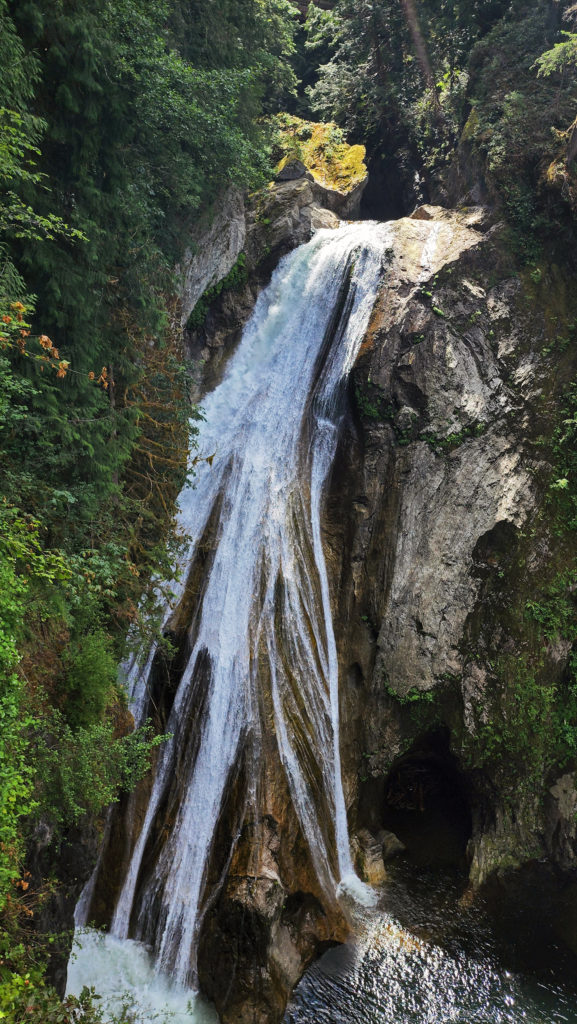
Earlier in the day, we hiked to Twin Falls on the South Fork of the Snoqualmie River. This is a relatively easy, family friendly hike. The Washington Trails Association rates the hike Easy/Moderate. We had two of our grandkids with us (age four and six), and both made the 2.6-mile round trip without much difficulty. Twin Falls is a little less than ten miles east of Snoqualmie Falls. For a more complete description of the hike with more photos, click here.
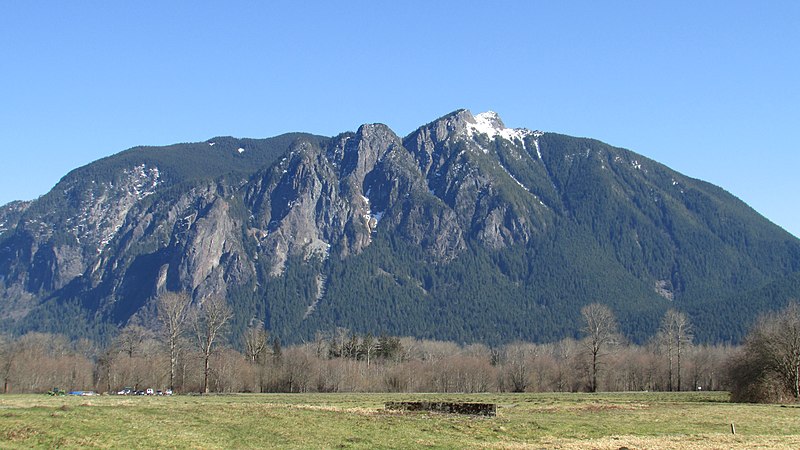
Mount Si. Photo by Chris Light.
There are many other hikes in the Snoqualmie Valley that offer a variety of difficulty levels for all types of hikers. According to the Washington Trails Association, the Mount Si Trail is the most popular hike in the state. It’s not a trail for everyone, though. The eight-mile round trip gains a staggering 3150 feet in elevation. The WTA rates it Hard. No kidding. But, despite the difficulty, upwards of 100,000 people make the trek every year.
Snow Lake. Photo by Maryann Huang.
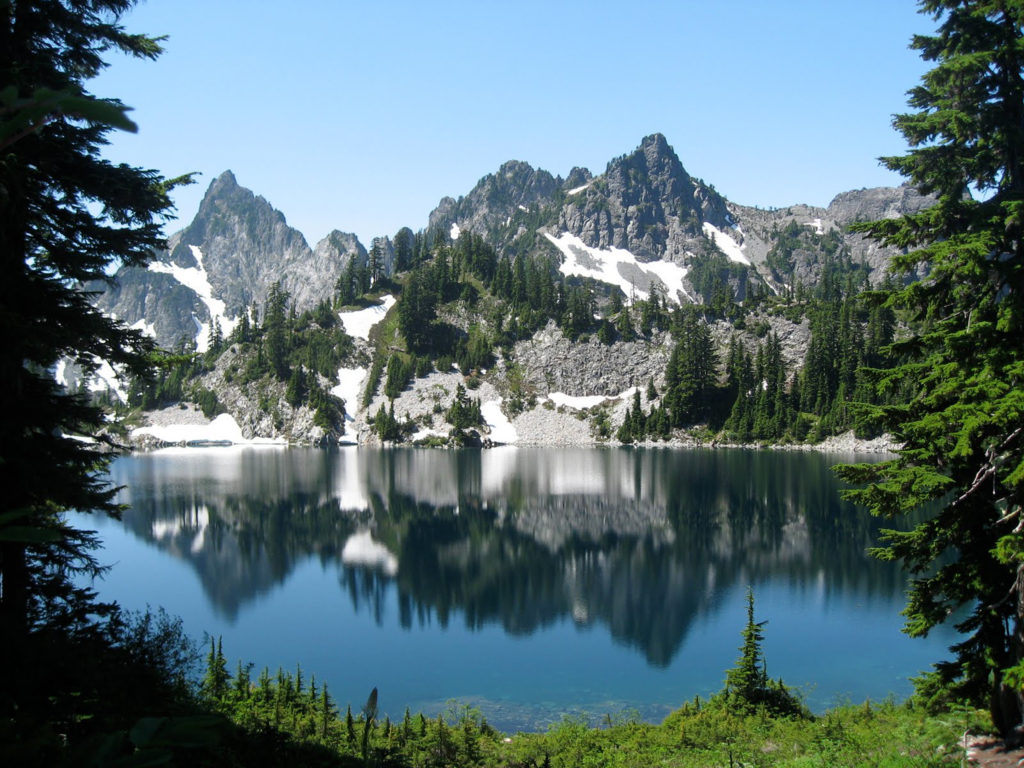
The Snow Lake Trail on Snoqualmie Pass offers a slightly shorter and easier hike (7.2 miles round trip with 1800 feet of elevation gain, rated Moderate/Hard). I was captivated by the photo above that I saw many years ago on the internet. Snow Lake is incredibly beautiful, as you can see.
Franklin Falls. Photo by Bobby Marko.
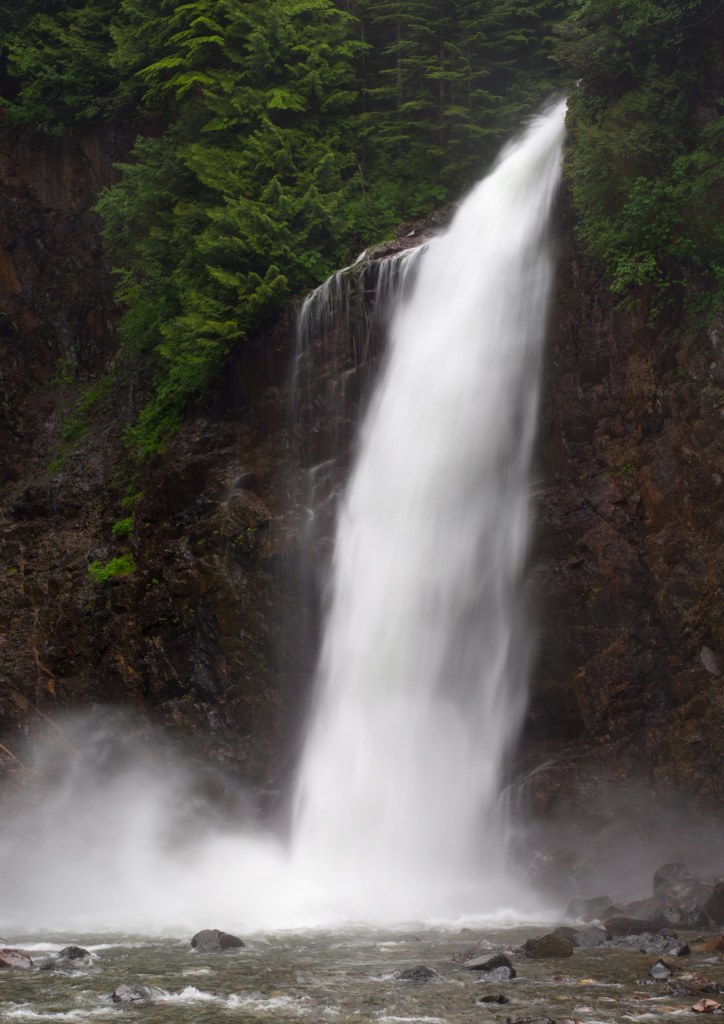
For those of you with young children (or grandchildren) in tow, there are many kid-friendly trails in the Snoqualmie region in addition to Twin Falls, including Franklin Falls, Lodge Lake, Oxbow Loop, Mirror and Cottonwood Lakes, and many others. Check the WTA website for more family friendly hiking options.
As well as hiking, the Snoqualmie Valley offers many other outdoor activities, from mountain biking, fishing, boating, and camping in the summer to cross country and alpine skiing, snow shoeing, and snowmobiling in the winter.
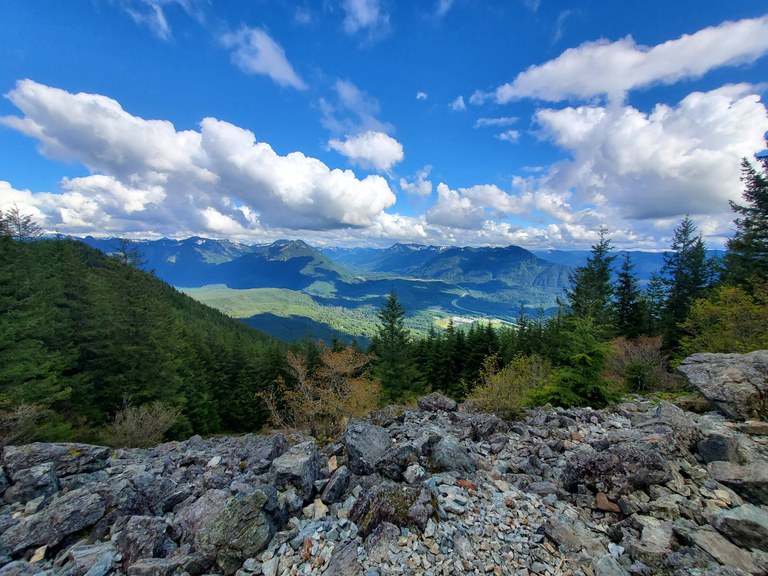
View from Mount Si. Photo by VOXroy.North Bend
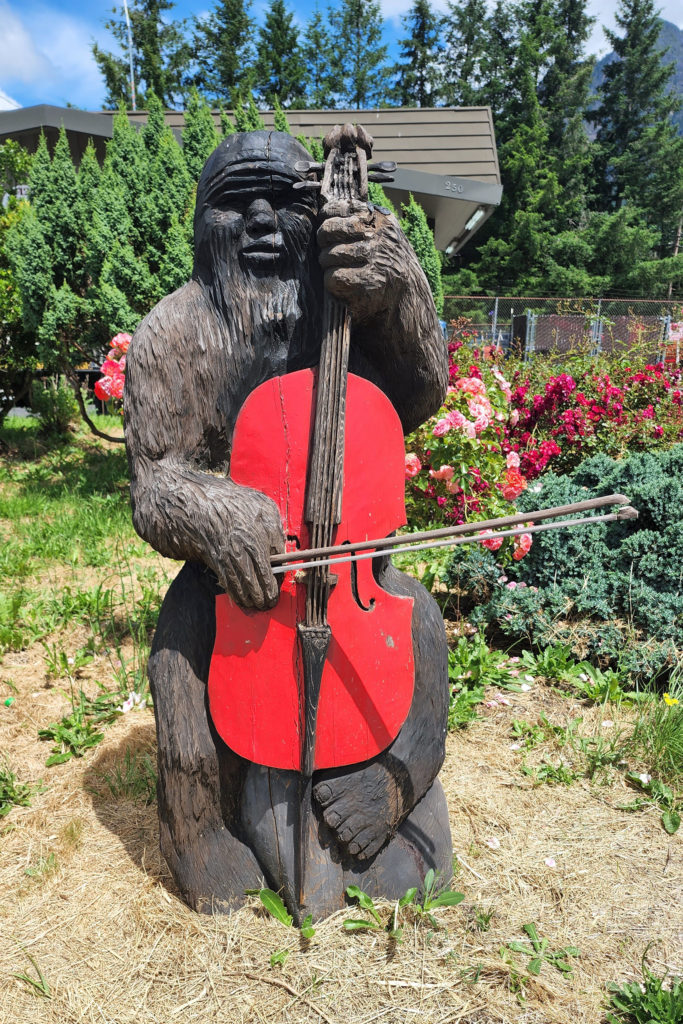
And if outdoor activities aren’t your thing, there are still options for you. For a luxury hotel experience, you can’t beat the Salish Lodge at Snoqualmie Falls. The nearby town of North Bend has some nice restaurants and an interesting history. Fans of the David Lynch TV series, Twin Peaks, may recognize parts of the town. The series was partially filmed in North Bend.
If you’re interested in sightseeing, but don’t want to (or aren’t able to) hike, the Summit at Snoqualmie ski area operates several chair lifts in the summer that will take you up to scenic viewpoints. Adult tickets are $20, and senior and youth tickets are $15. There are also a variety of bars and restaurants at the resort.
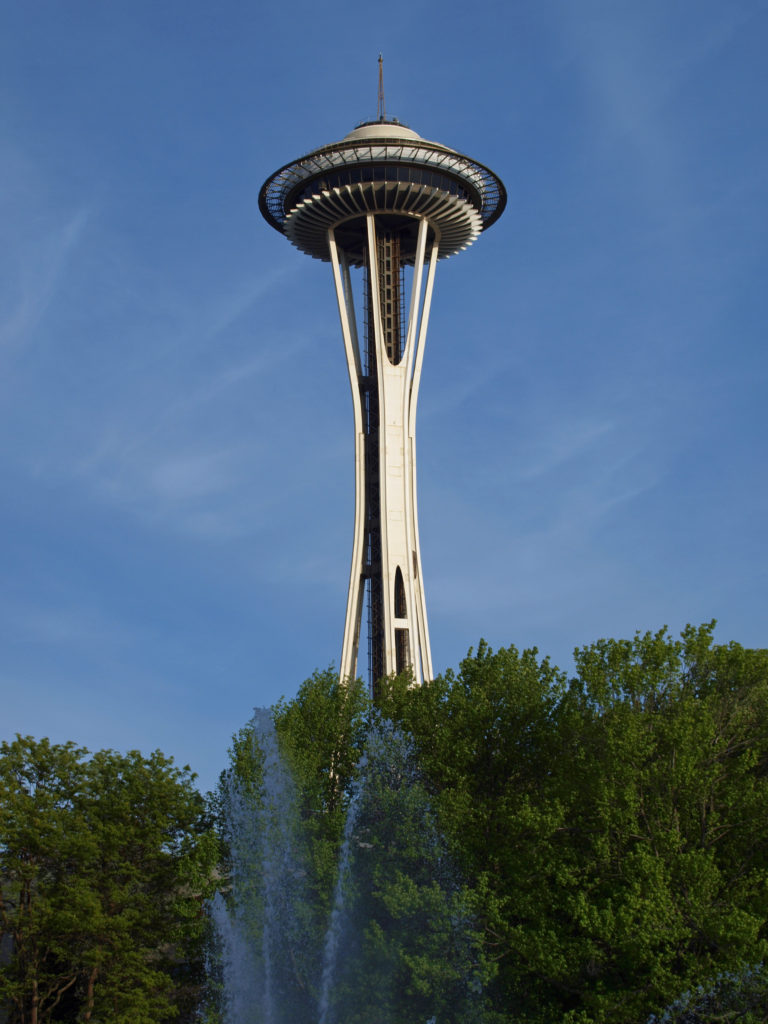
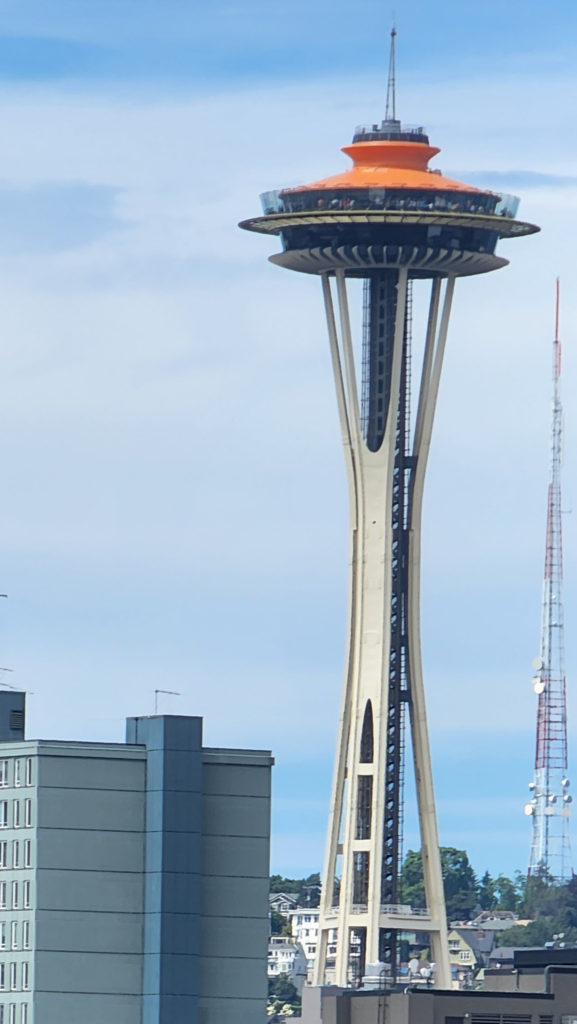
If you’re visiting the Seattle area, you’ll surely want to take in the Seattle Center and the Space Needle, but also take the short drive up the Snoqualmie Valley to get a taste of the outdoor experience that Seattleites value so much.
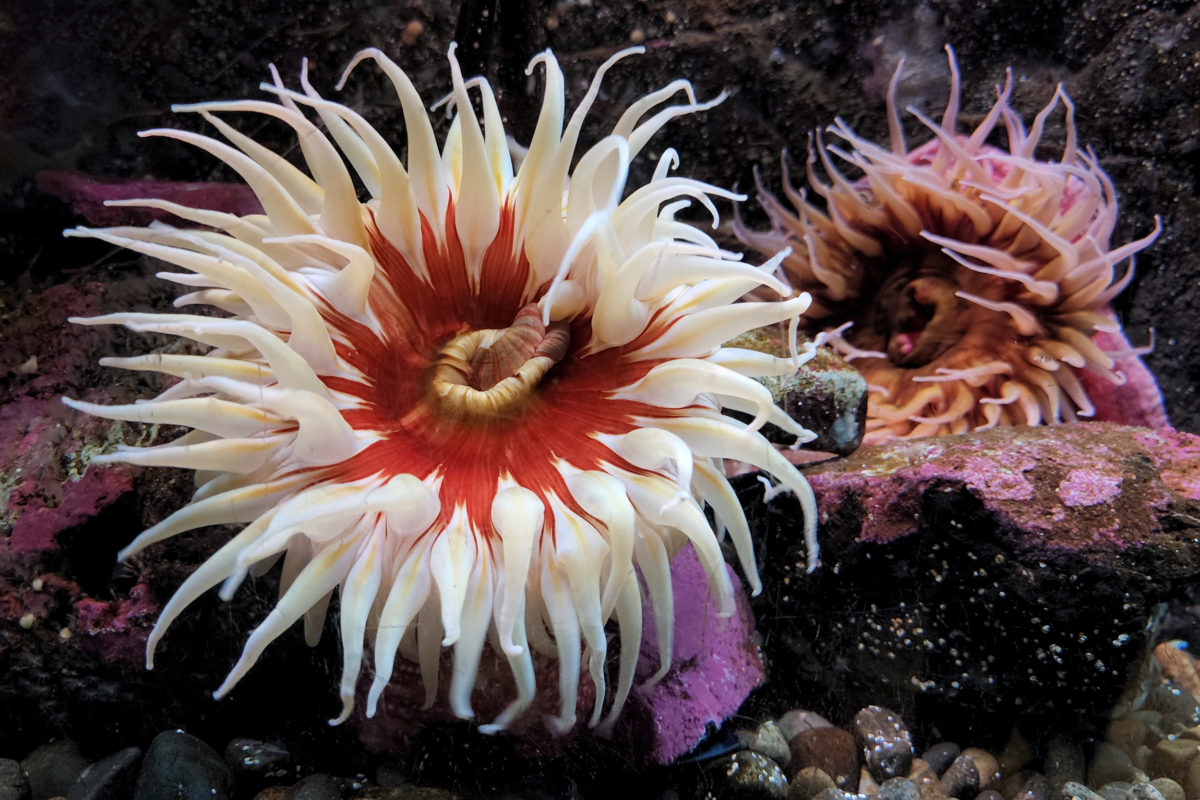
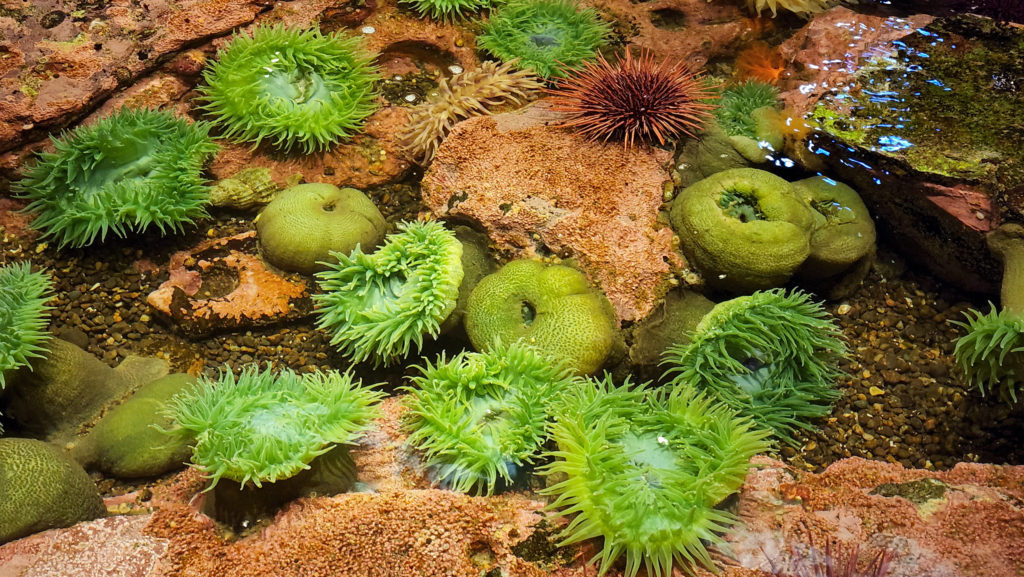
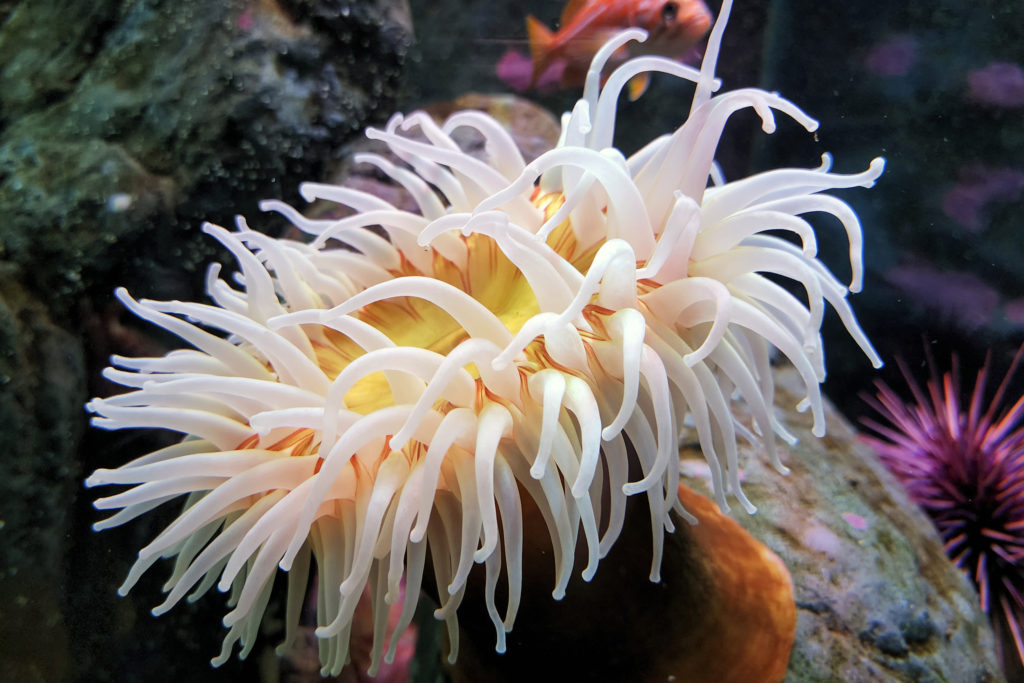
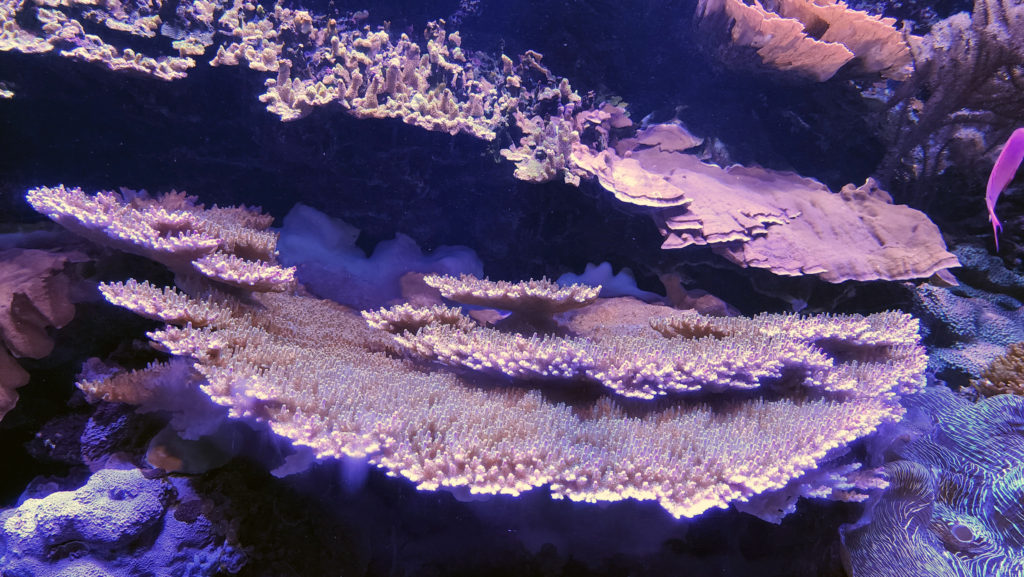
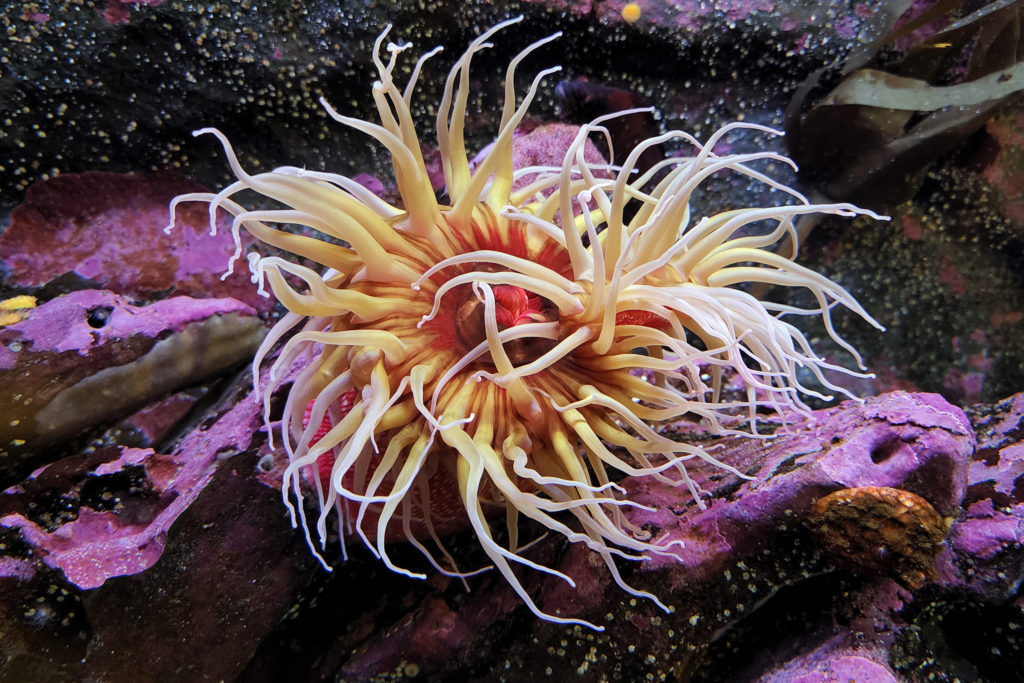
The Seattle Aquarium is a fun-filled and educational experience for the whole family. The aquarium’s displays and exhibits focus on the marine life of Puget Sound. You’ll explore tide pools, see salmon, halibut, lingcod, and other fish living in Puget Sound, marine birds like the tufted puffin, black oystercatcher, and pigeon guillemot, and marine mammals, including sea otters, harbor seals, and fur seals.
The aquarium is managed and operated by the nonprofit Seattle Aquarium Society under a long-term agreement with the City of Seattle. The aquarium’s mission, Inspiring Conservation of Our Marine Environment, guides the aquarium society’s activities, which extend beyond the aquarium.
The Seattle Aquarium Society runs a variety of public programs that give people the chance to explore and learn about beach ecosystems, salmon migration and life cycles, and other aspects of the local marine environment. And the society runs summer camps for kids and distance learning programs in addition to their hands on programs.
The Seattle Aquarium is located on the waterfront in downtown Seattle north of the ferry terminals. There are many other nearby attractions, such as the Seattle Great Wheel (two blocks to the south), and Pike Place Public Market, one of Seattle’s iconic institutions (two blocks to the east). After visiting Pike Place, continue on another quarter mile east and catch the Monorail (another iconic Seattle institution) at 5th and Pine for a quick ride to the Seattle Center and the Space Needle.
Pike Place Public Market
Other attractions near the aquarium include The Seattle Art Museum, just three blocks from the aquarium, and the Seattle Public Library, less than half a mile away. (Take the elevator or escalators to the 10th level of the library for some of the best views of downtown Seattle).
My wife and I spent the recent Fourth of July weekend exploring Seattle and vicinity with my step-daughter and her family. The grandkids had a great time at the aquarium, riding the Great Wheel and the Monorail, and seeing the sights from the top of the Space Needle. Seattle is truly a great place for the whole family. And the environment surrounding Seattle, both terrestrial and marine, is beautiful and often awe inspiring. Look for an upcoming post on this site on the Snoqualmie Valley, just a short drive east of Seattle. The abundance of close at hand natural areas perfectly balances the urban environment, making a visit to Seattle an even more attractive trip for everyone.
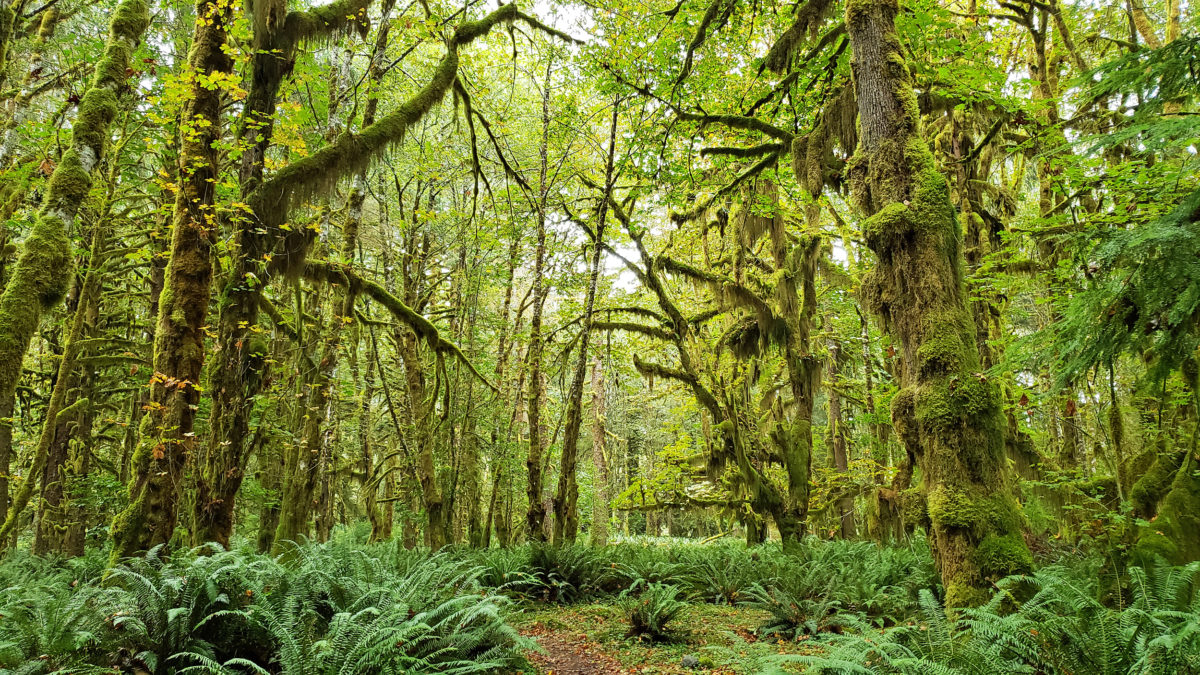
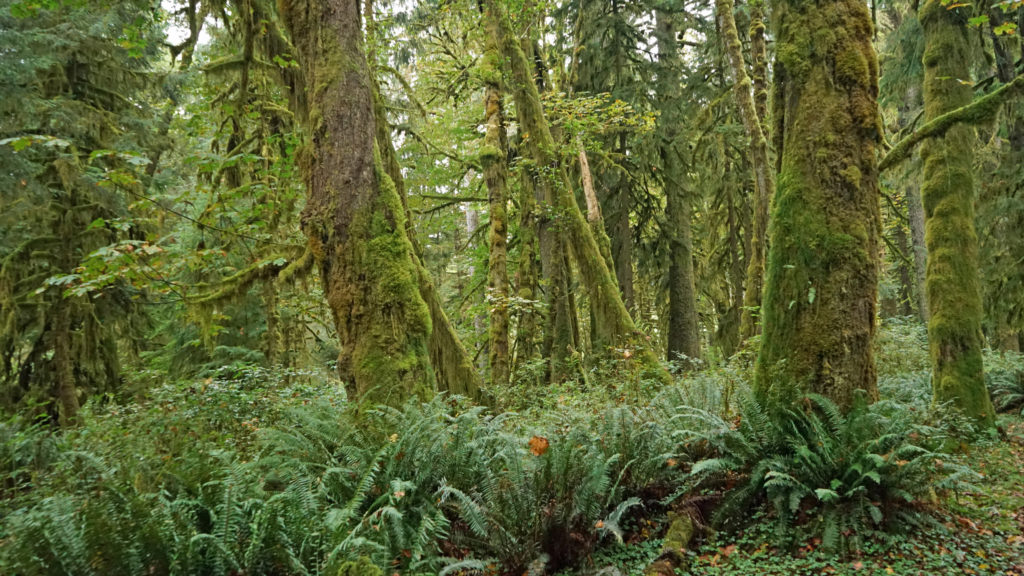
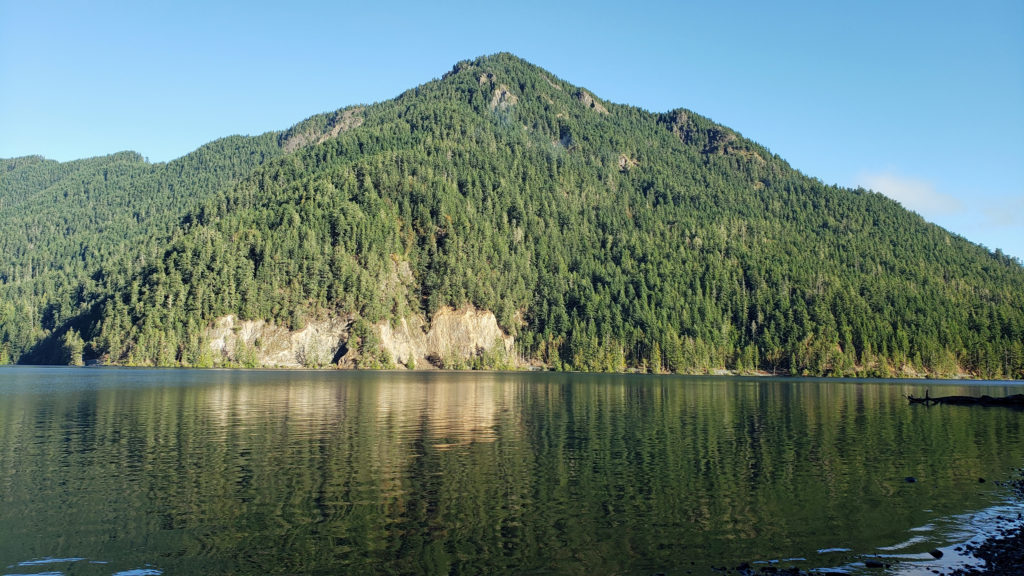
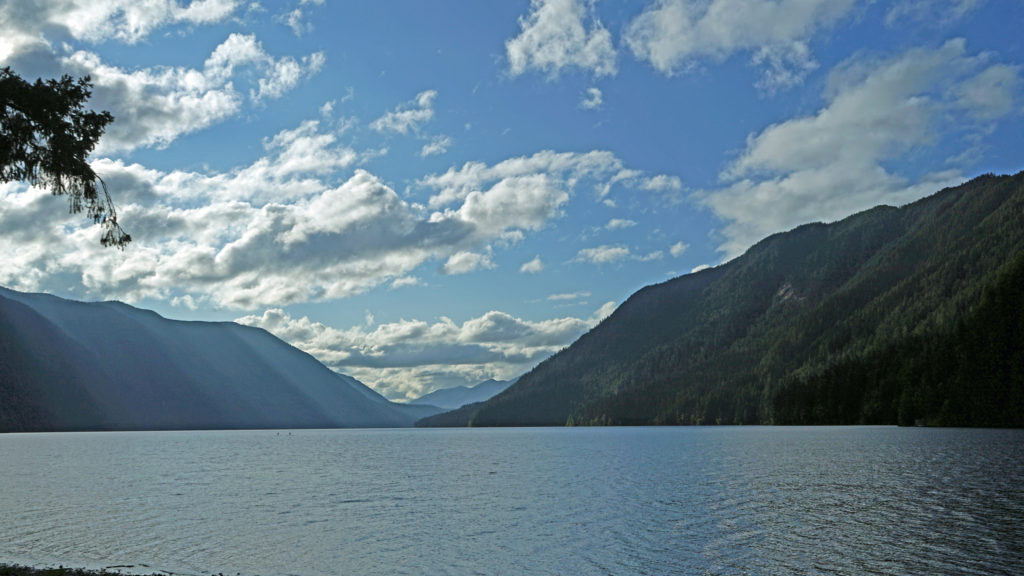
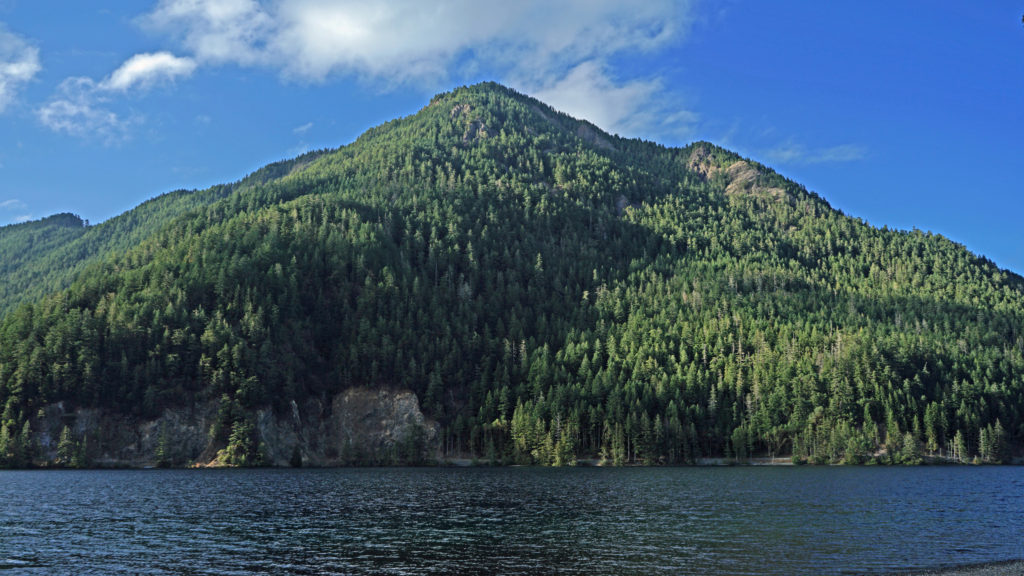
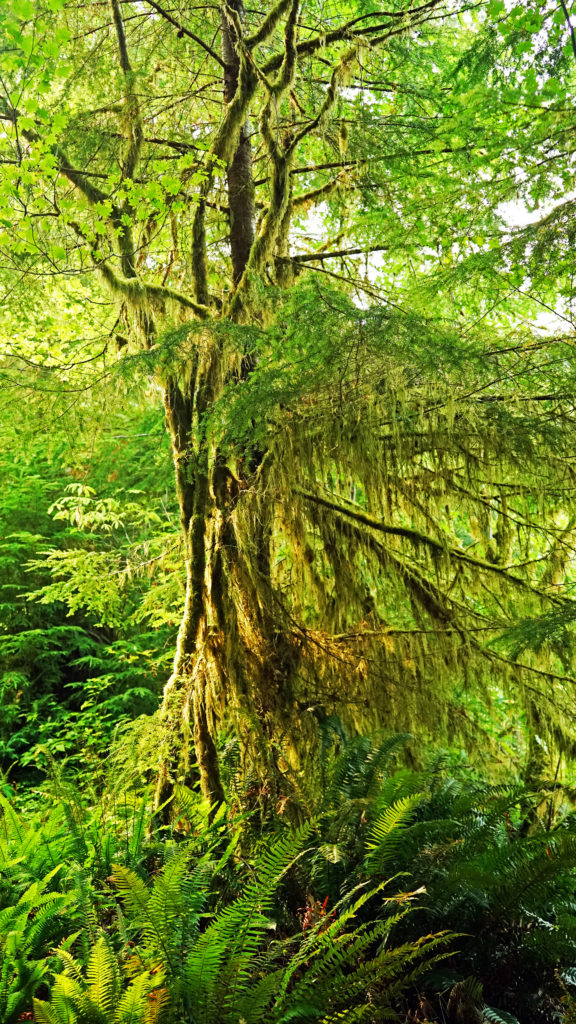
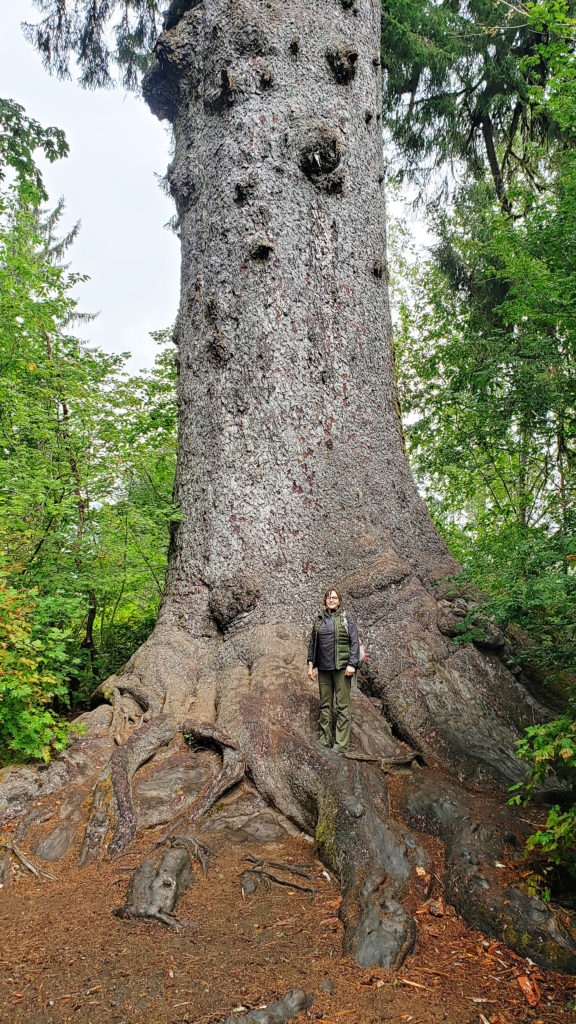
Rainfall in the Quinault Rain Forest is measured in feet, not inches. Average annual rainfall is about 12 feet. Some years see 15 feet. All that rain combined with a mild climate results in a lot of vegetation. Ferns cover the ground. Moss hangs from tree limbs. There are trees everywhere. And the trees are big. The largest Sitka Spruce in the world grows on the shore of Lake Quinault. The world’s largest Douglas Fir, Western Red Cedar, and Mountain Hemlock are all found in the Quinault Valley. And the Quinault Rain Forest is also home to the largest Yellow Cedar and Western Hemlock trees in the United States.
The Quinault Rain Forest lies in the southwestern corner of Olympic National Park, the adjacent Olympic National Forest, and the Quinault Indian Reservation in western Washington. It’s less than a four hour drive from either Portland or Seattle, but it seems a world apart, and more than a little stuck in time. It looks much as I remember it from when I first visited as a child more than a half century ago. Cell phone service and wi-fi availability are spotty. There are no big resorts and no towns of any size. Urban America is nowhere to be found.
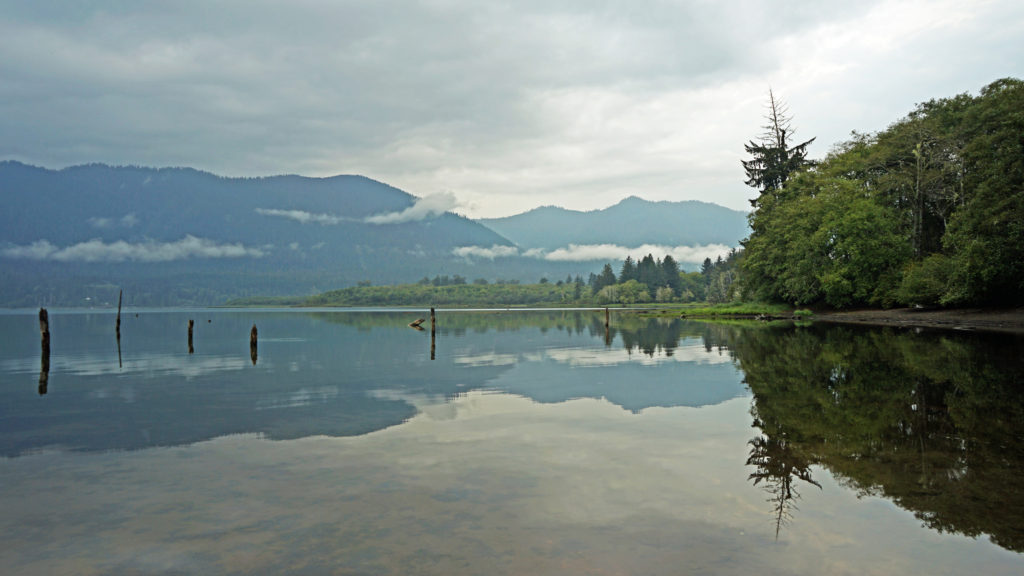
The pandemic has kept all of us from traveling as much as maybe we’d like. That certainly applies to my wife and I. Most of our vacation plans for 2020 had to be cancelled. And just when the parks and recreation areas were beginning to reopen, wildfires in western Oregon and Washington shut them down again. But the Olympic Peninsula was largely unaffected by the fires. So, my wife and I decided that the Olympics would be an ideal, and much needed, escape from Portland, and in September 2020 we headed to the Olympic Peninsula. Our first stop was Lake Quinault.
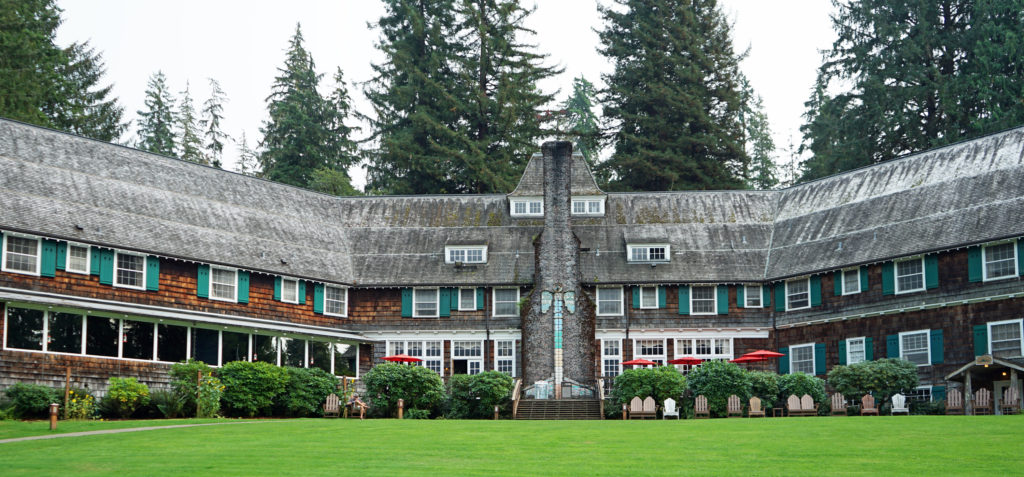
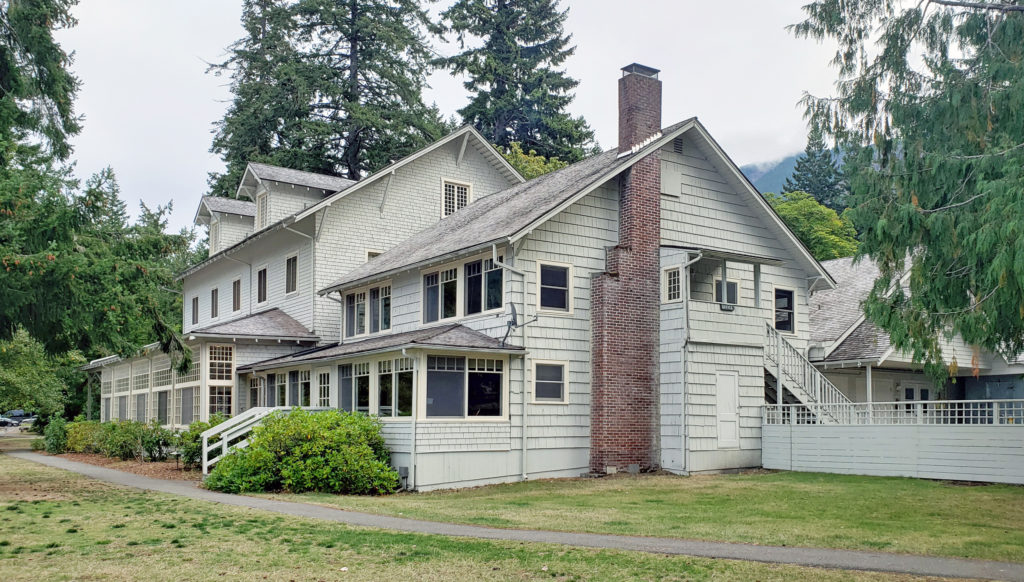
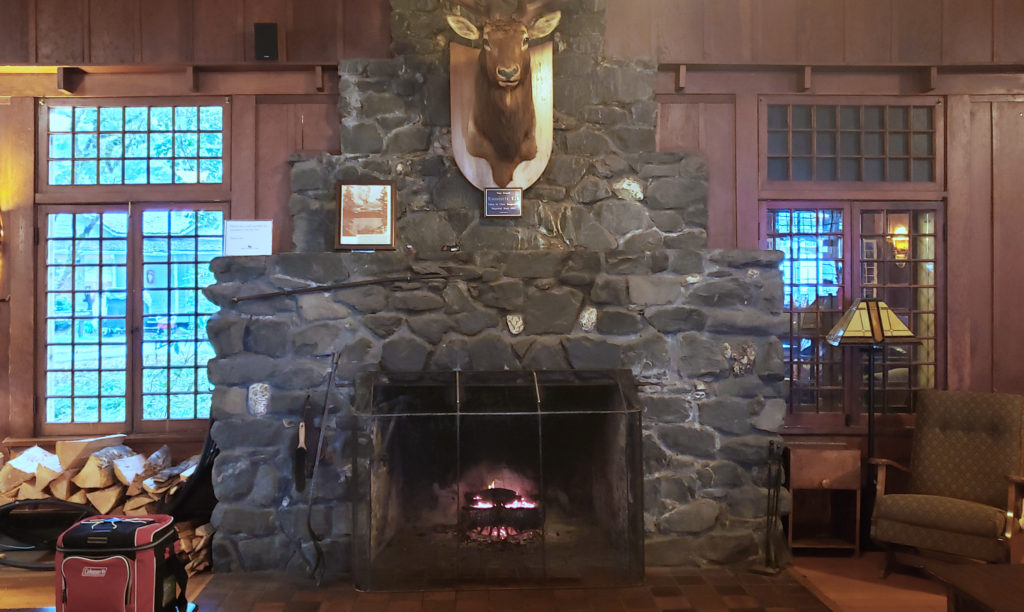
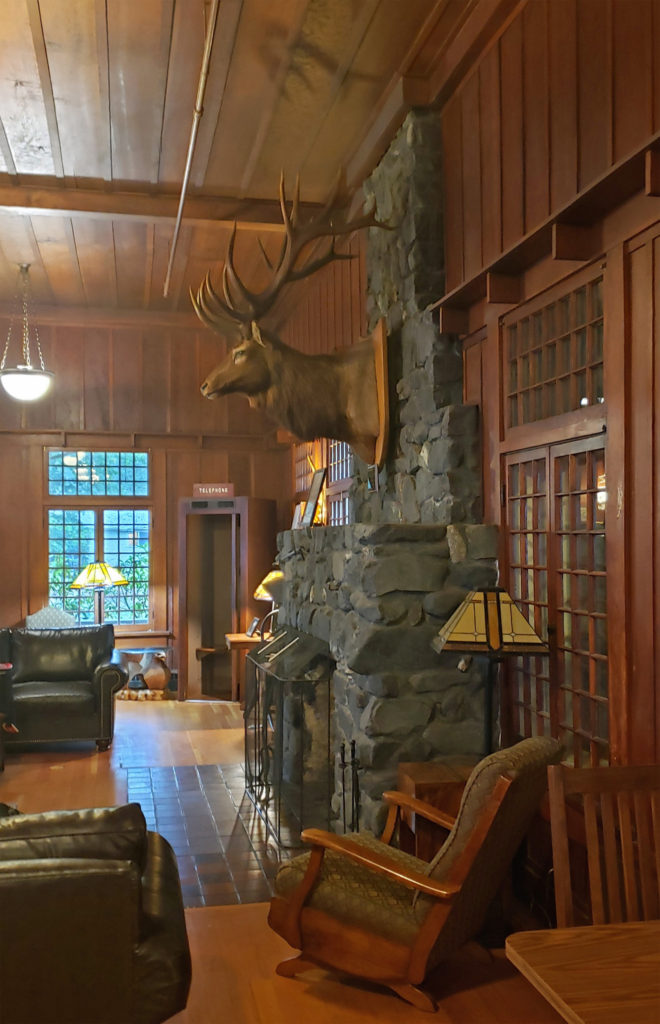
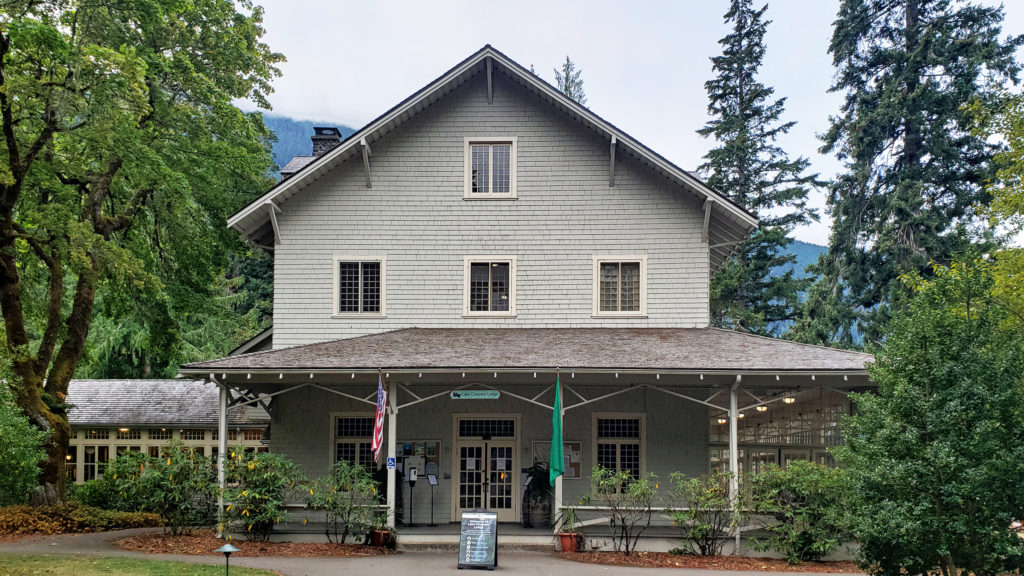
We treated ourselves to a stay at the historic Lake Quinault Lodge, one of the iconic grand lodges of the American West. The original Lake Quinault Lodge was built in 1904. The Boathouse annex was built in 1923. The original lodge burned down in 1924 and the current main lodge was constructed in 1926 on the site of the older lodge. Two additional annexes have been added since then. The existing lodge was placed on the National Register of Historic Places in 1998.
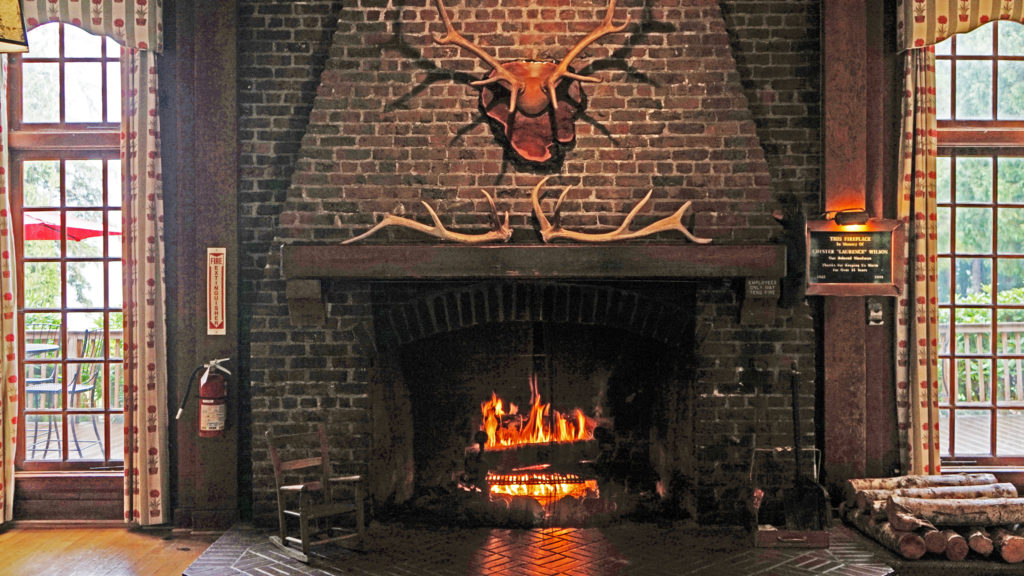
Rooms at the lodge are a little pricey, but you’re paying for the history, charm, and iconic nature of the lodge more than for the amenities provided. There are no TVs in any of the main lodge rooms, no fridges, or microwaves, no phones and no cell phone service. But that’s all part of the charm. The Boathouse and the other two annexes offer a few more amenities. Some come with fireplaces, the Lakeside Rooms are billed as family friendly, and the Boathouse Rooms are pet friendly. Our room in the main lodge came with all we needed, a comfortable bed and a view of the lake.
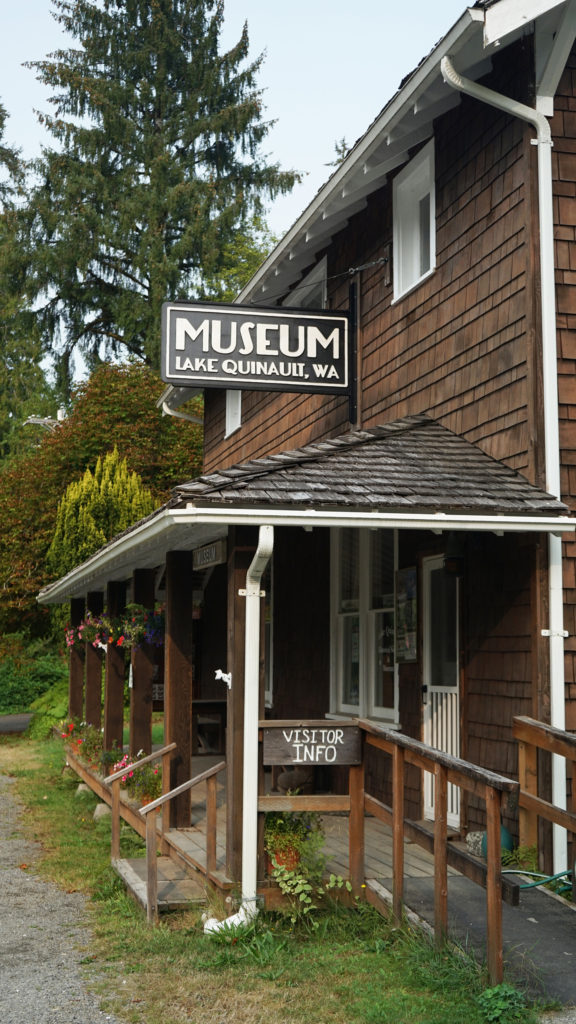
Services at the lodge were limited by the pandemic during our stay. The swimming pool, sauna, and game room were closed. The restaurant served take out meals, but the dining room was closed (outside seating was available and you could eat in the main hall or in your room). However, all services have been restored to pre-pandemic levels.
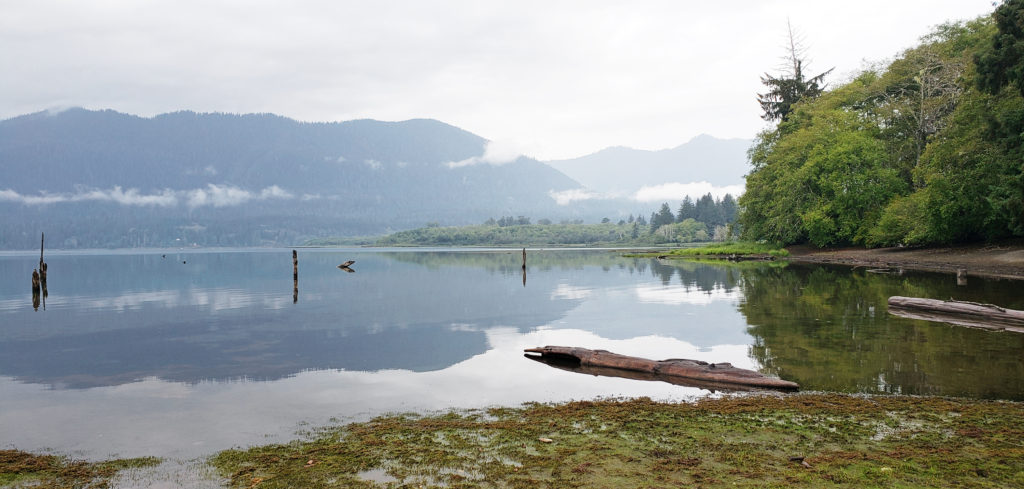
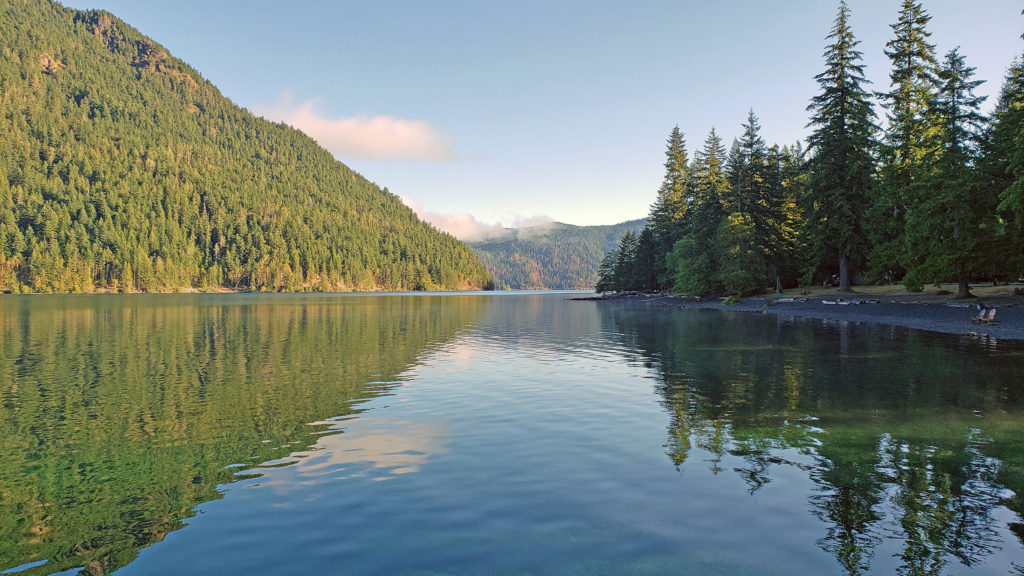
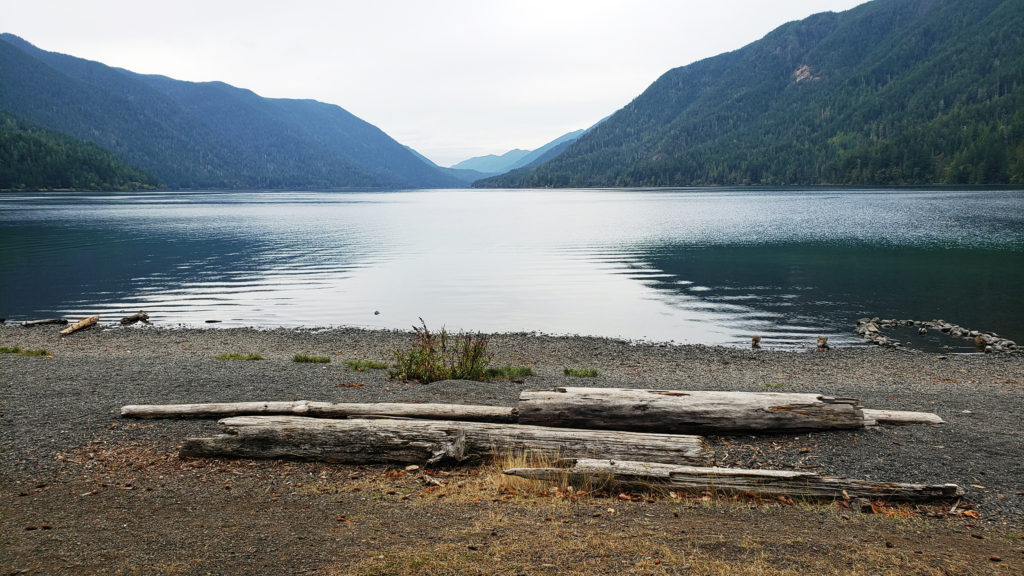
Some people undoubtedly come to Lake Quinault Lodge just to relax and enjoy the lodge and the setting, which I fully understand. On our second day there my wife launched her folding kayak from the beach in front of the lodge and spent an afternoon paddling Lake Quinault. Canoe rentals are available at the lodge if you don’t bring your own. I spent that afternoon relaxing in an Adirondack chair on the beach with a good book.
A somewhat cheaper alternative to Lake Quinault Lodge is the nearby Rain Forest Resort, which has a 16 room lodge, cabins (some with hot tubs), an RV park, and a restaurant. The world’s largest Sitka Spruce grows a short walk from the resort. Other options are the Quinault River Inn on Hwy 101 in Amanda Park, and Lochaerie Resort on North Shore Road. And there are three campgrounds on the south shore of Lake Quinault, and two (one a walk-in) on the north shore.
Lake Quinault Lodge, the Rain Forest Resort, or any of the three south shore campgrounds make an ideal base for exploring the area. Hikers have a variety of options, from the half mile Rain Forest Nature Trail Loop to a loop of about seven miles that takes you to Gatton Creek Falls, Cascade Falls, the Cedar Bog, the Rain Forest Nature Trail, and along the lake shore. Cutoff trails make shorter loops of various distances possible. Other hiking trails are a short drive from the lodge.
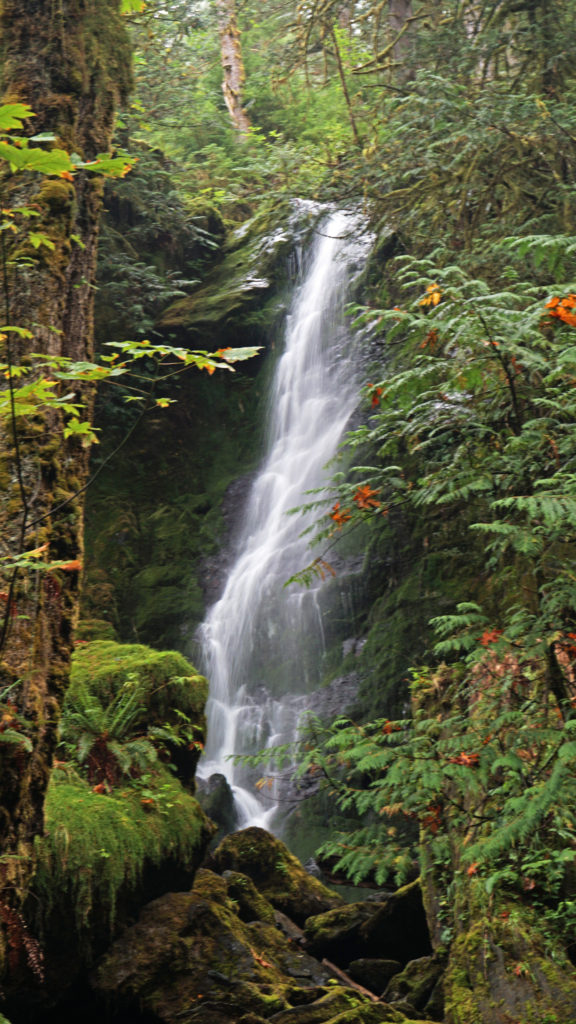
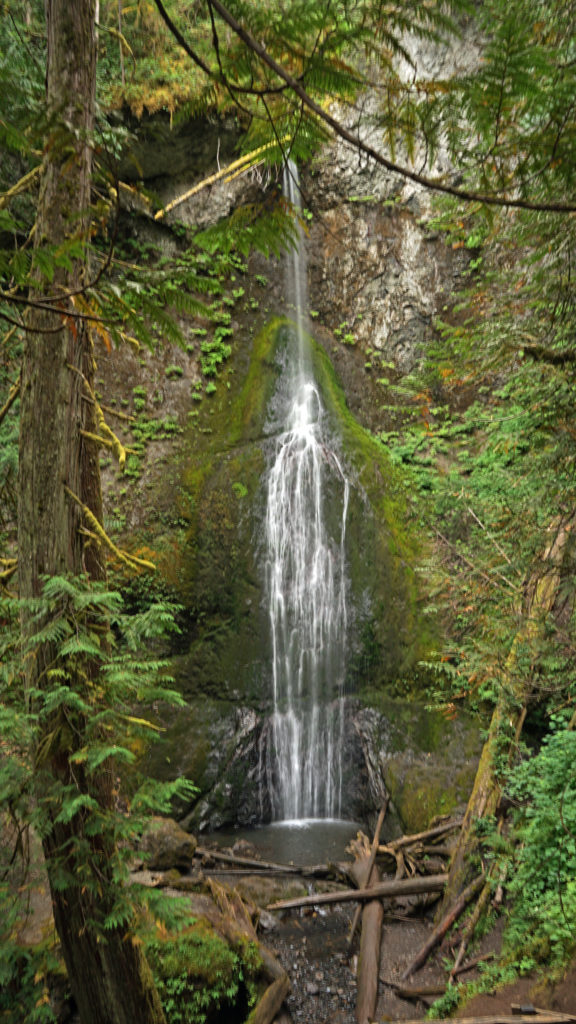
Two stops along South Shore Road worth making are Merriman Falls and Bunch Falls. Both are just east of Lake Quinault and both are right by the road, so no hiking required.
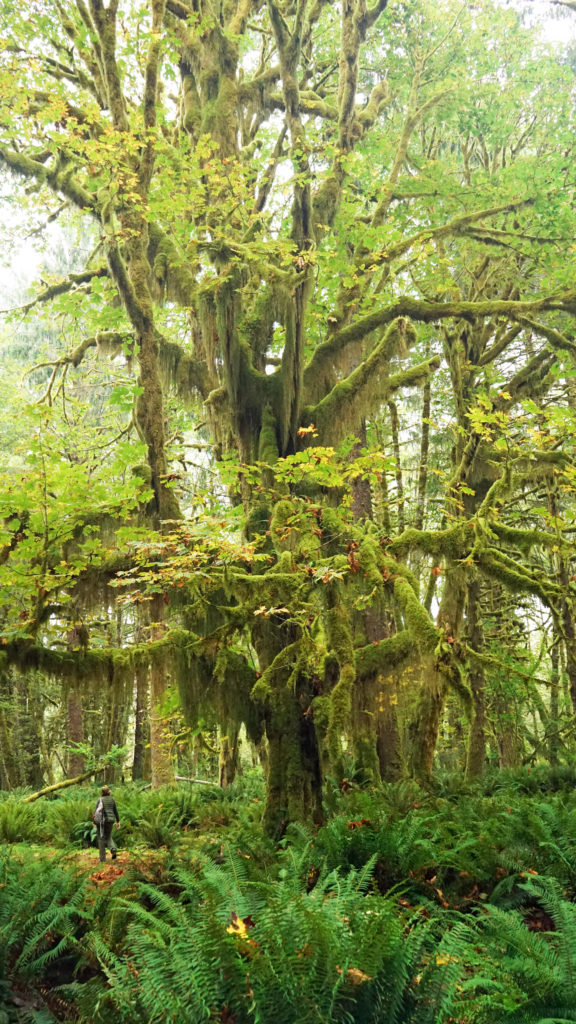
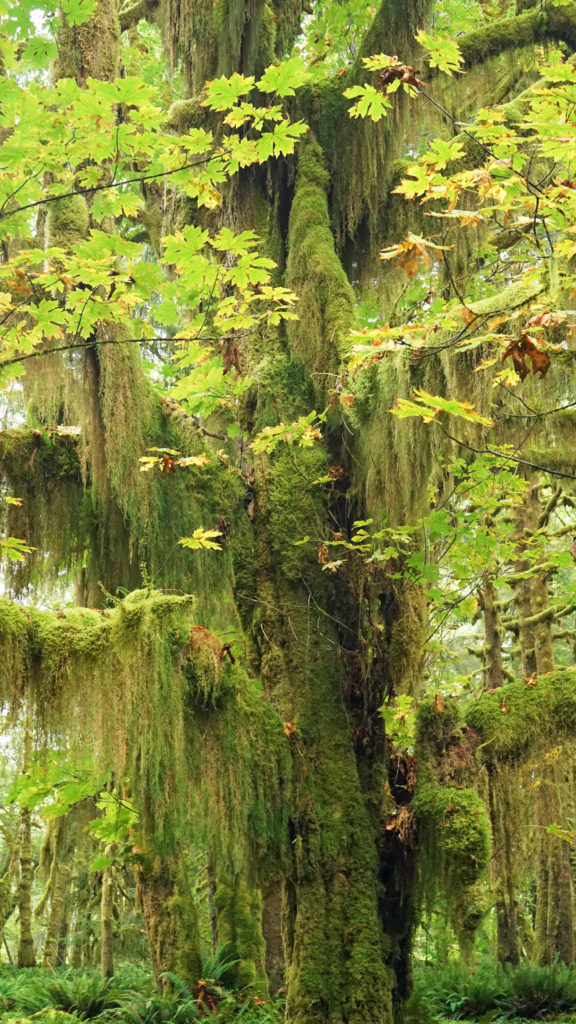
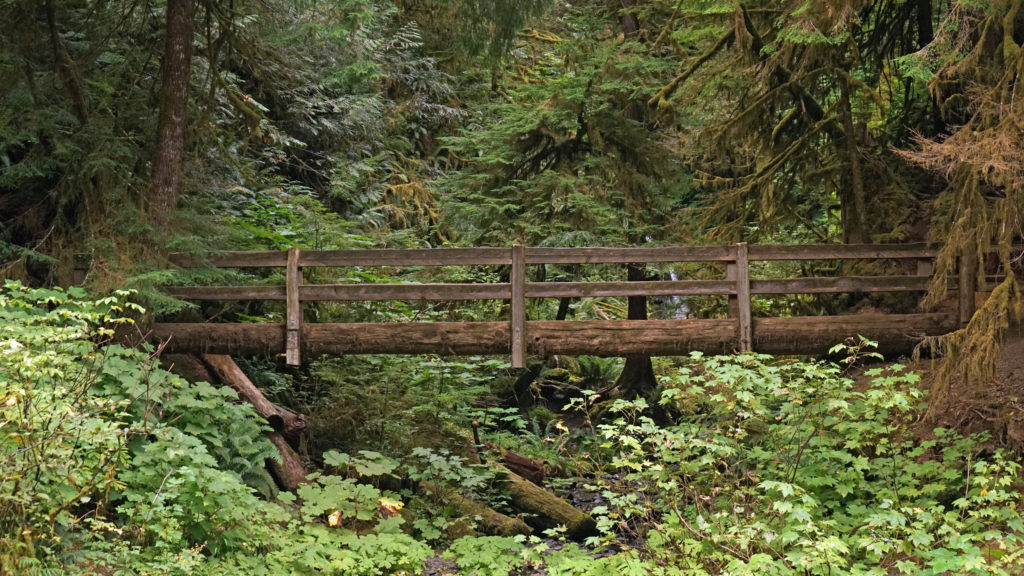
One hike that everyone should do is the Maple Glade Trail at the Quinault River Ranger Station on North Shore Road. It is spectacularly beautiful, and like the Rain Forest Nature Trail, it’s an easy 0.5 mile loop. But, unlike the Rain Forest Nature Trail, which takes you through a coniferous forest of Douglas Fir, Western Hemlock, and Western Red Cedar, the Maple Glade Trail immerses you in a Bigleaf Maple forest. There the ground is covered in ferns and other low growing shrubs and the maples soar overhead, but in between is mostly open and airy. The effect is like being in a gigantic room carpeted with ferns and roofed with a canopy of maple leaves.
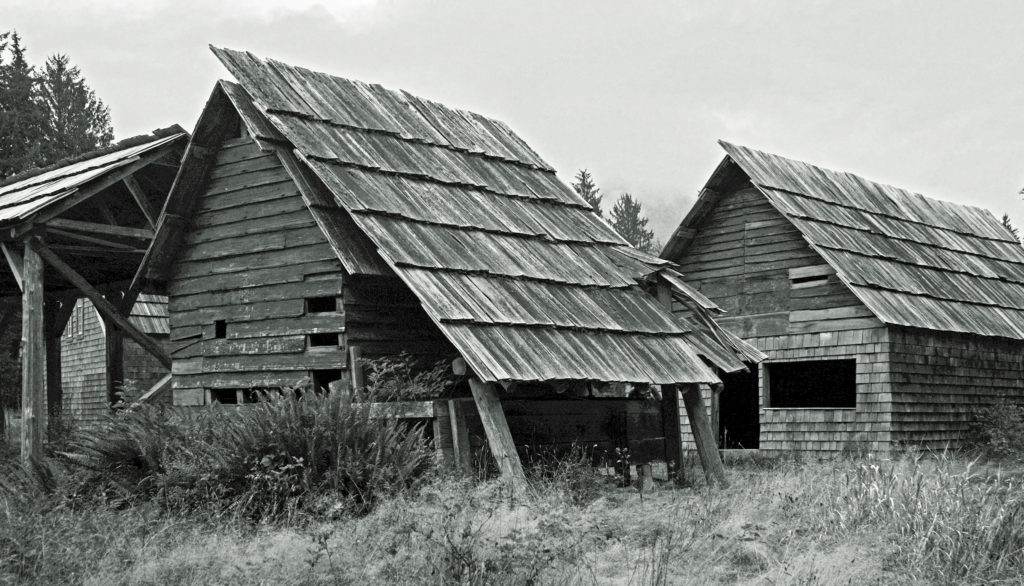
The Maple Glade Trail can be extended by taking the connecting trail to the Kestner Homestead. There you’ll find the Kestner house, barn, outbuildings, and a cool old rusted delivery truck.
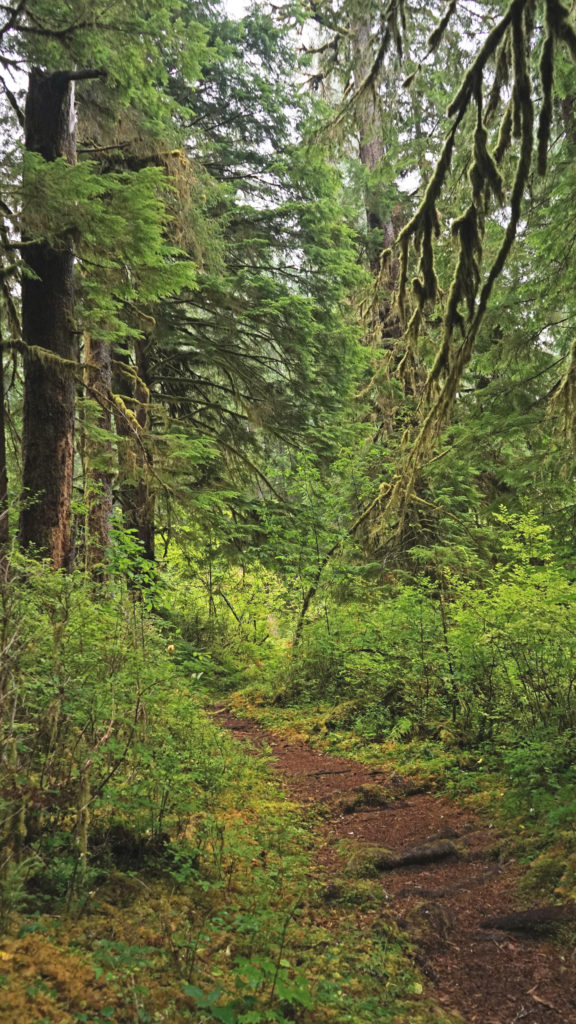
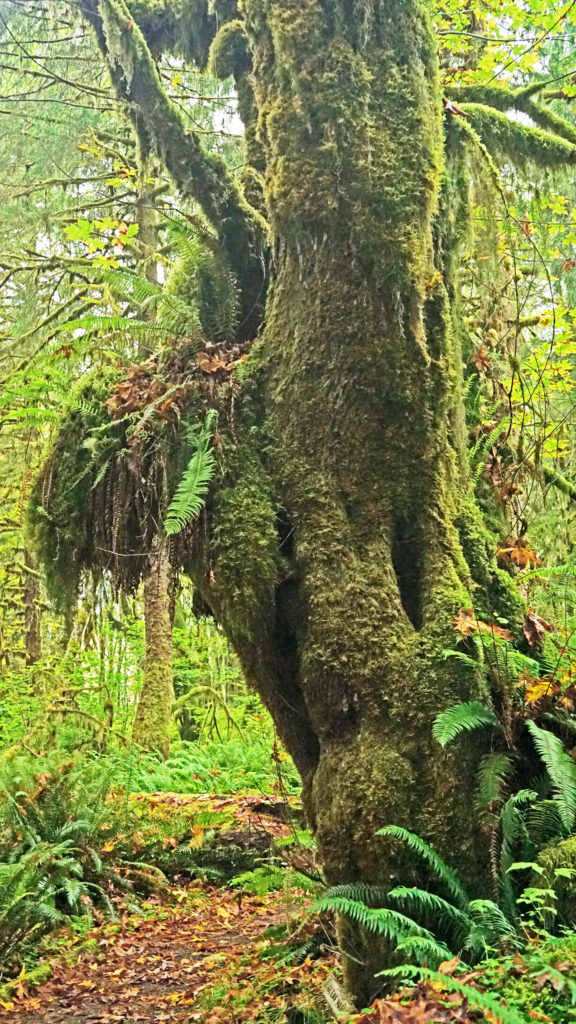
There are also much longer hikes that can be taken into the Olympic National Park from the Quinault Valley. The most famous, and probably most hiked, is the Enchanted Valley Trail. It’s a 13 mile hike along the East Fork of the Quinault River to reach the Enchanted Valley, so it is not a casual outing. Most people do it as a 3-5 day backpacking trip. My backpacking days are behind me, but the Enchanted Valley is one of the hikes that I regret having never done.
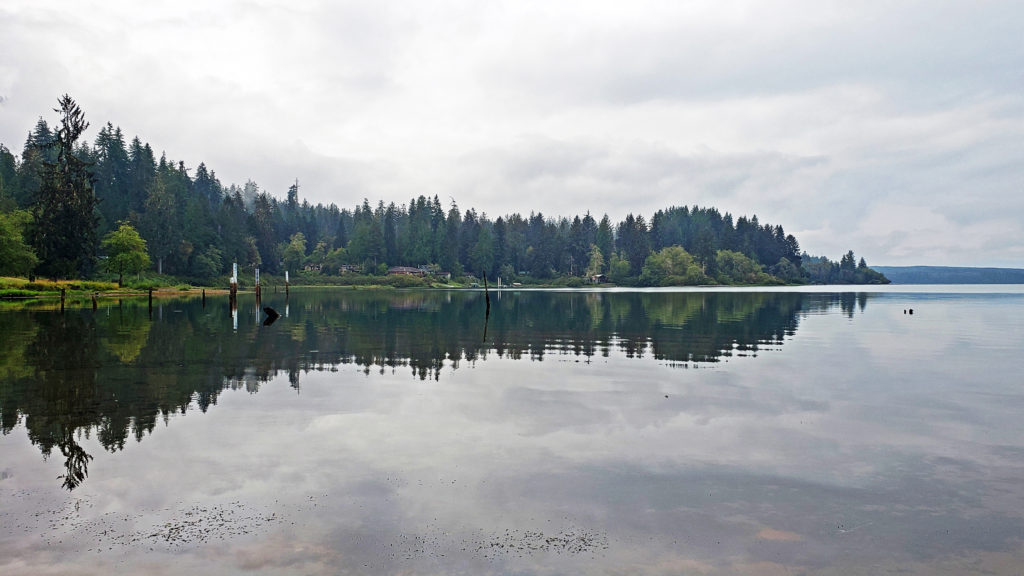
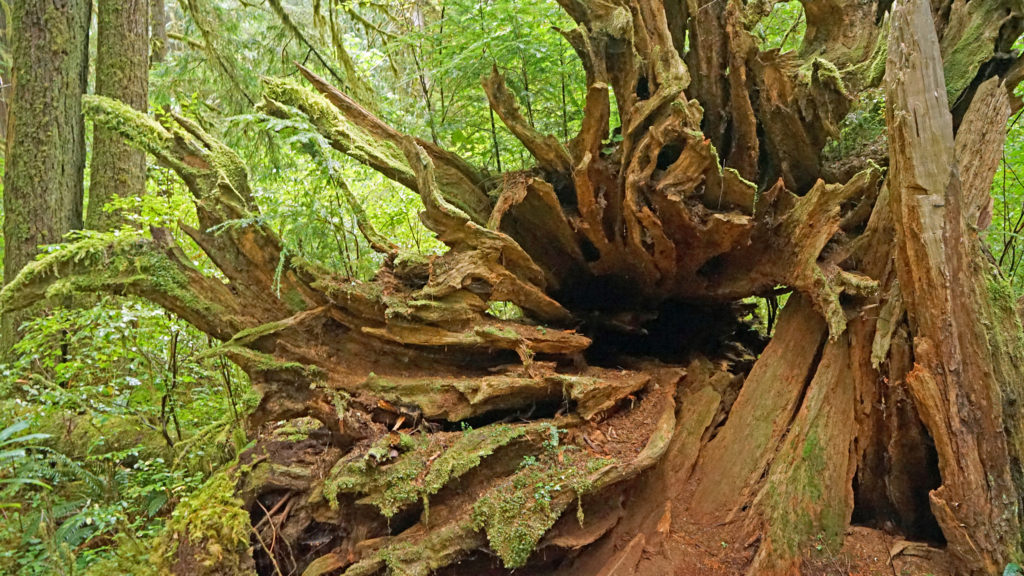
Those of us that live in western Oregon and Washington can be a bit blasé about the rain forest. We live in the middle of one, after all. But we shouldn’t take it for granted. The Quinault Rain Forest is a beautiful and spectacular reminder of what once stretched uninterrupted from the Redwoods of Northern California to the vast forests of southeast Alaska. If you have never experienced the grandeur of the coastal rain forest of the Pacific Northwest, you owe it to yourself to visit at least once. I don’t think you’ll regret it.
Originally posted October 26, 2020. Updated and re-posted August 11, 2022.
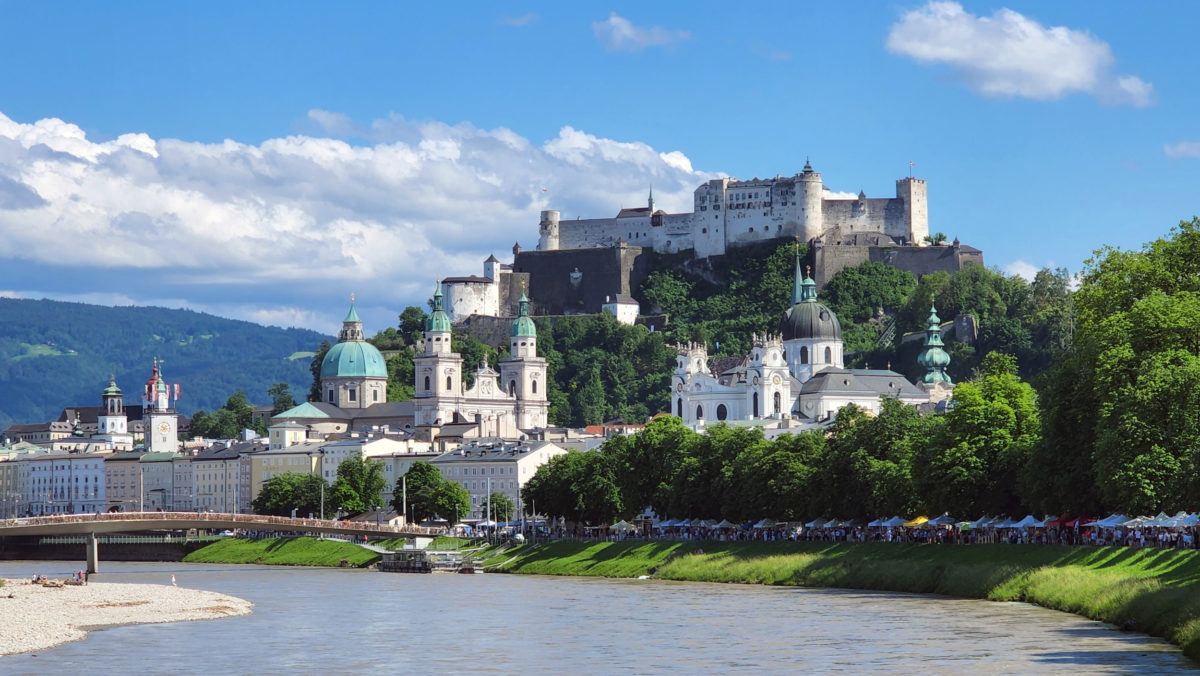
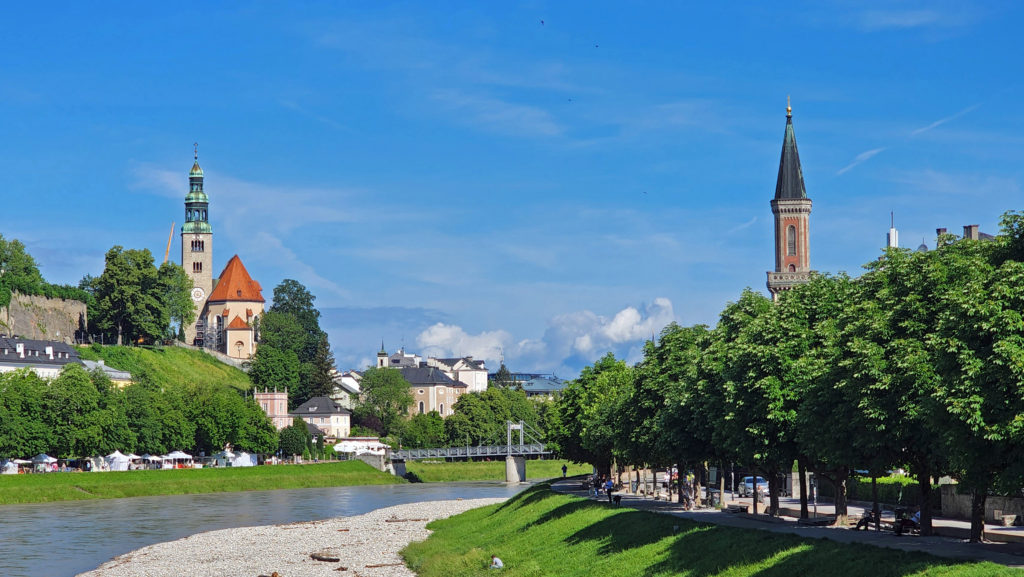
Salzburg, Austria is a beautiful, charming, and historic city on the turquoise blue Salzach River. Salzburg’s old town (the Altstadt) is wonderfully preserved and is a UNESCO World Heritage Site. It would be easy to imagine yourself time traveling back to medieval days while walking its streets were it not for the hordes of (other) tourists who are drawn to Salzburg in all seasons.
Salzach River, Mulln Church (left), and Slazburg Christ Church tower (right)
Salzburg was Mozart’s birthplace and boyhood home, and that draws many classical music fans to the city. And much of The Sound of Music was filmed in and around Salzburg. That draws many of fans of the movie (and there are millions of them).
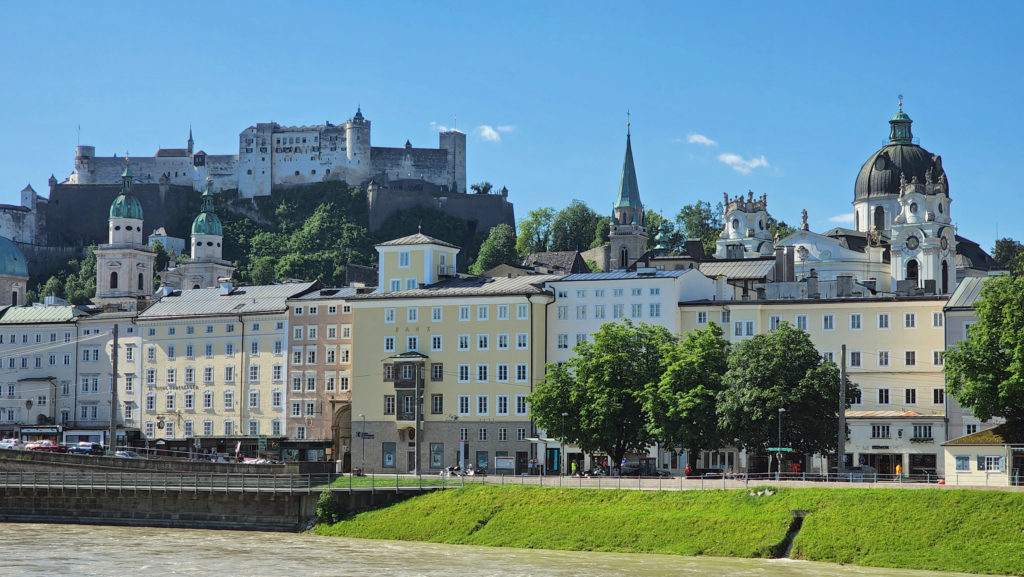
Salzburg Altstadt and Salzburg Fortress
Many visitors come for the summer Salzburg Festival with its classical music concerts, opera, and theater performances. Others come in January for the Mozart Festival. And just the beauty and charm of the city draws many more. But despite the crowds, Salzburg was one of the highlights of our recent trip.
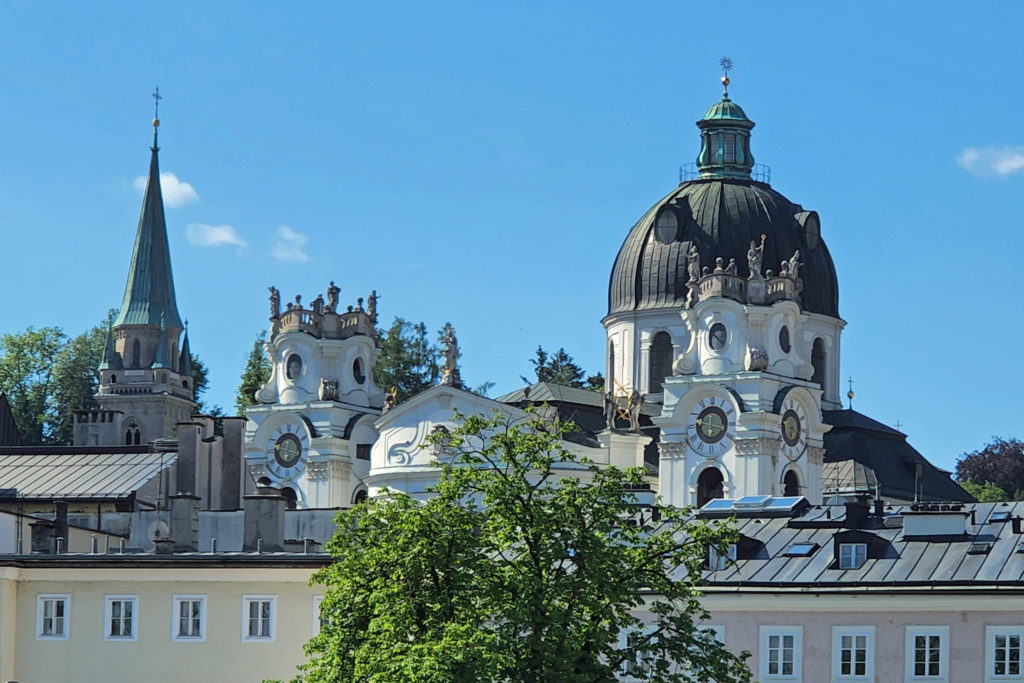
Collegiate Church
Even if you have only one day to explore Salzburg, the Altstadt is compact, easily walkable, and full of historic sites, wonderful baroque architecture, palaces, gardens, churches, museums, restaurants, and much more. You can pack a lot into one day. My wife and I did just that.
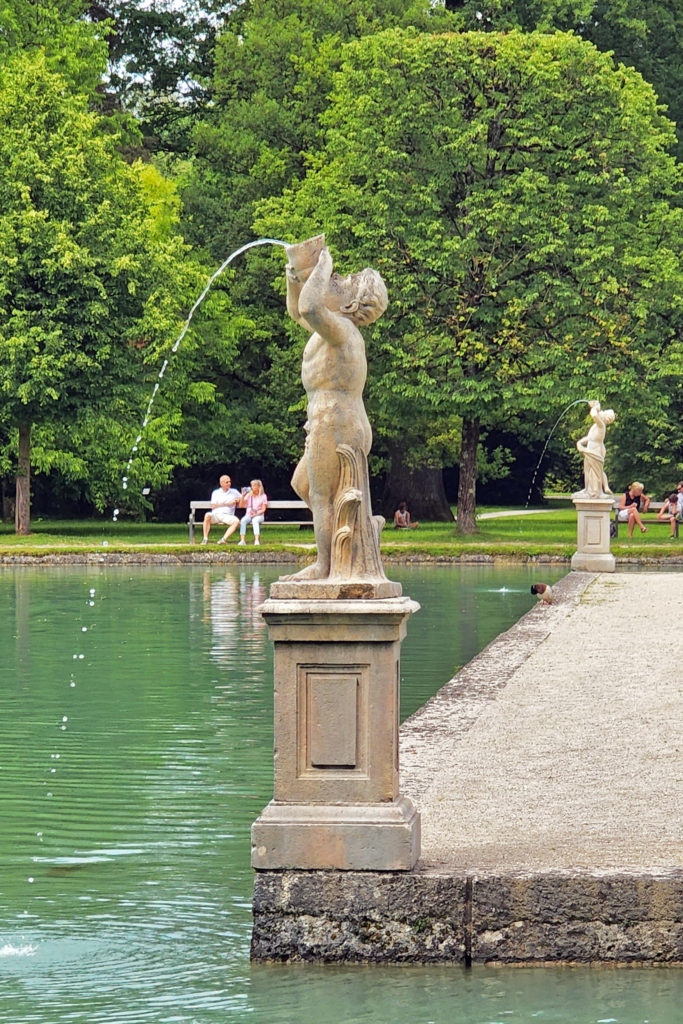
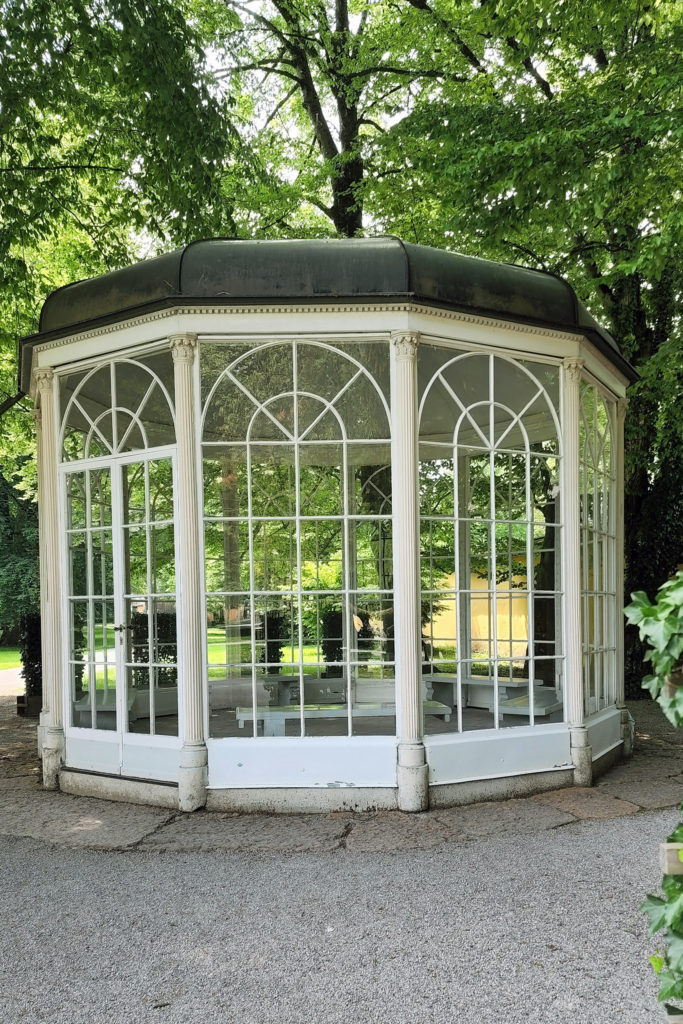
Hellbrun Palace GardenSound of Music pavilion
We arrived in Salzburg on a Sunday afternoon. Our first stop was the Hellbrunn Palace (Schloss Hellbrunn) on the south edge of the city. This was actually the last stop on a bus tour of Sound of Music filming locations in the rural area east of Salzburg. We didn’t tour the palace, but the large surrounding park provides plenty of shade on sunny days, and the palace’s garden is beautiful and renowned for its trick fountains (you might get wet) and whimsical sculptures. You’ll also find the pavillion where “Sixteen Going On Seventeen” in the The Sound of Music was filmed, although it has been moved from its original location.
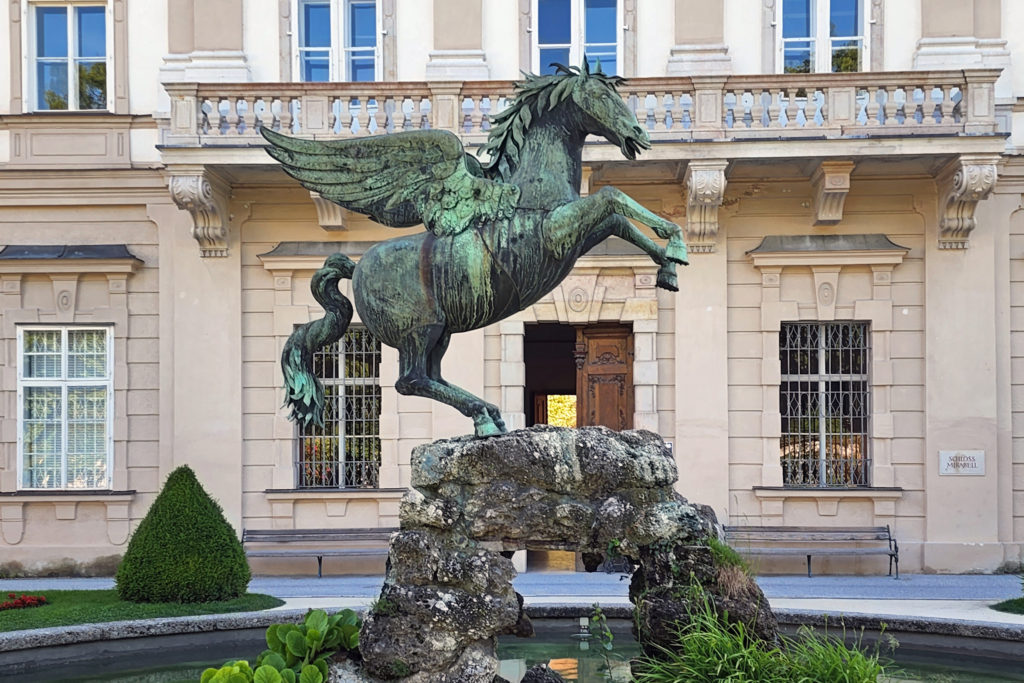
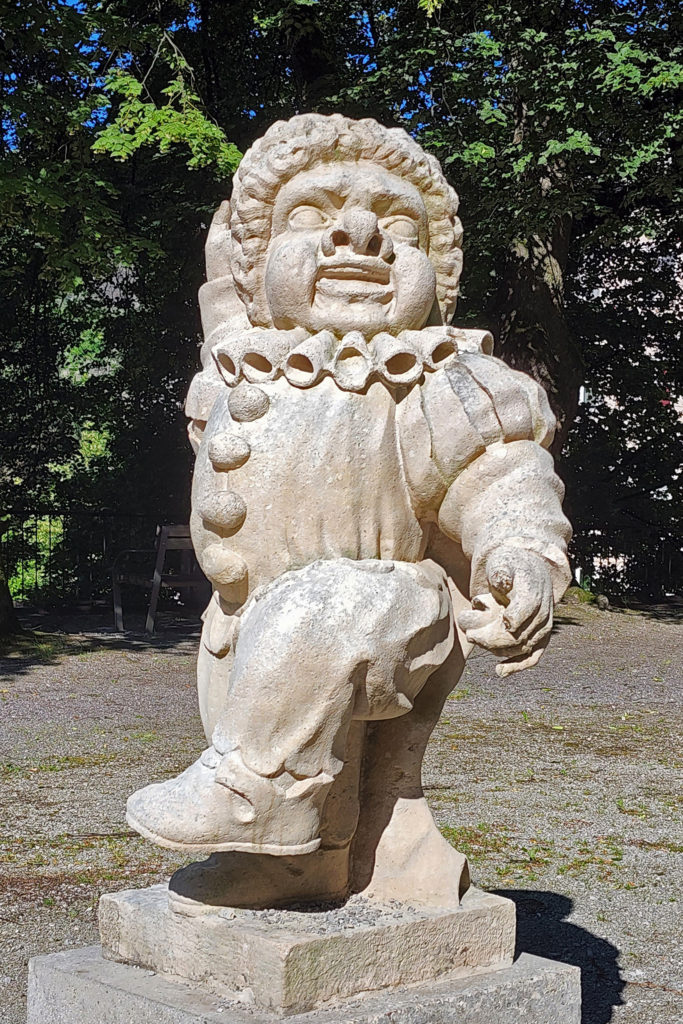
Pegasus FountainDwarf Garden
Our only full day in Salzburg started with a guided walking tour of the Altstadt that took us first to the Mirabell Gardens where parts of The Sound of Music were filmed. Fans of the movie will recognize the Pegasus Fountain, the Dwarf Garden, and the Vine Tunnel. We didn’t tour Mirabell Palace (Schloss Mirabell), but entrance is free, and you can attend evening chamber music performances in the Marble Hall, where some of the young Mozart’s earliest performances took place.
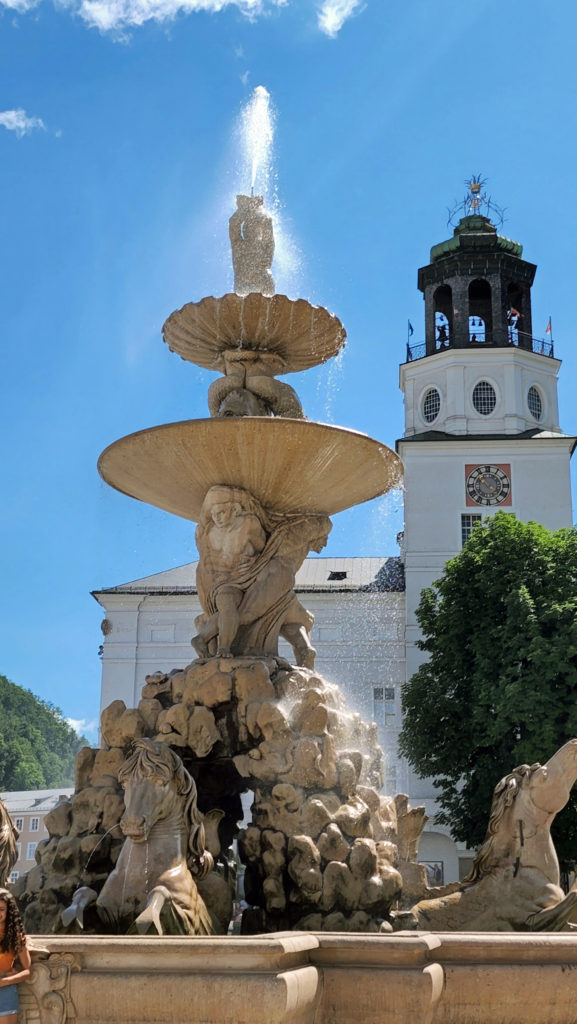
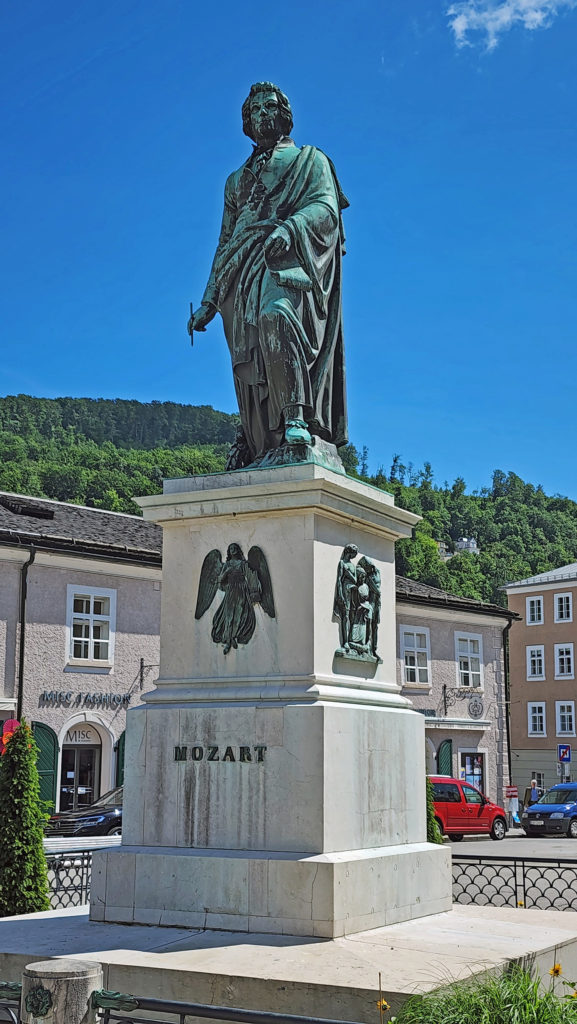
Our tour then took us to Mozart’s residence (Mozart-Wohnhaus) where he lived from age 17-25, and across the Salzach River to his birthplace (Mozarts Geburtshaus), now a museum. In the Altstadt you’ll also find the Salzburg Cathedral (Salzburger Dom), the Mozart Plaza (Mozartplatz) with its large statue of Mozart, the Residenzplatz, a large plaza with a 15 meter (50 foot) tall fountain, the Salzburg Museum, and many other historic and interesting sites. Guided walking tours of the Salzburg Altstadt are available for as little as $10 per person, and Lonely Planet has a guide to free things to do in Salzburg that includes a self-guided walking tour.
Although you can have a great time and see a lot of interesting sites without spending much (or any) money, purchasing a Salzburg Card can save you a good deal of money if you want to visit the Fortress, tour Mozart’s birthplace or residence, and visit any of the city’s many museums. A Salzburg Card also gives you free rides on the city’s public transit system. Cards can be purchased that are valid for 24, 48, or 72 hours. Twenty-four hour cards cost €30 for adults. Forty-eight hour cards are €39, and seventy-two hour cards are €45. Children 6-12 are half price. Cards are about 10% less in winter.
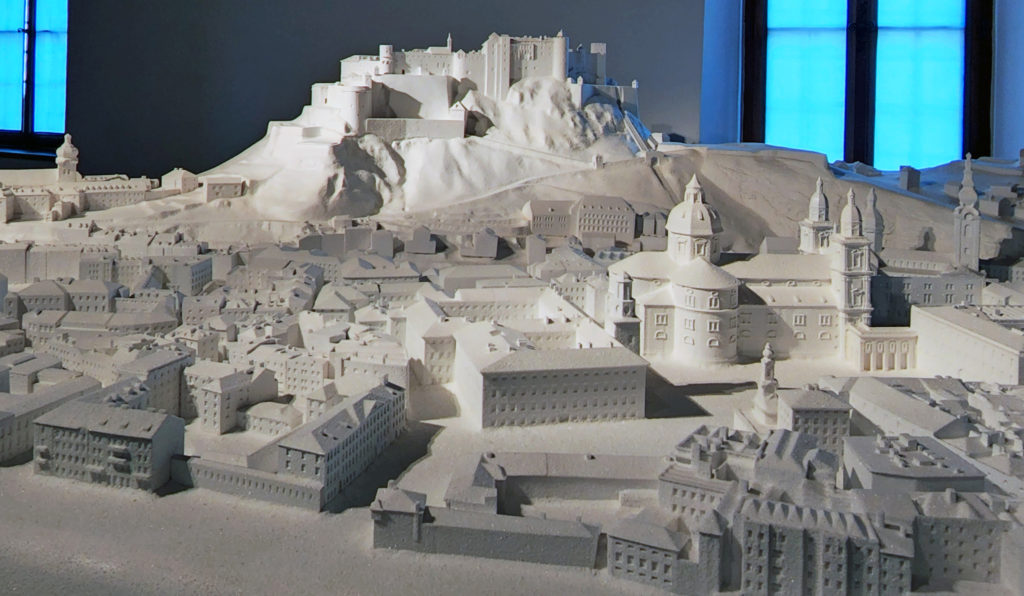
Salzburg FortressModel of the Altstadt and Fortress made entirely of salt, Fortress Museum
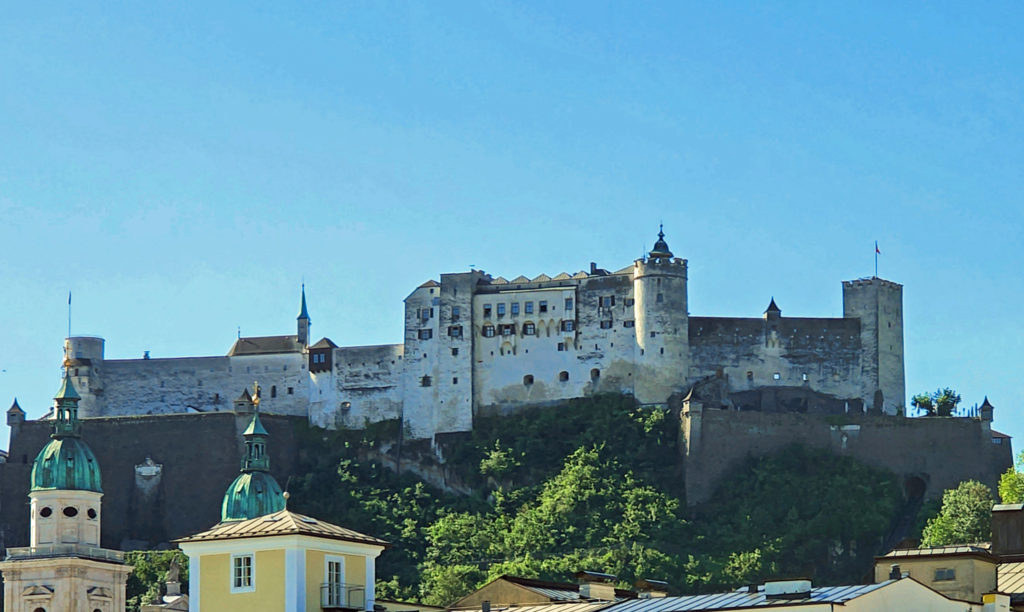
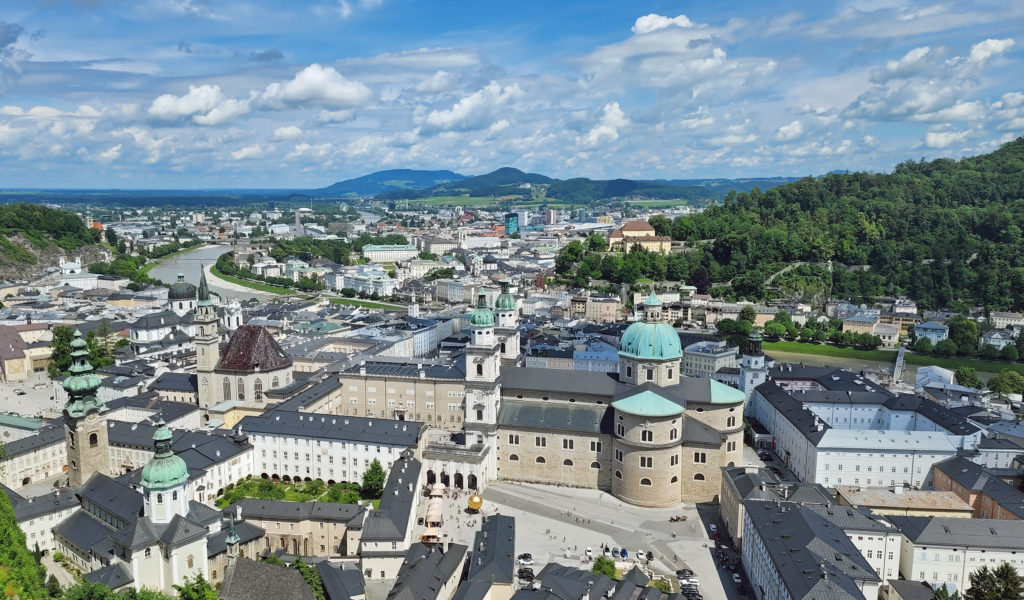
The Salzburg Fortress (Festung Hohensalzburg) looms over the Altstadt and can be seen from most of the city. It’s one of Salzburg’s must see attractions. Our tour didn’t include the Fortress, but we had all afternoon on our own, and it was our first stop. We took the funicular, but you can also walk up. Either way, I’d recommend getting “all inclusive” tickets that get you into the museum, arsenal, princely chambers, and the Magic Theatre. The current price for an all inclusive funicular adult ticket is €16.60 (about $17). Walk-up all inclusive adult tickets are €12.60 (about $13).. Admission is free with a Salzburg Card. Even if you don’t have a Salzburg Card, the Fortress is well worth the price of admission, even if just for the amazing views of the city and surrounding mountains. Climb the observation tower for the best views.
View of Salzburg from the Salzburg FortressSalzburg Cathedral
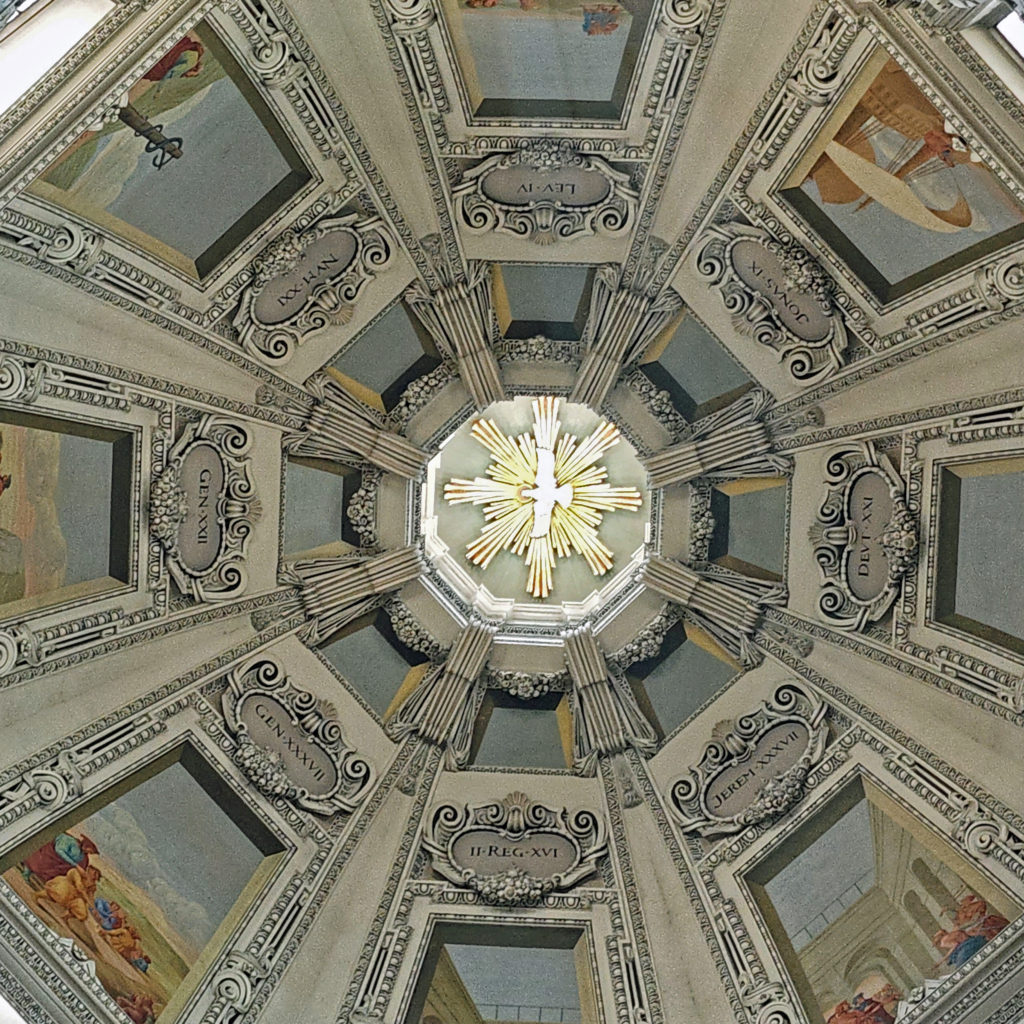
After touring the Fortress, we returned to the Cathedral and toured the interior. The exterior of the cathedral is not as grand as cathedrals in many European cities, but the interior is stunning.
Salzburg Cathedral ceiling
There has been a cathedral on the site for more than 1200 years. The original cathedral was built in 774 AD and burned down in 842. The second was severely damaged in the 16th century and was demolished. The current cathedral dates to 1628. The cathedral was damaged in World War II by an Allied bombing raid, but was rebuilt after the war, and reopened in 1959. It is by any account spectacularly beautiful. Entrance to the cathedral is free.
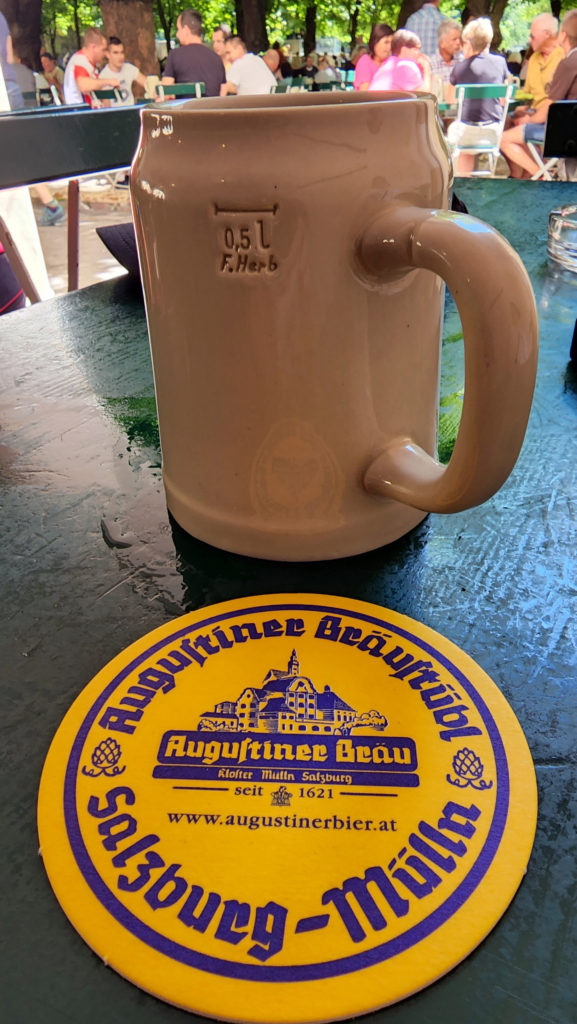
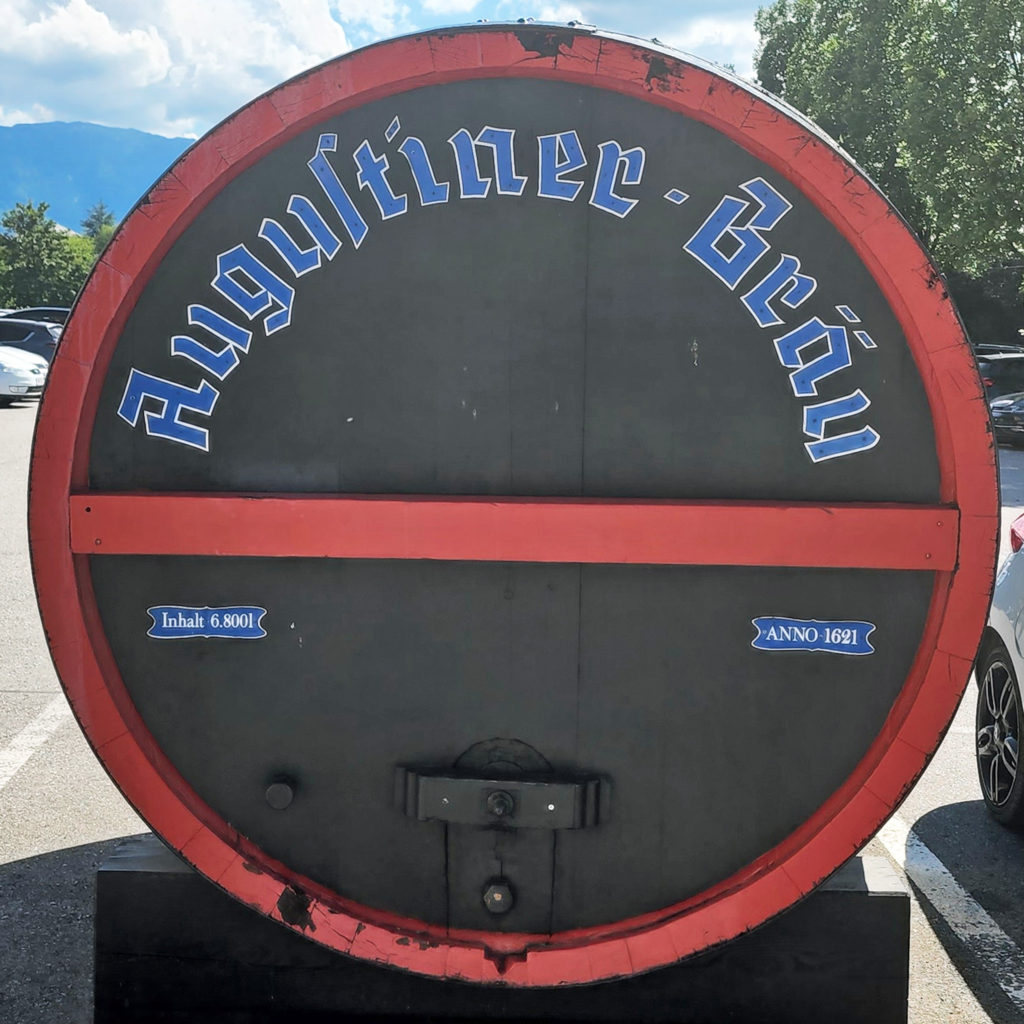
Our final stop that afternoon was the Augustiner Braustubl beer garden. Most of the seating is outside, under a canopy of trees. It happened to be a holiday, though, and the place was packed (but maybe it always is). We had to settle for a table in the smoking section under a second story patio, but that was fine. It was open to the main garden area and only a couple of people were smoking. And the beer was good, and cheap. There are other beer gardens, of course, but the Augustiner Brewery is ancient and iconic. The Munich brewery dates to 1328. The Salzburg brewery is a little younger. It’s only been there for 400 years. It opened in 1621.
That evening, we dined at a local restaurant not far from our hotel. It wasn’t listed in our guide book, but the food and the service were both very good, the prices reasonable, and by the look of things, the locals vastly outnumbered our fellow tourists. The moral here is don’t be afraid to ignore the guide book recommendations. You can find good, authentic Austrian cuisine at a restaurant that doesn’t cater to tourists, and you can dine like a real Salzburger.
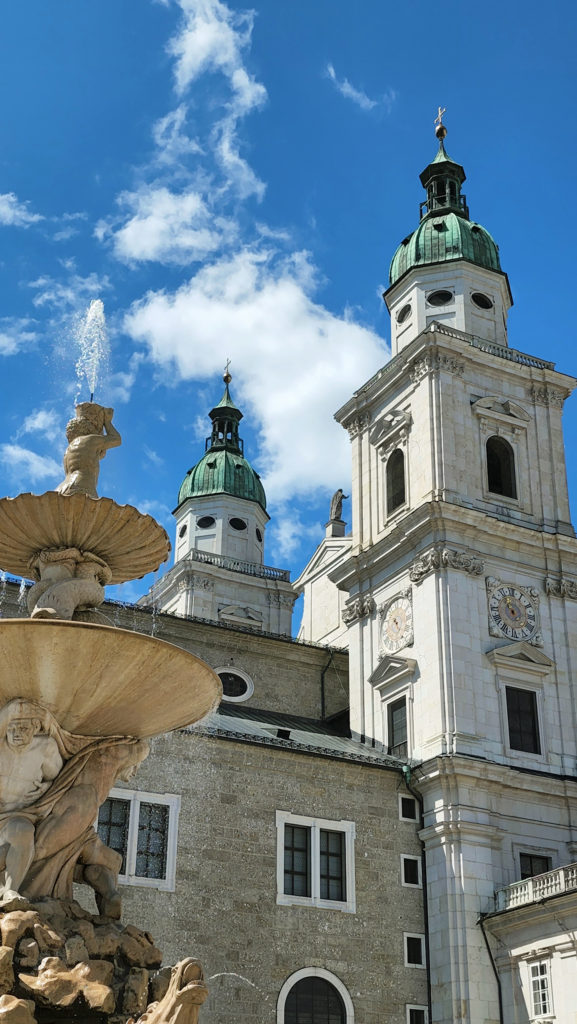
Residence Fountain and Salzburg Cathedral
The next morning we were off to Munich, but our brief time in Salzburg left a lasting impression on us. We definitely recommend visiting Salzburg at some point in your life, if you can. It certainly gets two thumbs up from us.
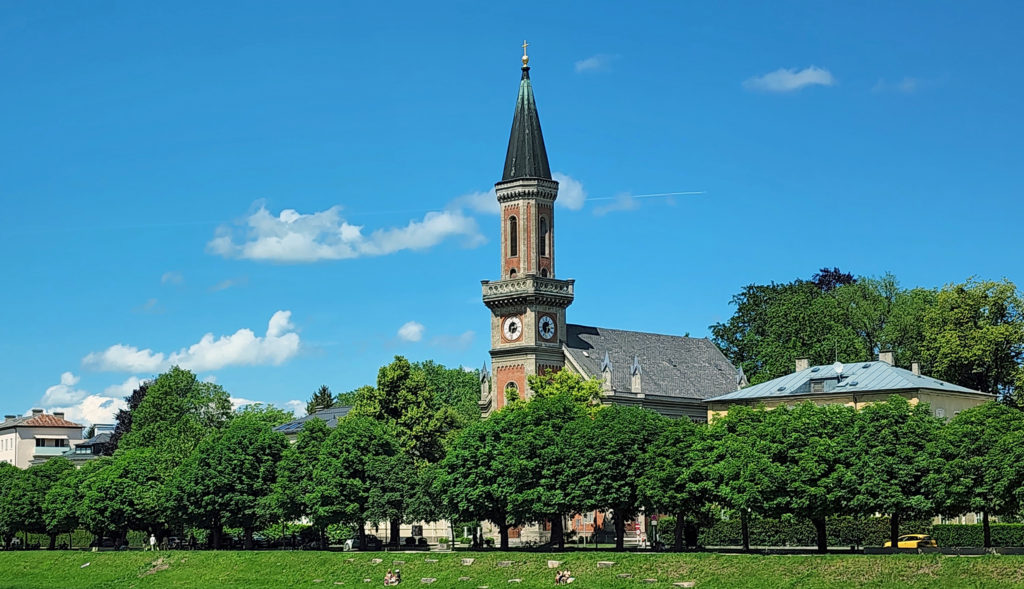
Salzburg Christ Church
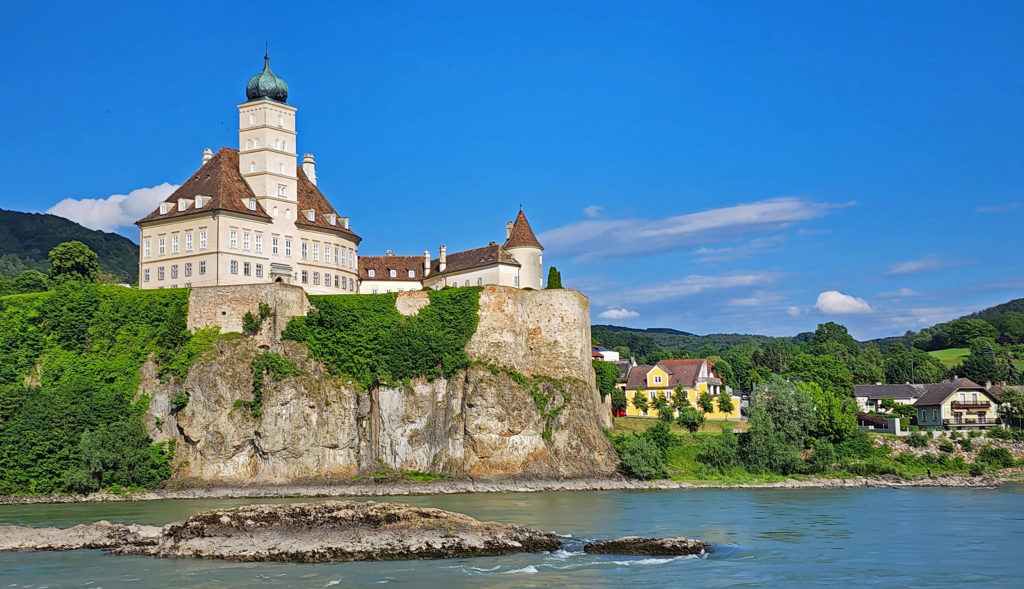
Our tour of Salzburg was an extension of our recent Danube River cruise. A river cruise can be a good way to get at least an introduction to European history and culture. And the cruises themselves have their own charm and have several advantages over both other types of organized tours and independent travel. Rhine and Danube River cruises, in particular, are popular with Americans making their first trip to Europe. But we also found that many of the passengers on our ship had done at least one prior river cruise or had made other visits to Europe, or both.
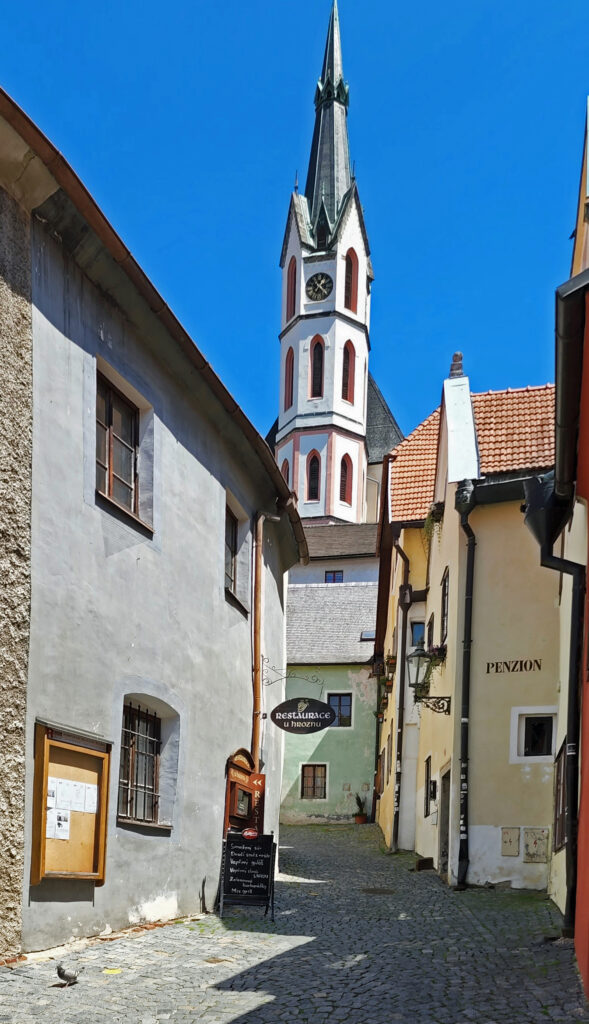
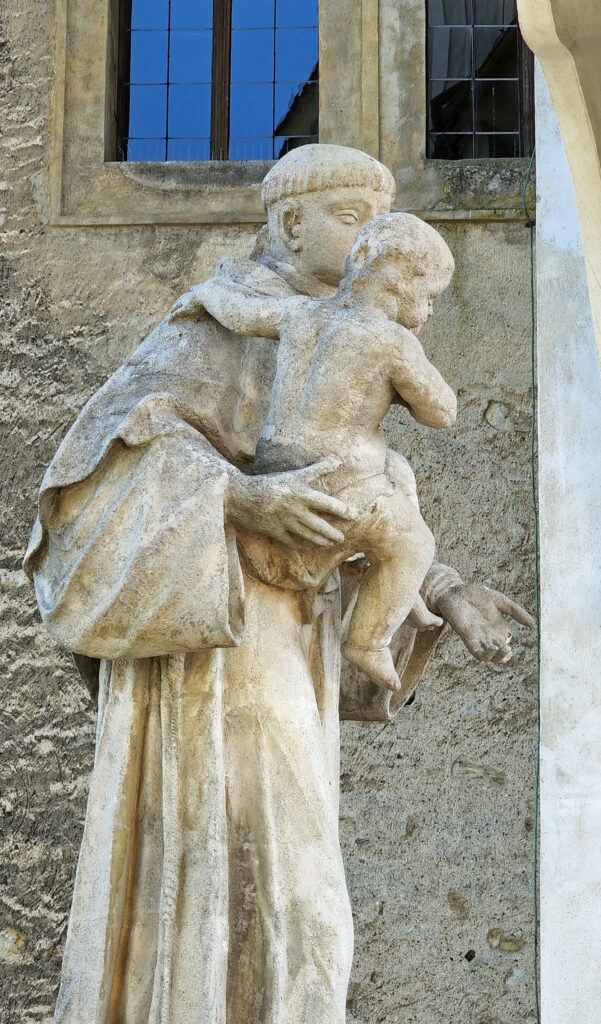
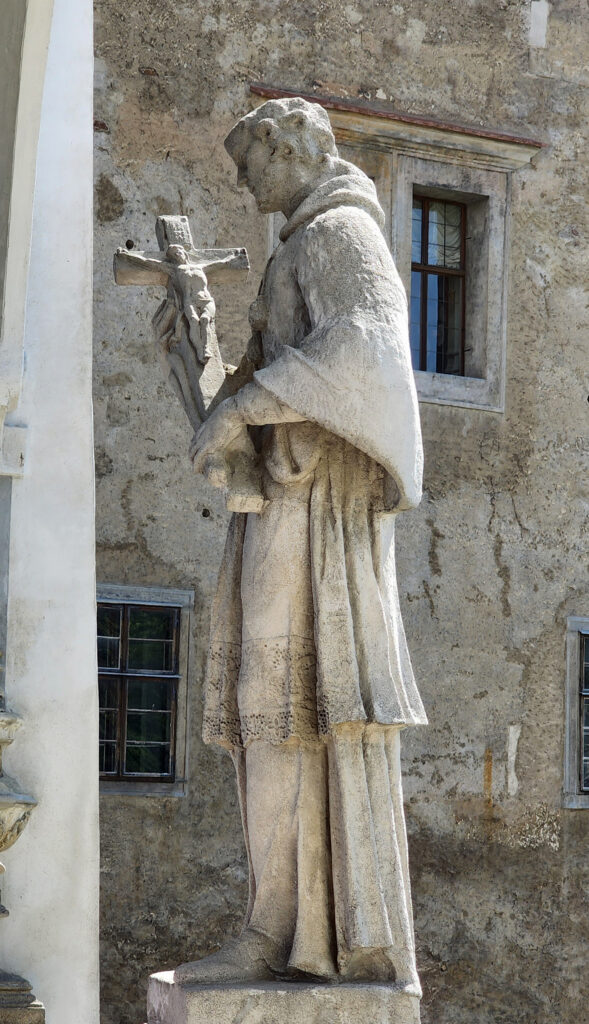
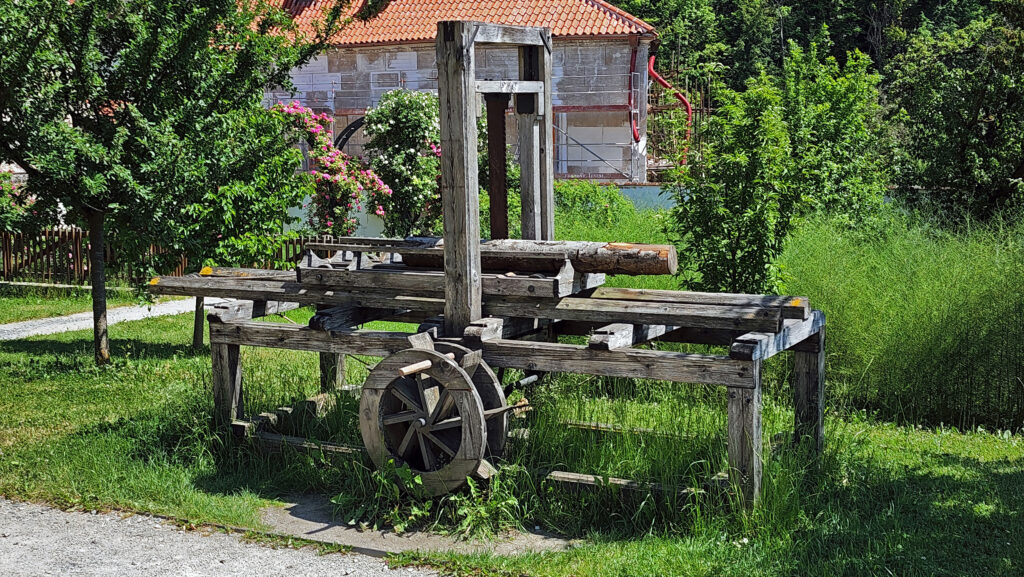
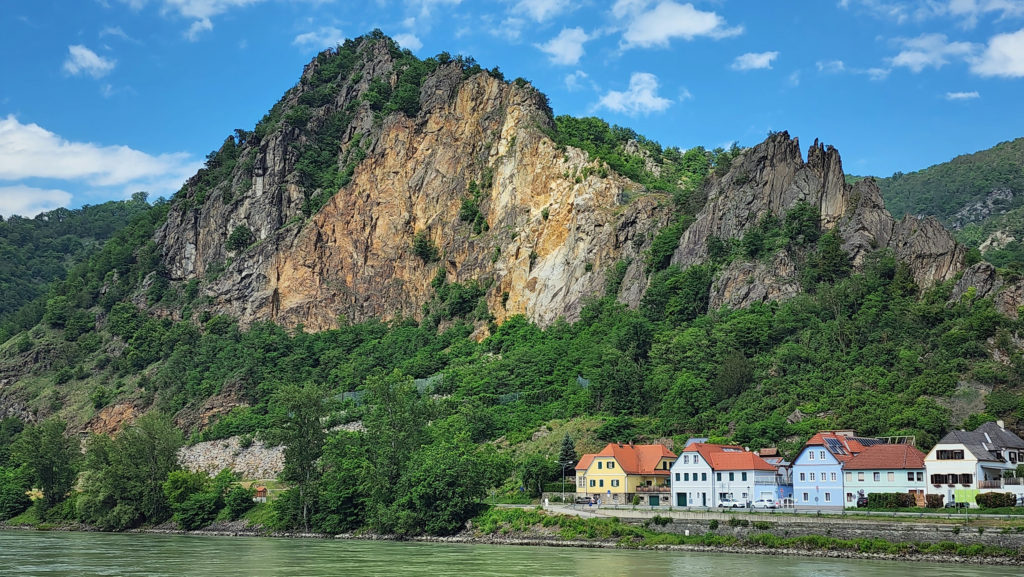
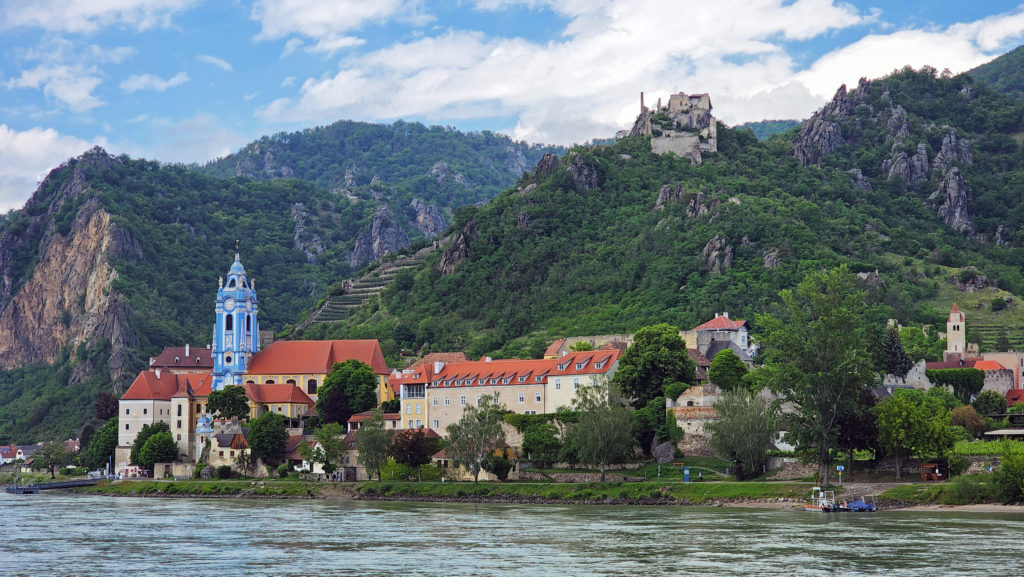
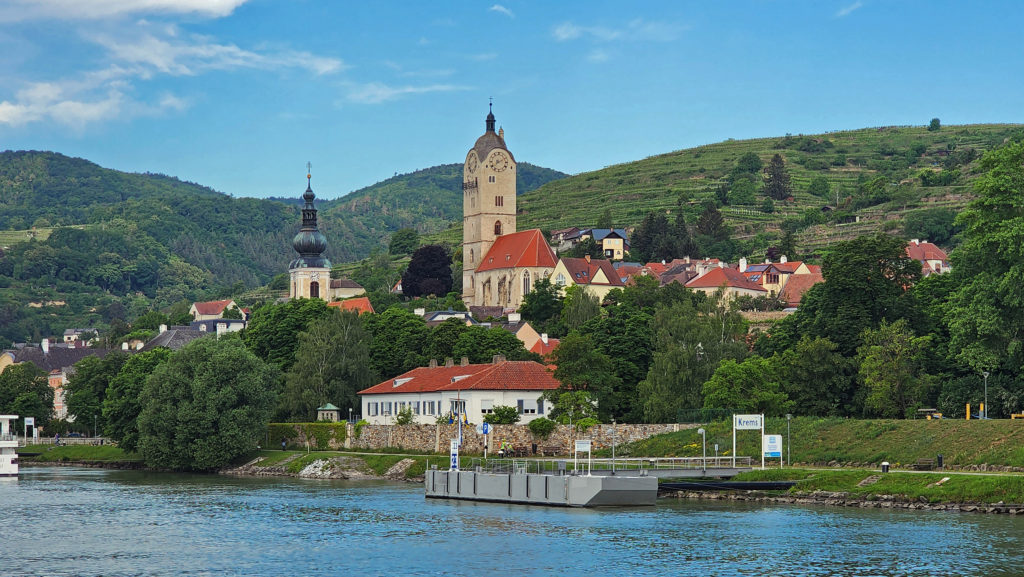
Our cruise began in Budapest and ended in Passau, Germany eight days later. In between we visited Bratislava, Slovakia, Vienna and Krems, Austria, and Cesky Krumlov in the Czech Republic. And we spent an afternoon cruising the beautiful Wachau Gorge. If you think you might enjoy a European river cruise, check out our river cruising post here for more information and a few tips.
In the 1960s Leavenworth, Washington reinvented itself as a Bavarian-themed tourist town, modeled on the Danish-themed town of Solvang, California.
In the early part of the 20th century, Leavenworth was a thriving community, its economy fueled by the railroad and the timber industry. But by the 1950s the timber industry was in decline and the Great Northern Railroad regional office was long gone (to nearby Wenatchee). Even the railroad tracks had been relocated. By then Leavenworth had been losing jobs and population for decades. Leavenworth’s leaders looked for ways to revitalize the town, and tourism seemed to offer the best chance of boost the economy. So, they set about renovating the whole town.
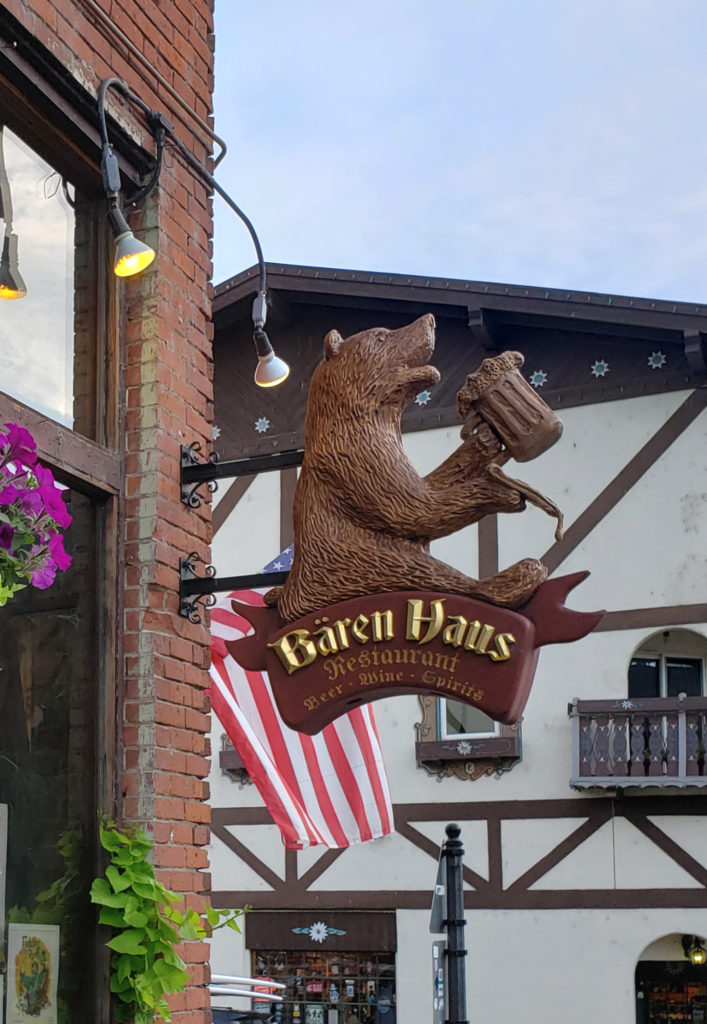
The entire downtown area now resembles a Bavarian village, but the transition went beyond just the architecture of the town. Leavenworth has also adopted Bavarian culture in a variety of ways. Leavenworth’s Mai Fest and Oktoberfest were modeled on their Bavarian counterparts, German cuisine is featured at many of the town’s restaurants, such as Munchen Haus, and Bavarian-style pubs like Gustav’s are scattered throughout the town.
Even if not authentic and a bit kitschy, Leavenworth is still a beautiful, unique (at least in the Northwest), and charming small town that many people adore. Its mimicry of Bavarian culture has been very successful in attracting tourists, and today the town is again thriving. The town is crowded with tourists on summer and fall weekends, and accommodations are often booked up months in advance.
The immensely popular Oktoberfest has been tremendously successful in bringing tourists (and their money) to the town every fall. Its popularity, though, brought with it alcohol-related and other problems that led the town to consider making changes to the festival. The 2021 festival was cancelled due to the Covid-19 pandemic, and the town leaders rejected the proposal of the festival’s organizers (Projekt Bayern) for the 2022 festival. That led Projekt Bayern to move the official 2022 Leavenworth Oktoberfest to nearby Wenatchee. However, the City of Leavenworth decided to retain a smaller, more spread out and more family friendly celebration (called Oktoberfest 2022). The competing festivals led to more than a little confusion, but Projekt Bayern is not putting on an event in 2024, so (for now) we are back to having only one Leavenworth Oktoberfest. Go to the festival’s website for more information about this year’s festival.
There’s more to Leavenworth than Oktoberfest and all the faux Bavarian trappings, too. Leavenworth is located in a spectacular natural setting, and that by itself is reason enough to visit. Leavenworth has become a year round outdoor recreational mecca. Spring, summer, and fall offer abundant hiking, camping, fishing, rock climbing, mountain biking, whitewater rafting, and wildlife viewing opportunities. Winter brings Nordic and alpine skiing, snowshoeing, ice skating, sleigh riding, tubing and sledding, snowmobiling, dog sledding and even ice climbing opportunities for the outdoor enthusiast.
To really experience what Leavenworth is all about, you need to spend more than just a day there. Leavenworth is a little off the beaten path, about 130 miles east of Seattle on US Hwy 2, but it is worth an extended visit, at least once. Many people, though, find themselves returning again and again. And if you choose to visit Leavenworth, consider also visiting the fjord-like 50 mile long Lake Chelan about 50 miles north of Leavenworth.
For much more information on Leavenworth, Washington, the Two Wandering Soles Leavenworth blog post has a ton of info on the town and the area’s recreational opportunities.
Originally posted February 18, 2020. Most recently updated June 29, 2024.
Budapest, Hungary was one of the highlights of the Danube River cruise that my wife and I took in 2022. I knew very little about Budapest or any of that part of Europe before our visit, and it had never been very high on my bucket list of travel destinations. But some friends had visited Budapest a few years ago and liked the city, and for a variety of reasons my wife and I decided a river cruise would be a good way to ease back into international travel. So, we took the plunge and booked the cruise when Europe was reopening to foreign visitors and it looked like the pandemic was waning. (For more on river cruising in general, see the link at the end of this post).
Castle Hill
Among the many things that I found out on our visit is that Budapest is a truly ancient city. The area was originally settled by Celtic tribes more than 2000 years ago. The Romans established the city of Aquincum near the site of present day Budapest around 100 AD, and the area has been home to many different peoples over the past two milleniums, including Bulgarians, Magyars, and Ottoman Turks, who ruled the area for 150 years. After the Turks were driven out of Budapest in 1686, it became part of the Hapsburg Empire.
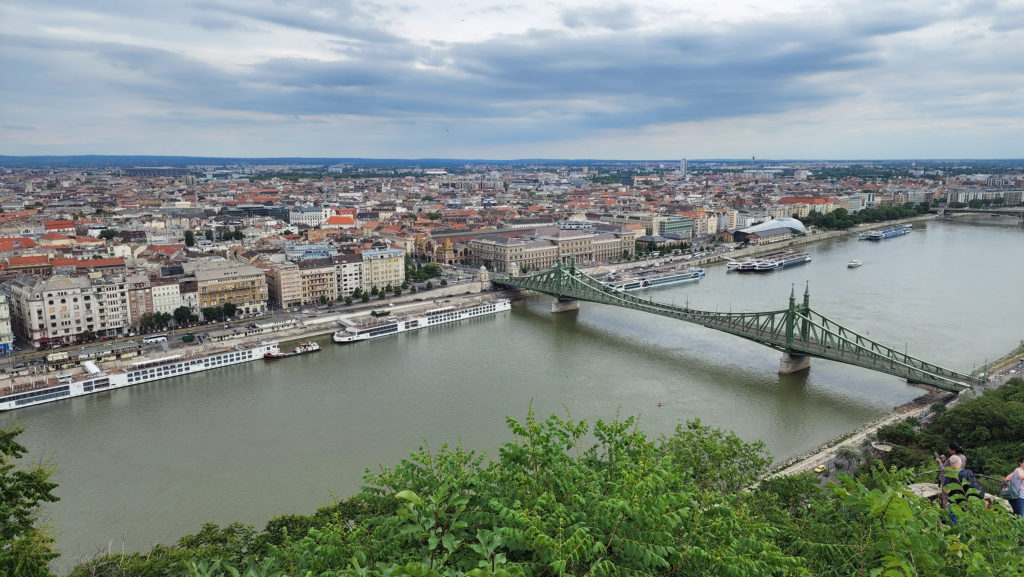
View from Gellert Hill
What is now Budapest was originally three cities, Buda and Obuda (Old Buda) on the west side of the Danube River, and Pest (pronounced “pesht”) on the east side. In 1849 the first bridge (the Chain Bridge) across the Danube was completed linking Buda and Pest. The three cities merged in 1873, creating the city of Budapest as we know it today.
Budapest street scene
One of the other things that I discovered is that the city’s long history and the many, diverse cultures that have contributed to the city’s growth over the centuries gives Budapest a unique character, unlike any of the other European cities that we’ve visited. And while it has a long history rooted in Eastern Europe, Budapest today has as much of a modern Western European vibe as it does an ancient Eastern European one.
View of the Hungarian Parliament from Castle Hill
Another thing that I discovered is that Budapest is much bigger than I anticipated. The metropolitan area has a population of over three million, making it the second largest city on the Danube River. Only Vienna is larger. There is simply no way to experience all that Budapest has to offer in one short visit. We had only one evening and the following day to explore the city.
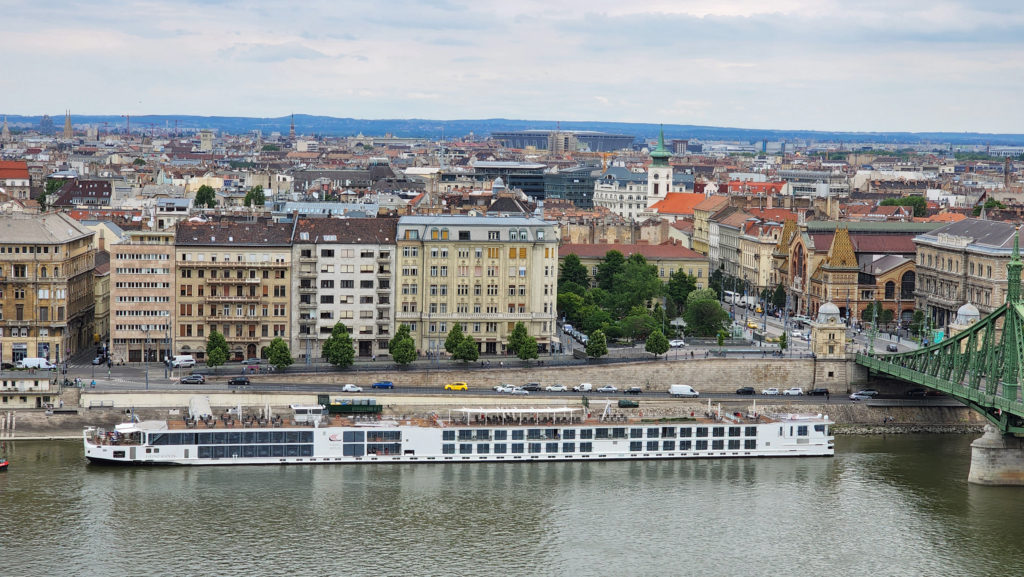
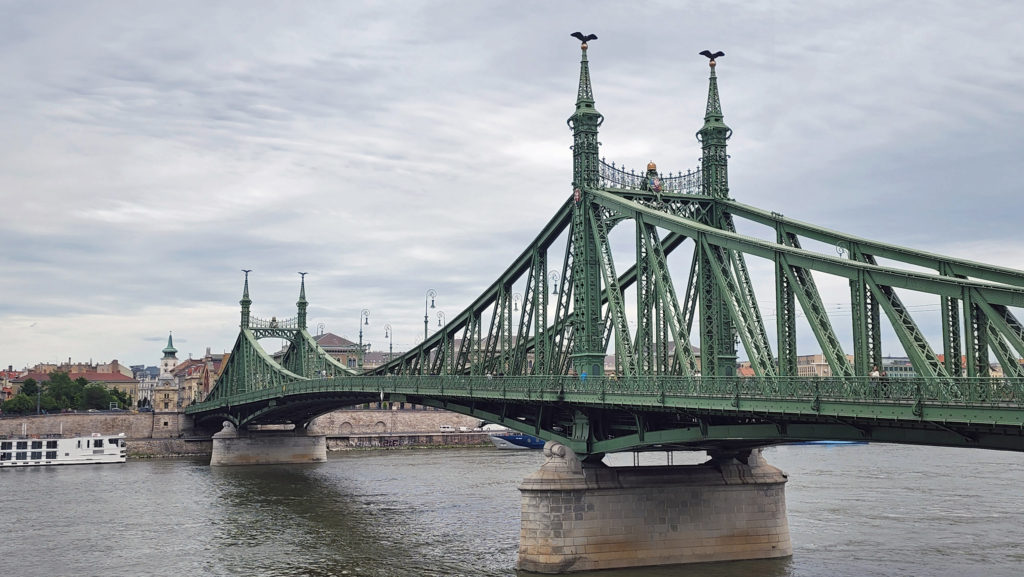
Liberty Bridge
On our first evening there, we walked across the Liberty Bridge and did some exploring along the waterfront of the Buda side of the river. After crossing back to the Pest side, we briefly explored that side of the river before returning to the Viking “longship” that we would call home for the next week. We were pretty significantly jet lagged by that time, and called it a night after having dinner on the ship.
Central Market before opening
We were up early the next morning. Before breakfast we did some more exploring on the Pest side, including the huge Central Market. We were there early, though, and most of the market stalls were not yet open. That was followed by a guided tour that took us through Pest on a motor coach, then to Castle Hill on the Buda side of the river.
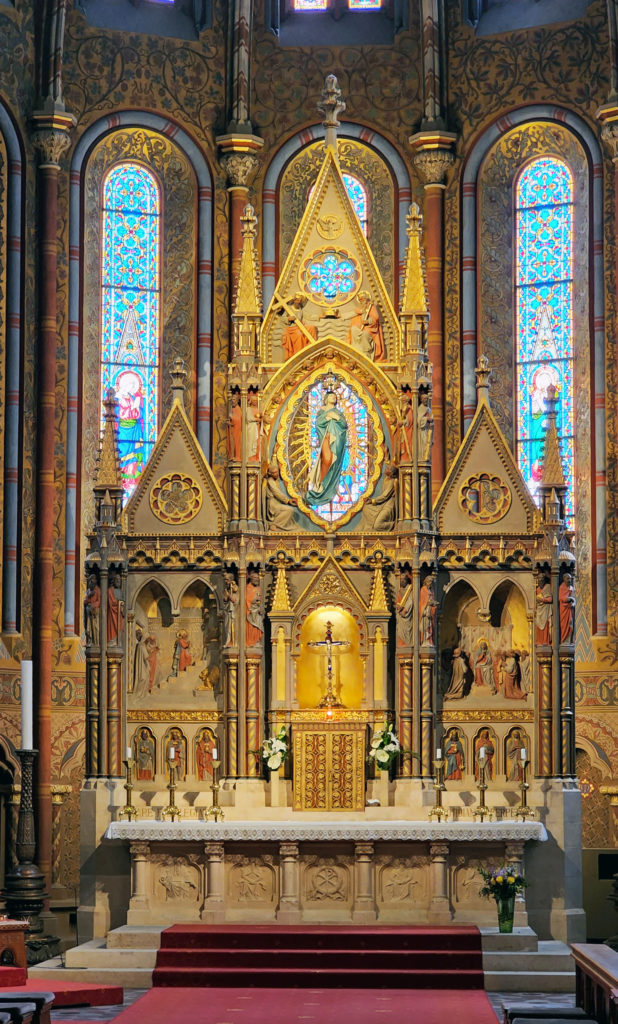
Matthias Church
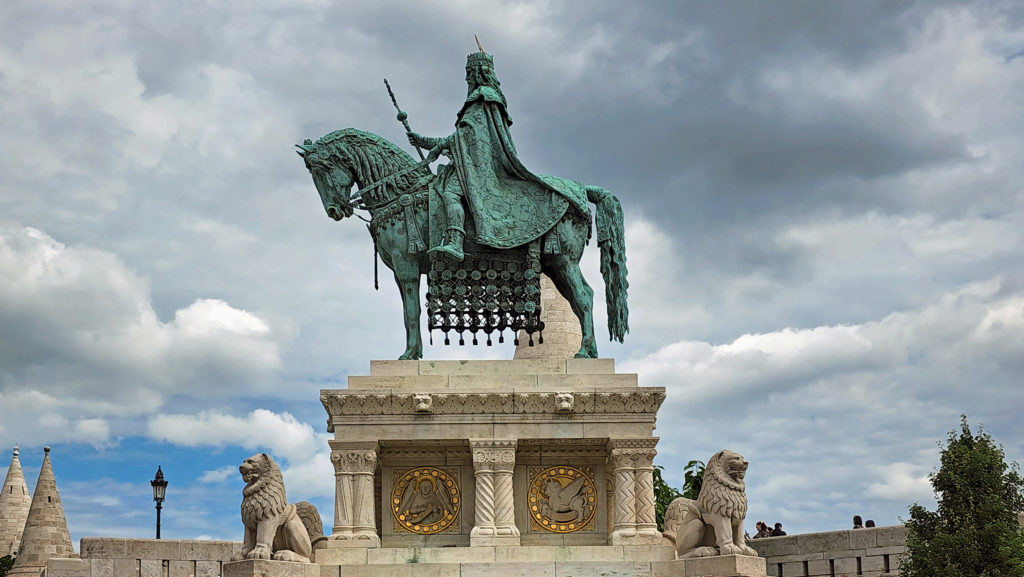
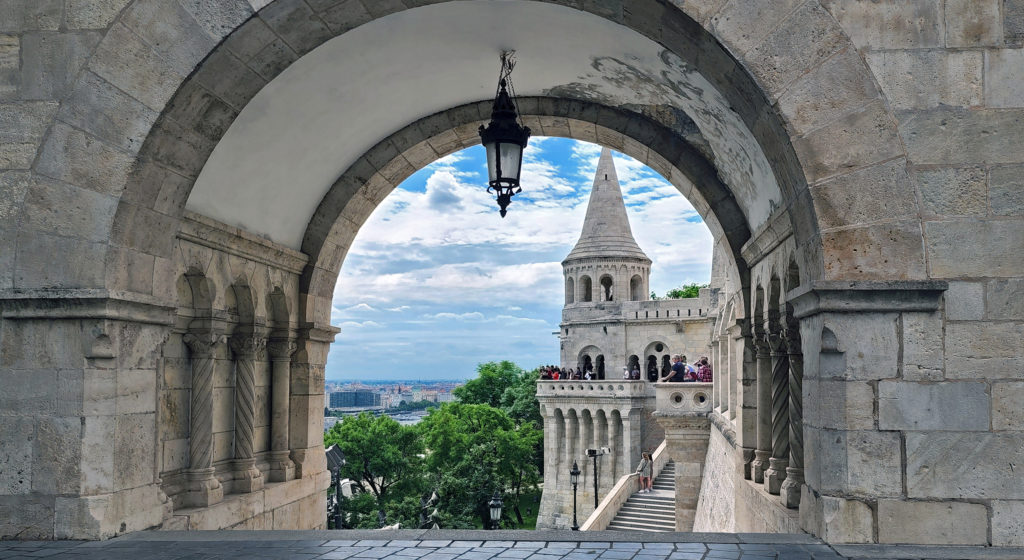
After a guided walking tour of Castle Hill we had some time to explore on our own. We didn’t have time to visit the Hungarian National Gallery, the Royal Palace, or the Castle Museum. But we were able to take in the magnificent architecture of the Matthias Church and the sweeping views of the city from the Fisherman’s Bastion, as well as the many splendid statues and other structures that adorn Castle Hill. It wouldn’t be hard to spend most or all of a day on Castle Hill. It is definitely one of the top attractions in Budapest.
Matthias ChurchMatthias ChurchGellert Hill
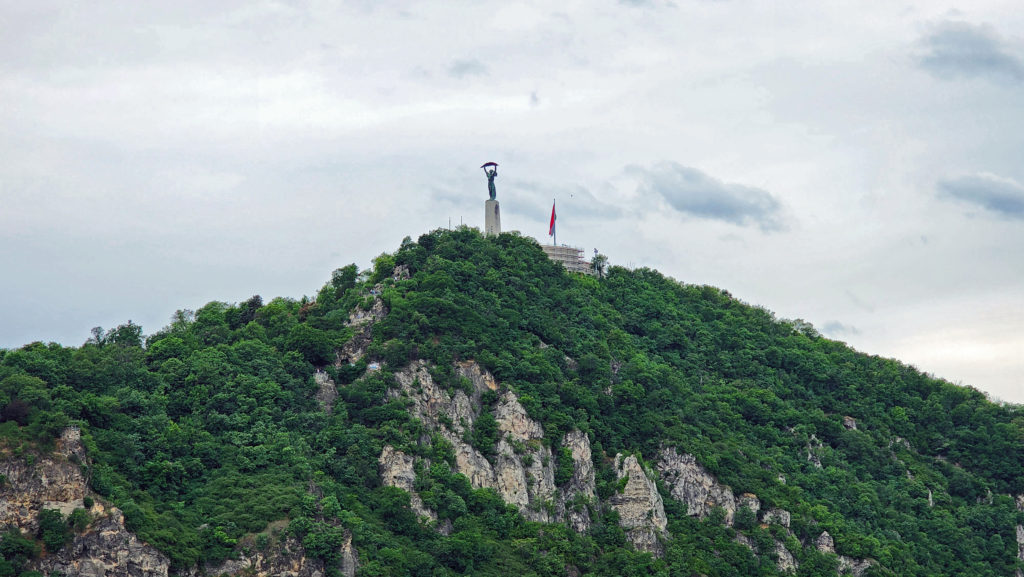
That afternoon we crossed the Liberty Bridge again and climbed to the Citadella and Liberty Monument on the summit of Gellert Hill (Gellert-Hegy). Unfortunately, both the Citadella and the Liberty Monument were undergoing renovations and were fenced off. But there were good views of the city and climbing the hill was a nice workout. Afterwards we took a different trail down to the river and crossed the Elizabeth Bridge to Pest where we had a couple of very refreshing beers at a local pub. (The prices listed were in Hungary’s official currency, the Forint, so I had no idea what those beers cost until I got my credit card statement. The two pints came to about $3.50 each.)
Heroes Square, City Park
One of the advantages of a river cruise is that you get to see a lot of places and get at least a taste of the local history and culture. But the down side is that you don’t stay long enough in any one place to even begin to see everything worth seeing. That was certainly the case with our time in Budapest. It’s a magnificent city and I would love to come back when we have more time to explore its sights and dive into the culture a little more.
Visiting one of the city’s famous thermal baths is one of the many things that we didn’t have time to do. There are over a hundred thermal and mineral springs in Budapest and dozens of bath houses. I also wish we could have visited the Roman ruins of Aquincum. And I’d like to have spent more time on Castle Hill and explored more of the Pest side – City Park, Parliament, the Basilica of St. Steven, the Great Synagogue, and more. The list goes on. Unfortunately, we had to move on.
Royal PalaceBudapest, Hungary
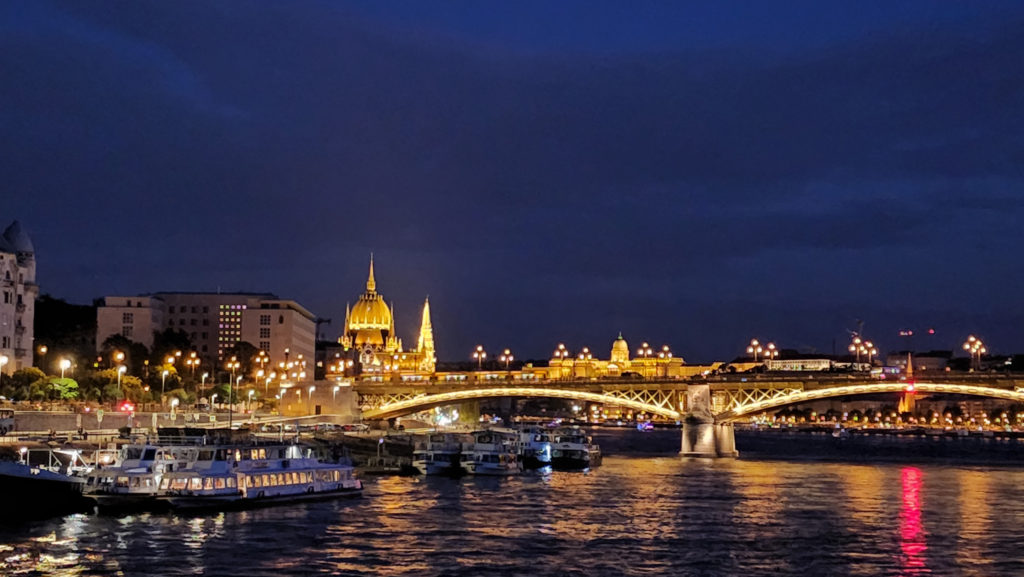
Our ship departed after sunset. Many of the buildings along the river front, the bridges, the Royal Palace, the Parliament Buildings, and Castle Hill were all lit up. It was a striking and very beautiful sight. Quite a nice way to leave the city. Hopefully, we will be back some day.
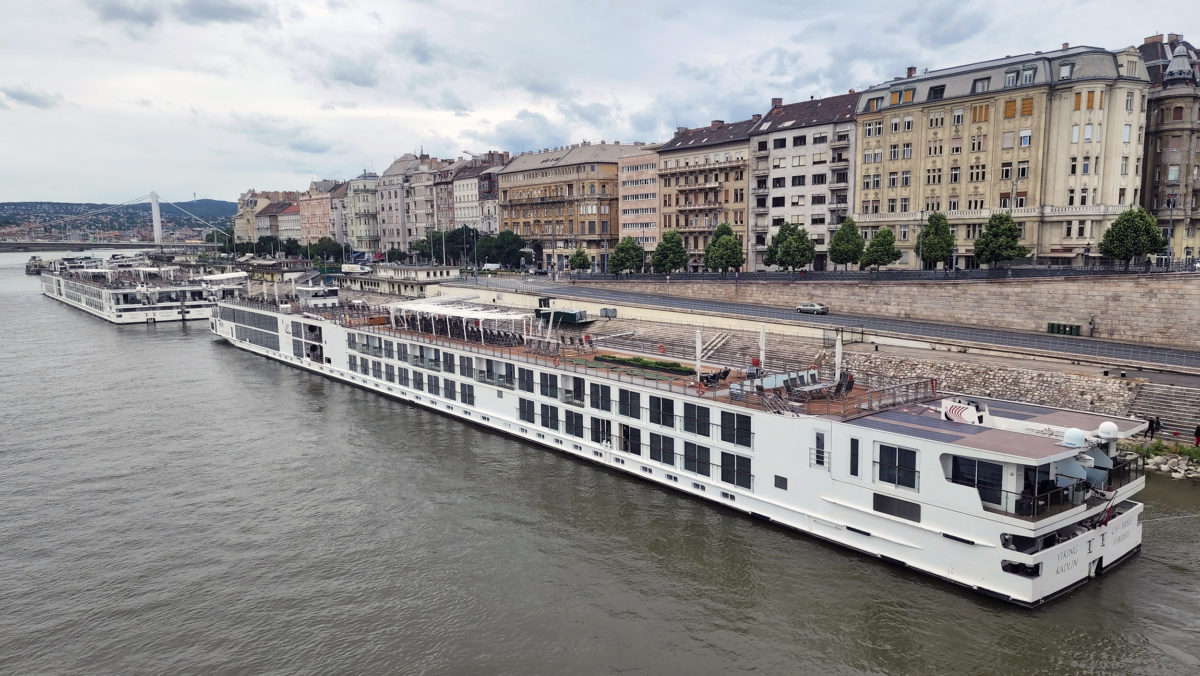
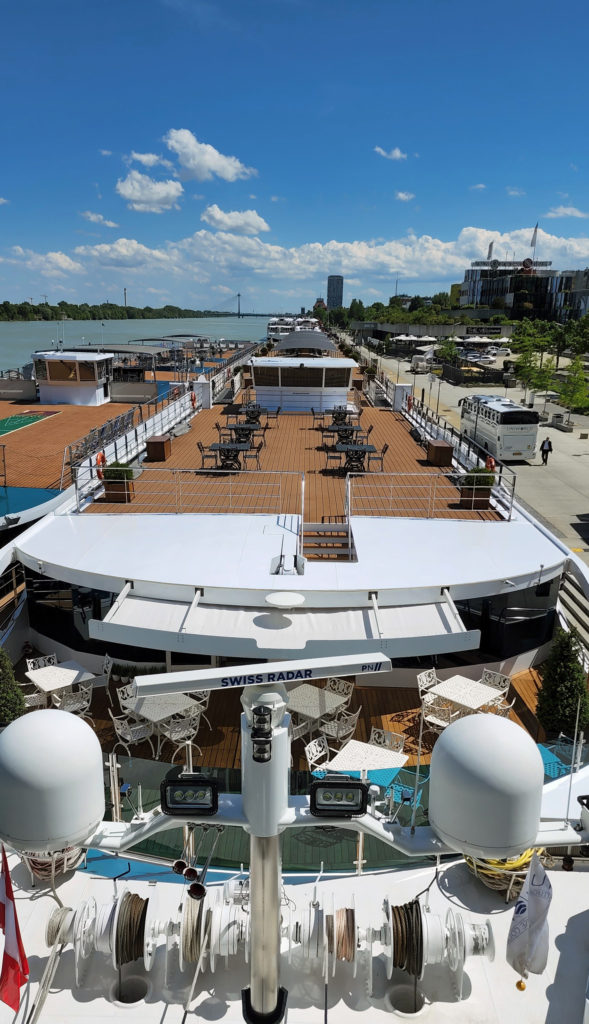
Viking Longship “Kadlin” docked on the Pest side of the Danube
If you’ve never done a river cruise, but think you might like to, click here for more information on river cruising in general, and during the pandemic in particular. And look for future posts on this site about other places we visited on our cruise.
My first experience with river cruising came on a Rhine River cruise that my wife and I did in 2015. That was one of the most stress-free, relaxing vacations we’ve ever taken, and we fell in love with Europe on that trip. In 2018 we did an independent tour of Tuscany and Cinque Terra in Italy, and we were in the beginning stage of planning another independent trip, this time to Portugal and Spain, when the Covid-19 pandemic put all our travel plans on hold. We did no traveling at all in 2020, except for one trip to the Olympic Peninsula in Washington, and very little in 2021. But toward the end of 2021 it looked like the pandemic was waning, and countries in Europe were reopening, so we began thinking about another trip across the Atlantic.
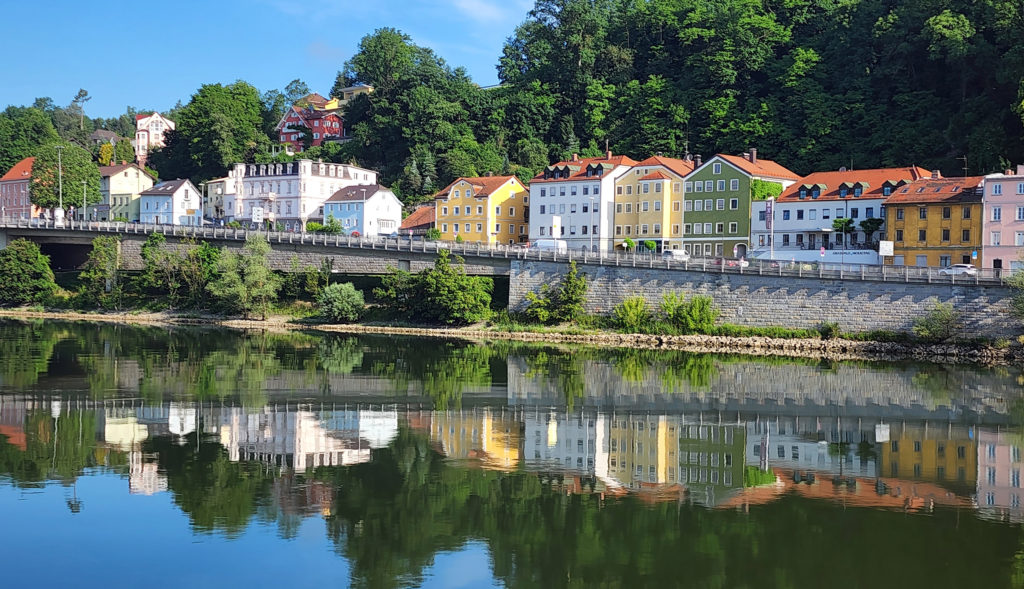
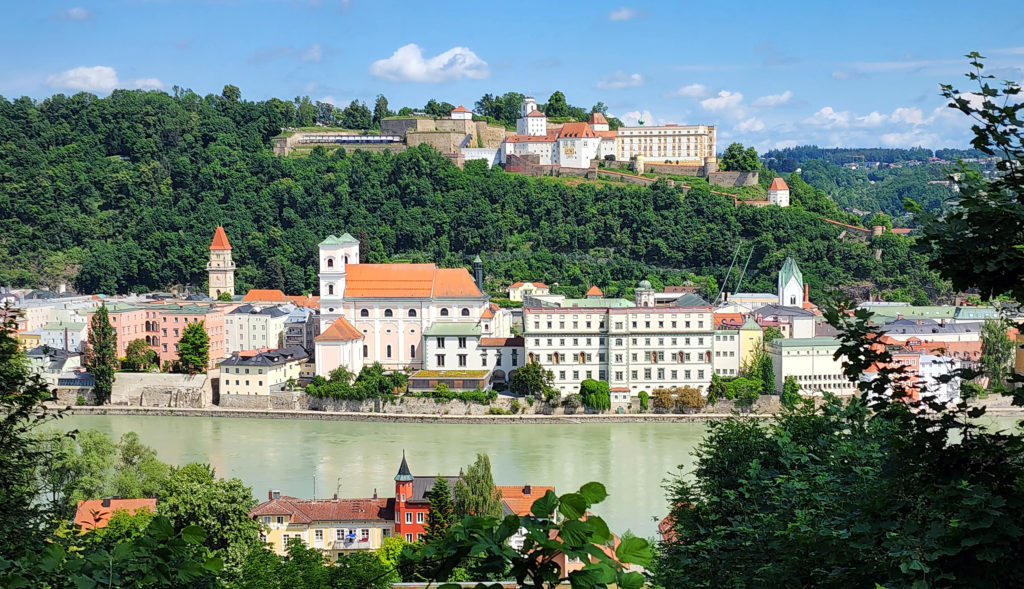
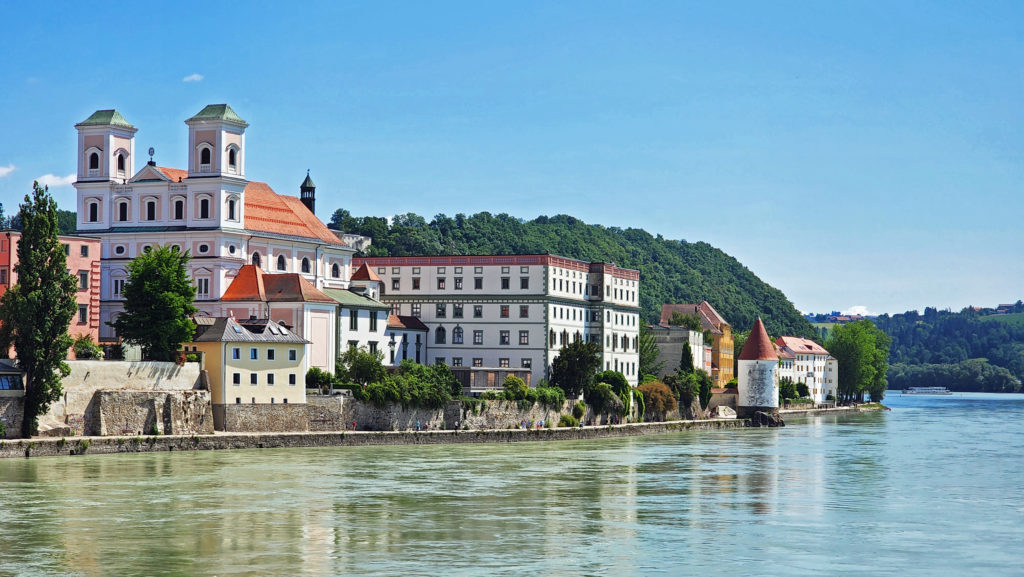
Passau, Germany
There were still a lot of different and seemingly ever-changing travel restrictions from one country to the next, though. Planning a trip seemed like a pretty daunting task. So, we started thinking about an organized tour of one kind or another. I wasn’t completely sold on another river cruise at first, despite the entirely positive experience we had on our Rhine River cruise. But a river cruise does offer a good middle ground between an organized tour and independent travel, and allows you to get a taste of a variety of cities, other destinations, and often multiple countries, in a short period of time. There are down sides, of course, but since our first river cruise was such an easy and enjoyable experience, we decided maybe another river cruise would be a good way to ease back into international travel.
Viking “Longship”
We ultimately decided to take the plunge and booked a Danube River cruise, despite the risks. And there were significant risks, both health-wise and financial. The risk of catching Covid-19 was still there, of course, but the cruise line’s testing and vaccination requirements (more on those later) were more strict than any of the country’s that we would be visiting. That helped ease the fear of catching Covid. The financial risk came from having to pay for the trip upfront with no guarantee that the trip would not be cancelled or that we would not be able to go because one or both of us tested positive for Covid, or some other circumstance beyond our control. And cancel-for-any-reason travel insurance is expensive, so much so that we decided to forego it.
Passau, Germany
I was considerably more concerned with the financial risk than the health risk. The cruise line promised to provide a voucher for a future trip if the trip was cancelled on their part due to Covid or other reasons. But I had read stories about cruise lines not fully living up to those promises. And if we had to cancel the trip, or failed to pass the required pre-trip Covid testing, we might lose the entire cost of the trip.
Passau, Germany
Since we had to provide proof of a negative test taken no more than 72 hours before our flight, we didn’t know until less than 48 hours before boarding our flight that the trip would actually happen. But we both tested negative, and the trip came off as planned. The photos here are from that trip.
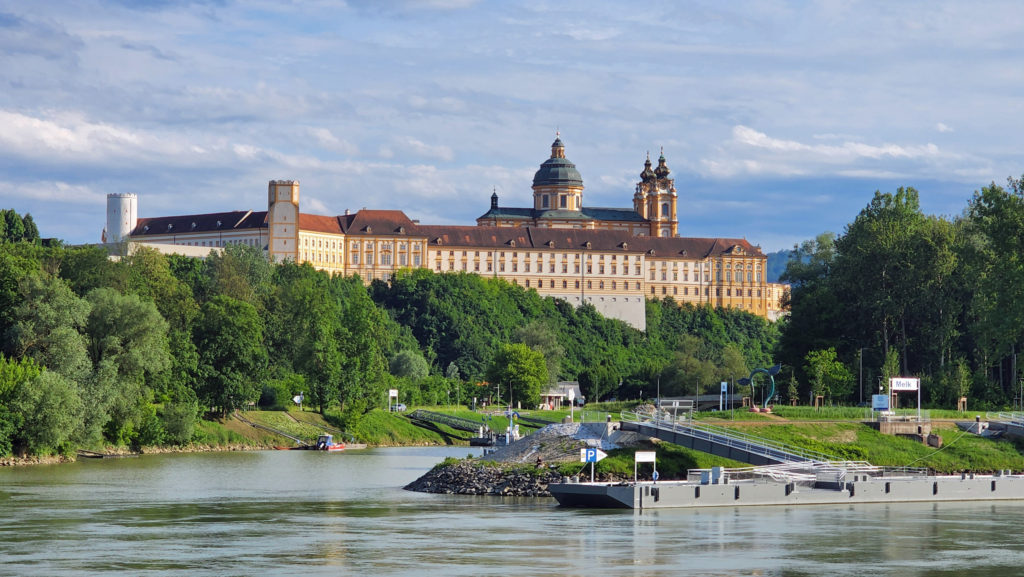
Melk Abbey, Austria
Once on board, we were tested again for Covid, and then three more times during the voyage. Fortunately, we tested negative each time, as did all of the people we got to know on the cruise. At least four couples did test positive during the cruise, though, and were removed from the ship. And then we had to pass a sixth test before we could return the U.S. That all added a bit of stress to this trip that didn’t exist on our Rhine River cruise, but we still had a very enjoyable trip.
Wachau Gorge, Austria
If you’re contemplating a river cruise, start planning well in advance of your intended departure. Cruises often sell out early, and the more desirable staterooms go quickly. Early booking also usually gets you a better price. We booked our Danube cruise six months in advance, but we still had to settle for a basic stateroom on the lowest deck (our window near the ceiling was just barely above the waterline). The better staterooms on the deck above ours were already fully booked, as were most of the more expensive suites on the top deck.
Wachau Gorge, Austria
Both of our cruises were on Viking River Cruises, and both were very enjoyable and problem free. Viking is the largest river cruise line, but there are many other river cruise lines operating in Europe and elsewhere. Uniworld, Tauck, AmaWaterways, Avalon Waterways, and others all offer a variety of river cruises.
Wachau Gorge, Austria
Viking caters to middle aged or older couples (children under 18 are not allowed on Viking cruises), and river cruise lines haven’t typically catered to families or single travelers in the past, but that is changing as cruise lines look to expand their clientele.
Krems, Austria
Itineraries, cruise length, amenities, number and type of shore excursions, and river boats sizes and number of passengers vary, both between cruise lines, and often between different cruises offered by the same line. Prices also vary between cruise lines and by seasons.
Vienna, Austria
The more research you do, the more likely you will find that cruise that perfectly matches your needs and desires. The Affordable Tours website is a good place to start. It gives a good overview of the benefits of river cruising, river cruise destinations, information about most of the cruise lines, and suggestions for which lines to check out based on your preferences. Check out the cruise lines’ web sites, also. And there are other websites that provide information on river cruises, as well.
Viking “Longship”
Before our 2015 Rhine River cruise, I was not sure that river cruising would be to my liking. But by the second day of that voyage I knew we had made a good decision. That cruise is easily the most relaxing trip I’ve ever taken. We simply had nothing to do except sit back, relax, and enjoy the scenery. Everything was taken care of for us. Most meals were provided, and the food was superb. That was a pleasant surprise.
Vienna, Austria
Another surprise was the quality and variety of the shore tours. The Heidelberg tour, for example, was conducted by a grad student at Heidelberg University working on his doctorate in history. We got a college course worth of local history packed into a two hour tour. And the pub crawl in Cologne was almost worth the price of the whole cruise. Most of the actual cruising was done at night, so on most days we spent the majority of our time on shore. There was at least one free tour each day, and usually one or two optional, extra cost tours. And there was always time to explore on our own at each port of call.
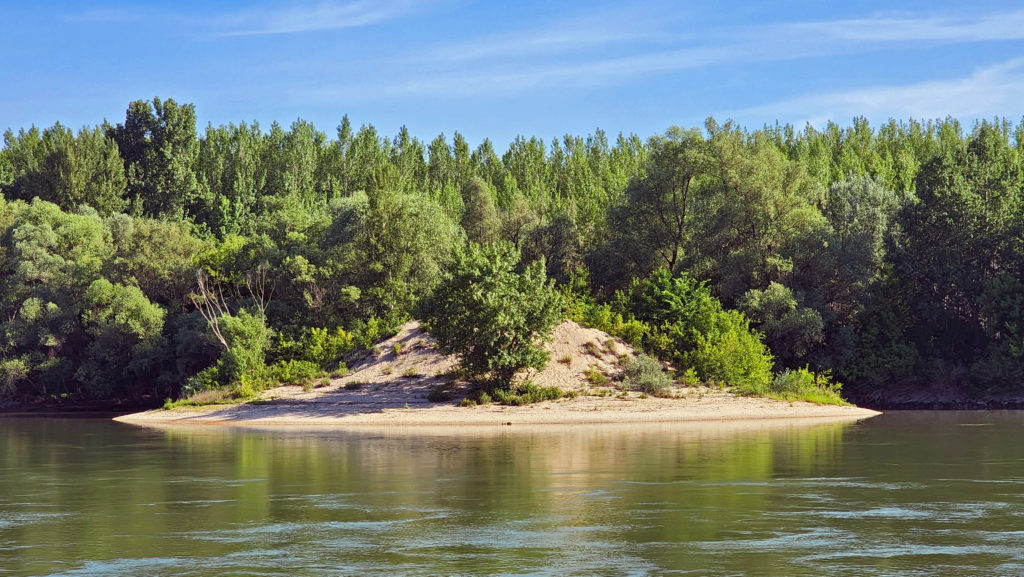
Danube River
Viking lost a lot of their staff during the pandemic downtime, and many of the crew members on our Danube cruise were new and still learning their jobs. The level of service and the quality of the meals was a notch below that of our Rhine River cruise, but still nothing to complain about. And without exception the crew members on our ship were friendly and eager to please.
Bratislava, Slovakia
Viking “longships” carry about 190 passengers. Some of the ships on other lines carry as few as 125 passengers. With relatively few other passengers and a small ship, you have plenty of opportunities and ample time to get to know your fellow travelers on a week long cruise. Meeting and getting to know people from other places and other walks of life that share your wanderlust is one of the benefits of a river cruise. Most of the people on the cruise were Americans, but the crew members came from all over Europe, and there was a surprising amount of interaction between the crew and the passengers.
Budapest, Hungary
River cruising is not for everyone, but my wife and I thoroughly enjoyed both of our cruises. If you think you might enjoy a river cruise, check out the various cruise lines and search out other peoples opinions. You might find a reason that will stop you from going, but if not, give it a try. You might love it.
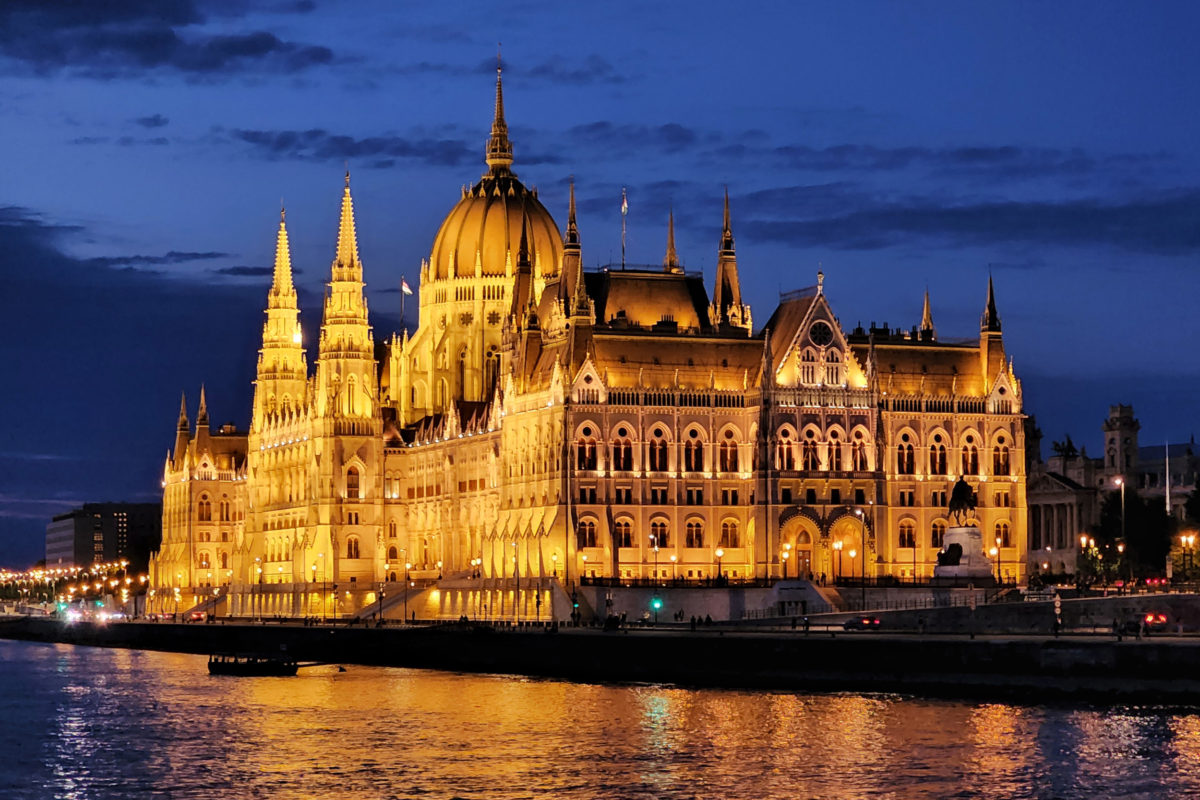
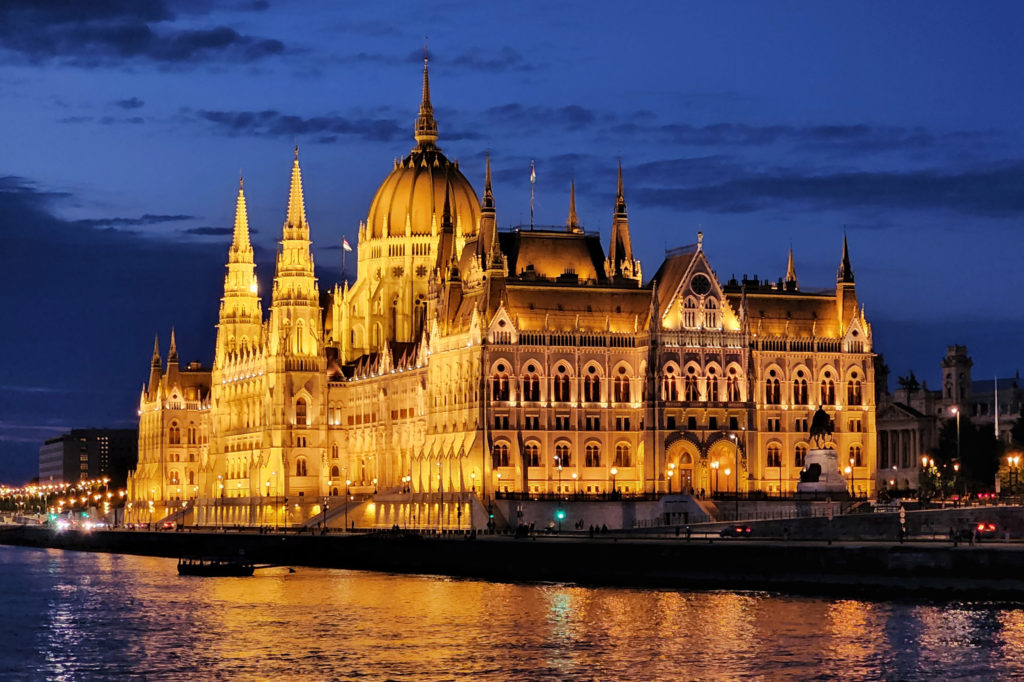
Hungarian Parliament
Look for more on our Danube River cruise in future posts on this site. And if you’re interested in learning more about our Rhine River cruise, click on any of the links below.
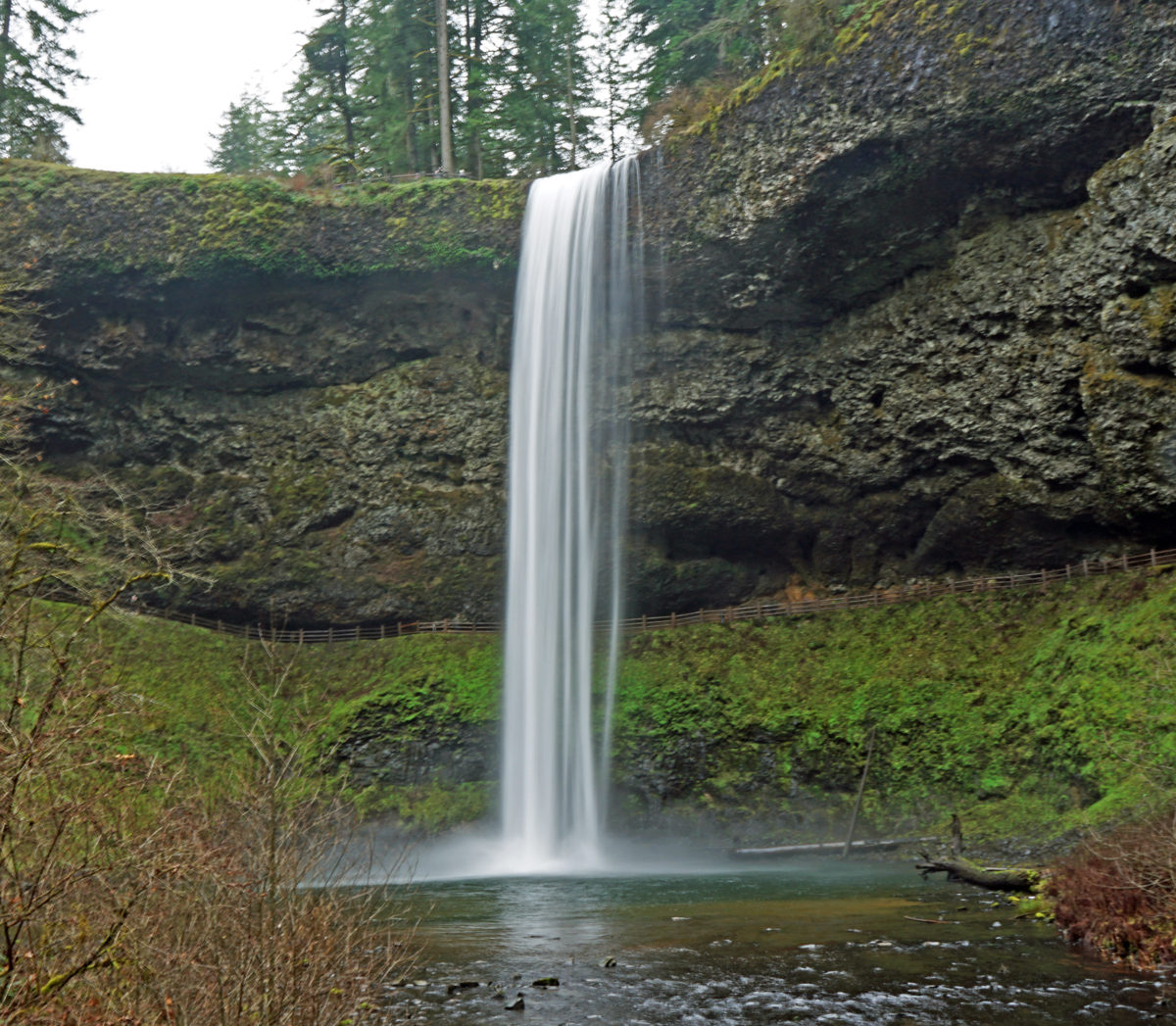
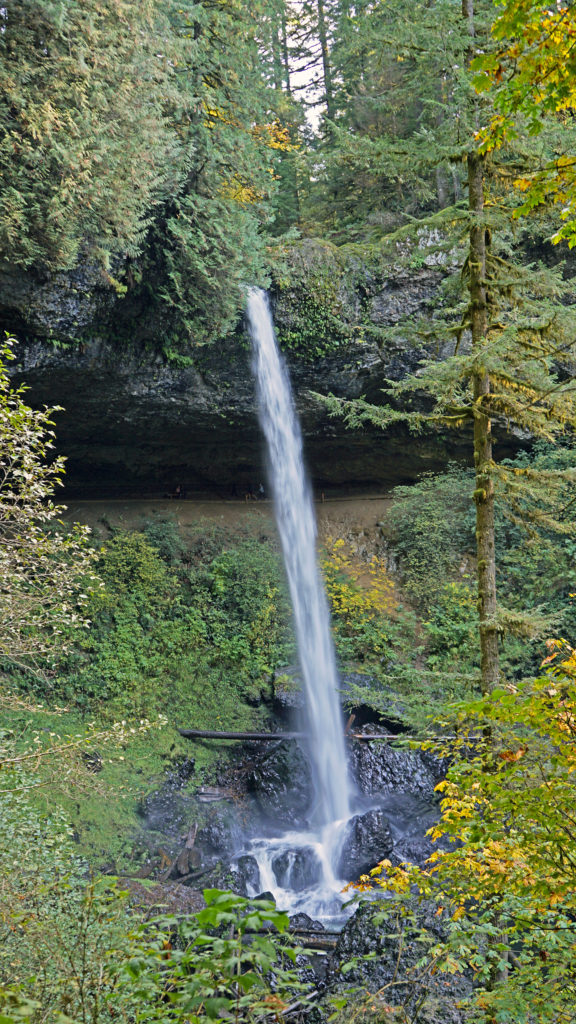
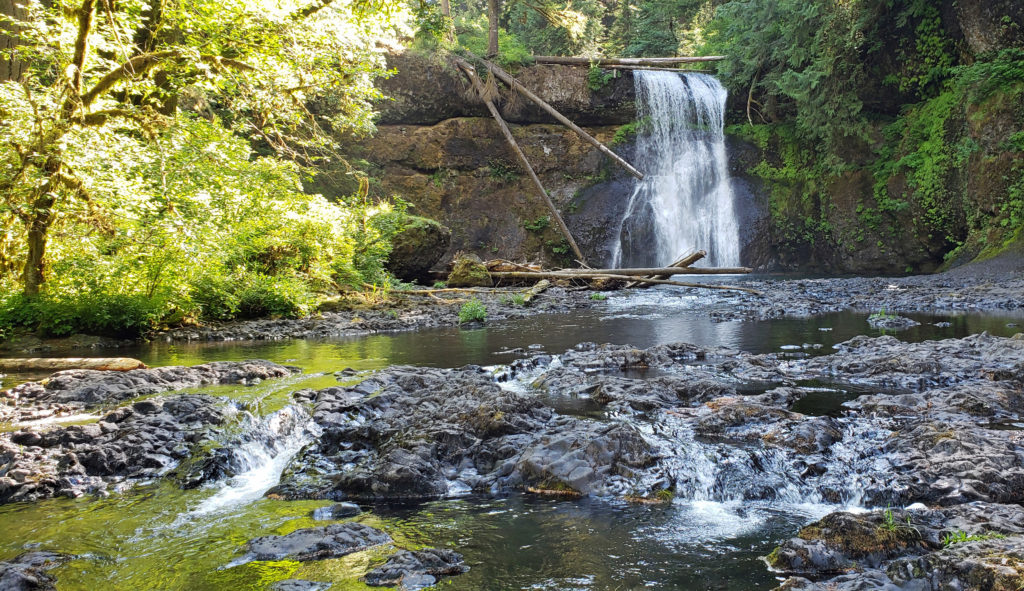
Silver Falls State Park was voted Oregon’s favorite state park by an Oregonian/OregonLive readers poll. And no wonder. With more than ten waterfalls, six of them more than 90 feet in height, and four that you can actually walk behind, Silver Falls is a waterfall lovers paradise. And who doesn’t love waterfalls?
Silver Falls State Park is located in the Cascade Range foothills about 20 miles east of Salem. To get there from the Portland area, head south on I-5 to Woodburn and take Oregon Highway 214 through Woodburn, Mount Angel, and Silverton to the park. From Salem, take Oregon Highway 22 east for about 12 miles and follow the signs to the park. Day use parking permits cost $10 and can be purchased at the North Falls, South Falls, and North Canyon parking areas. Twelve month passes cost $30 and 24-month passes $50, available on the park website. Beginning in January 2026, 12-month parking passes will increase from $30 to $60 and 24-month passes will no longer be sold.
Canyon Trail
The park was created largely through the efforts of one man, photographer June Drake. He grew up in nearby Silverton and waged a twenty year campaign, from 1906 to 1926, to get the federal government to declare the area a national park. When that ultimately failed, he convinced the Silverton and Salem Chambers of Commerce to buy options on some of the land, to be later sold to the state, and purchased 160 acres himself that also became part of the park. Silver Falls State Park was created in 1931 and was dedicated on July 23, 1933.
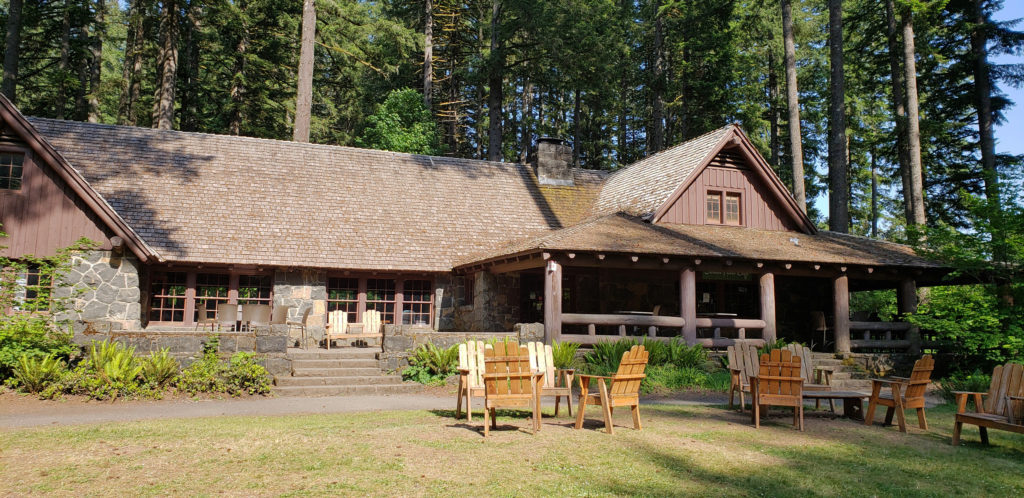
South Falls Lodge
The park as we know it today was shaped by the efforts of the Works Progress Administration (WPA) and the Civilian Conservation Corp (CCC) during the Great Depression. From 1935 to 1942, 200 WPA and CCC workers built roads, parking areas, trails, bridges, and buildings, and planted trees to reforest areas that had been logged or burned. Many of the buildings, including the South Falls Lodge and Nature Store, are still in use today, more than 80 years after they were built.
The park includes a campground with 91 campsites (48 with water and electric hookups) and 14 cabins, an extensive day use area, including a cafe and nature store, near South Falls, a new day use area near North Falls, equestrian trails, bike trails, the Trail of Ten Falls that takes you to all of the falls, and 35 miles of backcountry trails.
South Falls
Smith Creek Village, near the backcountry portion of the park, has a restaurant, small cottages and cabins for rent, larger multi-bedroom lodges with kitchenettes and full bathrooms, and event spaces that will sleep up to 75 guests.
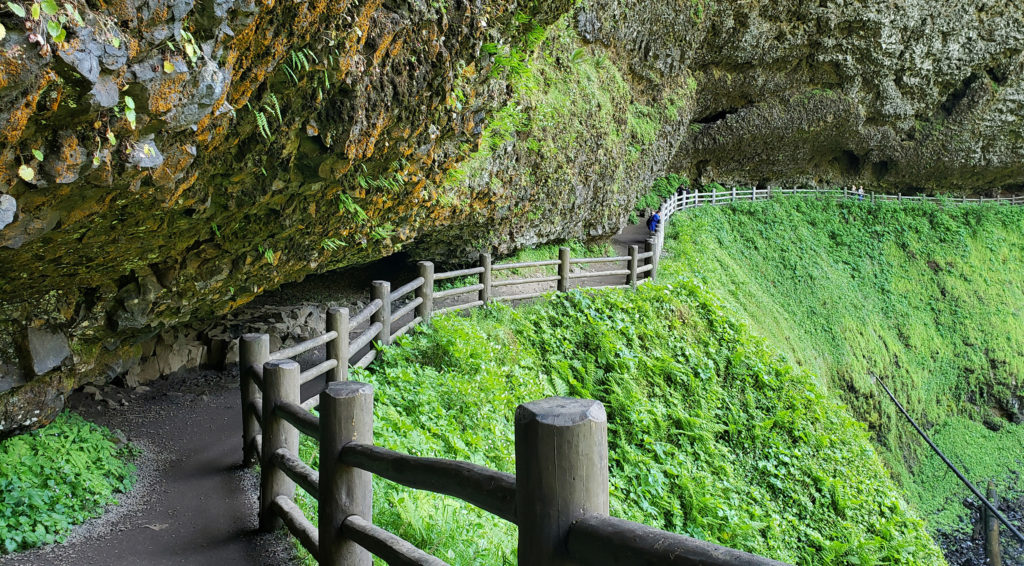
Trail behind South Falls
The newly opened North Canyon day use area is part of a planned North Gateway that will include a visitor center and a new 50 unit campground. Construction of the campground and the finish of the partially completed visitor center were put on hold in November 2025 until additional funding is secured.
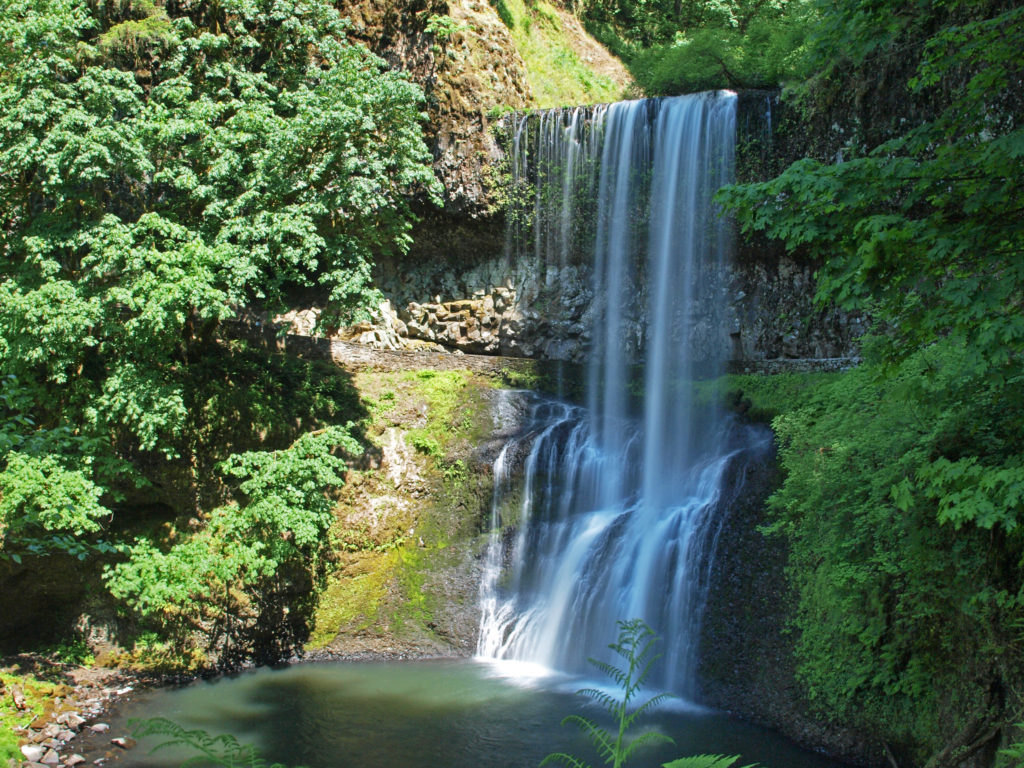
Lower South Falls
The waterfalls are the main attraction of the park, of course, and the Trail of Ten Falls is one of the finest hiking trails in the Pacific Northwest. I don’t know of anywhere else that you can see that many waterfalls, and actually get behind four of them, on a single hike. Silver Falls State Park is truly unique.
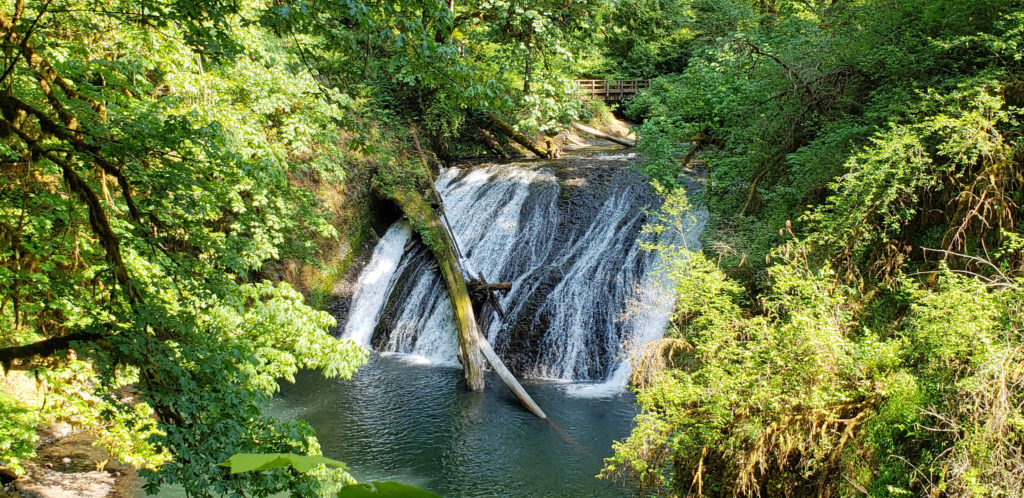
Lower North Falls
There are a variety of hiking options in the park, from a less than one mile loop that takes you from the top of South Falls down into the canyon and behind the falls then back to the starting point, to the full Trail of Ten Falls that takes you to all of the falls to the 35 miles of backcountry trails away from the waterfalls. And the backcountry offers both mountain biking and horseback riding trails.
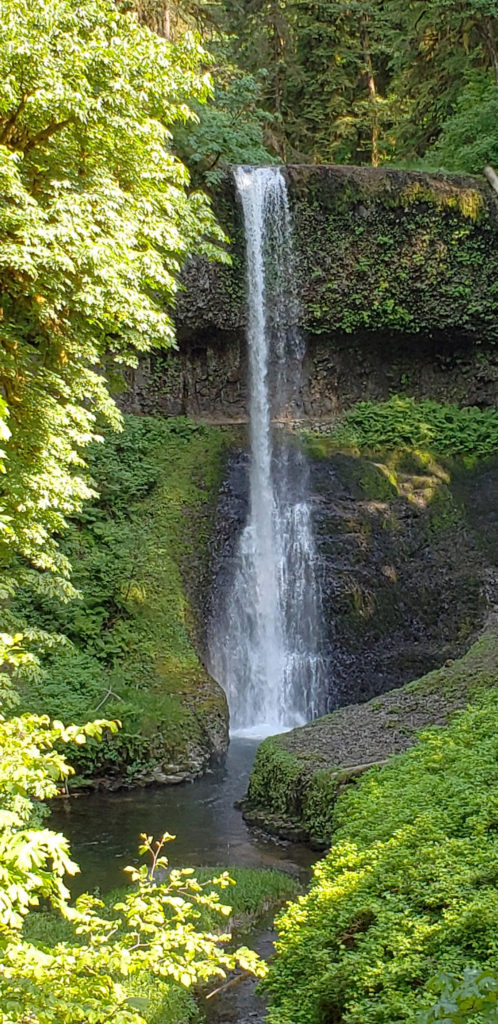
Middle North Falls
For a detailed description of the Trail of Ten Falls, click here. And some of the shorter loop hikes are described in my Winter Hikes at Silver Falls post. There is also a new trail from the North Canyon day use area to the North Falls parking area.
The best times to visit Silver Falls are in the early spring when the falls are at their full force and in the fall when the reds and yellows of the maples and alders contrast with the deep greens of the conifers. Summer weekends can be very crowded, so come early or visit on a weekday if you can. But even on weekdays you will find plenty of company. Winter has its own charms, and you might even find some solitude then. The trails can be slippery when wet and are dangerous when icy, so check the weather forecast before you go.
North Falls
Whether you’re out for a picnic, a short walk, a long hike, an overnight stay in a cabin, tent, or RV, a horseback ride, or an outing on your mountain bike, Silver Falls State Park has it all.
Upper North Falls
Silver Falls State Park is one of the truly outstanding places in the Pacific Northwest to lace up your hiking boots and experience nature at it finest. Silver Falls is one of the gems of the Pacific Northwest, and not to be missed.
Originally posted June 30, 2018. Most recently updated November 13, 2025.
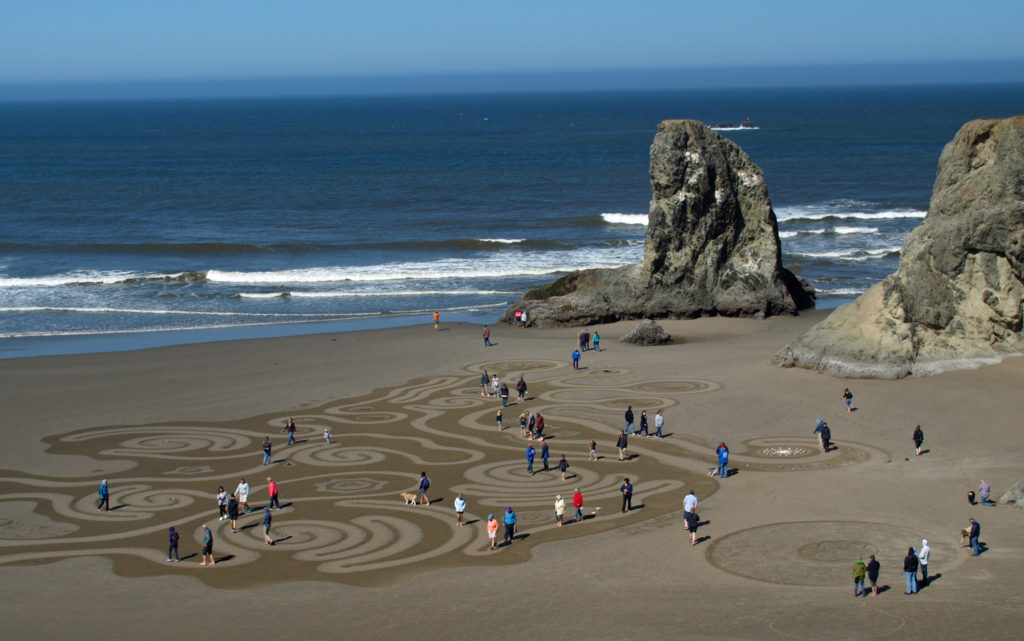
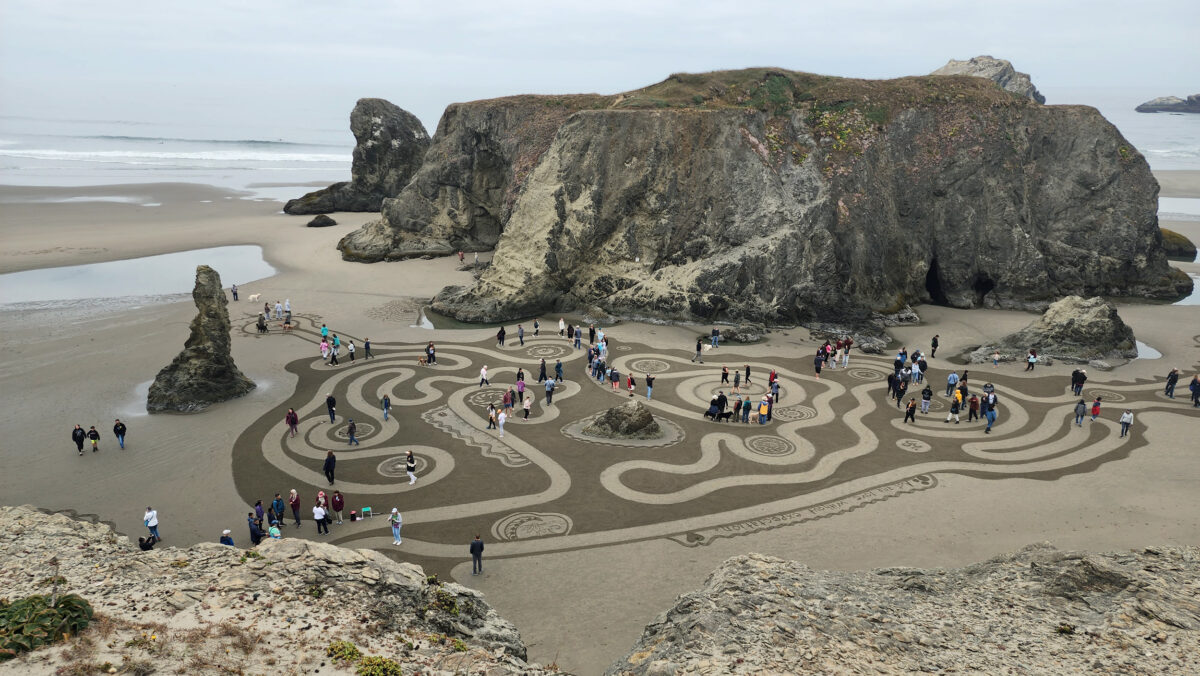
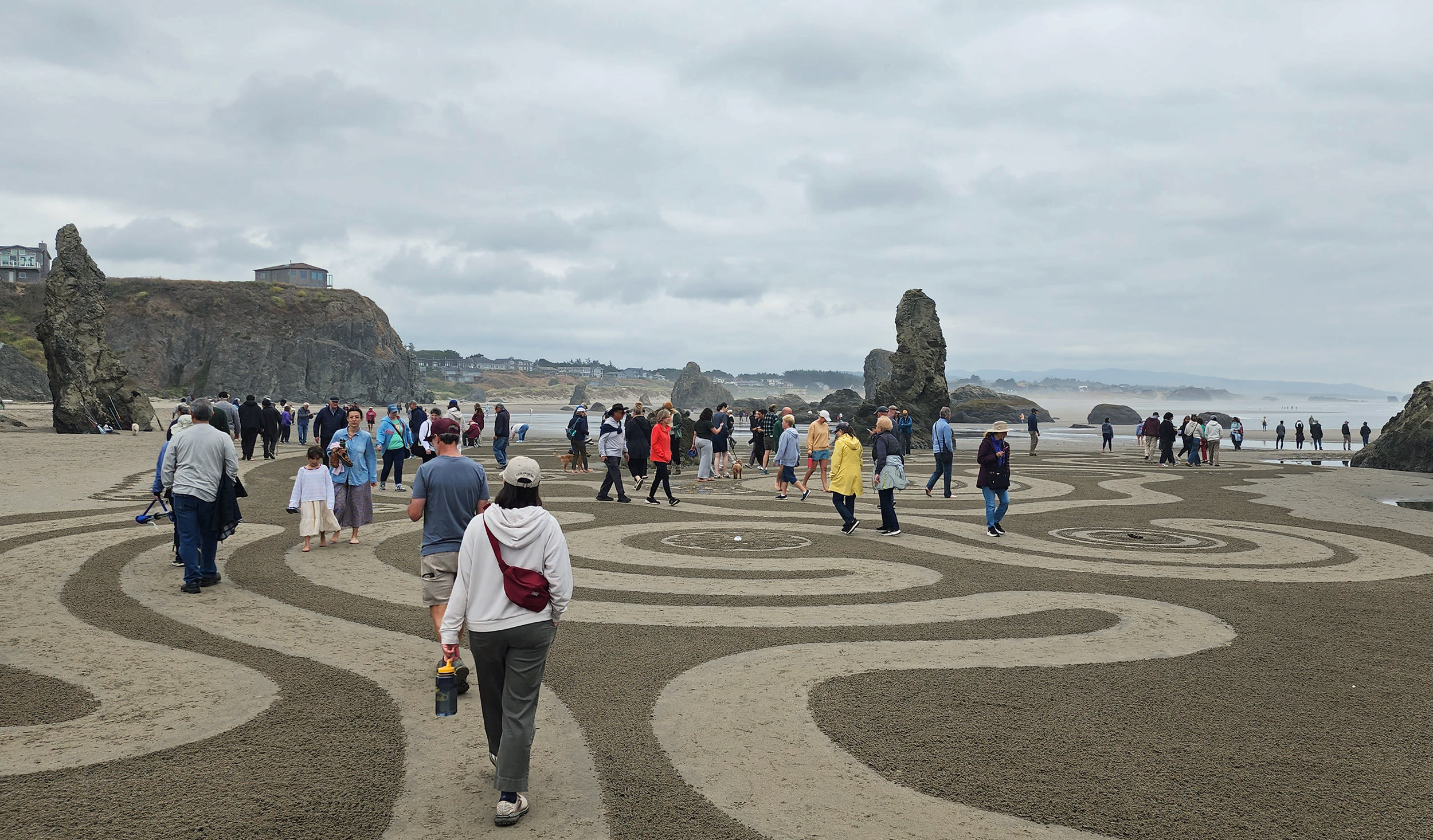
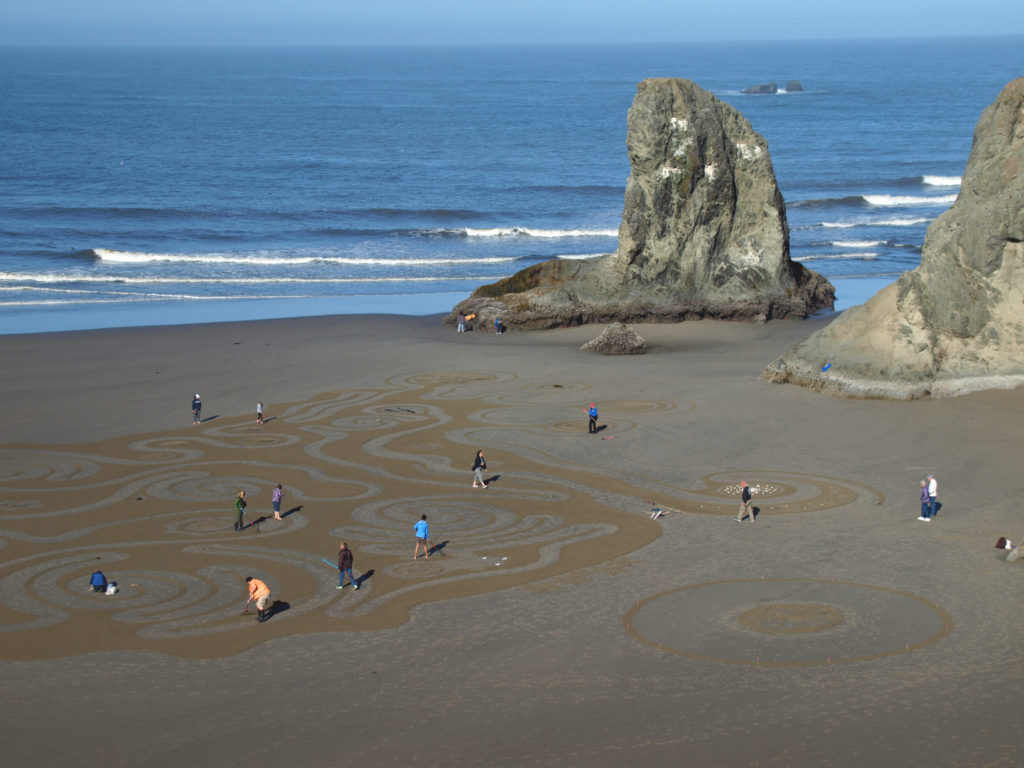
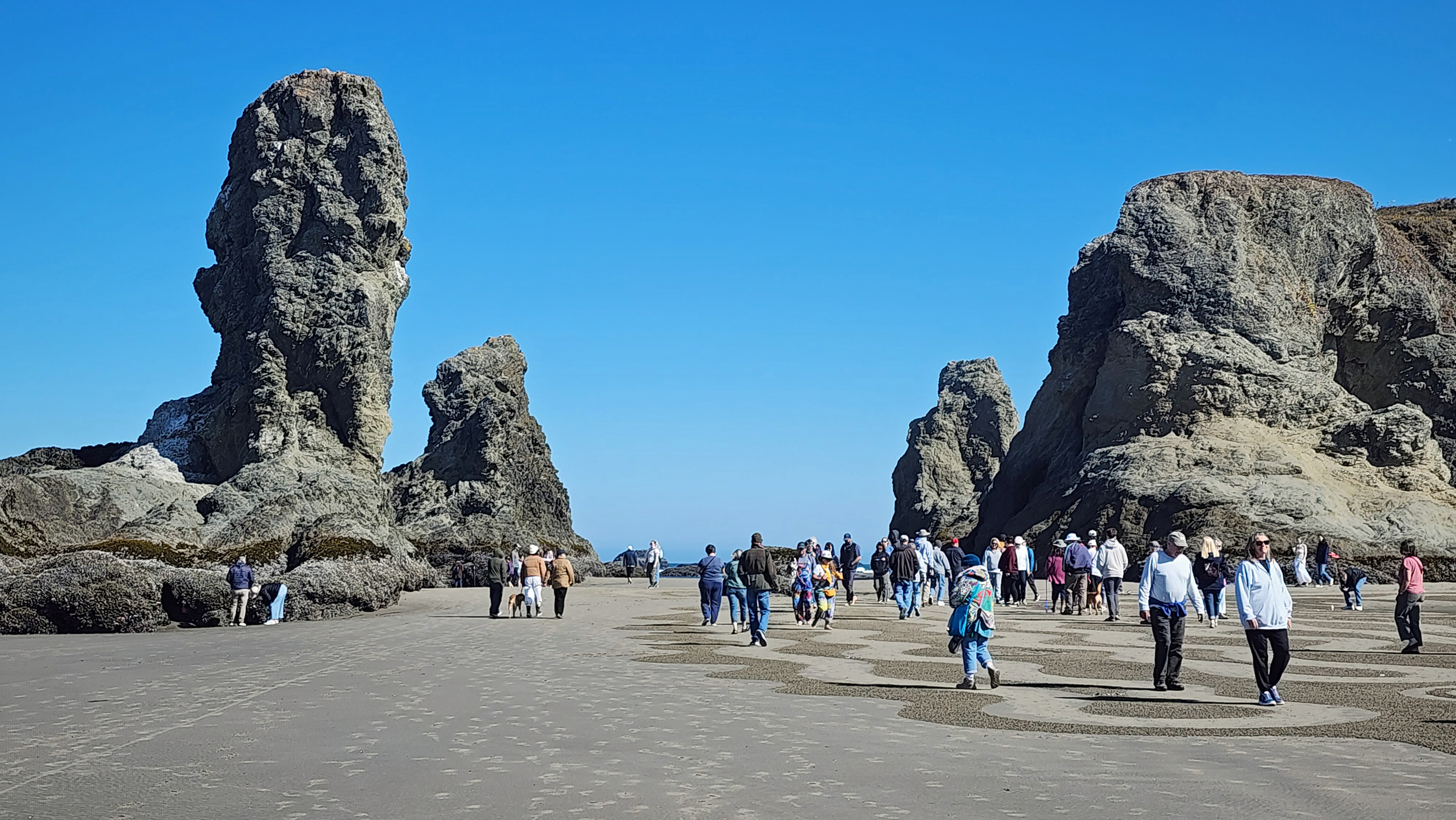
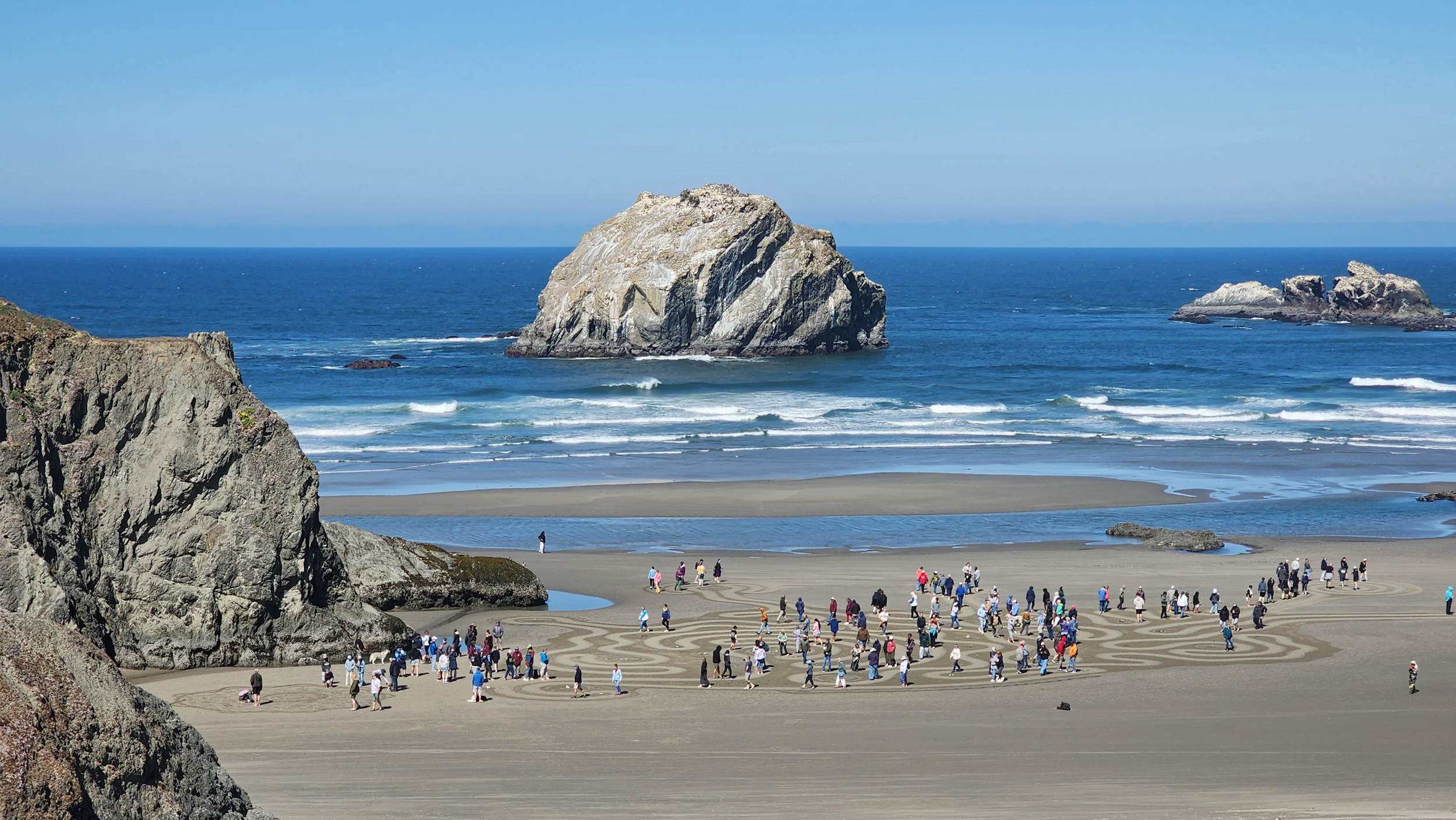
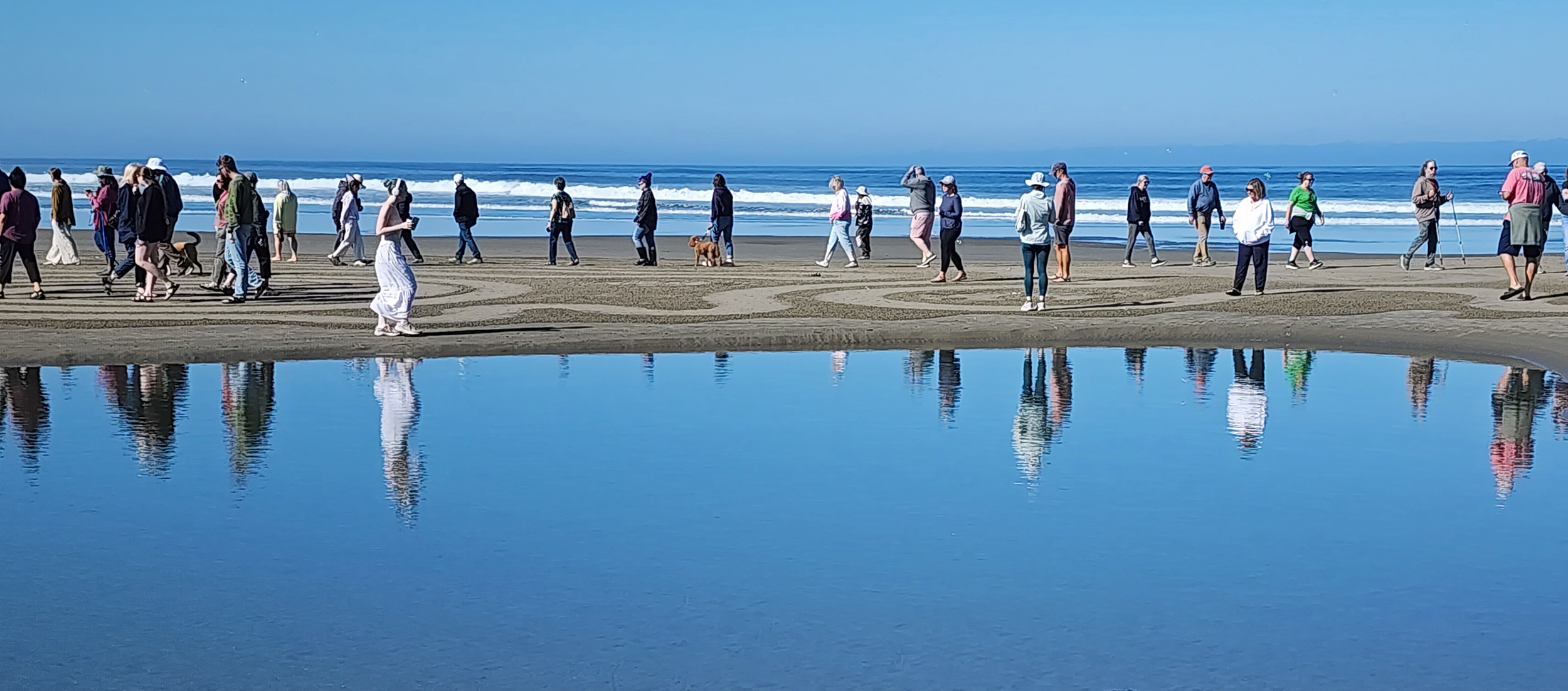
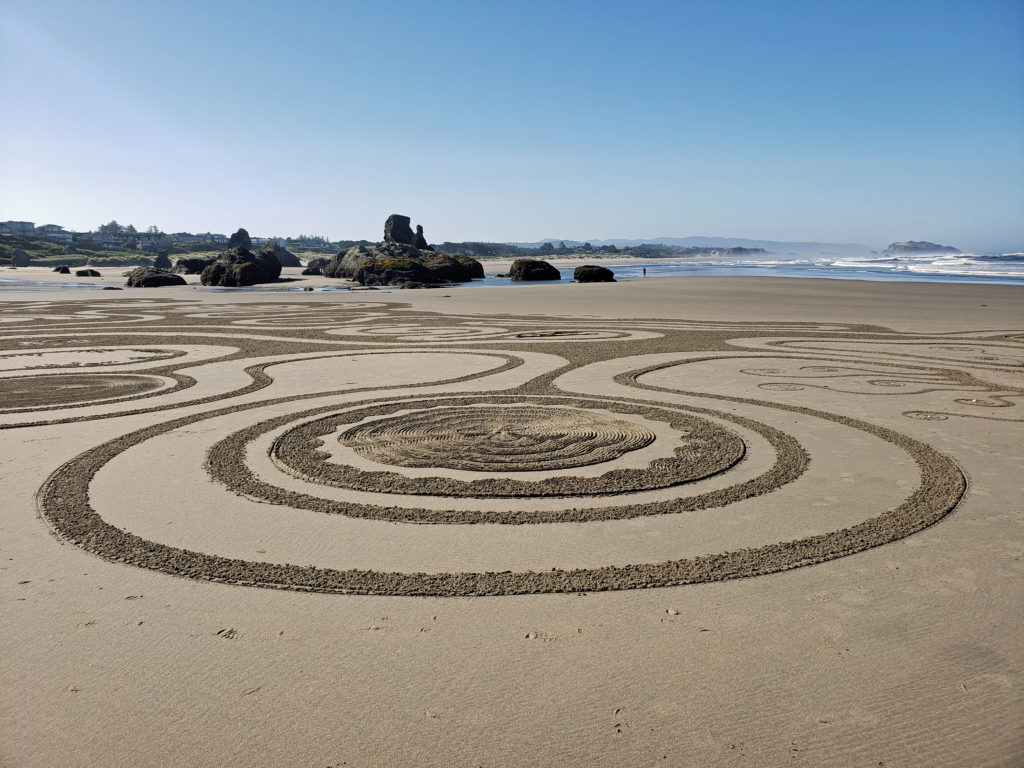
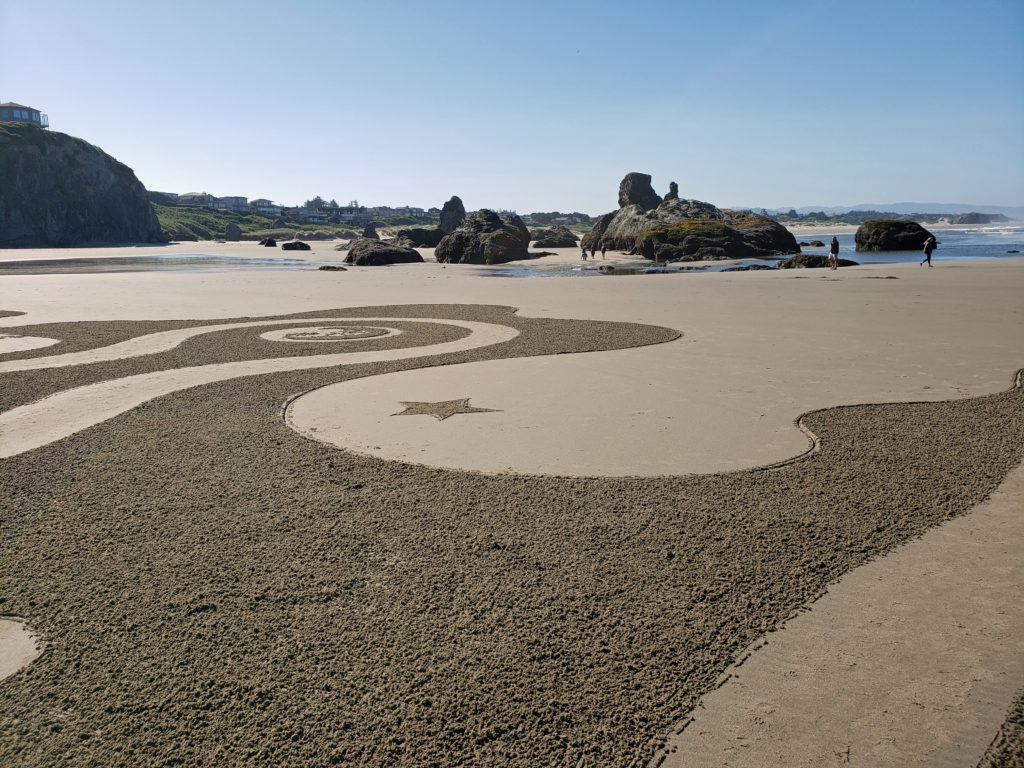
The Circles in the Sand labyrinths began appearing on the beach at Bandon, Oregon in 2011. Created by Denny Dyke part of his ministry, Sacred Journeys, the labyrinths are intended as a form of walking meditation. Over the next few years Dyke created hundreds of labyrinths.
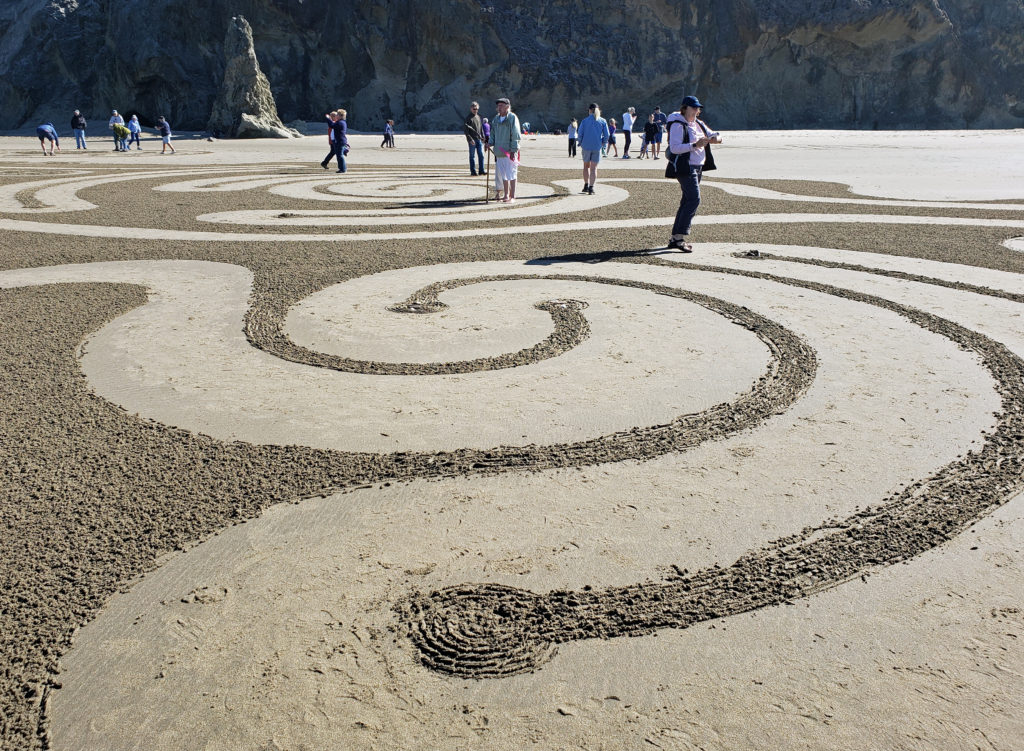
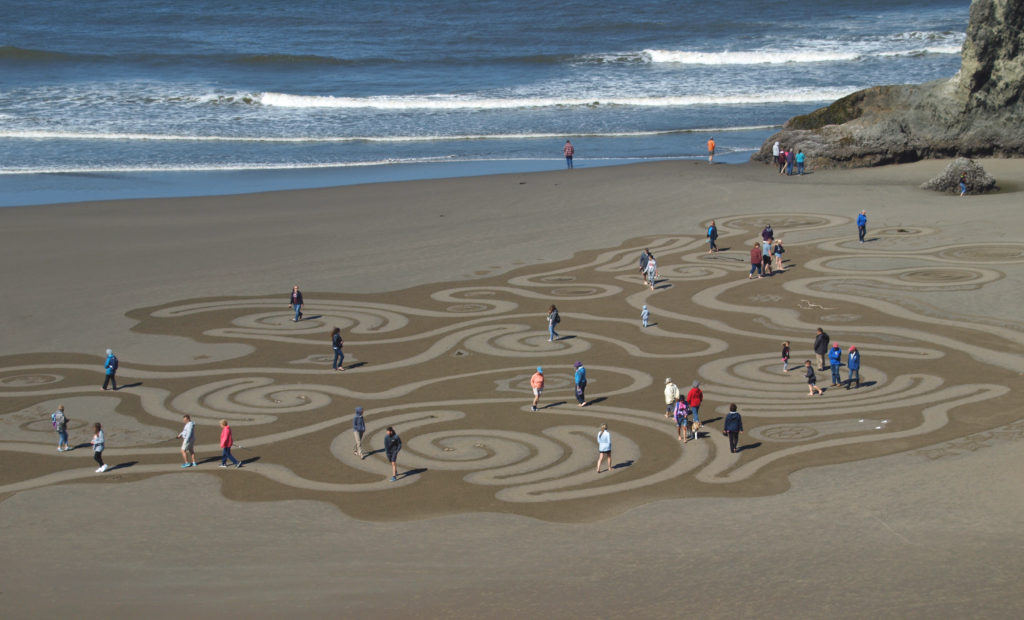
In 2014 Dyke’s efforts evolved into the Dreamfields labyrinths, larger and more elaborate than his original creations. The labyrinths are not mazes – there is one path and there are no dead ends or wrong turns.
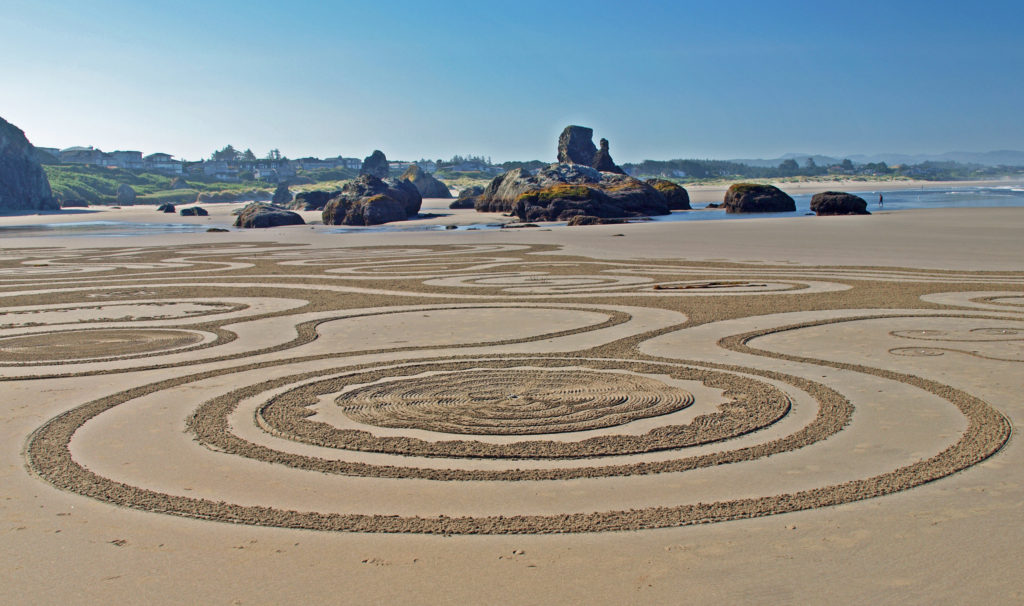
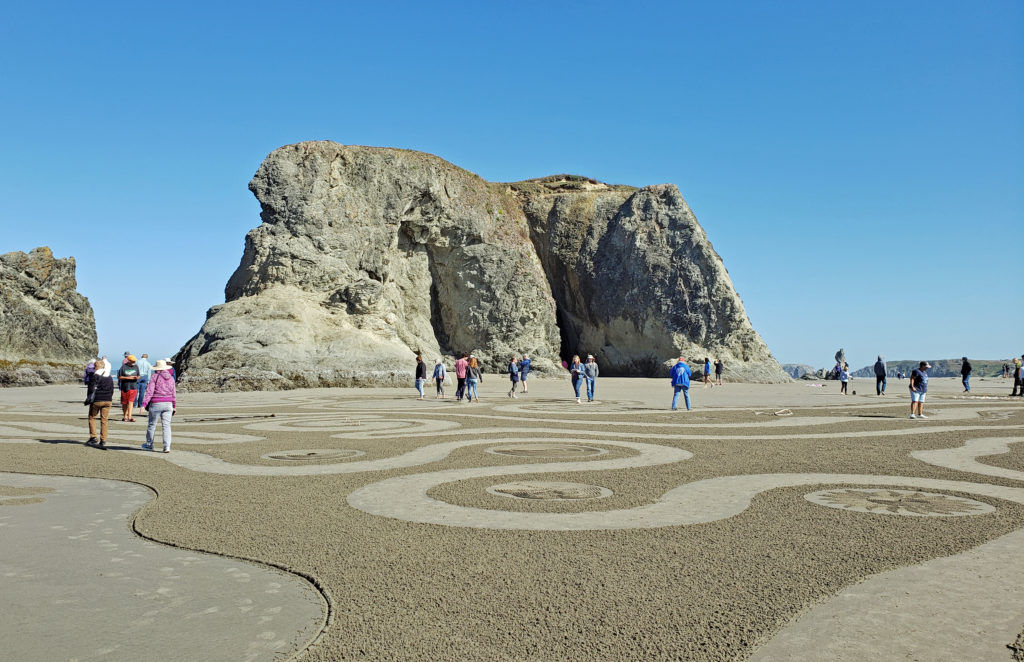
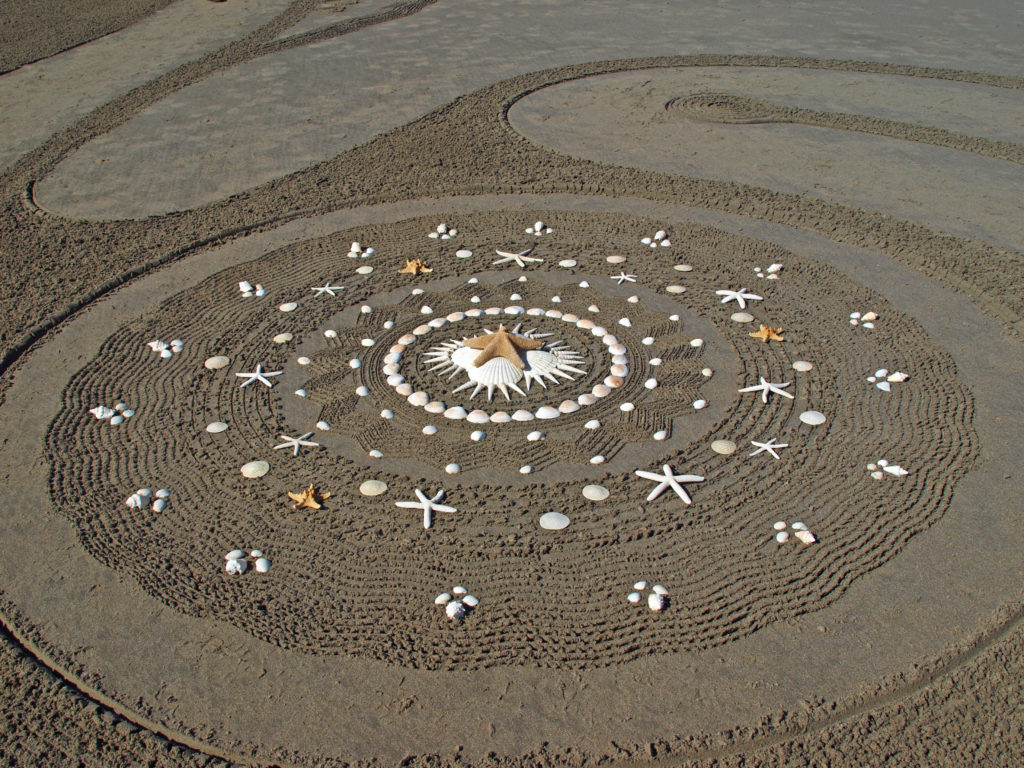
The labyrinths are true works of art, each unique, each washed away by the next high tide. The sand is carefully groomed by a group of volunteers to a design by Dyke. Driftwood, kelp, shells, and other things left behind by the retreating tide are incorporated into the designs. Other shells and rocks are brought in and purposely incorporated into the design by the labyrinth builders, and the sand is raked into intricate and beautiful geometric designs.
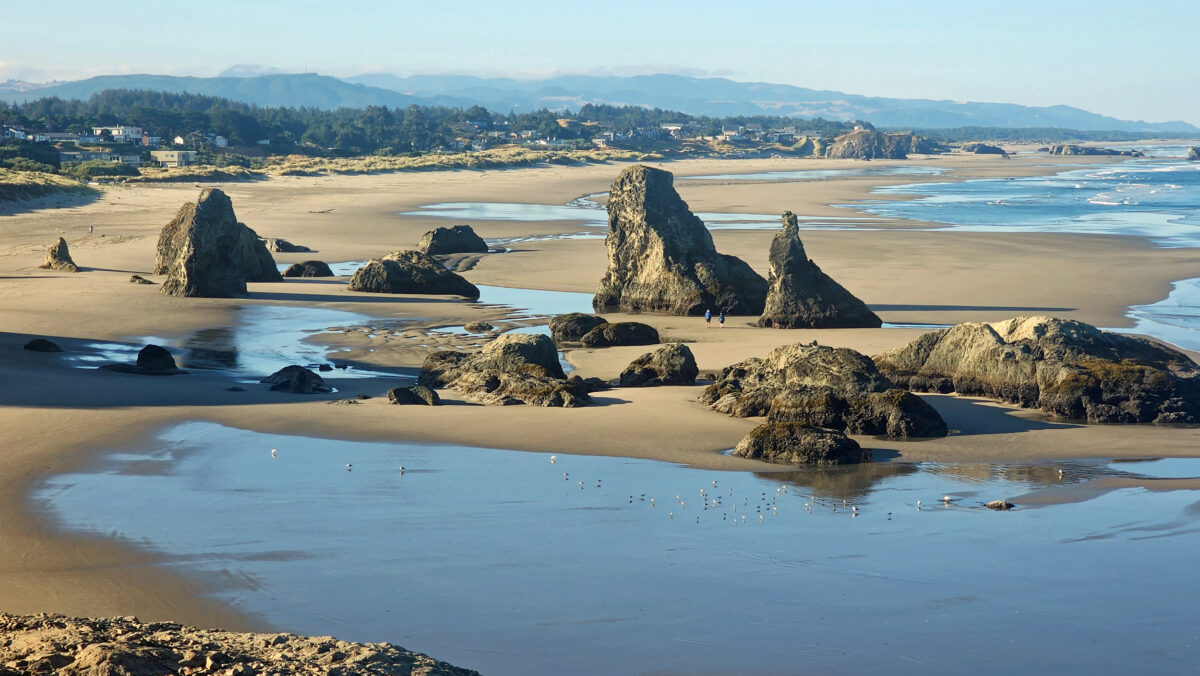
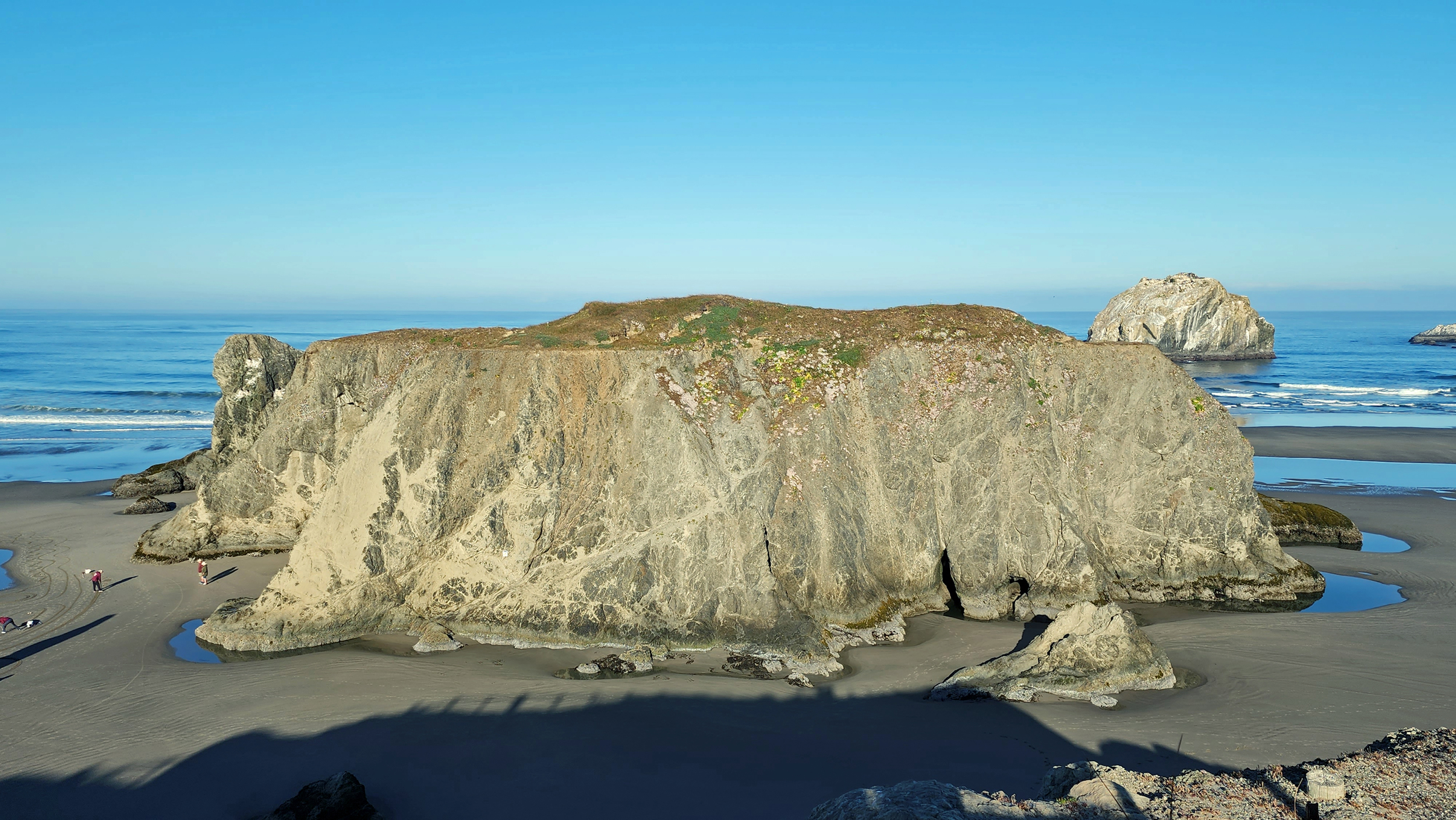
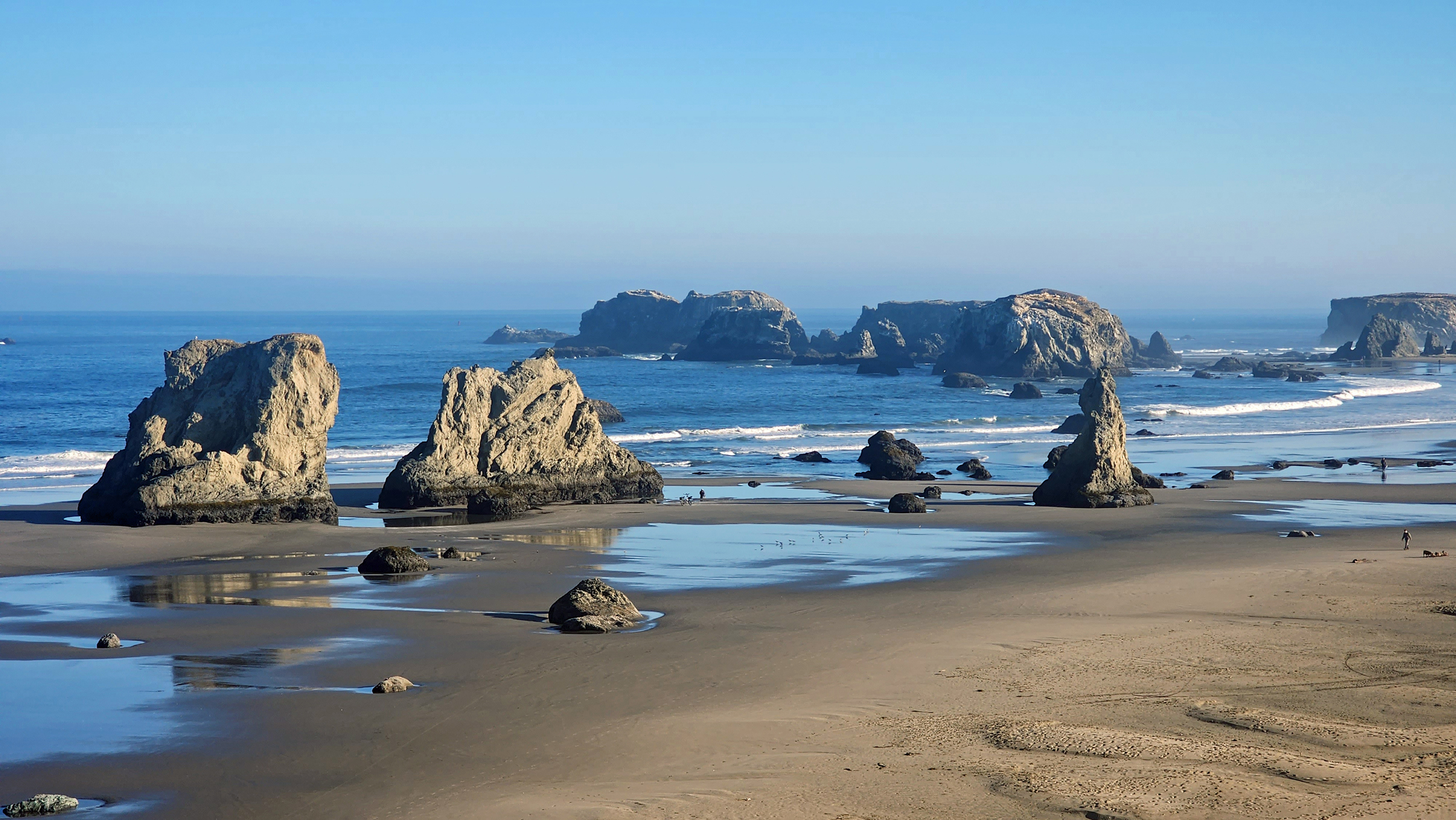
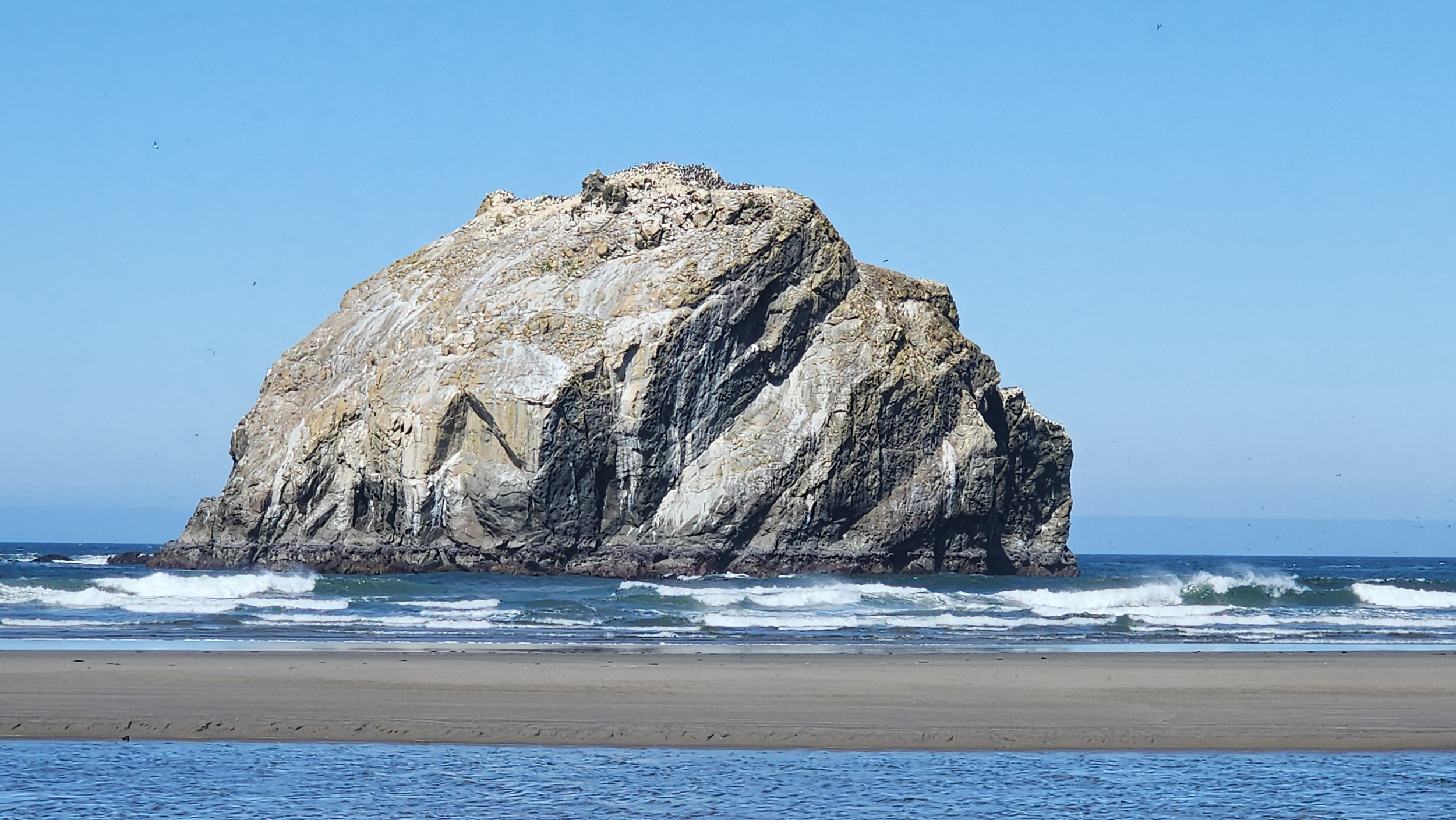
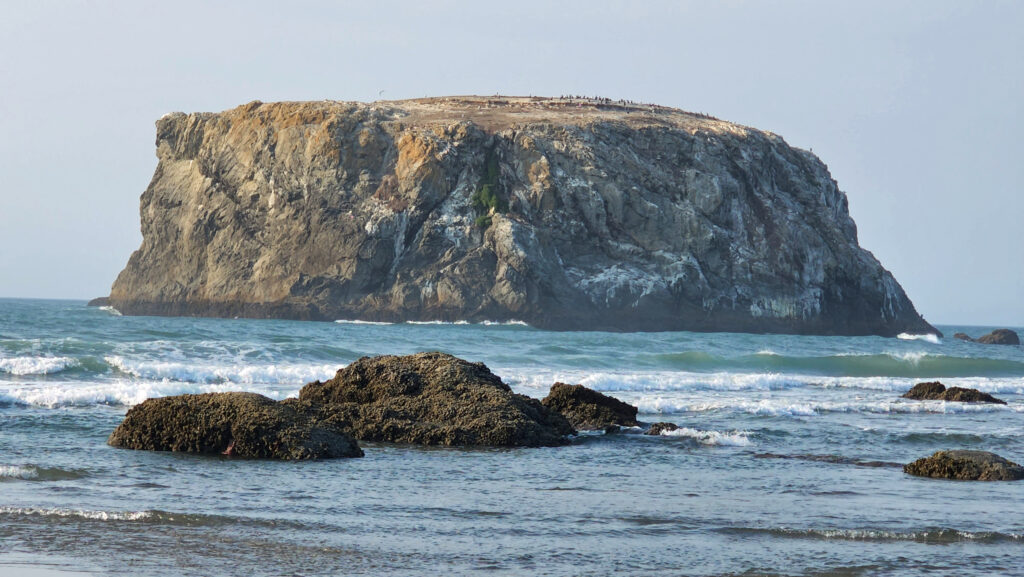
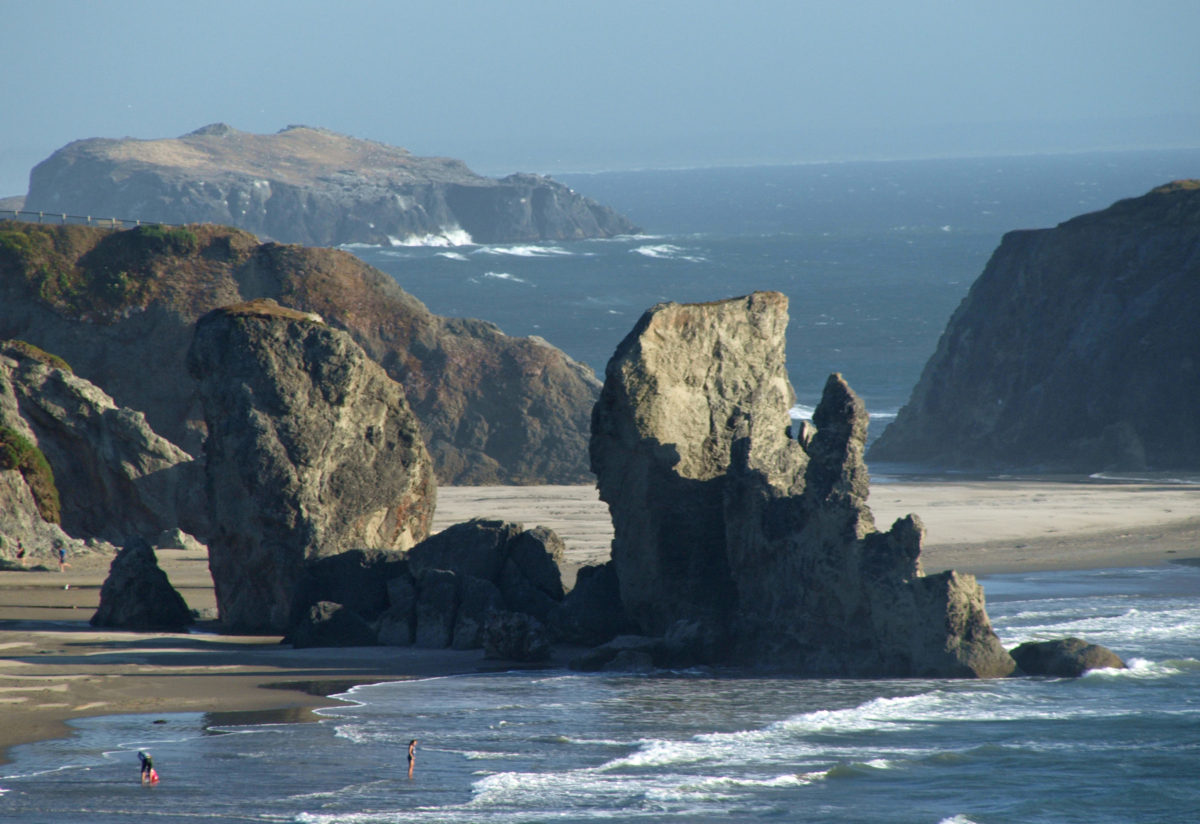
The Circles in the Sand labyrinths are created on the beach below the Face Rock Wayside in Bandon. The beach there is a mix of flat sand and soaring sea stacks and off shore islands that is one of the most beautiful beaches on the Oregon coast.
Together with the rock formations at Coquille Point, a short distance north of the Face Rock Wayside, this stretch of beach is truly spectacular, well worth a visit at any time of the year. Combining a visit with the opportunity to experience Circles in the Sand makes for a unique and memorable experience.
Thousands of people walk the labyrinths each year. The labyrinths can be walked by anyone, free of charge. Circles in the Sand is funded entirely by donations. The 2022 schedule runs through August 15. For more information, click here.
Originally posted July 24, 2019. Updated and re-posted June 18, 2022.
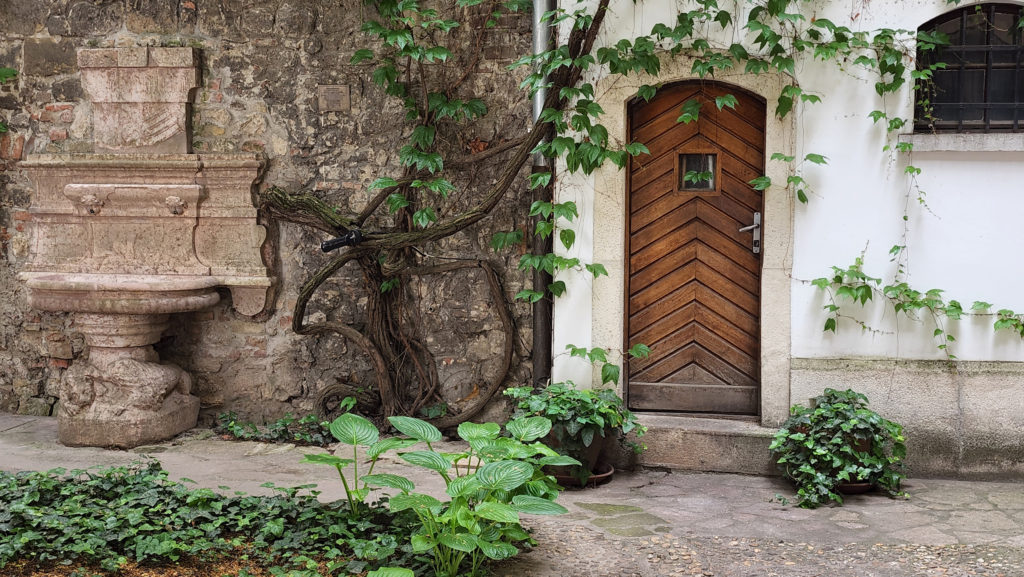
My wife and I recently paid a visit to Powells Wood Garden in Federal Way, Washington, just north of Tacoma. We had seen a set of photos taken at Powells Wood that were quite beautiful, so we decided to take a side trip on our recent weekend visit to Gig Harbor and check it out in person.
What we found was a beautiful three acre botanical garden containing eight “rooms” separated by manicured hedges, and an adjacent 35 acre natural area preserve. We spent several very pleasant hours exploring the botanical garden and the nature preserve. It was a nice way to unwind after the drive up from Portland.
The botanical garden is small, but it’s a nicely constructed set of gardens and a place that any flower lover will enjoy.
The adjacent natural area is a maturing second growth forest with many large conifers, a small stream, and the typical temperate rainforest understory of native shrubs and ferns. Several trails loop through the preserve. We hiked most of the trails that afternoon and saw only a few other people.
Powells Wood Garden is located at 430 S. Dash Point Road in Federal Way. The garden is open Tuesday through Saturday from 10am to 3pm. Admission is $7 per person (children 12 and under are free). Tickets can be purchased online on the Garden’s website . Reservations are not required and tickets can also be purchased on site.
If you visit Powells Wood Garden, you might also want to stop in at Dash Point State Park, a few miles west of Powells Wood. The main attraction at Dash Point is the 3000 feet of Puget Sound shoreline. But there are also miles of hiking and mountain biking trails and a campground with 141 campsites.
While Powells Wood Garden is probably not worth a trip to Tacoma on its own, the Tacoma area has a lot of other attractions, not the least of which are the Museum of Glass and the Tacoma Art Museum, both part of the Tacoma Museum District.
And across the Tacoma Narrows from the city of Tacoma, the charming small town of Gig Harbor is well worth a visit, as well. Gig Harbor has a beautiful waterfront and the community has done a good job of preserving its history as it has grown from a small fishing village into a bedroom community of Tacoma. It’s one of our favorite towns in the Northwest and one we return to often.
If you find yourself in the Tacoma area and you’re interested in flowers, gardens, or natural areas, pay a visit to Powells Wood Garden. It’s definitely worth seeking out.
I visit Tryon Creek State Park in southwest Portland often, as it is only a few miles from my home. I go to connect with nature and escape the noise and hustle and bustle of the city. The park is an urban oasis where it’s easy to forget that you’re in the middle of a major metropolitan area. That is a major draw and the park is a much beloved, and much used, place. But the park is big enough (658 acres) that it seldom feels overly crowded.
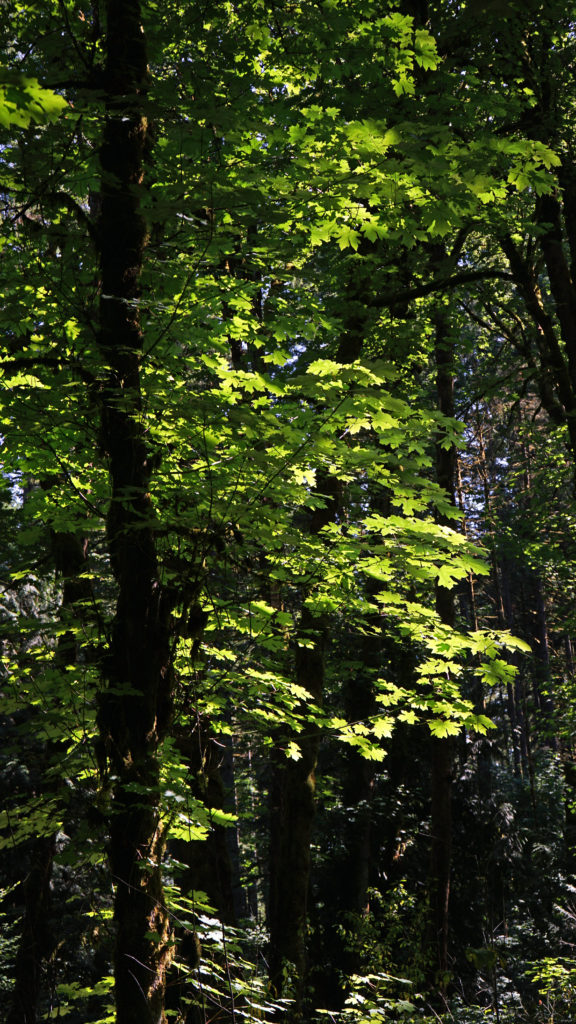
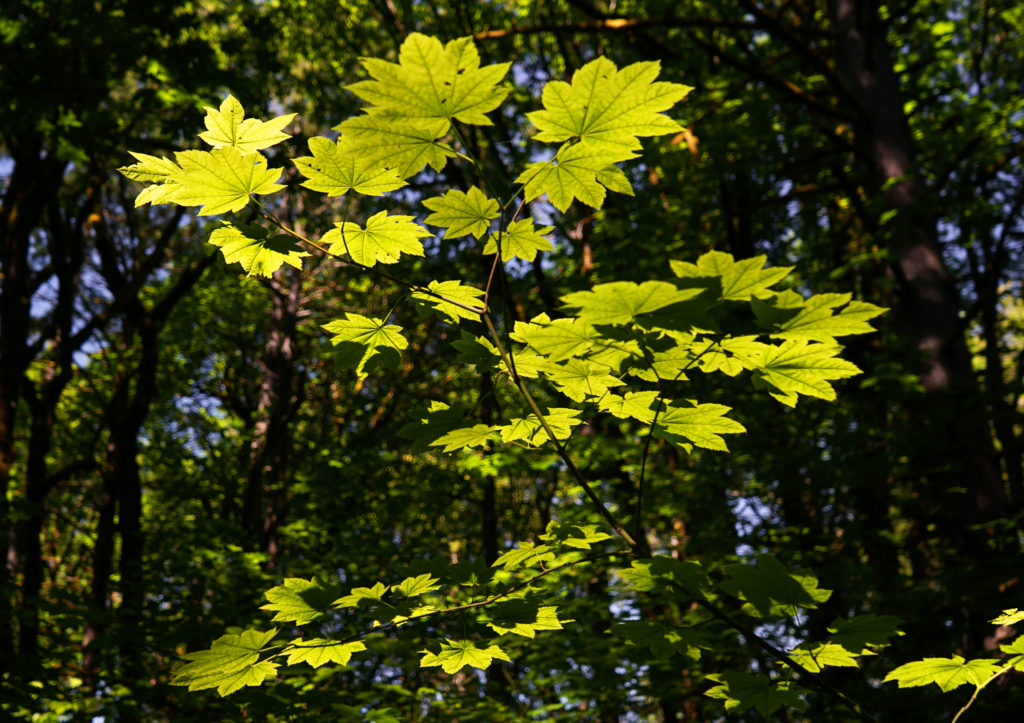
Bigleaf maples cover a large part of the park and, as a photographer, I appreciate the extraordinary quality of light under their canopy. The light can change dramatically from season to season, day to day, and sometimes moment to moment. I find the interplay of light and shadow always beautiful, endlessly fascinating, and often challenging to capture with the camera. It is one of the things that continues to draw me back to the park.
The park, now officially called Tryon Creek State Natural Area, is a transitional second growth forest. What is now the park was logged at least once between 1870 and 1960 to provide fuel for the iron smelter that once operated nearby and to produce ties for the railroad industry.
Today, the forest has regrown. While still not a mature old growth forest, the new forest contains many large Douglas firs, western hemlocks, western red cedars, bigleaf and vine maples, and red alders.
Nearly 300 different forest plants and flowers grow in the park. Blacktail deer, raccoons, coyotes, red foxes, beaver, and more than two dozen other mammals roam the park. More than 70 species of birds have been seen in the park. And cutthroat trout, coho and chinook salmon, and steelhead can be found in Tryon Creek.
The area was saved from development in the late 1960s and early 1970s by a combination of dedicated citizens, the Friends of Tryon Creek, Multnomah County, and the State of Oregon. Tryon Creek State Park was officially dedicated on July 1, 1975.
Many, if not most, of the park’s visitors come to hike the nearly fifteen miles of hiking and mixed use trails. Some bring their horses to ride the three and a half miles of equestrian trails. There is also a three mile paved bike path running through the park and a paved all abilities trail. The Nature Center, with a friendly staff, interpretive exhibits, a small store, and public restrooms, is a popular starting point for many visitors.
The park is jointly managed by the Oregon Parks and Recreation Department and the Friends of Tryon Creek. The park’s mission has always included adult and youth environmental education programs, including day camps, a junior ranger program, school field trips, guided tours of the park, and special events. It is not uncommon to encounter large groups of children, and sometimes adults, in the park.
Many of the events and programs sponsored by the park were cancelled or available only online during the majority of the Covid-19 pandemic. The Nature Center was closed and entrance to the park was limited at times. While we’re still living with Covid, most, if not all, of the park’s programs have been restored, and the Nature Center is open again.
The main parking area and the Nature Center are located at 11321 SW Terwilliger Blvd in Portland. The park is currently open from 7:00 am to 9:00 pm. (closing times vary with the season). For more information, check the park’s website or call 1-800-551-6949.
And finally, this reminder from the Friends of Tryon Creek:
“It is important to ground ourselves and acknowledge the people whose land we are utilizing; the Clackamas Chinook, the Wasco-Wishram, the Willamette Tumwater, the Multnomah, and other Chinookan peoples, as well as the Tualatin Kalapuya, the Cayuse, the Molalla and other tribes and bands of the Columbia and Willamette Rivers. It is important to acknowledge the original inhabitants of the land now known as Tryon Creek State Natural Area, and to recognize that we are here because of the sacrifices that were forced upon them. We also remember that we are guests of this land and must do our best to honor the original peoples, through authentic cultural narratives and continued stewardship of the water, the land, and plants that make up this forest community.”
Originally posted July 29, 2020. Updated and re-posted May 25, 2022.
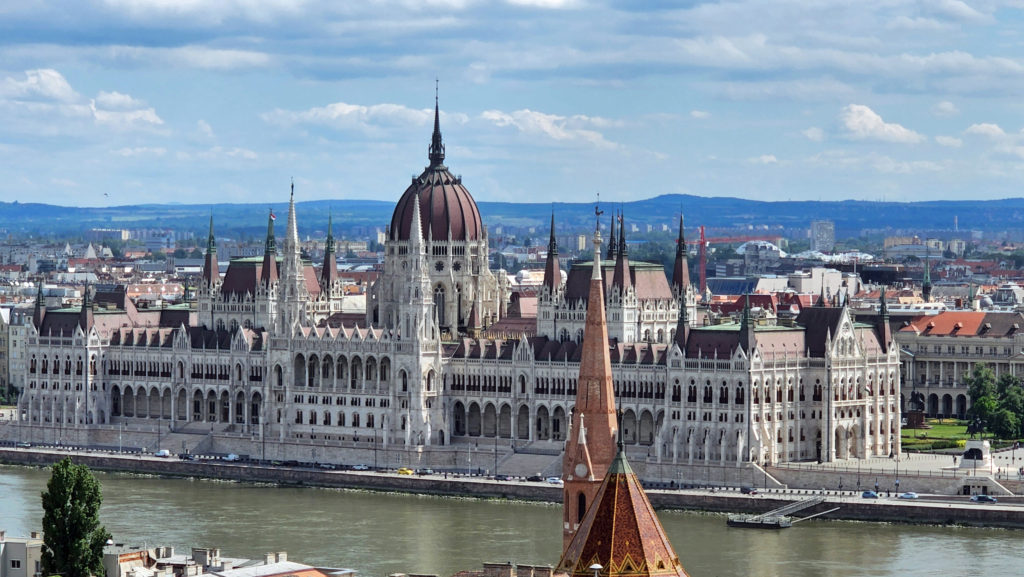
Hulda Klager Lilac Gardens, in Woodland, Washington, draws thousands of visitors every year, especially in the spring during Lilac Days when the many varieties of lilacs are in bloom.
My wife and I first visited the Lilac Gardens in 2018 during a weekend trip to Mount St. Helens. We had done a long hike on the mountain the previous day (see my previous posts on our Harry’s Ridge and Lava Canyon hikes), and needed a day to recover, plus the weather had taken a turn for the worse. So, we looked for other things to do in the Kalama or Woodland areas. Visiting the Lilac Gardens seemed like it would be a pleasant way to spend an afternoon. And that it was, even though the lilacs had long since finished blooming.
The Lilac Gardens have a long and interesting history and many people come to the Gardens because of Hulda Klager’s influence on both the local area and on the development of both botanical gardens and plant propagation techniques.
Hulda Thiel was two years old when the Thiel family emigrated to the U.S. from Germany. After spending a decade in Wisconsin and Minnesota, her parents purchased a farm in Woodland in 1877, when Hulda was thirteen. The Lilac Gardens occupy four acres of that original farmland.
Hulda married Frank Klager in her teens. She was always interested in gardening and raising flowers, but it wasn’t until 1903, when she was nearly forty, that she became interested in plant propagation and hybridization. She first started working with lilacs in 1905, and by 1910 had created more than a dozen new varieties. Over the course of her long life, she developed about 250 different varieties.
In 1920 Hulda began opening her garden to the public during the spring bloom, and continued doing so until 1948, when a spring flood destroyed the original gardens. Despite being in her 80s, she spent the next two years tirelessly rebuilding her gardens, and was able to re-open them in 1950. She continued to open her gardens to the public until her death in 1960. Known as the Lilac Lady, Hulda’s life story was the basis for Jane Kirkpatrick’s novel Where Lilacs Still Bloom.
After Hulda’s death, her family put the farm up for sale. The local garden society succeeded in having Hulda’s gardens declared a state and national historic site to prevent them from being bulldozed for a proposed industrial site.
The Hulda Klager Lilac Gardens have been owned and operated by the non-profit Hulda Klager Lilac Society since 1976. Each spring when the lilacs are blooming the society sponsors Lilac Days, when the society sells lilacs, operates a gift shop in what was the farm’s barn, and opens the restored Klager farmhouse to the public.
In 2019 my wife and I re-visited the Gardens on Mother’s Day weekend at the tail end of the Lilac Days celebration. Despite being past the peak of the bloom, there were still may lilacs in bloom, and the Gardens have many varieties of other flowering plants, as well. Even the previous year, on our first visit at the end of summer, there were many flowers in bloom. We toured the family farmhouse, wandered around the Gardens for some time, and took literally hundreds of photos. It was another very pleasant day.
The Lilac Gardens are on the western edge of Woodland, Washington. Woodland is located on I-5 about twenty-five miles north of Portland, Oregon. Lilac Days run from mid-April through Mothers Day each year.
2025 Update: The gardens have been closed for the winter, but will reopen for Lilac Days, which run from April 19 to May 11 this year. The gardens will be open all days from 10:00-4:00. Adult admission cost is $10, payable at the gate. After Lilac Days, the gardens will remain open, but times and days may differ. Go to the garden website for more information.
Originally posted May 14, 2019. Most recently updated April 10, 2025.
The Oregon Garden, located in Silverton, Oregon, consists of more than 20 specialty gardens covering 80 acres. While it was created about 25 years ago primarily to promote the Oregon nursery industry, the Garden has grown into one of the premier botanical gardens of the Northwest.
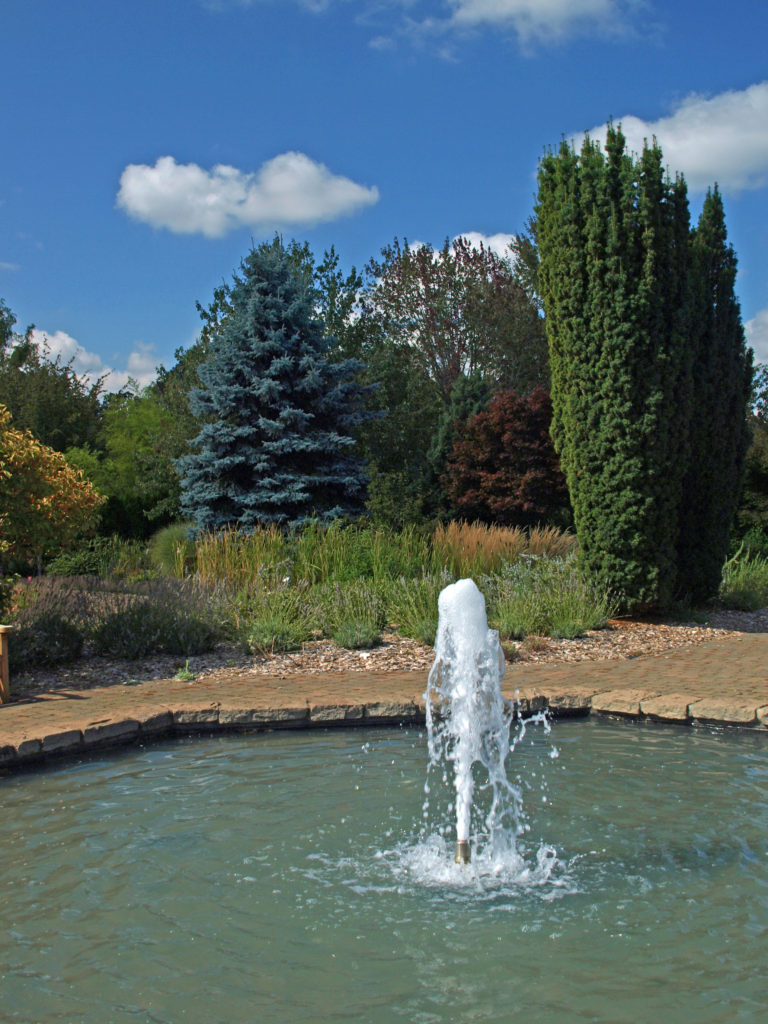
The Oregon Garden is spectacularly beautiful in the spring, but it has plenty to offer in other seasons. The photos shown here were taken in September, for example, and there were a lot of plants still in bloom, as you can see. Even in winter, the garden is worth a visit.
Flowers take center stage here, but there’s much more to the Oregon Garden than just flowers. Wetlands that are the final stage of Silverton’s wastewater treatment process and a formal water garden are also part of the larger Garden. As are a conifer garden, oak grove, and a 15 acre working demonstration forest. You can also find many agricultural products, such as berries, hops, and grapes, growing in the garden in artful settings.
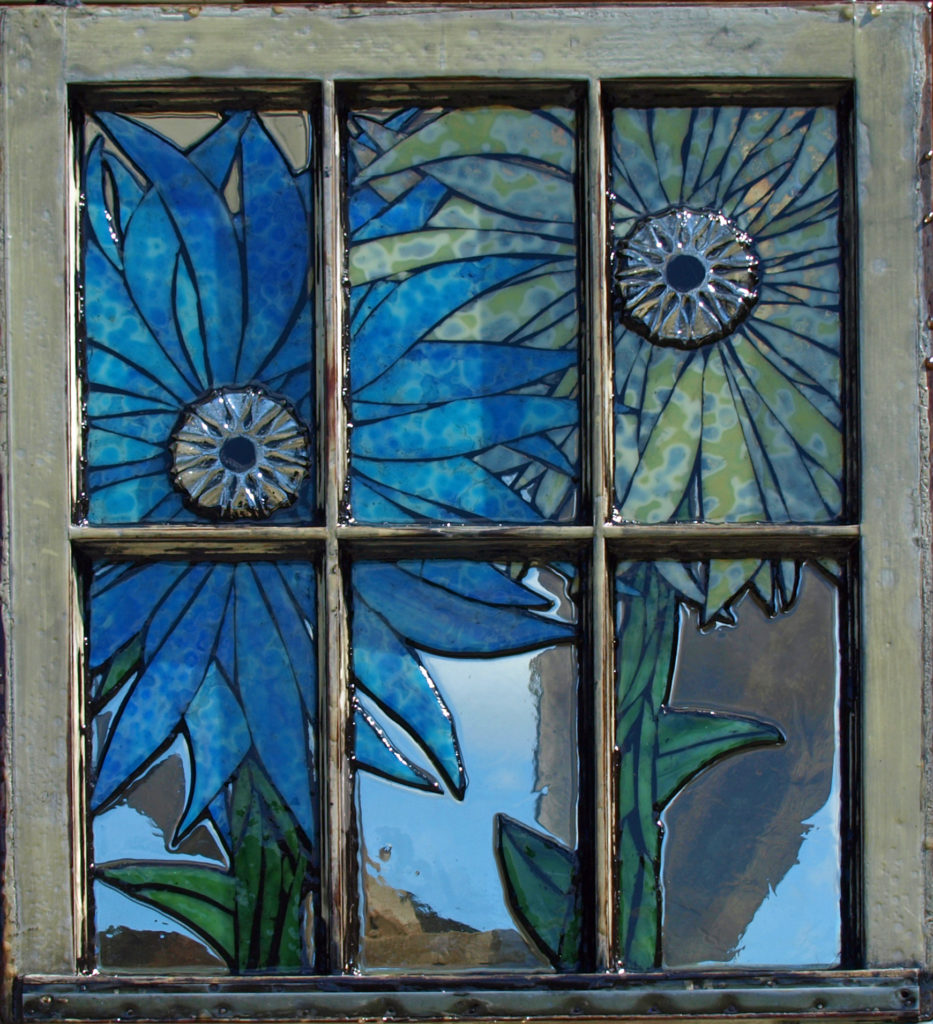
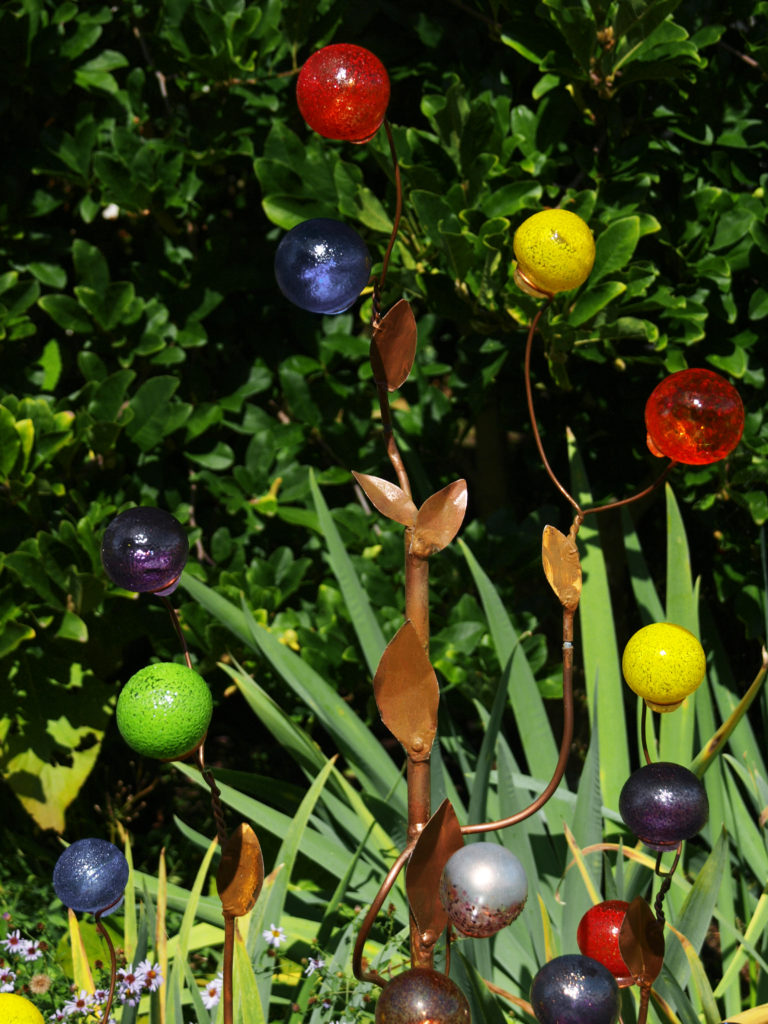
Stained glass window by Judy Kunkle, Lake Oswego, OregonCopper and glass sculpture by Lauren Wingert, Albany, Oregon
Throughout the Garden you will find art works by local artists.
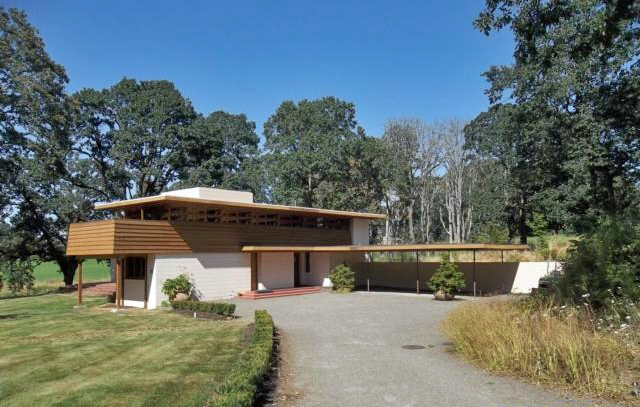
The Gordon House. Photo from Wikimedia Commons.
The Gordon House, Oregon’s only surviving Frank Lloyd Wright designed house (and the only one in the Northwest open to the public) is located immediately adjacent to the Garden.
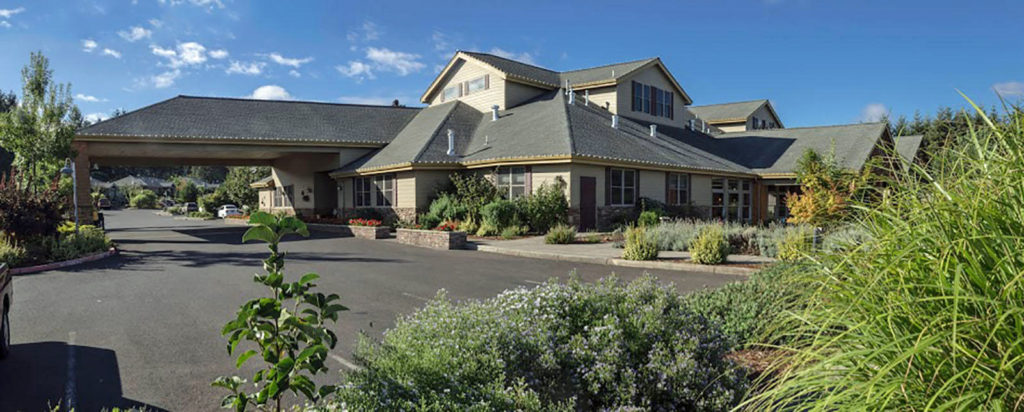
Oregon Garden Resort. Photo from the Oregon Garden Resort website.
The Oregon Garden Resort, featuring 103 guest rooms, restaurant, and spa, is also located adjacent to the Garden.
Start your tour of the gardens at the Visitor Center, where you purchase your tickets. Pick up a free map of the gardens and check out the gift shop. And there is a retail nursery located adjacent to the Visitor Center where you can purchase plants grown by the garden staff and volunteers.
The Oregon Garden is open daily, except for Thanksgiving Day, Christmas Eve, Christmas Day, New Years Eve, and New Years Day. Hours are 9:00-6:00 Mon-Fri and 9:00-4:00 on weekends from April through October and 10:00-3:00 all days from November through March.
Adult admission prices are $10 Nov-Mar and $14 Apr-Oct. There are discounts for seniors (60+), students (12-17), children (5-11), veterans, and AAA members. Children under five are free. Go to the Garden website for a schedule of events and other information.
The Garden is ADA compliant and all mobility devices are allowed in the Garden. There is a 1.4 mile paved path that runs through most of the 20+ specialty gardens. There is also a tram that takes guests on a 20 minute narrated tour of the Garden. Check the Garden website for more information.
Take your time and enjoy the beauty of the Garden. There are plenty of benches in the gardens to sit and relax. There’s enough to see and do here that it wouldn’t be hard to make a full day of it. And you can bring your dog (on leash). There’s even a pet friendly garden.
If you are making a day of it, the Visitor Center has grab and go snacks, and the adjacent Oregon Garden Resort has a restaurant and lounge. Or you can bring a picnic lunch and enjoy it in one of the designated picnic areas. A variety of dining options are also available in downtown Silverton.
And if you’re visiting from outside the area, a trip to nearby Silver Falls State Park should also be on your itinerary. There aren’t many other places where you can see ten waterfalls on a single hike, and the trail will actually take you behind four of them. It’s one of Oregon’s premier attractions.
Originally posted October 6, 2019. Most recently updated June 5, 2025.
Hoyt Arboretum, in Portland, Oregon, was founded in 1928 to conserve endangered tree species and help educate the community about the value and wonder of trees and the natural environment.
Today, the arboretum features more than 100 collections of trees and plants, organized by taxonomy and geography, spread over 189 acres in Washington Park in Portland’s West Hills. There are more than 2300 species native to six continents represented in the arboretum collections.
The arboretum features a small visitor center, a covered picnic structure, and 12 miles of hiking trails, including a portion of the 30 mile long Wildwood Trail that connects Washington Park to the Pittock Mansion, the Portland Audubon Society sanctuary, and Forest Park, the nation’s largest forested city park. The arboretum also makes a number of outdoor areas available to rent for weddings or other private events.
The visitor center is a good place to begin your visit to the arboretum, especially if it is your first visit. It is open daily from 10:00 to 3:00. You can pick up a free map there, which I have found to be very useful. You can also download a map from the arboretum’s website. The arboretum’s trails are well signed, but there are many intersecting trails and an almost limitless number of possible loops to hike, so having a good map is definitely a plus. The visitor center staff are also friendly and can answer any questions that you may have. The center also includes restrooms and a small gift shop.
Many of the trees and plants throughout the arboretum are labeled and there are interpretive signs describing the featured collections. And, if you want information on specific trees and plants, you can access the arboretum’s online plant directory.
As an educational institution as well as a conservatory, arboretum staff regularly conduct public tours, sponsor educational events, and offer a variety of classes to the public.
Hoyt Arboretum is just one of a number of attractions in Washington Park, making it one of the true centerpieces of what makes Portland such an attractive place to live. Besides the arboretum, Washington Park is also home to the Oregon Zoo, the Portland Japanese Garden, the World Forestry Center, the Oregon Vietnam Veterans Memorial, and the International Rose Test Garden.
More information on the arboretum, directions, and parking and public transit information can be found on the arboretum’s website (linked above).
Hoyt Arboretum is one of my favorite places in the Portland area. Whether you want to learn more about the environment, are interested in the plants and trees in the arboretum’s collections, want to find a quiet and peaceful retreat, or just want to stretch your legs, Hoyt Arboretum is a great place to spend a few hours. Add in the other attractions in Washington Park and you can easily make a day of it.
Originally posted April 8, 2020. Updated July 15, 2020 and May 5, 2022.
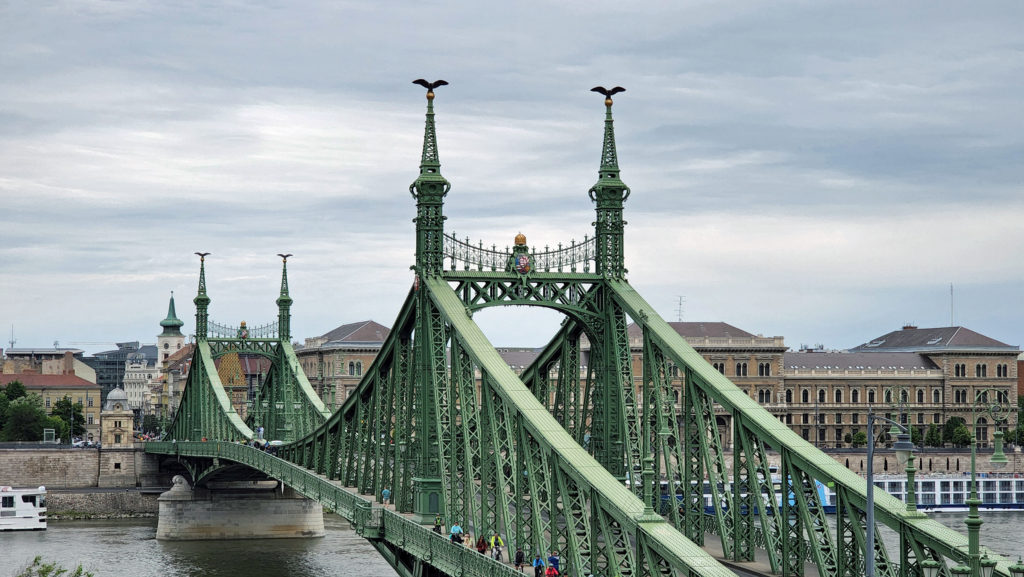
The Connie Hansen Garden in Lincoln City, Oregon is one of the smallest botanical gardens in the Northwest, at just 1¼ acres, but don’t let the size fool you, it’s also one of the best.
Connie Hansen grew up in Oregon, but moved to California to attend the University of California at Berkeley, where she earned a degree in botany. She moved back to Oregon late in her life, after her husband’s death and her retirement from the faculty of UC Berkeley.
She began creating her garden in 1973 and she tended and continually expanded it for the next 20 years. After her death in 1993 a group of neighbors and local gardeners formed the Connie Hansen Garden Conservancy to preserve the magnificent garden that she had created. The Conservancy is a not for profit corporation run by a dedicated group of volunteers.
The garden is located at 1931 NW 33rd Street in Lincoln City. It is open daily from dawn to dusk. Admission is free, but donations are welcomed. The Garden House, Hansen’s former home, now houses a small gift shop where you can find gardening supplies, books, and souvenirs. There is also a small art gallery. It is open from 10:00 to 2:00 Tuesday and Friday through Sunday from March to mid-December.
The Conservancy conducts spring, summer, and fall plant sales, and there are usually plants for sale at other times as well. Garden memberships are available through the conservancy website for those that want to support the garden.
The Connie Hansen Garden is one of the hidden gems of the Oregon Coast. It is both a beautiful and tranquil oasis and a lasting tribute to the woman who spent 20 years of her life creating it. Pay the garden a visit the next time you’re in the Lincoln City area. I’m sure you will enjoy it as much as I do.
Originally posted June 17, 2021. Updated and re-posted April 27, 2022.
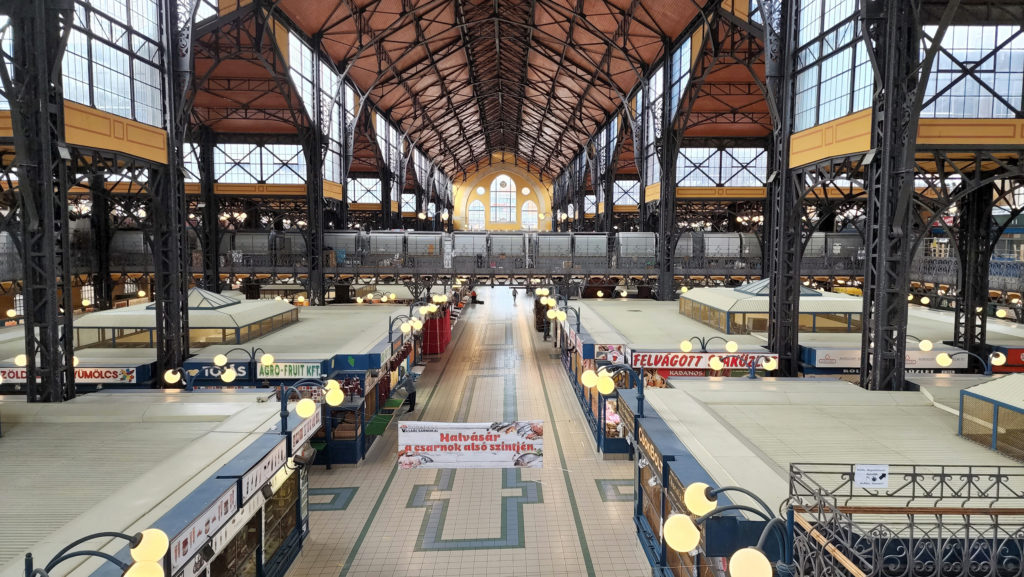
Leach Botanical Garden in southeast Portland may not leap to mind when you think of Portland area gardens, but pay it a visit and you will find that it truly belongs in the top tier of Portland botanical gardens. The beautiful and serene set of gardens feature more than 2000 varieties of plants, including 125 species of ferns.
What is now Leach Botanical Garden was once the home of John and Lilla Leach. They purchased the property in the early 1930s and built a cottage on the south shore of Johnson Creek in 1932. Four years later they built a larger house on the north shore.
Both the Stone Cabin and the Manor House still stand. The Manor House now houses the garden’s gift shop and is a popular wedding venue and event space. (The part of the garden south of Johnson Creek, including the Stone Cabin, is currently closed to the public).
Lilla Leach was an amateur botanist and discovered five plants previously unknown to science. One, Kalmiopsis leachiana, is named after her, and the southwest Oregon wilderness where she discovered it is now known as the Kalmiopsis Wilderness. Over the years she planted many native plant species, some of them rare, on the estate they called Sleepy Hollow.
John and Lilla lived in Sleepy Hollow until John’s death in 1972. The Leaches willed the property to the City of Portland, and the city created Leach Botanical Garden after Lilla’s death in 1980 to preserve her botanical garden.
Originally four acres in size, the botanical garden has been expanded, most recently in 2021, and now covers some 17 acres and includes an aerial tree walk (part of the 2021 expansion) that extends out over the slope leading down to Johnson Creek and the Manor House.
The garden is located at 6704 SE 122nd Avenue and is open to the public Tue-Fri 10am-5pm and Sat-Sun 10am-4pm. The garden is closed on Monday. Reservations are not required, but are recommended. Walk up tickets are available, but may be limited during busy periods. Reserved tickets can be obtained on the garden’s website.
There is currently no admission charge, but donations are encouraged and go to support operation of the garden and the garden’s educational programs. You can also register for a garden tour on the website, which is currently the only way to visit the Stone Cabin and the historic Outdoor Kitchen on the south side of Johnson Creek..
If you’re visiting Portland, consider paying Leach Botanical Garden a visit. Pair it with a visit to Crystal Springs Rhododendron Garden in inner southeast Portland, and to the International Rose Test Garden, Hoyt Arboretum, and the Portland Japanese Garden, all in Washington Park in Portland’s West Hills, for an immersive experience in the Rose City’s garden culture. If you enjoy the peace and beauty of botanical gardens, you won’t regret it.
The Lan Su Chinese Garden, an urban oasis in the middle of downtown Portland, Oregon, is regarded as one of the most authentic Chinese gardens outside of China itself. It is also one of the most beautiful places in the city, and one of my favorite places in the city.
The garden came about through Portland’s sister city relationship with Suzhou, in Jiangsu Province, China. Suzhuo is noted for its Ming Dynasty gardens, and Lan Su Garden was created by artisans from Suzhou following a 2000 year old tradition that melds art, architecture, and nature into a harmonious and serene whole.
Entering the garden, you come first to the Courtyard of Tranquility. The courtyard (and the whole garden, for that matter) is designed to be a peaceful and soothing place to escape the problems of everyday life, and it succeeds in that remarkably well. It’s surprisingly quiet, and once inside it’s easy to forget that you are in the middle of a busy city.
From the courtyard, you pass through the Hall of Brocade Clouds, traditionally the place where a family entertains guests, and then onto the Terrace. This is a great place to just sit and take in the view. Most of the garden can be seen from the Terrace. The various pavilions and the Tea House (the “Tower of Cosmic Reflections”) are beautifully reflected in the central pond known as Lake Zither.
From the Terrace, wander at will through the Painted Boat In Misty Rain pavilion, past the Rock Mountain and Waterfall, across the boardwalk to the Moon Locking Pavilion, Scholar’s Study and Scholar’s Courtyard, and the Knowing the Fish Pavilion. Take some time to visit the Tower of Cosmic Reflections teahouse where you can enjoy a cup of tea and learn a little about the Chinese social art and culture of tea.
Throughout the garden you will see Lake Tai Rocks. These large, fantastically shaped rocks were imported from China – 600 tons of them. The rocks were formed underwater through the erosive action of Lake Tai’s acidic waters, and are highly prized by landscape architects.
The garden exhibits more than 100 species of trees, shrubs, and plants native to China, including the Pacific Northwest’s largest collection of lotus. The plants found in the garden were not imported from China due to import restrictions, but were found in botanical gardens and nurseries in the United States and transplanted to the garden.
Part of the mission of the Lan Su Chinese Garden is to promote better understanding of Chinese art, history, tradition, and culture. Classes and demonstrations of Chinese calligraphy, brush painting, paper folding, poetry, music, horticulture, wood carving, and other arts such as kite making, are held throughout the year at the garden. And public tours of the garden led by trained docents are held several times a day.
The Lan Su Garden is small, taking up only one city block, but it is one of Portland’s premier gardens (along with the Portland Japanese Garden, the International Rose Test Garden, and Crystal Springs Rhododendron Garden, among others). You can tour the garden in an hour, but the longer you linger, and the more times you visit, the more you come to appreciate the beauty, tranquility, and harmony of the garden, and understand the philosophy and outlook on life that led to its creation.
Lan Su Chinese Garden is open from 10:00 to 4:30 daily in the winter and 10:00 to 6:30 in the summer. The garden is closed on Thanksgiving, Christmas, and New Year’s Day. Admission is $16 for adults, $15 for seniors (62+), and $13 for children 6-18 and college students (2025 prices). Children five and under are free. Annual memberships are available for $60 (one individual plus one guest per visit). Senior and student memberships are $40 (one individual). Family memberships (two individuals plus two guests ) are $100. You can find more information about the garden at the Lan Su website.
Originally posted March 12, 2020. Most recently updated May 20, 2025.
The serenity and transcendent beauty of the Portland Japanese Garden make it one of my favorite places in the Pacific Northwest. Located in Washington Park in Portland’s West Hills, the garden overlooks downtown Portland, but it is worlds away from the hustle and bustle of the city. The tranquility that the garden aspires to is somewhat compromised by the 450,000 annual visitors that it attracts, but the beauty of the gardens make it more than worth visiting despite any crowds.
Former Japanese Ambassador to the United States Nobuo Matsunaga has called the Portland Japanese Garden “the most beautiful and authentic Japanese garden in the world outside of Japan.”
The Portland Japanese Garden came out of the sister city relationship between Portland and Sapporo, Japan, which was created at least in part as an effort to heal the wounds of World War II. The garden website says it best: “Born out of a hope that the experience of peace can contribute to a long lasting peace. Born out of a belief in the power of cultural exchange. Born out of a belief in the excellence of craft, evidence in the Garden itself and the activities that come from it. Born out of a realization that all of these things are made more real and possible if we honor our connection to nature.”
The site, once the location of the Washington Park Zoo, was dedicated in 1961. Construction of the garden began in 1963, and the garden opened to the public in the summer of 1967. Designed by Professor Takuma Tono of Tokyo Agricultural University, the garden originally consisted of five different garden styles spread over 5.5 acres.
Over its more than half a century of existence, the garden has evolved and more than doubled in size. The Kashintei Tea House was built in Japan in 1968, dismantled, and shipped to Portland. But it wasn’t until 1980 that it was reconstructed on its present site. It was dedicated on May 18, 1980, the same day that Mount St. Helens erupted.
The most recent expansion, completed in 2017, added a new entrance and entry garden, a courtyard garden, a bonsai terrace, and a Cultural Village consisting of three new buildings designed by Japanese architect Kengo Kuma: the Jordan Schnitzer Japanese Arts Learning Center; the Garden House; and the Umami Cafe. Today, the Portland Japanese Garden consists of eight gardens covering 12 acres.
Each year the garden presents Art in the Garden, a series of works by a variety of Japanese artists (or works inspired by Japanese design or tradition) “to explore the ideas and aesthetics integral to the fabric of life in Japan.”
The garden is located within Washington Park, but is operated by a non-profit organization. In addition to maintaining the garden, the organization operates the International Japanese Garden Training Center, which teaches the traditional skills and techniques for creating Japanese gardens (the only program of its kind outside of Japan), offers tours and teaching materials for schools, offers a variety of classes and workshops for the public, and conducts public tours of the garden. The organization also operates the Bill de Weese Chabana Research Garden, the only garden of its type in North America.
The garden is open Wednesday through Monday. Summer hour are 10:00 to 5:30. Admission is $18.95 for adults, $16.25 for seniors (65+), $15.25 for students (with ID), and $13.50 for youths (6-17). Children under six are free. Group tickets (for 15 or more people) are offered at a discount. Tickets must be purchased in advance through the garden’s website. Individual garden memberships are available for $60. Dual memberships (two people) are $85 and household memberships are $110.
Covid-19 update (April 2022): The garden is open to everyone, and masks are required only on the garden shuttle that runs from the parking area up the hill to the old garden entrance. (You do not have to take the shuttle and masks are not required if you walk). Some of the paths are one way only, and entrance to the Umami Cafe requires proof of vaccination. all garden staff are fully vaccinated.
The Portland Japanese Garden is, in my opinion, a must see for anyone visiting Portland. And you’ll probably also want to visit the International Rose Test Garden, located across the street from the Japanese Garden entrance.
Other gardens featured on this site include Crystal Springs Rhododendron Garden, Butchart Gardens, Hulda Klager Lilac Gardens, Lan Su Chinese Garden, and the Connie Hansen Garden. Those and other Northwest gardens have been or will soon be featured on this site. Check the Recent Posts list or click on the Upcoming Posts tab at the top of this post for gardens to be featured this spring.
Originally posted August 13, 2018. Updated December 20, 2020 and April 4, 2022.
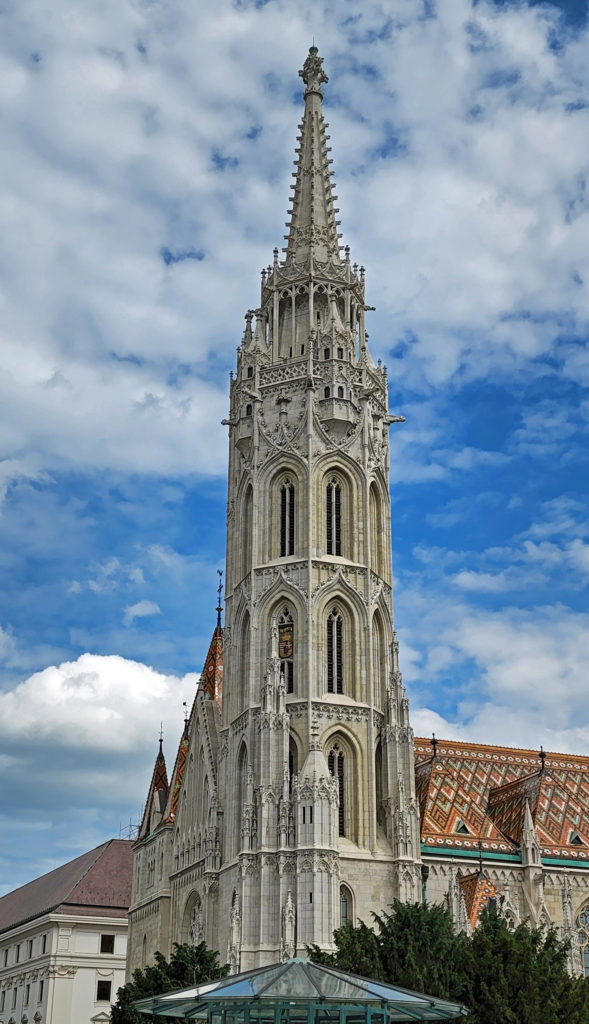
The Wooden Shoe Tulip Festival is a great way for the whole family to get out, get some sun, and enjoy the riot of color that the spring flowers bring to our lives.
Each year Wooden Shoe Tulip Farm opens their property to the public from late March through late April or early May for their annual Tulip Festival, and the fields are absolutely stunning.
The festival also offers more than just access to the tulip fields. There is a cafe on site where you can get locally made pastries and fresh brewed coffee and there are a variety of food vendors at the festival each day. There is also a Wooden Shoe Vineyards tasting room on site, with beer and cider also available. The festival also hosts many crafts vendors and there is a playground and activities available for kids.
There are a variety of daily festival activities, and wooden shoe making demonstrations and steam tractor demonstrations on the weekends. There are also a variety of special events every year.
Sunrise hot air balloon flights are available daily. Tethered hot air balloon flights are also available. All balloon flights are weather dependent. When the weather grounds the balloons, kite flying exhibitions are held in their place. Sunrise balloon flights require advanced reservations. Tethered rides are first come, first served. Check the Wooden Shoe webpage for details on balloon flights and other events and activities.
Cut flowers and potted bulbs are available for purchase at the farm, and flower bulbs can be ordered for fall delivery.
All tickets must be purchased online. Tickets can be purchased through the Wooden Shoe Tulip Farm website. Tickets include parking, and transportation from the parking lot to the fields is available for those with mobility issues. Photographers and early risers can purchase sunrise passes that allow entry to the farm before regular festival hours. Drone operators can also purchase a pass that allows drone flights during certain hours of the day.
2025 update: The farm is currently in full bloom (4-13-25), and this year’s festival runs through April 27. Festival hours are 9am-6pm Mon-Thu, 9am-7pm Fri, 8am-7pm Sat, and 8am-6pm Sun. General admission (ages 13-64) is $16 on weekdays and $21 on weekends. Seniors (65+) get a $5 discount and children under 13 are free. Individual season passes are $70.
This is just a great event, fun for the whole family. In previous years it has been a very popular event. There are a limited number of tickets available each day and having to purchase tickets in advance means that you have to take your chances with the weather, and weekend tickets often sell out quickly. But even so, this is a really worthwhile outing, especially if you’re a photographer or just a flower lover. And who doesn’t love flowers?
And if you live in the Seattle area, or are planning a visit, check out the Skagit Valley Tulip Festival in Mount Vernon. It runs through the end of April.
Originally posted March 26, 2022. Most recently updated April 13, 2025.