The High Desert Museum, located about five miles south of Bend, Oregon, offers visitors a chance to see native wildlife up close and learn about both the pioneering history of the area and the culture and lifestyles of the Native American tribes that lived in the area for thousands of years prior to the arrival of white settlers. All told, the museum has 100,000 square feet of exhibit space on its 135 acre campus.
The High Desert Museum consistently rates as one of the top attractions of the Bend area, and it won the 2021 National Medal from the Institute of Museum and Library Services. My most recent trip to the museum came as part of a family vacation to the nearby Sunriver Resort, and everyone, especially the kids, thoroughly enjoyed the visit. It’s one of the most interesting museums that I’ve ever visited. There is something for everyone there.
“High desert” can be a bit of a misnomer, as the term is often generically applied to all of central and eastern Oregon. The Bend area actually straddles the boundary between the ponderosa and lodgepole pine forest of the eastern slope of the Cascade Range and the sagerush and juniper lands to the east that are more typical of true desert habitat. The High Desert Museum is located in an area of pine forest, so the museum has no true desert habitat. But that does not detract from its appeal.
There is a small stream that runs through the museum grounds and several small ponds, giving the museum riparian as well as forest habitats. You can explore the pine forest and riparian areas on the trails that wander through the 135 acres of the museum grounds.
The Miller Family Ranch, one of the museum’s permanent outdoor exhibits, is a historically accurate recreation of an early 20th century homestead. The exhibit includes a cabin, barn, bunkhouse, root cellar, woodshop, and sawmill. Volunteers give visitors hands-on experience of what life on the homestead was like. Mrs. Miller and her son James will put your kids to work doing chores – and the kids will like it! The kids can also play some of the games that the children of the pioneers played.
The Lazinka Sawmill is a working mill, originally located in Pilot Rock, Oregon. Originally driven by steam power, the mill is now powered by electricity. The lumber used to build the barn at the Miller homestead exhibit was cut at the Lazinka Mill. Museum staff fire up the mill once a month during the summer months, so check the museum’s schedule (linked below) if you are interested in seeing it in operation.
Get an up close look at some of the raptors of the high desert and learn about desert carnivores, otters, and other desert dwellers at the Donald M. Kerr Birds of Prey Center. Check the museum website for current programs and schedule.
Photo from the museum website
Three river otters live at the Autzen Otter Exhibit, although all three were apparently napping when we were there. I have seen them in the past visits, though, and when they’re out and about they are playful, funny, and very entertaining to watch. The exhibit includes both outdoor and indoor viewing areas, including viewing windows below the water level of their pool where you can watch them in their underwater habitat.
Tumbleweed (photo from the museum website)Gert (photo from museum website)
The museum also is home to two porcupines, siblings Tumbleweed and Juniper. Tumbleweed stars in the museum’s summer Desert Dwellers program. Both were born in captivity, and like all of the animals at the High Desert Museum, cannot live in the wild. The museum also recently added a resident gray fox, Gert, to their family.
Throughout the grounds, you will find sculptures and other works of art. I particularly like the wire sculptured mare and foal, the bronze beavers, and the frozen-in-time bronze of a salmon in mid-leap.
Other features of the museum include a Forest Service ranger office built in 1933, vintage logging equipment, a forest service fire truck from the 1930s, and a WWII army motorcycle made by Harley-Davidson. The museum’s most recent addition is the E. L. Wiegand Ponderosa Playscape, a children’s play area near the otter exhibit.
Inside the main building, the Desertarium Exhibit showcases some of the animals that make the High Desert home, including snakes, lizards, and desert tortoises. Other permanent indoor exhibits include Spirit of the West, which documents the history of the people of the region, and By Hand Through Memory, a look at the history and culture of the Plateau Indian Nations.
The museum also hosts changing exhibits. Check the museum’s website for what exhibits are currently on display.
In addition to enjoying all the museum’s exhibits, you can get made-to-order sandwiches and wraps, and a variety of beverages at the newly remodeled Rimrock Cafe inside the main building. The cafe features locally made food and drink from Big Ed’s Artisan Bread, Humm Kombucha, and Strictly Organic Coffee. And souvenirs of your visit and books and other educational materials are available at Silver Sage Trading, the museum store.
Plan on spending at least several hours at the museum, especially if you have kids in tow. There’s too much worth seeing to experience it all in less time. Check the museum website for hours and admission fees. Tickets are available for purchase on the website, but advance purchase is not required.
Photo from museum website
Originally posted Sept. 9, 2019. Most recently updated May 4, 2025.
One of the benefits of living in the Pacific Northwest is that you have incredible places like Mount Rainier National Park almost in your back yard. Mount Rainier is close enough to both Seattle and Portland that it’s possible to visit the mountain as a day trip, which many people do. But Rainier is so large, and there is so much to explore, that you can’t even begin to experience all it has to offer in a day, or even a week.
My wife and I have vacationed in Mount Rainier National Park a number of times over the years. Our favorite part of the park is the aptly named Paradise area, located on the south slope of the mountain at an elevation of 5400 feet, 9000 feet below the summit. The name Paradise was bestowed on the area by Martha Longmire, one of the early developers of tourist facilities in the area, more than a century ago. But appreciation for the beauty of this spot goes back much farther. Native Americans frequented the area long before it was discovered by white settlers, and they apparently appreciated its beauty just as much. Their name for the area, Saghalie Illahe, translates to Heavenly Place or Land of Peace.
Paradise is the most visited section of Mount Rainier National Park for good reason. Subalpine meadows abound with lupine, paintbrush, and dozens of other wildflowers. Small streams and waterfalls course down the mountain. There are many trails in the area that offer spectacular views of the Tatoosh Range to the south, and, of course, of Rainier itself.
Summer weekends are usually very, very crowded. There may be long lines at the Nisqually Entrance to the park, and you’re unlikely to find a parking spot anywhere close to the Jackson Visitor Center or Paradise Inn after mid-morning. Even if you get there early, you’ll still be elbow to elbow with other visitors. If you can visit during the week, I’d highly recommend doing so, and even then I would recommend getting there as early in the day as possible. But even if you can only visit on a summer weekend, Paradise is such an incredible place to see that it’s worth putting up with the crowds, provided that you can actually find a place to park. If you can’t, though, there are many other places in the park worth visiting.
The popularity of Paradise has certainly impacted the area. The meadows above Paradise Inn are crisscrossed with trails, many of them paved, and the sheer number of people using them can’t help but have a negative effect on the quality of the area in terms of wildlife habitat. But even close to Paradise Inn and the Jackson Memorial Visitor Center, you are almost certain to see wildlife such as hoary marmots and golden-mantled ground squirrels.
Yellow-pine chipmunks are also frequently seen in the meadows. Black-tailed deer are abundant in the area and may be seen even close to the visitor facilities. Gray Jays and Clark’s Nutcrackers are frequently seen in the area, and more than sixty other species of birds are known to inhabit the subalpine areas of Mount Rainier, almost fifty of which nest in the park.
On the trails above Paradise, you are likely to see other wildlife. Look for mountain goats on the slopes above you. Black bears, elk, coyotes, bobcats, and cougars also frequent the area. Look (and listen) for pikas on talus slopes.
Hiking opportunities are abundant in the Paradise area. The Falcon Guide, Hiking Mount Rainier National Park, is a good resource. On our most recent trip (in August 2021) we spent five days in Paradise and did at least one hike every day.
The highlights of the trip were the two hikes we did on the Skyline Trail. The first was the four mile out and back hike to Panorama Point. The second was the roughly four mile Skyline-Golden Gate loop. Both are listed as “moderate” hikes, but both have significant elevation gains (1700′ and 1400′ respectively). We did both hikes early in the day during the week, but we were far from the only ones on the trail, especially on the hike to Panorama Point. But the area above Paradise is so incredibly scenic that the crowds didn’t diminish the experience much.
There are also plenty of easy hikes in the Paradise area for people who don’t want to (or aren’t able to) hike to the higher areas on the mountain. Myrtle Falls, for example, is an easy one mile round trip hike from Paradise Inn.
On our last few visits, we have stayed at Paradise Inn. It is one of the grand lodges of the Northwest, on a par with Crater Lake Lodge, Timberline Lodge on Mt. Hood, and Lake Quinault Lodge in Olympic National Park. It’s worth visiting, even if you’re not staying there. It’s an amazing structure.
Paradise Inn was constructed in 1915-16 opened July 1, 1917. The attached Annex was completed three years later. The combined structures are listed in the National Register of Historic Places.
Close to Paradise Inn, the Jackson Memorial Visitor Center, named after long-time U.S. Senator Henry M. Jackson, offers general information, exhibits, a park film, guided ranger programs, a book/gift store and a cafeteria. Unfortunately, all visitor centers in the park are currently closed due to the ongoing pandemic.
Accommodations in the area are somewhat limited. Paradise Inn has 121 rooms, 42 in the main lodge and 79 in the attached Annex. The National Park Inn in Longmire has 25 rooms. Reservations for both can be made through Mount Rainier Guest Services, 360-569-2275. Information on accommodations outside of the park can be obtained from the Mount Rainier Visitor Association . All reservations should be made well in advance.
There are two large campgrounds in the southern part of Mount Rainier National Park. Cougar Rock Campground, between Longmire and Paradise, has 173 individual sites and five group camp areas. Ohanapecosh Campground, in the southeast part of the park near the Stevens Canyon Entrance, has 188 individual sites and two group camp areas. Both have RV sites that can accommodate up to 27 foot trailers and 32 foot motor homes (35 foot at Cougar Rock), but there are no hookups. Both do have dump stations. Reservations can be made through the Mount Rainier National Park website.
Both Paradise Inn and the National Park Inn have full service restaurants, but both were operating on a reduced scale due to the pandemic when we were there in August. The National Park Inn dining room was closed, but take out meals could be ordered and picked up at the reception desk in the lobby. The dining room at Paradise Inn was open for dinner only for most of our visit, but closed (unexpectedly) for the season on our last day there. Paradise Inn also has a limited service cafe, and there is a cafeteria at the Jackson Memorial Visitor Center that is open daily during the summer season and on most weekends and holidays in the winter (depending on road conditions). The National Park Inn restaurant is open year round.
There is far more to Mount Rainier National Park than just the Paradise, of course. Below Paradise, the Reflection Lakes along the highway offer beautiful views of Mount Rainier.
The nearby Snow Lake Trail is an easy and worthwhile hike. To the east, the Stevens Canyon area has a number of interesting areas, including Box Canyon, a 180 foot deep slot canyon, and a number of roadside waterfalls.
The Longmire area has some interesting history, a museum, nice hiking trails, and the National Park Inn offers both lodging and dining options for the visitor. The road to Longmire is also plowed in the winter, so it’s a year round destination. (The road from Longmire to Paradise is open in winter when the weather allows.)
In the Ohanapecosh area in the southeastern corner of the park, the Grove of the Patriarchs Trail is a good family friendly outing. And the nearby Silver Falls Trail is a must for waterfall lovers. In the northeastern section of the park, the Sunrise area offers beautiful views of the eastern side of the mountain and has an abundance of hiking trails.
You could probably spend an entire summer in Mount Rainier National Park and not see it all.
Originally posted July 10, 2018. Updated and re-posted September 18, 2021.
Crater Lake makes a tremendous first impression. The first time a person sees the lake with their own eyes will likely be a sight they will never forget, especially if it’s a sunny day with the lake at its deepest blue. There just is no way to describe the depth and intensity of the lake’s color, and photos don’t really do it justice. If there’s a more beautiful lake anywhere in the world, I haven’t laid eyes on it.
Crater Lake is 1943 feet deep, making it the deepest lake in the United States, second deepest in North America, and ninth deepest in the world. It is also one of the cleanest and clearest lakes in the world. It’s that combination of depth and clarity that results in its intense deep blue color.
The caldera that Crater Lake occupies was formed 7700 years ago when the summit of 12,000 foot tall Mount Mazama collapsed after a massive eruption. Over time rain and snow filled the caldera to its present level. The lake has no outlet. The level of the lake remains nearly the same because the amount of evaporation from the surface of the lake closely matches the amount of precipitation falling on it in any given year.
Wizard Island formed sometime after the eruption that formed the caldera. It rises 770 feet above the surface of the lake, 2713 feet above the deepest point in the lake. It last erupted about 5000 years ago, but it is considered dormant, not extinct. Conceivably, it could erupt again at any time. Merriam Cone also erupted after the caldera was formed, but never reached the lake surface. Its summit lies almost 500 feet below the average lake level.
Phantom Ship, a remnant of an eruption 400,000 ago, rises 170 feet above the lake surface. Its formation predates that of Mount Mazama itself.
The Park
Crater Lake is such a stunningly beautiful place that it should be on everyone’s bucket list. It’s one of the few places I’ve ever been that seeing it for the first time could be a transformative, life changing experience. It was exactly that for William Gladstone Steel, an experience that ultimately led to the creation of Crater Lake National Park. Steel, known as “The Father of Crater Lake,” first laid eyes on the lake in 1885 after a journey by rail, stage coach, and on foot for the final 20 miles. That experience led to a 17 year quest to preserve, protect, and promote the lake. Largely through Steel’s efforts, Crater Lake was included in the Cascade Range Forest Reserve in 1893, and became the nation’s sixth national park on May 22, 1902. More information about the park can be found on the park website.
Crater Lake Lodge
Crater Lake Lodge sits on the rim of the caldera in the Rim Village. One of the grand lodges of the American West, the lodge has been welcoming guests since it opened in 1915, except during WWII and from 1989 to 1994 when the lodge underwent a complete restoration.
My wife and I recently spent three nights at the lodge. Although it lacks the amenities of a luxury hotel, our room was comfortable, with a private bathroom, and the location more than makes up any lack of luxuries.
The Rim Drive
Any visit to Crater Lake should include a drive around the lake on the 33 mile Rim Drive. The lake can be circumnavigated in little more than an hour, but plan to spend at least half a day.
You’ll want to stop at all of the viewpoints. Maybe combine the drive with a hike down to Cleetwood Cove and a boat tour of the lake. You can get off at Wizard Island and hike to the summit and then catch a later boat back.
For a more adventurous day, hike to the summit of Mount Scott, the highest point in the park. It’s a two mile hike to the summit with 1250 feet of elevation gain, so it’s not an easy hike (All Trails rates it “moderate”), but the view might just be worth the effort.
Hiking Trails
My wife and I are avid hikers, and Crater Lake offers the hiker a variety of options, from the very easy Pinnacles Trail to the more challenging Mount Scott Trail. Other trails of interest include The Watchman, Cleetwood Cove, Plaikni Falls, Garfield Peak, Pinnacles, and Annie Creek trails. All are very worthwhile outings. Check out the AllTrails website for detailed descriptions of the park’s many trails.
The Pacific Crest Trail passes through the park, but does not ascend to the rim of the caldera. Hikers on the PCT can take the Dutton Creek Trail that climbs up to the Rim Village, then hike the trail that parallels the West Rim Drive and reconnect with the PCT north of the lake.
The Pinnacles
Many visitors to Crater Lake don’t make the short side trip to the Pinnacles area, and even fewer hike the 1.4 mile out and back trail along the rim of the canyon, but it’s a worthwhile detour off the Rim Road.
Practical Info
Crater Lake is located in the southern Oregon Cascades, about 250 miles south of Portland, 140 miles southeast of Eugene, and 75 miles north of Medford. A number of private companies offer bus or van tours to Crater Lake from Medford, Bend, or Eugene, but there is no commercial bus or rail service to the park.
The south entrance to the park, the Mazama Village area, and the Rim Village are open year round. The north entrance and the Rim Drive are closed in winter.
There are two lodges in the park, Crater Lake Lodge in the Rim Village and The Cabins At Mazama Village that are open for the summer season. Crater Lake Lodge has 71 rooms, starting at $246/night. The Cabins At Mazama Village has 40 rooms, all at $160/night. Prices listed are for the 2024 season. Note that the concessionaire that operates both lodges is changing, so prices may also change. Check the park website (linked above) for current information.
There are two campgrounds in the park. Mazama Campground has 75 RV sites, 18 tent sites with electricity, and 121 tent sites without electricity. Tent sites start at $22. RV sites run from $32 to $44 per night. Mazama Campground is usually open from early June through late to September. Lost Creek Campground, located on Pinnacles Road, is a primitive tent only campground with 18 sites, operated by the park service. Lost Creek Campground is currently closed and will not be open for the 2024 season. Backcountry camping is allowed in the park by permit only.
Dining options in the park are somewhat limited. The dining room at Crater Lake Lodge is open to all visitors, but reservations can only be made by people staying in the park. The Rim Village Cafe offers “grab and go” sandwiches and salads (I had a pulled pork sandwich from there on our recent visit that was very good). It is open from 9am to 8pm in the summer and 10am to 5pm in the winter. The Annie Creek Restaurant in Mazama Village is open from 7am until 9pm. The Mazama Village Store sells packaged sandwiches and snacks.
Summer park entrance fees are $30 for private vehicles and $25 for motorcycles. Winter fees are $10 less. Snowmobilers, bicyclists, and pedestrians are charged $15 per individual. All entrance fees are good for seven days. Entry reservations do not need to be made.
Gasoline is available at the Mazama Village Store. There is a Tesla charging station just outside the Annie Spring entrance station near Mazama Village, but no other electric vehicle charging stations in the park.
Other lodging, dining, and services are available outside the park at Diamond Lake, Union Creek, and Fort Klamath.
Conclusion
if you’ve never been to Crater Lake, you’ve missed out on an experience available nowhere else in North America, and perhaps nowhere else in the world. The place is that unique and that fantastically beautiful.
Originally posted September 13, 2021. Most recently updated April 6, 2024.
I remember going to the Seattle World’s Fair as a ten year old kid and seeing the Space Needle for the first time. That was pretty cool. At that age I wanted to be a scientist when I grew up (never happened), so the U.S. Science Pavilion was also a highlight for me. I remember seeing the Mercury space capsule that Alan Shepherd rode into space. That was pretty cool, too. So was riding the Monorail. But what I remember most vividly was putting a few coins into a vending machine and having a ready to eat hamburger pop out. A hamburger vending machine. That was the coolest thing ever.
International Fountain
Today, the Seattle Center occupies the site of the 1962 World’s Fair. While most of the buildings constructed for the Fair were torn down after it closed, some of the buildings were re-purposed and remain today. The United States Science Pavilion became the Pacific Science Center, and the Washington State Coliseum that housed the World of Century 21 exhibit became Key Arena, one-time home of the Seattle Super Sonics NBA team. The Monorail and the International Fountain are still in operation, and, of course, the Space Needle remains Seattle’s most iconic landmark and draws people from all over the world to the Seattle Center.
Pacific Science Center Pavilion
The 605 foot tall Space Needle underwent a major renovation a few years ago. There is now an open air, glass walled observation deck, and a revolving glass floored interior space (The Loupe) where you can look straight down to the ground more than 500 feet below your feet. If those are too vertigo inducing for your pleasure, the 360 degree view from inside still offers an awesome view of Seattle, Elliott Bay, and Puget Sound.
Chihuly Garden and Glass
There’s also much more to the Seattle Center than just the Space Needle. The Pacific Science Center has two IMAX theaters, a laser planetarium (the Laser Dome), and a variety of permanent and traveling exhibits for kids, families, and school groups. Chihuly Garden and Glass features hundreds of glass art sculptures by Tacoma native Dale Chihuly. The Museum of Pop Culture (formerly the EMP Museum and, before that, the Experience Music Project) has a variety of exhibits featuring music, film and video, gaming, and science fiction and fantasy themes. The Seattle Opera and the Seattle Repertory Theater are also located at the Seattle Center, as are the Seattle Children’s Museum and the Seattle Children’s Theater.
Space Needle viewed from the International Fountain Gallery
Adult ticket prices for the Space Needle range from $37.50 to $49, depending on the day of the week, time of day, and (possibly) the season. Check the website (linked above) for ticket prices and open times for the day you plan to visit, and check for discounts for seniors, students, and early entry.
Chihuly Garden and Glass
Chihuly Garden and Glass opens at 10:00 Sun-Thu and 9:00 on Friday and Saturday. Closing times vary by the day of the week. Adult admission ranges from $35 to $42.50, with discounts for seniors and children. Check the website linked above for more information.
Museum of Pop Culture
The Museum of Pop Culture is open daily (10:00-6:00 weekdays and 9:00-6:00 weekends). Adult admission is $36.50, with discounts for seniors (65+), children (5-12), students (with ID), military personnel, and Washington residents. Check the website for open times and more information day.
Olympic Sculpture Garden
A combination ticket for both the Space Needle and Chihuly Garden and Glass is available for $69 (adult admission). And the Seattle CityPass Card includes admission to the Space Needle, Seattle Aquarium, and three of the following five: the Museum of Pop Culture; Chihuly Garden and Glass; Pacific Science Center; Argosy Cruises Harbor Tour; and Woodland Park Zoo. CityPass tickets are $129 for adults and $99 for children 5-12. (Check the website for prices for children under 5).
Blue Tiger sculpture
The Pacific Science Center is temporarily closed as of 10/2/25, but is scheduled to reopen on 10/11. Check the website for more info. The Seattle Children’s Museum is open 10:00-5:00, Wed-Mon (closed Tue). Check the website for ticket prices, event schedules, and more information.
Museum of Pop CultureMuseum of Pop Culture
When it’s time to grab something to eat, you have your choice of any number of restaurants and cafes in the area surrounding the Center. My wife and I usually gravitate to McMennamin’s Queen Anne Pub just to the north, but there are many other options. Toulouse Petit, just northwest of the Center at the corner of Queen Anne and Mercer, brings a bit of the Big Easy to Seattle with their Cajun and Creole menu. A block south on Queen Anne, Dick’s Drive-In is a classic 1950s style drive-in (currently open for take out or delivery only). Just southeast of the Center on Cedar St, the 5 Point Cafe and Bar is a classic American diner that has been in operation since 1929. Across the street, Wa’z Seattle serves modern Japanese cuisine. And next door, Tillicum Place Cafe is a popular and highly rated Euro-style bistro. Many more restaurants, cafes, and pubs dot the areas around the Center. You can probably find whatever cuisine you’re looking for somewhere not too far away.
Downtown Seattle viewed from the Space Needle
If you’re planning to stay in the area, the Maxwell Hotel, Mediterranean Inn, and Hotel Five all get very good reviews. Kimpton Palladian Hotel, Ace Hotel Seattle, Pan Pacific Seattle, and Fairfield Inn and Suites also get good reviews.
Museum of History and Industry and Lake Union Park
It would not be hard to spend a whole day at the Seattle Center. Or you can make a weekend of it and spend another day at other downtown Seattle attractions. The Olympic Sculpture Garden and Myrtle Edwards Park on Elliott Bay are a short walk to the west of the Center. It’s not much farther to the Museum of History and Industry (MOHAI) and Lake Union Park to the east. Adult admission is $25, with discounts for seniors, students, and members of the military. Children 14 and under get in free. And Pike Place Market, the Seattle Aquarium, the Seattle Art Museum, and the Seattle Great Wheel are all about a mile to the south, along the Elliot Bay waterfront.
Elliott Bay
There’s far more to do in downtown Seattle than I can list here, so go explore. Seattle’s a great place to visit and you’ll have a great time. Or ride the ferry across the Sound and explore Bainbridge Island. Bainbridge Island Museum of Art, Bainbridge Island Historical Museum, the Kids Discovery Museum, Steven Fey Photography Gallery, Mora Iced Creamery, Eleven Winery, Blackbird Bakery, Doc’s Marina Grill, and the Harbour Public House are all within walking distance of the ferry terminal.
Artists At Play playground
Originally posted 12/28/18. Most recently updated 10/2/25.
My wife and I have been to Hawai’i many times, but only once to Kaua’i. But that was a memorable trip, and I’ve been contemplating a return to Kaua’i lately.
Kapa’a Creek
Kaua’i is called the Garden Isle, and for good reason. Abundant rainfall and the tropical climate make the island a botanical paradise. Think of the jungle depicted in the movie Jurassic Park. Much of the original movie and sequels were filmed on Kaua’i.
McBryde Garden
No trip to Kaua’i is complete without visiting at least one of the island’s famed botanical gardens. Three of the five National Tropical Botanical Gardens are located on Kaua’i. Other notable botanical gardens on Kaua’i include Na ‘Aina Kai Botanical Garden and Princeville Botanical Garden on the north shore, and Smith’s Tropical Paradise on the east shore in Wailua River State Park. Check the park websites for ticket prices, open dates, and details. Na ‘Aina Kai and Princeville require advanced purchase of tickets. Tickets to Smith’s are available only at the park entrance.
McBryde Garden
National Tropical Botanical Garden is a non-profit corporation chartered by the U.S. Congress in 1964, dedicated to “discovering, saving, and studying the world’s tropical plants and sharing what is learned.” The three NTBG gardens on Kaua’i are Limahuli Garden and Preserve on the north shore, and Allerton Garden and McBryde Garden on the south shore in the Lawa’i Valley.
McBryde Garden
We toured McBryde Garden on our visit and it was one of the highlights of our trip. Advanced purchase of tickets is not required, but is strongly advised. Tickets are limited and are likely to be sold out. Tickets are $30 for adults and $15 for children, and stays are limited to 2.75 hours. Open Tuesday, Thursday, and Saturday in 2025. The adjacent Allerton Garden also requires you to buy timed entry tickets ($65 for adults, $32.50 for children under 13). All Allerton Garden tours are 2.5 hour guided tours. McBryde Garden tours are self-guided. Combined McBryde and Allerton guided tours are available for the same price as Allerton Garden guided tours and are available for Tuesday and Saturday tours.
McBryde Garden
Limahuli Garden self-guided tours are $30 for adults and free for children under 13. Timed entry tickets are required if arriving by car and parking must be reserved at the time of purchase. Timed entry tickets are not required if arriving by North Shore Shuttle and there is a $5 discount off ticket prices. Limahuli guided tours are available for $60 (adults only, no children allowed) and parking is included. Tours are 2.5 hours long and are available at 9 a.m. only on Tuesday and Thursday. Advance reservations are required.
Spouting Horn Park
If you tour McBryde or Allerton Garden, also stop at the nearby Spouting Horn Park, especially if the surf is up. Spouting Horn is a blowhole that shoots water fifty to a hundred feet into the air every ten seconds or so when it is most active, an impressive sight to say the least.
Polihale Beach
There’s more to do on Kaua’i than touring botanical gardens, of course. Relaxing on a tropical beach has to be high on every visitor’s priority list, and Kaua’i has many, many fine beaches. One of the best beaches on the island, and listed in one article I’ve read as one of the best beaches in the world, is Polihale Beach on the west end of the island.
Polihale Beach
The last few miles of the road to Polihale is a rough, pothole filled sand, gravel and dirt track that is best tackled with an SUV or pickup. We managed it in a compact rental car, though, so it can be done if you take your time. But the road was clearly not being maintained, and it may have gotten worse in the decade since we were there. But if you can manage to get there, you’ll be rewarded with three miles of uninterrupted and uncrowded beach ending at the spectacular cliffs of the NaPali Coast.
NaPali cliffs and Polihale Beach
Polihale State Park has no lifeguards and there are strong currents, so it’s not a good swimming beach. Best to stay out of the water. And there is no drinking water available (or any services), so if you go, plan on bringing everything you’ll need. But despite all that, the scenery and the solitude that you can find there make it well worth it.
Hawaiian Monk Seal
A more accessible beach on the west end of the island is Kekaha Beach Park. Located at the southern end of a nearly five mile long stretch of sand, Kekaha Beach is one of the best places on the island to view the sunset, but lacks Polihale’s scenery and seclusion. Glass Beach is also a worthwhile stop.
Poipu Beach
Poipu Beach on the south shore is all things Polihale is not. It’s a very popular and always crowded tourist destination. You won’t find anything resembling solitude there and the scenery doesn’t compare to Polihale. But it’s easy to get to, a good swimming beach, and one of the best places on the island to snorkel. And all of the amenities you could ask for are close at hand.
Kilauea Lighthouse
Many of the best beaches on Kaua’i are on the north shore. Moloa’a is a nice uncrowded beach on the north shore where you’re likely to find more locals than tourists. Kauapea Beach (aka Secret Beach) is a not so secret beach just west of the town of Kilauea. The trailhead is at the end of Secret Beach Road. Anini Beach is another place where you might find more locals than tourists. Kalihikai Park at Anini Beach has picnic tables, restrooms, and outdoor showers. Hanalei, farther east, also has a nice beach and the town is an interesting place that would be worth a visit on its own, even without the beach.
Moloa’a Beach
Tunnels Beach is another popular north shore beach. It’s best to park at Ha’ena Beach Park, although there are now entrance and parking fees for non-residents ($5 per person and $10 per vehicle) which must be purchased in advance. Tunnels is about a third of a mile east of Ha’ena Beach. There is a shorter trail to the beach from the highway, but parking is very limited and I don’t believe it is signed, so it may be easy to miss. There are restrooms, showers and lifeguards at Ha’ena Beach, but not at Tunnels.
Ke’e Beach
Ke’e Beach, at the end of the road, is protected by a reef, making it good for swimming and snorkeling, except in the winter months when all of the north shore beaches can be subject to high surf and strong currents. Even when we were there around the first of April there were warnings of dangerous conditions. Ke’e is part of Ha’ena Beach Park and the same entry and parking fees apply. The parking lot at the end of the road fills up early, partly because it is also the trailhead for the famed Kalalau Trail. There is an overflow parking area about a quarter mile from the end of the road that might be a better option. There are restrooms and showers at Ke’e, and lifeguards on duty.
Kapa’a Beach
These are only a few of the dozens of beaches on Kaua’i. For a more comprehensive list, check out the beaches page of the Kauai.com website.
A good way to see the whole island is by helicopter. Most one hour helicopter tours run from $220 to $320 per adult. We opted for a “doors off” tour because we wanted to get better photos than you can get by shooting through a helicopter window. I had never flown in a helicopter before and I have to admit to being a bit nervous before the flight, and not just because we were going doorless. But the whole thing was a blast and I never felt in any danger. And we both got some great photos.
NaPali Coast
The only disappointment was that the NaPali Coast had some low clouds obscuring the tops of the cliffs. But I highly recommend the experience. There is no other way to see the whole island the way you can by helicopter. And the only way to view the 400 foot high Manawaiopuna Falls (aka Jurassic Park Falls) is from the air.
Manawaiopuna FallsWailua Falls
Kaua’i’s abundant rain and mountainous terrain result in many spectacular waterfalls. One of the prettiest is the twin cascades of Wailua Falls, about five miles west of Lihue. The falls are at the end of Maalo Road (Hwy 583). You can get a decent view of the falls from the observation area adjacent to the road. There is a very steep unmaintained trail down to the base of the falls where you probably can get better photos, but there are prominent danger signs that are probably there for a reason, so I wouldn’t risk the trail, especially if it is wet. (If you opt for a helicopter tour you will get a very good view of the falls from the air.)
Opaeka’a Falls
Another beautiful waterfall in the same area is Opaeka’a Falls. Again, no trail to the falls, but a good view from the highway. Opaeka’a Falls is two miles west of Wailua on Kuamo’o Road (Hwy 580).
Ho’opi’i Falls
An interesting waterfall, this one at the end of a hike through a Jurassic Park-like tropical rain forest, is Ho’opi’i Falls (actually two separate falls). These are a little harder to find, and they’re not big falls, but the trail to them is absolutely awesome. If its raining or has rained recently, the trail will likely be muddy and slippery, but I think it would still be worth the effort. We were lucky enough to do this hike when it was dry, so it was an easy and thoroughly enjoyable outing for us.
Ho’opi’i Falls Trail
The trailhead is on Kapahi Road west of Kapa’a. Please note that Kapahi Road is a residential area and not all of the residents welcome tourists, so be respectful of the locals. Park in the gravel area provided, not in front of any of their homes, please be quiet (especially early in the day), and don’t leave any trash behind when you depart.
Red Dirt Falls
One more interesting falls is Red Dirt Falls on Waimea Canyon Drive, north of the town of Waimea. This is a seasonal falls, so it may not be flowing when you’re there, and it’s a very small waterfall that would be totally unremarkable if it weren’t carved out of the striking red dirt that gives it its name. It’s located at about the 23 mile marker on Hwy 550.
Waimea Canyon
There are more waterfalls to be seen farther up Waimea Canyon, which is one of the must see destination on Kaua’i. It’s often called the Grand Canyon of the Pacific. The red dirt that makes Red Dirt Falls so compelling also gives the canyon a much different look than most of the other scenic attractions on the island. The canyon is 14 miles long, a mile wide, and as much as 3500 feet deep – not as big or as deep as the real Grand Canyon, but still pretty impressive.
Waimea Canyon
There are two state parks, Waimea Canyon and Koke’e in the canyon. For non-residents there is the same $5 per person entrance fee and $10 per vehicle parking fee as at Haena Beach State Park. The fees get you into both parks. You don’t have to pay twice.
View from Kalalau Overlook, Koke’e State Park
There are numerous viewpoints along the highway in the two parks that give you expansive views of the canyon and its waterfalls. And the highway takes you to the top of the NaPali Coast cliffs. Two truly spectacular viewpoints in Koke’e Park give you views down to the NaPali Coast and the ocean more than 4000 feet below you.
For hikers, there are more than 45 miles of trails in the canyon. You could easily spend days in the canyon and not hike all of the trails. For those that do want to spend multiple days hiking or sightseeing, Koke’e Lodge offers rustic cabins with kitchens. There is also a campground in Koke’e State Park and there are other cabins available nearby. And Waimea town at the base of the canyon has many lodging options.
Russian Fort Elizabeth Park
Updating this post brought back a lot of memories and stoked my desire to go back to Kaua’i and revisit some of the places we explored in 2012.
Among the many national parks and monuments of southern Utah, Natural Bridges National Monument often gets overlooked. The Big Five national parks – Zion, Bryce Canyon, Capitol Reef, Canyonlands, and Arches (and Grand Staircase- Escalante National Monument) are all deserving of the accolades they receive. They all are full of spectacularly beautiful and awe inspiring places. But if a trip to southern Utah is on your bucket list, don’t leave out a visit to Natural Bridges.
First Impressions
My first visit to Natural Bridges made a lasting impression on me almost immediately. We were there on a very hot day, but once we descended into the canyon, we entered a cool, shaded riparian environment very different from the hot desert landscape above. Natural bridges, unlike arches, are formed by the erosive action of flowing water. And it is that water that makes this place such a welcoming oasis.
My wife and I have been back once since that first visit. The photos here were taken on that second trip in 2008. I think we’re long overdue for a third visit.
Geology
Some 260 million years ago eastern Utah was on the shores of an ancient sea. Over many millions of years the sand deposited on the sea floor was compressed into sandstone, then uplifted by tectonic forces that created the Colorado Plateau. Rivers and streams have since cut their way into the relatively soft sandstone, leaving arches where harder rock overlaid softer, more easily eroded rock.
The white Cedar Mesa Sandstone of the canyons in Natural Bridges was formed from white quartz sand with relatively little iron. The red and orange sandstone of the mesa tops gets its color from more iron rich rocks. Oxygen and hydrogen react with the iron, forming compounds that vary in color depending on the relative proportions of oxygen and hydrogen in the rock.
Human Presence
The Natural Bridges area has been inhabited periodically for about 9000 years. For most of that period, nomadic hunter-gatherers passed through the area. Many of the petroglyphs you’ll find on the canyon walls were done by these Archaic peoples.
The Ancestral Puebloan people began farming the mesa tops around 1500 years ago, but later abandoned the area, presumably because of a prolonged drought. After 300 years, the ancestors of modern day Hopi and Navajo returned to the Natural Bridges area, only to abandon the area again around the year 1280 CE. Modern Hopi, Navaho, and Paiute peoples reoccupied the area once again at later dates.
Europeans didn’t discover the area until 1883 when prospector Cass Hite ventured into the canyons looking for gold. He didn’t find any gold, but he did find the three magnificent natural bridges. Twenty years later, National Geographic Magazine published an article about the bridges, gaining the attention of President Theodore Roosevelt, who established Natural Bridges National Monument in 1908, Utah’s first national monument.
The bridges were named President, Senator and Congressman by Cass Hite. Later explorers gave them the names Augusta, Caroline and Edwin. But neither set of names stuck. In 1909 the bridges were given the Hopi names they carry today: Sipapu, Kachina, and Owachomo.
Getting There
Natural Bridges is located in southeastern Utah, south of Canyonlands National Park. From the town of Blanding drive south on US 191 then turn west on Utah Highway 95. In about 30 miles turn right on Utah 275. The Natural Bridges Visitor Center is 4.5 miles from the junction with Hwy 95.
Visitor Center
The Natural Bridges Visitor Center is a logical first stop when visiting the monument. Pick up a map of the park, fill your water bottles, and ask the staff for information on current conditions, hiking trails, park history, geology, plants and wildlife, etc. There is also a small store and public restrooms. The restrooms and water are available even when the visitor center is closed.
Bridge View Drive
Bridge View Drive is a nine mile one way loop road through the monument, with about a dozen viewpoints, all worth stopping at. There are maintained trails descending into the canyon to all three bridges from Bridge View Drive. All are short, easy hikes down into the canyons, without a huge amount of elevation gain on the return to the canyon rim. There is also an unmaintained trail in the canyon bottoms linking the three bridges, and there is a trail on top of the mesa between the Sipapu Bridge and Kachina Bridge viewpoints.
Night Skies
As beautiful and spectacular as Natural Bridges is during the day, it may be even more so at night. I say it may be only because I’ve not been there after dark. But by all accounts, star gazing is one of the park’s top attractions. Of the 104 International Dark Sky Parks in the world, Natural Bridges was the first so designated.
Where To Stay
There is a small first come first served campground adjacent to the visitor center in the monument, but there are no water, electric, or sewer hookups. The nearest town of any size is Blanding. There are several RV parks and a variety of motels and other accommodations in Blanding, as well as a number of cafes and restaurants.
Roadtripping
Natural Bridges can be included in a gigantic loop that includes Zion, Cedar Breaks, Bryce Canyon, Grand Staircase-Escalante, Capitol Reef, Arches, Canyonlands, Mesa Verde, Monument Valley, Lake Powell, and the North Rim of the Grand Canyon – a truly epic road trip that might take a month or longer to fully experience. And, of course, there are a variety of shorter loops that can be done if you can’t fit all of those destinations into your plans.
Conclusion
Any road trip to southeastern Utah should include a visit to Natural Bridges. It’s a beautiful, interesting, and unique place very worthy of its place among the other parks and monuments of the region. And the surrounding region, part of the 1.3 million acre Bears Ears National Monument, is also well worth exploring.
Originally posted July 10, 2021. Updated July 21, 2024.
Bayocean Peninsula, on the northern Oregon coast, is a sandspit that separates Tillamook Bay and the Pacific Ocean. It is, by any measure, a nature lover’s paradise, whether you’re a beachcomber, hiker, mountain biker, boater, birder, wildlife lover, or photographer.
Source: Wikimedia Commons
Now an undeveloped county park, a century ago it was home to a thriving resort community of 2000 people. The town of Bay Ocean Park boasted a large hotel, dance hall, 1000 seat movie theater, bowling alley, shooting range, tennis courts, and a heated natatorium housing what was billed as the largest salt water swimming pool on the west coast, complete with a wave generator. The town featured paved and lighted streets, a public water system, telephone system, and a diesel powered generating station that provided the town with electricity, all at a time when most small towns in Oregon had few, if any, of those things.
Source: Wikimedia Commons
Despite having paved streets and its own gas station, there was no road connection between Bayocean and the other coastal communities, much less to Portland and the Willamette Valley. Many residents and visitors traveled to and from Bayocean by steamship, a three day journey from Portland that involved crossing the notorious Columbia River bar and navigating the unprotected mouth of Tillamook Bay, a sometimes rough, frightening, and potentially dangerous experience.
To make crossing the Tillamook bar safer, the Army Corps of Engineers recommended jetties be built on both the north and south sides of the bay’s mouth. But half of the cost (a then considerable $2.2 million) would have to be paid by local residents. To cut the cost to a more affordable amount, the local port district proposed building only one jetty. The resulting north jetty, completed in 1917, did make crossing the bar much smoother and safer, but it also contributed to the town’s demise by changing the near shore currents, which began eroding away the beach in the 1920s.
In 1932 the north jetty was extended, further accelerating the erosion. The natatorium was destroyed by waves during a massive storm that winter. By 1938 almost 60 homes had fallen into the sea. Other storms over the years took many of the remaining buildings, and in 1952 another major storm breached the southern end of the peninsula, turning Bayocean Peninsula into an island. The Bay Ocean Park post office closed in 1953 and most of what was left of the town was bulldozed by the Corps of Engineers in 1956 during a project to build a dike across the breach created in 1952. The last house on the peninsula washed away in 1960, and the last structure, a long abandoned garage, fell into the sea in 1971.
The south jetty was eventually built in the 1970s and that stopped the erosion of the peninsula, but by then the town of Bay Ocean Park was long gone. Today, nothing remains of the town. What’s left, though, is a treasure trove of delights for the outdoor enthusiast: miles of untrammeled beach, unspoiled dunes, a bay shore sheltered from the prevailing winds, an upland spruce and pine forest, and an abundance of waterfowl and other wildlife. The haul road used in building the south jetty is now an ideal mountain bike and hiking trail on the bay side of the peninsula.
To reach Bayocean from the town of Tillamook, follow the signs for the Three Capes Scenic Route (Oregon Highway 131). After crossing the Tillamook River bridge, turn right onto Bayocean Road toward Cape Meares. At milepost five, turn right onto the old south jetty haul road (aka the dike road) and proceed to the trailhead parking area. There are pit toilets at the trailhead, but no water.
From the trailhead, the road continues north beyond a locked gate. You can also hike through the dunes to the beach from the trailhead parking area. The road along the bay shore is mostly gravel, with a few sandy stretches, and mostly flat. It’s an easy four mile bike ride to the south jetty.
Hikers can do a 7½ mile loop by hiking through the dunes to the beach, walking the beach to the south jetty, and returning along the bay side on the gravel road. There are several trails connecting the dike road to the beach, making shorter loops possible. And a longer hike or bike ride (10 mile loop or 9 mile out and back along the beach) can be done by starting at the beach access in the town of Cape Meares, instead of the Bayocean trailhead. See my Bayocean Peninsula Hike post for more details.
Back country camping is no longer permitted on the peninsula and there are no campgrounds. In the past, boaters frequently camped along the bay shore at a cove called Crab Harbor near the north end of the peninsula and backpackers sometimes camped in the woods or dunes near the middle of the peninsula.
The north Oregon coast has much to offer beyond Bayocean Peninsula, of course. Oswald West State Park and Hug Point to the north, and Cape Meares and Cape Lookout to the south are some of my favorite places on the north coast. But Bayocean Peninsula is unique. Nowhere else on the northern Oregon coast can you find such an extended stretch of roadless, yet accessible, beach. And it’s close enough to Portland and the rest of the population centers of the Willamette Valley to be an easy day trip. I’ve hiked and biked the peninsula a number of times and I’m sure I will return many more times. I never get tired of its sights and sounds.
Originally posted April 23, 2019 by Alan K. Lee, updated July 8, 2021 and March 4, 2024
Not your typical museum, the Arizona-Sonora Desert Museum will surprise you. Equal parts zoo, botanical garden, natural history museum, and educational institution, this museum packs a lot into a single site.
Throw in an art gallery for good measure. And maybe most surprisingly, since it’s located in the middle of the Sonora Desert where water is scarce, an aquarium.
There’s also a (man made) underground cavern to explore, where you can learn about the geology of the area.
The zoological exhibits feature big cats (bobcats, an ocelot, and a mountain lion), desert bighorn sheep, prairie dogs, a gray fox, and other desert mammals and lizards. There is also a riparian area with beavers, a river otter, and fish and other aquatic creatures. And on the desert trail loop you might encounter coyotes or javalinas.
Don’t miss the aviary where you can get up close looks at free flying hummingbirds and other desert birds.
Take a walk through the botanical garden where you can learn about the flora and fauna of the Sonora Desert environment.
The museum also features a cafe, a casual food court, a coffee bar, and an ice cream parlor. You can even get a beer to go at the food court or coffee bar, and take it with you as you explore the exhibits and walk the paved trail through the botanical garden and the gravel desert trail loop.
The Arizona-Sonora Desert Museum is one of the Tucson area’s must see attractions, especially for families. There are a lot of opportunities for kids (and adults) to both learn about the desert and its denizens and have fun in the process. There’s something for everyone there.
There is so much here that you probably can’t see it all in one visit. My wife and I have visited the museum on a couple of our Arizona excursions, and on our last visit I was surprised at how much I had missed on our earlier visit. Plan to spend at least two hours at the museum. Allow half a day to more fully explore what the museum has to offer, if you can.
The museum is located west of Tucson, adjacent to the west unit of Saguaro National Park . See the museum’s website for more detailed directions. Tucson Mountain Park and Old Tucson are also nearby.
General admission is $29.95 per person. Seniors (65+) and active military personnel get a $2.00 discount. Children (3-12) get in for $19.95, and children under three are free. The museum is open from 8:30 to 5:00 from October through May and 7:30 to 4:00 from June through September. Strollers ($7.00), wheelchairs ($8.00), and electric scooters ($25.00) are available for rent.
Mount Lemmon
And while you’re in the Tucson area, you may want to visit nearby Mount Lemmon. It’s a bit of a drive to the top of the mountain, but well worth it.
Originally posted June 29, 2021. Updated December 16, 2024.
Surrounded by the salt waters of the Pacific Ocean and Inside Passage, dotted with freshwater lakes and streams, recipient of abundant precipitation (more than 120″ per year along its west coast), Vancouver Island is a land defined by water.
Deer on the Campbell River waterfront
The island’s relatively mild, wet climate makes it one of the most productive and diverse terrestrial ecosystems on the planet. And the cold, nutrient rich ocean waters make the marine environment equally productive.
Forest trail on the west coast of the islandBigleaf Maple
Anyone planning a visit to Vancouver Island should note that it’s a big place.It’s 280 miles long by 60 miles wide. Look at a map of British Columbia and it looks small in comparison to the province as a whole. But British Columbia is huge – far bigger than the state of Texas – and Vancouver Island by itself is larger than nine U.S. states. It’s just too big to fully explore in a single trip.
Any trip to Vancouver Island should include a stay in Victoria, but beyond that it’s best to pick one or two areas and plan your visit around those. It’s also far too large and has far too many outstanding areas to cover in a single blog post. We’ll focus here on the area near the town Campbell River (including Quadra Island), Strathcona Provincial Park, and the west coast of the island near Tofino and Ucluelet.
Campbell River harbor
Roughly midway up the east coast of the island, the town of Campbell River, the self-proclaimed “salmon capital of the world,” is a good base from which to explore the area. Fishermen have flocked to Campbell River since at least the 1880s. In the 1920s the Campbell River Tyee Club popularized the area with fishermen world-wide. Painter’s Lodge, opened in 1929, attracted Hollywood stars such as Bob Hope and Bing Crosby, which further popularized the area.
Painter’s Lodge recently reopened, and offers lodging, event space, helicopter tours, whale watching, grizzly bear tours, and wildlife tours, in addition to guided fishing trips. Campbell River has a variety of other accommodations, including a nice campground at Elk Falls Provincial Park on the outskirts of town. In 2015 a suspension bridge was built just downstream of Elk Falls. Check out the video on the park website.
Elk Falls
Campbell River has a variety of dining options for any budget. Anglers Dining Room at Dolphins Resort gets consistently good reviews. Ideal Cafe, Locals, and Quay West also get good reviews. Check out Beach Fire Brewing and Cornerstone Taphouse for good craft beers.
Quadra Island
Only a short 15 minute ferry ride across Discovery Passage from Campbell River, Quadra Island has a full range of tourist facilities, including a number of cafes and lodging options if you desire a quieter, more rural environment than you’ll find in Campbell River. Quadra, largest of the Discovery Islands, provides the outdoor enthusiast with a network of hiking and mountain biking trails, kayak and boat launching facilities, and beach access points. The northern end of the island has several lakes and parks, the largest being Main Lakes Provincial Park. Hike, bike, paddle, or just take in the scenery and enjoy the quiet, natural area.
Strathcona Provincial Park, established in 1911, is the oldest provincial park in British Columbia. With the highest peaks on Vancouver Island and the highest waterfall in Canada, Strathcona’s scenery is hard to beat. Located 15 miles west of Campbell River, the majority of the park is wilderness.
Kennedy River
Fabulous hiking trails can be found throughout the park. Paddling and fishing can be had at Buttle Lake. There are two fairly large campgrounds – Buttle Lake Campground (85 sites) and Ralph River Campground (75 sites). There are also three group camp areas available by reservation only, and a variety of back country campsites not accessible by road.
Myra FallsButtle Lake
Accommodations a bit more upscale than camping can be found at Strathcona Park Lodge and Outdoor Education Centre on Buttle Lake a few miles outside of the park. You can rent small motor boats, canoes and kayaks, and stand up paddle boards there. For the more adventurous, there is a zip line and a high ropes course. And you can get information there about local hiking and mountain bike trails, and whitewater and sea kayaking opportunities.
Tidepool near Ucluelet
On the west side of the island, the stretch of coastline from Ucluelet to Tofino is part of the Pacific Rim National Park Reserve (https://www.pc.gc.ca/en/pn-np/bc/pacificrim). The tamer sibling of the more remote and wild section of the park that includes the 47 mile West Coast Trail, the Long Beach unit of the park is easily accessible and has numerous small inlets, rocky coves, and beautiful sandy beaches.
Totem pole in Tofino
Tofino has long been a popular tourist destination and can be crowded in the summer, but the other seasons also bring people to Tofino. Storm watchers flock to the area in the winter. Surfers come for Rip Curl Pro Tofino, the official Canadian surfing championship, in May, and the all-female Queen of the Peak competition in October. There are a variety of festivals throughout the year that bring people to Tofino, including ArtSplash in March, the Tofino Shorebird Festival in May, the Clayoquot Salmon Festival in August and September, and the Tofino Winterlights Festival in December.
Pacific Rim National Park Preserve
Ucluelet, about 25 miles south of Tofino, is less touristy and more down to earth than its glitzier neighbor. The town is situated on a peninsula between Ucluth Inlet and the Pacific Ocean. It’s a popular fishing port and the rugged coastline has a number of secluded coves and beaches that, for my money, are about as pretty as it gets. Hike the easy 1.6 mile Wild Pacific Trail loop at the tip of the peninsula for some of the most spectacular scenery you’ll find anywhere on the island.
Shoreline near Ucluelet viewed from the Wild Pacific Trail
Ucluelet has fewer dining and lodging options than Tofino, but you shouldn’t have any trouble finding a place to stay, and you’ll find some of the freshest and best seafood anywhere.
Moose Falls
There is, of course, way more to Vancouver Island than this post covers, and it’s hard to go wrong regardless what part of the island you choose to explore. My wife and I will be making another trip to the island soon, perhaps this fall if the covid-19 pandemic eases and the border reopens.
If you’re ever in the Tucson area, consider making the drive to the top of Mount Lemmon. A paved road takes you to the summit, more than 6500 feet above the valley floor. Numerous viewpoints along the way provide spectacular vistas of the mountain, the surrounding desert below, and the mountains beyond. And numerous trailheads provide access to the ridges and canyons beyond the road for those who want to lace up their hiking boots and immerse themselves in the desert or mountain environment.
The drive takes you through numerous climatic and ecological zones, from the iconic saguaro cactus of the Sonoran Desert at the base of the mountain to an aspen and ponderosa pine forest at the summit.
My wife and I made the drive to the summit in October 2019 while in Arizona to visit my brother and attend a wedding. I had never heard of Mount Lemmon and I wasn’t keen on making that long of a side trip, but my wife convinced me that it would be worthwhile, and she nailed this one. Mount Lemmon is more than just worthwhile, and worth more than just a side trip. It’s a worthy destination in its own right.
The summit of Mount Lemmon is only 17 miles as the crow flies from downtown Tucson, but you have to navigate your way across the city and then up the 30 mile long Catalina Highway. The highway is winding and slow, and there was a lot of tourist traffic when we were there. It takes about 90 minutes to make the drive from downtown Tucson to the top of the mountain, but you’ll want to stop and admire the views in numerous places, and you’ll want to spend some time exploring the top of the mountain, so allow at least half a day for the trip. But I guarantee that you will not be sorry you did.
Windy Point, about seventeen miles from the beginning of the highway in Tanque Verde, has got to be one of the most spectacular viewpoints in southern Arizona. You’ll want to stop here and just wander around for a while. Take in the views of Tucson and the desert far below, the mountains beyond, and the rock formations around you. About four miles farther up the highway you’ll come to the San Pedro Vista, which gives you a panoramic view east across the San Pedro Valley to the Galiuro Mountains.
Another couple miles brings you to the Palisades Visitor Center, with still more panoramic views. You can get information about the area there, and the non-profit Public Lands Interpretive Association operates a bookstore at the center. Another few miles up the mountain is the Aspen Vista Point, another place you’ll want to stop and explore, especially if you’re there in the fall when the aspens are pure gold.
I was surprised to find a small community, Summerhaven, near the summit of the mountain, and even more surprised to find a small ski area. Snow skiing is not something I would have ever associated with Tucson or any place in southern Arizona. But at an elevation of 9157 feet, the top of the mountain gets enough snow in the winter to support an active ski area. There’s also a small astronomical observatory on the summit. The Mount Lemmon Sky Center Observatory is operated by the University of Arizona, and provides public viewing programs using their 24″ and 32″ telescopes.
If you go, note that the summit of Mount Lemmon can be thirty degrees cooler than Tucson, so dress accordingly. And if you plan to do any hiking, avoid mid-summer if possible and always bring plenty of water. There are no sources of safe drinking water on any of the hiking trails in the area, to my knowledge.
Not only am I glad we took the drive, I wish we could have spent more time exploring the mountain. For those that do have the time, there are several picnic areas along the highway and a few places to eat in Summerhaven, and there are several campgrounds a short ways off of the highway if you want to spend more than a day on the mountain. If you don’t want to camp, Summerhaven also has a few rental cabins, and a newly built small hotel. Check the Mount Lemmon General Store website for more information (click on the attractions tab).
Note: In the summer of 2020 the entire area was closed to the public because of the Bighorn Fire that burned 120,000 acres in the Santa Catalina Mountains. Photos taken after the fire showed some badly burned areas, but others that were largely untouched. All of the area is open again, including the Palisades Visitor Center.
Arizona-Sonora Desert Museum
If you’re in the Tucson area, or even just passing through, the drive to the top of Mount Lemmon is definitely worth your while. It’s too spectacular to pass up. Another place in the area well worth visiting is the Arizona-Sonora Desert Museum, a few miles west of Tucson.
Originally posted April 25, 2021. Updated September 27, 2024.
The following is an edited and updated version of a post originally published May 20, 2019. Most of the photos shown here are from the spring of 2019. The rest are from another visit that I made in October 2020. Some of the Gallery Without Walls sculptures shown here were part of the 2019 and 2020 rotating collection and are no longer on display, and “Clackamas” has been moved to George Rogers Park. But there are plenty of new additions for 2021. The featured image shown above is a detail of “Fortress” by Vicki Lynn Wilson.
‘Frog On Fruit” by Heather Soderberg-Greene, bronze
The Gallery Without Walls outdoor sculpture exhibit is a program of the Arts Council of Lake Oswego, Oregon. I’m a fan of all forms of art, but I particularly like sculpture. I like the 3D aspect of it, being able to walk around it, see it from different angles. Sculptures often invoke different emotions or convey different ideas when viewed from different angles. And I really like that these sculptures are displayed outdoors. The changing light as the day progresses can lead to the sculptures looking very different from hour to hour. I’ve revisited some of these sculptures and seen things on a second visit that I completely missed on the first, just because the light was different.
“First Footsteps” by Jim Demetro, cast bronze, 2005 People’s Choice Award winner
Currently, there are eighty sculptures on display in public spaces throughout the city. More than 40 of the sculptures are part of the Arts Council’s permanent collection. The remainder, the rotating collection, are on loan from the artists and are on display for a two year period. Each year, one sculpture from the rotating collection is added to the permanent collection by a vote of the public.
“Wormy Apple #2” by Ed Humphreys, cast aluminum“Angle of Response” by Lee Hunt, modified alpha gypsum
Forty-six of the sculptures are in the downtown area, making for an easy walking tour. Others are scattered across the city in parks and other public spaces. Click here to view the 2021 tour brochure.
“Sunflower” by Patricia Vader, stainless steel and aluminum“East to West” by CJ Rench, mild steel
A couple of years ago, my wife and I spent a nice spring day checking out the sculptures on display. We didn’t come to downtown Lake Oswego that day with the intention of doing the walking tour, but we while we were there we stopped at Lower Millennium Park where some of the sculptures are displayed. Then we took a short walk on the trail along the lake shore where there are a couple of more sculptures on display. We ended up spending most of the afternoon wandering around the downtown area, admiring and taking photos of the sculptures and the many flowers that were in full bloom at the time.
“Pouffe” by Hilary Pfeifer, stained cedar
A week later I came back one morning to take photos of some of the sculptures we had seen the previous week that I hadn’t been able to get good pics of because the sun had been at the wrong angle or they had been in deep shade (or I just wasn’t satisfied with the photos I had taken). I wound up spending a couple of hours wandering around downtown, taking photos and admiring a lot of the sculptures that we had missed the previous week. And I still didn’t see all of them.
“Anillos” by Maria Wickwire, high fired ceramic clay, 2007 People’s Choice Award winner
Downtown Lake Oswego is a great place to spend a lazy summer afternoon. Even if you’re not interested in the sculptures, the downtown area has many coffee shops, cafes, pubs, galleries and interesting shops. And Millenium Plaza and George Rogers Park are nice spots to relax and just soak up the sunshine.
“Sprout” by Mike Suri, People’s Choice winner 2010
I’ve got to give a plug here to one of my favorite pubs, Stickmen Brewing. It’s a great place to spend an hour or two on a sunny day – good beer and a nice outdoor deck right on the shore of Oswego Lake with a great view of Lakewood Bay. It’s also a great place to begin or end a walking tour of the Gallery Without Walls.
“Amyas and Soleil” by Amyas Maestas, bronze“Clackamas” by Mike Suri, Cor-Ten steel, People’s Choice winner 2016
If you’re an art lover and find yourself in the Portland area, make your way to Lake Oswego and check out the sculptures in the Gallery Without Walls. I think you’ll find it worth your while.
“Zephyr” by Devin Laurence Field, stainless steel
“Bread Upon the Water” by Jerry Joslin (1942-2005), bronze
My wife, Joan, and I are both art lovers as well as enthusiastic travelers. Finding local artworks is always on our agenda. We tour local museums, of course, but we also seek out street art wherever we go. Street art is alive, connected to the community, always interesting, and often surprising. The photos below are a sampling of the building murals that we’ve found on some of our more recent trips around the Pacific Northwest (and beyond), starting with Freak Alley in Boise, Idaho.
Another large collection of building murals can be found in the small town of Nelson, British Columbia, home of the Nelson International Mural Festival.
The town of Leavenworth, Washington offers a more traditional, sponsored set of building murals that highlight the Bavarian village theme of the town.
Other Northwest towns with significant collections of building murals include Chemainus, British Columbia (aka Muraltown), and Estacada, Oregon.
Farther afield, we recently traveled to Arizona where we spent an afternoon exploring the back streets and alleys of the former copper mining town of Bisbee.
Downtown Phoenix also offered up a large collection of building murals and other street art, as well as abundant sunshine and 85 degree October afternoons.
Art enriches everyone’s life. And public art does so in a much more direct and immediate way than art that is hidden away in a museum. And yes, art saves lives.
The final leg of our Rhine River cruise took us to Freiburg, Germany, Colmar, France, and Basel, Switzerland.
On the next to last day of our cruise, we docked at Breisach, Germany, after an overnight sail from Kehl. After breakfast a number of us boarded a bus that took us to Freiburg im Breisau. Others opted for a day long bus tour of the Black Forest.
Freiburg
Freiburg is a city of about a quarter of a million people, located on the western edge of the Black Forest, about 15 miles east of the Rhine River. It is another ancient city, founded in 1120 at the intersection of trading routes from the Mediterranean to northern Europe and from the Rhine River to the Danube.
“Freiburg” translates to “free town” and the city has a long history of independent minded and educated citizens. Freiburg has long been an academic and research center, and today is home to the Albert Ludwig University of Freiburg and several other universities. The city has an interesting mix of old and new, provided by the city’s long and valued history and the youthful energy generated by the large university student population.
Freiburg residents have a strong environmental commitment, and Freiburg is known as an “eco city.” In 1995 the city council passed an ordinance allowing only “low energy” buildings to be constructed, and Freiburg has become home to a growing solar power industry and is a leading center of green energy research and development.
Much of Freiburg was destroyed in WWII by Allied bombing raids (and one, mistakenly, by the German Luftwaffe in 1940). The city’s cathedral, though, was spared, and the city was rebuilt along its medieval plan, so its city center retains the look and feel of a medieval town. Most of the historical center is a car-free pedestrian zone, which also adds to its medieval feel.
The city has an unusual network of street gutters with flowing water diverted from the Dreisam River. These “bachle” were originally built to provide water for livestock and for fighting fires. They are at least partly responsible for Freiburg never having had a major fire, unlike almost every other medieval town.
To the east of the historic center, Schlossberg hill rises almost 900 feet above the city. A funicular railway takes visitors part way up the hill to a restaurant with a good view of the city below. Hiking trails lead higher, to a park near the summit with an observation tower. While we didn’t have time to take the funicular and hike to the summit, we did have enough time after our guided tour to hike part way up the hill to get a good view of the city.
Freiburg is a beautiful and very interesting place, and I wish we had been able to spend more time there. But we had to return to the boat with the rest of the tour group. After lunch, we once again boarded a bus for a second excursion, this time across the Rhine to Colmar, France.
Colmar
Like Strasbourg, Colmar has changed hands between France and Germany several times over the centuries and its local culture is a mix of French and German. It’s also similar to Strasbourg in look and feel, with its half-timbered buildings and cobble stone streets. And Colmar is even older than Strasbourg, dating back to at least the early ninth century.
One of the first things we saw upon arriving in Colmar was a scaled down replica of the Statue of Liberty. It’s there because the creator of the statue, Frederic-Auguste Bartholdi, hailed from Colmar. In addition to the Statue of Liberty, Bertholdi created many other large-scale sculptures and fountains, including the Lion of Belfort. The Bartholdi Museum, located in what was once the Bartholdi family home, contains scale models of the Statue of Liberty and the Lion of Belfort used in creation of those works, as well as many of Bartholdi’s other works. Other Colmar museums include the Unterlinden Museum, the Musee du Jouet (Toy Museum), and the Hansi Museum, dedicated to the works of Jean-Jacques Waltz, a native of Colmar known for his satirical works and his opposition to German control of the region.
Colmar is known for its white wines, and one of the optional tours that many of our fellow passengers took advantage of was a tour of the areas wineries and vineyards. A variety of grapes are grown in the region, including reisling, gewurtztraminer, pinot gris, and pinot blanc. Colmar and the Alsace region have been producing these wines since the early middle ages.
After our organized tour of the city, we had time to wander around the town for awhile on our own. The old town of Colmar is interesting, historic, and one of the prettier towns we visited on our cruise. Part of the old city along the Lauch River is known as Petite Venise (Little Venice). That comparison might be a little off the mark, but it is certainly picturesque. I took many photos of Little Venice and we would have lingered there longer, but, alas, once again we had to return to the ship with our fellow passengers or get left behind. One of the downsides to river cruising, I guess.
Basel
Our cruise ended the following morning in Basel, Switzerland. We rather reluctantly said goodbye to our Viking Longship and the friends we had made on the trip.
After disembarking the ship and taking a taxi to our hotel, we had the rest of the day to explore the city. Since Rick Steves’ Switzerland guide book had not a single mention of Basel, I didn’t have high expectations. But we discovered, on our way to Museum of Contemporary Art, an old section of the city (the St. Alban District) that is as picturesque and has all of the charm of the other old city centers we’ve visited, but with few tourists and no crowds.
We spent the rest of the day exploring the city center, including Basel Cathedral (Basel Munster), and the Basel Town Hall, and sampling Swiss cuisine. All in all, Basel was a delightful surprise, and a fitting end to our Rhine River cruise.
The end of our cruise wasn’t the end of our vacation, though, as we continued on to the Lauterbrunnen Valley in the Berner Oberland section of Switzerland. Look for a future post on that delightful extension of our trip.
The fourth full day of our Rhine River cruise took us to Heidelberg, Germany. Day five found us in Strasbourg, France.
After docking for the evening in Rudesheim (see my previous posts on Amsterdam and Kinderdijk, and Cologne and the Middle Rhine), our cruise ship sailed overnight to Manheim, Germany. After breakfast on board we ventured to Heidelberg by bus. First stop was Heidelberg Castle.
The road to the castle is steep and narrow and there are several hairpin turns that were definitely not built with tour busses in mind. It took a good bit of maneuvering and a bit of time, but the driver had obviously done this before and we made it up the hill without incident.
Heidelberg Castle overlooks the old city, and is largely in ruins. The first structure was built on the present site around 1300. Shortly after the first castle was built, a second was built higher up the mountainside. The second castle was destroyed by a lightning strike in 1537 and nothing remains of it today. The remaining lower castle was heavily damaged in the early 1600s during the Thirty Years War, and almost completely destroyed by the French in the late 1600s. A portion of it was restored in the late nineteenth century and the ruins of the rest of the castle were stabilized and remain in the condition they were in at the time.
Our tour guide was a graduate student working on his doctorate in history at Heidelberg University, so we got a wealth of local history during our tour, told in an entertaining and often humorous manner. The castle ruins are a treasure trove of photo opportunities, as well. I could easily have spent a full day, or more, at the castle, but had to move on with the group.
After touring the castle, we made the short trip back down to the old city. We opted for an abbreviated tour by our guide, giving us ample time to wander the city on our own. Like many of the old medieval centers in European cities, the historical center of Heidelberg is quaint, picturesque, and thoroughly charming.
We spent an hour or so exploring the old city, then stopped at a sidewalk cafe at one of the hotels for lunch. While there, another of the couples on the cruise joined us. Fran and Victor, from Santiago, Chile, were one of the few non-American couples on the cruise. Coincidentally, Victor, who is a surgeon, had been sent to Heidelberg some time previously by the university hospital where he practiced (they had some sort of reciprocal relationship with Heidelberg University), and had stayed in the same hotel at which we were dining.
While we were touring Hedielberg, our cruise ship had sailed upstream to Speyer, where we rejoined the ship. The historical center of Speyer was only a short walk from where our ship was docked, so we had plenty of time to explore it that evening.
Speyer has a long history, dating back to its founding by the Romans in 10 BC. The Speyer Cathedral, begun in 1030, was the site of the 1526 Diet of Speyer that temporarily suspended the Edict of Worms that had banned Martin Luther in 1521. In 1529 a second Diet of Speyer essentially reinstated the Edict of Worms. Supporters of Luther then issued a Letter of Protest, and henceforth became known as Protestants.
The Altpoertel (Old Gate), one of the other major sights in Speyer, was built in the 13th century. One of the 68 original towers of the old city’s wall, the Altpoertel is one of the largest medieval city gates and towers in Germany.
That night the ship took us to Kehl, Germany while we slept. There the Rhine forms the boundary between Germany and France, and the next morning we bused across the river to the city of Strasbourg, France . Neither my wife nor I had been to France before, so this was an interesting excursion for us.
Strasbourg today is home to the European Parliament and a number of other European Union institutions. In the past, it has been part of German territory, so its culture is a mix of French and German. In fact, it has changed hands between France and Germany four times in the last 150 years. Our tour guide’s grandparents lived under both French and German rule, and had to make the transition from one to the other three separate times. France and Germany have very different legal and political structures, as well as languages, so it must have been very difficult to adapt each time the city changed from one to the other.
The historic city center of Strasbourg, the Grand Ile, is an island in the Ill River, which flows through Strasbourg before joining the Rhine. The Grand Ile has been a UNESCO World Heritage Site since 1988. The Ile is full of magnificently preserved and very beautiful examples of medieval architecture, particularly the Strasbourg Cathedral, which was constructed between 1176 and 1439. Its 466 foot high north spire made the cathedral the tallest building in the world from 1647 until 1874. The cathedral is also noted for its massive (18 meter tall) and intricate astronomical clock, completed in 1843. The current clock replaced an earlier one built in the 16th century, the remains of which are preserved in the Museum of Decorative Arts.
We had a wonderful time wandering around Grand Ile on our own after the end of the organized tour, taking lots of photos, and having a leisurely lunch, dining outside at one of the many local cafes. After returning to the ship, we walked into the town of Kehl and did some further exploring.
From Kehl, the ship sailed that evening to Breisach, Germany. Our excursions on the following day took us to Freiburg, Germany and Colmar, France. Look for an upcoming post on those outings.
The second and third days of our Rhine River cruise took us to Cologne, then the villages and castles of the Middle Rhine region. After leaving Kinderdijk (see my previous post) on the afternoon of our first full day of cruising, our “longship” navigated its way to the Rhine, and then upstream to Cologne overnight.
My wife and I took two guided tours on the second day of our cruise. In the morning our guide led a tour of the old historic city center. Normally that includes a tour of the cathedral, but it was Sunday, so tour groups were not allowed in. We had the afternoon to ourselves, though, so we were able to tour it independently later that day – a very impressive structure, one of the largest cathedrals in Europe.
Museum Ludwig, Cologne
We also spent a good bit of time that afternoon exploring the Museum Ludwig (modern art, including a large collection of Picasso’s), and the nearby Roman-Germanic Museum, which preserves a Roman villa from the third century B.C. that was unearthed during the construction of a bomb shelter in 1941. Both are adjacent to the cathedral. If you’re an art and history buff, those are two places you do not want to miss.
Downtown Cologne
Cologne ( Koln) was founded by the Romans in the fist century A.D. (The Roman name for the city, Colonia Claudia Ara Agrippinensium, was shortened and became Cologne to the French and Koln to the Germans.) The city was heavily bombed during World War II, and 95% of the central city was destroyed. Only the cathedral, city hall, and a few other buildings survived. A lot of the rebuilding was done in a style to match the surviving buildings, so much of what you see when you visit looks old and historic, but is in fact less than 70 years old.
Cologne City Hall
Cologne’s city hall is built on the site of the ancient Roman Praetorium, which was the seat of government of the Roman province of Germania Inferior until 475 A.D. The Praetorium was destroyed in an earthquake in the late eighth century. Cologne municipal government was formed around 1100, and the original city hall building was constructed in the mid-12th century. The current structures date from as early as 1330.
Cologne Cathedral
Construction of the Cologne Cathedral began in 1248. In 1478 construction was halted and the cathedral remained unfinished for another 400 years. It wasn’t until 1880 that it was completed to the original medieval plan. The cathedral was damaged by a number of bombing raids in WWII, but remained standing, and repairs were completed in 1956.
Detail of the Cologne Cathedral exterior
Our second tour in Cologne was an optional pub crawl that evening, led by a local guide. In Cologne each pub has a working agreement with one of the local breweries that produce the local brew, called kolsch. Each pub serves only one brand of kolsch, so to sample a variety of different kolsches, we visited four pubs. Kolsch is served in small seven ounce straight-sided glasses. You never have to order a refill. An empty glass is considered the order and will be refilled without your asking. A coaster placed over the top of the glass is the signal that you do not want a refill. Needless to say, we had a great time, drank our fill of good beer, and the guide managed to get all of us back to the ship before it left that night.
Marksburg CastleSpay, Germany, viewed from Marksburg CastleBraubach Kriegerdenkmal (war memorial)
The next morning found us in Koblenz. After breakfast on board, most of us boarded a bus that took us to Marksburg Castle. It’s not the prettiest castle along the Rhine (in my opinion), but it is the most intact. It is the only castle that was never attacked, so you get a better peak at what castle life was like back in the middle ages. Many of its rooms display historically accurate recreations of how they looked and functioned in medieval times. It was all very interesting, but also very crowded.
Middle Rhine village churches
Back on the ship, we spent the afternoon cruising the Middle Rhine Valley (sometimes called the Rhine Gorge), a UNESCO World Heritage Site. Here the Rhine flows through a narrow valley with picturesque villages along the shore and many castles high above the river on the ridges either side.
Middle Rhine Valley castlesLorelei Rock
The cruise ships travel this section of the river during the day both because it is the most scenic part of the river and because it is difficult to navigate in places. The famous Lorelei Rock is on this section of the river.
Rudesheim, GermanySidewalk cafe in Rudesheim
Late that afternoon we docked in Rudesheim and spent the evening exploring on our own. Rudesheim is a small, picturesque town, like many that we passed earlier in the day. It was a pleasant end to a very nice day. By this point I was fully onboard with the idea of doing more river cruising in the future. Maybe the Danube next time, perhaps.
Bingen, Germany
Our cruise continued with stops in Heidelberg, then Strasbourg and Colmar, France, and a tour of Freiberg, Germany before disembarking in Basel, Switzerland. Look for future posts on the remainder of our trip.
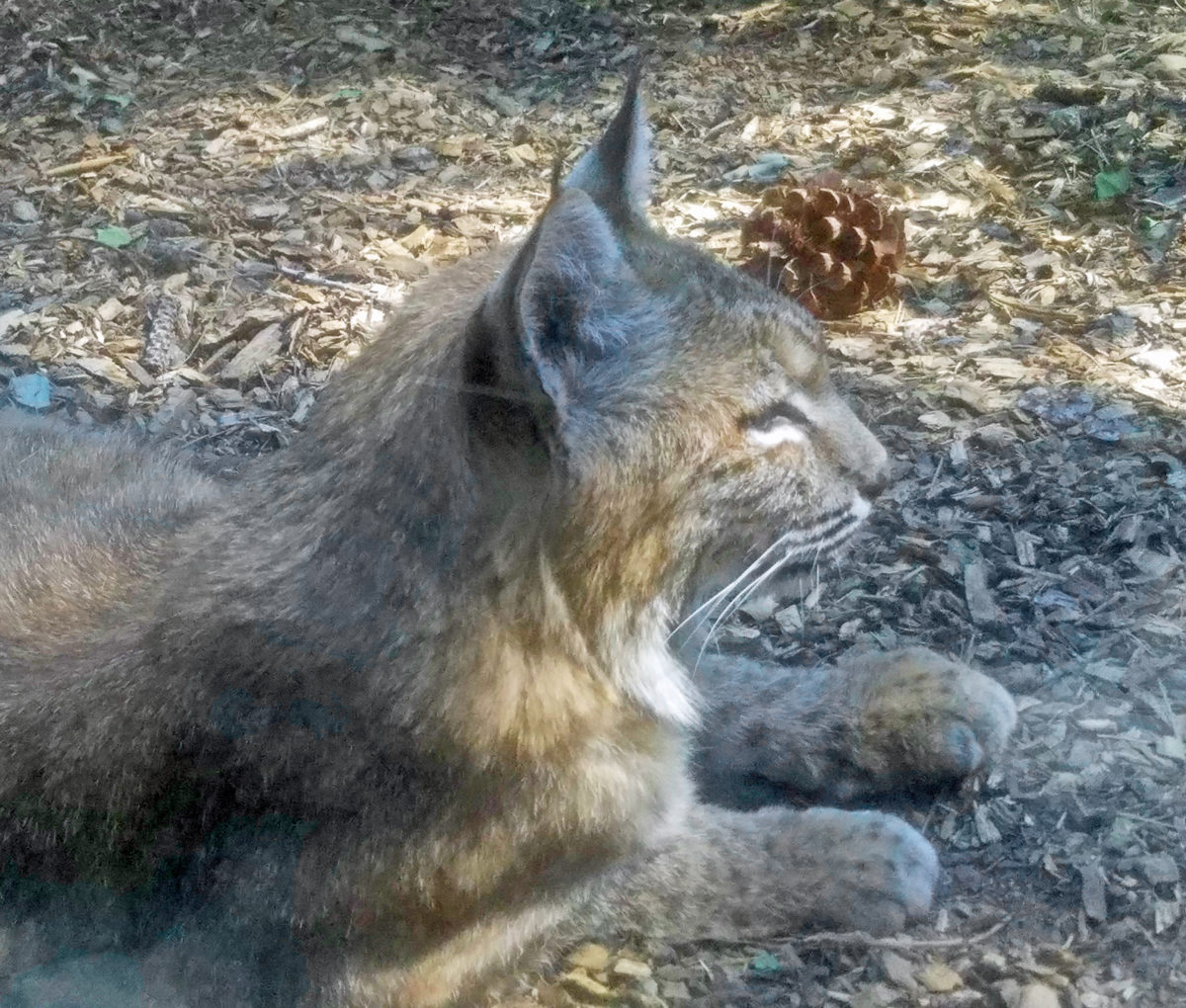
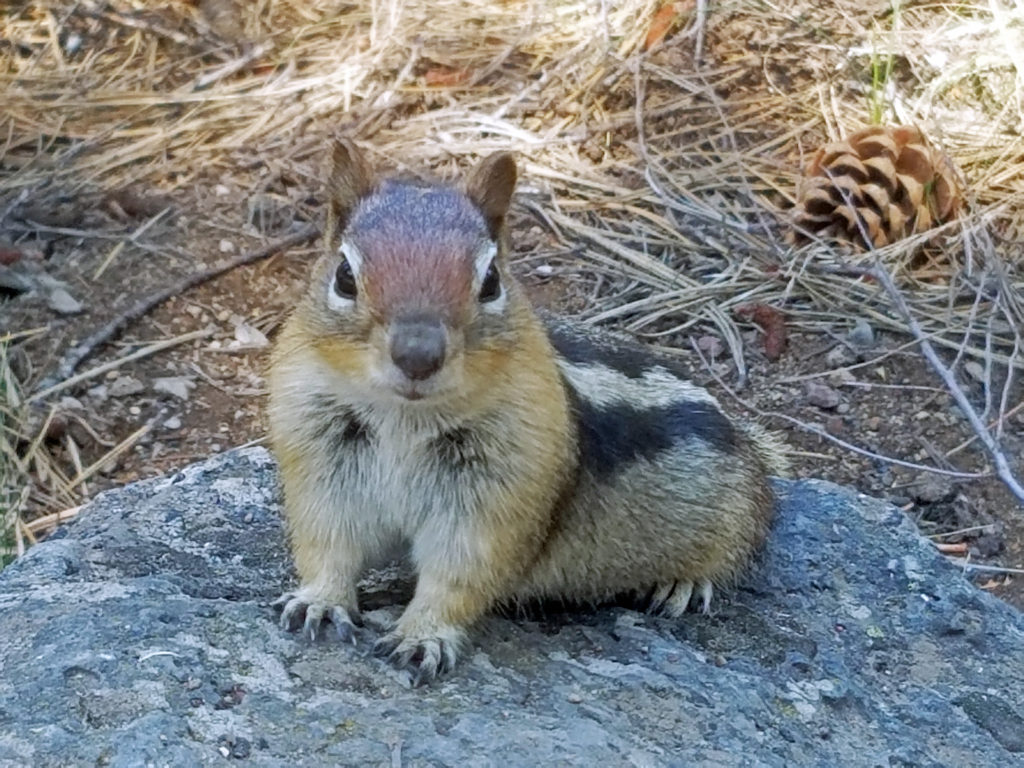 The High Desert Museum consistently rates as one of the top attractions of the Bend area, and it won the 2021 National Medal from the Institute of Museum and Library Services. My most recent trip to the museum came as part of a family vacation to the nearby Sunriver Resort, and everyone, especially the kids, thoroughly enjoyed the visit. It’s one of the most interesting museums that I’ve ever visited. There is something for everyone there.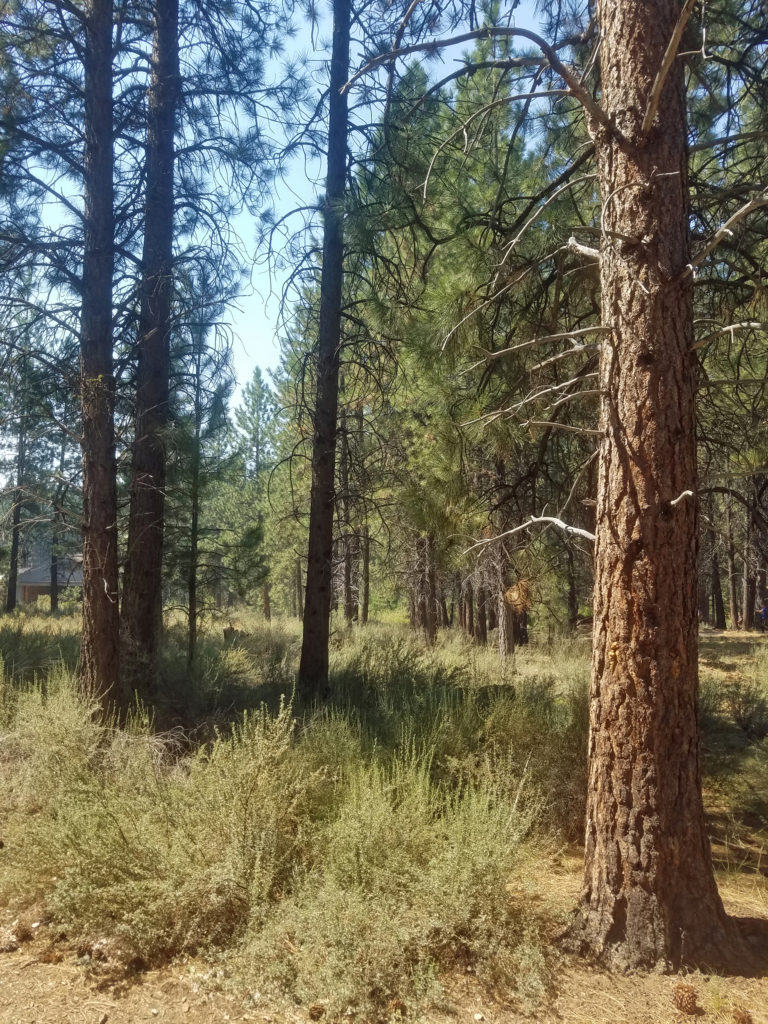
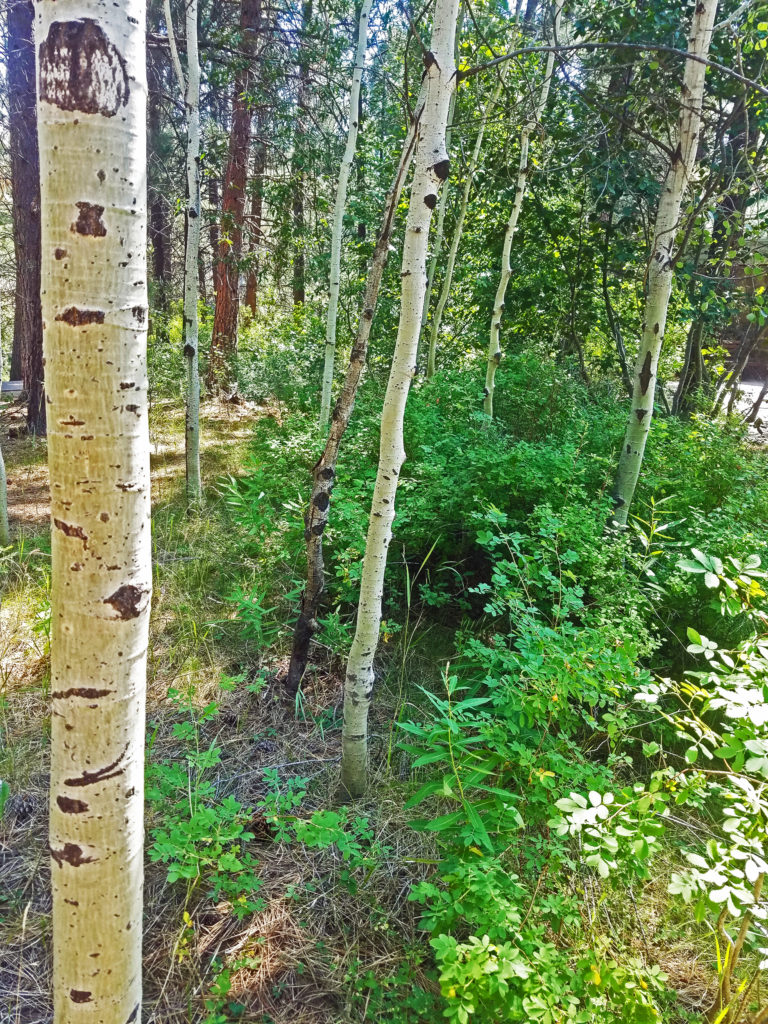
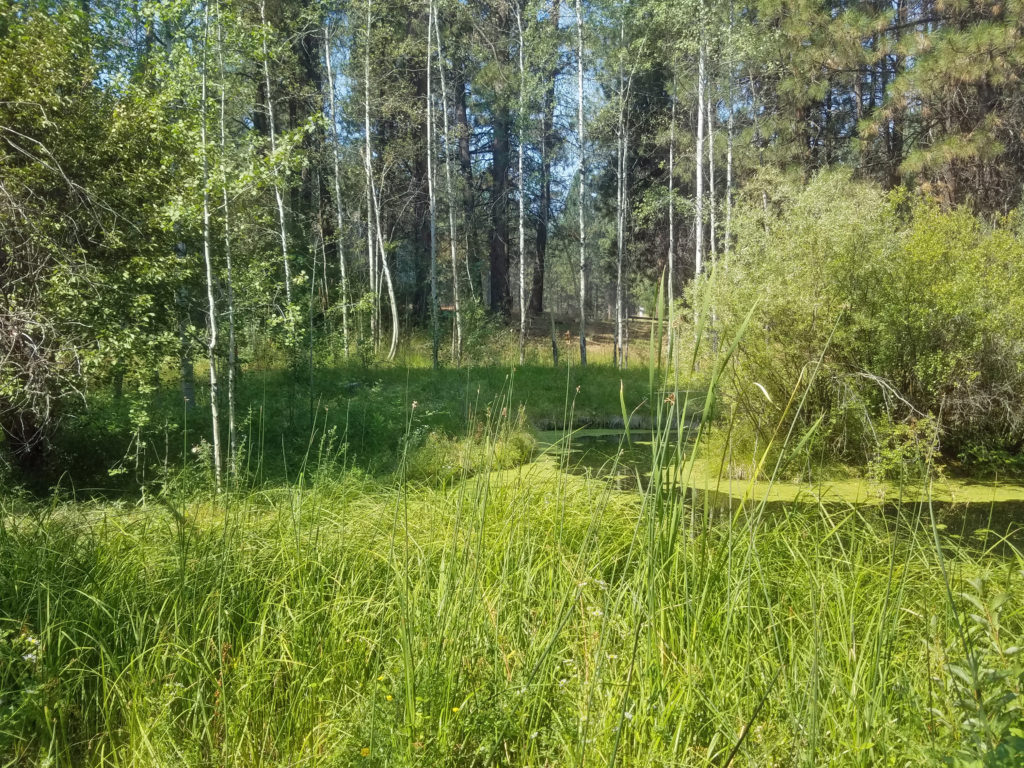 There is a small stream that runs through the museum grounds and several small ponds, giving the museum riparian as well as forest habitats. You can explore the pine forest and riparian areas on the trails that wander through the 135 acres of the museum grounds.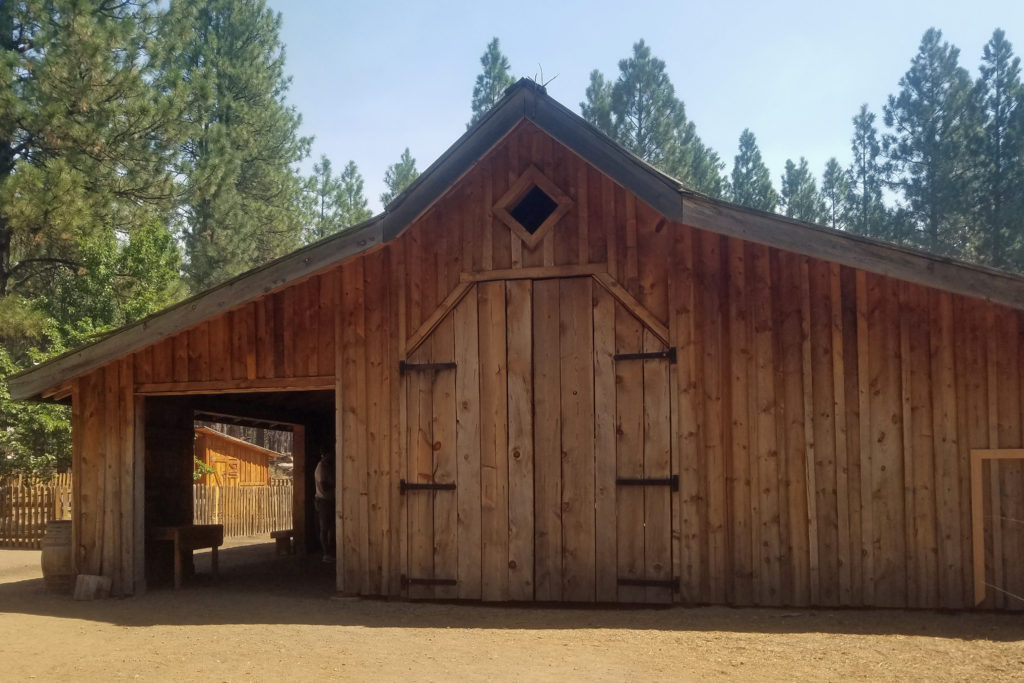
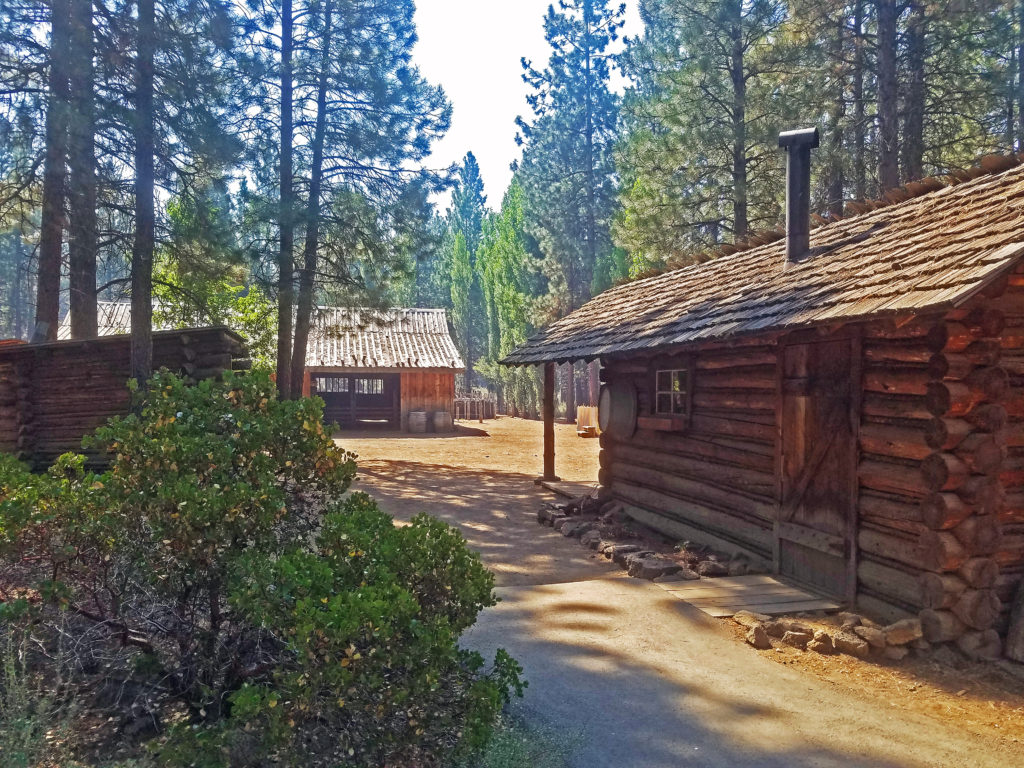
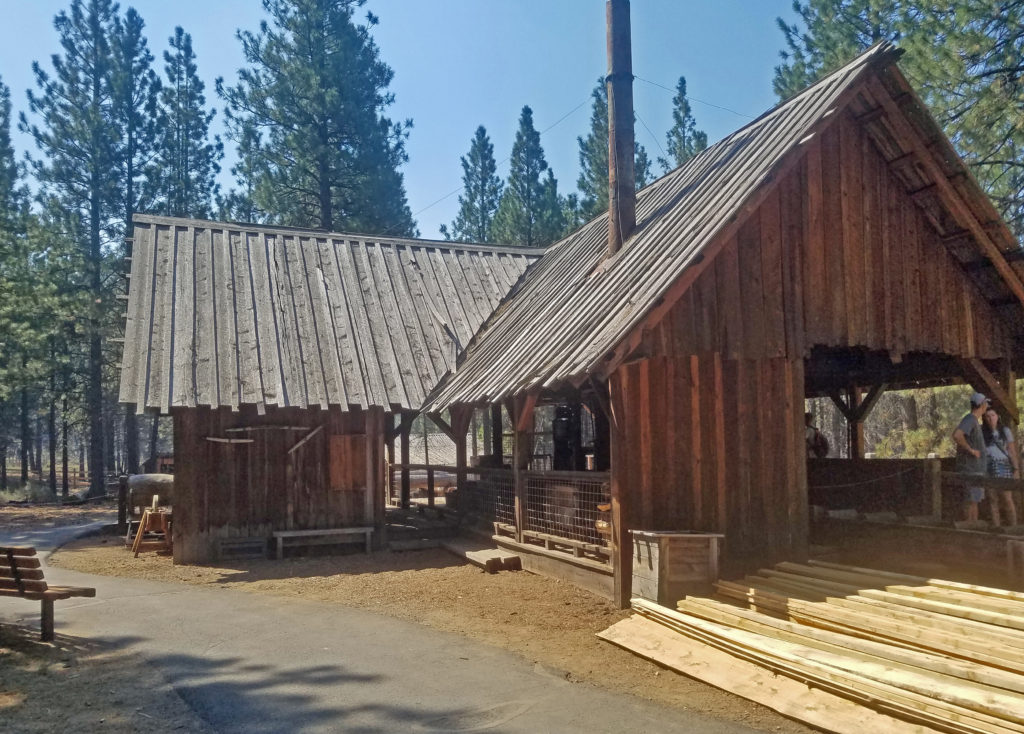 The Lazinka Sawmill is a working mill, originally located in Pilot Rock, Oregon. Originally driven by steam power, the mill is now powered by electricity. The lumber used to build the barn at the Miller homestead exhibit was cut at the Lazinka Mill. Museum staff fire up the mill once a month during the summer months, so check the museum’s schedule (linked below) if you are interested in seeing it in operation.
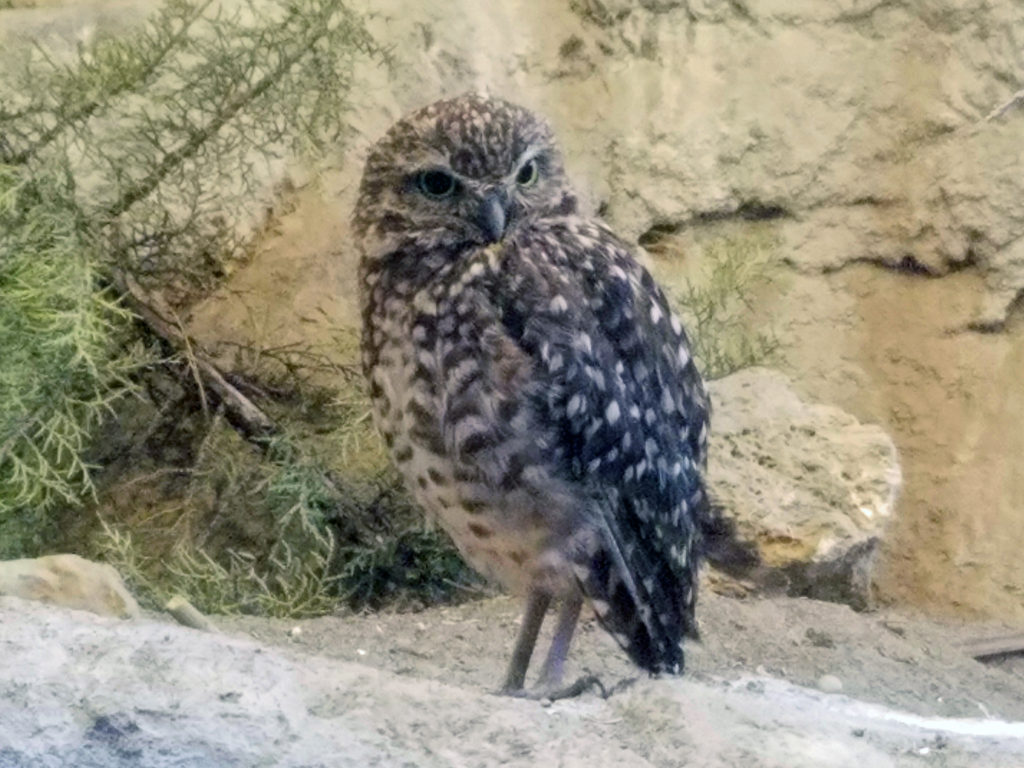 Get an up close look at some of the raptors of the high desert and learn about desert carnivores, otters, and other desert dwellers at the Donald M. Kerr Birds of Prey Center. Check the museum website for current programs and schedule.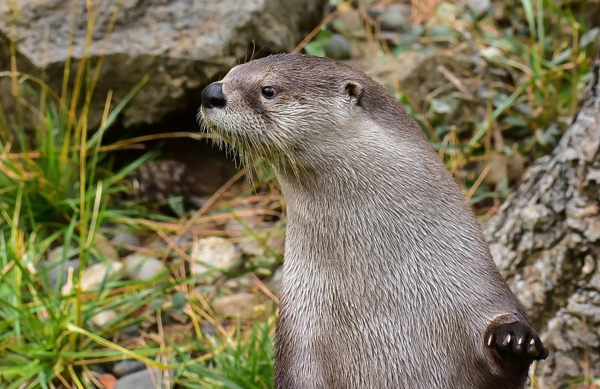
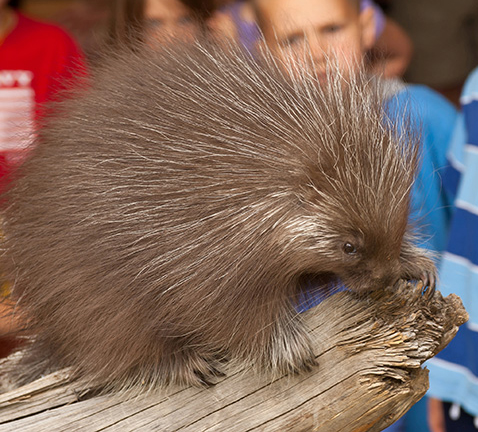
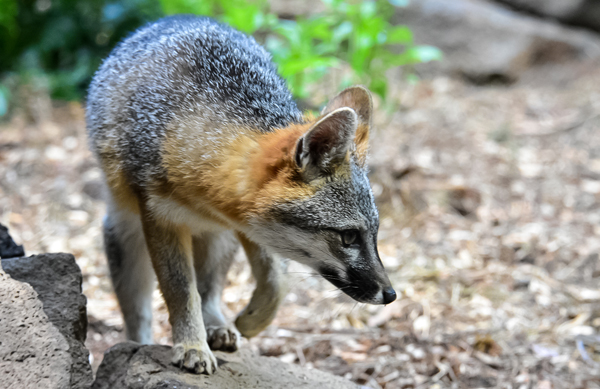
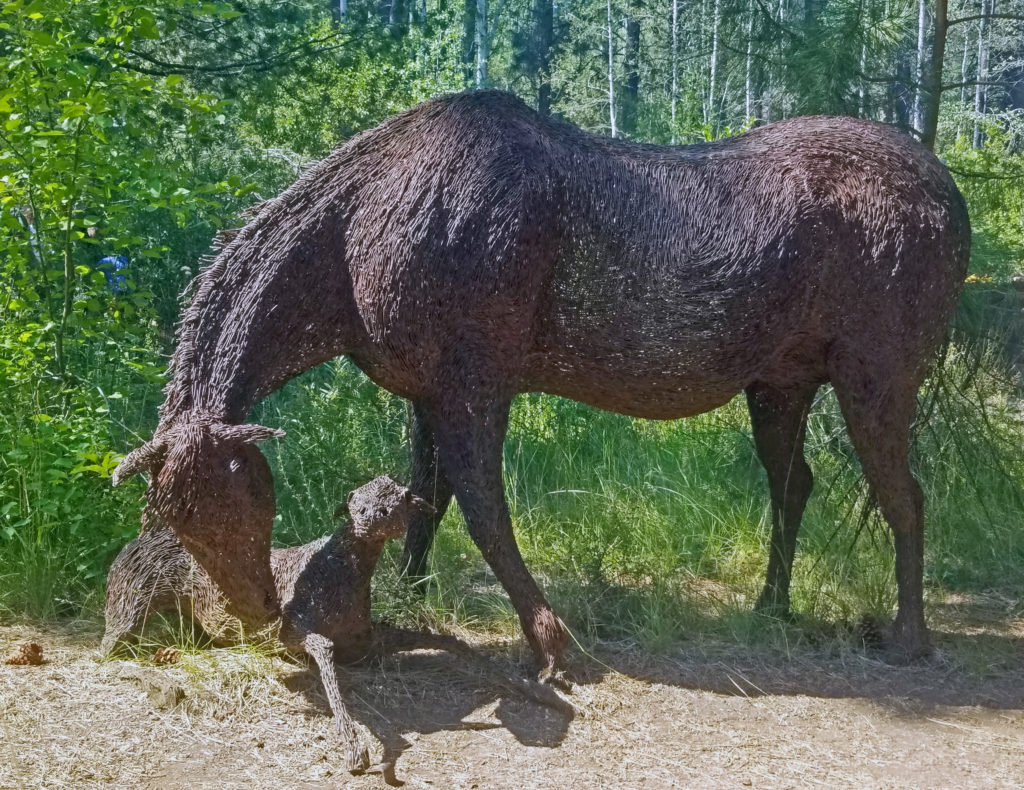 Throughout the grounds, you will find sculptures and other works of art. I particularly like the wire sculptured mare and foal, the bronze beavers, and the frozen-in-time bronze of a salmon in mid-leap.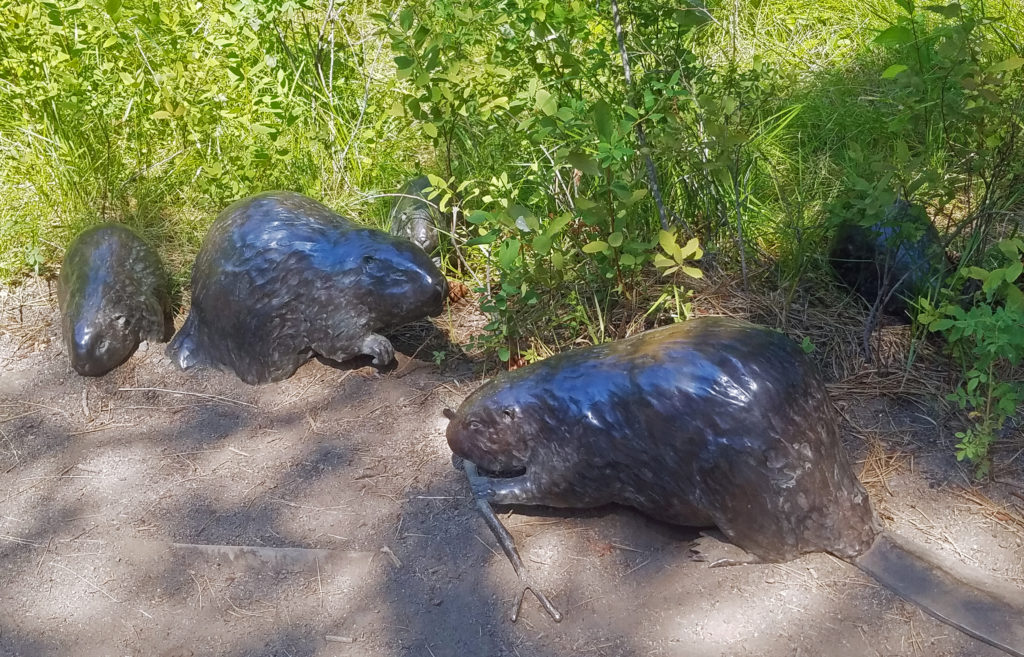
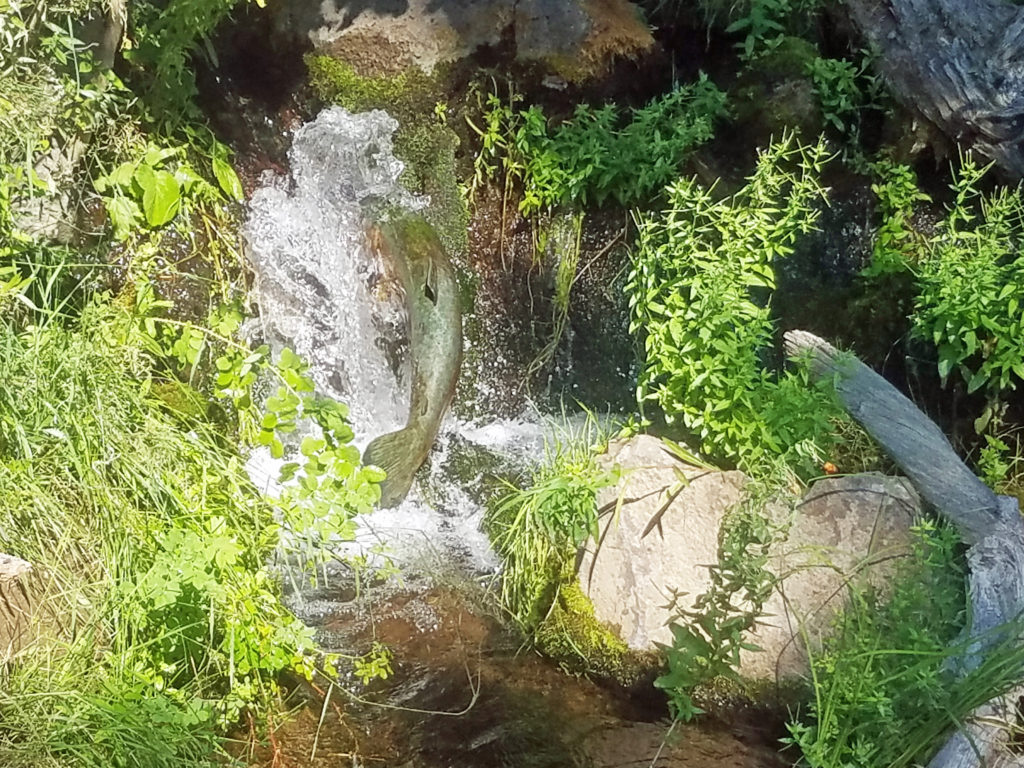 Other features of the museum include a Forest Service ranger office built in 1933, vintage logging equipment, a forest service fire truck from the 1930s, and a WWII army motorcycle made by Harley-Davidson. The museum’s most recent addition is the E. L. Wiegand Ponderosa Playscape, a children’s play area near the otter exhibit.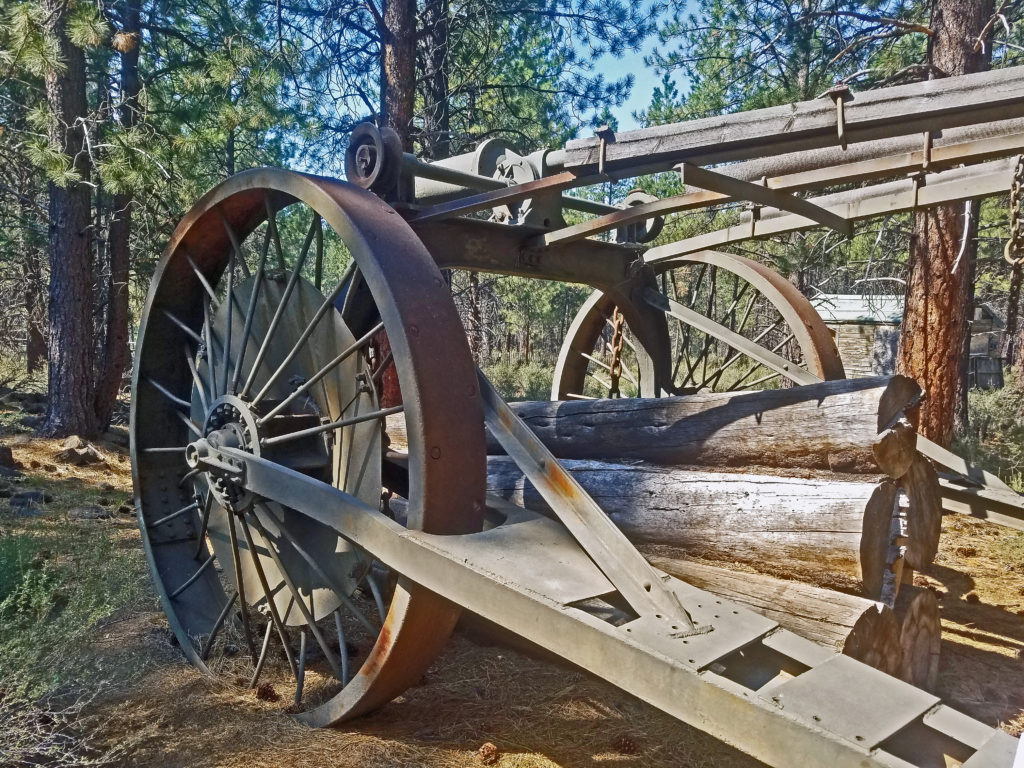
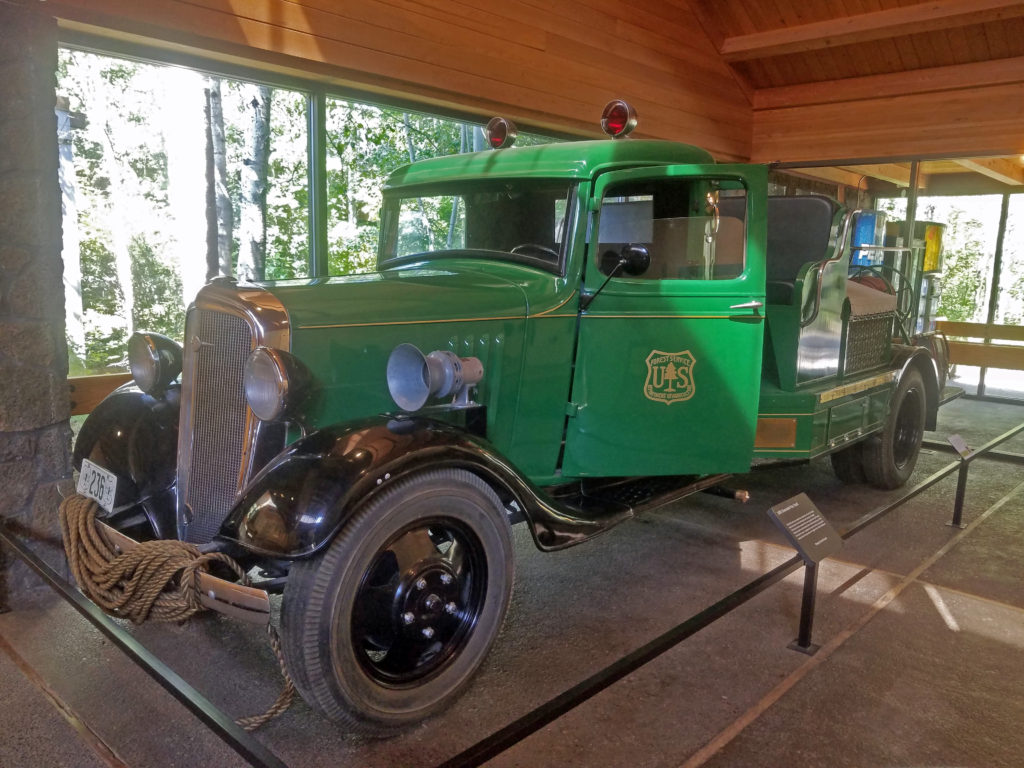 Inside the main building, the Desertarium Exhibit showcases some of the animals that make the High Desert home, including snakes, lizards, and desert tortoises. Other permanent indoor exhibits include Spirit of the West, which documents the history of the people of the region, and By Hand Through Memory, a look at the history and culture of the Plateau Indian Nations.
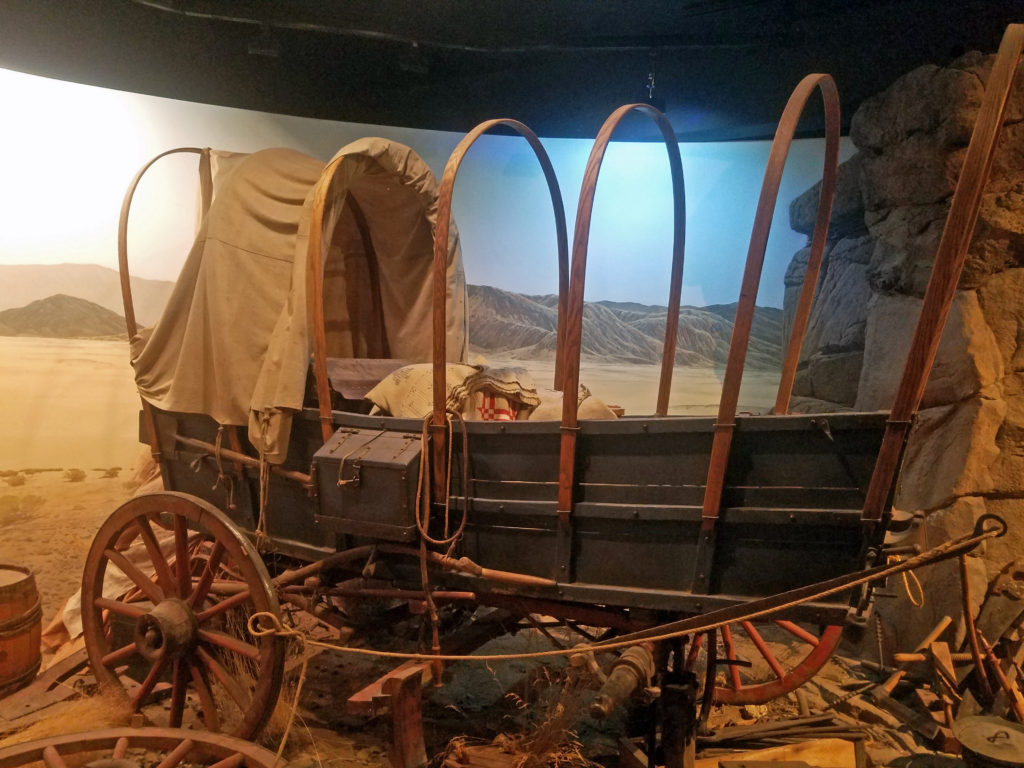 The museum also hosts changing exhibits. Check the museum’s website for what exhibits are currently on display.
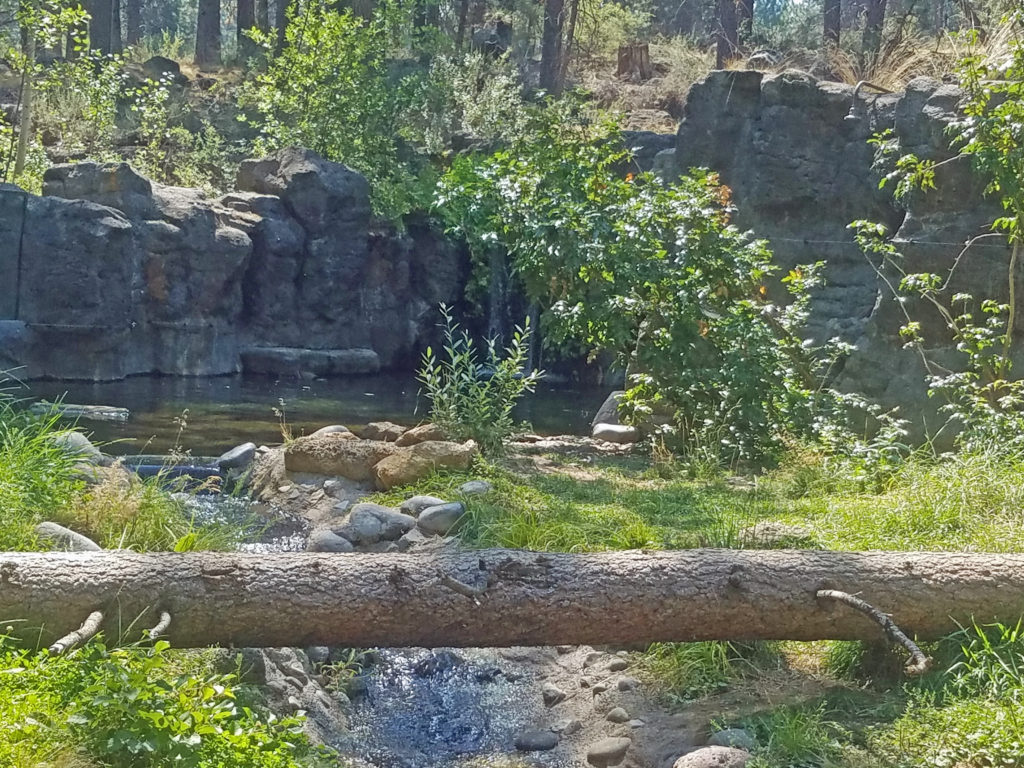 In addition to enjoying all the museum’s exhibits, you can get made-to-order sandwiches and wraps, and a variety of beverages at the newly remodeled Rimrock Cafe inside the main building. The cafe features locally made food and drink from Big Ed’s Artisan Bread, Humm Kombucha, and Strictly Organic Coffee. And souvenirs of your visit and books and other educational materials are available at Silver Sage Trading, the museum store.
 Plan on spending at least several hours at the museum, especially if you have kids in tow. There’s too much worth seeing to experience it all in less time. Check the museum website for hours and admission fees. Tickets are available for purchase on the website, but advance purchase is not required.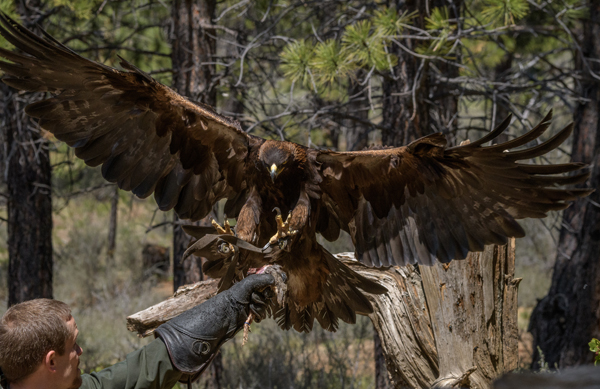
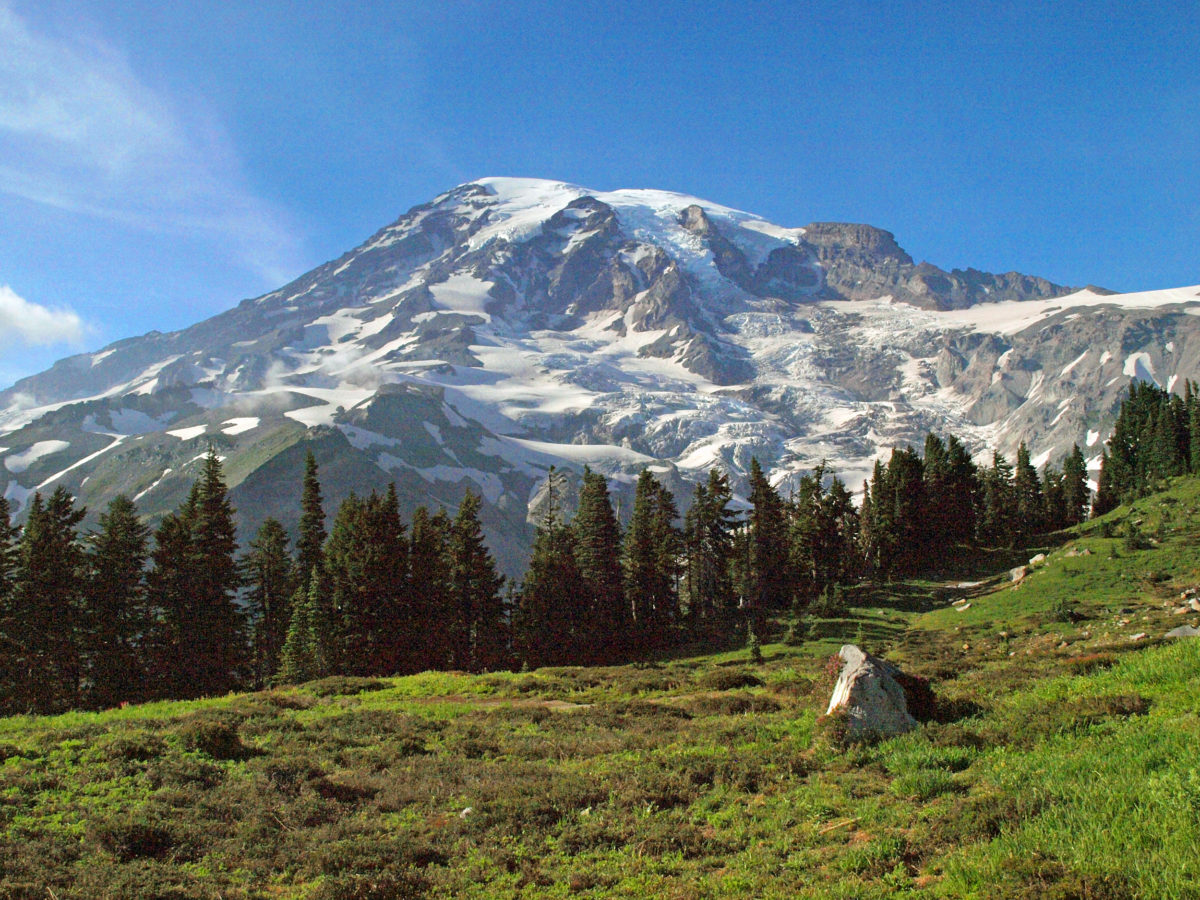
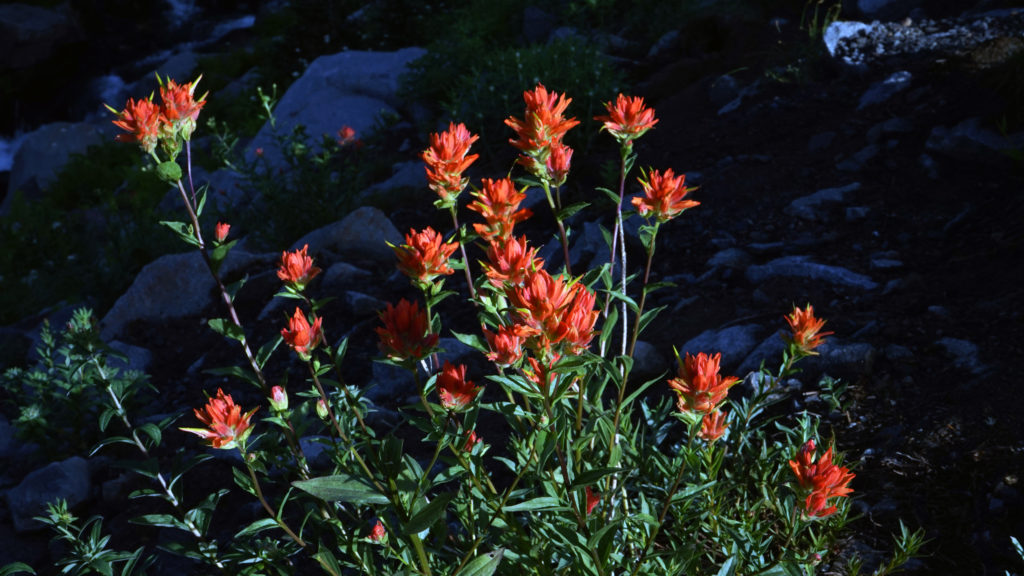
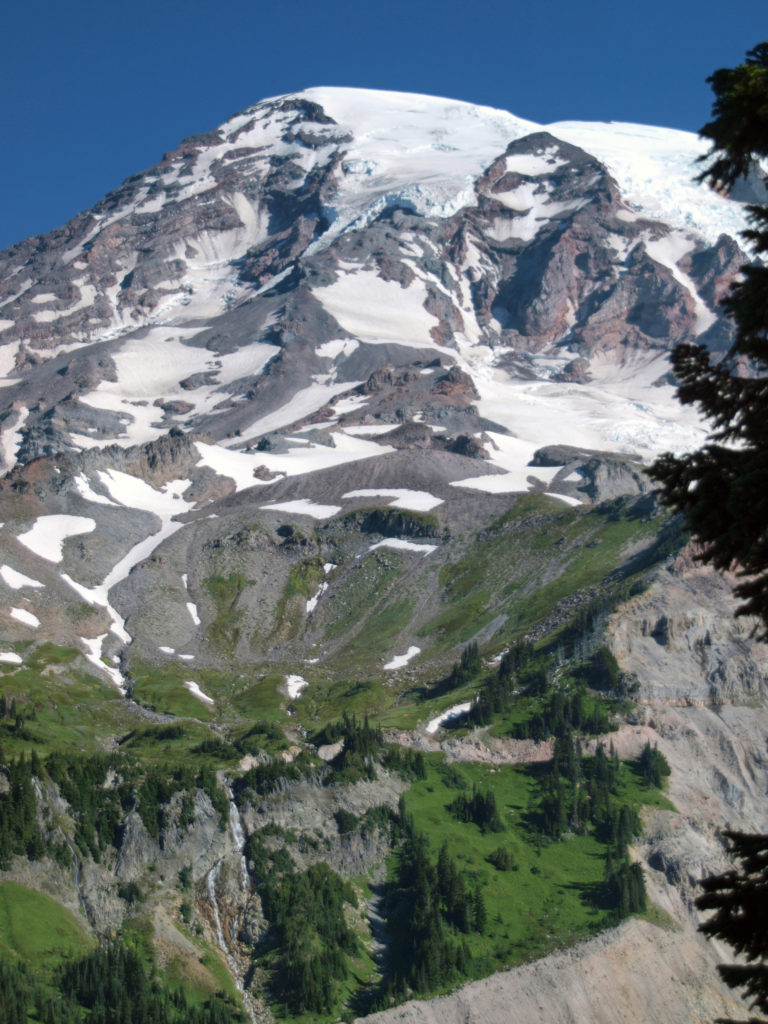
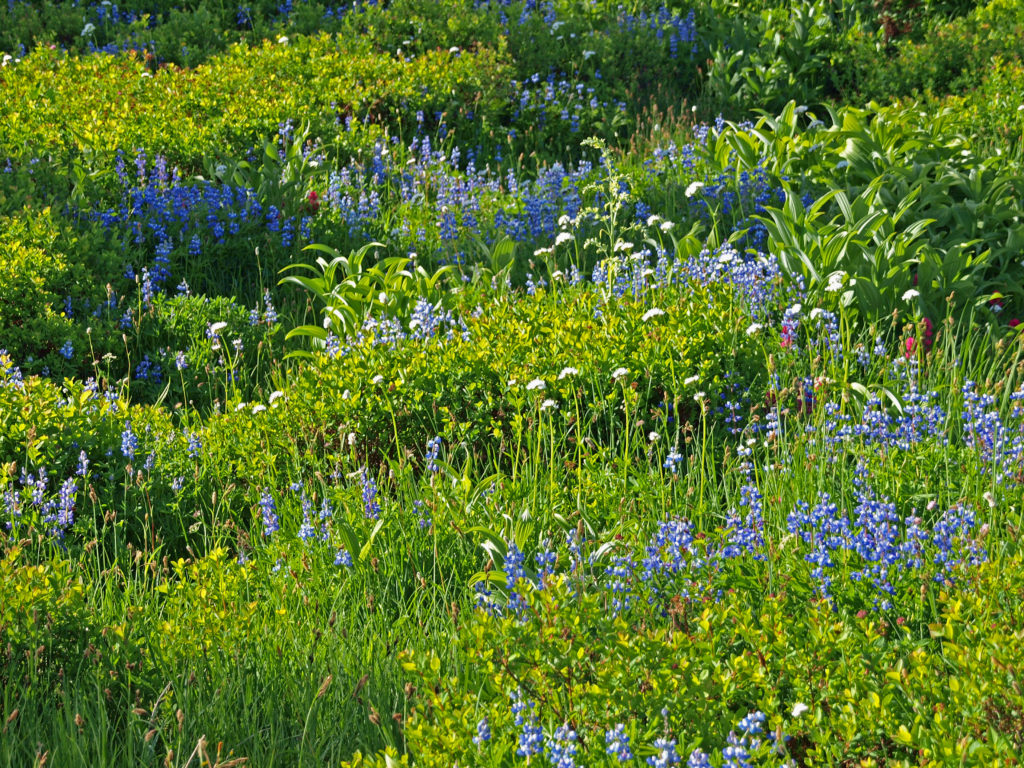
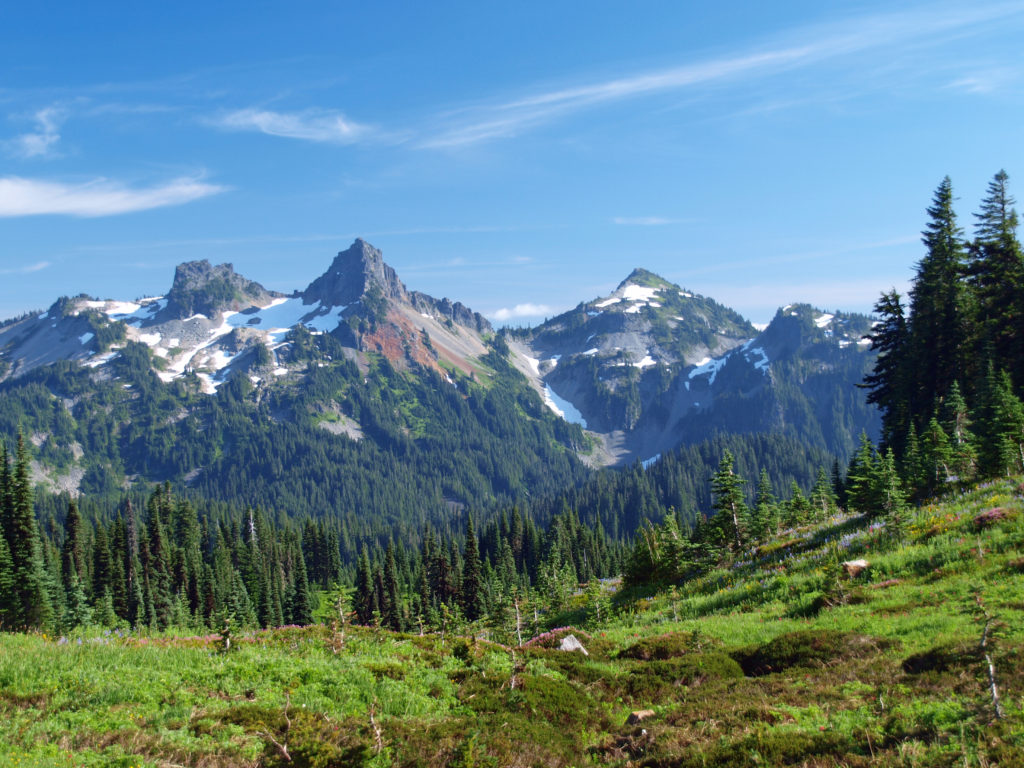
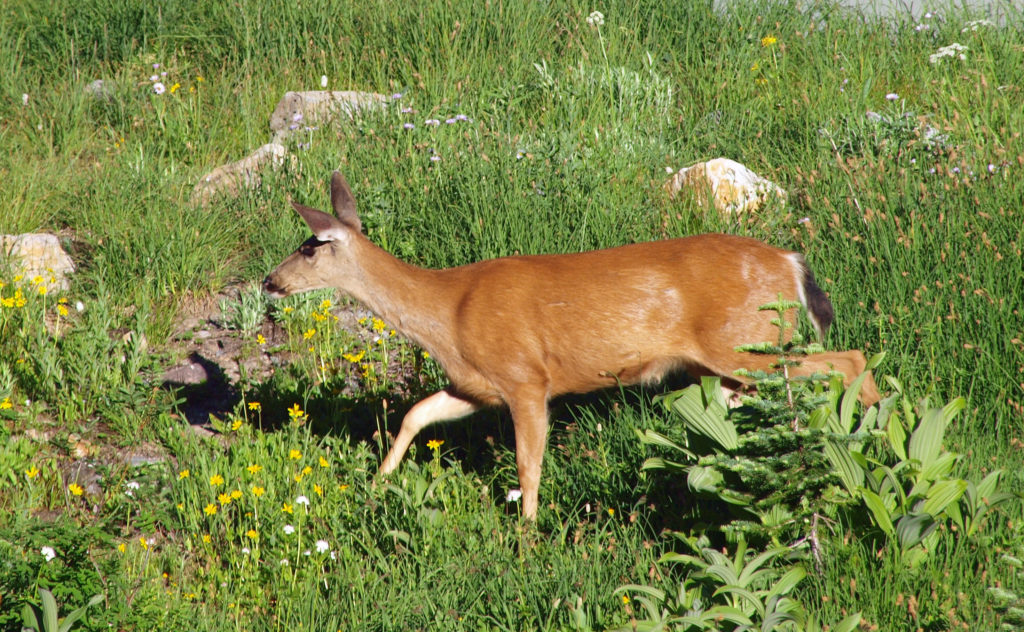
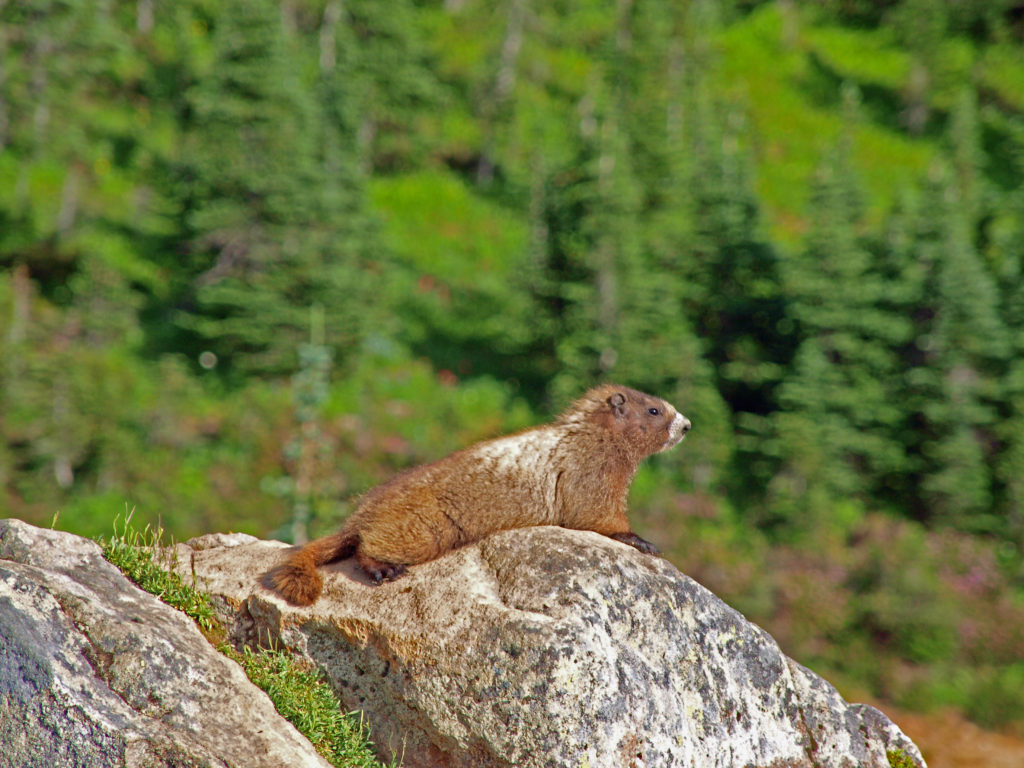
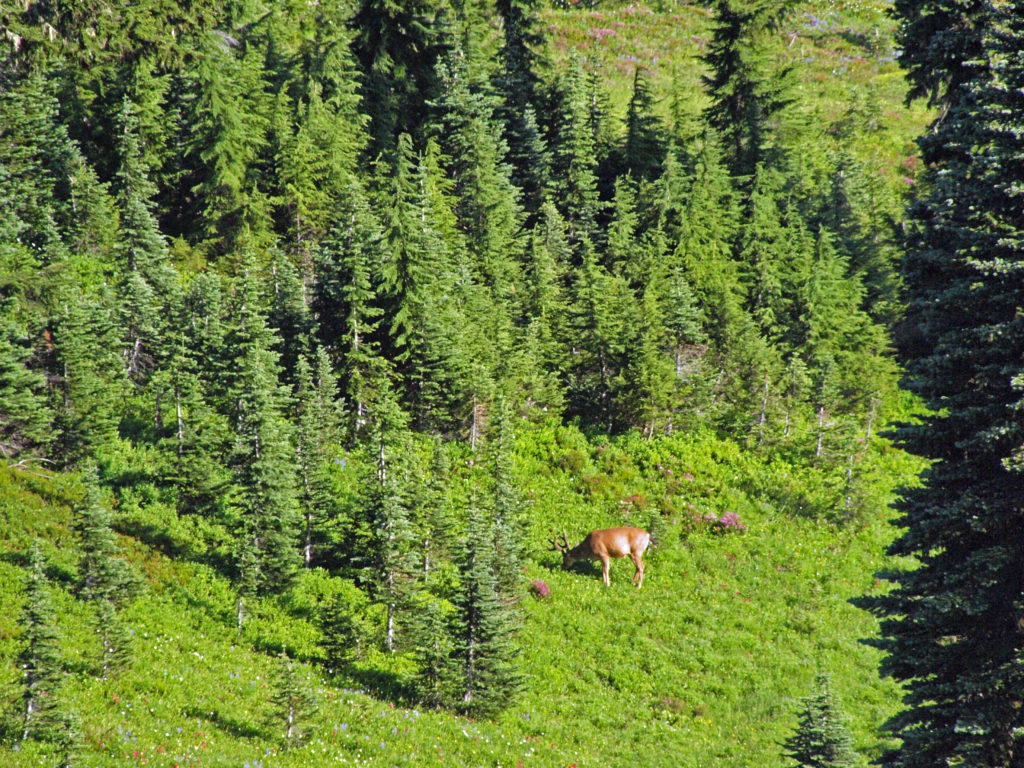
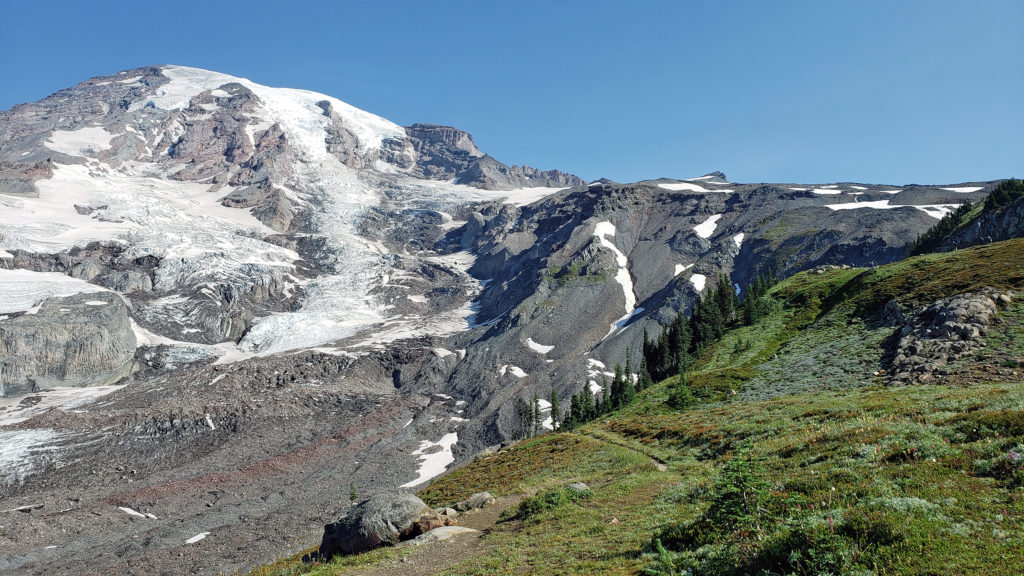 The highlights of the trip were the two hikes we did on the Skyline Trail. The first was the four mile out and back hike to Panorama Point. The second was the roughly four mile Skyline-Golden Gate loop. Both are listed as “moderate” hikes, but both have significant elevation gains (1700′ and 1400′ respectively). We did both hikes early in the day during the week, but we were far from the only ones on the trail, especially on the hike to Panorama Point. But the area above Paradise is so incredibly scenic that the crowds didn’t diminish the experience much.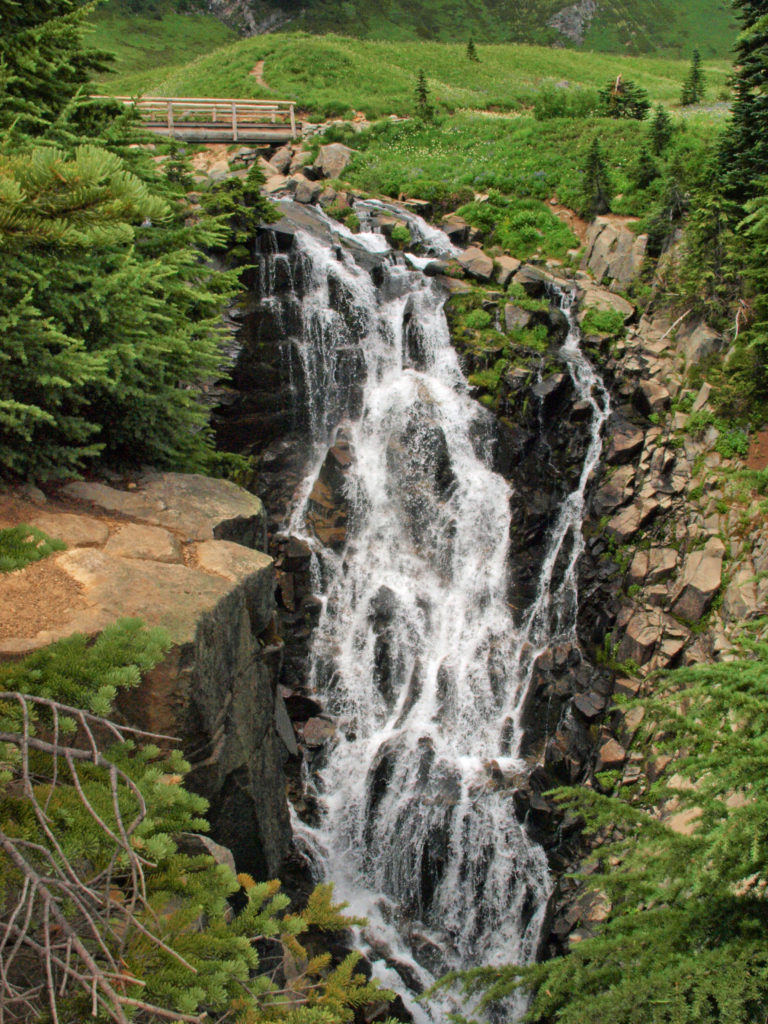
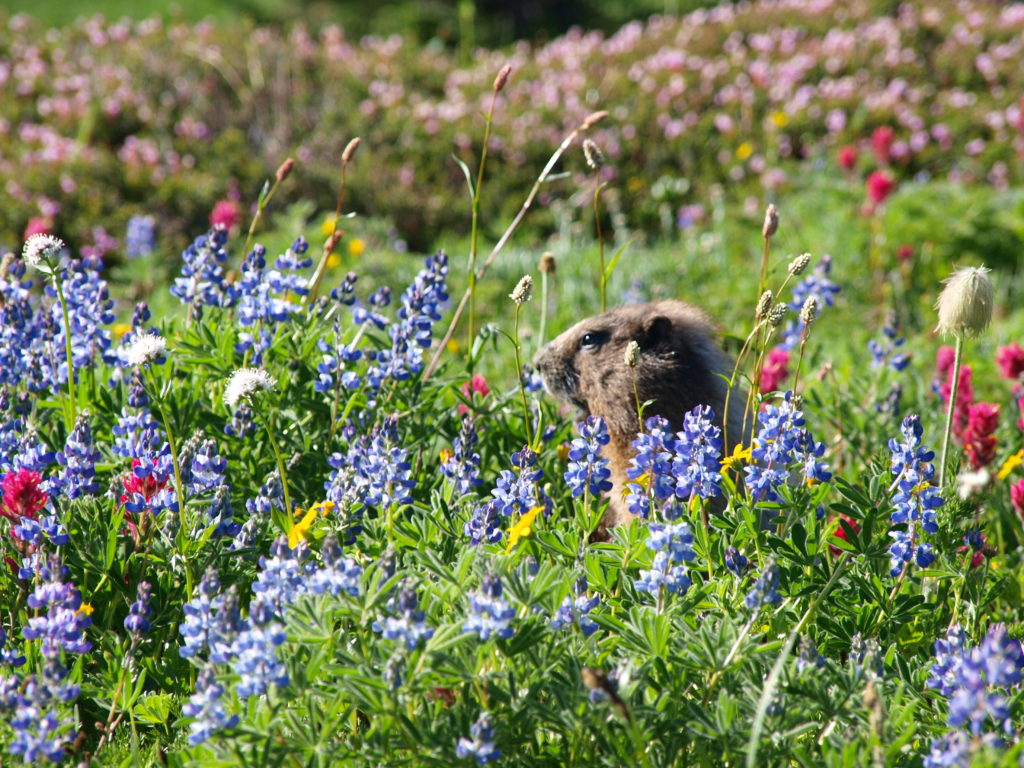
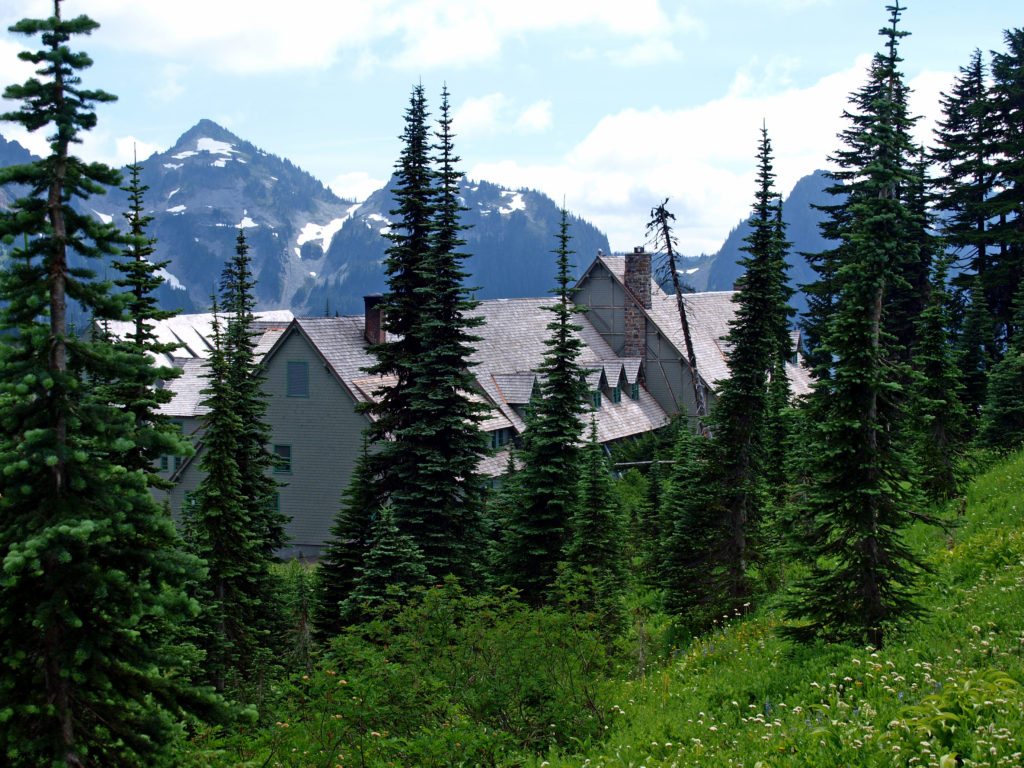
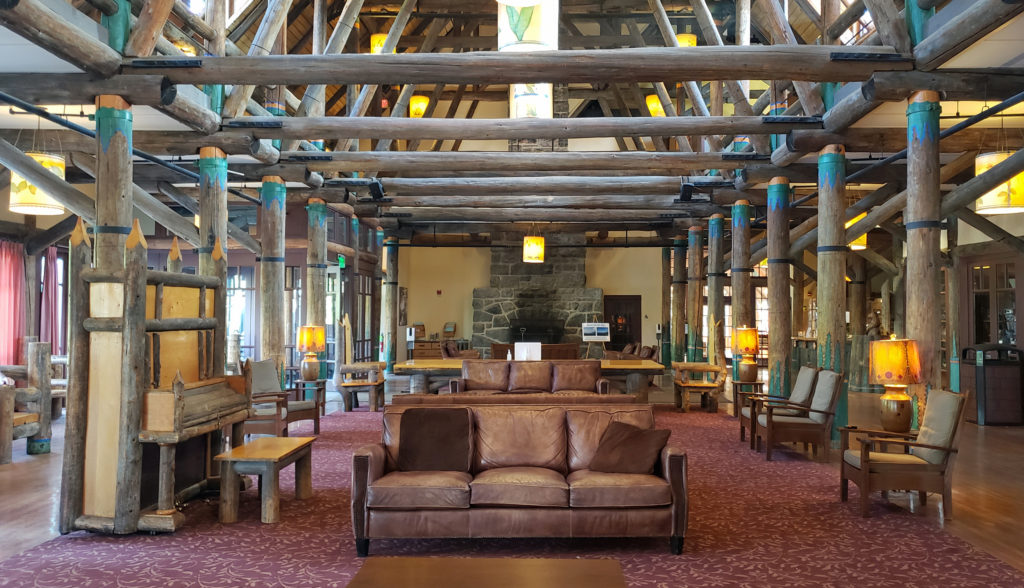 Close to Paradise Inn, the Jackson Memorial Visitor Center, named after long-time U.S. Senator Henry M. Jackson, offers general information, exhibits, a park film, guided ranger programs, a book/gift store and a cafeteria. Unfortunately, all visitor centers in the park are currently closed due to the ongoing pandemic.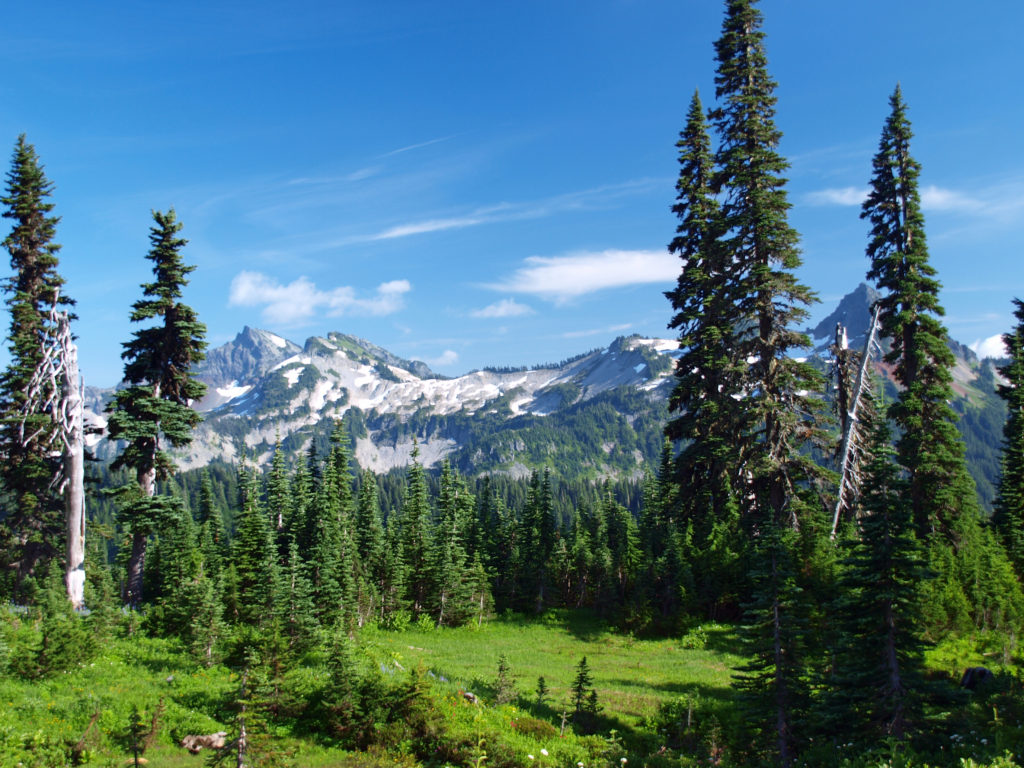
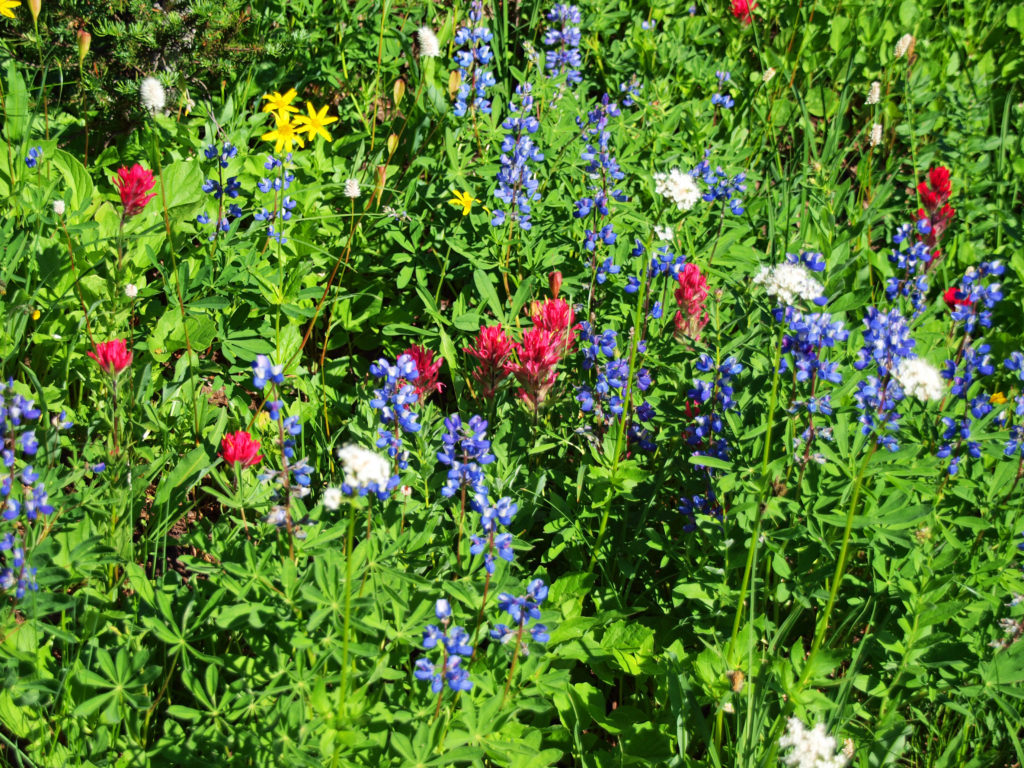
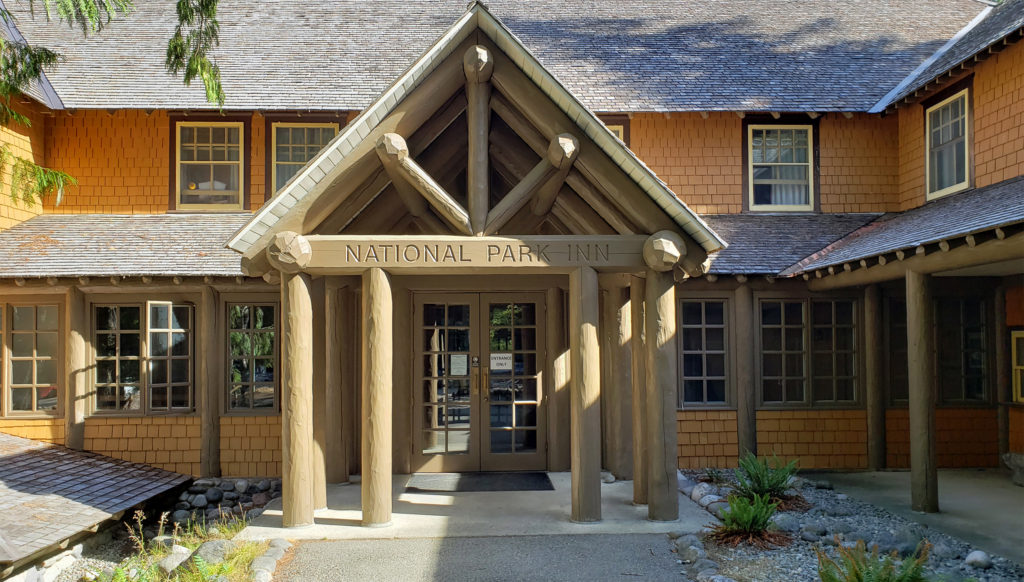 Both Paradise Inn and the National Park Inn have full service restaurants, but both were operating on a reduced scale due to the pandemic when we were there in August. The National Park Inn dining room was closed, but take out meals could be ordered and picked up at the reception desk in the lobby. The dining room at Paradise Inn was open for dinner only for most of our visit, but closed (unexpectedly) for the season on our last day there. Paradise Inn also has a limited service cafe, and there is a cafeteria at the Jackson Memorial Visitor Center that is open daily during the summer season and on most weekends and holidays in the winter (depending on road conditions). The National Park Inn restaurant is open year round.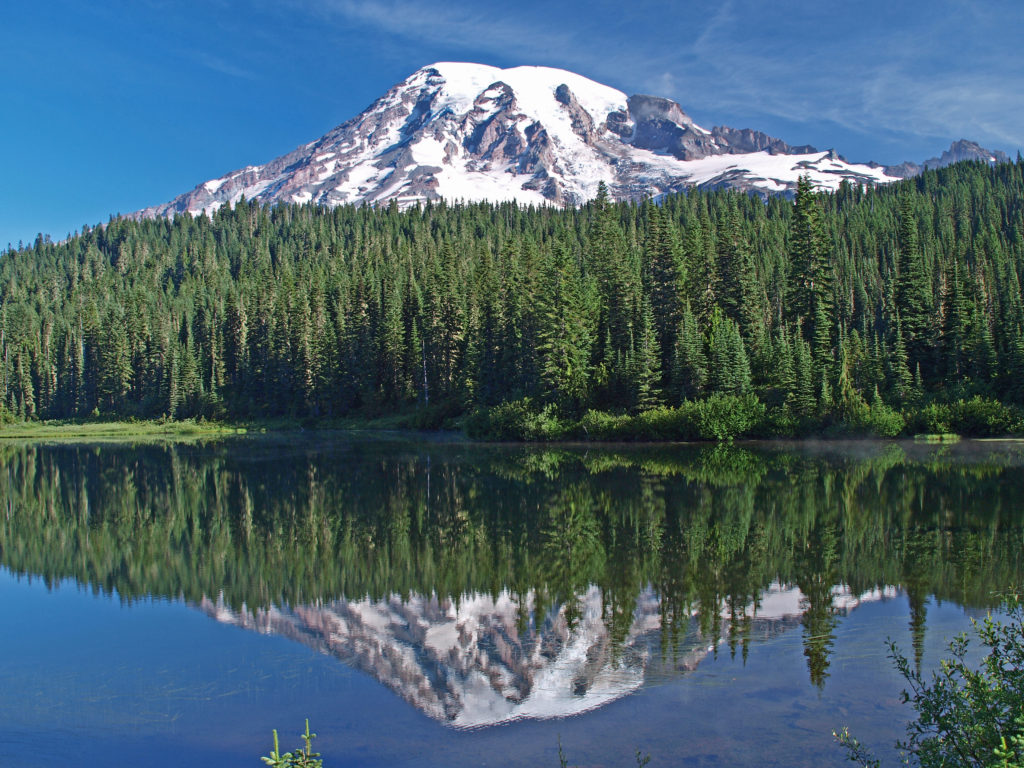
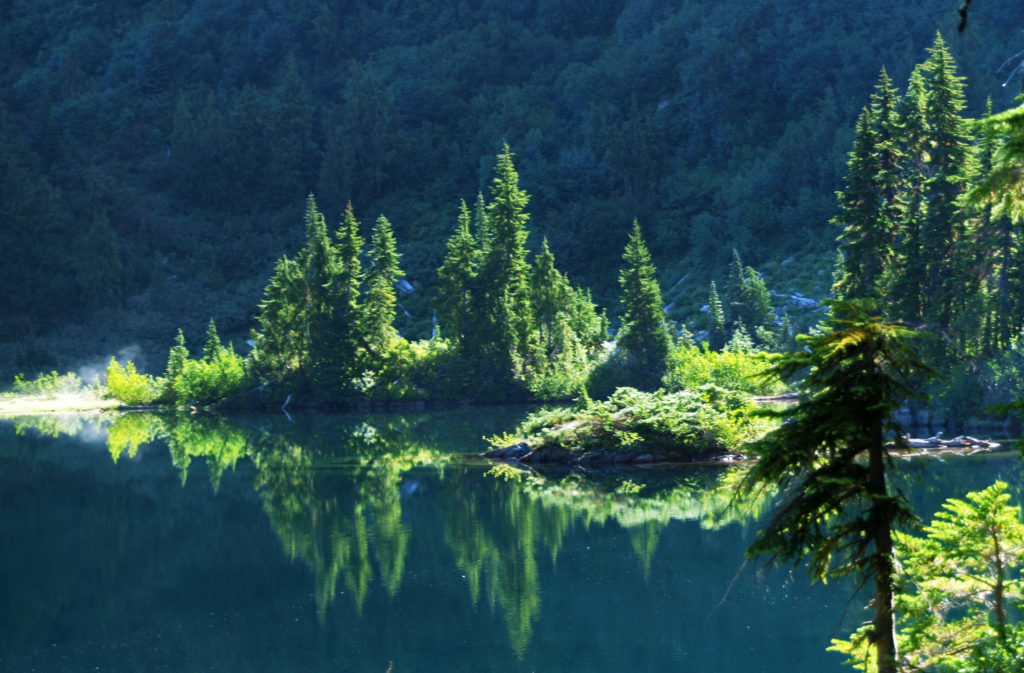 The nearby Snow Lake Trail is an easy and worthwhile hike. To the east, the Stevens Canyon area has a number of interesting areas, including Box Canyon, a 180 foot deep slot canyon, and a number of roadside waterfalls.
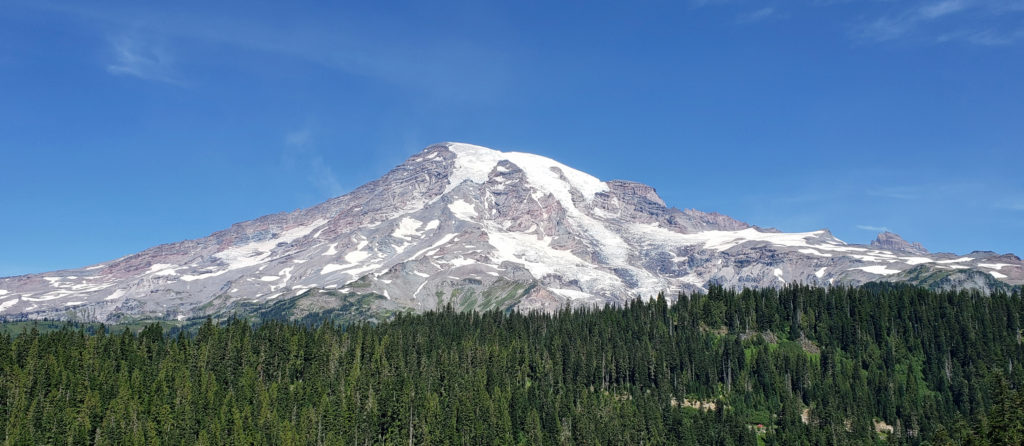 The Longmire area has some interesting history, a museum, nice hiking trails, and the National Park Inn offers both lodging and dining options for the visitor. The road to Longmire is also plowed in the winter, so it’s a year round destination. (The road from Longmire to Paradise is open in winter when the weather allows.)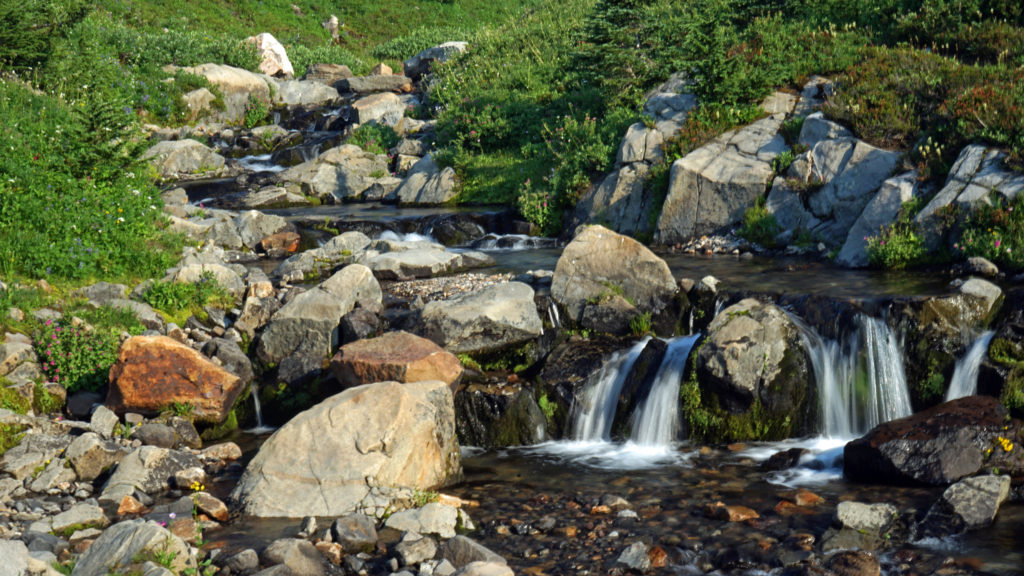
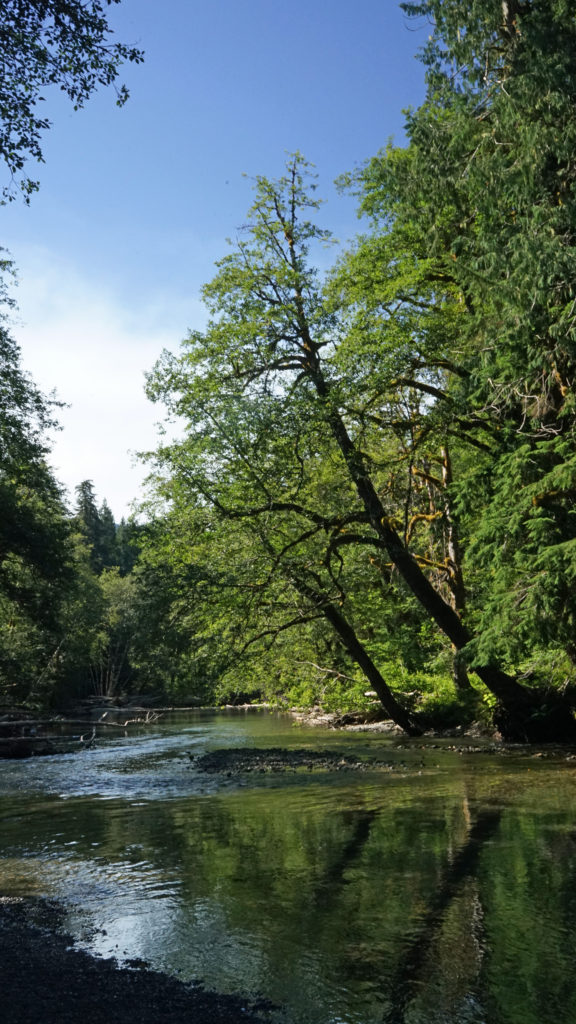 In the Ohanapecosh area in the southeastern corner of the park, the Grove of the Patriarchs Trail is a good family friendly outing. And the nearby Silver Falls Trail is a must for waterfall lovers. In the northeastern section of the park, the Sunrise area offers beautiful views of the eastern side of the mountain and has an abundance of hiking trails.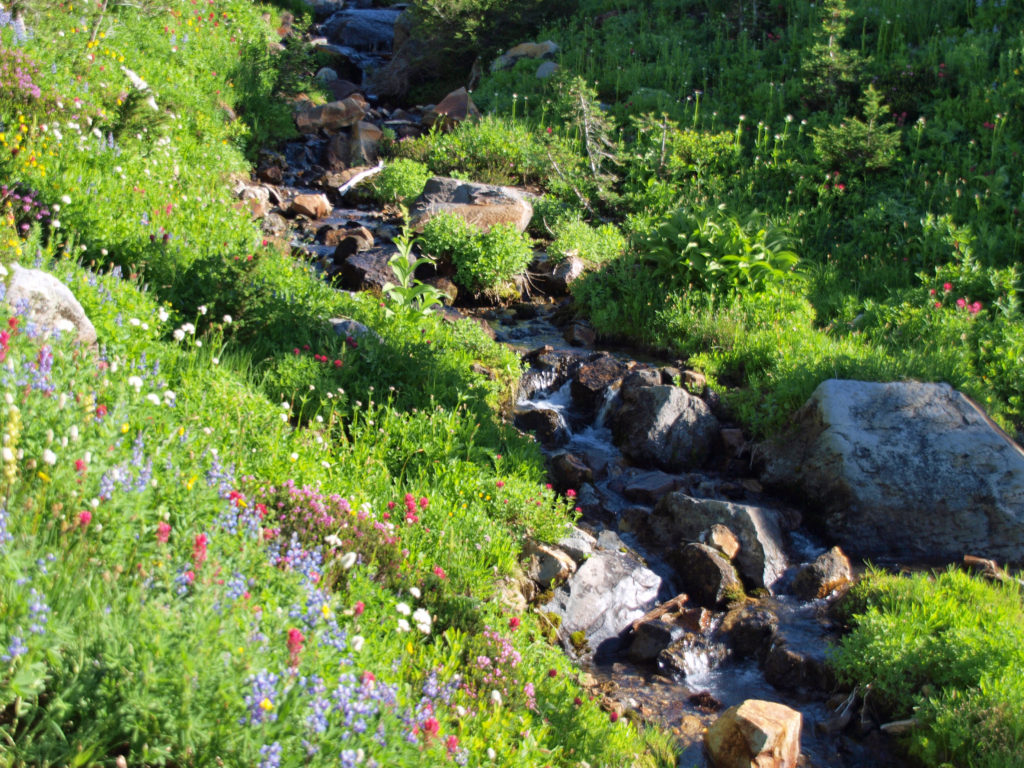
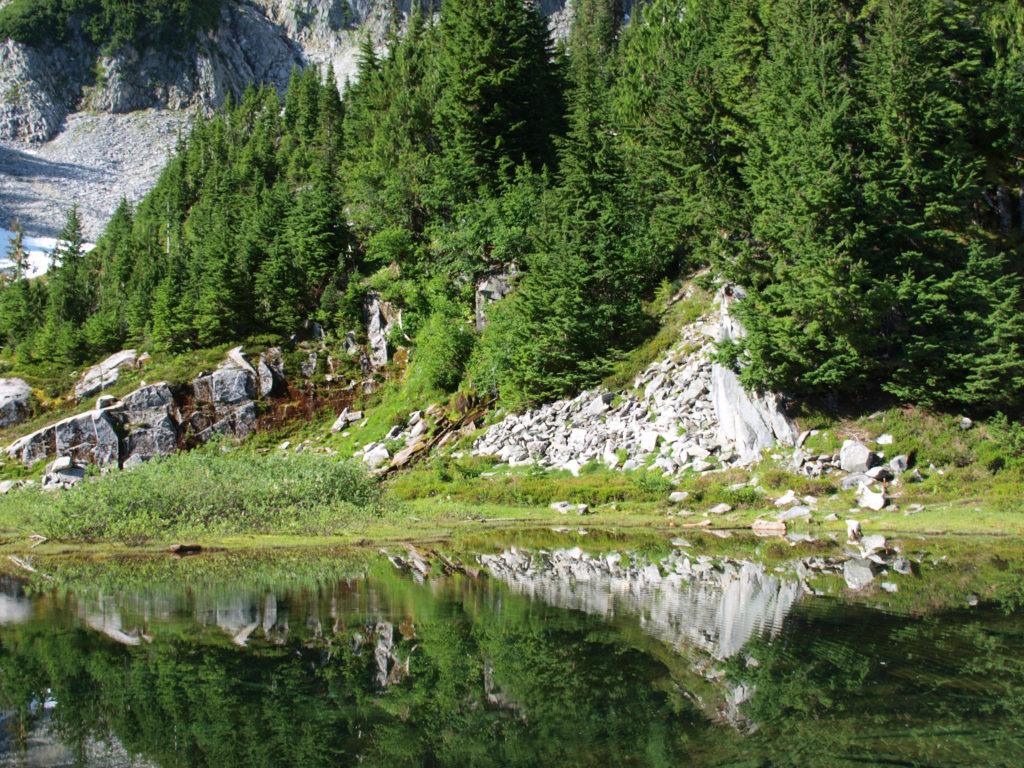
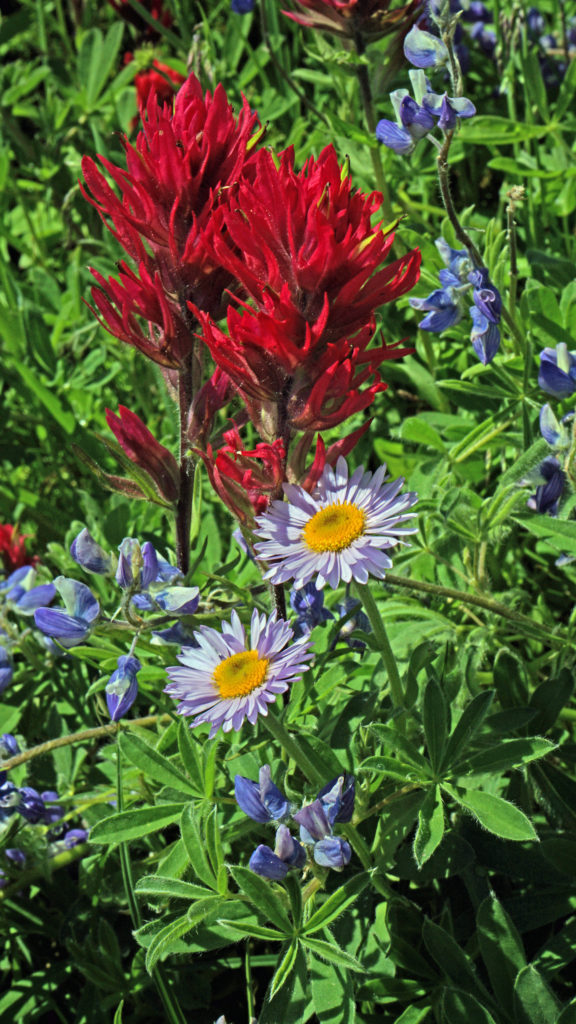
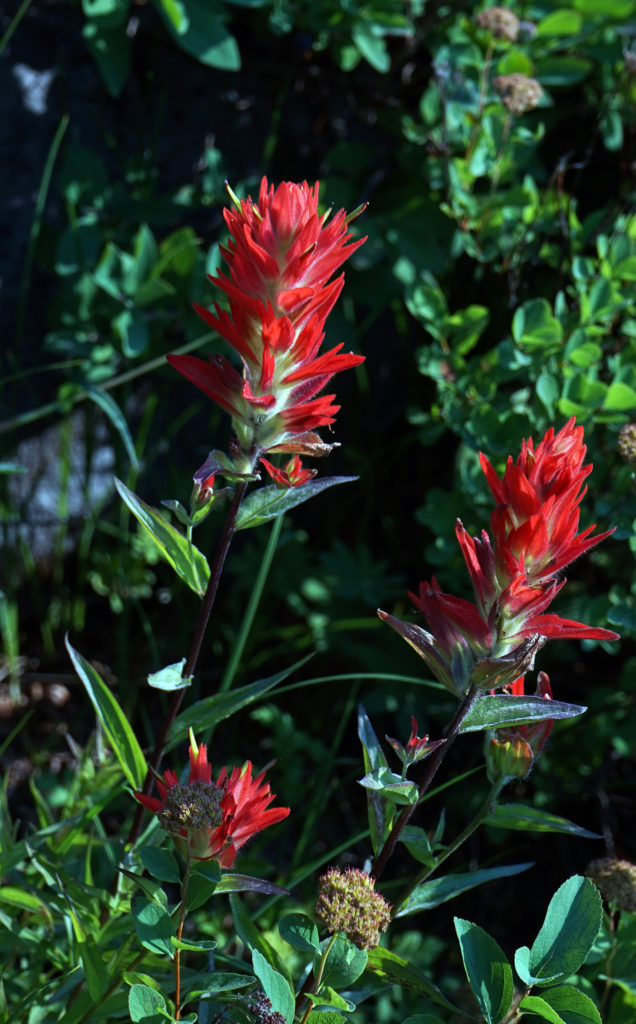
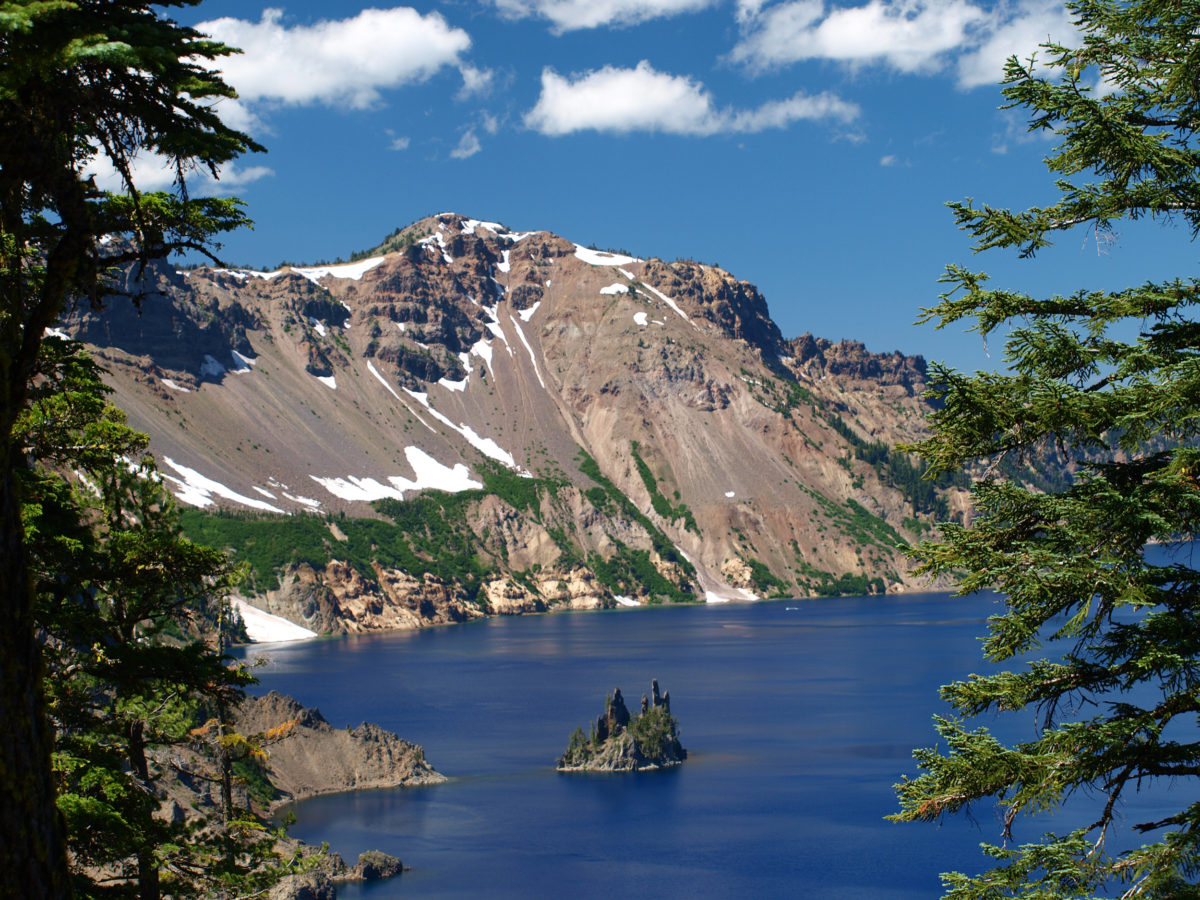
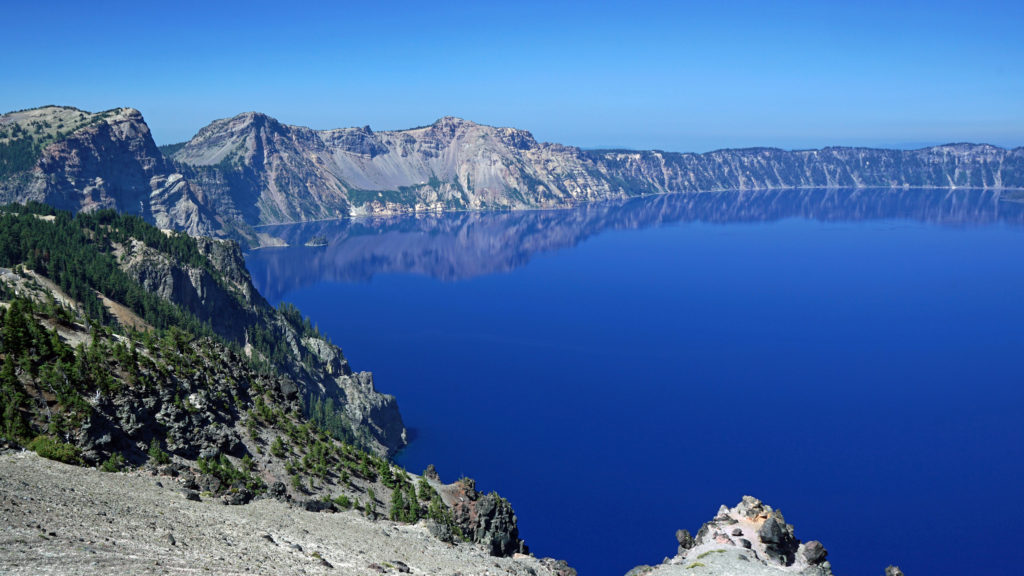 The Lake
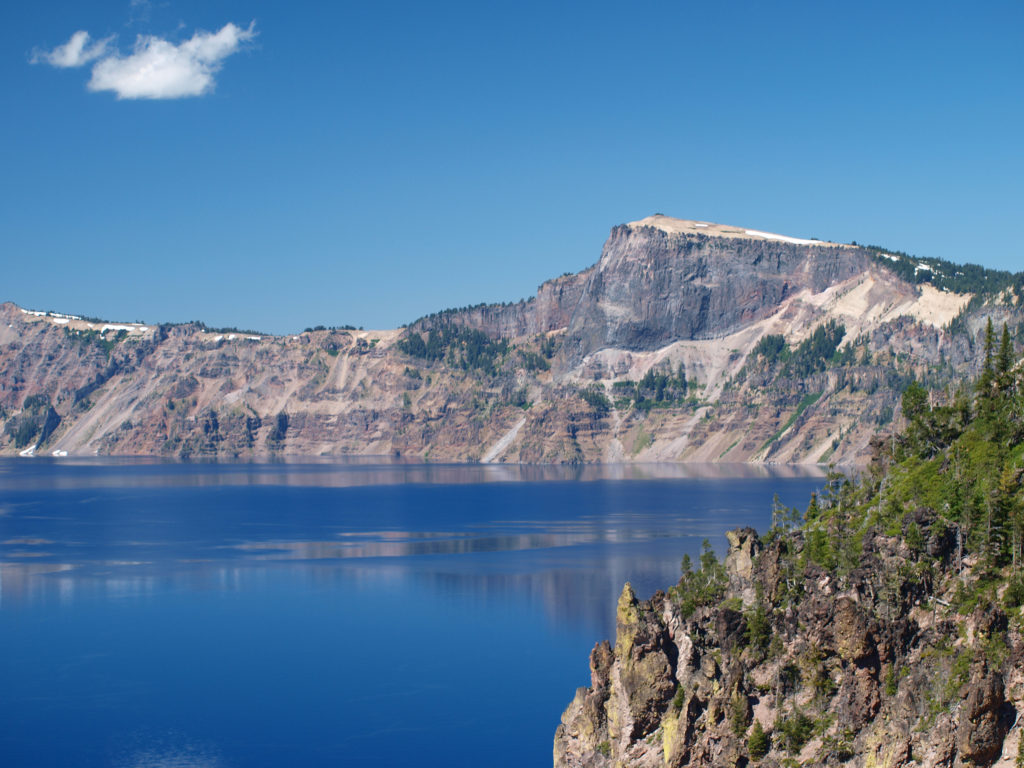 Crater Lake is 1943 feet deep, making it the deepest lake in the United States, second deepest in North America, and ninth deepest in the world. It is also one of the cleanest and clearest lakes in the world. It’s that combination of depth and clarity that results in its intense deep blue color.
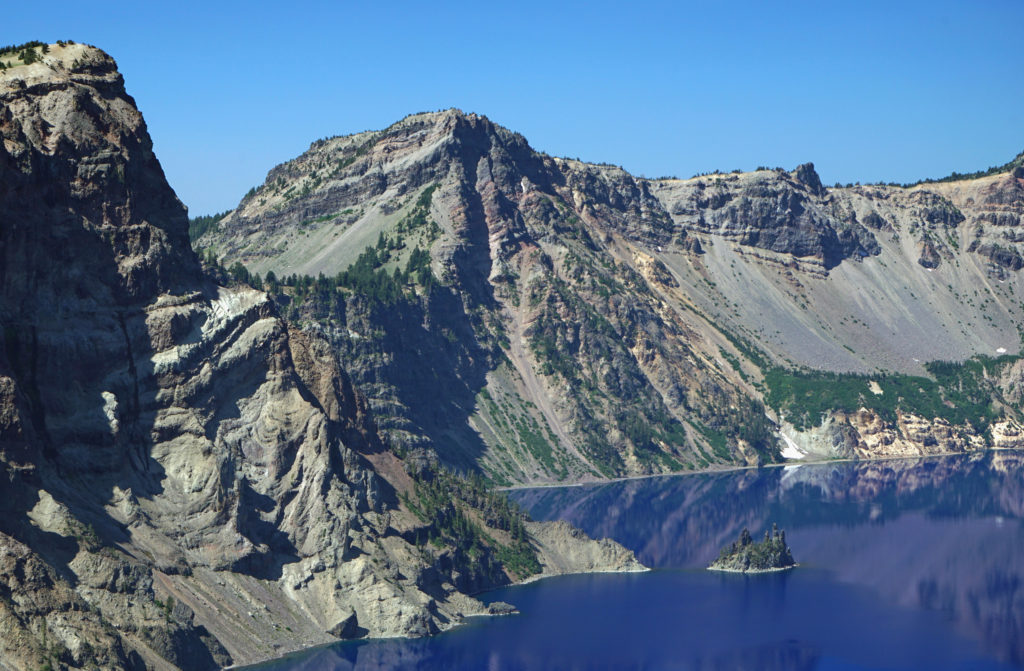 The caldera that Crater Lake occupies was formed 7700 years ago when the summit of 12,000 foot tall Mount Mazama collapsed after a massive eruption. Over time rain and snow filled the caldera to its present level. The lake has no outlet. The level of the lake remains nearly the same because the amount of evaporation from the surface of the lake closely matches the amount of precipitation falling on it in any given year.
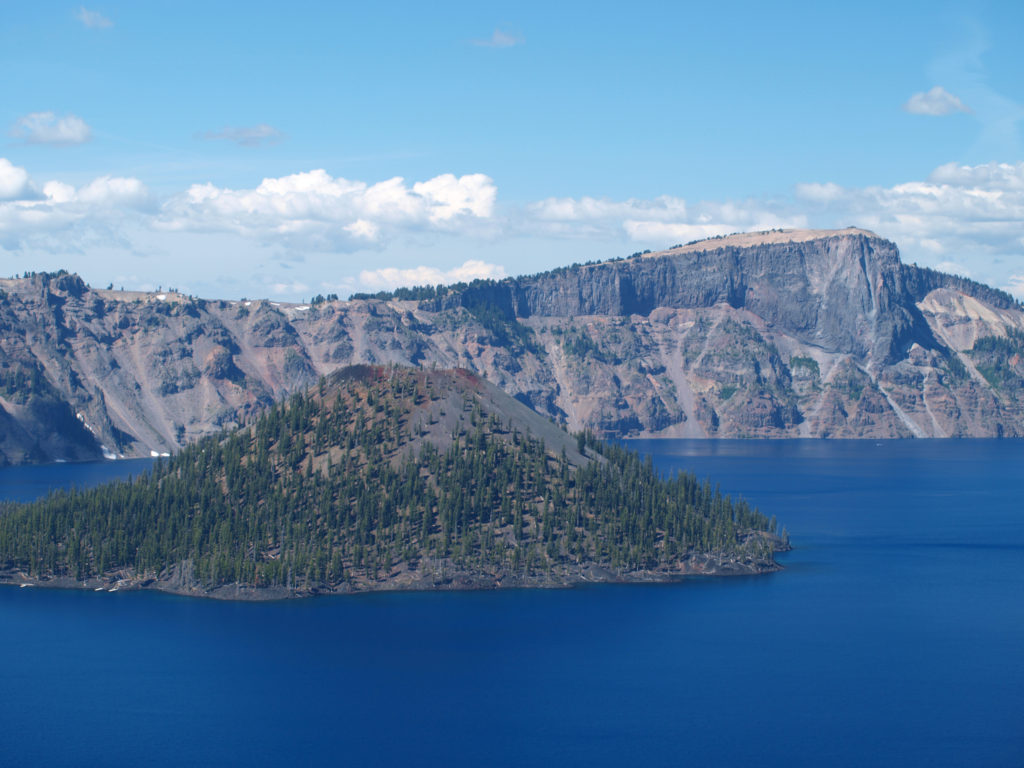 Wizard Island formed sometime after the eruption that formed the caldera. It rises 770 feet above the surface of the lake, 2713 feet above the deepest point in the lake. It last erupted about 5000 years ago, but it is considered dormant, not extinct. Conceivably, it could erupt again at any time. Merriam Cone also erupted after the caldera was formed, but never reached the lake surface. Its summit lies almost 500 feet below the average lake level.
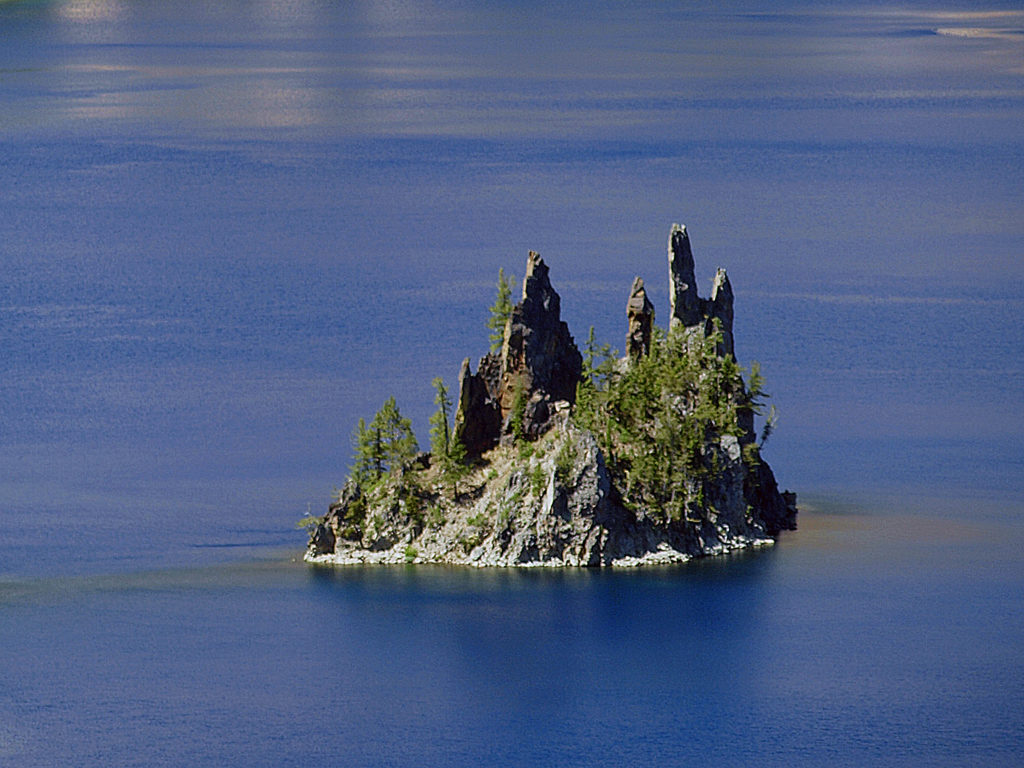 Phantom Ship, a remnant of an eruption 400,000 ago, rises 170 feet above the lake surface. Its formation predates that of Mount Mazama itself.
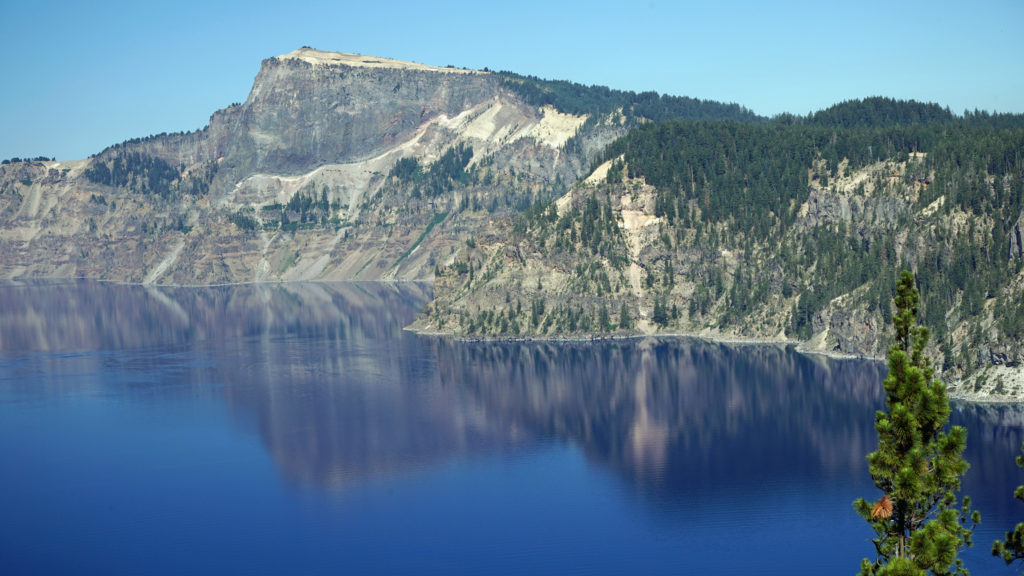 The Park
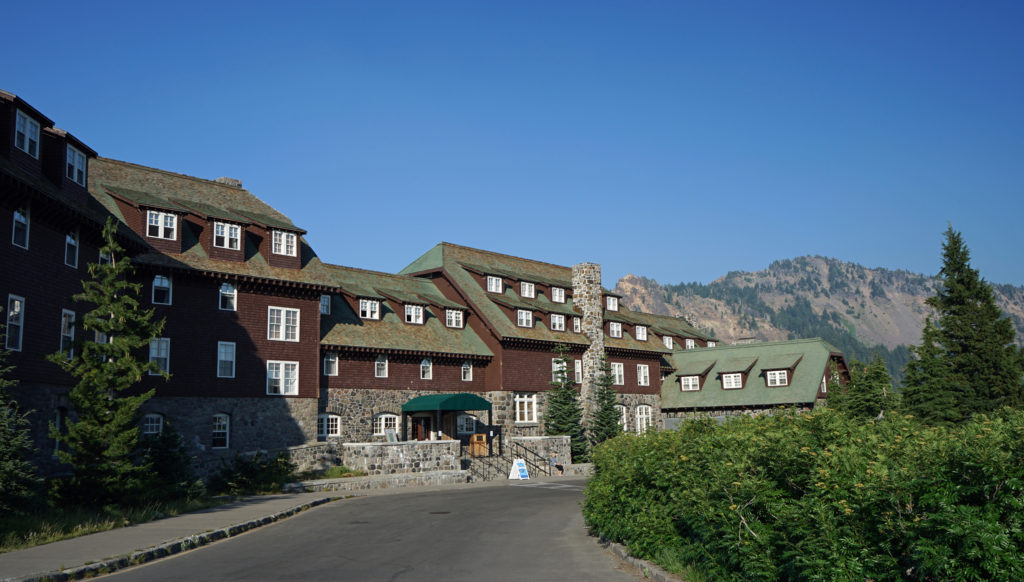 Crater Lake Lodge
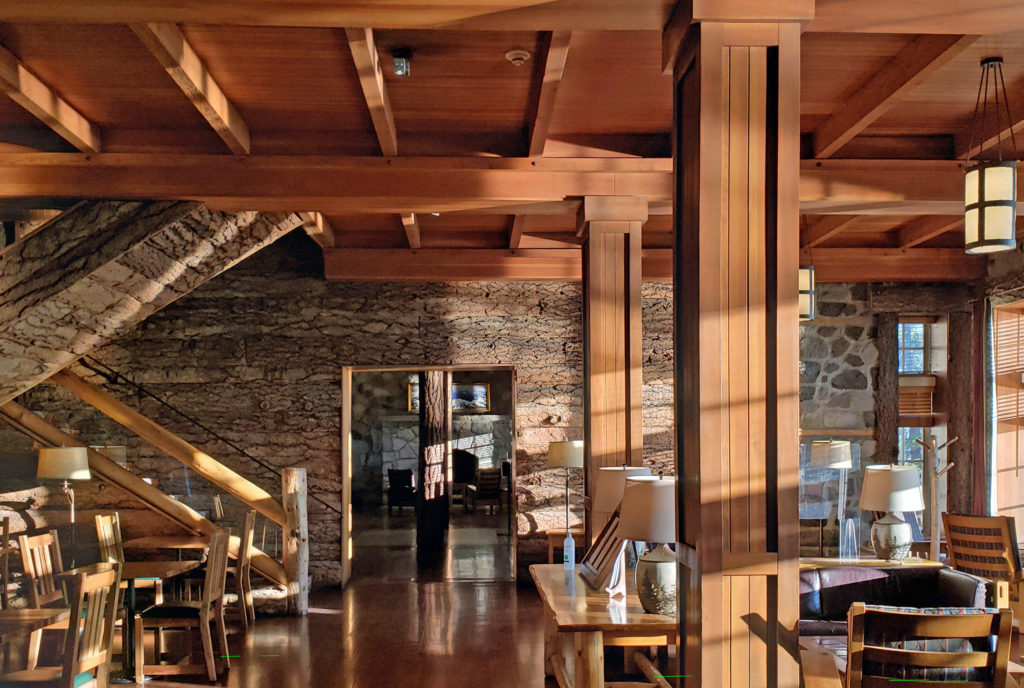 My wife and I recently spent three nights at the lodge. Although it lacks the amenities of a luxury hotel, our room was comfortable, with a private bathroom, and the location more than makes up any lack of luxuries.
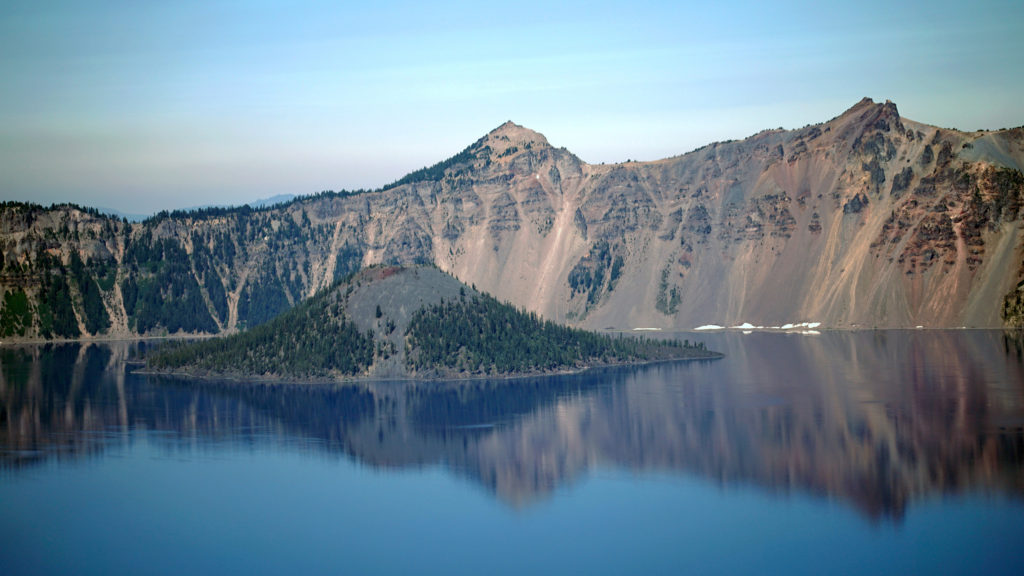 The Rim Drive
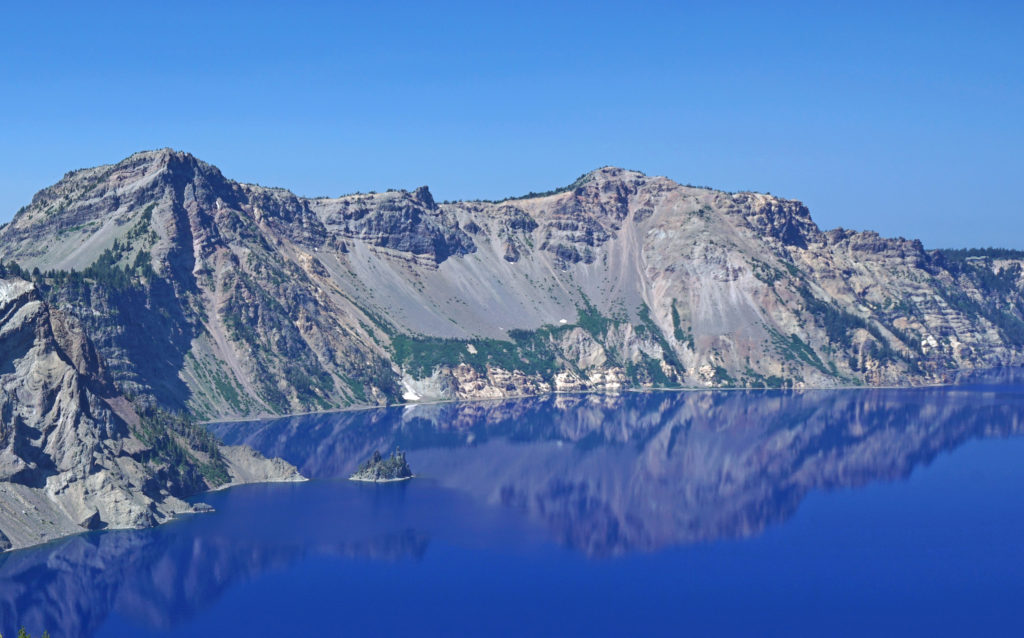 You’ll want to stop at all of the viewpoints. Maybe combine the drive with a hike down to Cleetwood Cove and a boat tour of the lake. You can get off at Wizard Island and hike to the summit and then catch a later boat back.
 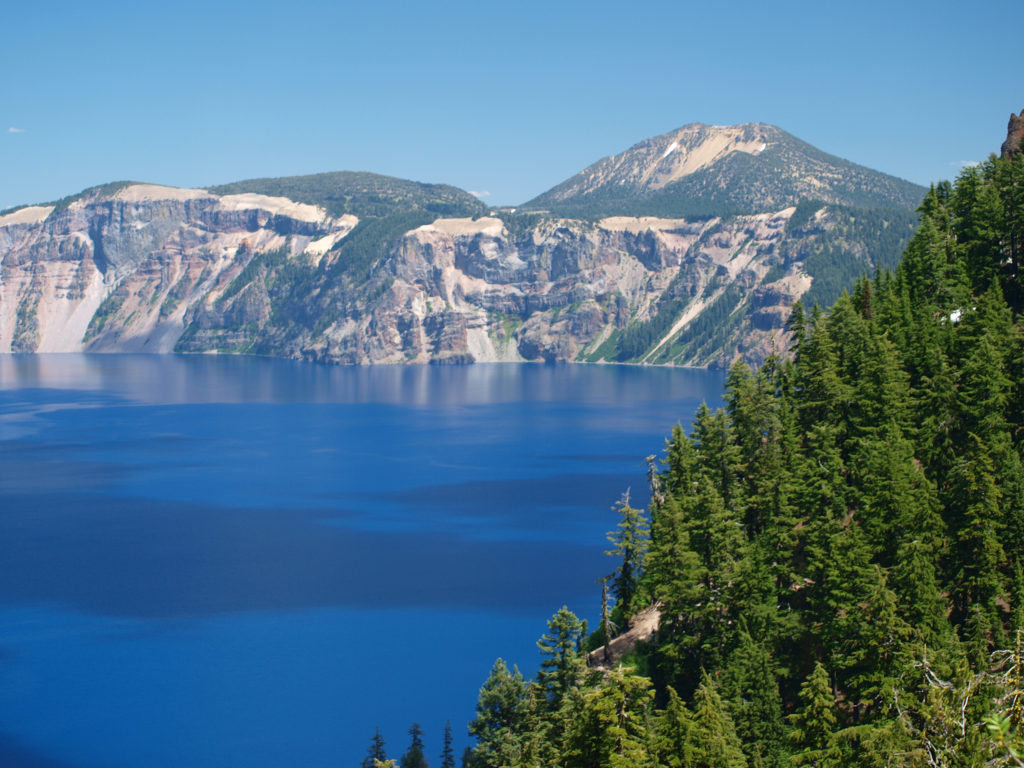 For a more adventurous day, hike to the summit of Mount Scott, the highest point in the park. It’s a two mile hike to the summit with 1250 feet of elevation gain, so it’s not an easy hike (All Trails rates it “moderate”), but the view might just be worth the effort.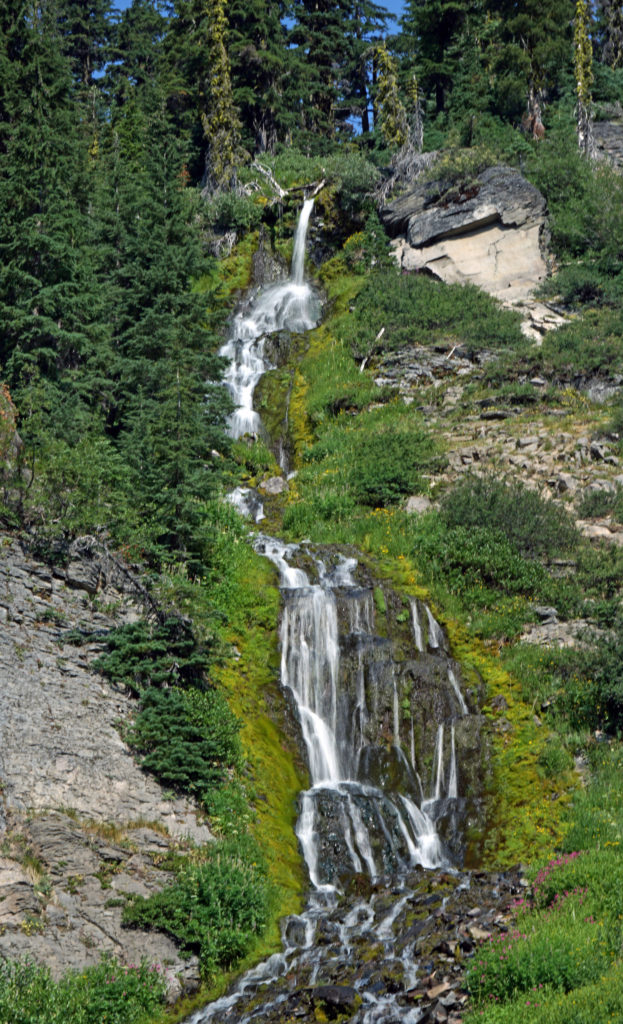
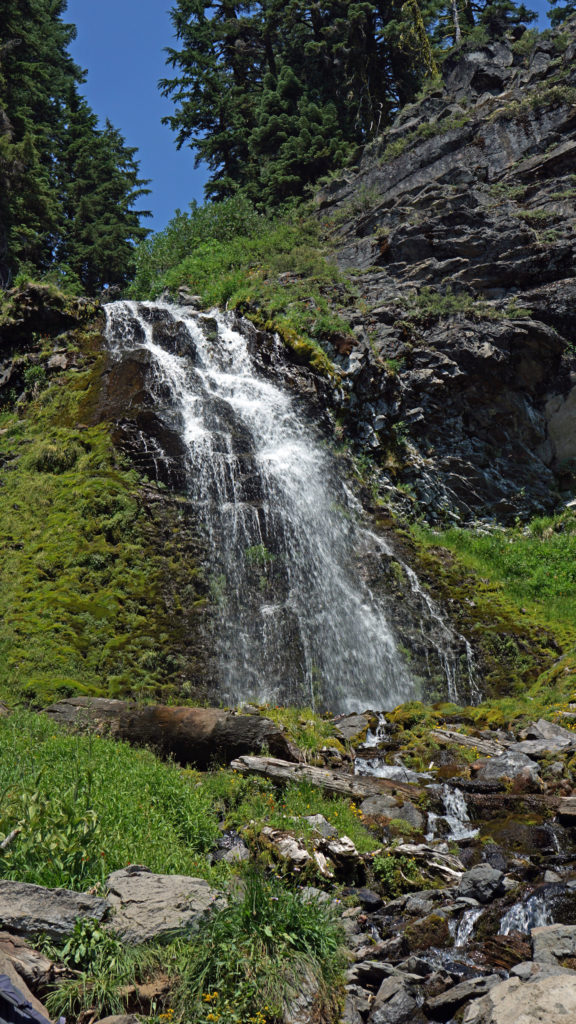 Hiking Trails
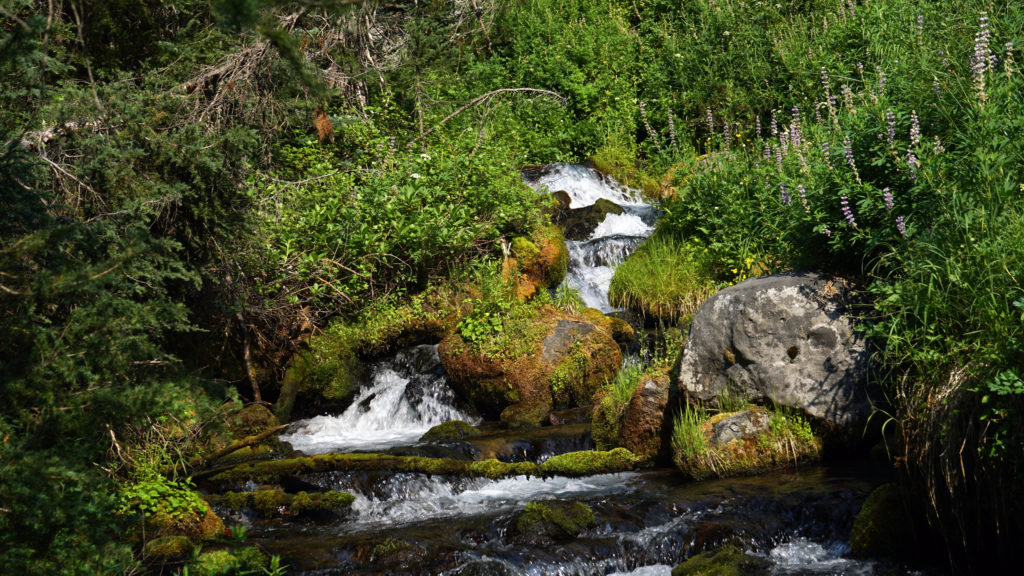 The Pacific Crest Trail passes through the park, but does not ascend to the rim of the caldera. Hikers on the PCT can take the Dutton Creek Trail that climbs up to the Rim Village, then hike the trail that parallels the West Rim Drive and reconnect with the PCT north of the lake.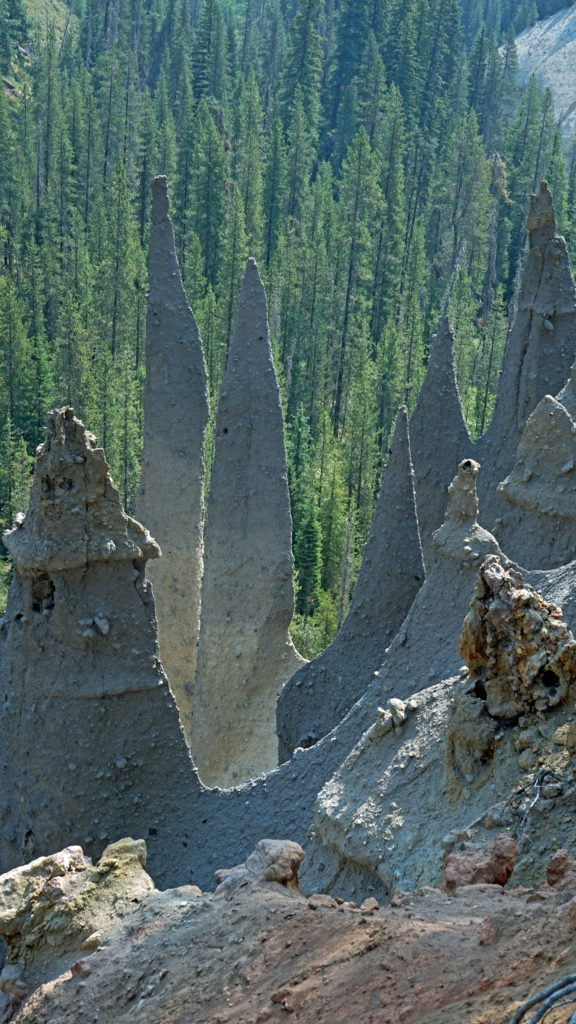
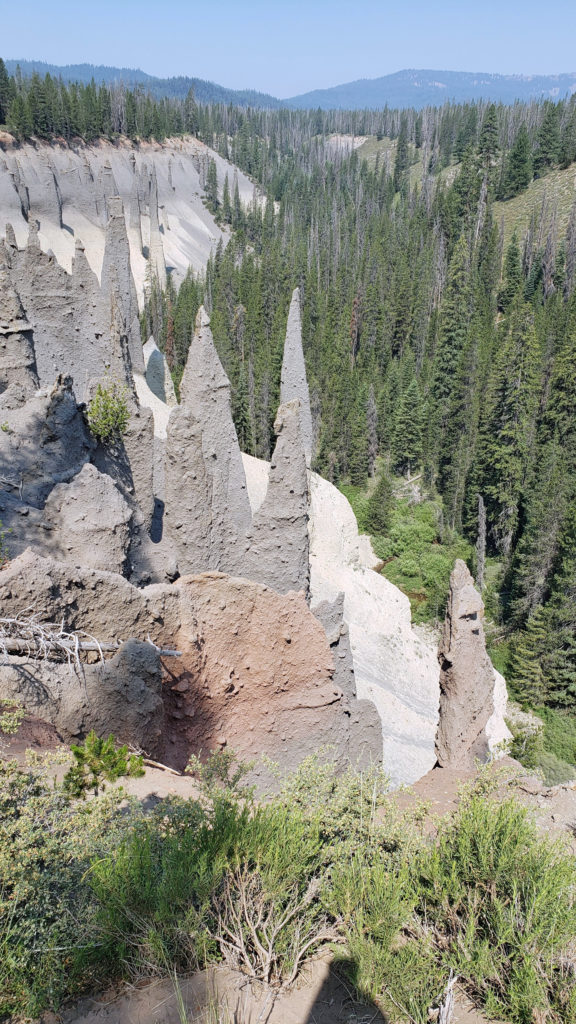 The Pinnacles
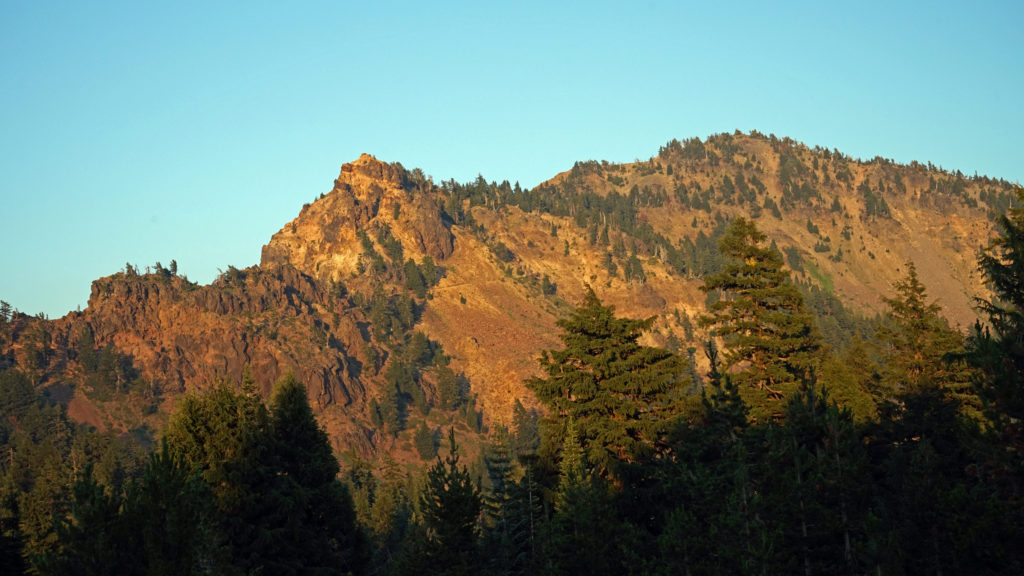 Practical Info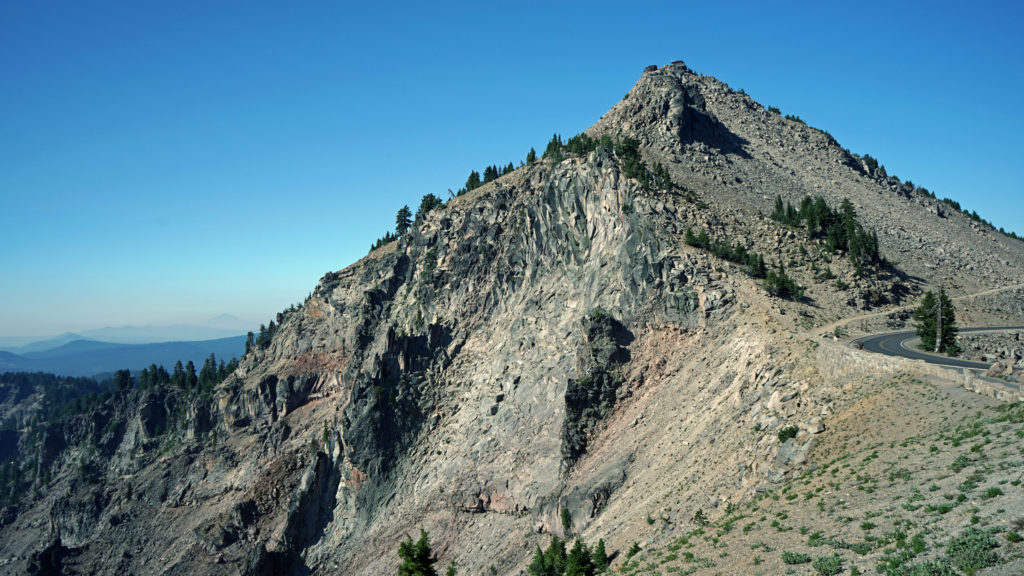
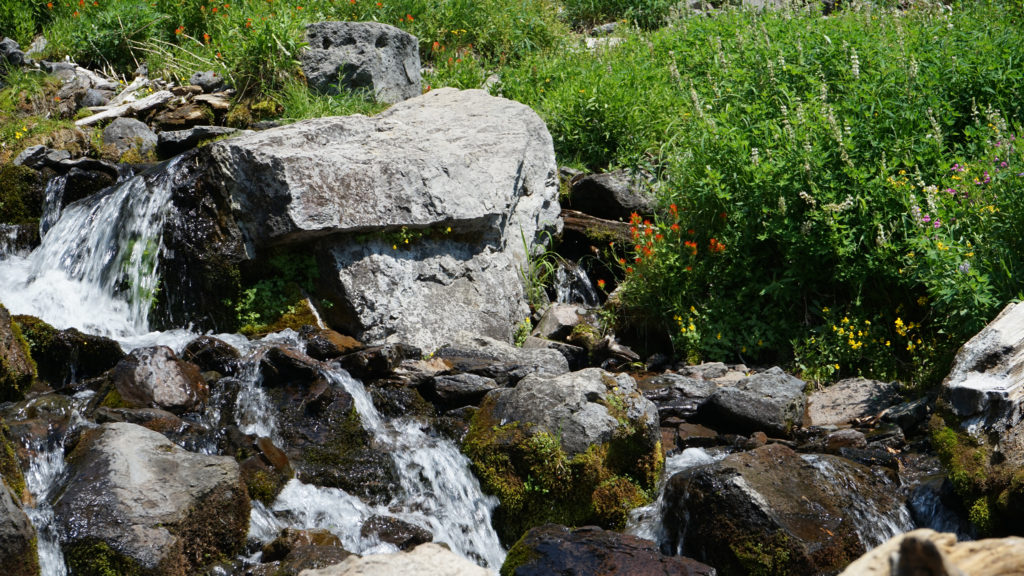 There are two lodges in the park, Crater Lake Lodge in the Rim Village and The Cabins At Mazama Village that are open for the summer season. Crater Lake Lodge has 71 rooms, starting at $246/night. The Cabins At Mazama Village has 40 rooms, all at $160/night. Prices listed are for the 2024 season. Note that the concessionaire that operates both lodges is changing, so prices may also change. Check the park website (linked above) for current information.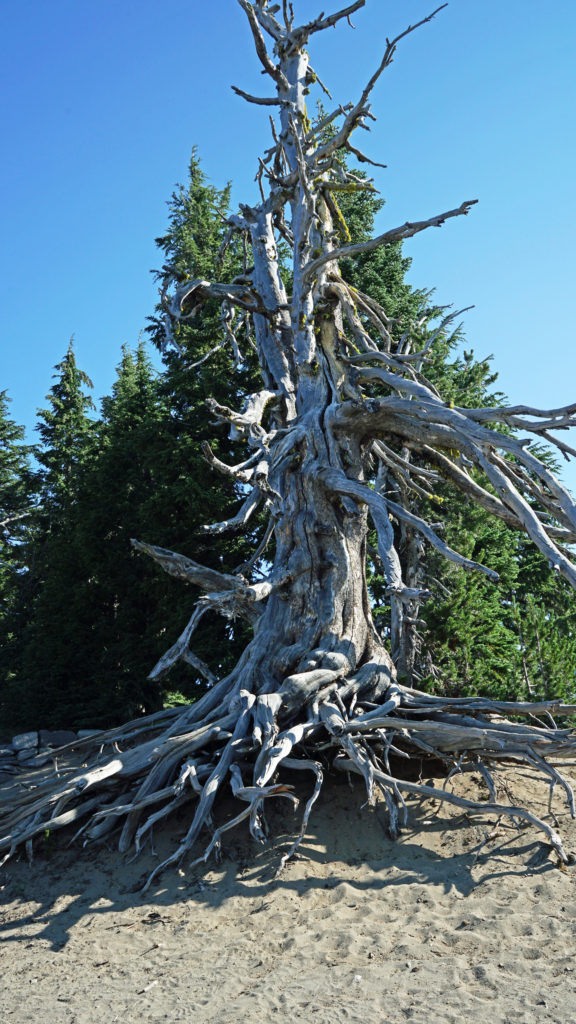
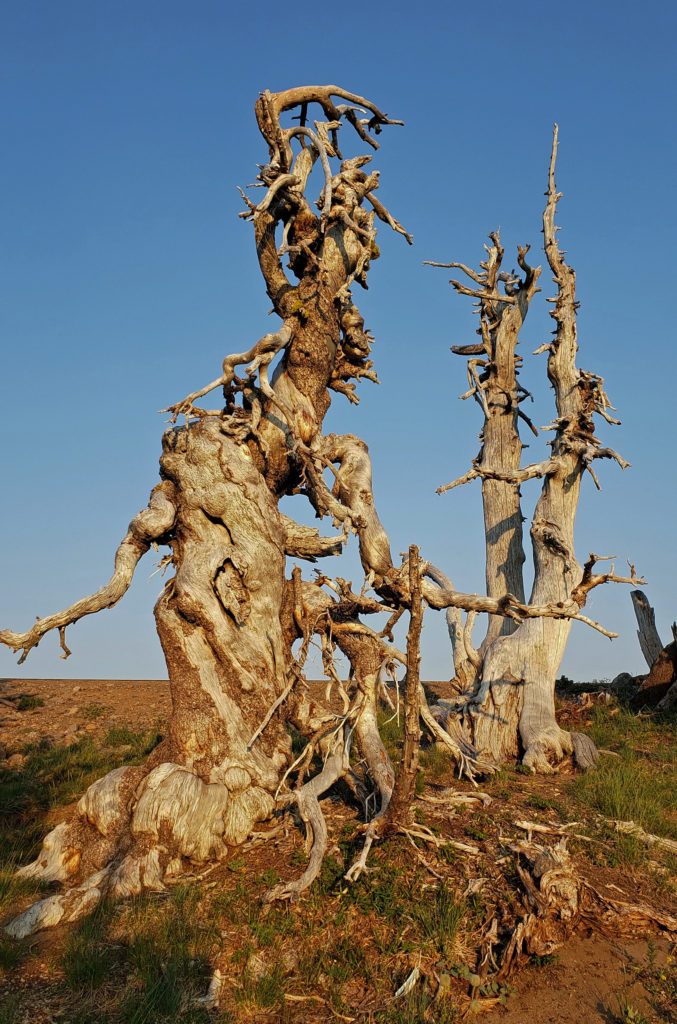 There are two campgrounds in the park. Mazama Campground has 75 RV sites, 18 tent sites with electricity, and 121 tent sites without electricity. Tent sites start at $22. RV sites run from $32 to $44 per night. Mazama Campground is usually open from early June through late to September. Lost Creek Campground, located on Pinnacles Road, is a primitive tent only campground with 18 sites, operated by the park service. Lost Creek Campground is currently closed and will not be open for the 2024 season. Backcountry camping is allowed in the park by
 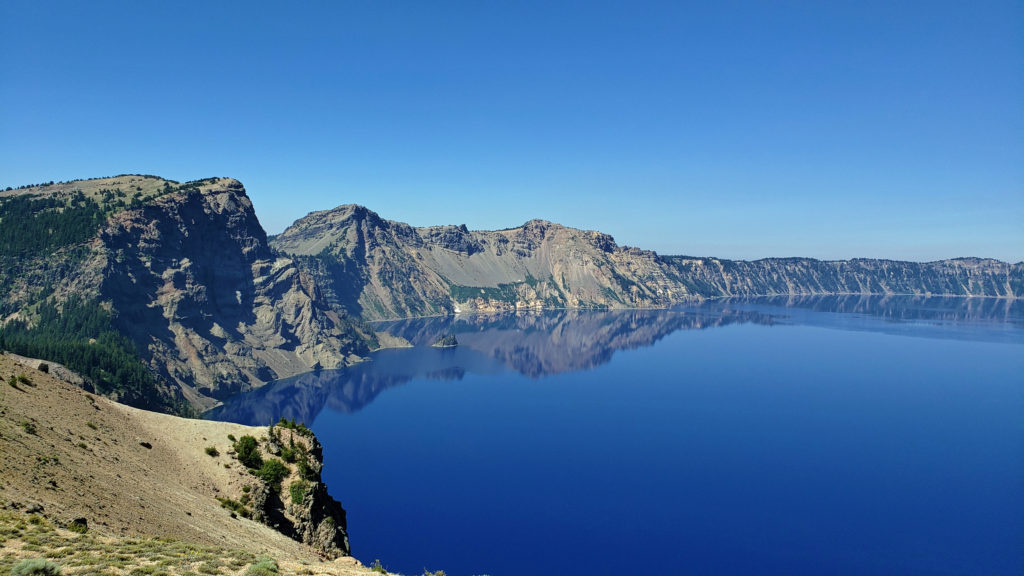 Dining options in the park are somewhat limited. The dining room at Crater Lake Lodge is open to all visitors, but reservations can only be made by people staying in the park. The Rim Village Cafe offers “grab and go” sandwiches and salads (I had a pulled pork sandwich from there on our recent visit that was very good). It is open from 9am to 8pm in the summer and 10am to 5pm in the winter. The Annie Creek Restaurant in Mazama Village is open from 7am until 9pm. The Mazama Village Store sells packaged sandwiches and snacks.
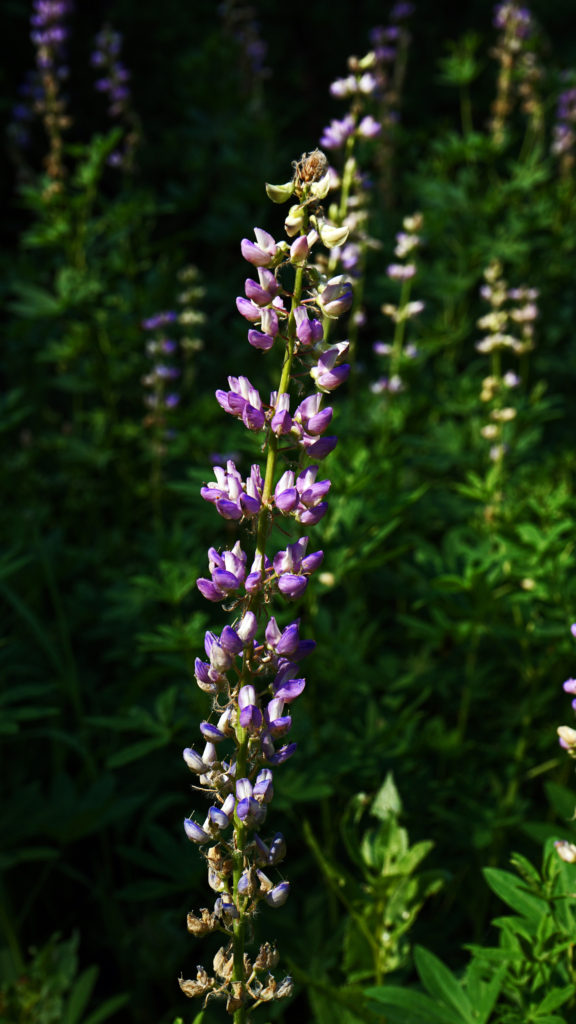 Summer park entrance fees are $30 for private vehicles and $25 for motorcycles. Winter fees are $10 less. Snowmobilers, bicyclists, and pedestrians are charged $15 per individual. All entrance fees are good for seven days. Entry reservations do not need to be made.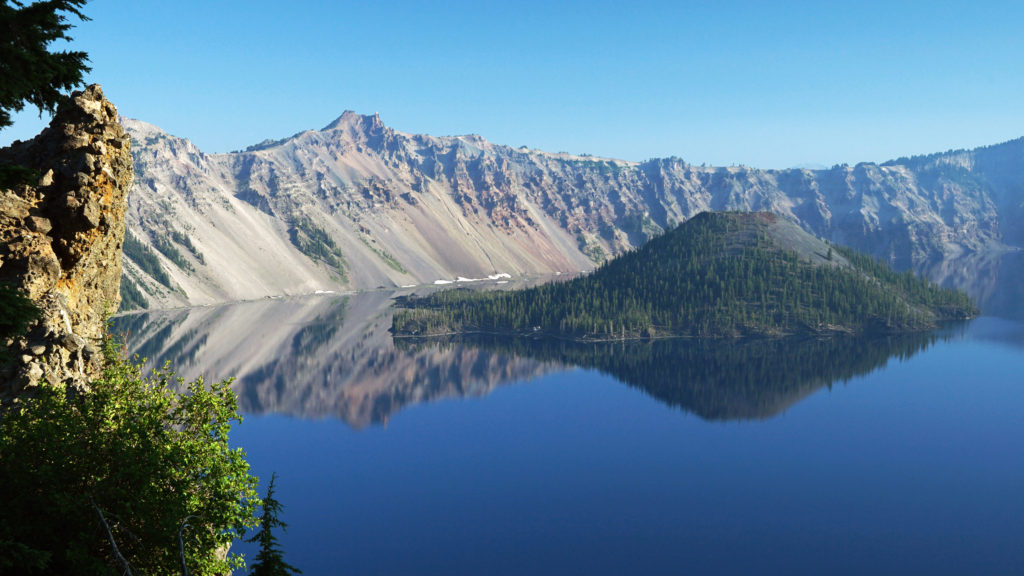
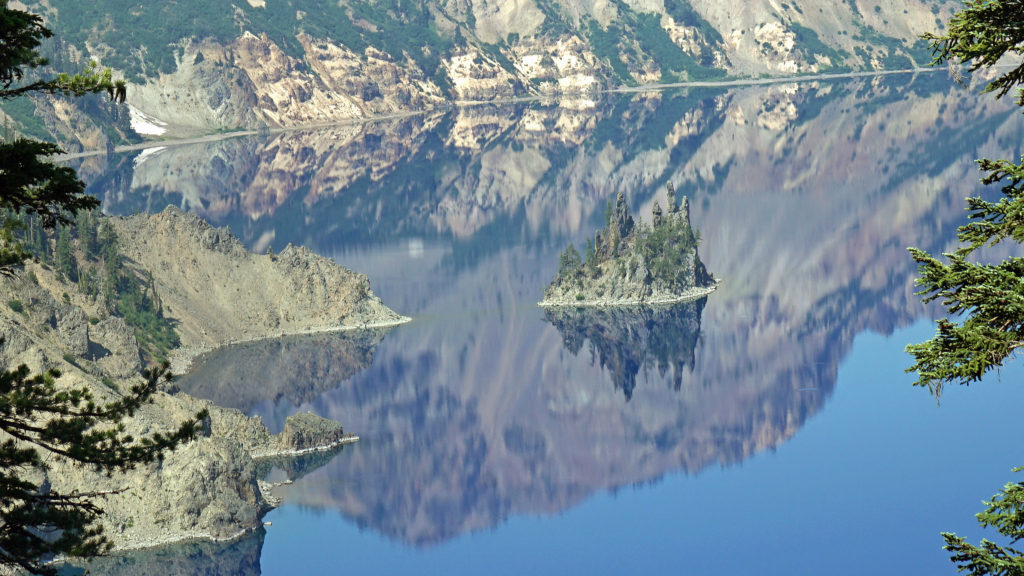 Originally posted September 13, 2021. Most recently updated April 6, 2024.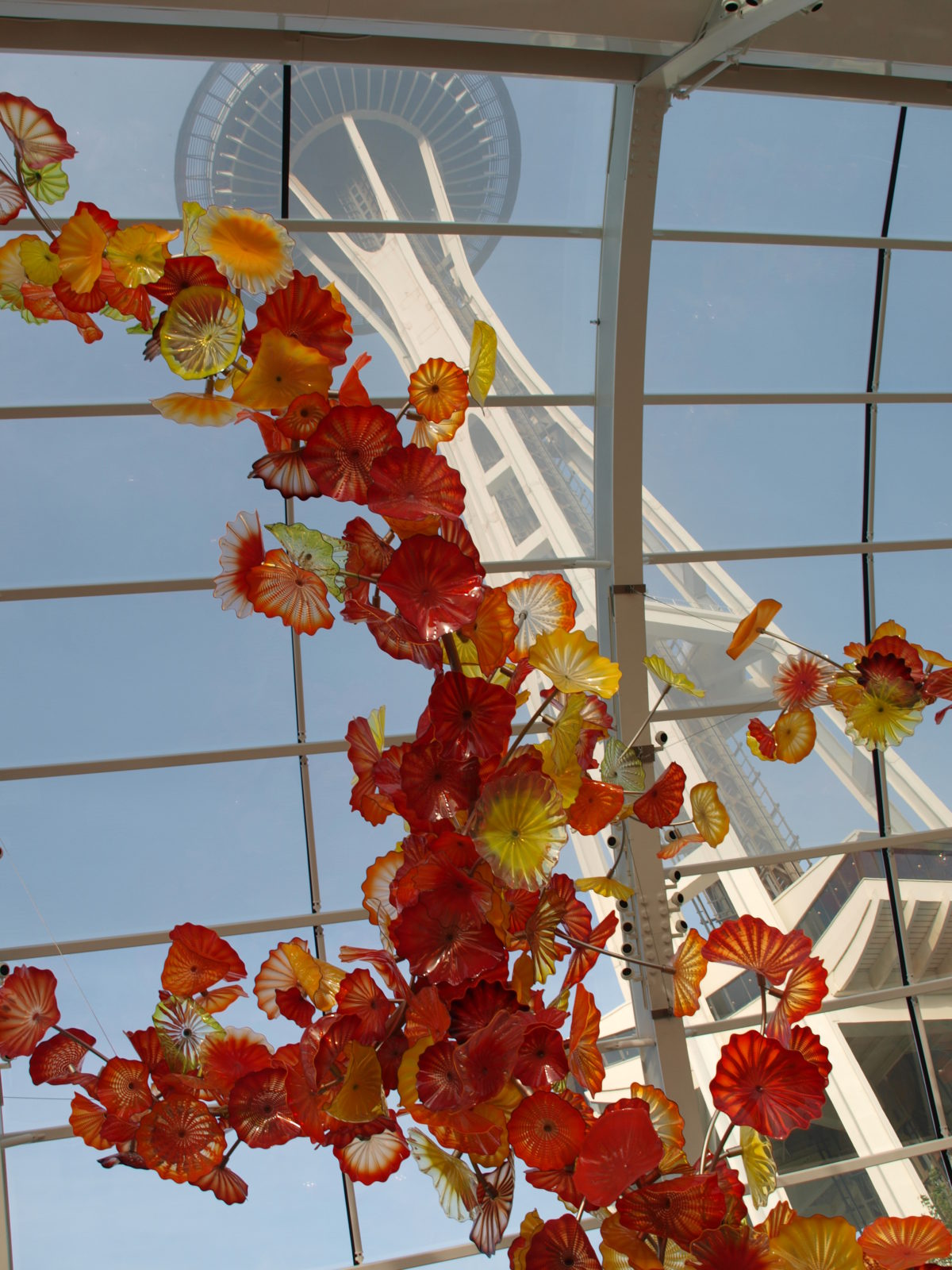
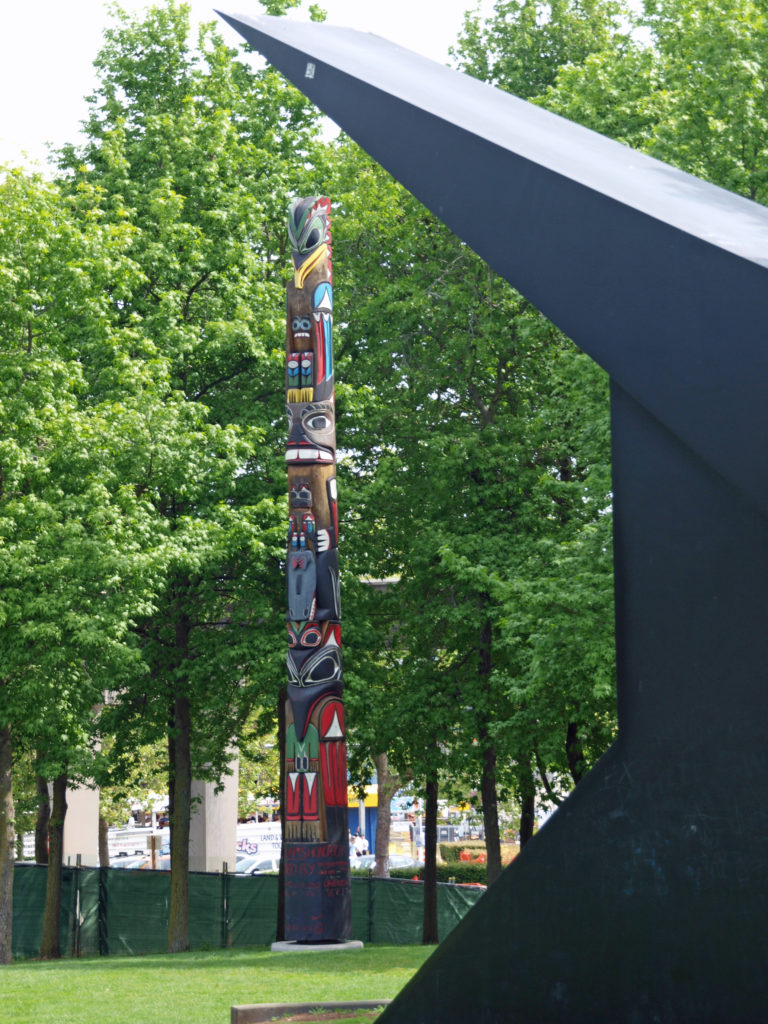
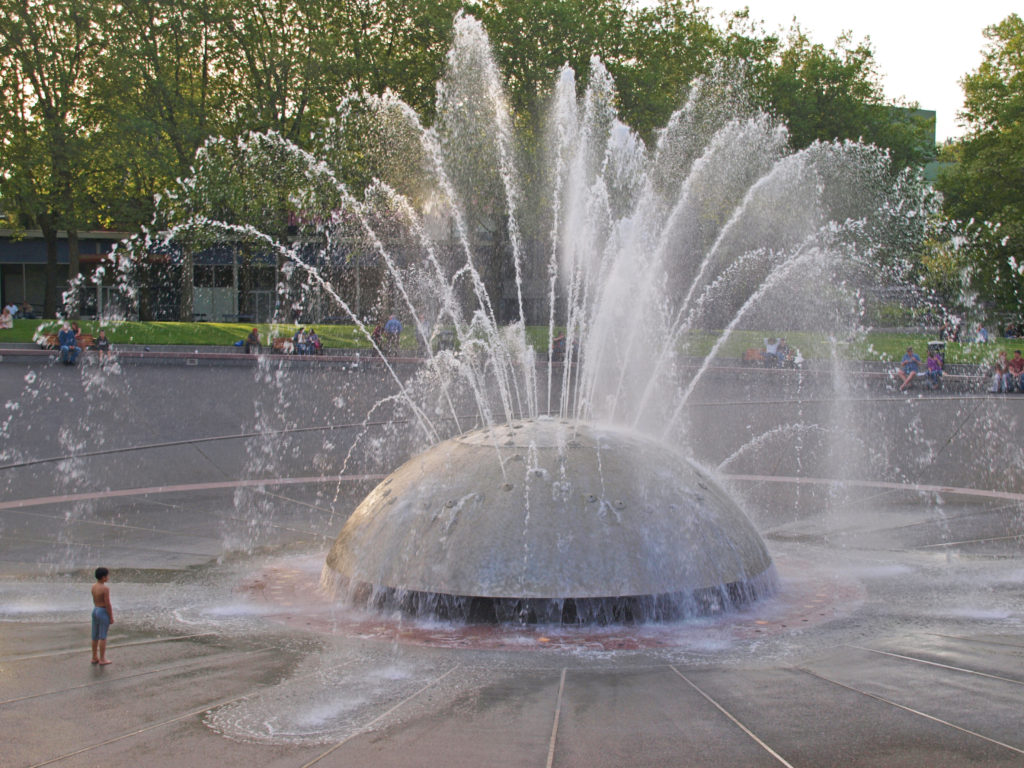
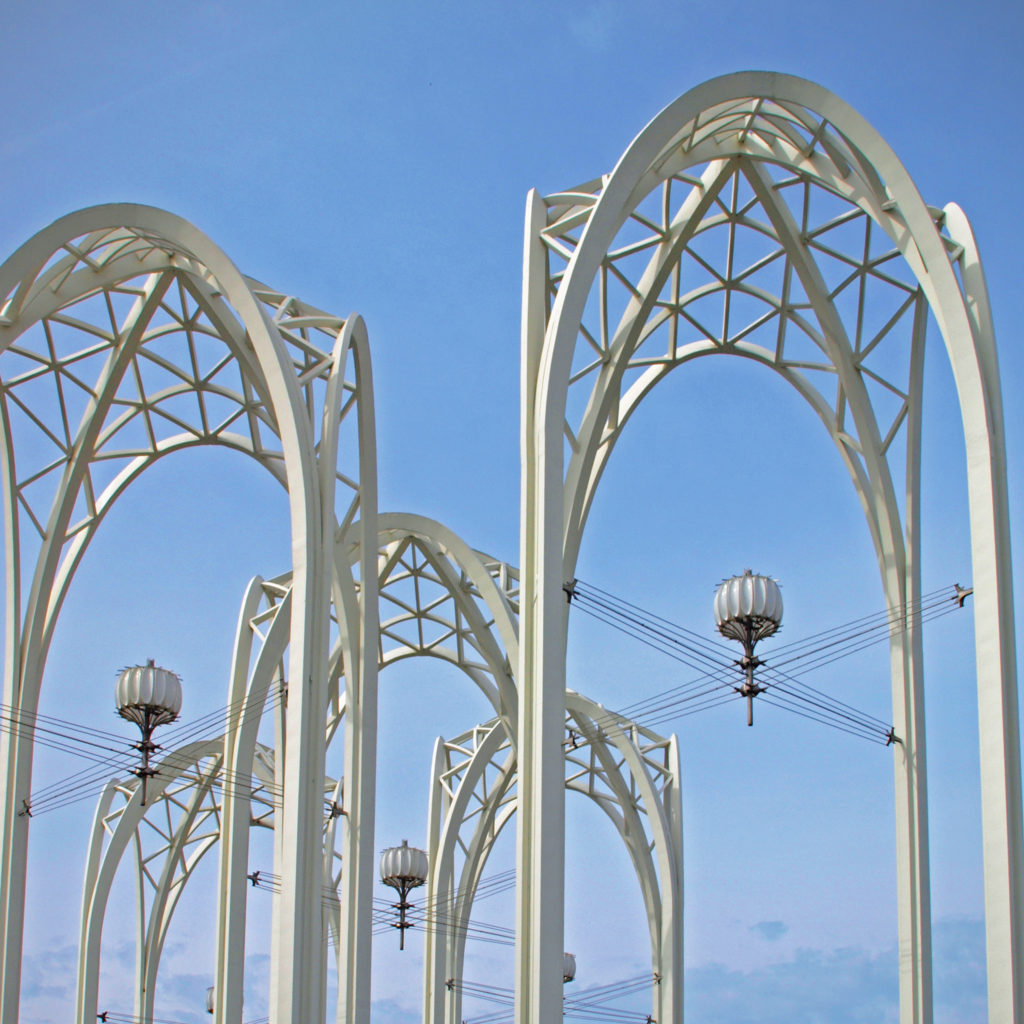
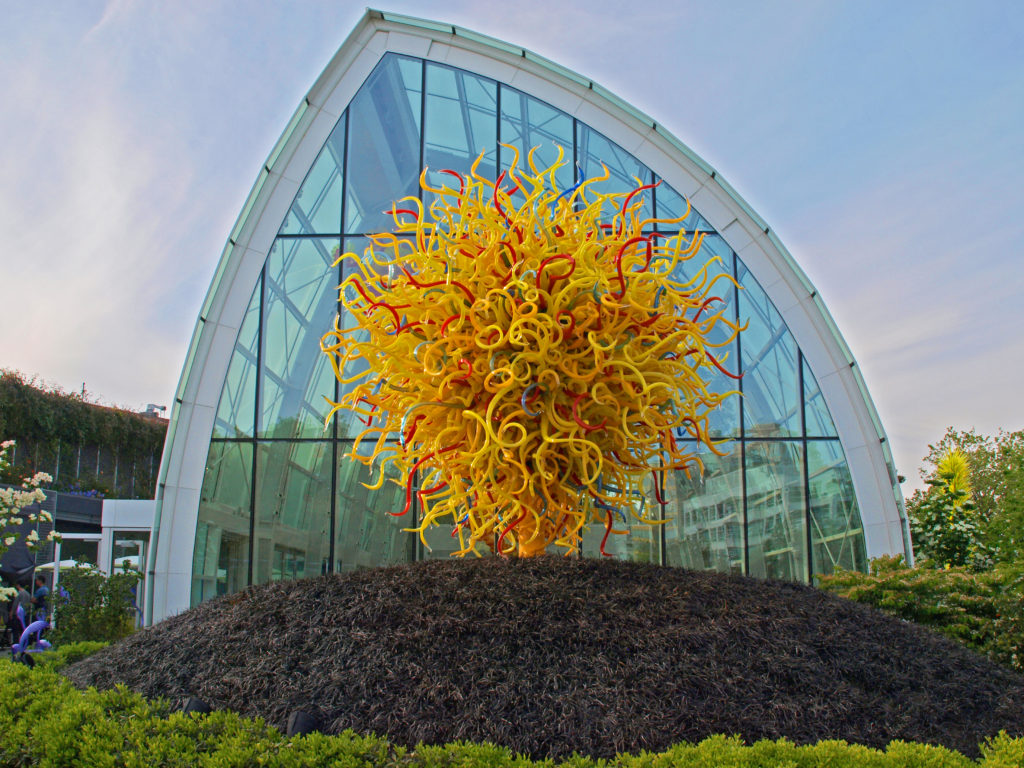
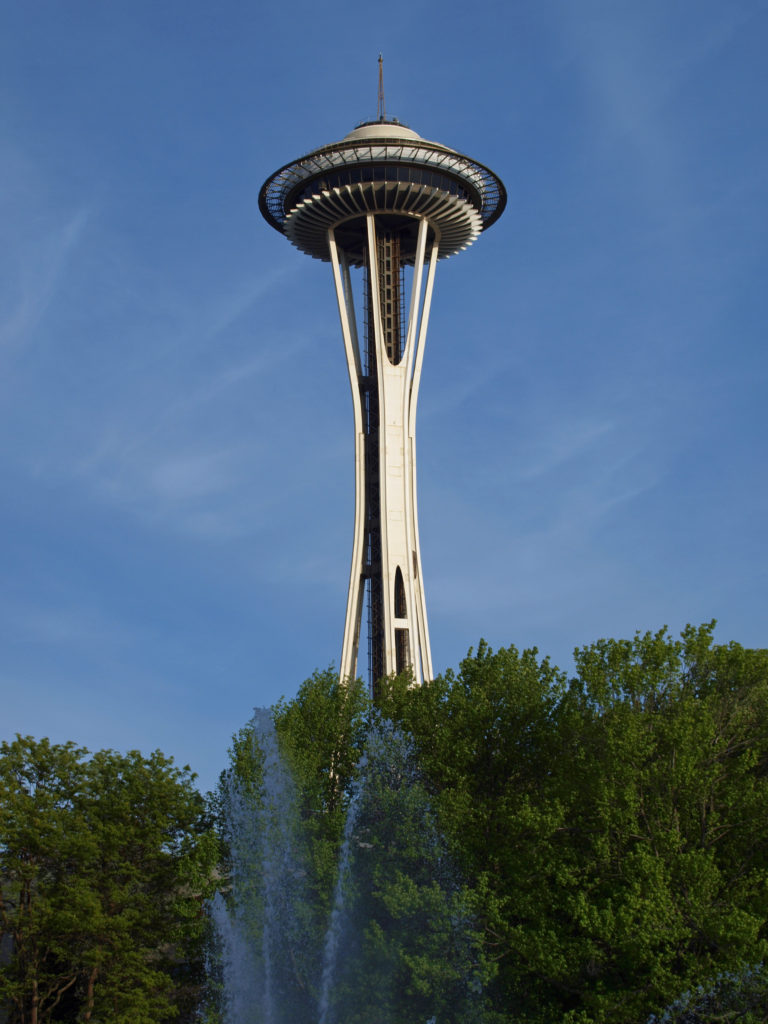
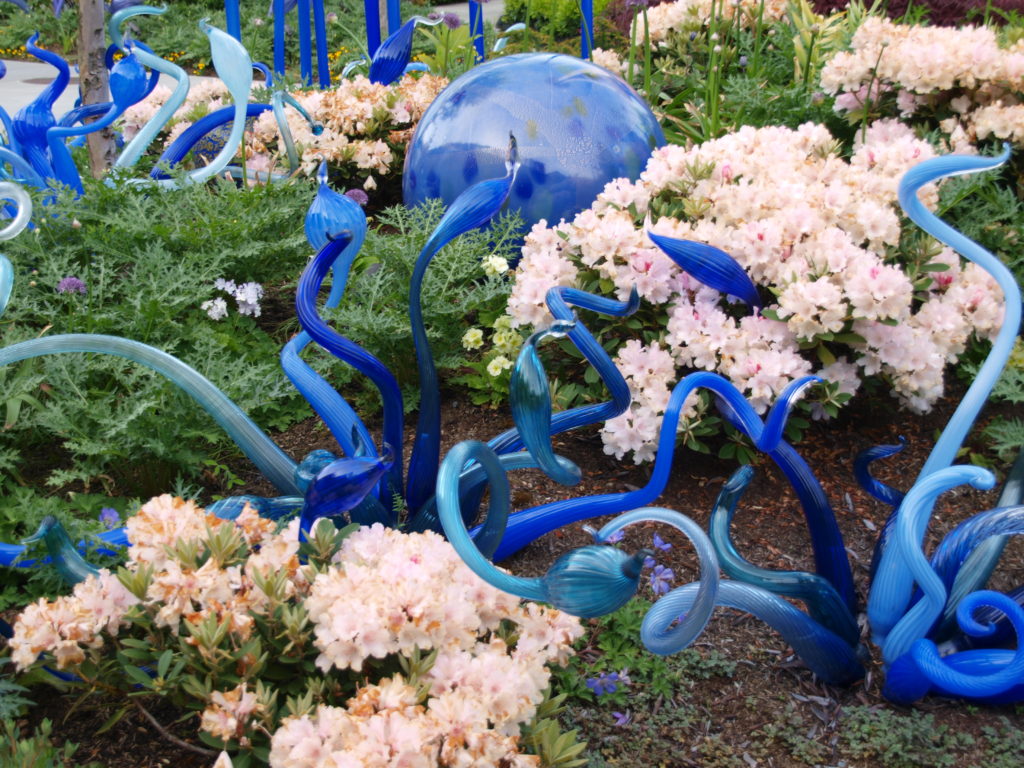
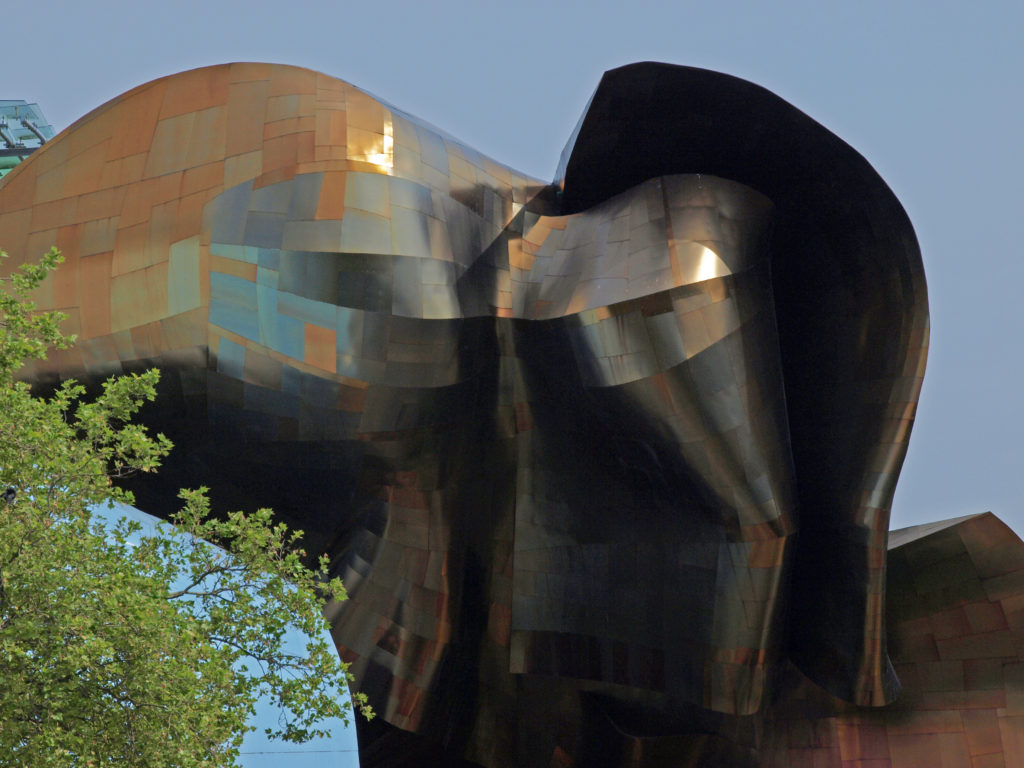
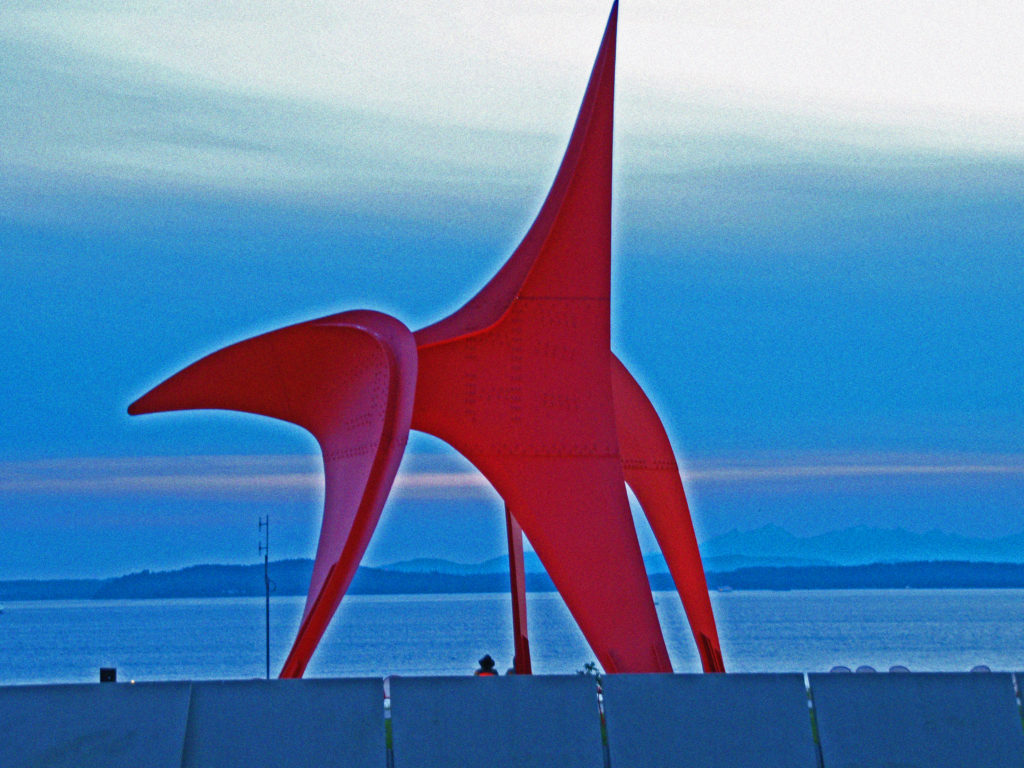
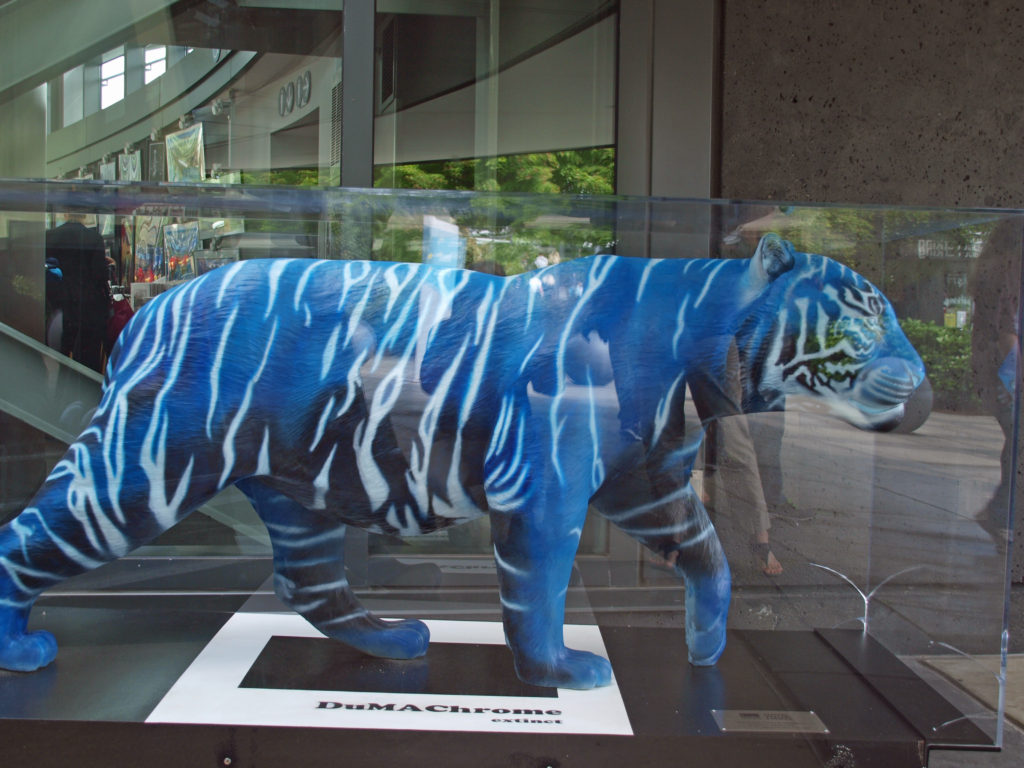
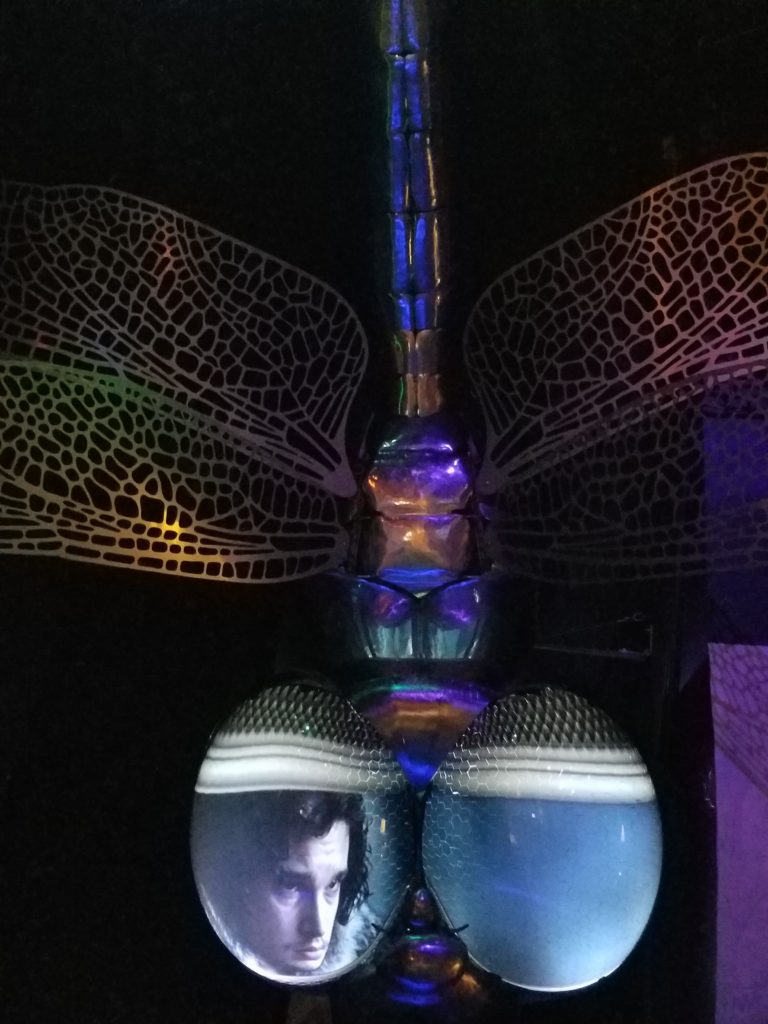

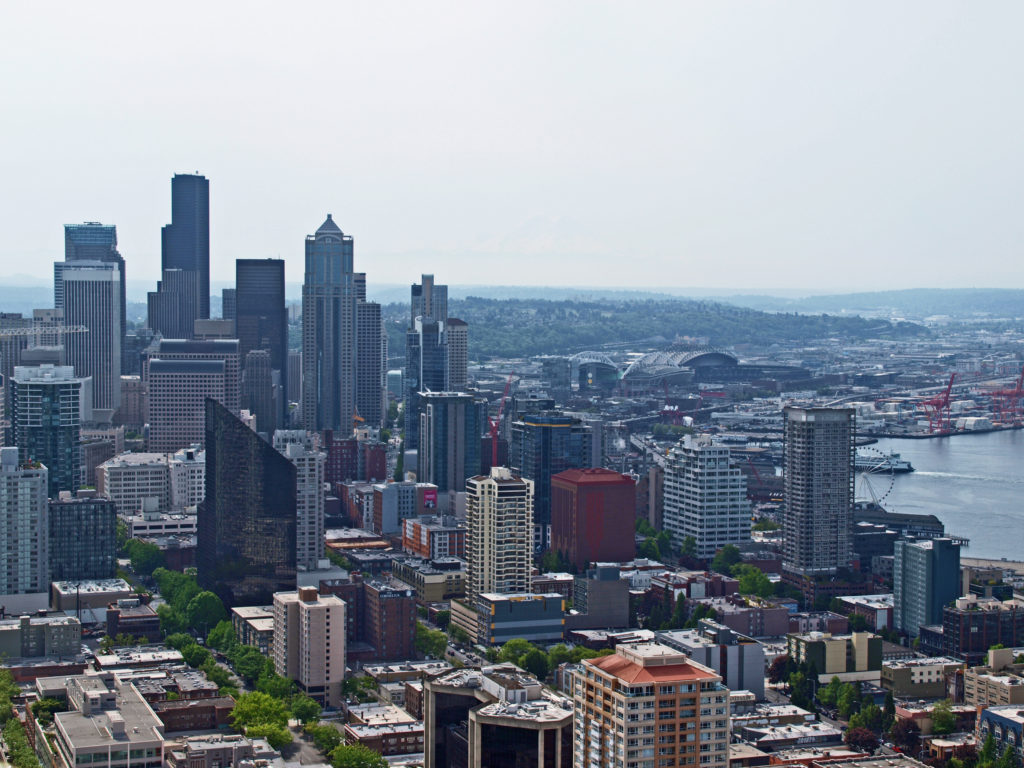
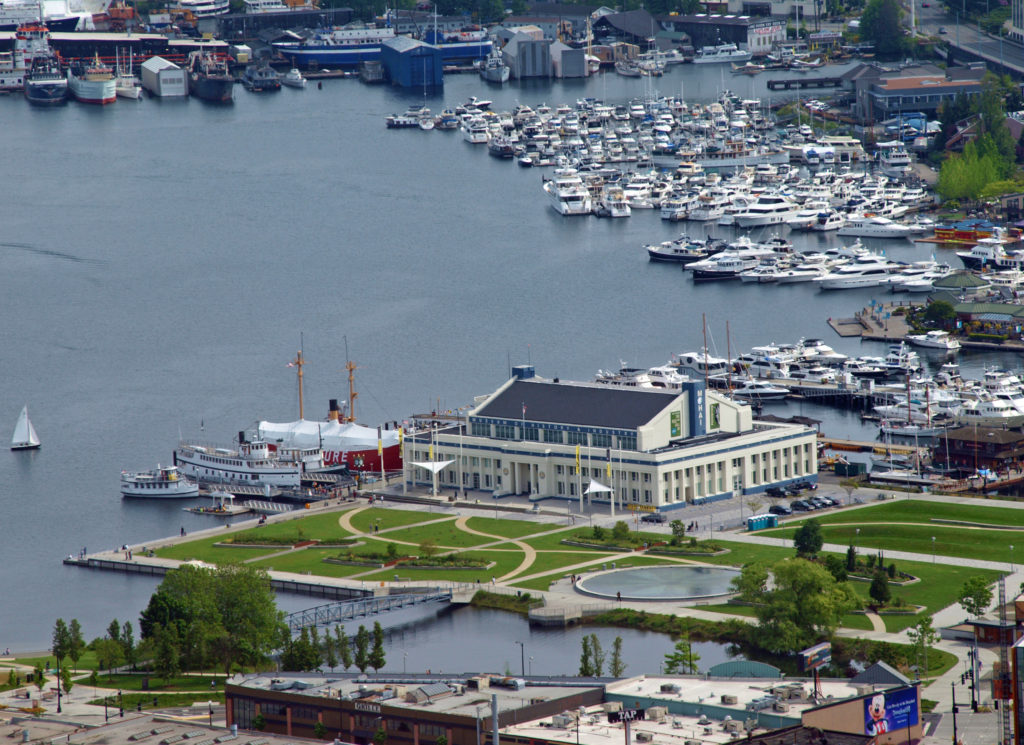
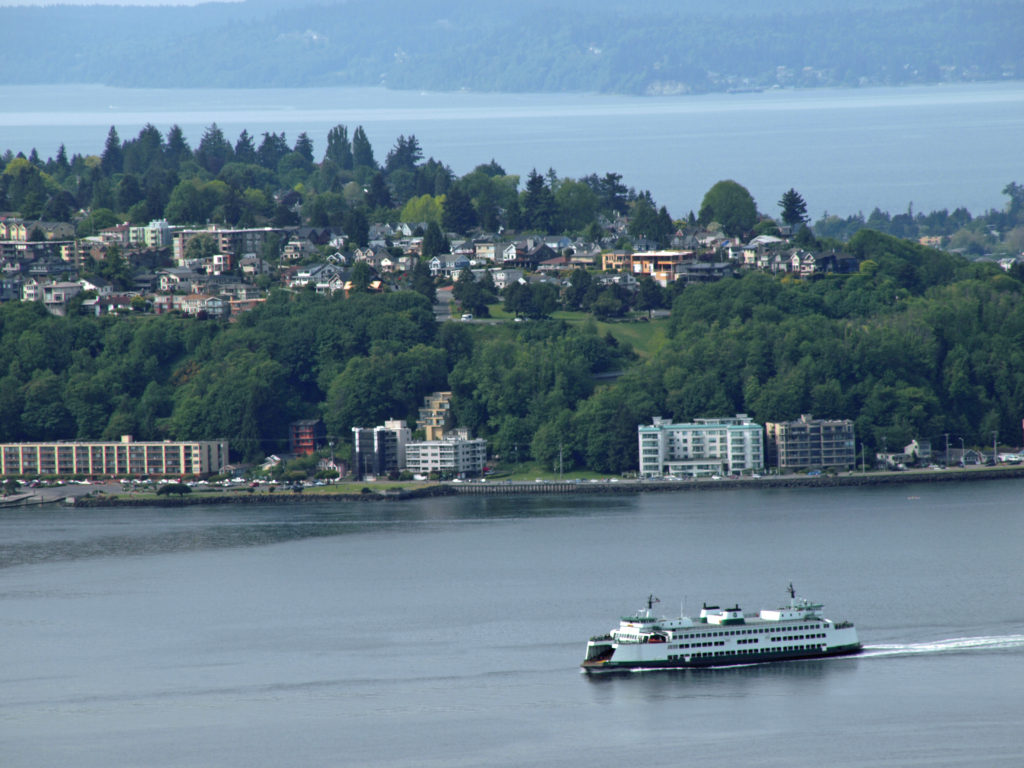
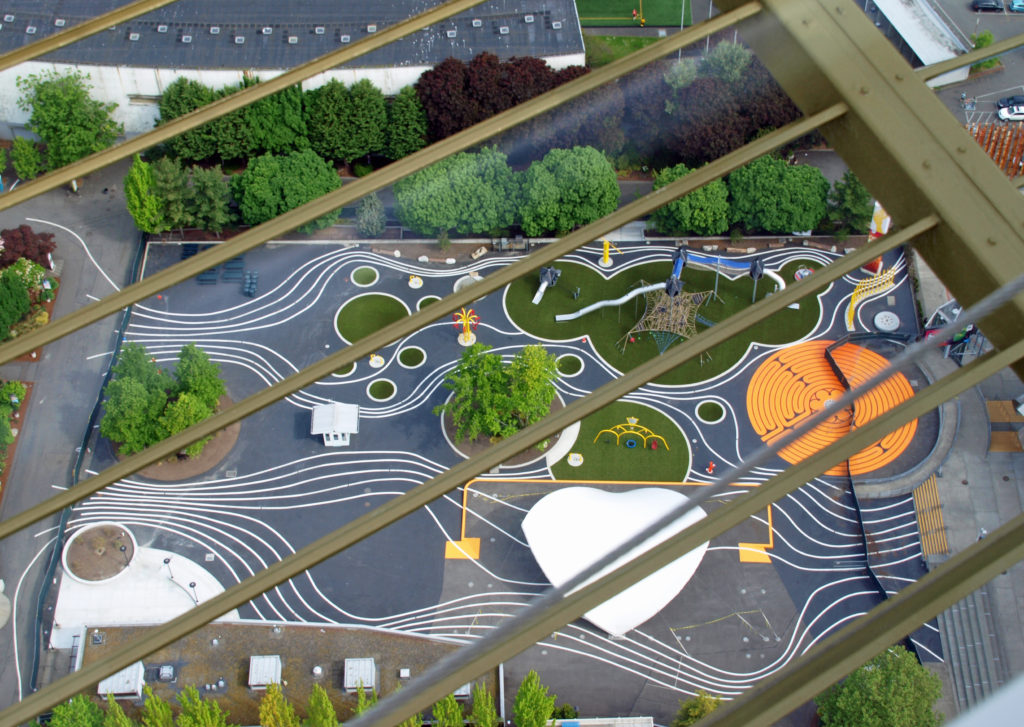
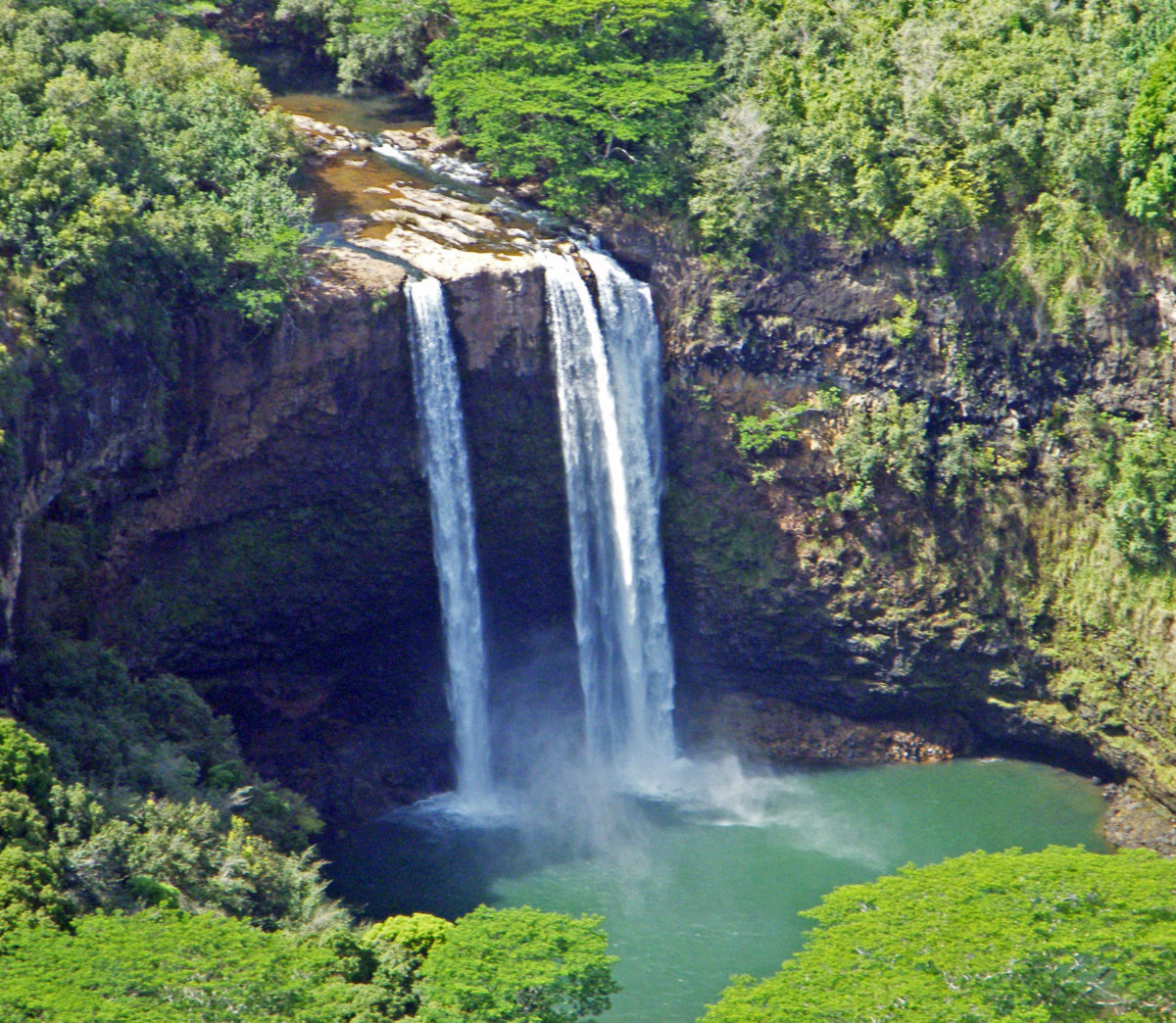
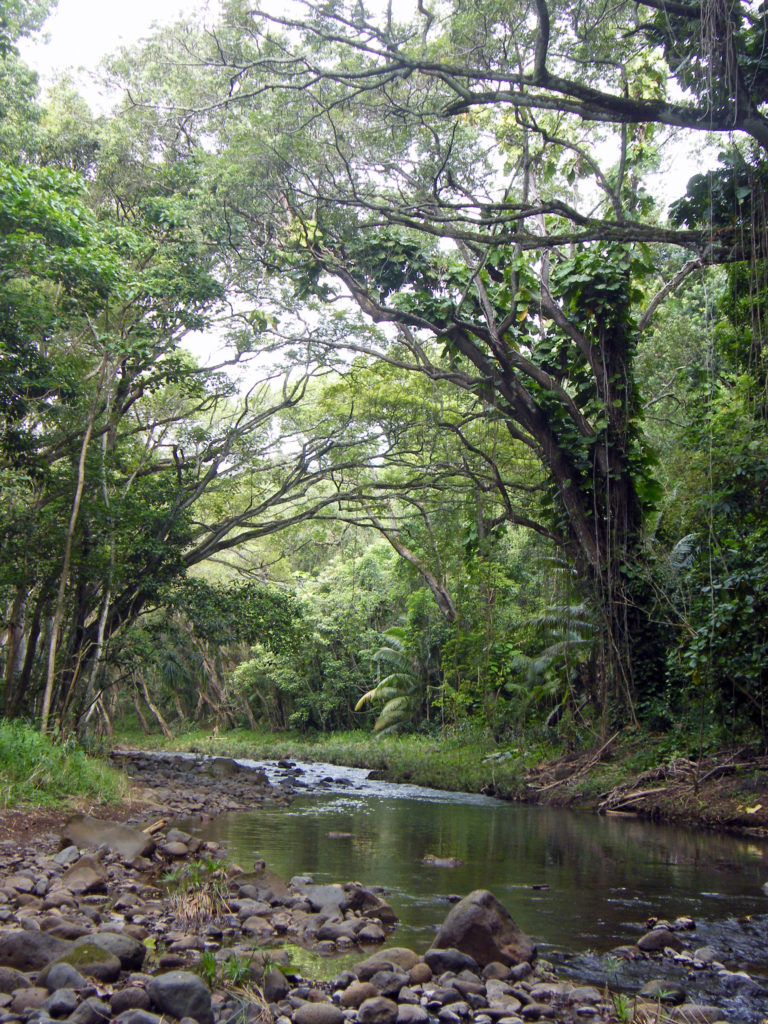
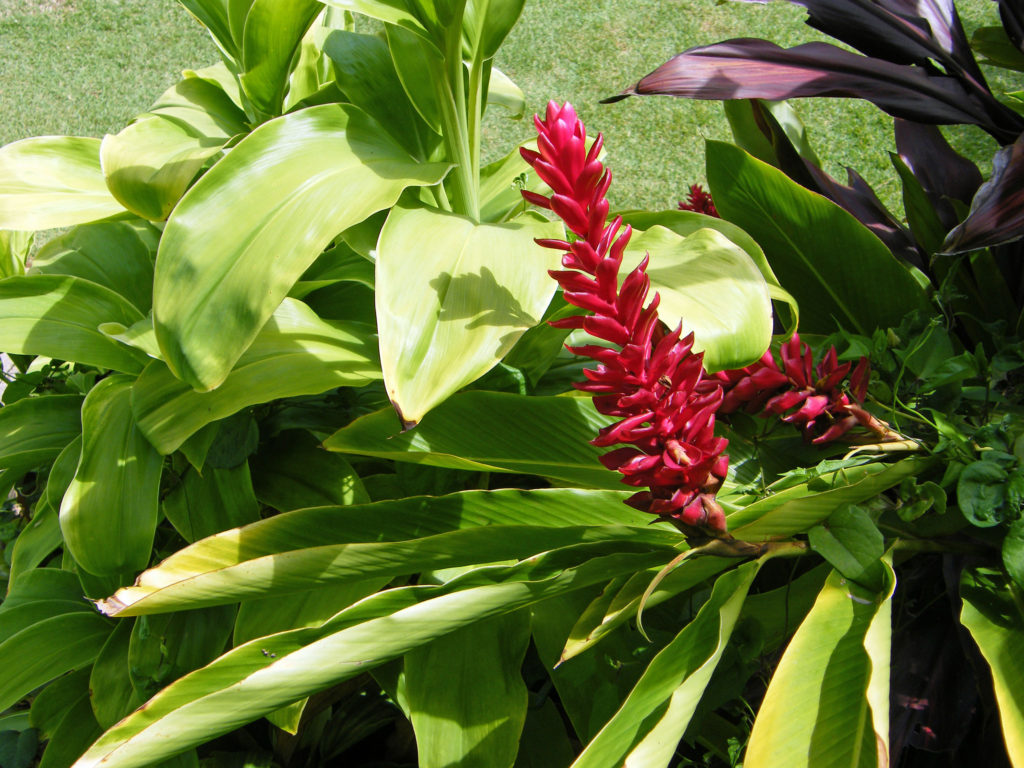
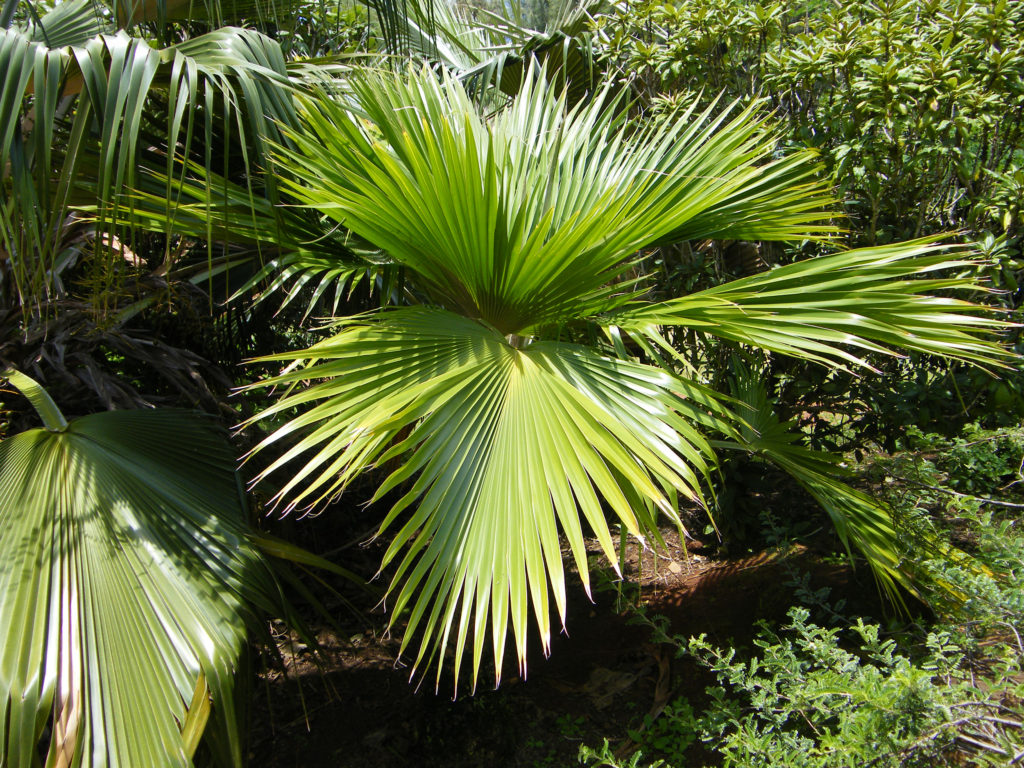
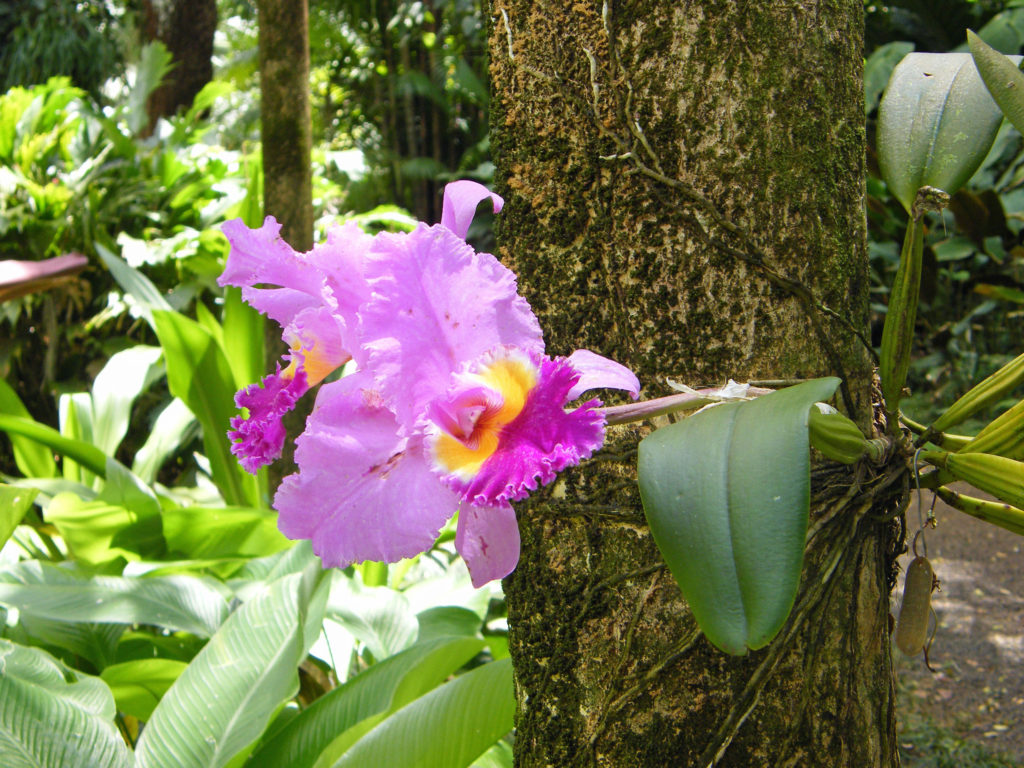
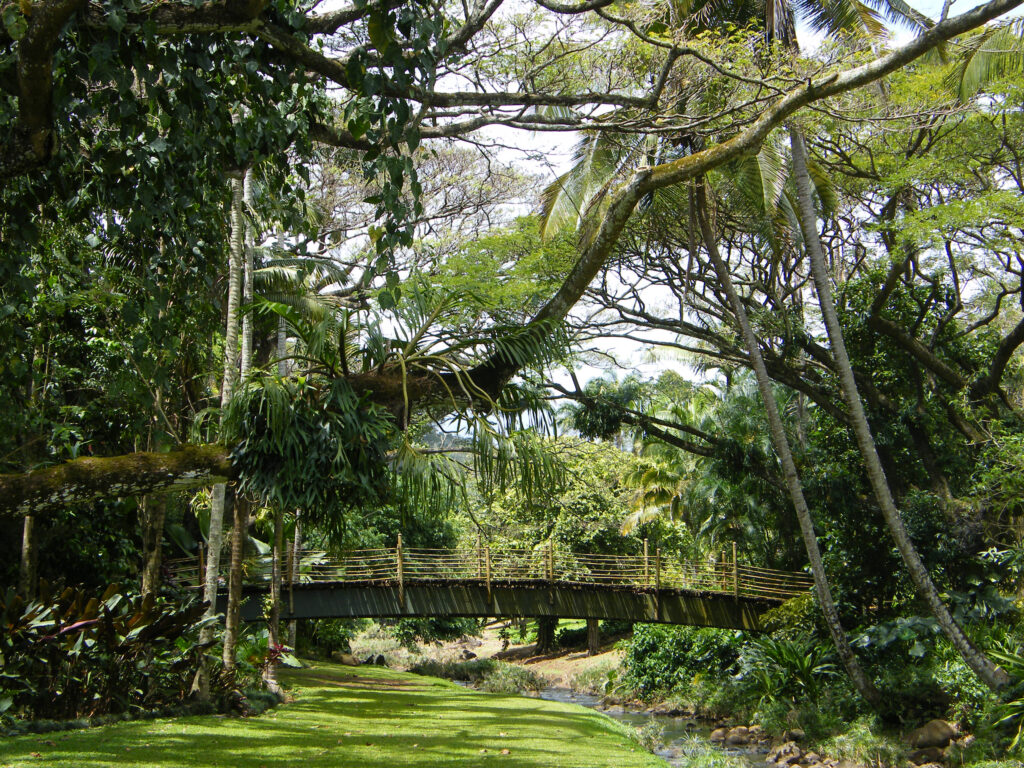
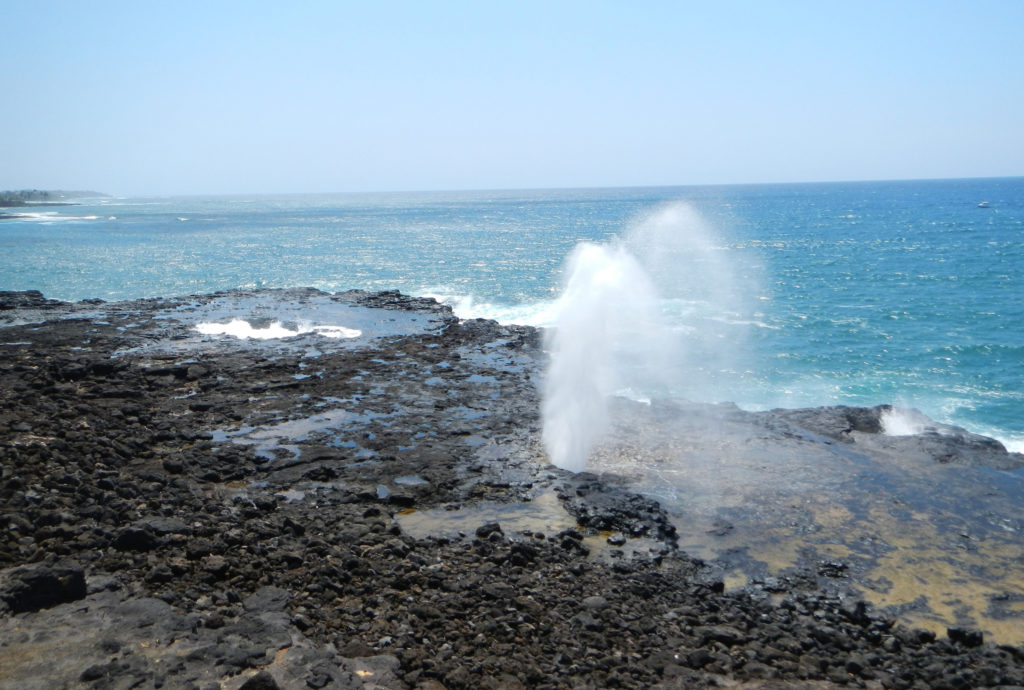
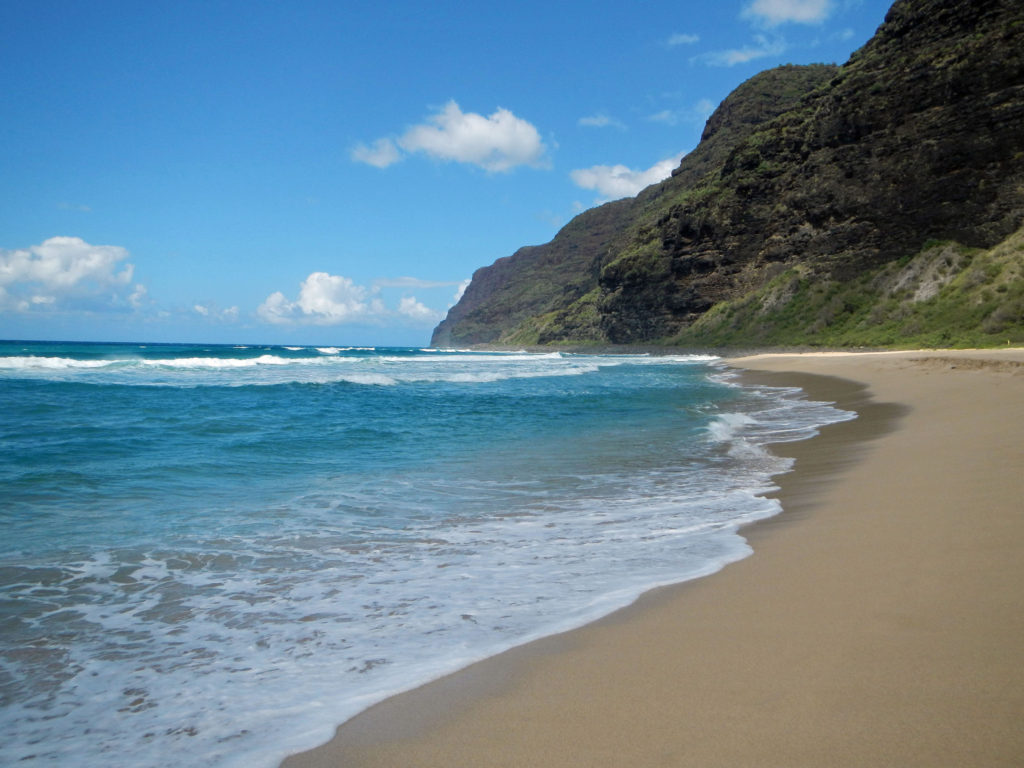
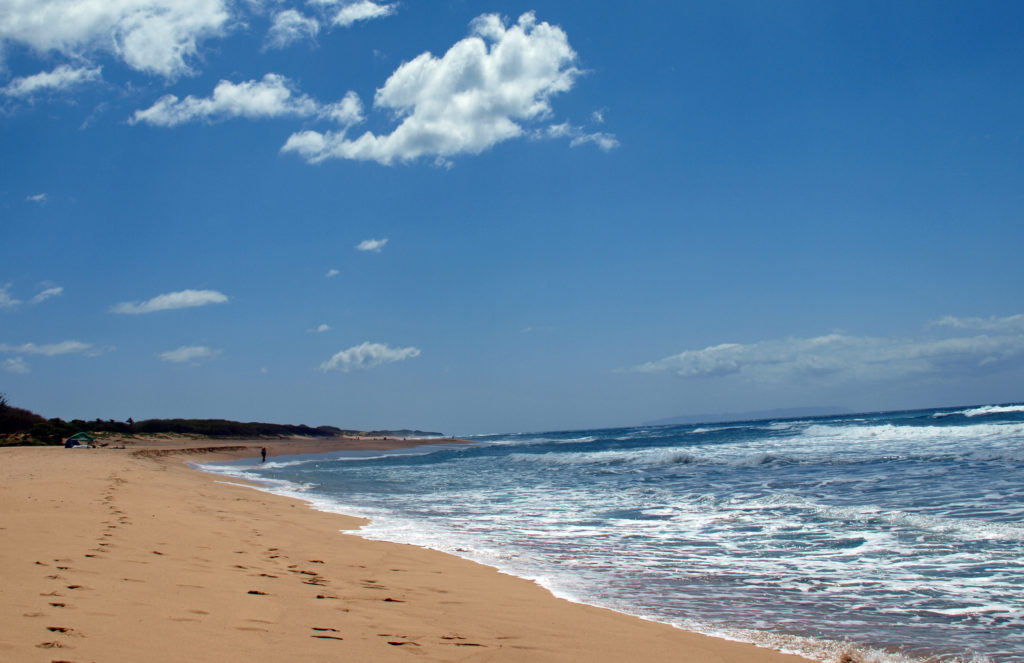
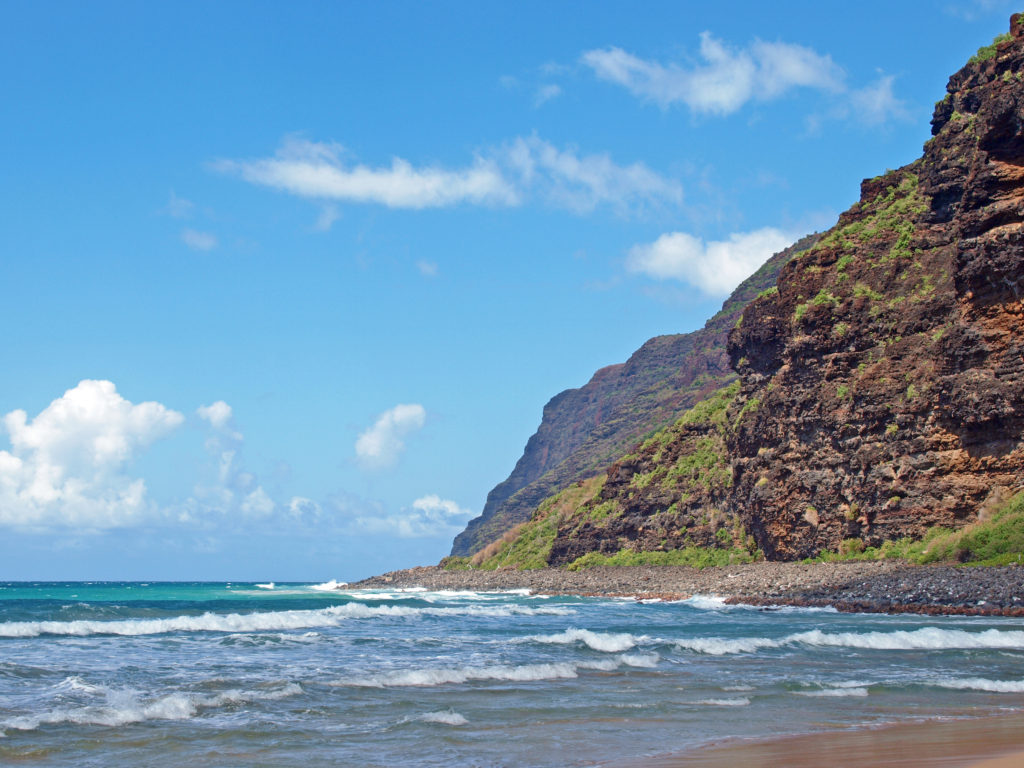
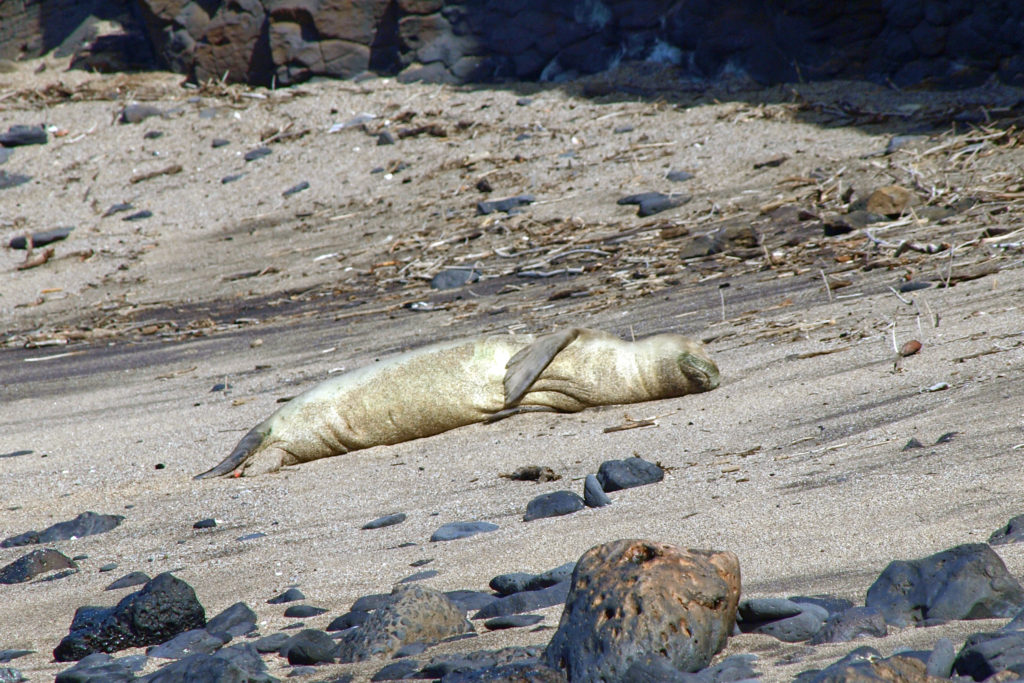
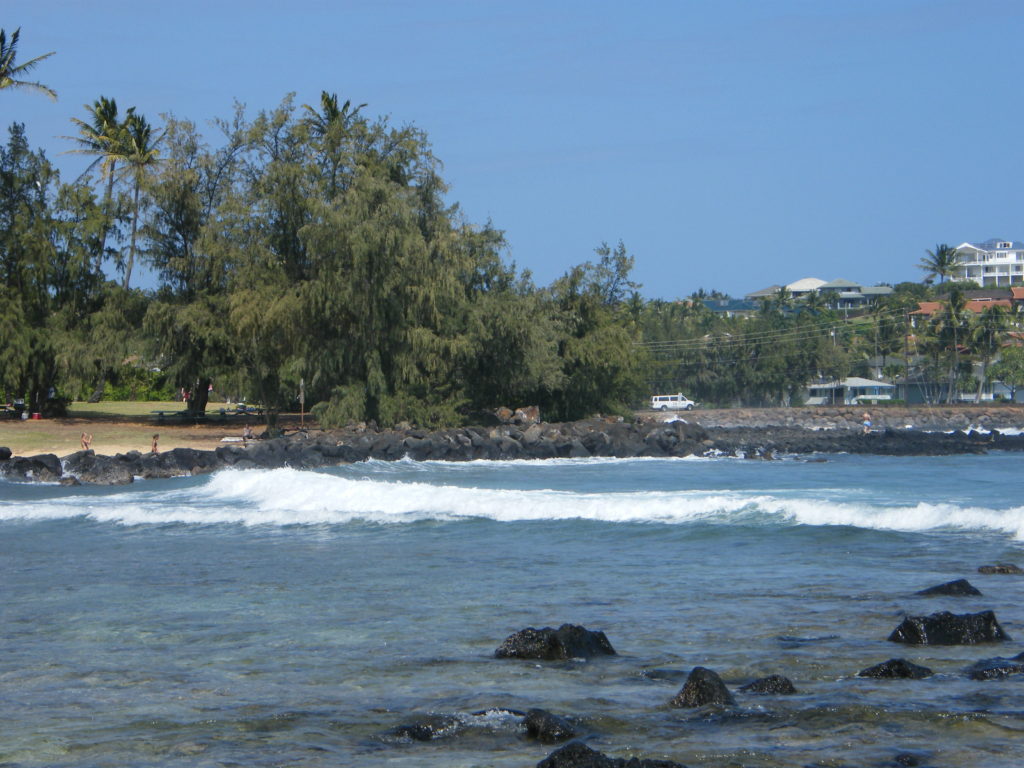
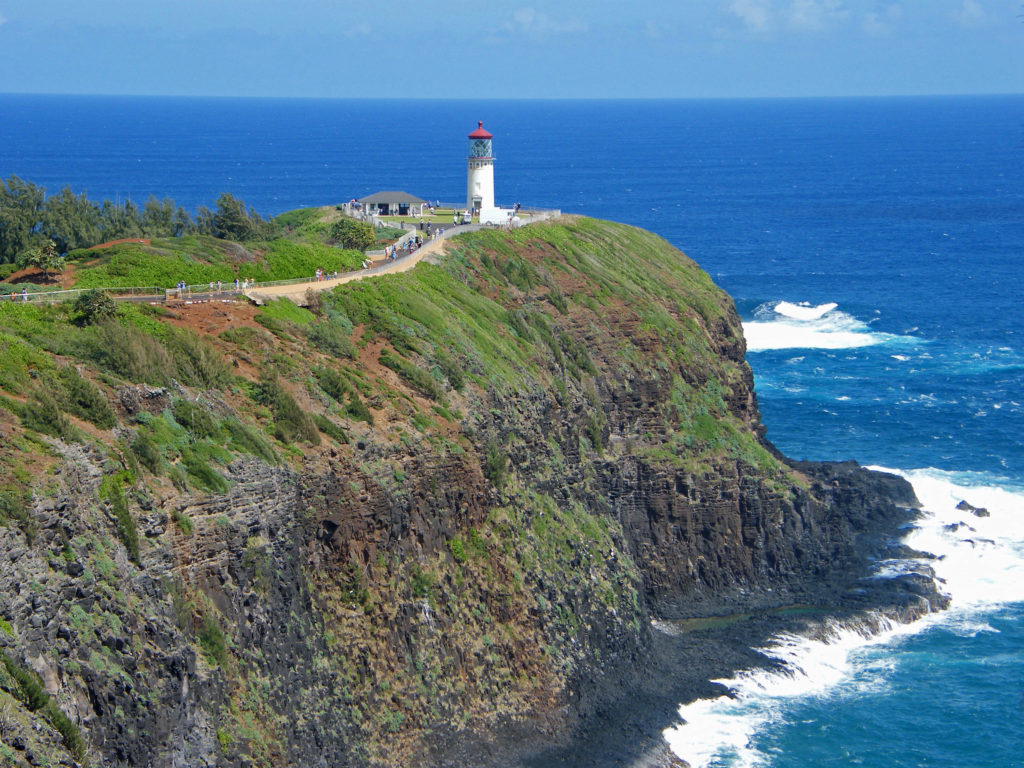
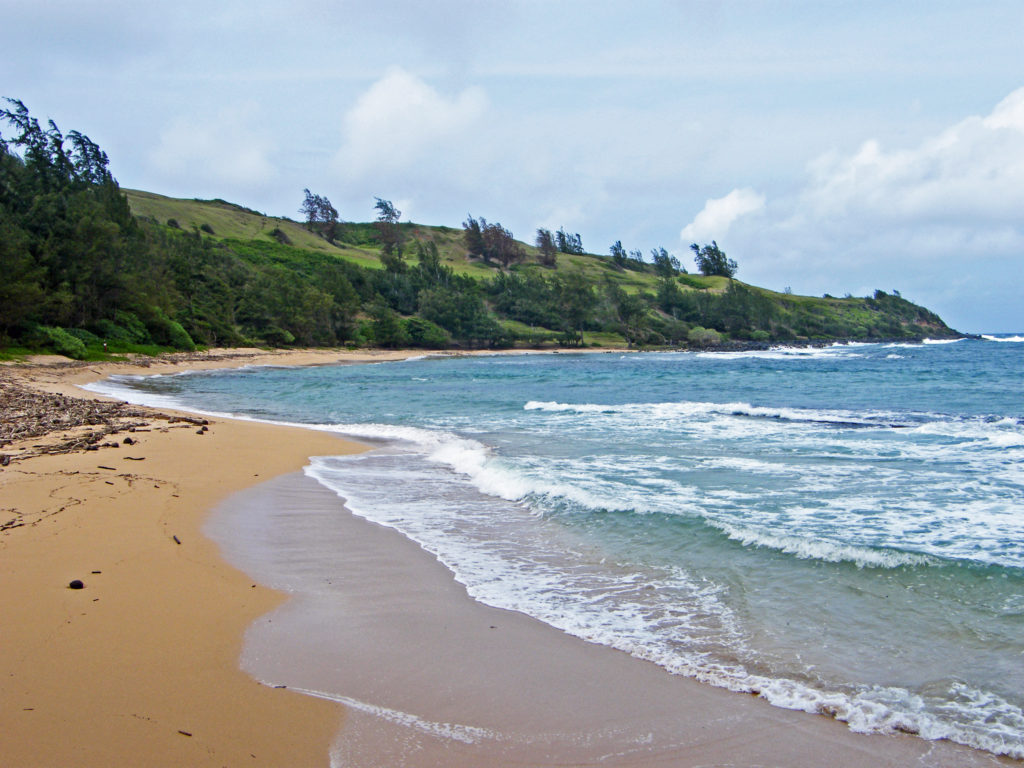
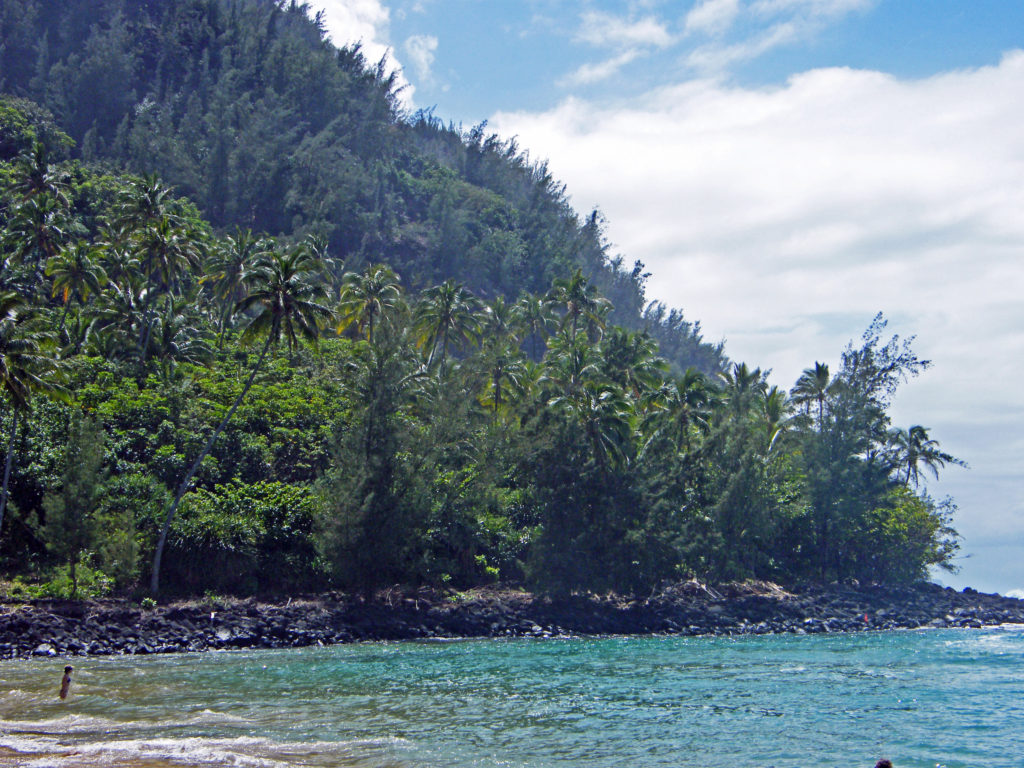
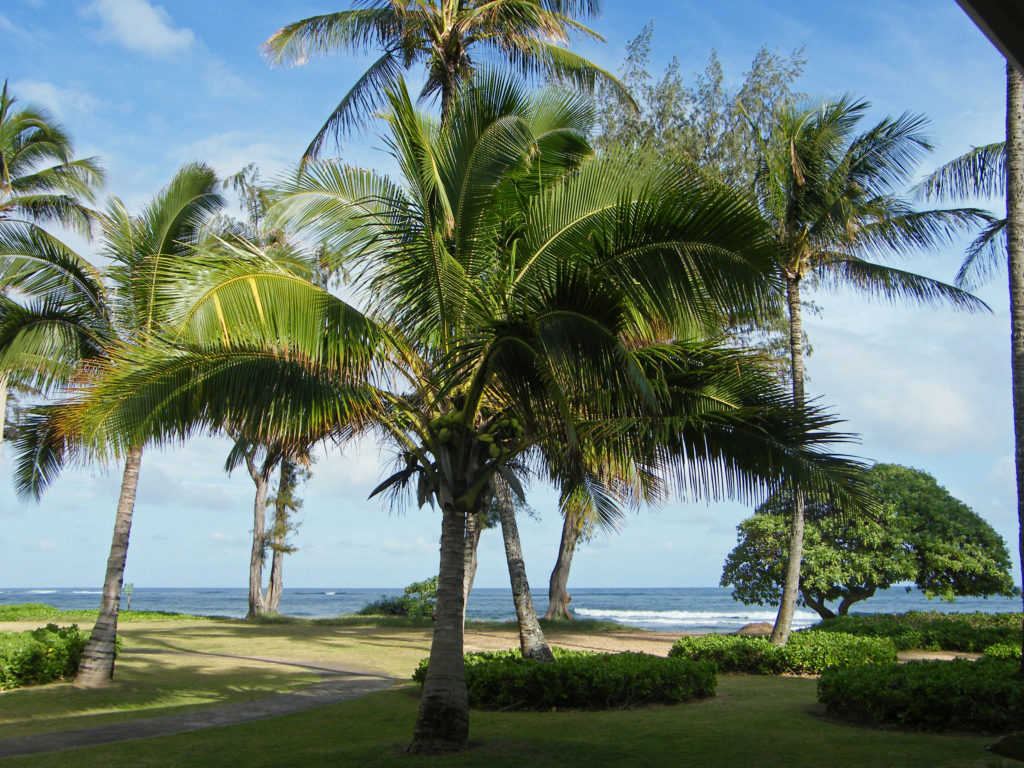
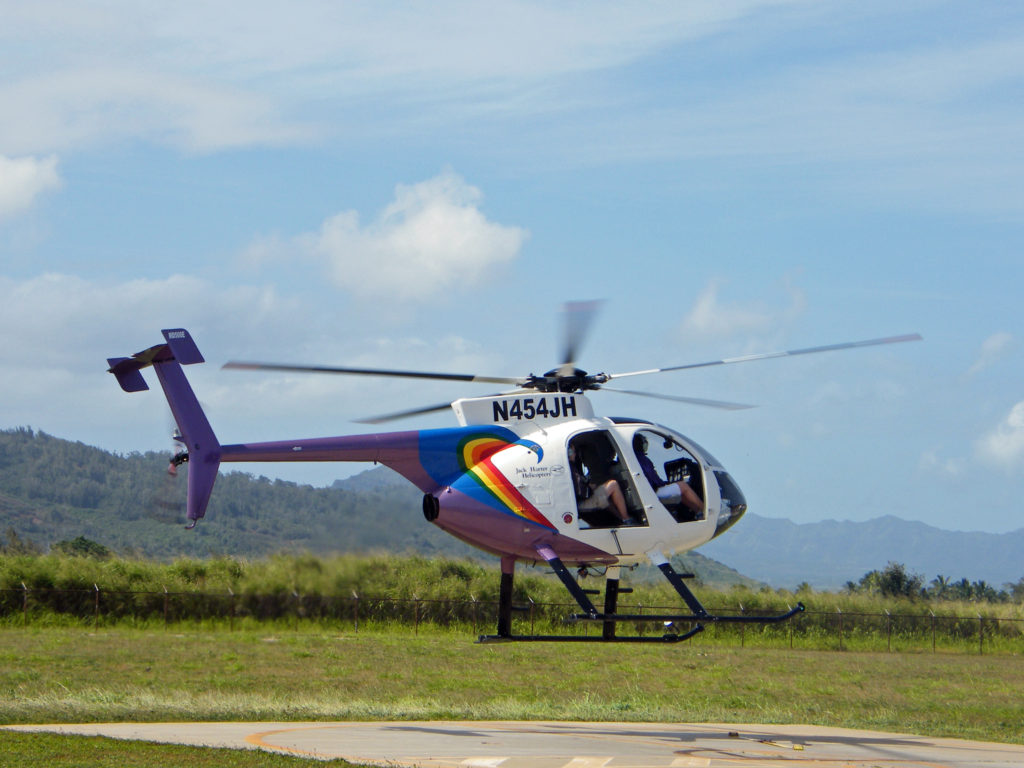
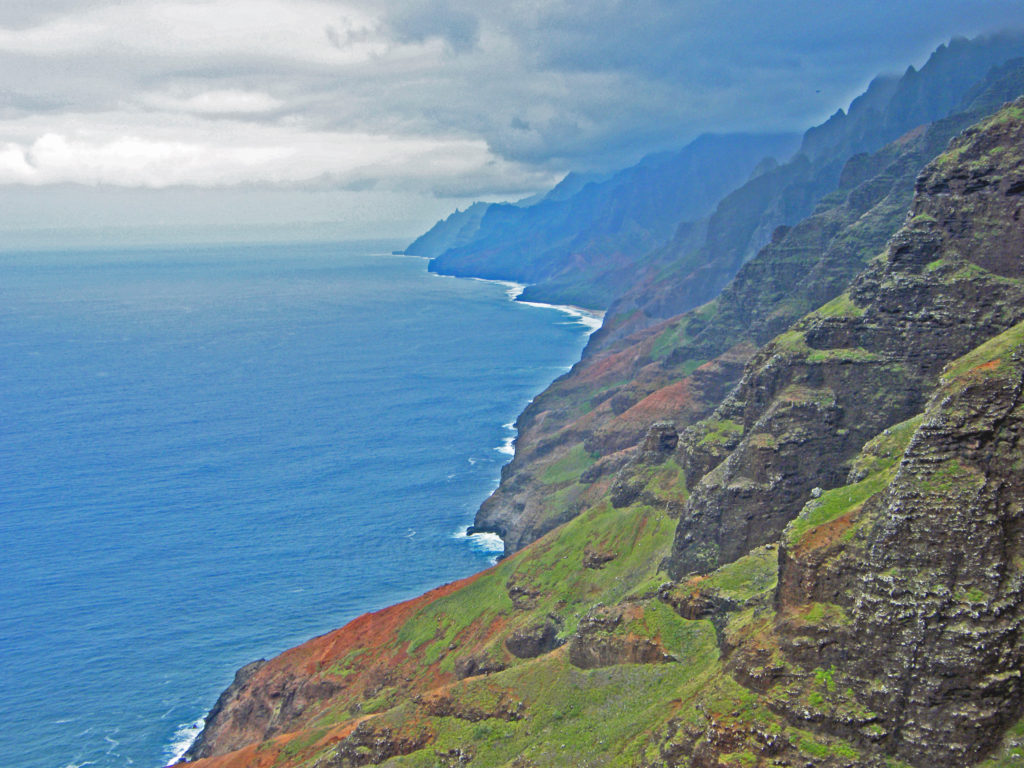
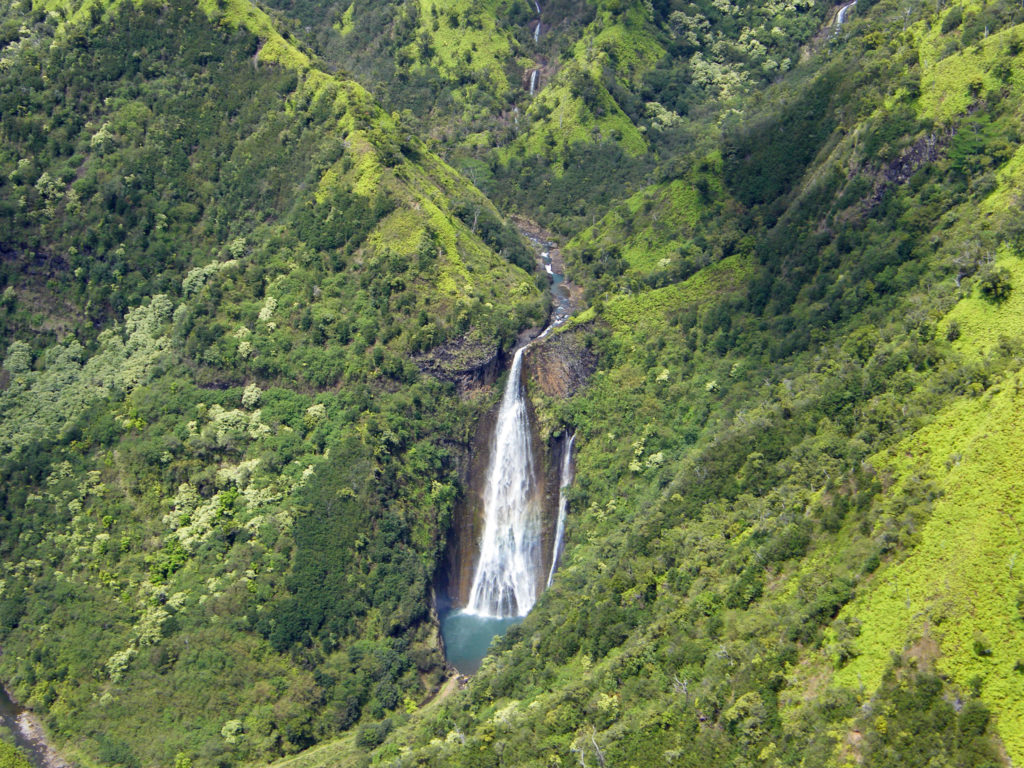
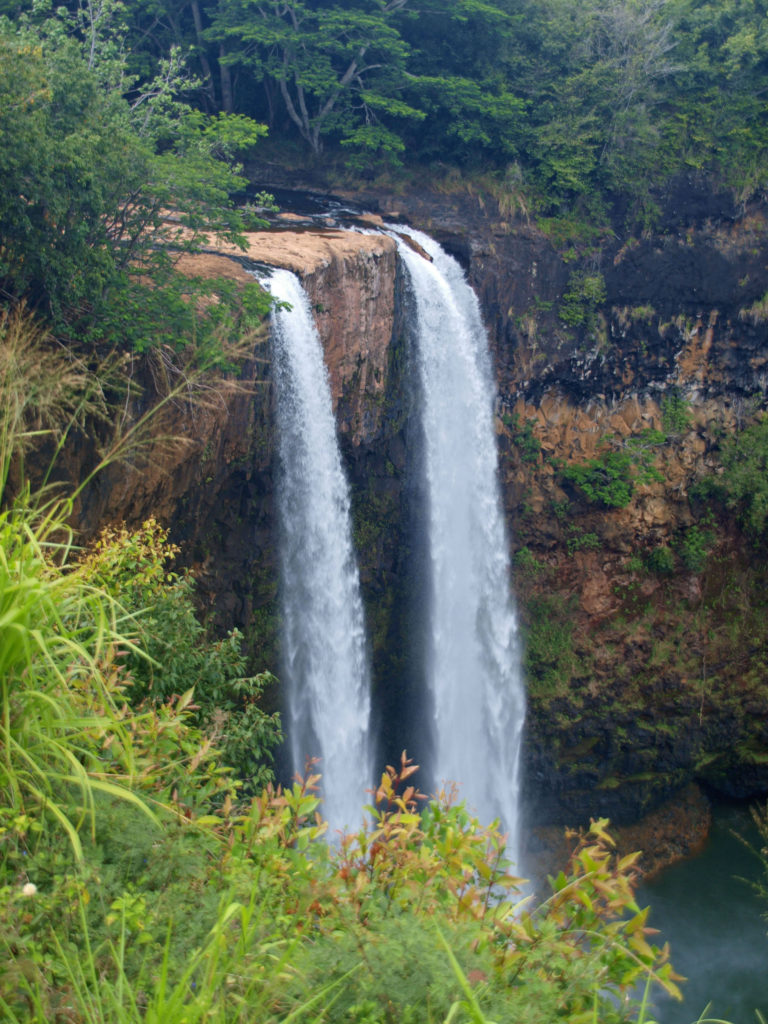
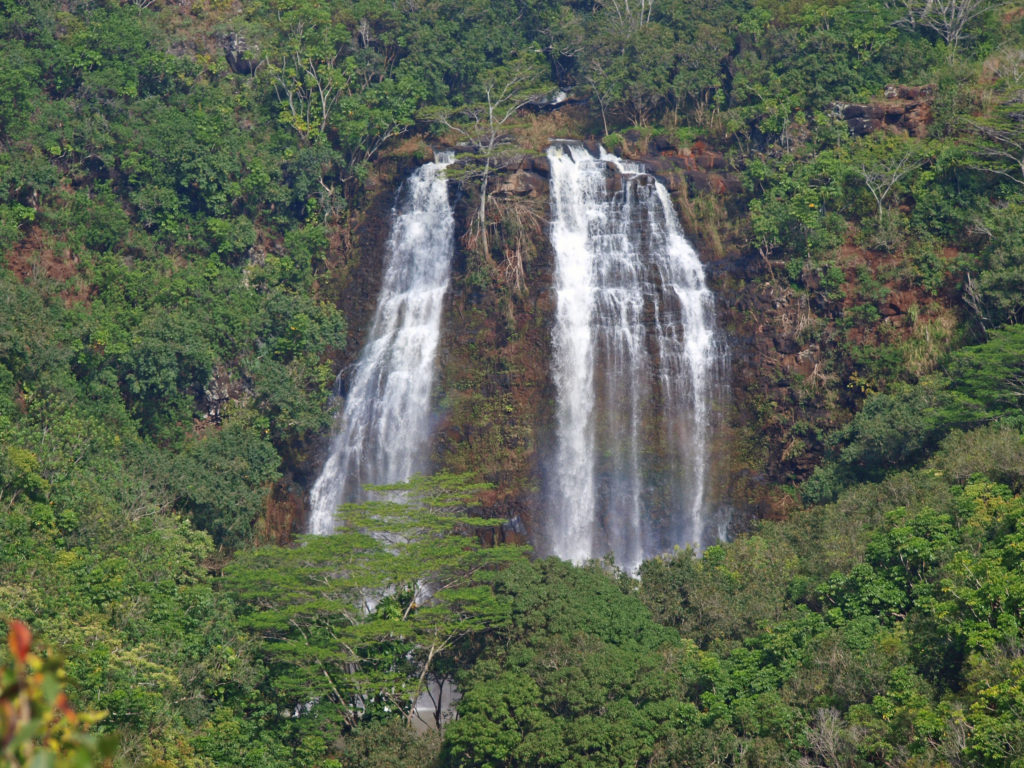
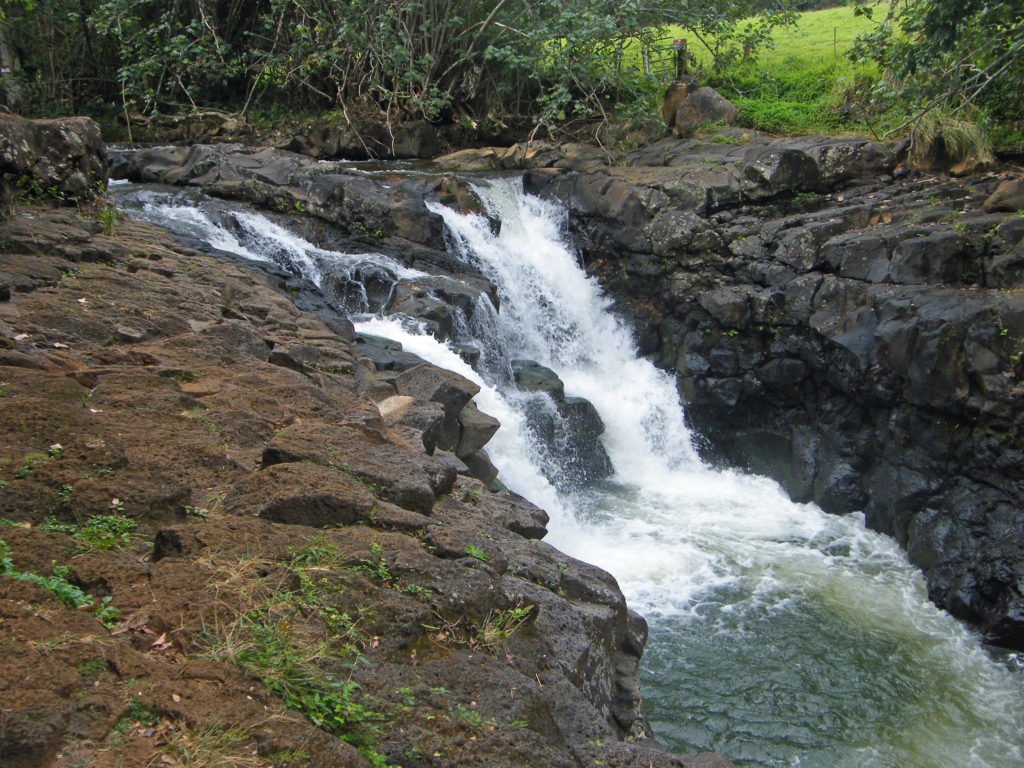
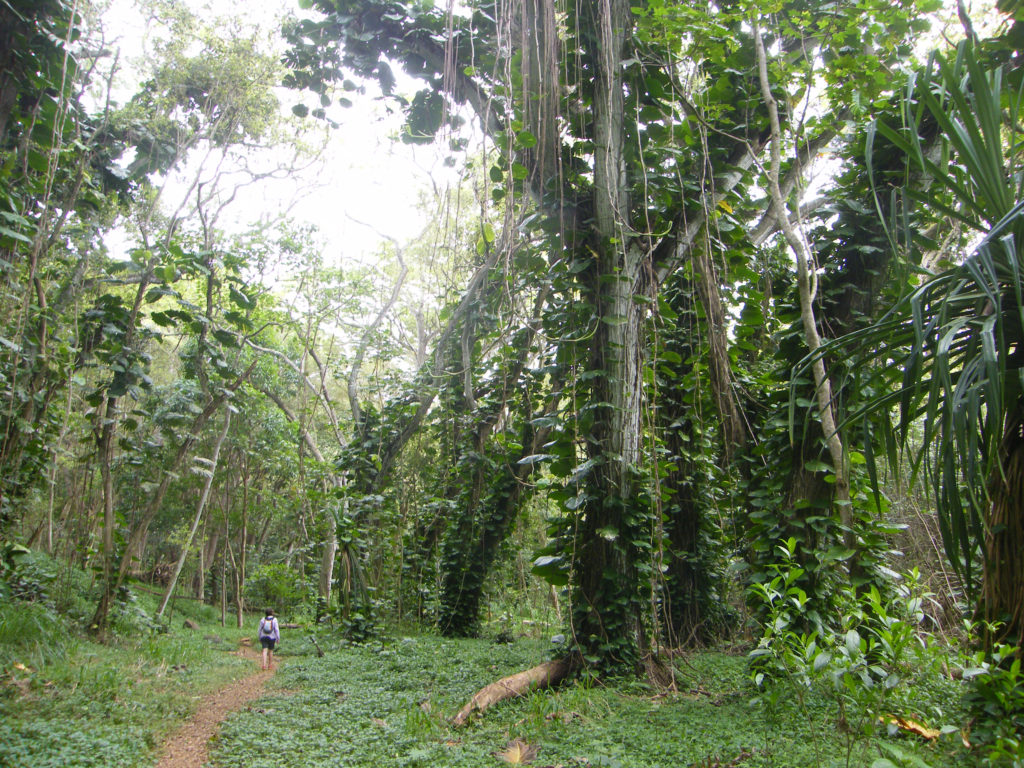
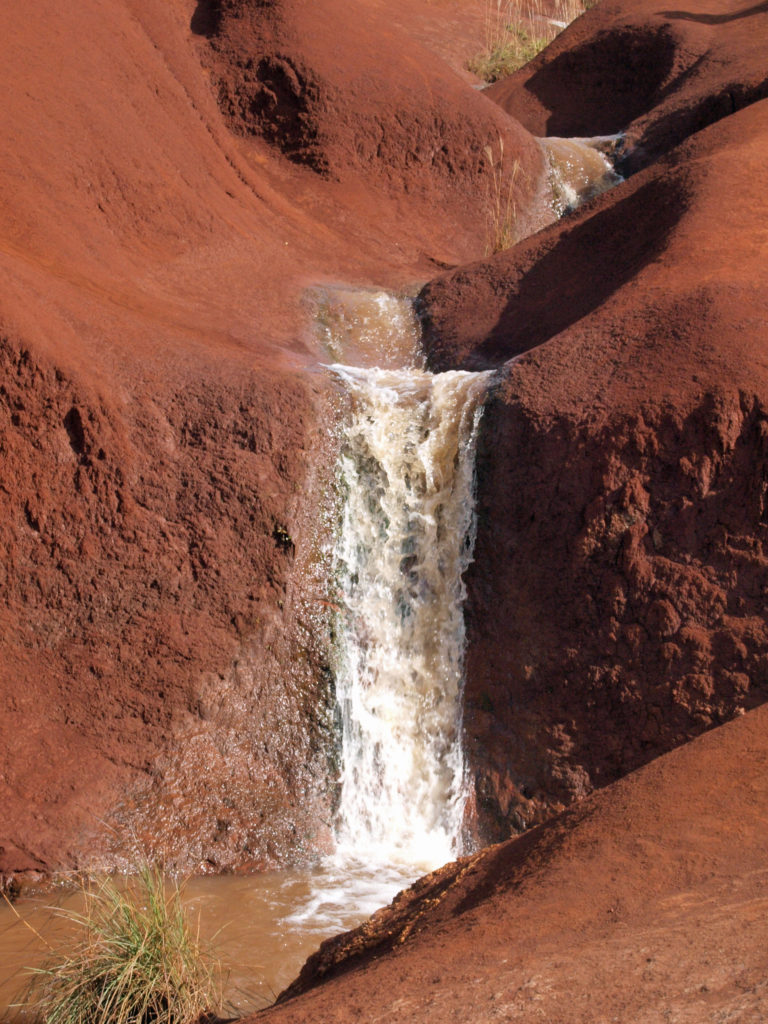
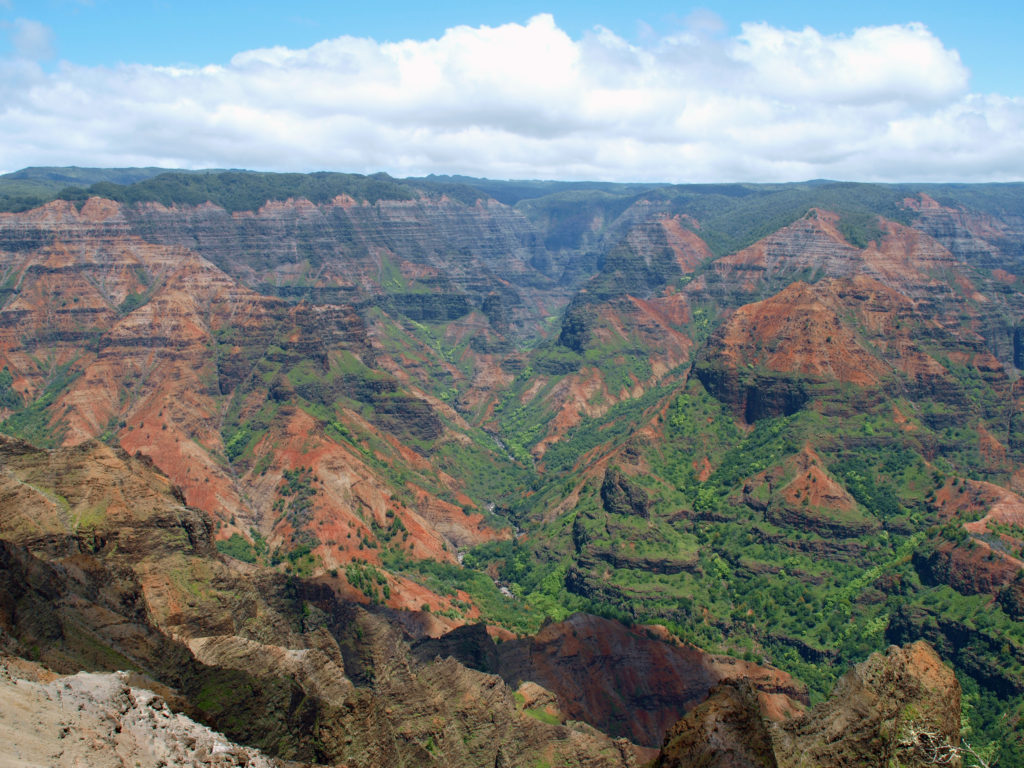
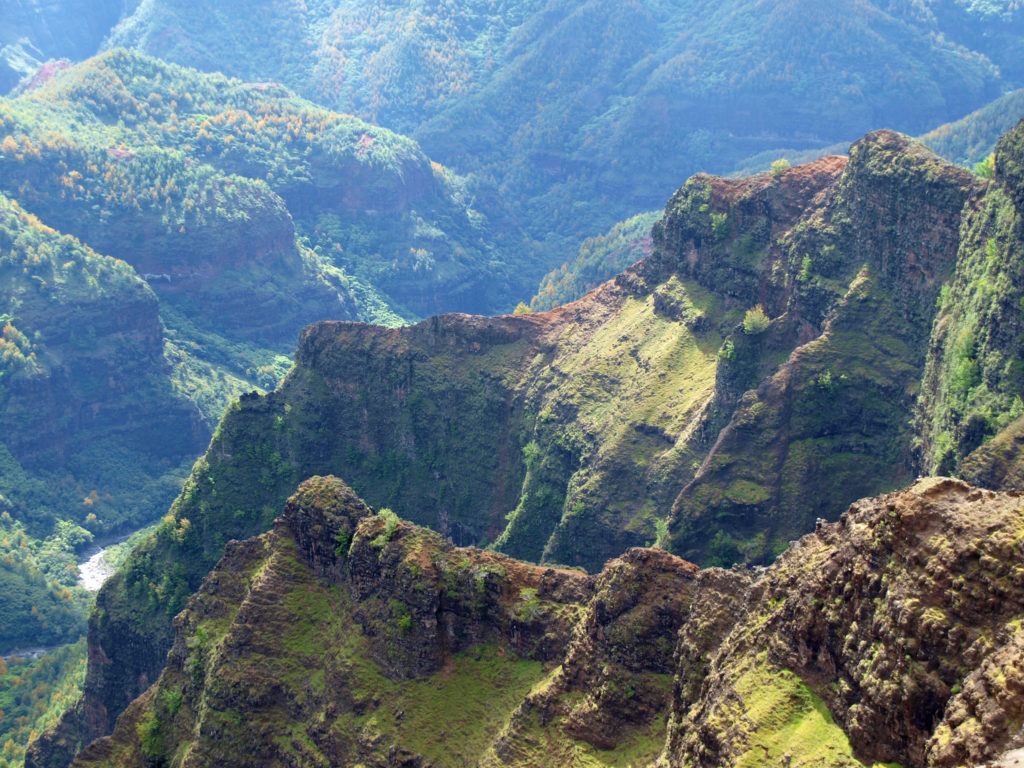
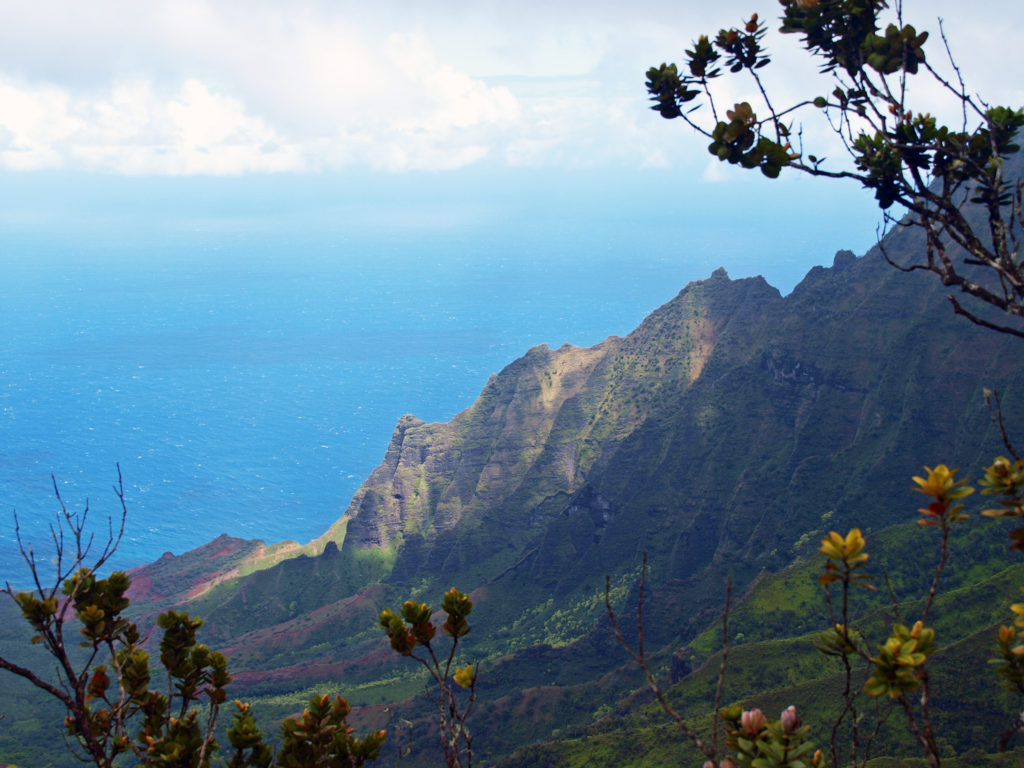
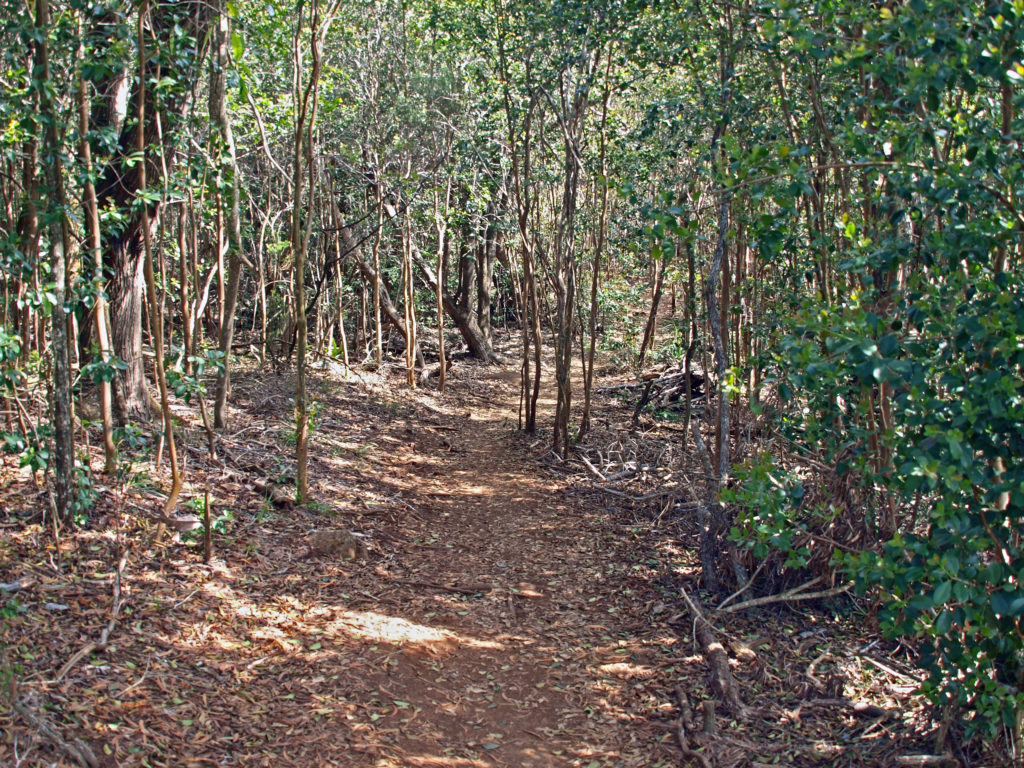 For hikers, there are more than 45 miles of trails in the canyon. You could easily spend days in the canyon and not hike all of the trails. For those that do want to spend multiple days hiking or sightseeing,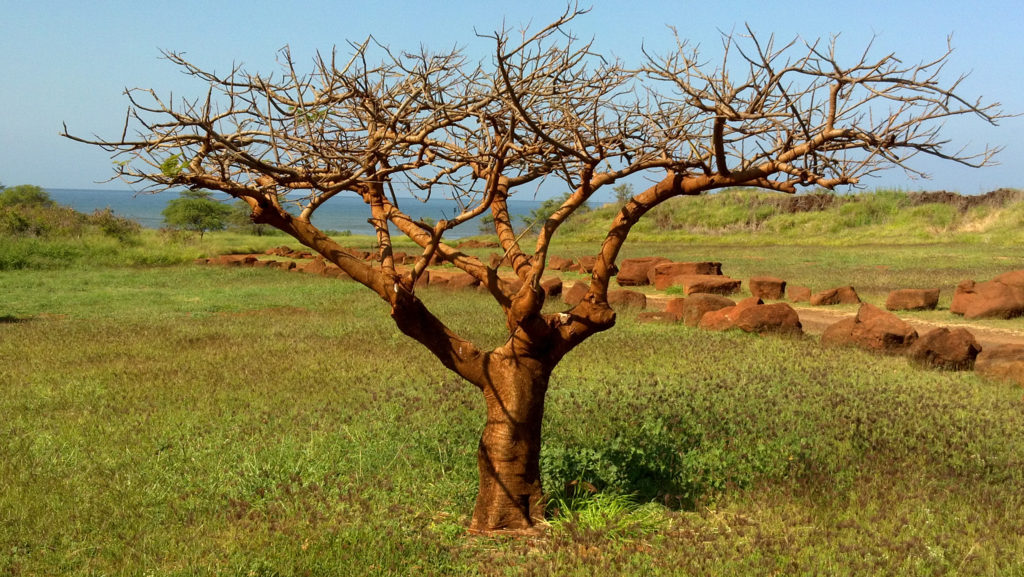
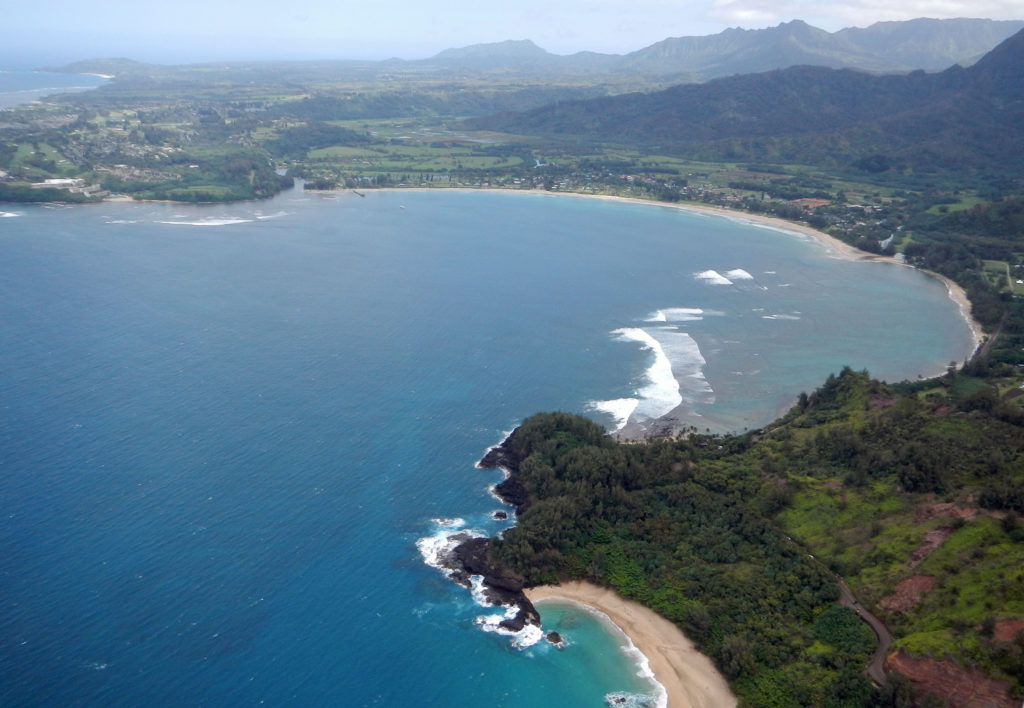
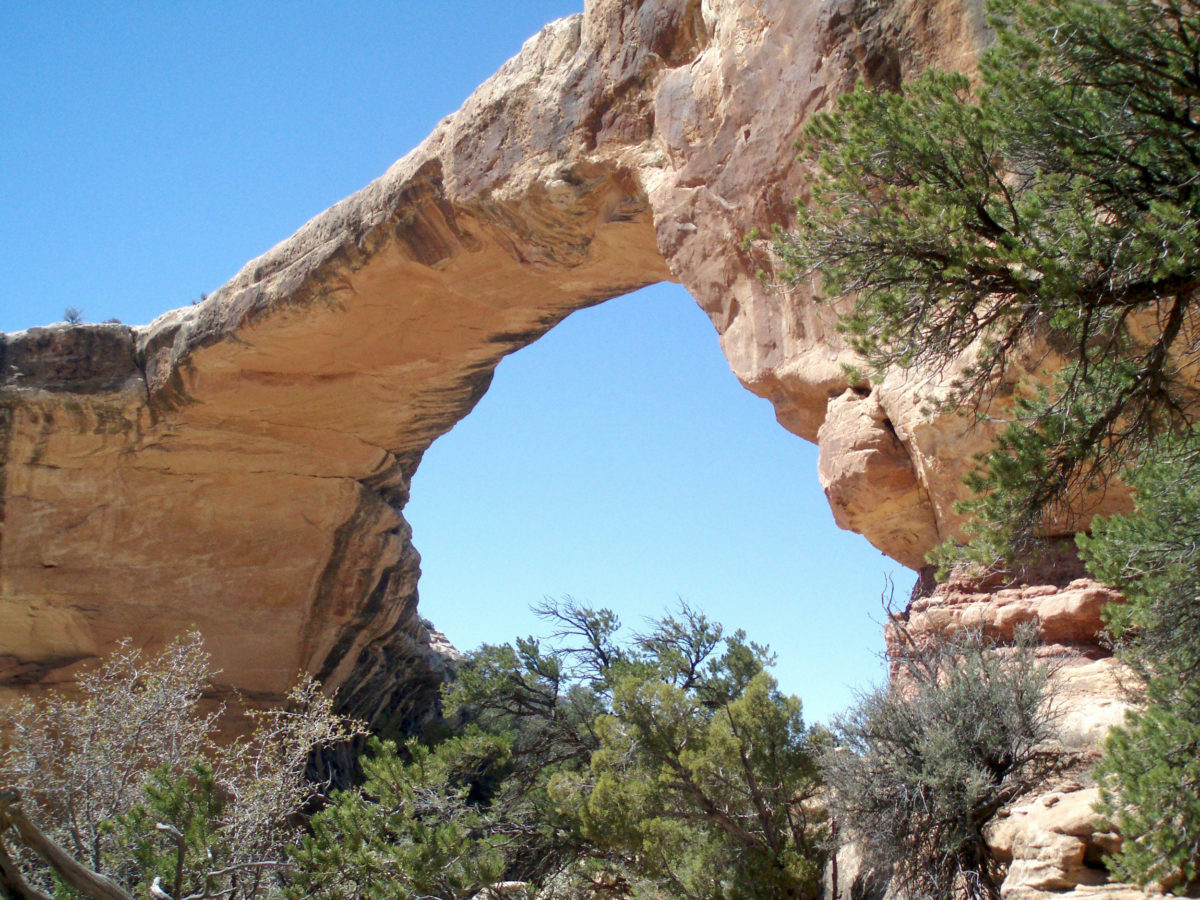
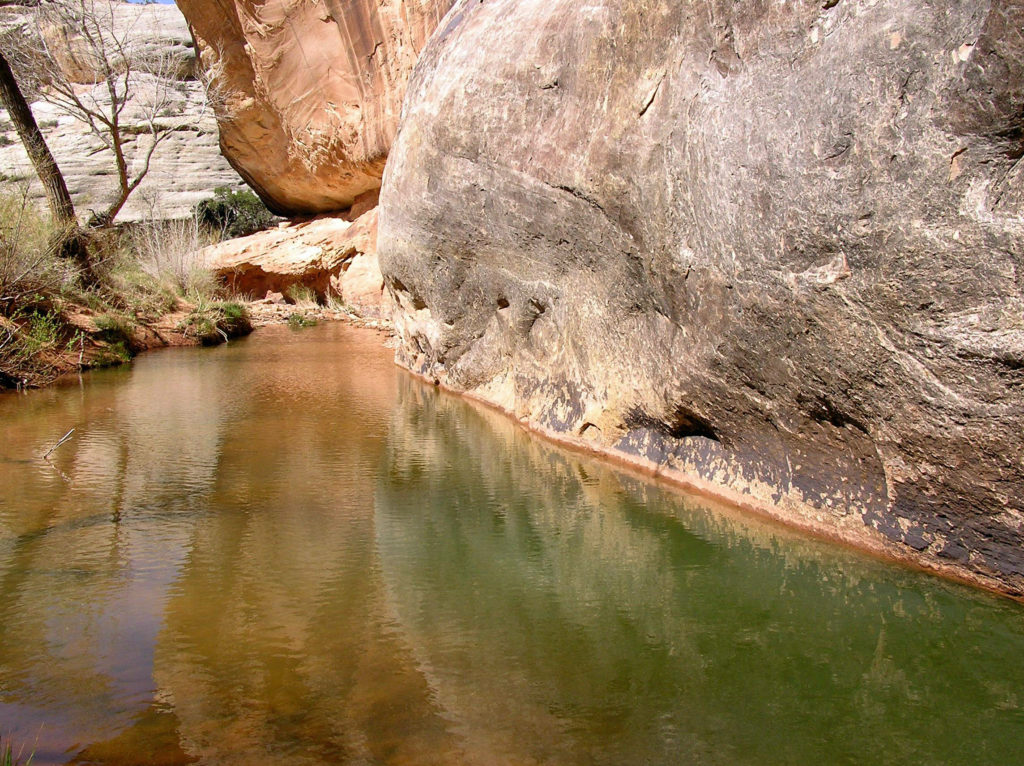 First Impressions
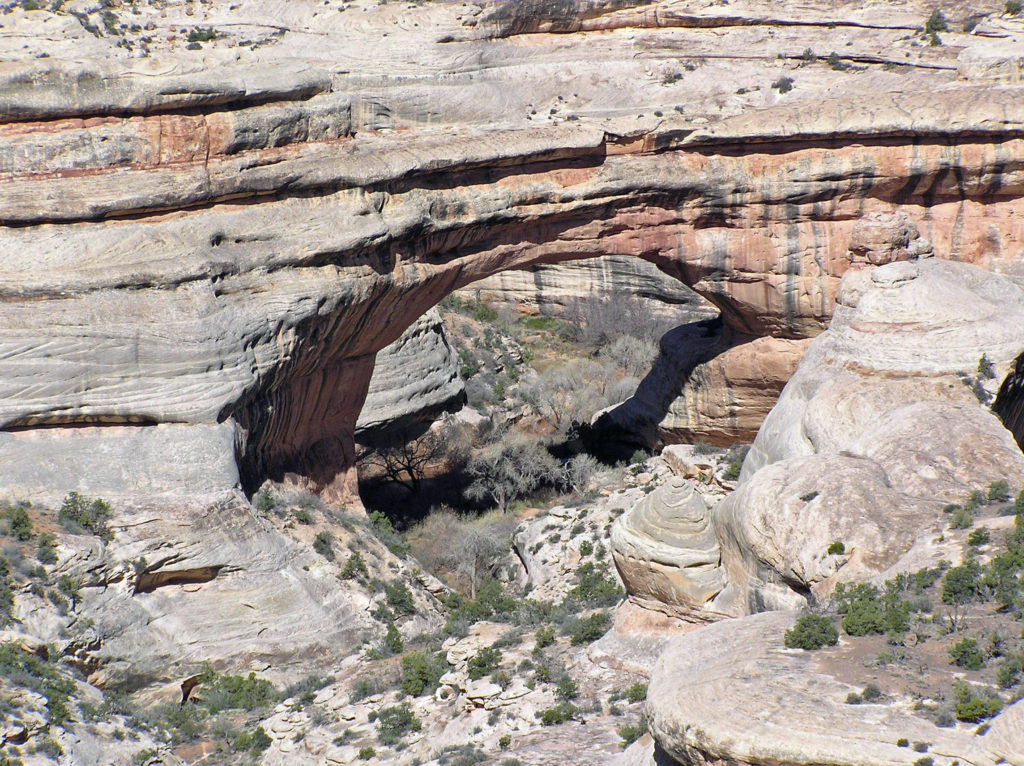 My wife and I have been back once since that first visit. The photos here were taken on that second trip in 2008. I think we’re long overdue for a third visit.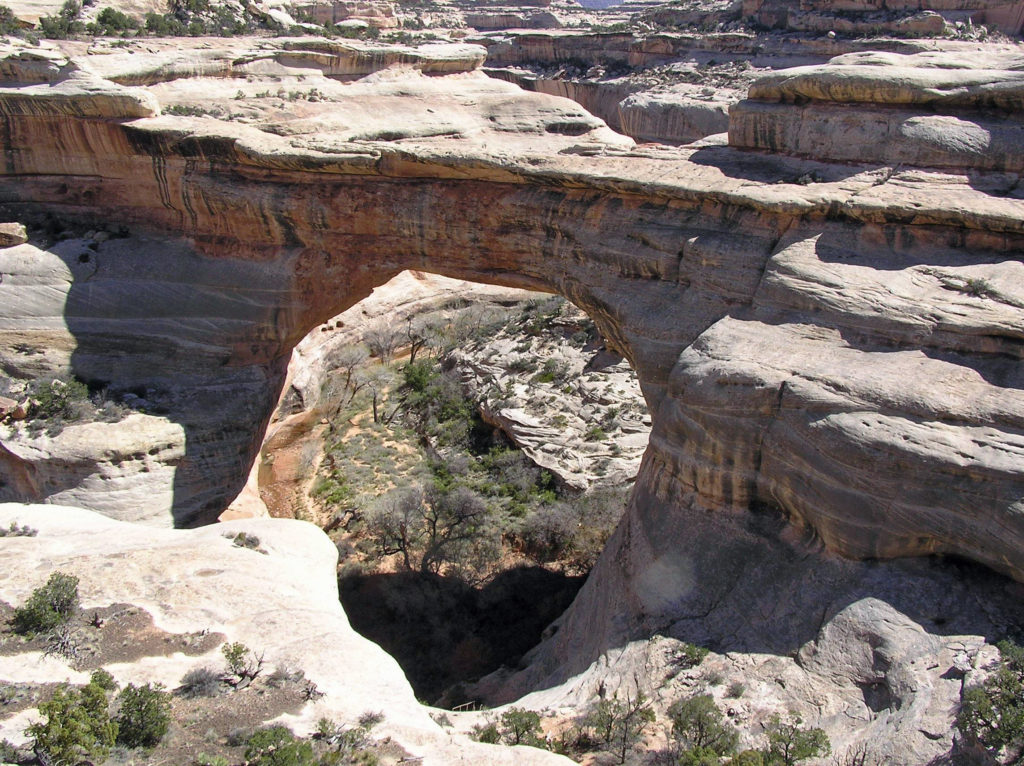
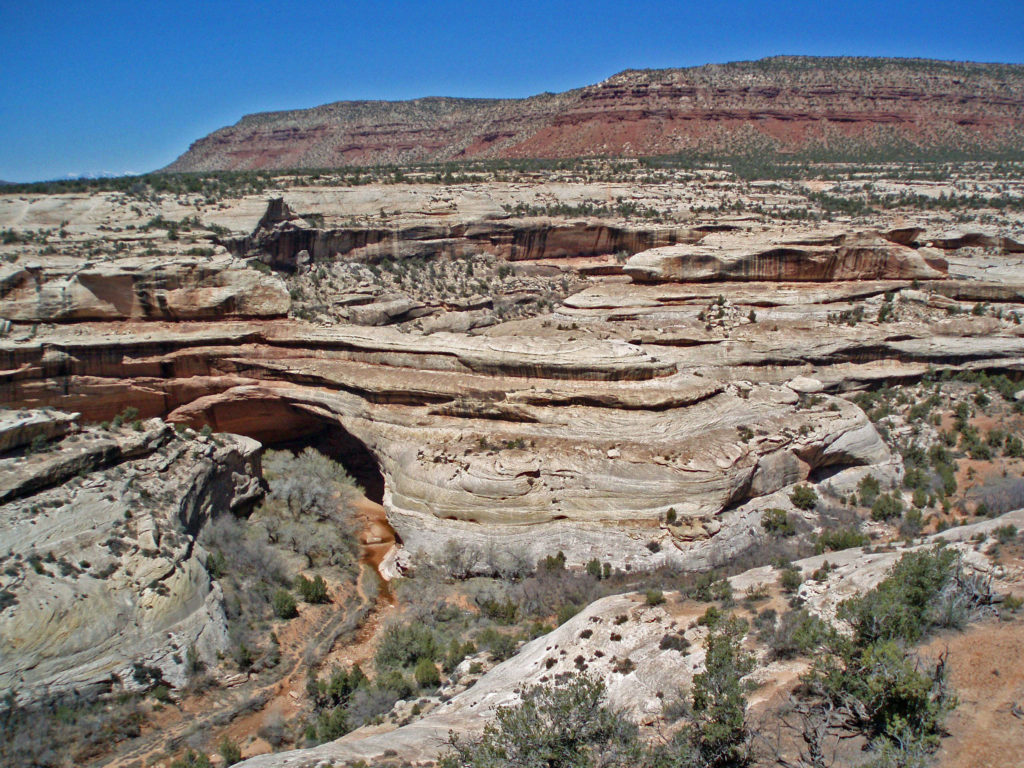 The white Cedar Mesa Sandstone of the canyons in Natural Bridges was formed from white quartz sand with relatively little iron. The red and orange sandstone of the mesa tops gets its color from more iron rich rocks. Oxygen and hydrogen react with the iron, forming compounds that vary in color depending on the relative proportions of oxygen and hydrogen in the rock.
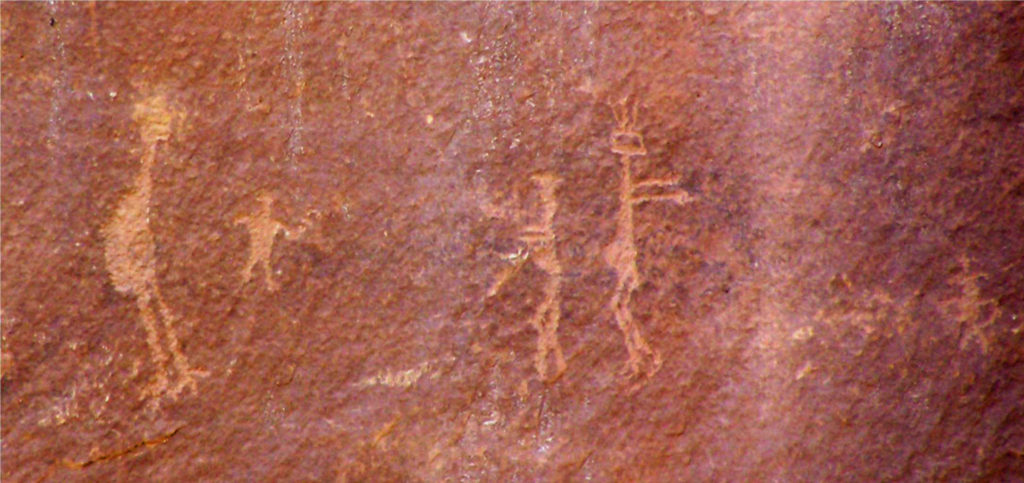 Human Presence
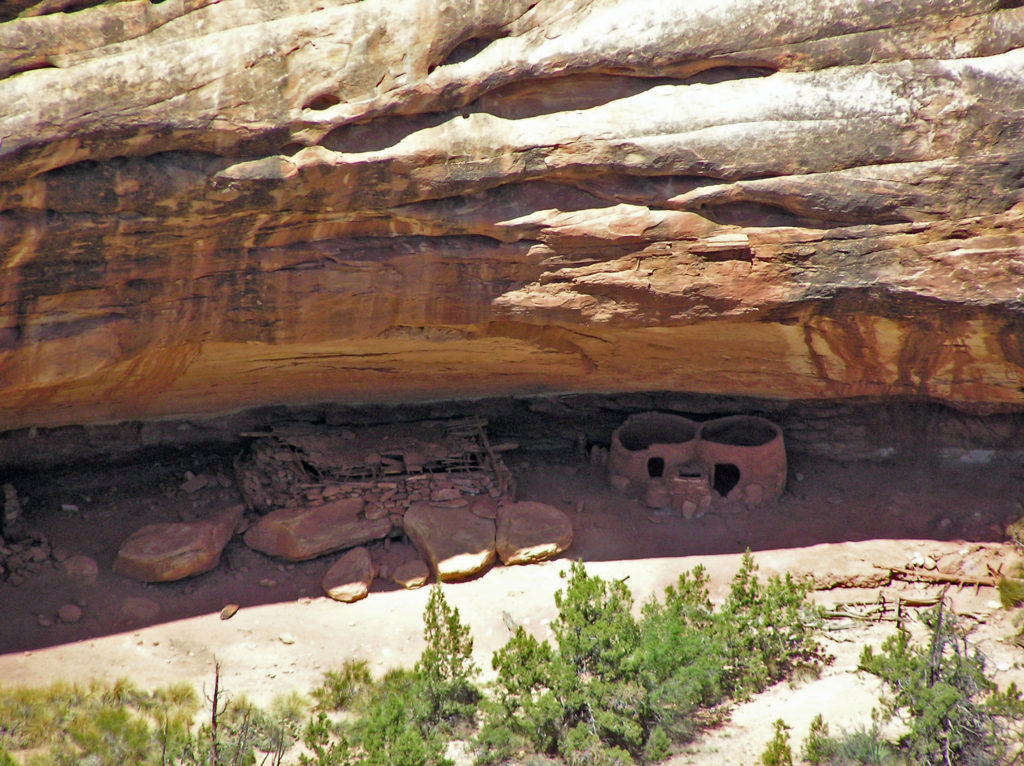 The Ancestral Puebloan people began farming the mesa tops around 1500 years ago, but later abandoned the area, presumably because of a prolonged drought. After 300 years, the ancestors of modern day Hopi and Navajo returned to the Natural Bridges area, only to abandon the area again around the year 1280 CE. Modern Hopi, Navaho, and Paiute peoples reoccupied the area once again at later dates.
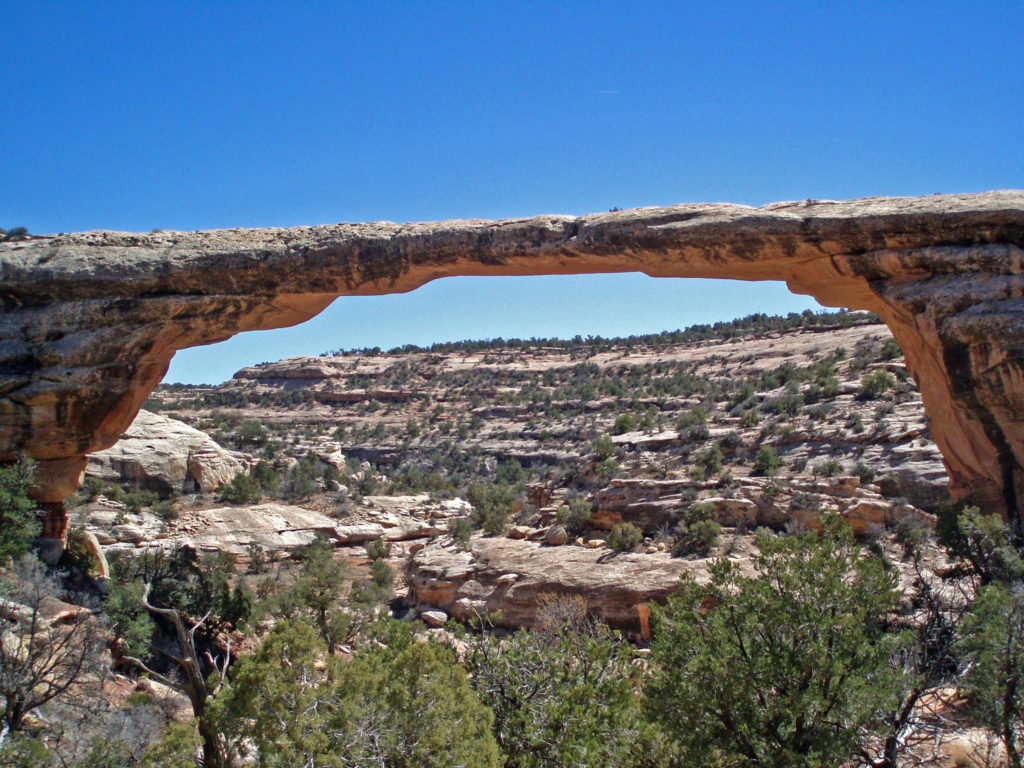 Europeans didn’t discover the area until 1883 when prospector Cass Hite ventured into the canyons looking for gold. He didn’t find any gold, but he did find the three magnificent natural bridges. Twenty years later, National Geographic Magazine published an article about the bridges, gaining the attention of President Theodore Roosevelt, who established
 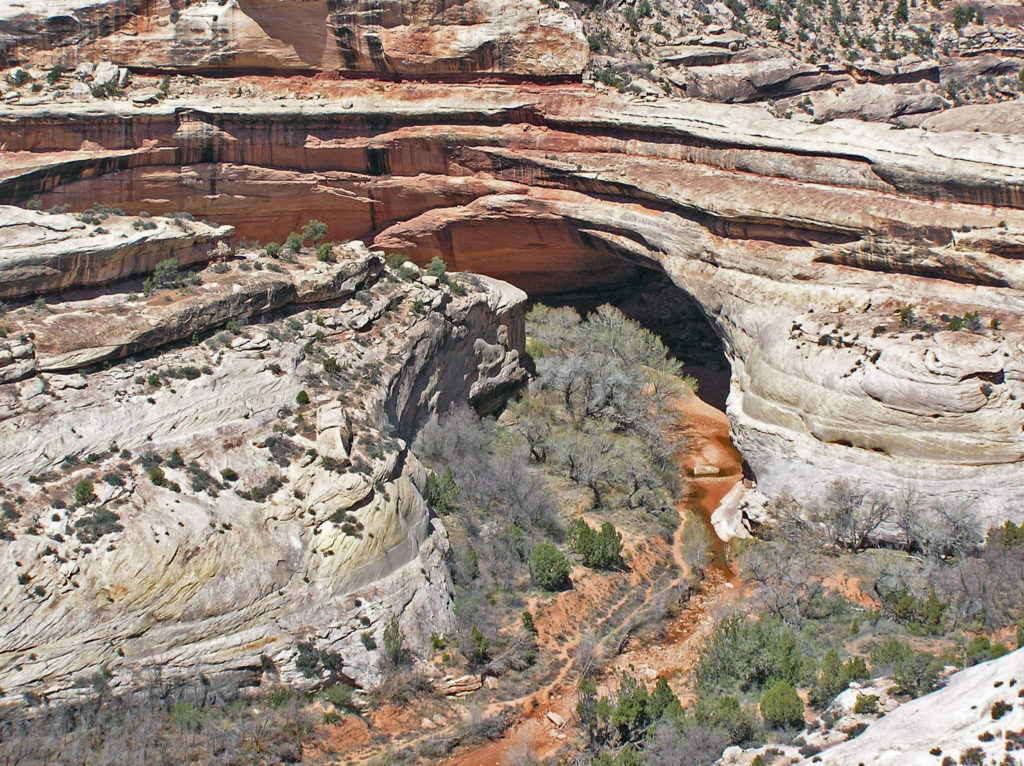 The bridges were named President, Senator and Congressman by Cass Hite. Later explorers gave them the names Augusta, Caroline and Edwin. But neither set of names stuck. In 1909 the bridges were given the Hopi names they carry today: Sipapu, Kachina, and Owachomo.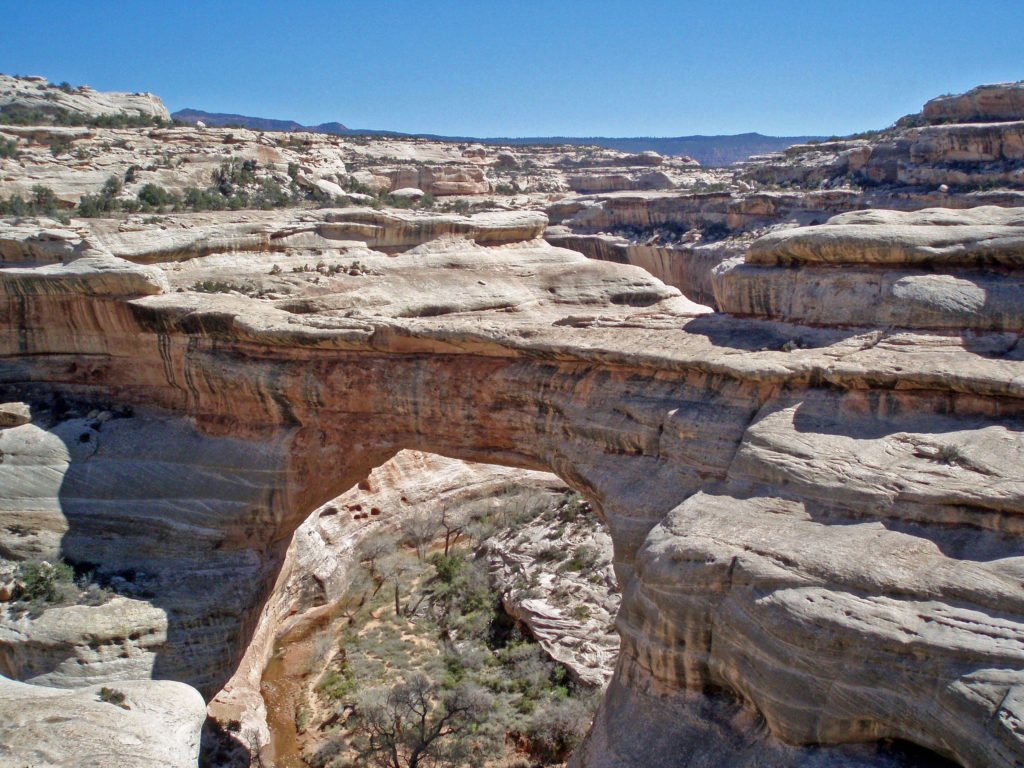
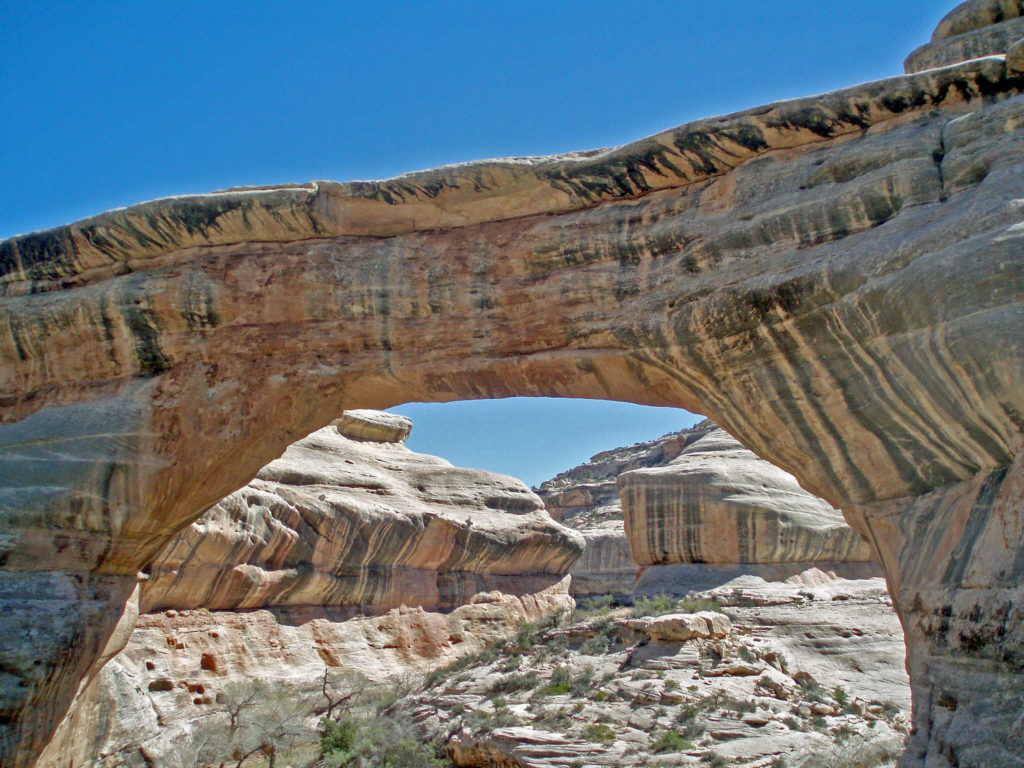 Visitor Center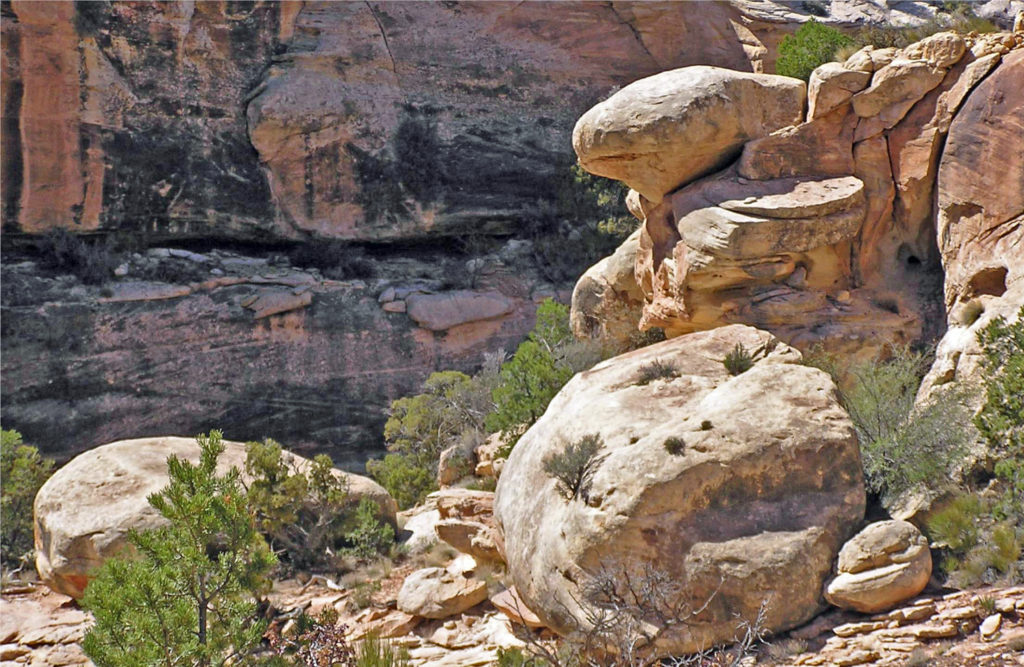
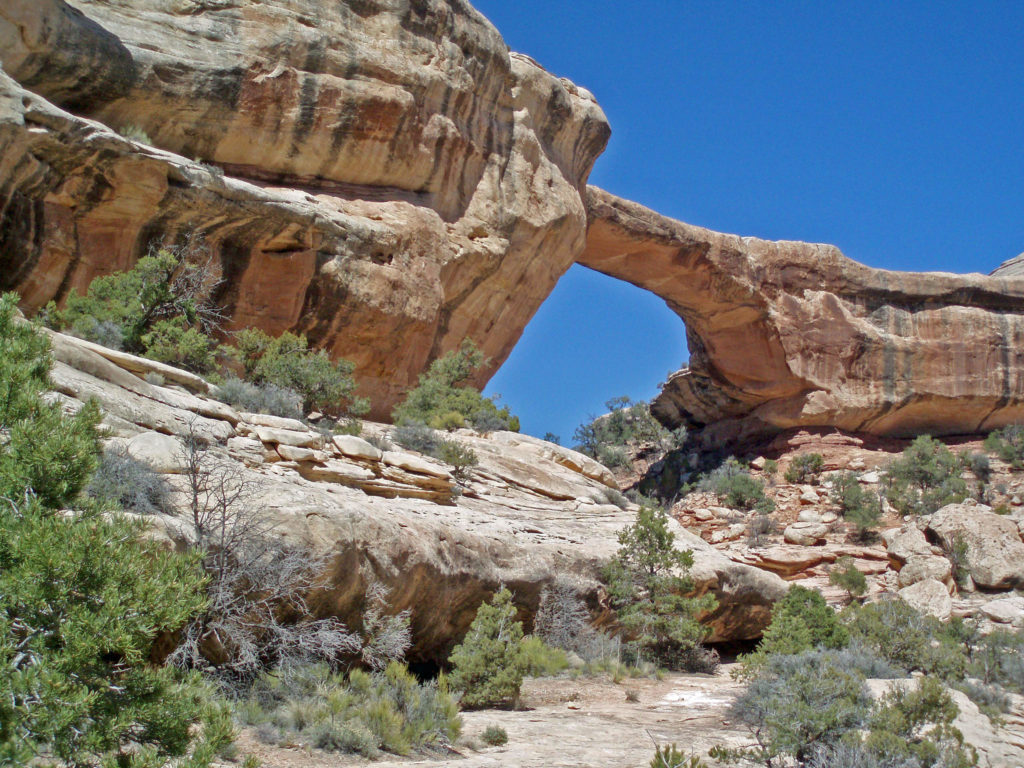


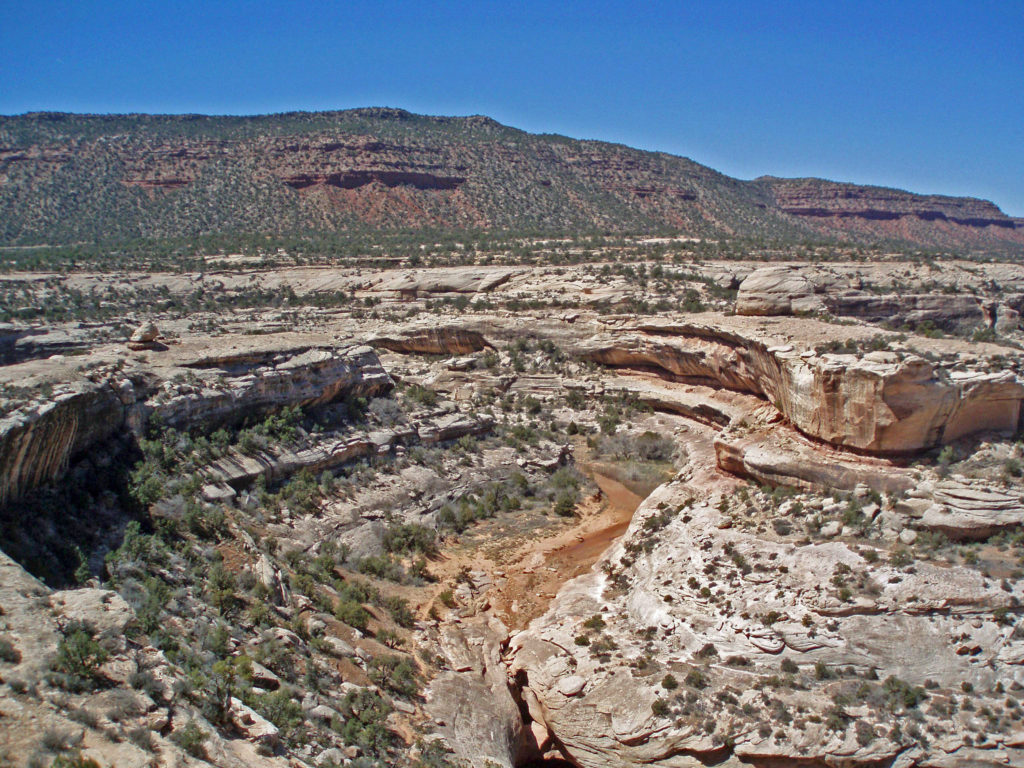 Conclusion
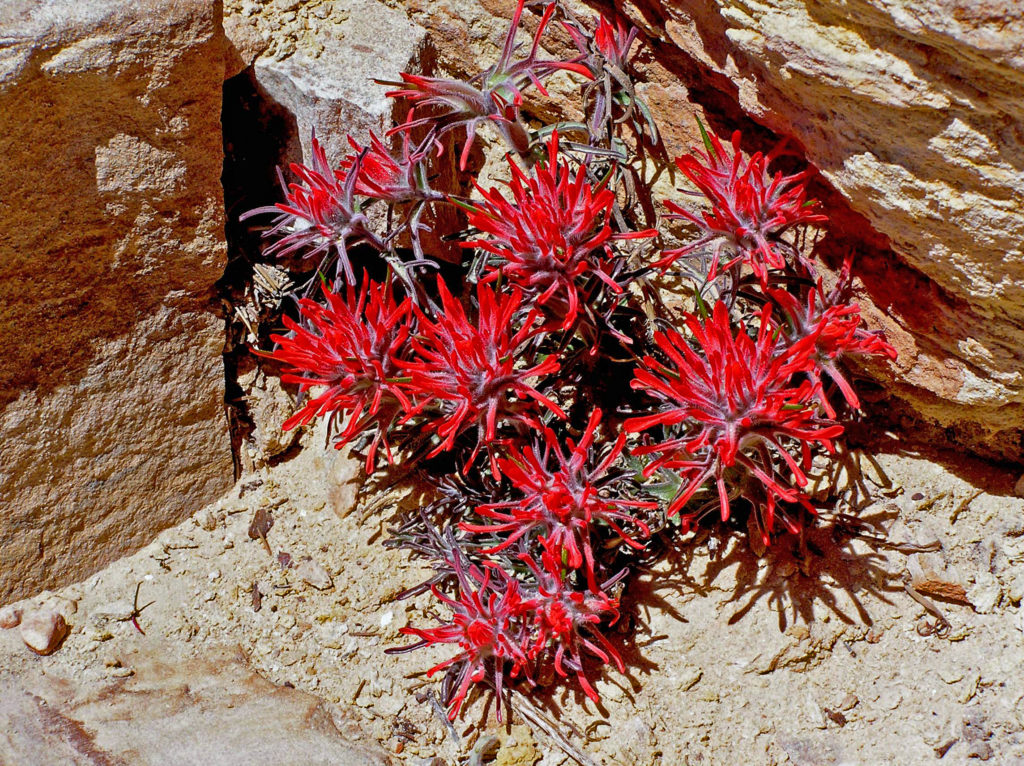 Originally posted July 10, 2021. Updated July 21, 2024.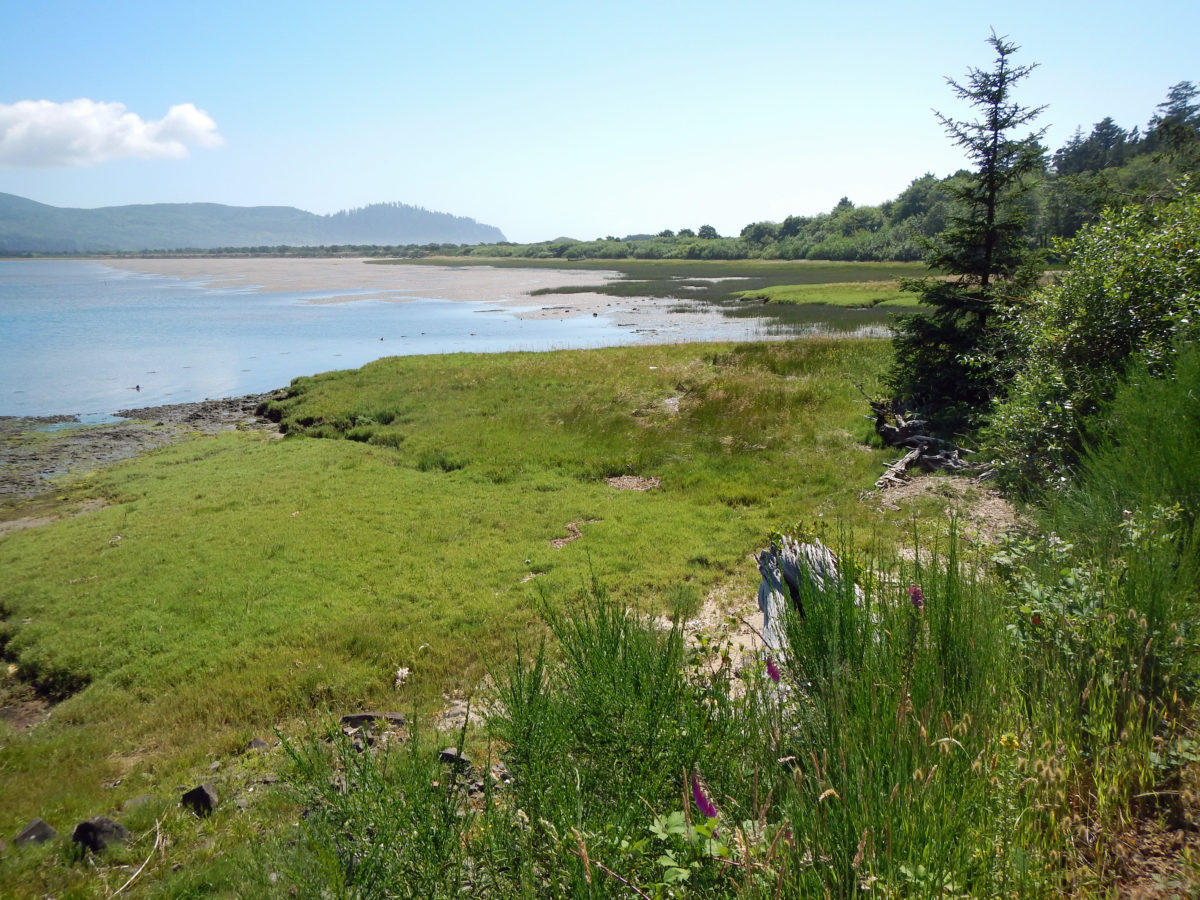
 Bayocean Peninsula, on the northern Oregon coast, is a sandspit that separates Tillamook Bay and the Pacific Ocean. It is, by any measure, a nature lover’s paradise, whether you’re a beachcomber, hiker, mountain biker, boater, birder, wildlife lover, or photographer.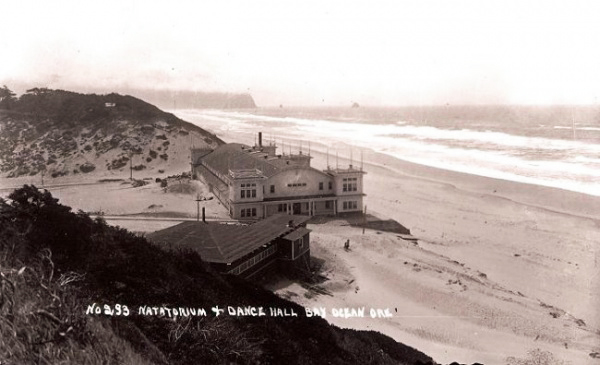
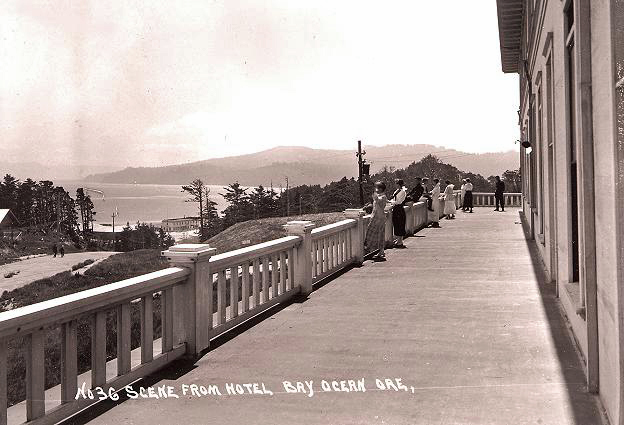
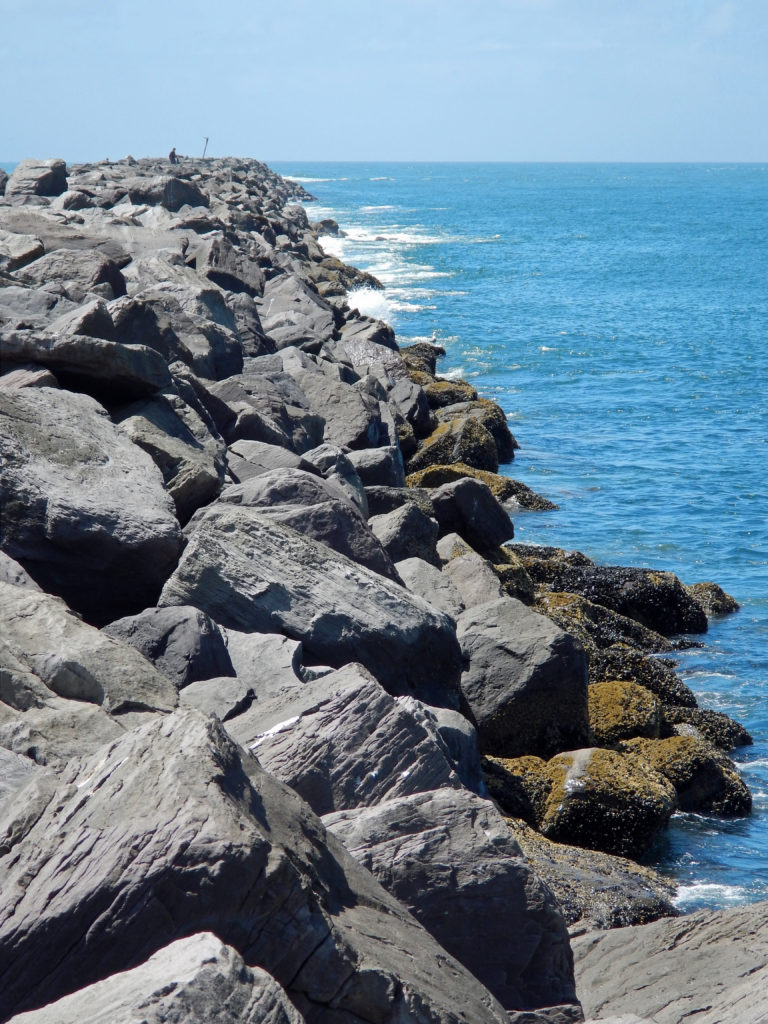 To make crossing the Tillamook bar safer, the Army Corps of Engineers recommended jetties be built on both the north and south sides of the bay’s mouth. But half of the cost (a then considerable $2.2 million) would have to be paid by local residents. To cut the cost to a more affordable amount, the local port district proposed building only one jetty. The resulting north jetty, completed in 1917, did make crossing the bar much smoother and safer, but it also contributed to the town’s demise by changing the near shore currents, which began eroding away the beach in the 1920s.
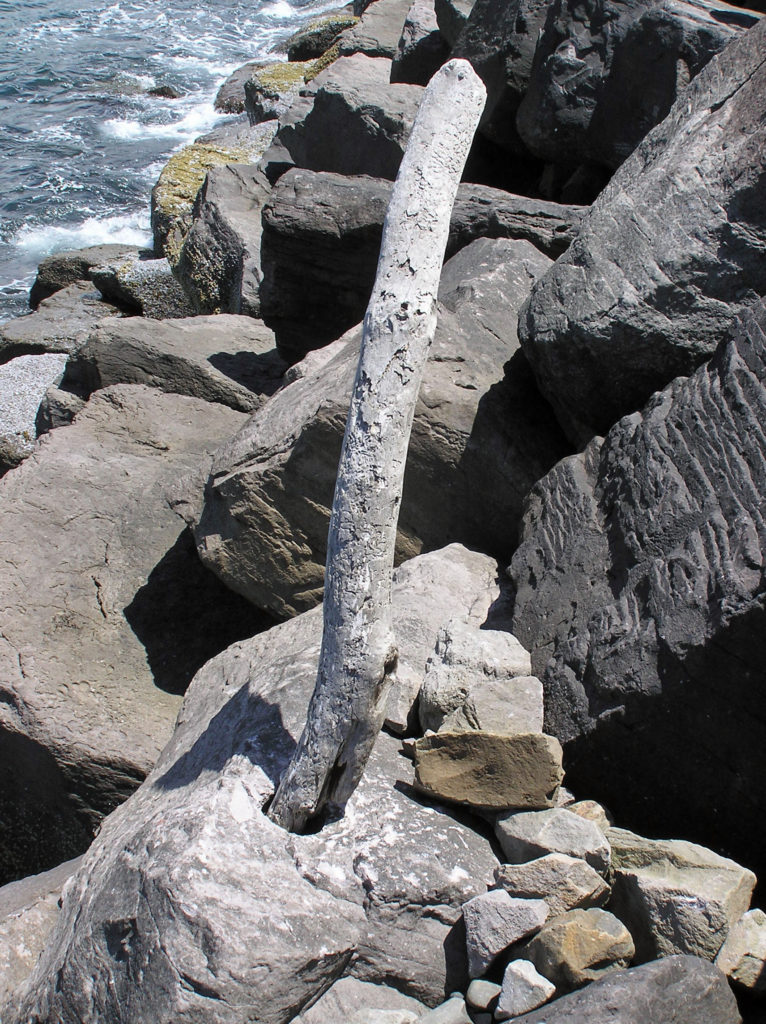 In 1932 the north jetty was extended, further accelerating the erosion. The natatorium was destroyed by waves during a massive storm that winter. By 1938 almost 60 homes had fallen into the sea. Other storms over the years took many of the remaining buildings, and in 1952 another major storm breached the southern end of the peninsula, turning Bayocean Peninsula into an island. The Bay Ocean Park post office closed in 1953 and most of what was left of the town was bulldozed by the Corps of Engineers in 1956 during a project to build a dike across the breach created in 1952. The last house on the peninsula washed away in 1960, and the last structure, a long abandoned garage, fell into the sea in 1971.
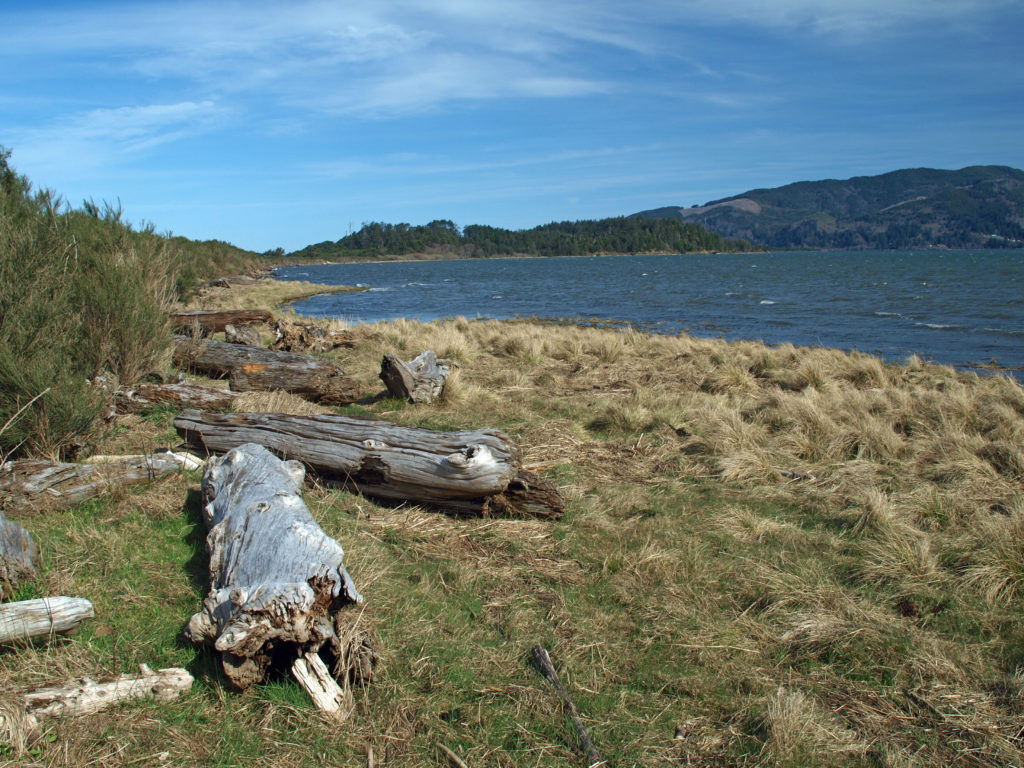 The south jetty was eventually built in the 1970s and that stopped the erosion of the peninsula, but by then the town of Bay Ocean Park was long gone. Today, nothing remains of the town. What’s left, though, is a treasure trove of delights for the outdoor enthusiast: miles of untrammeled beach, unspoiled dunes, a bay shore sheltered from the prevailing winds, an upland spruce and pine forest, and an abundance of waterfowl and other wildlife. The haul road used in building the south jetty is now an ideal mountain bike and hiking trail on the bay side of the peninsula.
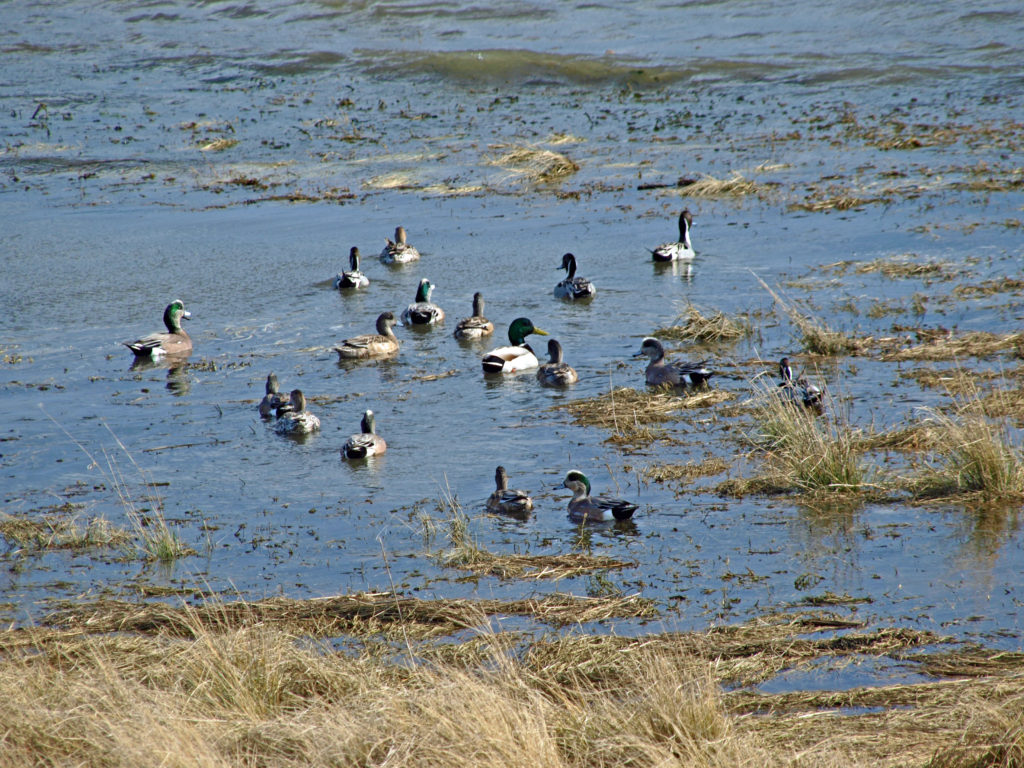 To reach Bayocean from the town of Tillamook, follow the signs for the Three Capes Scenic Route (Oregon Highway 131). After crossing the Tillamook River bridge, turn right onto Bayocean Road toward Cape Meares. At milepost five, turn right onto the old south jetty haul road (aka the dike road) and proceed to the trailhead parking area. There are pit toilets at the trailhead, but no water.
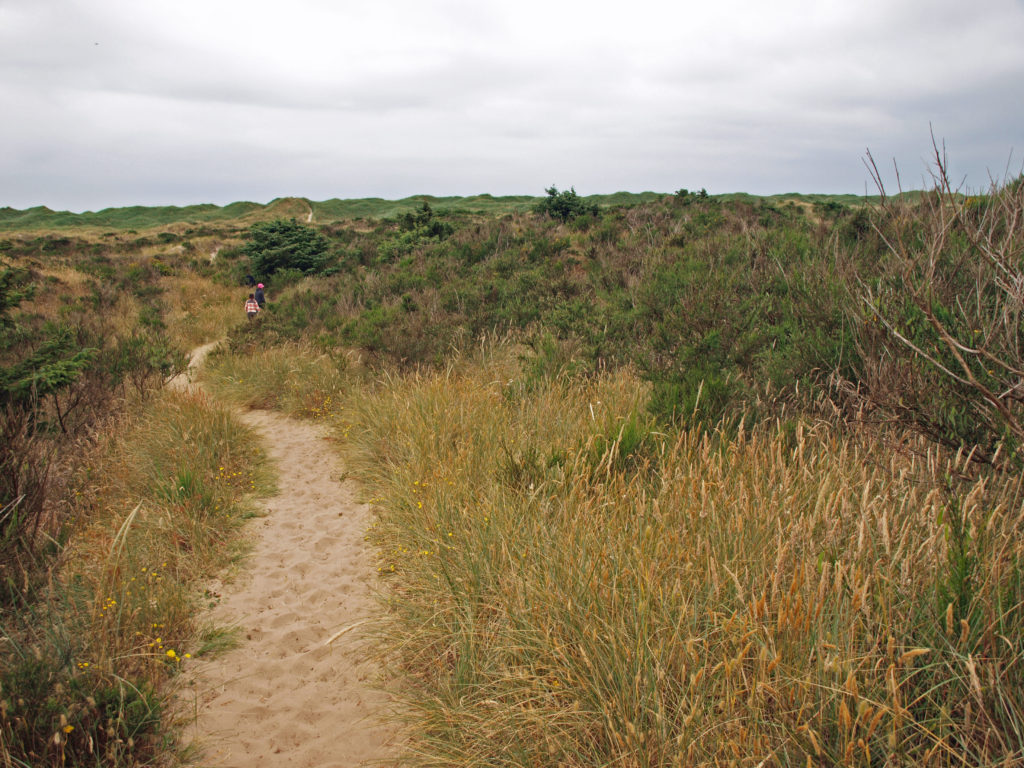 From the trailhead, the road continues north beyond a locked gate. You can also hike through the dunes to the beach from the trailhead parking area. The road along the bay shore is mostly gravel, with a few sandy stretches, and mostly flat. It’s an easy four mile bike ride to the south jetty.
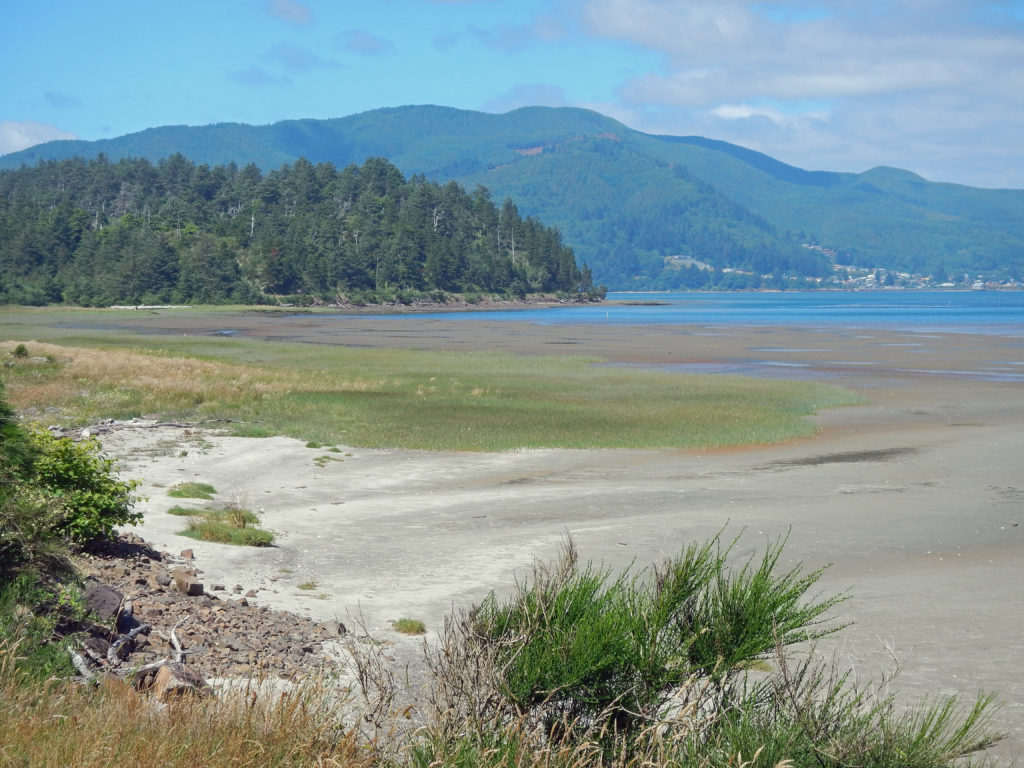 Hikers can do a 7½ mile loop by hiking through the dunes to the beach, walking the beach to the south jetty, and returning along the bay side on the gravel road. There are several trails connecting the dike road to the beach, making shorter loops possible. And a longer hike or bike ride (10 mile loop or 9 mile out and back along the beach) can be done by starting at the beach access in the town of Cape Meares, instead of the Bayocean trailhead. See my
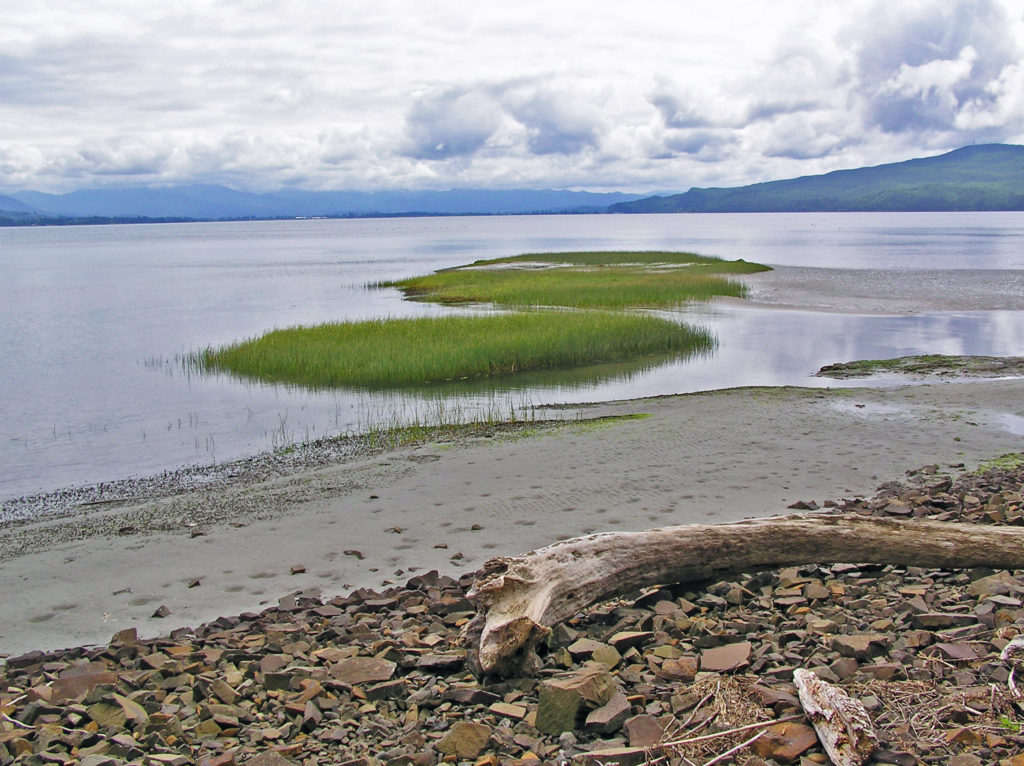 The north Oregon coast has much to offer beyond Bayocean Peninsula, of course.
 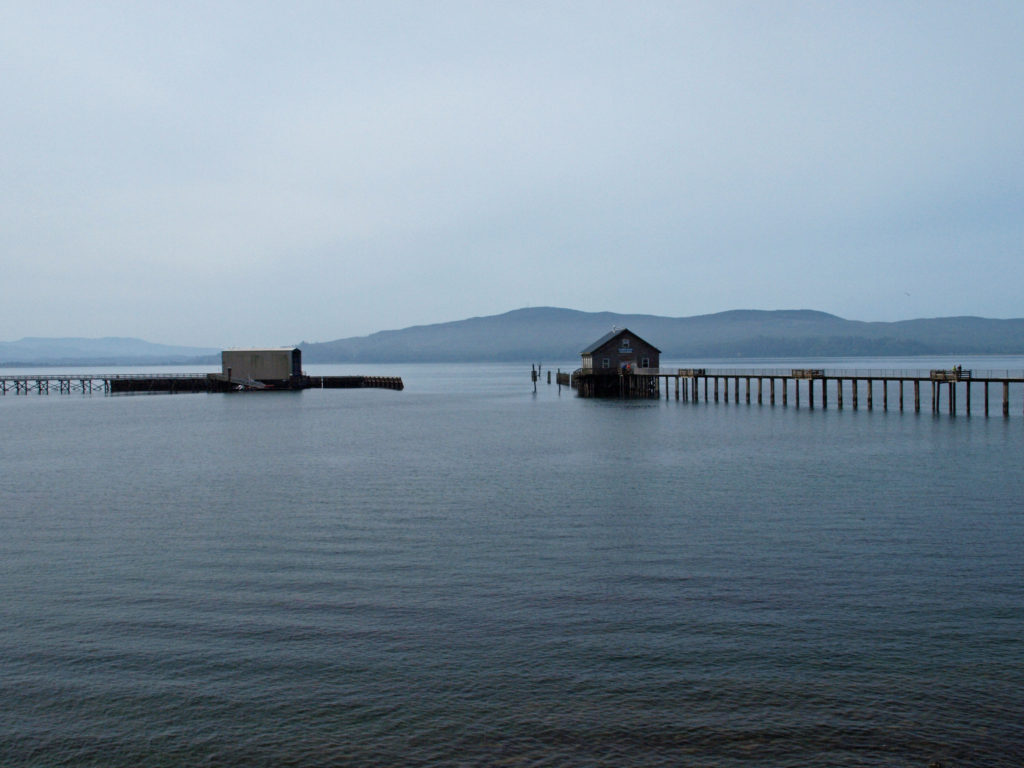 Originally posted April 23, 2019 by Alan K. Lee, updated July 8, 2021 and March 4, 2024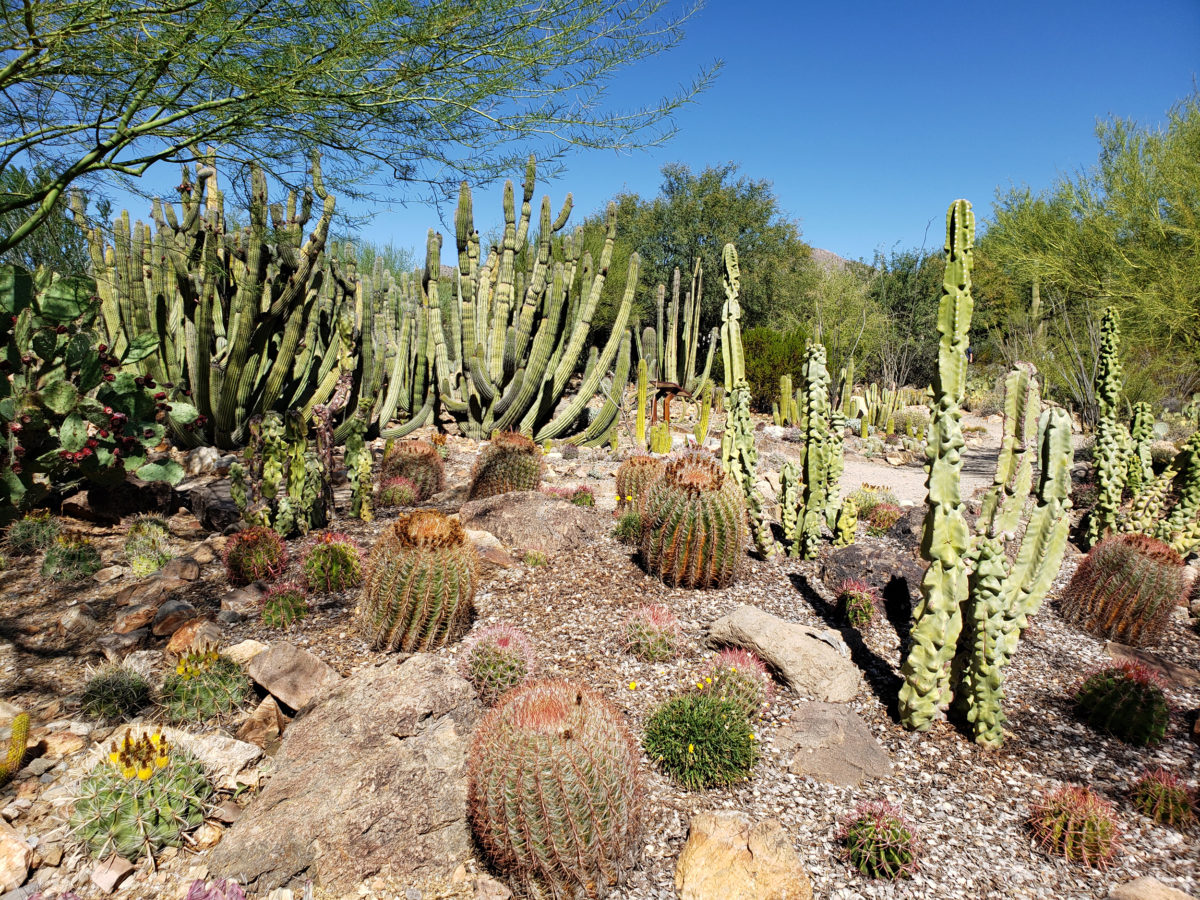
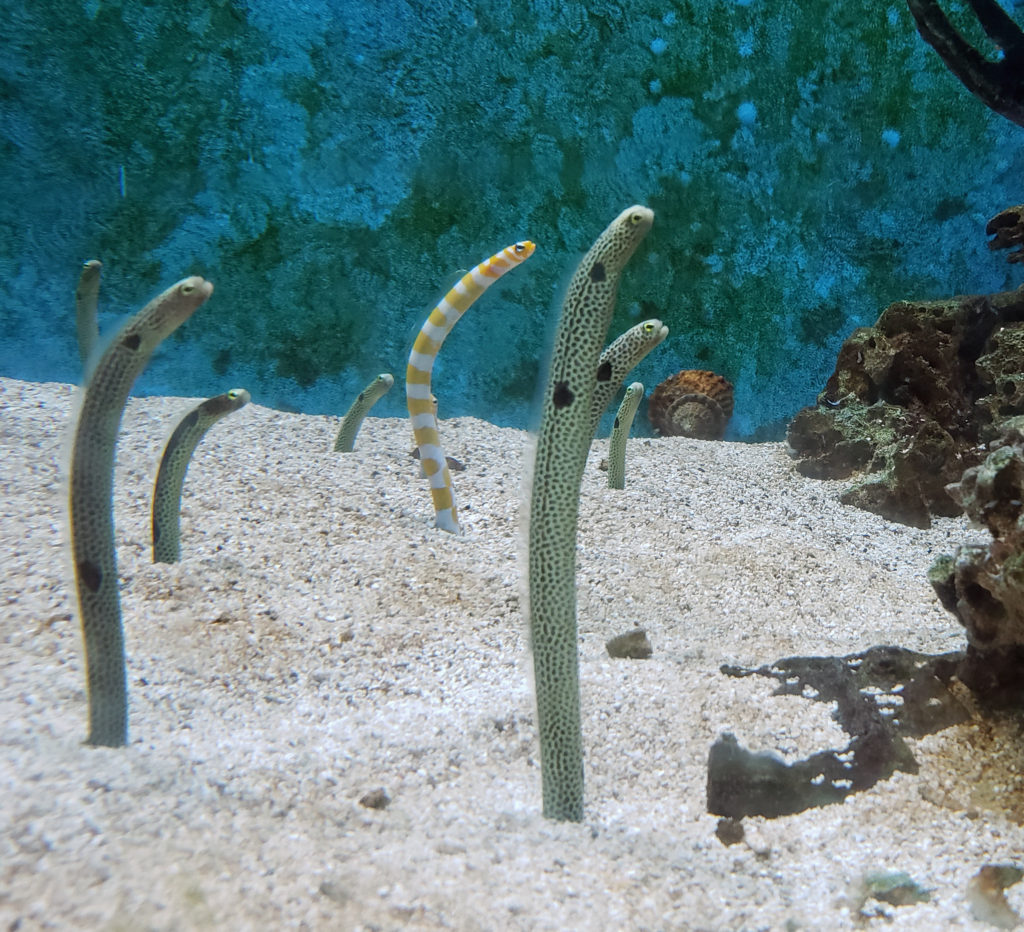
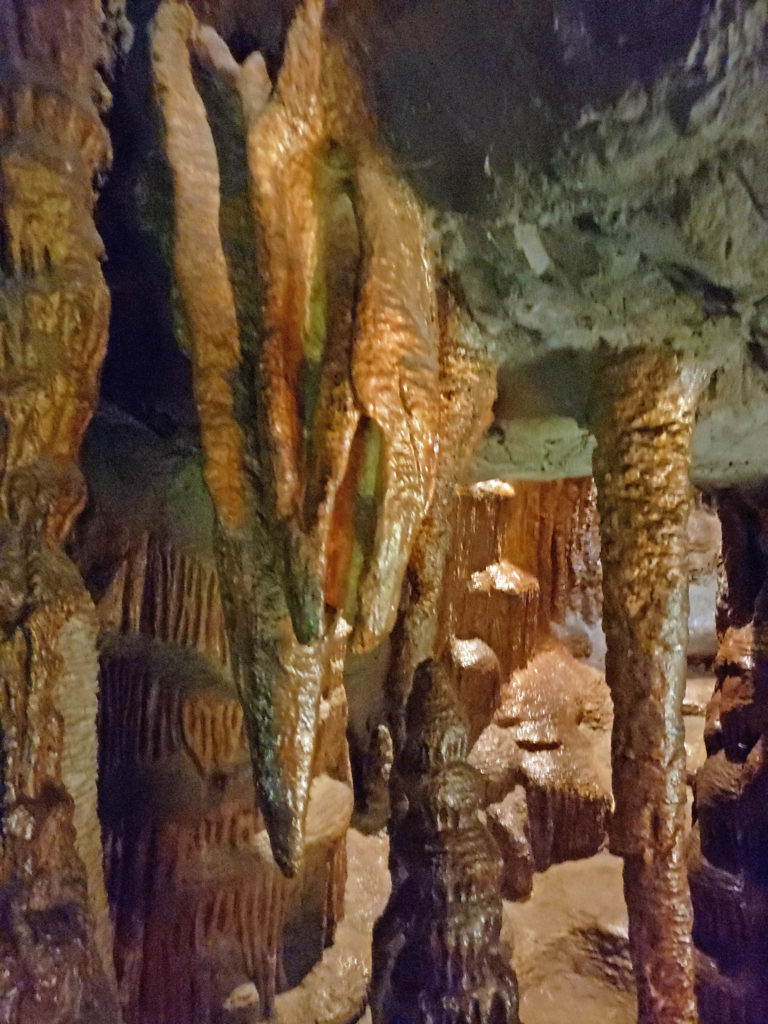
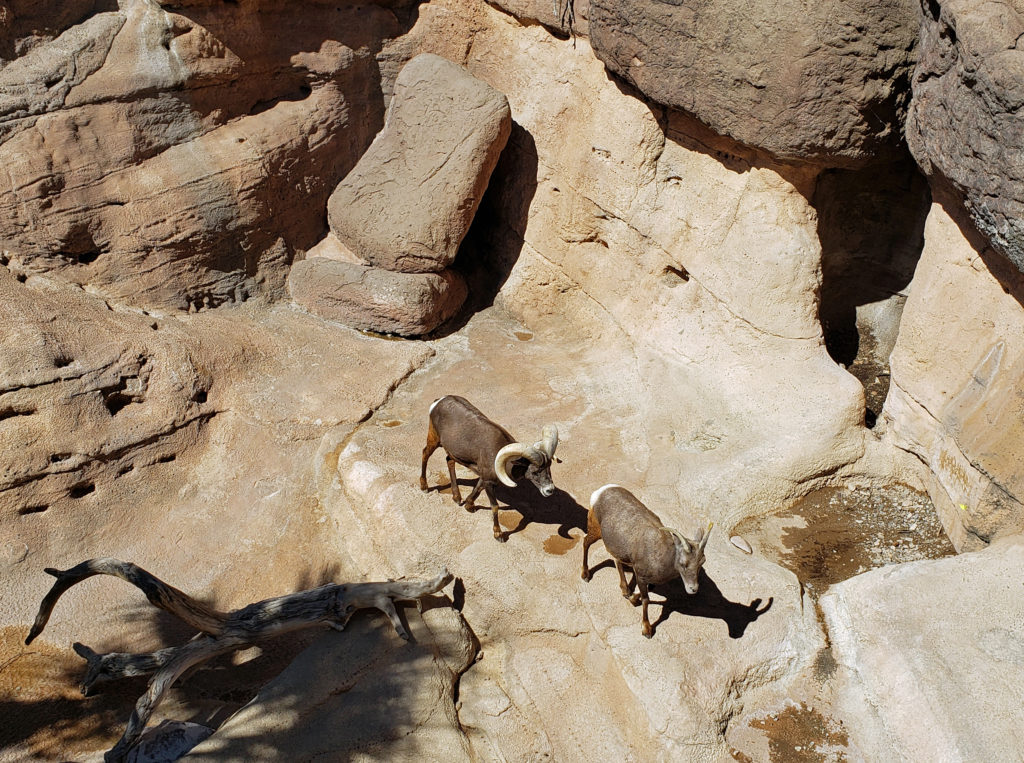
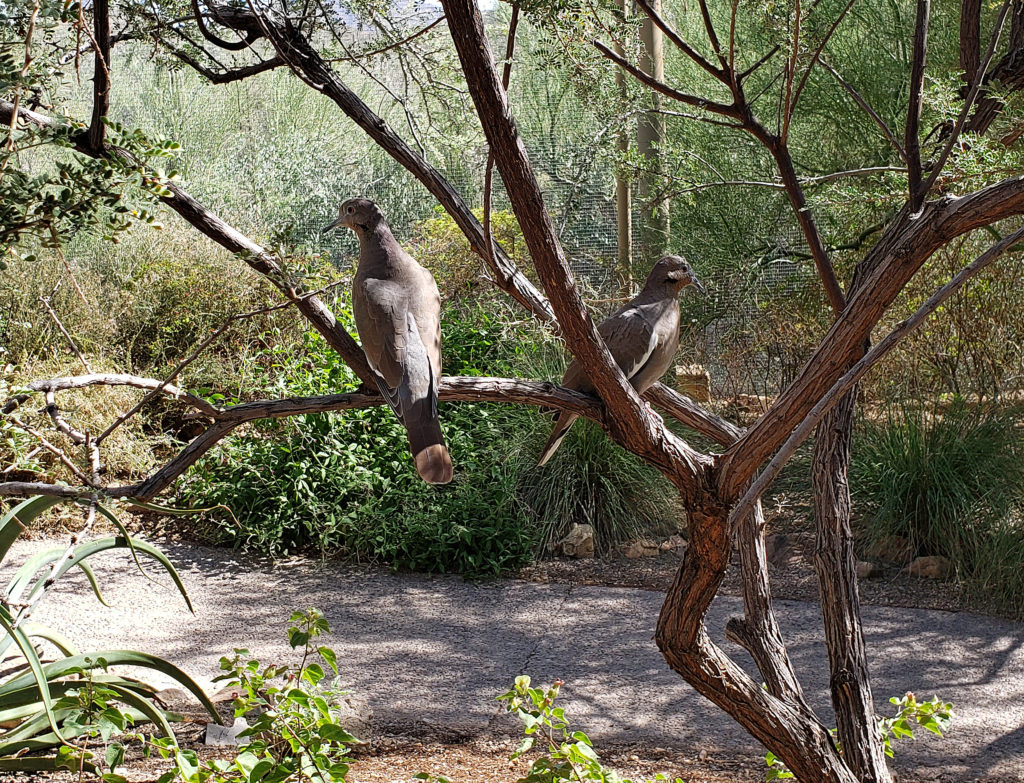
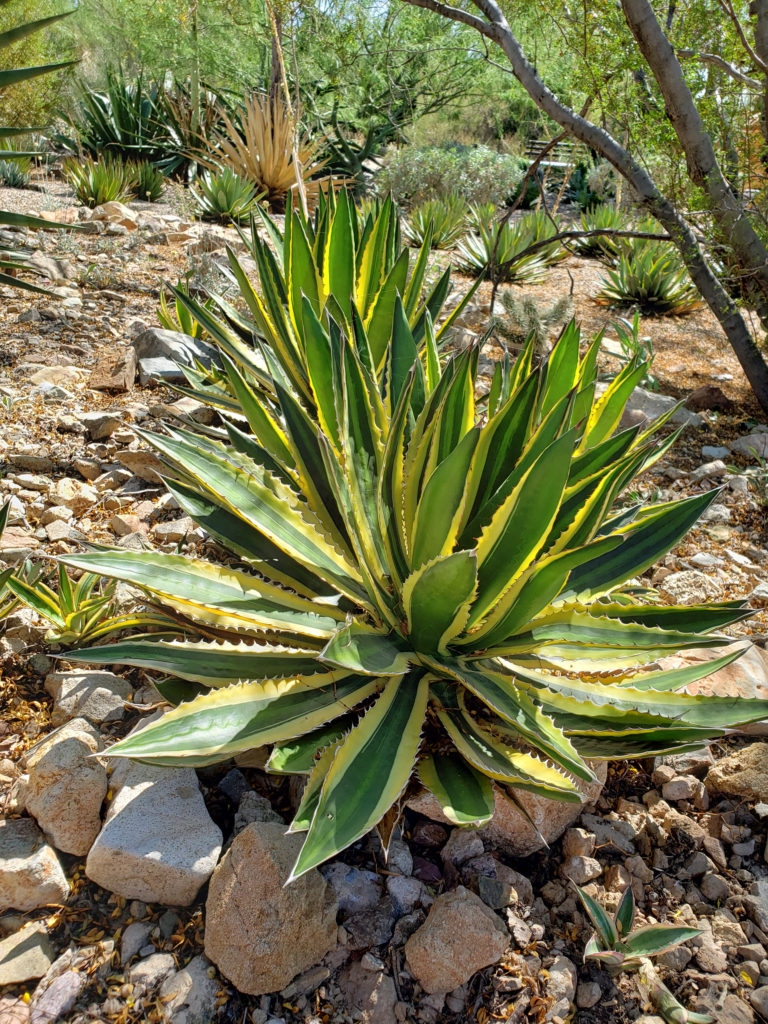
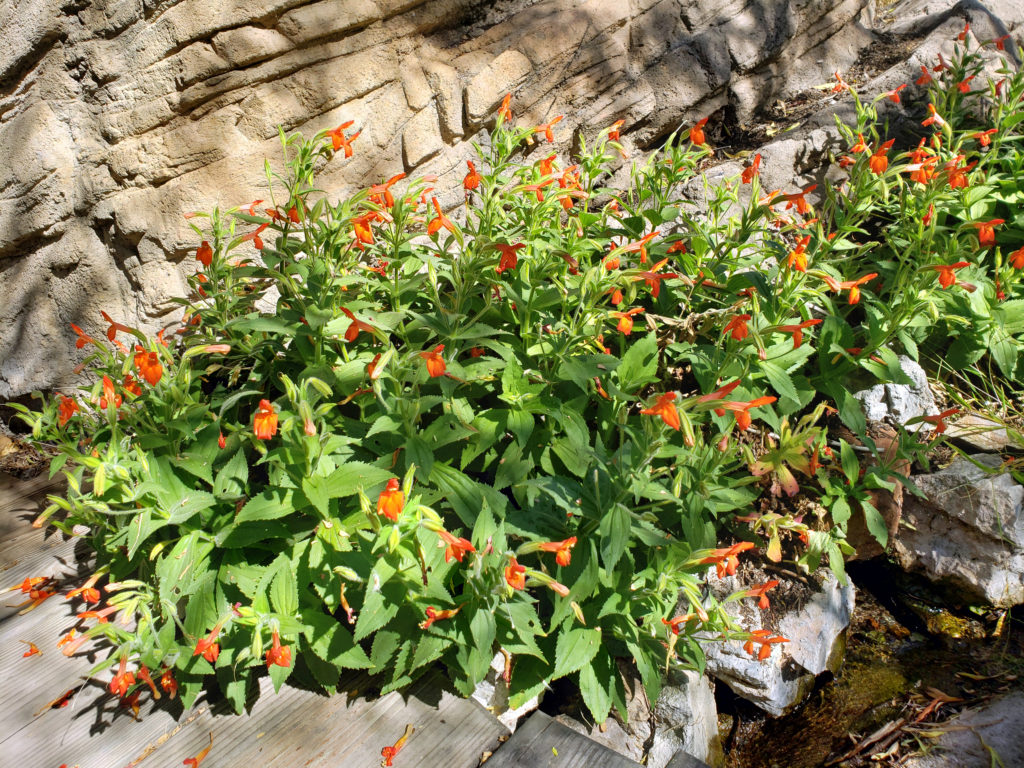
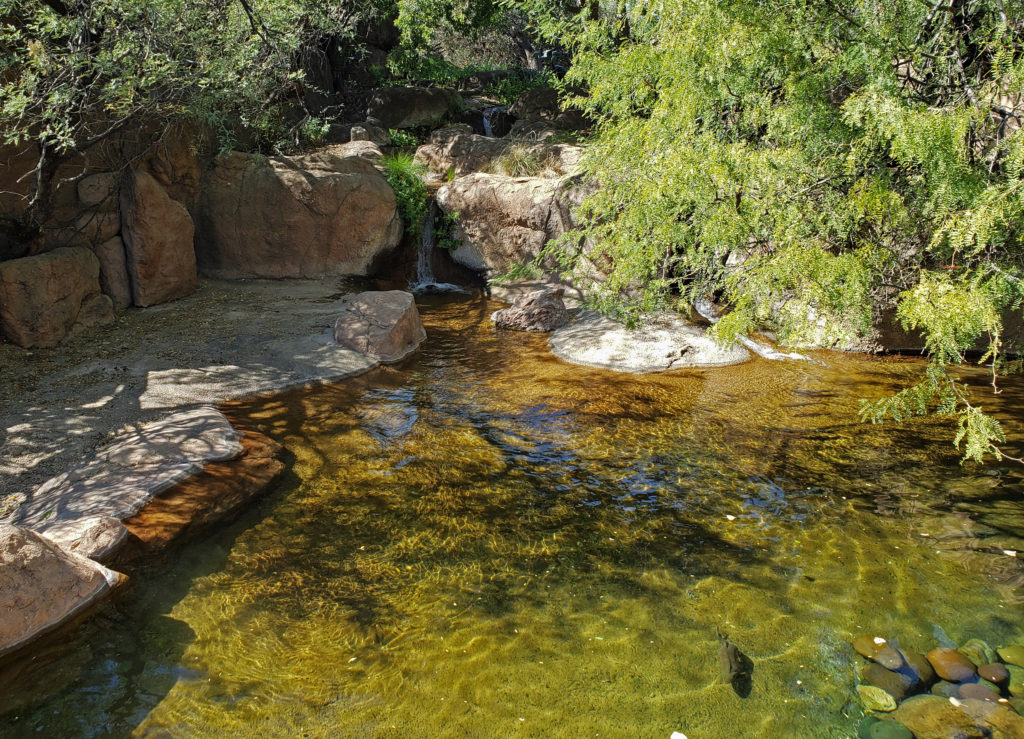
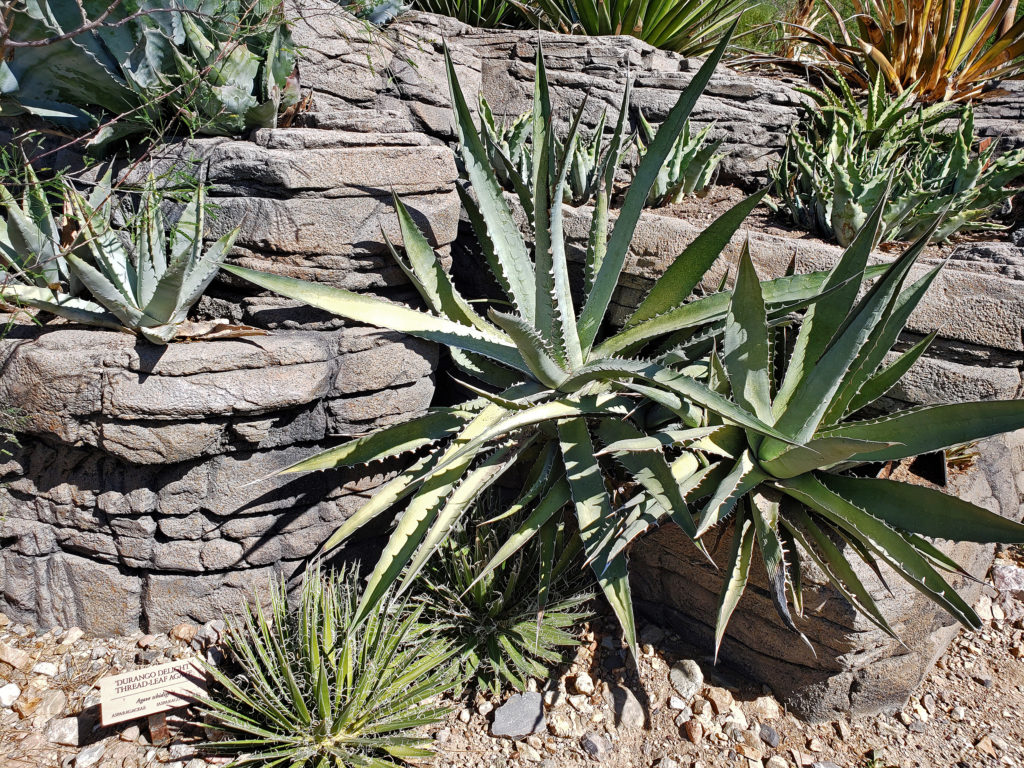 There is so much here that you probably can’t see it all in one visit. My wife and I have visited the museum on a couple of our Arizona excursions, and on our last visit I was surprised at how much I had missed on our earlier visit. Plan to spend at least two hours at the museum. Allow half a day to more fully explore what the museum has to offer, if you can.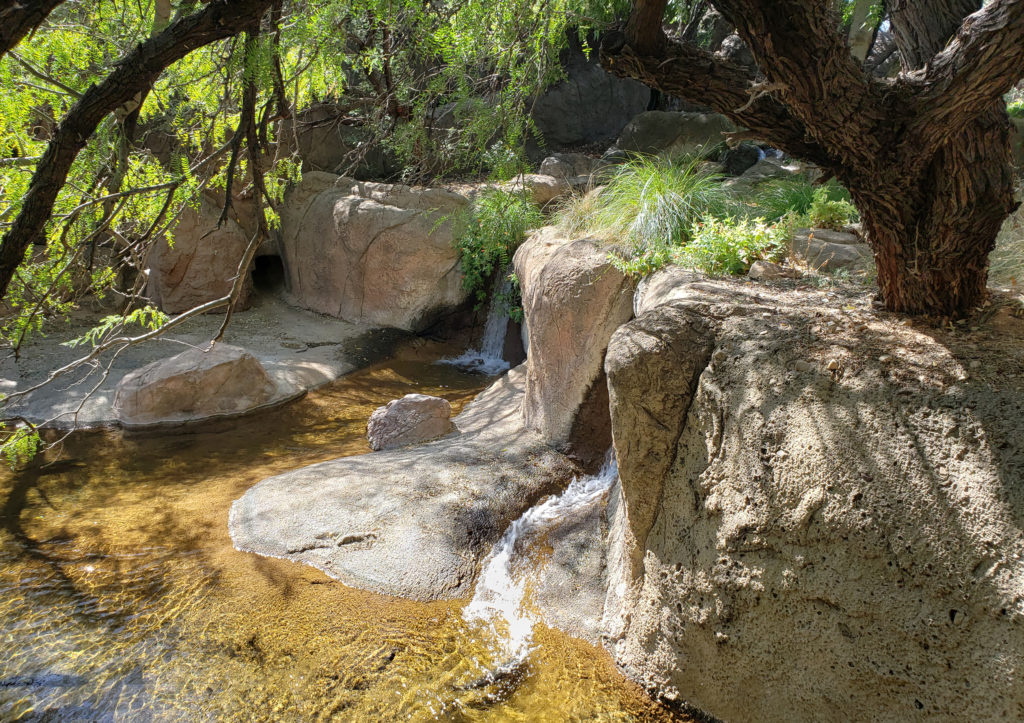
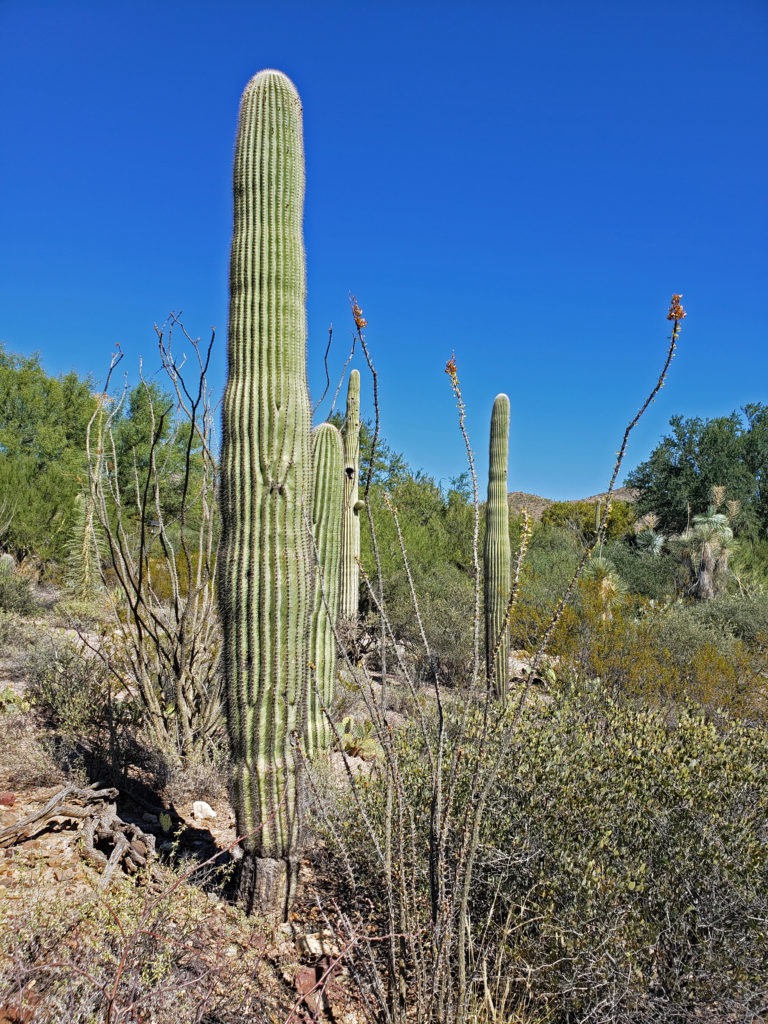
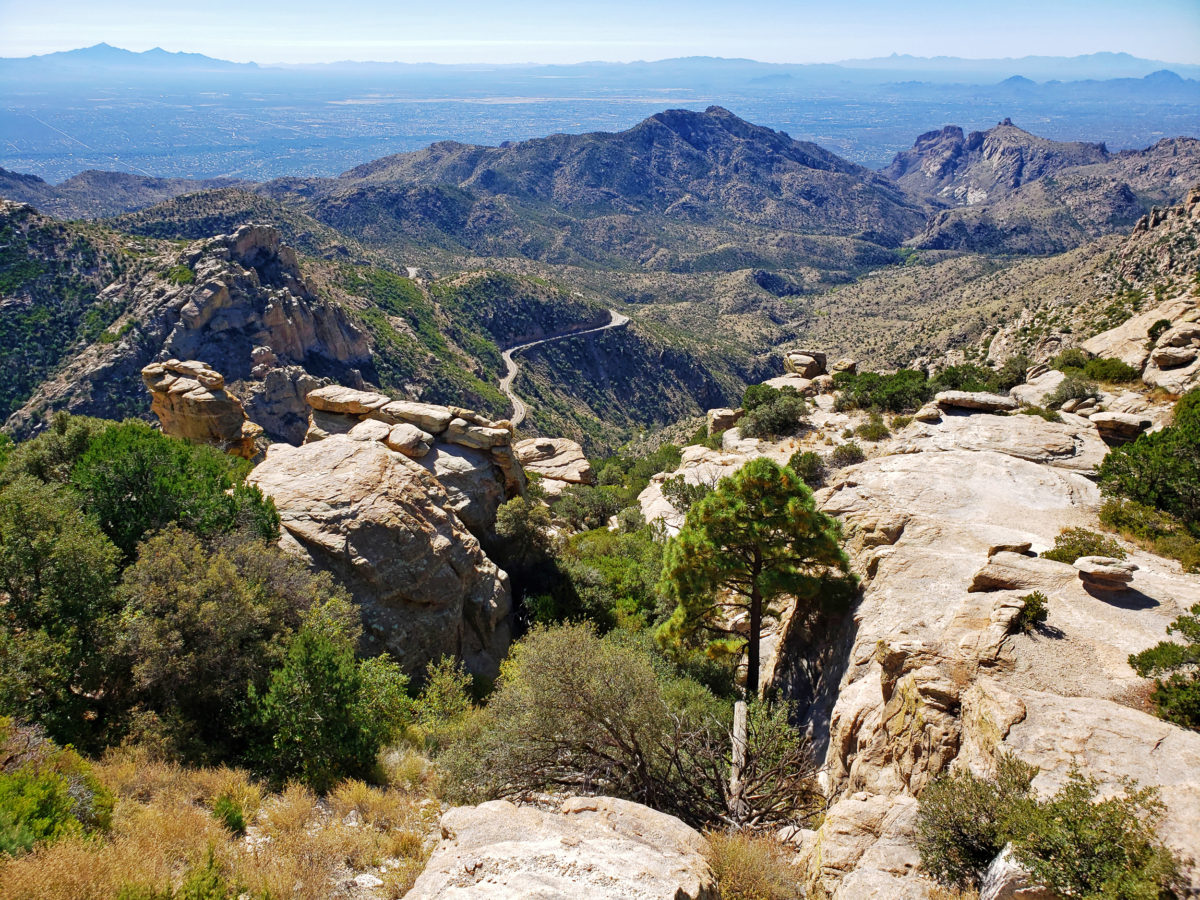
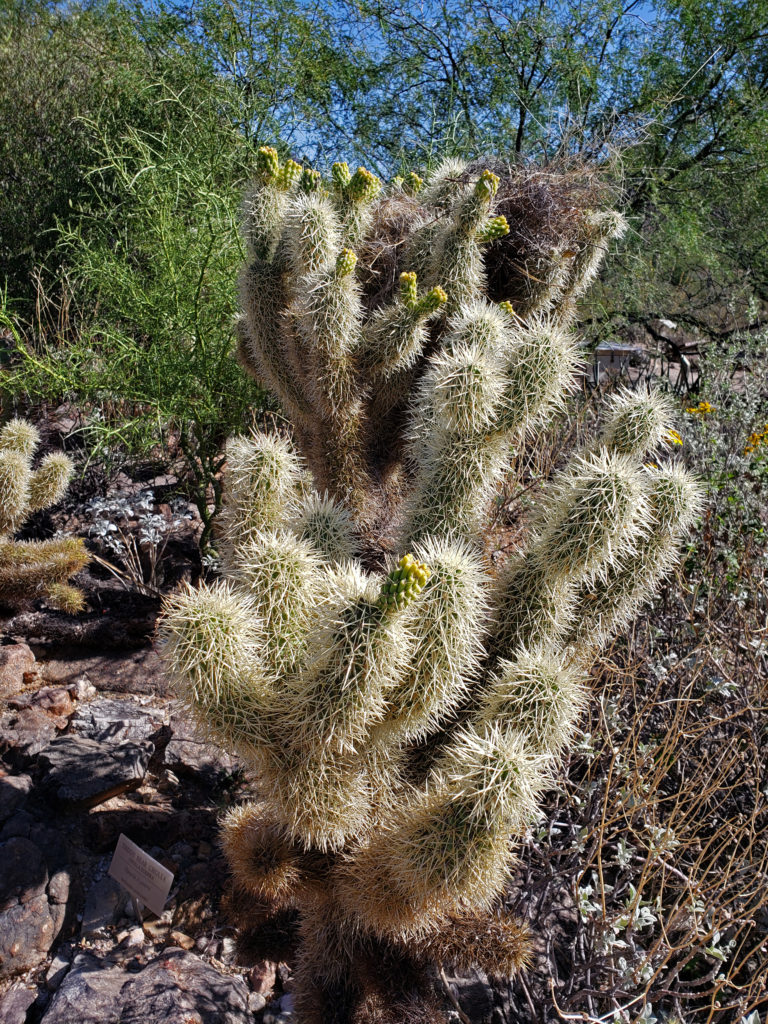
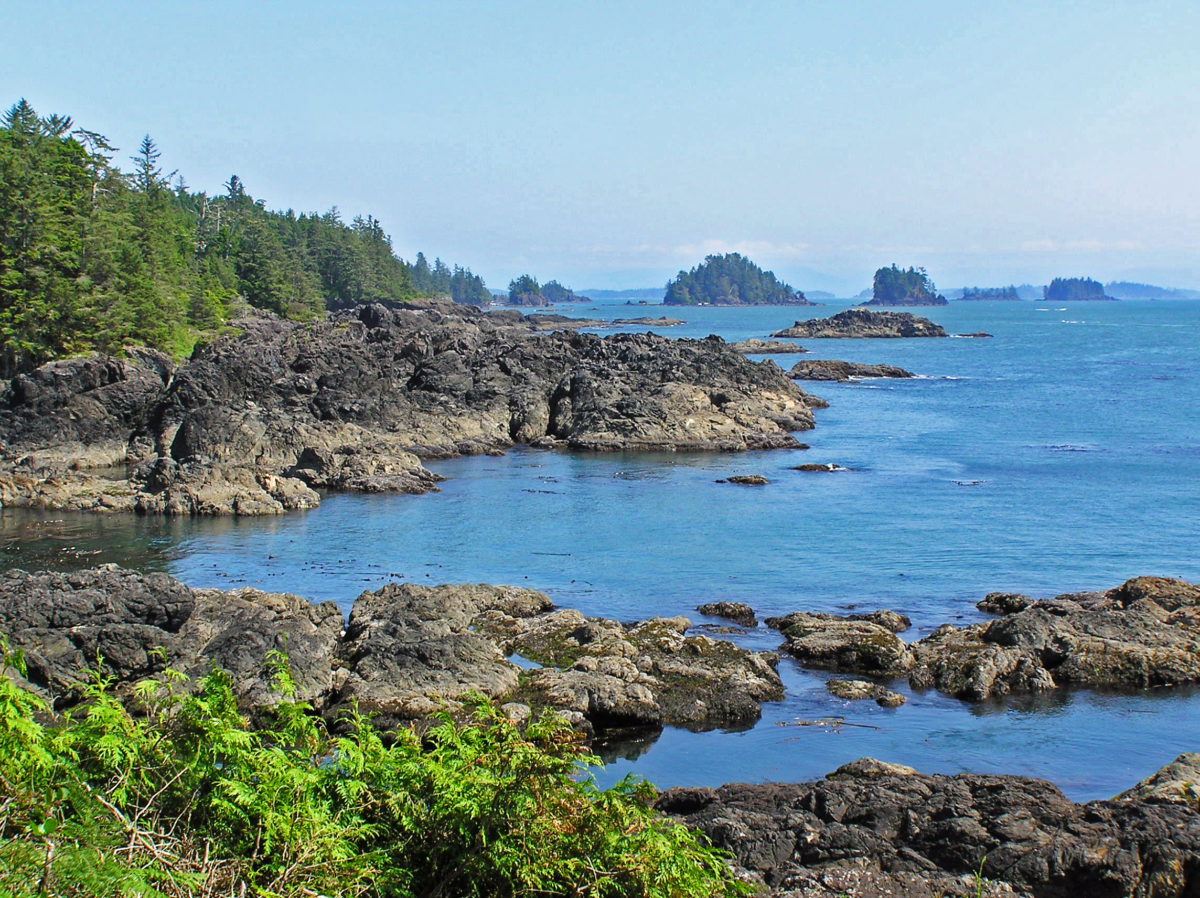
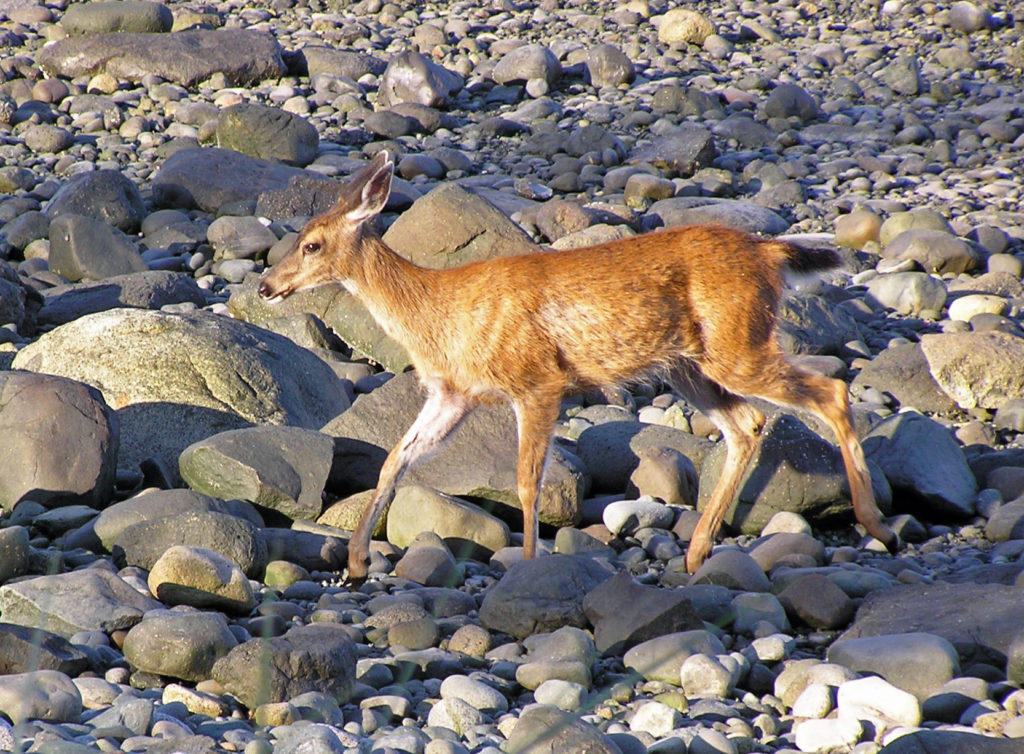
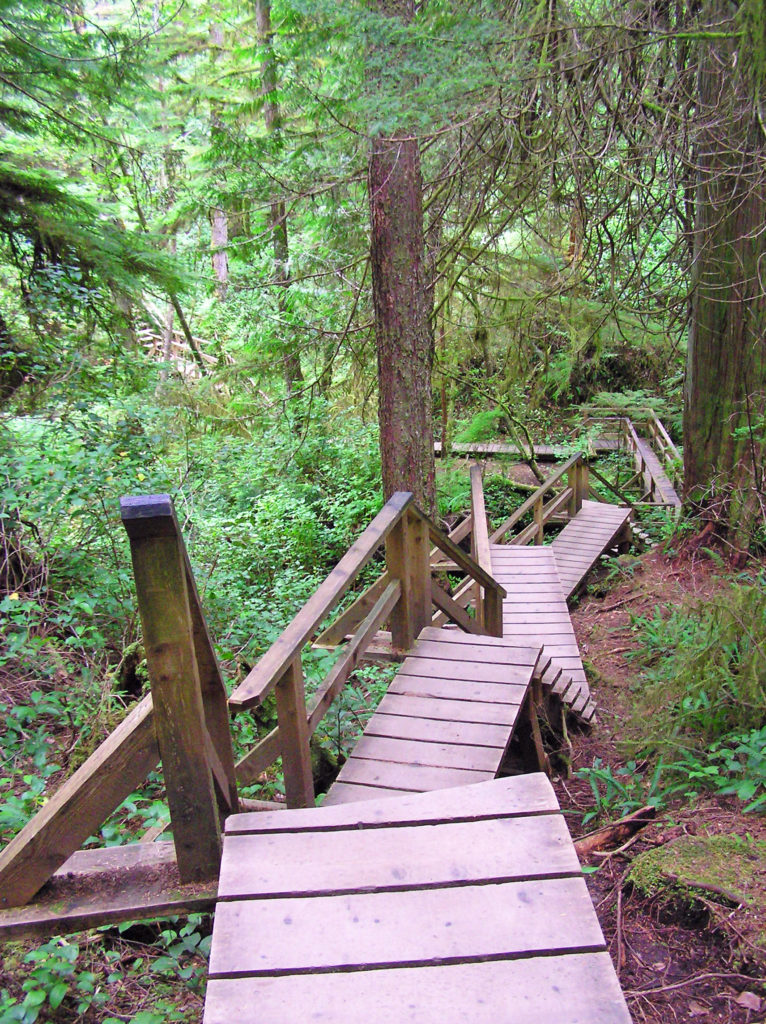
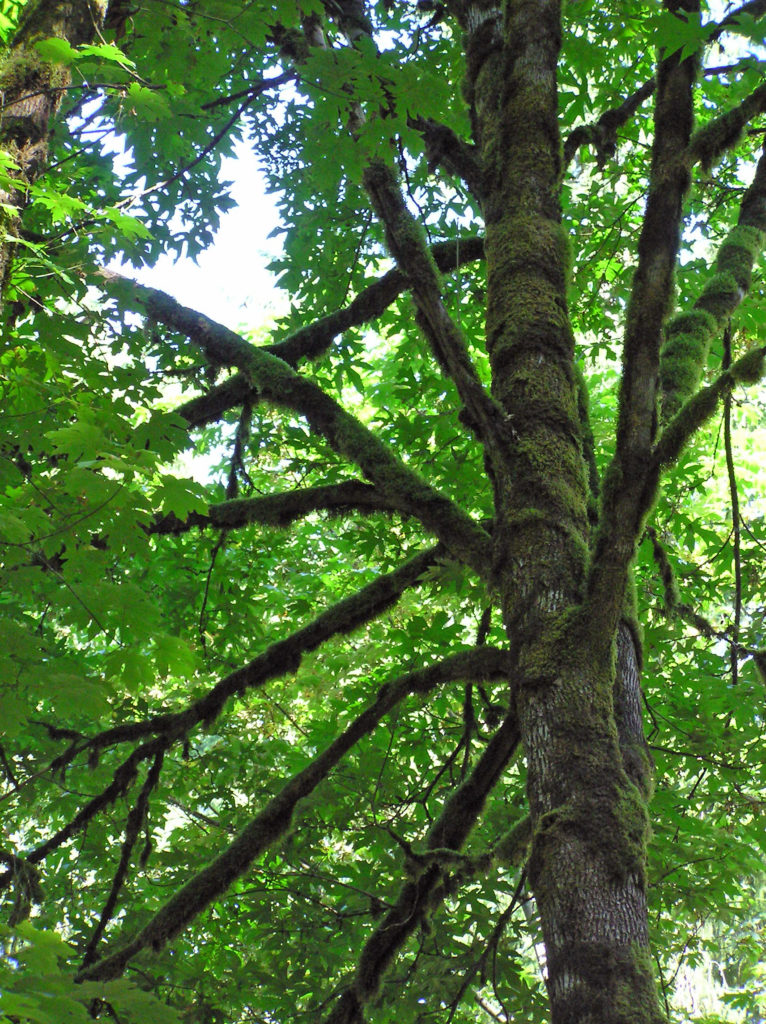
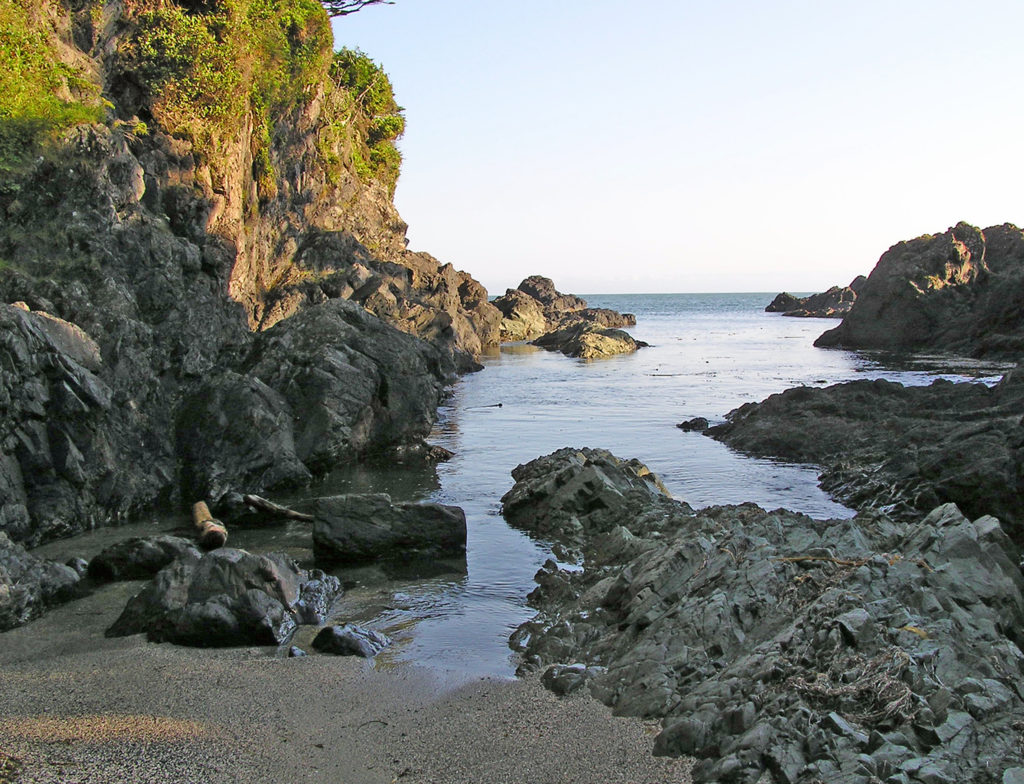
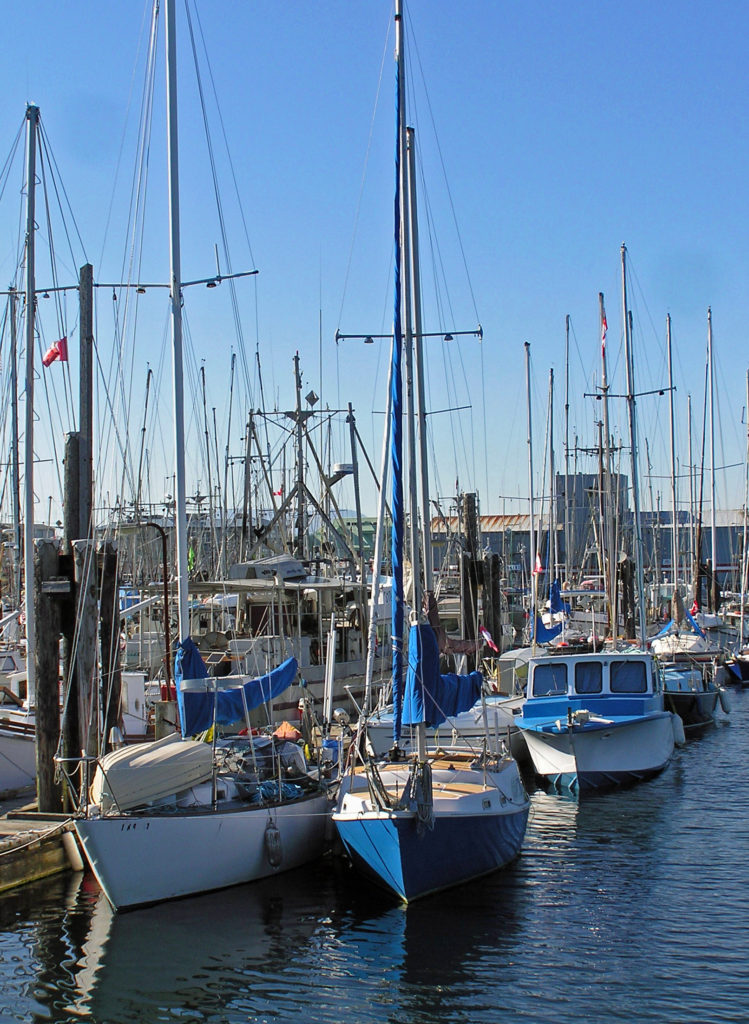
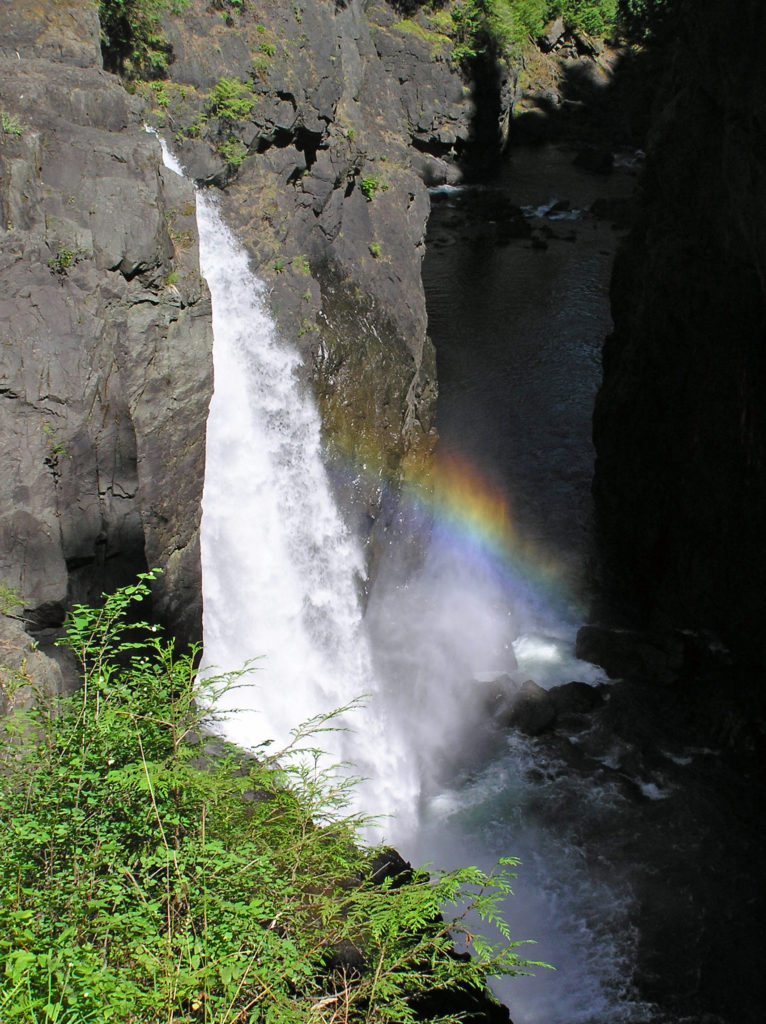
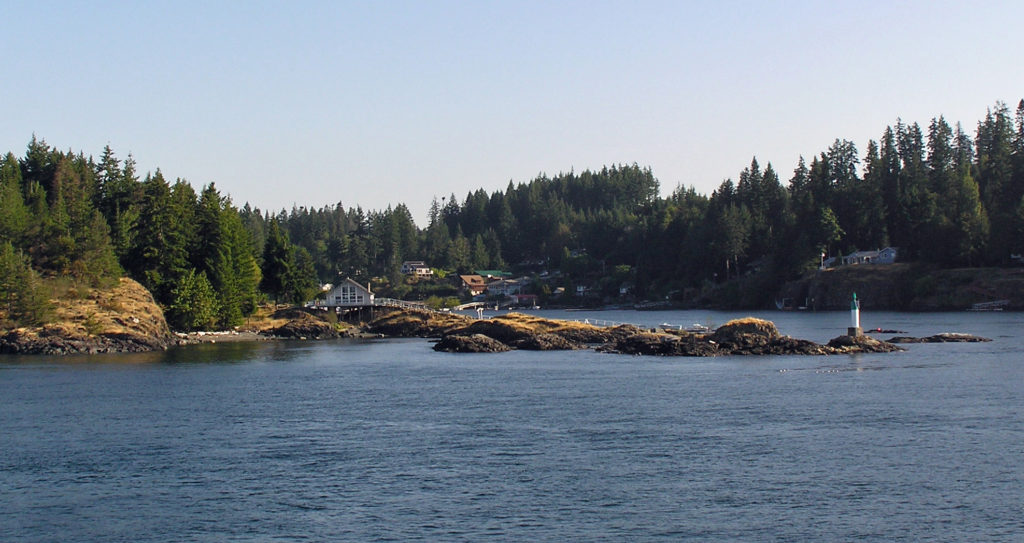
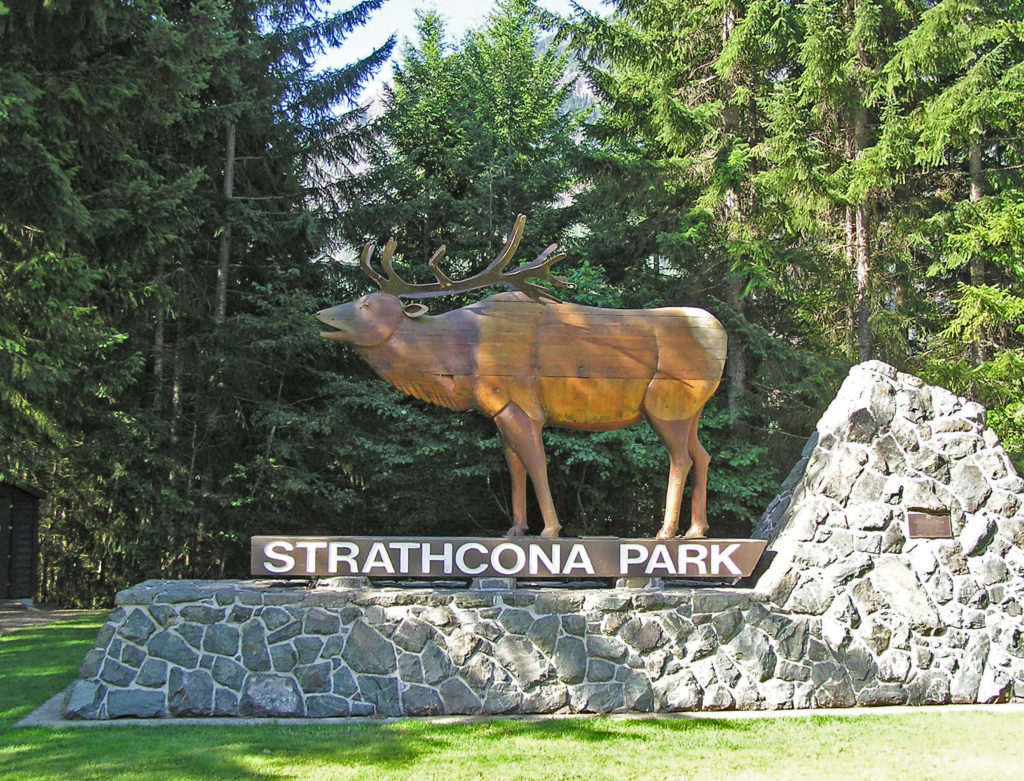
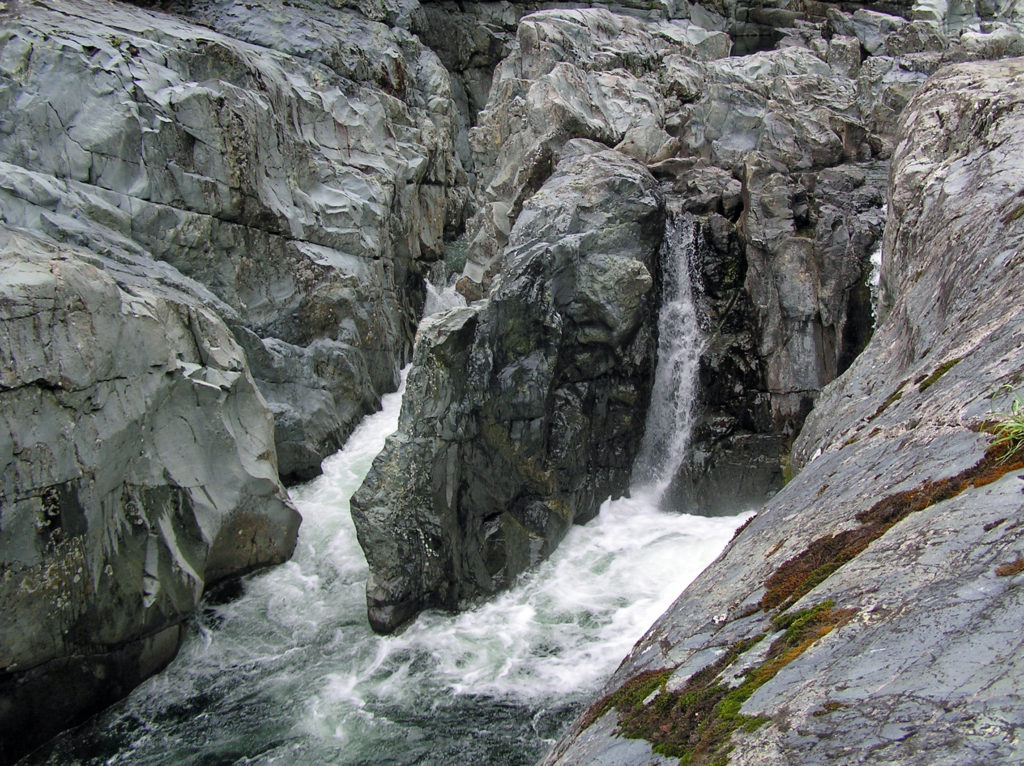
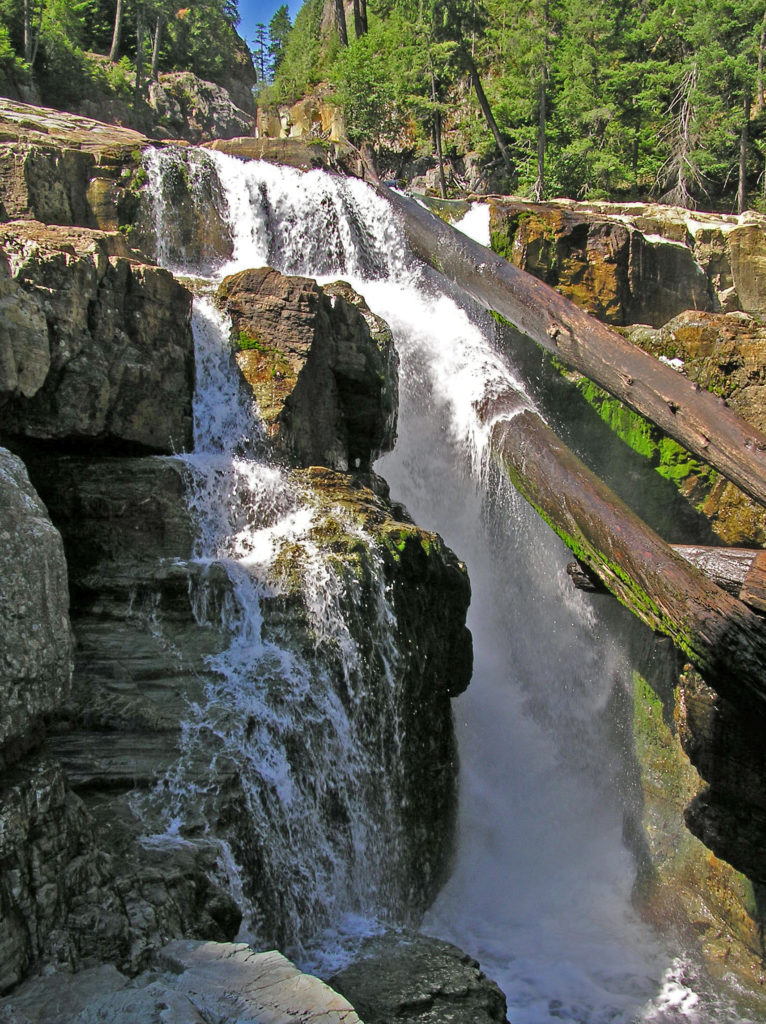
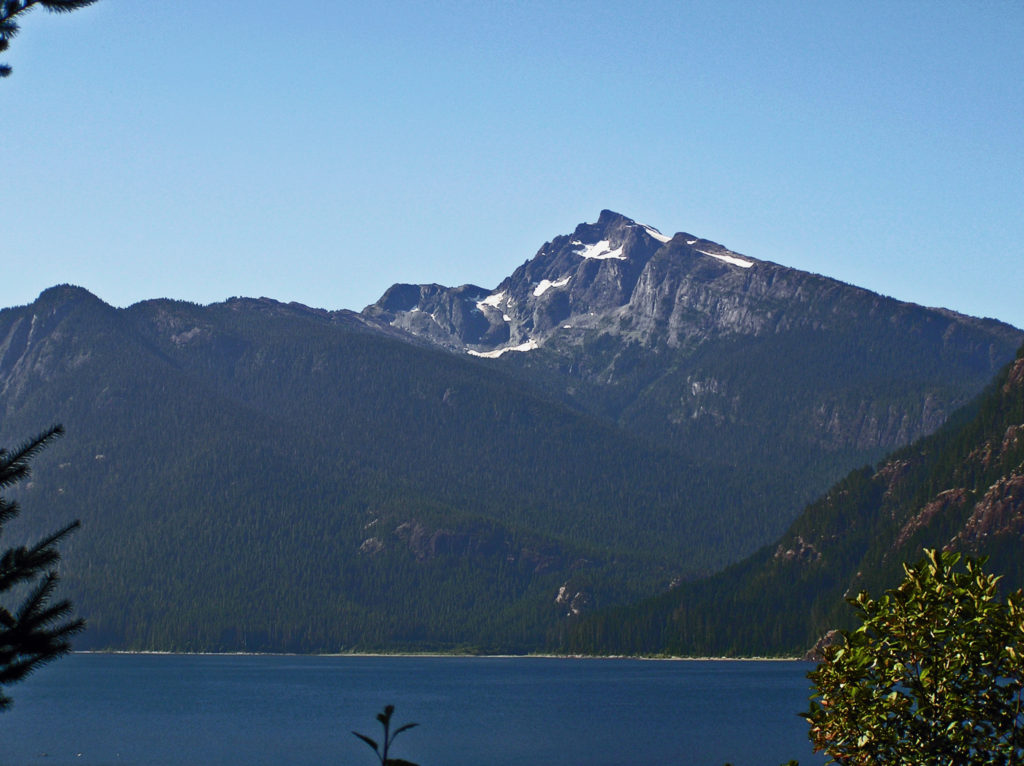
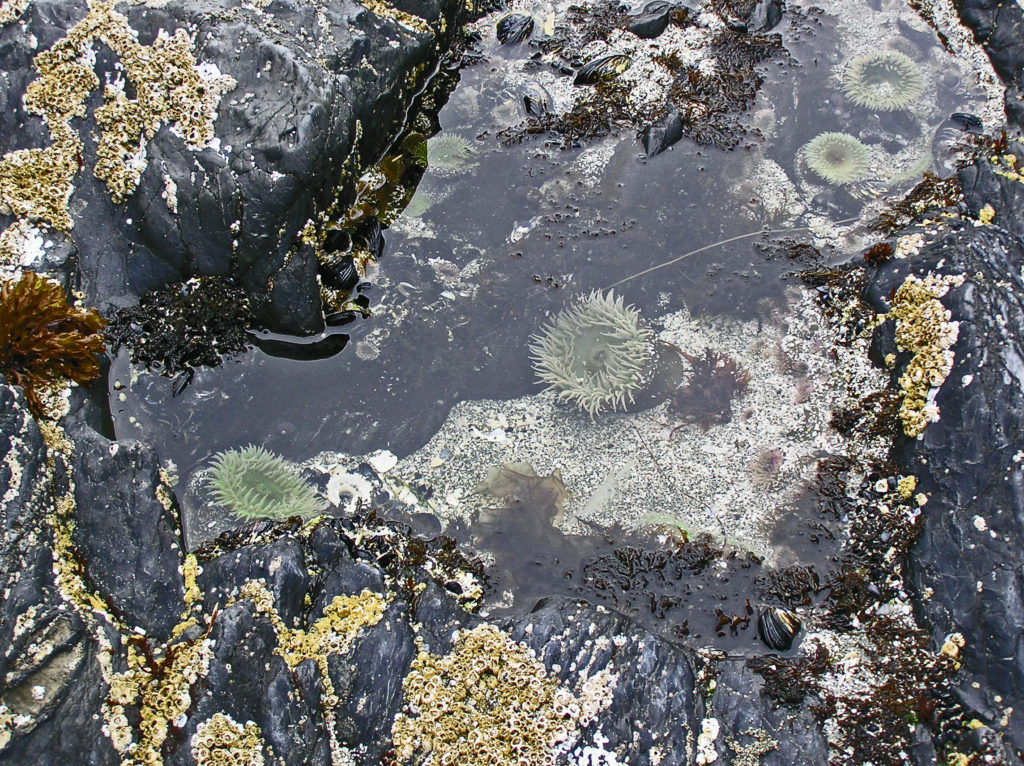
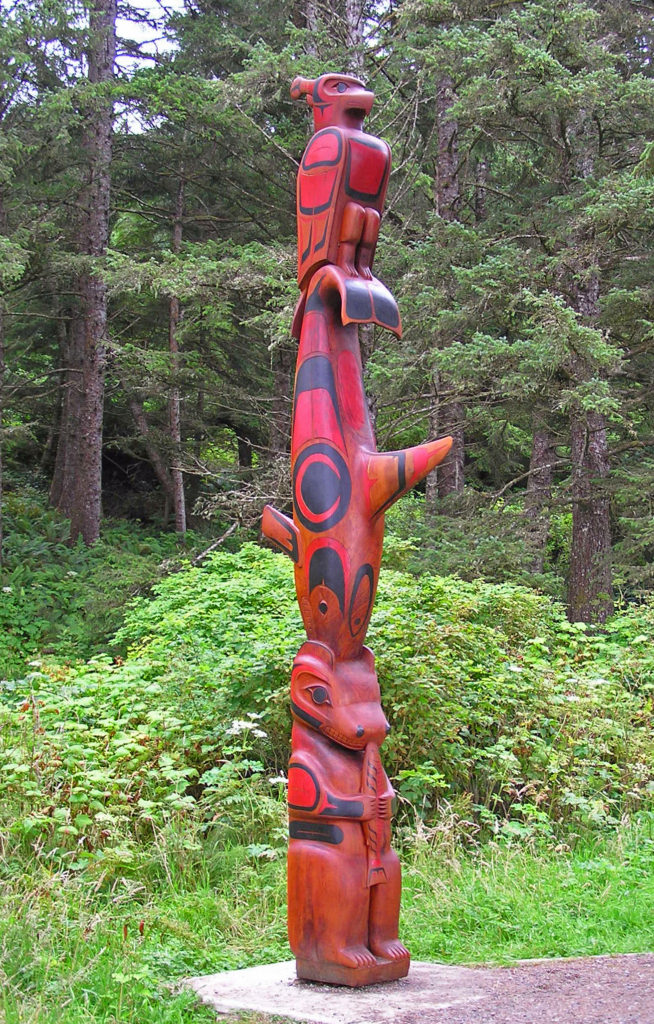
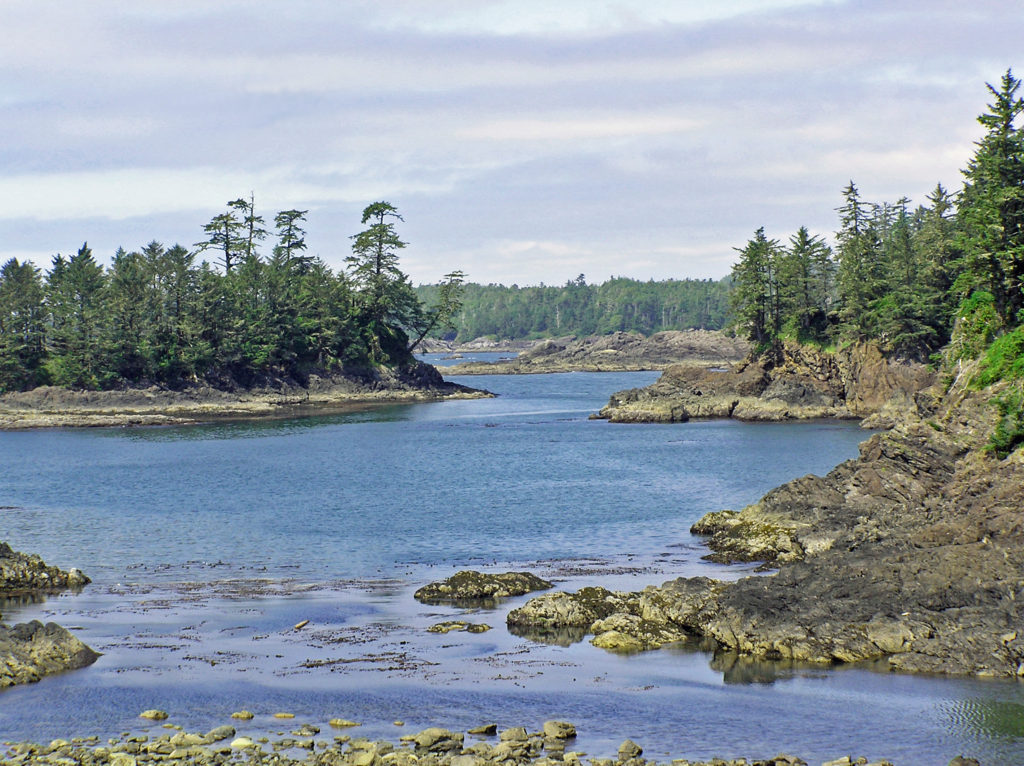
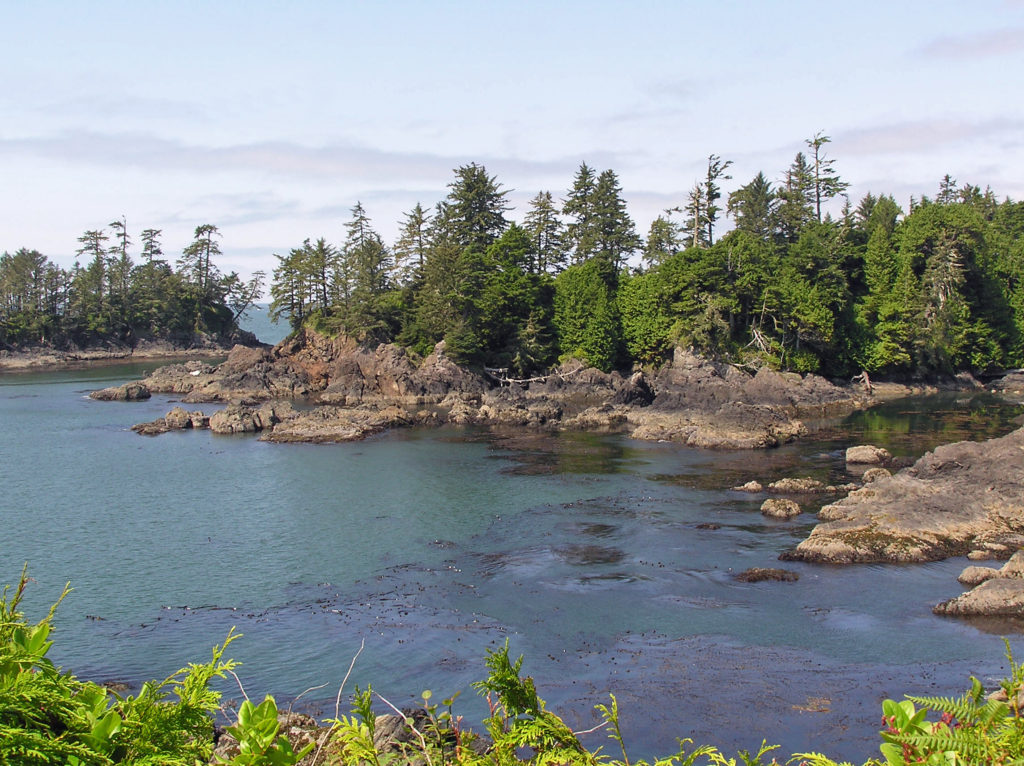
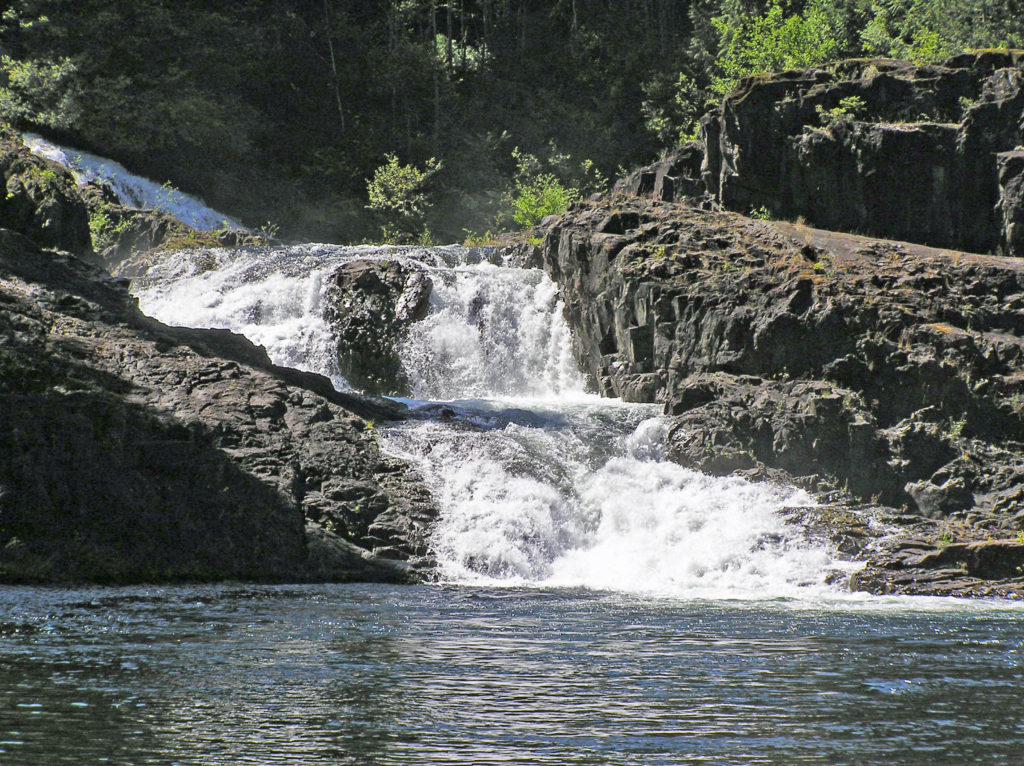
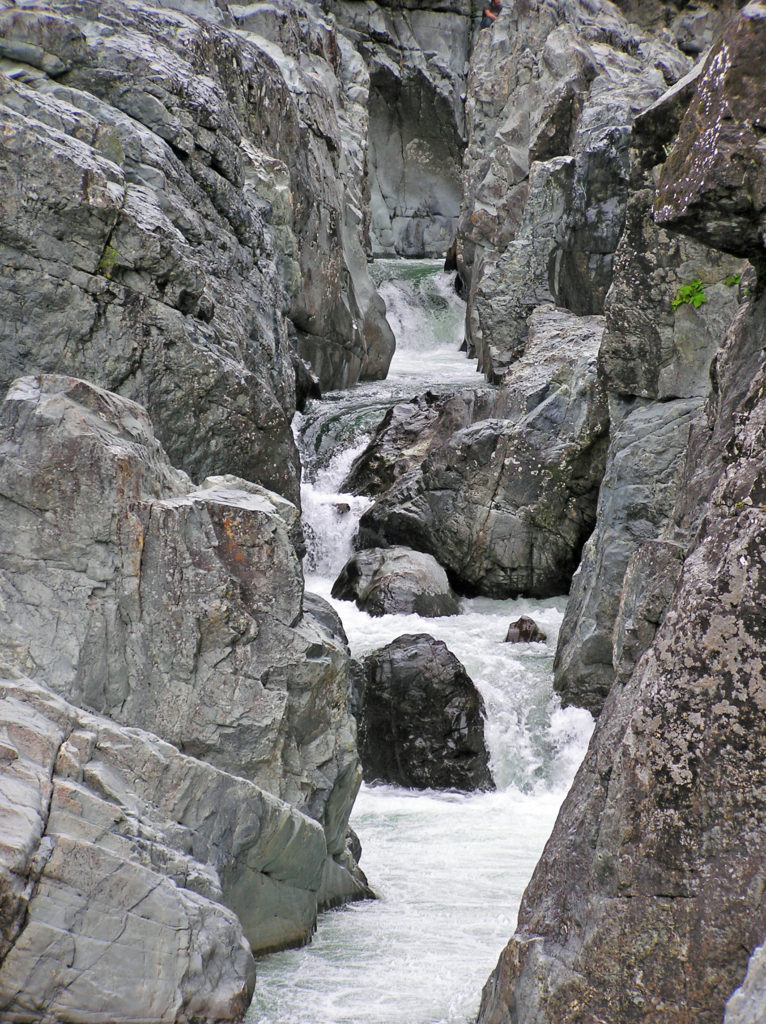
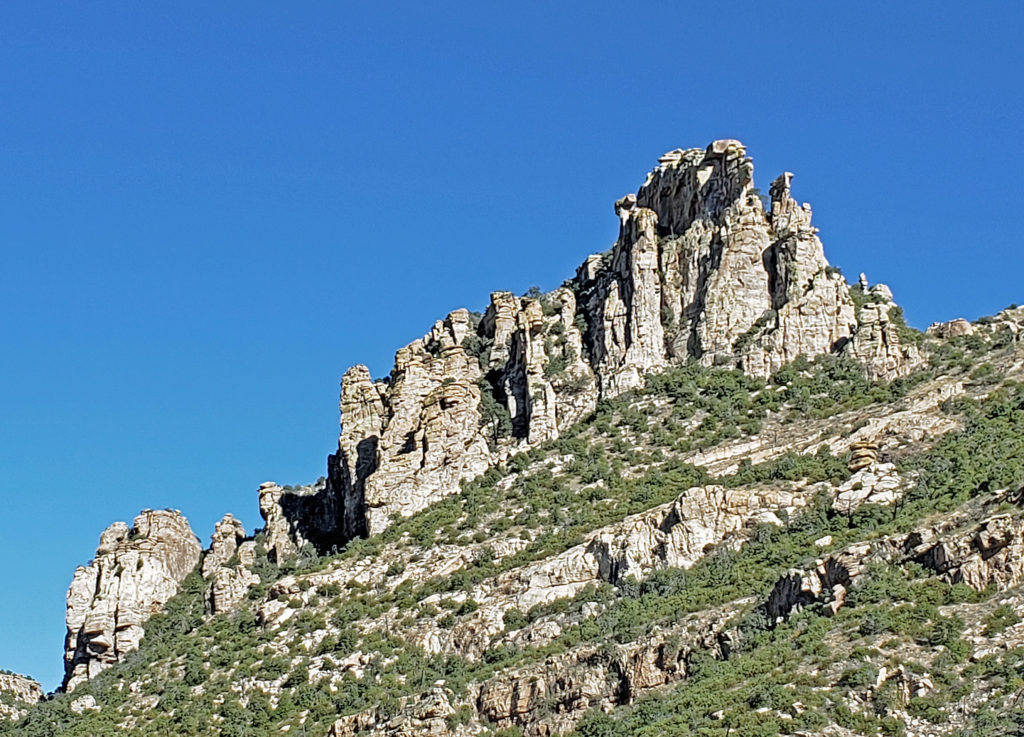 If you’re ever in the Tucson area, consider making the drive to the top of Mount Lemmon. A paved road takes you to the summit, more than 6500 feet above the valley floor. Numerous viewpoints along the way provide spectacular vistas of the mountain, the surrounding desert below, and the mountains beyond. And numerous trailheads provide access to the ridges and canyons beyond the road for those who want to lace up their hiking boots and immerse themselves in the desert or mountain environment.
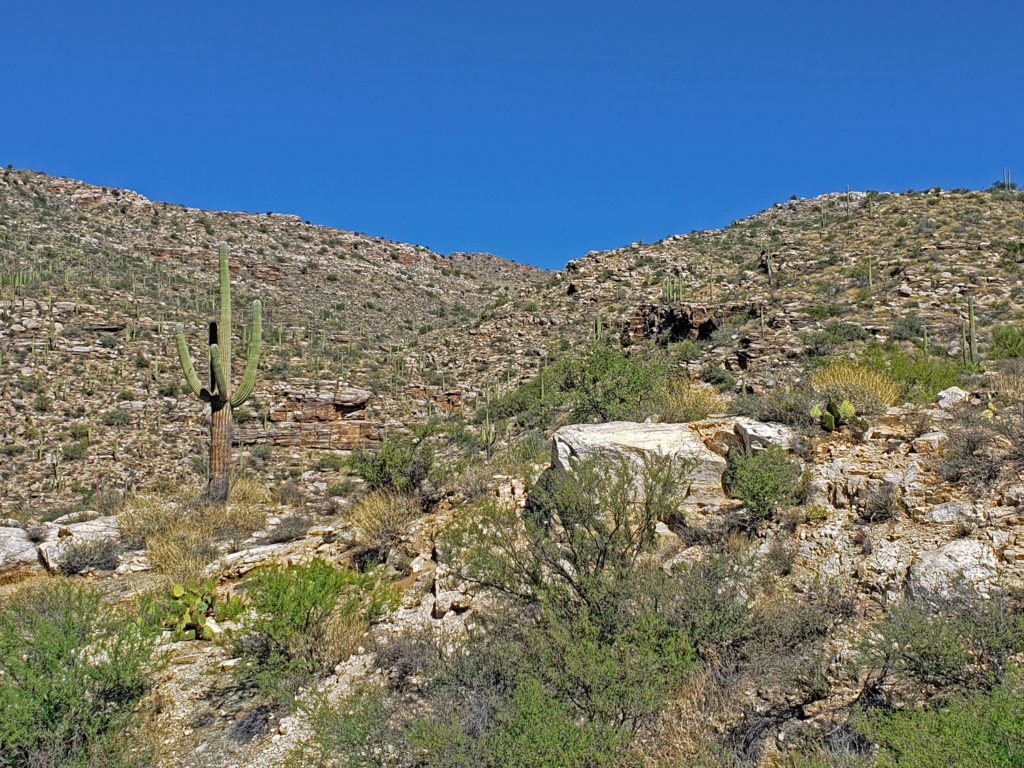 The drive takes you through numerous climatic and ecological zones, from the iconic saguaro cactus of the Sonoran Desert at the base of the mountain to an aspen and ponderosa pine forest at the summit.
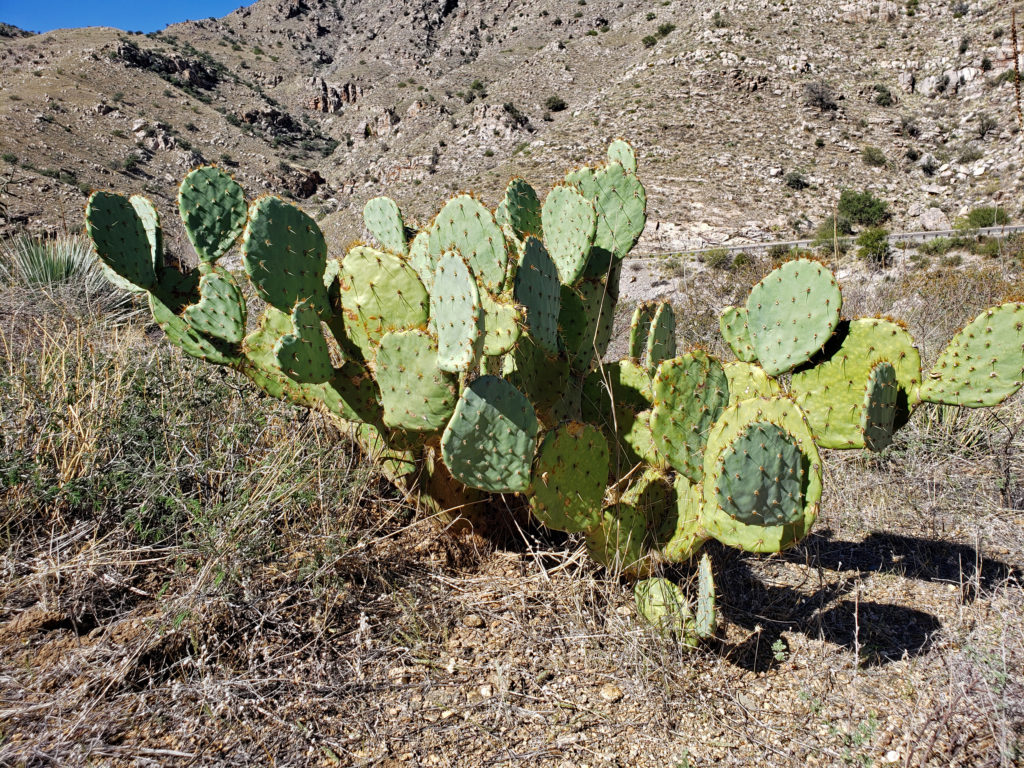 My wife and I made the drive to the summit in October 2019 while in Arizona to visit my brother and attend a wedding. I had never heard of Mount Lemmon and I wasn’t keen on making that long of a side trip, but my wife convinced me that it would be worthwhile, and she nailed this one. Mount Lemmon is more than just worthwhile, and worth more than just a side trip. It’s a worthy destination in its own right.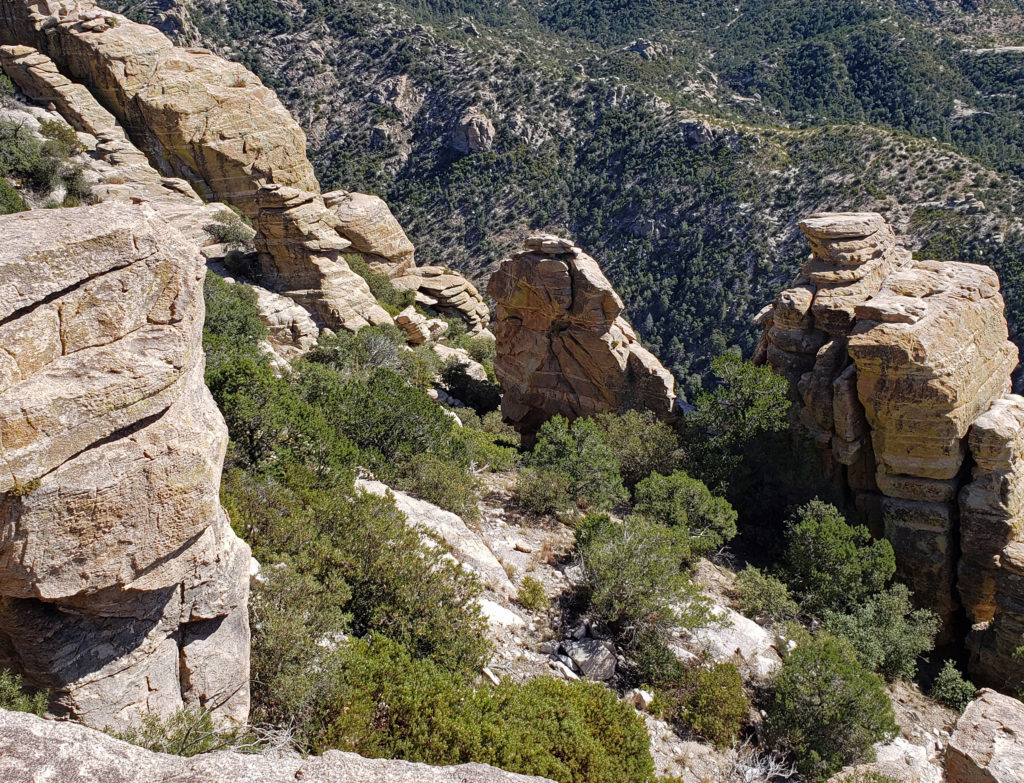
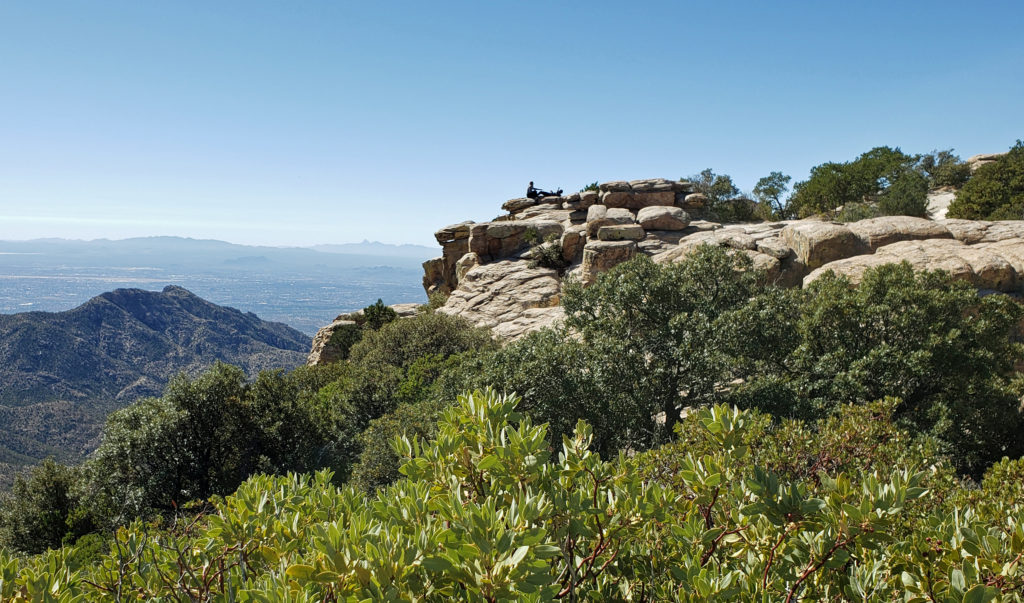 Windy Point, about seventeen miles from the beginning of the highway in Tanque Verde, has got to be one of the most spectacular viewpoints in southern Arizona. You’ll want to stop here and just wander around for a while. Take in the views of Tucson and the desert far below, the mountains beyond, and the rock formations around you. About four miles farther up the highway you’ll come to the San Pedro Vista, which gives you a panoramic view east across the San Pedro Valley to the Galiuro Mountains.
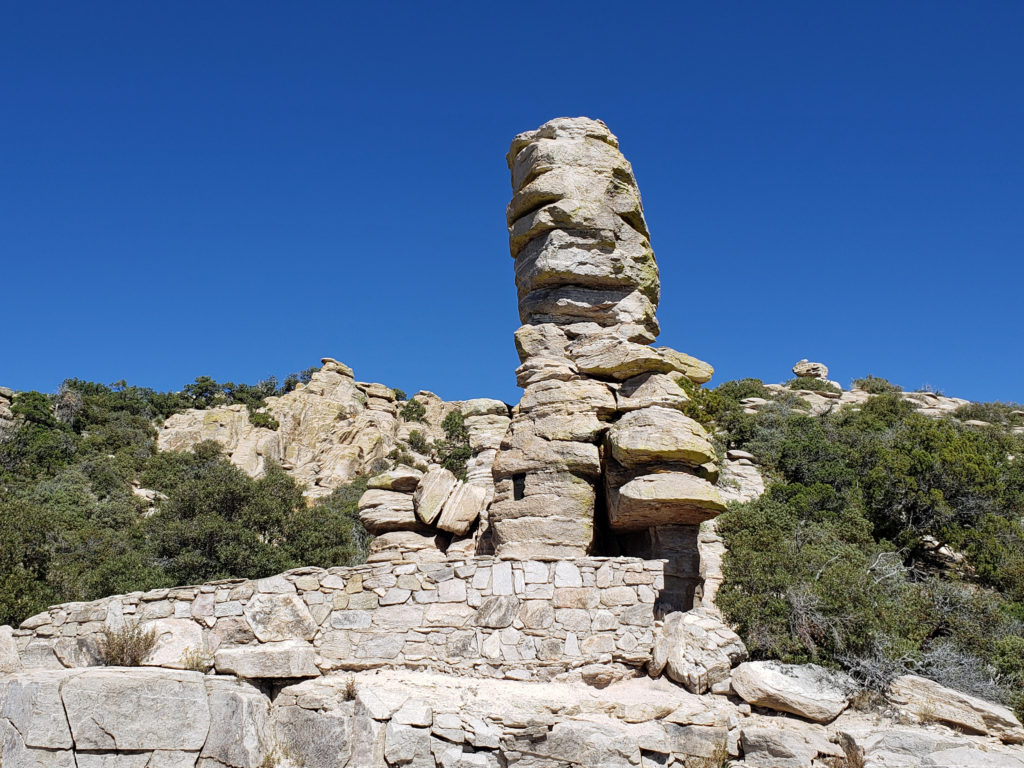 Another couple miles brings you to the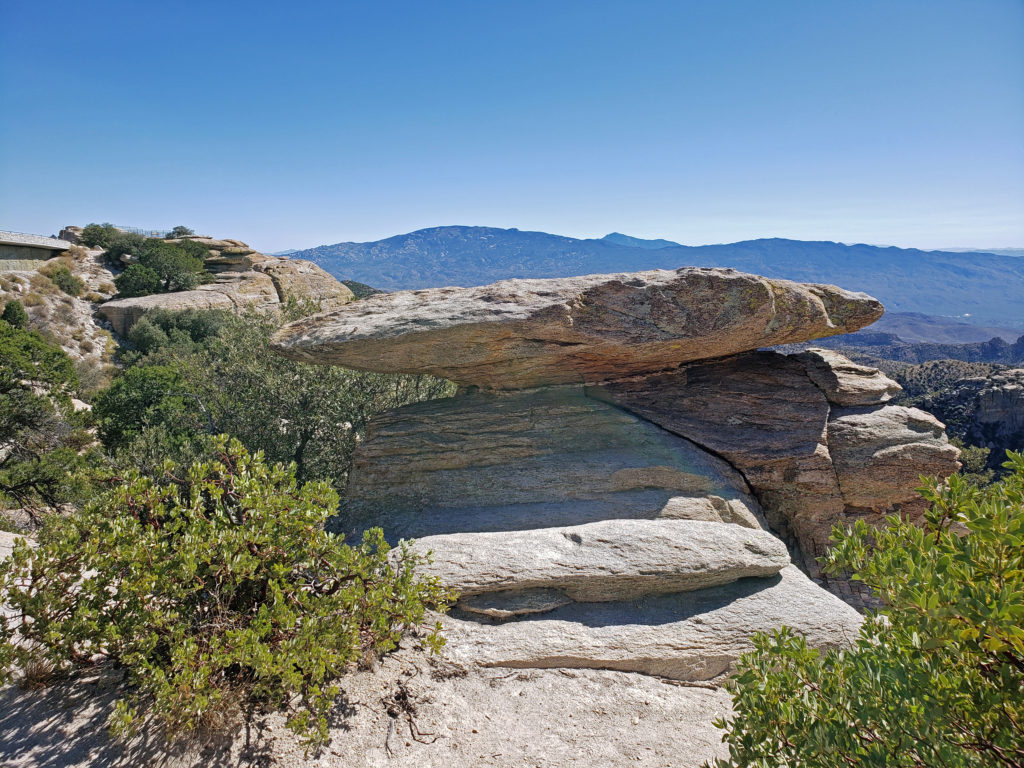
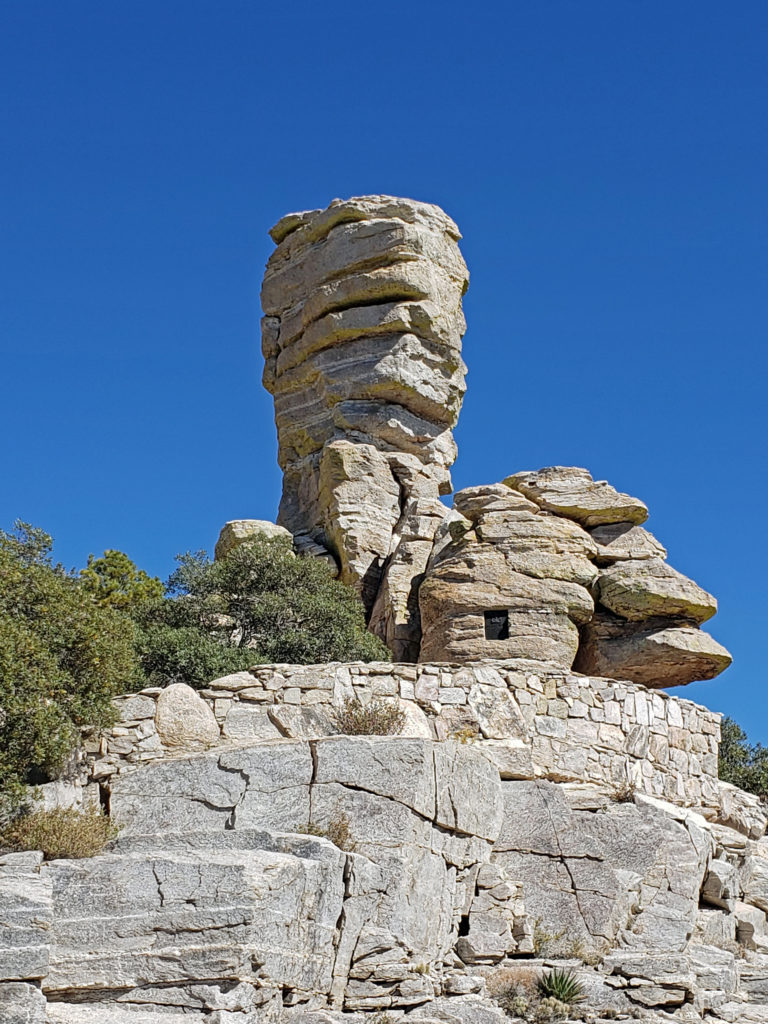
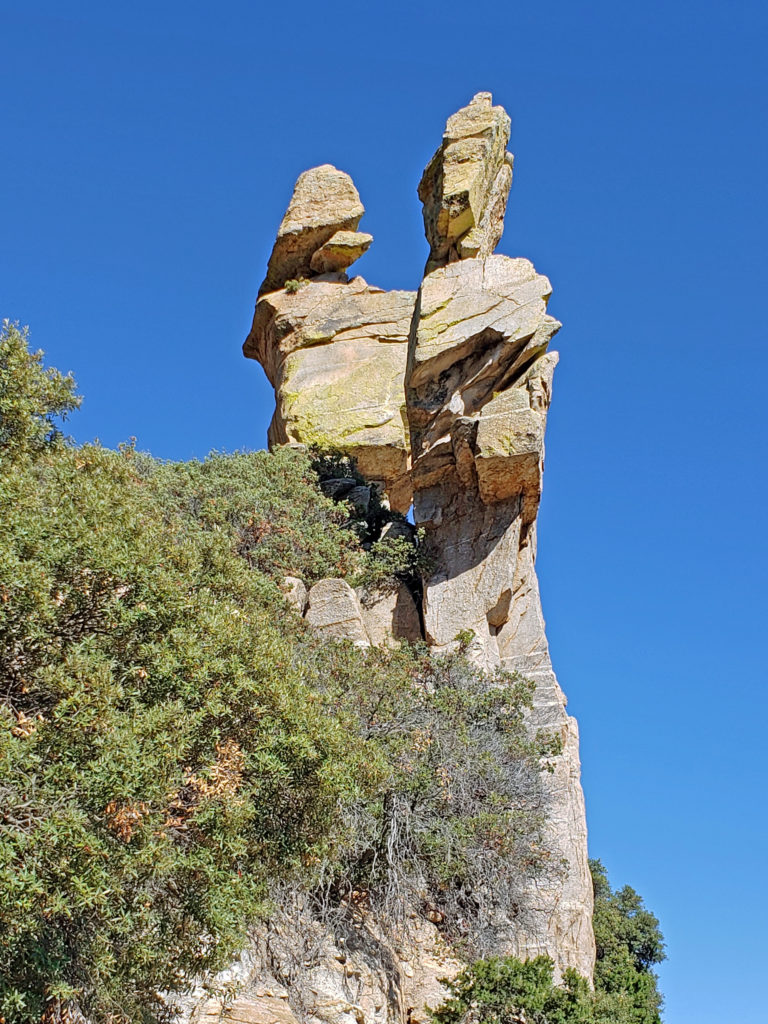 If you go, note that the summit of Mount Lemmon can be thirty degrees cooler than Tucson, so dress accordingly. And if you plan to do any hiking, avoid mid-summer if possible and always bring plenty of water. There are no sources of safe drinking water on any of the hiking trails in the area, to my knowledge.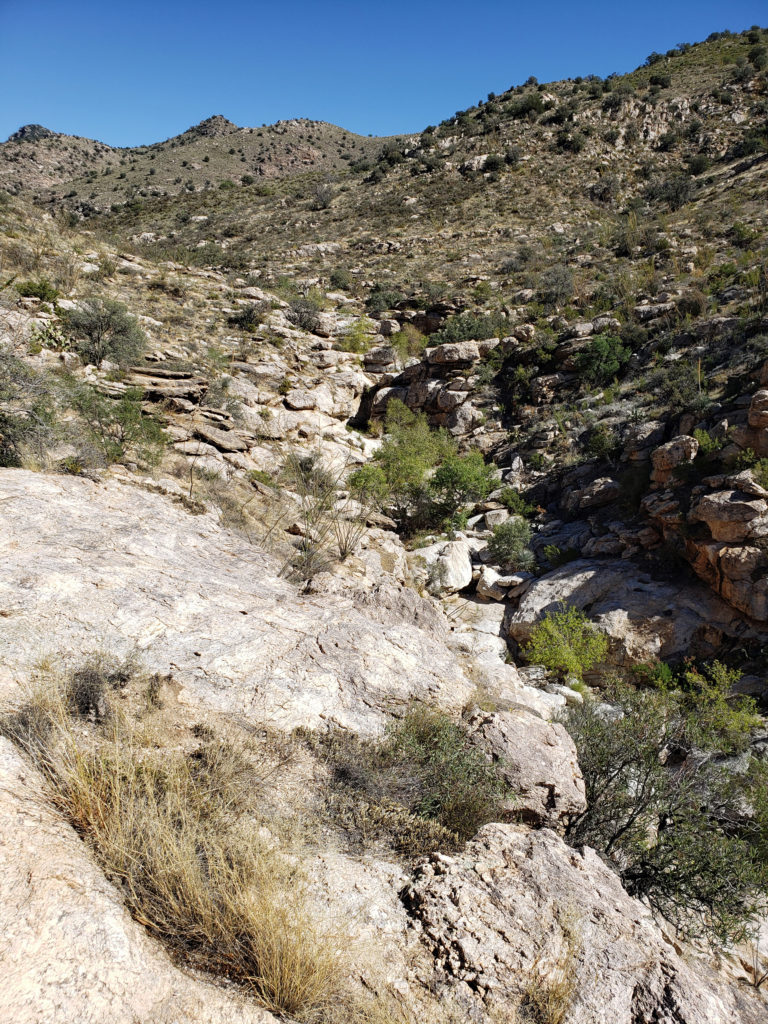
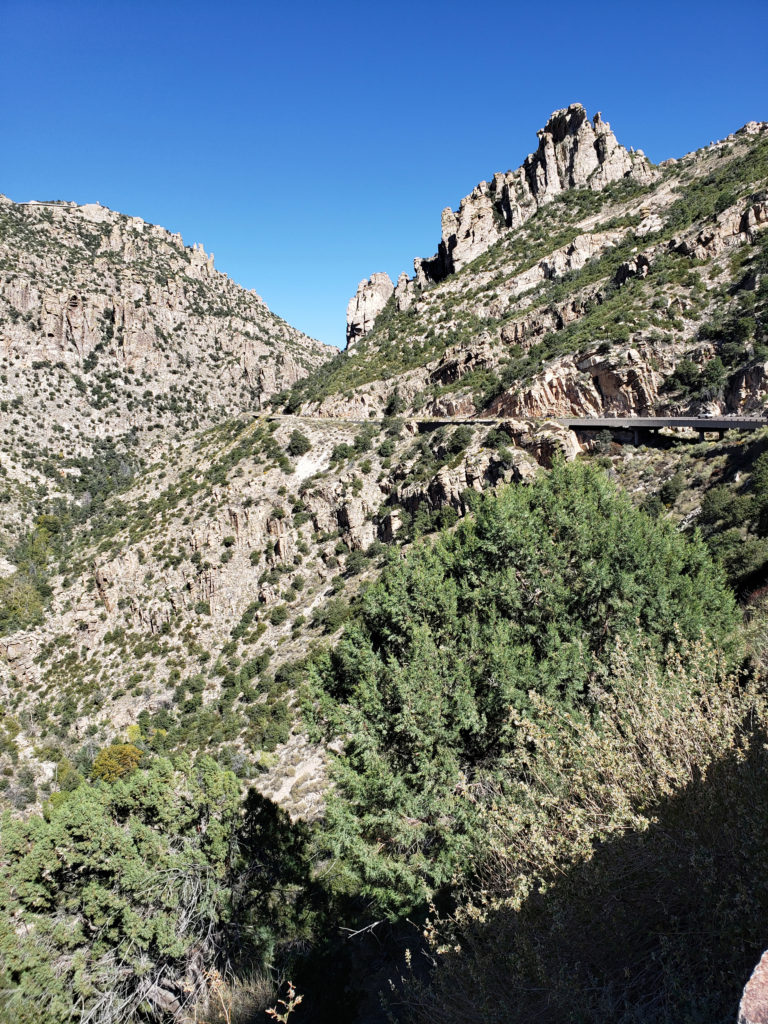 Not only am I glad we took the drive, I wish we could have spent more time exploring the mountain. For those that do have the time, there are several picnic areas along the highway and a few places to eat in Summerhaven, and there are several campgrounds a short ways off of the highway if you want to spend more than a day on the mountain. If you don’t want to camp, Summerhaven also has a few rental cabins, and a newly built small hotel. Check the
 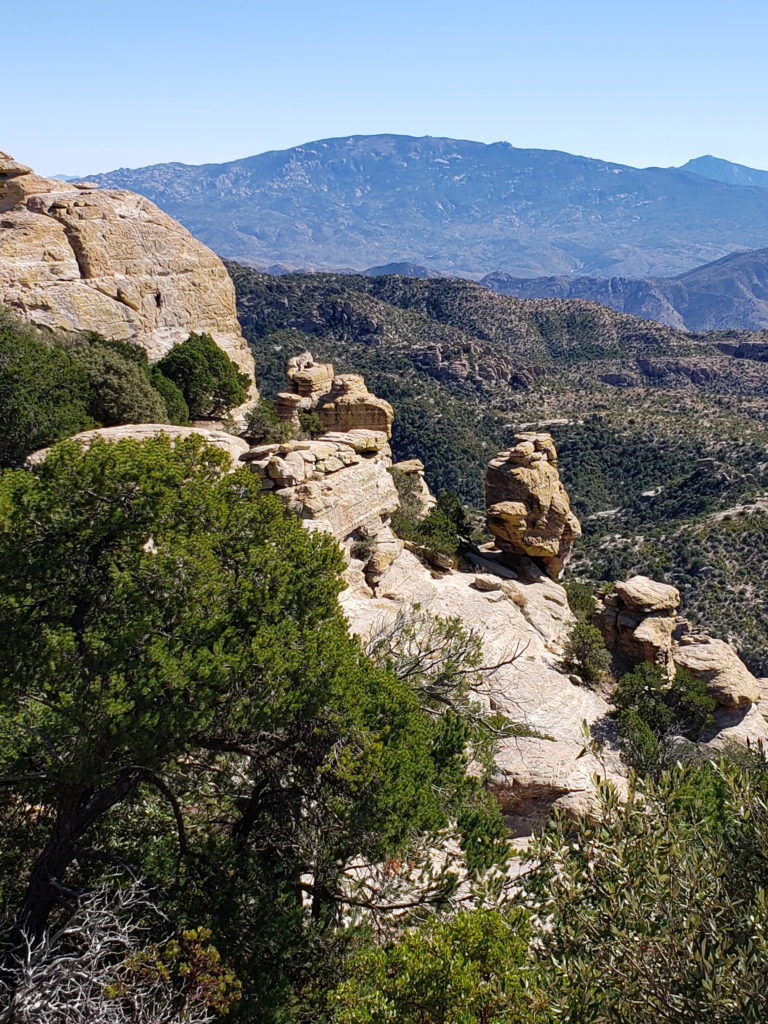 Note: In the summer of 2020 the entire area was closed to the public because of the Bighorn Fire that burned 120,000 acres in the Santa Catalina Mountains. Photos taken after the fire showed some badly burned areas, but others that were largely untouched. All of the area is open again, including the Palisades Visitor Center.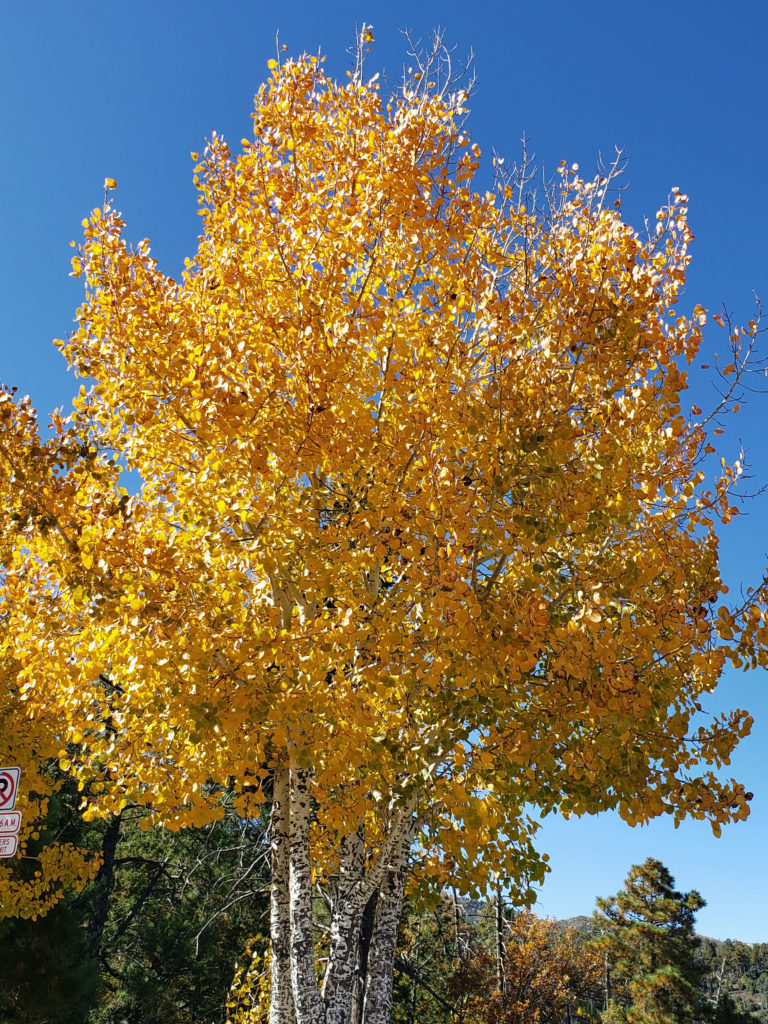
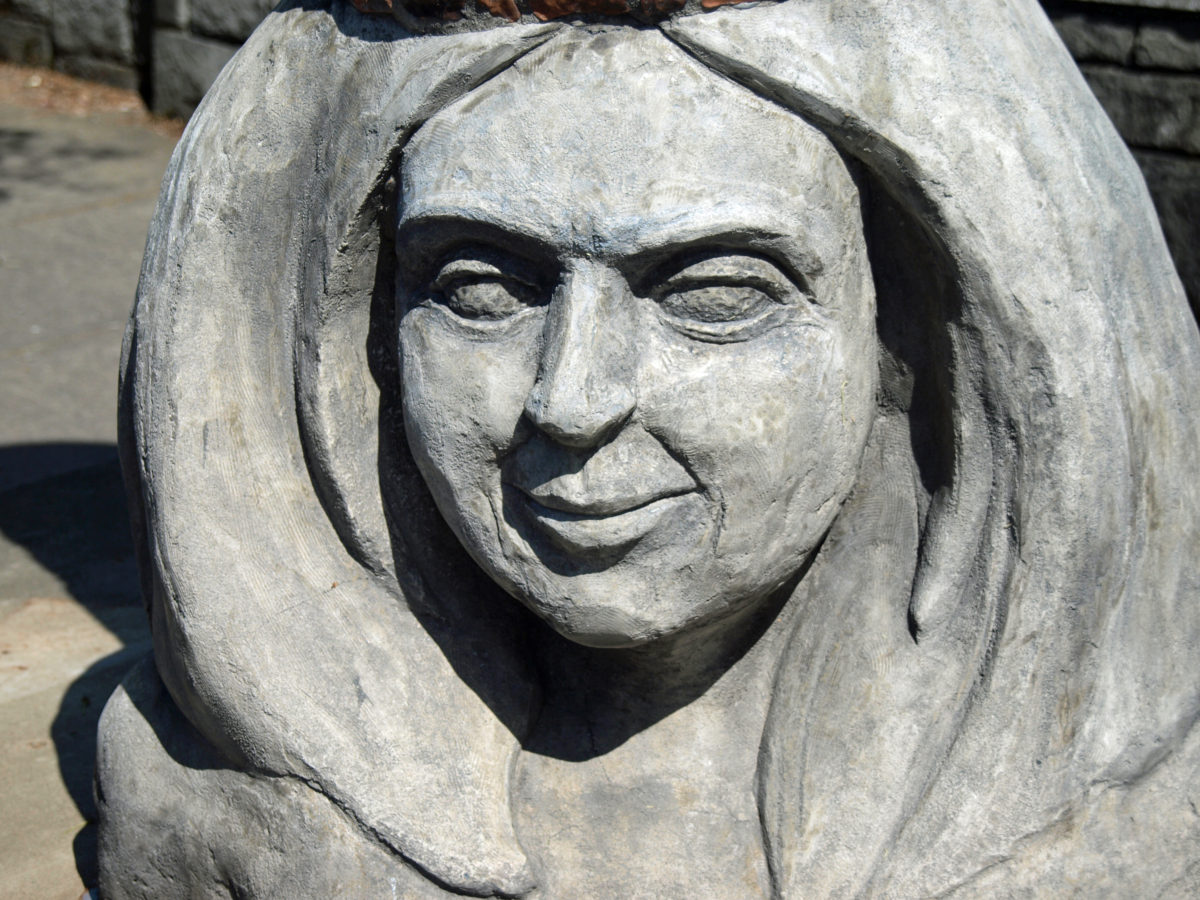
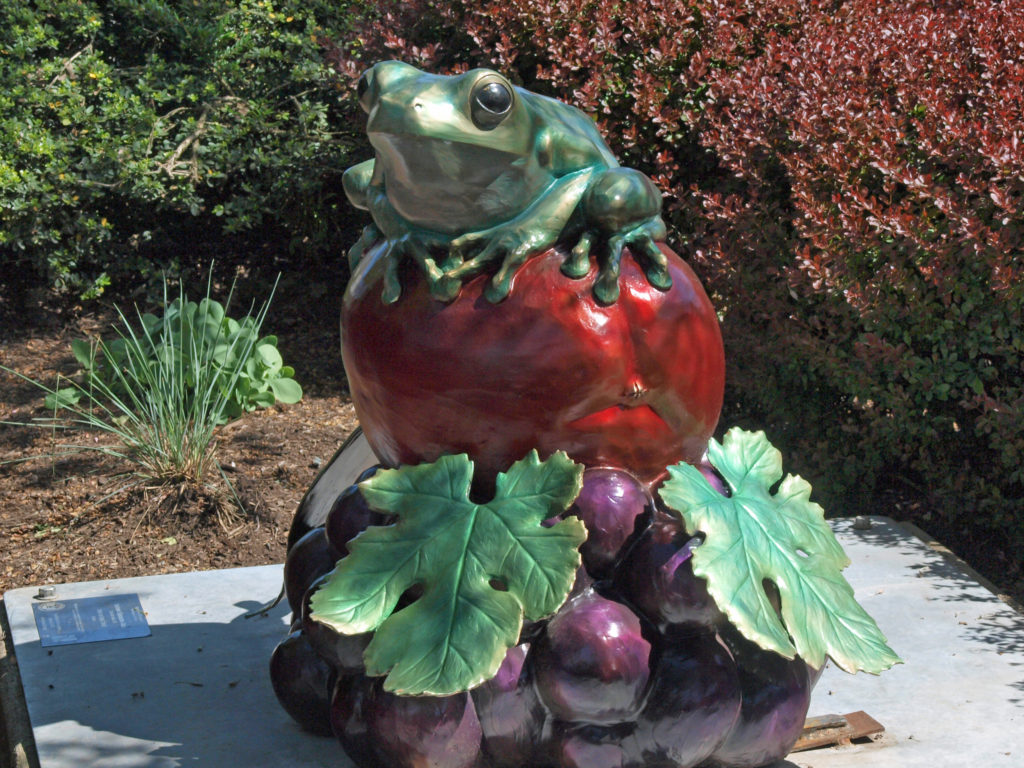

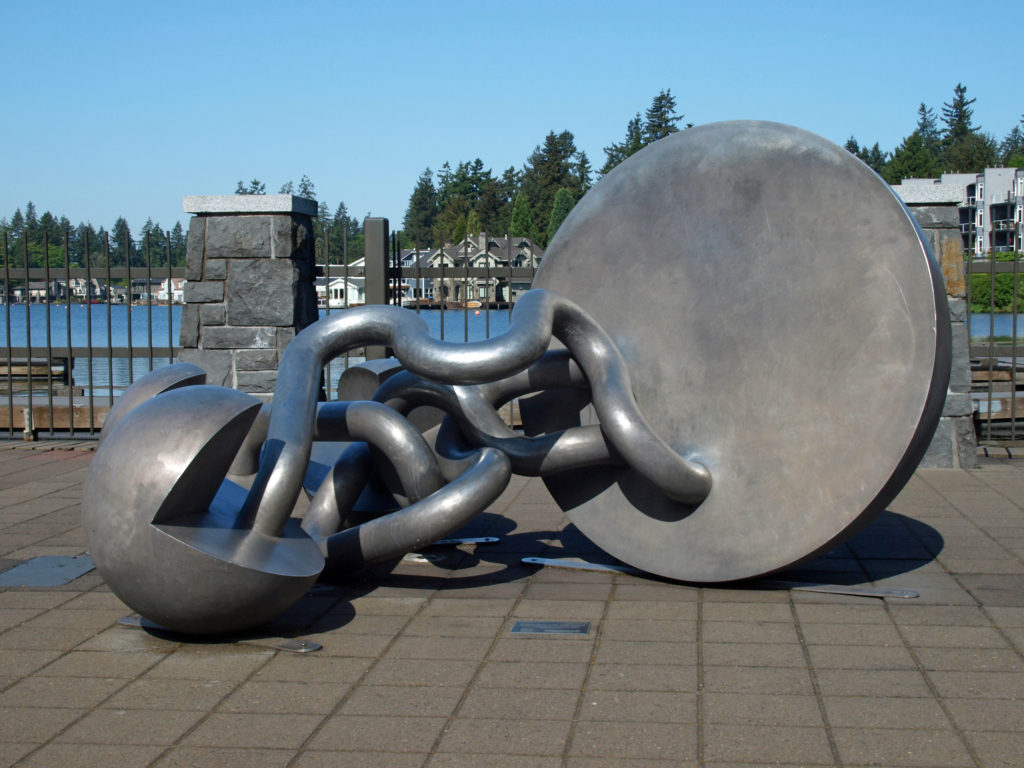


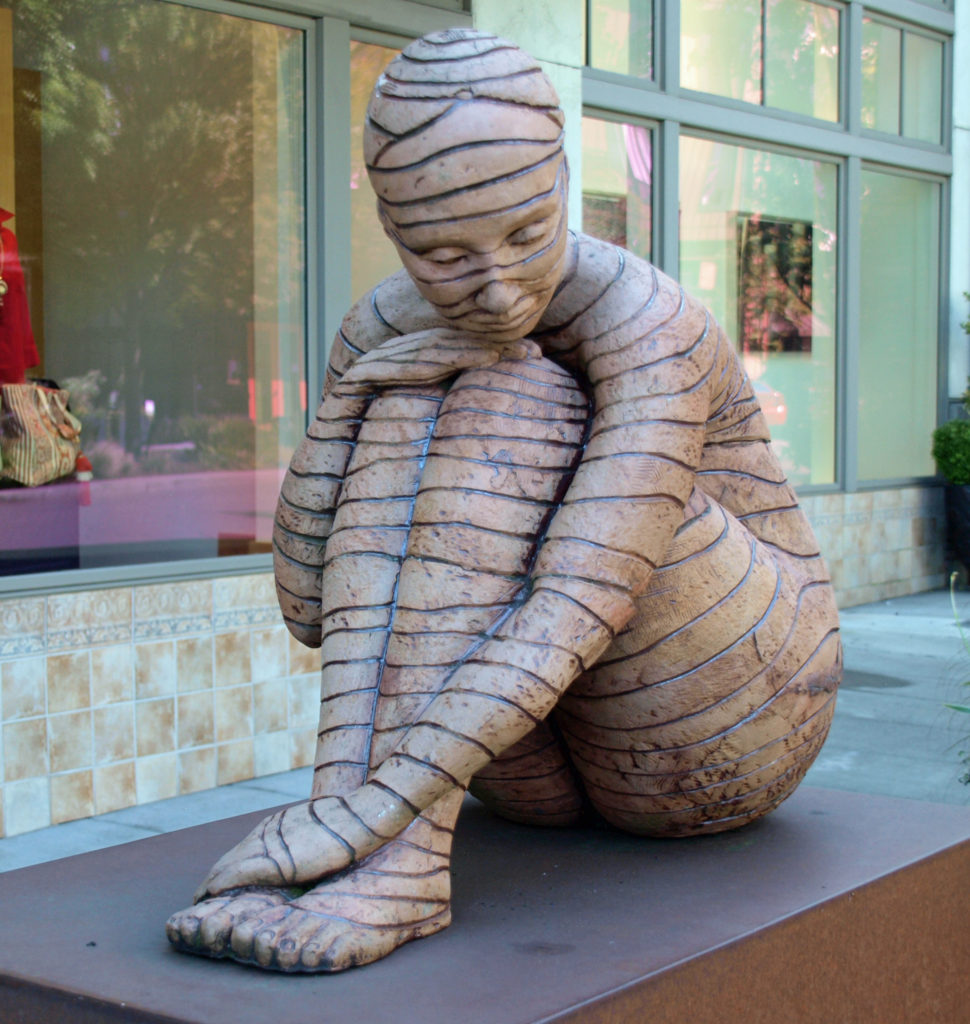
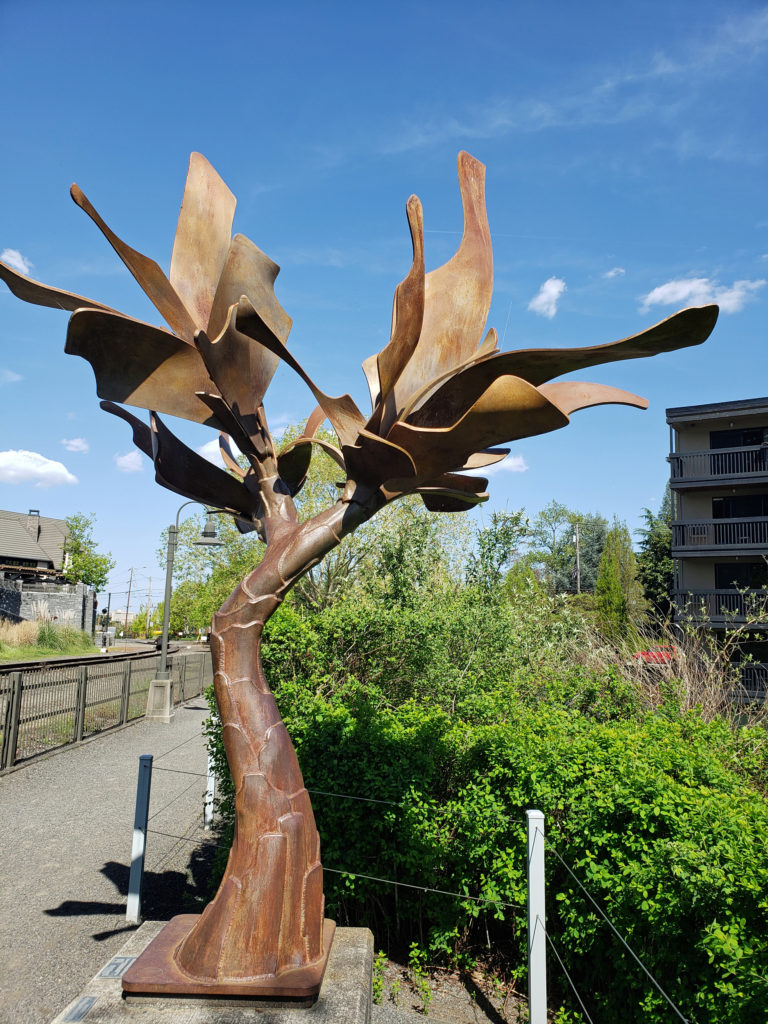
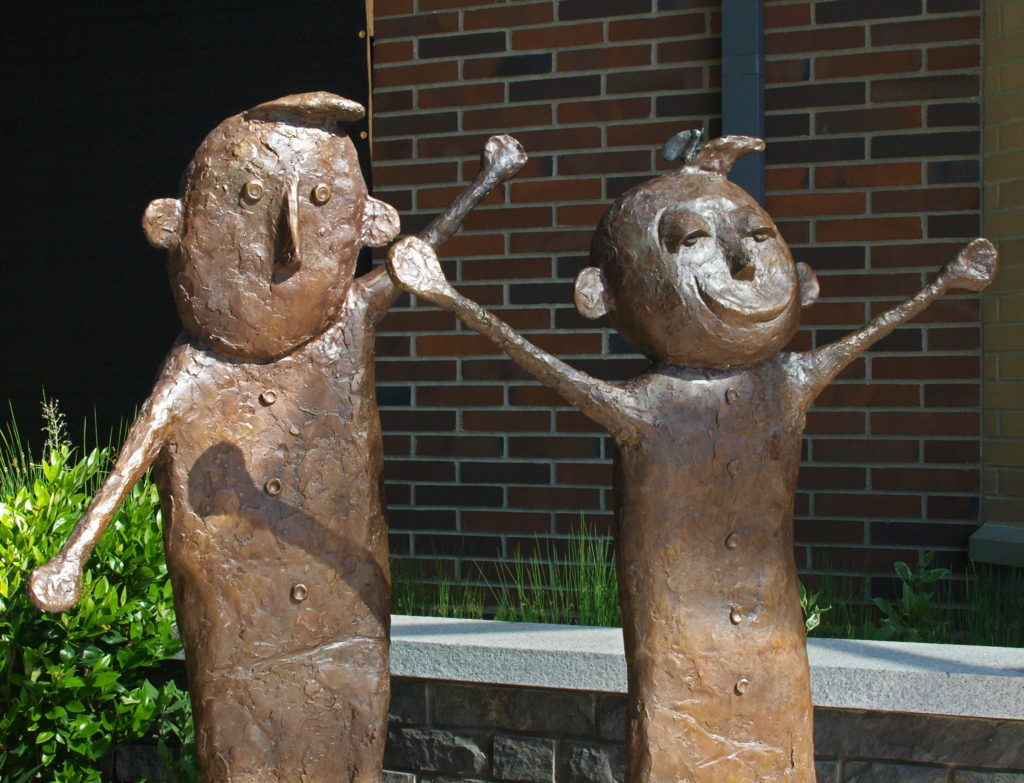
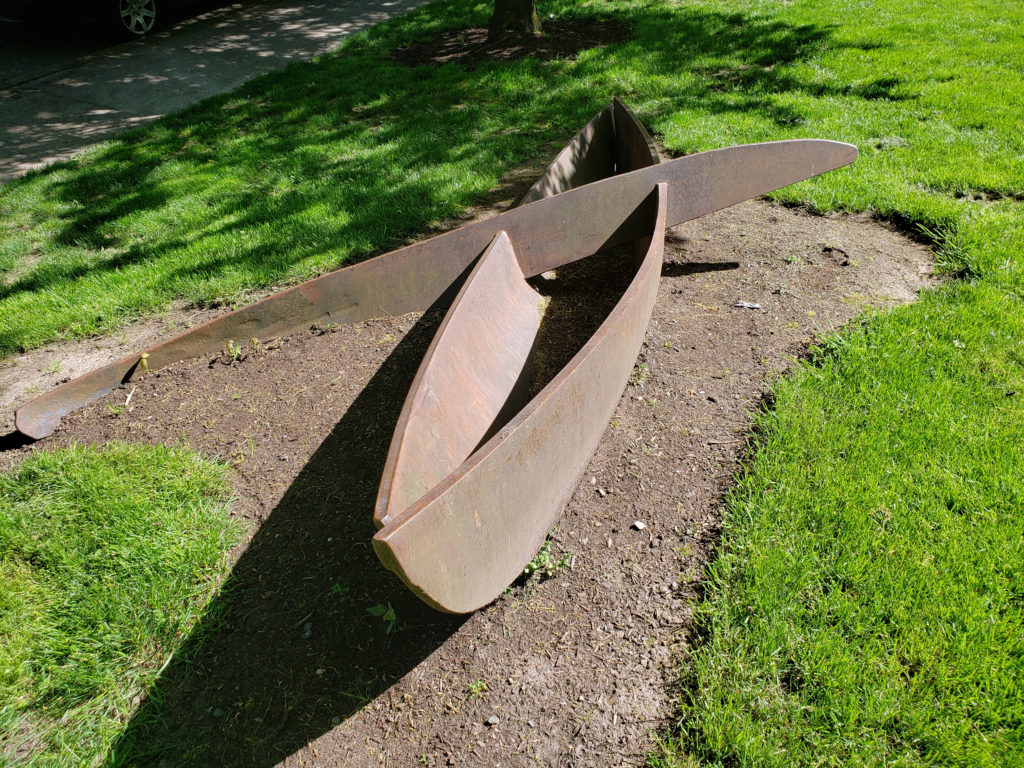

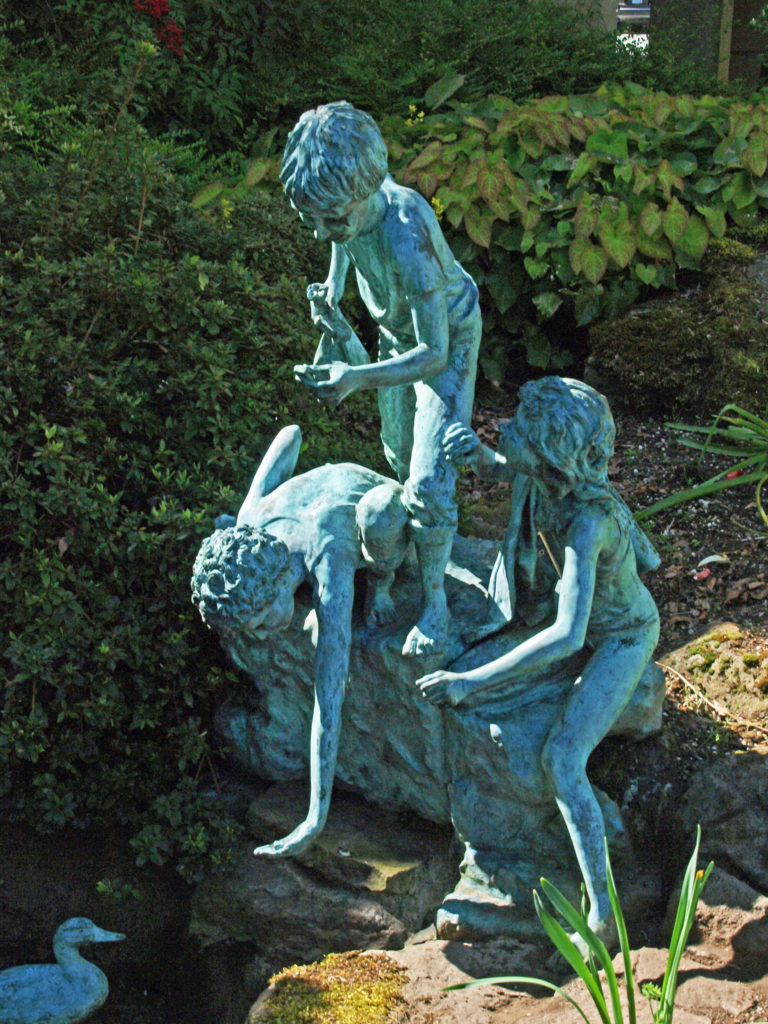
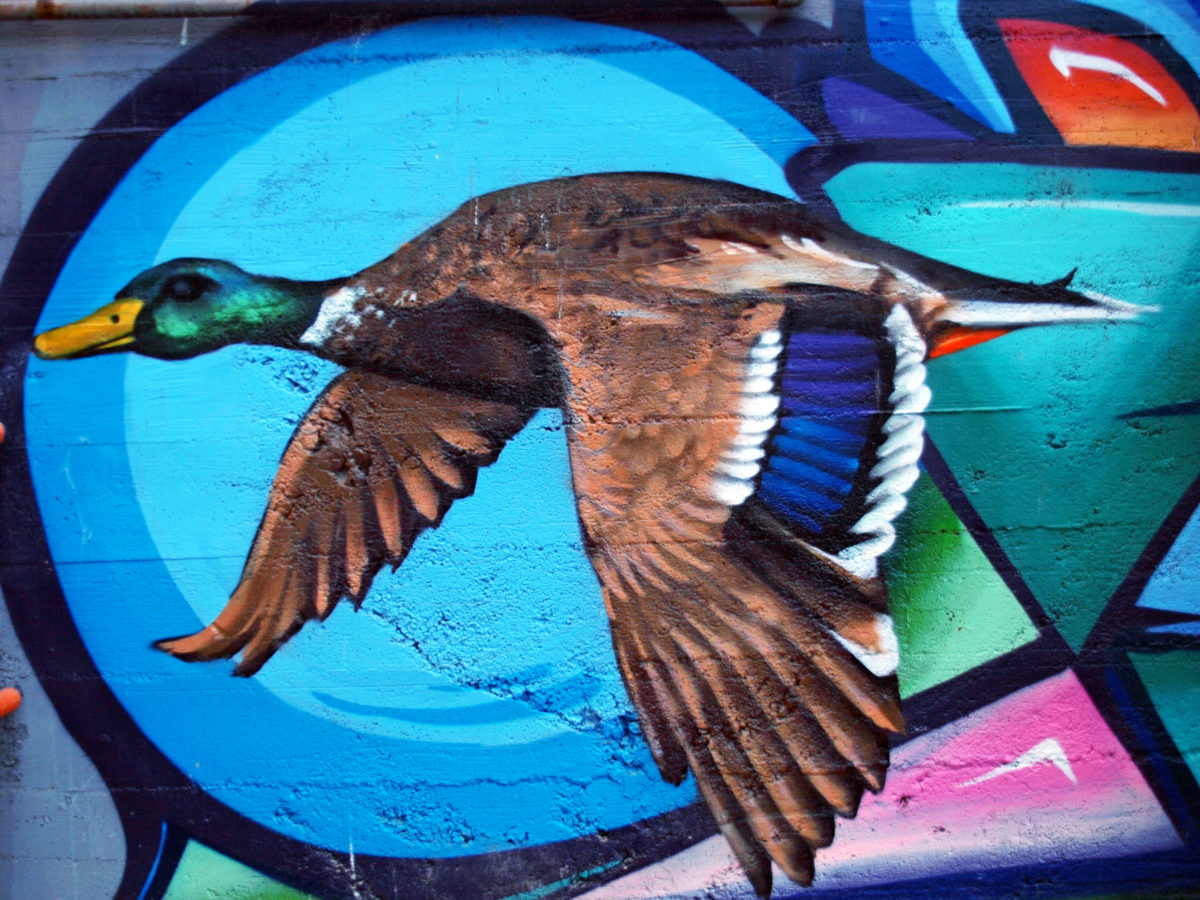
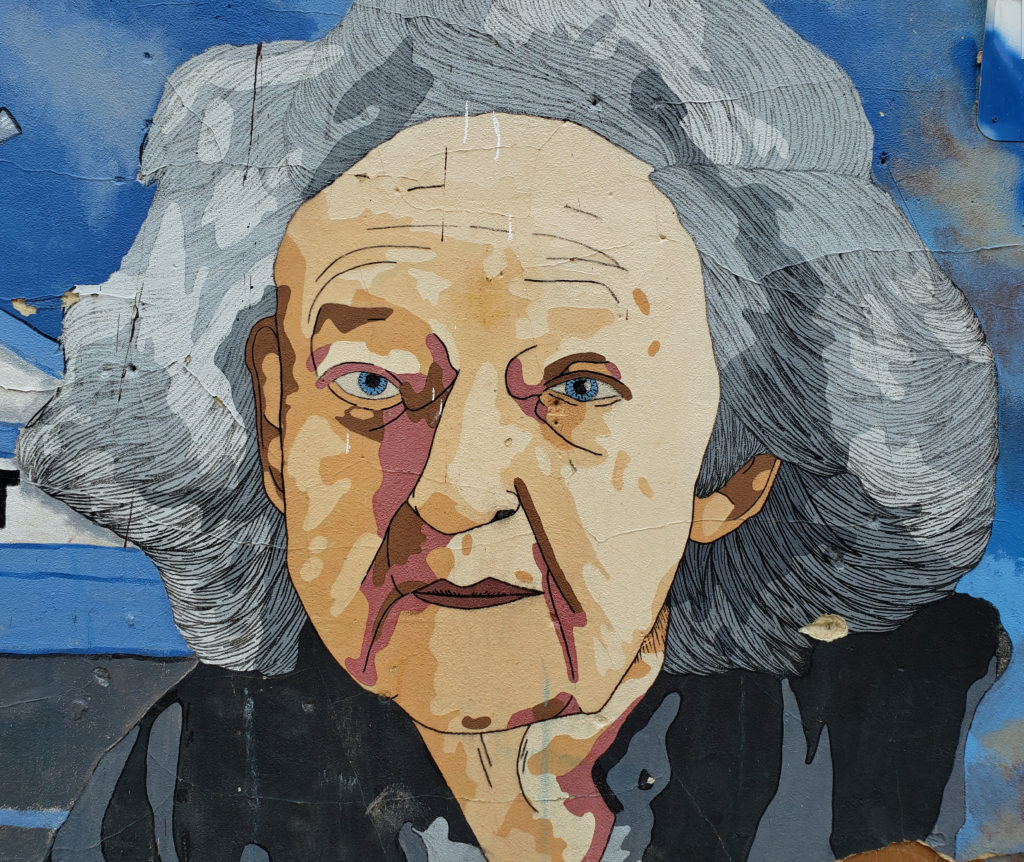
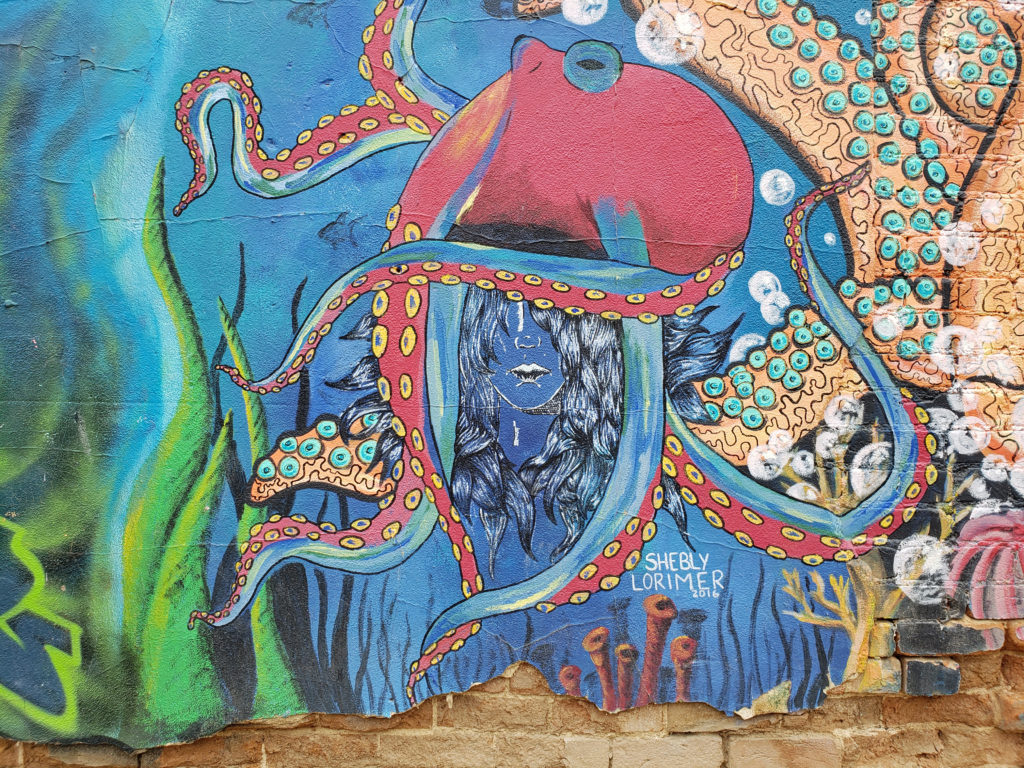


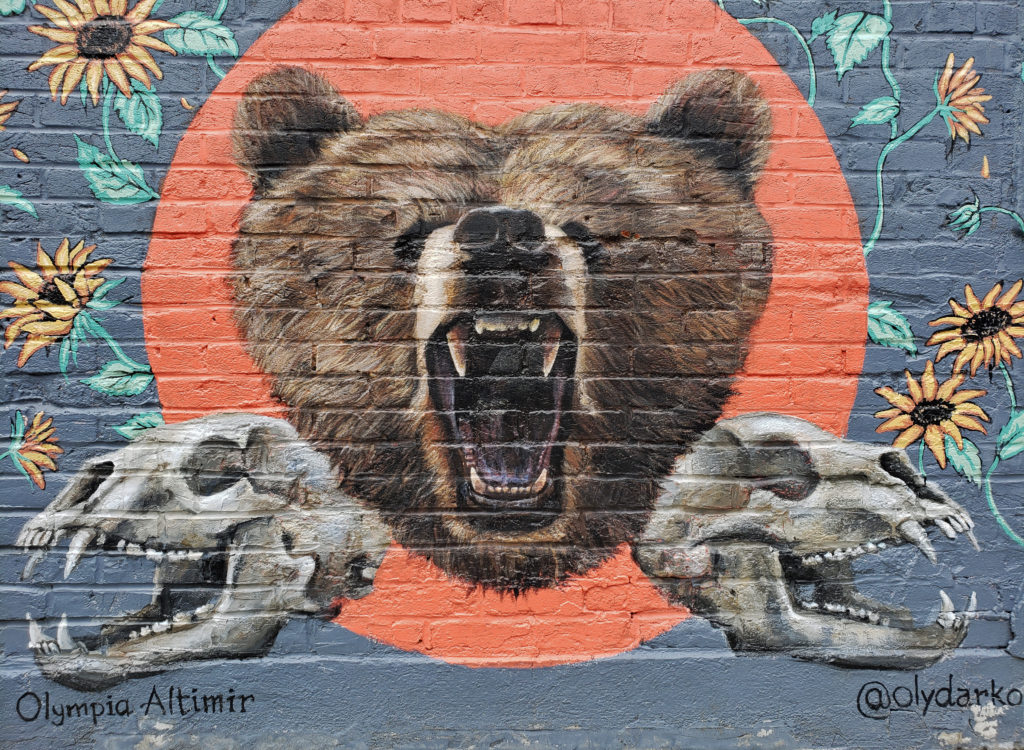
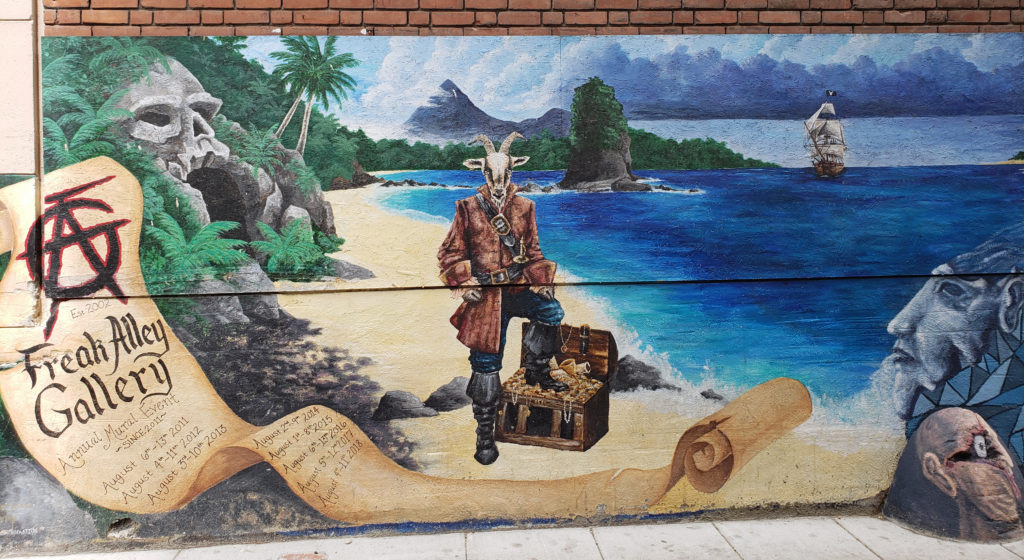
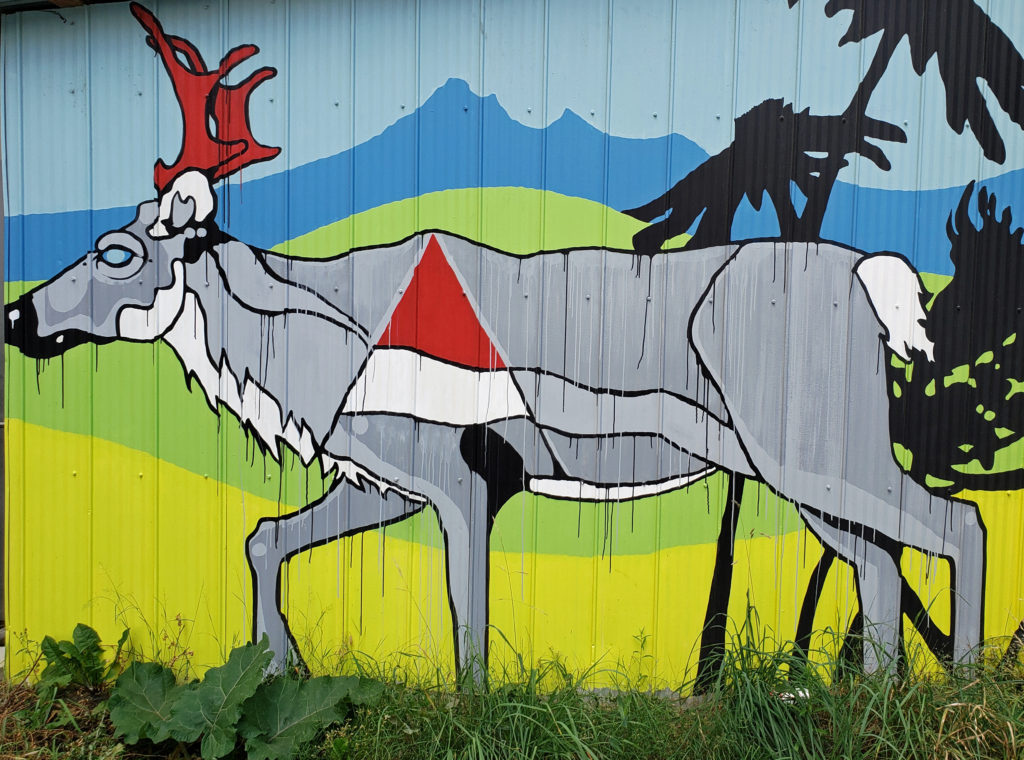

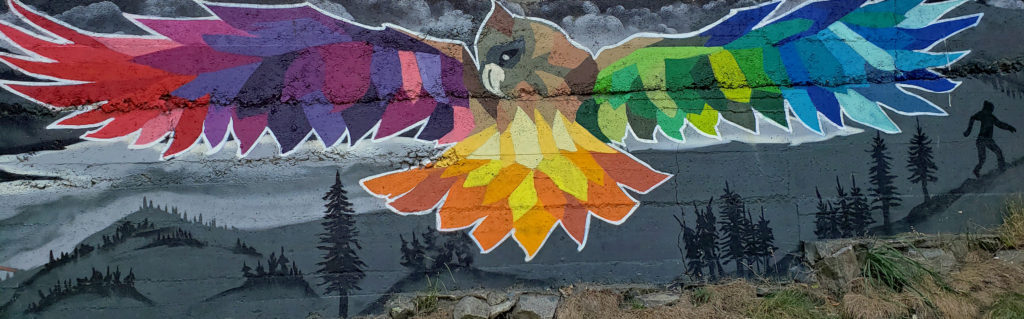

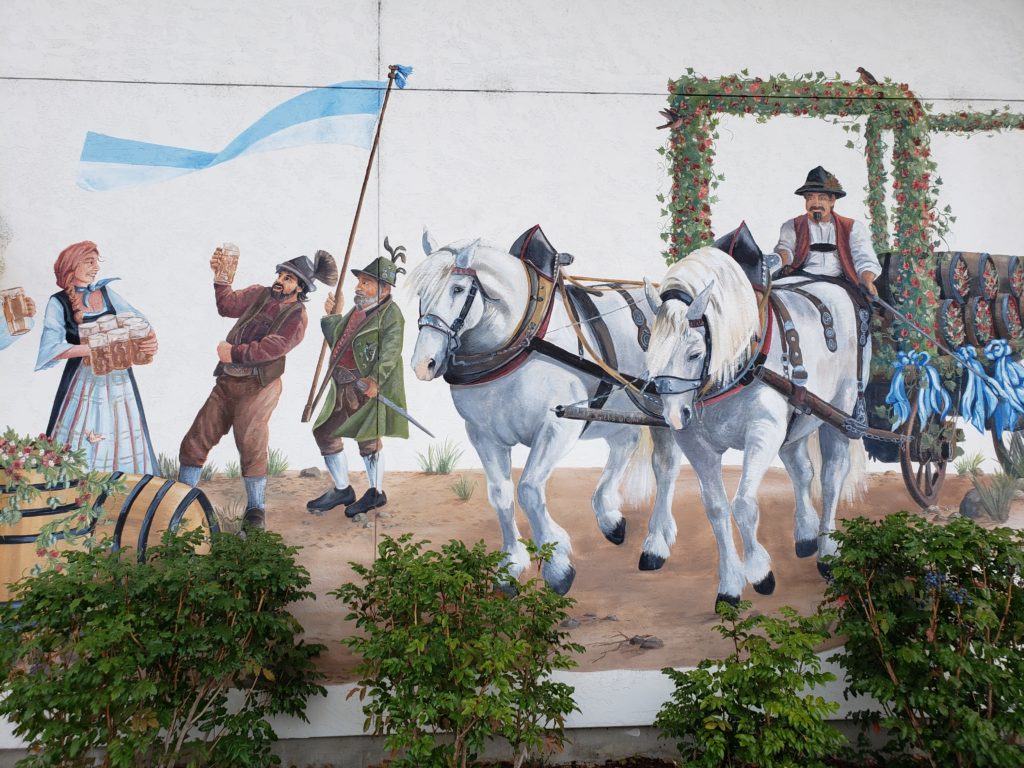
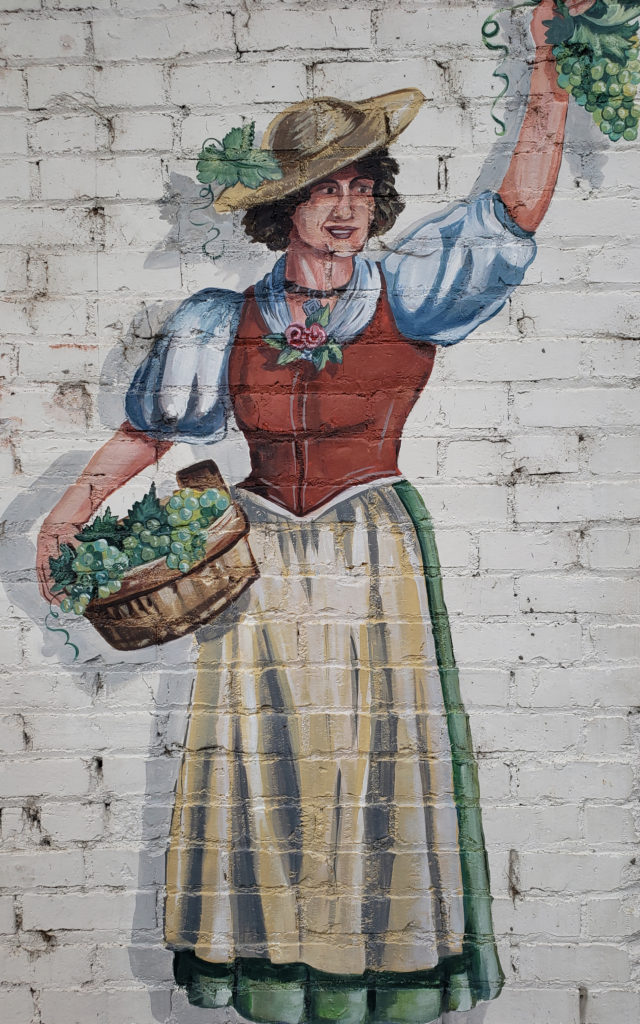
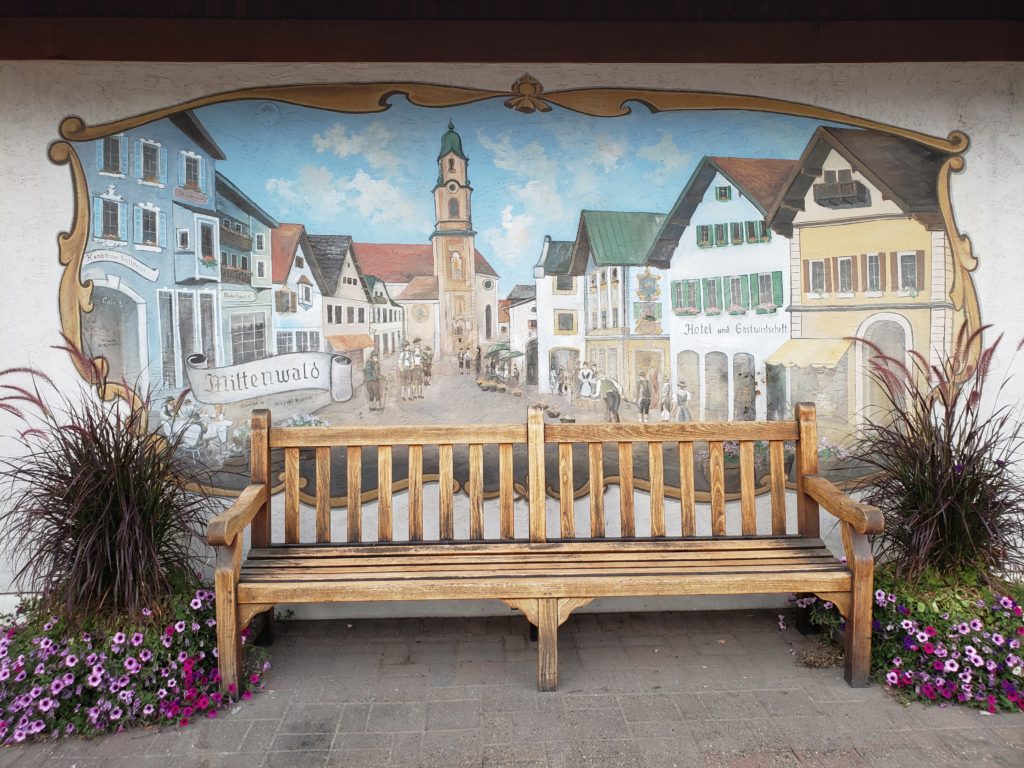

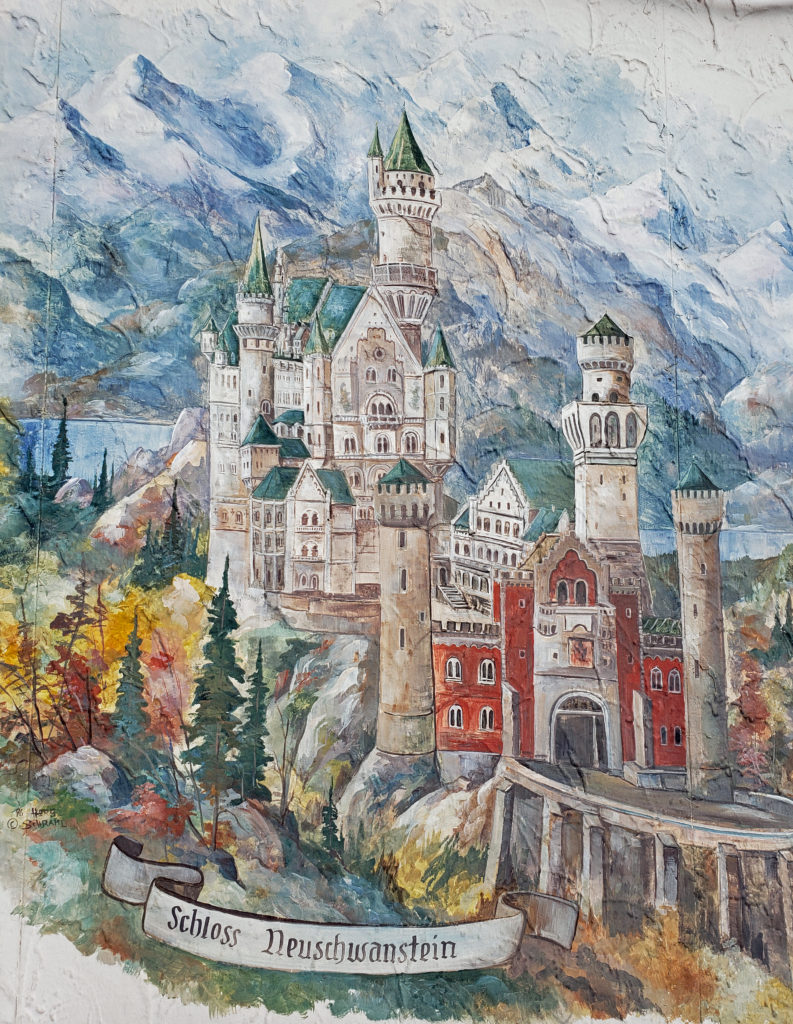




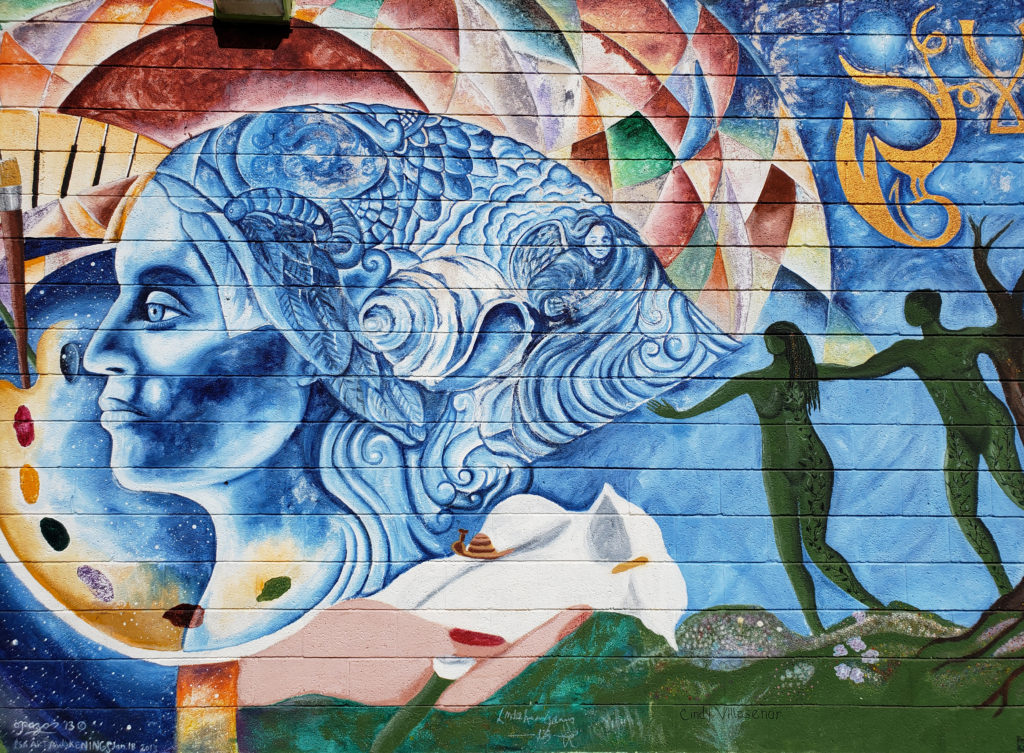



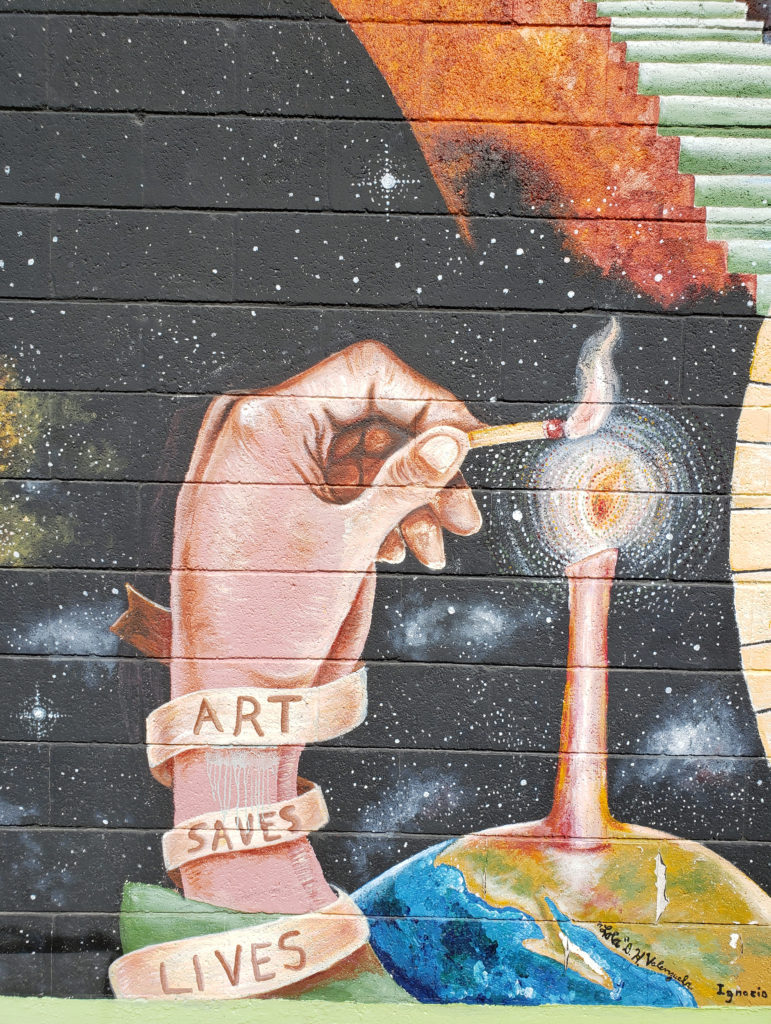
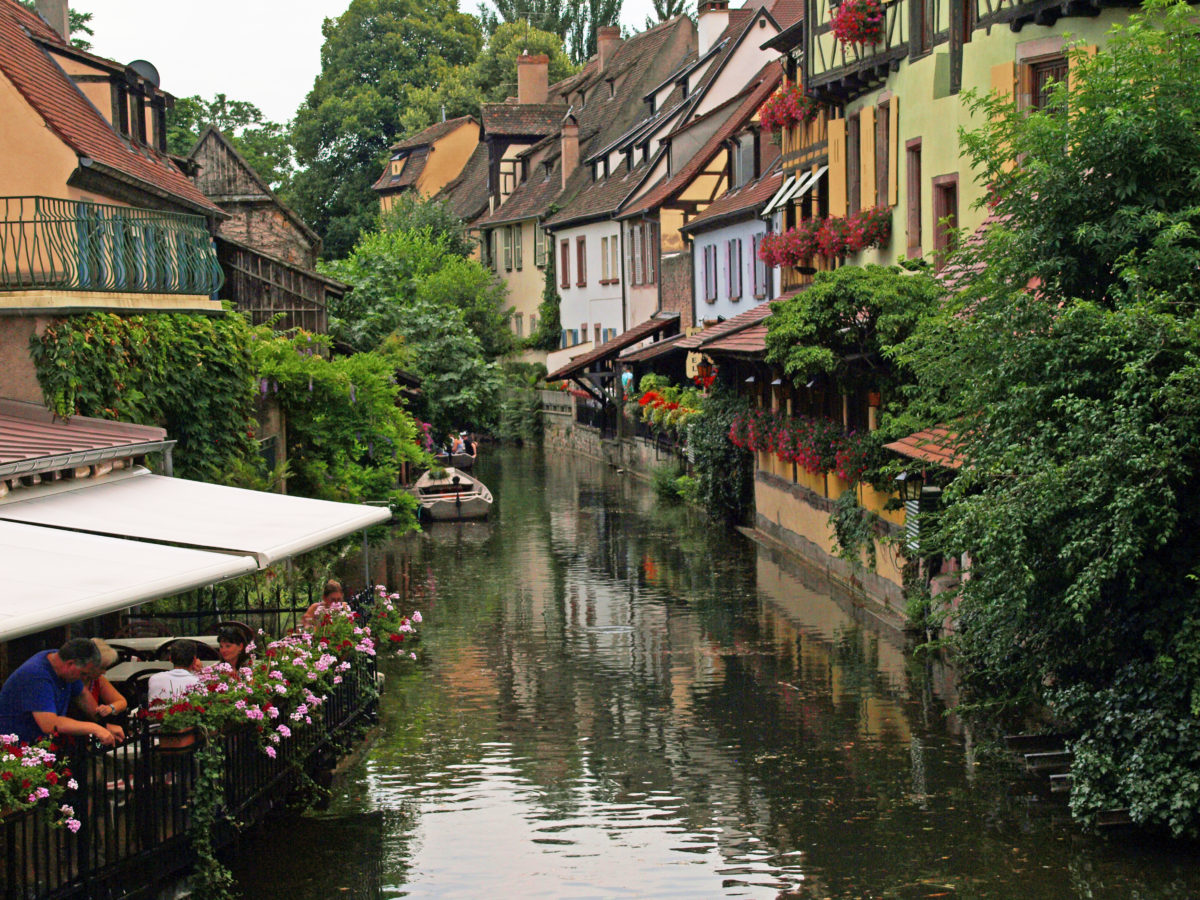
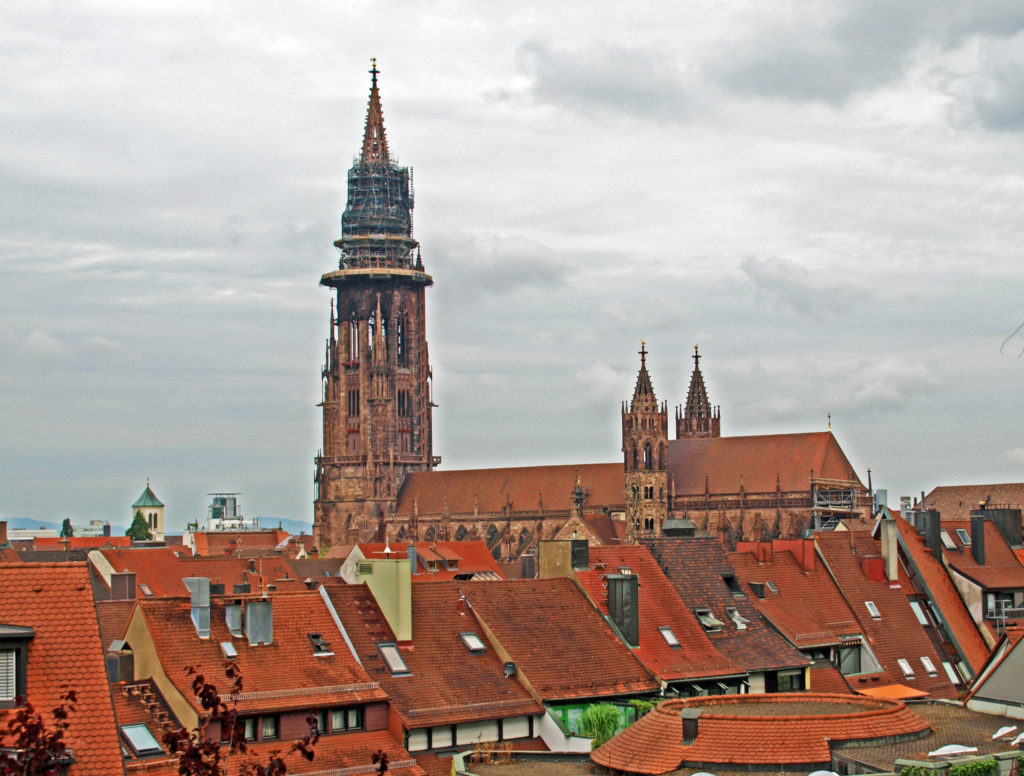
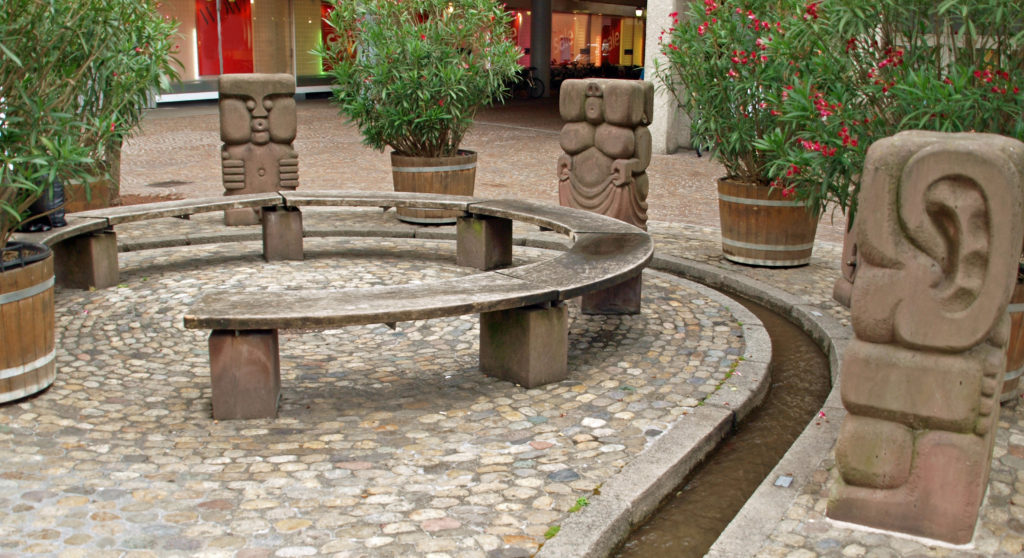
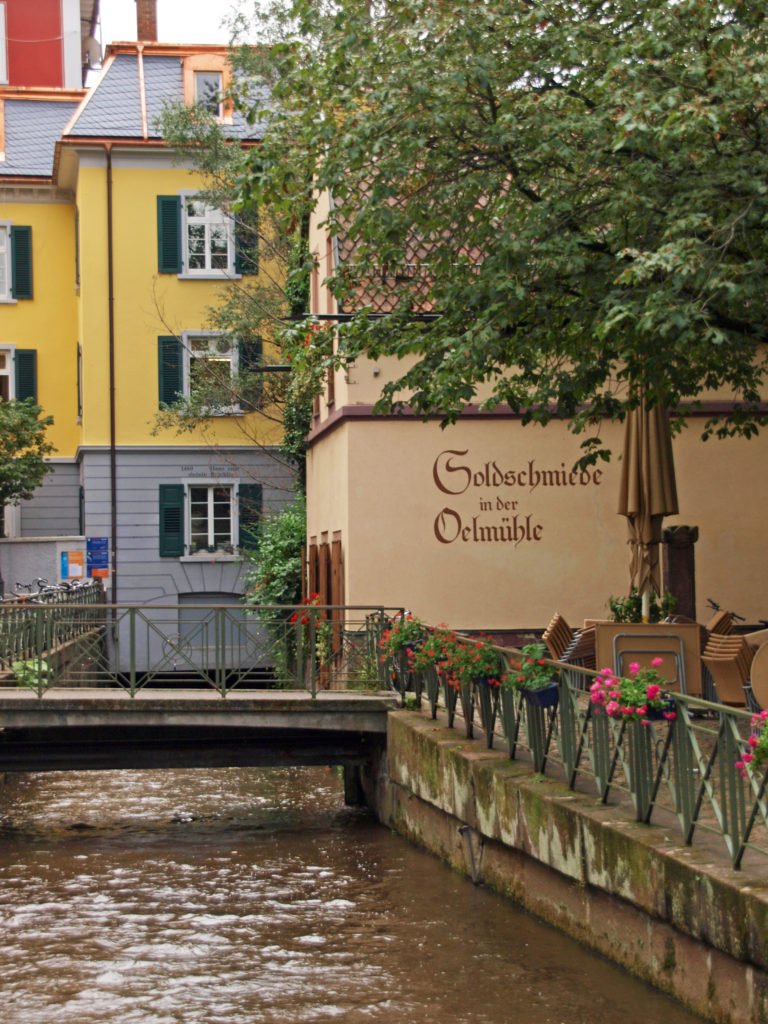
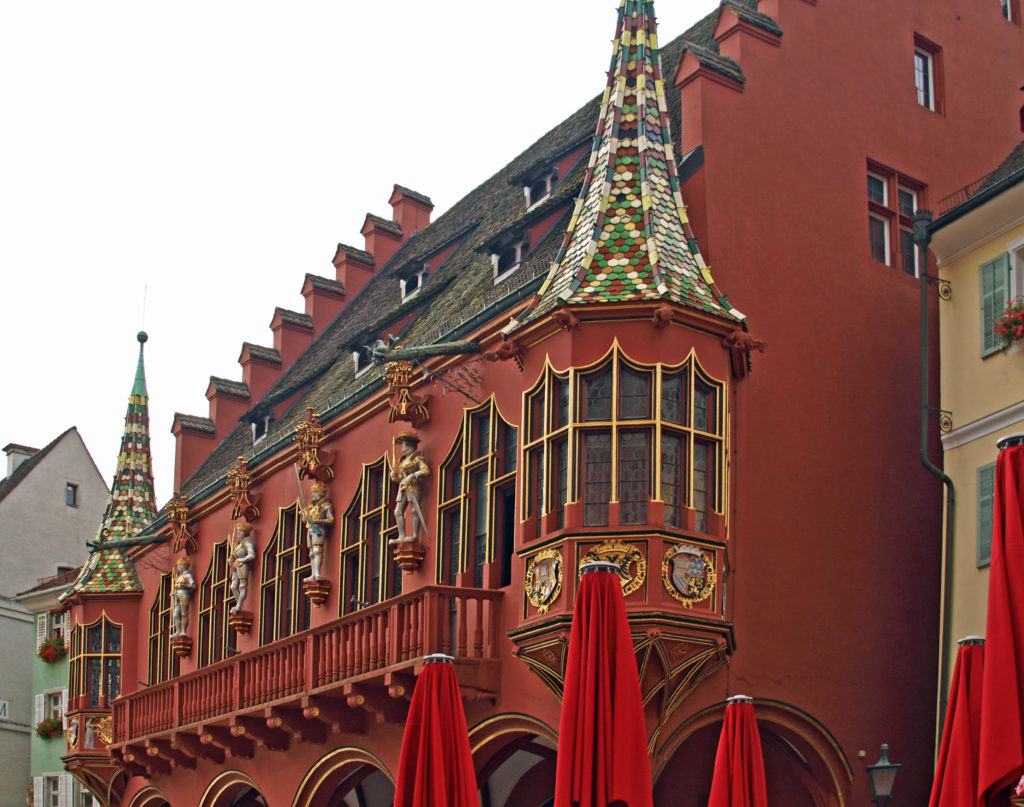
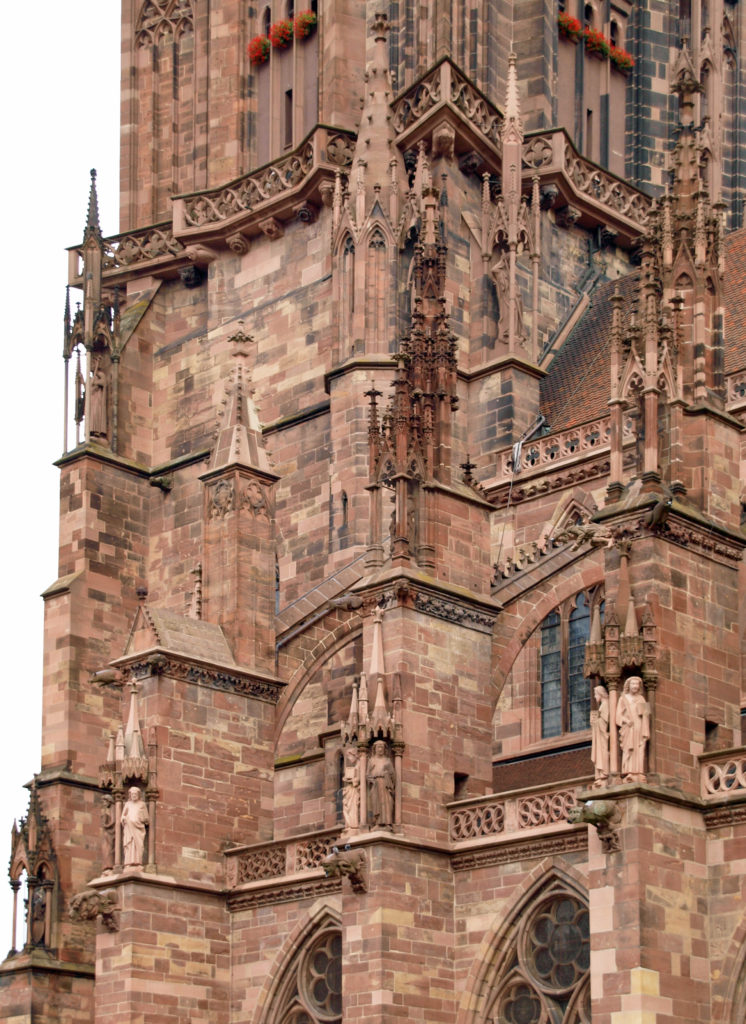
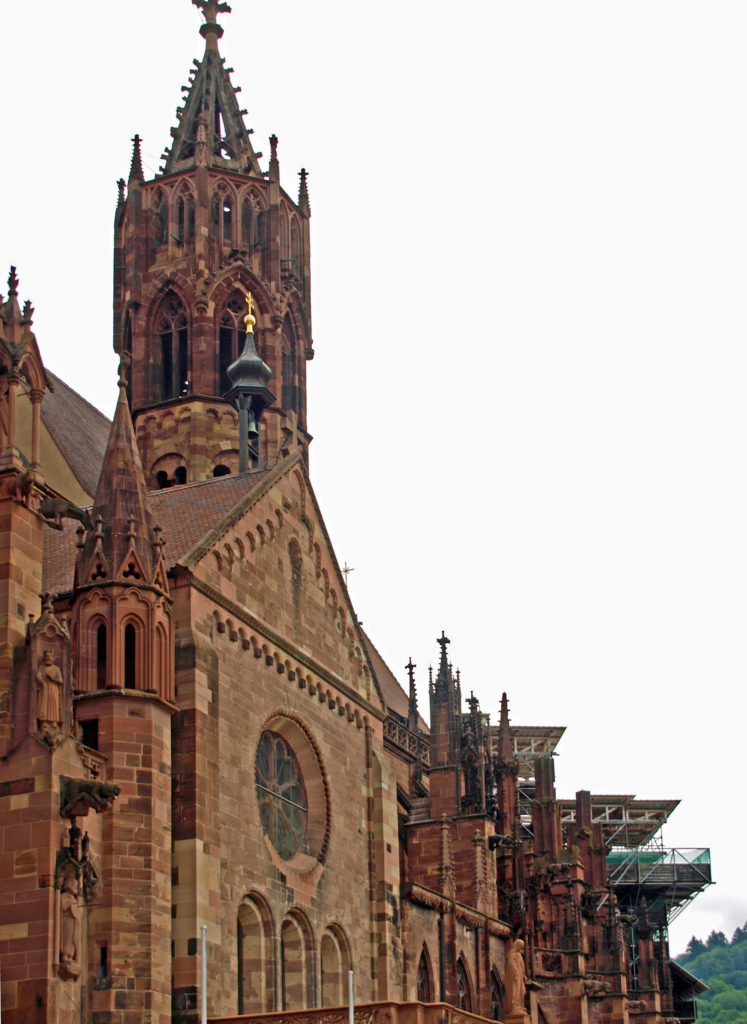
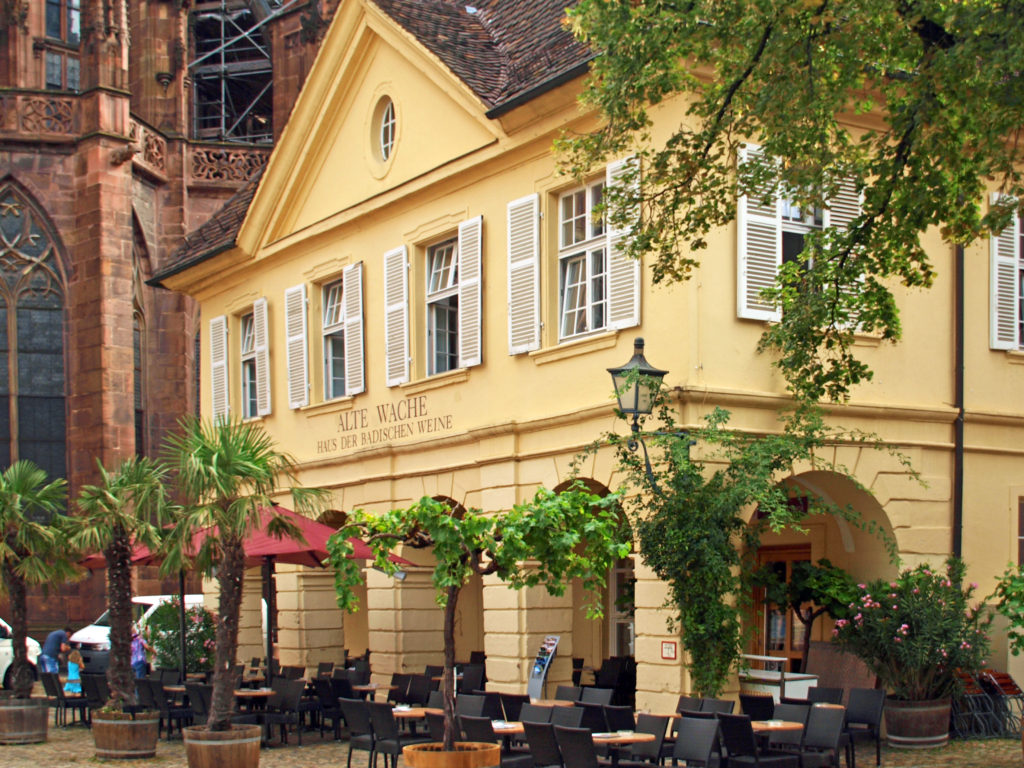
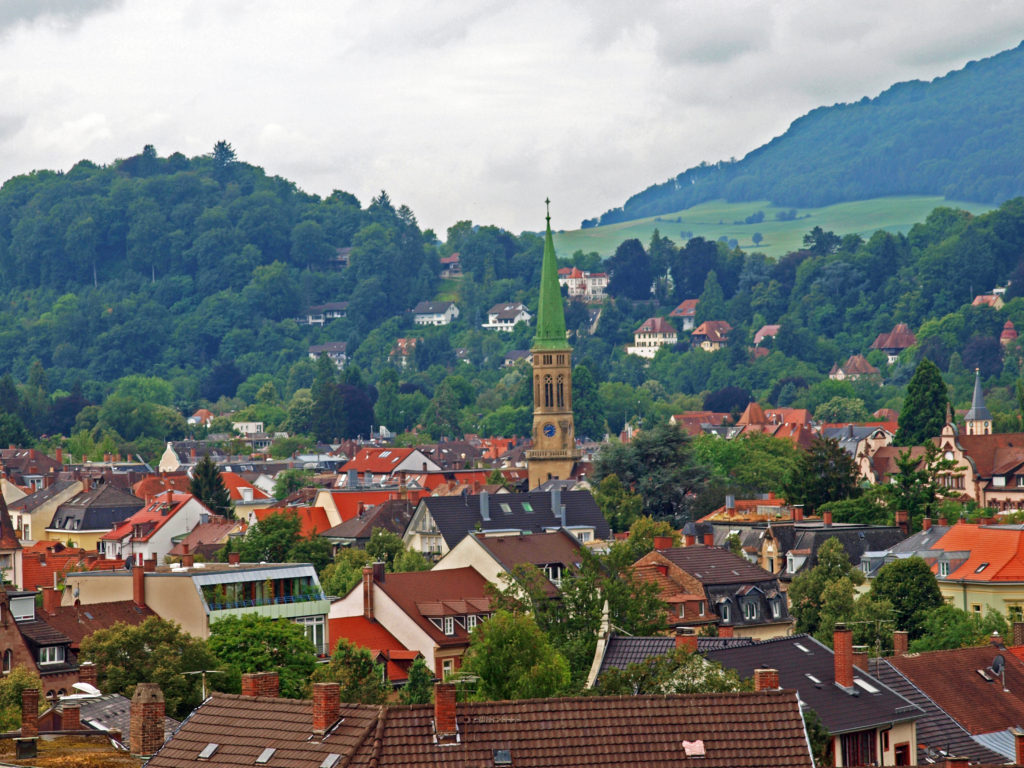
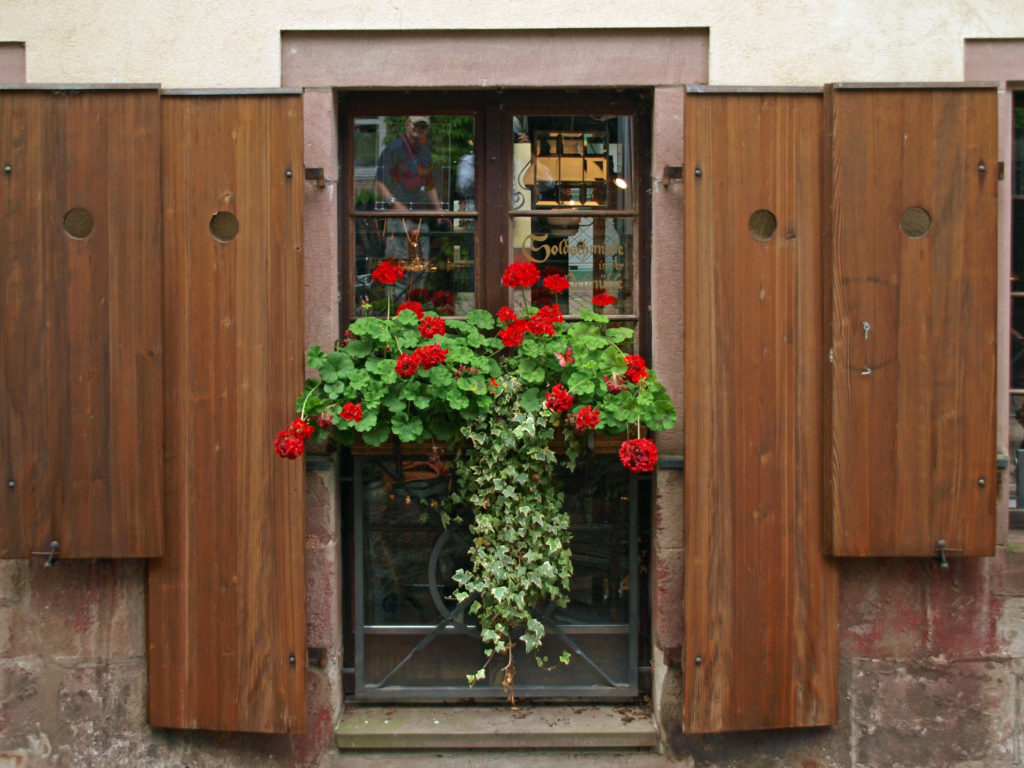
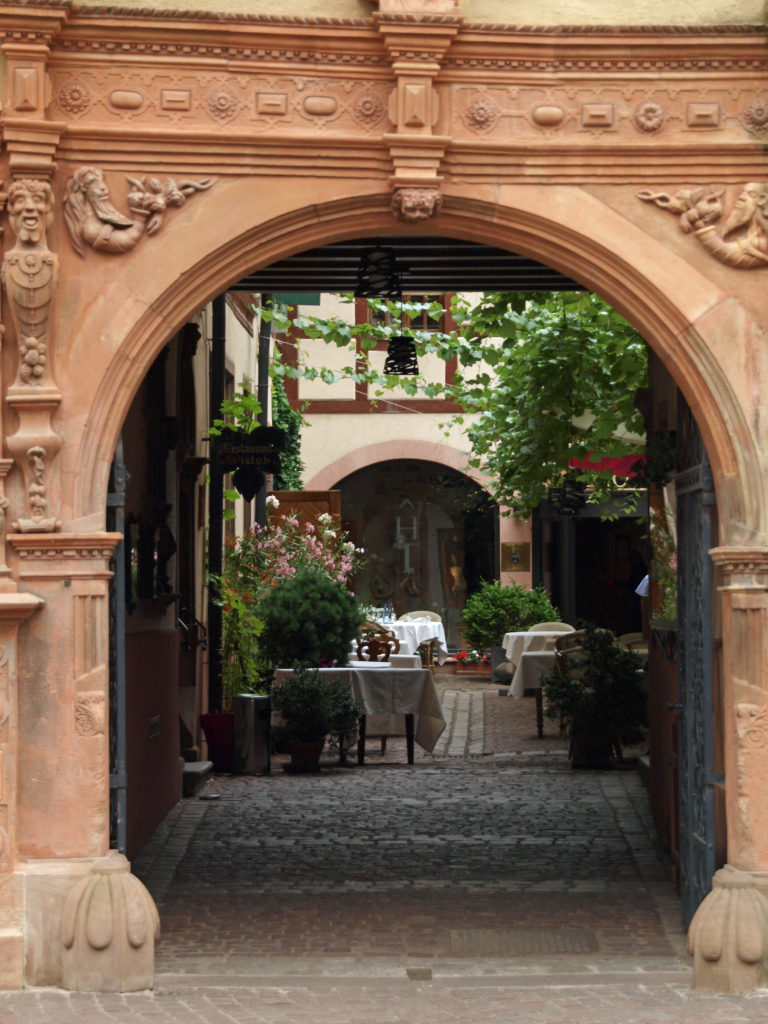
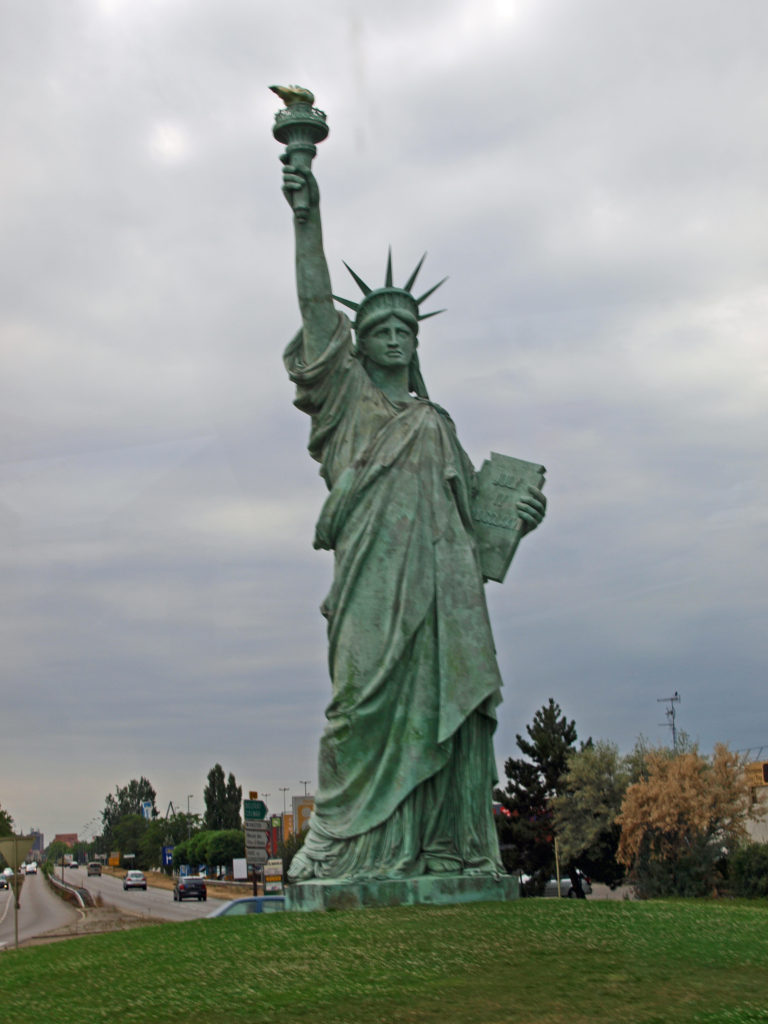
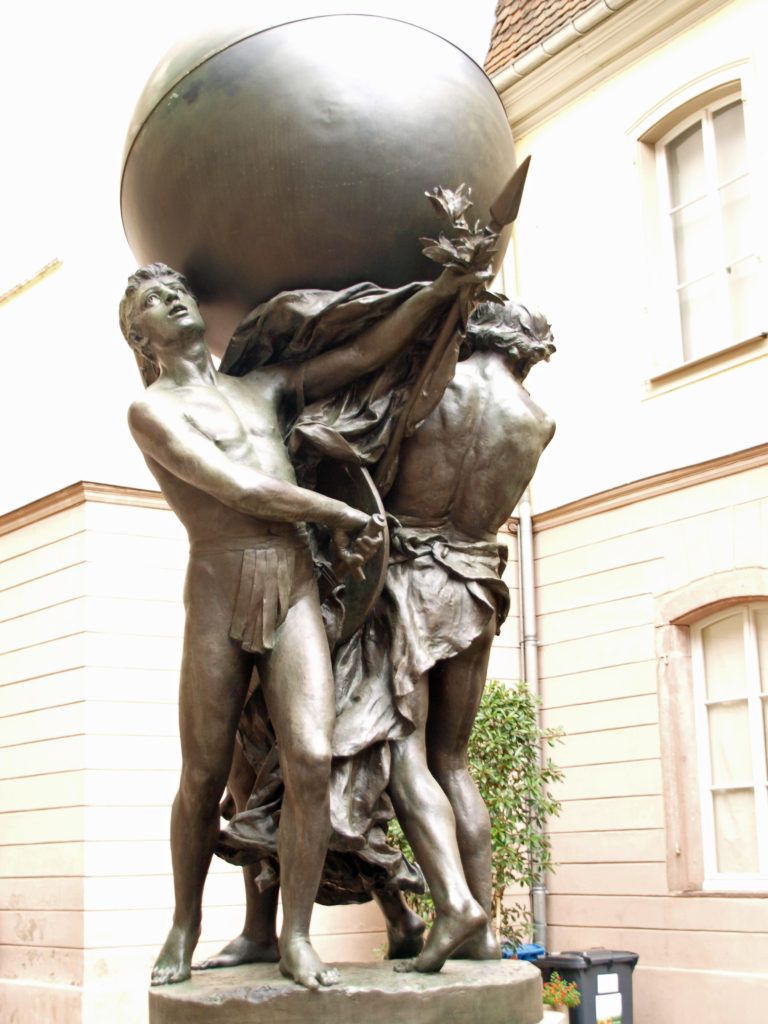
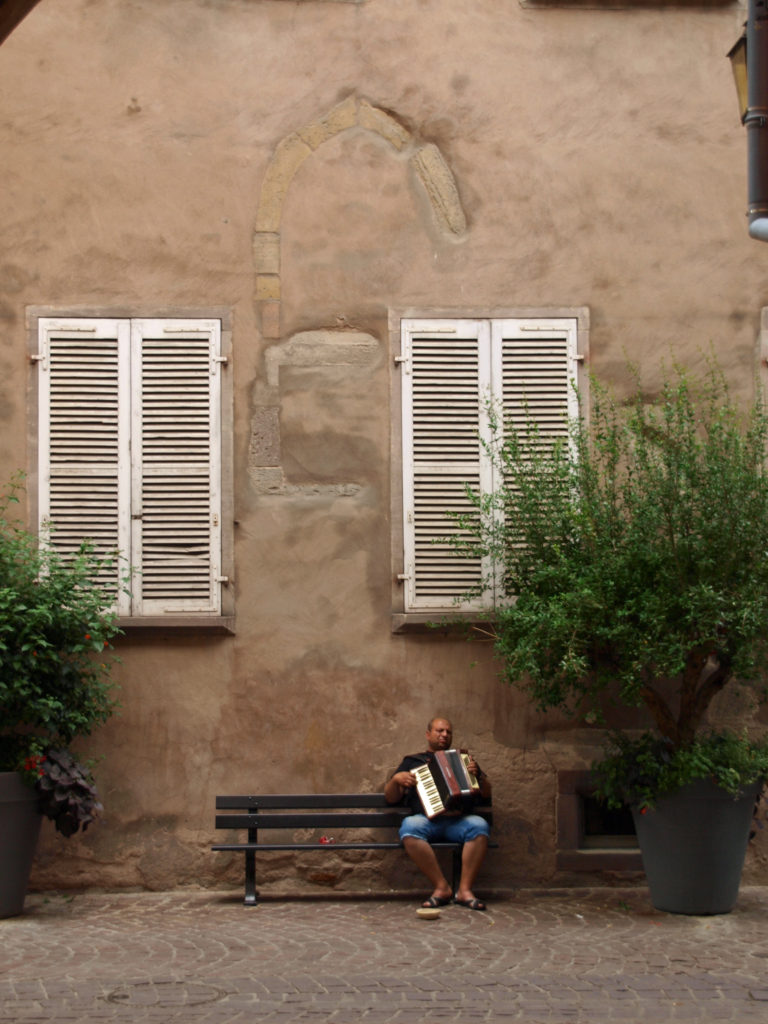
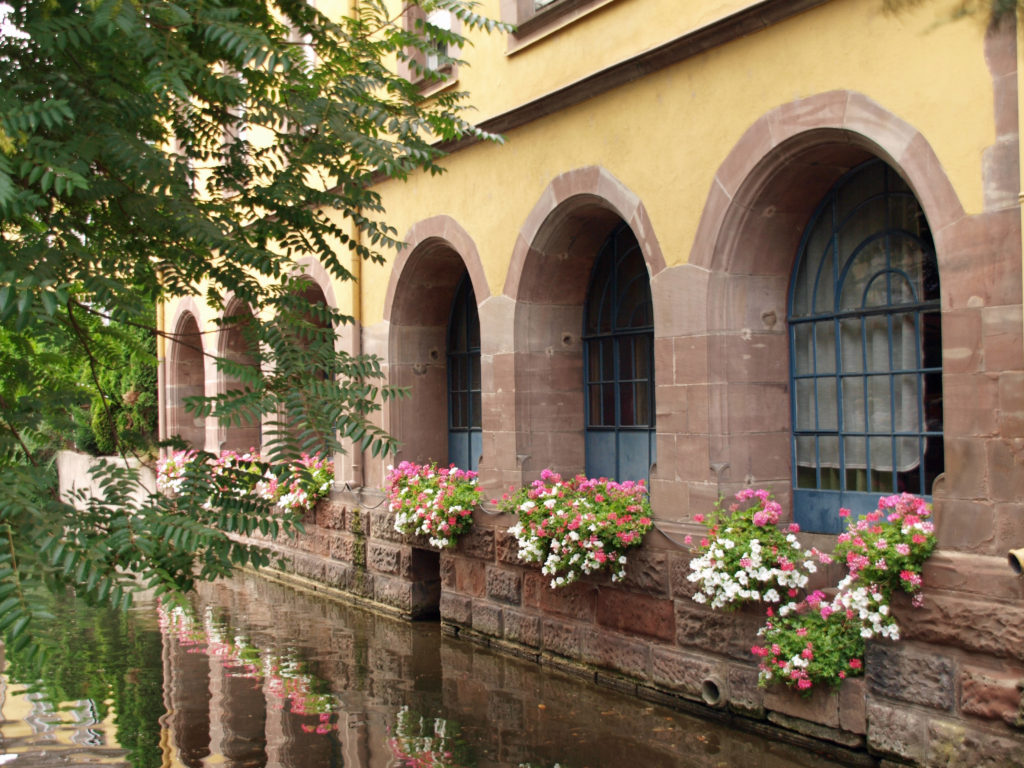
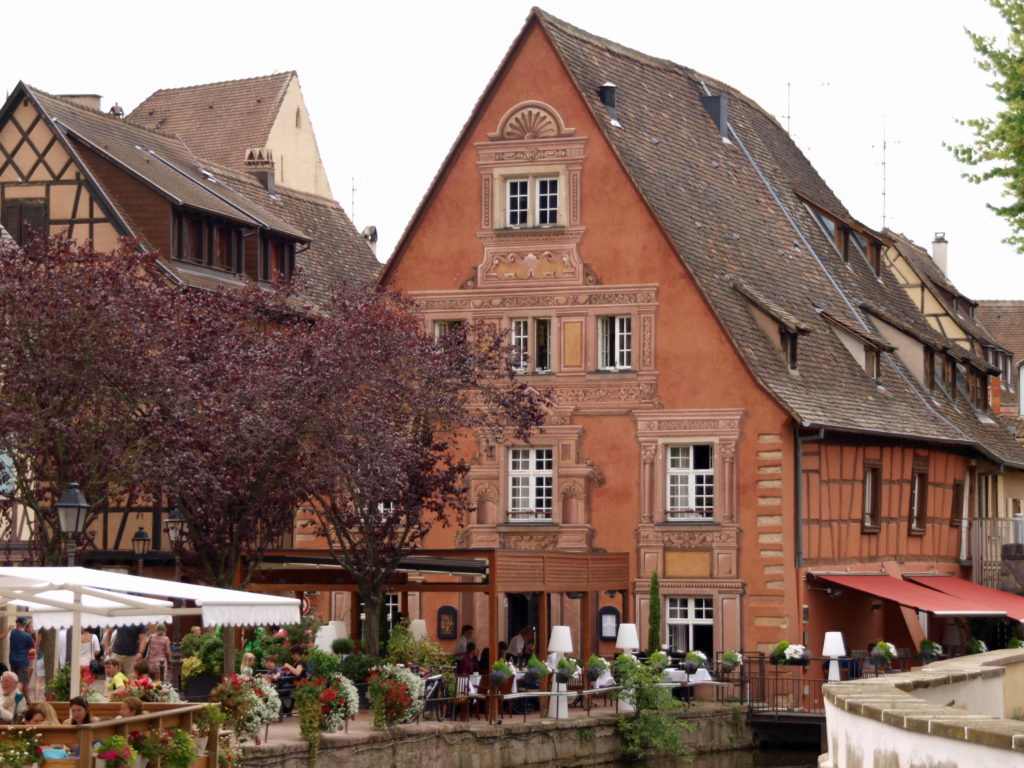
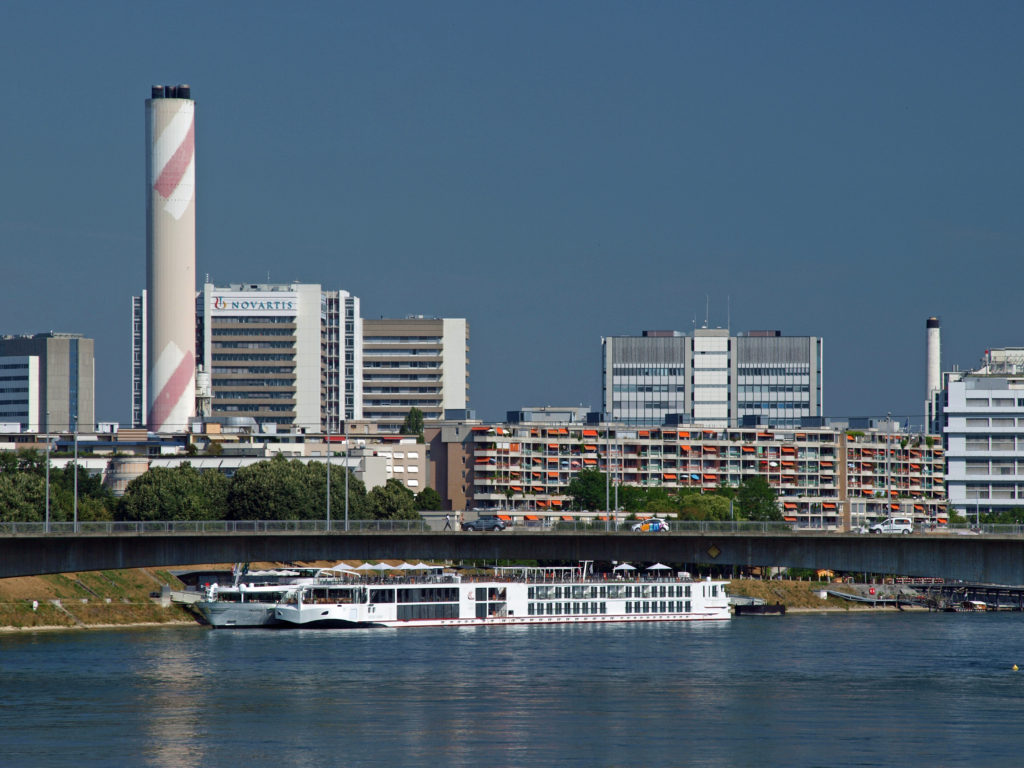
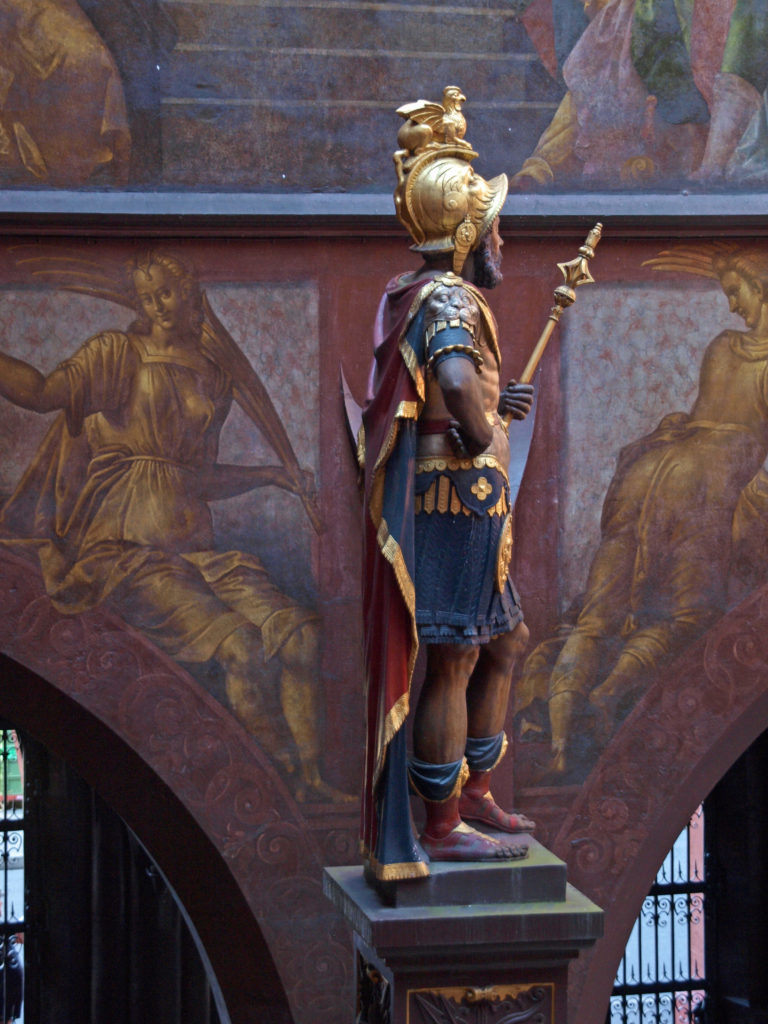
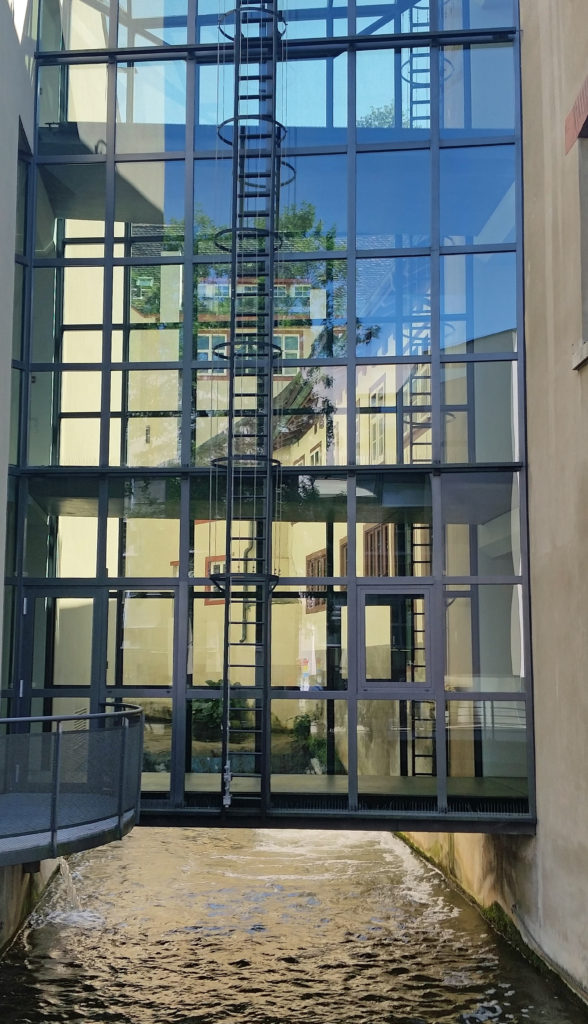
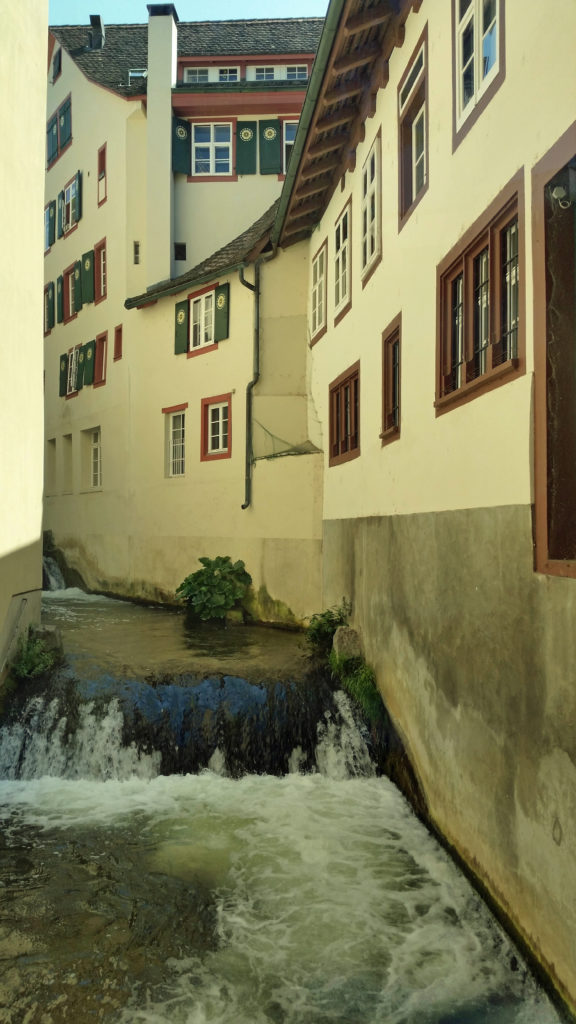
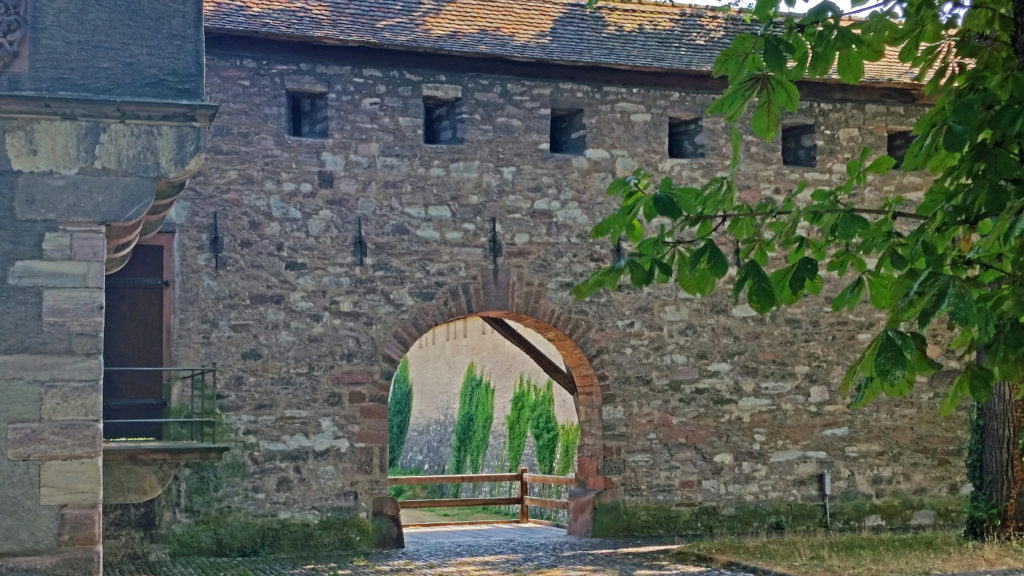 We spent the rest of the day exploring the city center, including Basel Cathedral (Basel Munster), and the Basel Town Hall, and sampling Swiss cuisine. All in all, Basel was a delightful surprise, and a fitting end to our Rhine River cruise.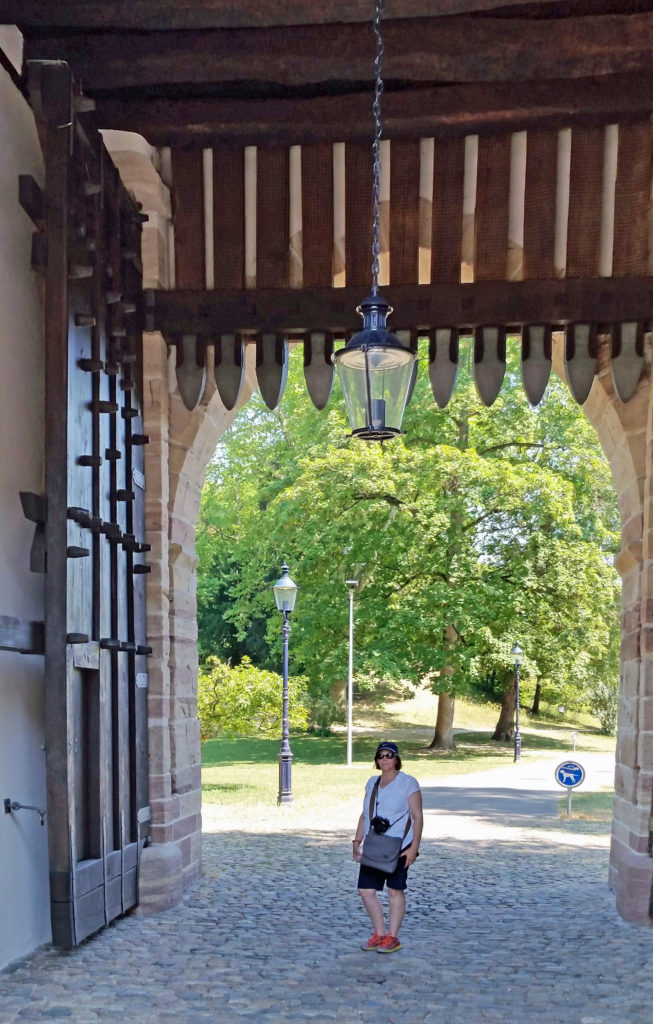
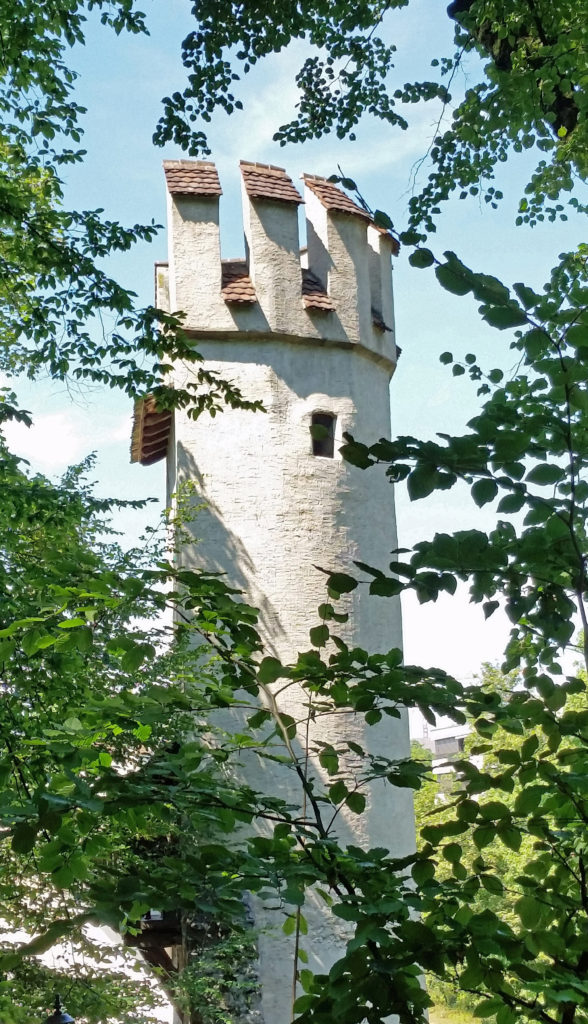
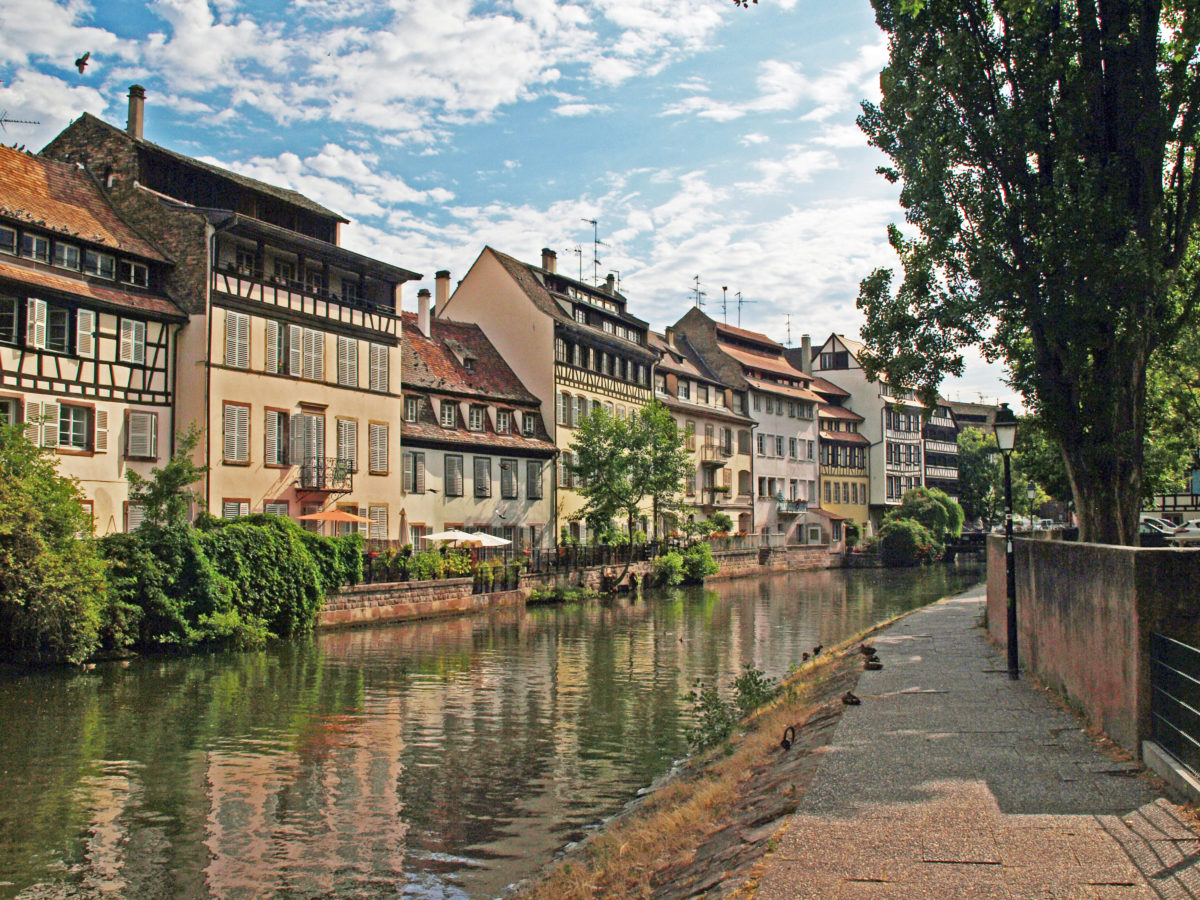
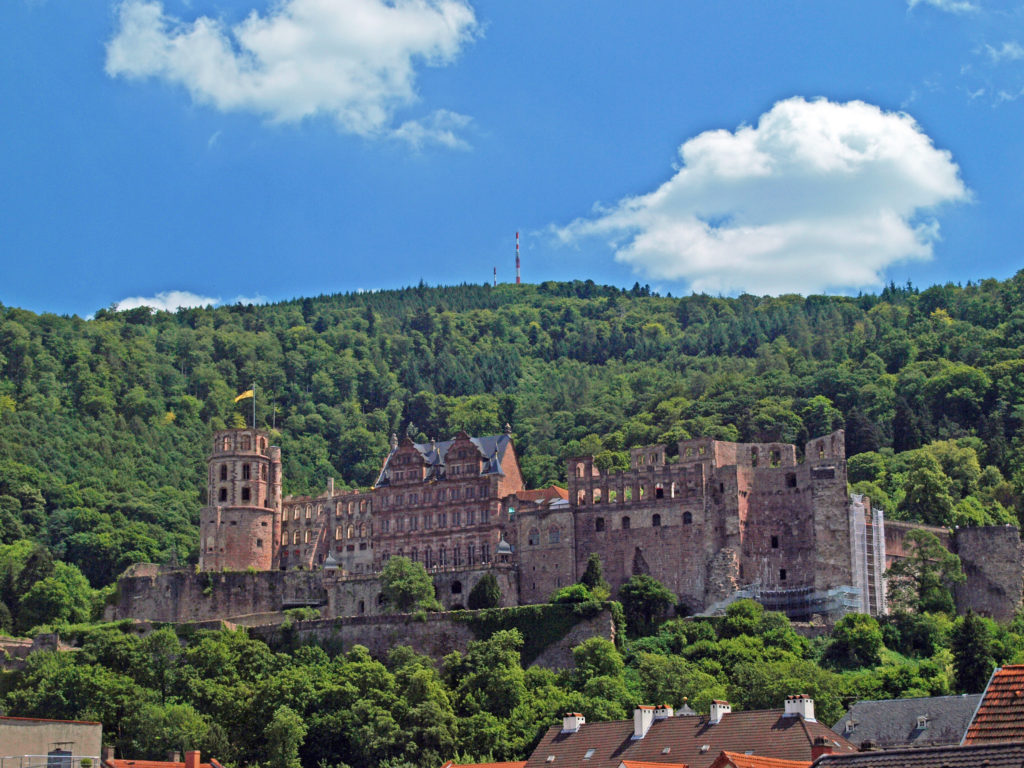
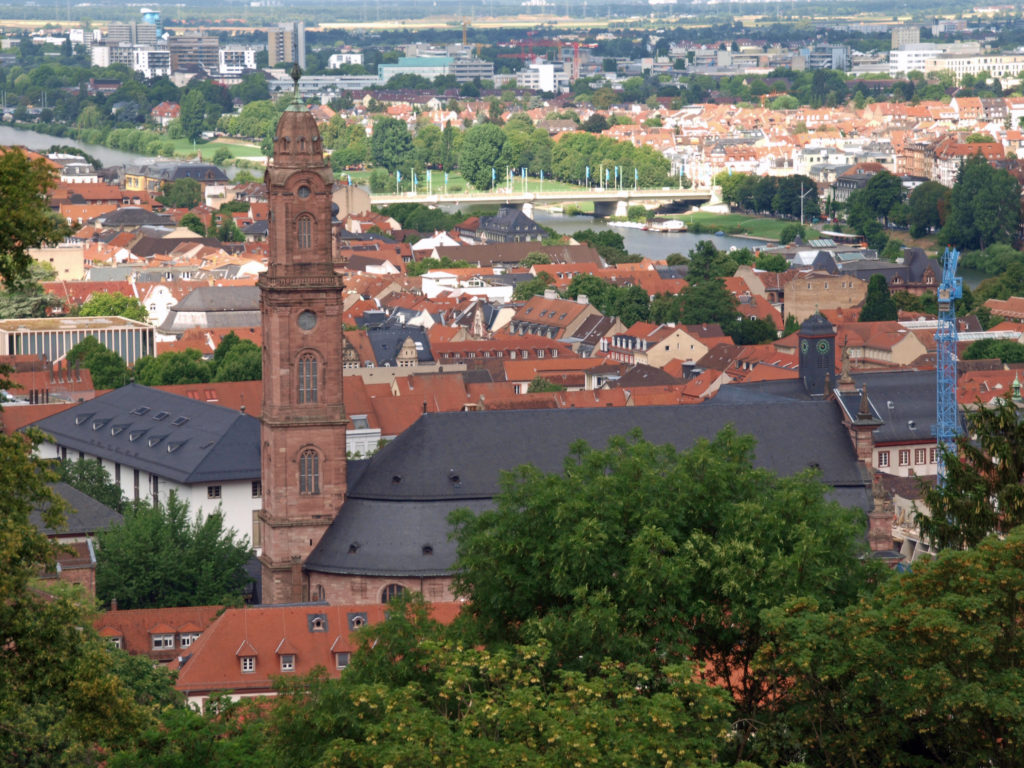
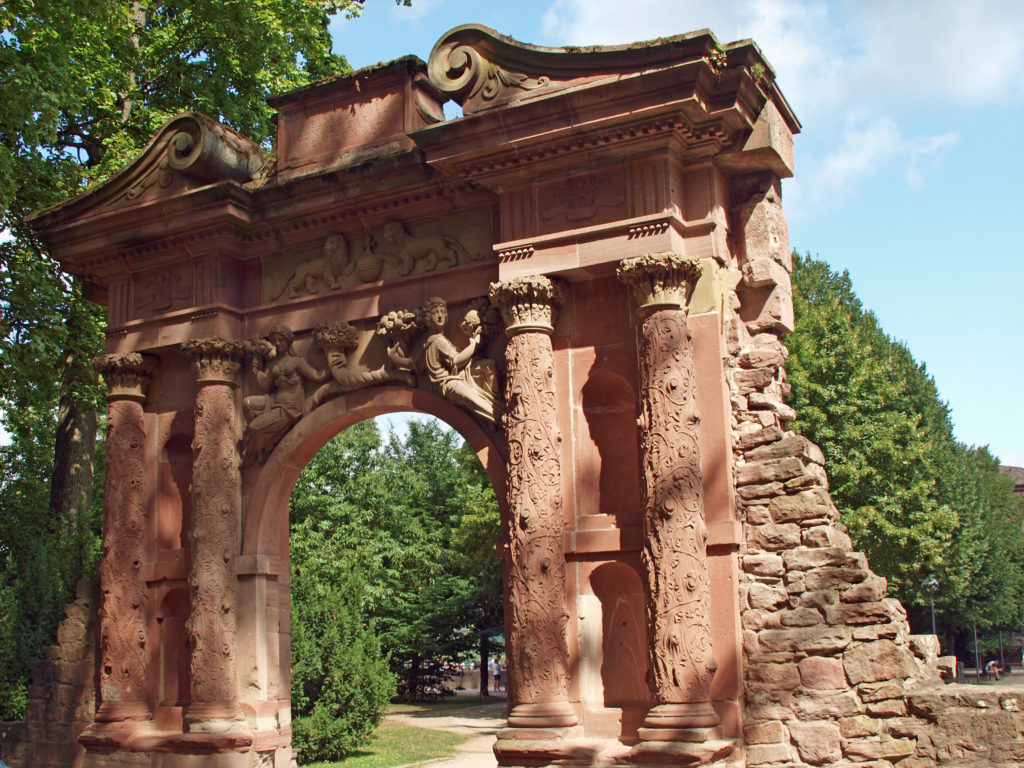
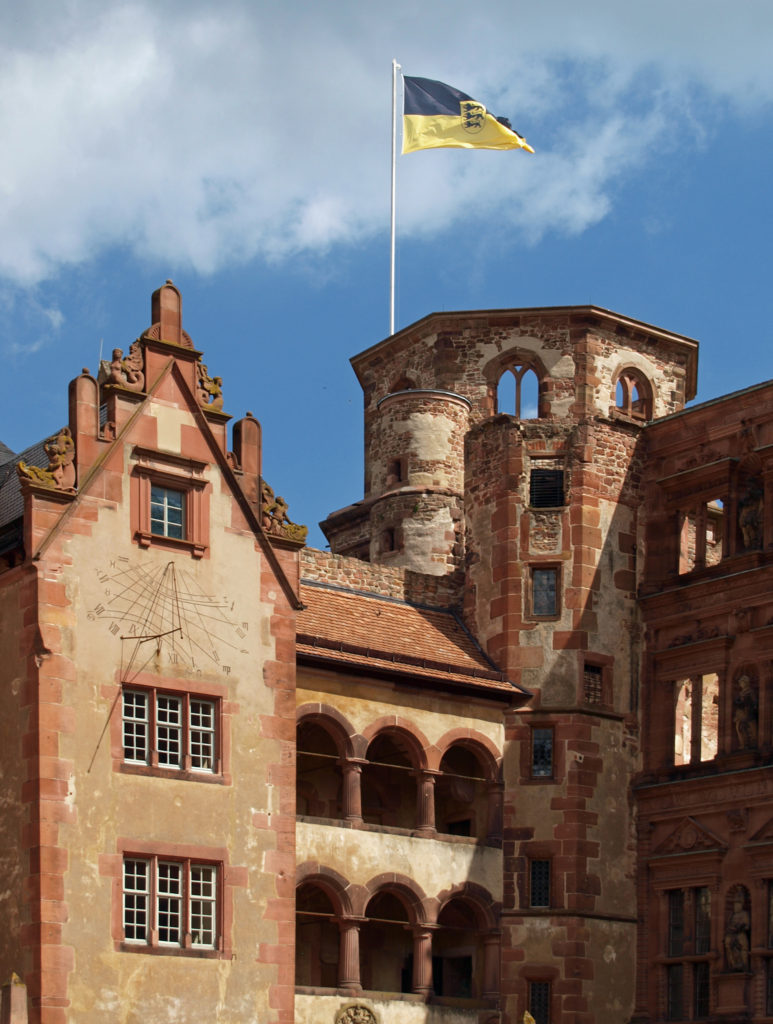
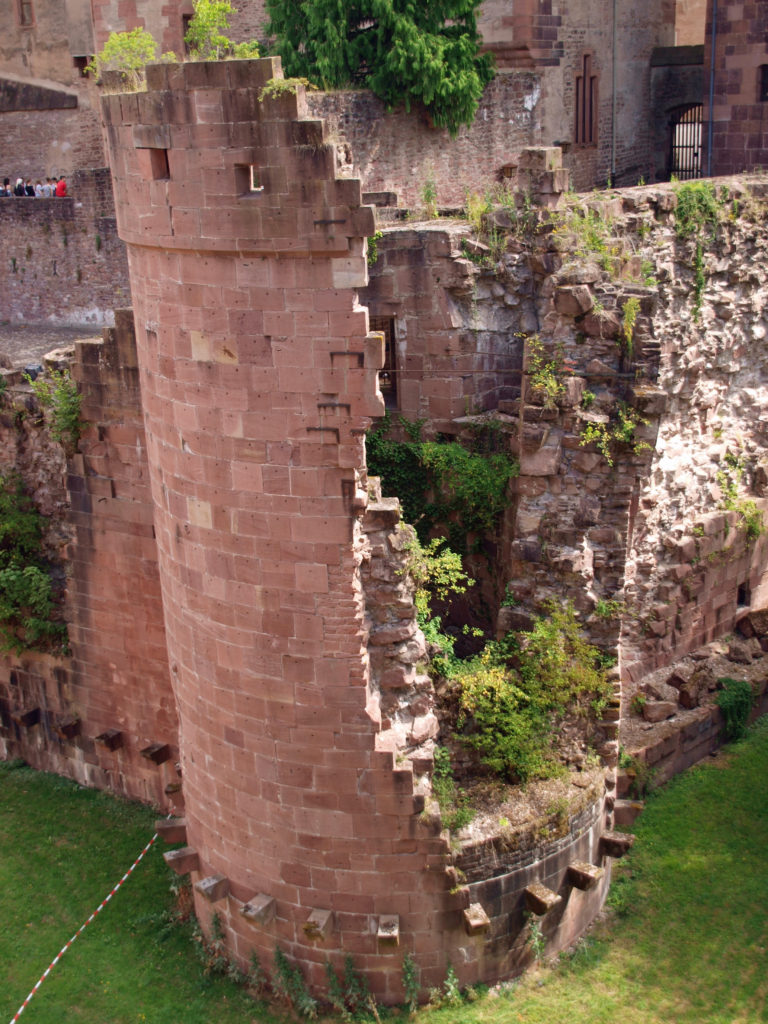 Our tour guide was a graduate student working on his doctorate in history at Heidelberg University, so we got a wealth of local history during our tour, told in an entertaining and often humorous manner. The castle ruins are a treasure trove of photo opportunities, as well. I could easily have spent a full day, or more, at the castle, but had to move on with the group.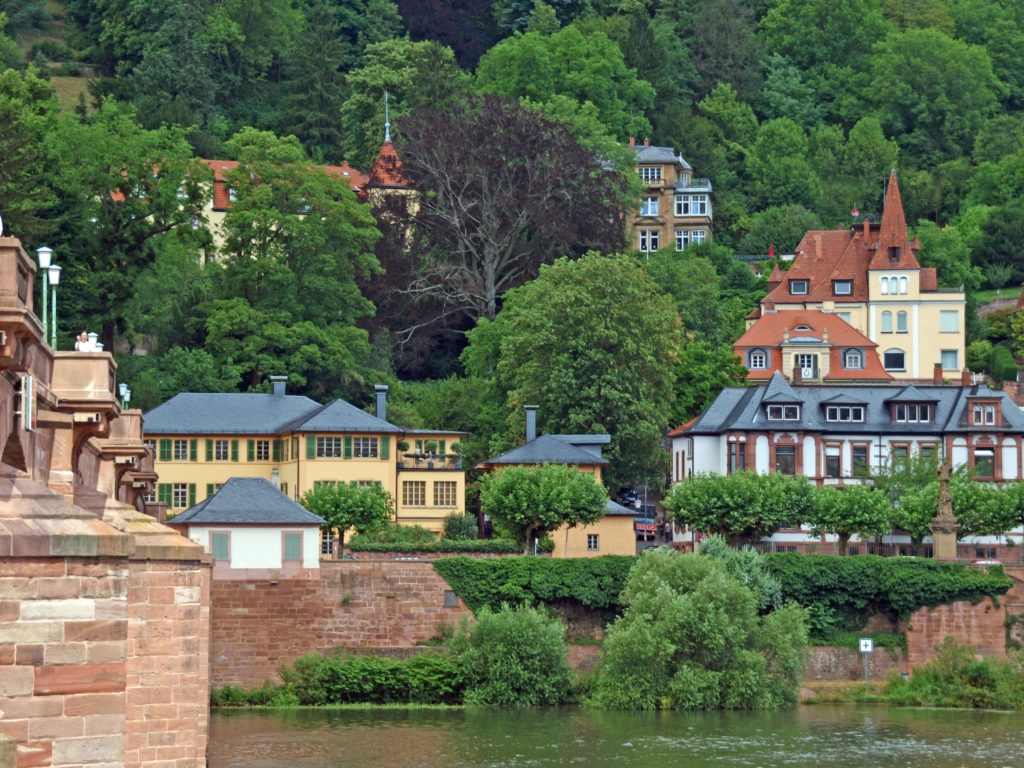
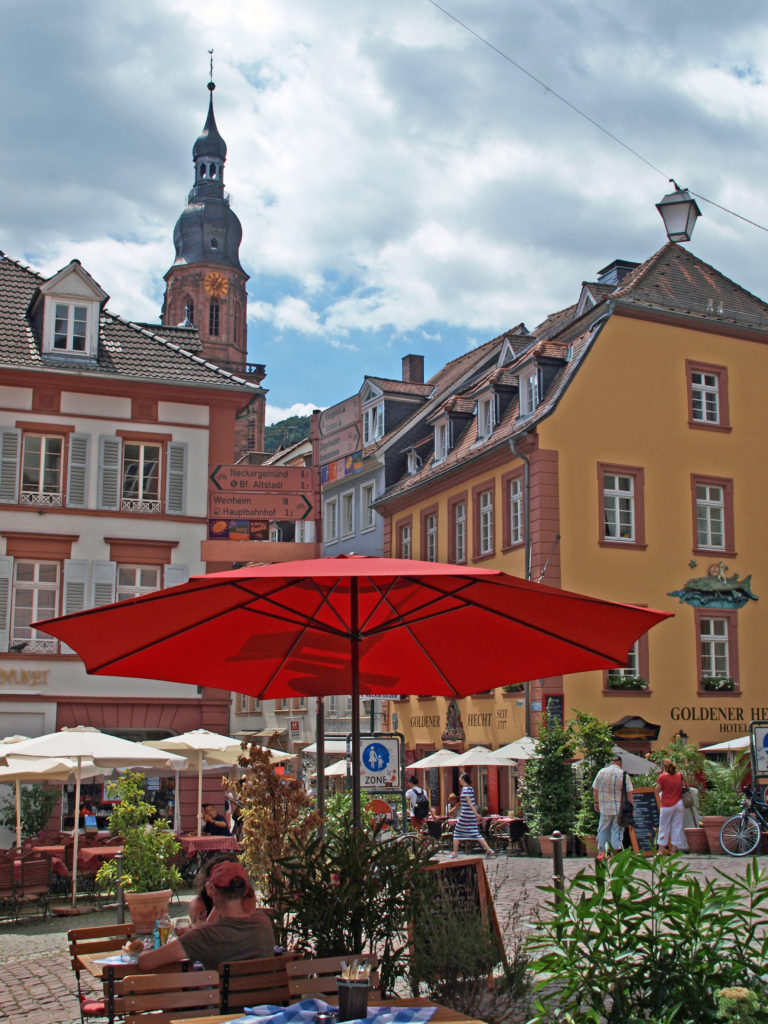
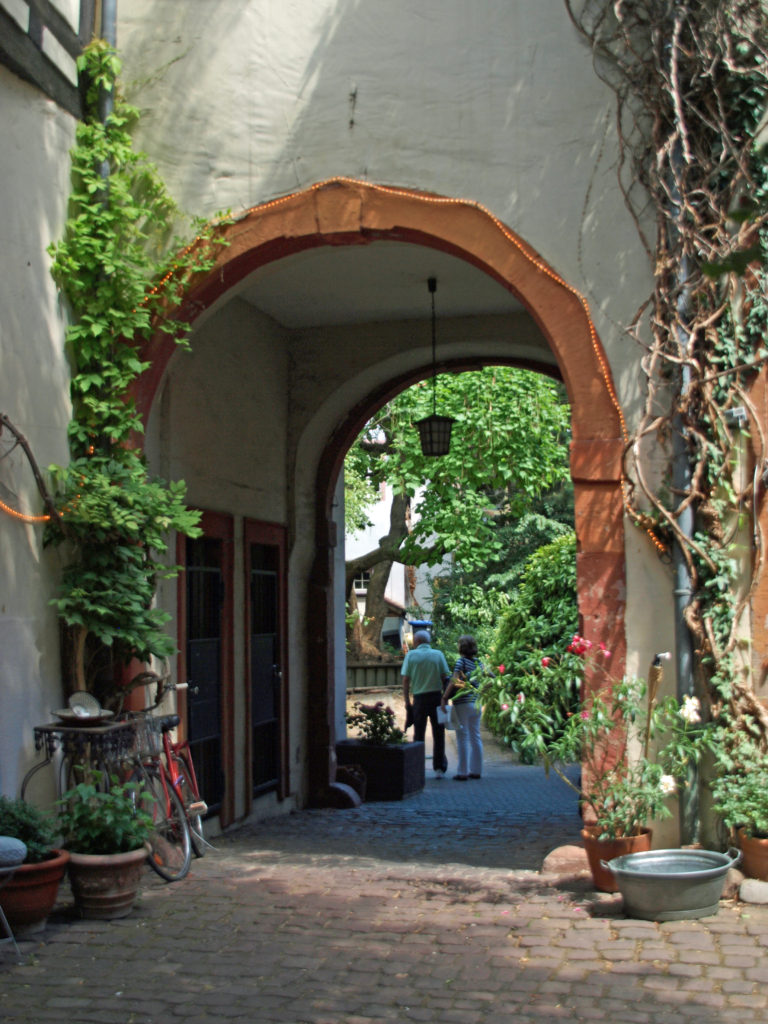 We spent an hour or so exploring the old city, then stopped at a sidewalk cafe at one of the hotels for lunch. While there, another of the couples on the cruise joined us. Fran and Victor, from Santiago, Chile, were one of the few non-American couples on the cruise. Coincidentally, Victor, who is a surgeon, had been sent to Heidelberg some time previously by the university hospital where he practiced (they had some sort of reciprocal relationship with Heidelberg University), and had stayed in the same hotel at which we were dining.
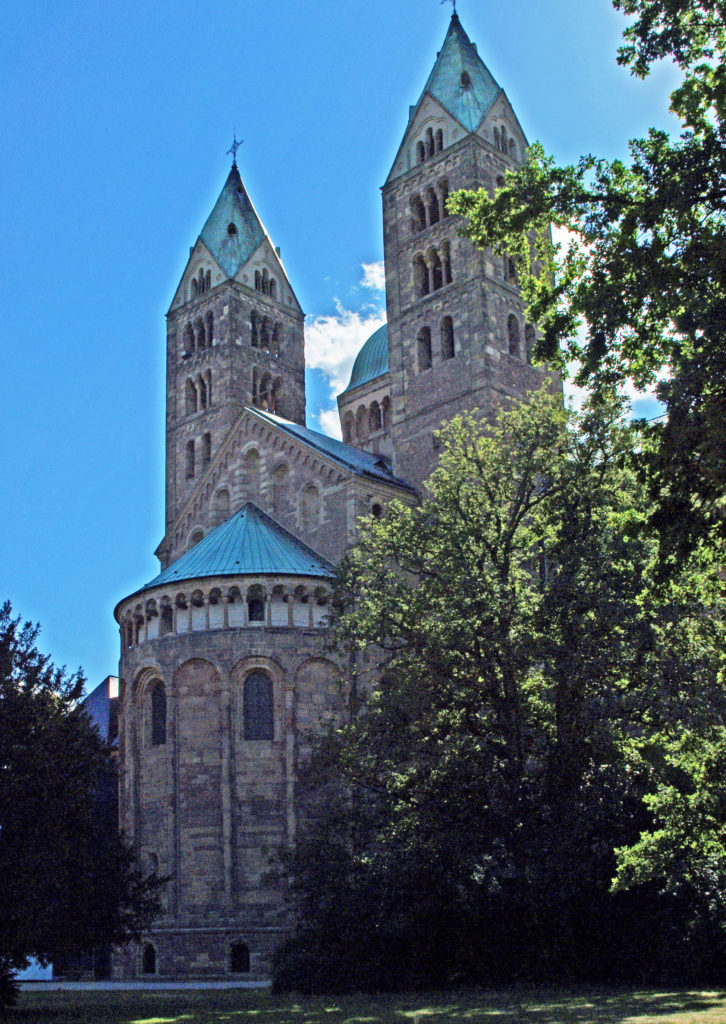
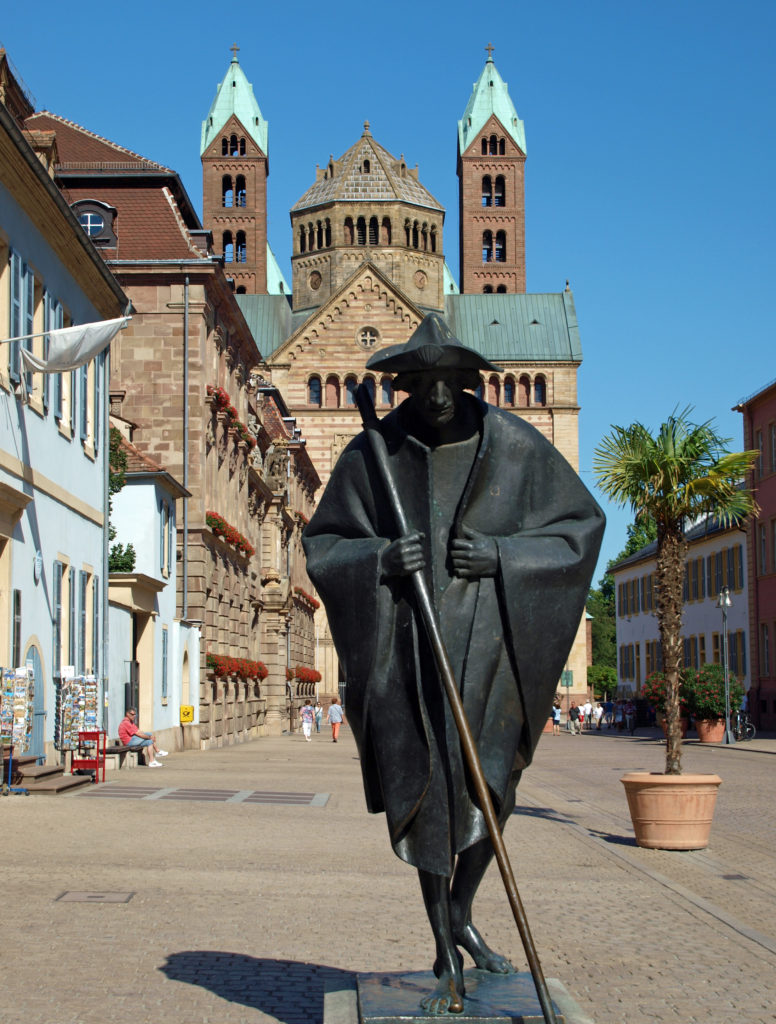
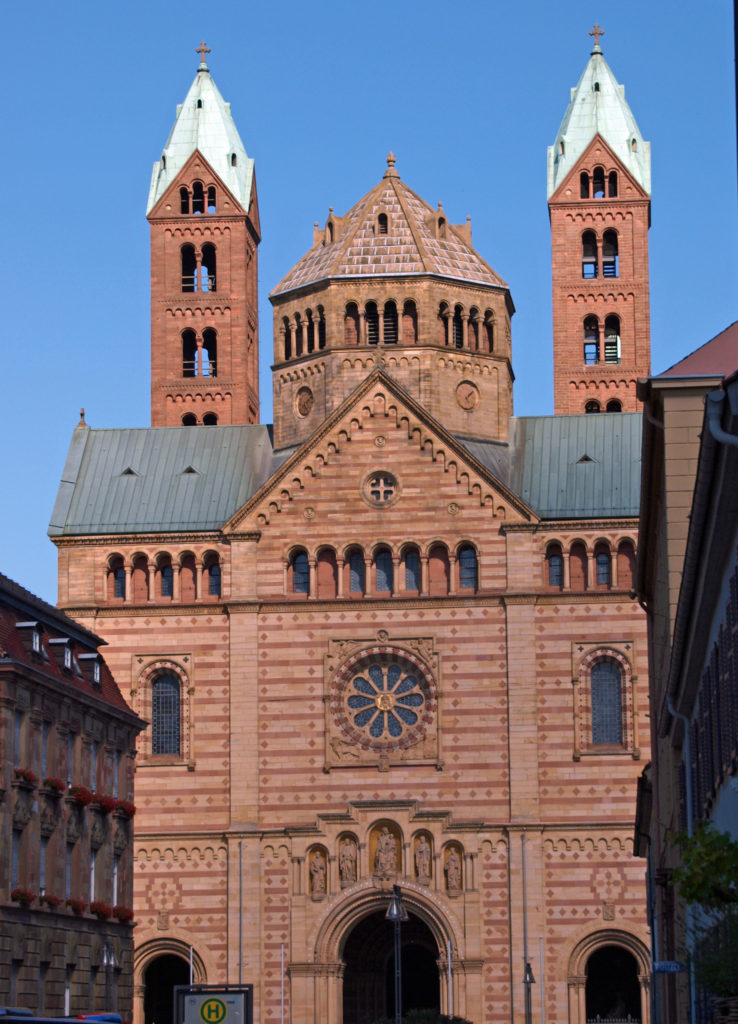
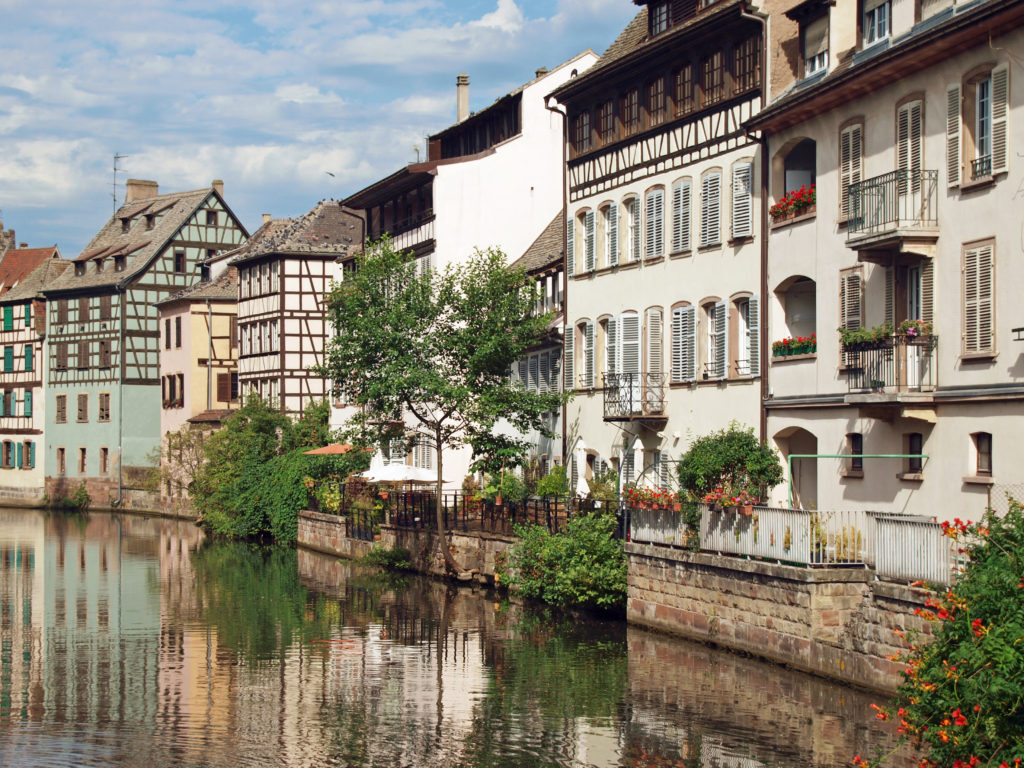
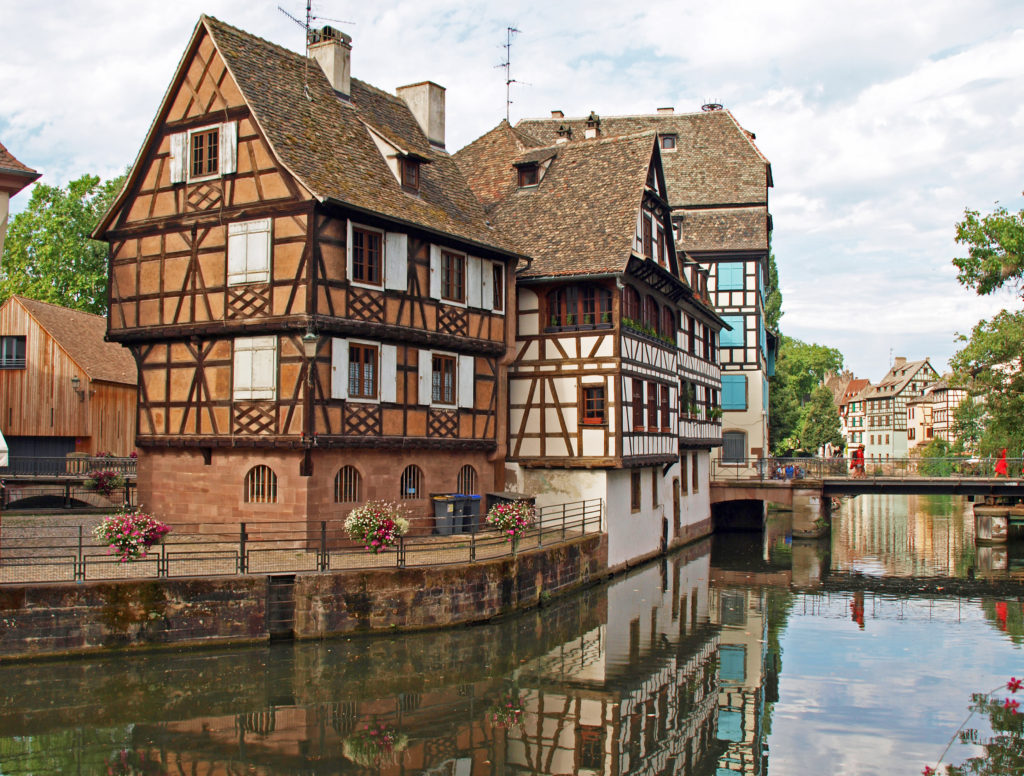
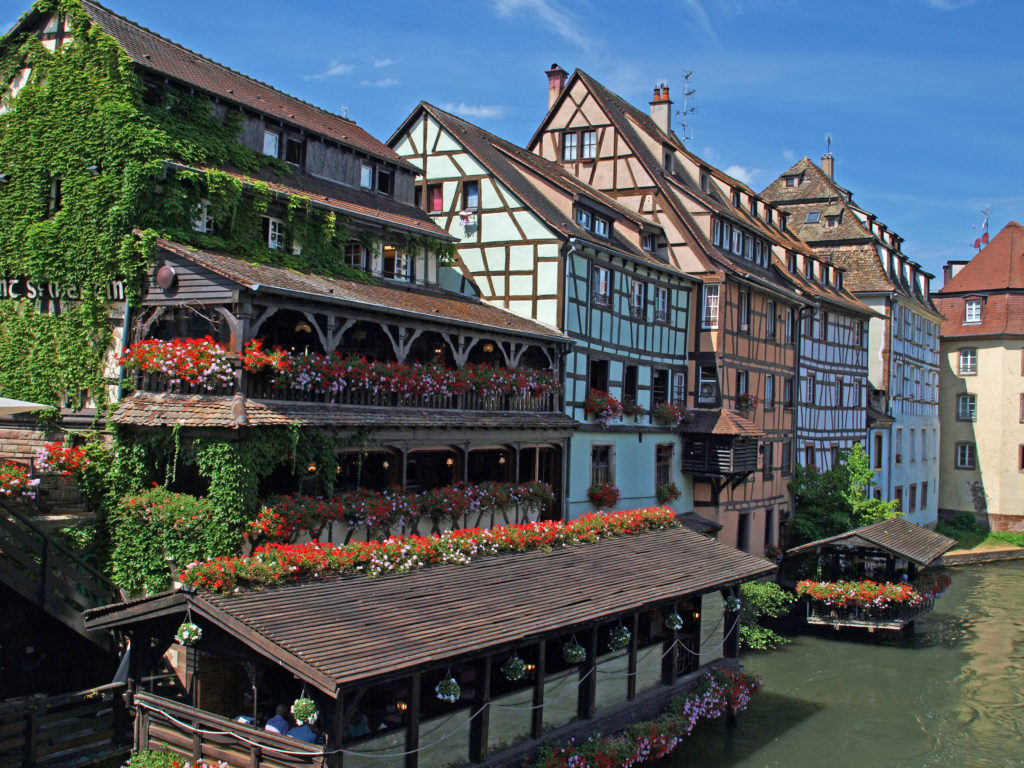
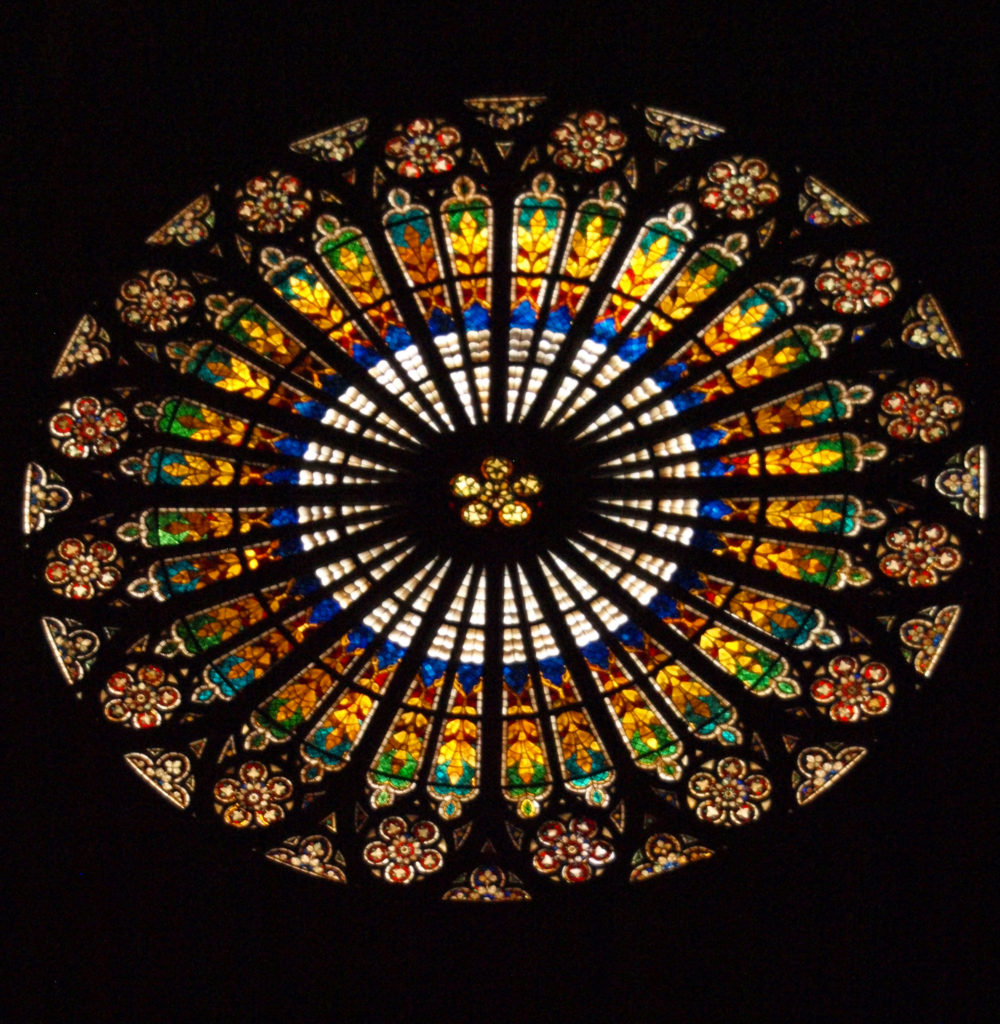
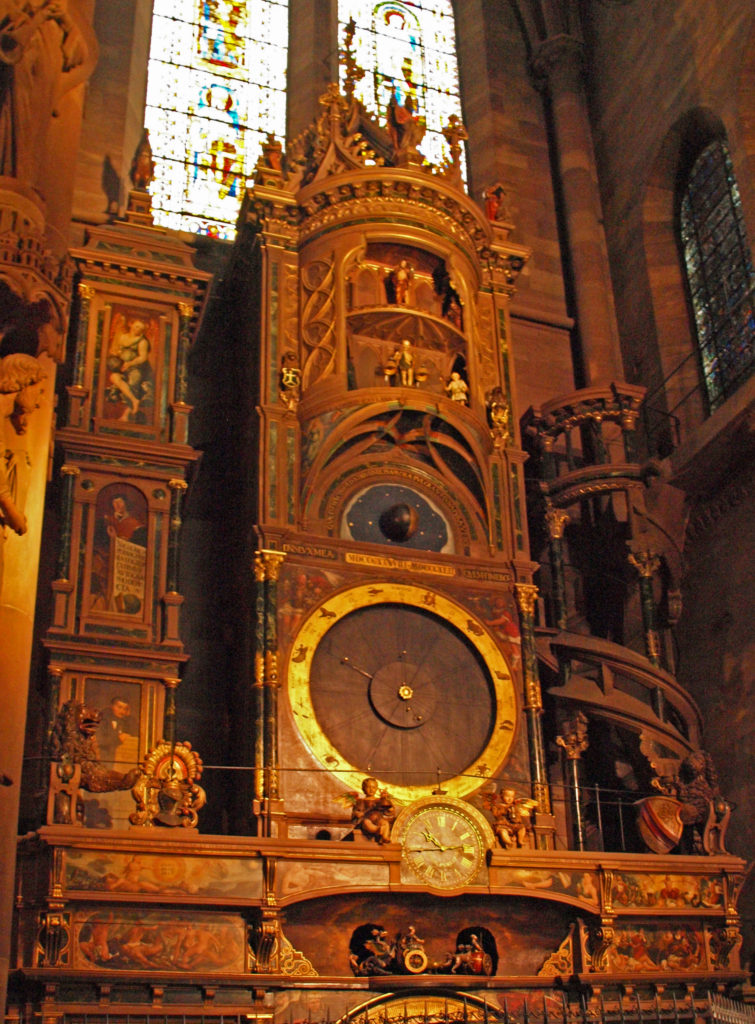
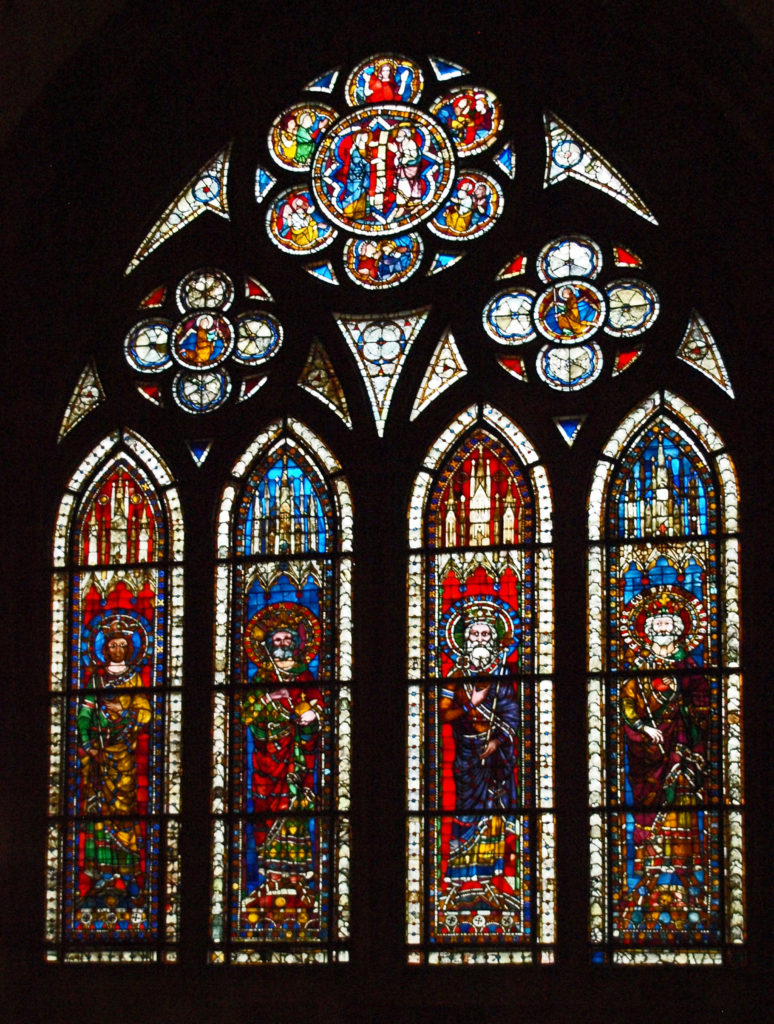
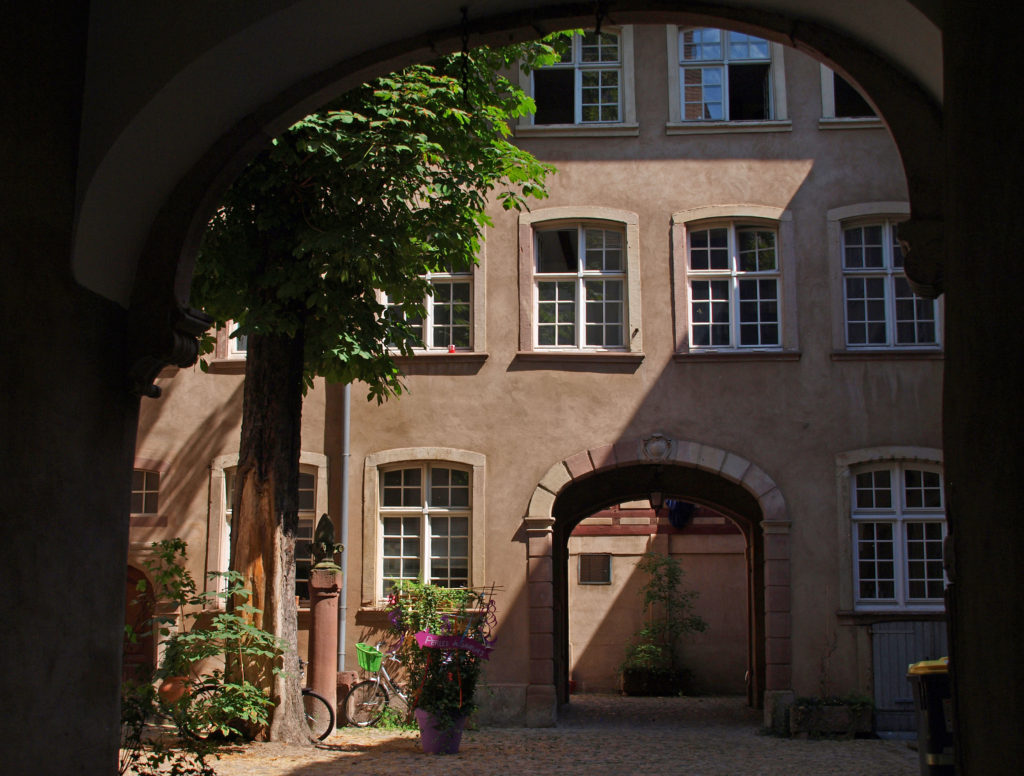
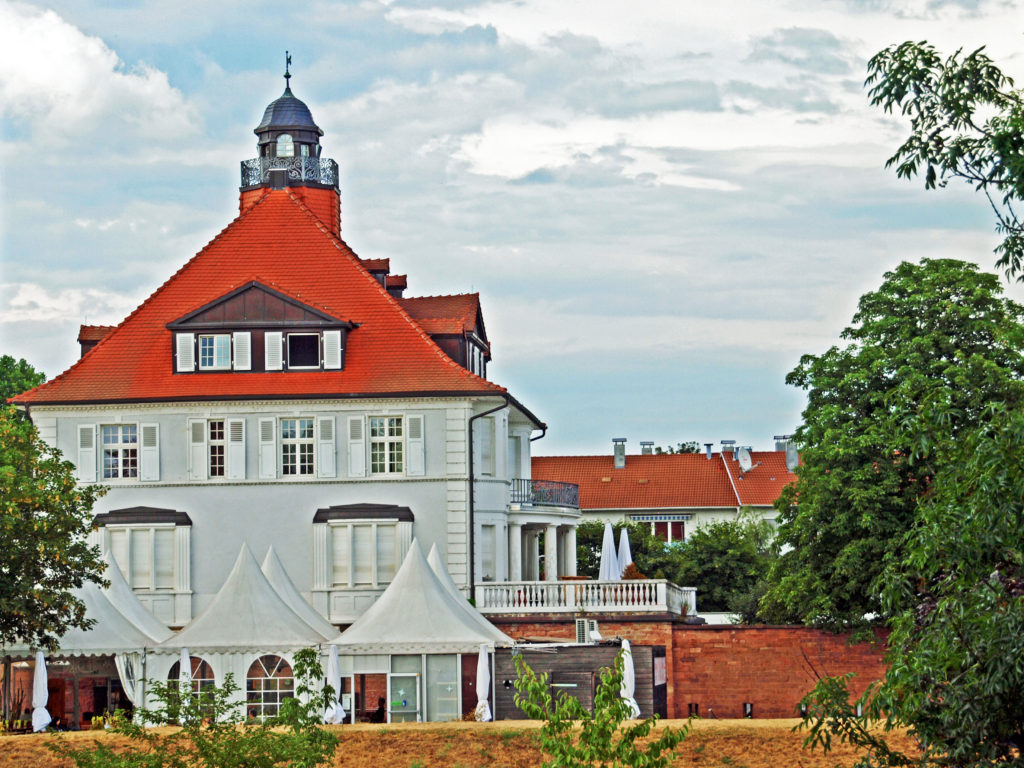 From Kehl, the ship sailed that evening to Breisach, Germany. Our excursions on the following day took us to Freiburg, Germany and Colmar, France. Look for an upcoming post on those outings.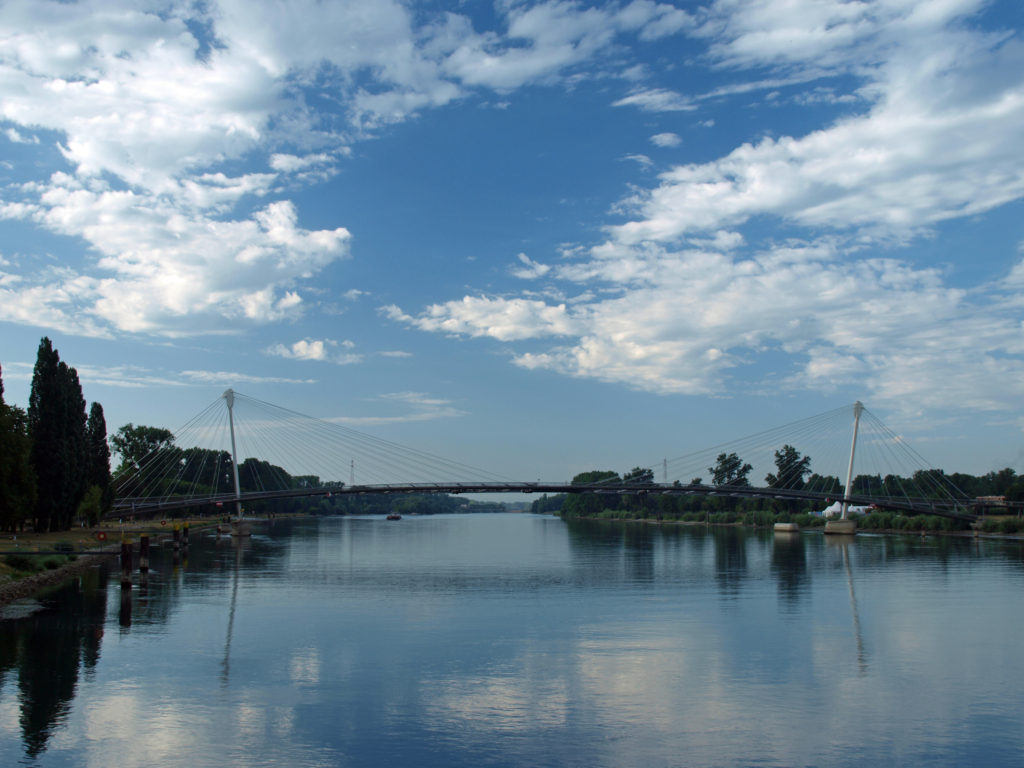
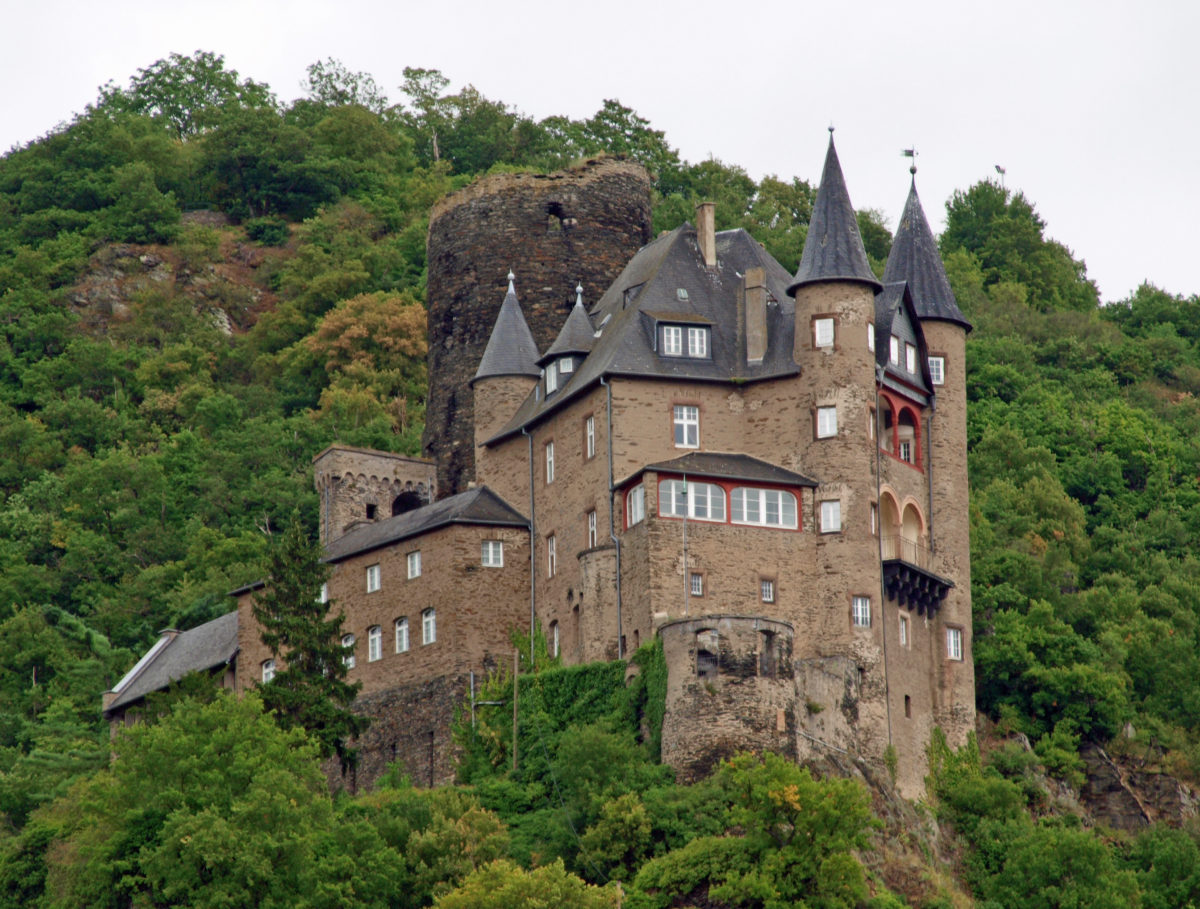
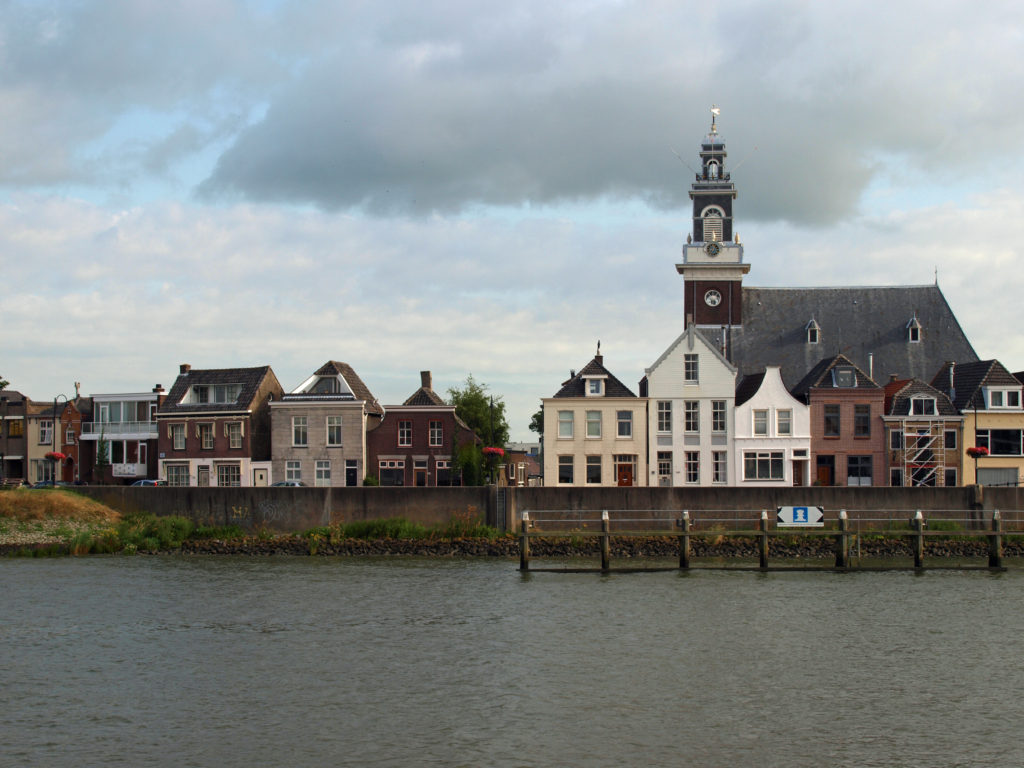
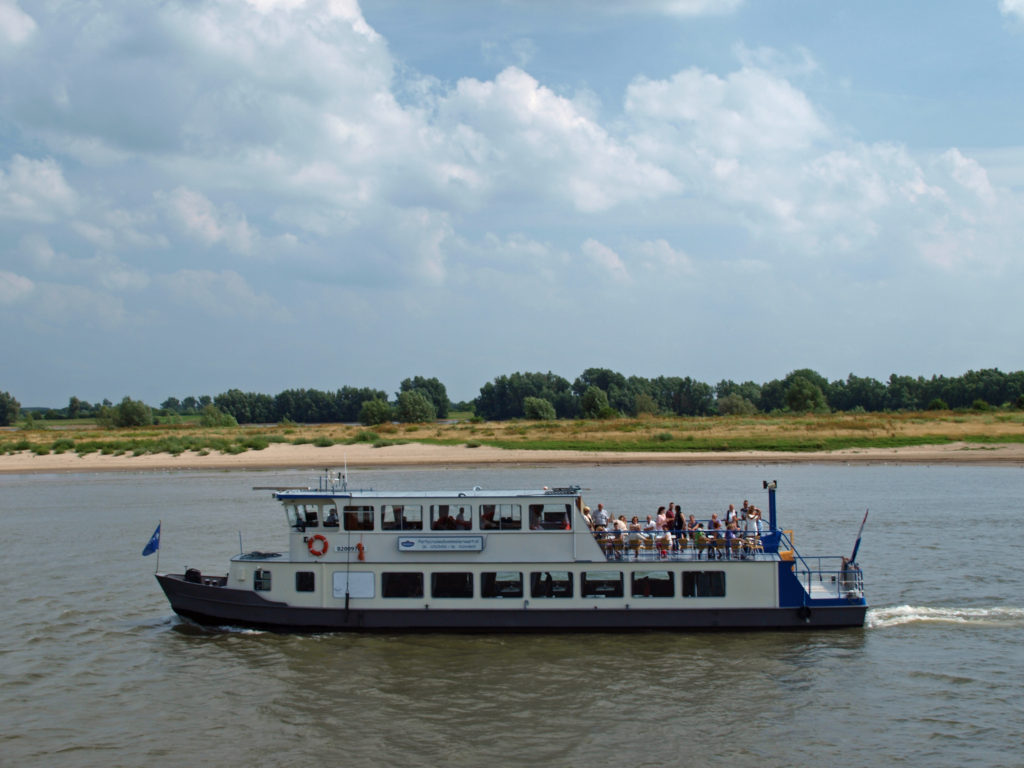
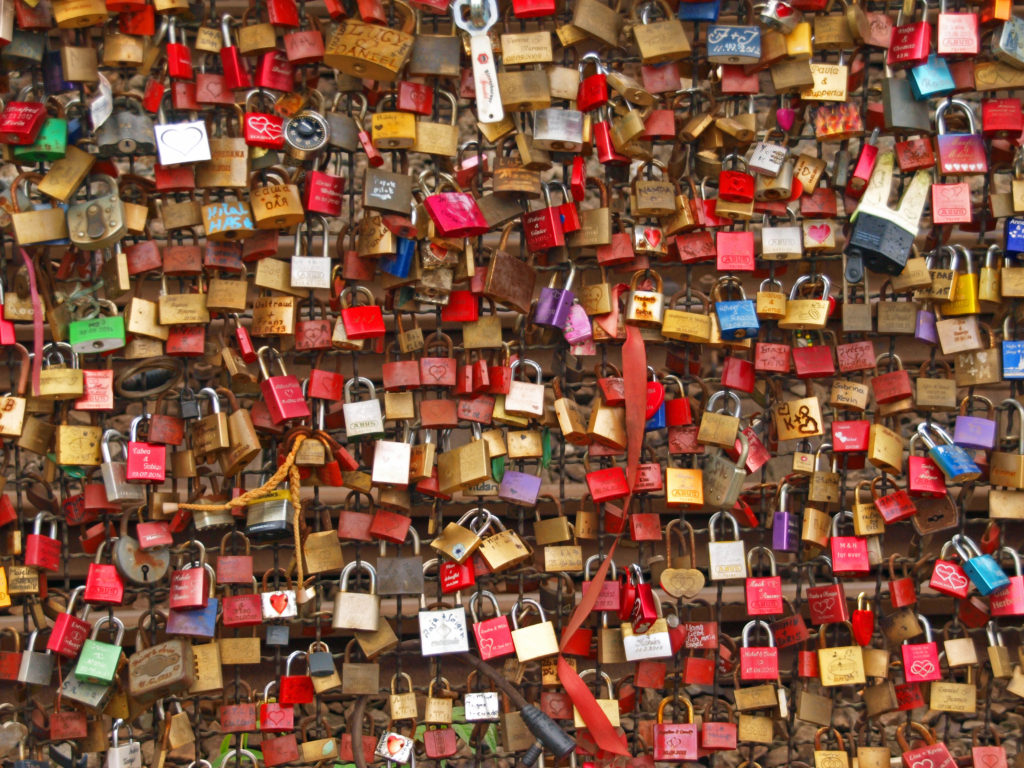
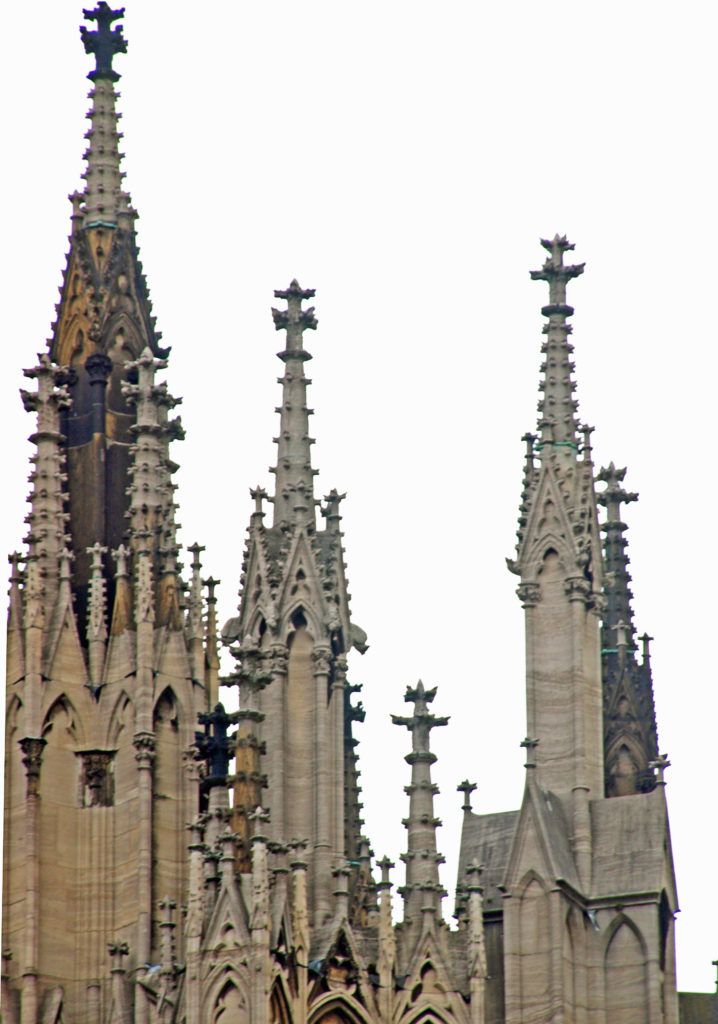
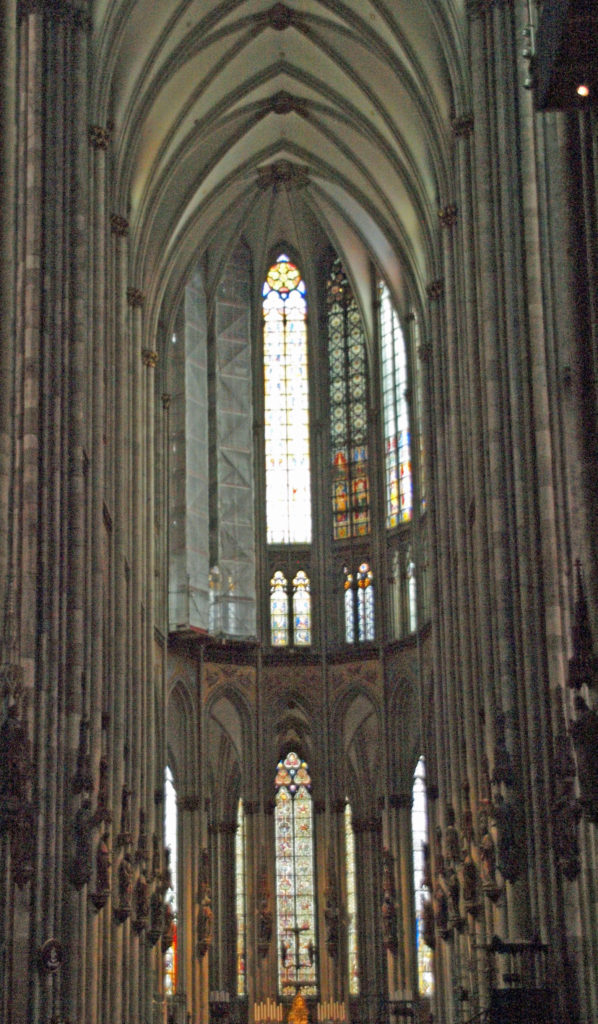 Construction of the Cologne Cathedral began in 1248. In 1478 construction was halted and the cathedral remained unfinished for another 400 years. It wasn’t until 1880 that it was completed to the original medieval plan. The cathedral was damaged by a number of bombing raids in WWII, but remained standing, and repairs were completed in 1956.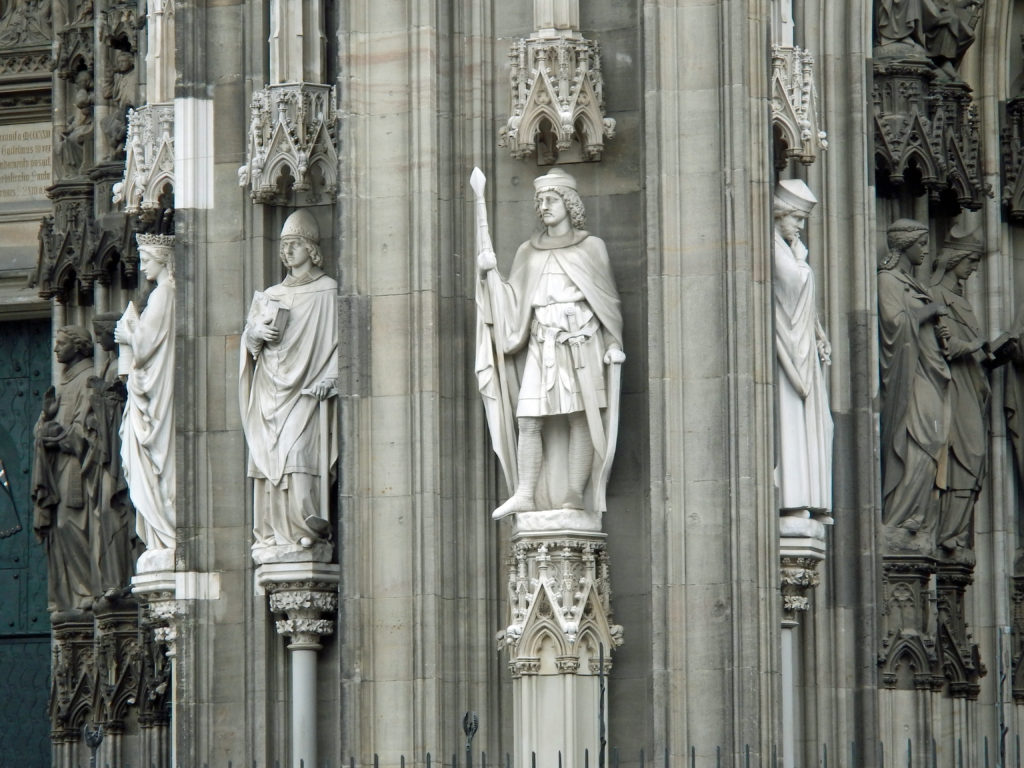
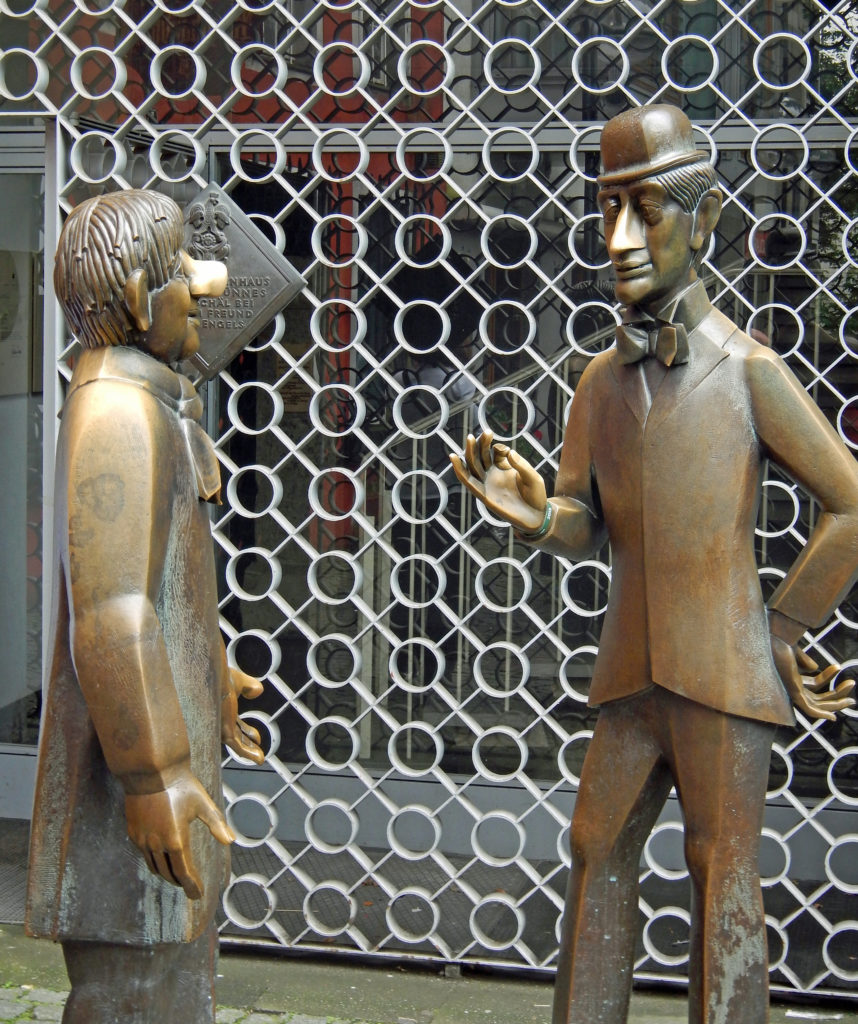 Our second tour in Cologne was an optional pub crawl that evening, led by a local guide. In Cologne each pub has a working agreement with one of the local breweries that produce the local brew, called