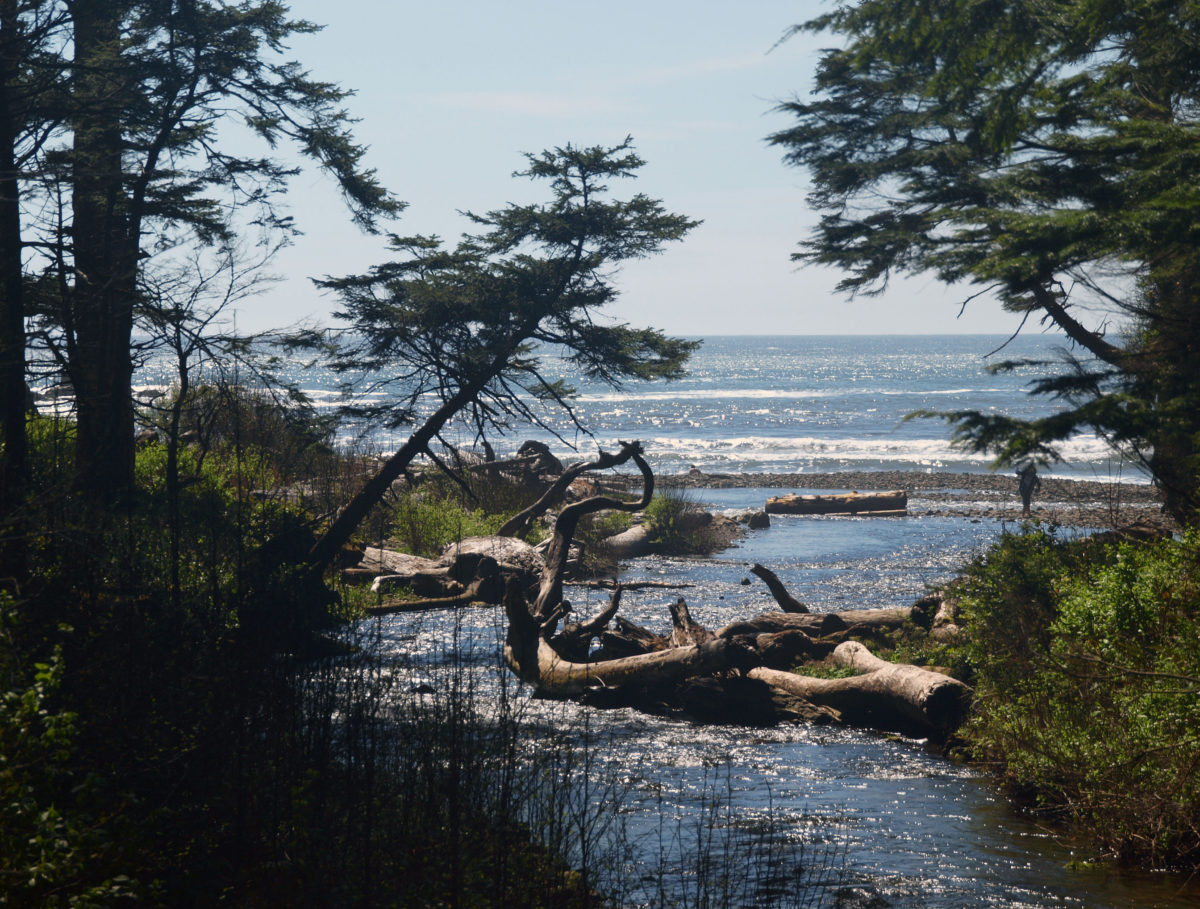
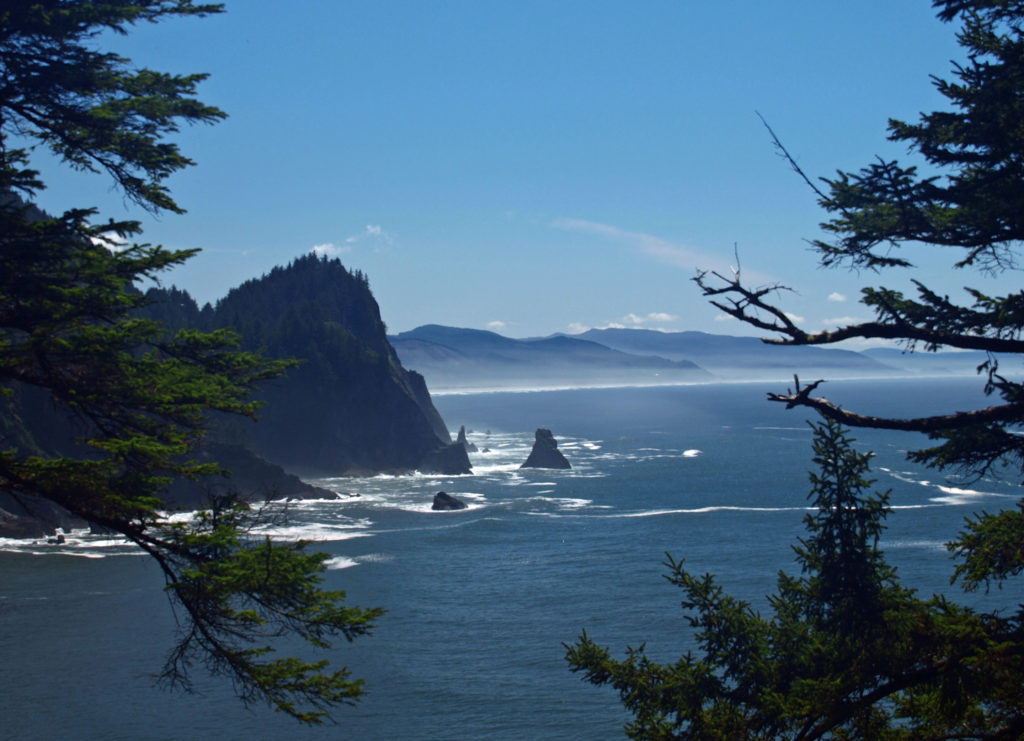
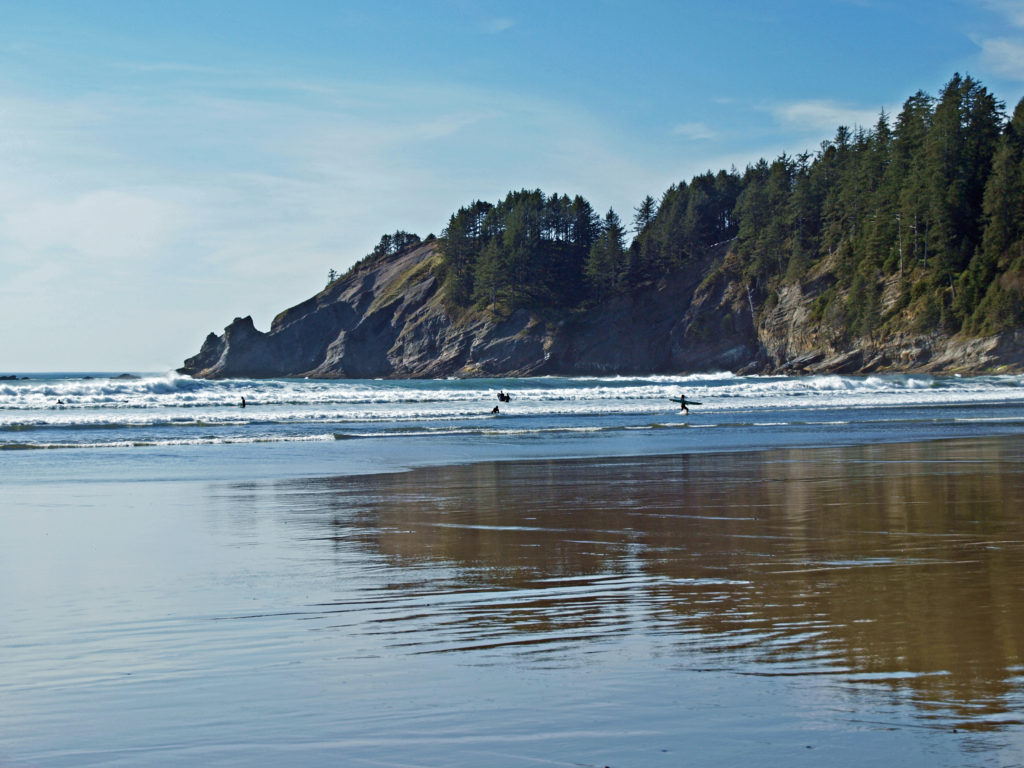
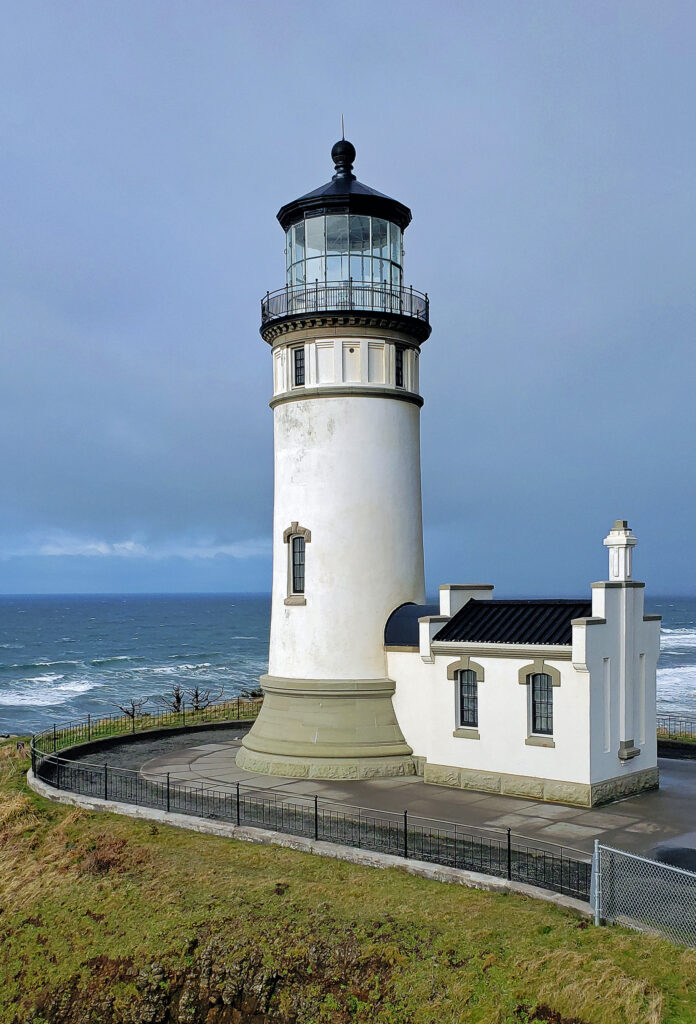
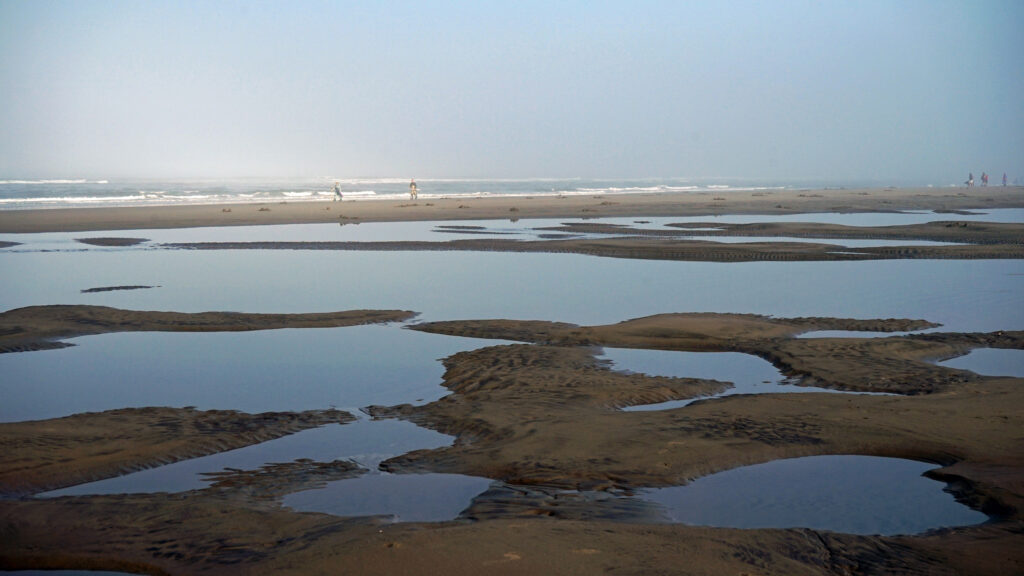
Located between the small towns of Manzanita and Cannon Beach on the north Oregon coast, Oswald West State Park offers a beautiful secluded beach, a prime example of spruce-hemlock temperate rain forest, and some of the most spectacular scenery on the entire coast. The park stretches from Arch Cape in the north to the south slopes of Neahkahnie Mountain, with Smugglers Cove and Short Sand Beach nestled in between Cape Falcon and the north flank of Neahkahnie Mountain.
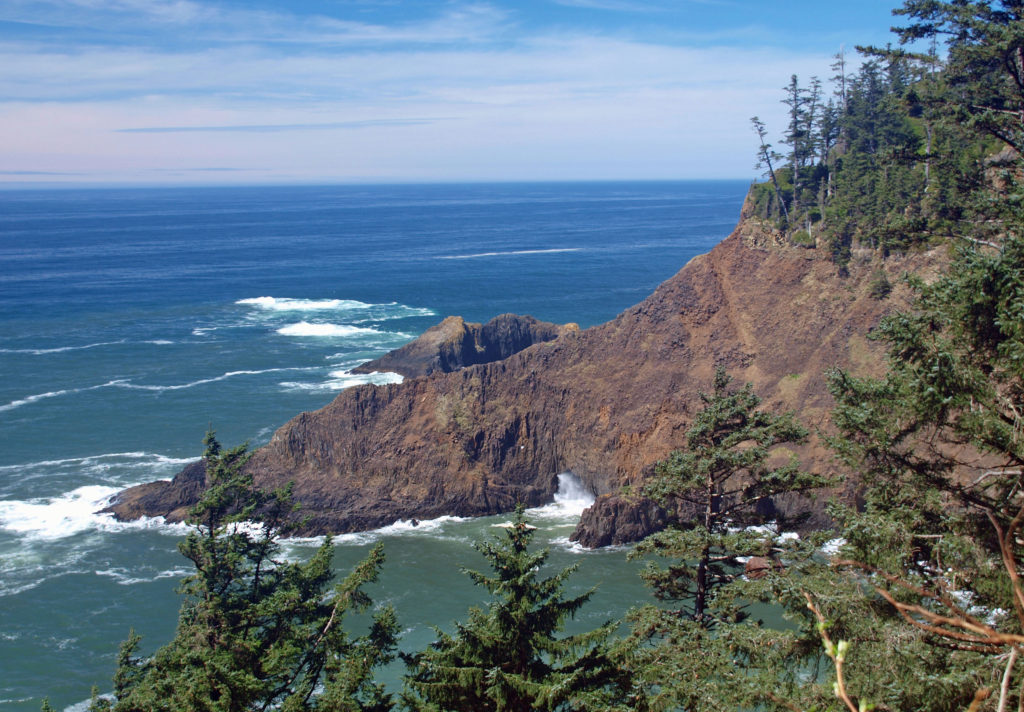
Oswald West State Park has long been one of my favorite destinations on the Oregon coast. On one of my recent visits, a few days before the spring equinox, the sun was shining, there was an off shore breeze blowing, and the temperature on the beach was about 75 degrees. It was one of those beautiful late winter/early spring breakout days that signal the end of winter – a near perfect day for hiking, sight seeing, and just relaxing on the beach.
 The park, originally called Short Sand Beach State Park, was created in 1931 through the efforts of Oregon’s first State Parks Superintendent, Samuel H. Boardman. Boardman was a fervent believer that of as much of the coast should be preserved in public ownership as possible. Many of the state parks along the coast were created under his stewardship. Short Sand Beach State Park was renamed in 1958 to honor former Oregon Governor Oswald West (1873-1960). West was instrumental in preserving public ownership of all Oregon beaches during his term in office (1911-1915) .
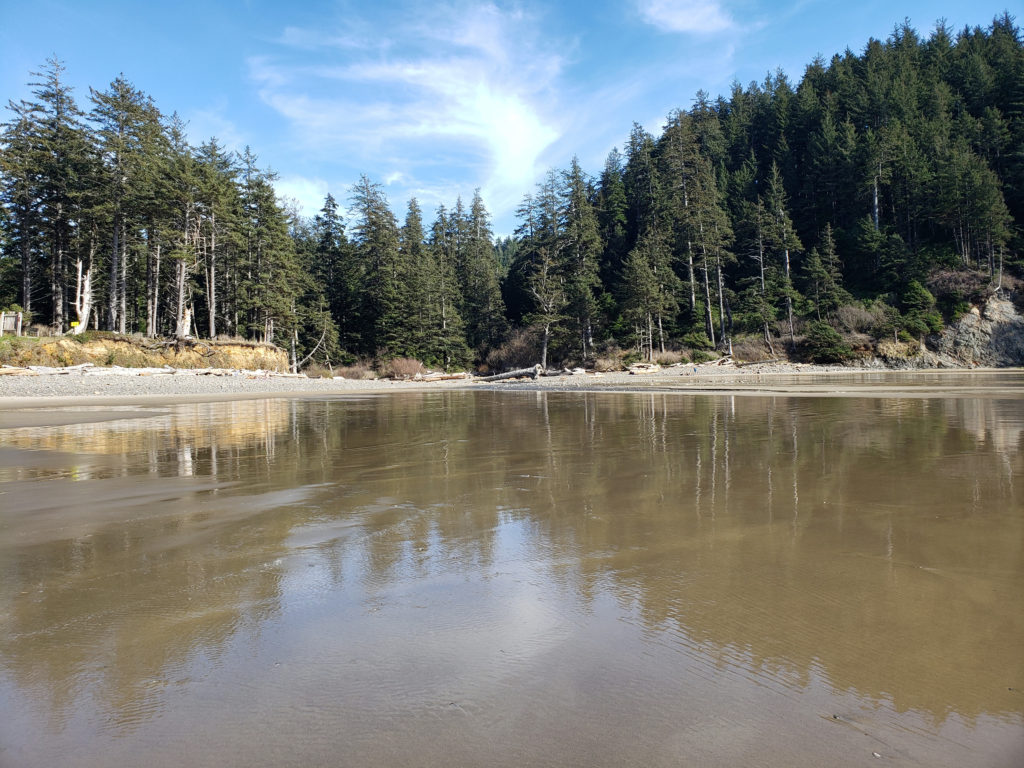
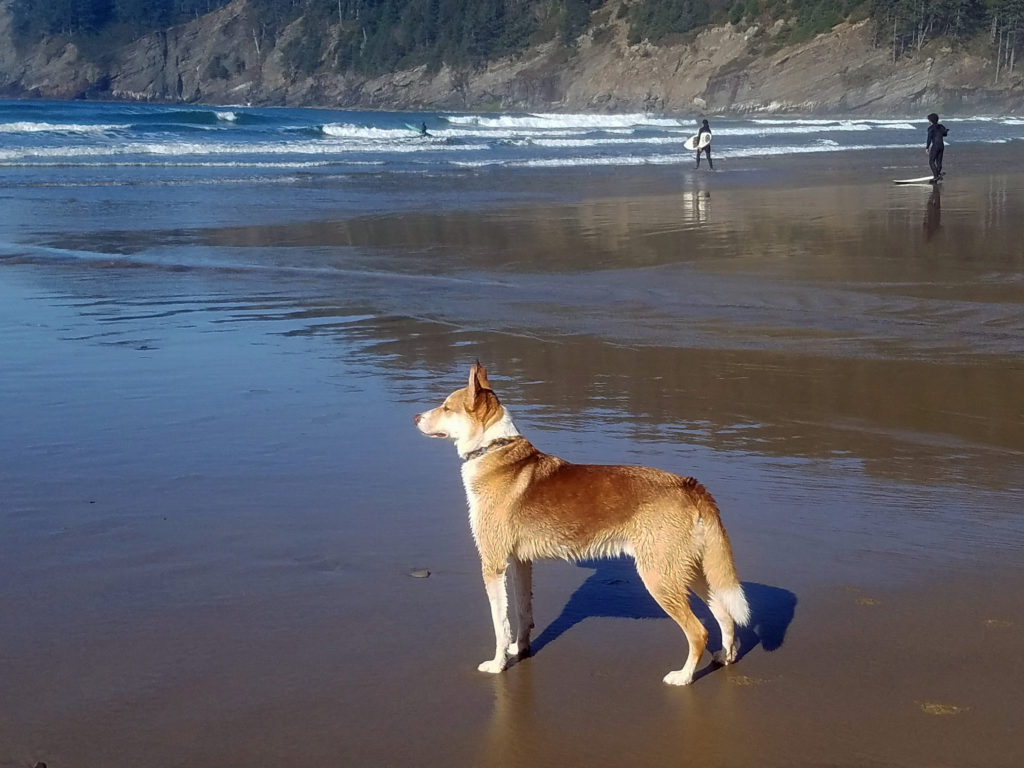
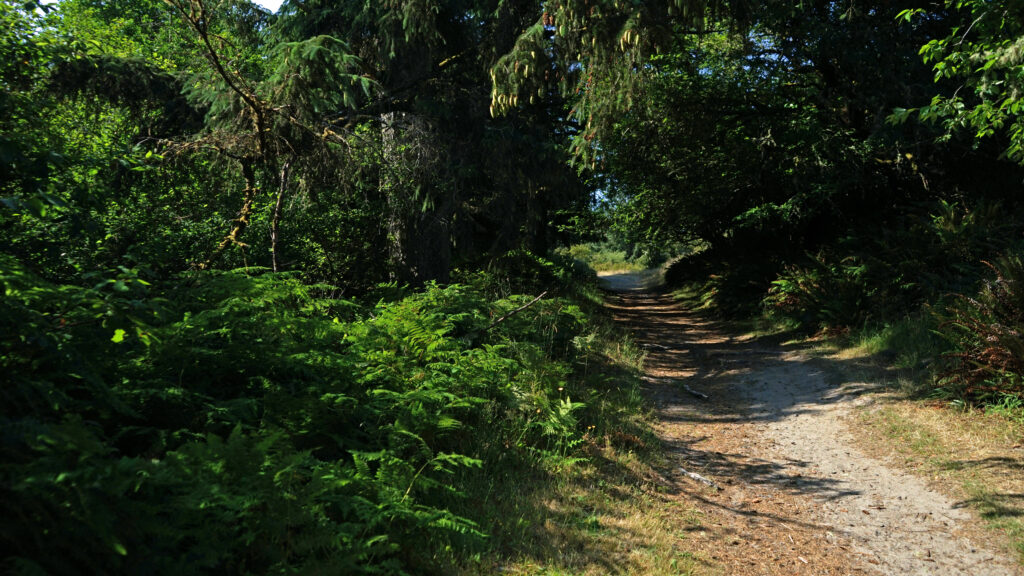
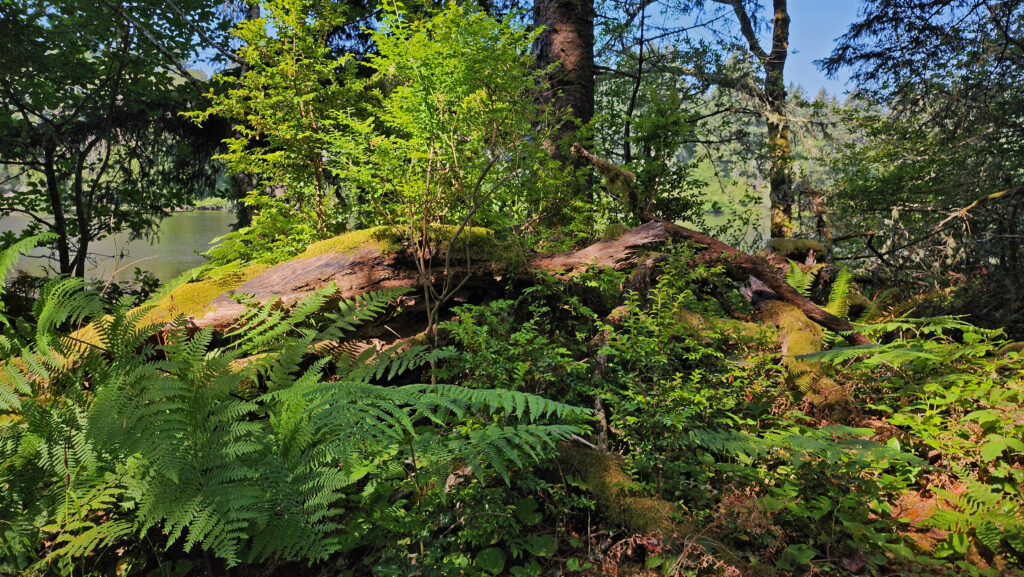
Short Sand Beach (also known as Short Sands Beach or just Shorty’s) is popular with local surfers, and is also a popular family destination. The three paved parking lots along Hwy 101 are often full on summer weekends. The short trail to the beach takes you through through the temperate rain forest along Short Sand Creek. There was a walk-in campground located in the forest adjacent to the south end of the beach until 2008 when a large Sitka spruce fell without warning, crushing two fortunately unoccupied campsites. The campground was permanently closed after examination of other trees revealed that several more were in danger of falling.
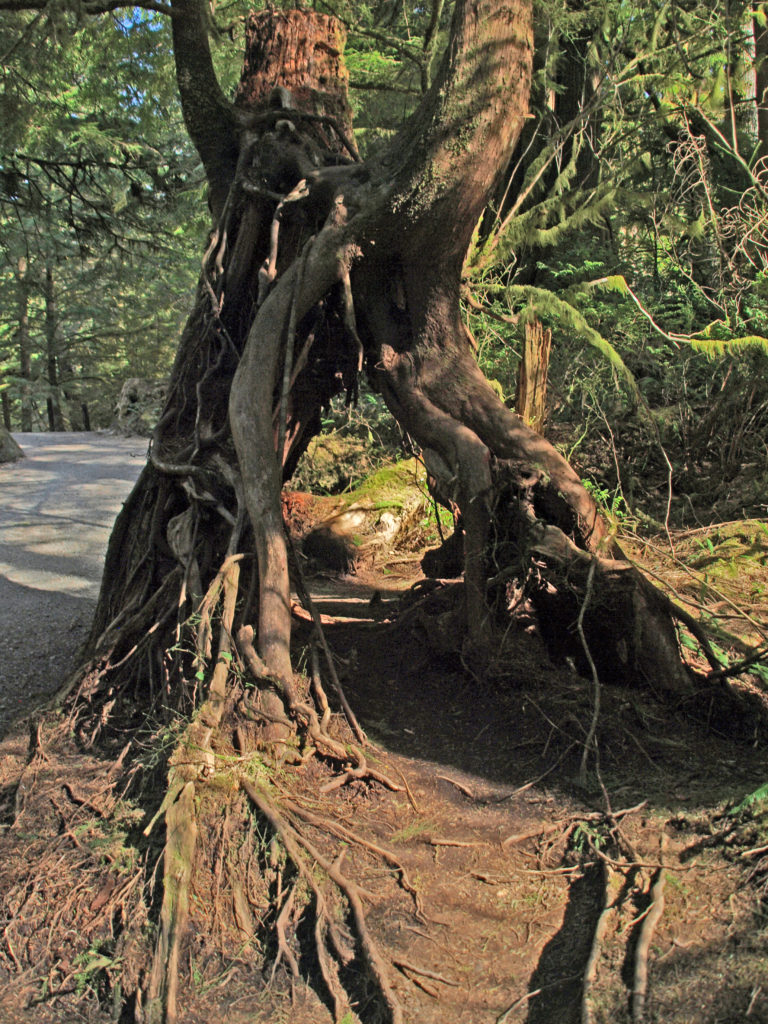
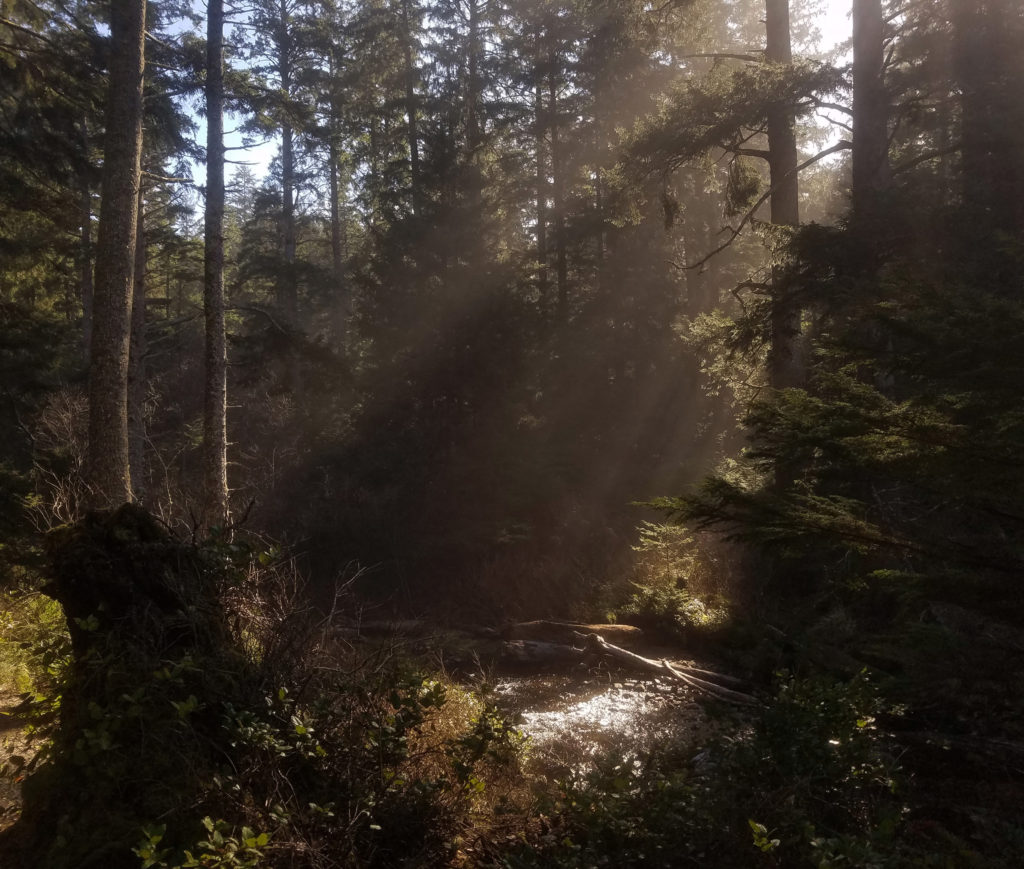
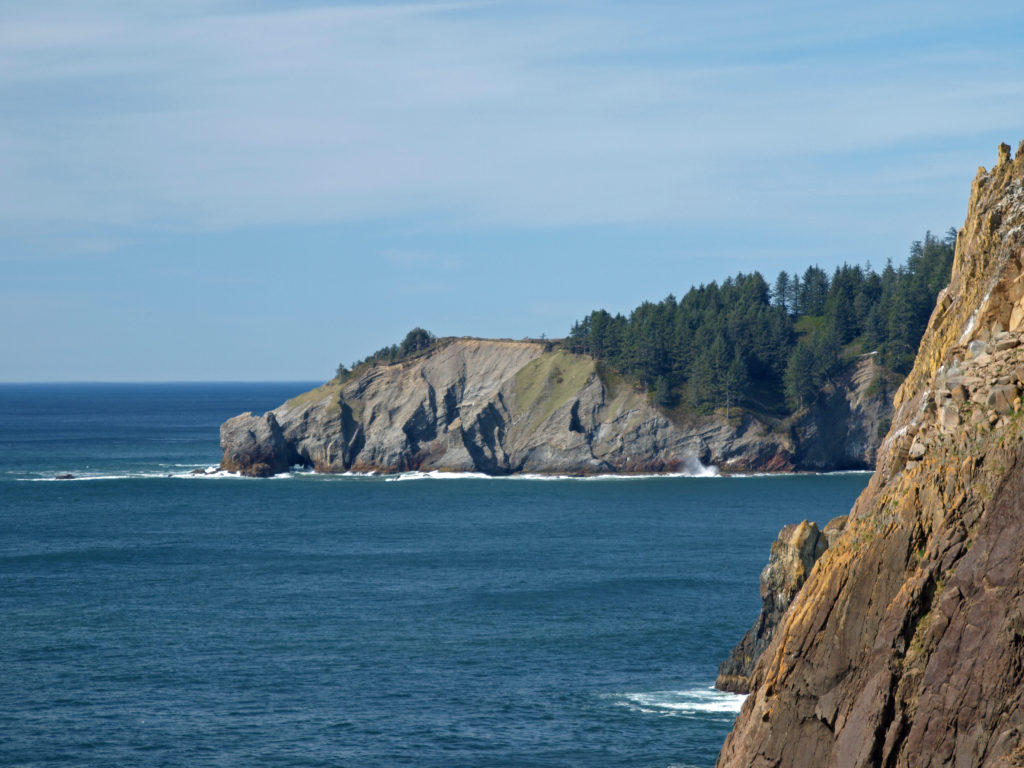
There are many miles of hiking trails within the park, including thirteen miles of the iconic Oregon Coast Trail. The Oswald West State Park trail guide is a good reference for hikers. Cape Falcon and the north slopes of Neahkahnie Mountain both offer truly spectacular scenery, and can be accessed from Short Sand Beach. The Cape Falcon trail is a personal favorite of mine. Most people don’t venture beyond Short Sand Beach, so you are likely to find yourself with little company, particularly on the section of trail between Cape Falcon and Arch Cape. The trail winds through the spruce-hemlock forest and over Cape Falcon with numerous viewpoints looking south across Smugglers Cove to Neahkahnie Mountain. North of Cape Falcon the trail passes through more spruce-hemlock forest to the small community of Arch Cape, just north of the Arch Cape headland.
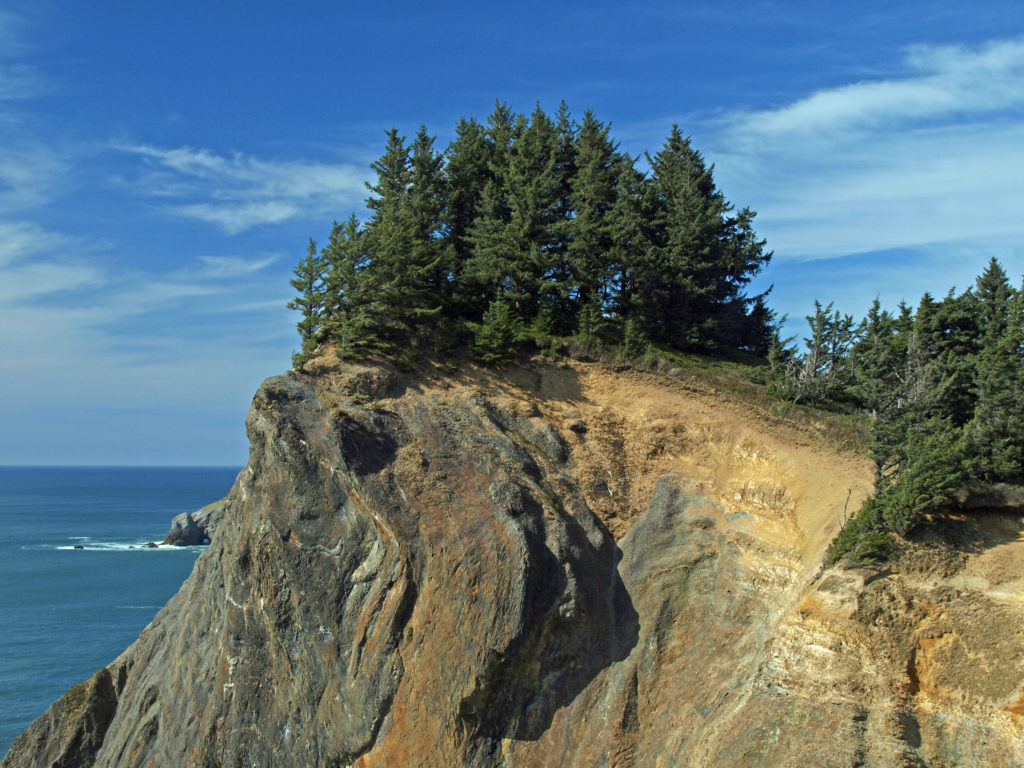
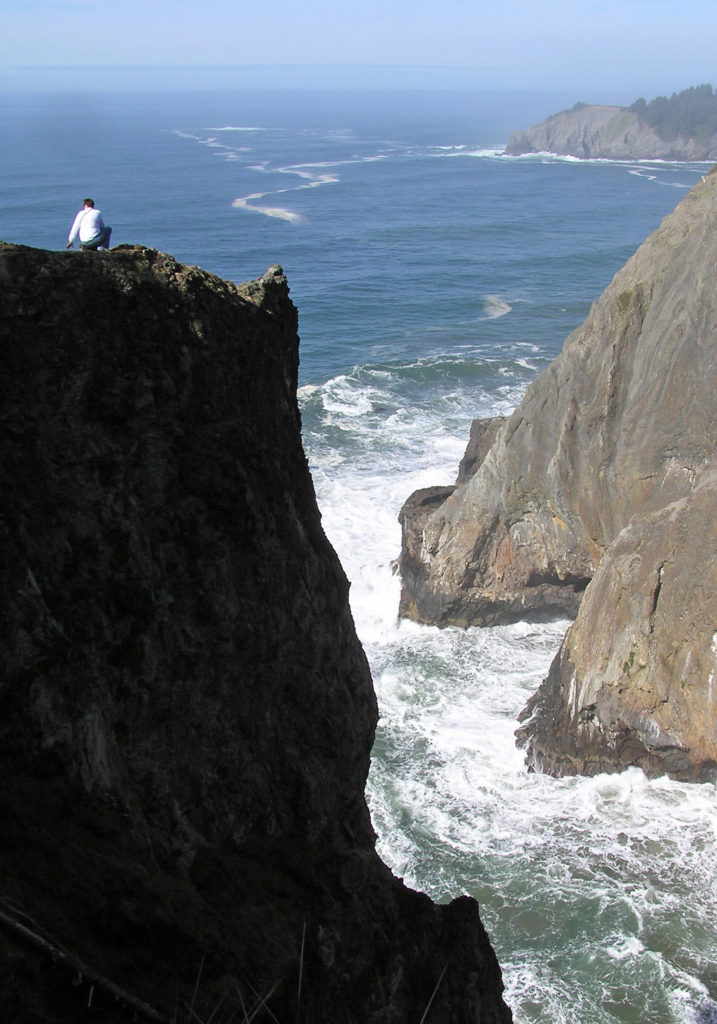
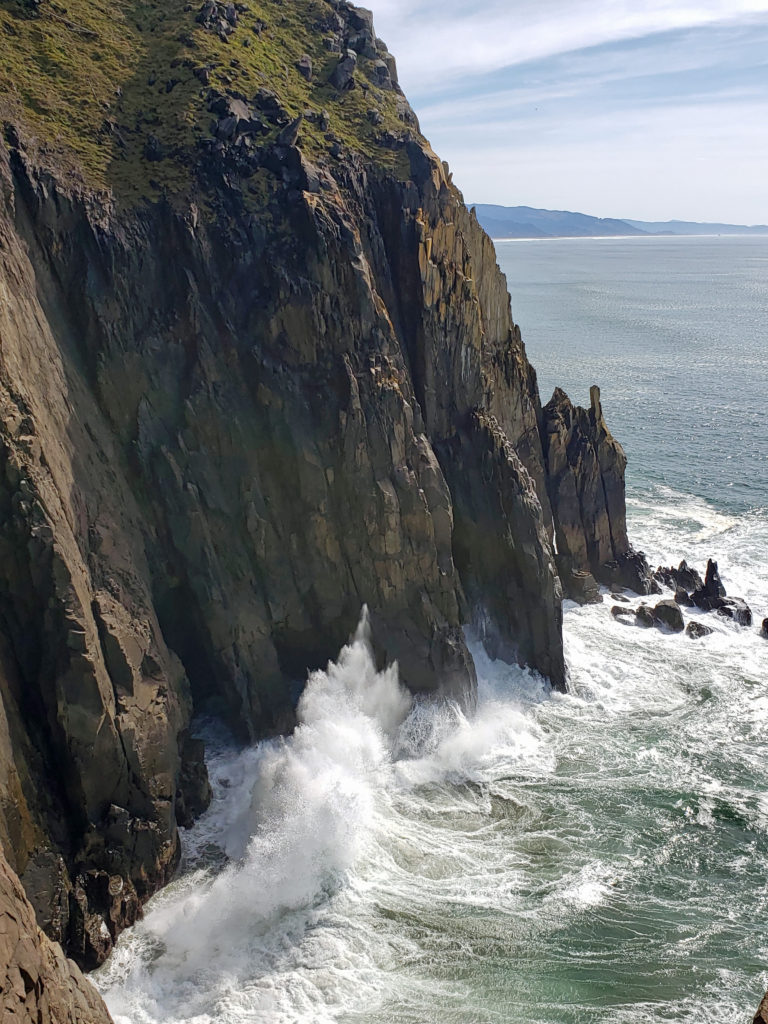
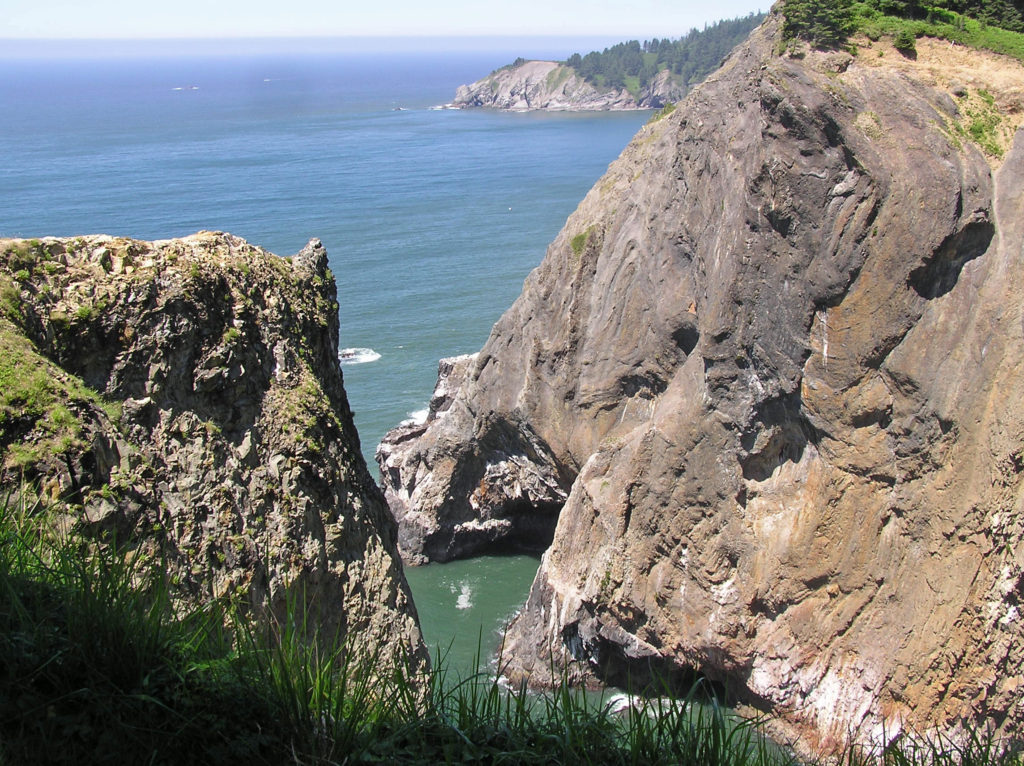 Devils Cauldron is a spectacularly beautiful little cove on the north side of Neahkahnie Mountain. It can be reached by either a one mile hike from Short Sand Beach or a much shorter hike from where the Coast Trail crosses Hwy 101. To access the shorter route, drive south on Hwy 101 from the Short Sand Beach parking lots and look for a gravel parking area on the ocean side of the highway. Follow the Coast Trail north a short ways to a signed junction. The Devils Cauldron viewpoint is just a quarter mile walk from the parking area.
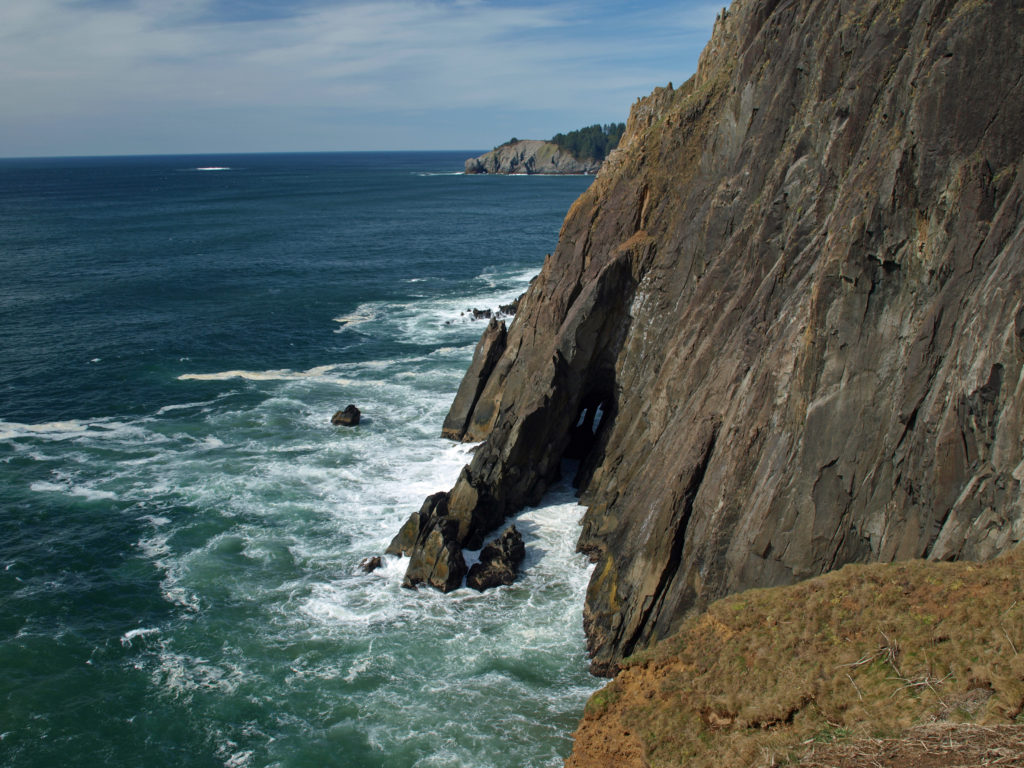 On your way back to the trailhead look for another trail branching off to the south. The junction here is unsigned and the trail is sometimes overgrown and impassable. But if it’s open, the trail leads to a narrow shelf of rock that falls away on three sides to the ocean below, and the cliffs of Neahkahnie Mountain tower over the viewpoint to both the north and south. It may not be a place for people with a fear of heights, but it’s one of the most awesome places on the entire coast.
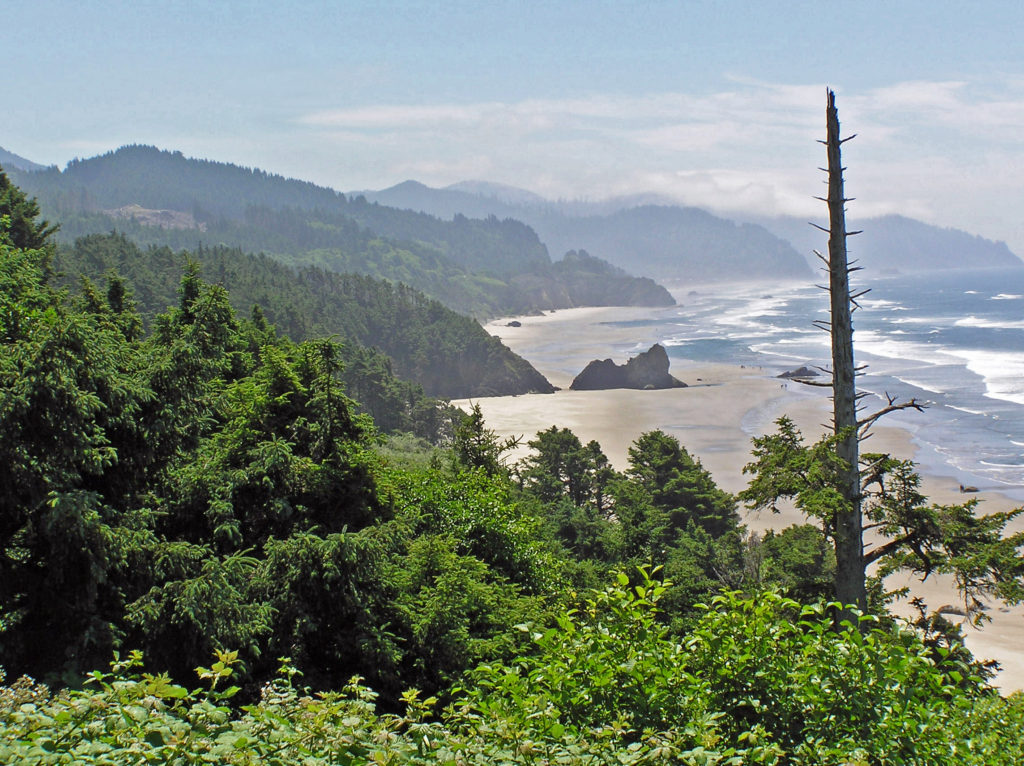
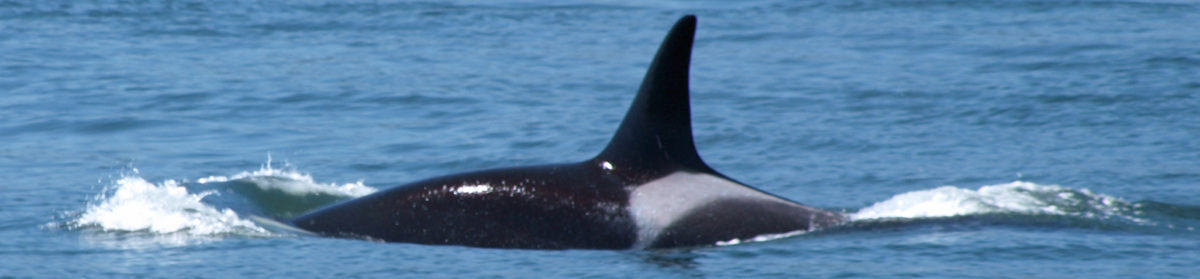
If you’re not a hiker, Hwy 101 has numerous turnouts along the stretch that traverses the face of Neahkahnie Mountain. Here the highway is literally carved into the cliff high above the sea. The views of the ocean and coastline are truly spectacular, and Neahkahnie is one of the best places to spot gray whales.
In the spring, about 18,000 gray whales make the annual trek from their breeding grounds in Baja California to feed in the nutrient rich waters off Alaska. At the peak of the migration in late March about 30 whales per hour pass any given spot on the Oregon coast. Oregon State Parks sponsors Whale Watch Week twice each year, in late March and again in late December when the whales are returning to Baja. Volunteers can be found at 17 spots along the coast, including Neahkahnie Mountain, to help you spot migrating whales. Check the Oregon State Parks Whale Watching website for more information.
After visiting Oswald West, I like to stop at Cannon Beach or Manzanita for a bite to eat and/or a brew or two. In Cannon Beach try Oro’s Fireside Restaurant, Corbin’s, Castaways Global Cuisine, or Pizza A’ Fetta. Cannon Beach brew pubs worth visiting include Pelican Brewing, Bill’s Tavern and Brewhouse, and Public Coast Brewing. If you’re looking for fine dining and cost is not an issue, try the Stephanie Inn or Newmans At 988.
If you’re heading south, Big Wave Cafe, Left Coast Siesta (Mexican), Neah-kah-nie Bistro (fine dining), Marzano’s Pizza Pie, and San Dune Pub (that’s not a typo) in Manzanita are all good places to stop, as is Riverside Fish and Chips in nearby Nehalem. A good breakfast before heading to the park can be had at Lazy Susan Cafe in Cannon Beach, Yolk in Manzanita, or Wanda’s Cafe in Nehalem.
 Oswald West State Park is about a two hour drive from Portland, so it’s easily doable as a day trip if you’re from the Portland area or are visiting Portland. But if you want to make a weekend of it, there are plenty of other attractions on the north Oregon coast beyond Oswald West. Hug Point is another spot that my wife and I visit frequently. Both Manzanita and Cannon Beach are interesting towns worth exploring in their own right, have nice beaches, and have many resorts, motels, B&Bs, and other accommodations, as well as their many fine eating and drinking establishments. Seaside, Gearhart, and the Astoria area are other options to the north. Public campgrounds can be found at Nehalem Bay State Park near Manzanita (265 camp sites and 18 yurts), and Fort Stevens State Park (almost 500 campsites, 15 yurts and 11 cabins) at the mouth of the Columbia River about 30 miles north of Oswald West.
If you’re an art lover, Cannon Beach has many fine art galleries, including White Bird, DragonFire, Bronze Coast, Jeffrey Hull, North By Northwest, Imprint, and Icefire Glassworks. Look for a future Pacific Northwest Explorer post on the Cannon Beach art scene.
Originally posted March 27, 2019 by Alan K. Lee. Updated and re-posted June 26, 2021 and November 4, 2023.
All photos © Alan K. Lee
 Overview:
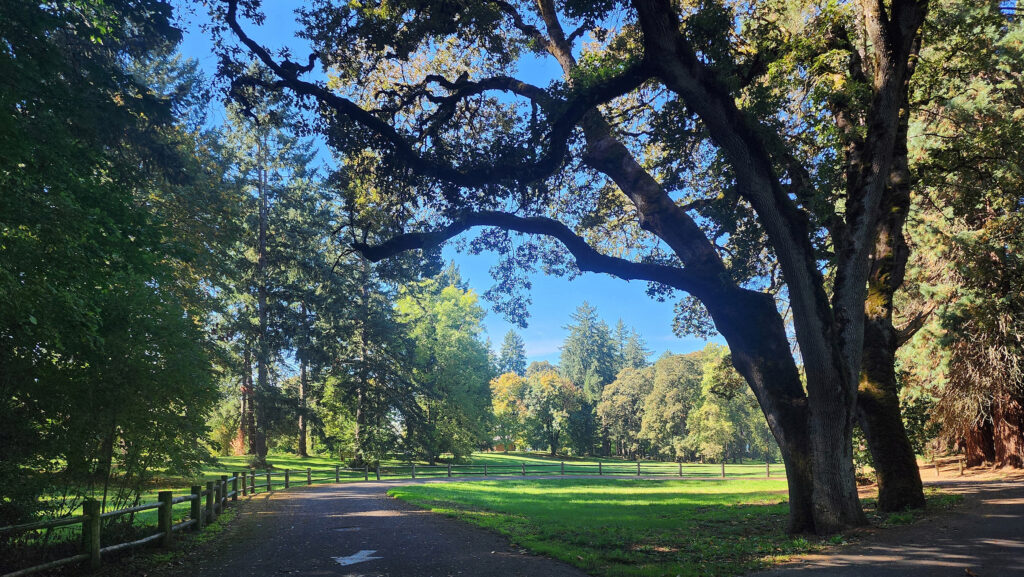 Getting there:
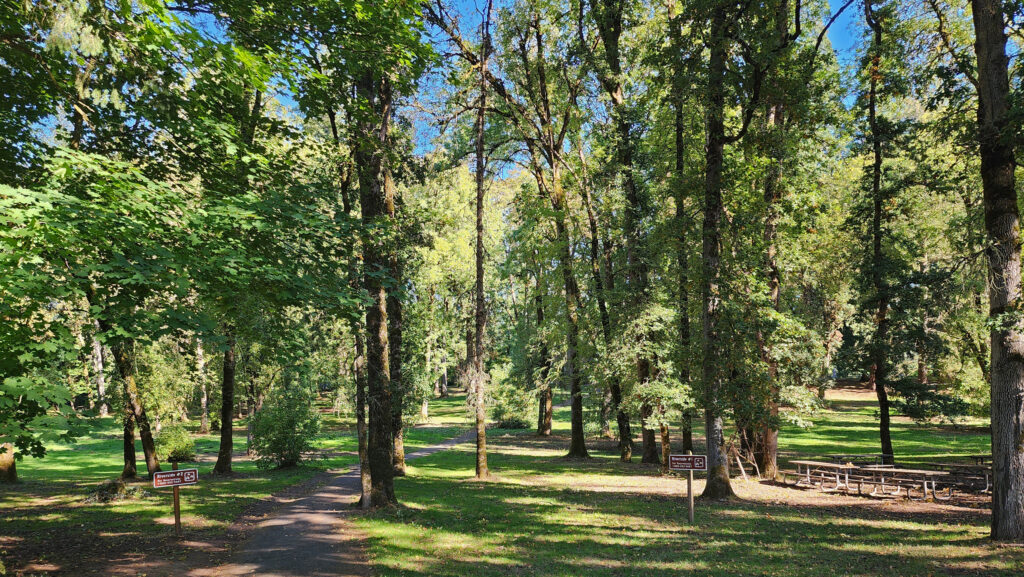 Trailhead:
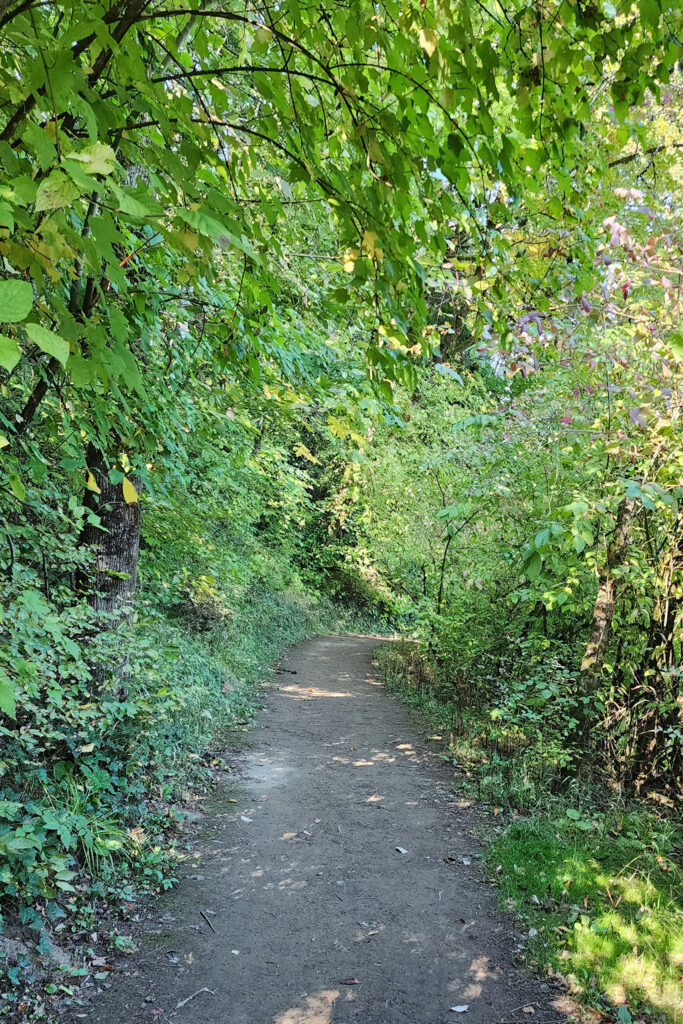 The hike:
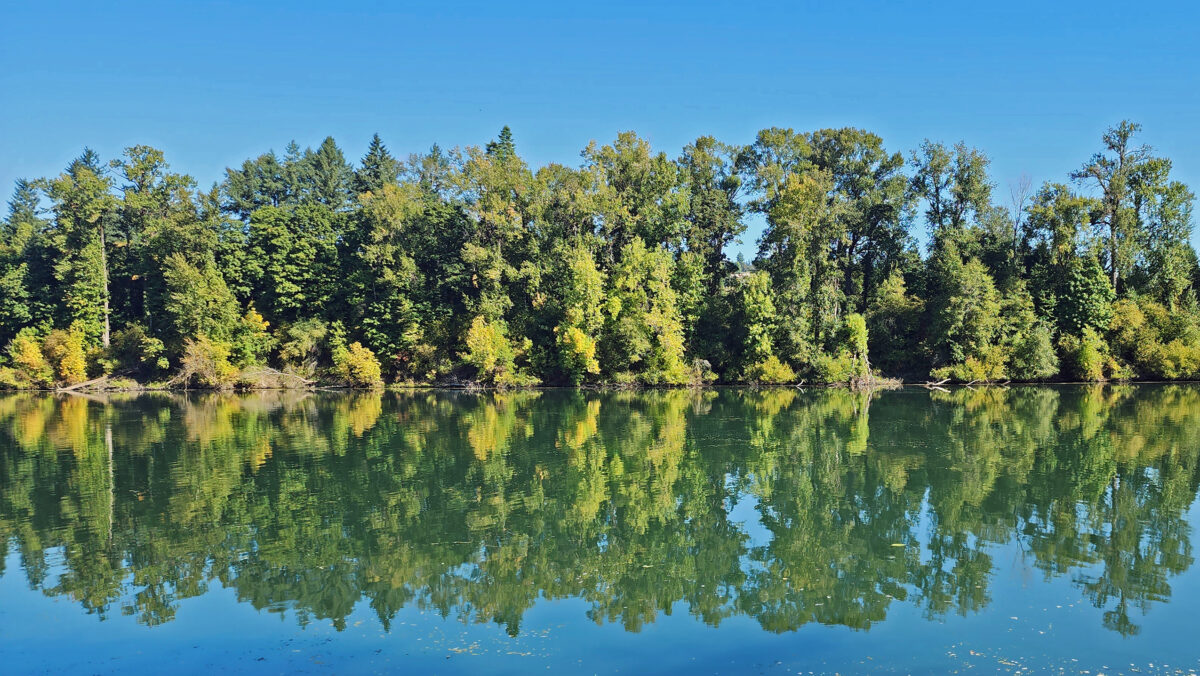
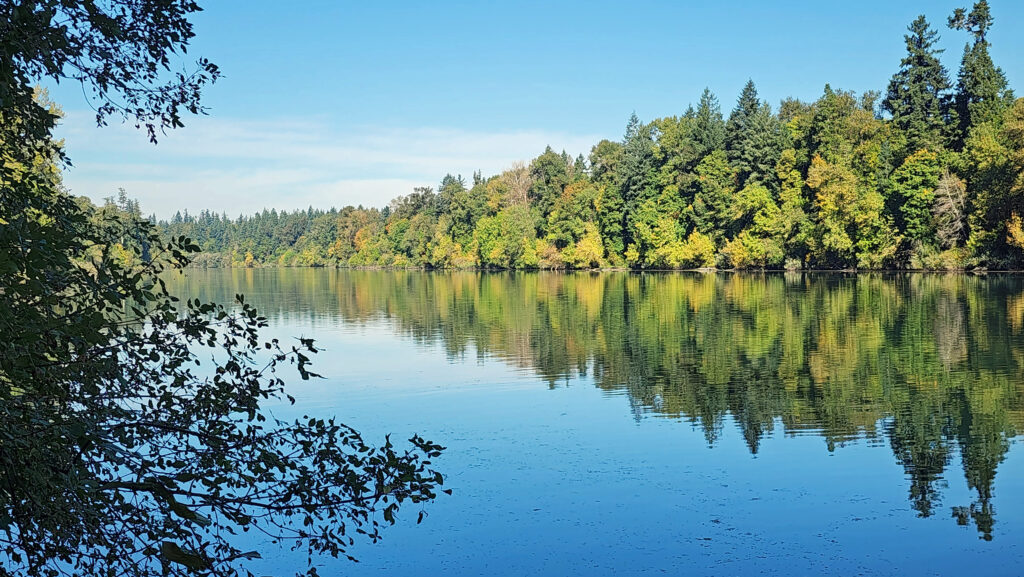
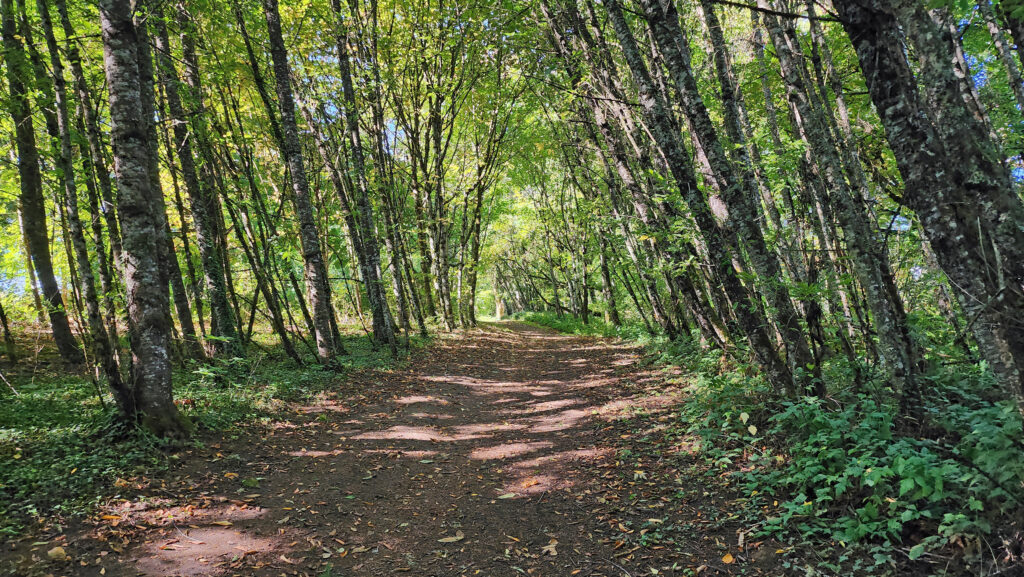
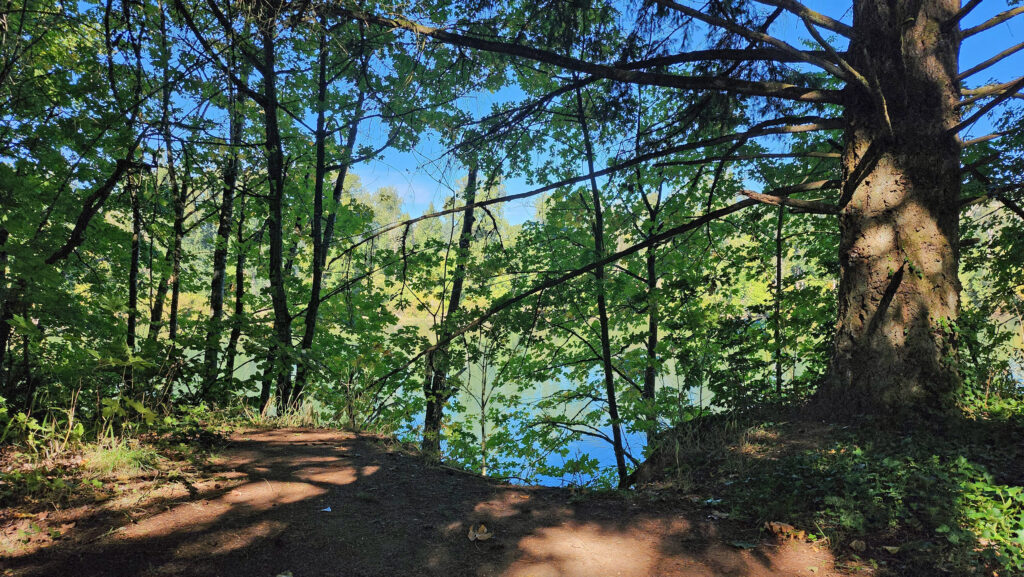 The Townsite Trail takes you along the river through a mixed woodland of Douglas fir, bigleaf maple, and red alder with partially screened views of the river. There are several user-made trails leading down to the water, but they are steep (and dangerous if the ground is wet), so be careful if you want to get to the water for a better view of the river.
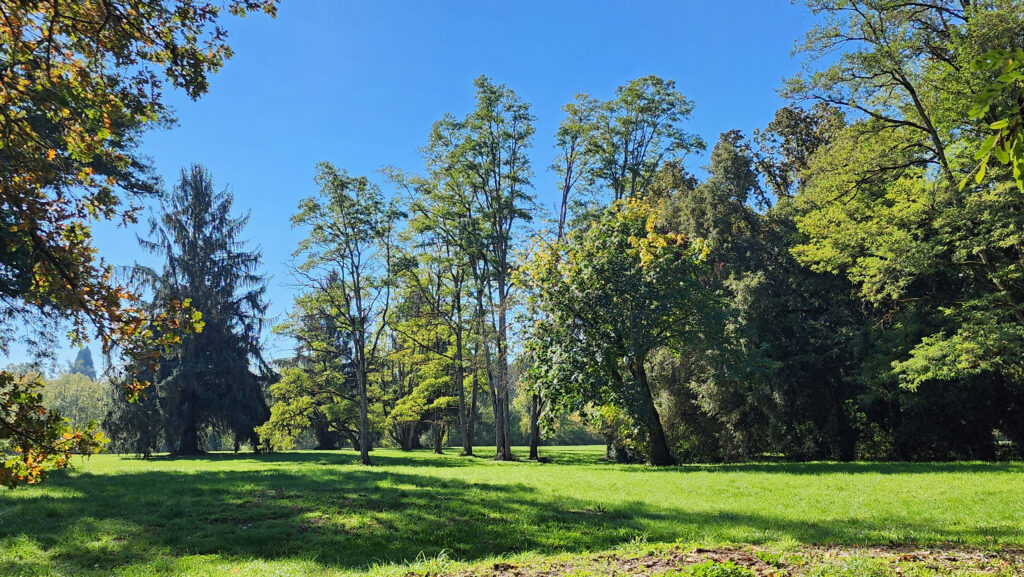
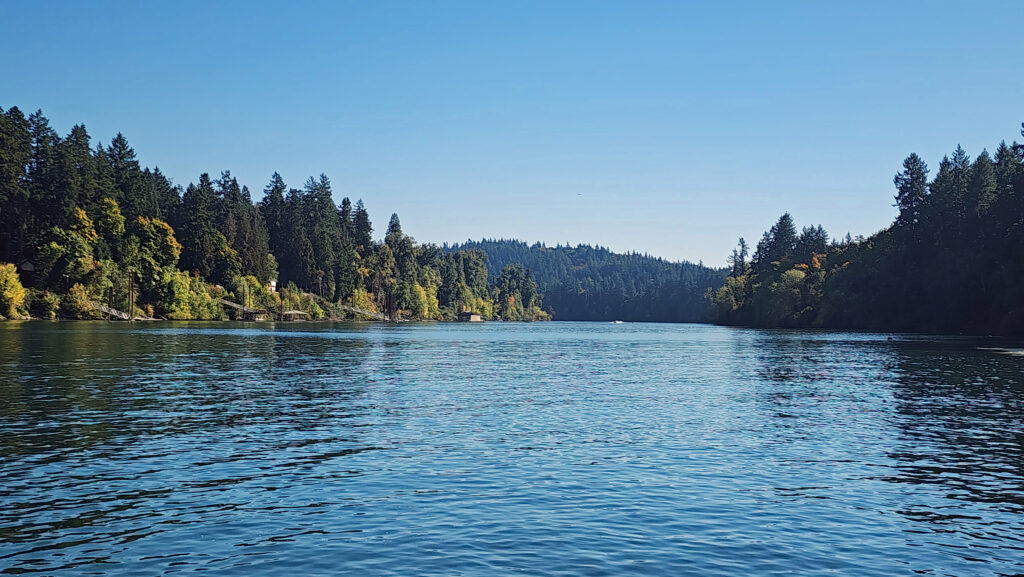 At about the one-mile mark you’ll come to an open field on your right and you’ll see a boat dock ahead on your left. There is a small parking area here with a restroom. Head down to the dock for the best views of the river on this hike.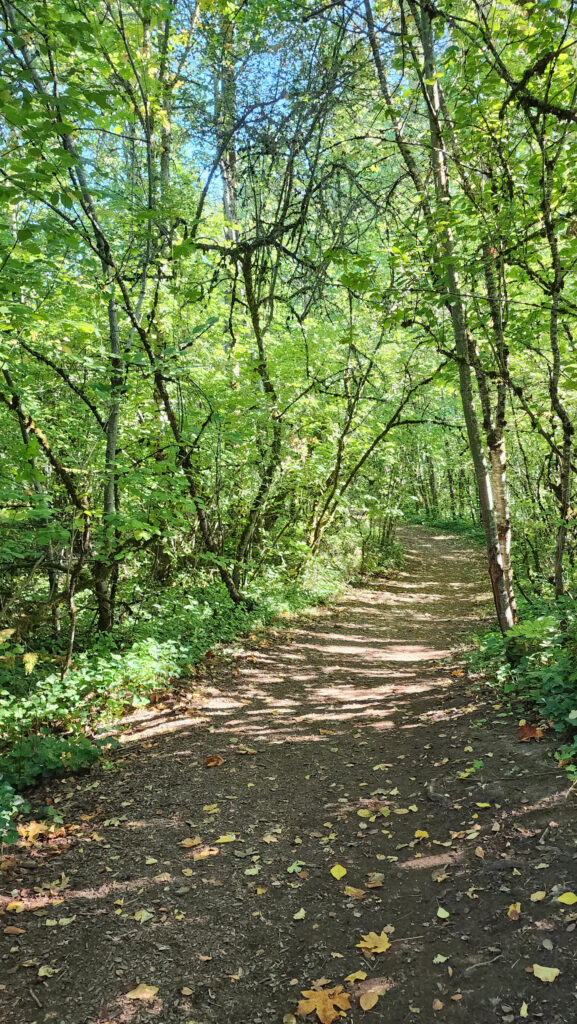
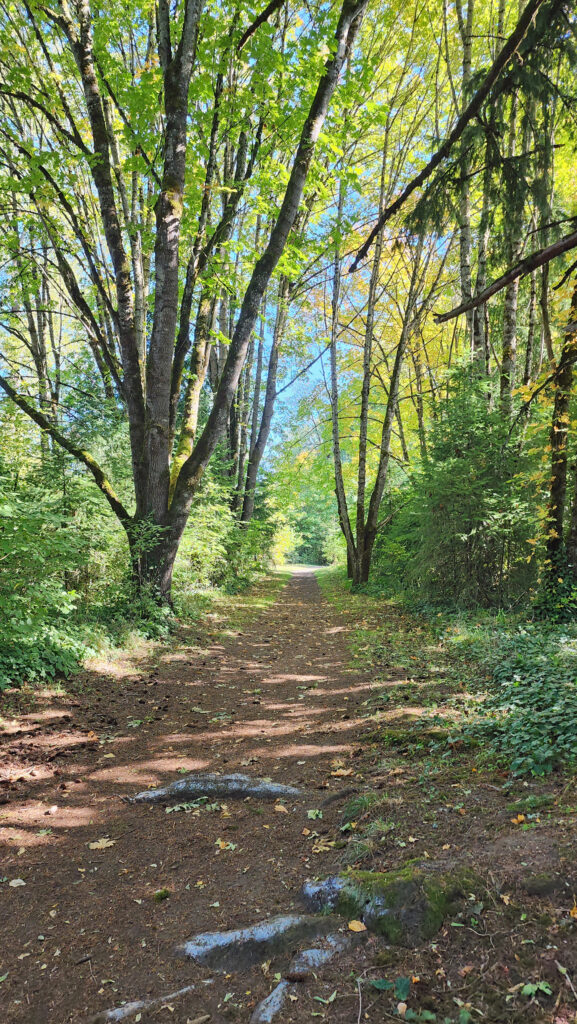 Coming back up from the dock, look for a trail to your left. This will take you to Champoeg Creek where it flows into the Willamette. The trail then loops back through the forest and comes out into a clearing. Follow the edge of the clearing back to the restroom above the dock. From there, retrace your route back to the trailhead at the Riverside picnic area.
 Best time to go:
 Champoeg State Park:
 Posted October 26, 2023 by Alan K. Lee
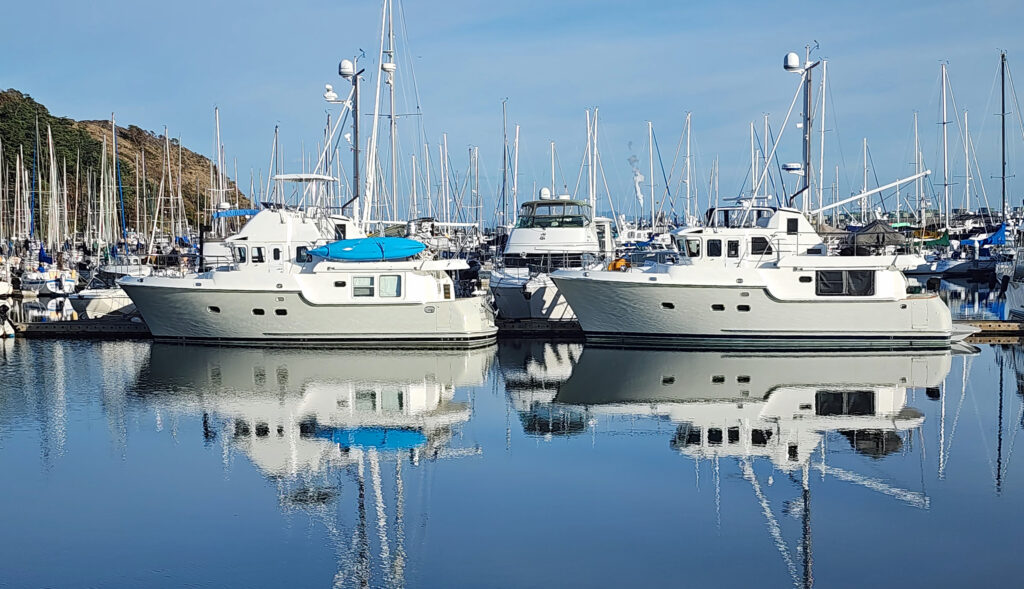
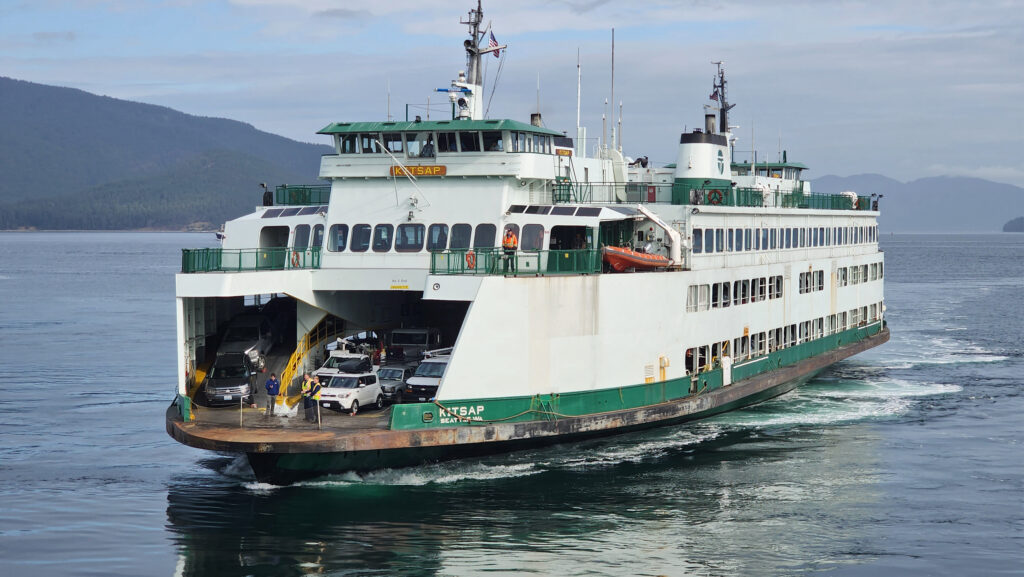

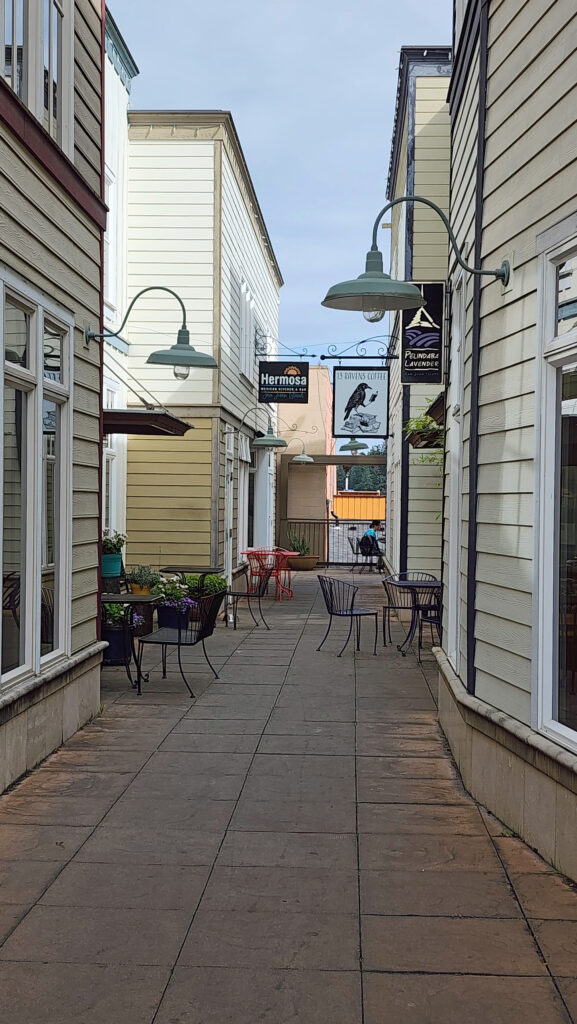
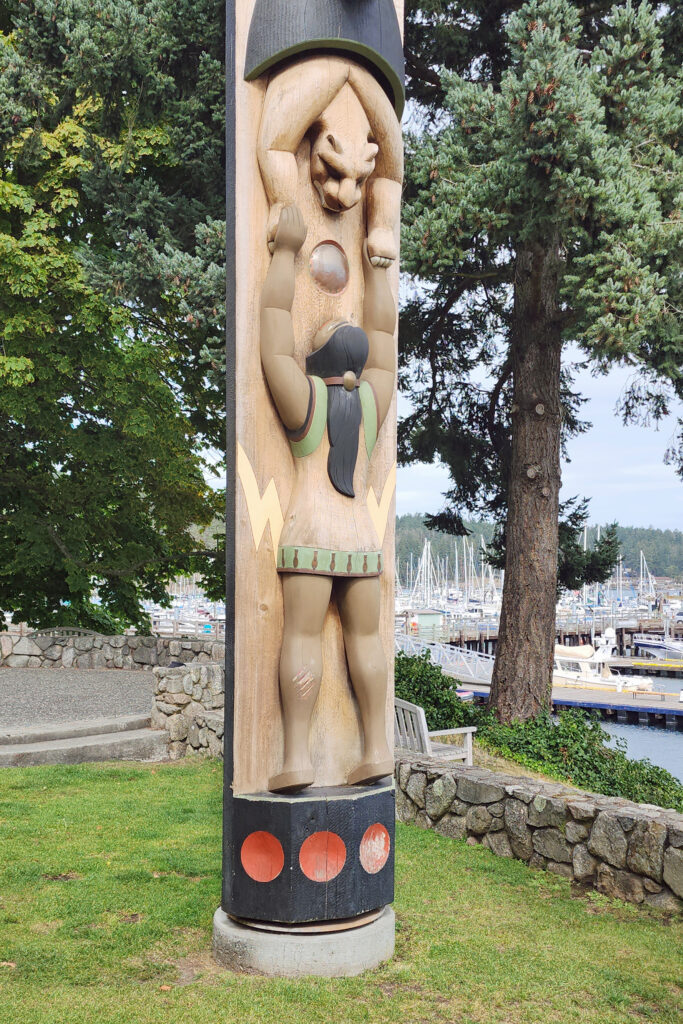
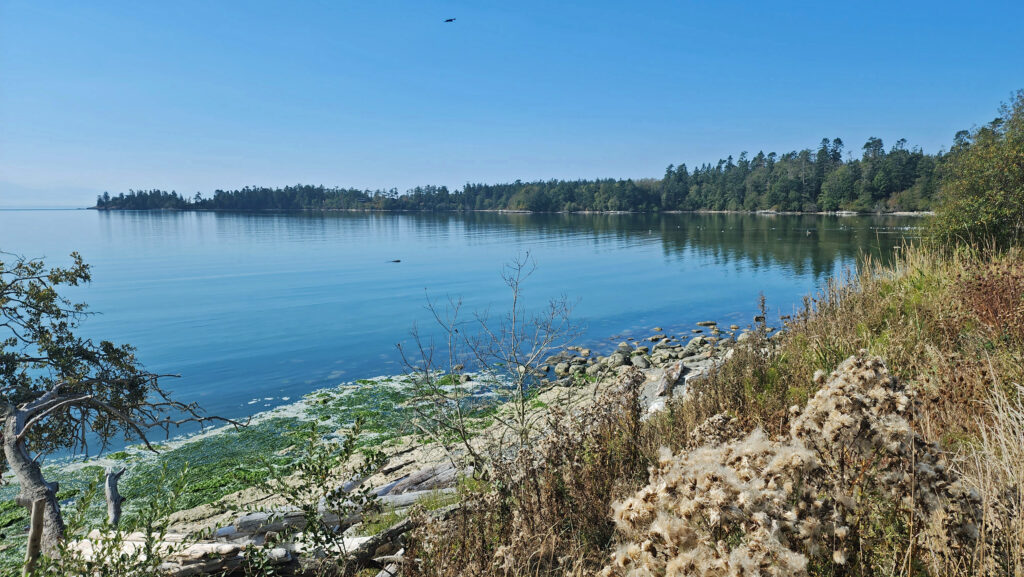
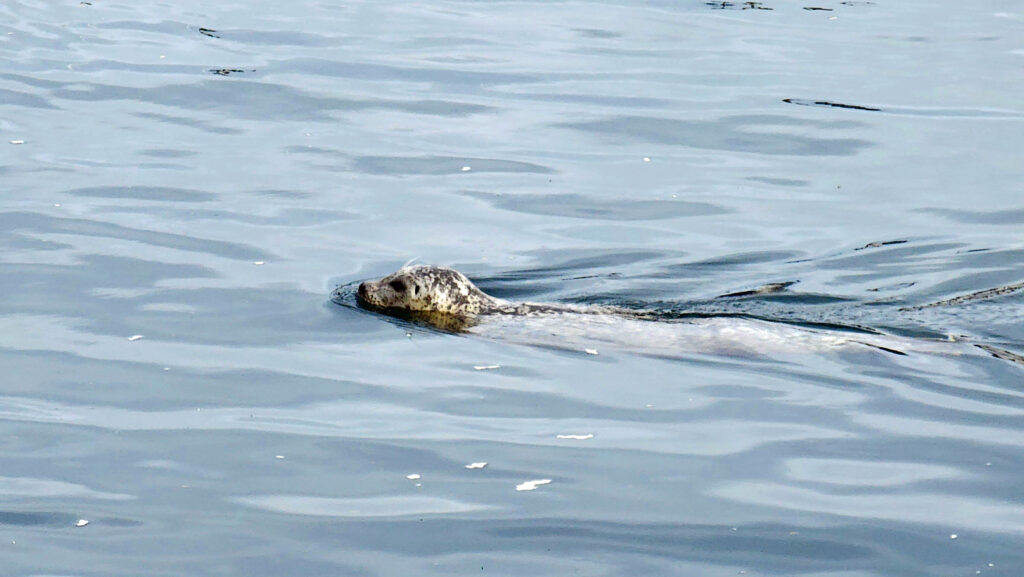
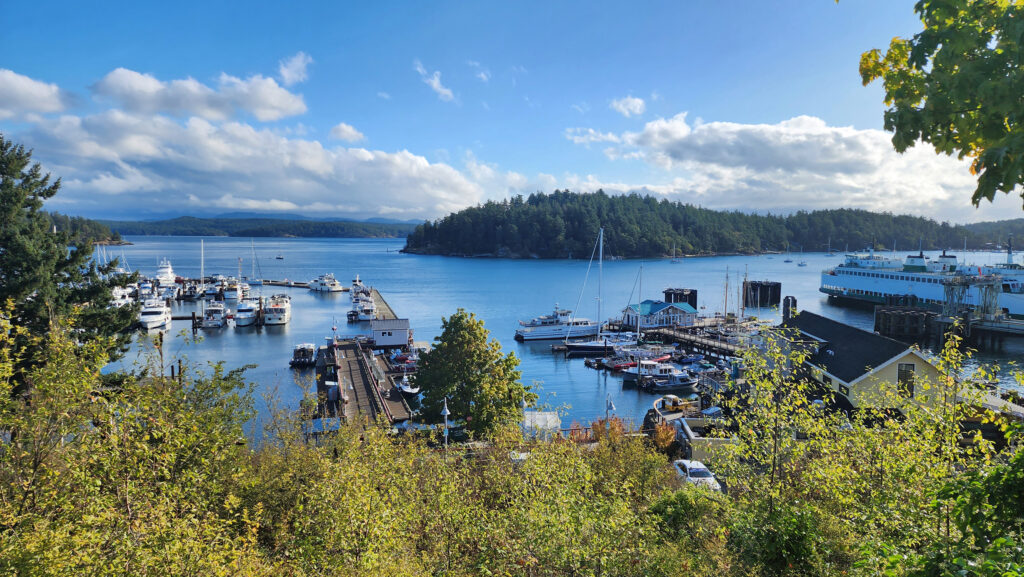
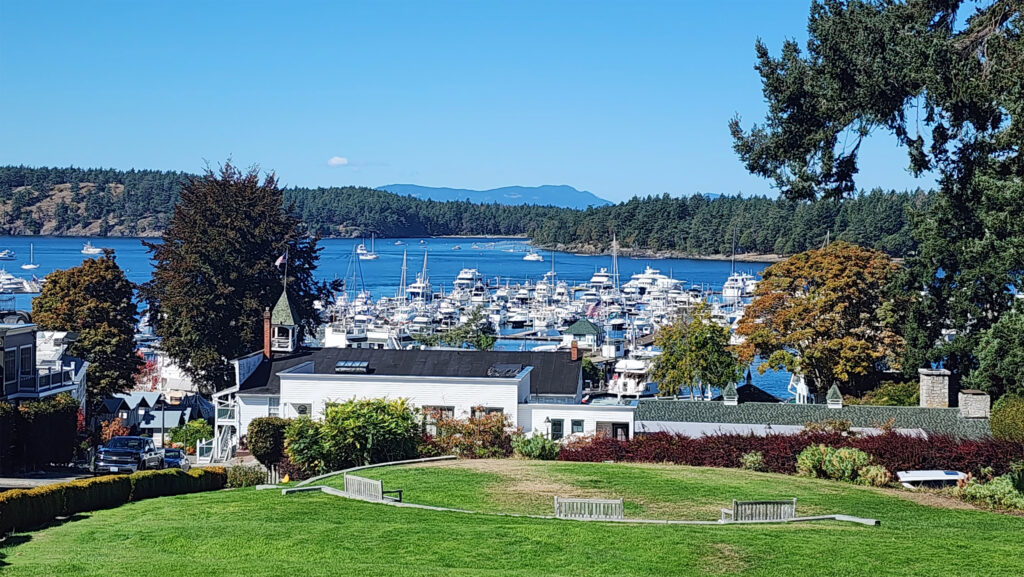
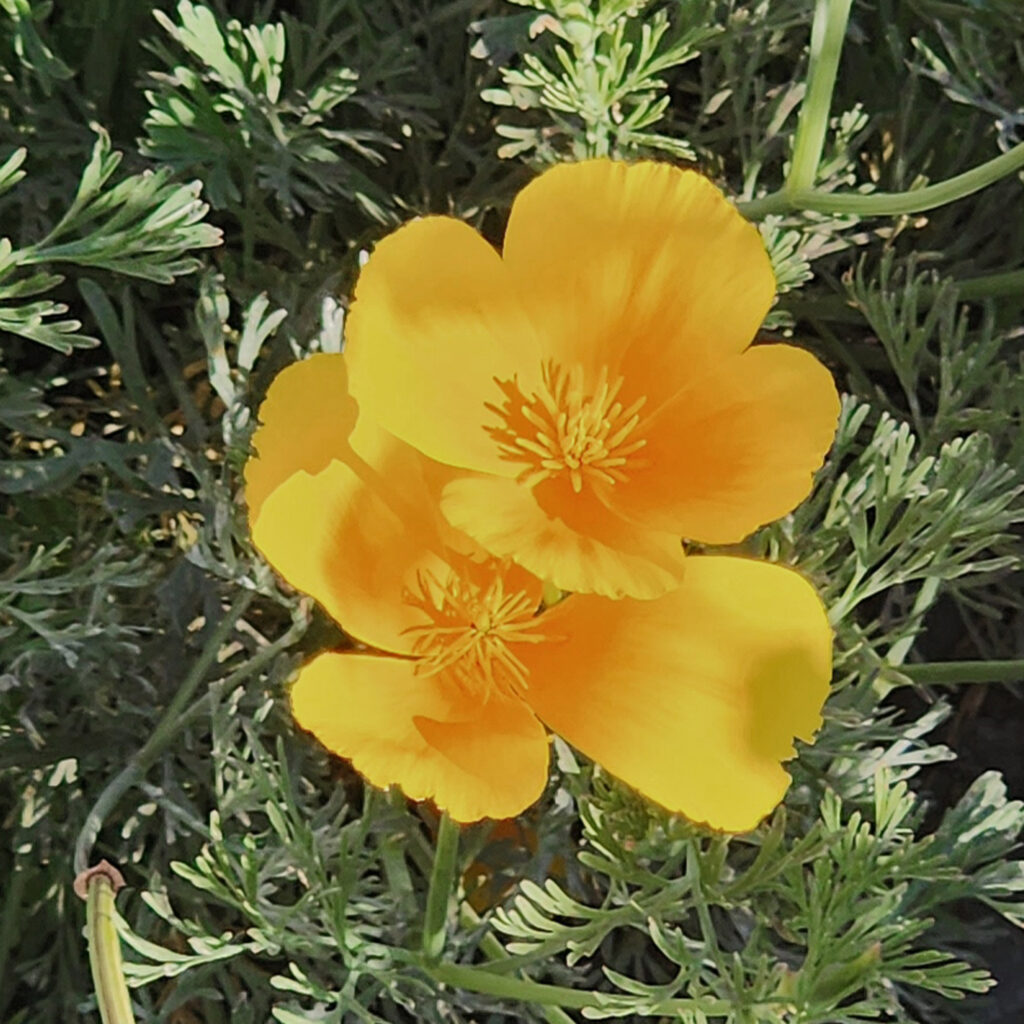 There is no shortage of places to eat in Friday Harbor. For breakfast and lunch, I can personally recommend both Rocky Bay Café and Tina’s Place. For dining with a view, go to Downriggers on the bayfront. Classic Italian food can be found at Vinny’s Ristorante. Vegetarian and vegan food can be had at Mike’s Café and Wine Bar. For quality craft beers and upscale pub food, try San Juan Brewing. For seafood in a casual dining space, check out Friday’s Crab House. We ate at all of those, and all were good. But that’s just a sampling of what Friday Harbor offers. I wish we had had a few more days to sample more of the town’s eateries. What’s a vacation for, after all.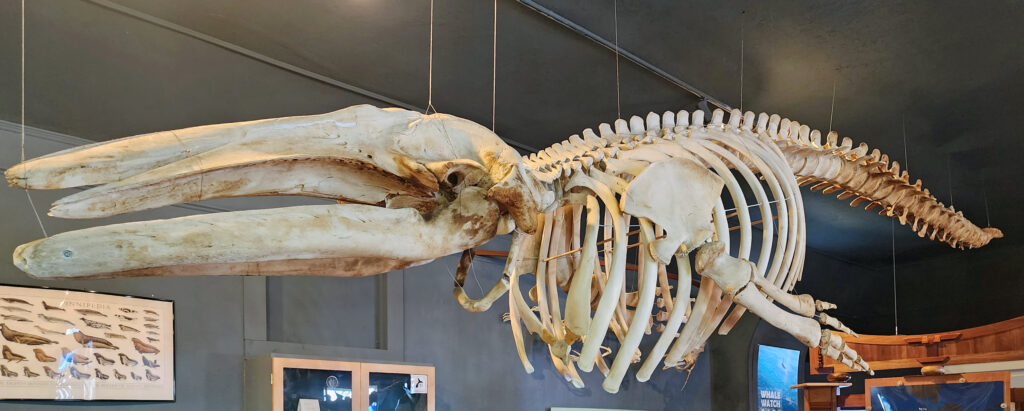
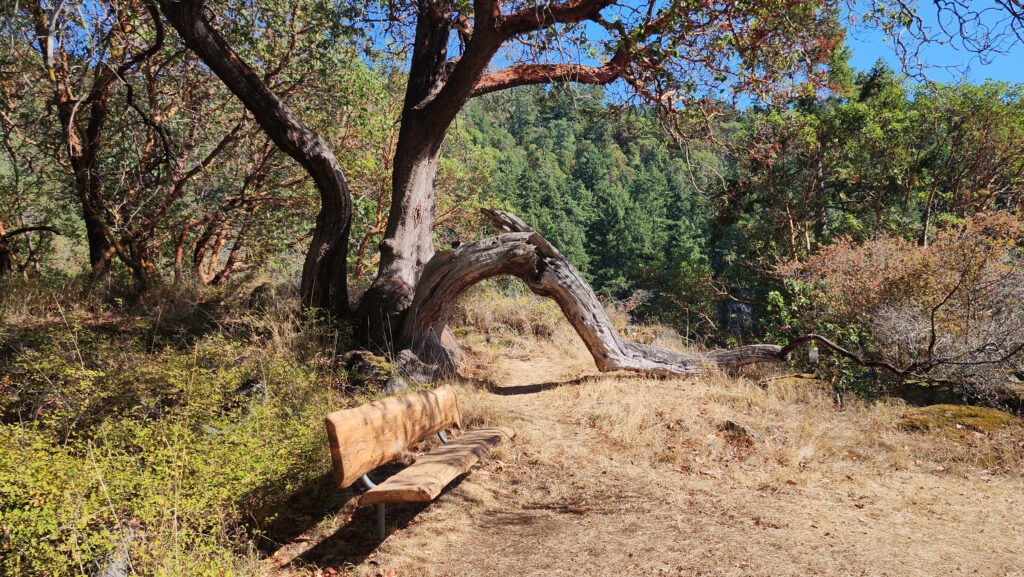
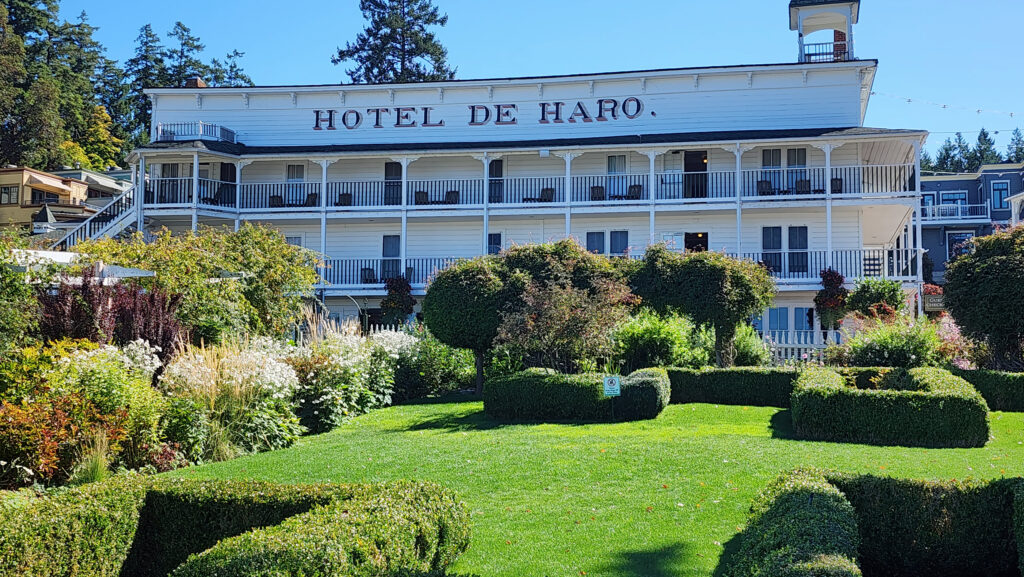
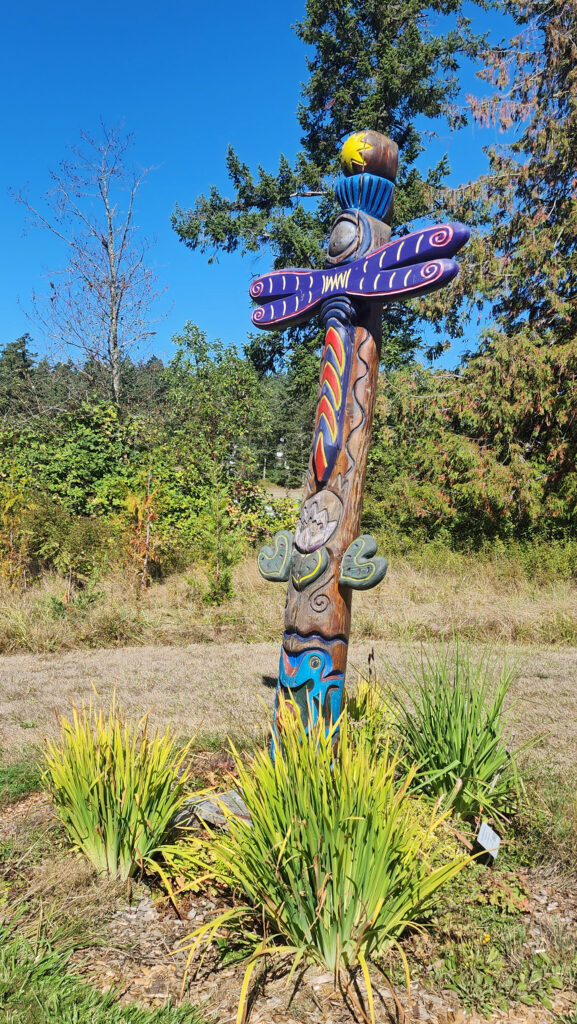
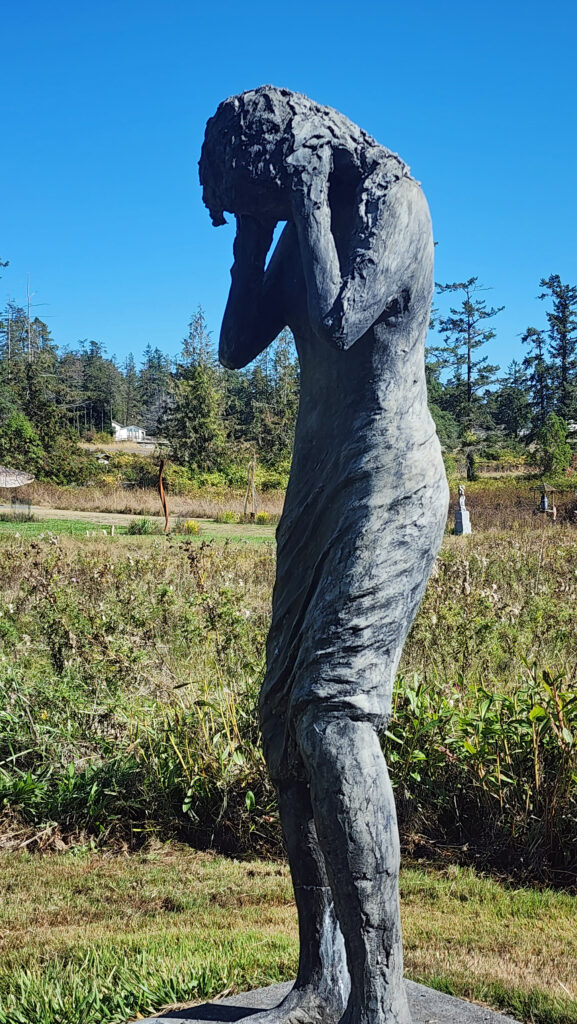
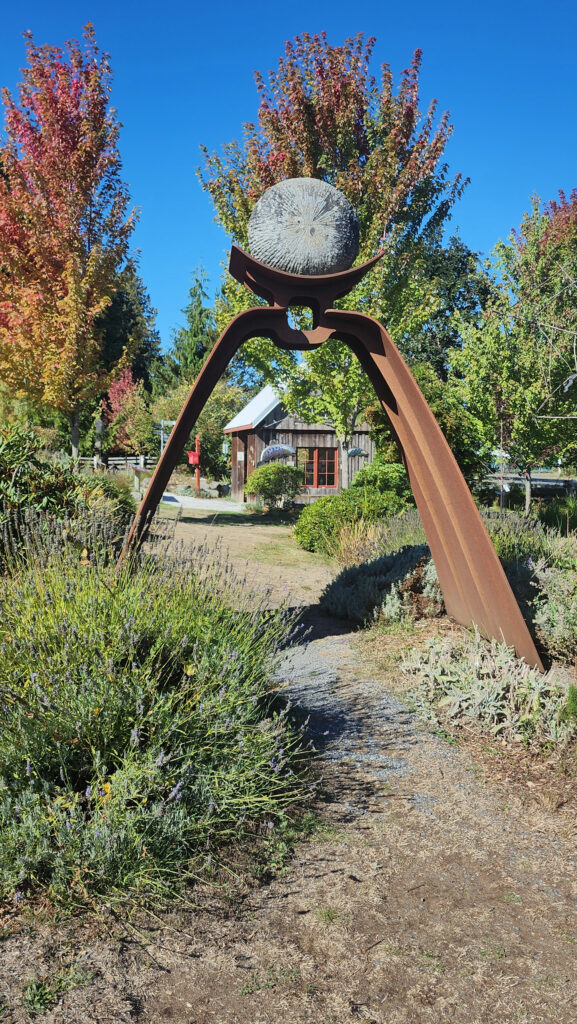
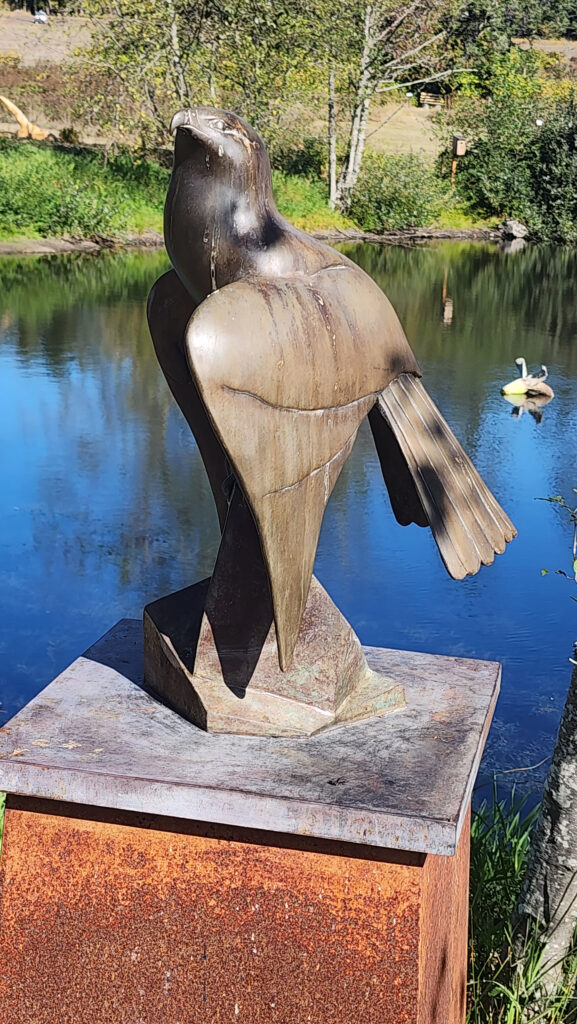 Near Roche Harbor (I think it’s actually part of the resort), the San Juan Islands Sculpture Park is a must see if you’re at all interested in sculpture. There are over 100 works of art (it seemed like many more) spread out over the twenty acres of the garden. Plan to spend at least an hour here. We spent more than that and still didn’t see it all. Admission is free, but donations are requested.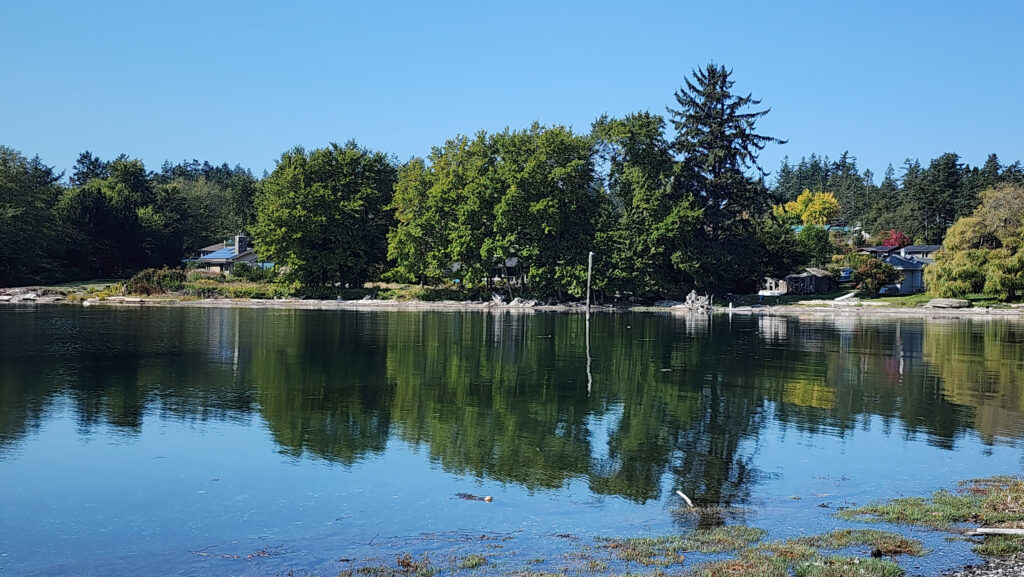
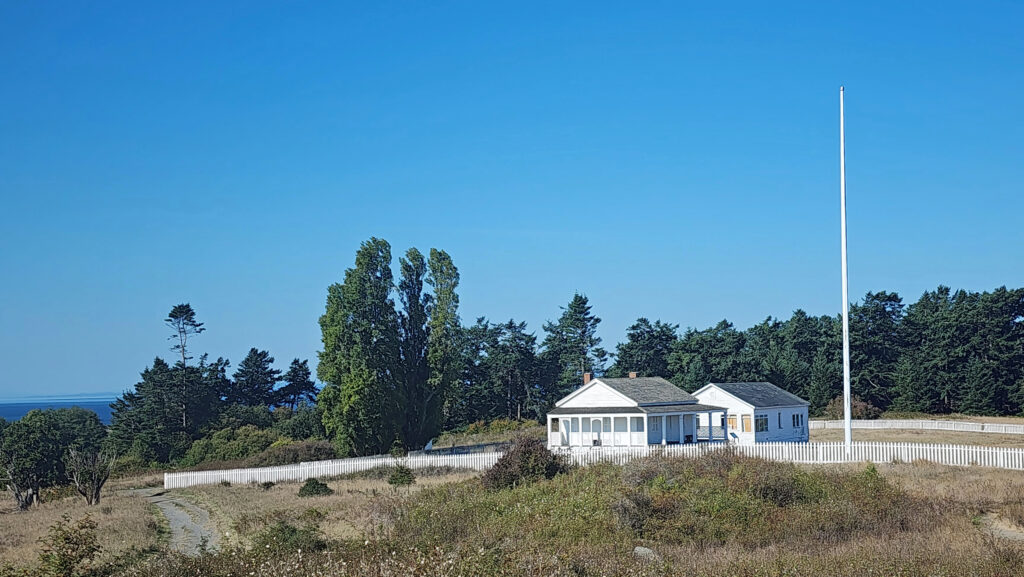
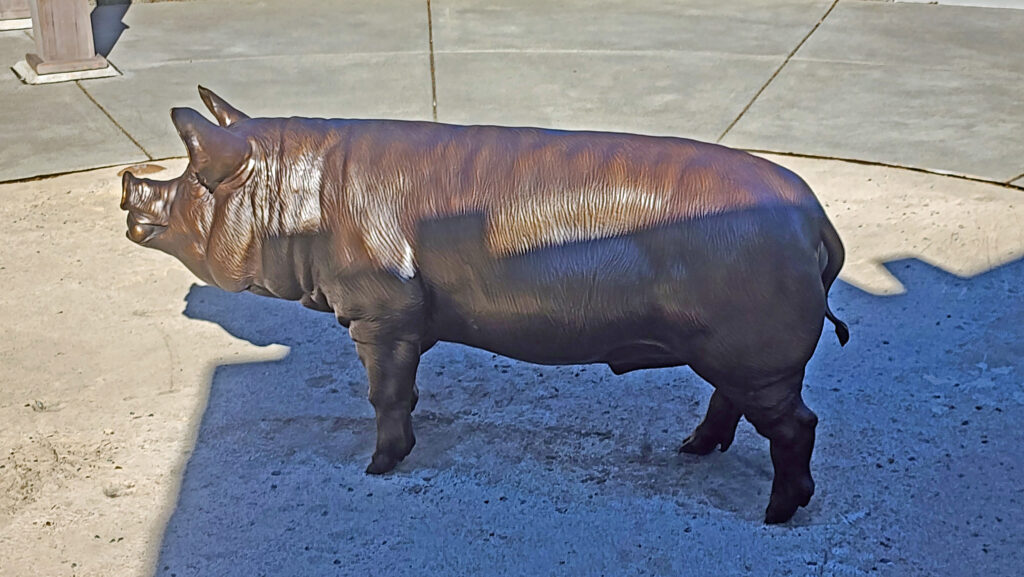 Tensions between the American and British contingents led both England and the U.S. to send military forces to the island. From 1859 to 1872, when the boundary dispute was finally settled in favor of the United States, the island was jointly occupied by both forces. No actual combat occurred, and no one was injured in the Pig War. The sites of the two country’s military installations are now part of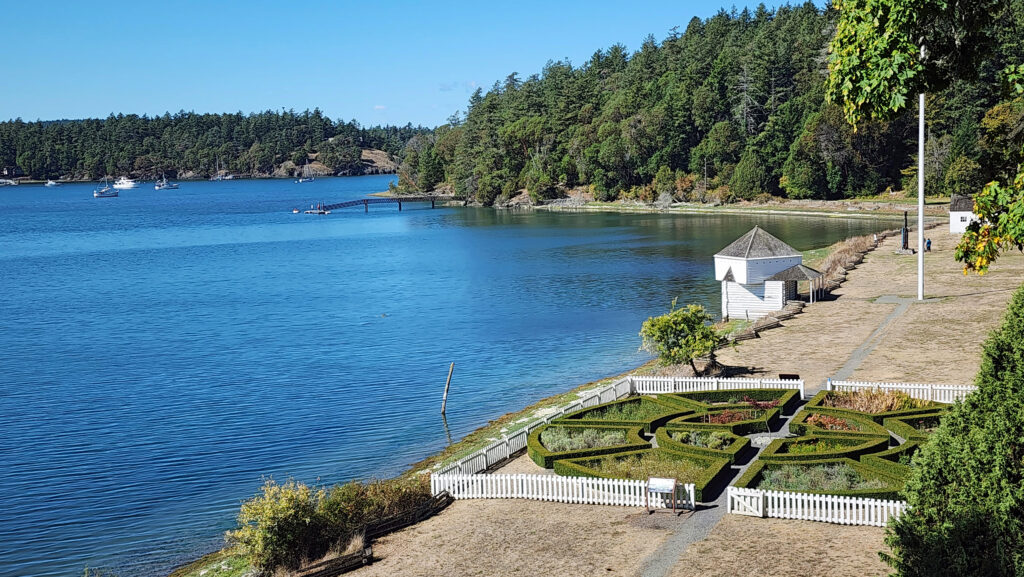
 Conclusion
 Posted October 12, 2023 by Alan K. Lee
 The following was originally posted on this site a couple of years ago. I checked all of the links, but things can change, so check the

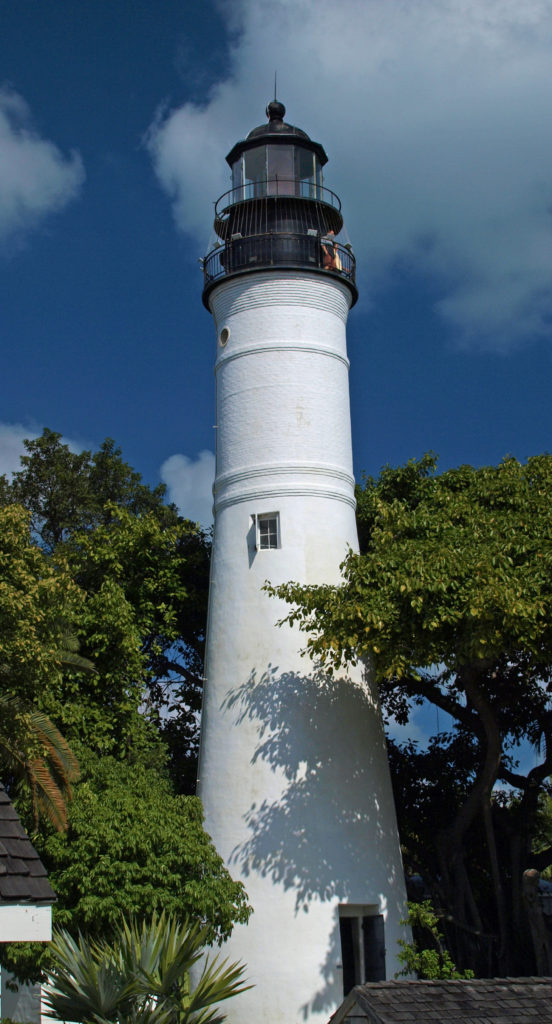
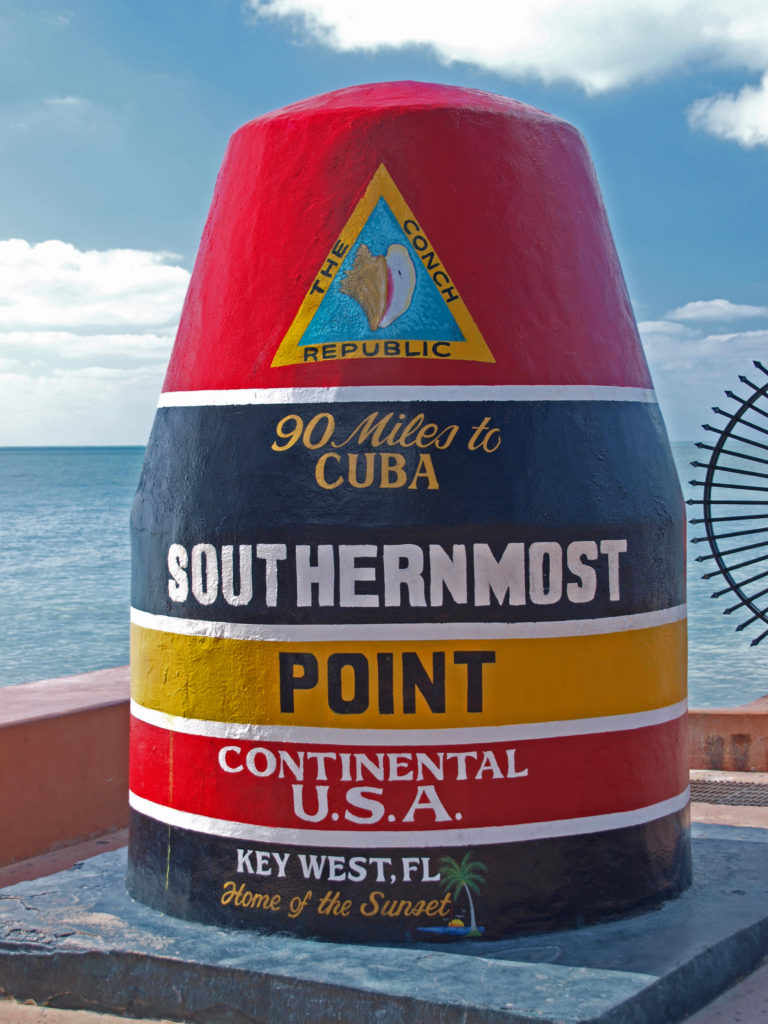
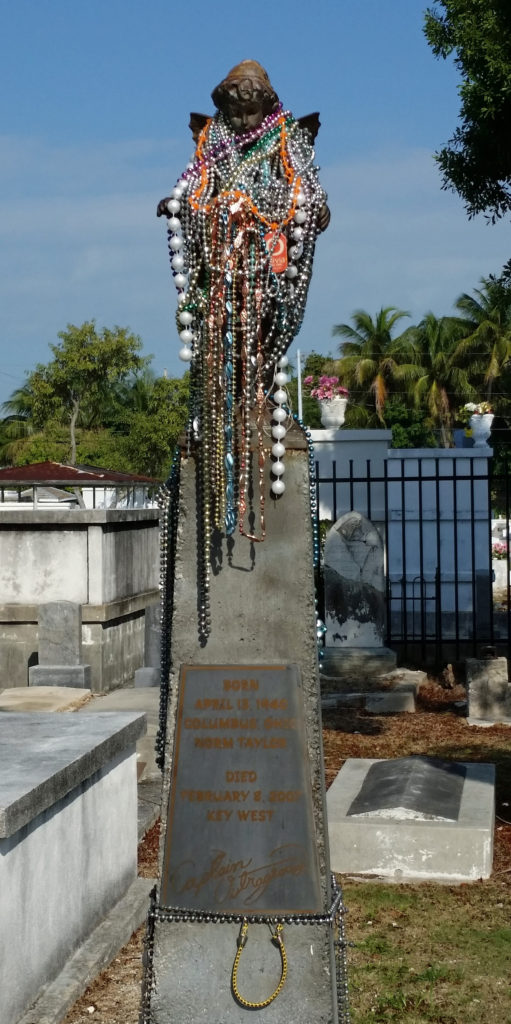 If you just want to hang out at the beach, Fort Zach Park has a nice swimming beach (with an adjacent bar). South Beach at the end of Duval Street also has a beach bar and grill. Higgs Beach is four or five blocks east and has a nice beach for sunbathing and swimming. And across the street, Astro City Playground is a fun place for kids to play. To the east of Higgs Beach are C.B. Harvey Memorial Rest Beach (no bar or other amenities) and Smathers Beach. Dog Beach, a couple of blocks east of South Beach, is literally for the dogs – a dog friendly, off leash park.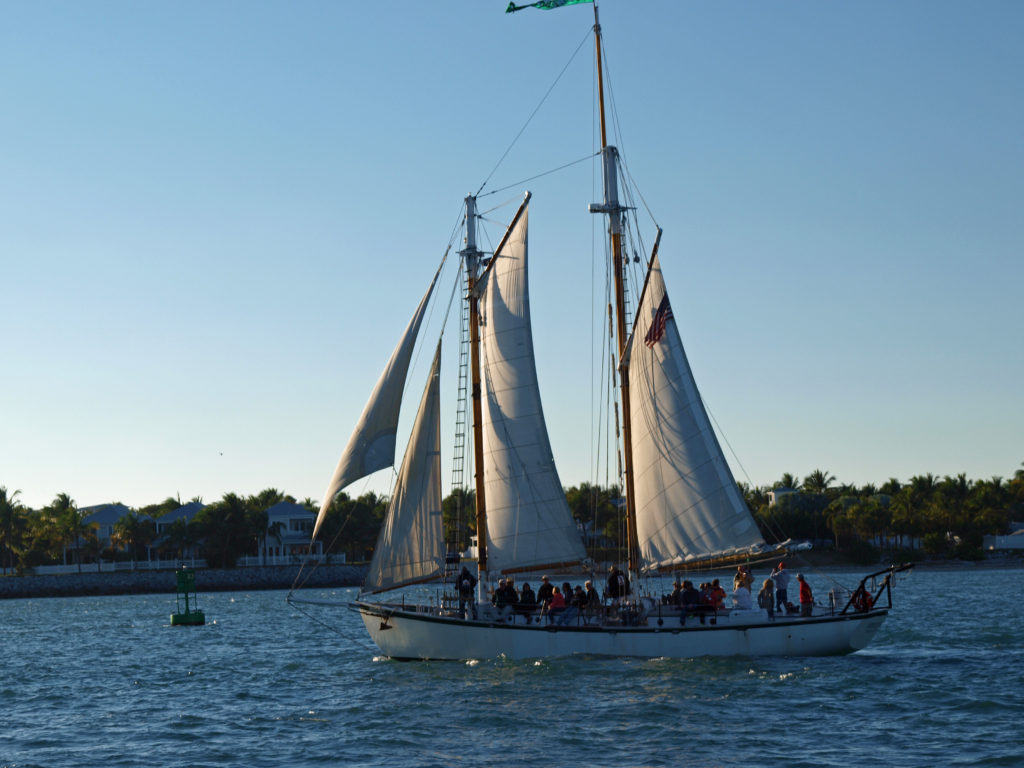


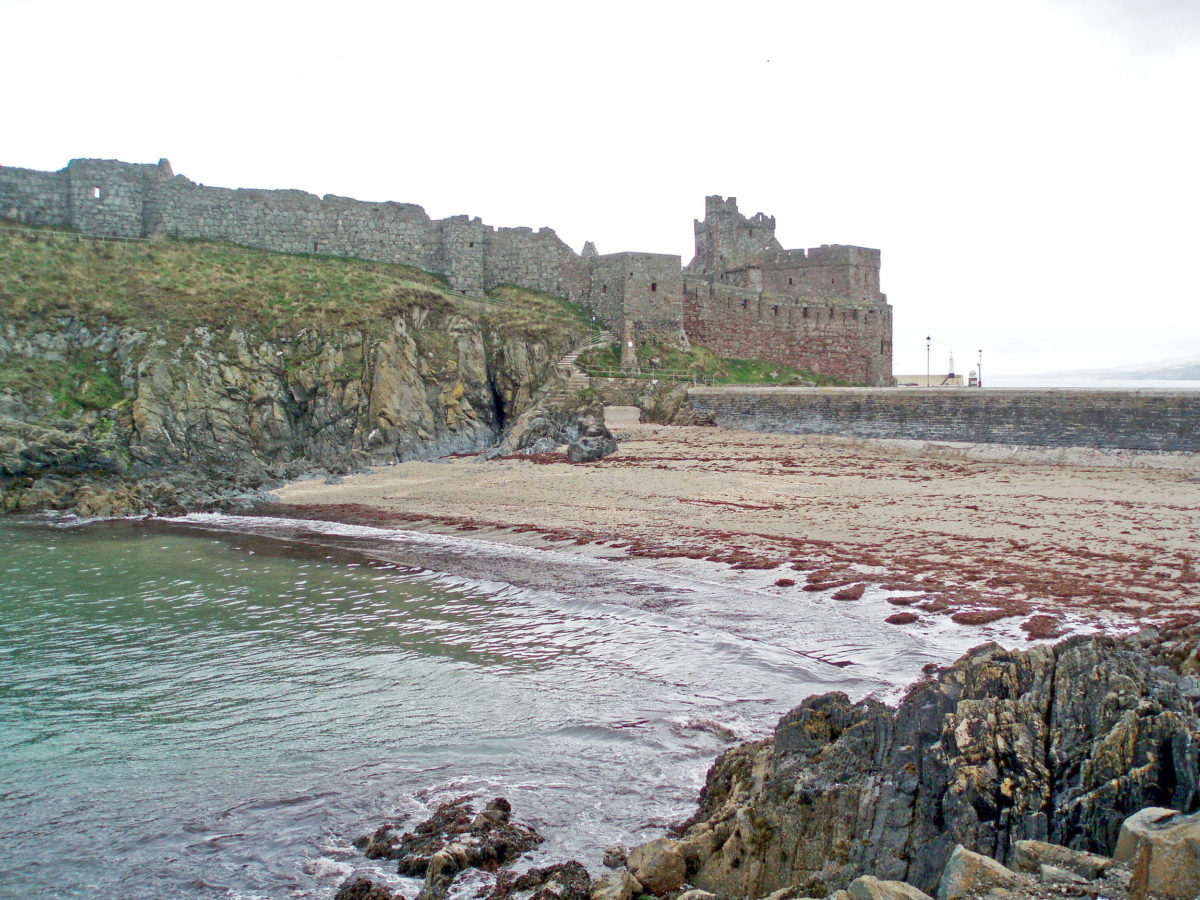
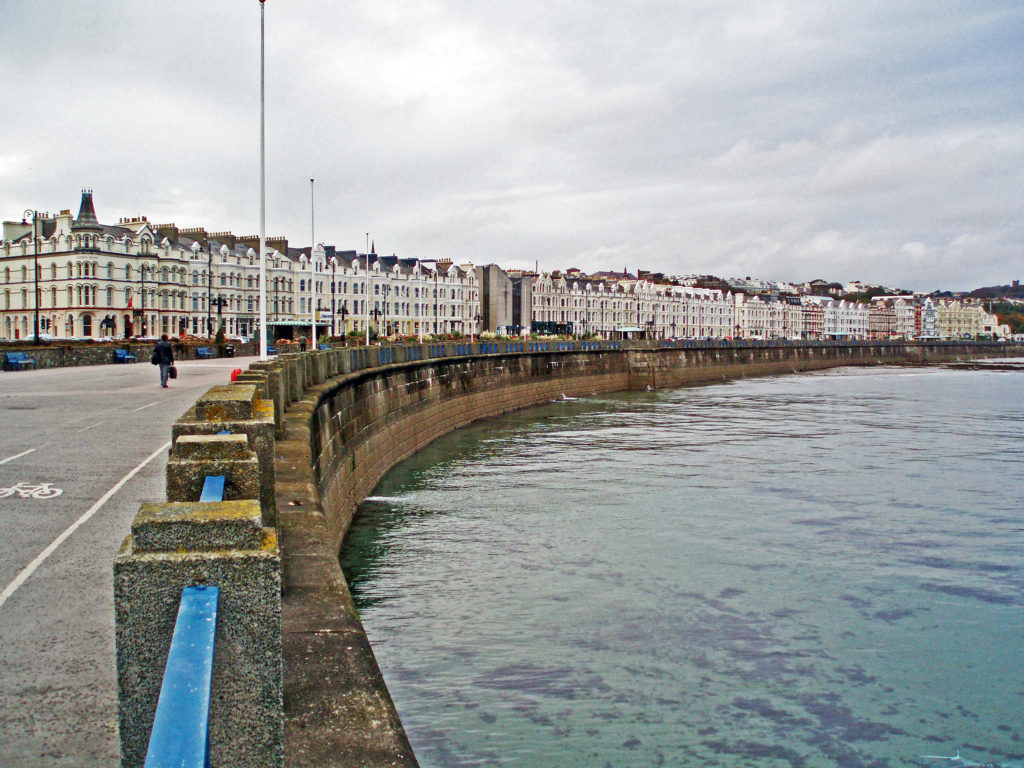

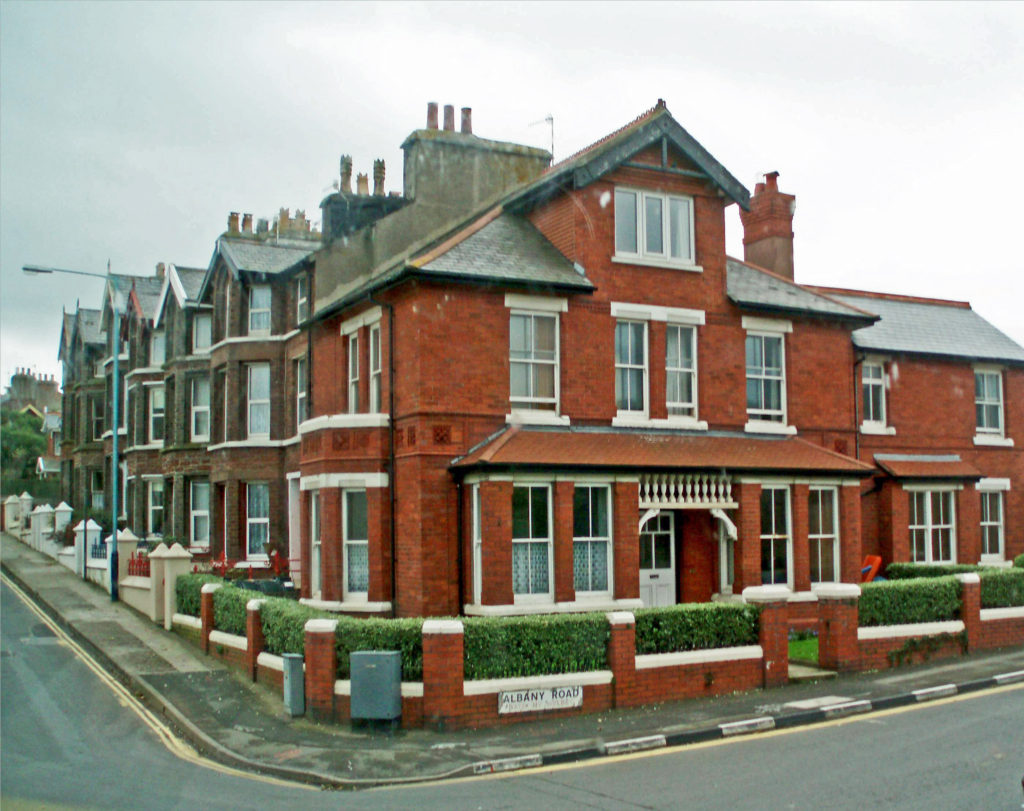 Not quite an independent country, the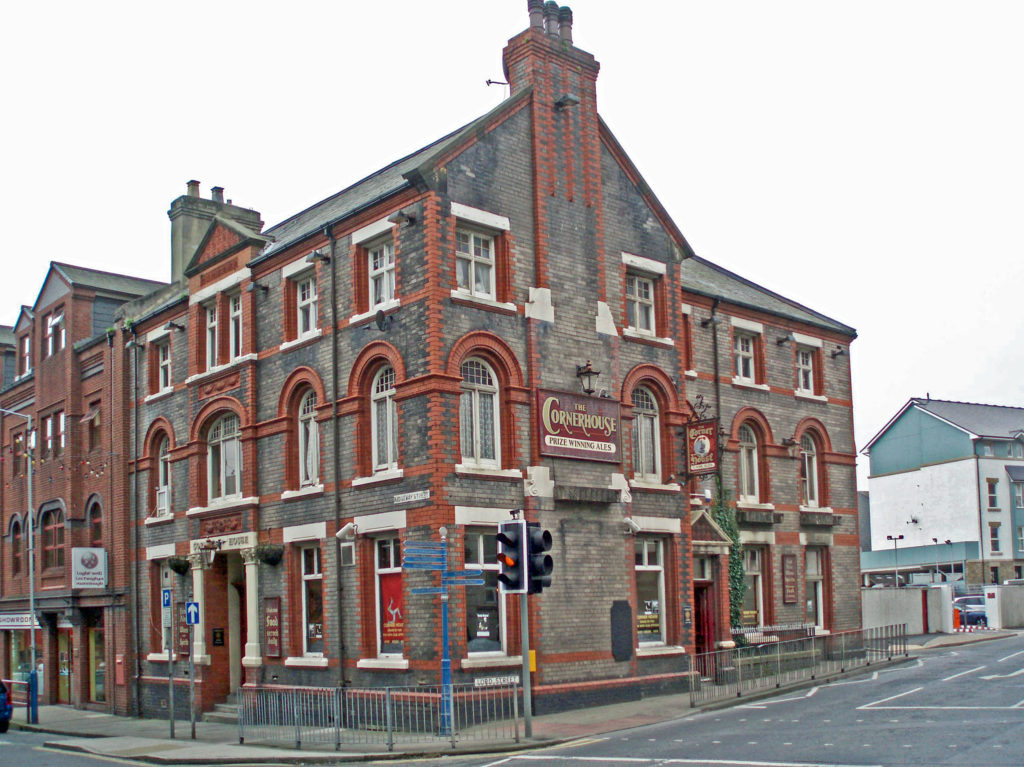
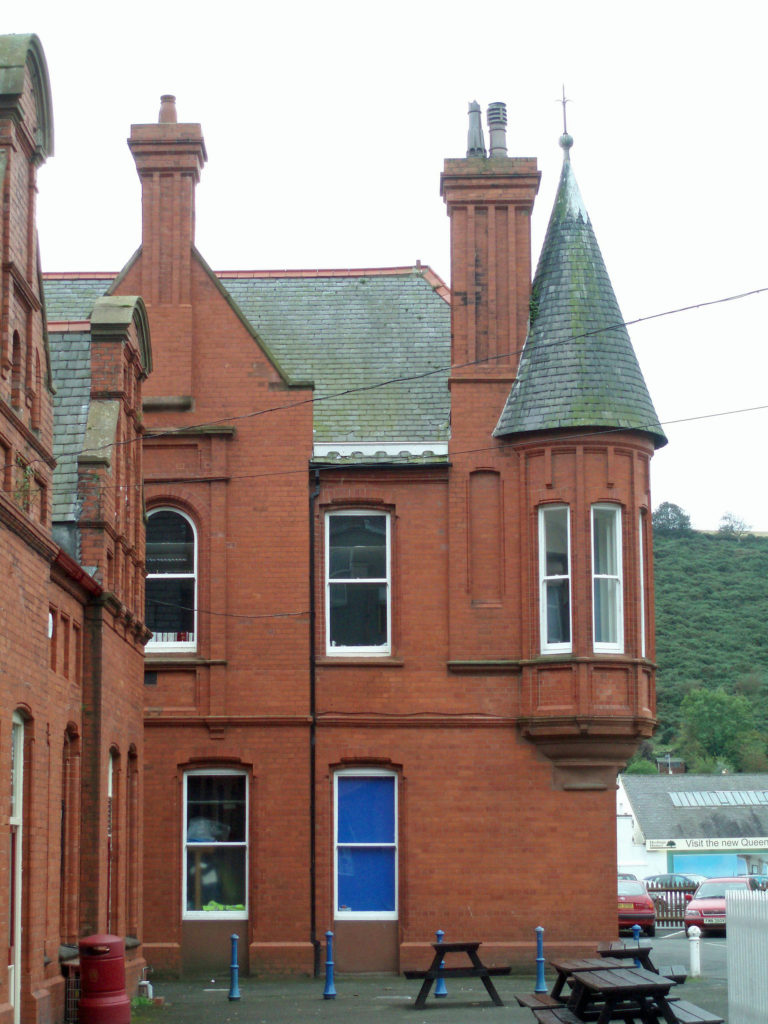
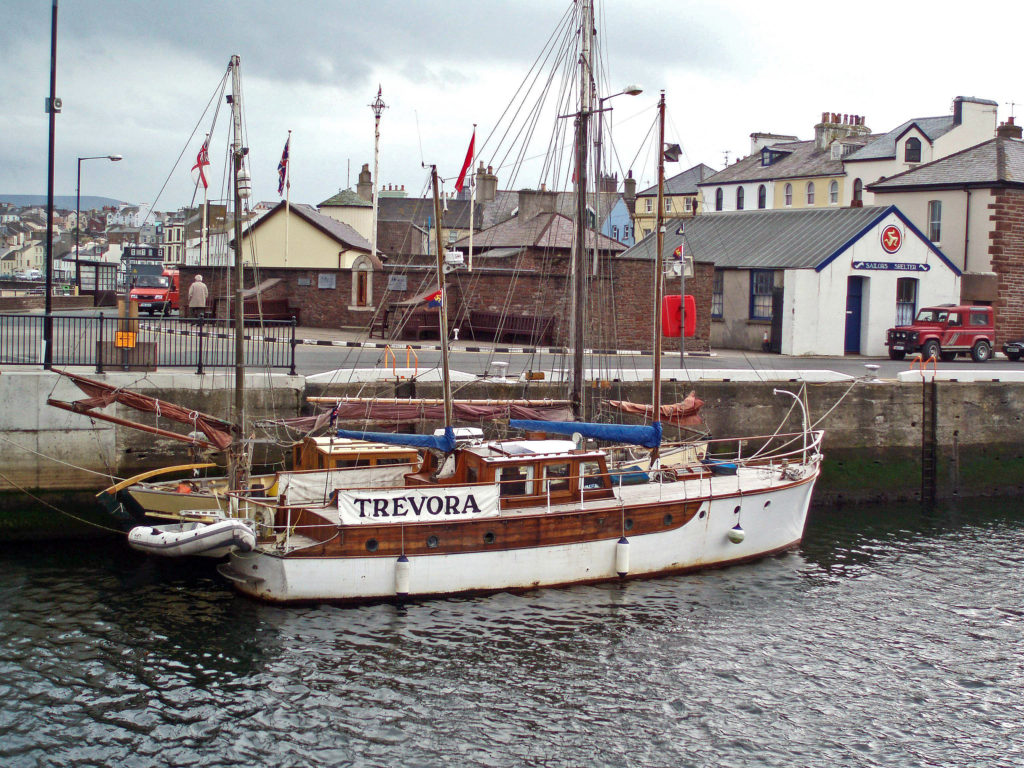
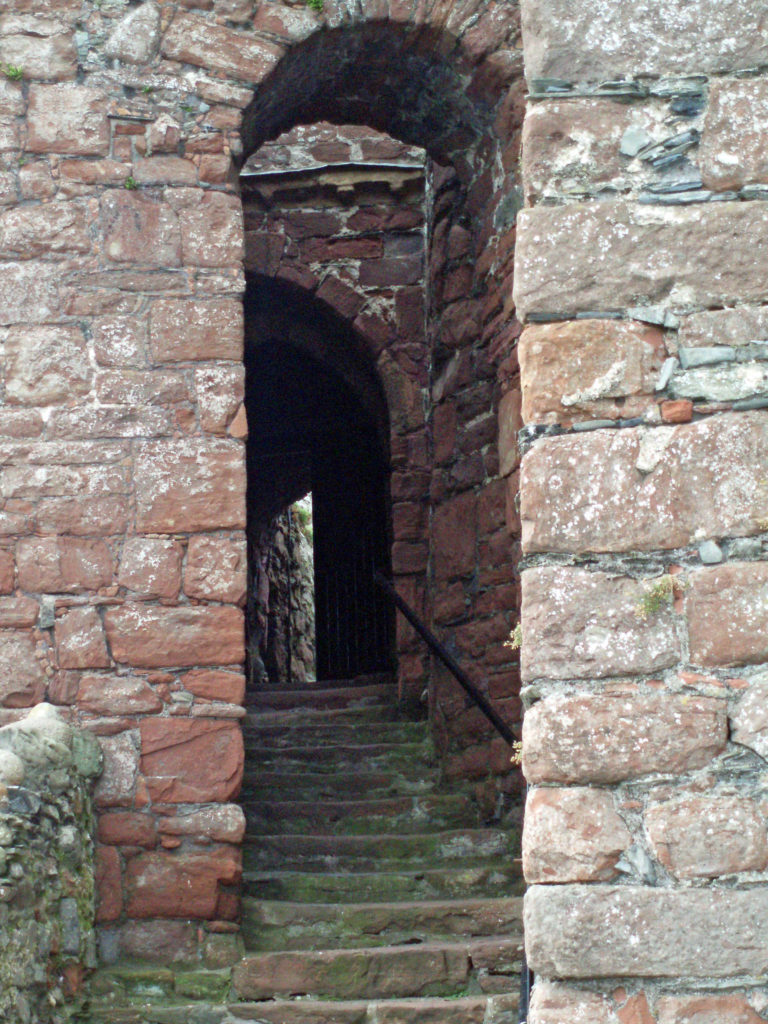 Getting to the island is relatively easy. It is no more than a 30 minute flight from any major city in the UK or Ireland. We, however, traveled to the island by passenger ferry from Heysham, England, which takes about two and a half hours. Ferries from Heysham and Liverpool run year round. In the summer months, there are also ferries from Belfast and Dublin to Douglas, the capital and largest city on the island.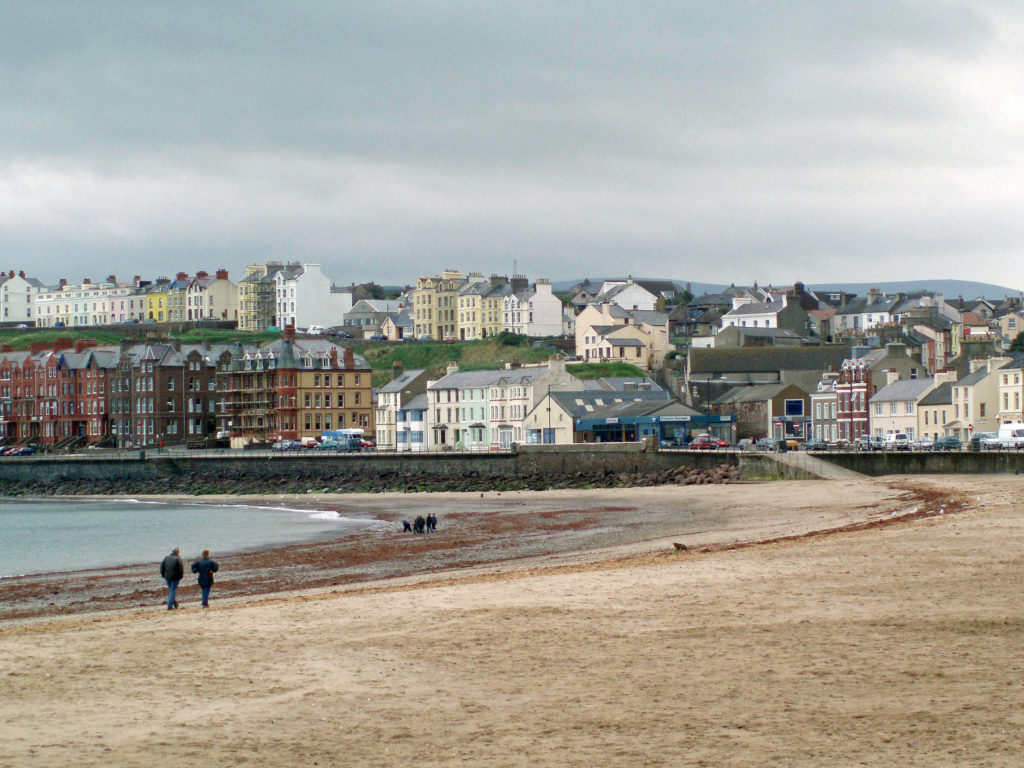
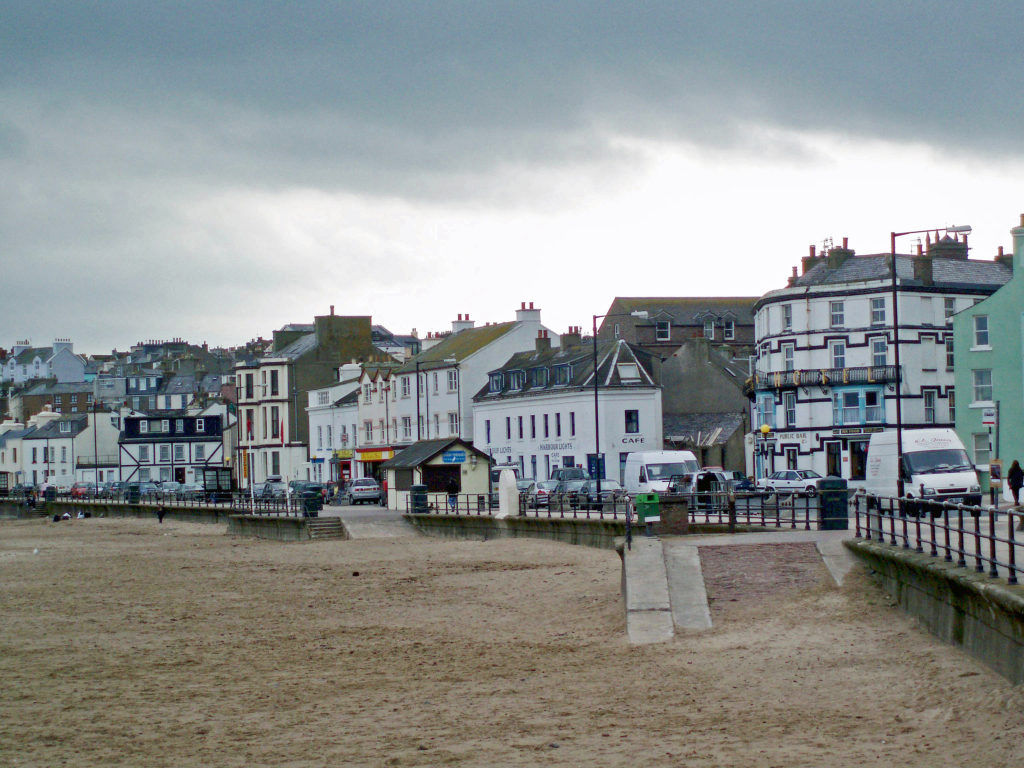
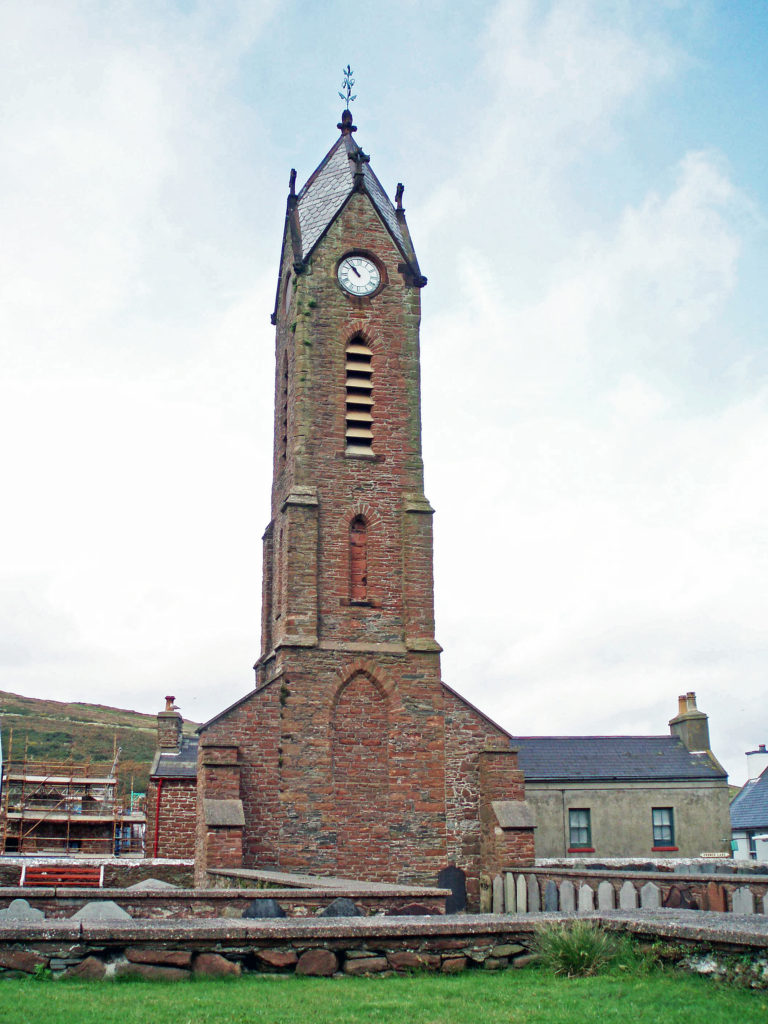
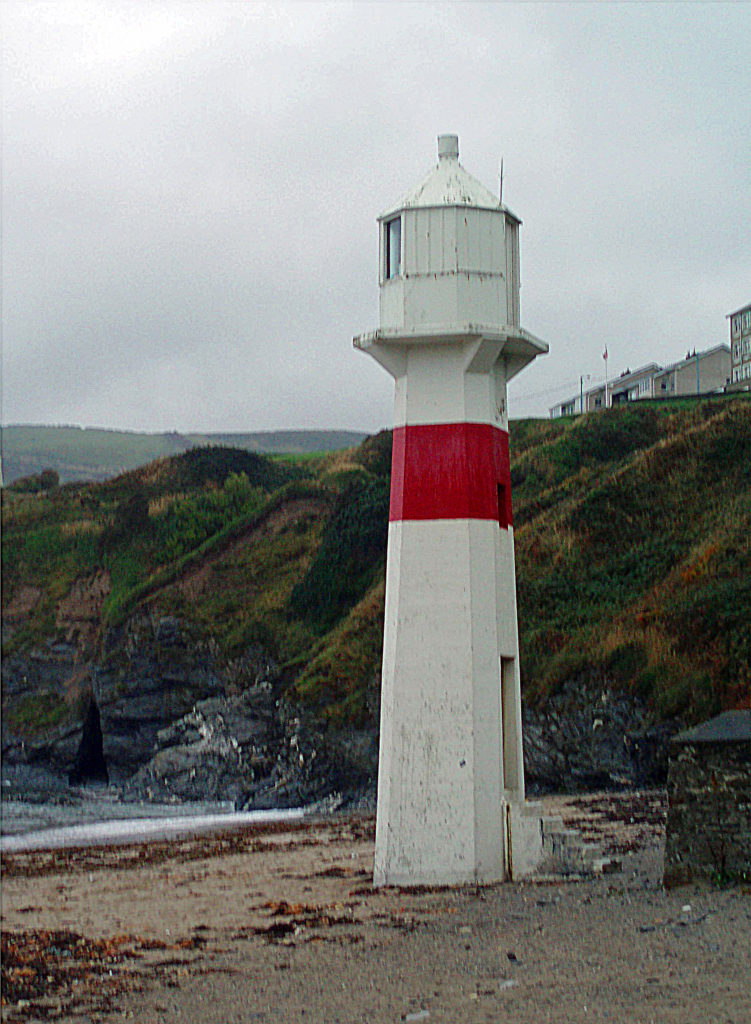
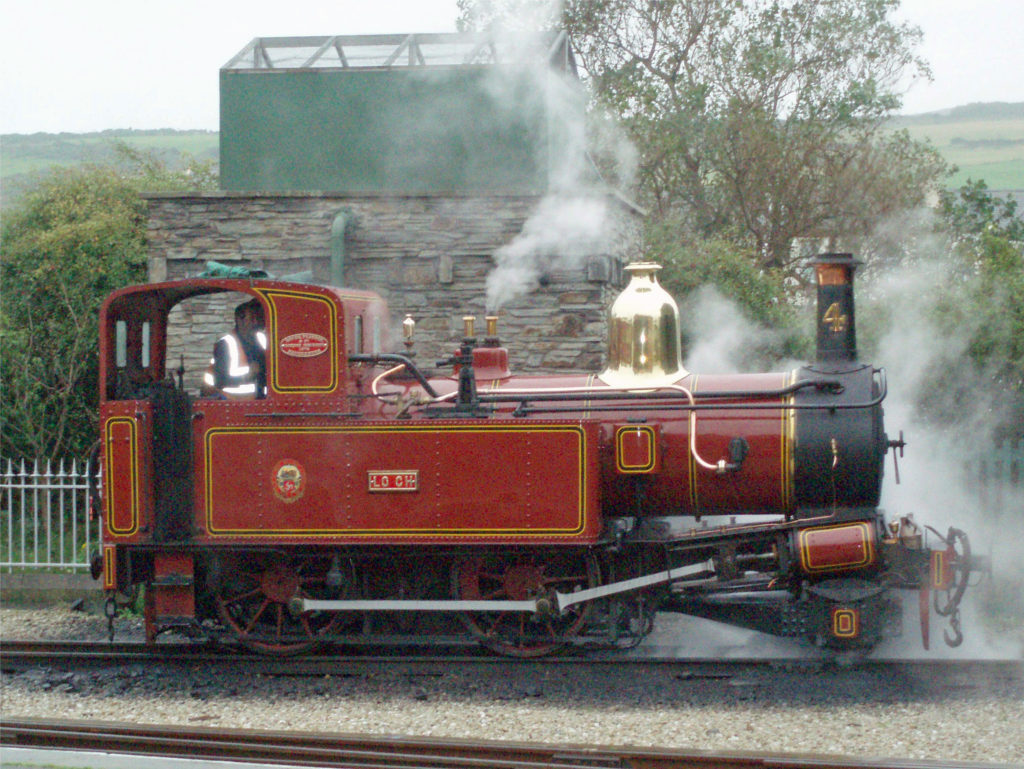 On our train ride we met a local gentleman who was happy to pass on some of his knowledge of the island and its history. We found the Manx people to be friendly and welcoming.
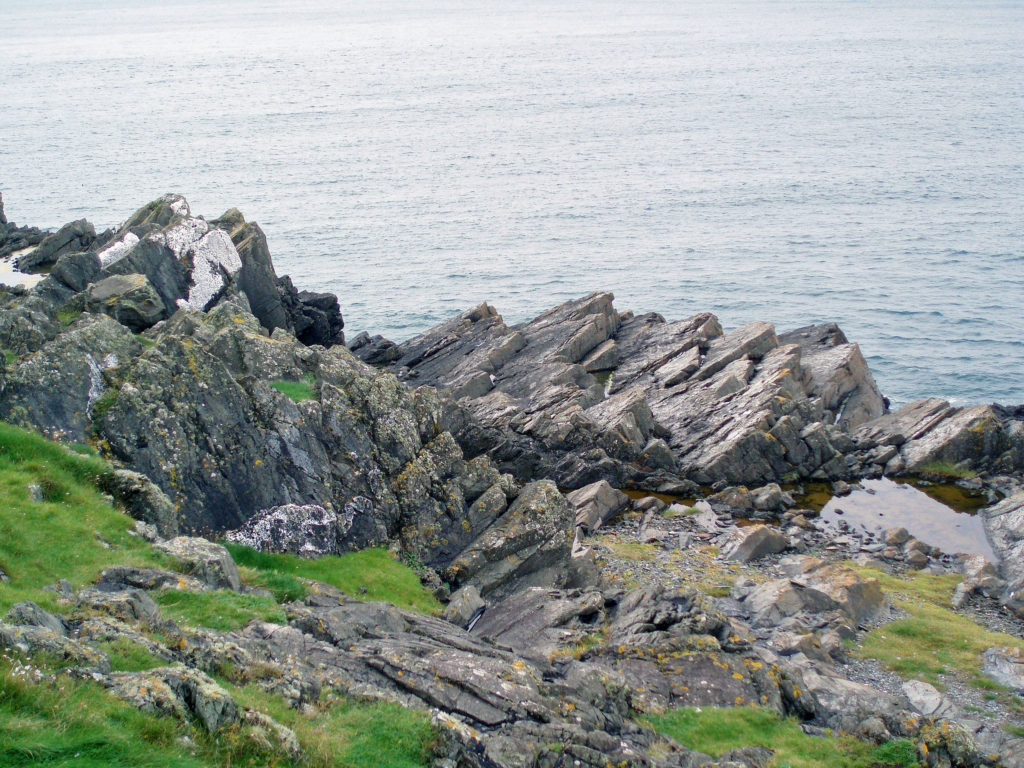 The Isle of Man has an interesting history. It has been ruled by the Celts and the Vikings, and it has, at various times, been part of Norway, Scotland, and England. But the Manx people have a strong sense of their own identity and have managed to maintain that identity for more than a millennia, regardless of who ruled the island. Tynwald, the Isle of Man parliament, is one of the oldest, if not the oldest, in the world. And human occupation of the island goes back to at least 6500 BC.
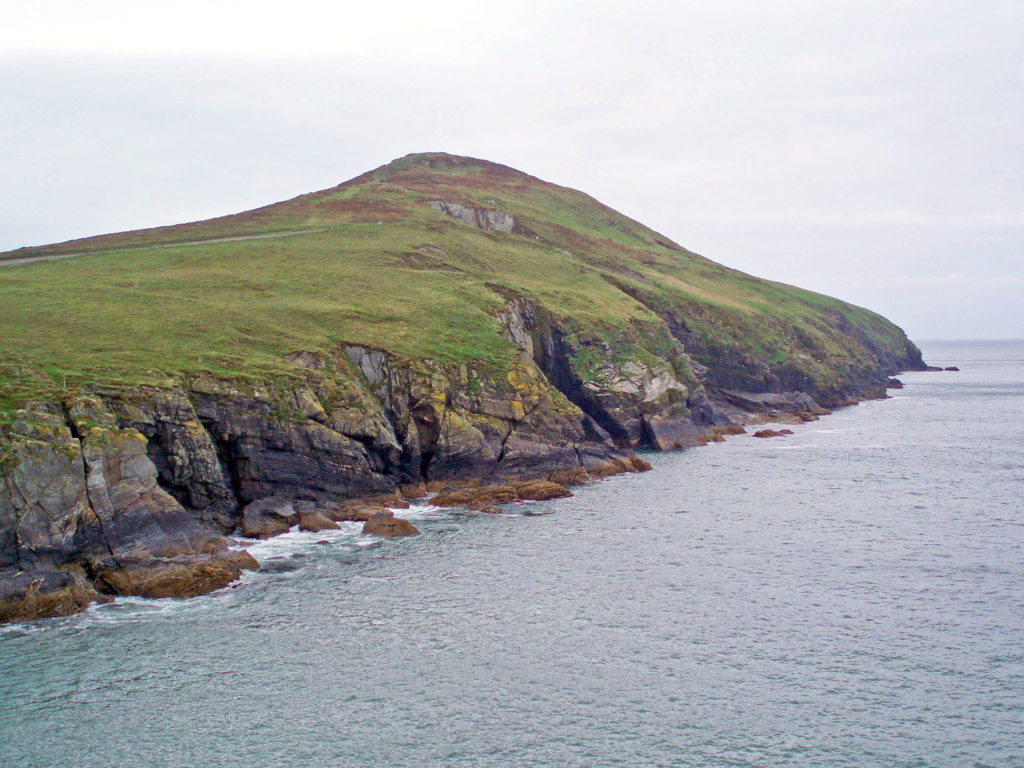 The Isle of Man is known for the short-tailed Manx breed of cats. The island is also the home of a four- and sometimes six-horned breed of sheep, and a population of red-necked wallaby, which have become established on the island after escaping from a wildlife park. We saw many of the odd looking sheep, but no cats or wallabies, sorry to say.
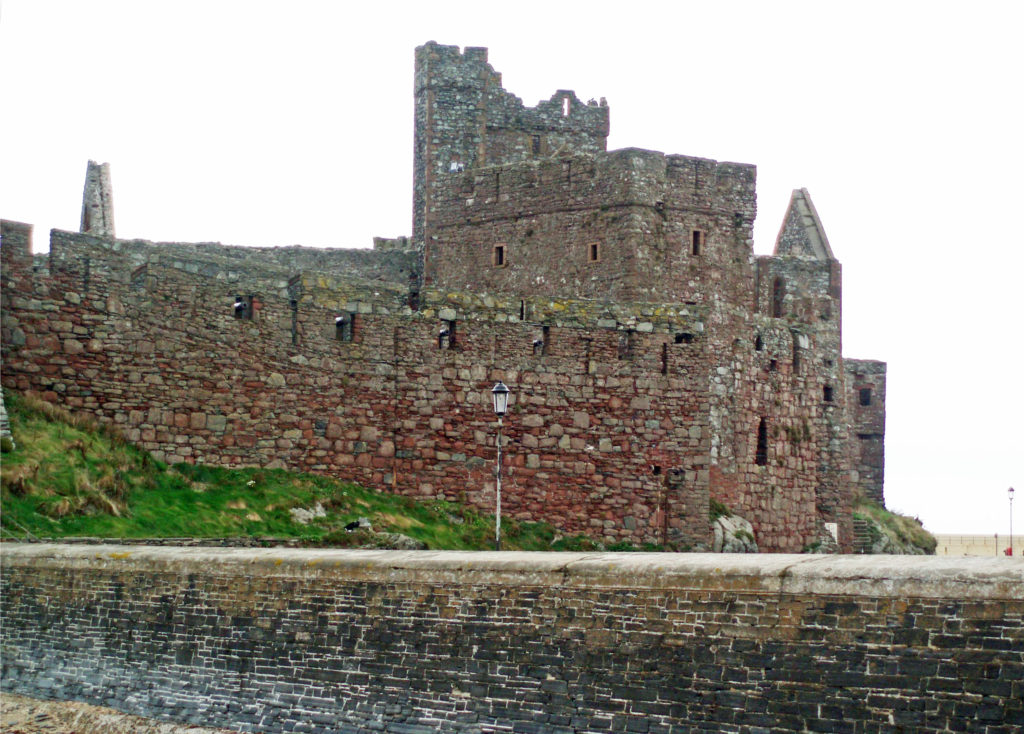 Motor sports fans know the island for the Isle of Man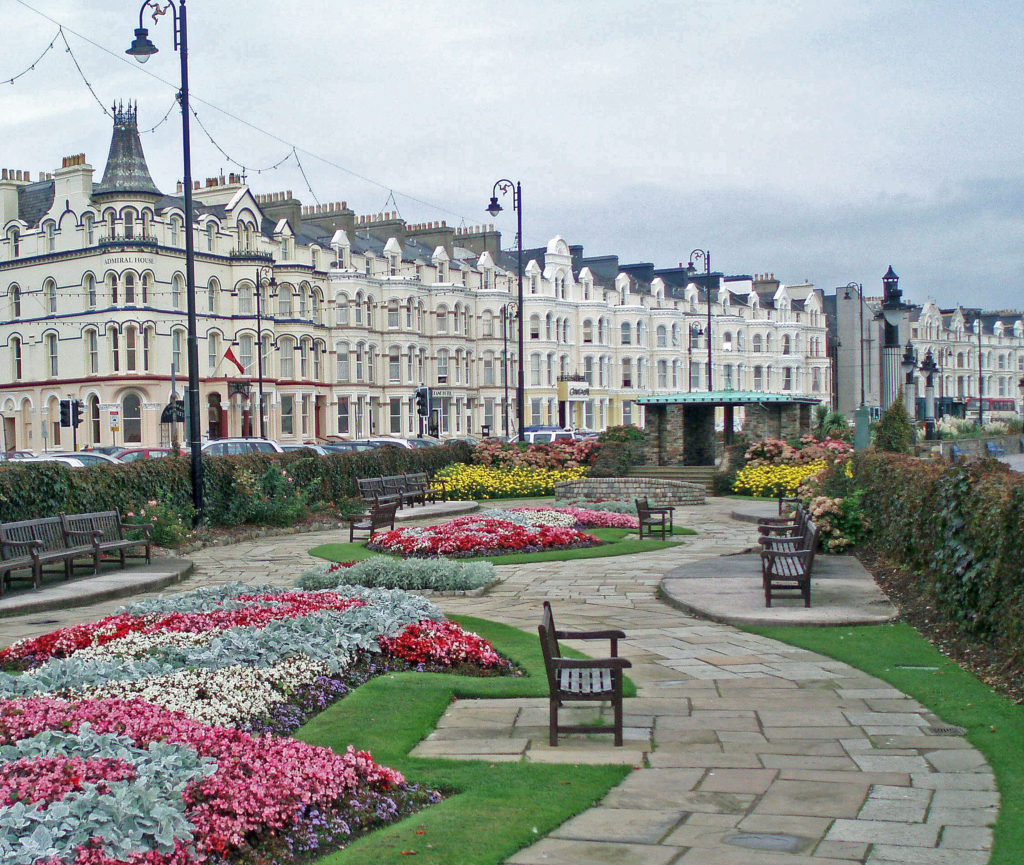
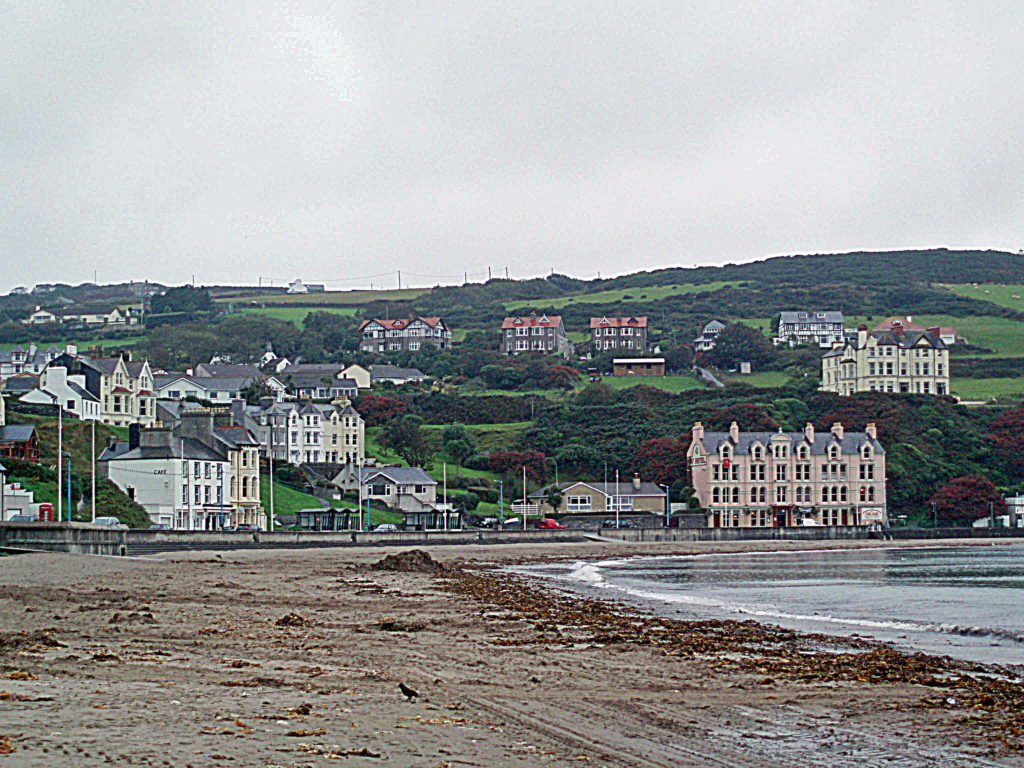
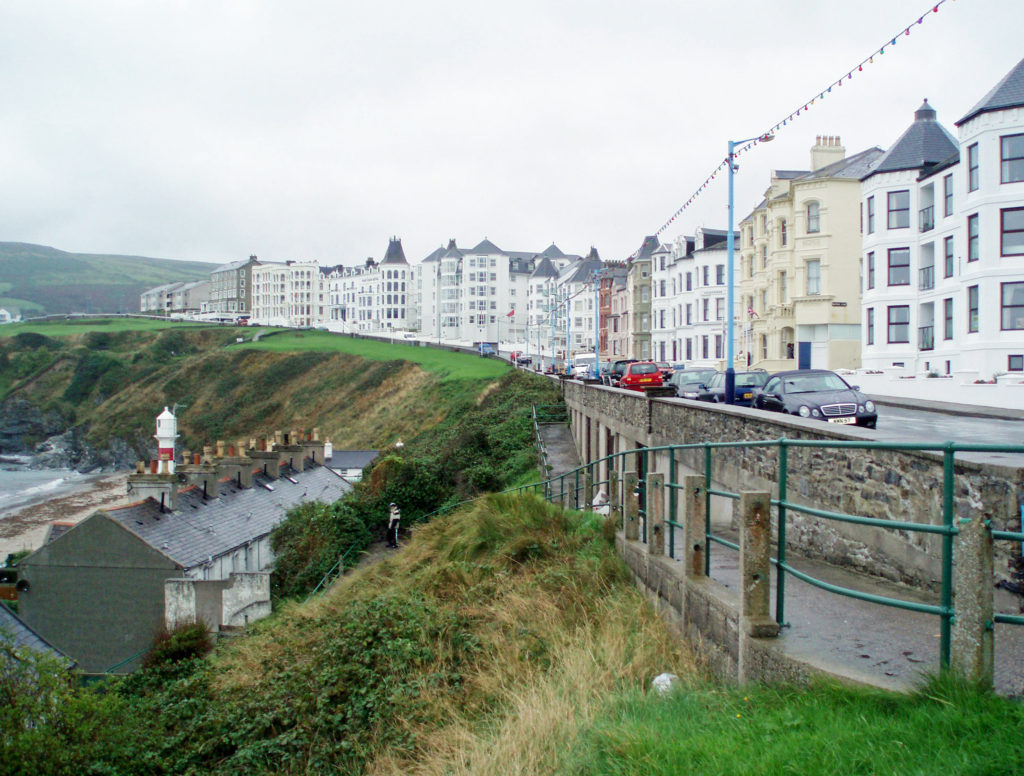 While the Isle of Man might not be a tourist destination in its own right, at least for those of us from North America, we thoroughly enjoyed our time there, and I would like to go back someday. It has been some time since we visited, but given the island’s long history, I doubt that its essential character has changed much over the past seventeen years. I’m sure it remains a worthy addition to any trip to Great Britain or Ireland.
 Originally posted by Alan K. Lee, December 4, 2020. Updated and re-posted August 28, 2023.
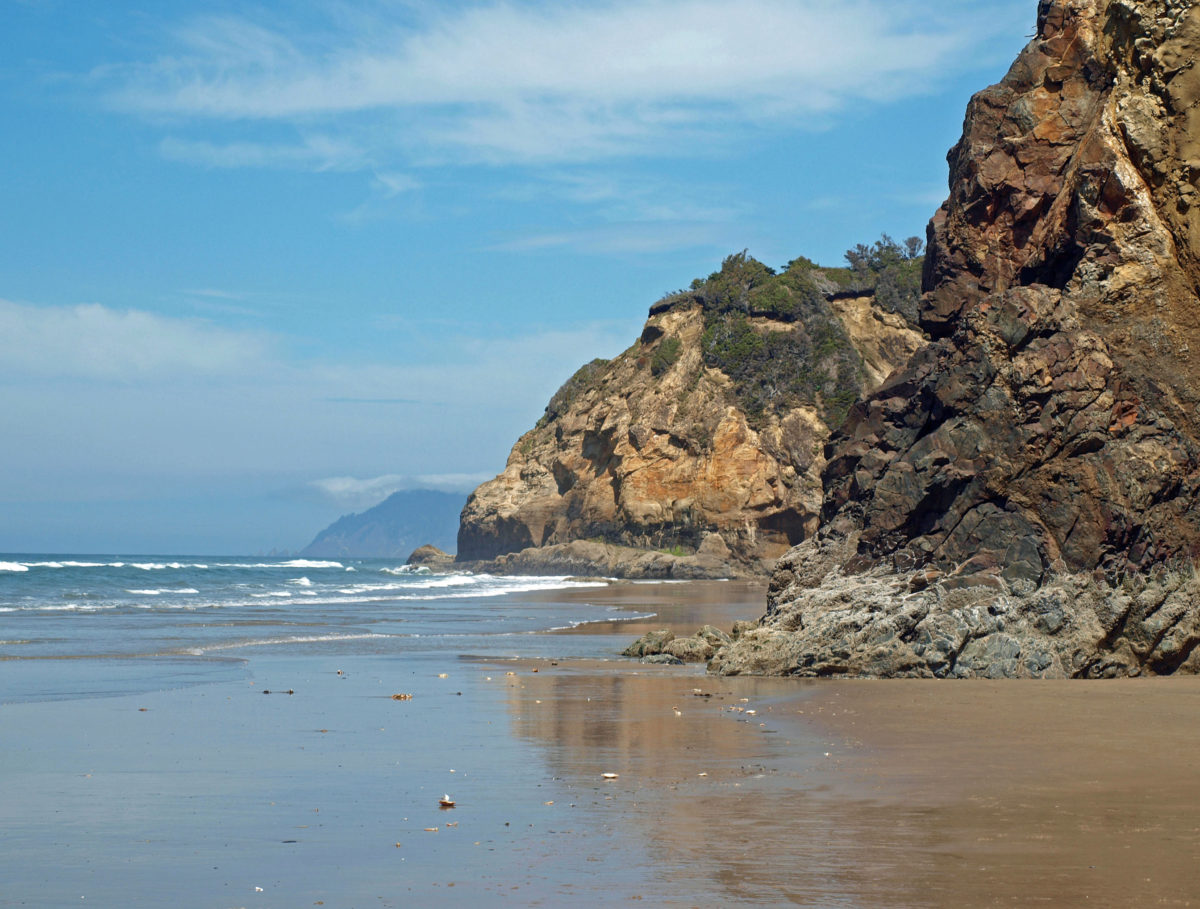
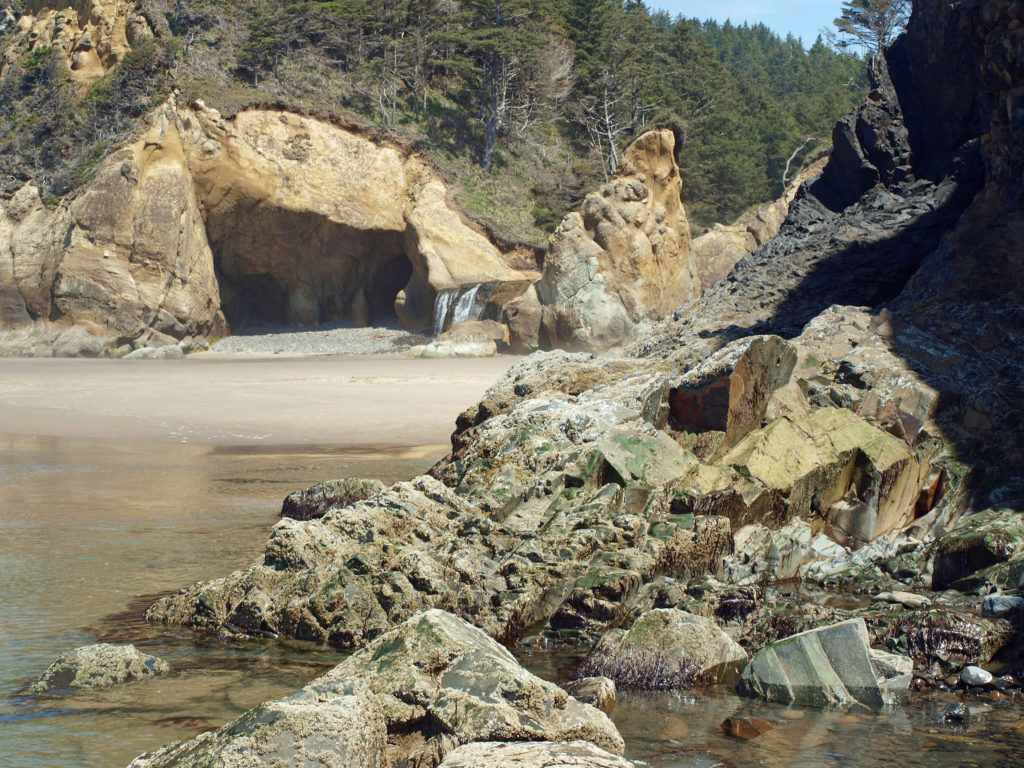
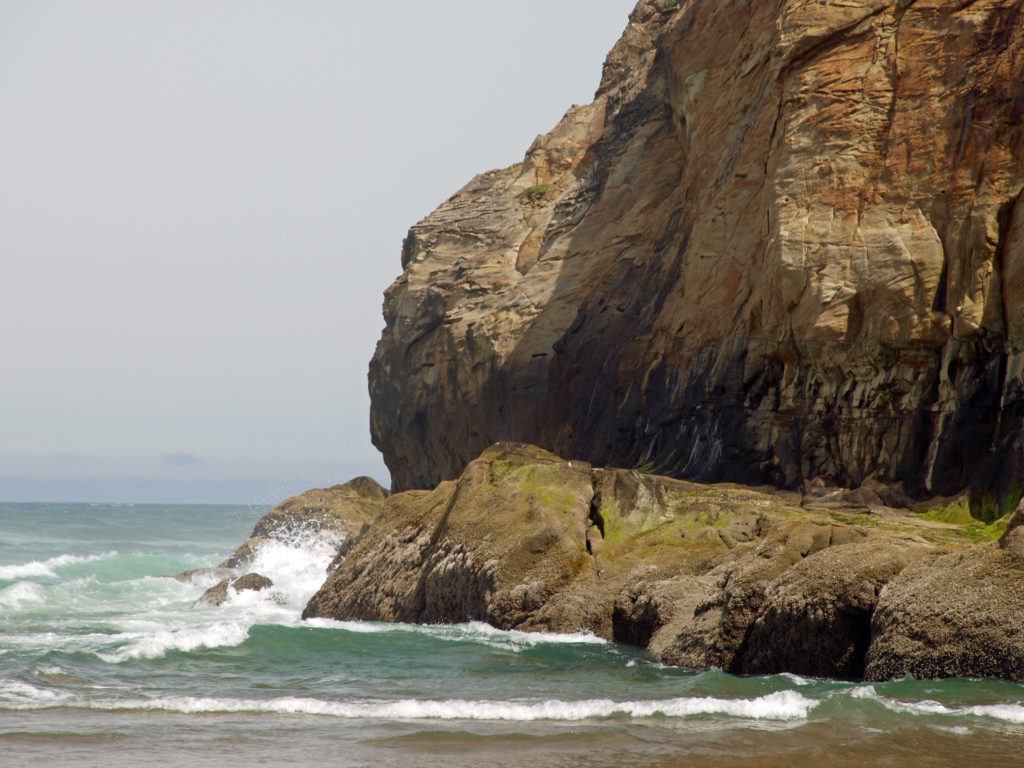
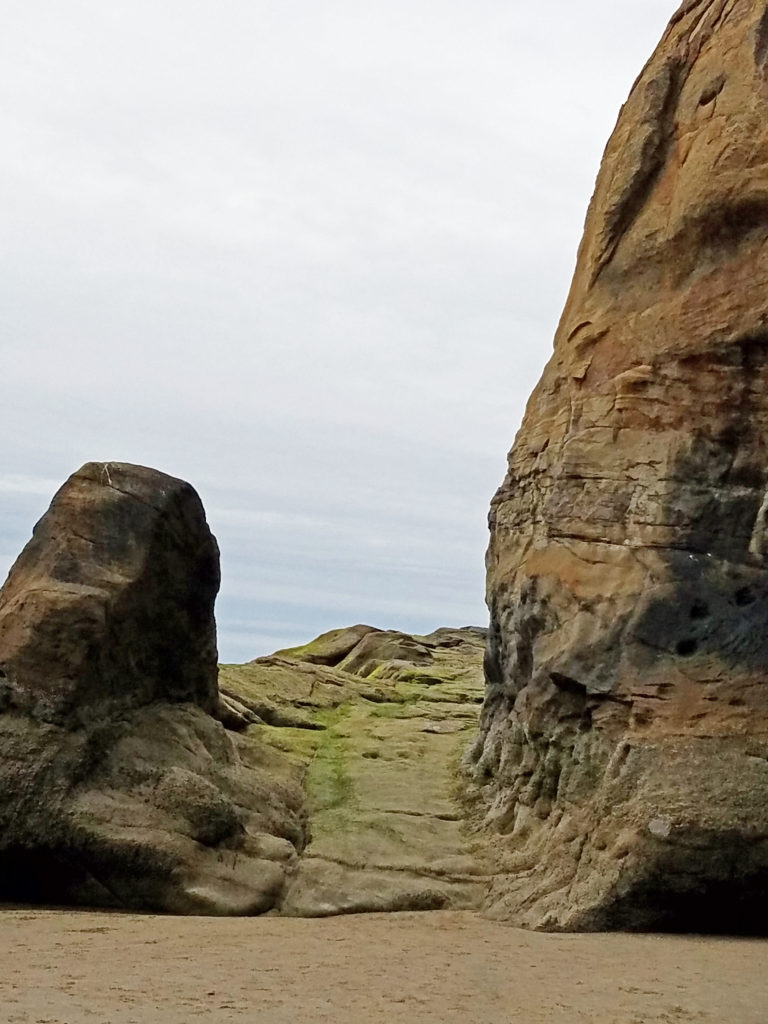
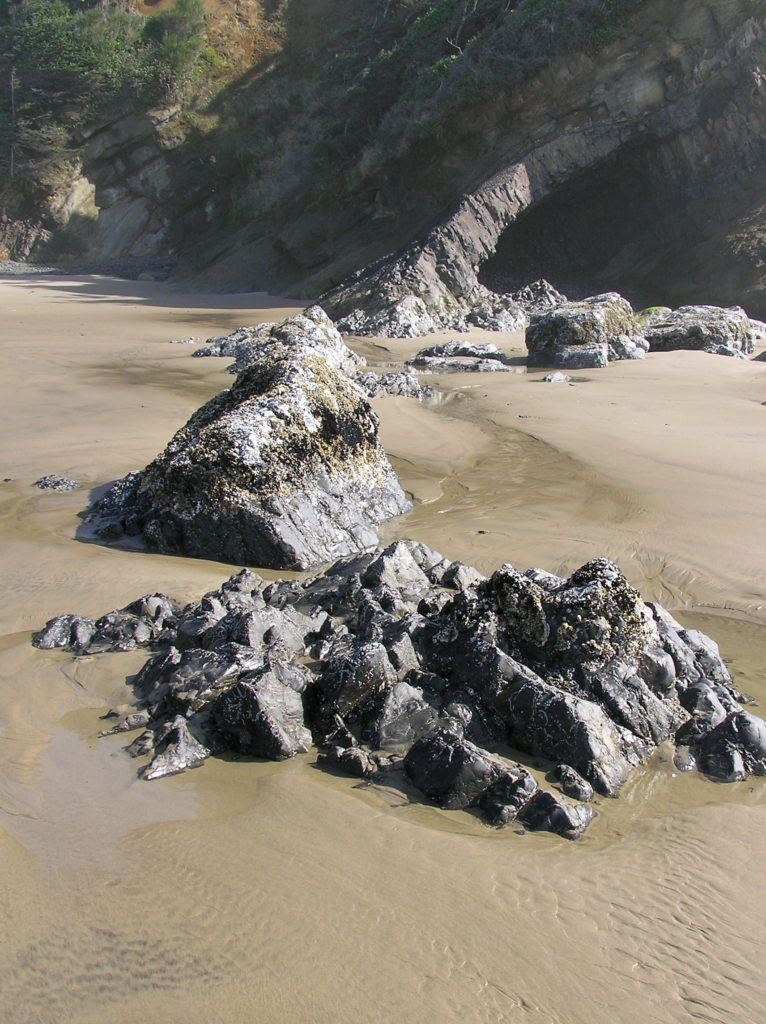
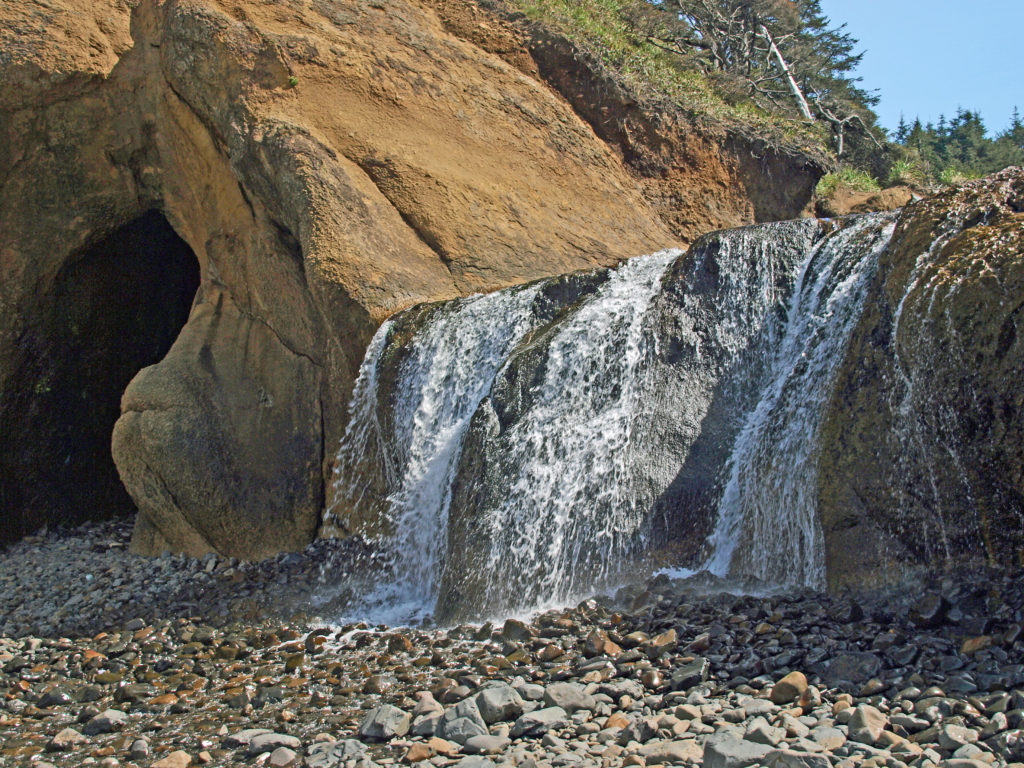
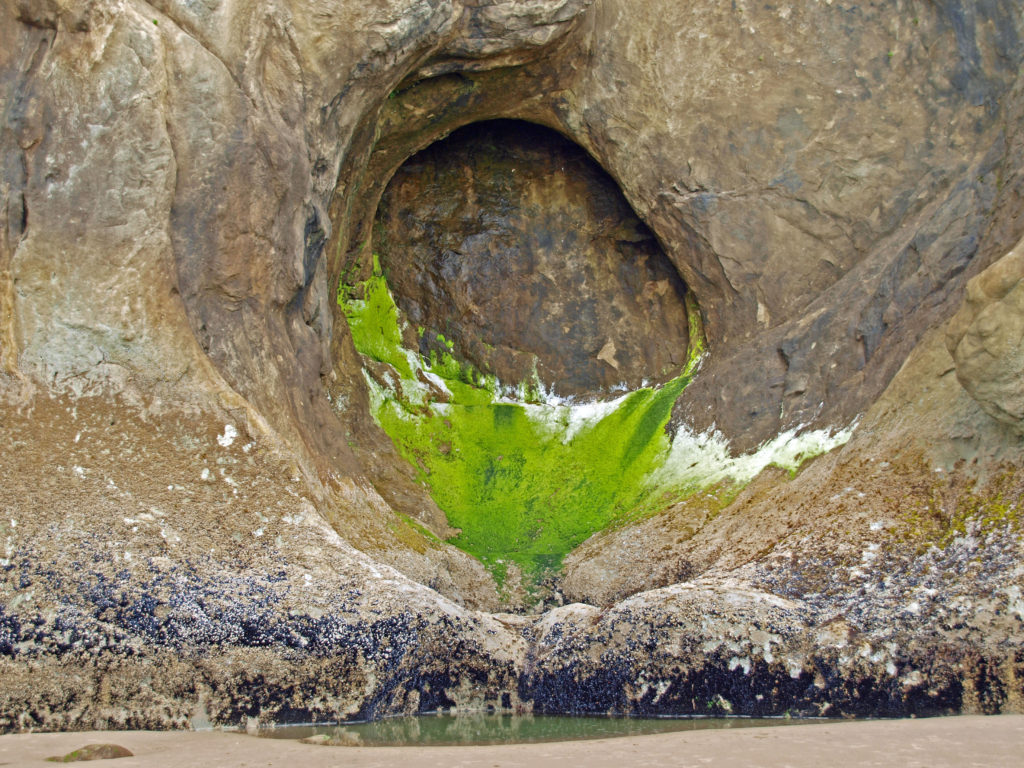
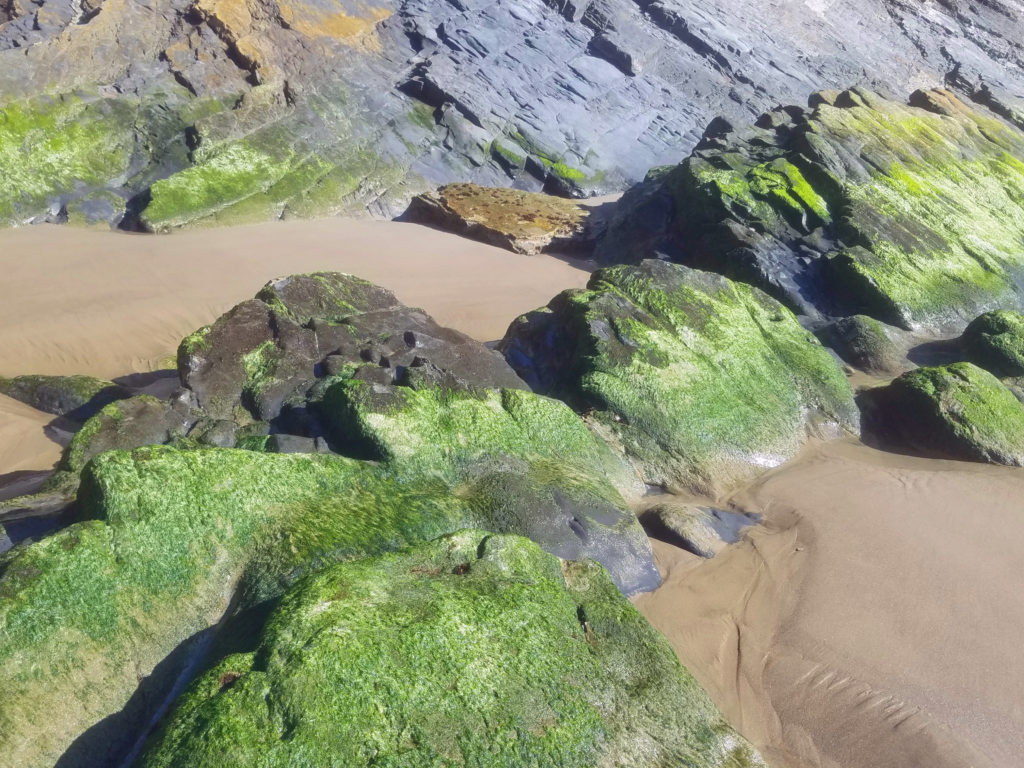
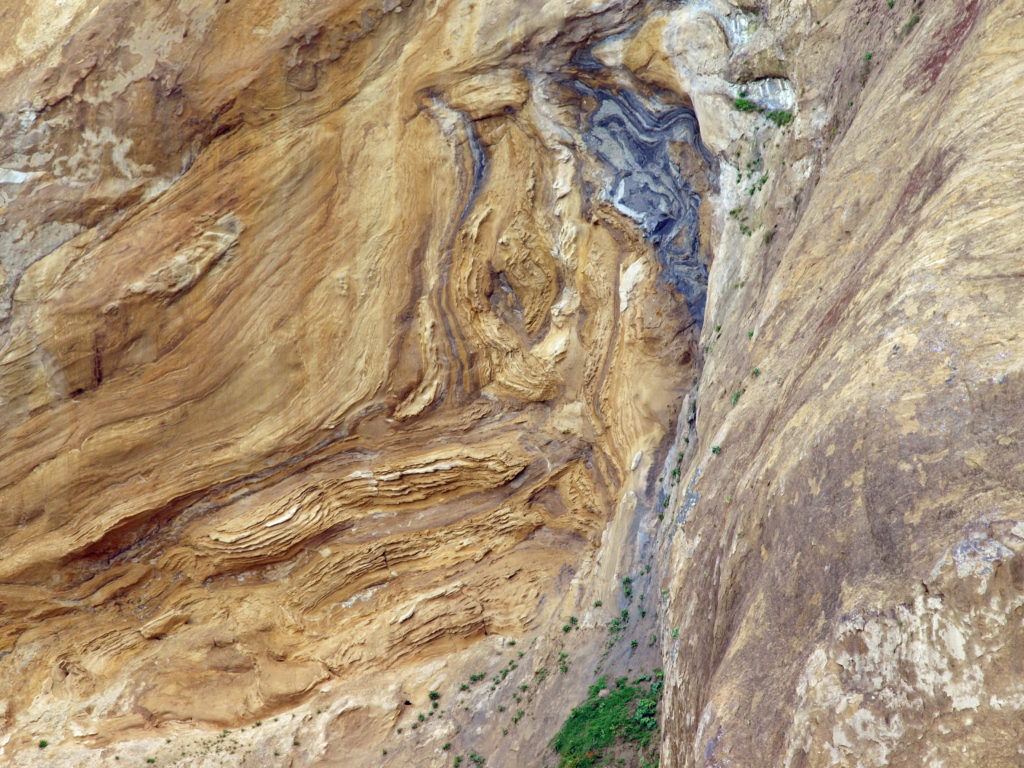 I love the eroded sandstone rock formations found at Hug Point. The layered sandstone of the point has been warped and folded by tectonic processes and eroded by wind and water into fantastic formations. The tidewater rocks are covered in green algae and seaweed, barnacles, and mussels. The rocks, sand, colorful vegetation, waves, and ever changing light make for great photo opportunities.
 Hug Point State Park is located about five miles south of Cannon Beach. The point can also be reached from Arcadia Beach State Park, about a mile to the north. It’s an easy day trip from the Portland area, but there many other attractions in the area, so many visitors spend a weekend or longer in the area.
 The nearby towns of Cannon Beach, Seaside, and Manzanita all have numerous motels, BNBs, and other accommodations, as well as many restaurants and cafes serving fresh seafood and other locally sourced foods.
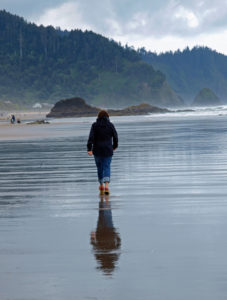
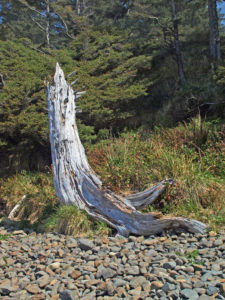
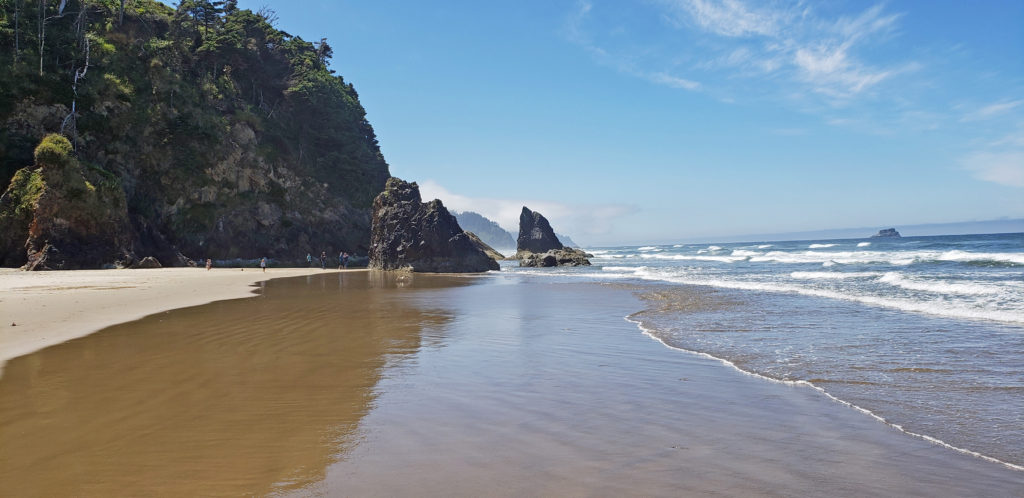
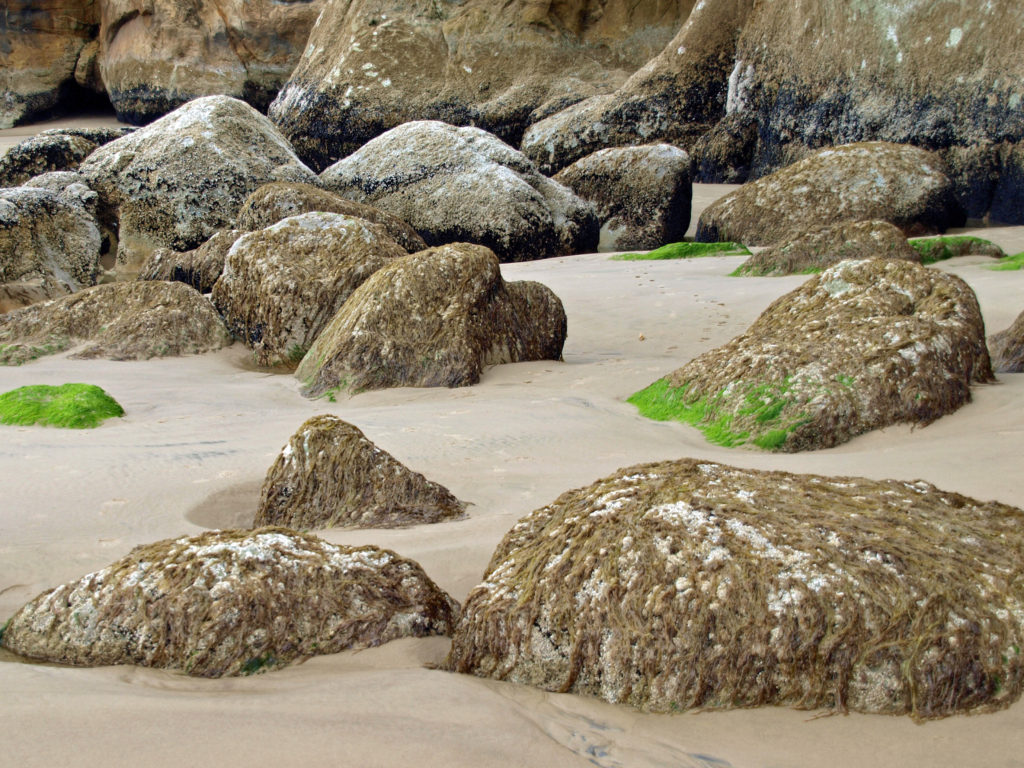 One note of caution, though. If you go, pay attention to the tides. The waterfall and caves that draw most of the visitors to Hug Point State Park are nestled between Adair Point, immediately north of the beach access, and Hug Point itself. At high tide it can be difficult or impossible to get around these two points, so it is possible to get trapped between them.

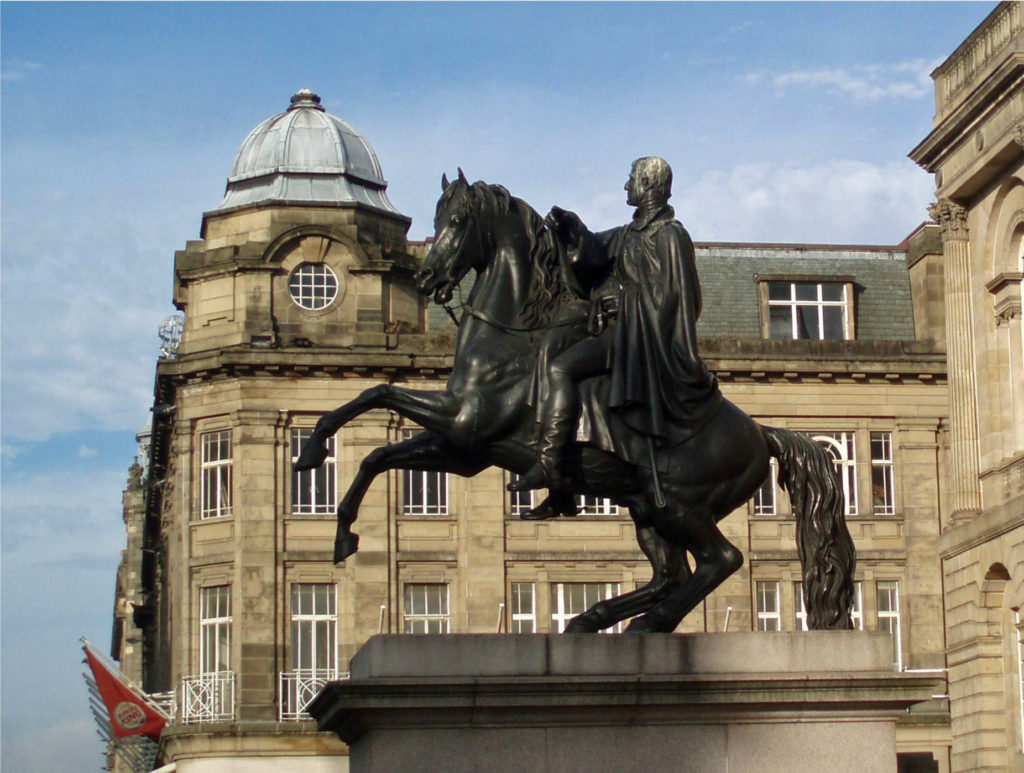
 That trip was more than 15 years ago and some things may have changed greatly since then, so I won’t go into much detail as to what to do, where to stay, where to eat, what things cost, and so forth. But there’s much to Edinburgh that is timeless, and undoubtedly has not changed in the years since our visit.
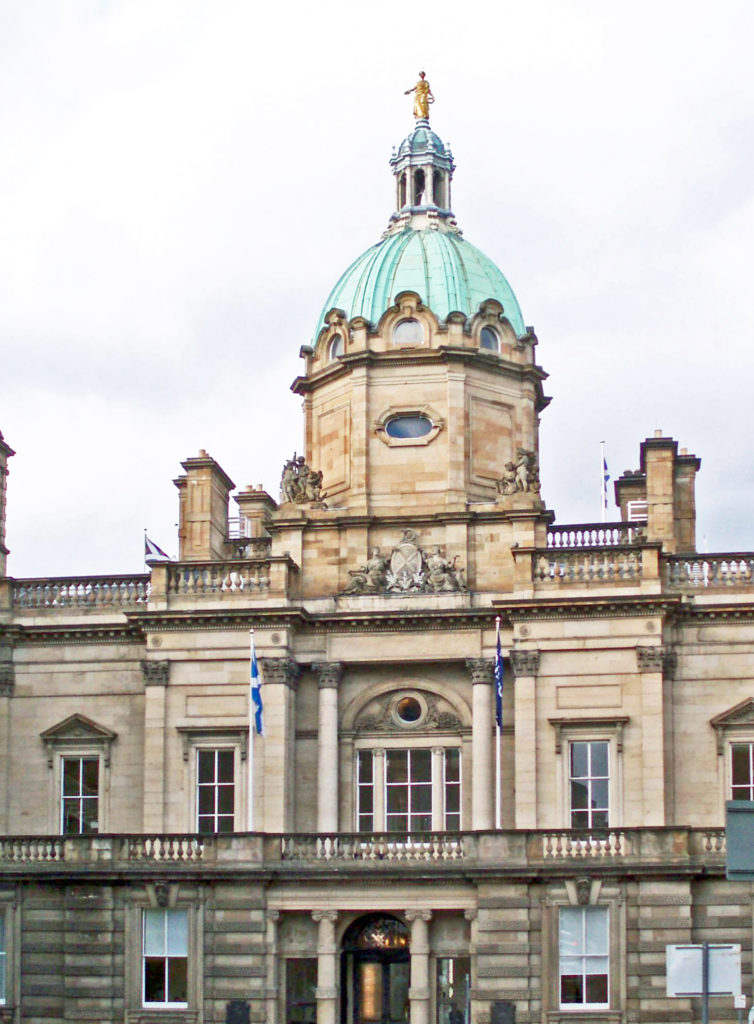 Central Edinburgh is divided into the Old Town and the New Town. The Old Town includes Edinburgh Castle, the Palace of Holyroodhouse, the Royal Mile connecting the two, and the area to the south. The New Town stretches from Princes Street Gardens, directly below the Castle, to Queen Street Gardens and the adjacent area to the north. The Old Town is the historic center of Edinburgh, and also the site of the present-day Parliament. As far as the New Town goes, new is a relative term since construction of the New Town began in the 1760s.
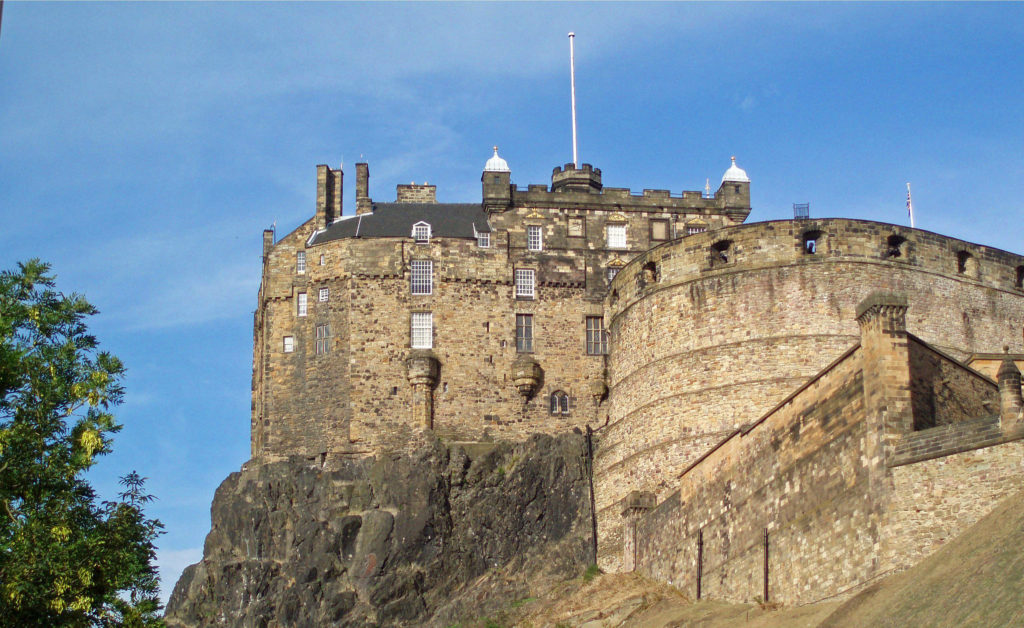 Both the Old Town and the New Town have their charms, and both deserve at least some of your attention. We spent most of our four days in Edinburgh exploring the Old Town, so I’ll focus on that part of the city.
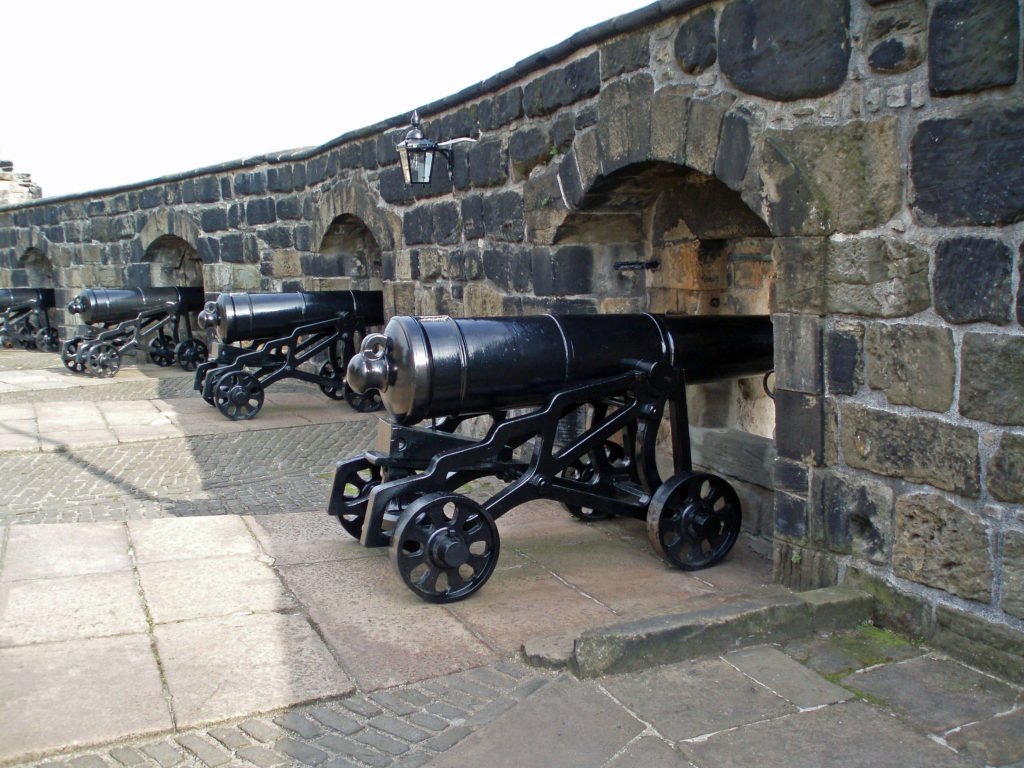
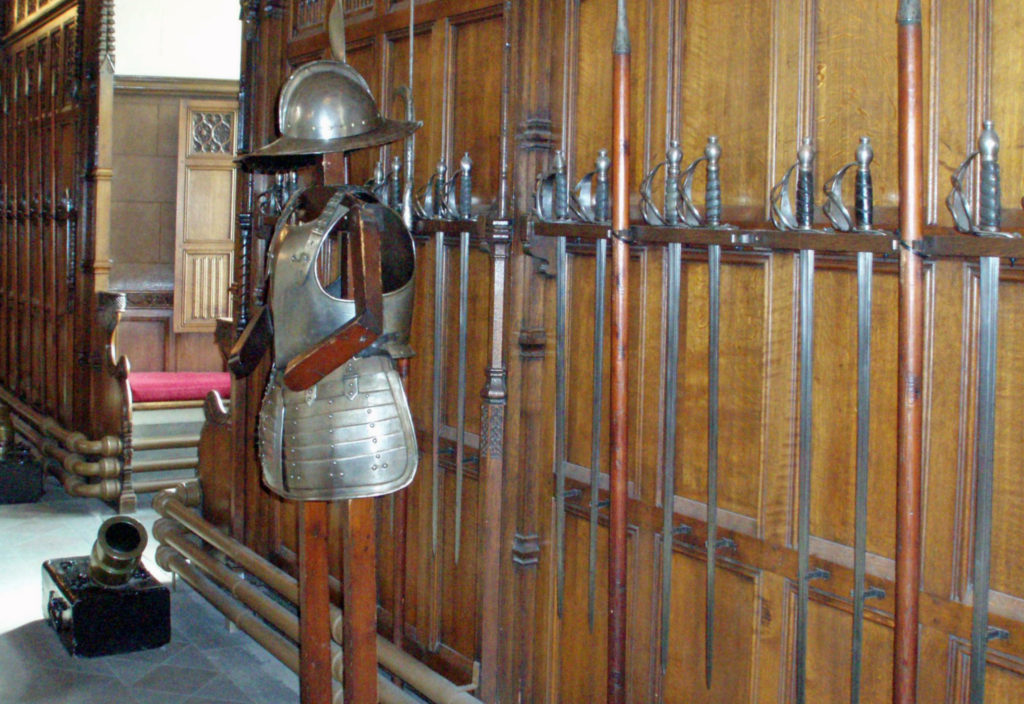
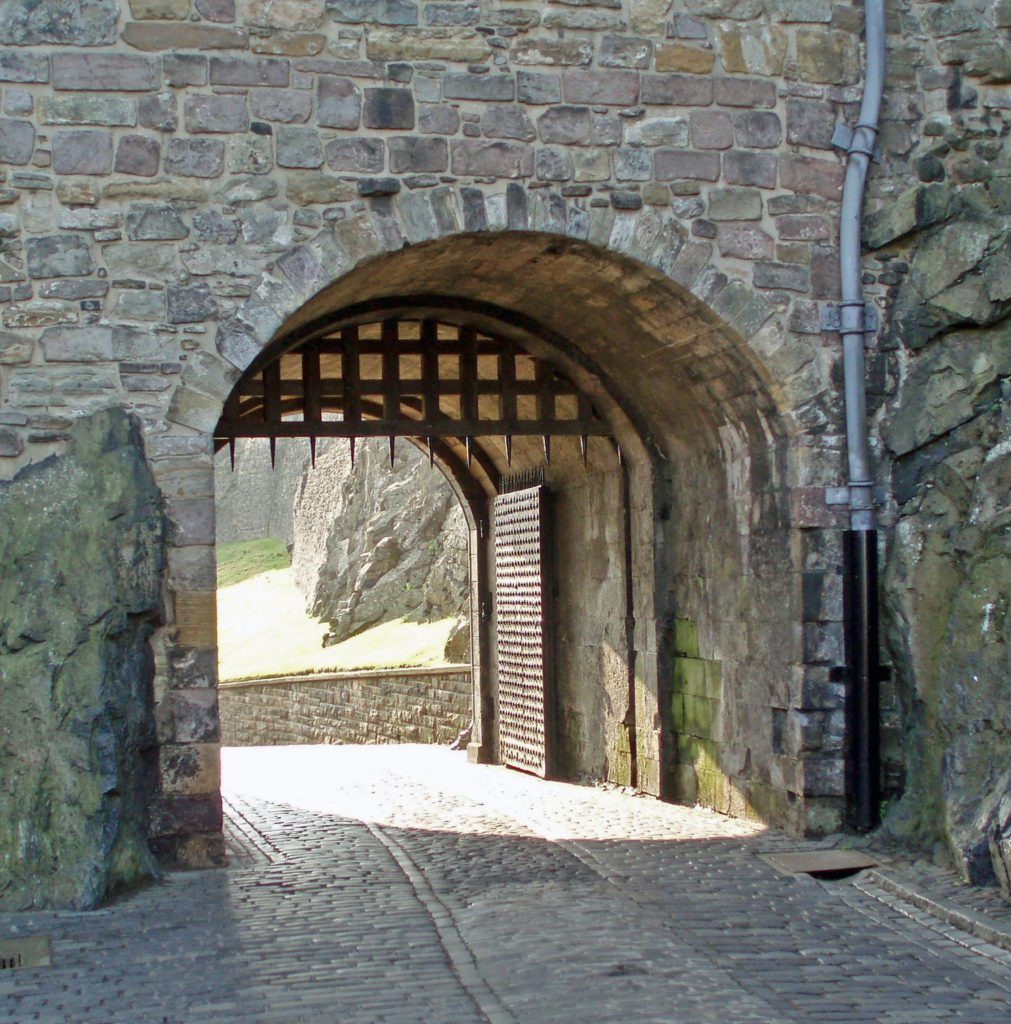
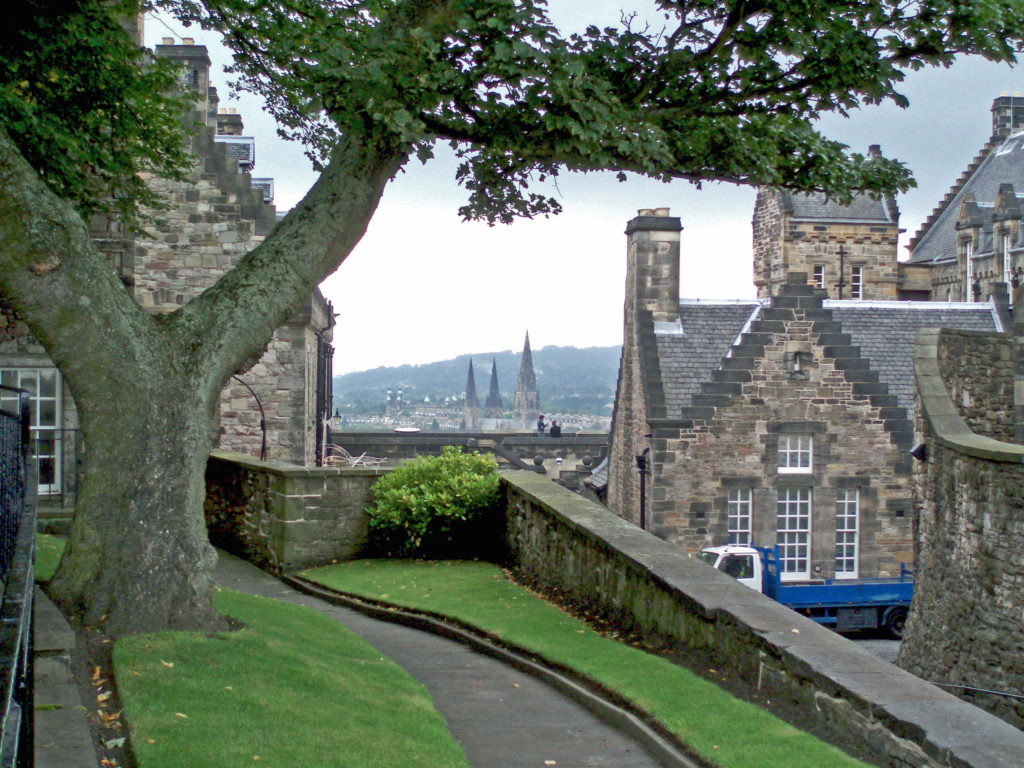
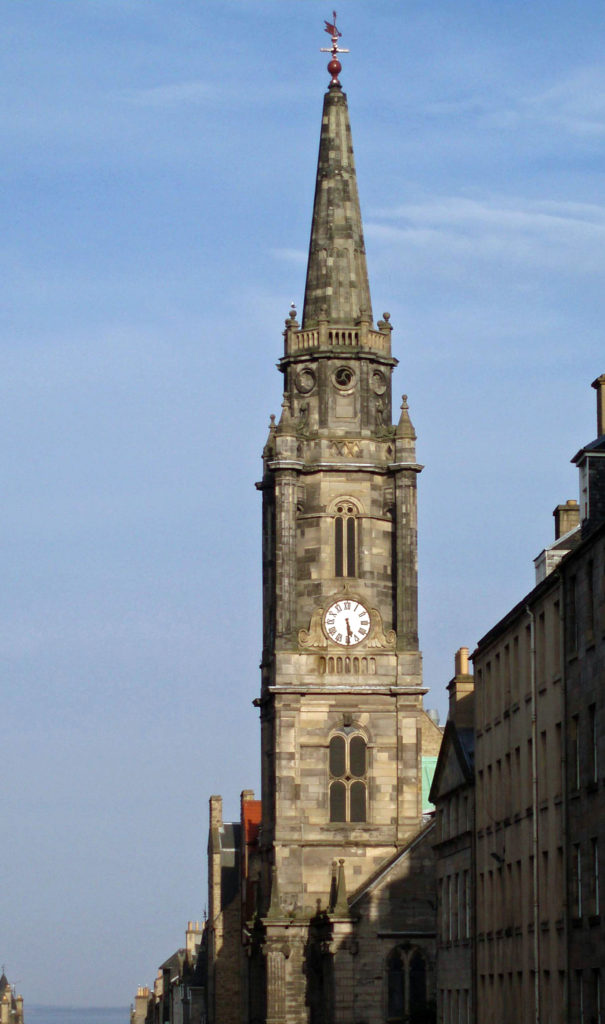 Although we didn’t go inside, St. Giles Cathedral, also known as the High Kirk of Edinburgh, is a magnificent structure that predates most of the structures in Edinburgh Castle. The cathedral was built between the late 14th and early 16th centuries. Entrance to the cathedral is free, but a small donation is requested.
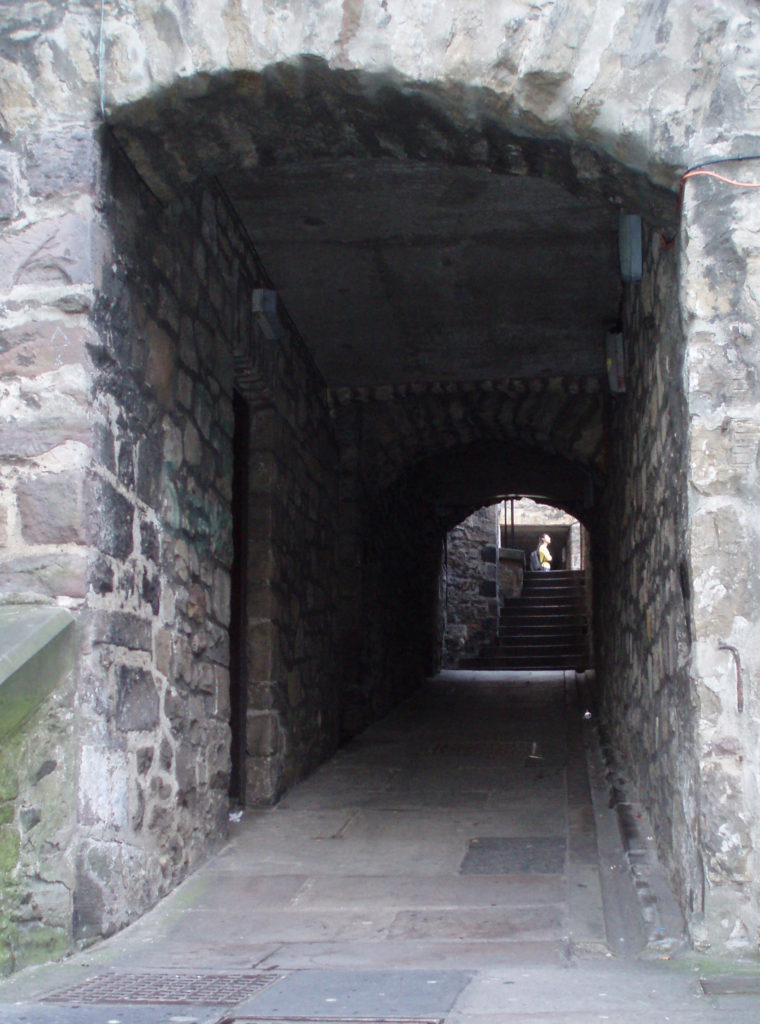 One of the attractions of the Royal Mile are the “closes,” underground passageways that were once narrow streets or walkways between houses. The upper floors of some the houses were demolished and the lower stories used as foundation for the Royal Exchange, built in the mid 18th century, leaving the closes below ground. Some of the closes remain as passages between the Royal Mile and the streets to the south, and organized tours of some of the more subterranean closes, such as the
  Other attractions of the Royal Mile include the John Knox House, the Writers’ Museum, the Huntly House, and The People’s Story, a museum housed in the historic Canongate Tolbooth, built in 1591.
 You will also find the Scottish Parliament buildings at the lower end of the Royal Mile near Holyroodhouse. Their contemporary, modernist design stands in stark contrast to the traditional and historical structures around them. And while I in fact like the design, to me they look out of place in their setting.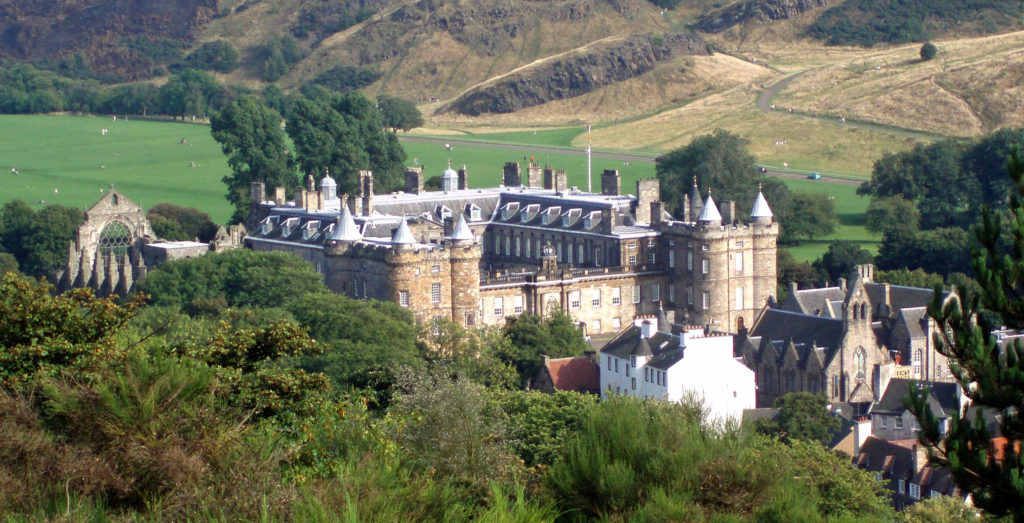
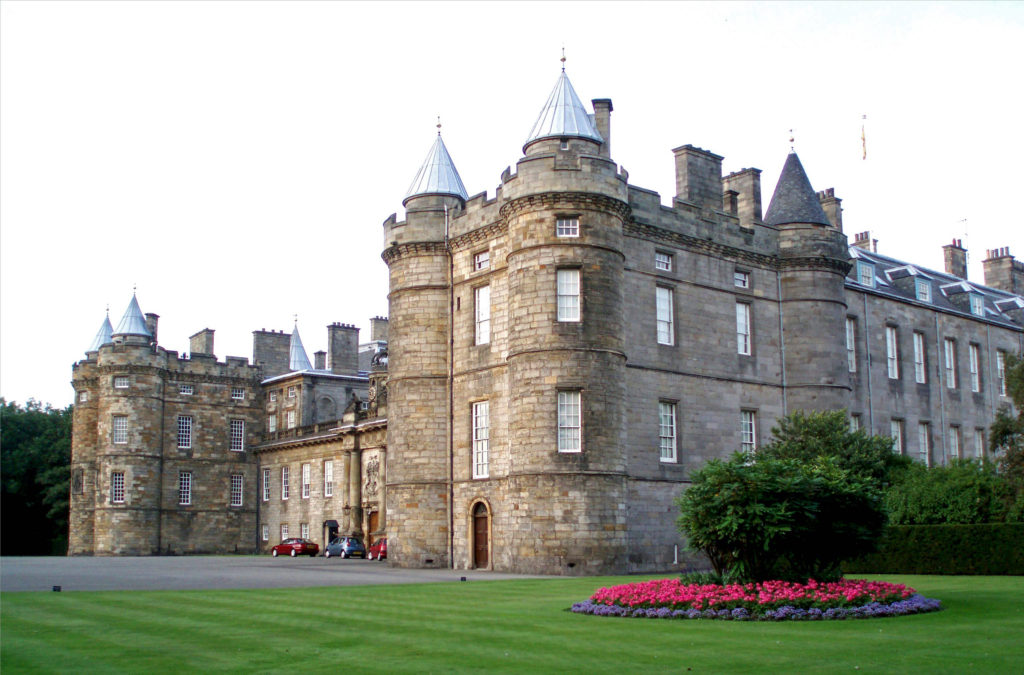 The Palace of Holyroodhouse is the official residence of the Monarchy in Scotland, but the palace is open to the public when King Charles III is not in residence. We did not tour the interior, but it comes highly rated. You can visit the Throne Room, the Picture Gallery, and the King’s Bedchamber, and Tour the King James Tower, where Mary Queen of Scots lived. For more information, check the Royal Collection Trust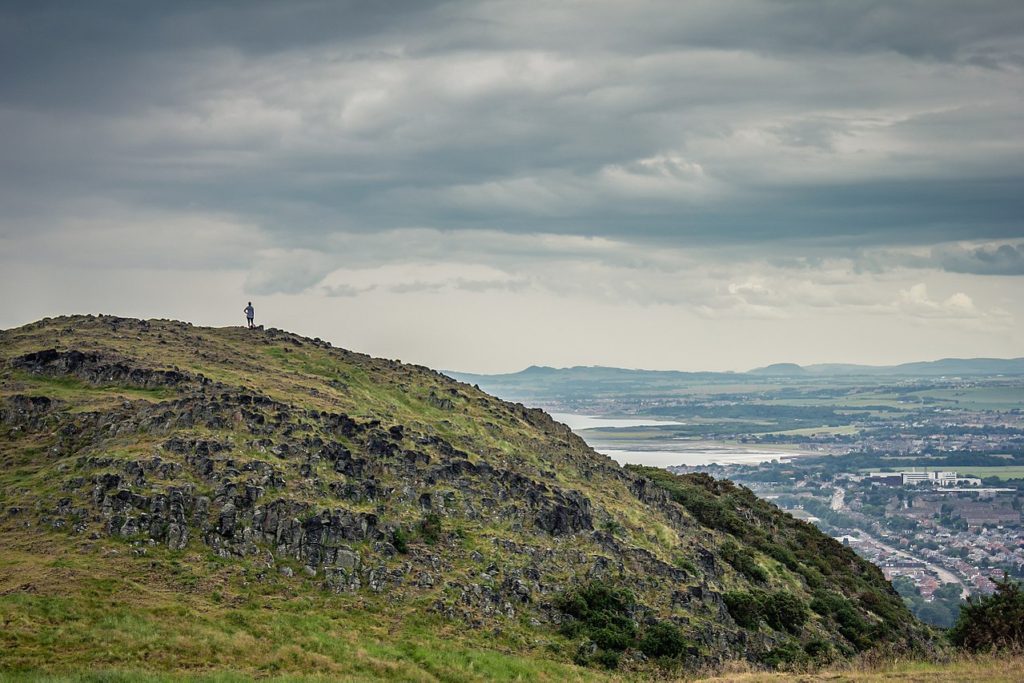
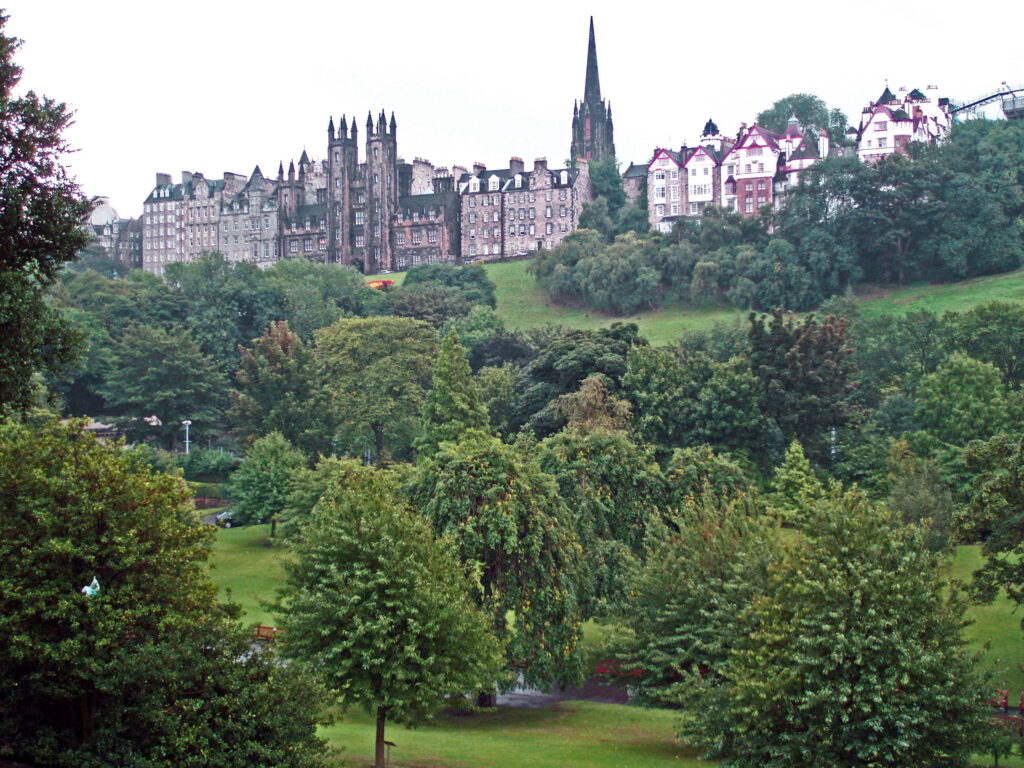
 We didn’t make it to Queen Street and Queen Street Gardens, but the photos I’ve seen and the guidebook descriptions make me think we missed something there.
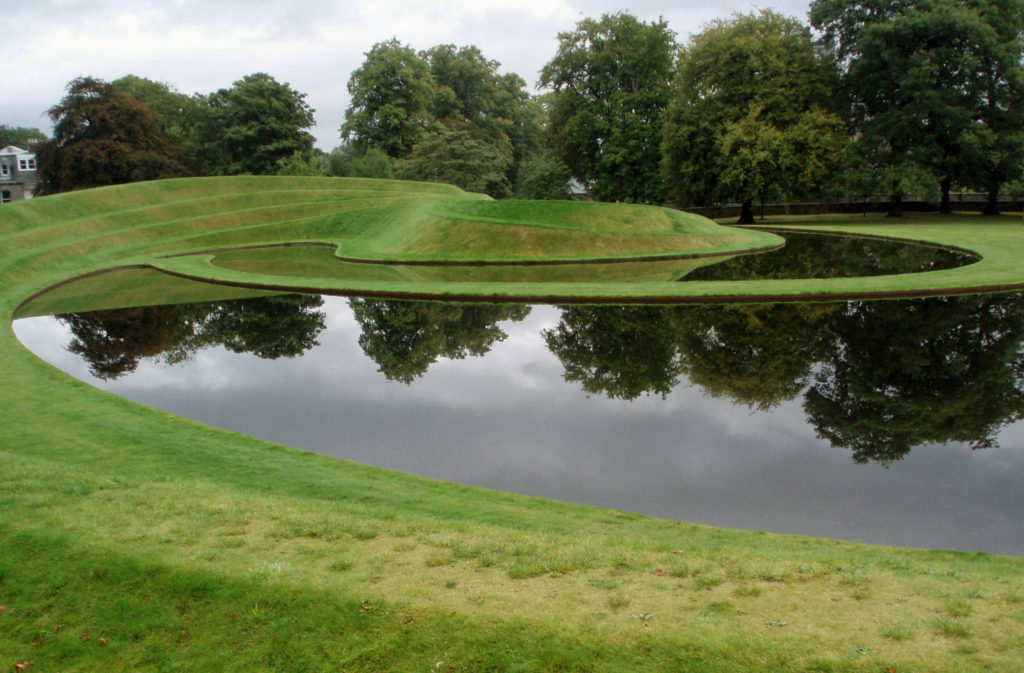 A little farther afield in the West End, though within easy walking distance of the New Town, is the
  On the walk back we discovered a path along the Water of Leith that took us to
 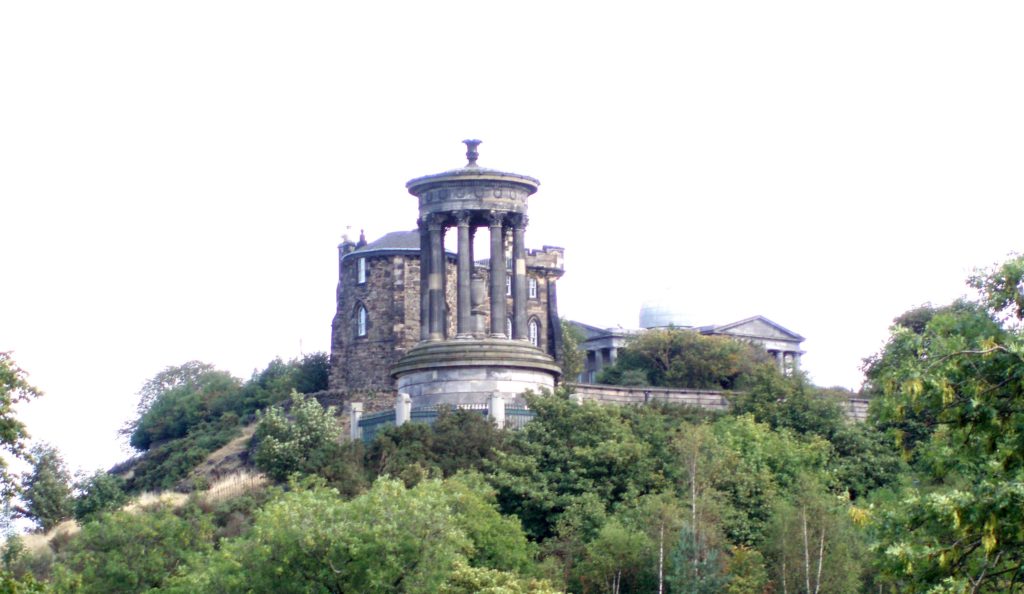 On our visit we stayed at an old hotel just east of Calton Hill. With its many monuments, including the Nelson Monument and the Lincoln Monument (which is in fact dedicated to Abraham Lincoln), Calton Hill is one of the more scenic and picturesque locations in Edinburgh. From the top of the hill you have a panoramic view over the city and to the Firth of Forth and the Port of Leith, where the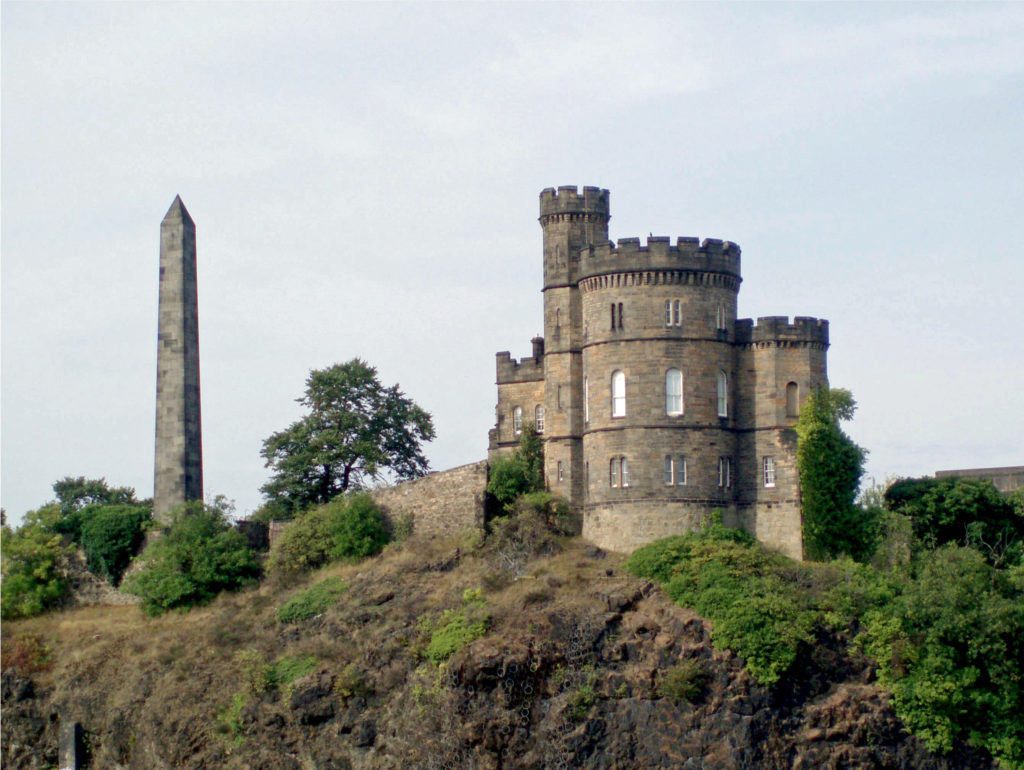










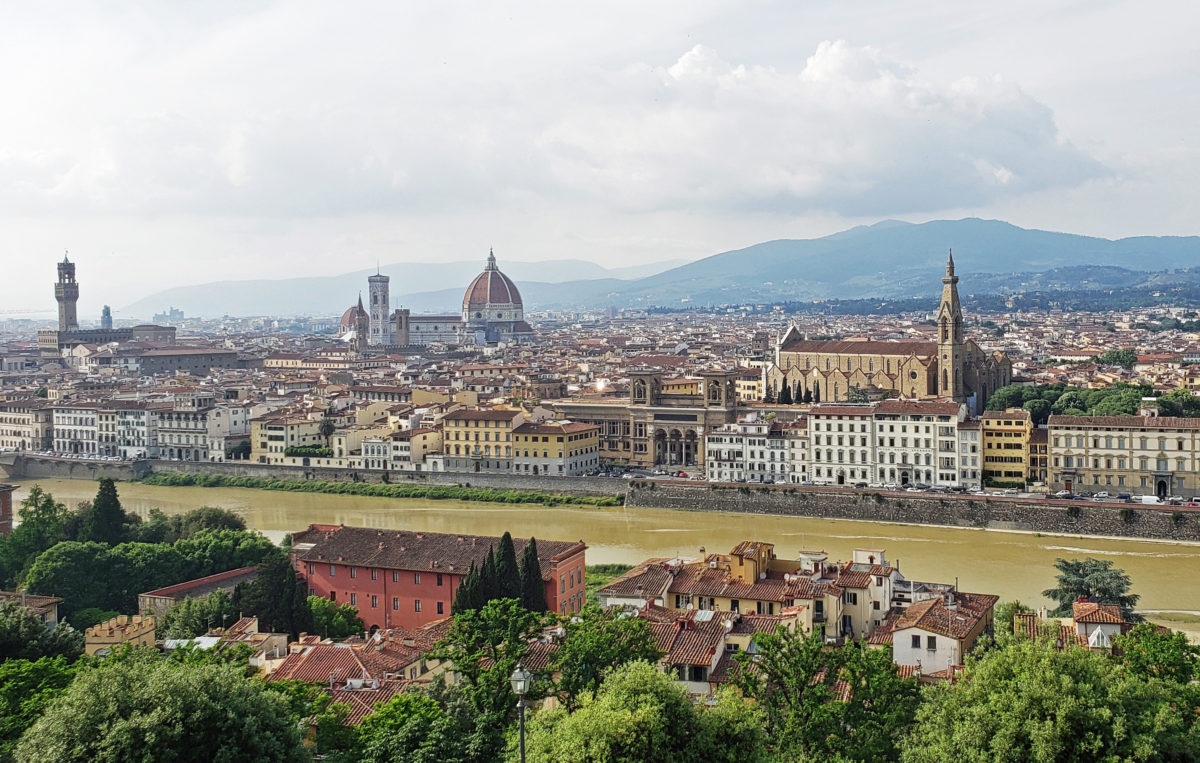

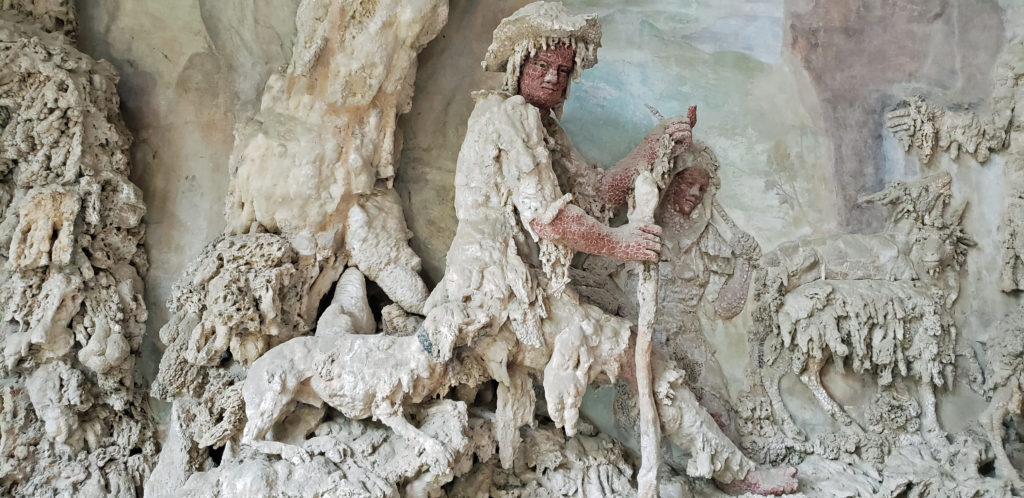



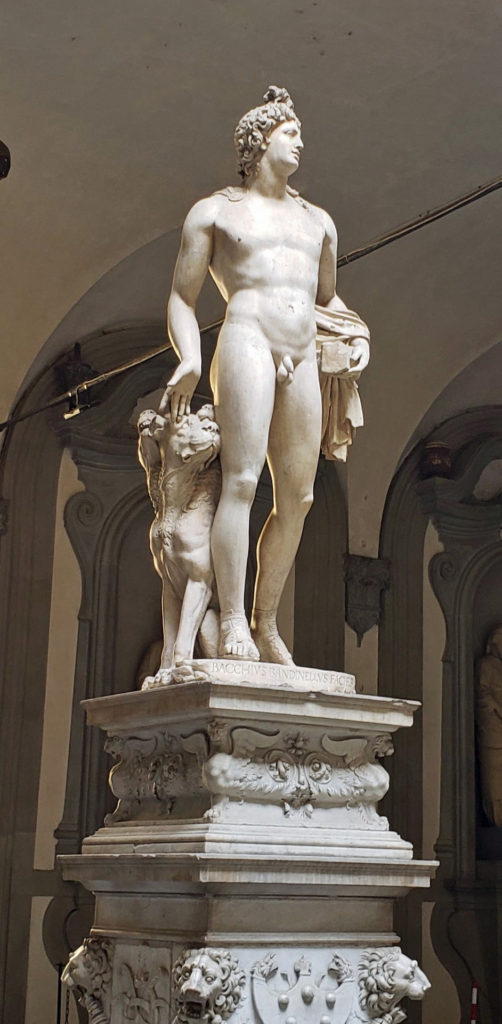
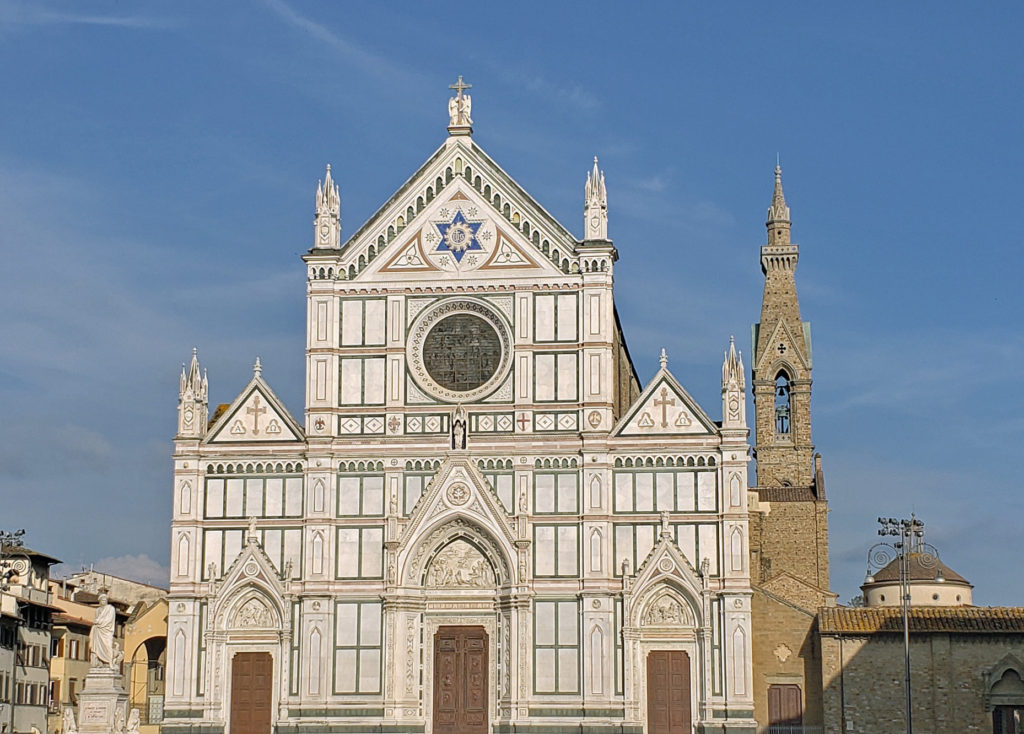
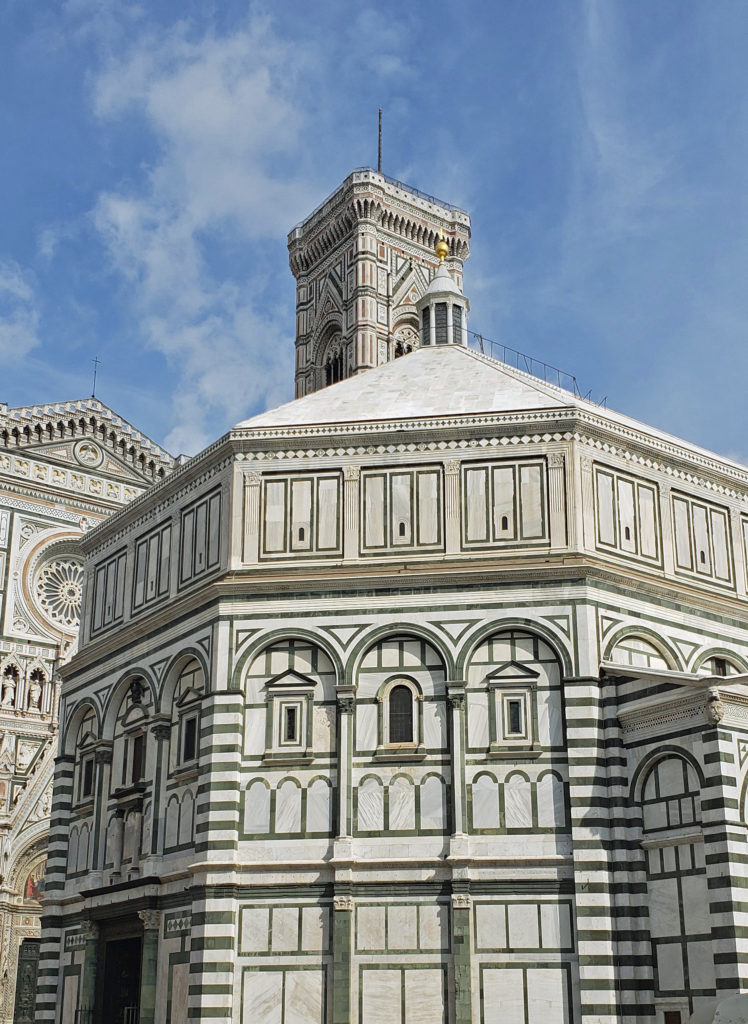
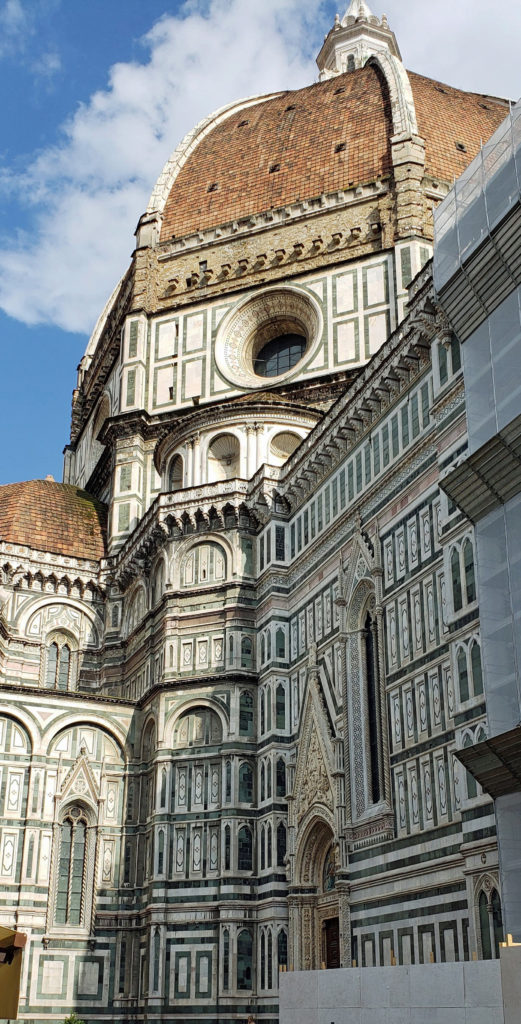
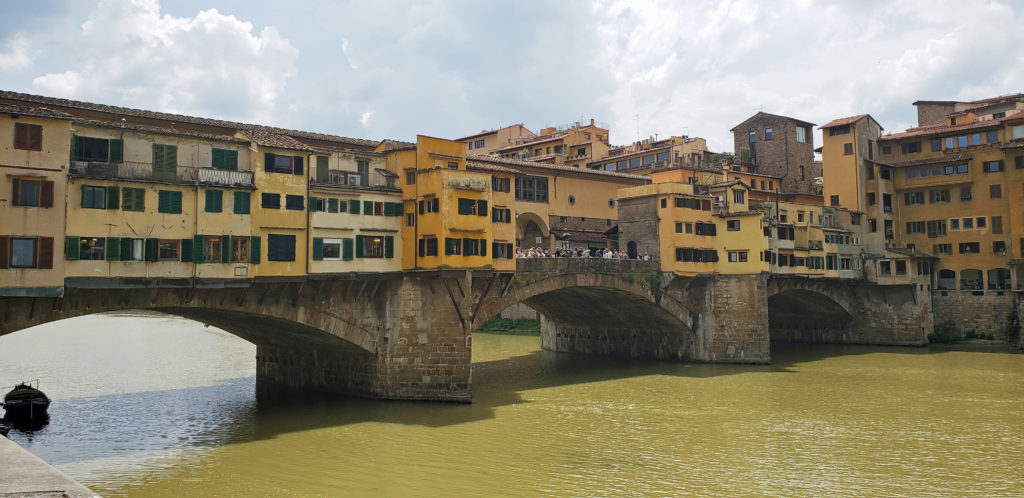
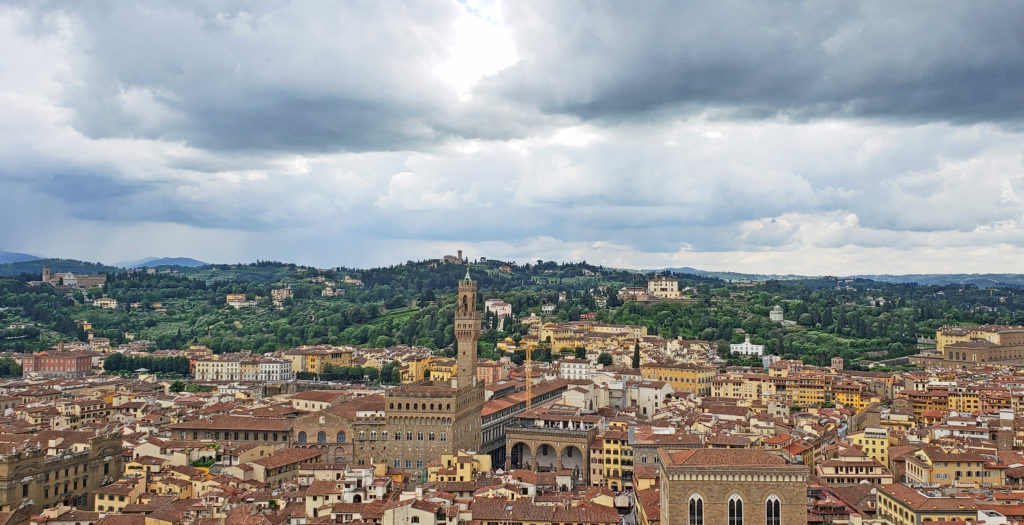








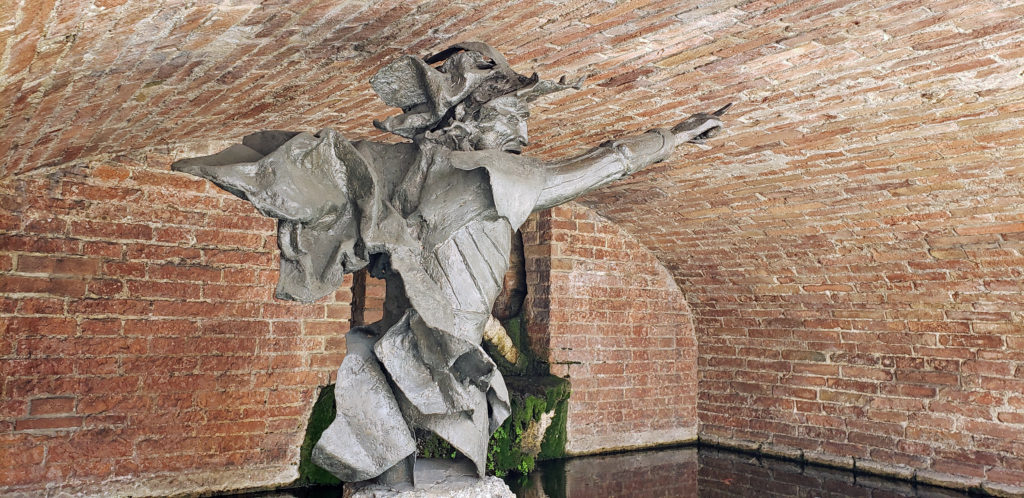
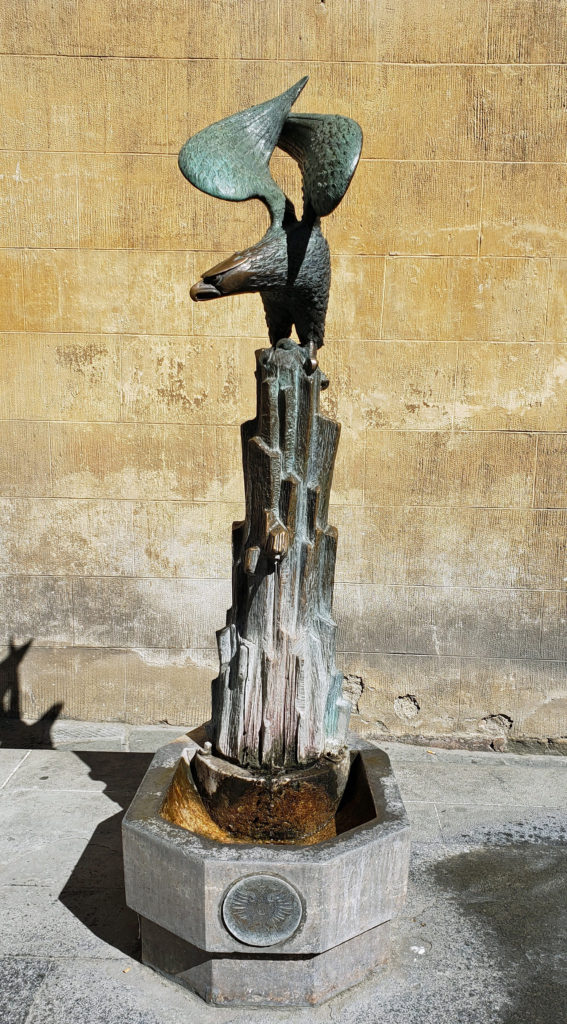


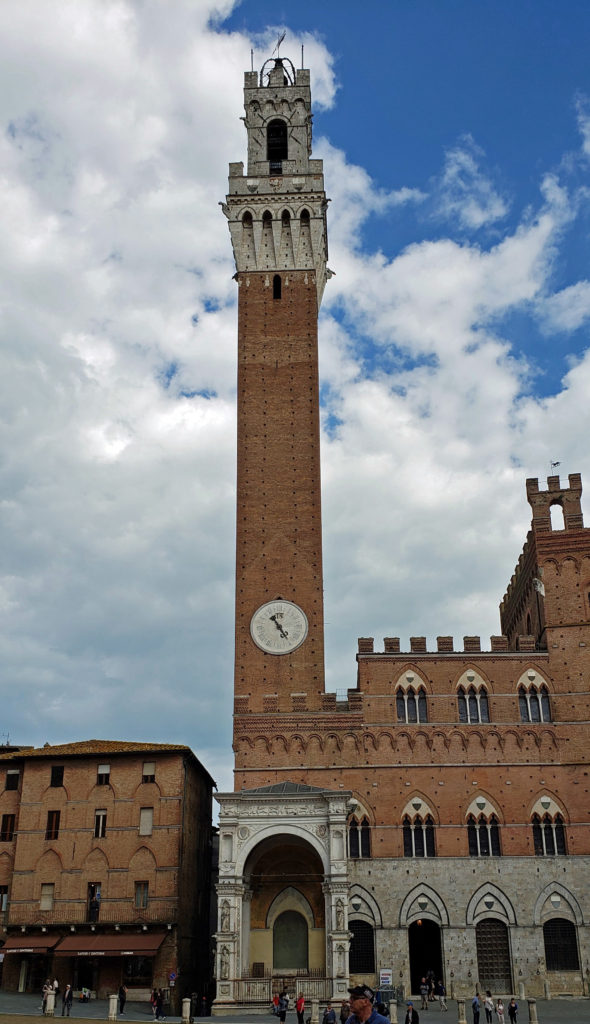


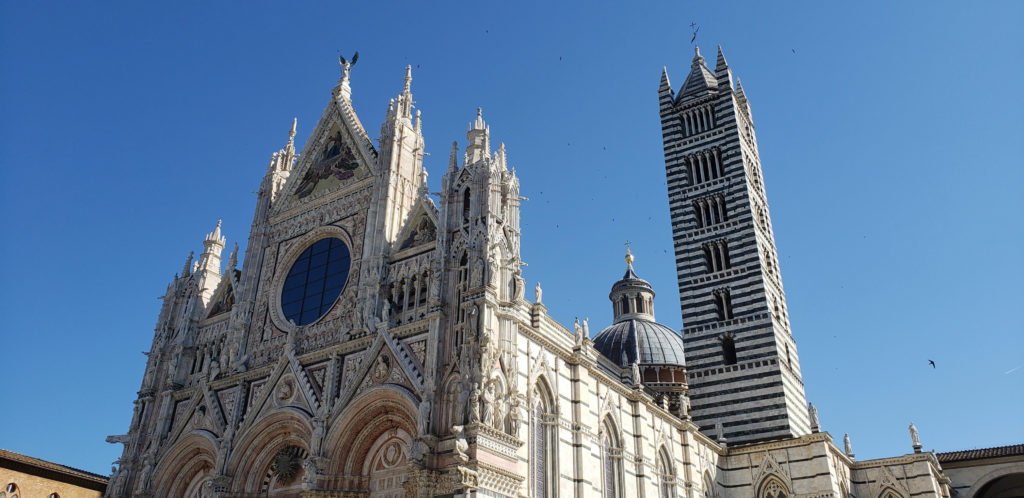
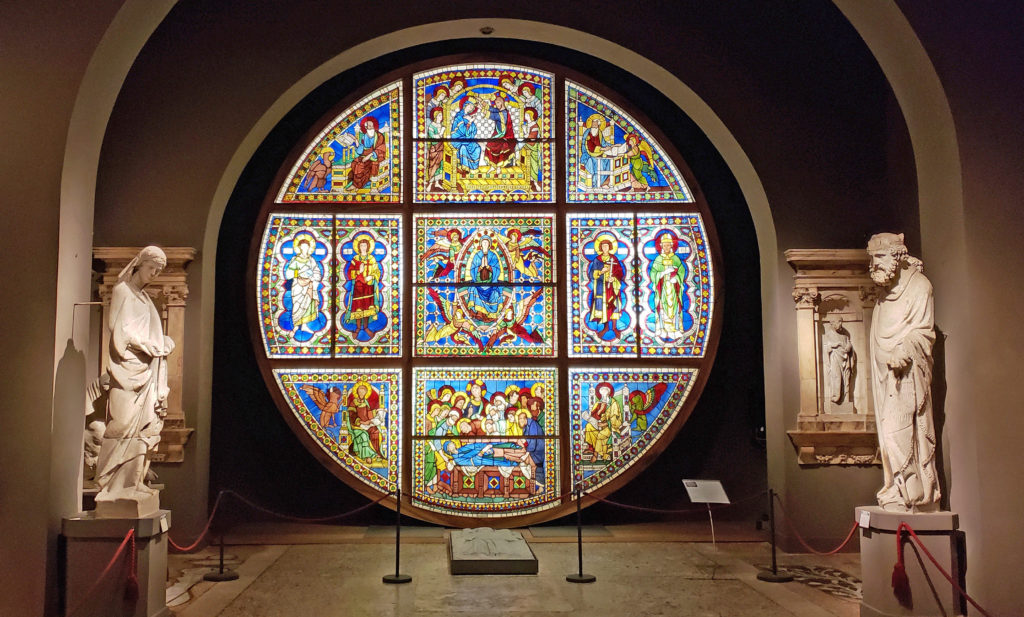
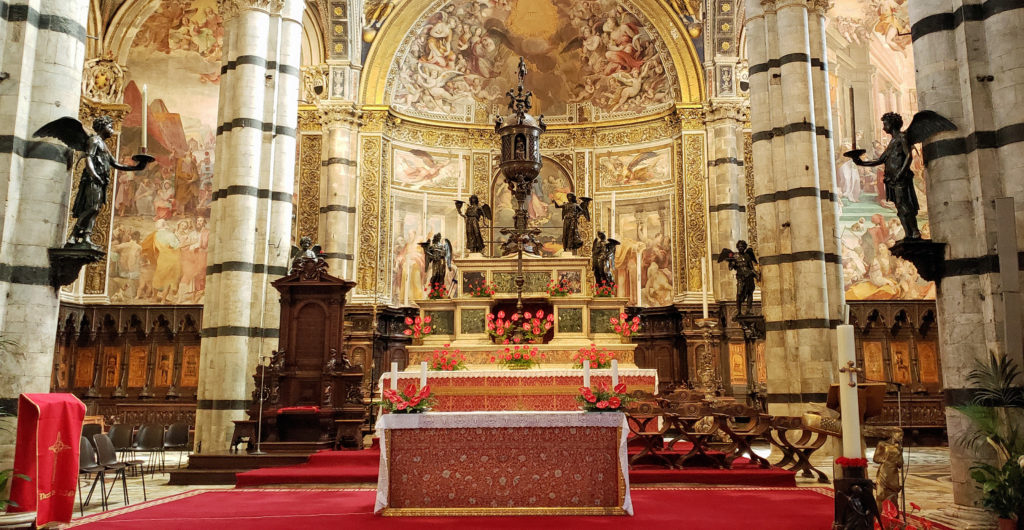
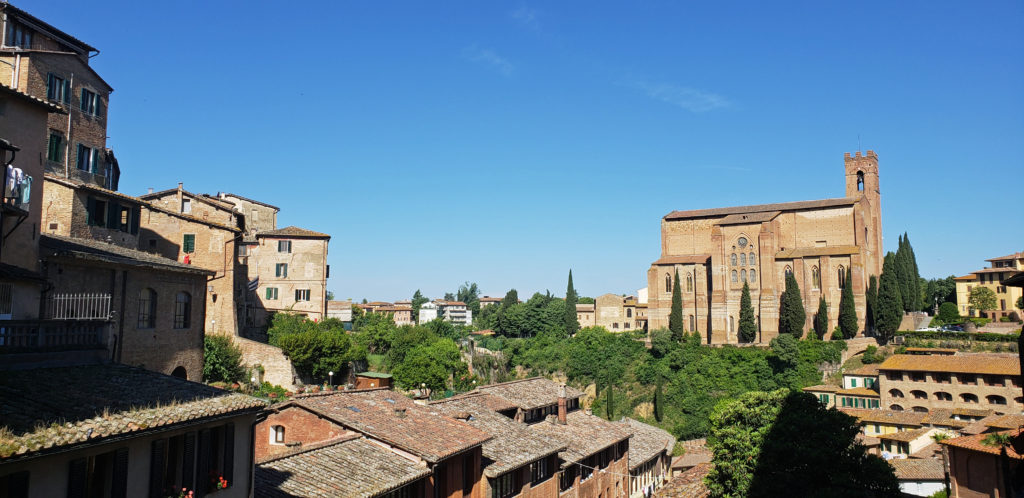
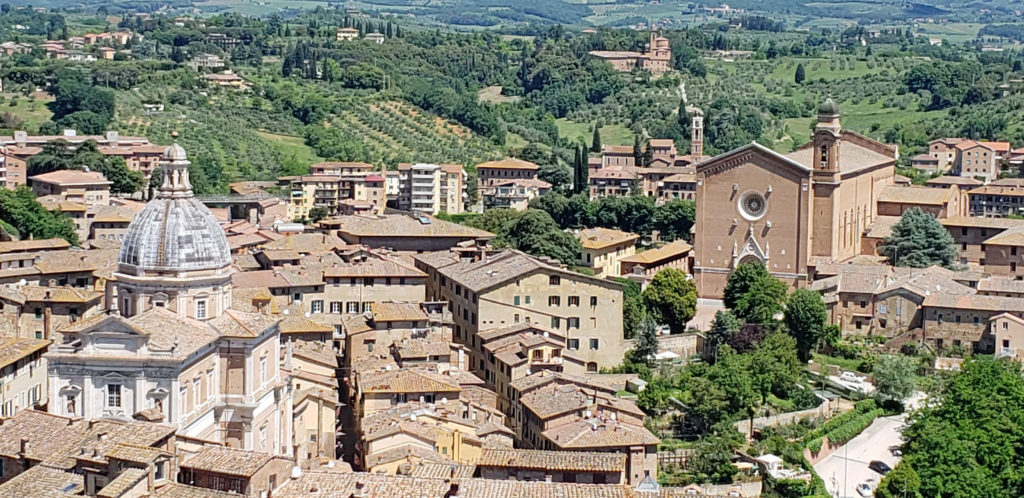


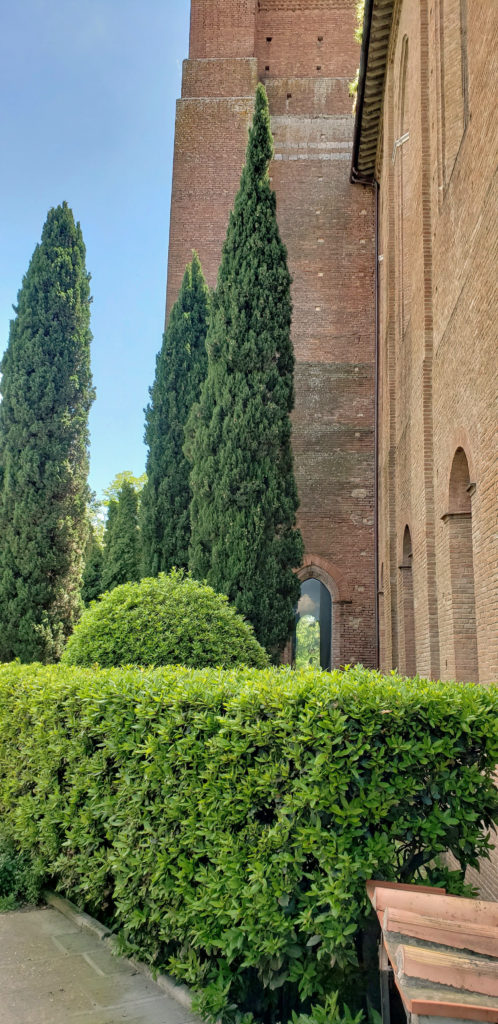
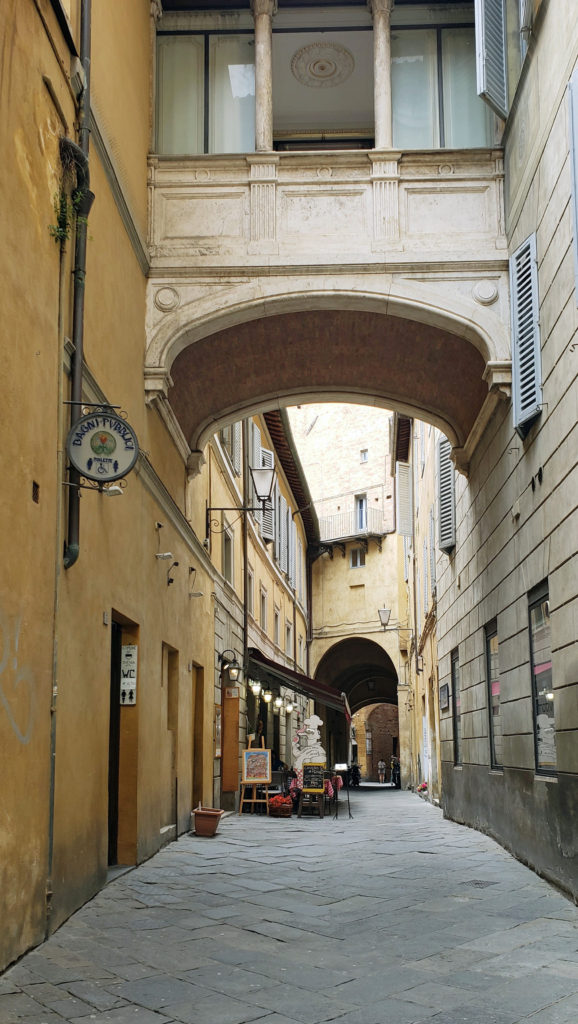
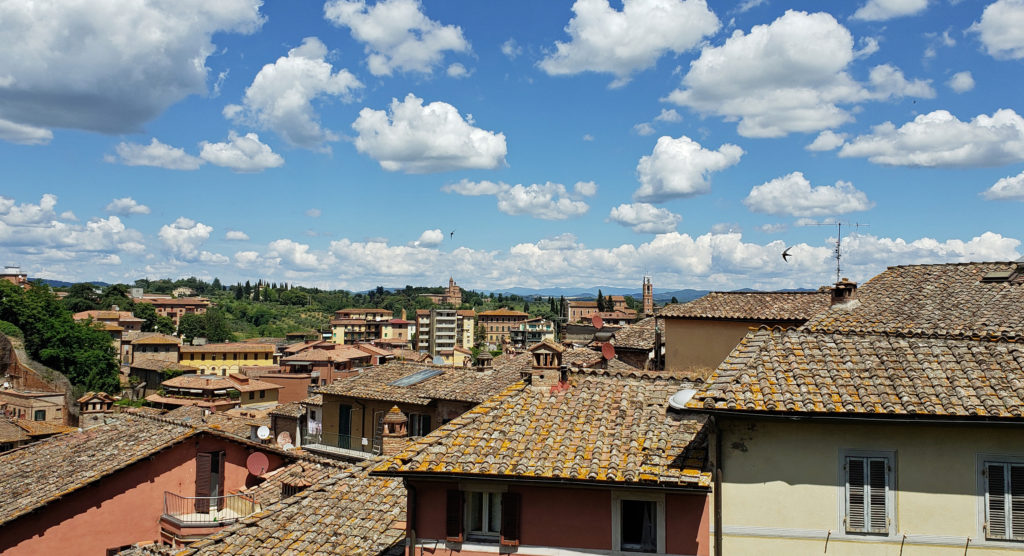


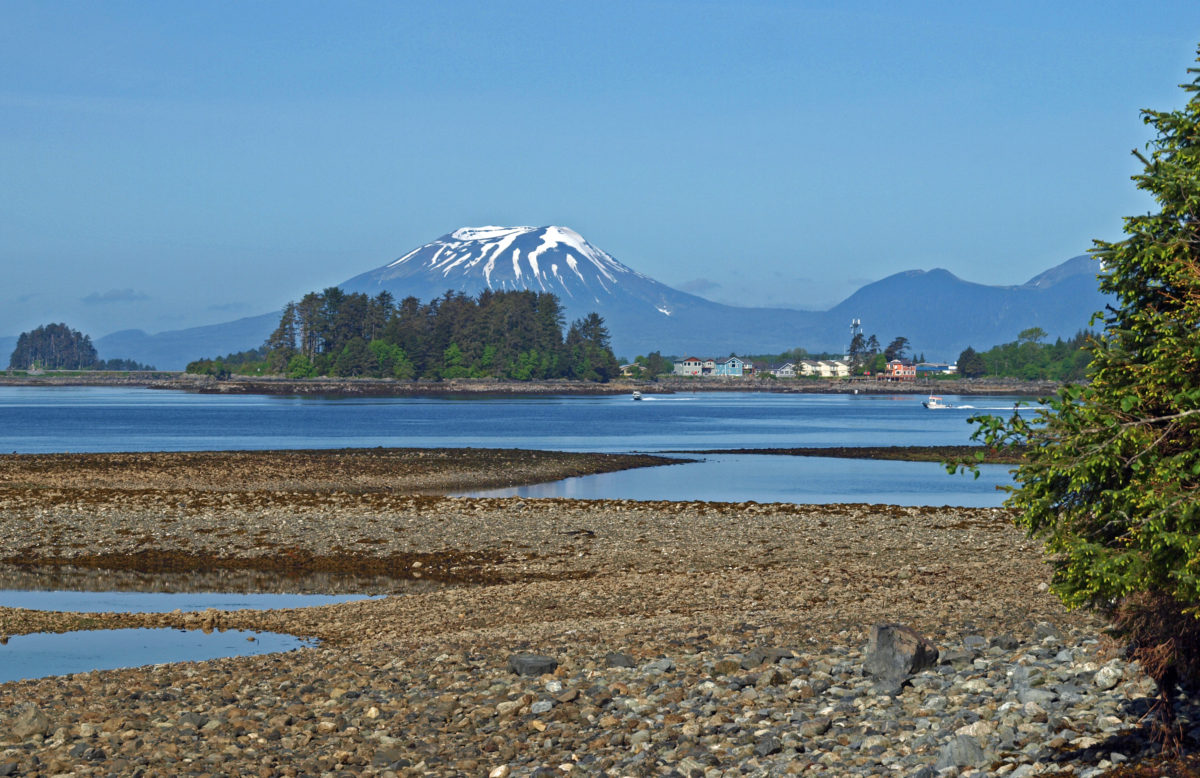








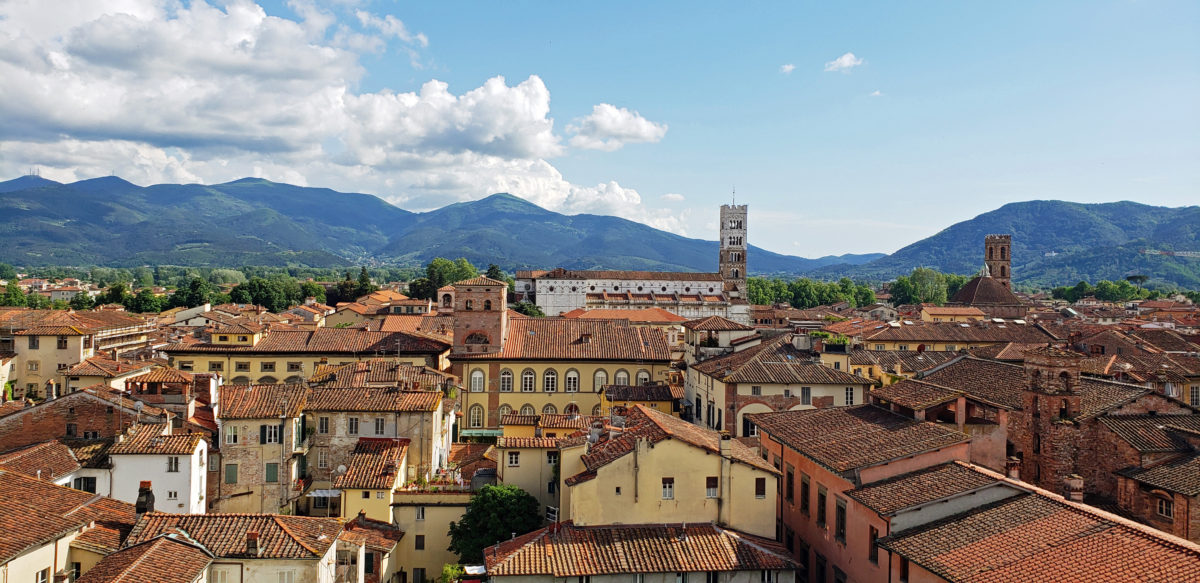
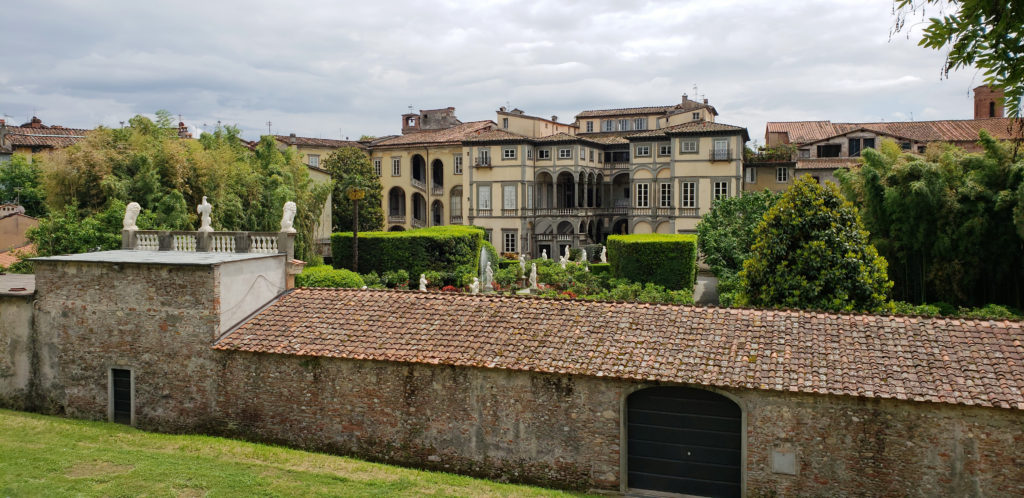
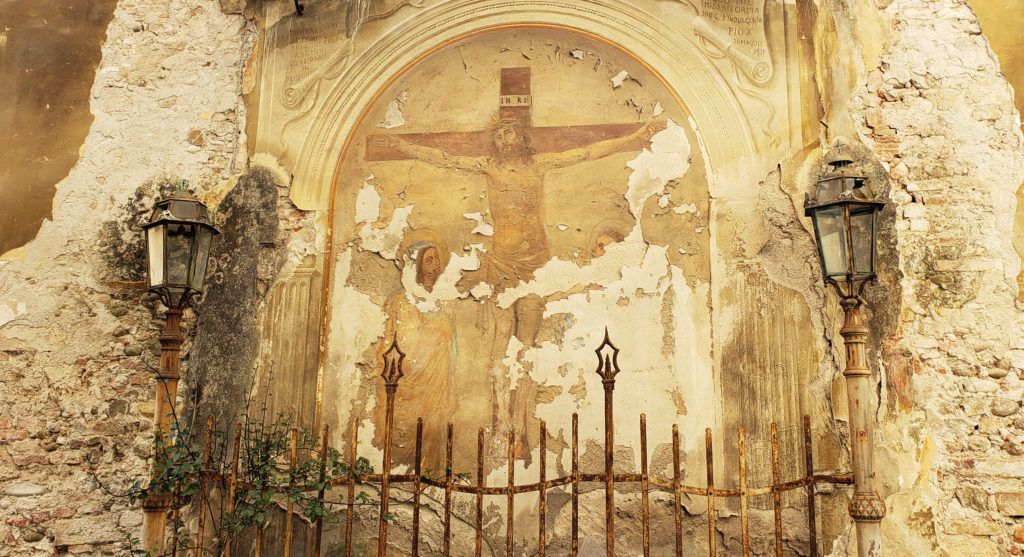 Lucca, Italy is a modern city of about 85,000 people, located about ten miles northeast of Pisa and 40 miles west of Florence. But the old walled city was what my wife and I came to see. Lucca has one of the most intact medieval city centers you will find anywhere in Europe. The historic center, or centro storico, is relatively compact, easily walkable, and almost unchanged from medieval times.
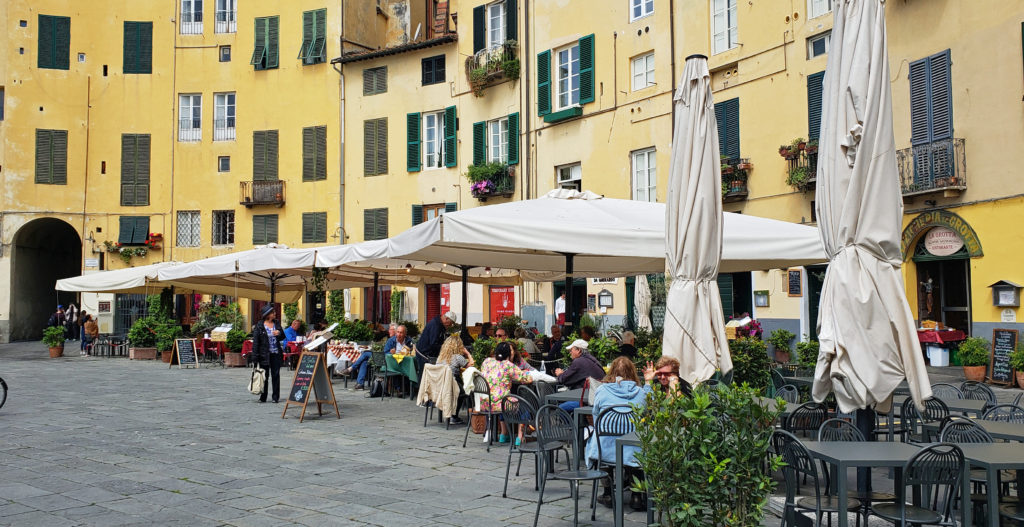 Lucca is an ancient city, founded by the Etruscans, probably on the site of an earlier Ligurian settlement. It became a Roman colony in 180 BC. Little remains of the Roman city, though. Most of the old city is of medieval origin, but some of the streets date to the Roman settlement, and a hint of the Roman amphitheater can be seen in the Piazza dell’ Anfiteatro. The popular Piazza San Michele occupies the site of the old Roman forum.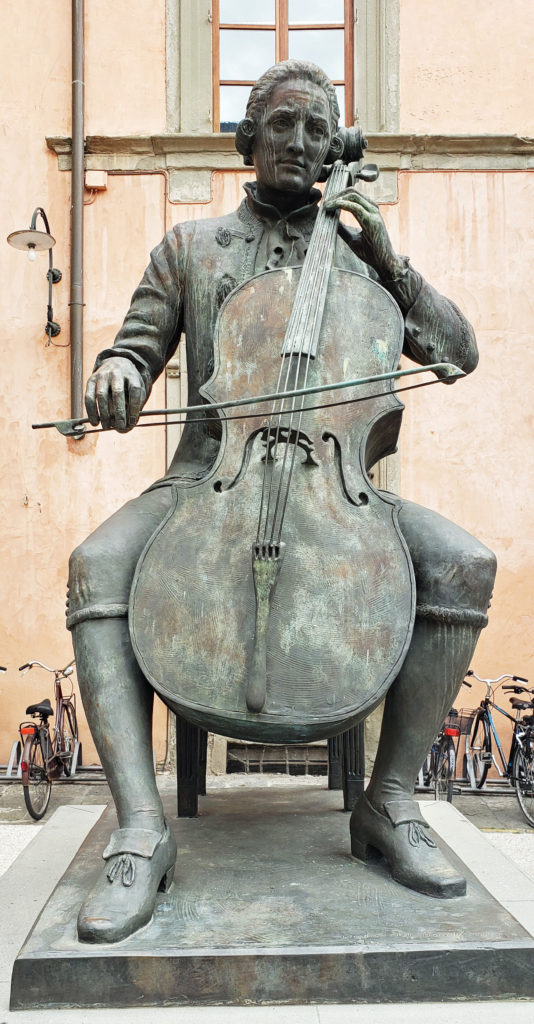
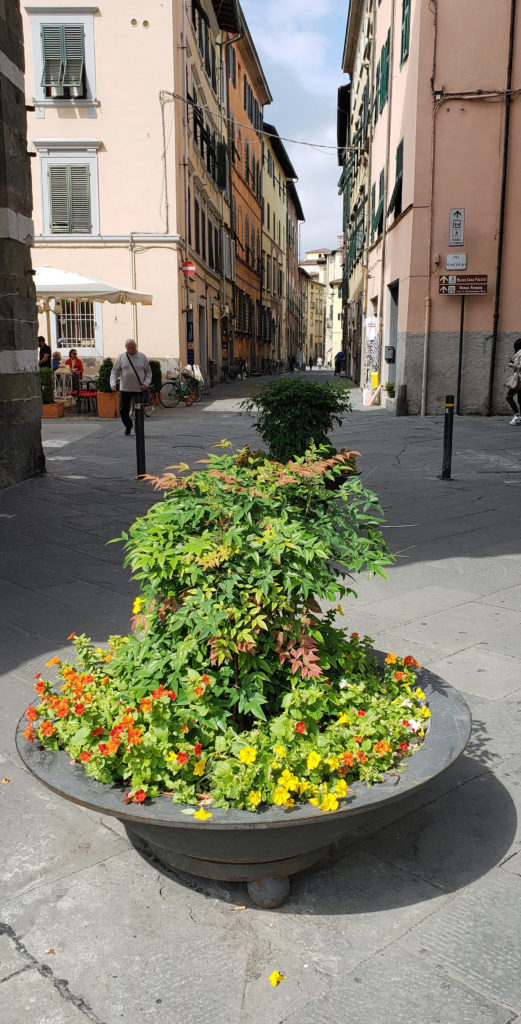 Lucca became an independent state in 1160 and retained its independence for 500 years. In the Middle Ages Lucca grew rich from the silk industry. Banking was also an important source of wealth for the city. More recently, the city was conquered by Napoleon and given to his sister Elisa Bonaparte Baciocchi in 1805. It later became part of the Grand Duchy of Tuscany, then the Kingdom of Sardinia-Piedmont, and finally the modern Italian State in 1861.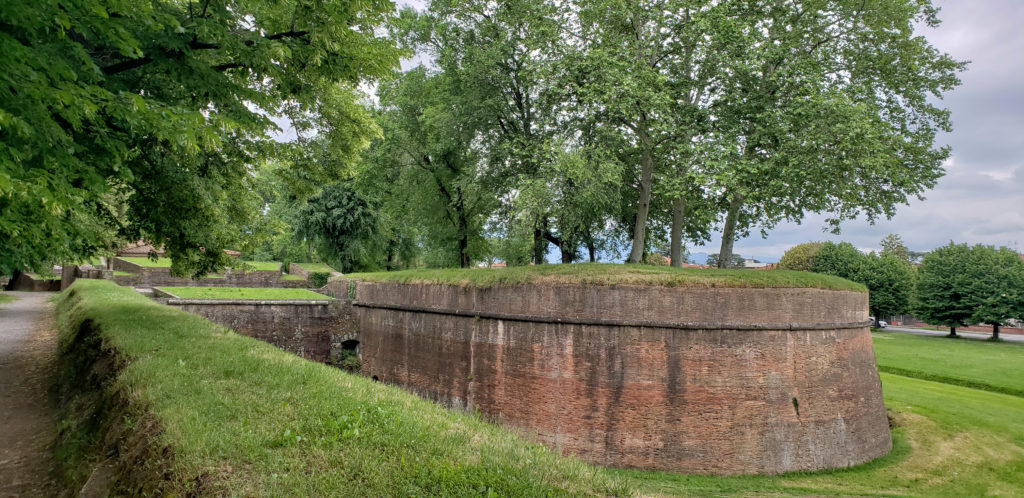
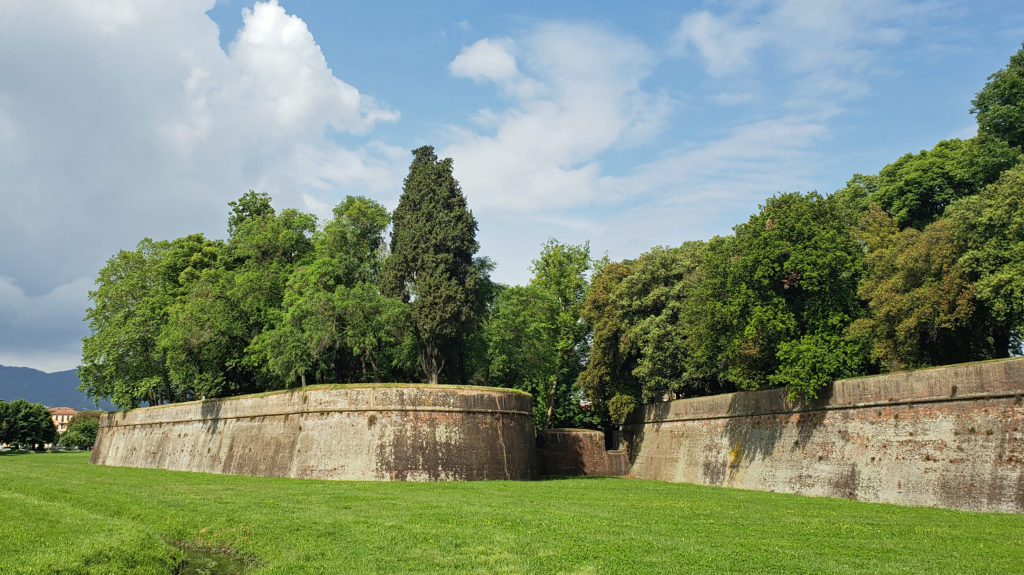
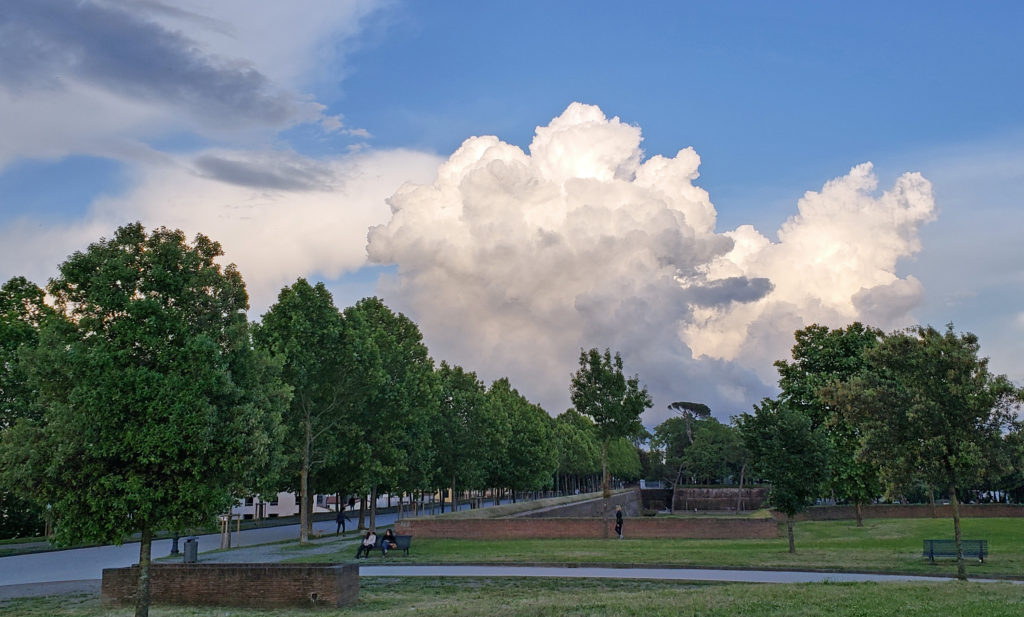
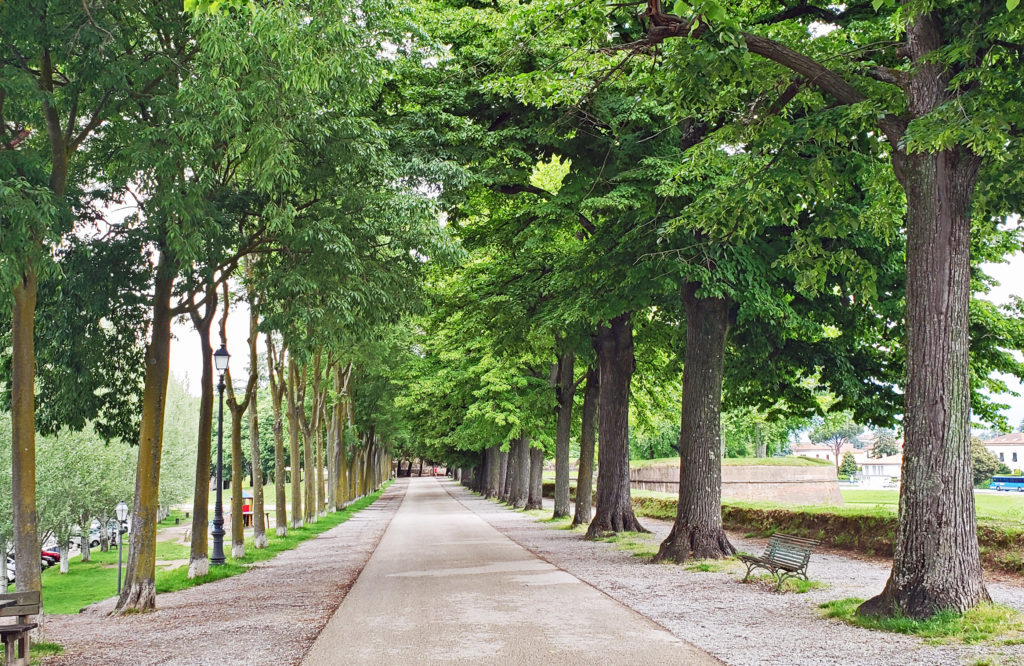 One of the attractions of Lucca is the medieval city wall. Lucca is one of the few ancient cities in Europe with an intact wall. The wall is a wide earthen structure faced with brick, constructed between 1550 and 1650. The top of the wall is now a tree-lined park with a wide pedestrian/bicycle path. The 2.5-mile-long path is a popular walking, jogging, and cycling path.
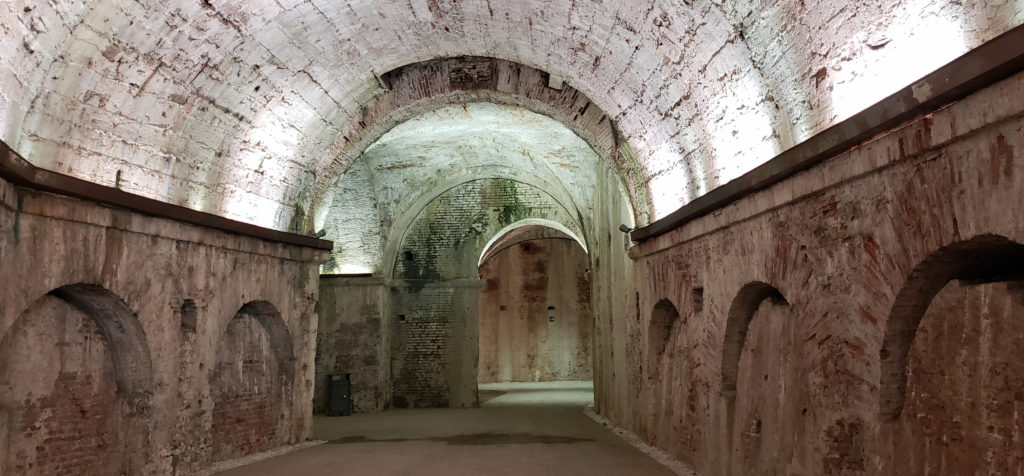 Bicycles can be rented for about €5/hour or €20/day at several shops in the old city. Riding or walking the wall is a good way to get a view of the city, and a good place to people watch, too. You will see many locals, as well as fellow tourists, walking and riding the walls or just relaxing on park benches. There are also several places where there are tunnels inside the structure of the wall that are surprisingly interesting and well worth seeking out.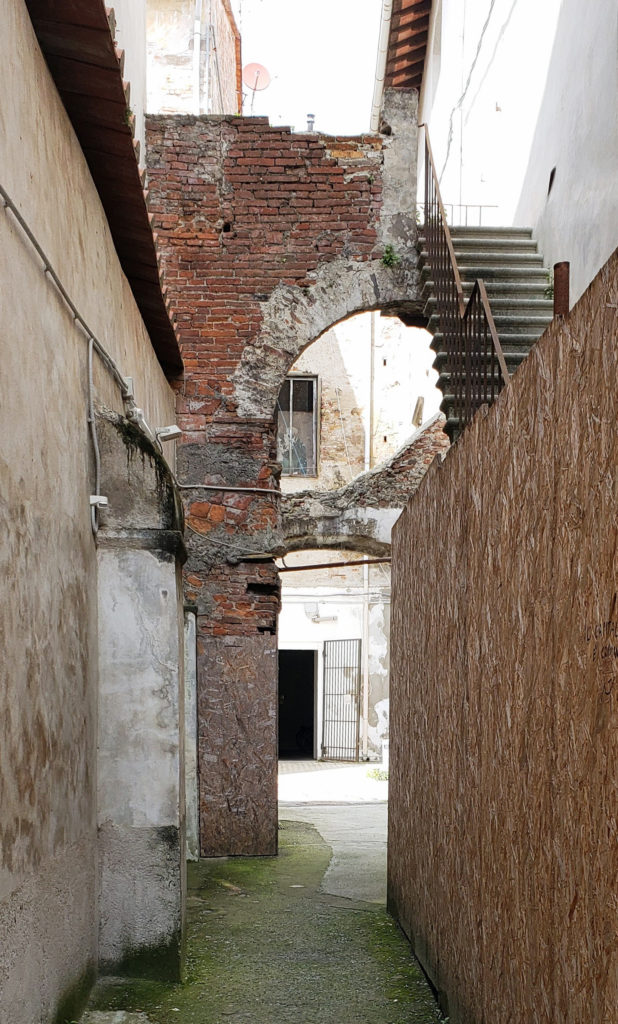
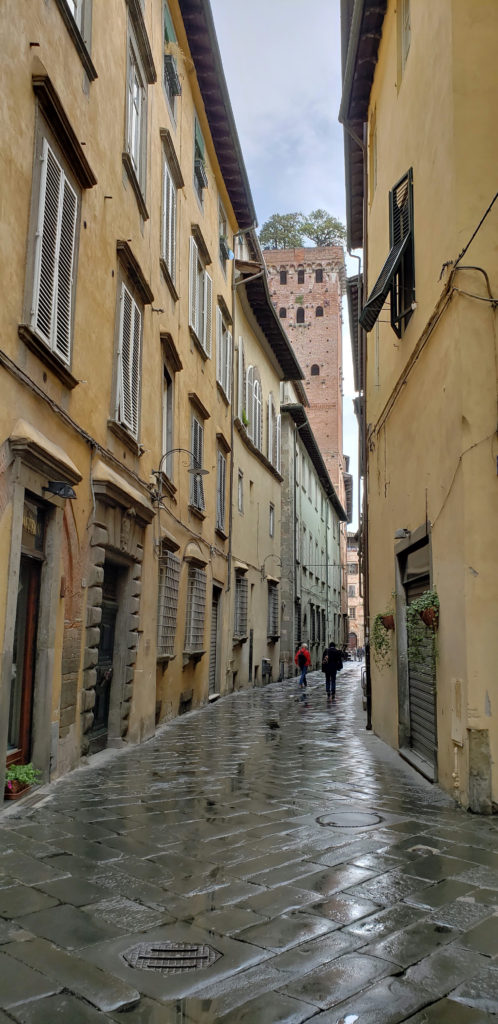 Inside the walls, the old city has many fine old churches, plazas (piazzas), palaces (palazzos), and villas. Getting around can be confusing, as the streets are narrow and lined with tall (4-6 story) buildings, and some much taller towers that block out any visual reference points. On a cloudy day it can be difficult to orient yourself. You may come out onto the street and have no idea which way is north. A city map and a good guidebook are essential. Rick Steves’ guide to Florence and Tuscany has a chapter on Lucca and is a good reference. His walking tour is a good way to see the major sights.
 We wandered around without a set itinerary and got lost on several occasions. Wandering aimlessly and getting lost has a certain appeal, but one time we couldn’t find the side street where we had left the bikes that we borrowed from the owner of the Airbnb we were staying in. Eventually we figured out that we were on the opposite side of the city than we thought we were. We retrieved the bikes and rode back to our rental, but only after walking almost all of the 2.5-mile wall.
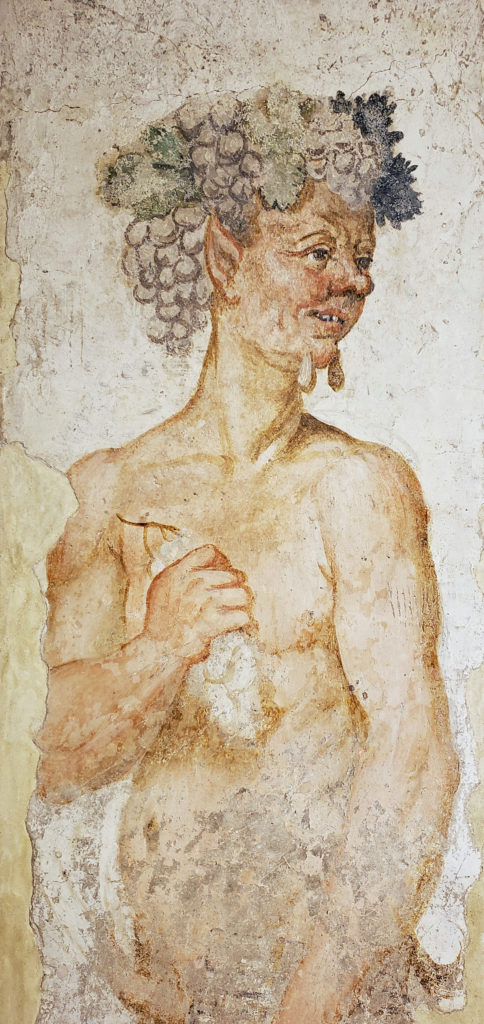
 Some of the major attractions in Lucca are the Piazza San Michele and the Church of San Michele (Chiesa di San Michele), the Cathedral Museum (Museo della Cattedrale), the Guingi Tower (Torre Guingi) and Villa Guingi, the Casa di Puccini (the birthplace of the opera composer Giacomo Pucccini), the San Martino Cathedral, the San Giovanni Church, the Church of San Fediano, the Pallazzo Mansi, and the Palazzo Pfanner. All of these are described in the Rick Steves guide, as well as other guidebooks.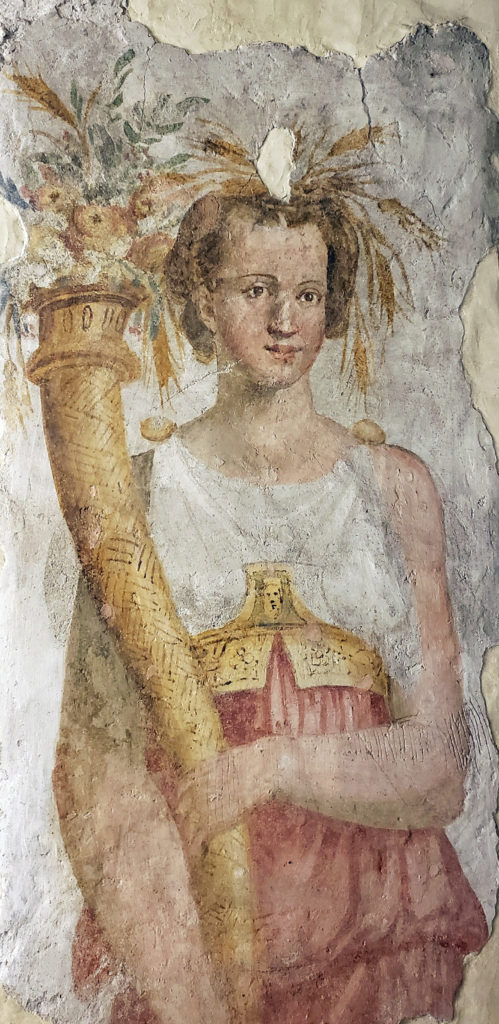
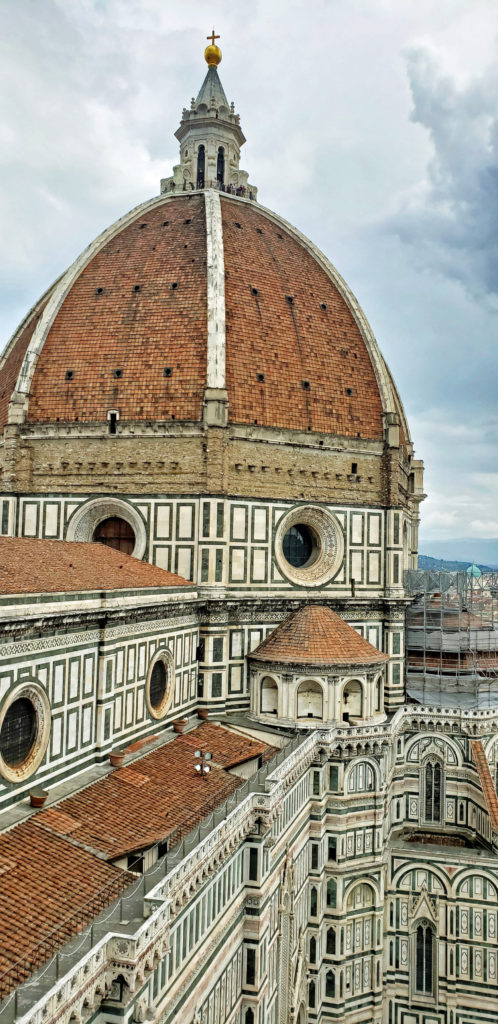
 Climbing the 220 steps of the Torre Guinigi gives you a good view of the city and you’ll find an interesting little grove of trees growing on the summit of the tower. This was the first of our tower climbs during our trip. More would come in Siena and Florence, culminating with our back-to-back climbs of the Duomo and Campanile (Giotto’s Tower) in Florence (both 400+ steps). Lucca once had 160 towers like the Torre Guingi, all private residences of wealthy merchant families. Only a few remain. A combination ticket that gets you into both the Torre Guinigi and the Clock Tower costs less than €10. Most of the other attractions in Lucca are similarly inexpensive, mostly between €5 and €10.
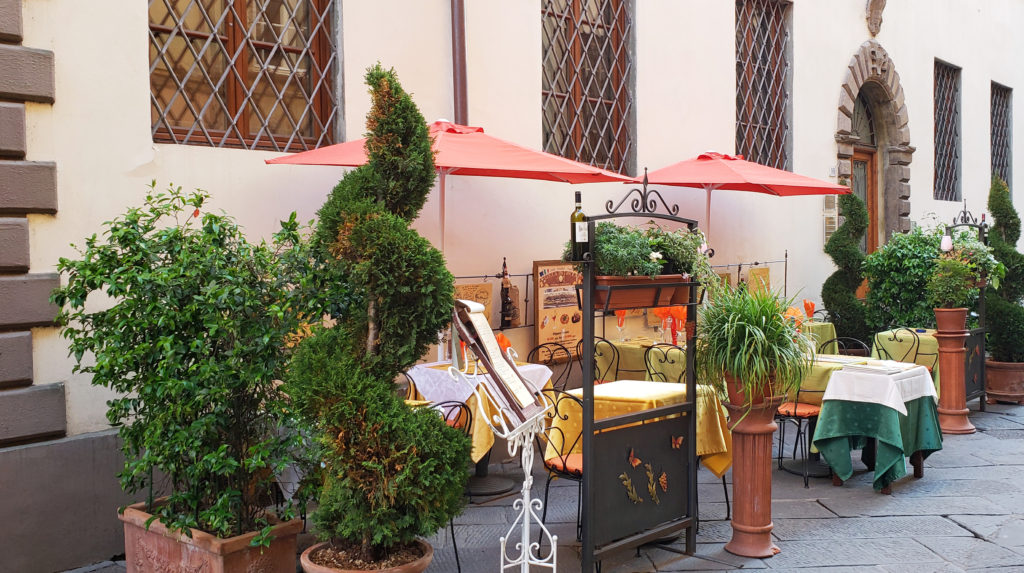
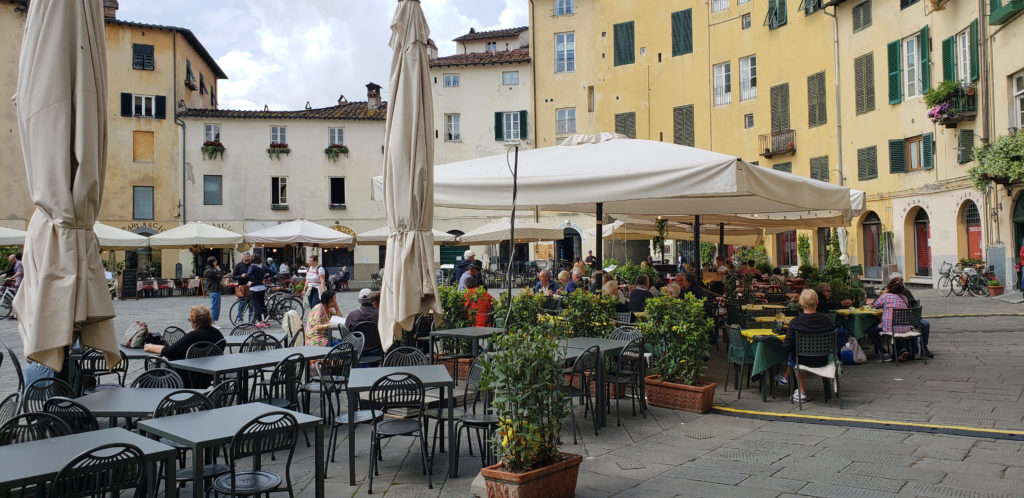
 There are no shortages of places in Lucca to get a good meal, something we found true everywhere we went in Italy. There are some fine dining establishments that are recommended the guidebooks, but we found the sidewalk and piazza cafes that are so abundant all had very good food at surprisingly affordable prices. It’s hard to go wrong, wherever you choose to dine. Gelato is serious stuff in Lucca, too, as it is everywhere in Italy.
 If you’re visiting Tuscany, Lucca should be on your itinerary, even if you only have an afternoon to explore it. Siena is prettier, and Lucca doesn’t have the history or art and culture of Florence, but it is more authentic and much less touristy, and has its own appeal. You won’t regret it.
 Originally posted September 17, 2018. Updated and re-posted April 14, 2021 and May 21, 2023.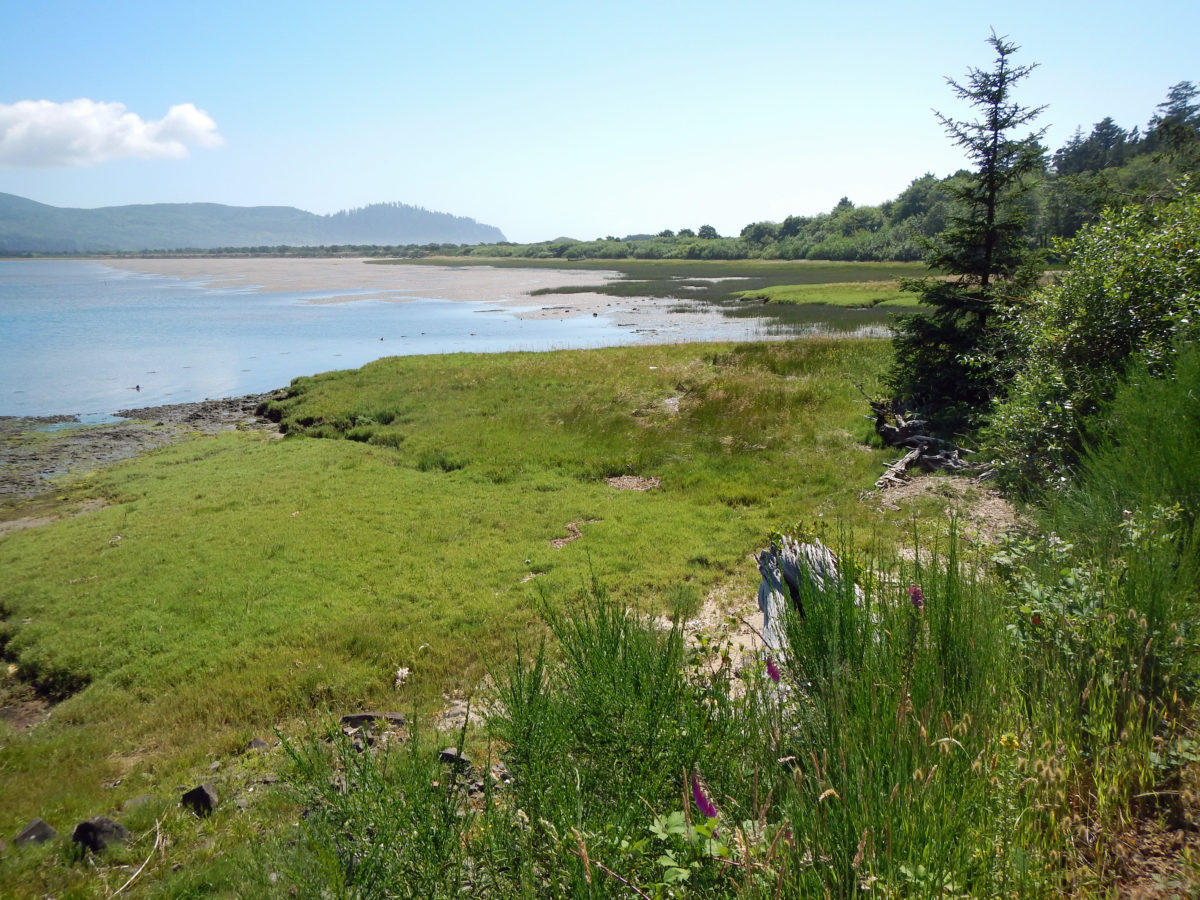
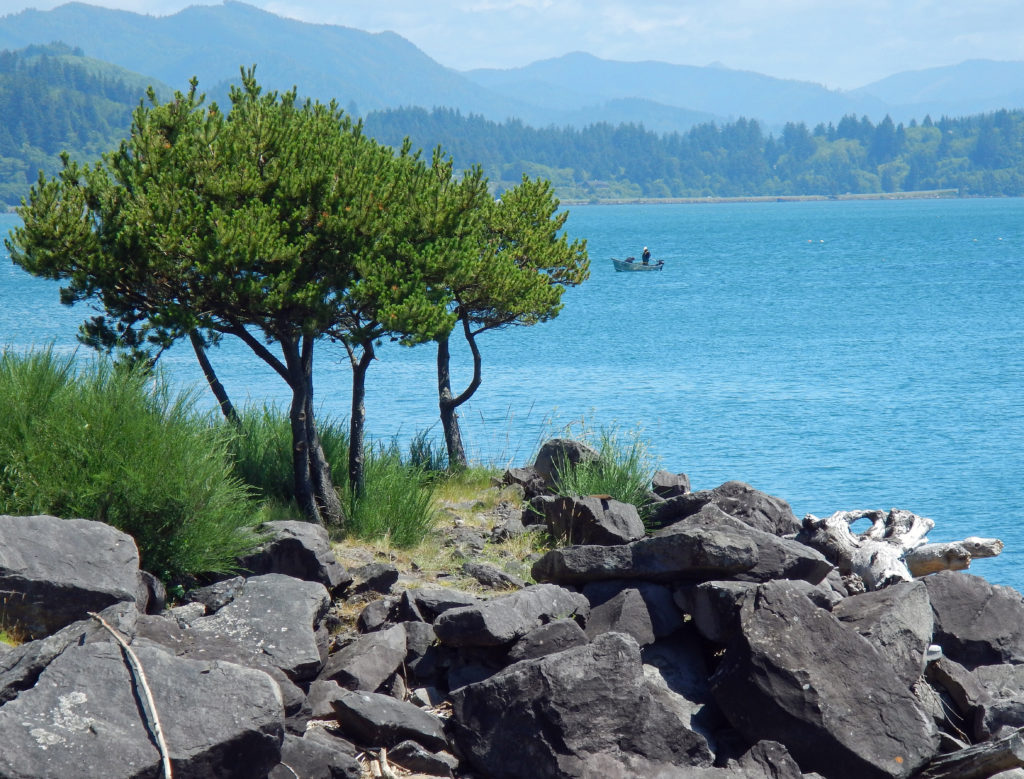
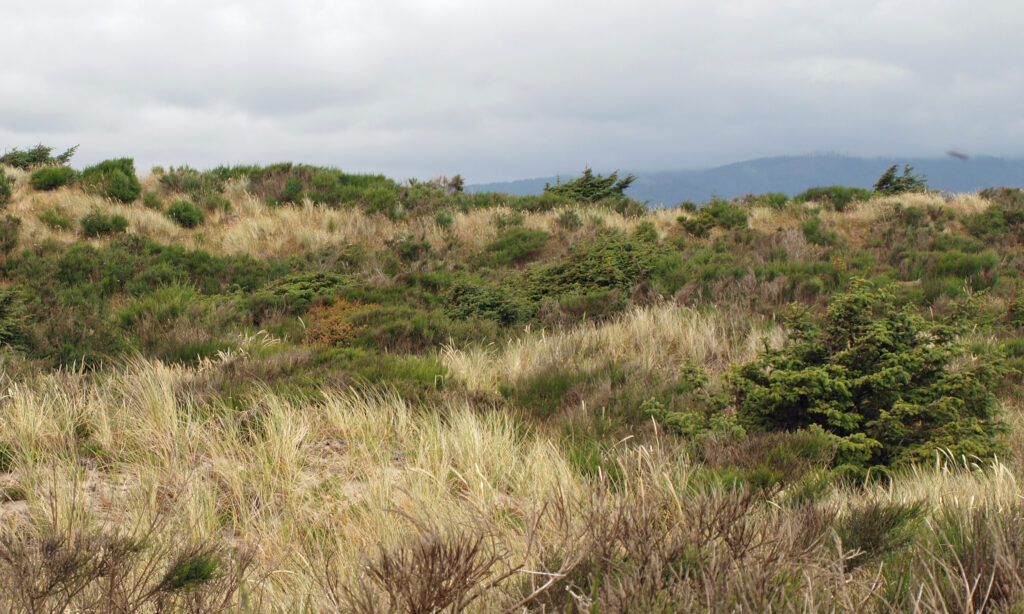
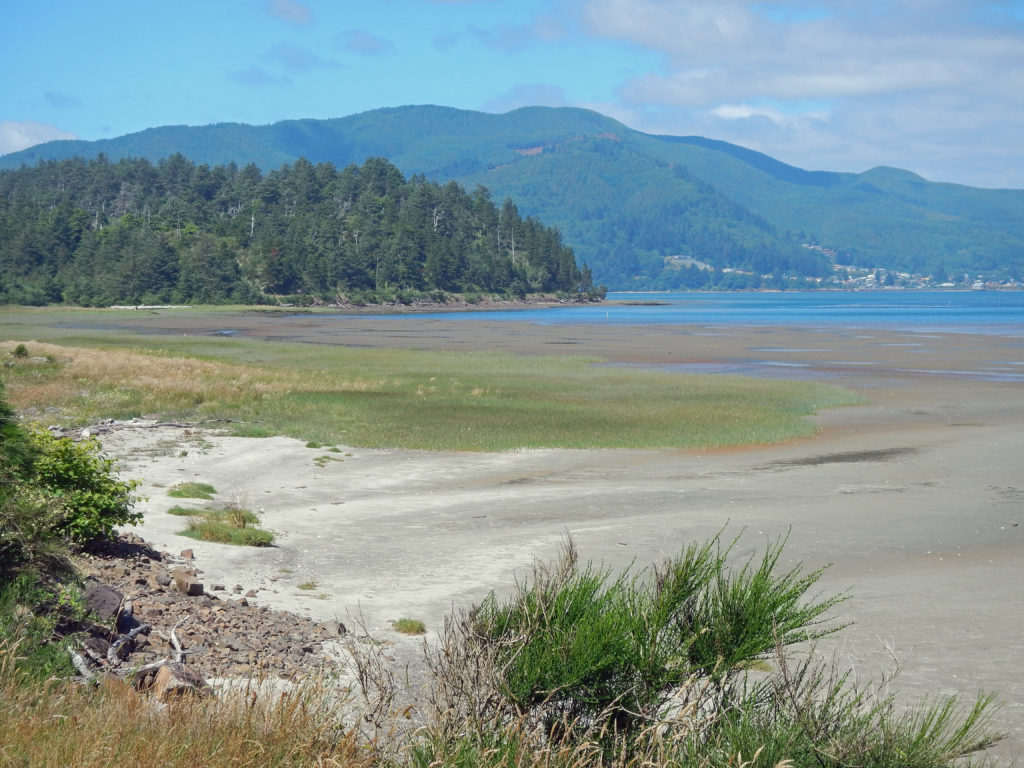
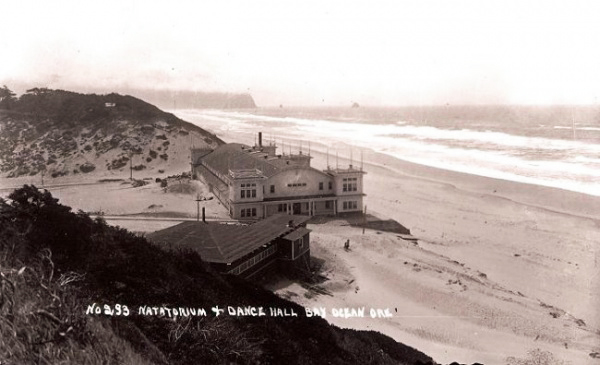
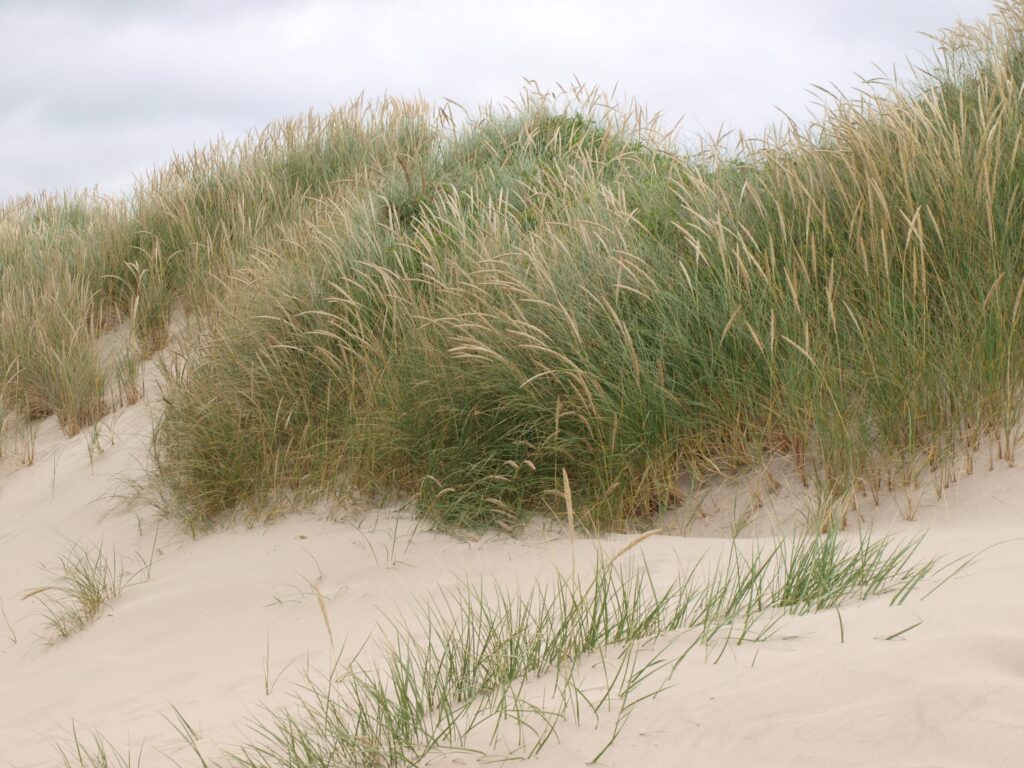
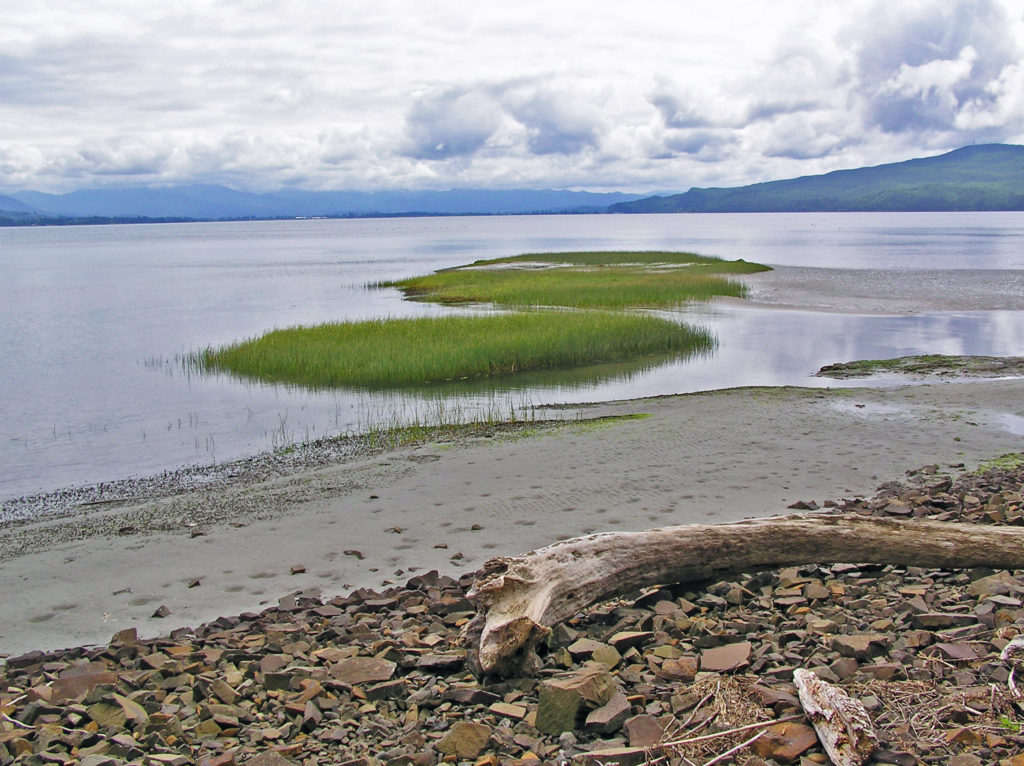 The peninsula is now an undeveloped county park. There has never been a campground, but in the past backcountry camping was permitted. That has changed, however, and overnight camping is no longer allowed.
 Getting there:
 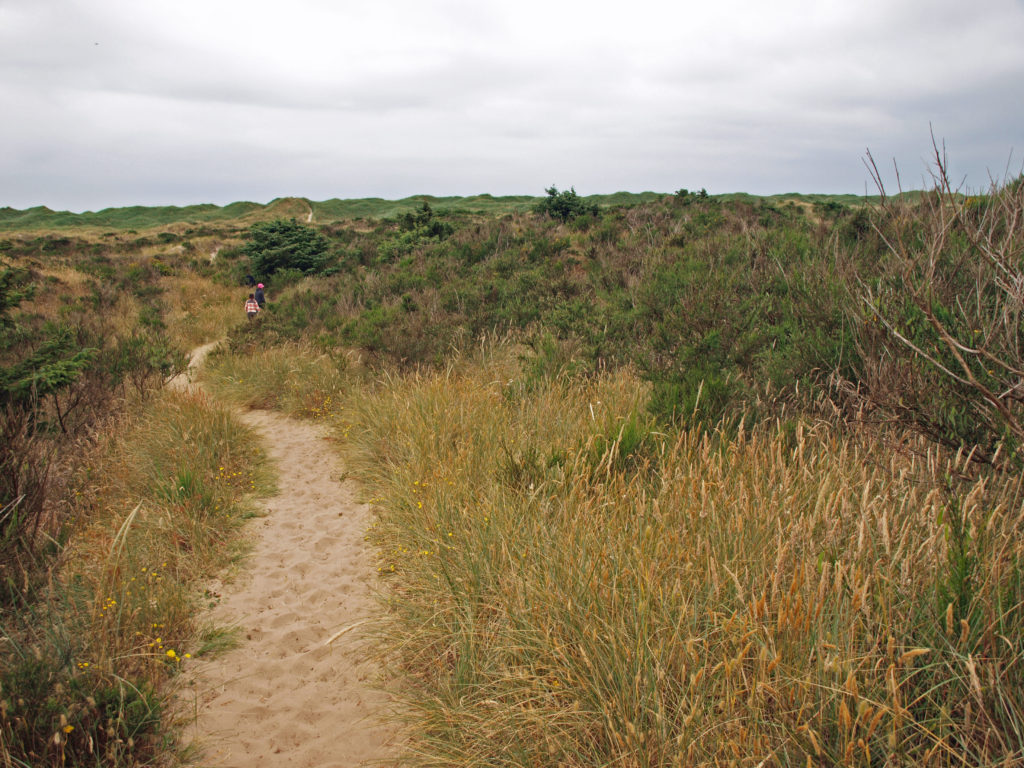 The hike:
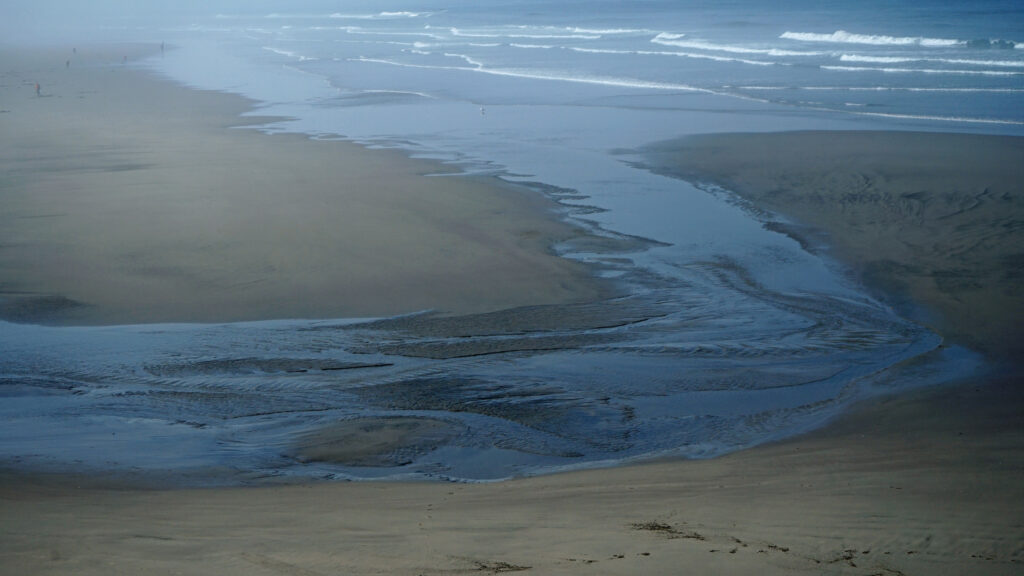
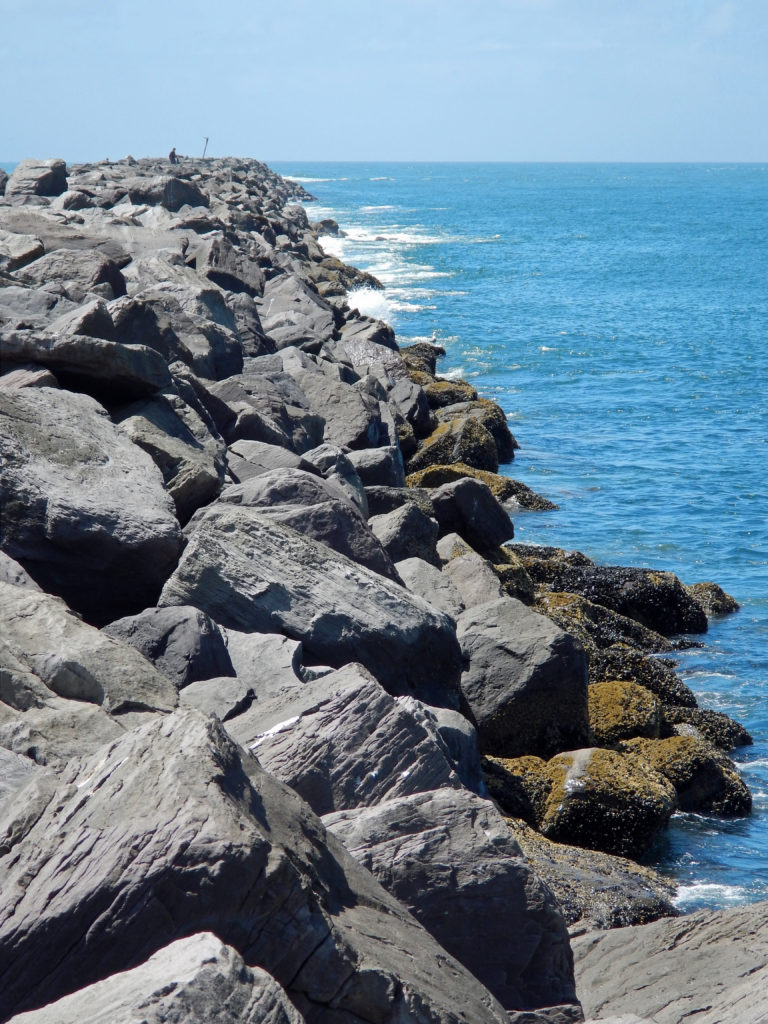 Or, continue along the beach until you reach the south jetty at the mouth of Tillamook Bay. You’ll be rewarded with one of the least crowded beaches on the entire coast. You might have the beach to yourself even on summer weekends.
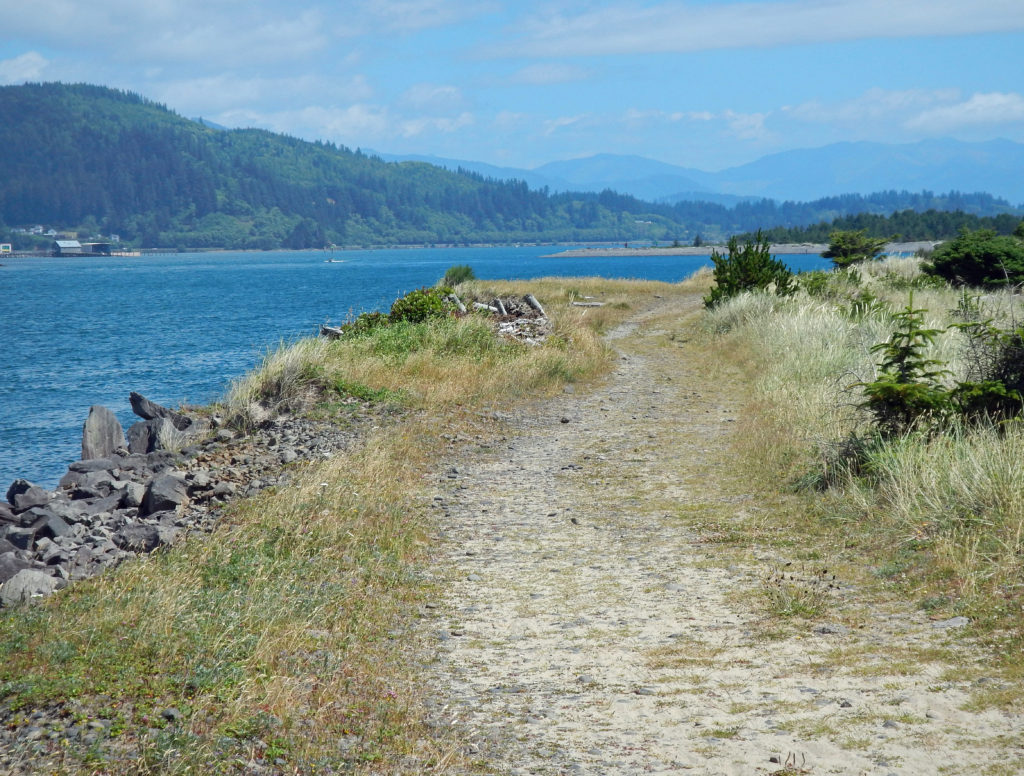 From the jetty you can return the way you came for 7.2 mile out and back beach walk or complete the 7.7-mile loop hike by following the jetty inland to the old jetty haul road and following it back to the trailhead. The road is rock and gravel with some sandy stretches. It runs along the bayshore, with good views of the shore and bay, with a couple of stretches in the pine and spruce forest of the peninsula interior.
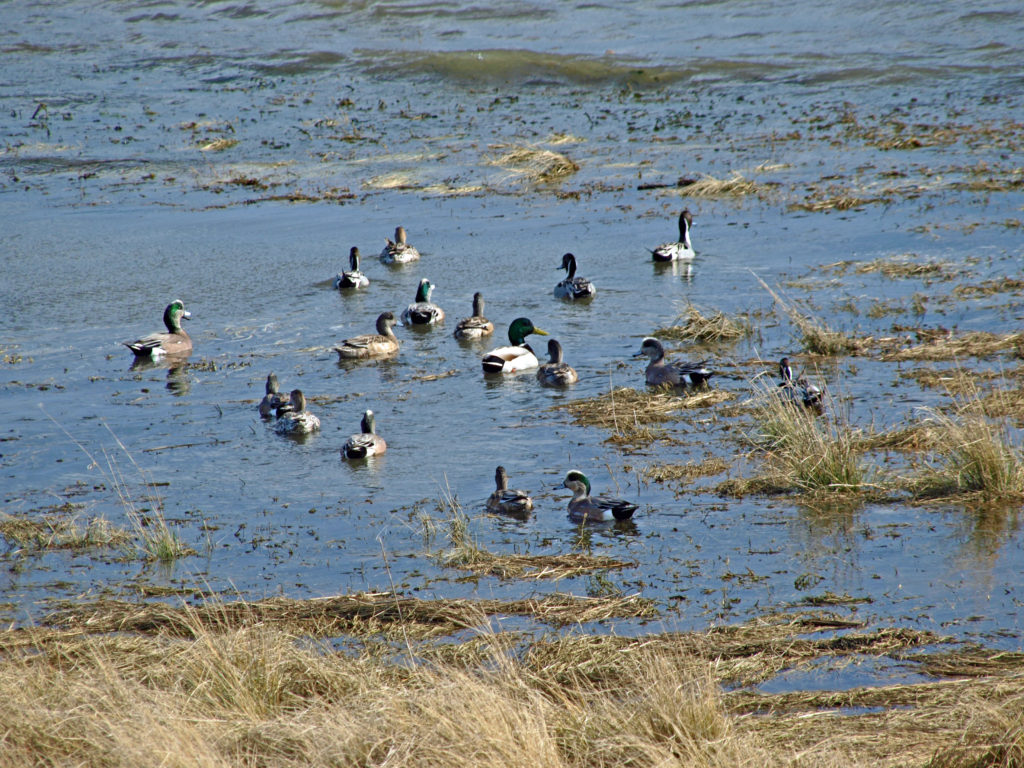 Look for ducks and geese on the water and shorebirds along the water’s edge. This is one of the best birding areas for waterfowl on the coast.
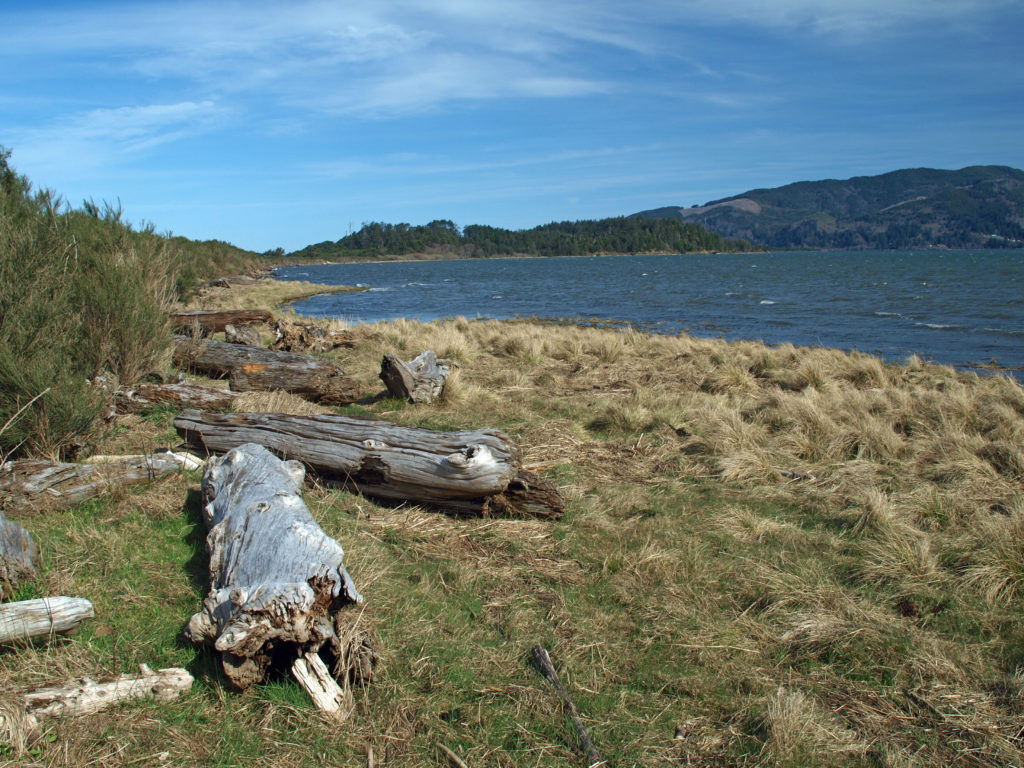 Near the end of the hike look for a sign labeled Bayocean Townsite. Here a trail leads toward the beach to the old townsite. The trail loops south through what was then the bayfront (the whole peninsula has shifted a couple of hundred yards to the east and much of the old townsite is now under the waves), then returns to the haul road, where there is an interpretive display that tells the tale of the town and its demise. From there, return to the parking area. (If you started at the town of Cape Meares, hike from the Dike Road parking area through the dunes and return to Cape Meares on the beach.)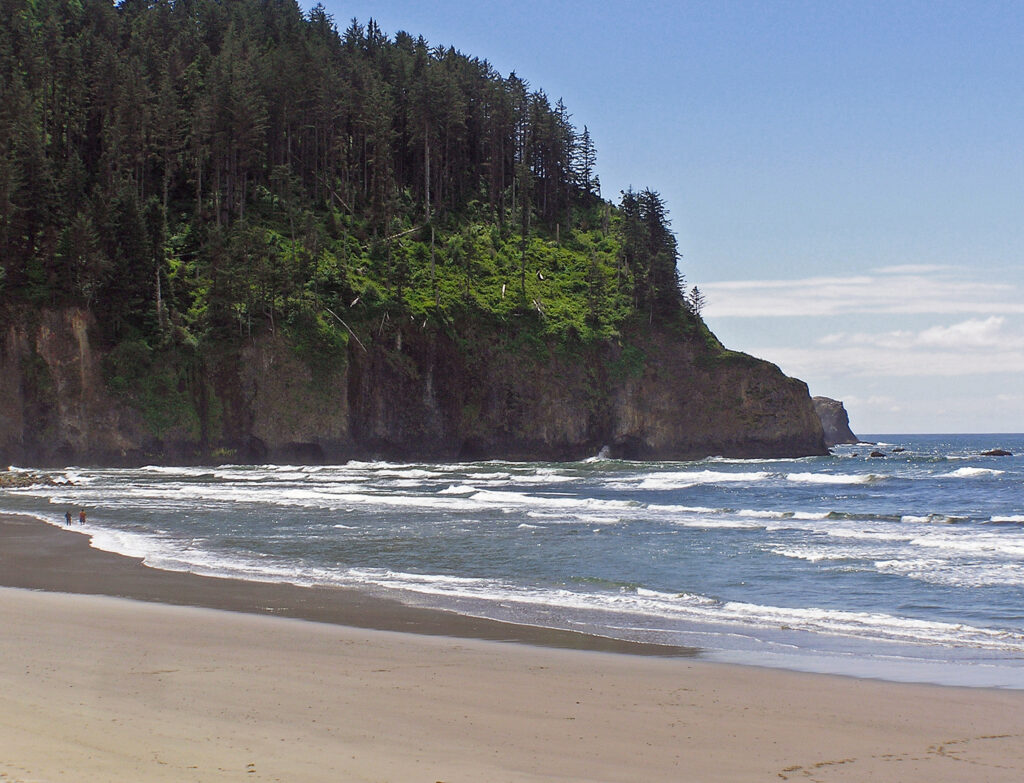
 Farther south,
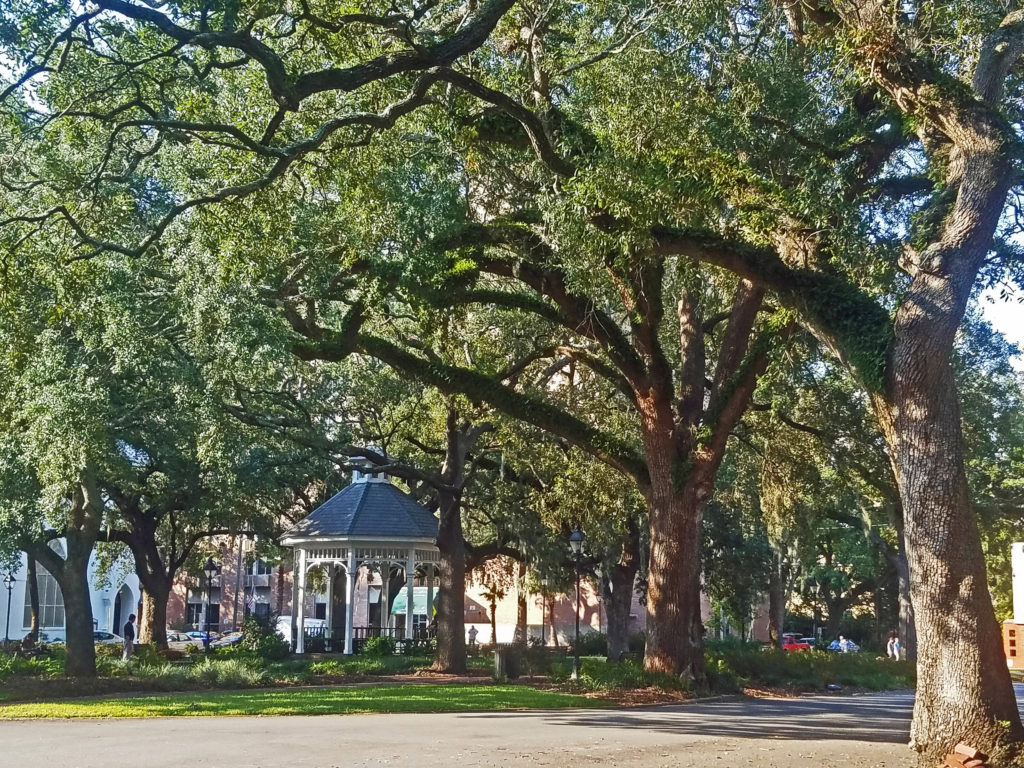
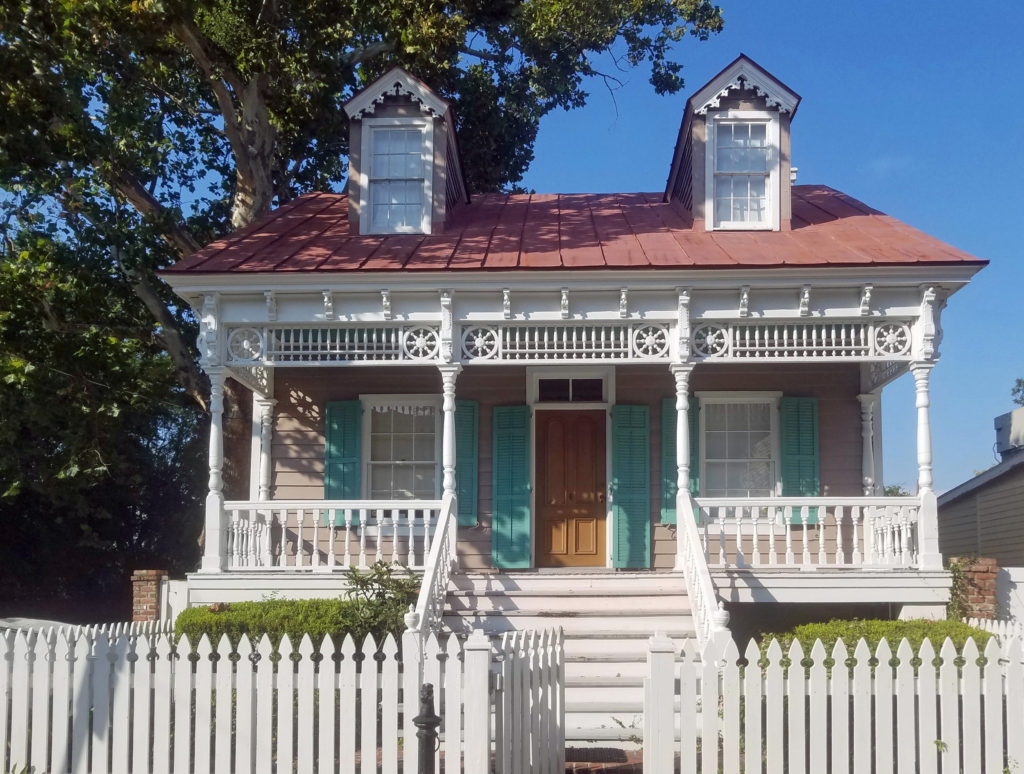
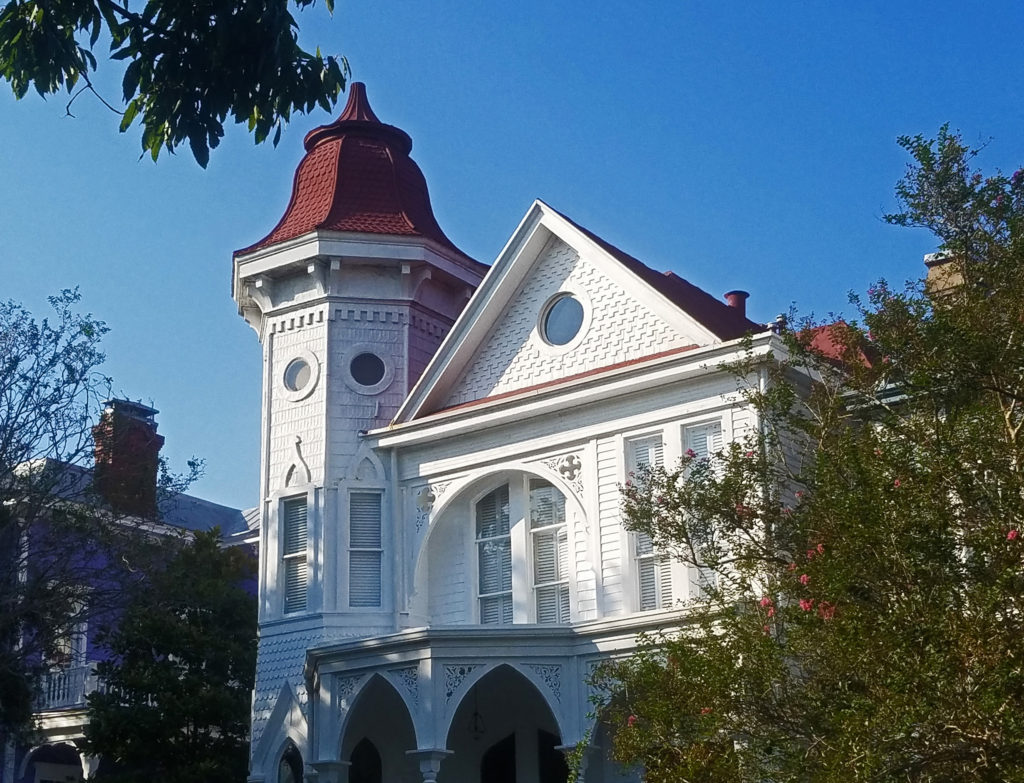 Savannah is an old city, founded in 1733. It was the first European settlement in Georgia, and the city’s history is an important aspect of its spirit and culture. Walking around in the Historic District, it’s not hard to envision yourself in another, long past, era.
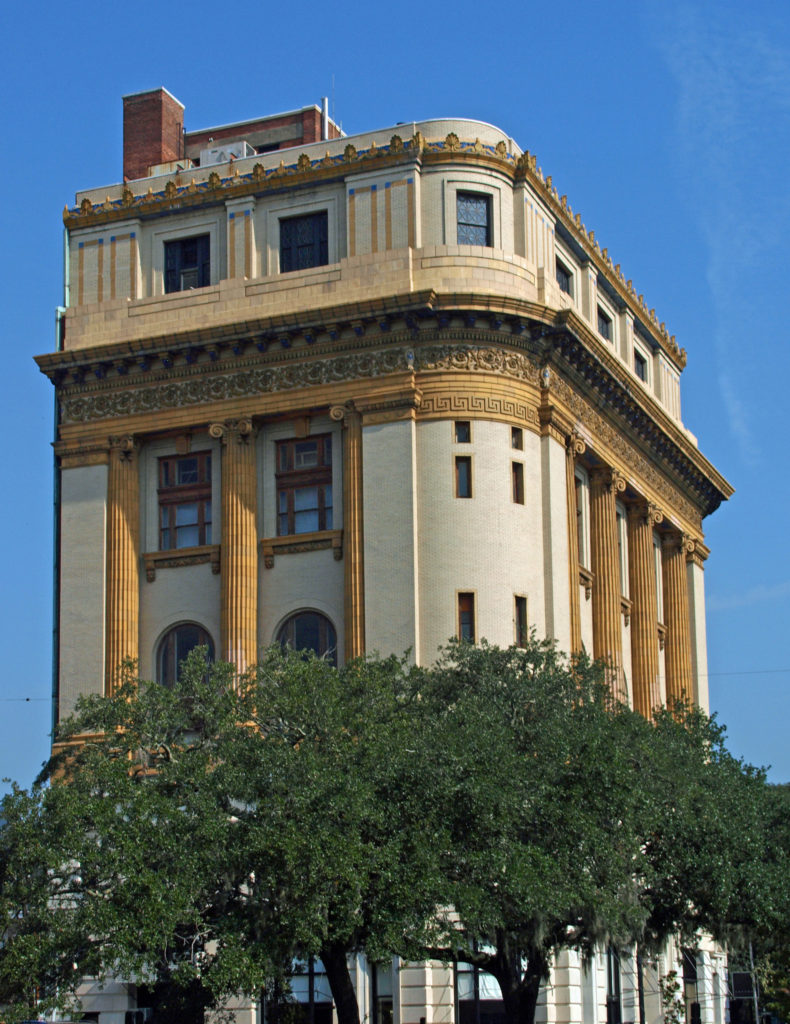 The entire Historic District was named a National Historic Landmark in 1966. The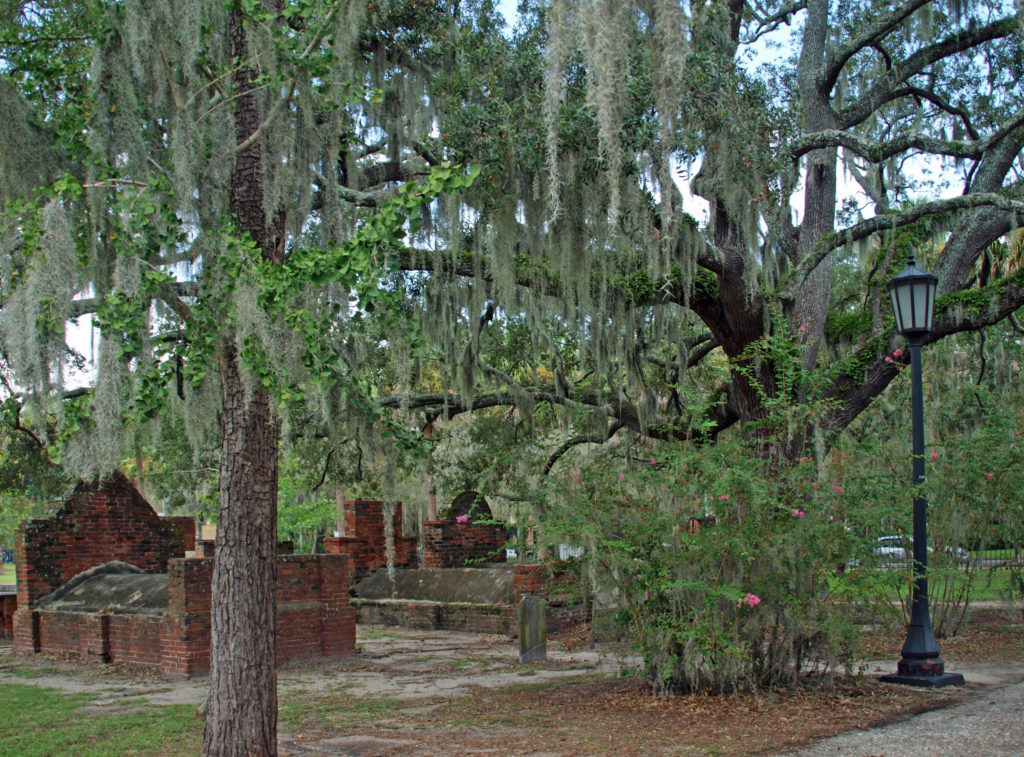
 Savannah is a very walkable city. Guided walking tours of the Historic District are available for about $25 per person. There are also guided bike tours and public carriage tours available at similar rates. Private carriage tours run $100-125 for two people. Hop-on/hop-off trolley tours run $30-35 per person. Ghost tours are also a popular option for visitors.
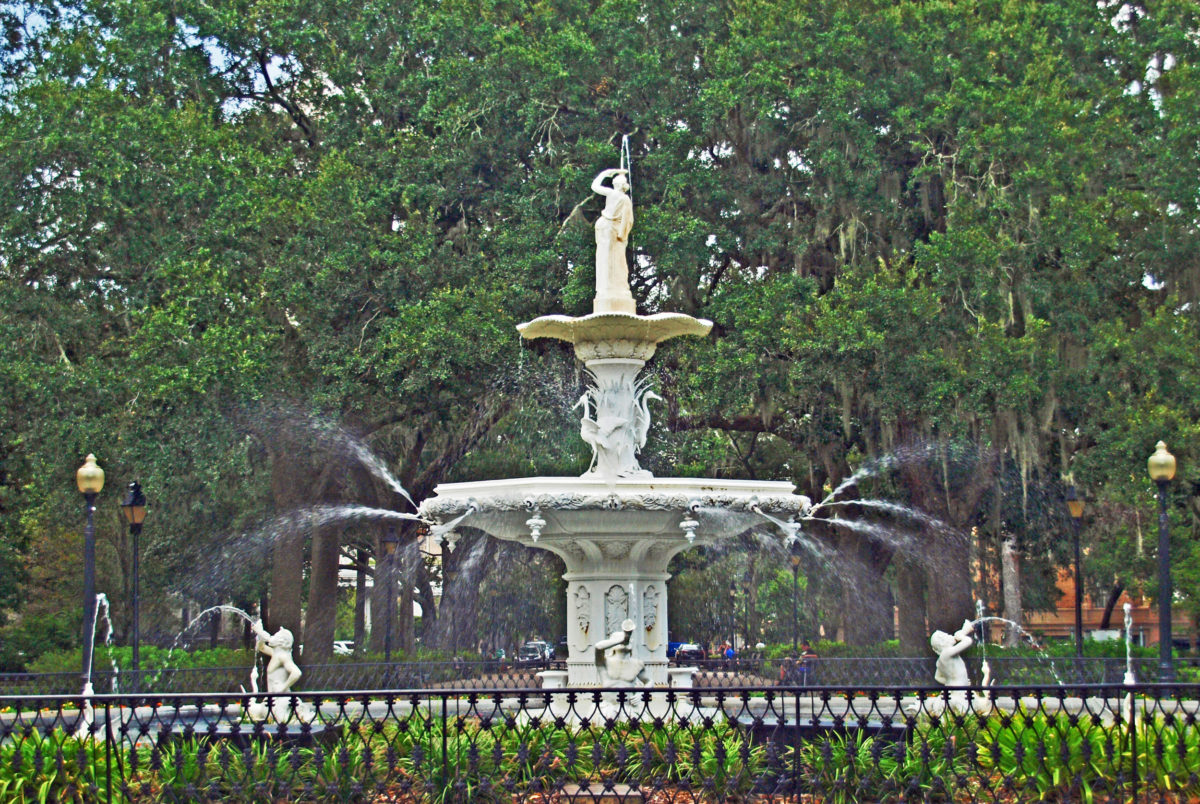
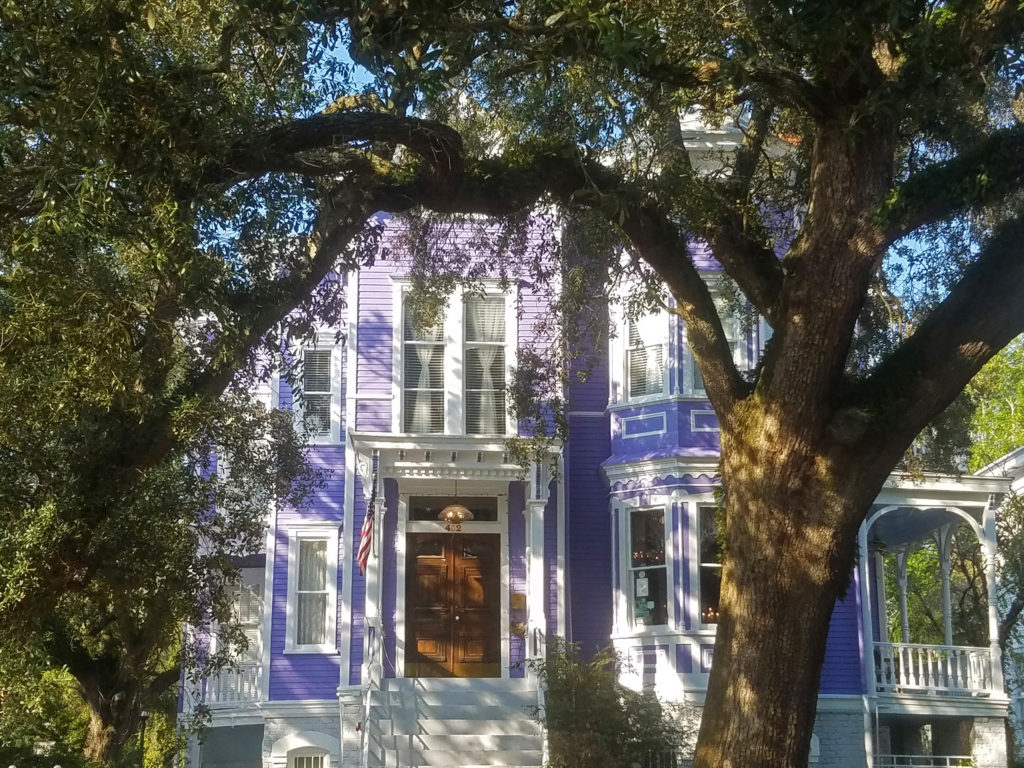
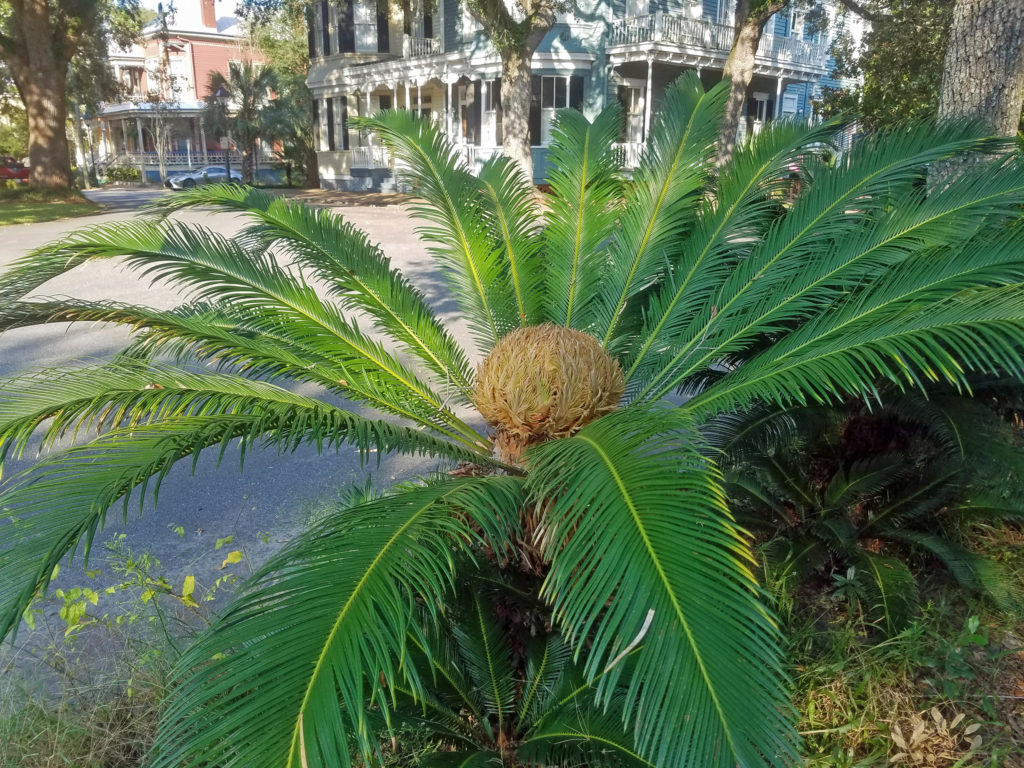
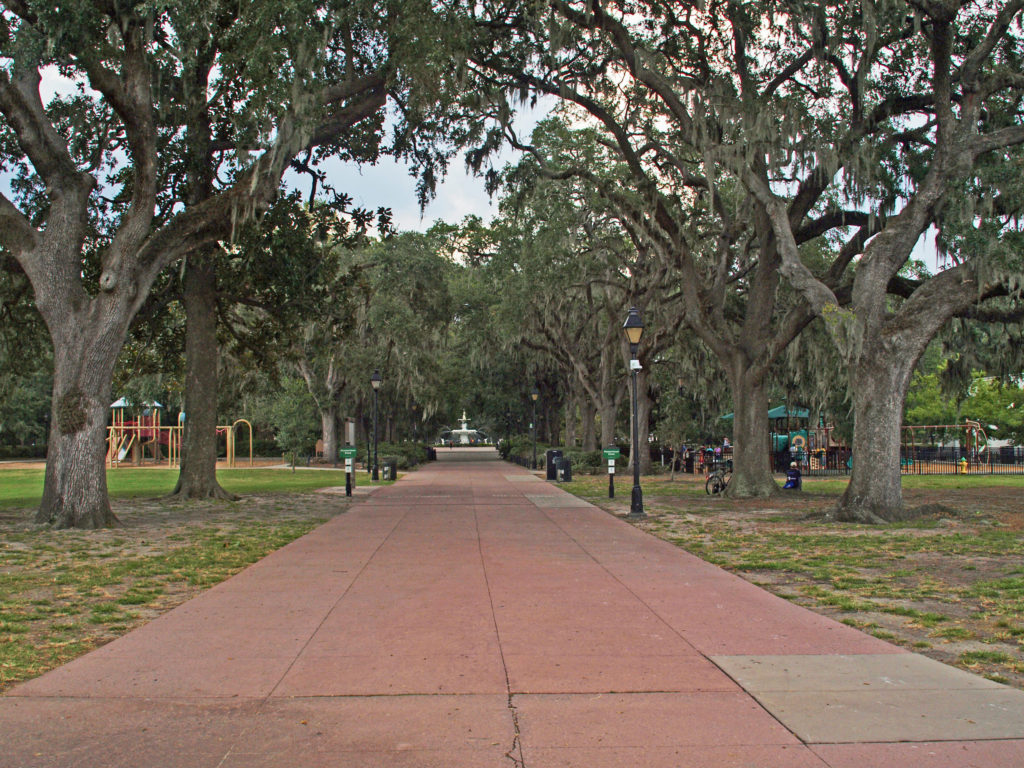 We opted to wander around on our own (but probably missed out on a lot of interesting information about the city). A good place to start a walking tour of your own is Forsyth Park, a 30 acre park at the south end of the Historic District. Its most notable feature is the Forsyth Fountain, but there is a lot more there to see. Enjoy the park’s gardens, paths, monuments, and the fountain, then head north toward the river and take in some (or all) of the 22 Squares and innumerable historic buildings, churches, and Victorian houses.
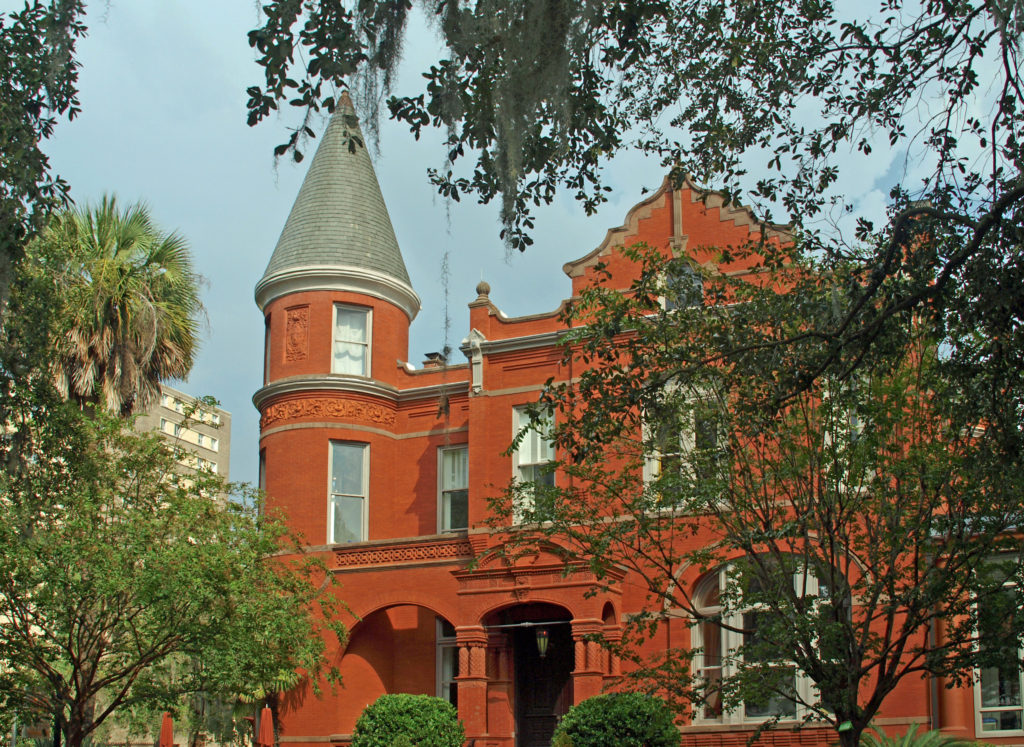
 Some of the more interesting structures in the Historic District include The Pirate’s House, mentioned in Robert Louis Stevenson’s Treasure Island, the city’s oldest building and now a popular restaurant, and The Olde Pink House, another of the city’s oldest structures and also a highly regarded restaurant. Not quite as old, but equally interesting, the Mercer House (officially the Mercer-Williams House Museum) was the site of the 1980s killing of a male prostitute that inspired the book (and movie) Midnight In the Garden of Good and Evil.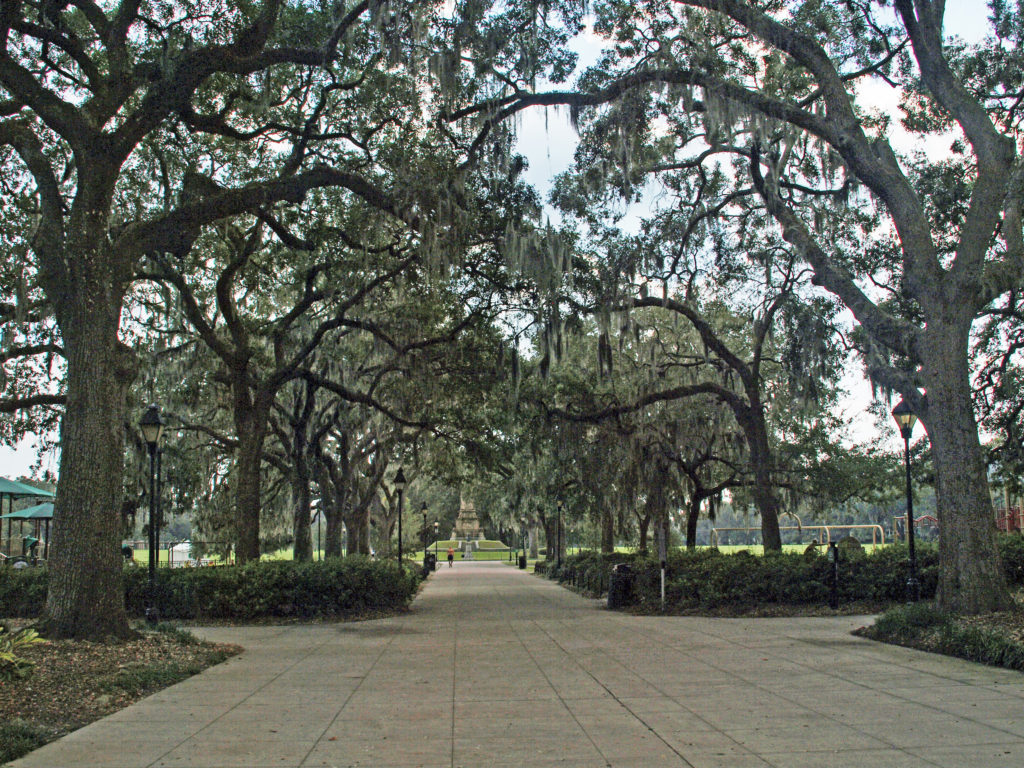
 Near the north end of the Historic District,
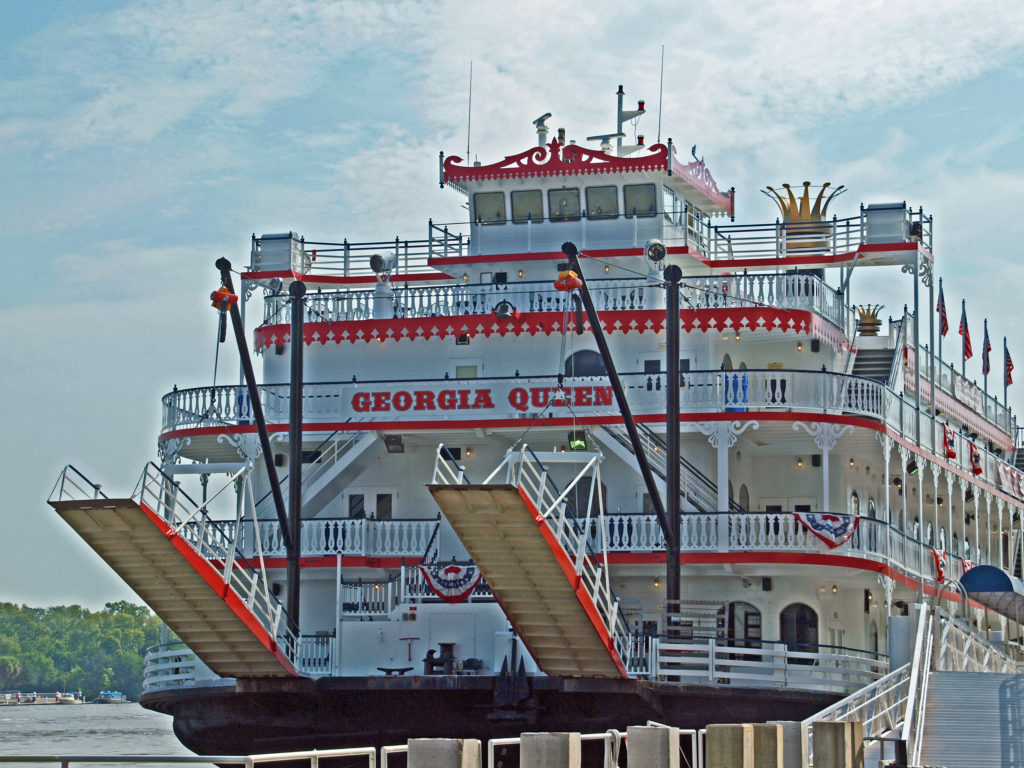
 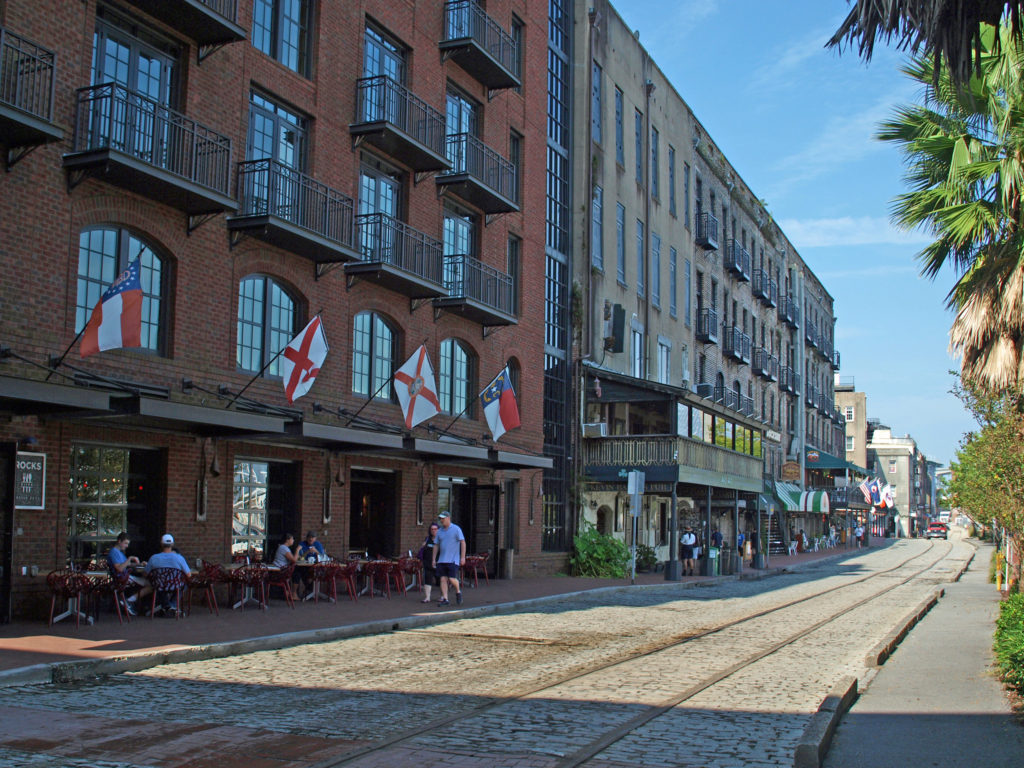 The buildings along River Street were once cotton warehouses. Today they house shops, restaurants, bars, and art galleries. River Street has its share of tacky gift shops, but it also has some interesting boutiques, antique shops, and art galleries. Among the many restaurants are Vic’s On the River, Huey’s, The Shrimp Factory, and Joe’s Crab Shack. If you need a frozen daiquiri refill, there’s another Wet Willie’s on River Street.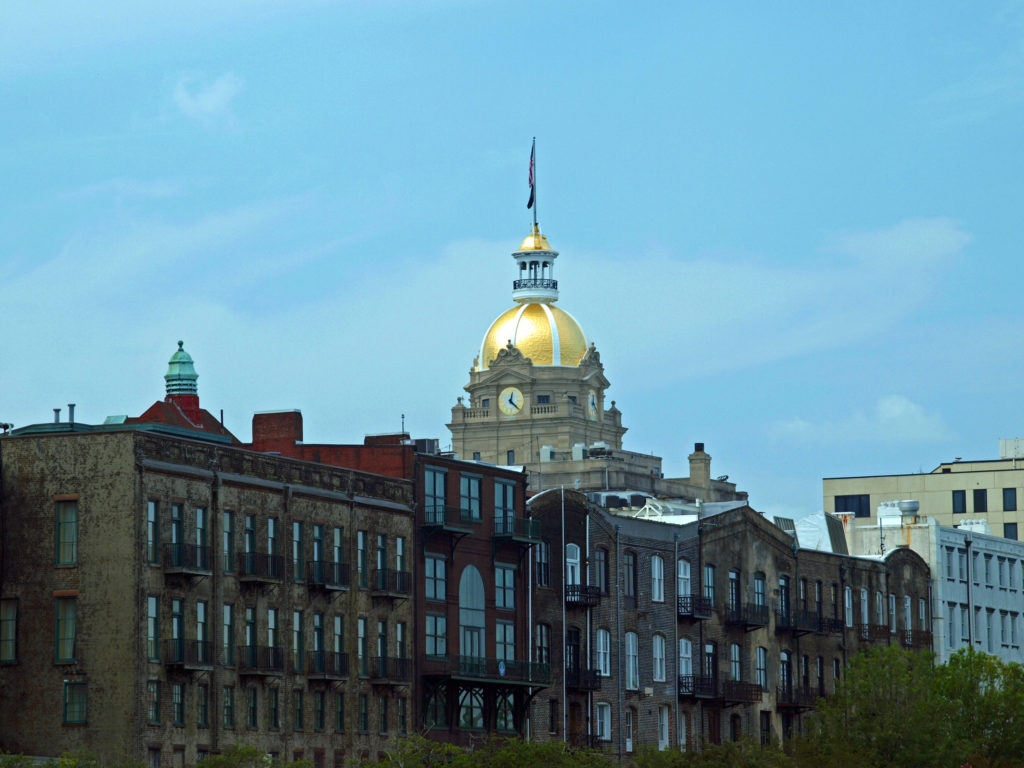
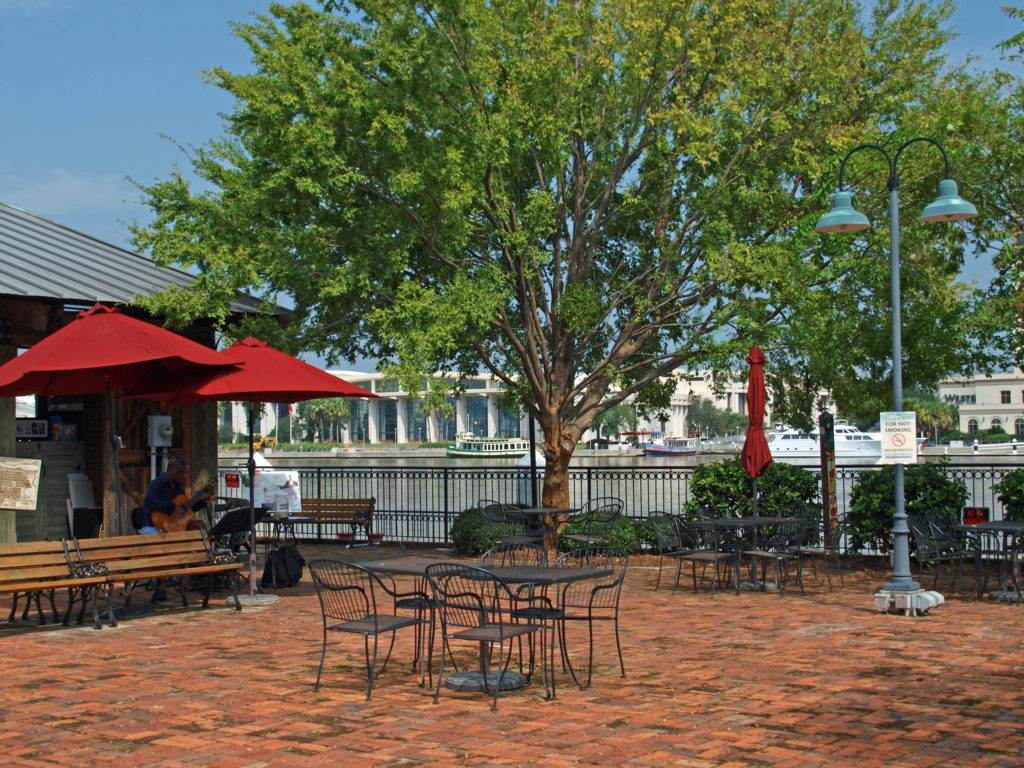 There are no shortage of other places along the river to wet your whistle, including The Warehouse Bar and Grill, Dub’s Public House, The Cotton Exchange Tavern, and a couple of rooftop bars, Top Deck Bar and Rocks On the Roof. And there are more restaurants and bars on Bay Street on the top of the bluff.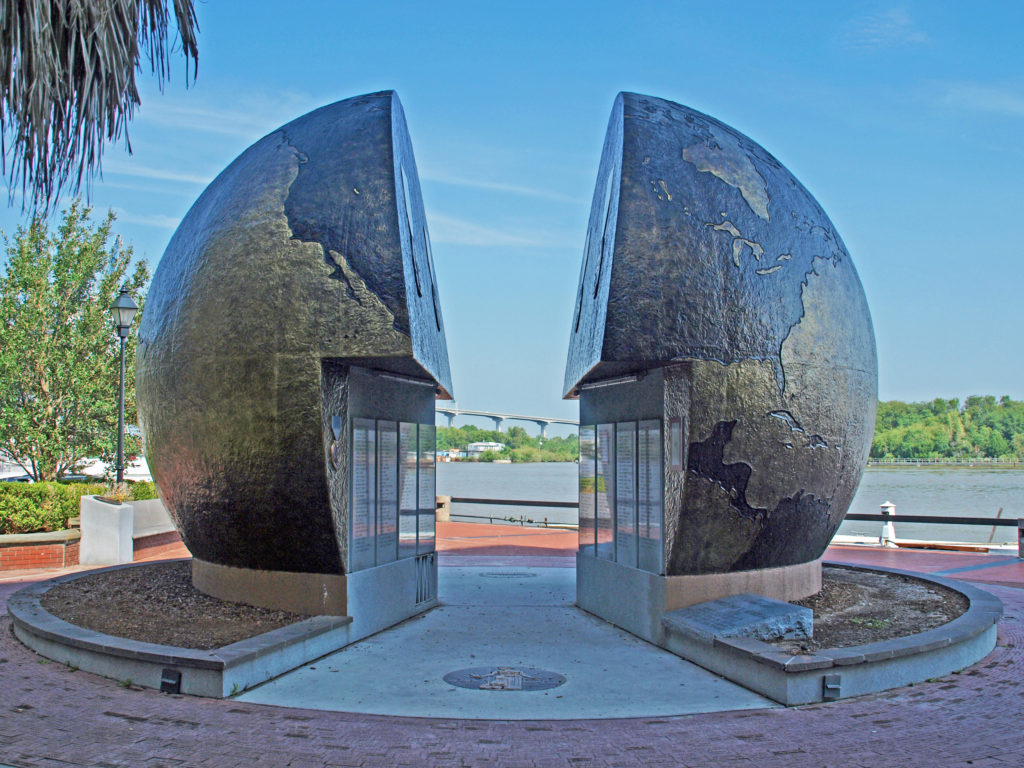
 There’s much to see and do in Savannah that time didn’t allow. We had to skip many things. We checked out only a couple of the city’s art galleries, for example, and didn’t make it to other nearby destinations such as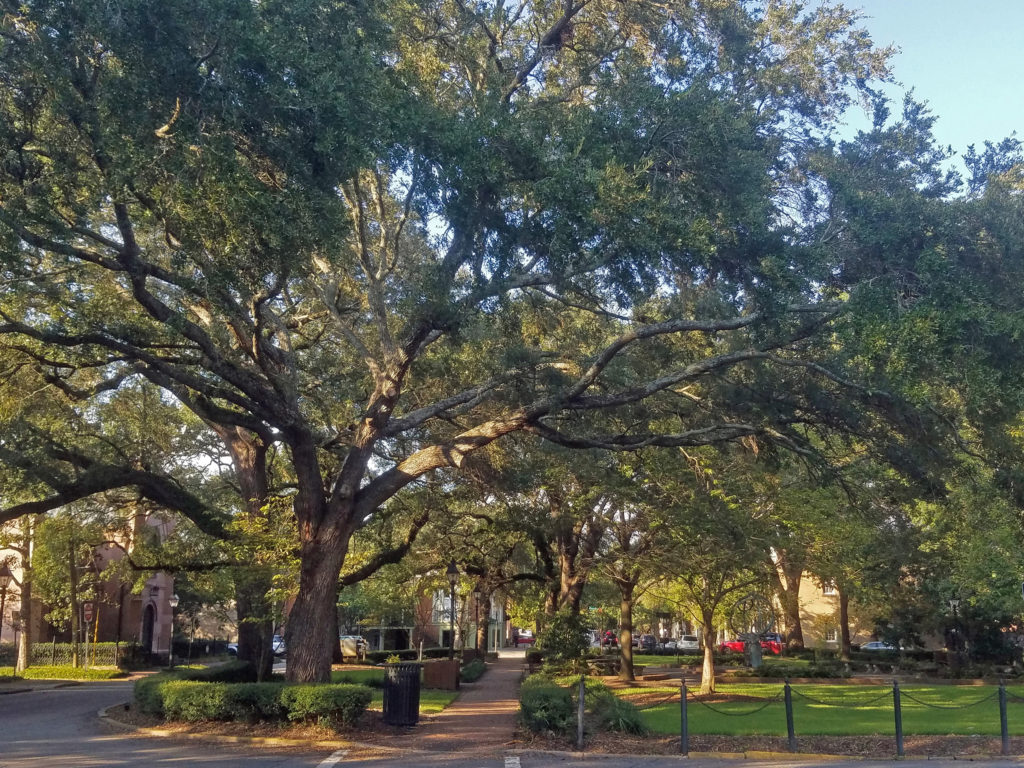
 Originally posted January 24, 2020. Updated and re-posted April 15, 2023.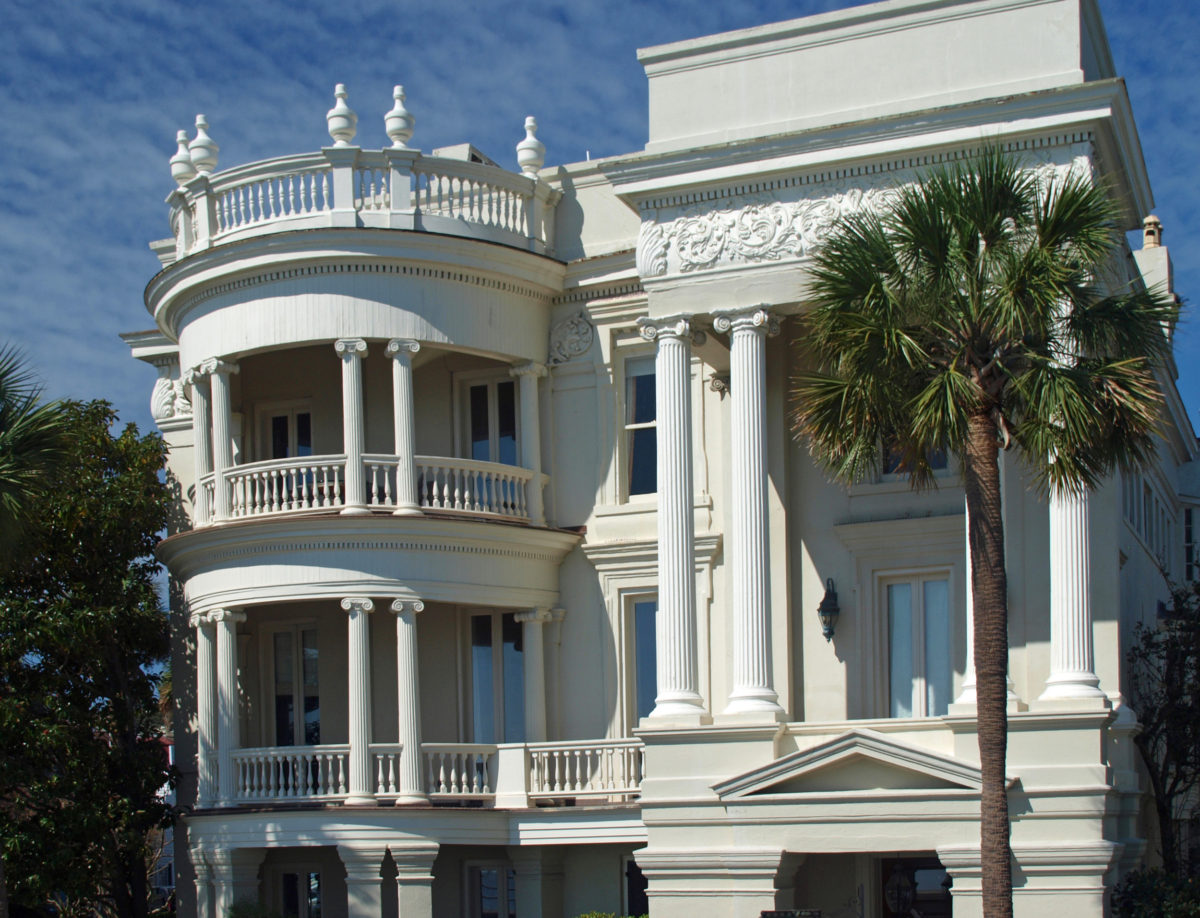
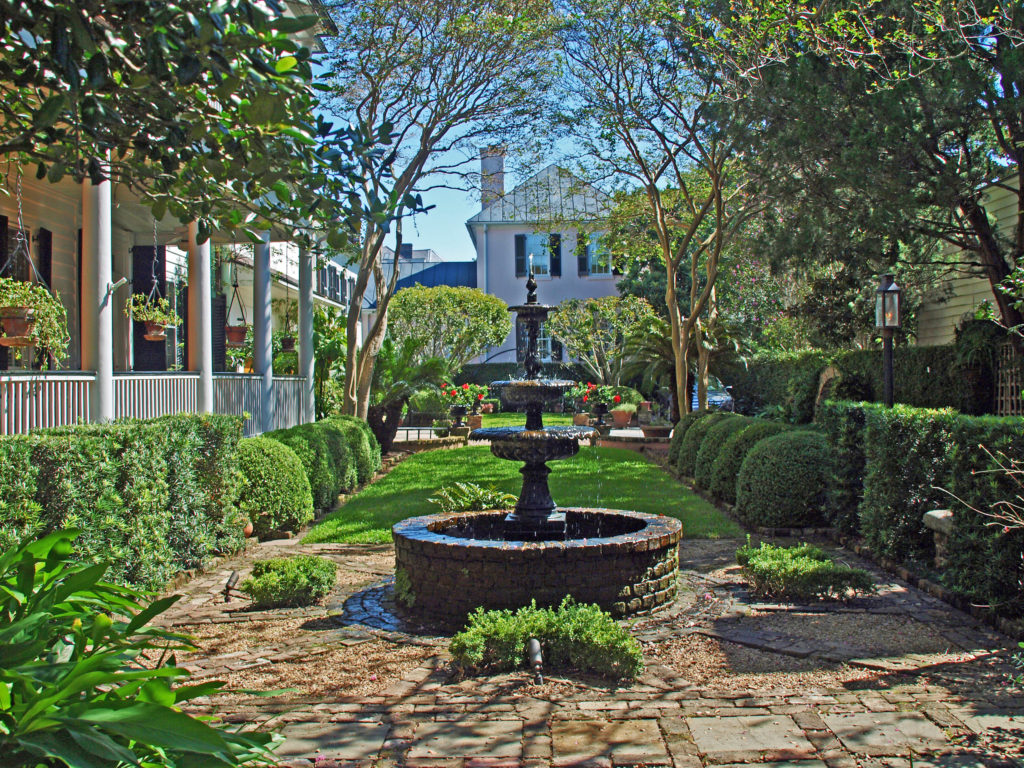
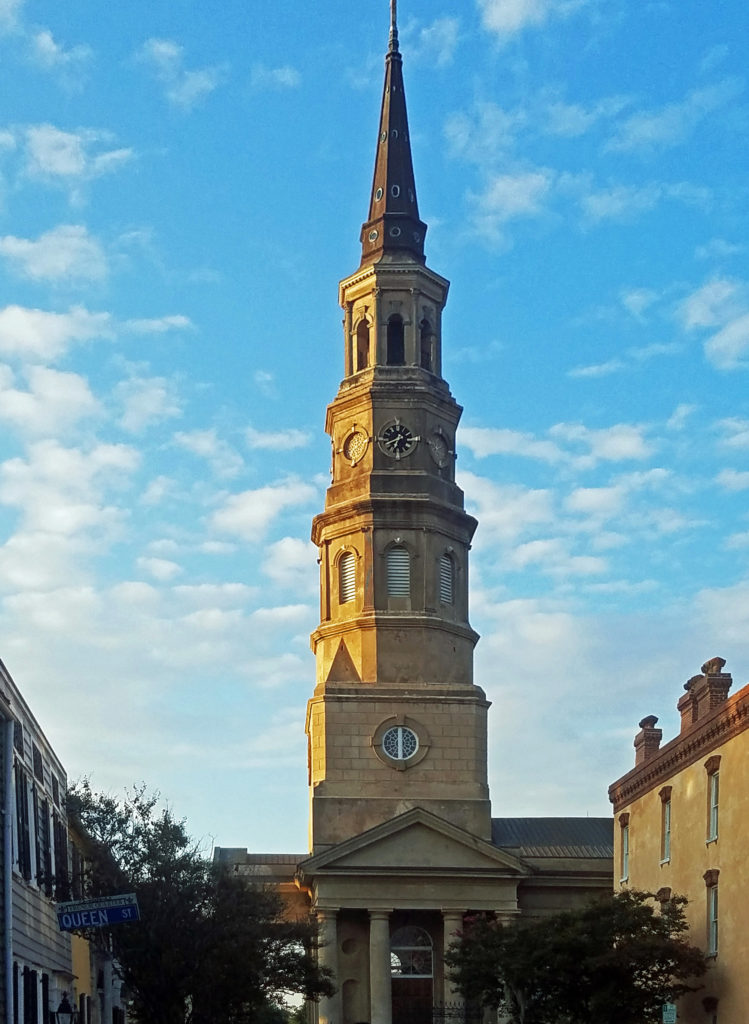
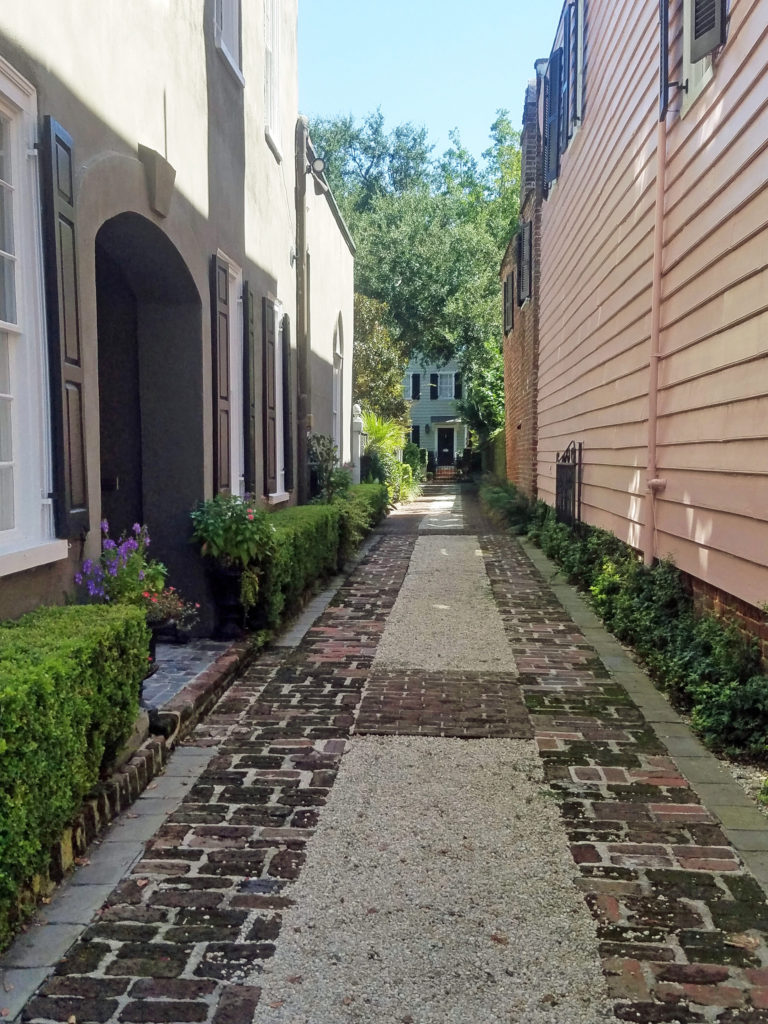
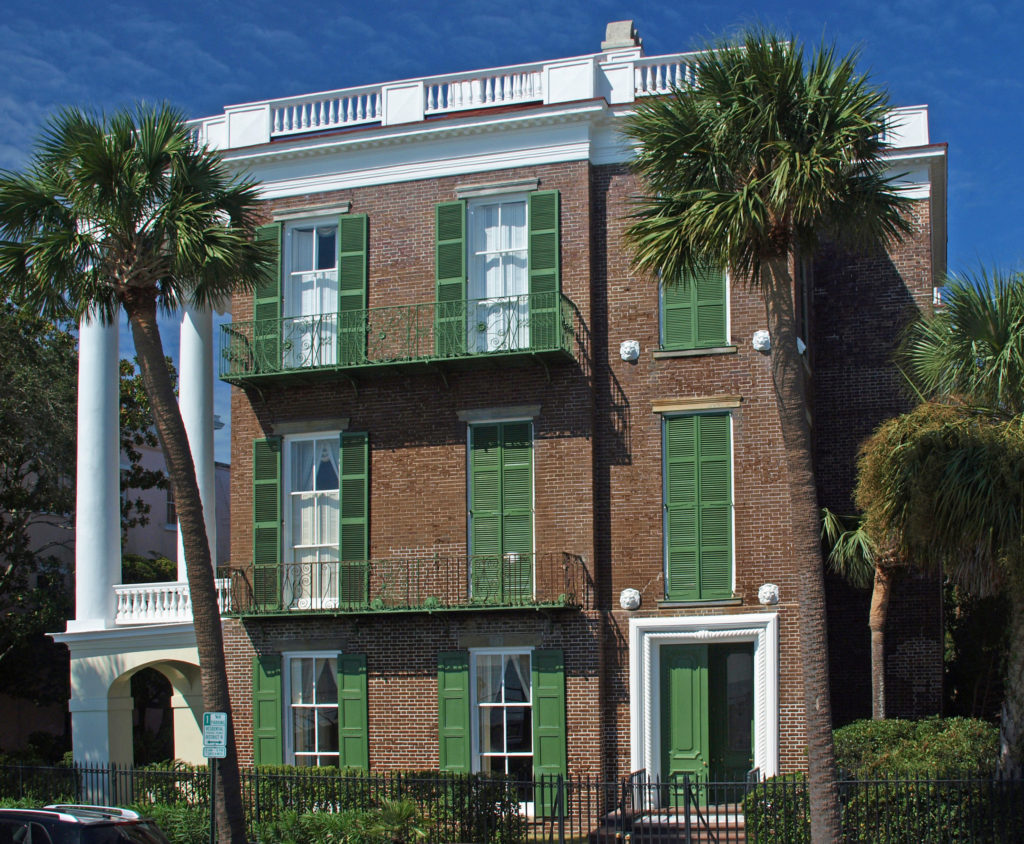
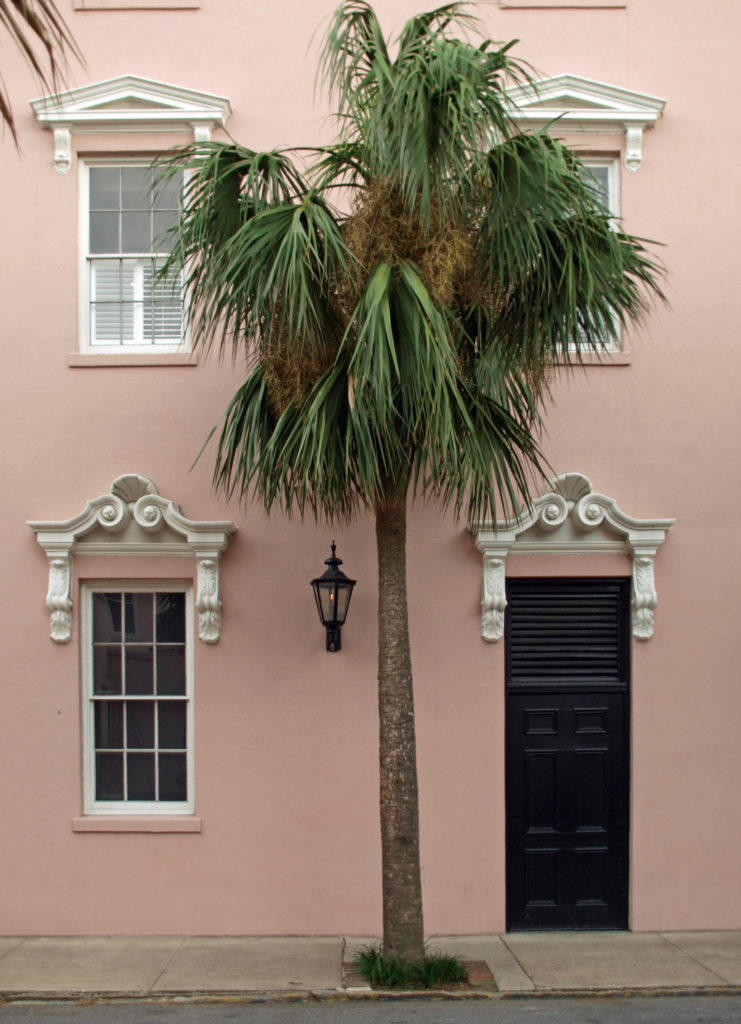
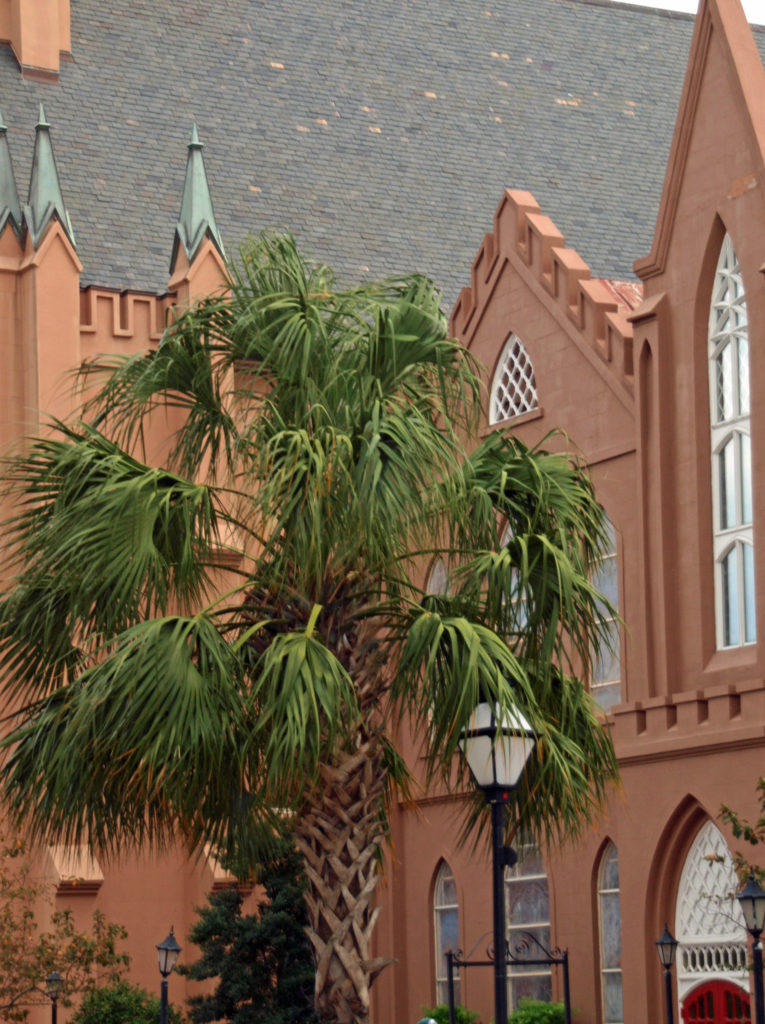


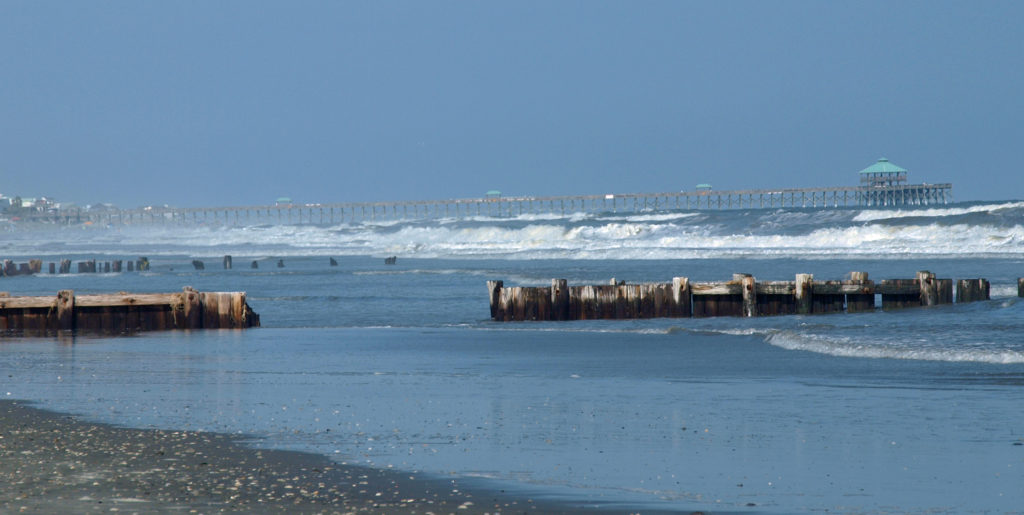
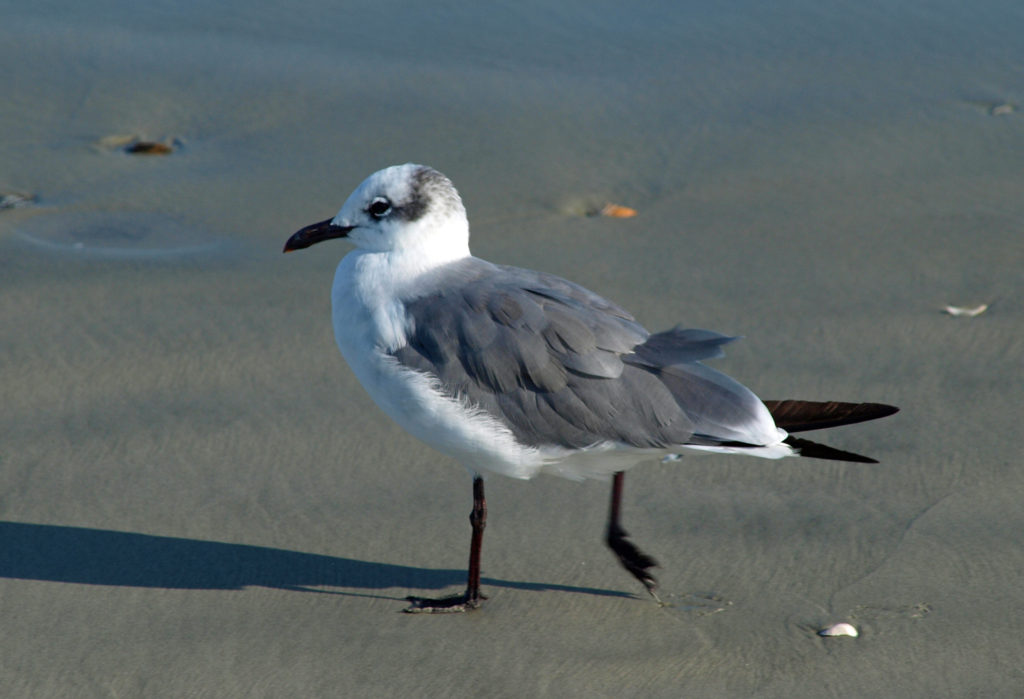
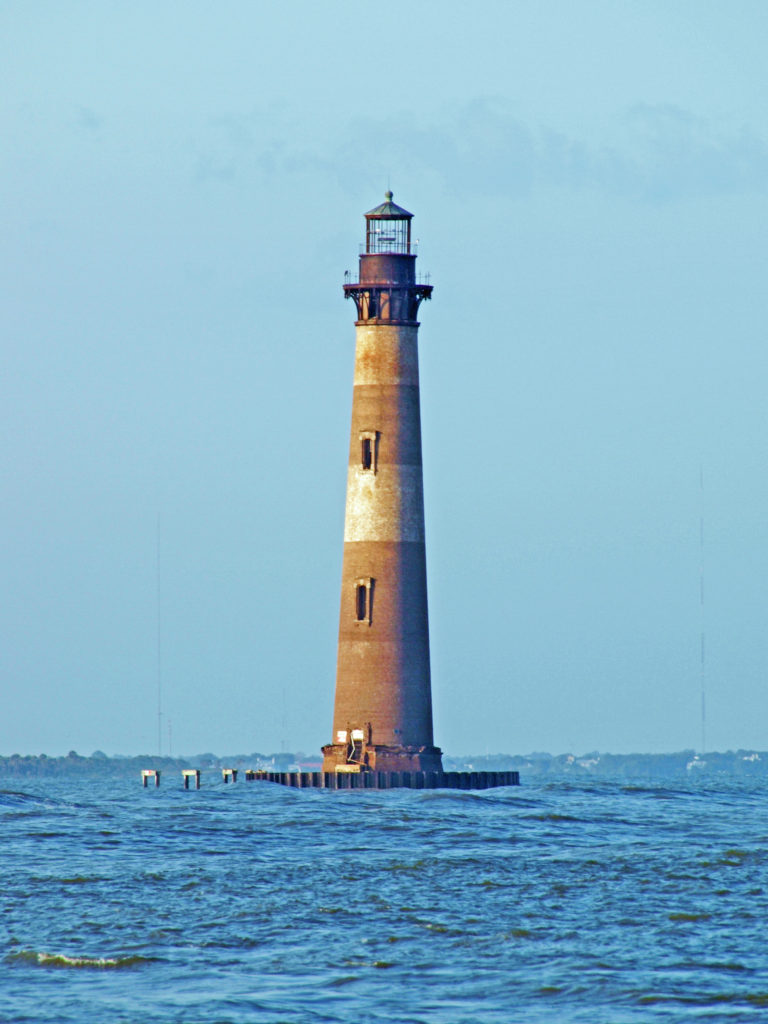
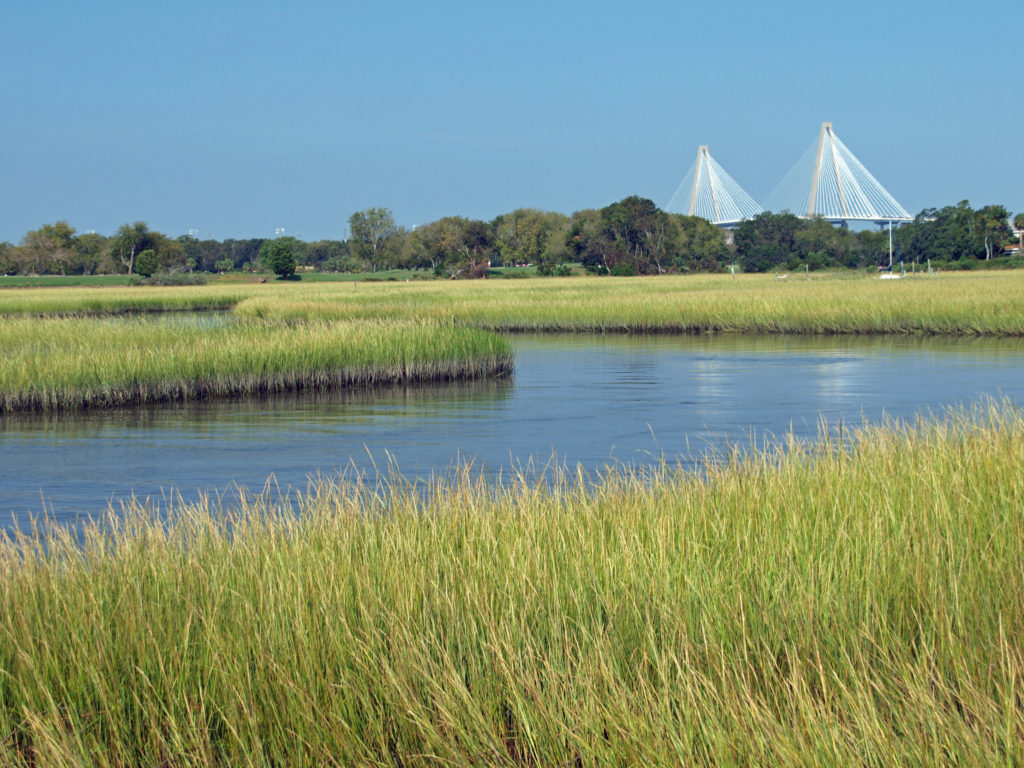
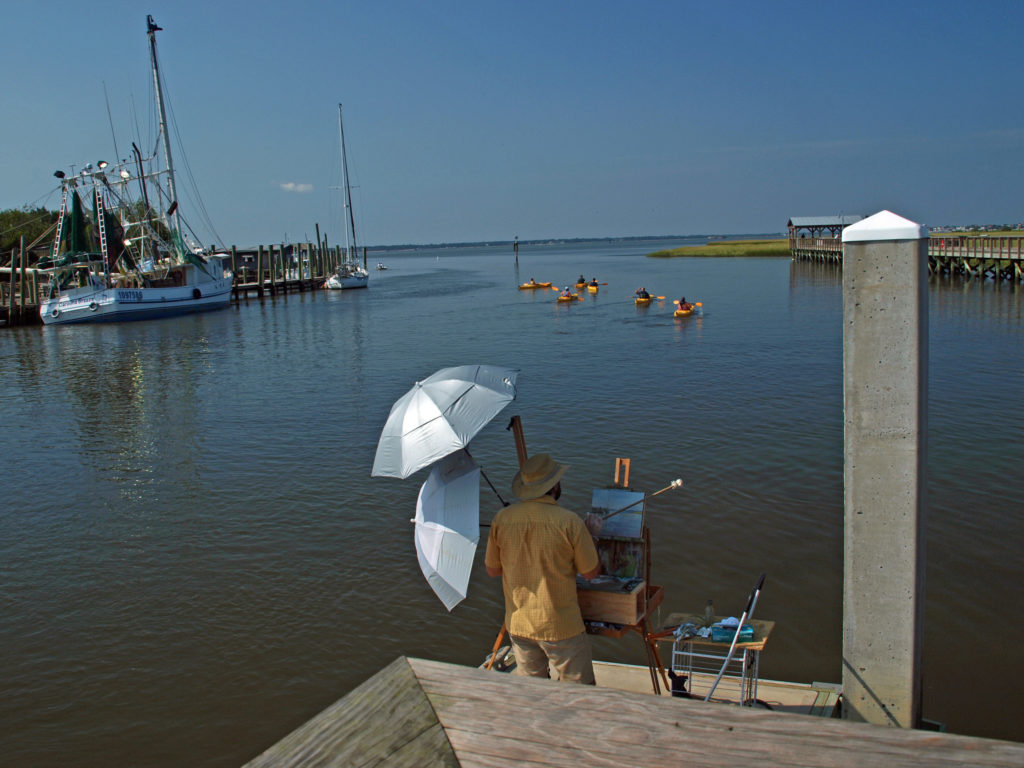
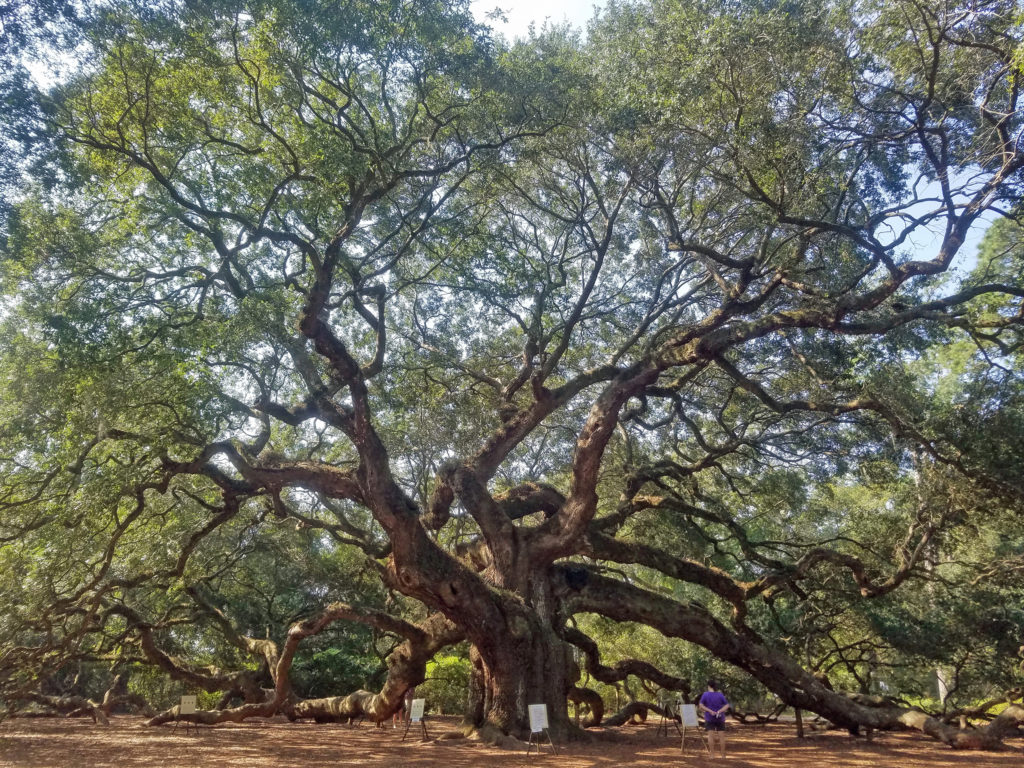
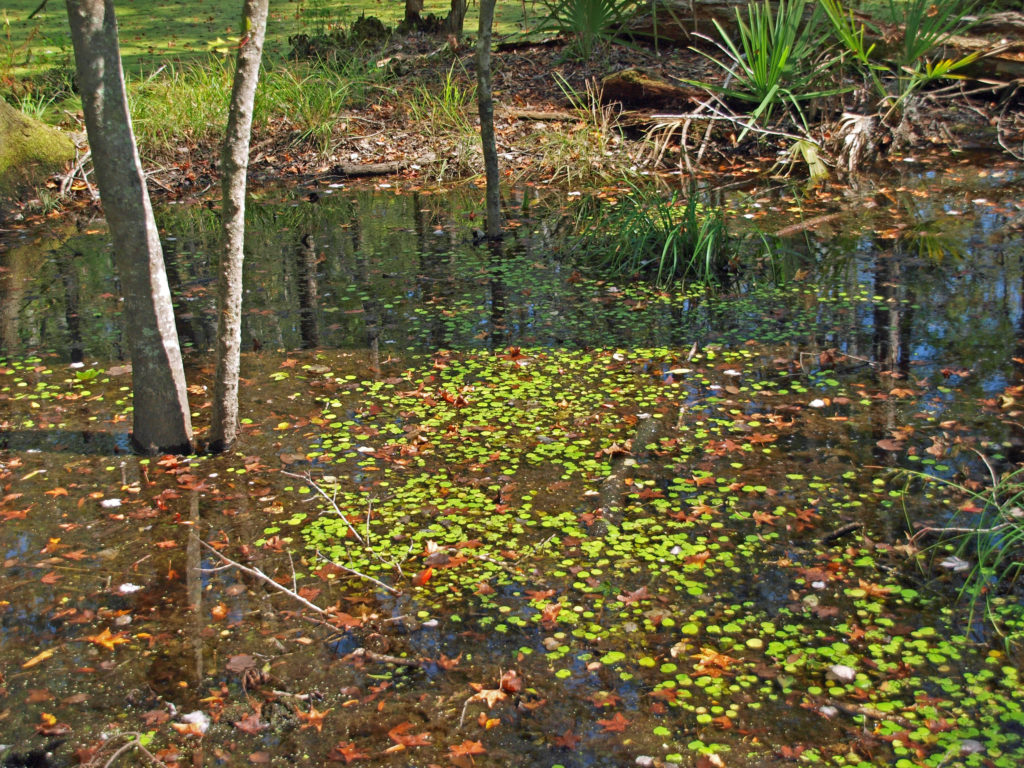
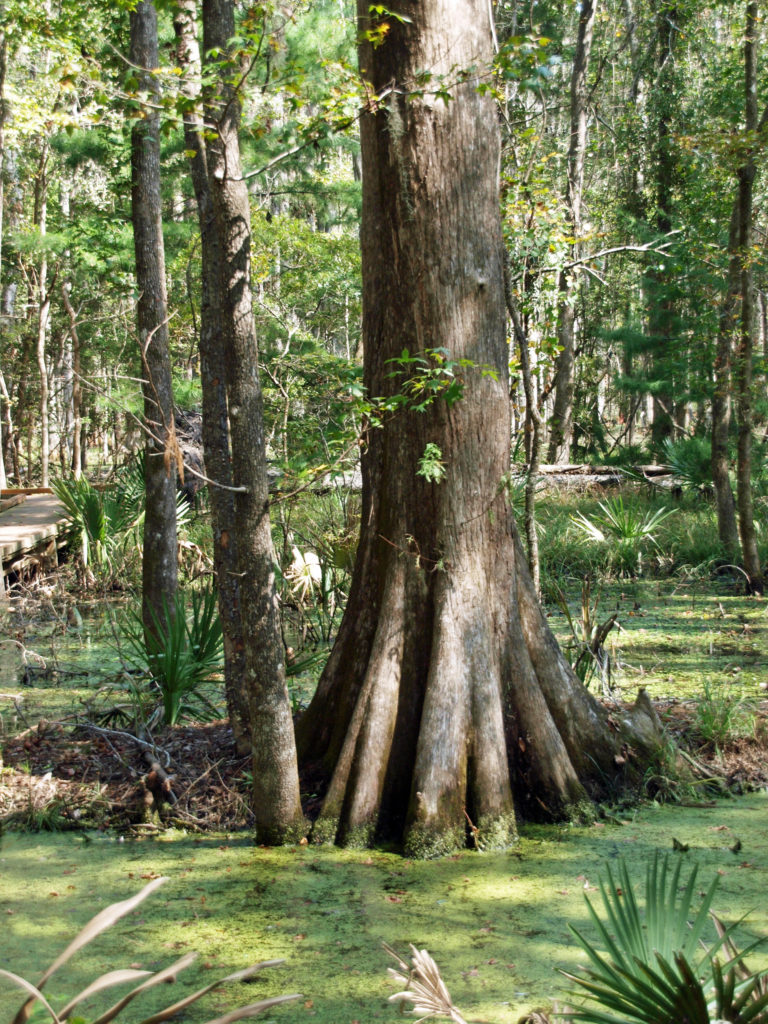
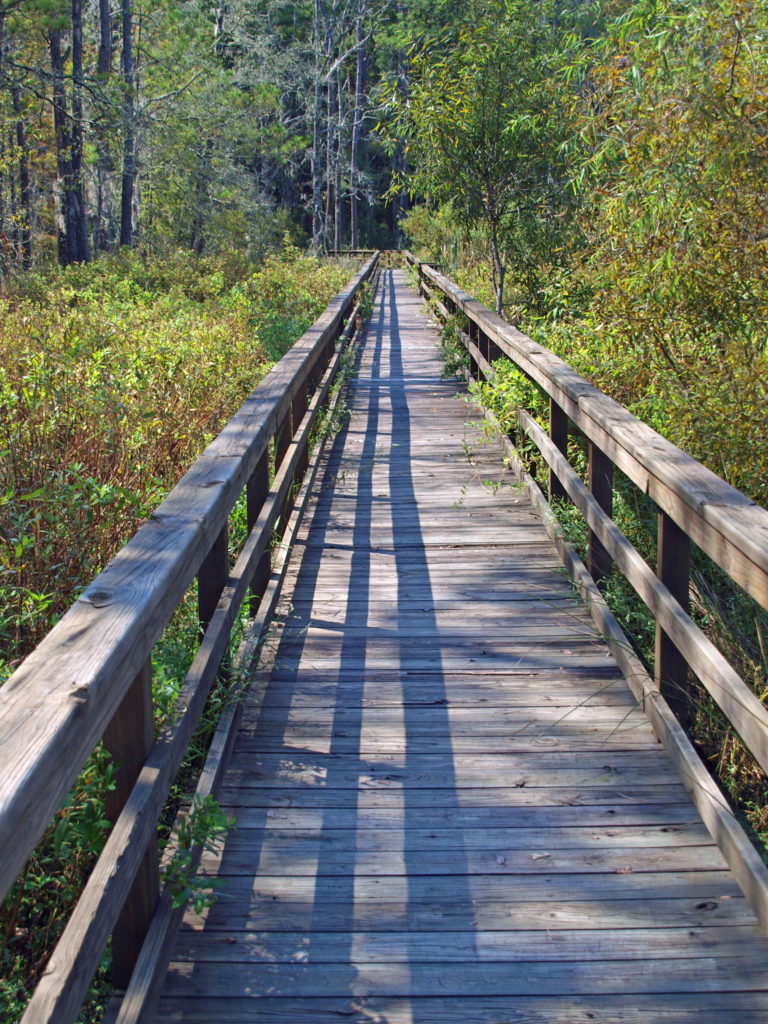
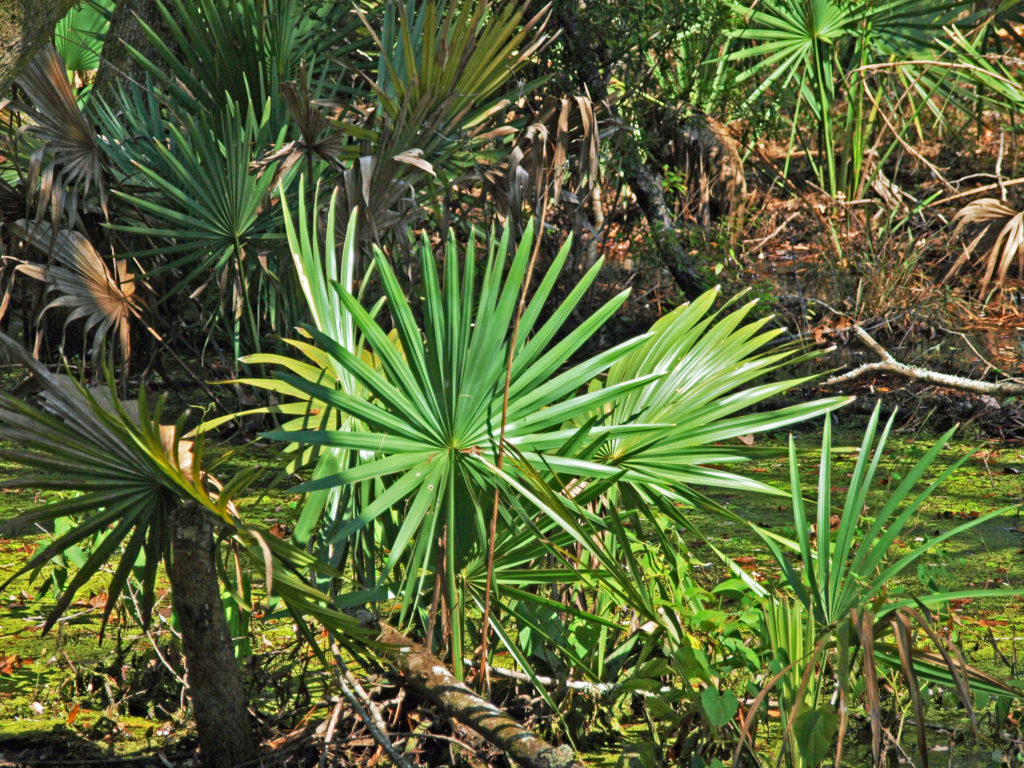
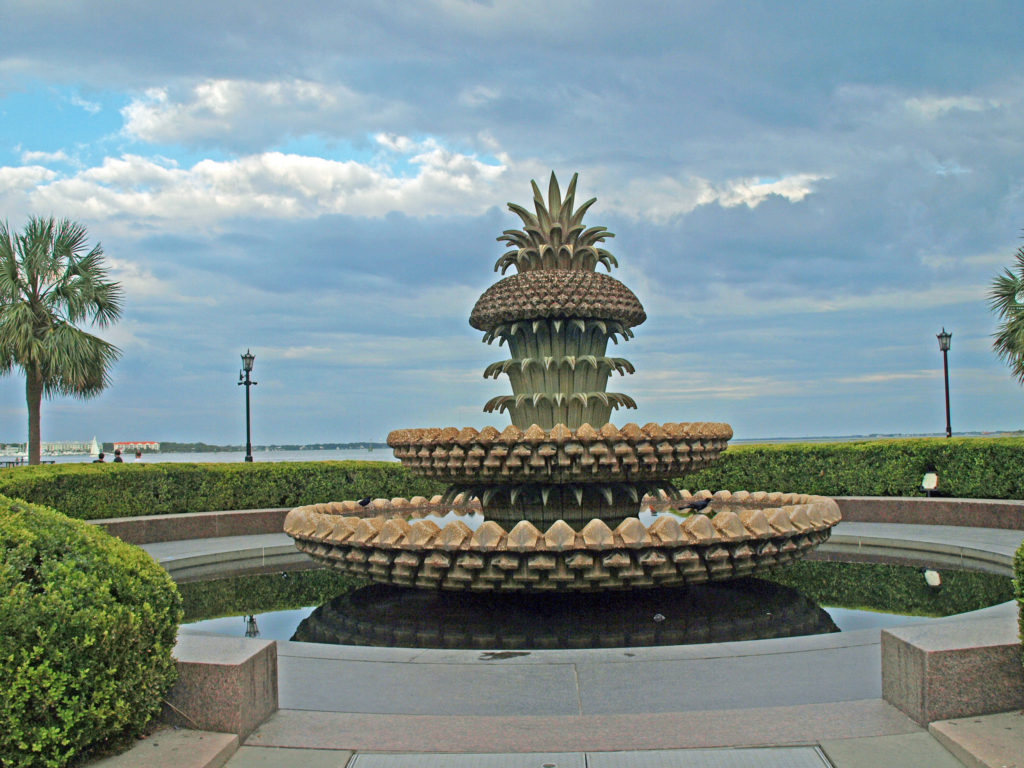 We had a great time exploring Charleston. It’s really a beautiful and charming place. But to really see all it has to offer, you need to plan for more than a three-day visit. For more information, check out the
  Originally posted Jan. 20, 2020. Updated and re-posted April 9, 2023.
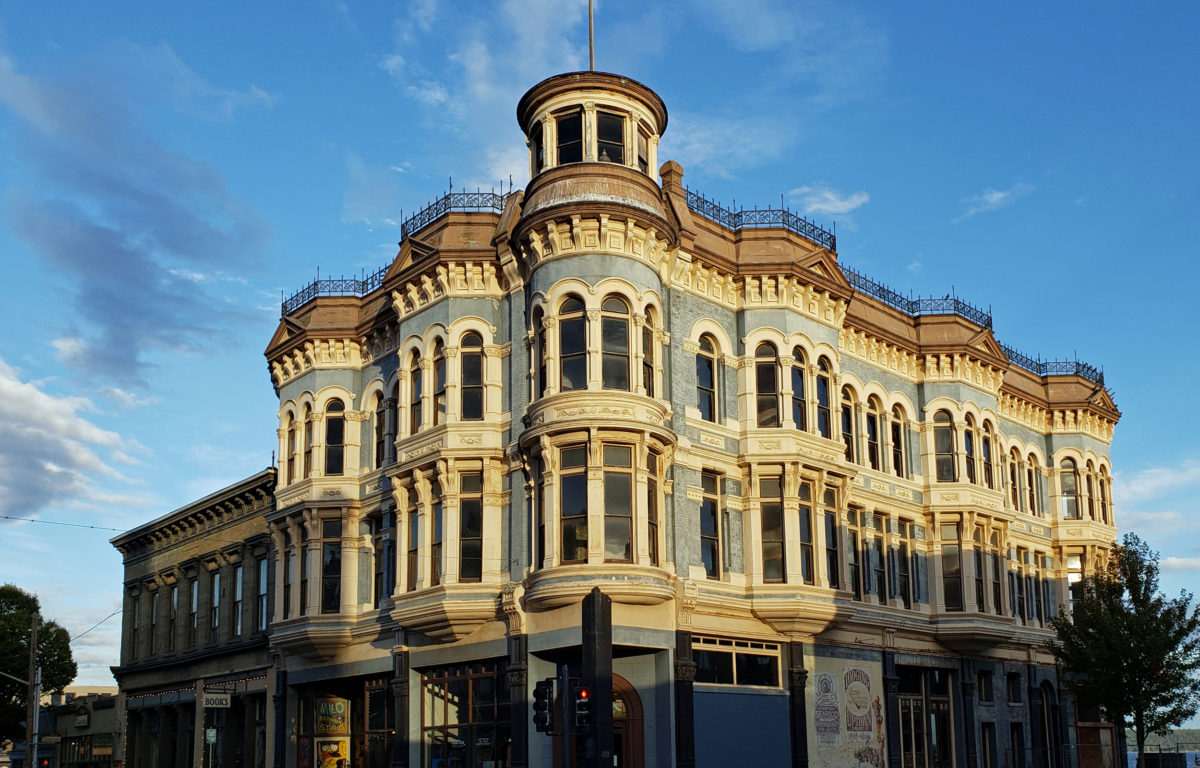
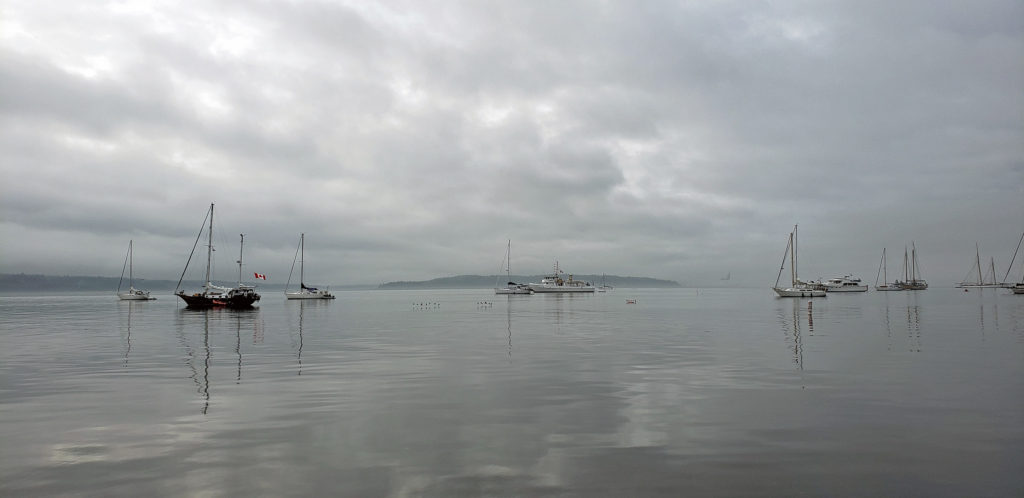
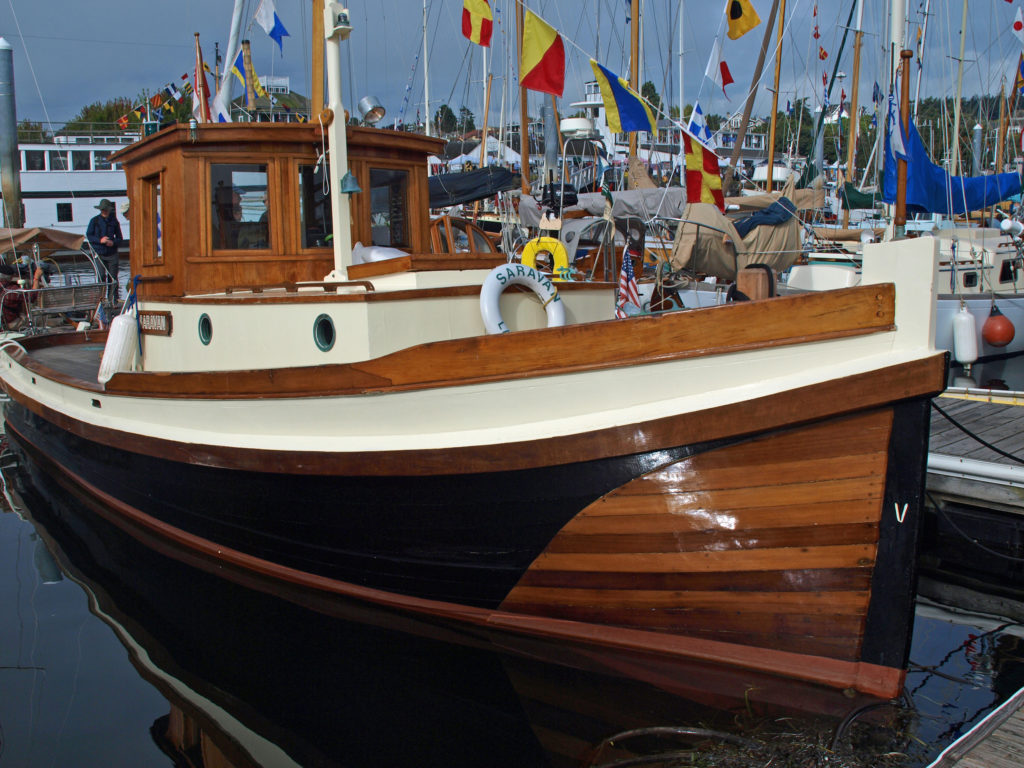
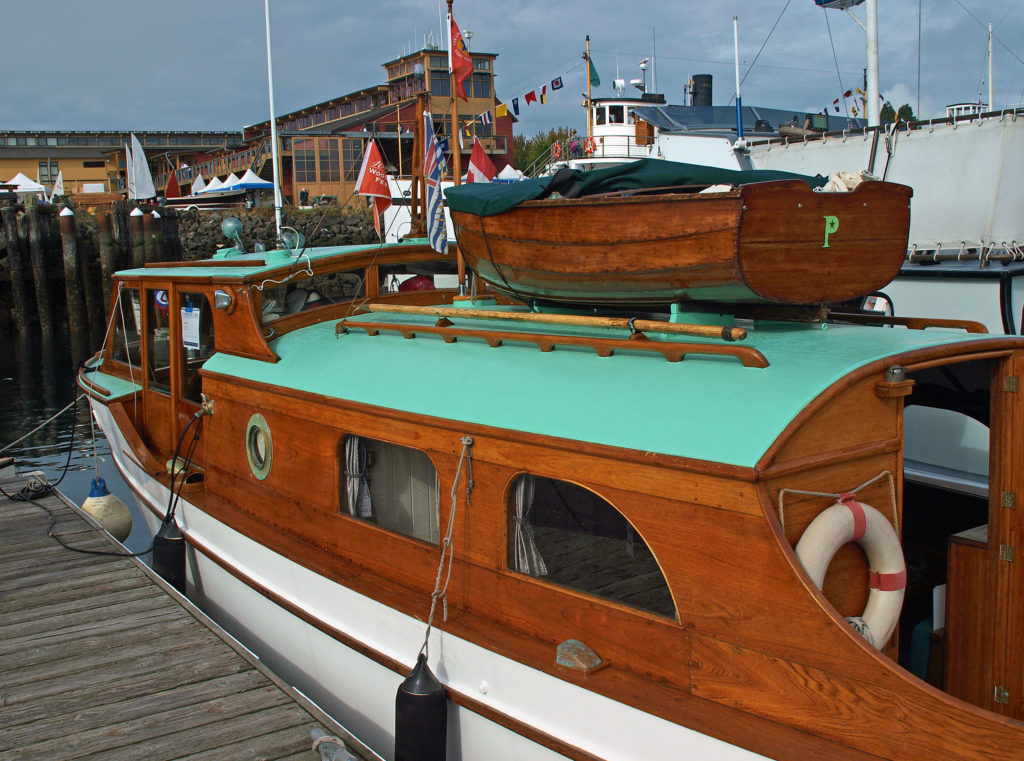
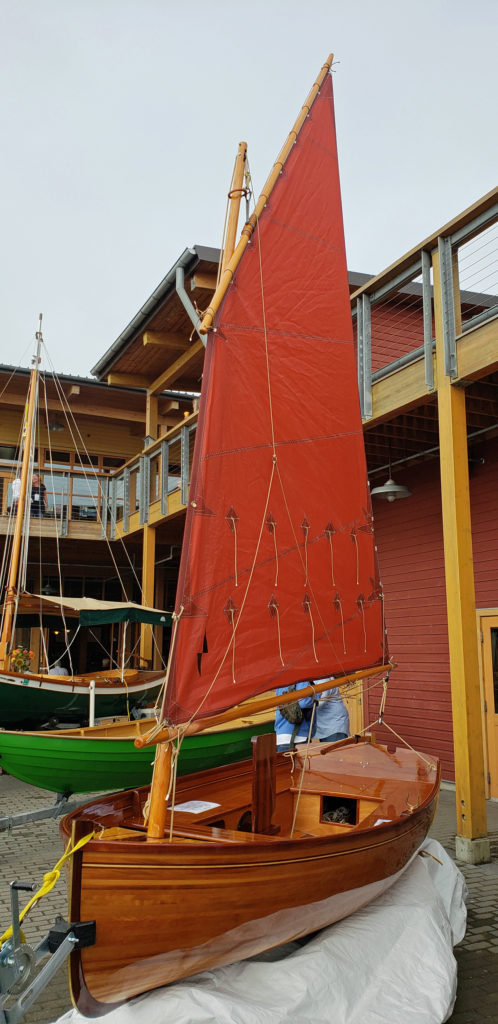 Wooden sailing ships were key to the town’s early economy and history, and the boatbuilding and woodworking crafts live on in Port Townsend. The Northwest School of Wooden Boat Building in nearby Port Hadlock and the Port Townsend School of Woodworking help preserve and promote the skills that were so vital to the early history of Port Townsend.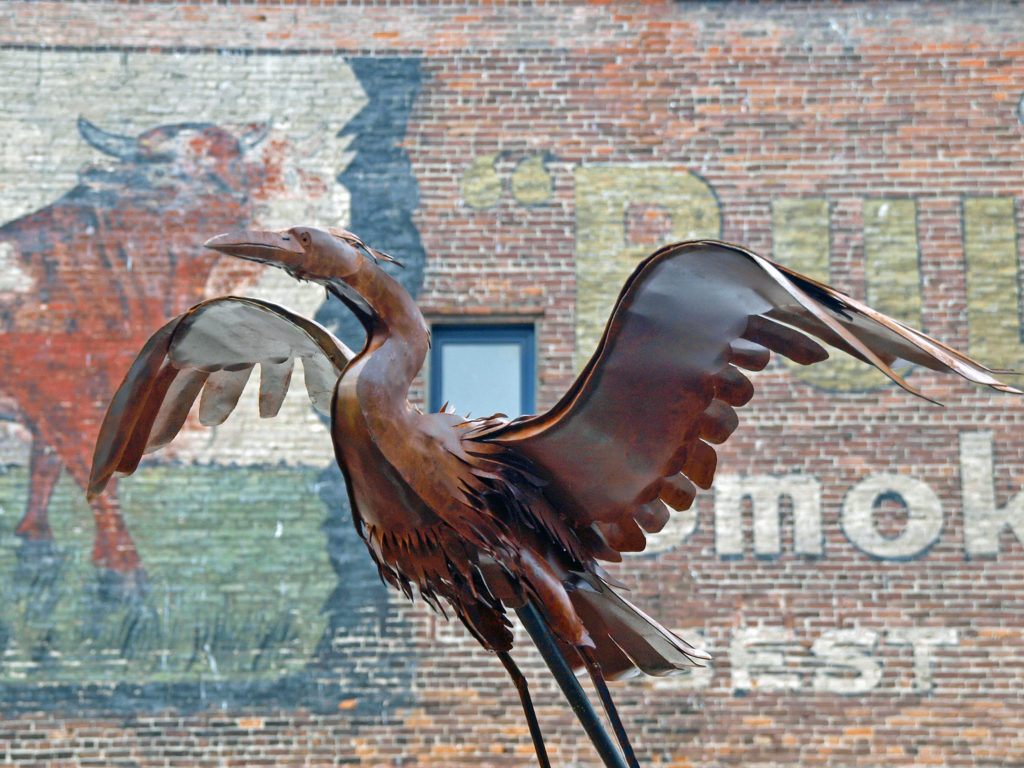
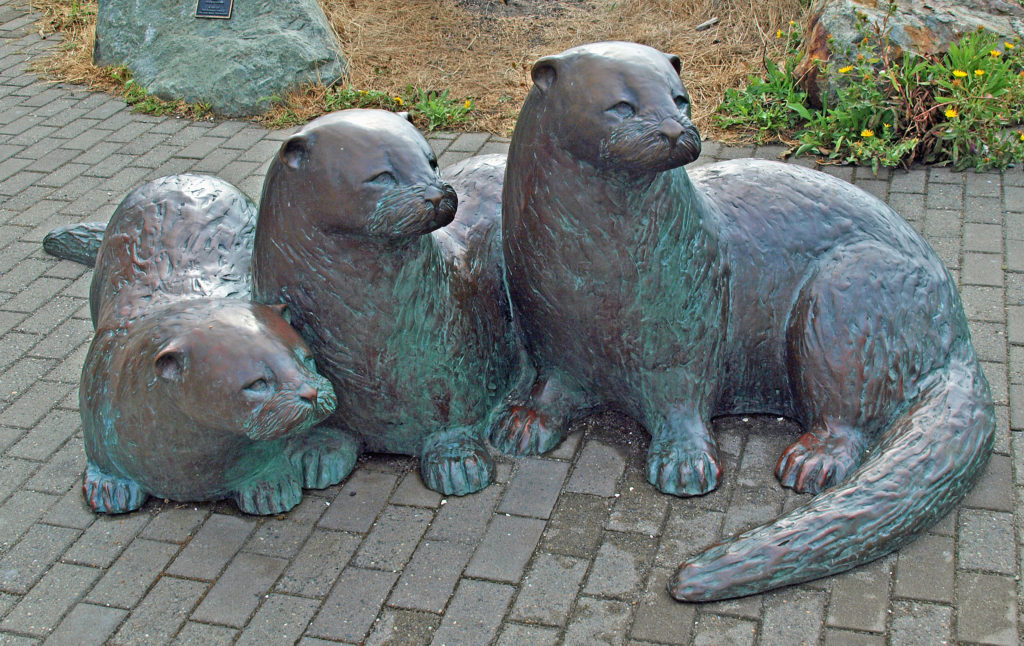 more than a dozen fine art and craft galleries can be found in the historic waterfront section of town.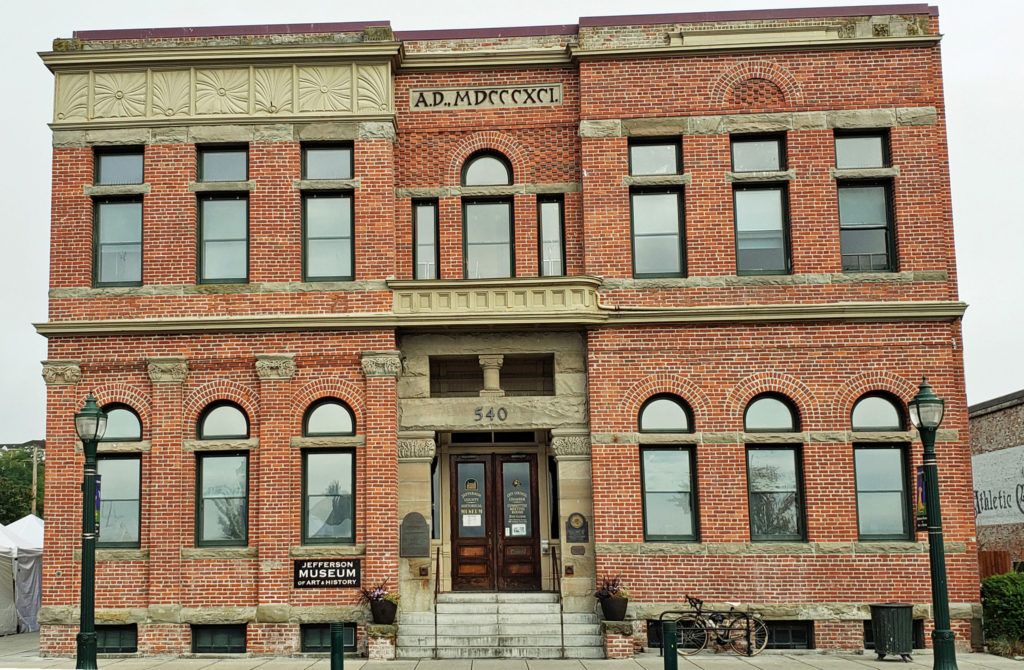
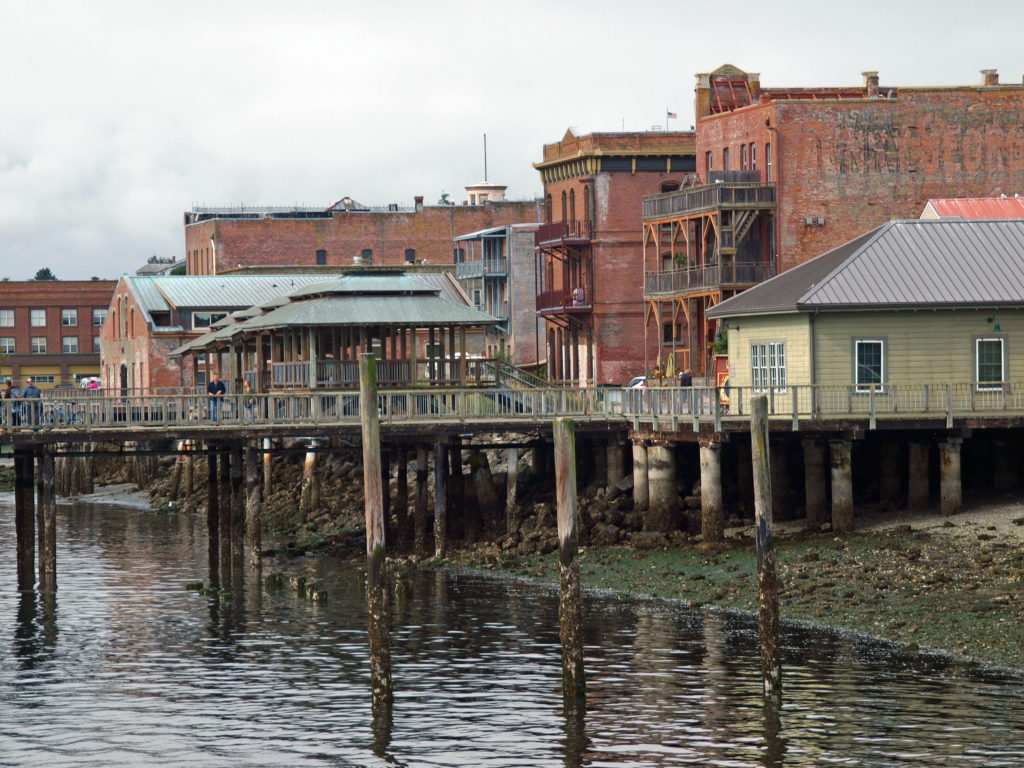
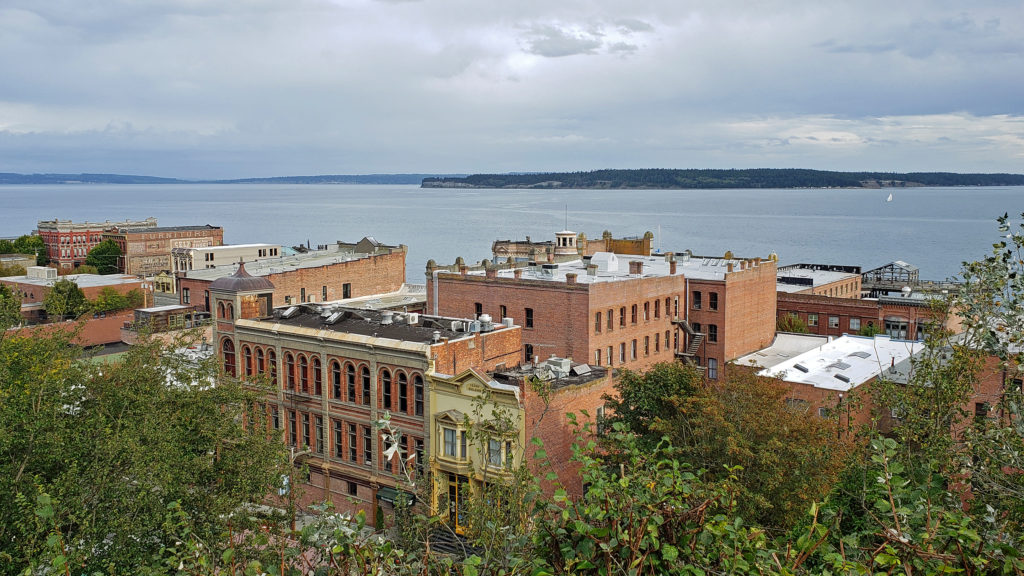
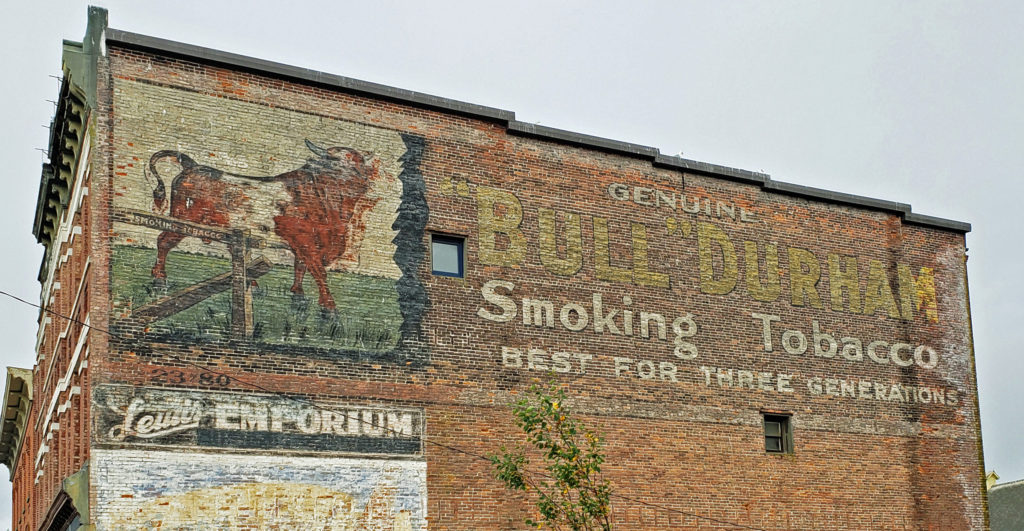
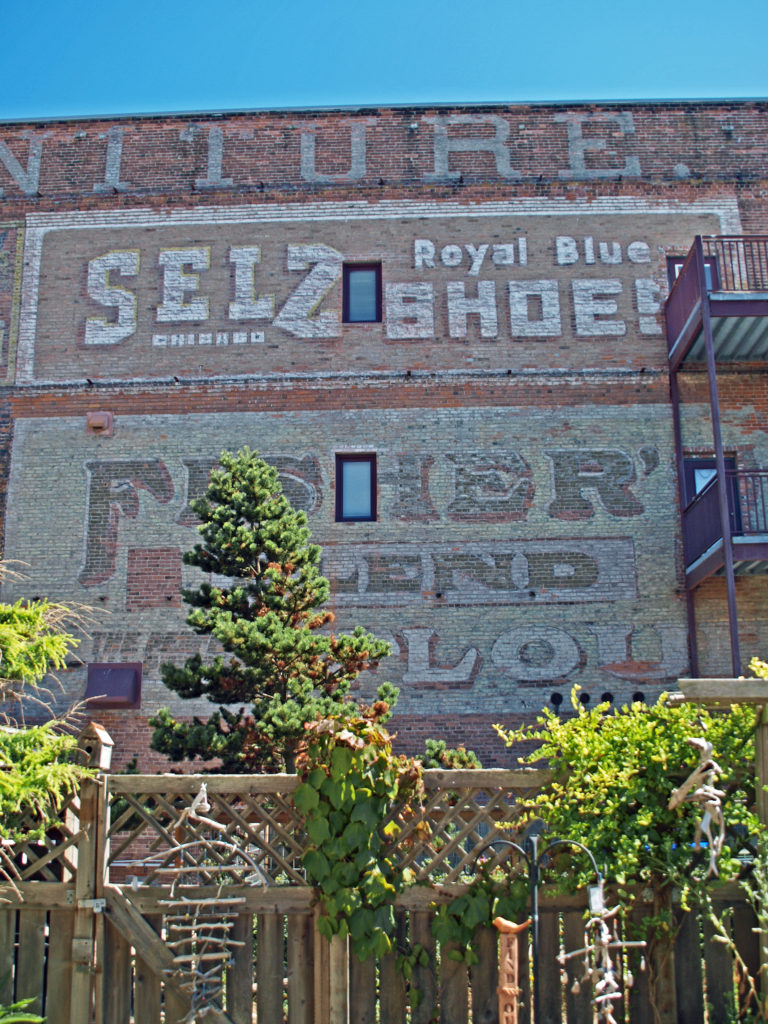
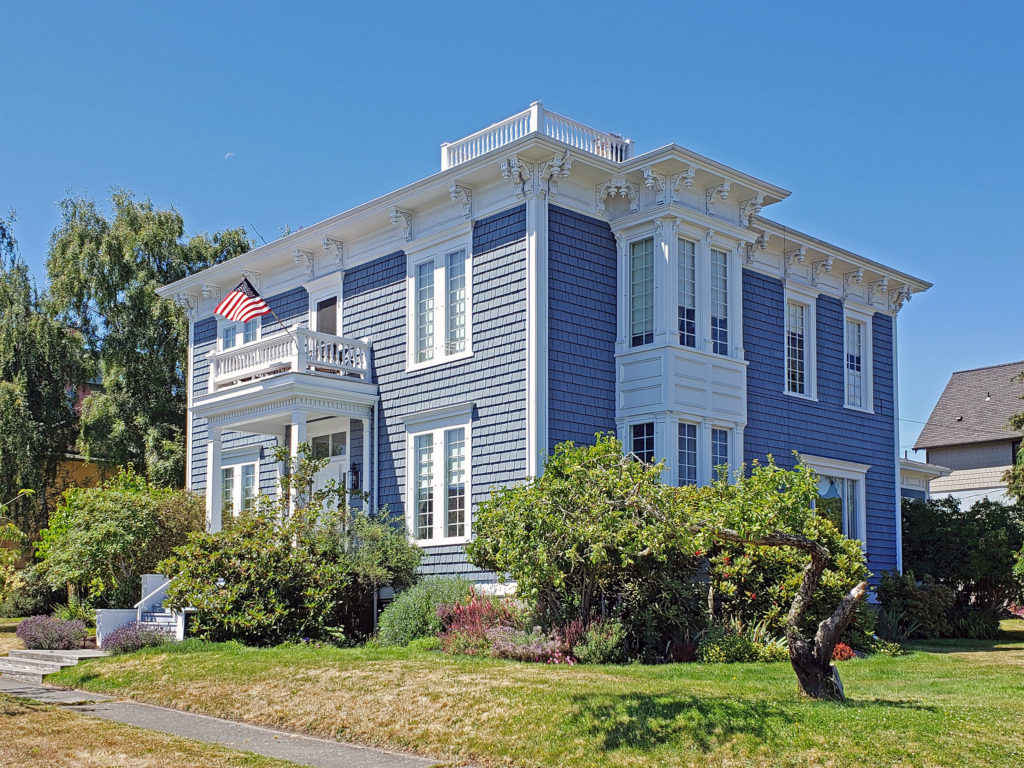 Take a walk along Water Street. It’s not hard to imagine what the town was like 130 years ago because most of the buildings you see today date from that period. Venture up to the bluff above the waterfront and you’ll find many Victorian era homes, most of which have been well preserved or restored. If you visit in the summer months you can tour the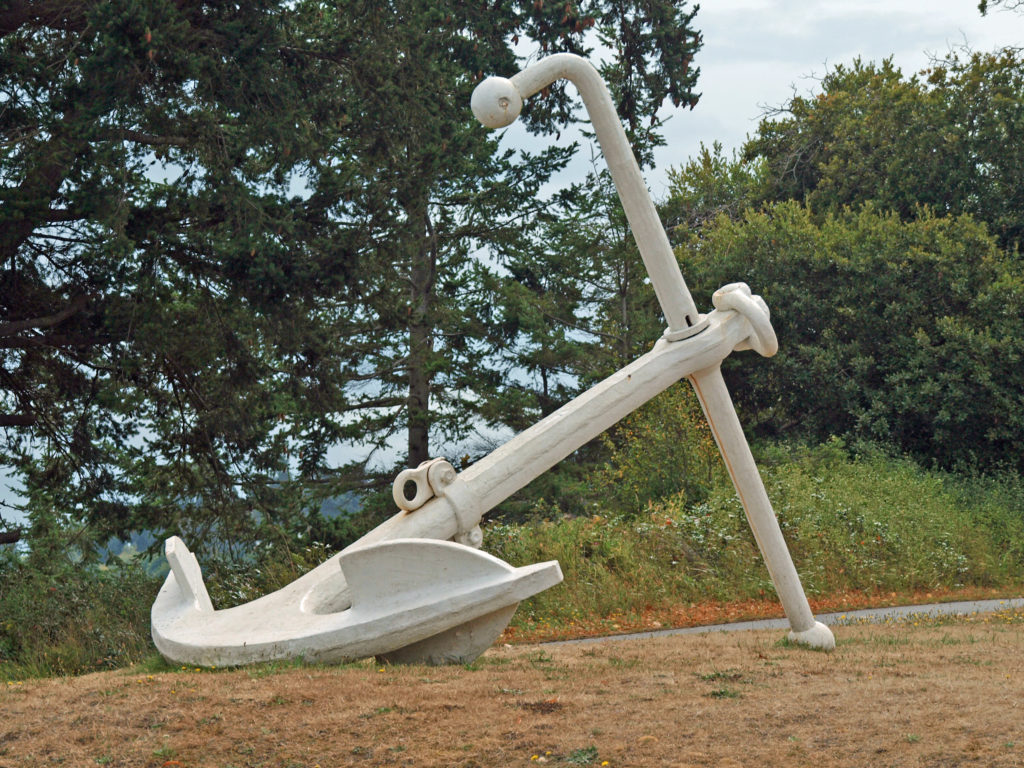
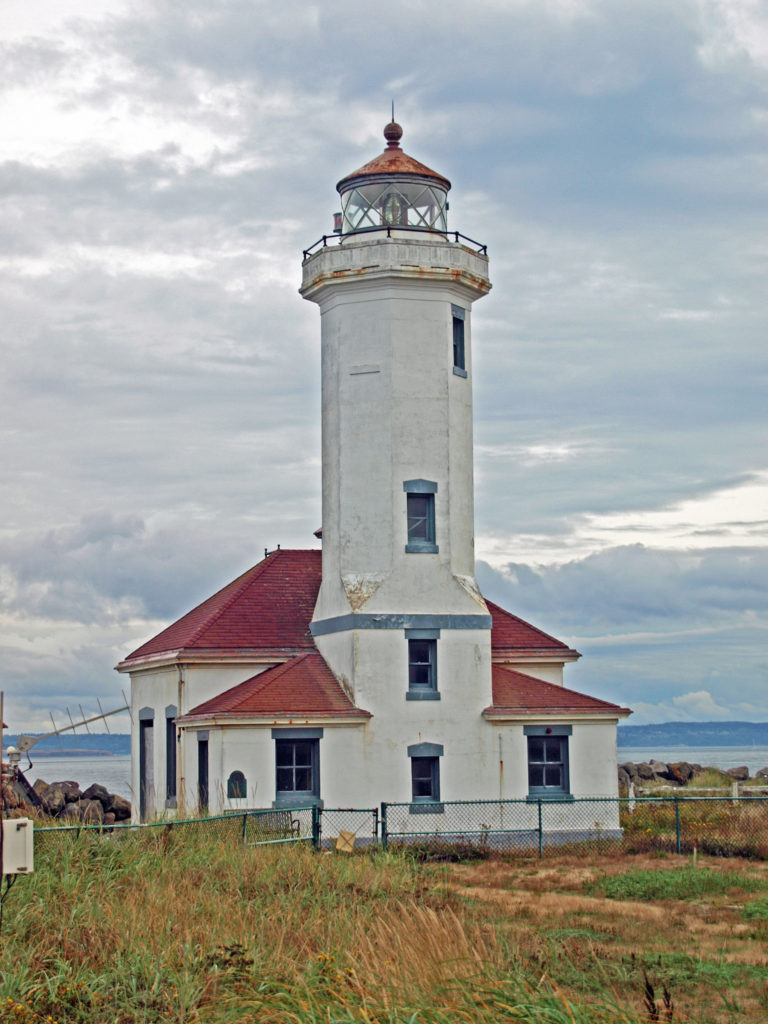
 Even if you’re not interested in the town’s history, its maritime traditions, or the arts, Port Townsend is still worth visiting, if only to take in its beautiful setting and indulge in its food and drink scene.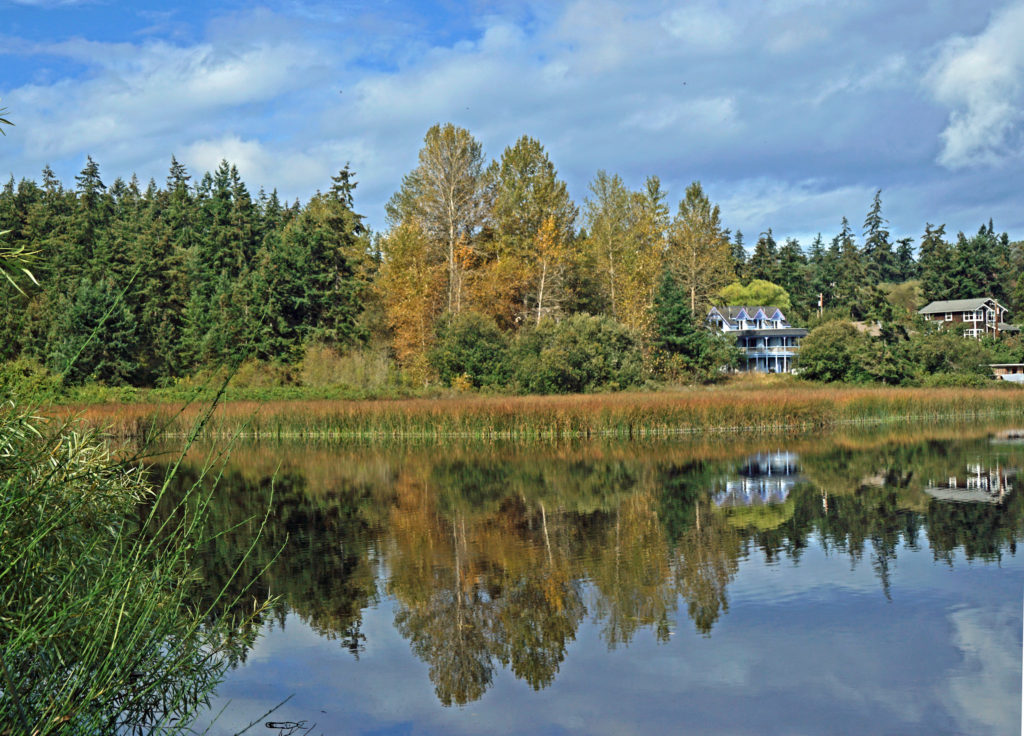
 When you’re done with your hike, check to see if Taps at the Guardhouse in Fort Worden is open (it was closed in 2022) to quench your thirst with a good craft brew. Back in the historic district, I highly recommend that you visit
 On the food side, Owl Spirit Cafe is a good place to grab a sandwich or burrito for lunch. If you have pizza in mind, try Waterfront Pizza. My go to spot for breakfast and lunch is
 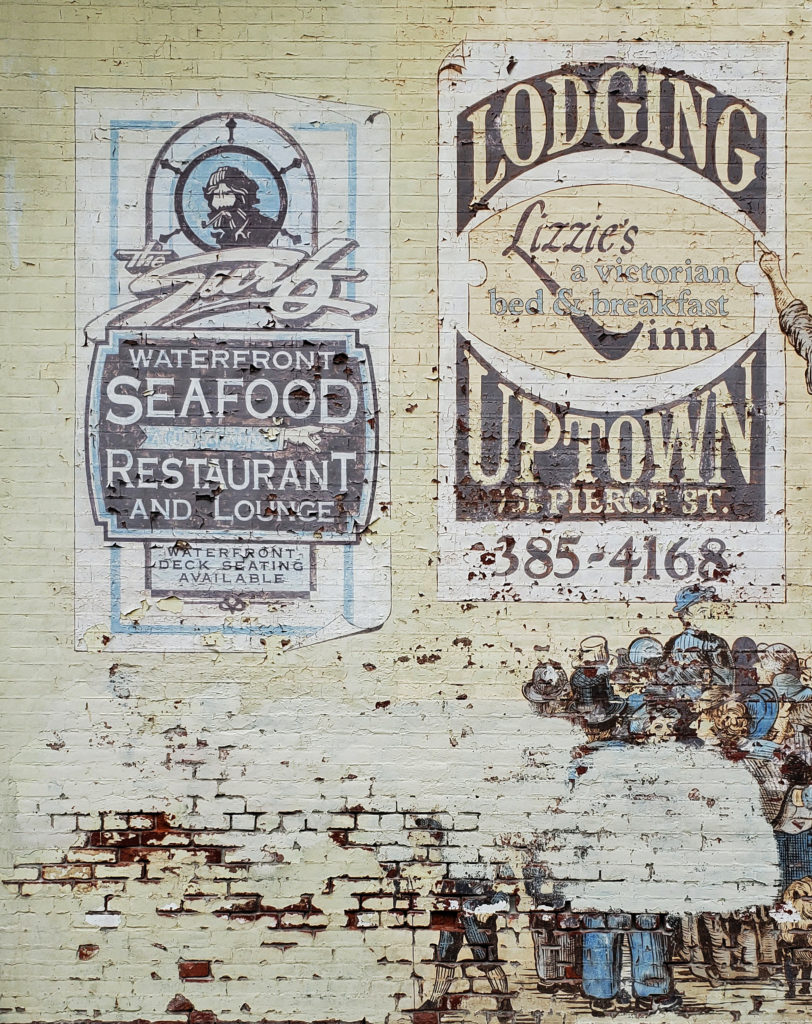 My wife and I stayed at the Water Street Hotel on our most recent visit, recently renamed the
 Originally posted November 20, 2020. Updated and re-posted January 12, 2023.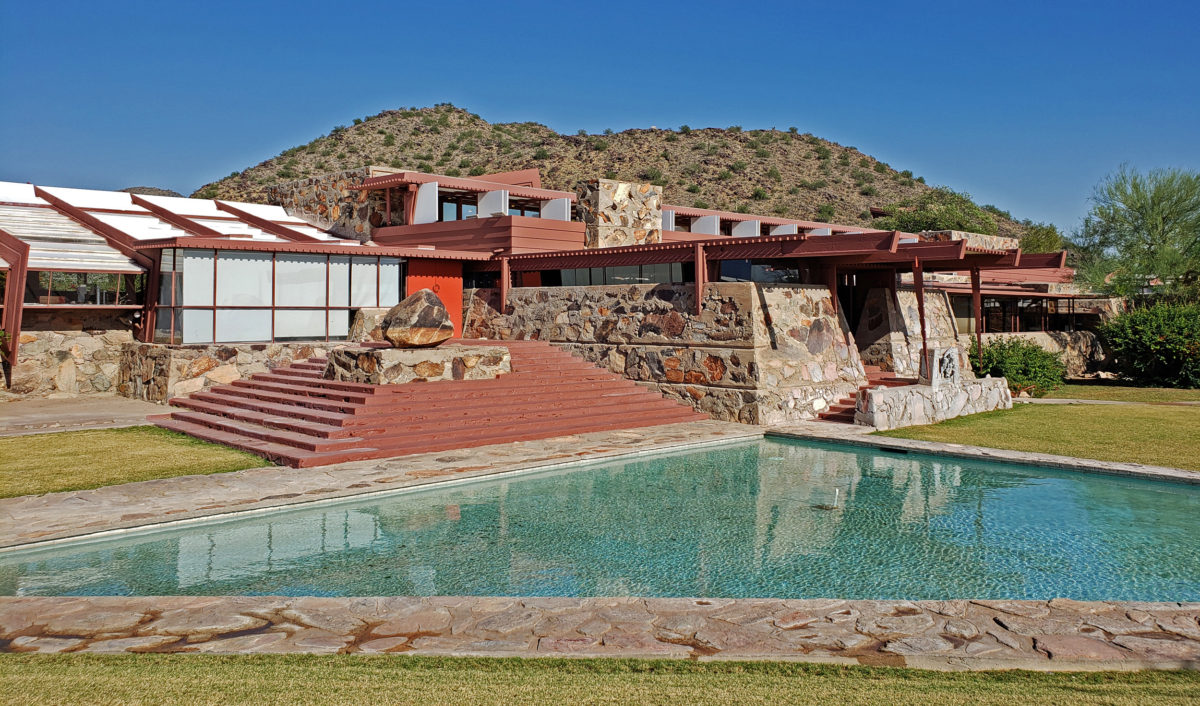
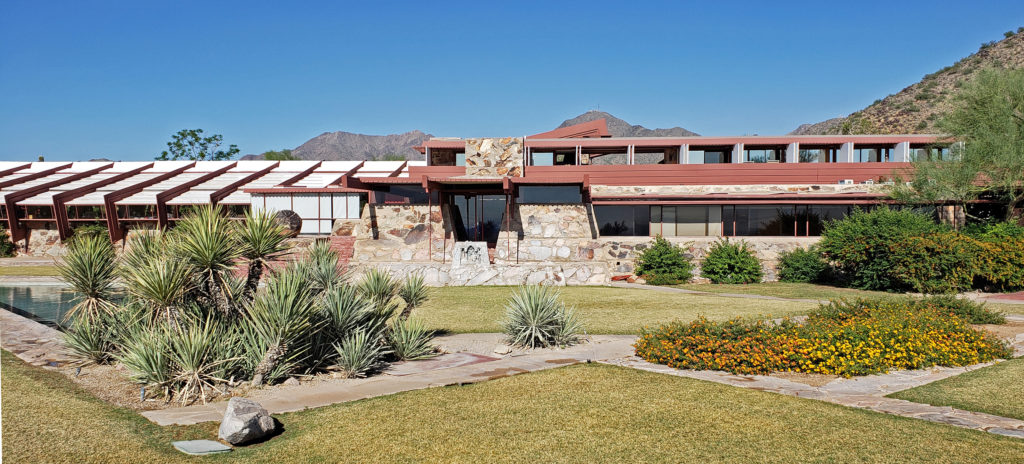
 Taliesin West was founded as the winter home for the Frank Lloyd Wright Fellowship, Wright’s school of architecture. It was always a school of architecture as well as Wright’s winter home. The Fellowship evolved into the Frank Lloyd Wright School of Architecture, which conducted classes at Taliesin West until 2020, when it separted from the Frank Lloyd Wright Foundation, changed its name to The School of Architecture, and moved its campus to Cosanti and Arcosanti, Arizona.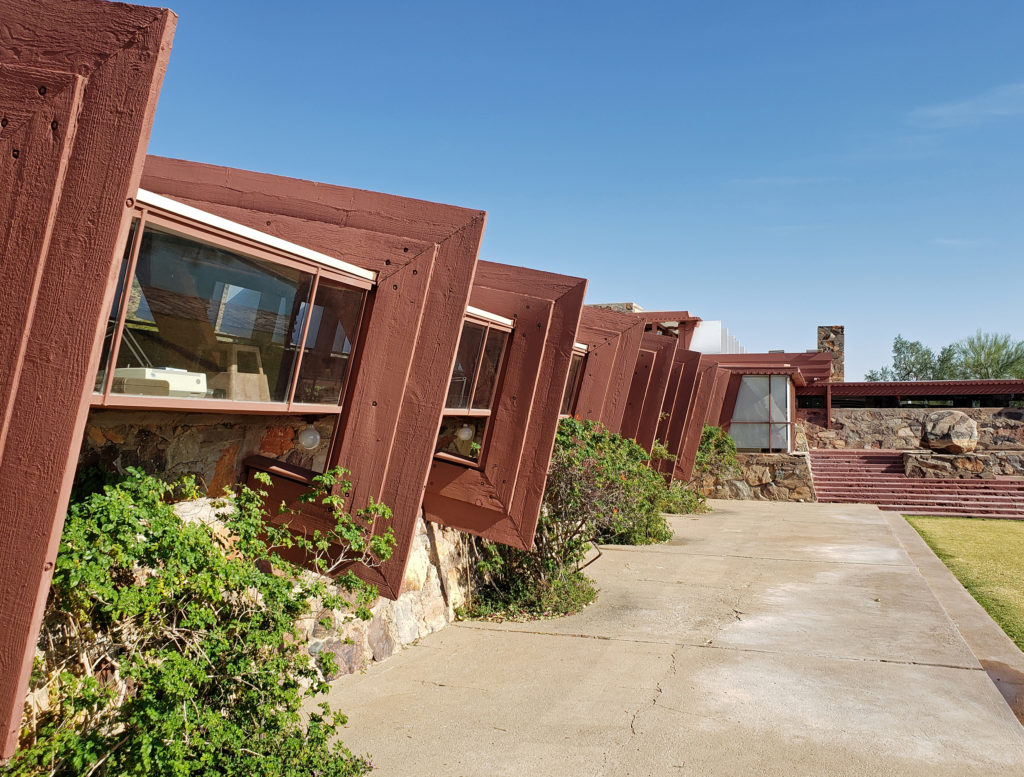
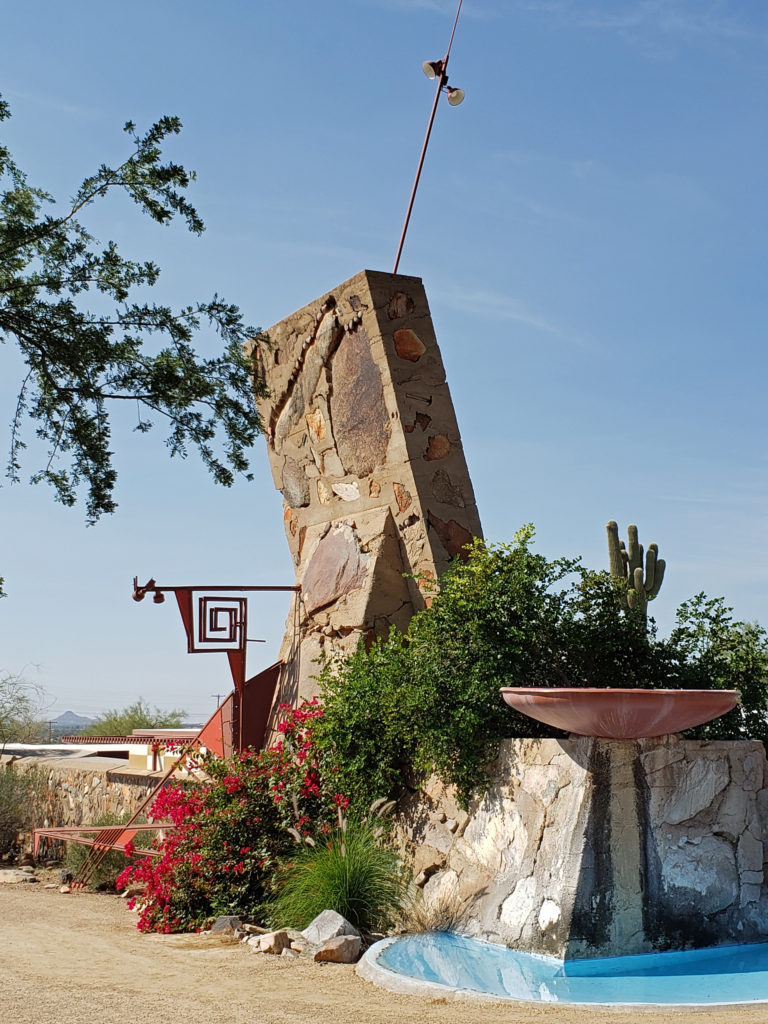
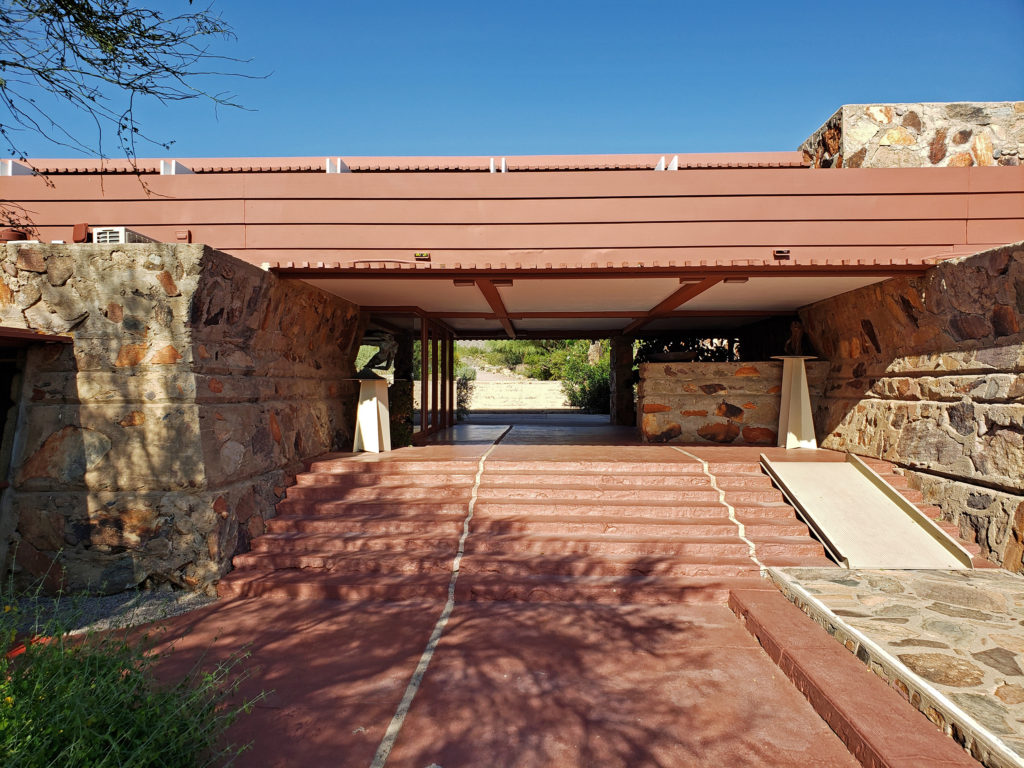

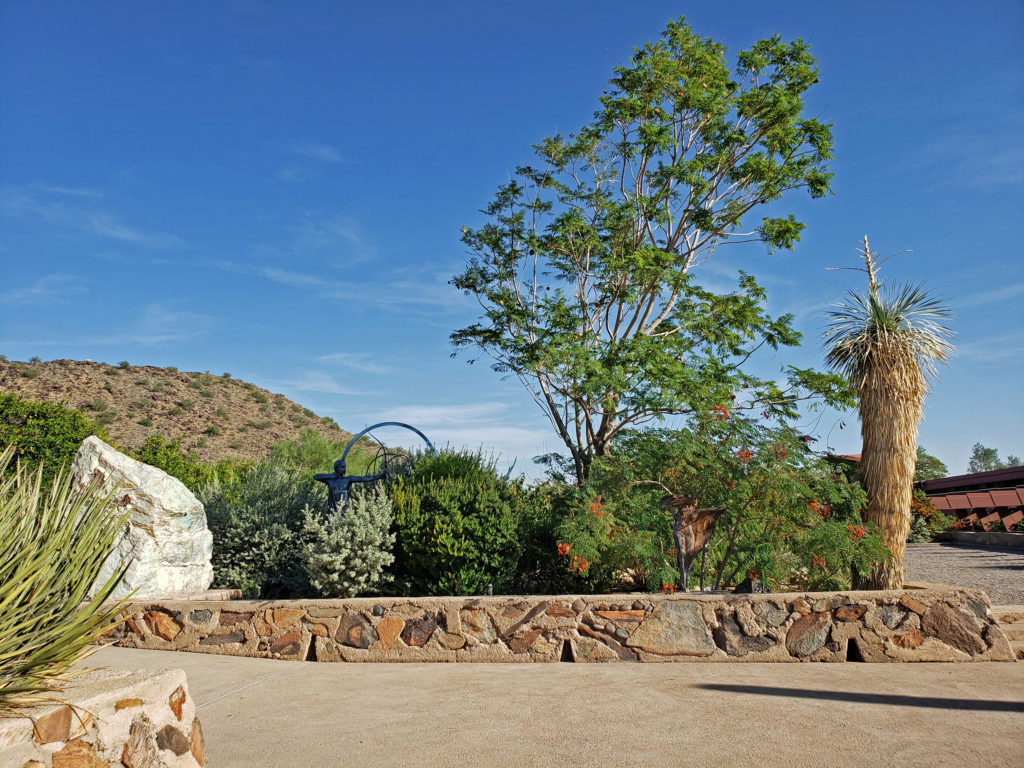
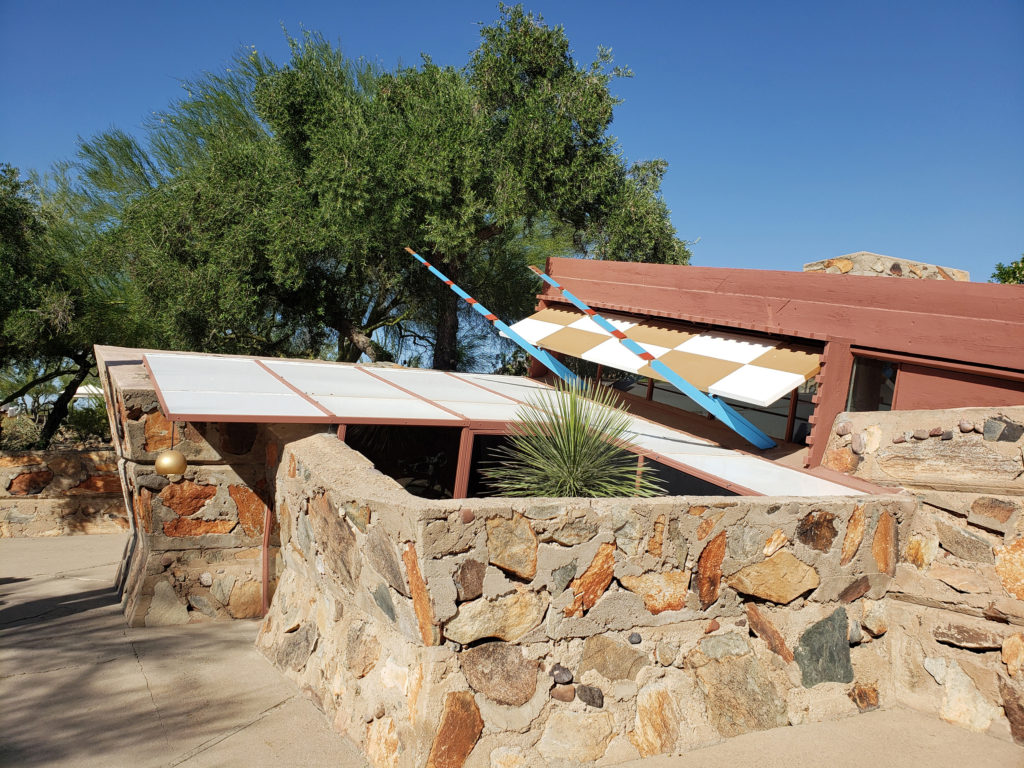
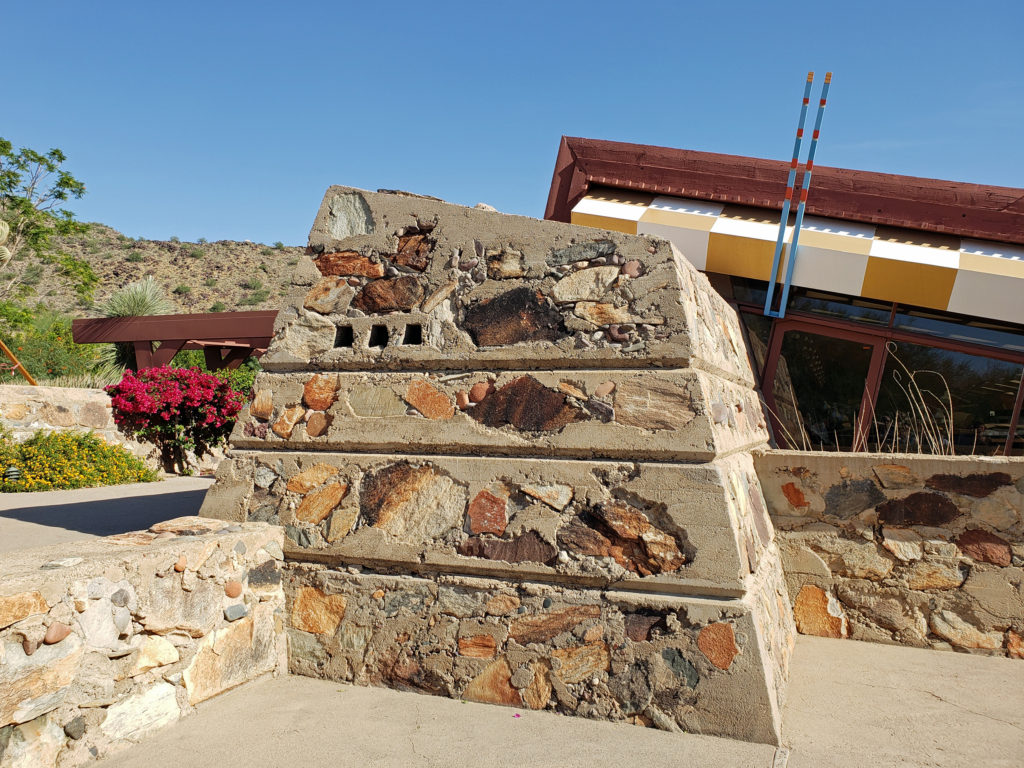
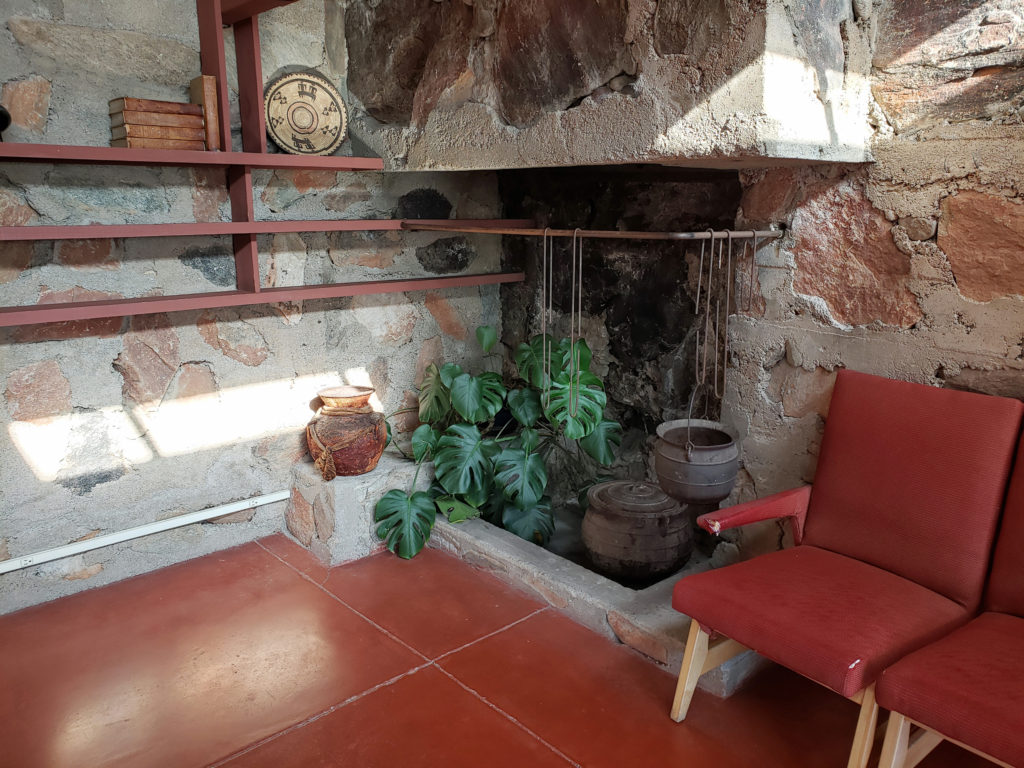
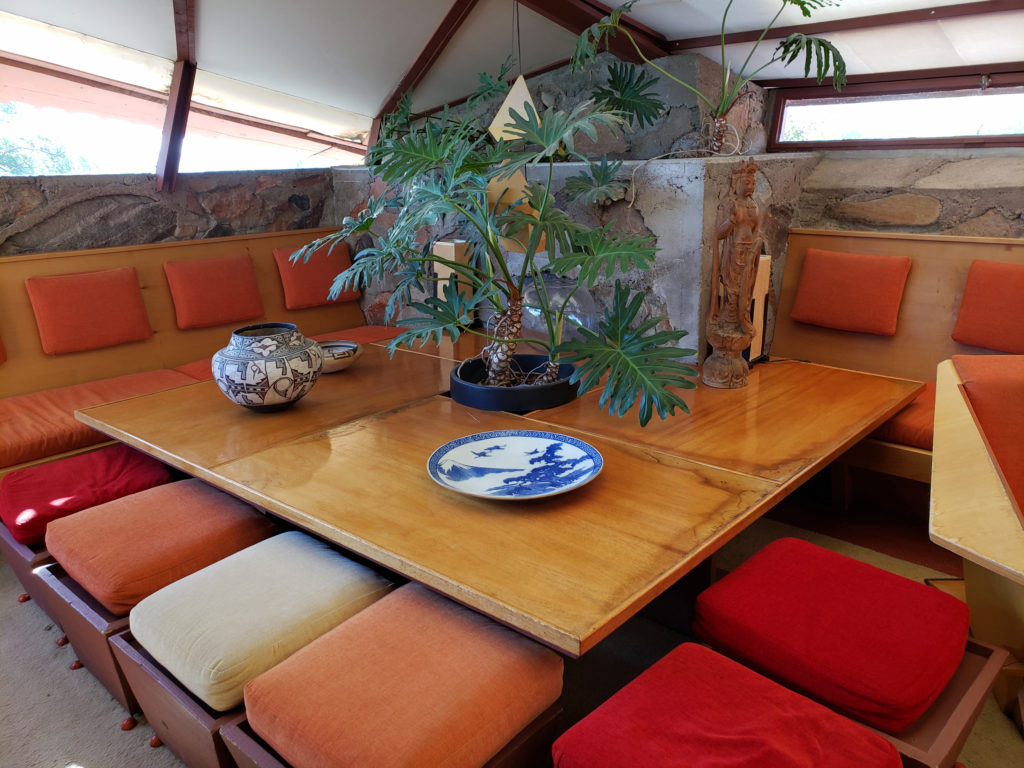
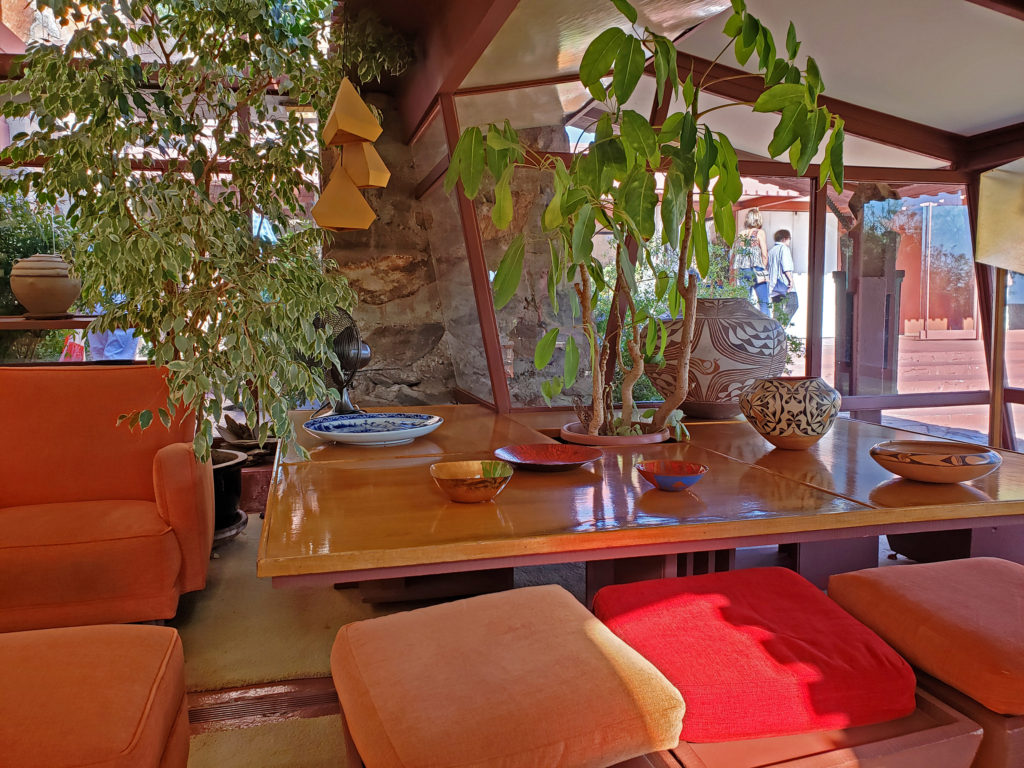
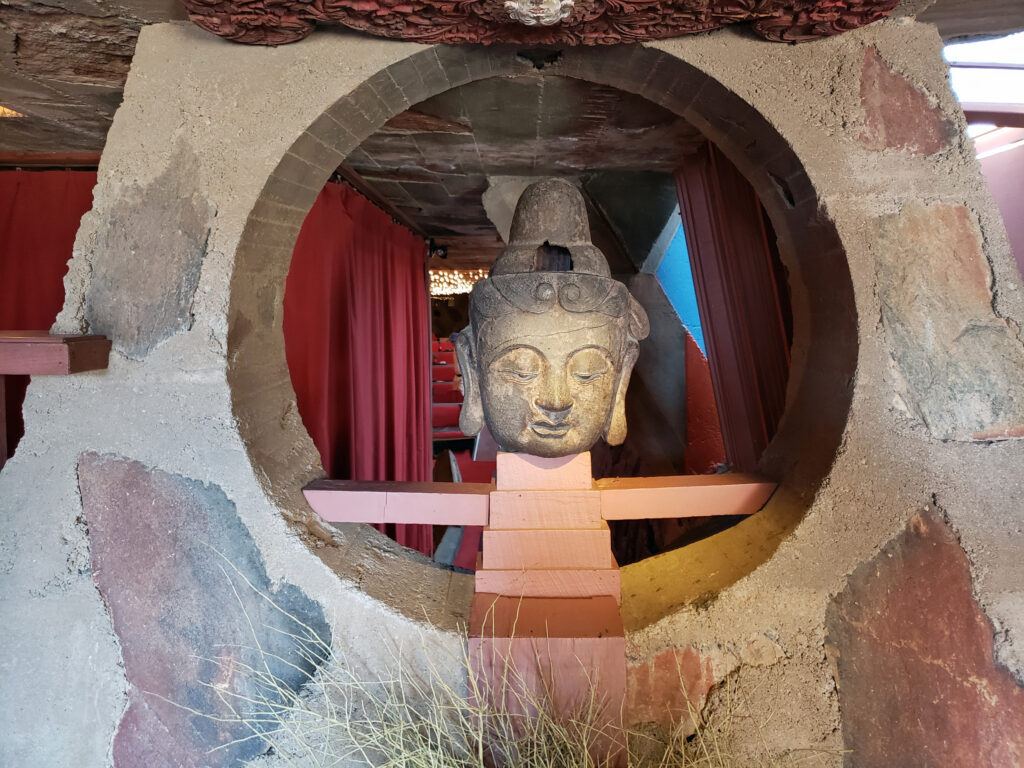
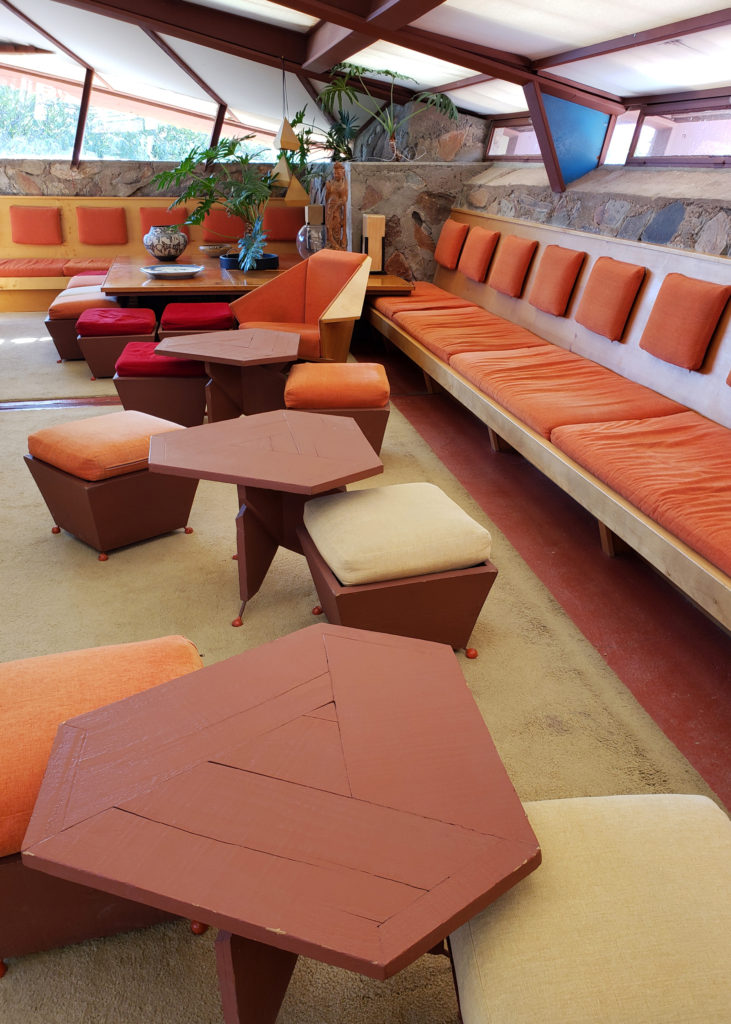 Wright’s design philosophy was holistic, and humanistic. He saw houses as organic structures that should be built in harmony with their environment and in tune with their inhabitants. “It is quite impossible to consider the building as one thing, its furnishings another and its setting and environment still another,” he wrote. He believed that all had to work “as one thing.” There is a story, whether true or not I don’t know, that the purchasers of one of his early residential designs invited him to their home after they moved in and he was so appalled by the way they had furnished the home that from that point on he not only designed the structures, he designed all of the furniture (much of it built in), the lighting, the rugs, the artwork, and even the dinnerware that went into them.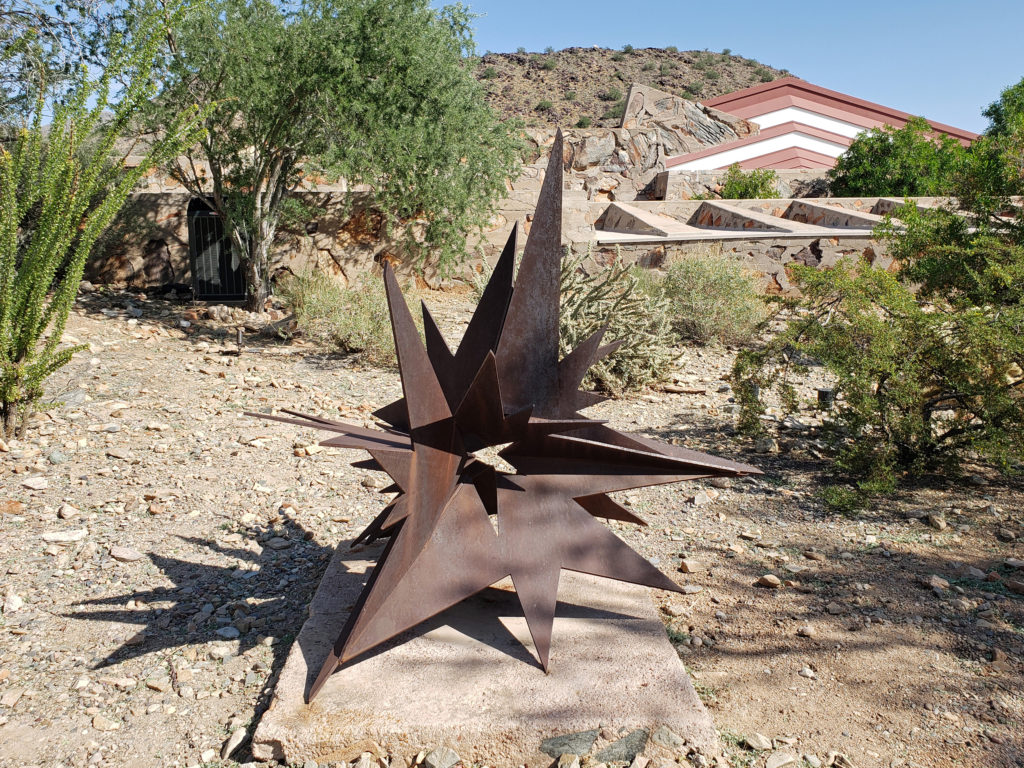

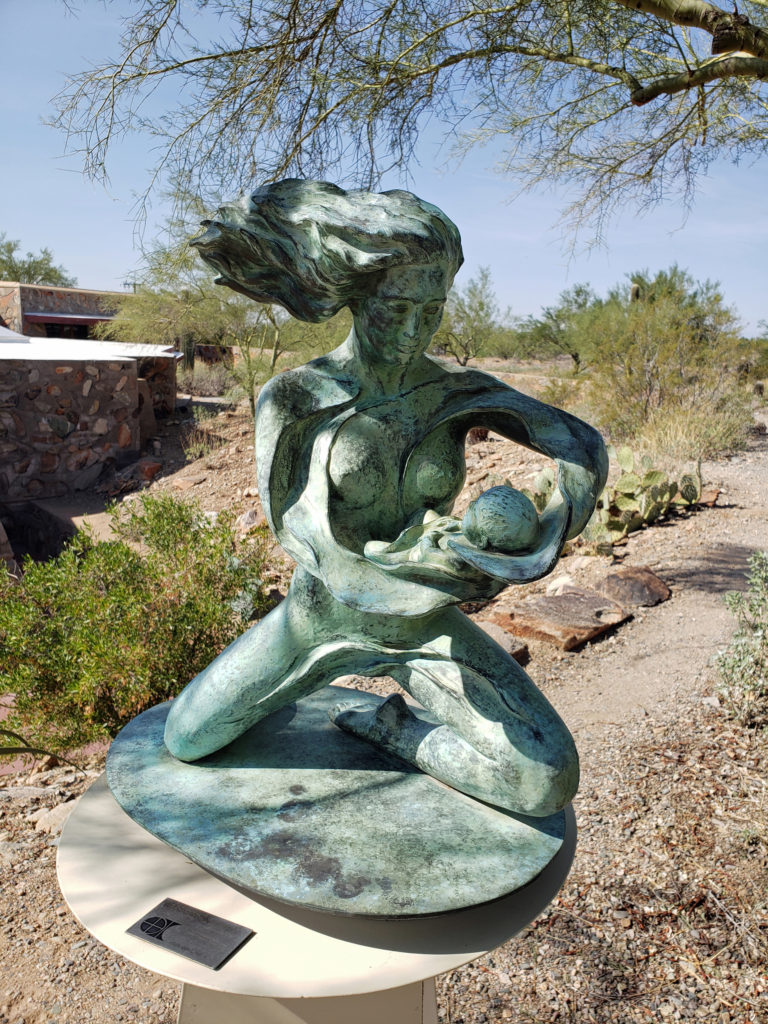
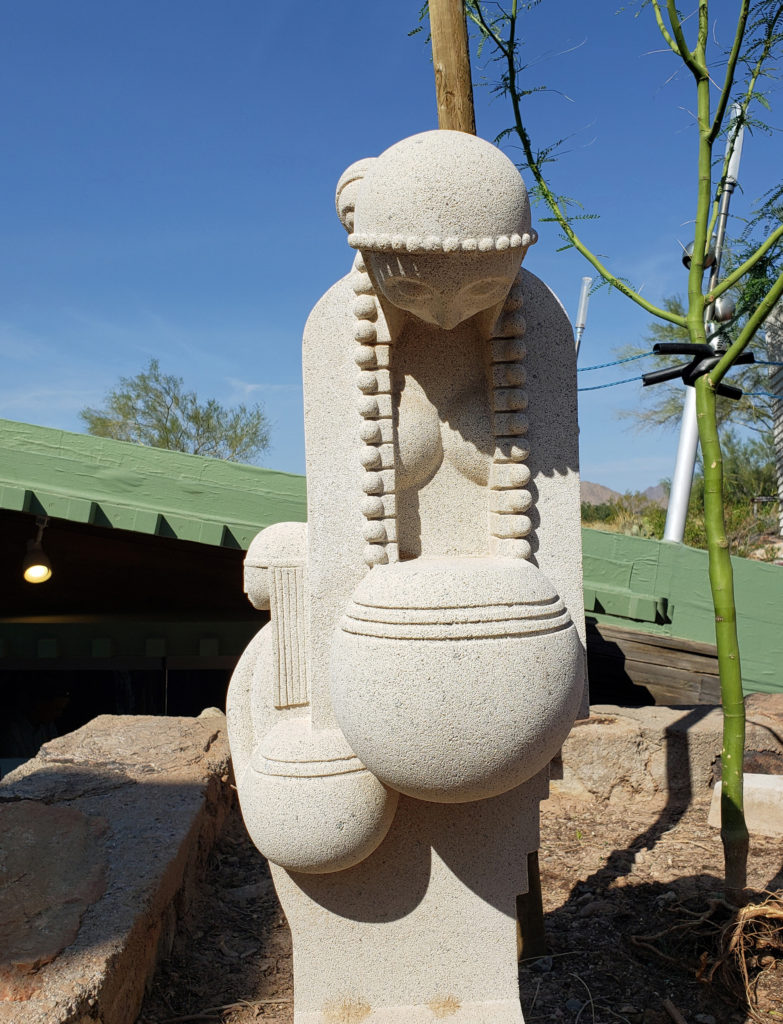
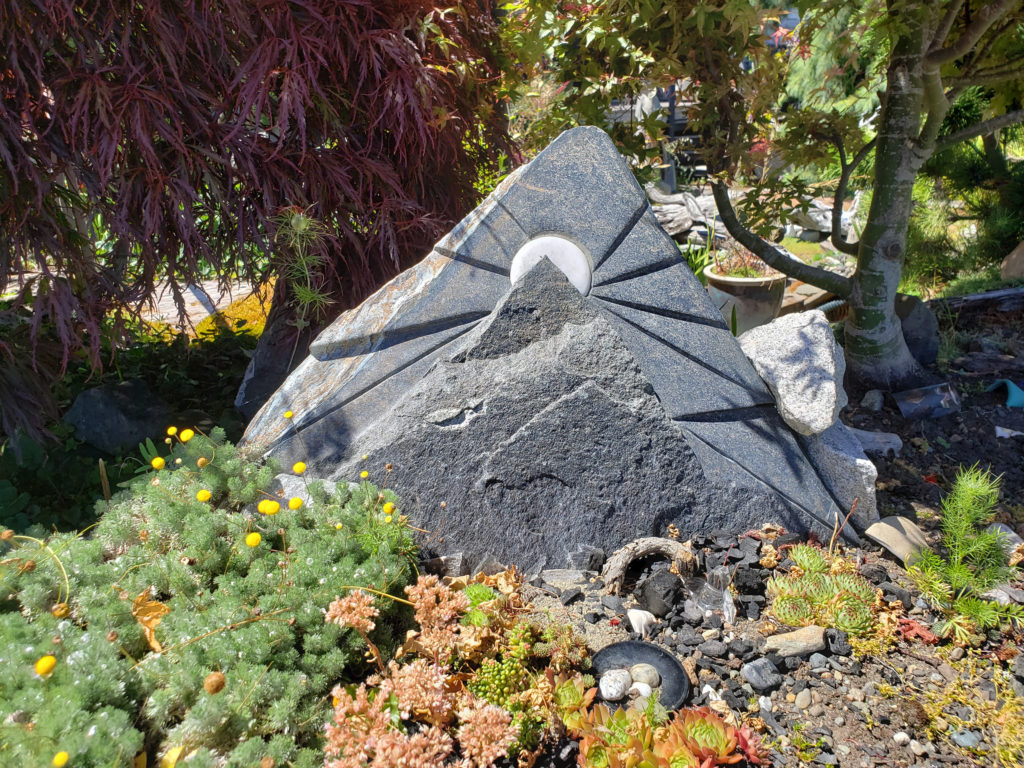
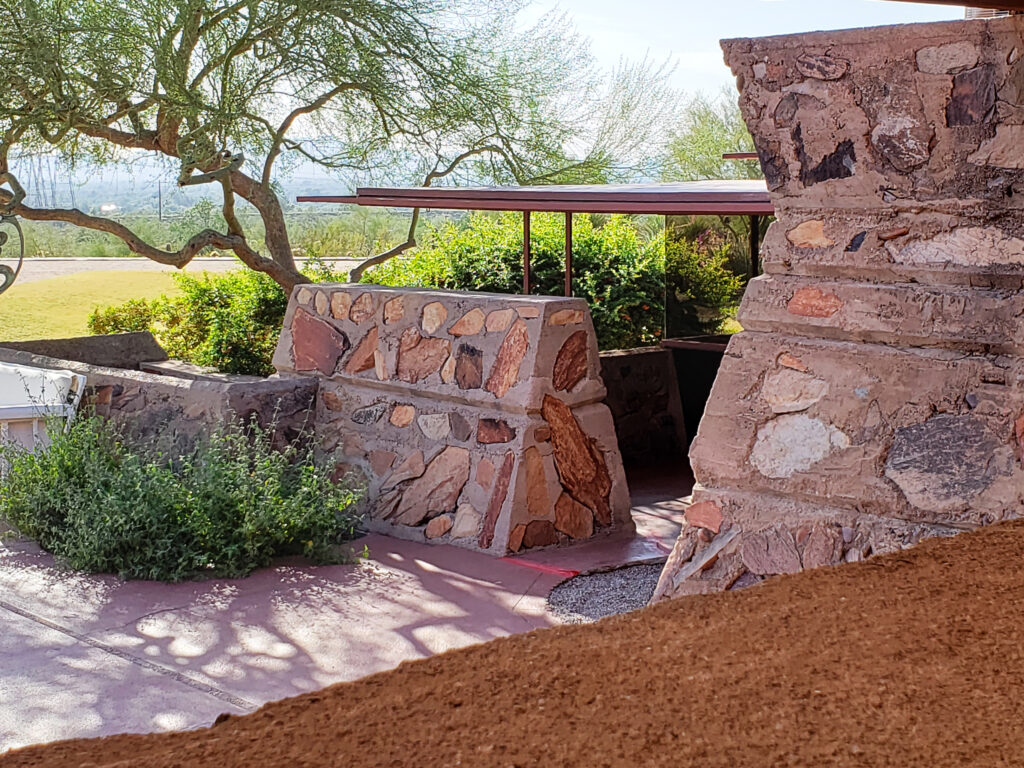
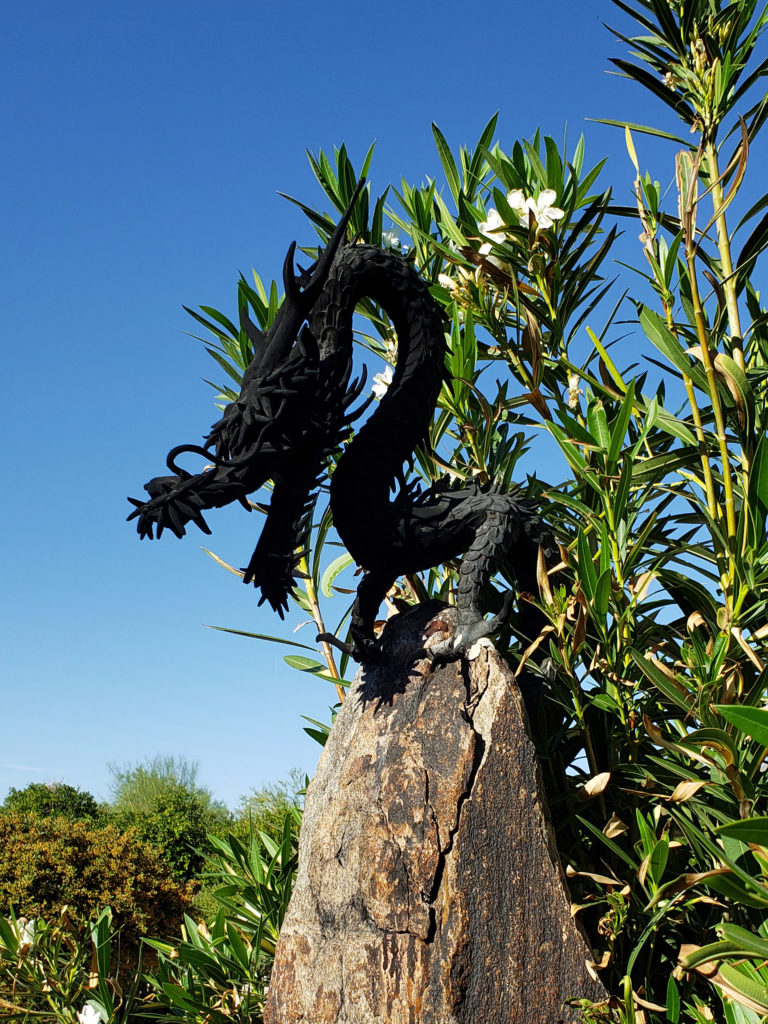
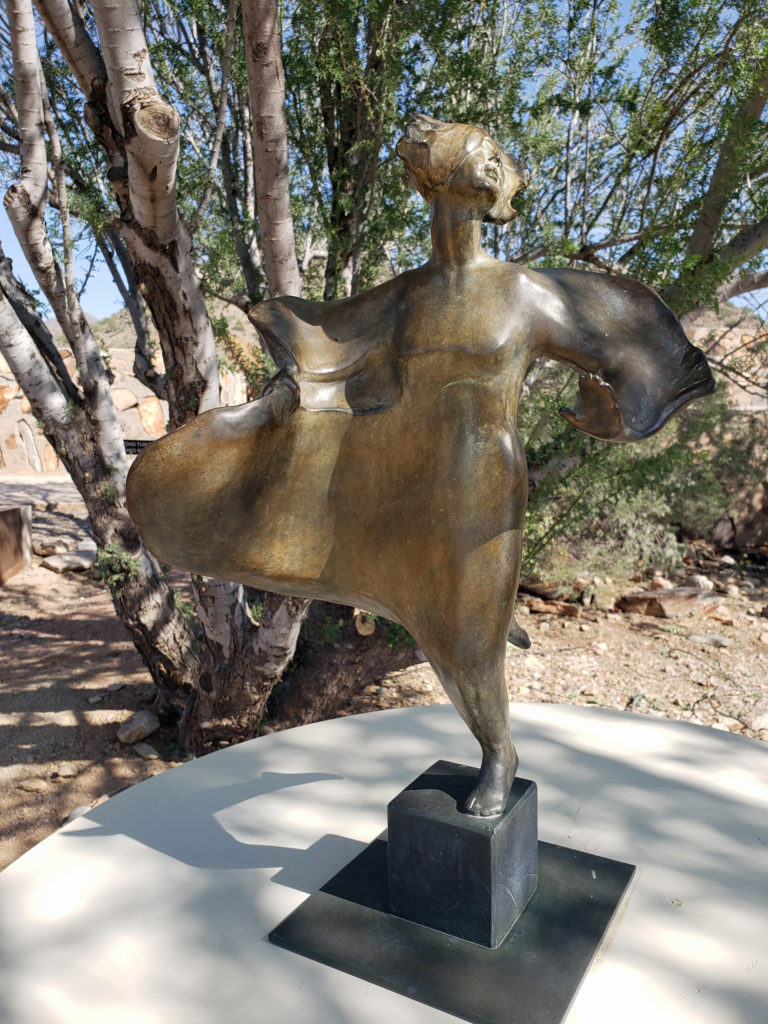 The grounds of Taliesin West are beautifully landscaped and feature many outdoor works of art by various artists. Wright saw architecture as the “mother” of all the arts, and art was an important component of his designs, as was the landscaping.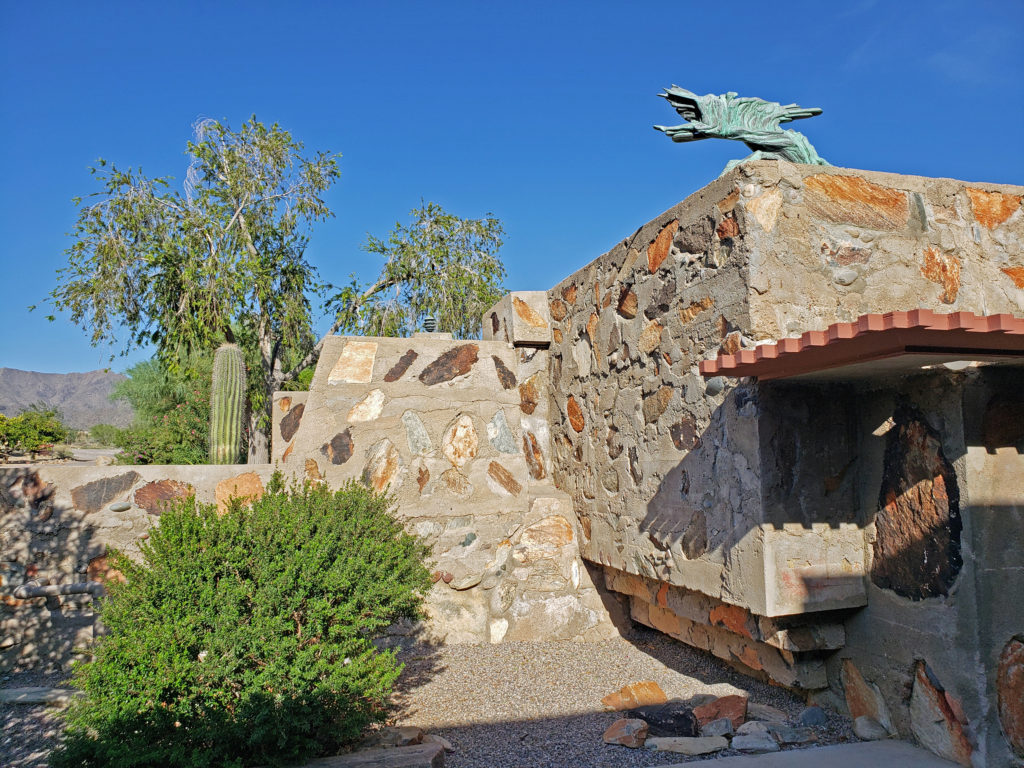
 Taliesin West is located in Scottsdale, Arizona, about 20 miles northeast of downtown Phoenix.
 Originally posted November 26, 2019. Updated and re-posted January 7, 2022.