by Alan K. Lee
Kona, on the Big Island, was where I first set foot in Hawai’i, back in the year 2000. I will never forget stepping out of the plane and immediately being bathed in sunshine and enveloped in the warmth that is so ever present in Hawai’i. It wasn’t just that it was warm. The air felt different, not the suffocating humidity of summers in the much of the country or the oppressive furnace-like heat of the Southwest. Here it just felt welcoming. Two steps out of the plane I knew I was in paradise.
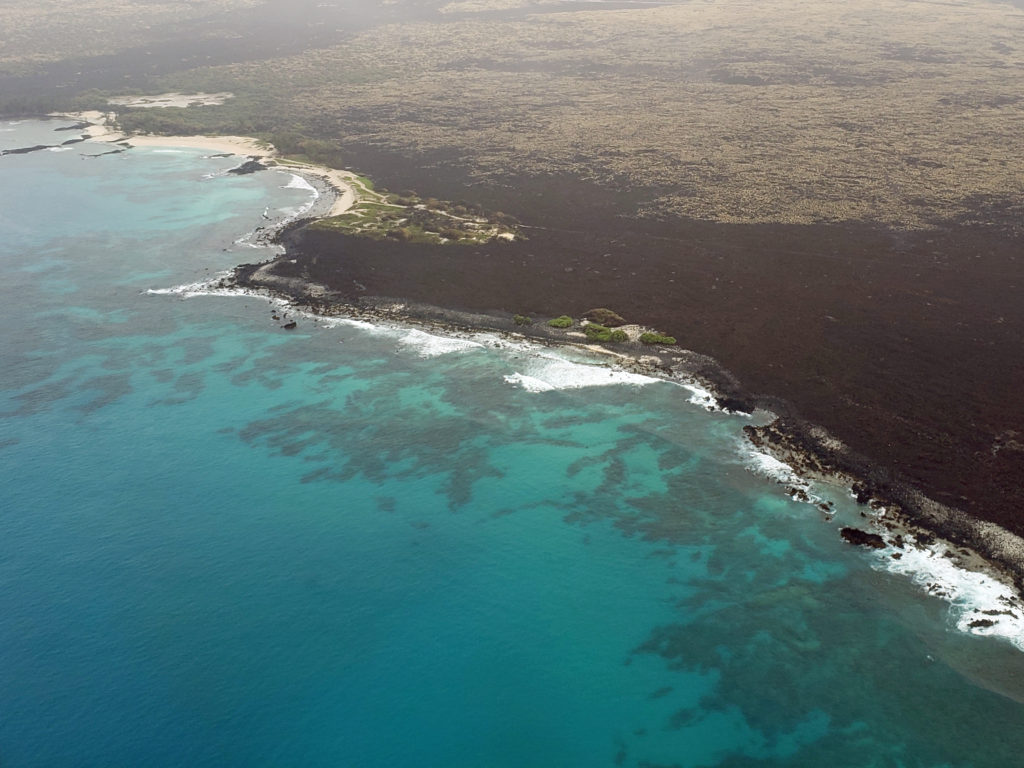
My first view of the Big Island was also memorable. Looking out the window of the plane at the Kohala Coast as we descended toward Kona, I expected to see lush green jungle, but instead I saw black lava fields and brown grassland. There wasn’t a tree in sight. The land looked more the high desert of eastern Oregon than what I envisioned Hawai’i should look like.
Kailua-Kona isn’t a desert by any means, but the average annual rainfall is a bit under 30 inches, less than Portland or Seattle. Parts of the Kohala Coast to the north of Kona get less than 10 inches of rain per year. In contrast, Hilo on the east side of the island averages more than 10 feet (127″) per year.
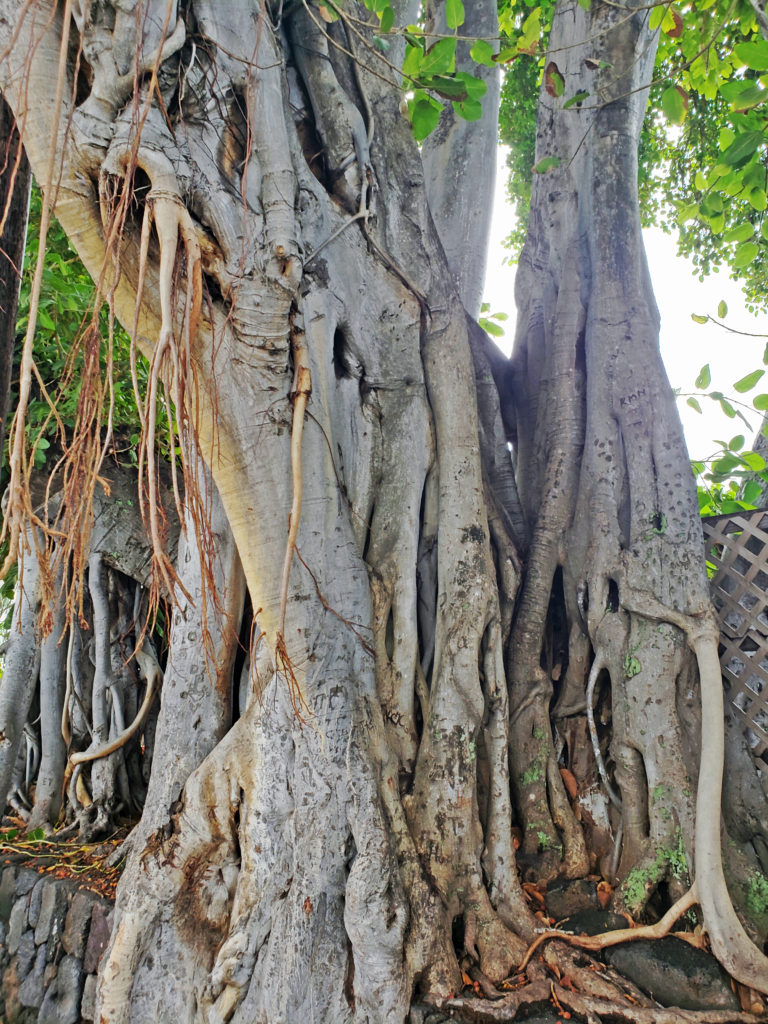
My wife and I have been back to the Big Island a couple of times since our first visit. Our most recent visit came in February 2019. After visiting my wife’s cousin and her husband at their home on Maui, the four of us took the short hop over to Kona to explore the Big Island. It had been 15 years since our last trip to Kona, so I was interested to see how much it had changed. The answer turned out to be not all that much. A little bigger, more traffic, maybe a little more touristy, but essentially the same as I remembered it.
After settling into our condo rental near downtown Kailua-Kona, we walked into town. It was hotter and a little more humid than I remembered it being on our previous visits, so our first stop was a local pub to get a cold brew. After slaking our thirst and having a bite to eat, we walked around the town and harbor-front for awhile.
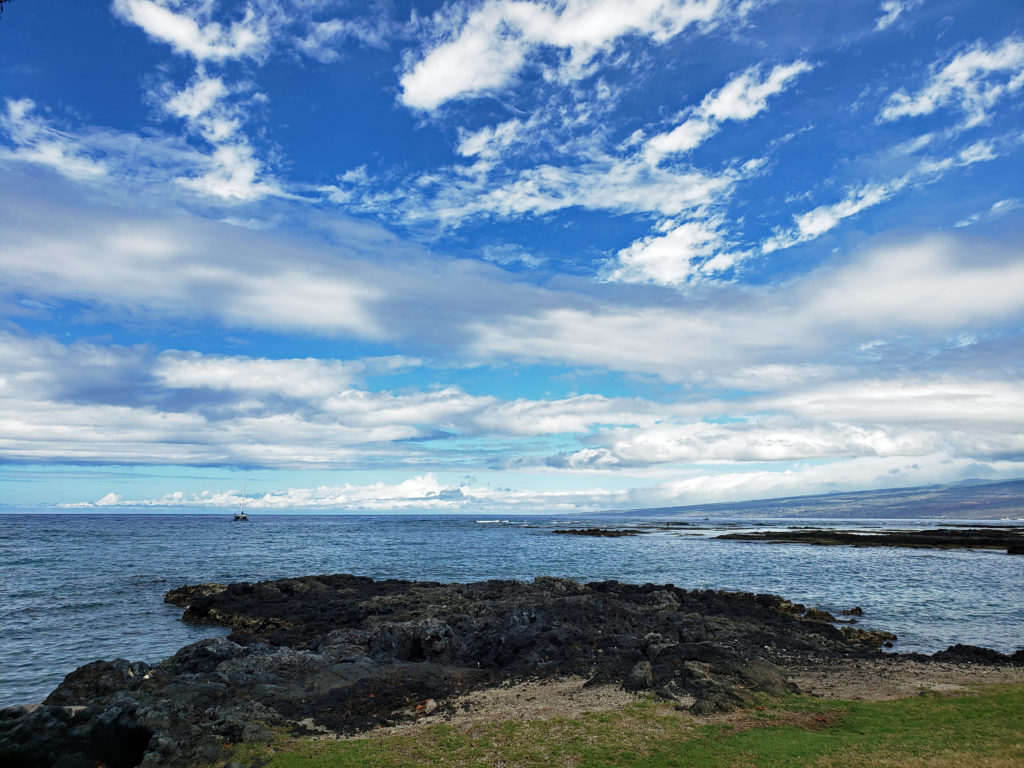
Kailua-Kona still has a small town feel and the downtown area is compact and easily walkable. Many of the businesses that were there 15 years ago are still there. The shave-ice place that we discovered on our first visit is still there, although with a different name now. The town is worth a look, but it is often crowded with tourists, especially when there’s a cruise ship in port. When there is, it’s probably best to avoid the area. Fortunately, the attractions of the Big Island are numerous and varied, and regardless of what your idea of the perfect tropical vacation is, you can probably find it on the Big Island.
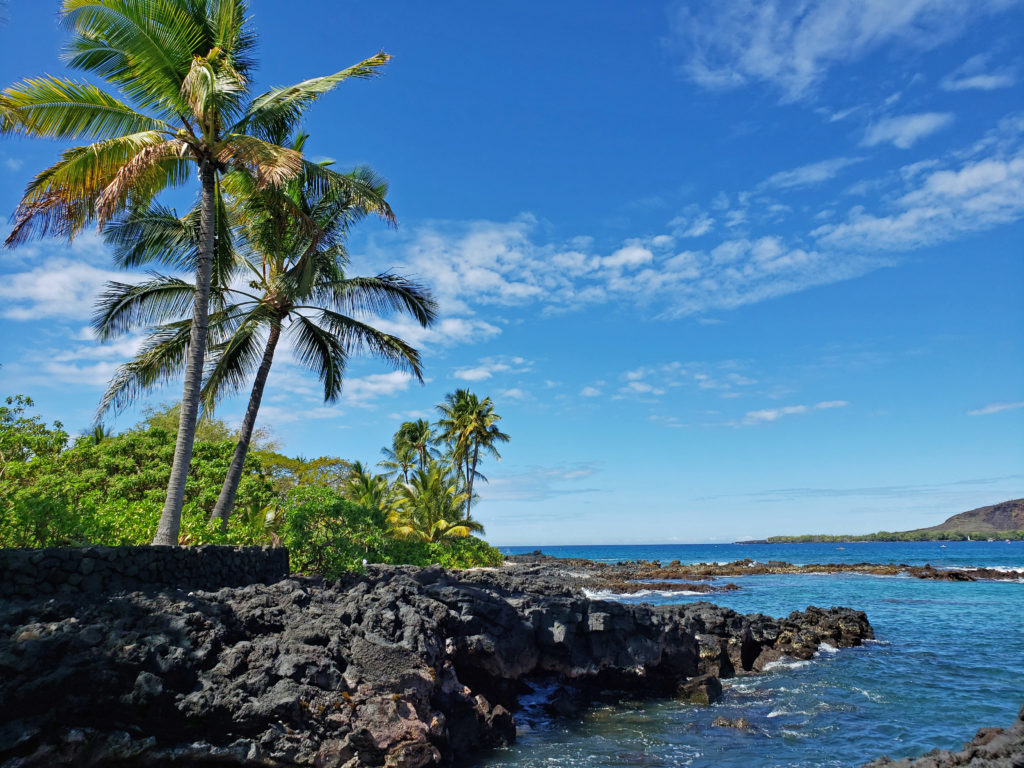
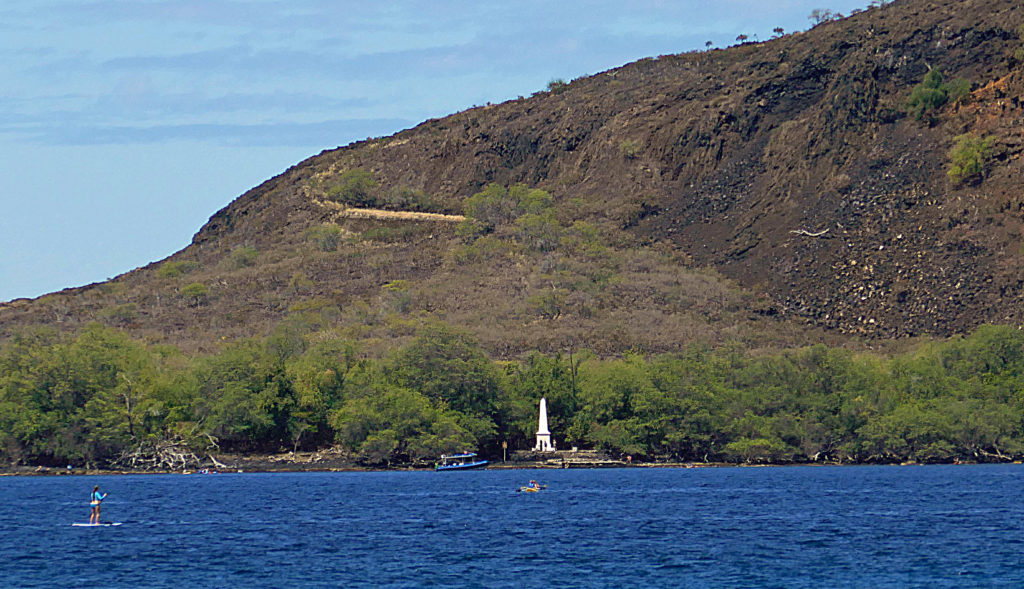
We spent one morning at Kealakekua Bay, about 20 miles south of Kailua-Kona. On our last trip, my wife and I took a day cruise to Kealakekua to snorkel. That was one of the best snorkelling experiences I’ve ever had. This time we drove to Manini Beach, a pretty cool little park with a small sand beach, frequented more by locals than tourists. We would never have found it on our own, but the owners of the condo we rented put together an information book that had photos and directions to the park. Across the bay is a monument marking the spot where Captain James Cook was killed in 1779.
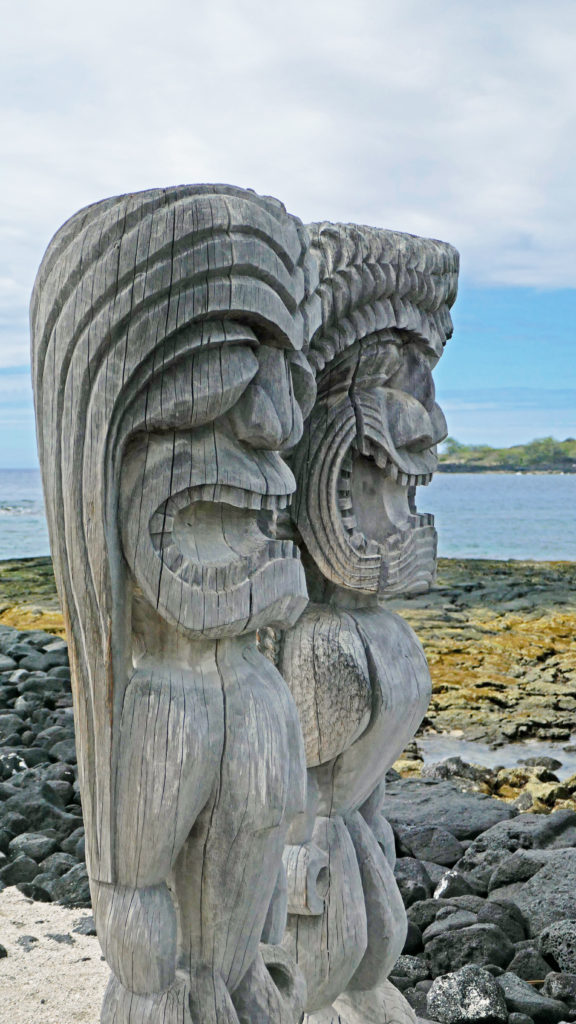
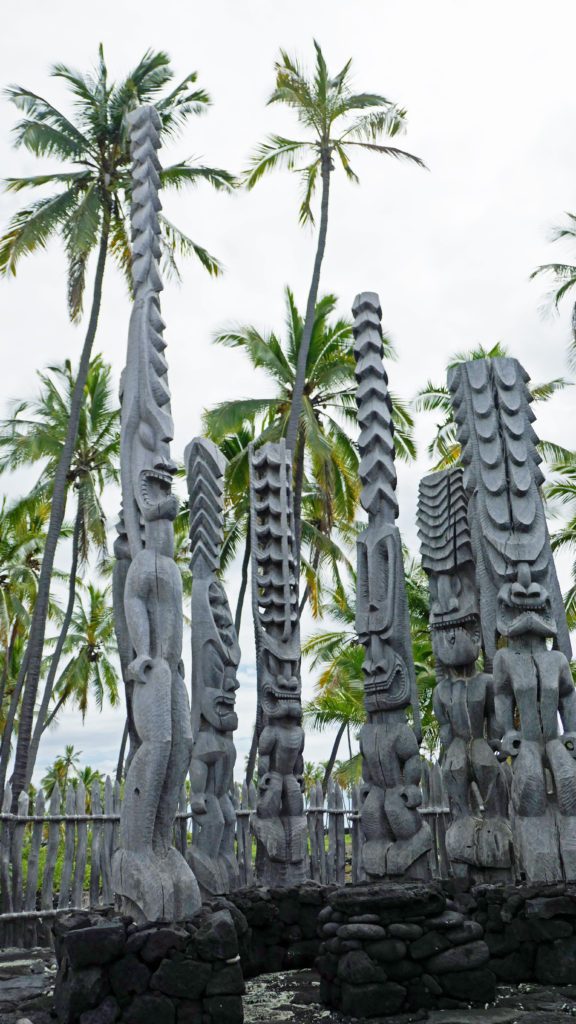
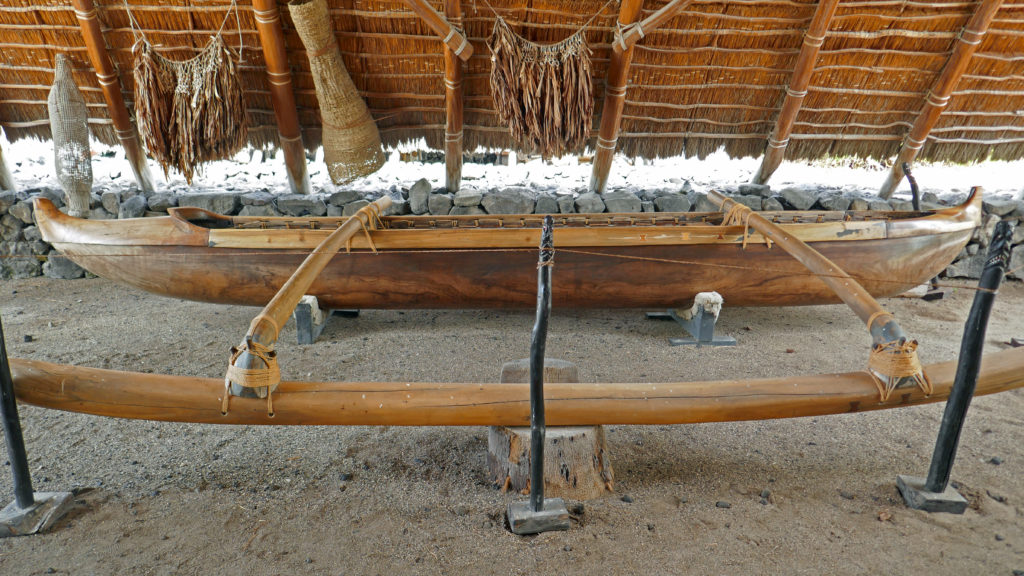
We spent two or three hours lounging and swimming at Manini Beach, then drove to the Place of Refuge (Pu’uhonua o Honaunau National Historic Park), on Honaunau Bay, a few miles south of Kealakekua, where we spent another couple of hours exploring. Pu’uhonua o Honaunau played a significant role in the lives of Hawai’ian people prior to contact with Europeans. If you have any interest in Hawai’ian history, this is a place you definitely should visit. Next door to the Place of Refuge there is also a very good (and popular) snorkelling access point called Two Steps. You are certain to find lots of colorful fish and sea turtles in the bay there.
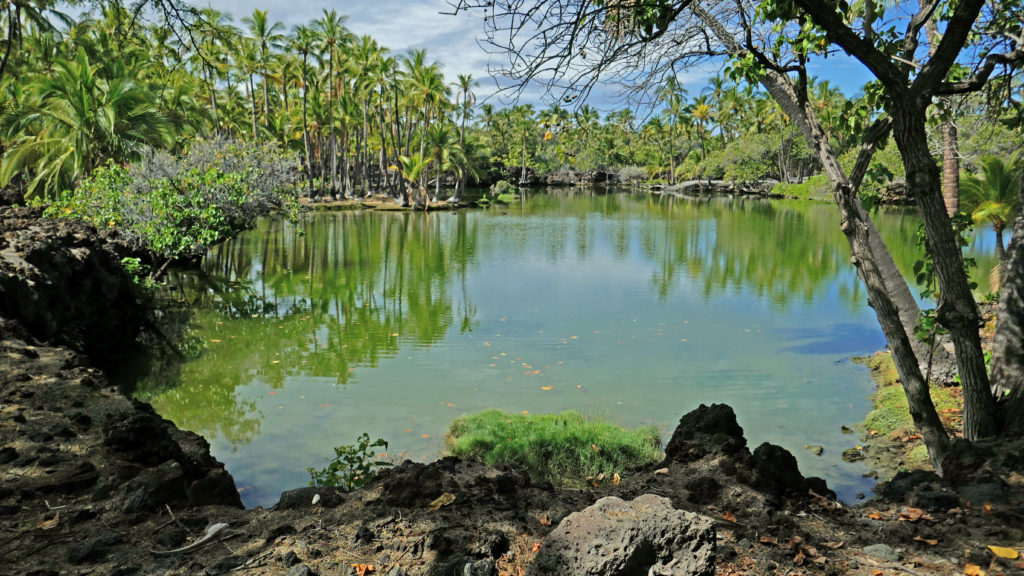
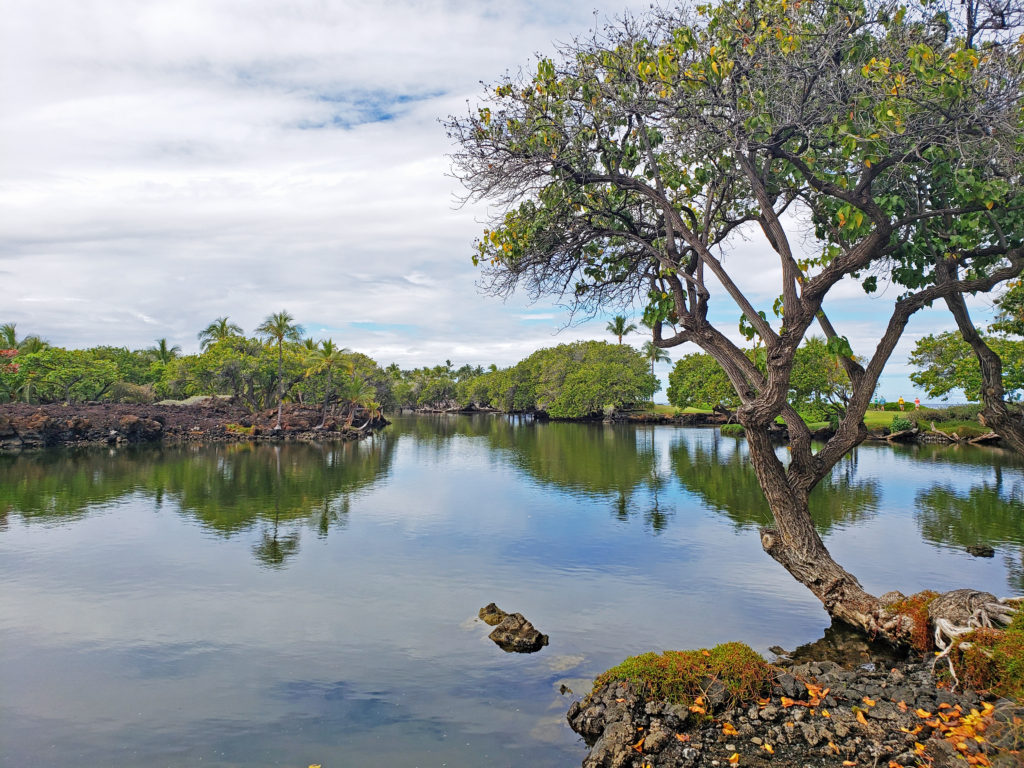
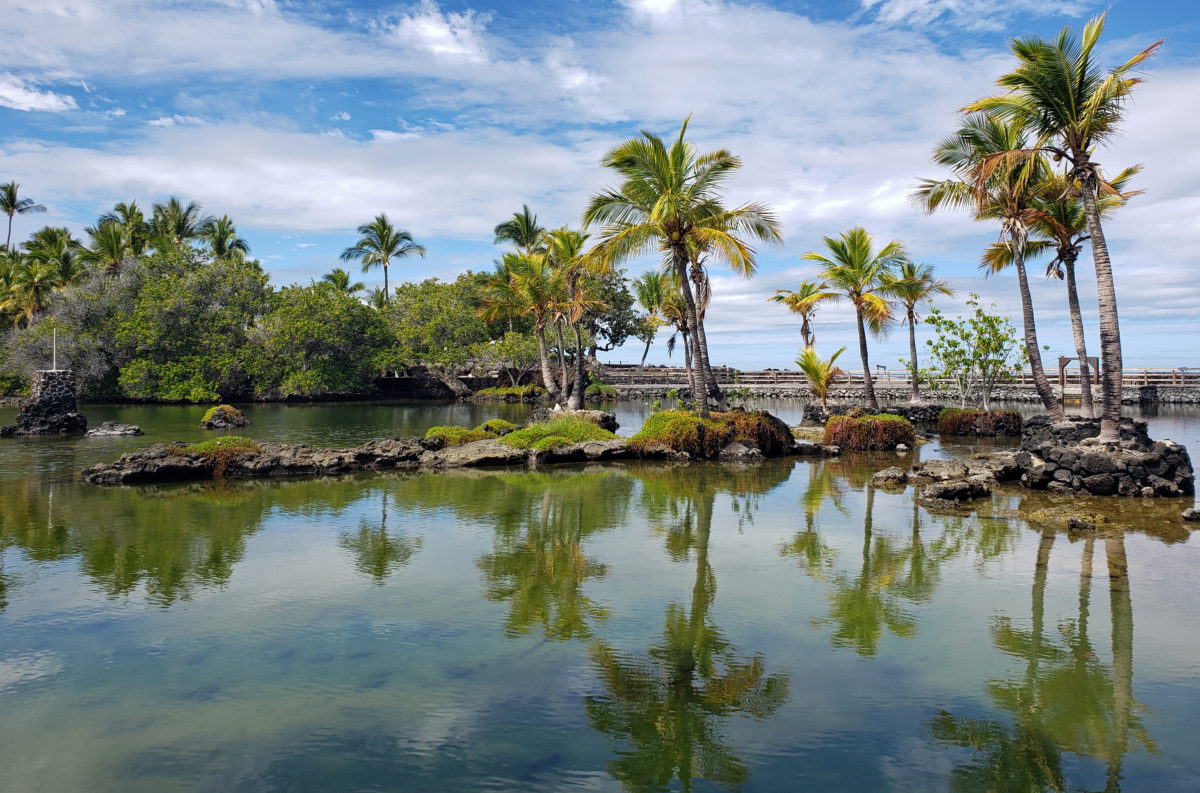
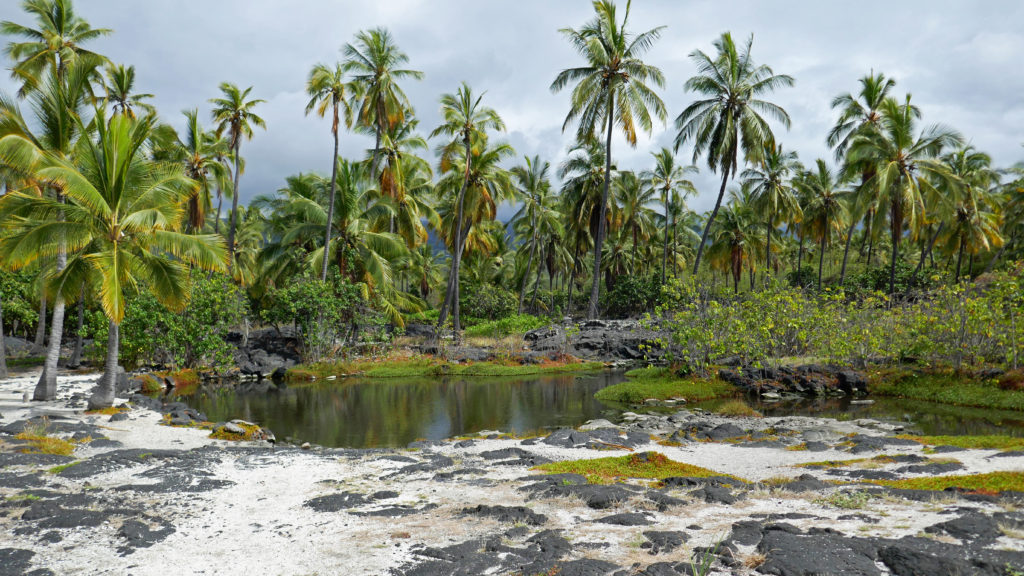
More native history can be found along the Kohala Coast to the north of Kailua-Kona. The Mauna Lani Resort has preserved a couple of features of native Hawai’ian life on their property. Kalahuipua’a Historic Park contains archaeological sites and preserves two ancient fish ponds. The ponds were originally shallow embayments that the native Hawai’ians walled off to raise fish for food. Over time the ground here has subsided, making the ponds deeper and larger than they once were.
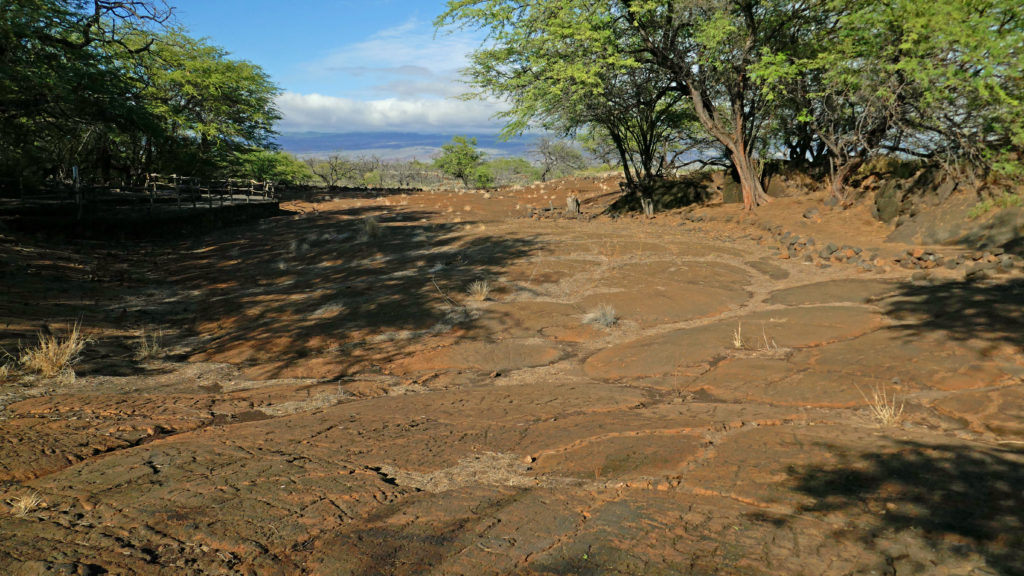
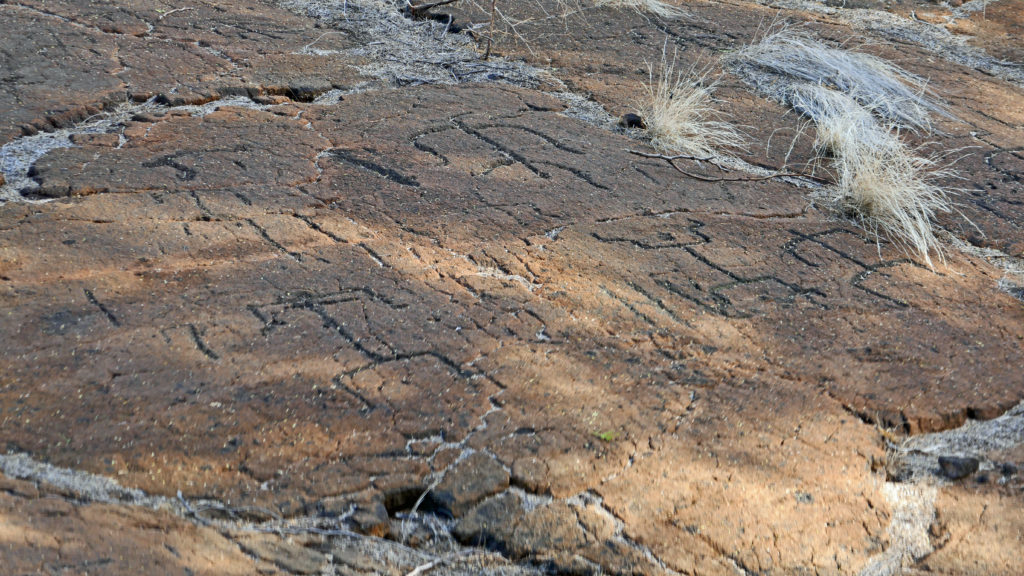
Puako Petroglyph Archaeological Park, also on the Mauna Lani property, preserves an area of relatively flat, smooth lava, several acres in size, that is literally covered with petroglyphs. It’s about a 3/4 mile hike, but a quite incredible site, and well worth the hike, even on a hot afternoon. I’ve never seen another place with anything close to the number of petroglyphs that can be found at Puako. The entire Puako Petroglyph Archaeological Preserve covers 223-acres and boasts more than 3,000 ancient petroglyphs, some dating to 1200 AD.
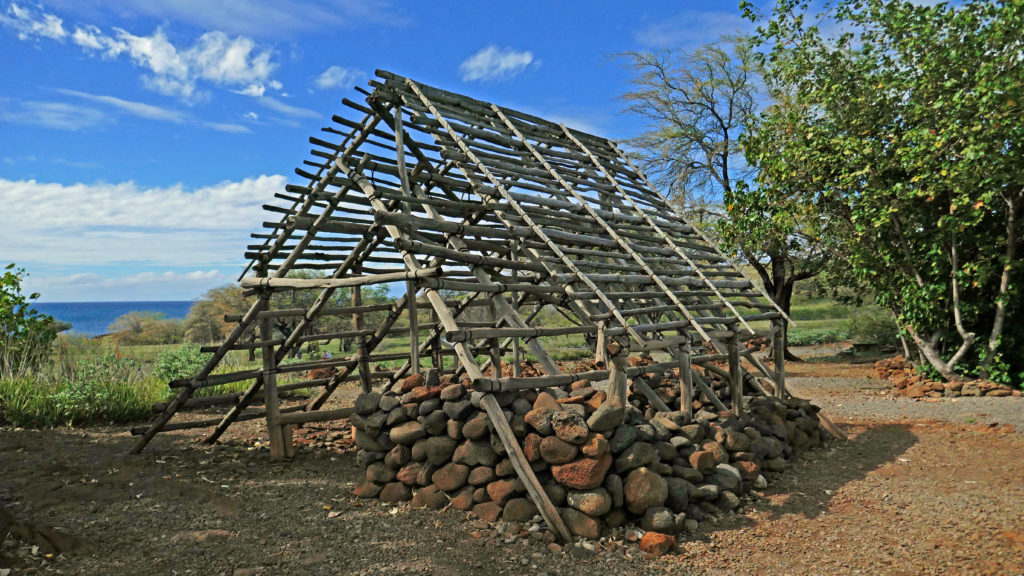
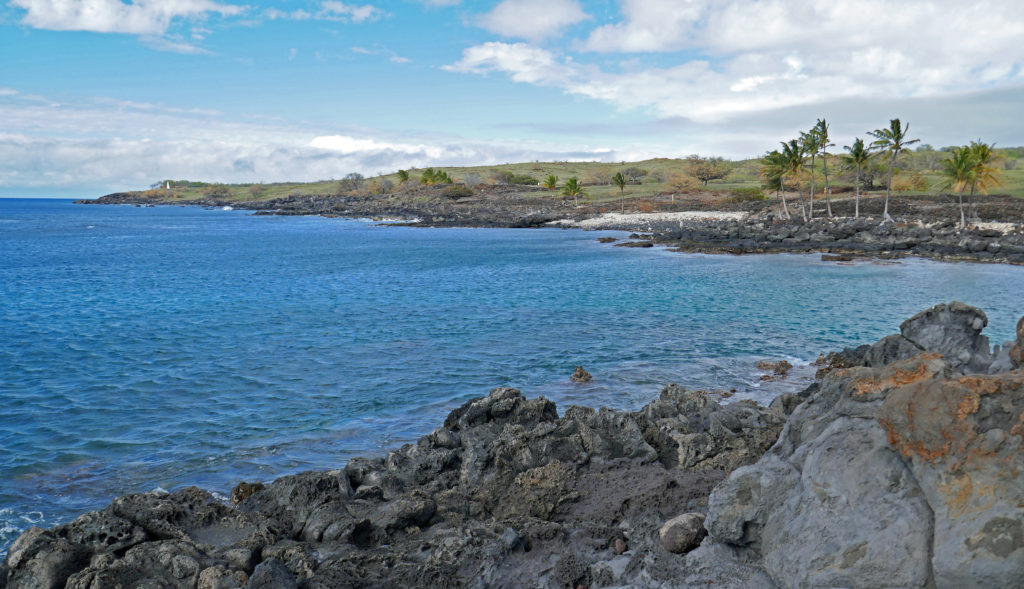
Farther north, in the North Kohala District, Lapakahi State Historical Park preserves the ruins of an ancient settlement. Several of the structures have been recreated to give an inkling of what life was like in the village. The park also protects 1.5 miles of shoreline and off shore coral reefs.
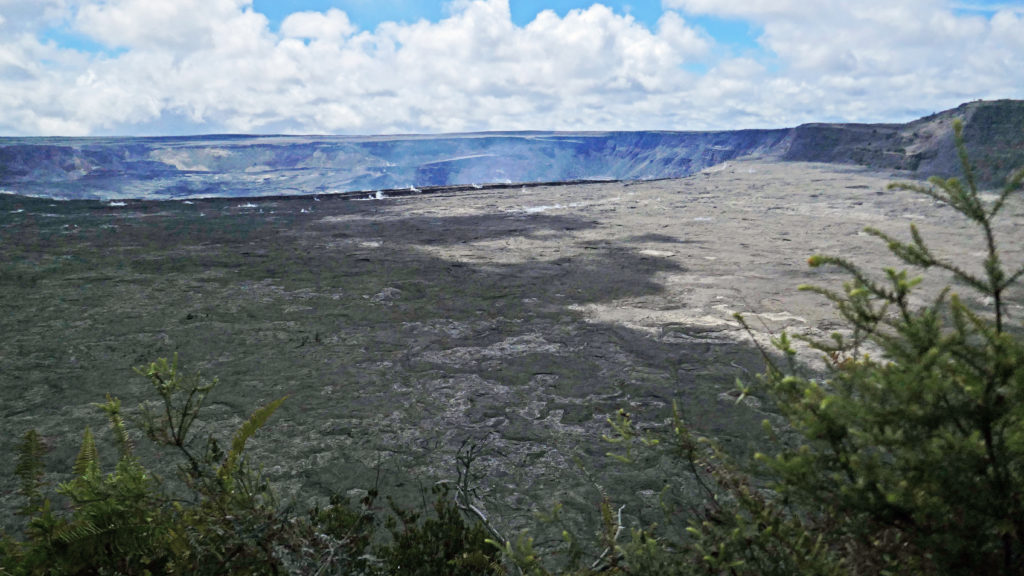
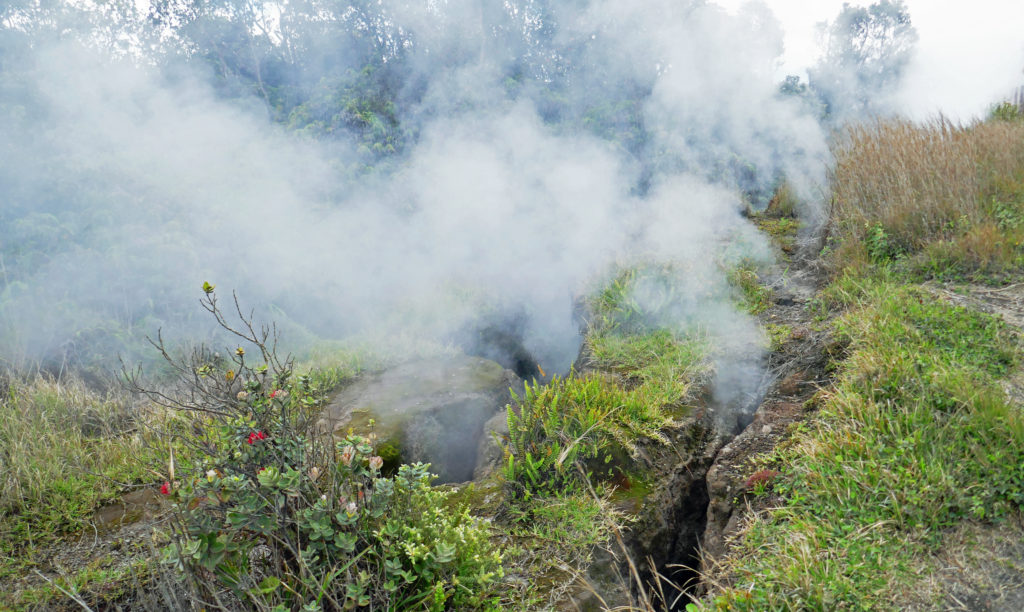
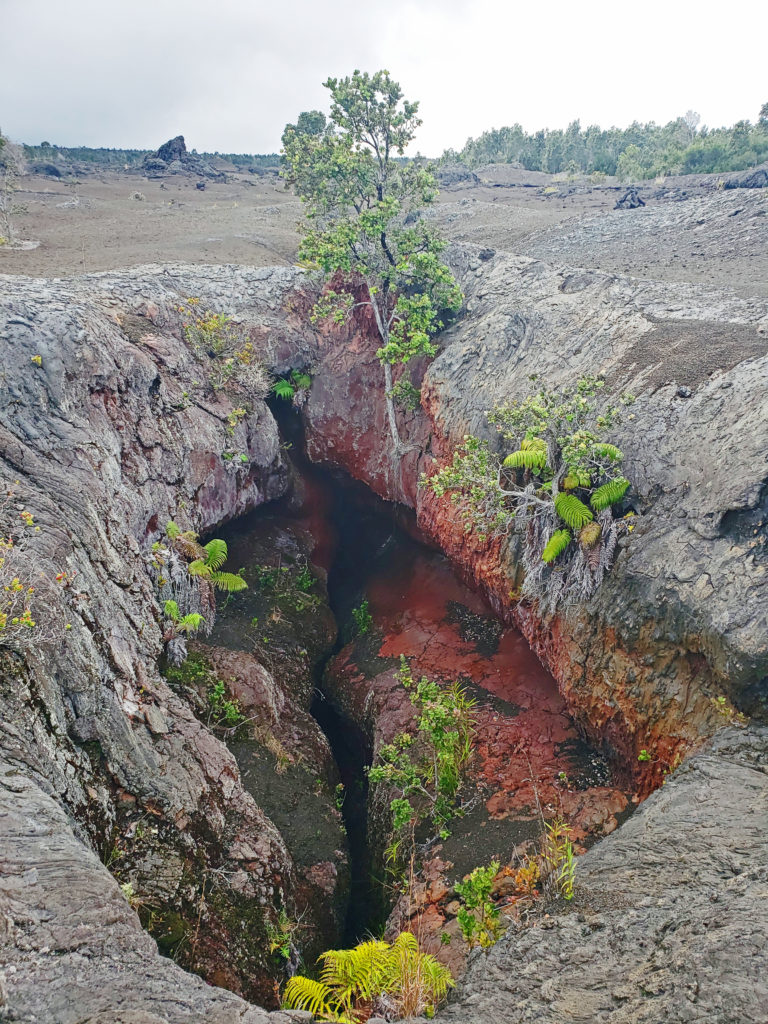
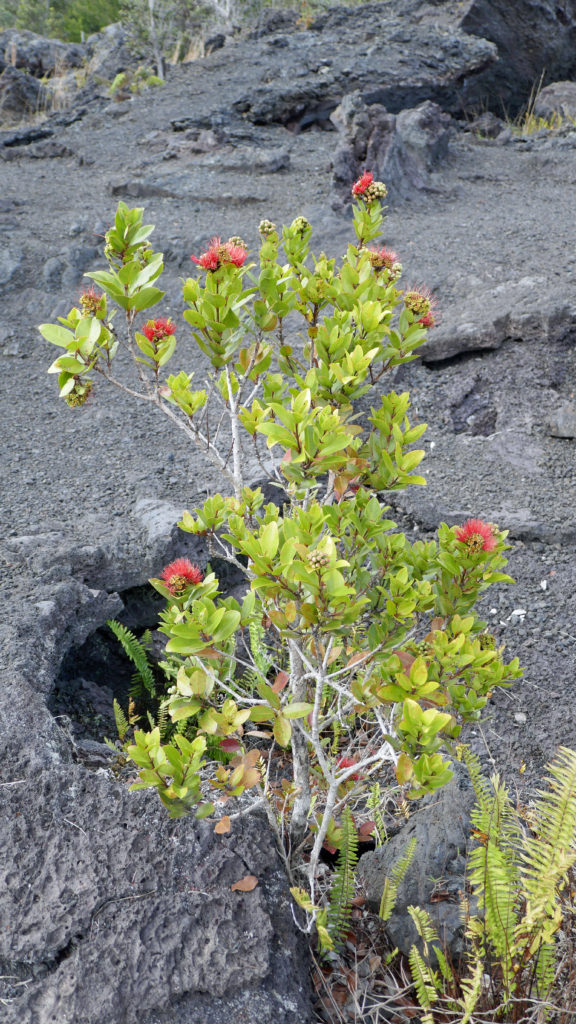
We came to the Big Island not long after the end of 2018’s epic eruption of Kilauea. The volcano was quiet when we were there, but most of the rim road and almost all of the trails in the summit area were still closed. That was a big disappointment. I would have liked to get a close up look at how much the crater had changed since our last visit. From what we could see, the Halema’uma’u Crater within the Kilauea Caldera is now many times larger than it was in 2004, but we couldn’t get near enough to see down into the crater. The trails down into the Kilauea Iki Crater were also closed, as was the Thompson Lava Tube Trail. The Chain Of Craters Road was open, so we stopped and explored a couple of interesting areas of much older eruptions that we probably would have skipped if more of the summit area had been accessible.
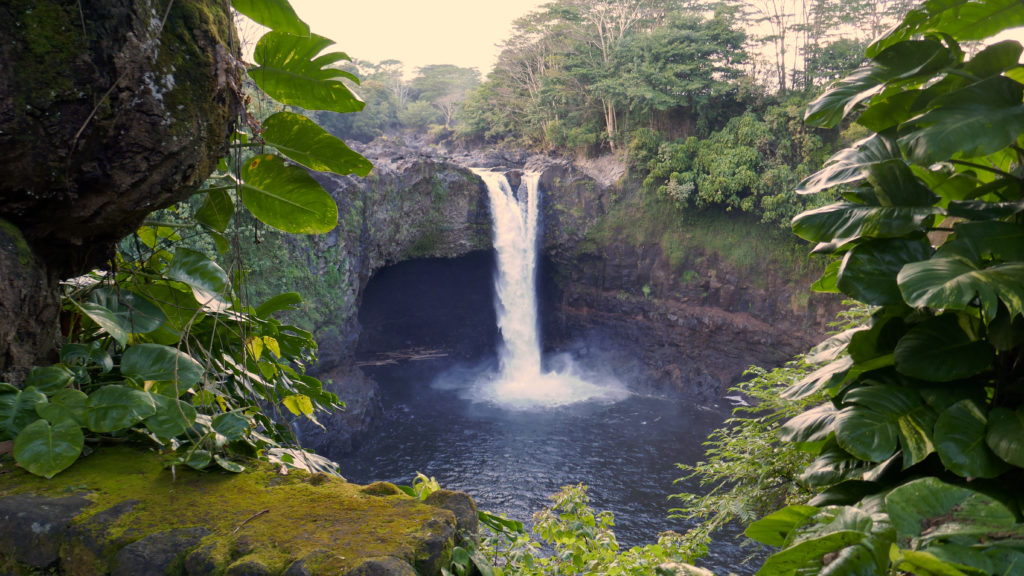
After leaving Volcanoes National Park, we drove to Hilo, looking for Rainbow Falls. Our navigation system led us astray, however, leading us down a private road that went nowhere. We backtracked to Hilo to reconnoiter. While there, we had a wonderful dinner at the Cafe Pesto. Our friends had eaten there before and their recommendation was definitely on target. After dinner we consulted a map of Hilo and found our way to Rainbow Falls with no trouble. Our previous visit to Hilo (in 2004) came in the middle of a months long drought on the Big Island, and Rainbow Falls was barely a trickle then. But this time the Wailuku River was flowing strongly and twin streams of water were pouring over the edge of the cliff. As impressive as it was, I couldn’t help but wonder how much more so it would be after a heavy rainstorm.
We made our way back to Kona via the Saddle Road that crosses over the divide between Mauna Loa and Mauna Kea. In 2004 this was such a bad road that rental car companies specifically prohibited taking their cars on it. But much work has been done on it recently, and it is now one of the better highways on the Big Island, and by far the quickest route between Kailua-Kona and Hilo.
Four days wasn’t close to enough time to do anything but scratch the surface of what the Big Island has to offer. There are beaches, of course, and snorkeling, golf, hiking trails, you name it. But even if you only have a few days, the Big Island is a great choice of places to visit. If you are thinking about visiting, a good starting point for your planning is the Big Island Guide website. It has tons of information on accommodations, dining, activities, sightseeing, the history and culture of the island, and much more.
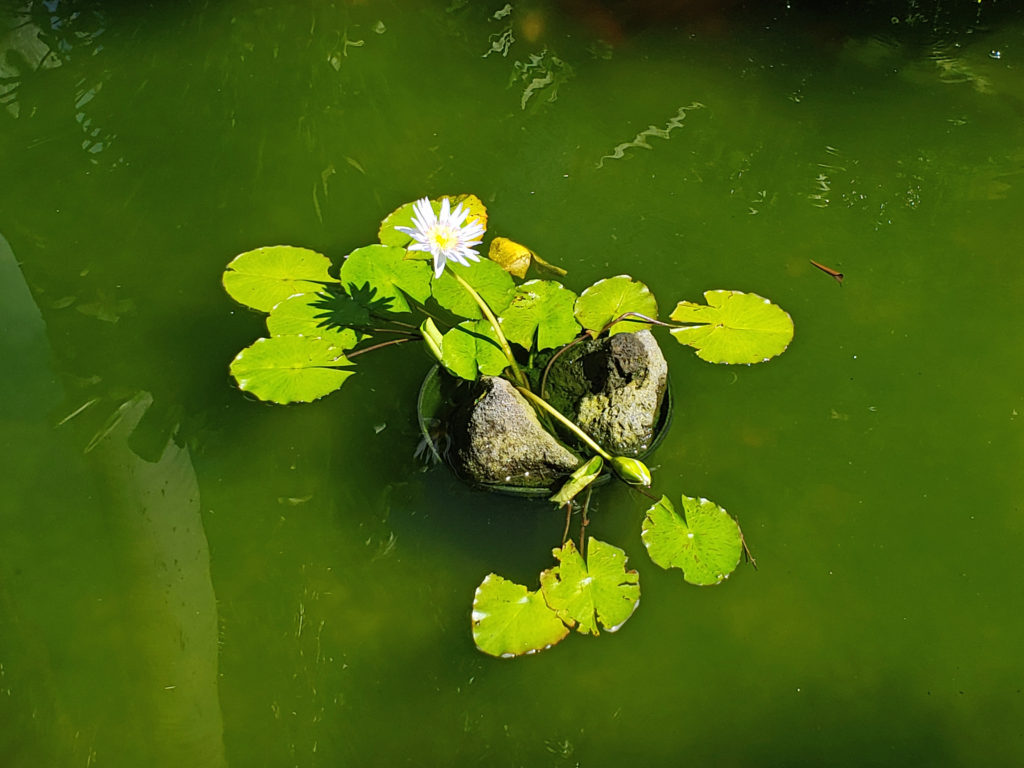
No matter what your interests, I think it would be hard to have a truly bad experience on the Big Island, or any of the other islands, for that matter. Whether you choose to visit Kaua’i, Oahu, Maui, Moloka’i, the Big Island or Lana’i doesn’t matter. All of the islands of Hawai’i really are paradise.
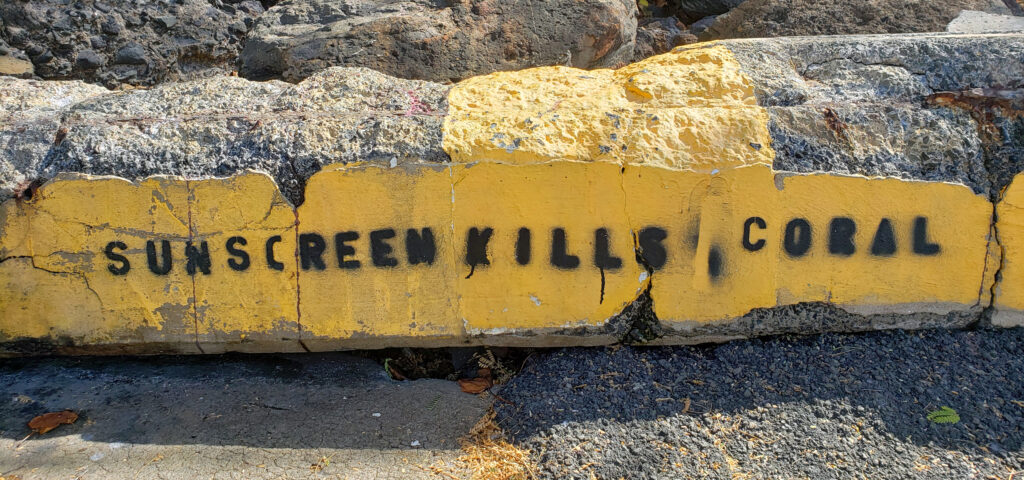 Originally posted August 6, 2019. Updated and re-posted November 19, 2022.
All photos © Alan K. Lee
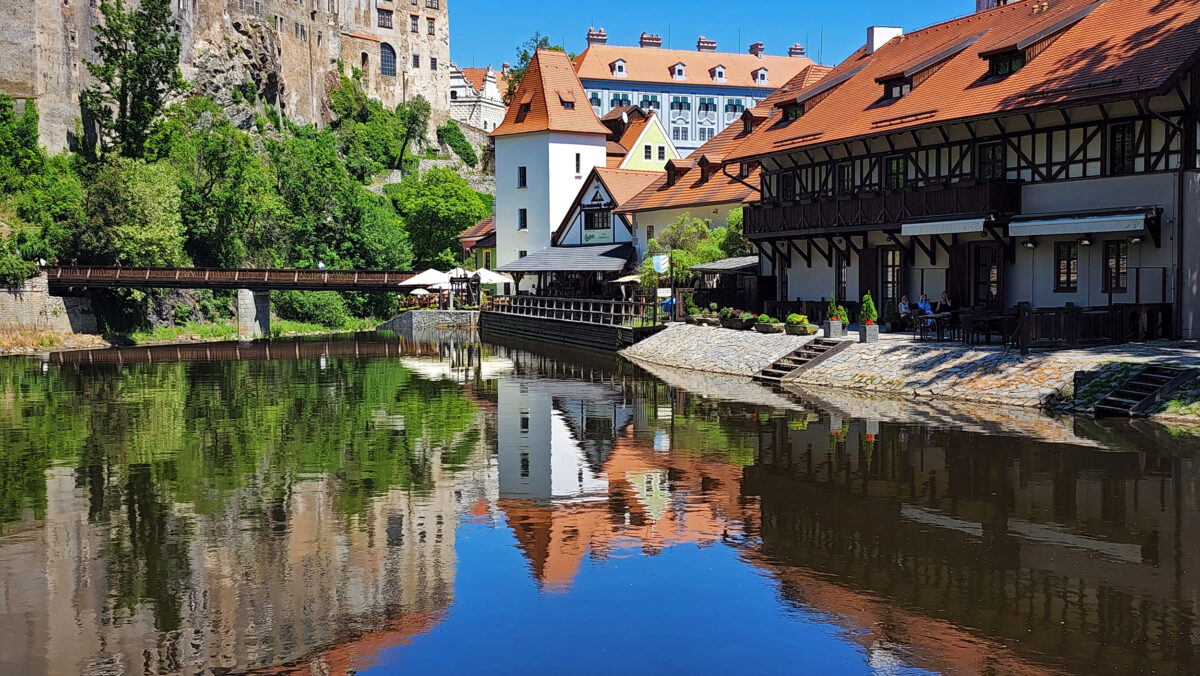
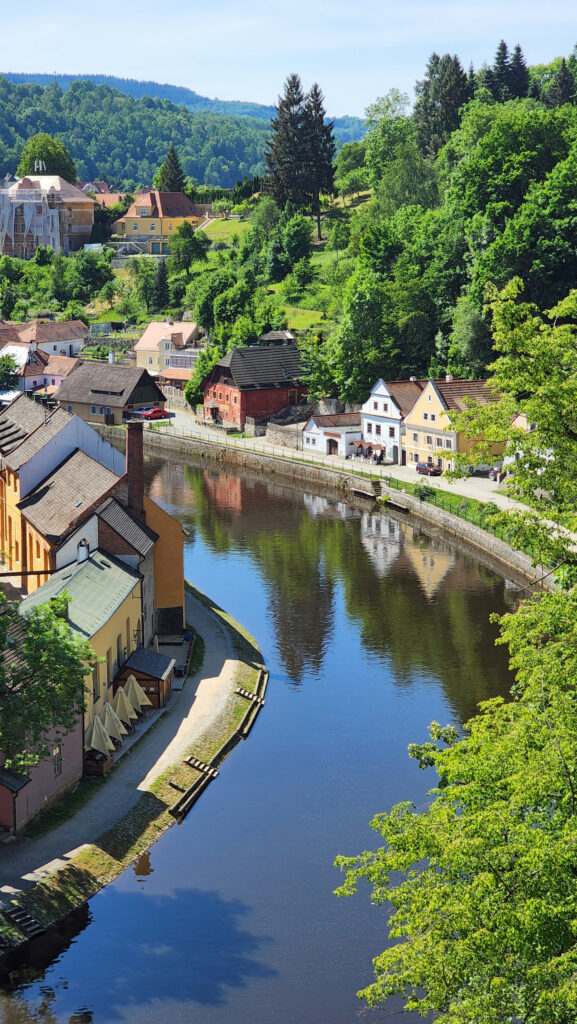
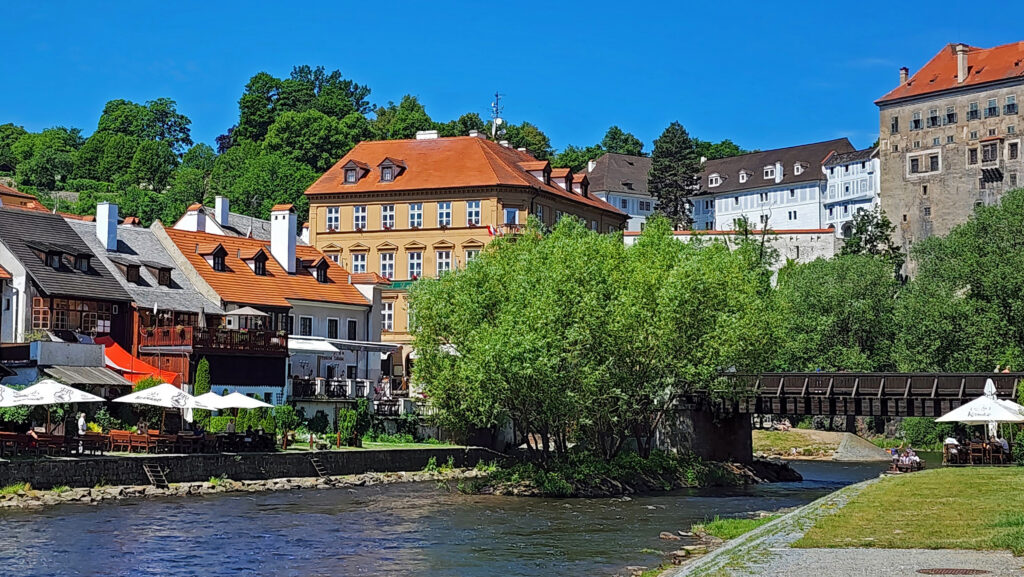
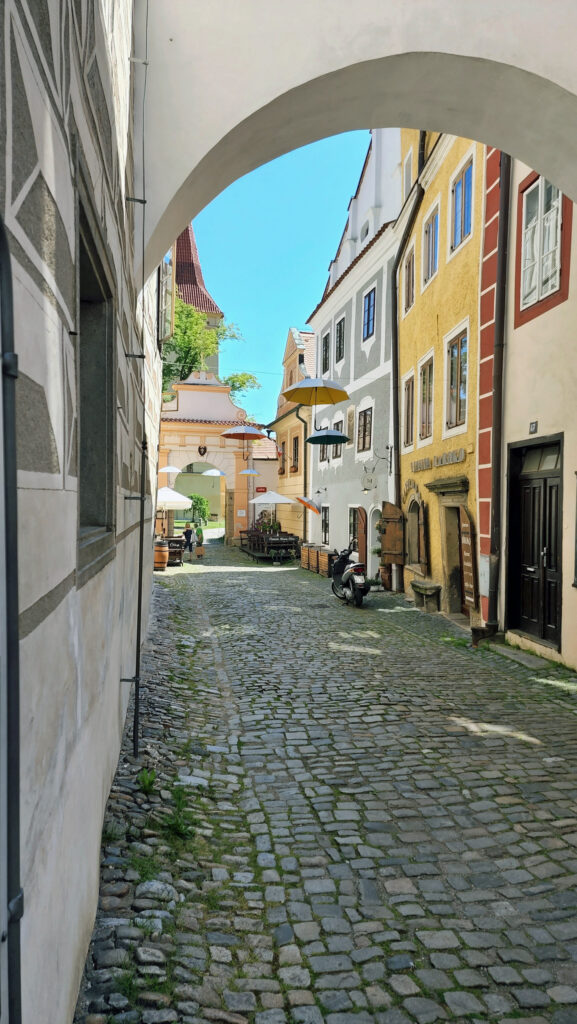
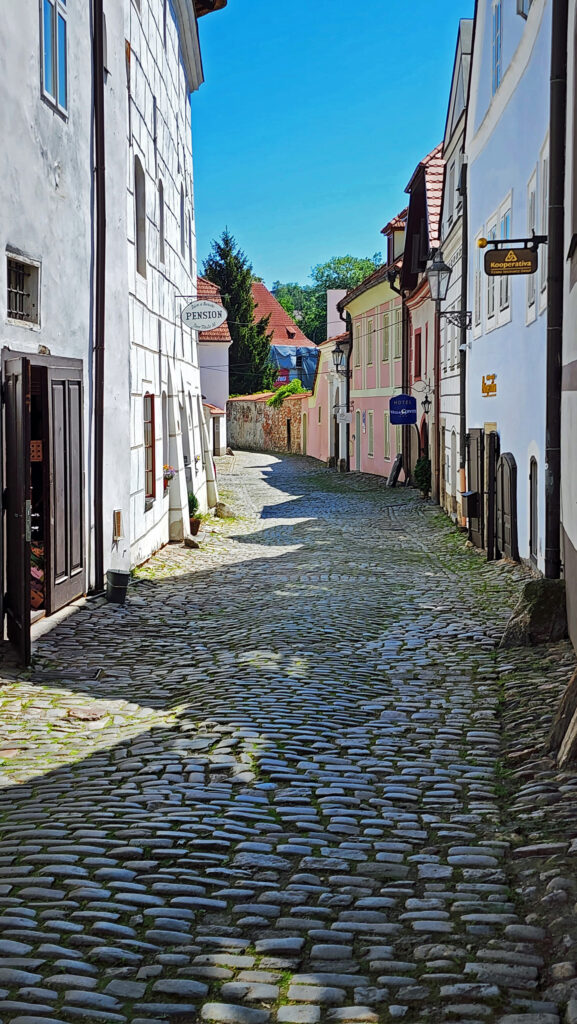
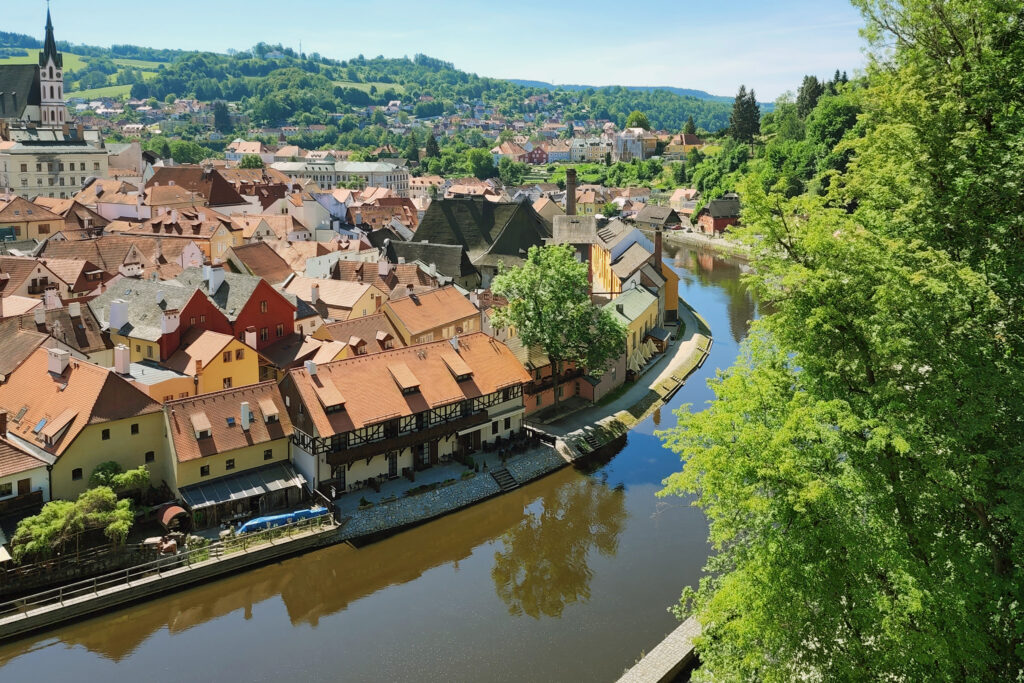
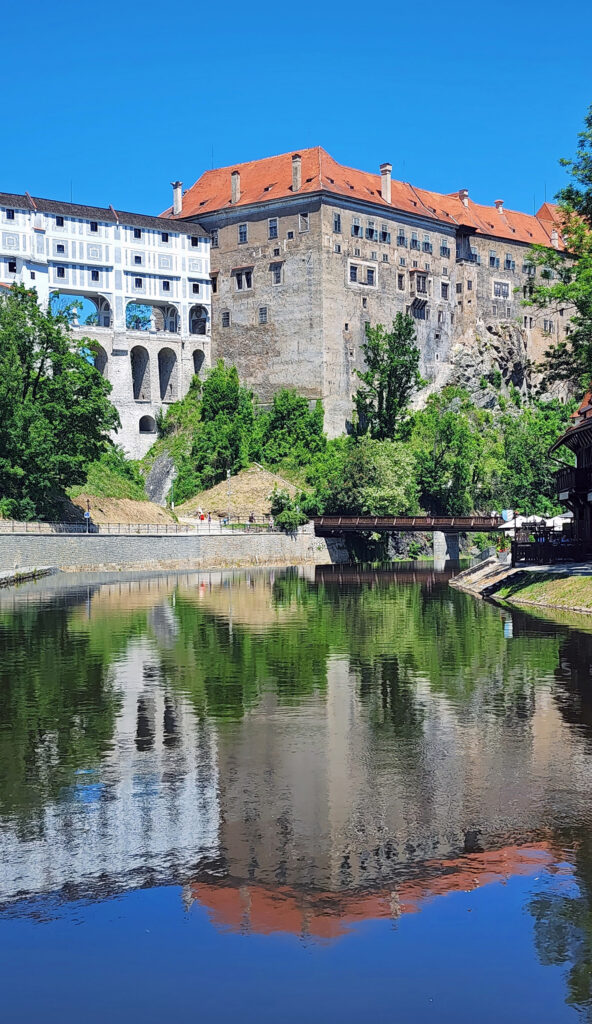
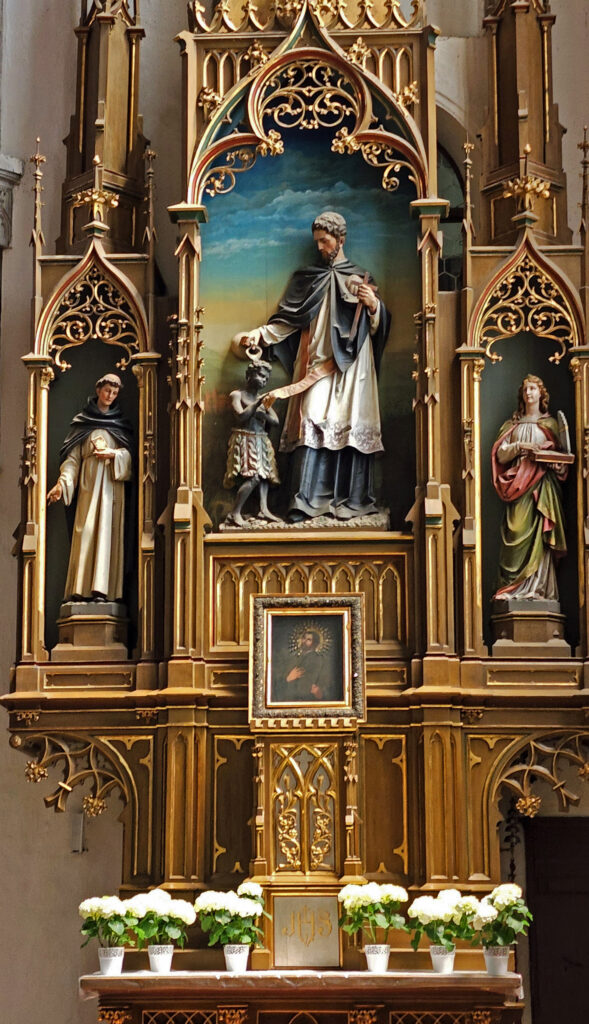
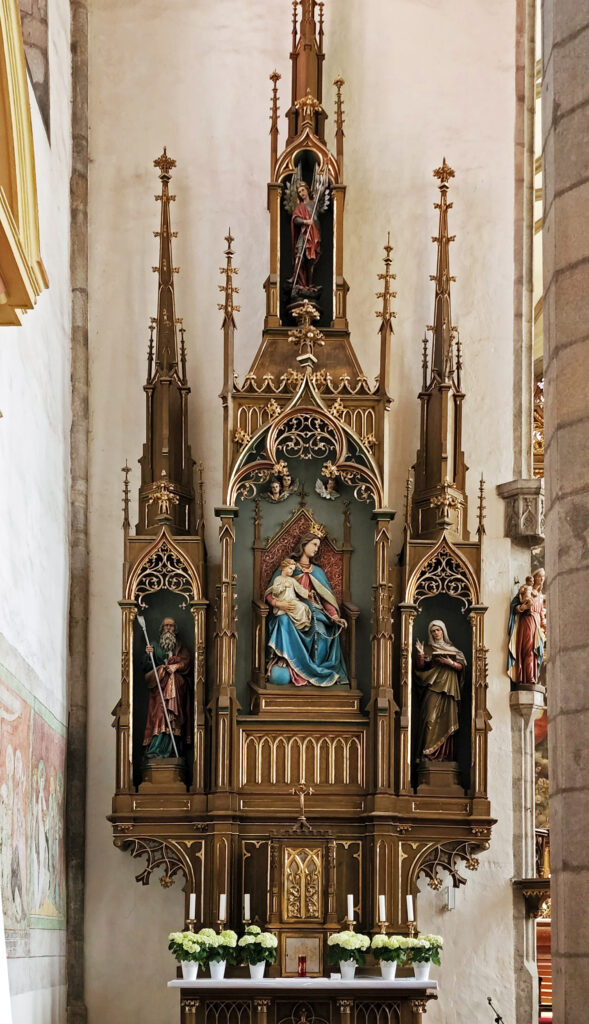
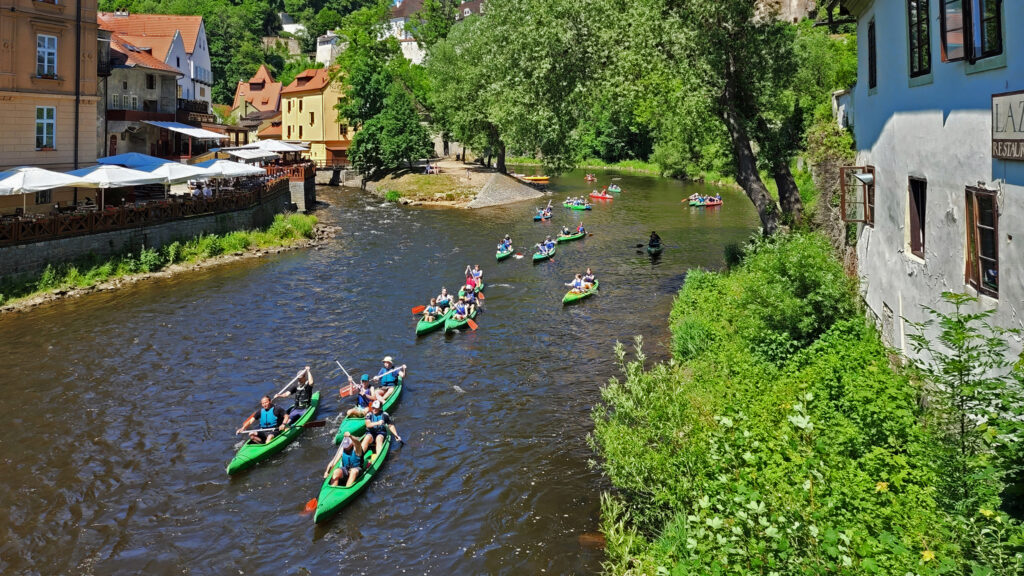
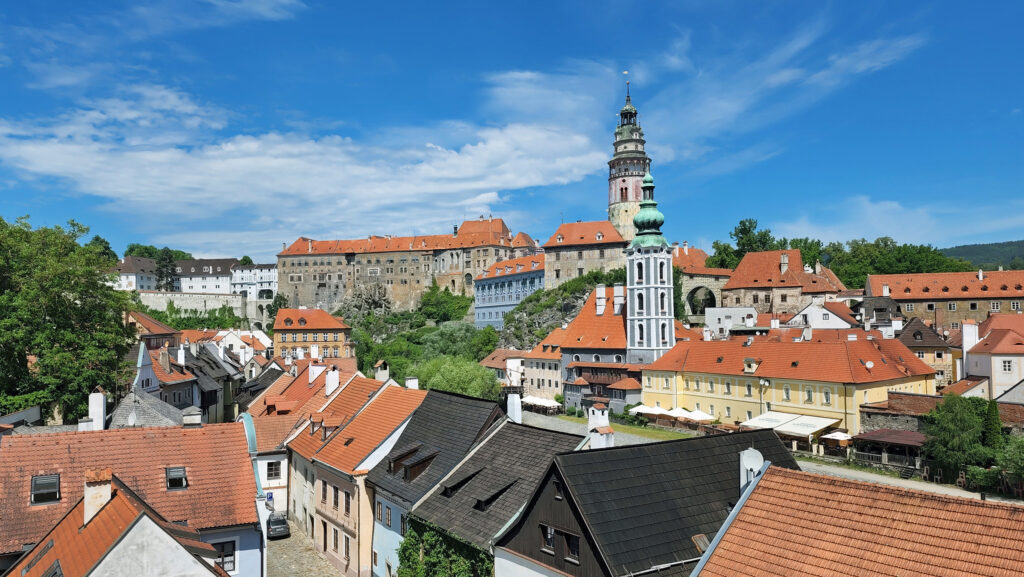
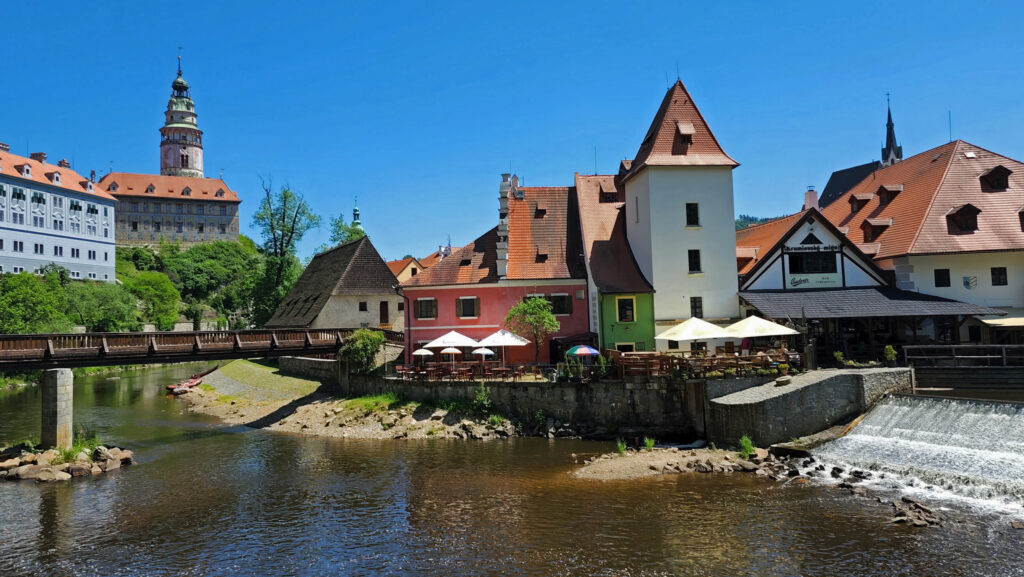
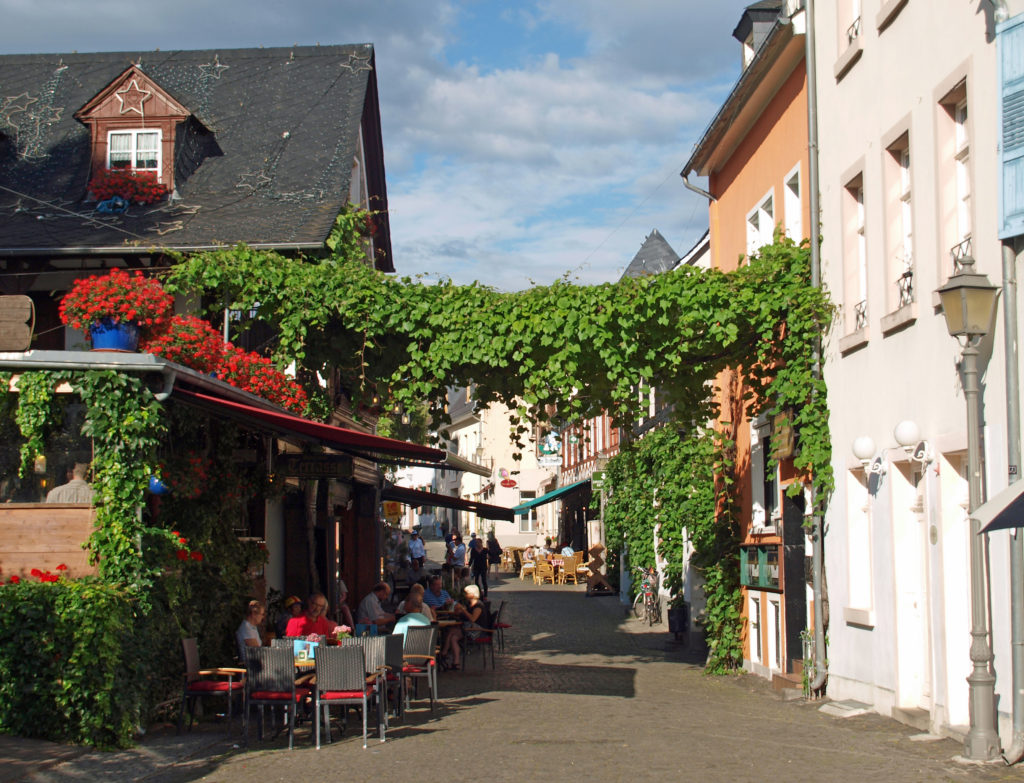
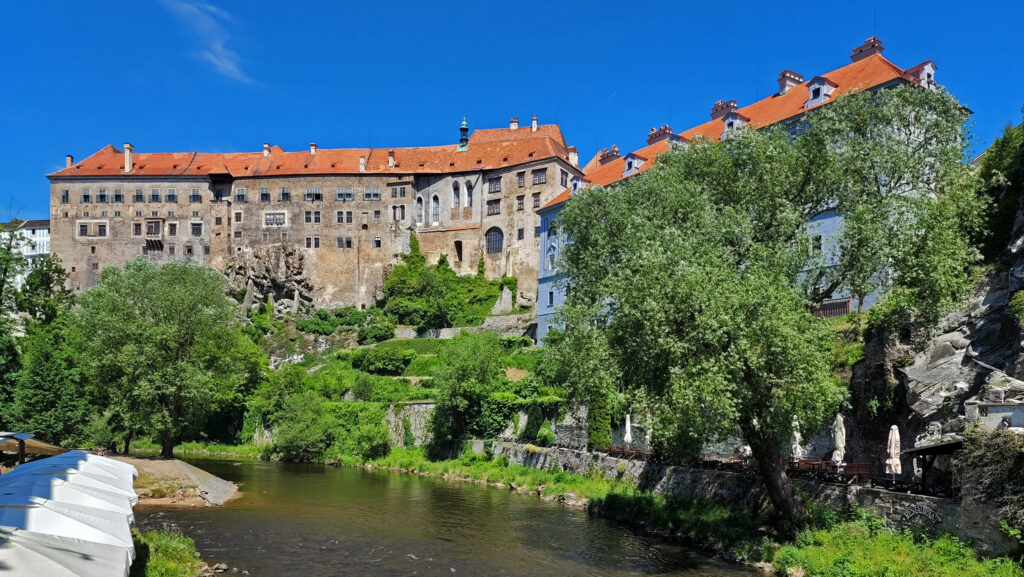
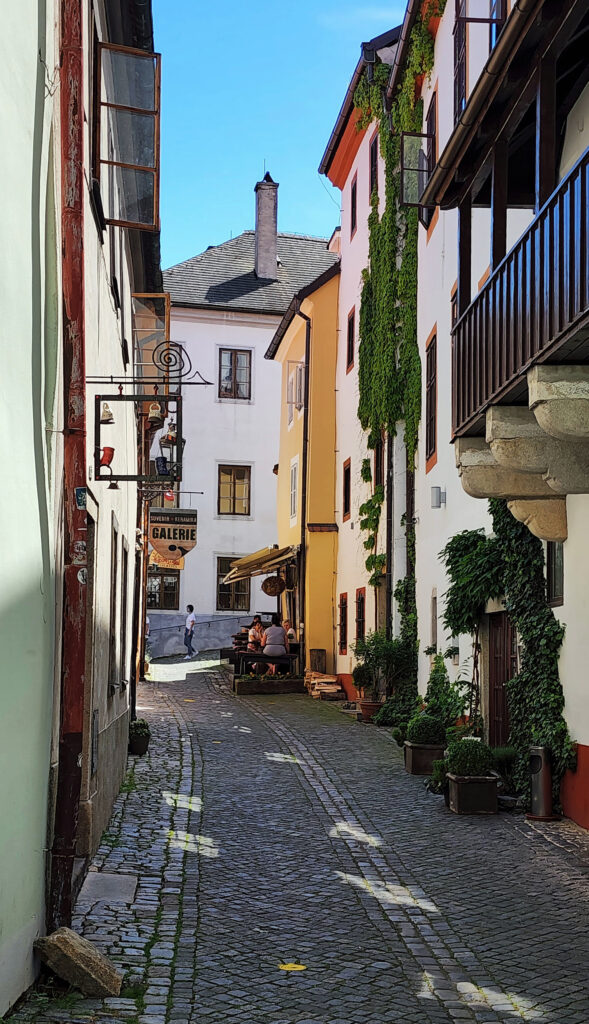
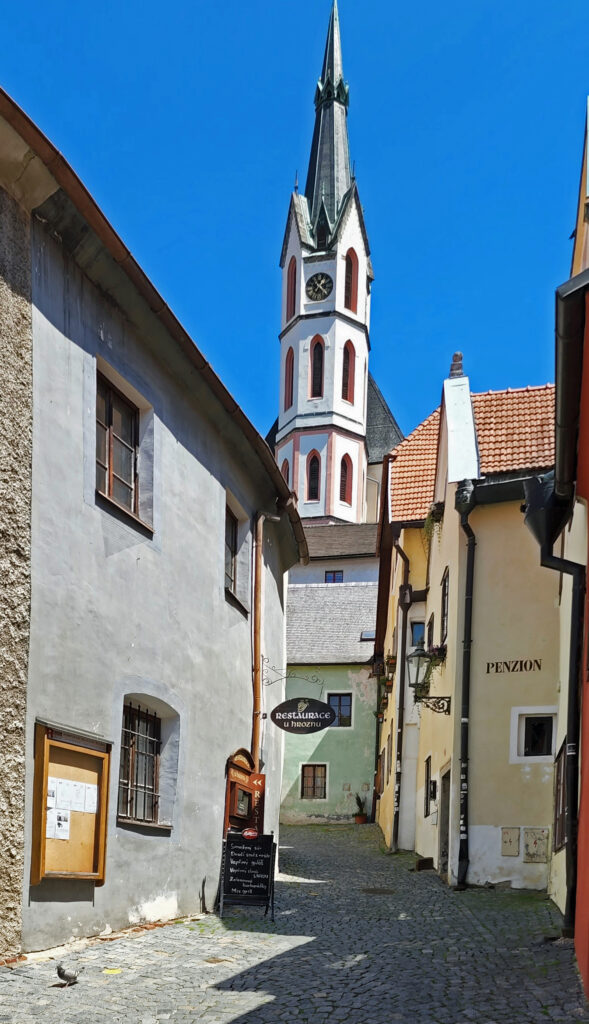
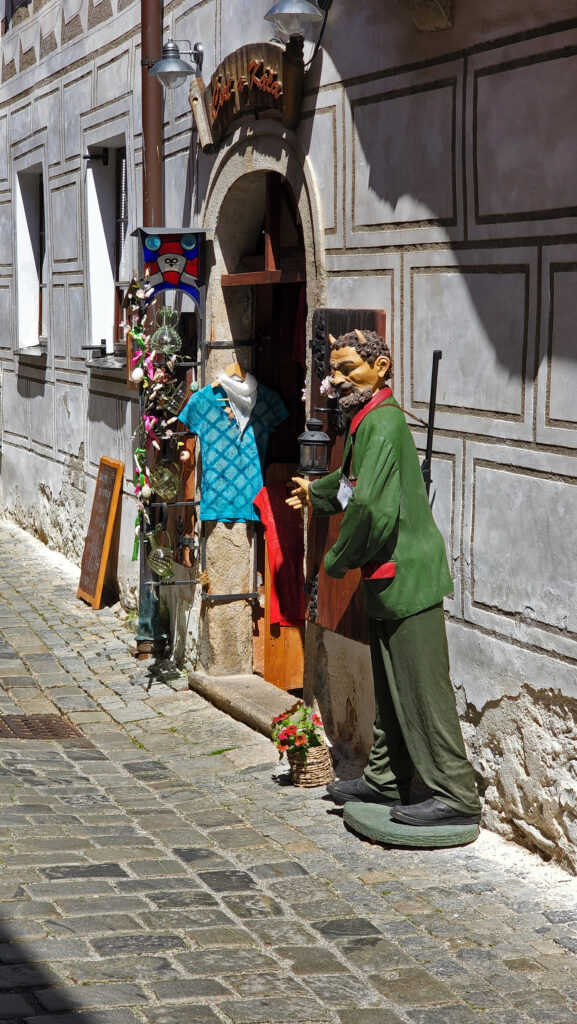 For my money, the best part of our visit was simply wandering around the historic center, walking the cobblestone streets and taking in the wonderful architecture, the beauty of the Vltava River that meanders around and through the town, and finding some of the charming and quirky things that set Czesky Krumlov apart. The old town area is car free and pedestrian friendly.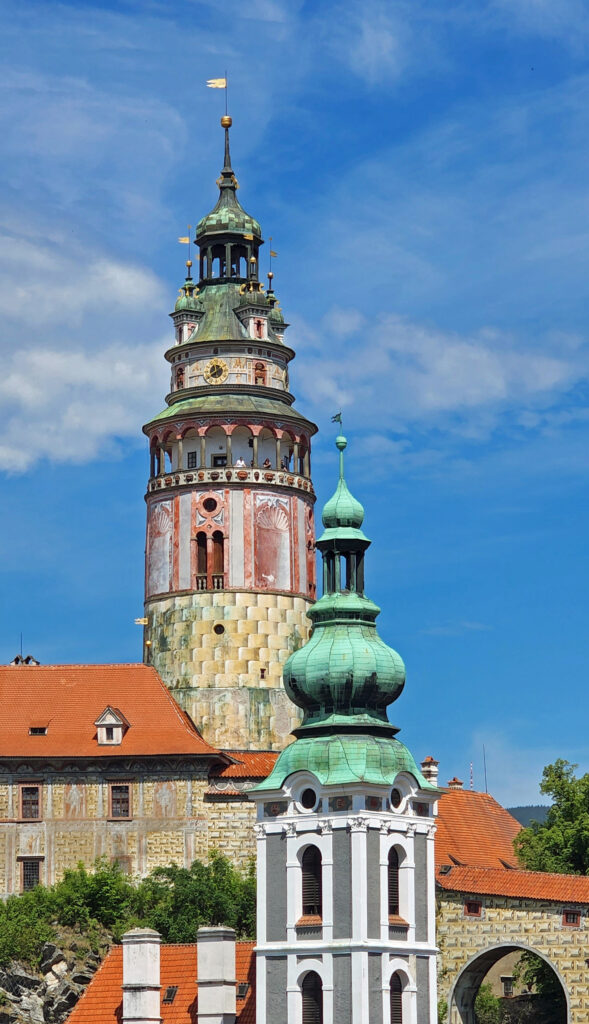
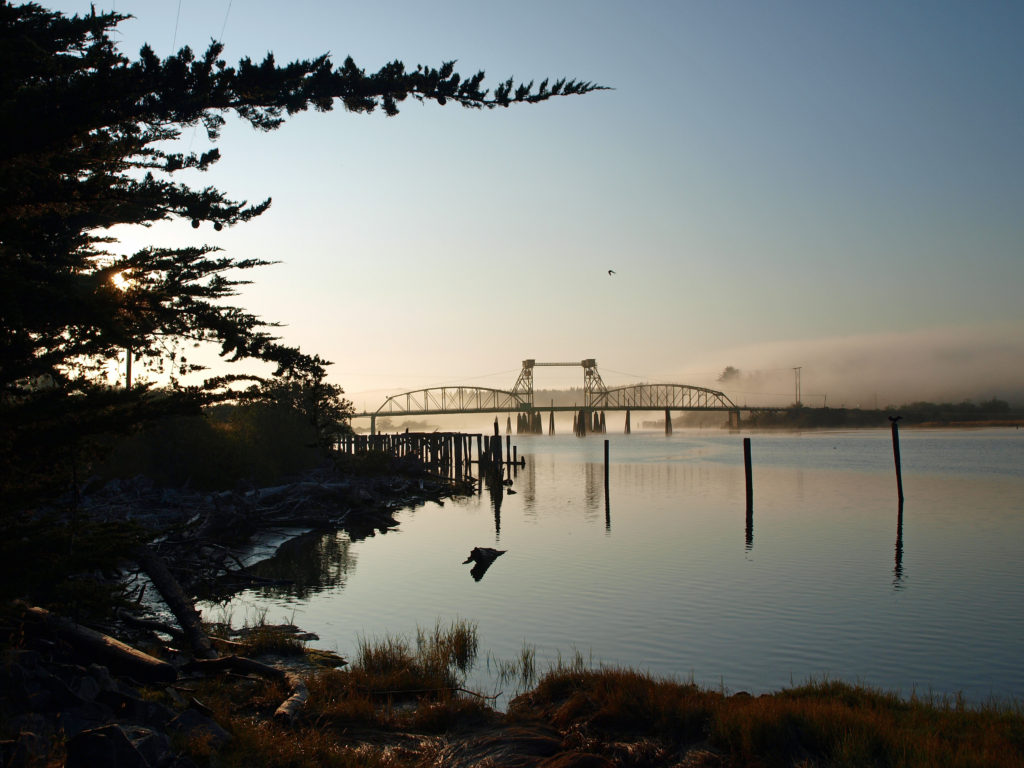
 One of the things Lord Bennett brought to Bandon from Ireland was gorse, a thorny, thick growing plant with bright yellow flowers. In Ireland it was used for privacy hedges and property boundaries because it is almost impenetrable. In Oregon it went wild and was one of the state’s first invasive plants. Besides being thick and thorny, it is also a very oily plant and burns readily. In 1936 a small forest fire started from a slash burn that got out of hand, spread to the gorse near the town, and then to the town itself, destroying all but 16 of the 500 structures in the town. The fire decimated the community and all but ended shipping to and from the harbor.
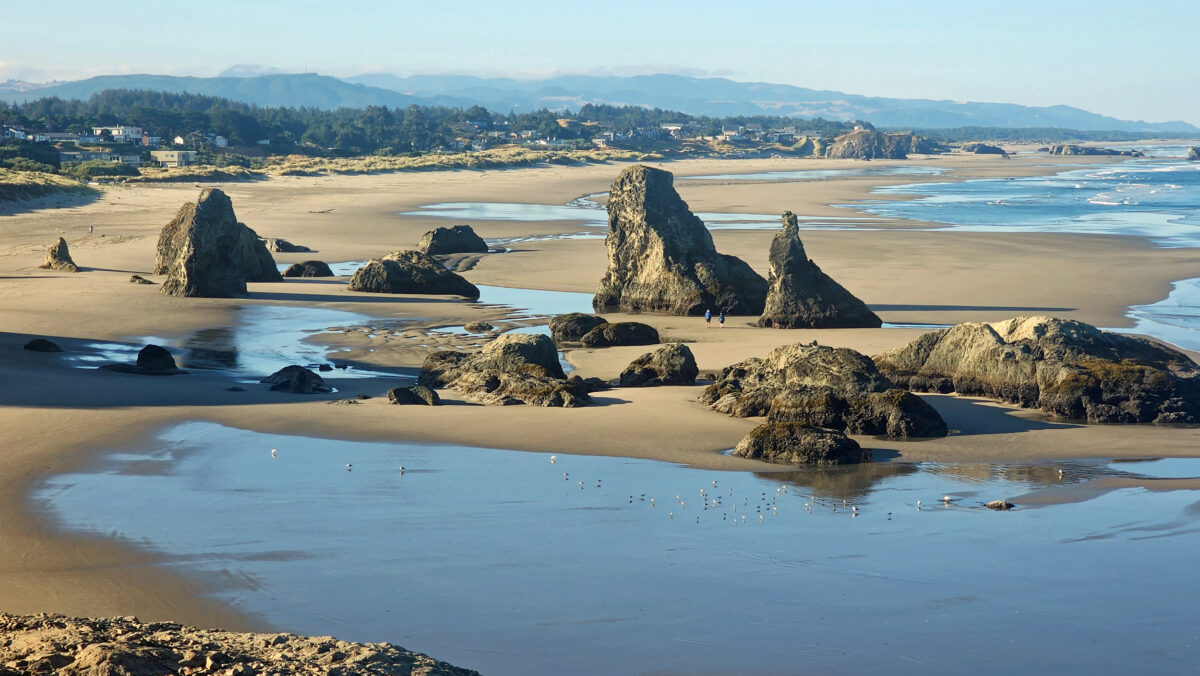
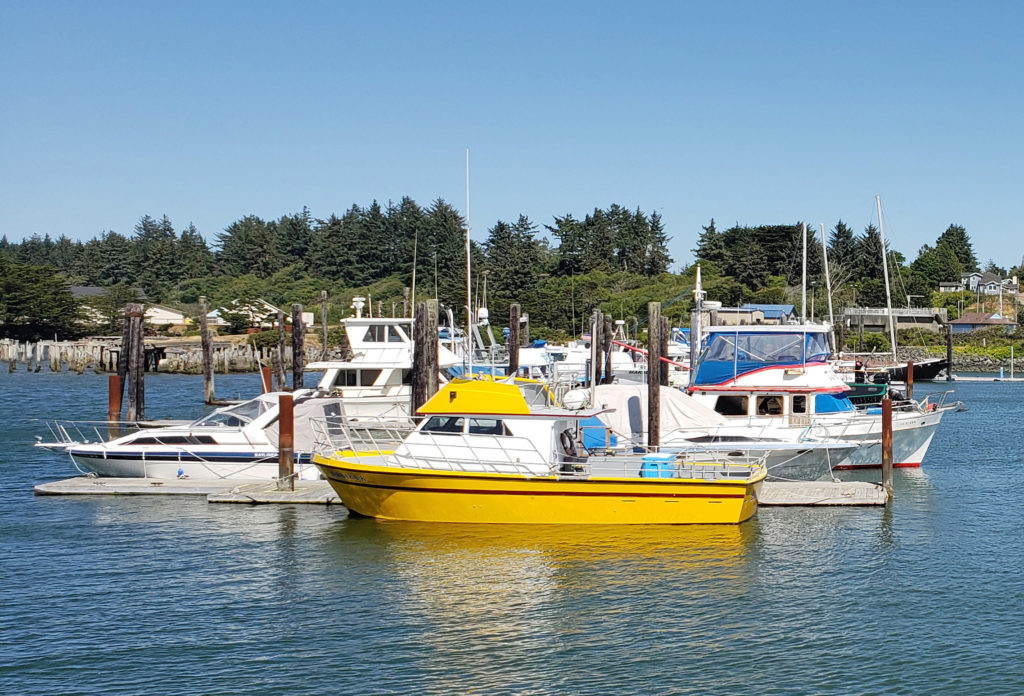 In my youth, Bandon was primarily a mill town, with fishing and agriculture secondary industries. Today, the lumber and plywood mills are long gone. There is still a small fishing fleet that operates out of the harbor, Bandon is still one of the leading cranberry producing areas of the country, and dairy farming is still an important component of the economy. But it is tourism that drives the economy today. The three main tourist draws are the beaches, Bandon Dunes Golf Resort, and the old town section of Bandon.
 The Beaches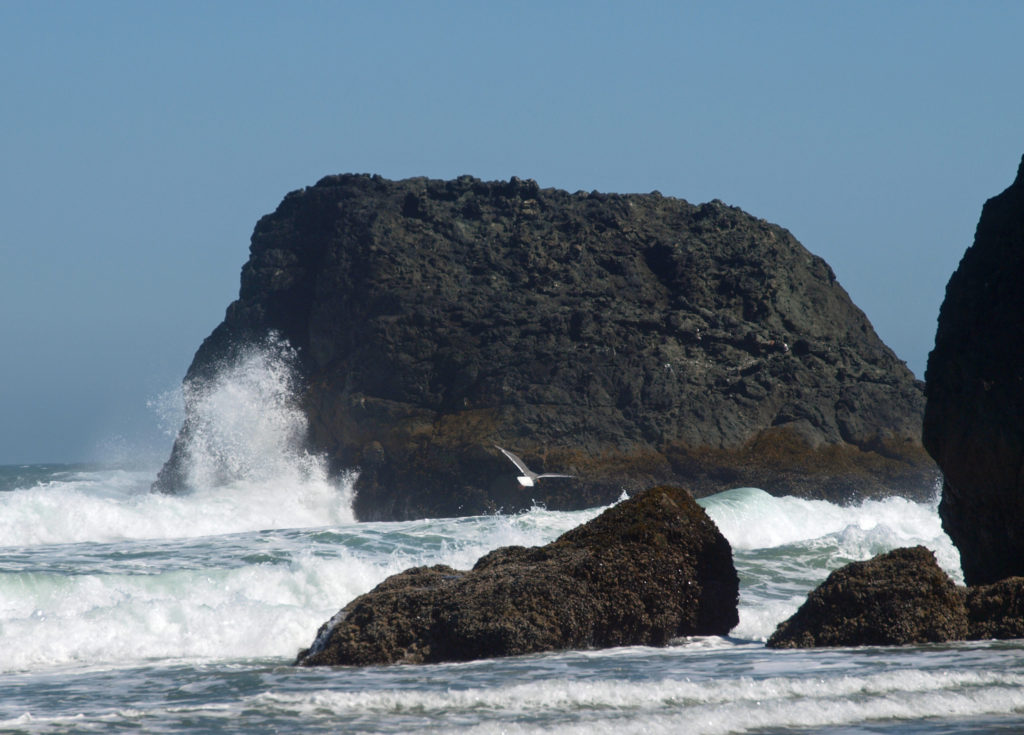
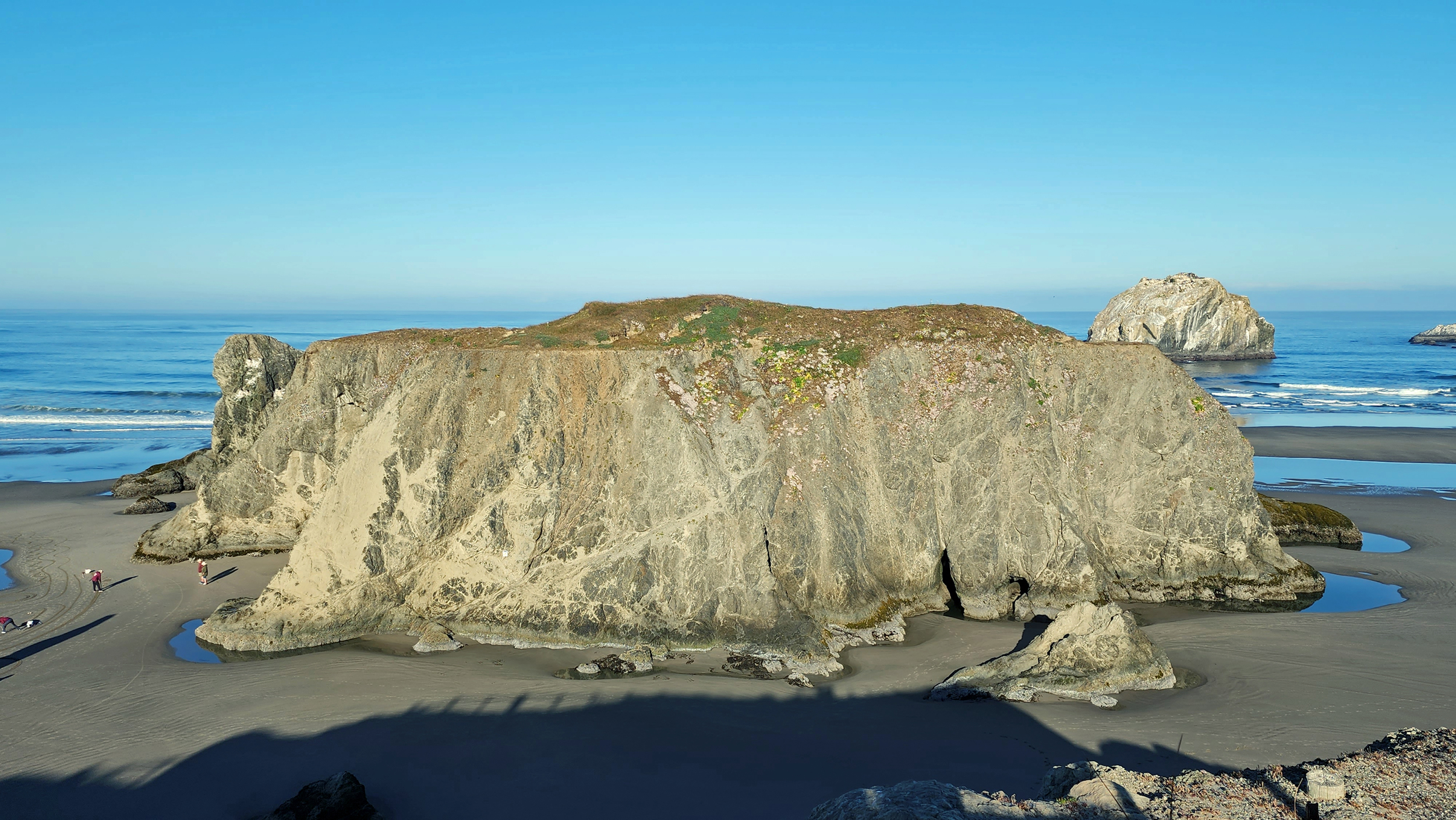
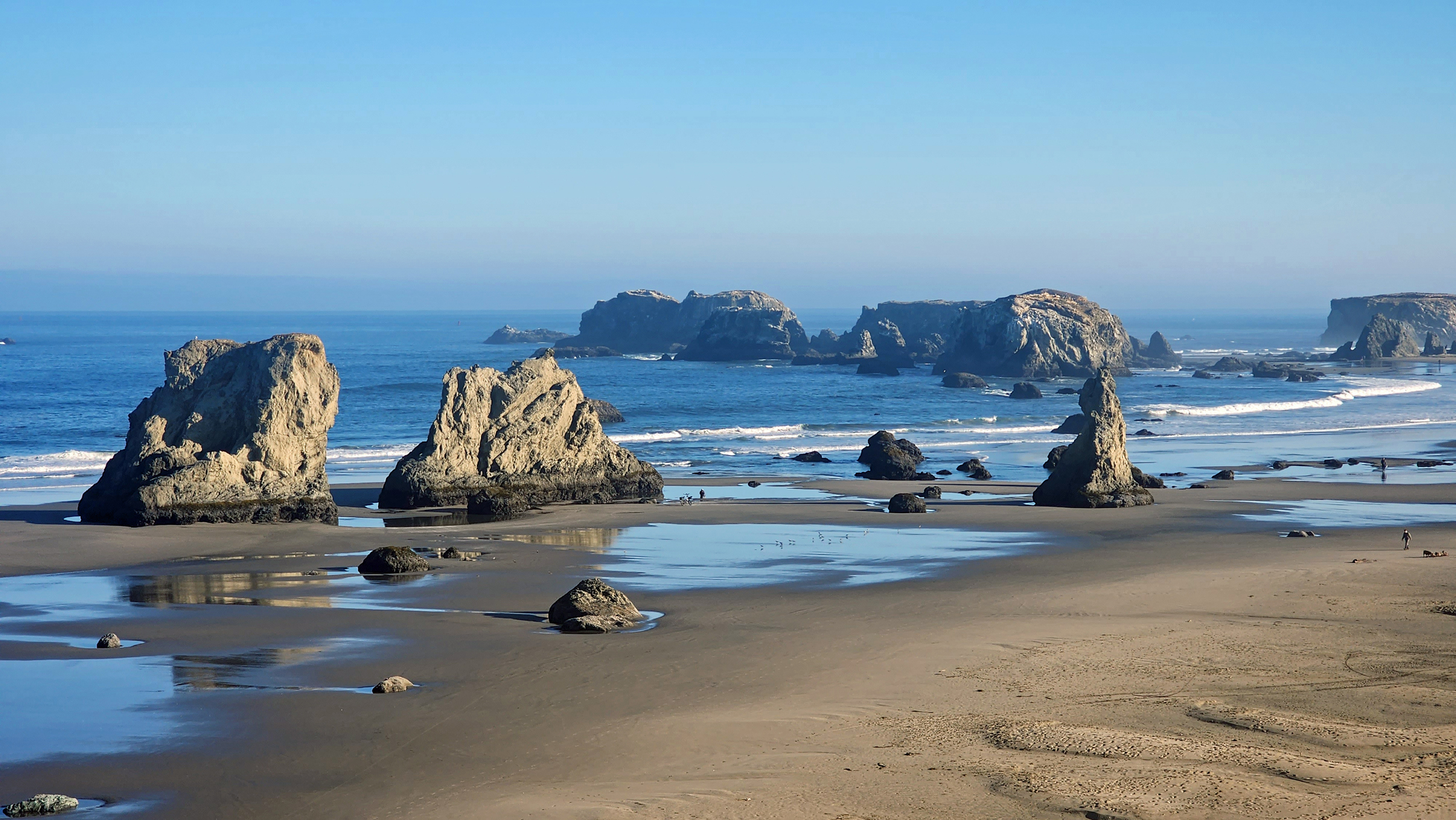
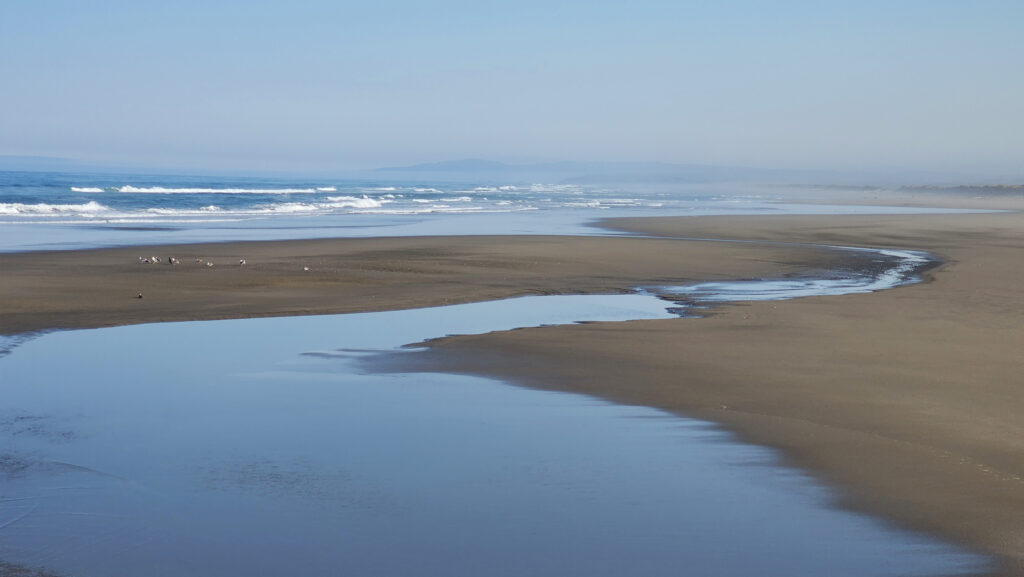
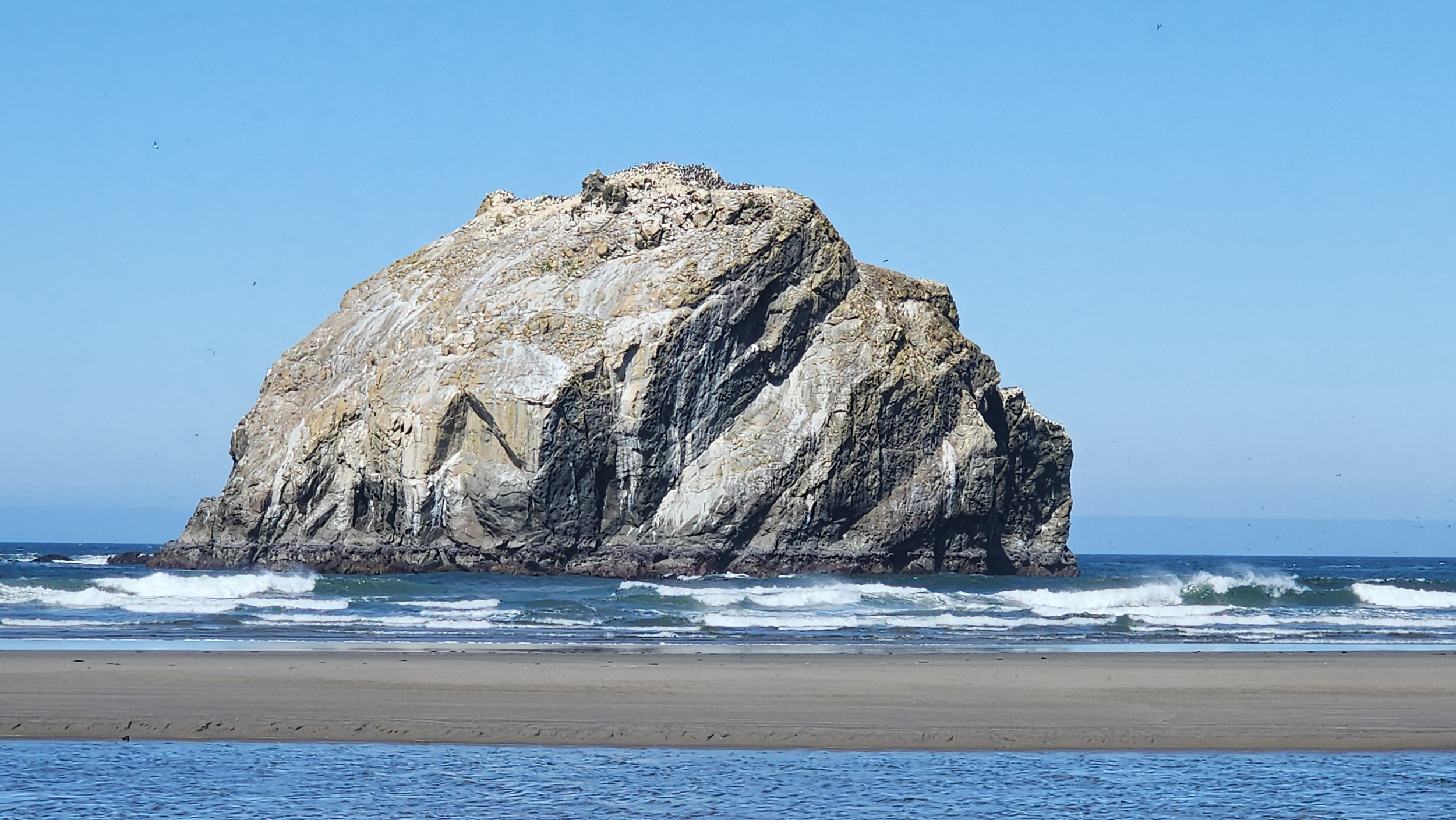
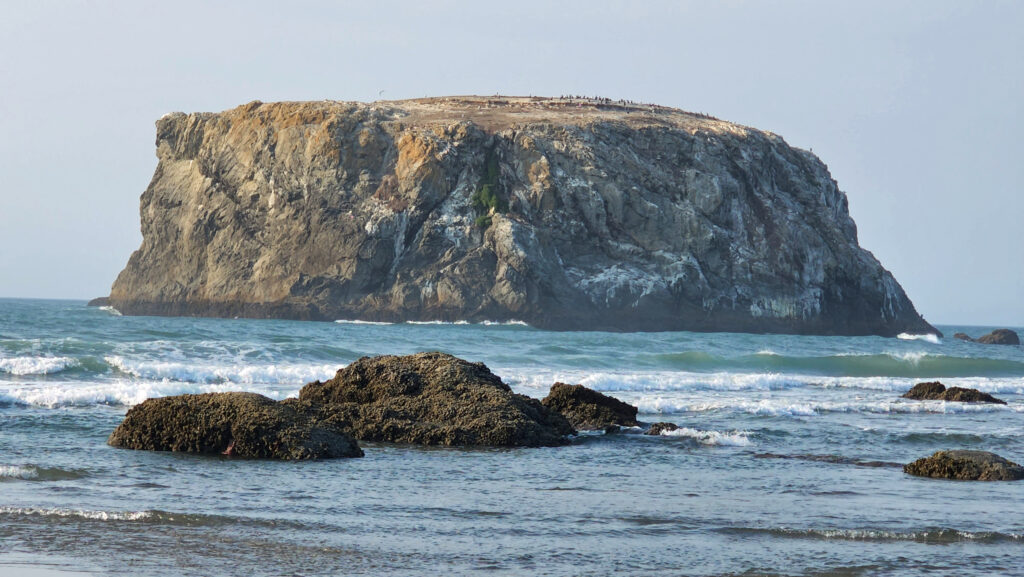
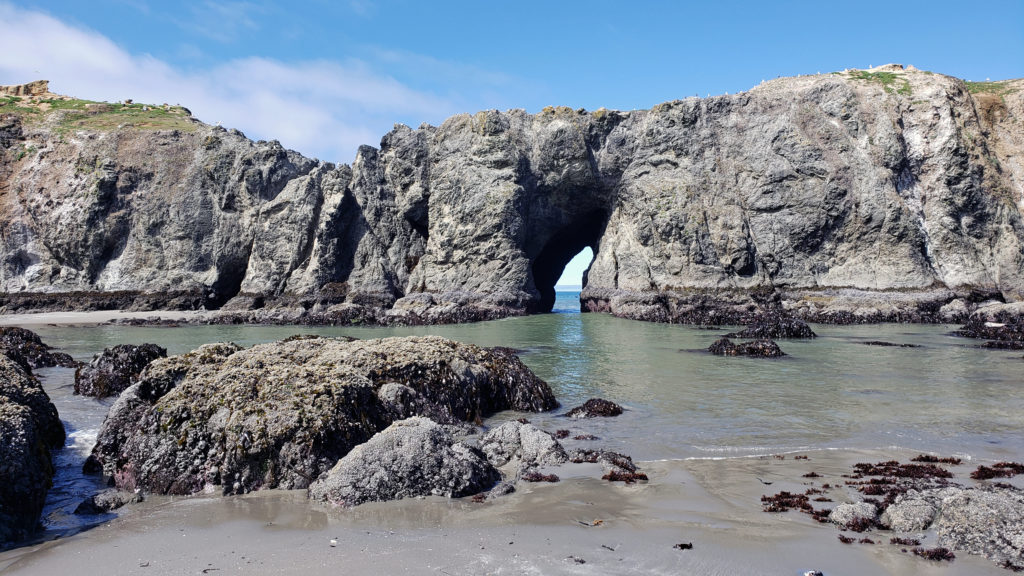 Access can be had from the south jetty area, from the wayside at the end of 11th Street, and from Face Rock State Scenic Viewpoint on the Beach Loop Road. Farther south on the Beach Loop Road are other beach access points at Devils Kitchen and Bandon State Natural Area.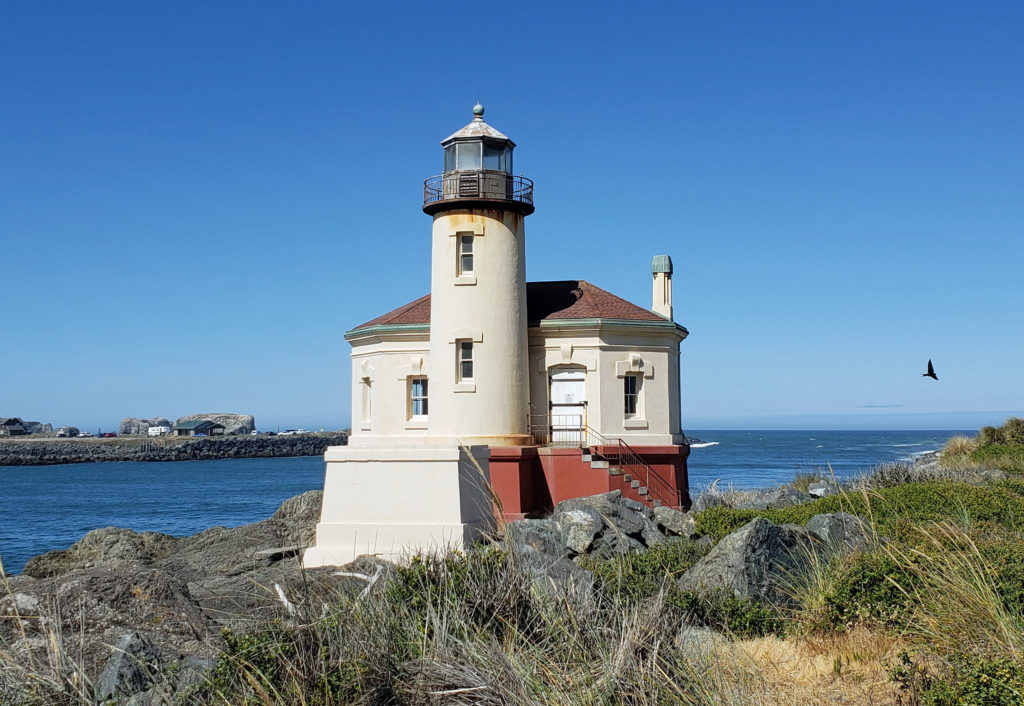
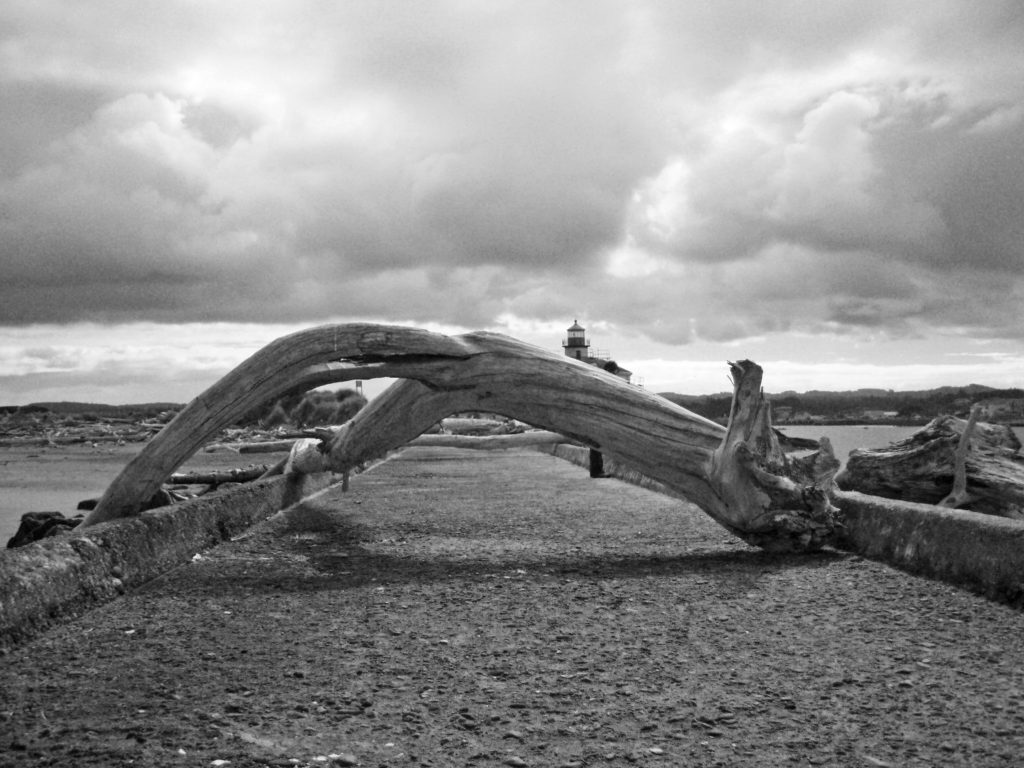
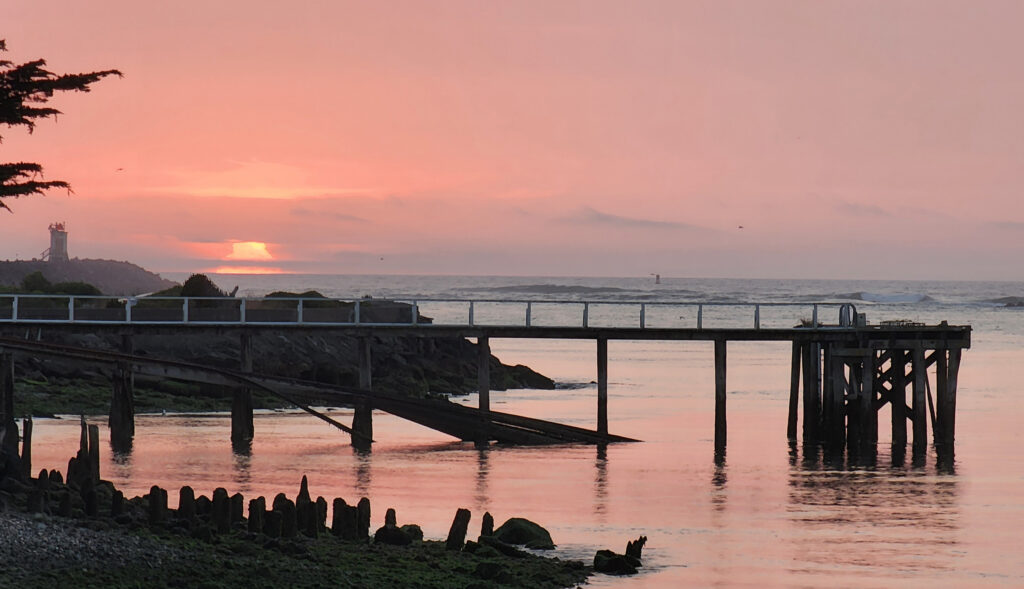
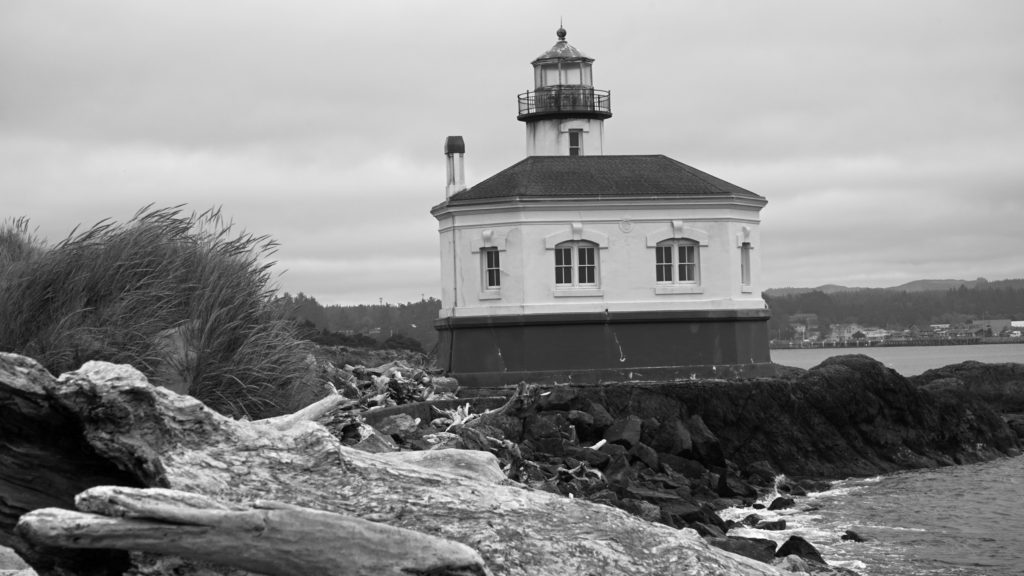 In 1939 the Coast Guard took over the lighthouse and deemed it unnecessary. The lighthouse was replaced by an automated light on the south jetty. The lighthouse sat abandoned for 24 years until it became part of the new Bullards Beach State Park in 1963. It was another 13 years before renovation of the lighthouse began, but it finally opened to the public in 1979. In 1991, during Bandon’s centennial celebration, a solar powered light was installed, ending the Coquille River Lighthouse’s 52 years of darkness. Further renovation of the lighthouse was done in 2007. The bottom floor of the lighthouse is staffed by volunteers and open to the public, but the tower and the light are not.
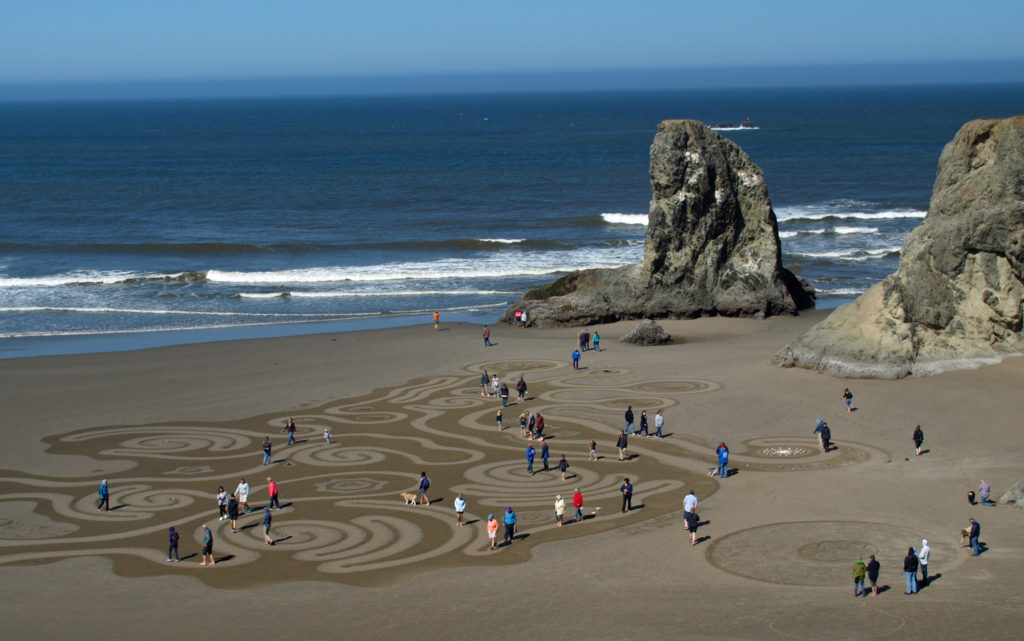 Circles in the Sand
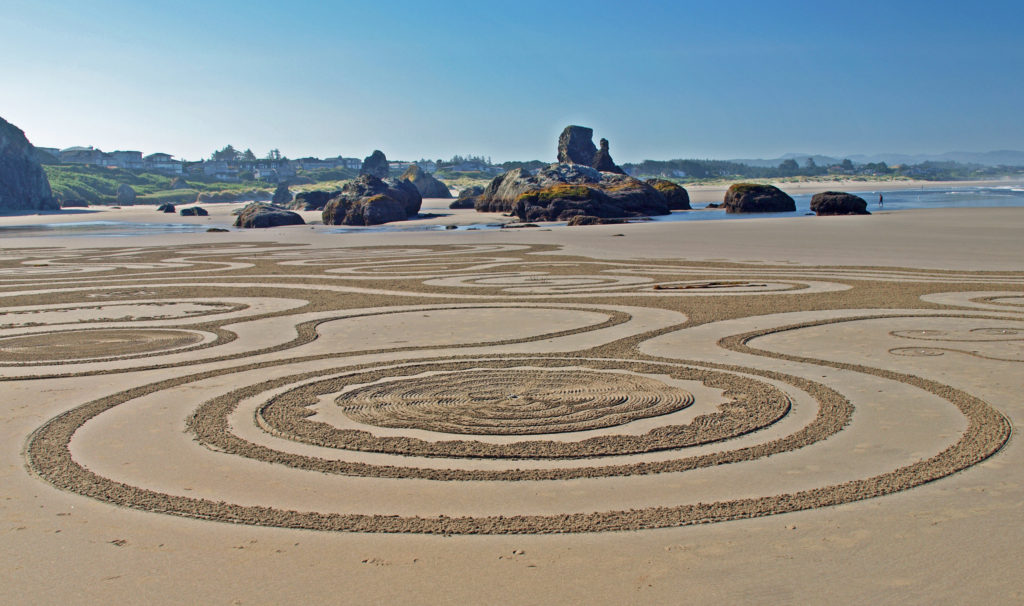 The
The 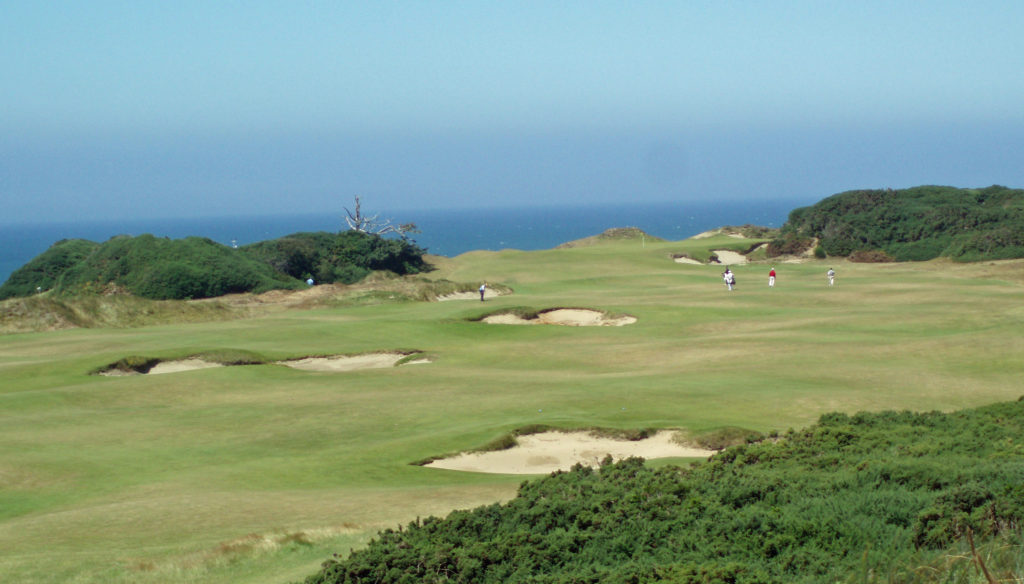
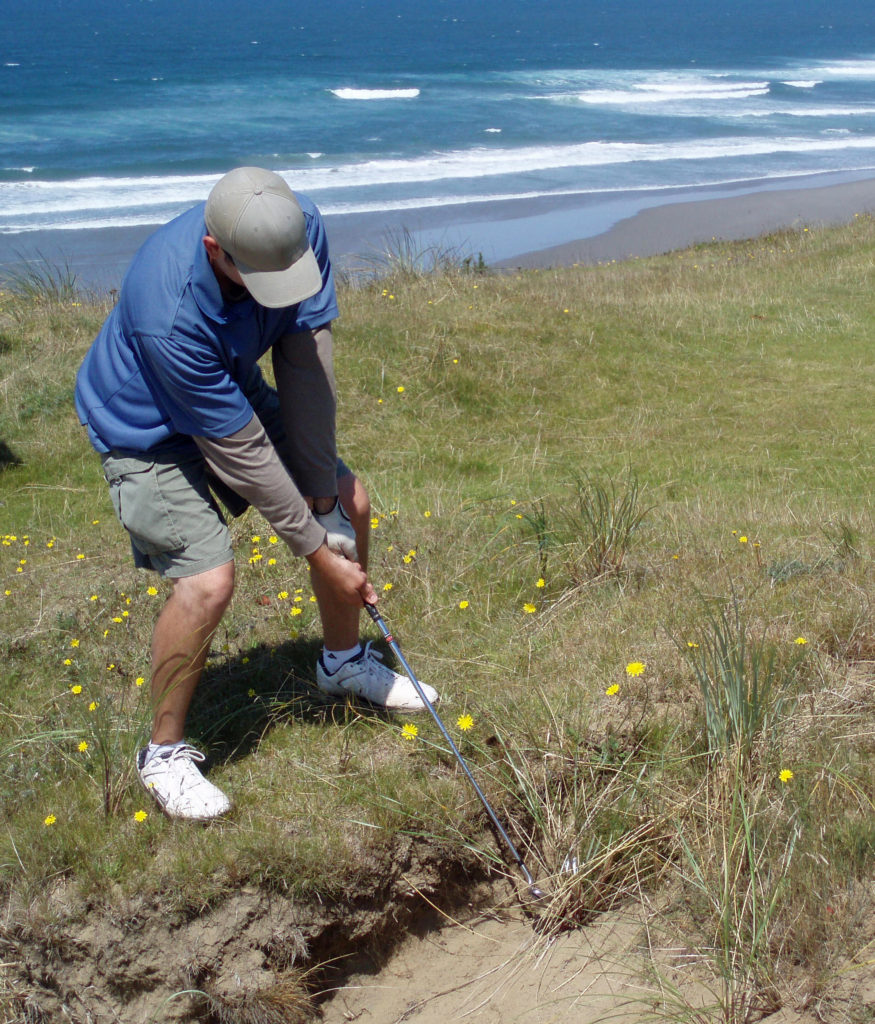 All of the Bandon Dunes courses are consistently rated in the top 100 courses in the United States, and the 13 hole par three course, Bandon Preserve, is a challenge in itself. A few miles south of town,
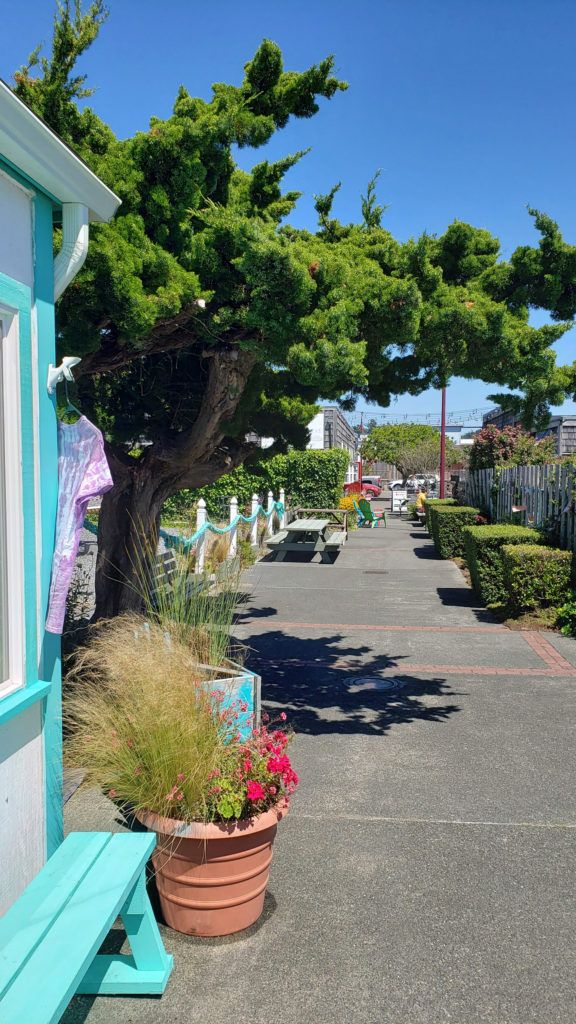 Good eats abound in Old Town. Start your day at Bandon Coffee Cafe or Bandon Baking Company. Stop at
  Accommodations
 There is a campground at
  Getting There
 Consider combining a visit to Bandon with a drive south along the spectacular
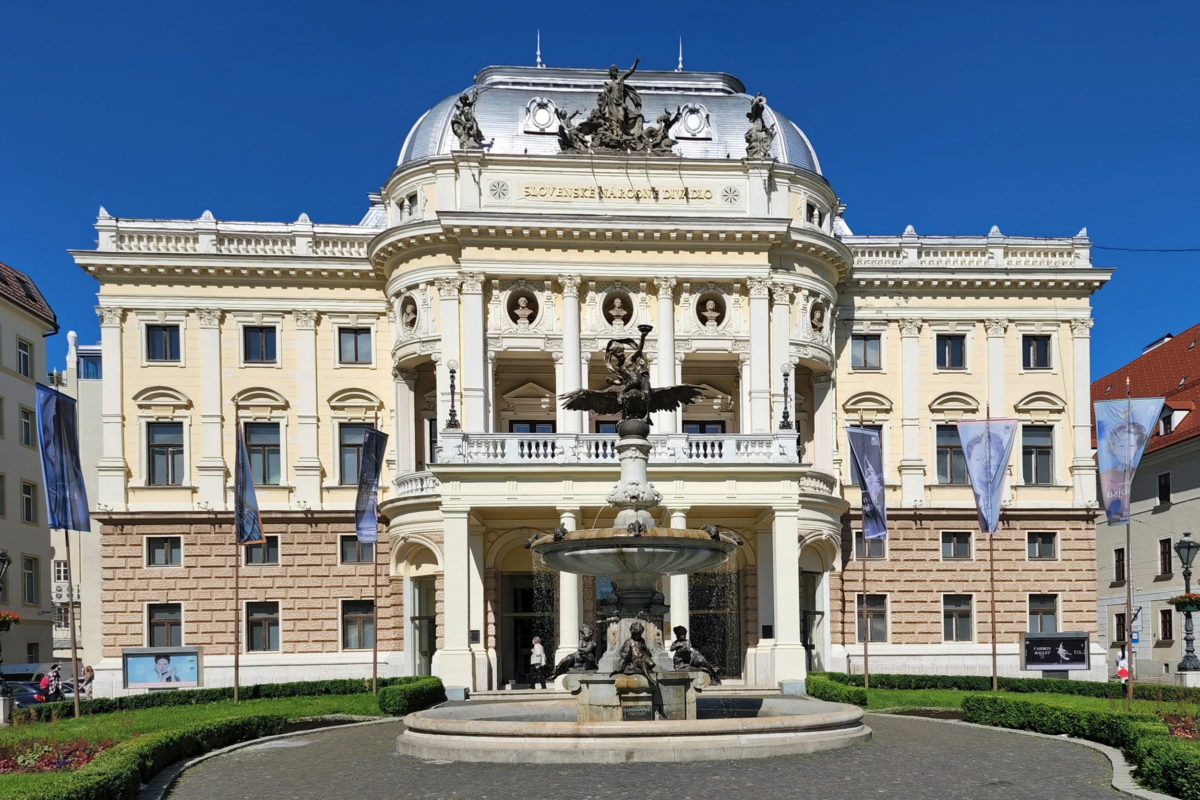
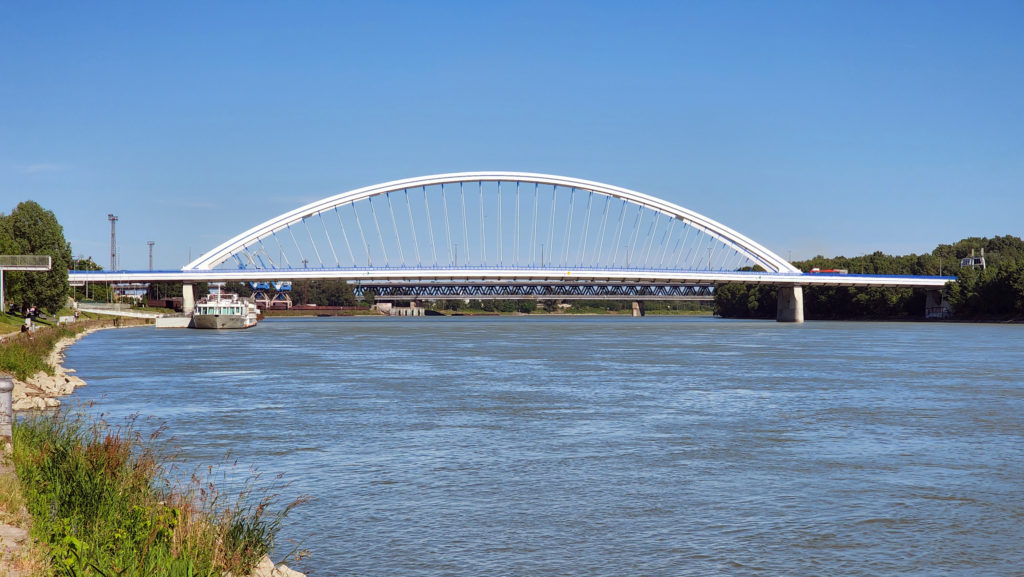
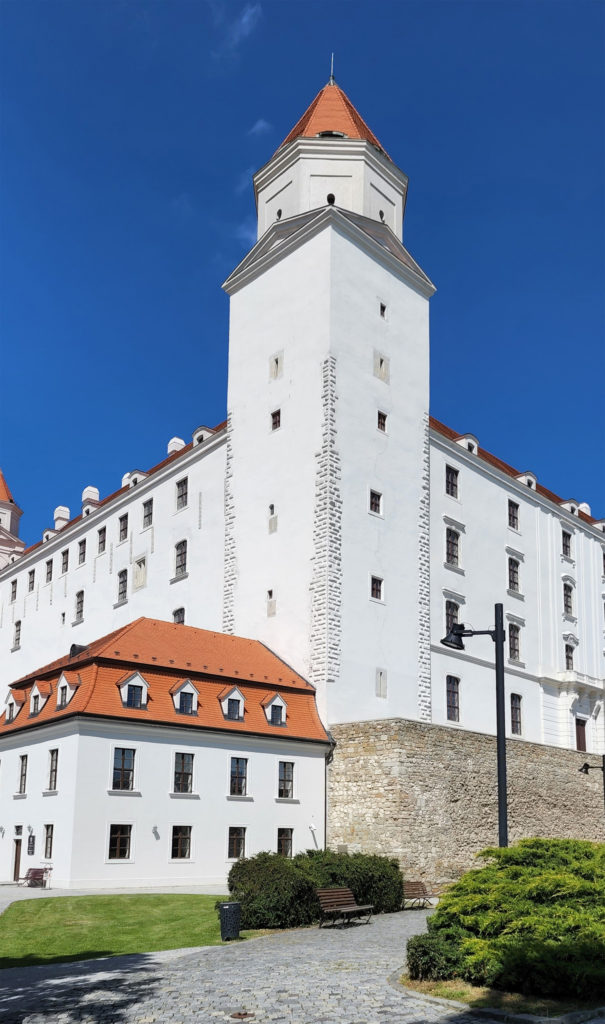
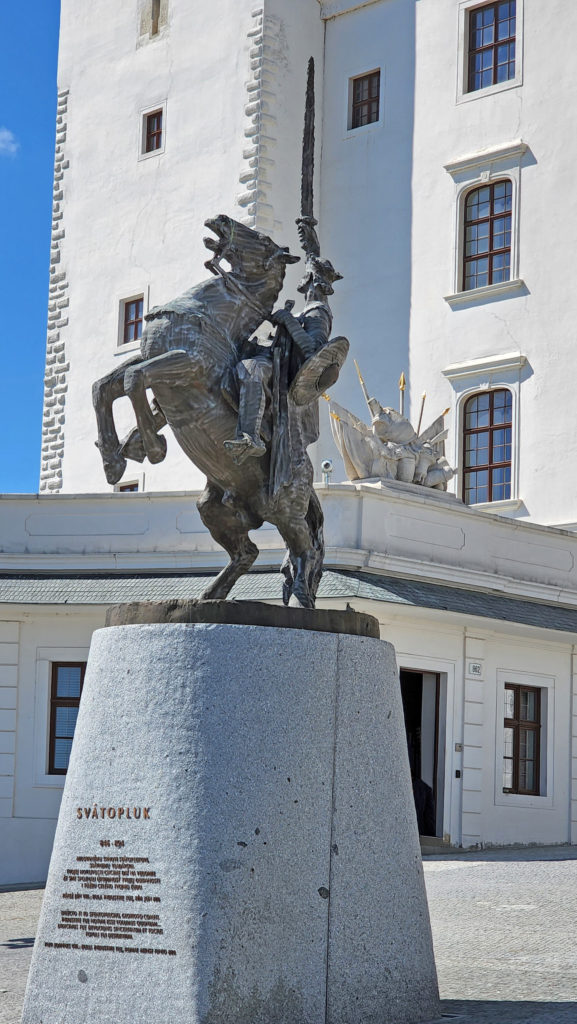
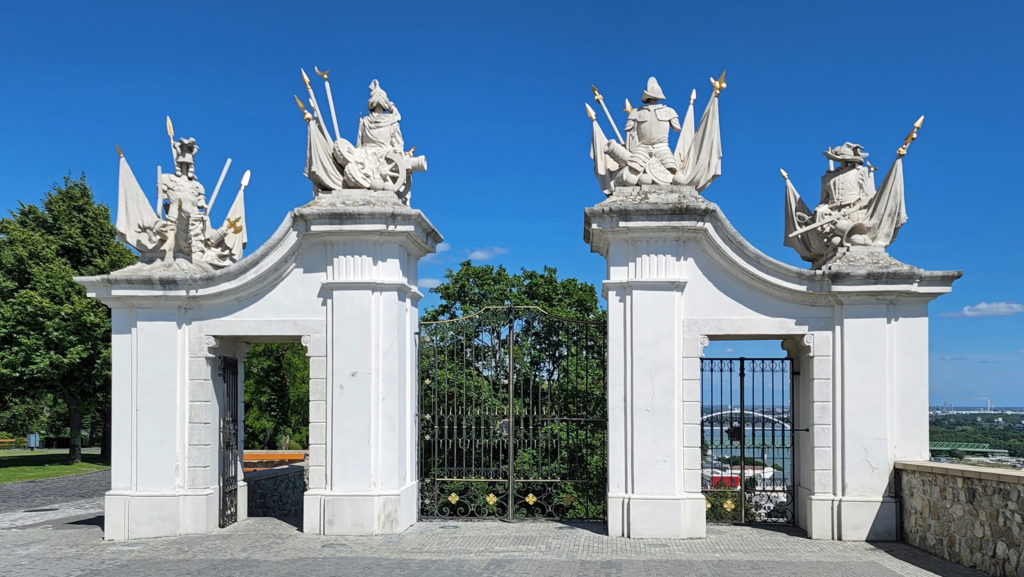
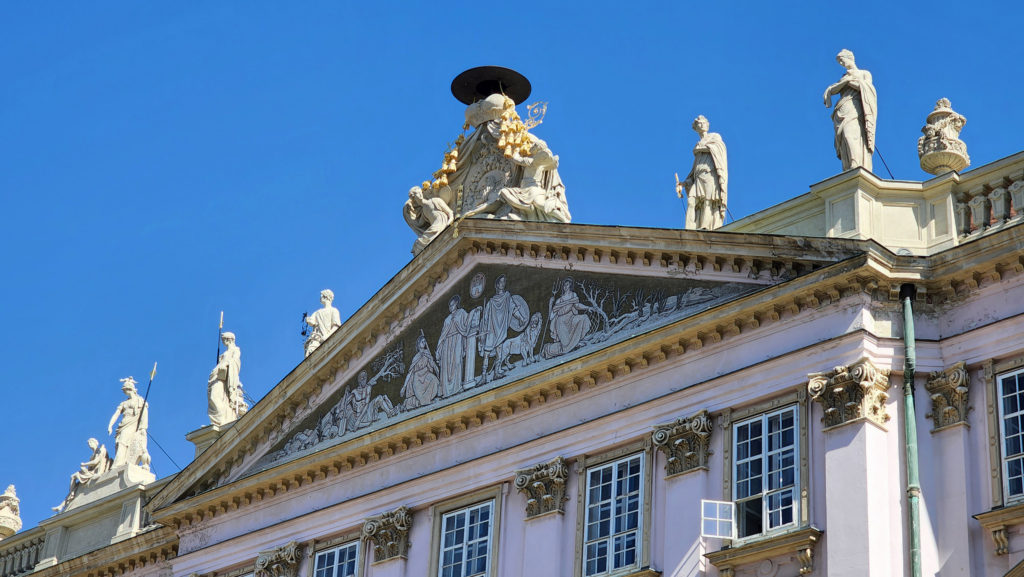
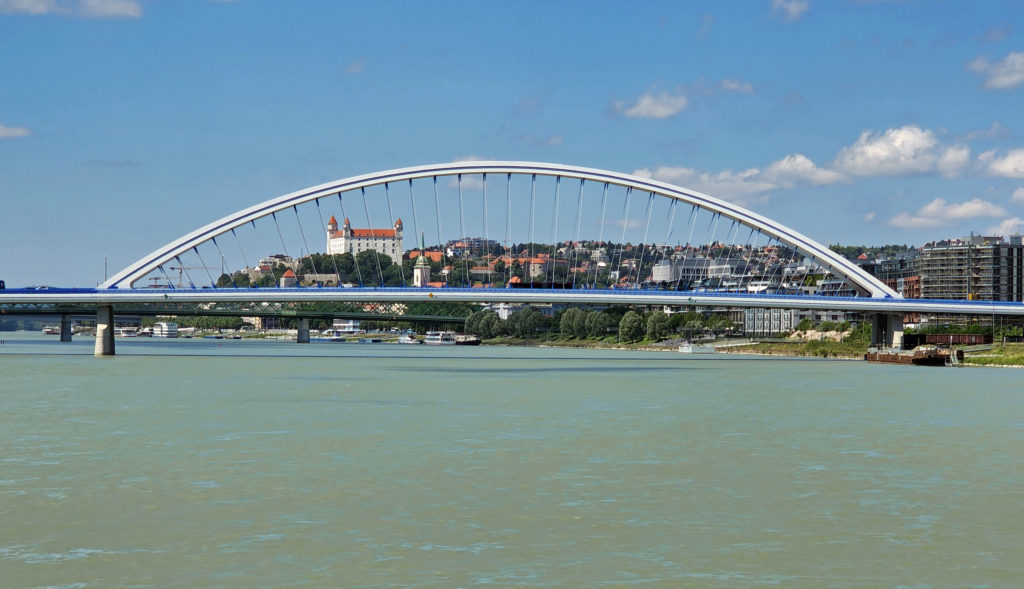
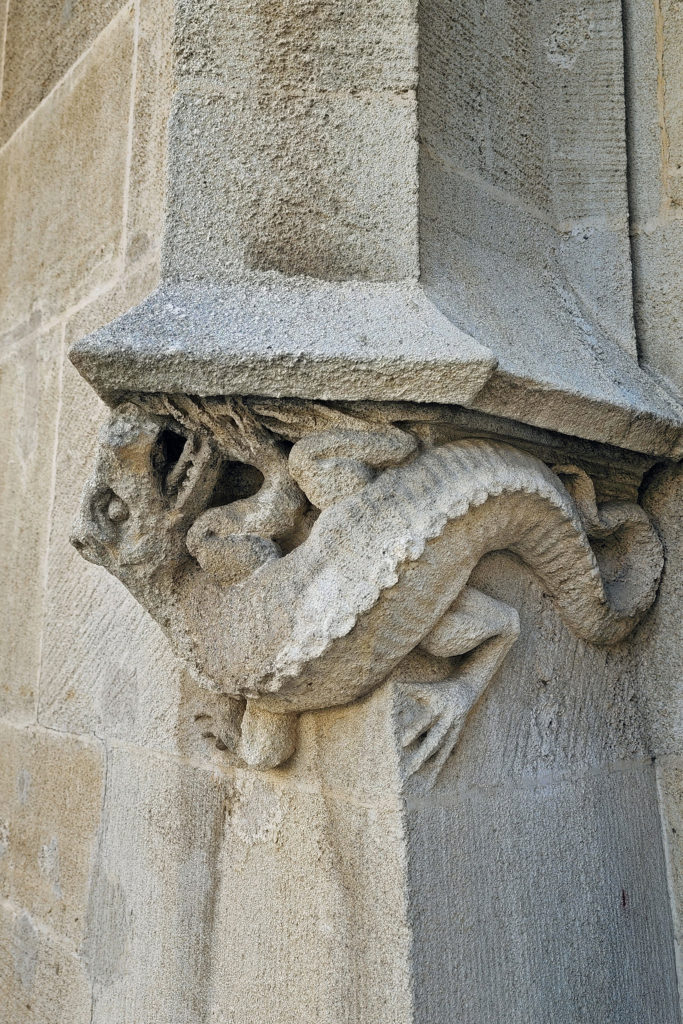 After the castle tour, we did a guided walking tour of the old town area along the river. Among the highlights of the old town are St. Martin’s Cathedral, the old Slovak National Theater building, Michael’s Gate, and the historic Hlavne namestie (town square).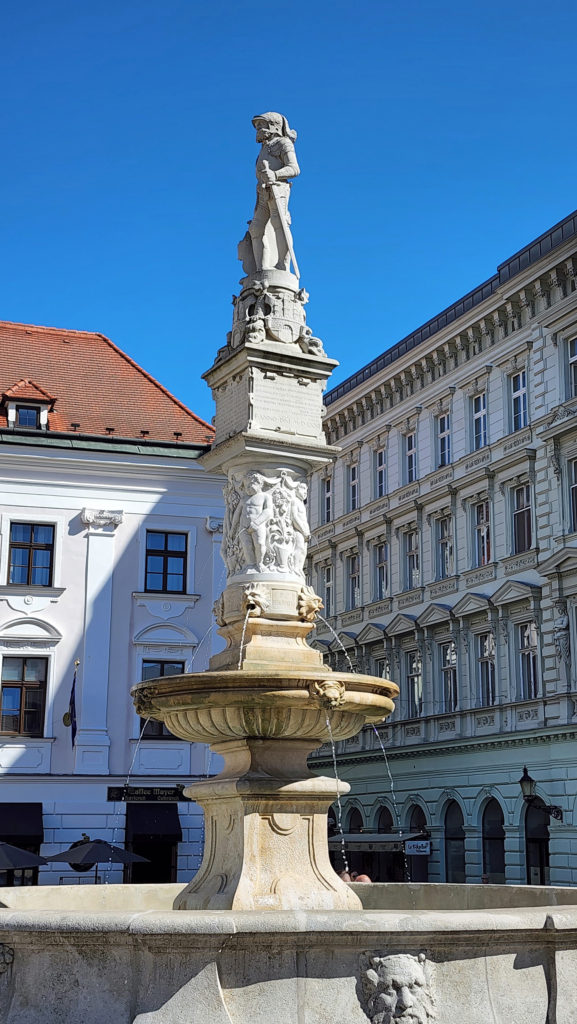
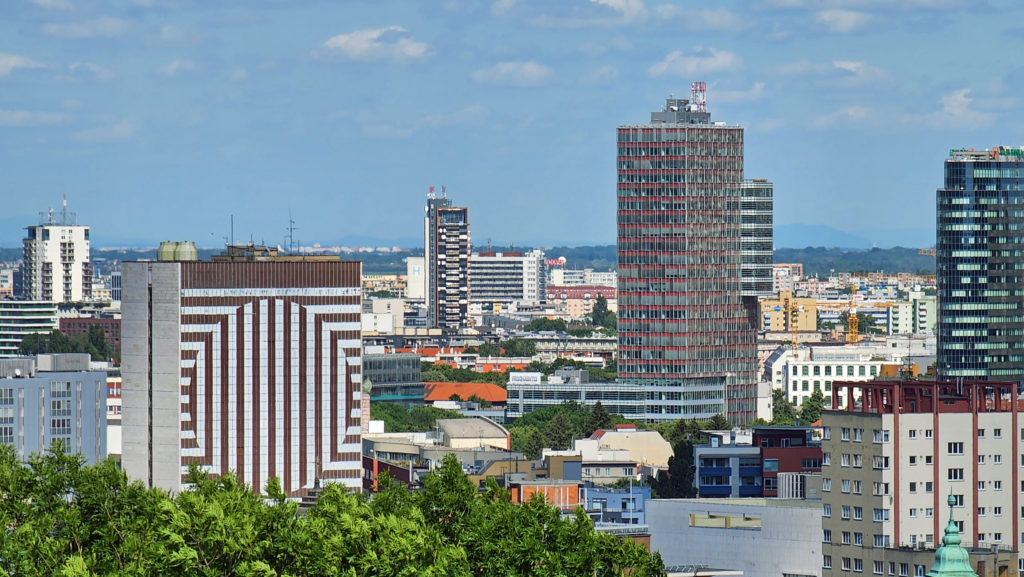
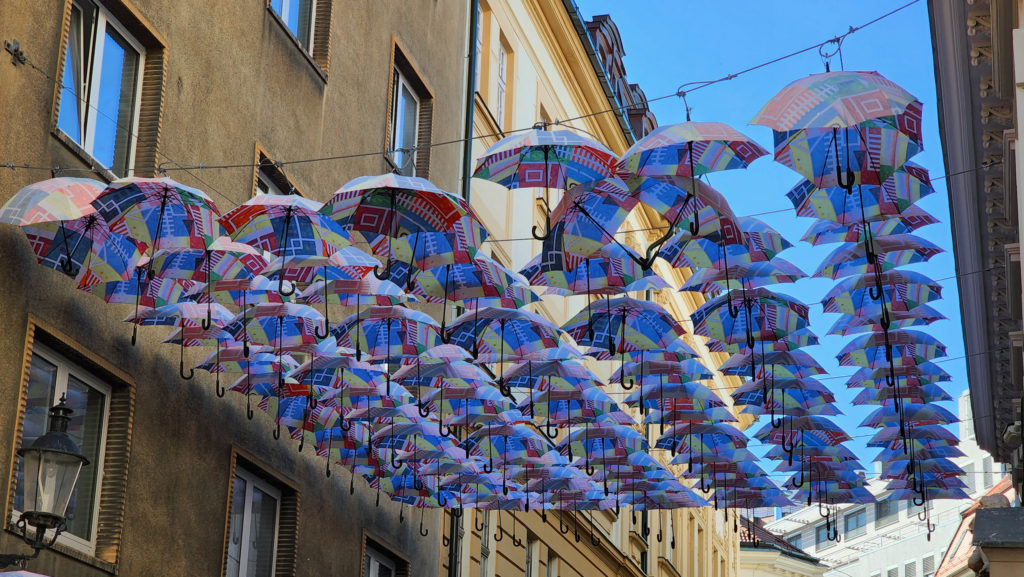 In the 19th and 20th centuries Bratislava’s influence waned, becoming a sleepy regional center of no great significance during the Soviet era. But Bratislava today is a vibrant, modern city with a diverse population and a surprisingly Western European vibe.
 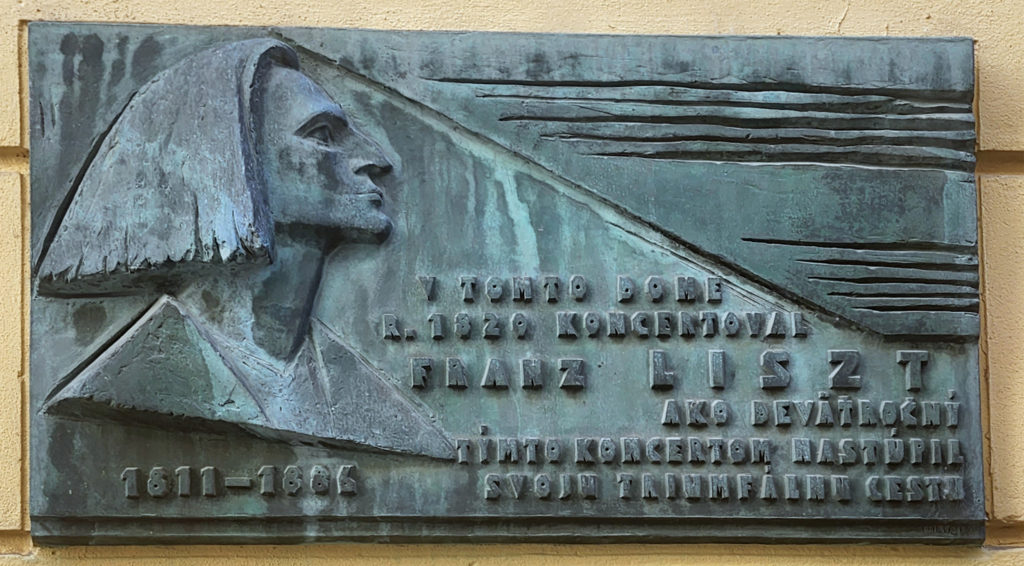 Neighboring Vienna is internationally recognized as a center of classical music and culture, but Bratislava has its own deeply rooted history of arts and culture. Mozart gave a concert in Bratislava at the age of six, and Franz Liszt’s career began (at nine years of age) with a concert in Bratislava. And Hayden, Beethoven, and many other prominent composers performed or conducted concerts in Bratislava in the 19th century. Today, there are a number of music festivals in Bratislava throughout the year, and the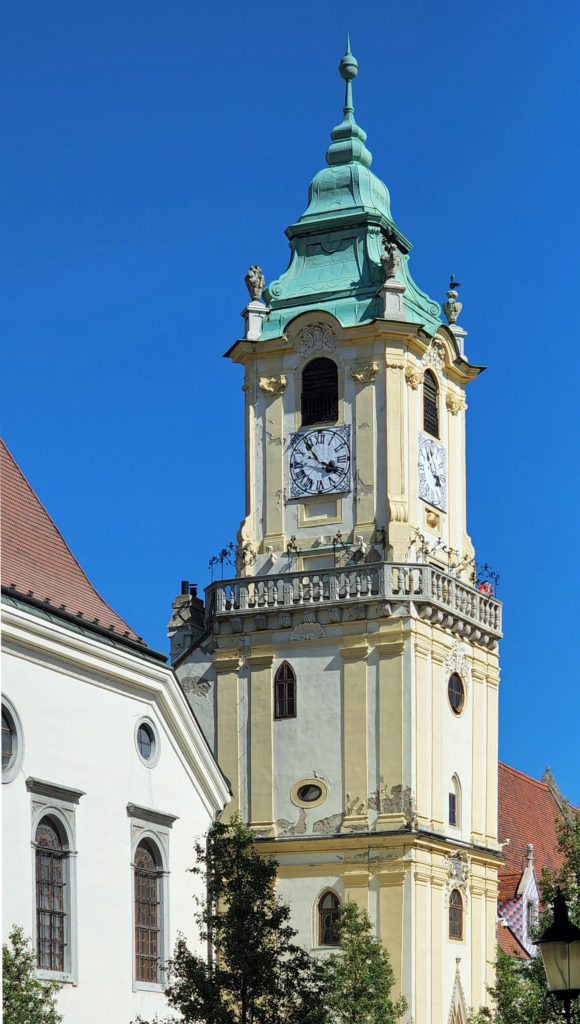
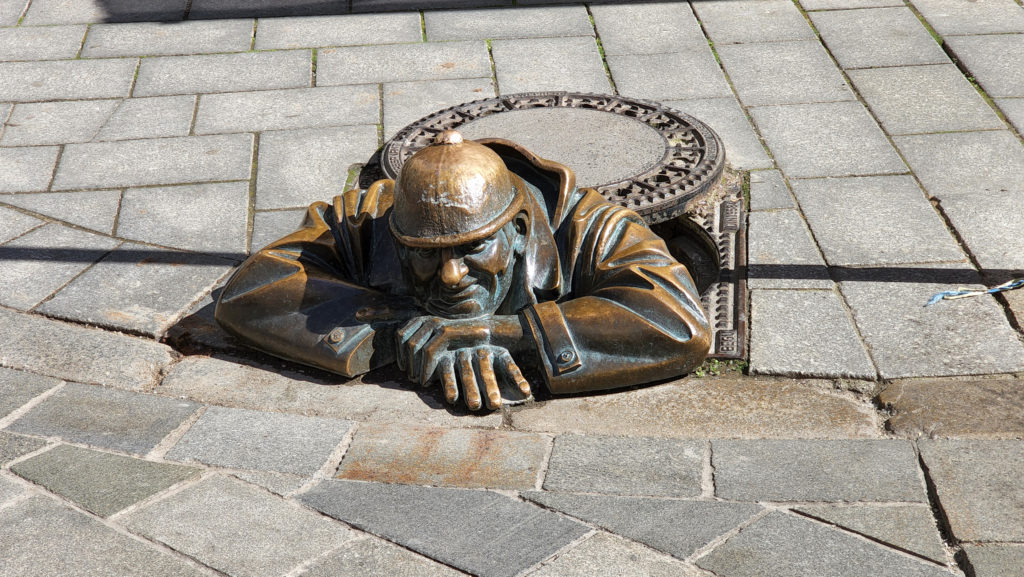 There is much for the visitor to see and do in Bratislava, the vast majority of which we did not have time to take in. But I’m glad that we were able to see at least a portion of this small but interesting and historic city.
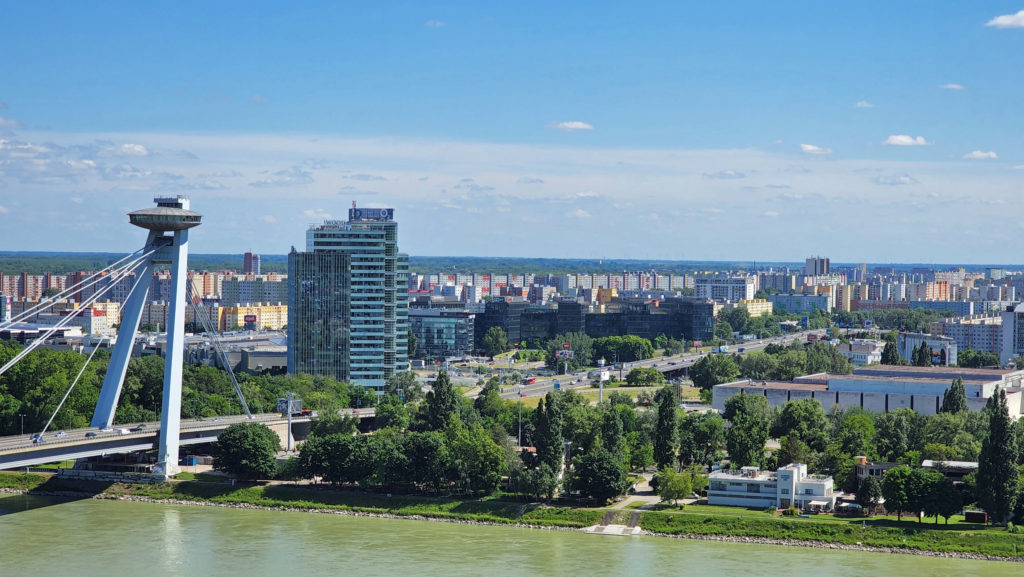 Posted September 14, 2022
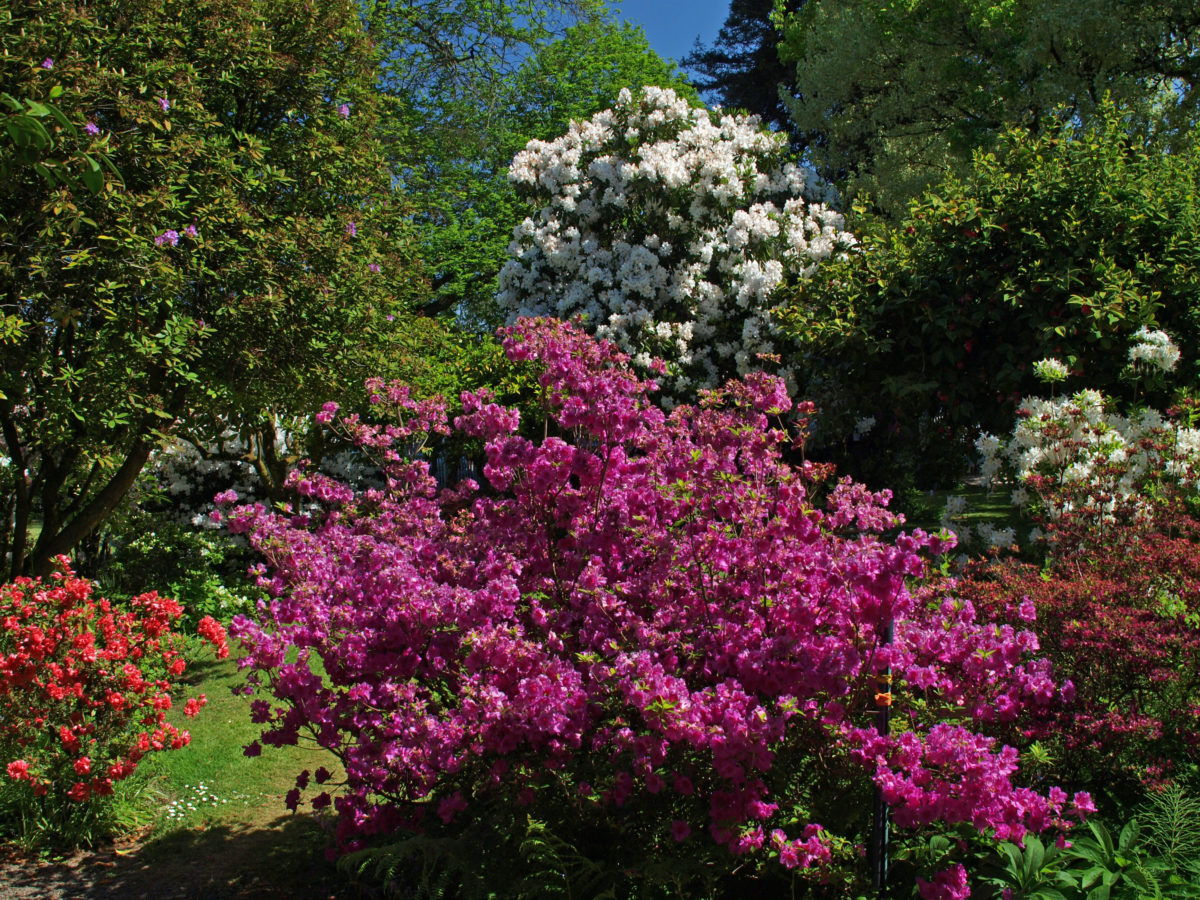
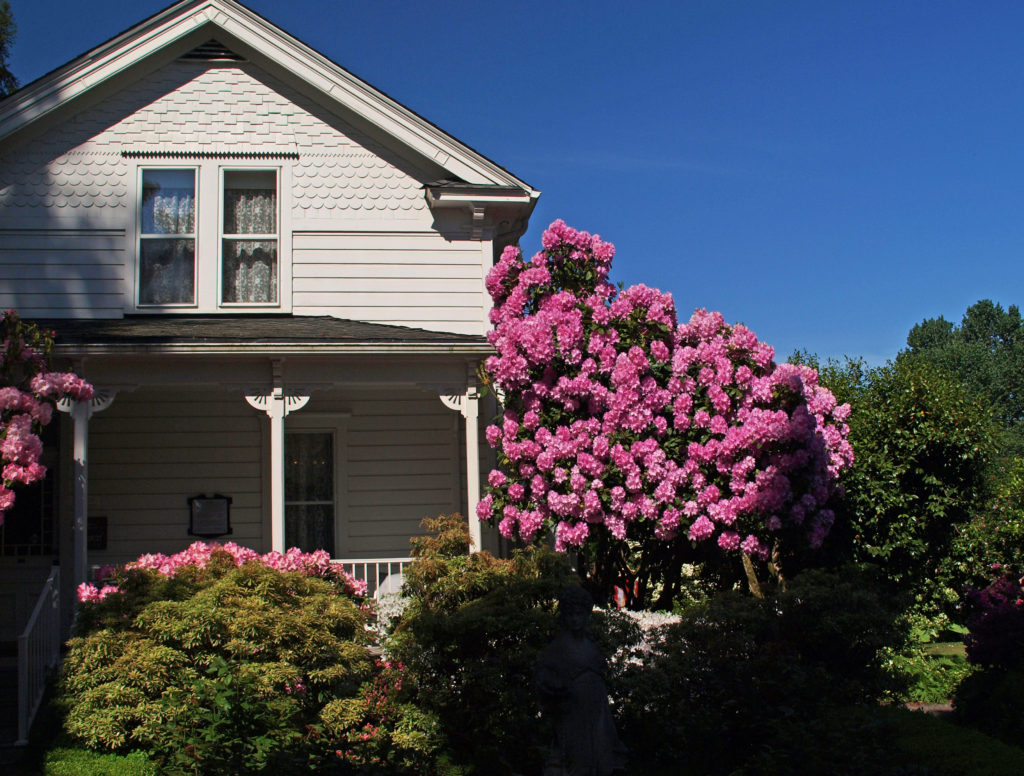
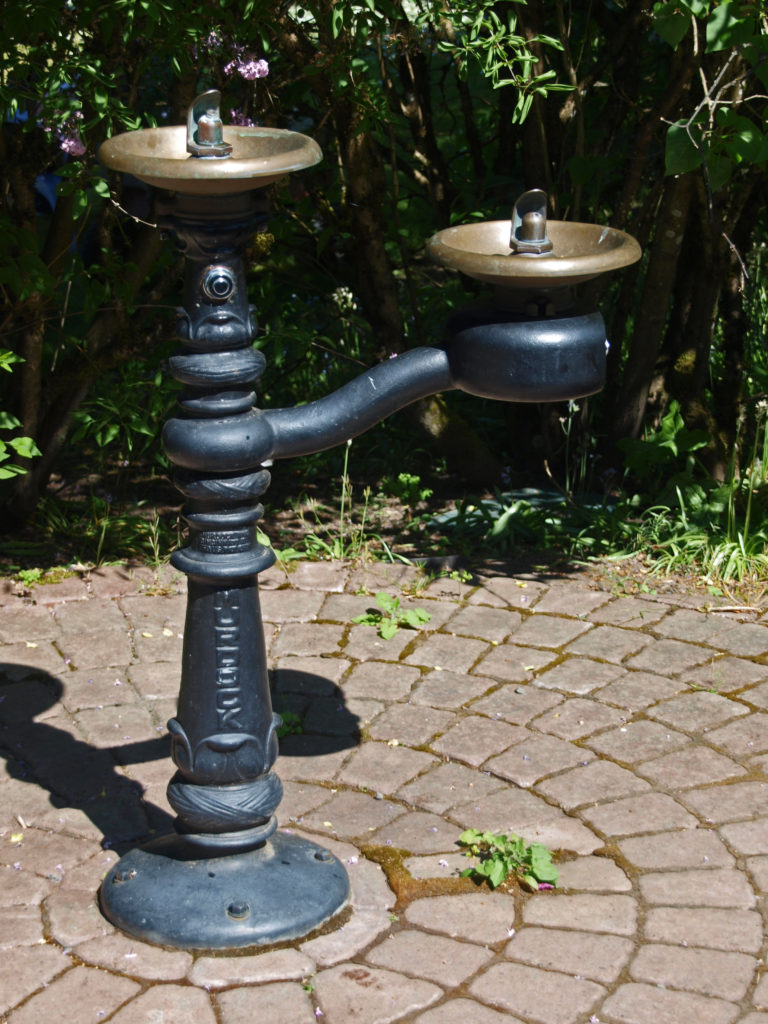
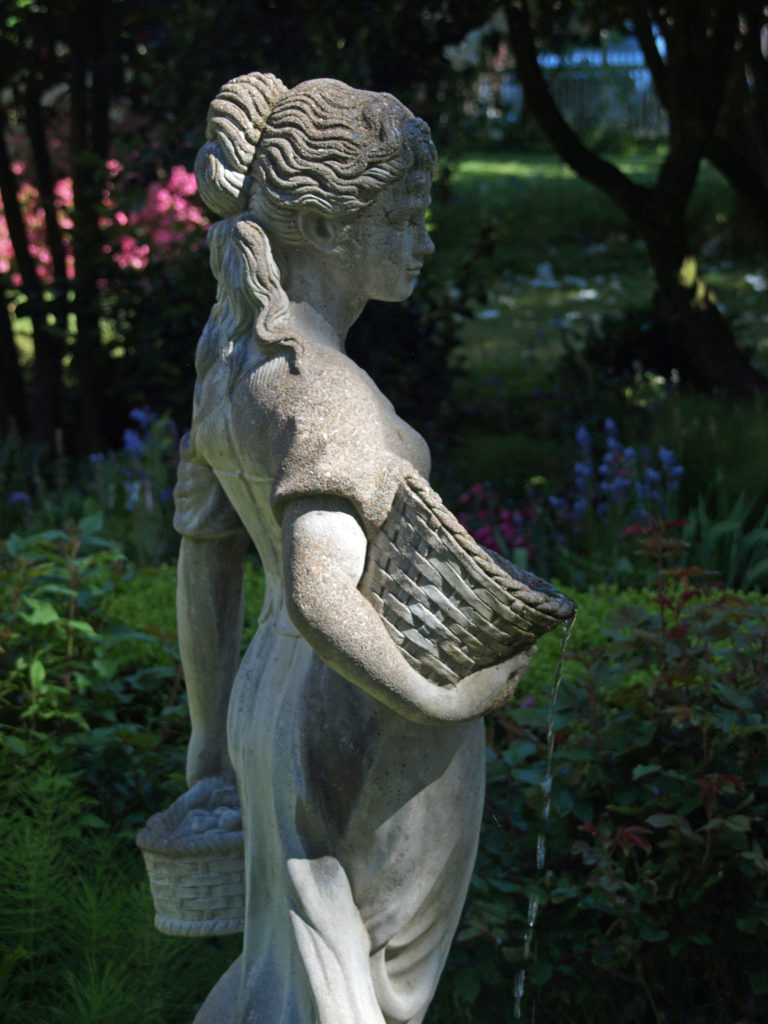
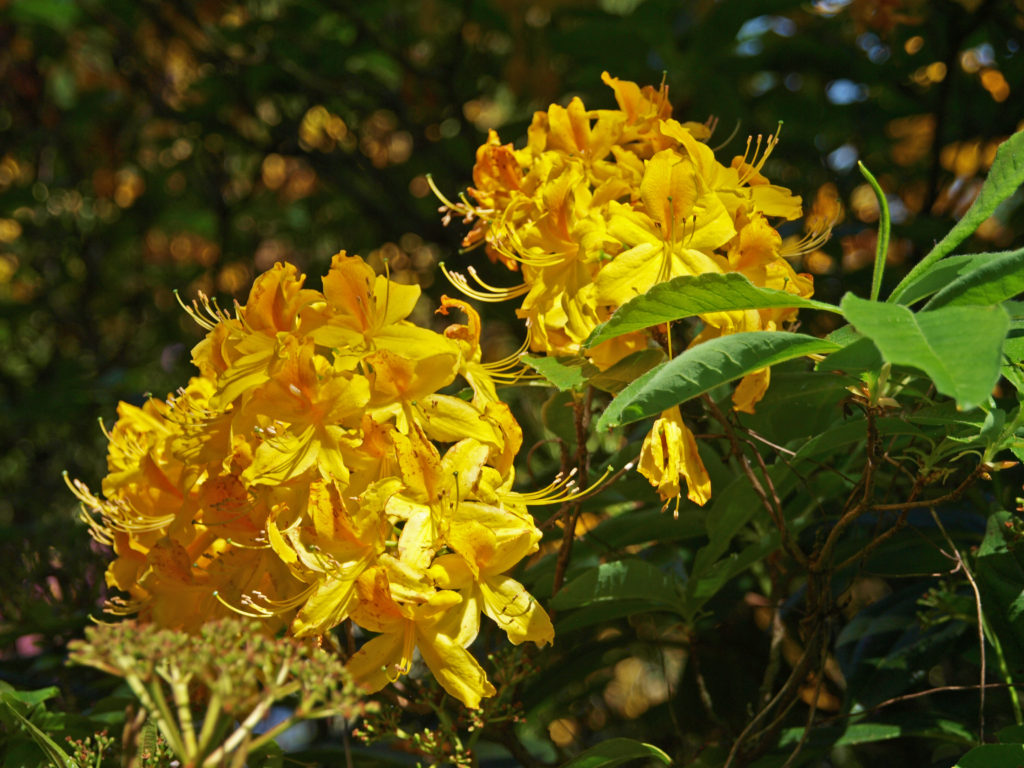
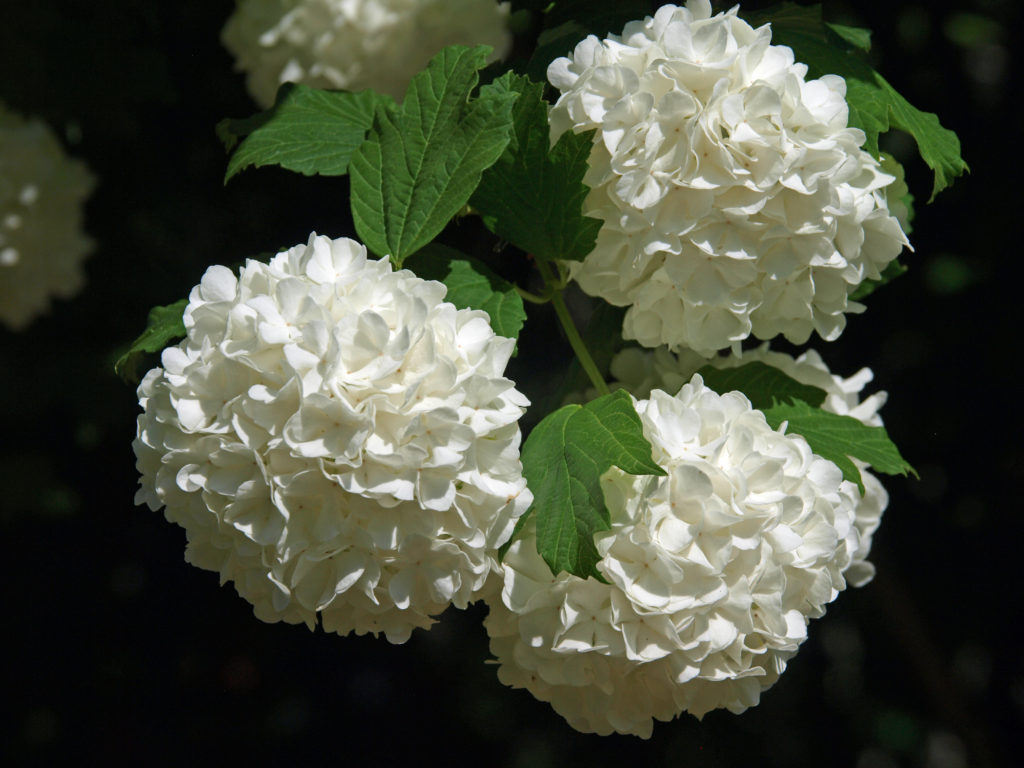
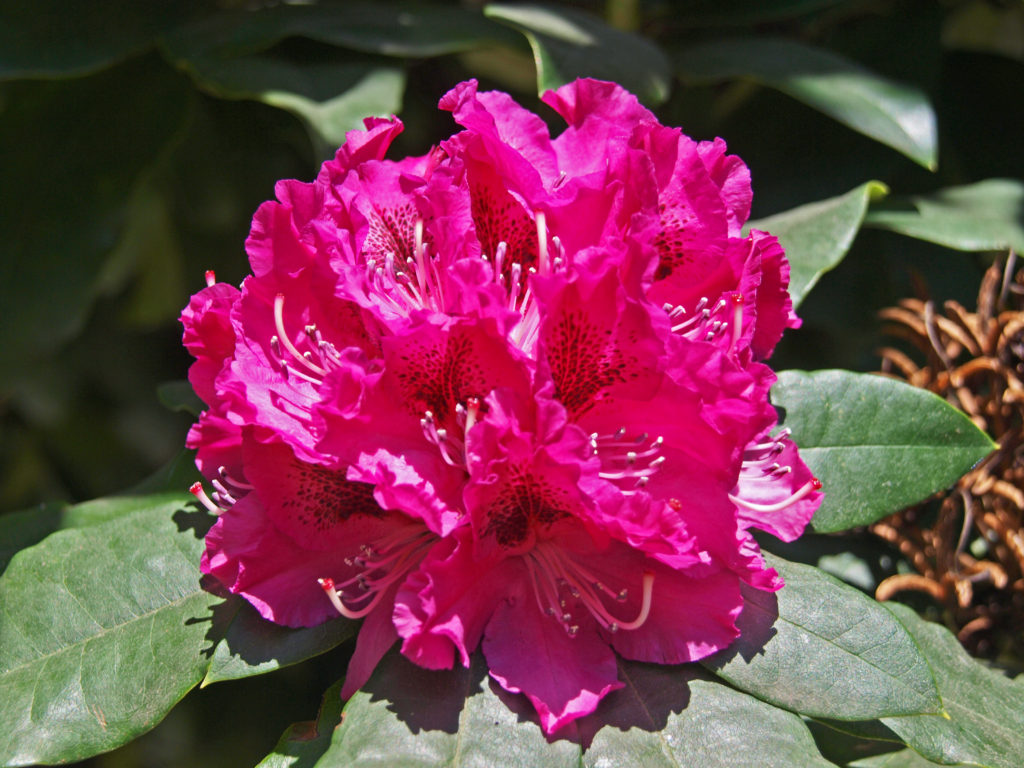
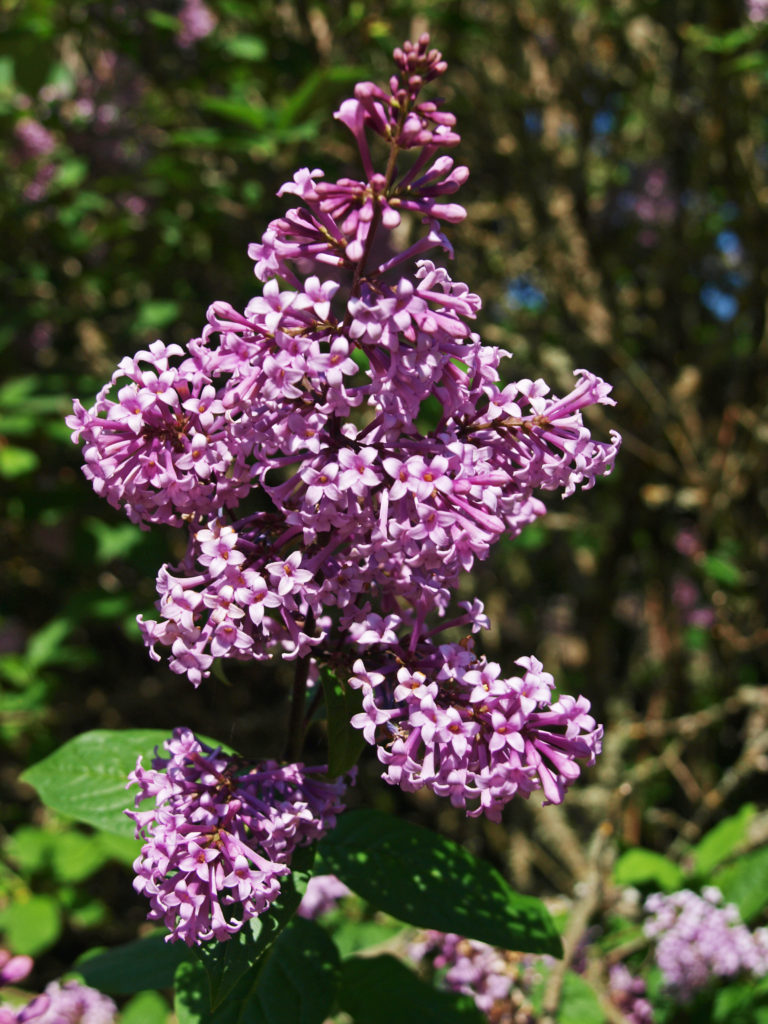
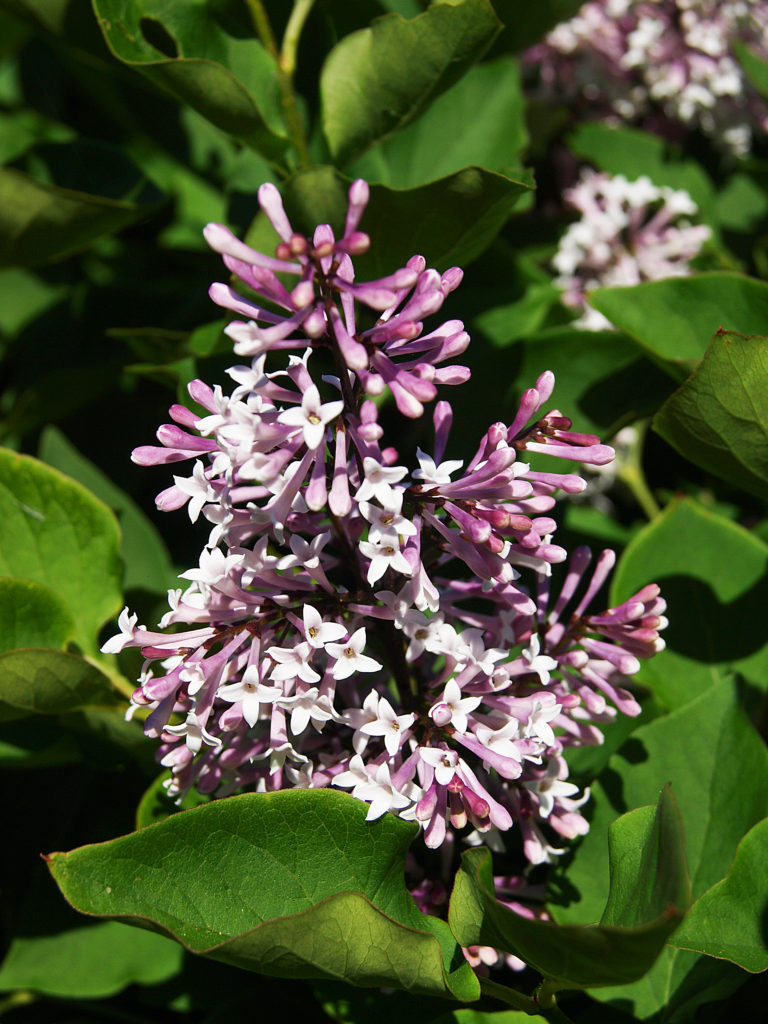
 After Hulda’s death, her family put the farm up for sale. The local garden society succeeded in having Hulda’s gardens declared a state and national historic site to prevent them from being bulldozed for a proposed industrial site.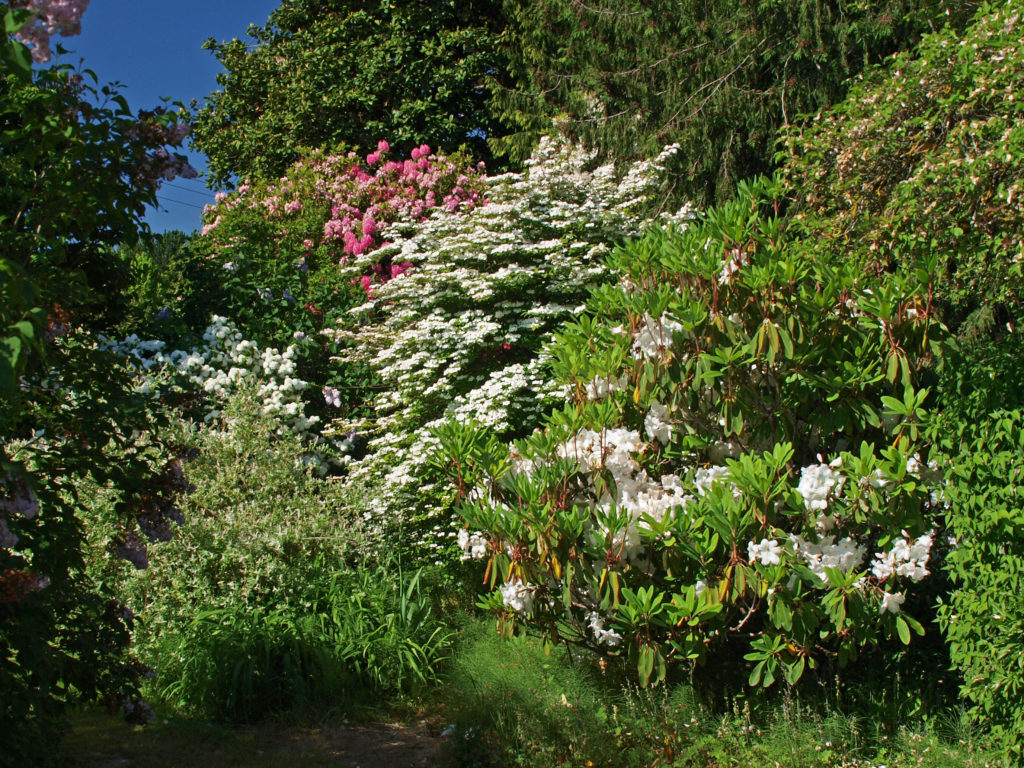
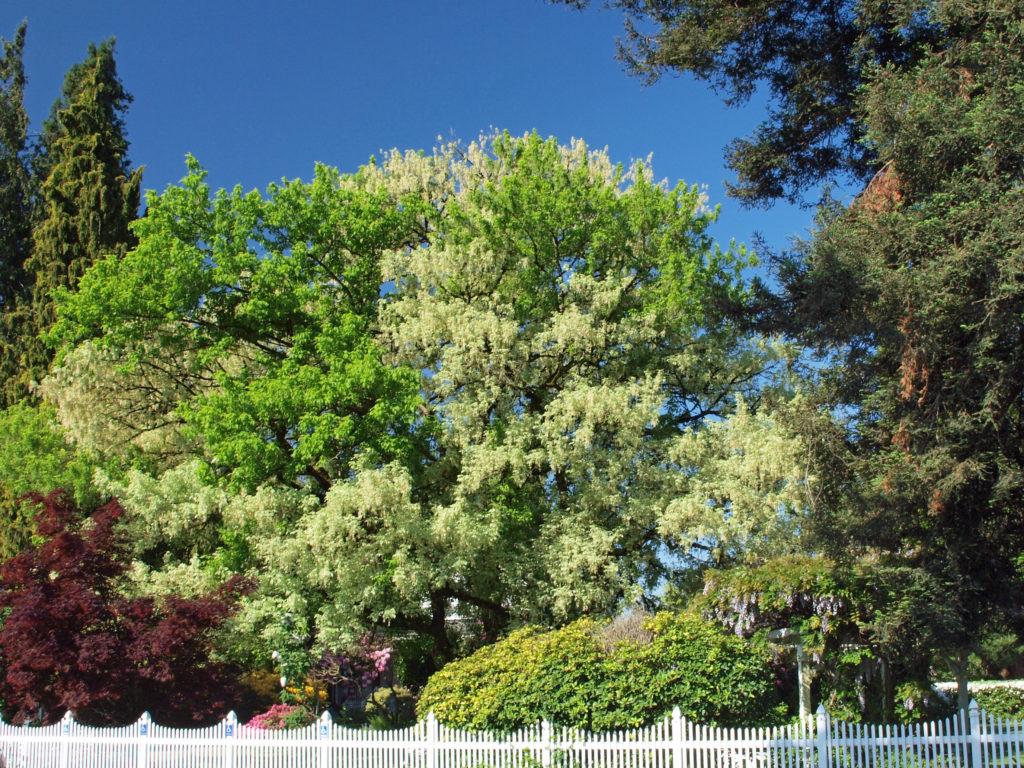
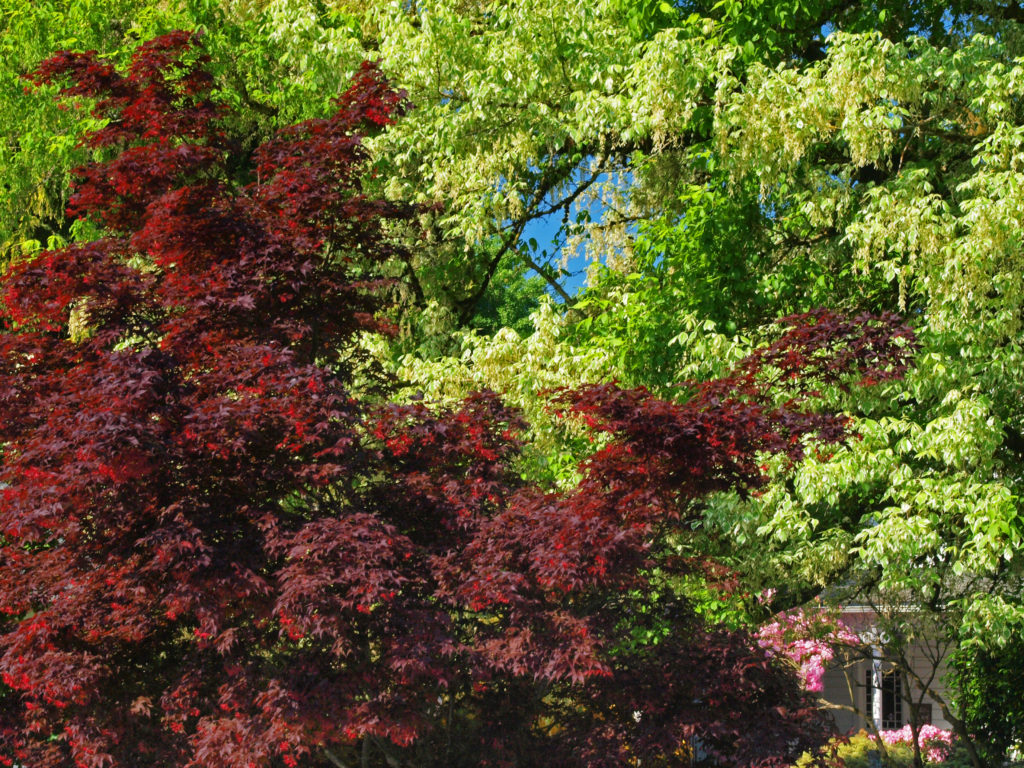
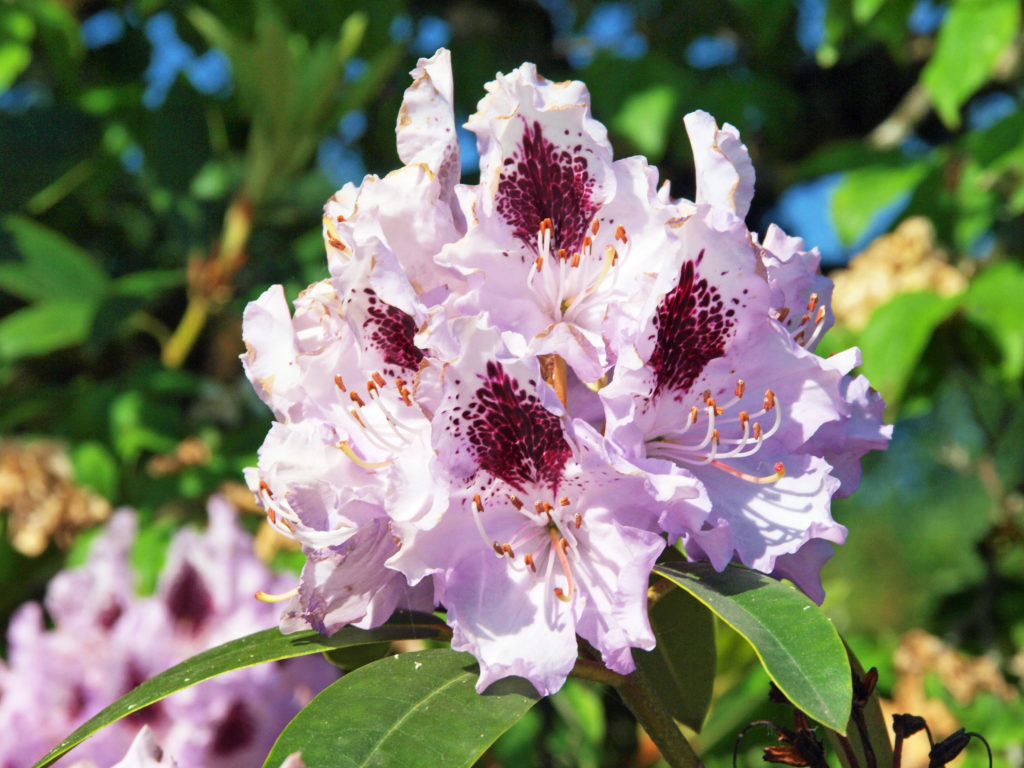
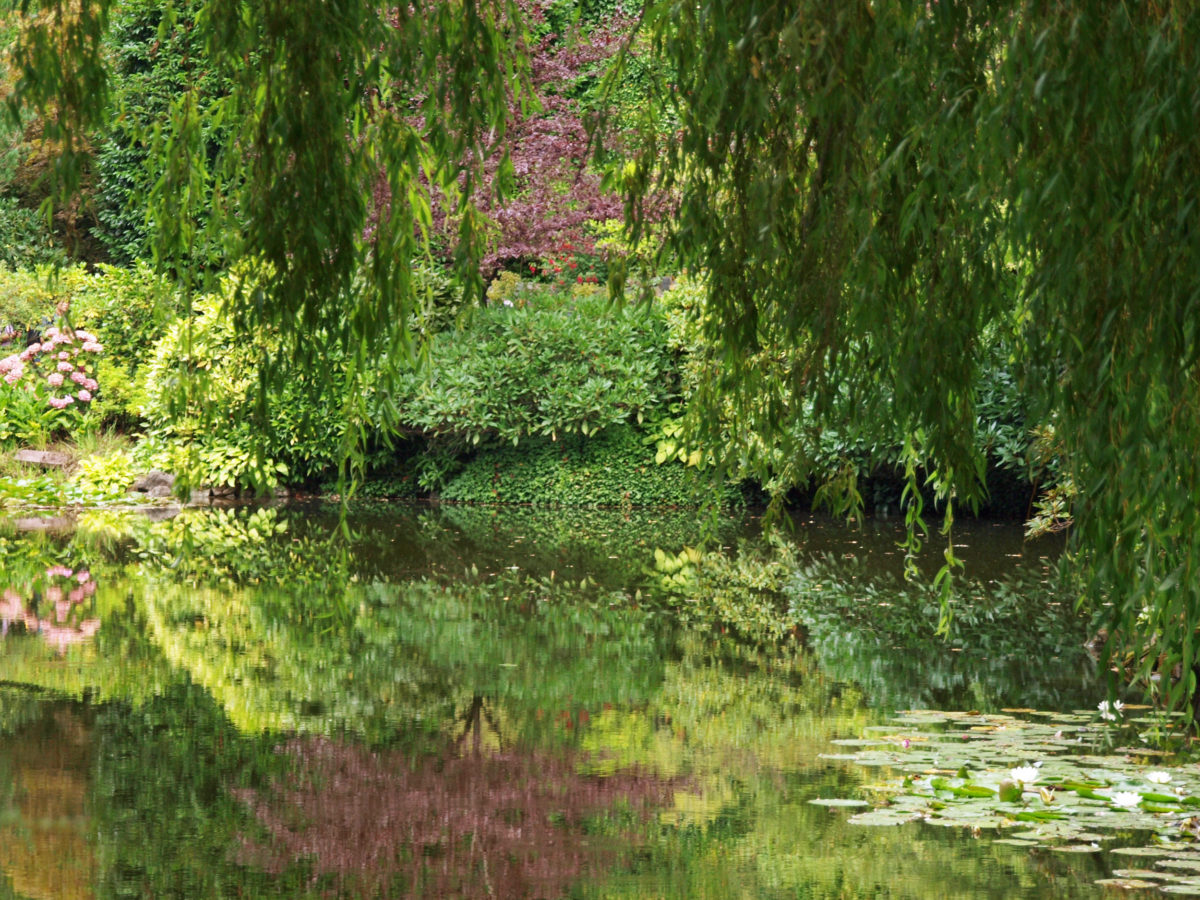
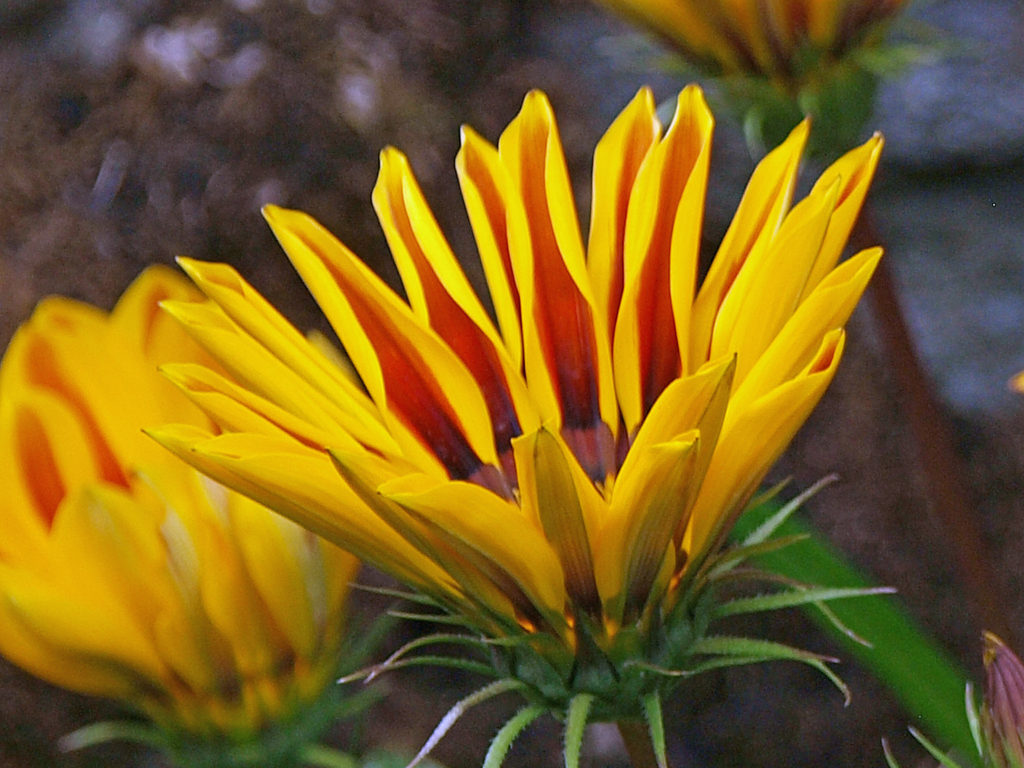
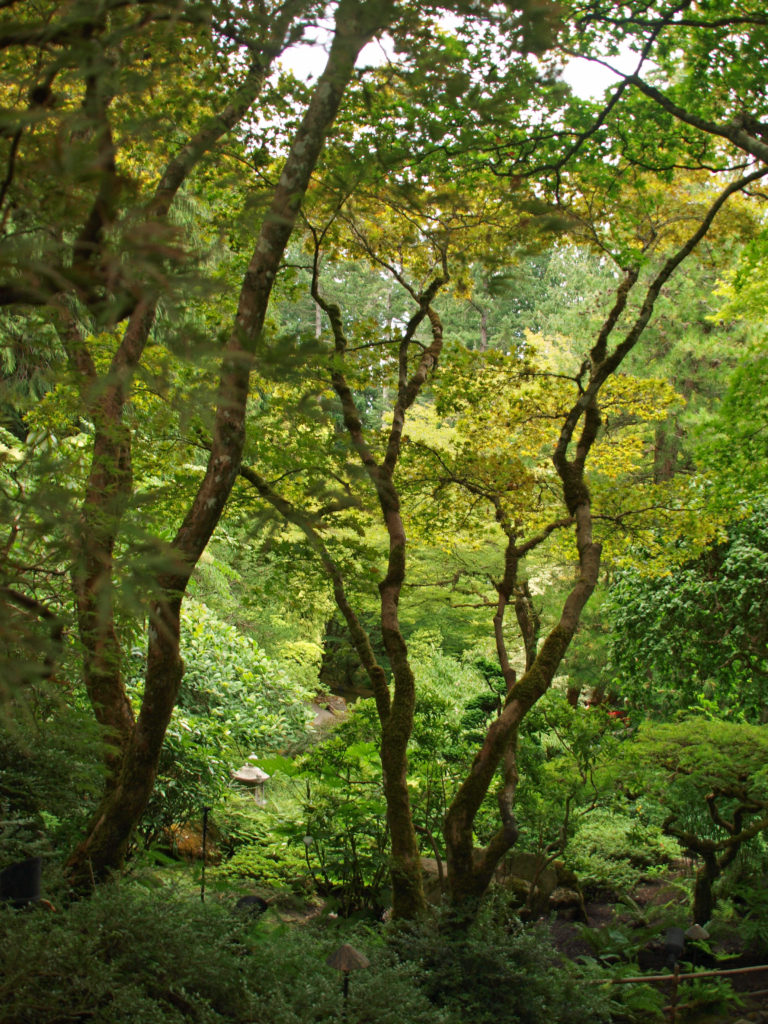
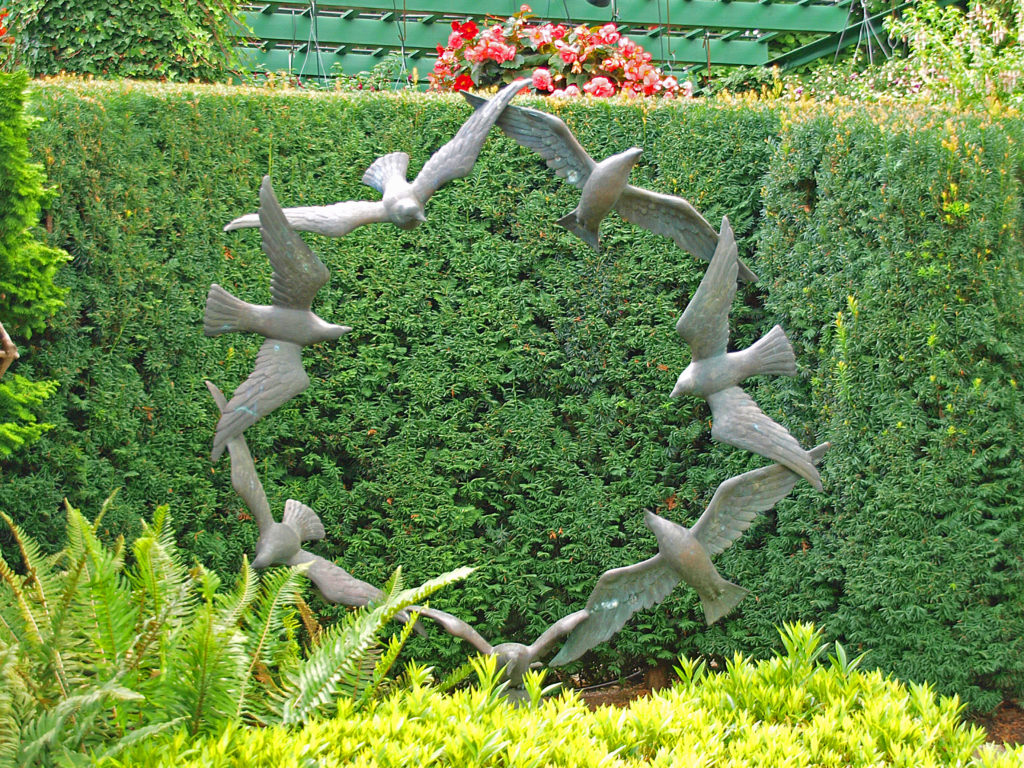 Jeanette (Jenny) Butchart created the gardens in the early 20th century. Her husband, Robert, owned a cement manufacturing business. He was drawn to Vancouver Island because of its abundant limestone deposits, a key ingredient in Portland cement. Near the turn of the 20th century he purchased the site of what is now Butchart Gardens and began mining limestone and manufacturing cement. In 1904 the Butcharts built their estate on land adjacent to the quarry. Shortly thereafter, Jenny Butchart hired Isaburo Kishida to design and build the Japanese Garden at the estate.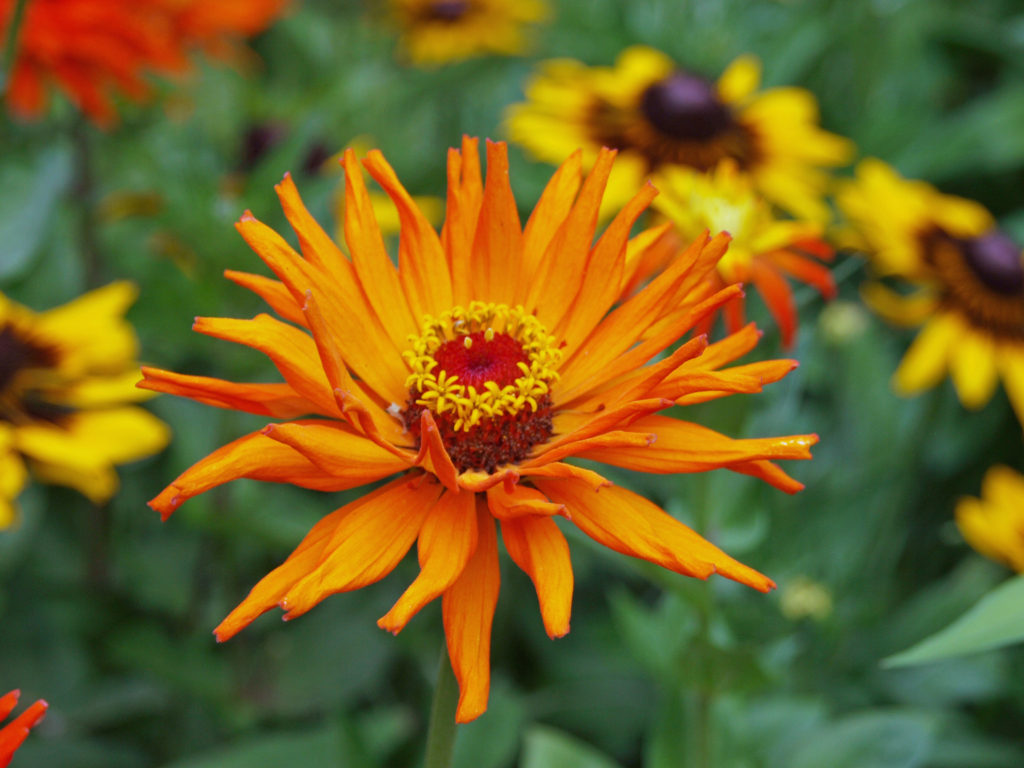
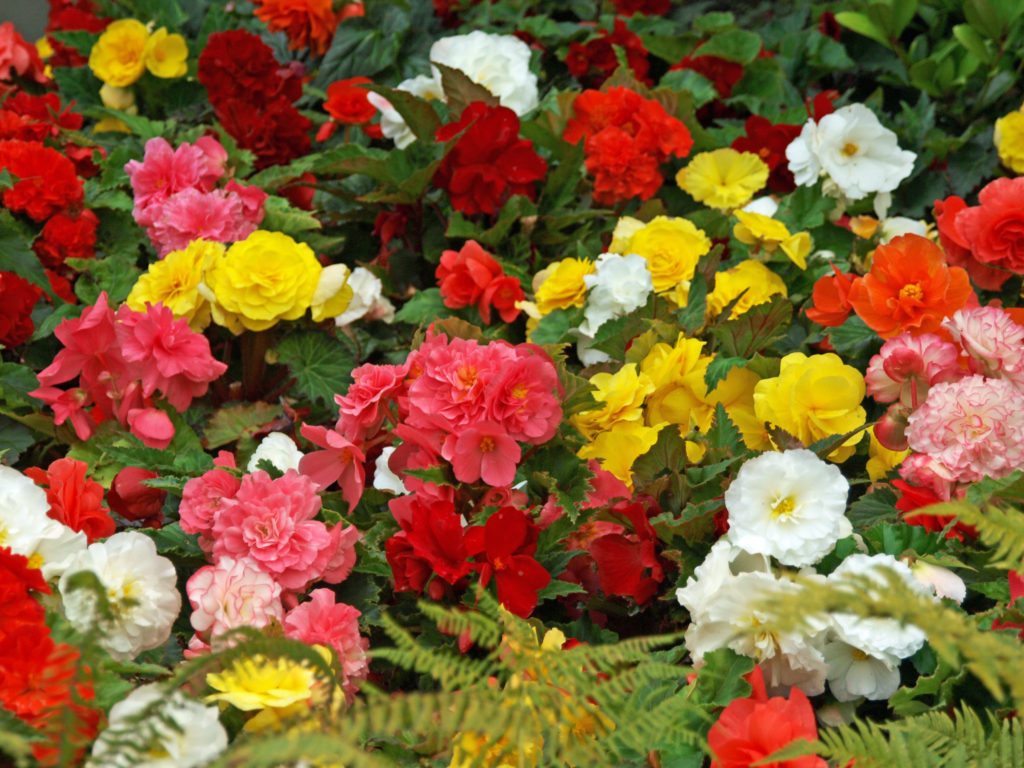
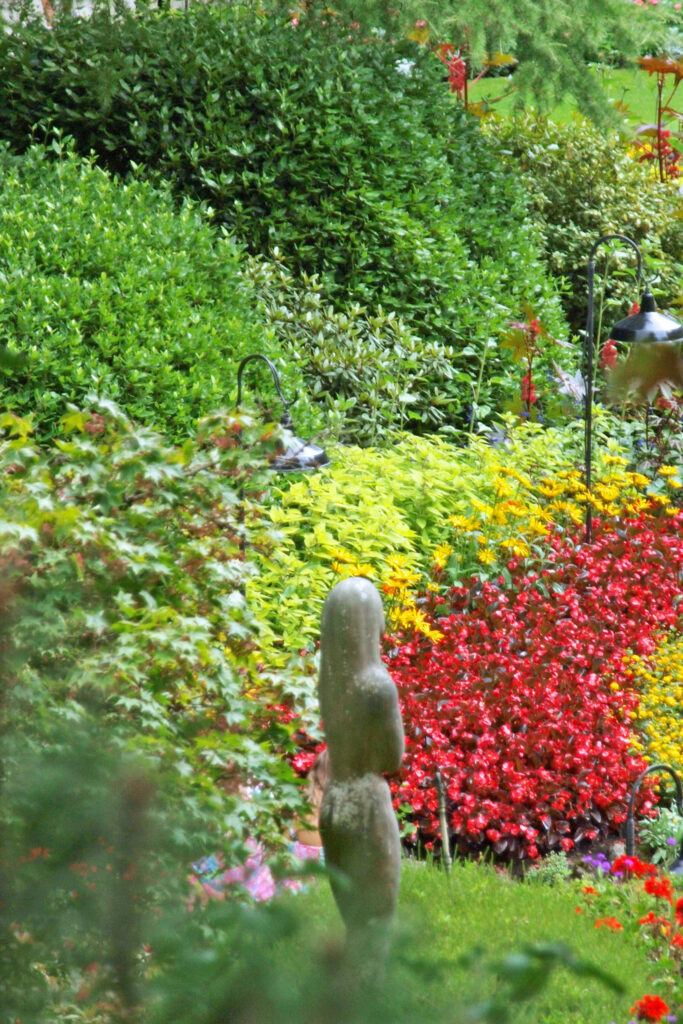
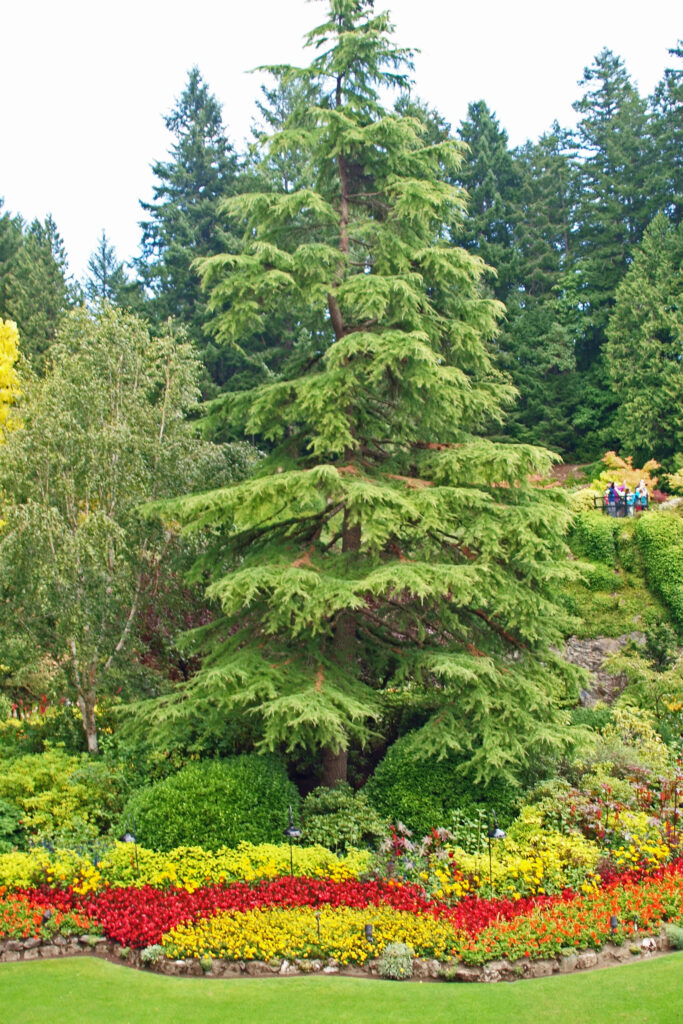
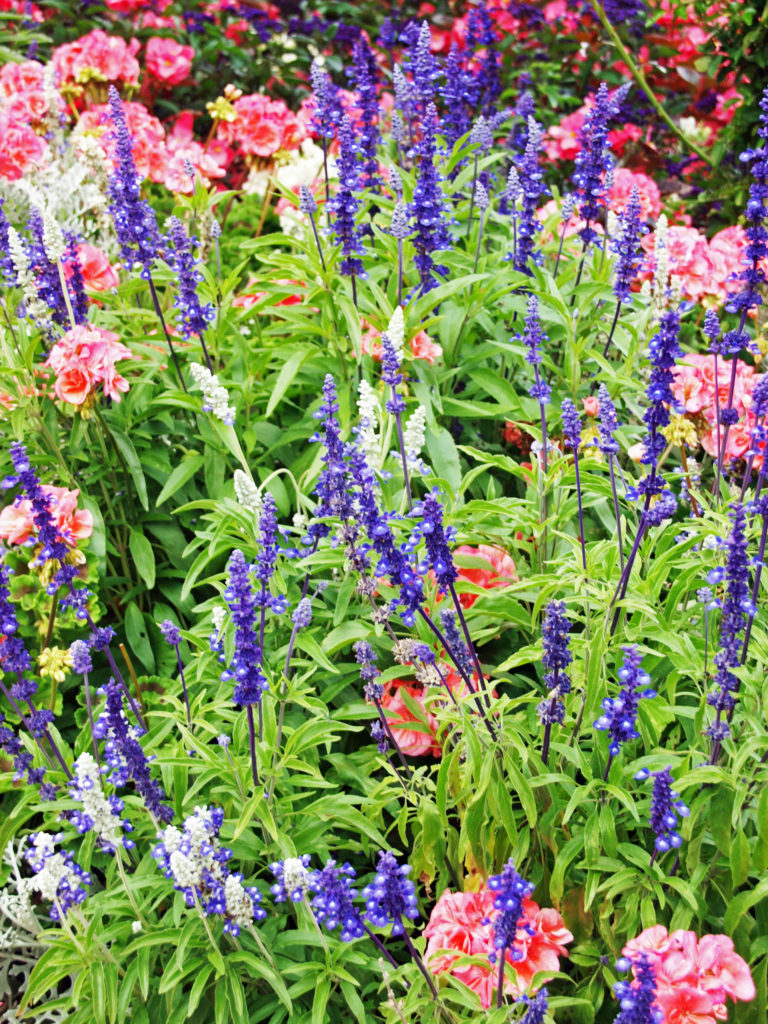
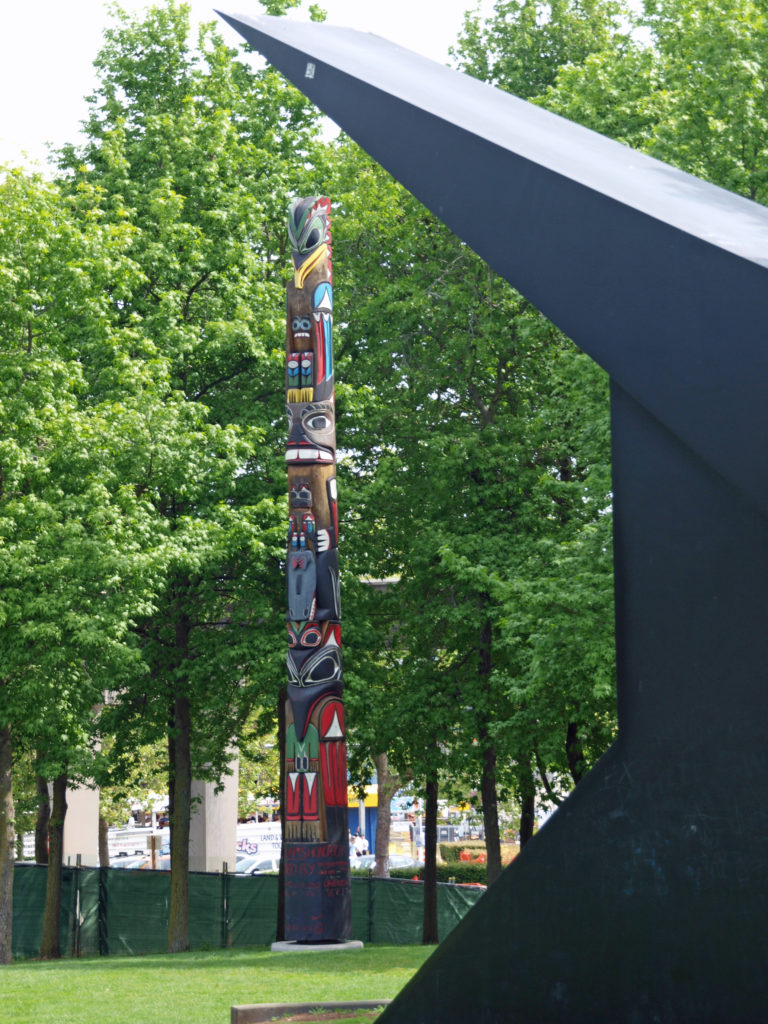
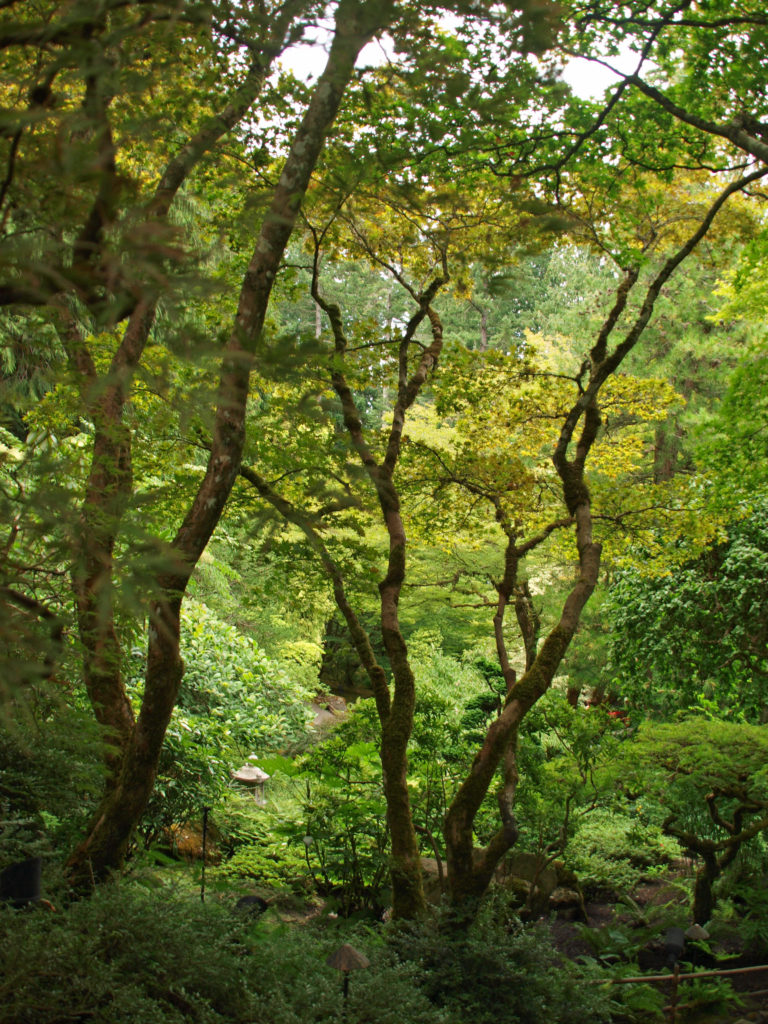 Numerous improvements and additions to the Gardens have been made over the years. In 1953 Ian Ross added lighting to illuminate the Gardens at night, and in 1964 the Ross Fountain was installed in the lower reservoir in the Sunken Garden. The two large totem poles next to the Fireworks Lawn were erected in 2004. In 2009 Robin-Lee Clarke added the Children’s Pavillion and the Rose Carousel.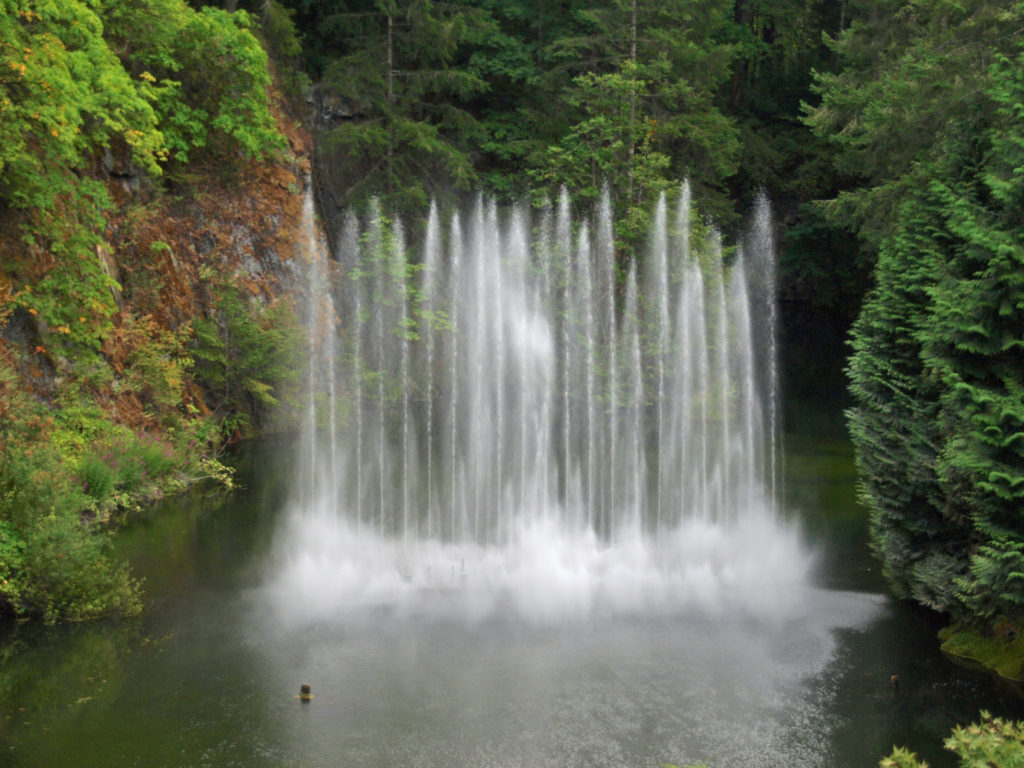
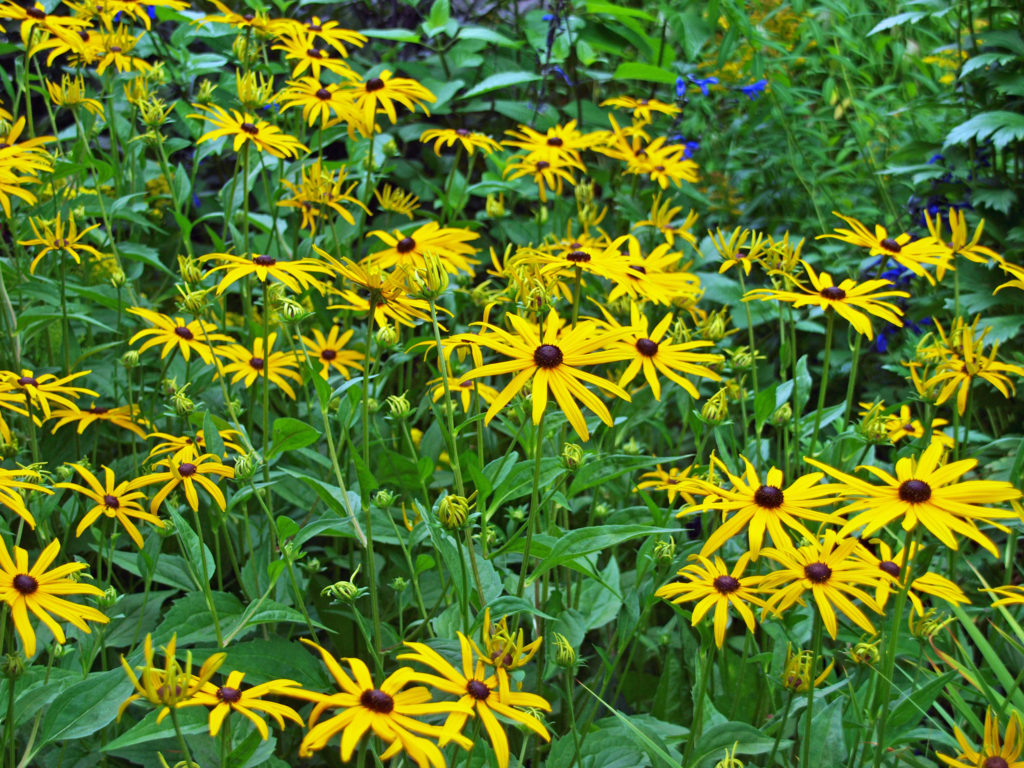
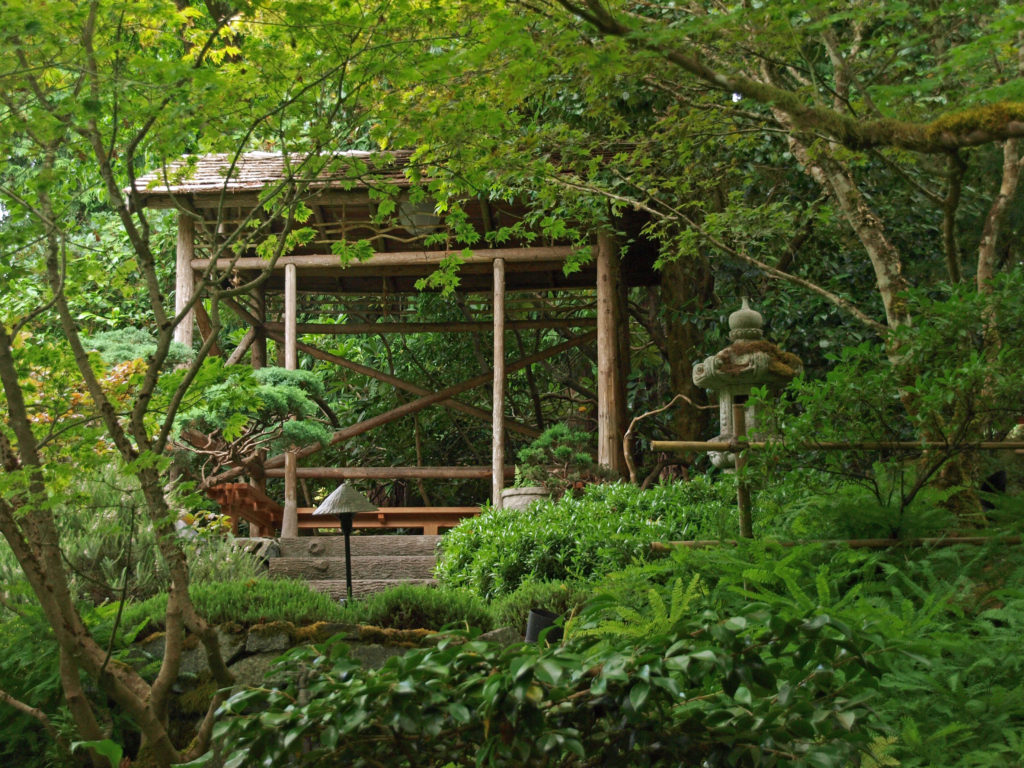
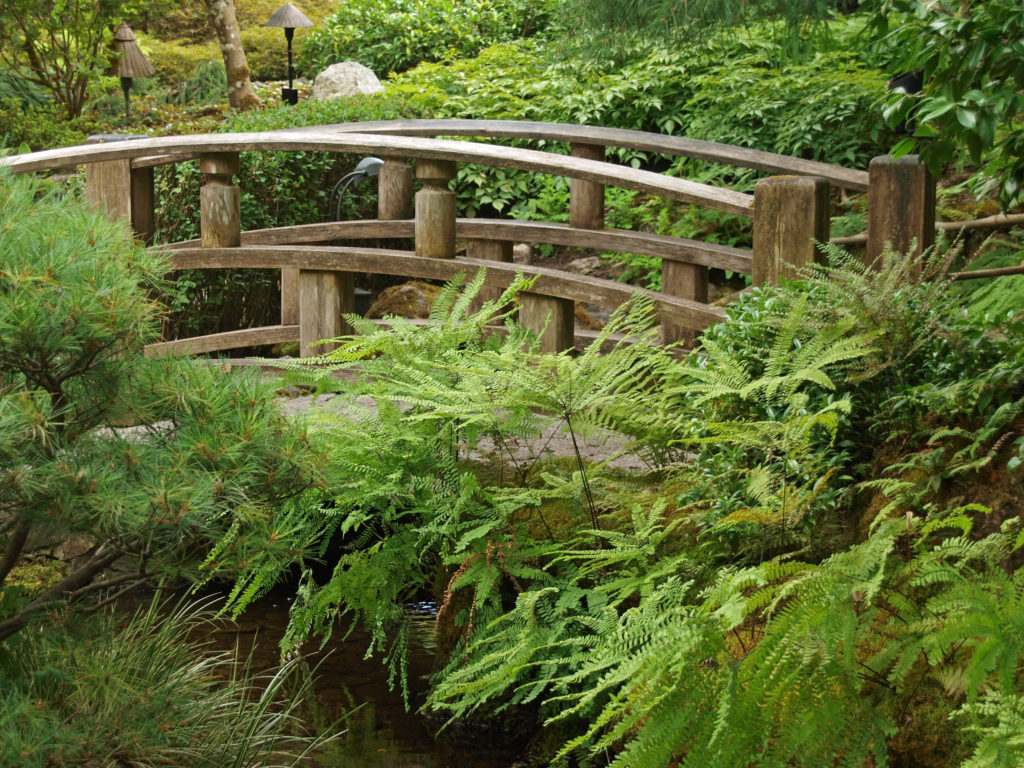
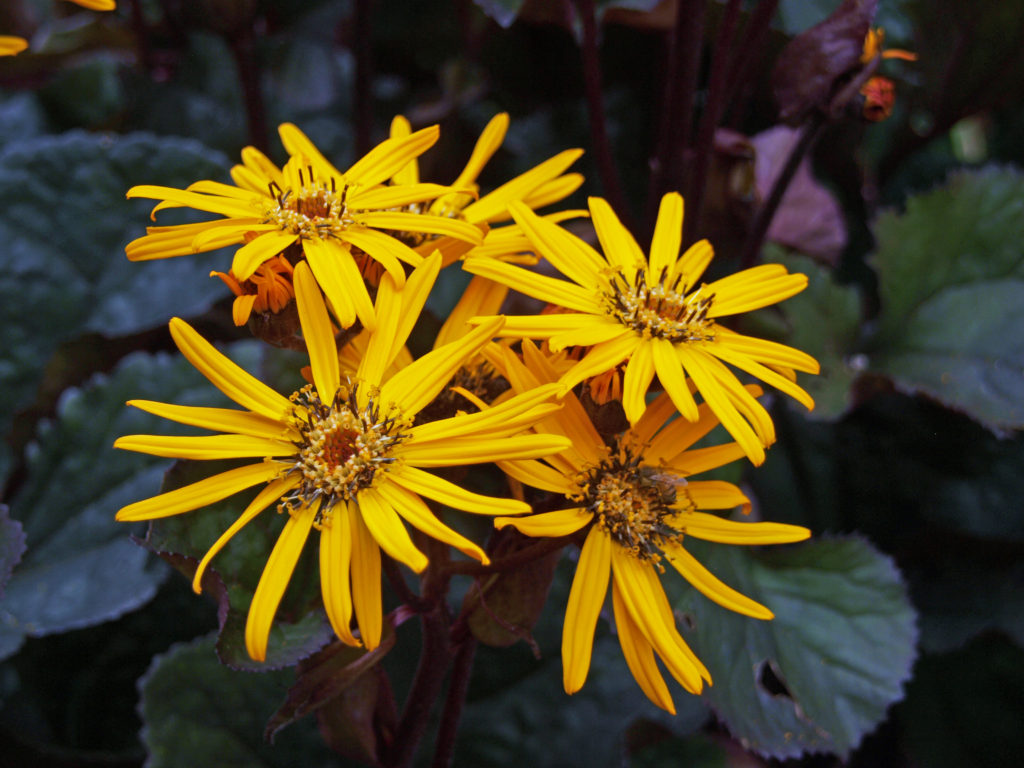
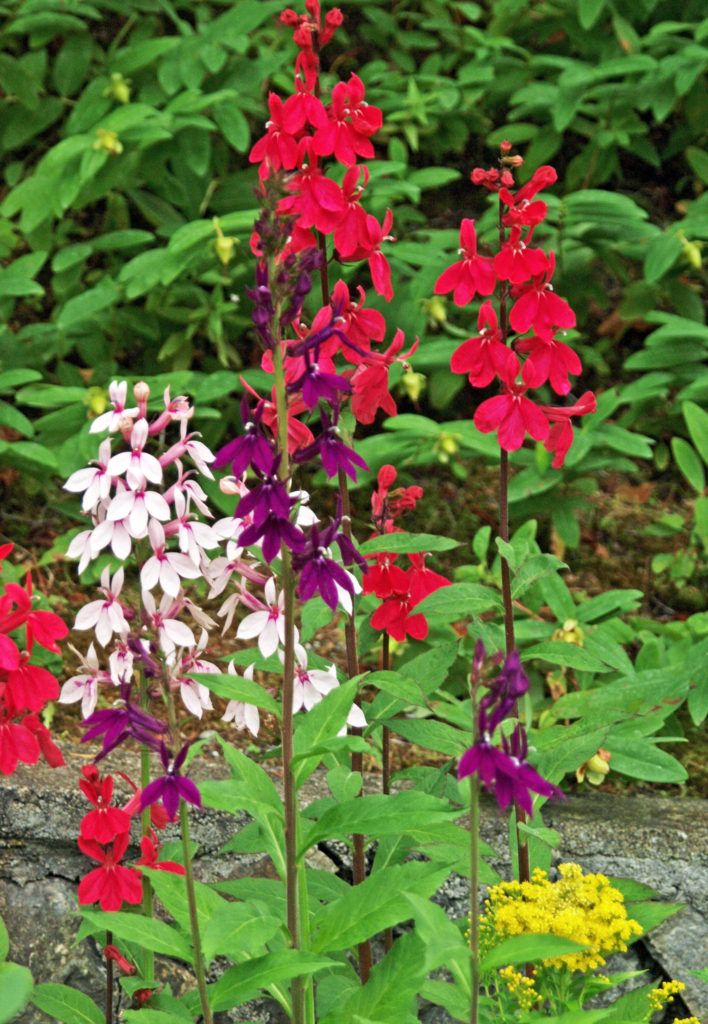 There have been a few reviews that have called the Gardens overpriced and under-whelming, but that’s definitely a minority opinion. And I’m siding with the majority here. Butchart Gardens may not be my favorite garden, but in my opinion the Gardens reputation and World Heritage Site designation are well deserved. And the Gardens are so beautiful that the cost of admission and the crowds shouldn’t dissuade anyone from visiting. If you have never been to Butchart Gardens, they should be on your bucket list, if they aren’t already. And now is as good a time as any to start planning a trip to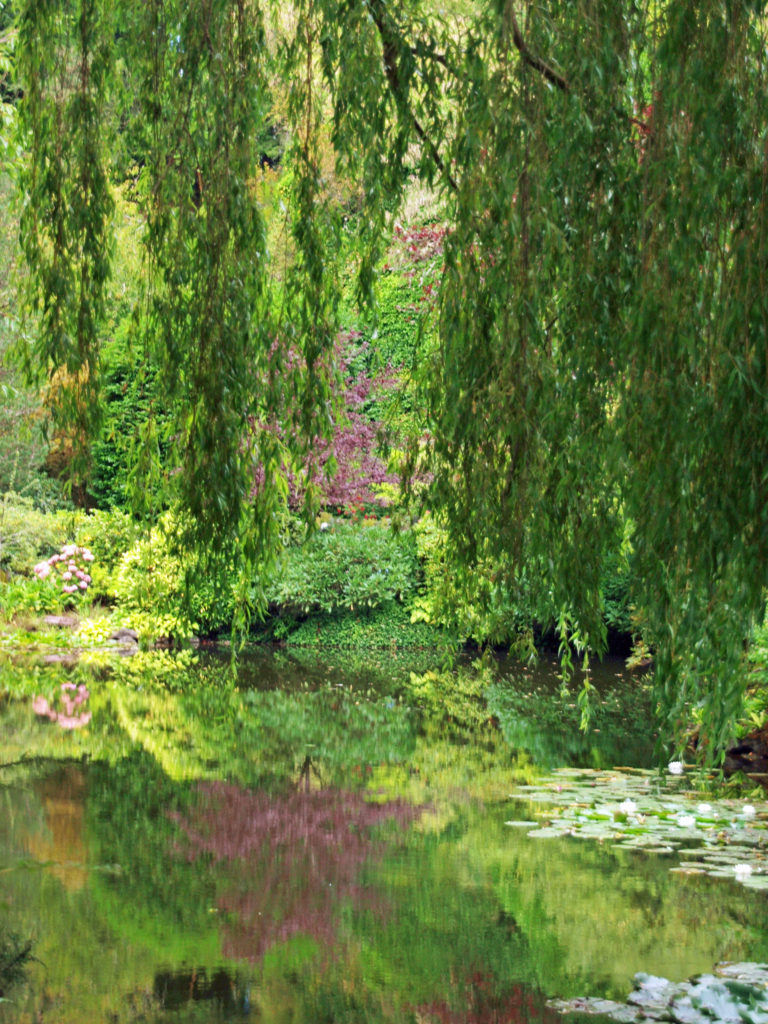
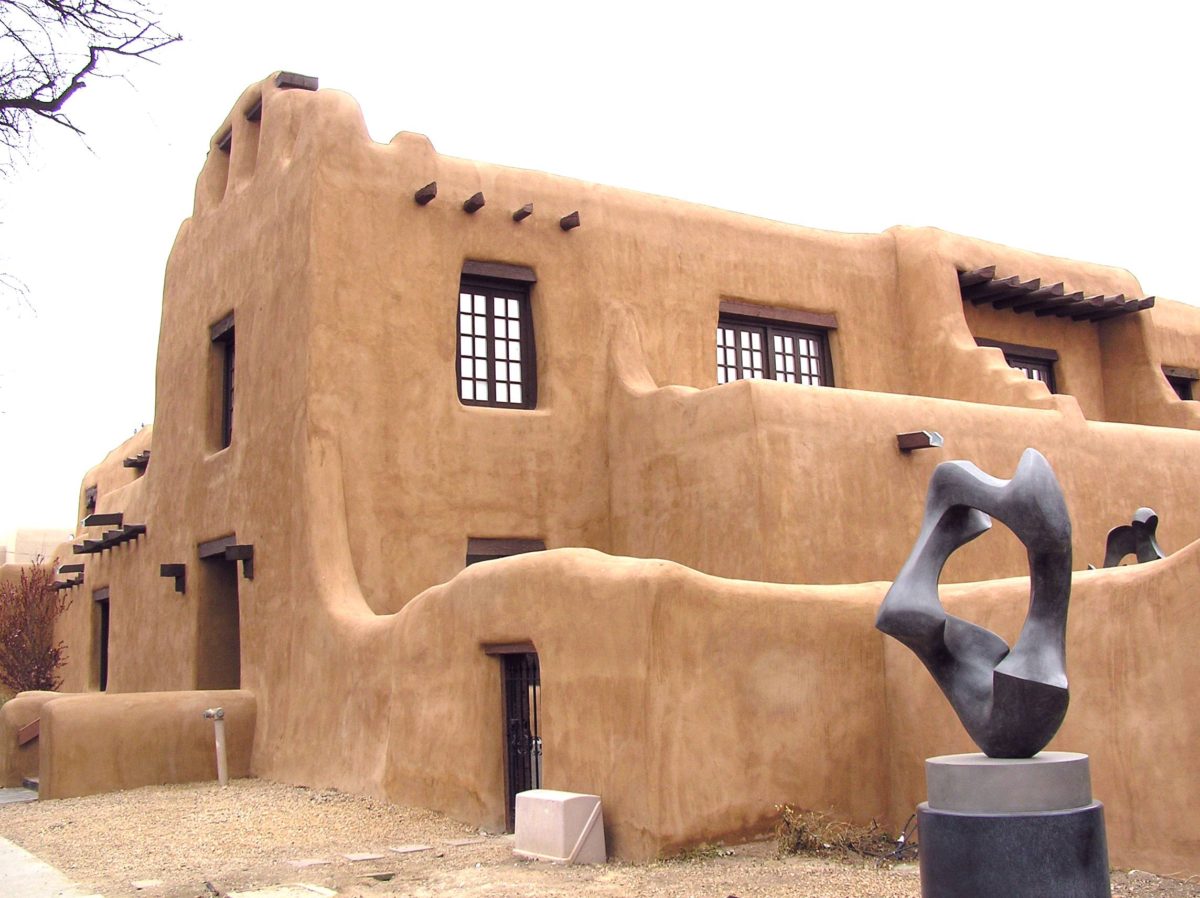
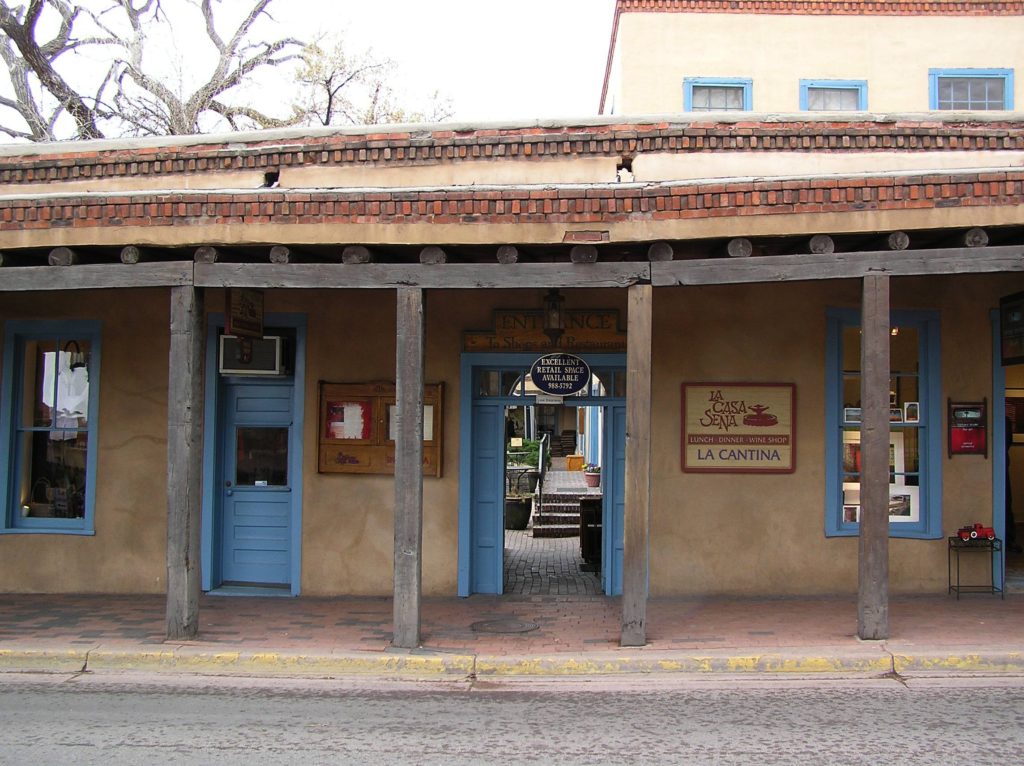
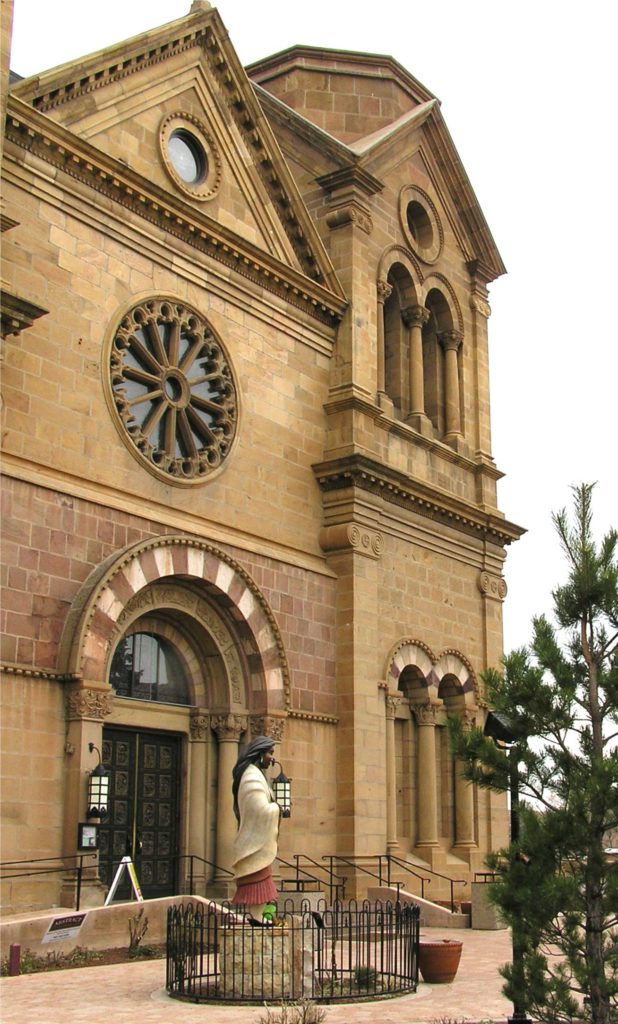
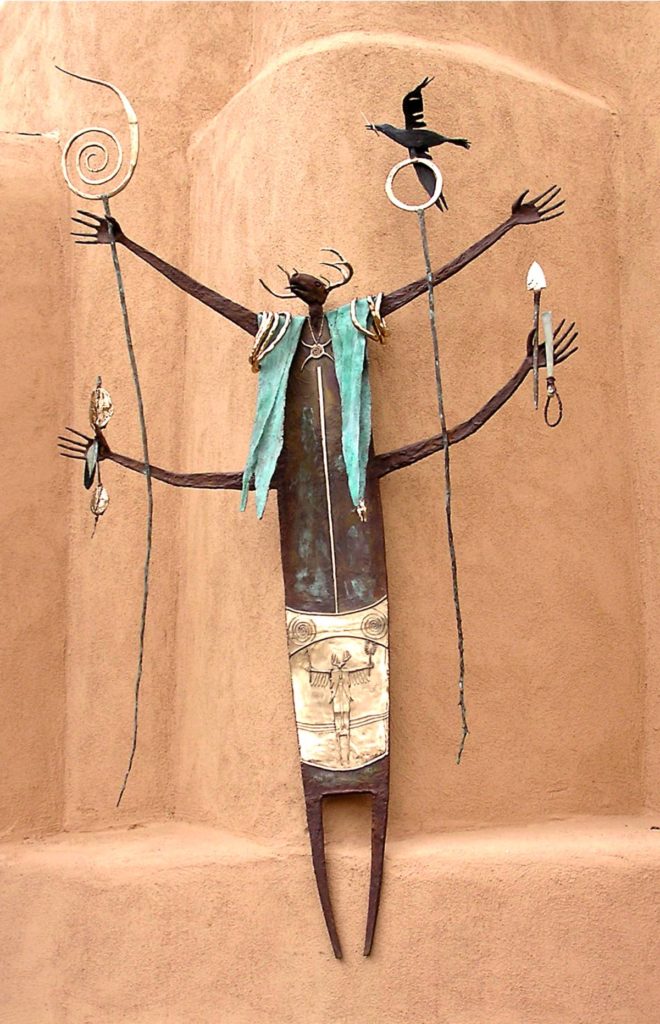
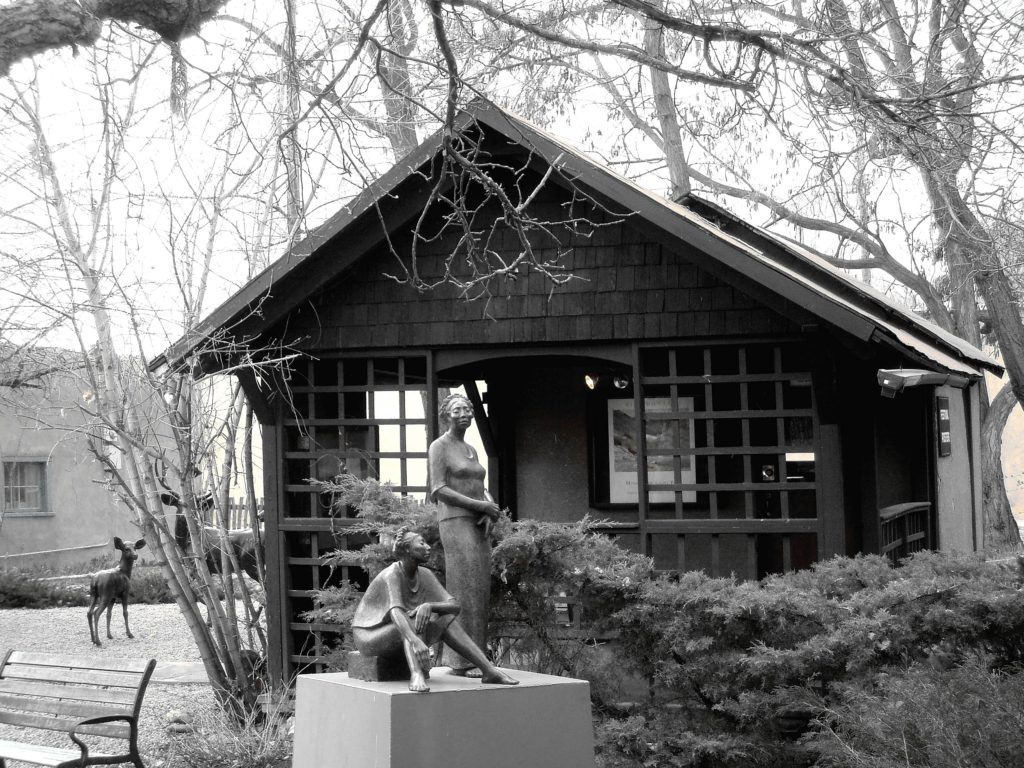
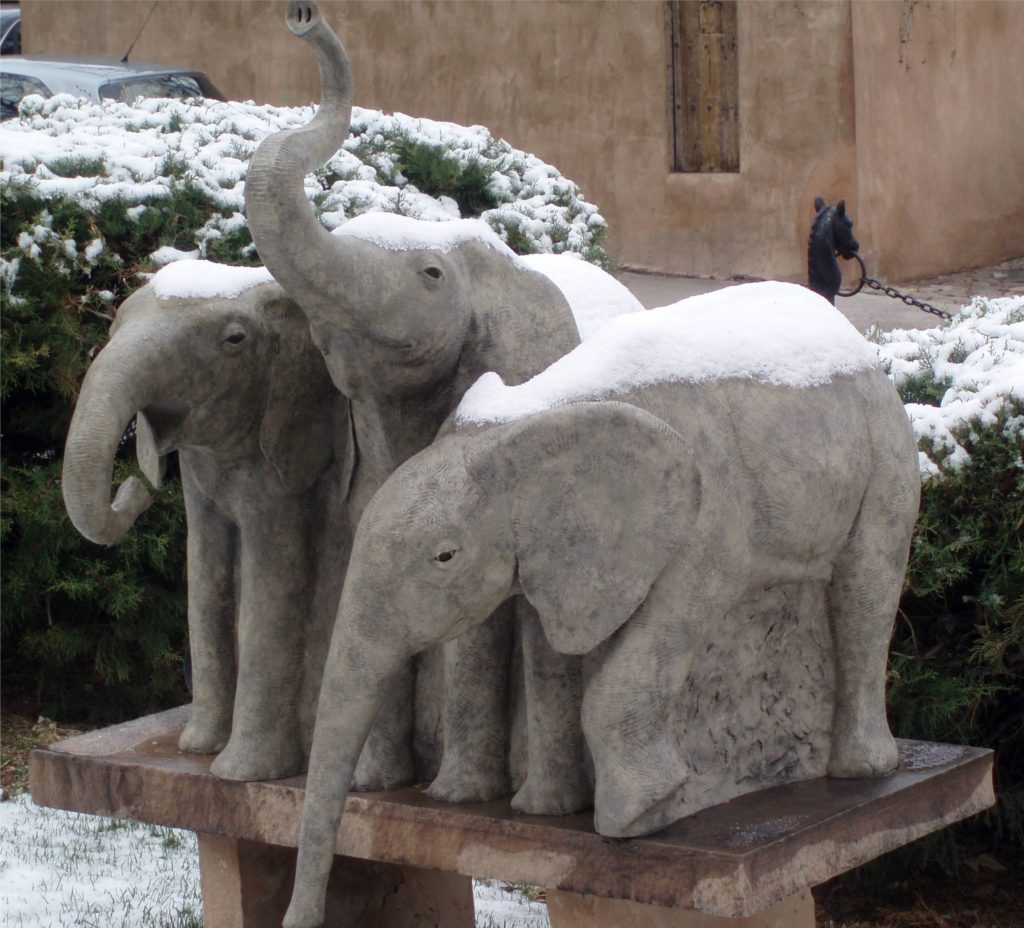 The Plaza is an ideal place to begin your exploration of Santa Fe, particularly if you are an art lover, as my wife and I are. The New Mexico Museum of Art and the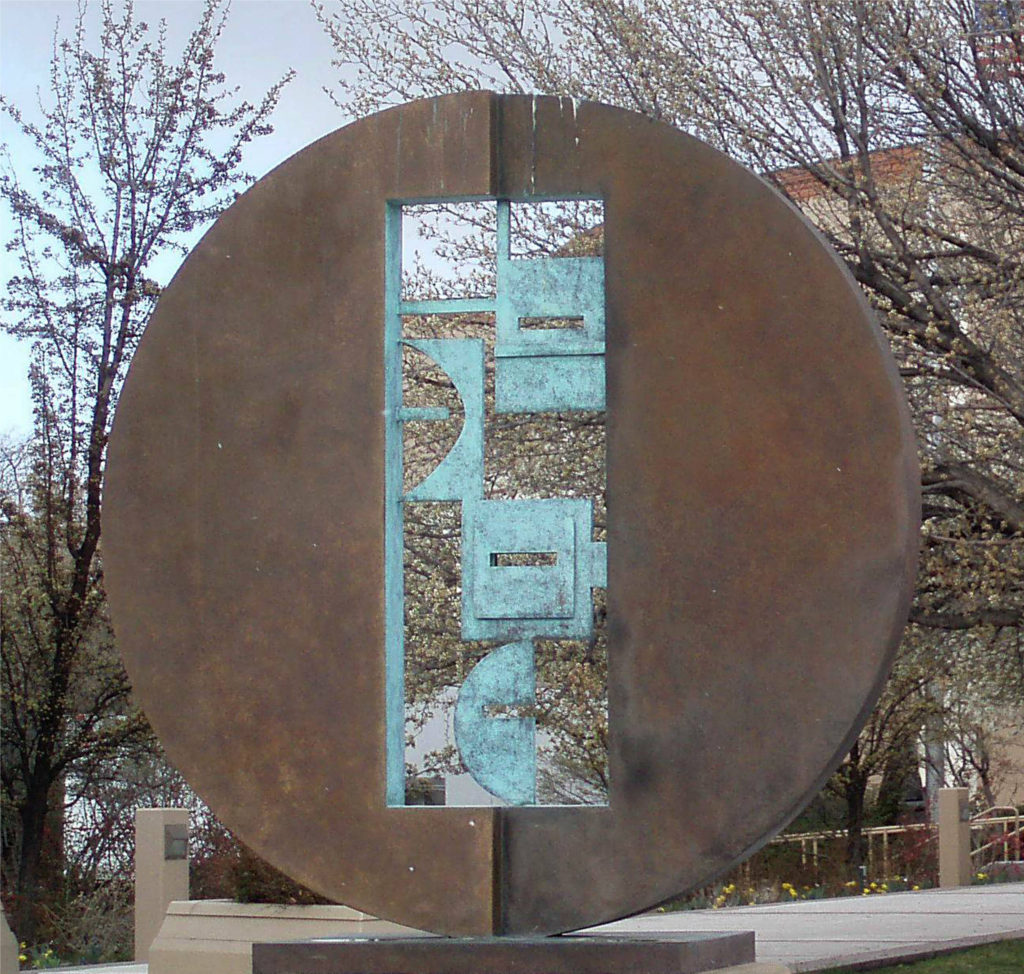
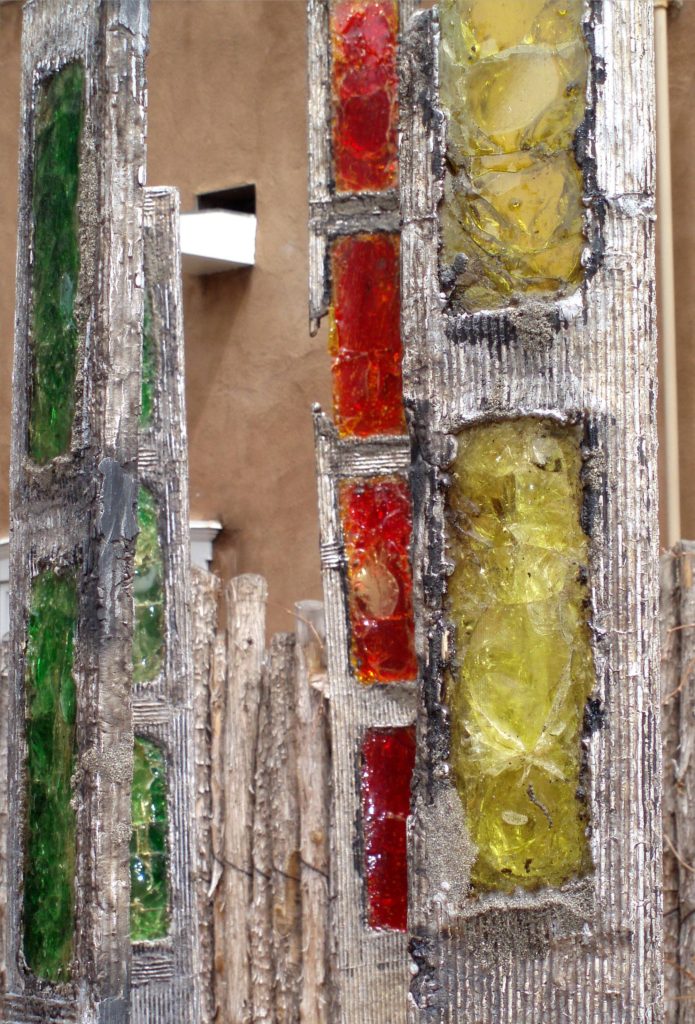
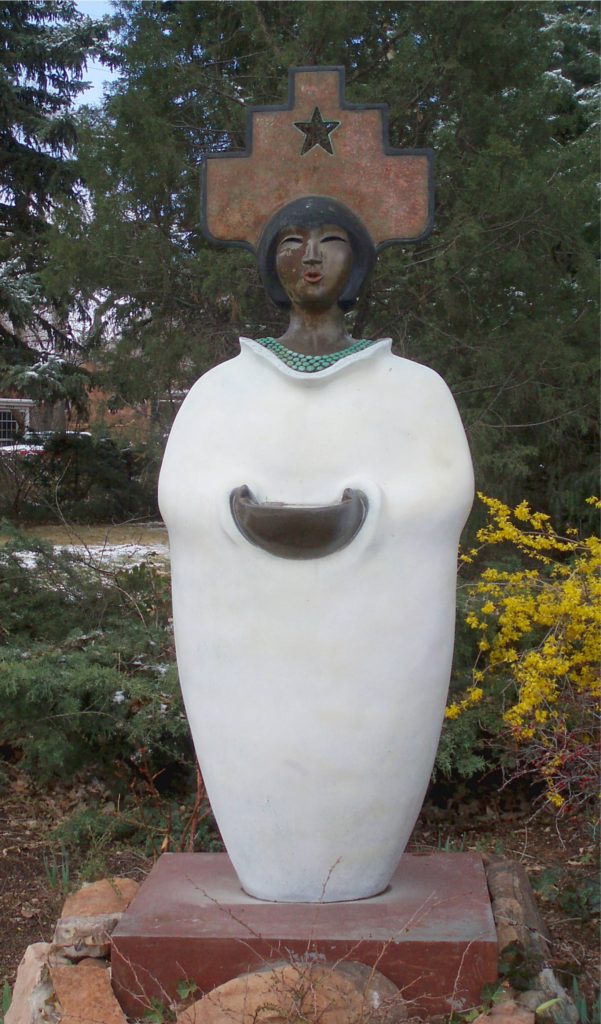 Of course there are plenty of things to see and do in Santa Fe beyond just the visual arts and local history. The Tourism Santa Fe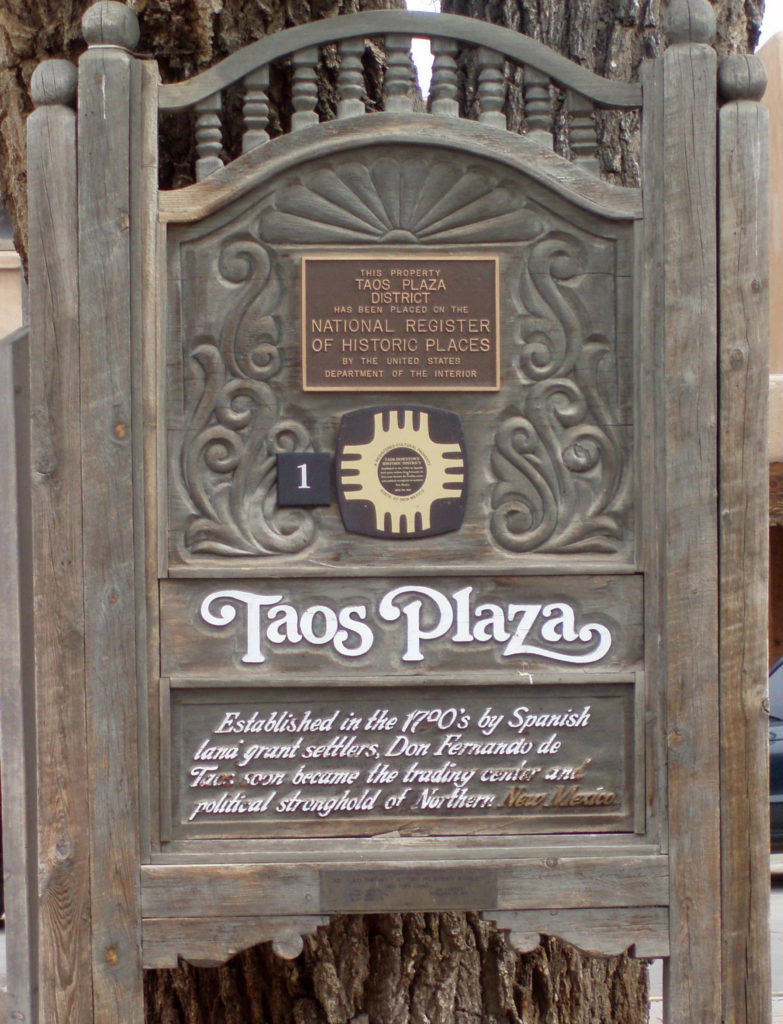
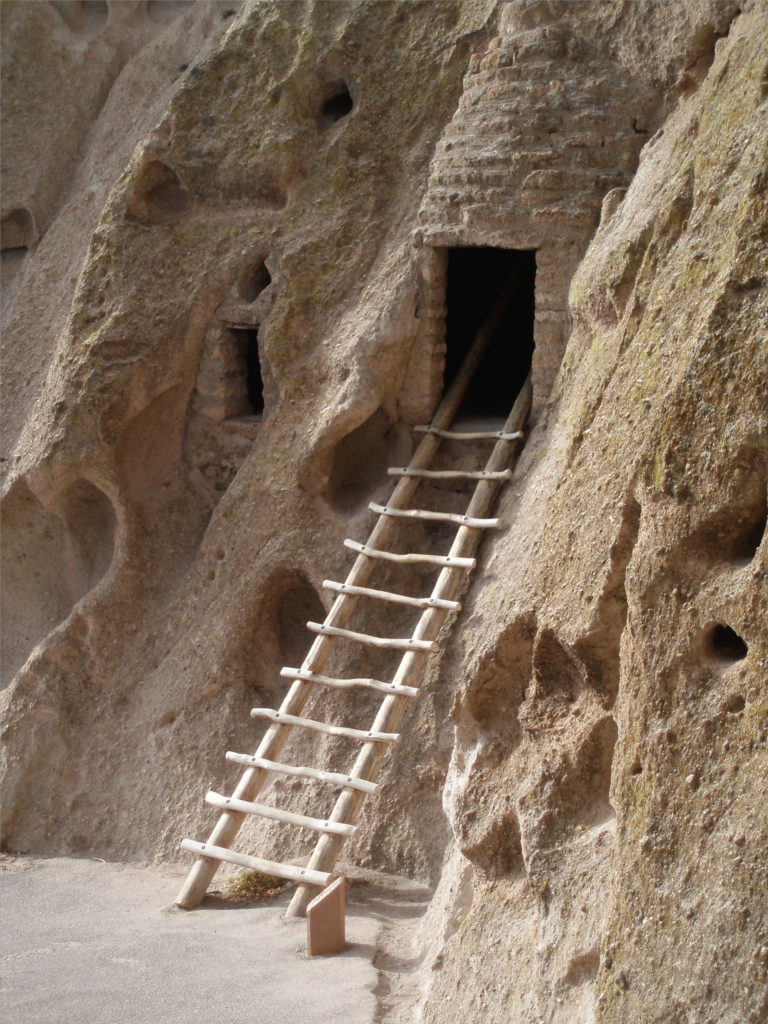
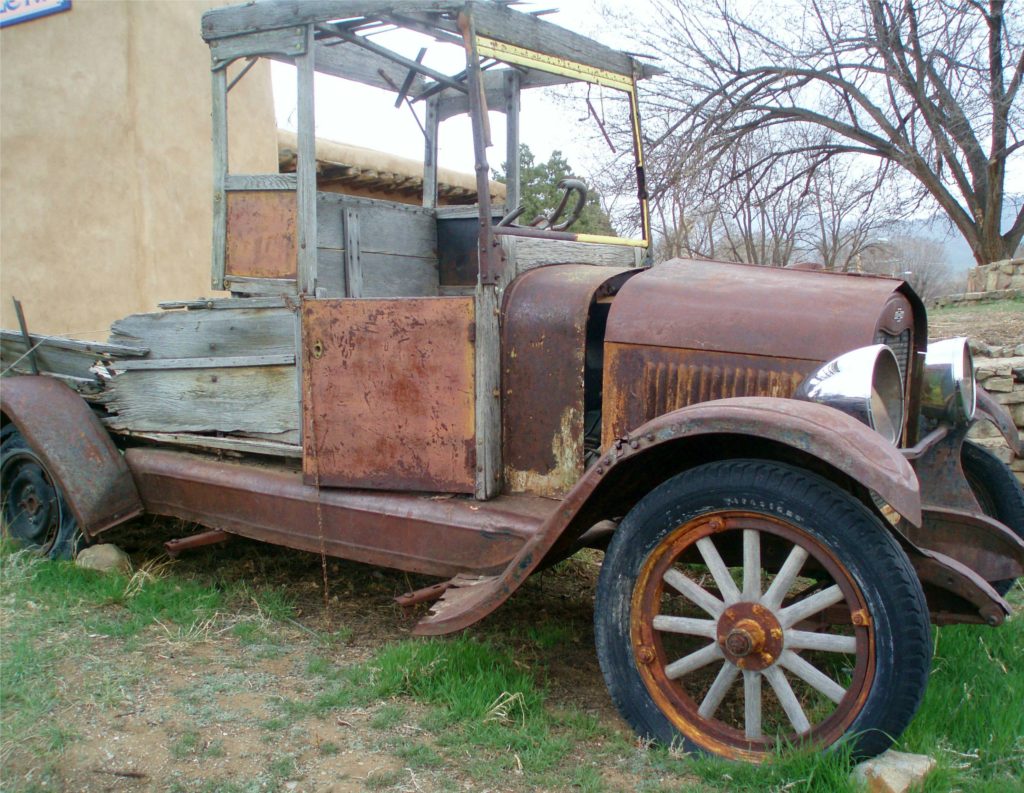 Puebloan history and culture is an even more pronounced component of modern day Taos than it is in Santa Fe. The nearby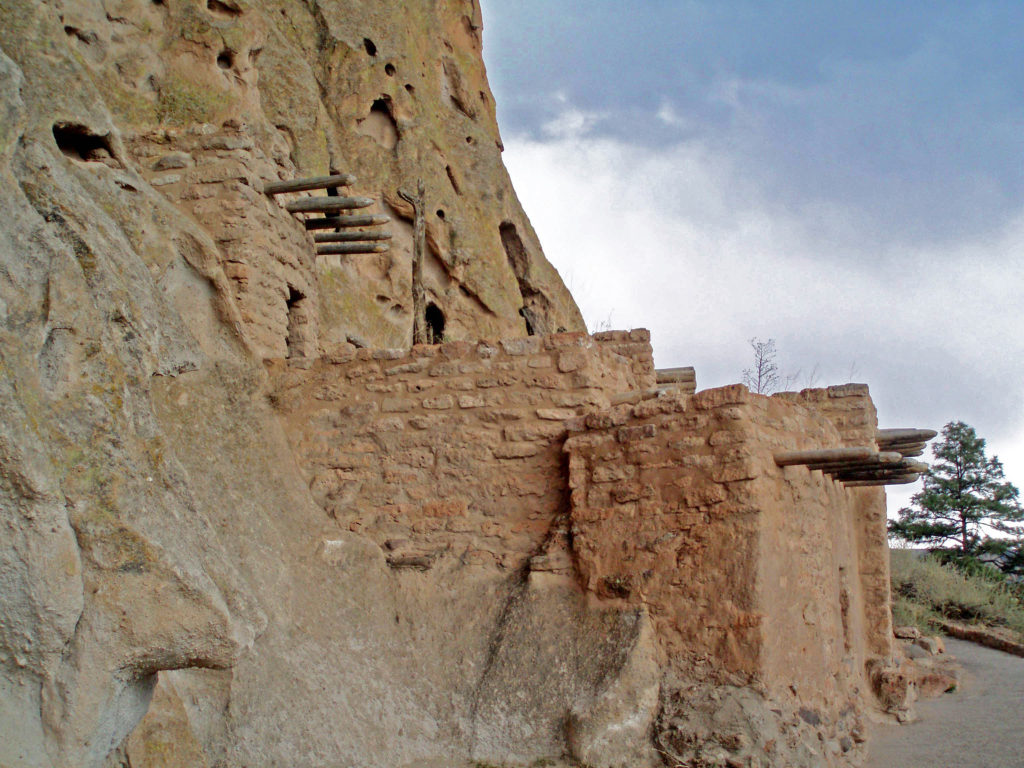
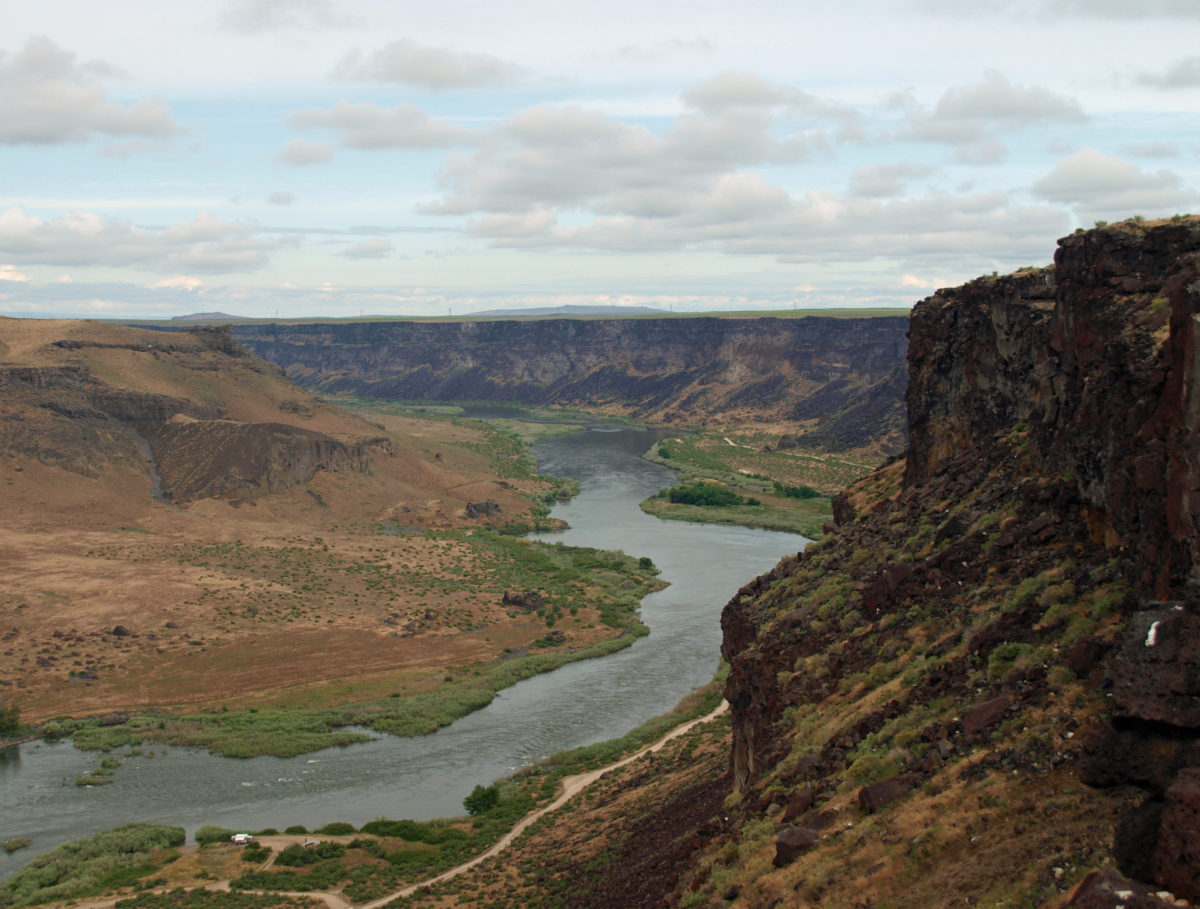
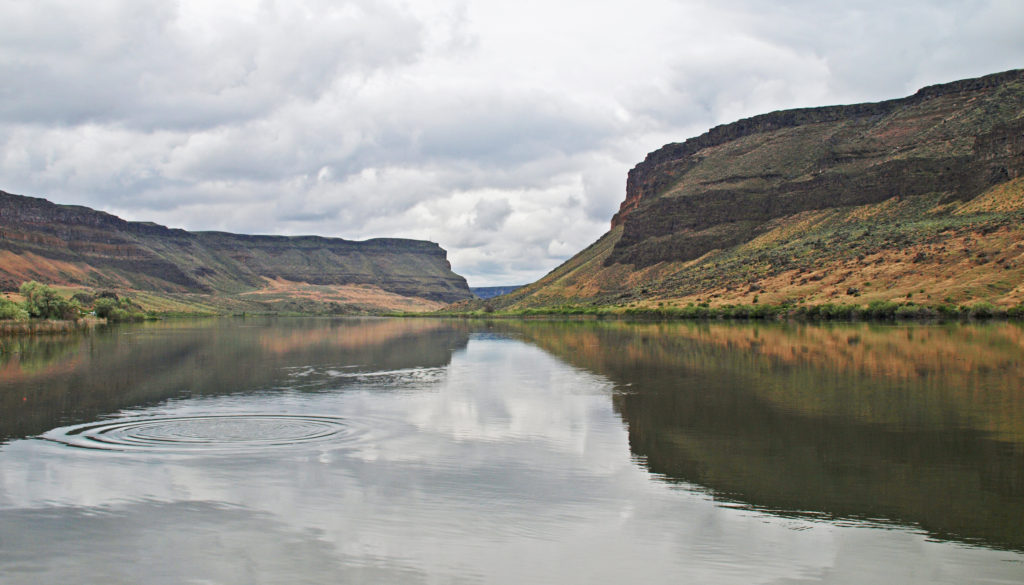
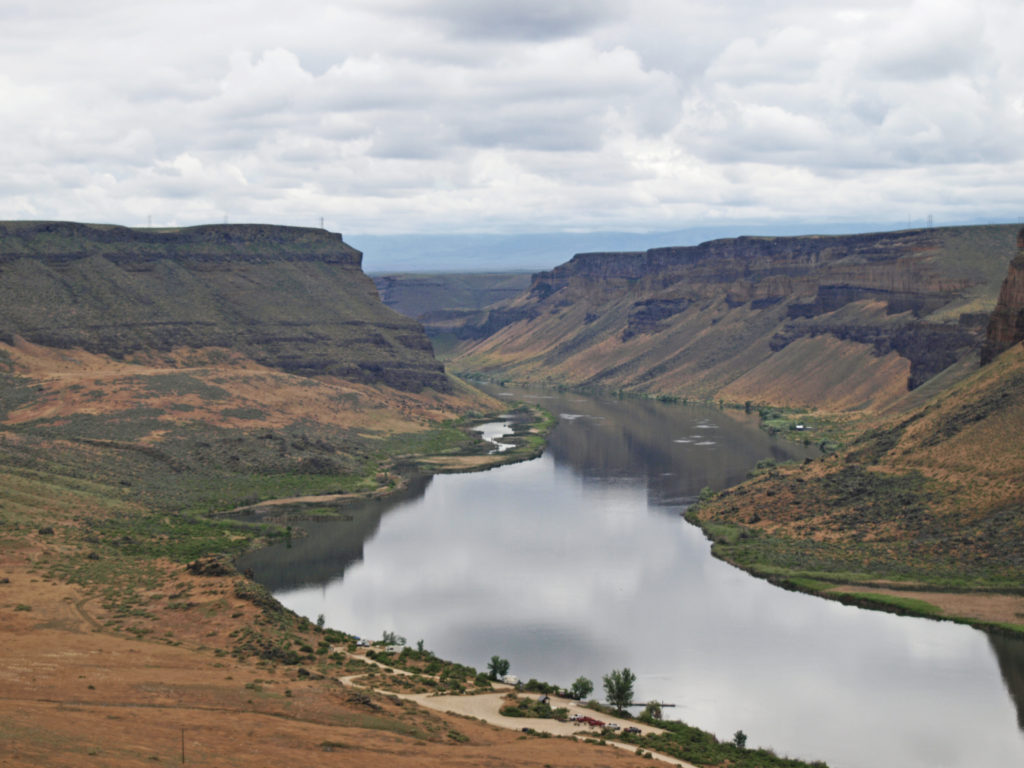
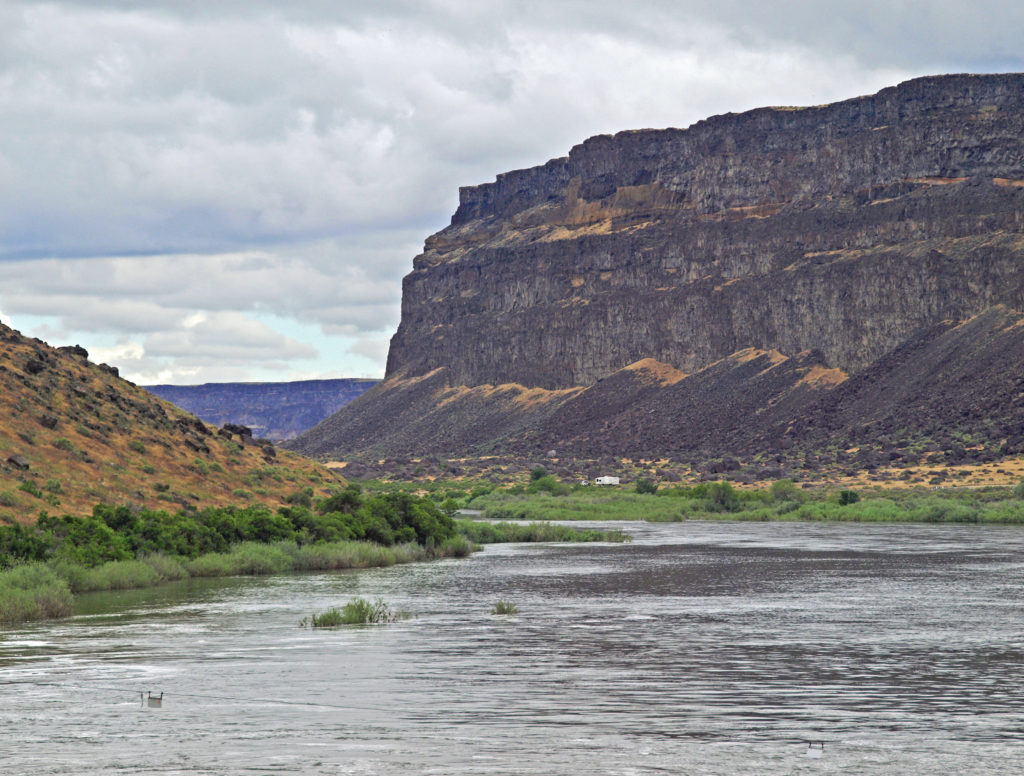
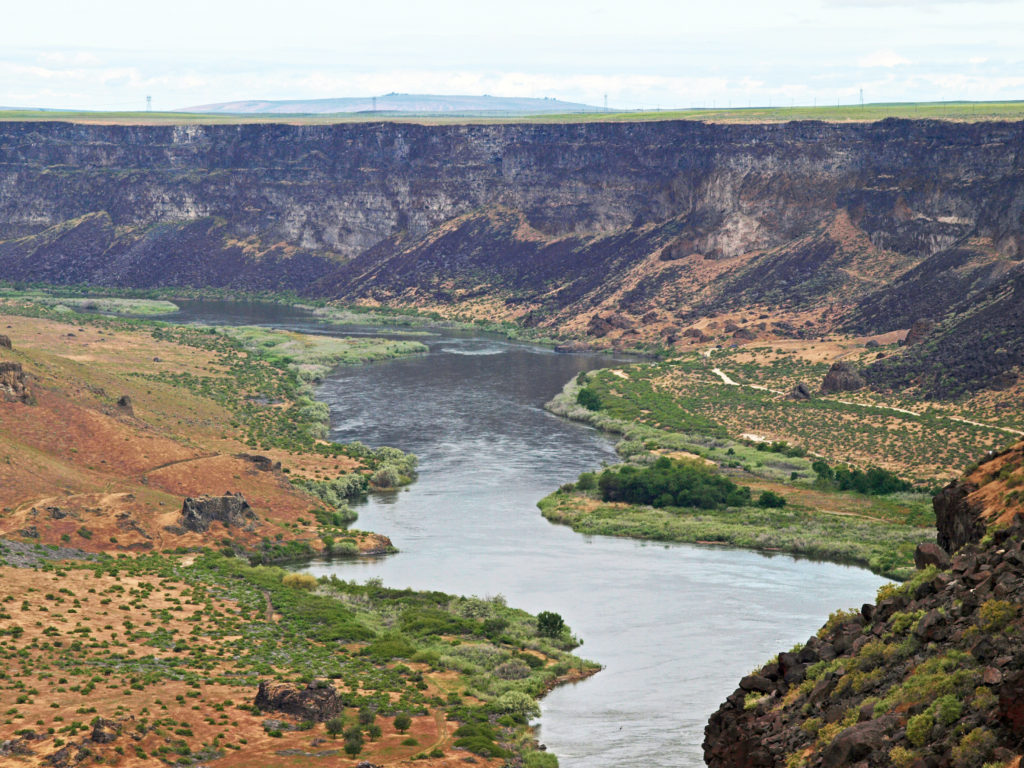
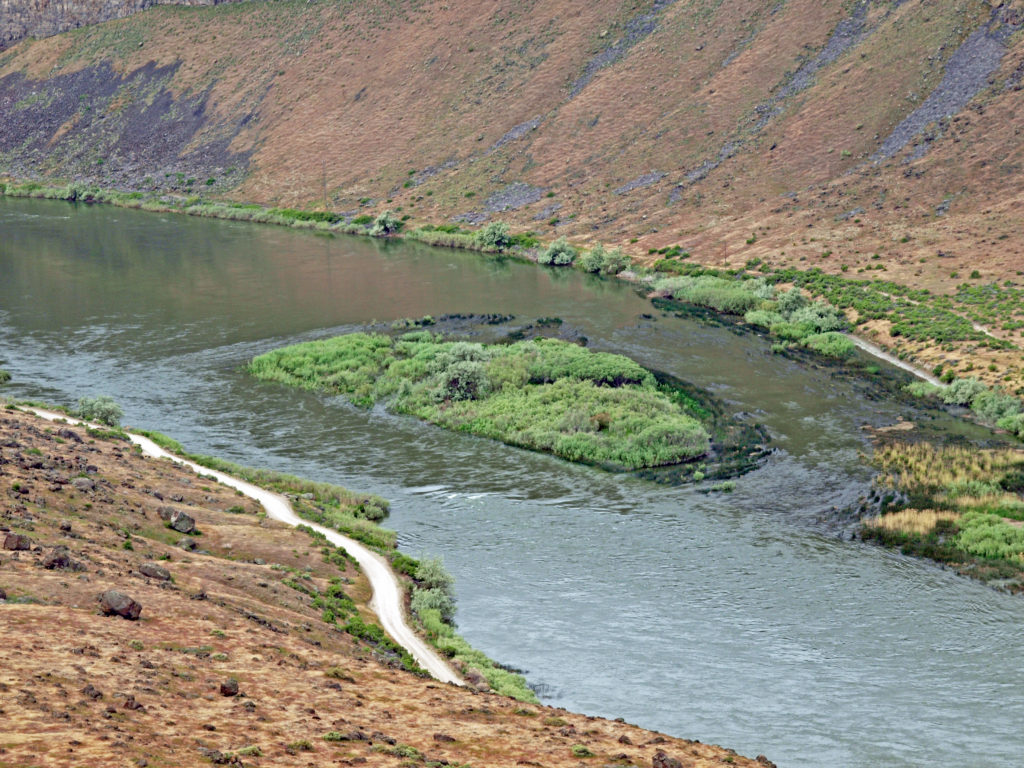
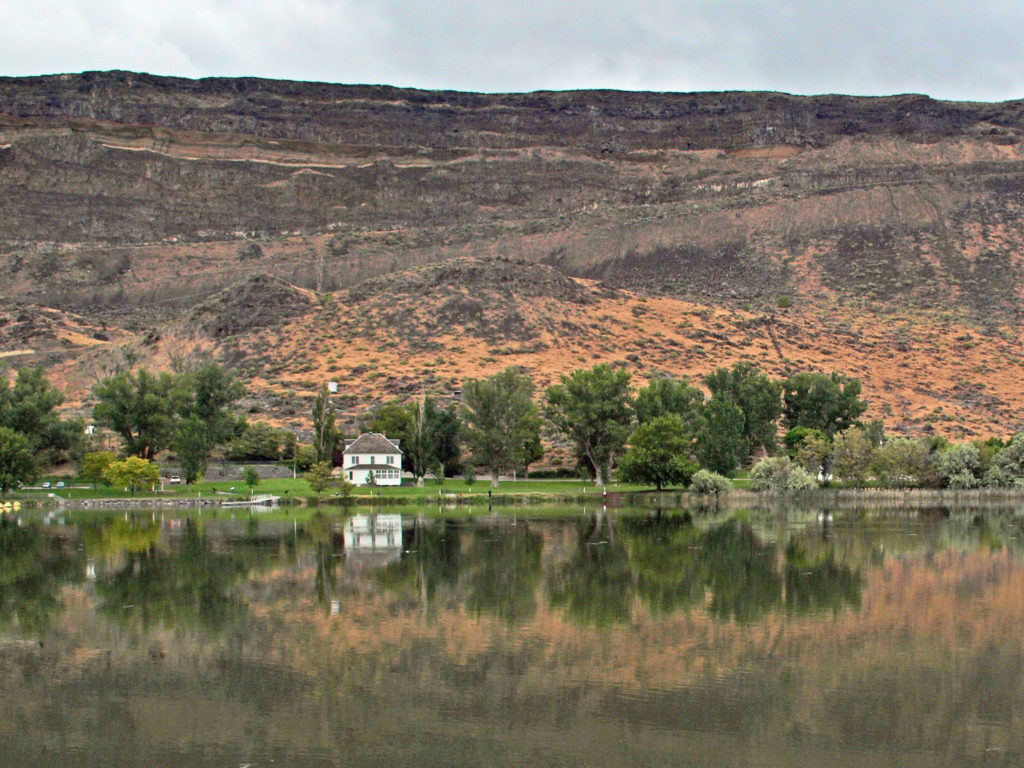 The falls are long gone, flooded by construction of Swan Falls Dam in the early 1900s. Swan Falls was the first hydroelectric project on the Snake River. A fish ladder was constructed, but was largely ineffective, and the dam effectively blocked salmon and steelhead passage. That was a different era, and the fish ladder was never made functional. Newer dams were built both upstream and downstream with no fish ladders at all. Electricity was the point. The fish didn’t matter. But it’s a historically interesting and beautiful area, so it’s worth a visit even if, like me, you’d rather see the dam gone.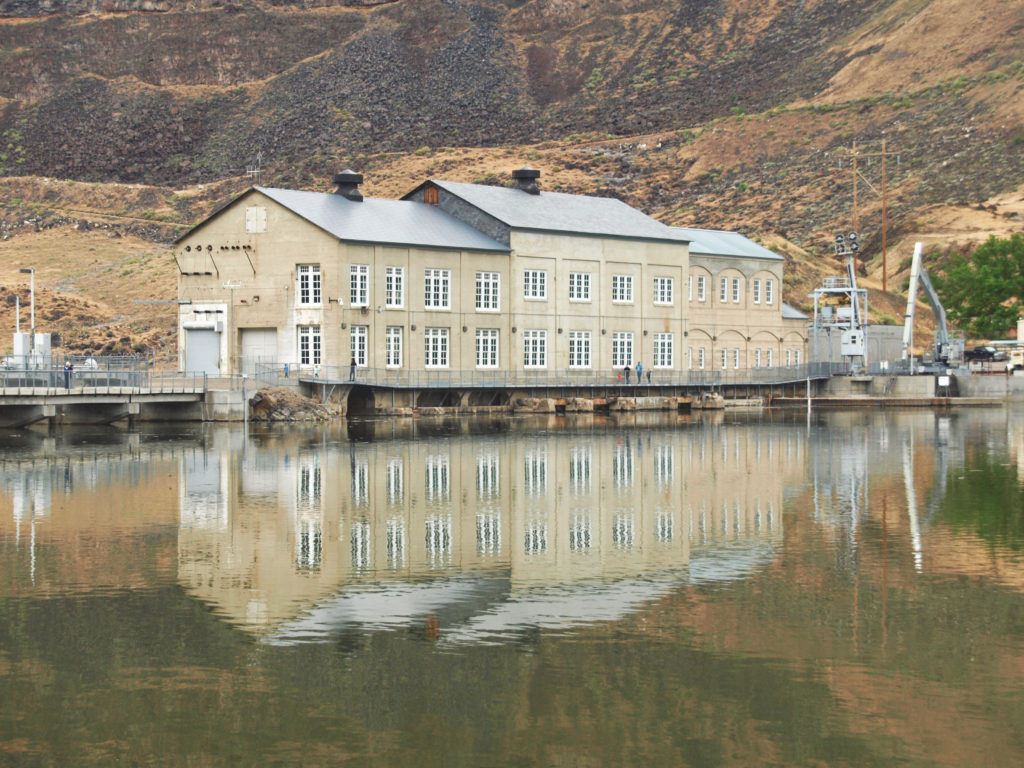
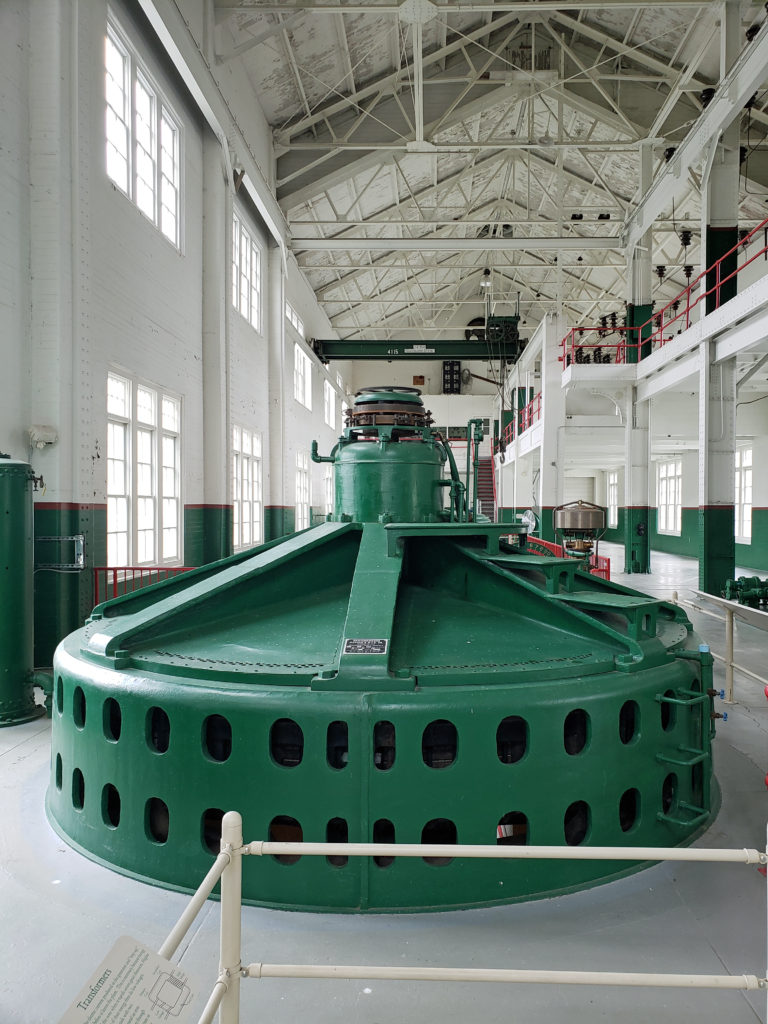 A new power generation facility was constructed at Swan Falls Dam in the 1990s. The dam’s original power plant is now open to the public, with some of the century-old generators and other equipment still in place. There are also displays depicting the history of the area, and the construction and operation of the dam. We walked across the dam after visiting the power house museum, then drove down the canyon a ways. The road was too rough for the car, though, and we turned around and drove back up to Dedication Point, and then on to Celebration Park.
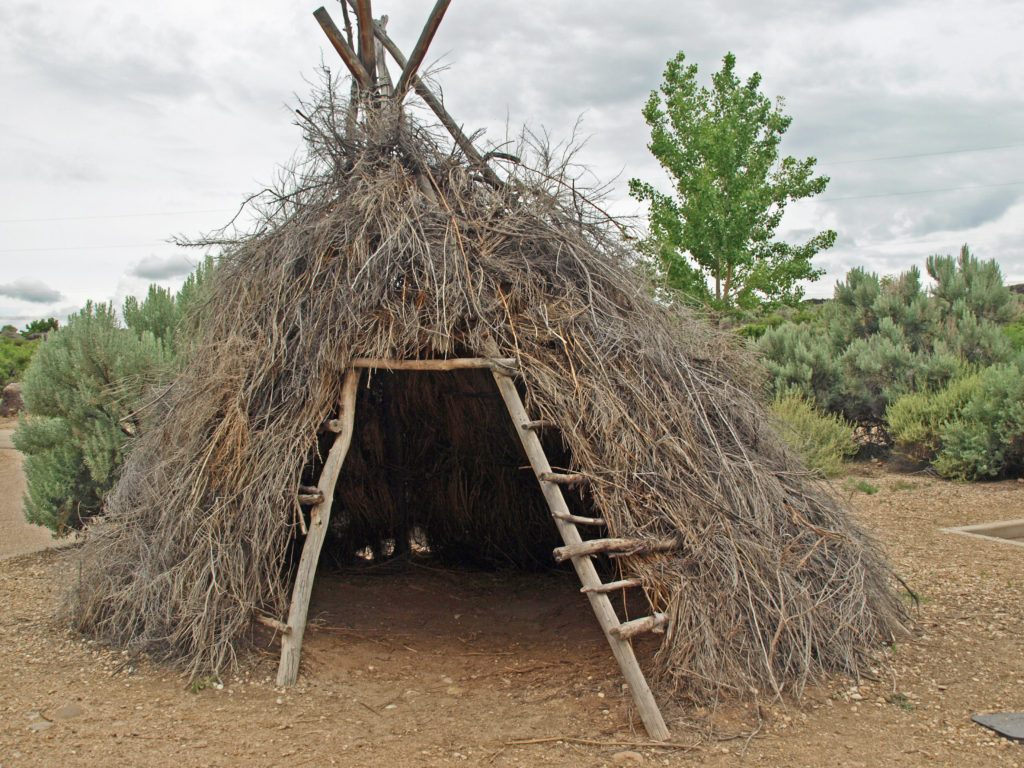 Celebration Park is Idaho’s only archaeological park. Petroglyphs dating back as far as 10,000 years can be found there. Visitors can learn about the Native American “lifeways” at the visitor center, try their hand at throwing a spear with an atlatl, and explore the petroglyph area on a self-guided walk. There is a picnic ground, and a small tent campground. The visitor center is open from 10:00 to 2:00 daily, except holidays. Check the park
 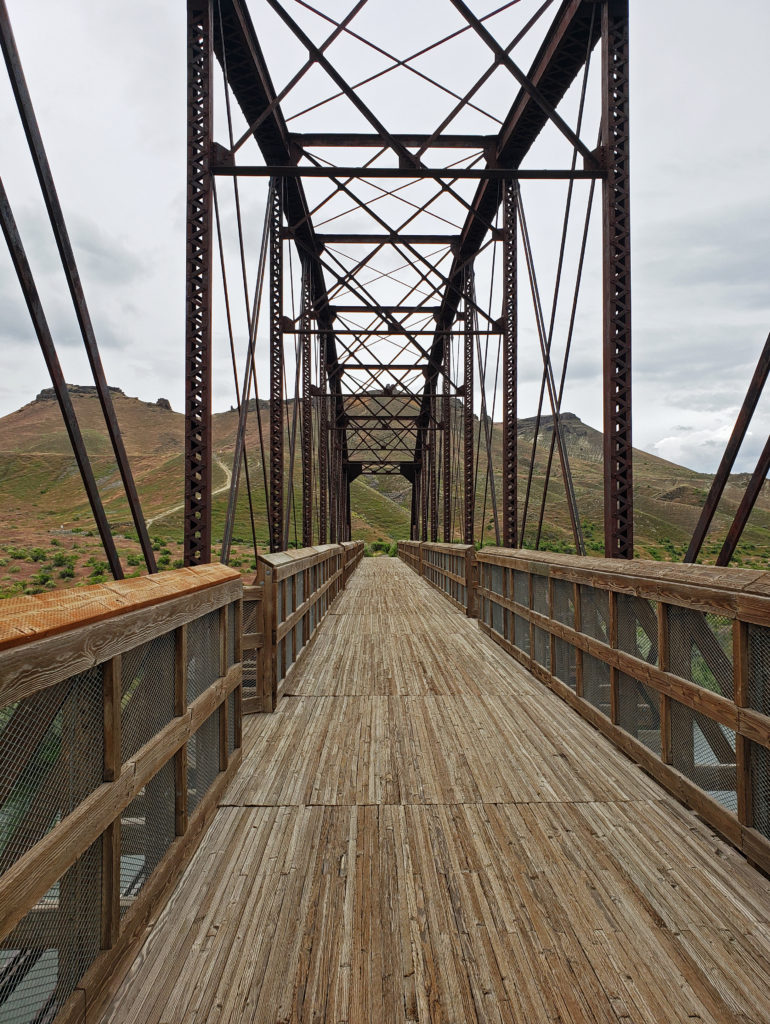 A short ways downstream, the Guffey Railroad Bridge provides pedestrian and equestrian access to the south bank of the Snake River and the Guffey Butte area. The bridge was built in the late 19th century and carried rail traffic until the 1940s. It is listed in the National Register of Historic Places. Guided tours of the area highlighting the area’s early mining and railroad history are conducted periodically.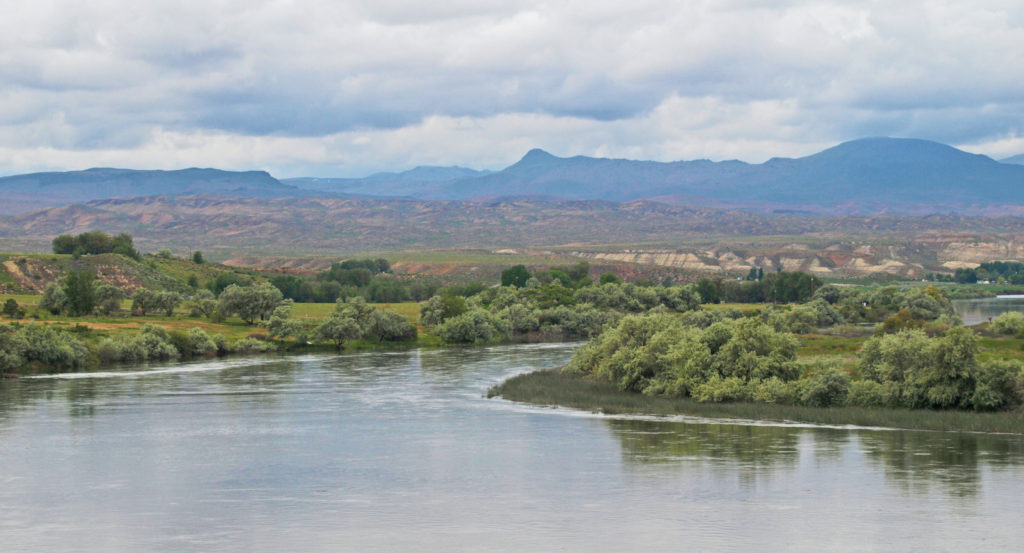
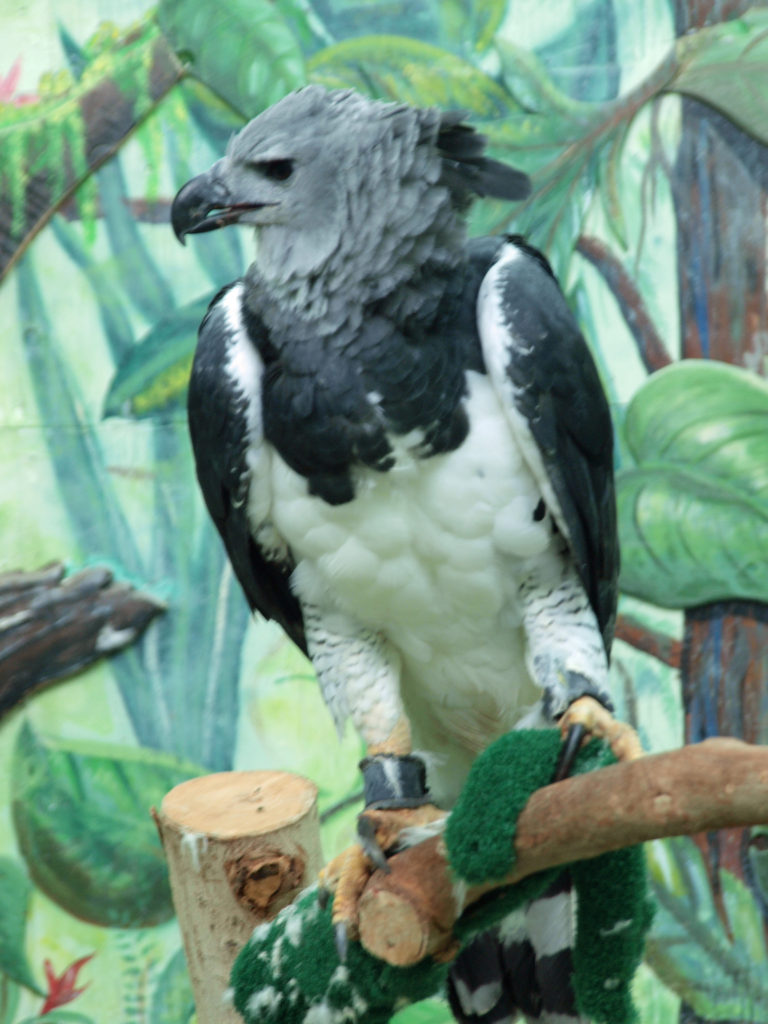
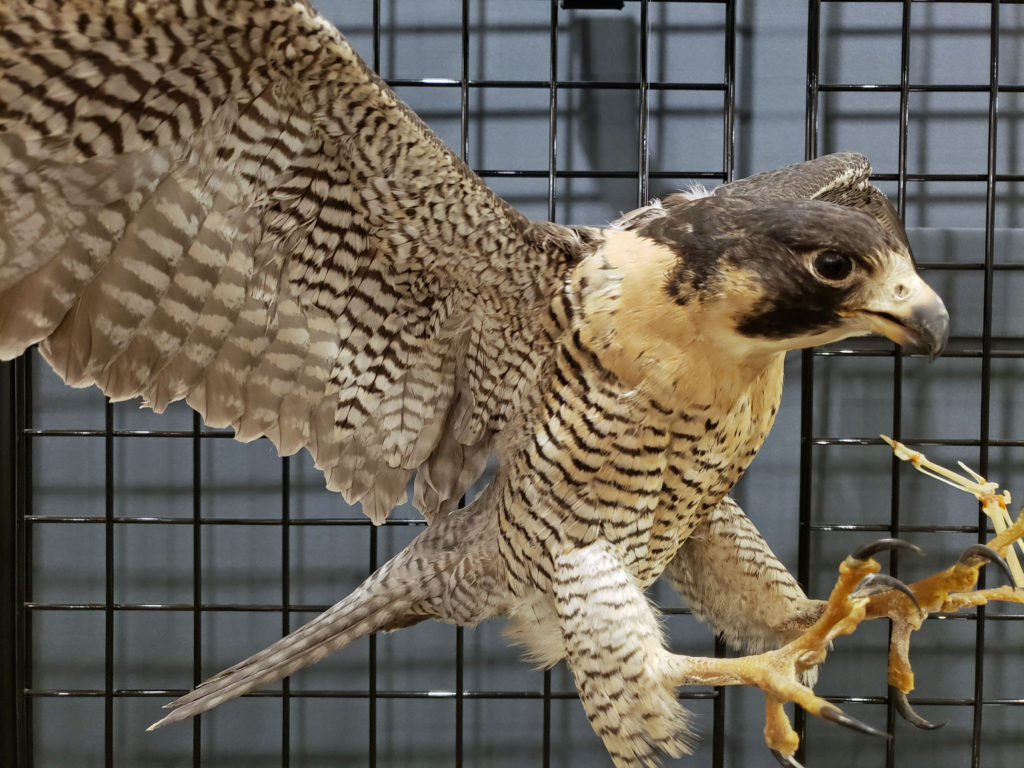 Back in Boise, we toured the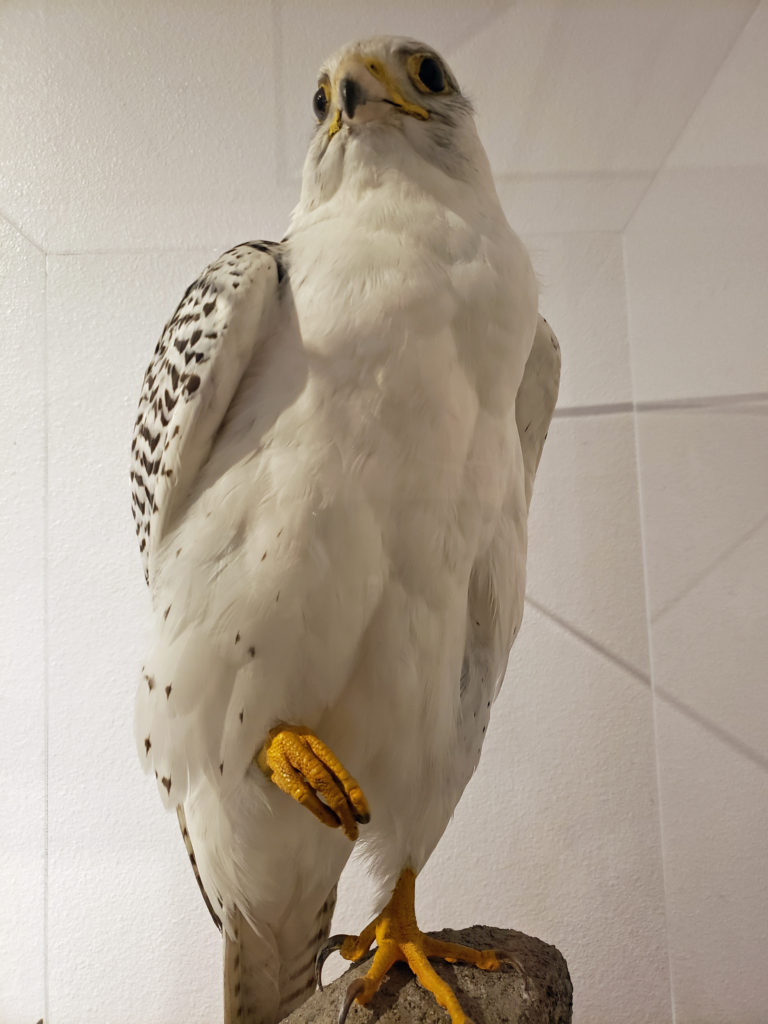
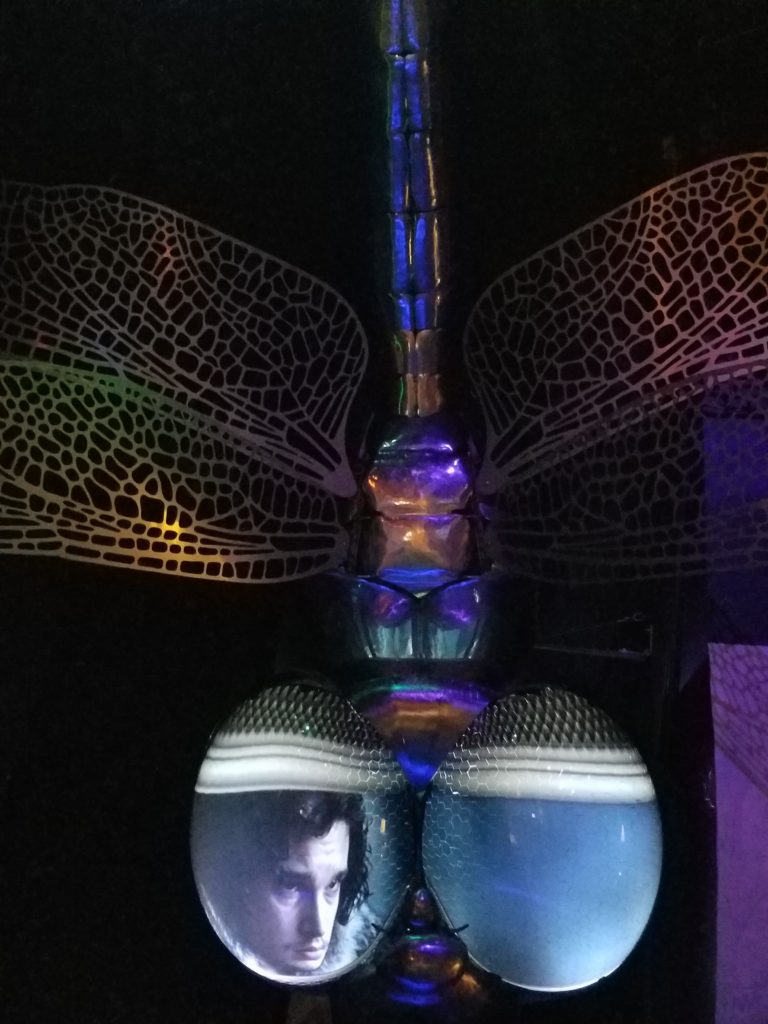
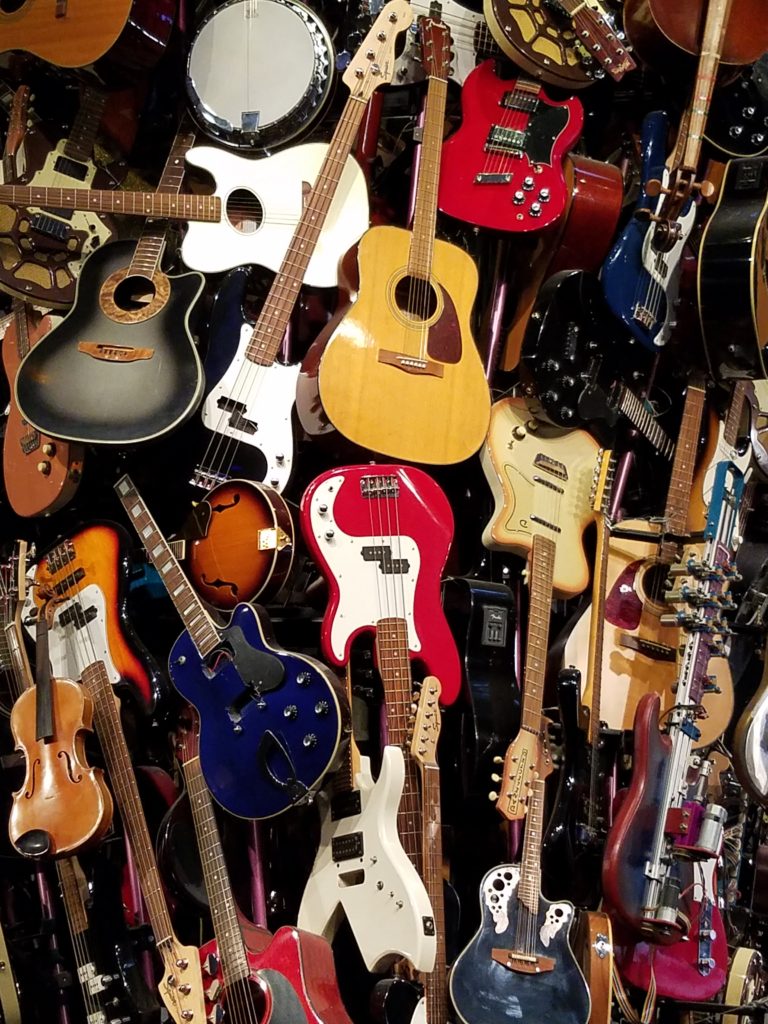
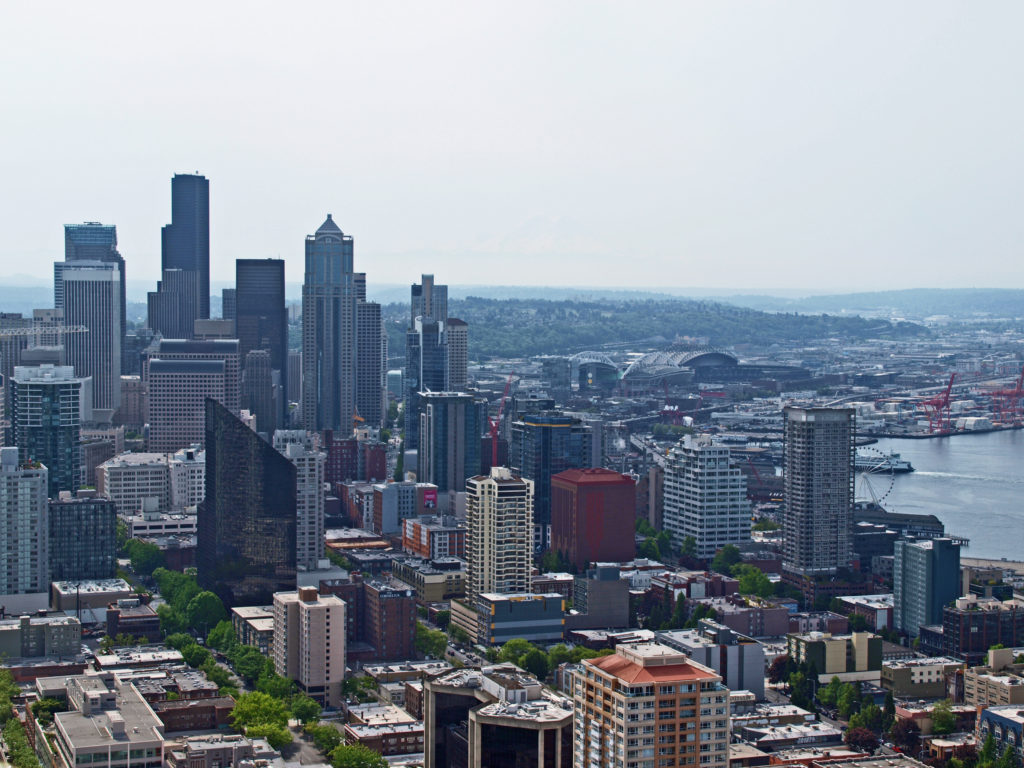
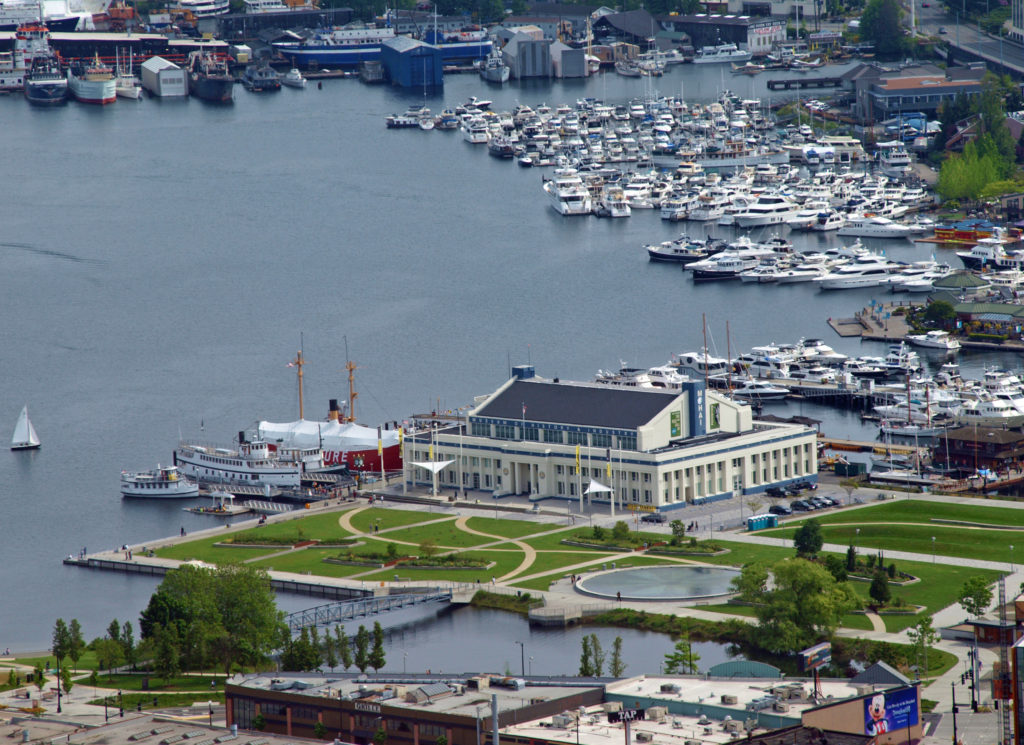
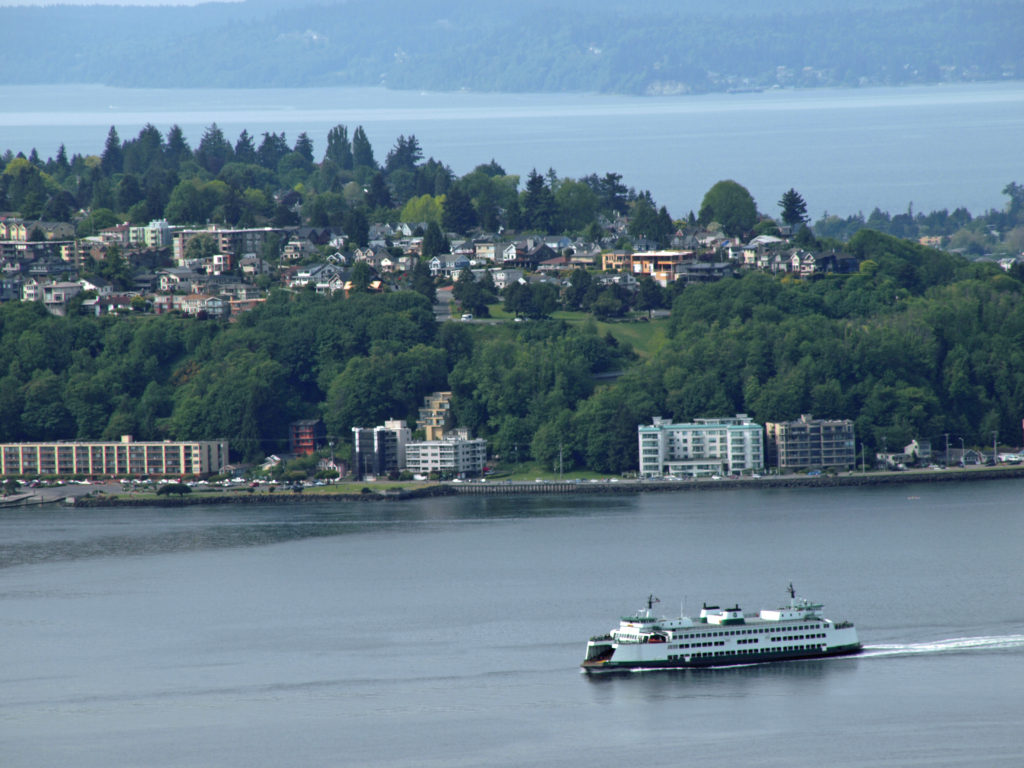
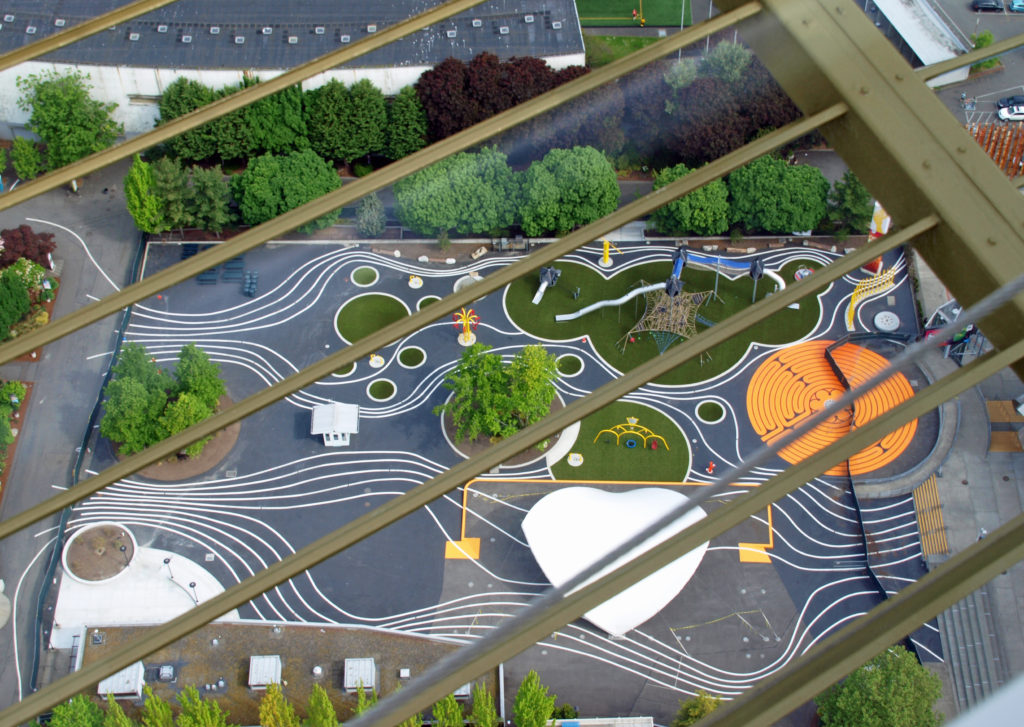
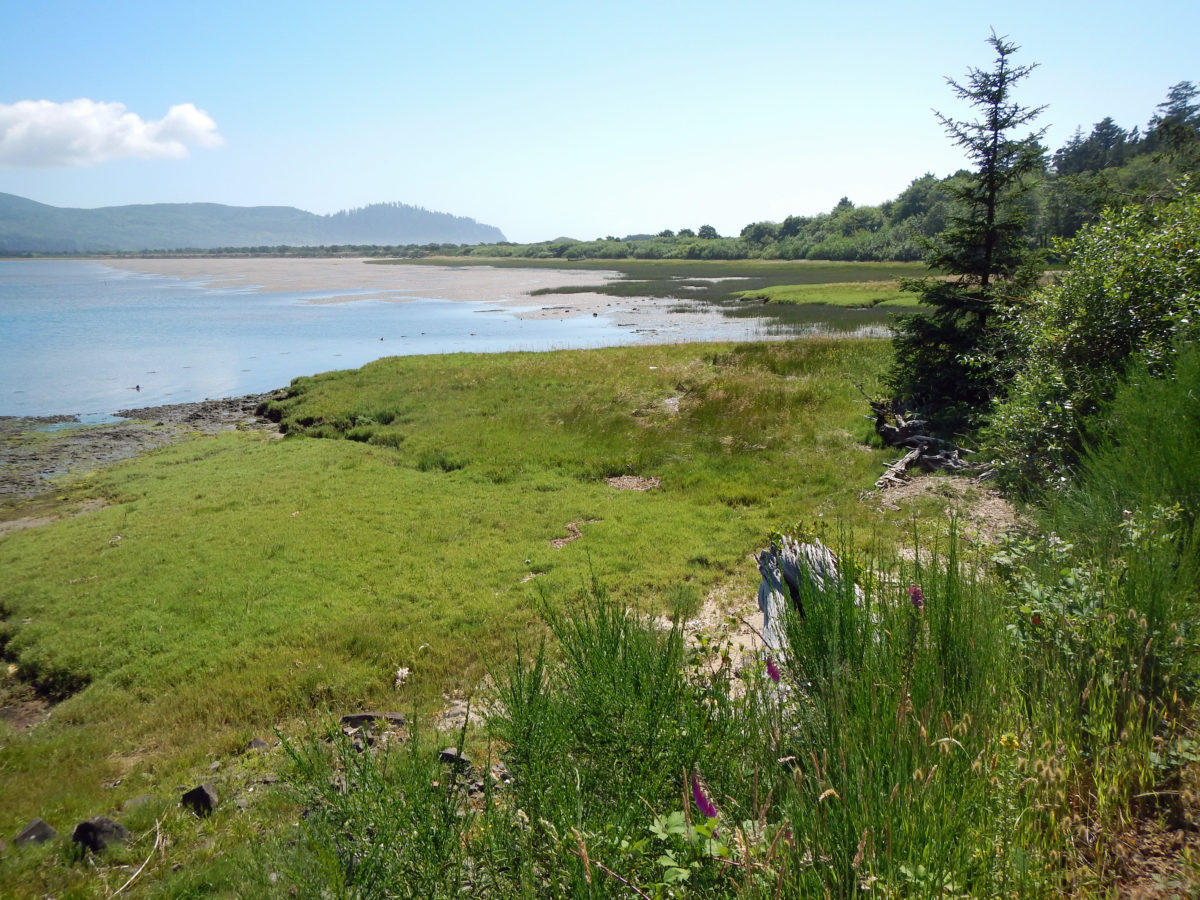
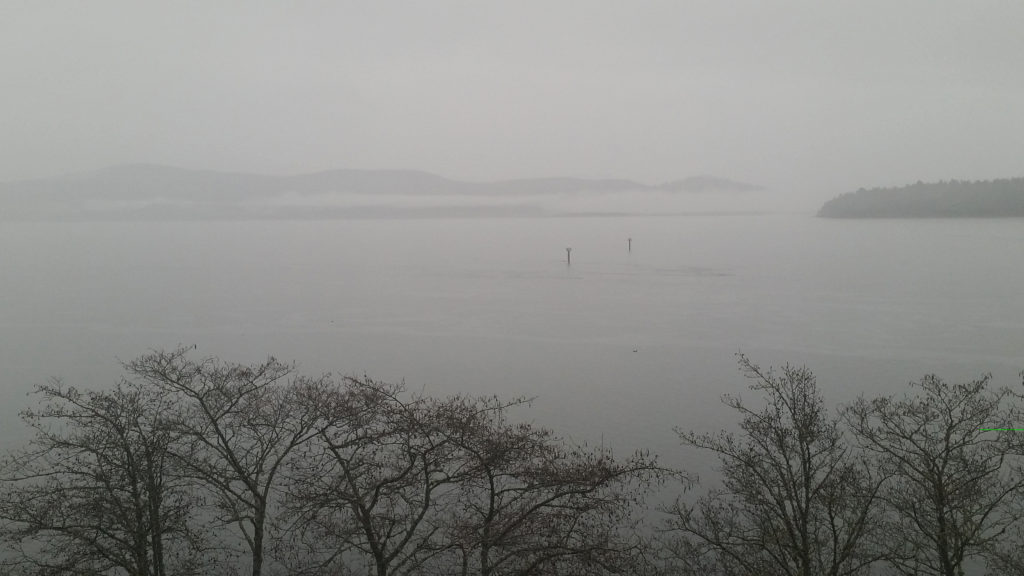 Bayocean Peninsula, on the northern Oregon coast, is a sandspit that separates Tillamook Bay and the Pacific Ocean. It is, by any measure, a nature lover’s paradise, whether you’re a beachcomber, hiker, mountain biker, boater, birder, wildlife lover, or photographer.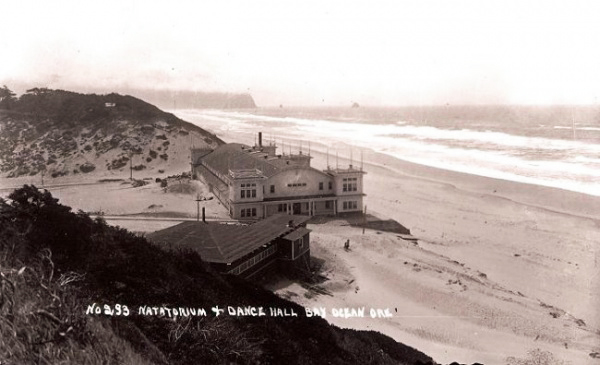
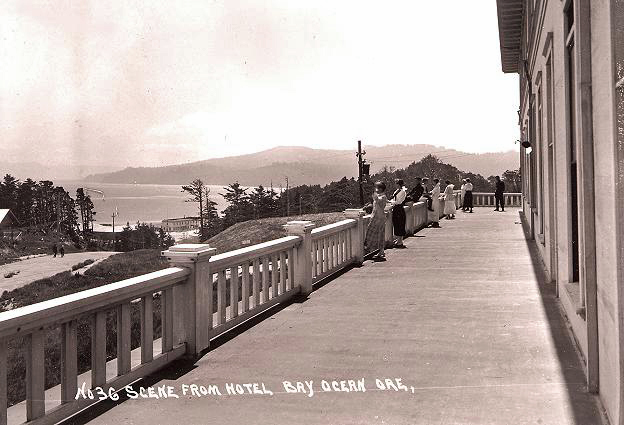
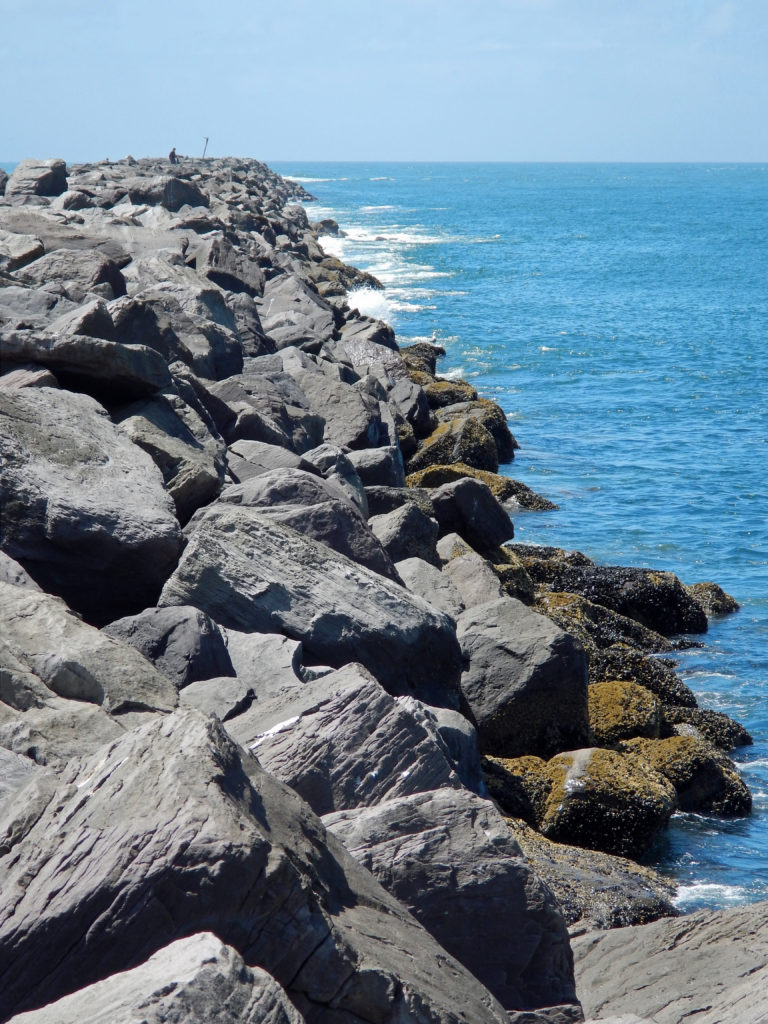 To make crossing the Tillamook bar safer, the Army Corps of Engineers recommended jetties be built on both the north and south sides of the bay’s mouth. But half of the cost (a then considerable $2.2 million) would have to be paid by local residents. To cut the cost to a more affordable amount, the local port district proposed building only one jetty. The resulting north jetty, completed in 1917, did make crossing the bar much smoother and safer, but it also contributed to the town’s demise by changing the near shore currents, which began eroding away the beach in the 1920s.
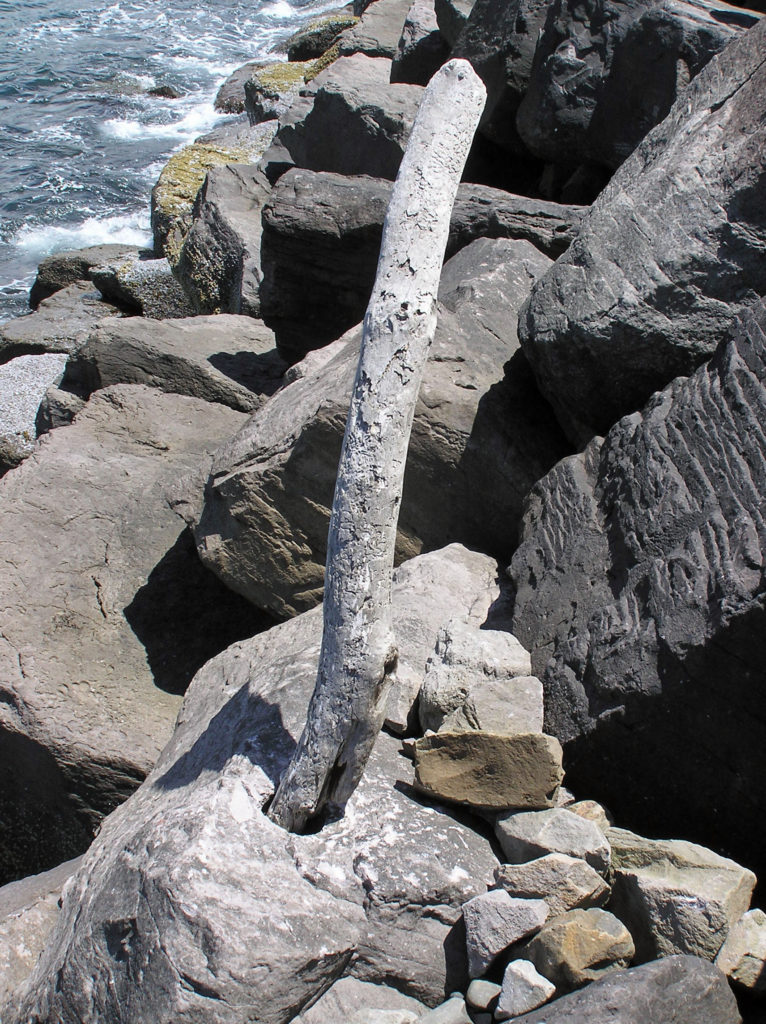 In 1932 the north jetty was extended, further accelerating the erosion. The natatorium was destroyed by waves during a massive storm that winter. By 1938 almost 60 homes had fallen into the sea. Other storms over the years took many of the remaining buildings, and in 1952 another major storm breached the southern end of the peninsula, turning Bayocean Peninsula into an island. The Bay Ocean Park post office closed in 1953 and most of what was left of the town was bulldozed by the Corps of Engineers in 1956 during a project to build a dike across the breach created in 1952. The last house on the peninsula washed away in 1960, and the last structure, a long abandoned garage, fell into the sea in 1971.
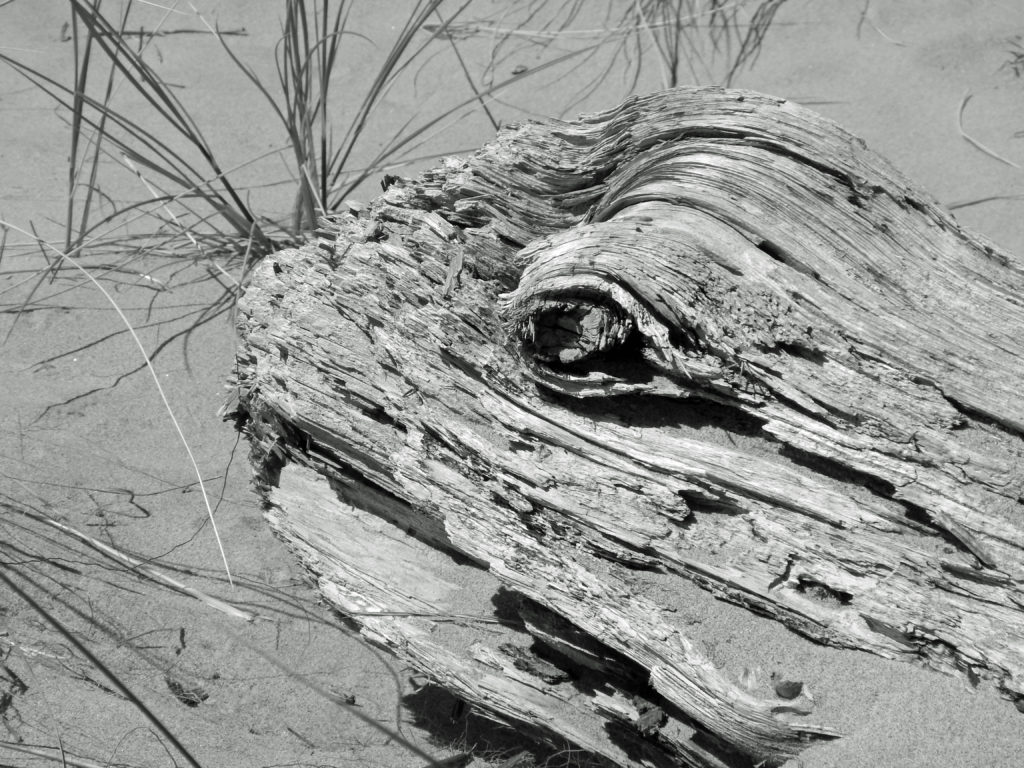
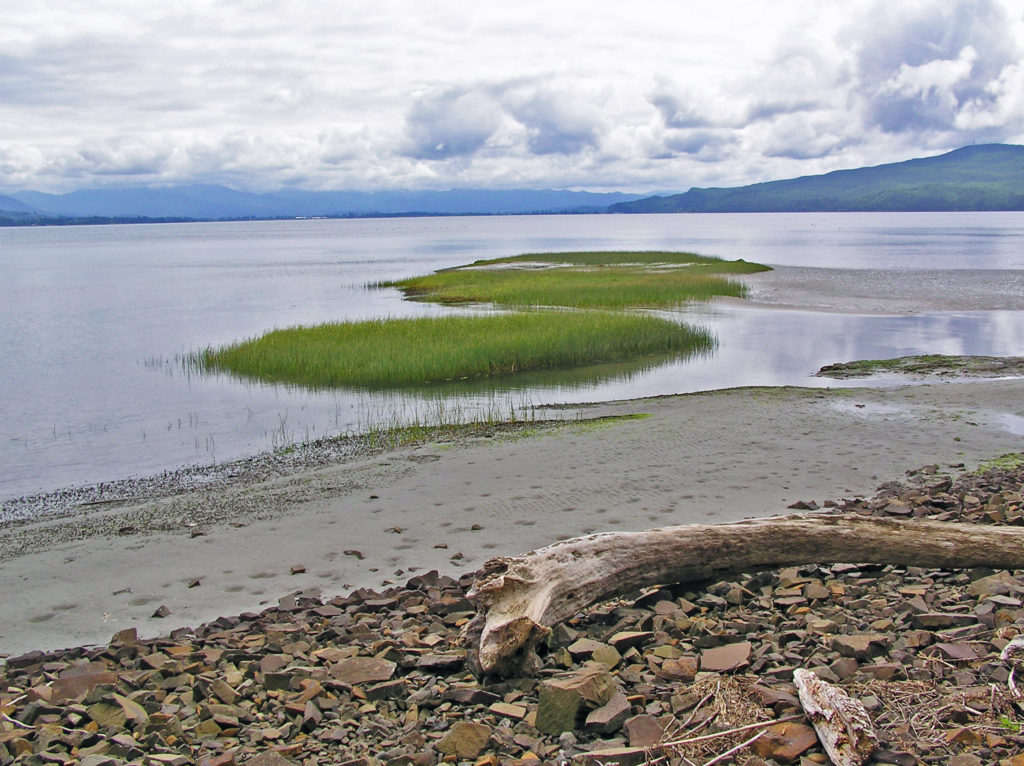
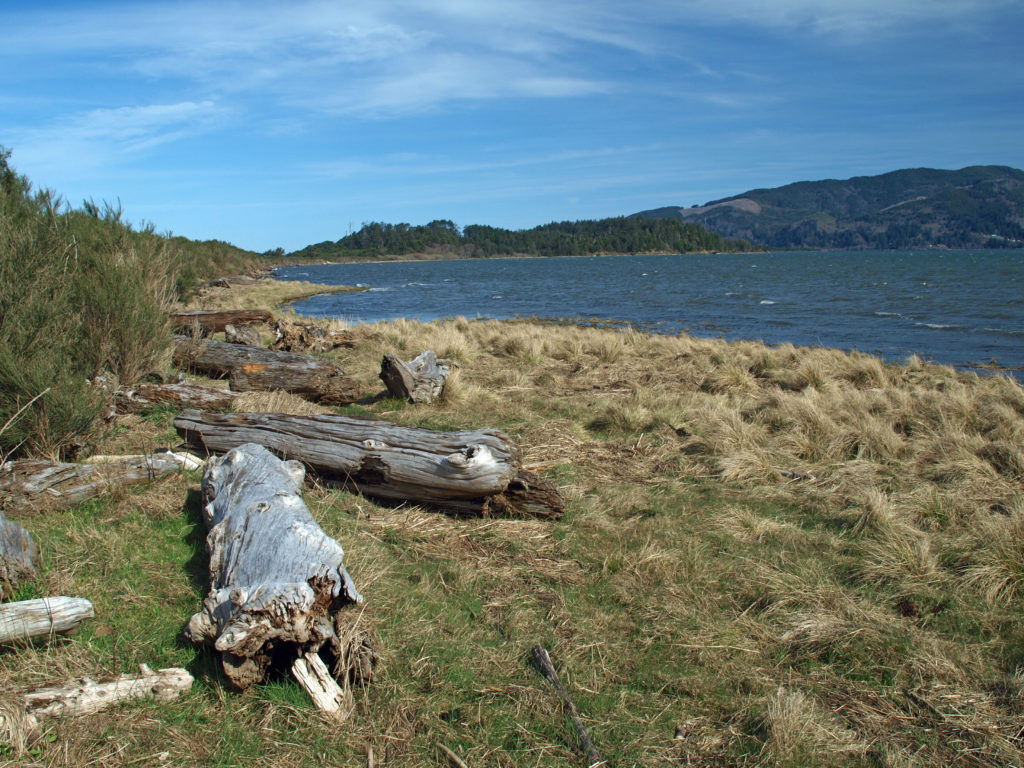 The south jetty was eventually built in the 1970s and that stopped the erosion of the peninsula, but by then the town of Bay Ocean Park was long gone. Today, nothing remains of the town. What’s left, though, is a treasure trove of delights for the outdoor enthusiast: miles of untrammeled beach, unspoiled dunes, a bay shore sheltered from the prevailing winds, an upland spruce and pine forest, and an abundance of waterfowl and other wildlife. The haul road used in building the south jetty is now an ideal mountain bike and hiking trail on the bay side of the peninsula.
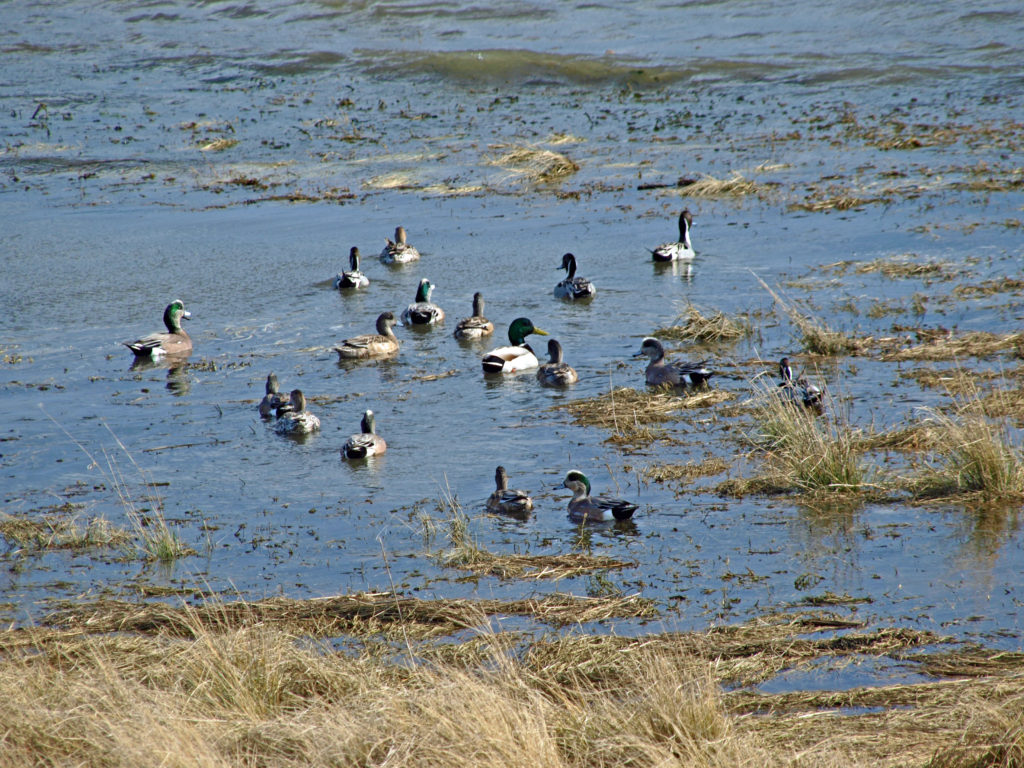 To reach Bayocean from the town of Tillamook, follow the signs for the Three Capes Scenic Route (Oregon Highway 131). After crossing the Tillamook River bridge, turn right onto Bayocean Road toward Cape Meares. At milepost five, turn right onto the old south jetty haul road (aka the dike road) and proceed to the trailhead parking area. There are pit toilets at the trailhead, but no water.
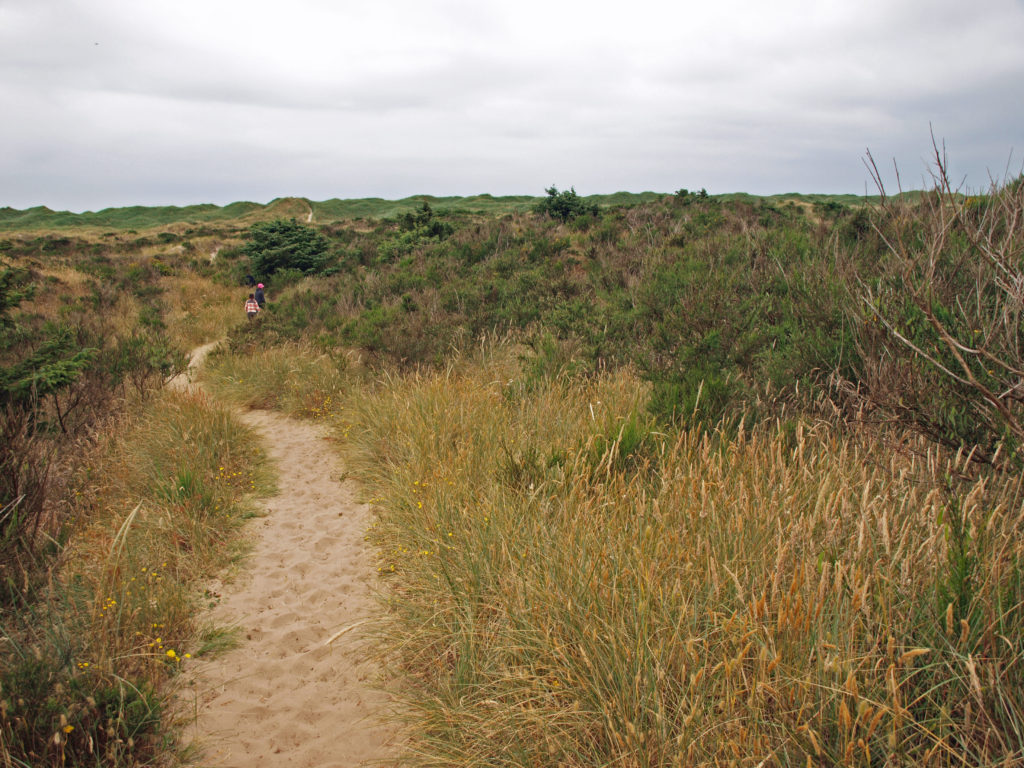 From the trailhead, the road continues north beyond a locked gate. You can also hike through the dunes to the beach from the trailhead parking area. The road along the bay shore is mostly gravel, with a few sandy stretches, and mostly flat. It’s an easy four mile bike ride to the south jetty.
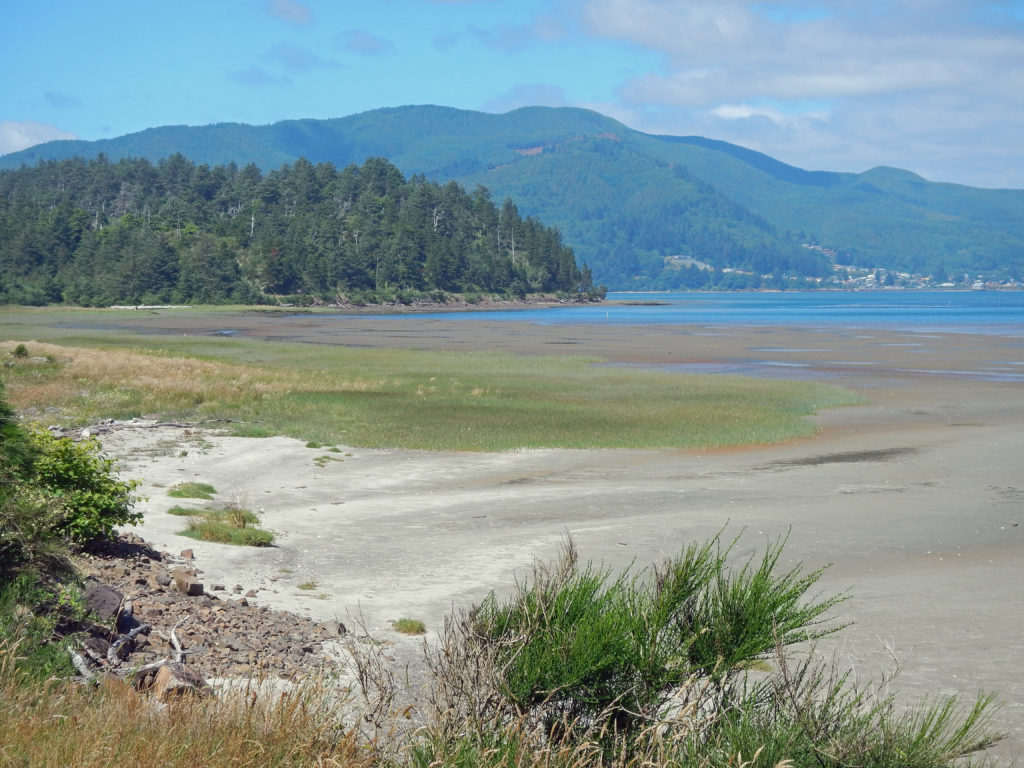 Hikers can do a 7½ mile loop by hiking through the dunes to the beach, walking the beach to the south jetty, and returning along the bay side on the gravel road. There are several trails connecting the dike road to the beach, making shorter loops possible. And a longer hike or bike ride (10 mile loop or 9 mile out and back along the beach) can be done by starting at the beach access in the town of Cape Meares, instead of the Bayocean trailhead. See my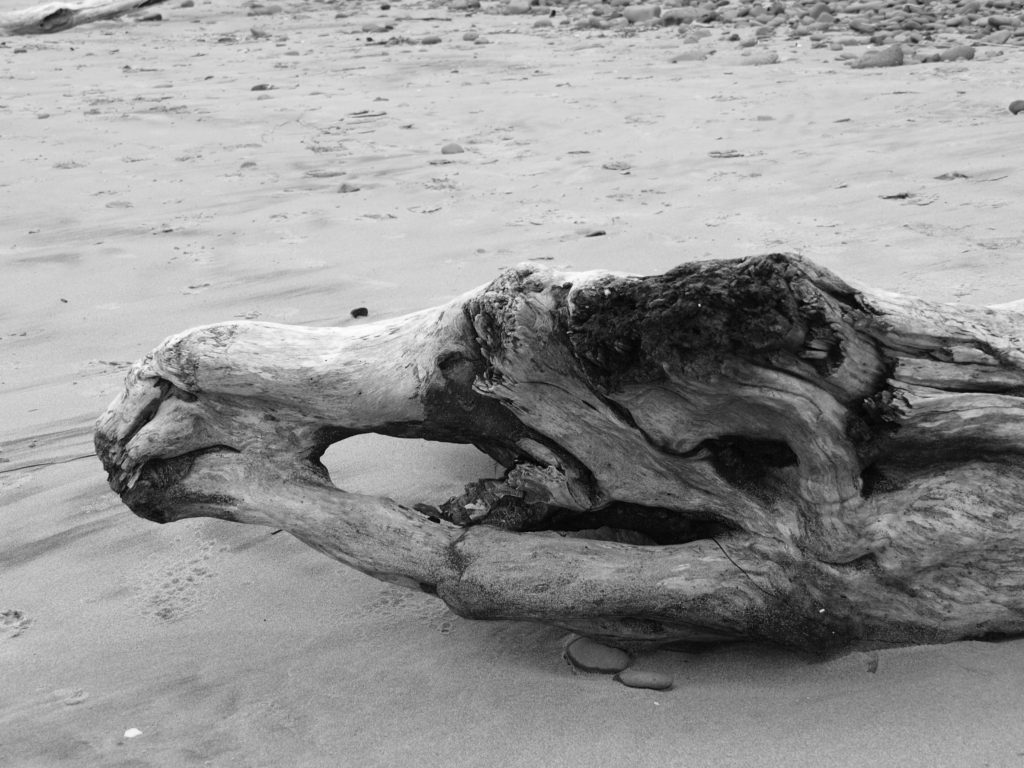
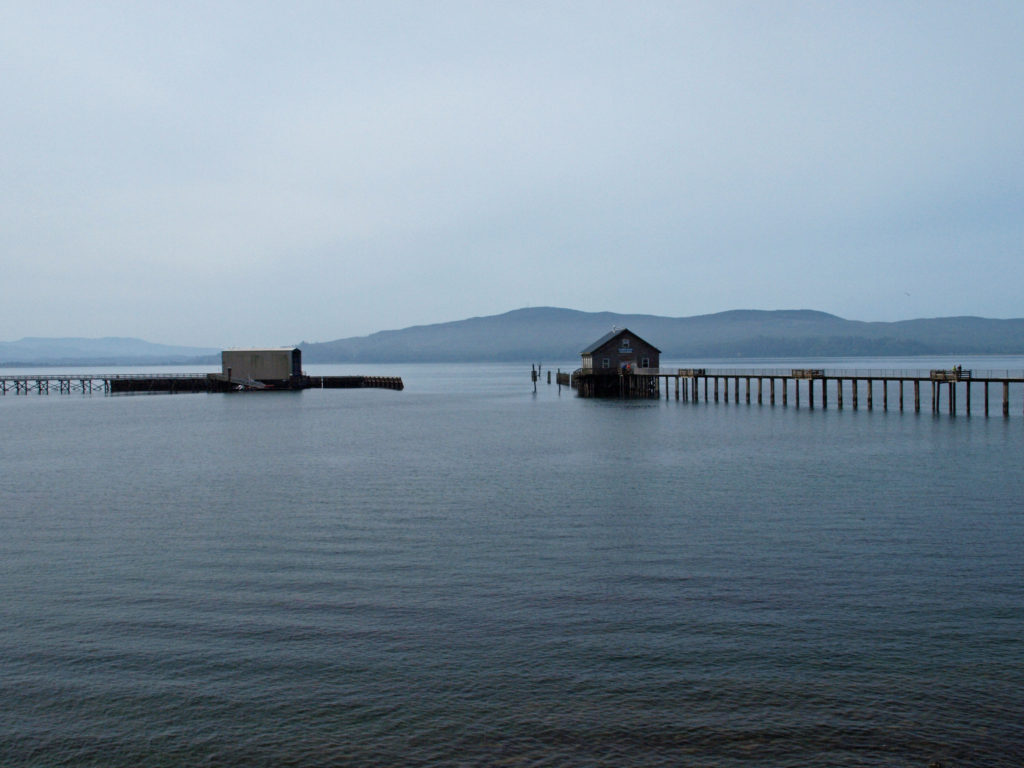
 The north Oregon coast has much to offer beyond Bayocean Peninsula, of course.
  Originally posted April 23, 2019 by Alan K. Lee, updated July 8, 2021 and March 4, 2024
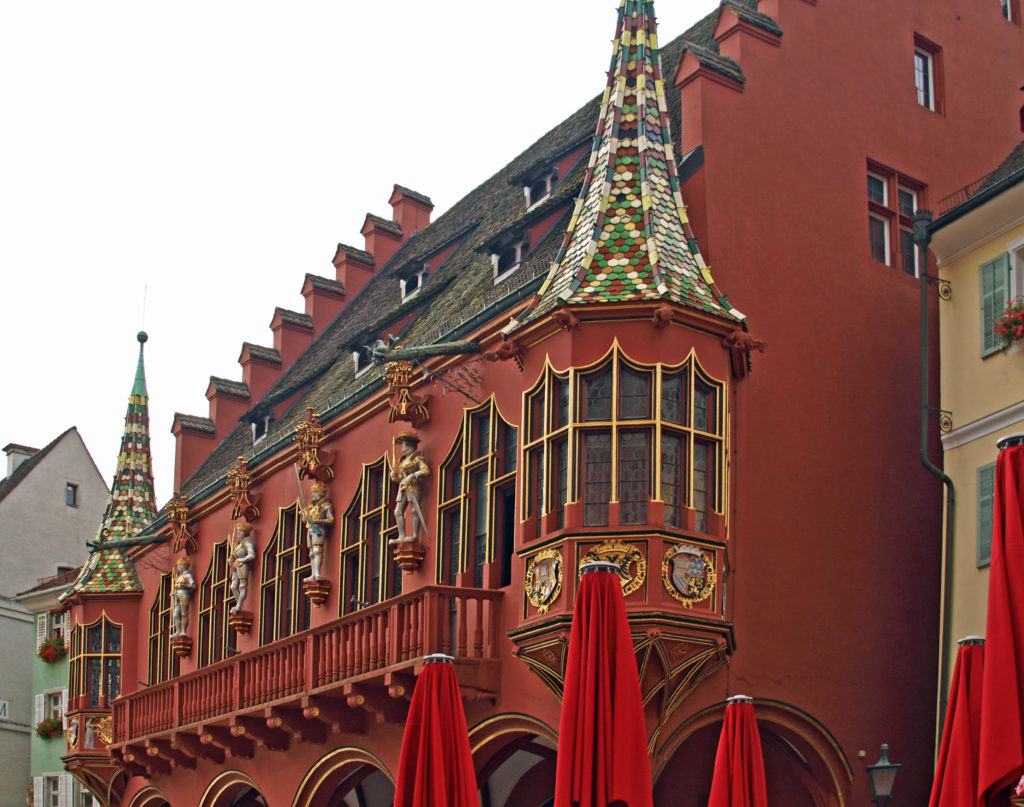
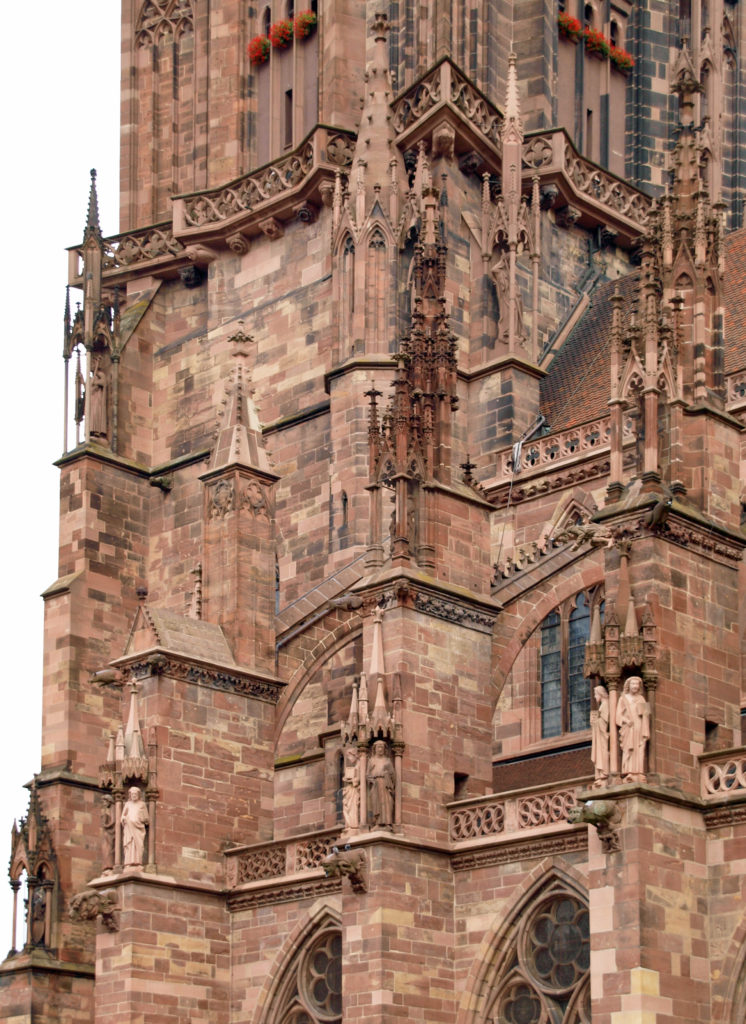
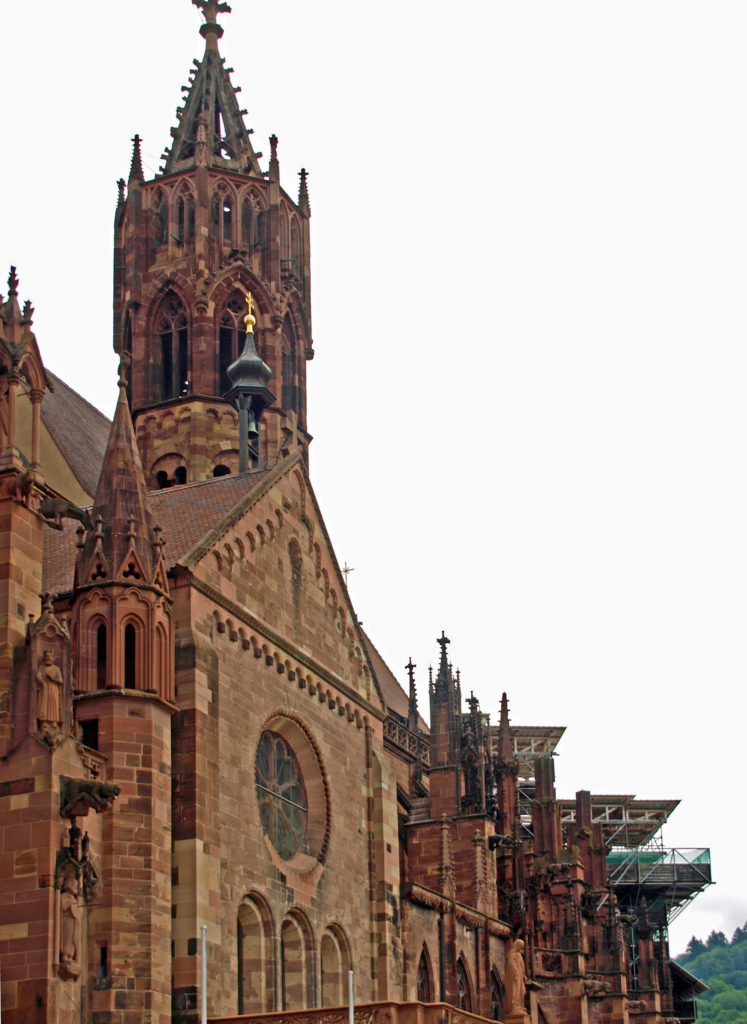
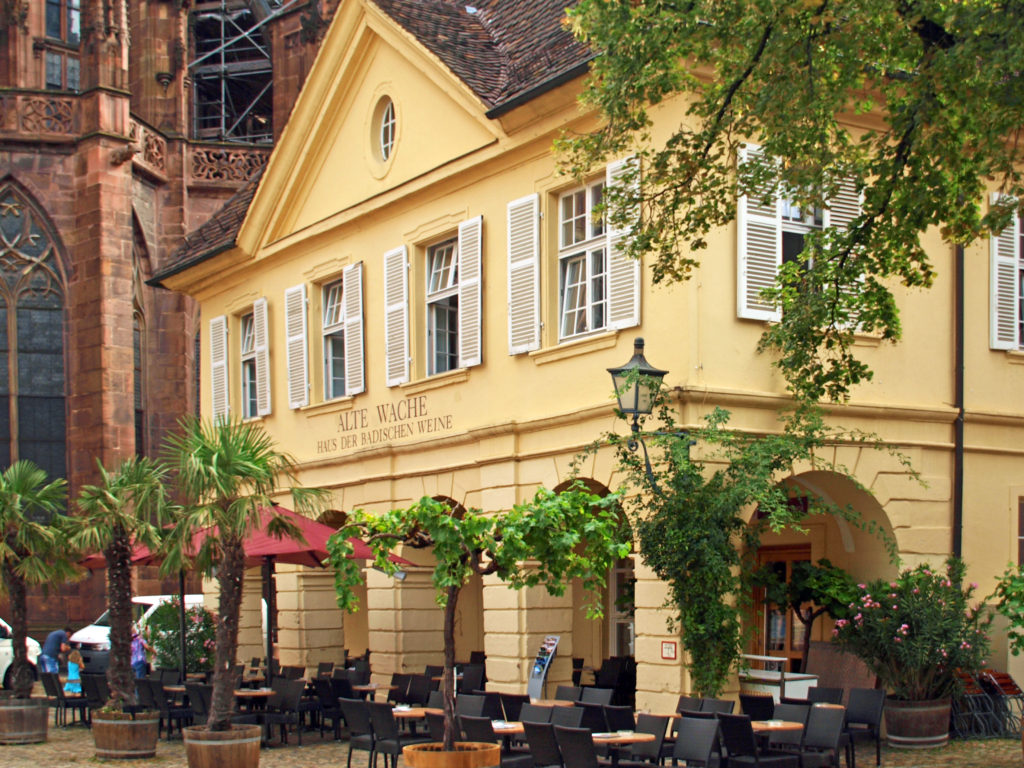
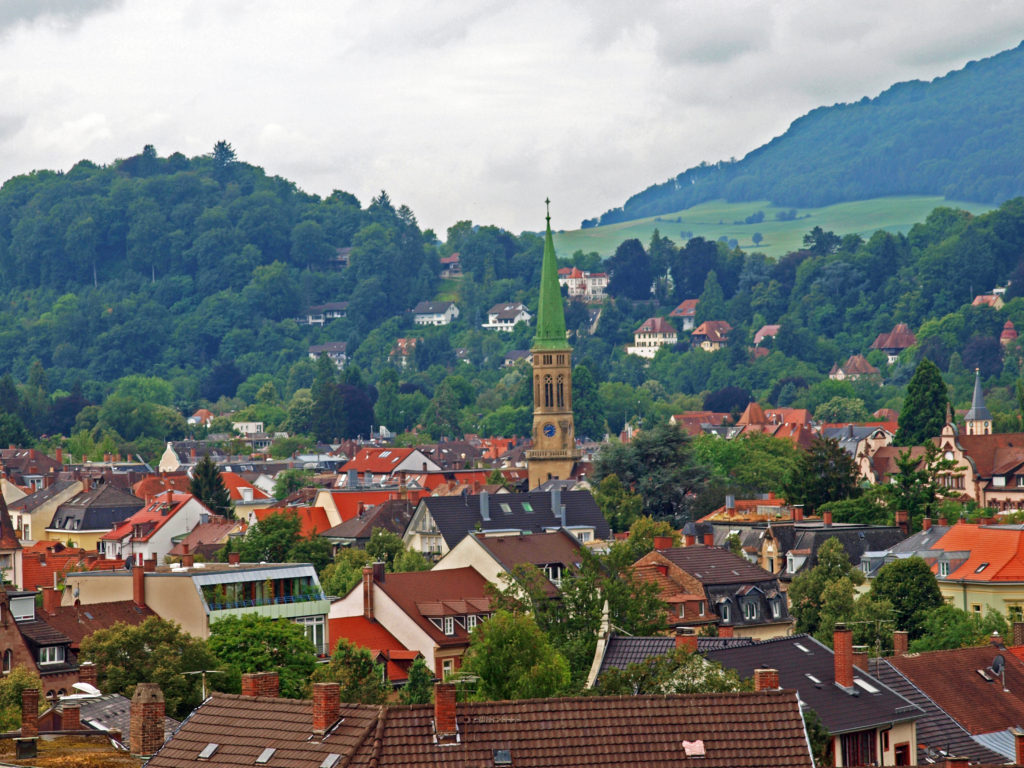
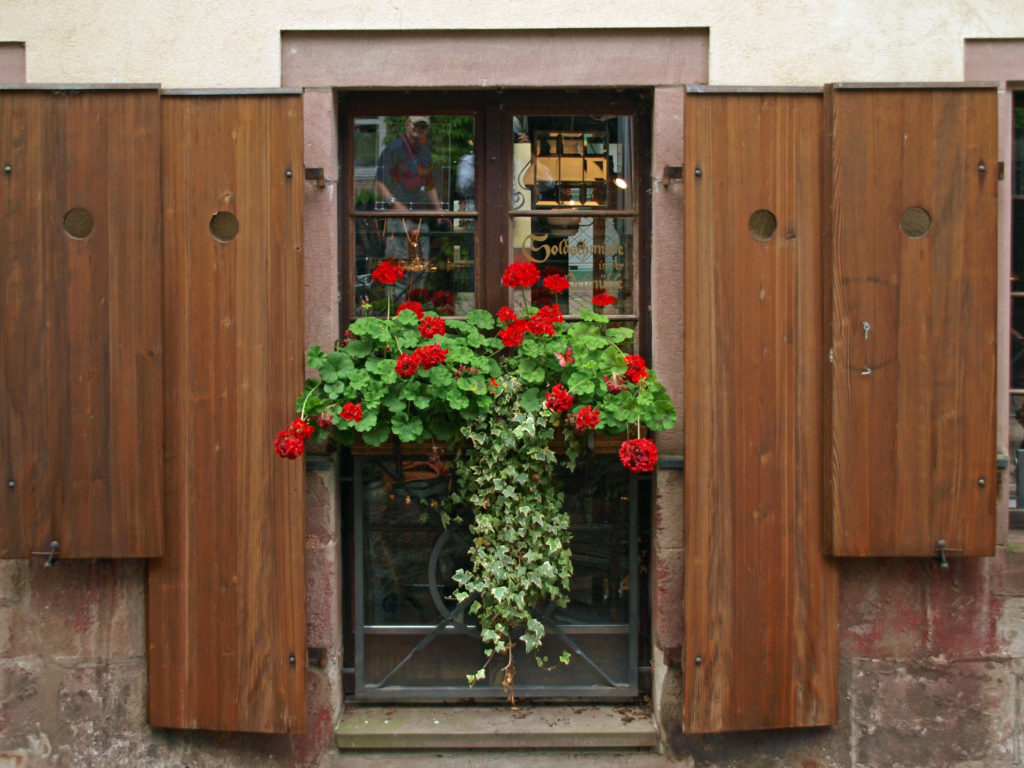
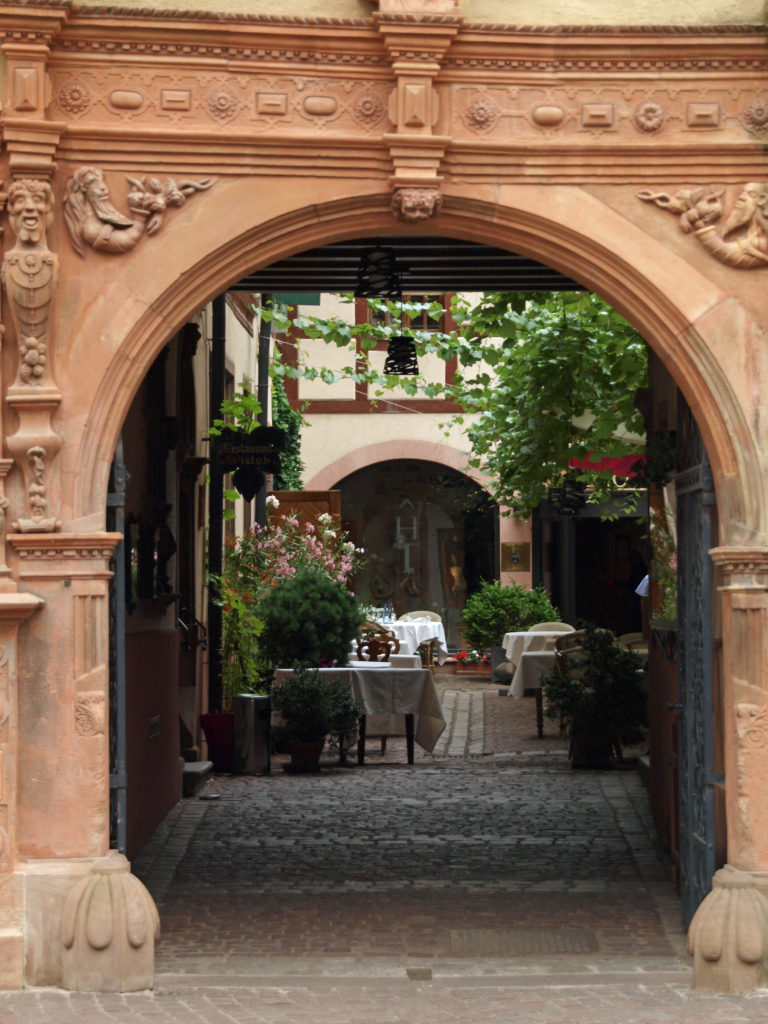
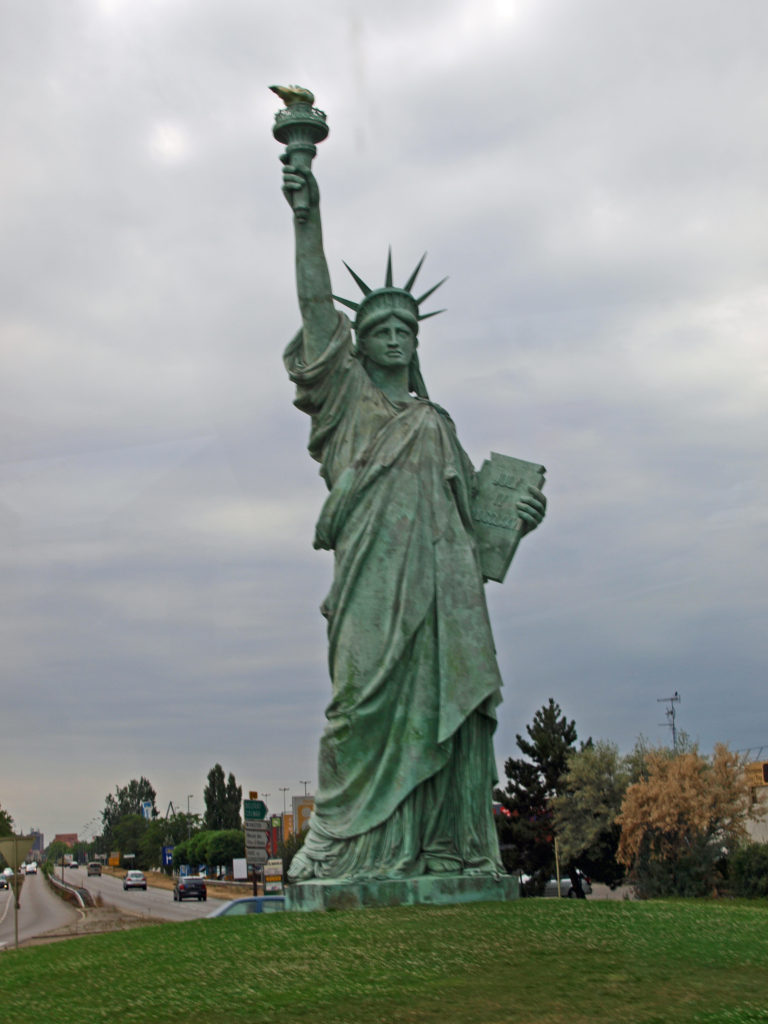
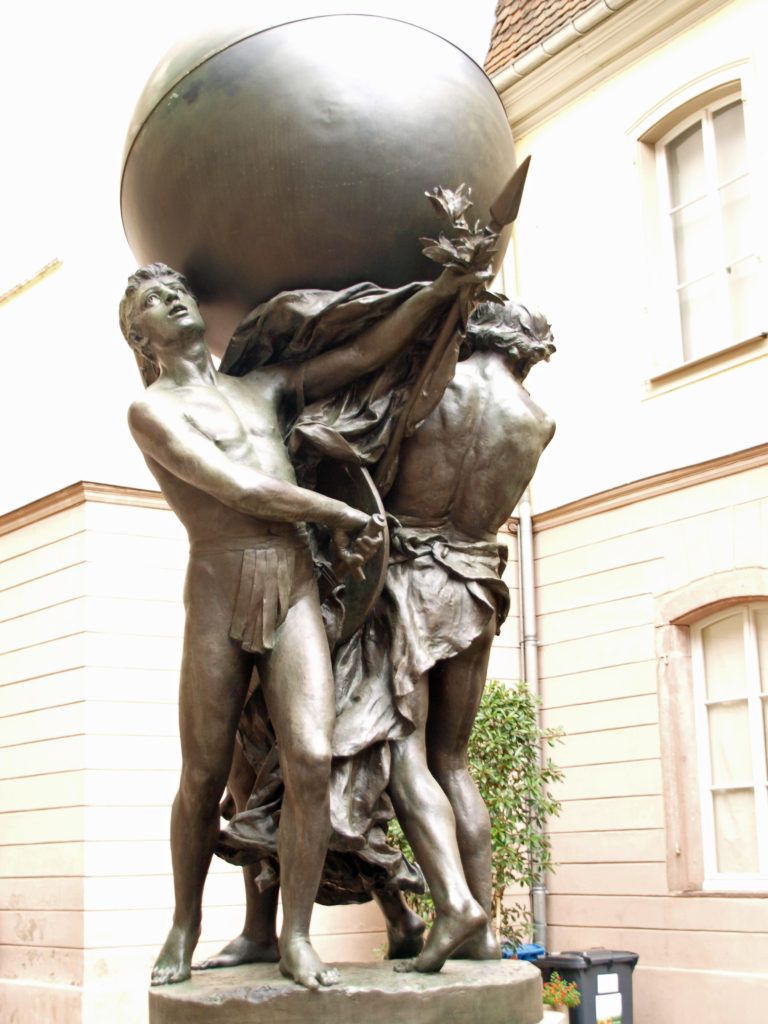
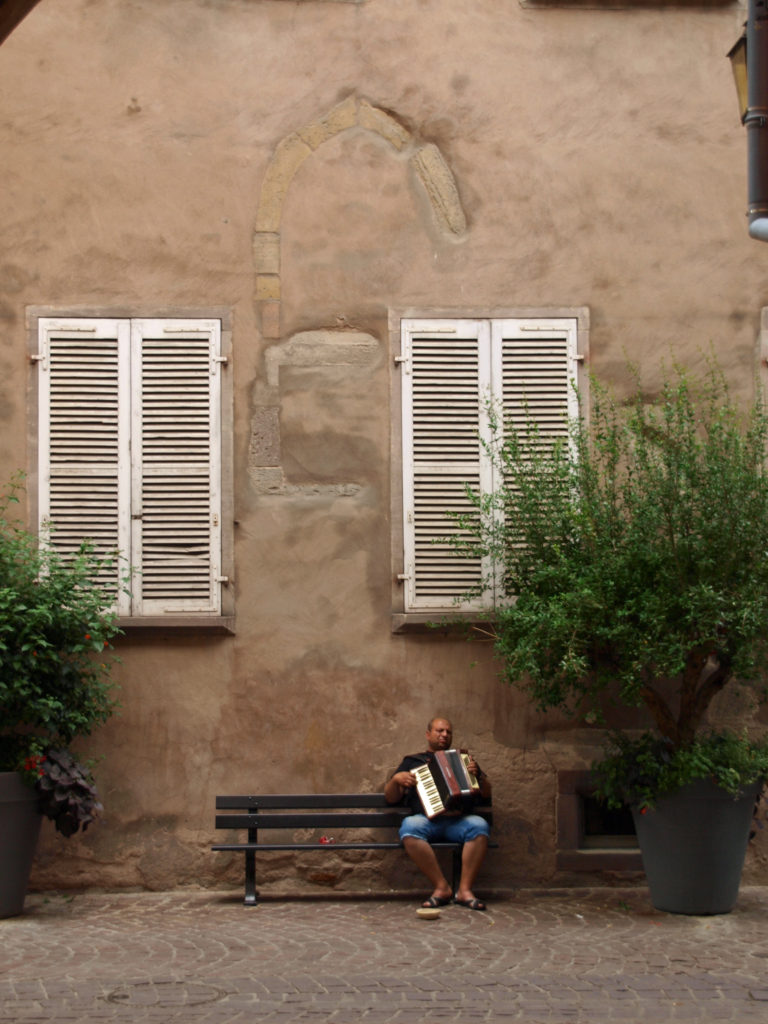
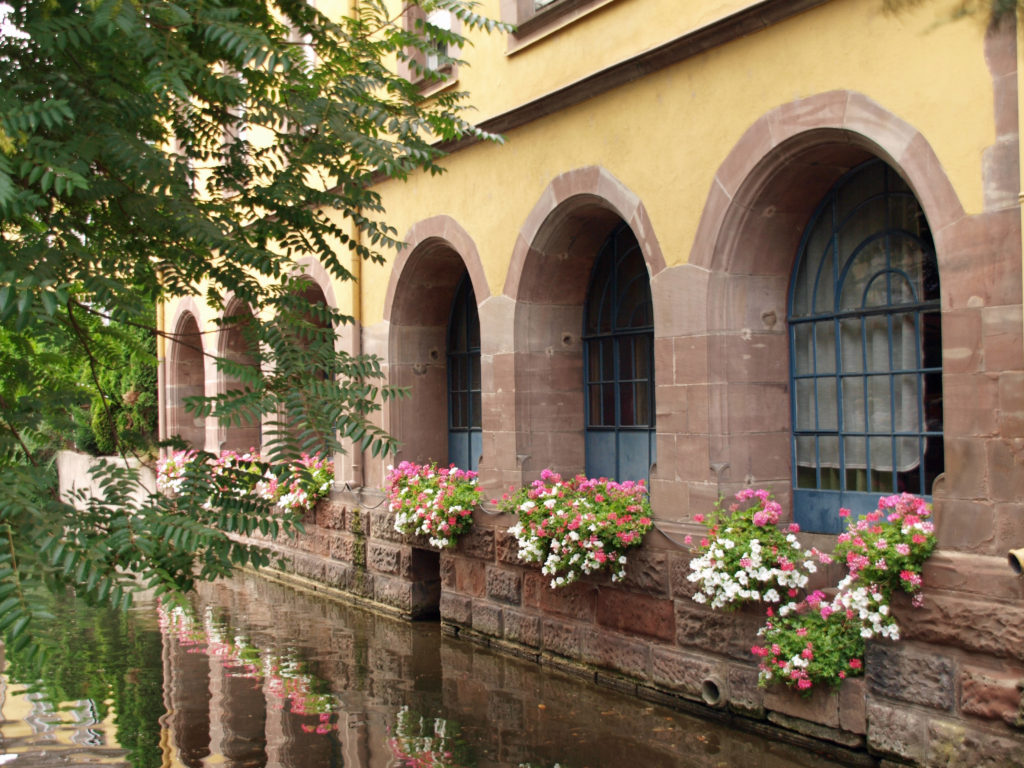
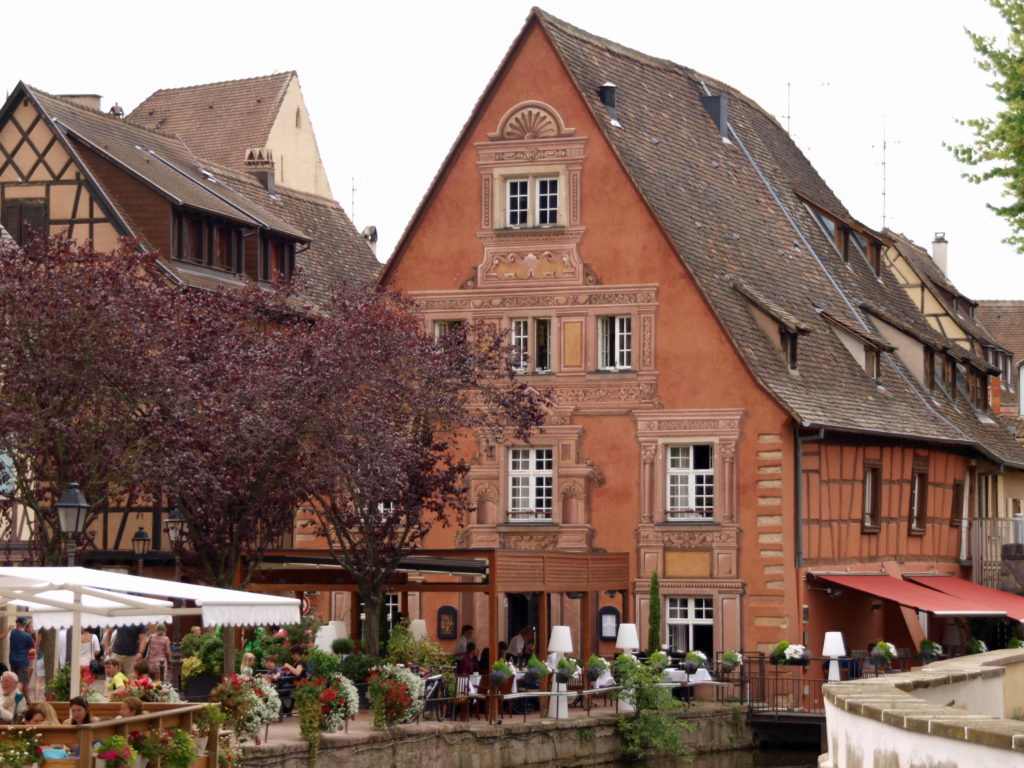
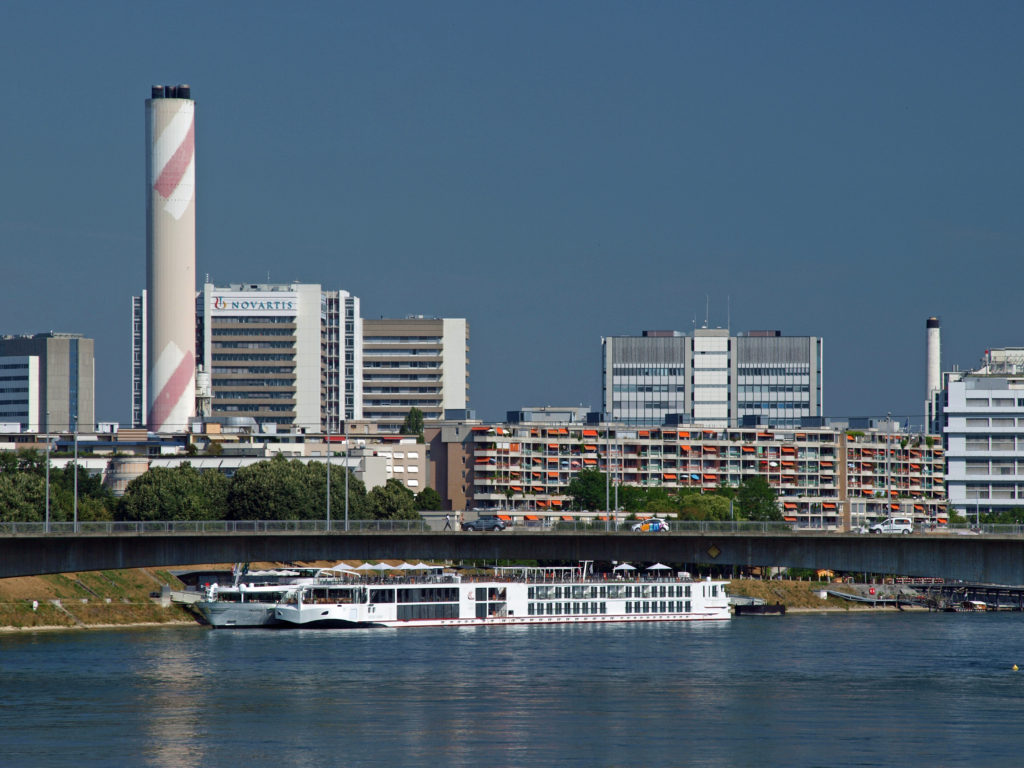
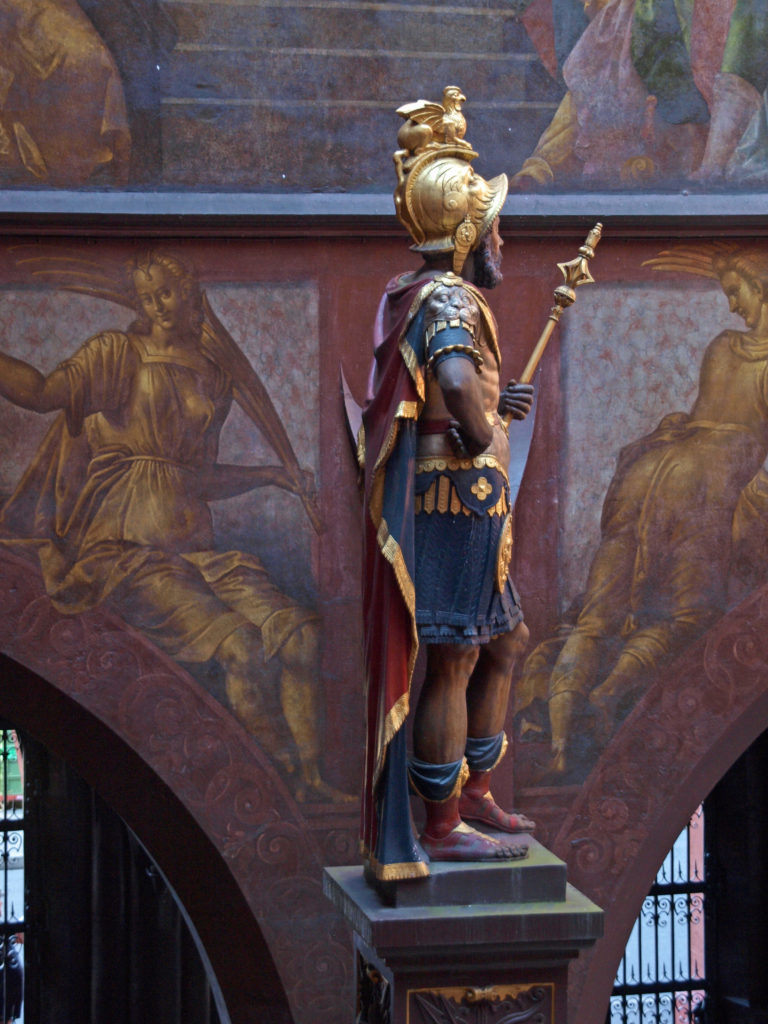
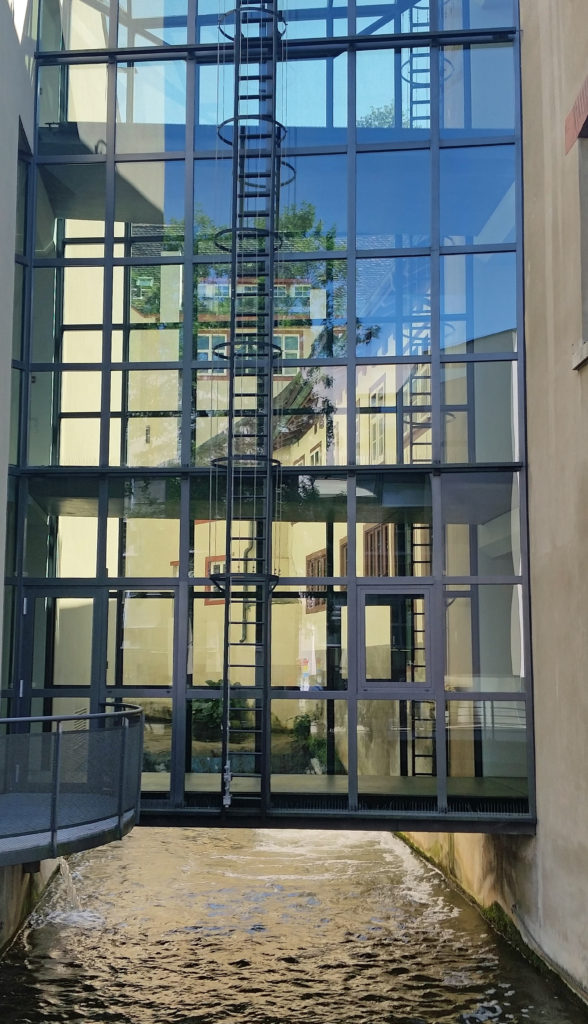
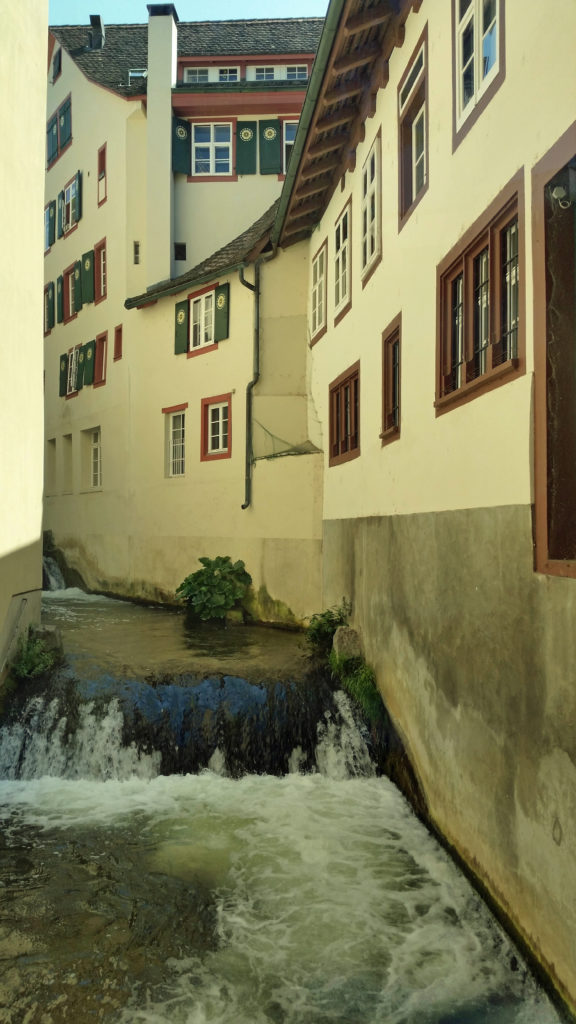
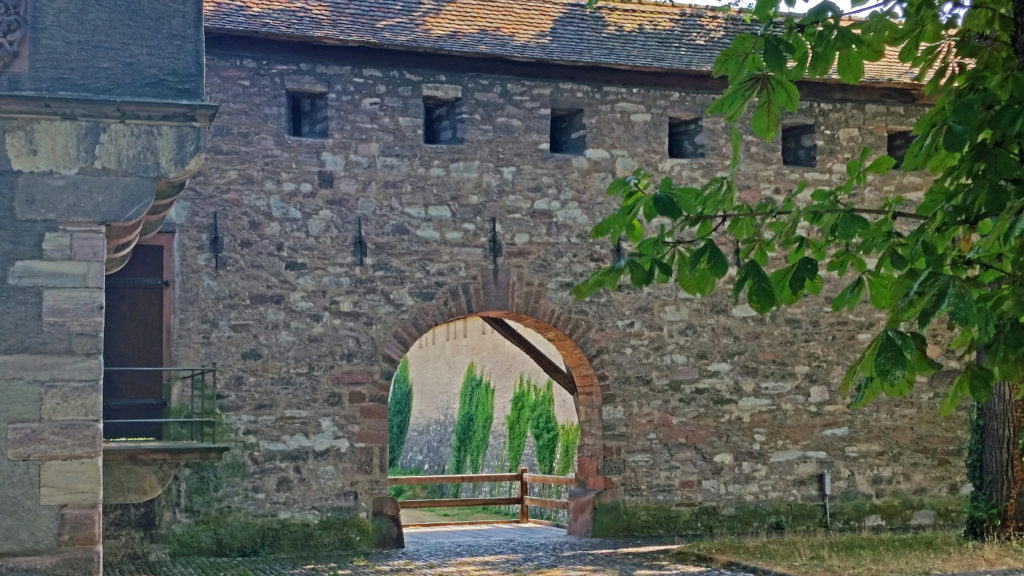 We spent the rest of the day exploring the city center, including Basel Cathedral (Basel Munster), and the Basel Town Hall, and sampling Swiss cuisine. All in all, Basel was a delightful surprise, and a fitting end to our Rhine River cruise.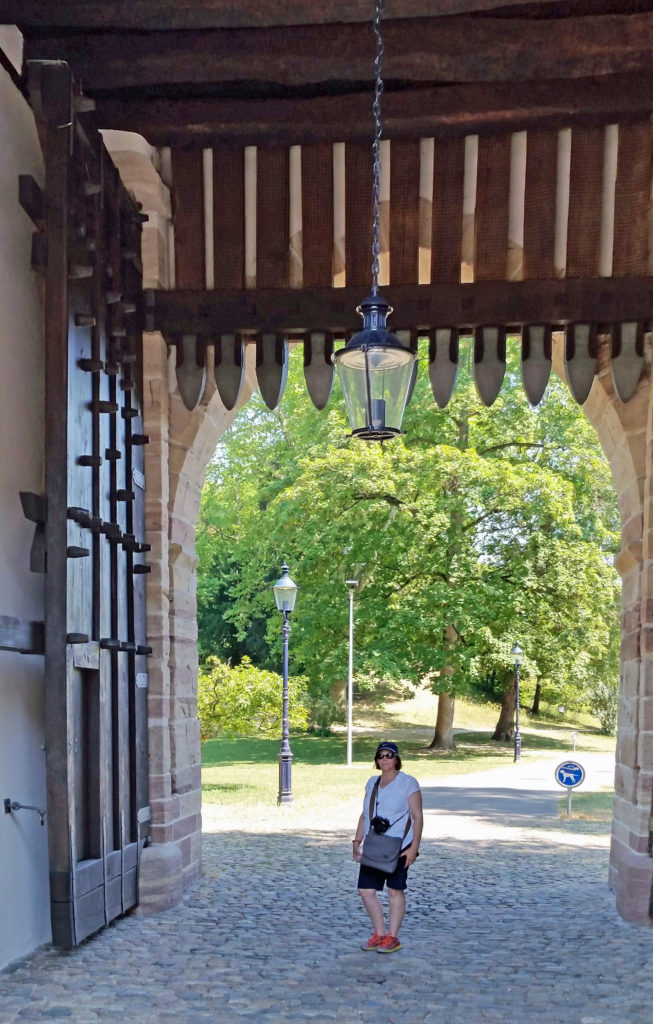
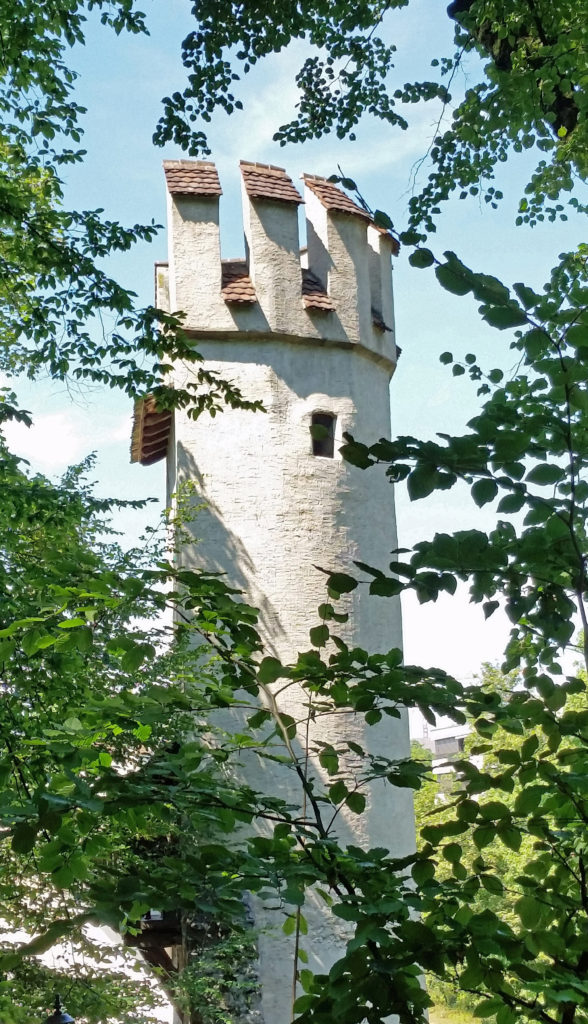
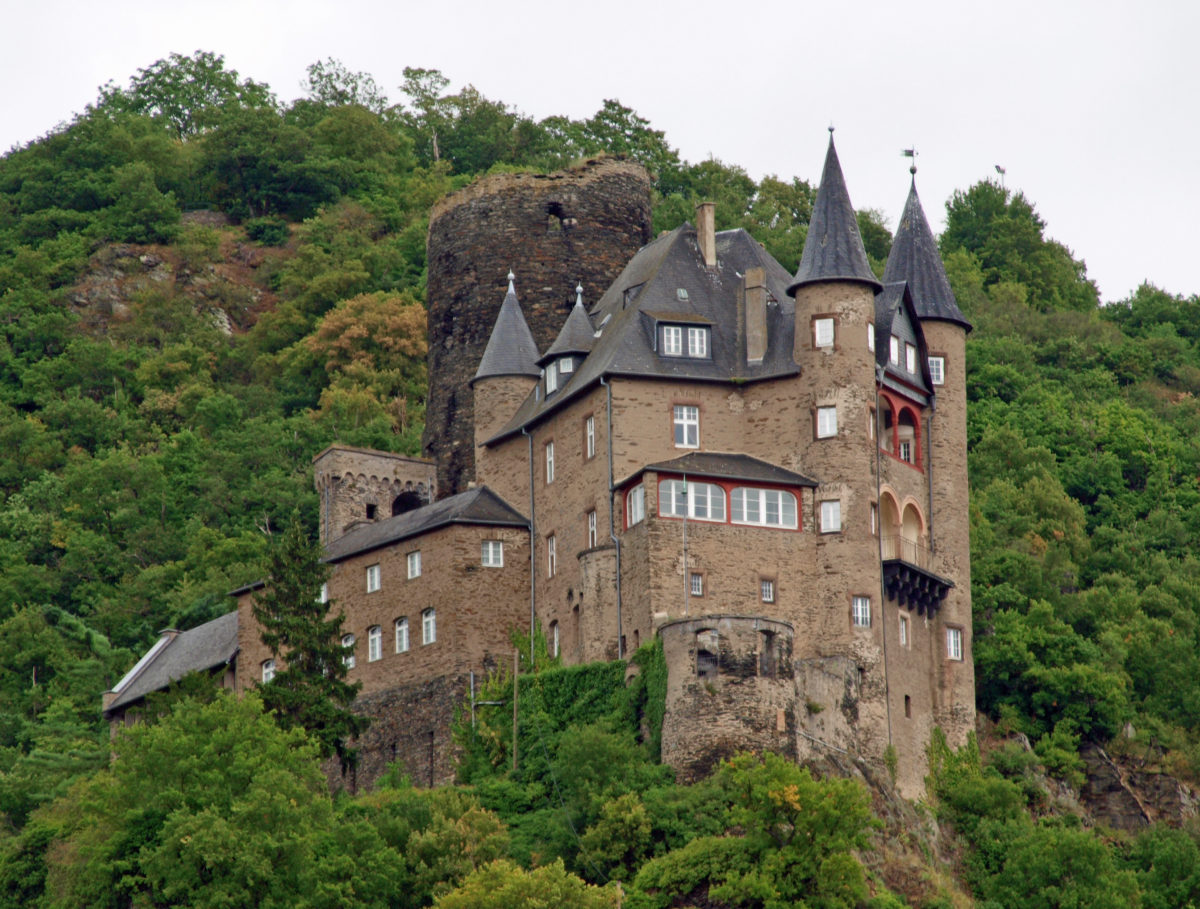
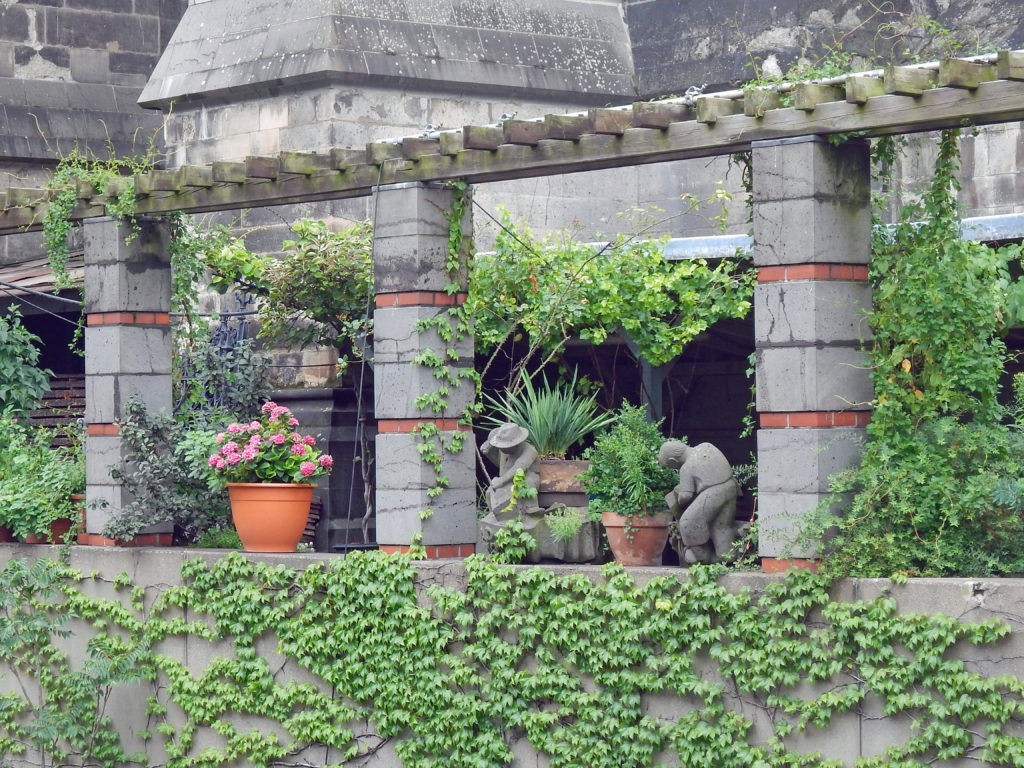
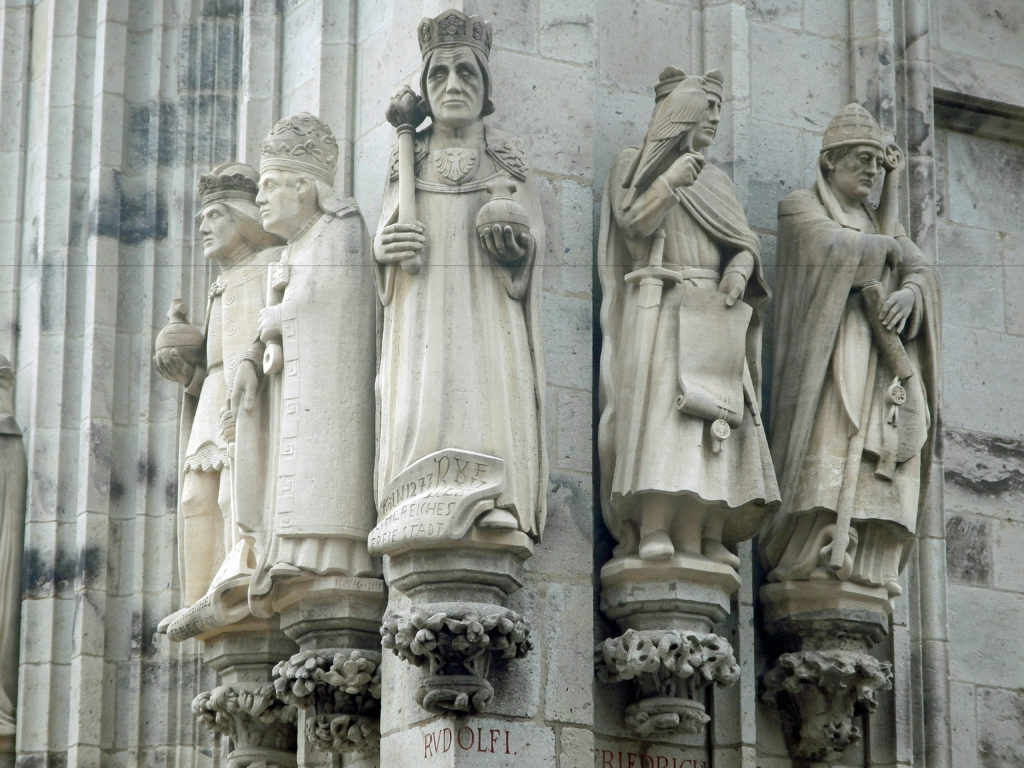
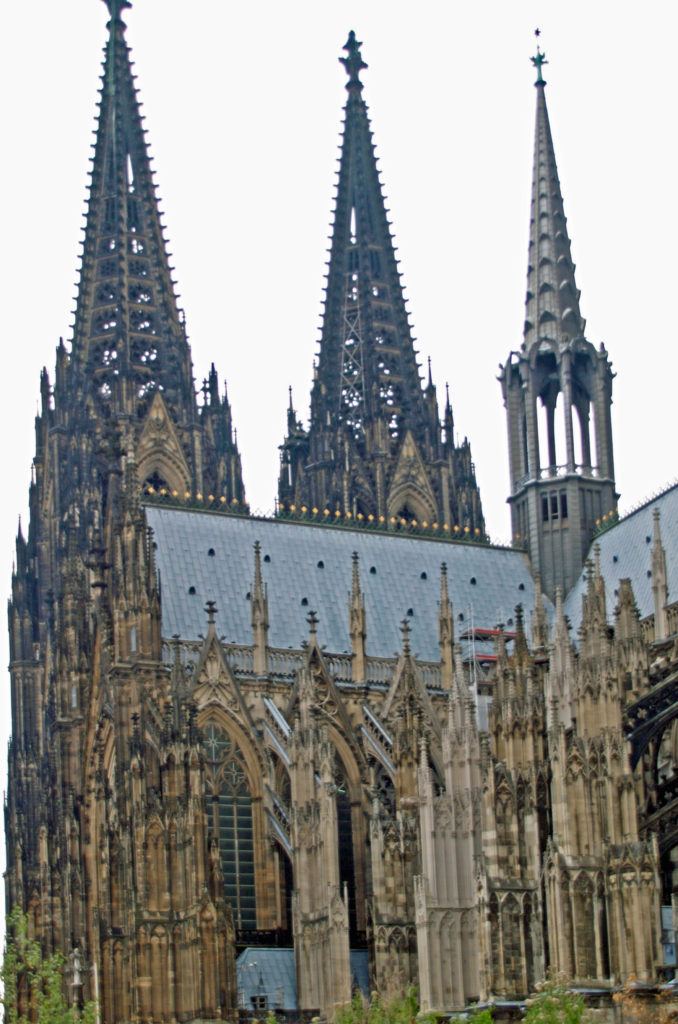
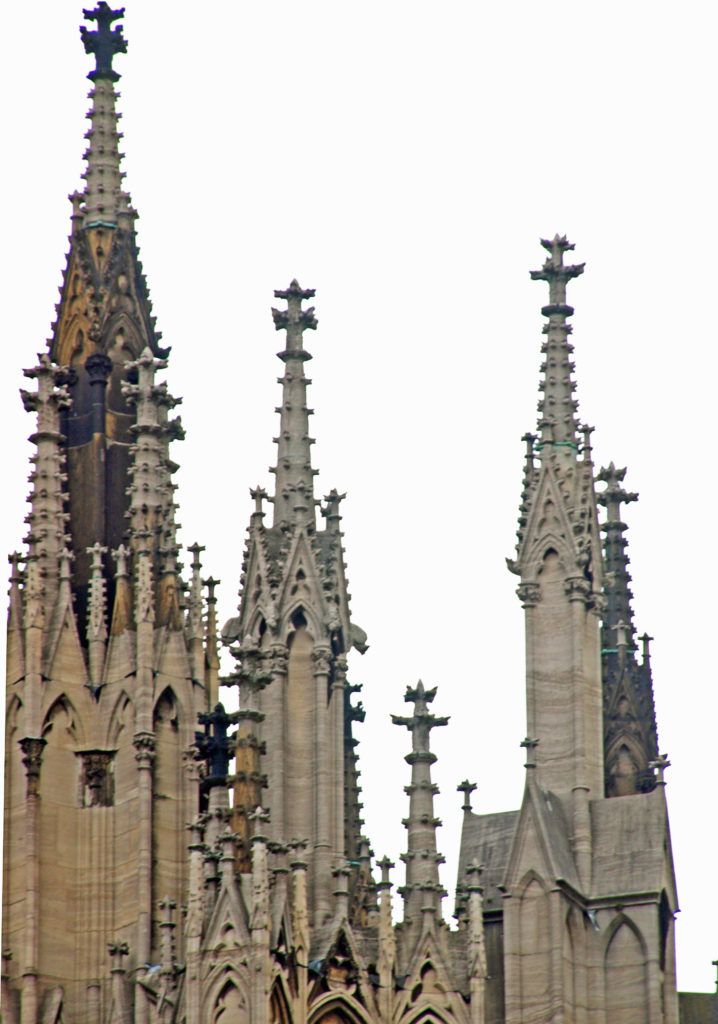
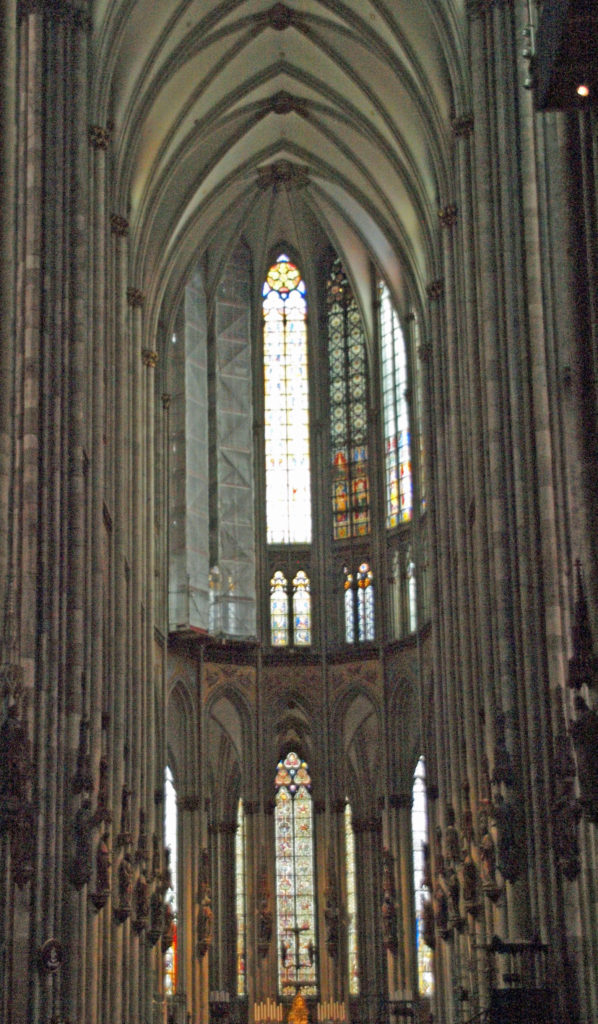 Construction of the Cologne Cathedral began in 1248. In 1478 construction was halted and the cathedral remained unfinished for another 400 years. It wasn’t until 1880 that it was completed to the original medieval plan. The cathedral was damaged by a number of bombing raids in WWII, but remained standing, and repairs were completed in 1956.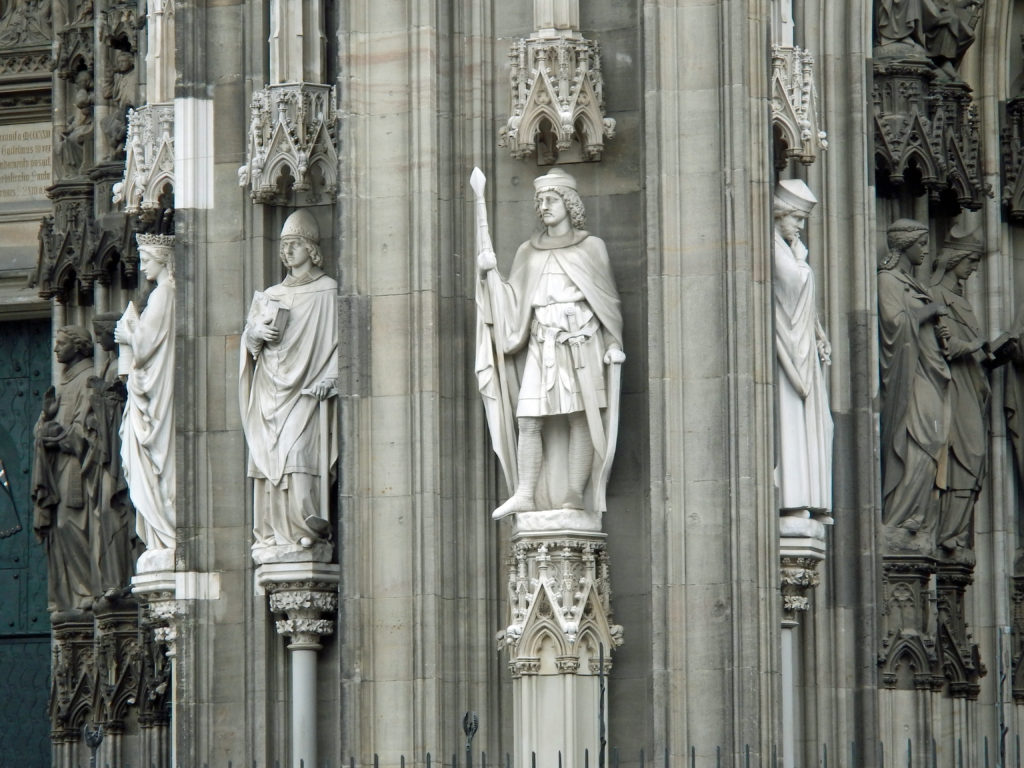
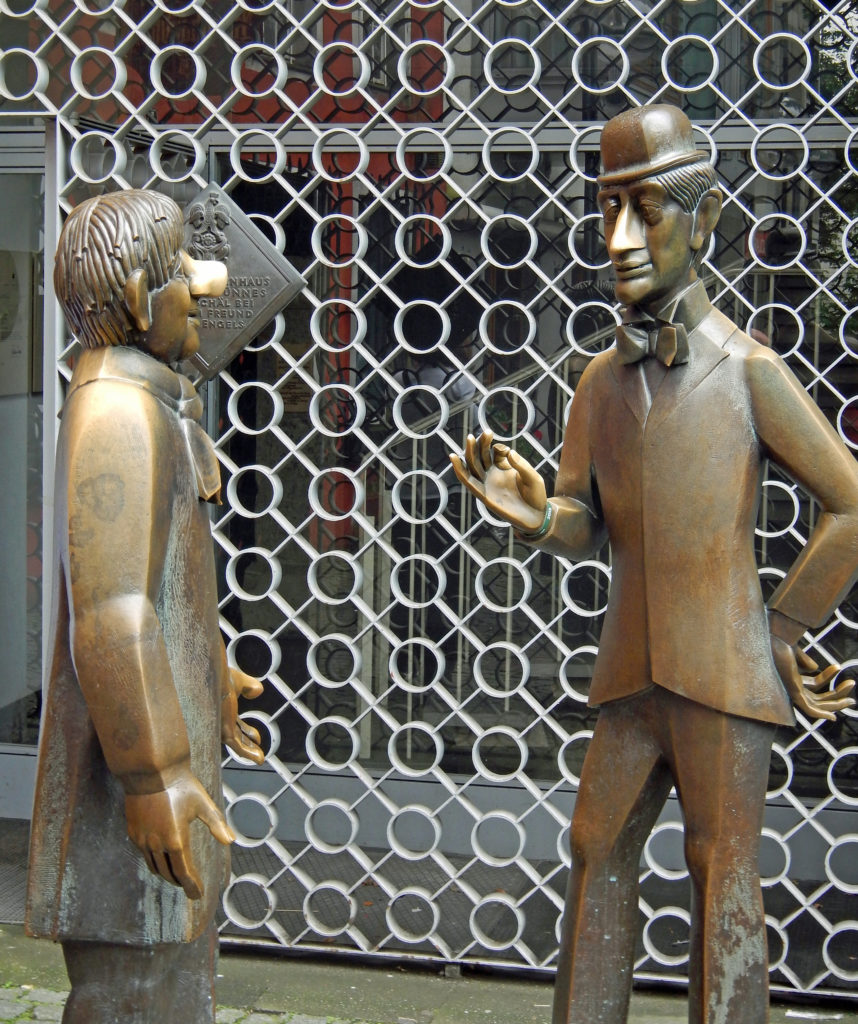 Our second tour in Cologne was an optional pub crawl that evening, led by a local guide. In Cologne each pub has a working agreement with one of the local breweries that produce the local brew, called