by Alan K. Lee
Lake Crescent, the nearby the Sol Duc Valley, and Hurricane Ridge are three of the prime attractions of Olympic National Park. My wife and I had the pleasure of visiting Lake Crescent and vicinity on an “escape from the pandemic” tour of the Olympic Peninsula in September 2020.
After spending three days in the magnificent Quinault Rain Forest, we made stops at Ruby Beach and Rialto Beach before heading on to Lake Crescent.
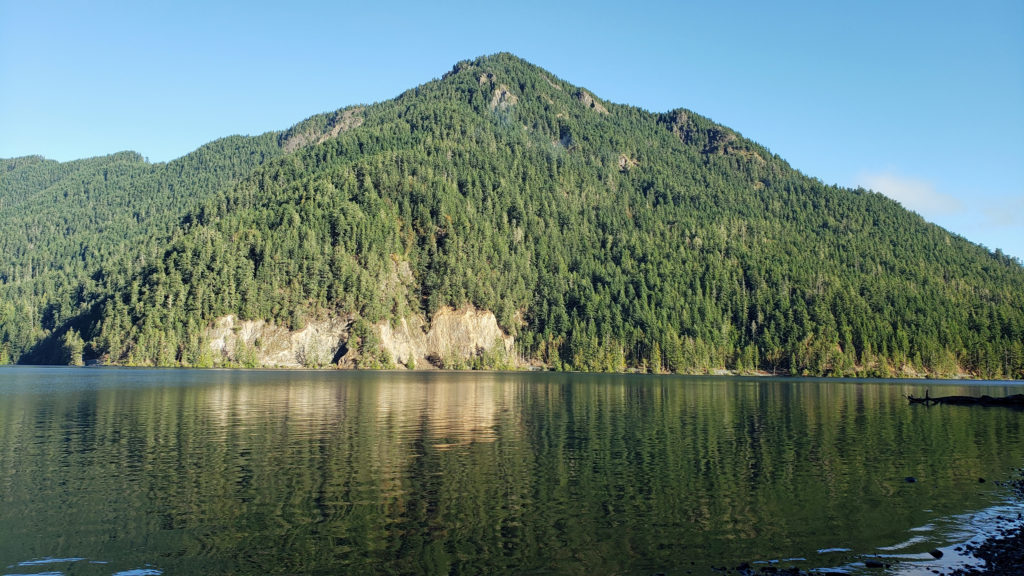
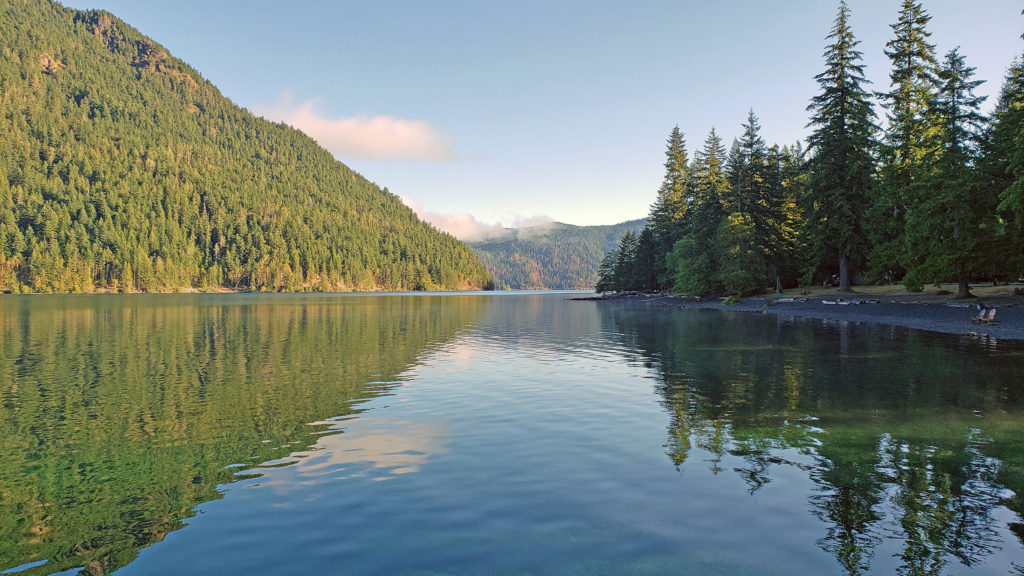
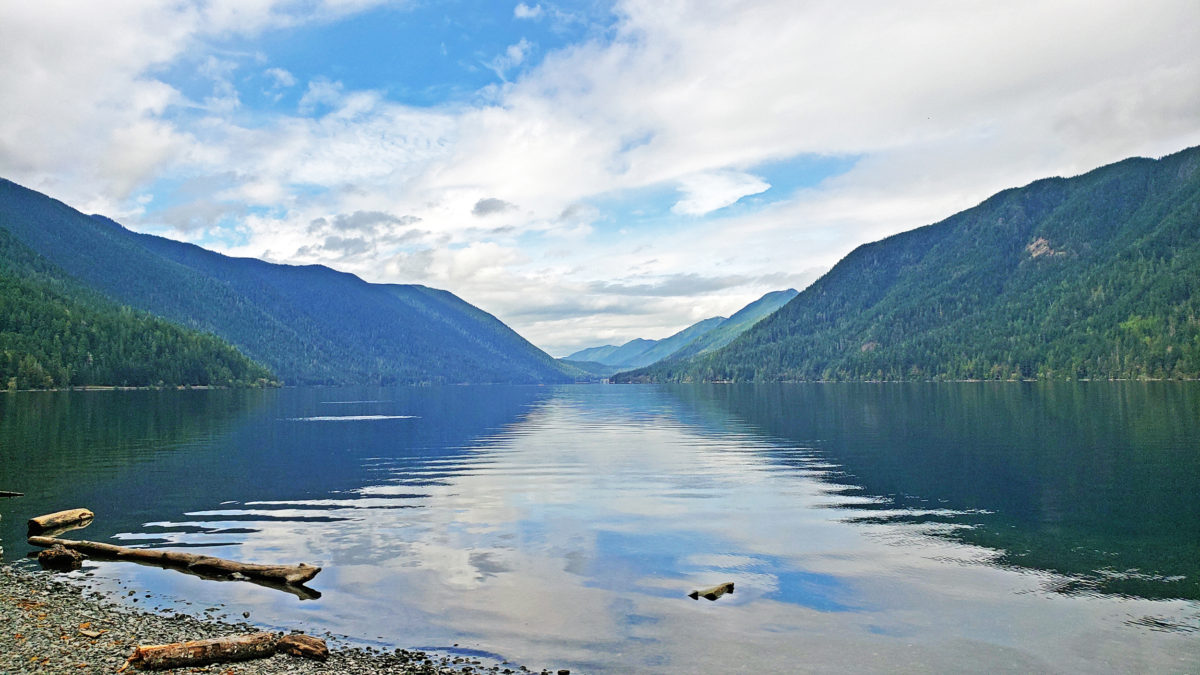
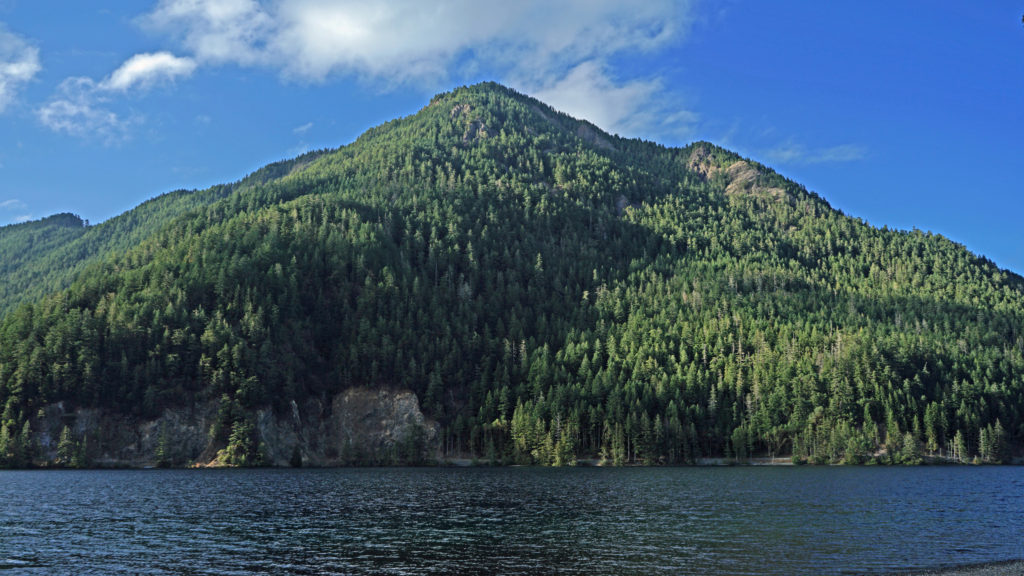
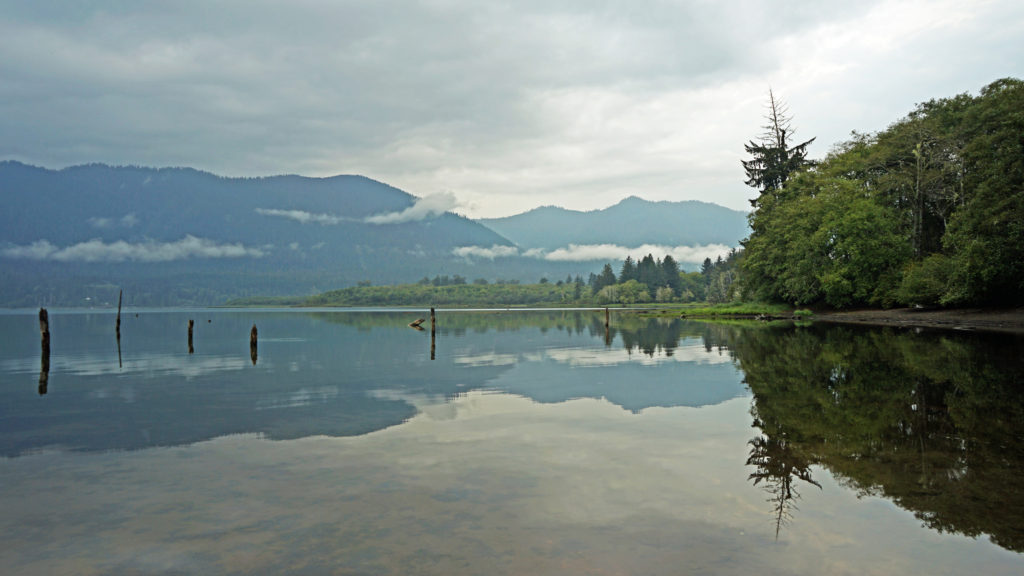
After checking in at Lake Crescent Lodge, we did a short but scenic and relaxing loop hike along the lake shore and through the forest east of the lodge. Lake Crescent lies in a glacier carved valley in the northern portion of Olympic National Park. The lake’s depth (nearly 600 feet) and clarity give the lake a brilliant deep blue color. Lake Crescent and nearby Lake Sutherland were once a single body of water, but a huge landslide about 7000 years ago divided the original lake into the separate lakes found today.
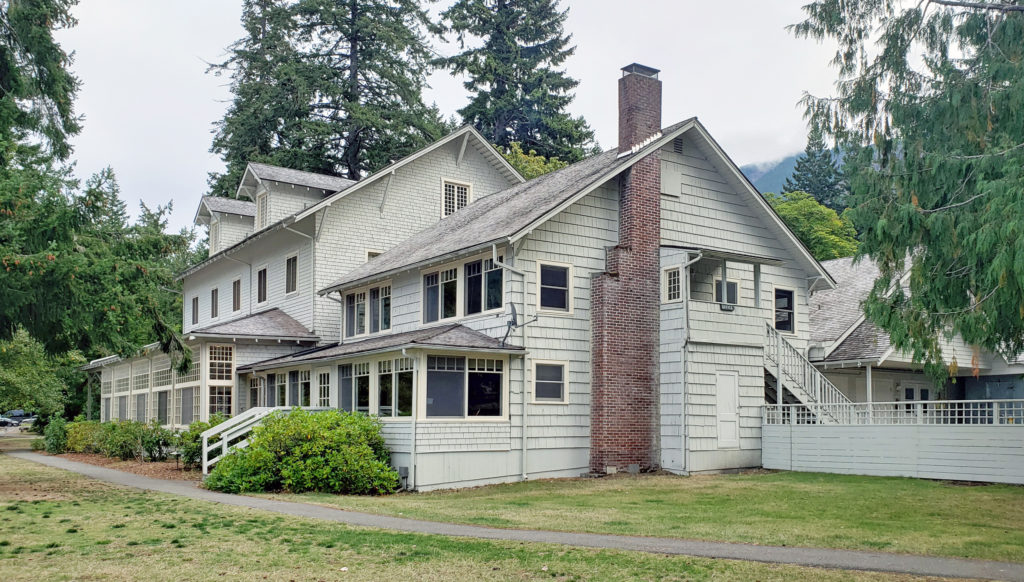
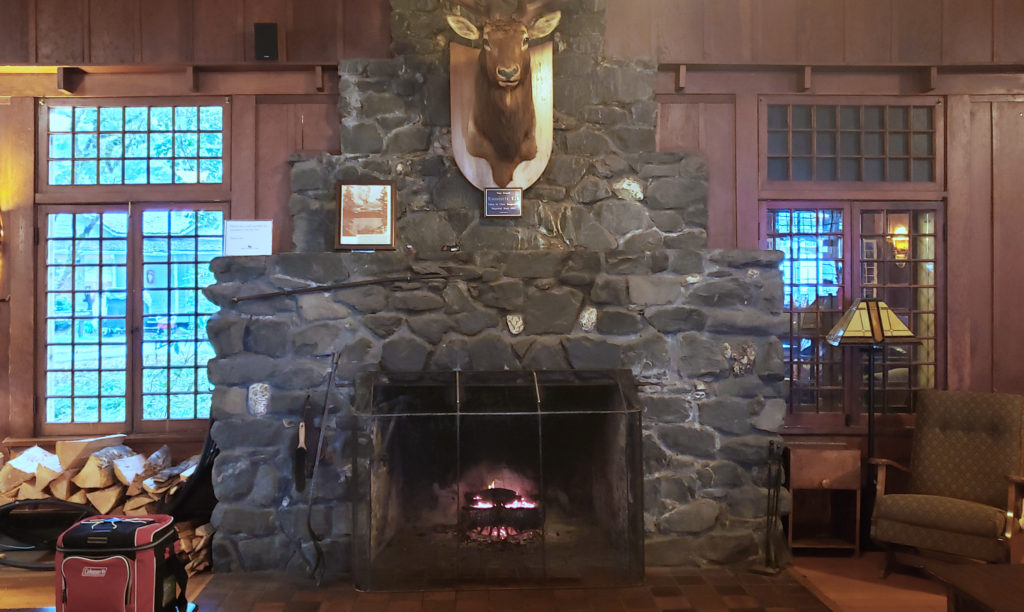
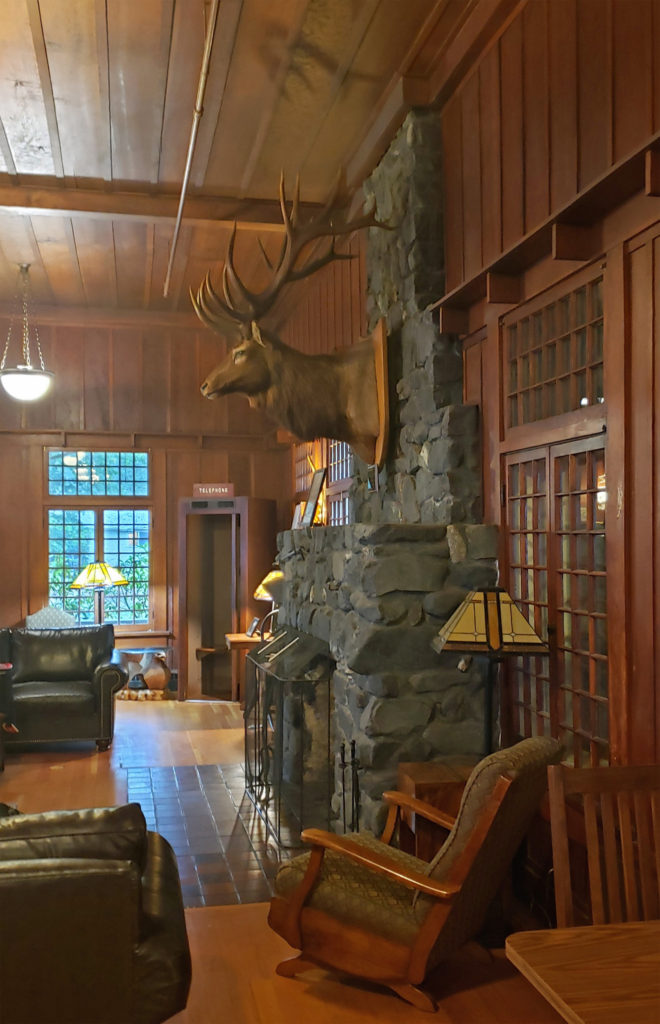
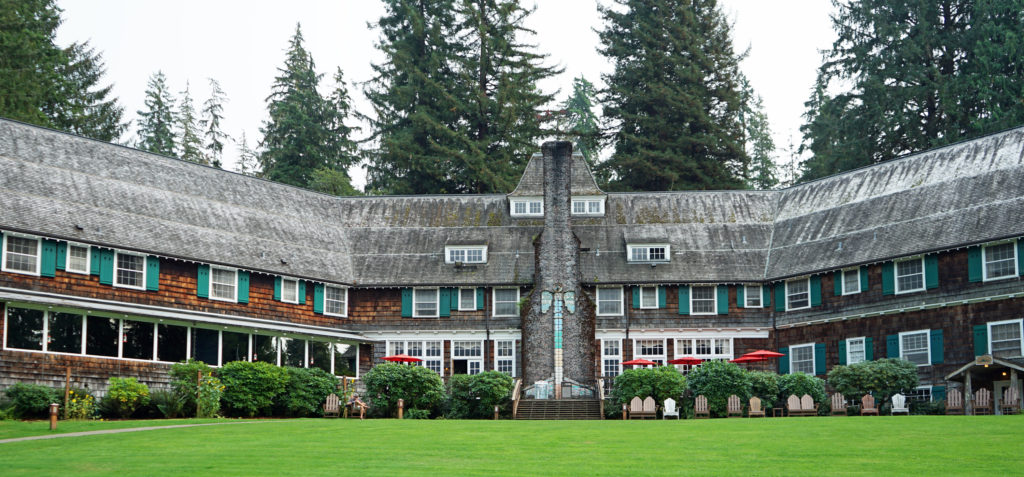
Lake Crescent Lodge, like Lake Quinault Lodge where we stayed on the first part of our trip, is one of the iconic grand lodges of the American West. Built in 1915, Lake Crescent Lodge is perhaps a little less grand than the other grand lodges, but it is no less significant in terms of its history and its romantic appeal. The main lodge is smaller than Lake Quinault Lodge, and the lodge rooms do not have private bathrooms. But there are many individual one and two bedroom cabins on the lake shore – the Singer Tavern Cottages and the Roosevelt Fireplace Cabins – that Lake Quinault and the other comparable lodges lack. More modern additions – the Storm King Rooms, Marymere Rooms, and Pyramid Mountain Rooms – are tucked into the woods a ways back from the shore. Our Storm King Room still had a view of the lake, though, and a nice balcony. All of the cabins and modern additions have private bathrooms.
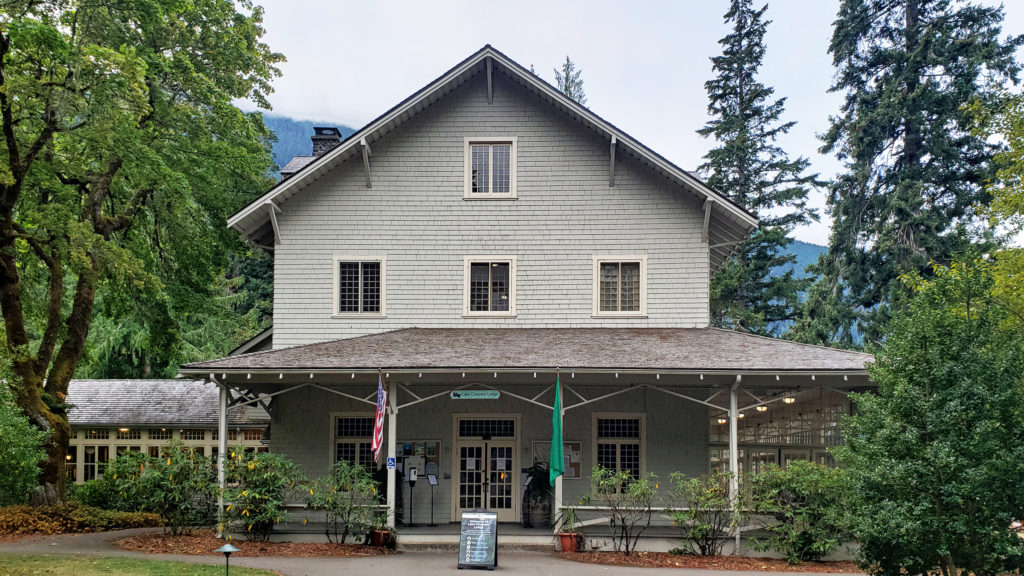
As at Lake Quinault Lodge, the restaurant at Lake Crescent Lodge served only take out meals when we were there because of the corona virus pandemic. The lodge dining room was open for seating, however, so after our hike that first afternoon we claimed a window table looking out over the lake. Our meals were both very good, but Joan’s salmon “catch of the day” was a small (maybe 4 oz.) portion, and probably not worth the $28 price tag. My fish and chips were cheaper and more substantial, but we chose to drive to nearby Port Angeles for dinner the next two nights.
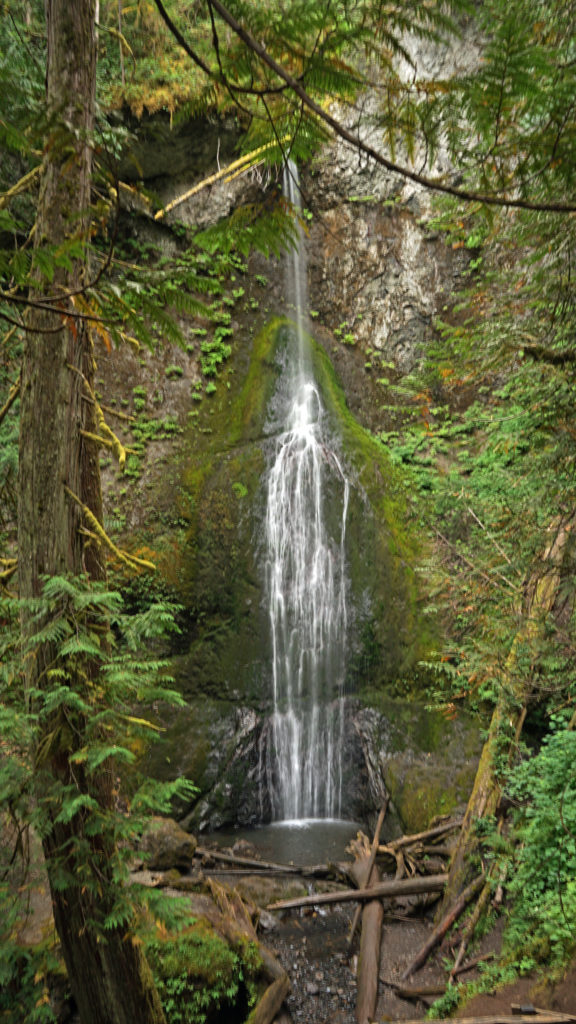
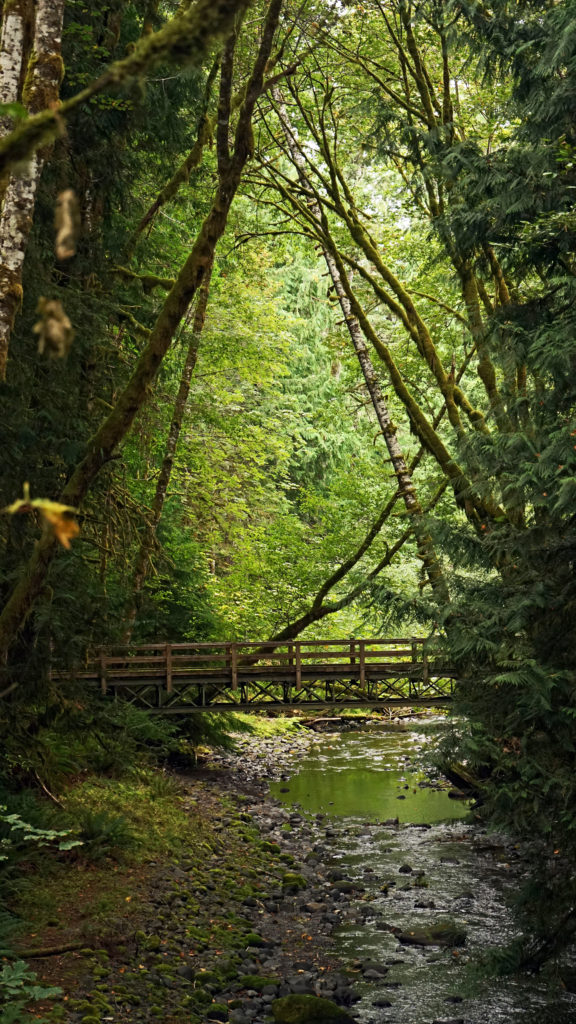
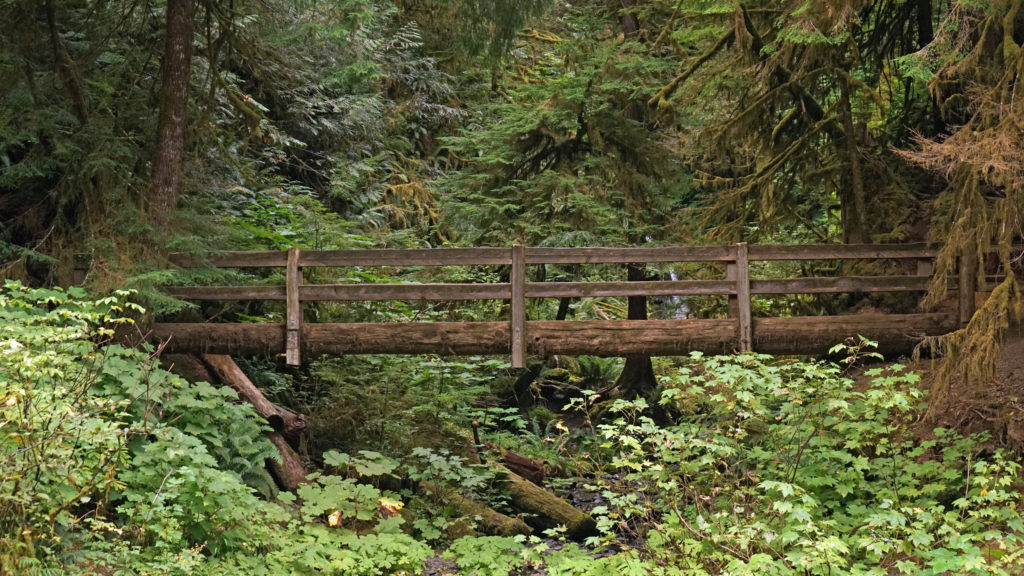
The next morning we hiked from the lodge to Marymere Falls, a picturesque 90 foot waterfall on Falls Creek. The trail is an easy 1.5 mile hike through old growth forest with minimal elevation gain to the lower viewpoint. From there the trail climbs steeply to an upper viewpoint. Both viewpoints offer unobstructed views of the falls.
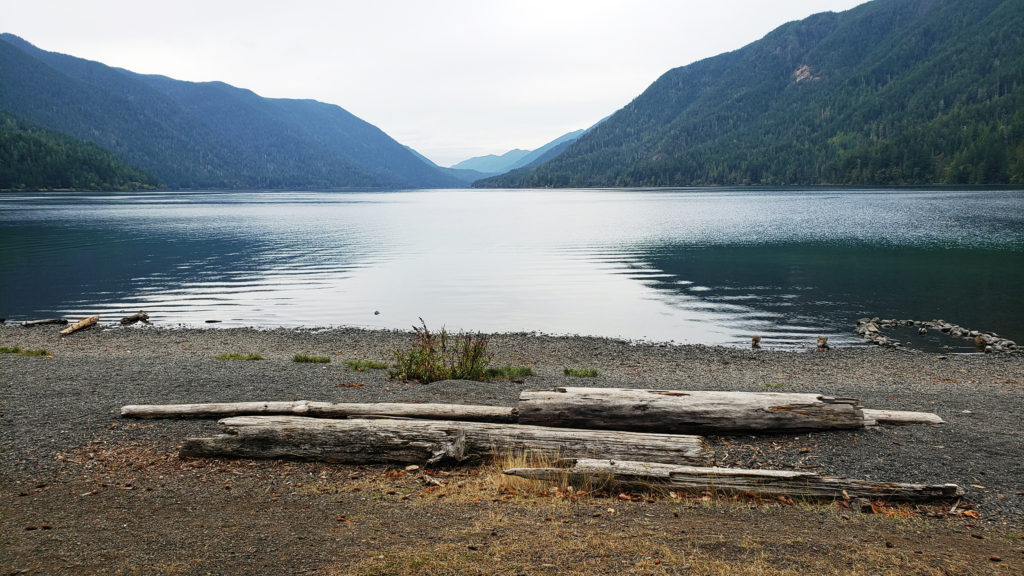
My wife took her kayak out for a paddle on the lake that afternoon while I relaxed on our room’s balcony with a good book (Graham Greene’s Travels With My Aunt).
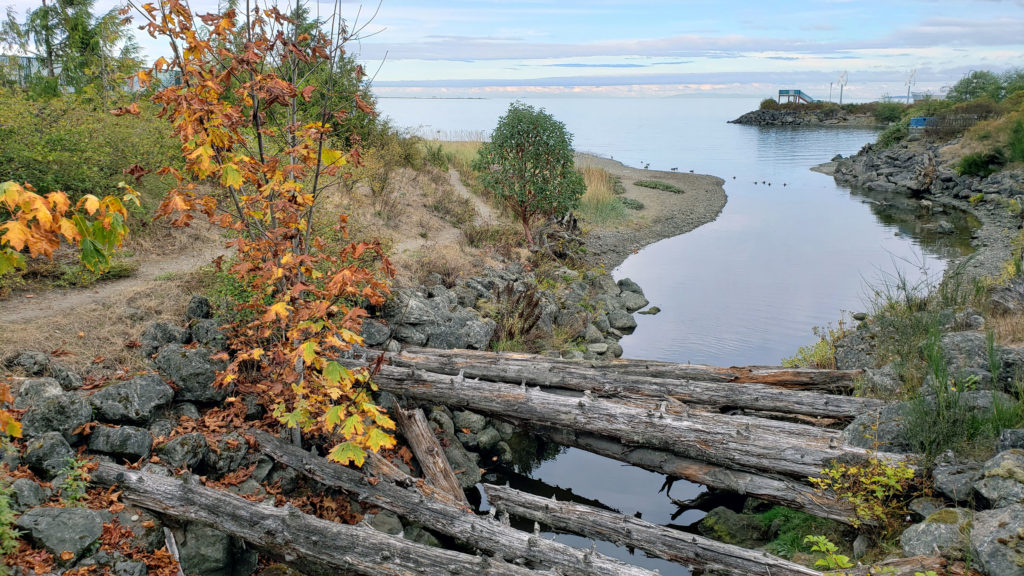
That evening we drove into Port Angeles, about 20 miles to the east, and dined at Next Door Gastropub. They have a good selection of beers and the Cuban pork sandwich that I had was quite good. After dinner we wandered around a bit, searching out some of the many public artworks scattered around the downtown area, before returning to Lake Crescent.
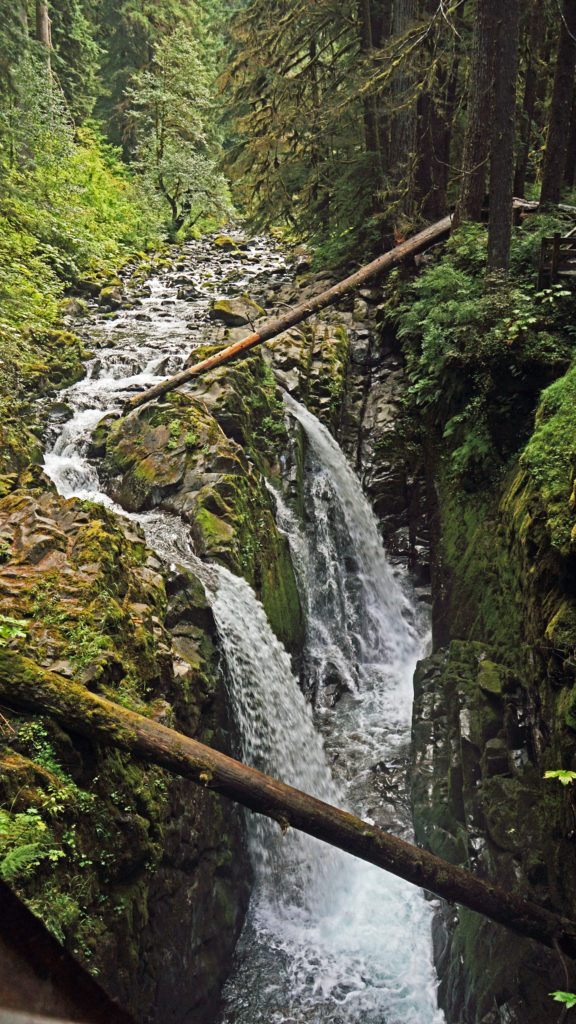
The following morning, we drove to the Sol Duc Valley west of Lake Crescent and hiked to Sol Duc Falls. Originally called “Sole Duck,” the spelling was officially changed to Sol Duc in 1922 to more accurately reflect its derivation from a Quileute language word meaning sparkling waters. The family friendly trail (less than a mile long) takes you through a dense forest with minimal elevation gain to the 48 foot falls. There the Sol Duc River breaks into a number of channels before making a sideways drop into a deeper gorge. There are many bigger and more spectacular waterfalls in Olympic National Park, but certainly none more scenic.
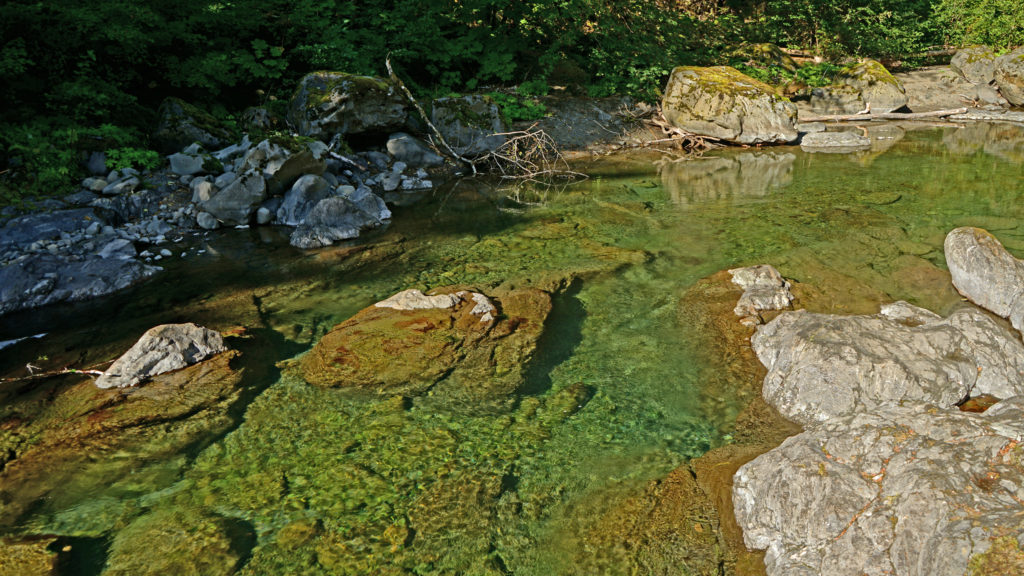
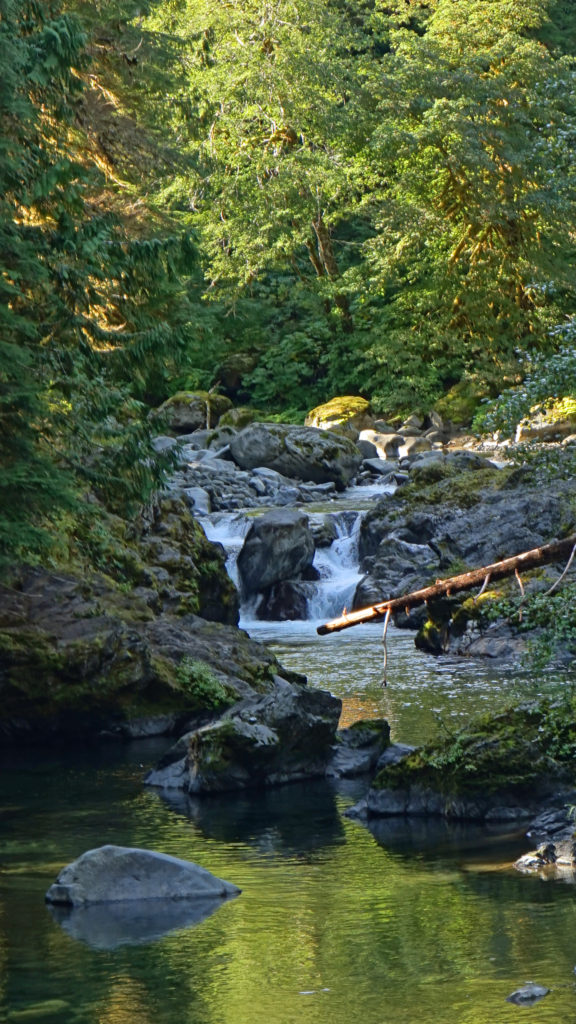 The nearby Sol Duc Hot Springs was once the site of a five star hotel. Built in 1912, the hotel lasted only four years, though, before burning down in 1916. The resort was rebuilt on a less grand scale in the 1920s and operated for a half century before closing in the 1970s. After being vacant for a number of years, it was renovated and reopened in the 1980s. Today the resort includes a restaurant and a variety of cabins with private bathrooms and modern amenities. Those staying at the resort have free access to a swimming pool, soaking pools, and hot tubs, all heated by water from the hot springs. People not staying at the resort can also enjoy the hot springs for a small fee.
A 17 unit RV campground that will accommodate RVs up to 36 feet is located a quarter mile from the resort. The RV campground sites have water and electric hookups, and there is a sewer dump station. A separate 82 unit “dry” campground is located nearby. The campground has restrooms, but no showers. The camp sites will accommodate small RVs, but do not have water or electric hookups.
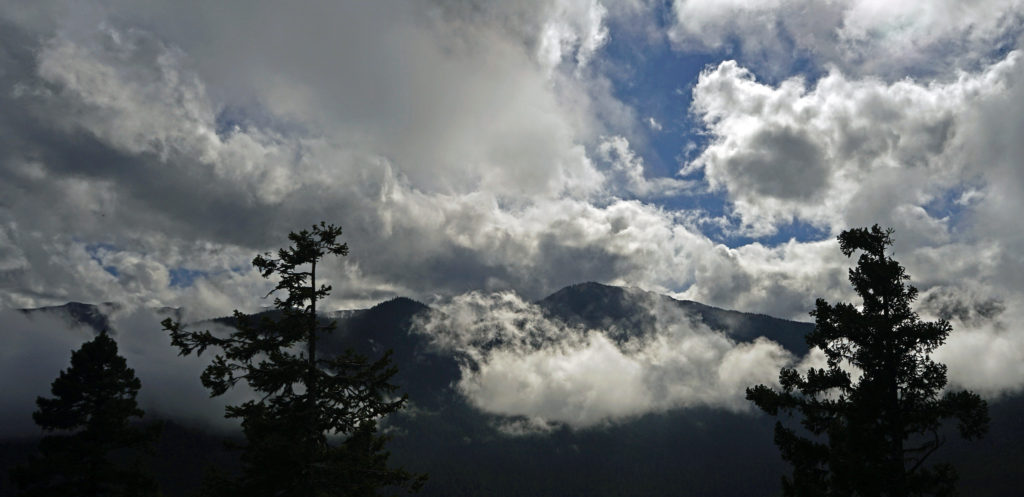
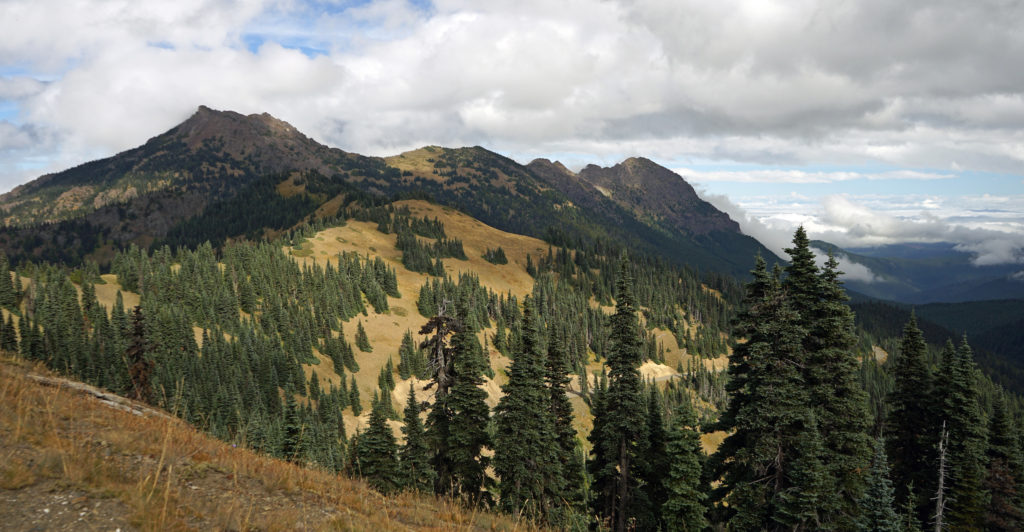 After our hike to Sol Duc Falls we drove to the Hurricane Ridge Visitor Center to do some more hiking and sightseeing. The visitor center is located 17 miles south of Port Angeles at an elevation of 5242 feet above sea level. Hurricane Ridge is the only alpine area in Olympic National Park accessible by car, which makes it very popular and means it can be very crowded, especially on summer weekends. We were there in the middle of the week in late September, though, so crowds weren’t much of an issue.
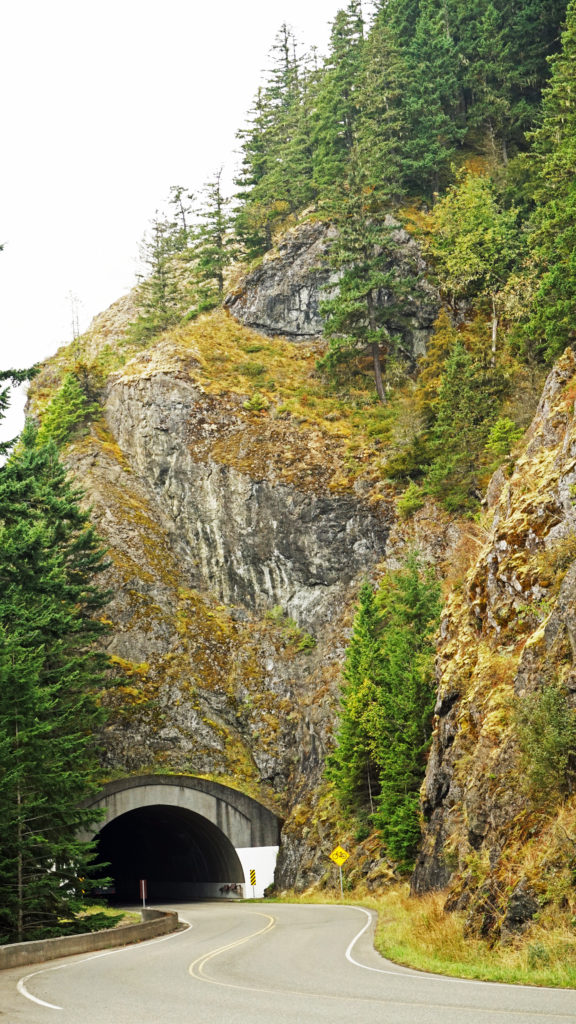 The Hurricane Ridge Road is paved, but winding with poor sight lines and several tunnels. It is also a popular challenge for cyclists because of the elevation gain, so go slow and watch for bicycles on the road.
The visitor center’s gift shop and restrooms were open, but the main part of the center was closed due to the corona virus pandemic. The rangers were manning an information desk outside on the sidewalk, though, where they were giving out maps and answering questions.
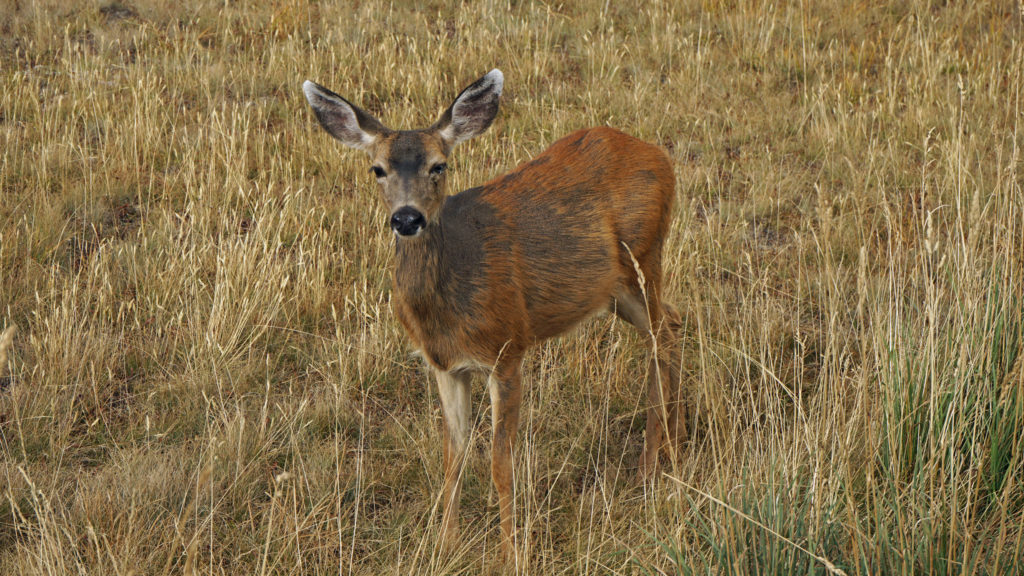
Several short loop and out and back hikes ranging from a half mile to a mile and a half take you from the visitor center to viewpoints with great views in all directions. Look for wildlife when you’re there. We’ve seen mountain goats there in the past, and on this visit a doe was grazing only a few feet off one of the trails, almost within arms reach. Past the visitor center, at the end of the road, you’ll find the trailhead for a longer 3.2 mile round trip hike to Hurricane Hill with even more spectacular panoramic views.
The following morning we somewhat reluctantly checked out of the lodge. Our six days in the Olympics were a much needed getaway from both the pandemic and the wildfires that had threatened many of the populated areas of western Oregon. We in the Pacific Northwest are lucky to have such a magnificent place so close at hand. Olympic National Park is a jewel worth visiting, no matter how far you have to come to experience it.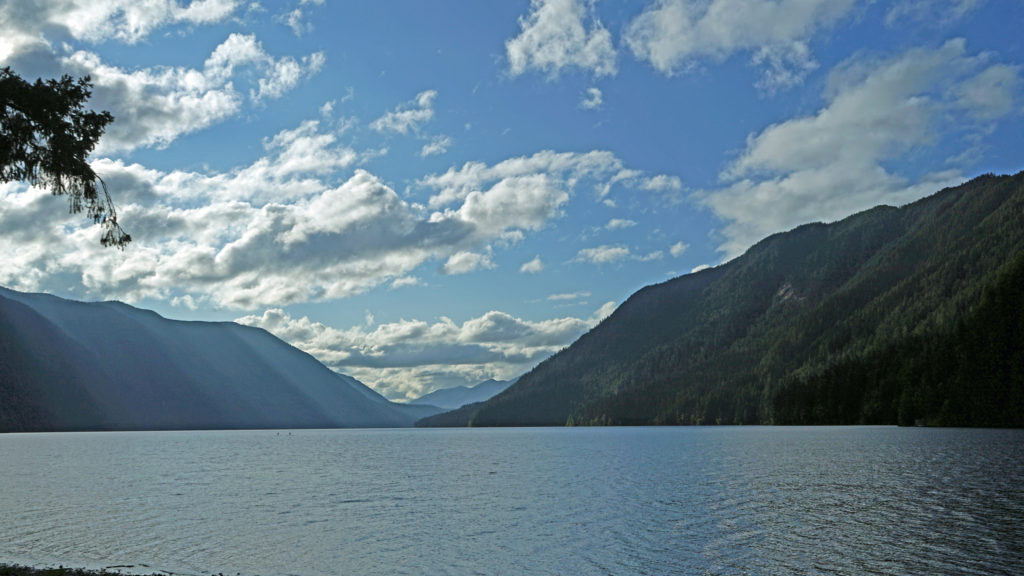
From Crescent Lake, we headed on to Port Townsend for the final part of our trip. Look for an upcoming post on Port Townsend, one of my favorite places in the Northwest, and home of the annual Wooden Boat Festival.
 Originally posted November 7, 2020. Updated and re-posted November 9, 2022.
All photos © Alan K. Lee
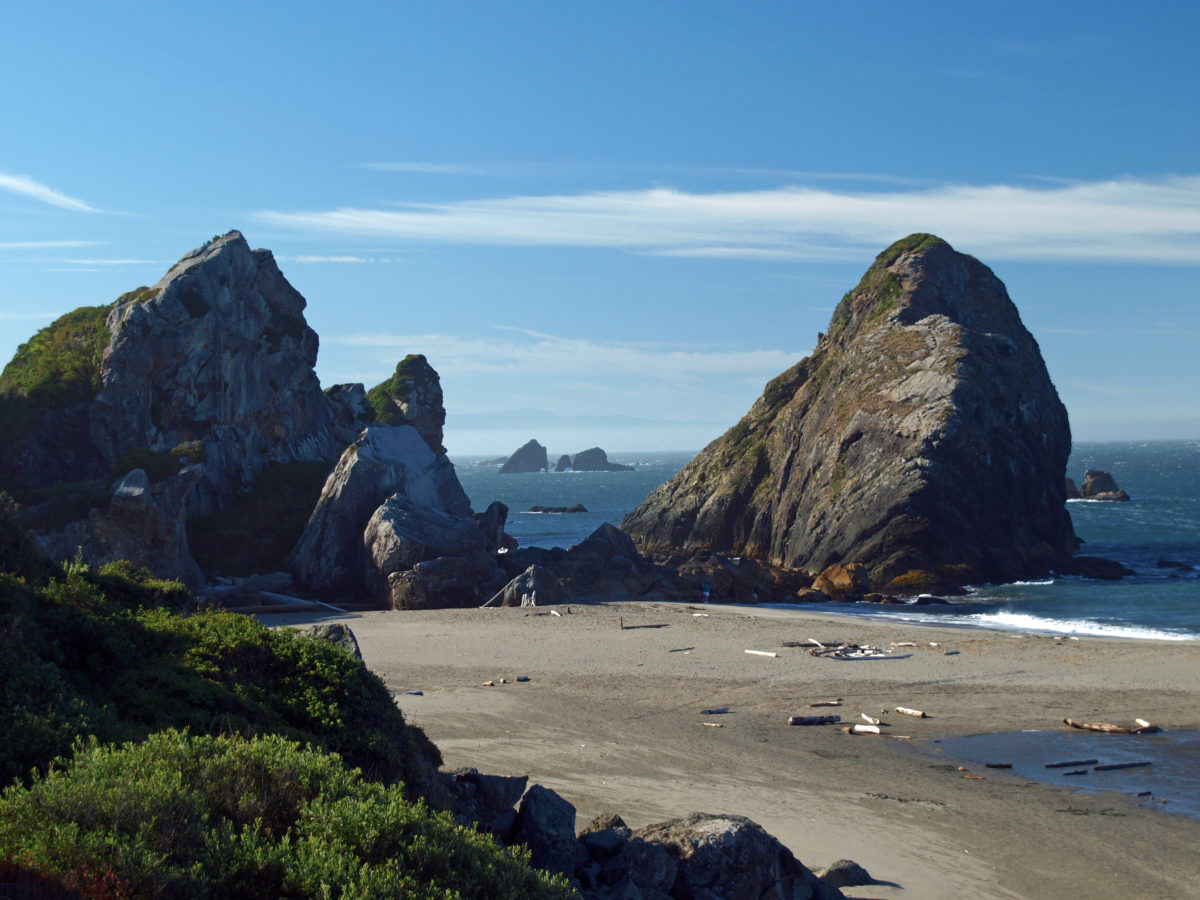
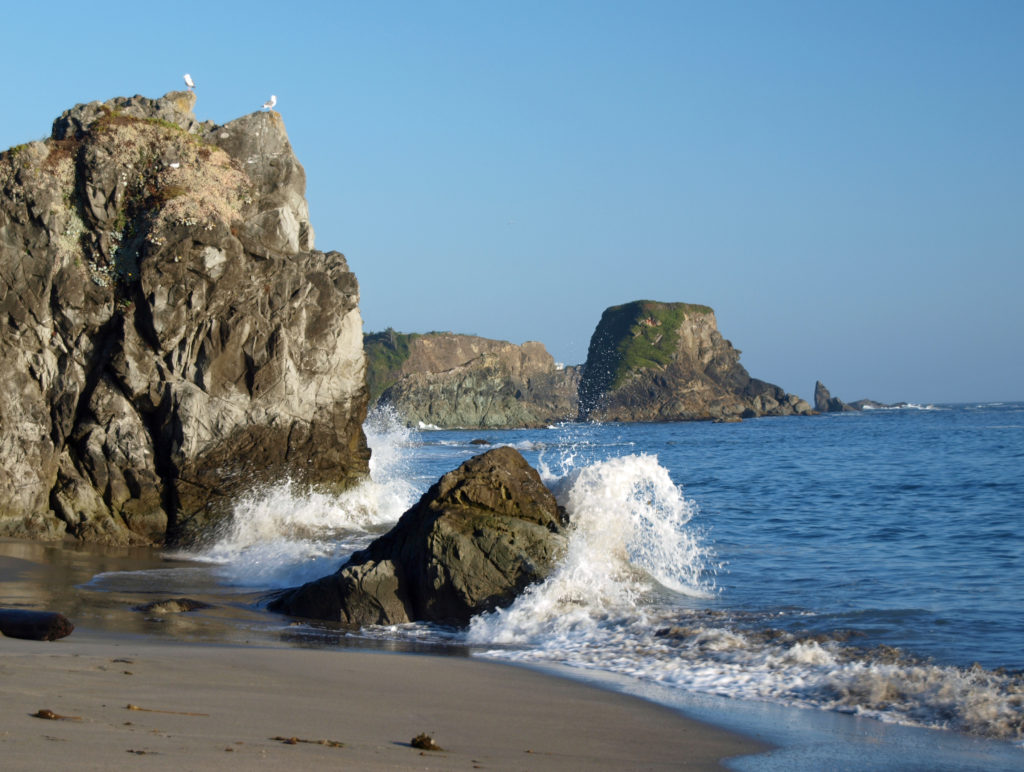
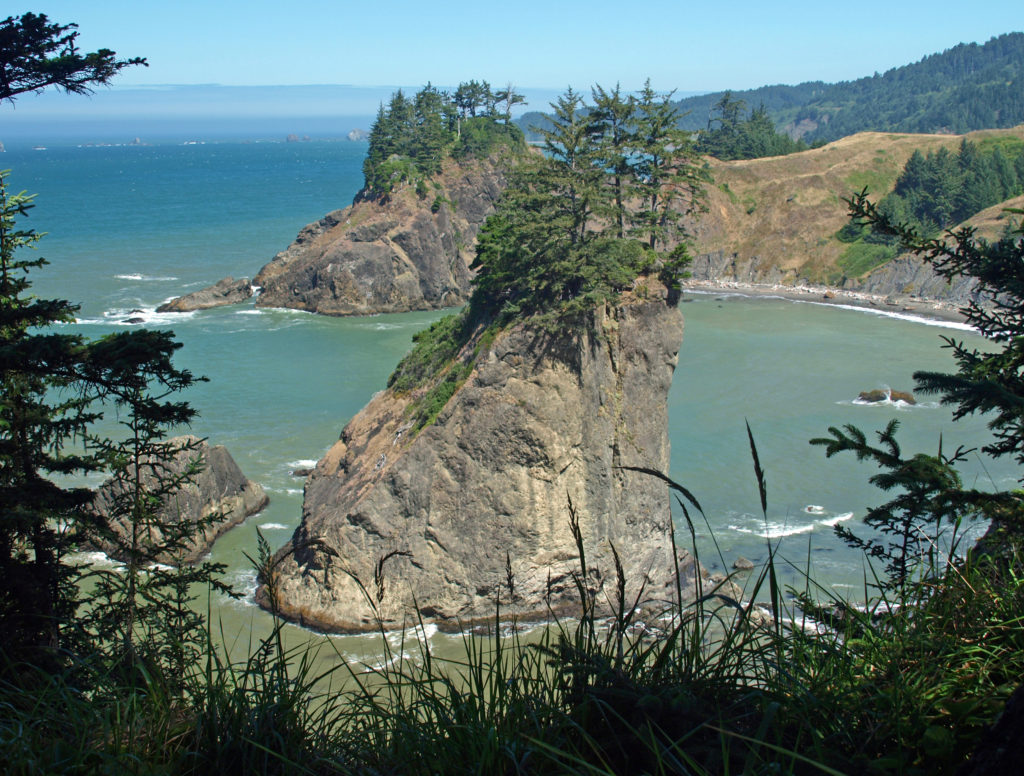
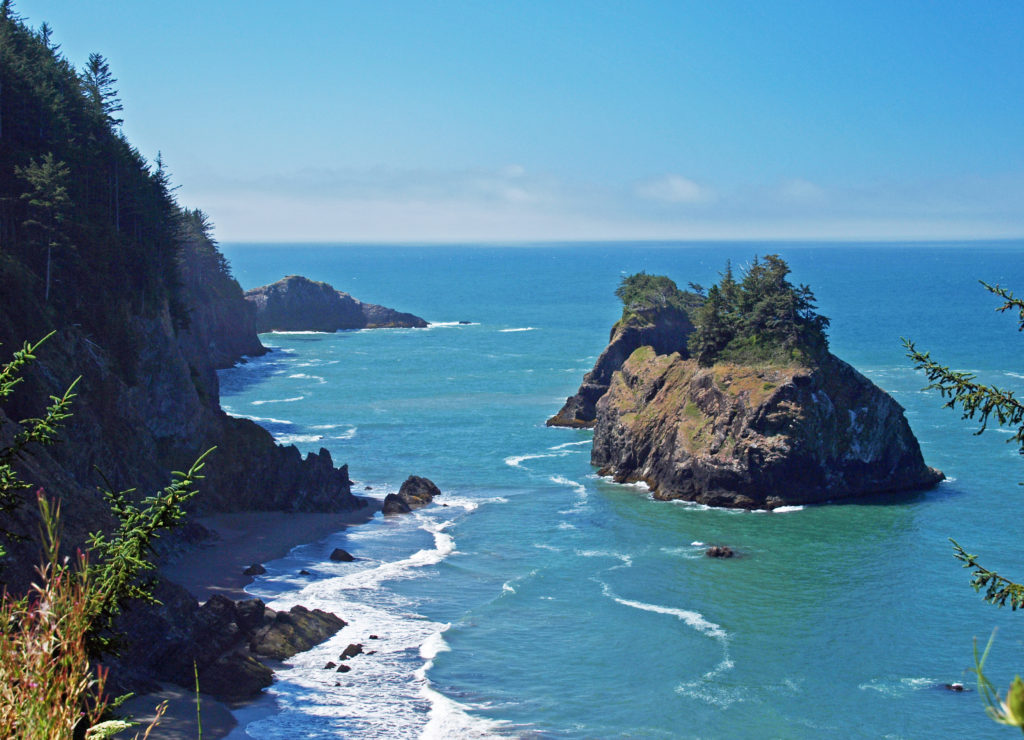
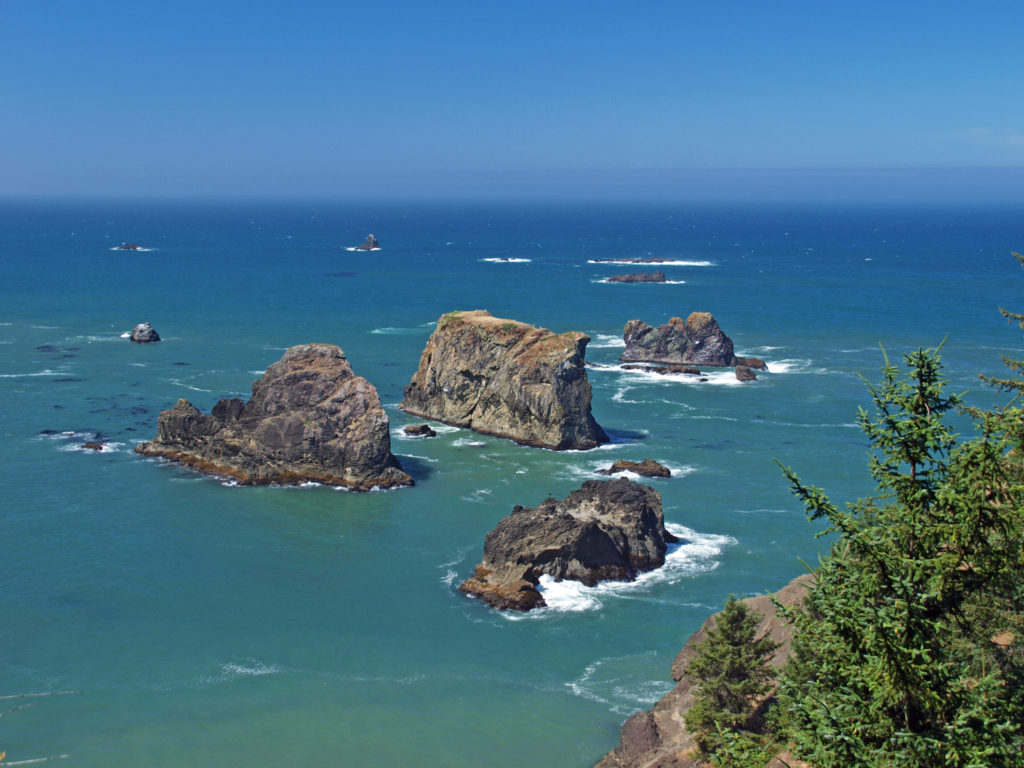
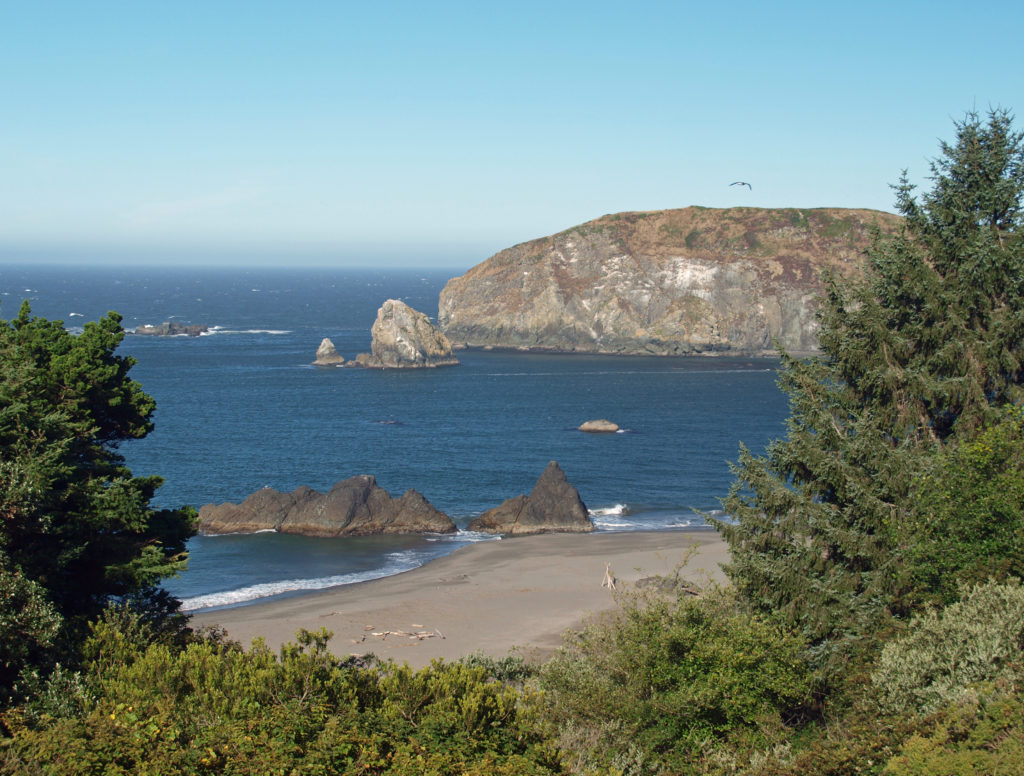
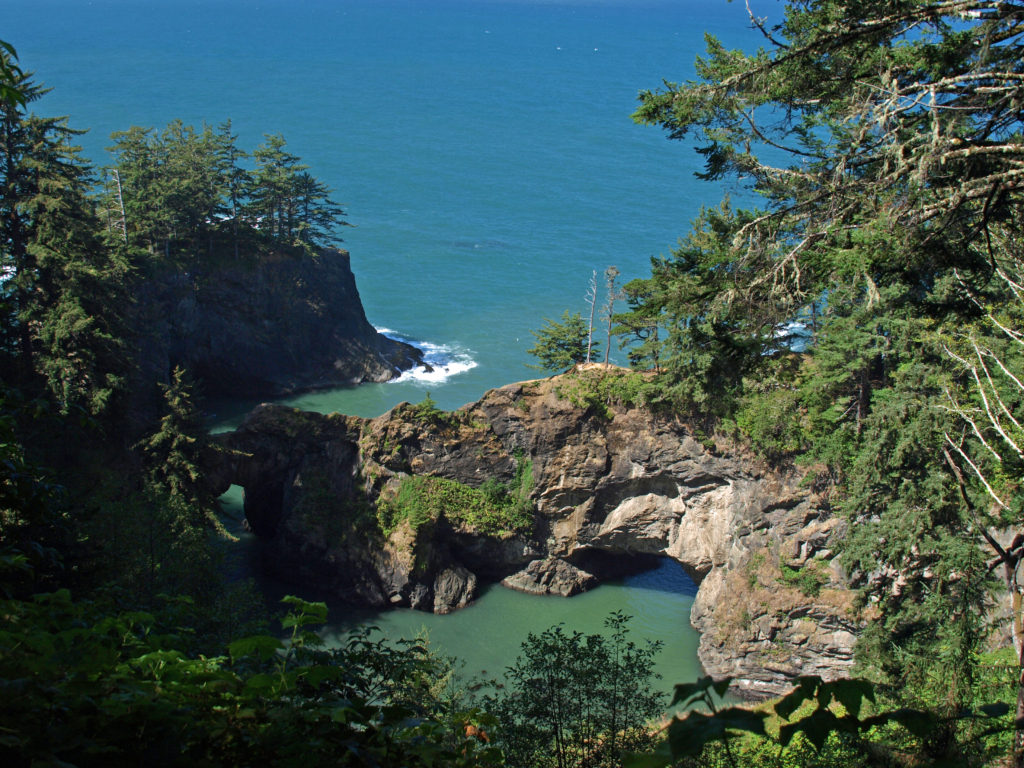
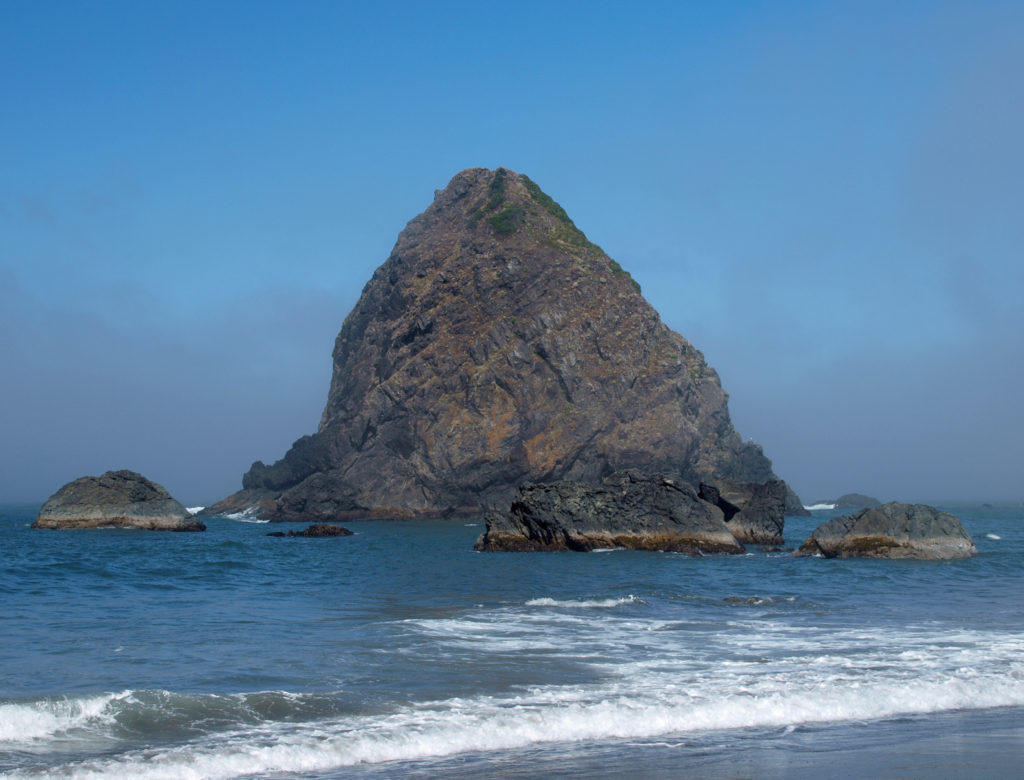
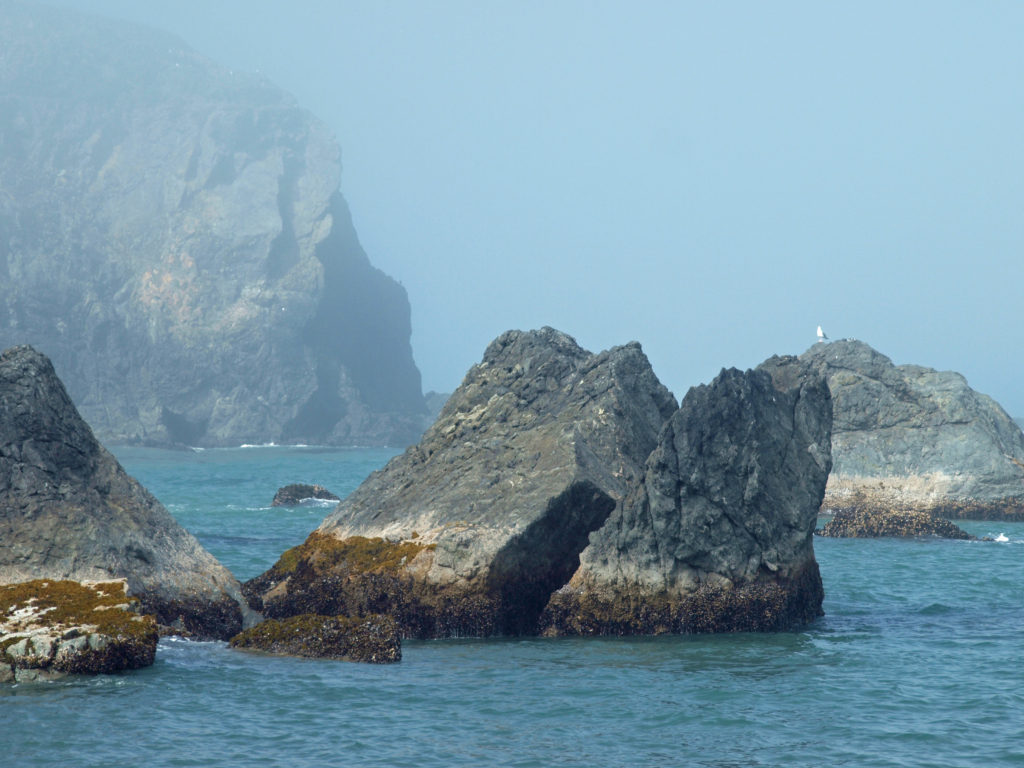
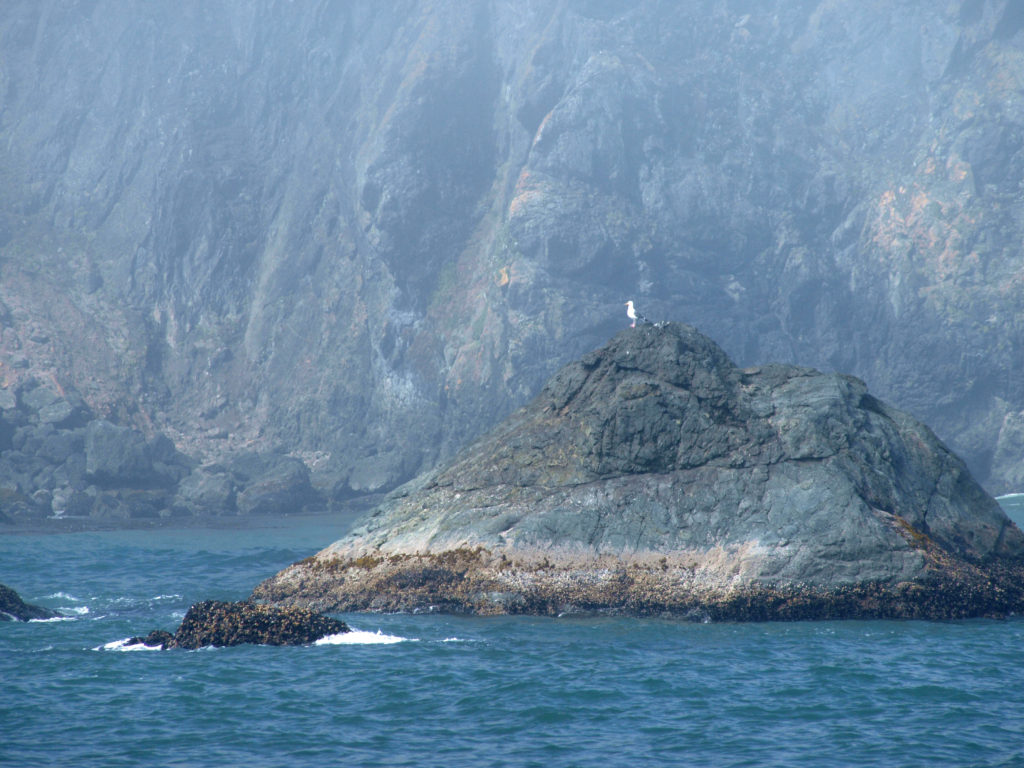
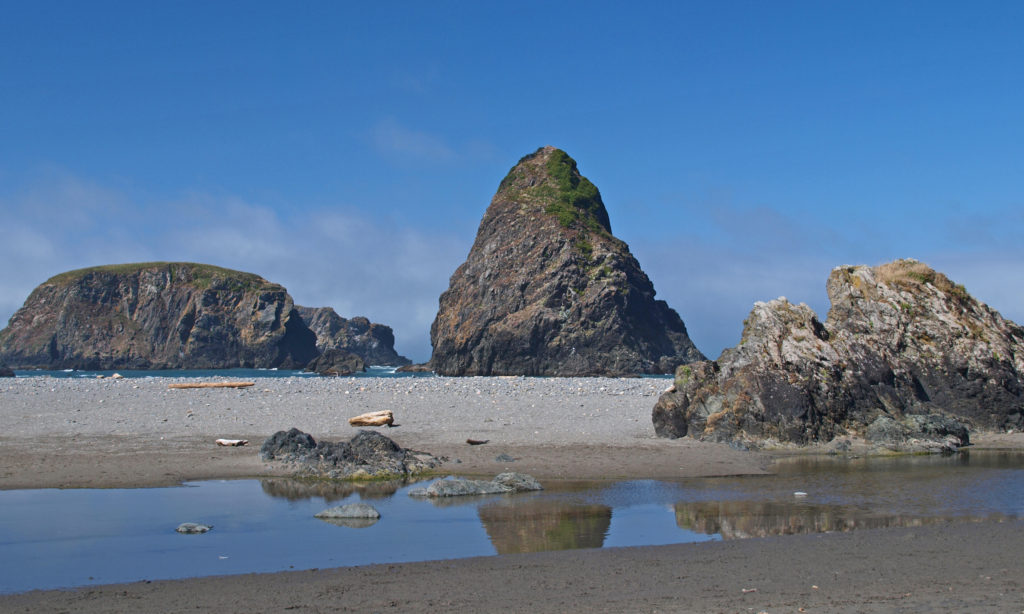 The towns of Brookings and Gold Beach that bookend this stretch of the coast aren’t the main attractions here, but they’re both worth spending a little time to explore at the end of the day. Brookings is the bigger town, with more to see and do. Gold Beach is smaller and quieter, with more of a lost-in-time vibe. Both have decent dining options. If you’re ending your day in Brookings, try Black Trumpet Bistro, Superfly, or Oxenfre Public House for dinner. Chetco Brewing Company has a good selection of beers and there’s a vegan food truck there. In Gold Beach, try Barnacle Bistro, Port Hole Cafe or The Crow’s Nest.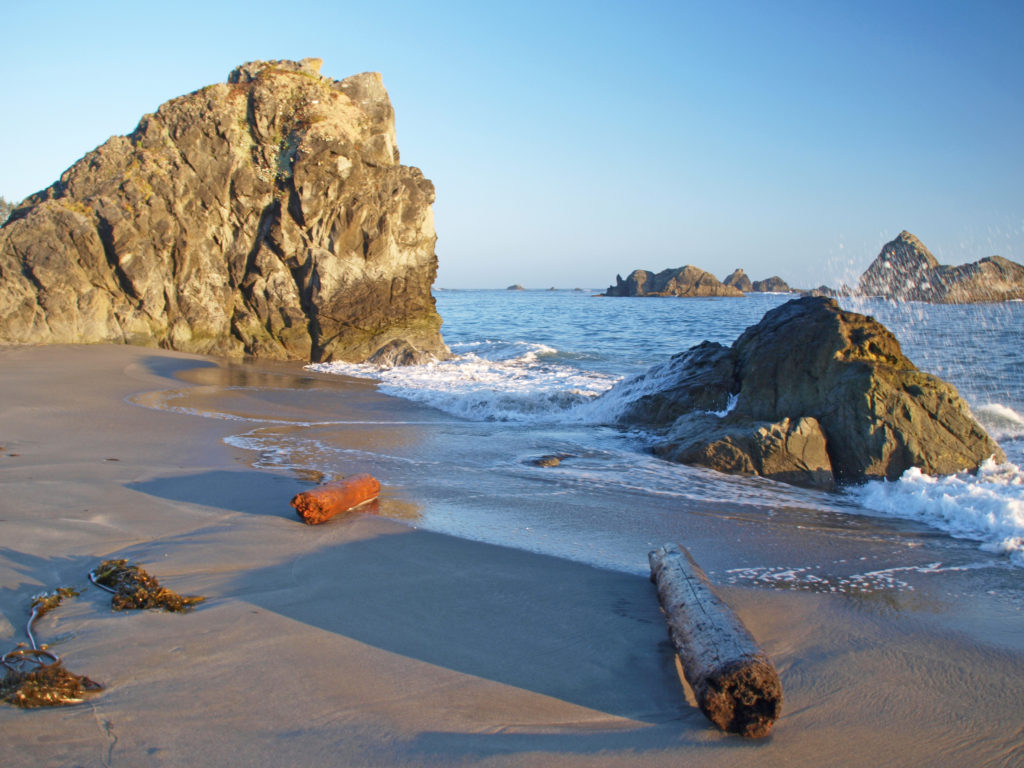
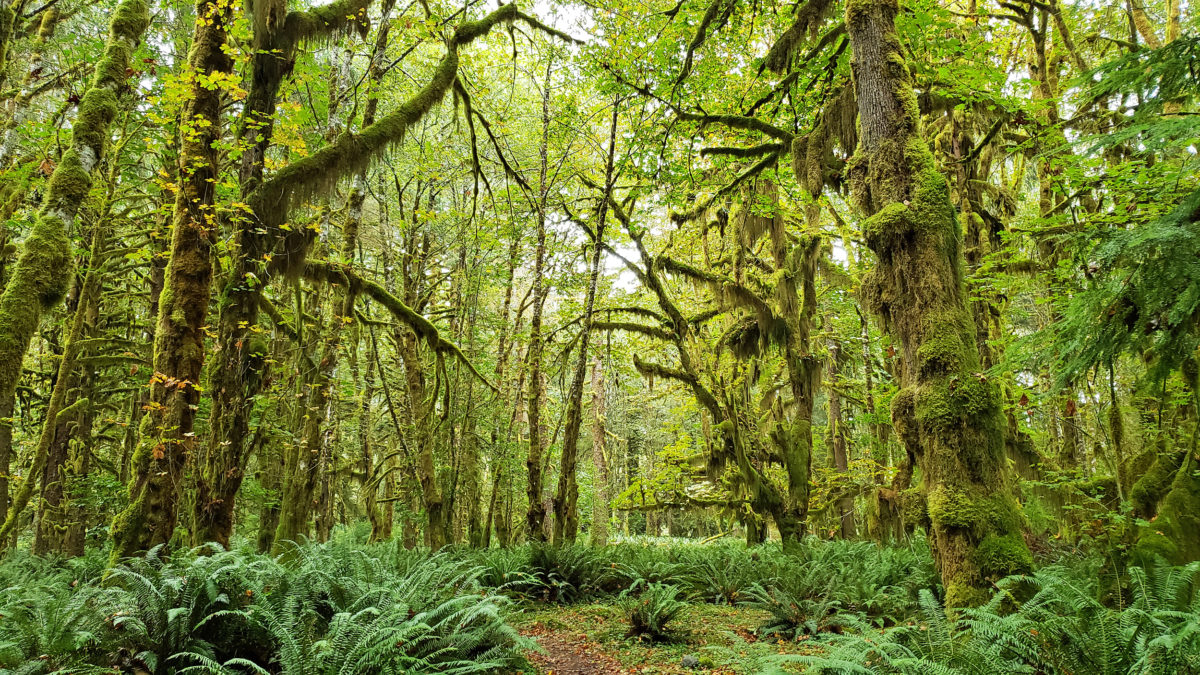
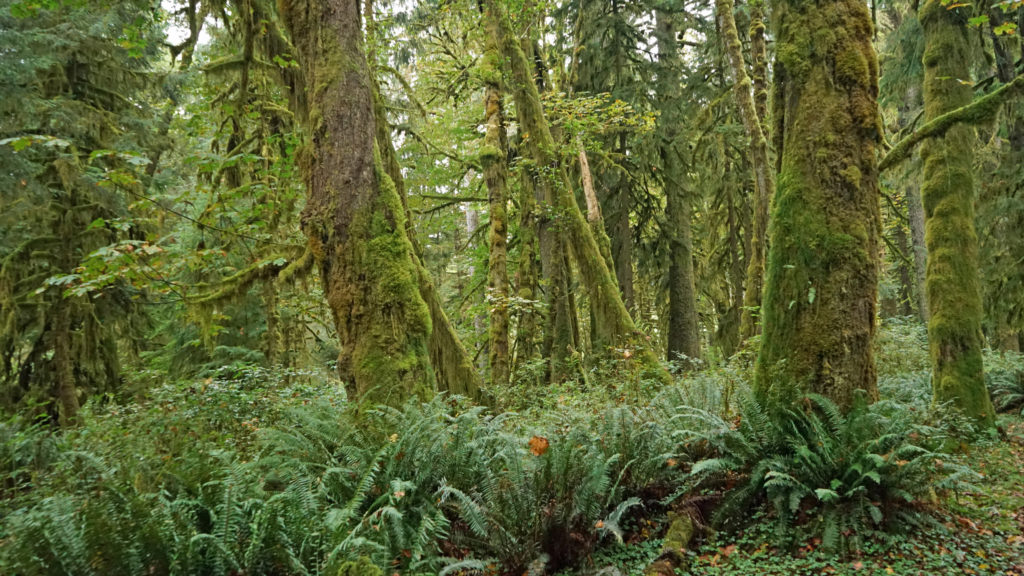 The Quinault Rain Forest lies in the southwestern corner of Olympic National Park, the adjacent Olympic National Forest, and the Quinault Indian Reservation in western Washington. It’s less than a four hour drive from either Portland or Seattle, but it seems a world apart, and more than a little stuck in time. It looks much as I remember it from when I first visited as a child more than a half century ago. Cell phone service and wi-fi availability are spotty. There are no big resorts and no towns of any size. Urban America is nowhere to be found.
 The pandemic has kept all of us from traveling as much as maybe we’d like. That certainly applies to my wife and I. Most of our vacation plans for 2020 had to be cancelled. And just when the parks and recreation areas were beginning to reopen, wildfires in western Oregon and Washington shut them down again. But the Olympic Peninsula was largely unaffected by the fires. So, my wife and I decided that the Olympics would be an ideal, and much needed, escape from Portland, and in September 2020 we headed to the Olympic Peninsula. Our first stop was Lake Quinault.
 We treated ourselves to a stay at the historic Lake Quinault Lodge, one of the iconic grand lodges of the American West. The original Lake Quinault Lodge was built in 1904. The Boathouse annex was built in 1923. The original lodge burned down in 1924 and the current main lodge was constructed in 1926 on the site of the older lodge. Two additional annexes have been added since then. The existing lodge was placed on the National Register of Historic Places in 1998.
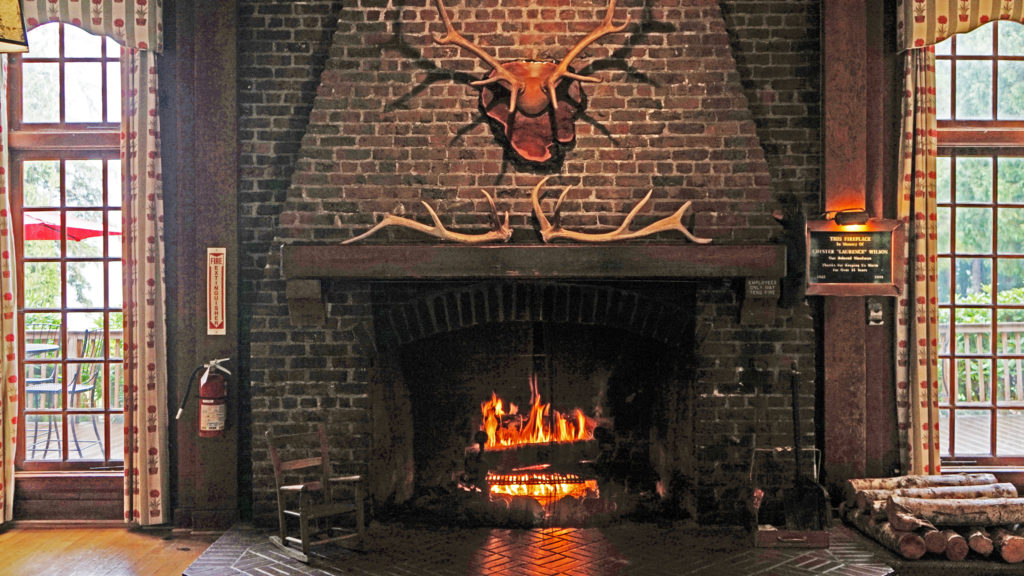 Rooms at the lodge are a little pricey, but you’re paying for the history, charm, and iconic nature of the lodge more than for the amenities provided. There are no TVs in any of the main lodge rooms, no fridges, or microwaves, no phones and no cell phone service. But that’s all part of the charm. The Boathouse and the other two annexes offer a few more amenities. Some come with fireplaces, the Lakeside Rooms are billed as family friendly, and the Boathouse Rooms are pet friendly. Our room in the main lodge came with all we needed, a comfortable bed and a view of the lake.
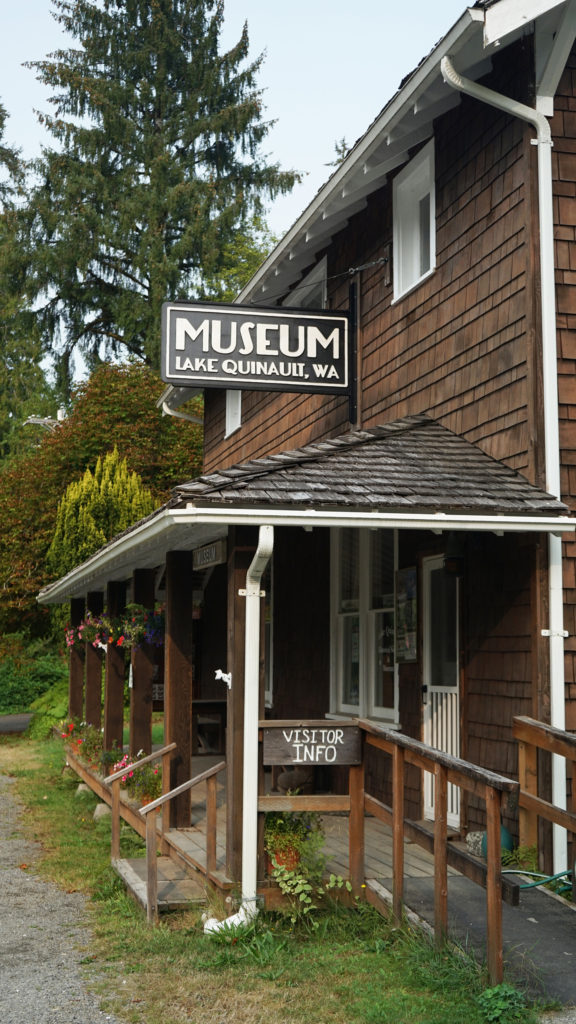 Services at the lodge were limited by the pandemic during our stay. The swimming pool, sauna, and game room were closed. The restaurant served take out meals, but the dining room was closed (outside seating was available and you could eat in the main hall or in your room). However, all services have been restored to pre-pandemic levels.
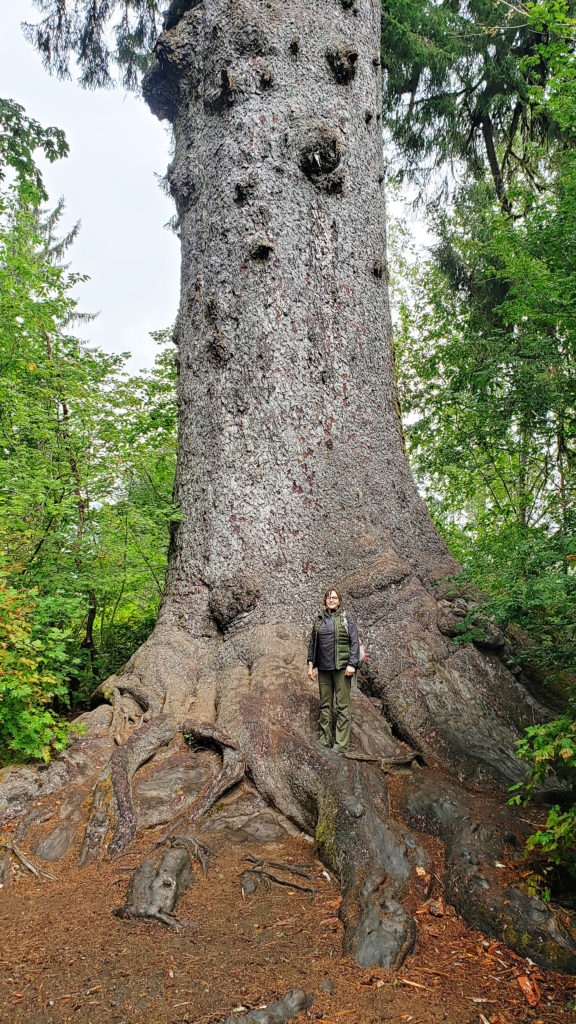
 A somewhat cheaper alternative to Lake Quinault Lodge is the nearby Rain Forest Resort, which has a 16 room lodge, cabins (some with hot tubs), an RV park, and a restaurant. The world’s largest Sitka Spruce grows a short walk from the resort. Other options are the Quinault River Inn on Hwy 101 in Amanda Park, and Lochaerie Resort on North Shore Road. And there are three campgrounds on the south shore of Lake Quinault, and two (one a walk-in) on the north shore.
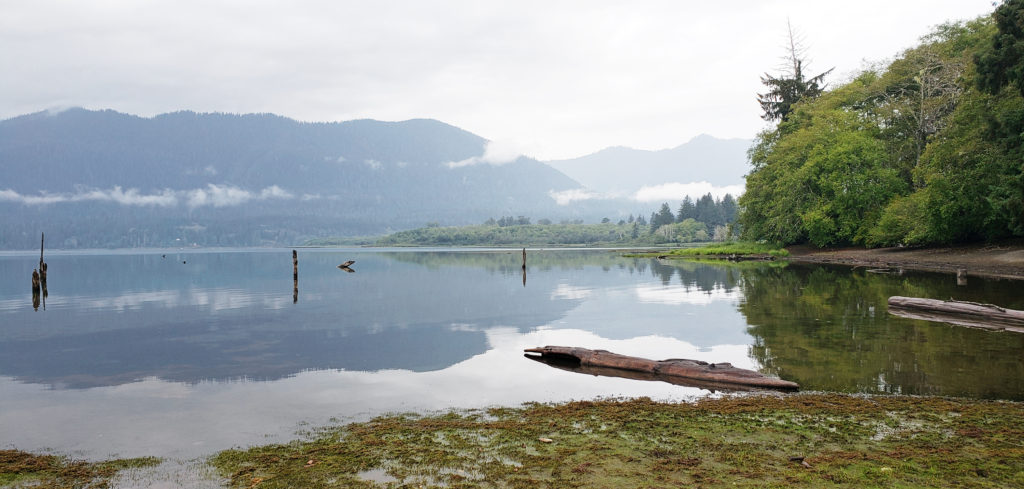
 Lake Quinault Lodge, the Rain Forest Resort, or any of the three south shore campgrounds make an ideal base for exploring the area. Hikers have a variety of options, from the half mile Rain Forest Nature Trail Loop to a loop of about seven miles that takes you to Gatton Creek Falls, Cascade Falls, the Cedar Bog, the Rain Forest Nature Trail, and along the lake shore. Cutoff trails make shorter loops of various distances possible. Other hiking trails are a short drive from the lodge.
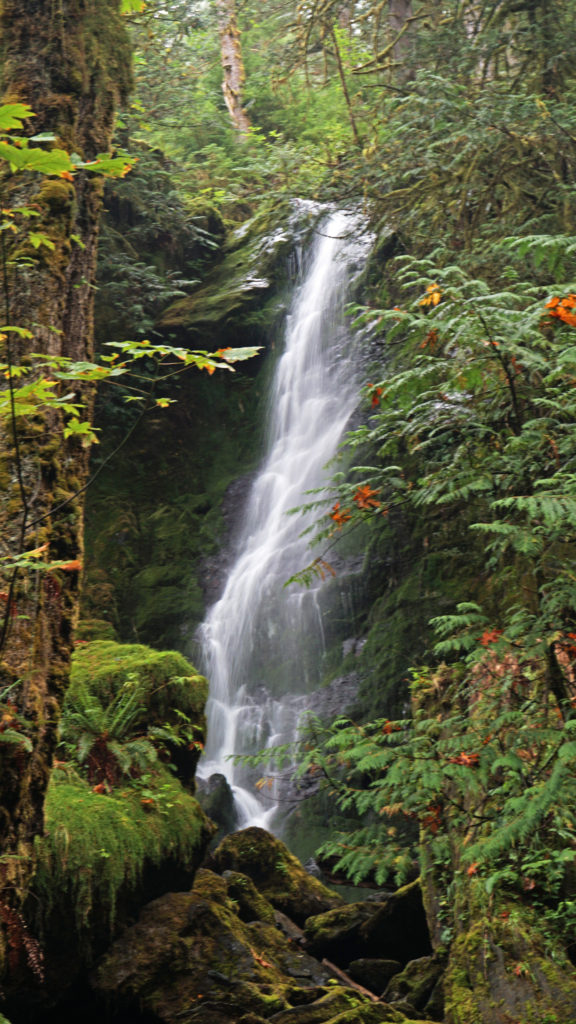 Two stops along South Shore Road worth making are Merriman Falls and Bunch Falls. Both are just east of Lake Quinault and both are right by the road, so no hiking required.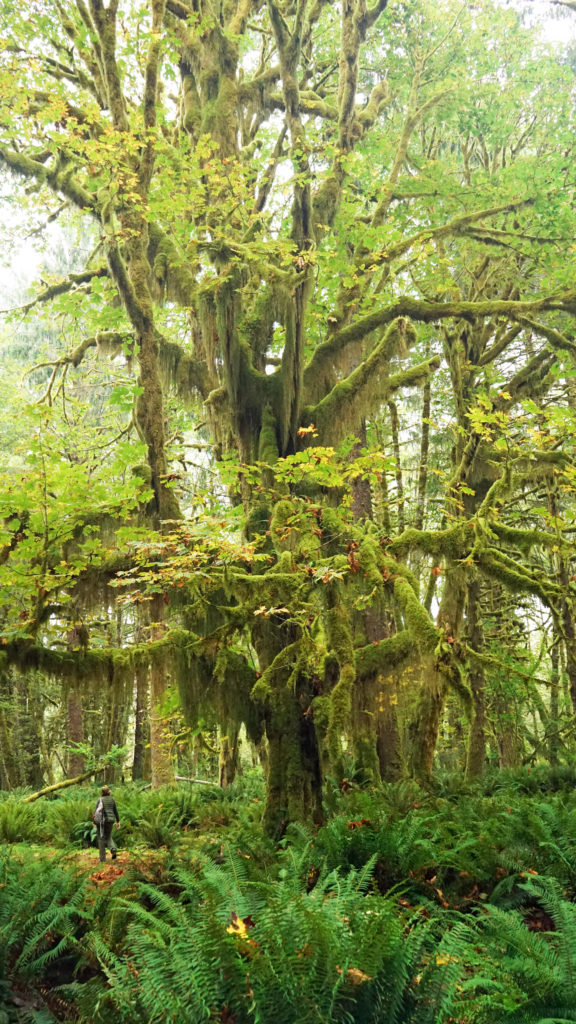
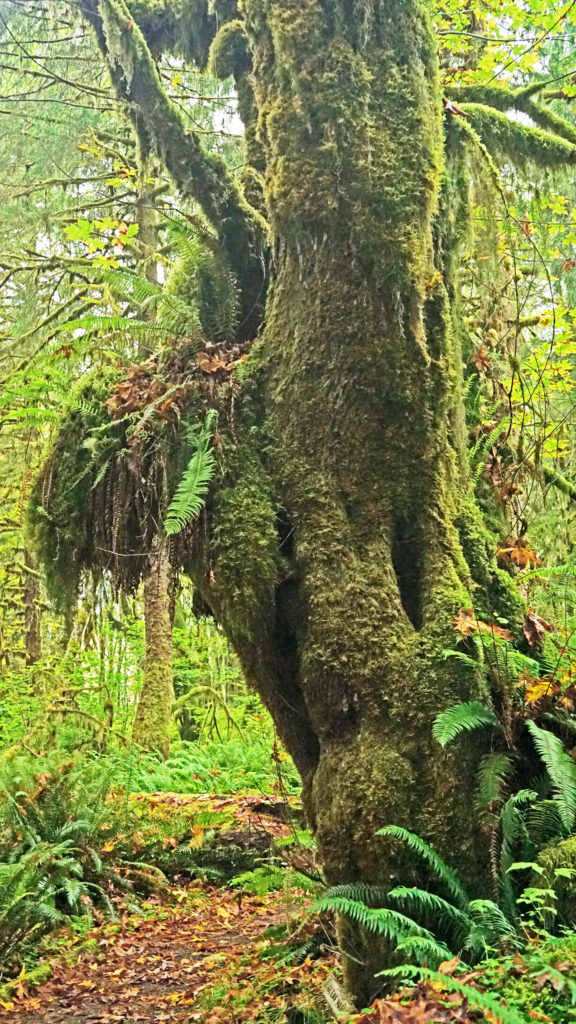
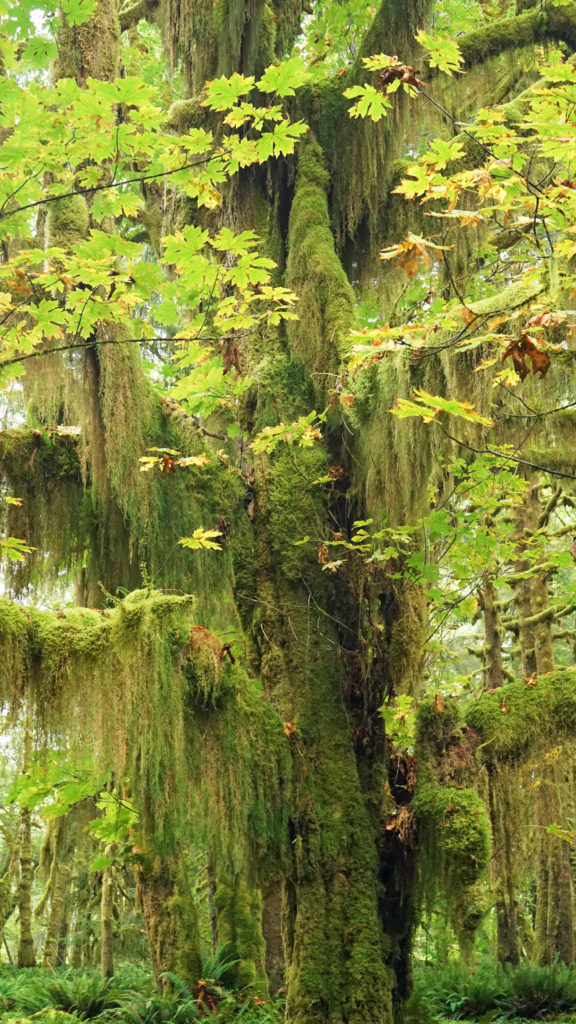 One hike that everyone should do is the Maple Glade Trail at the Quinault River Ranger Station on North Shore Road. It is spectacularly beautiful, and like the Rain Forest Nature Trail, it’s an easy 0.5 mile loop. But, unlike the Rain Forest Nature Trail, which takes you through a coniferous forest of Douglas Fir, Western Hemlock, and Western Red Cedar, the Maple Glade Trail immerses you in a Bigleaf Maple forest. There the ground is covered in ferns and other low growing shrubs and the maples soar overhead, but in between is mostly open and airy. The effect is like being in a gigantic room carpeted with ferns and roofed with a canopy of maple leaves.
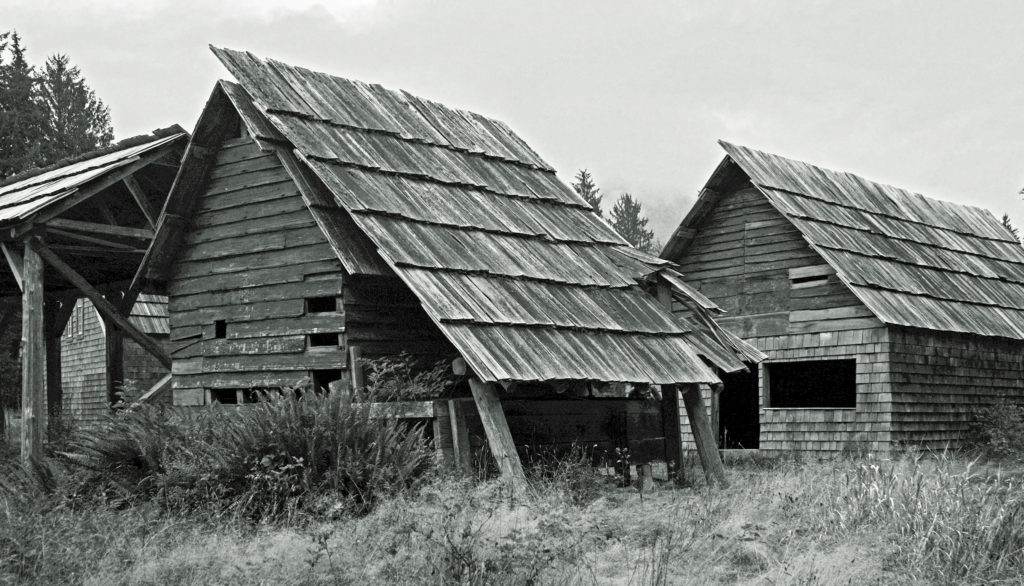 The Maple Glade Trail can be extended by taking the connecting trail to the Kestner Homestead. There you’ll find the Kestner house, barn, outbuildings, and a cool old rusted delivery truck.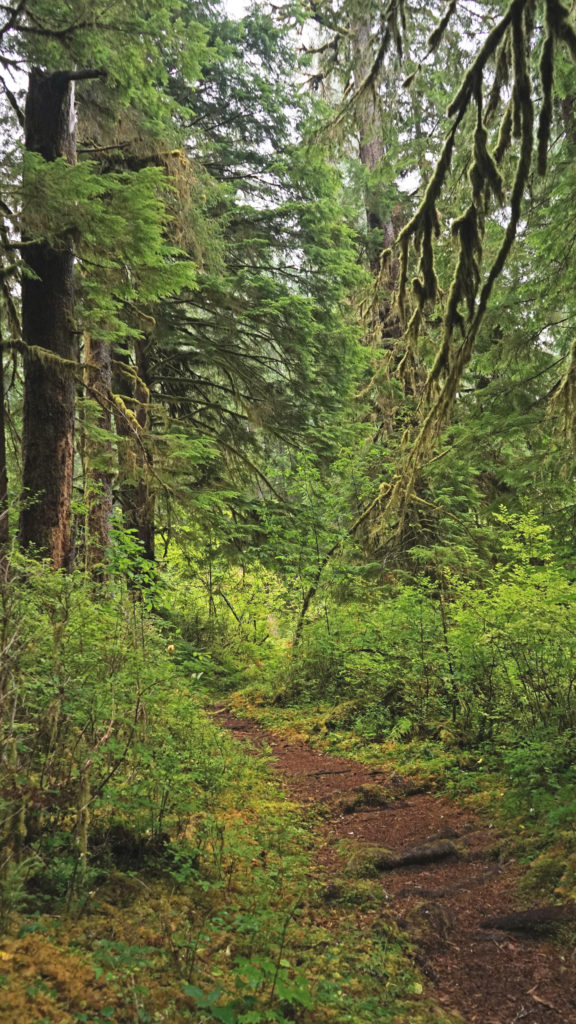
 There are also much longer hikes that can be taken into the Olympic National Park from the Quinault Valley. The most famous, and probably most hiked, is the Enchanted Valley Trail. It’s a 13 mile hike along the East Fork of the Quinault River to reach the Enchanted Valley, so it is not a casual outing. Most people do it as a 3-5 day backpacking trip. My backpacking days are behind me, but the Enchanted Valley is one of the hikes that I regret having never done.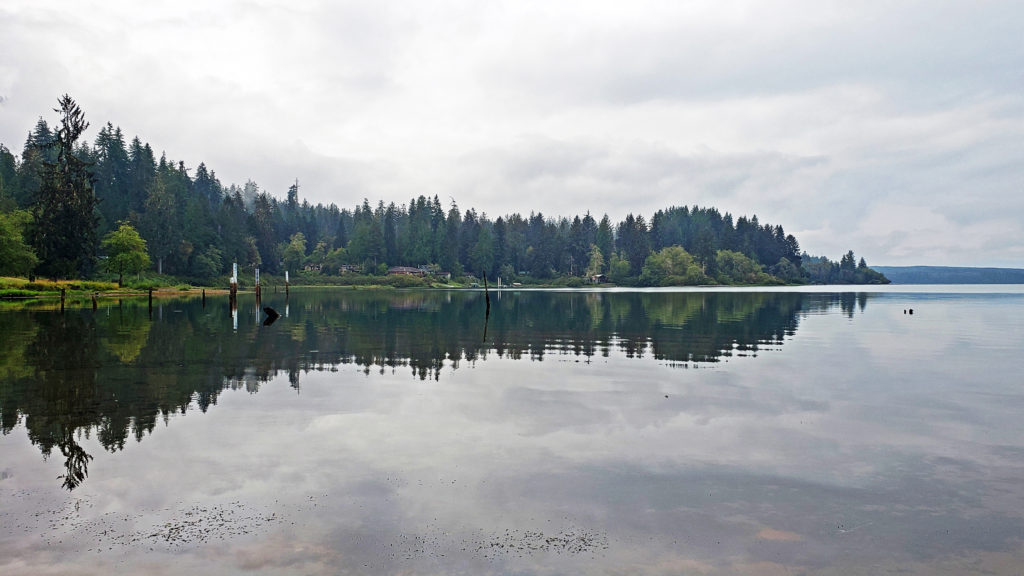
 Originally posted October 26, 2020. Updated and re-posted August 11, 2022.



 Originally posted June 30, 2018. Most recently updated November 13, 2025.
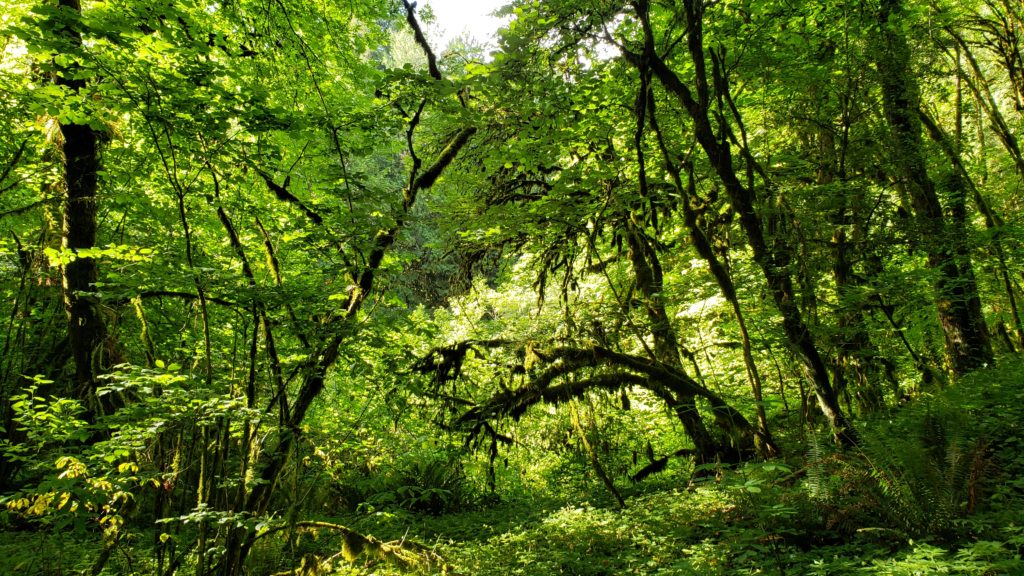
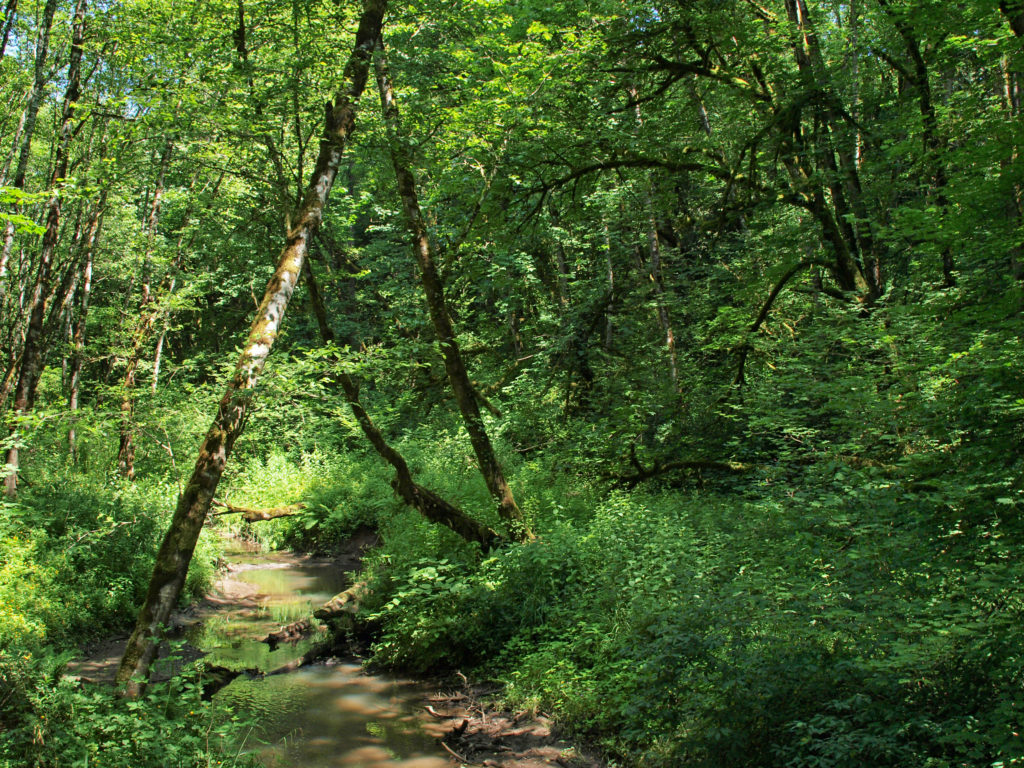
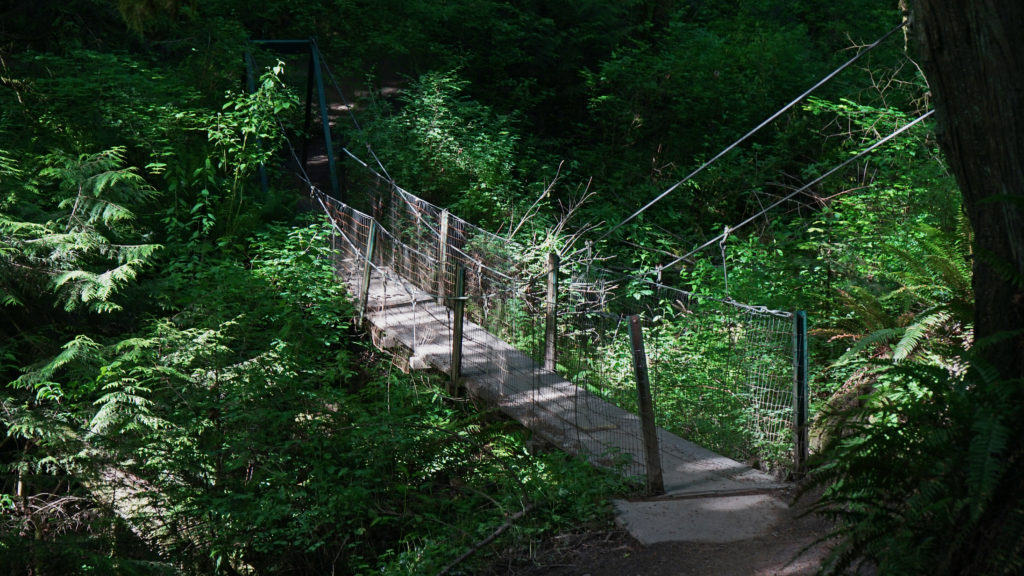
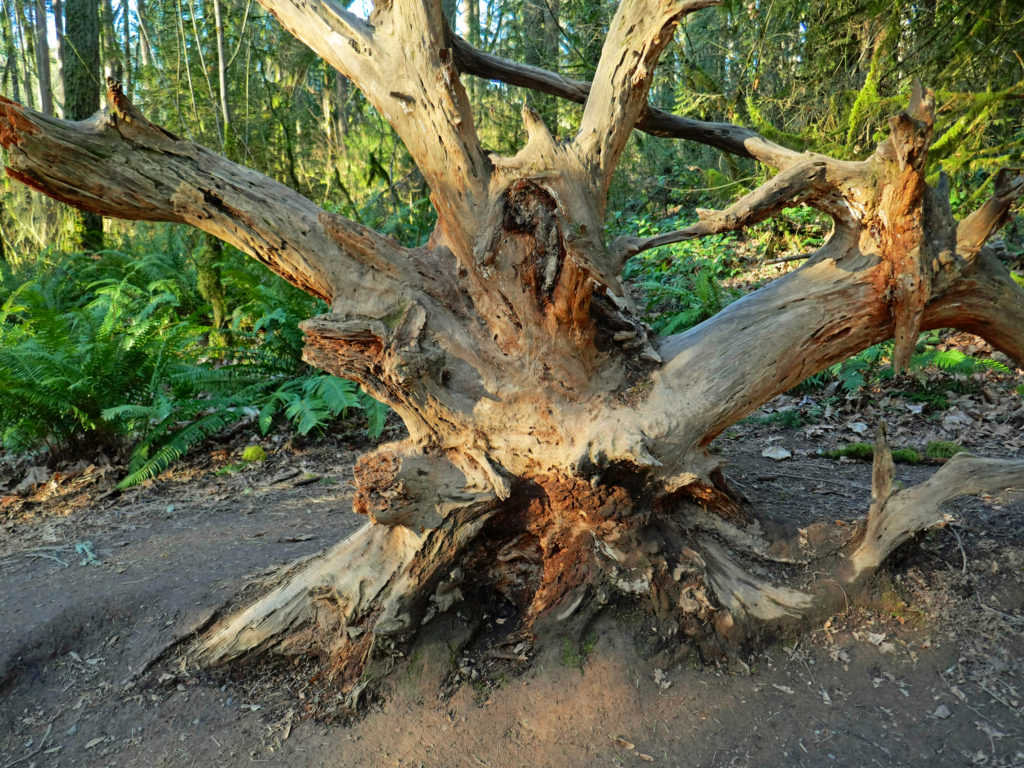
 Nearly 300 different forest plants and flowers grow in the park. Blacktail deer, raccoons, coyotes, red foxes, beaver, and more than two dozen other mammals roam the park. More than 70 species of birds have been seen in the park. And cutthroat trout, coho and chinook salmon, and steelhead can be found in Tryon Creek.
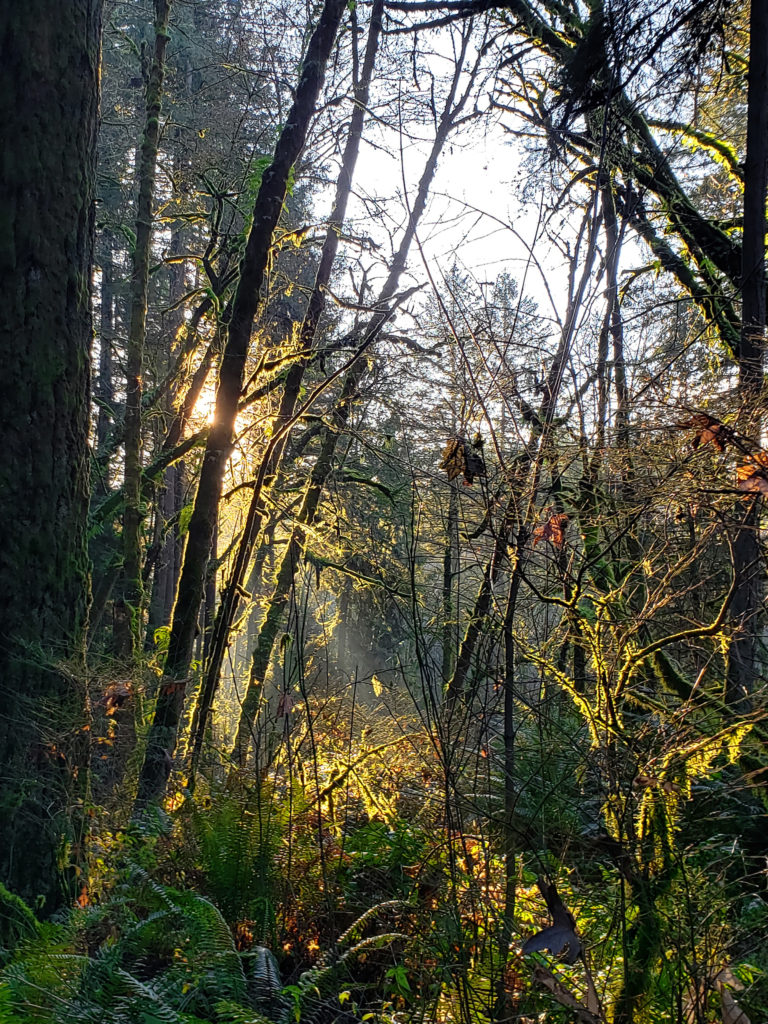 The area was saved from development in the late 1960s and early 1970s by a combination of dedicated citizens, the
 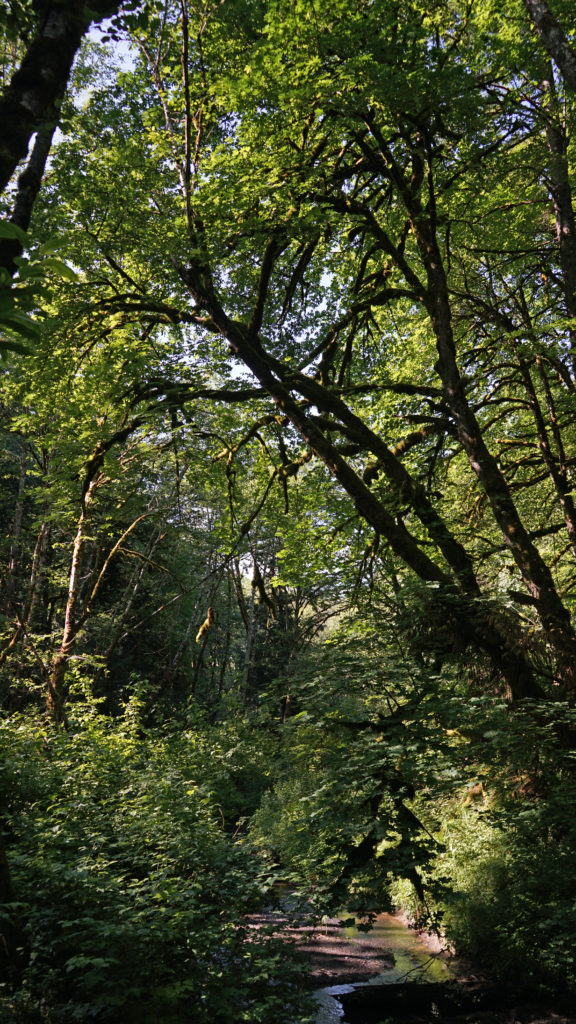 Many, if not most, of the park’s visitors come to hike the nearly fifteen miles of hiking and mixed use trails. Some bring their horses to ride the three and a half miles of equestrian trails. There is also a three mile paved bike path running through the park and a paved all abilities trail. The Nature Center, with a friendly staff, interpretive exhibits, a small store, and public restrooms, is a popular starting point for many visitors.
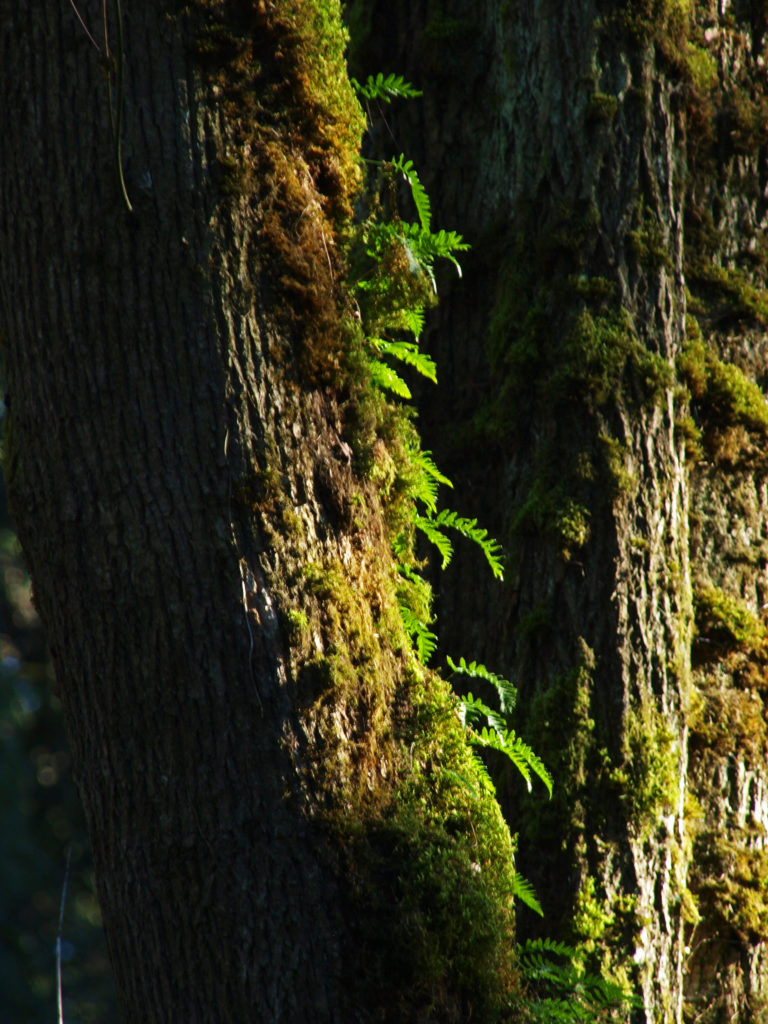 Many of the events and programs sponsored by the park were cancelled or available only online during the majority of the Covid-19 pandemic. The Nature Center was closed and entrance to the park was limited at times. While we’re still living with Covid, most, if not all, of the park’s programs have been restored, and the Nature Center is open again.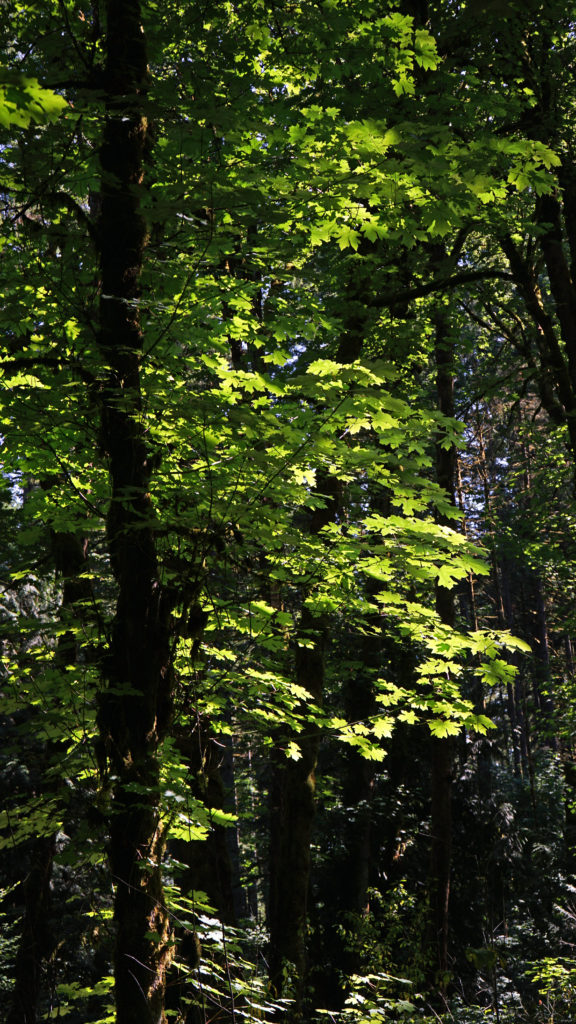

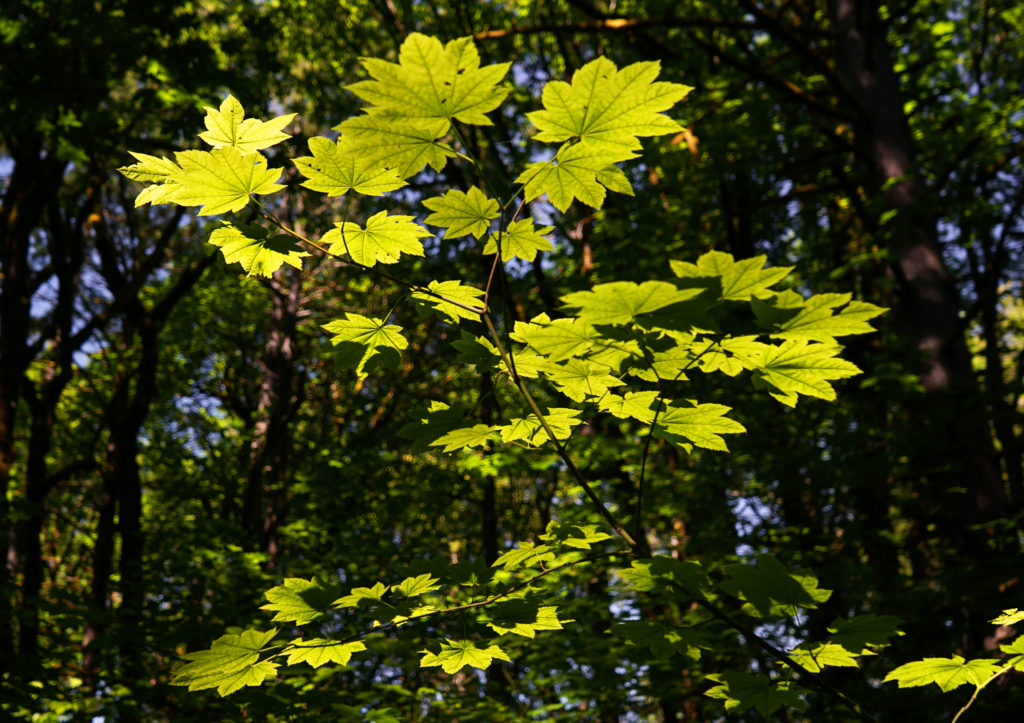 Originally posted July 29, 2020. Updated and re-posted May 25, 2022.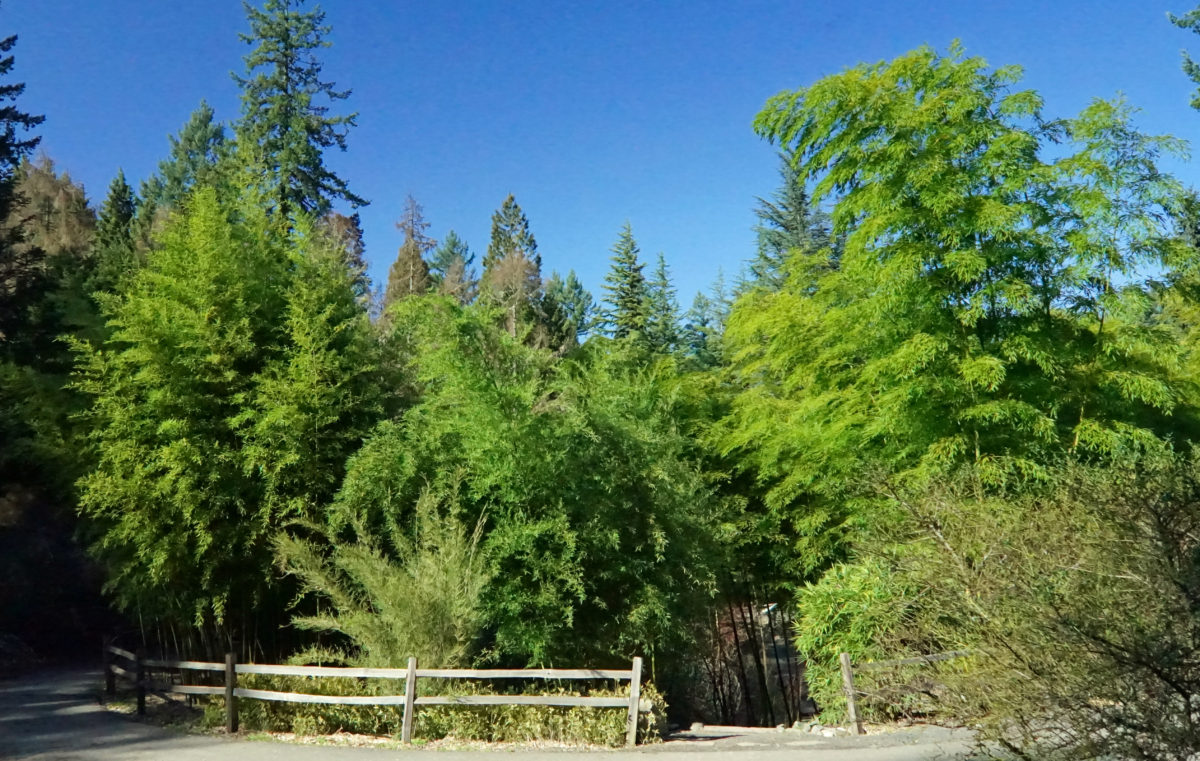
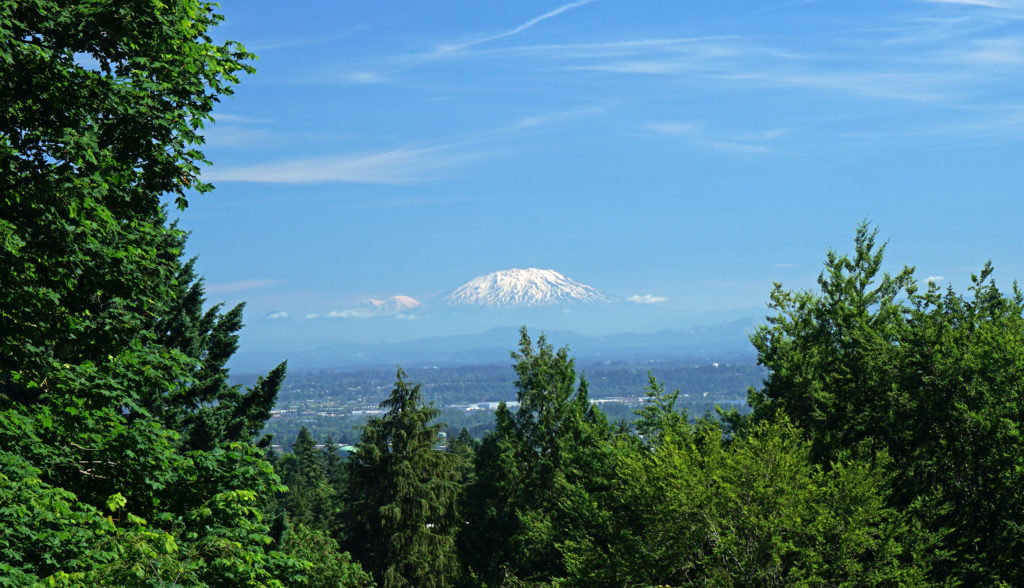 Today, the arboretum features more than 100 collections of trees and plants, organized by taxonomy and geography, spread over 189 acres in Washington Park in Portland’s West Hills. There are more than 2300 species native to six continents represented in the arboretum collections.
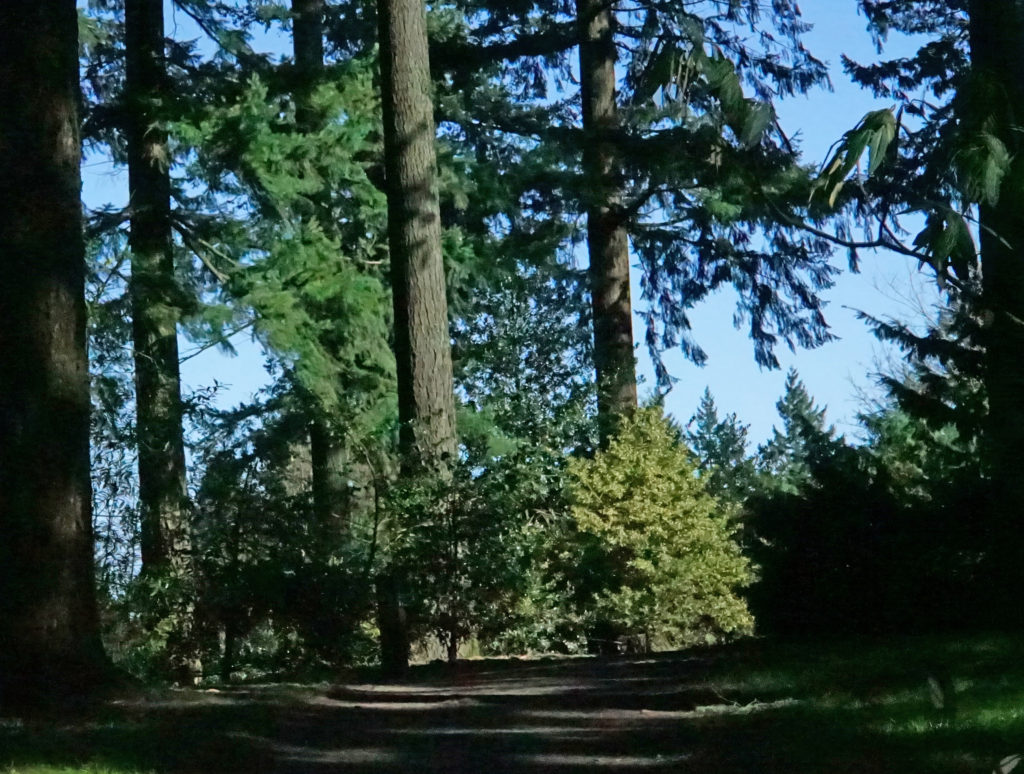
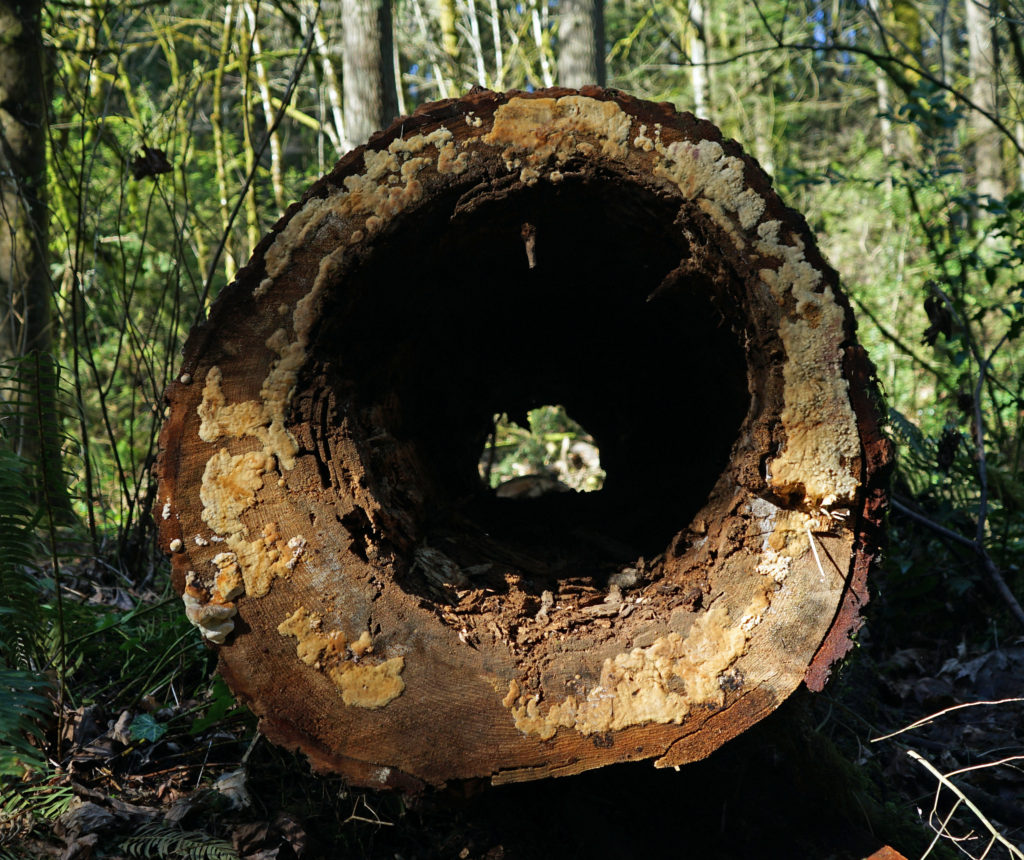
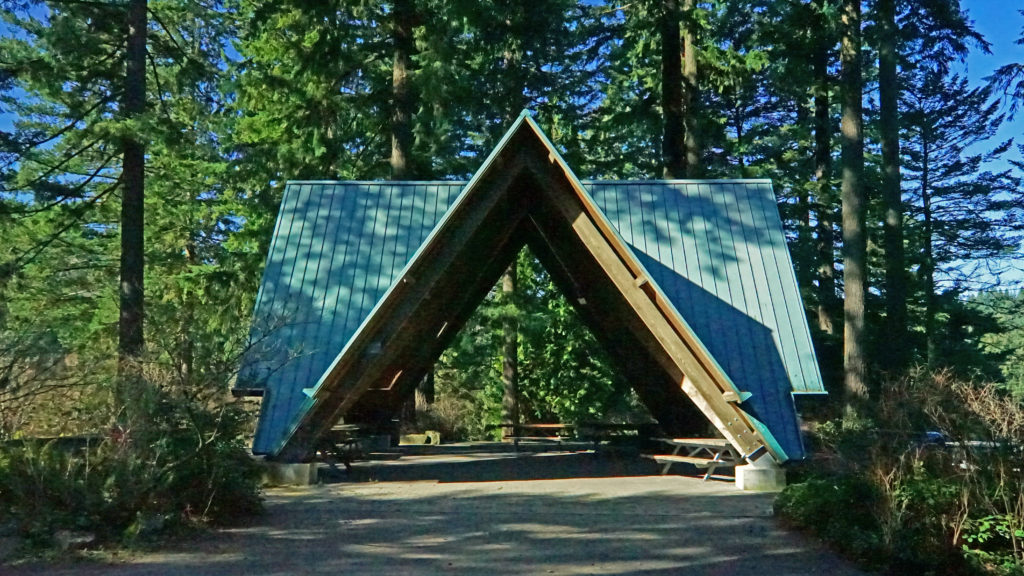

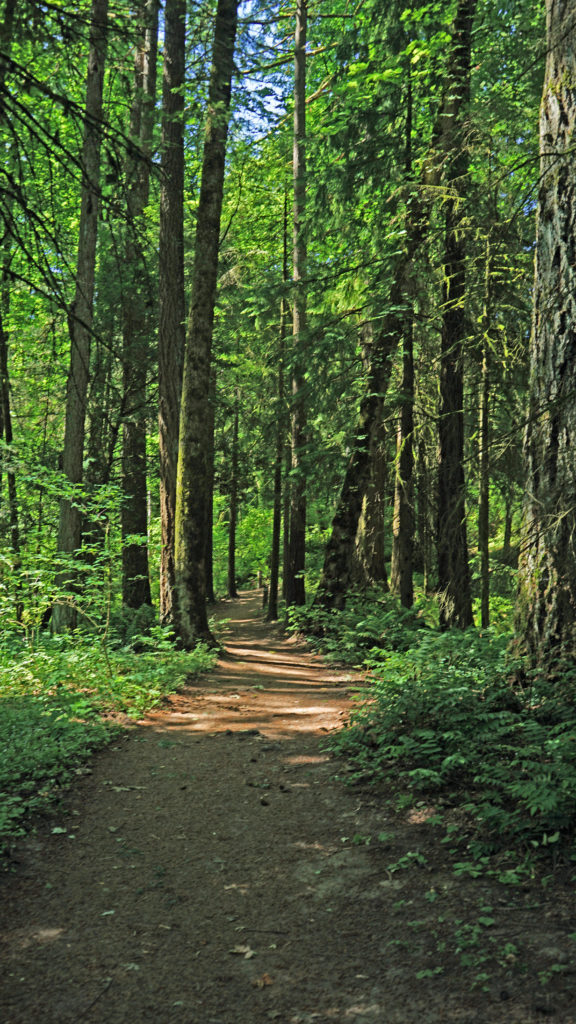
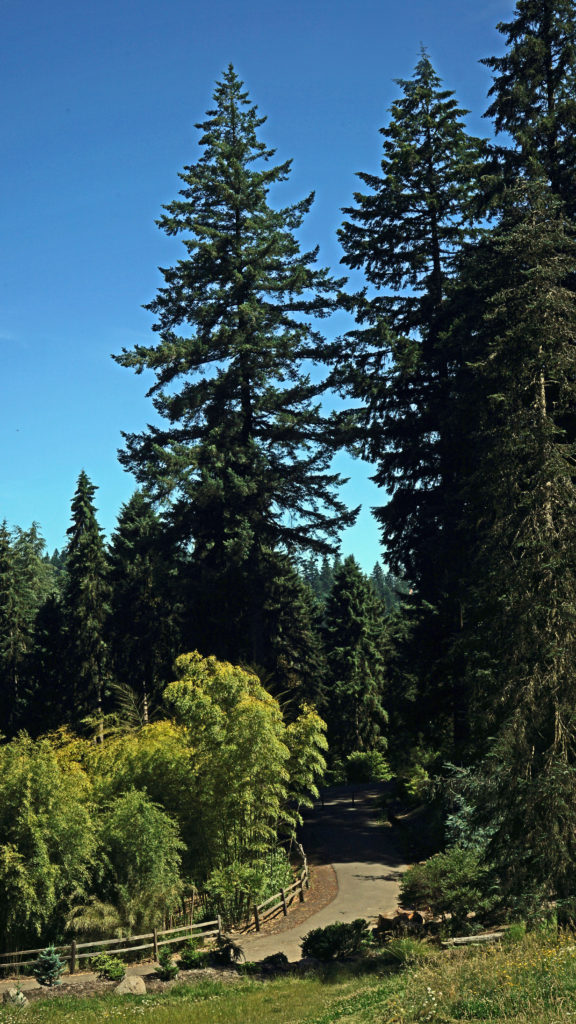 More information on the arboretum, directions, and parking and public transit information can be found on the arboretum’s website (linked above).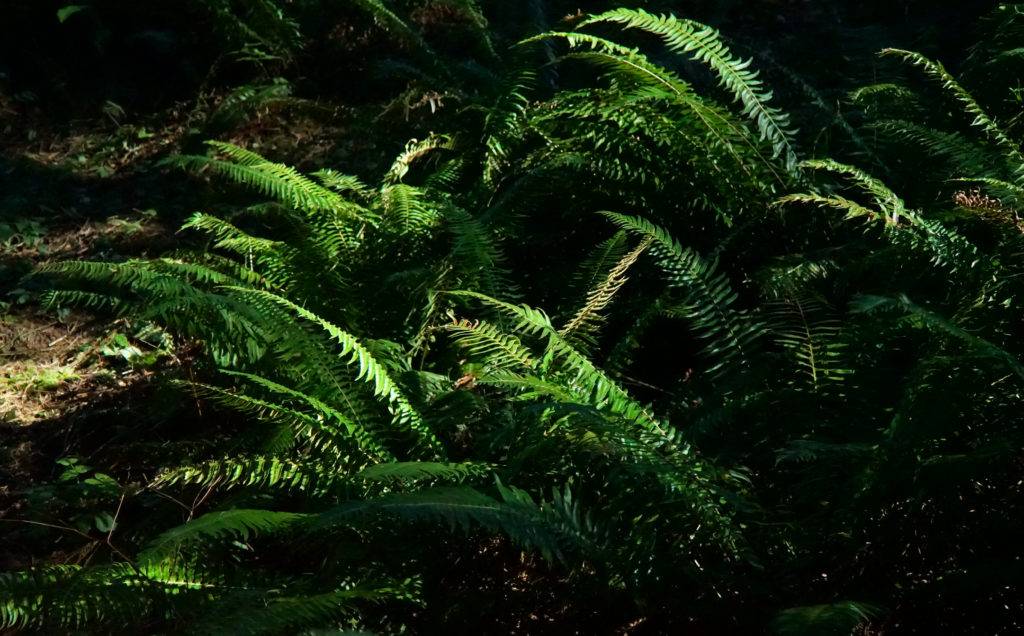
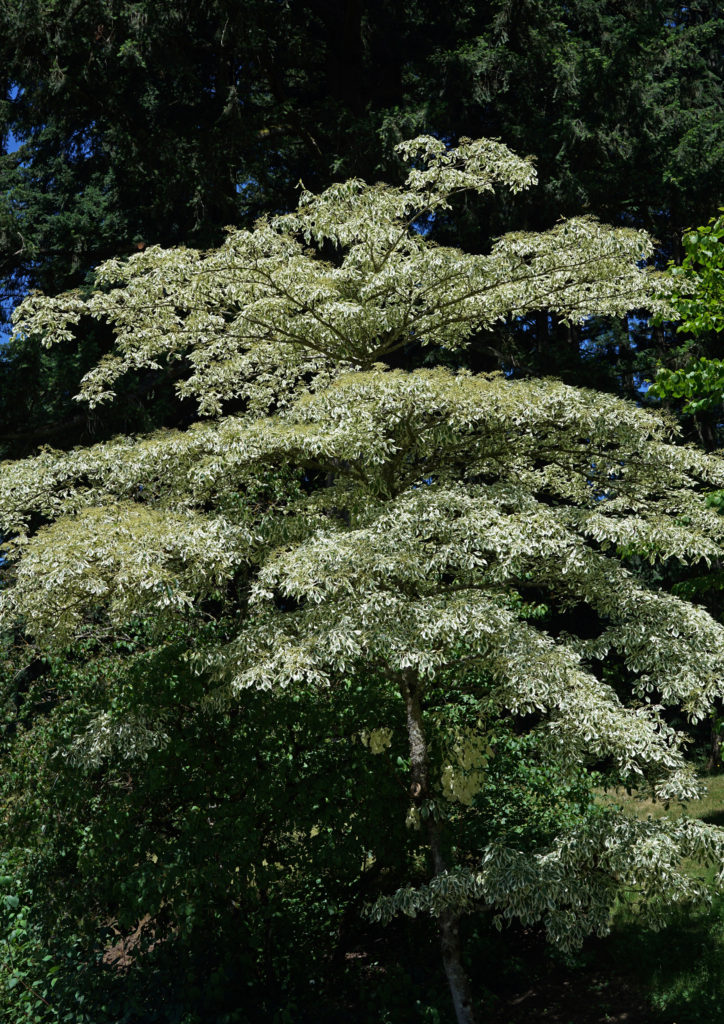 Originally posted April 8, 2020. Updated July 15, 2020 and May 5, 2022.
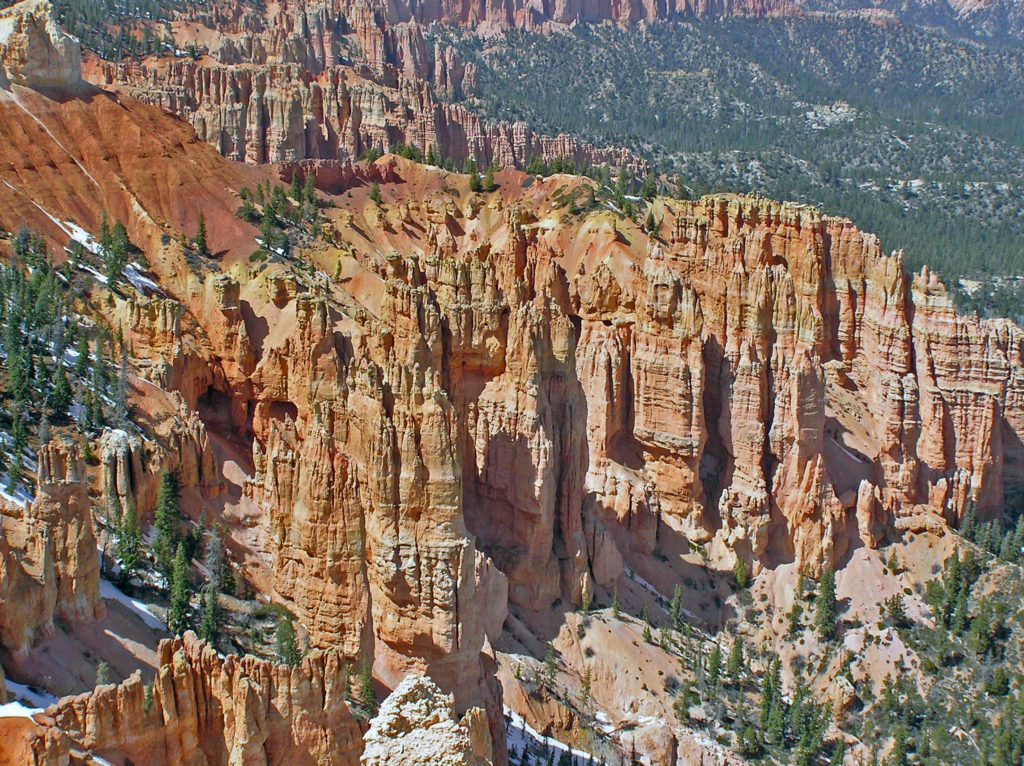
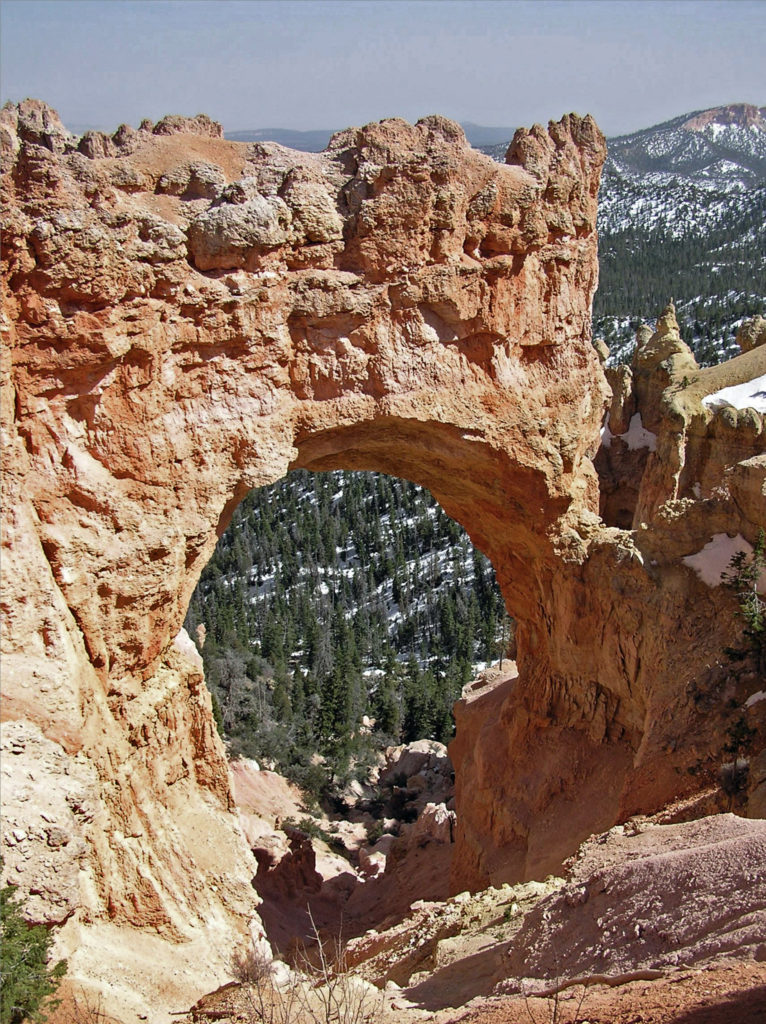

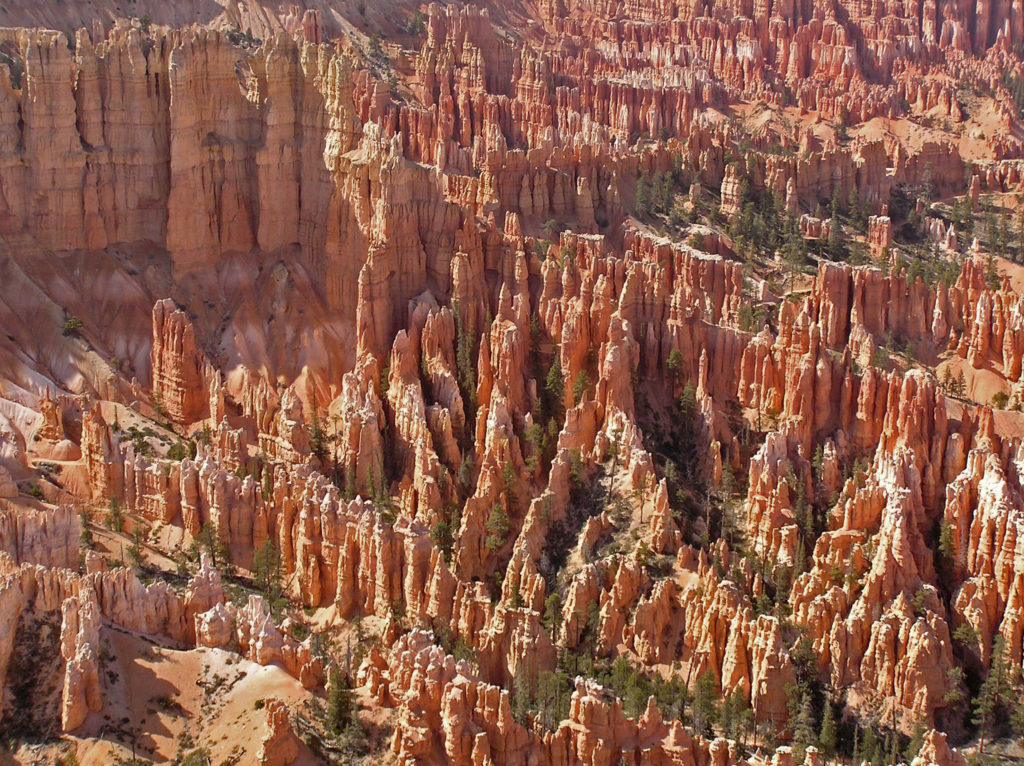
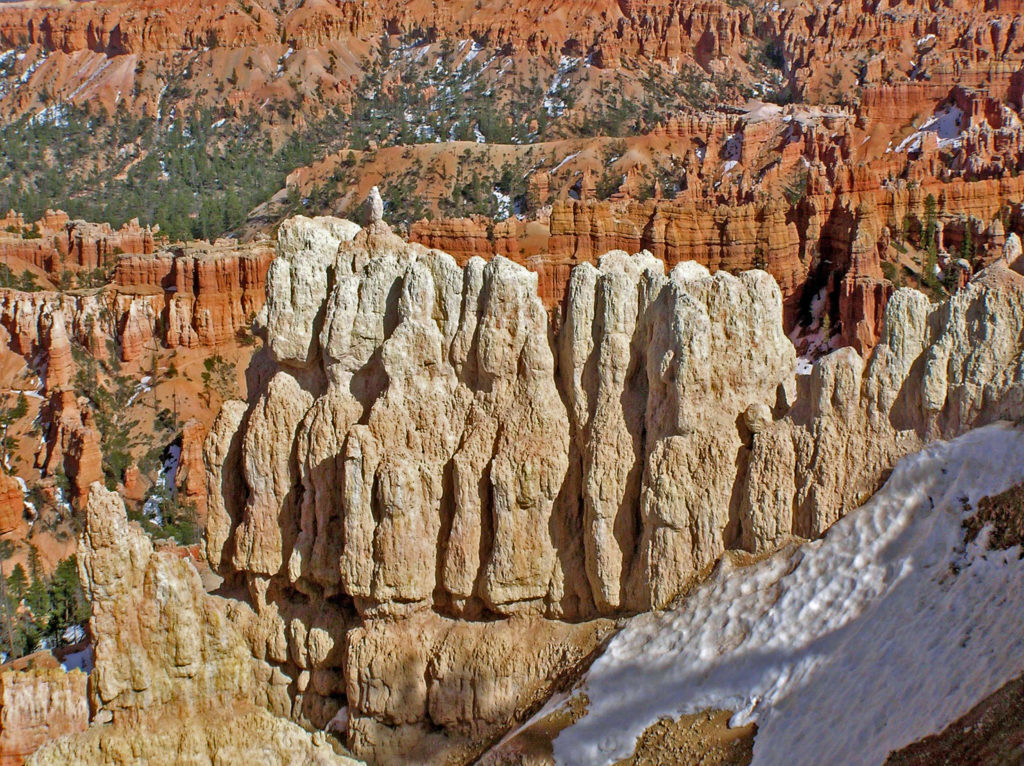
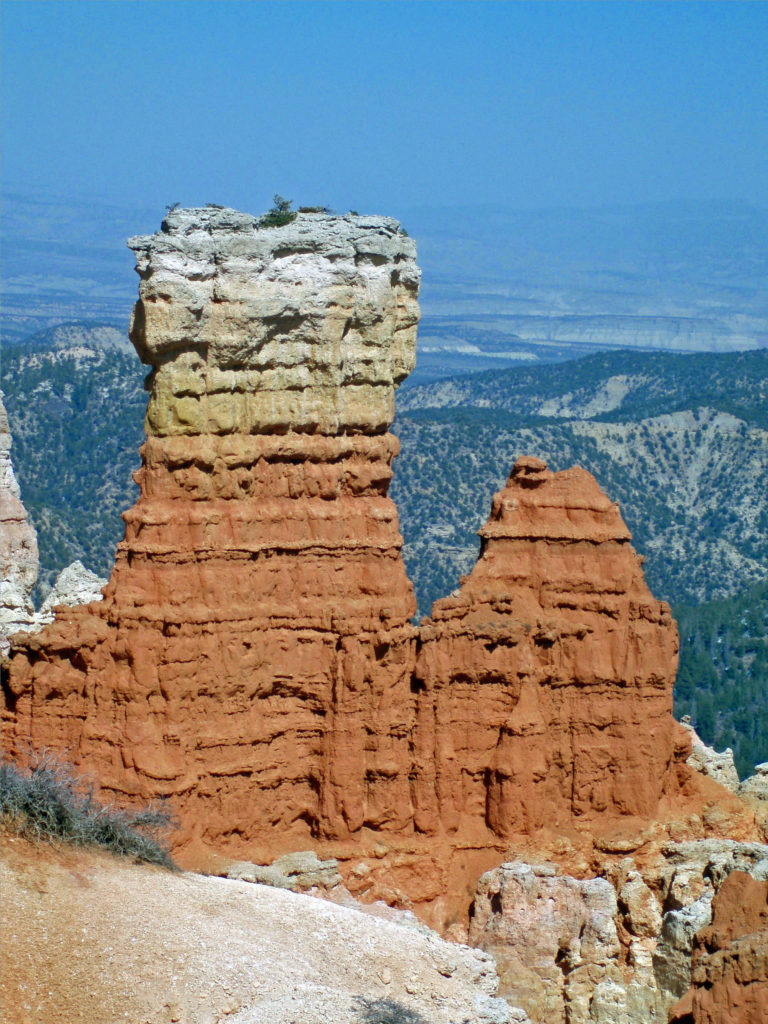
 The altitude also means that nights can be cold there even in the middle of summer. And in spring and fall, it’s not uncommon to encounter cold weather even in the middle of the day. (The photos here were taken in early May and, as you can see, there was still snow in places). Winters are cold, sometimes very, and can be snowy. Many of the trails are closed in winter. But winter also has its charms. Most of the best photos I’ve seen of Bryce Canyon have been taken when the hoodoos were covered in snow.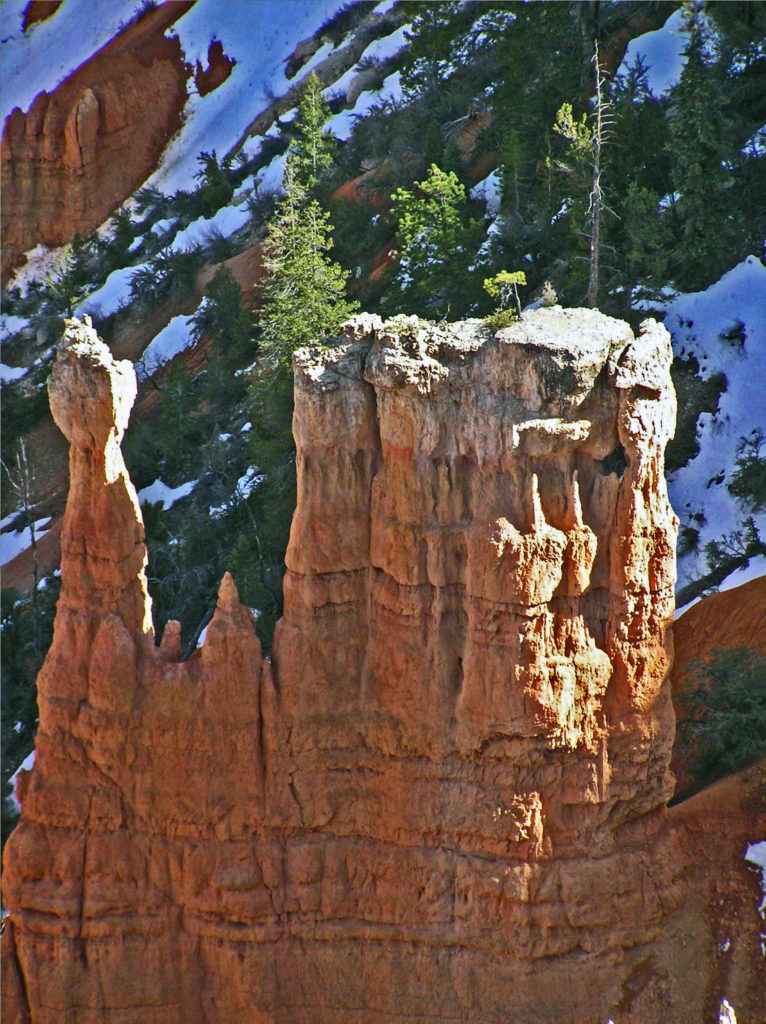

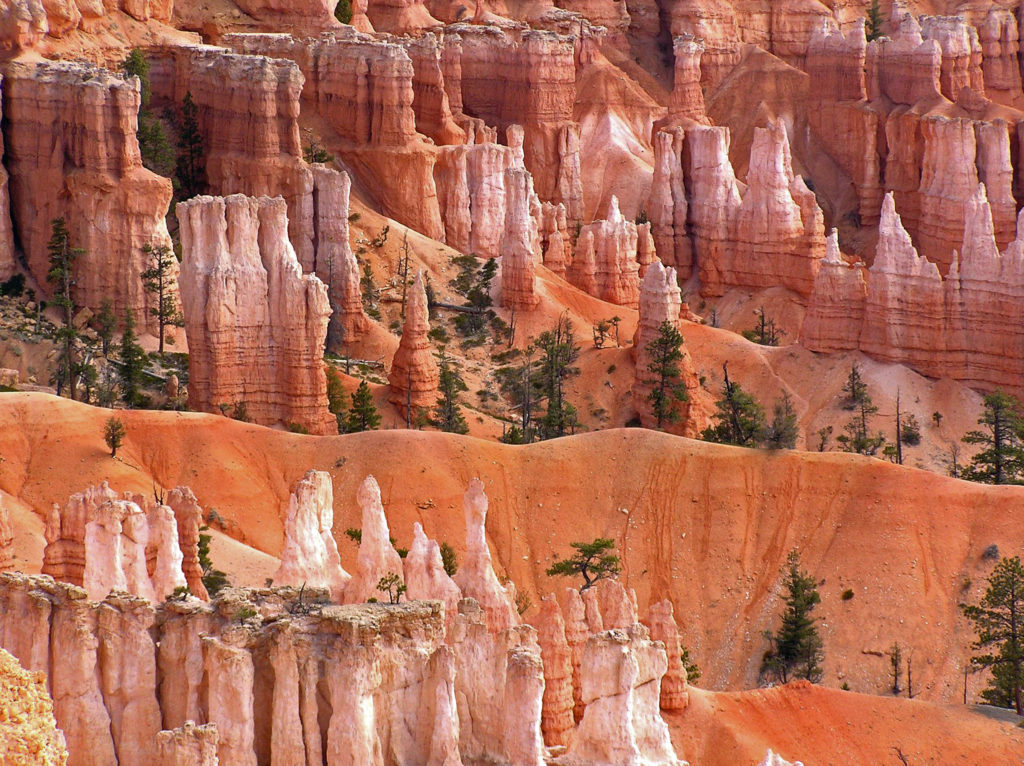
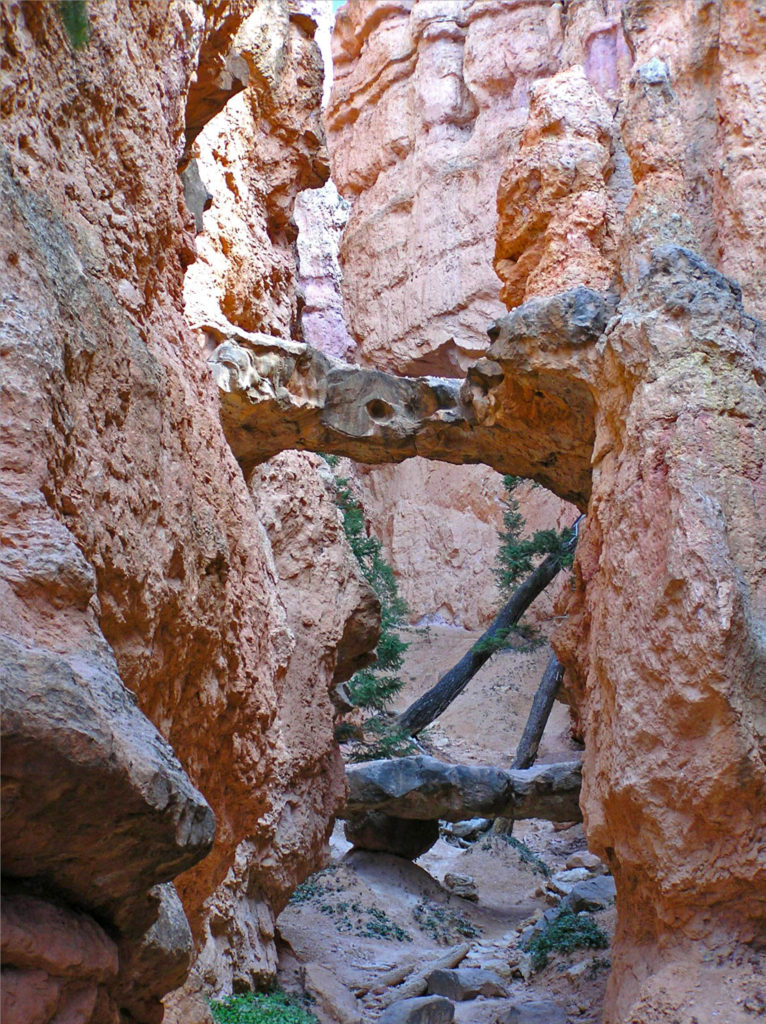
 The good news is that you don’t have to hike very far into the hoodoos to get away from the crowds. There are a number of loop and out-and-back trails that will get you away from the crowds, some of them fairly easy hikes. The rim trail along the edge of the Bryce Amphitheater can also get you away from the worst of the crowds without actually descending into the hoodoos. And if you don’t want to (or can’t) hike into the amphitheaters, there are mule rides available. Check at the visitor center when you arrive. Some of the trails in the park are also paved and wheelchair accessible.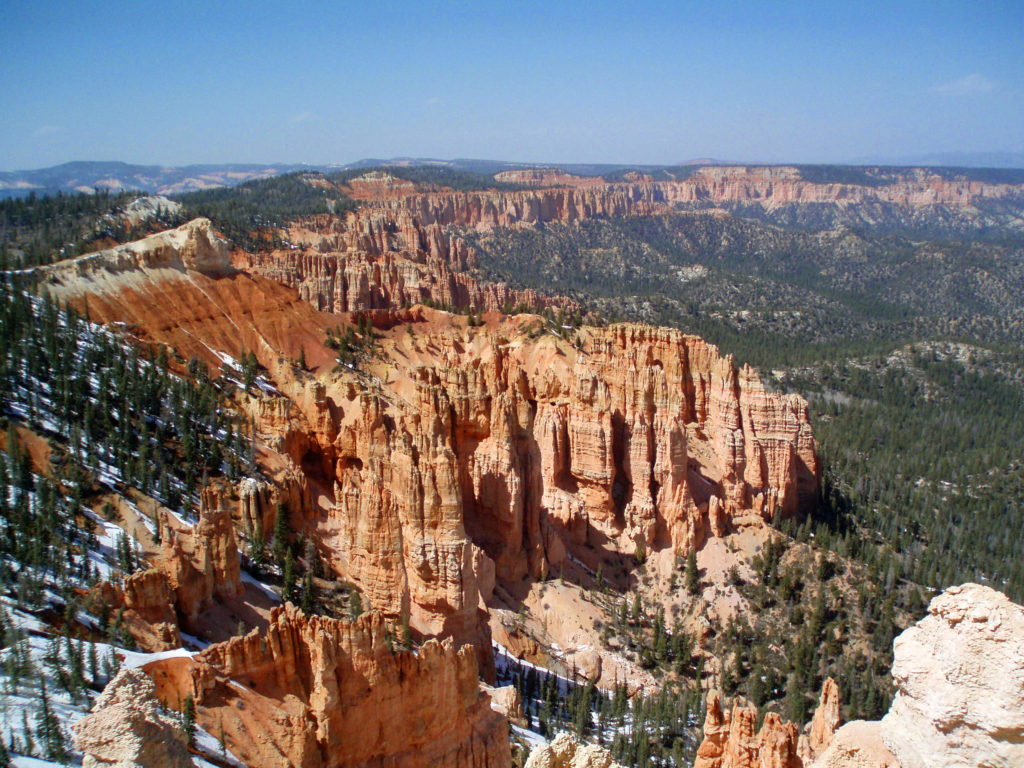
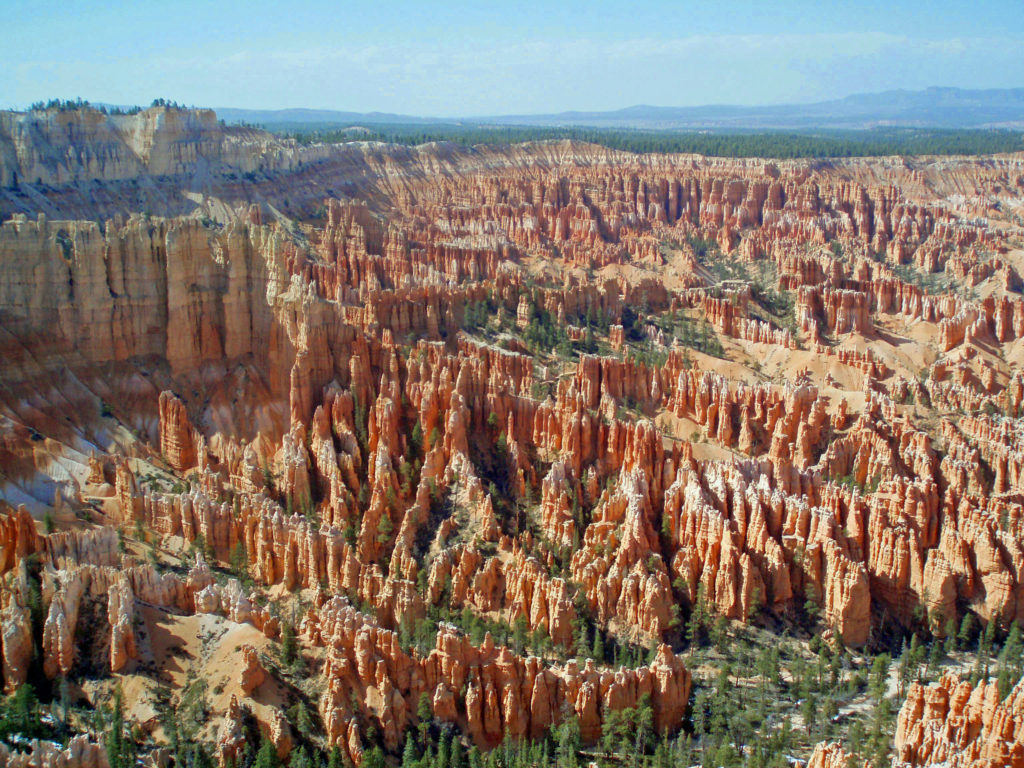
 The only road in the park (other than a section of Utah Hwy 12 that cuts across the far northern end of the park) runs north to south along the top of the Paunsaugunt Plateau from the park entrance to Yovimpa Point and Rainbow Point at the southern end of the plateau. Because the park receives so many visitors in the summer, traffic congestion can be a problem. Consider parking your car at the visitor center or the lodge and taking the free shuttle that runs the length of the park. The buses run frequently and you can hop off at any of the viewpoints and catch a later shuttle if you want to do some hiking or just sit and enjoy the scenery for awhile. Taking the shuttle also makes point to point hikes possible without having two cars.
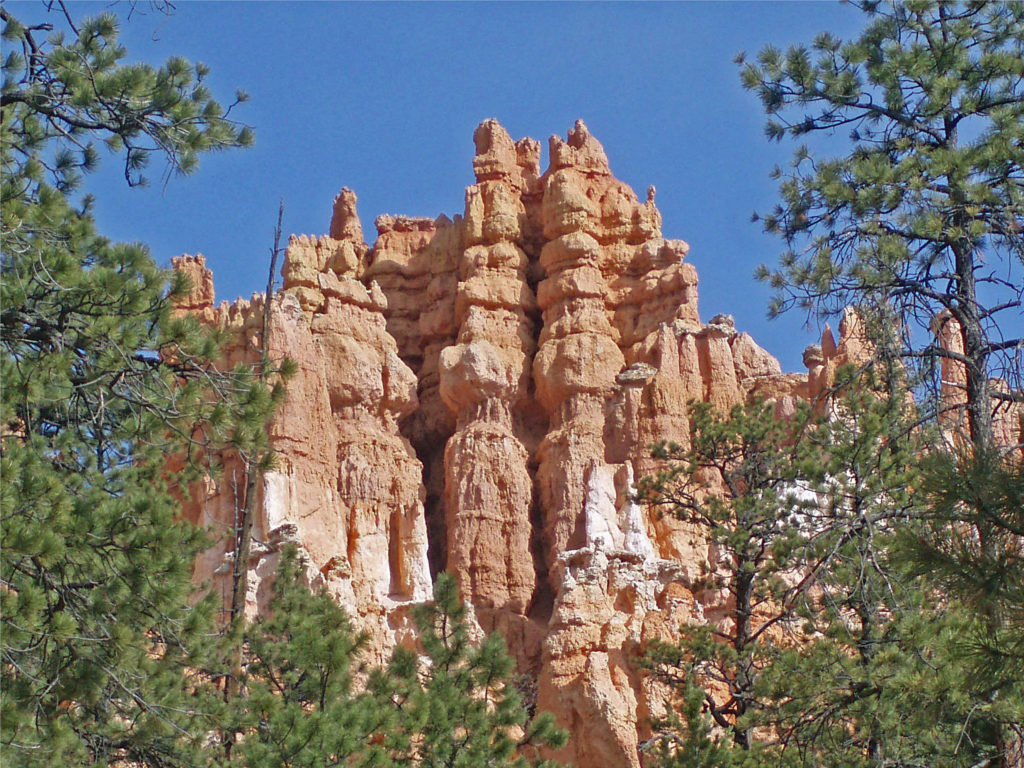 Besides being a spectacularly beautiful place during the day, Bryce Canyon is also great place to star gaze. It’s far from any light polluting urban areas, and the night skies in the park can be incredible. The park offers both astronomy programs and guided full moon hikes. Check the Bryce Canyon National Park
  The park website is a good place to begin when planning a trip to Bryce. The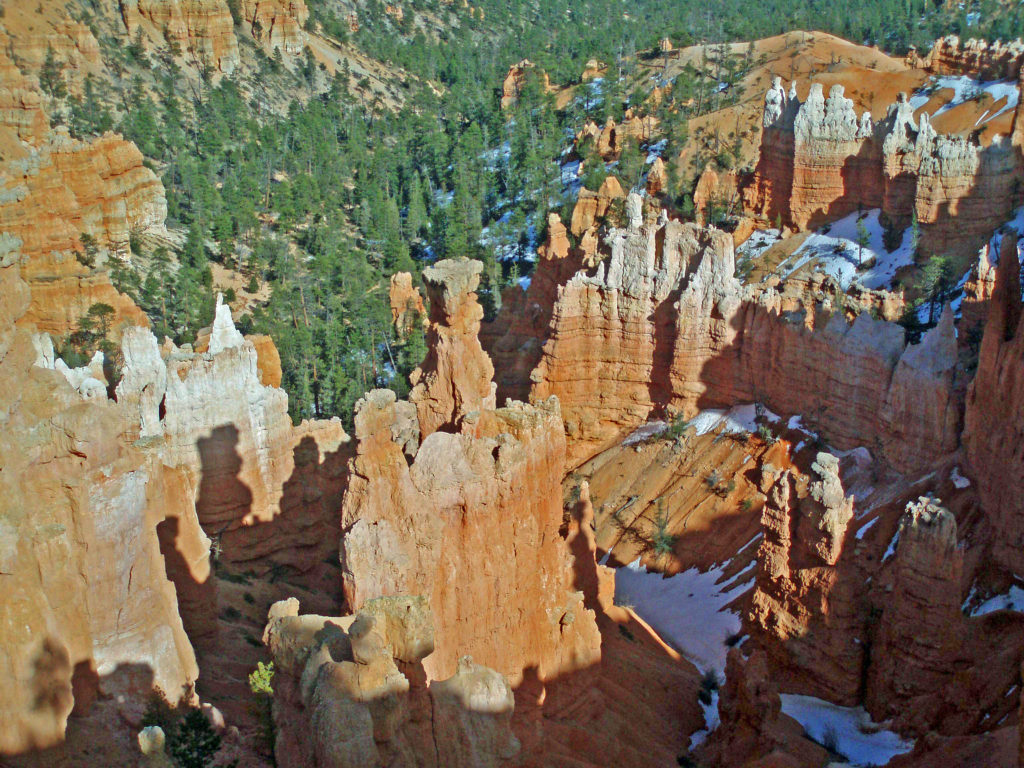
 The Covid-19 pandemic is still with us as I write this (Feb. 2022), but the park is open with only a few restrictions. Masks are still required for everyone, regardless of vaccination status, in all NPS buildings, crowded outdoor spaces, and all forms of enclosed public transportation. But there are no other restrictions and all facilities are open. Additional details are available on the park website and at
  If you’re not ready to begin traveling again, though, here are links to a short video by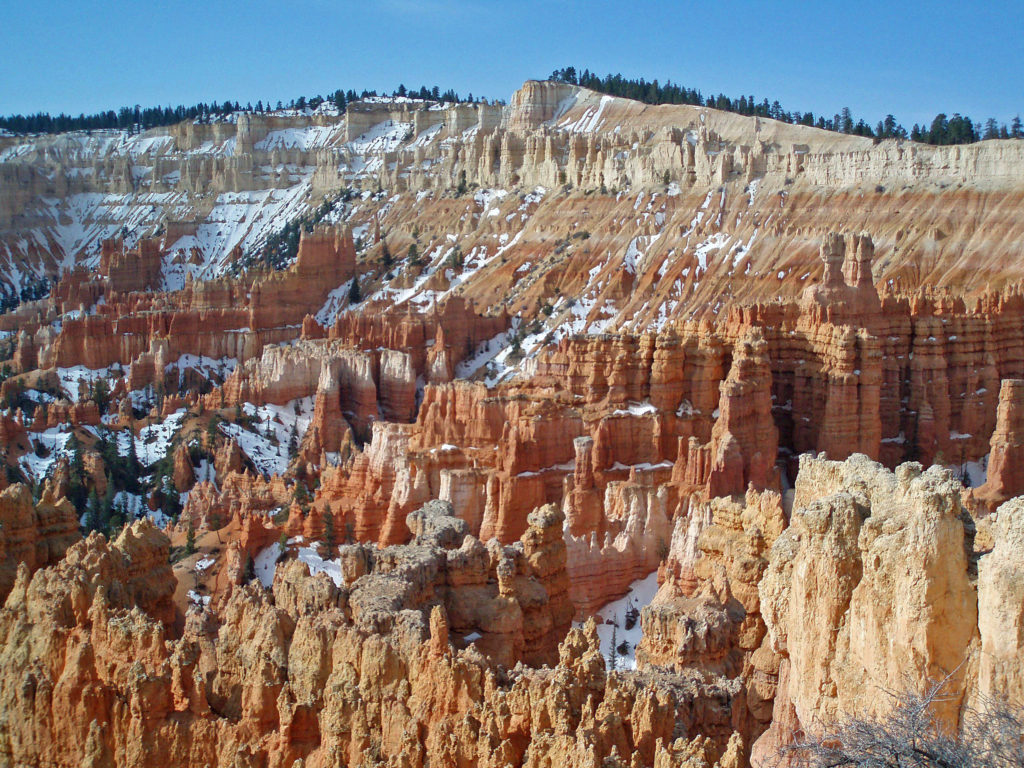
 Originally posted March 20, 2020. Updated and re-posted February 19, 2022.
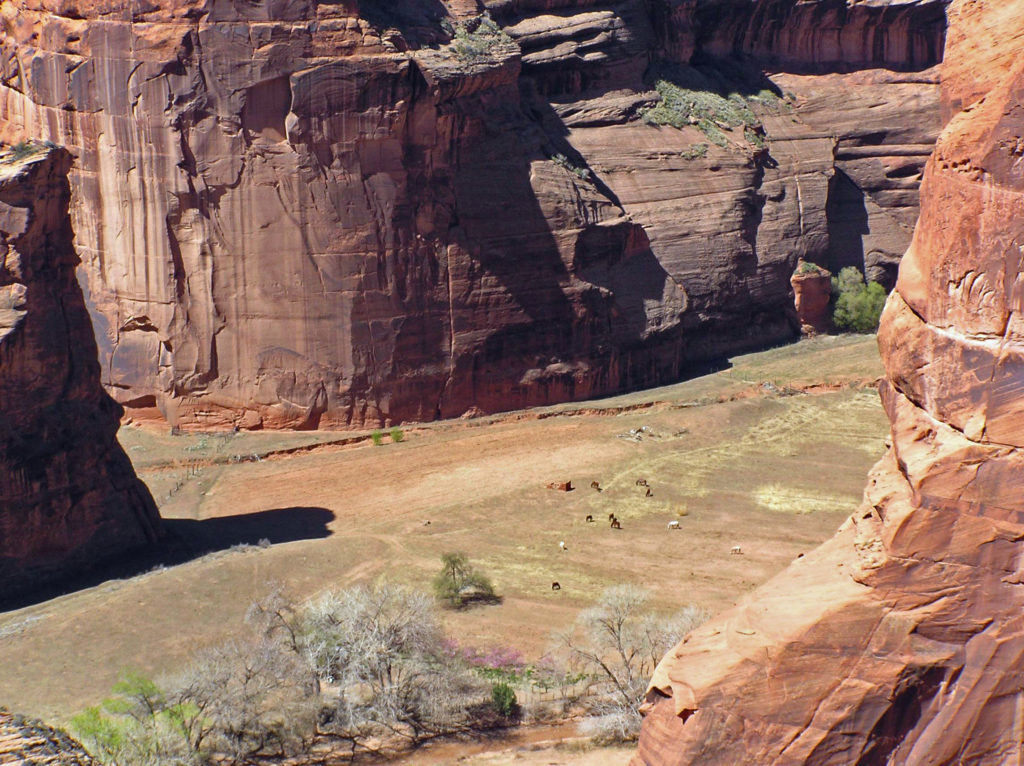
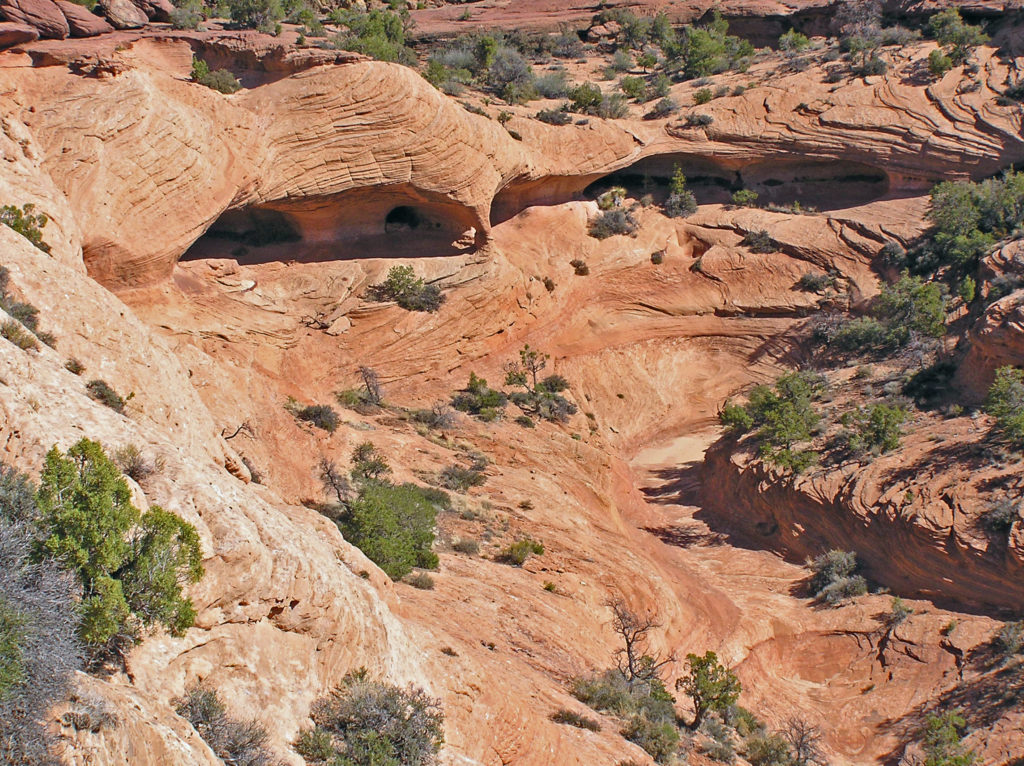
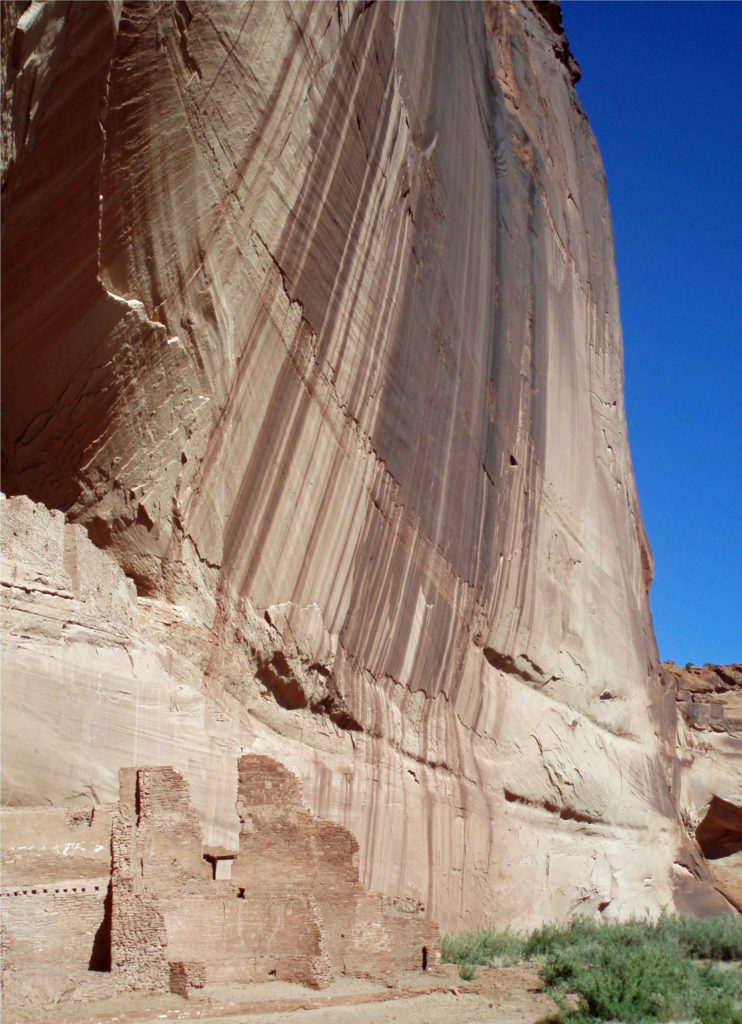
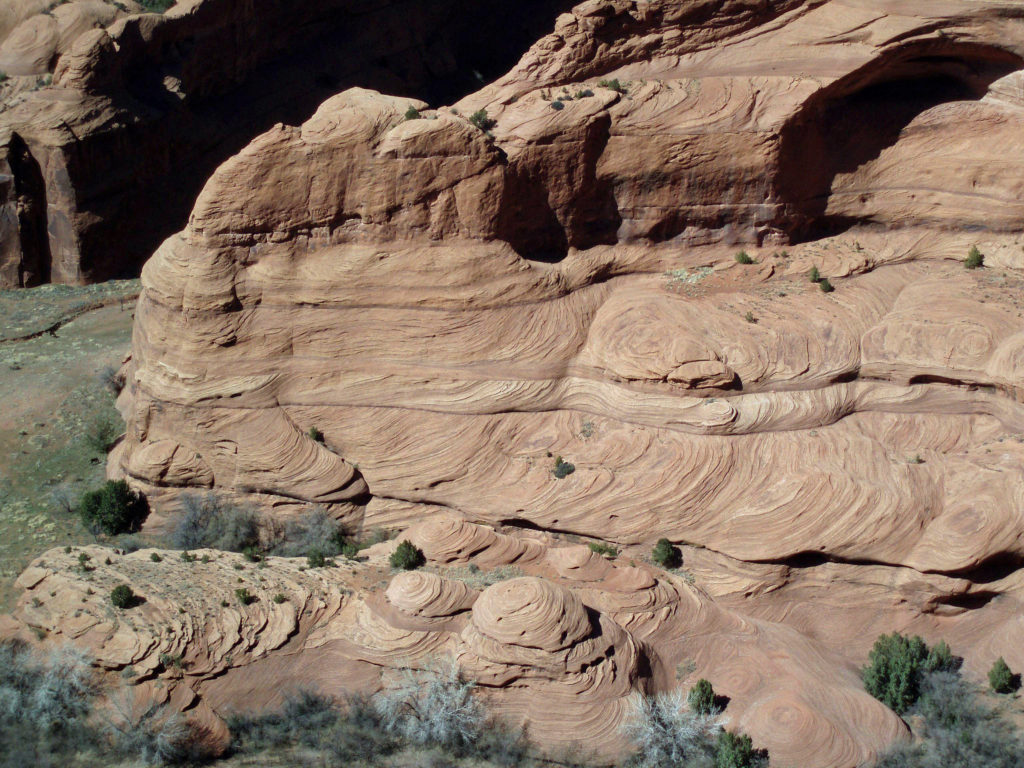
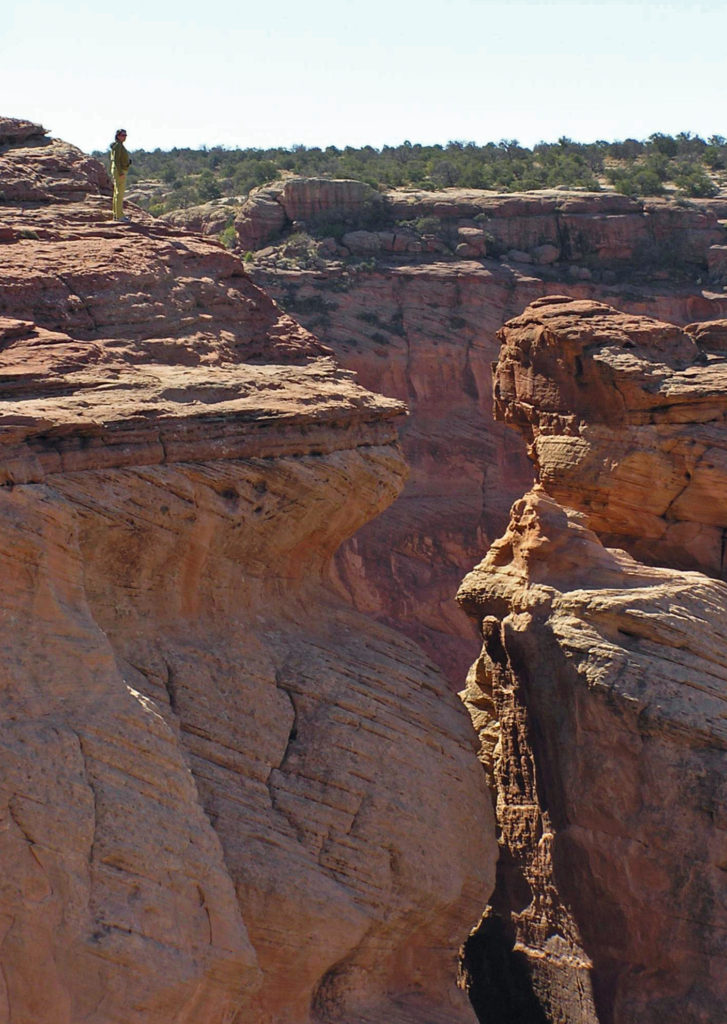
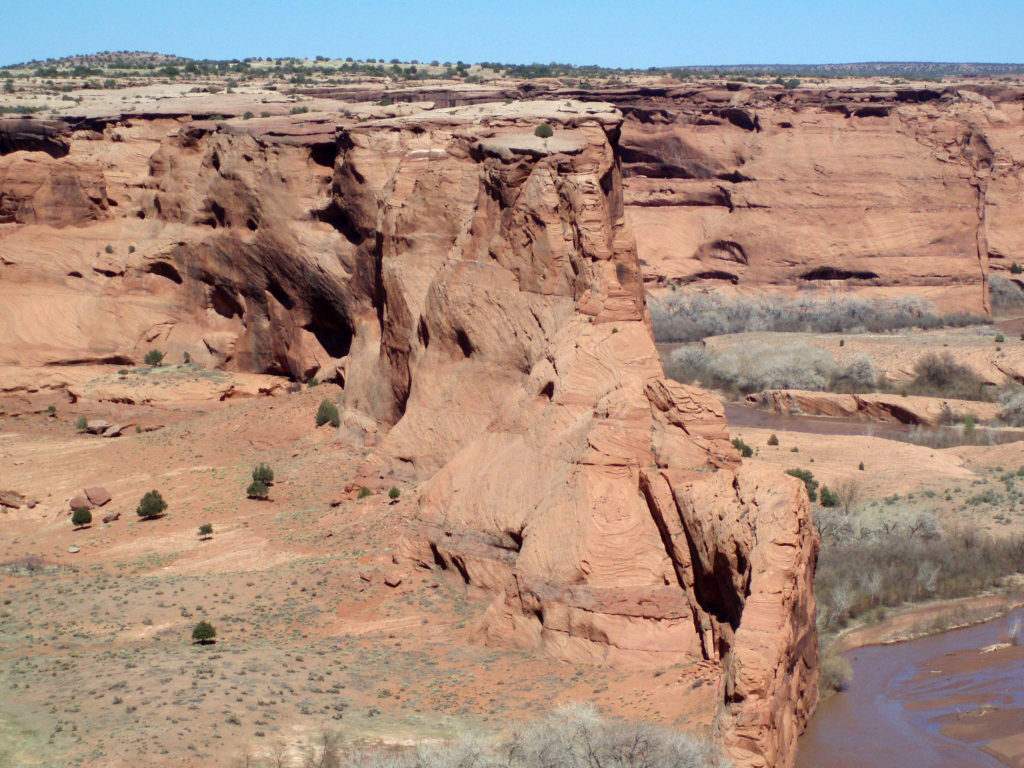
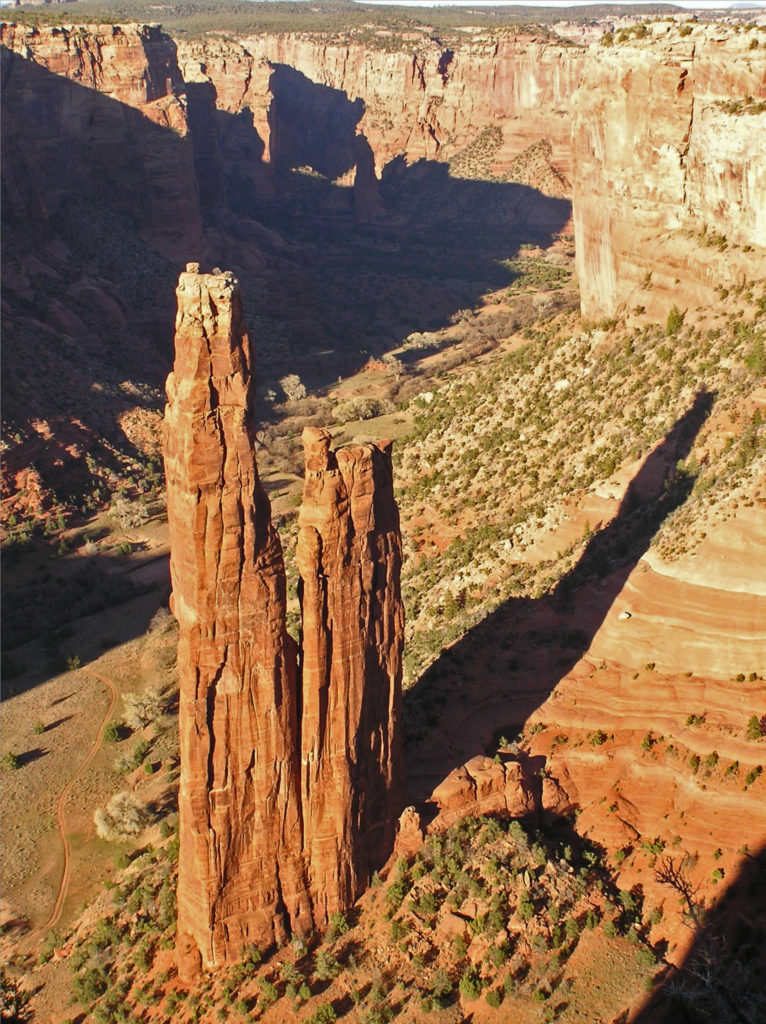 The name Chelly comes from the Spanish spelling of the Navajo name for canyon, tseyi, which translates literally as “within the rock.” Over time the Spanish pronunciation, “chay-ee”, has evolved into the current pronunciation, “shay”.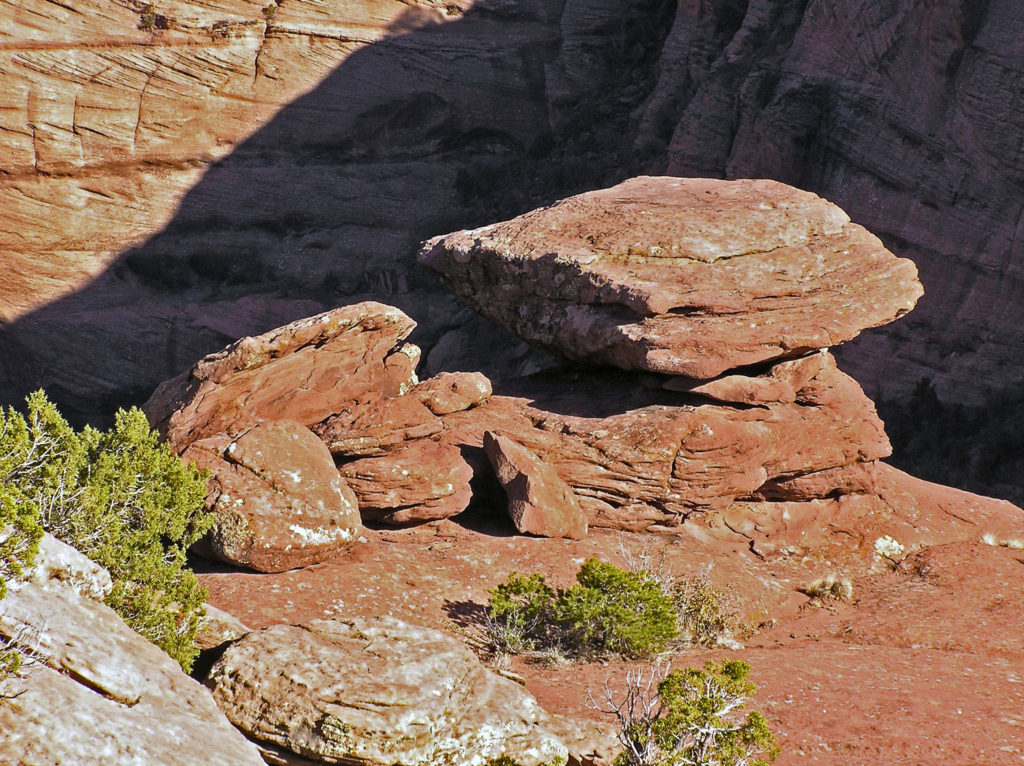
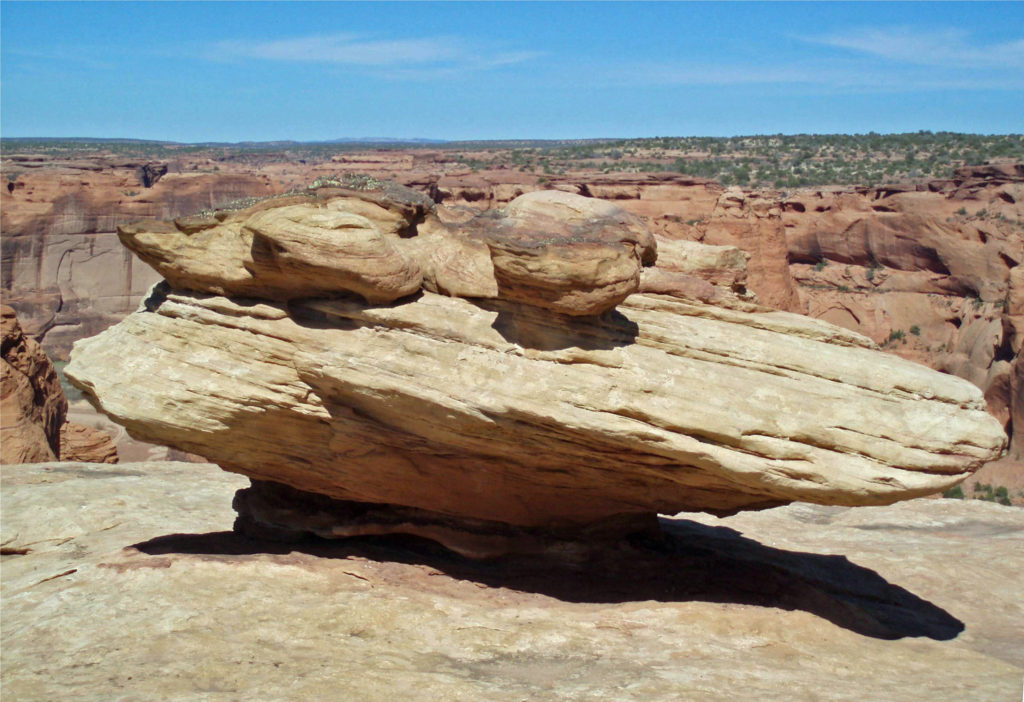 Located a couple of miles east of Chinle, Arizona, the monument’s Welcome Center is a good place to start your visit. Pick up a free map of the monument and watch a short film about the monument to orient yourself. The park rangers can answer any questions you have about tours of the canyon, accommodations, the canyon’s history or geology, what plants and animals you’ll find in the park, or any other questions you might have. There is also a gift shop where souvenirs of your visit can be purchased.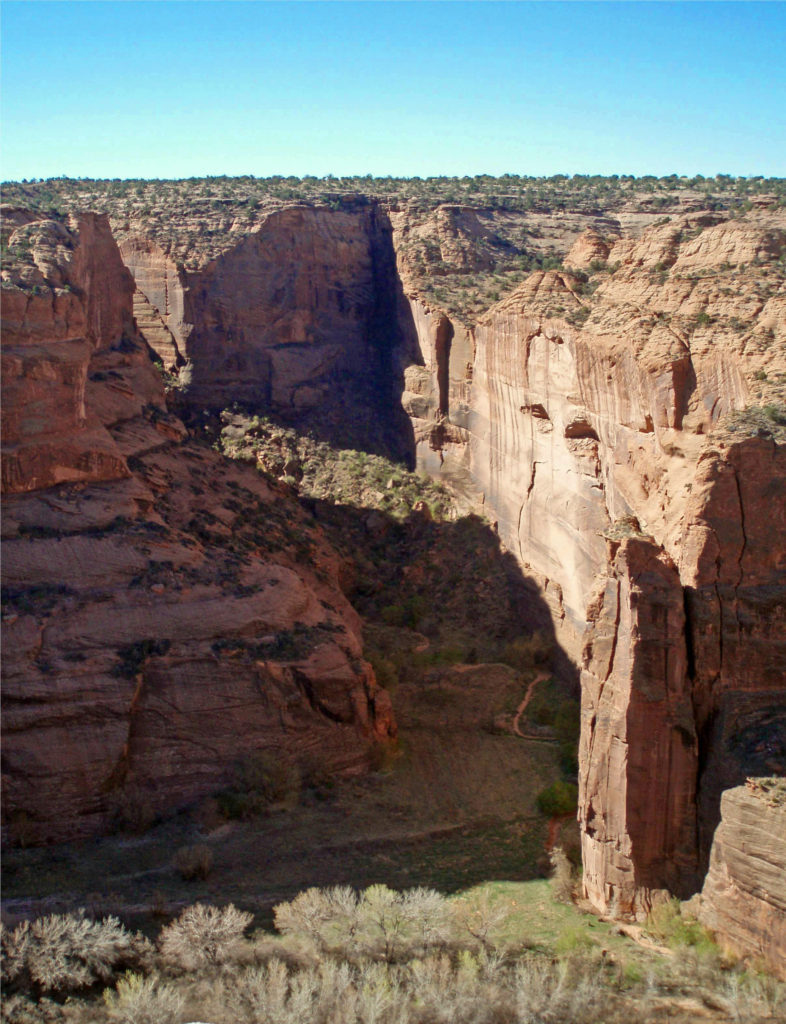
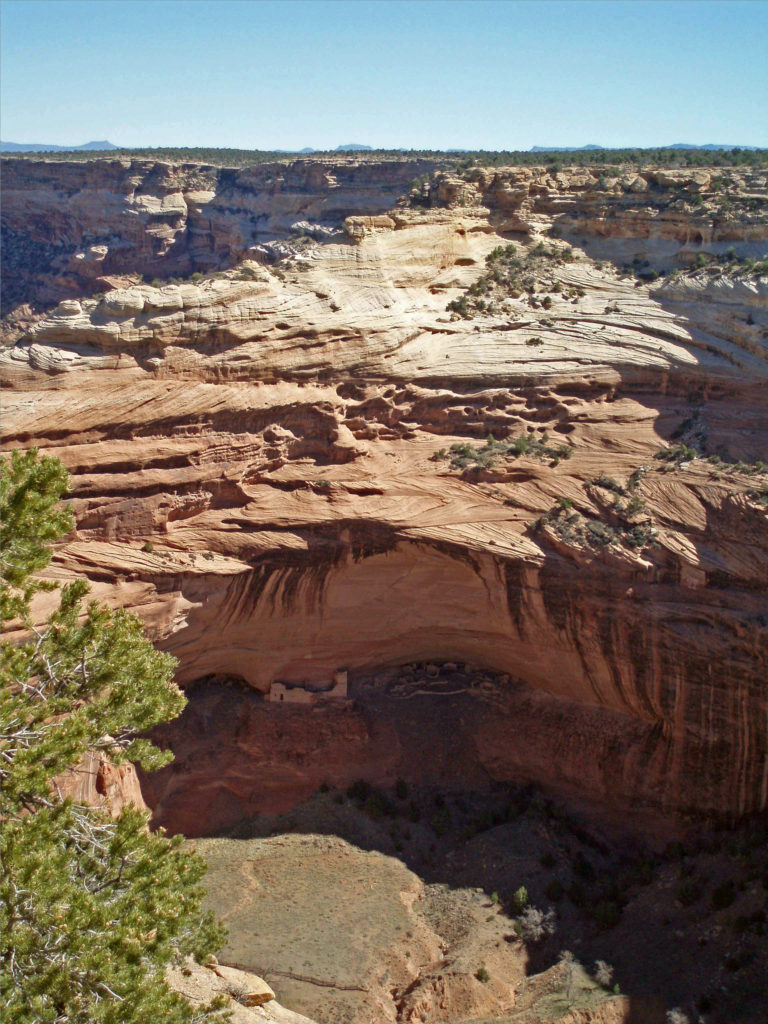
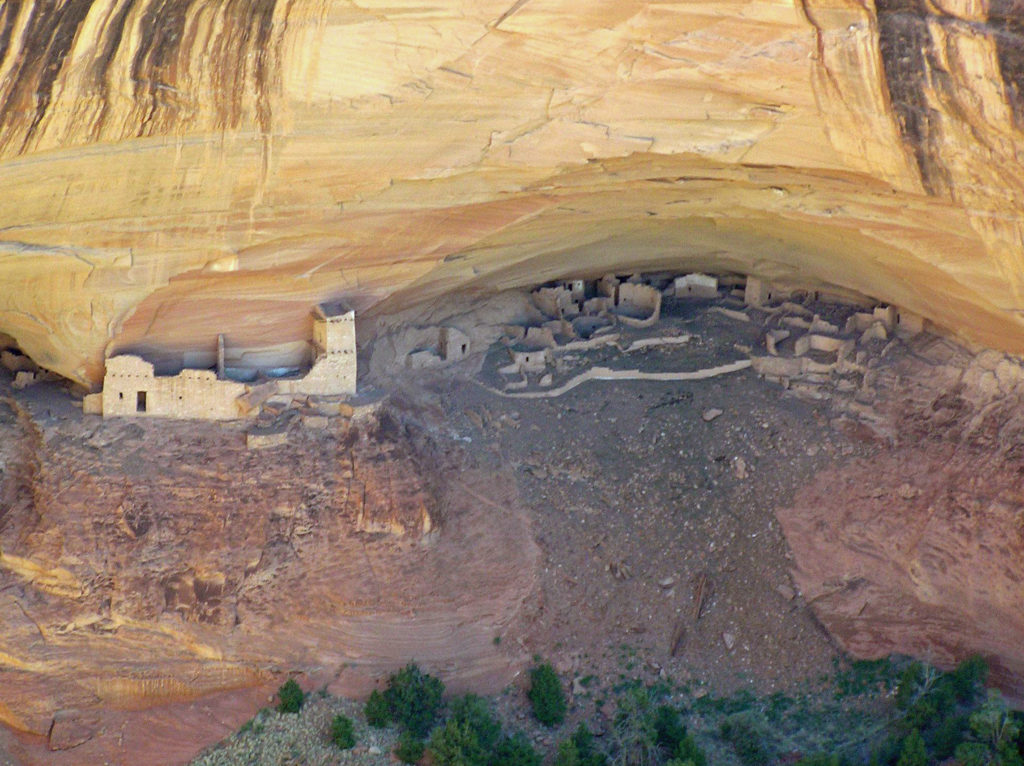
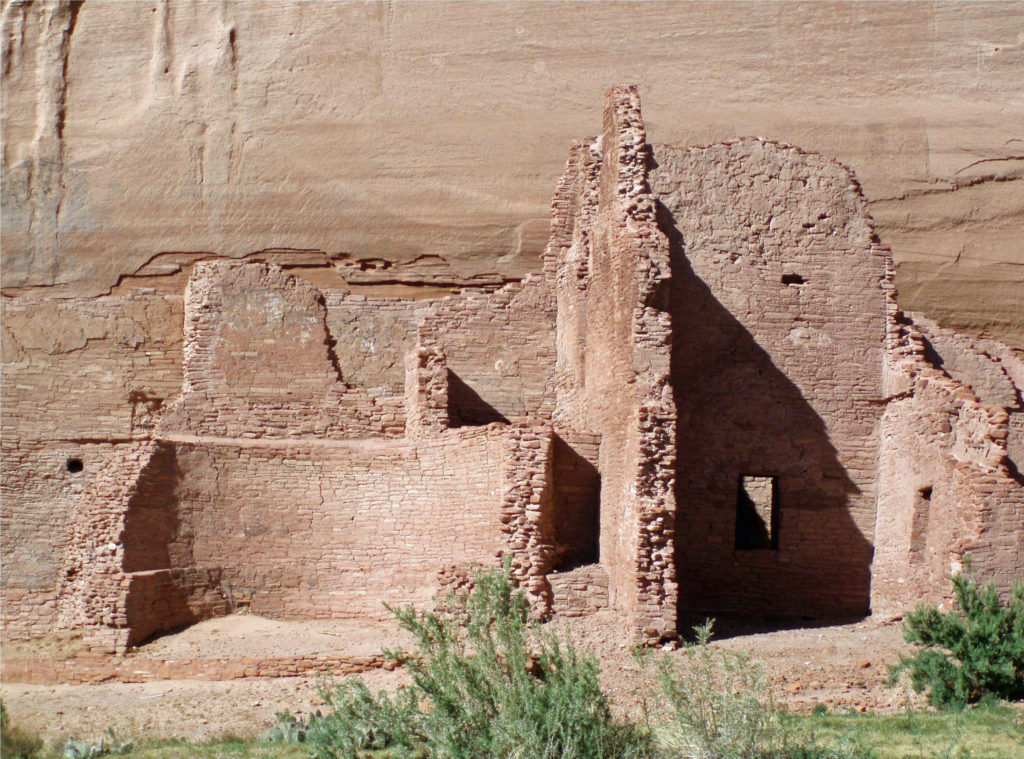
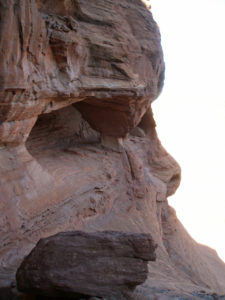 Canyon de Chelly is worth a visit just for the spectacular scenery it affords, but it is also an important cultural and historic site. The canyon is one of the longest continuously inhabited places in North America. The Ancestral Puebloans (also known as the Anasazi) first settled in the area some 4,000 years ago. The canyon was later occupied by the Hopi, descendents of the Ancestral Puebloans, and more recently by the Navaho.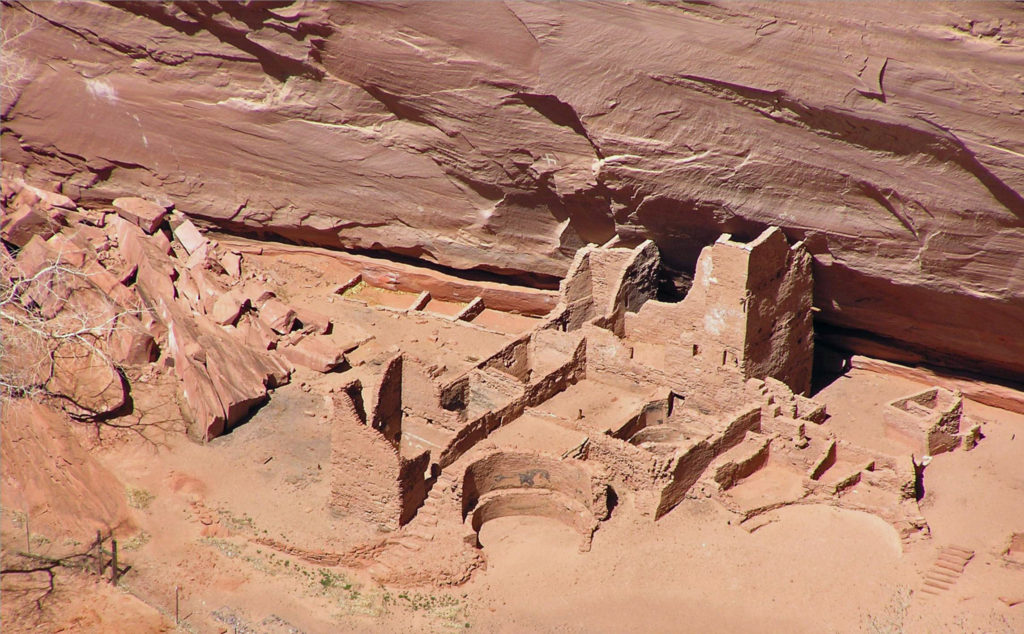
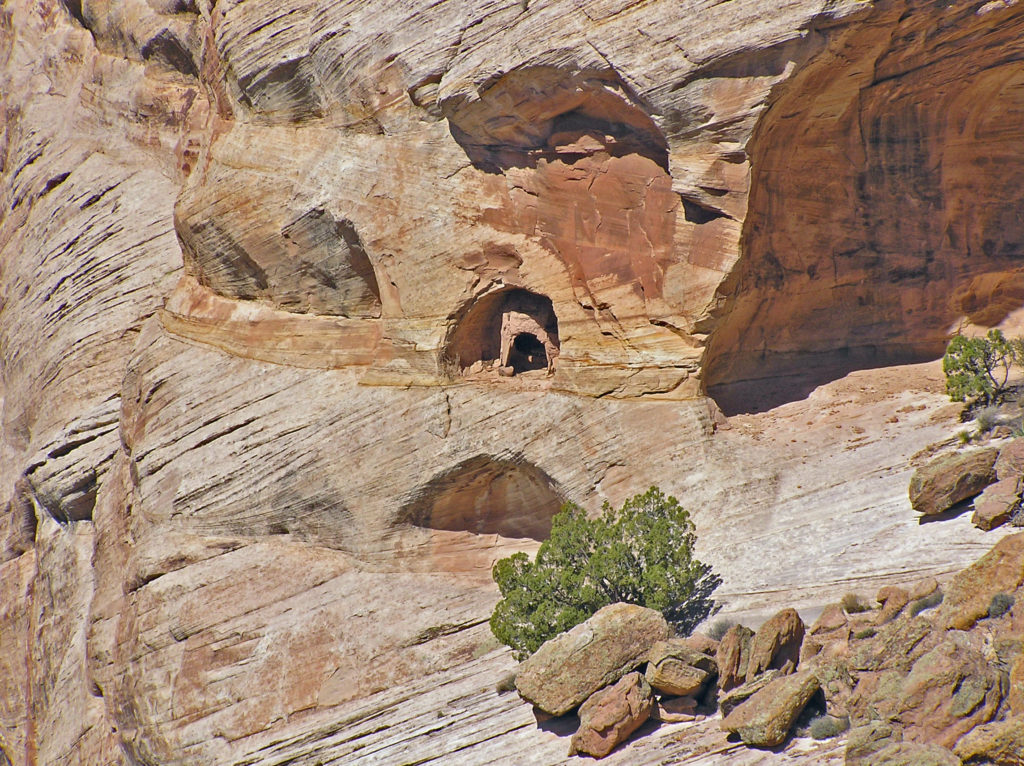 Originally posted May 14, 2020. Updated and re-posted February 14, 2022.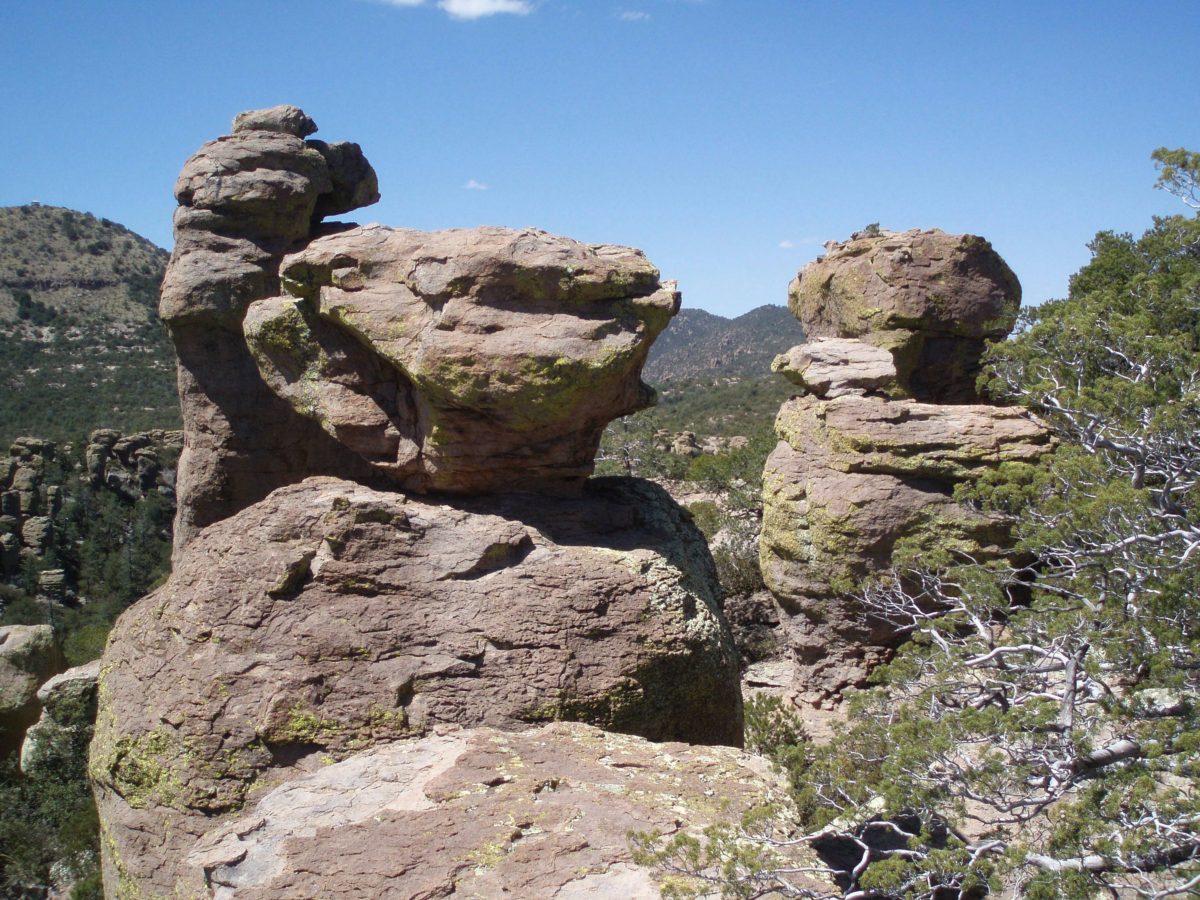
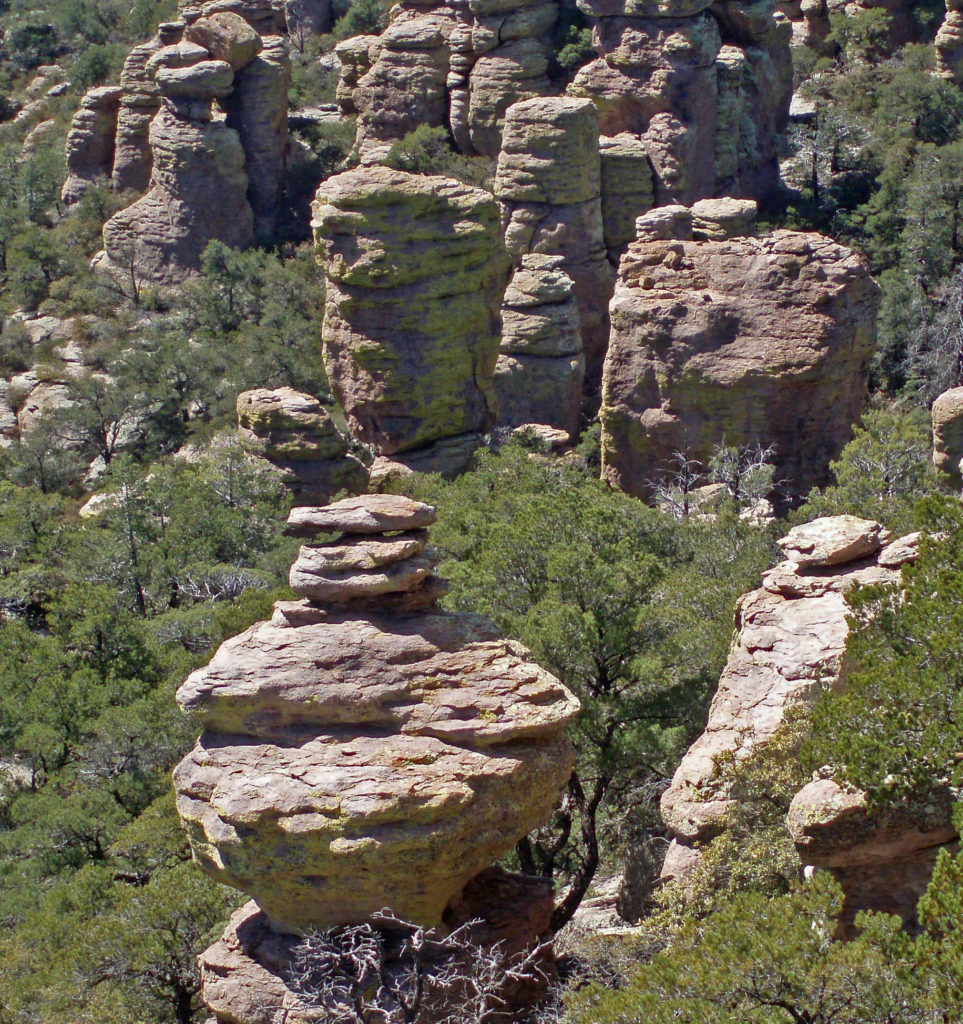
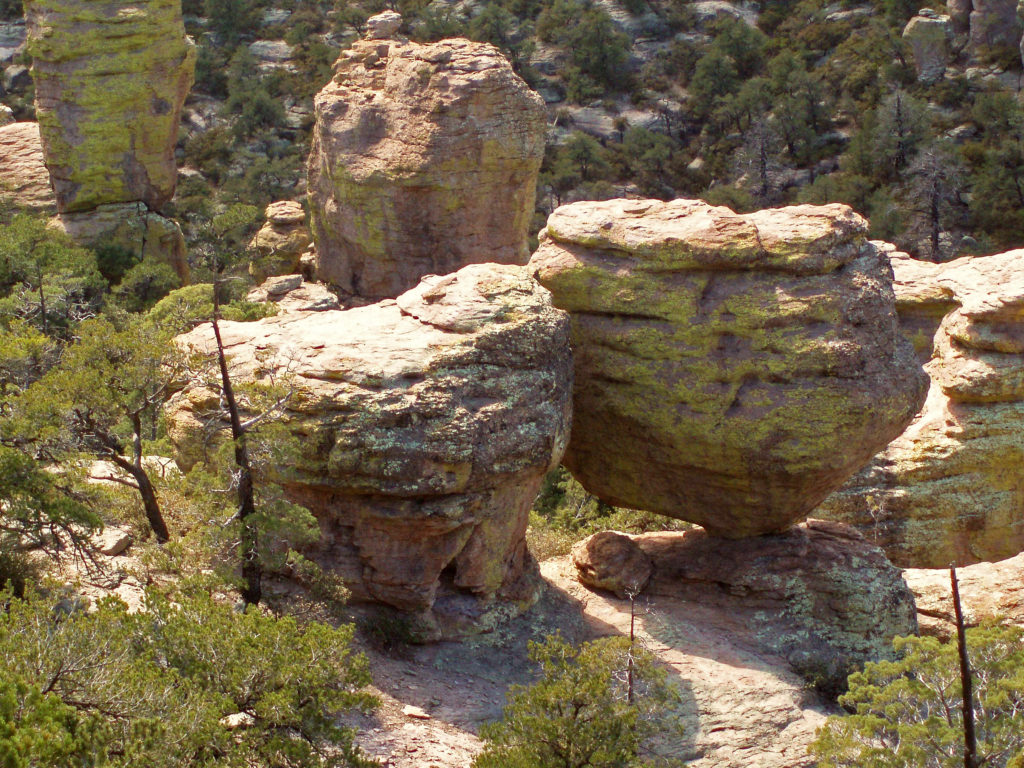
 Originally posted April 28, 2020. Edited, updated, and re-posted February 5, 2022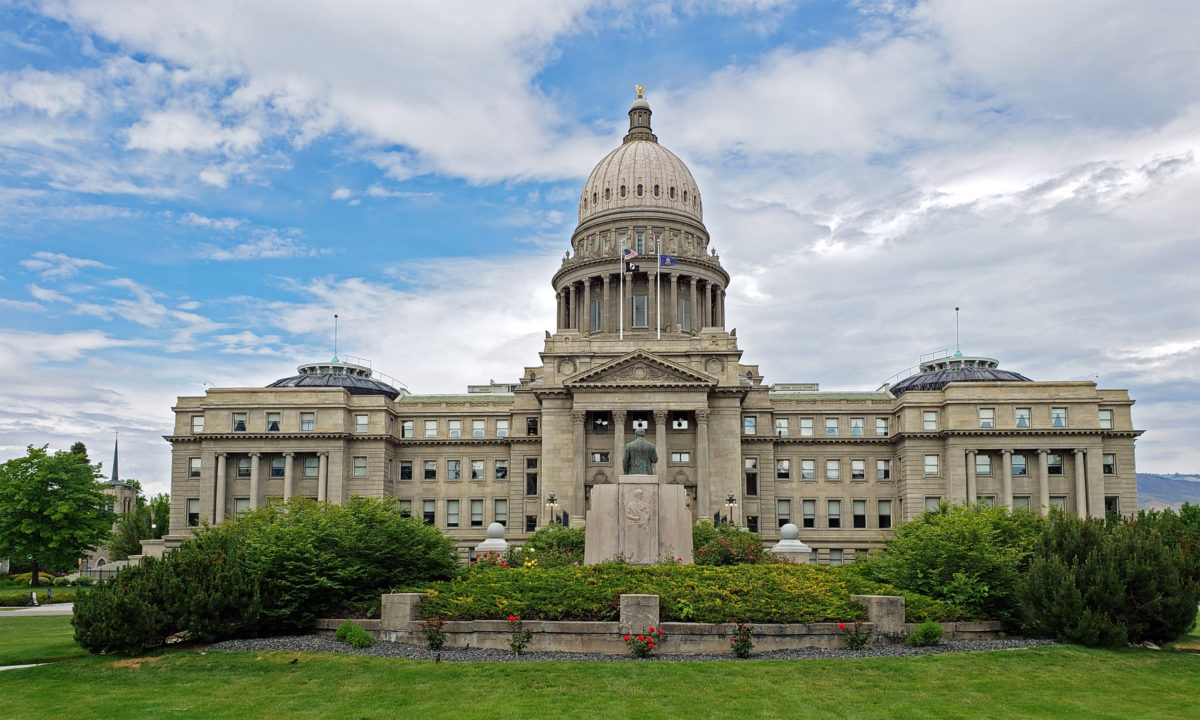
 Boise is Idaho’s capital and largest city, with a metropolitan area population of around 750,000. It’s large enough to have many of the amenities of a big city, but small enough to still retain something of a small town feel. And it’s a surprisingly modern and cosmopolitan city, blending elements of both West Coast and Rocky Mountain cultures.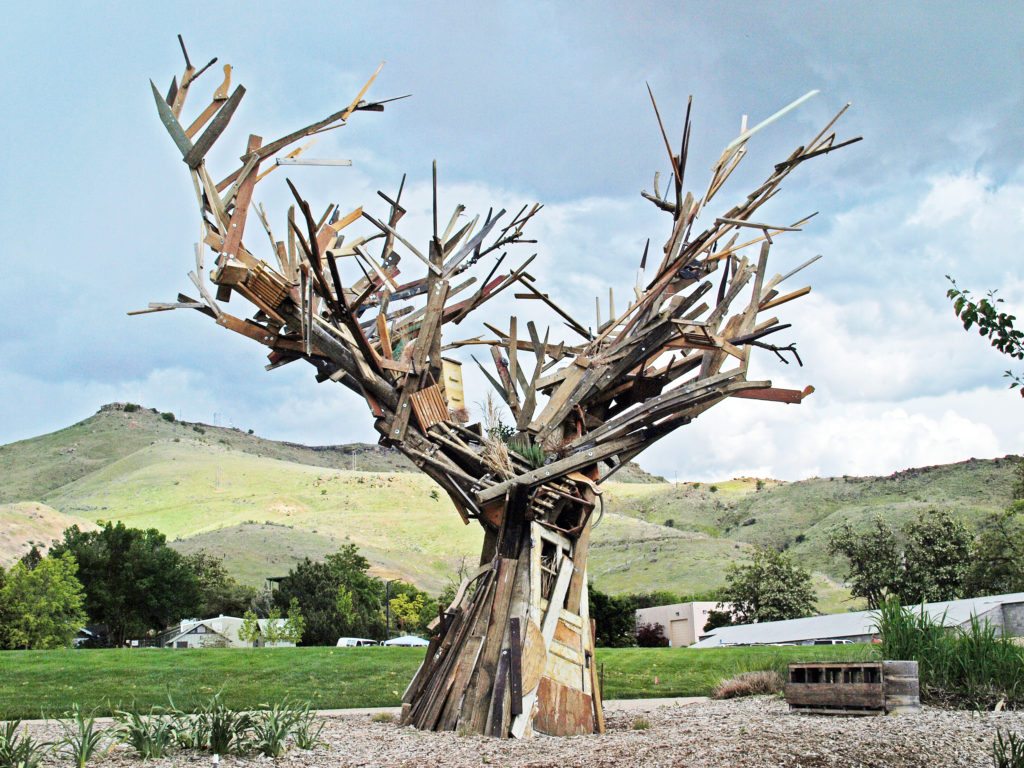
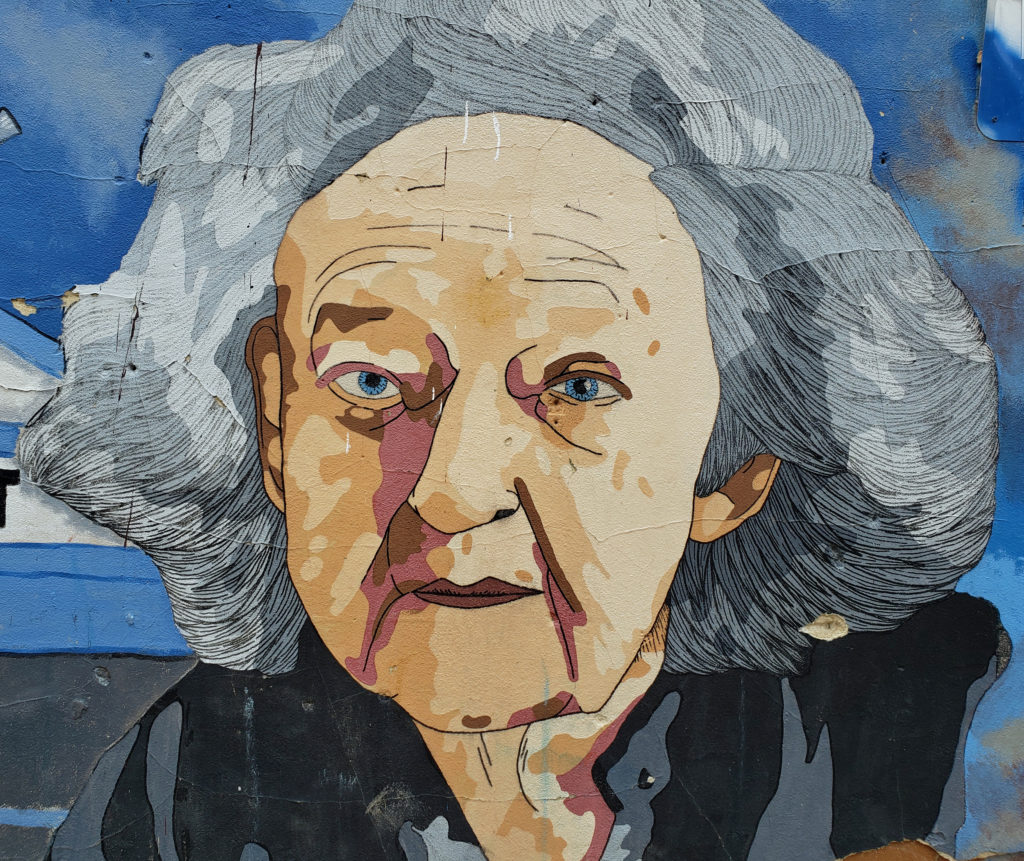
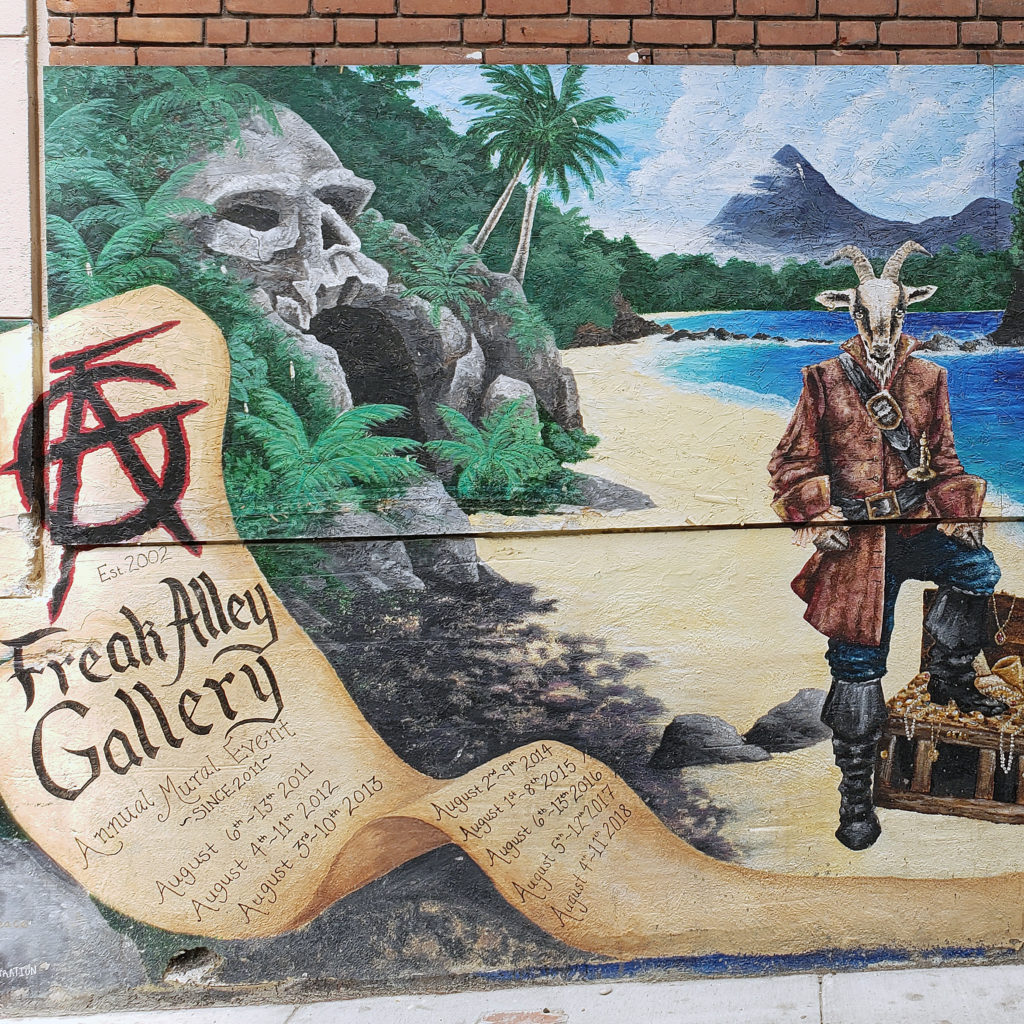
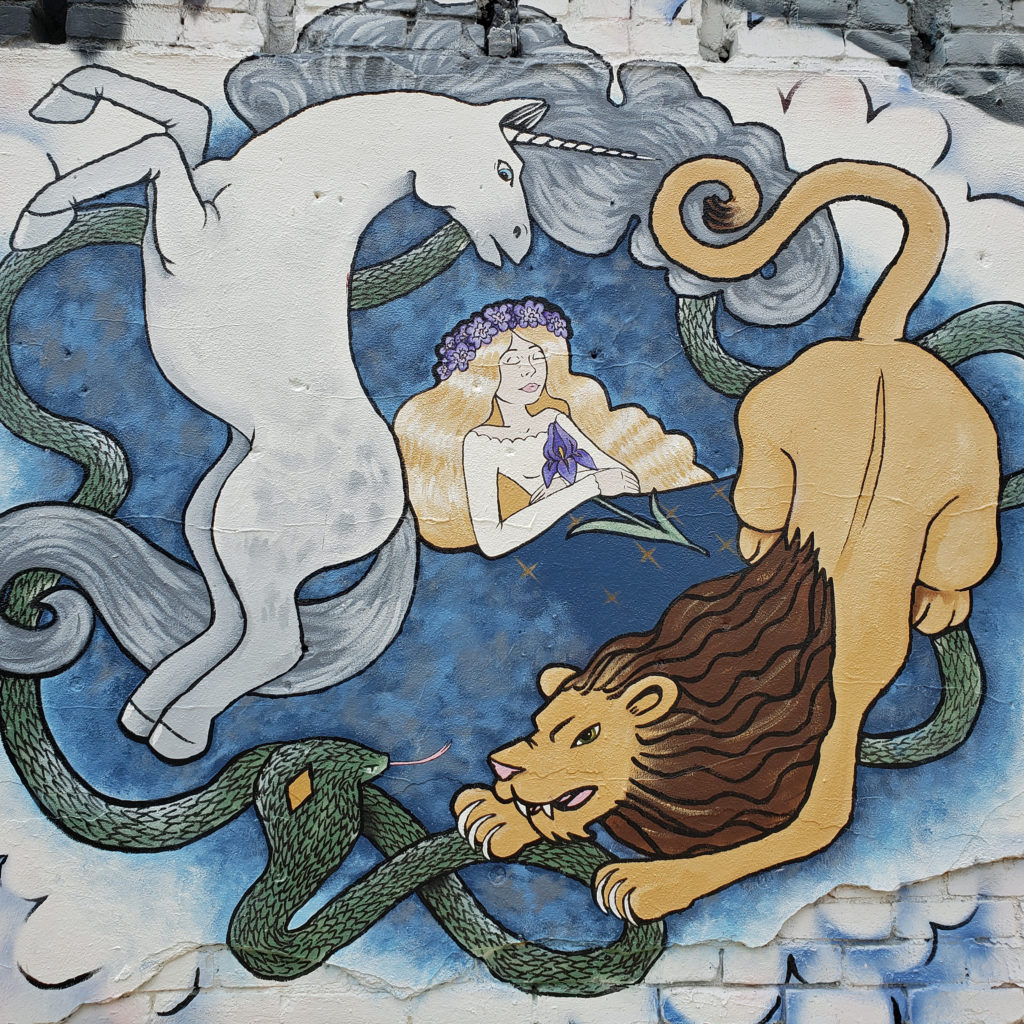
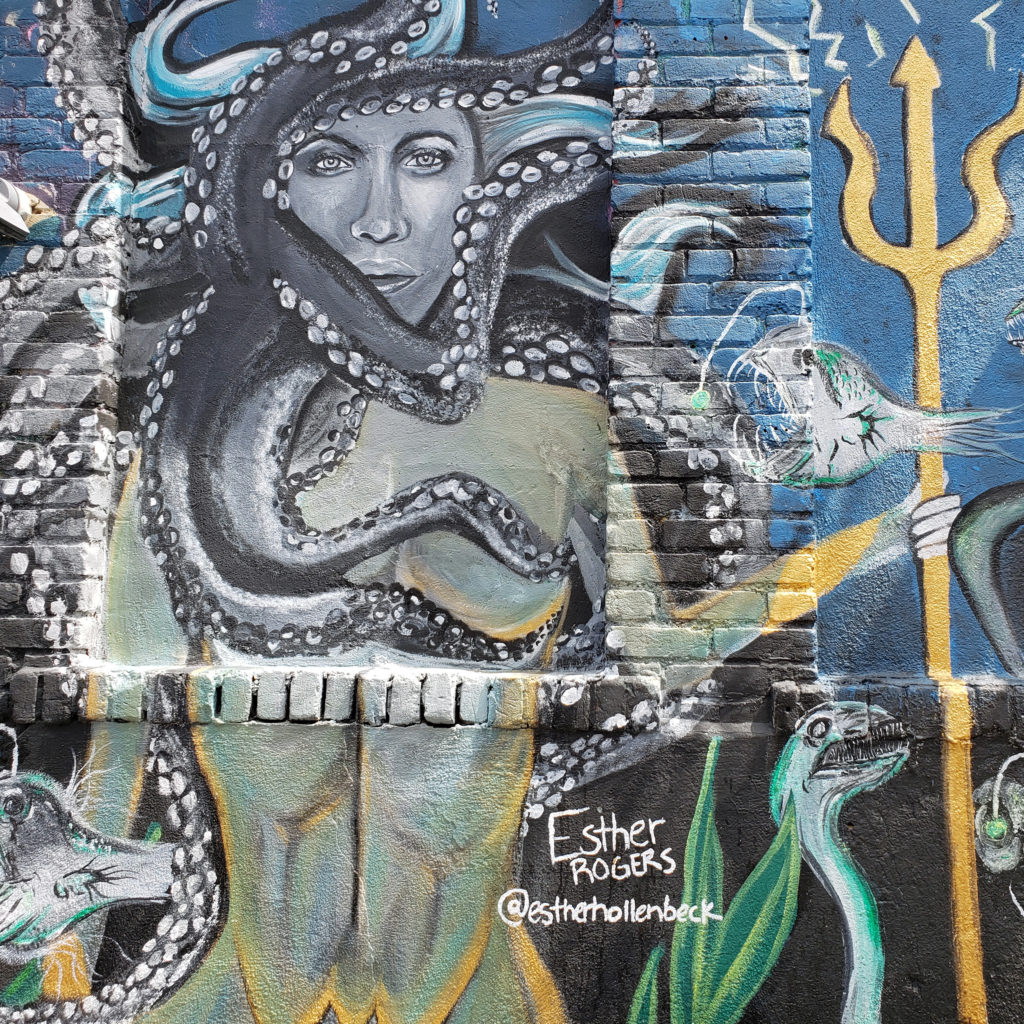
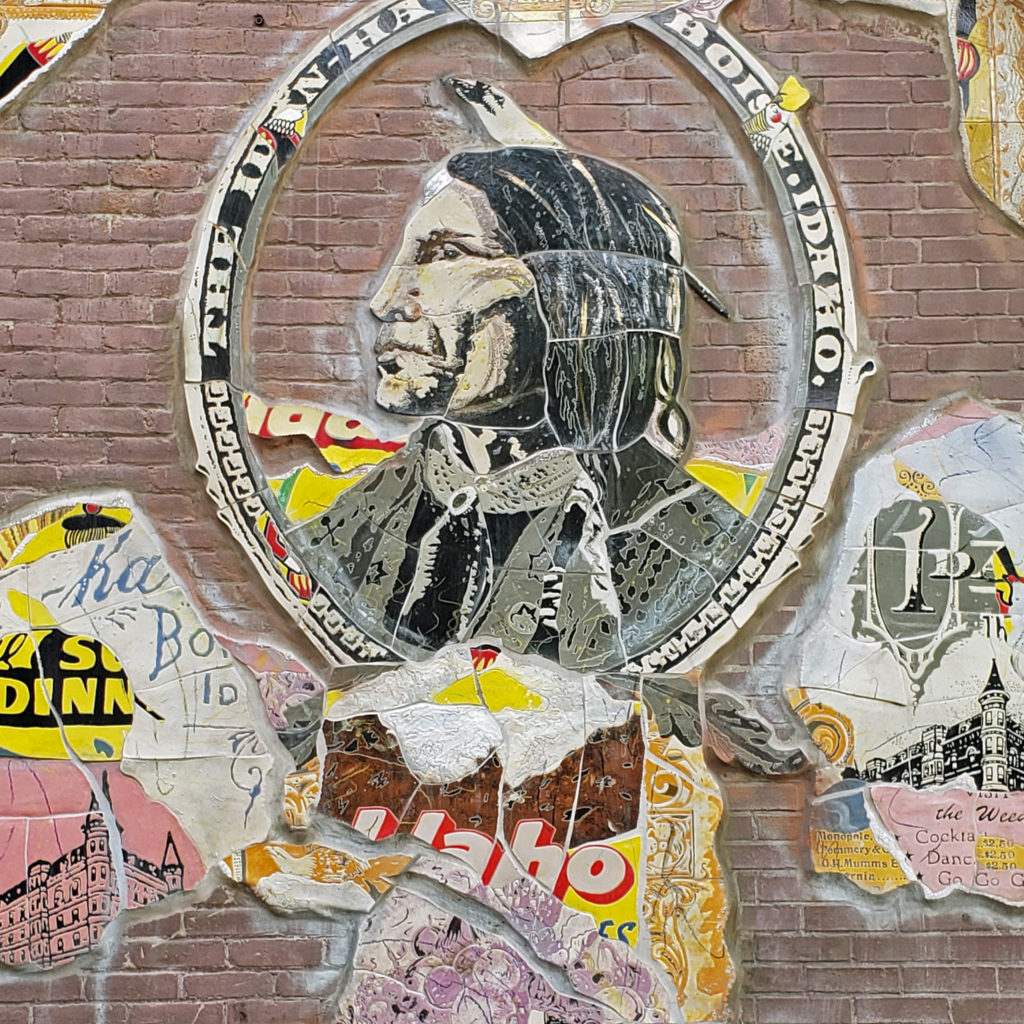
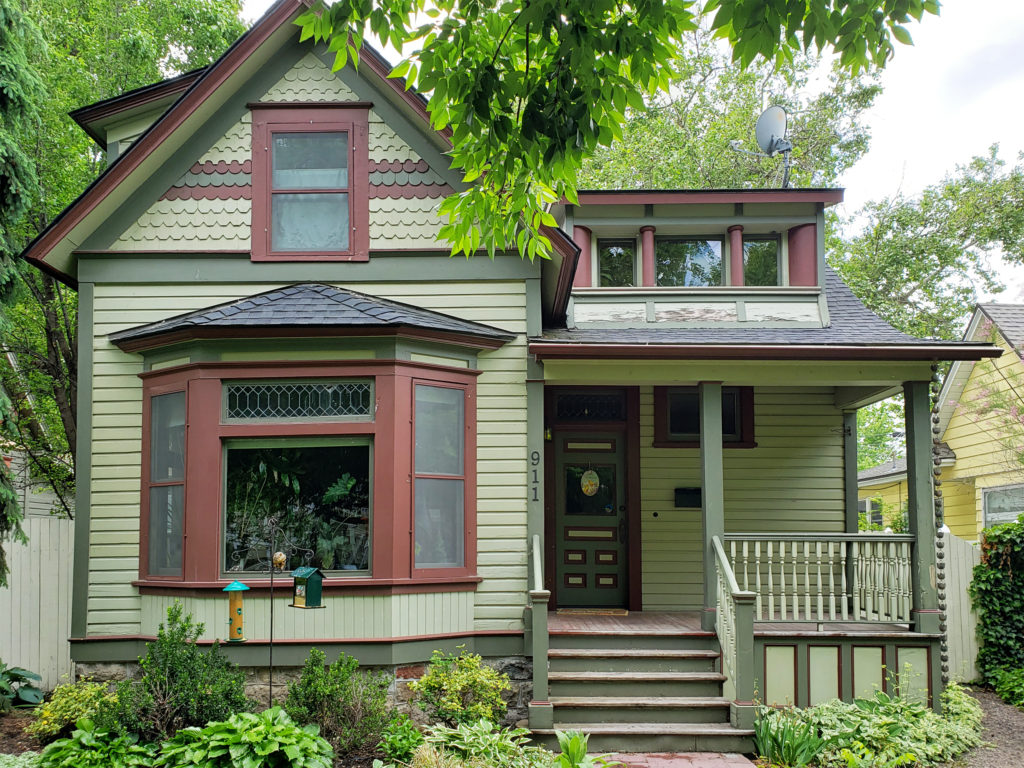
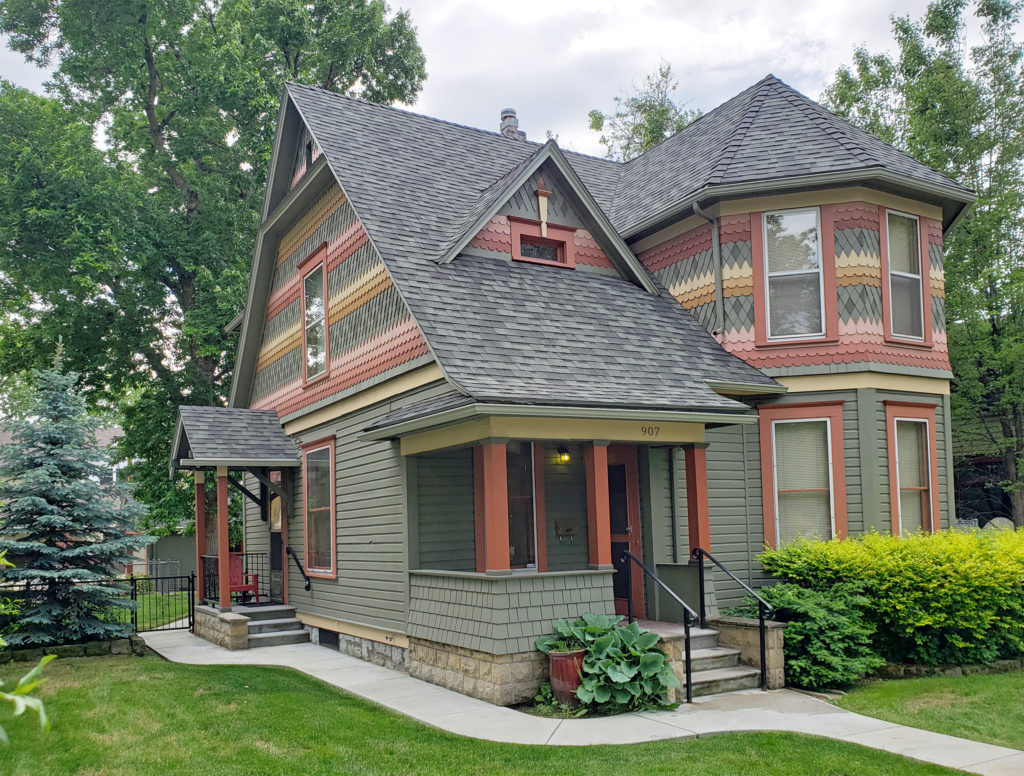 Many fine Victorian houses and architecturally interesting buildings can also be found in the downtown area.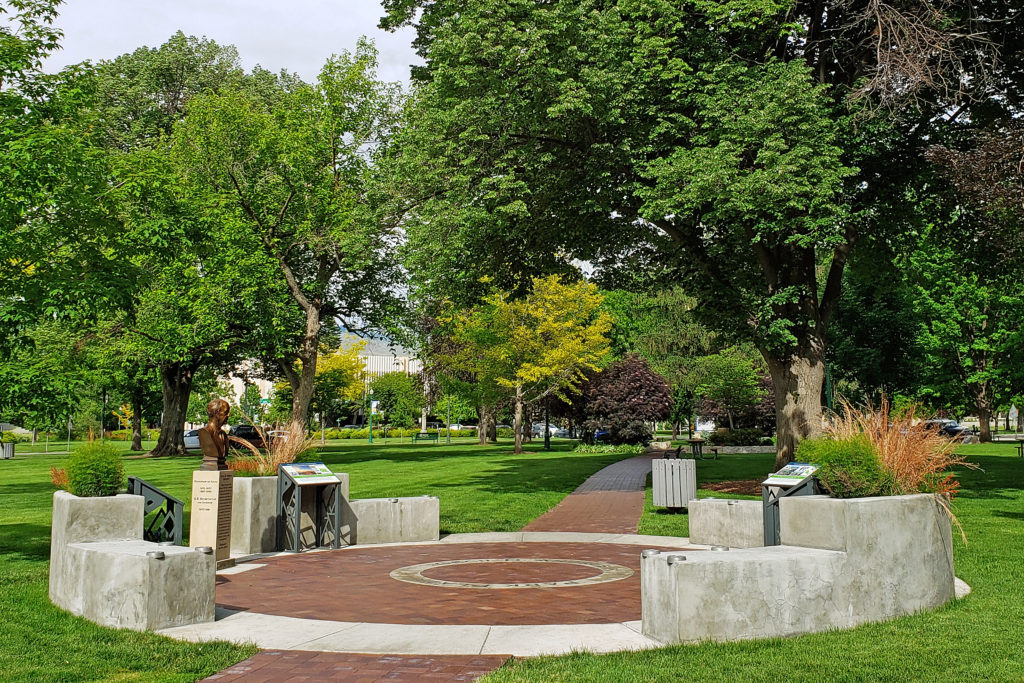
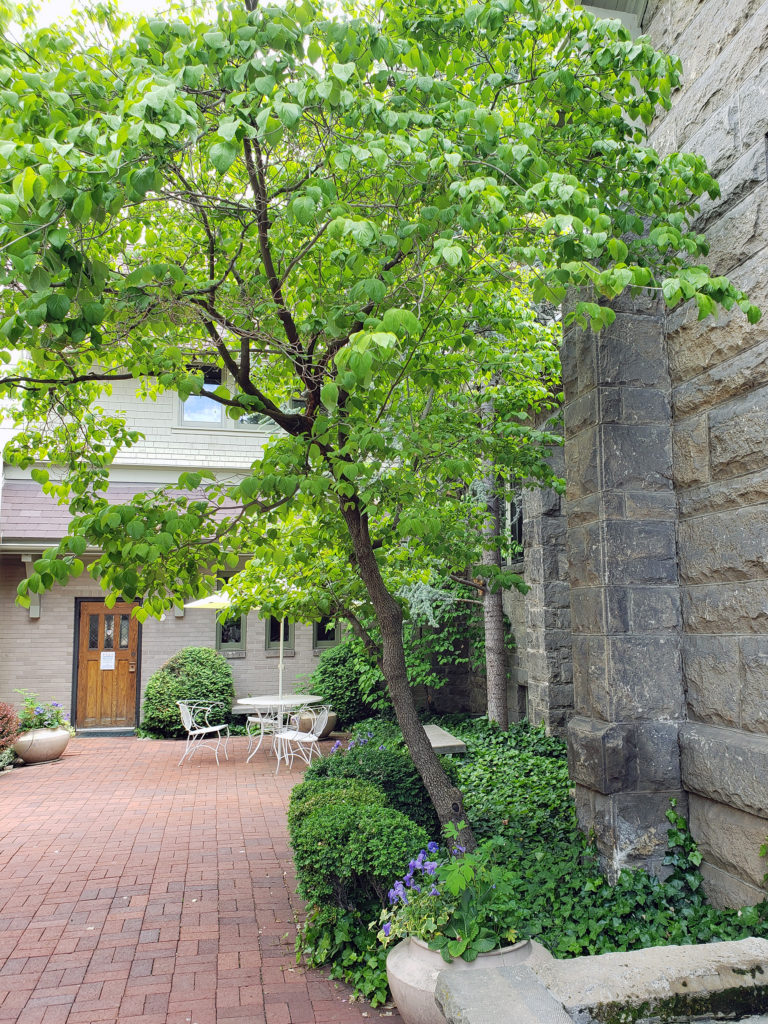
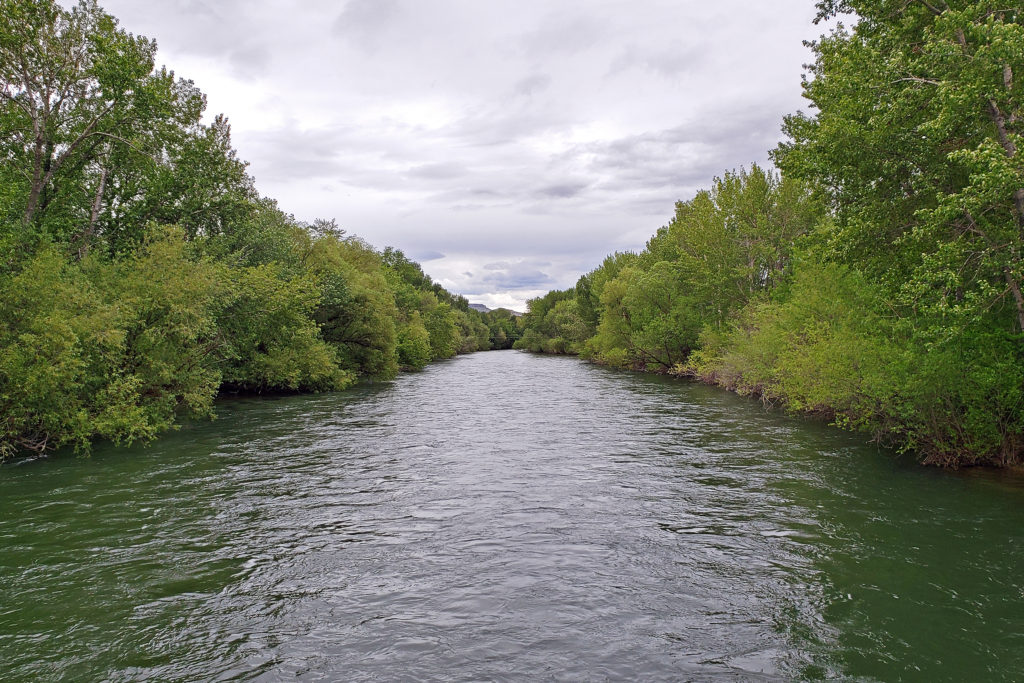
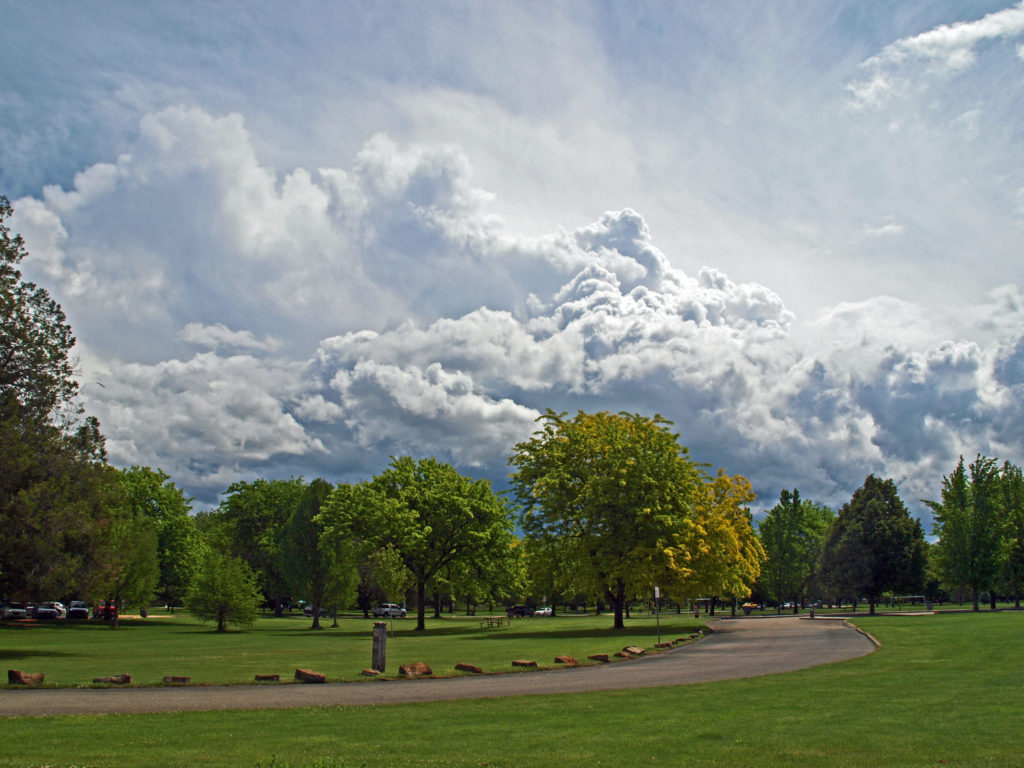
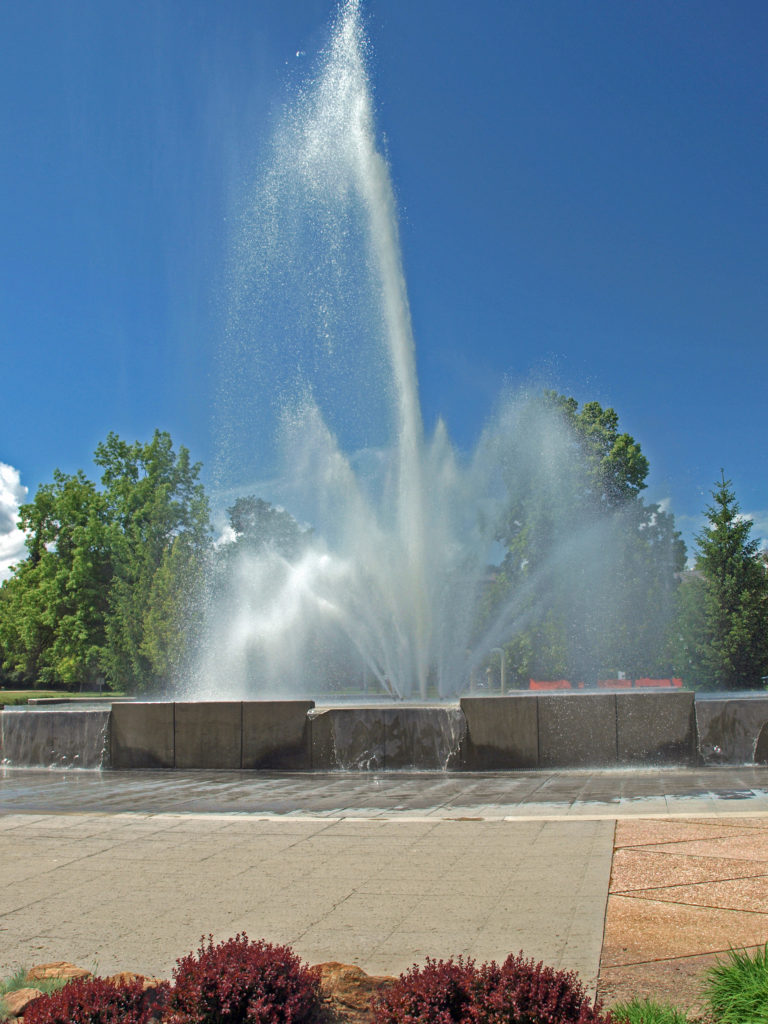 Anne Morrison Memorial Park on the south bank of the river, and the Julia Davis Park, just south of the downtown area on the north bank, are large urban parks with a variety of open spaces and tree lined paths along the river.
 Boise is definitely worth visiting, and southwest Idaho has many truly unique, beautiful, and enjoyable places to visit, all within a short drive of each other. For more on those, check out my other Exploring Southwest Idaho posts:
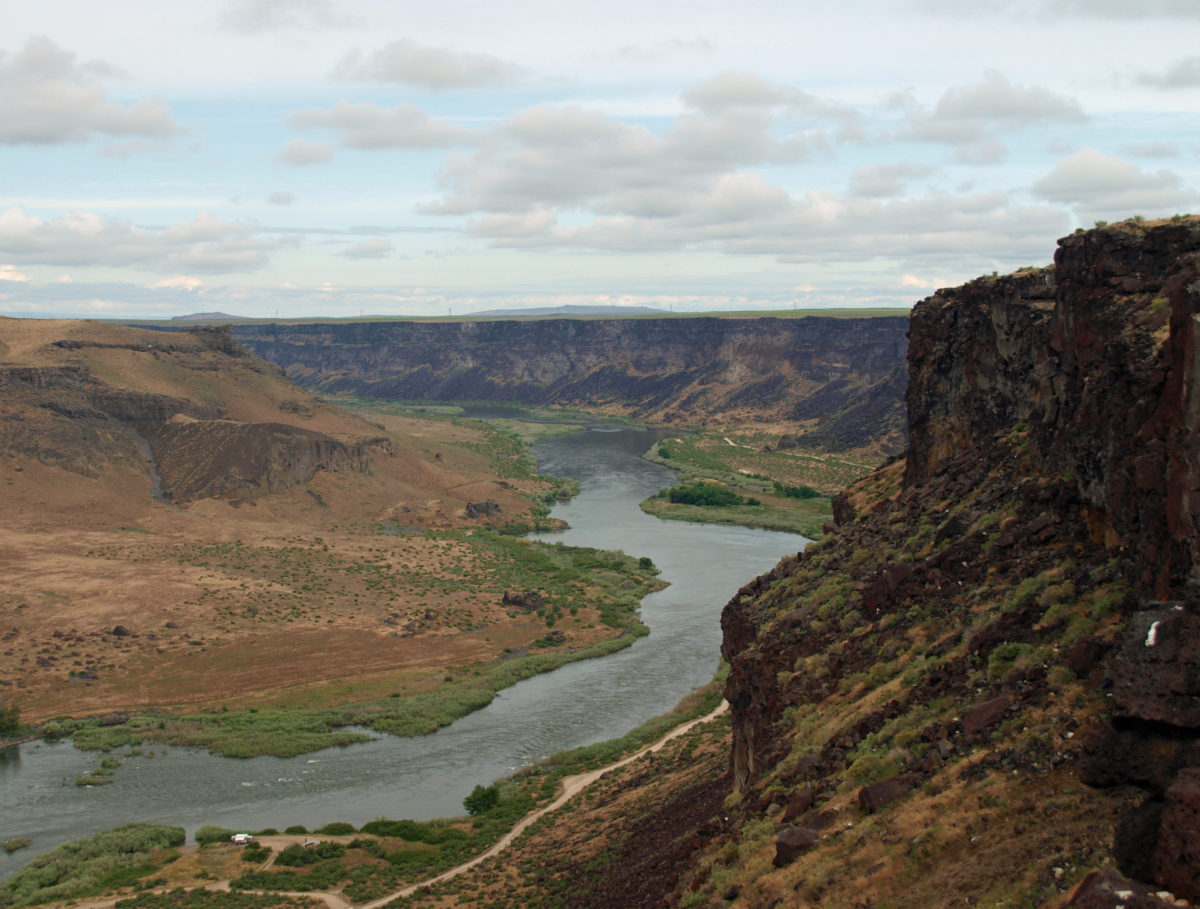
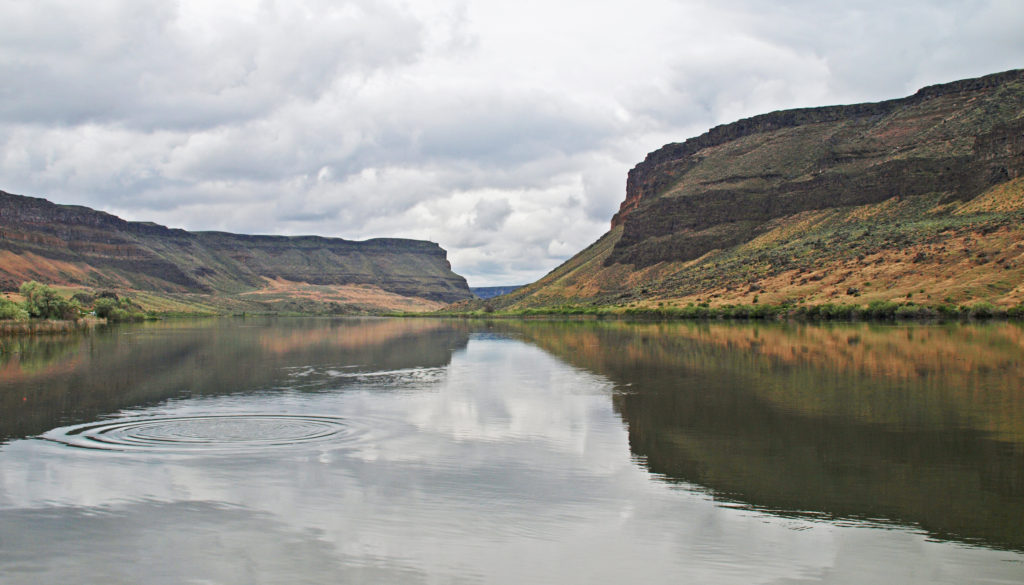
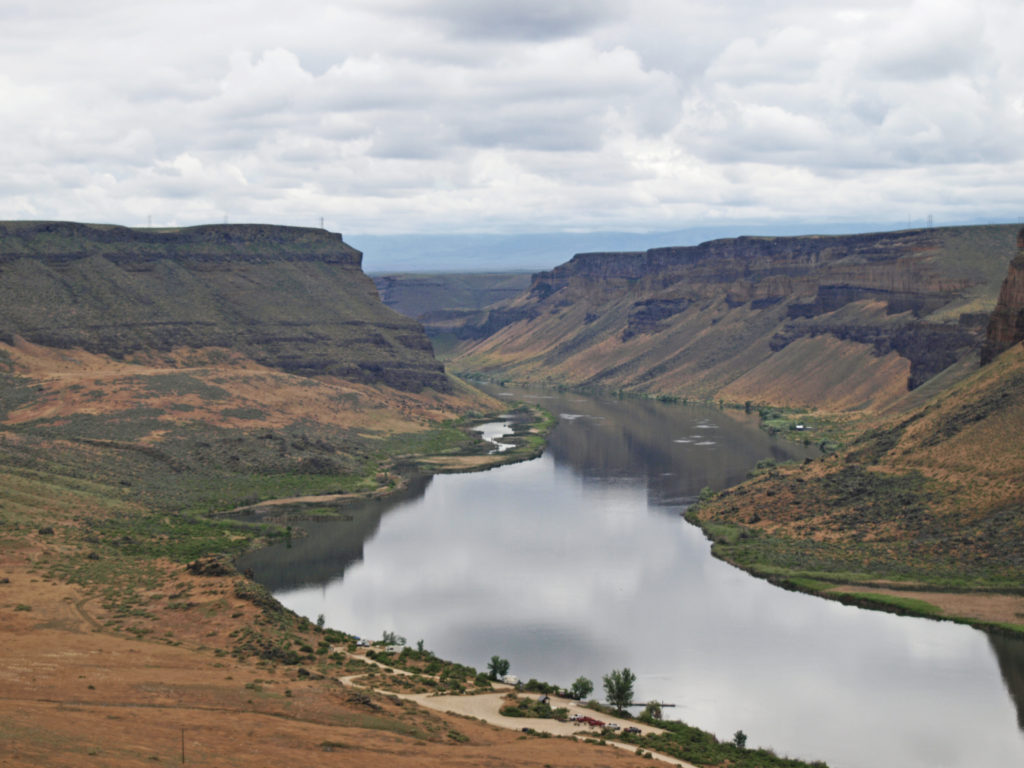
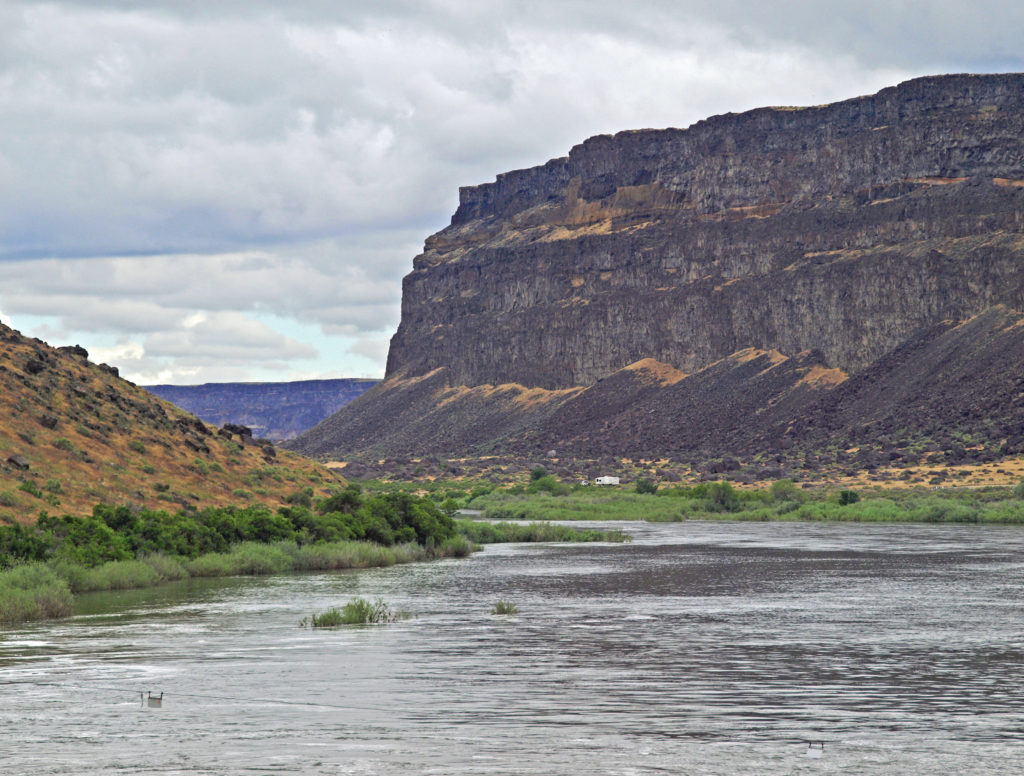
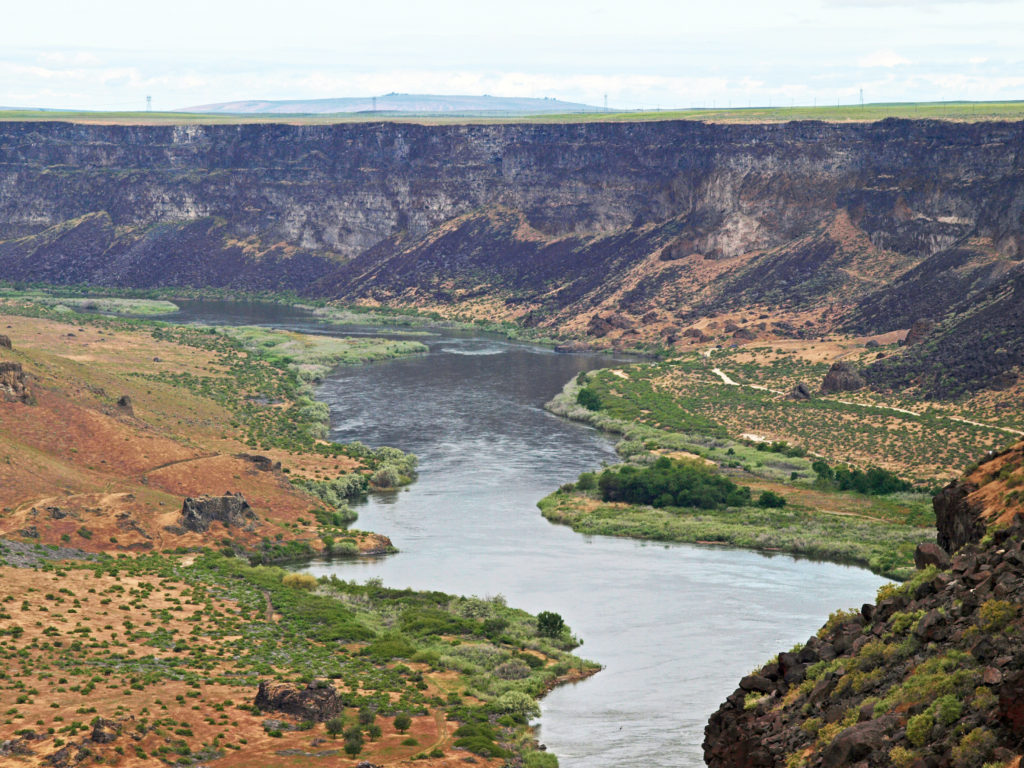
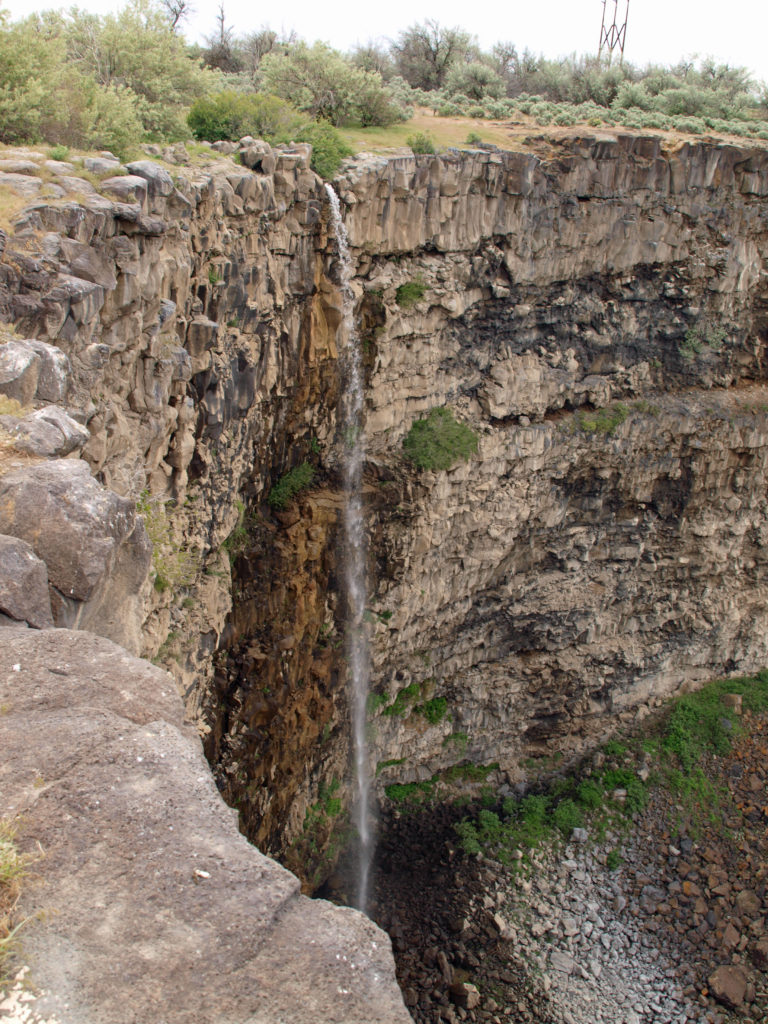
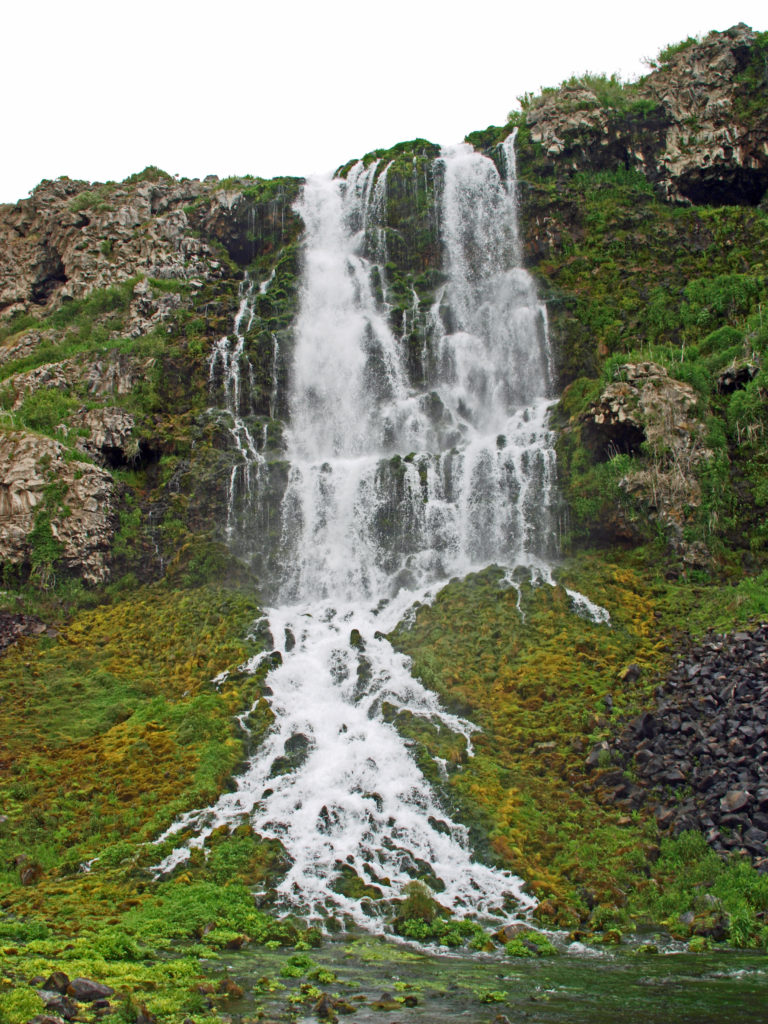
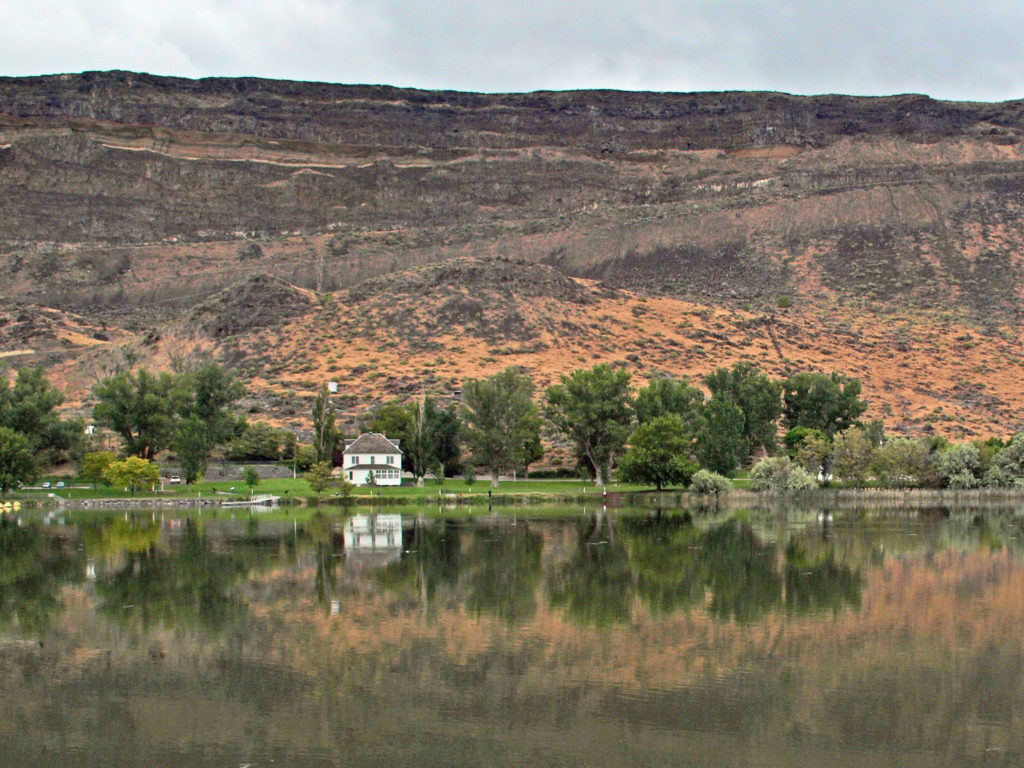 The falls are long gone, flooded by construction of Swan Falls Dam in the early 1900s. Swan Falls was the first hydroelectric project on the Snake River. A fish ladder was constructed, but was largely ineffective, and the dam effectively blocked salmon and steelhead passage. That was a different era, and the fish ladder was never made functional. Newer dams were built both upstream and downstream with no fish ladders at all. Electricity was the point. The fish didn’t matter. But it’s a historically interesting and beautiful area, so it’s worth a visit even if, like me, you’d rather see the dam gone.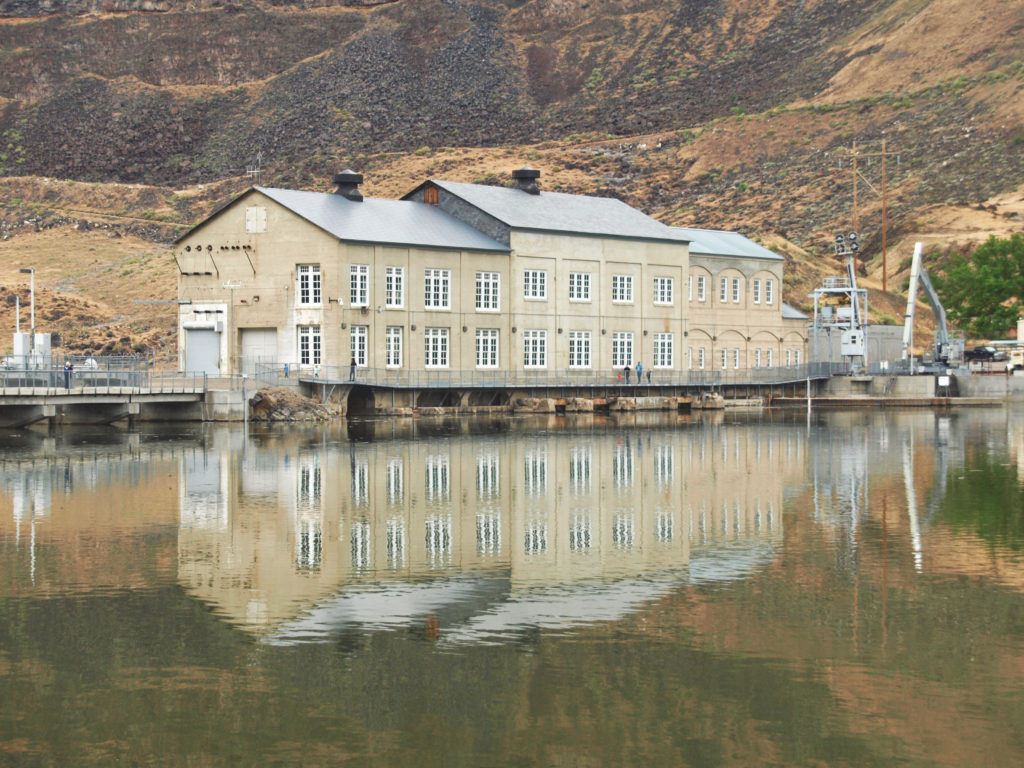
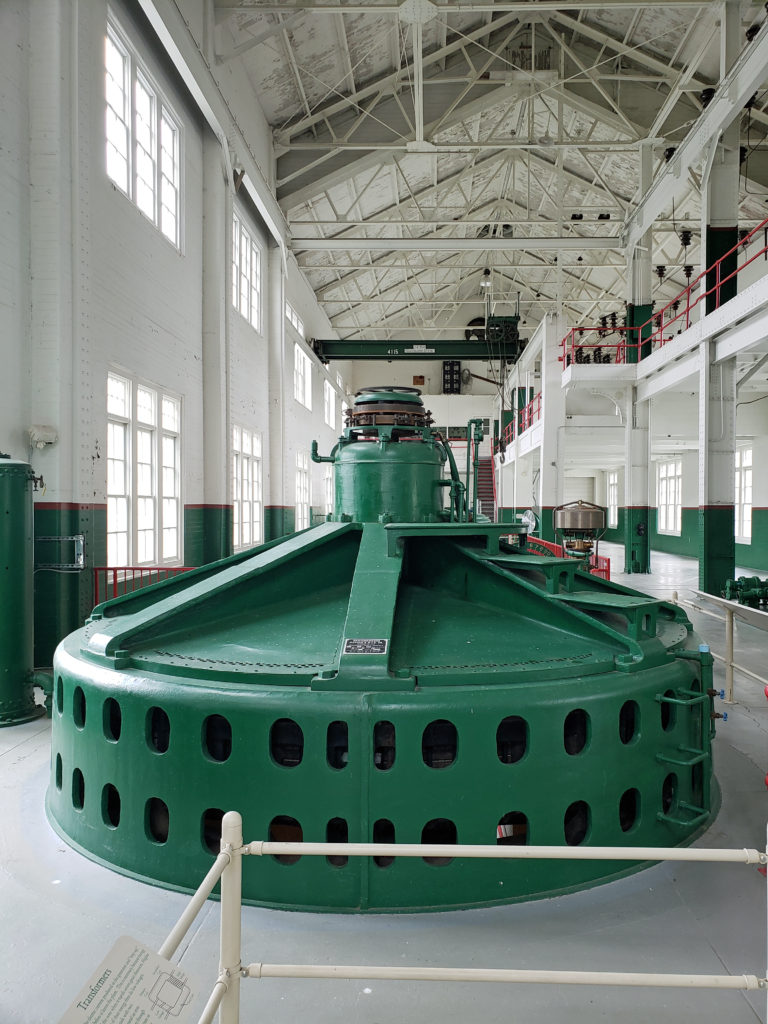 A new power generation facility was constructed at Swan Falls Dam in the 1990s. The dam’s original power plant is now open to the public, with some of the century-old generators and other equipment still in place. There are also displays depicting the history of the area, and the construction and operation of the dam. We walked across the dam after visiting the power house museum, then drove down the canyon a ways. The road was too rough for the car, though, and we turned around and drove back up to Dedication Point, and then on to Celebration Park.
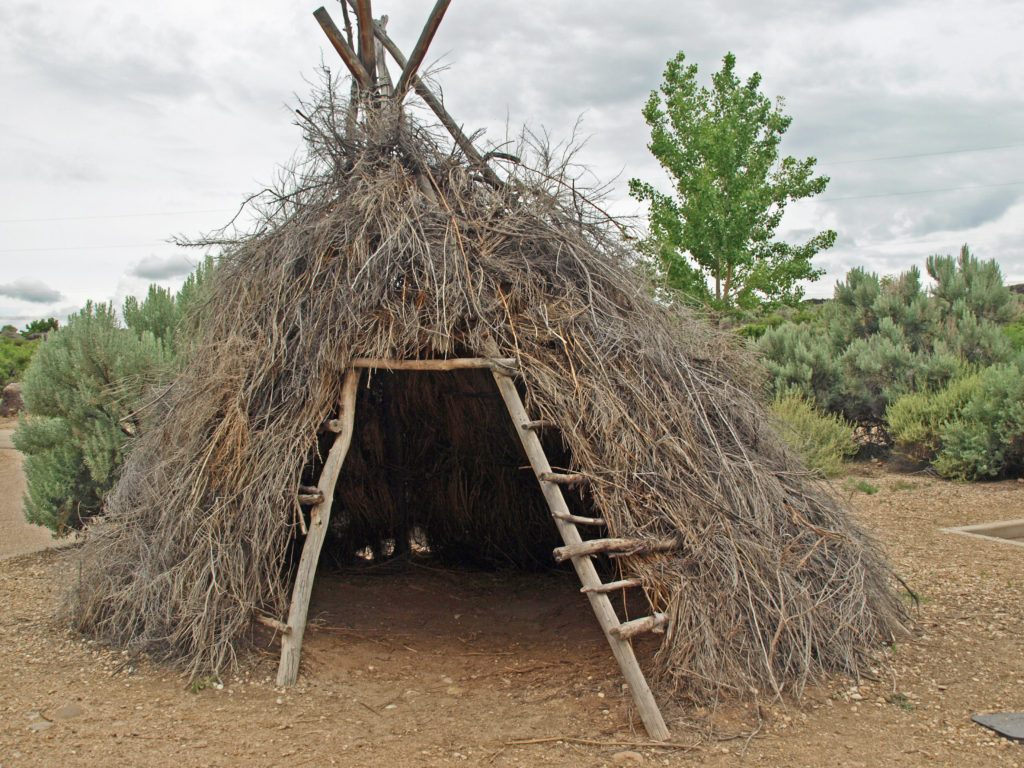 Celebration Park is Idaho’s only archaeological park. Petroglyphs dating back as far as 10,000 years can be found there. Visitors can learn about the Native American “lifeways” at the visitor center, try their hand at throwing a spear with an atlatl, and explore the petroglyph area on a self-guided walk. There is a picnic ground, and a small tent campground. The visitor center is open from 10:00 to 2:00 daily, except holidays. Check the park
 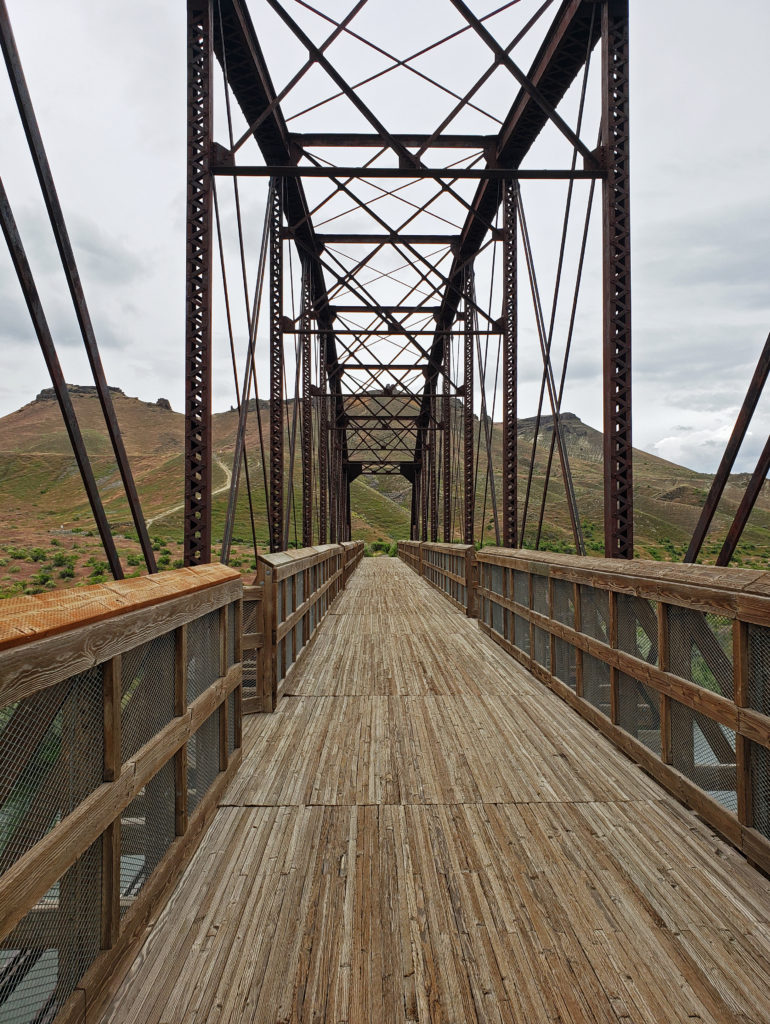 A short ways downstream, the Guffey Railroad Bridge provides pedestrian and equestrian access to the south bank of the Snake River and the Guffey Butte area. The bridge was built in the late 19th century and carried rail traffic until the 1940s. It is listed in the National Register of Historic Places. Guided tours of the area highlighting the area’s early mining and railroad history are conducted periodically.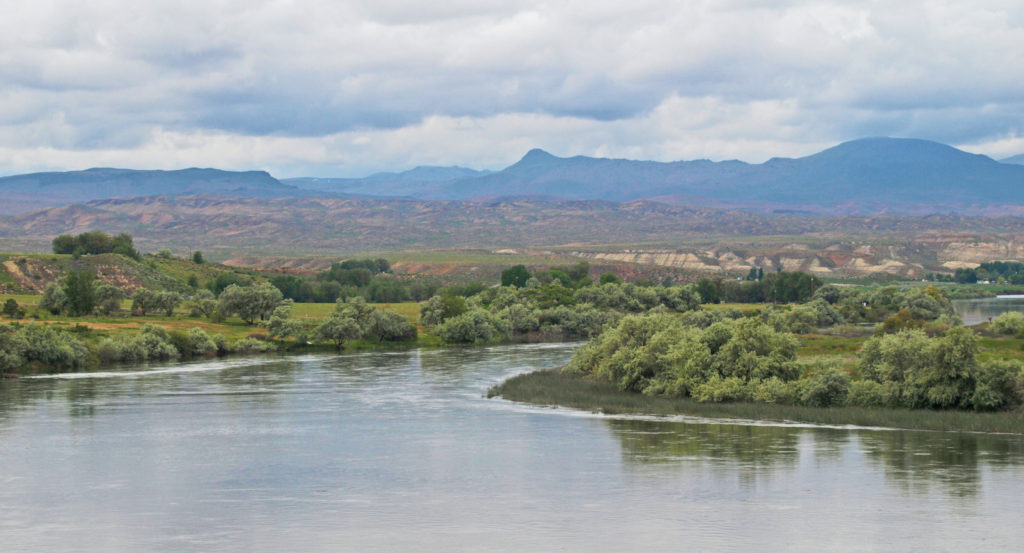
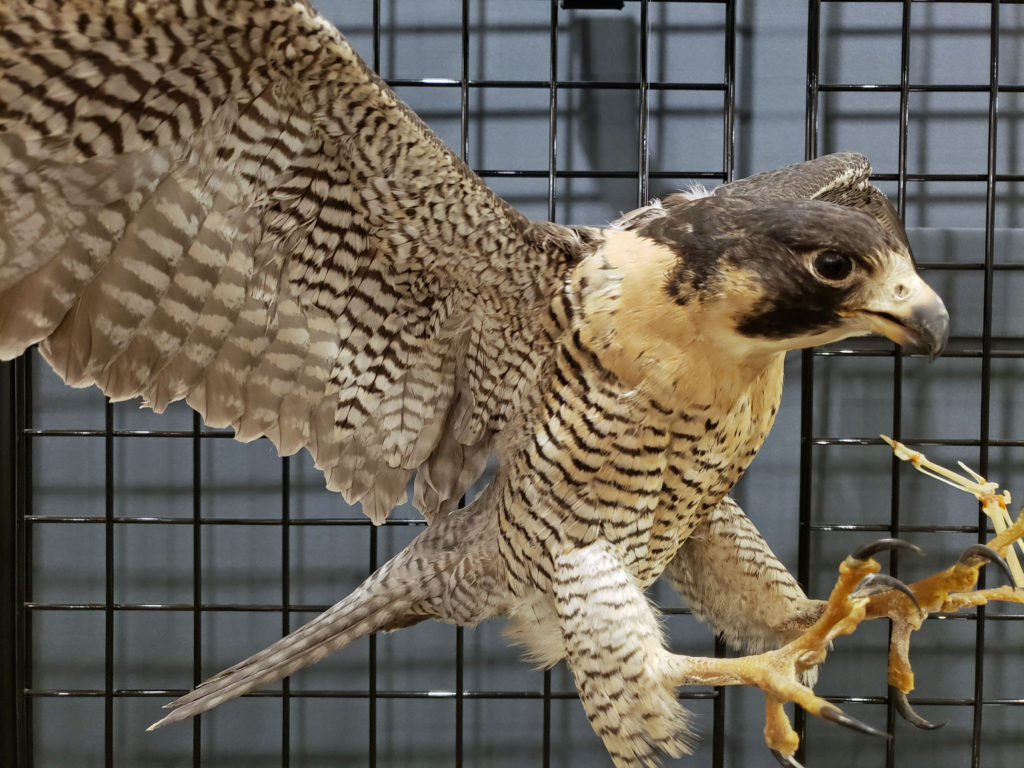 Back in Boise, we toured the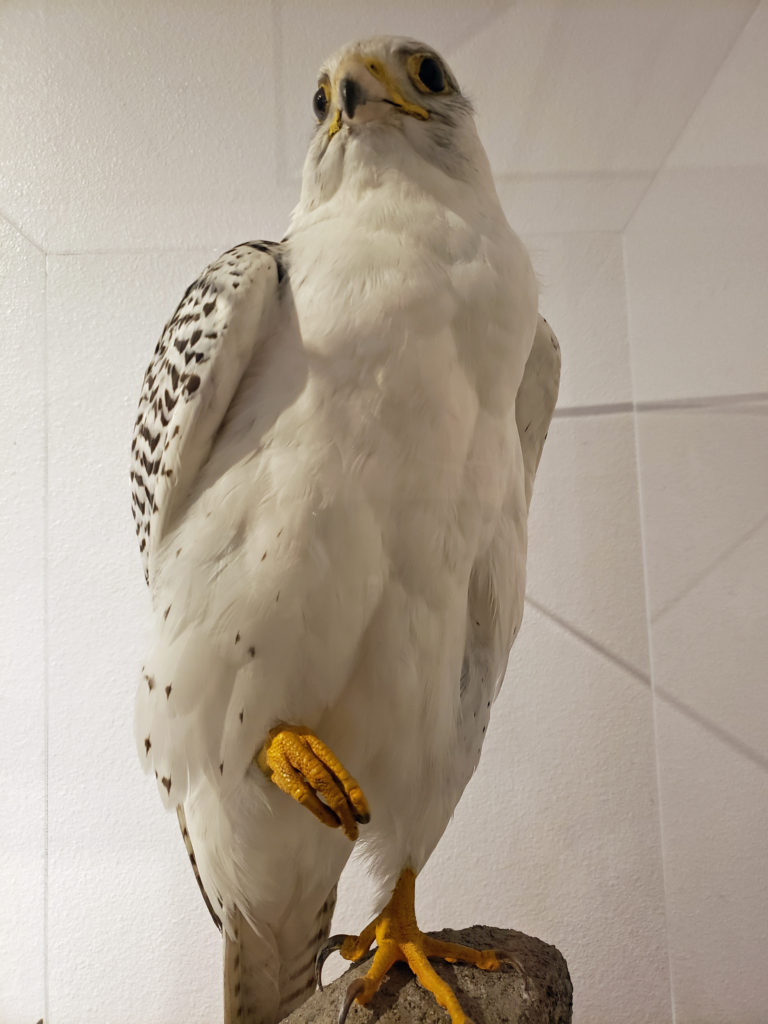
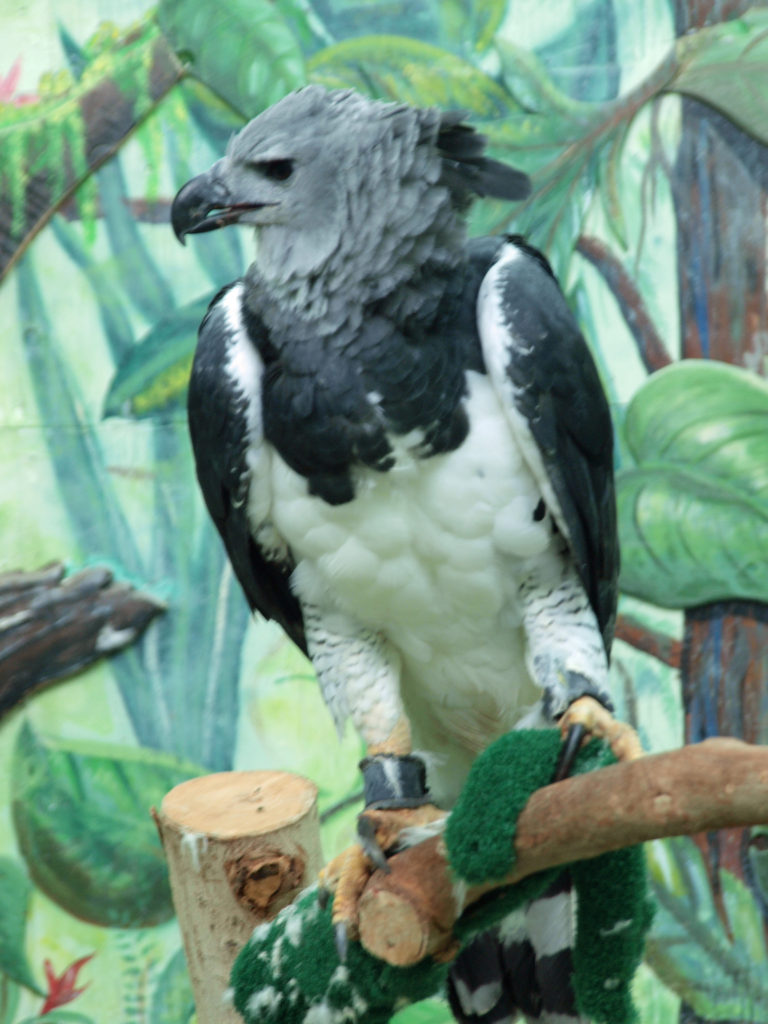
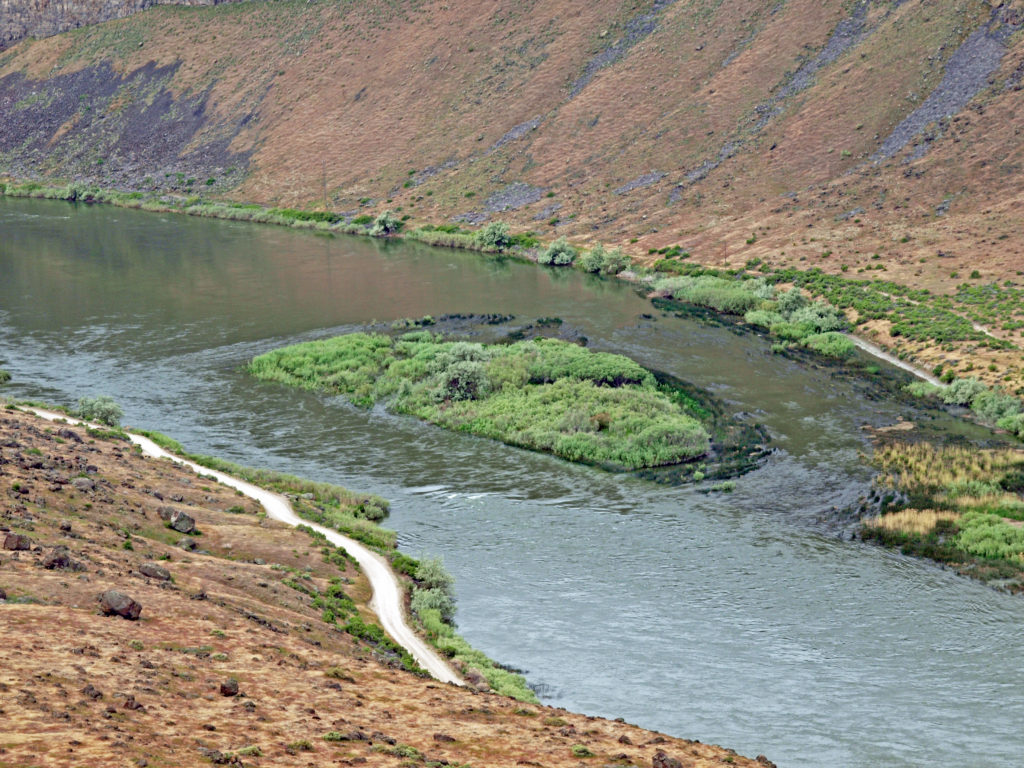
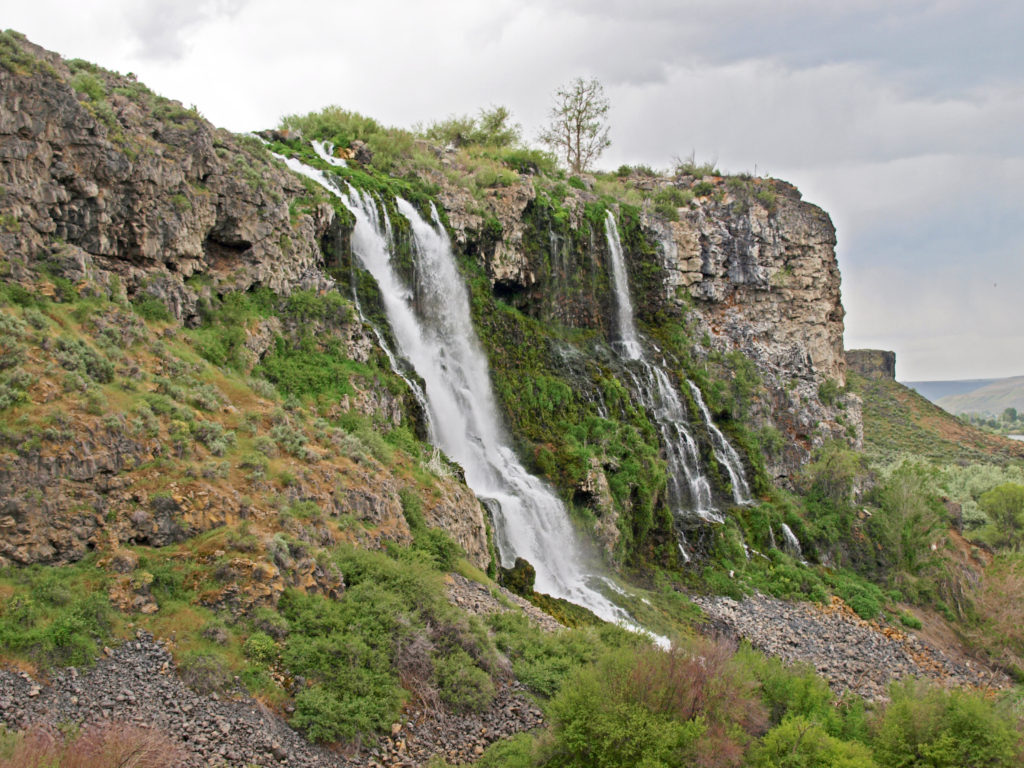
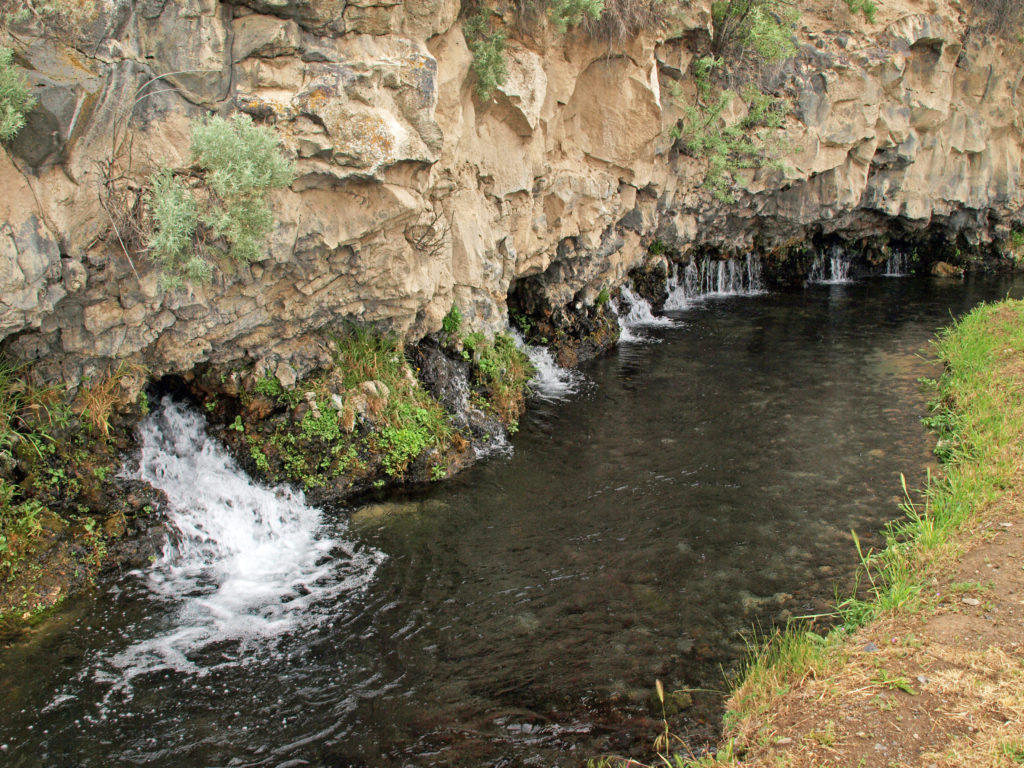
 After touring the Thousand Springs area at the beginning of an extended Memorial Day weekend trip to Southwest Idaho, my wife and I took a short side trip to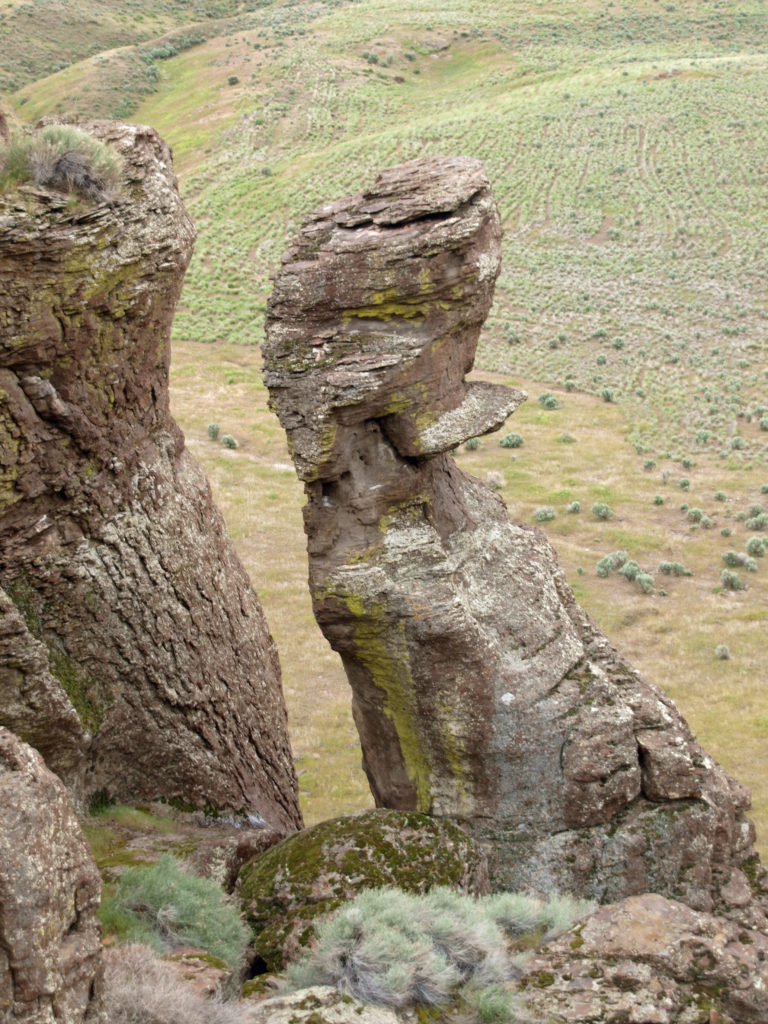
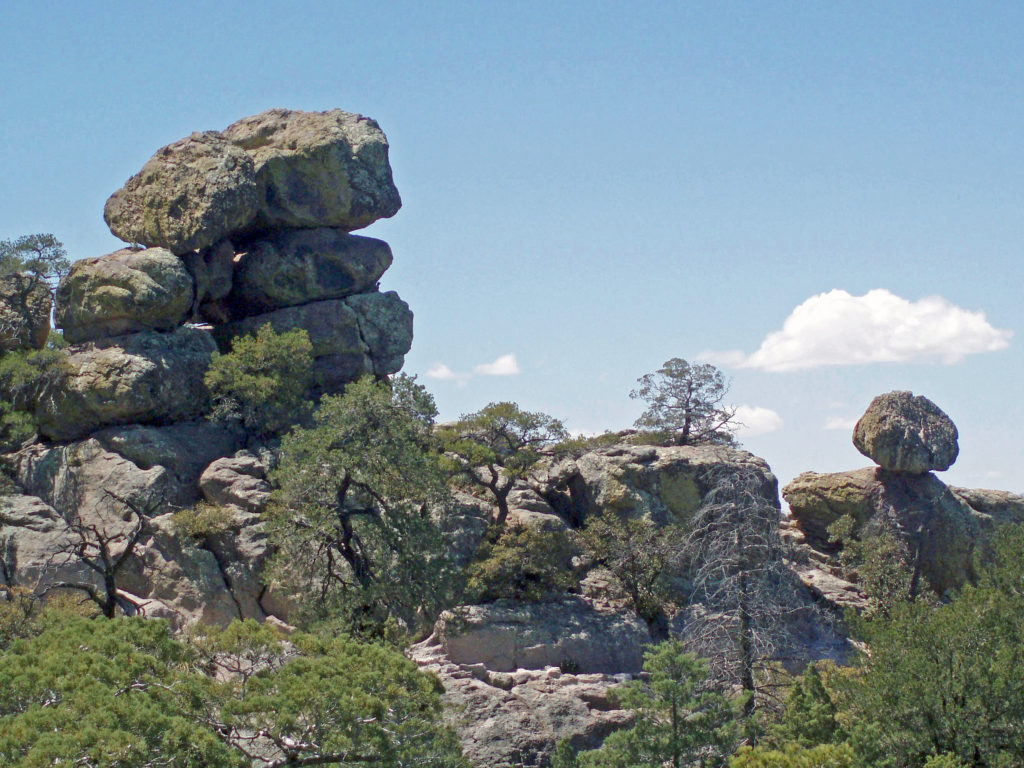
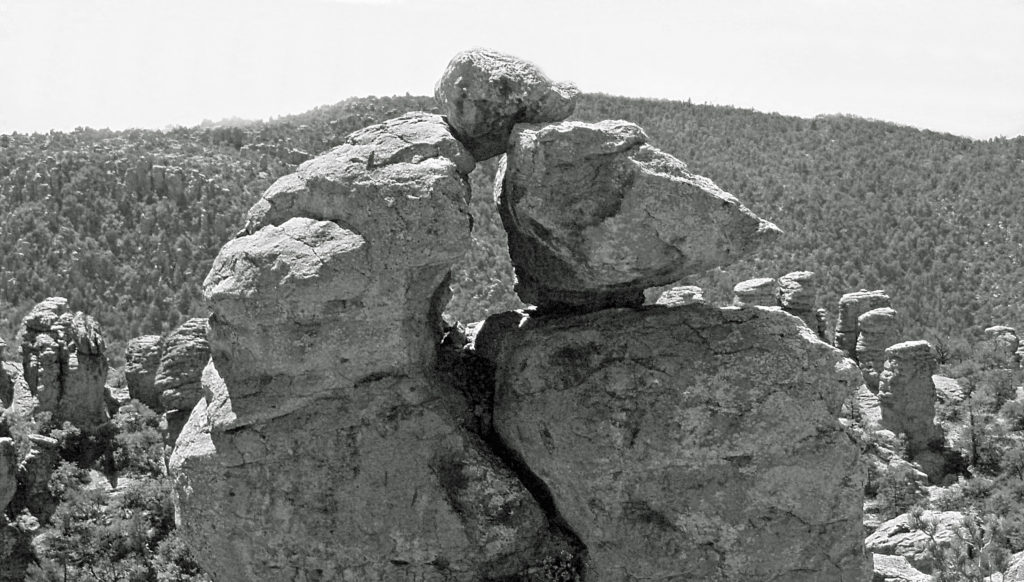
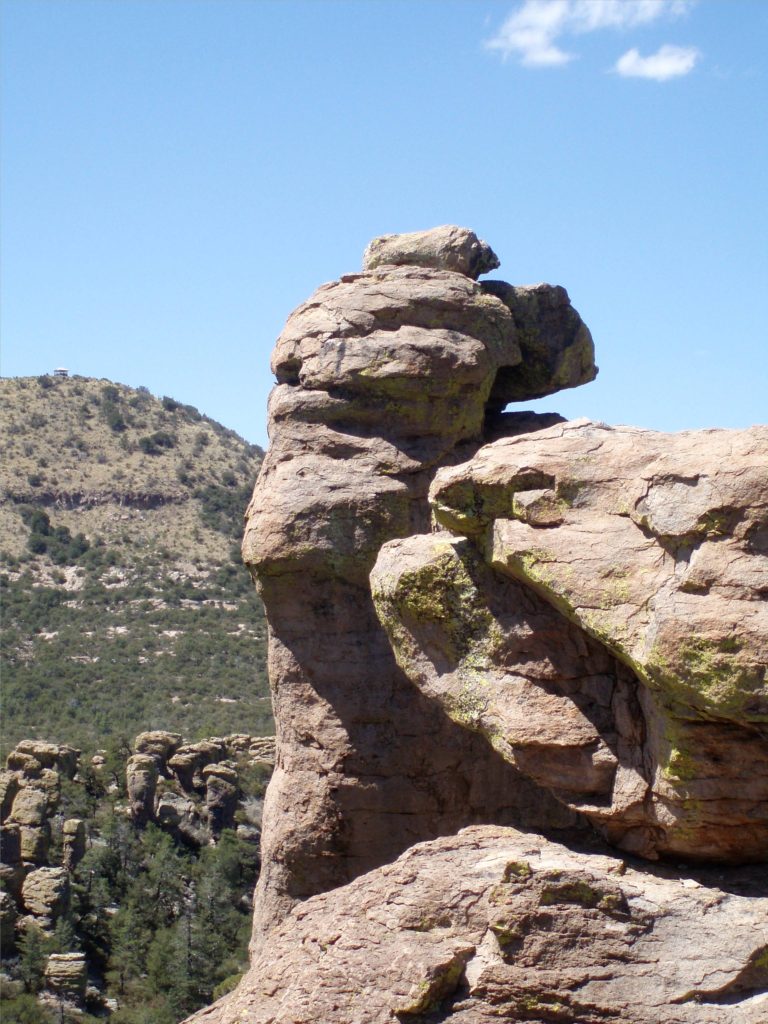
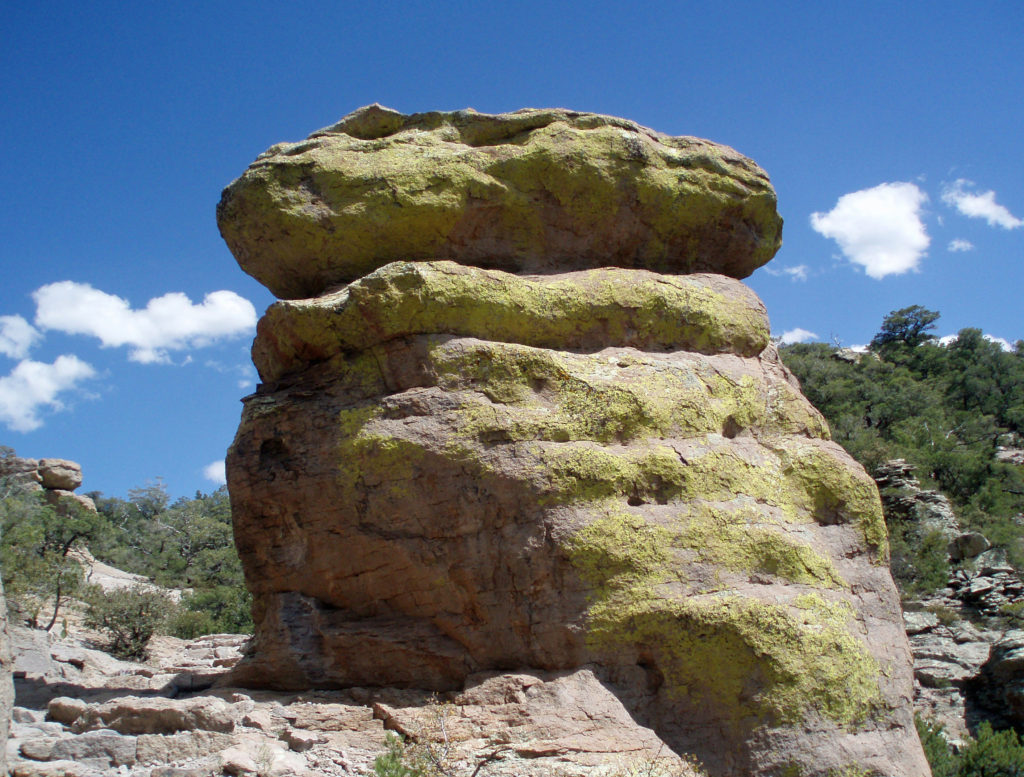
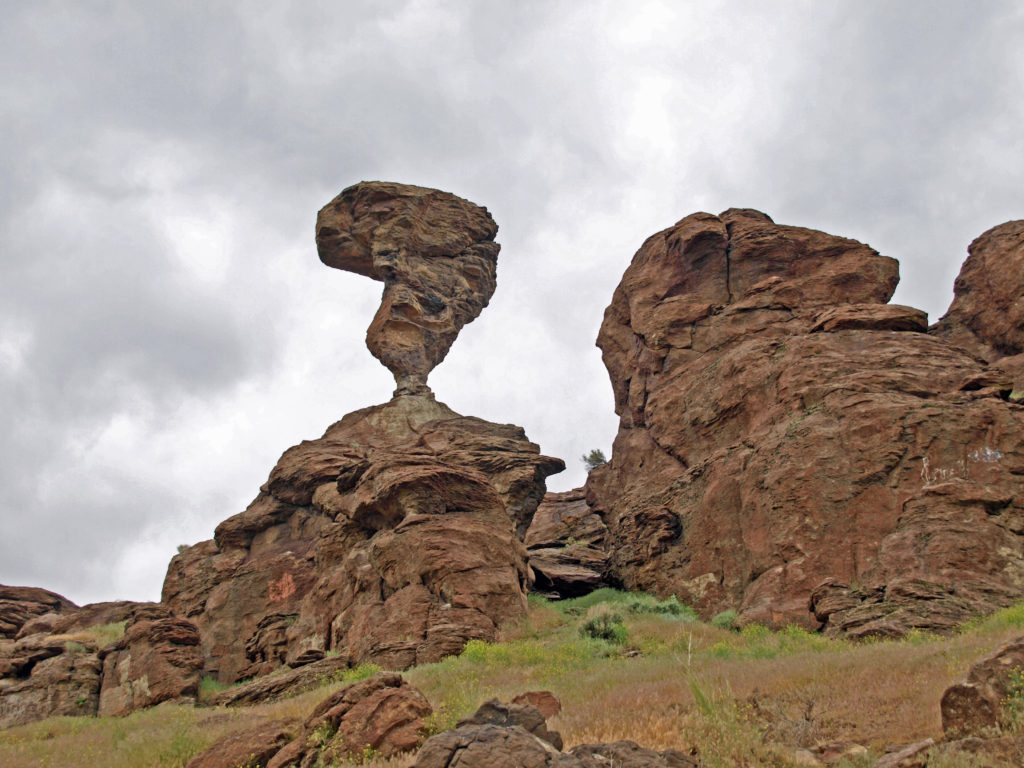
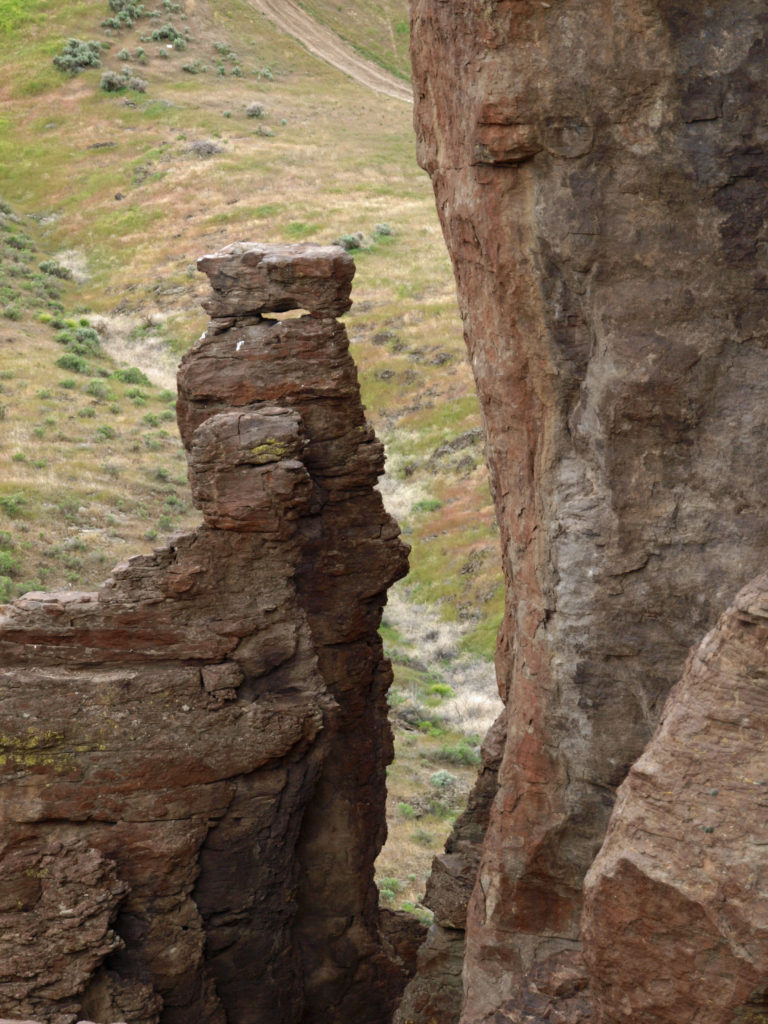 Balanced Rock is located about twenty miles west of Twin Falls and ten miles from Buhl, the nearest town. The area around Buhl is flat, featureless farm land that looks more like Kansas than the pictures I had seen of Balanced Rock, which had more the look of the Arizona or Utah deserts. But after a few miles, the road began to drop into a canyon and the view and landscape changed radically.
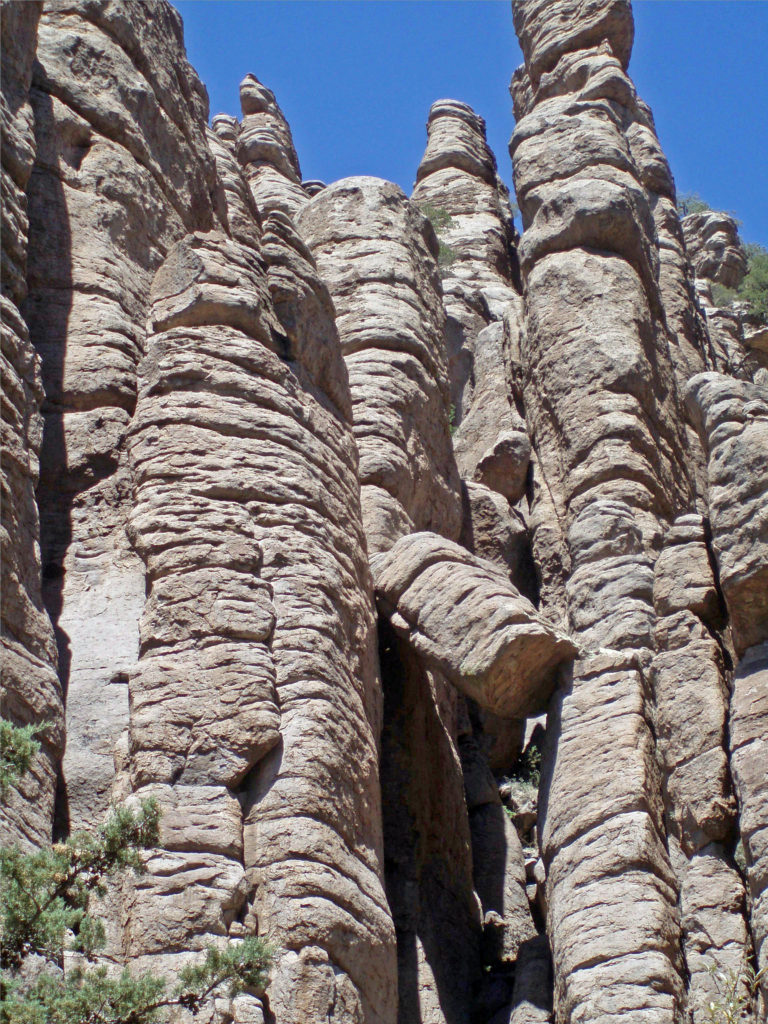
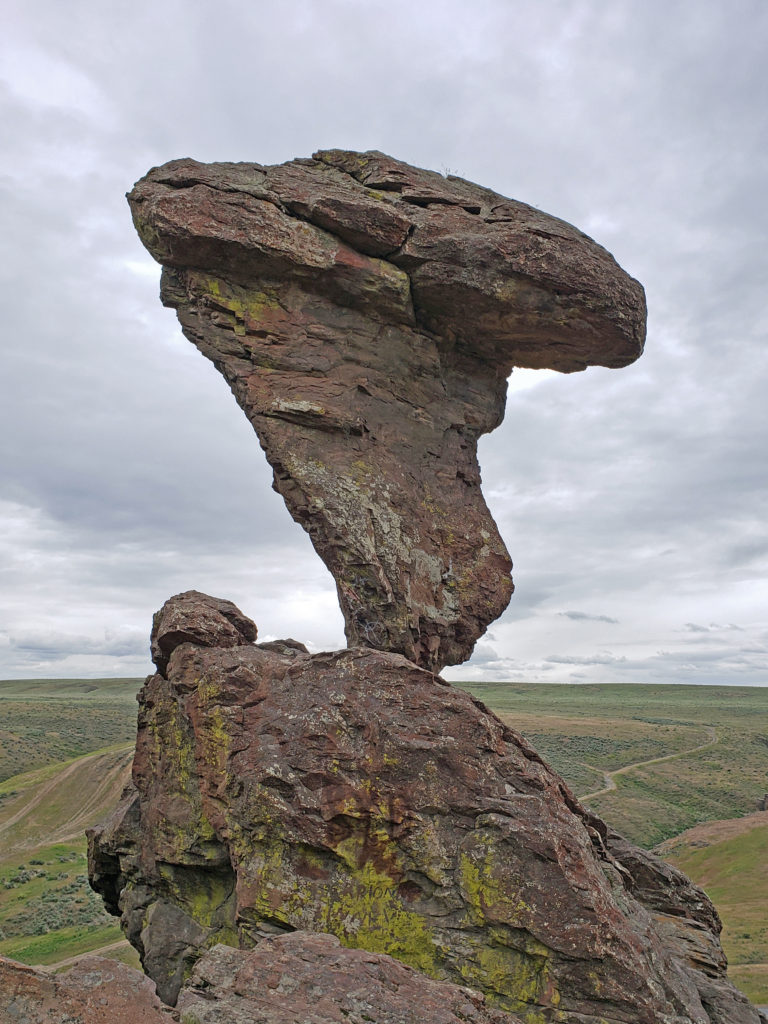 Balanced Rock is nearly fifty feet tall, weighs forty tons, and is supported precariously by a stem of rock less than three feet in diameter. It is, to say the least, a striking sight. We climbed up to the rock and hiked along the hillside above the rock formations (there’s quite a lot more than just Balanced Rock). It’s not a large area, and the trail is short and not difficult. It’s easy to explore in an hour or so, and I found it definitely worth the time and effort. But you can still get a good view of Balanced Rock and the other rock formations from the parking area if you don’t want to, or are unable to, climb up to them.
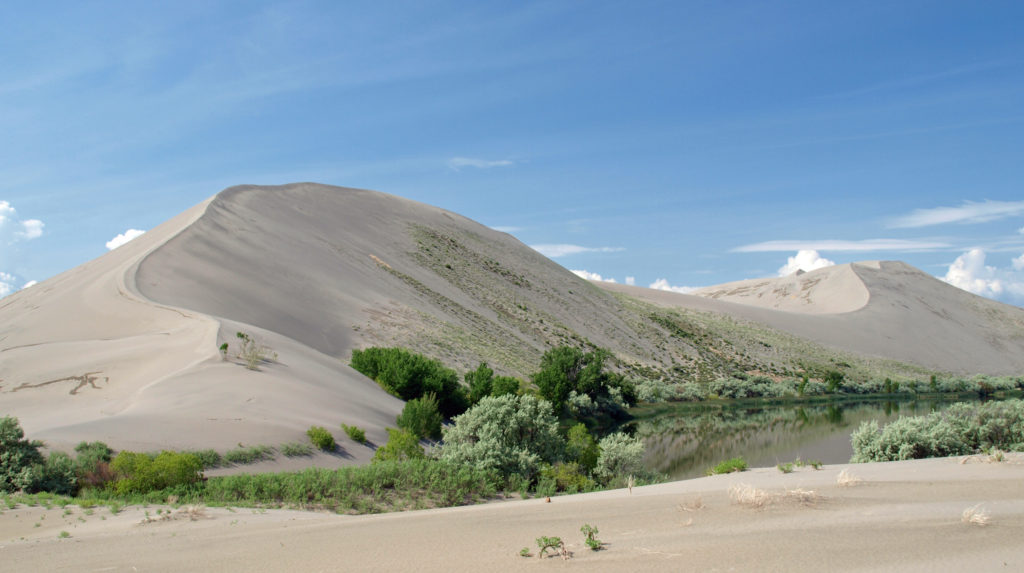 Bruneau Dunes
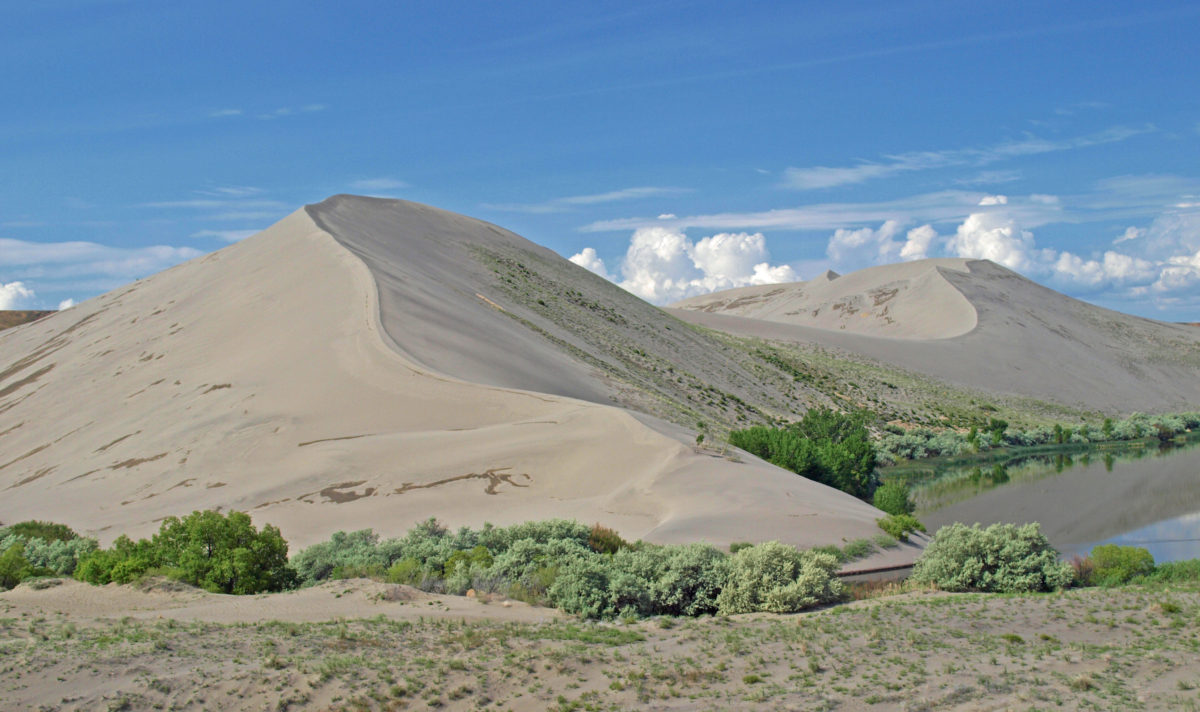
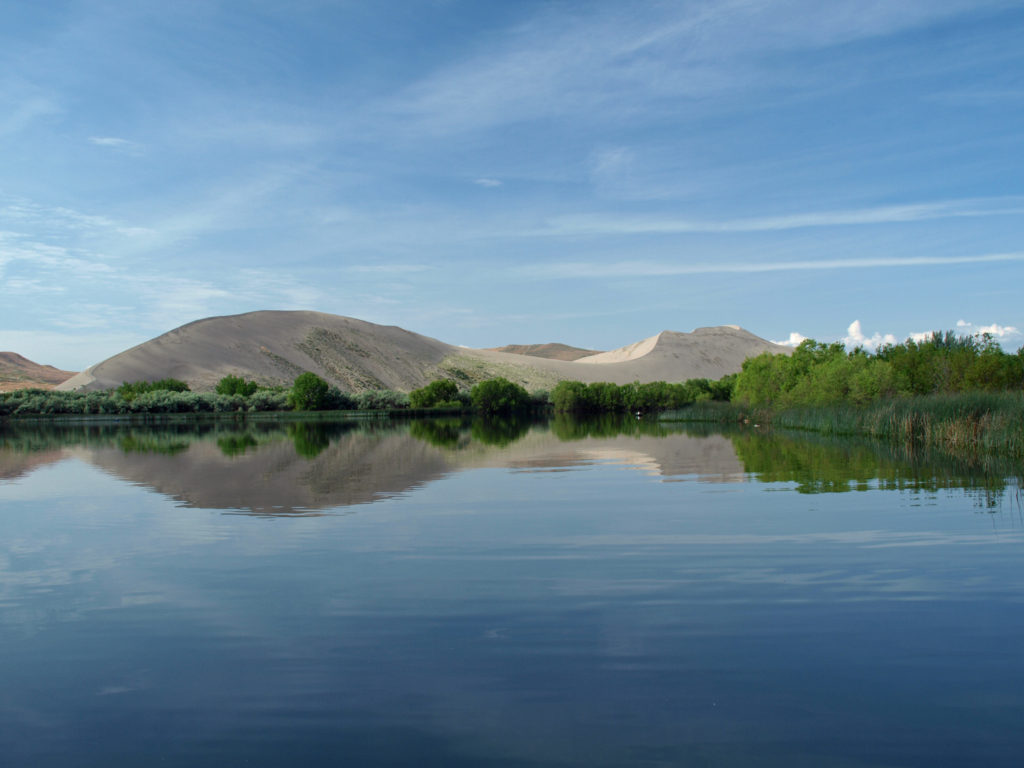 The dunes are impressive and certainly the main attraction here, but the park also has two small lakes, marshes and wetland areas, and open desert areas to explore. The marshes and lakes are full of waterfowl, and coyotes, jackrabbits, lizards, and gopher snakes can be found in the drier areas of the park. In the spring, desert wildflowers are abundant.
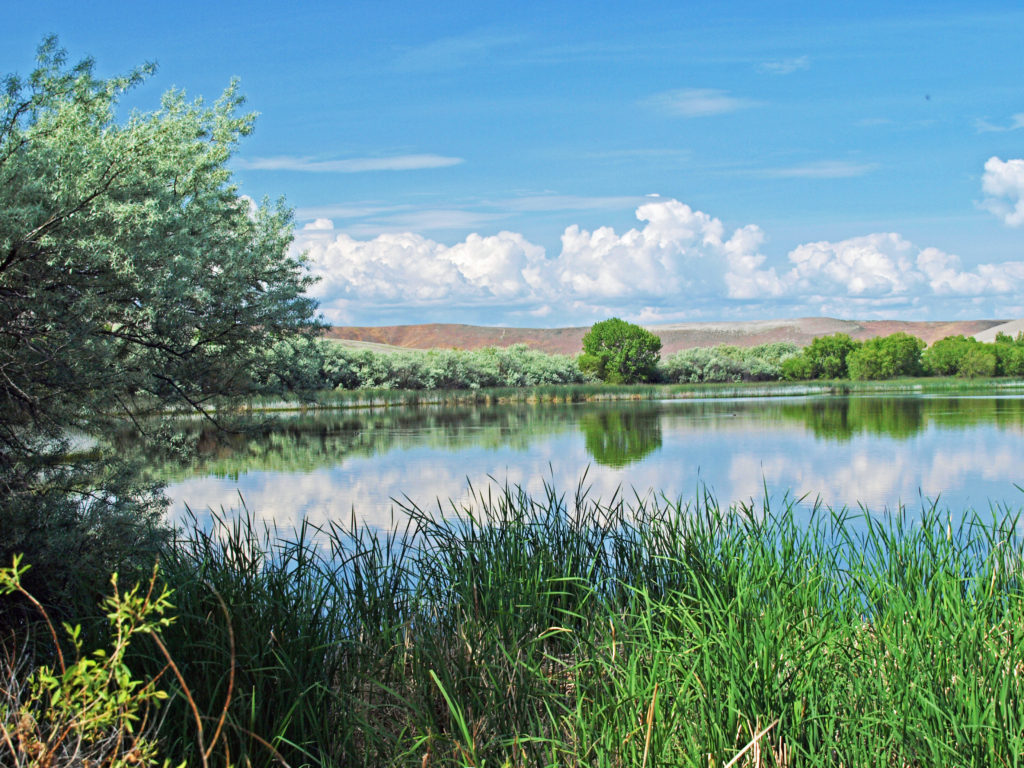 For hikers, there’s a six mile loop trail that takes you over the top of the dunes. There is also an equestrian camp and a ten mile long horse trail, two campgrounds, a picnic area, and a visitor center. We didn’t do the six mile hike, but did climb the Small Dune, hiked around the smaller lake, checked out the picnic area on the Big Lake, and, of course, spent a lot of time photographing the area.
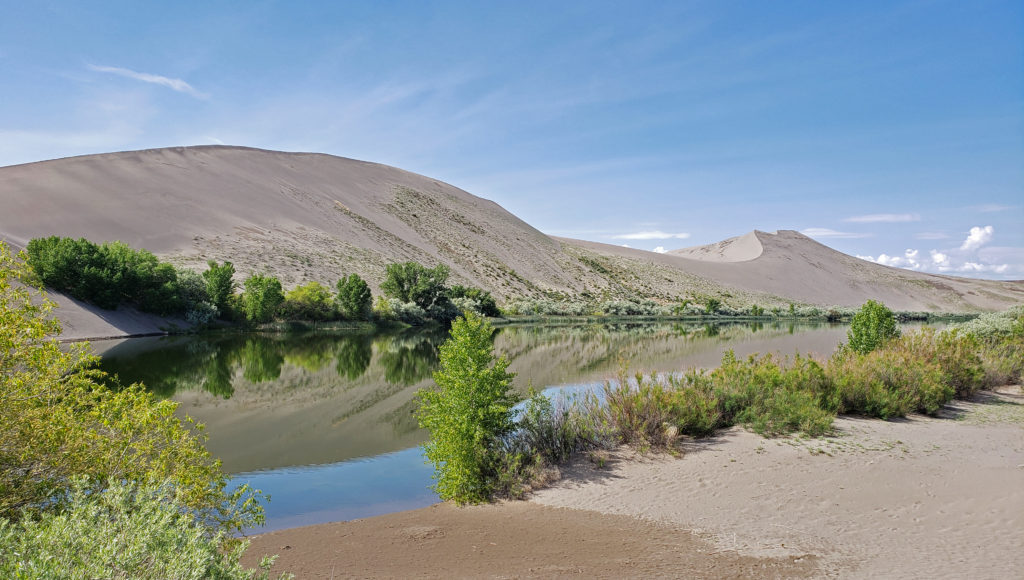 Bruneau Dunes is also an outstanding “dark skies” area, and the Boise Astronomical Society has constructed an observatory at the park. On weekends, visitors can view the depths of space through the observatory’s 25 inch telescope.
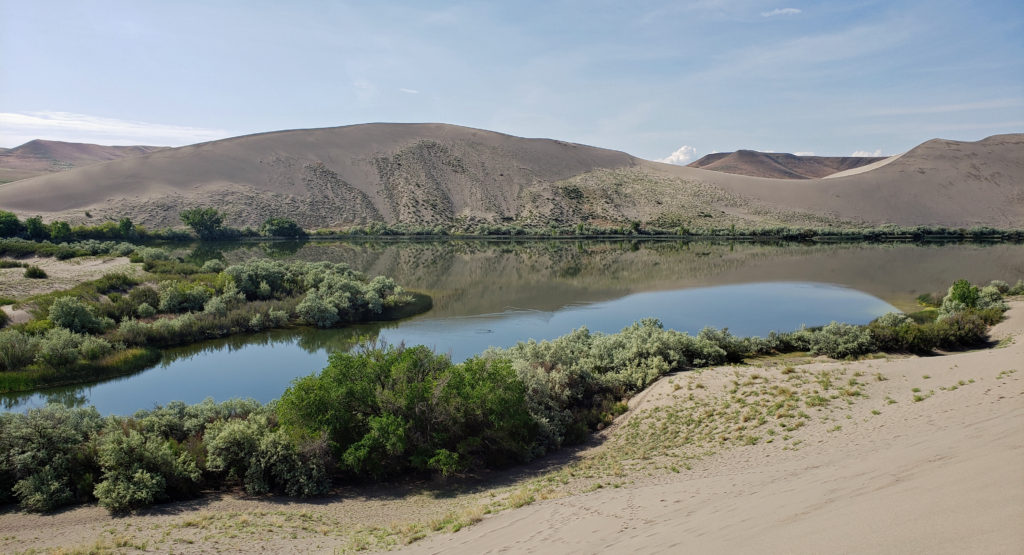 The weather was better than it was for our Thousand Springs and Balanced Rock visits on the previous day, and the sunshine made for some good photo ops. But it got a little warm on the dunes after awhile, and there were swarms of mosquitoes by the water where it was cooler. Still, it was a nice morning’s outing. The dunes and the small lakes between them are incredibly beautiful, and climbing the dunes was a fun adventure.
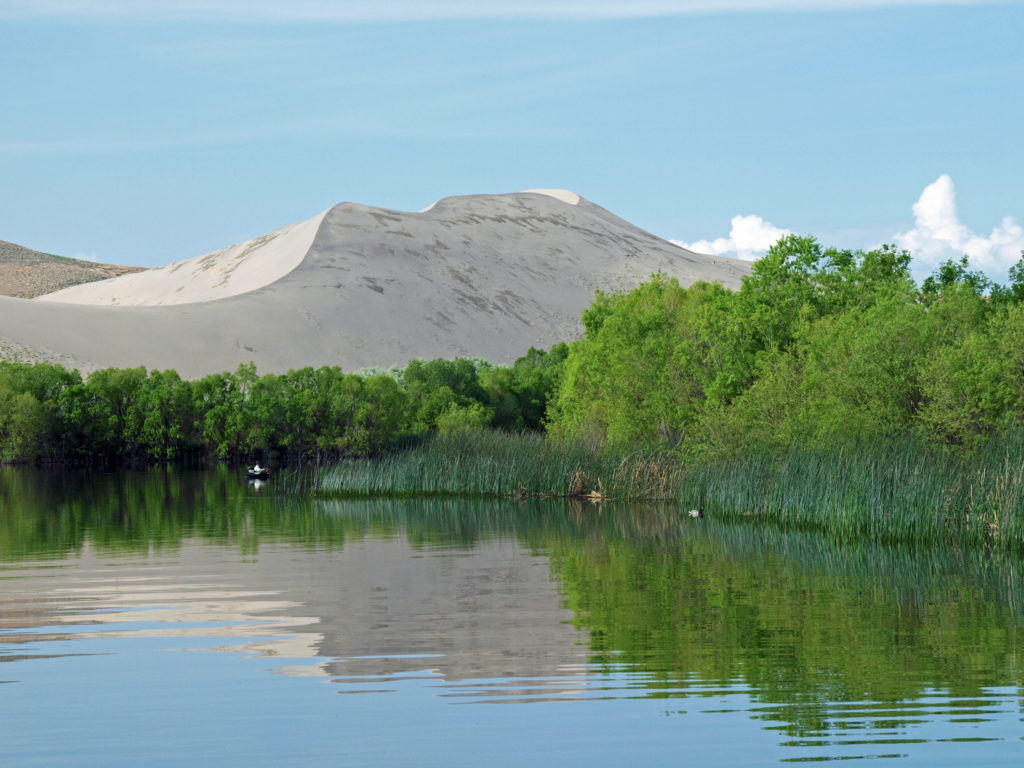 Bruneau Dunes definitely exceeded my expectations. The dunes are huge, much bigger than I expected, and the area around them is interesting and very beautiful. The park is small enough that it can be explored in half a day, which is what we did, but there’s enough there to keep you occupied for a few days, at least. It’s also a place where you can slow down, relax, and spend some time just enjoying the views and the peace and quiet, which won’t be marred by the presence of dune buggies and trail bikes. They’re prohibited in the park to protect the dunes.
 We returned to Boise that afternoon and spent some time exploring the downtown area and the parks and paths along the Boise River Greenway. The next day it was on to the Snake River Canyon, the Birds of Prey National Conservation Area, and the World Center for Birds of Prey. Click on the links below to view other posts from our trip.
 Originally posted June 20, 2019. Most recently updated April 2, 2025.







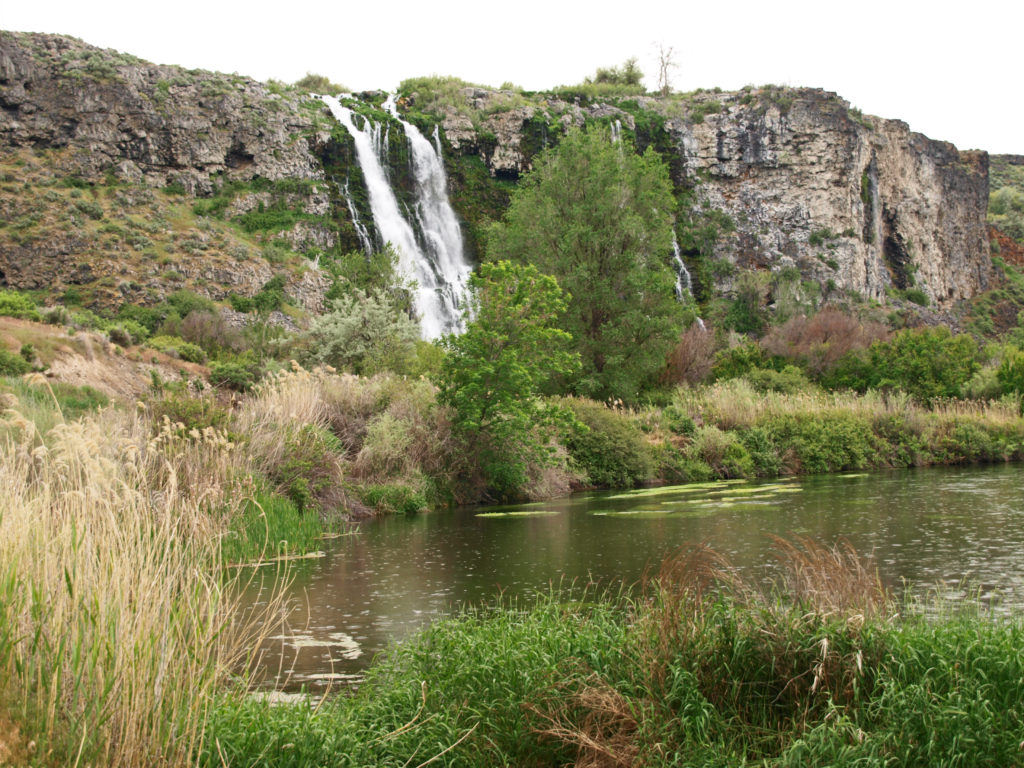
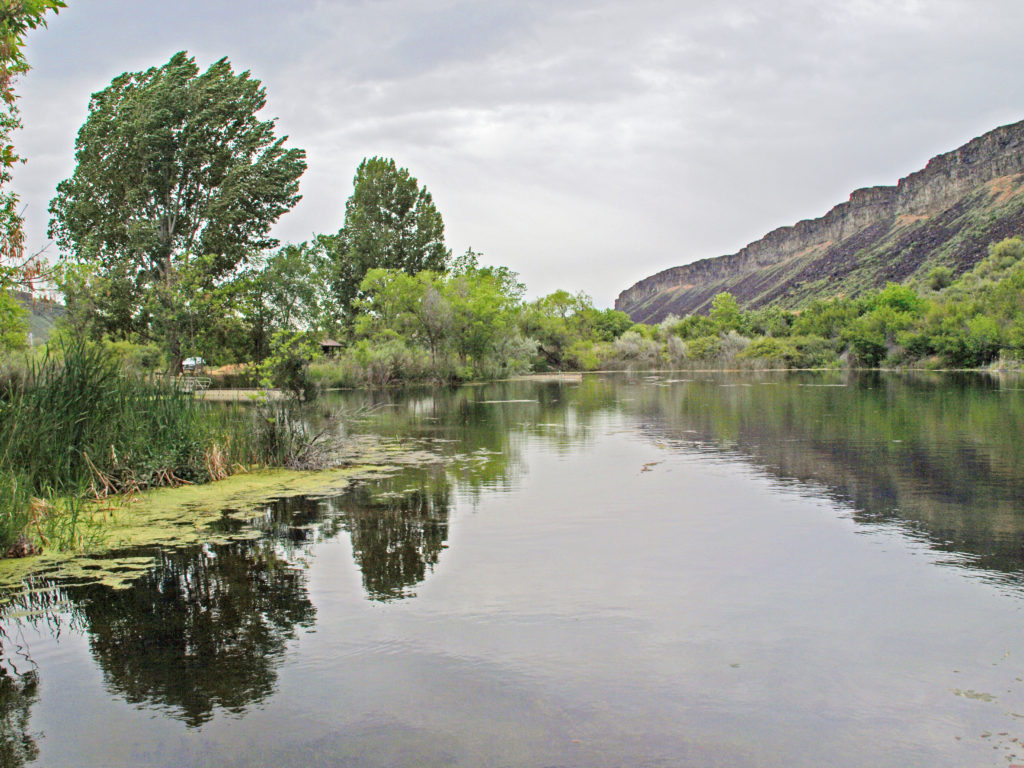
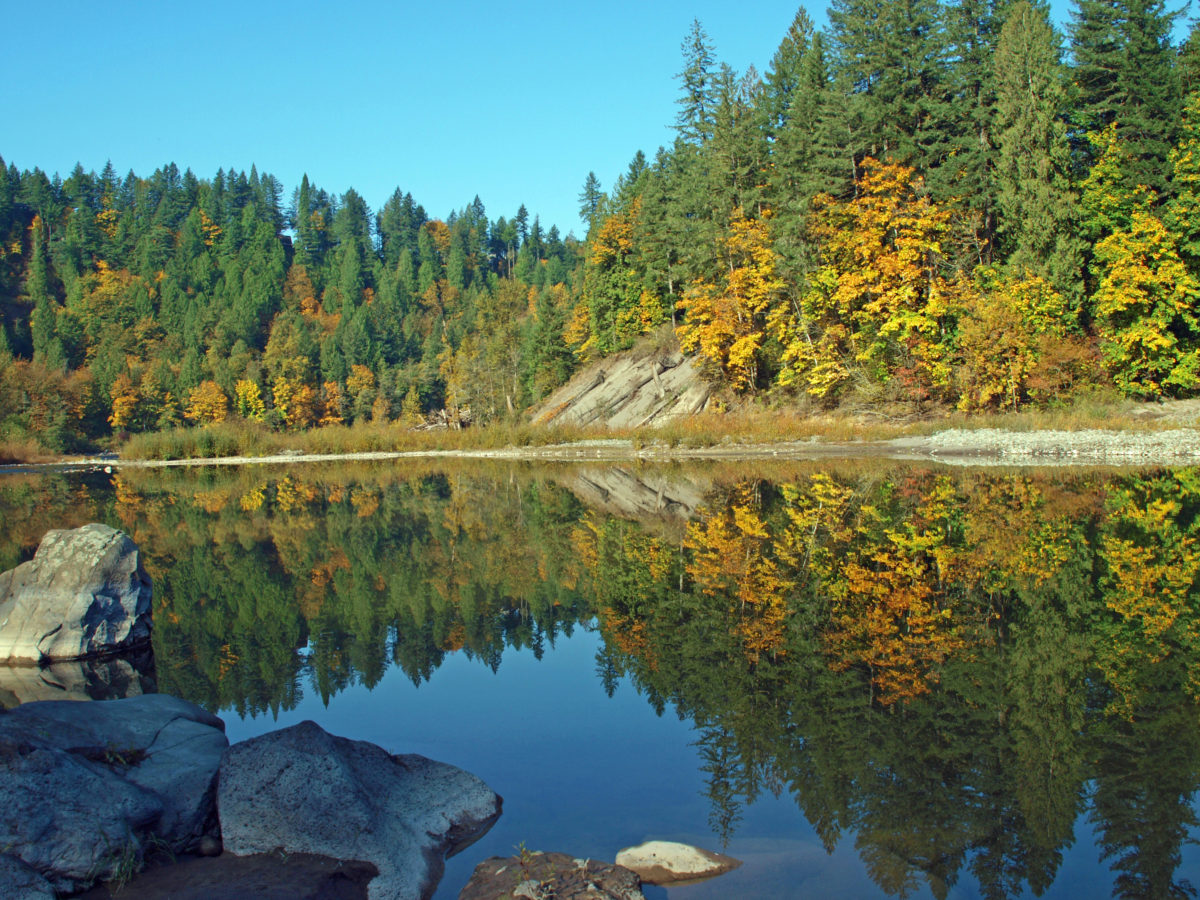

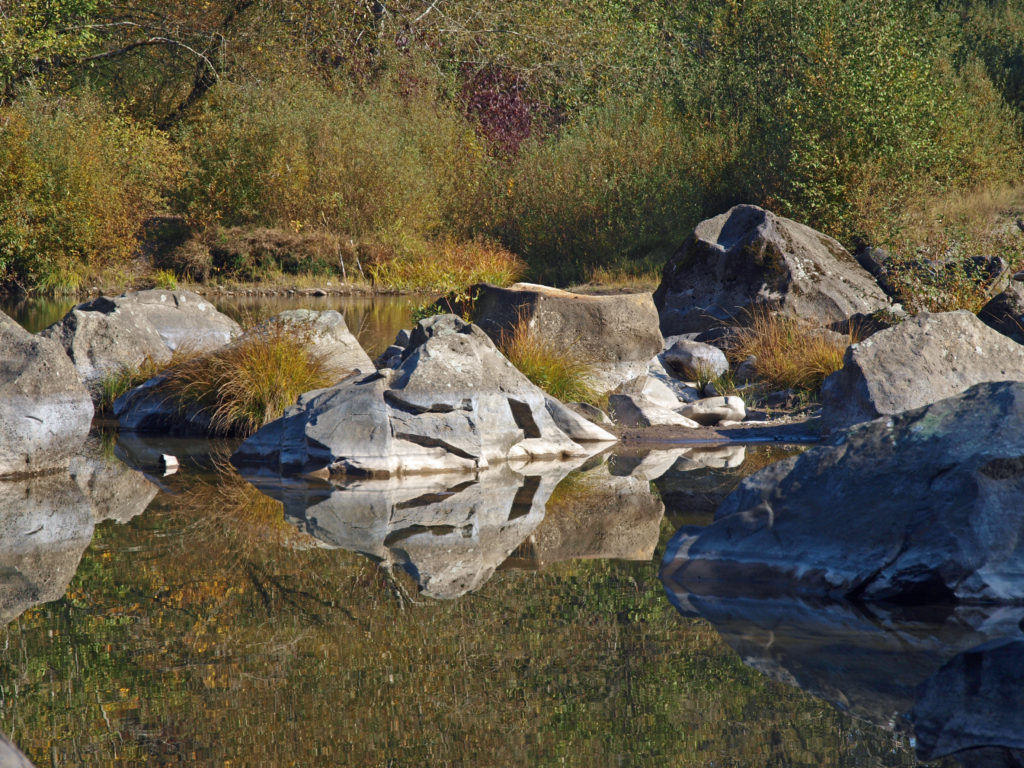
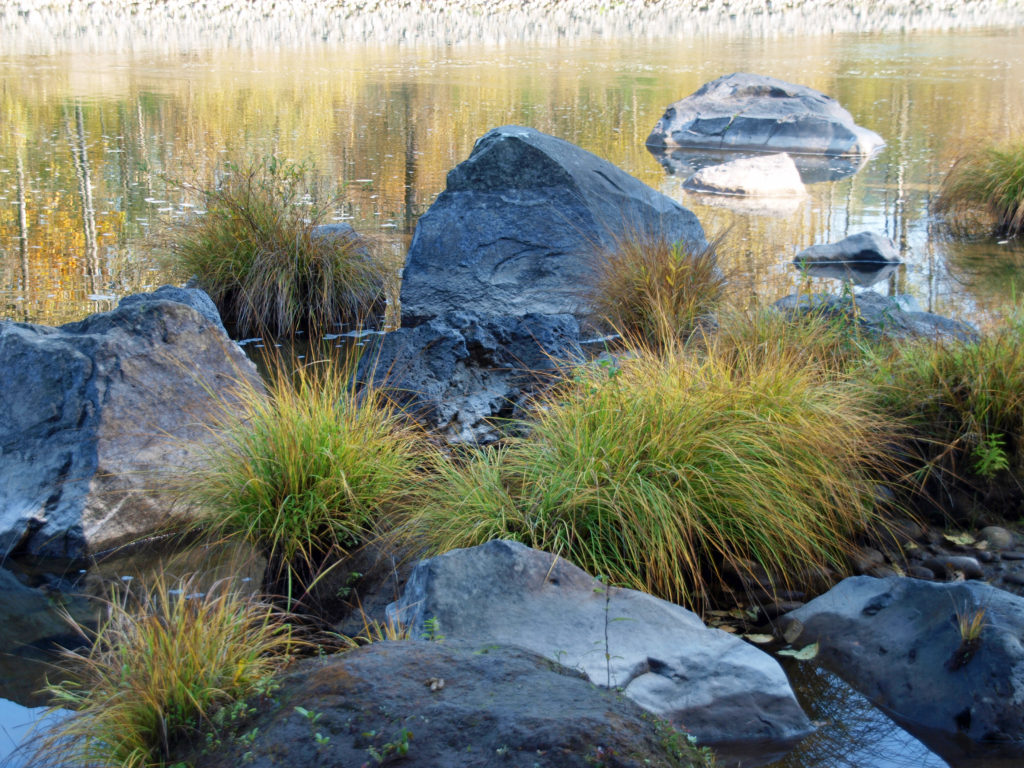
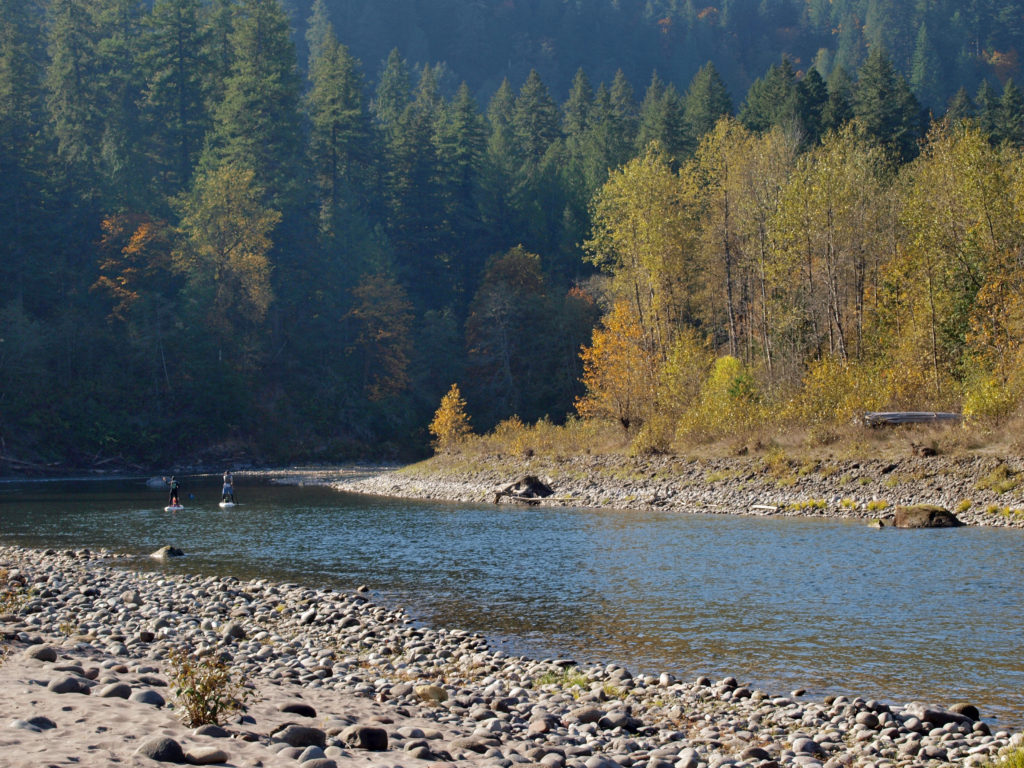
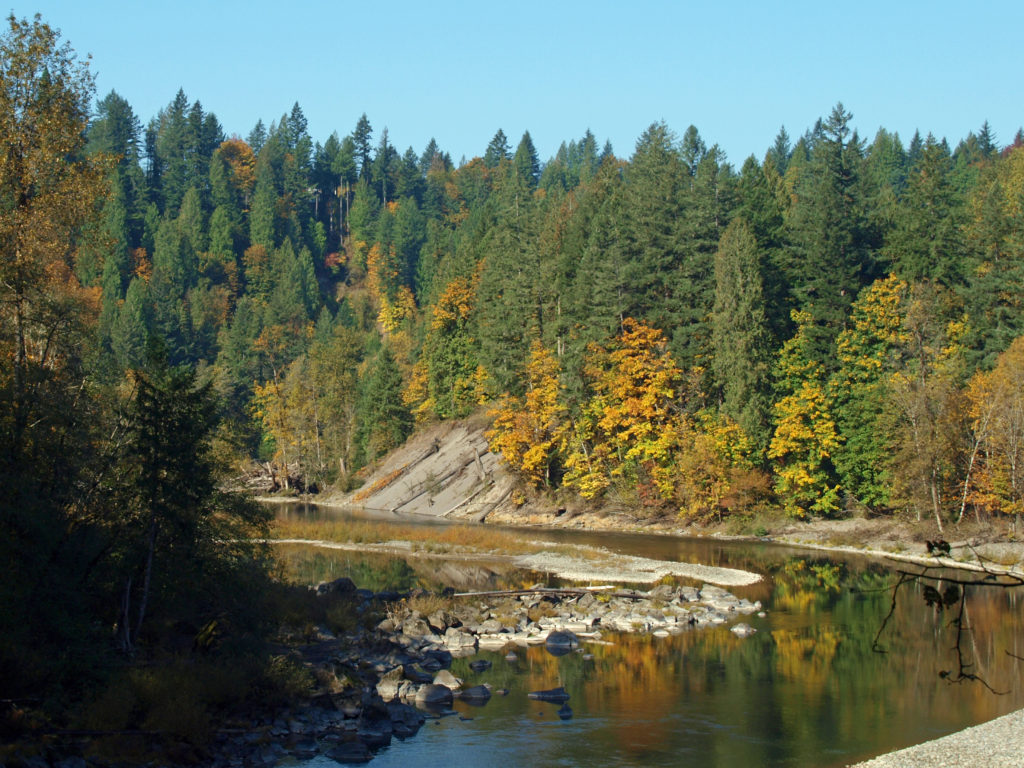 The Sandy River flows from its headwaters on Mount Hood to the Columbia River at Troutdale. Two sections of the river totaling 25 miles are designated Wild and Scenic, including the section of the river that runs through Oxbow Park.
 In 2007 the Marmot Dam on the Sandy River was demolished, making the river free flowing for its entire 57 mile course for the first time in nearly a century, and opening up miles of restored spawning grounds for salmon and steelhead. A smaller dam on the Little Sandy River was also demolished.
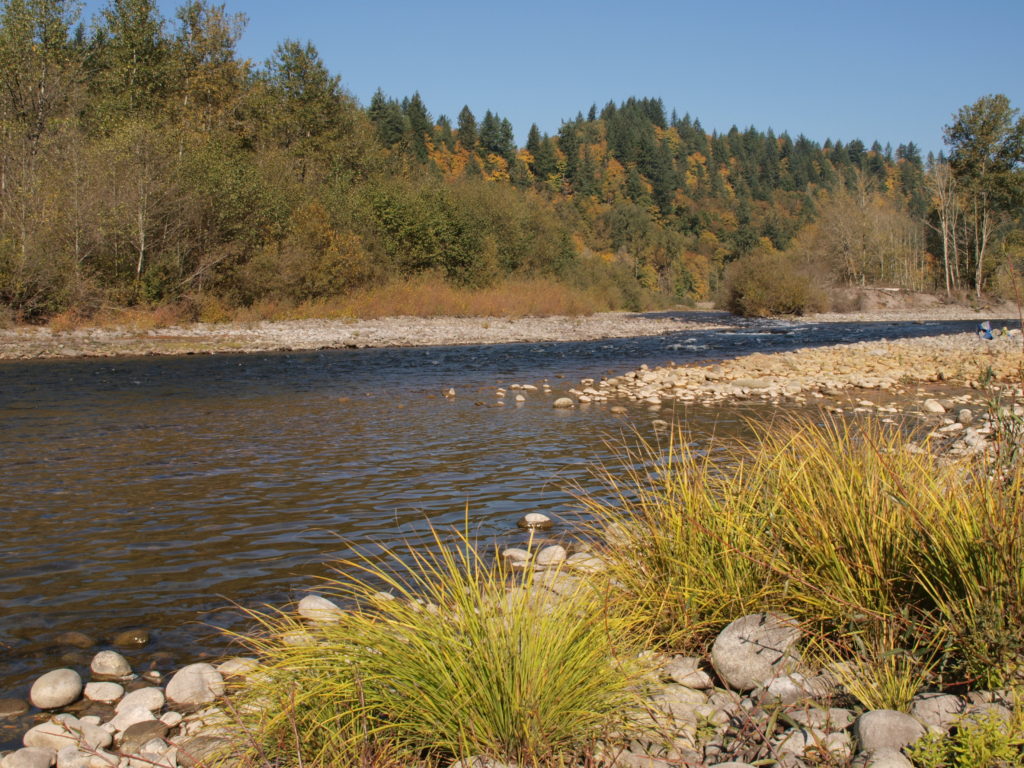 One of the more popular events at Oxbow has been the annual Salmon Homecoming weekend held in mid-October when you can watch salmon spawning in the gravel beds of the river.
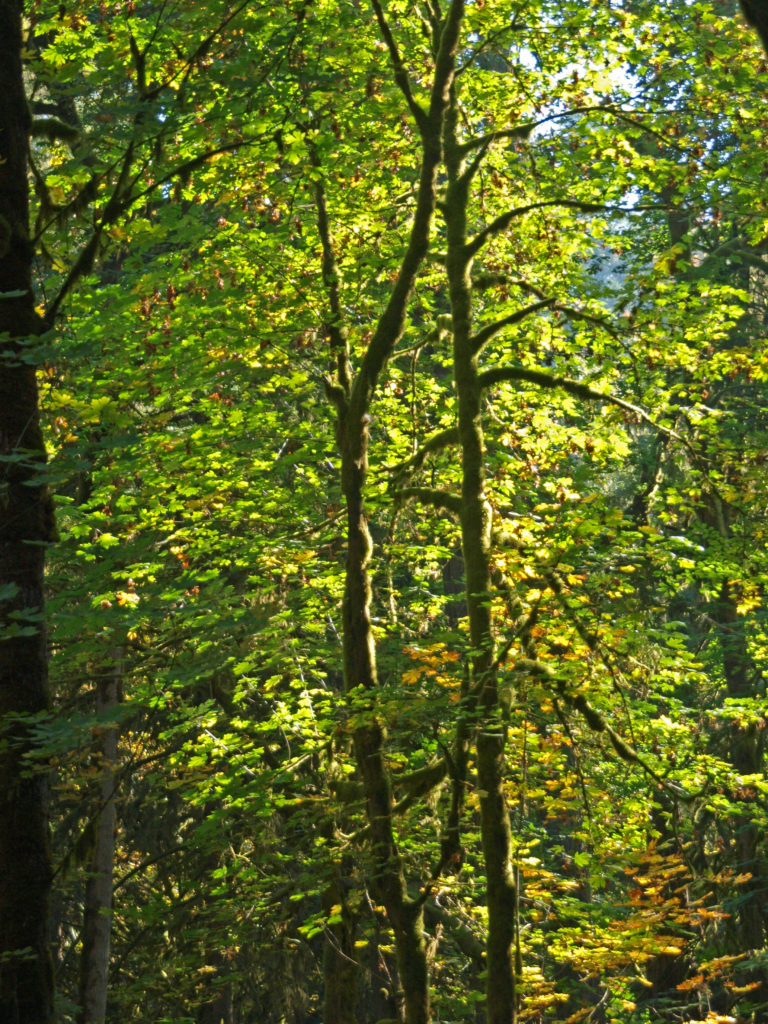
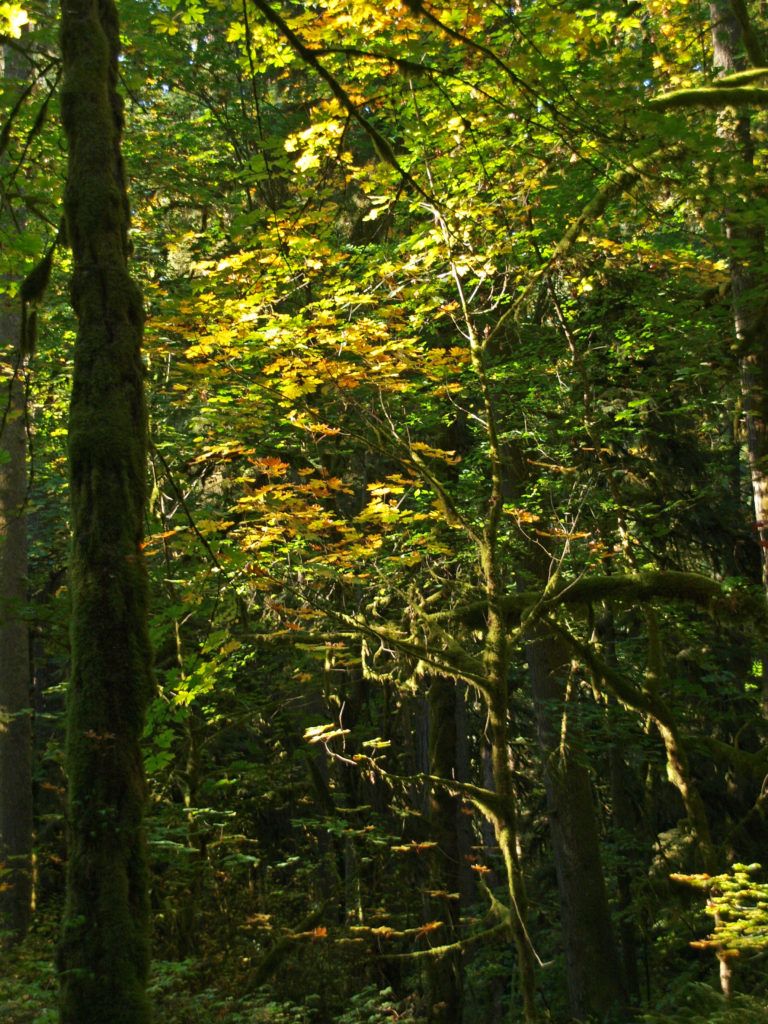 Most of the visitor activity at the park takes place along the banks of the river. The upland trails through the mixed conifer and hardwood forest get much less use. But the forest is beautiful, quiet, and peaceful. If you’re looking for tranquility, head away from the river. On our visit when these photos were taken, we hiked some of the forest trails and saw almost no one.
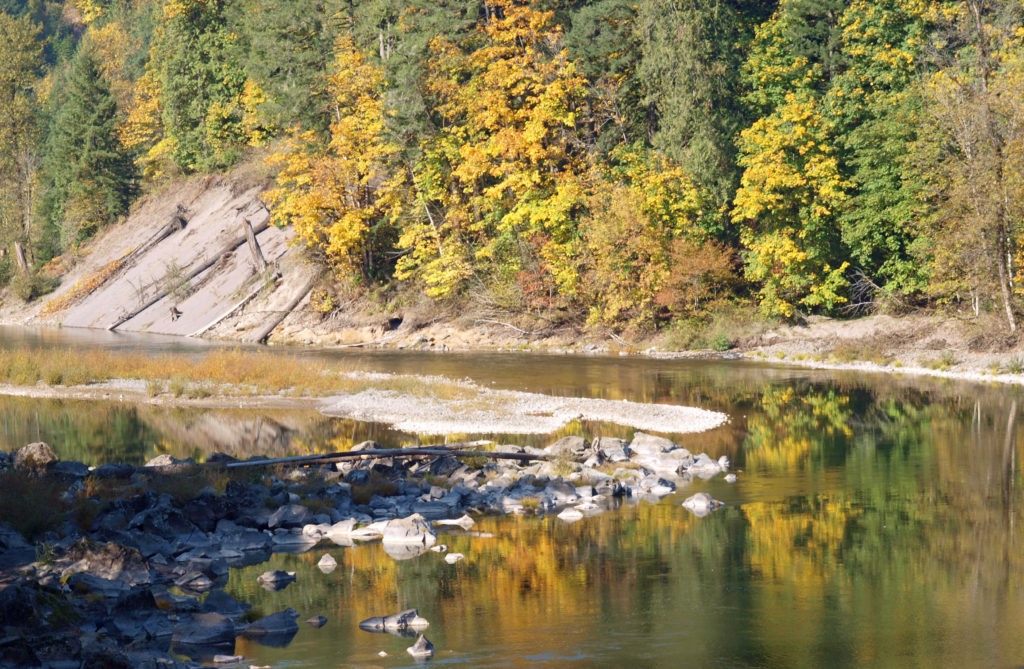 To get to the park, take I-84 east from Portland to Exit 17 at Troutdale. Turn right onto Graham Road, then left onto the Historic Columbia River Highway. In two blocks, turn right onto Buxton Road. Follow Buxton (which becomes South Troutdale Road) to Division Street. Turn left on Division and follow the signs to the park.
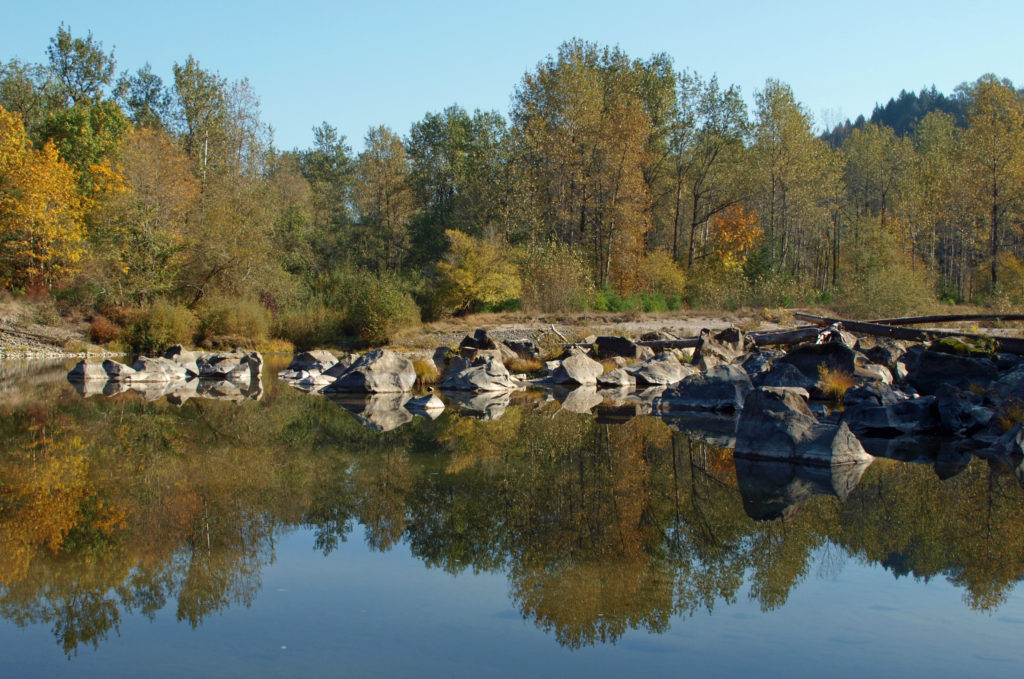 One of the great things about the Pacific Northwest is that there are so many beautiful places like this that are within a half hour drive of even the biggest cities. Just one of the reasons that I think this is one of the best places in the world to live.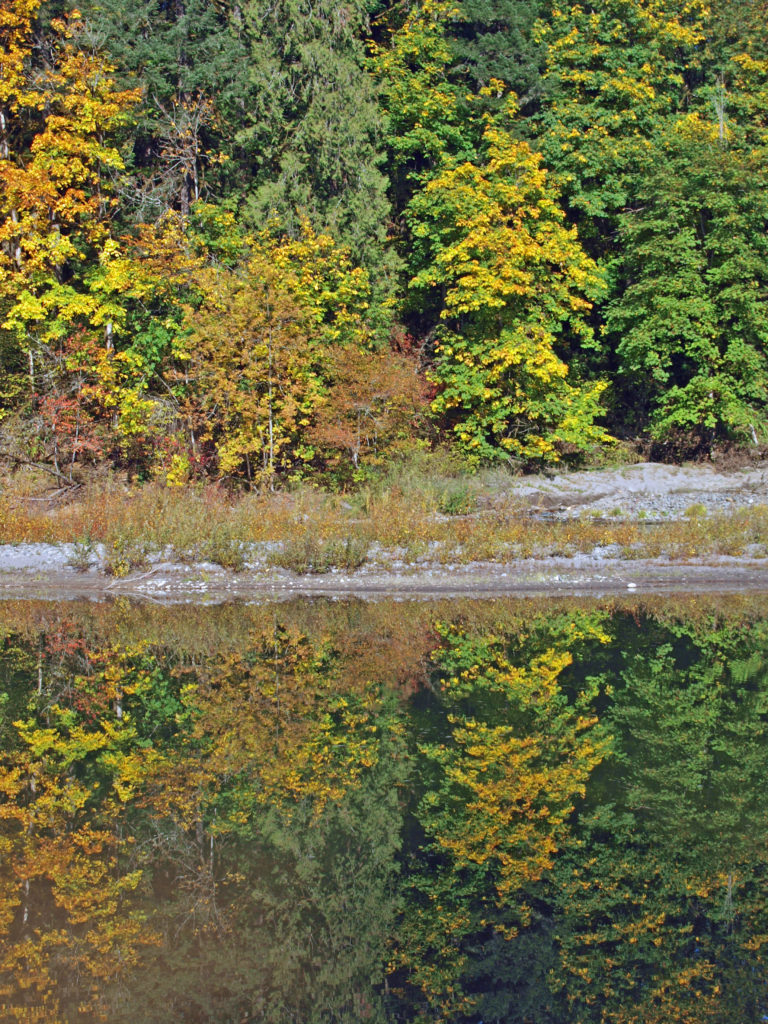
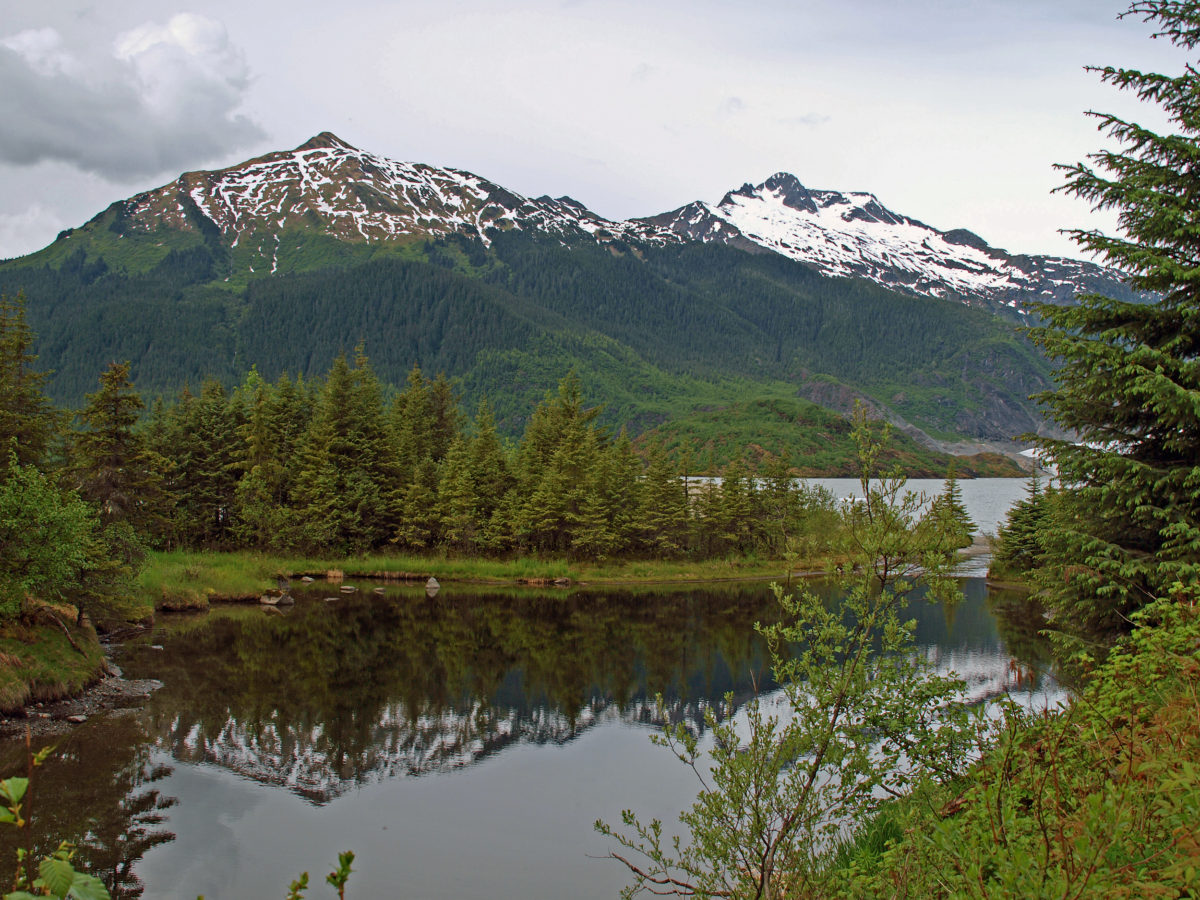
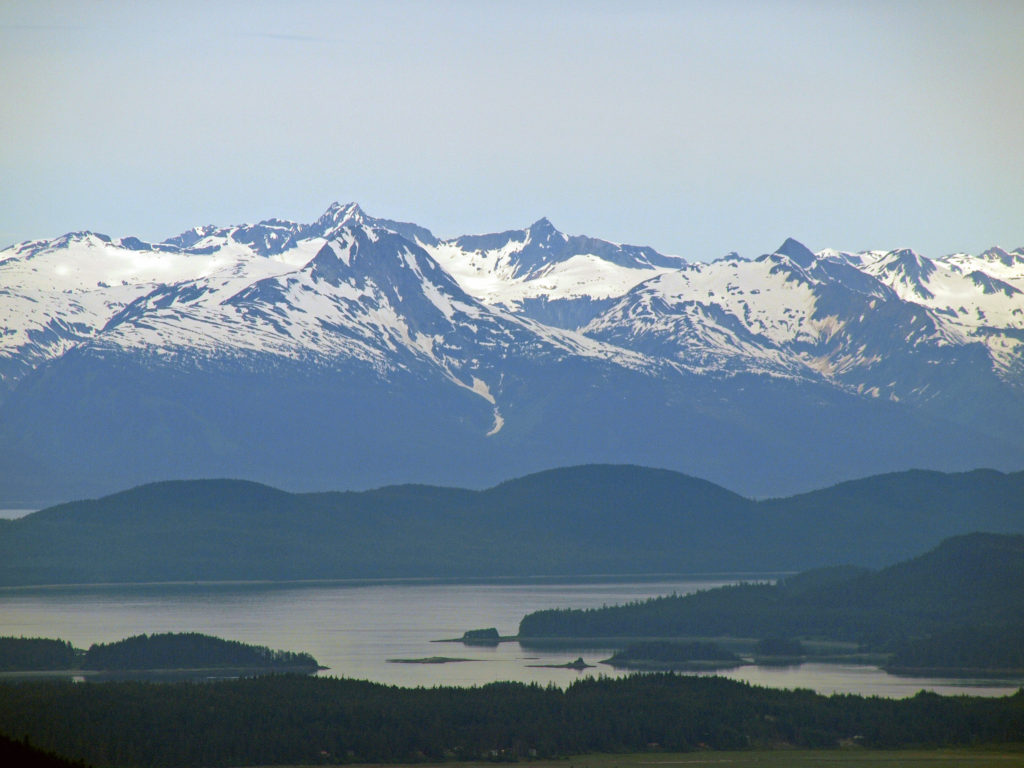
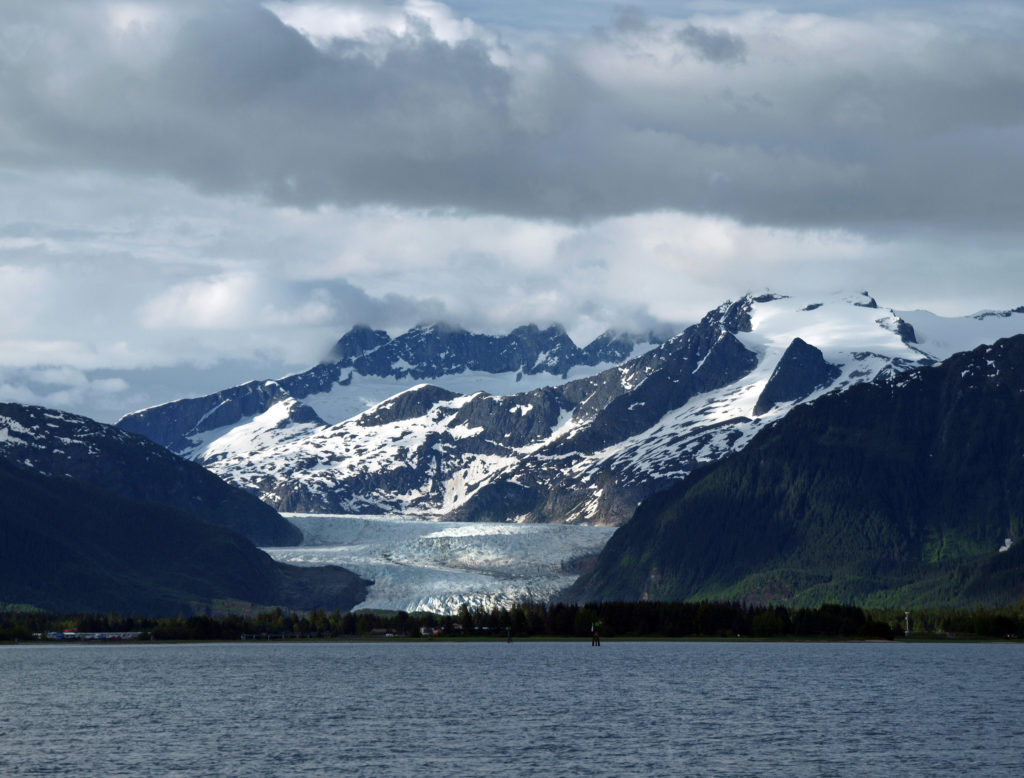
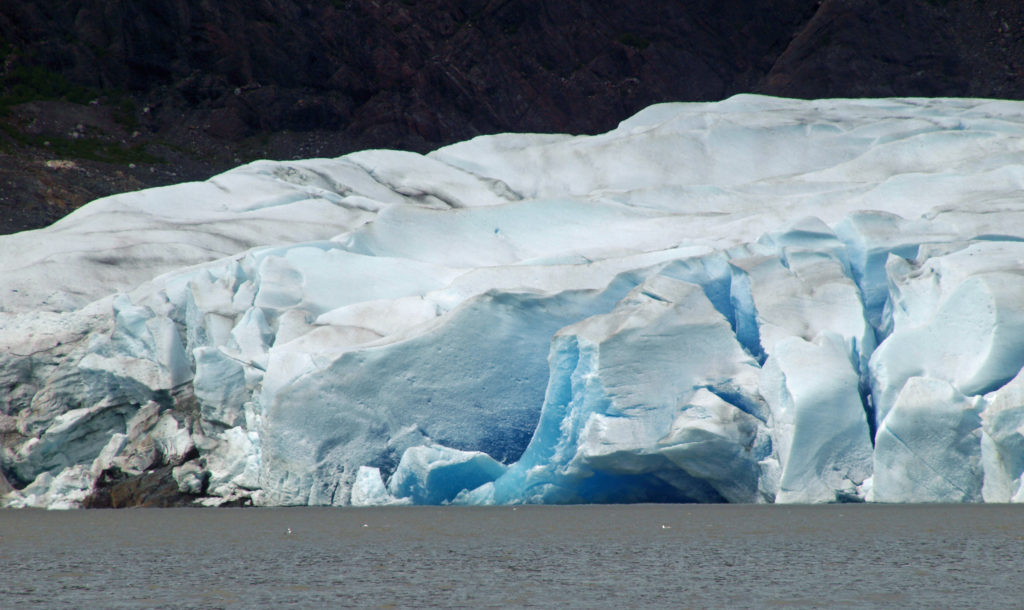
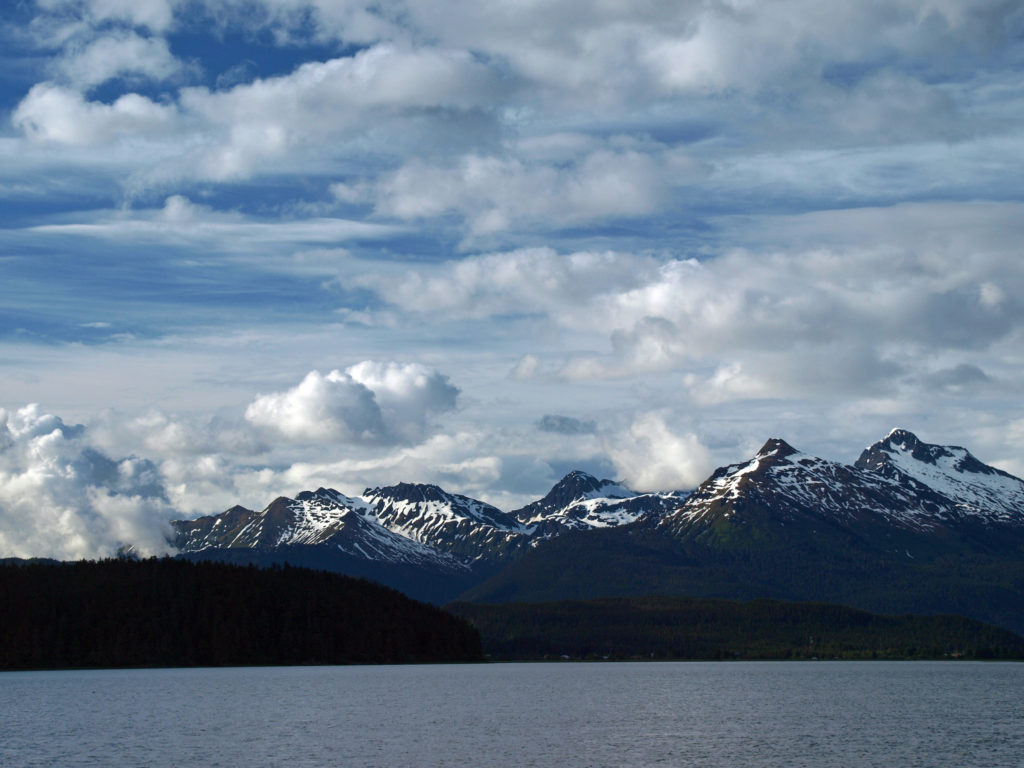
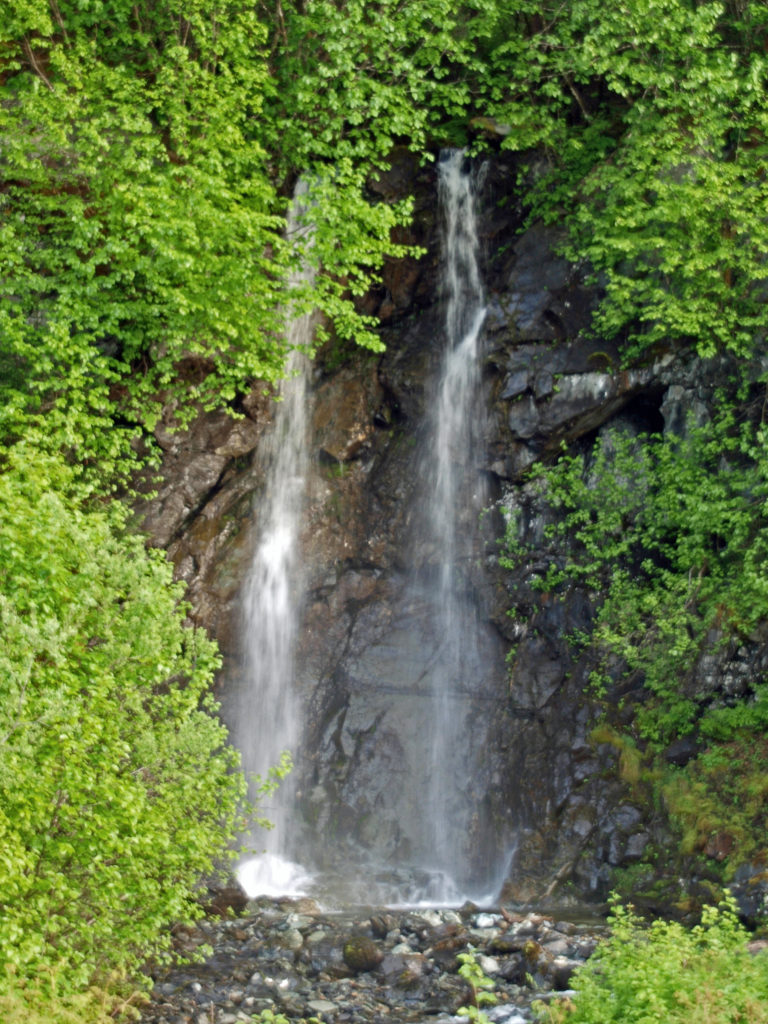
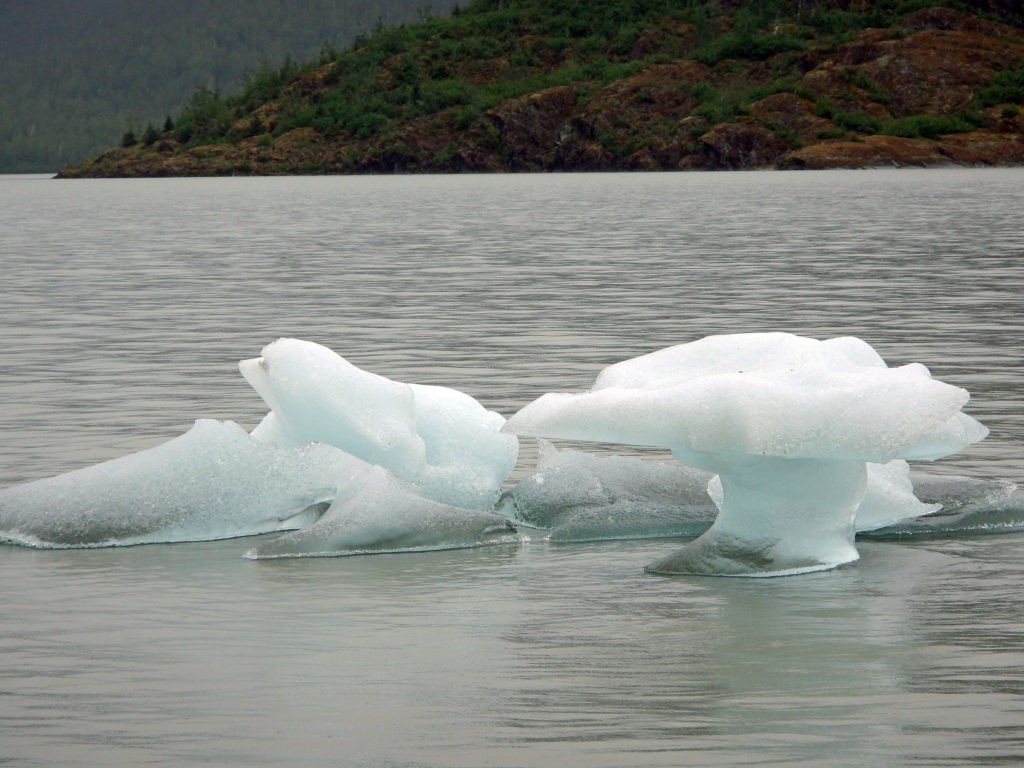
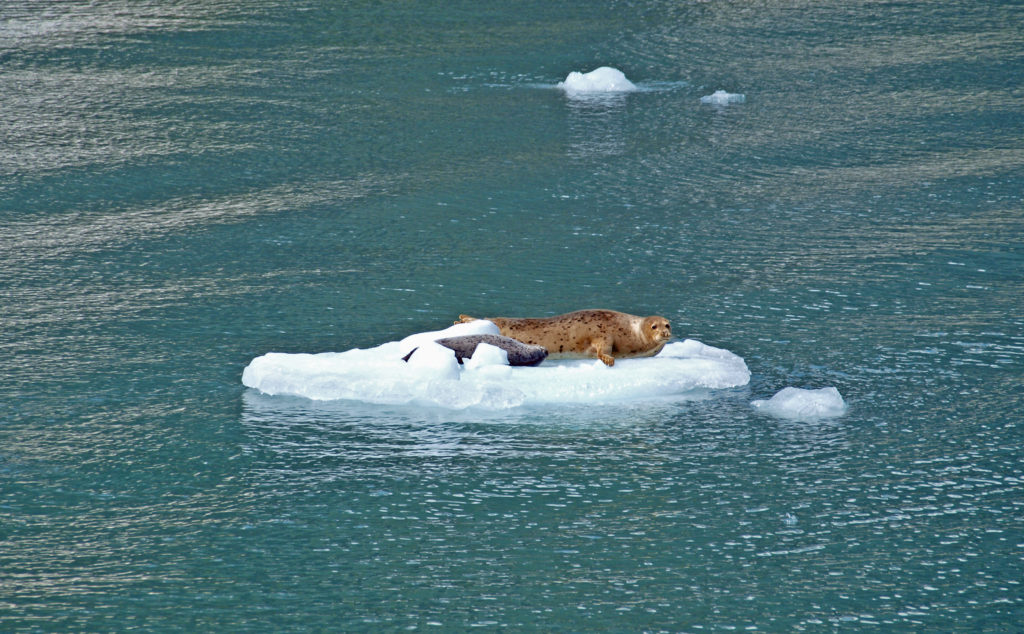 Seals often haul out on the bergs to rest and sleep. At the head of the inlet you’ll get a close up view of South Sawyer Glacier. How close you get will depend on the boat that you’re on and the amount of ice in the water, but you will get a spectacular look at the face of the glacier and there’s a chance that you’ll witness large blocks of ice calving off the face and crashing into the water below. The cruise was one of the highlights of our trip. We didn’t have time to repeat the cruise on latest visit, but if you can fit it into your itinerary, I highly recommend that you do so. Day trips start at about $275 per person.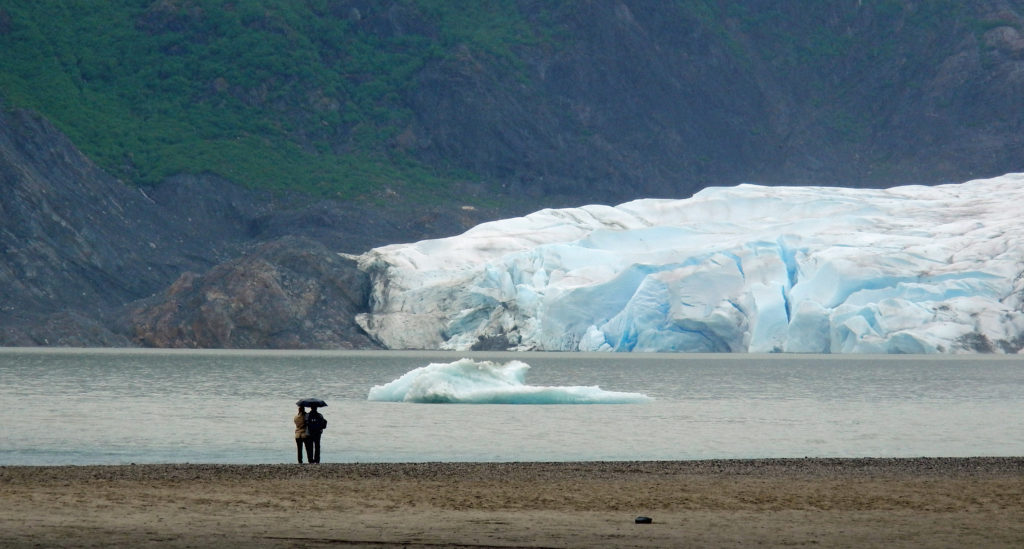
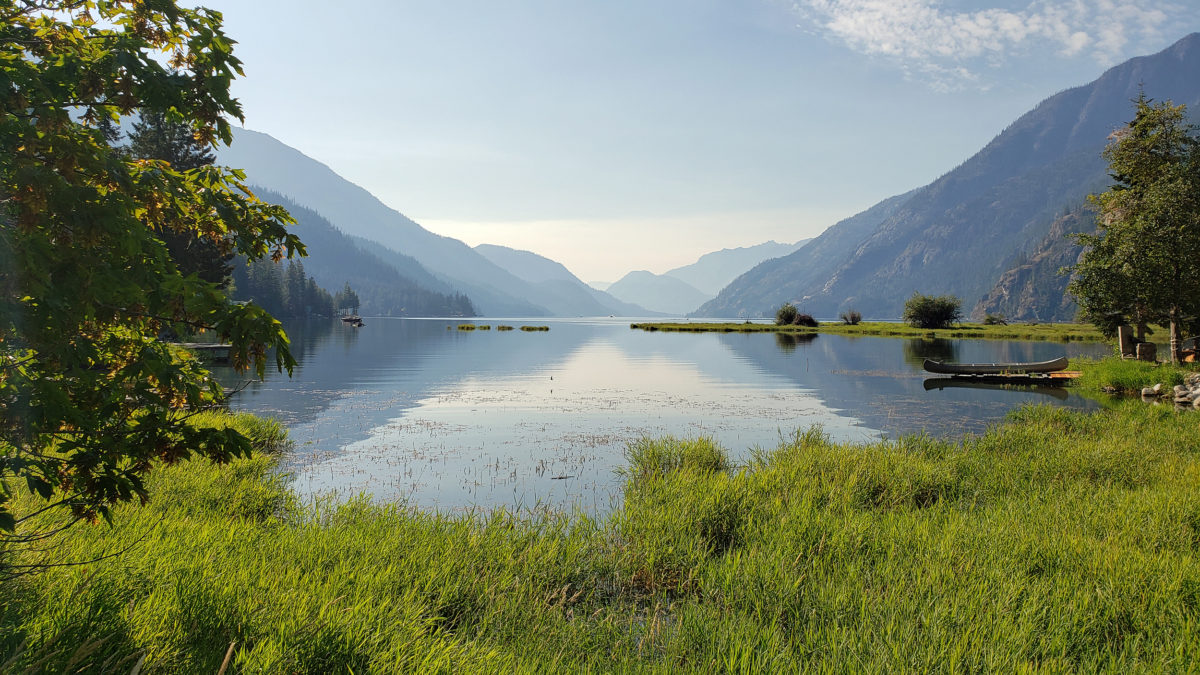
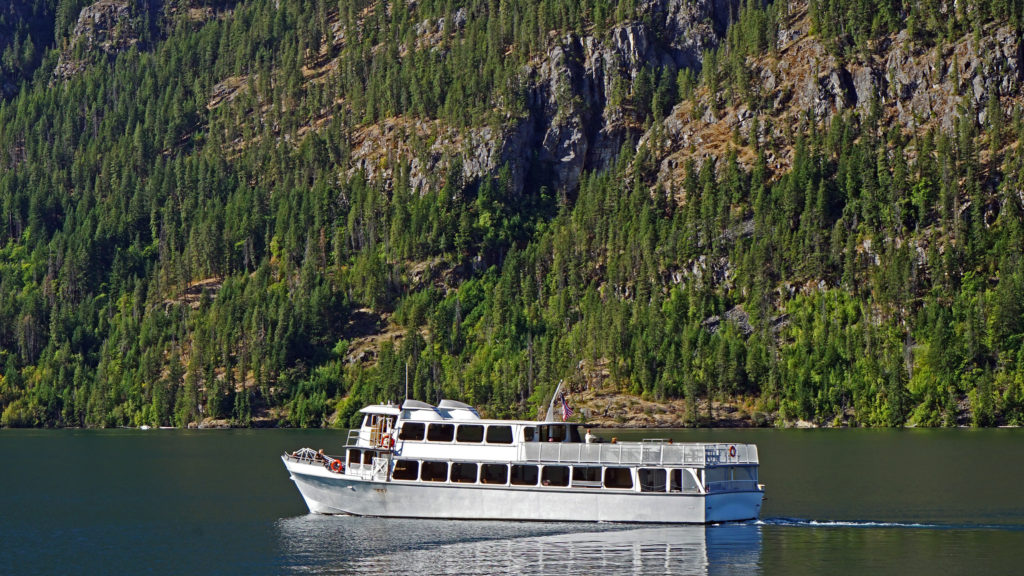
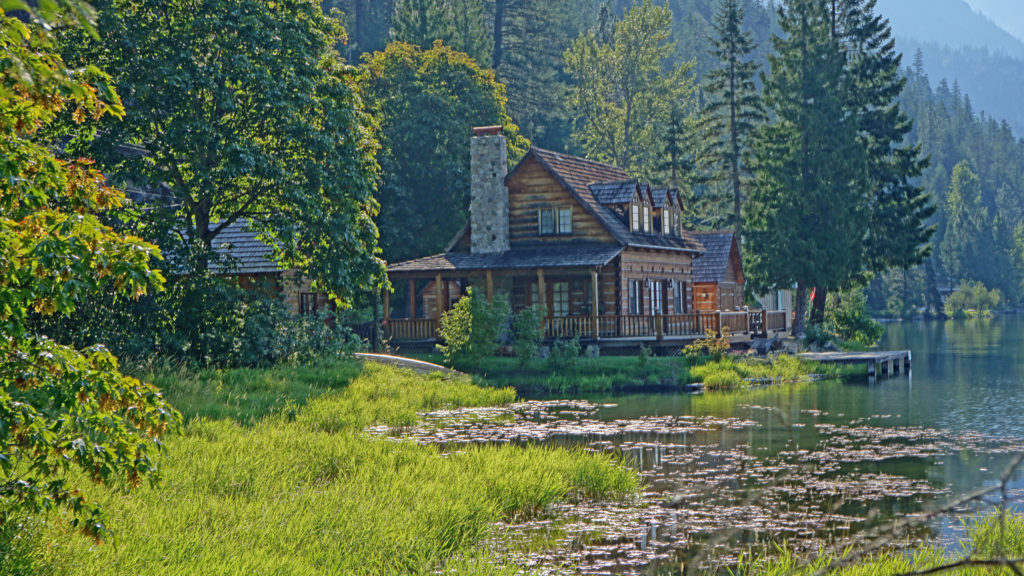
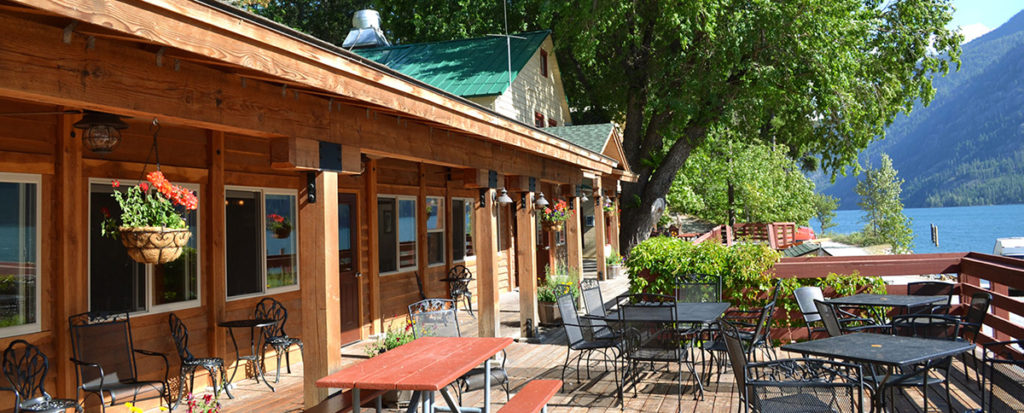
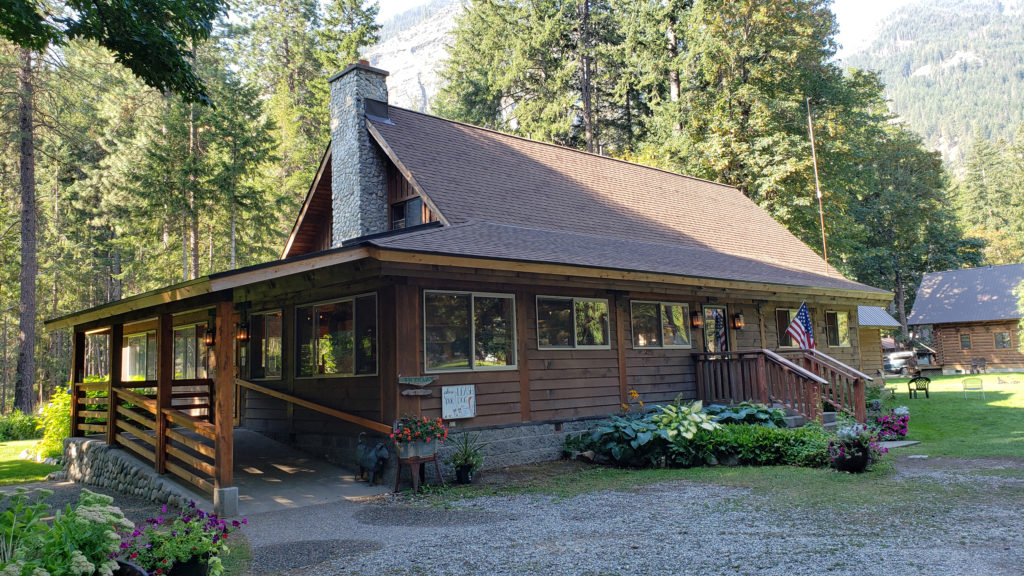
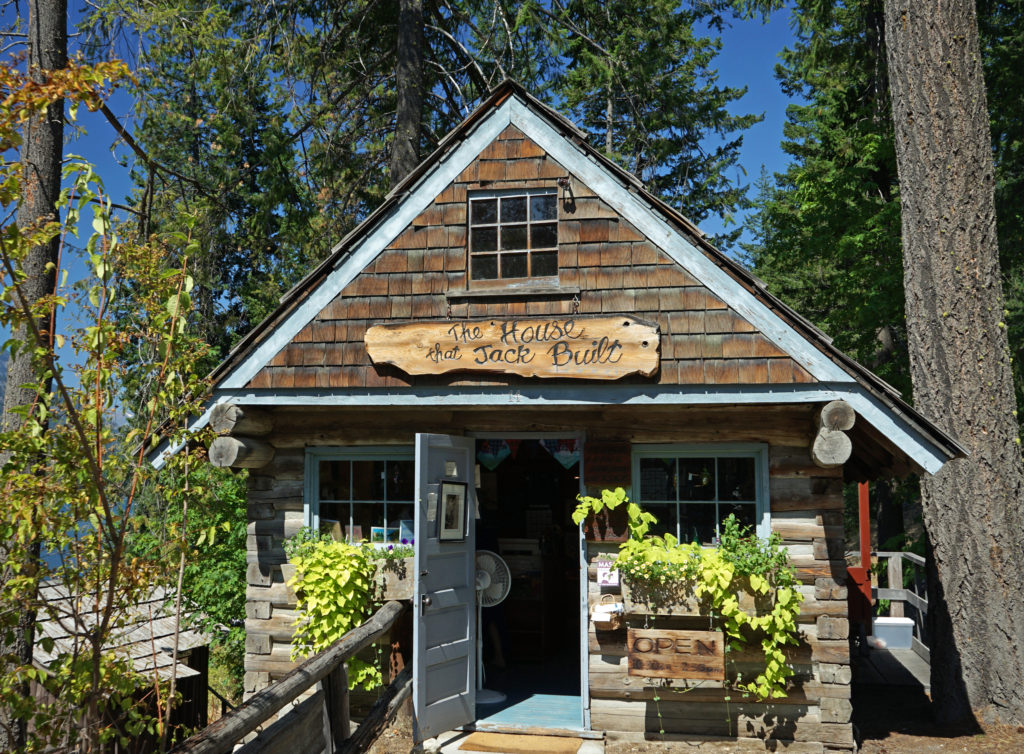
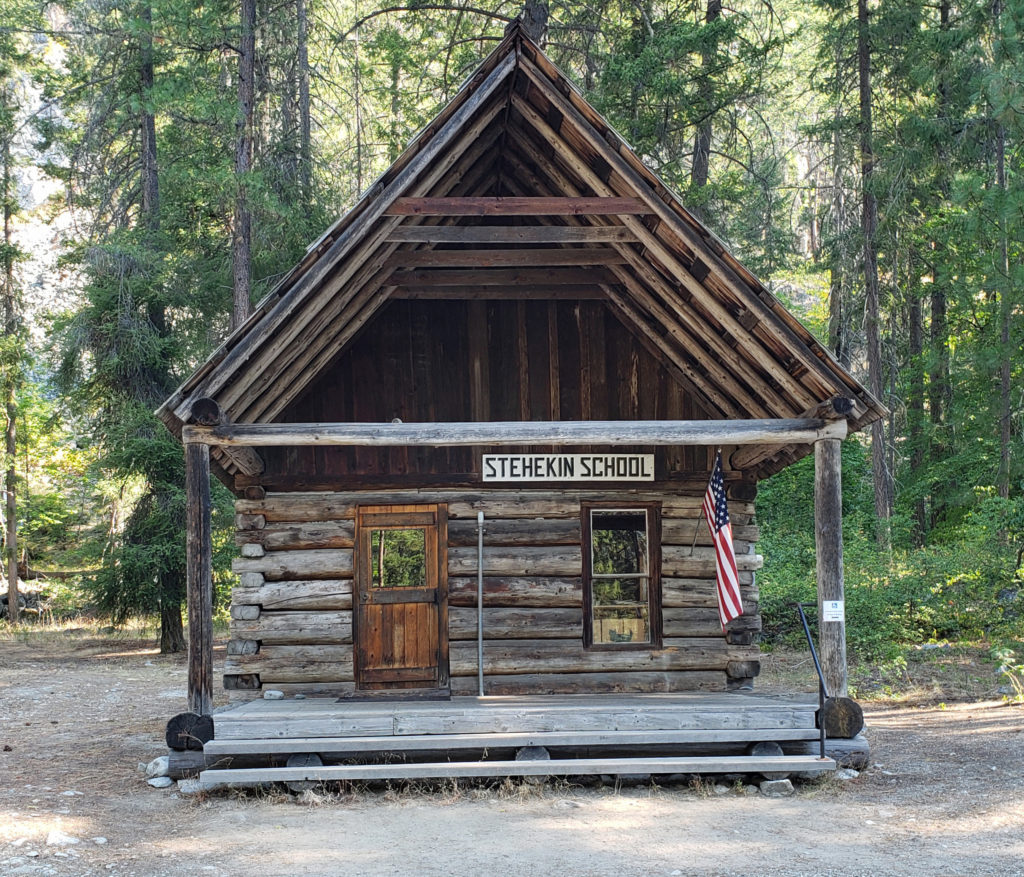
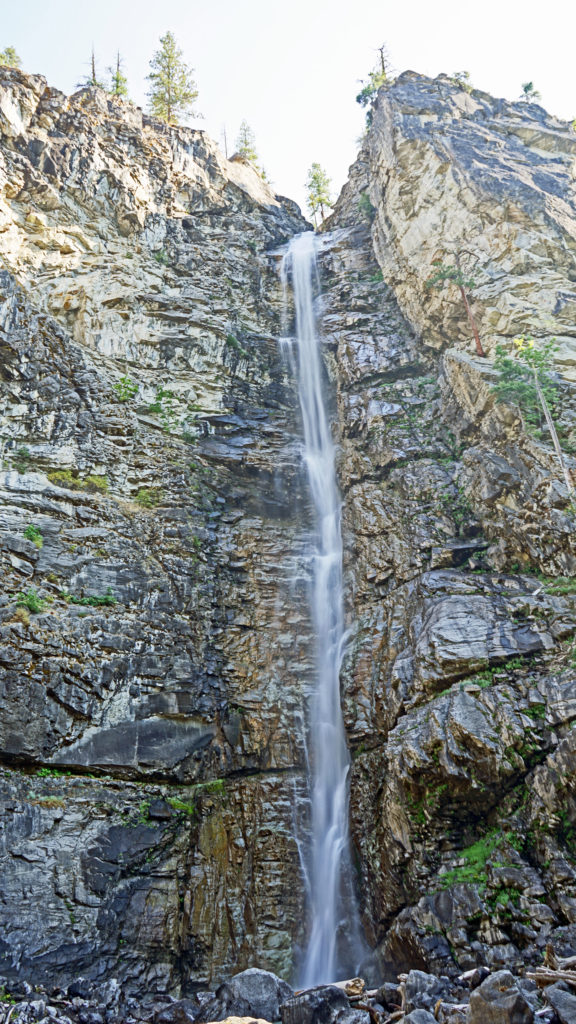
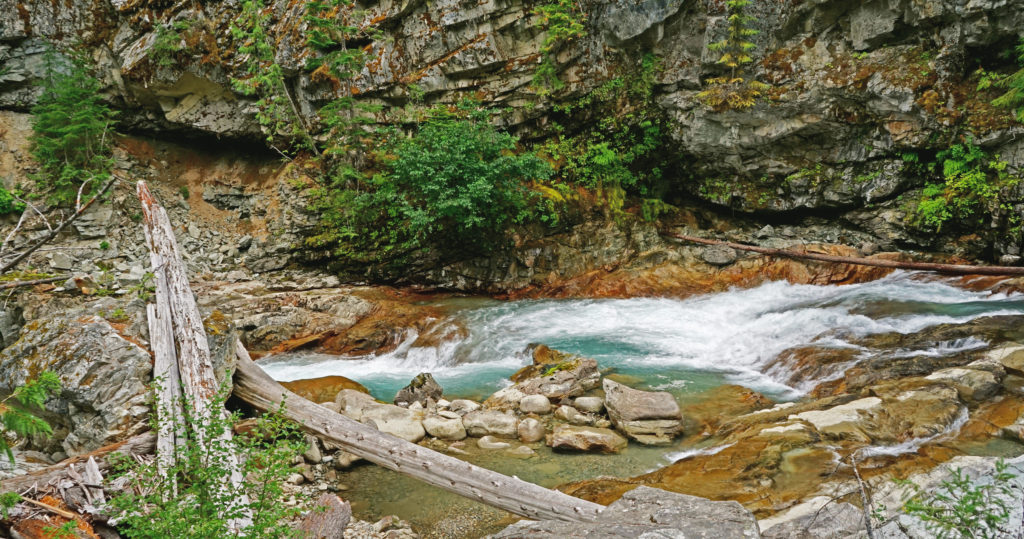
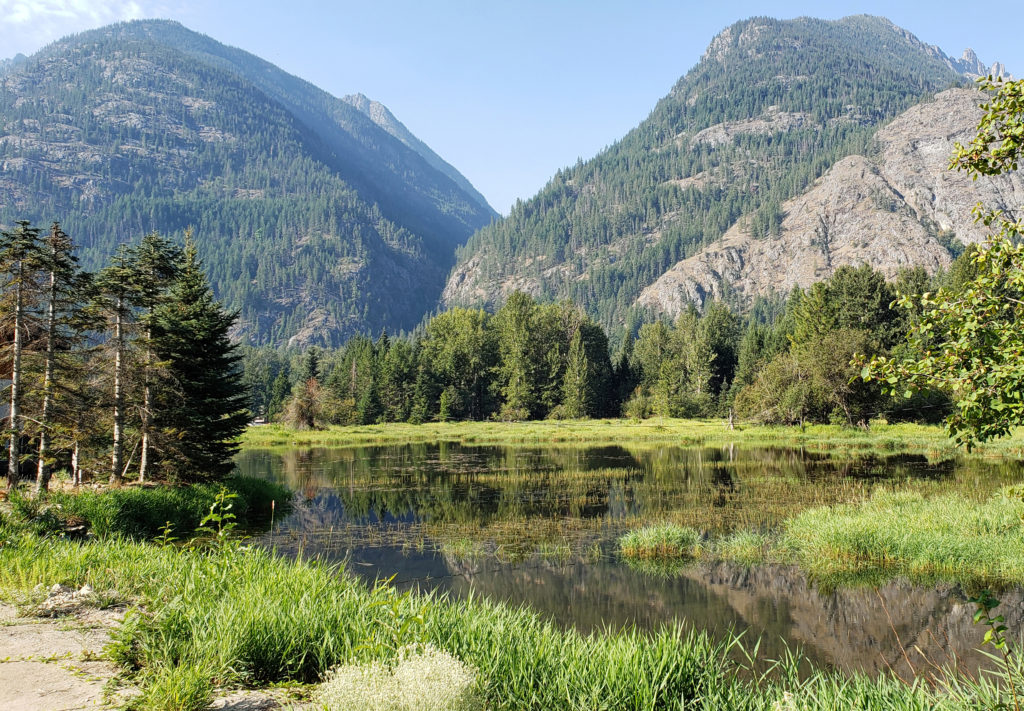
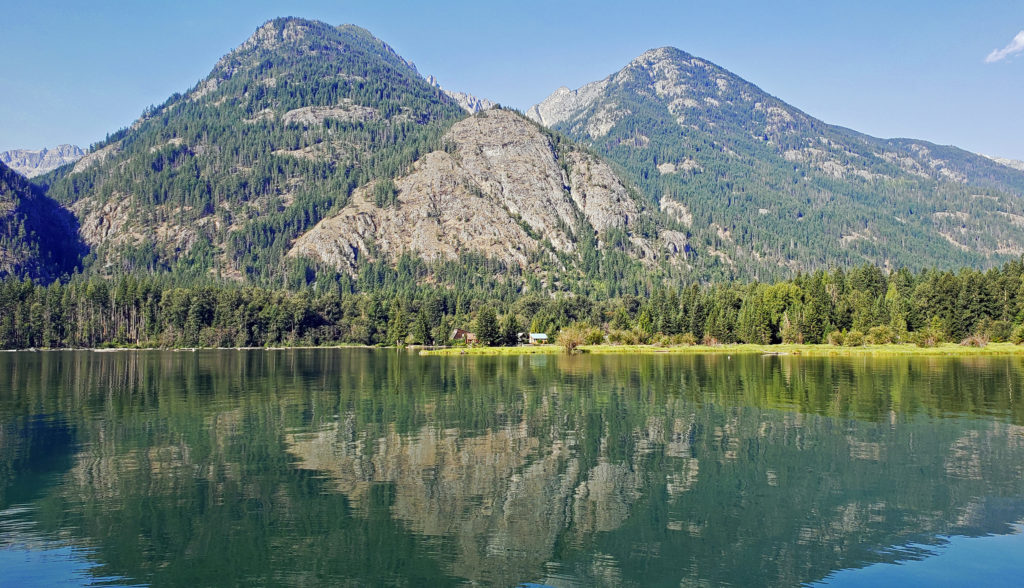
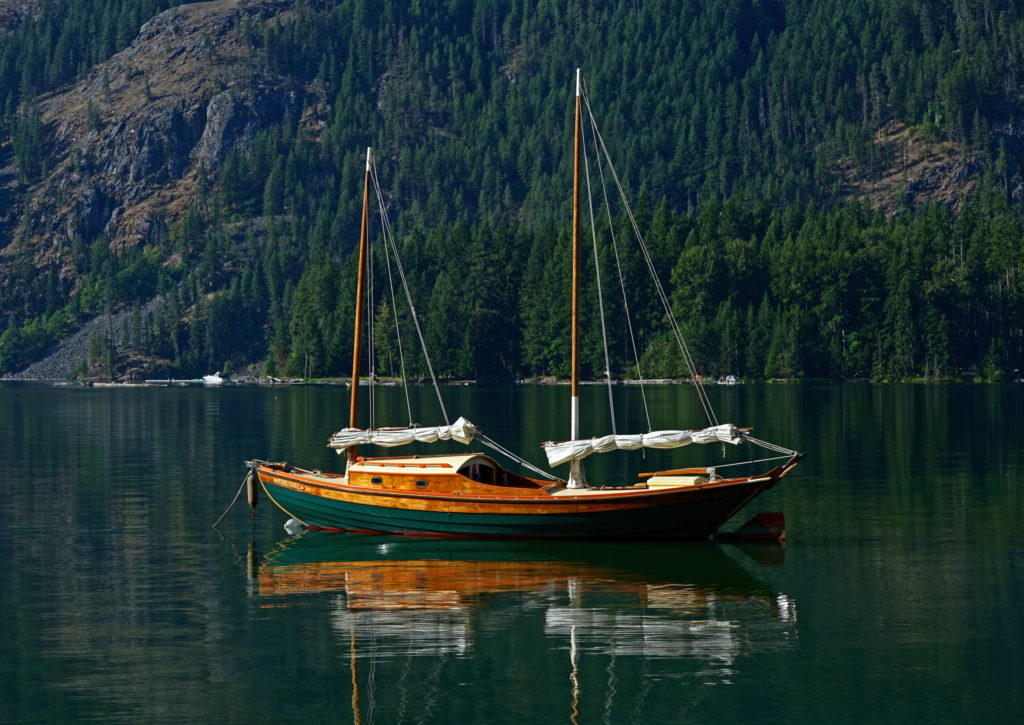 My wife and I have visited the small community of Stehekin at the head of Lake Chelan in central Washington several times. Our most recent visit came on a week-long escape during the pandemic in 2021.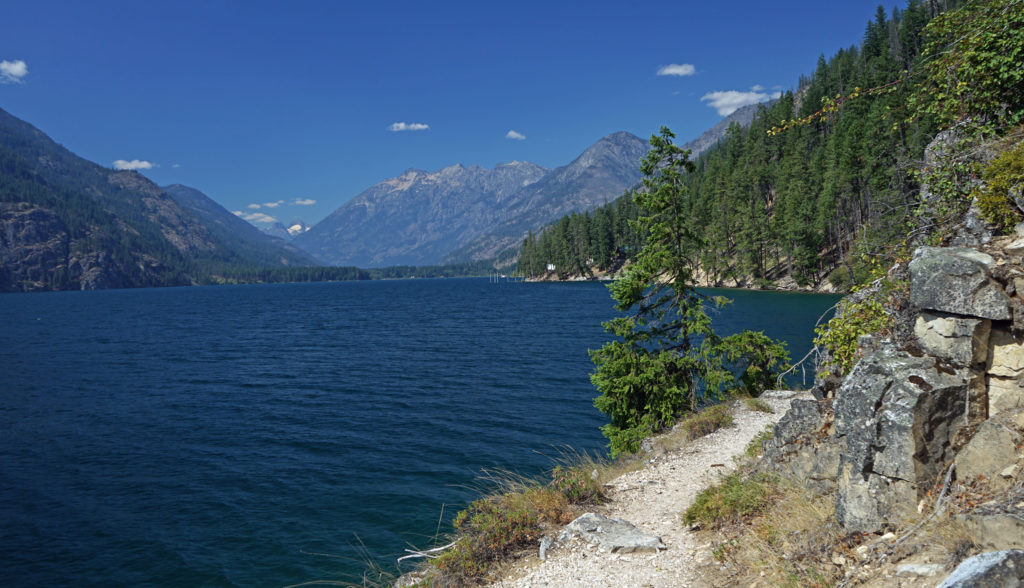
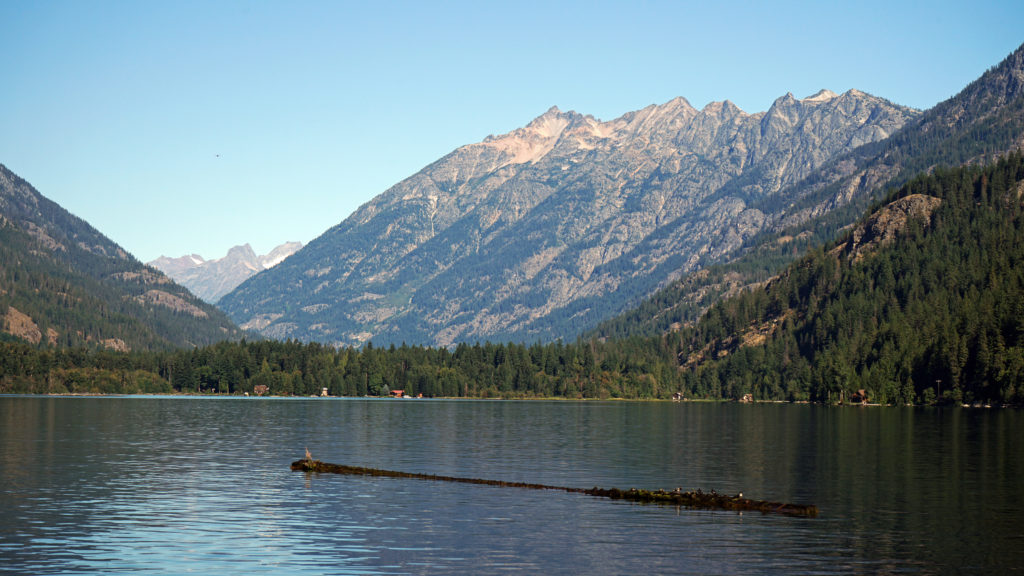
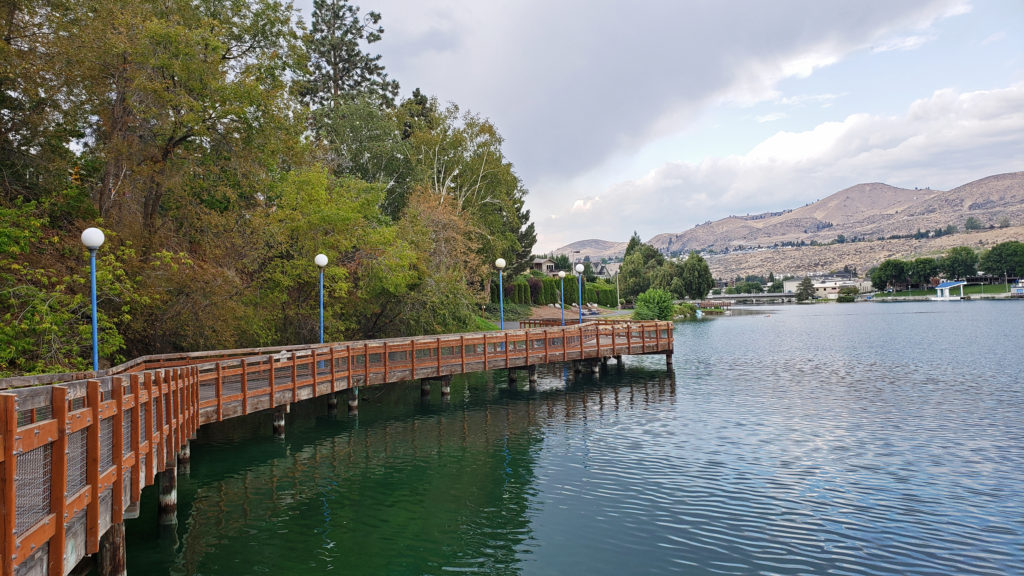
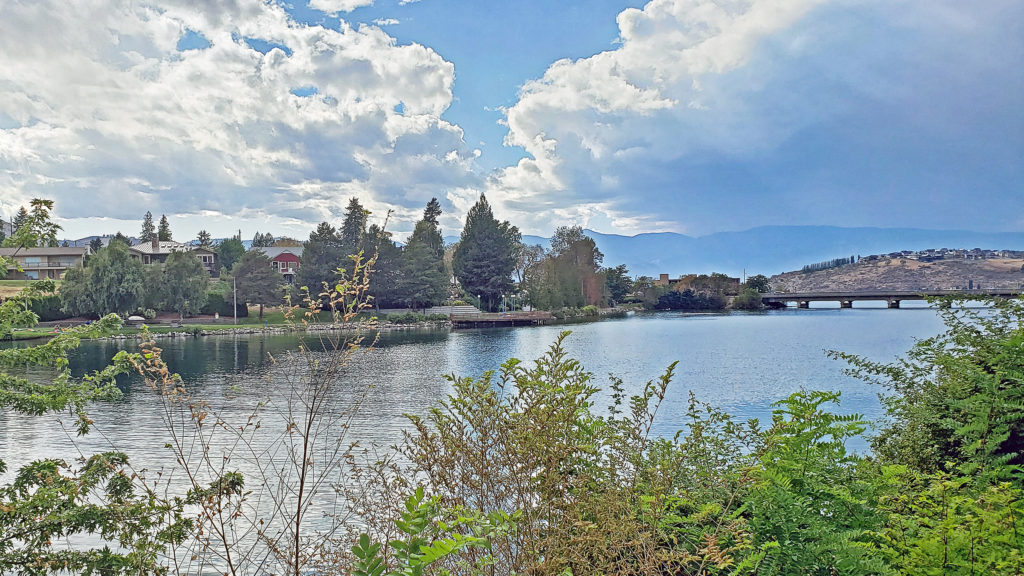
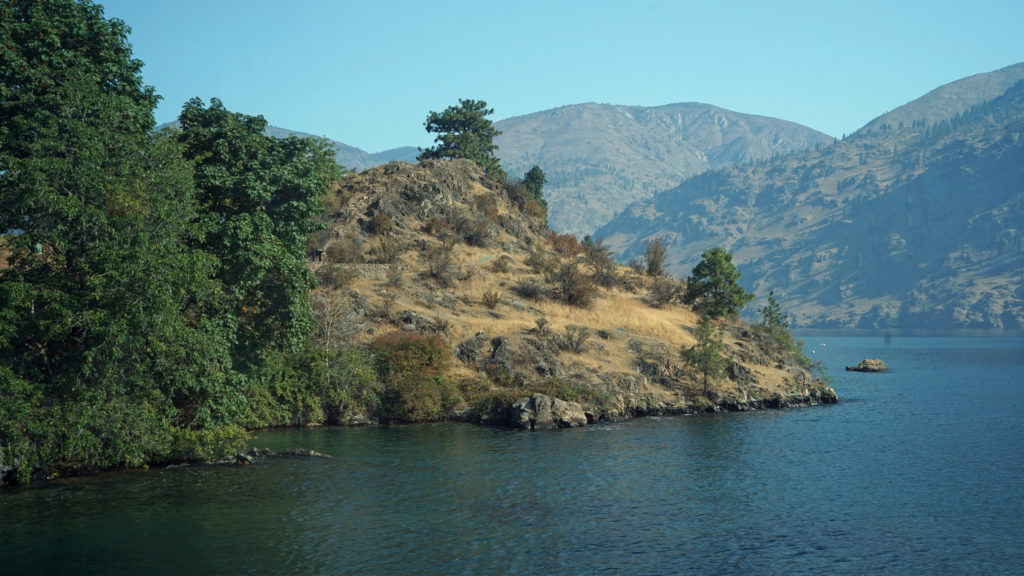
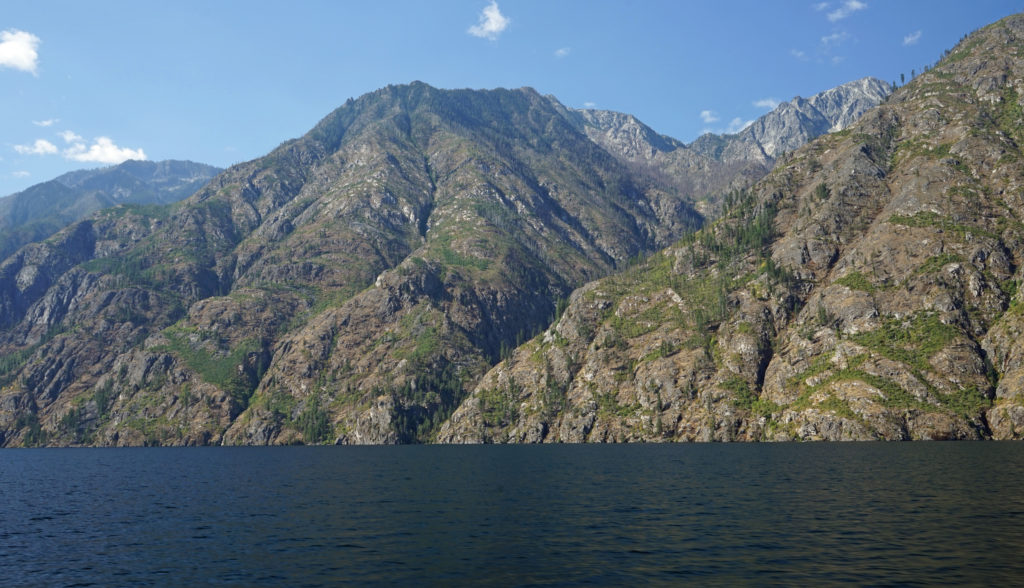
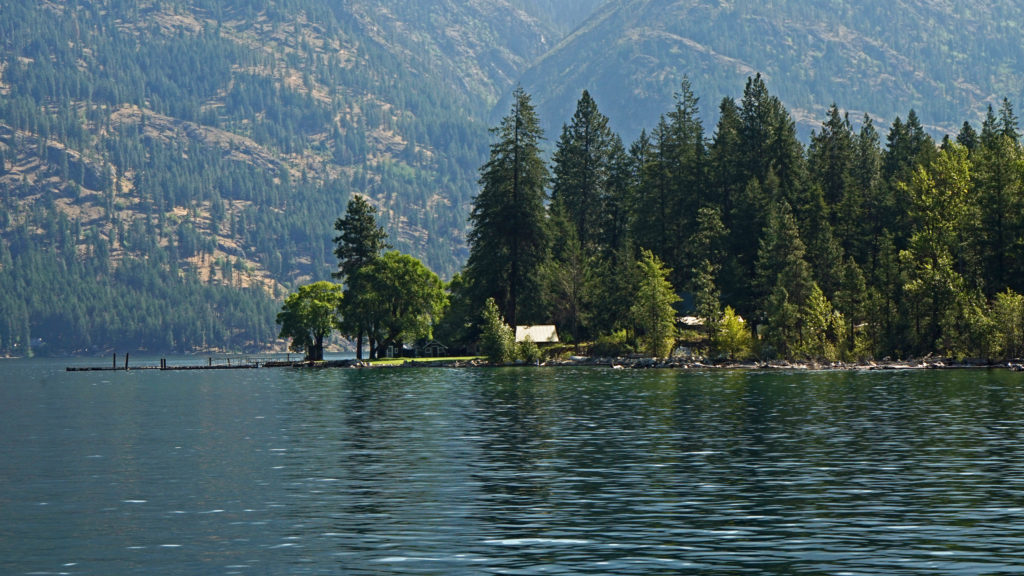
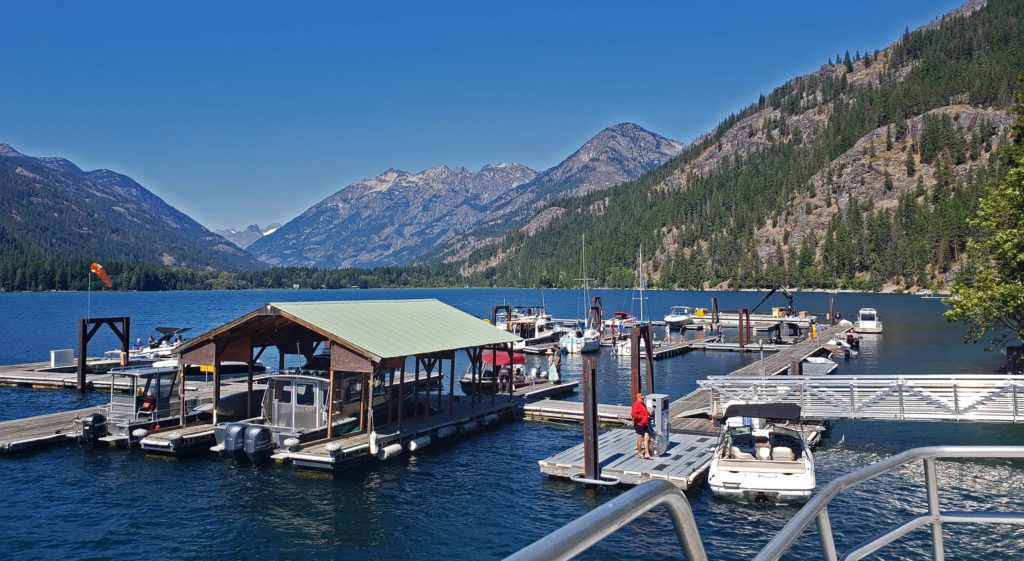
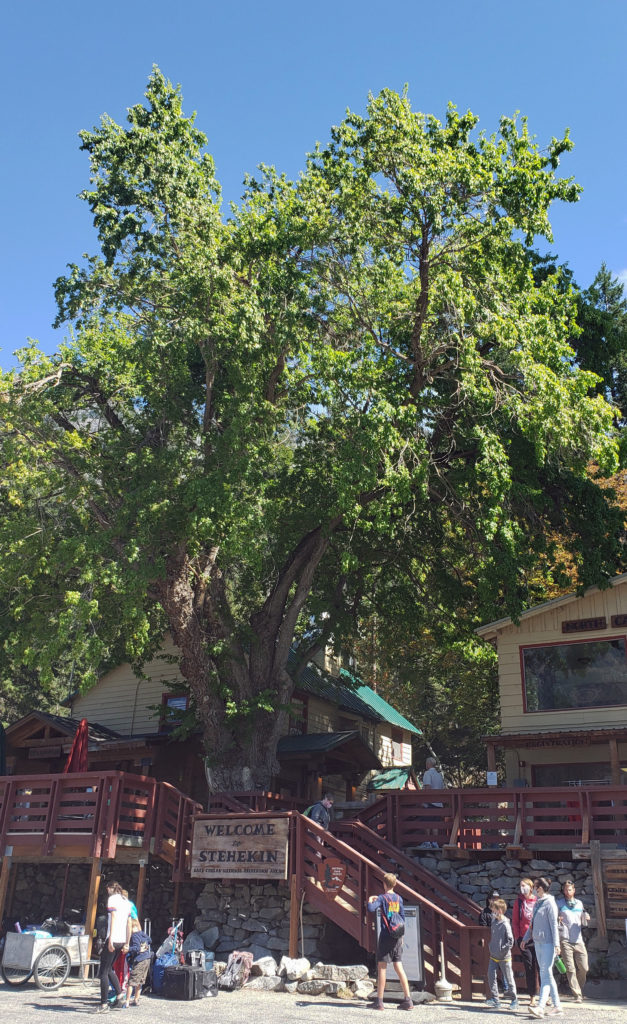
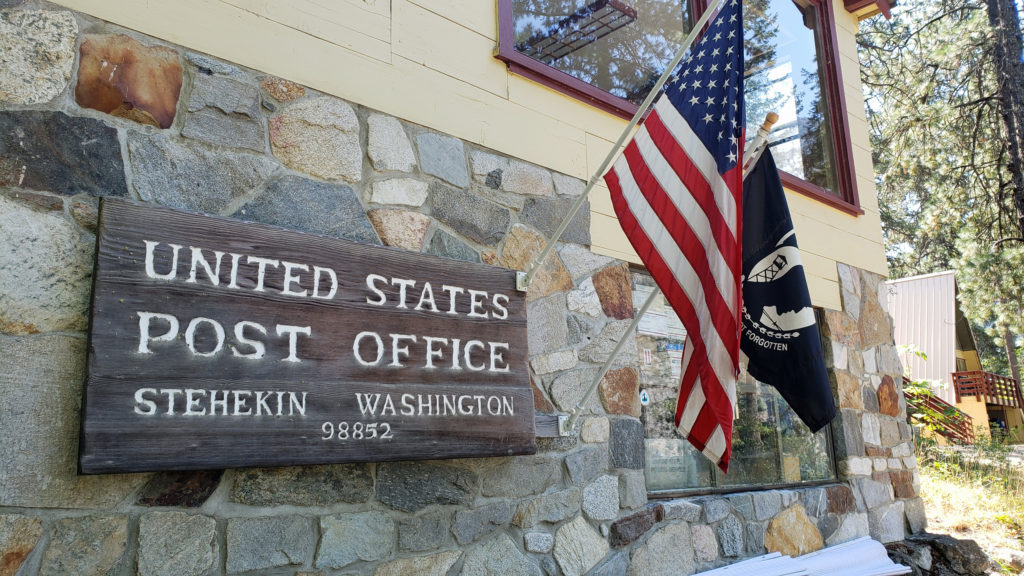
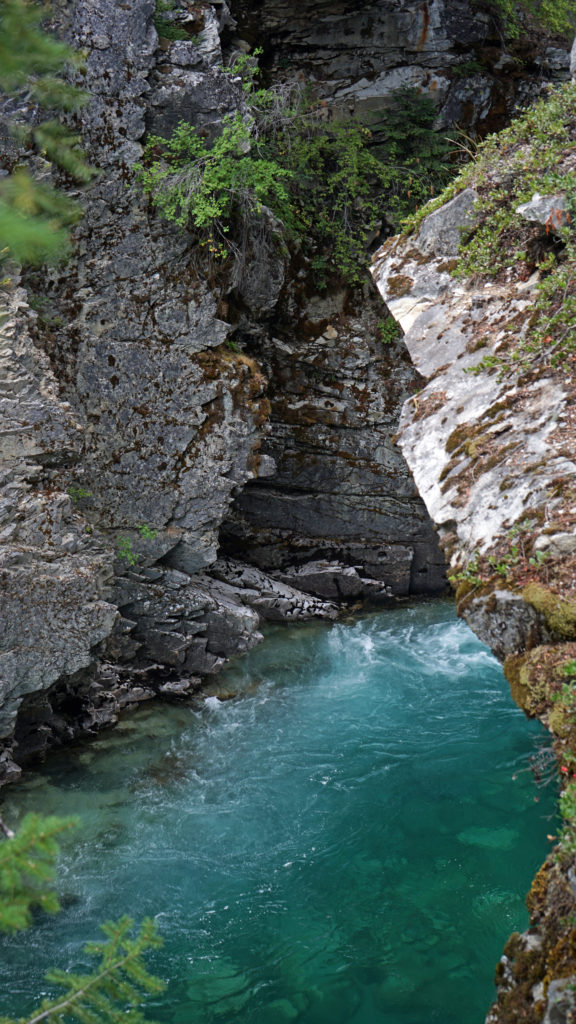
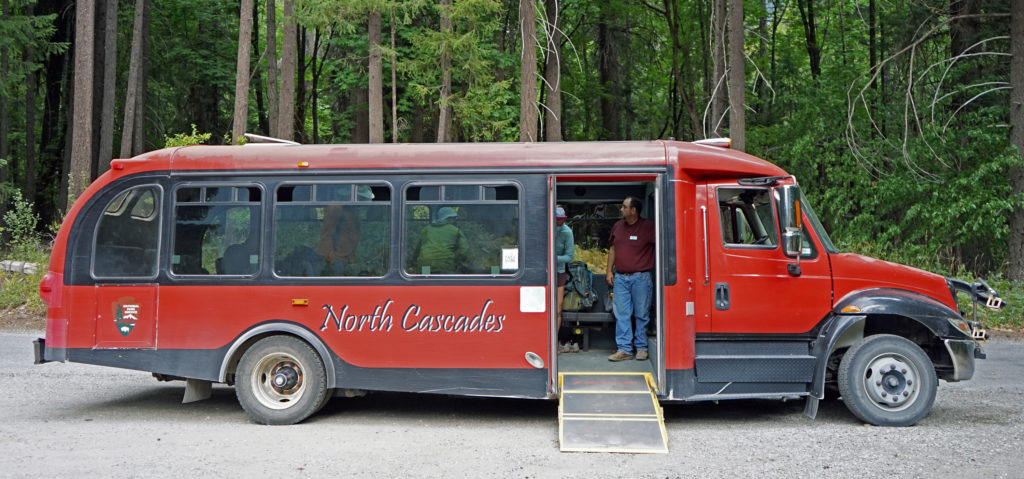
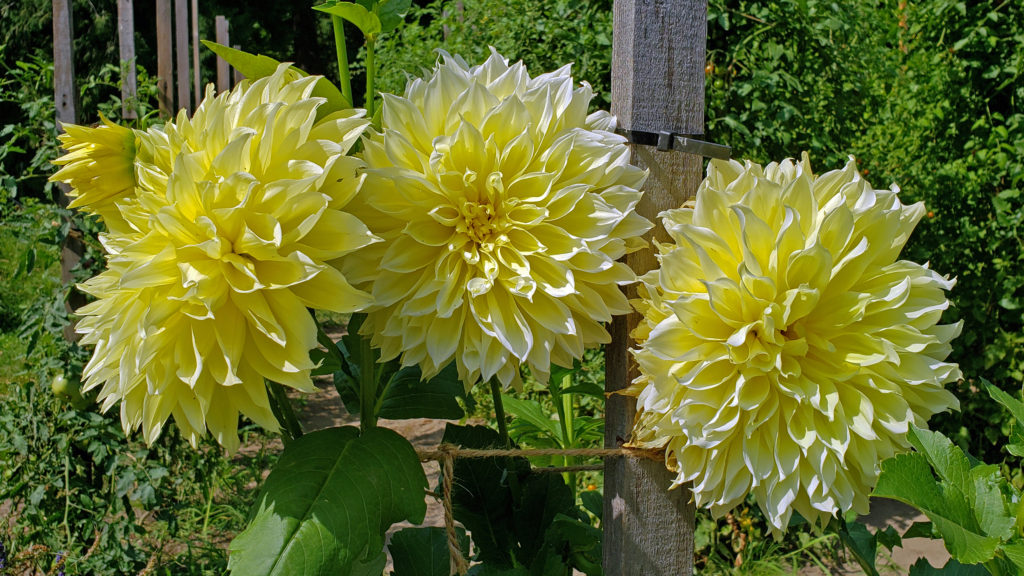
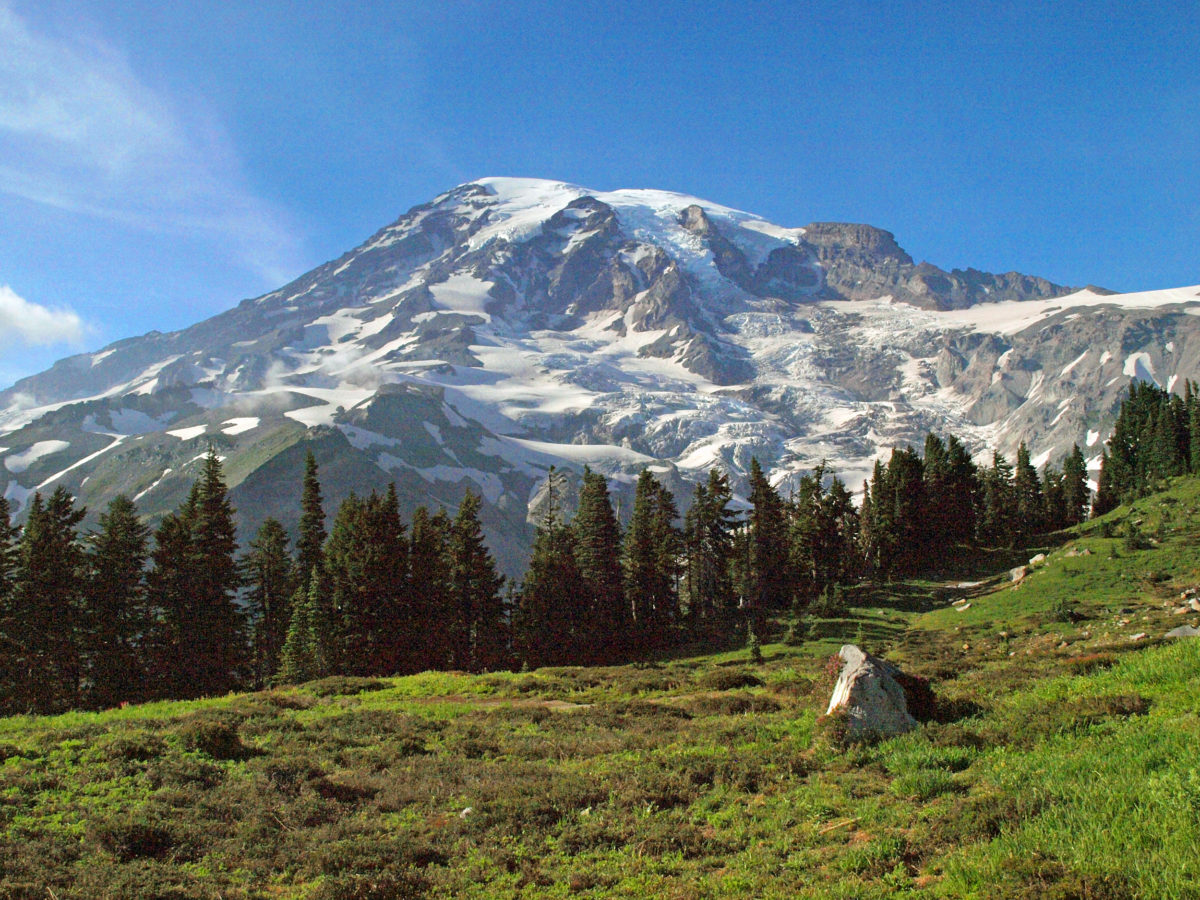
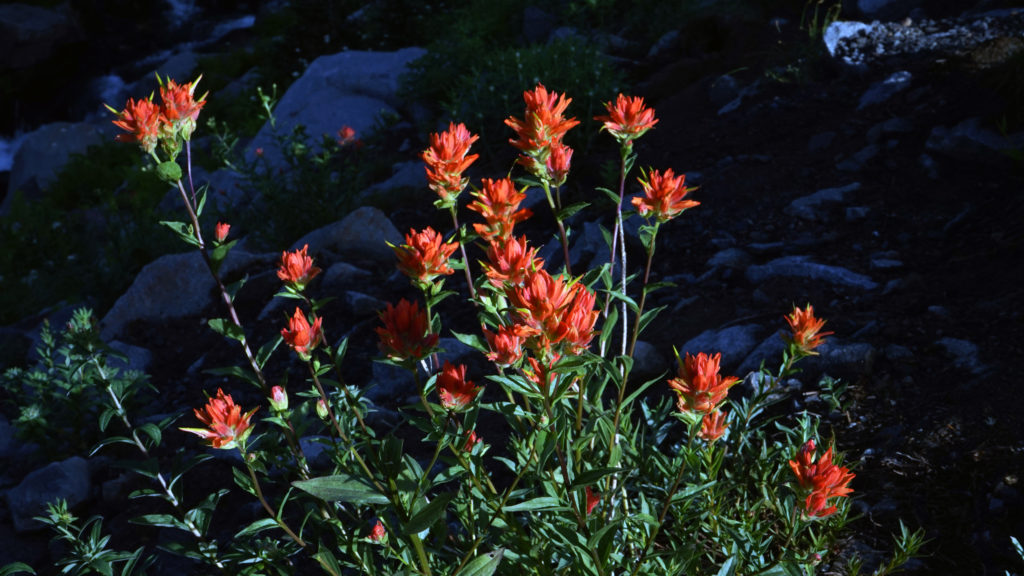
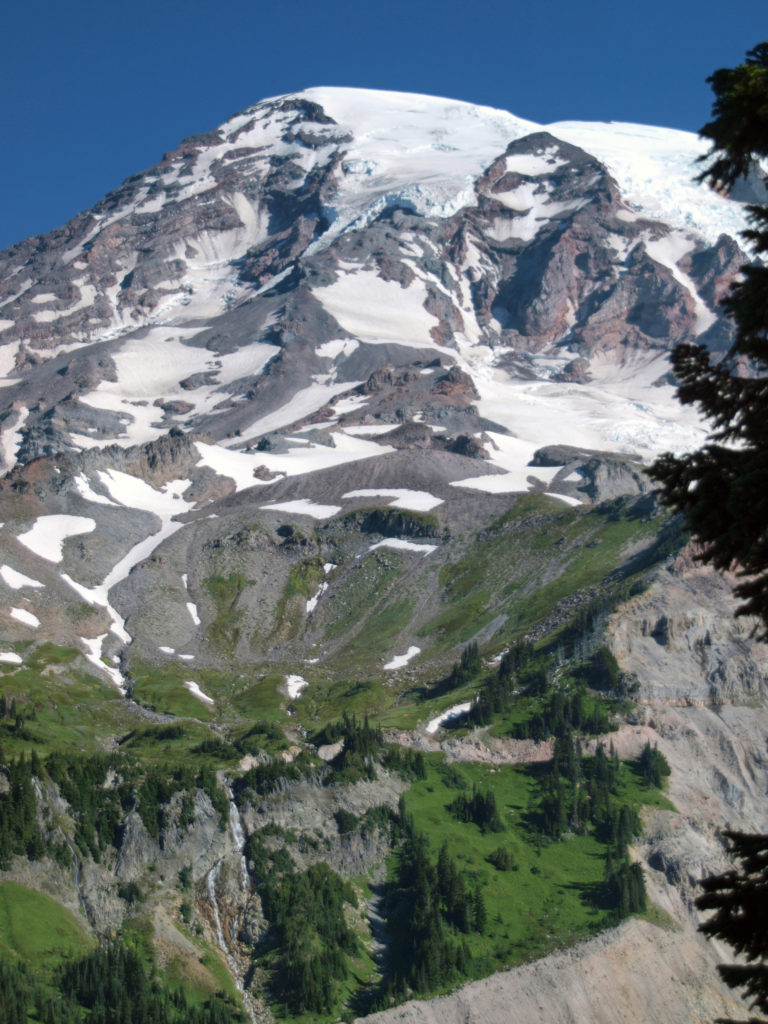
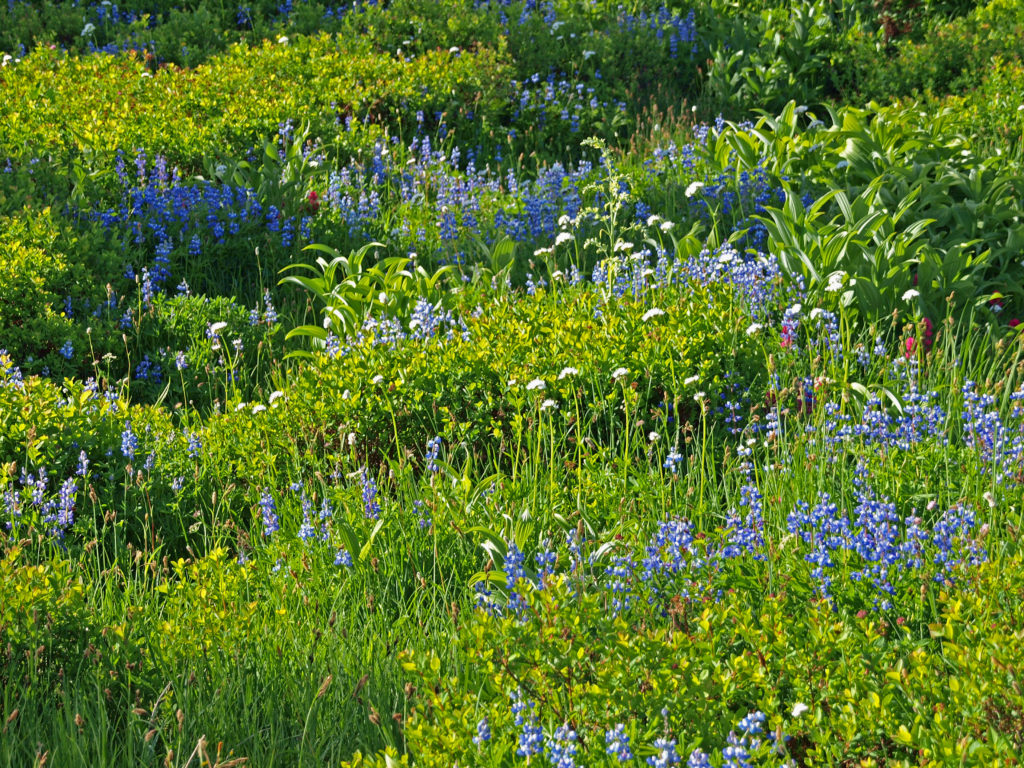
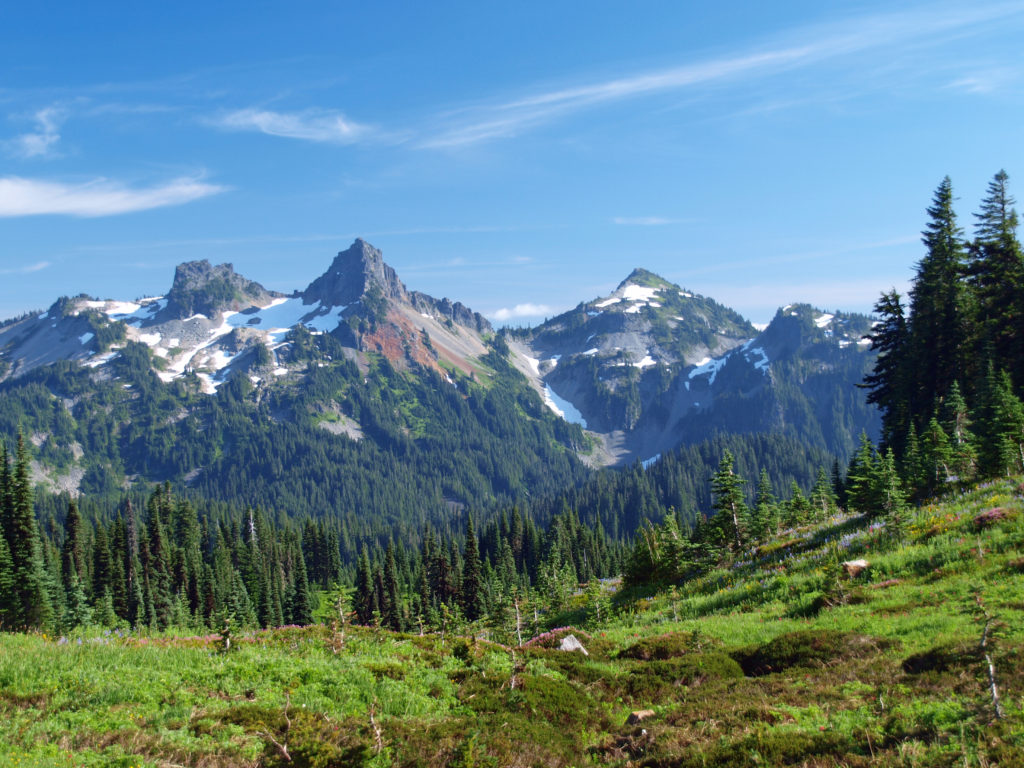
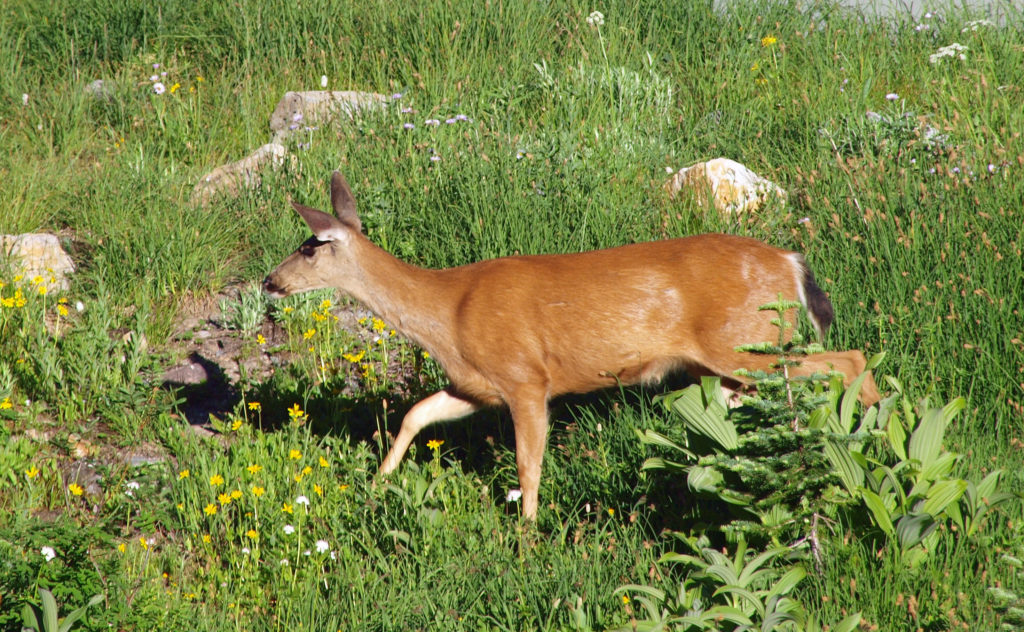
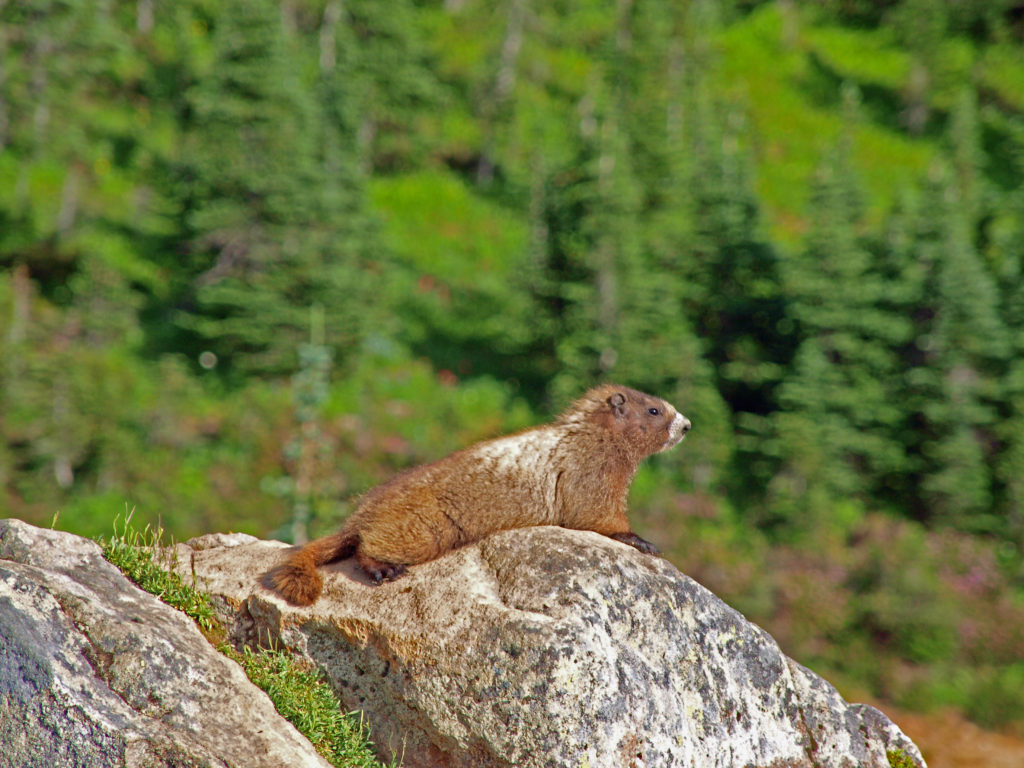
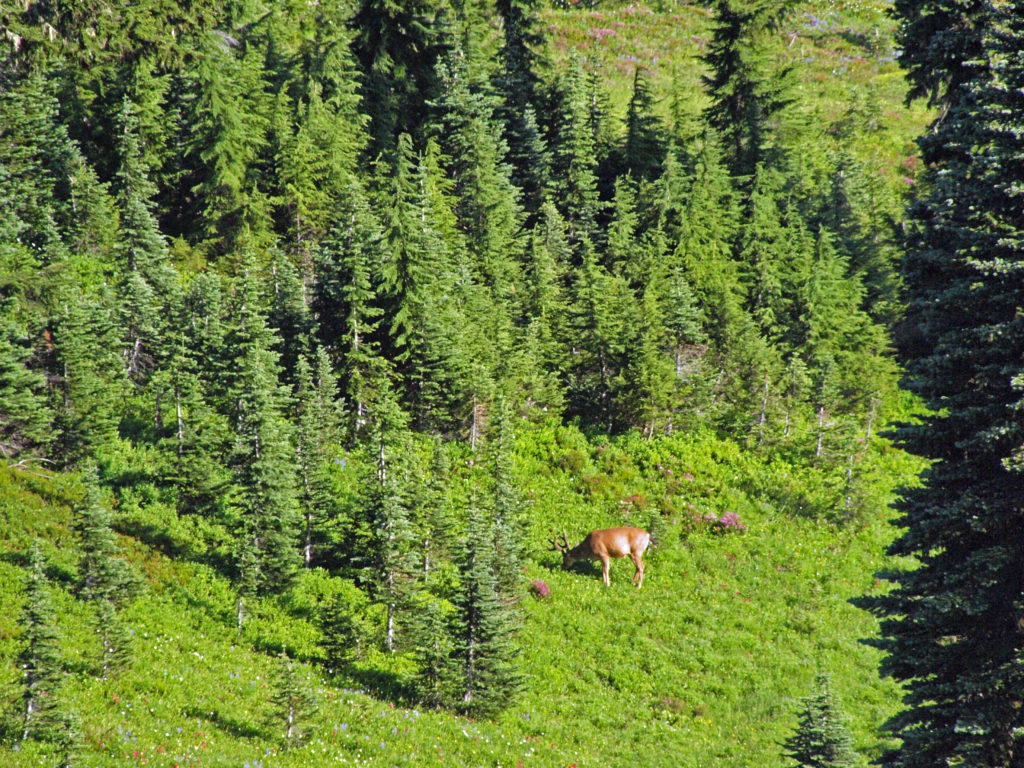
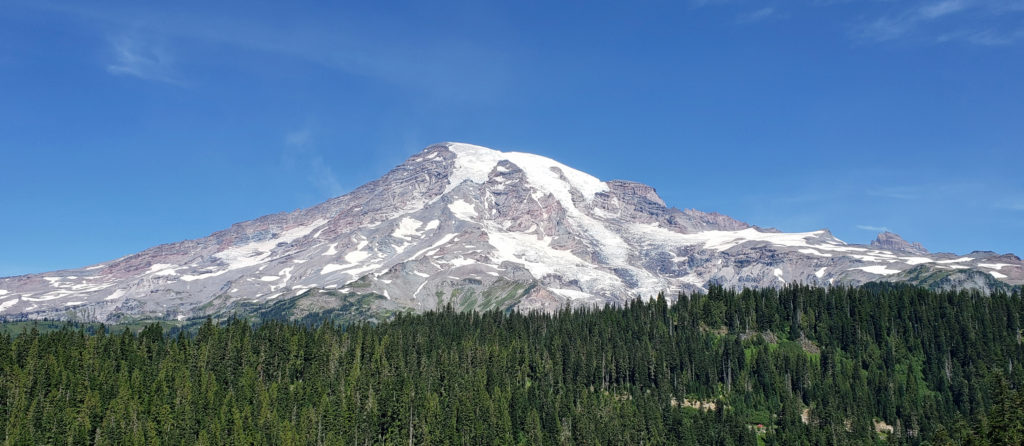
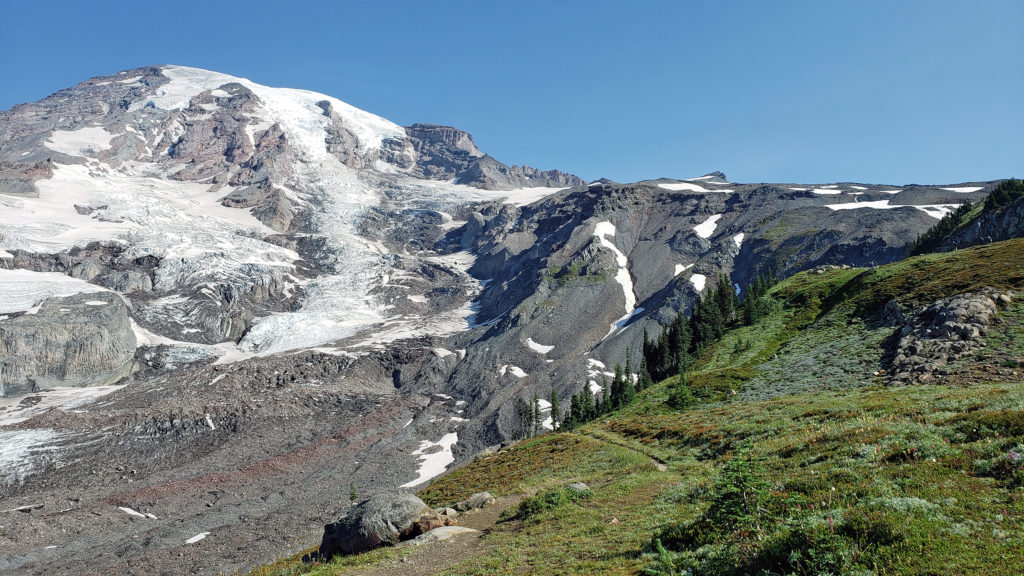 The highlights of the trip were the two hikes we did on the Skyline Trail. The first was the four mile out and back hike to Panorama Point. The second was the roughly four mile Skyline-Golden Gate loop. Both are listed as “moderate” hikes, but both have significant elevation gains (1700′ and 1400′ respectively). We did both hikes early in the day during the week, but we were far from the only ones on the trail, especially on the hike to Panorama Point. But the area above Paradise is so incredibly scenic that the crowds didn’t diminish the experience much.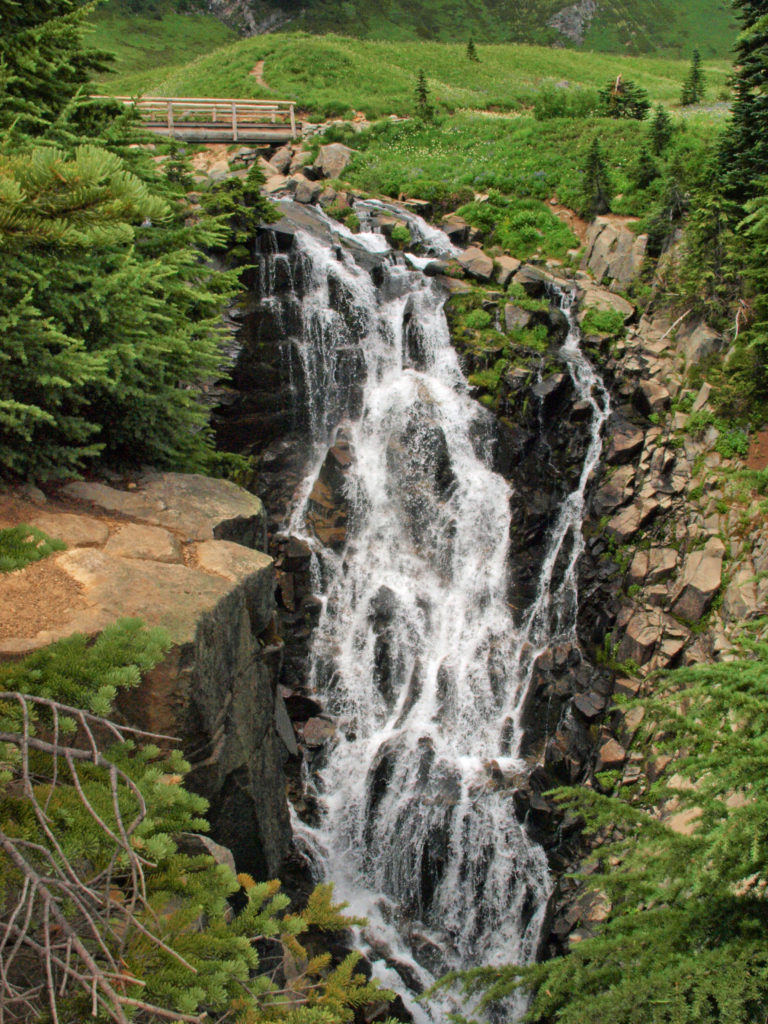
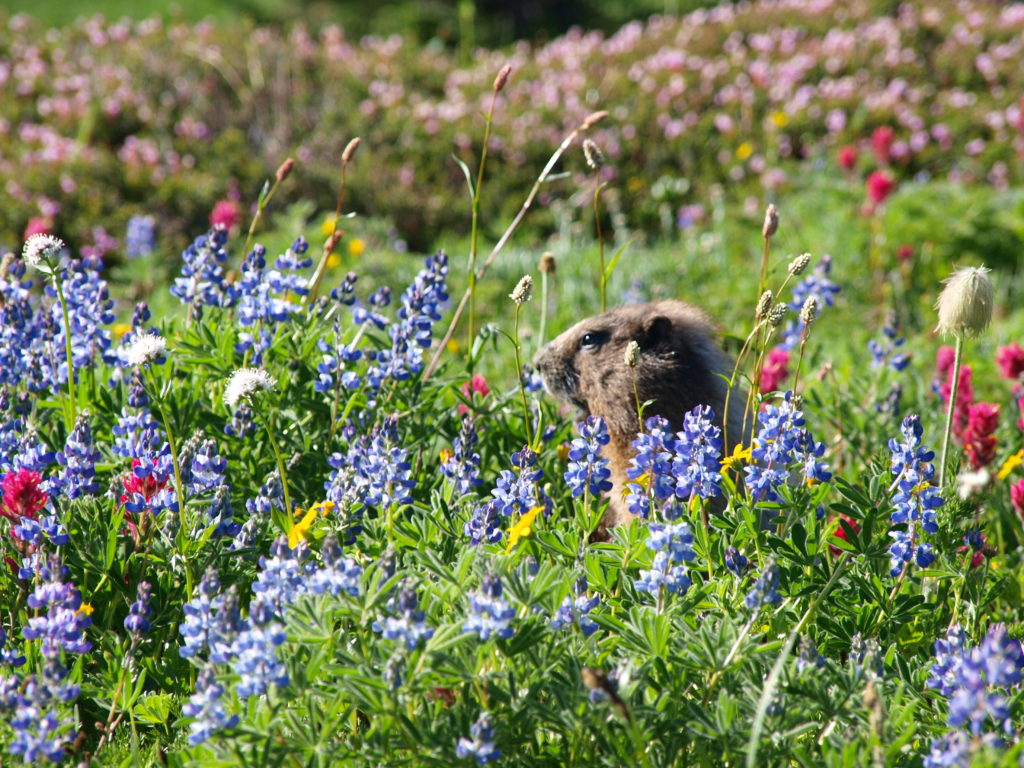
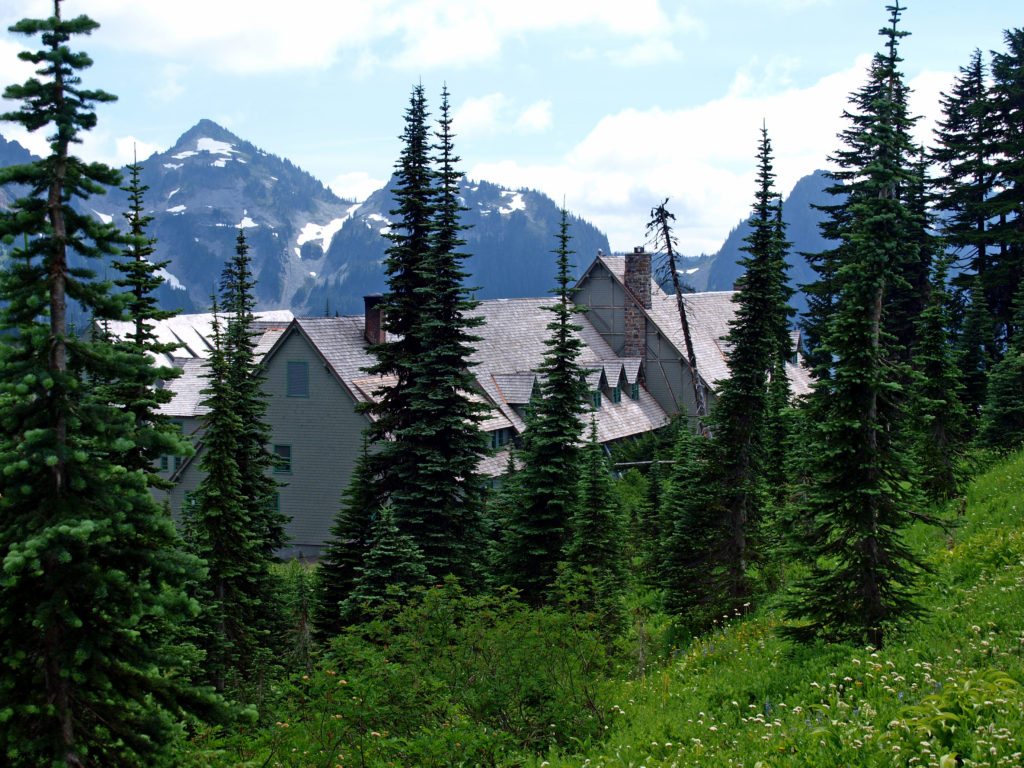
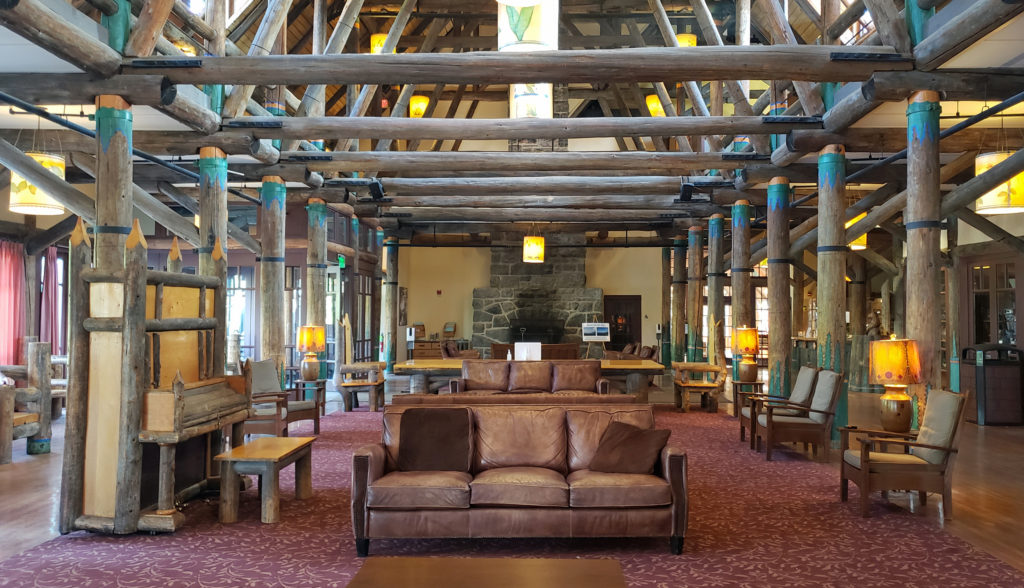 Close to Paradise Inn, the Jackson Memorial Visitor Center, named after long-time U.S. Senator Henry M. Jackson, offers general information, exhibits, a park film, guided ranger programs, a book/gift store and a cafeteria. Unfortunately, all visitor centers in the park are currently closed due to the ongoing pandemic.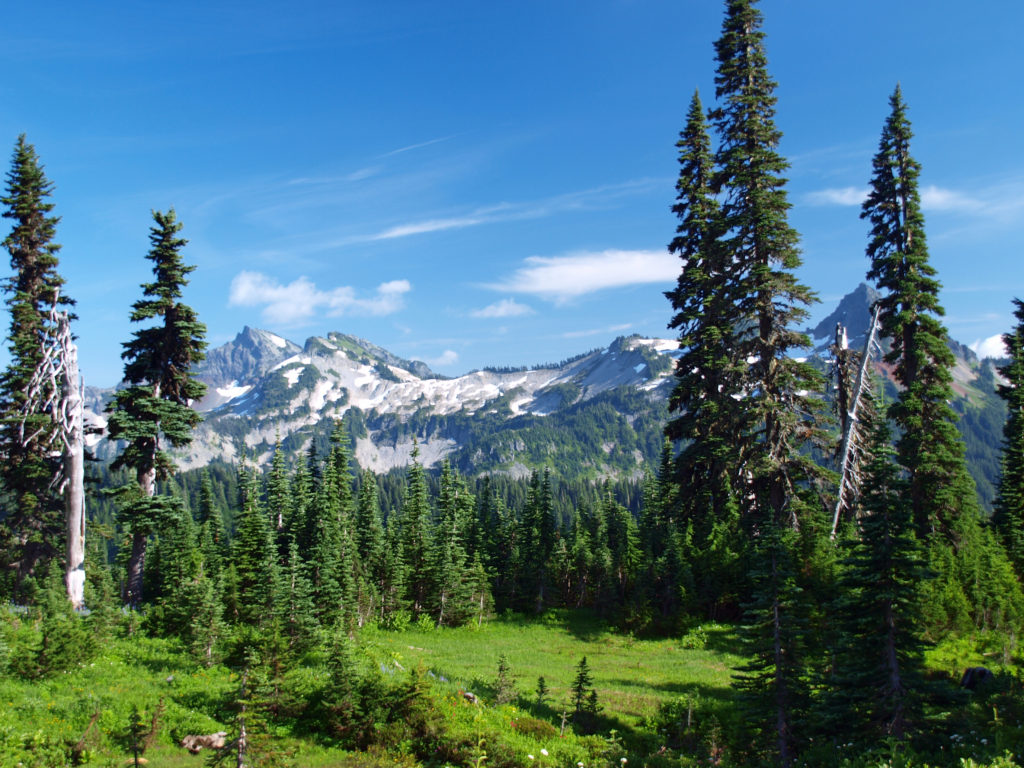
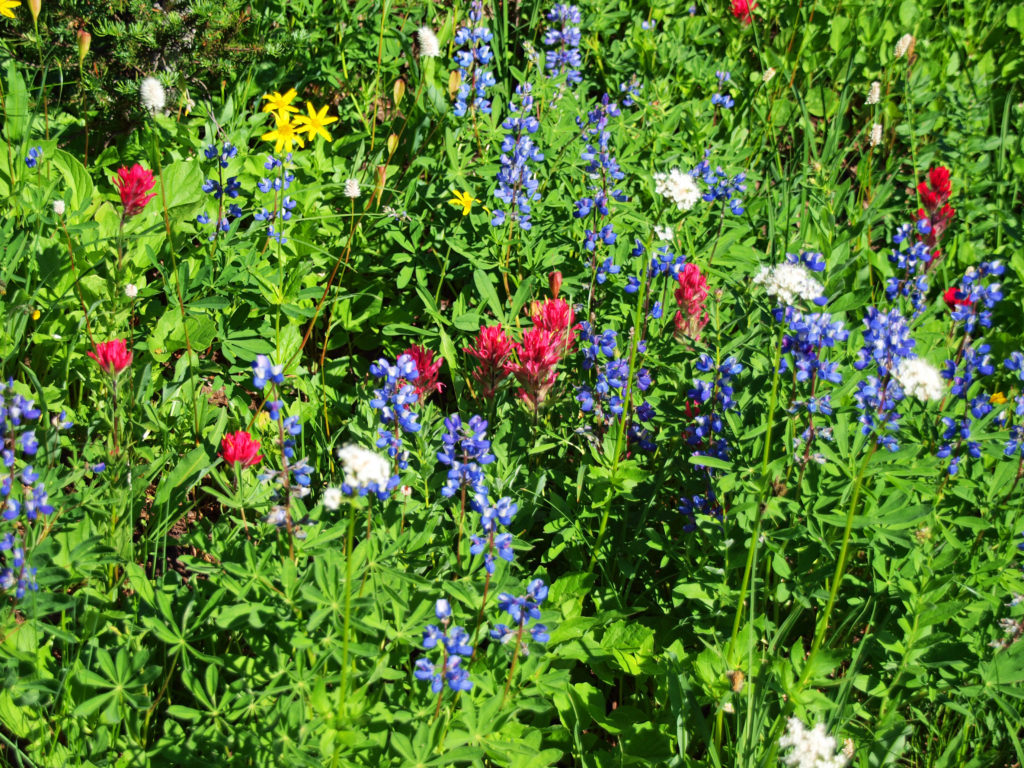
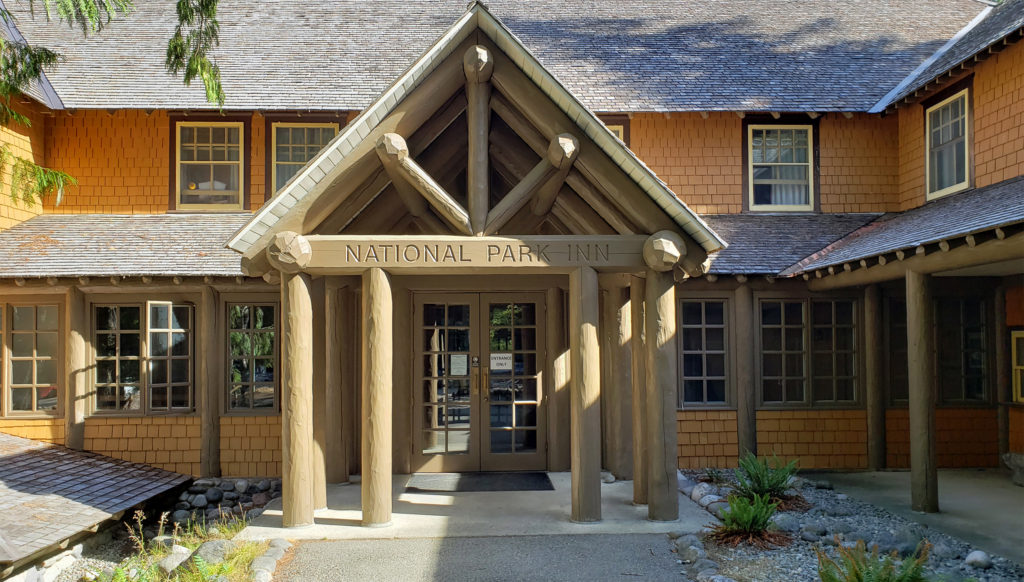 Both Paradise Inn and the National Park Inn have full service restaurants, but both were operating on a reduced scale due to the pandemic when we were there in August. The National Park Inn dining room was closed, but take out meals could be ordered and picked up at the reception desk in the lobby. The dining room at Paradise Inn was open for dinner only for most of our visit, but closed (unexpectedly) for the season on our last day there. Paradise Inn also has a limited service cafe, and there is a cafeteria at the Jackson Memorial Visitor Center that is open daily during the summer season and on most weekends and holidays in the winter (depending on road conditions). The National Park Inn restaurant is open year round.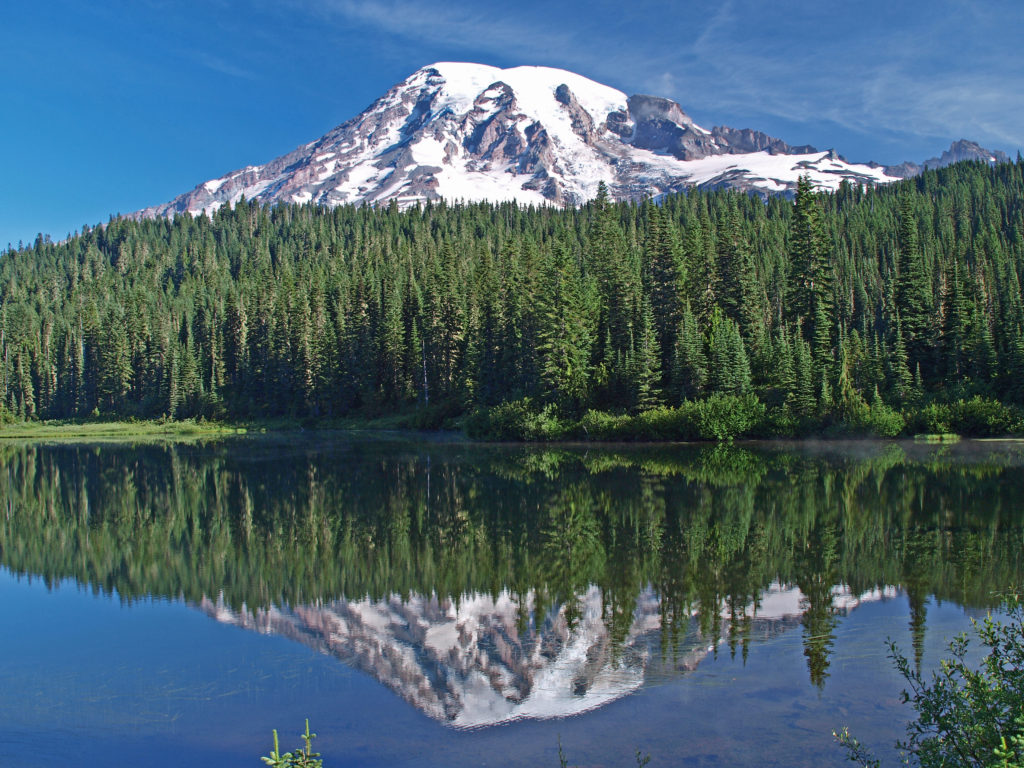
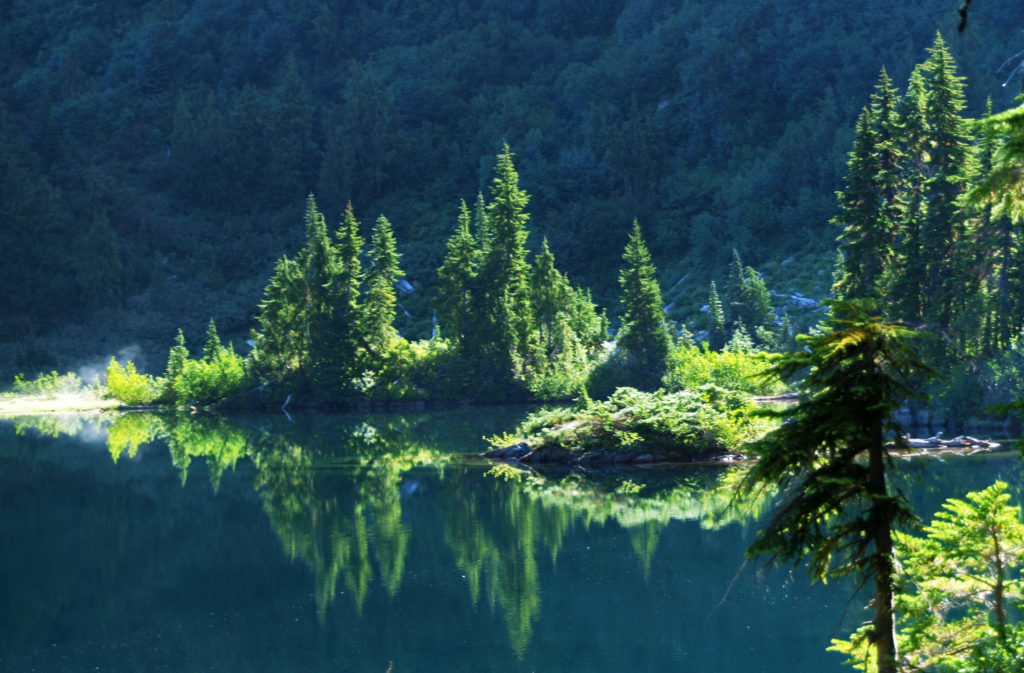 The nearby Snow Lake Trail is an easy and worthwhile hike. To the east, the Stevens Canyon area has a number of interesting areas, including Box Canyon, a 180 foot deep slot canyon, and a number of roadside waterfalls.
 The Longmire area has some interesting history, a museum, nice hiking trails, and the National Park Inn offers both lodging and dining options for the visitor. The road to Longmire is also plowed in the winter, so it’s a year round destination. (The road from Longmire to Paradise is open in winter when the weather allows.)
 In the Ohanapecosh area in the southeastern corner of the park, the Grove of the Patriarchs Trail is a good family friendly outing. And the nearby Silver Falls Trail is a must for waterfall lovers. In the northeastern section of the park, the Sunrise area offers beautiful views of the eastern side of the mountain and has an abundance of hiking trails.
 The Lake
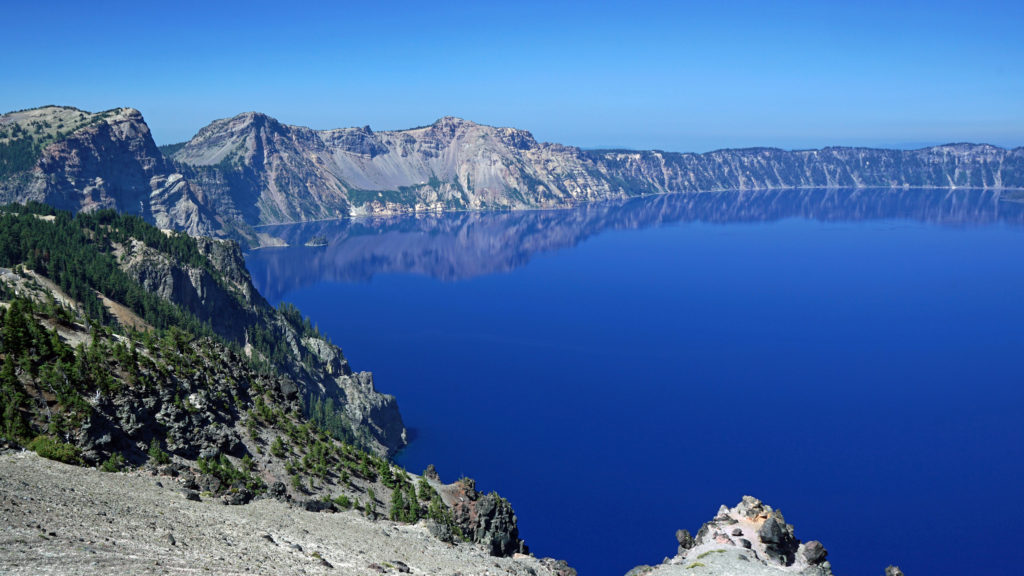
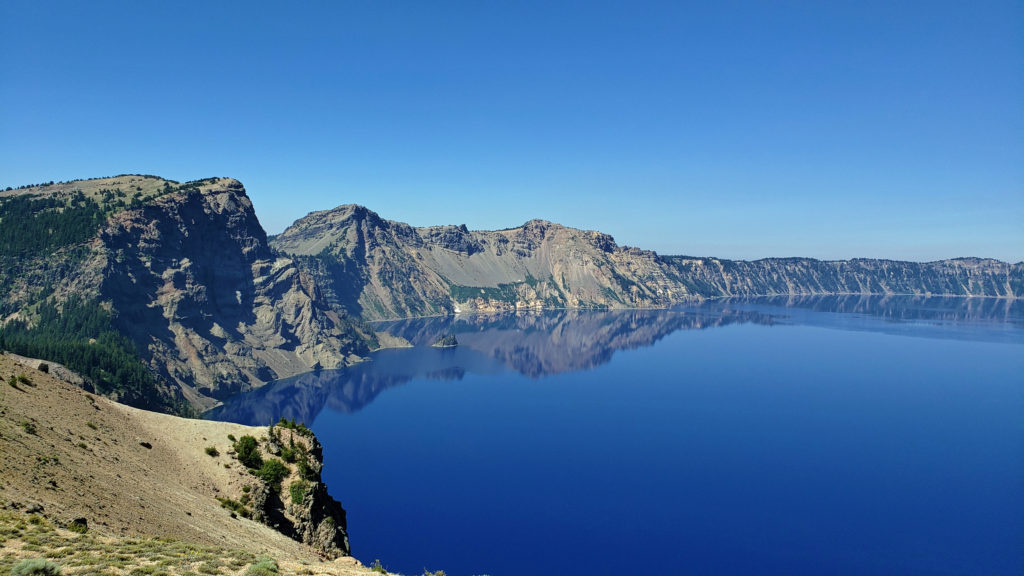
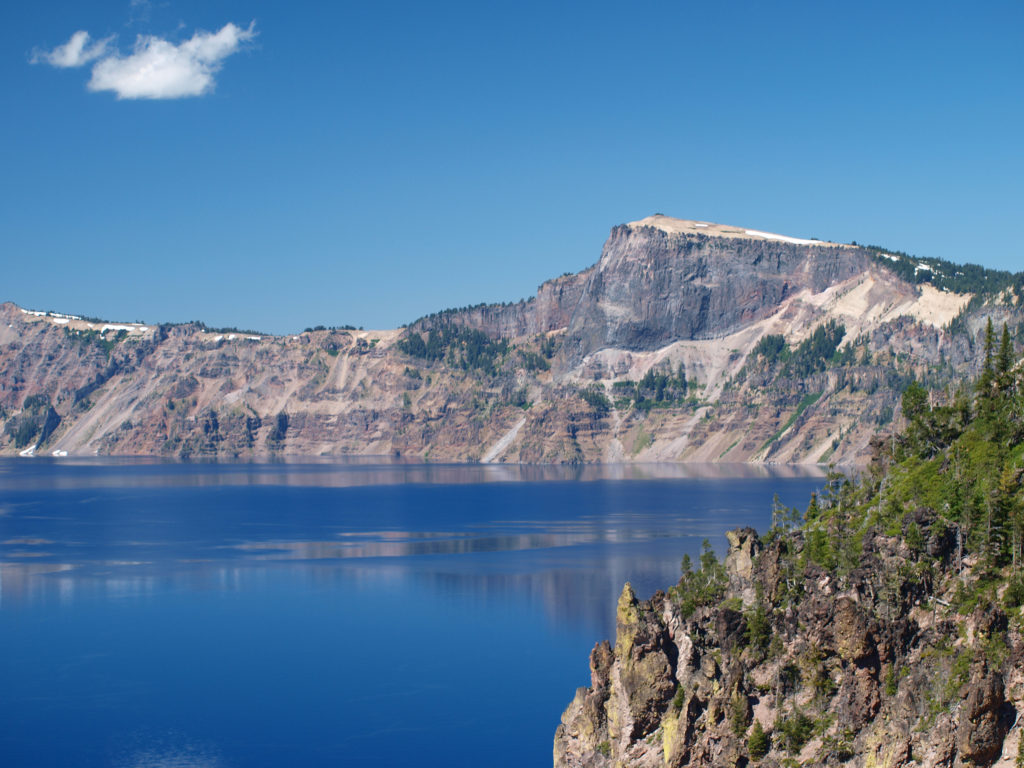 Crater Lake is 1943 feet deep, making it the deepest lake in the United States, second deepest in North America, and ninth deepest in the world. It is also one of the cleanest and clearest lakes in the world. It’s that combination of depth and clarity that results in its intense deep blue color.
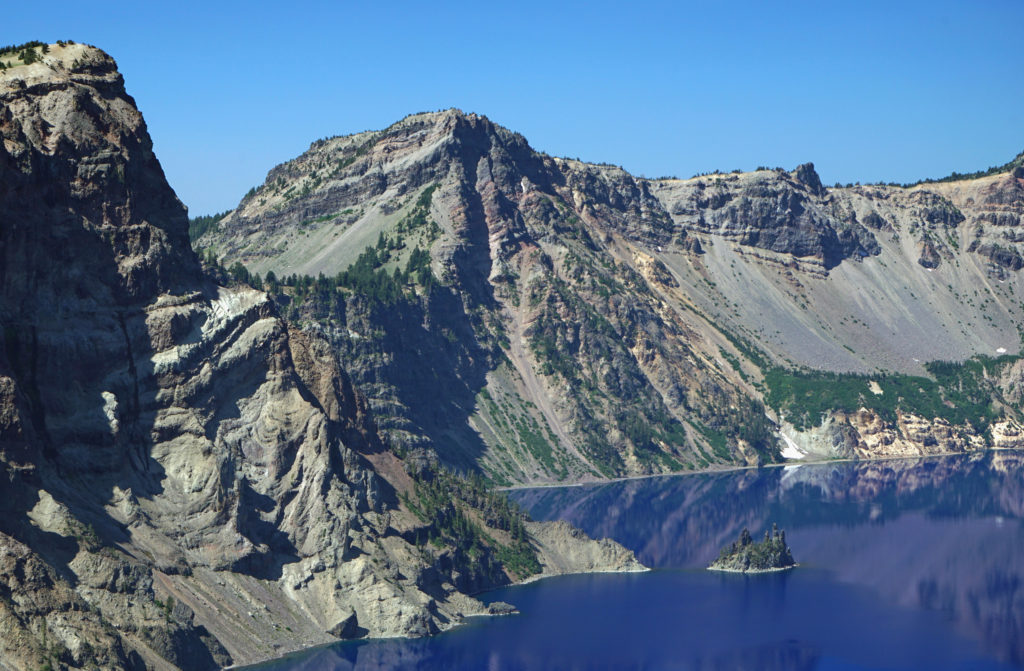 The caldera that Crater Lake occupies was formed 7700 years ago when the summit of 12,000 foot tall Mount Mazama collapsed after a massive eruption. Over time rain and snow filled the caldera to its present level. The lake has no outlet. The level of the lake remains nearly the same because the amount of evaporation from the surface of the lake closely matches the amount of precipitation falling on it in any given year.
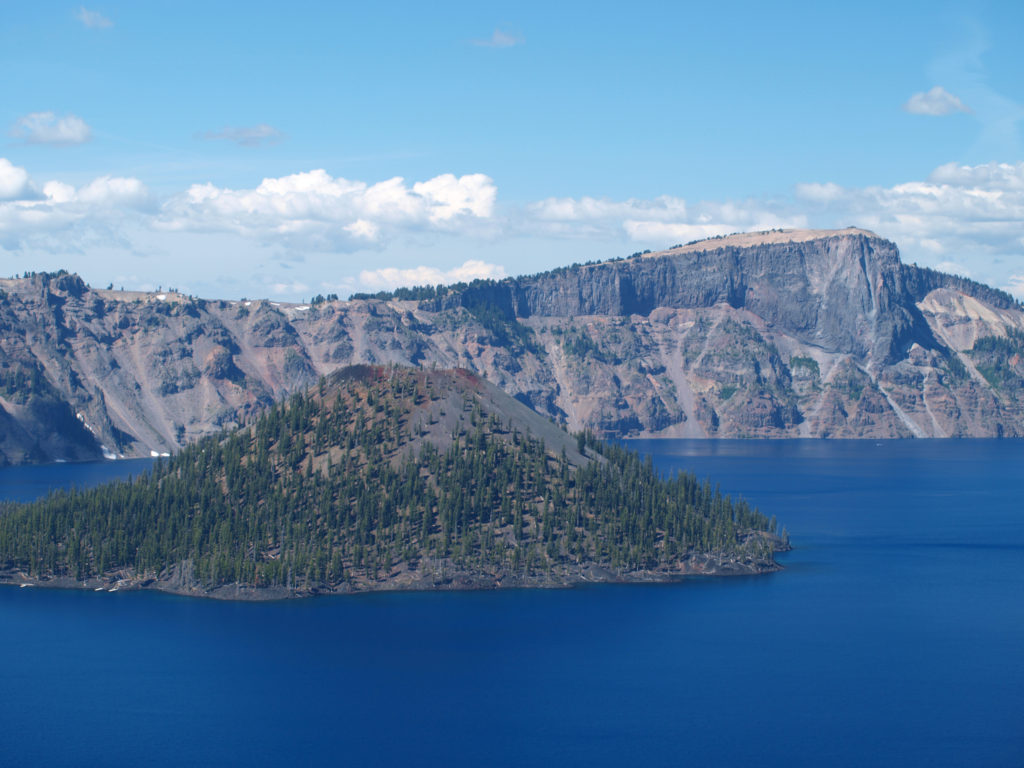 Wizard Island formed sometime after the eruption that formed the caldera. It rises 770 feet above the surface of the lake, 2713 feet above the deepest point in the lake. It last erupted about 5000 years ago, but it is considered dormant, not extinct. Conceivably, it could erupt again at any time. Merriam Cone also erupted after the caldera was formed, but never reached the lake surface. Its summit lies almost 500 feet below the average lake level.
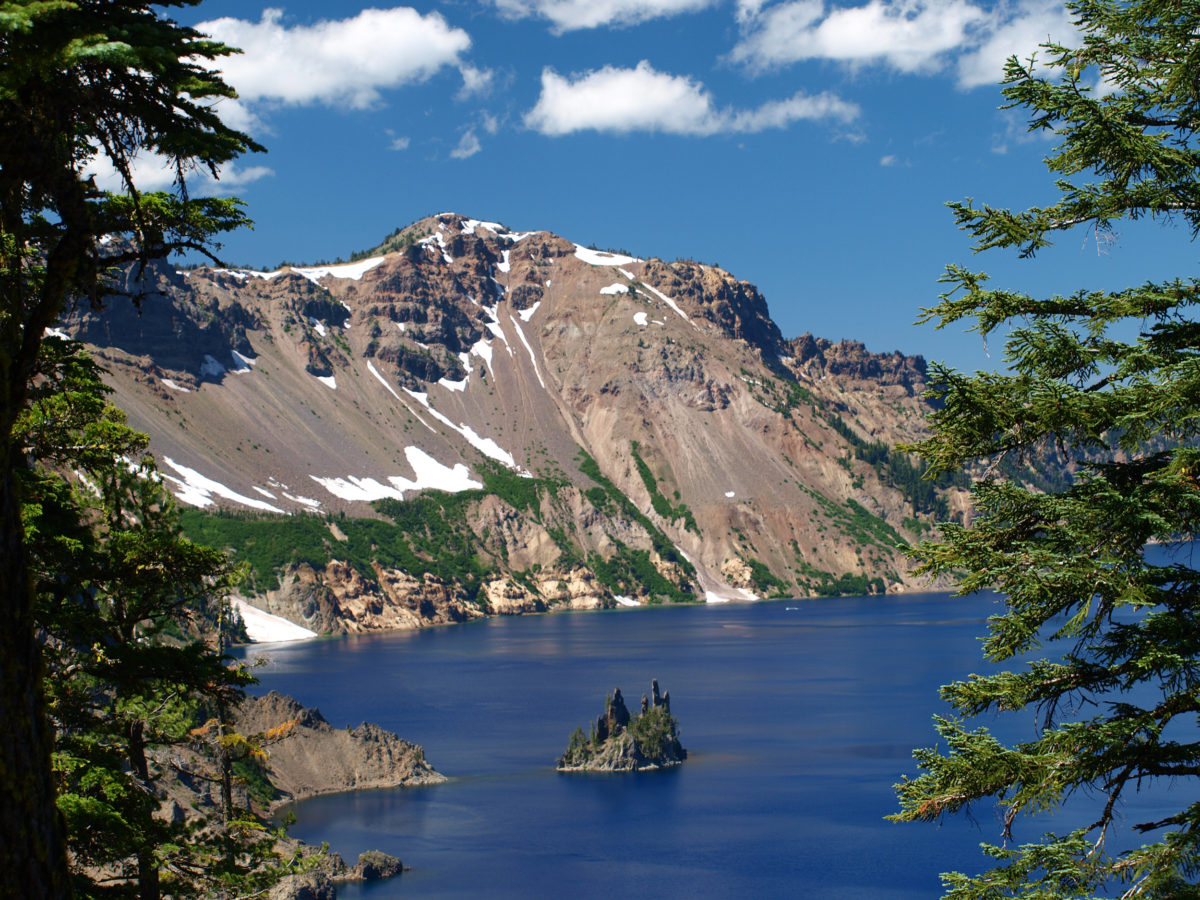
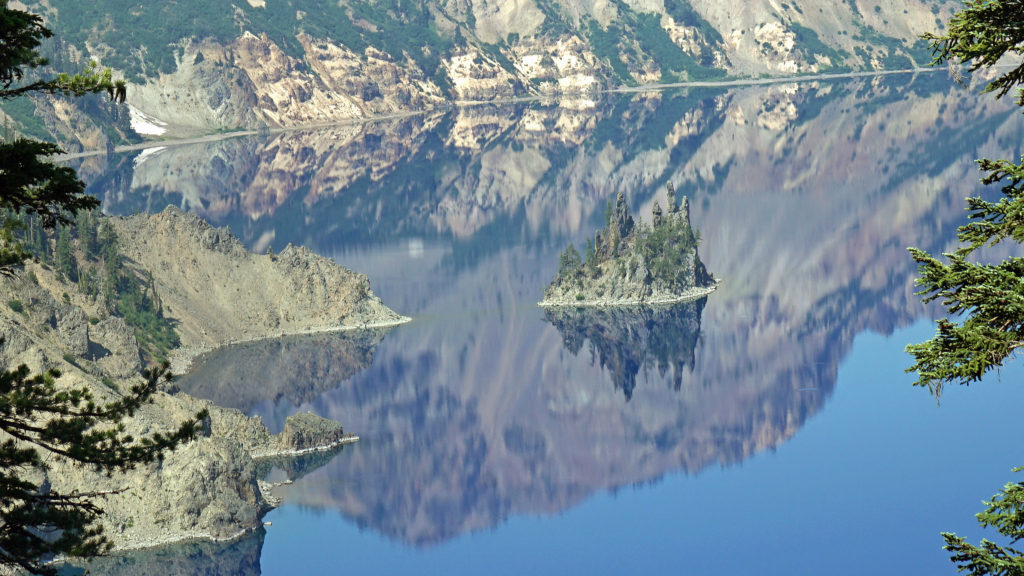
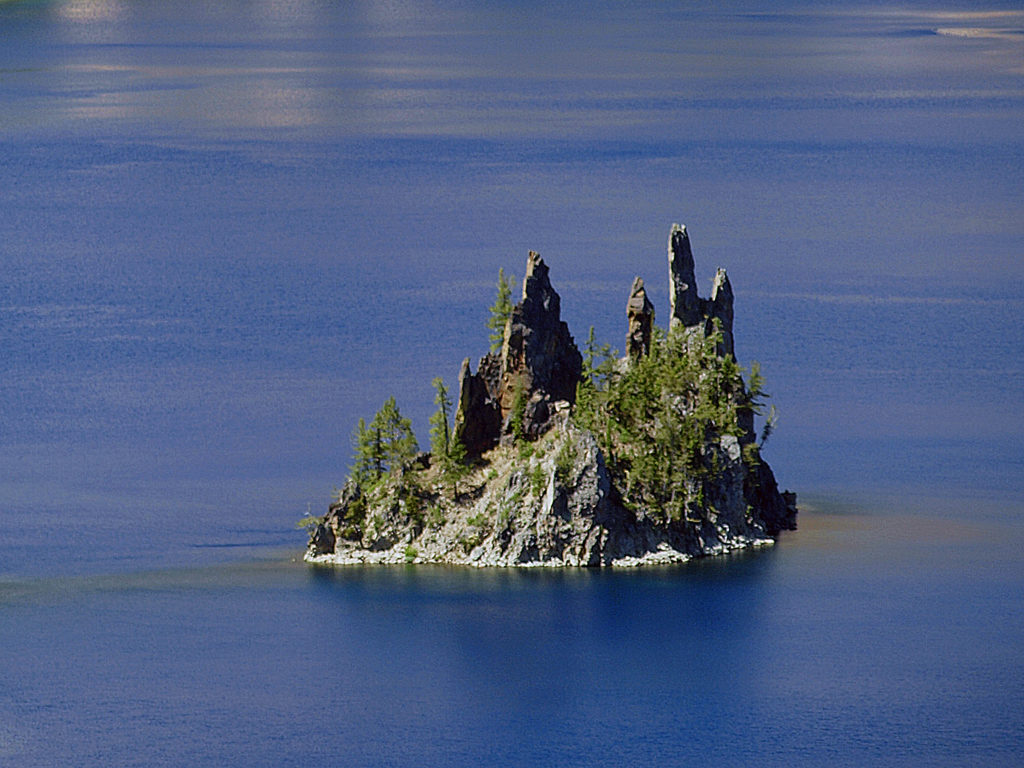 Phantom Ship, a remnant of an eruption 400,000 ago, rises 170 feet above the lake surface. Its formation predates that of Mount Mazama itself.
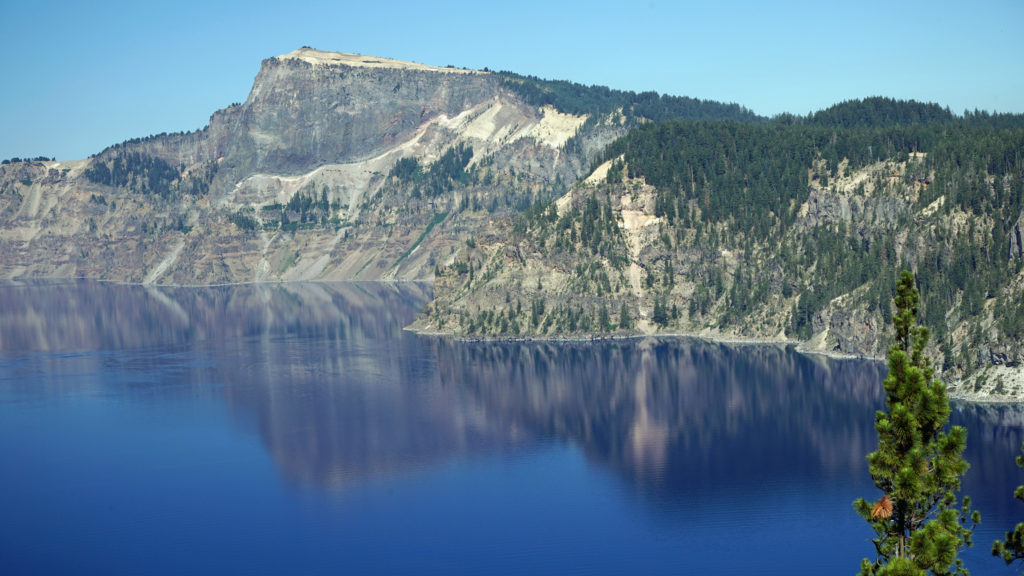 The Park
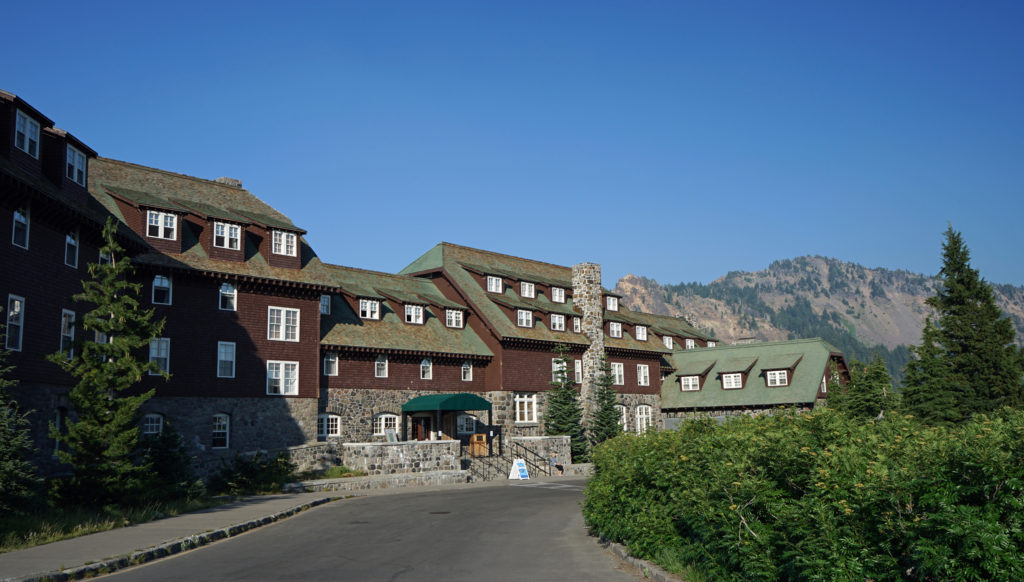 Crater Lake Lodge
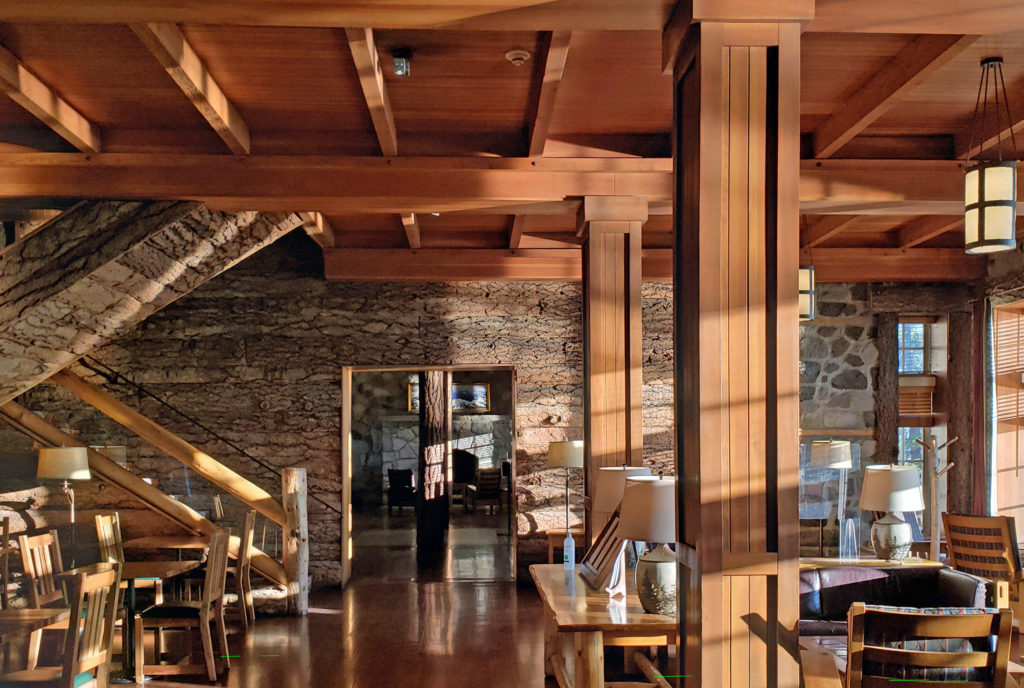 My wife and I recently spent three nights at the lodge. Although it lacks the amenities of a luxury hotel, our room was comfortable, with a private bathroom, and the location more than makes up any lack of luxuries.
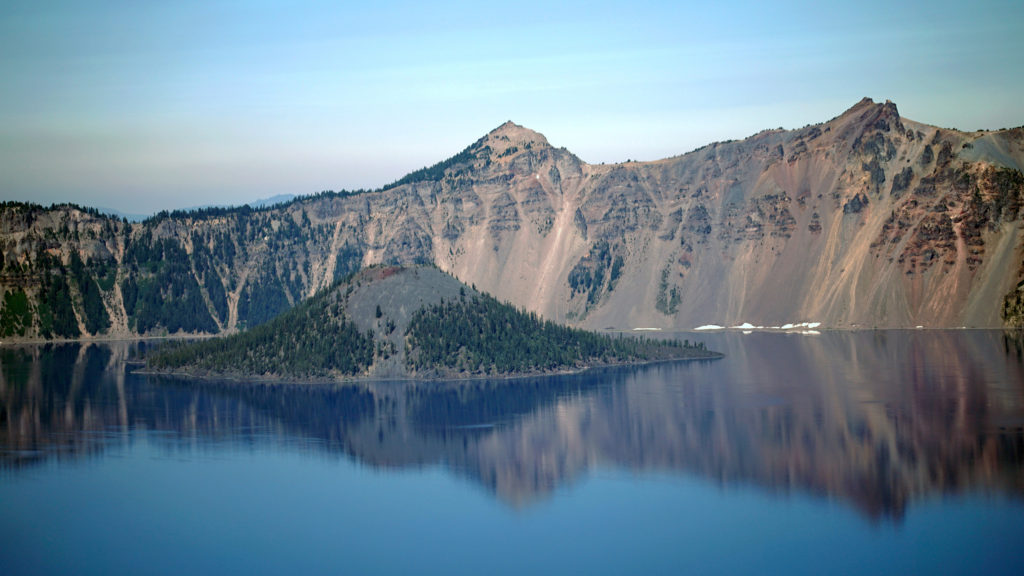 The Rim Drive
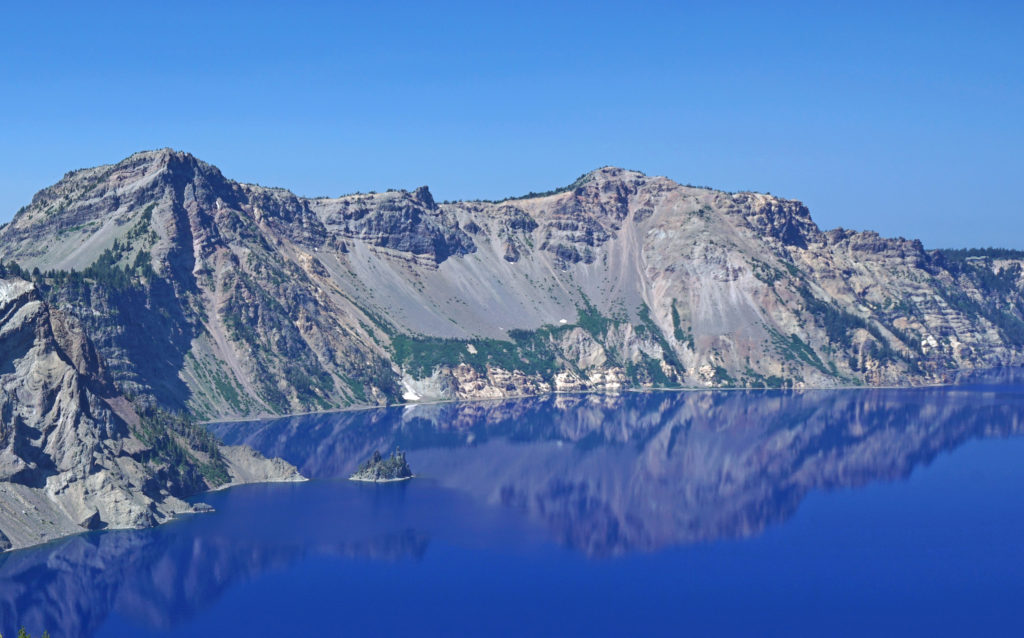 You’ll want to stop at all of the viewpoints. Maybe combine the drive with a hike down to Cleetwood Cove and a boat tour of the lake. You can get off at Wizard Island and hike to the summit and then catch a later boat back.
 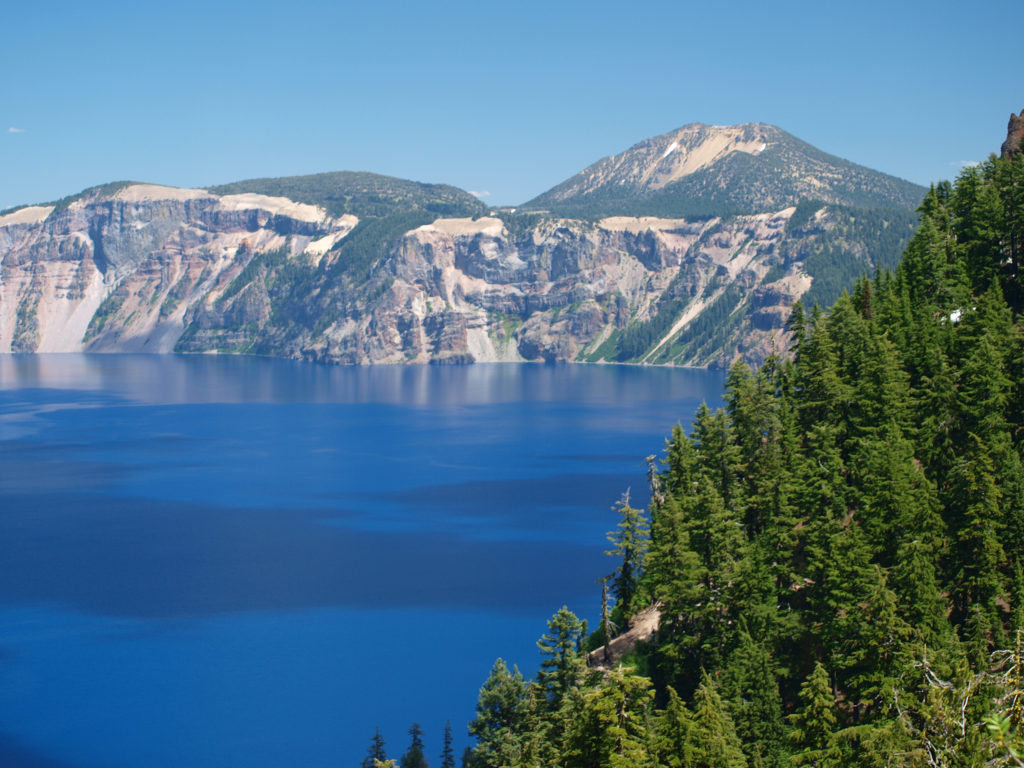 For a more adventurous day, hike to the summit of Mount Scott, the highest point in the park. It’s a two mile hike to the summit with 1250 feet of elevation gain, so it’s not an easy hike (All Trails rates it “moderate”), but the view might just be worth the effort.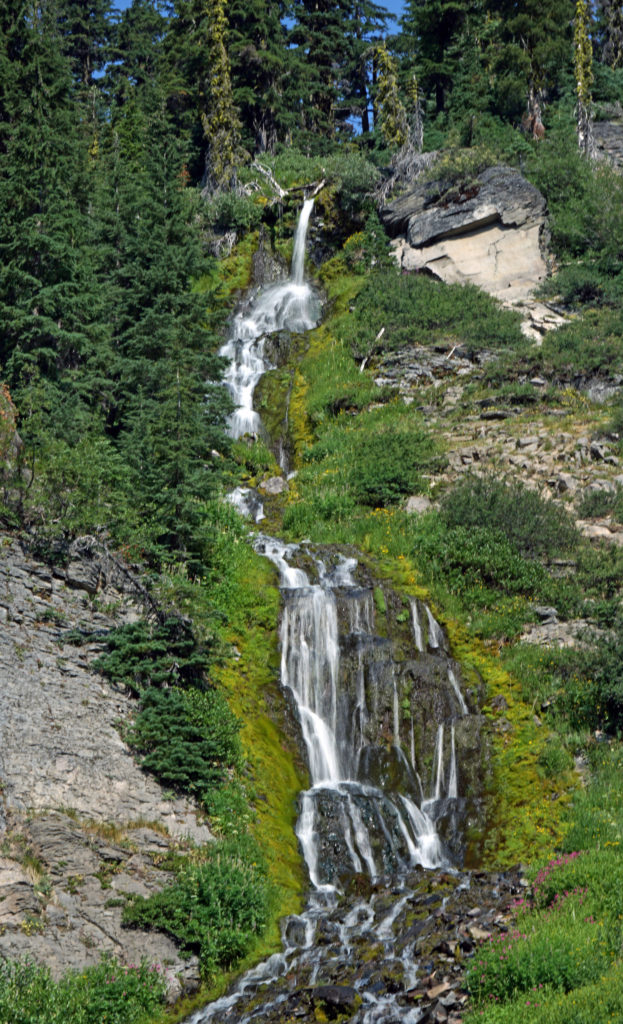
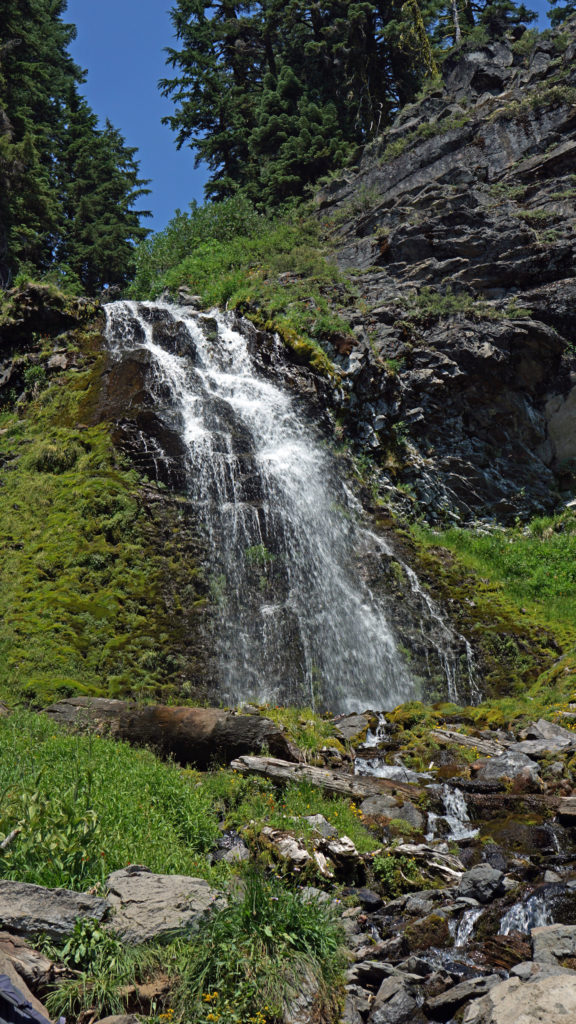 Hiking Trails
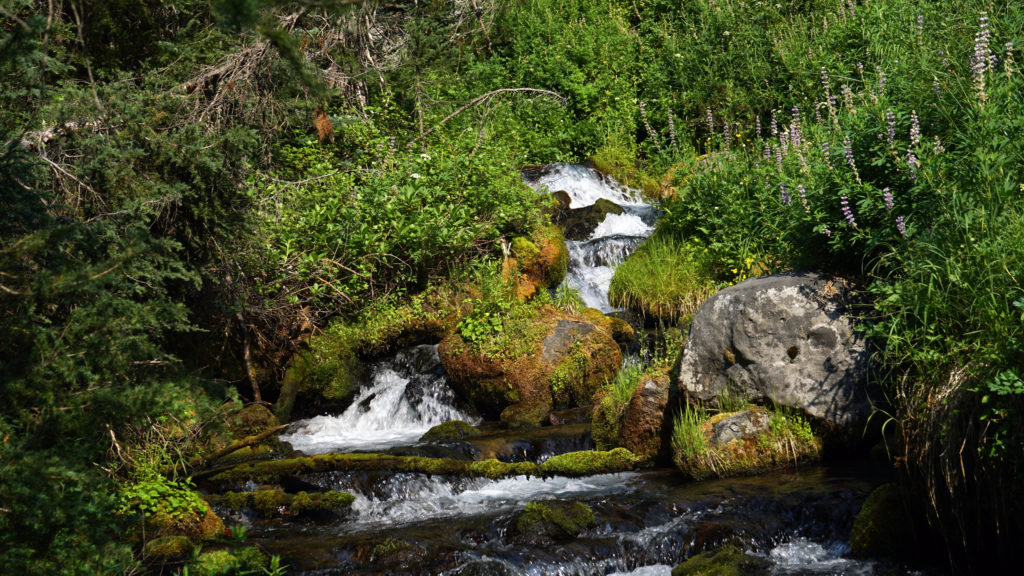 The Pacific Crest Trail passes through the park, but does not ascend to the rim of the caldera. Hikers on the PCT can take the Dutton Creek Trail that climbs up to the Rim Village, then hike the trail that parallels the West Rim Drive and reconnect with the PCT north of the lake.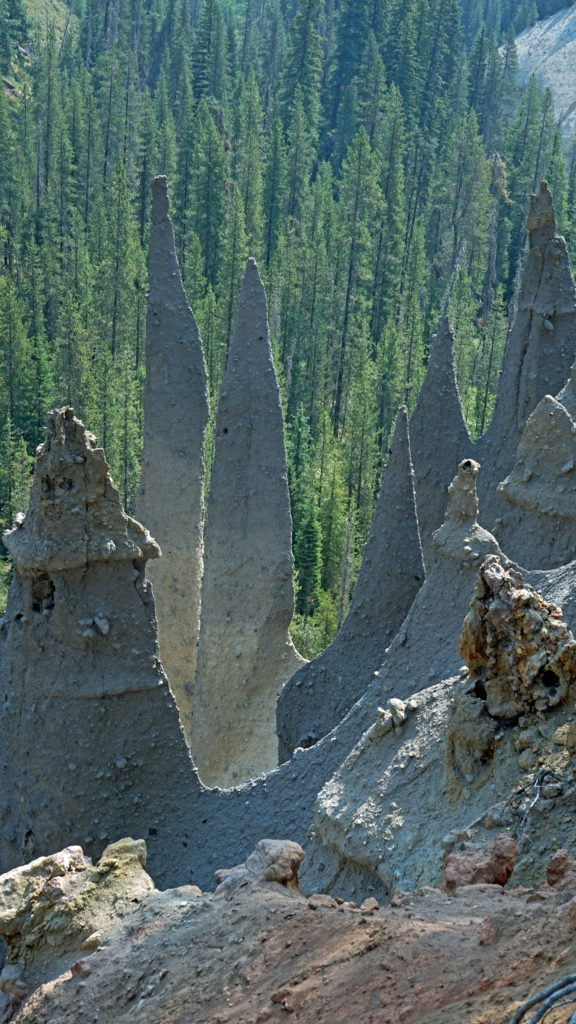
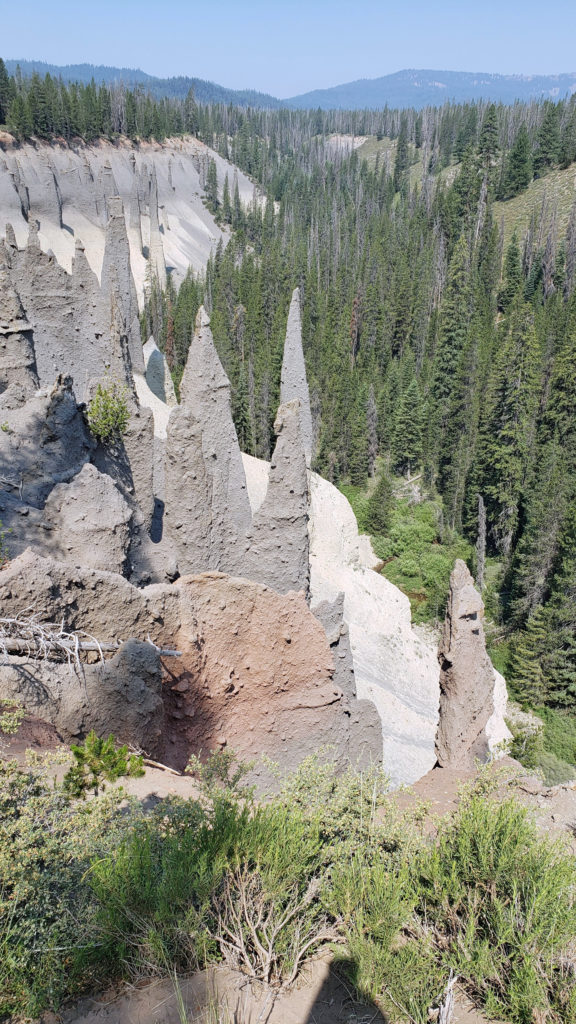 The Pinnacles
 Practical Info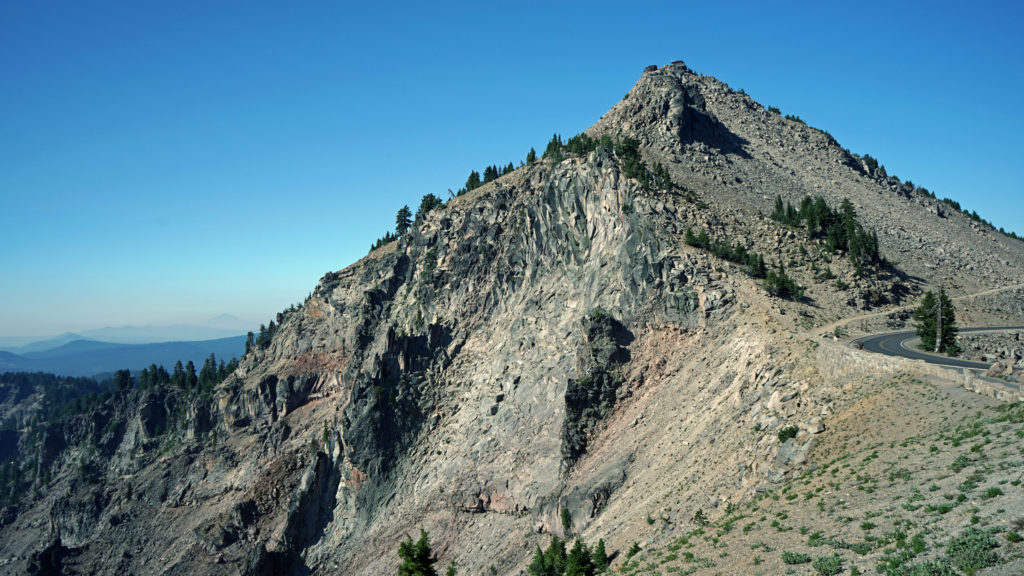
 There are two lodges in the park, Crater Lake Lodge in the Rim Village and The Cabins At Mazama Village that are open for the summer season. Crater Lake Lodge has 71 rooms, starting at $246/night. The Cabins At Mazama Village has 40 rooms, all at $160/night. Prices listed are for the 2024 season. Note that the concessionaire that operates both lodges is changing, so prices may also change. Check the park website (linked above) for current information.
 There are two campgrounds in the park. Mazama Campground has 75 RV sites, 18 tent sites with electricity, and 121 tent sites without electricity. Tent sites start at $22. RV sites run from $32 to $44 per night. Mazama Campground is usually open from early June through late to September. Lost Creek Campground, located on Pinnacles Road, is a primitive tent only campground with 18 sites, operated by the park service. Lost Creek Campground is currently closed and will not be open for the 2024 season. Backcountry camping is allowed in the park by
  Dining options in the park are somewhat limited. The dining room at Crater Lake Lodge is open to all visitors, but reservations can only be made by people staying in the park. The Rim Village Cafe offers “grab and go” sandwiches and salads (I had a pulled pork sandwich from there on our recent visit that was very good). It is open from 9am to 8pm in the summer and 10am to 5pm in the winter. The Annie Creek Restaurant in Mazama Village is open from 7am until 9pm. The Mazama Village Store sells packaged sandwiches and snacks.
 Summer park entrance fees are $30 for private vehicles and $25 for motorcycles. Winter fees are $10 less. Snowmobilers, bicyclists, and pedestrians are charged $15 per individual. All entrance fees are good for seven days. Entry reservations do not need to be made.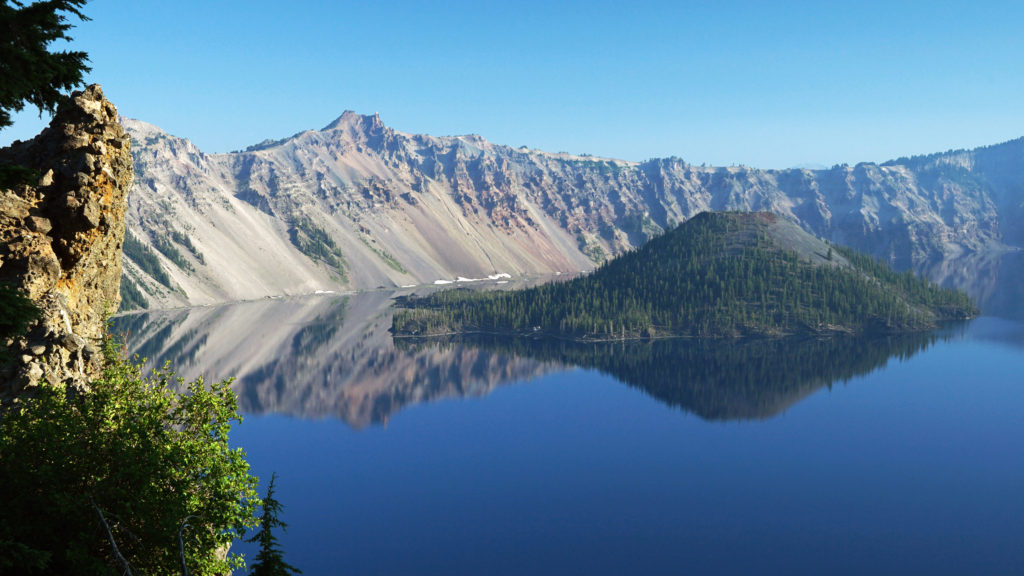
 Originally posted September 13, 2021. Most recently updated April 6, 2024.