The 1980 eruption of Mount St. Helens was one of the most significant natural disasters in U.S. history. Everyone knows about the eruption, but a little history is in order here, I think.
Mount St. Helens had been dormant for 123 years until it awoke in March 1980. On March 15th a series of small, shallow earthquakes were recorded, centered below the summit of the mountain. In the days that followed, more quakes occurred, the largest a magnitude 4.2 quake on March 20th.
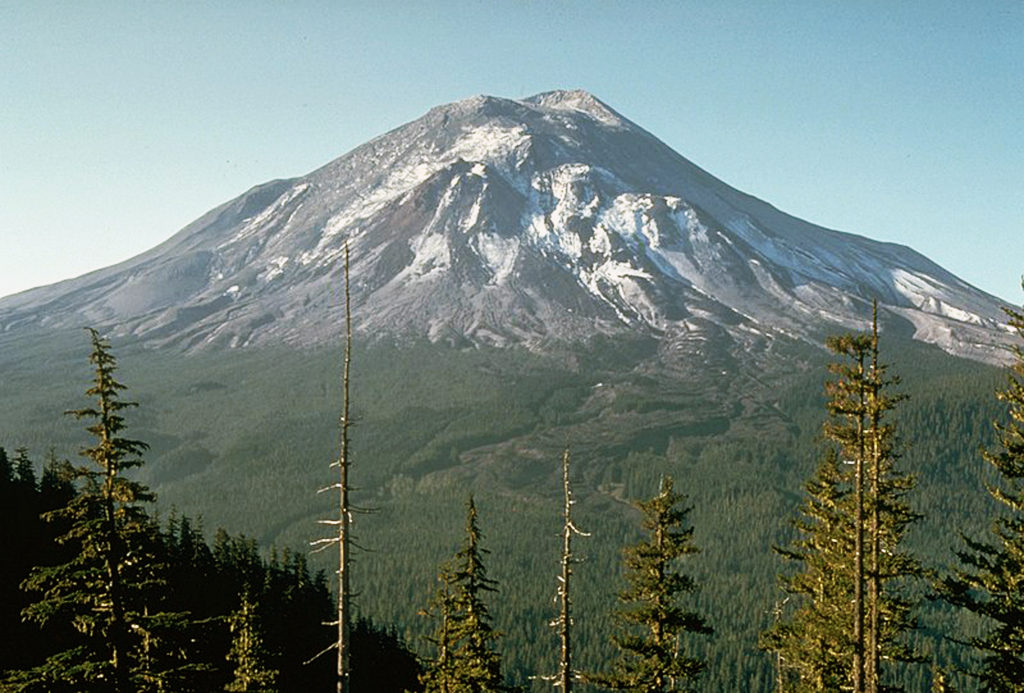
Between March 25th and 27th 174 earthquakes greater than magnitude 2.6 were recorded, the largest a magnitude 5.1 quake on the 27th. The first eruption, also on the 27th, opened a new summit crater. The north flank of the mountain also began bulging outward, with the bulge growing 5-6 feet per day. More eruptions occurred over the next week few weeks. By April 7th the new crater measured 1700 by 2300 feet and was 500 feet deep. By mid-May the north side of the mountain had moved outward by 400 feet and the summit area had begun to collapse.
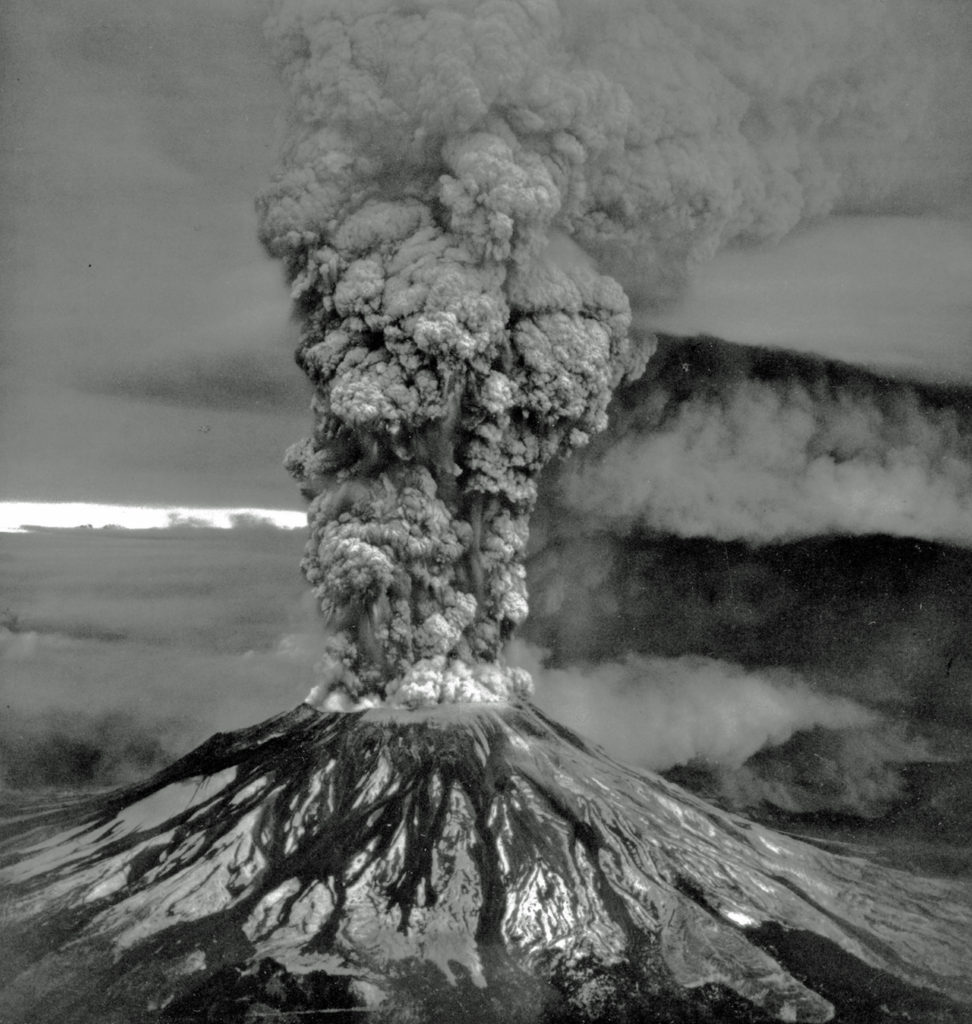
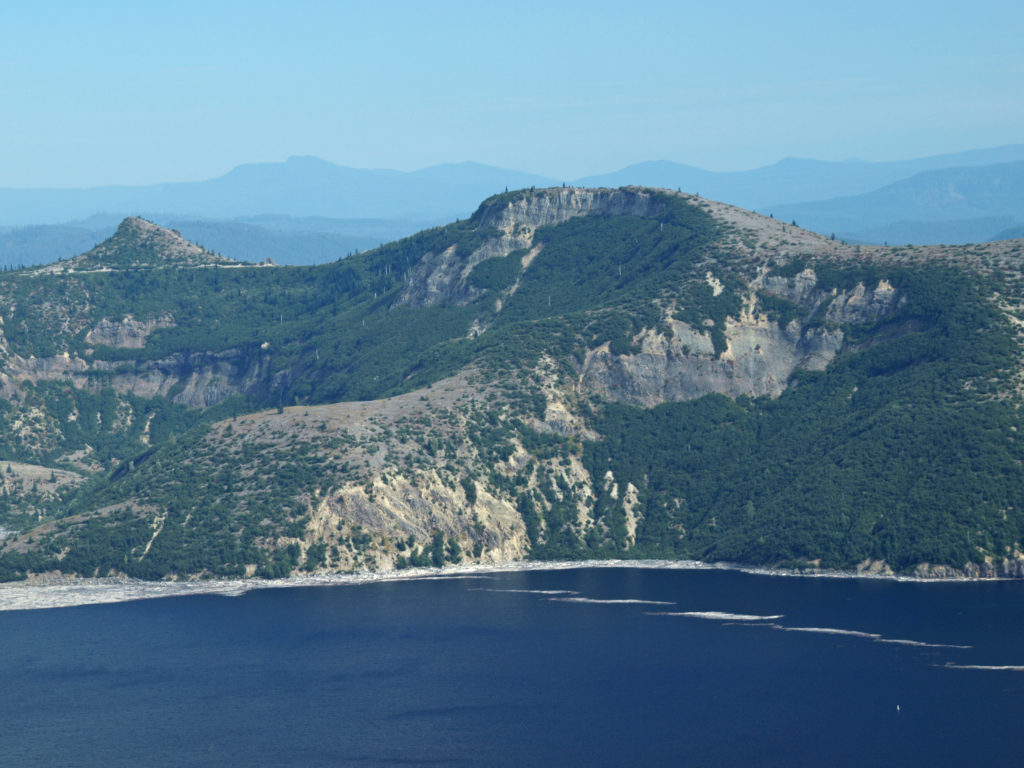
At 8:32 a.m. on May 18, 1980 a magnitude 5.1 earthquake caused the north flank of the mountain to collapse in the largest landslide ever recorded. A few seconds later the mountain erupted in a lateral blast that devastated an area as far as 20 miles from the summit and felled 230 square miles of forest. The blast superheated the waters of Spirit Lake instantly, causing a huge secondary steam explosion. This secondary explosion was heard as far away as San Francisco (but, interestingly, was not heard in the Portland area).
The eruption sent an ash cloud 12 miles into the sky. In the Yakima Valley, northeast of the mountain, the ash cloud completely blocked the sun and noon was as dark as midnight. Ash fell as far away as Minnesota. The energy released by the eruption was estimated to be equivalent to 24 megatons of TNT, more than 1400 times the energy released by the atomic bomb that destroyed Hiroshima in World War II.
At least 55 people were killed in the eruption. The official total is listed as 57, but two people on the list who were reported missing after the eruption may not have been in the blast zone that day, and three others who are not on the official list may have been. Two of the most prominent people that died that day were Harry R. Truman and David A. Johnston.

Eighty-three year old Harry Truman owned Mount St. Helens Lodge on the shore of Spirit Lake. He had lived there for more than 50 years and refused to leave when the area was evacuated. He was a colorful, locally well known character who had lived an eventful life and had become something of a celebrity in the months leading up to the eruption. He was buried by the initial landslide.
David Johnston was a highly respected geologist and volcanologist. He was camping near where the Johnston Ridge Observatory is now located. He was the first to report the eruption. “Vancouver! Vancouver! This is it!” he radioed the USGS office in Vancouver, Washington just before he was hit by the blast.
Also killed in the eruption were photographers Reid Blackburn and Robert Landsburg. Blackburn’s body was found in his car at Coldwater Camp four days after the eruption. His camera was found later, but the film was not salvageable. Landsburg’s body was found seventeen days after the eruption. His camera was found inside his backpack under his body. The film in his camera survived and the photos he took before the ash cloud engulfed him provided some of the most dramatic and scientifically valuable photos of the eruption.
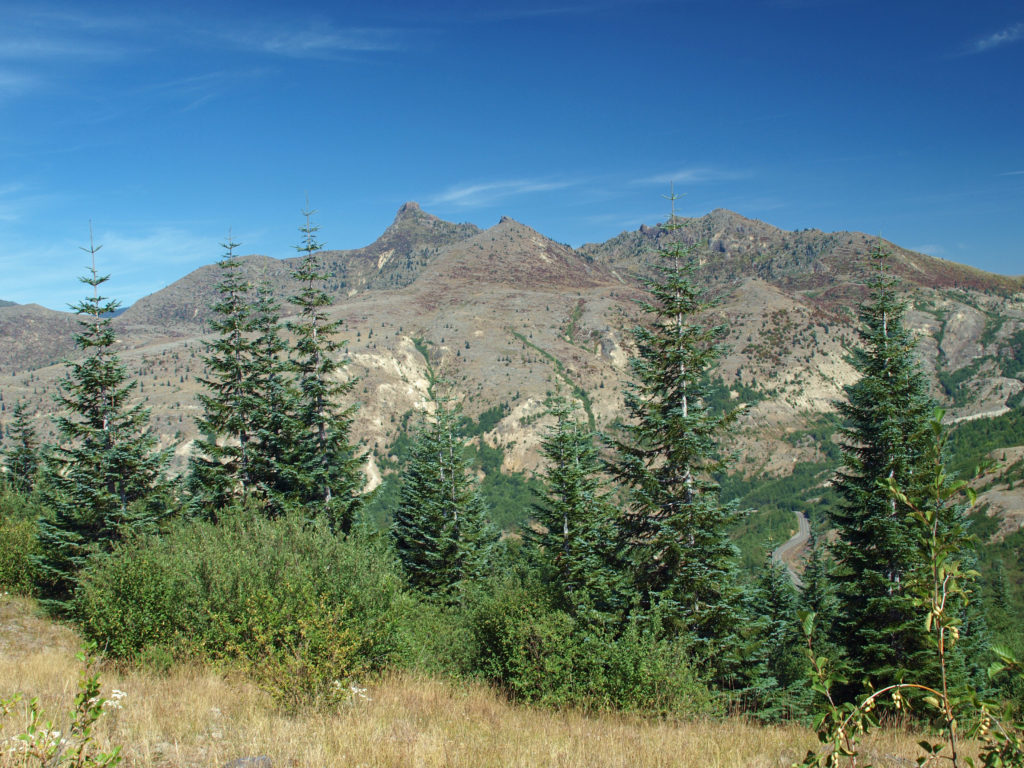
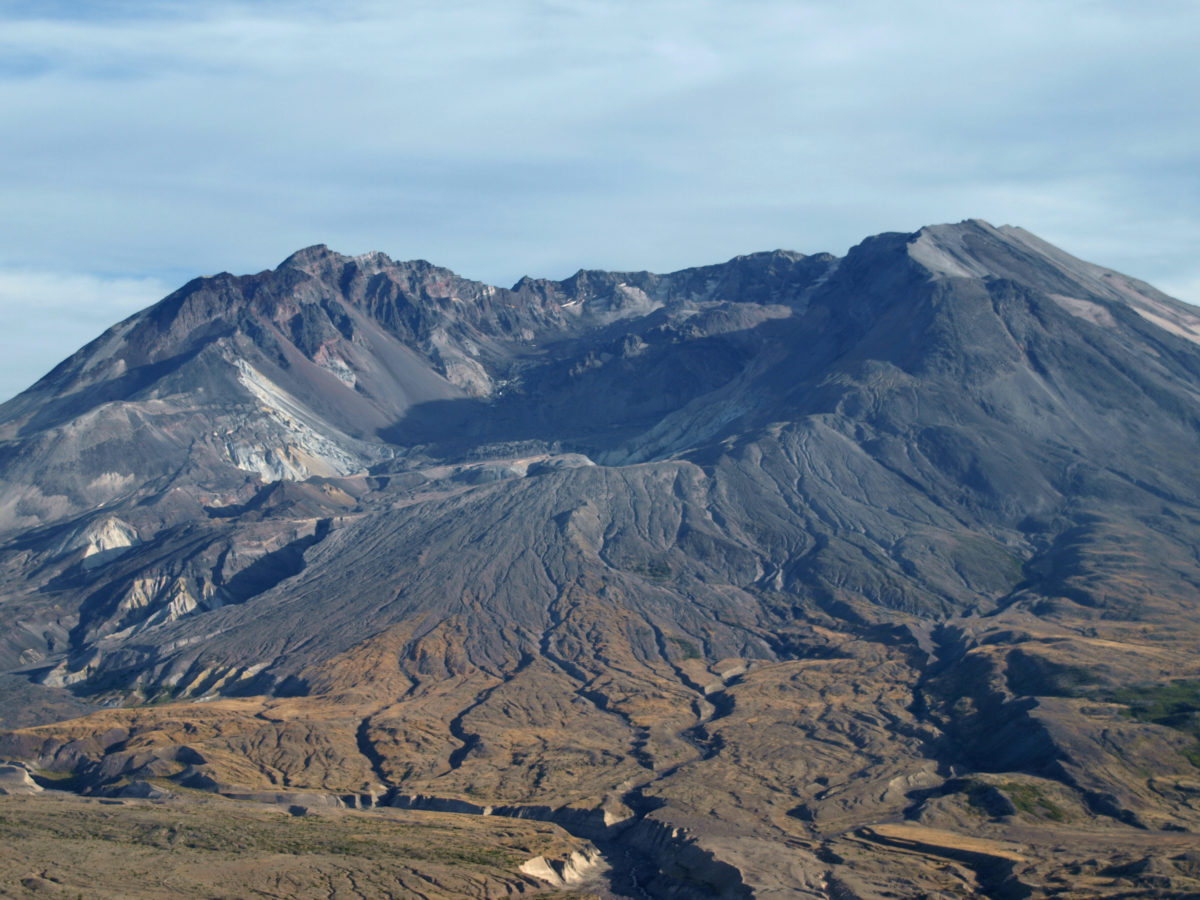
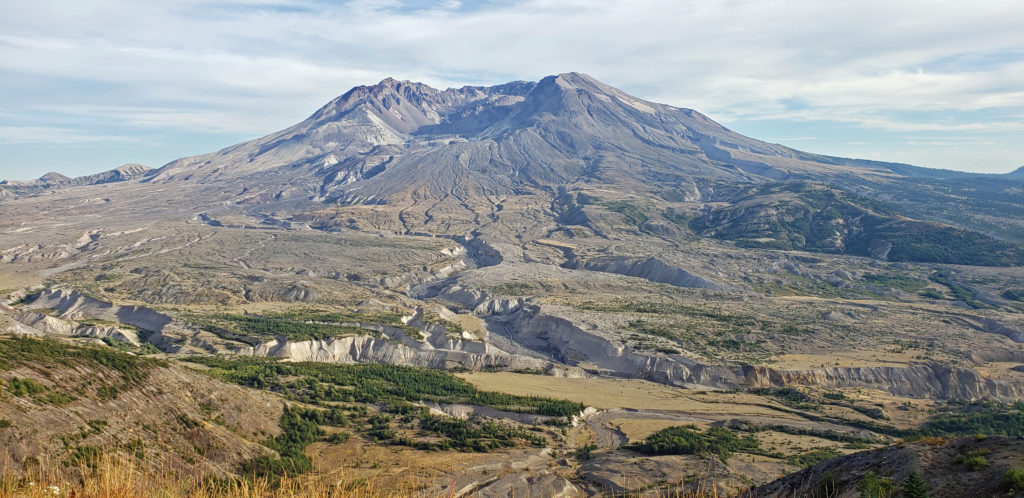
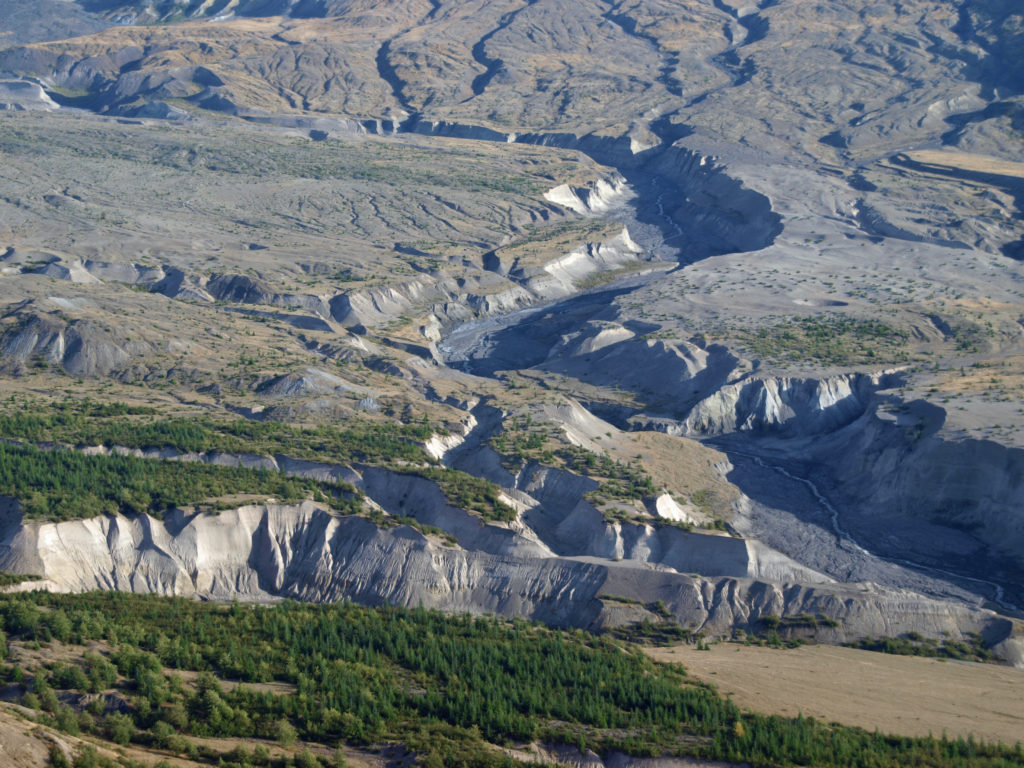
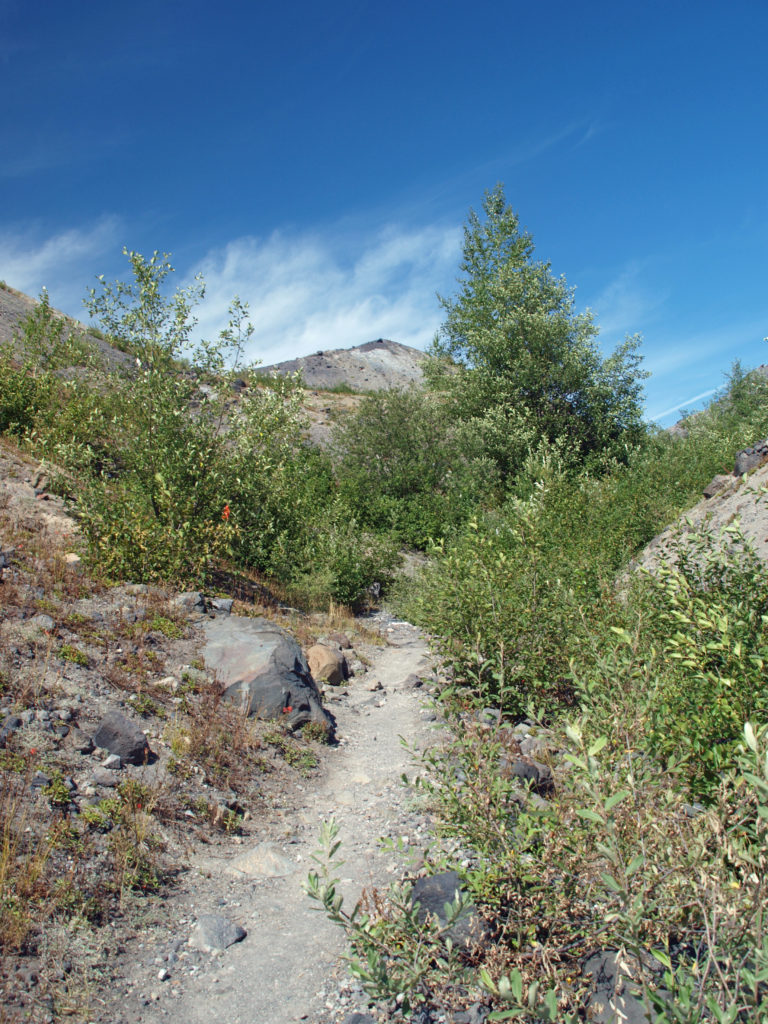
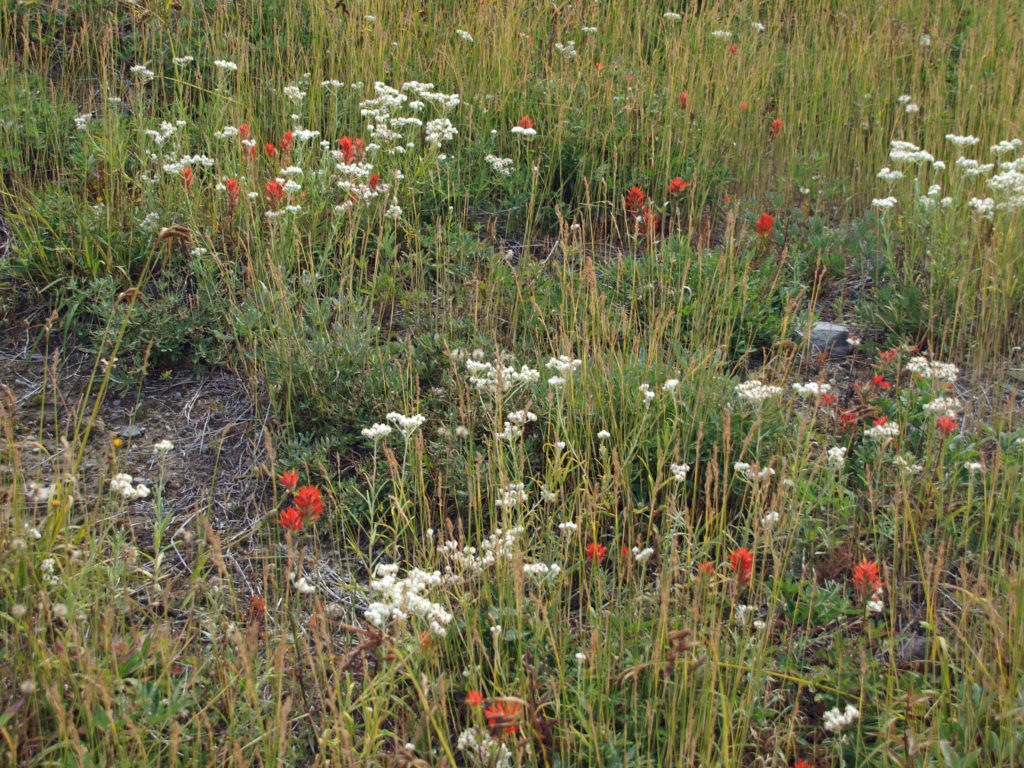
Thirty-eight years after the eruption, when these photos were taken, the area between the new crater and Johnston Ridge still looked much like it did when I first visited the area some 25 years before. Trees were beginning to regrow on the north side of the ridge, though, and shrubs and wildflowers were abundant. The land is recovering, but it will be generations, perhaps centuries, before the forest returns to anything like it was before the eruption.
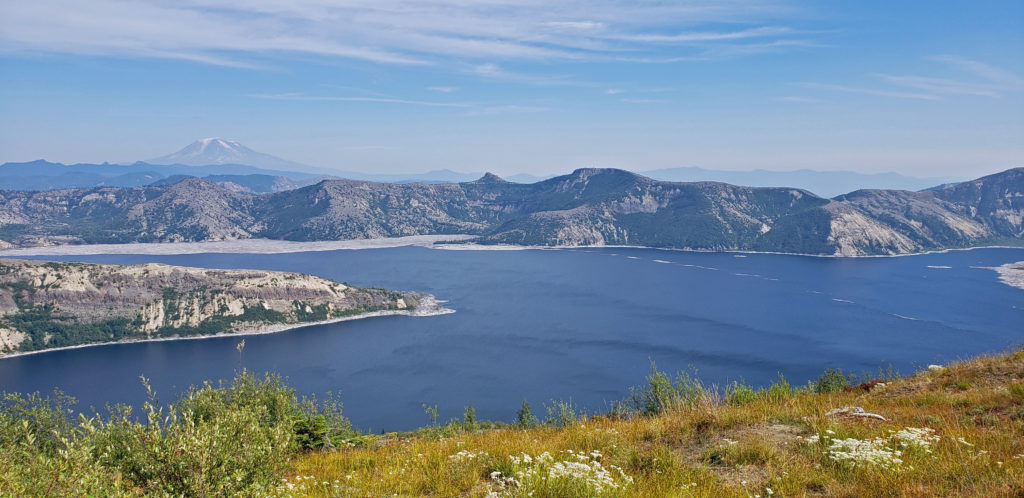
The Johnston Ridge Observatory is a good place to begin an exploration of Mount St. Helens. At the observatory you can view interpretive displays and videos, and get information about the mountain, the eruption, and area hiking trails. The observatory is located at the end of the Spirit Lake Highway (WA 504). To get there from the Seattle area, travel south on I-5 and take WA 505 (Exit 63) through the town of Toledo to the junction with WA 504. From Portland, take Exit 49 off I-5 at Castle Rock. Johnston Ridge is approximately 50 miles east of I-5. There is an $8 parking/entry fee, payable at the observatory.
One of the best hikes on the mountain is the trail to Harry’s Ridge, which begins at the Johnston Ridge Observatory. Total out and back mileage is about eight miles and total elevation gain is about 1000 feet. Check out my Harry’s Ridge Hike post for a more detailed description of the hike. You can also hike into the heart of the blast zone between Johnston Ridge and the crater. Check the Johnston Ridge Observatory website, linked above, for current information.
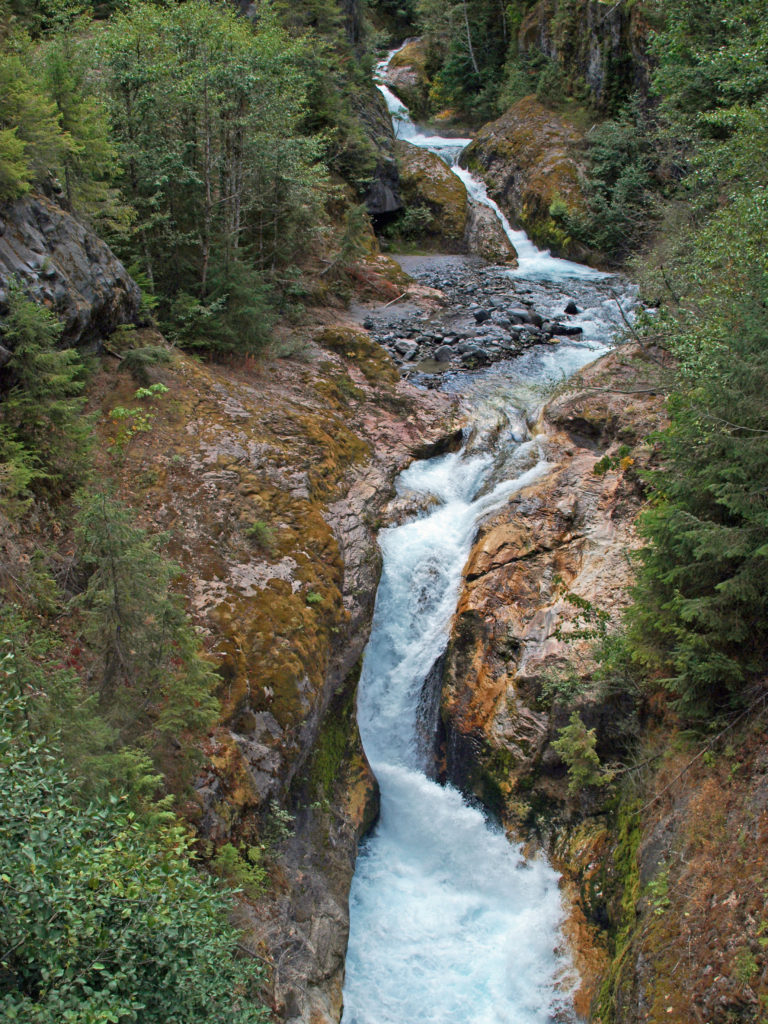
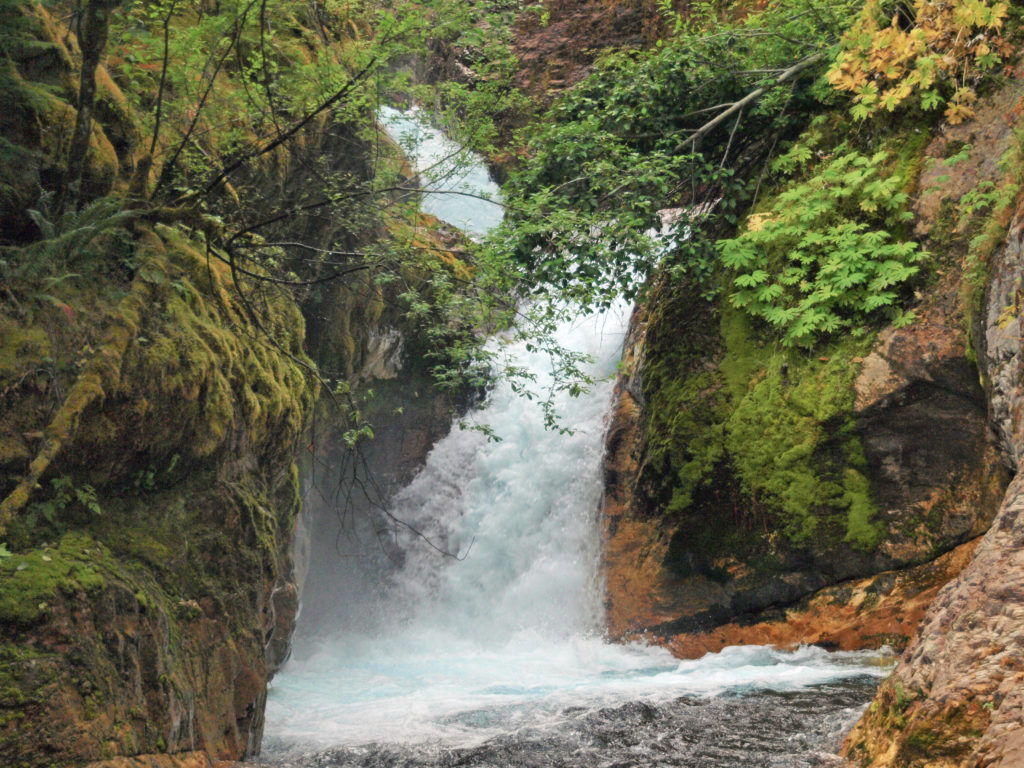
Another one of my favorite Mount St. Helens hikes is the Lava Canyon Trail on the southeast side of the mountain. Distances and elevation gains vary depending on how far down (or up) the canyon you go. You don’t have to go far down the trail from the upper trailhead to see some of the most spectacular waterfalls in the Pacific Northwest, though. The initial section of the trail is ADA accessible and everyone can view some of the best waterfalls. Again, check my blog post on Lava Canyon for more details.

Both the Harry’s Ridge and Lava Canyon hikes are among the best in the Northwest. They are very different, but both are incredibly beautiful and relatively easy hikes, and both can be done in a single weekend. But even if you’re not a hiker, visiting the Johnston Ridge Observatory and taking the short ADA accessible trail at Lava Canyon are more than worthwhile for everyone. And anyone who has not explored the mountain should do so at some point. It’s an unforgettable experience.
Originally posted March 27, 2021 by Alan K. Lee. Updated and re-posted June 19, 2023.
All photos © Alan K. Lee, except as noted

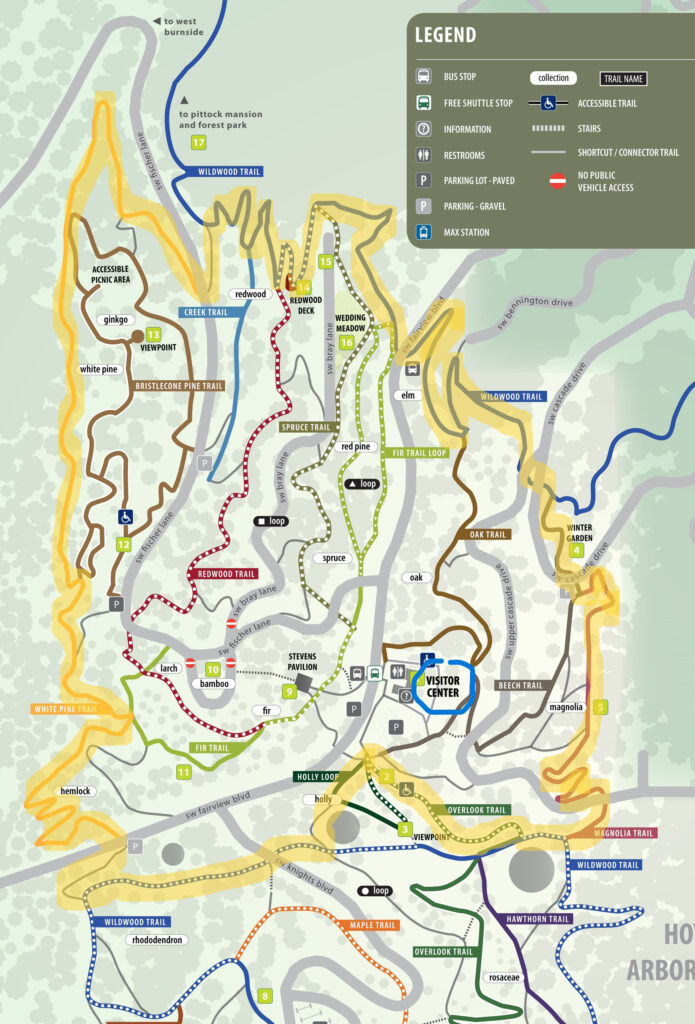
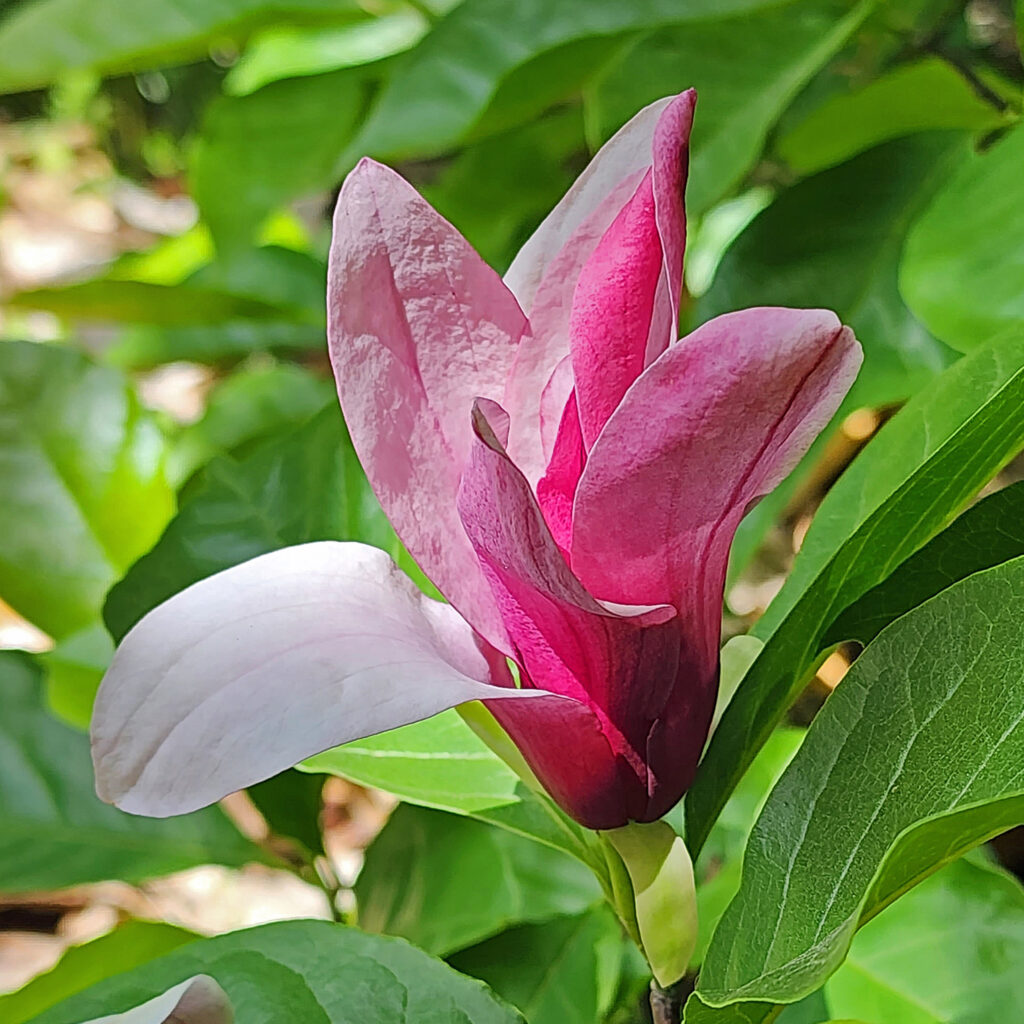
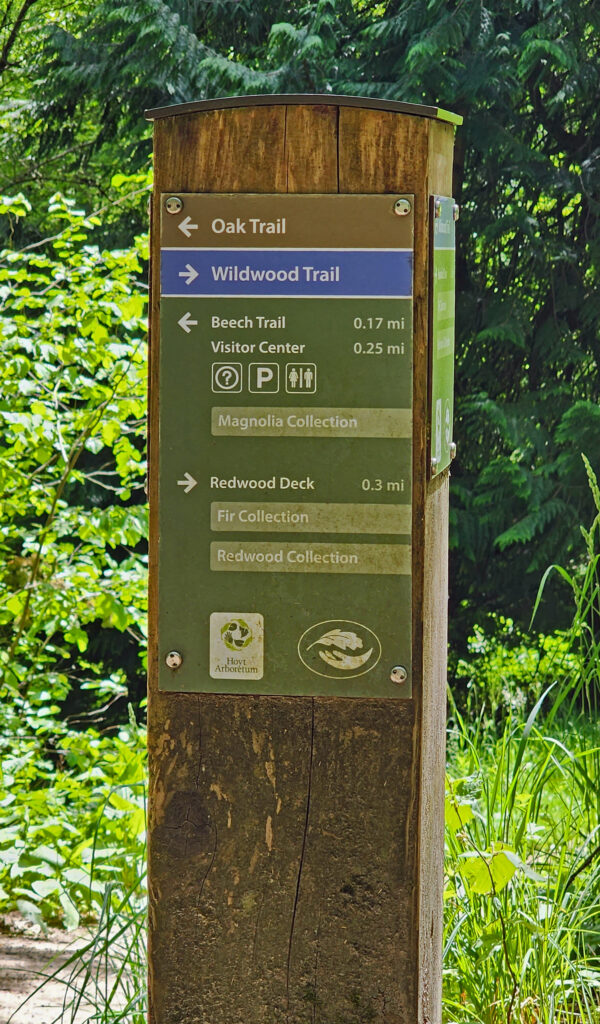 Hoyt Arboretum offers a multitude of possible hikes over its 189 acres and 12 miles of trails. The hike described here passes through many of the arboretum’s tree collections and is a good introduction to the arboretum for anyone that has not visited previously. It also incorporates several short sections of the iconic Wildwood Trail that meanders for 30 miles through Washington and Forest Parks. The trail junctions in the arboretum are well signed, so it would be hard to get lost, but the sheer number of intersecting trails can be confusing. I recommend carrying a map of the trail system whenever you’re hiking in the arboretum. Download and print the arboretum map linked above or pick up a free map and brochure at the visitor center. The brochure provides some interesting information and has a larger and more easily read map than the download.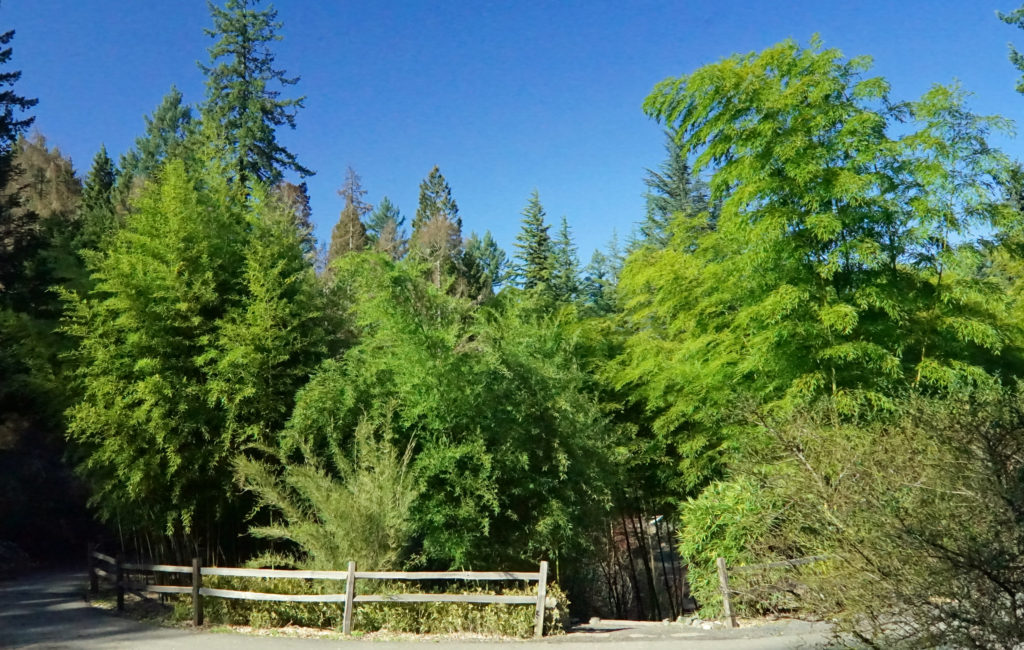
 Trailheads: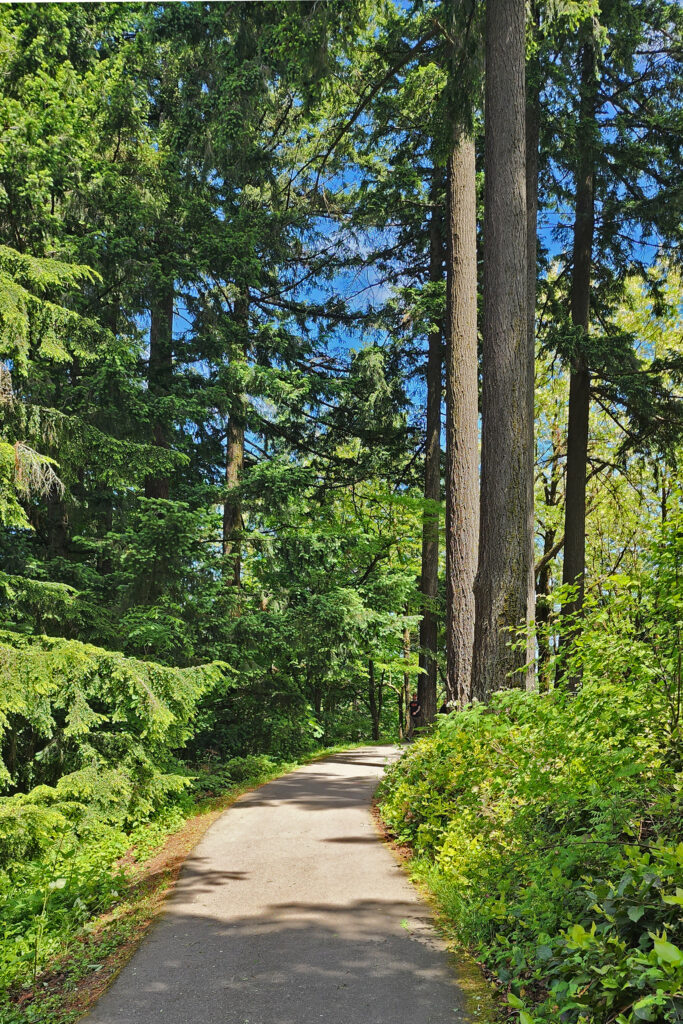
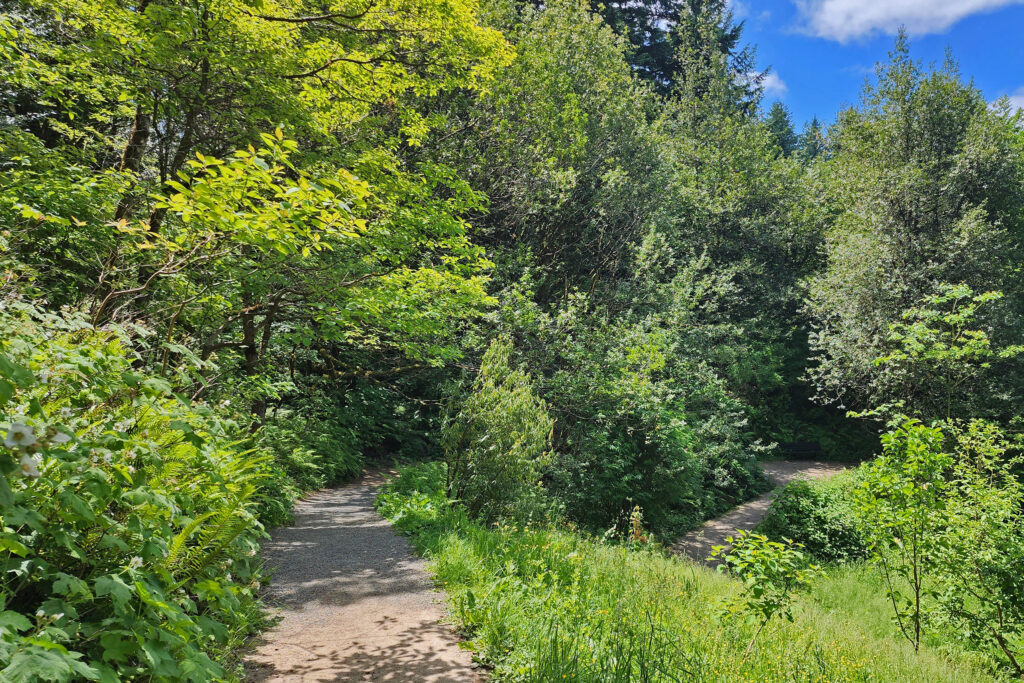

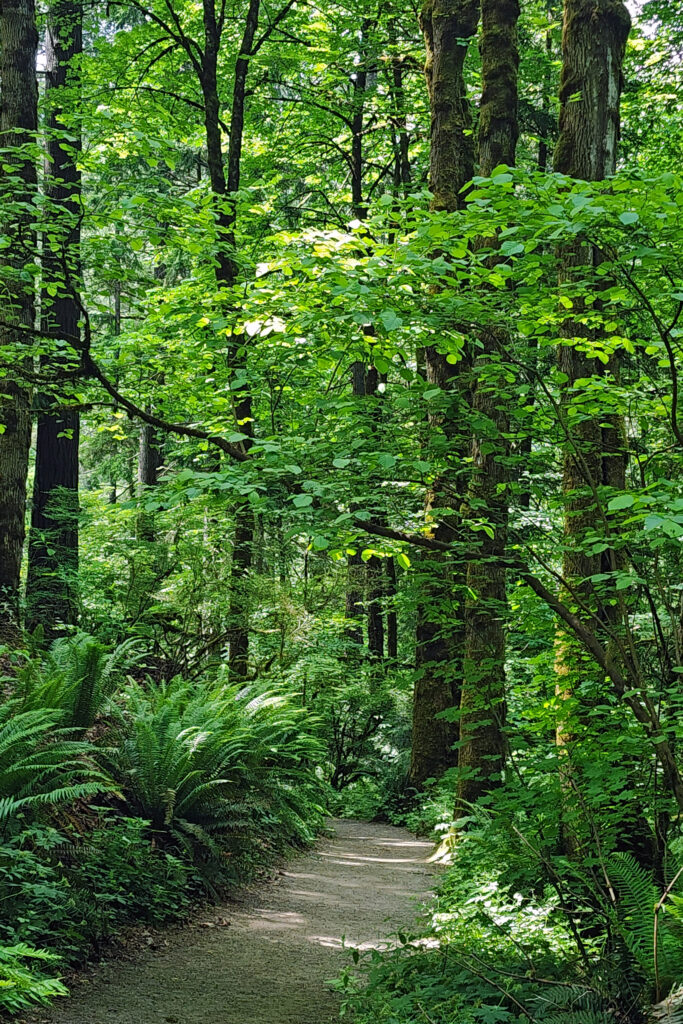
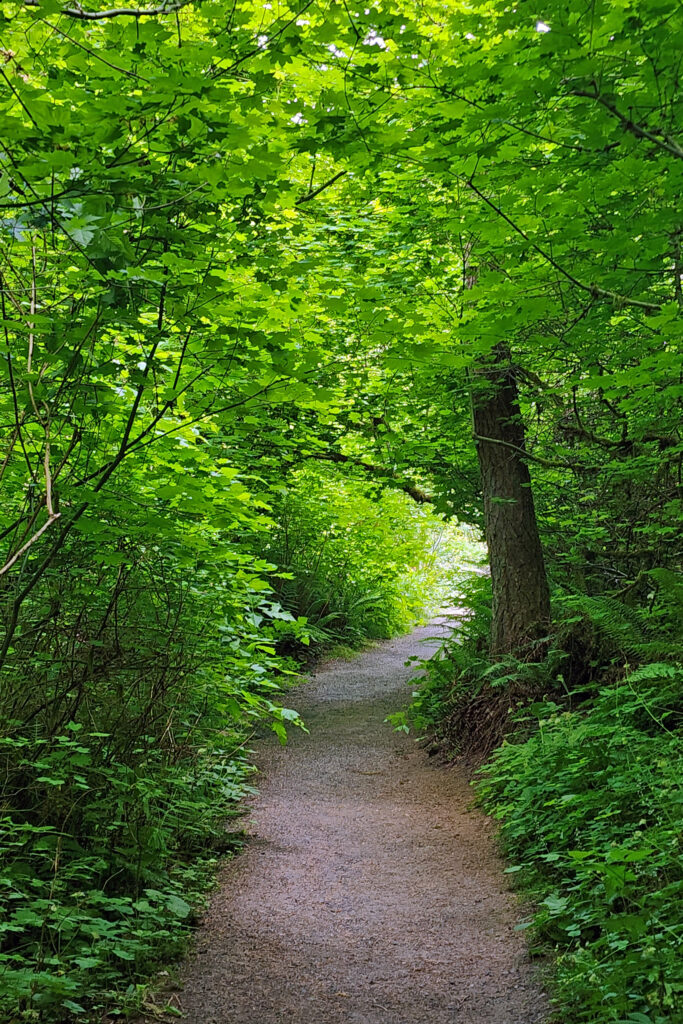
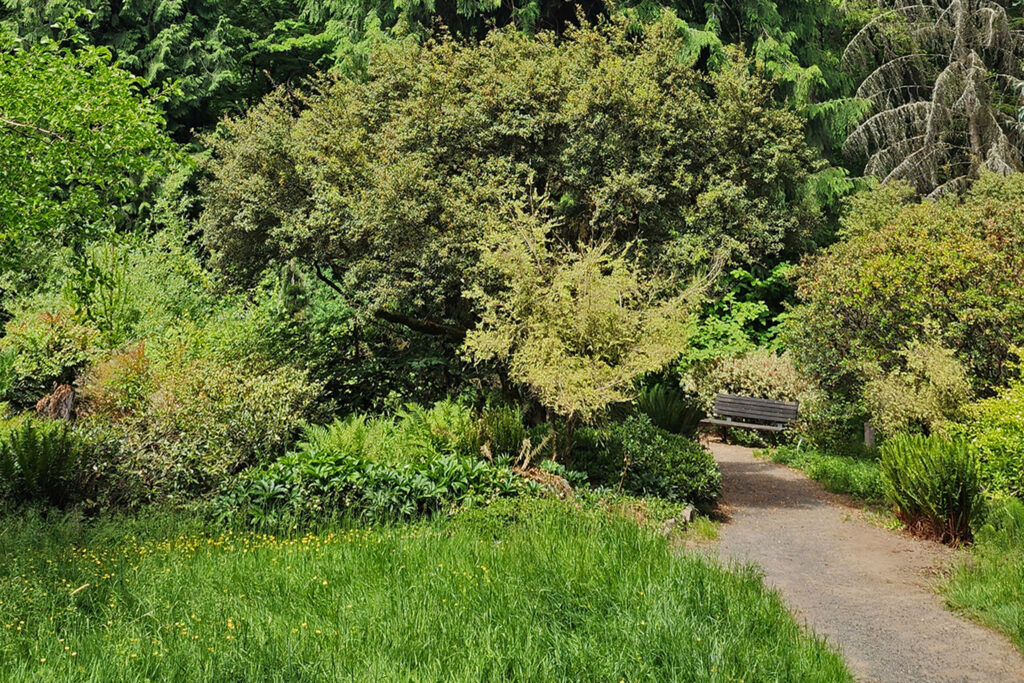

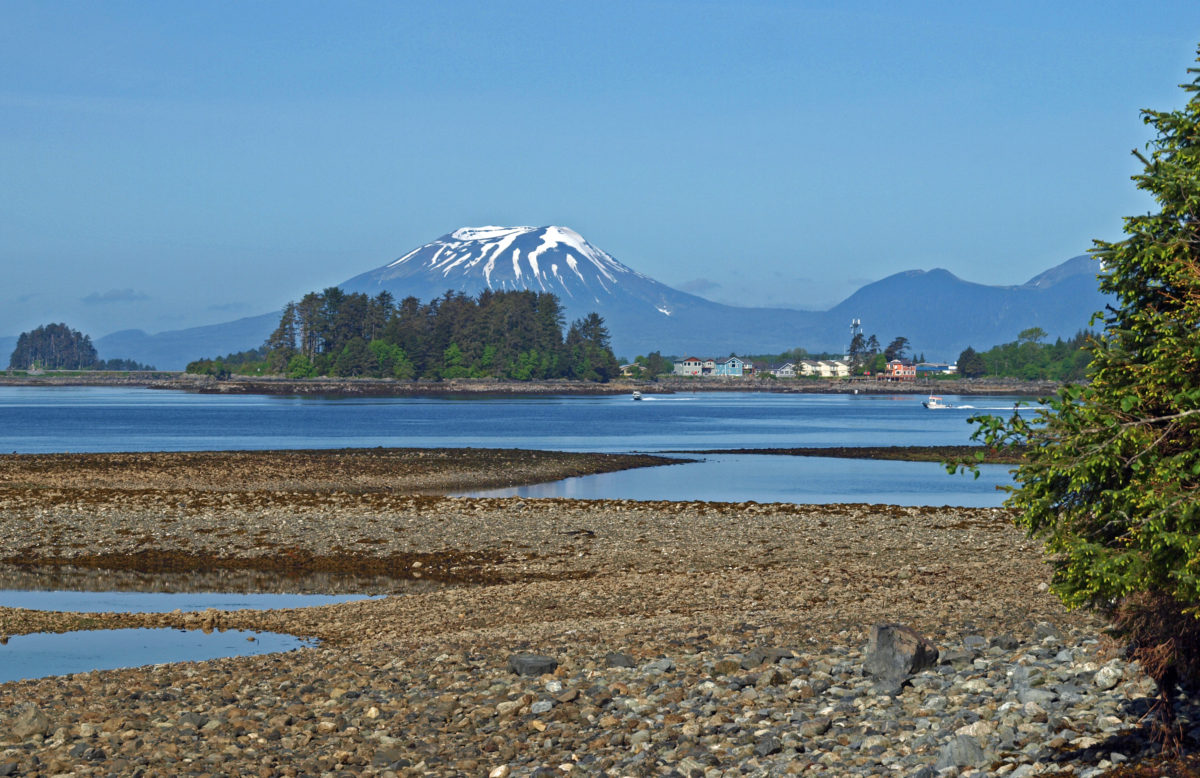


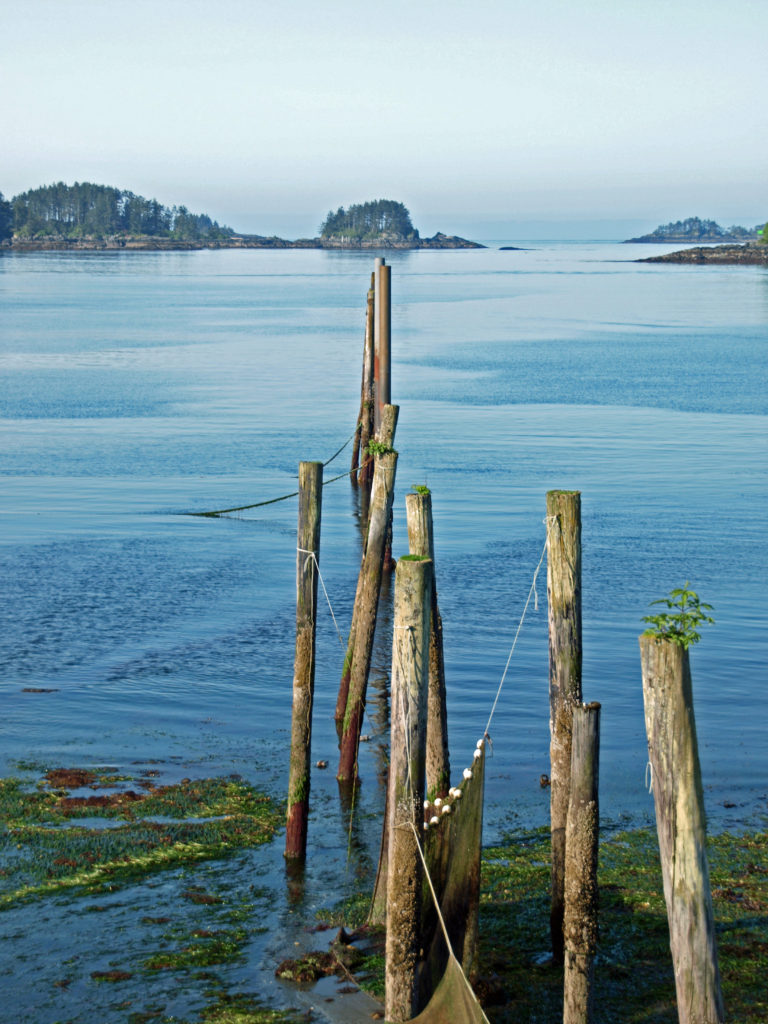









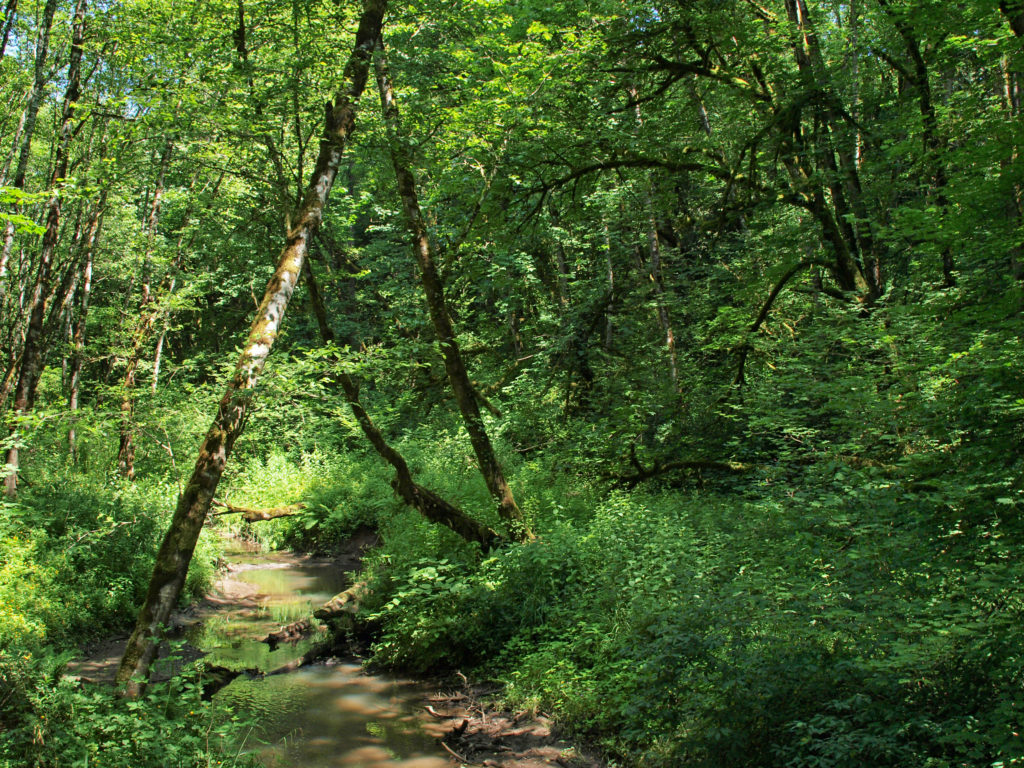
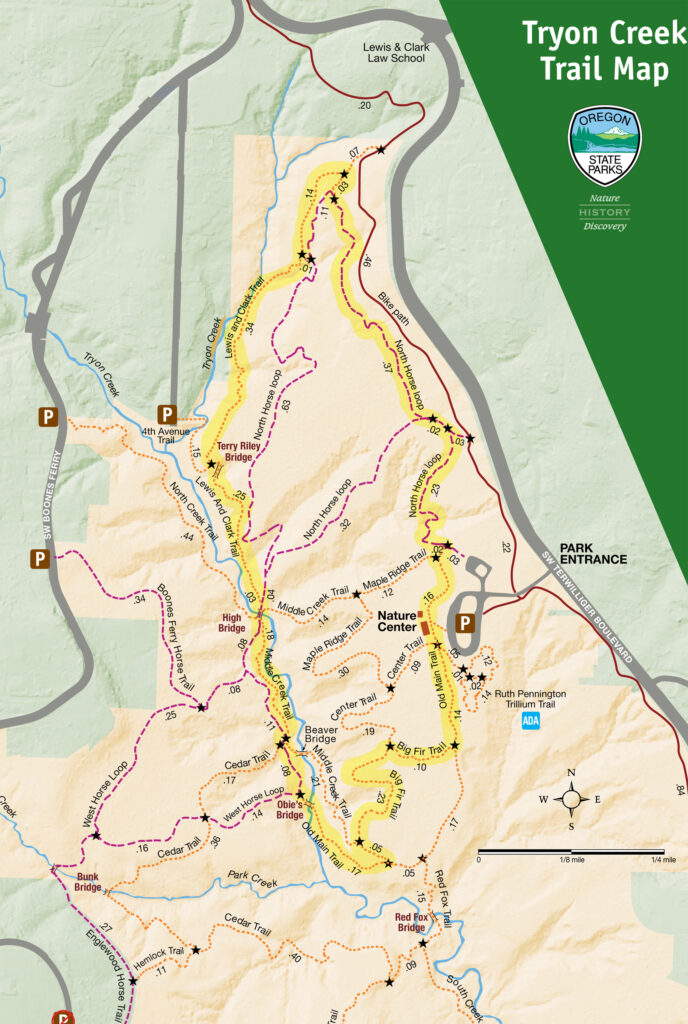
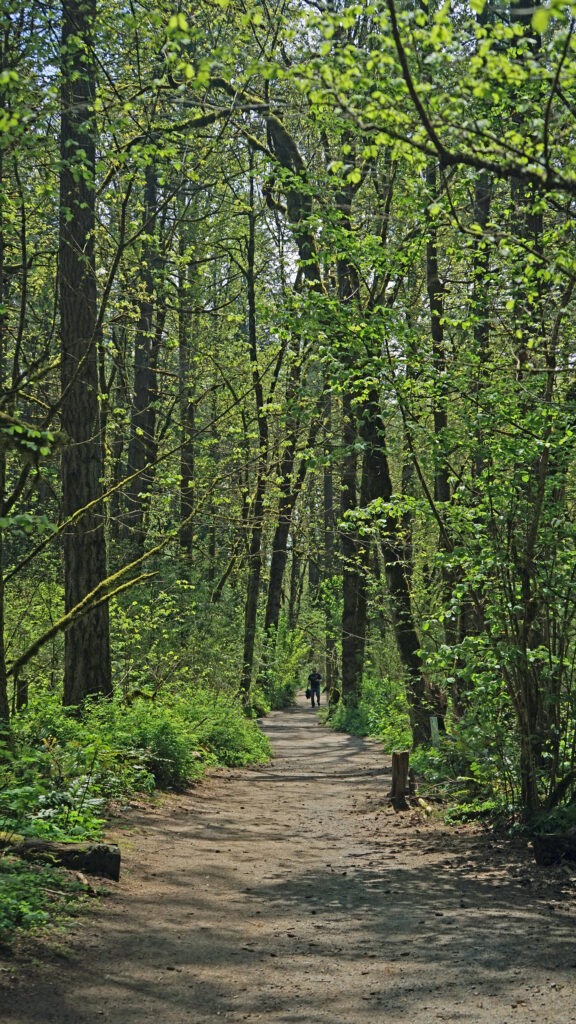
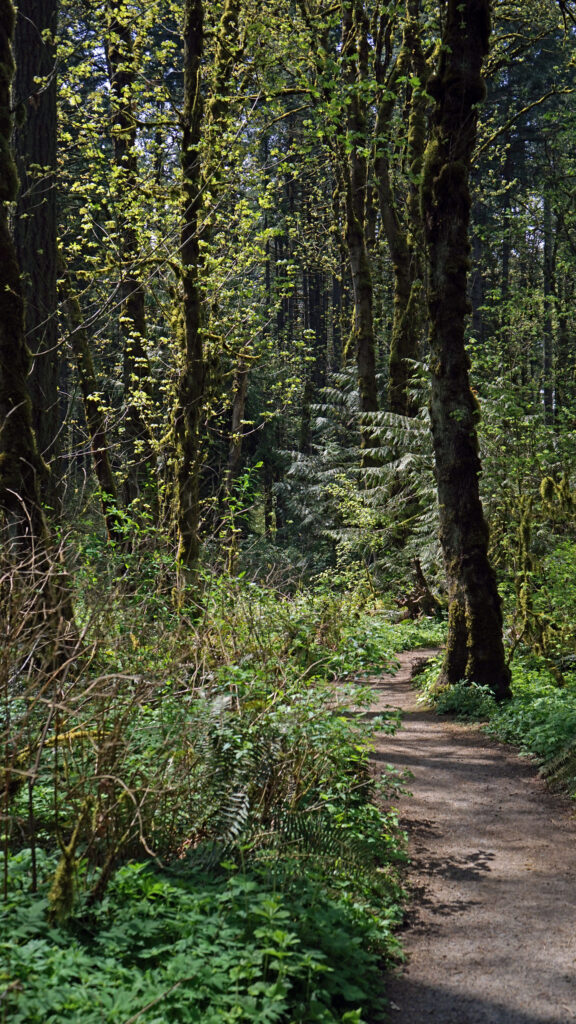
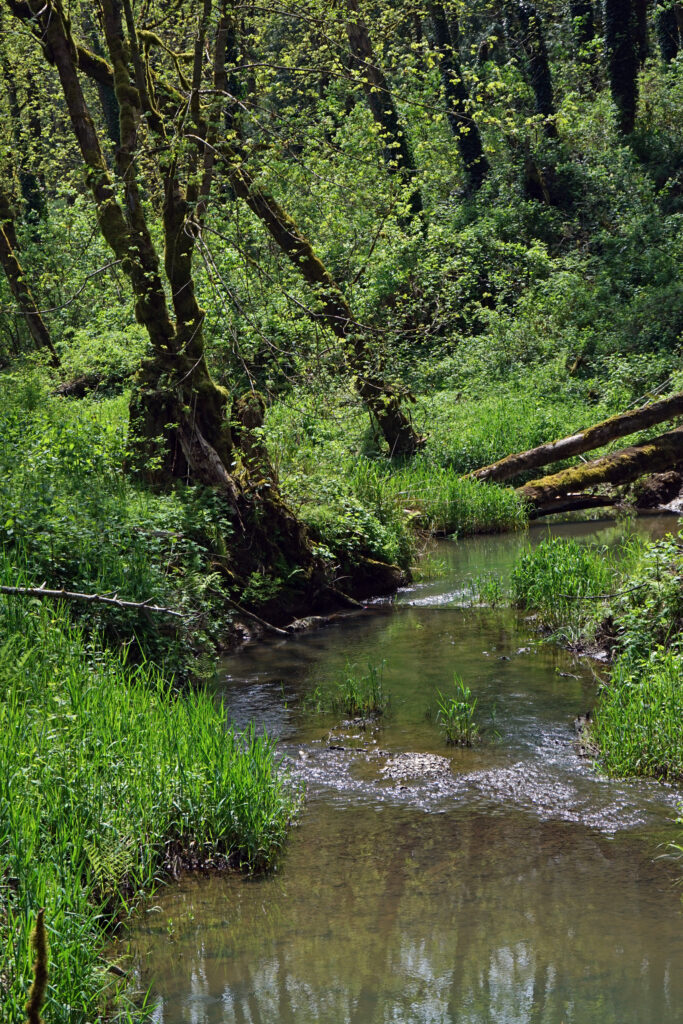
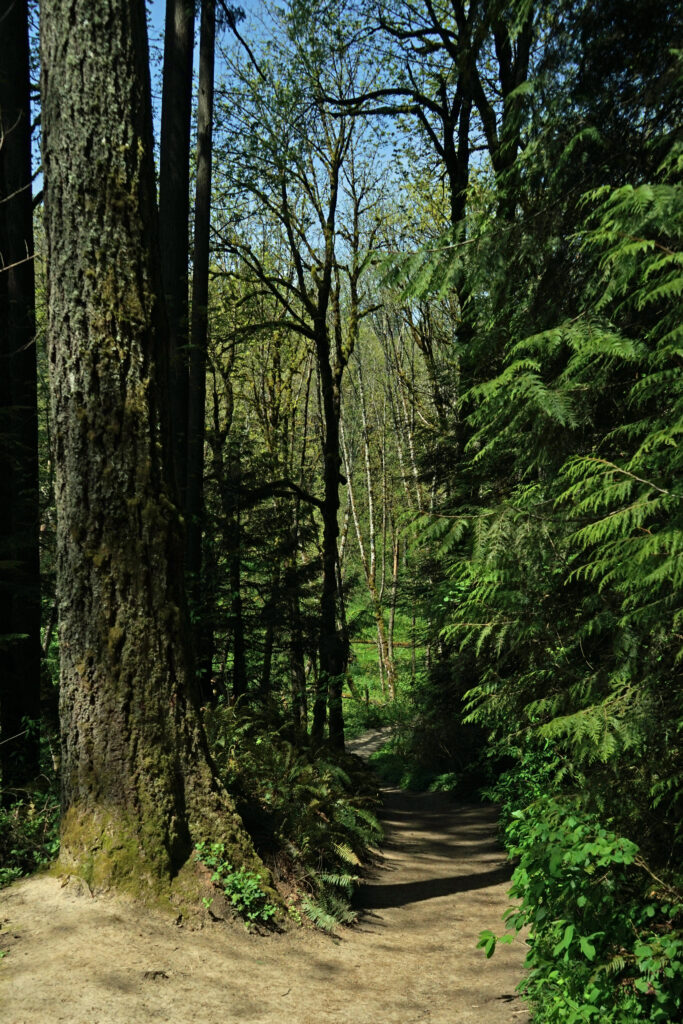 There are a myriad of loops and out-and- back hikes possible at Tryon Creek. The park has a total of 15 miles of trails, including a short all access paved trail, a paved bike path that runs the length of the park, all-use trails open to horses, and hiker-only trails. Dogs are permitted on leash. Bikes are not permitted, except on the designated bike path. The park is a day-use area only. Camping is prohibited.
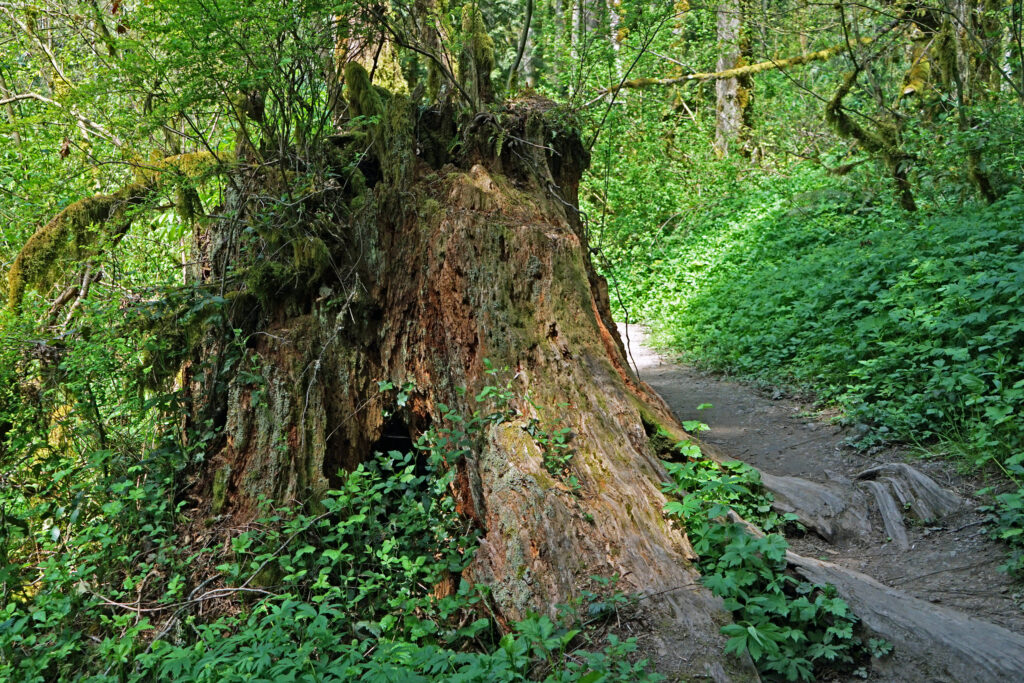
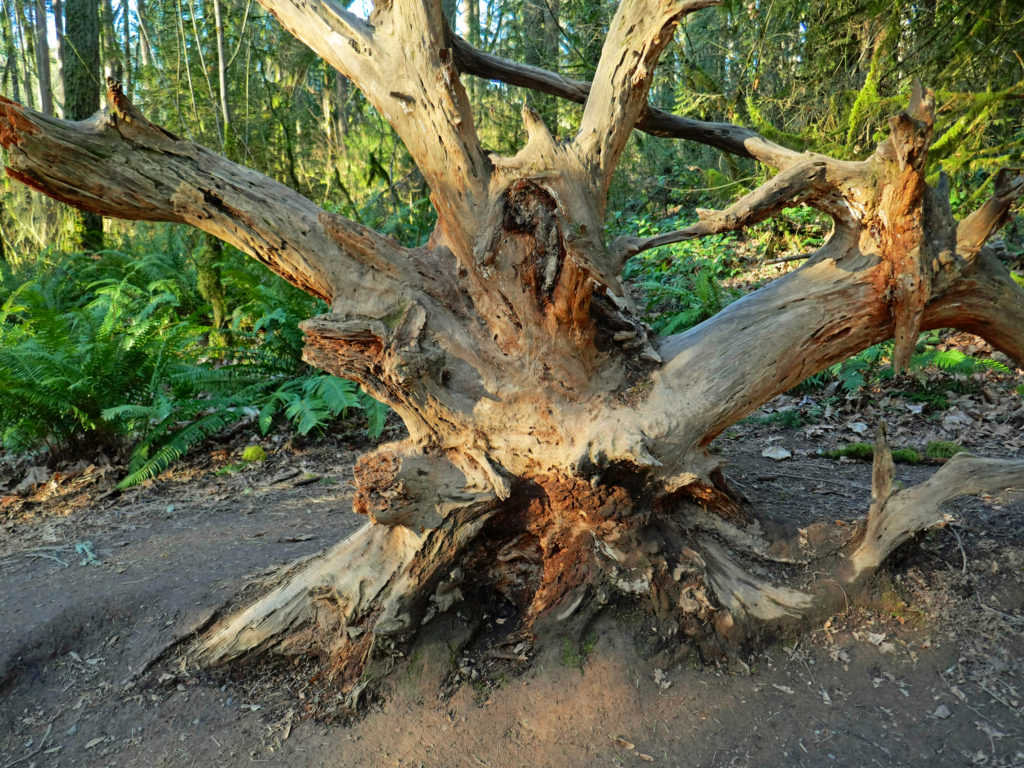 All of the trails are well used, so you’re unlikely to find real solitude here, unless you come during really bad weather. But that doesn’t detract much from the park’s appeal. In general, the farther from the Nature Center that you get the fewer people that you’ll encounter. The southern and western parts of the park are the least used. The hike described here includes two of my favorite trails, the Big Fir and Lewis and Clark trails, but they’re also two of the most traveled trails in the park.
 Getting there:

 Posted May 18, 2023 by Alan K. Lee.
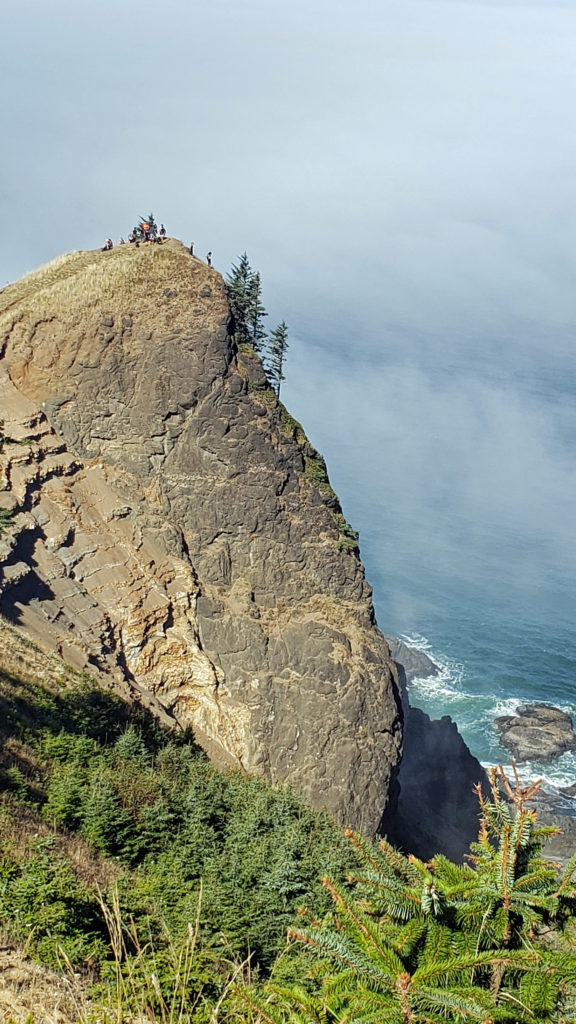 Overview:
 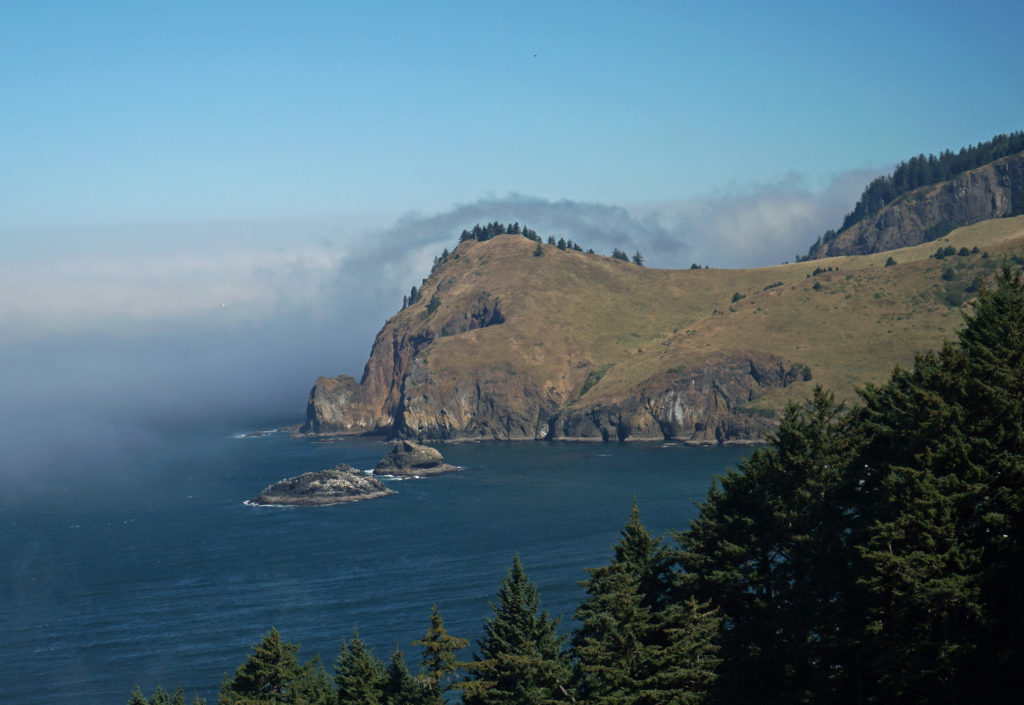 The God’s Thumb hike remained closed to the public until about a decade ago. Although people occasionally trespassed across private property to get to it, God’s Thumb remained largely unknown. But in 2013 Lincoln City purchased about 500 acres of property that was the site of a failed subdivision and negotiated an easement with the owner of the neighboring property, making God’s Thumb legally accessible to the public for the first time.
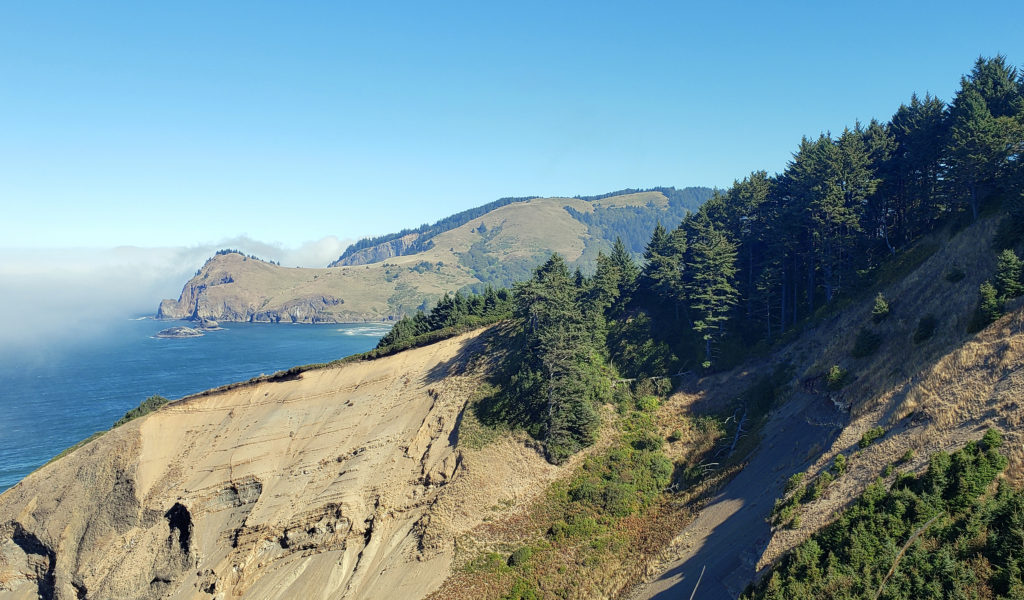 Trailhead:
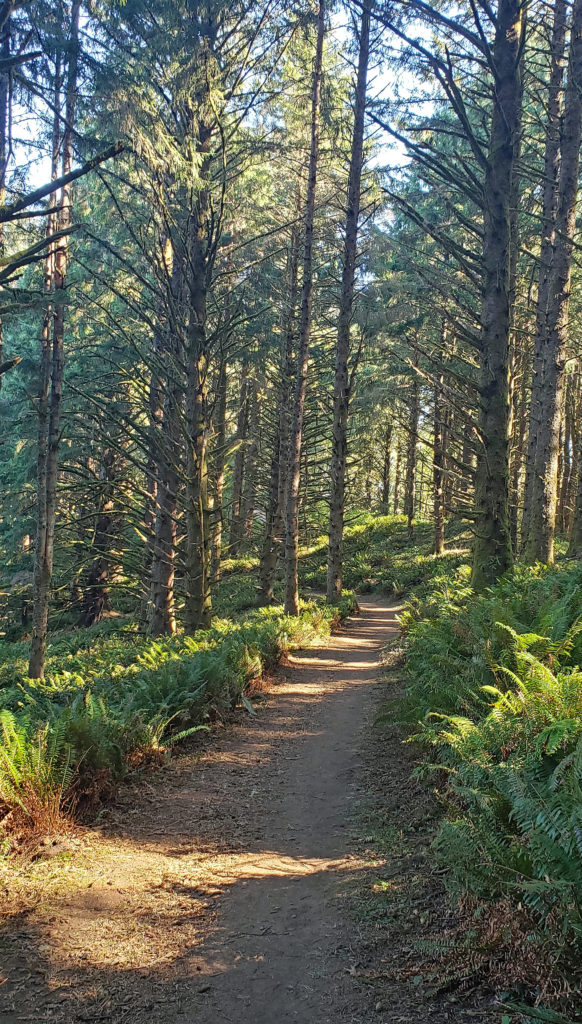 The hike:
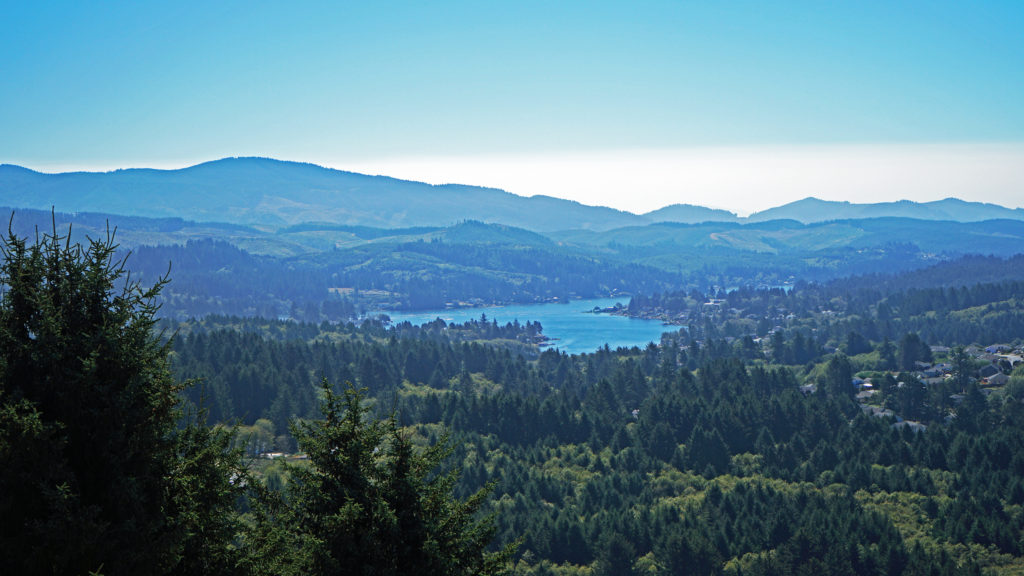
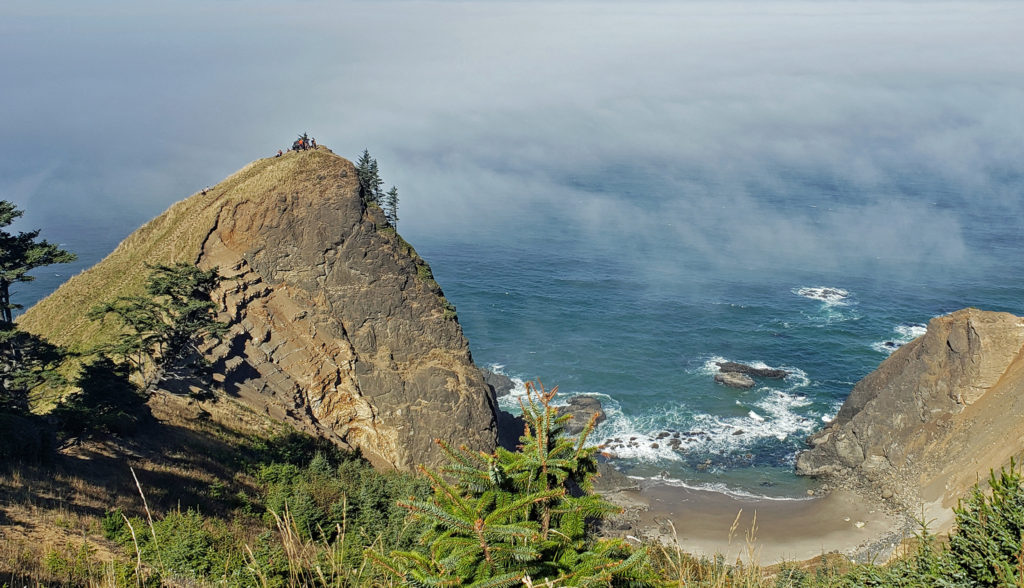
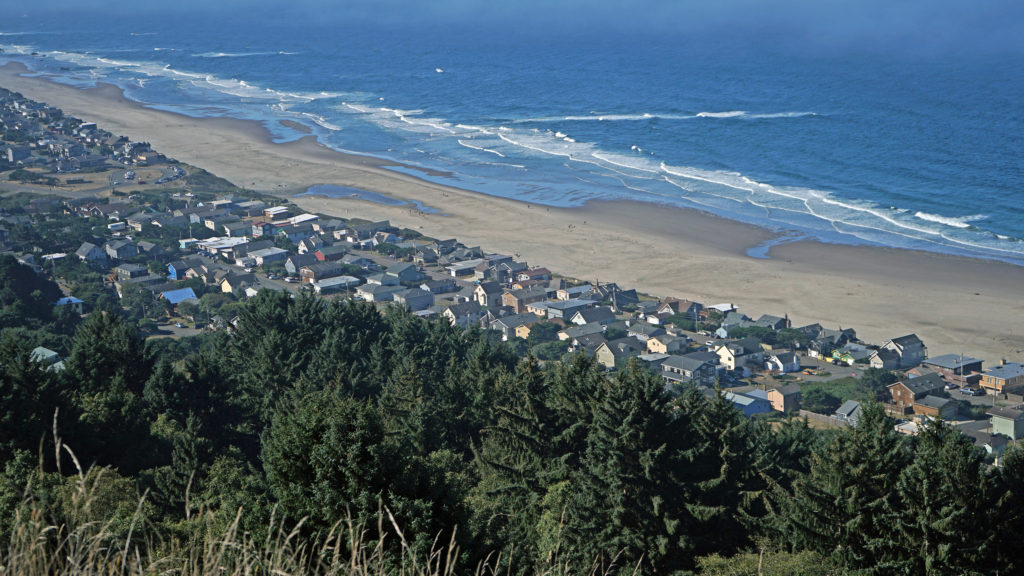 You don’t want to skip this because the view here is spectacular. The Pacific Ocean is spread out before you in all its glory. The Road’s End section of Lincoln City is directly below you. Lincoln City stretches out before you, with Devil’s Lake to the east and Siletz Bay to the south. The view extends south to Cape Foulweather. You might want to park yourself on the grassy summit and just sit for a while. Apparently, the local herd of elk also like the view because they often bed down here at night.
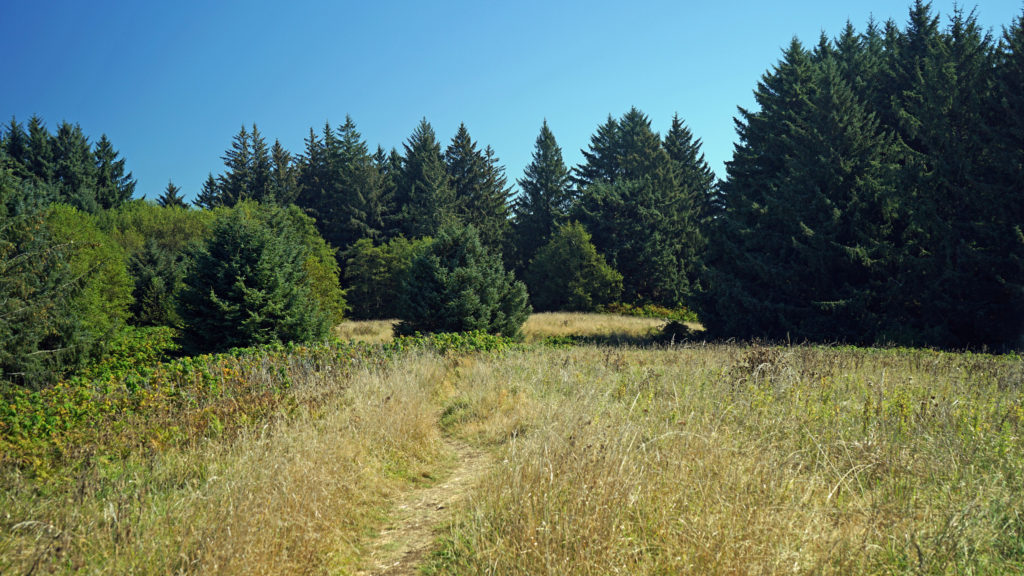 When you’re done taking in the view from The Knoll, return to the main trail and continue north. This portion of the trail is on the easement granted to the city by the property owner. The trail takes you through a spruce and hemlock forest and across a small meadow. Parts of the trail are steep, but the elevation gain is modest, and most people won’t have any difficulty. You’ll soon come to a trail junction. Stay left to continue on to God’s Thumb. You’ll pass through more spruce, hemlock and alder forest, and across several grassy meadows before the trail swings to the west and comes to another trail junction. The trail to the right comes up from the private Camp Westwind on the Salmon River Estuary. Stay left at the junction and you’ll soon see God’s Thumb in front of you. Stop here and admire the view of The Thumb and the surrounding cliffs, the two coves and beaches on either side of The Thumb, and Cascade Head to the north.
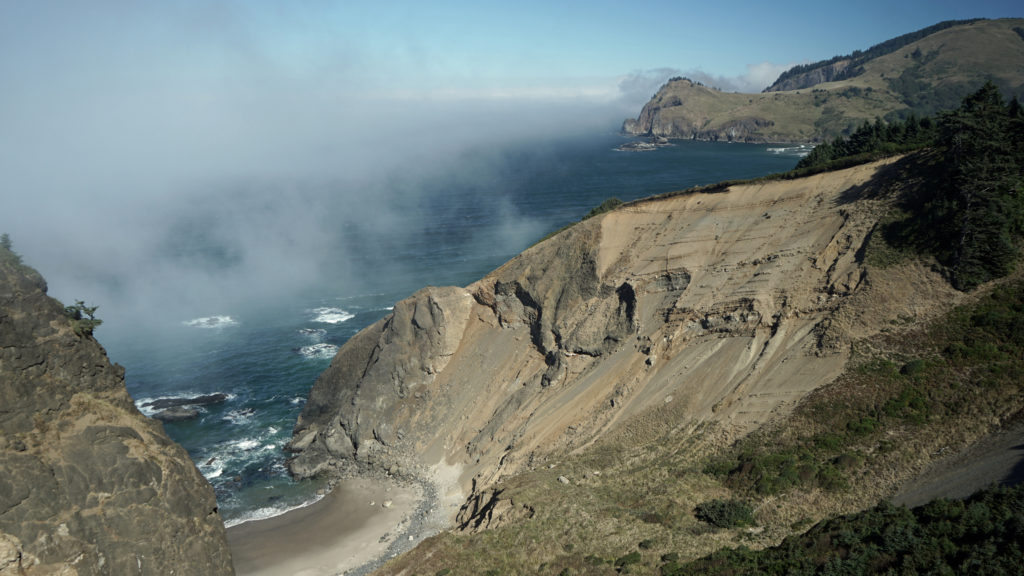 The trail then drops steeply down the slope and across along a narrow ridge before climbing very steeply up the slope to the summit of God’s Thumb. This section can be tricky to navigate and can also be slippery if the trail is wet. Some people choose not to venture down and then up to the summit. But if you do, you’ll be rewarded with magnificent views in all directions. Even if you don’t, the views you do get make the hike well worthwhile.
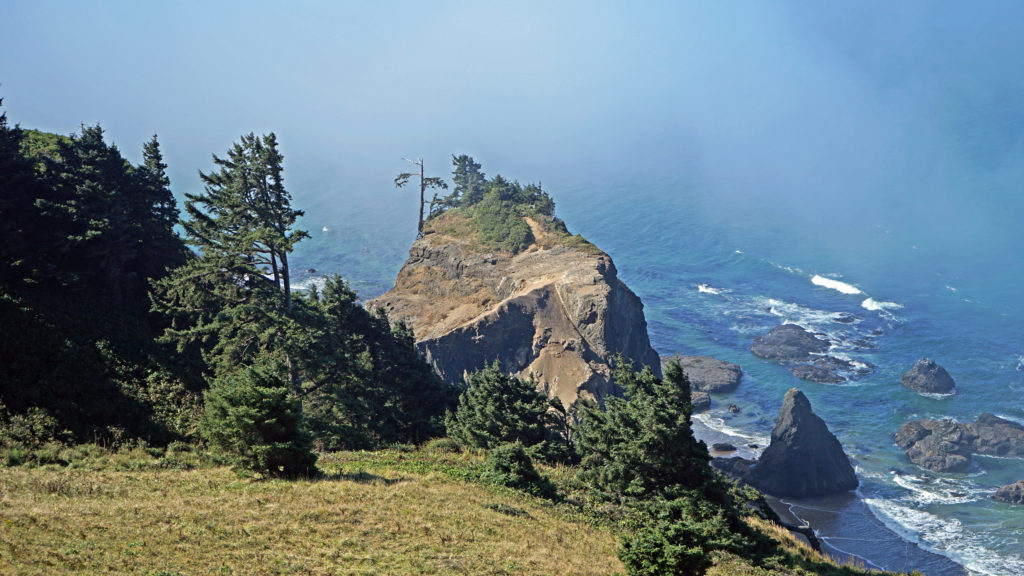 When you’re done taking in the views, return the way you came. When you reach the second trail junction, before you get to The Knoll, you have the option of taking the trail to the left for an alternate, slightly longer route back to the end of Devil’s Lake Boulevard where you left your car. Check the Oregon Hikers
  A few notes on parking:
 Other area hikes and other attractions: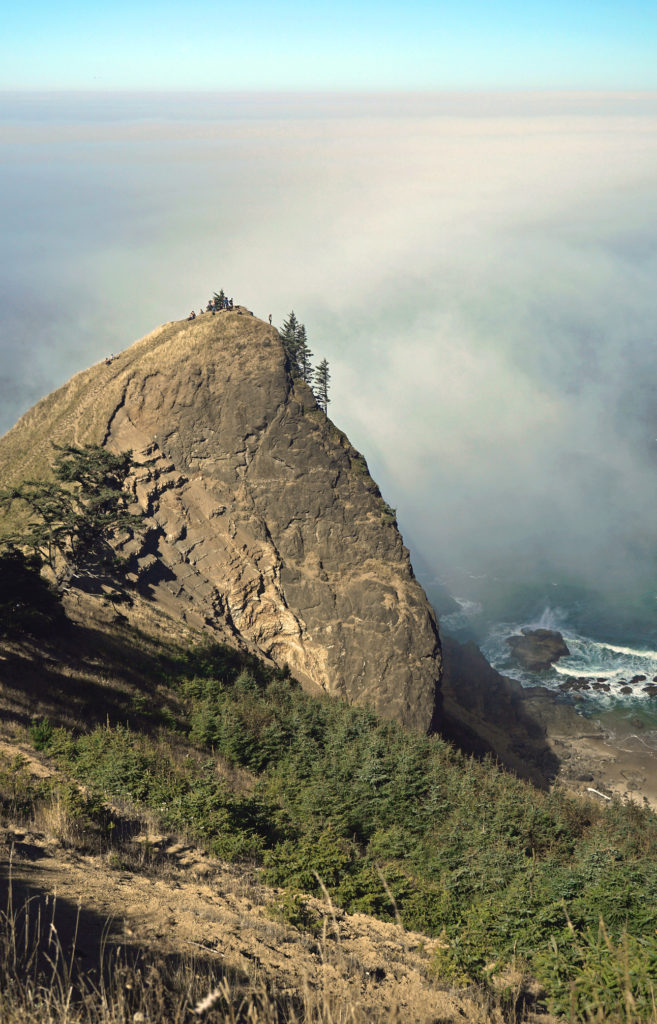
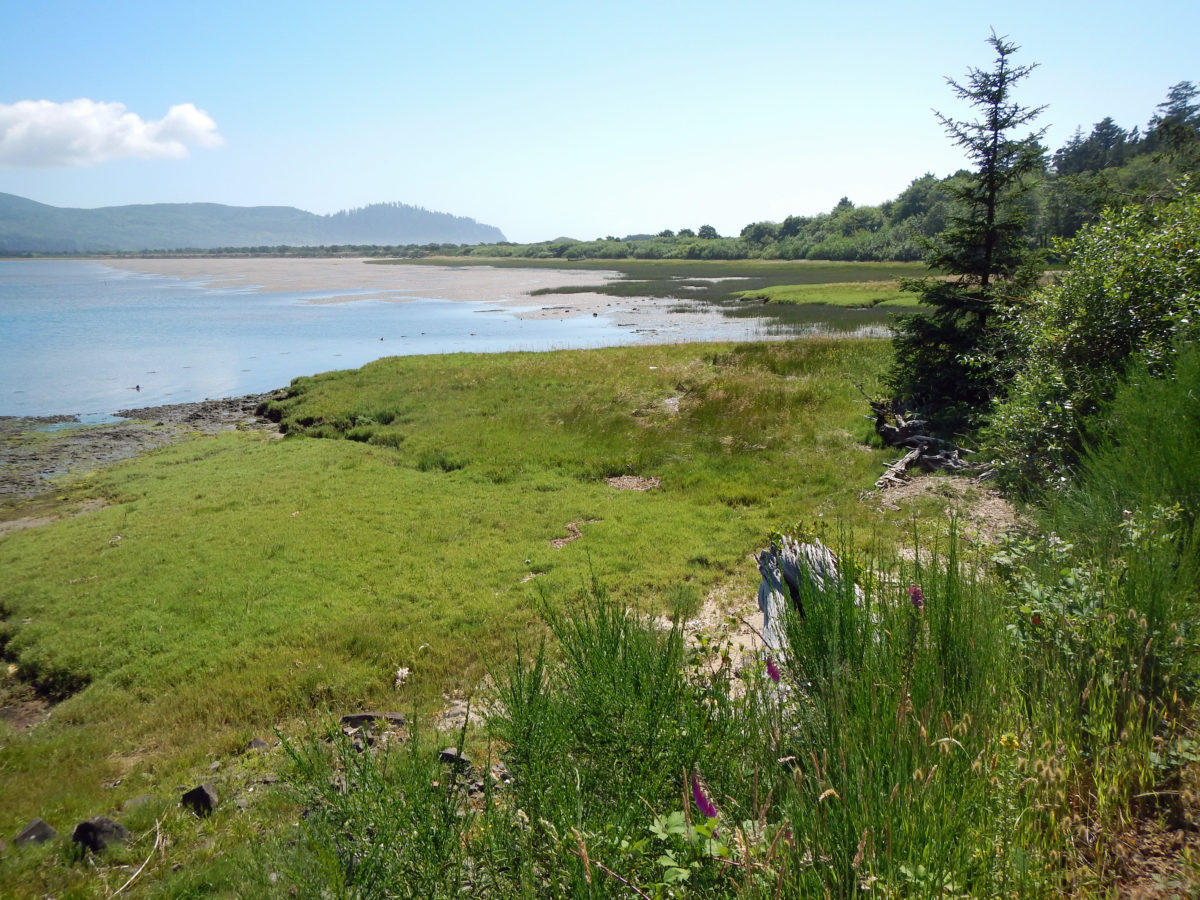
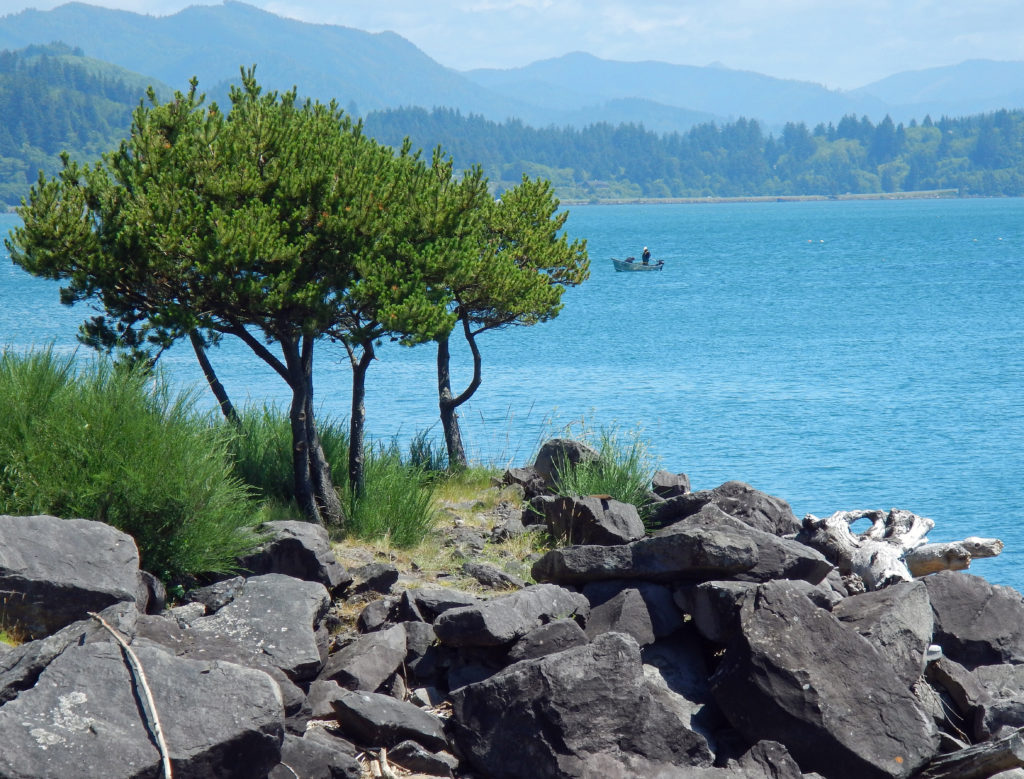
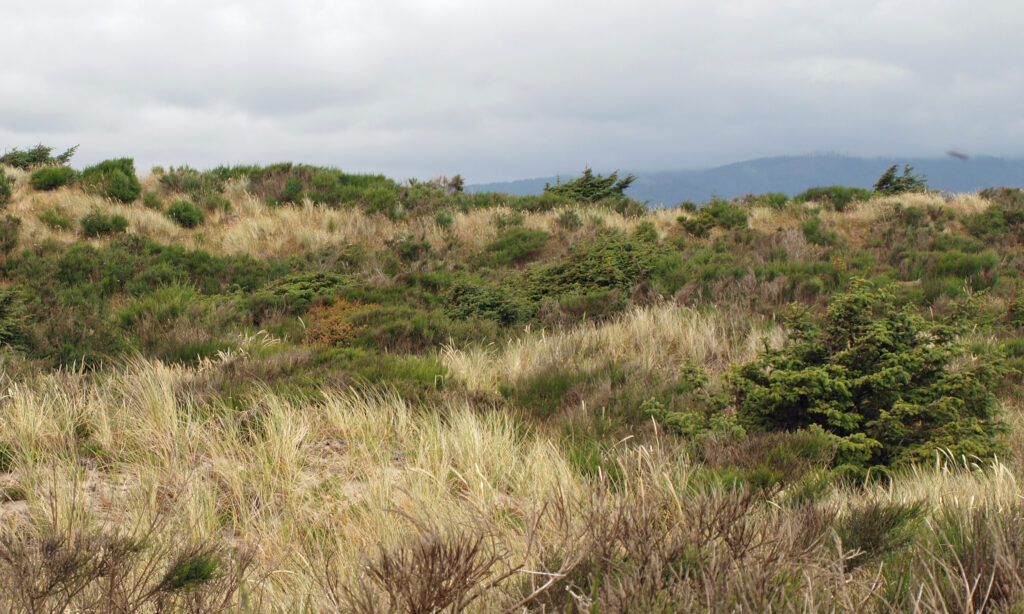
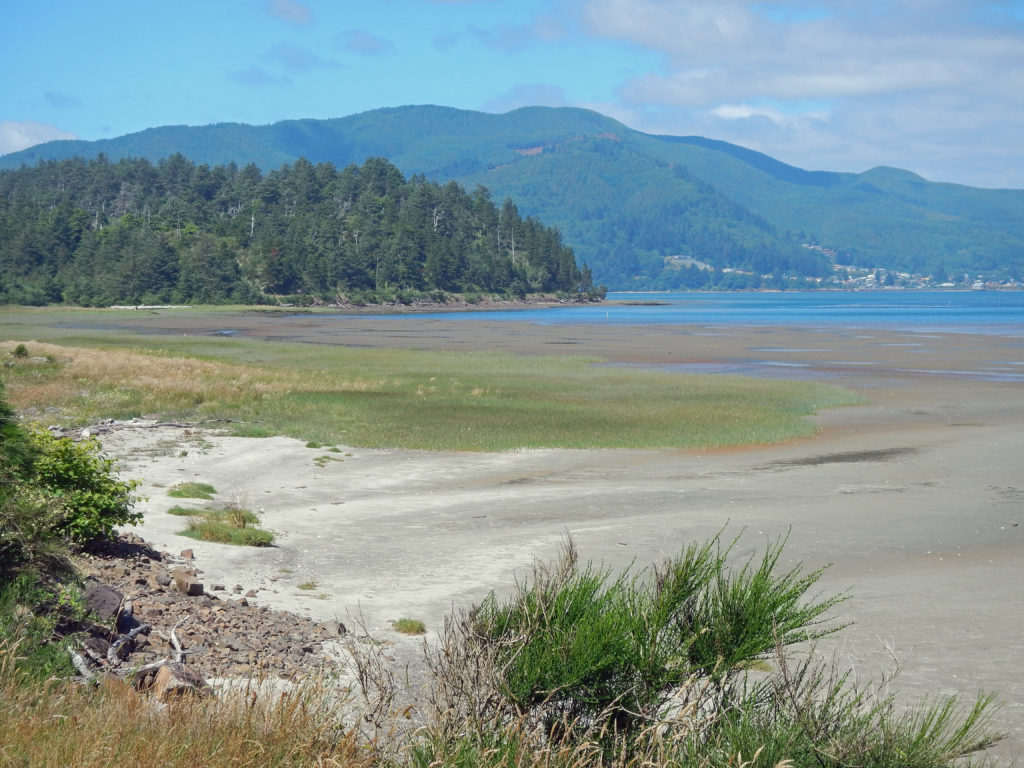
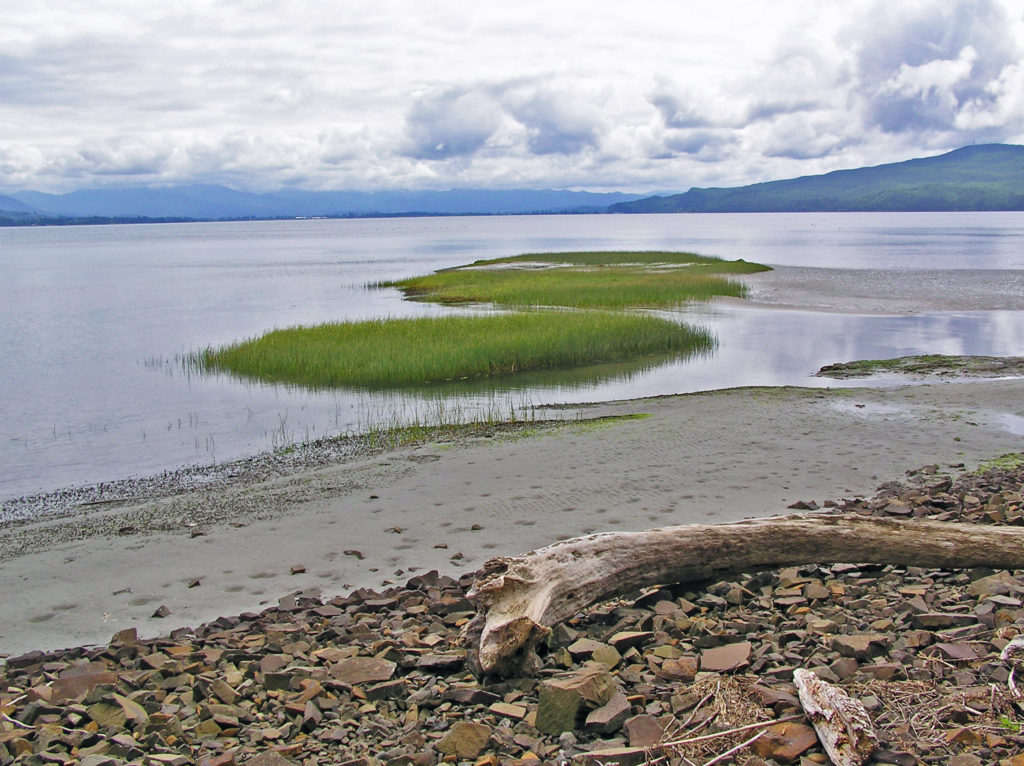 The peninsula is now an undeveloped county park. There has never been a campground, but in the past backcountry camping was permitted. That has changed, however, and overnight camping is no longer allowed.
 Getting there:
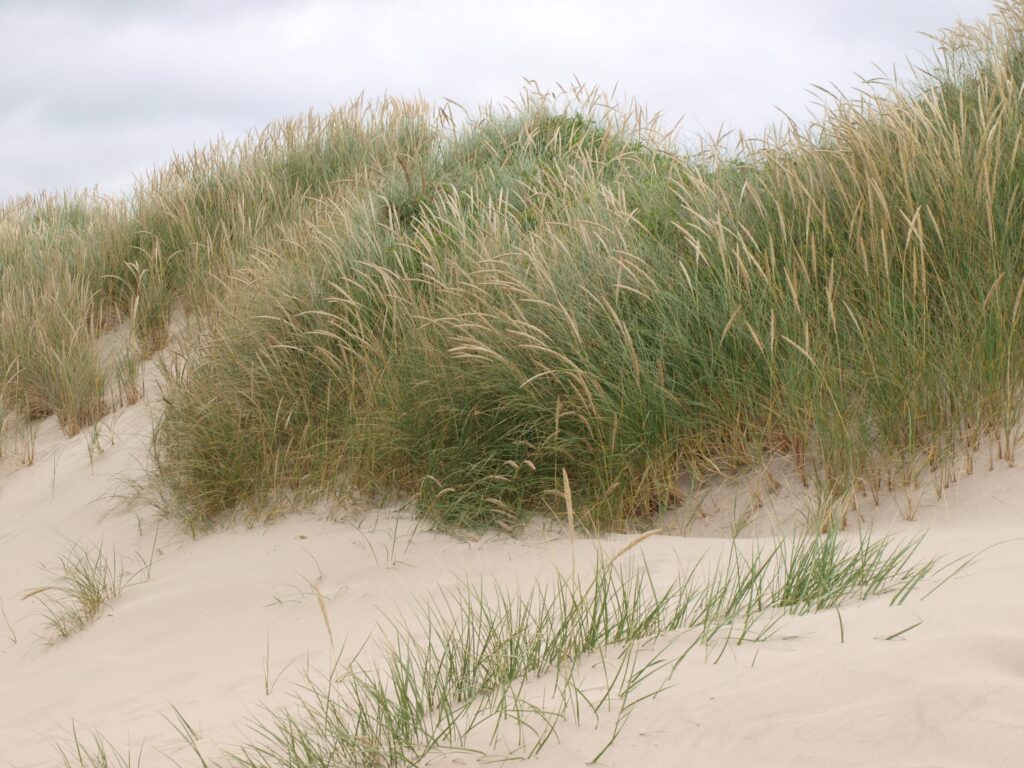
 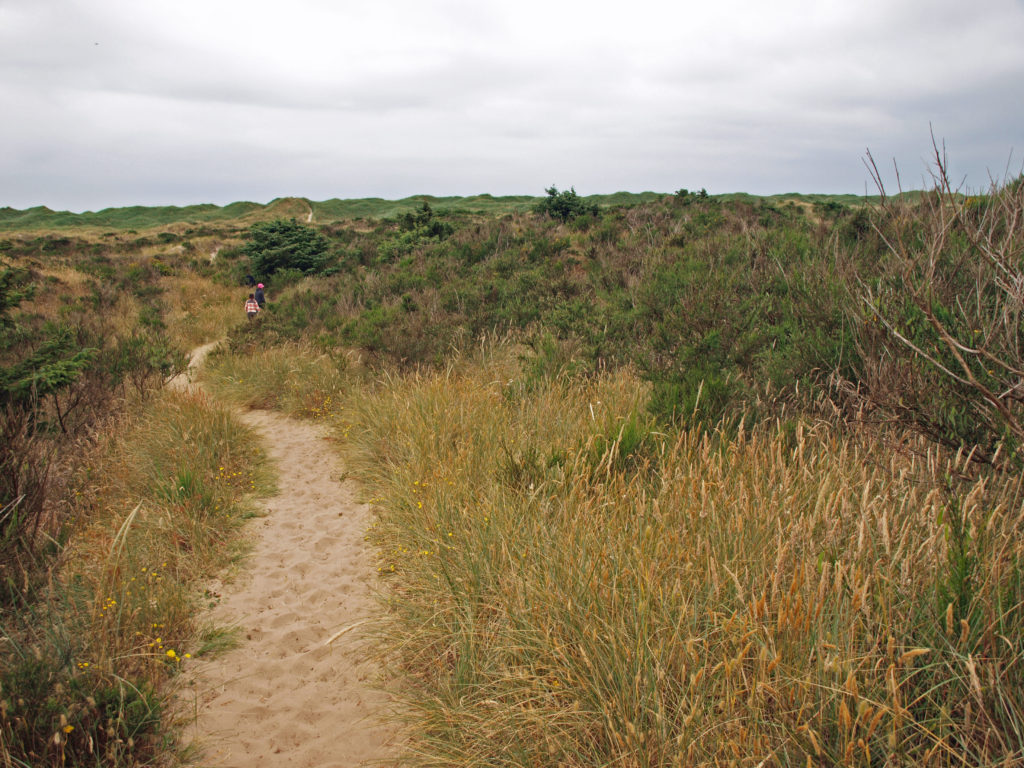 The hike:
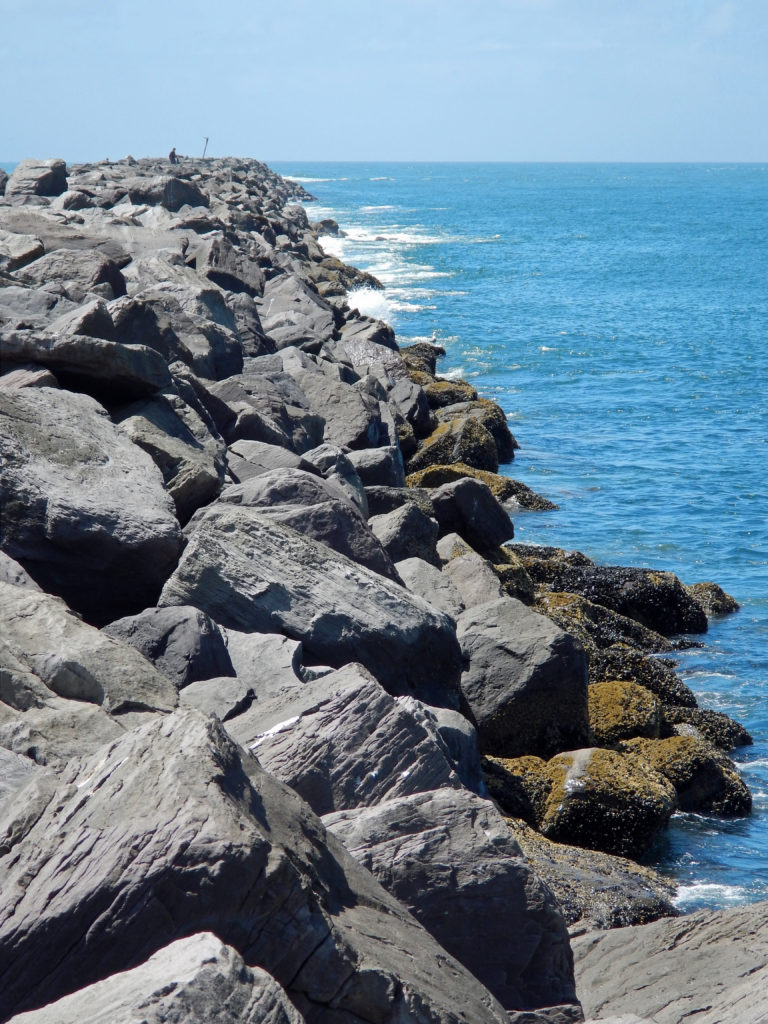 Or, continue along the beach until you reach the south jetty at the mouth of Tillamook Bay. You’ll be rewarded with one of the least crowded beaches on the entire coast. You might have the beach to yourself even on summer weekends.
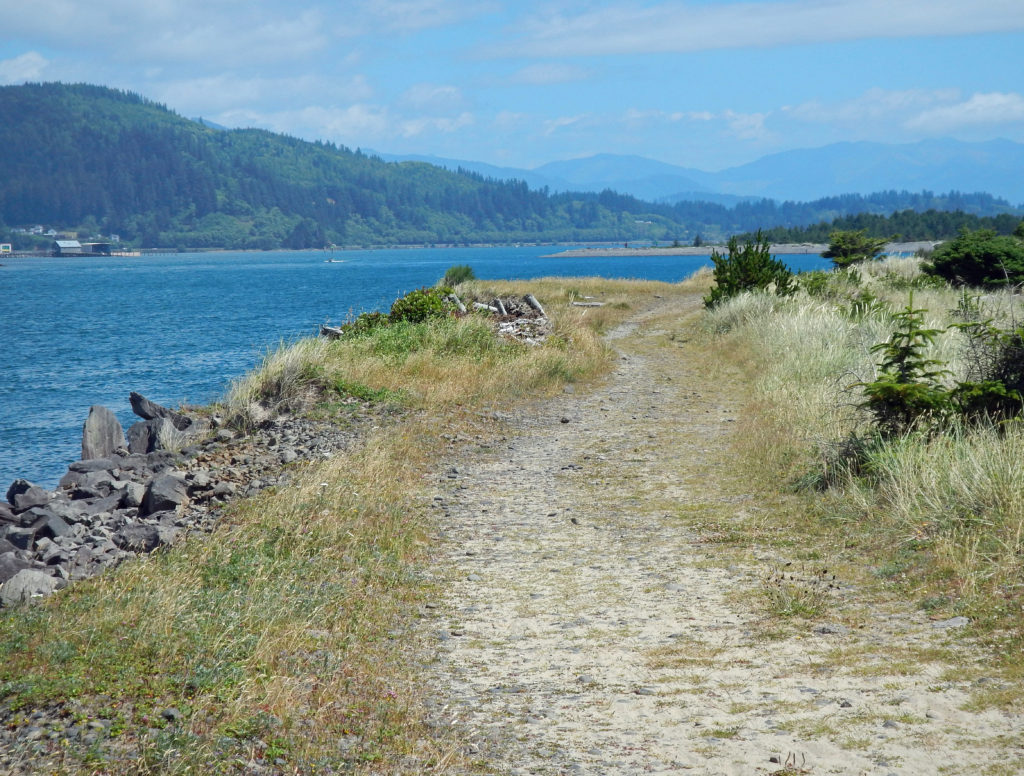 From the jetty you can return the way you came for 7.2 mile out and back beach walk or complete the 7.7-mile loop hike by following the jetty inland to the old jetty haul road and following it back to the trailhead. The road is rock and gravel with some sandy stretches. It runs along the bayshore, with good views of the shore and bay, with a couple of stretches in the pine and spruce forest of the peninsula interior.
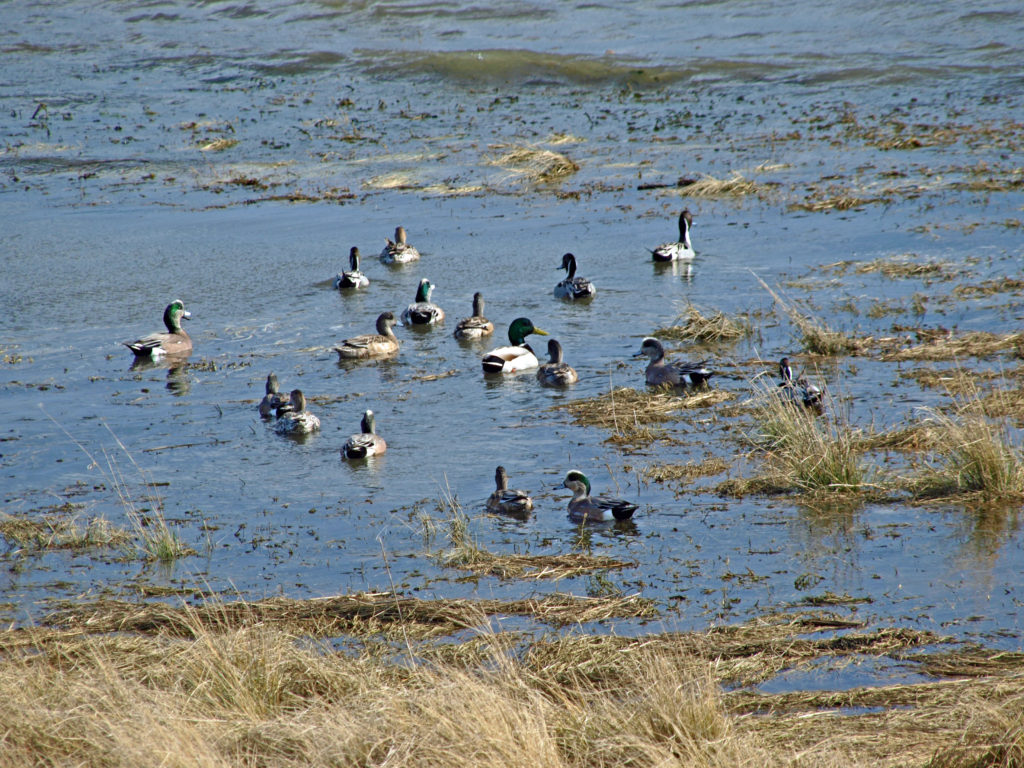 Look for ducks and geese on the water and shorebirds along the water’s edge. This is one of the best birding areas for waterfowl on the coast.
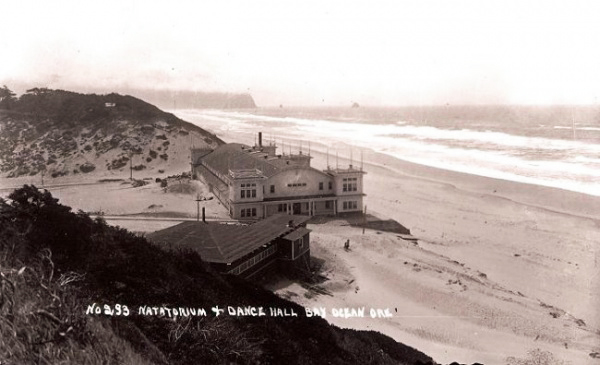
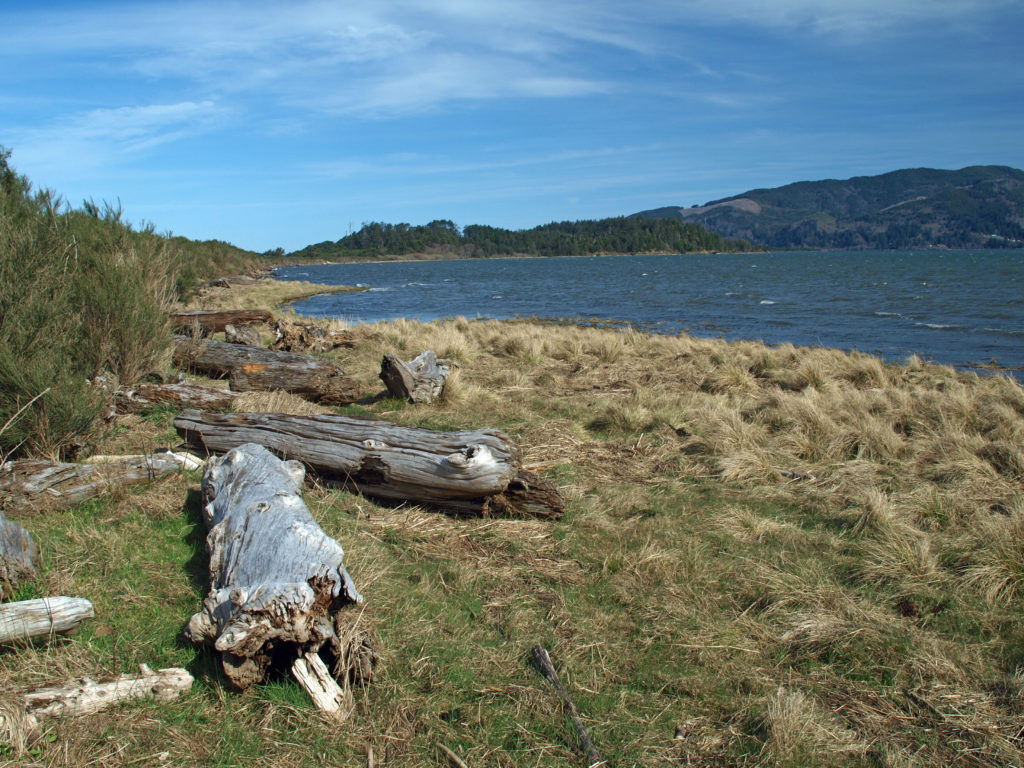 Near the end of the hike look for a sign labeled Bayocean Townsite. Here a trail leads toward the beach to the old townsite. The trail loops south through what was then the bayfront (the whole peninsula has shifted a couple of hundred yards to the east and much of the old townsite is now under the waves), then returns to the haul road, where there is an interpretive display that tells the tale of the town and its demise. From there, return to the parking area. (If you started at the town of Cape Meares, hike from the Dike Road parking area through the dunes and return to Cape Meares on the beach.)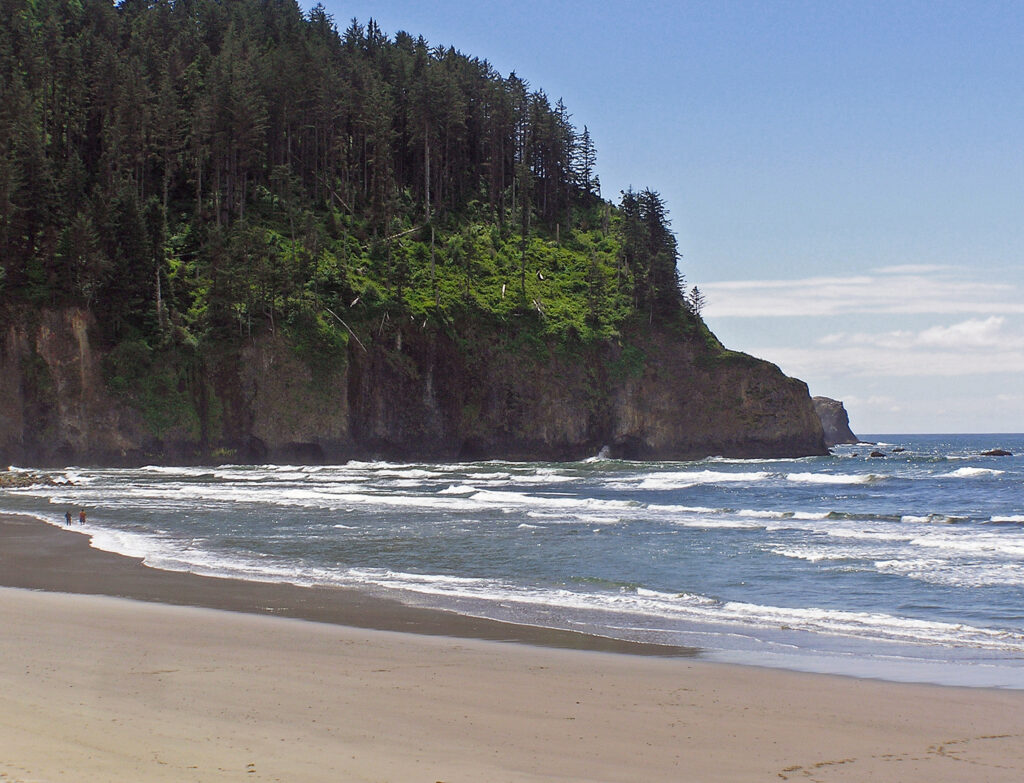
 Farther south,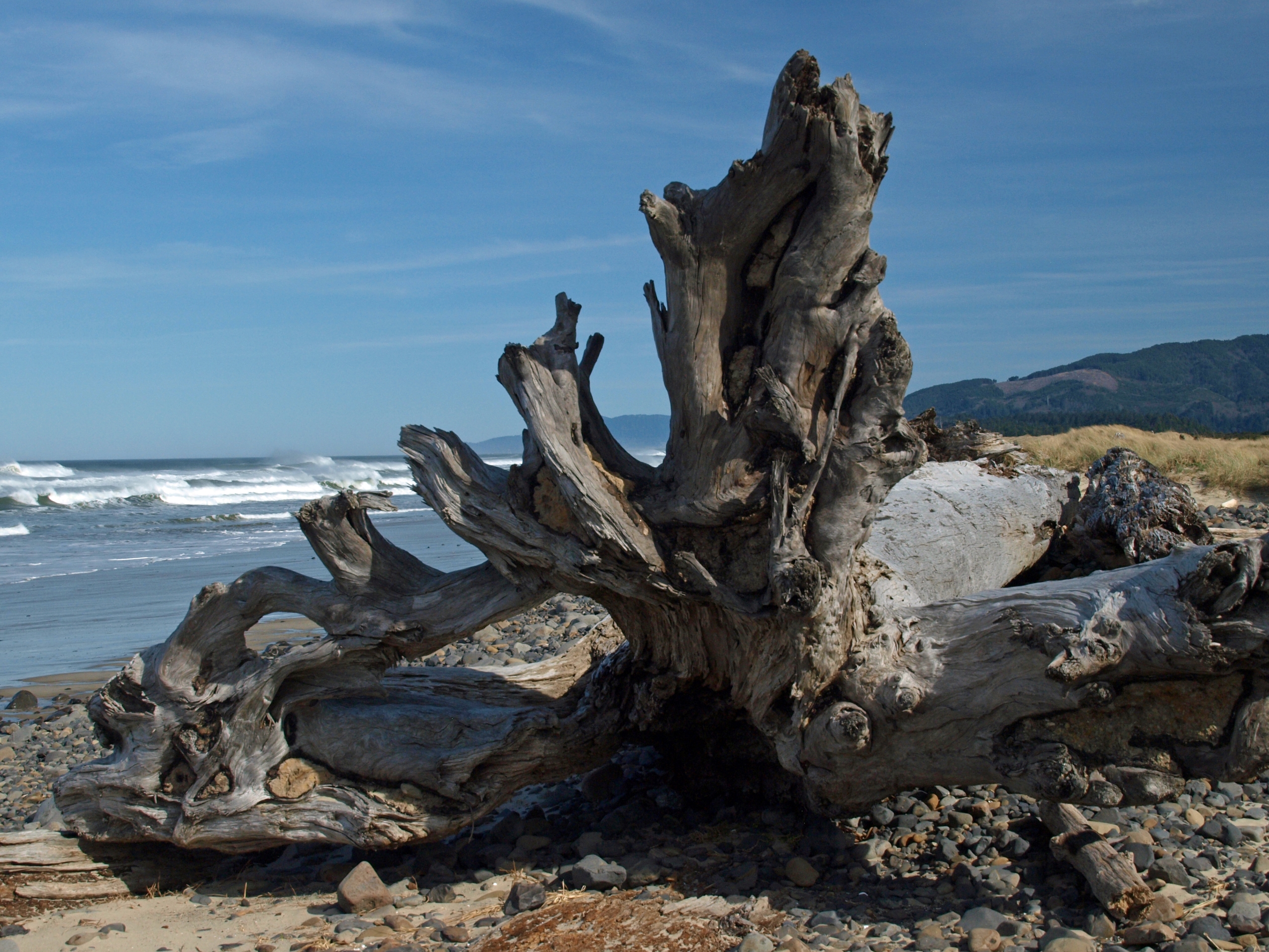

 Overview: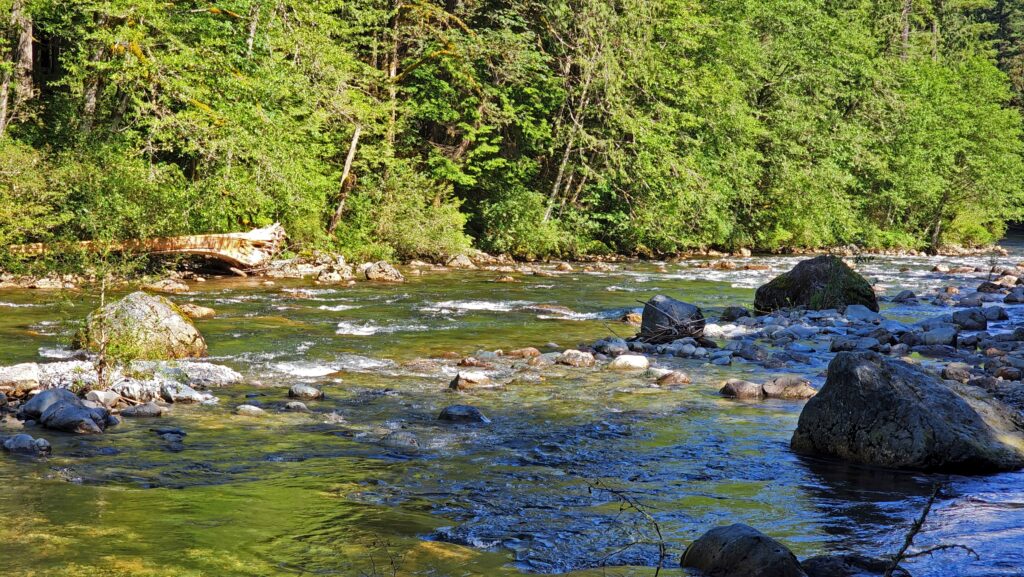
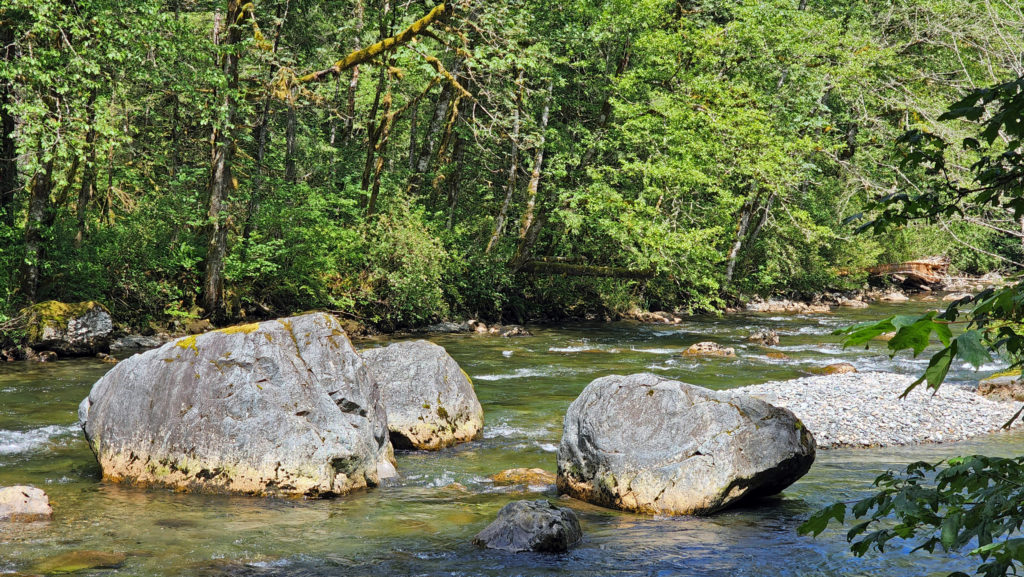
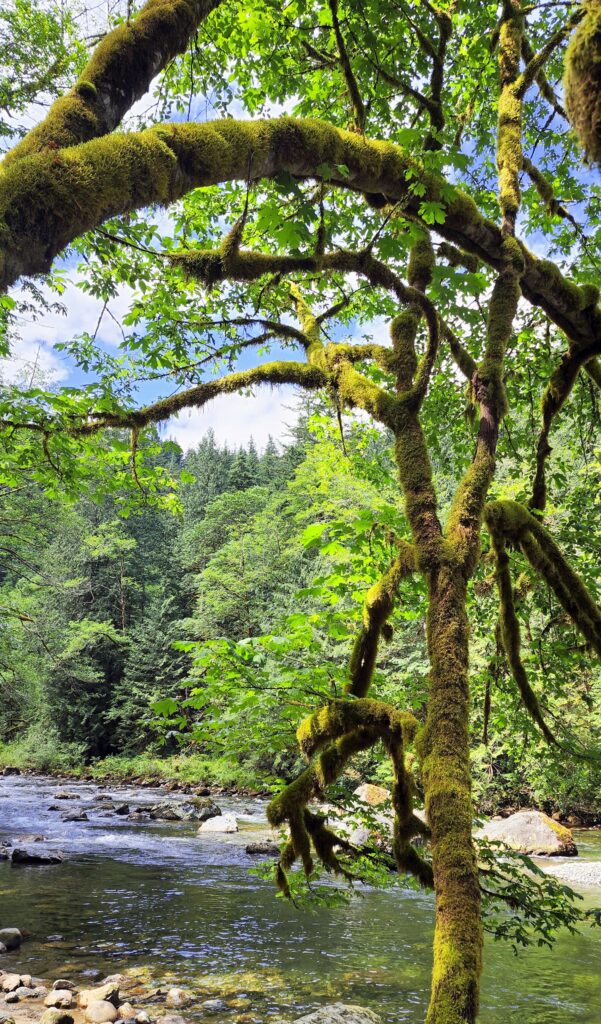 The hike:
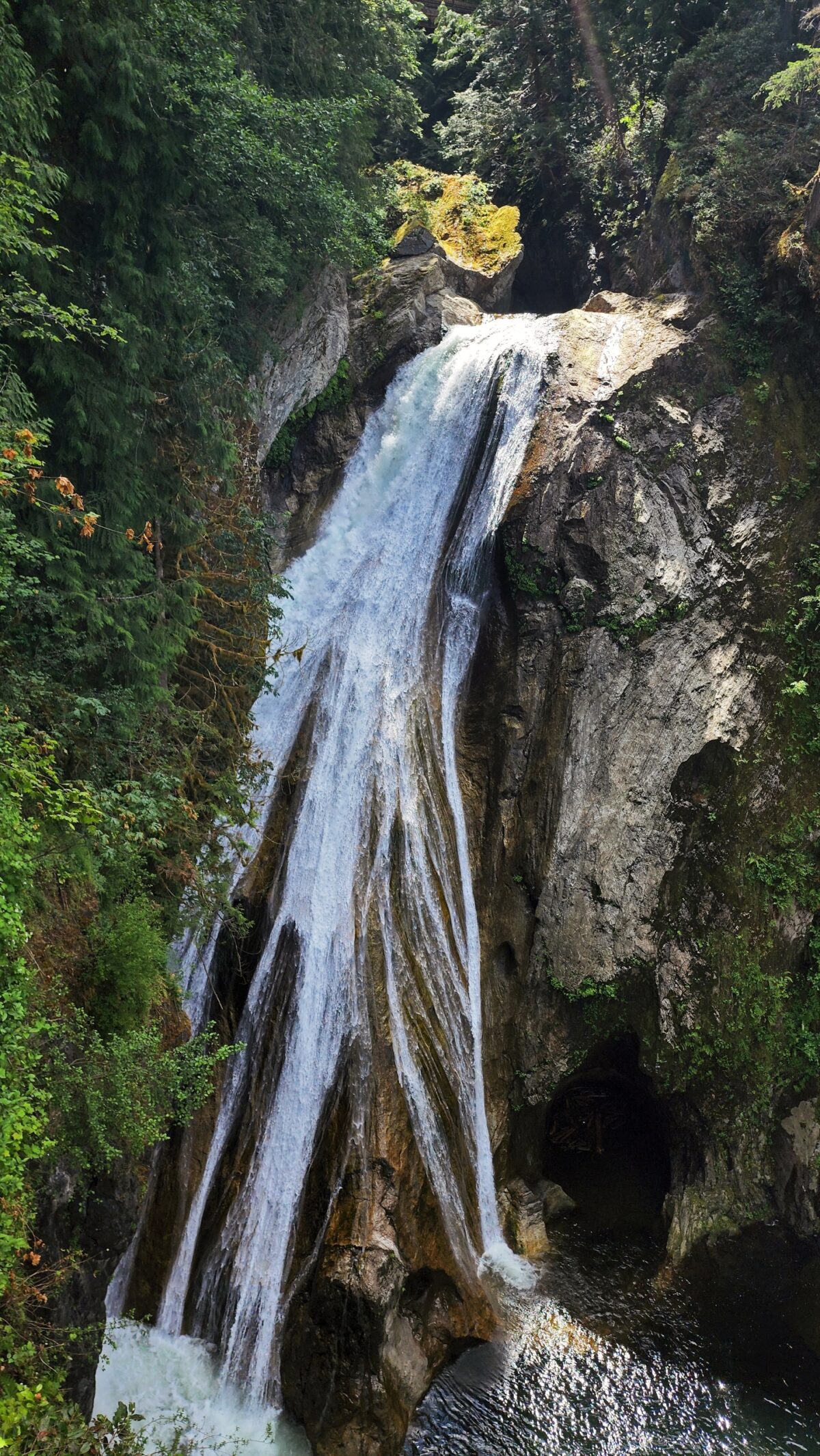
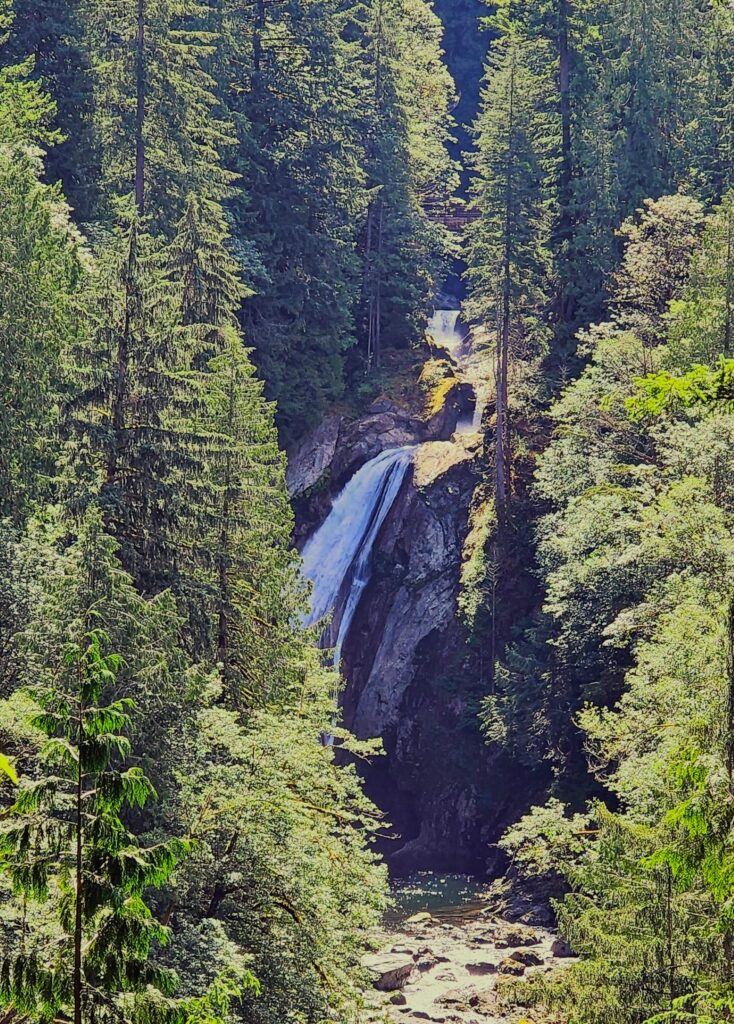
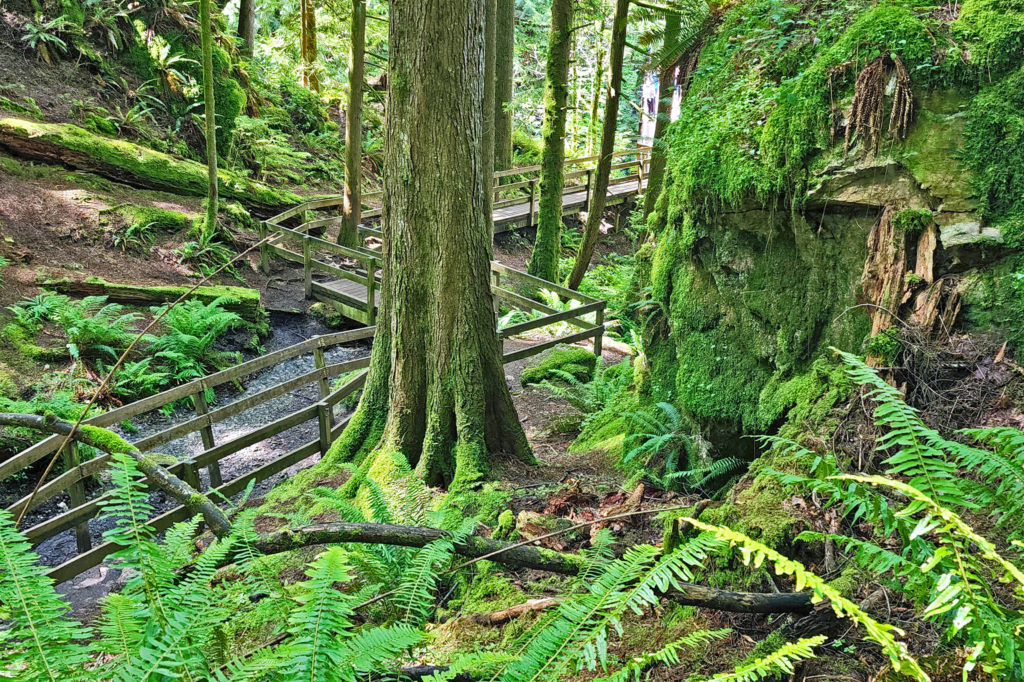 The trail then drops back down before making a second climb to another summit. Beyond that the trail descends a series of stairs and a side trail leads down another set of steps to a viewpoint of the lower falls that is well worth the 104 steps back up to the main trail.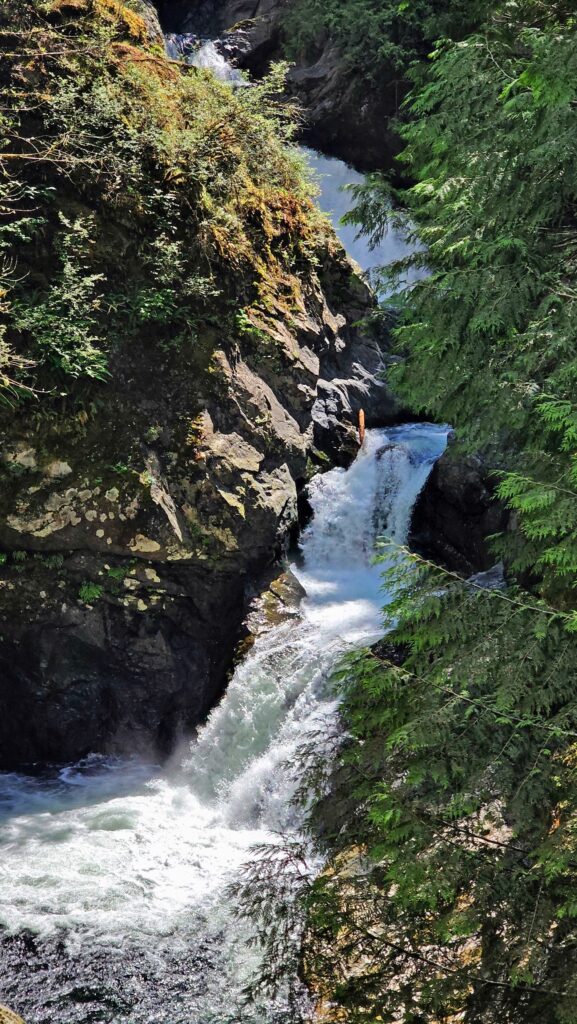
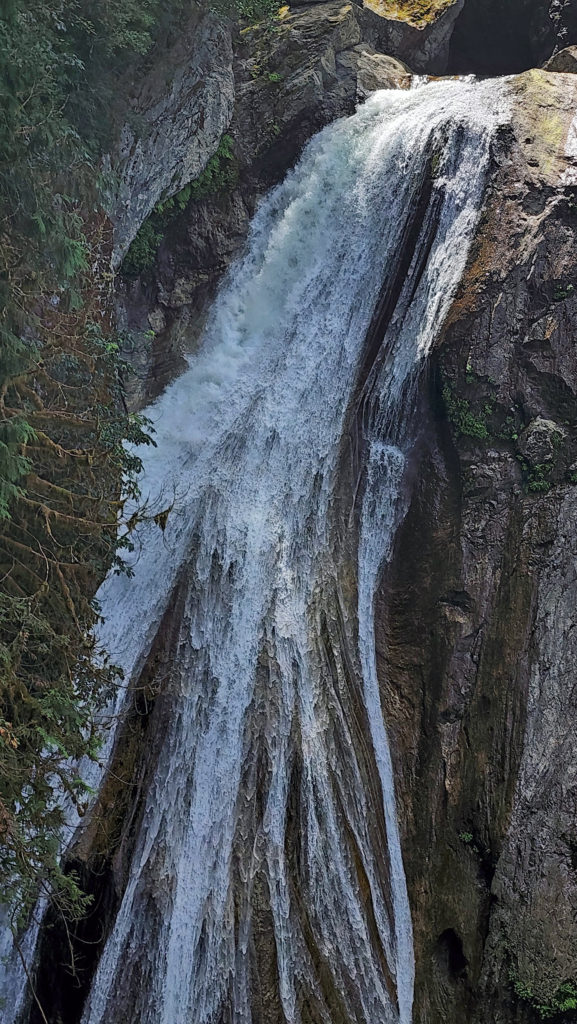
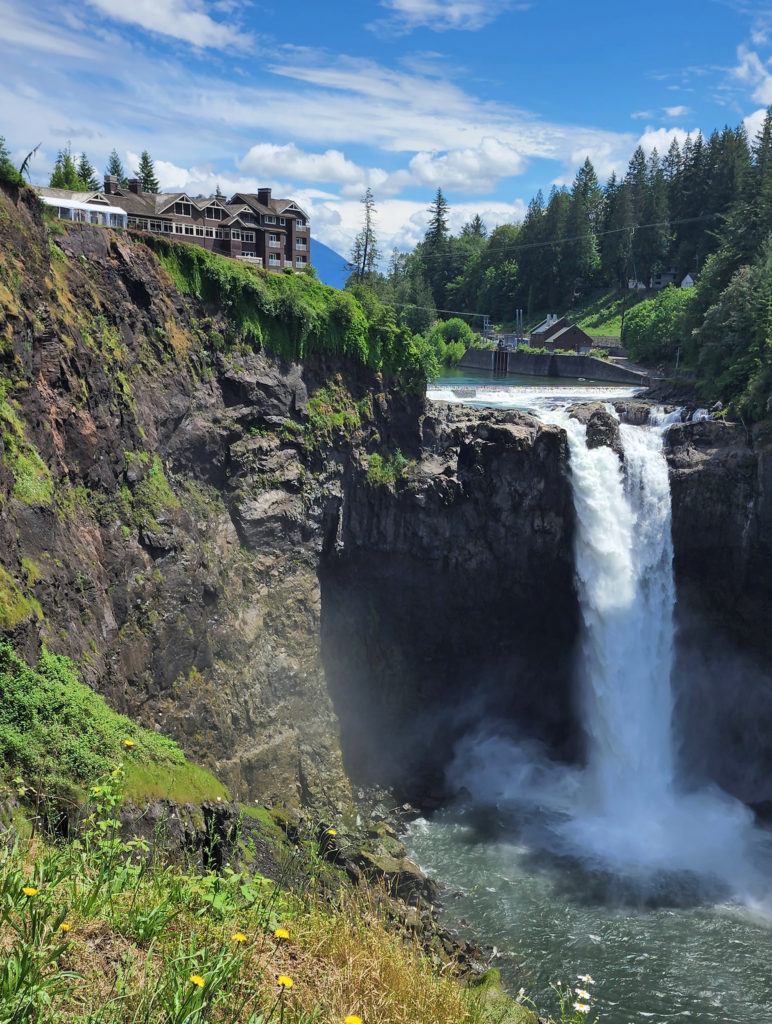
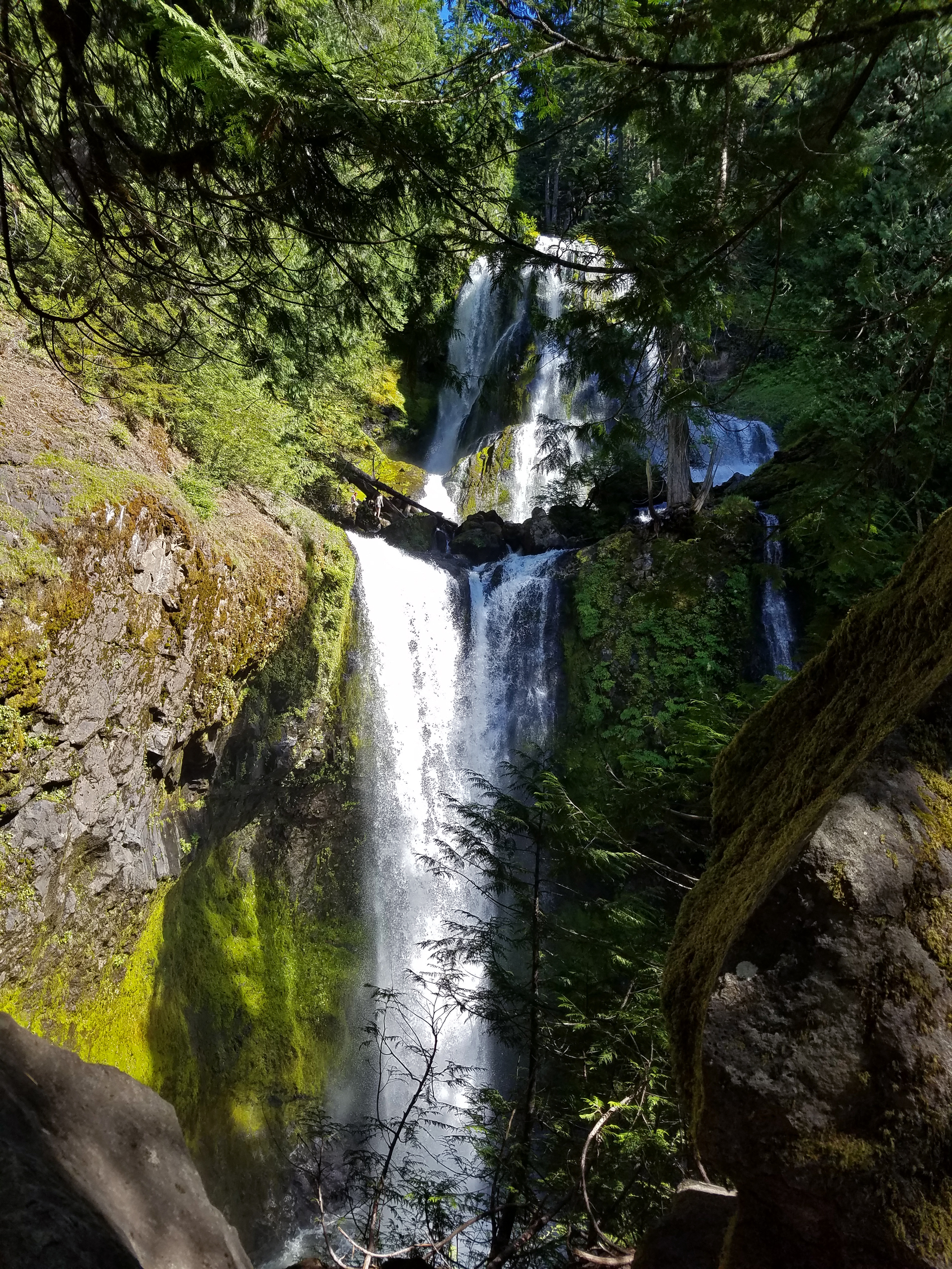
 Where: Washington side of the Columbia River Gorge
 Overview:
  Best time to go:
 Posted April 12, 2023 by Alan K. Lee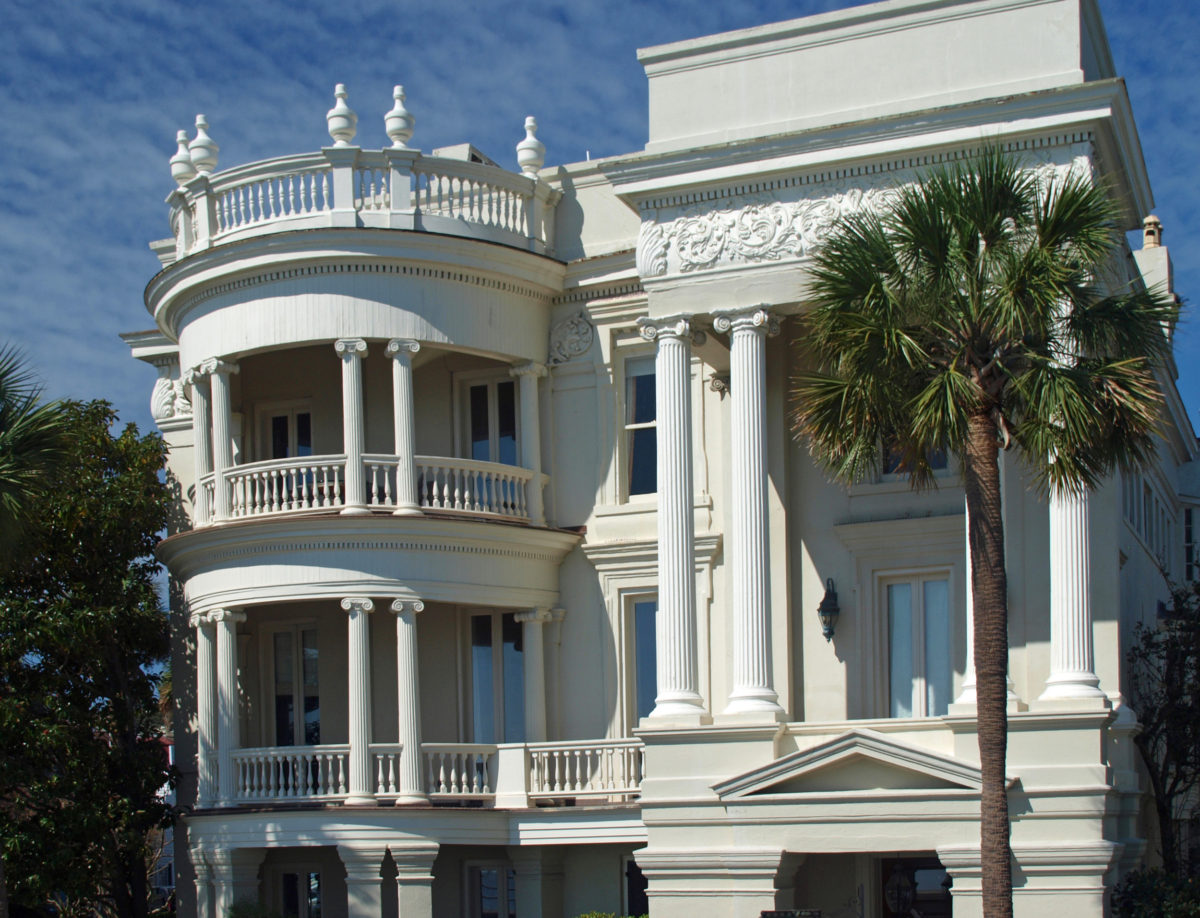


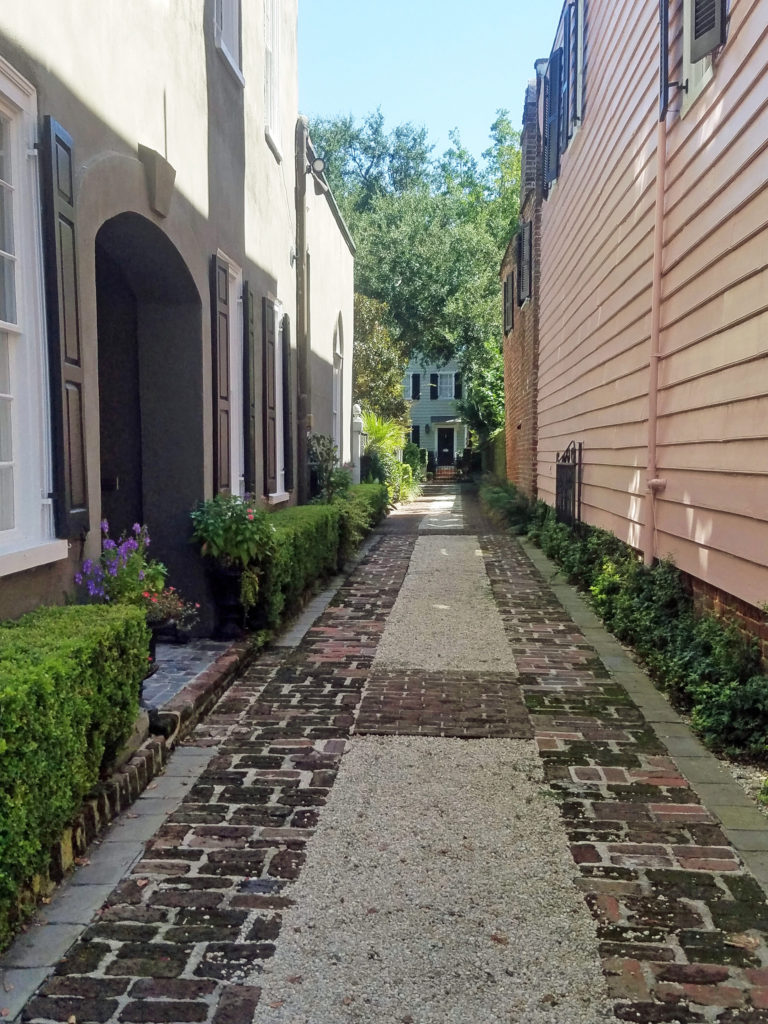
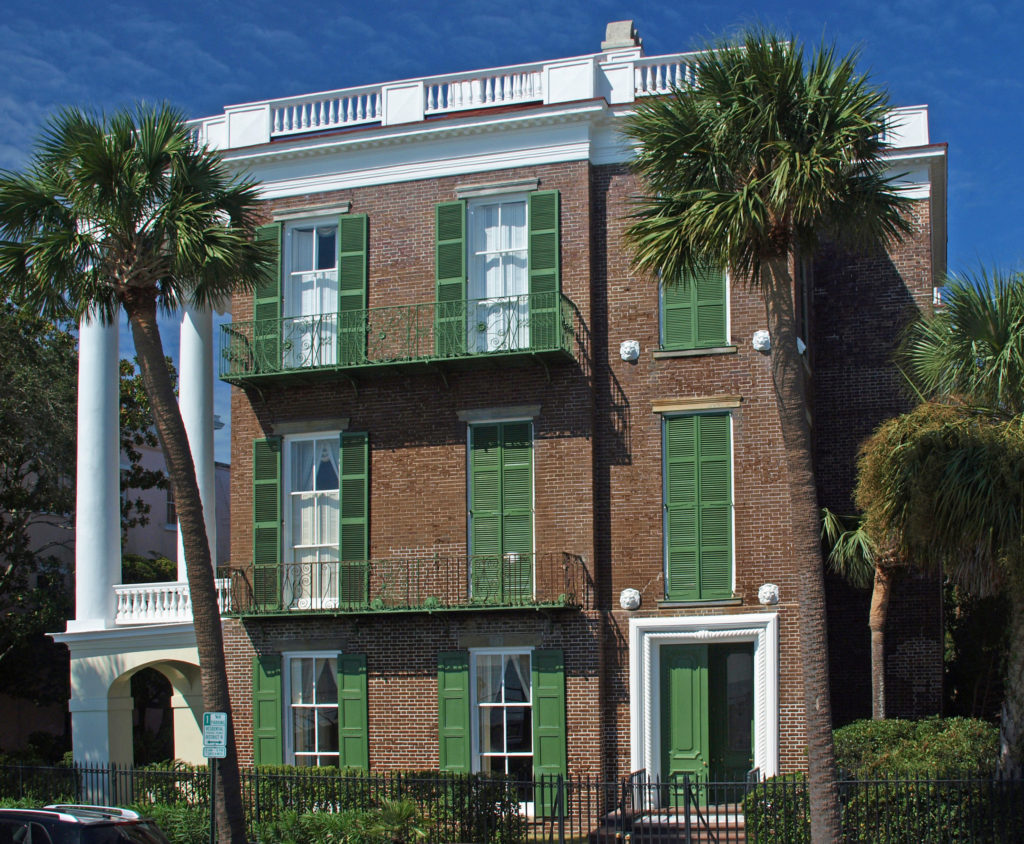
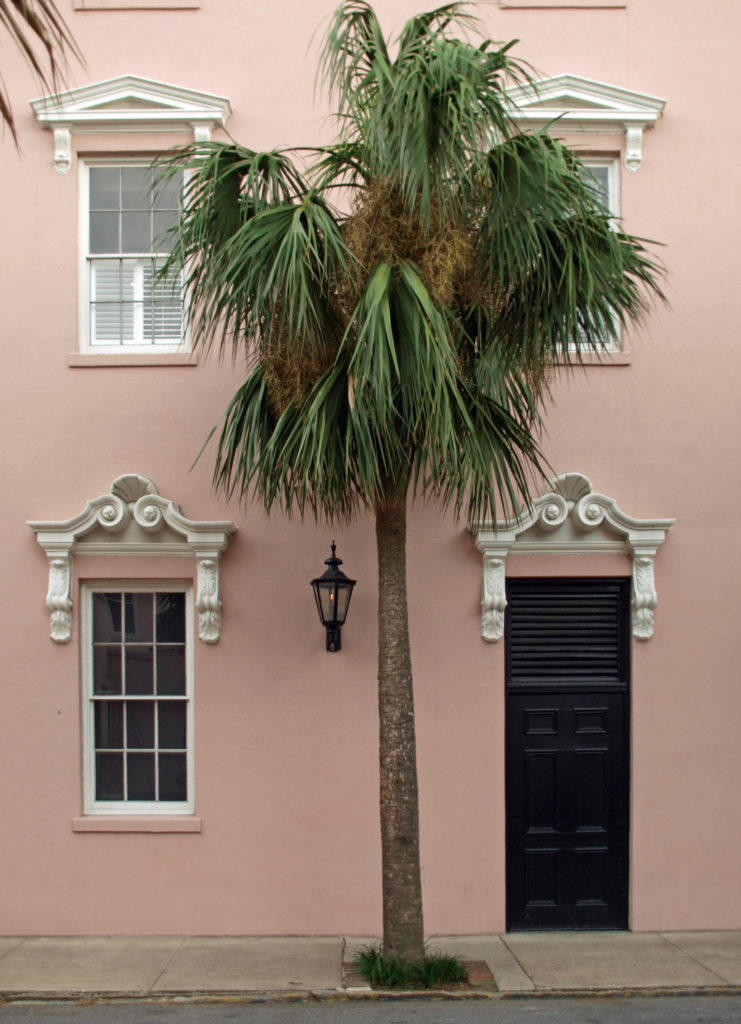



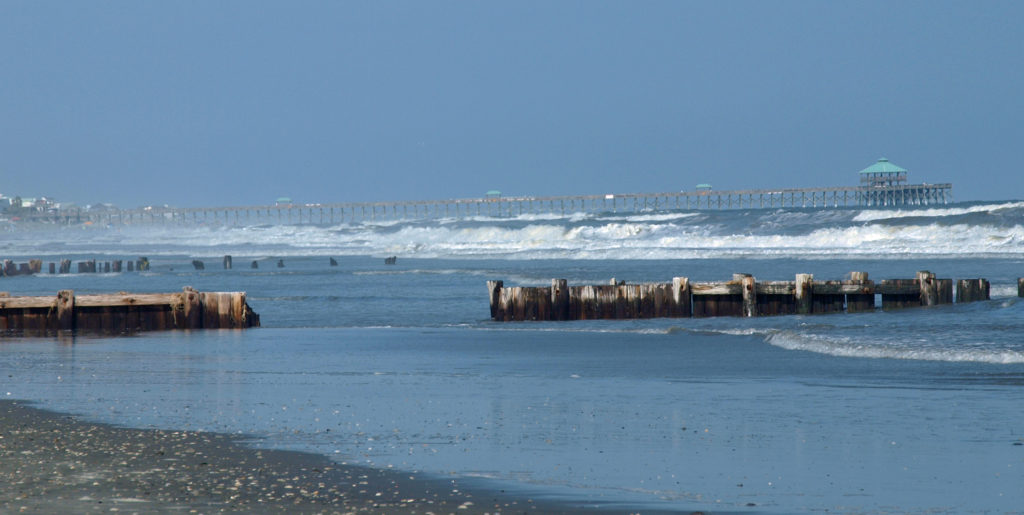
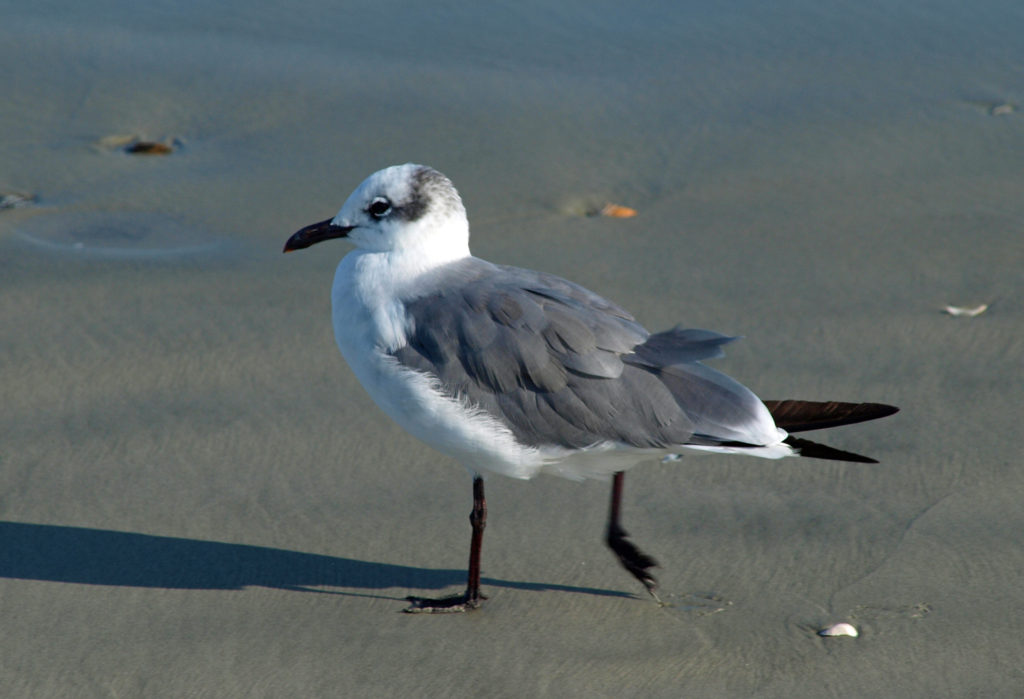
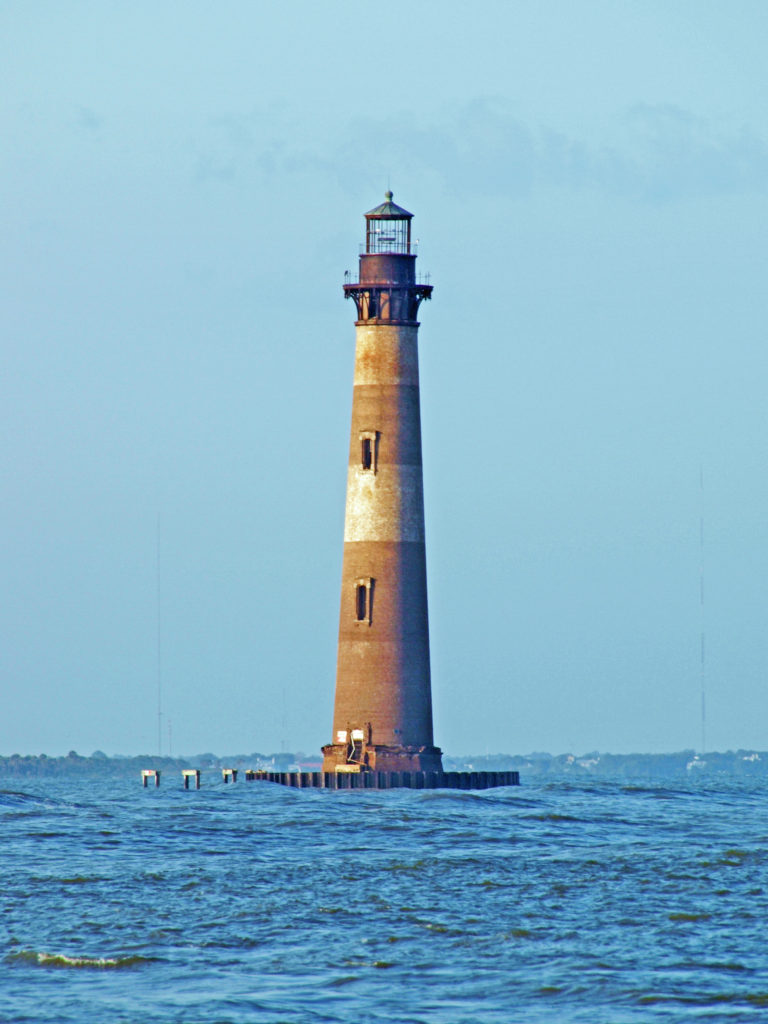
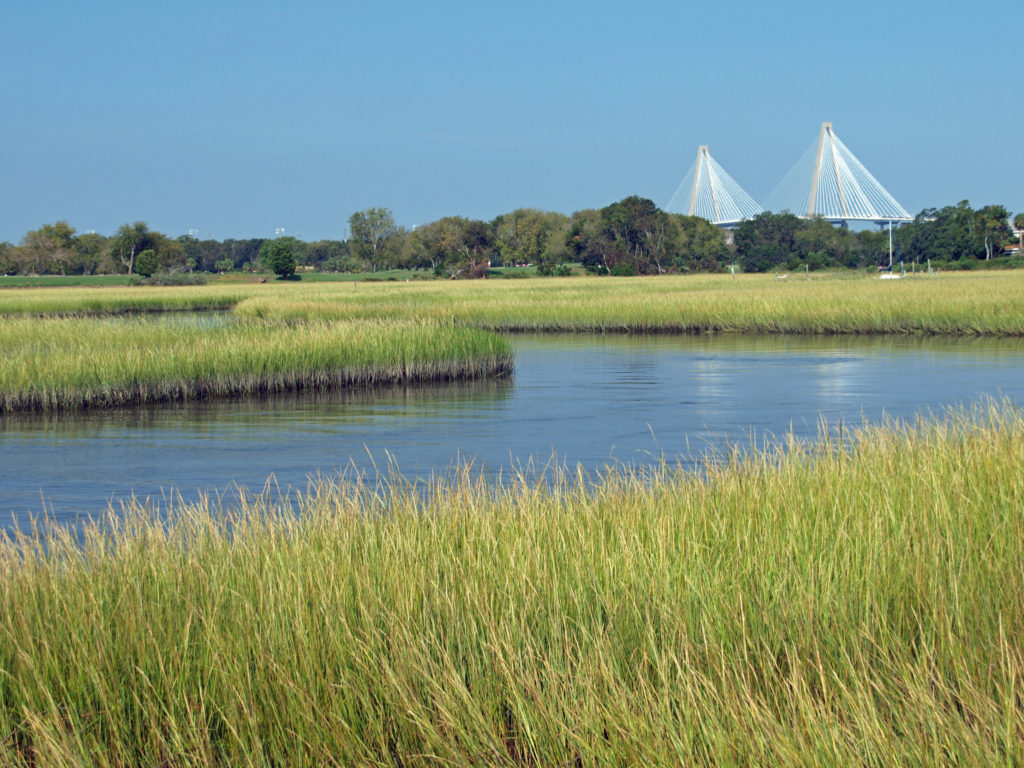
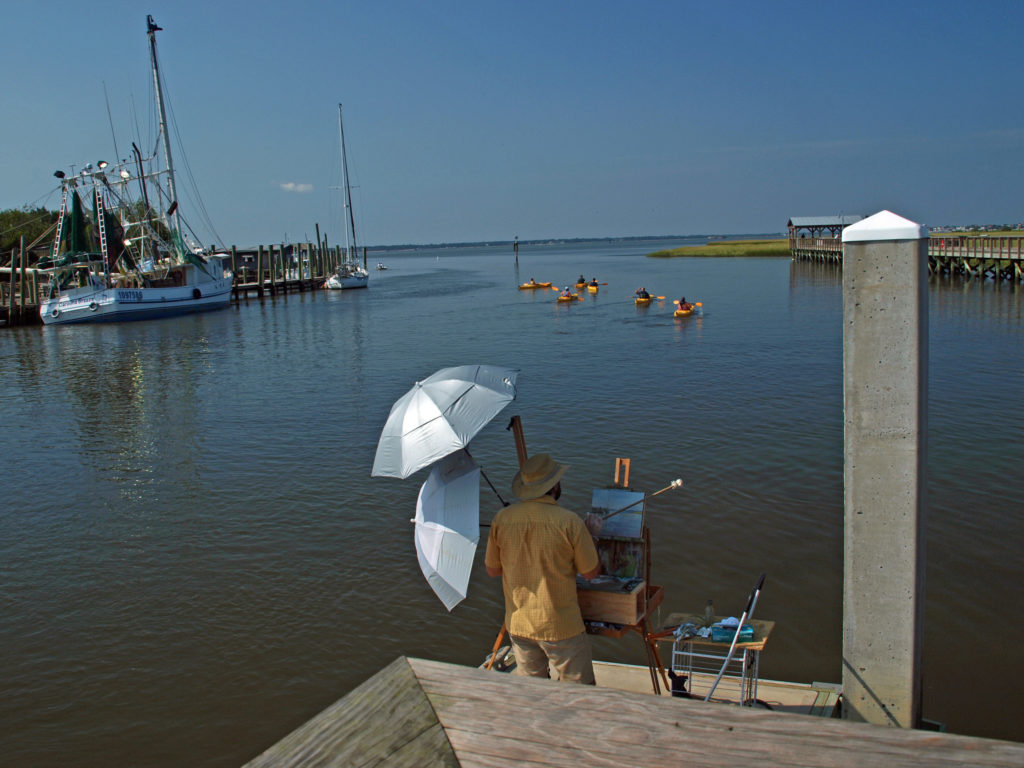
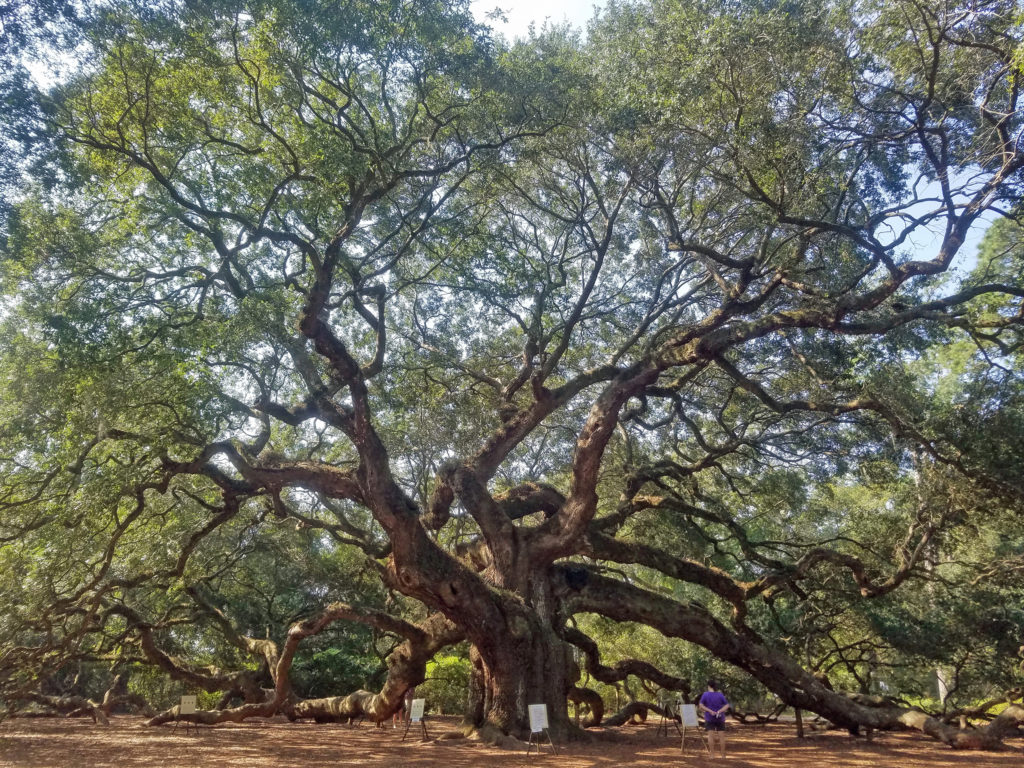
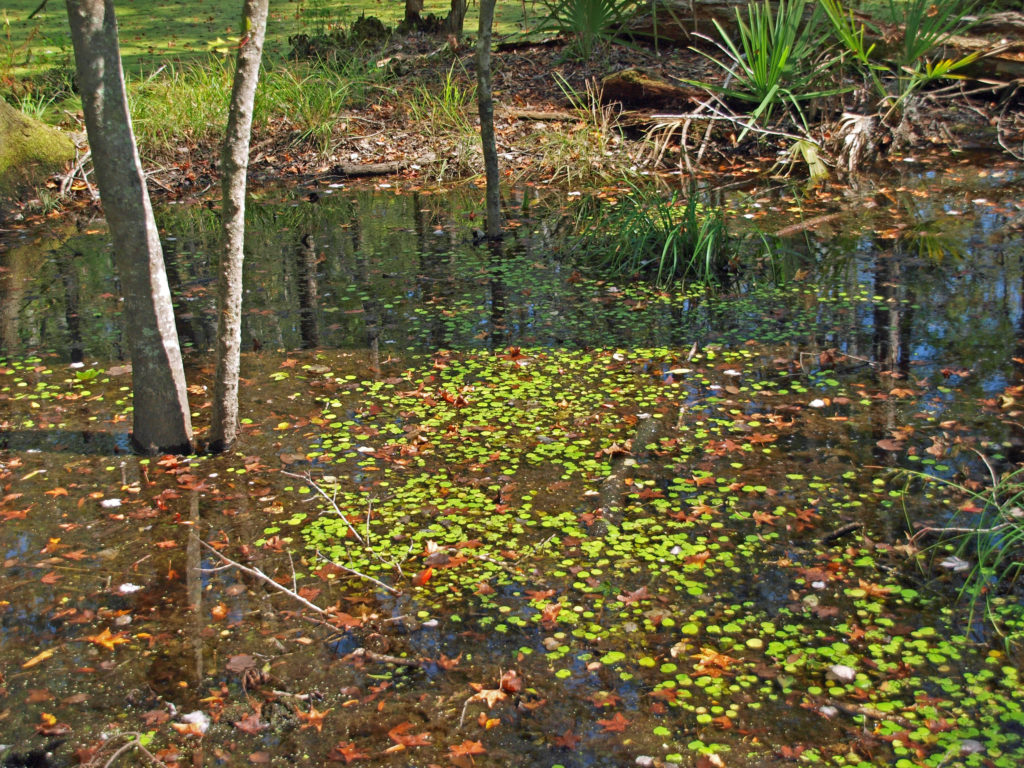
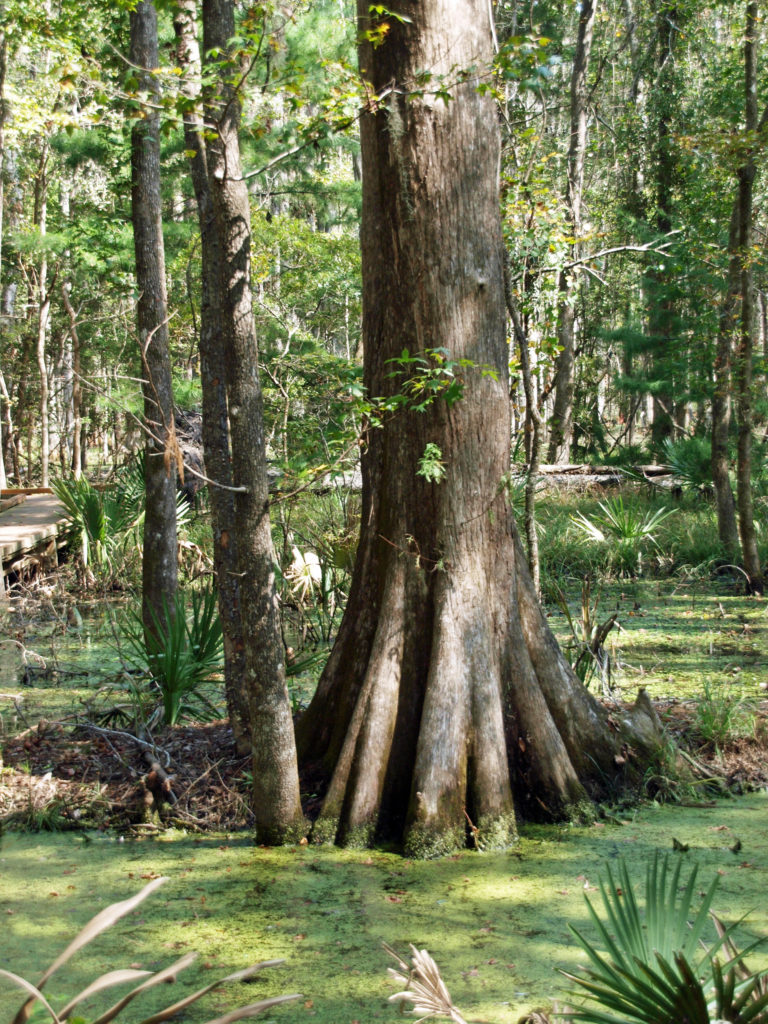
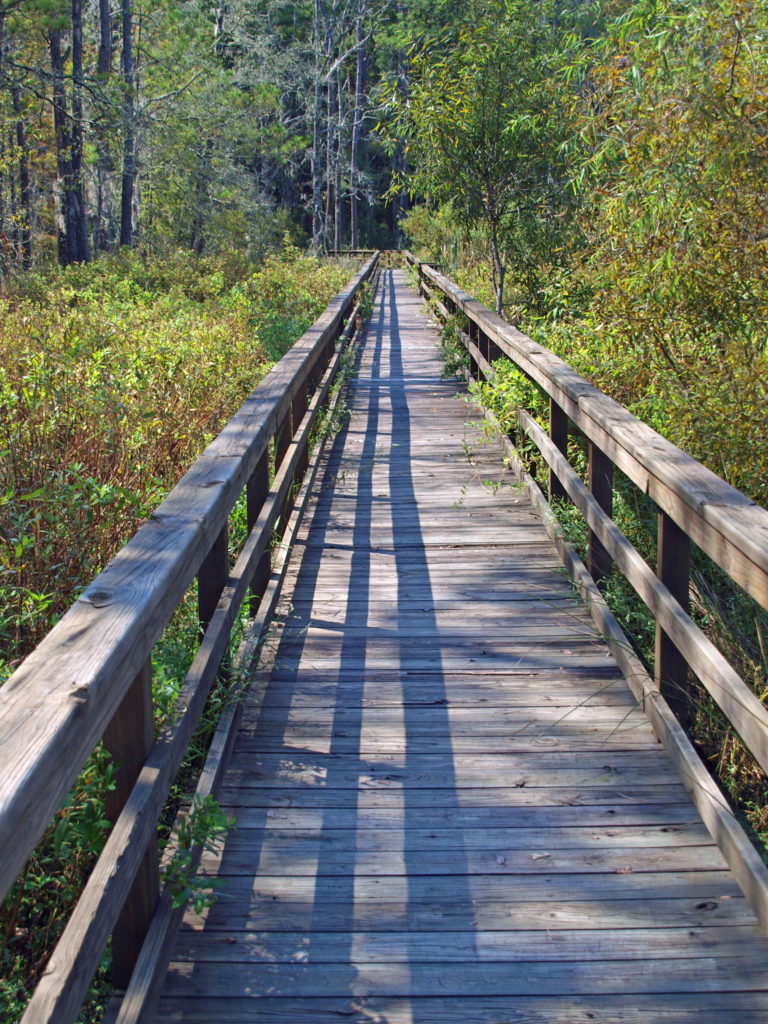
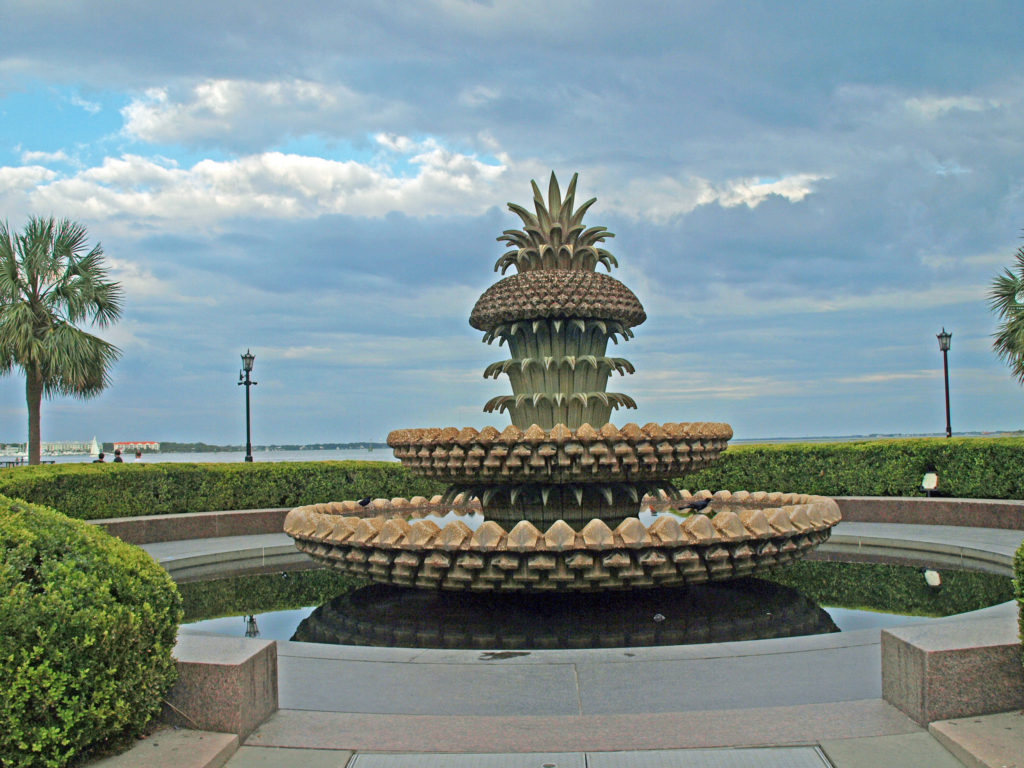 We had a great time exploring Charleston. It’s really a beautiful and charming place. But to really see all it has to offer, you need to plan for more than a three-day visit. For more information, check out the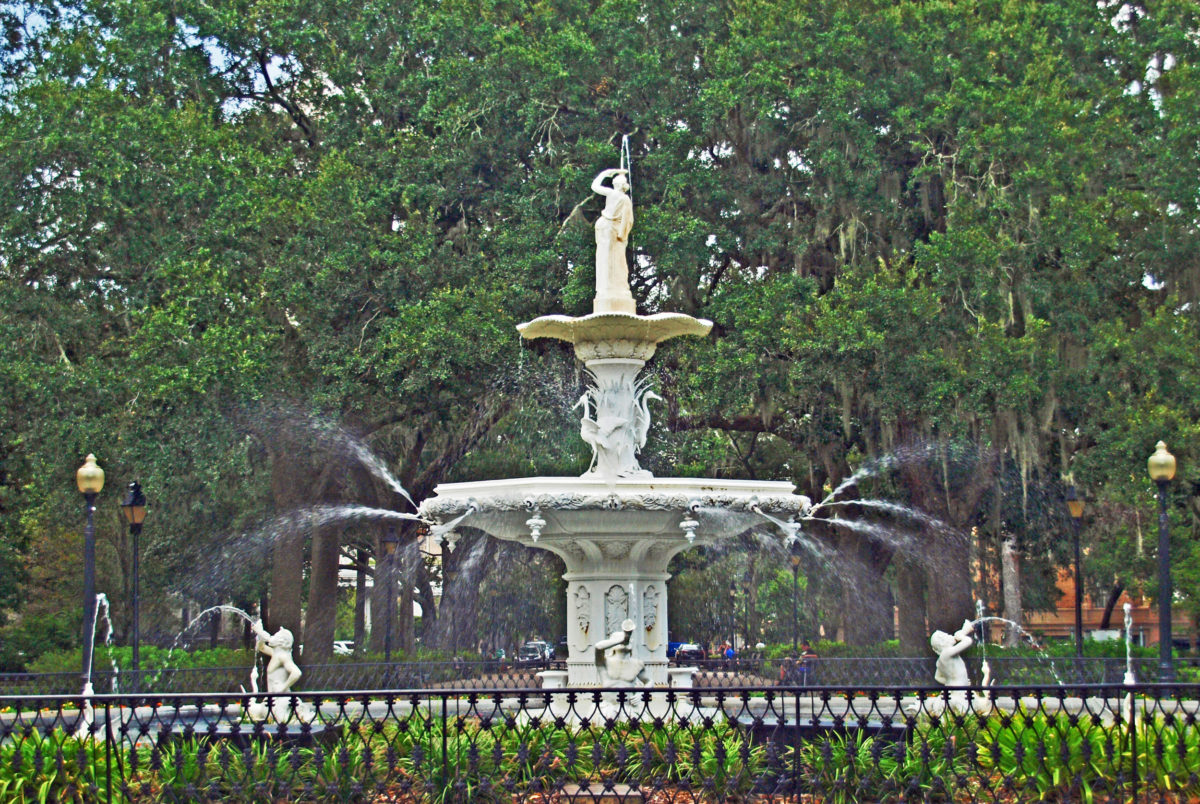
 Originally posted Jan. 20, 2020. Updated and re-posted April 9, 2023.
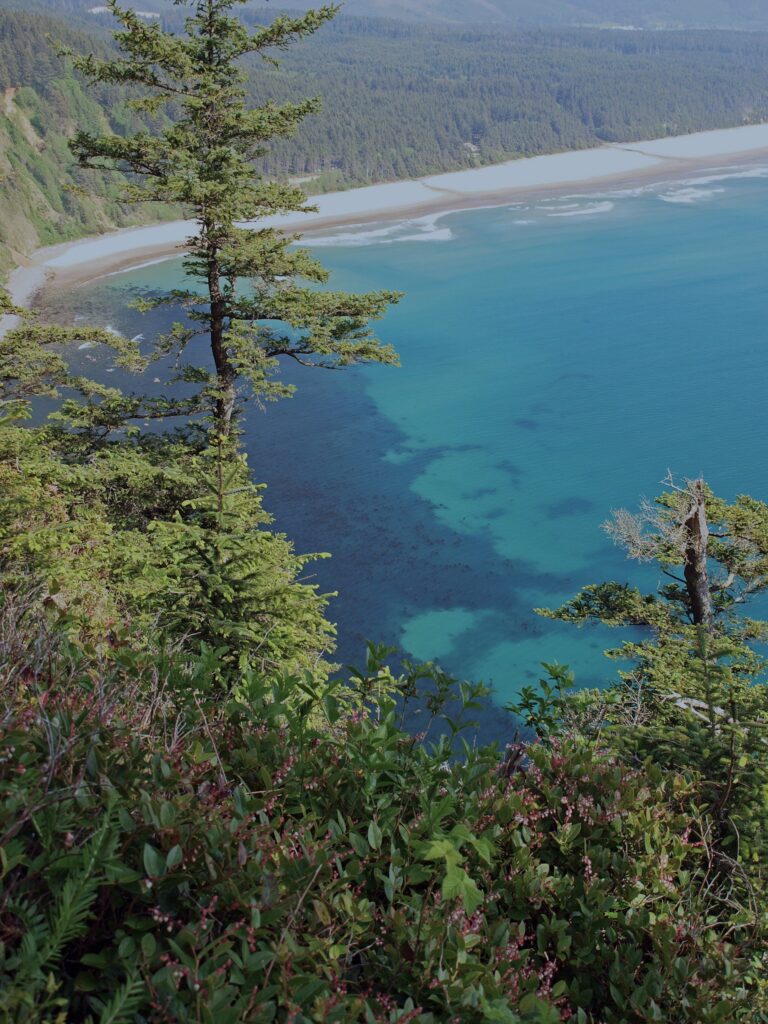 Trailhead: Cape Lookout State Park
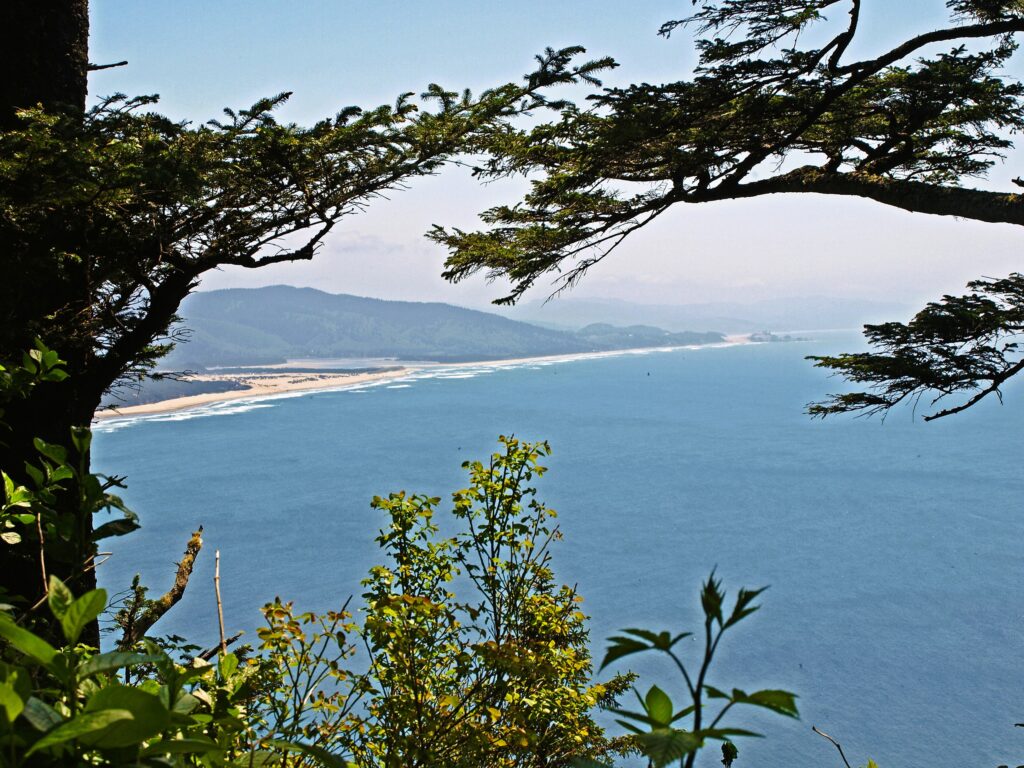
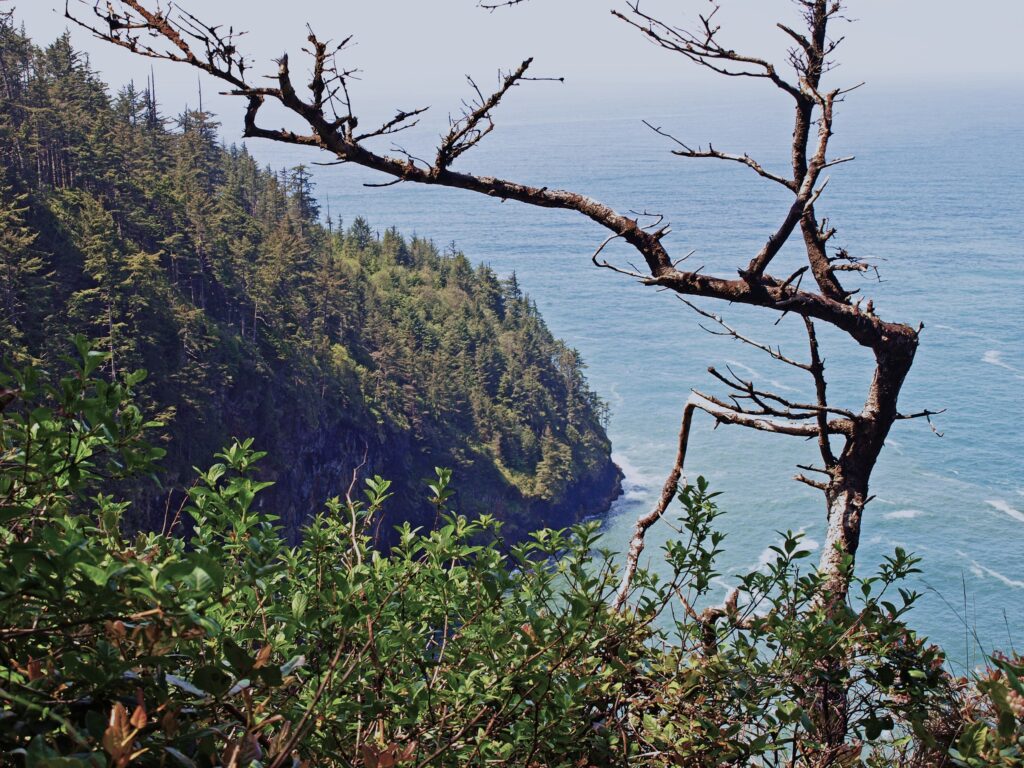
 From there, the trail crosses to the north side of the cape and comes to a viewpoint at the 1.2-mile mark. Here you can see north to Cape Meares and Three Arch Rocks. Just west of the viewpoint, the original trail slid into the ocean about 30 years ago. The present trail detours away from the cliff through a boggy area on a boardwalk.
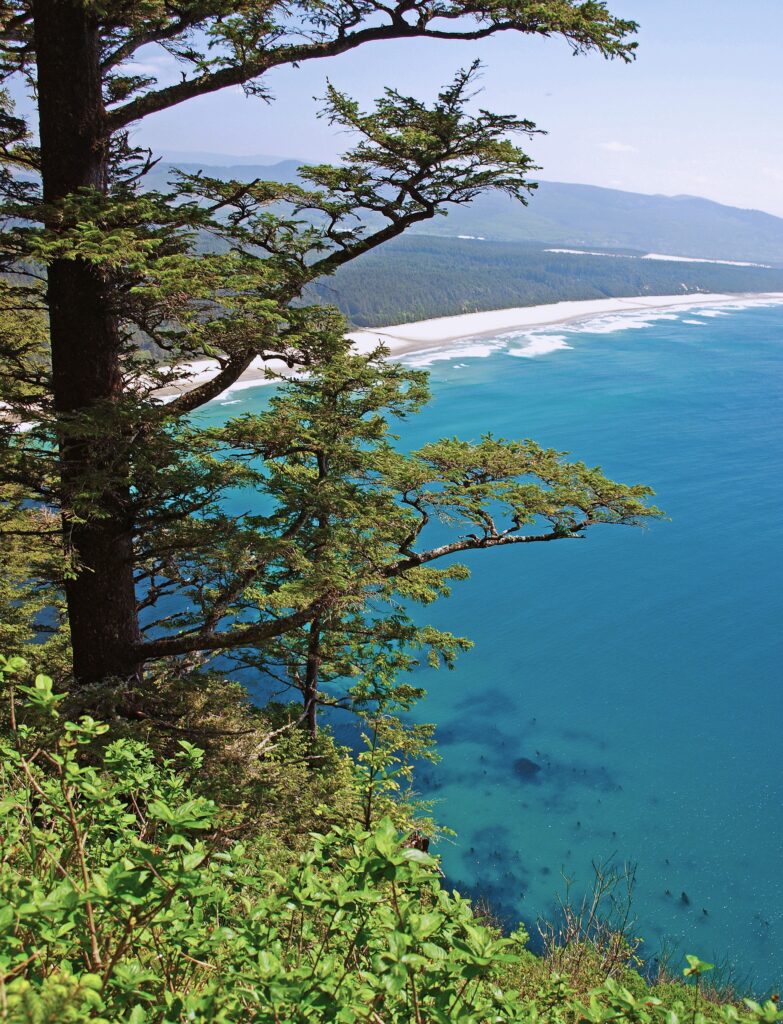
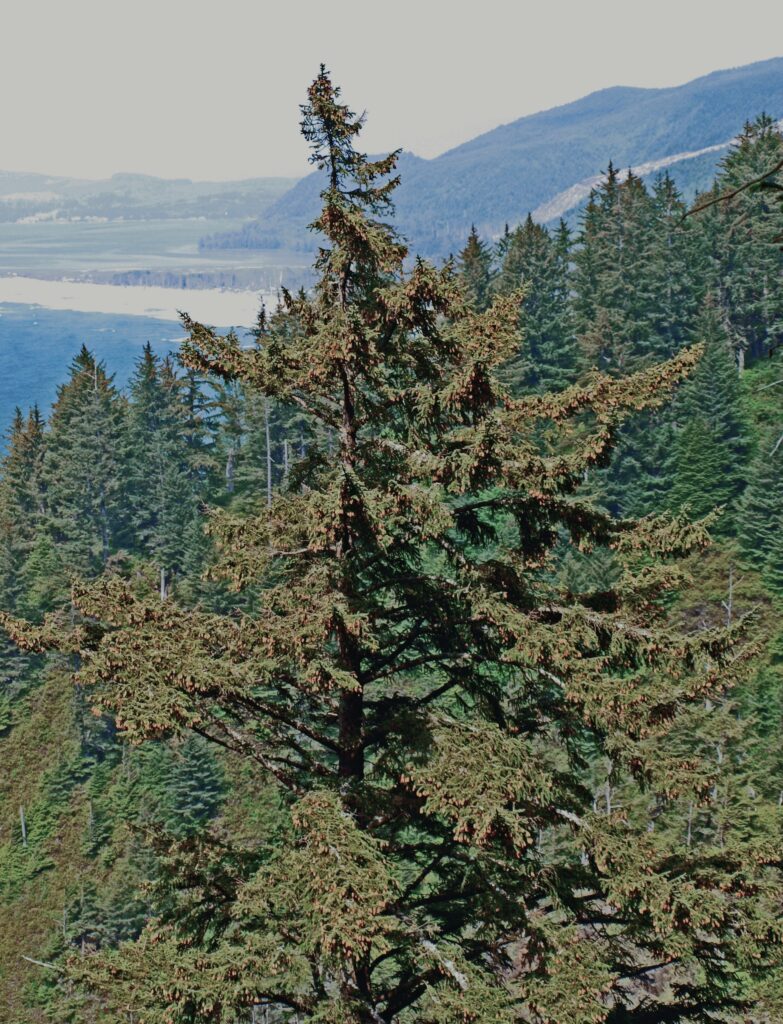 The trail returns to the south side of the cape and continues for another 1.2 miles, climbing and descending several times, to a viewpoint at the end of the cape, 400 feet above the ocean. Views there stretch from Cape Foulweather, 40 miles to the south, to Neahkannie Mountain, 40 miles to the north.
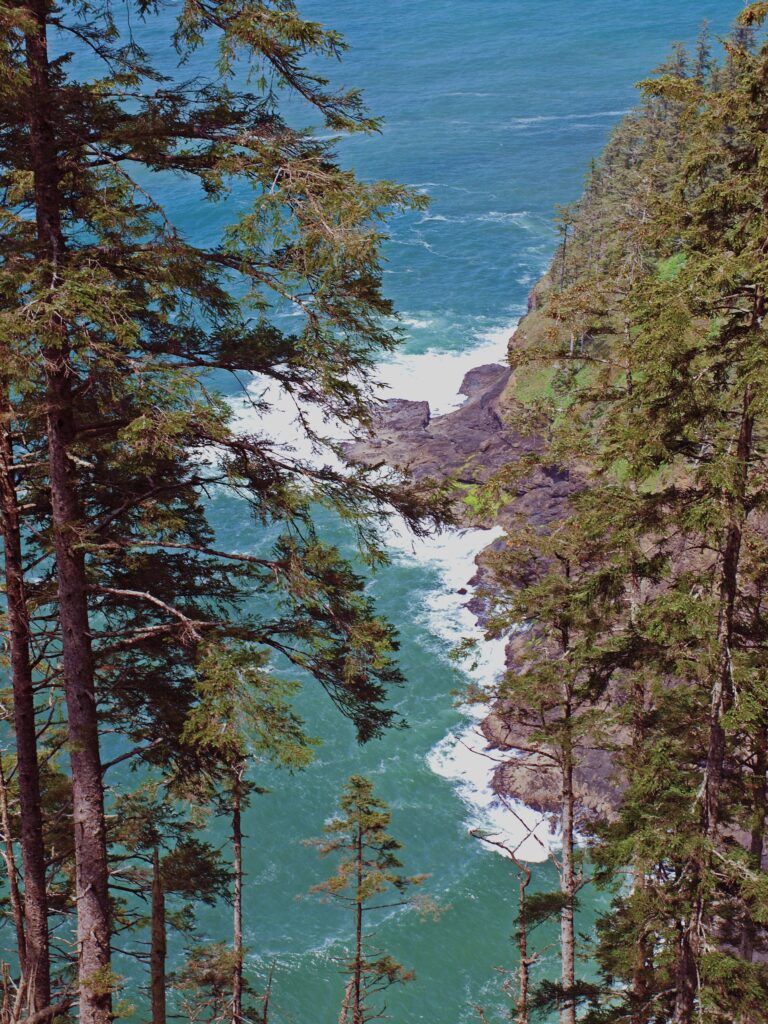 You’ll probably linger for a while at the end of the trail, but when you’ve had your fill of sightseeing and whale watching, return to the parking area the way you came.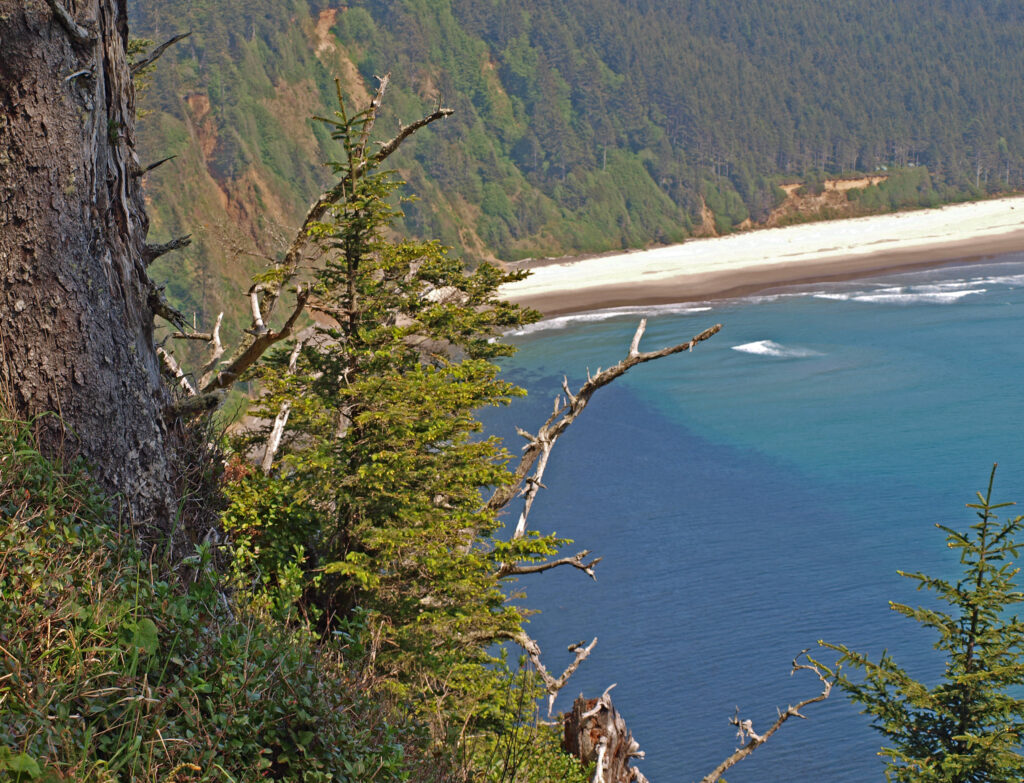
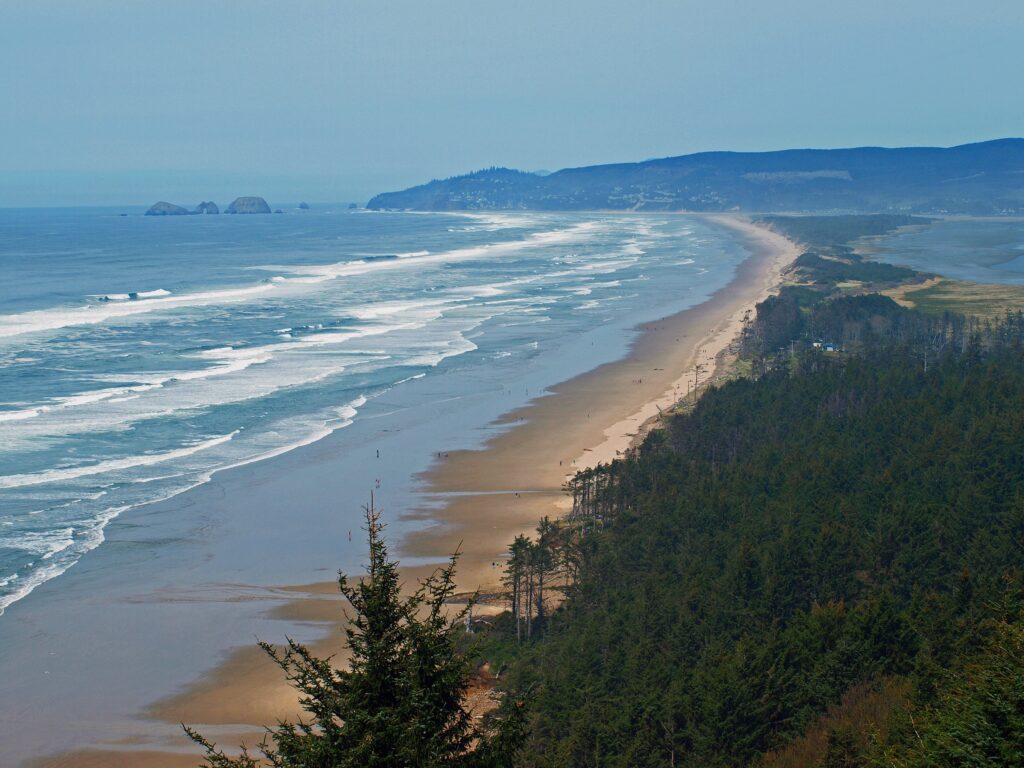
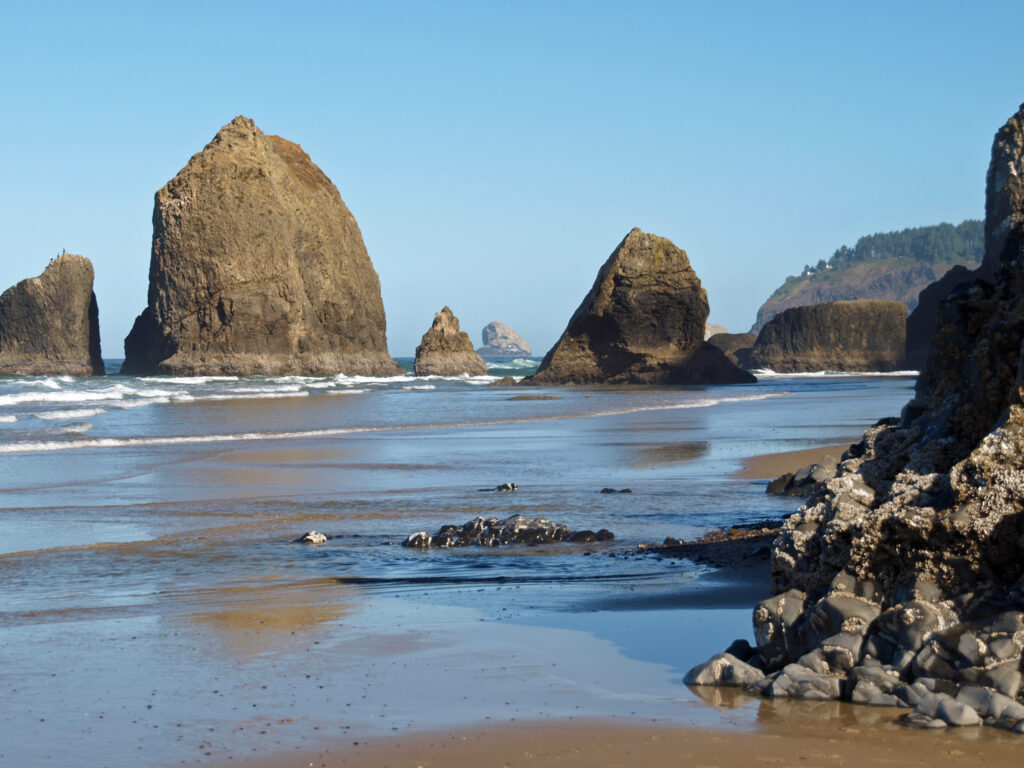
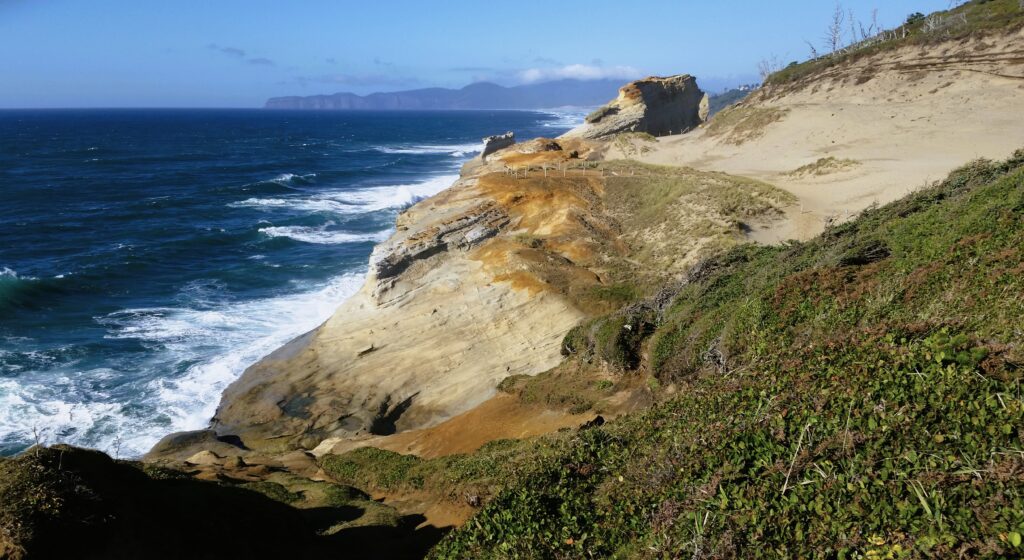
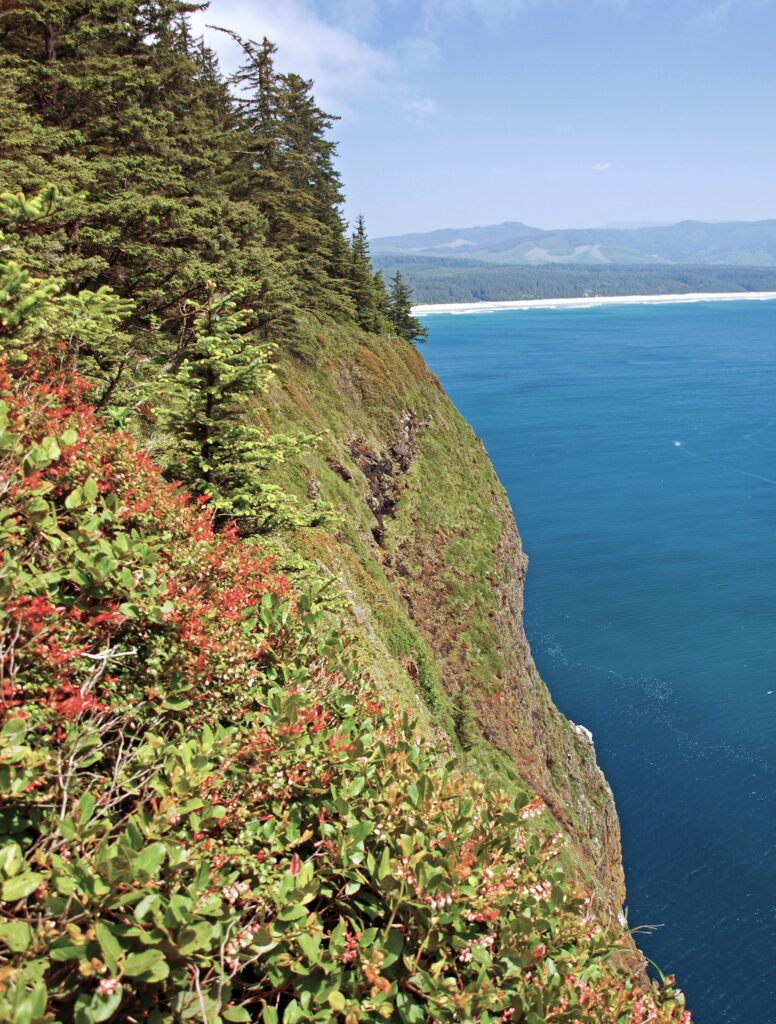
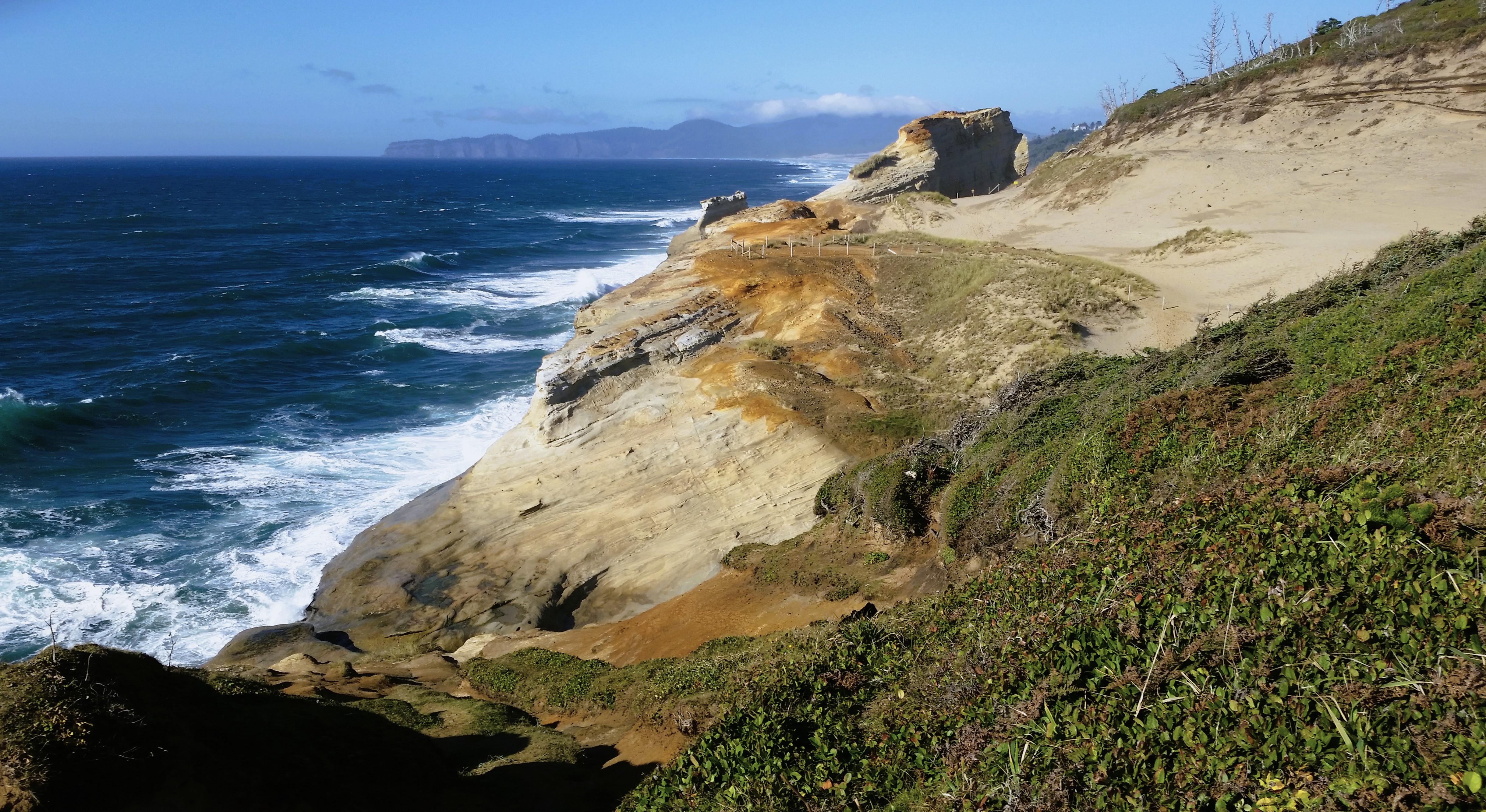
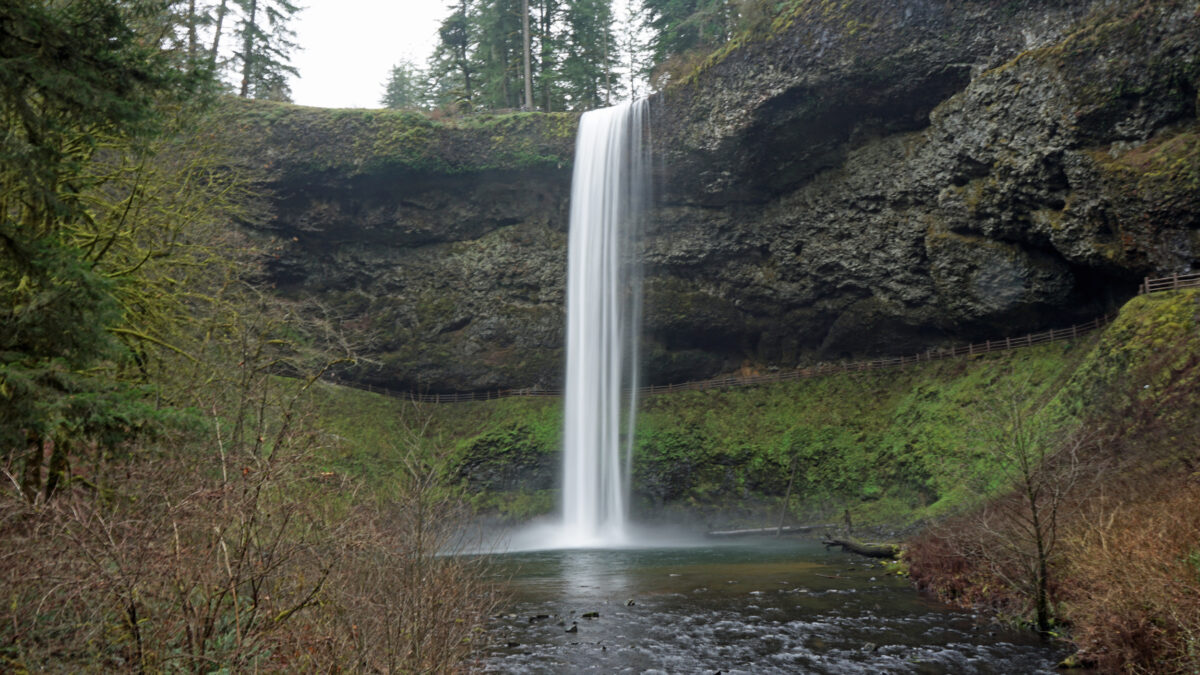
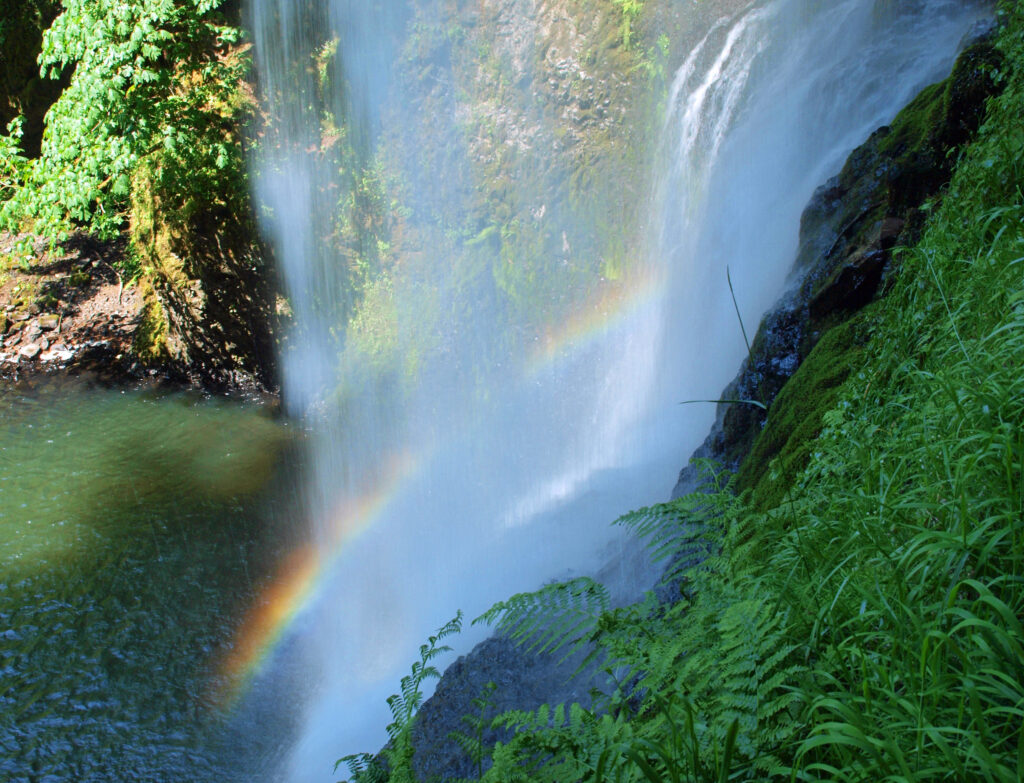
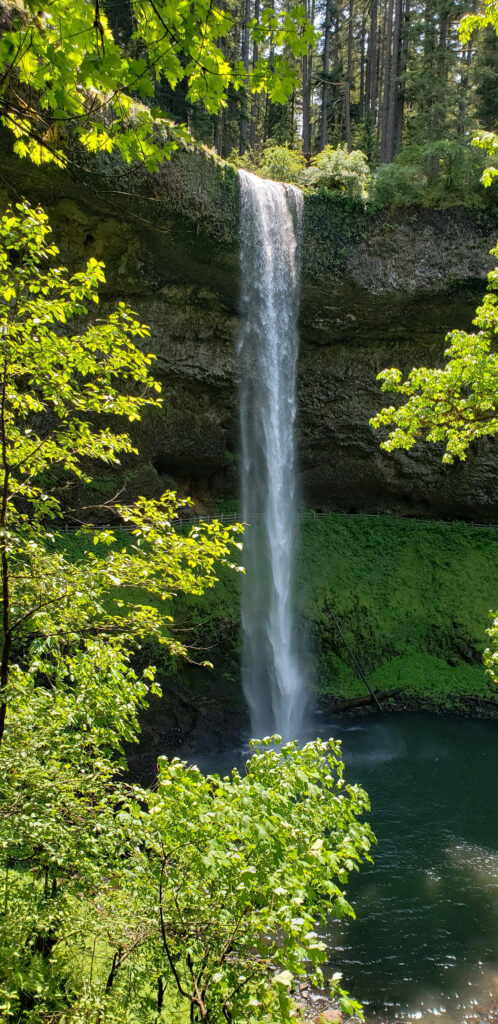
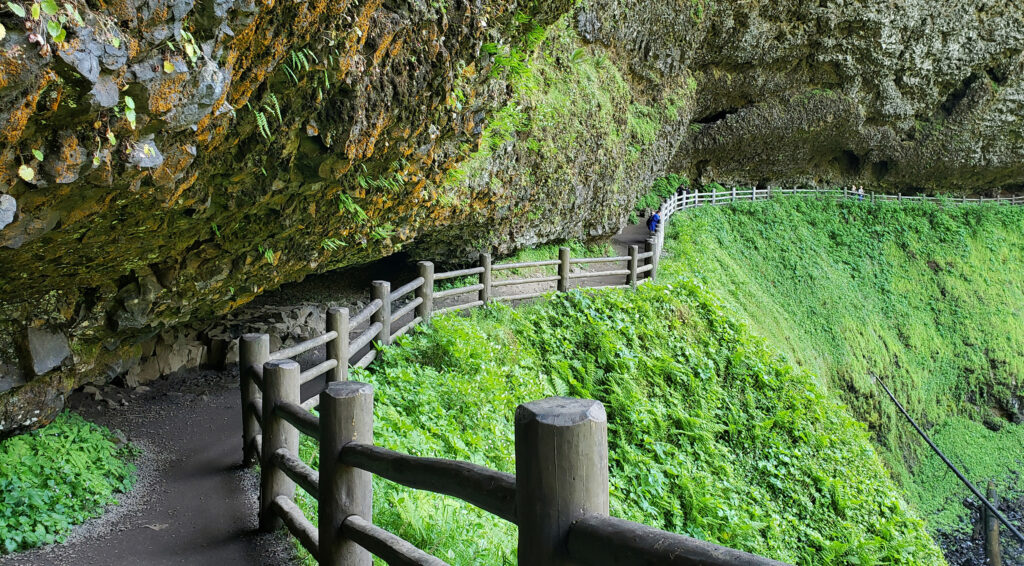
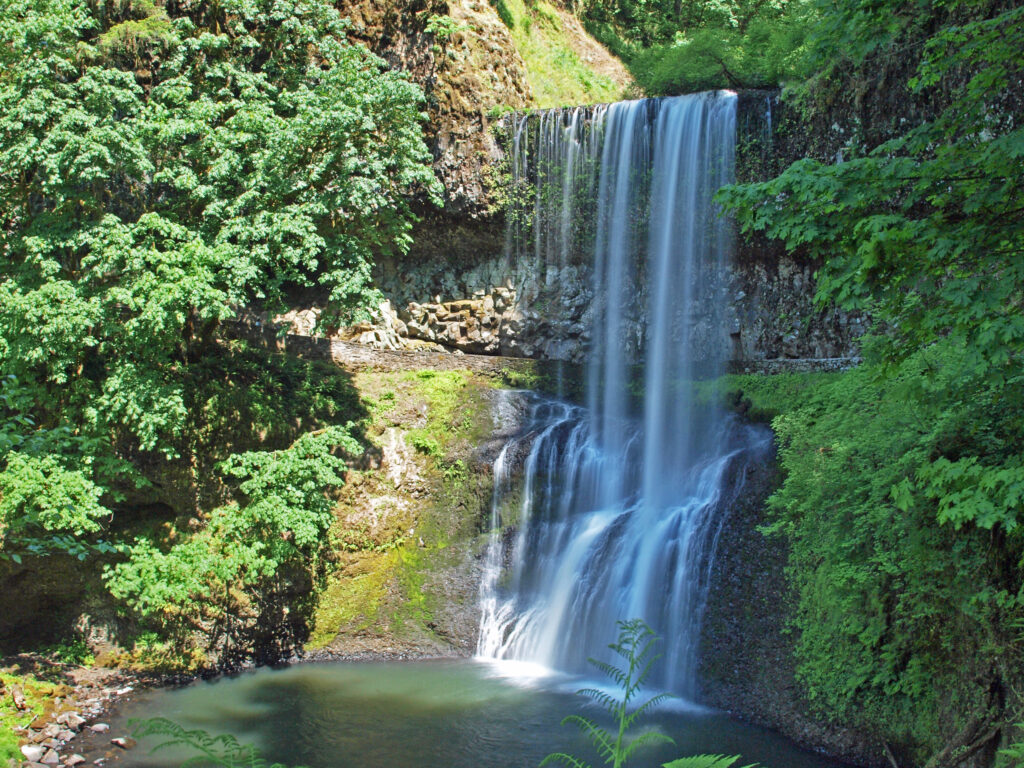
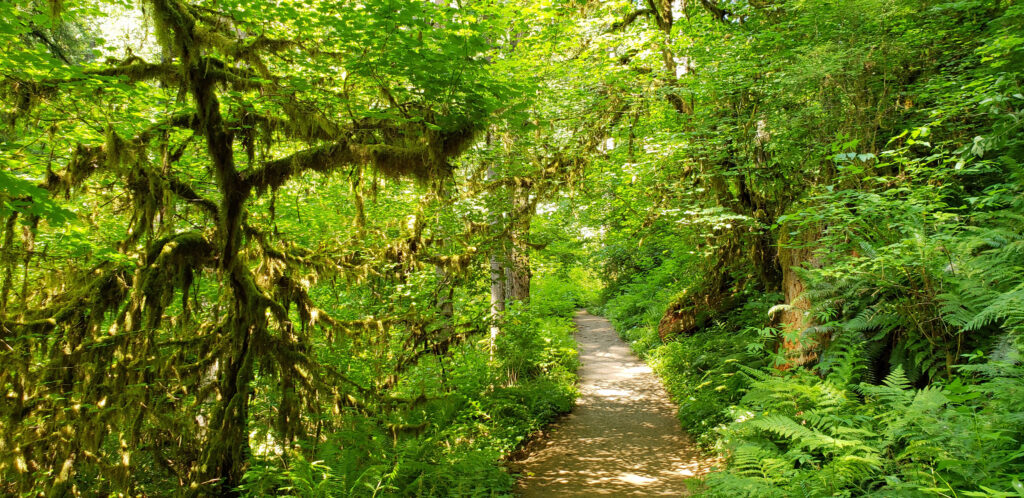
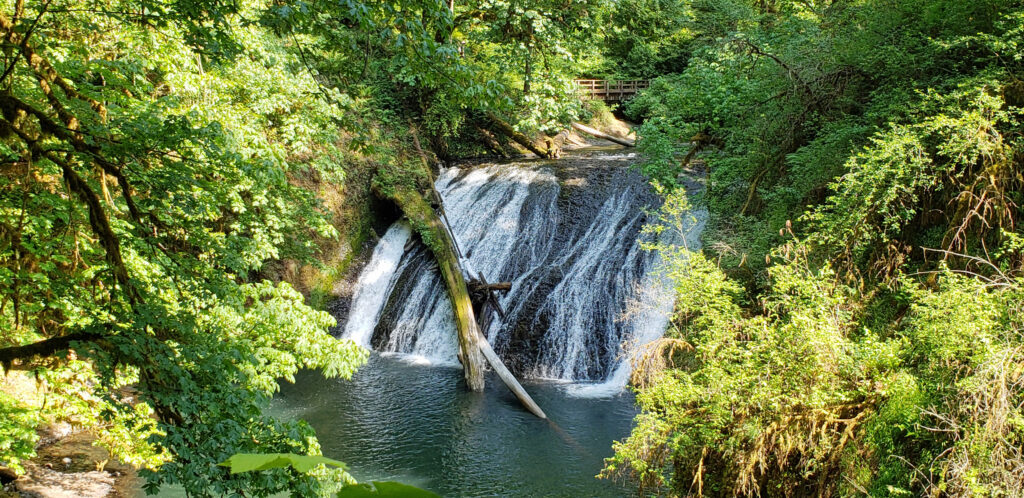
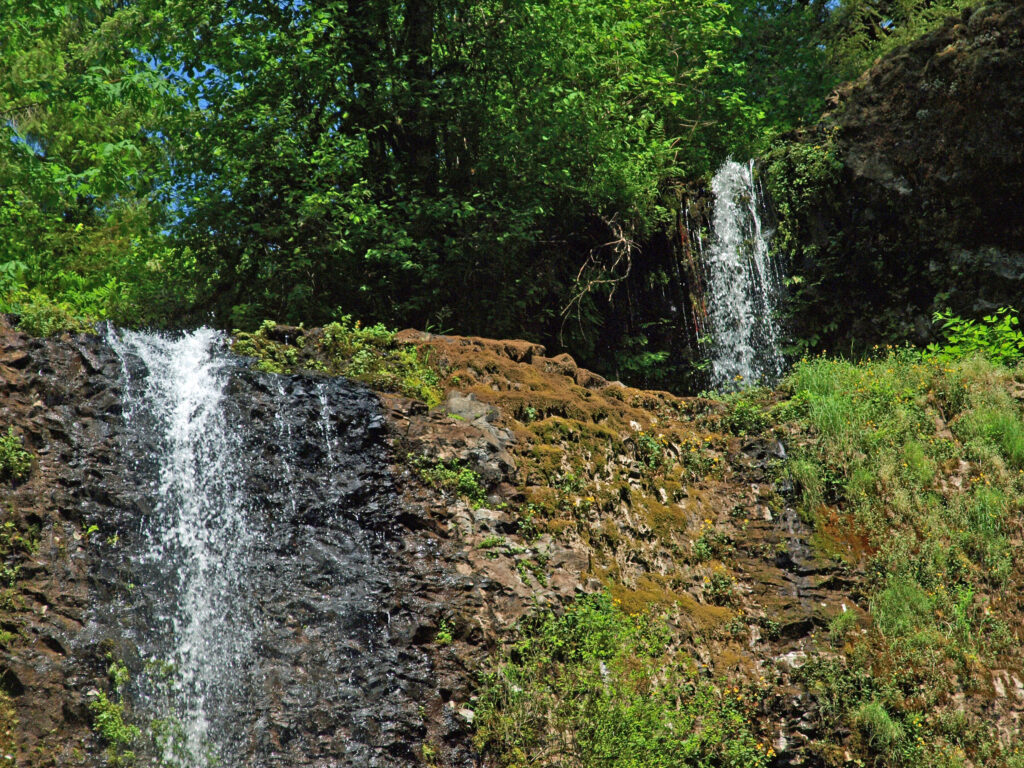
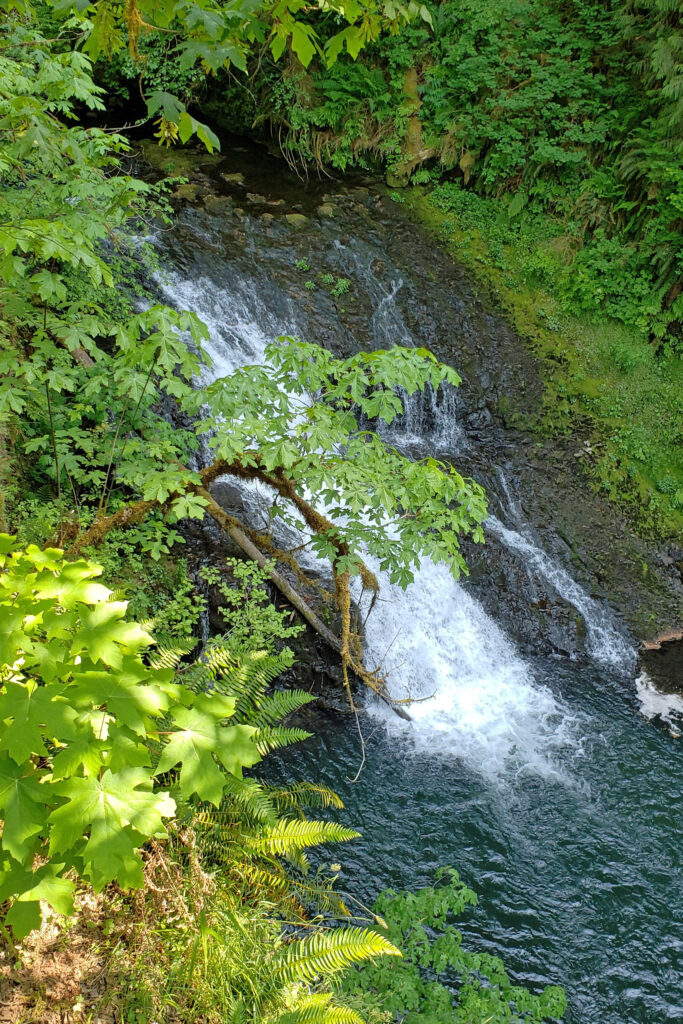
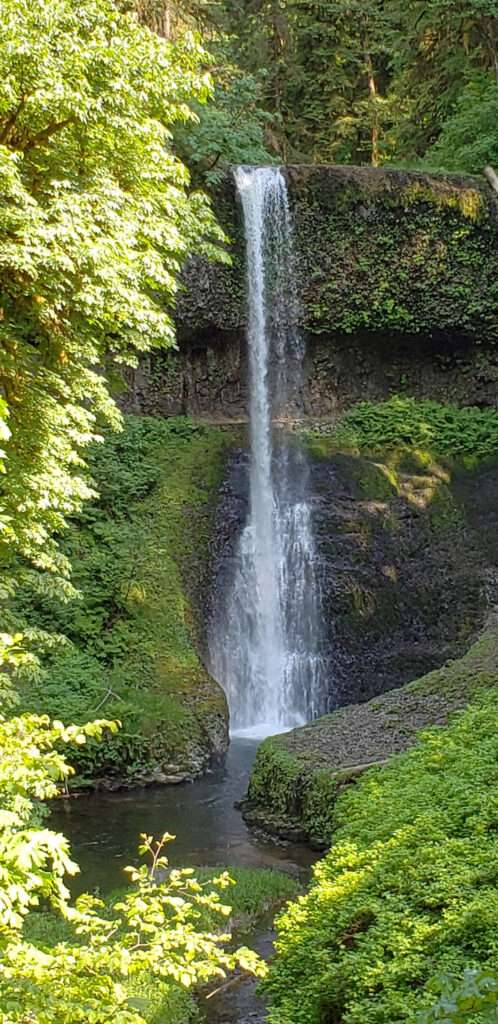
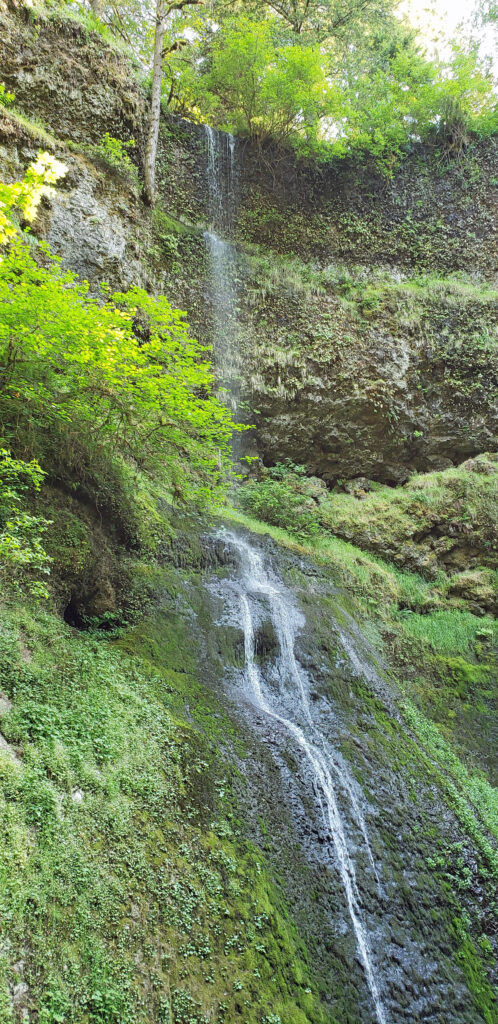
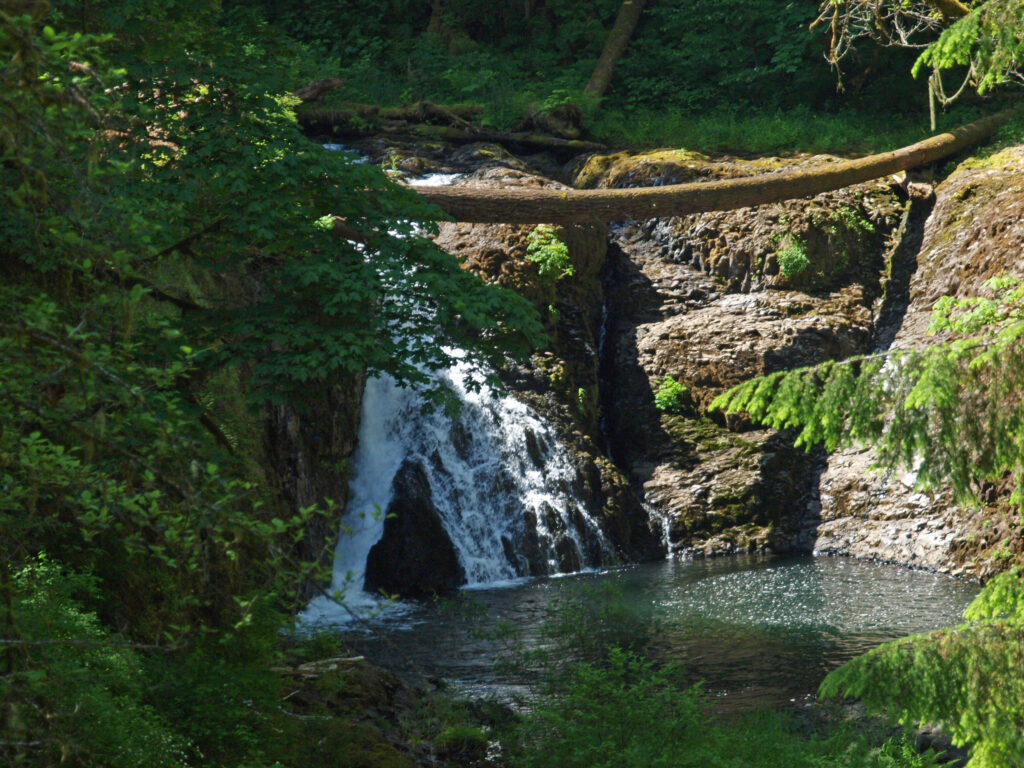
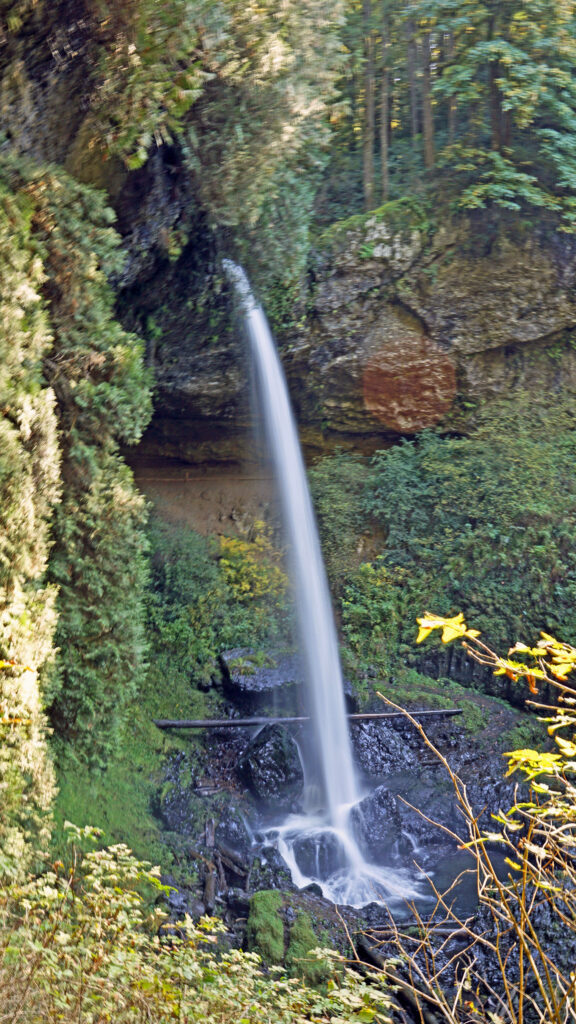
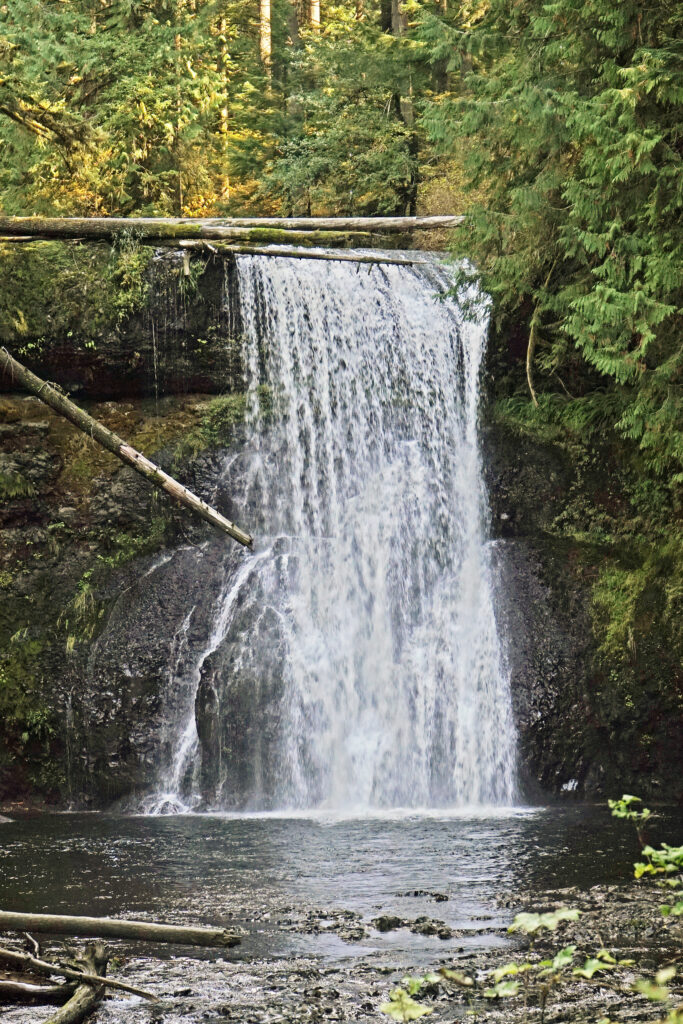
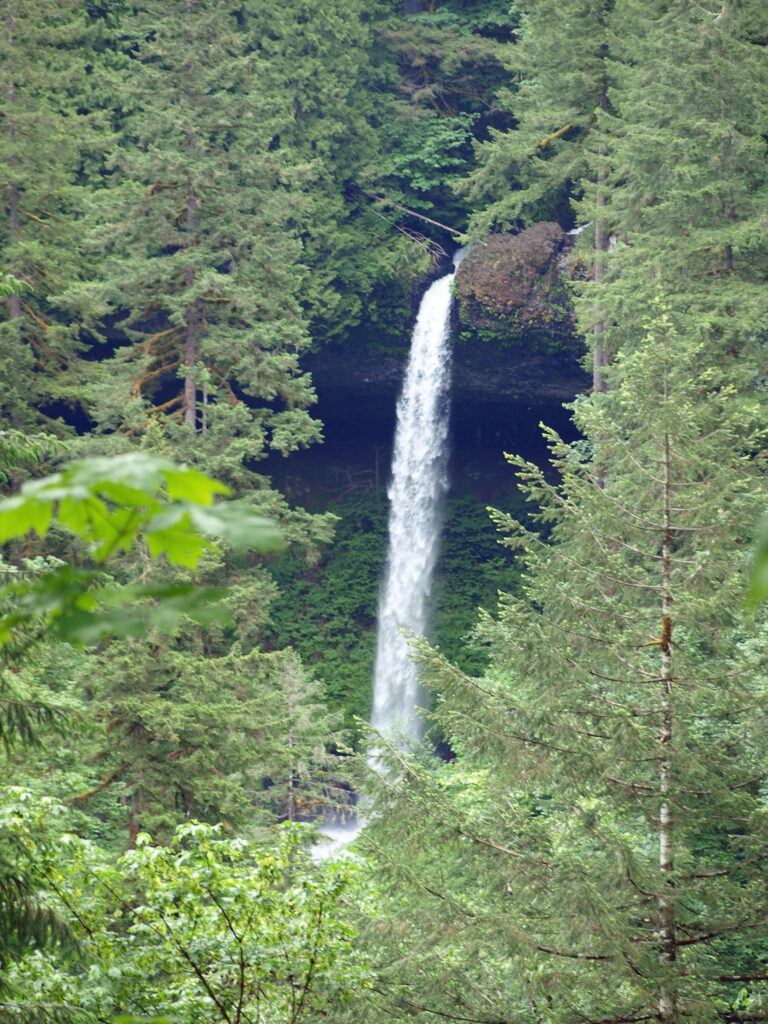
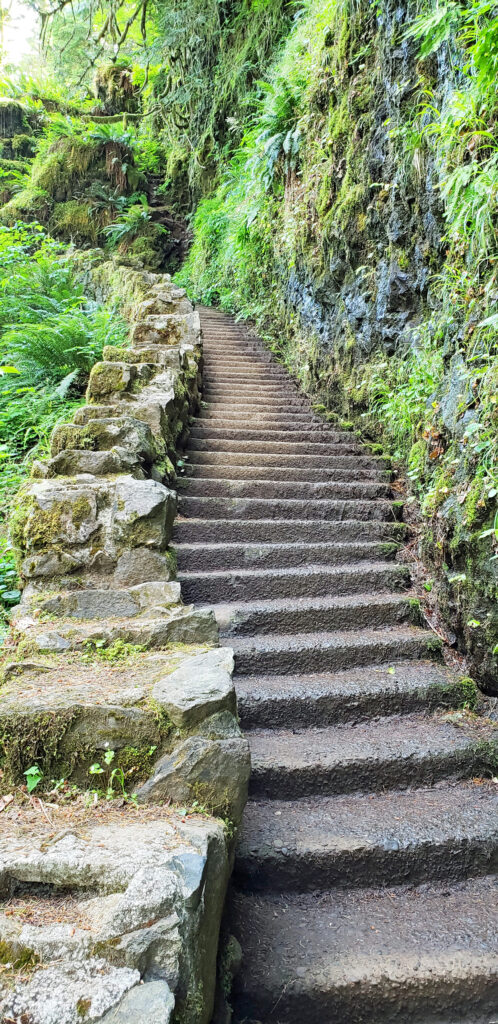 Silver Falls was voted Oregon’s favorite state park a few years ago, and for good reason. With more than ten waterfalls, six of them more than 90 feet in height, Silver Falls is a waterfall lovers paradise. And the Trail of Ten Falls (there are actually eleven named and at least one unnamed falls along the trail) is one of the finest hiking trails in the Pacific Northwest. I don’t know of anywhere else where you can see a dozen falls on a single hike, and four of them here have trails that actually take you behind the falls.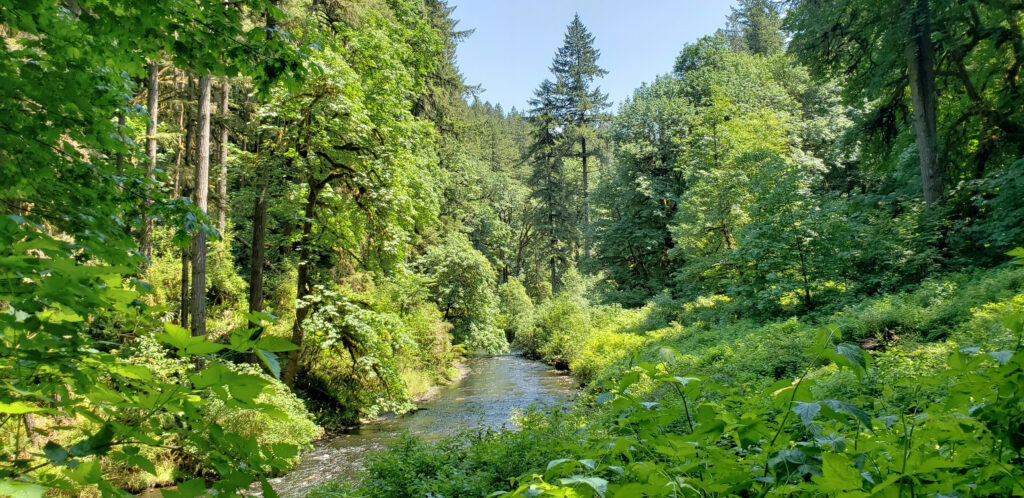
 Other area attractions and activities:
 The Trail of Ten Falls is an iconic hiking trail that every serious hiker in the state has likely done multiple times. It’s so spectacular that it alone is worth making the trek to Oregon from wherever you reside, no matter how far away that is. As an Oregon resident, I know I’m a little biased, but I don’t think I’m exaggerating here. If you’re a waterfall lover, come see for yourself. A trip to Silver Falls, combined with a visit to the waterfalls of the Columbia River Gorge will make for an unforgettable experience.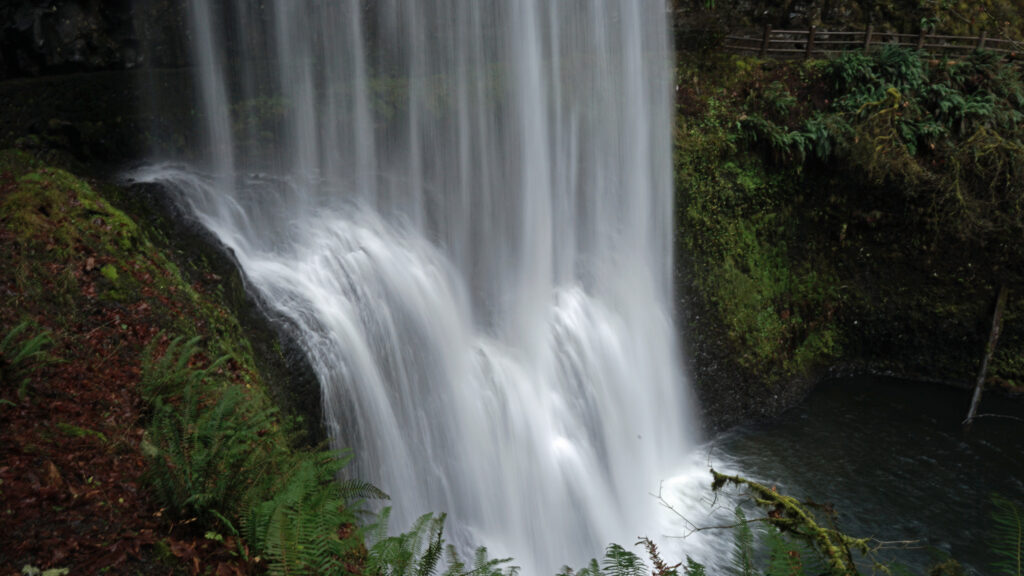
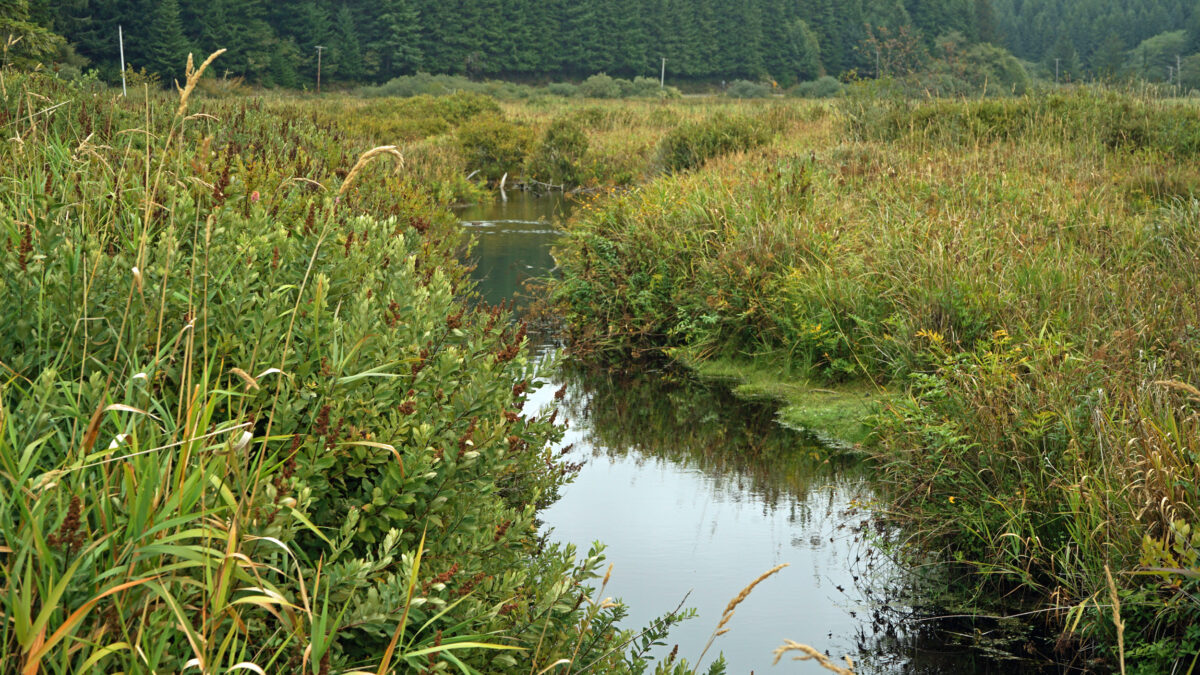
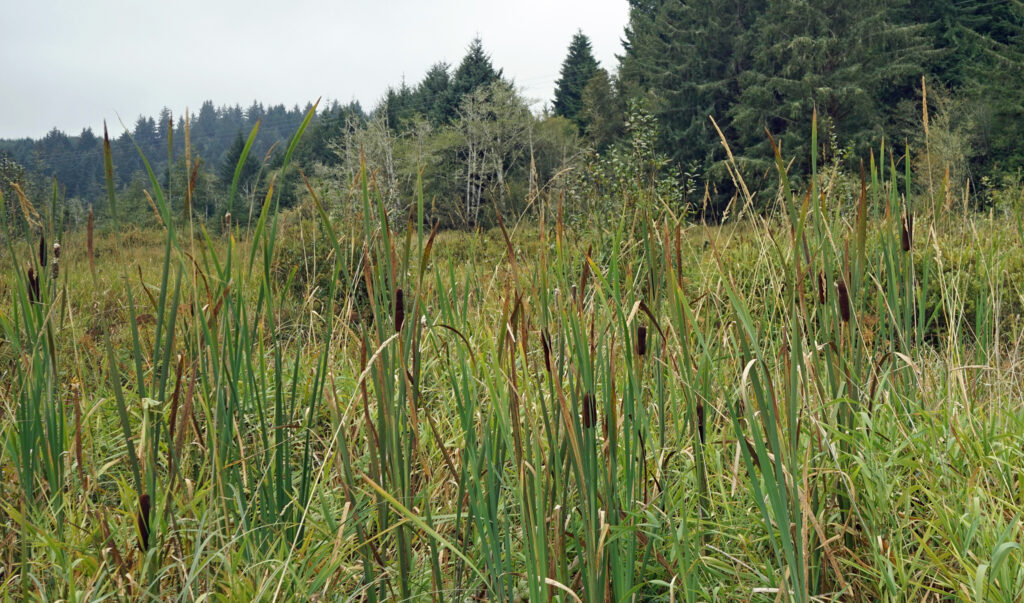
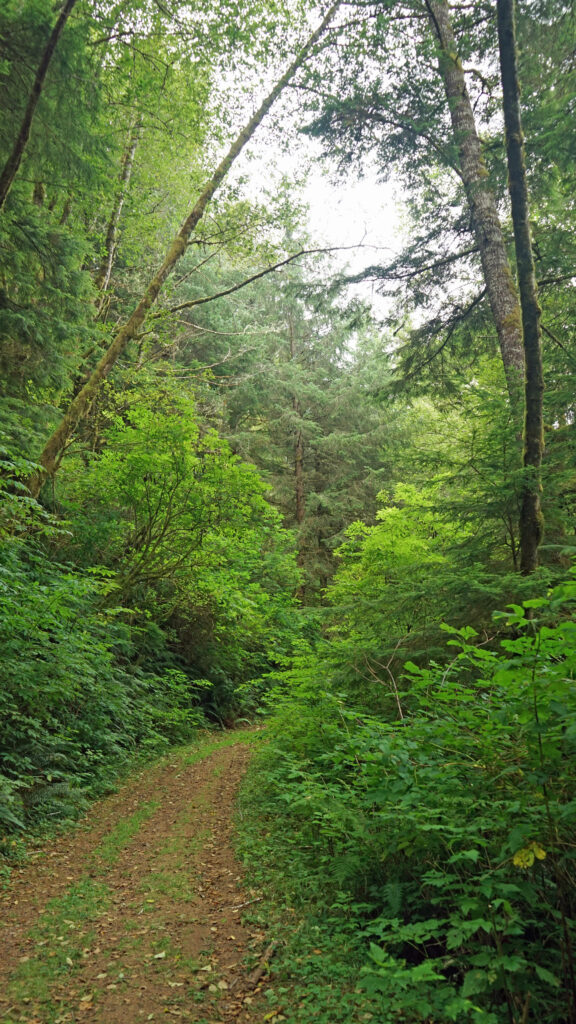
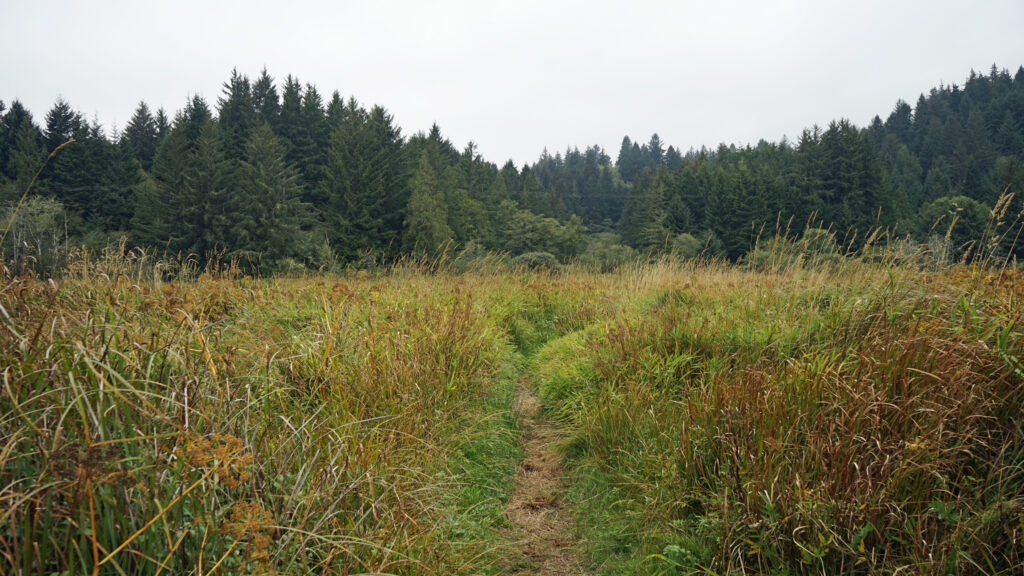
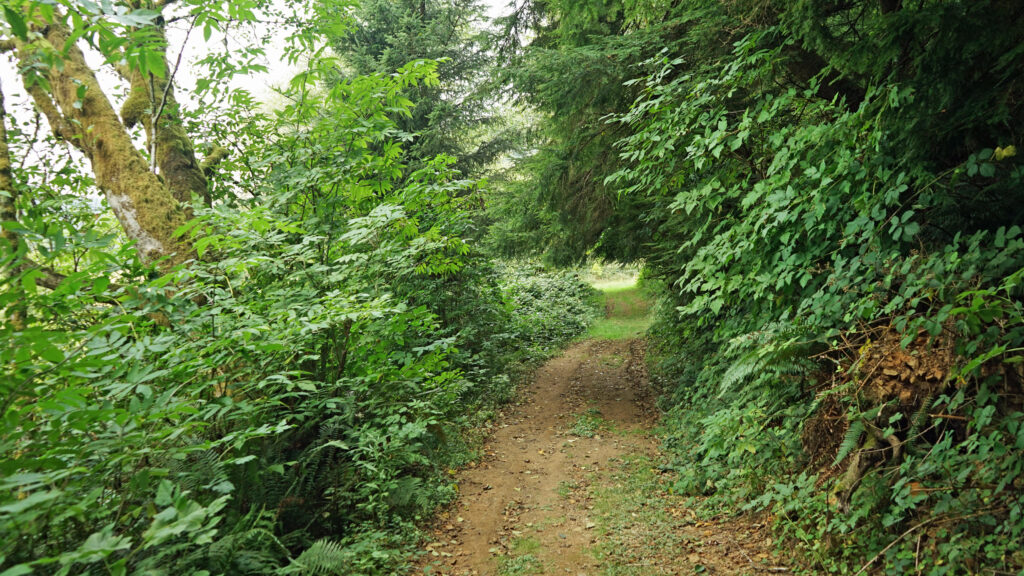
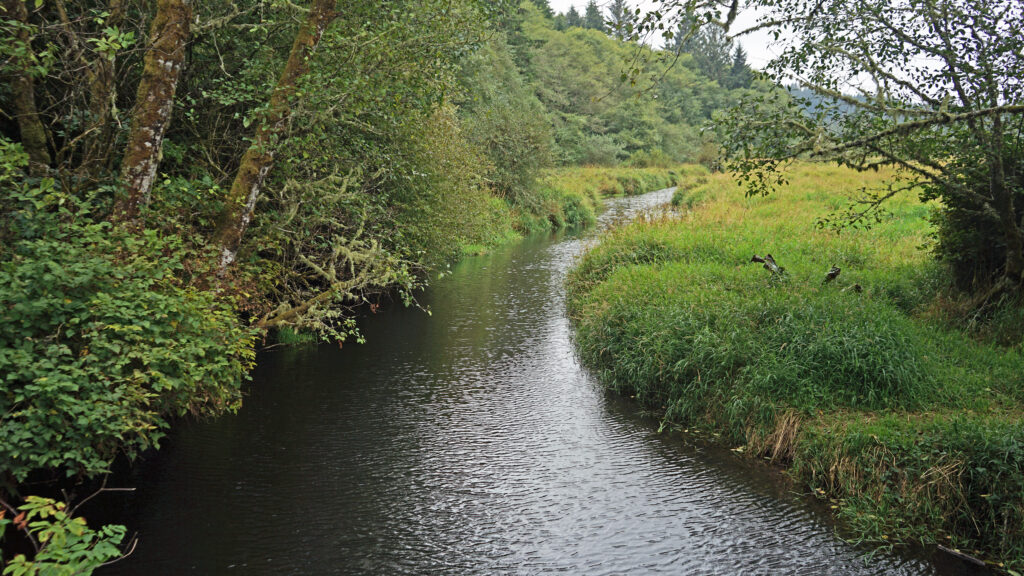
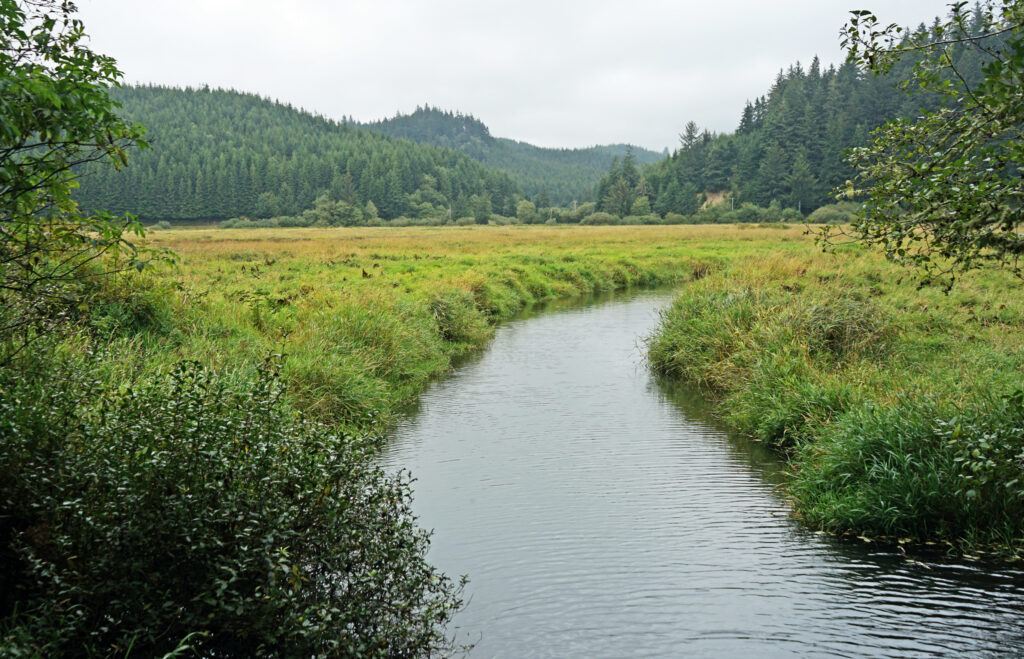
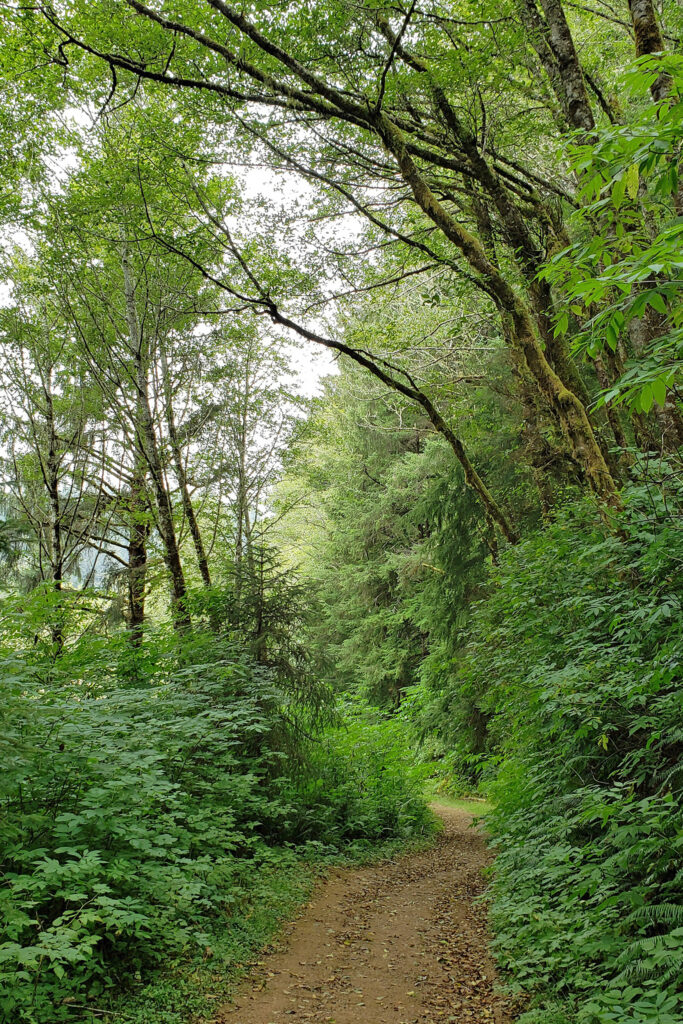 Beyond the Snaggy Point Trail junction, the loop trail continues through the forest along the edge of the marsh to a junction with the Antler Overlook Trail, which connects to the Cooper Ridge Trail and provides another overcrossing of the upland area. The main loop trail then continues through the forest to the agricultural buildings mentioned in the winter trailhead description. Beyond the buildings walk up the service road for a couple hundred yards and look for the loop trail branching off to the left. The trail follows the edge of an open field.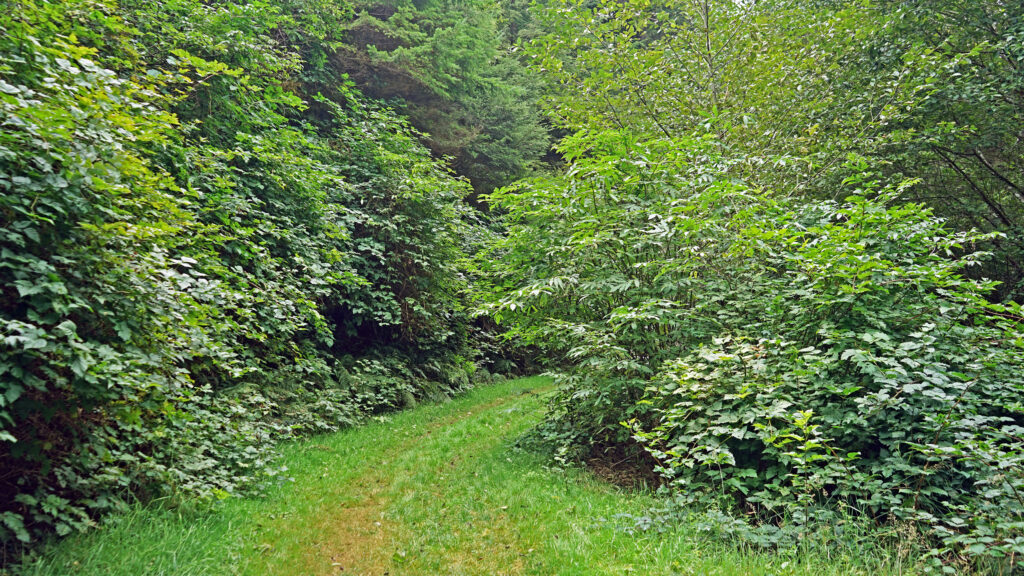

 Posted March 14, 2023 by Alan K. Lee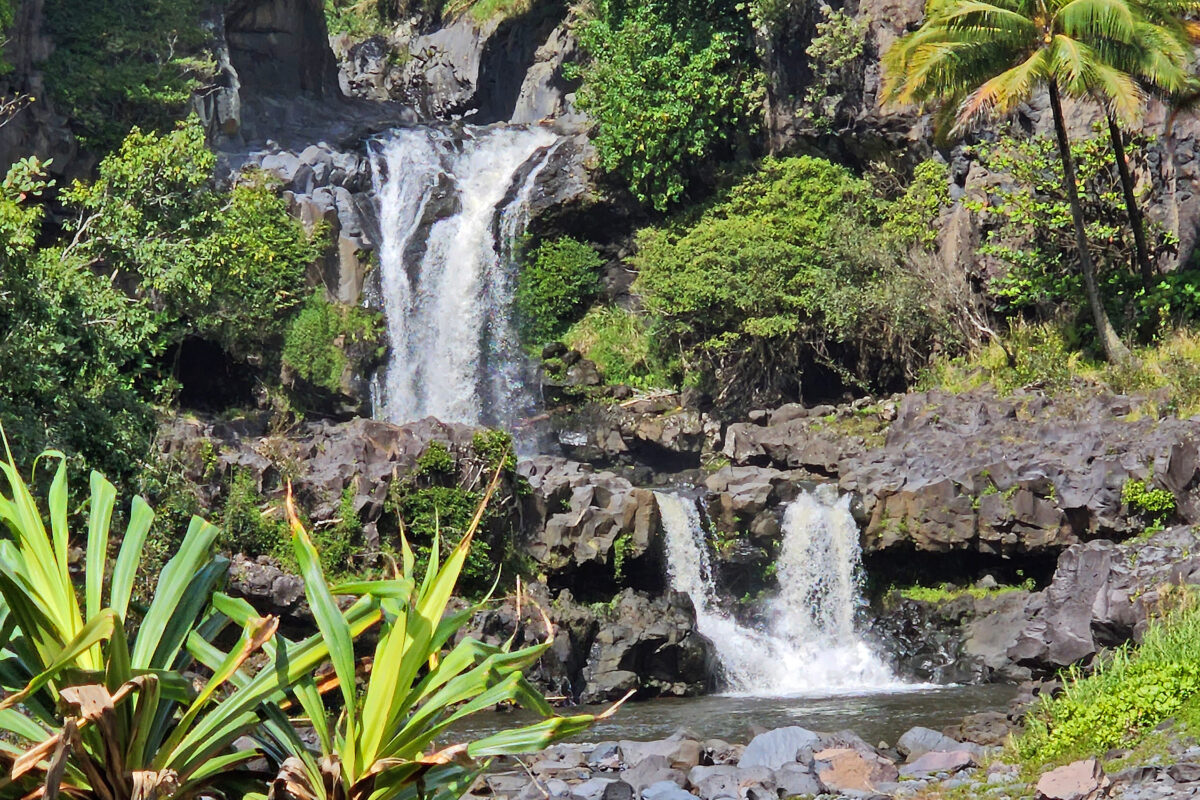
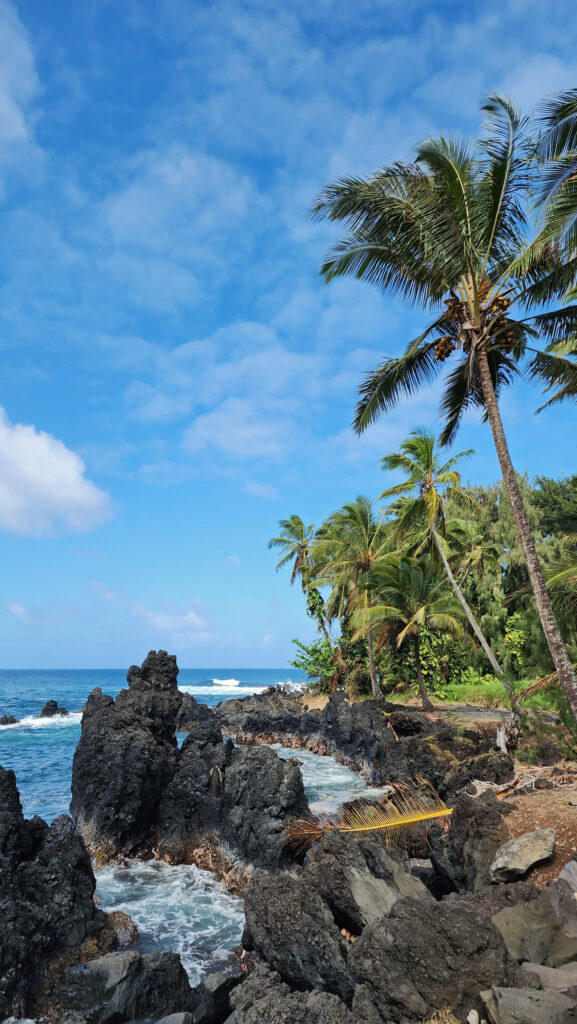
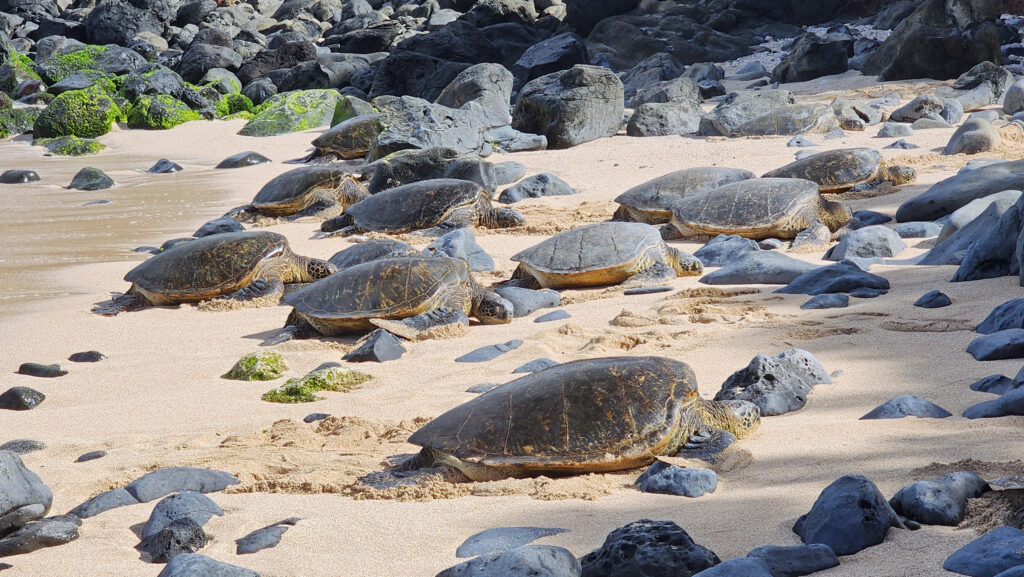
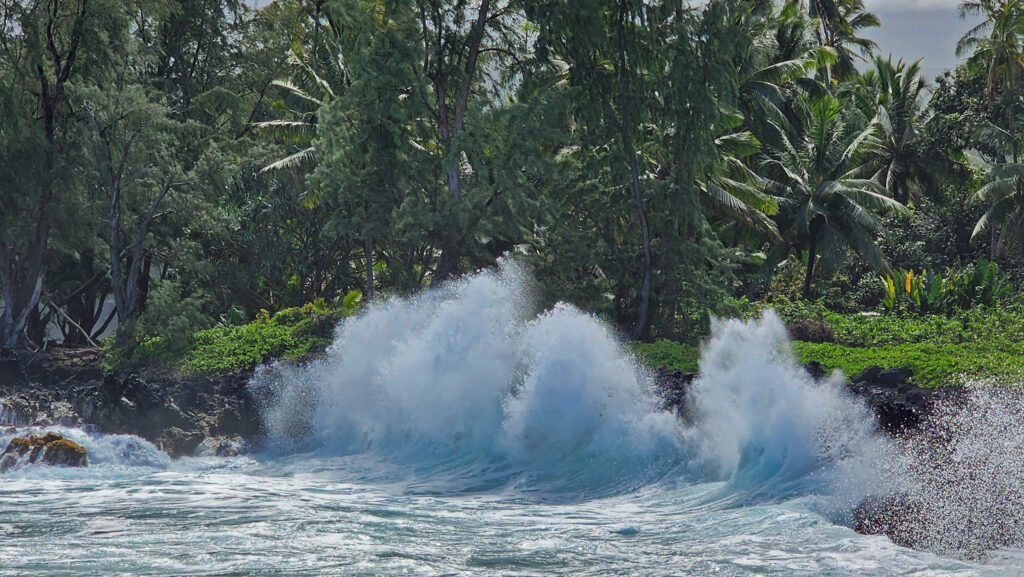
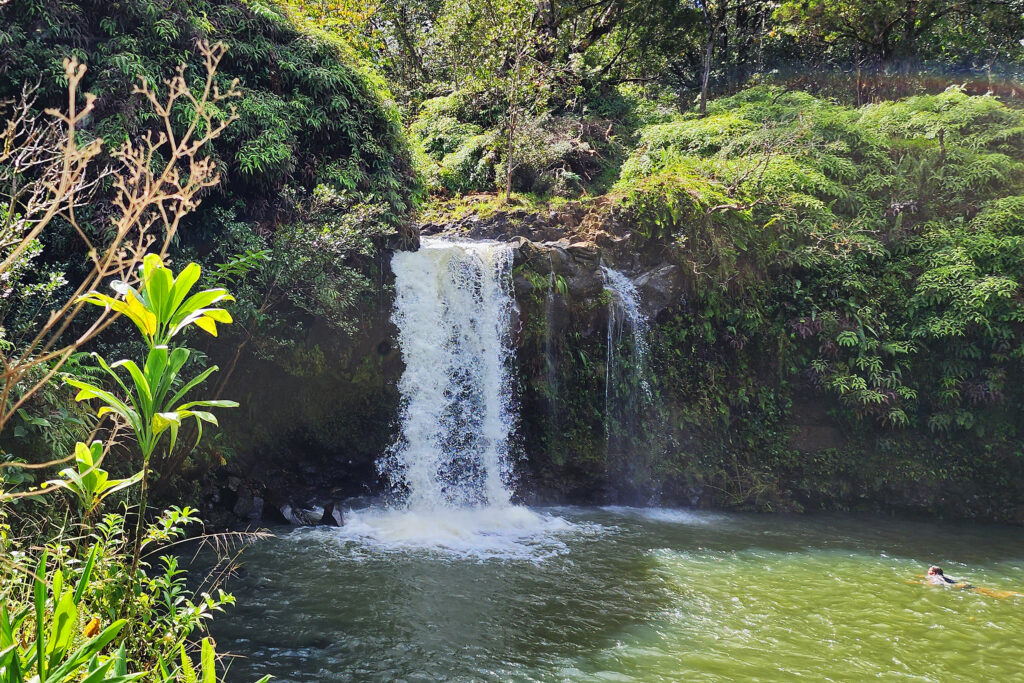
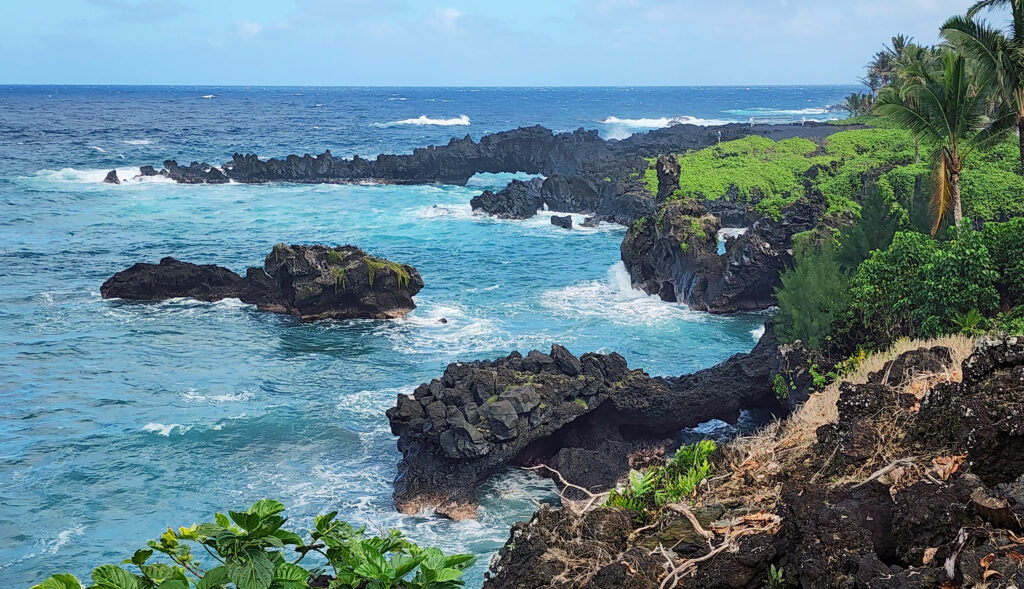
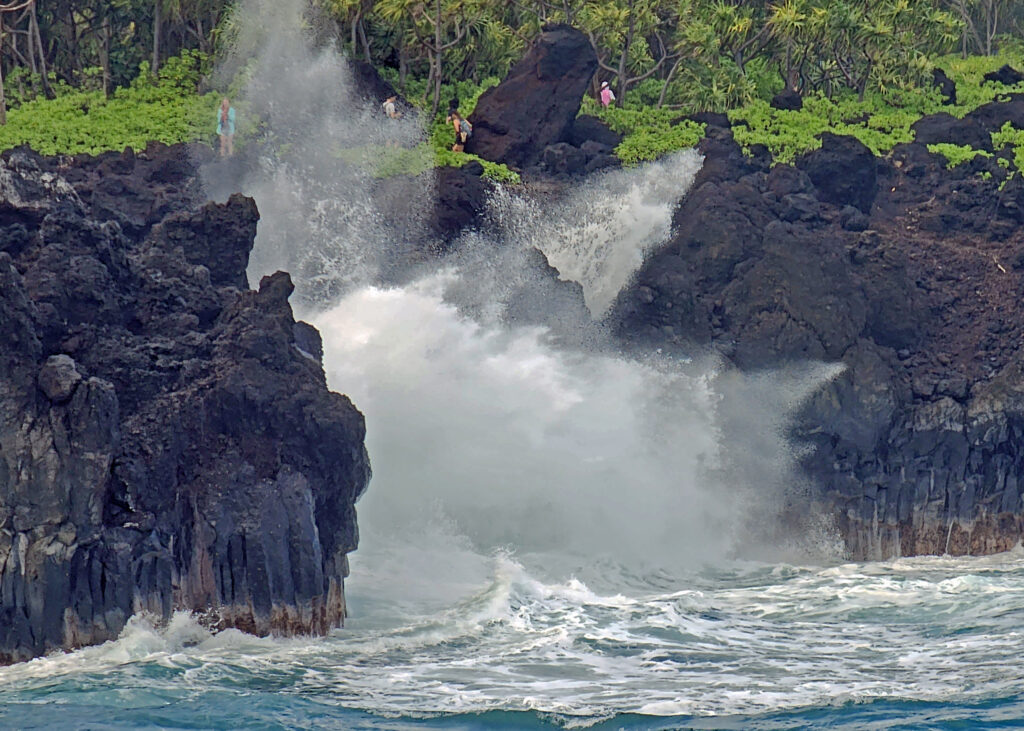
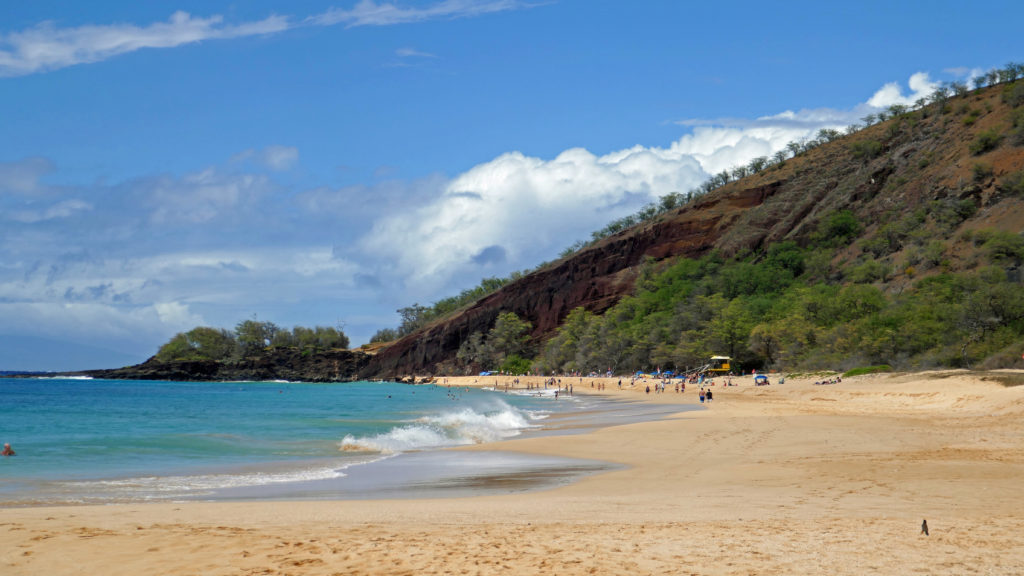
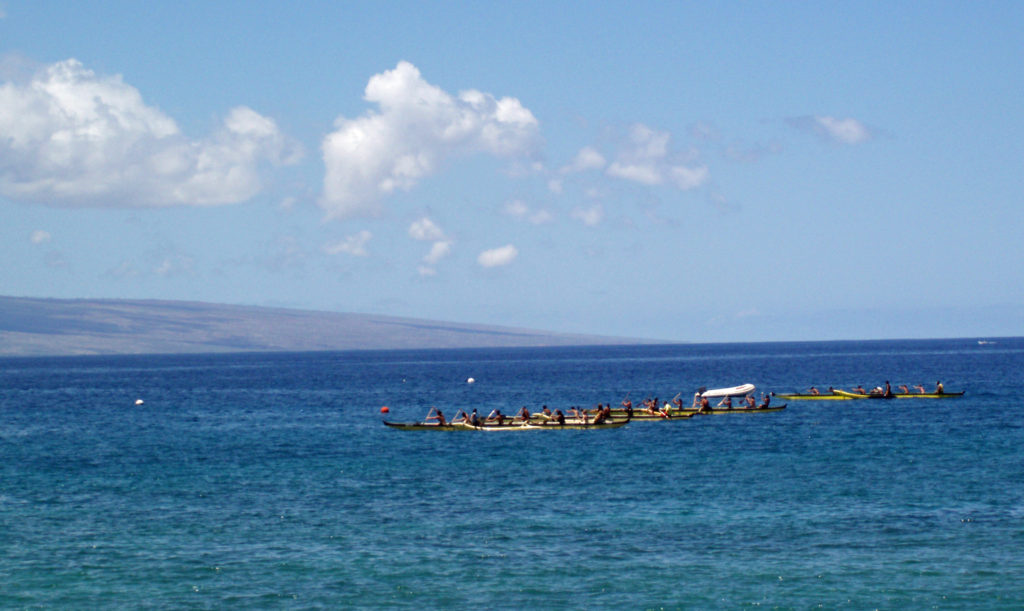
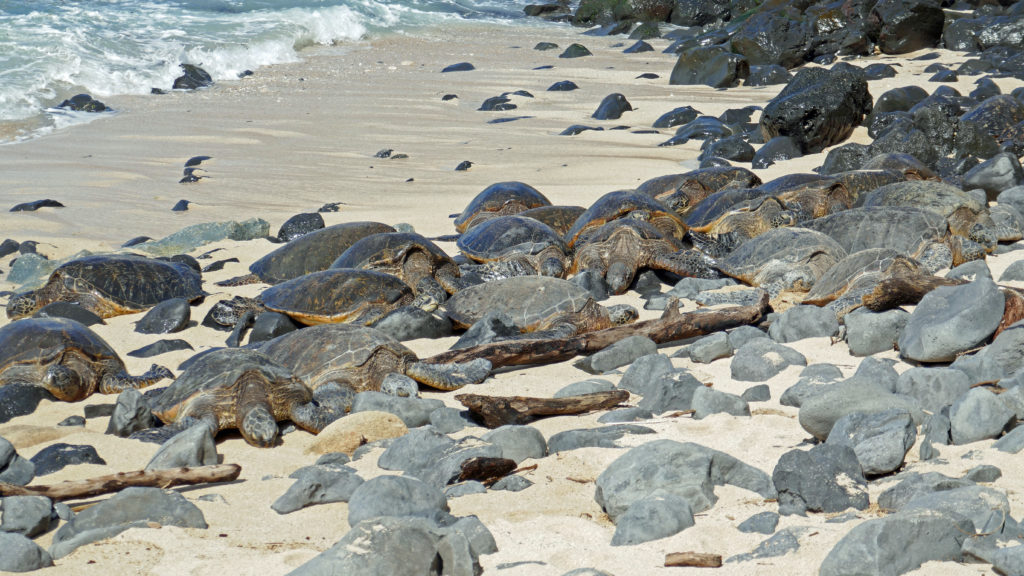
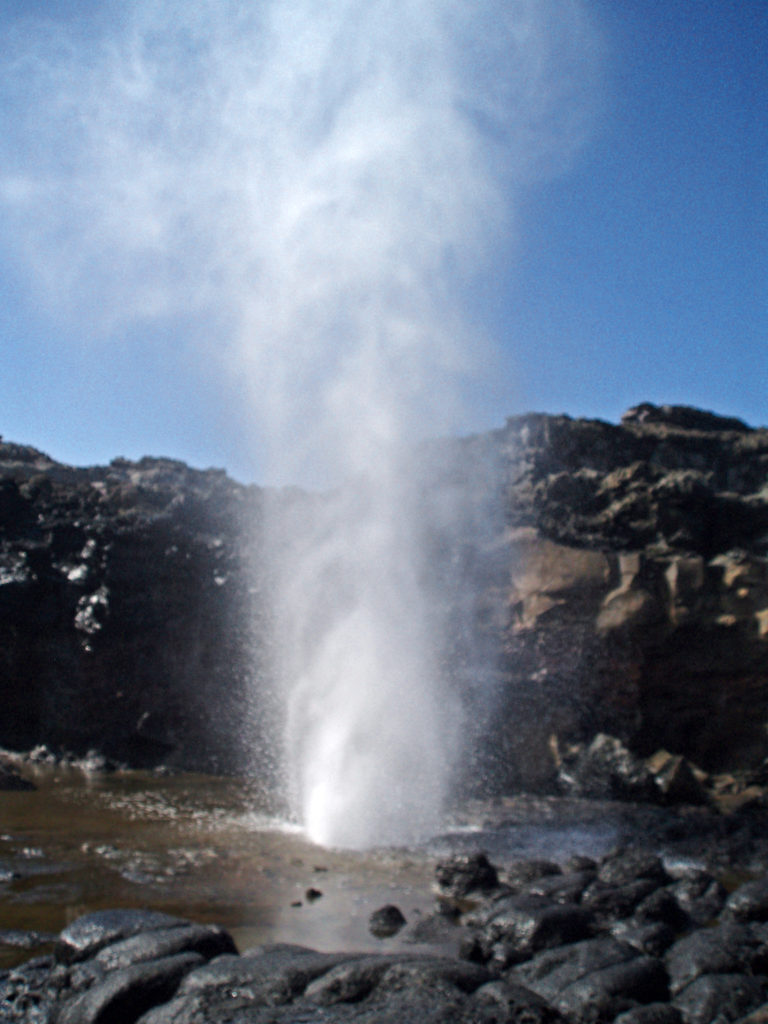
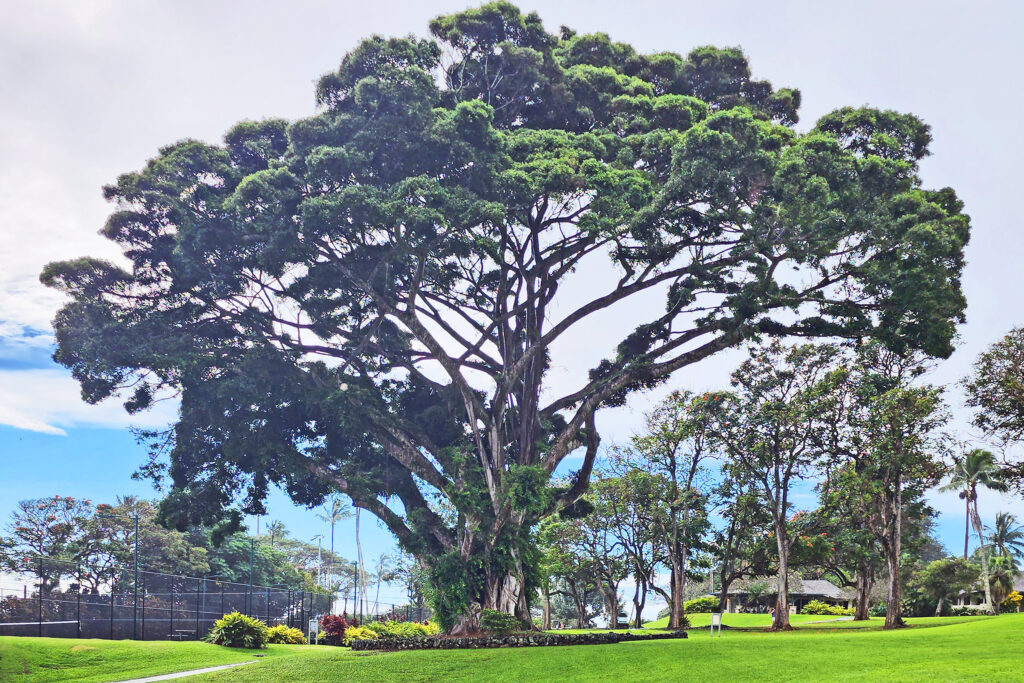 There are a lot of things that you’ll miss if you’re visiting Hana as a day trip. Better to do as we did and spend a night or two. That will give you enough time to really see and enjoy the East Maui area. But be forewarned, Hana is expensive.
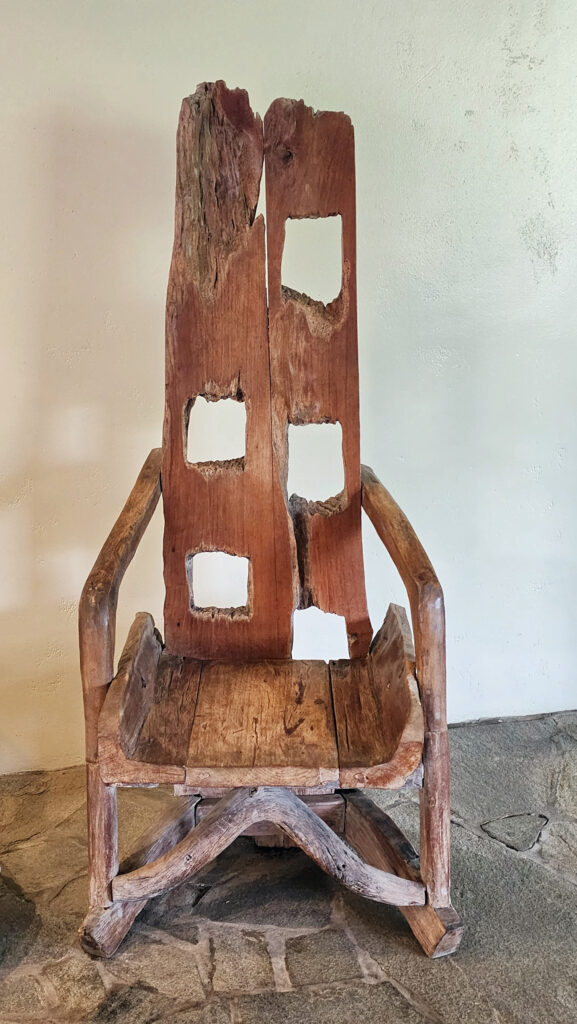
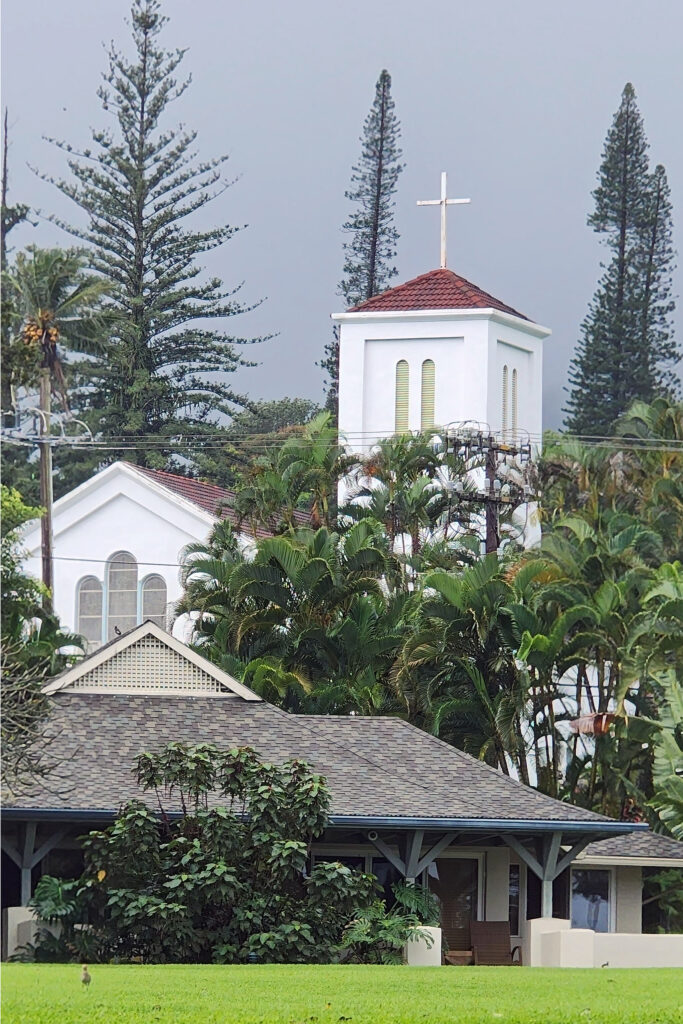
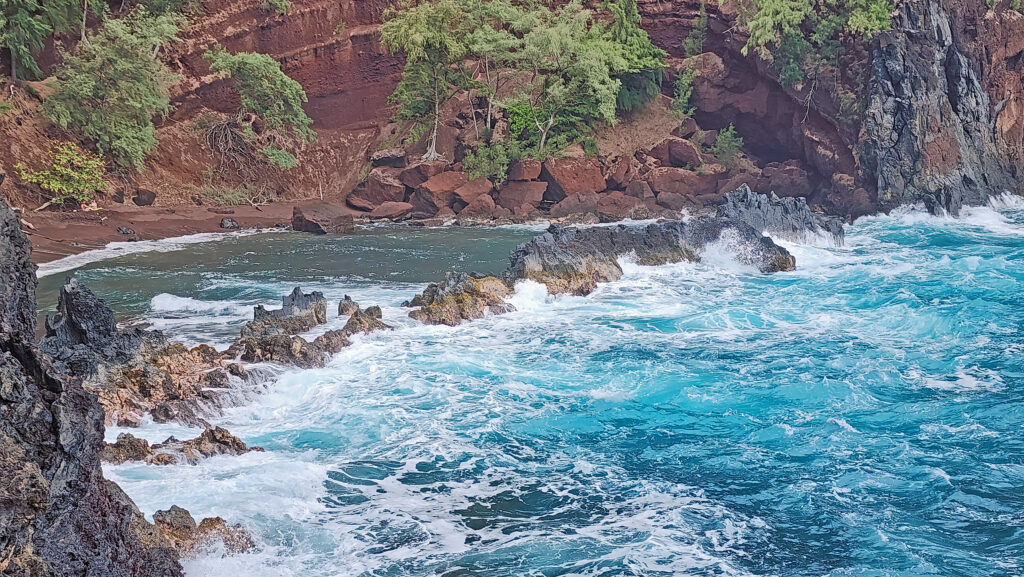
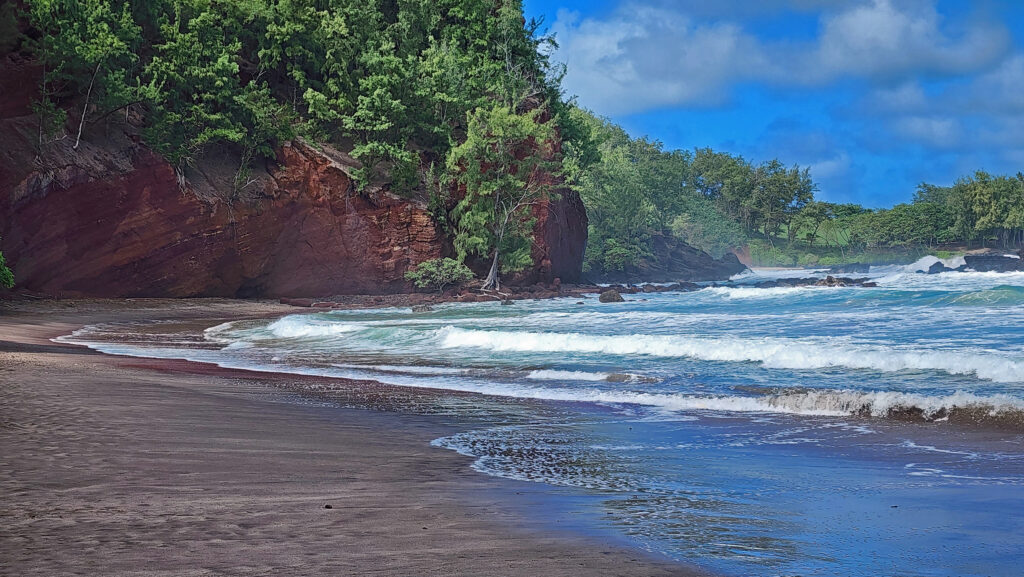
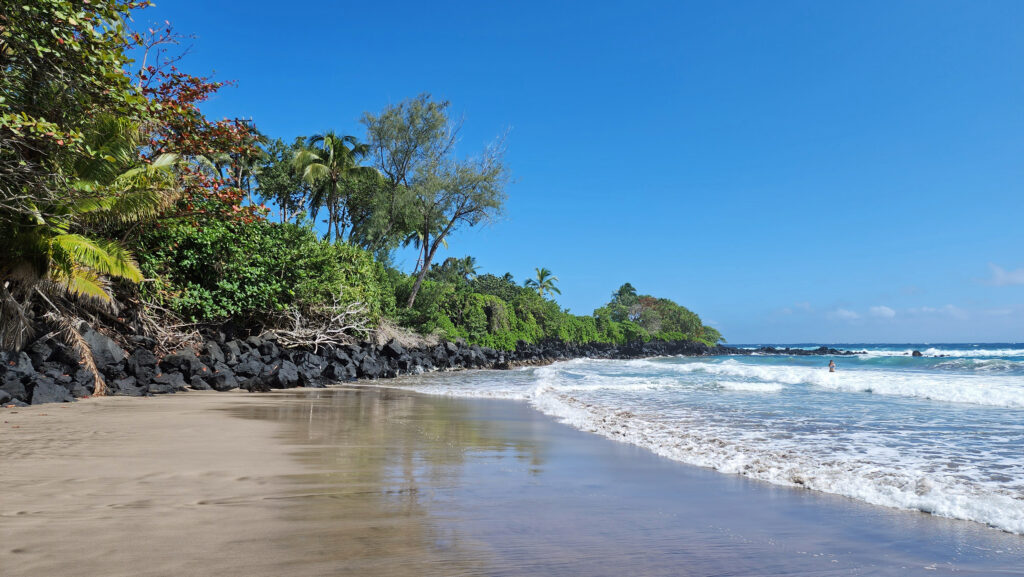
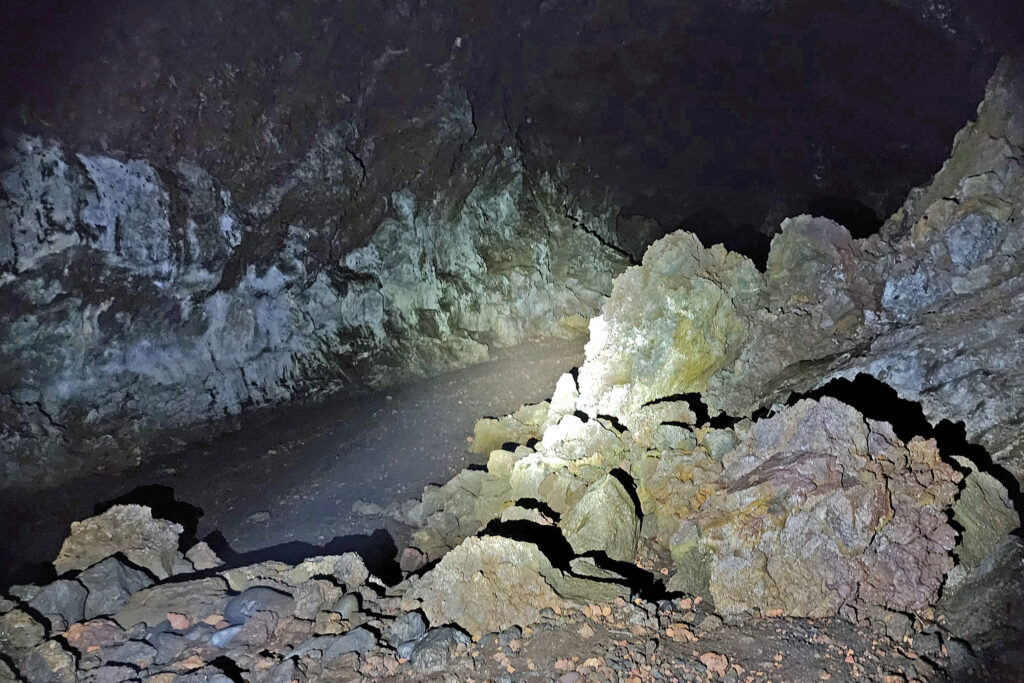
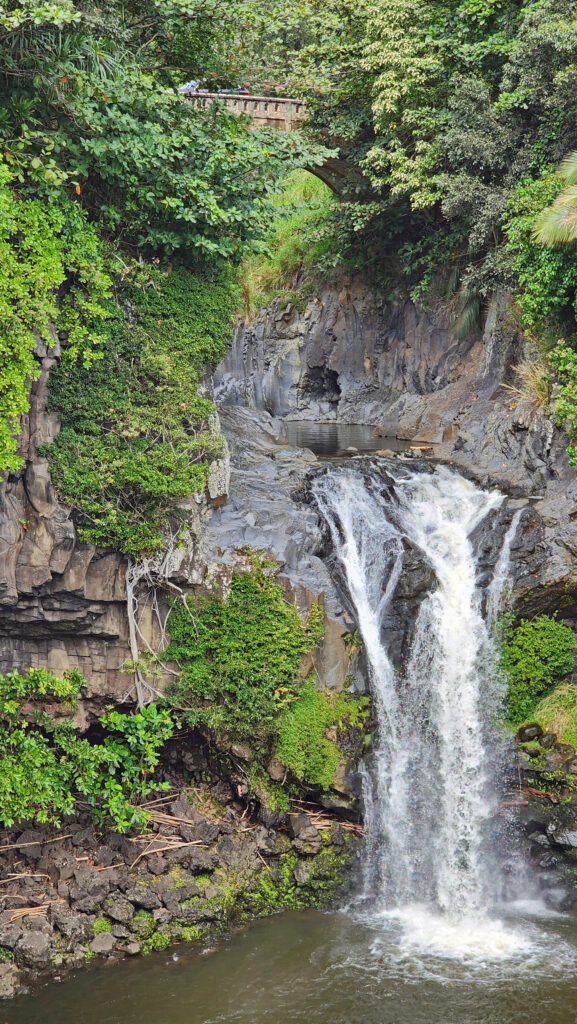
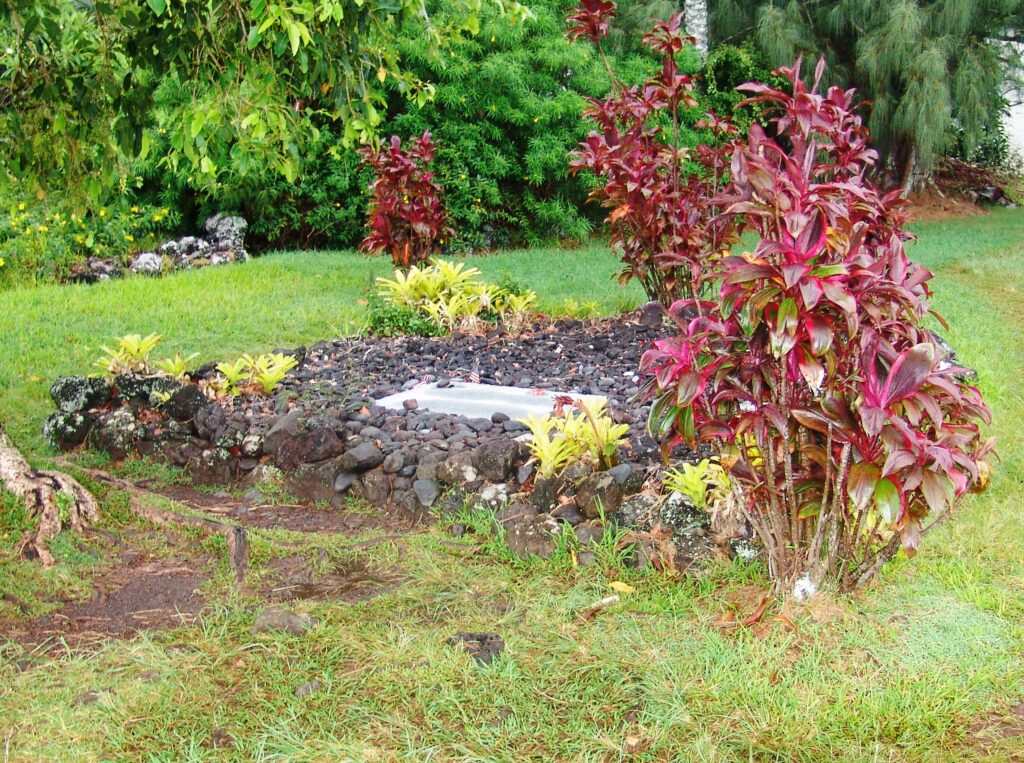
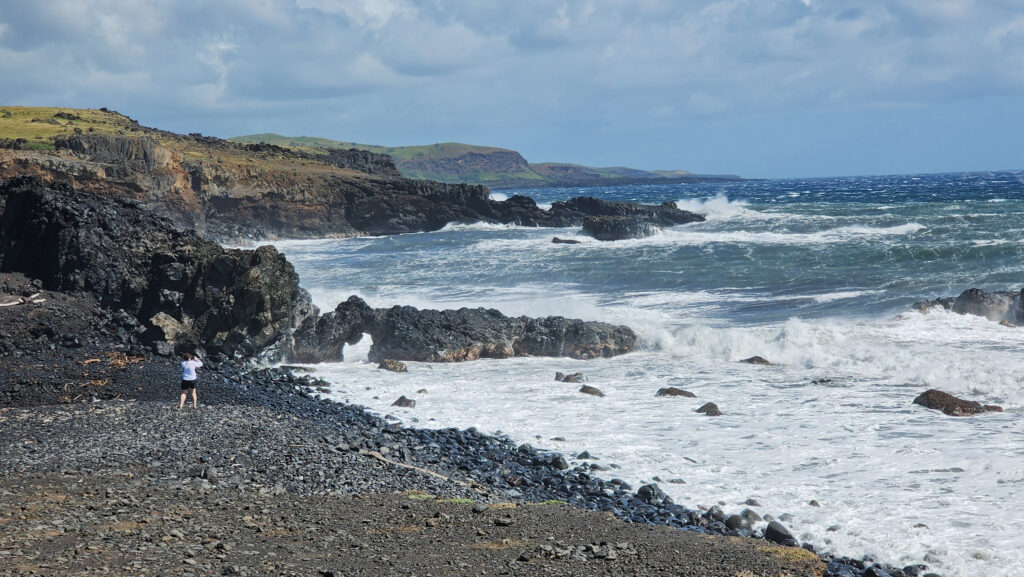
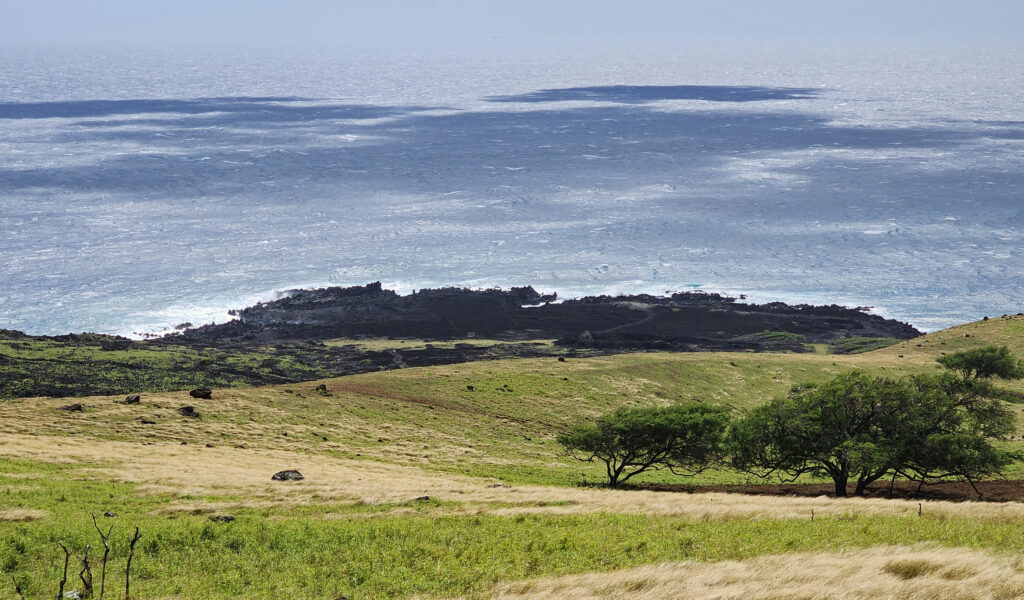

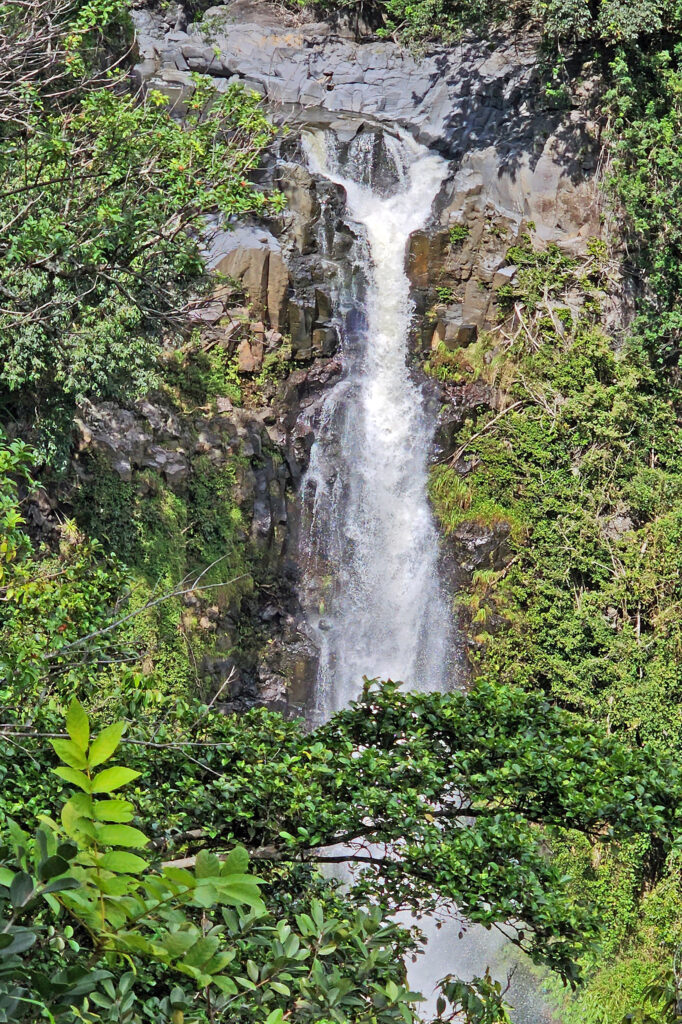
 Posted March 3, 2023.




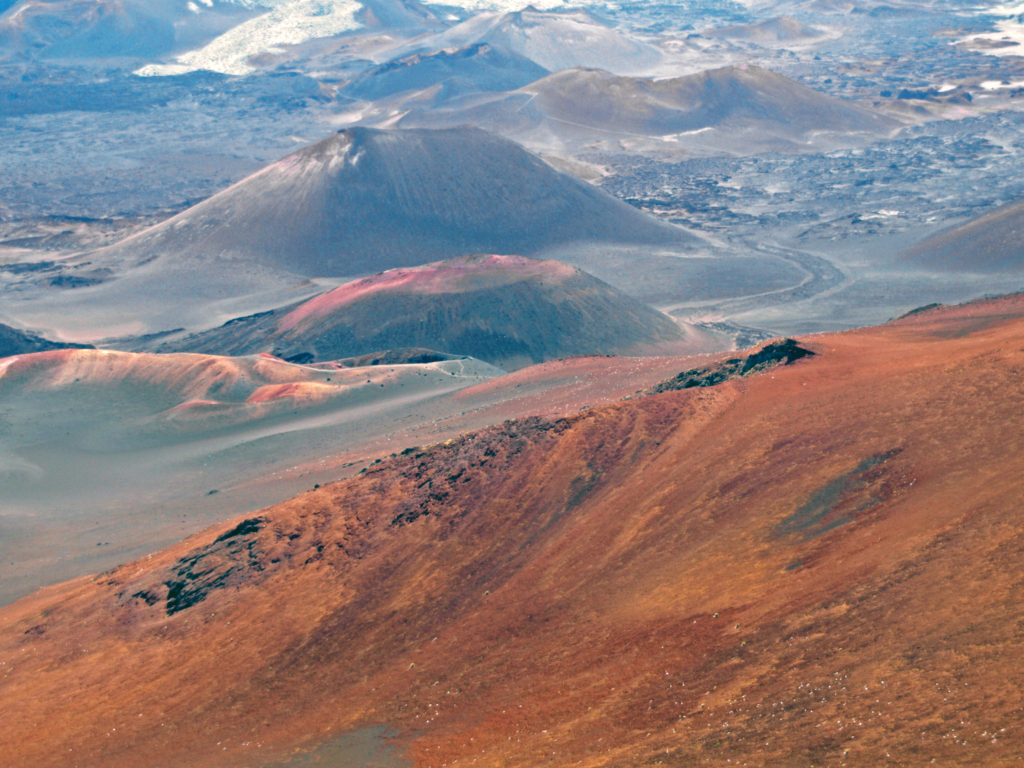
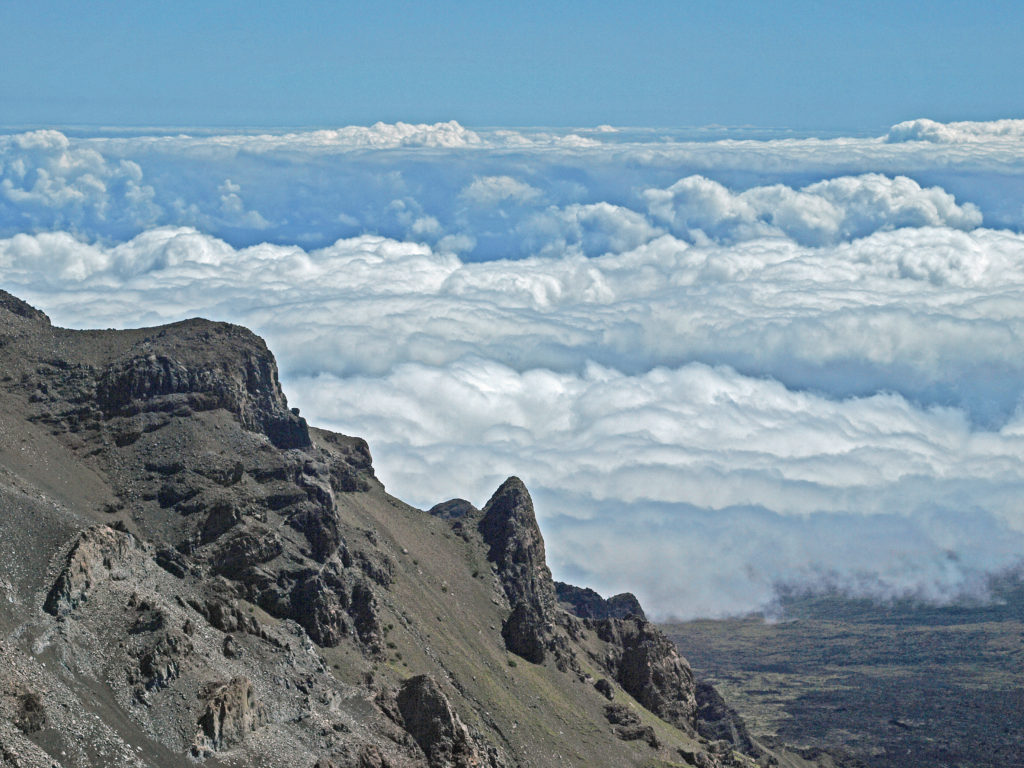
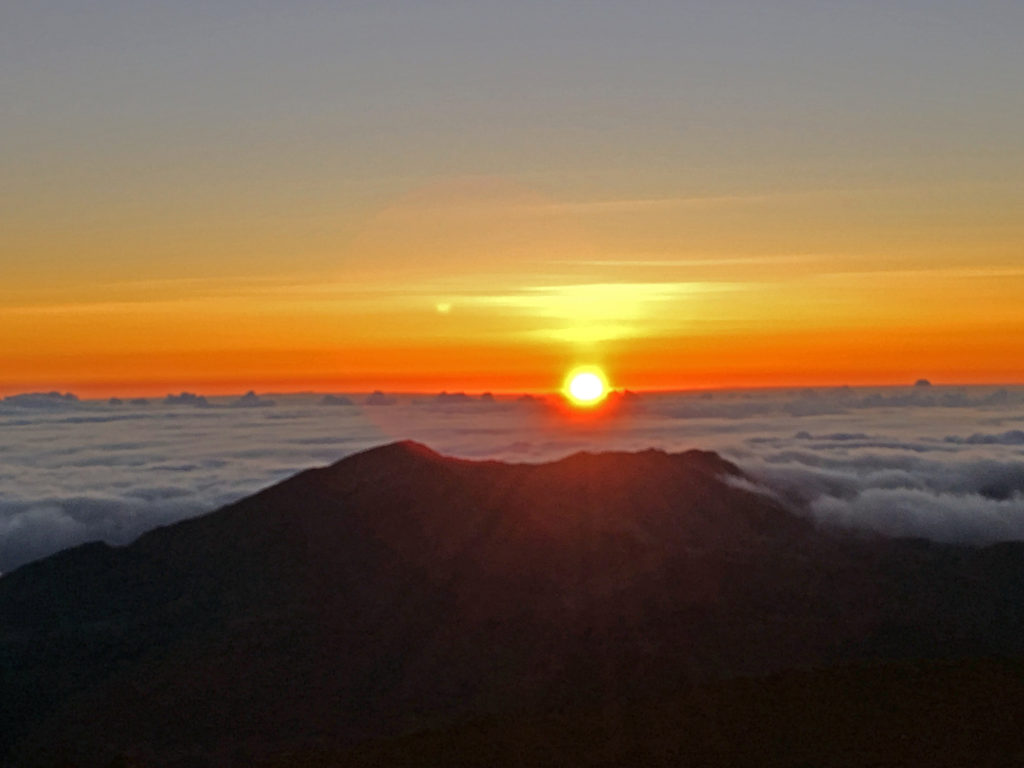
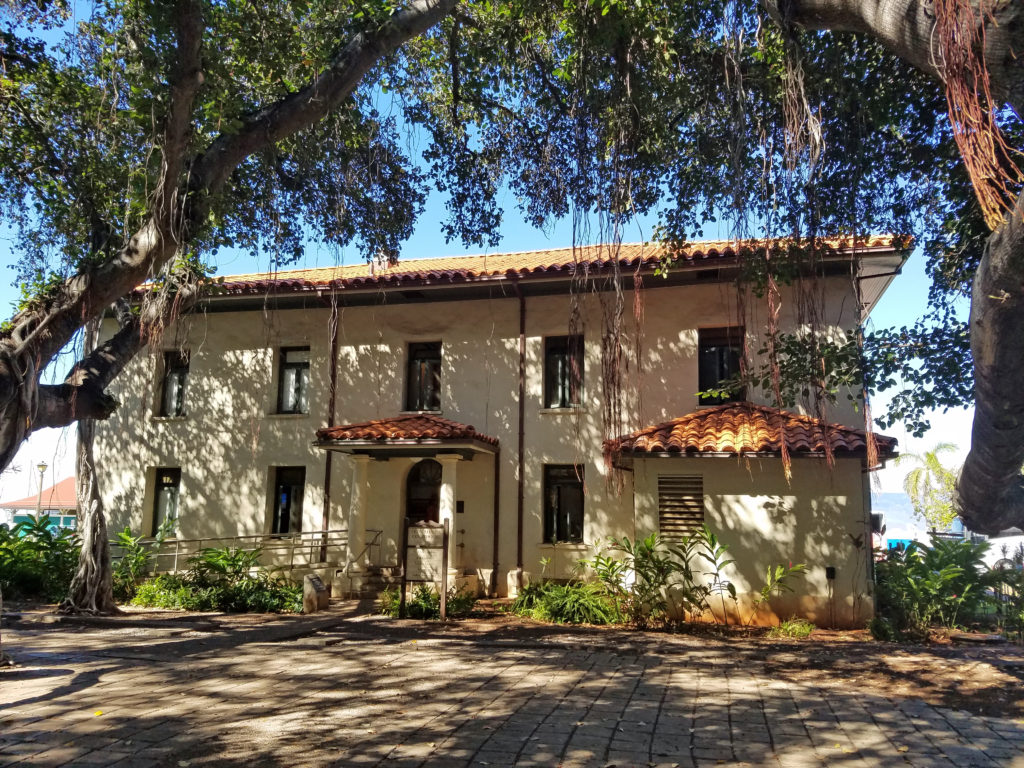
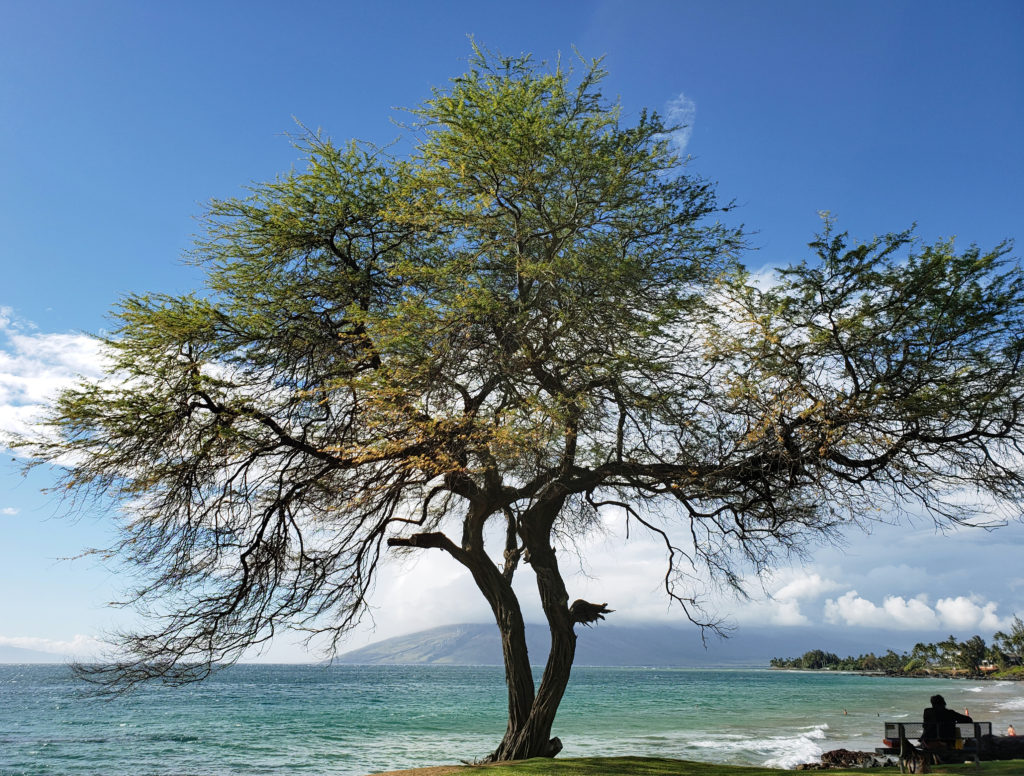








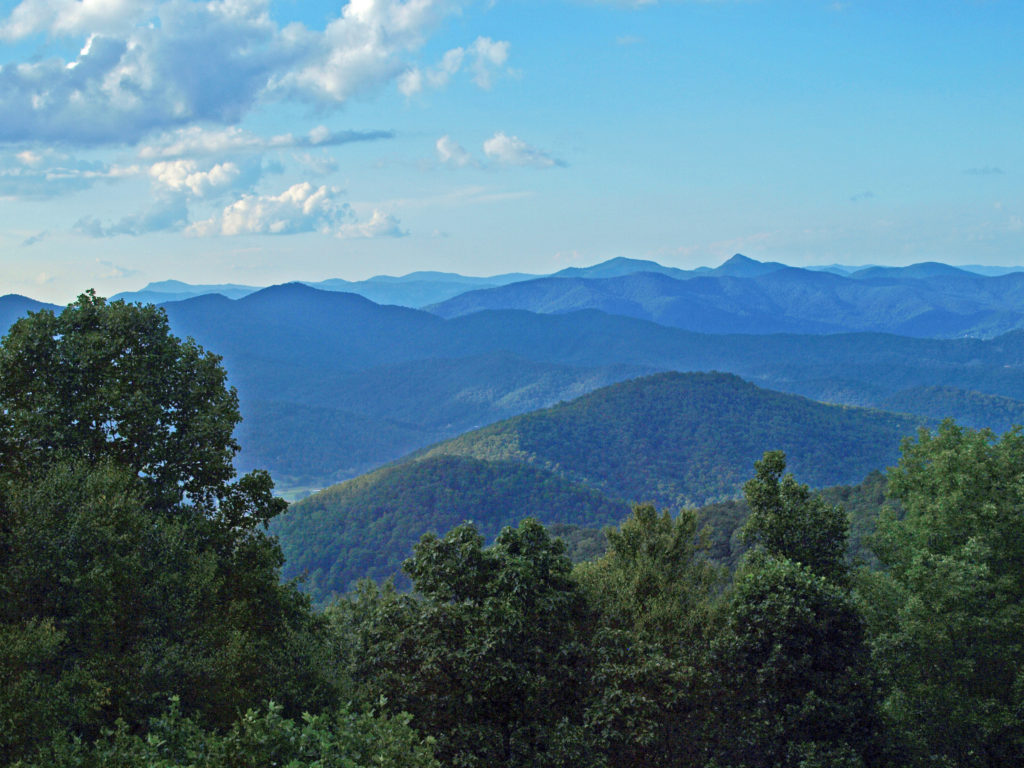
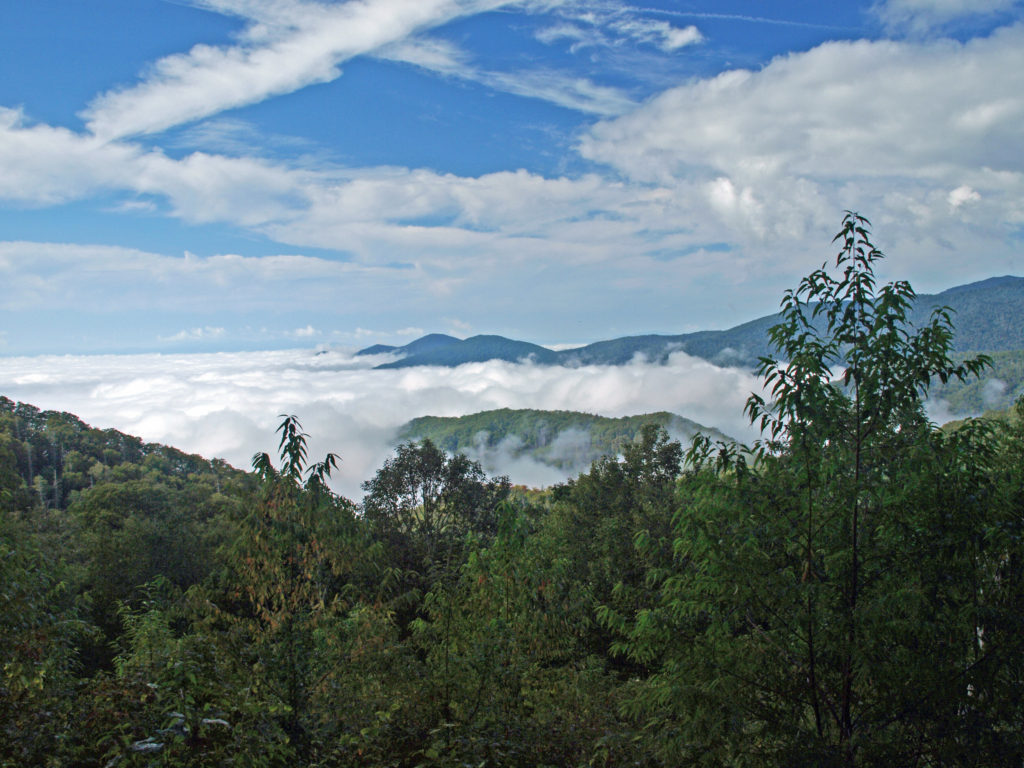
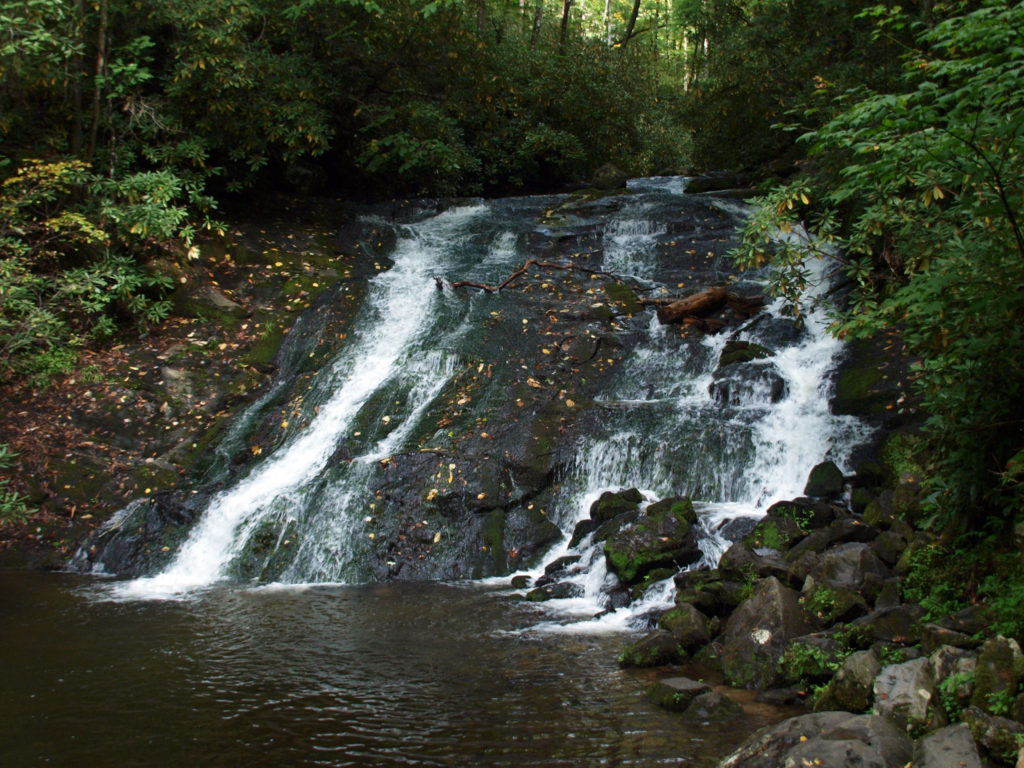
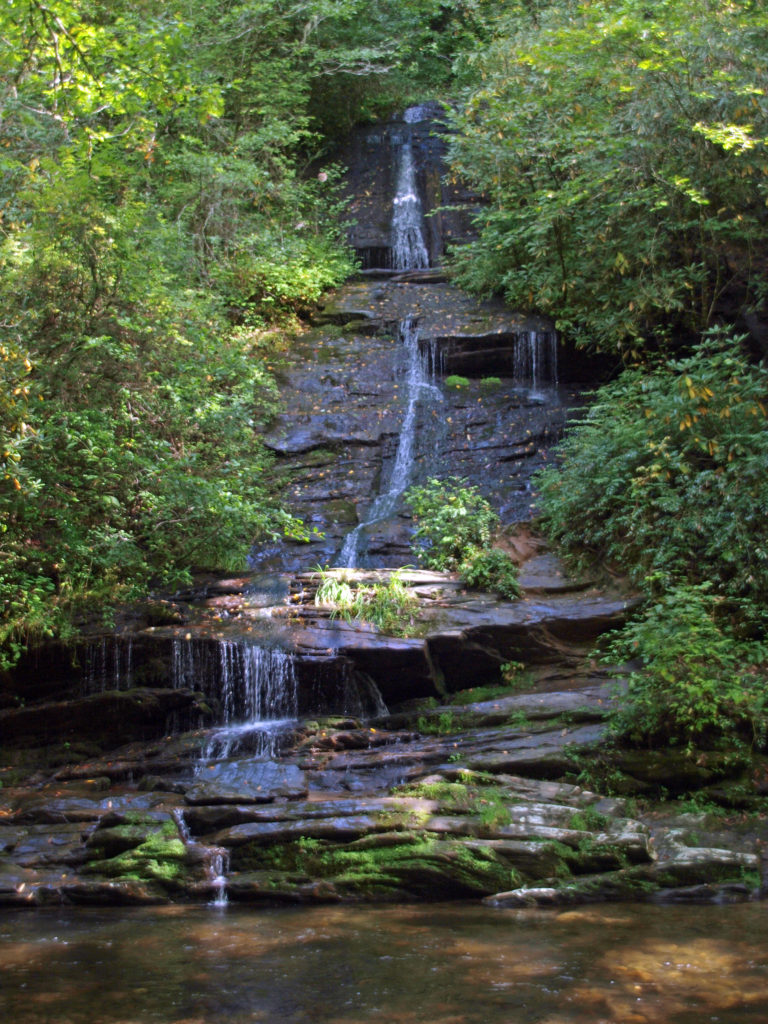
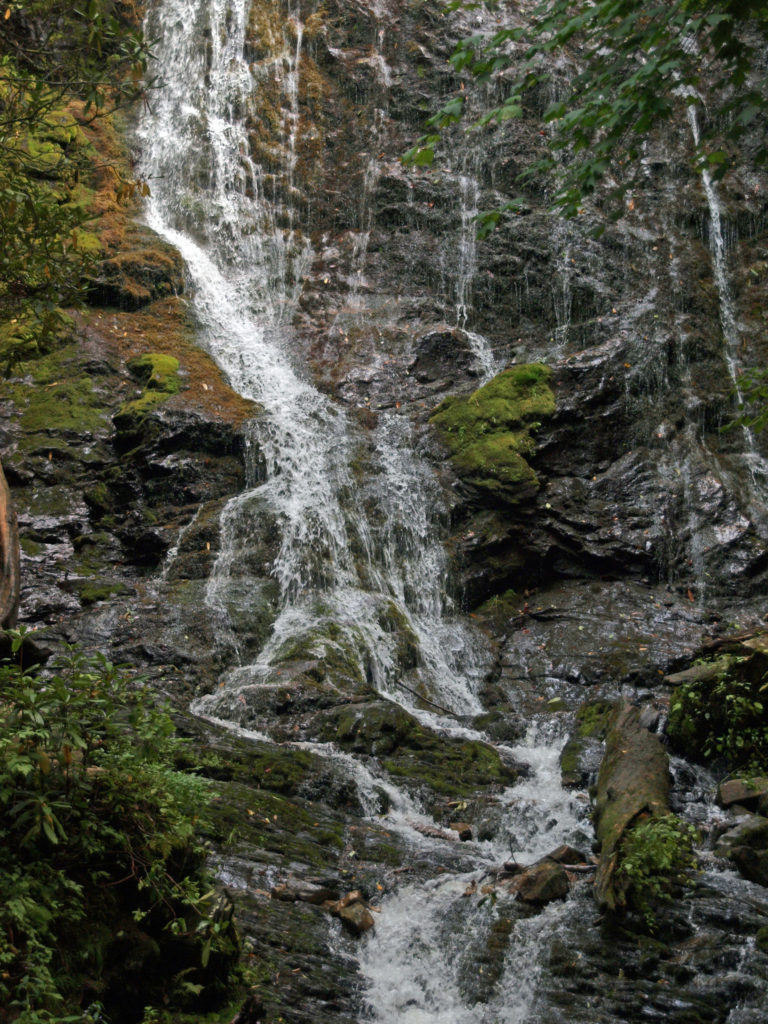
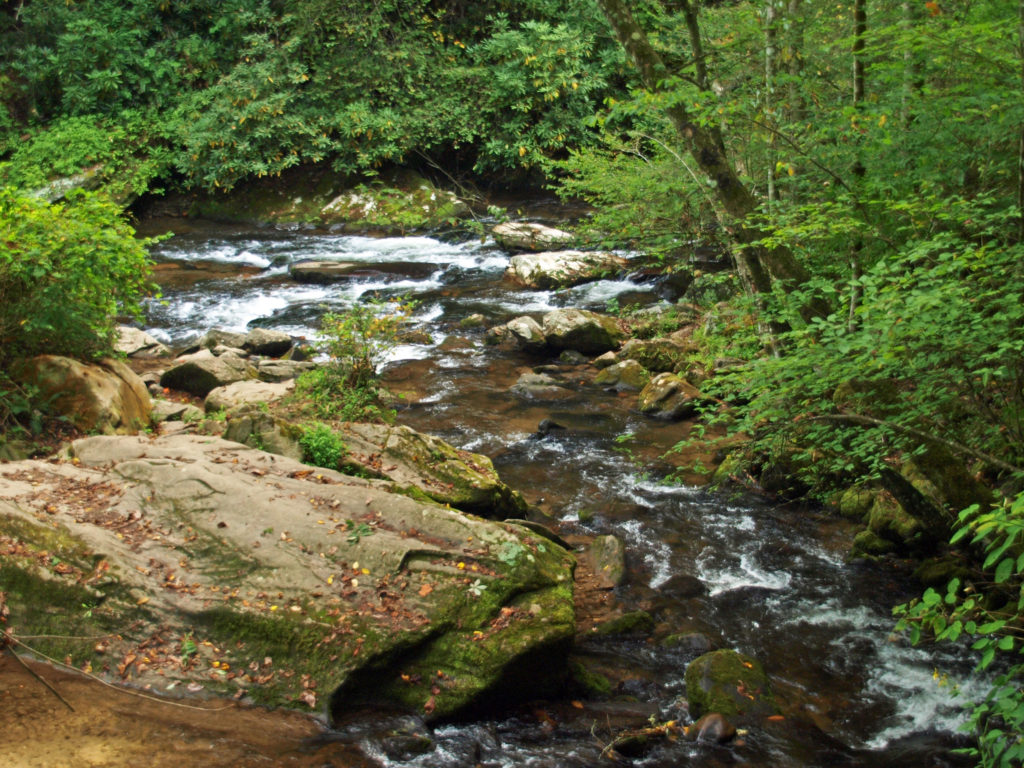 We spent most of the rest of the day hiking to a number of the park’s many waterfalls. The Smokies have a different, softer feel to them than the mountains of the Western U.S., but they have their own appeal. We were there a little too early in the season to catch much in the way of fall colors, but there were hints of how beautiful it would be in a few weeks.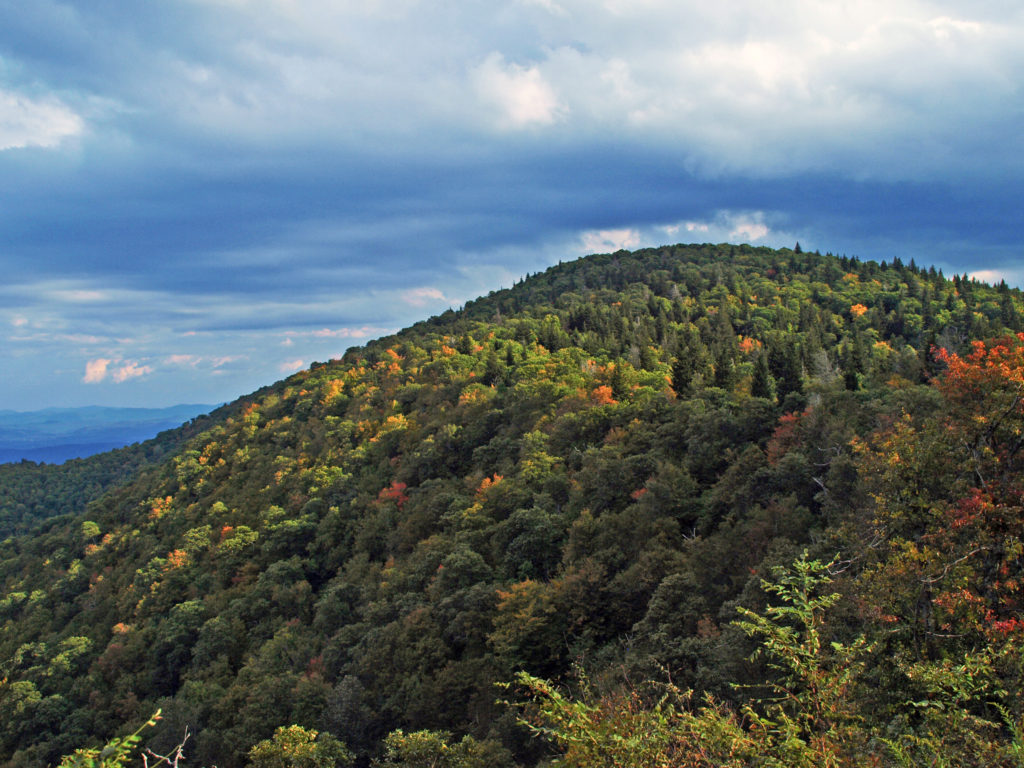
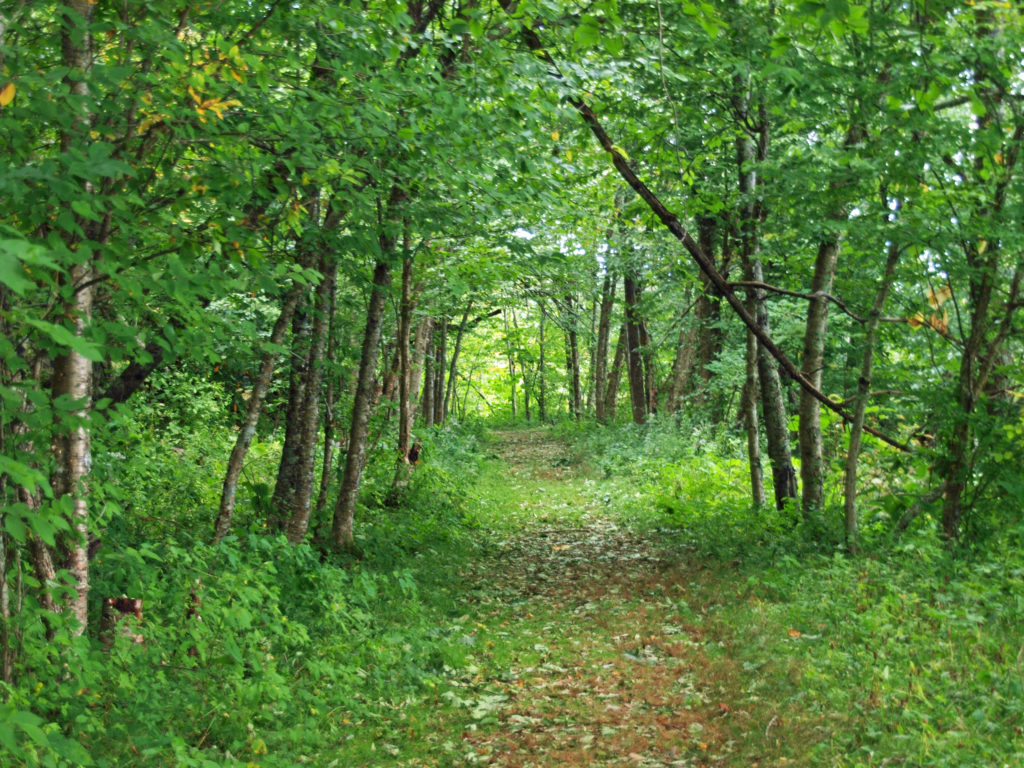
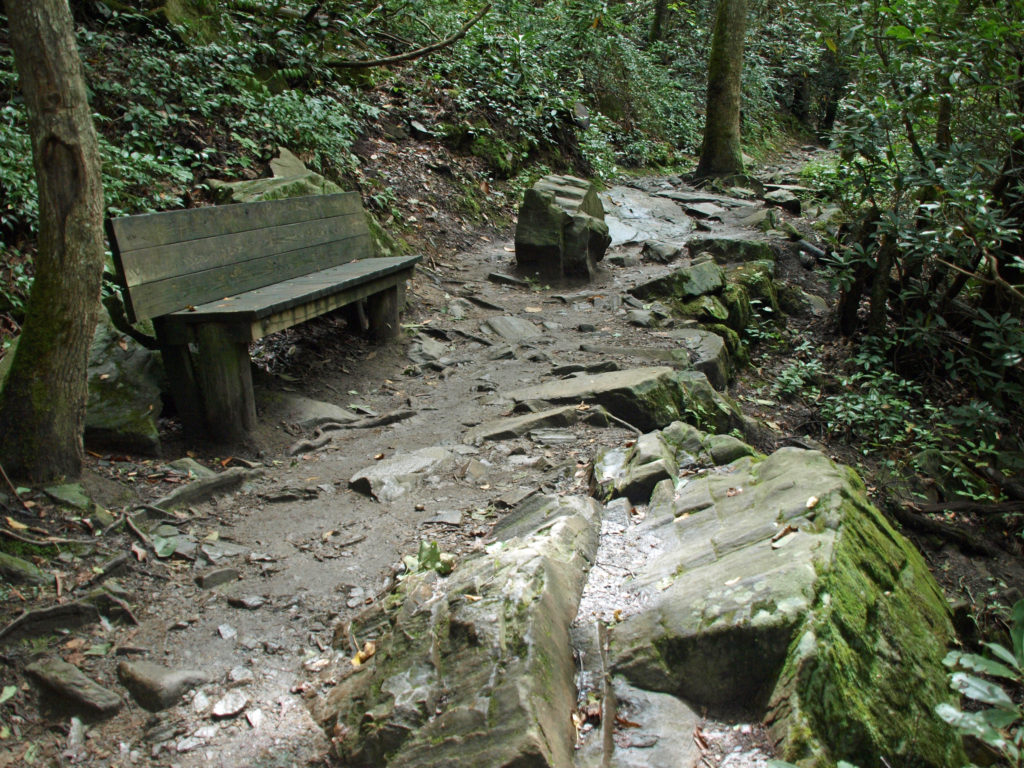
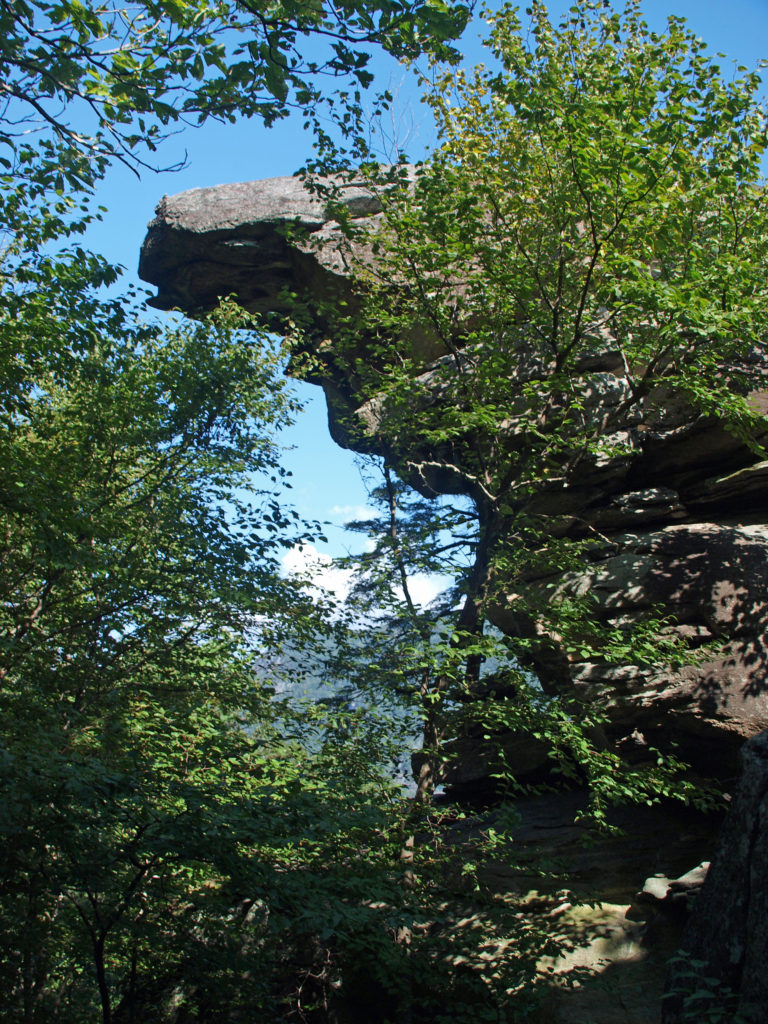
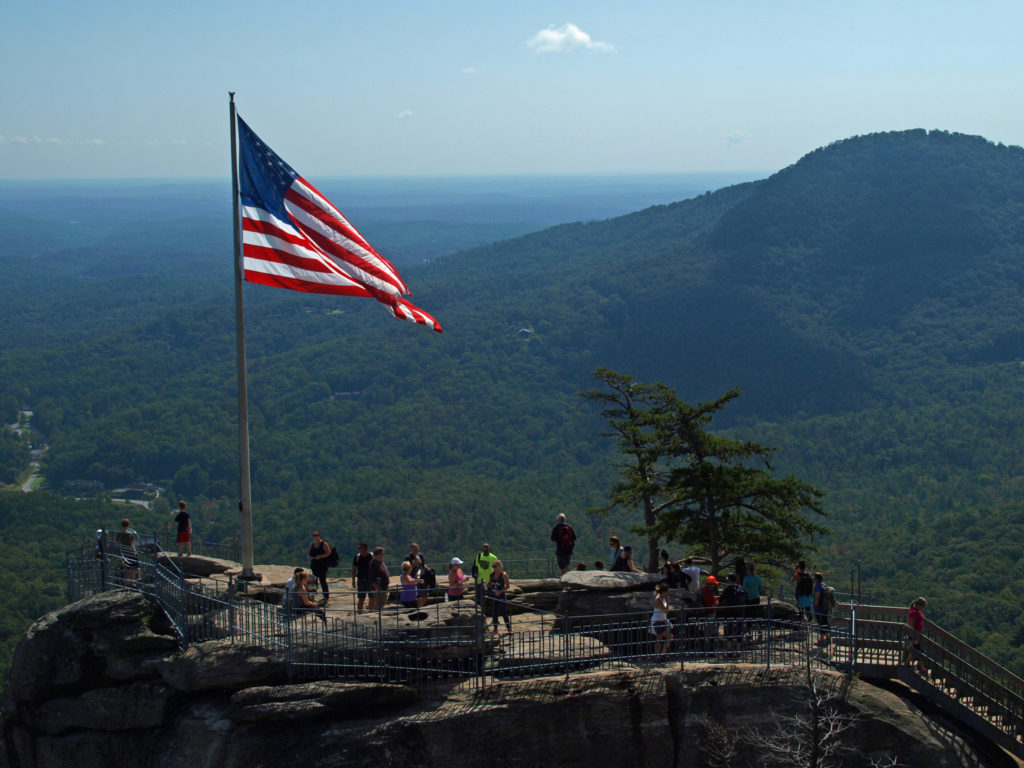
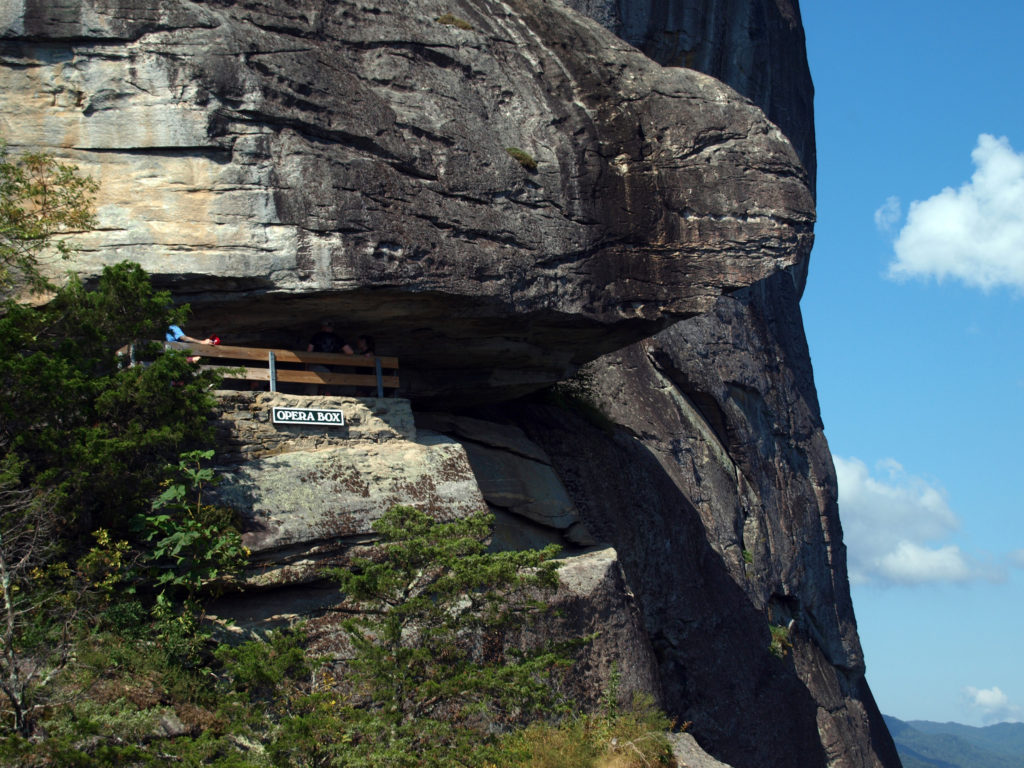
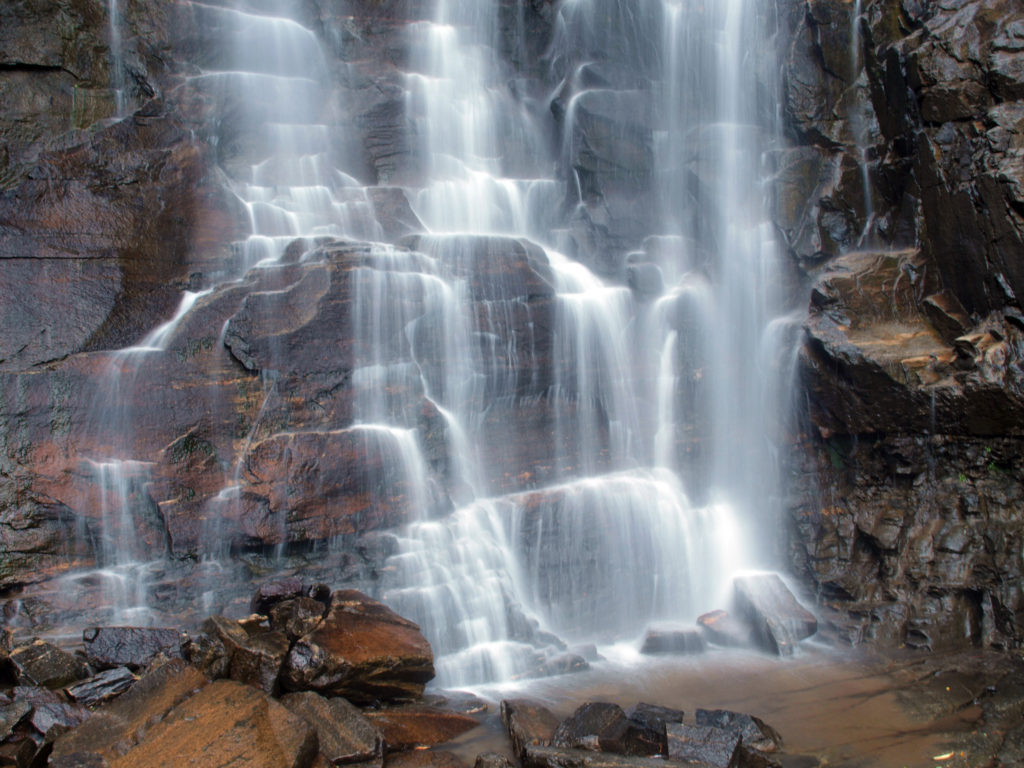
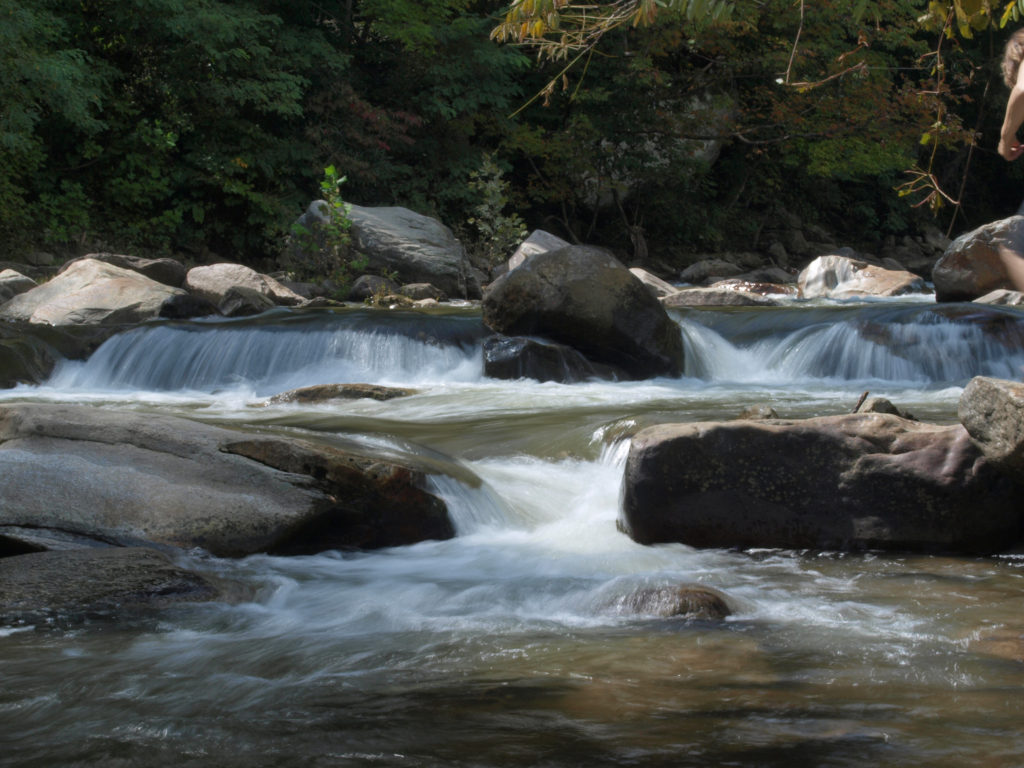

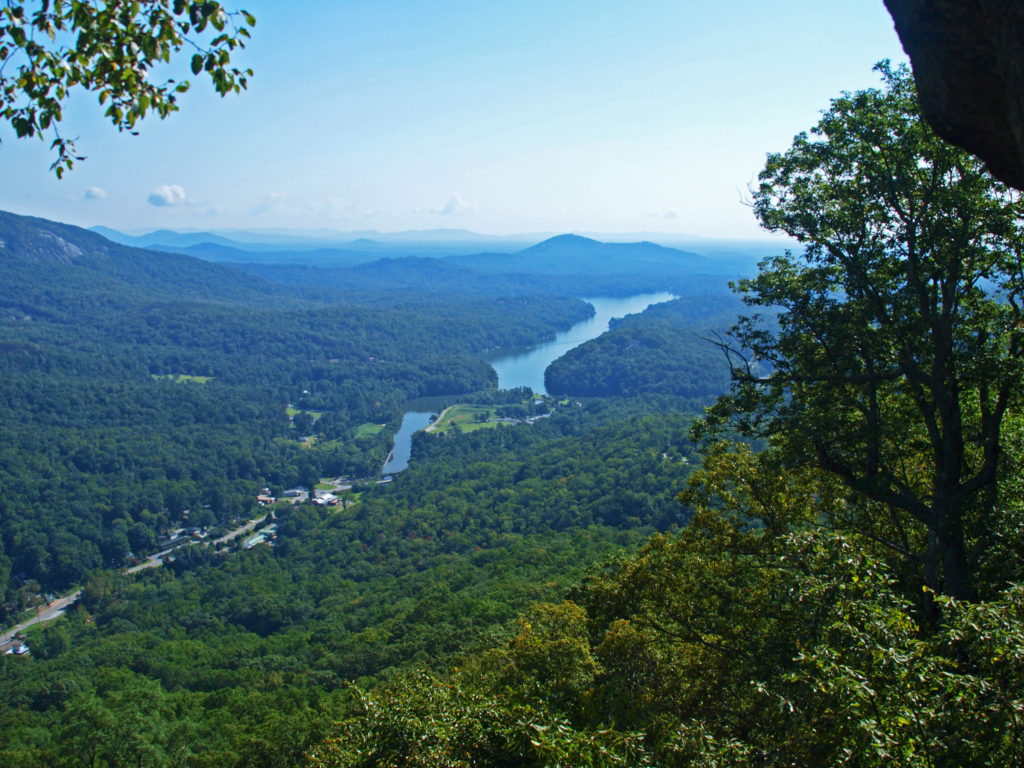 After visiting Asheville, we visited two charming Old South cities: Charleston, SC, and Savannah, Georgia. Check out our posts on Charleston


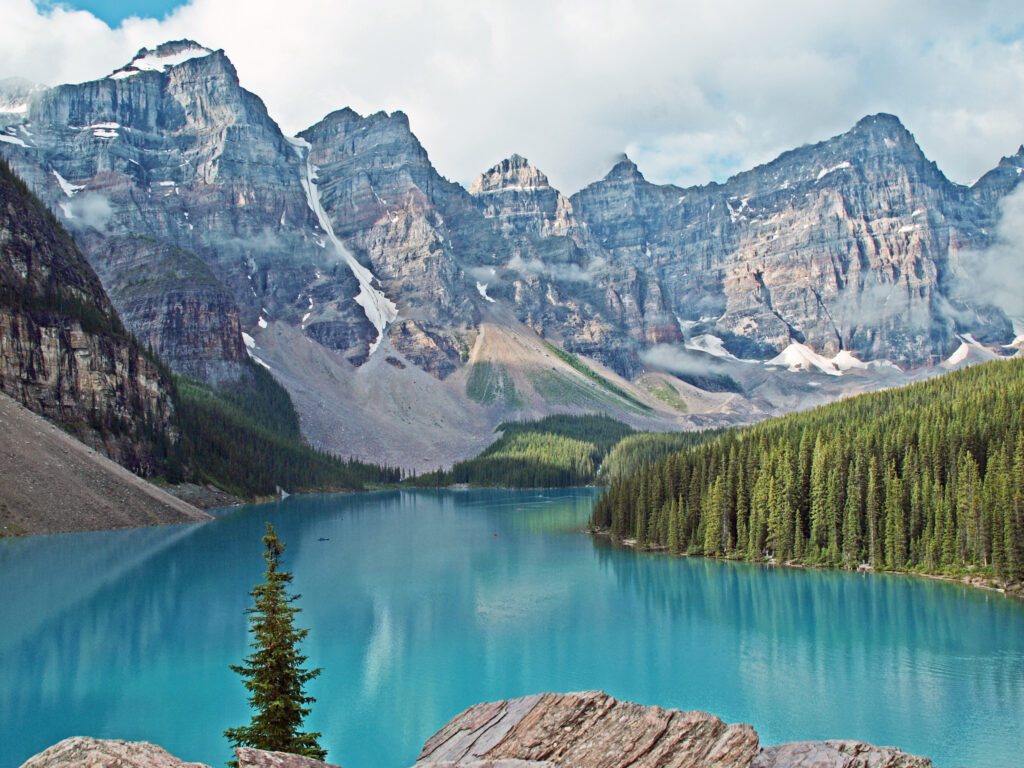
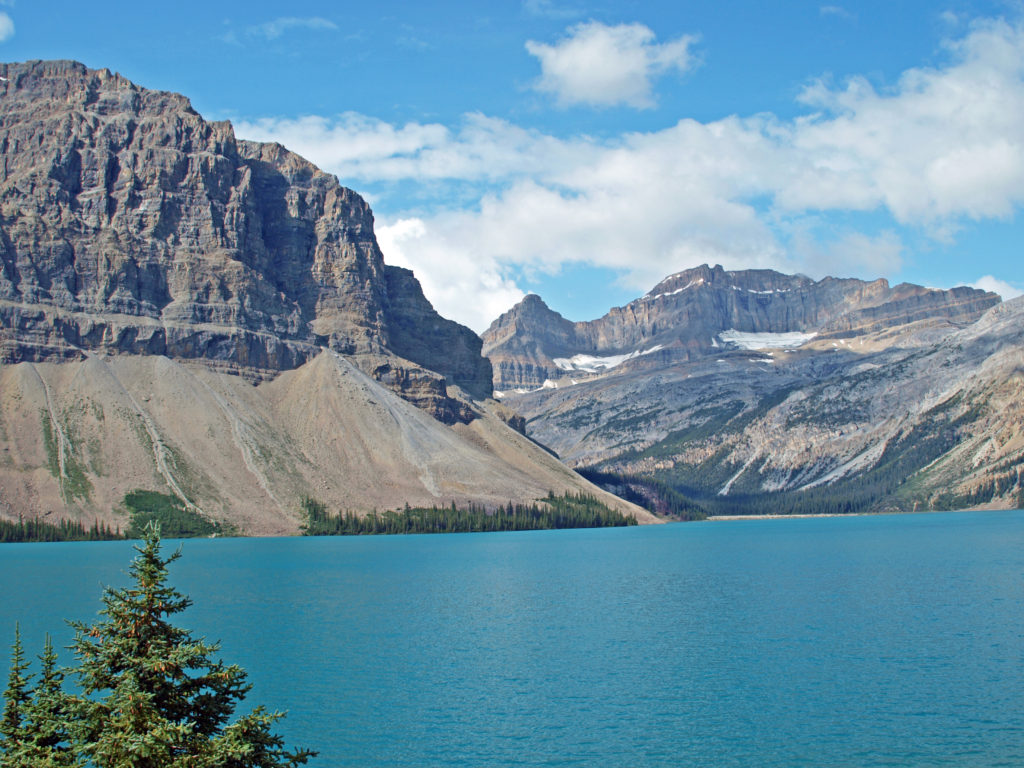
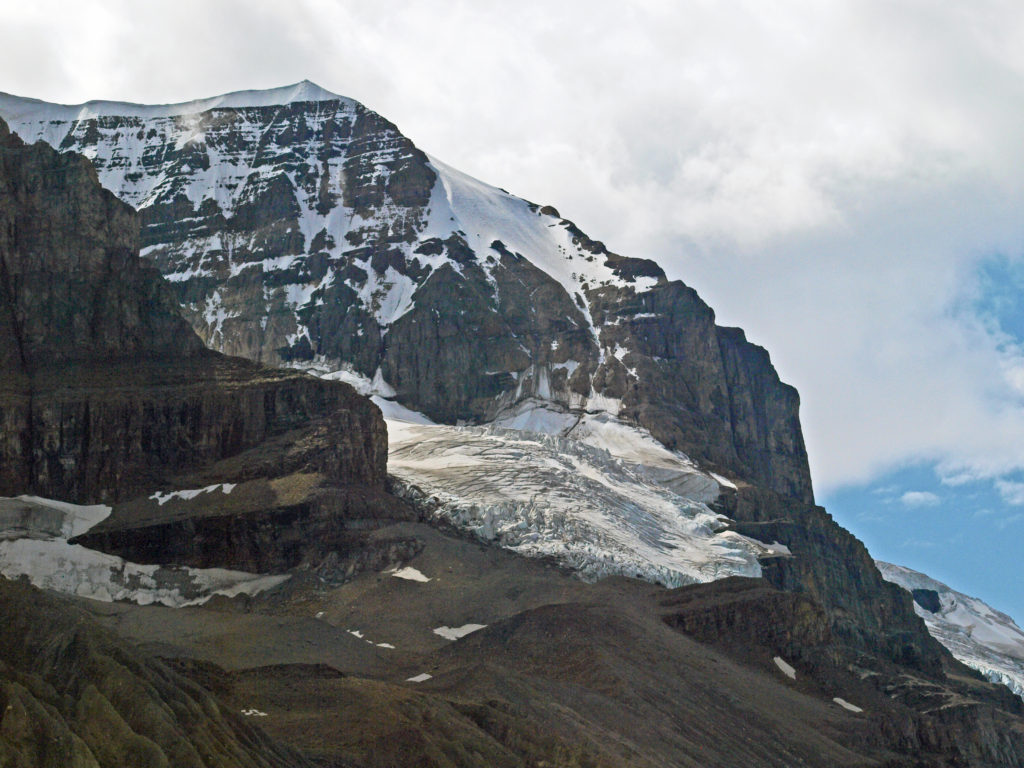
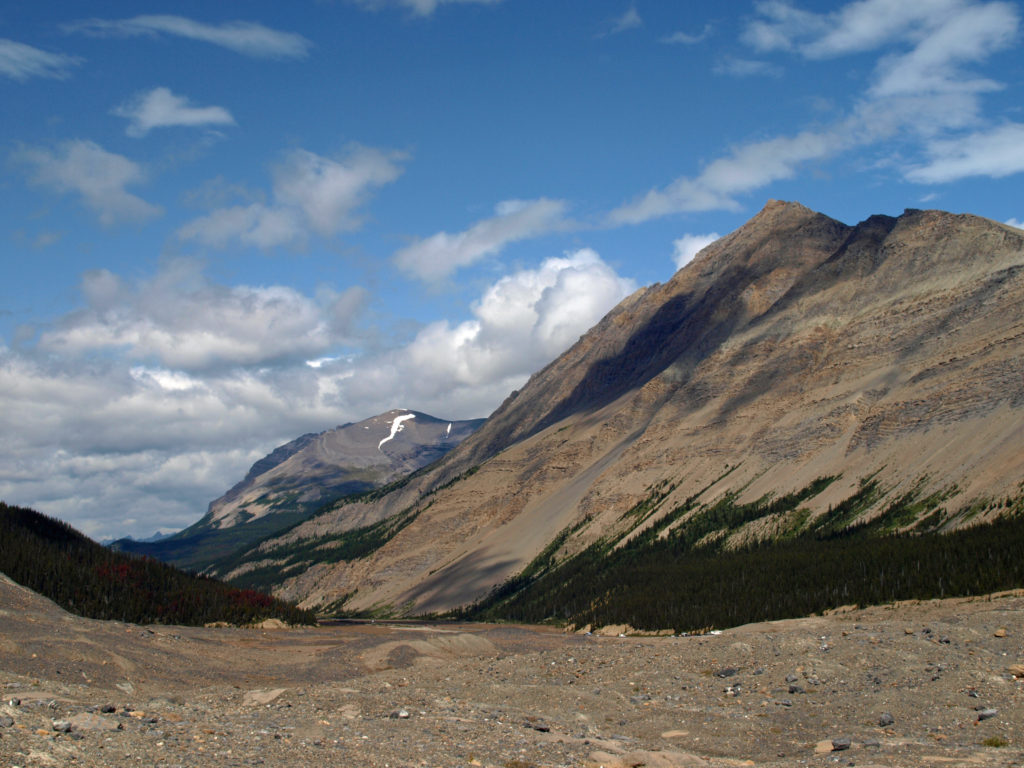
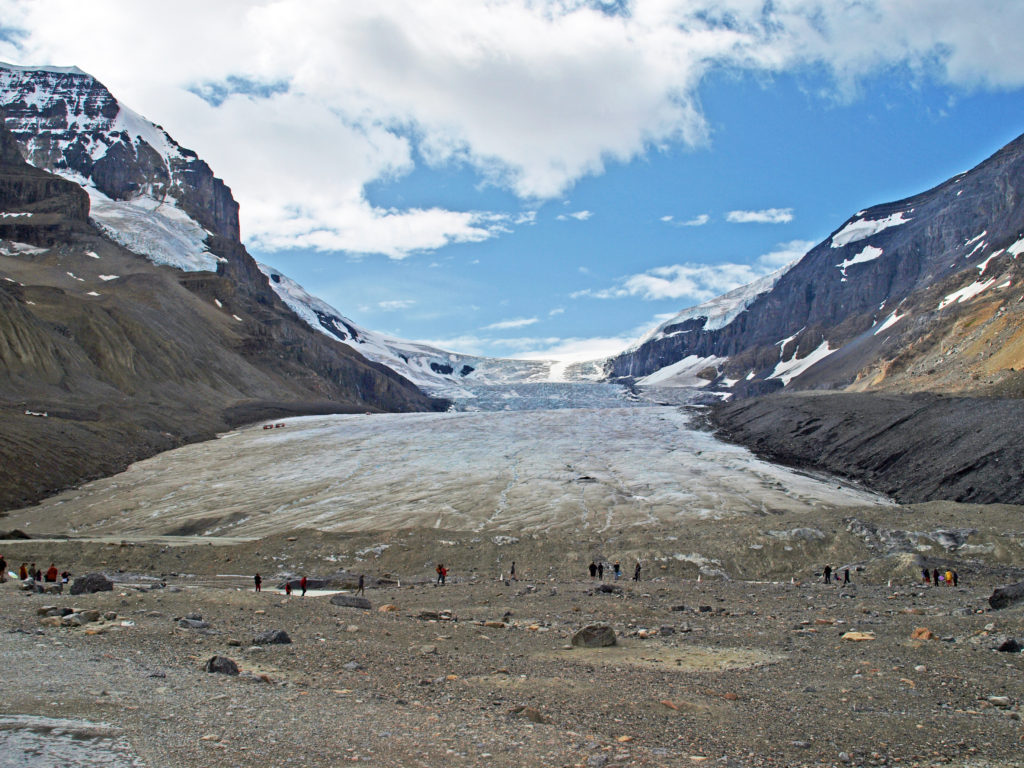
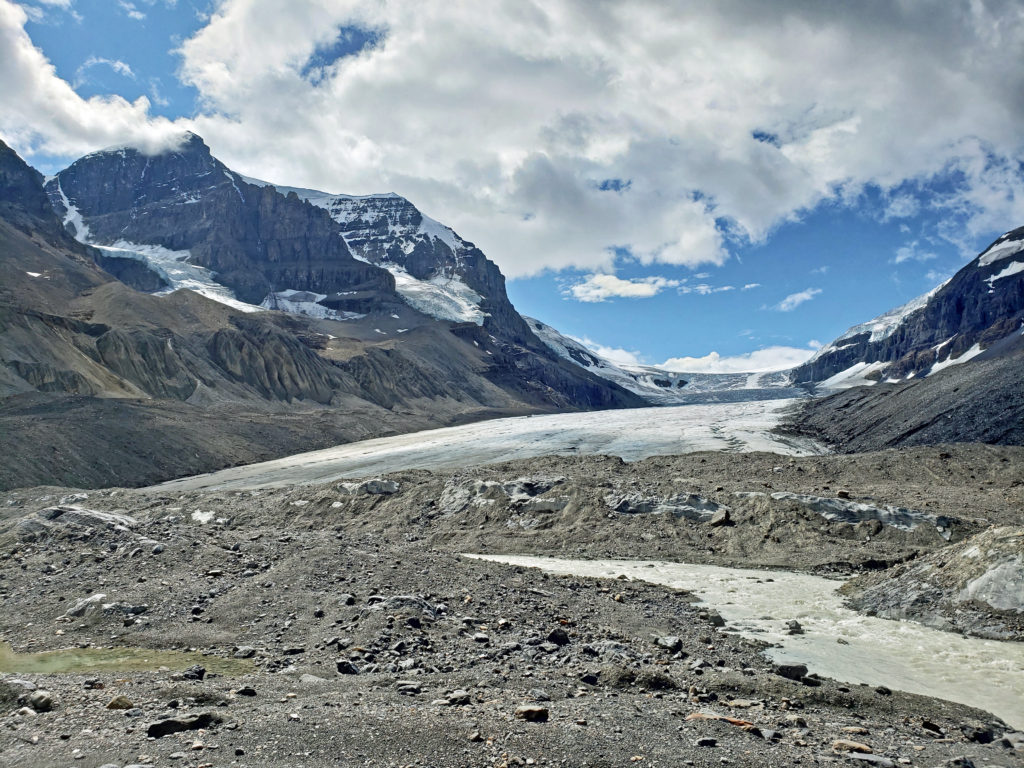
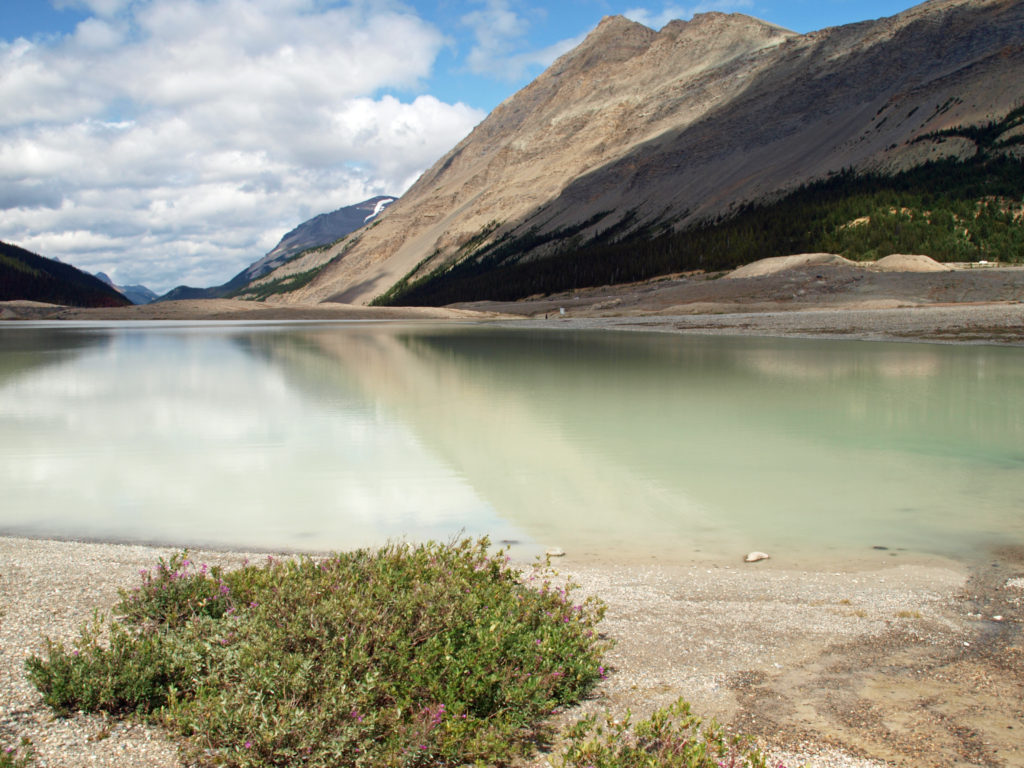
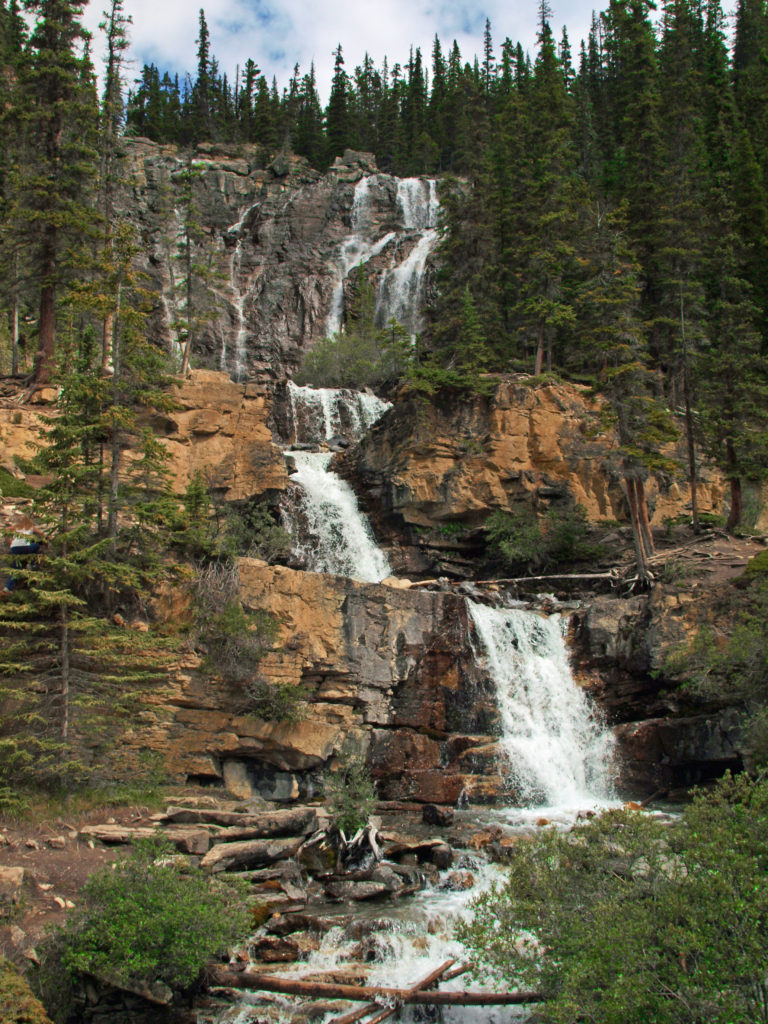
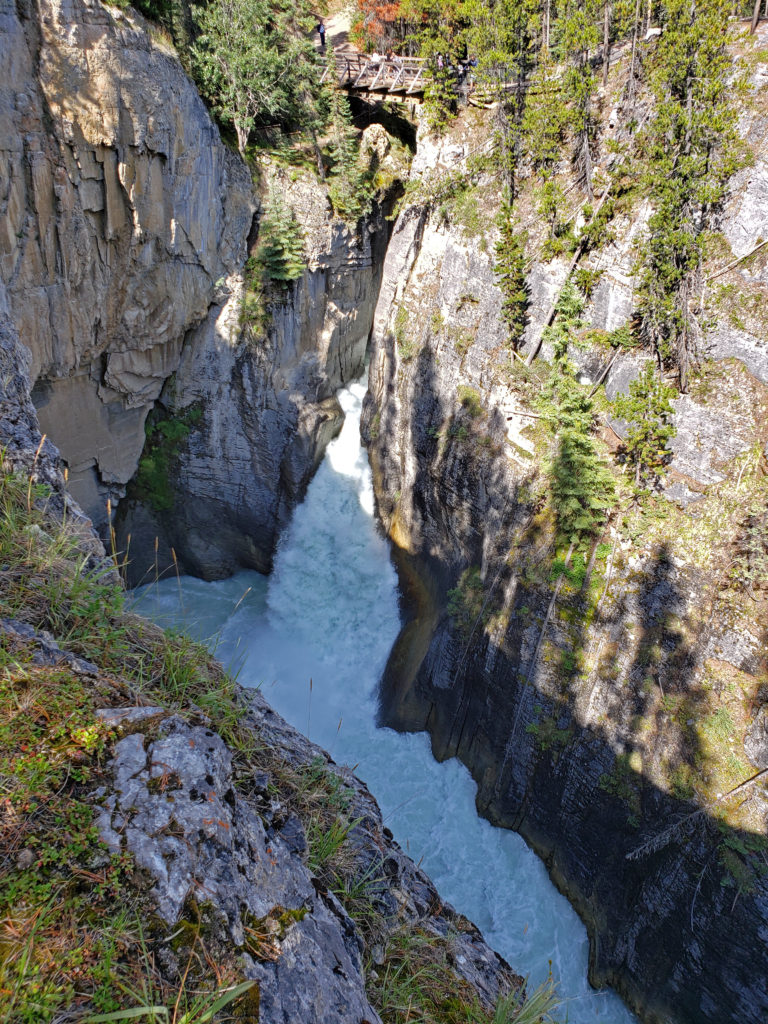
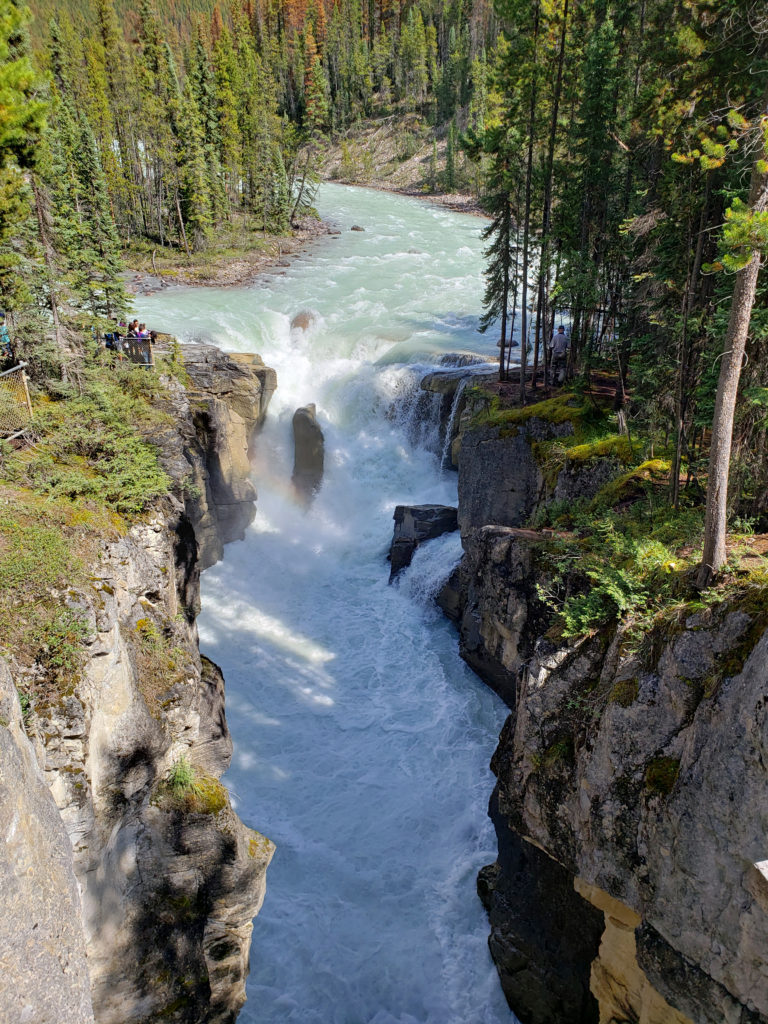
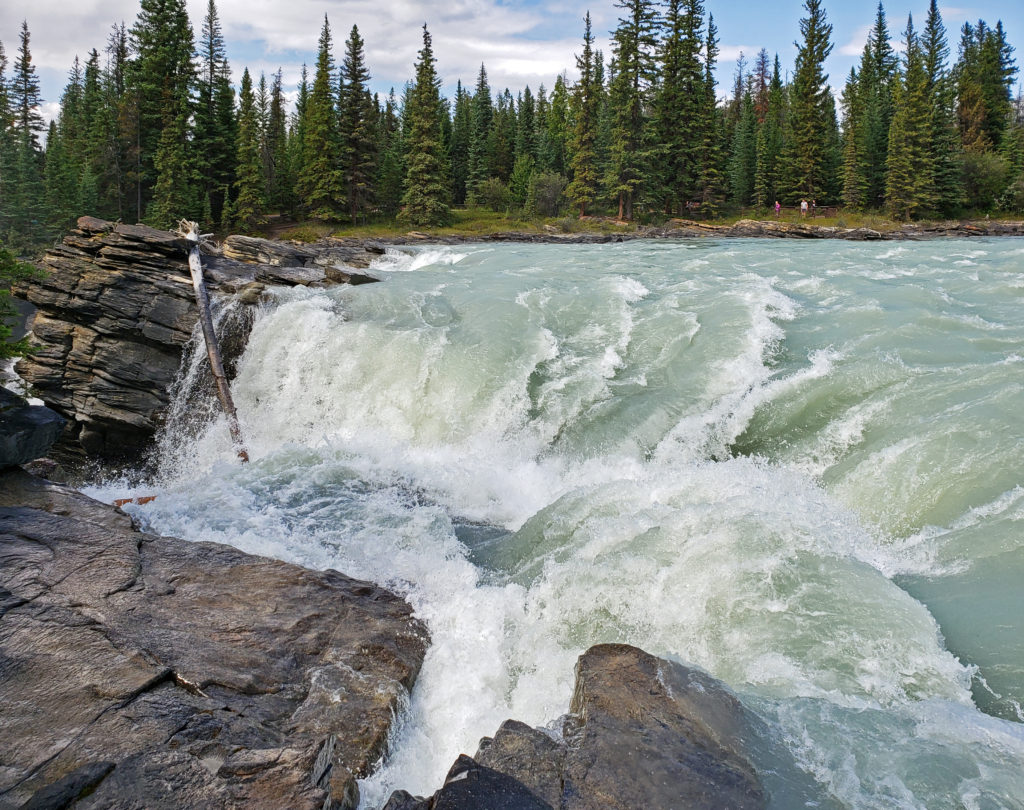
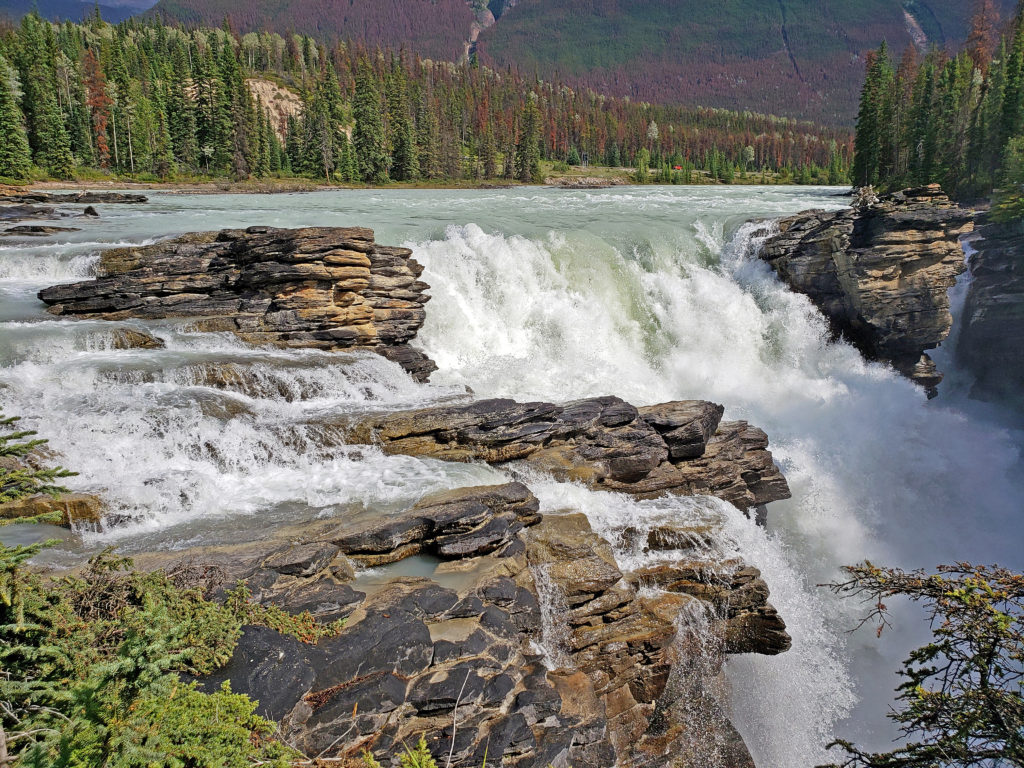
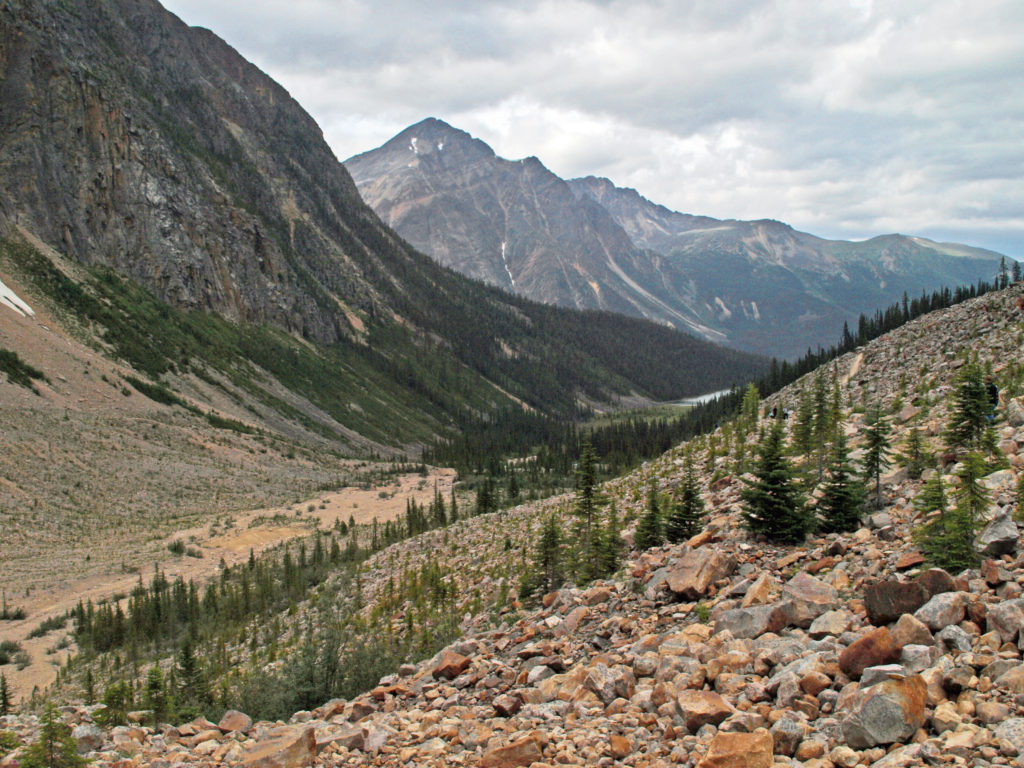
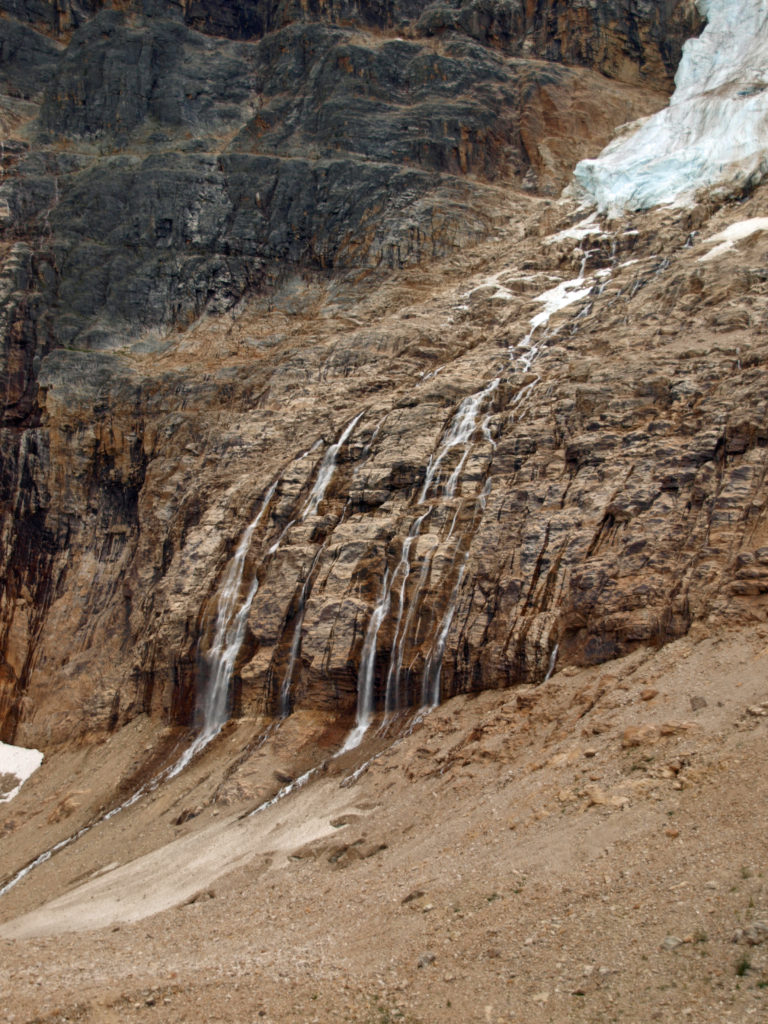
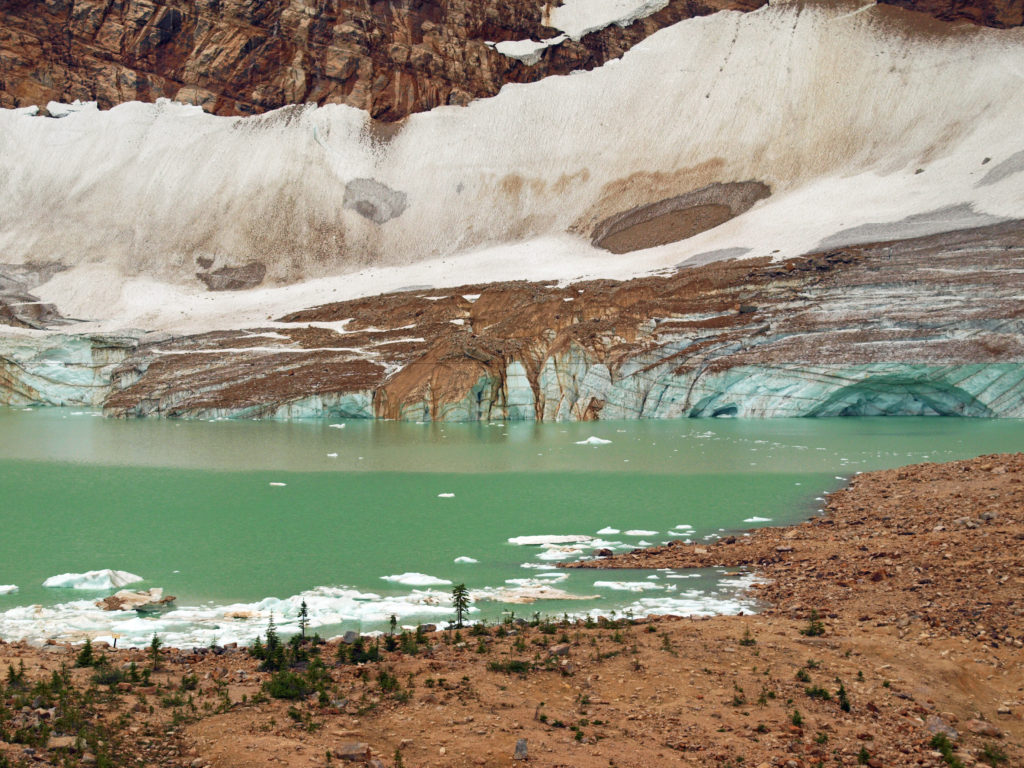
 The Icefields Parkway ends at the town of Jasper, a smaller, less crowded, and lower key version of Banff. There are abundant restaurants, pubs, galleries, and shops there, but accommodations are limited, and hotels and motels are expensive. Book your stay well in advance. We opted for staying in a travel trailer at an RV park 30 miles (48 km) from Jasper, just outside the park boundary, because that was the only thing available through Airbnb when we were planning our trip. It was a little inconvenient, but in the end it worked fine.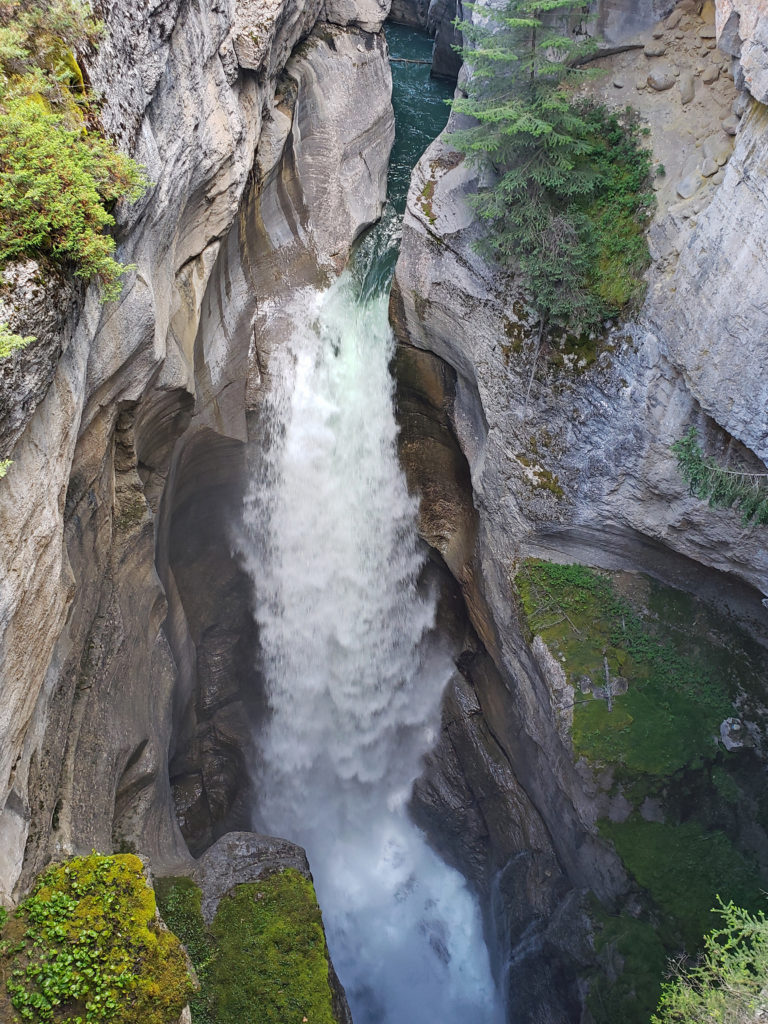
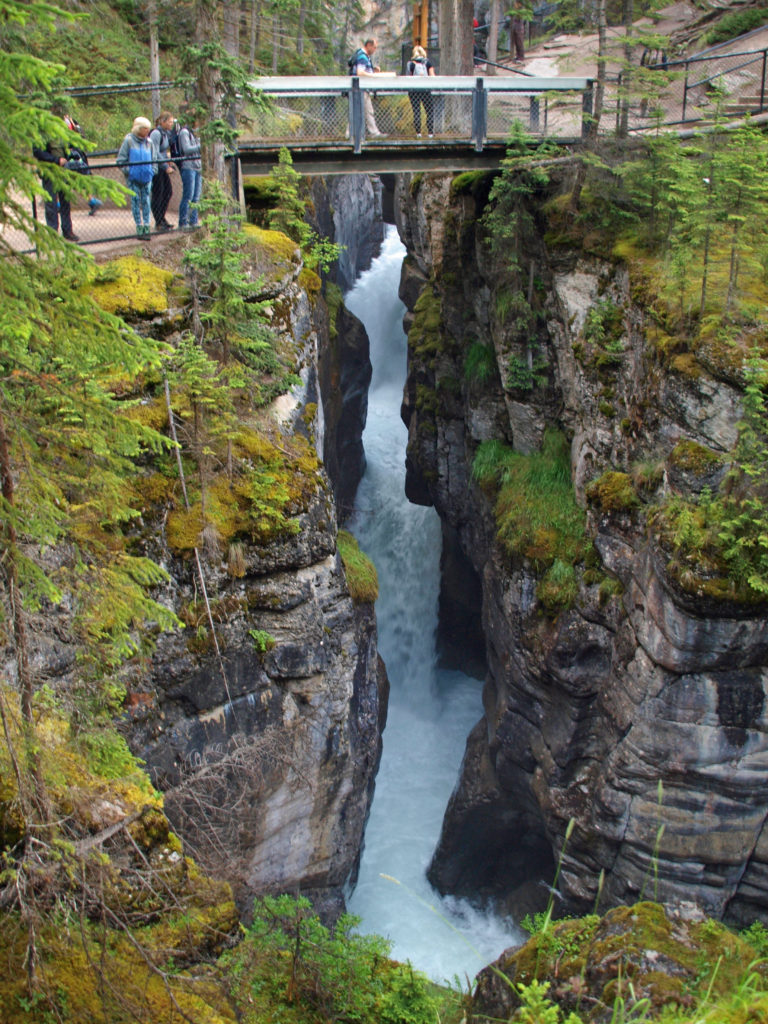
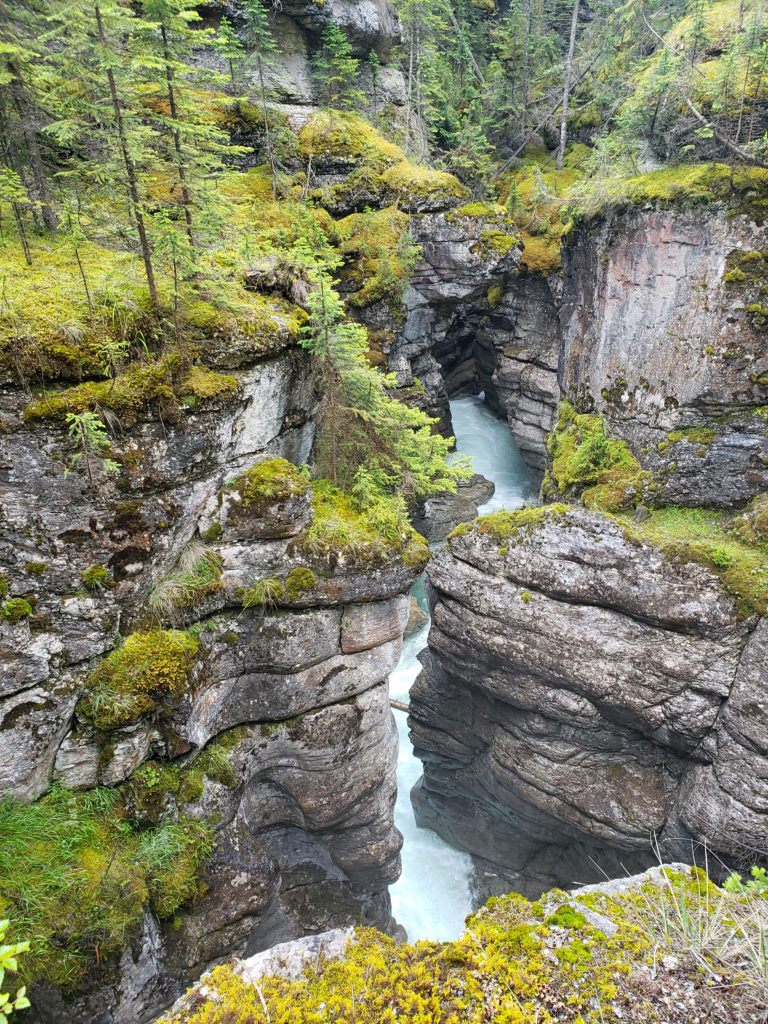
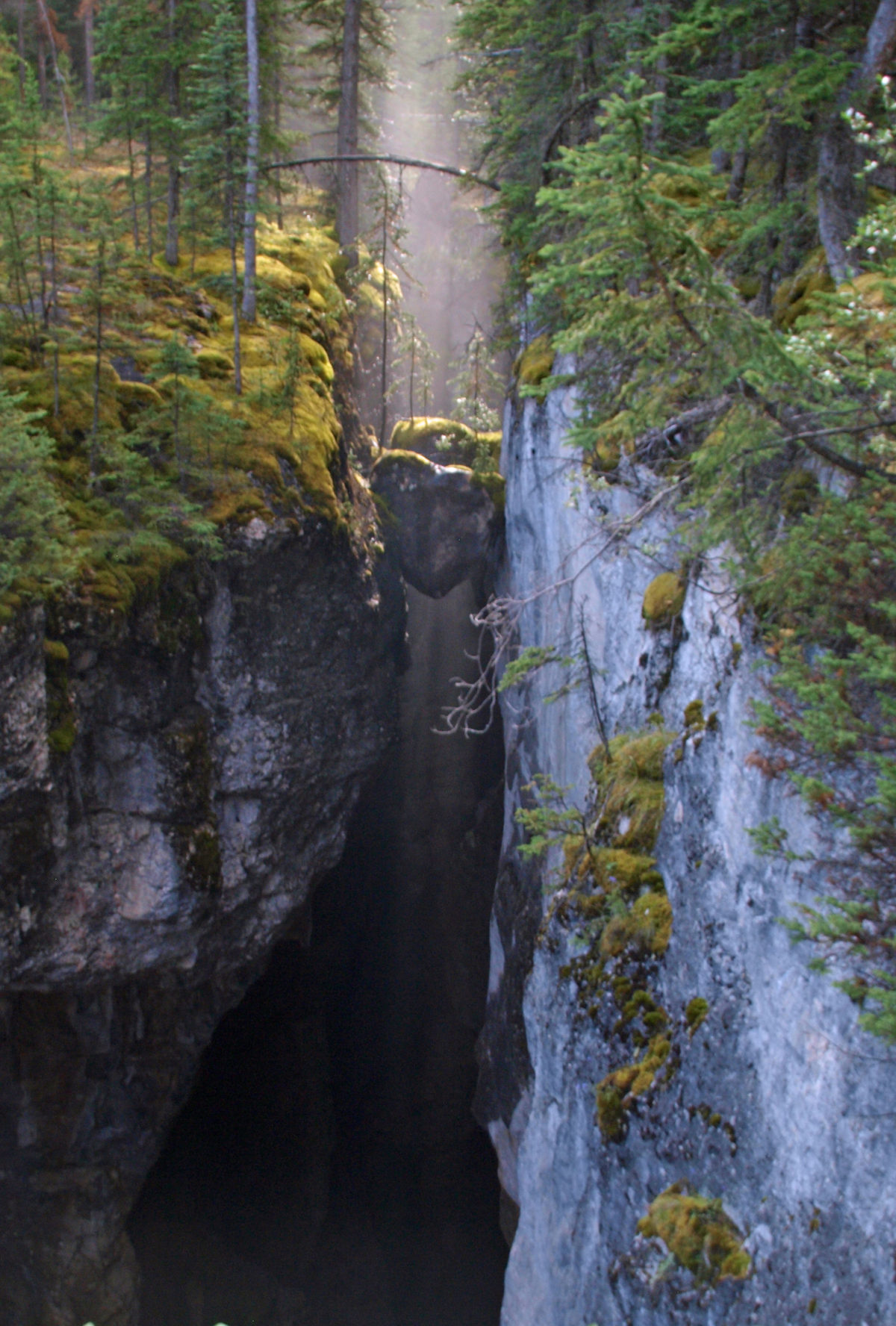
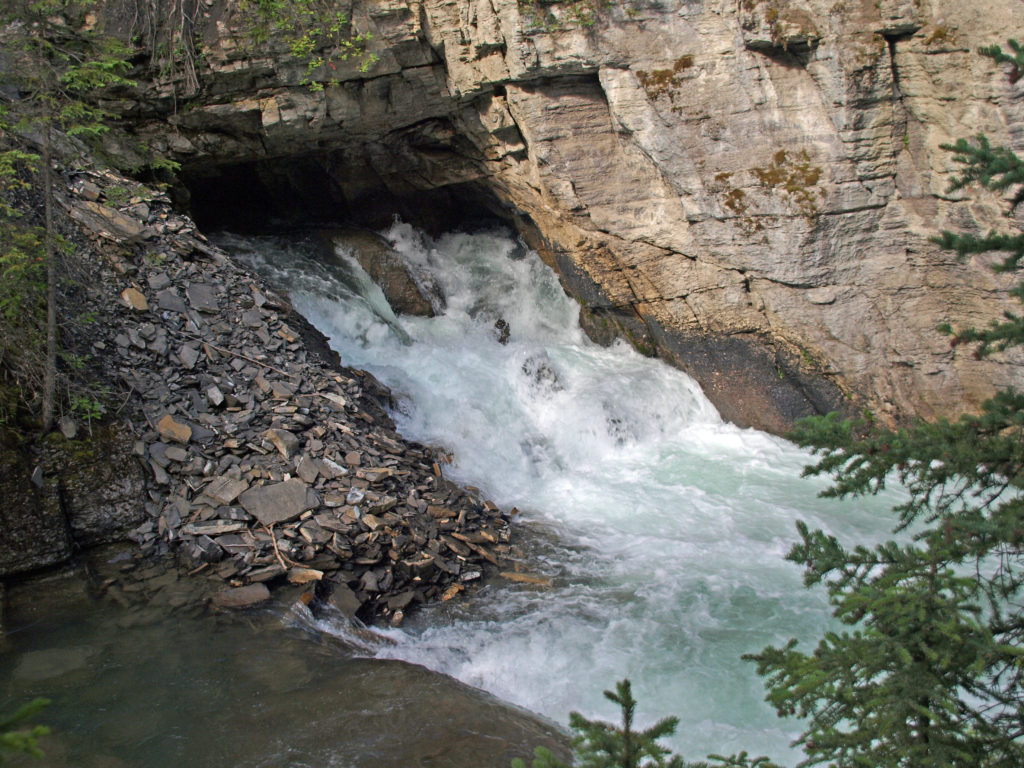
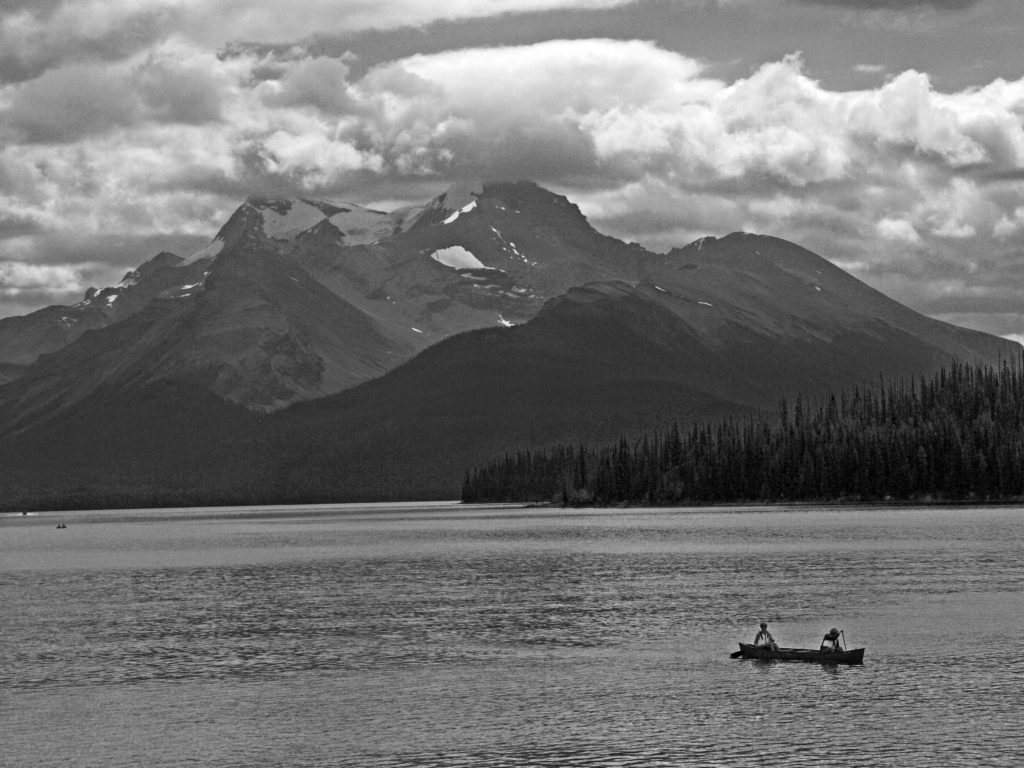
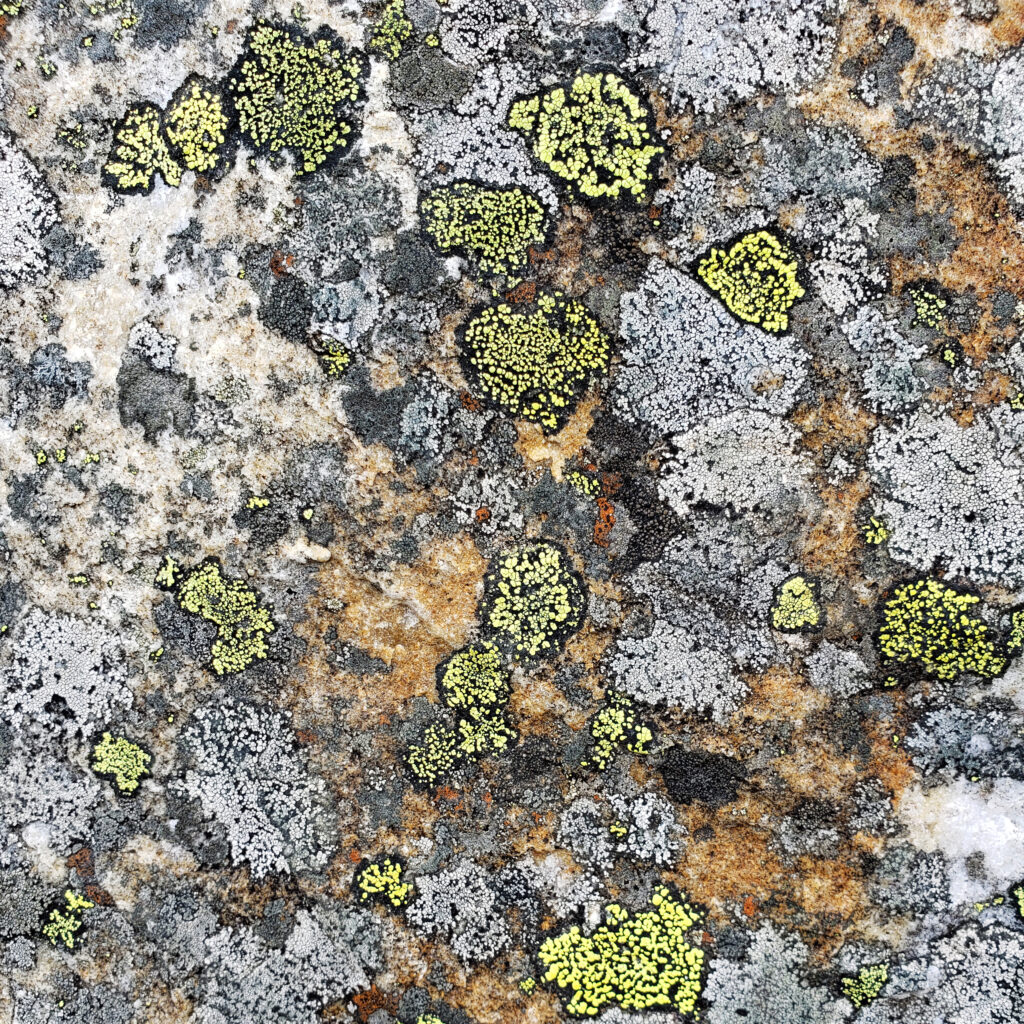
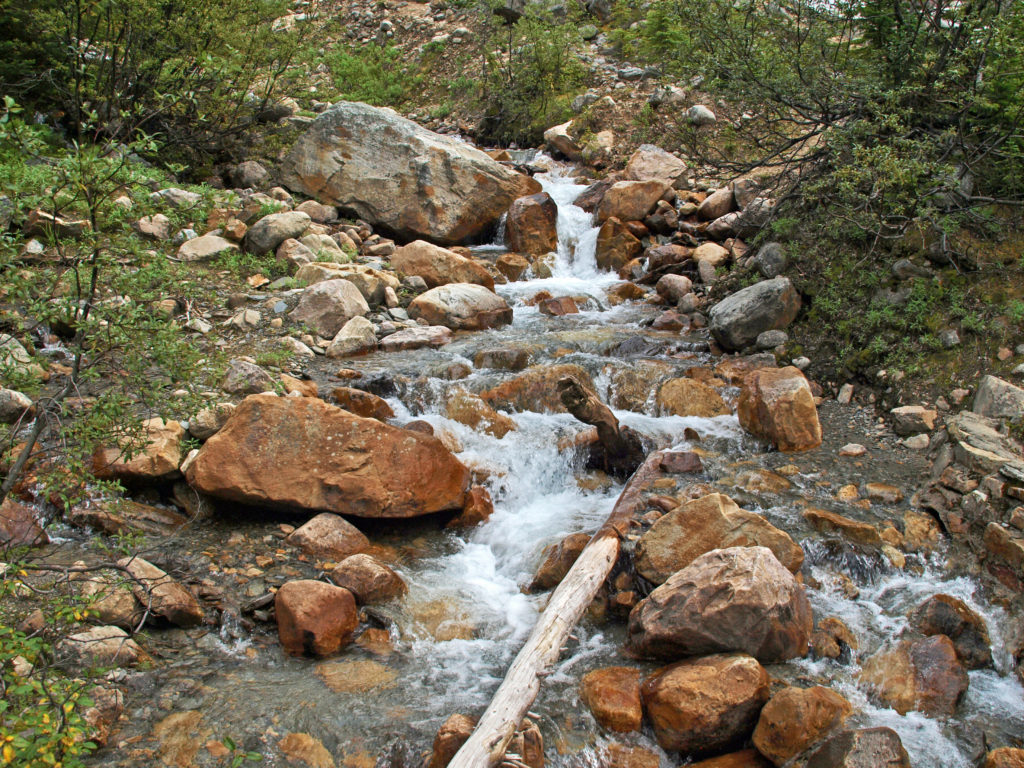
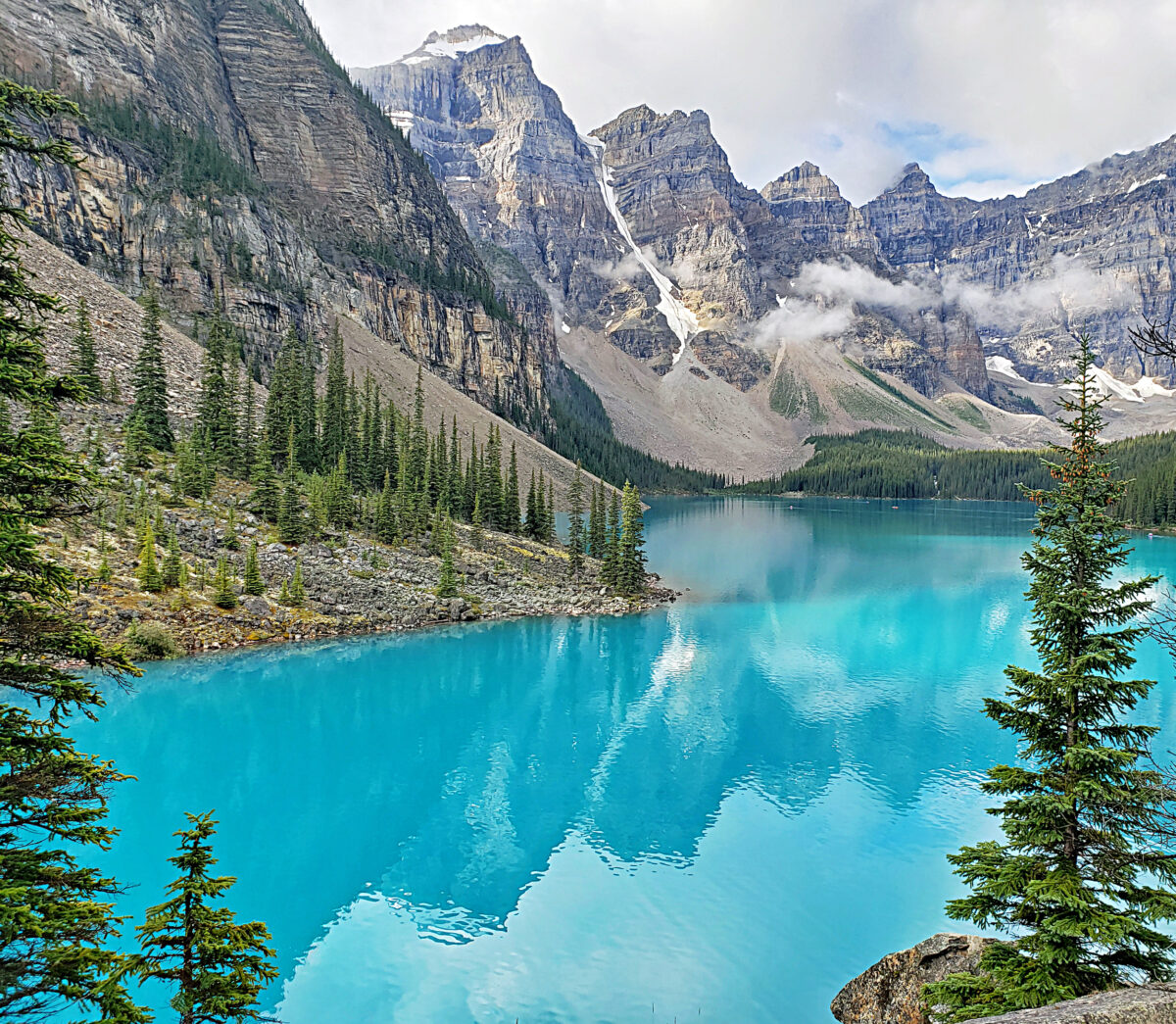

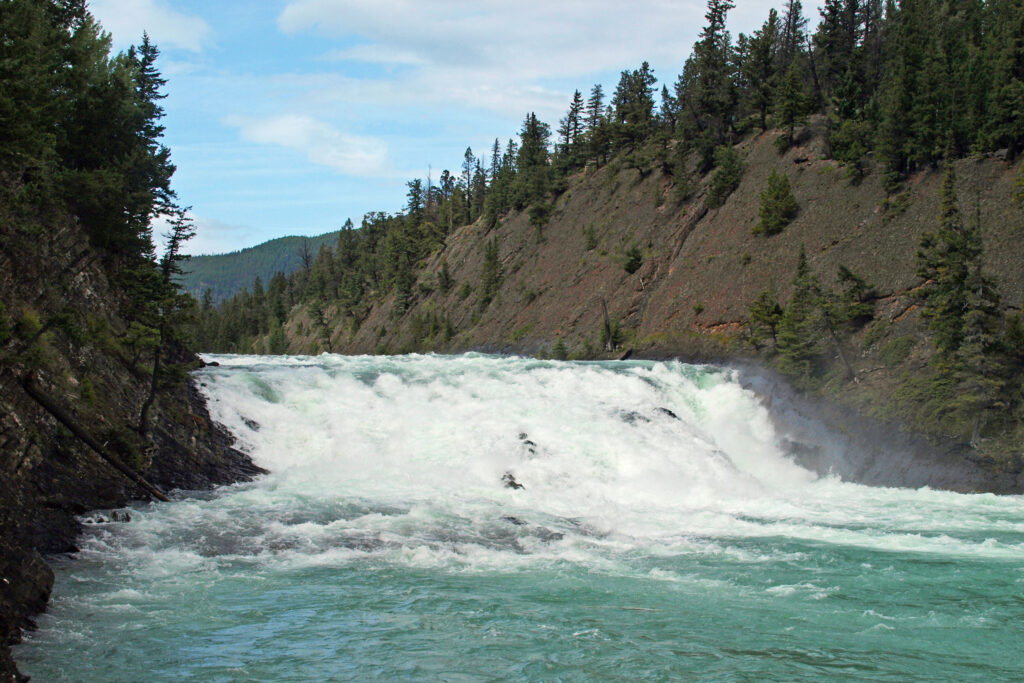
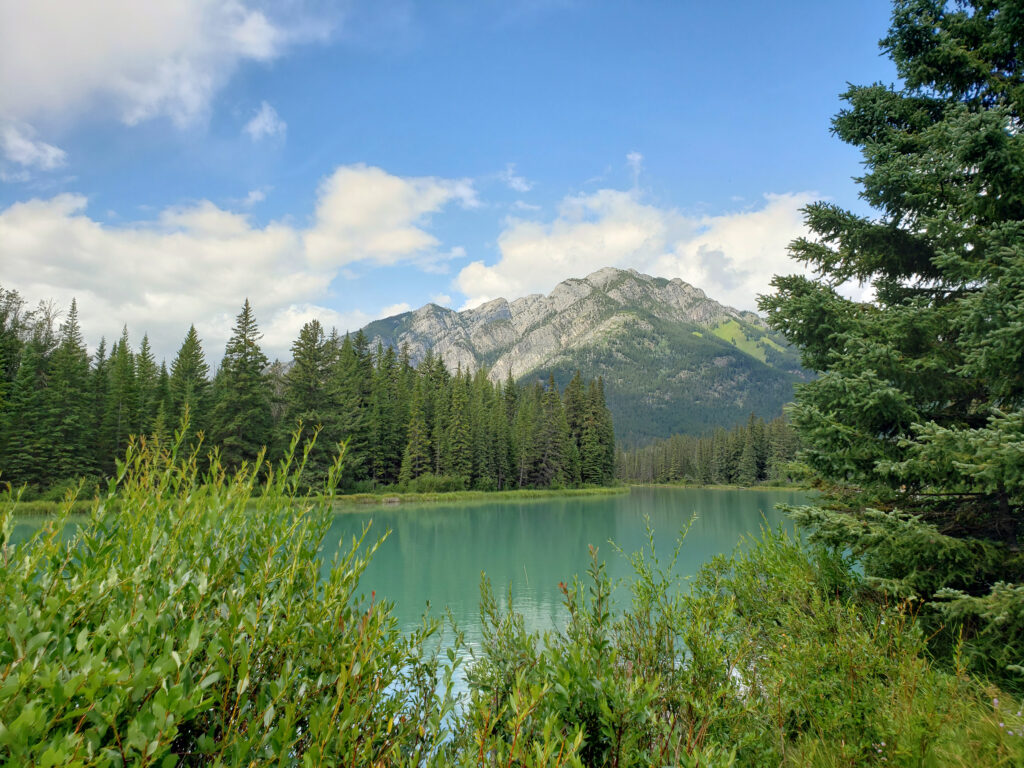

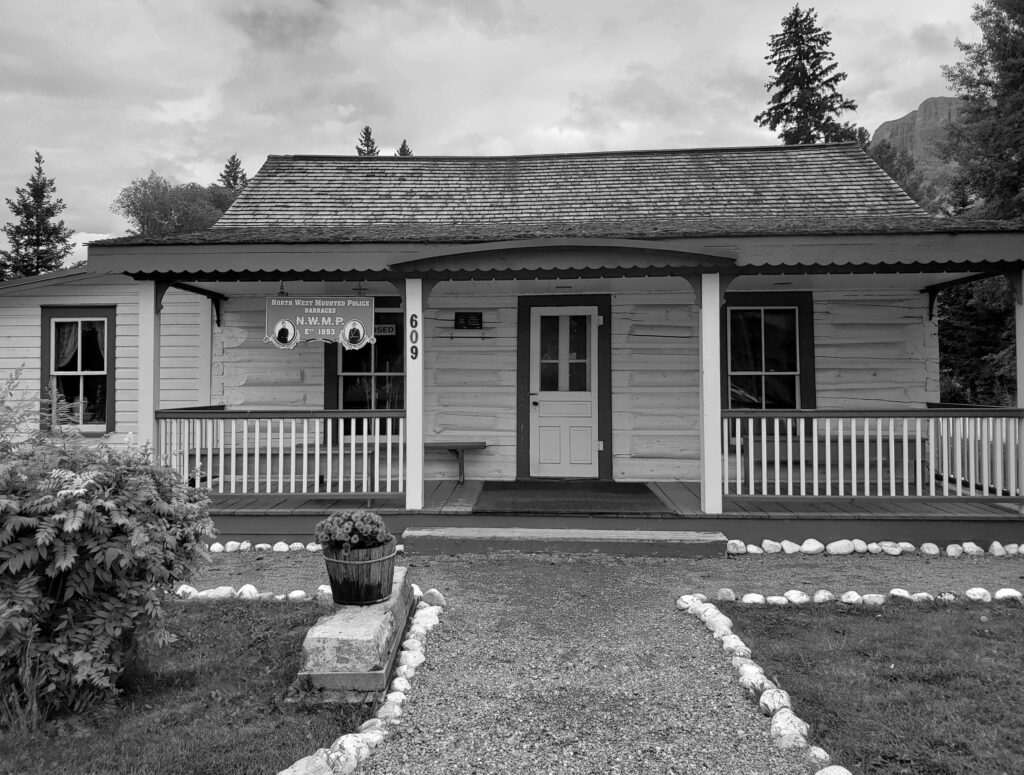
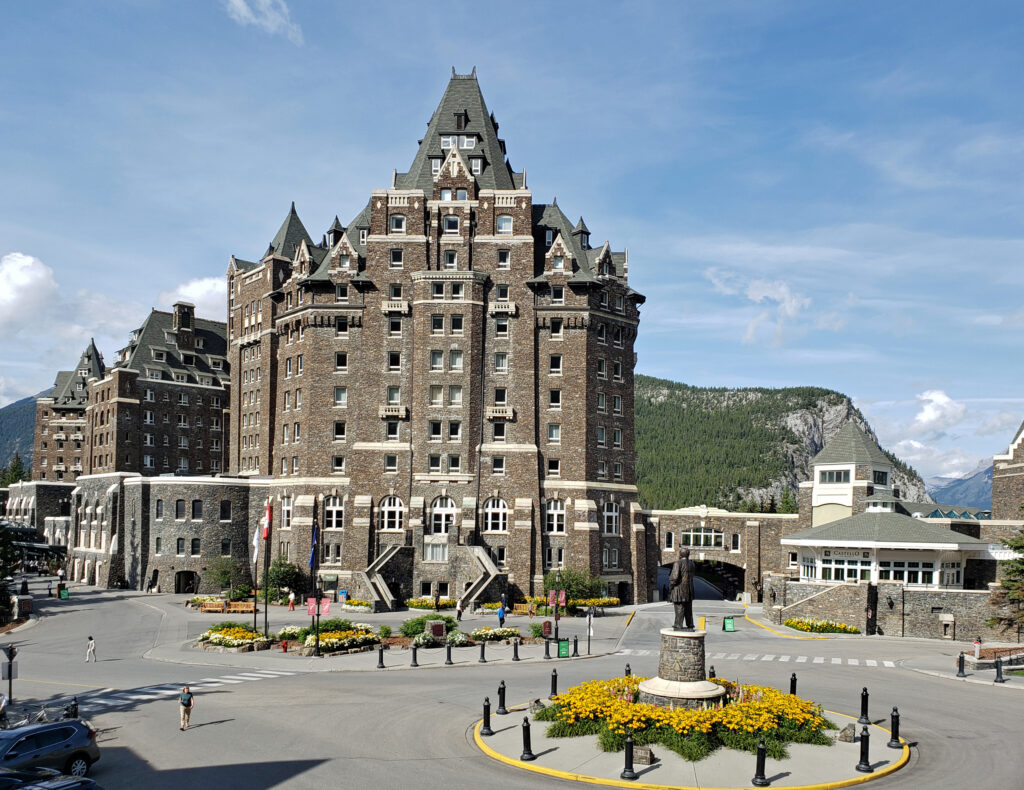

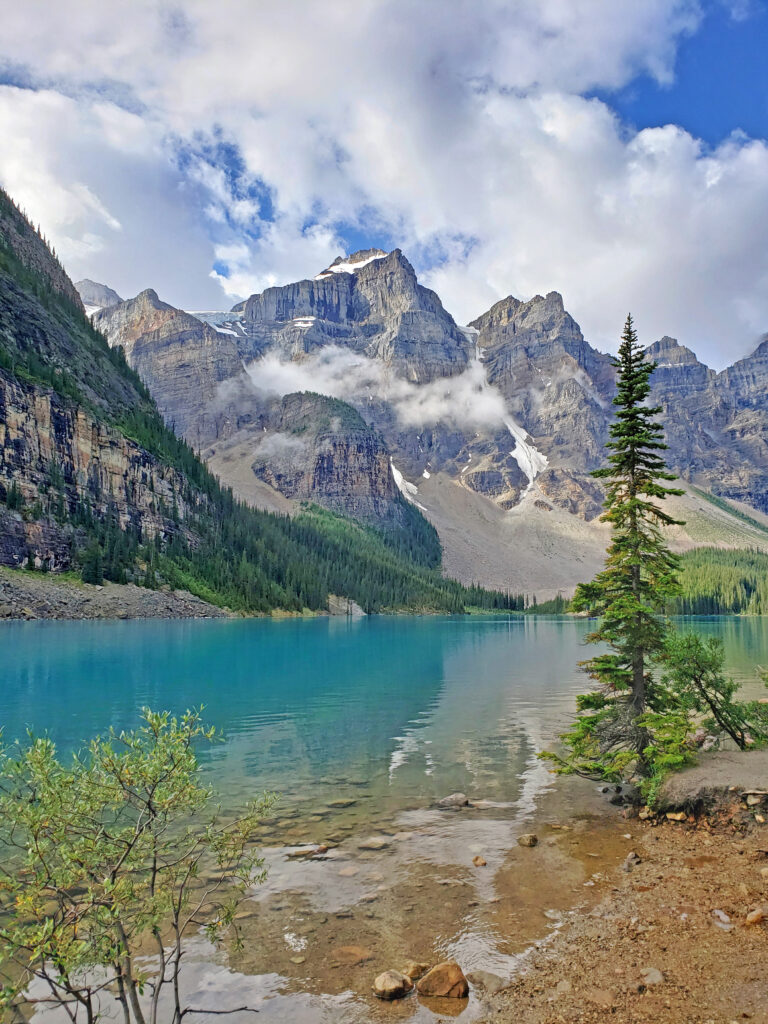
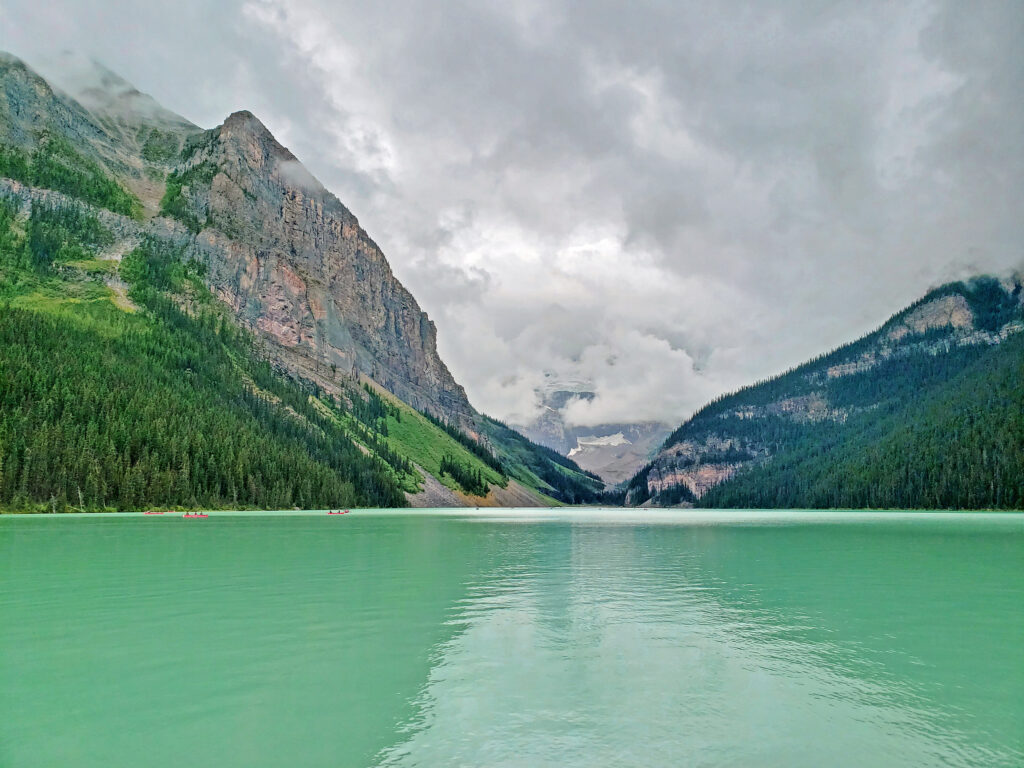


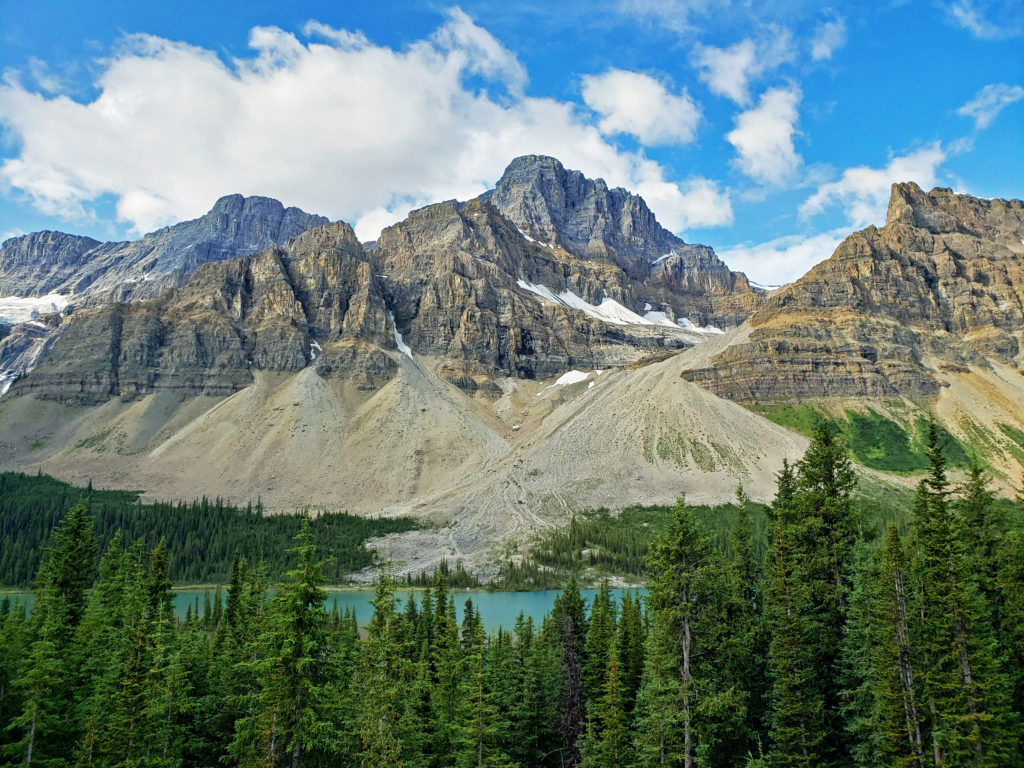
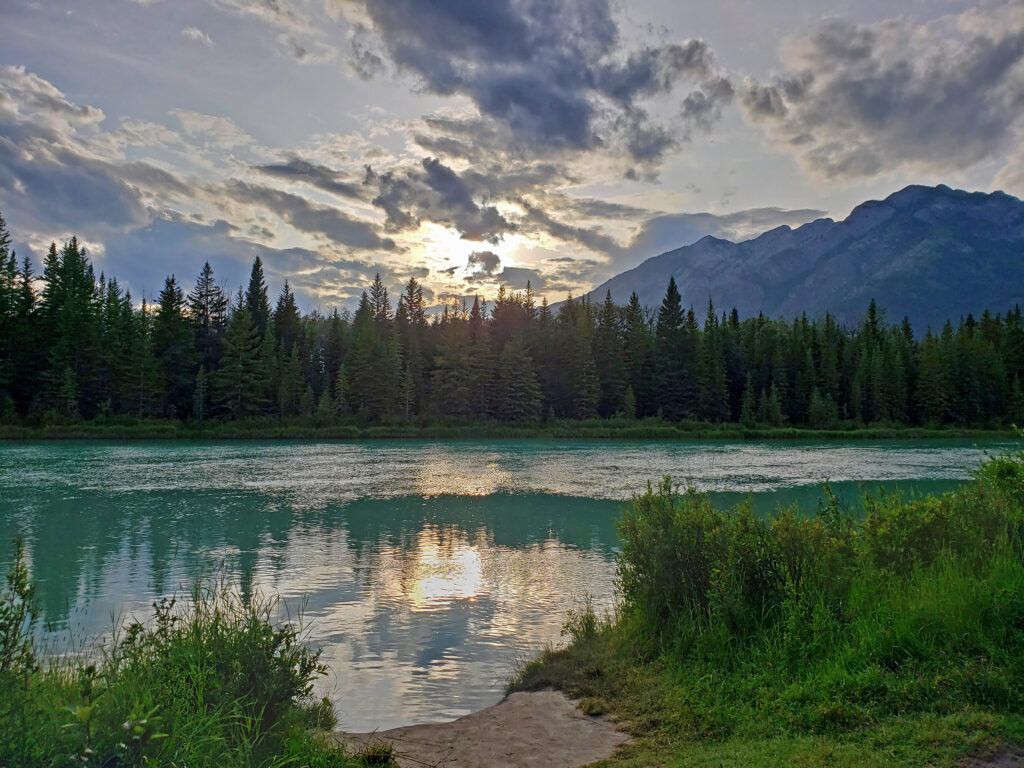

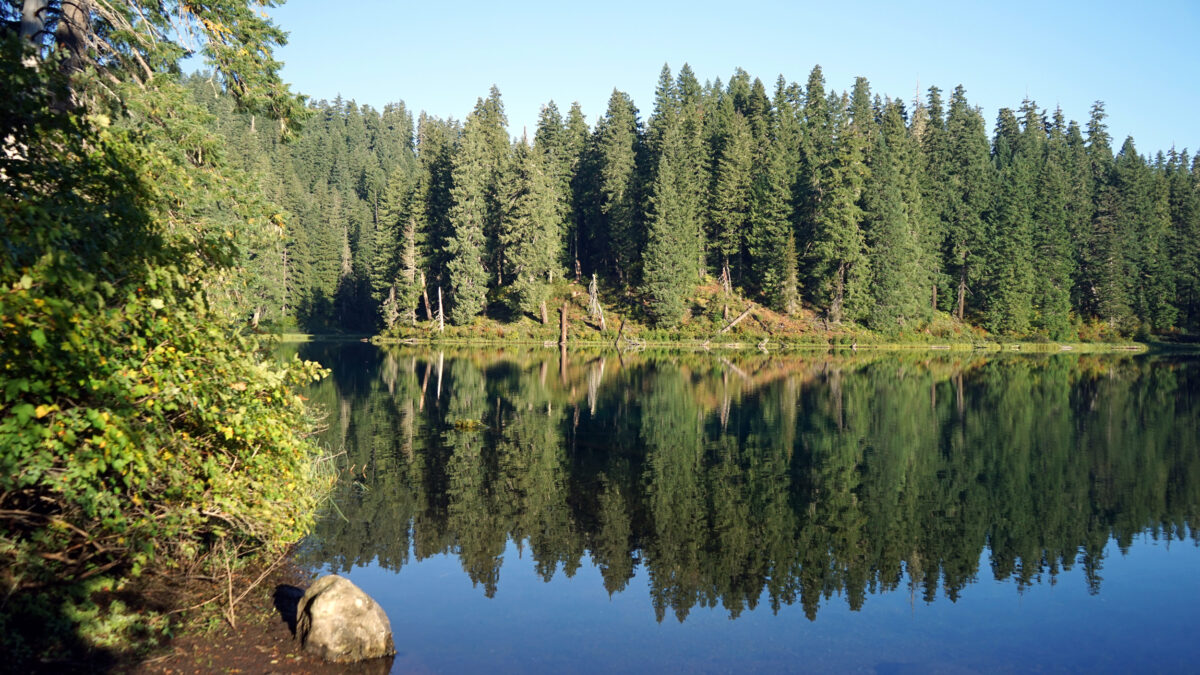
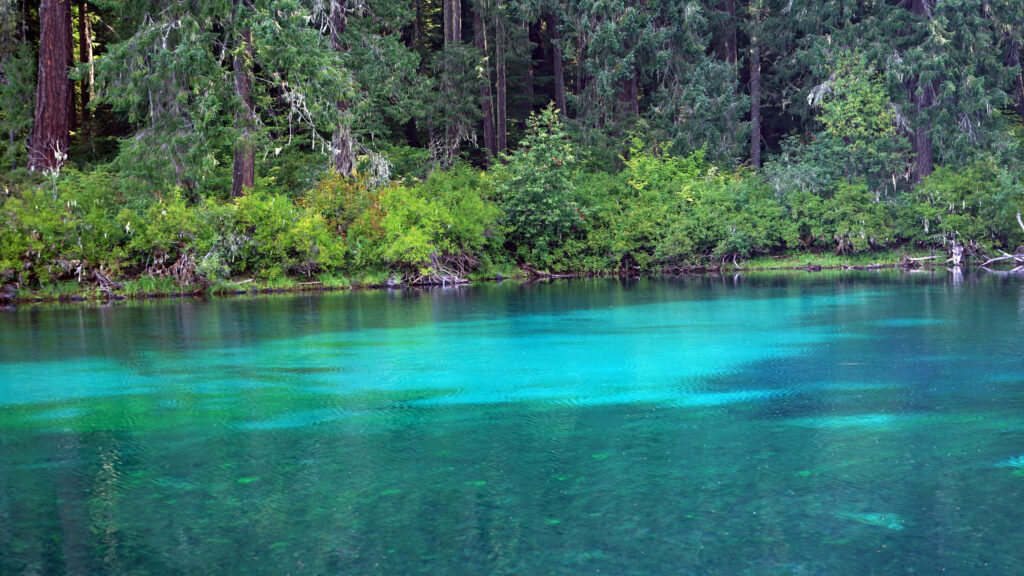
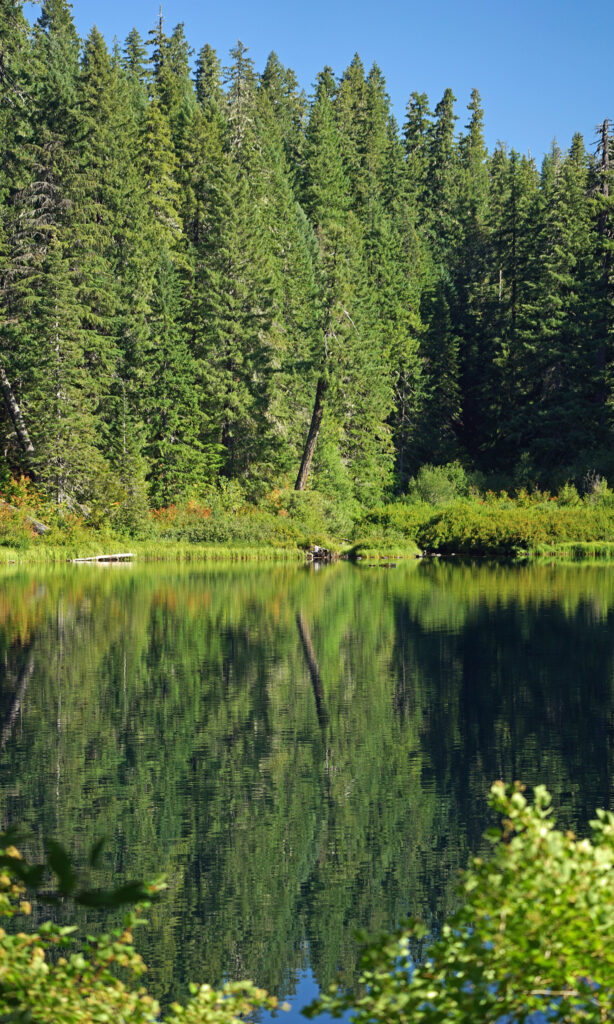
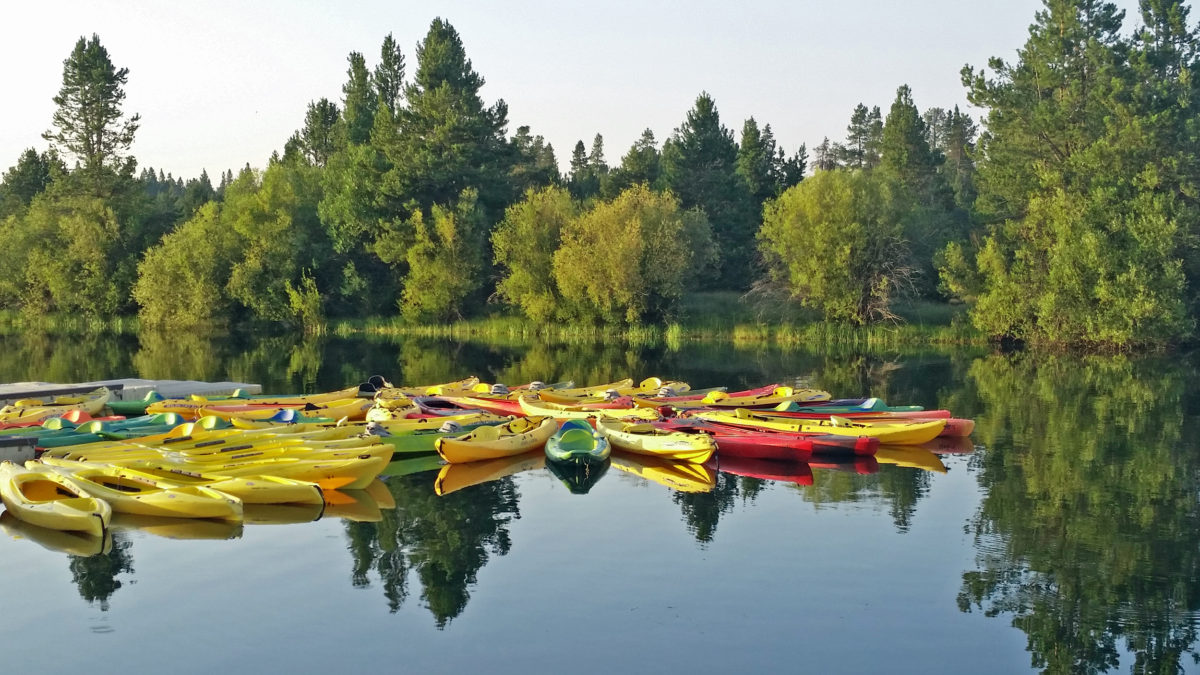
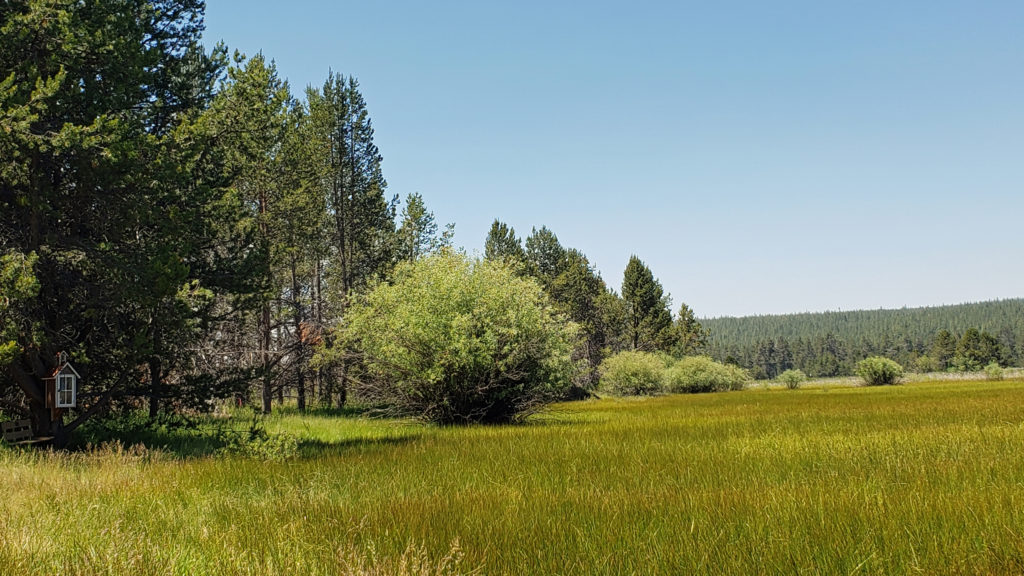
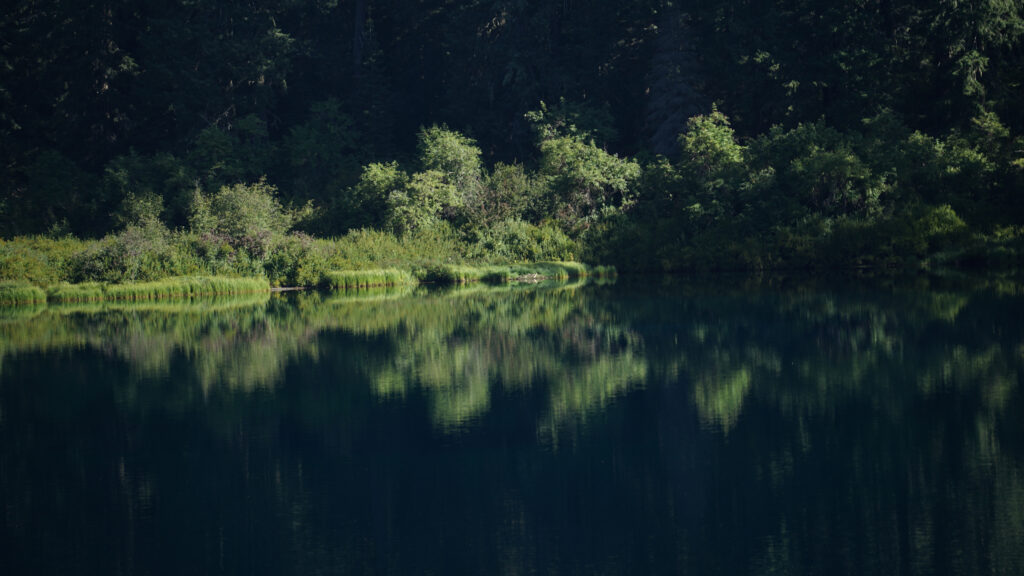
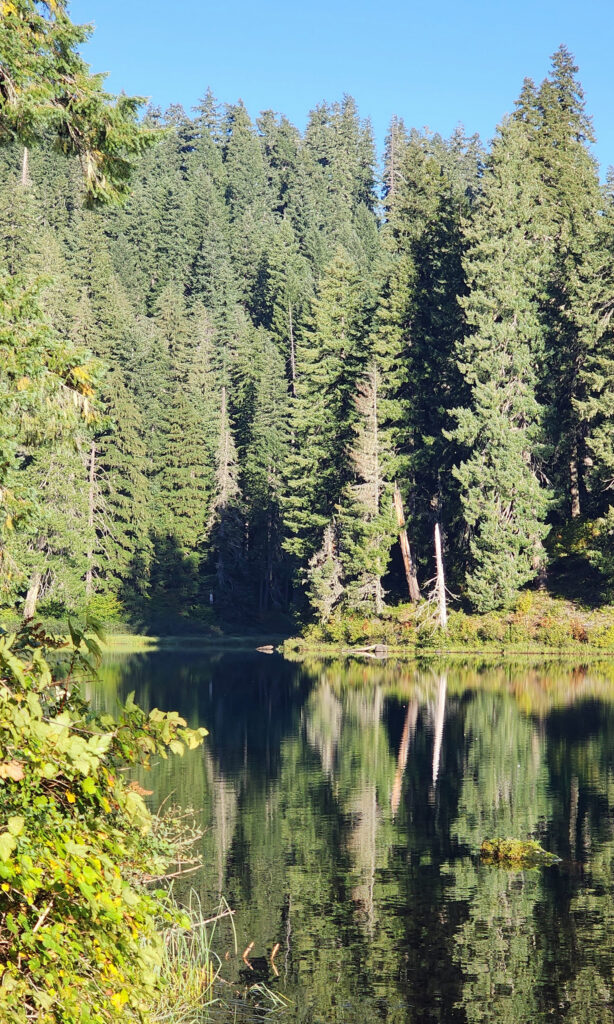 Clear Lake offers the outdoor enthusiast a number recreational options, including hiking, fishing, paddling, or just taking in the views and soaking up the beauty and peacefulness of nature.
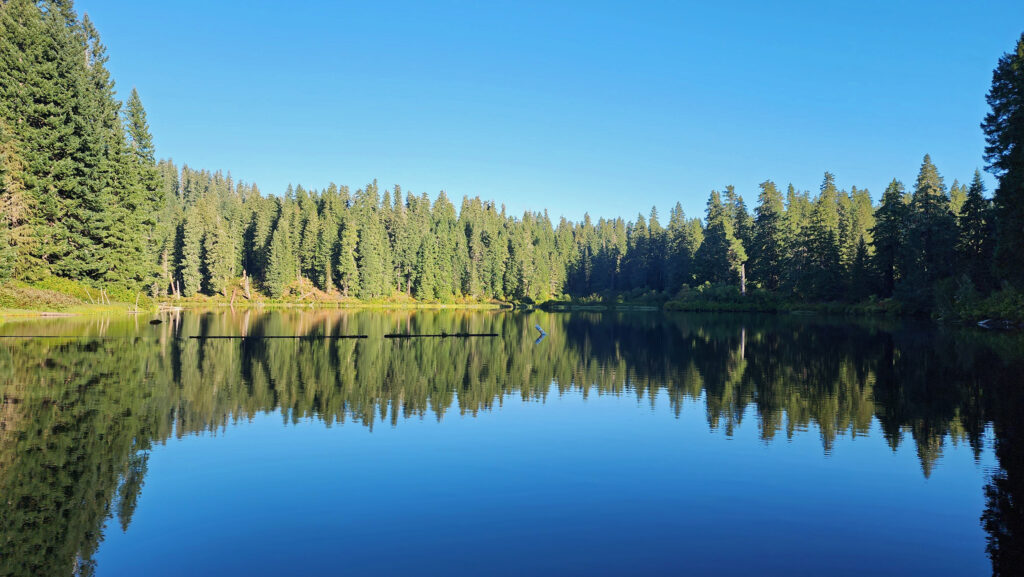 My wife and I have taken short vacations at Clear Lake a couple of times in the past couple of years, most recently in August 2024. Both times, we stayed in one of the cabins at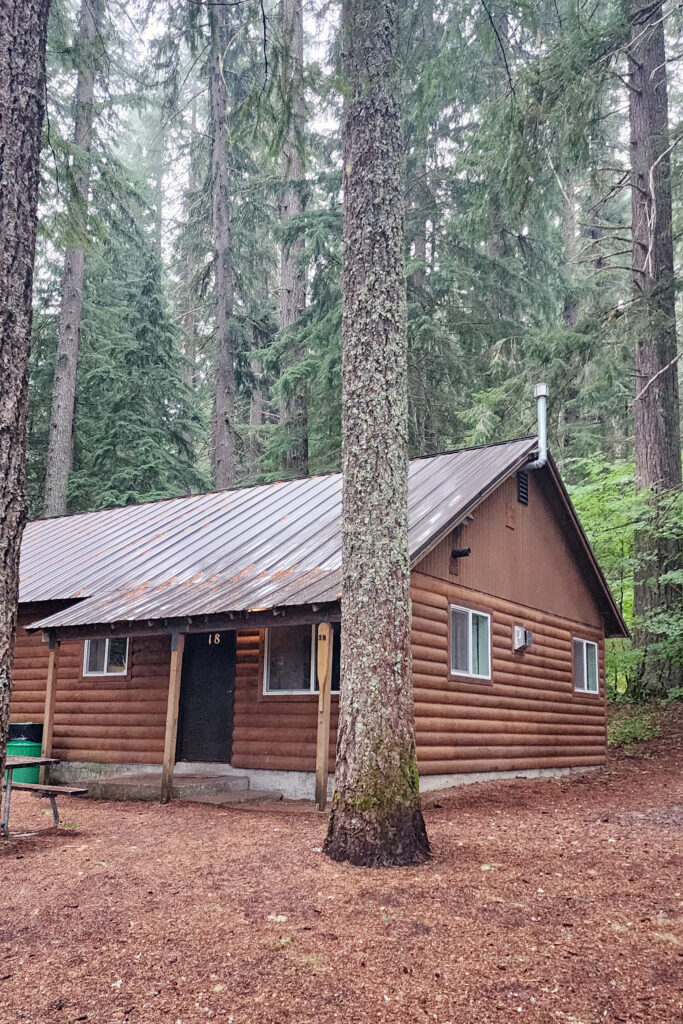
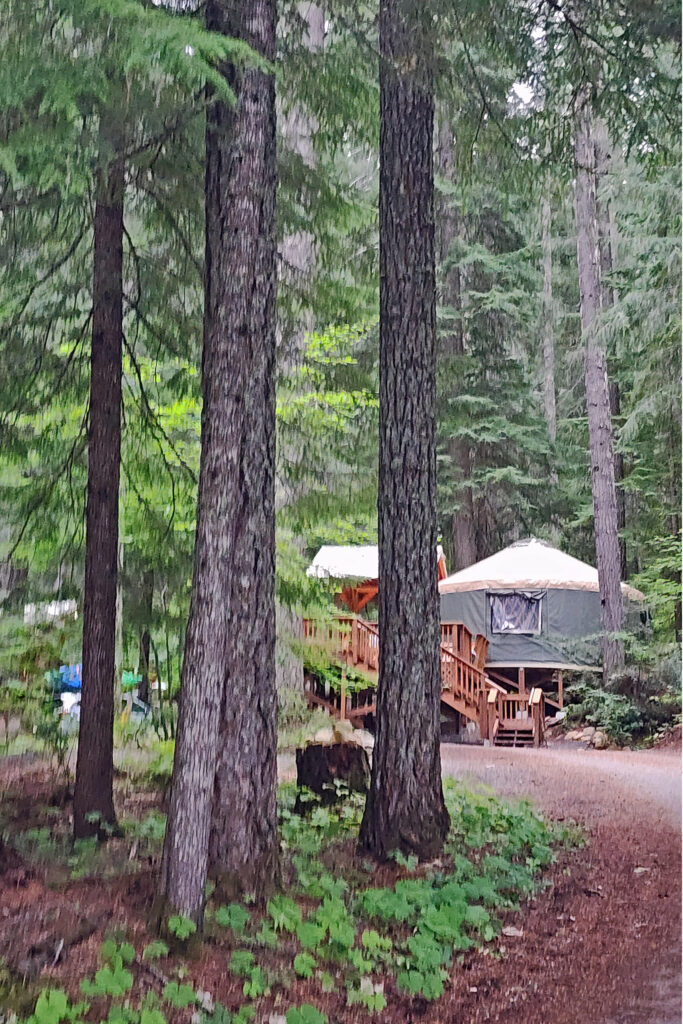
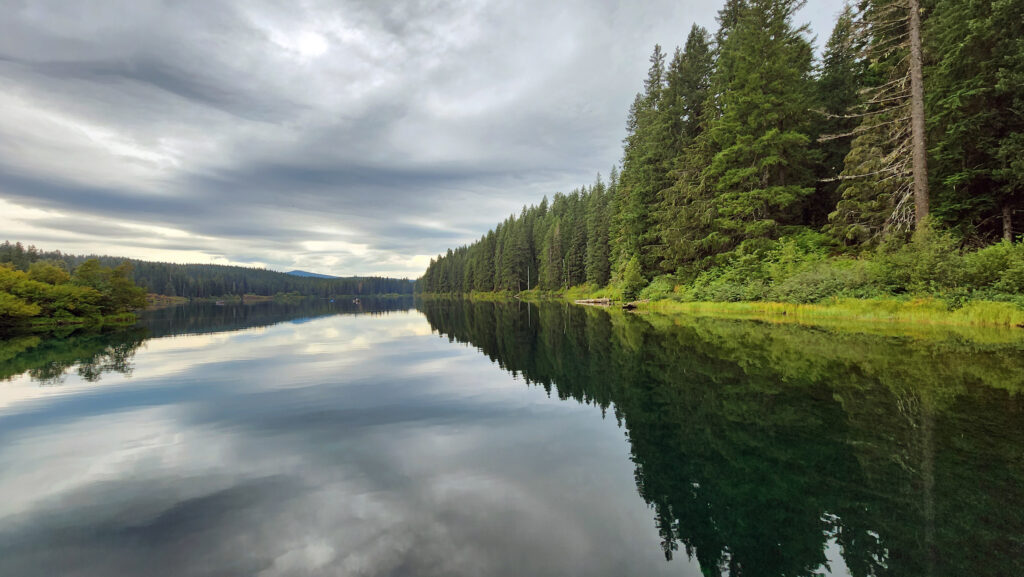
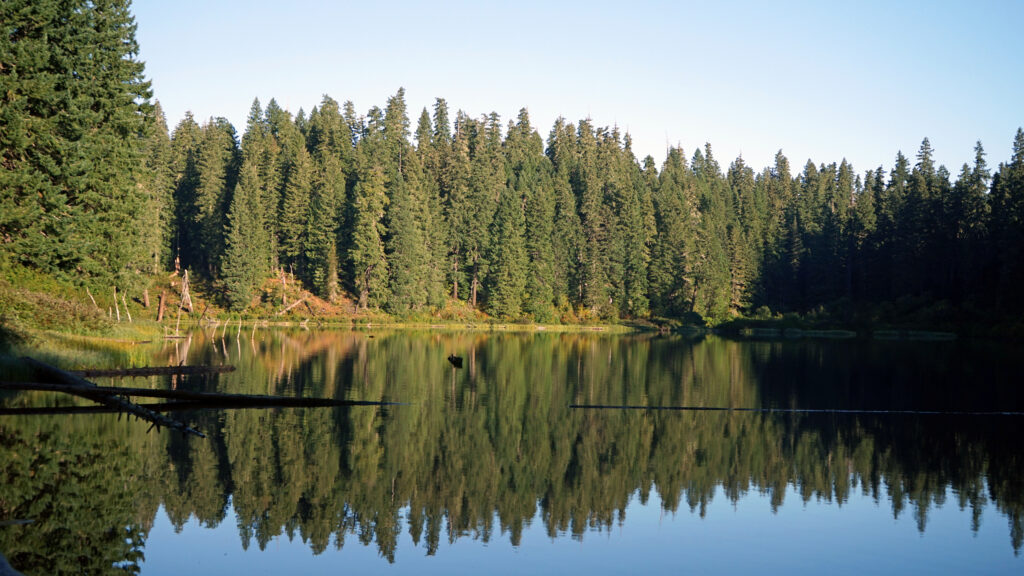 The Clear Lake and upper McKenzie area is one of the most scenic and most interesting parts of the Cascades, and offers a number of other hiking options besides the Clear Lake Loop. The 2.6-mile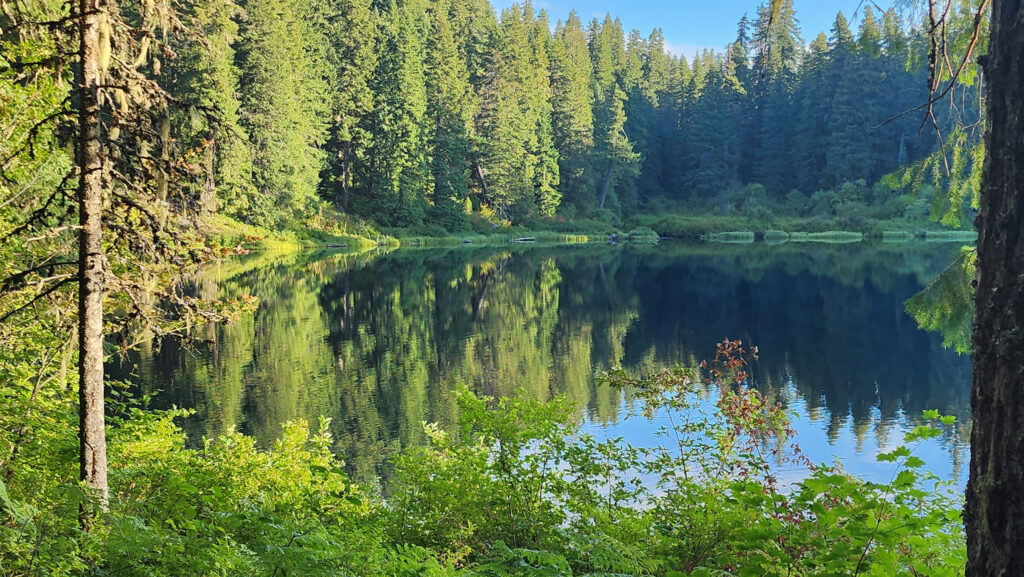
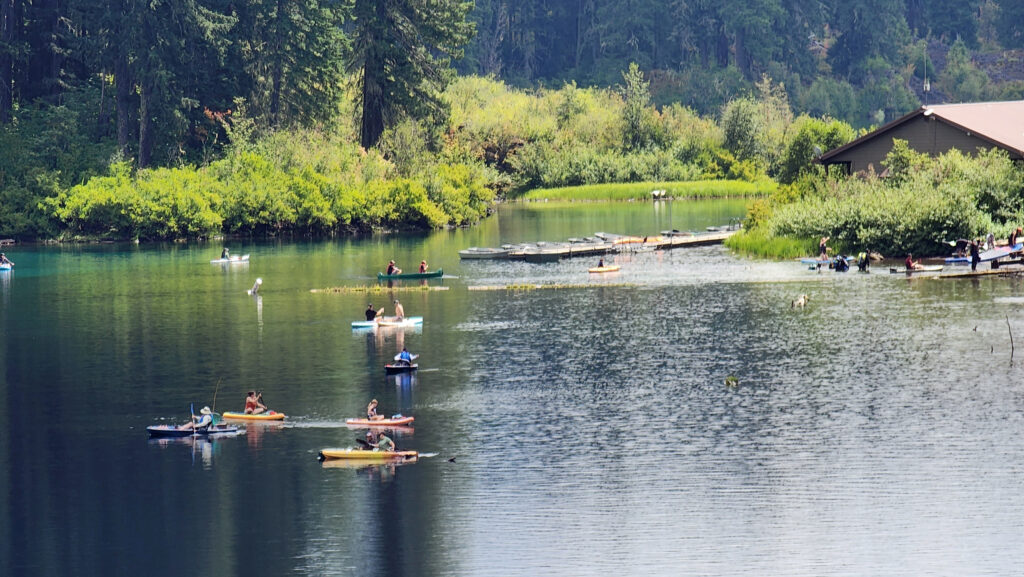
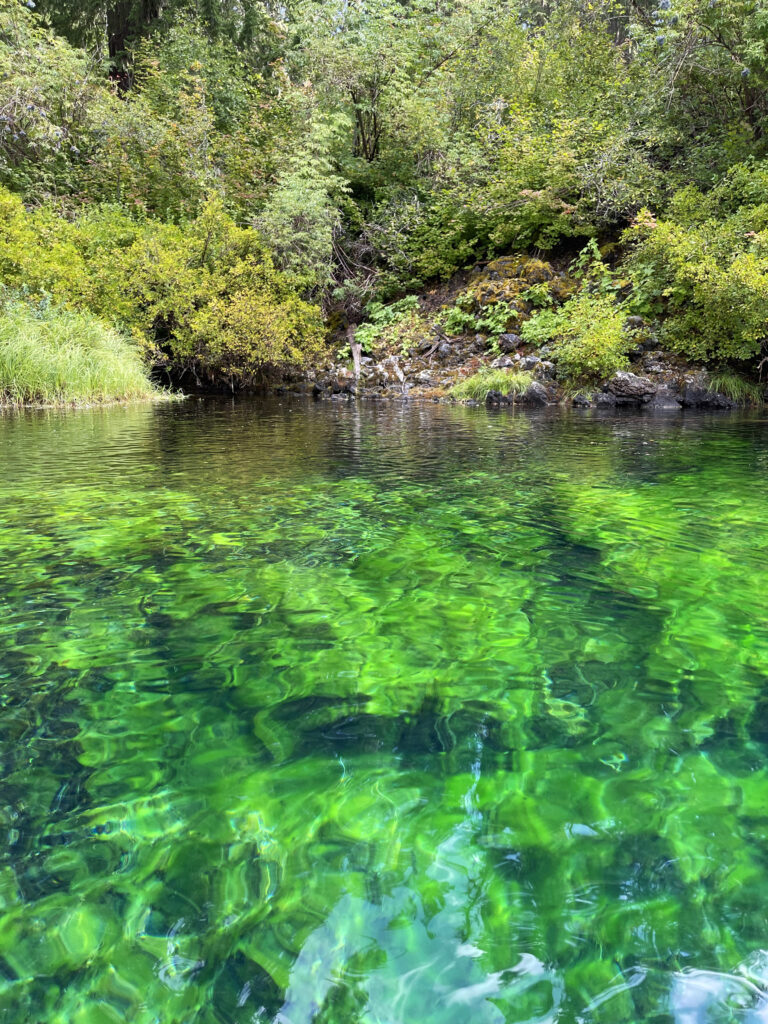
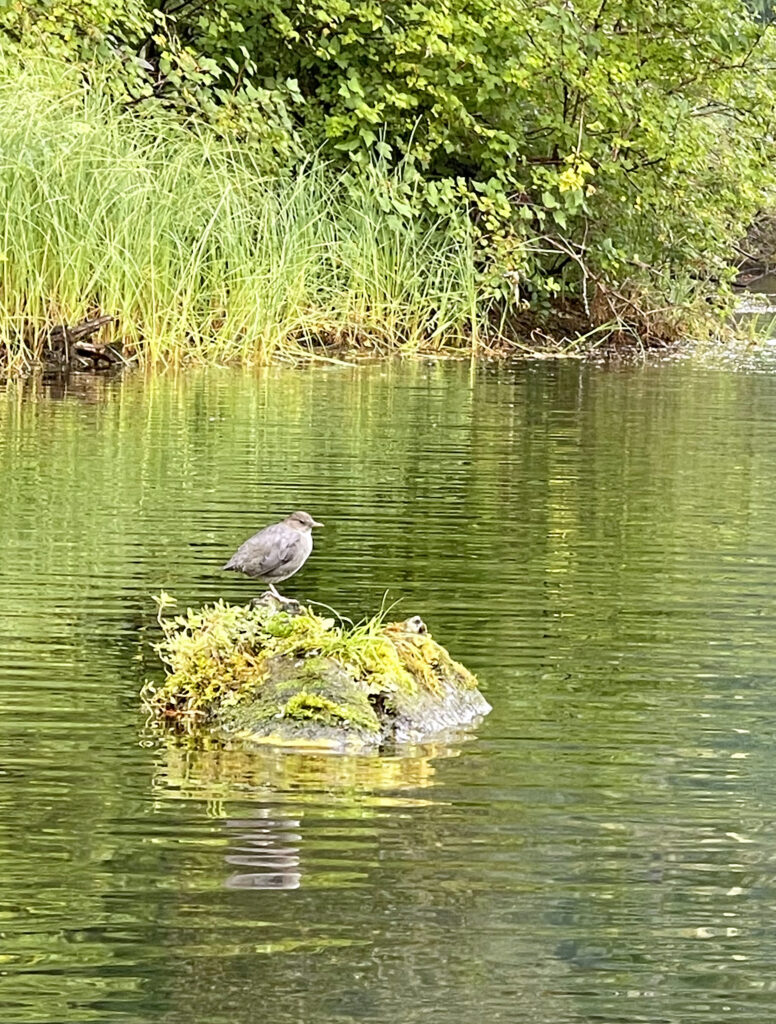
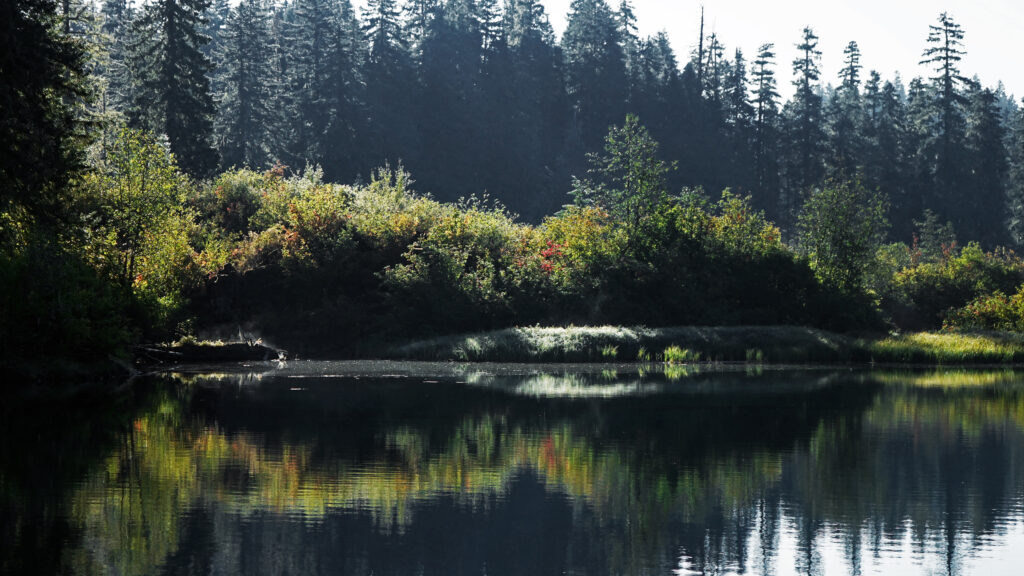 You can take in Clear Lake and do the Waterfall Loop in a weekend. Make it a long weekend and add the Blue Pool hike or spend a day out on the lake. Better yet, make a week of it and check out Fish Lake, the Santiam Pass and McKenzie Pass areas, and the lower McKenzie River. You won’t run out of things to do.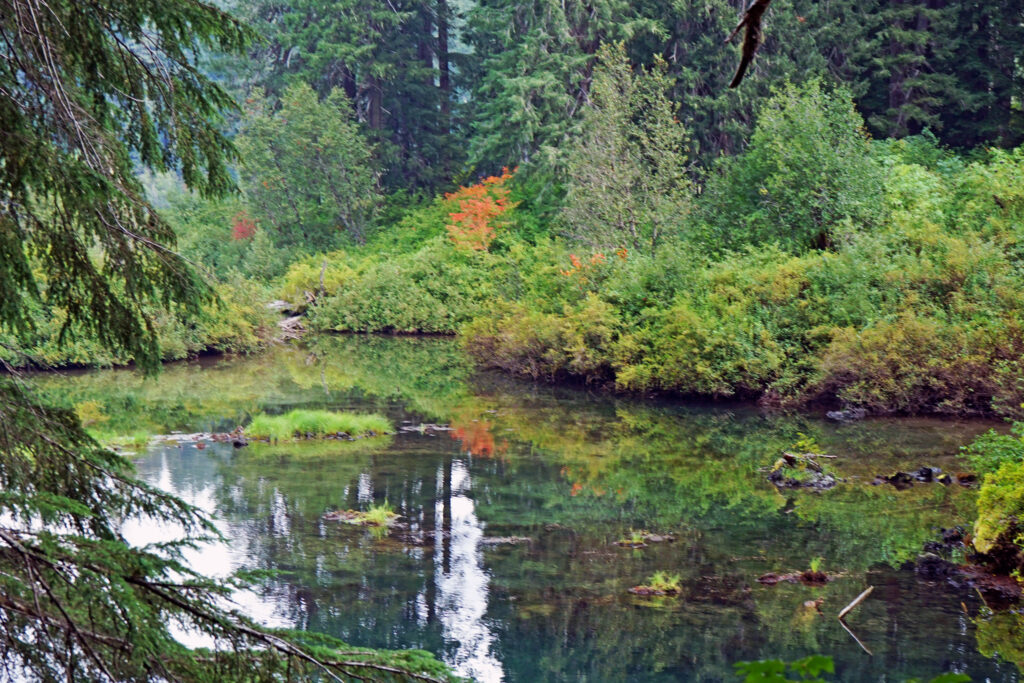



 Originally posted August 6, 2019. Updated and re-posted November 19, 2022.