Lincoln City, on Oregon’s central coast, hosts two kite festivals each year, a summer festival in late June or July and a fall festival in late September or October. The festivals feature dozens of kites, some truly huge, kite flying demonstrations and competitions, kite making workshops, and more. The 2025 events will be held on June 21-22 and September 20-21. Mark your calendars because these are great events, fun for the whole family.
Kite festivals are always weather dependent, but when the sun shines and the winds cooperate, the Lincoln City Summer and Fall Kite Festivals are glorious events and great fun for all.
I’ve been lucky enough to experience Lincoln City’s kite festivals when the weather was perfect for kite flying. And my wife and I even got the last available parking spot at the D River Wayside, where the festivals are held, one year. Luck really was with us. There was a brisk, but not cold, breeze on the beach that time – perfect kite flying weather and a pretty near perfect day for just hanging out on the beach.
The festivals typically feature a lot of very big kites, and quite a few performance kite fliers demonstrating their talents. One of the all time highlights for me was a flier named Spence Watson flying two quad strings kites. Normally it takes two hands to fly a single quad string. Flying one one-handed is a feat in itself, but he was flying one right-handed and one left-handed, and controlling each one perfectly. Pretty amazing.
Another highlight was a performance featuring 13 quad string kites being flown at the same time (one by an eleven year old boy) in a pretty well coordinated routine that I think was improvised on the spot. That was also pretty amazing.
Watching the kite flyers is often as entertaining as watching the kites. It’s really a very physical dance that they’re doing. Their movements are perfectly coordinated with the music, but everyone’s moves are a little bit different. If you watch long enough you begin to see the different styles of the flyers. It’s really quite interesting.
There’s plenty to do at the festivals for the whole family. Kids can take part in kite making classes, get their faces painted, learn about ocean conservation, fly their own kites, and, of course, just play in the sand.
I lived in Lincoln city for most of the 1980s, so I sometimes take a walking tour of the downtown area when I visit Lincoln City. The whole town has changed a great deal since I lived there, including the house that I lived in for a time. It’s been extensively remodeled and added on to, so it’s nothing like it was when I lived there. And that’s a fitting description of the whole city.
Pier 101, a seafood restaurant only half a block from my old residence, hasn’t changed much in the last 40 years, making it an outlier in a city of change and about 50 years past due for a makeover. But has its own kind of nostalgic charm, and the food is still good. It may not the best place to eat in town, but it’s worth a visit, and it’s only a few blocks south of the site of the kite festivals.
There are numerous other kite fests up and down the Oregon and Washington coasts in addition to the Lincoln City festivals, including the Southern Oregon Kite Festival in Brookings in July, and the Washington State International Kite Festival in Long Beach in August and the Rockaway Beach Kite Festival, in September.
The Lincoln City Kite Festivals are good fun for all, even if the weather isn’t perfect. And if you’re truly lucky, Mother Nature may provide a gorgeous sunset to top off the day. Can’t ask for much more.
Originally posted by Alan K. Lee October 15, 2018. Most recently updated June 5, 2025.
Hosmer Lake is located just off the Cascade Lakes Highway, about 30 miles west of Bend, Oregon. The water is cold and crystal clear, and the scenery is spectacular. Mount Bachelor (elevation 9065 feet) rises only a few miles to the east, and the 10,358-foot South Sister and 9173-foot Broken Top are only slightly farther away, in full view to the north.
The photos here are from a summer day of kayaking on Hosmer a few years ago.
Hosmer Lake is an interesting body of water, well on its way to becoming a marsh or a meadow (in a few thousand years, perhaps). Big Marsh, about 40 miles to the south is an example of a former lake that has become all marshland. The technical term for this process is lake succession if you’re interested in learning more about it.
Hosmer Lake is a mix of open water and reeds, rushes, water lilies, and other marsh plants. Motorized craft (except for electric motor powered) are not allowed on the lake, which makes it ideal for kayaking or canoeing. It’s also not a big lake at 160 acres, so you can easily explore it all in an afternoon.
Hosmer is a popular fishing destination because it is one of the few lakes in Oregon that are stocked with Atlantic salmon. According to the Oregon Dept. of Fish and Wildlife, the Atlantic salmon average 16 inches in length and range up to 22 inches. It’s also stocked with brook trout, which run only slightly smaller. It is a fly fishing only lake, so that limits its use somewhat. My wife and I have kayaked there a number of times, and it’s never been crowded.
Hosmer Lake is also a popular birding area. Waterfowl and shore birds, such as American Bitterns, Virginia Rails, Sora, and Wood Ducks, are common. Red-winged and Yellow-headed Blackbirds are abundant during the breeding season and into the fall. And Clark’s Nutcrackers, Gray Jays and other birds can often be seen in the forest surrounding the lake. The relatively uncommon Three-toed and Black-backed Woodpeckers are also found in the surrounding area.
Elk and black bear also frequent the area. And let’s not forget the mosquitoes. Forget your insect repellent at your own risk here. Early in the season is especially bad.
At an elevation of 4966 feet, the recreational season is short at Hosmer. There may be snow and the lake may be still frozen until late May or even into early June some years, and the first snow in the fall can come anytime after the middle of September. But the short summer is glorious.
Hosmer is a good place to pitch a tent or park your RV. There are two small forest service campgrounds on the lake that have about 35 sites between them. Note that no water is available at theses campgrounds, so campers will need to bring their own. Water is available at Little Fawn Campground (8 sites) on the south end of nearby Elk Lake and there are many other forest service campgrounds in the surrounding area. There is also a resort at the north end of Elk Lake.
Hosmer Lake is fed by Quinn Creek, which flows into the north end of the lake. Quinn Creek is narrow and shallow, but it is possible to paddle up it for a ways. When we were there last, downed trees blocked our passage a few hundred yards from the mouth of the creek. We hauled our kayaks out of the water at that point and hiked along the creek to a small waterfall where we ate lunch and lingered awhile before heading back out on the water.
Recalling our visits to Hosmer Lake, I’m eager now to get back to the area and get back on the water again. It’s a beautiful place, and one of my favorite destinations. Hosmer Lake is located in the Deschutes National Forest. Check the Forest Service website for information on forest fire danger and possible use restrictions.
While Hosmer Lake is a worthy destination in its own right, there are plenty of other attractions in the immediate area. Elk Lake, a popular fishing and camping spot, is just west of Hosmer Lake. Sparks Lake, to the northeast, is another good canoeing and kayaking destination. There are a number of other lakes along the Cascade Lakes Highway, many trailheads along the highway that give access to the Three Sisters Wilderness, and many campgrounds in the area.
Nearby Mount Bachelor Resort is one of the prime alpine and Nordic ski areas in the Northwest, but it’s also worth a visit in the summer. Take a chair lift to Pine Mountain Lodge at the 7748 foot level and dine at the restaurant there. Then, if you’re adventurous enough, you can take the 3-stage, 1.3-mile long zip line that descends nearly 1400 vertical feet to the base of the mountain. Or just ride the chairlift back down and enjoy the magnificent views of the South Sister, Broken Top, and the surrounding area.
Originally posted December 10, 2018 by Alan K. Lee
Most recently edited and updated September 25, 2023
We all need to get away from home on occasion, sometimes far away, and the Florida Keys are about as far from the Pacific Northwest as you can get and still be in one of the fifty U.S. states – Honolulu is closer to Seattle than Key West is. And the Keys make for a great winter getaway. My wife and I had a great time in Key West on our only visit and I would love to return to someday.
The following was originally posted on this site a couple of years ago. I checked all of the links, but things can change, so check the Keys News website for current information if you’re contemplating a visit in the near future.
If you are thinking about a visit to Key West, the first thing you should do is track down a copy of Jon Breakfield’s book “Key West: Tequila, a Pinch of Salt and a Quirky Slice of America.” Breakfield and his wife were living in Scotland and took a winter vacation to Key West one year. Two days into their visit they decided not to go back to Scotland. Breakfield’s book is an absolutely hilarious account of their first year in Key West. It’s also a good introduction to the Key West culture and works as a weird sort of travel guide. After reading the book, you’ll probably want to visit The Bull, a bar on Duval Street, and the Whistle Bar, which occupies the floor above. The Whistle Bar has a wrap around veranda that is one of the best people watching perches in Key West. Both figure prominently in the book. And if you’re really adventurous, you might even want to venture up one more flight to the clothing optional rooftop bar called The Garden of Eden.
Yankee Jack performing at The Bull
Key West is a quirky place, and nothing exemplifies that better than the city’s tongue in check secession from the United States in 1982. After the Border Patrol set up a roadblock on the highway between Key Largo and Miami (to stem the flow of drugs into the country via the Keys), creating huge traffic backups and inhibiting island residents from commuting to jobs on the mainland, the mayor and city council of Key West decided that if the Border Patrol was going to treat them like they were a foreign country by setting up a de facto border crossing station, they would become one. Thus was born the Conch Republic. The move was pure political theater (the mayor “surrendered” to the commander of the naval air station at Key West the day after declaring the Conch Republic’s independence), but it resonated with the anti-establishment sentiment common among island residents, and the spirit of the Conch Republic persists to this day.
Duval Street is the main drag in Key West. It’s lined with bars and restaurants, galleries, gift shops, and much more. You can eat your way down one side of the street and drink your way back up the other, if you’re so inclined. You’ll probably meet fifty other tourists for every local, but everyone will be having a good time and you won’t care that it’s not the real Key West.
Hard Rock Cafe, Duval Street
Besides Duval Street, another major tourist draw is Mallory Square and the daily Sunset Celebration. Key West is known for its sunsets and didn’t disappoint on our visit. And every evening about two hours before sunset dozens of artists, crafters, food vendors, and street performers of every stripe congregate at Mallory Square to hawk whatever it is they’re selling to the tourists gathered there to watch the sunset. It’s weird, wild, and enormously entertaining. And then there’s a beautiful sunset to cap it all off.
Key West has plenty of places of interest beyond Duval Street and Mallory Square, too. The Hemingway House is another major tourist draw. Get there early if you’re going or buy your tickets online. The line was around the block both times we thought about taking a look. The Audubon House, Key West Lighthouse Museum, Eco-Discovery Center , Fort Zachary Taylor Historic State Park , the Mel Fisher Maritime Museum, and the Key West Aquarium are all worth a visit.
If you just want to hang out at the beach, Fort Zach Park has a nice swimming beach (with an adjacent bar). South Beach at the end of Duval Street also has a beach bar and grill. Higgs Beach is four or five blocks east and has a nice beach for sunbathing and swimming. And across the street, Astro City Playground is a fun place for kids to play. To the east of Higgs Beach are C.B. Harvey Memorial Rest Beach (no bar or other amenities) and Smathers Beach. Dog Beach, a couple of blocks east of South Beach, is literally for the dogs – a dog friendly, off leash park.
Key West has dozens of fine restaurants. All of the places we dined at were excellent. We had a couple of great breakfasts at a place called Camille’s Cafe, but it appears to be closed. Blue Heaven, Cafe Sole, and a Cuban restaurant called El Siboney all had excellent food. We also lunched at a couple of Duval Street eateries (whose names I’ve forgotten) that were very good. The Lobster Shack, The Flaming Bouy, Louie’s Backyard, Sarabeth’s Kitchen, Santiago’s Bodega (tapas), Cafe Marquesa, The Cafe (vegetarian), Ambrosia (Japanese), and B.O.’s Fish Wagon (fresh and very affordable seafood) are all highly rated, also.
Tourism drives Key West’s economy and there is no shortage of available accommodations , from luxury resorts to whole house rentals to budget motels and inexpensive Airbnb rentals. We went the Airbnb route and found a reasonably affordable room in Old Town. But the closer to the historic district and Duval Street, the more expensive the accommodations become, and the longer ahead that you will need to make reservations. It’s an advantage to stay within walking distance of Old Town, as parking is limited, but if you have a car and don’t mind spending some time looking for a place to park, staying in the New Town section or on Stock Island can save you some money. Key West is bicycle friendly, has a public transit system, and taxis are readily available (some with bicycle racks), so driving into Old Town is not strictly necessary, even if you are not staying close by. Uber and Lyft are also options.
The bottom line is there are as many reasons to visit Key West as there are tourists visiting. It’s a great party town and a great place to lounge on the beach and soak up the sunshine, but it’s much more than just that. Key West is soaked in history, has a great food scene, has great fishing and diving, and is located in an incredibly beautiful natural setting.
The other Florida Keys have their own attractions, too, and the drive from Miami to Key West is an attraction on its own.
Key Largo is the closest of the keys to the mainland and many of the residents commute to the mainland, but it has many attractions that draw travelers, too. It’s the self-proclaimed “dive capital of the world” and home to the world’s largest artificial reef, among other attractions. If fishing is your thing, Islamorada bills itself as the “sport-fishing capital of the world.”
Bahia Honda
There were a number of other interesting places in the Keys that we stopped at on our way to and from Key West. One of those was the National Key Deer Refuge on Sugarloaf Key. Key deer are tiny – not much bigger than a German shepherd. Another stop we made was Bahia Honda State Park, which has a nice swimming beach and clear waters in multiple hues of blue.
The Overseas Highway through the Keys is an engineering marvel and driving it is an amazing journey, even if you don’t stop at any of the Keys along the way. The Seven Mile Bridge itself is one of the main attractions in the Keys.
If you’re contemplating a visit, flying to Key West is an option, but I’d do as we did – fly to Miami or Fort Lauderdale, rent a car, and drive the Overseas Highway. Visit the other Keys and go diving, snorkeling, fishing, or just find an uncrowded beach and soak up the sunshine away from the crowds. And, of course, take in Key West and all it has to offer. You won’t regret it. And while you’re in Florida, the Everglades are only a short drive from Miami.
Originally posted by Alan K. Lee on August 10, 2018. Updated with Covid-19 info December 14, 2020. Updated and expanded September 15, 2023.
The Skyline Trail loop is one of the Pacific Northwest’s iconic hikes. Beginning at the Visitor Center in the Paradise section of the park, the trail takes you up the mountain with great views of the summit, awesome views of the Nisqually Glacier, and panoramic views south to the Tatoosh Range and Mount St. Helens and Mount Adams in the distance. The high point of the trail is just over 7000 feet in elevation (and still 7400 feet below the summit). The lower portions of the trail take you through alpine forest and mountain meadows. The upper part is all above timberline with open views in all directions.
The Paradise area is famous for its spectacular wildflower displays that carpet the meadows, including the alpine meadows above timberline. Look for deer and elk in the lower meadows and forested areas. Look, and listen, for hoary marmots and pikas along the trail. Gray Jays and Clark’s Nutcrackers are common (and tame) below timberline, and you might see White-tailed Ptarmigans in the higher reaches.
The Skyline Trail is a very popular hike for many reasons, and you will have plenty of company on it. But the views are incredible, the mountain is utterly massive, and wildlife and wildflowers are abundant, all of which make putting up with the crowds well worth it.
Getting there:
From Portland, take Interstate-5 north to US Hwy 12 (Exit 68). Follow US12 east to Morton, then Washington Hwy 7 north to Elbe. Turn east on Hwy 706 and proceed to the Longmire Entrance to Mt. Rainier National Park. In the park, follow the signs to Paradise.
From Seattle, take I-5 south through Tacoma to Exit 127 (Hwy 512). Go east on Hwy 512 to Hwy 7, then south to Elbe. From Elbe, proceed as described above.
The park entrance fee is $30 if you don’t have one of the various national park passes and is good for seven days. The park no longer accepts cash payments.
Best Times to Go:
The hiking season is limited in the Paradise area and even more so for the upper part of the Skyline Loop. Paradise is also the most visited part of the park and is always crowded on summer weekends, so your best bet is to come on a weekday morning, or anytime after Labor Day. Even then, you may have trouble finding a parking spot. There are plenty of other worthwhile hikes in the Longmire and Paradise areas, so come prepared with a Plan B hike just in case.
Another option, if you can afford it, is to book a room at Paradise Inn, which allows you to park in the inn’s parking lot. But even that doesn’t guarantee you a parking spot, as we found out one afternoon after returning from a day hike lower on the mountain. The inn’s lot was full, as was the visitor center lot. We had to park in the lower lot and walk to the inn. The National Park Inn in Longmire is another lodging option to consider.
Trailheads:
The trail begins and ends near the Henry M. Jackson Memorial Visitor Center. Restrooms and drinking water are available in the visitor center. You can also start the hike from Paradise Inn, just uphill from the visitor center. Parking at the visitor center is limited and fills up early in the day. Parking at Paradise Inn is restricted to visitors staying at the inn. An alternative trailhead starts at the lower parking lot. (There is a trail to the visitor center, or you can take the Deadhorse Creek Trail up the mountain and join the Skyline Trail just below Glacier Vista. Starting at the lower trailhead adds only about two tenths of a mile to the hike.)
The hike:
From the trailhead at the visitor center, the trail heads straight up the mountain on a moderately steep grade. There are a myriad of trails crisscrossing the Paradise area above the visitor center, but most of the trail intersections are well signed. If in doubt, just head uphill. But bring a trail map, just in case.
At the 0.2-mile mark, you’ll come to a junction with the Alta Vista Trail, a side trail that takes you to a good viewpoint before rejoining the Skyline Trail. The Alta Vista Trail adds a little to the elevation gain of this hike, but doesn’t add any distance.
Stay on the main trail at the junction with the Deadhorse Creek Trail. The next trail junction, at the one-mile mark, is with the Glacier View Trail. Like the Alta Vista Trail, the Glacier View Trail parallels the Skyline Trail and doesn’t add any distance to the hike, but does provide a good view of the massive Nisqually Glacier.
Above Glacier View, the Skyline Trail switchbacks up a steeper section of the mountain above timberline. At the 1.6-mile mark you come to the junction with the Upper Skyline Trail (which may be signed as the Pebble Creek Trail). Staying on the main trail will take you to the well-named and very popular Panorama Point, with sweeping views down to Paradise Inn and the visitor center, across to the Tatoosh Range, and beyond to Mount St. Helens and Mount Adams. The Upper Skyline Trail is a three tenths of a mile shortcut and bypasses the often crowded Panorama Point. If you take the shortcut, stay right at the next junction to rejoin the main trail above Panorama Point.
Just above Panorama Point is a restroom open during the summer (it may be closed after Labor Day). Follow the trail going straight up the mountain where you will come to the eastern junction with the Upper Skyline Trail. Older maps show the Skyline Trail descending from Panorama Point across a snow field to the east and rejoining the Upper Skyline Trail on the ridge beyond. That is no longer the official route and is not maintained, although I saw a group of people taking it the last time I was there. Google Maps also still shows that trail.
Just past the junction with the Upper Skyline Trail, you’ll reach the high point of the hike at 7040 feet. From there, the trail traverses the rocky southeastern slopes of the mountain, then descends to the junction with the Golden Gate Trail at the 3.3-mile mark of the hike. Taking the Golden Gate Trail, which switchbacks down a steep slope before rejoining the Skyline Trail, cuts about a mile off the total distance of the hike.
Past the Golden Gate Trail junction, the Skyline Trail follows the crest of a ridge, then descends to a beautiful alpine meadow near the headwaters of the Paradise River. After crossing the river, which is still a small creek at that point, you will come to the junction with the Paradise Glacier Trail at the 3.9-mile mark of the hike, which once led to the famous Paradise Ice Caves. The caves no longer exist, however. Beyond the junction, look for the Stevens-Van Trump Historical Marker, commemorating the first ascent of the mountain in 1870.
Beyond the monument, the trail parallels the edge of a 1000-foot drop off to Stevens Creek to the east before turning west. Stay right at the junction with the Lakes Trail and follow the Skyline Trail as it switchbacks down to meet the Paradise River again. Stay right again at the 4th Crossing Trail junction. The trail then traverses the slope above the river and crosses over a ridge. Just past the lower junction with the Golden Gate Trail, you come to Myrtle Falls at the 5.2-mile mark. Myrtle Falls is one of the most photographed spots in the park, and one of the most crowded. Welcome back to civilization. From Myrtle Falls it’s a short half-mile jaunt back to the trailhead.
Other area attractions and activities:
Mount Rainier National Park offers innumerable attractions other than this hike. The Longmire area has an interesting history and a number of interesting hikes. Between Longmire and Paradise there are several waterfall hikes. The Reflection Lakes area below Paradise has several other nice hikes, as do the Stevens Canyon and Ohanapecosh areas. And the Sunrise area on the east side of the mountain has spectacular views of the mountain and many trails. And, as its name suggests, it offers especially gorgeous views of the mountain at sunrise.
Conclusion:
The Skyline Trail, even if you hike only a portion of the loop, should be on every hikers bucket list of destinations. There simply is no other high altitude trail that is as accessible and as scenic in the Pacific Northwest.
Smith Rock State Park in Central Oregon is a mecca for rock climbers, but it’s more than that. Its natural beauty also attracts hikers, mountain bikers, horseback riders, birders and wildlife lovers, fishermen, photographers, and countless others.
Several thousand climbing routes exist within the park, including more than a thousand bolted routes. Climbers literally come from all over the globe to climb here. And an extensive trail system within the park offers hikers a variety of routes of varying lengths and difficulty. Many of the trails are multi-use trails, open also to mountain bikers and horseback riders. Click here to view a map of the park trail system.
Thirty million years ago the area that is now Smith Rock was on the western rim of the Crooked River Caldera. Over time, nearby volcanic eruptions filled the caldera with ash that compacted into volcanic tuff. The tuff was later overtopped with basalt lava flows from vents about fifty miles away. The Crooked River then eroded much of that, leaving the formations we see today.
I’m not a rock climber, but I’ve been coming to Smith Rock on a fairly regular basis for more than half a century. Growing up, my family would often come to Central Oregon to camp and fish, and many times we would make the short detour to Smith Rock on our way home. I’ve been there when the park was almost deserted, something I will probably never see again. Park usage has grown exponentially in recent years, more than doubling in the five years between 2014 and 2019.
On summer weekends you need to come early to have a chance of finding a place to park. The parking areas fill up quickly, and it’s not unusual to see cars parked along both sides of the road leading to the park and people walking in the road. There has been a shuttle system proposed that would allow visitors to park in the nearby town of Terrebonne and bus into the park, but that (to the best of my knowledge) has yet to be implemented. Even during the week, and on spring and fall weekends, parking can be a problem.
The park’s popularity is understandable, but with that has come problems of overcrowding, illegal parking and camping, pedestrian safety, conflicts with local residents and adjacent land owners, degradation of the park’s natural areas, and other problems. Oregon State Parks has recently finalized an updated park master plan that will address those issues. Changes could include creation of a new park entrance, additional parking areas, installation of “smart gates” and elimination of roadside parking, relocation and expansion of the walk-in bivouac camping area, relocation and expansion of the visitor center, a new day-use area, new trailheads, additional bridges across the Crooked River, a new trail to Terrebonne, and new composting toilets in the climbing areas.
Photo credit: Oregon State Parks
October 2023 update:
The trail bridge across the Crooked River that had been closed for reconstruction is now open. Construction of the the new, wider bridge (pictured above) was completed in early October.
Despite the crowds and other problems, Smith Rock is a Pacific Northwest bucket list destination, not to be missed. It’s a spectacularly beautiful place. But if you’re looking for a wilderness experience, you won’t find it at Smith Rock (except maybe in the middle of winter). If you don’t mind sharing the place with others, though, the park is large enough that visitors tend to spread out, and even at full capacity the park doesn’t feel overly crowded if you get a little ways away from the parking areas. (A recent visitor survey found that 69% of the respondents felt the park to be somewhat to very crowded, however.)
You can avoid the worst of the crowds and the hassles that the limited parking creates by visiting in the spring or fall during the week. Visiting in winter might even offer a bit of solitude, and the clear and cold days that are often found then can be one of the best times to photograph the magnificent rock formations. And they are truly magnificent.
The park is located just east of the town of Terrebonne, which is about 25 miles north of Bend, Oregon, and about 140 miles southeast of Portland. For more information, go to the Smith Rock State Park website, or the independent SmithRock.com site.
Originally posted on March 11, 2019. Updated most recently on October 11, 2023.
Even though my only visit to the Isle of Man came almost twenty years ago, at the end of an almost month-long vacation to Scotland and England’s Lake District, the three days we spent on the Isle of man were memorable.
The Isle of Man lies in the Irish Sea, halfway between Liverpool and Belfast. My sister in law had visited the island previously and thought we would like it, so my wife and I added it to the itinerary for our 2006 trip to England and Scotland. And I’m glad we did. The Isle of Man is a very interesting and charming place, and certainly one of the most unique places that we have visited in our travels.
Not quite an independent country, the Isle of Man is officially a Protectorate of the United Kingdom. The UK is responsible for the island’s defense and representing the island in international affairs. But the Isle of Man is not actually a part of the United Kingdom. The island’s parliament, which has been in existence since the 10th century, governs all domestic matters, and the island has its own legal and political systems and its own currency. (The British Pound is also legal tender on the Isle of Man, but the reverse is not true, as I found out when I accidentally tried to pay a bar tab back in England with an Isle of Man £20 note. The barkeep was not amused, to say the least.)
Getting to the island is relatively easy. It is no more than a 30 minute flight from any major city in the UK or Ireland. We, however, traveled to the island by passenger ferry from Heysham, England, which takes about two and a half hours. Ferries from Heysham and Liverpool run year round. In the summer months, there are also ferries from Belfast and Dublin to Douglas, the capital and largest city on the island.
Getting around on the Isle of Man is also easy. There is a government run bus system that covers the entire island. And since it is a small island, only roughly 300 square miles in size, all of the towns on the island are within about twenty miles of each other. There is also steam powered railroad running between Douglas and Port Erin in the south, and an electric railway running between Douglas and Ramsey in the north. And there is even an electric railway running to the summit of Snaefel, the highest peak on the island.
We stayed in Douglas and spent most of our time on the island exploring the city, but we also ventured to Peele, on the west coast, by double-decker bus, and to Port Erin by the steam train. Neither of us had ever ridden in a double-decker, and the train was one of a kind. I’m not sure which was more fun, riding in the front seat of the upper deck on the bus, or riding the little steam train on its leisurely journey to Port Erin.
On our train ride we met a local gentleman who was happy to pass on some of his knowledge of the island and its history. We found the Manx people to be friendly and welcoming.
The Isle of Man has an interesting history. It has been ruled by the Celts and the Vikings, and it has, at various times, been part of Norway, Scotland, and England. But the Manx people have a strong sense of their own identity and have managed to maintain that identity for more than a millennia, regardless of who ruled the island. Tynwald, the Isle of Man parliament, is one of the oldest, if not the oldest, in the world. And human occupation of the island goes back to at least 6500 BC.
The Isle of Man is known for the short-tailed Manx breed of cats. The island is also the home of a four- and sometimes six-horned breed of sheep, and a population of red-necked wallaby, which have become established on the island after escaping from a wildlife park. We saw many of the odd looking sheep, but no cats or wallabies, sorry to say.
Motor sports fans know the island for the Isle of Man Tourist Trophy motorcycle races. For two weeks in May or June, the island becomes one giant racetrack. The TT, as it’s known, was first held in 1907, and is probably the most famous motorcycle race in the world today.
The Isle of Man was a popular tourist destination for a good part of the 20th century. But the advent of cheap flights from Great Britain to southern Europe led to a significant decline in the tourist industry. Today, the economy of the island revolves around banking, insurance, online gaming, and information technology.
While the Isle of Man might not be a tourist destination in its own right, at least for those of us from North America, we thoroughly enjoyed our time there, and I would like to go back someday. It has been some time since we visited, but given the island’s long history, I doubt that its essential character has changed much over the past seventeen years. I’m sure it remains a worthy addition to any trip to Great Britain or Ireland.
Originally posted by Alan K. Lee, December 4, 2020. Updated and re-posted August 28, 2023.
Fort Stevens State Park is one of the most popular and most visited parks in Oregon, and for good reason. It includes a nice beach with good clamming at low tides, a freshwater lake with two picnic grounds, hiking trails, abundant wildlife habitat (including that of a resident herd of Roosevelt elk), a shipwreck, a large campground, and more. And it has an interesting history.
Fort Stevens Historic Area
History
From 1864 to 1947, Fort Stevens was an active military base, one of three forts at the mouth of the Columbia River built to protect the entrance to the river. After decommissioning, the fort became the property of the Army Corp of Engineers. In 1975 ownership was transferred to the State of Oregon and became part of Fort Stevens State Park. Many of the concrete gun batteries are still present and open to the public. The park also includes a military history museum, and tours of an underground WWII-era portion of the fort are available.
Battery Russel
Fort Stevens State Park was created in 1955 after Clatsop County gifted a parcel of land south of the old military base to the State of Oregon. The state expanded the park several times between 1955 and 1975. The addition of the grounds of the historic Fort Stevens brought the park area to its present size of 4300 acres.
Today, Fort Stevens State Park includes a campground with almost 500 campsites (174 with full hookups and 302 with water and electricity). There are also 15 yurts, 11 cabins, and a hiker-biker camp. The campground has bathrooms with flush toilets and hot showers.
Coffenbury Lake
There are two large picnic areas on the shores of Coffenbury Lake, a 50-acre freshwater lake that is sheltered from the strong winds that can make the beach a less than pleasant experience at times. The lake has a boat ramp (non-motorized craft or boats with electric motors only), and the lake is stocked with rainbow trout. It also has a variety of warm water fish, including largemouth bass, and is occasionally stocked with steelhead.
Roosevelt Elk
The park includes a nine-mile-long bike path, six miles of hiking trails, four miles of ocean beach (part of 15 miles of uninterrupted beach stretching from the south jetty of the Columbia River to the town of Gearhart), two miles of Columbia riverfront beach, and four miles of marshland along the Columbia River Estuary.
Wreck of the Peter Iredale, October 25, 1906. Sourced from Wikimedia Commons.
The Shipwreck
One of the unique features of the park is the shipwreck still visible on the beach after more than a century.
Wreck of the Peter Iredale
On a foggy night in October 1906, the Peter Iredale, a four masted, steel hulled sailing ship, was blown ashore four miles south of the entrance to the Columbia River by a strong west wind. All 27 crew members were rescued unharmed, but the ship could not be salvaged and has remained on the beach ever since.
Wreck of the Peter Iredale
The wreck has deteriorated over the past century, but a surprisingly large amount of the hull remains intact. I visited the wreck at low tide in August (2023) and took the photos shown here. (My family camped at Fort Stevens a number of times when I was growing up, but in those days the wreck was buried in the sand, and I don’t remember it being visible on any of our trips there. It wasn’t until fairly recently that I first saw the remains of the ship).
Fort Clatsop replica
Getting There
Fort Stevens State Park is located near Astoria, Oregon. From Astoria, take US Hwy 101 south across the New Youngs Bay Bridge. Just south of the bridge turn right onto Ore Hwy 104 (E. Harbor Drive). Follow Hwy 104 through downtown Warrenton and follow signs to the park. From the south, take Hwy 101 north, turn left onto Ore Hwy 104 just south of Warrenton, and follow signs to the park.
Coffenbury Lake TrailCoffenbury Lake Trail
Nearby Attractions
The area around the mouth of the Columbia River has many interesting places to explore in addition to Fort Stevens. The Lewis and Clark Expedition, the first Americans to explore the area west of the continental divide, reached the mouth of the Columbia in 1806. Members of the expedition built Fort Clatsop, where they spent the winter of 1806-07. The exact location of the fort is unknown, but a replica of the fort, part of Lewis and Clark National Historic Park, is located a few miles east of Fort Stevens where historians believe the fort was located. For hikers, the park features a 6.5-mile trail from Fort Clatsop to the Pacific Ocean at Sunset Beach.
Astoria
In 1811, John Jacob Astor’s Northwest Company established Fort Astoria at the site of the present-day town of Astoria, the oldest American settlement west of the Rocky Mountains. Astoria is an interesting as well as historic town well worth visiting on its own.
North Head Lighthouse, Cape Disappointment State Park
Besides Fort Stevens, there are several other parks in the area. Cape Disappointment State Park is located on the Washington side of the Columbia River. It’s the site of Fort Canby, another of the forts that guarded the mouth of the river. Fort Columbia Historical State Park, a few miles inland on the shore of the Washington side of the river, is the site of the third of the three forts.
Clatsop Spit at low tide
Ocean fishing trips can be booked on charter boats at the port town of Ilwaco, on the Washington side of the river across the four-mile-long Astoria-Megler Bridge from the town of Astoria.
Trail near Battery Russell
Conclusion
Whether you’re a camper, beachcomber, history buff, fisherman, hiker, wildlife enthusiast, photographer, or sightseer, Fort Stevens State Park and the immediate area has something for everyone. And the Long Beach, Washington area north of the Columbia, and the towns, parks, and beaches of the northern Oregon coast also have a lot to offer the traveler. It is no wonder that the area is one of the top tourist destinations in the Pacific Northwest.
Along the shore of Coffenbury Lake
Posted August 13, 2023 by Alan K. Lee
All photos by and property of the author, except as noted
The Isle of Skye is often described as magical or mystical, and having been there I understand why. It’s beautiful, wild, and unforgettable.
The Isle of Skye was one of the highlights of the trip my wife and I took to Scotland back in 2006, and even though it has been more than fifteen years since our visit, the memory of our visit hasn’t faded. (One of the other highlights of that trip was our visit to Edinburgh.)
Skye Bridge
The Isle of Skye is both remote and at the same time the most accessible of the Hebrides Islands thanks to the Skye Bridge connecting the island to mainland Scotland. Getting to and getting around the Isle of Skye is relatively easy even if you don’t rent a car. There’s no rail service to the island, but buses run daily from both Glasgow and Inverness, and there is a local bus serving the island villages.
Uig VillageNeist Point
The local bus won’t get you to the more remote parts of the island, but if you want to explore the island’s outer reaches, there are bus tours available from a variety of operators. And there are many boat trips that will give you a different perspective on the island, take you to other nearby islands, and possibly give you an up close look at some of the marine mammals and birds that inhabit the islands.
Kilt RockNeist Point LighthouseDunvegan Castle (sourced from Wikimedia Commons and credited to bea y frida)
We had a rental car, and driving on Skye’s many one lane (single track) roads was something of an adventure at times, but we had no misadventures. We spent most of our time on the island exploring the north and west coasts. Highlights of our tour include Kilt Rock, Neist Point, and Dunvegan Castle , the oldest continuously occupied castle in Scotland and the ancestral home of Clan MacLeod.
Another highlight for me was the many sweeping vistas of the open fields and farmhouses, and the rocky shores of the island. I tried to capture some of the magnificence of those views, but no photo can do justice to the breadth and scope of the scenery to be had there. It has to be experienced in person.
White Heather Hotel, Kyleakin
While on the island, we stayed at the White Heather Hotel on the harbor in the town of Kyleakin, just across the Skye Bridge from the mainland. The hotel markets itself as a small hotel with the hominess and personal service of a bed and breakfast. We found the staff to be friendly and helpful, and our room was clean, nicely furnished, and more than adequate for our needs
KyleakinRuins of Castle Maol silhouetted against the setting sun
We found the White Heather to be a great base for our exploration of the island, but there are many other hotels and guest houses on the island. Check the Isle of Skye Visitor Guide for a full listing of available accommodations.
Portree
Portree, on the east coast of the island, would also make a good base your explorations. It is the island’s largest village (population 2500) and there are numerous hotels and other accommodations to choose from. It’s also more centrally located than Kyleakin. The town of Dunvegan, in the northwest part of the island, is another popular base of operations.
I have no hesitation in recommending the Isle of Skye as a destination that should be on your bucket list. It’s a wonderful place and Scotland as a whole was a great place to start our explorations in Europe. Scotland is both different enough from the U.S. to be interesting and a bit exotic and alike enough to be comfortable and inviting.
We didn’t get to see all Skye has to offer in our short stay, and I would love to go back and explore the island further. But a big part of the allure of travel, for us at least, is exploring new places and new cultures, and there are so many other places that we have not yet visited that we may never make it back to Skye. But I will always treasure our visit and will never forget either the island or its people.
Mealt Falls at Kilt Rock
Originally posted by Alan K. Lee, October 3, 2020. Updated and re-posted August 1, 2023.
Located near the coastal town of Cannon Beach, Oregon, Hug Point’s unique blend of beaches, tide pools, interesting and unusual rock formations, caves, and waterfall make it one my favorite spots on the coast. The headland also blocks the prevailing northwest wind in the summer, so it’s often quite pleasant there when more exposed beaches are uncomfortably cold.
Besides being one of the nicer and more interesting beaches on the Oregon coast, Hug Point also played an interesting role in securing Oregon’s beaches as public property more than a century ago. Before the coast highway (US 101) was built, the beaches were important transportation routes. In the case of the small community of Arch Cape, located about five miles south of Cannon Beach, the beach was the only route in or out of the town. And travelers had to get around Hug Point, which was difficult for horse drawn carriages and wagons. They had to “hug the point” in rounding it to keep from getting into water too deep to negotiate, even at low tide.
Early motor cars had even more of a problem getting around Hug Point than carriages and wagons. To make the traverse easier and safer, someone blasted a primitive roadway into the face of the headland. Legend has it that it was done by a man after he had lost his new car to the rising tide while trying to navigate around the point. But who actually built it, and when, remains unknown. There are photos of the finished roadway dating to 1915, but there are no surviving records of the roadway’s construction.
In 1911 Oswald West was elected Governor of Oregon, partly on the basis of his campaign promise to protect Oregon’s beaches from private development. The Oregon State Land Board had begun selling tidelands to private investors as early as 1874, but there was widespread opposition to that practice among the populace in the early years of the 20th century. West made the case that the beaches needed to be kept in public ownership to preserve access to coastal communities such as Arch Cape. In 1913 the state legislature agreed, passing a law making the entire coast from California to the Columbia River a state highway. To learn a little more about this often forgotten bit of Oregon history, and Hug Point’s role in it, click here.
The Oregon Beach Bill , promoted heavily by then-Governor Tom McCall, further cemented public ownership of Oregon’s beaches. Passed by the state legislature in 1967, the bill made all coastal lands up to sixteen vertical feet above the low tide line property of the state, and preserved public beach access up to the vegetation line.
I love the eroded sandstone rock formations found at Hug Point. The layered sandstone of the point has been warped and folded by tectonic processes and eroded by wind and water into fantastic formations. The tidewater rocks are covered in green algae and seaweed, barnacles, and mussels. The rocks, sand, colorful vegetation, waves, and ever changing light make for great photo opportunities.
Hug Point State Park is located about five miles south of Cannon Beach. The point can also be reached from Arcadia Beach State Park, about a mile to the north. It’s an easy day trip from the Portland area, but there many other attractions in the area, so many visitors spend a weekend or longer in the area.
The nearby towns of Cannon Beach, Seaside, and Manzanita all have numerous motels, BNBs, and other accommodations, as well as many restaurants and cafes serving fresh seafood and other locally sourced foods. Astoria, located at the mouth of the Columbia River, is both the oldest European settlement and one of the most interesting towns in the Pacific Northwest.
The nearest campgrounds are at Nehalem Bay State Park, about ten miles south of Hug Point, and Fort Stevens State Park, about 25 miles to the north. There are also numerous RV parks all up and down the northern Oregon coast.
Hug Point is one of the nicest beaches on the northern Oregon coast, especially for families, and because of that it can be quite crowded in the summer, even during the week. But if you’re looking for a quiet beach where you can find some solitude, you can sometimes find Hug Point nearly deserted on week days after Labor Day. And Fall offers some of the best weather on the coast. Winter days are frequently wet and windy, but those days have an appeal of their own, and some of my best memories of the coast are from stormy winter days where I had the beach entirely to myself.
One note of caution, though. If you go, pay attention to the tides. The waterfall and caves that draw most of the visitors to Hug Point State Park are nestled between Adair Point, immediately north of the beach access, and Hug Point itself. At high tide it can be difficult or impossible to get around these two points, so it is possible to get trapped between them.
Originally posted January 8, 2019 by Alan K. Lee. Updated and re-posted May 10, 2021, and July 20, 2023
When my wife and I were planning our first trip to Europe, Scotland was the destination we settled on, and we were not disappointed. Beautiful wild lands, castles everywhere, friendly people, 1500 years (or more) of history – that trip had everything. And Edinburgh was where we spent the most time. Edinburgh is the capital of Scotland and the historic heart of the country. It’s a beautiful and fascinating city, and no visit to Scotland is complete without spending at least a day or two in Edinburgh.
That trip was more than 15 years ago and some things may have changed greatly since then, so I won’t go into much detail as to what to do, where to stay, where to eat, what things cost, and so forth. But there’s much to Edinburgh that is timeless, and undoubtedly has not changed in the years since our visit.
Central Edinburgh is divided into the Old Town and the New Town. The Old Town includes Edinburgh Castle, the Palace of Holyroodhouse, the Royal Mile connecting the two, and the area to the south. The New Town stretches from Princes Street Gardens, directly below the Castle, to Queen Street Gardens and the adjacent area to the north. The Old Town is the historic center of Edinburgh, and also the site of the present-day Parliament. As far as the New Town goes, new is a relative term since construction of the New Town began in the 1760s.
Both the Old Town and the New Town have their charms, and both deserve at least some of your attention. We spent most of our four days in Edinburgh exploring the Old Town, so I’ll focus on that part of the city.
Edinburgh Castle
Built atop a volcanic outcropping called, appropriately enough, Castle Rock, Edinburgh Castle dominates the skyline of the city. The first castle on Castle Rock is thought to have been built in the 12th century, but none of that structure remains. The oldest remaining structure in the Castle is St. Margaret’s Chapel, dating to the mid 13th century. Most of the other remaining structure dates to the 16th century or later.
At the Castle, history and legend abound. You can visit the Great Hall, where the Scottish Parliament once convened, and Queen Mary’s Bedroom, where Mary Queen of Scots gave birth to James VI. You can see the Scottish Crown Jewels in the Crown Chamber, tour the French Prisons, and see the huge five-ton cannon known as Mons Meg. Plan to spend several hours at a minimum exploring the Castle.
The Royal Mile
The Royal Mile begins at Edinburgh Castle and runs downhill to the Palace of Holyroodhouse. I was surprised by how much there was to see and do in that mile long stretch. We spent most of two full days exploring it.
Just below the Castle, the Overlook Tower and the Camera Obscura are worth a visit. The camera obscura casts a fascinating real-time revolving image of the surrounding area onto a circular table. Nearby is the Scotch Whisky Heritage Center where you can learn about the making of Scotch Whisky and sample a variety of different whiskies.
Although we didn’t go inside, St. Giles Cathedral, also known as the High Kirk of Edinburgh, is a magnificent structure that predates most of the structures in Edinburgh Castle. The cathedral was built between the late 14th and early 16th centuries. Entrance to the cathedral is free, but a small donation is requested.
One of the attractions of the Royal Mile are the “closes,” underground passageways that were once narrow streets or walkways between houses. The upper floors of some the houses were demolished and the lower stories used as foundation for the Royal Exchange, built in the mid 18th century, leaving the closes below ground. Some of the closes remain as passages between the Royal Mile and the streets to the south, and organized tours of some of the more subterranean closes, such as the Real Mary King’s Close, are available.
Other attractions of the Royal Mile include the John Knox House, the Writers’ Museum, the Huntly House, and The People’s Story, a museum housed in the historic Canongate Tolbooth, built in 1591.
You will also find the Scottish Parliament buildings at the lower end of the Royal Mile near Holyroodhouse. Their contemporary, modernist design stands in stark contrast to the traditional and historical structures around them. And while I in fact like the design, to me they look out of place in their setting.
The Palace of Holyroodhouse
At the bottom of the Royal Mile lies the Palace of Holyroodhouse. All that remains of the original palace, built by James IV in the 16th century, is the North Tower. Most of the existing structure was built by Charles II about a century later. Adjacent to the palace are the ruins of the nave of an Augustinian abbey built in the 12th century.
The Palace of Holyroodhouse is the official residence of the Monarchy in Scotland, but the palace is open to the public when King Charles III is not in residence. We did not tour the interior, but it comes highly rated. You can visit the Throne Room, the Picture Gallery, and the King’s Bedchamber, and Tour the King James Tower, where Mary Queen of Scots lived. For more information, check the Royal Collection Trust website.
Arthur’s Seat. Photo by Claudel Rheault, sourced from Wikimedia Commons
Adjacent to the palace is Holyrood Park. Here you can climb to the top of the 823-foot-high Arthur’s Seat where you can get a panoramic view of Edinburgh Castle and the city beyond.
Beyond the Old Town
The most striking features of the New Town are the Princes Street Gardens, pictured above, and the Scott Memorial, pictured below.
We didn’t make it to Queen Street and Queen Street Gardens, but the photos I’ve seen and the guidebook descriptions make me think we missed something there.
A little farther afield in the West End, though within easy walking distance of the New Town, is the Scottish Gallery of Modern Art, one of Edinburgh’s many museums. After days of being immersed in ancient history and medieval art, it was nice to see something more contemporary.
On the walk back we discovered a path along the Water of Leith that took us to Dean Village, a charming little community that dates to the 12th century. (The Bald Hiker website just published a post on the Water of Leith walk – all 13 miles of it. Click here to view the post).
On our visit we stayed at an old hotel just east of Calton Hill. With its many monuments, including the Nelson Monument and the Lincoln Monument (which is in fact dedicated to Abraham Lincoln), Calton Hill is one of the more scenic and picturesque locations in Edinburgh. From the top of the hill you have a panoramic view over the city and to the Firth of Forth and the Port of Leith, where the Royal Yacht Britannia, once Queen Elizabeth II’s private yacht, is berthed. Since its decommissioning in 1997, the yacht has been open to the public.
Festivals
Edinburgh is not completely lost in its history. It has a modern, contemporary side as well, and it is a city of festivals. The biggest and most famous is the Edinburgh International Festival, held every August. Running simultaneously with it is the Edinburgh Festival Fringe in which anyone and everyone is given free rein to put on whatever kind of performance they choose, wherever they can find a place to perform it. The Fringe bills itself as the largest artistic festival in the world. And if that were not enough, there is a film festival, a jazz festival, a television festival, and (some years) a book festival that also run simultaneously with the International Festival.
Conclusion
I don’t know if we’ll ever return to Edinburgh. I would love to, but traveling to Europe is not something we can do every year, and there are probably too many places that we have not yet visited for us to be retracing past steps. If you have not been to Edinburgh, though, I highly recommend that you visit at some point, if possible. It’s a wonderful place and visiting is a much richer experience than I can convey in words and images. And Edinburgh was just the beginning of our travels in Scotland. Look for an updated post on the Isle of Skye, and perhaps one or two others down the road.
Originally posted by Alan K. Lee, September 16, 2020. Updated and re-posted July 10, 2023.
Where: Mount St. Helens National Volcanic Monument
Distance: 7.8 miles
Type: Out and back
Elevation gain: 1500 feet
Difficulty: Moderate (for length)
Johnston Ridge
Overview:
The trail to Harry’s Ridge is one of my favorite hikes on Mount St. Helens. My wife and I spent a long weekend exploring Mount St. Helens a few years ago, and I was eager to see what changes had taken place since my last visit. My wife had been up to the mountain only a couple of weeks before, kayaking Coldwater Lake with a friend of hers, but it had been many years since I had been there.
Mount St. Helens, May 18, 1980. Photo credited to U.S. Geological Survey. Sourced from Wikimedia Commons.
Everyone knows about the eruption of Mount St. Helens, so I won’t go into any detail here. Check out my Mount St. Helens post for more information on the eruption and see more photos of the mountain and the blast zone, if you’re interested.
Harry R. Truman. US Forest Service photo, sourced from Wikimedia Commons
Harry’s Ridge is named for Harry R. Truman, the 83-year-old curmudgeon and owner of Spirit Lake Lodge who refused to evacuate and died in the May 18, 1980 eruption. The hike begins at the Johnston Ridge Observatory, named for volcanologist David A. Johnston, who was camping near where the observatory is now located and was also killed in the eruption).
Mount St. Helens from Johnston Ridge
The observatory provides a panoramic view into the crater of the mountain and down to the valley below that was filled by the eruption landslide, pyroclastic flows, and lahars. It’s an otherworldly vista that you will not find anywhere else in the country.
Looking north from Johnston Ridge
Getting there:
The observatory is located at the end of the Spirit Lake Highway (WA 504). To get there from the Seattle area, travel south on I-5 and take WA 505 (Exit 63) through the town of Toledo to the junction with WA 504. From Portland, take Exit 49 off I-5 at Castle Rock. Johnston Ridge is approximately 50 miles east of I-5.
2023 update: As of July 6, the Johnston Ridge Observatory is inaccessible due to a landslide near the Coldwater Visitor Center on Hwy 504. Check the Observatory website linked above for more information.
Boundary Trail
Trailhead:
Park in the Johnston Ridge Observatory parking lot. There is an $8.00 per person per day charge payable in the Observatory. National Park Senior Passes and America the Beautiful Passes allow the holder entry without charge. A Northwest Forest Pass will allow one person entry without charge. But you need to check in at the Observatory before heading out on the trail, even if you have a pass. Trail maps, restrooms and drinking water are available in the Observatory.
Young Noble Firs on Johnston Ridge
The hike:
From the Observatory, follow the paved trail to an overlook on Johnston Ridge near the Observatory. There are good views here into the crater of the mountain and the blast zone. At the junction just beyond the overlook, turn right onto the Boundary Trail.
Wildflowers along the Boundary Trail
There are great views all along the trail. Wildflowers were still abundant when my wife and I did this hike in late August. On the north side of the ridge, you will see a new forest beginning to grow. The trail descends gradually for about a mile and a half through mostly open terrain to a trail junction. Stay left here on a new portion of the trail to avoid a traverse of a steep slope on the old trail. At the 1.8-mile mark you will come to another trail junction. Stay left on the Boundary Trail. The trail to the right takes you to the Devil’s Point viewpoint.
Boundary Trail
At about the two-mile point in the hike the trail descends the south side of the ridge to a junction with the Truman Trail at the 2.2-mile mark. At the junction, continue straight on the Boundary Trail. This section of trail has some shaded spots with small trees and shrubs. The trail then climbs steadily for about another mile and a half to the junction with the Harry’s Ridge Trail.
Spirit Lake and Windy Ridge
There are good views of Spirit Lake on the Boundary Trail just beyond the junction. Huckleberry bushes, lupine, and Indian paintbrush are abundant here. Back at the junction, take the Harry’s Ridge Trail up to the summit of the ridge. Along the trail to the summit there are more views of Spirit Lake, Windy Ridge to the east of the lake, and Mt. Adams in the distance.
Harry’s Ridge
At the summit of Harry’s Ridge there is a closer view into the crater than can be had from the Observatory, and the blast zone extends around you in all directions. You’ll want to linger here and take in the view. It’s a good spot for lunch, too, and a good turnaround point. The trail continues down the ridge to another lower viewpoint, if you want an even closer view into the crater. When you’re ready to leave, return to the Observatory the way you came.
Plain below Johnston Ridge
Other area attractions and activities:
There are other worthwhile hikes that start at Johnston Ridge, as well. The Truman Trail, for example, will take you into the blast zone directly below the crater. Check at the Observatory or the Observatory website for more information. There is also a nice trail around Coldwater Lake, and the lake is a good place to canoe or kayak. And the day after we hiked to Harry’s Ridge my wife and I hiked Lava Canyon, on the southeast side of Mount St. Helens, another hike that is very much worth doing.
LupineIndian Paintbrush
Originally posted September 25, 2018 by Alan K. Lee. Most recently updated July 6, 2023.
In 1811, barely five years after the members of the Lewis and Clark Expedition had become the first Americans to explore the area, John Jacob Astor’s Pacific Fur Company established Fort Astoria near the mouth of the Columbia River. The fort was sold to the North West Company only two years later and renamed Fort George, but the establishment of Fort Astoria (along with the earlier presence of the Lewis and Clark Expedition) gave the fledgling United States claim to the territory. In 1846 the Oregon Treaty gave possession of the area to the United States and the following year the first U.S. Post Office west of the Rocky Mountains was established in the growing community of Astoria.
Astoria Column
Astoria is rich with history and filled with interesting places to explore. It’s also close enough to the Portland area to be an easy day trip. On my last visit, my first stop was the Astoria Column, atop Coxcomb Hill. The 125-foot-tall tower was built in 1926 to commemorate the history of the area, specifically the discovery of the Columbia River by Captain John Gray in 1792, the Lewis and Clark Expedition of 1804-1806, and the establishment of Fort Astoria in 1811.
Astoria Column detail
Construction of the monument was first proposed by Ralph Budd, president of the Great Northern Railroad. It was designed by architect Electus Litchfield, and funding was provided, at least in part, by descendants of John Jacob Astor. The exterior of the Column is decorated with a spiral frieze painted by sgraffito artist and Italian immigrant Attilio Pusterla depicting fourteen events in the history of the area. The Column was listed in the National Register of Historical Places in 1974.
After my stop at the Astoria Column, I had lunch at Fort George Brewery, then spent an hour or two along the waterfront. The Astoria River Walk, an asphalt and boardwalk bike path and walking trail, runs for three miles along the riverfront. In the summer months, the Astoria Riverfront Trolley, a1913 heritage streetcar originally from San Antonio, Texas, runs along the river next to the River Walk. Cost to ride is $1.00, or $2.00 for an all-day hop on, hop off pass.
Replica of Chief Concomly’s burial canoe
Astoria was the first American settlement on the Pacific coast, but of course the real history of the area goes back much farther. The people of the Clatsop Tribe have lived in the area for at least a thousand years, and the area may have been first settled by early Native American peoples as long as 10,000 years ago.
Maritime Memorial ParkMaritime Memorial detail
For most the city’s history, the fishing and shipping industries were central to Astoria’s economy. Below the soaring arch of the Astoria-Megler Bridge, Martime Memorial Park honors the many men and women that had been involved in the fishing and seafaring trades during their lives.
Columbia Lightship, Columbia River Maritime MuseumMaritime Memorial and Astoria-Megler Bridge
About a mile east of the Maritime Memorial, the Columbia River Maritime Museum is one of Astoria’s premier attractions. The museum houses a 30,000-item collection related to the history of fishing, shipping, and naval activities of the area. At the CRMM you can also tour the lightship Columbia. Other historical attractions in the area include the Flavel House Museum, a Queen Anne style Victorian mansion built by sea captain George Flavel in 1885, and a replica of the blockhouse of Fort Astoria, the first structure erected in Astoria.
Columbia Riverfront
Present day Astoria’s economy is more centered on tourism than fishing or logging. There is a thriving arts community, the weekly street market (Astoria Sunday Market) draws people to the area in the summer, and there is a growing food and drink scene.
CGC ALERT, United States Coast Guard
For beer lovers, Astoria Brewing, Fort George Brewery, Rogue Pier 39 Public House, and Buoy Beer Company, and Breakside Brewery all offer topflight craft beers and pub food. Reach Break Brewing and Hondo’s Brew Pub are smaller brewers that get high marks, as well. The Pacific Northwest Brew Cup Festival, held in late August at Heritage Square in downtown Astoria, offers craft beers from more than two dozen brewers, as well as food from an assortment of food trucks. Admission is free.
Riverfront pilingsAstoria-Megler Bridge
As for cafes and restaurants, Bridgewater Bistro serves up New American cuisine in an old cannery building on the waterfront. Street 14 Cafe serves locally sourced foods for breakfast and lunch. For seafood, try Bowpicker (fish and chips served from a converted fishing boat on Duane Street), or the Silver Salmon Grille on Commercial Street (occupying the space that housed the Thiel Brothers Restaurant for fifty years). Ethnic foods can be found at Drina Daisy’s Bosnian Restaurant, Fulio’s (Italian), Tora Sushi Lounge, Himani Indian Cuisine, and Plaza Jalisco Mexican Restaurant.
Gull and old pilings along the riverfront
Quality coffee houses include Journey’s End Espresso and Kick Ass Koffee, both located near the bridge in the Uniontown District, Coffee Girl, next to Rogue Pier 39 Public House, and The Rusty Cup on Commercial Street in the historic downtown section.
Cannery Pier HotelJohn Jacob Astor Hotel
If you’re planning an overnight stay, luxury accommodations can be found at the Cannery Pier Hotel, in an old cannery building on pilings over the water, and the Elliot Hotel (both $300+ per night). Lloyd Hotel and Astoria Riverwalk Inn both get good reviews and are priced mid-range. For bargain accommodations, try the Astoria Crest Motel or the Astoria Rivershore Motel. (The historic John Jacob Astor Hotel, pictured above, is now an apartment building).
Columbia River Estuary
A couple of interesting historical notes. The world’s first cable TV system was established in Astoria in 1946 by Ed Parsons, owner of radio station KAST. And one of Clark Gable’s earliest acting gigs was at the Astoria Theater, where he met his first wife, Joan Didion, in the early 1920s. Astoria has also been the filming location for a number of movies in recent decades, including The Goonies, Kindergarten Cop, Free Willy, Short Circuit, and Come See the Paradise.
Sacagawea statue at Fort ClatsopFort Clatsop replica
On my way out of town that afternoon, I stopped at Fort Clatsop, part of the Lewis and Clark National Historic Park. In November 1805 the Lewis and Clark Expedition (the Corps of Discovery) reached the mouth of the Columbia River after an 18-month journey from St. Louis. In December they constructed Fort Clatsop, southeast of Astoria, near the shore of what is now the Lewis and Clark River (formerly called the Netul River). The thirty-three members of the expedition wintered there from December 7, 1805 until March 22, 1806. The fort was abandoned when they left to return east, and nothing remains of it today. Its exact location is unknown, but historians are confident that it was in the immediate vicinity of the replica of the fort that is part of the historic park. From the fort there is a short trail to the bank of the river, and a 6.5-mile trail that leads to the ocean at Sunset Beach.
Where: Mount St. Helens National Volcanic Monument
Distance: 2.6 miles
Type: Out and back
Elevation gain: 900 feet
Difficulty: Moderate (for some steep sections and trail conditions)
Restrictions: Dogs and other animals not allowed.
Overview:
Lava Canyon, on the southeast flank of Mount St. Helens, is one of my favorite hikes in the Pacific Northwest. If you’re a waterfall lover (and who isn’t), Lava Canyon is a must see. The Muddy River crashes through the canyon here, cascading over and through a seemingly endless series of ledges and narrow chutes, one right after the other for about a mile and a half. It is truly spectacular.
The history of Lava Canyon begins about 3500 years ago when an eruption of Mount St. Helens sent a flow of lava down the old valley of the Muddy River, destroying the forest and filling the valley with molten rock. Over the intervening years, the Muddy River cut a new course through the lava flow, and the canyon gradually filled with sediment. Then came the 1980 eruption, which melted the summit glaciers and sent a huge lahar (volcanic mudflow) down the valley, destroying the rebuilt forest and scouring out the built-up sediment, exposing the remnants of the earlier lava flow. What was left is a steeply descending canyon with an almost continuous series of spectacular waterfalls and cascades. (For more information on the 1980 eruption, see my Mount St. Helens post).
Getting there:
To get to the canyon, take Washington State Route 503 east from the town of Woodland, 20 miles north of Portland on I-5. Continue east past the town of Cougar. Where SR 503 turns south toward Vancouver, continue straight on SR 503 Spur, which becomes US Forest Road 90. Just past Swift Dam, turn left onto Forest Road 83. The upper trailhead of the Lava Canyon Trail is at the end of FR 83. (The lower trailhead can be reached by FR 8322, which branches off from FR 83 shortly before you reach the upper trailhead. The most spectacular part of the canyon is the upper section, though, so if you haven’t already explored that, you’ll want to start at the top.)
Trailheads:
The upper trailhead has restrooms and water is available. Parking requires a Northwest Forest Pass. There are no facilities at the lower (Smith Creek) trailhead and no parking permit is required.
The hike:
The trail from the upper trailhead begins as an ADA accessible paved path with sections of wooden boardwalk. This section of the trail has a number of interpretive displays explaining the history and geology of the canyon. After about four tenths of a mile, a side trail leads to a bridge across the river. The paved path continues a few hundred yards to a waterfall overlook.
Below the overlook, the path is rock and dirt, steep in places. After another three tenths of a mile, you come to another side trail and a suspension bridge over the river that gives a bird’s eye view of the canyon and waterfalls. On the other side of the bridge is a connecting trail that takes you back to the upper bridge, making for a 1.4-mile loop. (Update: As of June 2023 the suspension bridge is closed. Check the National Forest Service’s Lava Canyon Trail web page for current information).
Below the suspension bridge the trail descends very steeply. This portion of the path is narrow, covered with loose rock in places, and there are sheer drops to the river below. Take extreme care on this section of the trail. There have been several fatalities here in recent years. Shortly after my wife and I did this hike in 2018 an 18-year-old man went missing in the canyon. It is presumed that he fell into the river and drowned. You can read the story here. Those that do brave the trail, though, will be rewarded with the most spectacular part of the canyon. Just take the warning signs seriously and be careful.
At about the 1.3-mile mark, the trail descends a 40-foot ladder to the base of the rock formation known as The Ship. Before 1980, sediment filled the canyon to the top of The Ship, to give you an idea of how much sediment was scoured out of the canyon. A short but steep side trail (and another ladder) leads to the top of The Ship.
(Below The Ship, the trail continues another 1.5 miles to the lower trailhead. The entire hike from upper to lower trailhead and back is about six miles and the elevation gain coming back is 1350 feet.)
Return from The Ship the way you came. Cross the suspension bridge if it is open and take the trail on the opposite bank to the upper bridge and re-cross the river. The two bridges both give you great views of the river and canyon below.
View of Spirit Lake on the hike to Harry’s Ridge
Other area attractions and activities:
There are many other hikes on Mount St. Helens that are worth doing, including Harry’s Ridge and Ape Cave. On the southern flank of the mountain, Swift Reservoir and Lake Merwin offer boating, camping, and fishing opportunities. Just east of Woodland, Cedar Creek Gristmill is a historic restored mill open to the public. And in Woodland, Hulda Klager Lilac Gardens is well worth a visit.
Originally posted in a different format September 29, 2018 by Alan K. Lee. Updated and re-posted March 23, 2021. Edited, updated and posted in this format June 29, 2023.
Where: Upper McKenzie River Valley, Willamette National Forest, Oregon
Distance: 5.0 miles
Elevation gain: Minimal
Difficulty: Easy to Moderate (for rough sections of the trail through the lava flows)
Clear Lake
Overview:
Clear Lake is one of the clearest (as the name would suggest), cleanest, coldest, and most beautiful lakes in the Cascade Range. It’s also the headwaters of the spectacularly beautiful McKenzie River. This hike takes you through the forest and lava fields around the lake, with great views of the lake from all sides.
Note that the trail along the west side of the lake may be closed periodically to protect bald eagle nesting sites. Call the McKenzie River Ranger Station at 541-822-7254 for more information. (The Ranger District’s website wasn’t much help, and the link to their email didn’t work).
Clear Lake is located along Oregon Hwy 126 about 65 miles east of Eugene. From the Portland area, take I-5 south to exit 253, then travel east on Ore Hwy 22 for 79 miles to the junction with US Hwy 20, go west for three miles, then turn south on Ore Hwy 126. The lake is about three miles south of the junction. From the Bend area, take US Hwy 20 west over Santiam Pass to the junction with Ore Hwy 126, then south to the lake.
Clear Lake Trail
Trailheads:
You can start this hike from either the day use area at Clear Lake Resort on the northwest side of the lake or Coldwater Cove Campground on the southeast side. The resort has a small cafe (open limited hours) and restrooms, and drinking water is available. There is no charge to park and a Northwest Forest Pass is not required. The Coldwater Cove trailhead is at the end of Forest Road 770, about one mile east of Hwy 126 just south of the lake. There are vault toilets at the campground and drinking water is available. Parking requires a Northwest Forest Pass. The trail description below starts and ends at the resort.
Clear Lake
The hike:
If you’re starting the hike at the resort, park in the day use area at the resort (unless you are renting one of the cabins or the yurt) and walk north through the resort along the shore of the lake. In a few hundred yards you’ll see the trailhead on your right.
North end of Clear Lake
The first part of the trail takes you through the forest with filtered views of the lake. Several side trails lead down to the lake for better views.
The old Fish Lake Creek bridge, 2022The new and much improved Fish Lake Creek bridge, 2024The new Fish Lake Creek bridge
The trail continues north away from the lake, then crosses Ikenick Creek and doubles back to the lake before turning north again for about a half mile to a junction with the McKenzie River National Scenic Trail. Here the trail crosses Fish Lake Creek. (The Forest Service was in the process of replacing the old single log bridge when I was there in 2022 and the bridge was closed, but the creek was dry and you could scramble down the slope and climb back up the other side. The new bridge was in place when I did this hike again in the summer of 2024.
Great Spring
After crossing Fish Lake Creek, the trail turns south and runs along the eastern shore of the lake to the Great Spring. This was the source of the McKenzie River before Clear Lake was formed about 3000 years ago when a lava flow damned the river.
From the Great Spring the trail follows the east shore through the lava fields and forest. Parts of the trail are pretty rough. Good quality hiking boots are advised, although I did this hike in sneakers on my latest visit. But open toed sandals or flip flops are definitely not acceptable footwear on this section of the trail.
Clear Lake Lodge from the opposite shore
The section of trail immediately north of Coldwater Cove Campground is paved. South of the campground, the trail runs through the forest to the south end of the lake where you’ll come to a trail junction. Turn right to return to the resort.
Clear Lake outlet and the beginning of the McKenzie River
The trail crosses the lake’s outfall on a bridge that provides good views south to the beginning of the McKenzie River and north across the lake. Across the bridge, the trail turns north through the forest along the west shore of the lake. There is one good side trail that will take you to the lakeshore, but the main trail gives only limited views of the lake before you return to the resort where you started.
Clear Lake
Other area attractions and activities:
Koosah Falls
There are too many other hikes in the area to list all of them, but two of the best are the four mile out and back hike to the Blue Pool on the McKenzie River, and the 2.6-mile McKenzie Waterfalls Loop that takes you past both Sahalie and Koosah Falls on the McKenzie. The Pacific Crest Trail crosses Santiam Pass northeast of Clear Lake giving hikers access to trails in both the Mount Jefferson Wilderness to the north and the Mount Washington Wilderness to the south.
Fish Lake
Fish Lake, a few miles north of Clear Lake, is definitely worth a visit. The lake dries up completely in the summer and becomes a lush, green meadow, even in late summer when the surrounding forest is bone dry. The 19th century Santiam Wagon Road crossed the Cascades here, and there was a Forest Service guard station here in the first half of the 20th century. Several of the Forest Service buildings and historic homesteads have been preserved and the area is now a National Historic Site.
Thermal pool at Belknap Hot Springs. Photo from Tripadvisor website.
One of the many hot springs in the Cascade Range is Belknap Hot Springs, located about 15 miles south of Clear Lake. The hot springs are at Belknap Hot Springs Lodge and Gardens. Day use visitors can soak in one of the hot springs pools for a $10/hr fee.
American Dipper. Photo by Joan E. Newman
Originally posted June 22, 2023. Updated September 7, 2024.
In 2018 my wife and I had the great pleasure of visiting Florence, Italy. It was the final leg of our 2018 trip that also included visits to Cinque Terre, Lucca, Pisa, and Siena.
Arno River and the Ponte Vecchio
There is probably no other city in the world where history, culture, and art intersect as strongly as they do in Florence. Walking the streets of the old city center, you are walking the same streets that Leonardo da Vinci, Michelangelo, Galileo, the Medicis, and Machiavelli walked. You are literally walking in their footprints. That’s a very powerful and pretty magical connection. Never mind that there are tens of thousands of other visitors walking those same streets.
The Grotto at the Palazzo Pitti
If you an art aficionado, you have a problem here – you simply can’t see everything worth seeing unless you have an unlimited amount of time to spend in Florence. There are dozens of galleries, museums, and palaces, and hundreds, probably thousands, of statues and other significant pieces art scattered around the city. Many of Florence’s churches have impressive art collections, as well. We visited many, but by no means all, of the major galleries in our four days there.
Uffizi GalleryMichelangelo’s David
The two most acclaimed art museums in Florence are the Uffizi Gallery and the Galleria dell’ Accademia. The Uffizi has the most extensive collection of Italian renaissance art in existence, and the Accademia is home to Michelangelo’s David. Though very crowded, both are absolute must sees if this is your first visit to Florence.
Palazzo VecchioStatue of Orpheus, Medici-Riccardi Palace
The Duomo Museum is also highly worth visiting, and the Bargello has the best collection of early Florentine sculpture. The Palazzo Medici-Riccardi and the Palazzo Vecchio both also house significant works of Florentine art. The Galileo Science Museum, the Museum of San Marco, and the museums in the Palazzo Pitti are also highly recommended by the guide books. We weren’t able to visit any of those, however.
Santa Croce Church
The history and culture of Florence is intimately tied to the Catholic Church, and many of the city’s churches are among the major attractions of Florence, including the Church of Santa Maria Novella, the Santa Croce Church, the Brancacci Chapel, the Medici Chapels, the San Miniato Church, and, of course, the Duomo cathedral (officially the Cattedrale di Santa Maria del Fiore) and the Baptistery (the oldest structure in Florence, built in the eleventh century).
BaptisteryDuomo
Construction of the cathedral started in 1296, but the nave wasn’t finished until 1420, and the dome wasn’t completed until 1436. (The Lantern that tops the dome wasn’t added until 1472). The dome of the cathedral is by itself one of the wonders of Florence. When the cathedral was designed no one had any idea how to build a dome spanning 150 feet, especially one that began 180 feet off the ground. Nothing like it had been built before. No one knew if it could be built. Filippo Brunelleschi, who both designed and built the dome, had nothing to guide him. He literally had to invent the engineering techniques and much of the equipment needed to construct it as he went. It is still the largest masonry dome in the world. The Florence Inferno website has more information on construction of the dome. There is also a fascinating episode of the PBS series NOVA depicting the building of the dome that I highly recommend. There is a link to that at the end of this post.
Ponte Vecchio
Entrance to the Duomo cathedral is free. Because of that and because the cathedral is one of the most prominent attractions in Florence, the lines are long – many blocks long when we were there. The cathedral opens to the public at 10:00, except Sunday. Mass (which is open to the public) is held at 10:30 on Sunday, and the cathedral opens for public tours at 1:30. A €15 combo ticket gets you into all of the other Duomo attractions, including the Campanile, the Baptistery, the Duomo Museum, and the climb to the top of the dome (which also requires reserving a time in advance).
City view from the top of the Duomo dome
Since we were climbing the dome, we skipped the long line to get into the Duomo cathedral. Climbing the dome does not get you into the main floor of the cathedral (except for a small roped off area as you exit), but does give you a birds eye view looking down on the altar and the 500 foot long nave from halfway up, and gives you an up close view of Vasari’s magnificent painting that covers the dome’s ceiling. And the view of the city from the top of the dome is spectacular, especially if you’re there near sunset, and makes the 463 step climb definitely worth the effort.
View of the Duomo from the Campanile
After our dome climb, and a short rest, we climbed the Campanile (bell tower), also known as Giotto’s Tower. While the view of the city is essentially the same as from the cathedral dome, from the Campanile you have a great view of the dome itself. The 414 step climb to the top of the bell tower is slightly less taxing than the climb to the top of the dome (unless you climb them back to back like we did). If you just want a good view of the city, the more sensible option would be to just climb the Campanile and skip the dome, but climbing both is certainly doable for most people.
Sidewalk art
We stayed at an Airbnb rental near the city center, and walked everywhere we went. All of the major attractions of Florence are within easy walking distance of each other. The closer to the center of the city the more expensive hotels and other accommodations tend to be, of course, so staying outside of the center and taking a taxi or bus in makes some sense. (Even if you have a car, I would advise not driving into the city center). Our Airbnb was reasonably affordable and only a ten minute walk to the Duomo, though, so that is also a good option to consider if the cost of accommodations is a concern.
There is just too much to Florence to cover here. If you’re planning a trip, do your homework (Rick Steves’ guide to Florence and Tuscany is a good starting point), pick the sights you have to see, and plan accordingly. But also leave time to explore the city, especially areas away from the Duomo, the Uffizi Gallery and the Ponte Vecchio. Sample the local cuisine (the food was very good at every place we ate, so don’t be a slave to guide book recommendations), drink some wine, and get a feel for the city. Visit the Pitti Palace (closed on Mondays) and the Boboli Gardens in the Oltrarno area south of the river, take in the sunset from the Piazzale Michelangelo (also in the Oltrarno), or just wander at random. You will find interesting, artistic, and historical attractions wherever you go.
Drawing by Leonardo da VinciBust of Leonardo in the da Vinci Museum
There is simply no other place like Florence. If you are contemplating a trip to Tuscany, Florence has to be at the top of your list of places to visit. And you should spend enough time there to get a real feel for the city. There’s just too much history, too much art, and too much of the soul of Italy there to not experience as much of it as you can.
I don’t know if we will ever return to Tuscany, but there is still much to see if we do, in Siena, Lucca, and Pisa as well as Florence. And the hilltop villages in central Tuscany that we did not make it to on this trip beckon.
Arno River
Click here to watch the NOVA episode on building the Duomo dome. To view other posts from our trip, click on the links below:
The 1980 eruption of Mount St. Helens was one of the most significant natural disasters in U.S. history. Everyone knows about the eruption, but a little history is in order here, I think.
Mount St. Helens had been dormant for 123 years until it awoke in March 1980. On March 15th a series of small, shallow earthquakes were recorded, centered below the summit of the mountain. In the days that followed, more quakes occurred, the largest a magnitude 4.2 quake on March 20th.
Mount St. Helens, May 17, 1980. Photo by Harry Glicken, USGS/CVO. Sourced from Wikimedia Commons.
Between March 25th and 27th 174 earthquakes greater than magnitude 2.6 were recorded, the largest a magnitude 5.1 quake on the 27th. The first eruption, also on the 27th, opened a new summit crater. The north flank of the mountain also began bulging outward, with the bulge growing 5-6 feet per day. More eruptions occurred over the next week few weeks. By April 7th the new crater measured 1700 by 2300 feet and was 500 feet deep. By mid-May the north side of the mountain had moved outward by 400 feet and the summit area had begun to collapse.
Mount St. Helens, May 18, 1980. Photo credited to U.S. Geological Survey. Sourced from Wikimedia Commons.
At 8:32 a.m. on May 18, 1980 a magnitude 5.1 earthquake caused the north flank of the mountain to collapse in the largest landslide ever recorded. A few seconds later the mountain erupted in a lateral blast that devastated an area as far as 20 miles from the summit and felled 230 square miles of forest. The blast superheated the waters of Spirit Lake instantly, causing a huge secondary steam explosion. This secondary explosion was heard as far away as San Francisco (but, interestingly, was not heard in the Portland area).
Mount St. Helens from Johnston Ridge, August 2018
The eruption sent an ash cloud 12 miles into the sky. In the Yakima Valley, northeast of the mountain, the ash cloud completely blocked the sun and noon was as dark as midnight. Ash fell as far away as Minnesota. The energy released by the eruption was estimated to be equivalent to 24 megatons of TNT, more than 1400 times the energy released by the atomic bomb that destroyed Hiroshima in World War II.
Pumice Plain between Johnston Ridge and the crater
At least 55 people were killed in the eruption. The official total is listed as 57, but two people on the list who were reported missing after the eruption may not have been in the blast zone that day, and three others who are not on the official list may have been. Two of the most prominent people that died that day were Harry R. Truman and David A. Johnston.
Pumice Plain below Johnston Ridge.
Eighty-three year old Harry Truman owned Mount St. Helens Lodge on the shore of Spirit Lake. He had lived there for more than 50 years and refused to leave when the area was evacuated. He was a colorful, locally well known character who had lived an eventful life and had become something of a celebrity in the months leading up to the eruption. He was buried by the initial landslide.
Spirit Lake and Windy Ridge
David Johnston was a highly respected geologist and volcanologist. He was camping near where the Johnston Ridge Observatory is now located. He was the first to report the eruption. “Vancouver! Vancouver! This is it!” he radioed the USGS office in Vancouver, Washington just before he was hit by the blast.
Boundary Trail, Johnston Ridge
Also killed in the eruption were photographers Reid Blackburn and Robert Landsburg. Blackburn’s body was found in his car at Coldwater Camp four days after the eruption. His camera was found later, but the film was not salvageable. Landsburg’s body was found seventeen days after the eruption. His camera was found inside his backpack under his body. The film in his camera survived and the photos he took before the ash cloud engulfed him provided some of the most dramatic and scientifically valuable photos of the eruption.
Young Noble Firs on Johnston Ridge
Thirty-eight years after the eruption, when these photos were taken, the area between the new crater and Johnston Ridge still looked much like it did when I first visited the area some 25 years before. Trees were beginning to regrow on the north side of the ridge, though, and shrubs and wildflowers were abundant. The land is recovering, but it will be generations, perhaps centuries, before the forest returns to anything like it was before the eruption.
Spirit Lake
The Johnston Ridge Observatory is a good place to begin an exploration of Mount St. Helens. At the observatory you can view interpretive displays and videos, and get information about the mountain, the eruption, and area hiking trails. The observatory is located at the end of the Spirit Lake Highway (WA 504). To get there from the Seattle area, travel south on I-5 and take WA 505 (Exit 63) through the town of Toledo to the junction with WA 504. From Portland, take Exit 49 off I-5 at Castle Rock. Johnston Ridge is approximately 50 miles east of I-5. There is an $8 parking/entry fee, payable at the observatory.
Wildflowers along the Boundary Trail on Johnston Ridge
One of the best hikes on the mountain is the trail to Harry’s Ridge, which begins at the Johnston Ridge Observatory. Total out and back mileage is about eight miles and total elevation gain is about 1000 feet. Check out my Harry’s Ridge Hike post for a more detailed description of the hike. You can also hike into the heart of the blast zone between Johnston Ridge and the crater. Check the Johnston Ridge Observatory website, linked above, for current information.
Lava Canyon
Another one of my favorite Mount St. Helens hikes is the Lava Canyon Trail on the southeast side of the mountain. Distances and elevation gains vary depending on how far down (or up) the canyon you go. You don’t have to go far down the trail from the upper trailhead to see some of the most spectacular waterfalls in the Pacific Northwest, though. The initial section of the trail is ADA accessible and everyone can view some of the best waterfalls. Again, check my blog post on Lava Canyon for more details.
Lava Canyon
Both the Harry’s Ridge and Lava Canyon hikes are among the best in the Northwest. They are very different, but both are incredibly beautiful and relatively easy hikes, and both can be done in a single weekend. But even if you’re not a hiker, visiting the Johnston Ridge Observatory and taking the short ADA accessible trail at Lava Canyon are more than worthwhile for everyone. And anyone who has not explored the mountain should do so at some point. It’s an unforgettable experience.
Lava Canyon
Originally posted March 27, 2021 by Alan K. Lee. Updated and re-posted June 19, 2023.
Siena, Italy is a hilltop city in Tuscany, about 30 miles south of Florence. Siena was a medieval rival of Florence, on par with Rome, Genoa, and Venice. It ultimately lost out when Florentine forces captured the city in 1550. Florence became the political and cultural center of Tuscany, and Siena languished for centuries. But Siena’s loss is the visitor’s gain. While Florence flourished, Siena remained much as it had been in 1500, and the historical center (“centro storico”) retains much of its medieval character.
Fountain sculpture
We traveled to Siena by train from Lucca. The train station in Siena lies at the base of the hill. Taxis are readily available to take you up to the main city, and there is a shuttle bus, also. The other option is a long series of indoor escalators (beginning in a shopping mall across from the station), which is what we took. From the top of the escalators it is a short walk to the Porta Camollia gate in the old city wall.
Street sculpture
Our arrival happened by chance to coincide with the 2018 running of the Mille Miglia (“Thousand Mile”) classic car rally, which was passing through Siena that day. The city was full of old, and some not so old, exotic cars. Being a bit of a car guy, that was an unexpected bonus for me.
We found our Airbnb rental without a problem, but actually getting in took a couple of hours. The building door code that we were given didn’t work, but a resident let us in. The key was supposed to be in the door to our unit, and it was, but our unit was off a hallway that was behind a locked door. Calling the management company got us nowhere. Eventually, my wife made an international call to Airbnb back in the States, and they contacted the local people, who sent someone out to let us in. How they expected us to get past that locked door is beyond me. Another example of “this is Italy,” I guess. But once settled in, the rest of our visit was thoroughly enjoyable.
Piazza del Campo viewed from part way up the City Tower
The cultural hearts of Siena are the Piazza del Campo and the Duomo di Siena. Both are within a few blocks of each other, making it easy to get at least a taste of Siena, even if you have only part of a day to spend there. Siena, at least the centro storico, is easily walkable. Vehicles are restricted to residents, taxis, and service vehicles. The hill top is roughly Y-shaped, with the three limbs radiating out from the Piazza del Campo (sometimes called Il Campo). The streets are narrow and winding, much like Lucca, and it isn’t difficult to get lost. But if you have a good map and are paying attention to where you’re going, it’s not difficult to find your way around.
Church of San Domenico (Chiesa di S. Domenico)
Climbing the City Tower (Torre del Mangia), adjacent to Il Campo, will give you a birdseye view of the city and help you orient yourself. The tower is 330 feet tall and the climb is about 400 steps, so you need to be in decent physical condition, but the exertion is worth the effort, if you can manage it.
City Tower (Torre del Mangia)
The Piazza del Campo is the civic center of Siena, and has been since the 13th century. It’s a great place to just sit and people watch, drink a glass of wine or pint of beer, and relax between your explorations. City Hall (Palazzo Publico) faces the plaza and houses the Civic Museum and provides access to the City Tower.
Directly across the plaza from City Hall is the Fountain of Joy (Fonte Gaia). The original fountain was built in the early 1400s and was a source of clean drinking water for the residents of Siena. What you see in the plaza is a copy, but the original fountain can be seen at the Santa Maria della Scala museum next to the Duomo, where it was moved to preserve it.
Street in the “centro storico”Street near Il Campo
The Piazza del Campo is also the site of the famous Palio horse races that are held every summer. Each horse represents one of the 17 contrades (neighborhoods) in Siena and competition between the contrades is fierce. Winning the Palio is a very big deal in Siena.
Siena Duomo
The Duomo di Siena, a few hundred yards west of Il Campo, is the religious heart of Siena. Built in the 1200s, the cathedral predates Florence’s grand Duomo. Plans to expand it to surpass Florence’s cathedral were scuttled by the Black Death that killed a third of the population in the 1350s. The expansion plan was never revived, but even as is, the Duomo is still plenty grand.
Original stained glass window from the Duomo, displayed in the Duomo Museum
A woman we met in Cinque Terre earlier in our trip told us that the Duomo in Siena is the second most beautiful church (after the Vatican) that she has ever seen. I don’t know if I would go that far, but it is definitely impressive and worth a few hours, or even a half a day, to see all that it offers. The Duomo Museum and the cathedral are absolute must sees if you’re visiting Siena.
Interior of the DuomoChiesa di S. Domenico
We spent most of our two days in Siena wandering around with no set agenda. It’s just a magnificent city, and everywhere you go you will find something worthwhile to see or do. There are lots of interesting little shops and art galleries, scenic streets and alleys to explore, and of course, plenty of cafes and restaurants for you to sample the local cuisine. We largely ignored the guidebooks and just picked cafes that looked interesting to us, and we didn’t have a bad meal at any of them.
Chiesa di S. Maria di Provenzano (left) and Basilica di S. Francesco (right)
One of our wanders took us to the Basilica di San Francesco and the adjoining Oratoria di San Bernadino. Both the buildings and grounds are strikingly beautiful, and we lingered for what seemed like hours. And I’m sure there are many other churches in Siena that are just as beautiful. In fact, I don’t think there is anyplace in the centro storico that is not beautiful.
Duomo Museum
If you’re interested in the history of Siena, the Civic Museum, the Duomo Museum, and the Santa Maria dell Scala museum are must visits. And if you are interested in the art of Siena, be sure to check out the Pinocoteca Nazionale and the Museo dell’Opera Metropolitana, both near the Duomo.
Basilica di S. FrancescoStreet near the Duomo
We were able to explore only a small fraction of the city, but Siena is so beautiful and so charming that we would love to return some day and spend more than just two days there. While Lucca has a very interesting and largely authentic centro storico, Siena’s is equally interesting and authentic, and it’s burnt sienna colored brick buildings and dramatic hilltop location make it more beautiful and give it more charm than Lucca. And while it doesn’t have Florence’s art and cultural heritage, I would pick Siena over Florence if I could only revisit one.
City view from near the DuomoFlorence
Our trip to Italy began with five days in Cinque Terre, followed by two in Lucca. Following our visit to Siena, we spent another five days in Florence, soaking up the history, art, and culture of the city, and literally walking in the footsteps of Leonardo da Vinci and Michelangelo. Trip of a lifetime.
Originally posted October 10, 2018 by Alan K. Lee
Updated and re-posted April 18, 2021 and June 11, 2023
Sitka, Alaska is located on a protected harbor on the western shore of stunningly beautiful Baranof Island in Southeast Alaska. To the west of the city many small islands dot Sitka Sound, and Mt. Edgecumbe, a dormant volcanic cone, rises 3200′ above the sound on Kruzof Island. To the north and east, Harbor Mountain and Mount Verstovia tower over the city, forming a dramatic backdrop.
Sitka Waterfront
My most recent visit to Sitka came in 2018 when my wife and I flew there to visit a friend of hers who had recently moved back to Sitka after having lived in Portland for many years. It had been more than twenty years since we had last visited, but not a lot had changed in those two decades. The town was a little bigger, maybe a little more touristy, but still a low key, relaxed place where people don’t lock their car, and usually leave the keys in it without fear of it being stolen.
Sea Otter, Sitka Sound
Southeast Alaska is not traditionally considered part of the Pacific Northwest, but they are close geographically, are similar ecologically, and have closely linked cultures and histories, so I’m going to stretch the definition of the Pacific Northwest a little and include Sitka in the Northwest Destinations category here.
Sitka Sound
The weather in Southeast Alaska is always chancy. On our first visit, there were low clouds blocking views of the surrounding mountains the whole time we were in Sitka, and the only sunshine we saw on our two week trip was in Ketchikan on the day we flew in and again on the day we flew out. But this time we had sunshine and blue skies for most of our four days in Sitka.
Indian River
Sitka is an interesting and unique blend of Native American, Russian, and American cultures. The Tlingit people have inhabited the area for thousands of years. The name Sitka derives from the Tlingit name for the area, Shee Atika. In the 1740s Russians began exploring the area, and in 1799 Fort St. Michael was established at the present site of Sitka. The Tlingits burned down the fort in 1802, but the Russians returned two years later and forced the Tlingits out of the area. The Russian community of New Archangel, which became Sitka when the United States purchased Alaska from Russia in 1867, was founded in 1804 on the site of the destroyed Fort St. Michael. In the early 1820s some of the Tlingit people returned to the area, and there is still a Tlingit community in Sitka today. The Russian influence is also still present in modern Sitka. St. Michael’s Cathedral is an active Russian Orthodox church.
St. Michael’s CathedralSt. Michael’s Cathedral
In town, the Sitka National Historical Park (locally known as Totem Park) is a must see, as are the Alaska Raptor Center, St. Michael’s Cathedral (built between 1844 and 1848), the Russian Bishop’s House (1842), and the Sitka Historic Museum. The Sheldon Jackson Museum, the Sitka Sound Science Center, the Lutheran Cemetery, and the Russian Cemetery are also definitely worth visiting. Sitka is a very walkable city, and all of the above are within easy walking distance of the city center. It’s also a very bike friendly city, and renting a bicycle is a good way to get around town. A few miles outside of town, the Fortress of the Bear, a non-profit refuge for orphaned cubs, offers close up views of brown bears, if you are so inclined.
Bald Eagle, Alaska Raptor CenterSitka National Historical ParkSitka National Historical Park
Alaska Brown Bear, Fortress of the Bear
If you’re a fisherman, Sitka offers world class salmon and halibut fishing in the offshore waters. The Sitka Salmon Derby is held every May and June. The inland streams and lakes also offer quality fly fishing opportunities. For hikers, there are several trails that begin in Sitka, from the relatively flat Indian River Trail to the much steeper Verstovia Mountain Trail and Gavin Hill/Harbor Mountain Trail. Other hiking trails begin north and south of the city. Kayaks and boats can be rented in the city, and Sitka Sound looks to be a kayaker’s paradise.
American mink, Indian River
Flightseeing, ATV tours, hiking tours, city walking tours, car tours, kayak tours, and wildlife boat tours are all available in Sitka. On our trip, we took a sightseeing tour of Sitka Sound that was nothing short of incredible. I would highly encourage anyone who is planning a visit to find the time to do the same. We saw dozens of sea otters up close, probably fifty or more bald eagles, many other seabirds, seals, dolphins, humpback whales, and a pod of orcas, all within the space of about three hours.
Humpback Whale, Sitka SoundOrcas, Sitka Sound
Sitka is also a very arts oriented town. In addition to numerous galleries in the city, the Sitka Jazz Festival is held every February, the Sitka Summer Music Festival is held in June or July, and the Sitka Fine Arts Camp and Arts & Science Festival for young artists is also held every summer. Other festivals include the Sitka Seafood Festival in August, The Alaska Day Festival (celebrating the transfer of Alaska from Russia to the United States) in October and the Sitka Whalefest in November.
Sitka National Historical ParkSitka National Historical Park
Sea Otter, Sitka Sound
Sitka, despite its remote location, is relatively easy to get to. Alaska Air has non-stop flights daily from both Portland and Seattle, making it possible to visit Sitka on a long weekend. If you have more time, Sitka is a stop on most Alaska cruises. And Sitka can also be reached by ferry, which is how my wife and I traveled there on our first visit. Check the Alaska Marine Highway website for schedules, fares, and other information. Other useful websites include Visit Sitka , Travel Alaska , Welcome To Sitka , and Trip Advisor.
Tufted Puffins, Sitka Sound
On our 2018 trip to Sitka we also visited Ketchikan and Juneau. The weather was so bad in Ketchikan that I took few photos and didn’t post anything from there. The weather was better in Juneau. Click here to view my post from Juneau.
Sea Otters, Sitka Sound
Originally posted July 30, 2018. Most recently updated May 30, 2023.
Lucca was the surprise of our trip to Italy in 2018. Our primary destinations were Cinque Terre, Florence, and Siena. I honestly had never heard of Lucca before we started planning that trip, but the guidebooks and online reviews made it sound interesting, so we added it to our itinerary, and I’m glad we did. The following is an updated and slightly edited version of a post on this site from 2018.
Lucca, Italy is a modern city of about 85,000 people, located about ten miles northeast of Pisa and 40 miles west of Florence. But the old walled city was what my wife and I came to see. Lucca has one of the most intact medieval city centers you will find anywhere in Europe. The historic center, or centro storico, is relatively compact, easily walkable, and almost unchanged from medieval times.
Lucca is an ancient city, founded by the Etruscans, probably on the site of an earlier Ligurian settlement. It became a Roman colony in 180 BC. Little remains of the Roman city, though. Most of the old city is of medieval origin, but some of the streets date to the Roman settlement, and a hint of the Roman amphitheater can be seen in the Piazza dell’ Anfiteatro. The popular Piazza San Michele occupies the site of the old Roman forum.
Lucca became an independent state in 1160 and retained its independence for 500 years. In the Middle Ages Lucca grew rich from the silk industry. Banking was also an important source of wealth for the city. More recently, the city was conquered by Napoleon and given to his sister Elisa Bonaparte Baciocchi in 1805. It later became part of the Grand Duchy of Tuscany, then the Kingdom of Sardinia-Piedmont, and finally the modern Italian State in 1861.
One of the attractions of Lucca is the medieval city wall. Lucca is one of the few ancient cities in Europe with an intact wall. The wall is a wide earthen structure faced with brick, constructed between 1550 and 1650. The top of the wall is now a tree-lined park with a wide pedestrian/bicycle path. The 2.5-mile-long path is a popular walking, jogging, and cycling path.
Bicycles can be rented for about €5/hour or €20/day at several shops in the old city. Riding or walking the wall is a good way to get a view of the city, and a good place to people watch, too. You will see many locals, as well as fellow tourists, walking and riding the walls or just relaxing on park benches. There are also several places where there are tunnels inside the structure of the wall that are surprisingly interesting and well worth seeking out.
Inside the walls, the old city has many fine old churches, plazas (piazzas), palaces (palazzos), and villas. Getting around can be confusing, as the streets are narrow and lined with tall (4-6 story) buildings, and some much taller towers that block out any visual reference points. On a cloudy day it can be difficult to orient yourself. You may come out onto the street and have no idea which way is north. A city map and a good guidebook are essential. Rick Steves’ guide to Florence and Tuscany has a chapter on Lucca and is a good reference. His walking tour is a good way to see the major sights.
We wandered around without a set itinerary and got lost on several occasions. Wandering aimlessly and getting lost has a certain appeal, but one time we couldn’t find the side street where we had left the bikes that we borrowed from the owner of the Airbnb we were staying in. Eventually we figured out that we were on the opposite side of the city than we thought we were. We retrieved the bikes and rode back to our rental, but only after walking almost all of the 2.5-mile wall.
Some of the major attractions in Lucca are the Piazza San Michele and the Church of San Michele (Chiesa di San Michele), the Cathedral Museum (Museo della Cattedrale), the Guingi Tower (Torre Guingi) and Villa Guingi, the Casa di Puccini (the birthplace of the opera composer Giacomo Pucccini), the San Martino Cathedral, the San Giovanni Church, the Church of San Fediano, the Pallazzo Mansi, and the Palazzo Pfanner. All of these are described in the Rick Steves guide, as well as other guidebooks.
Climbing the 220 steps of the Torre Guinigi gives you a good view of the city and you’ll find an interesting little grove of trees growing on the summit of the tower. This was the first of our tower climbs during our trip. More would come in Siena and Florence, culminating with our back-to-back climbs of the Duomo and Campanile (Giotto’s Tower) in Florence (both 400+ steps). Lucca once had 160 towers like the Torre Guingi, all private residences of wealthy merchant families. Only a few remain. A combination ticket that gets you into both the Torre Guinigi and the Clock Tower costs less than €10. Most of the other attractions in Lucca are similarly inexpensive, mostly between €5 and €10.
There are no shortages of places in Lucca to get a good meal, something we found true everywhere we went in Italy. There are some fine dining establishments that are recommended the guidebooks, but we found the sidewalk and piazza cafes that are so abundant all had very good food at surprisingly affordable prices. It’s hard to go wrong, wherever you choose to dine. Gelato is serious stuff in Lucca, too, as it is everywhere in Italy.
If you’re visiting Tuscany, Lucca should be on your itinerary, even if you only have an afternoon to explore it. Siena is prettier, and Lucca doesn’t have the history or art and culture of Florence, but it is more authentic and much less touristy, and has its own appeal. You won’t regret it.
Florence, Italy
For more on our 2018 trip, check out my posts on the wild beauty of Cinque Terre, the art, history, and culture of Florence, and the beauty and charm of Siena.
Originally posted September 17, 2018. Updated and re-posted April 14, 2021 and May 21, 2023.
The following is an expanded and updated version of an August 2018 post on this site.
After years of talking about visiting Italy someday, my wife and I packed our bags and headed across the Atlantic in May 2018, bound for Cinque Terre and Tuscany. We left Portland on a Wednesday afternoon and landed in Florence on Thursday afternoon (local time), sleep deprived and feeling very jet lagged.
Florence
It took a while for us to find our Airbnb rental. In addition to being sleep deprived, we discovered that the street addresses in Florence are not sequential – 50 daVinci, for example might be somewhere between 200 and 500, with 51 daVinci blocks away – something we found both nonsensical and frustrating. But the beauty, charm, history, food, and art of the country, and people we encountered, more than made up for the country’s shortcomings.
Arno River and the Ponte Vecchio, Florence
Once we finally found our rental and got checked in, we spent a little time exploring the center of the city, then crashed early and tried to make up for our sleepless night on the plane. In the morning we made our way to the train station in central Florence and, with a little help from a Trenitalia agent, boarded our train for Cinque Terre, where our next Airbnb was waiting for us in the town of Manarola.
Rock face at Manarola
We chose to stay in Cinque Terre because most of the tourists are day trippers and we thought we might get a more authentic and less crowded experience in the mornings and evenings. That turned out to be true to a certain extent. A lot of other visitors had the same idea that we did, though. But it didn’t matter. It’s just an incredibly beautiful place.
Cinque Terre coastline looking north toward Manarola (center) and Monterosso (far distance).
Cinque Terre consists of five small villages (cinque terre translates to “five lands”) perched on the edge of the Mediterranean Sea between Pisa and Genoa. All five of the villages are remarkably well preserved. The whole area is a national park, so development is very restricted. There are no big resorts or hotels, and cruise ships can’t dock anywhere in Cinque Terre. Vehicular access and parking are also very limited, making it more difficult to get to Cinque Terre than other parts of Italy, especially for tour buses. There were plenty of tourists even in May, to be sure, but the incredibly beautiful location and the charm of the villages themselves make the hordes of tourists less objectionable.
Riomaggiore
Riomaggiore is southernmost of the five villages and the first you come to if you’re coming from Pisa or Florence, as we were. We didn’t spend much time there, just enough to walk up the steep main street from the harbor where we could get a good view of the town and the surrounding area.
Manarola
Manarola is the next village. We spent most of our time there, since we were staying there, but I think it is also the most beautiful of the five villages, so we would have spent a lot of time there regardless. You could make an argument for any of the five being the prettiest, though, and a lot of people would vote for Vernazza.
Corniglia
Corniglia is the middle village, and the only one not on the water. It’s also the least visited. Many visitors may skip Corniglia because of the 380-step climb from the railroad station to the town, but if you can manage it the climb is well worth it. Corniglia is the least touristy of the five villages, but there are still plenty of interesting sights to see and places to visit, and also plenty of good places to eat and drink.
Vernazza
Vernazza has a pretty harbor and the view from the top of the Doria Tower is stunning. There are also a maze of narrow pedestrian alleyways lined with flowers in brightly colored pots that are a joy to explore. And Vernazza probably has more cafes and restaurants than any of the other villages.
Monterosso al Mare
Monterosso al Mare is the northernmost of the Cinque Terre villages and the only one with a beach. It is also the largest and most touristy of the five, but it still retains much of its original charm.
Because we would not be home on Mother’s Day, my two stepdaughters bought my wife (and me) tickets to a pesto making class and lunch at the Nessum Dorma Restaurant in Manarola, something I would not have done on my own, but which turned out to be both a good introduction to Italian cuisine and loads of fun. And the food was very good, including the pesto that we made ourselves.
Monterosso al MareSea caves between Monterosso and Vernazza
The next day we made our way to Monterosso al Mare. There we took a guided kayaking trip along the coast to Vernazza. Along the way we were able to paddle into a couple of sea caves and to the base of a waterfall. Pretty cool stuff, and well worth the expense. Getting out on the water gives you a completely different perspective, and photo opportunities that can’t be had from shore. This was definitely one of highlights of the trip.
View south from Corniglia, looking toward Manarola
We found that the best way to get to Cinque Terre, and the best way to get from town to town, is by train. The train system in Italy is much better than some have portrayed it (at least when the employees are not on strike). Trains run on time (or close), run frequently, and the system is easy to use. It can be confusing at first, especially in large train stations like the Santa Maria Novello station in central Florence. But the Trenitalia agents were helpful, and after our first day we traveled around for the next two weeks without incident (except for the ticket machine that took our cash but didn’t give us the tickets).
Riomaggiore train station
Tickets for the local trains in Cinque Terre cost €5.00 each way regardless of your destination. If you’re in Riomaggiore, tickets to Manarola (which is a two-minute journey) cost the same €5.00 as tickets to Monterosso, so it can get expensive if you’re trying to see all five villages in a day. You can buy a Cinque Terre Train Card at any of the train stations that allows unlimited train travel between the villages and also north to Levanto and south to La Spezia, but unless you are making a lot of stops the savings are small (or non-existent).
Manarola
Note: There are two types of Cinque Terre Cards. The Trekking Card gives you access to the Blue Trail from Corniglia to Monterosso. The cost is €7.50 for a one-day pass and €15.00 for a two-day pass, with discounts for seniors and children. The Train (Treno) Card also gives you access to the Blue Trail, plus unlimited access to the National Park shuttle busses, free use of public toilets, free wi-fi at train stations, and free entrance to some of the museums in La Spezia, in addition to unlimited train travel. A one-day Train card currently costs €18.20 for adults, €14.80 for seniors (70+), and €11.40 for children (4-11). One-day family (two adults and two children) cards are €47.00. Two- and three-day cards are also available. The Cinque Terre Travel website has a lot of good information on the train system.
Manarola
Another way to get from village to village is by boat. There are large tour boats that make regularly scheduled trips from village to village (except Corniglia) at reasonable rates. They can be crowded and don’t run except in calm conditions. (Because they are too large for the small harbors they nose into the rocky shore and even a little chop can make getting on and off dangerous).
Manarola
The tour boats weren’t operating on the day we had set aside for a tour, but we had already been out on the water kayaking, so it wasn’t a great loss. There are also private boats that can be hired. They are more expensive, but if you have a small group of people, hiring a private boat can be more affordable on a per passenger basis.
View from above Corniglia, looking south to Manarola
Hiking opportunities abound in Cinque Terre but be prepared for some serious elevation changes. The popular low elevation Blue Trail between Corniglia and Manarola and the Via dell’Amore between Manarola and Riomaggiore were both closed because of landslides when we were there. The Via dell’Amore’s reopening is scheduled for some time in 2024, but this being Italy, don’t hold your breath. When the Blue Trail between Manarola and Corniglia reopens is anybody’s guess. The Blue Trail between Corniglia and Monterosso was open we were there, and remains open as of May 2023, but again, this is Italy, so don’t count on it. Hiking the Blue Trail requires a Cinque Terre Trekking Card. All of the other trails in Cinque Terre are free.
View from Volastra, looking north to Corniglia (center) and Monterosso (far distance)
We did take the park shuttle from Manarola up to the village of Volastra, then hiked the high route from there to Corniglia. Most of that trail is relatively flat and has great vistas from Manarola all the way to Monterosso. The final portion to Corniglia is steeply downhill. After exploring Corniglia we returned to Manarola by train.
Corniglia
There are miles of other trails from Levanto north of Cinque Terre to Portovenere to the south. Definitely check out the Italian Fix website if you’re planning to do any hiking in Cinque Terre, as it has a lot of information on hiking in Cinque Terre and vicinity and is updated frequently.
Corniglia
Our five days in Cinque Terre passed quickly, then we were on to Lucca for a few days, then Siena, with a brief stop in Pisa to see the Leaning Tower, and finally back to Florence.
Evening sky from Manarola
Would I go again? In a heartbeat. I could probably spend every evening for the rest of my life sitting at one of the cliffside tables at the Nessum Dorma restaurant in Manarola, looking across the little harbor to the colorful houses stacked one on top of another, sipping a local wine and munching on cheese and bruschetta or focaccia, and be perfectly happy.
Riomaggiore
Originally posted August 20, 2018. Updated and re-posted May 8, 2023.

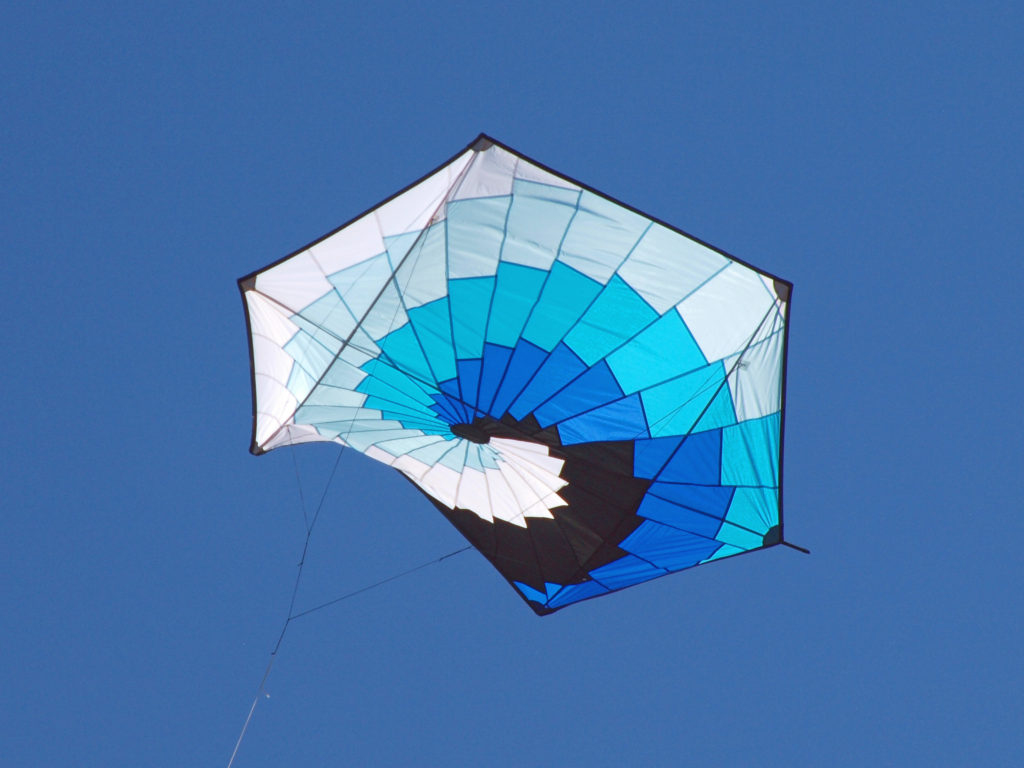
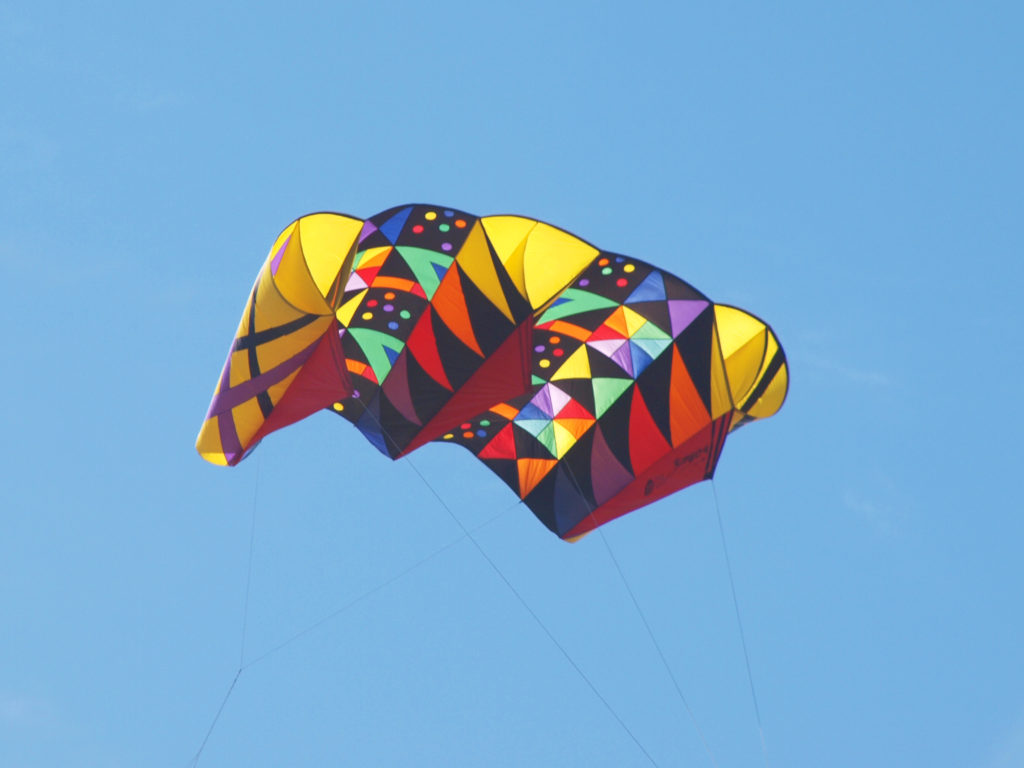 I’ve been lucky enough to experience Lincoln City’s kite festivals when the weather was perfect for kite flying. And my wife and I even got the last available parking spot at the D River Wayside, where the festivals are held, one year. Luck really was with us. There was a brisk, but not cold, breeze on the beach that time – perfect kite flying weather and a pretty near perfect day for just hanging out on the beach.
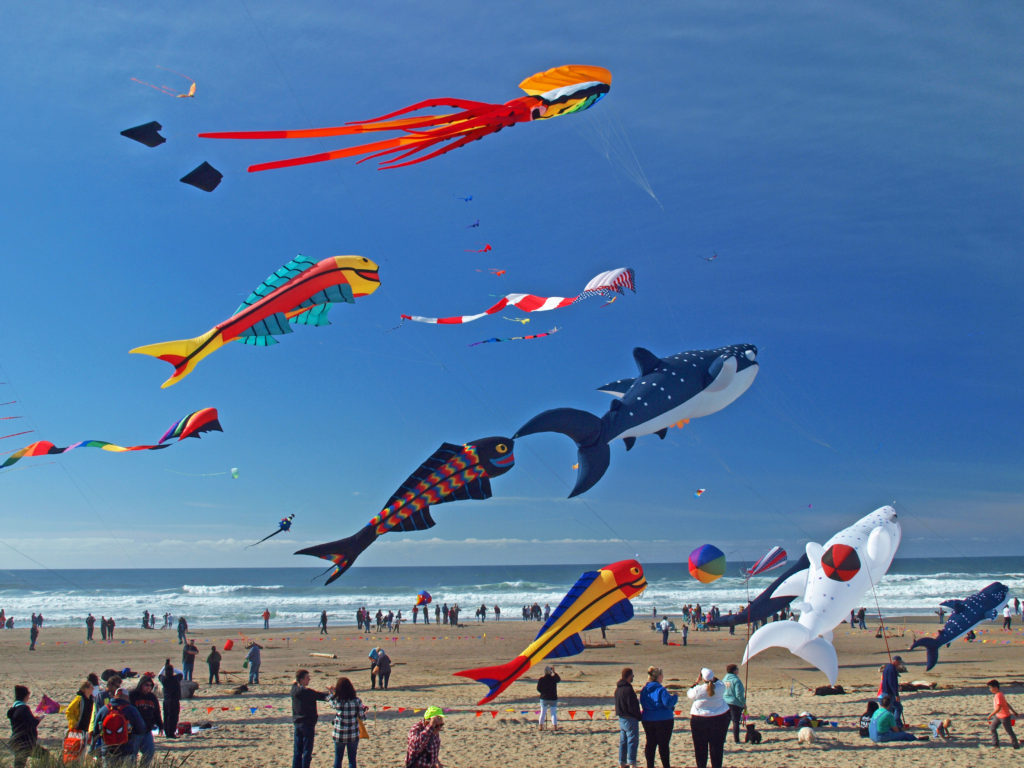 The festivals typically feature a lot of very big kites, and quite a few performance kite fliers demonstrating their talents. One of the all time highlights for me was a flier named Spence Watson flying two quad strings kites. Normally it takes two hands to fly a single quad string. Flying one one-handed is a feat in itself, but he was flying one right-handed and one left-handed, and controlling each one perfectly. Pretty amazing.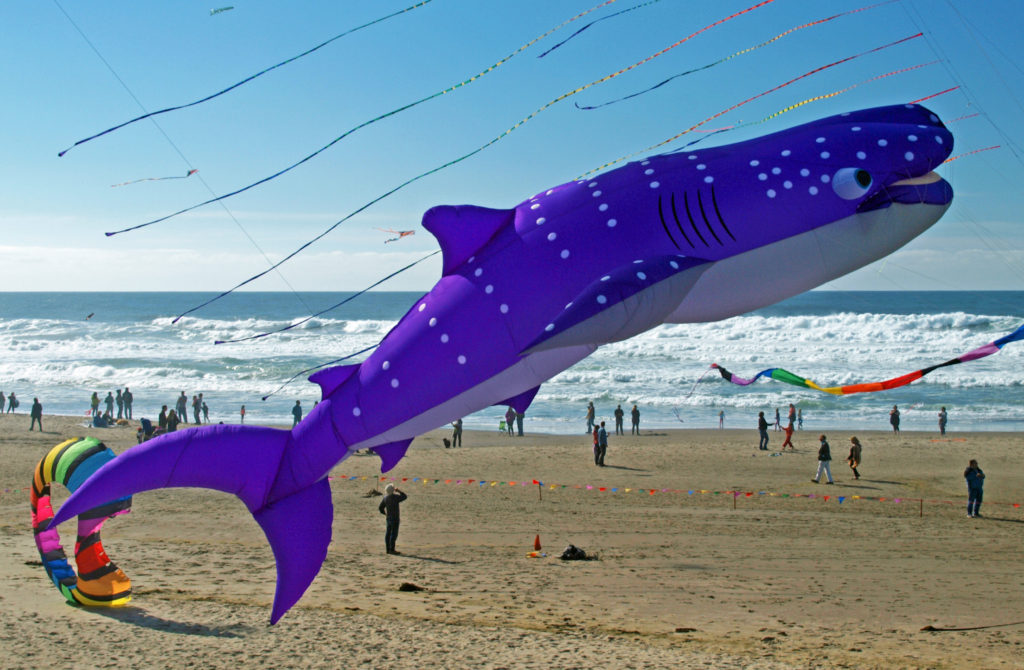
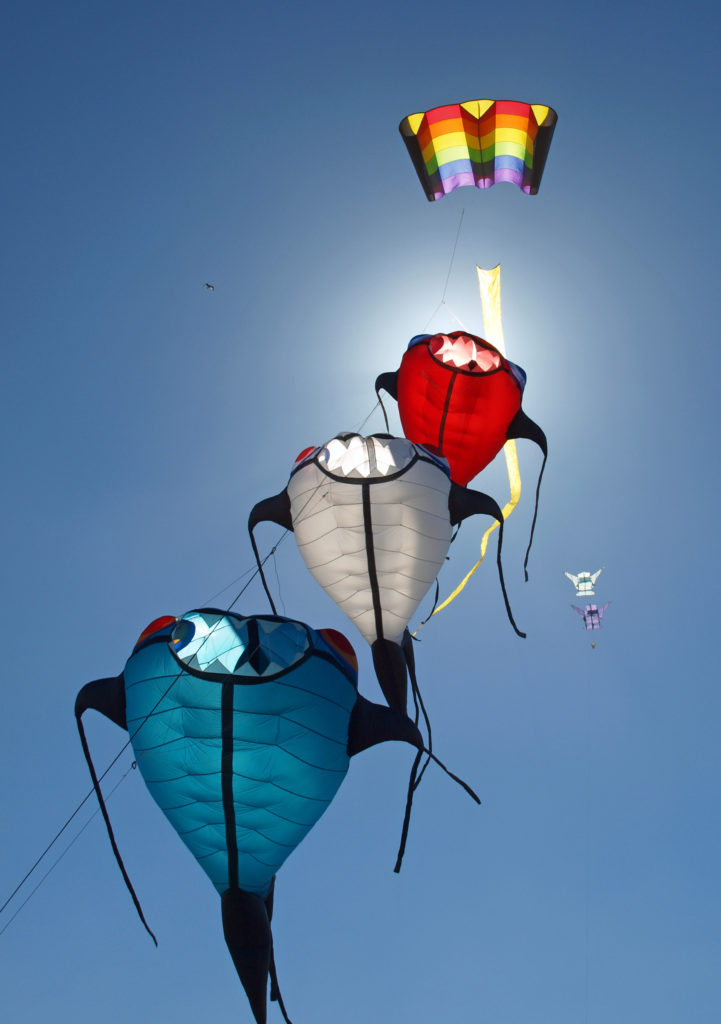
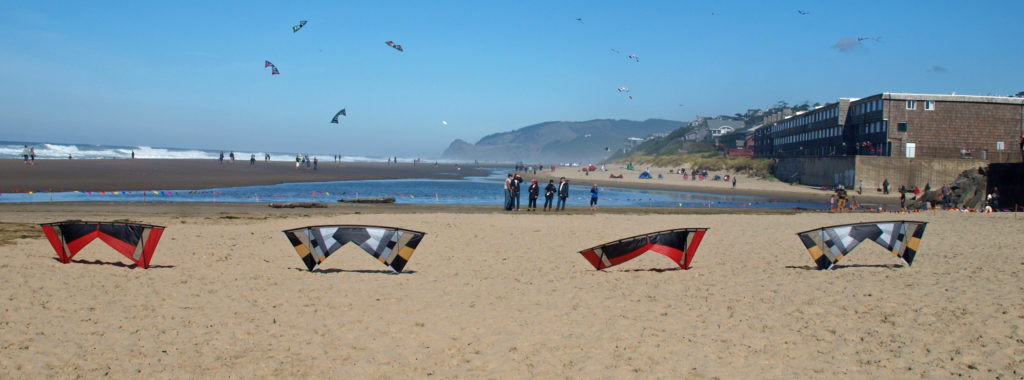 Watching the kite flyers is often as entertaining as watching the kites. It’s really a very physical dance that they’re doing. Their movements are perfectly coordinated with the music, but everyone’s moves are a little bit different. If you watch long enough you begin to see the different styles of the flyers. It’s really quite interesting.
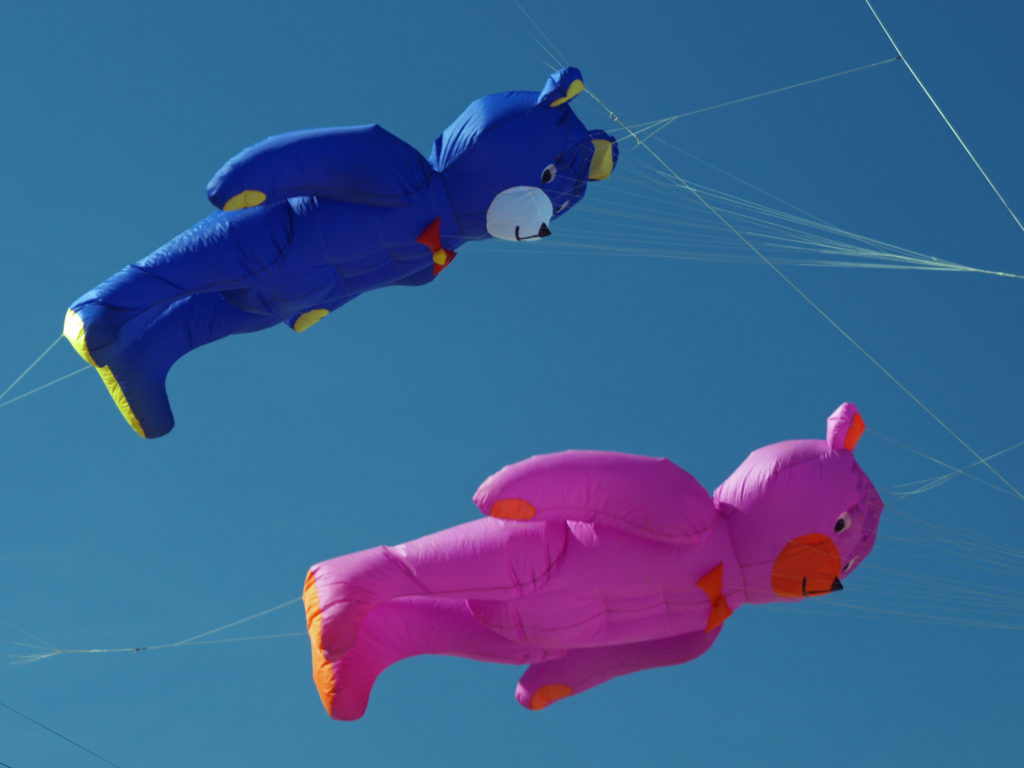 There’s plenty to do at the festivals for the whole family. Kids can take part in kite making classes, get their faces painted, learn about ocean conservation, fly their own kites, and, of course, just play in the sand.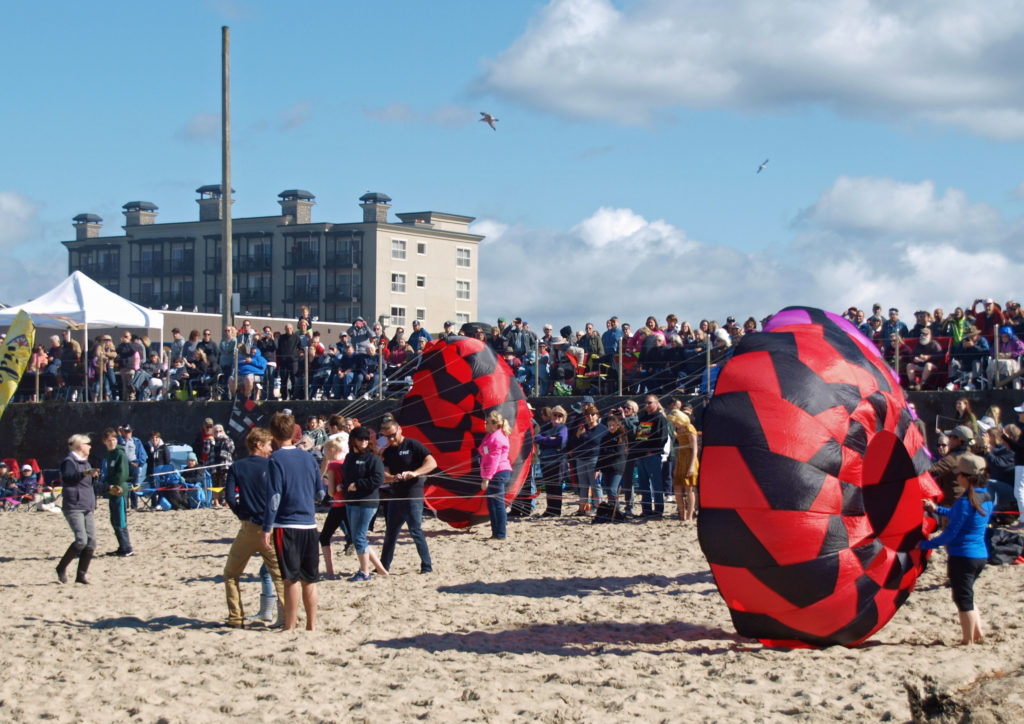
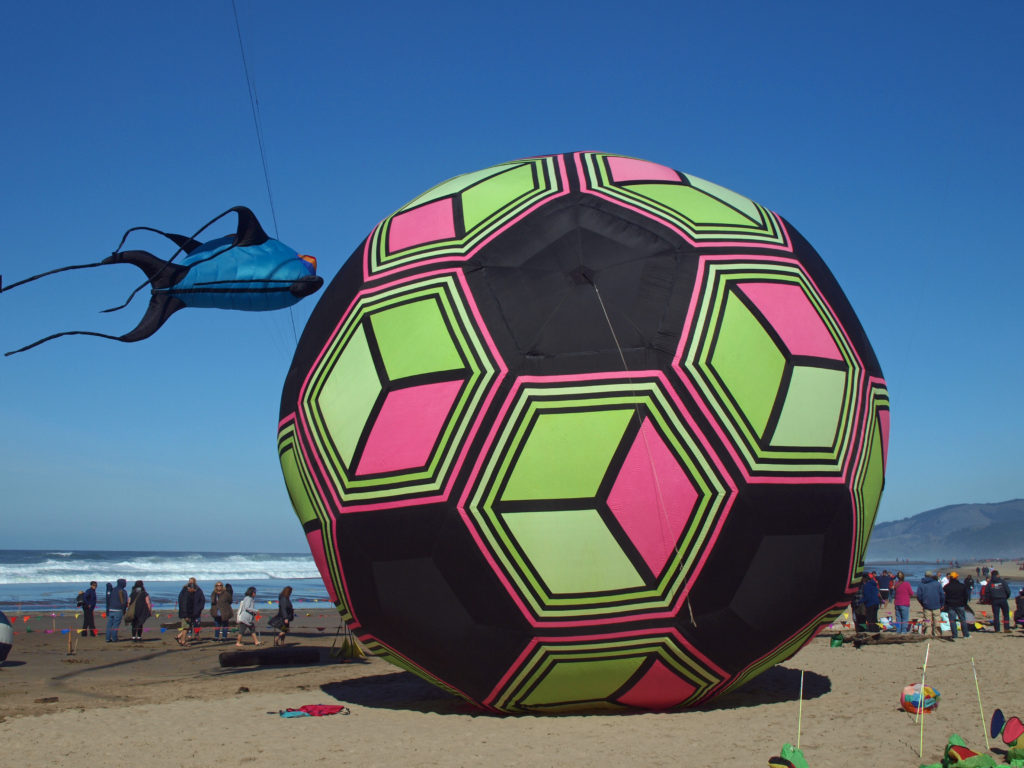 I lived in Lincoln city for most of the 1980s, so I sometimes take a walking tour of the downtown area when I visit Lincoln City. The whole town has changed a great deal since I lived there, including the house that I lived in for a time. It’s been extensively remodeled and added on to, so it’s nothing like it was when I lived there. And that’s a fitting description of the whole city.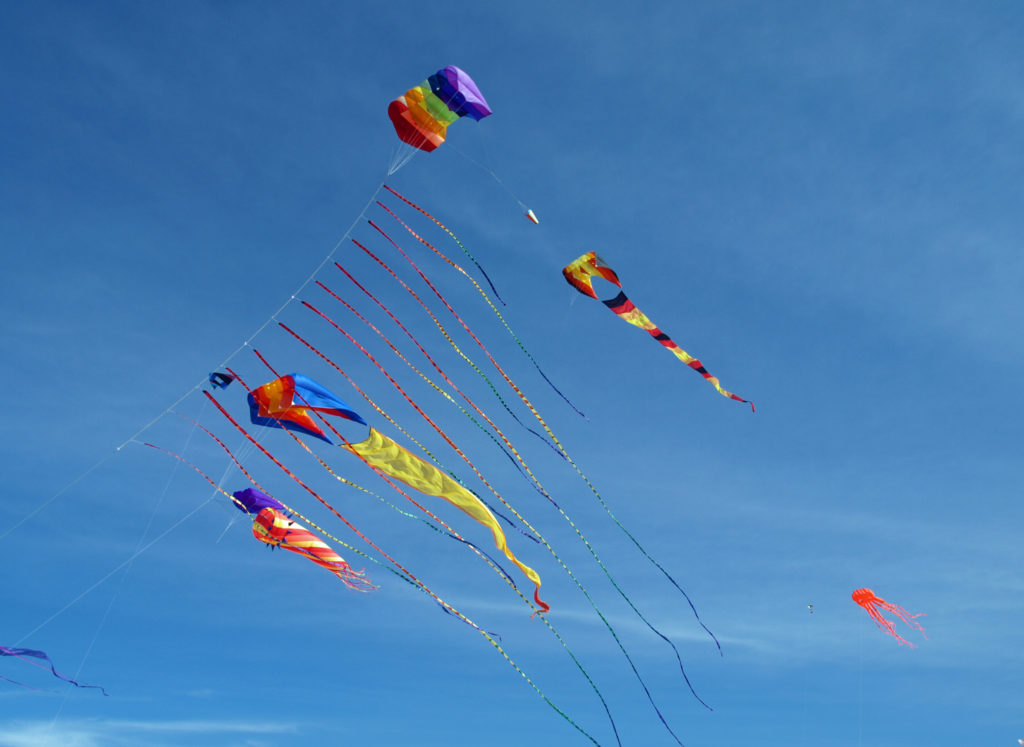
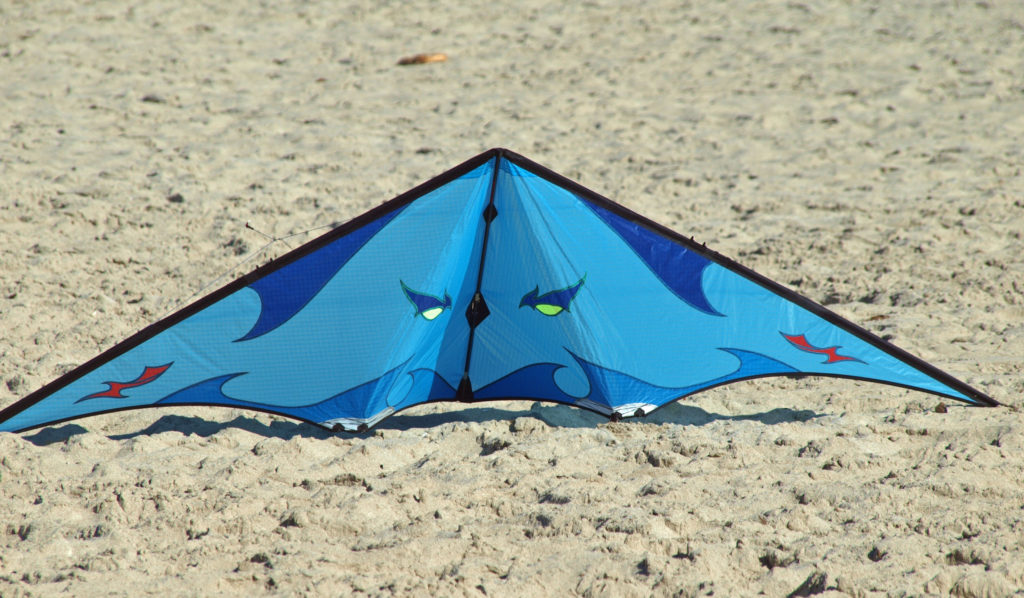 There are numerous other kite fests up and down the Oregon and Washington coasts in addition to the Lincoln City festivals, including the Southern Oregon Kite Festival in Brookings in July, and the Washington State International Kite Festival in Long Beach in August and the Rockaway Beach Kite Festival, in September.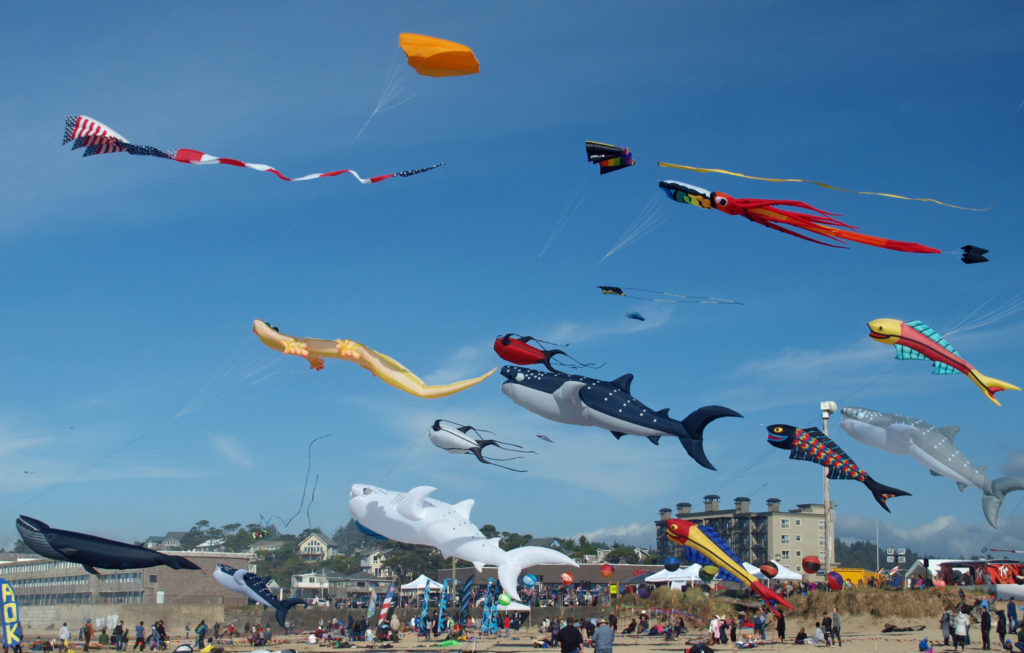
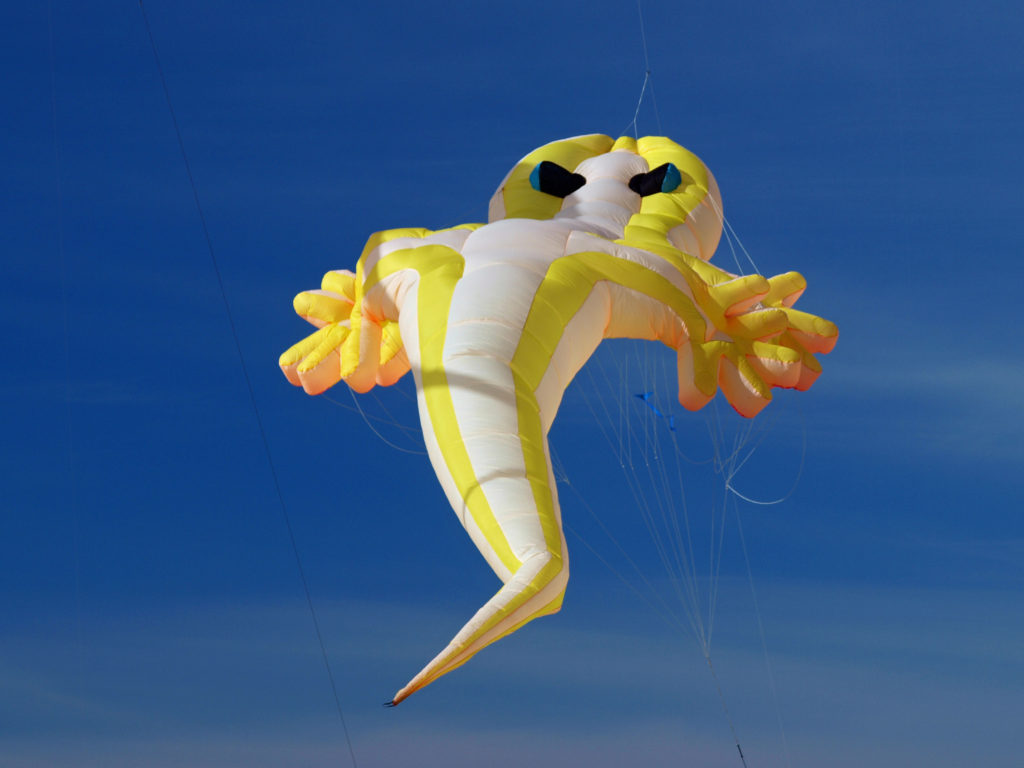
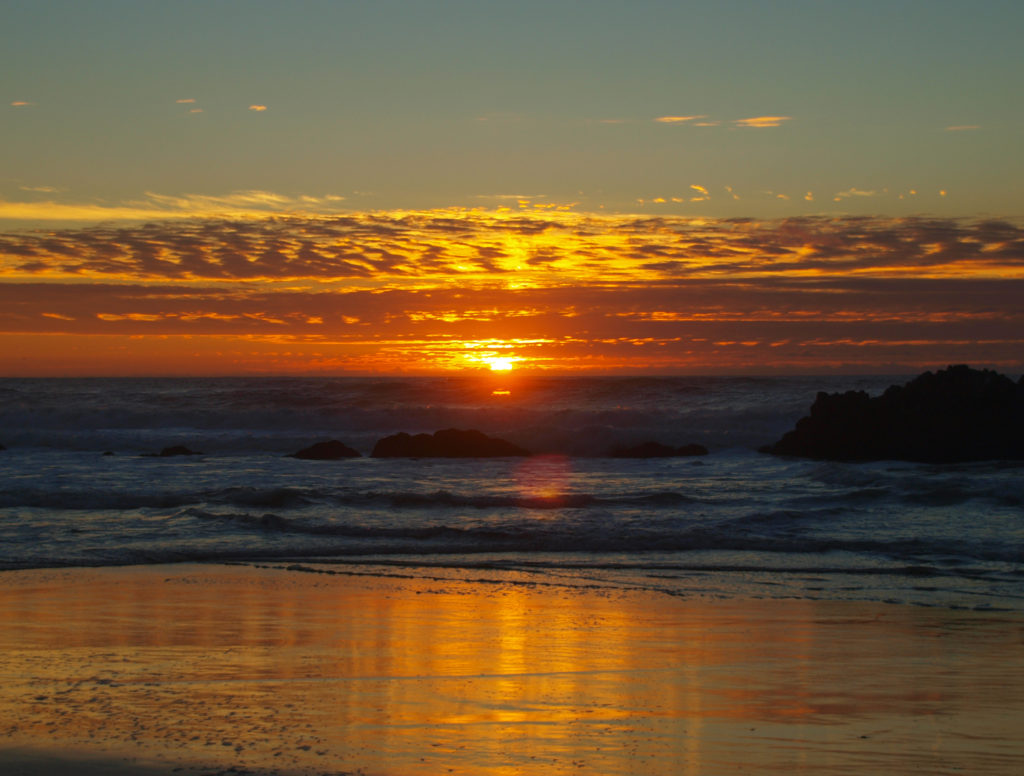
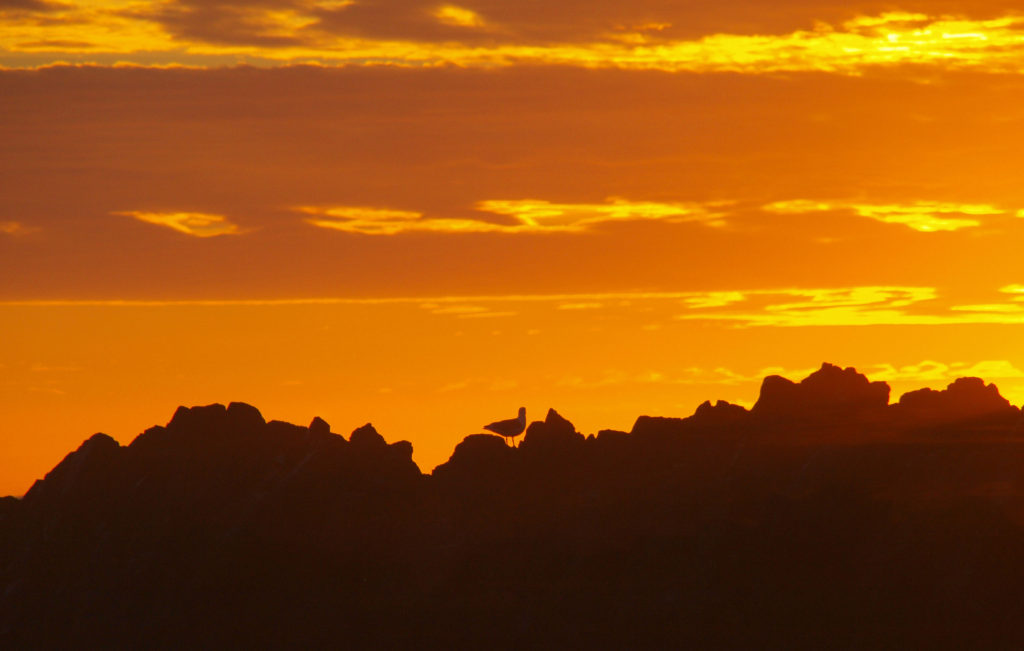
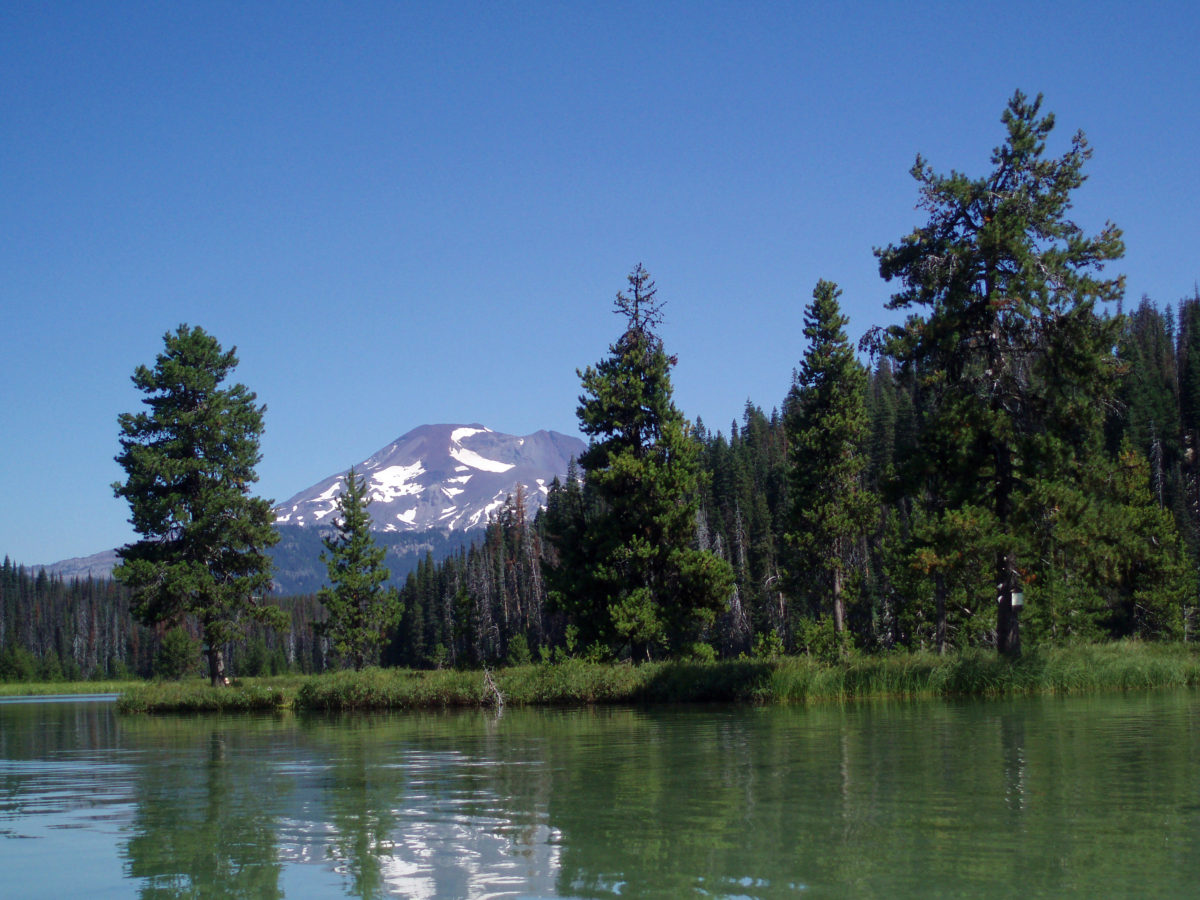
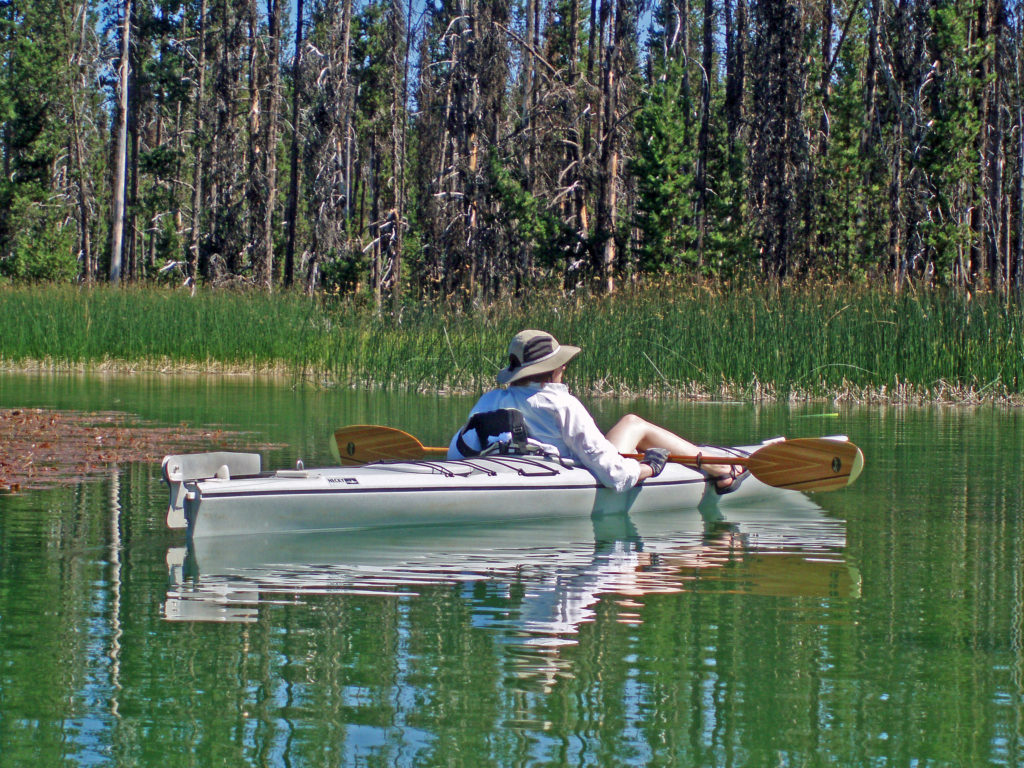
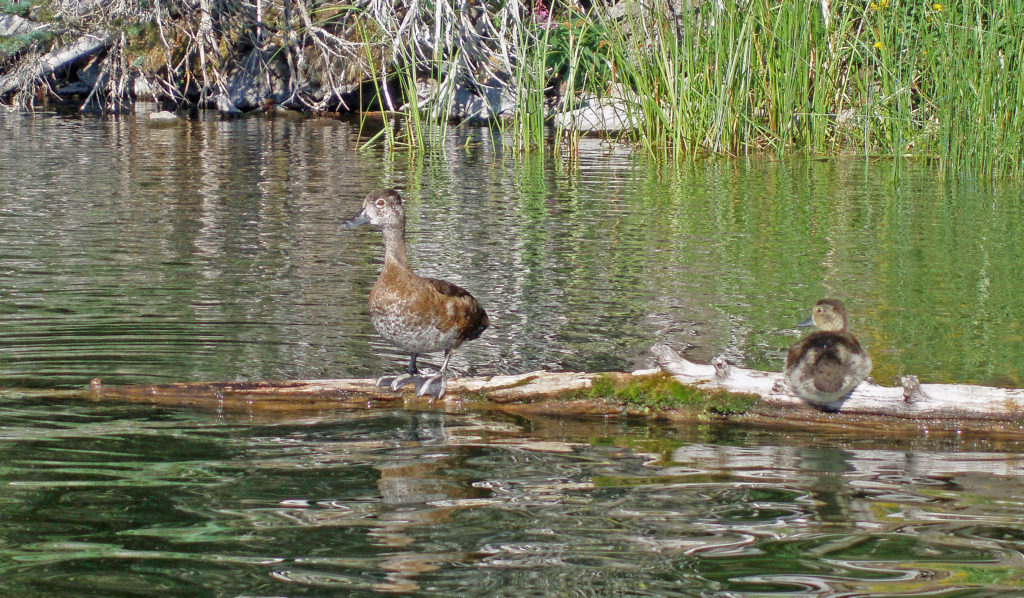
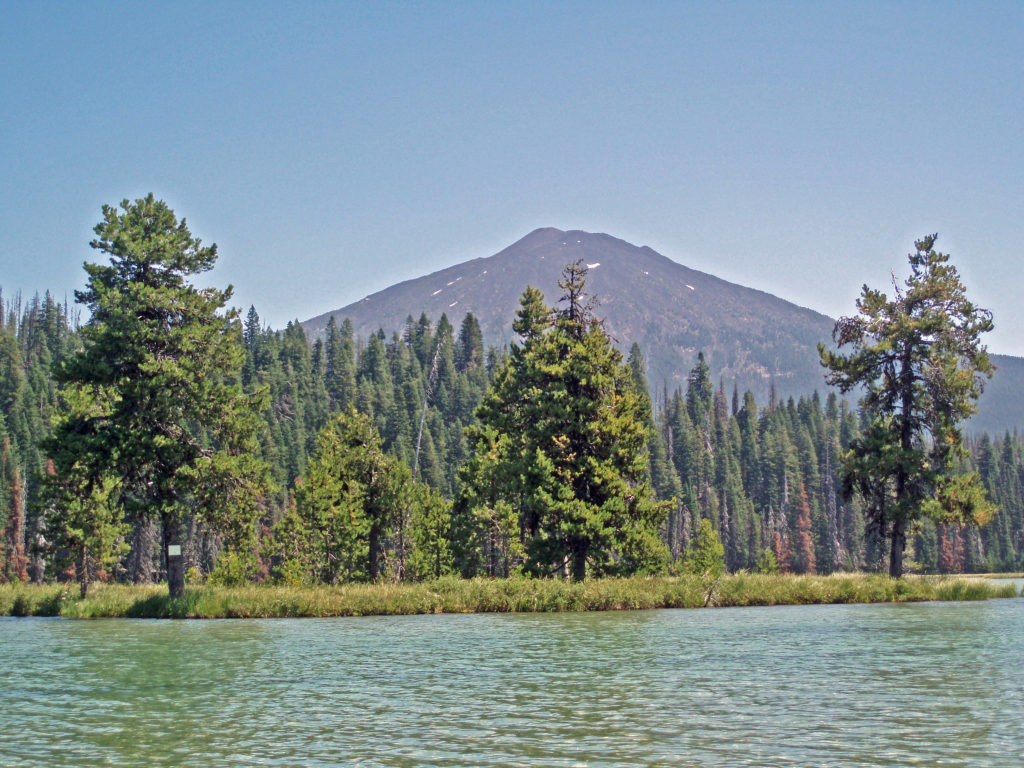 Hosmer Lake is a mix of open water and reeds, rushes, water lilies, and other marsh plants. Motorized craft (except for electric motor powered) are not allowed on the lake, which makes it ideal for kayaking or canoeing. It’s also not a big lake at 160 acres, so you can easily explore it all in an afternoon.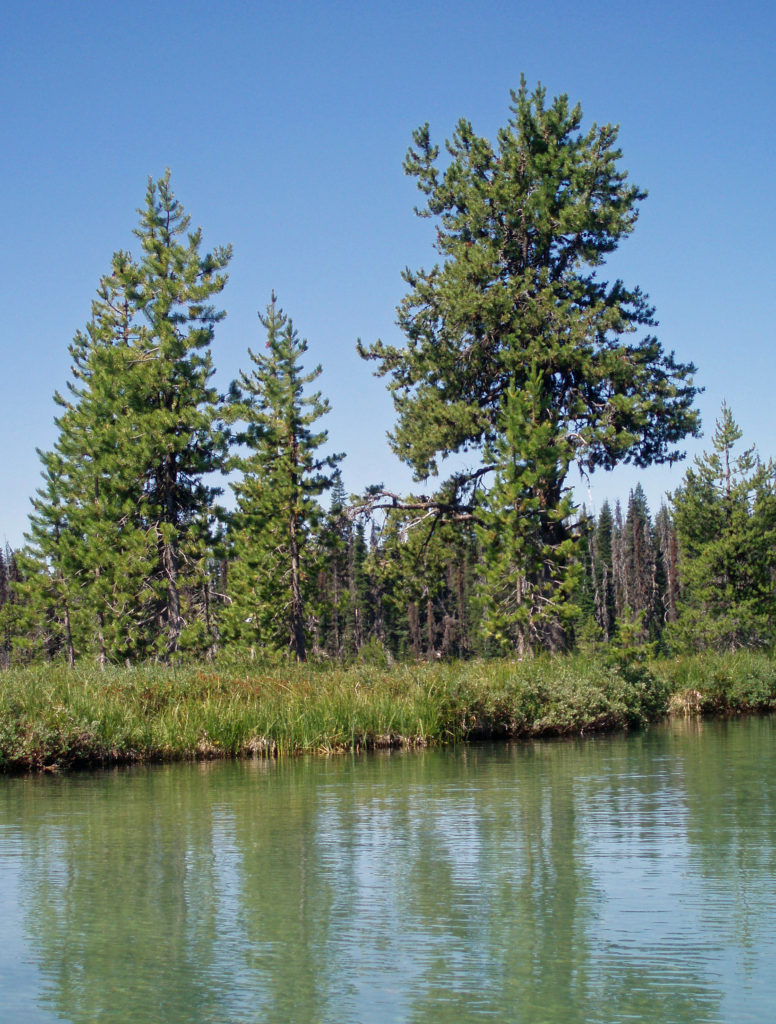
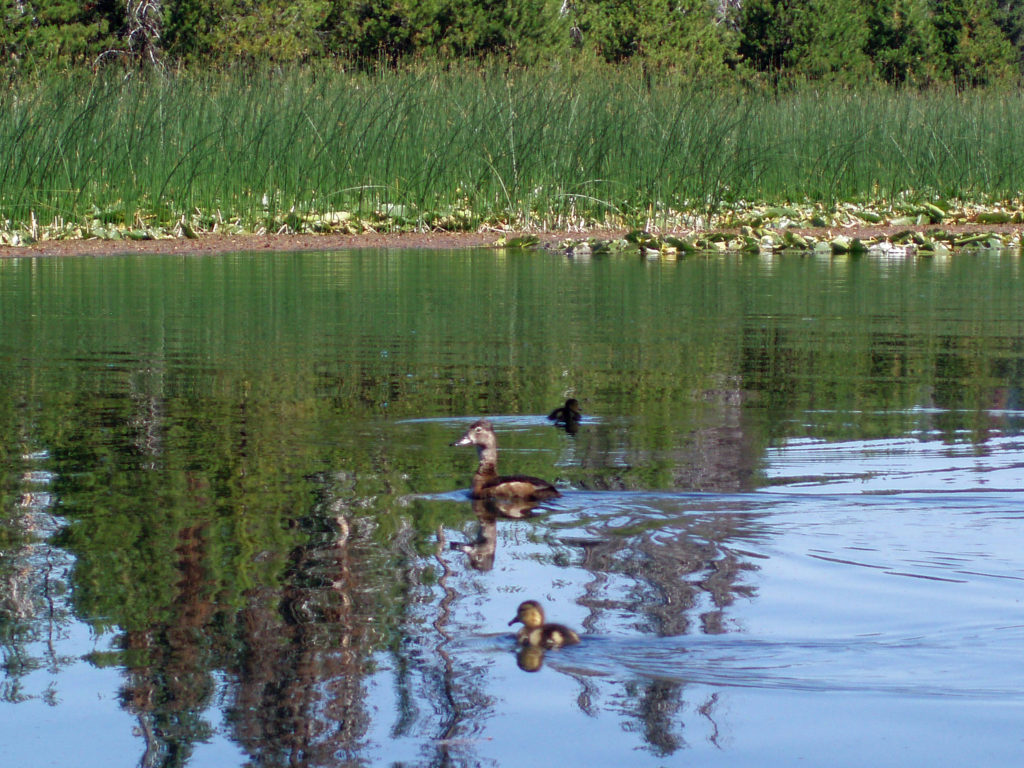
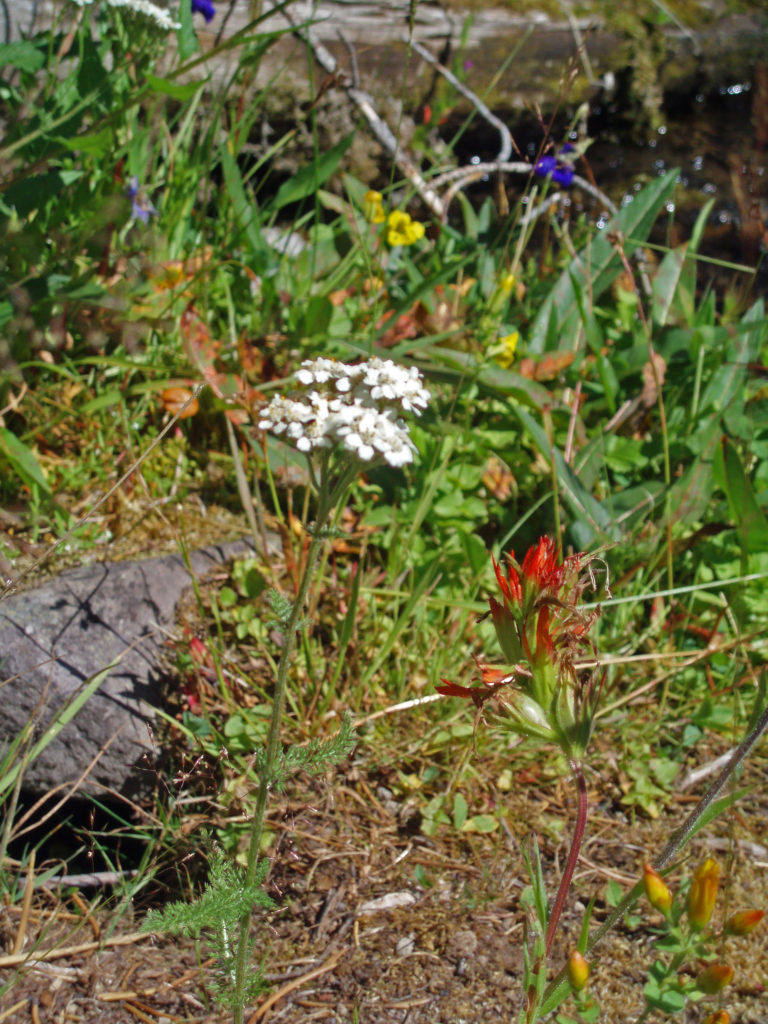
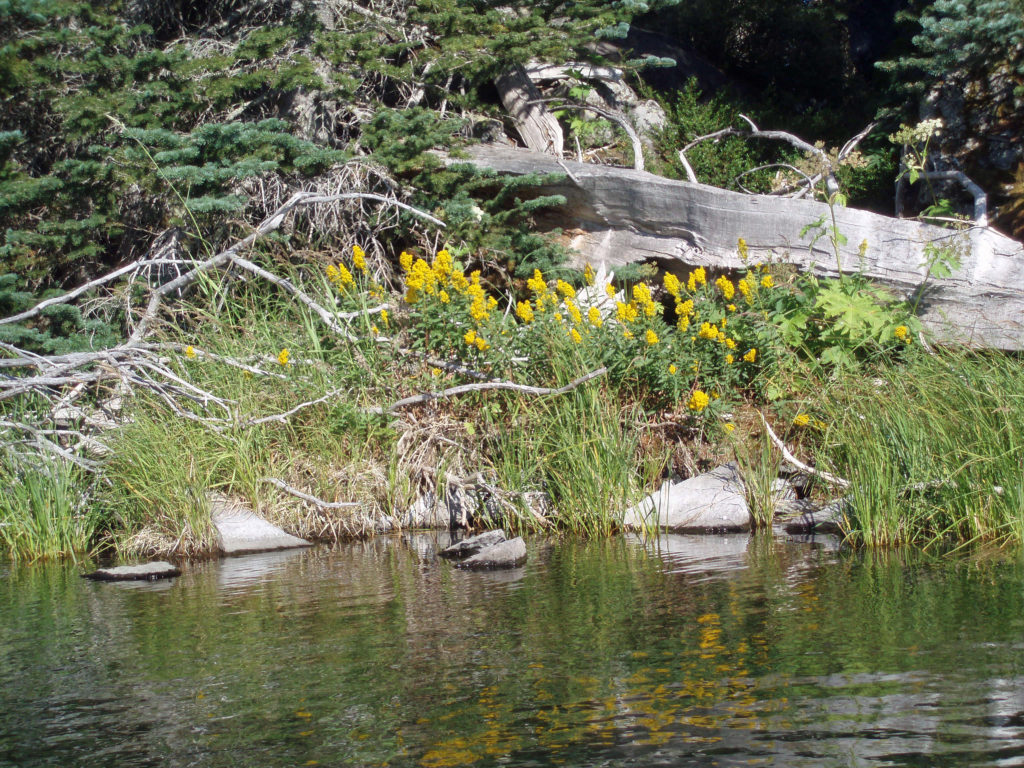
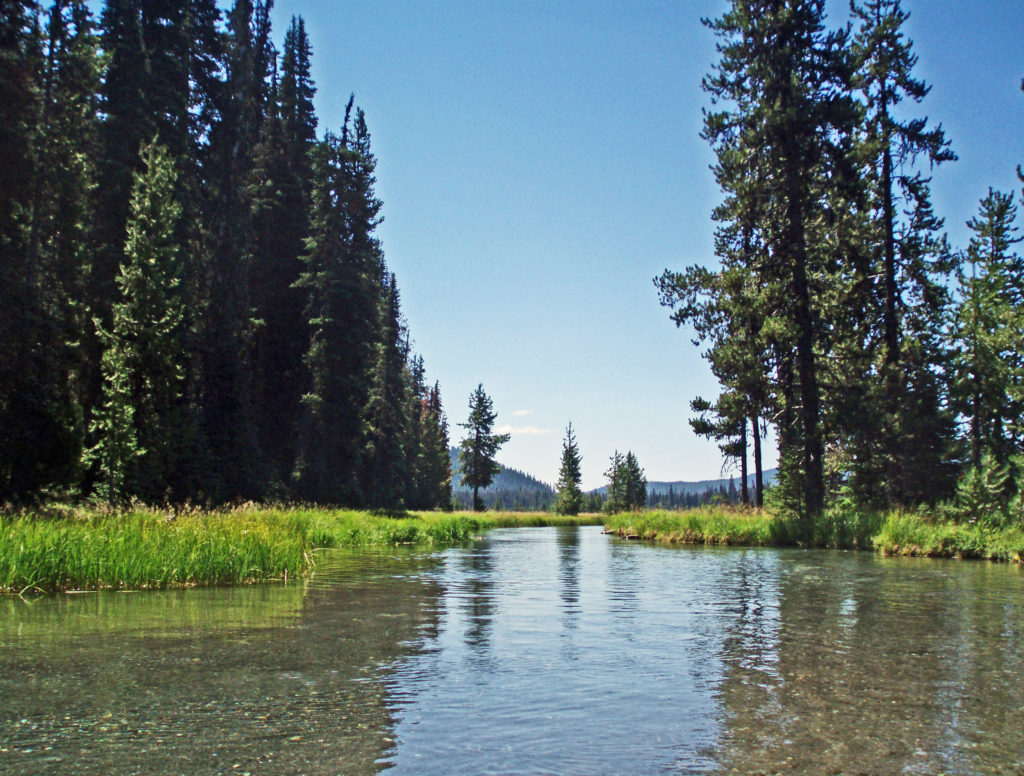 Hosmer Lake is fed by Quinn Creek, which flows into the north end of the lake. Quinn Creek is narrow and shallow, but it is possible to paddle up it for a ways. When we were there last, downed trees blocked our passage a few hundred yards from the mouth of the creek. We hauled our kayaks out of the water at that point and hiked along the creek to a small waterfall where we ate lunch and lingered awhile before heading back out on the water.
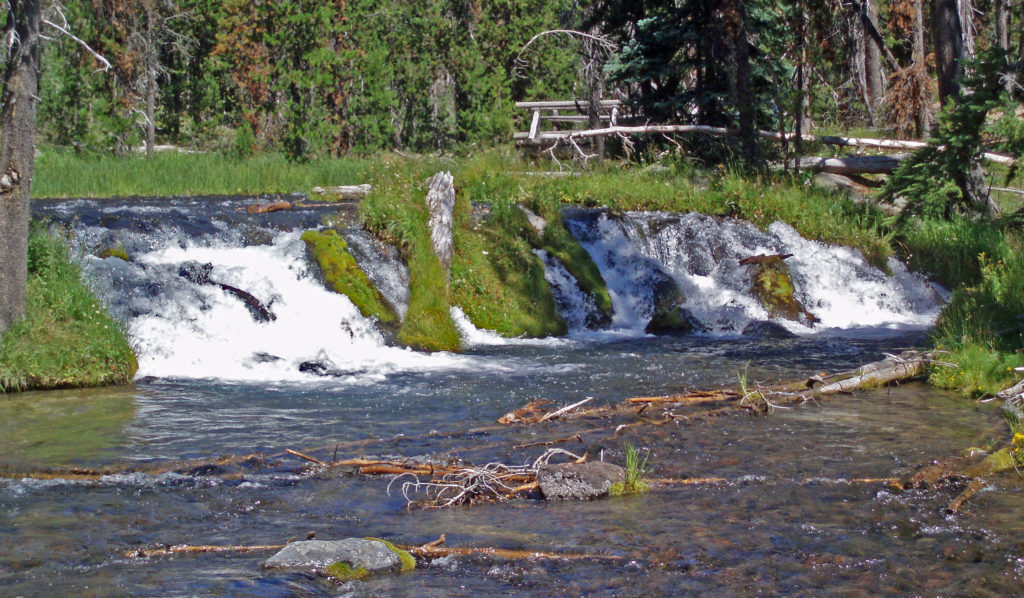 Recalling our visits to Hosmer Lake, I’m eager now to get back to the area and get back on the water again. It’s a beautiful place, and one of my favorite destinations.
 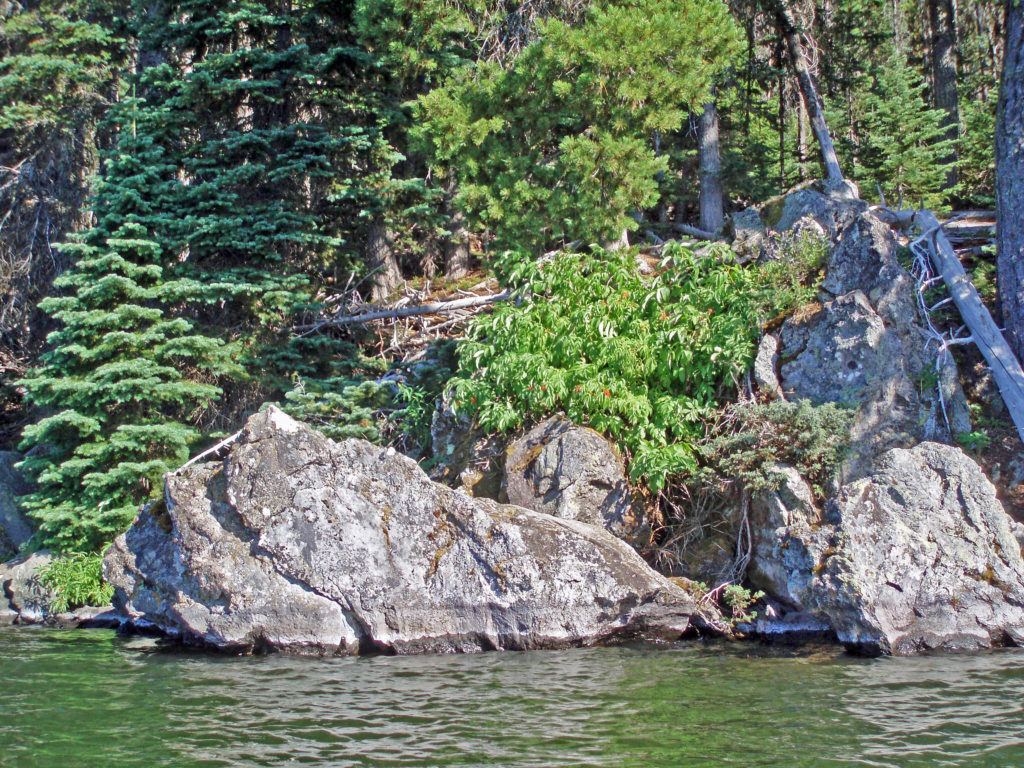 Hosmer Lake is located in the Deschutes National Forest. Check the Forest Service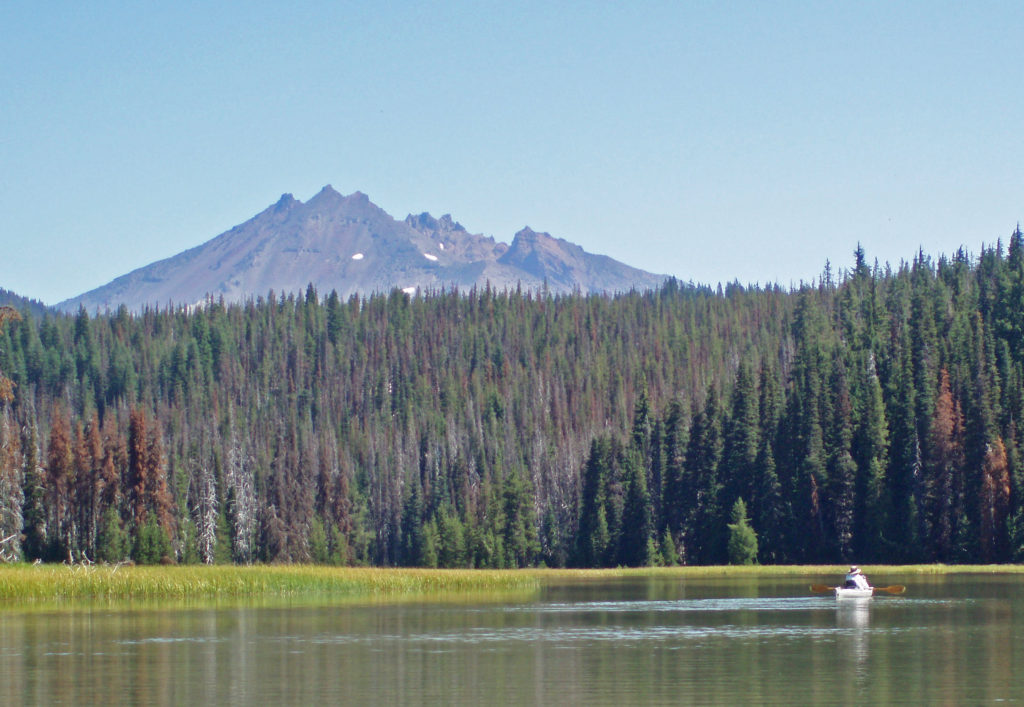
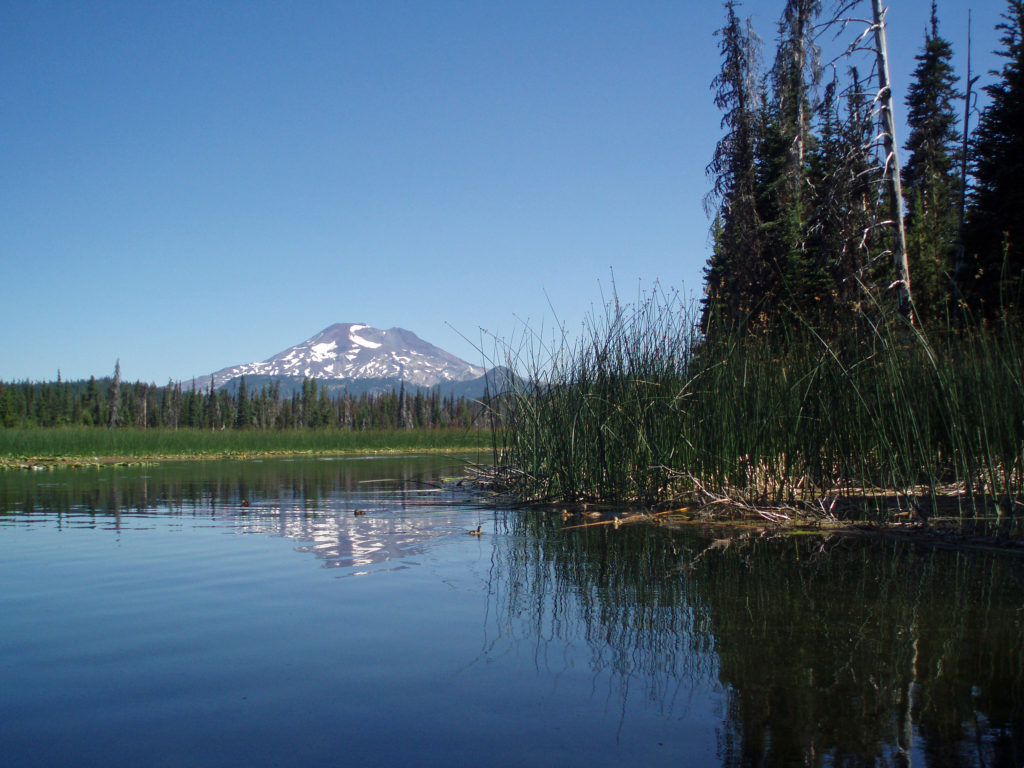
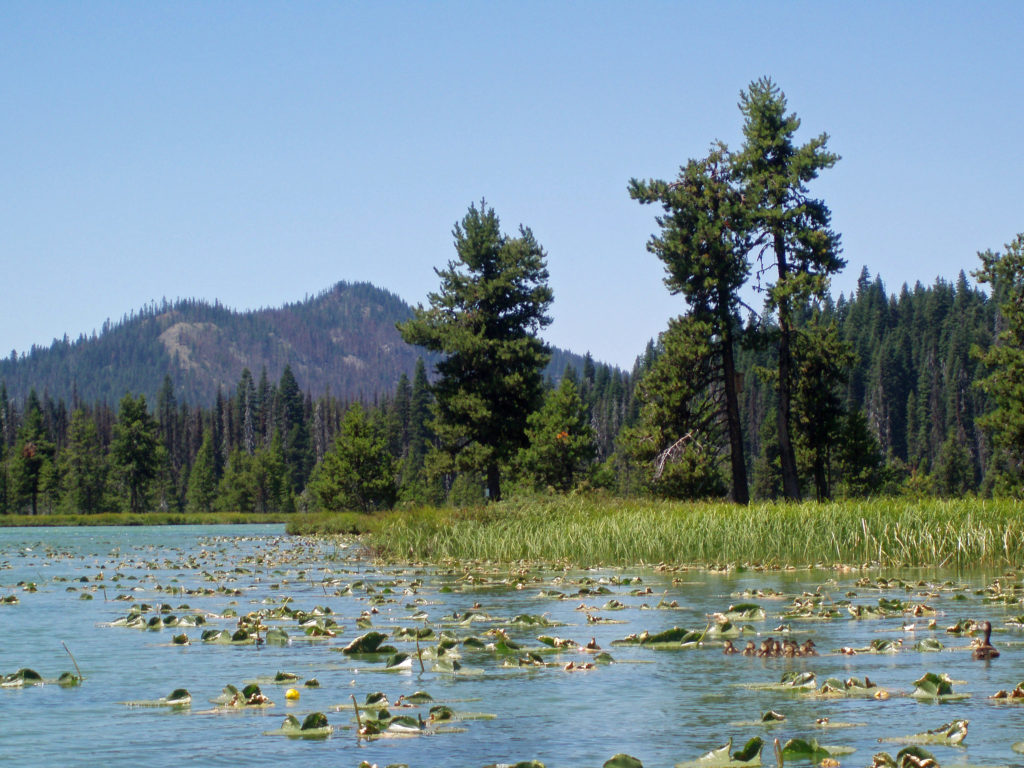
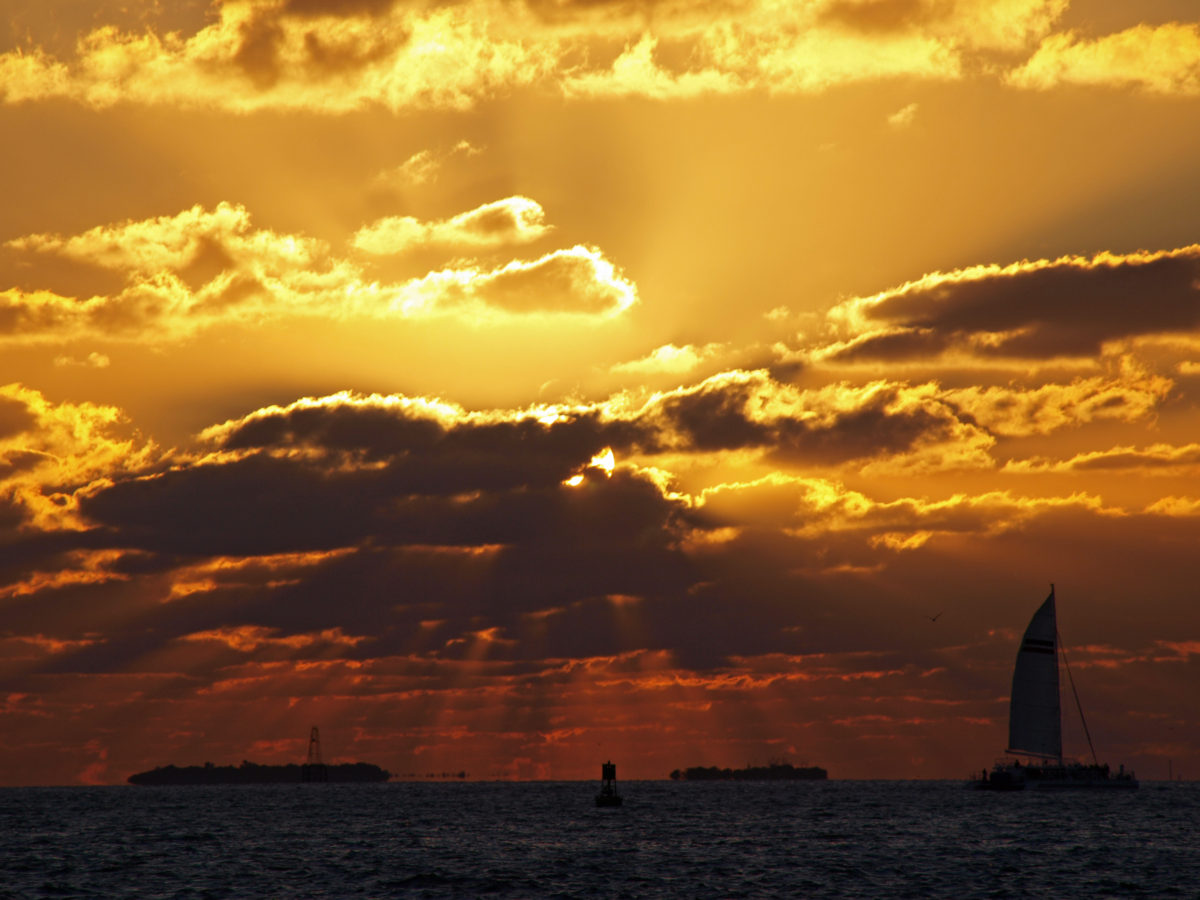
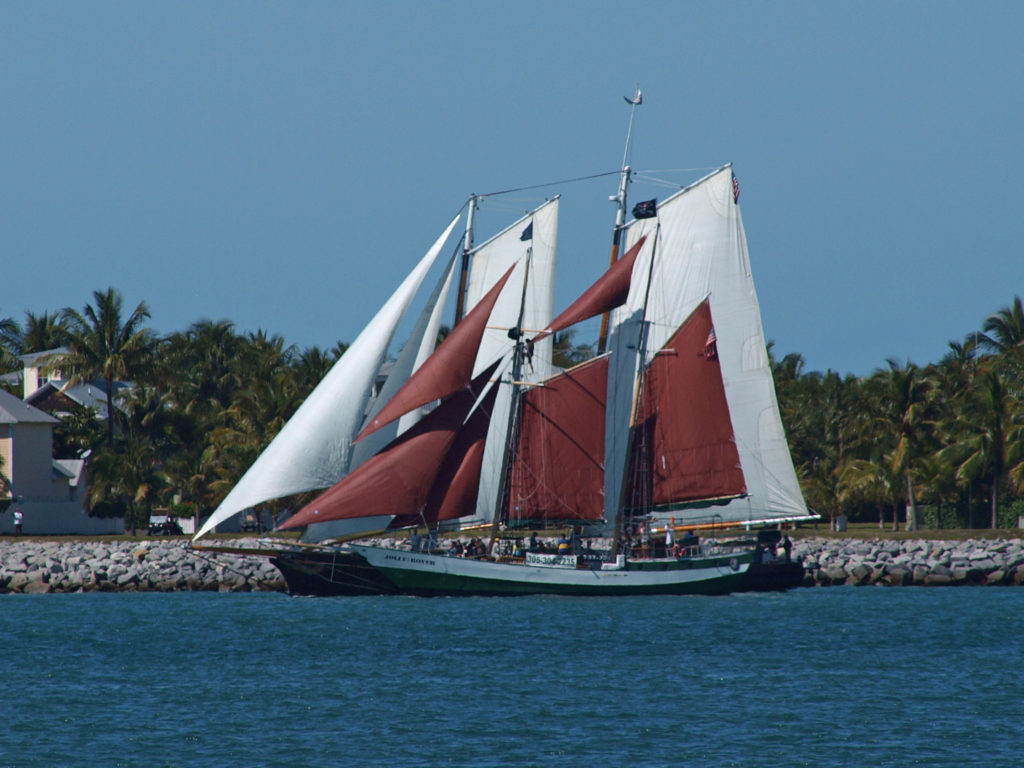 The following was originally posted on this site a couple of years ago. I checked all of the links, but things can change, so check the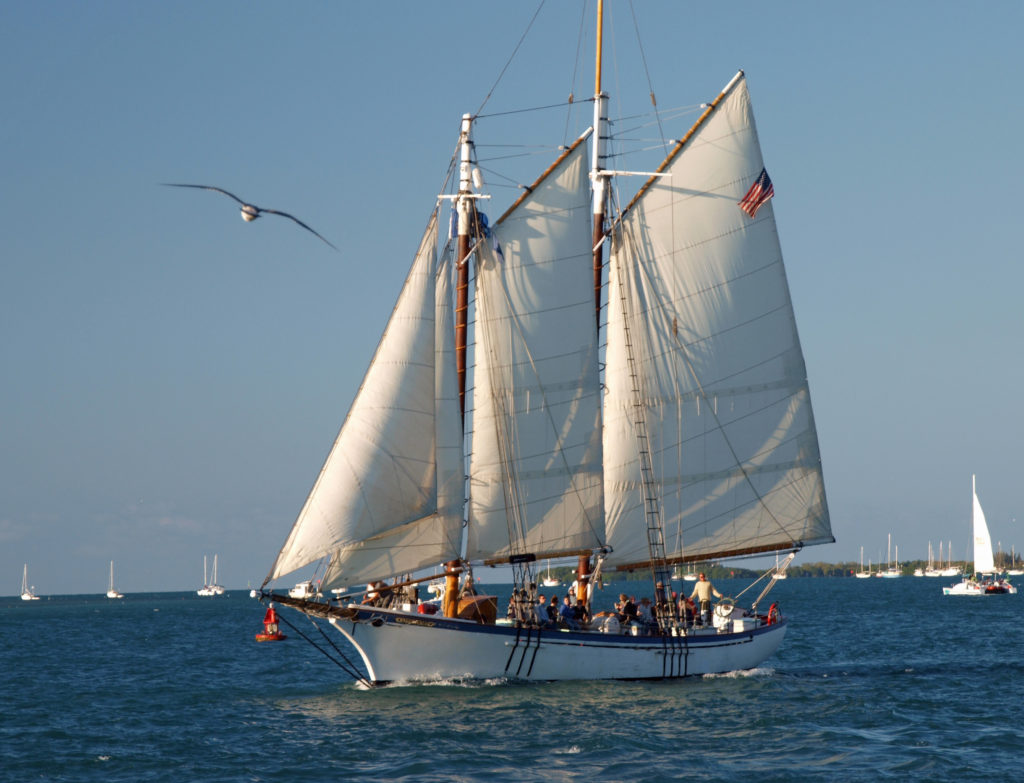
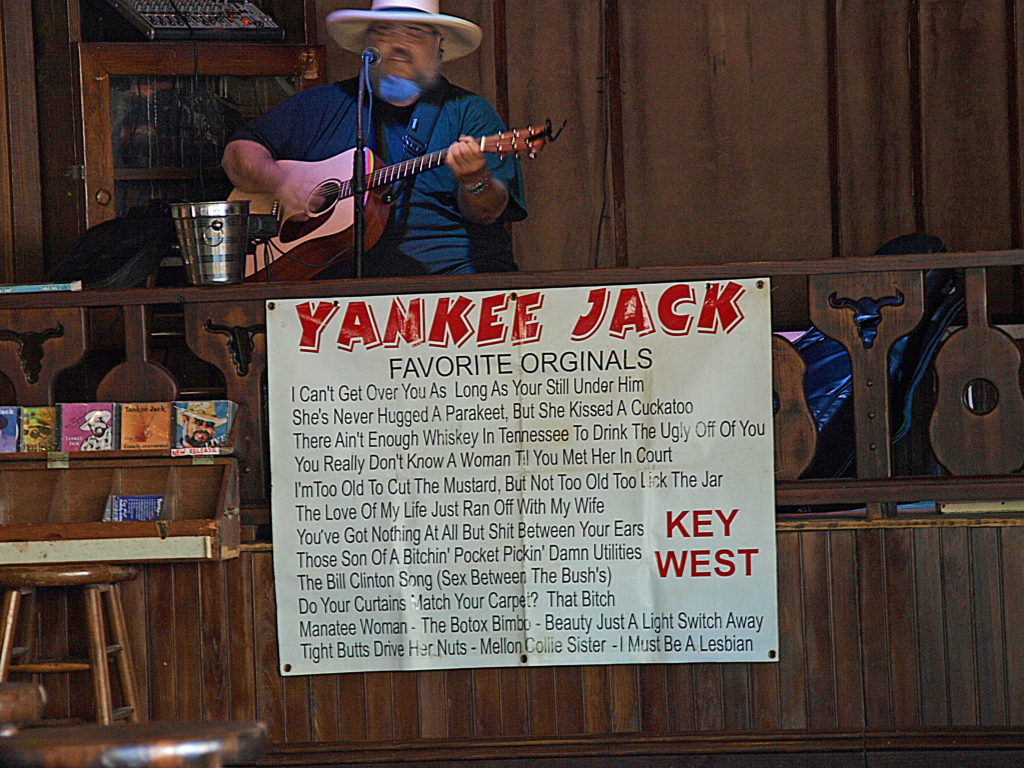
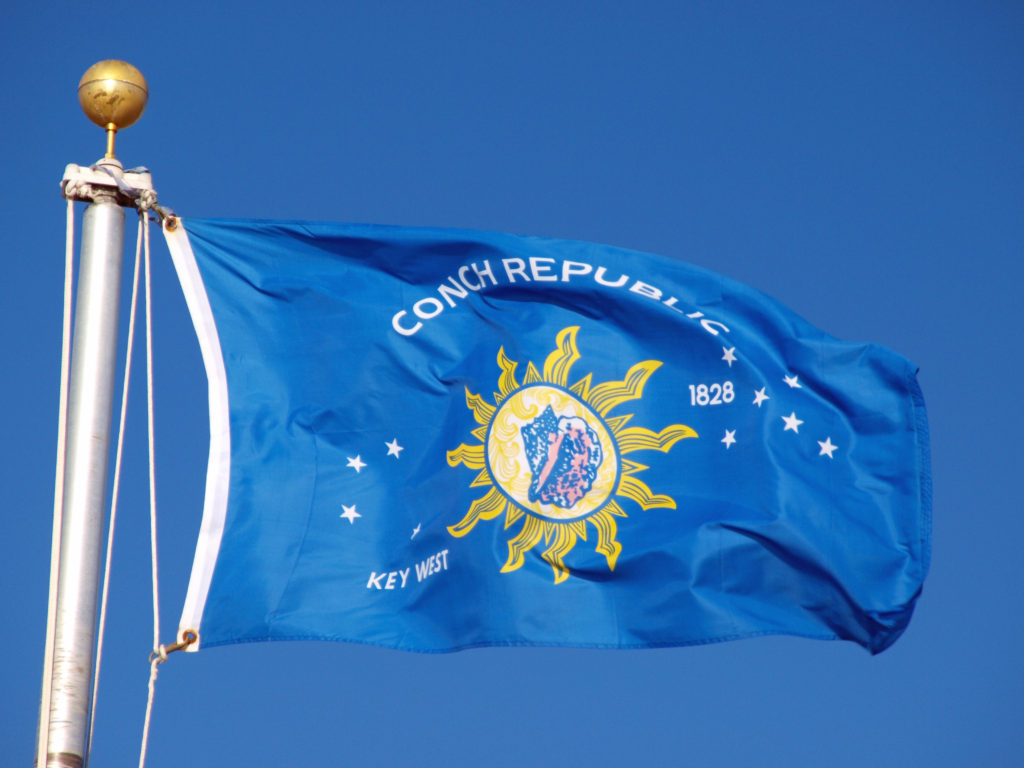
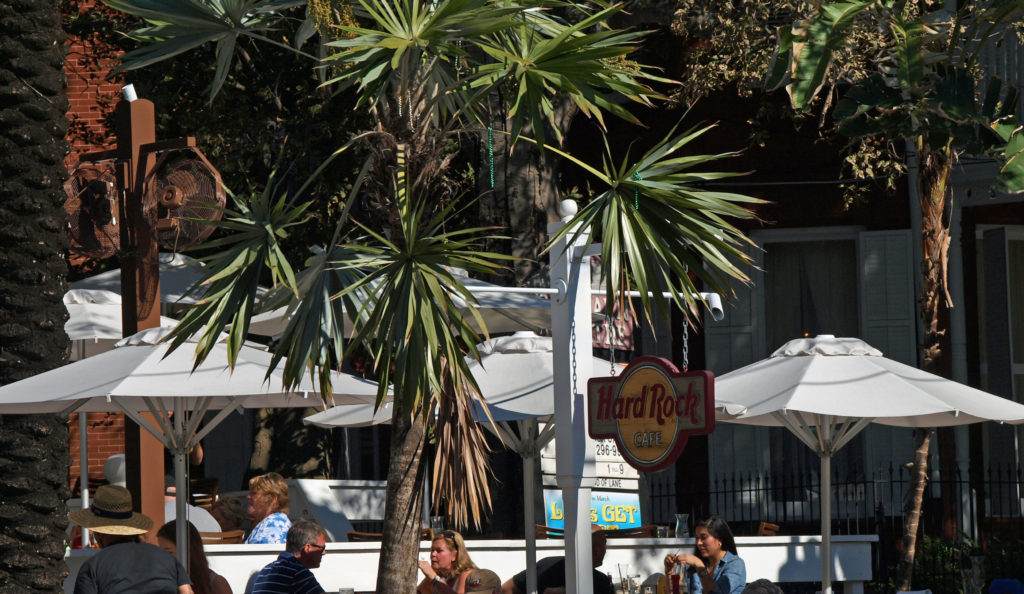
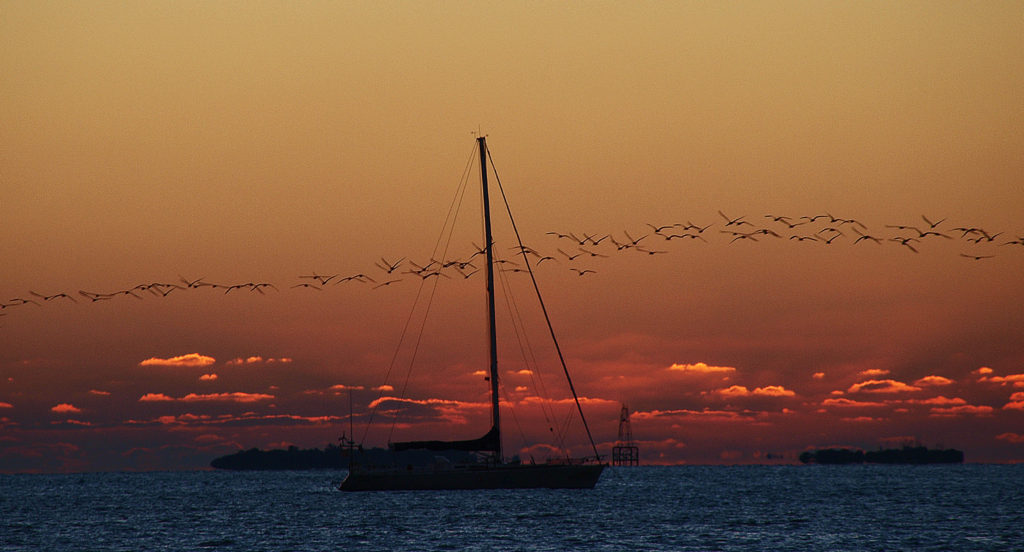
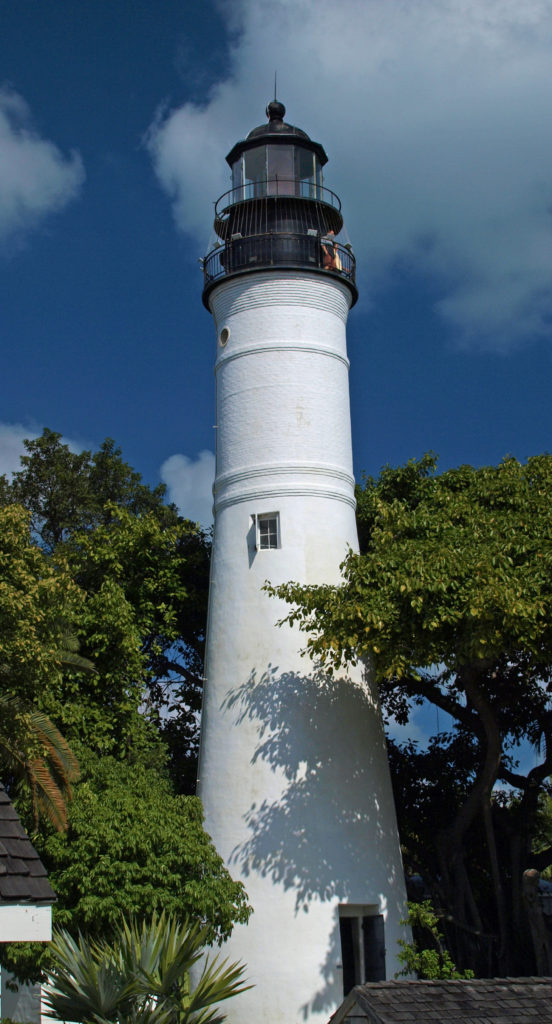
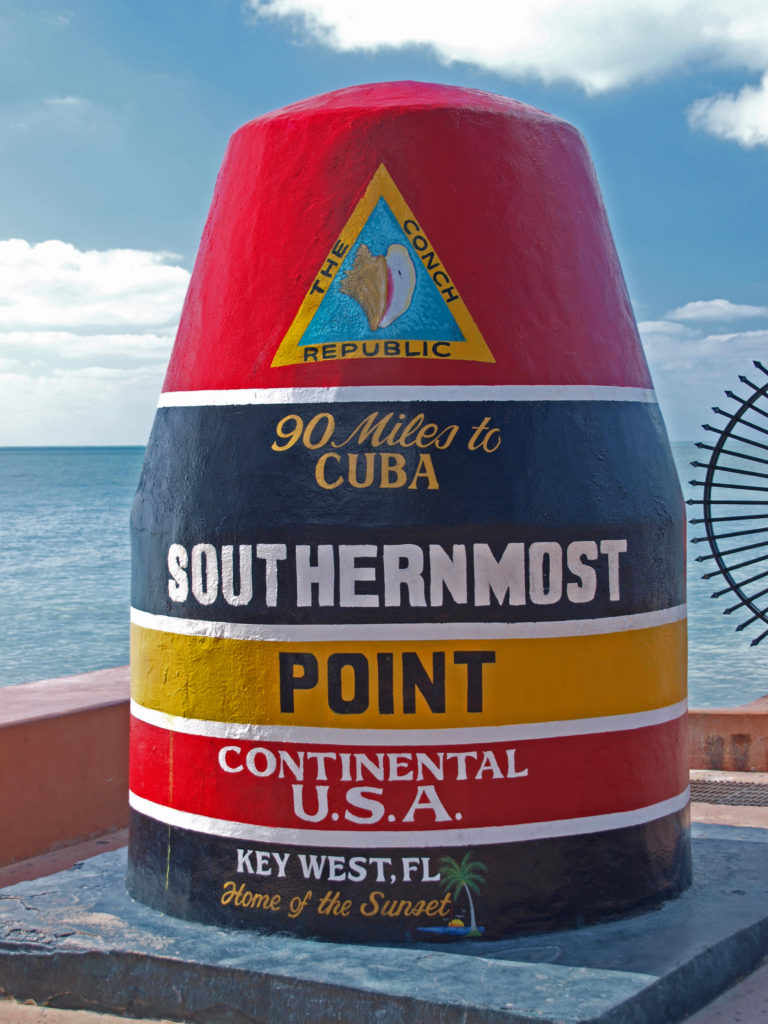
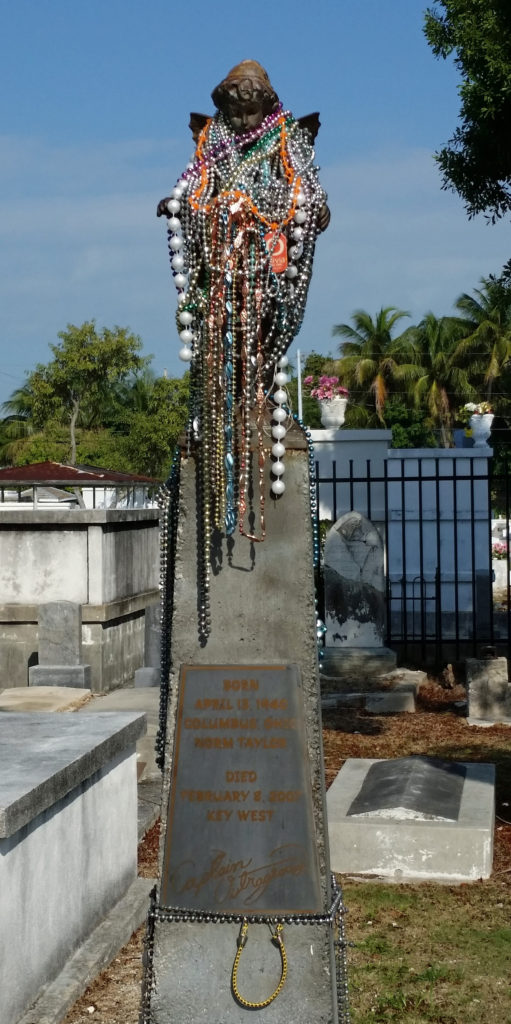 If you just want to hang out at the beach, Fort Zach Park has a nice swimming beach (with an adjacent bar). South Beach at the end of Duval Street also has a beach bar and grill. Higgs Beach is four or five blocks east and has a nice beach for sunbathing and swimming. And across the street, Astro City Playground is a fun place for kids to play. To the east of Higgs Beach are C.B. Harvey Memorial Rest Beach (no bar or other amenities) and Smathers Beach. Dog Beach, a couple of blocks east of South Beach, is literally for the dogs – a dog friendly, off leash park.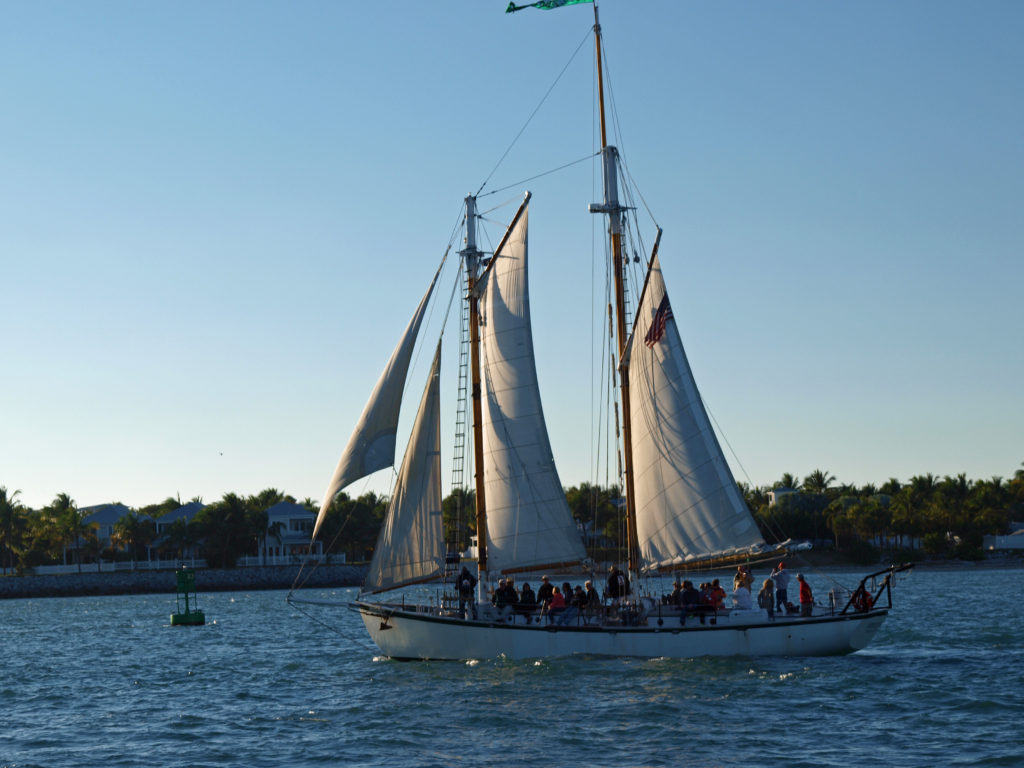
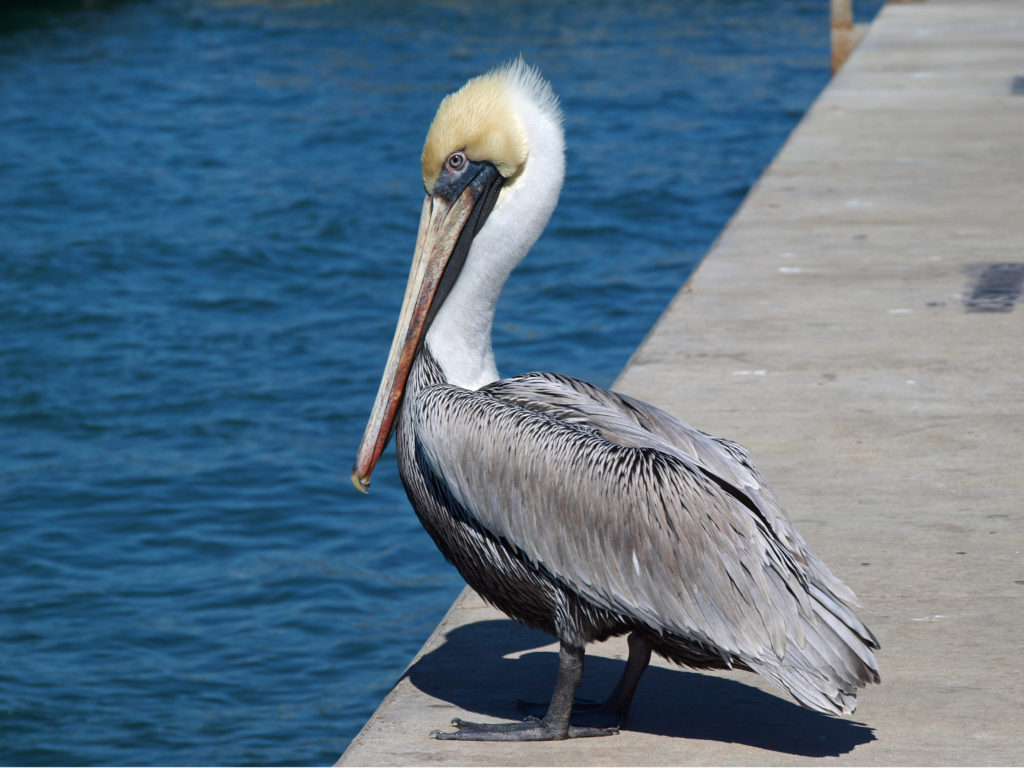

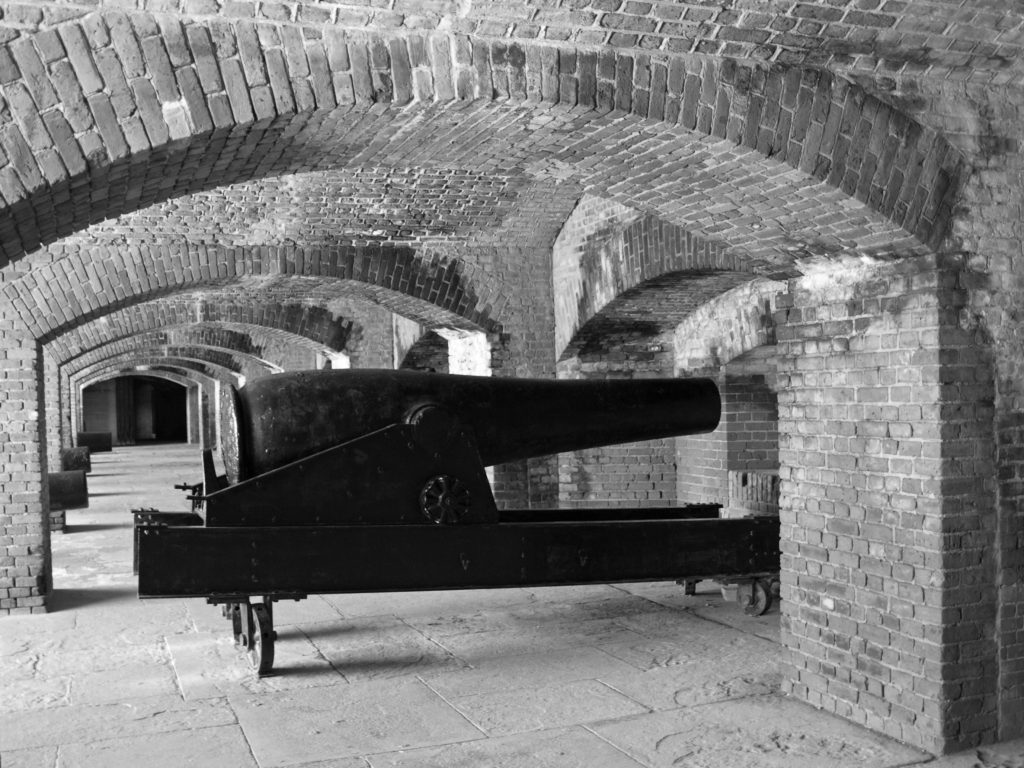
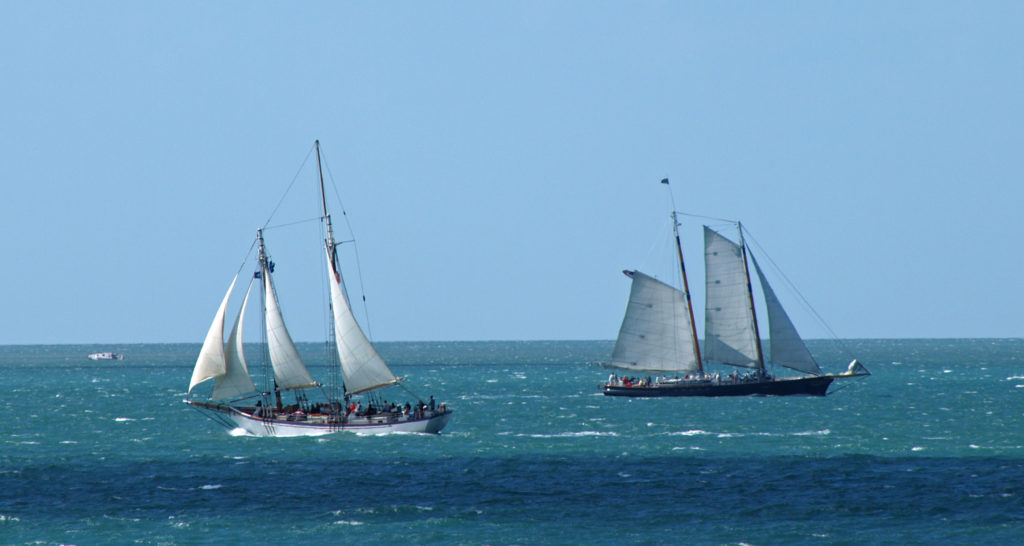
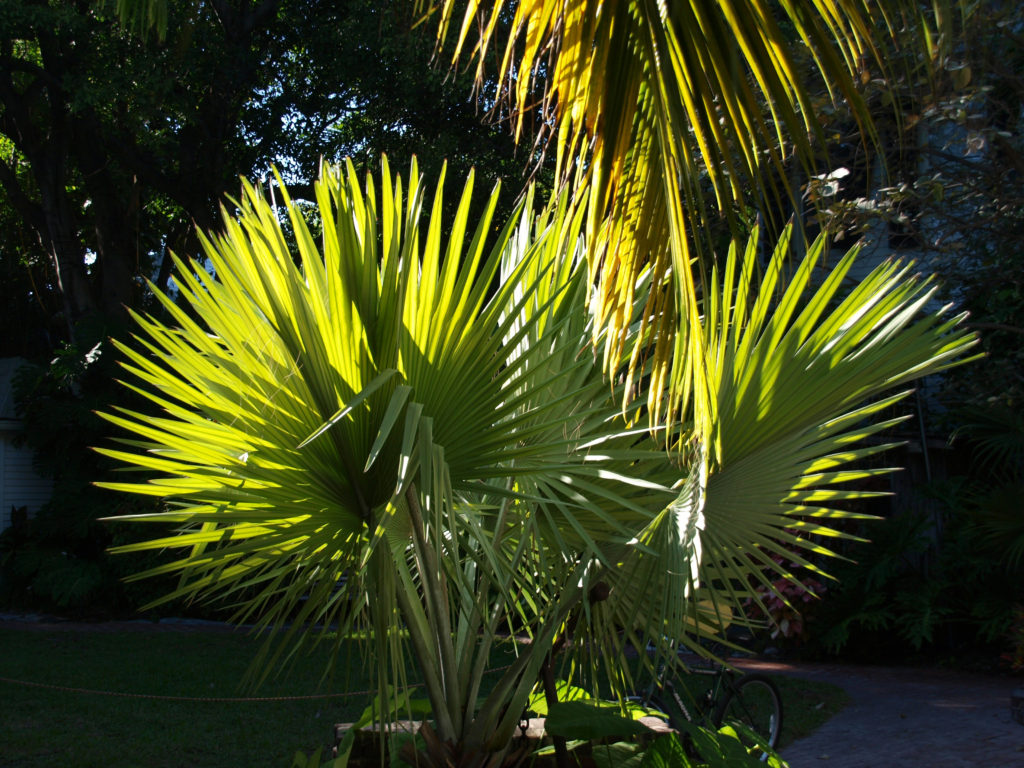
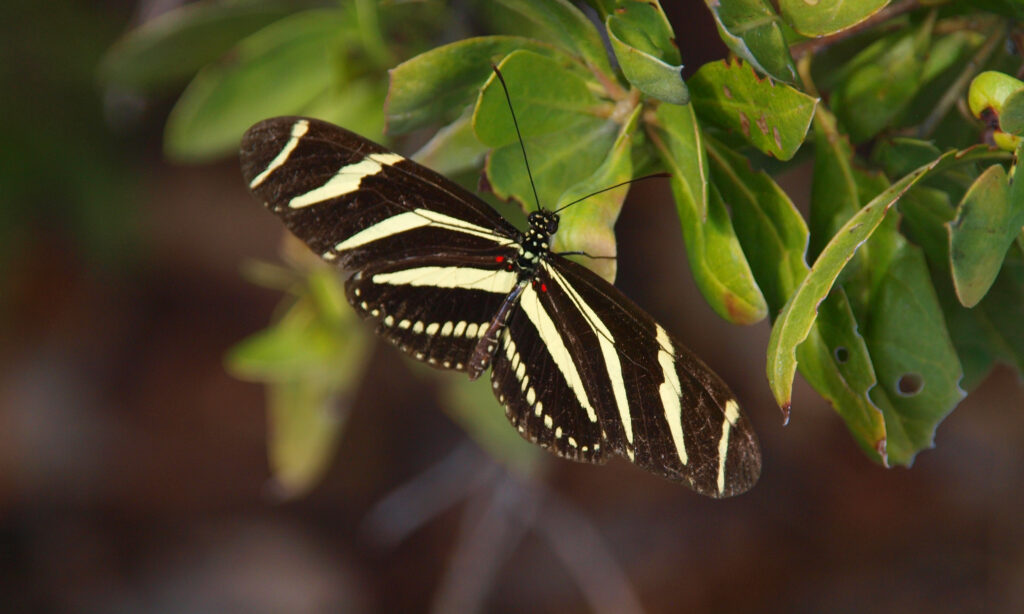
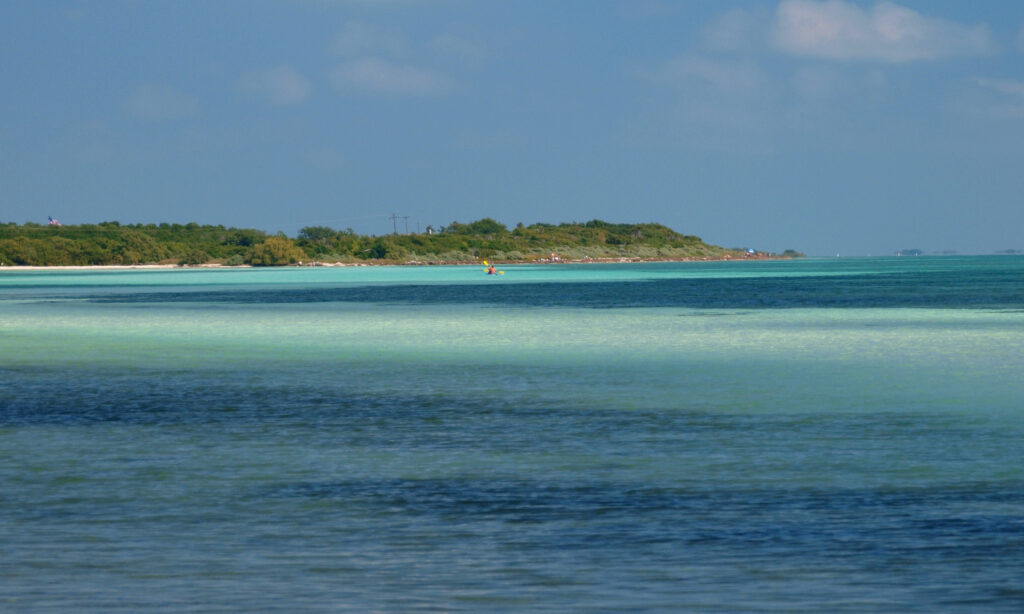
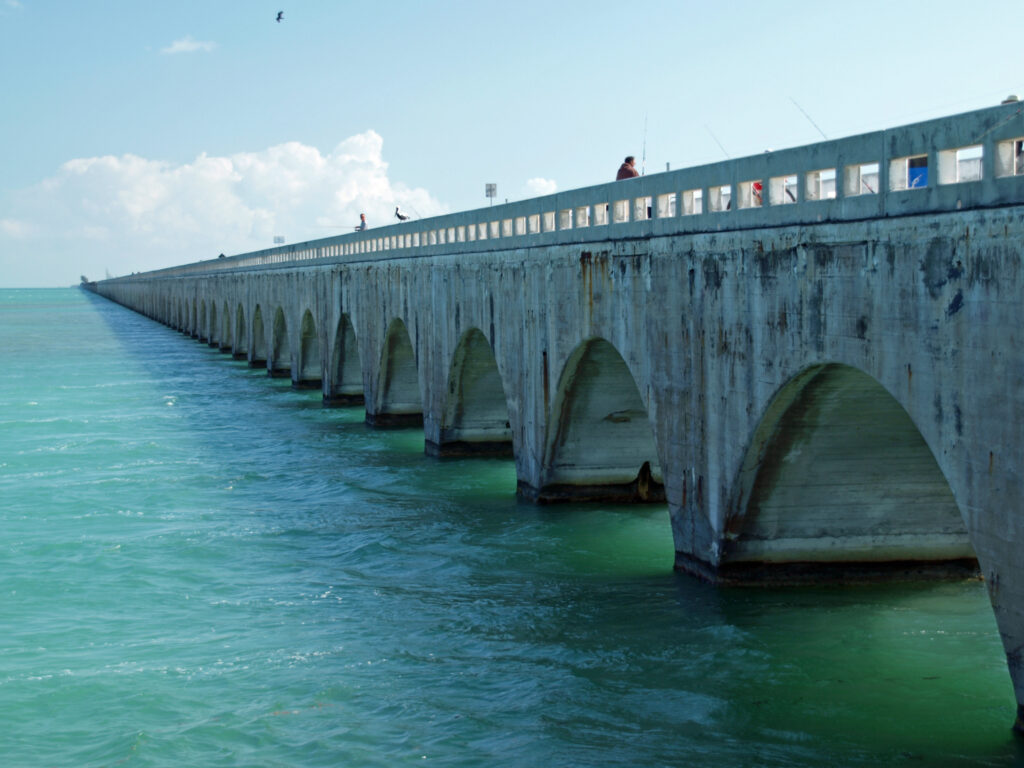
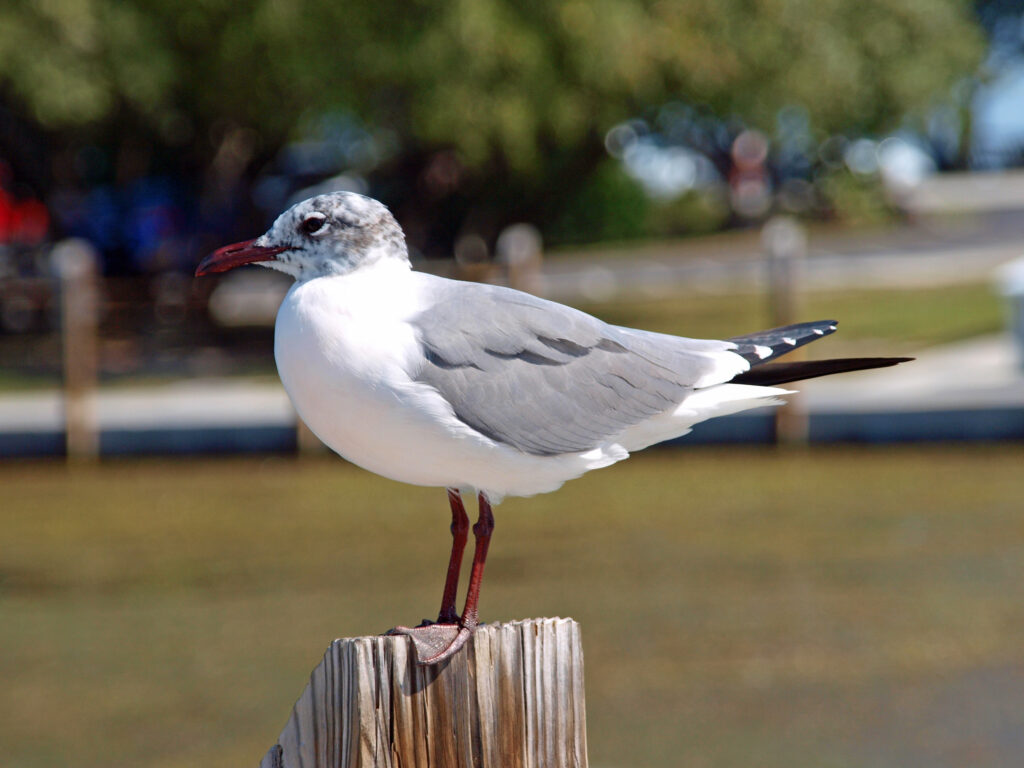
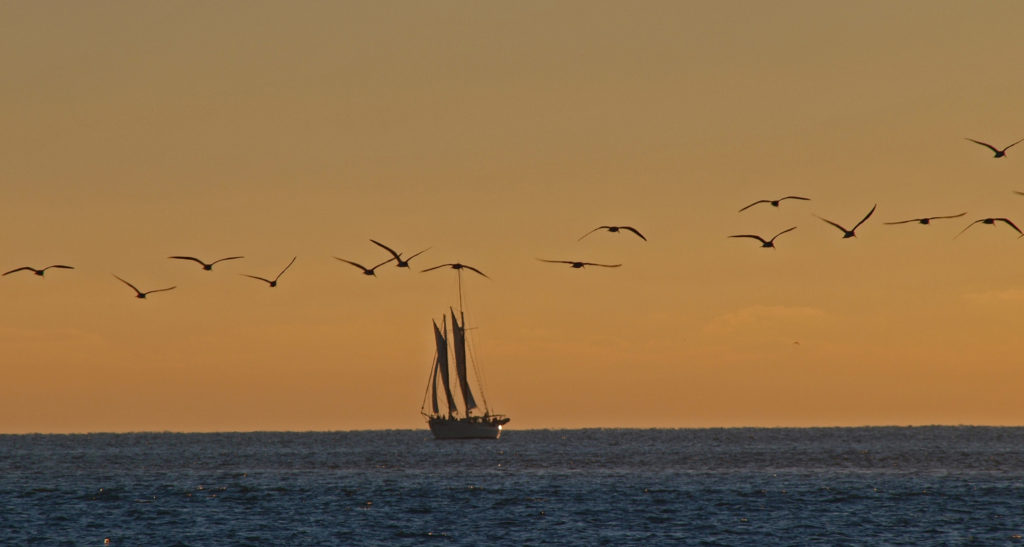
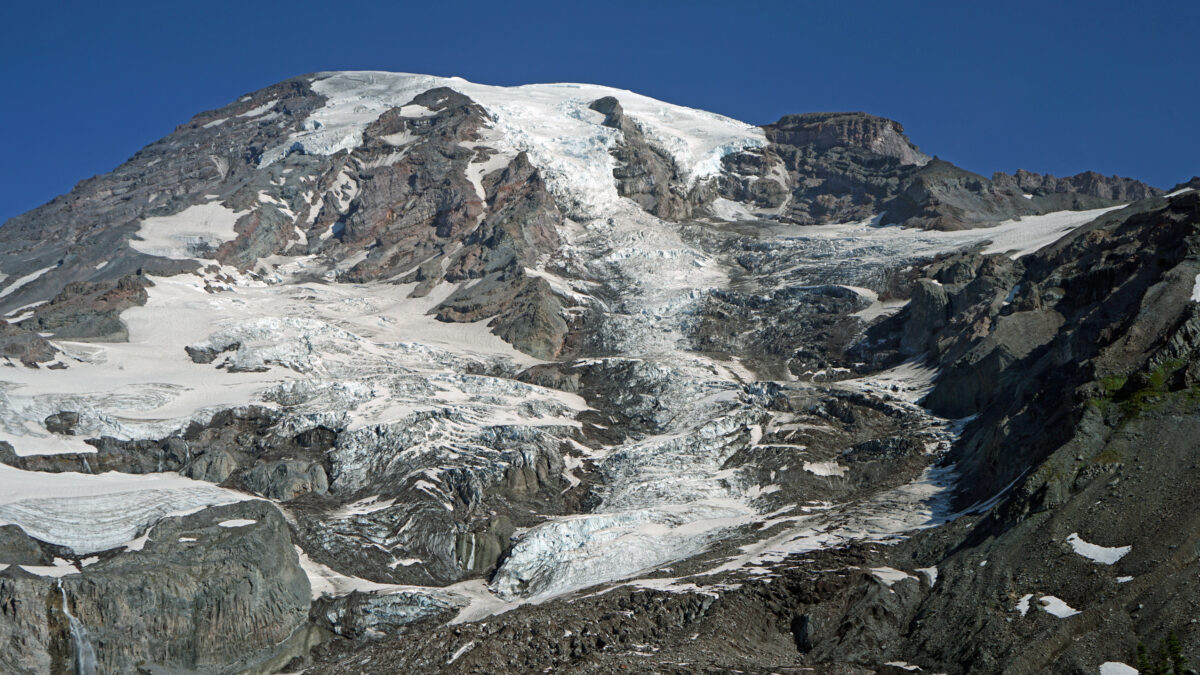
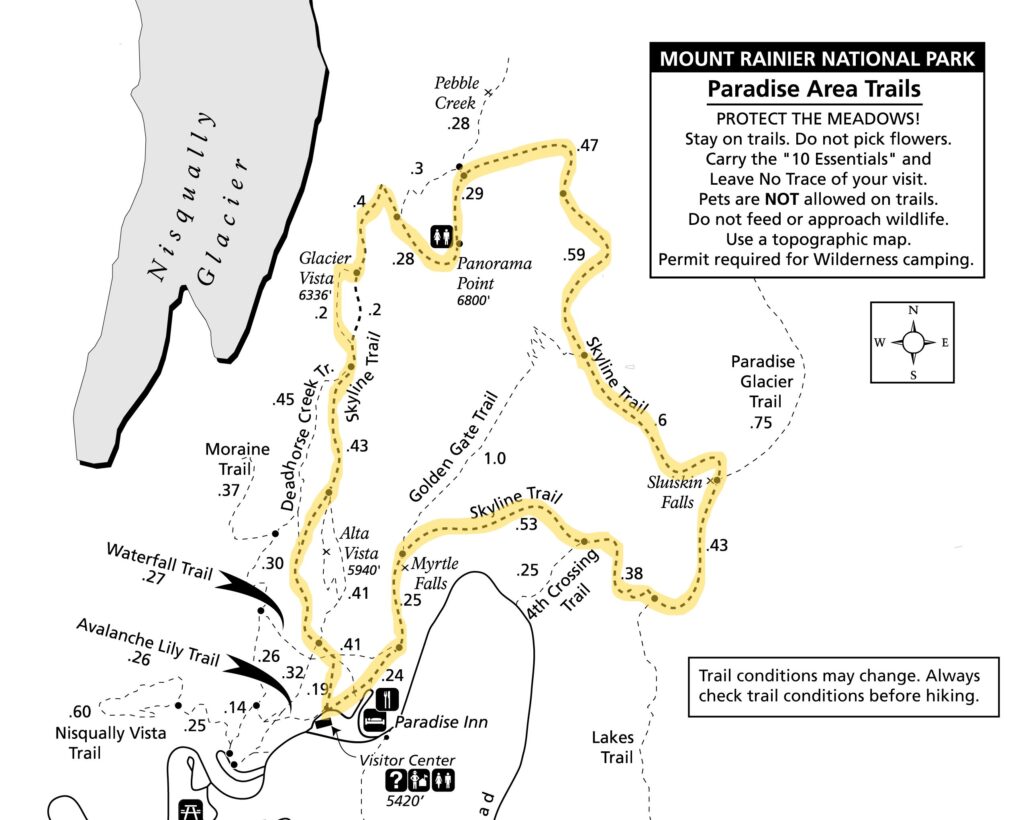
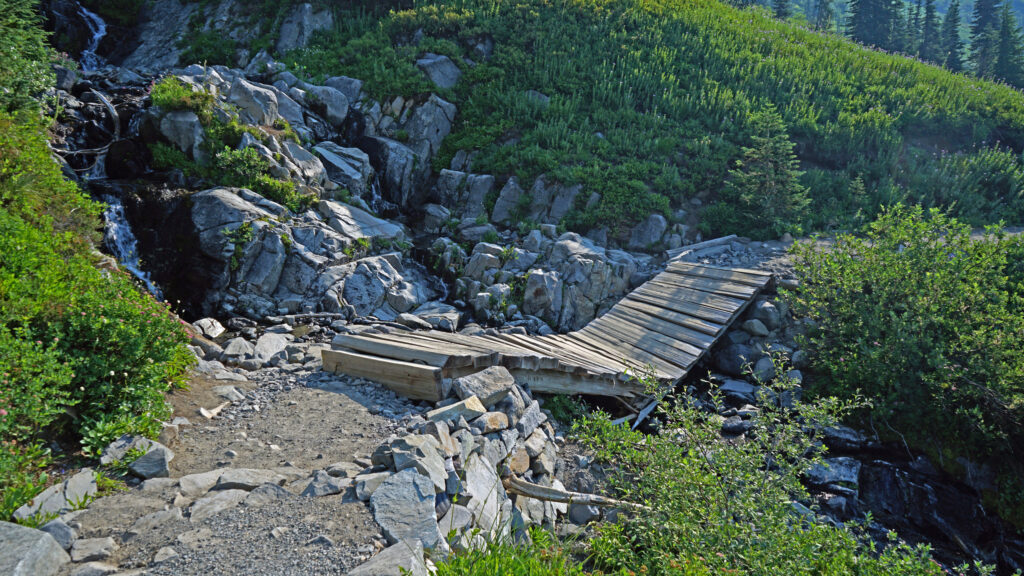
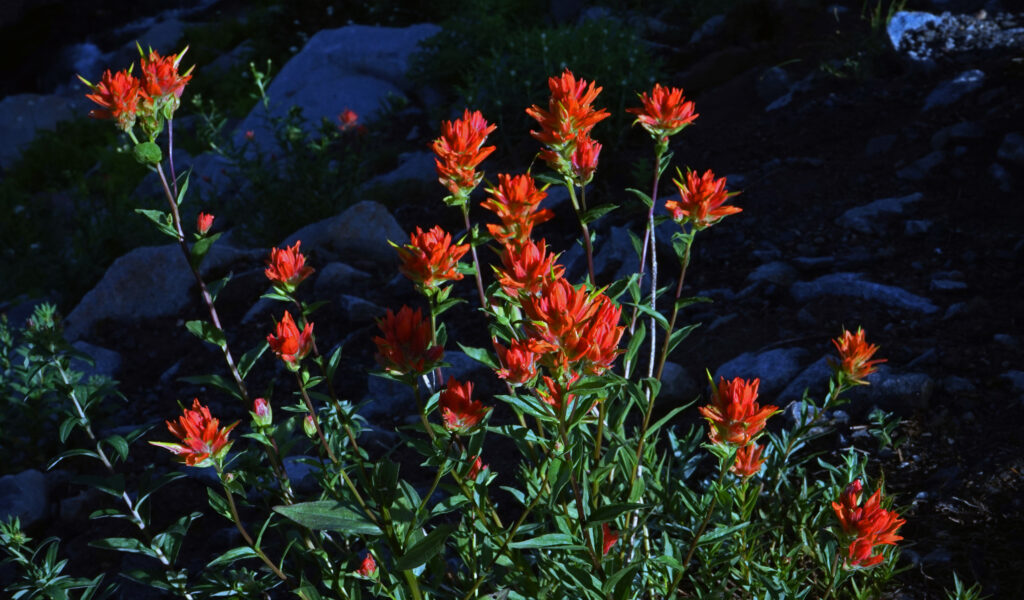
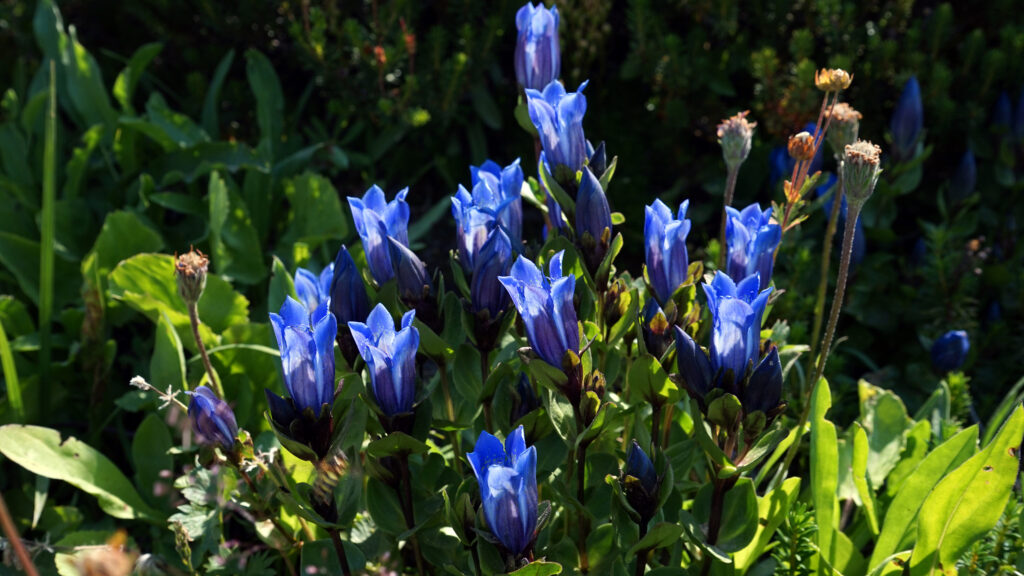
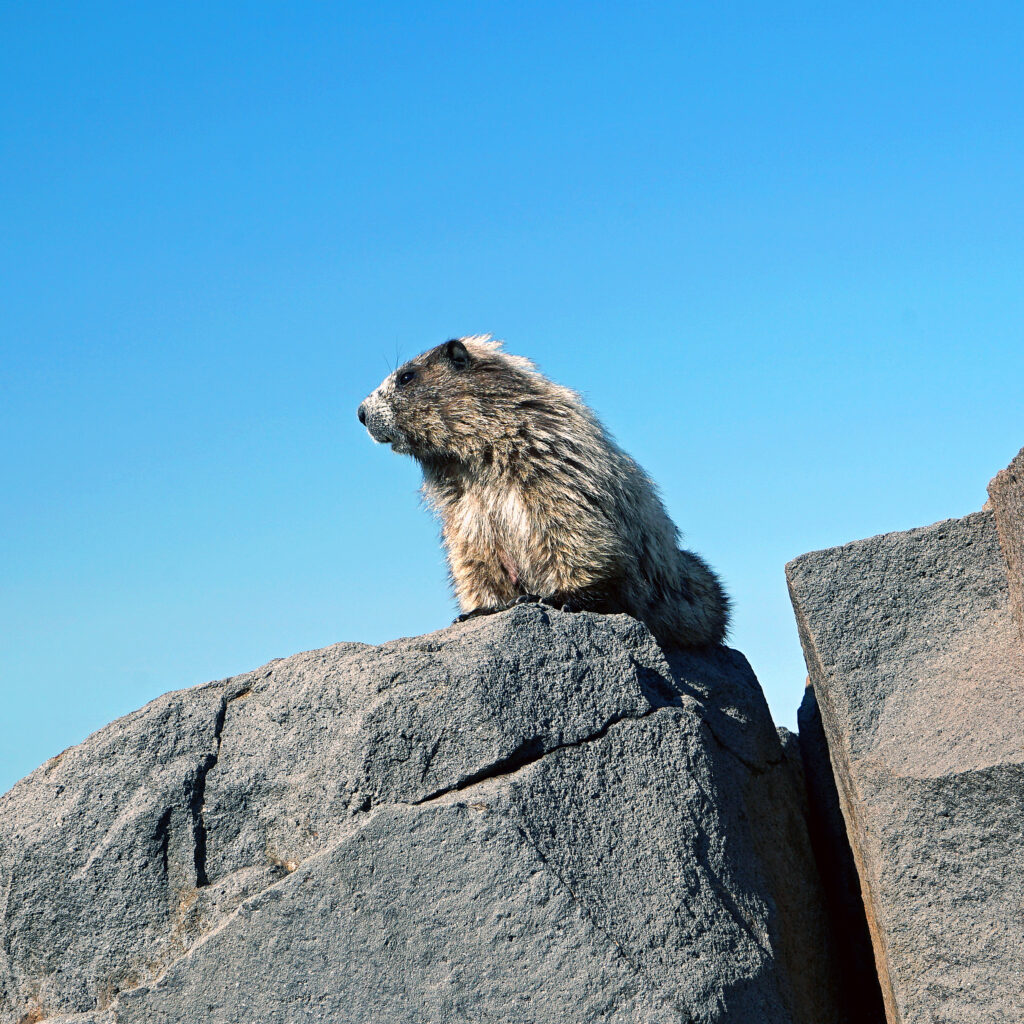
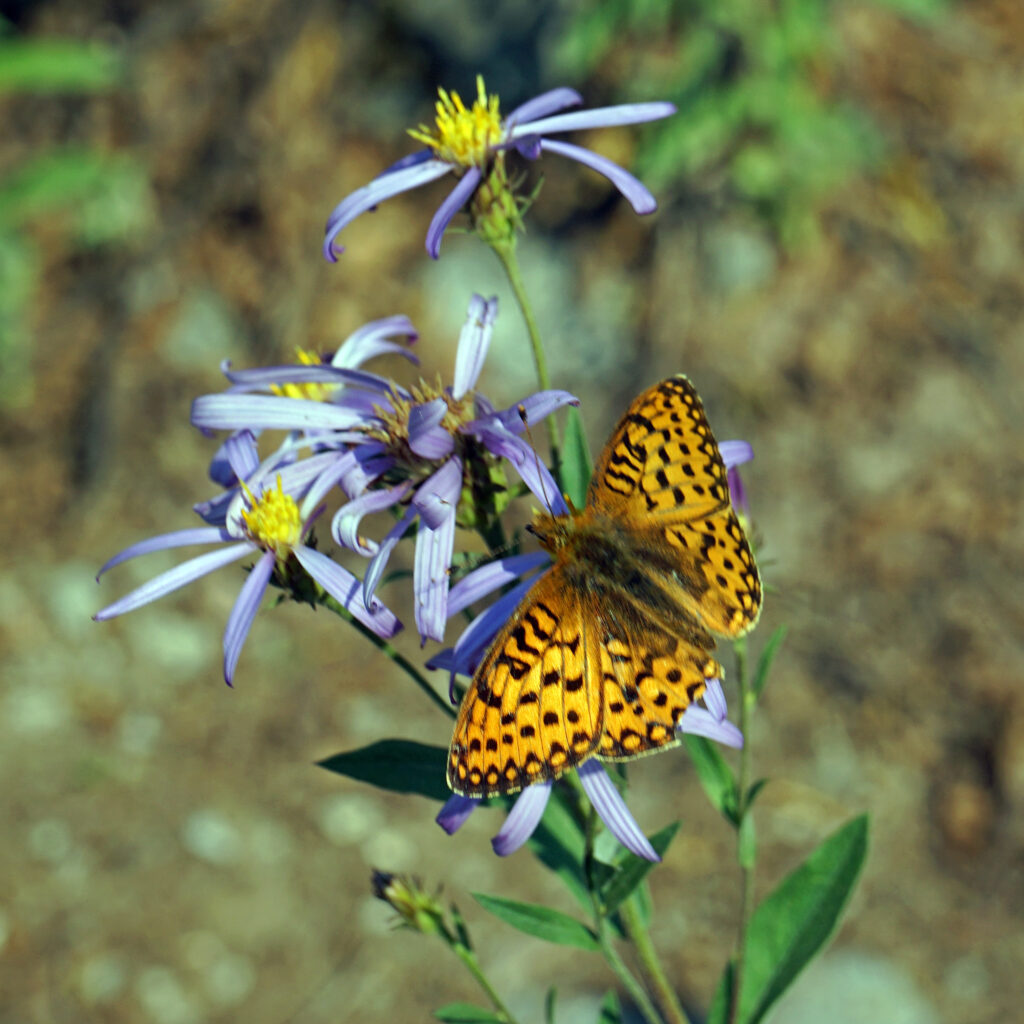
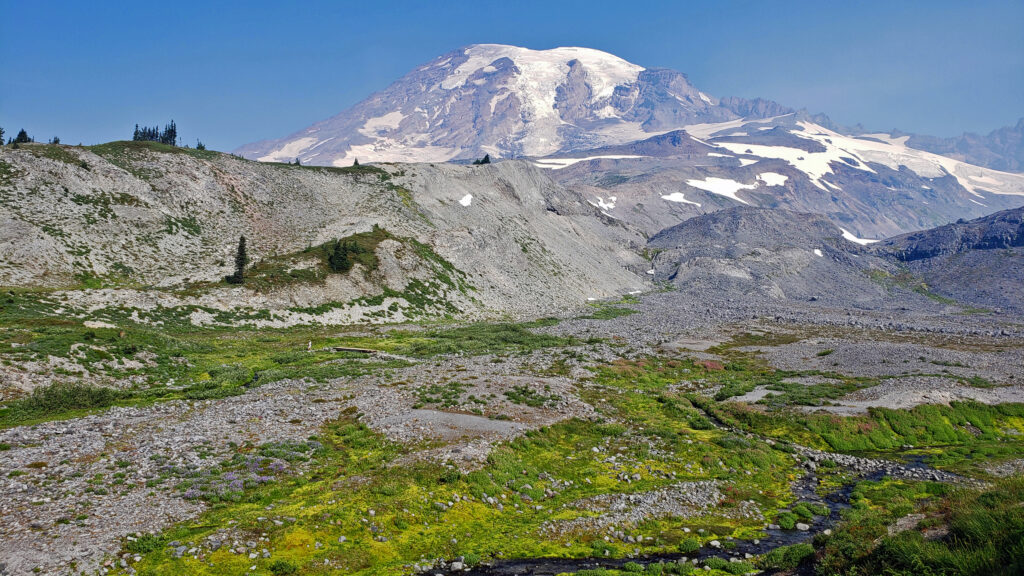 Best Times to Go: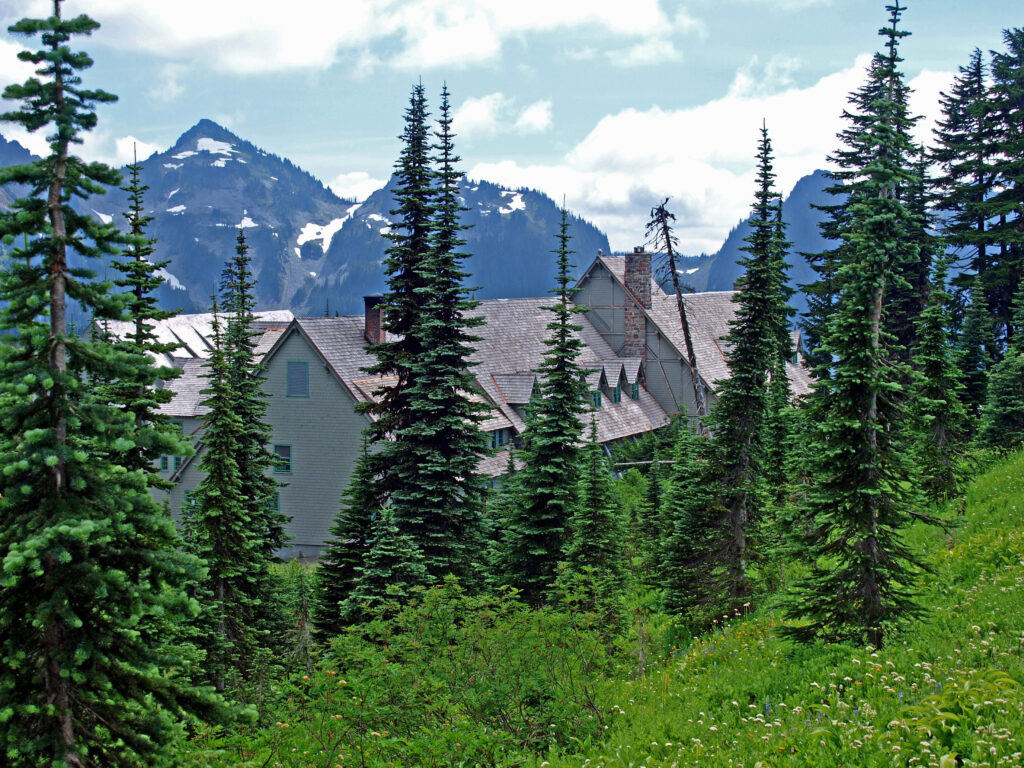
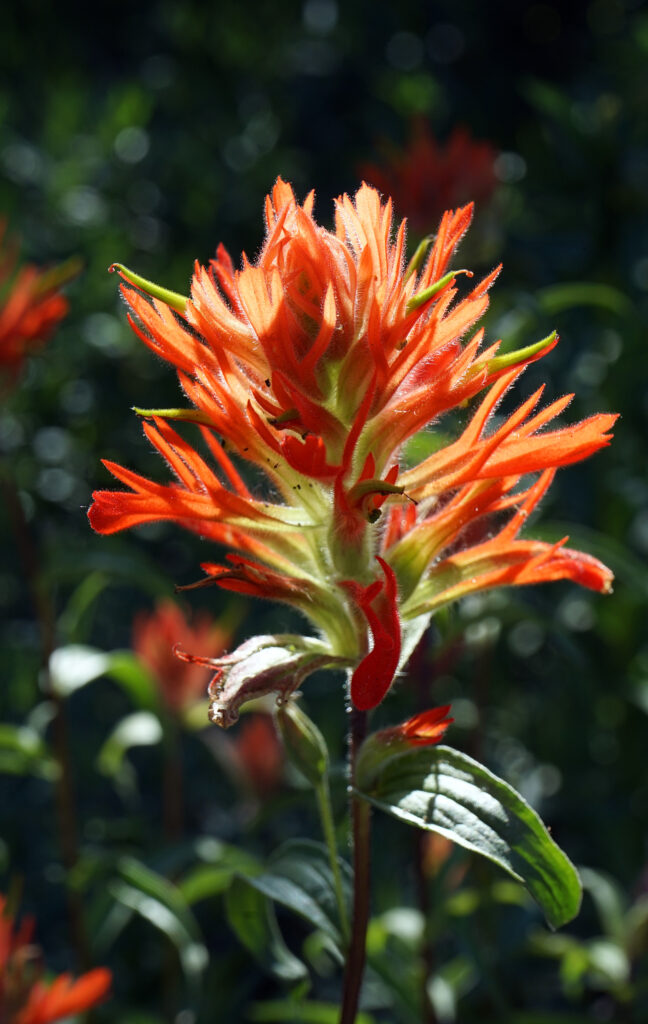
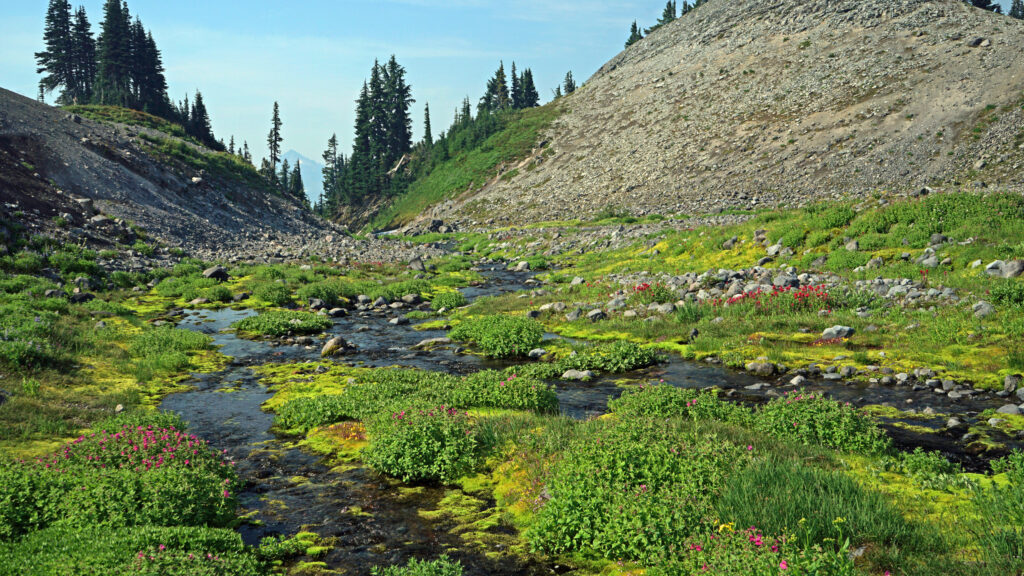 The hike: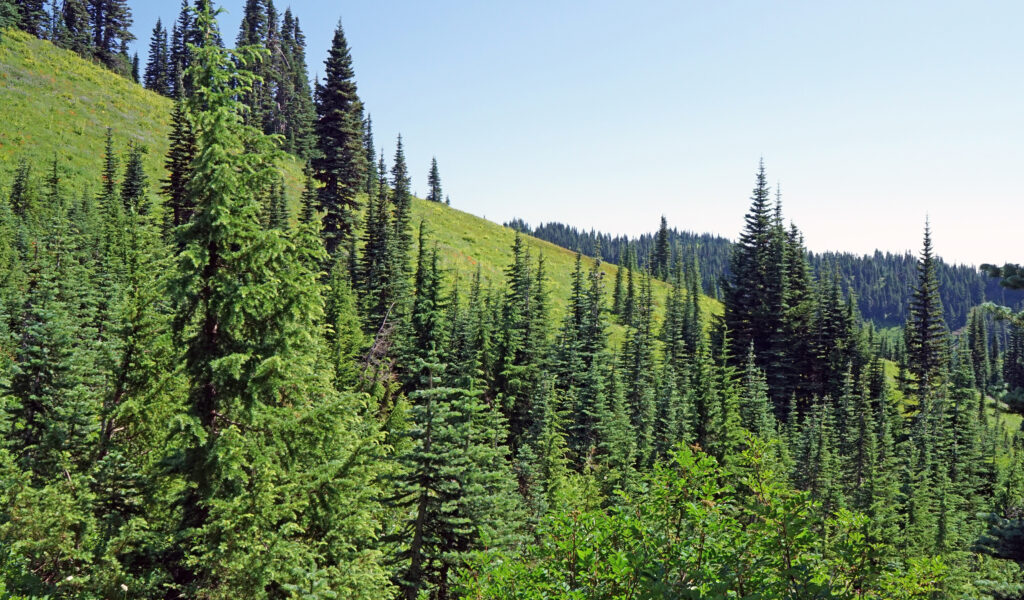
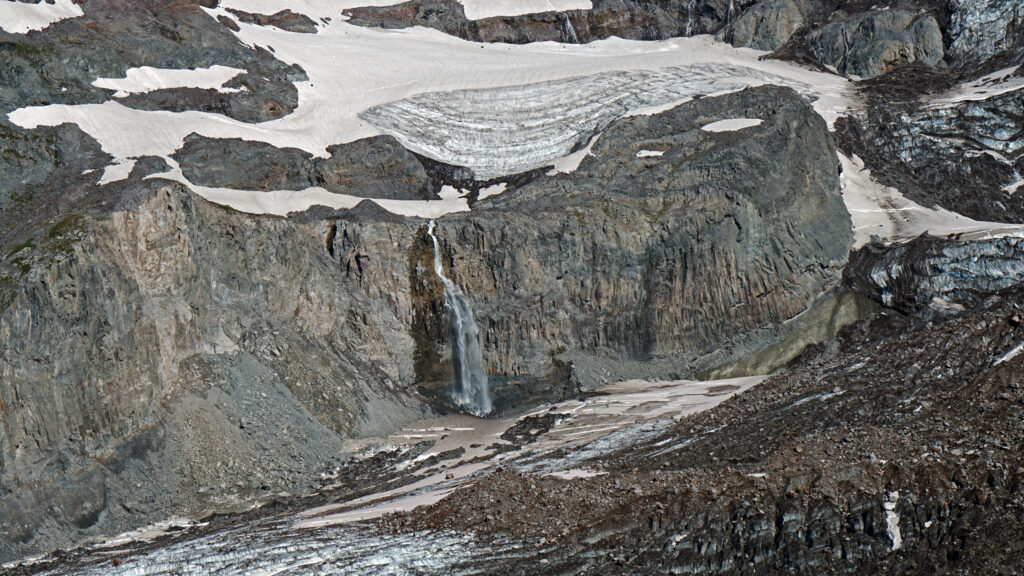
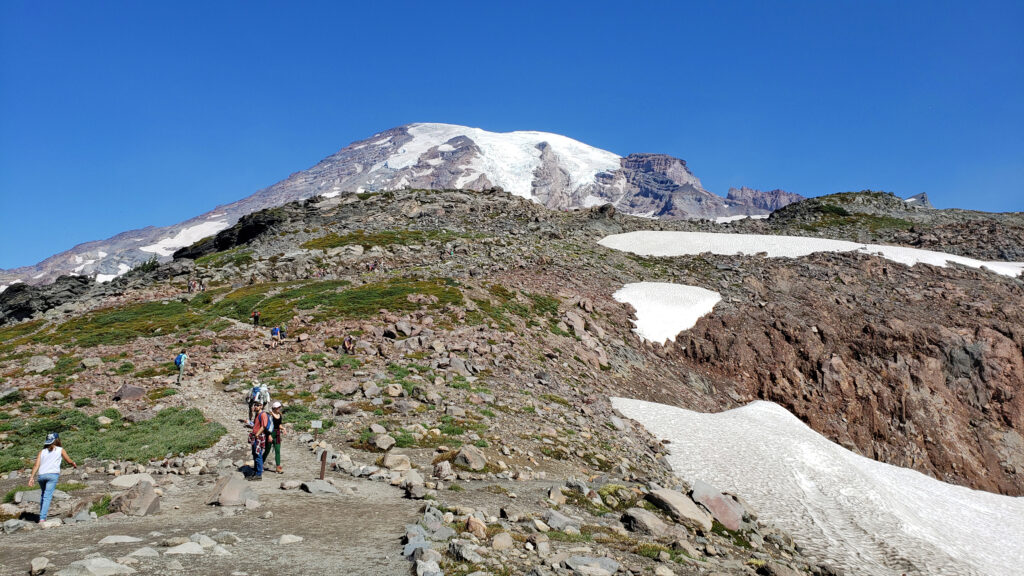
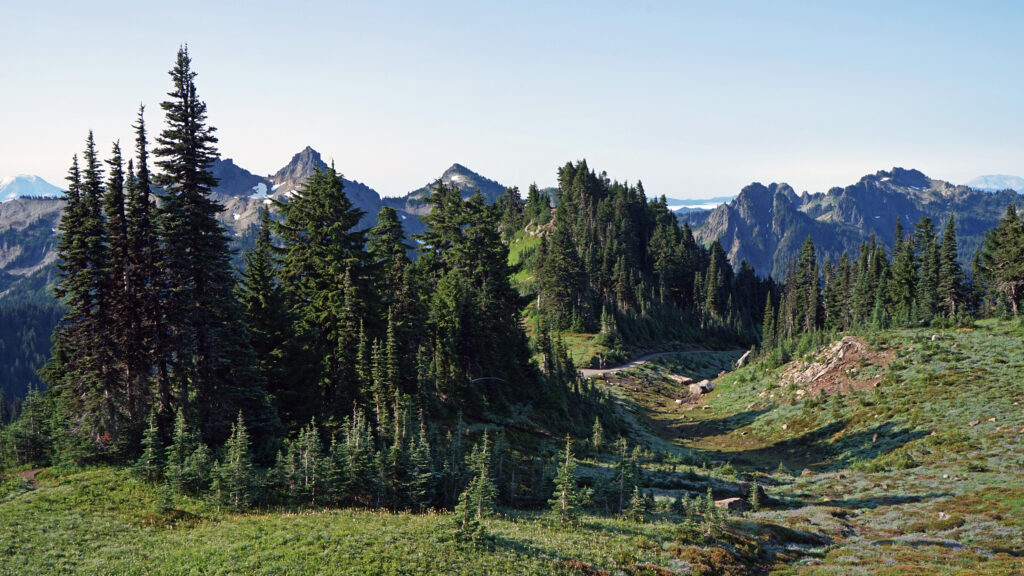
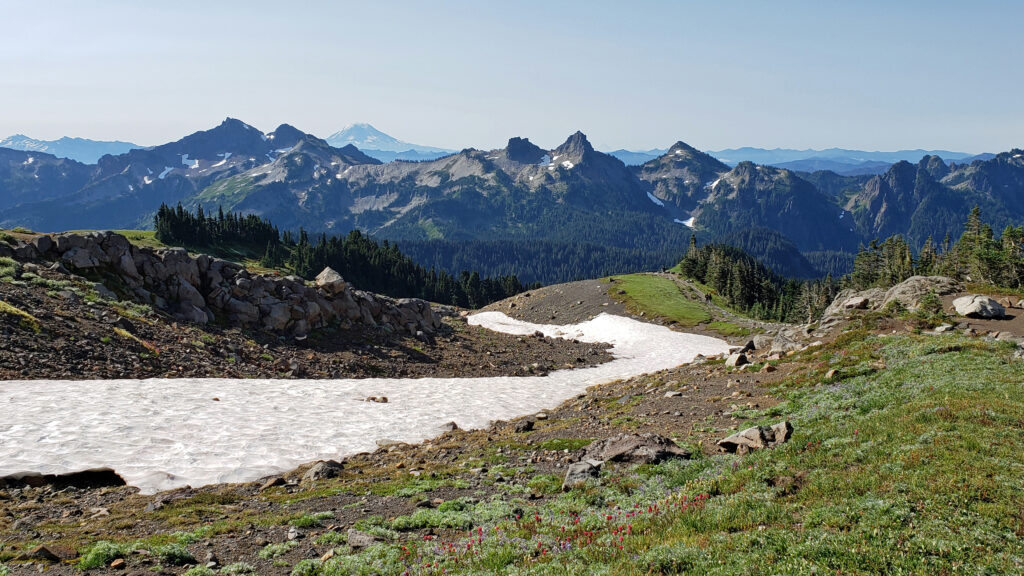
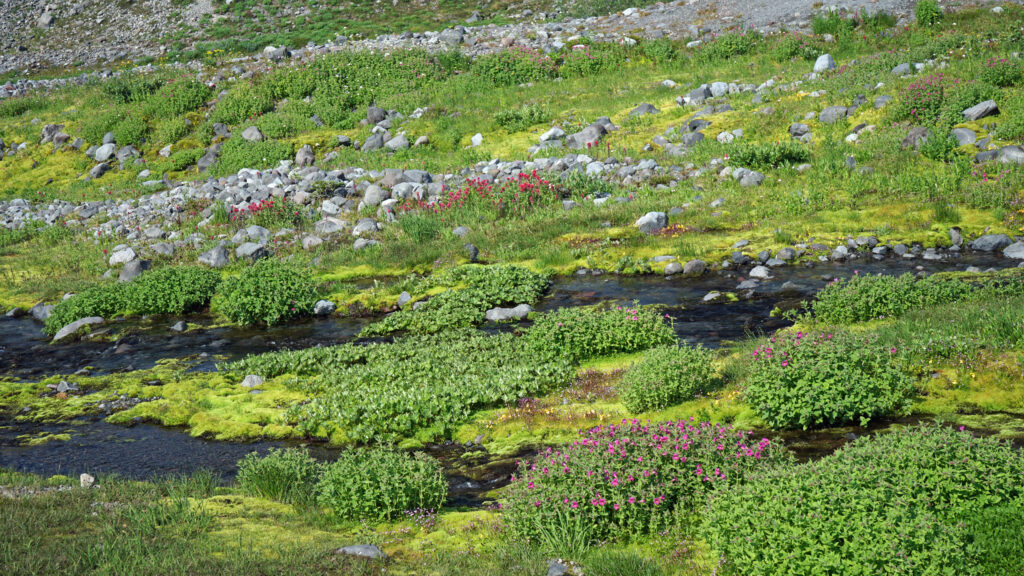
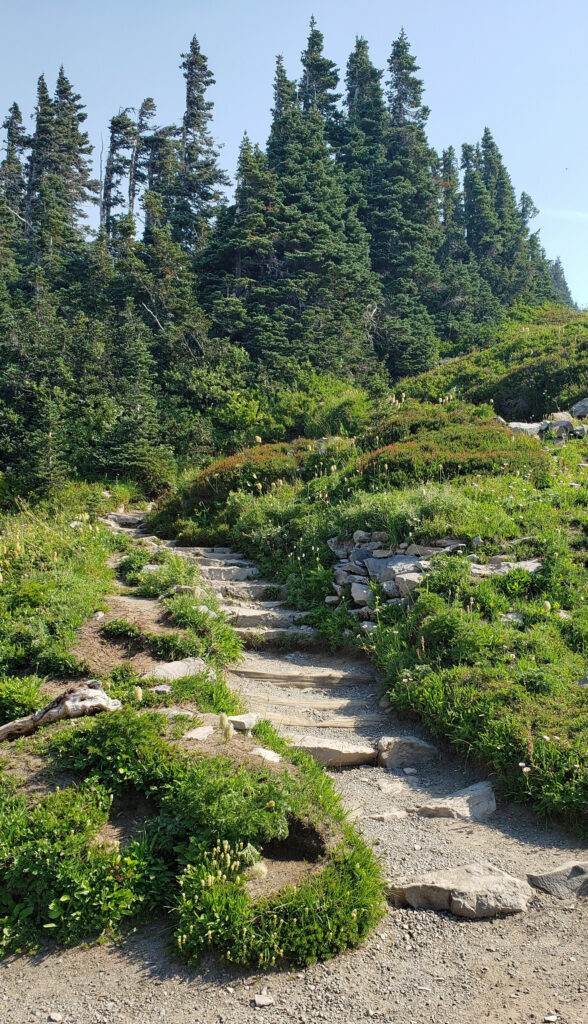
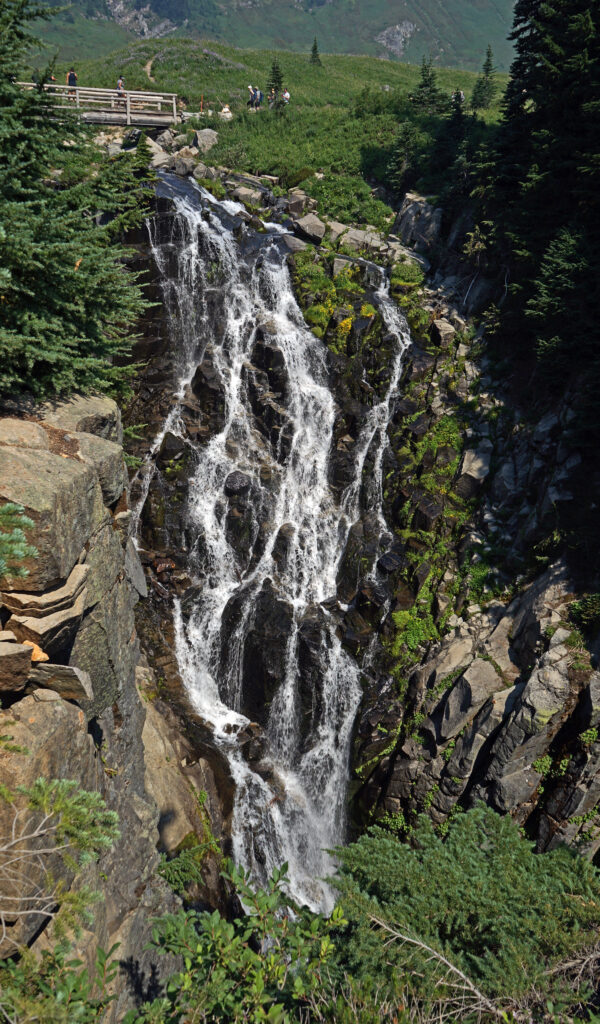
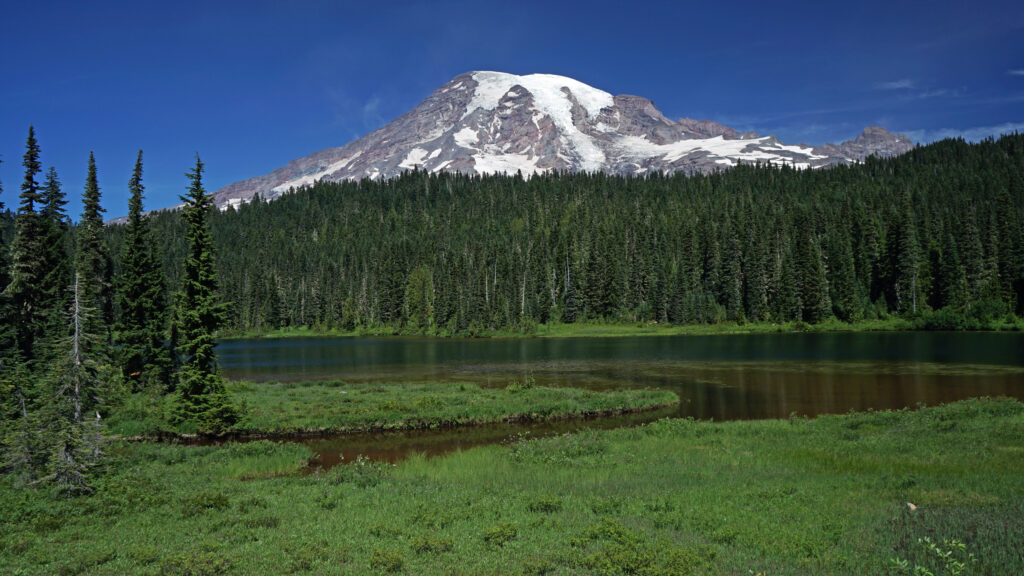 Other area attractions and activities: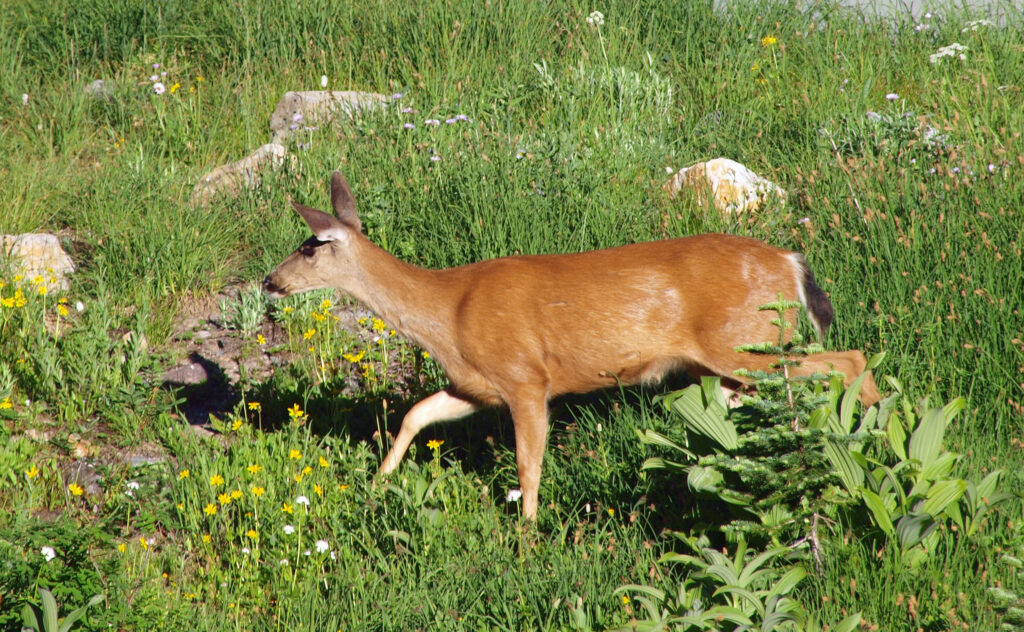
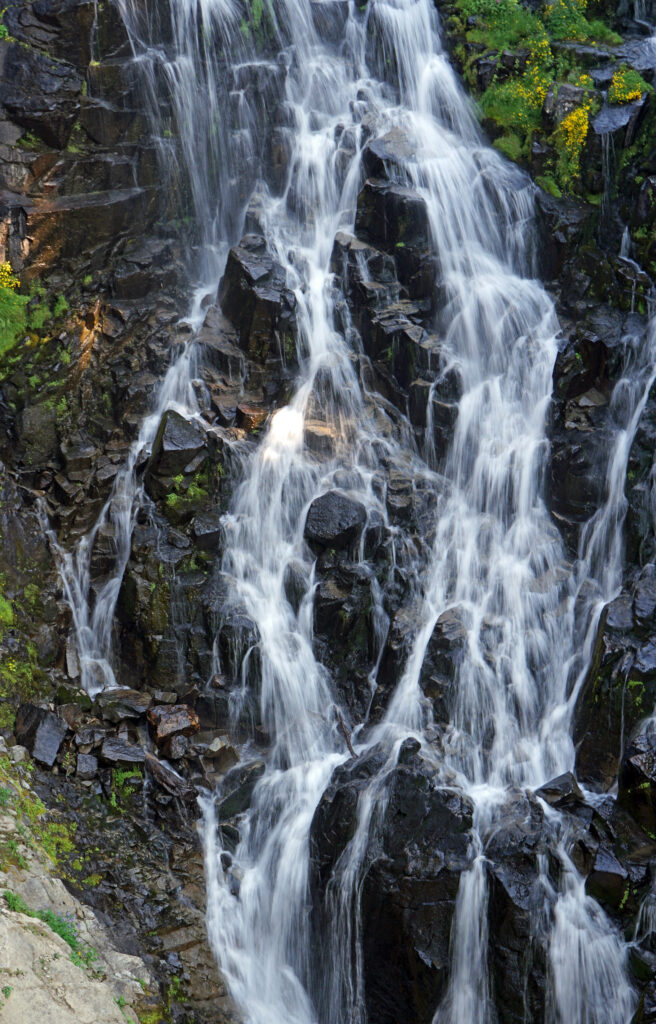
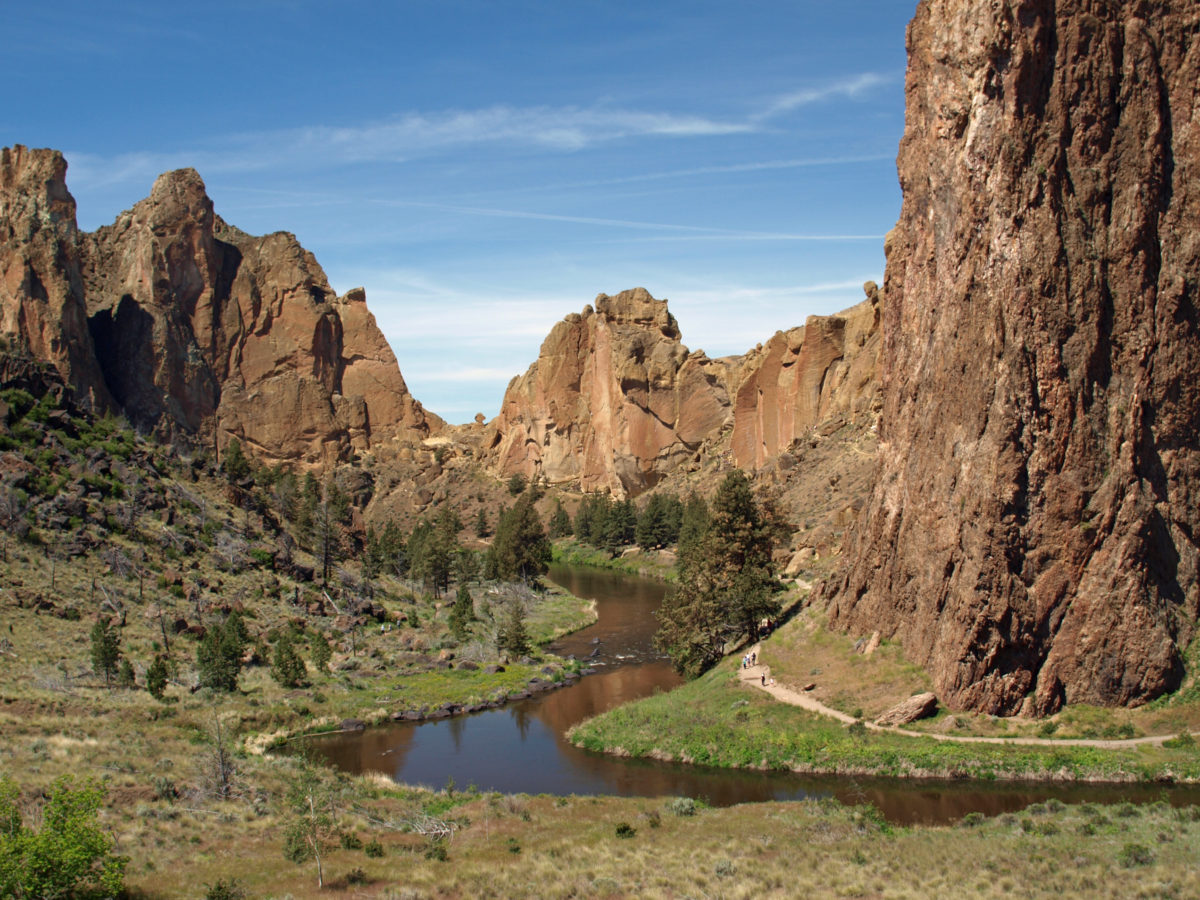
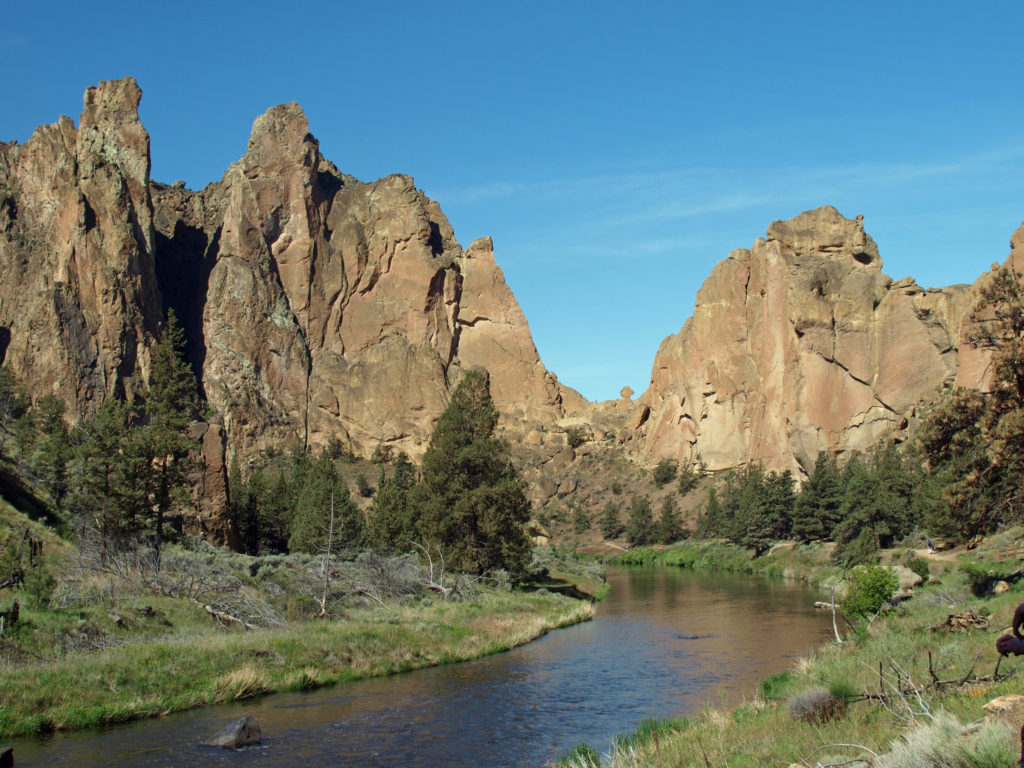
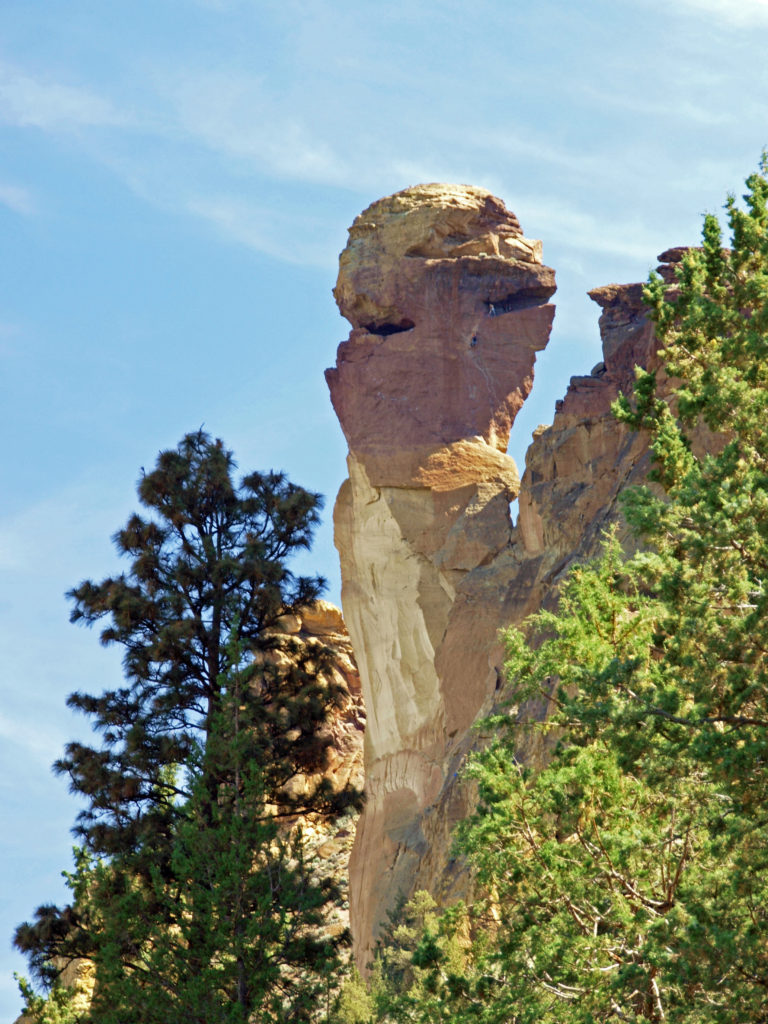 Several thousand climbing routes exist within the park, including more than a thousand bolted routes. Climbers literally come from all over the globe to climb here. And an extensive trail system within the park offers hikers a variety of routes of varying lengths and difficulty. Many of the trails are multi-use trails, open also to mountain bikers and horseback riders. Click
 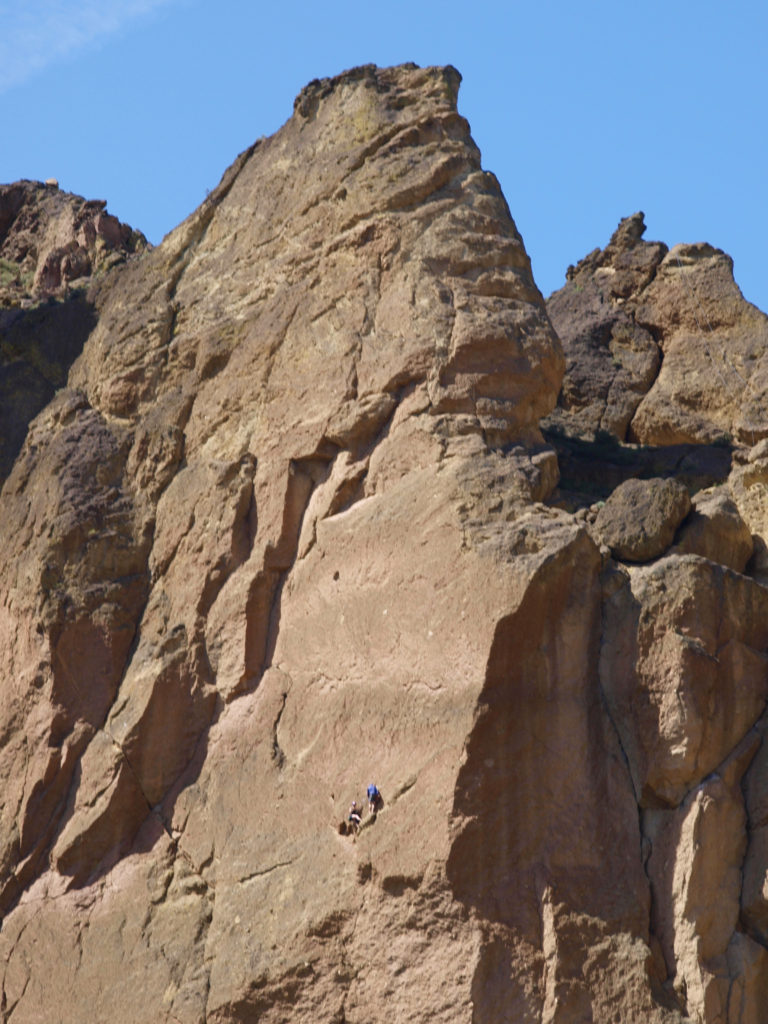 Thirty million years ago the area that is now Smith Rock was on the western rim of the Crooked River Caldera. Over time, nearby volcanic eruptions filled the caldera with ash that compacted into volcanic tuff. The tuff was later overtopped with basalt lava flows from vents about fifty miles away. The Crooked River then eroded much of that, leaving the formations we see today.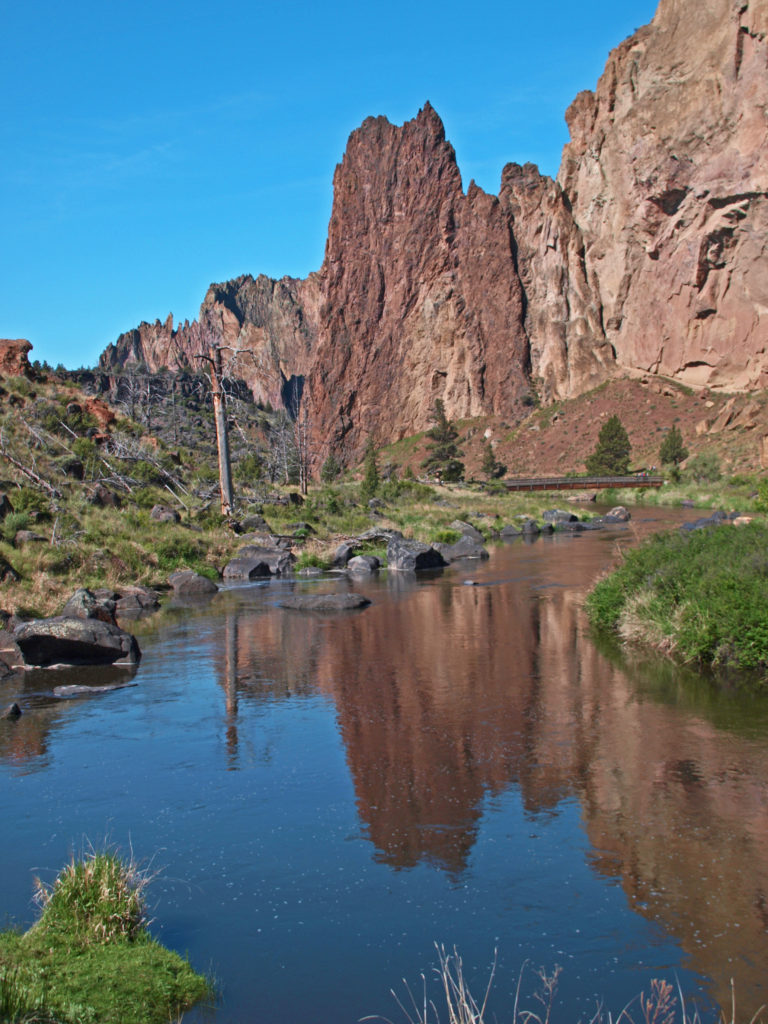
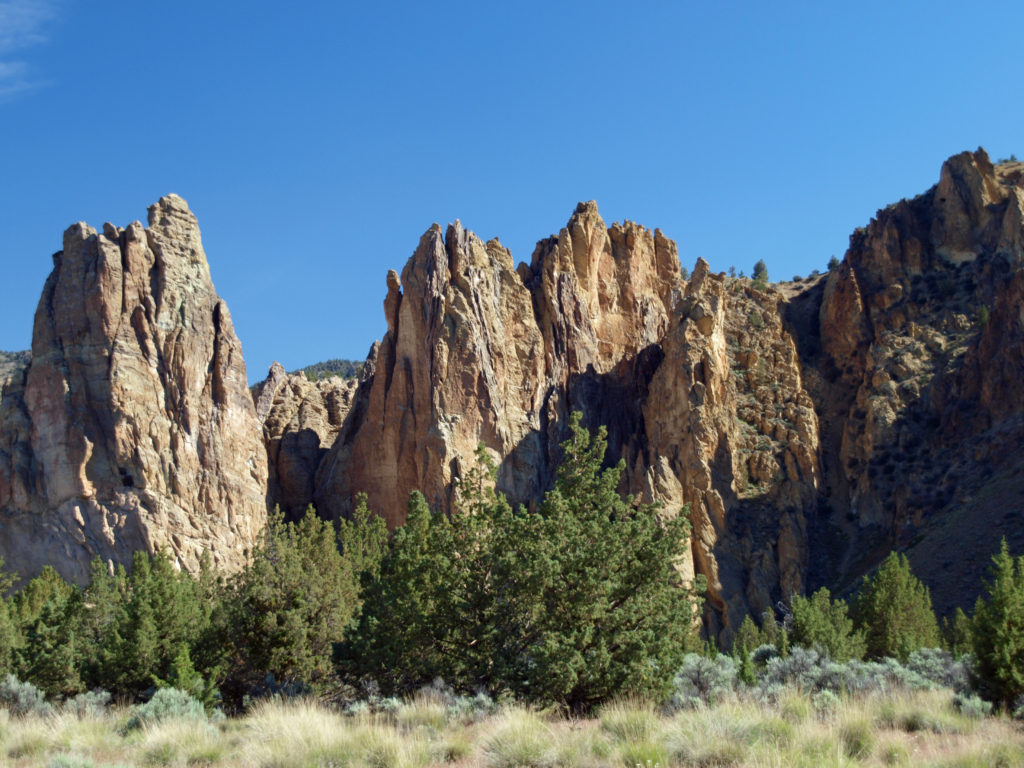
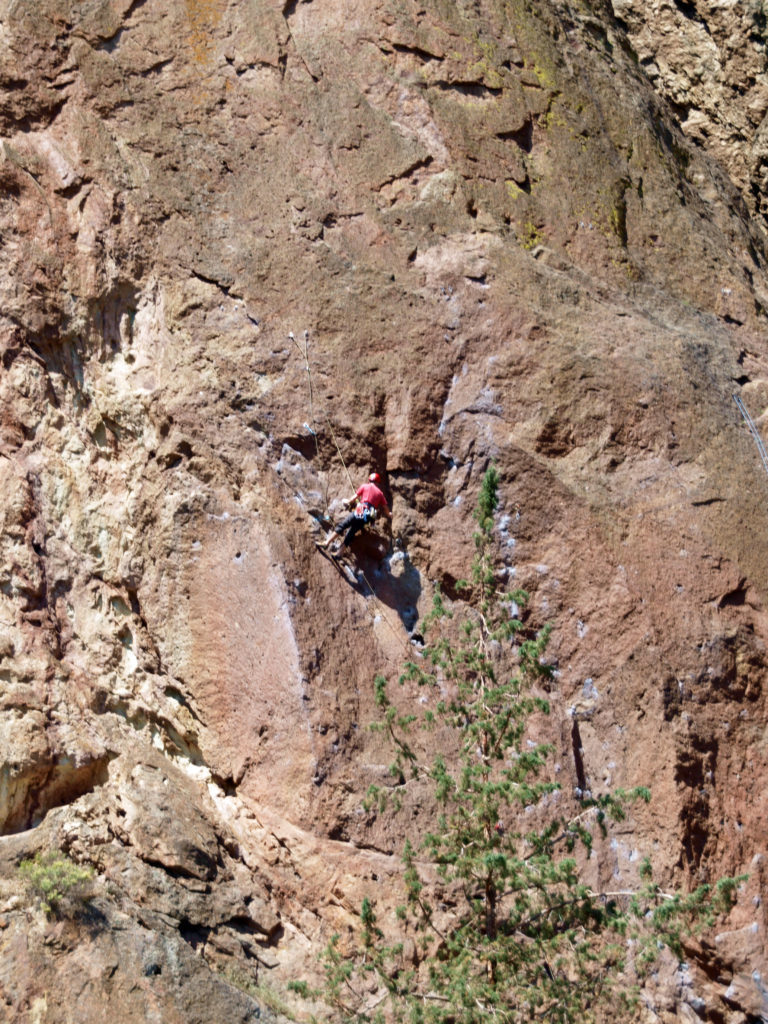
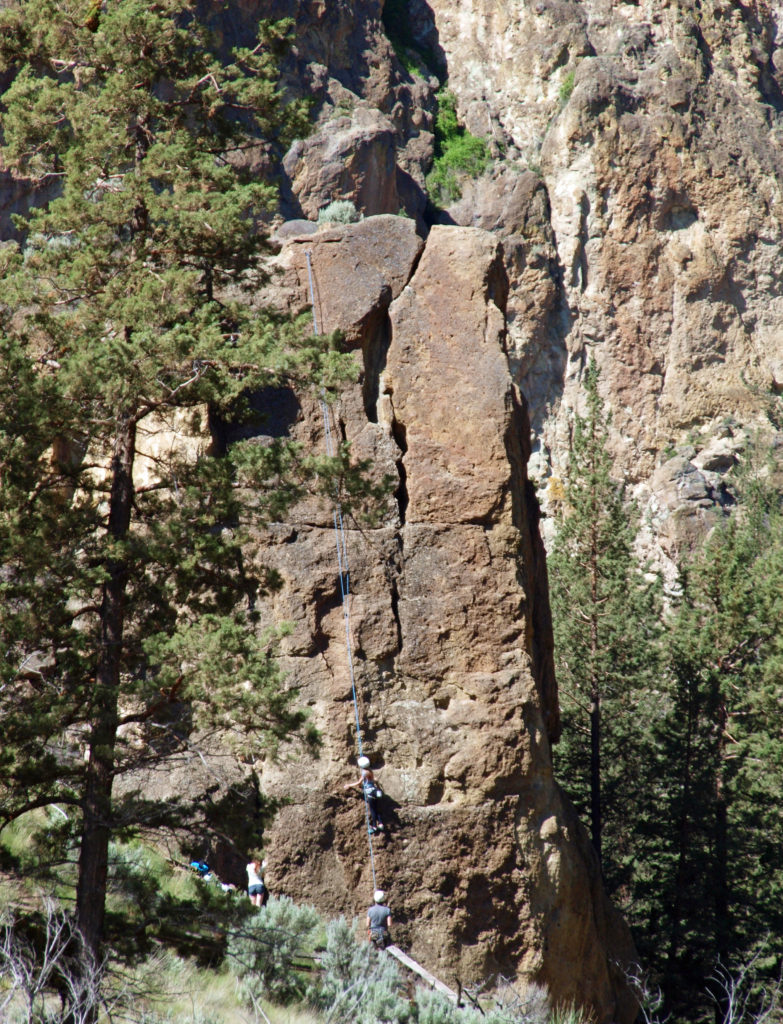 On summer weekends you need to come early to have a chance of finding a place to park. The parking areas fill up quickly, and it’s not unusual to see cars parked along both sides of the road leading to the park and people walking in the road. There has been a shuttle system proposed that would allow visitors to park in the nearby town of Terrebonne and bus into the park, but that (to the best of my knowledge) has yet to be implemented. Even during the week, and on spring and fall weekends, parking can be a problem.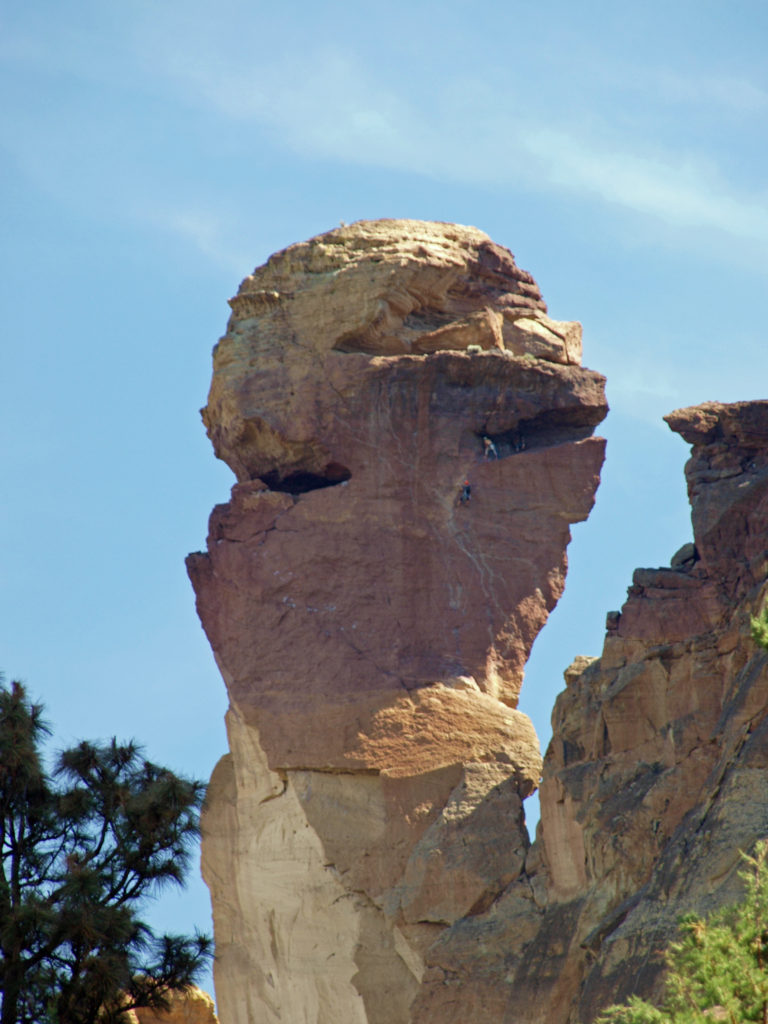
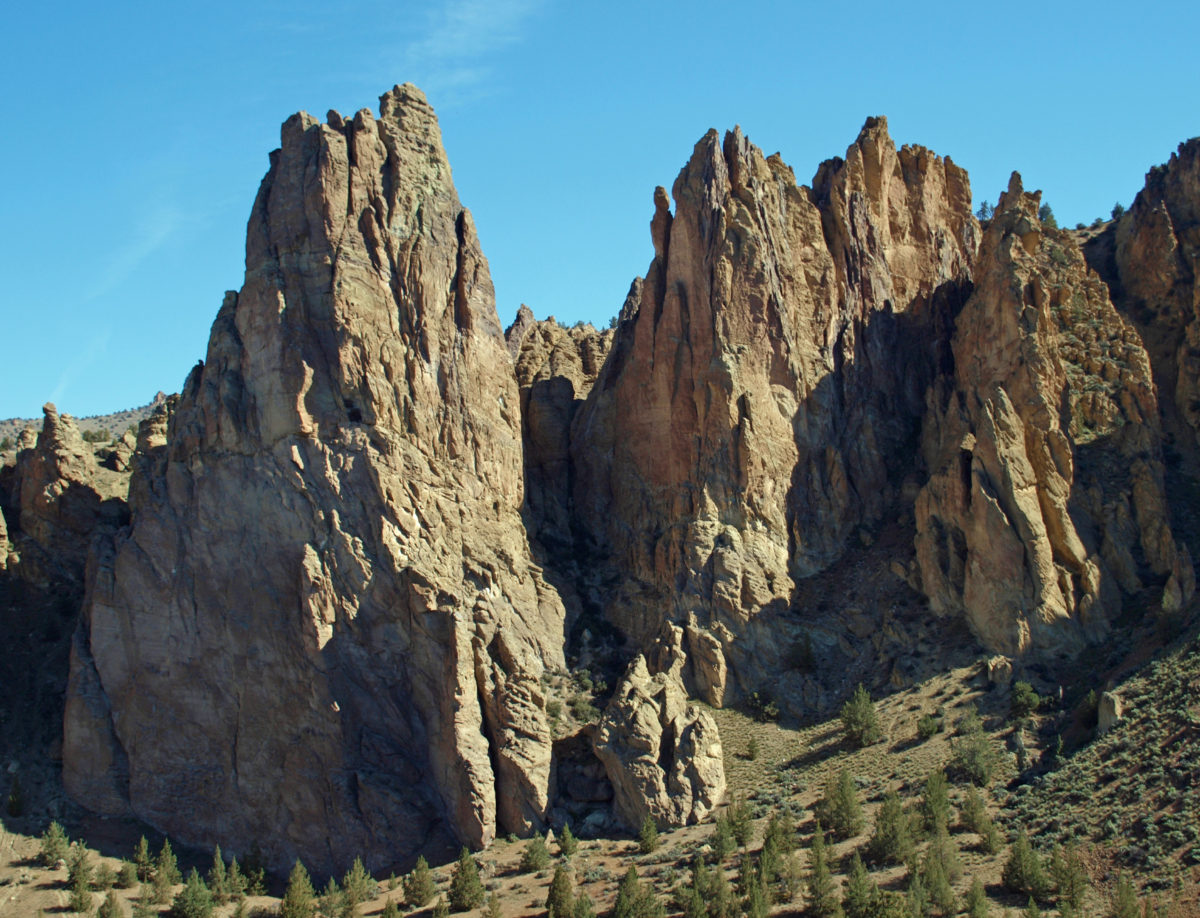
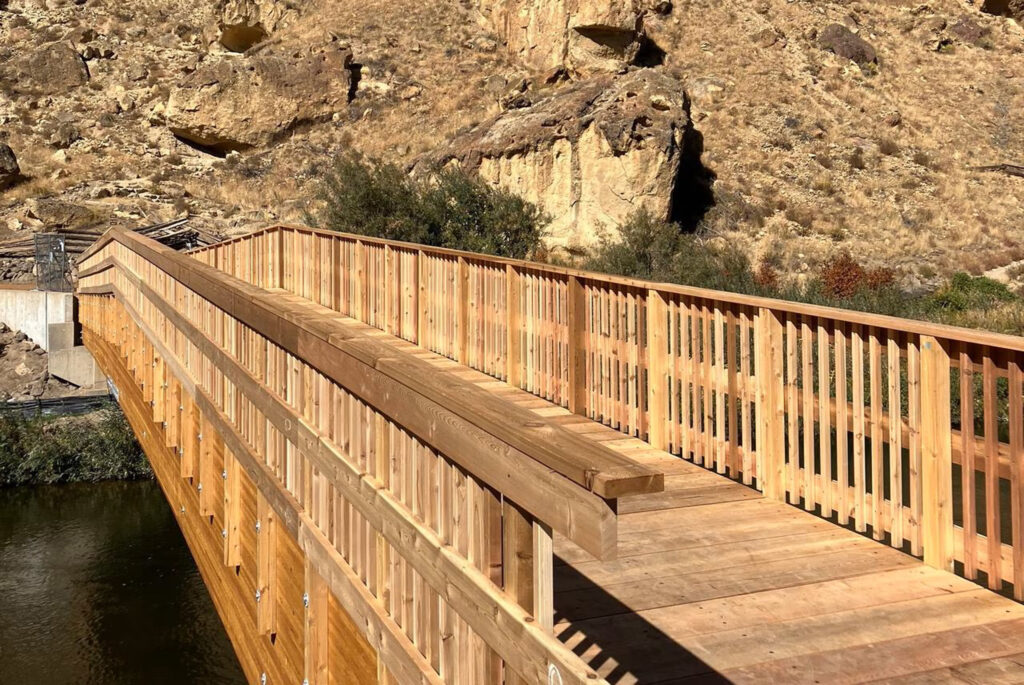
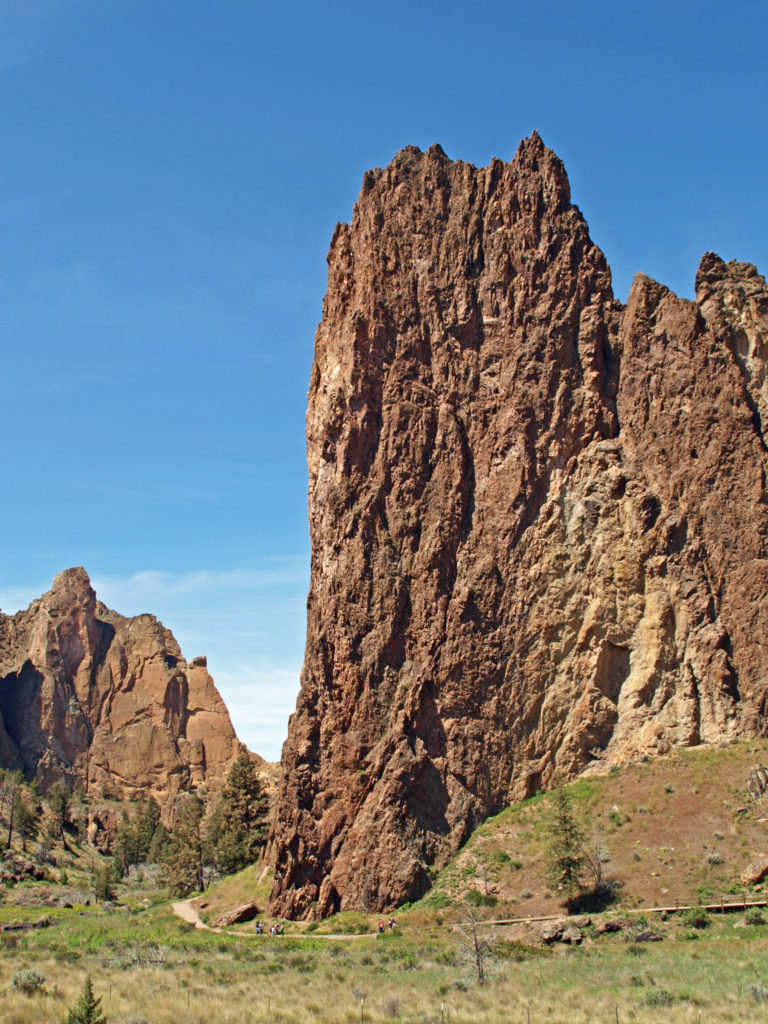
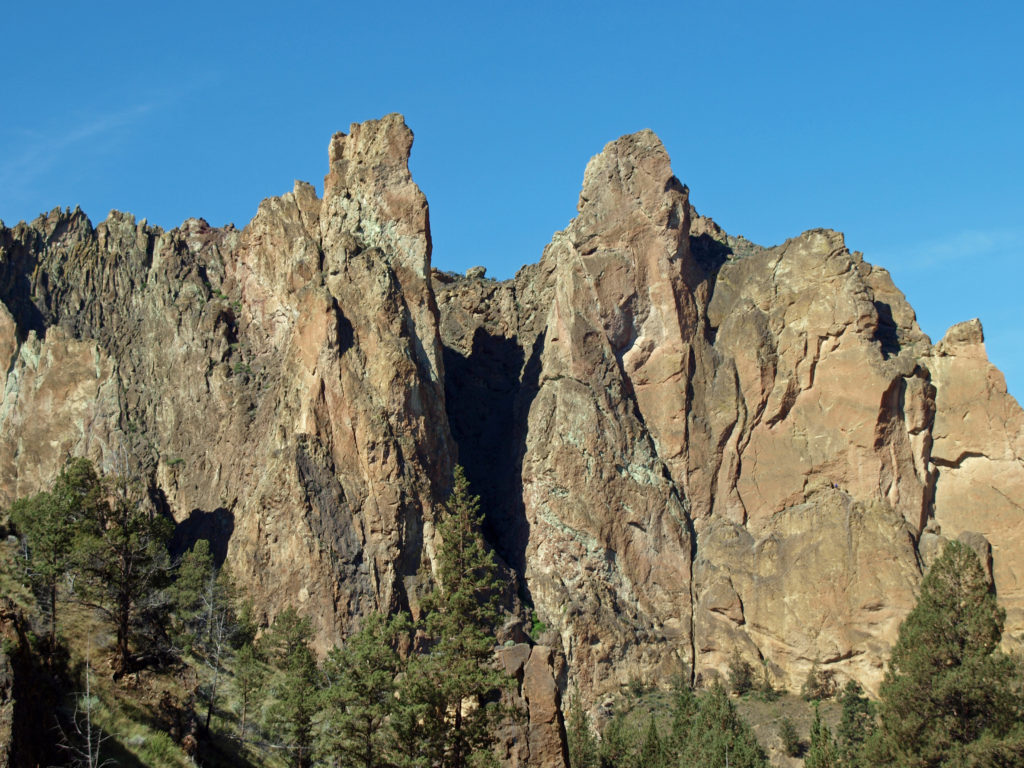 Despite the crowds and other problems, Smith Rock is a Pacific Northwest bucket list destination, not to be missed. It’s a spectacularly beautiful place. But if you’re looking for a wilderness experience, you won’t find it at Smith Rock (except maybe in the middle of winter). If you don’t mind sharing the place with others, though, the park is large enough that visitors tend to spread out, and even at full capacity the park doesn’t feel overly crowded if you get a little ways away from the parking areas. (A recent visitor survey found that 69% of the respondents felt the park to be somewhat to very crowded, however.)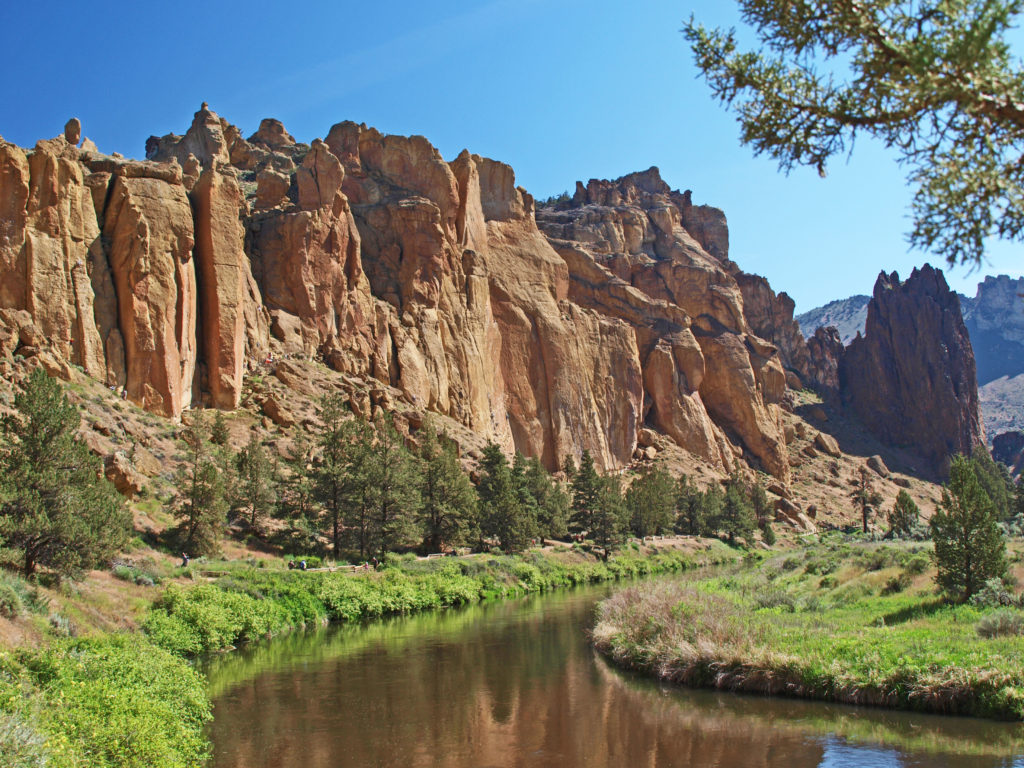
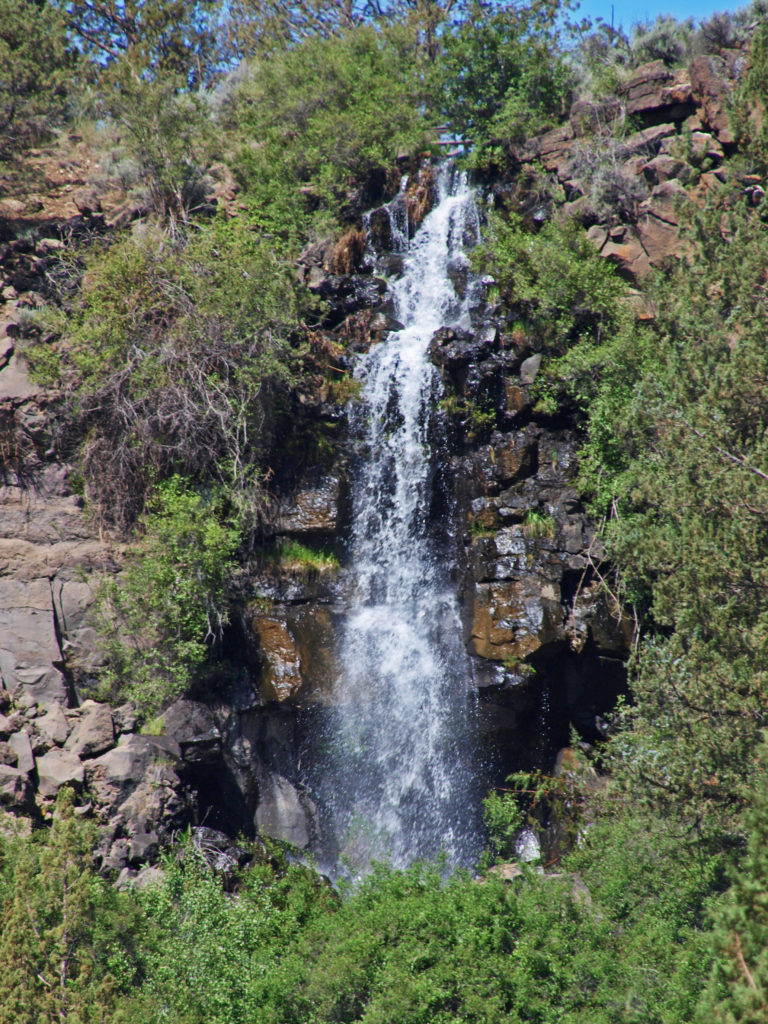 The park is located just east of the town of Terrebonne, which is about 25 miles north of Bend, Oregon, and about 140 miles southeast of Portland. For more information, go to the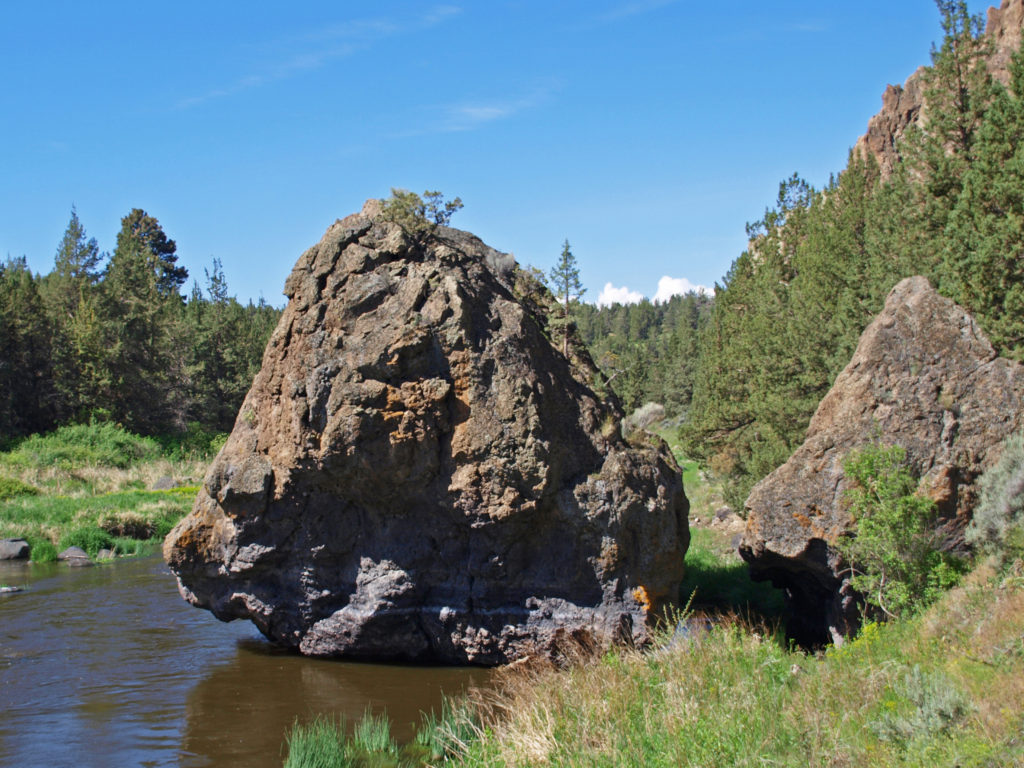
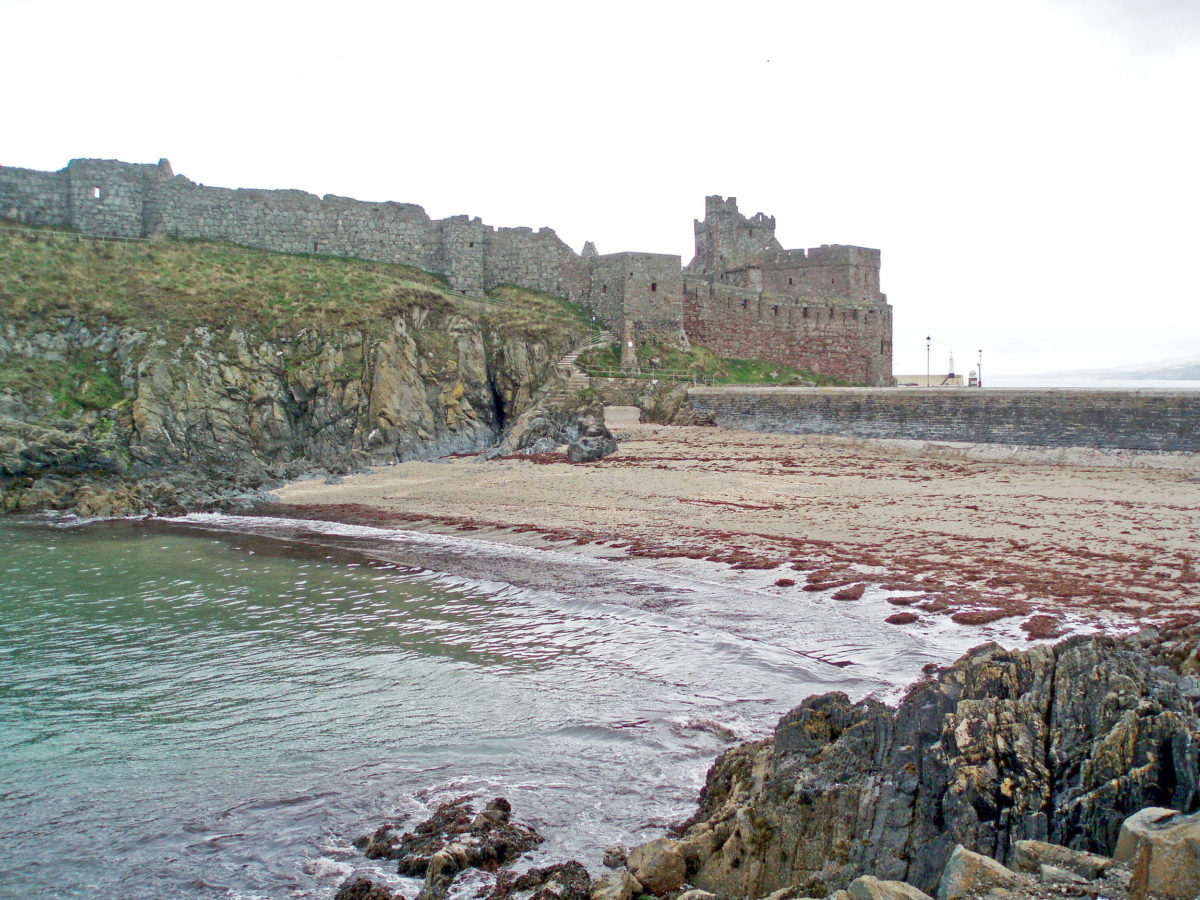
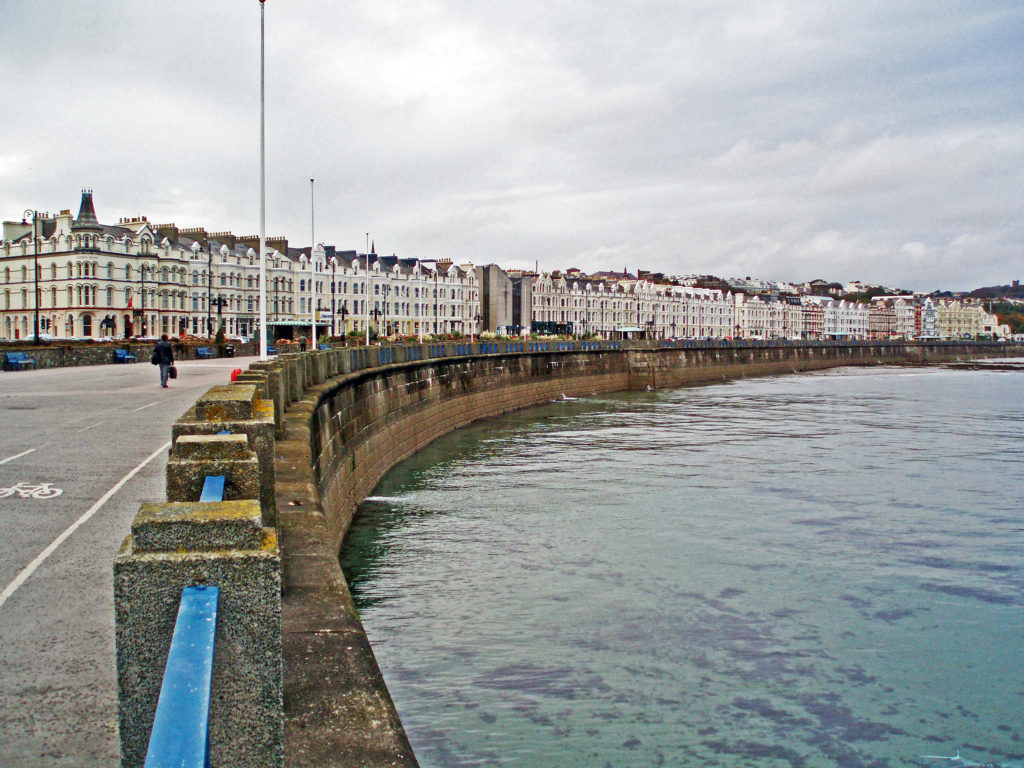

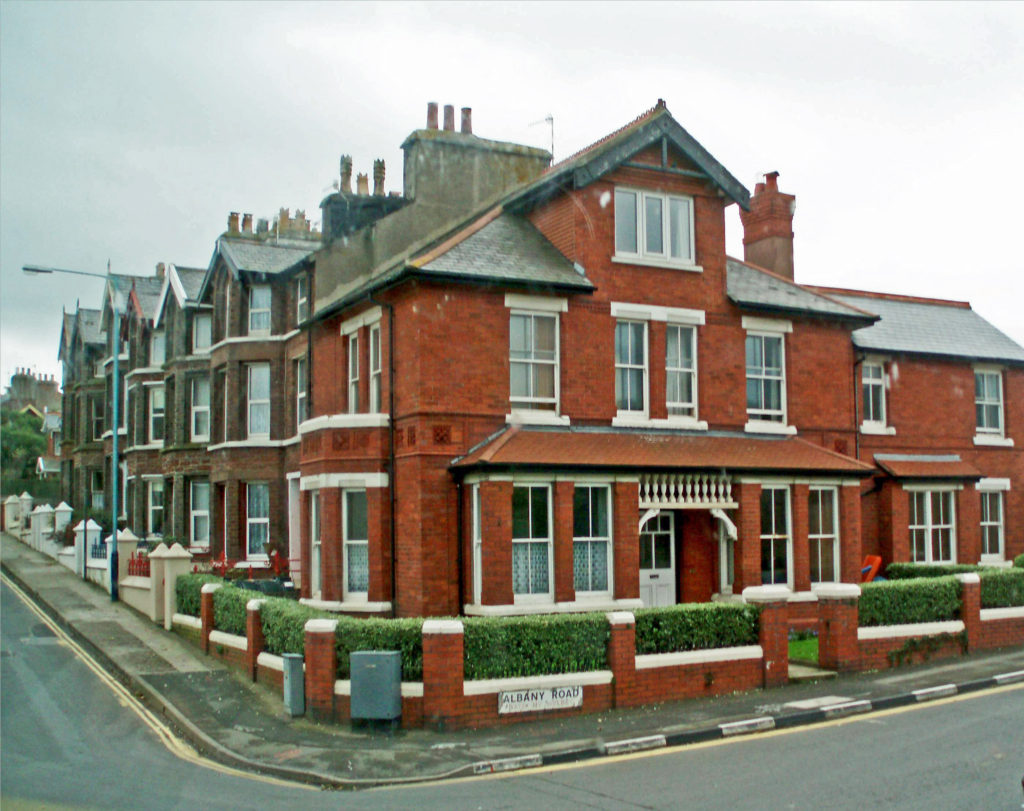 Not quite an independent country, the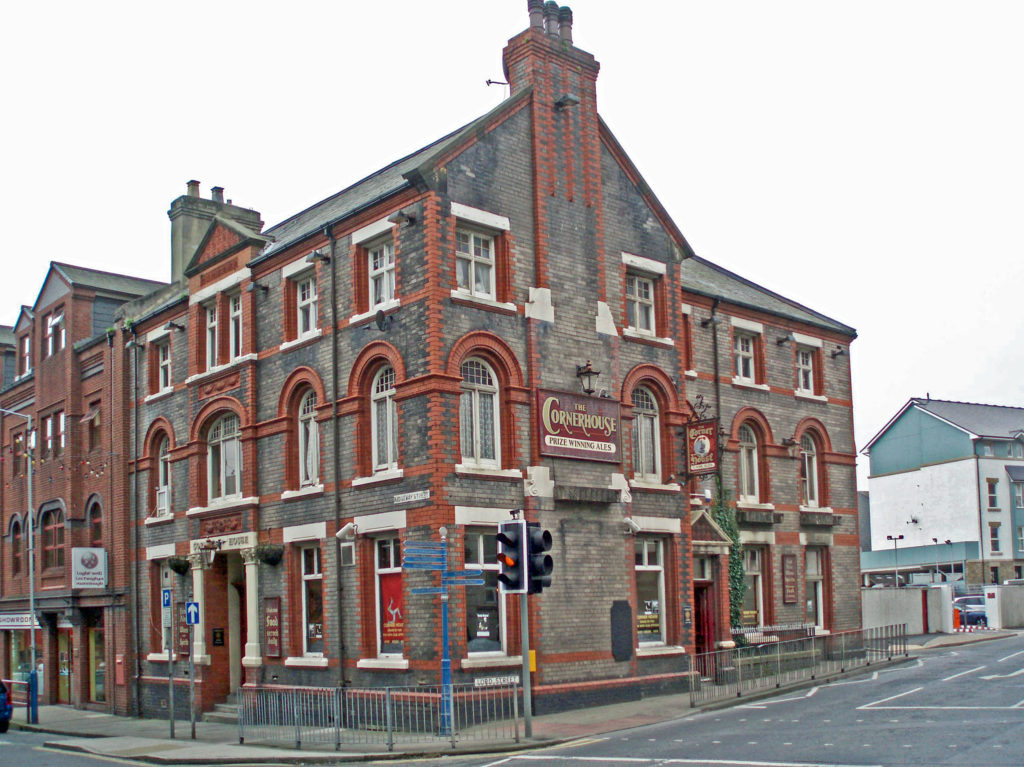
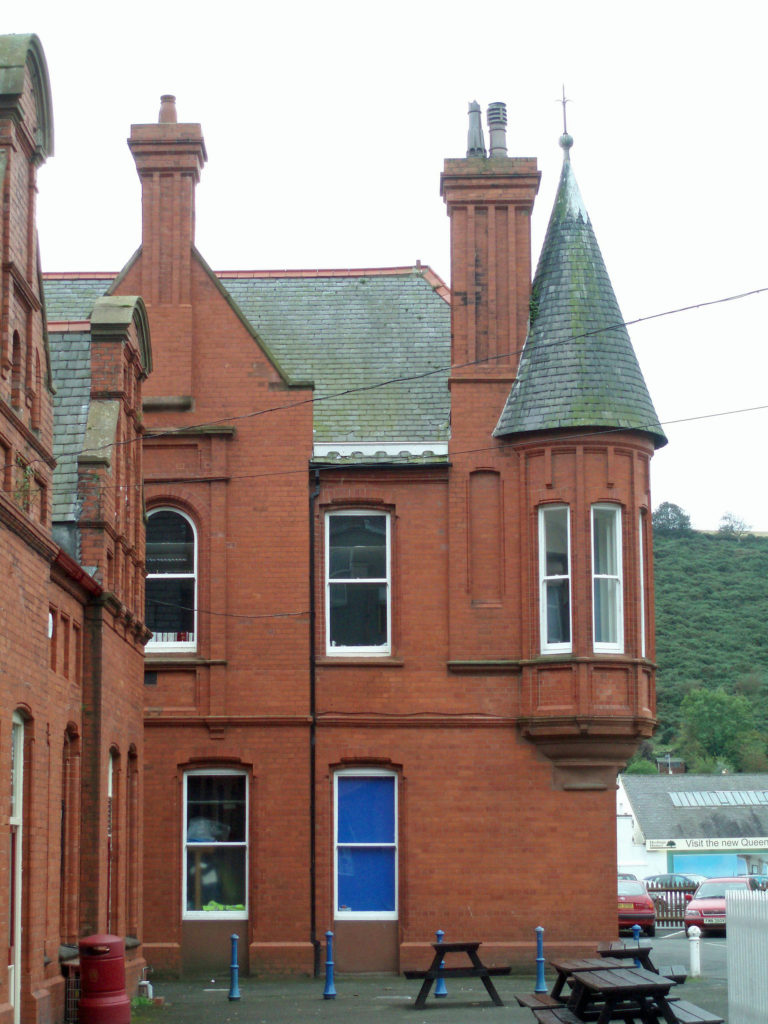
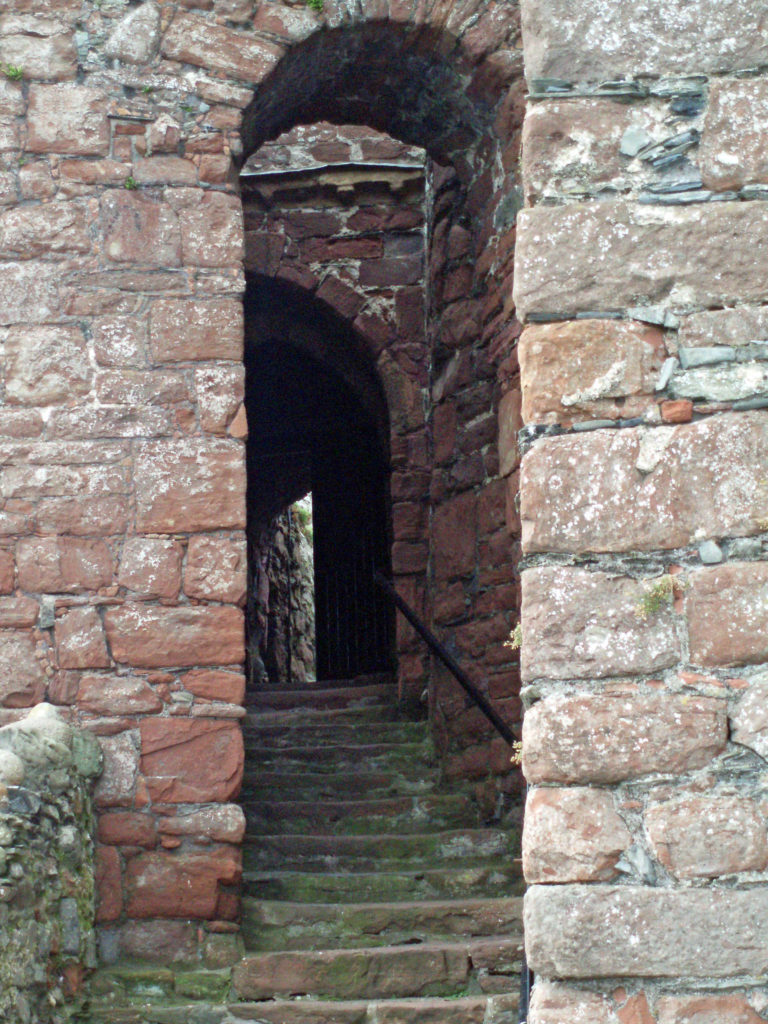 Getting to the island is relatively easy. It is no more than a 30 minute flight from any major city in the UK or Ireland. We, however, traveled to the island by passenger ferry from Heysham, England, which takes about two and a half hours. Ferries from Heysham and Liverpool run year round. In the summer months, there are also ferries from Belfast and Dublin to Douglas, the capital and largest city on the island.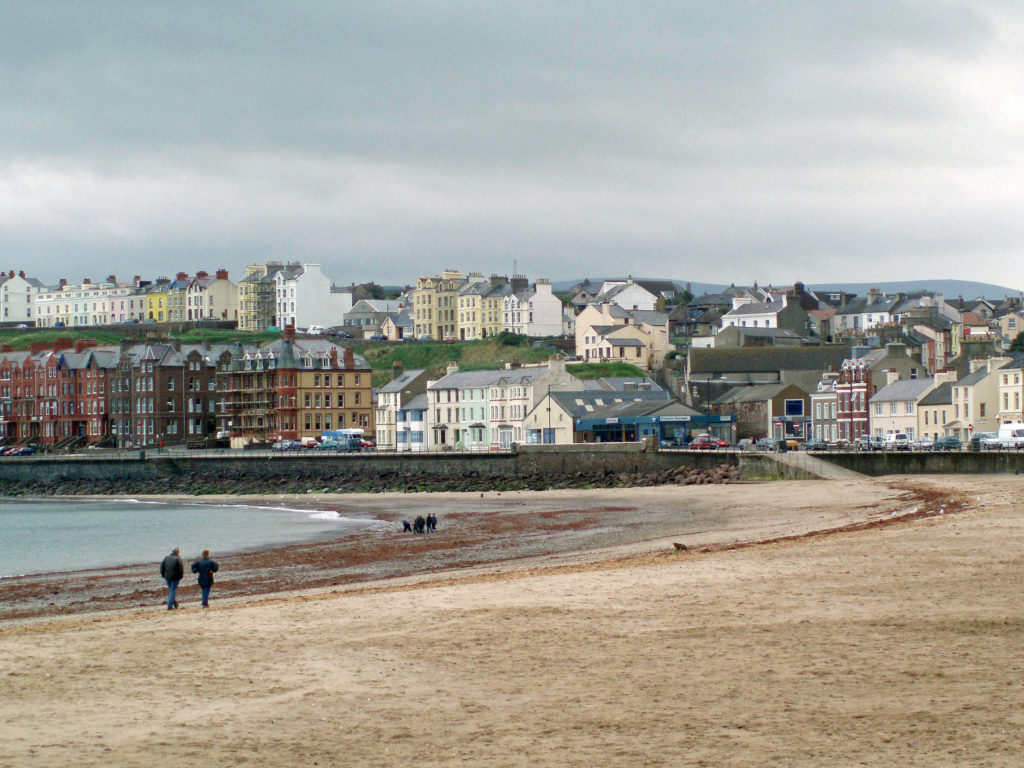
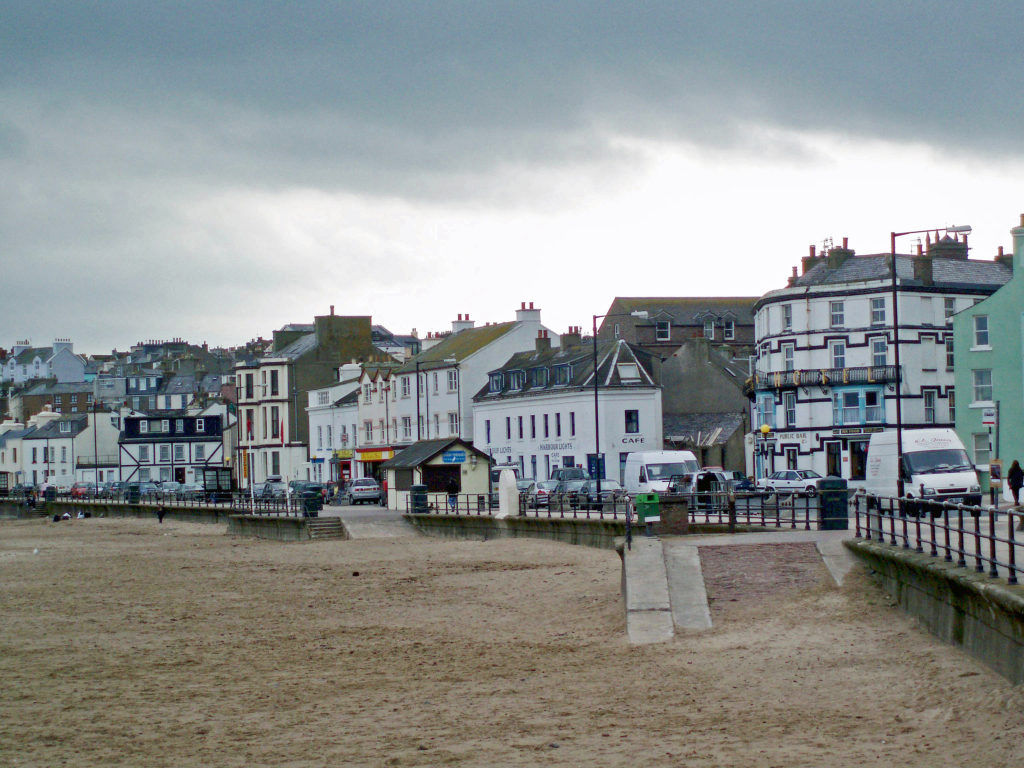
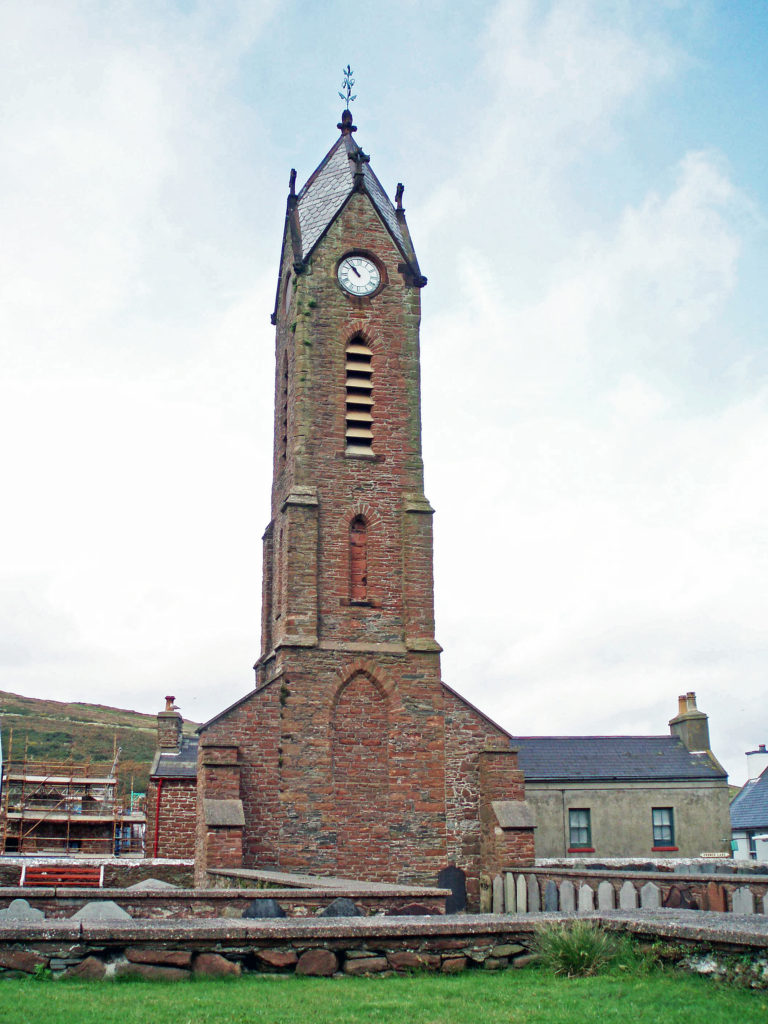
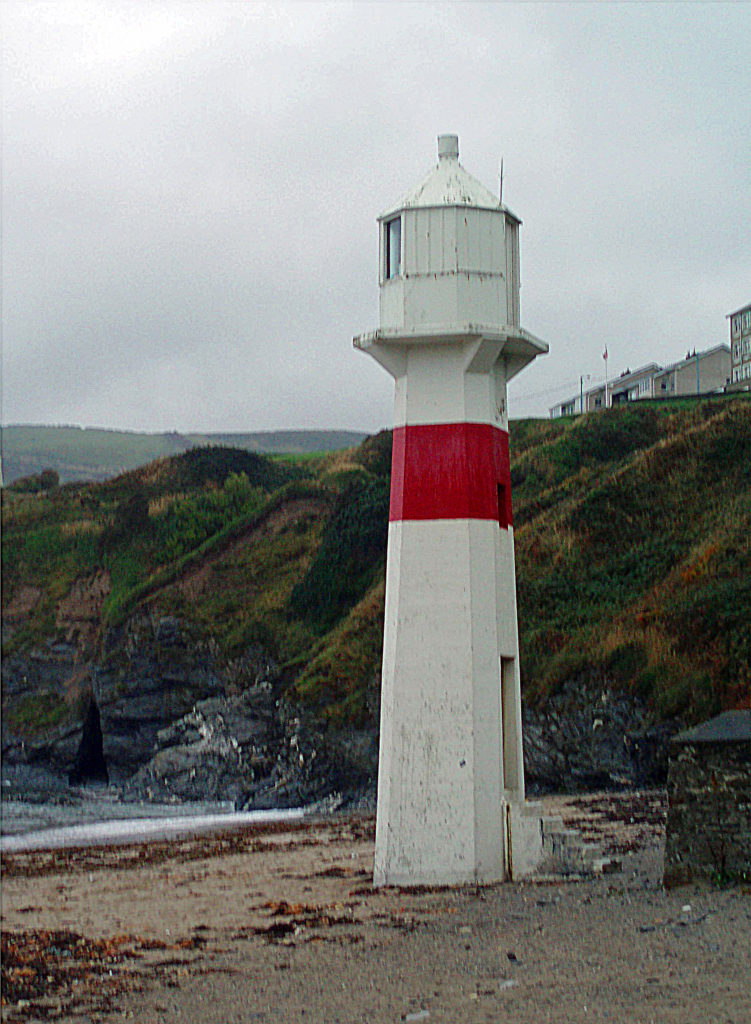
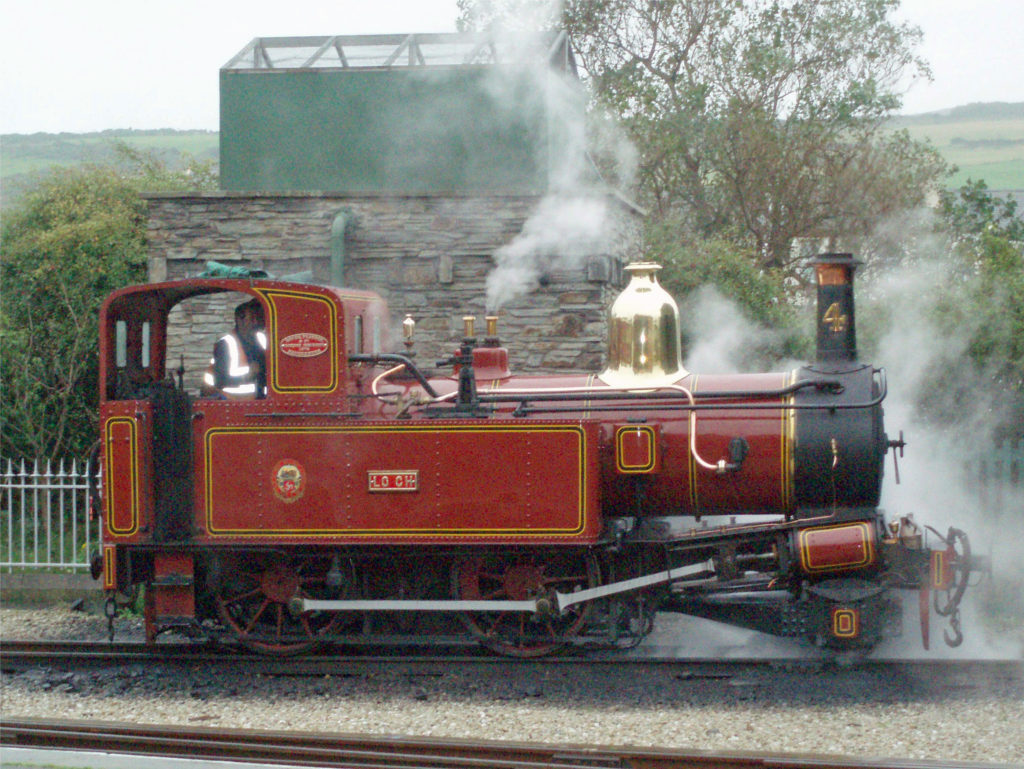 On our train ride we met a local gentleman who was happy to pass on some of his knowledge of the island and its history. We found the Manx people to be friendly and welcoming.
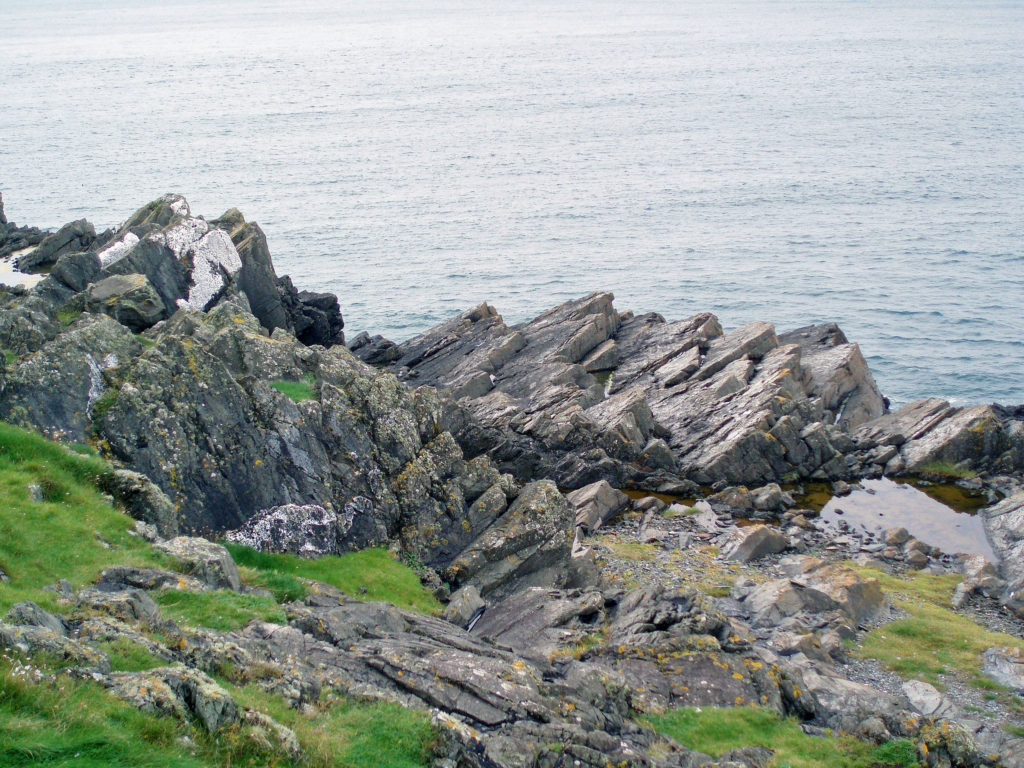 The Isle of Man has an interesting history. It has been ruled by the Celts and the Vikings, and it has, at various times, been part of Norway, Scotland, and England. But the Manx people have a strong sense of their own identity and have managed to maintain that identity for more than a millennia, regardless of who ruled the island. Tynwald, the Isle of Man parliament, is one of the oldest, if not the oldest, in the world. And human occupation of the island goes back to at least 6500 BC.
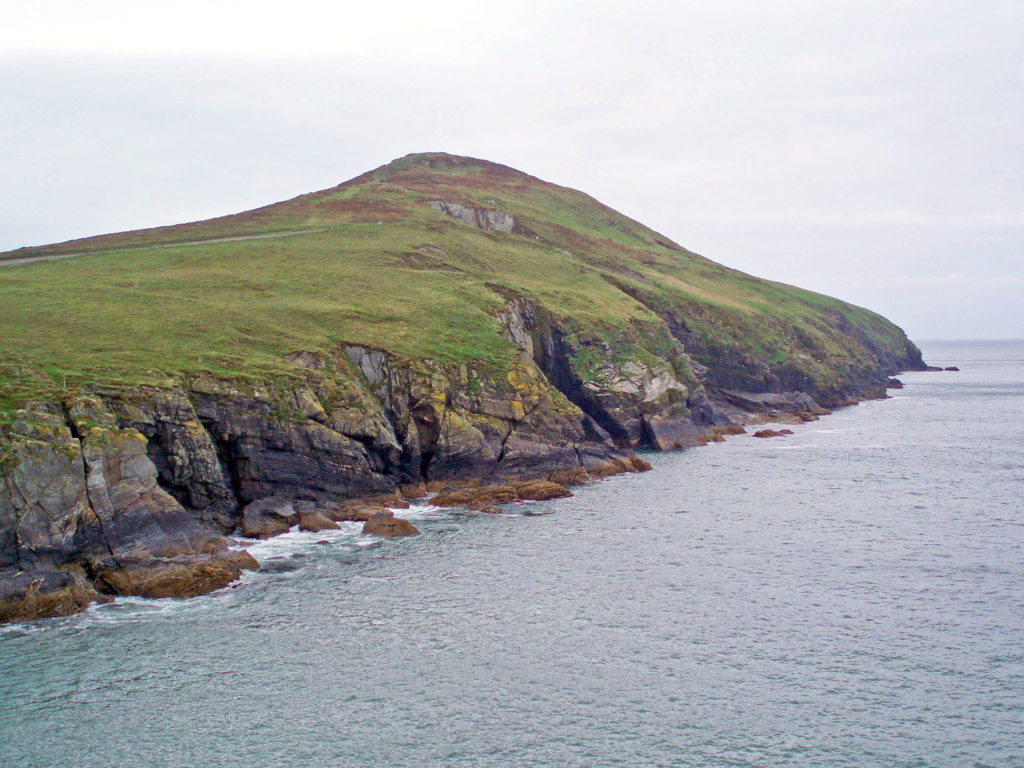 The Isle of Man is known for the short-tailed Manx breed of cats. The island is also the home of a four- and sometimes six-horned breed of sheep, and a population of red-necked wallaby, which have become established on the island after escaping from a wildlife park. We saw many of the odd looking sheep, but no cats or wallabies, sorry to say.
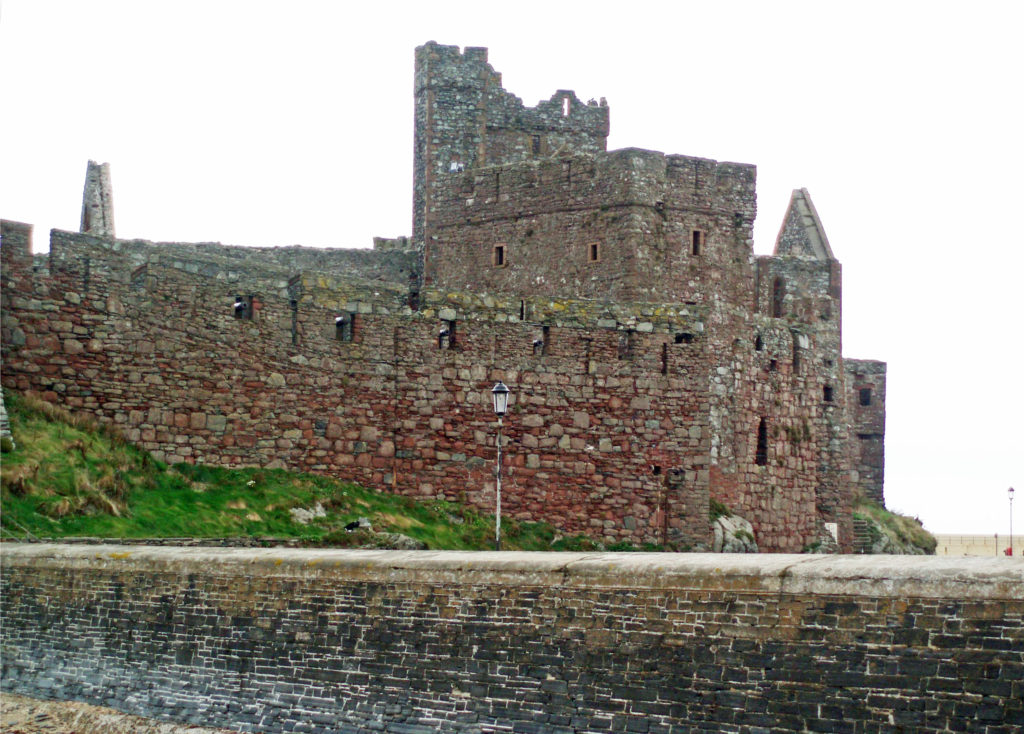 Motor sports fans know the island for the Isle of Man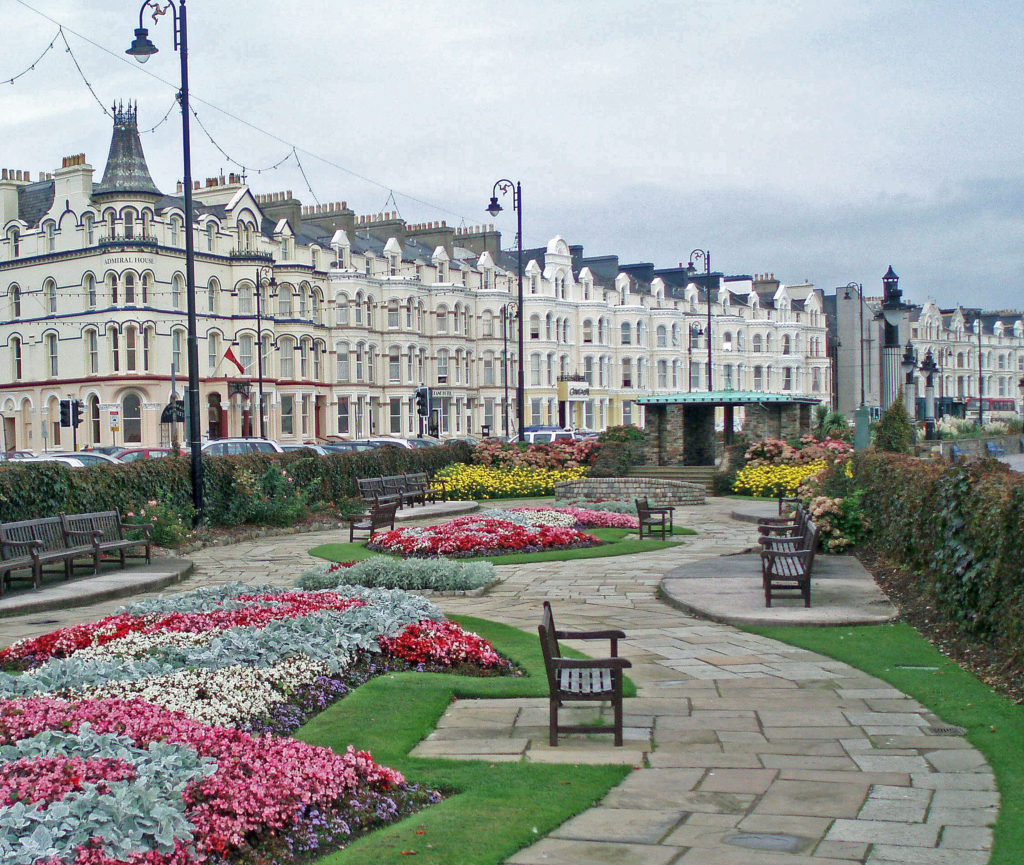
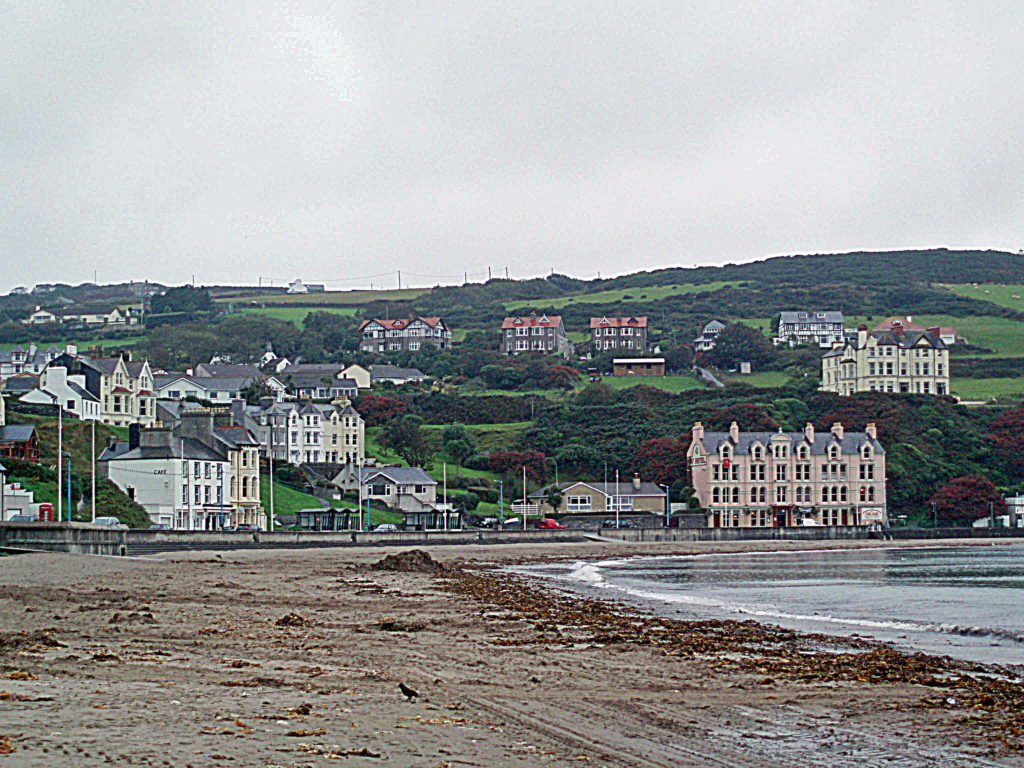
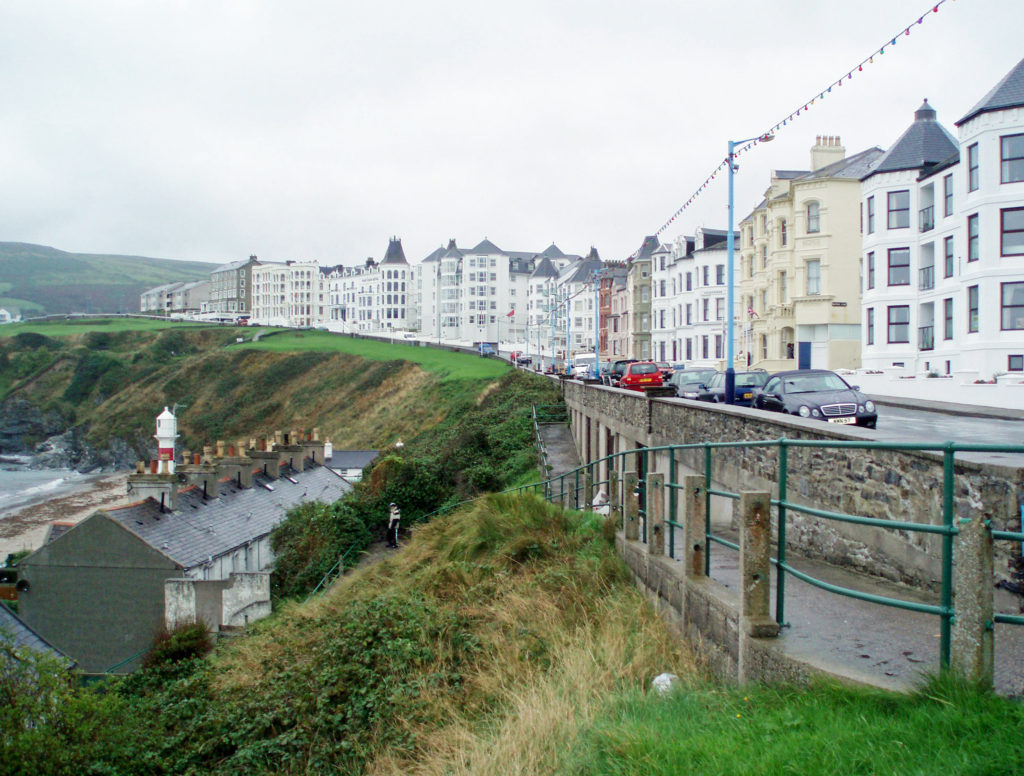 While the Isle of Man might not be a tourist destination in its own right, at least for those of us from North America, we thoroughly enjoyed our time there, and I would like to go back someday. It has been some time since we visited, but given the island’s long history, I doubt that its essential character has changed much over the past seventeen years. I’m sure it remains a worthy addition to any trip to Great Britain or Ireland.
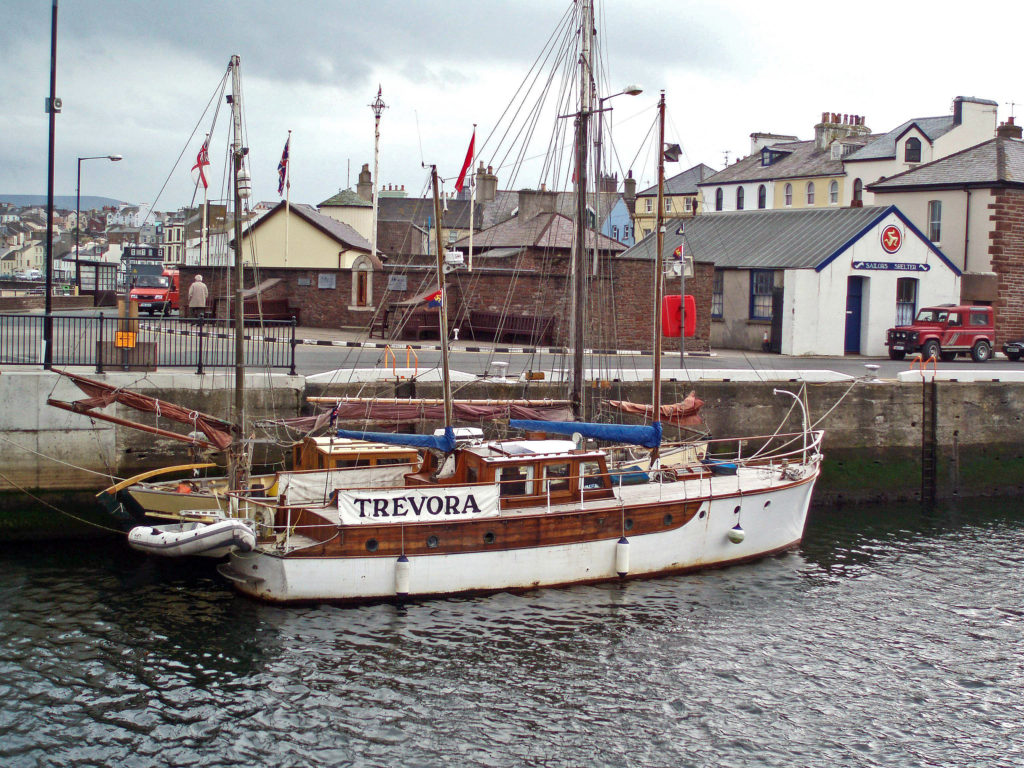 Originally posted by Alan K. Lee, December 4, 2020. Updated and re-posted August 28, 2023.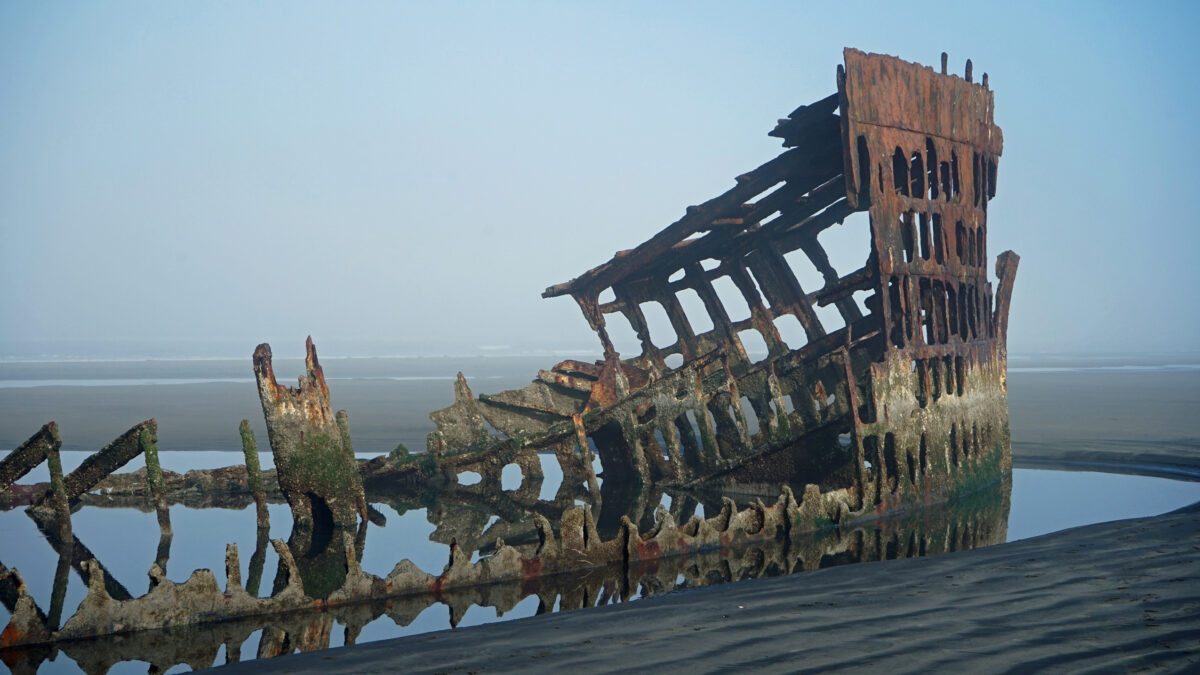
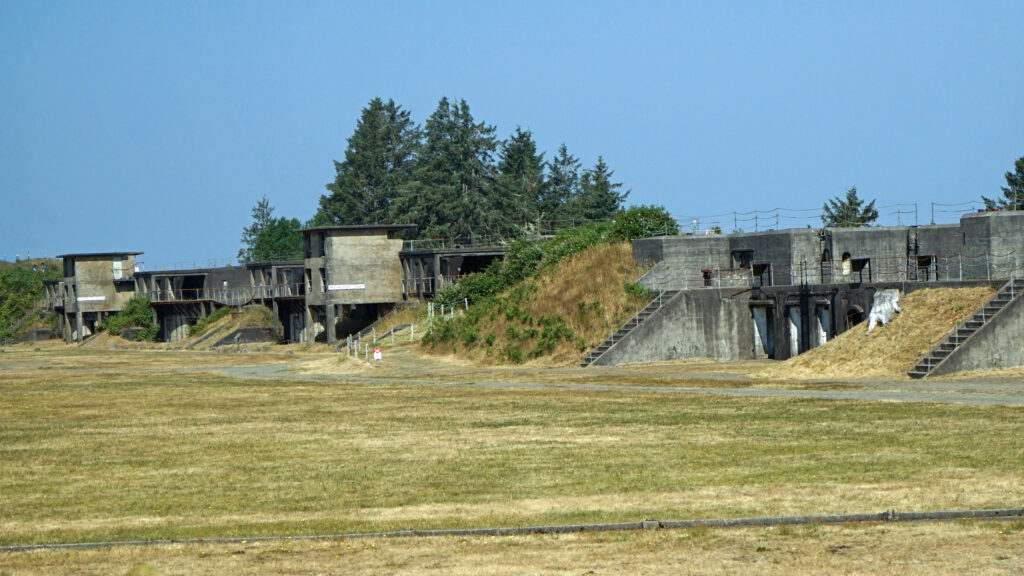
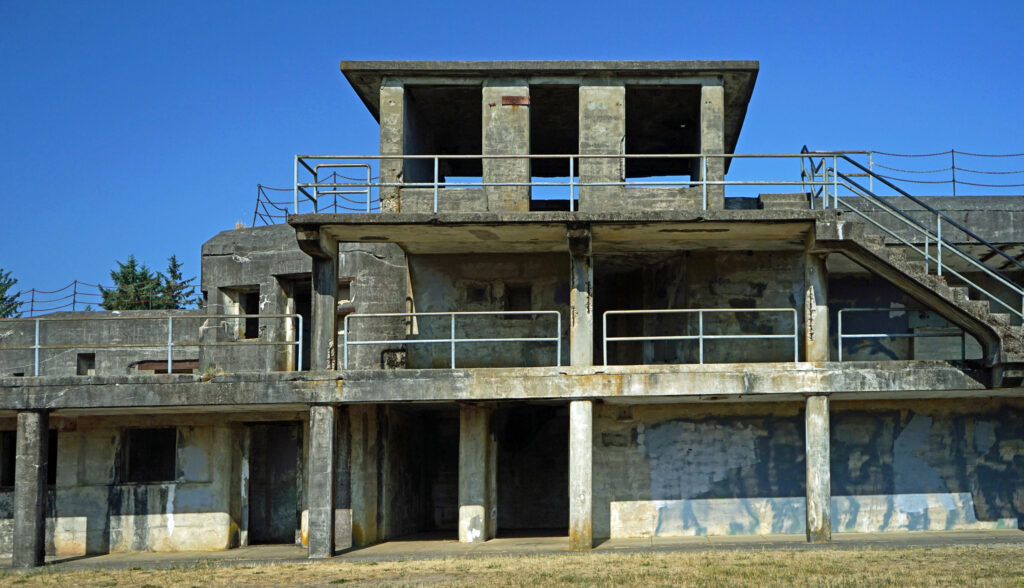
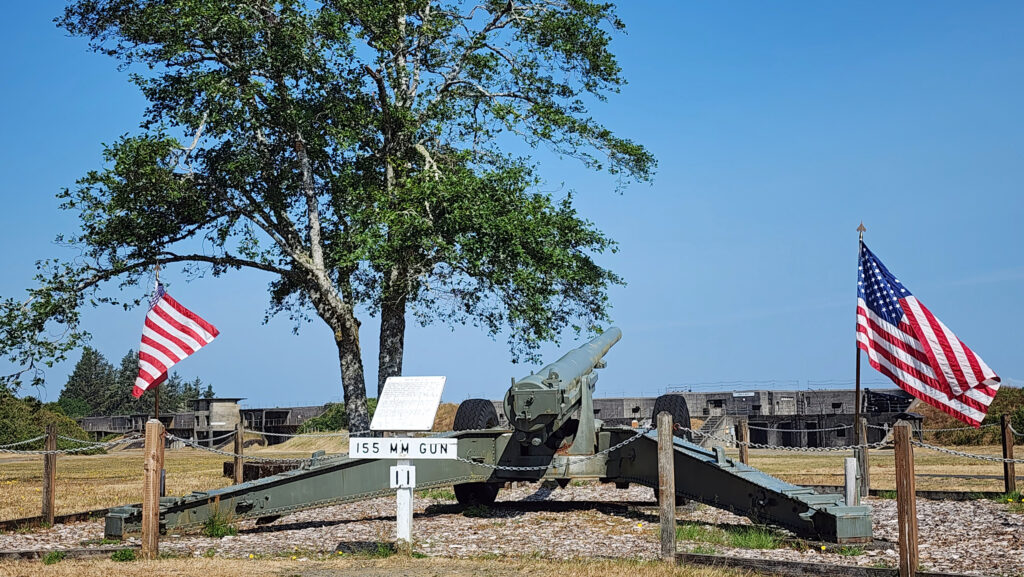
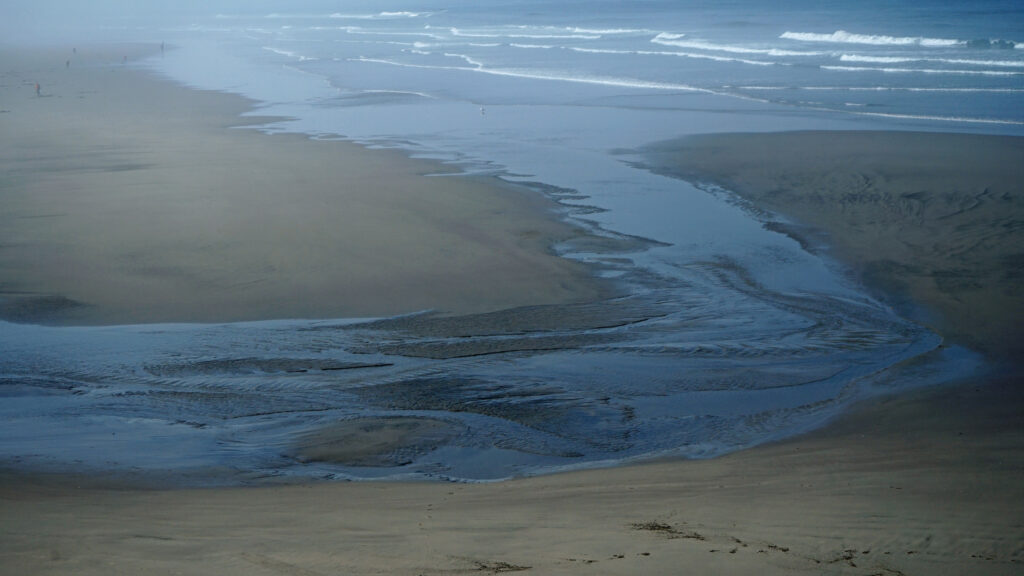
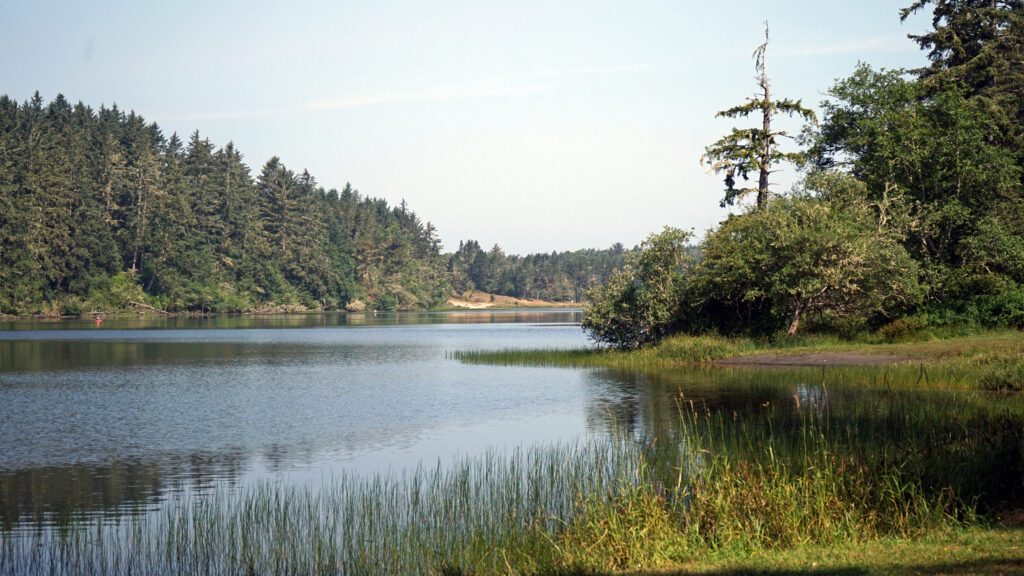
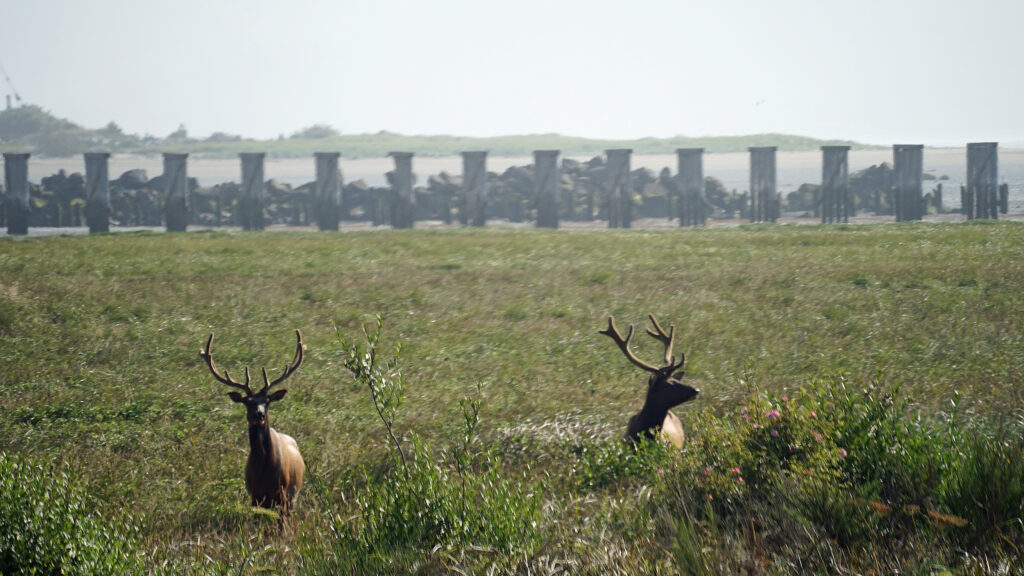
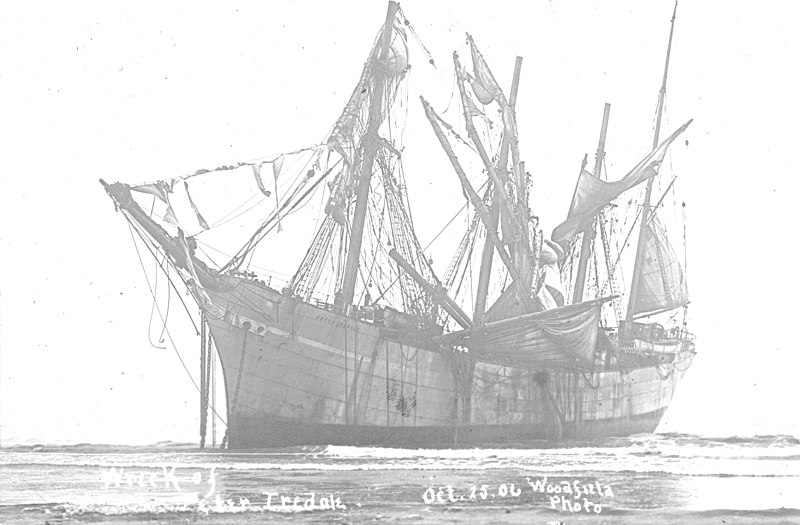
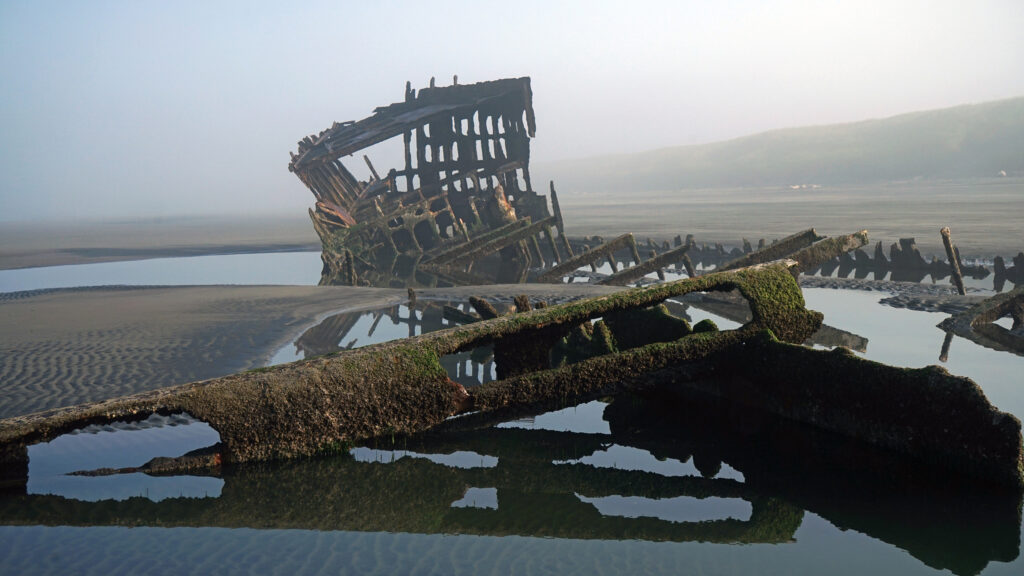
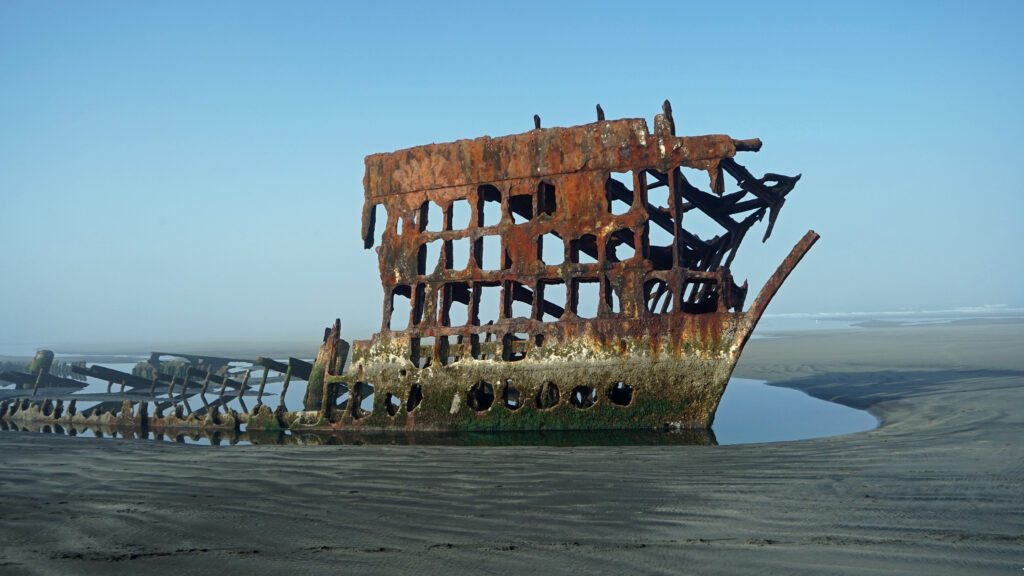
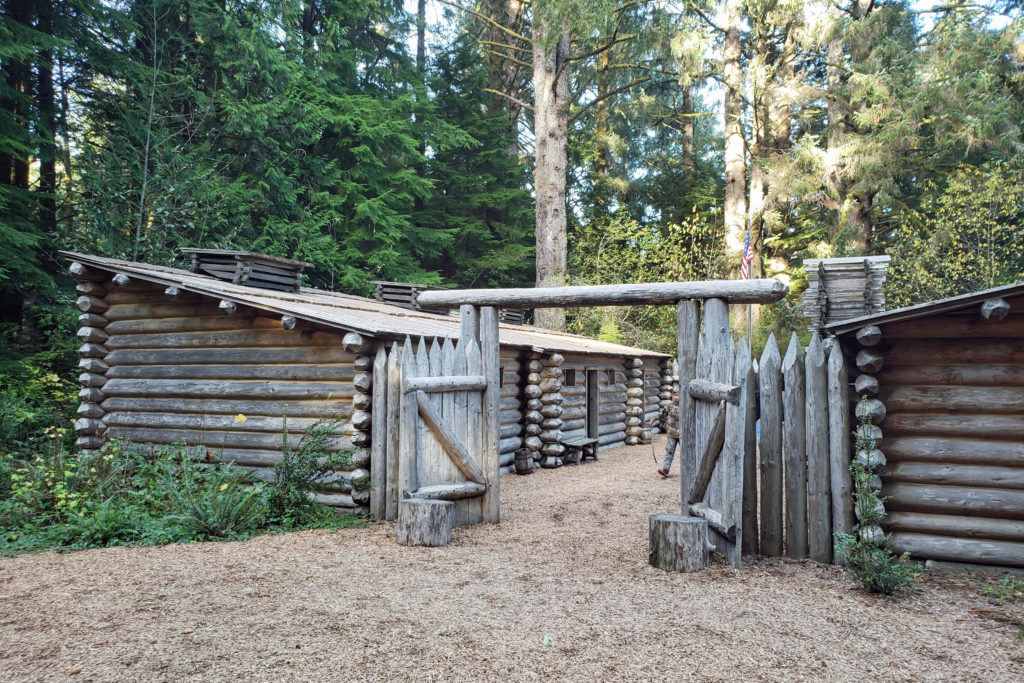
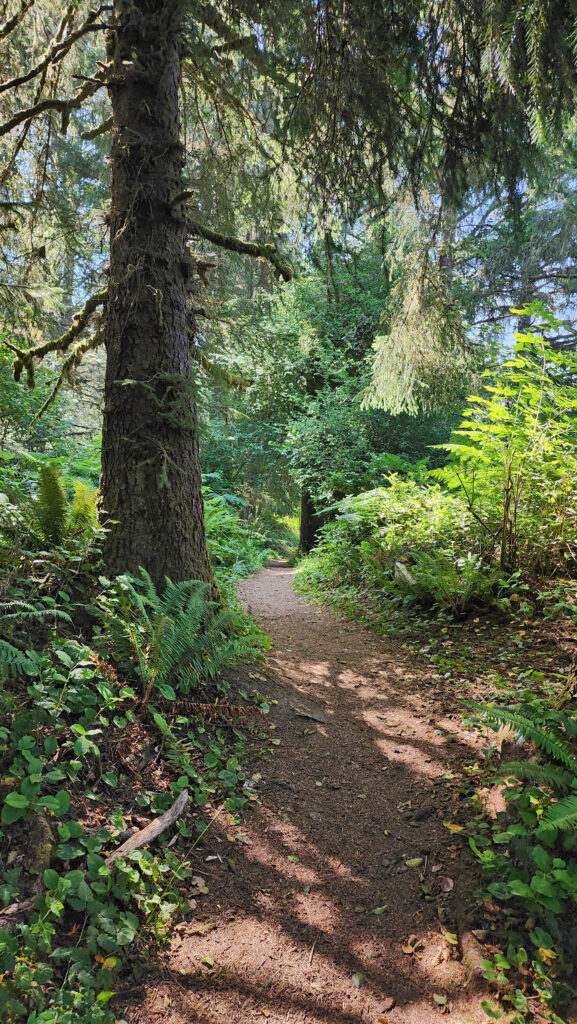
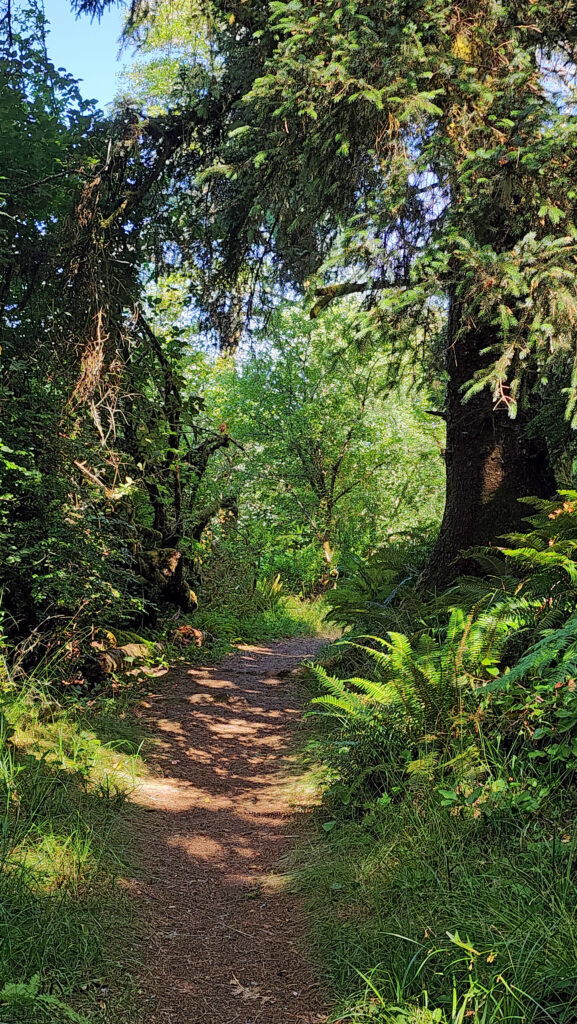
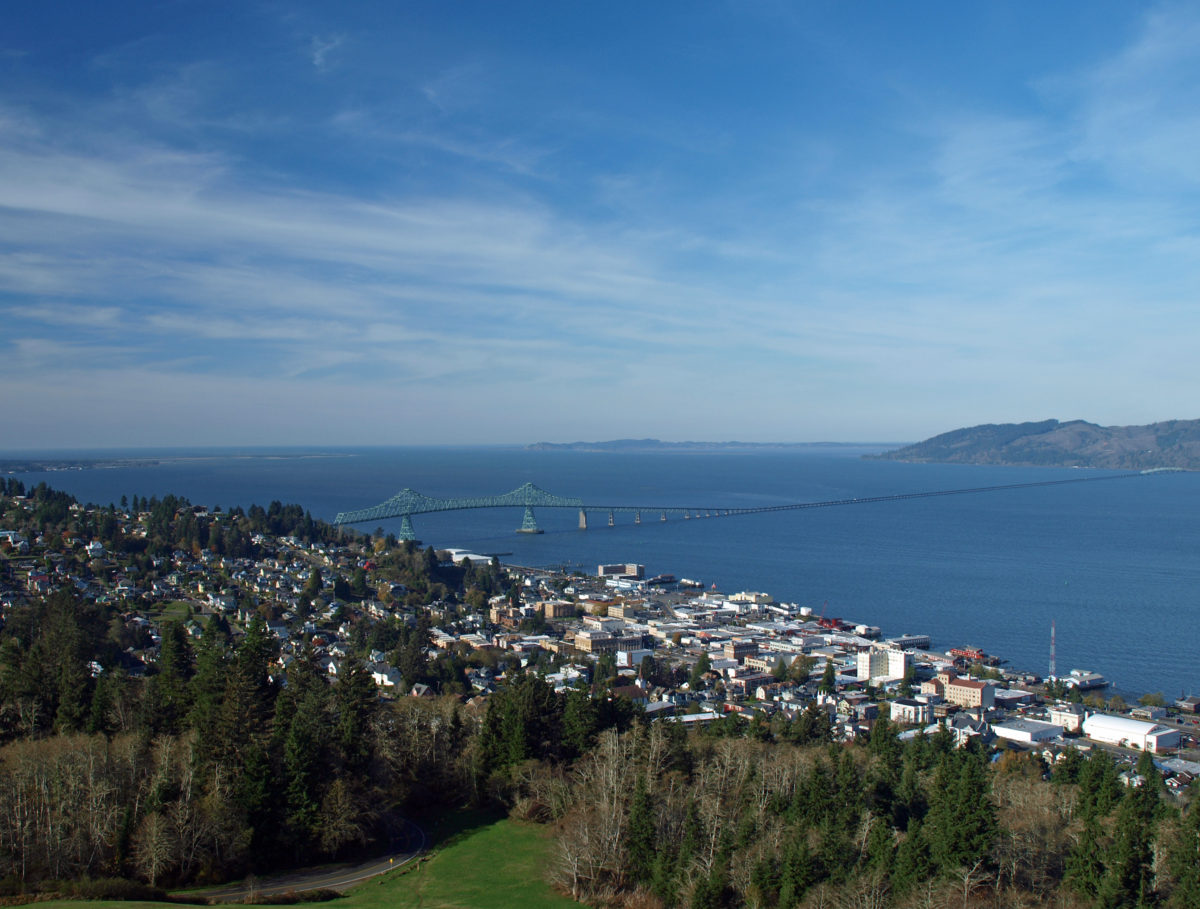
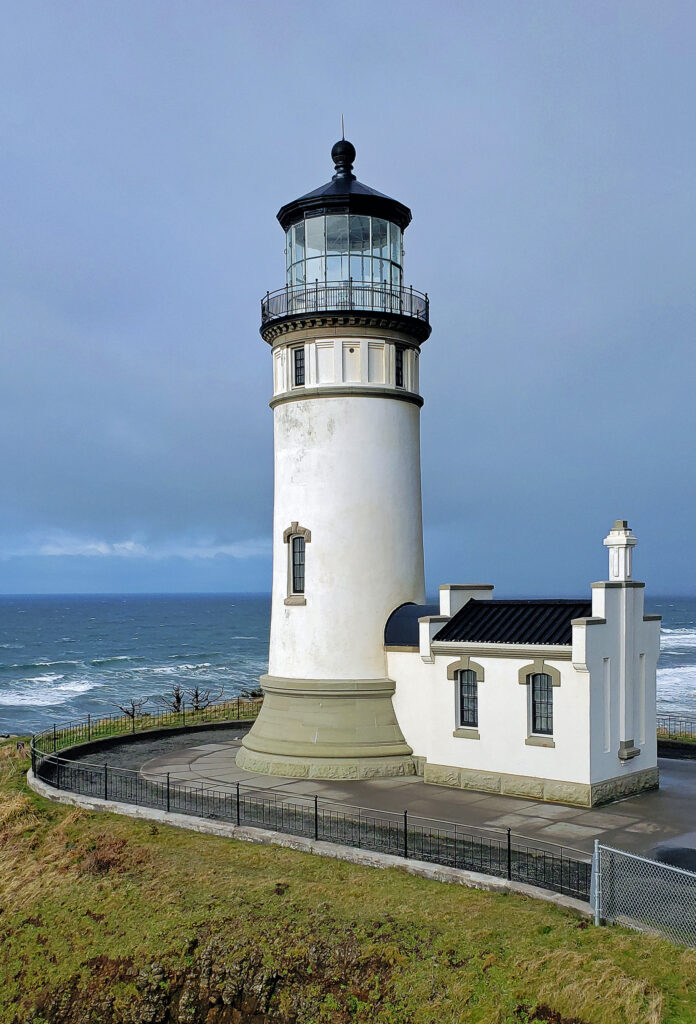
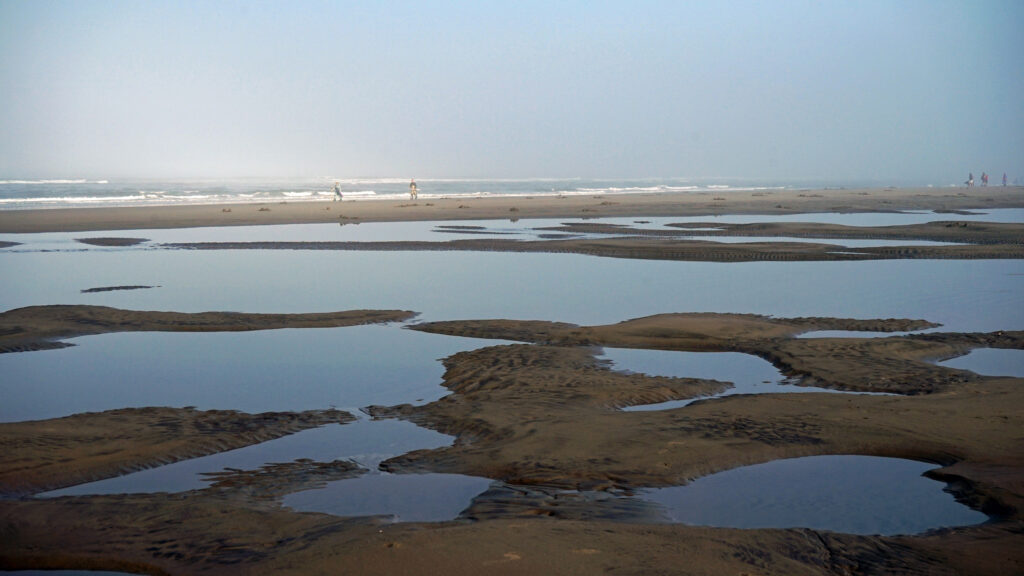
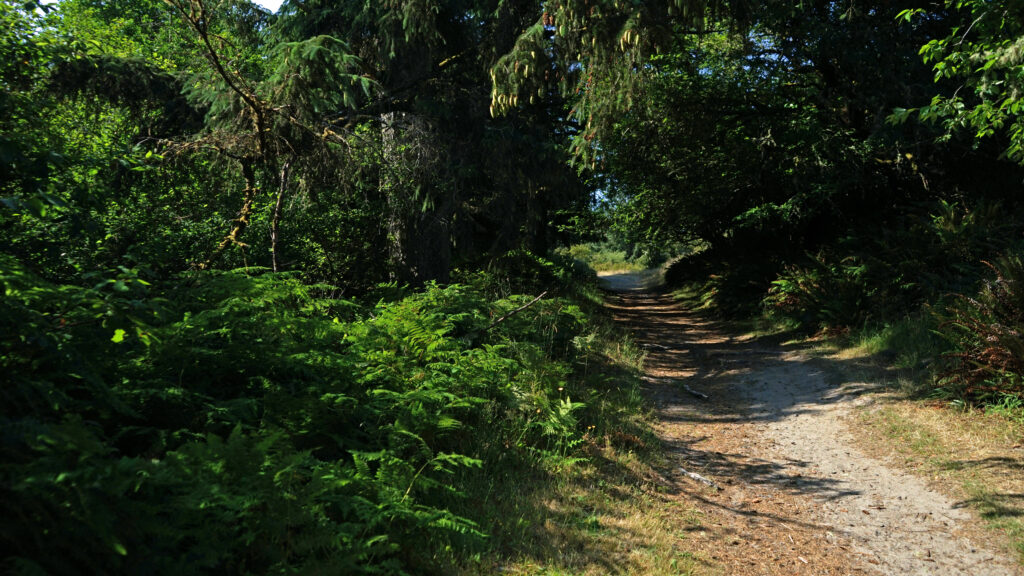
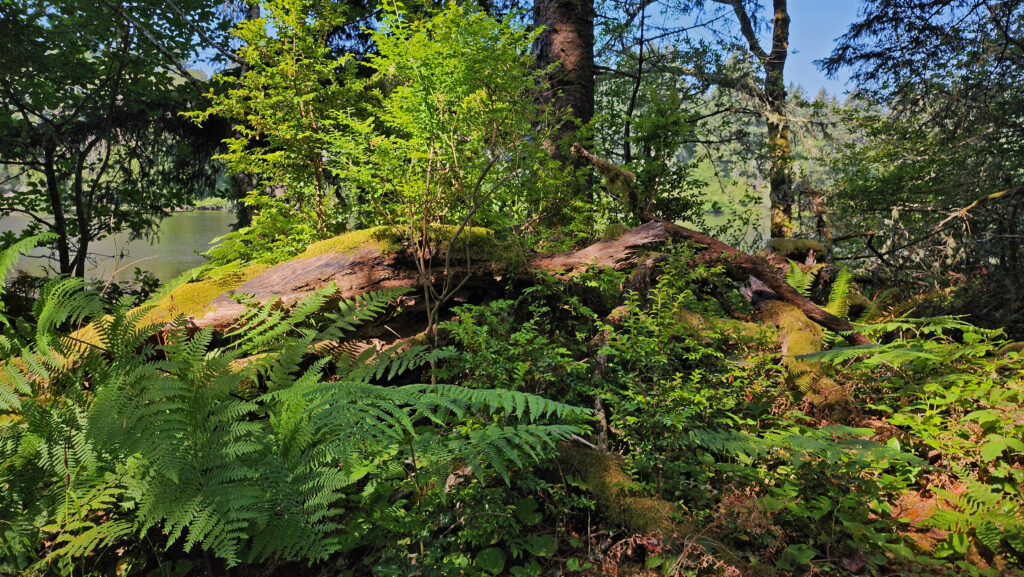
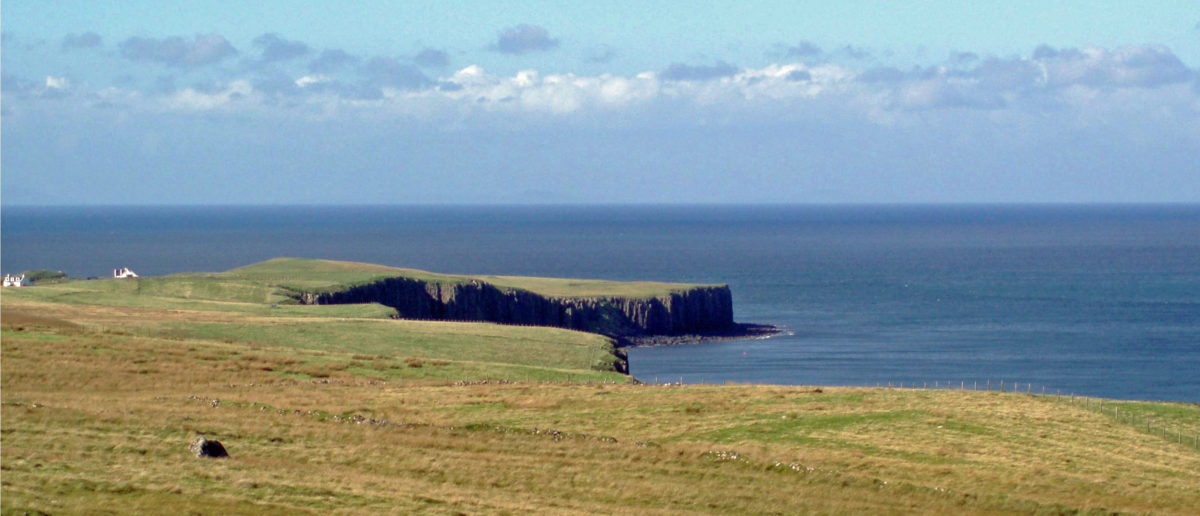
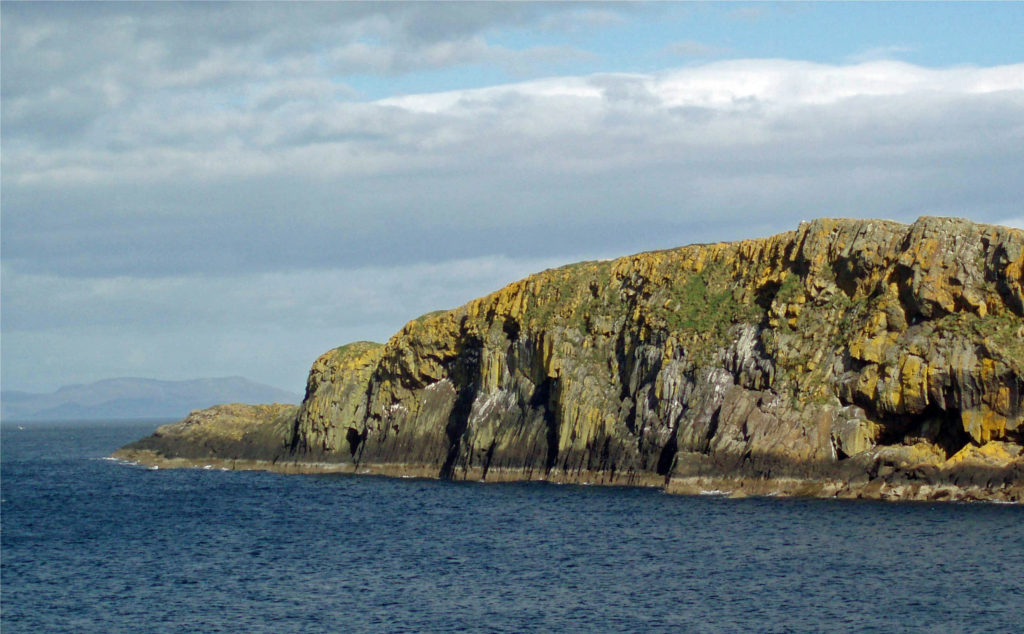
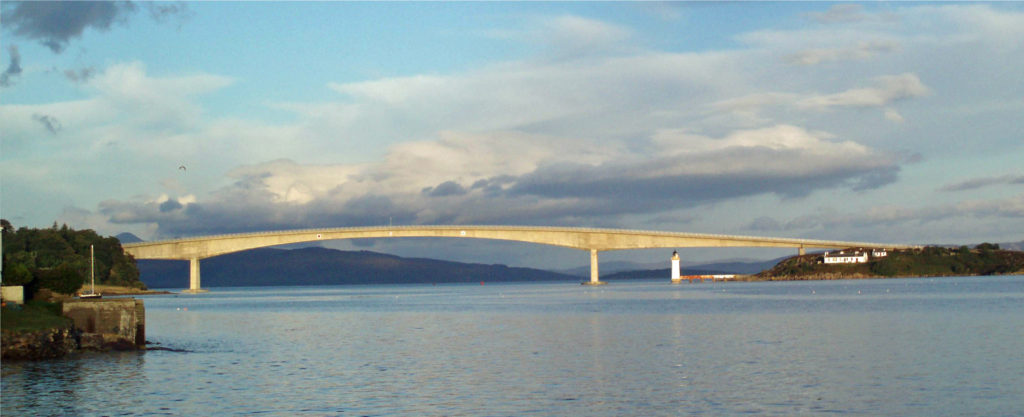
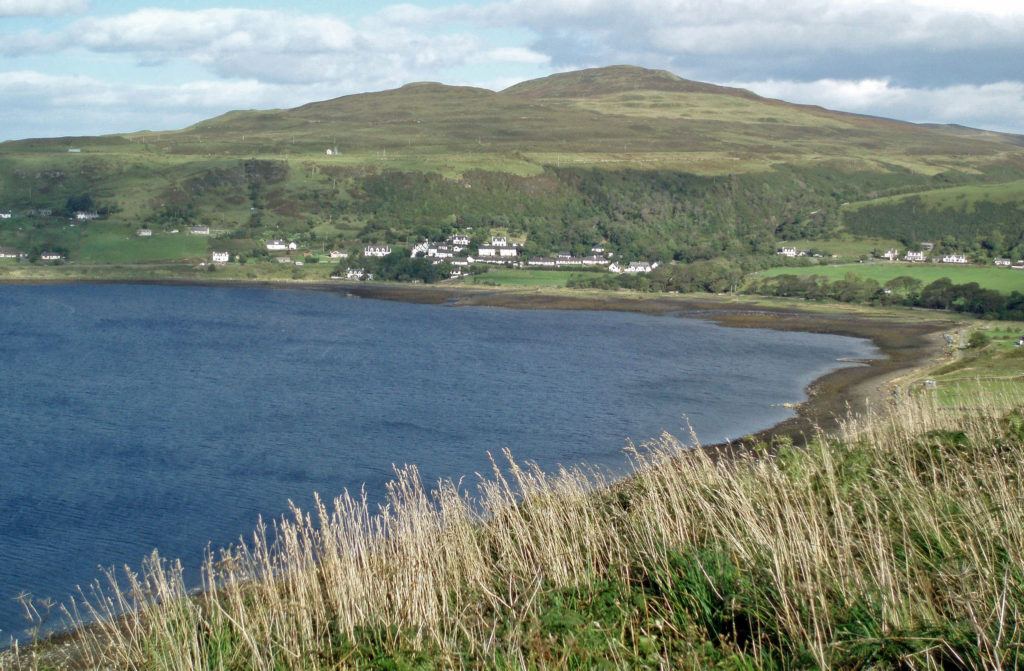
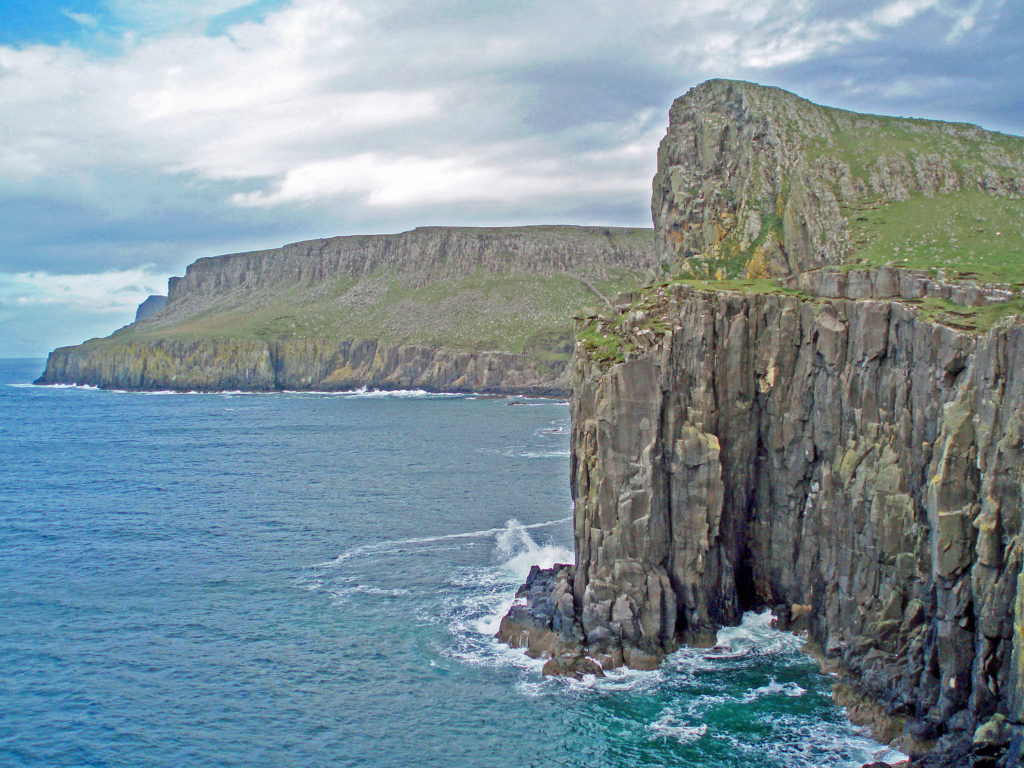
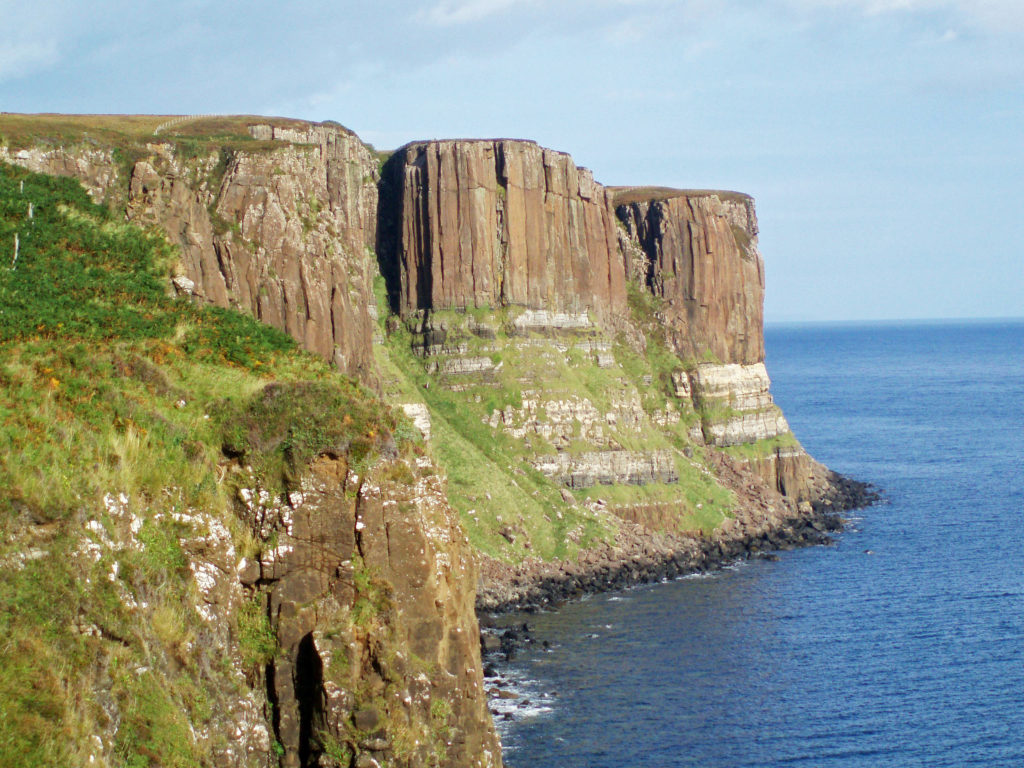
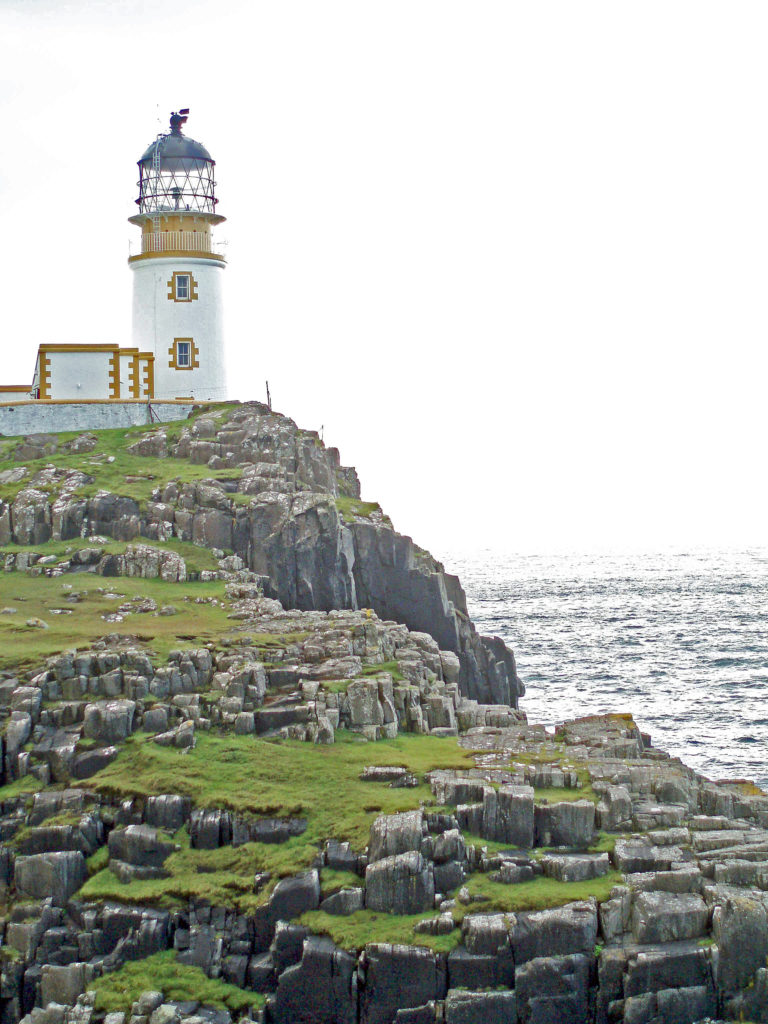
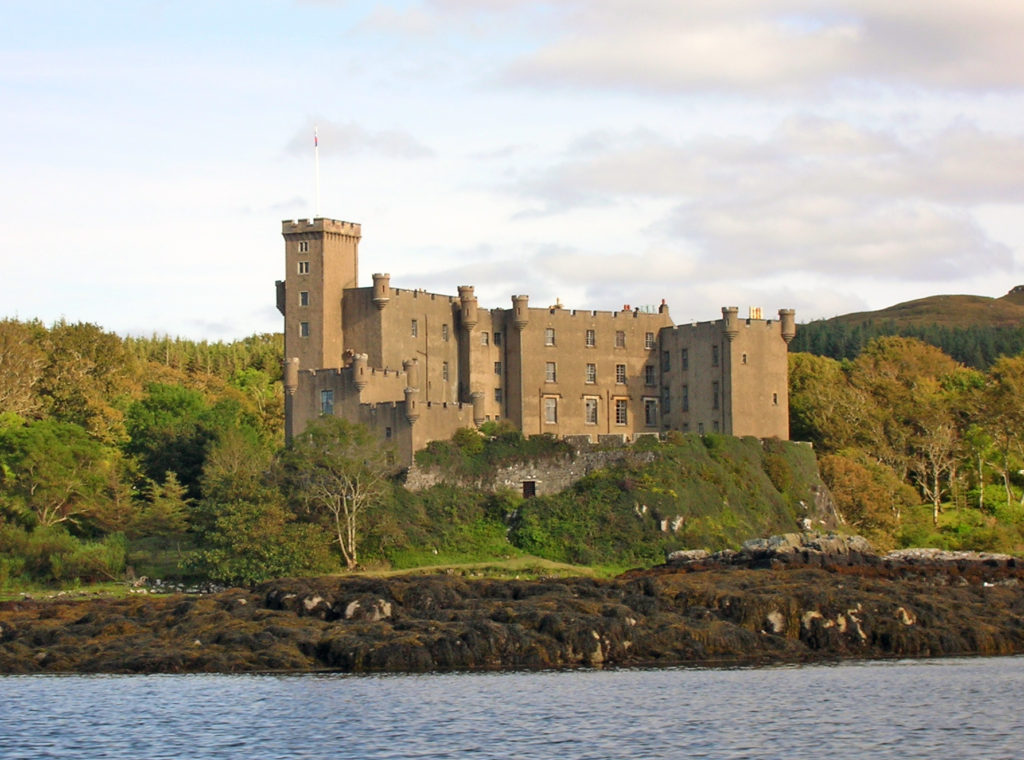
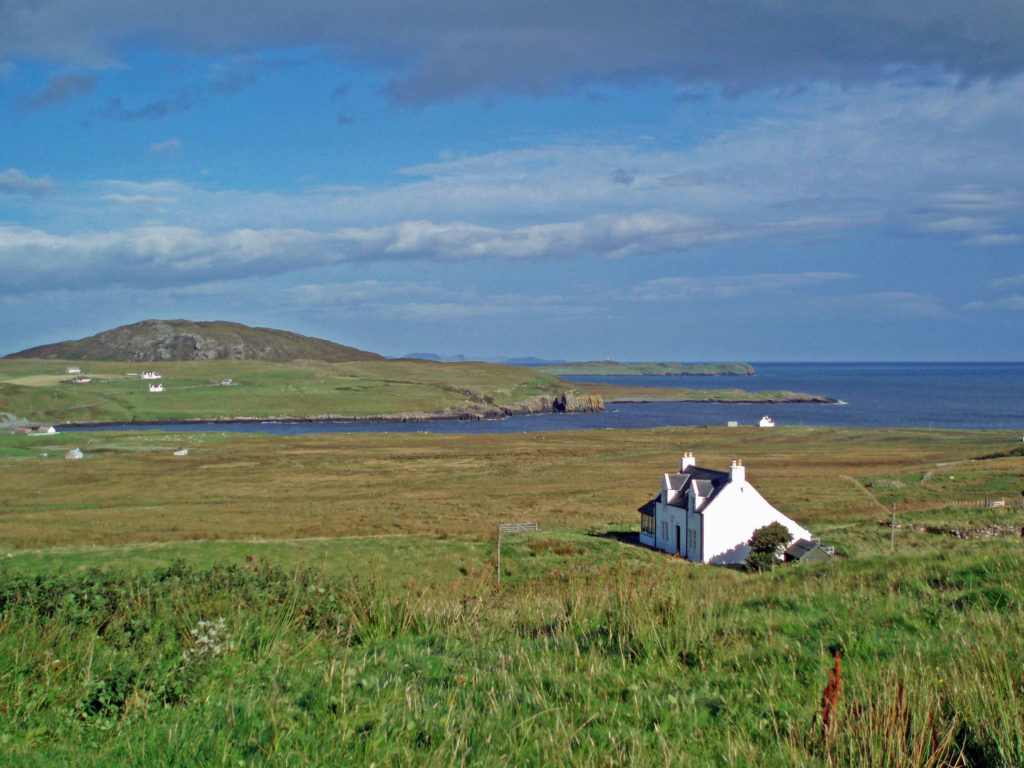
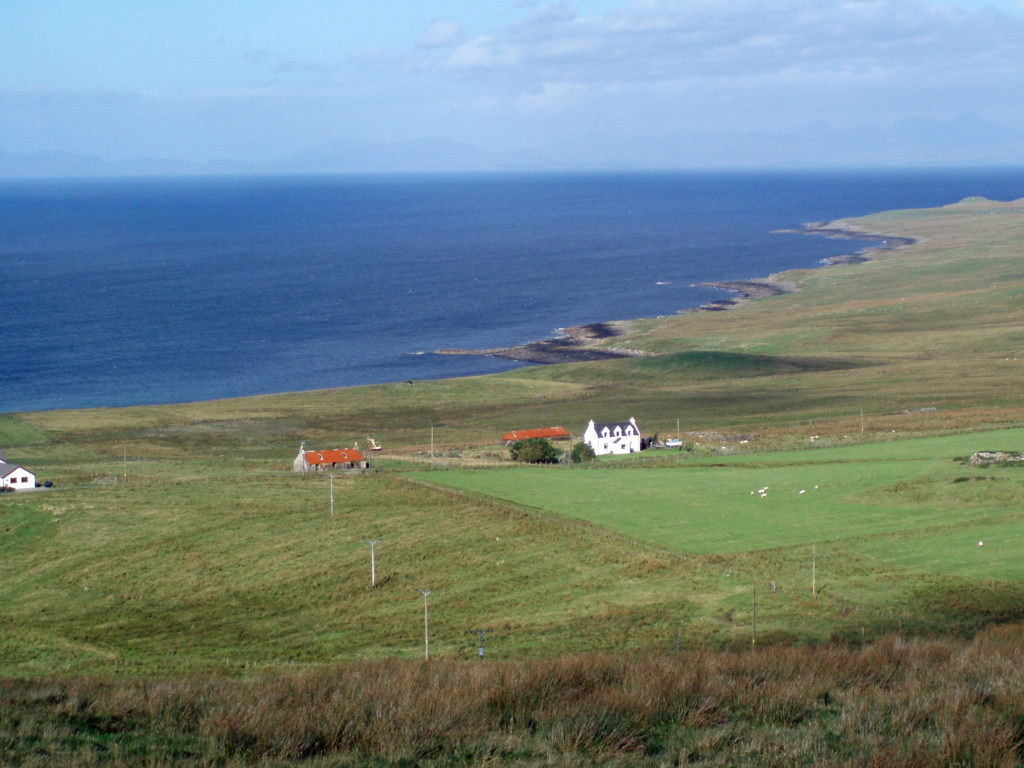
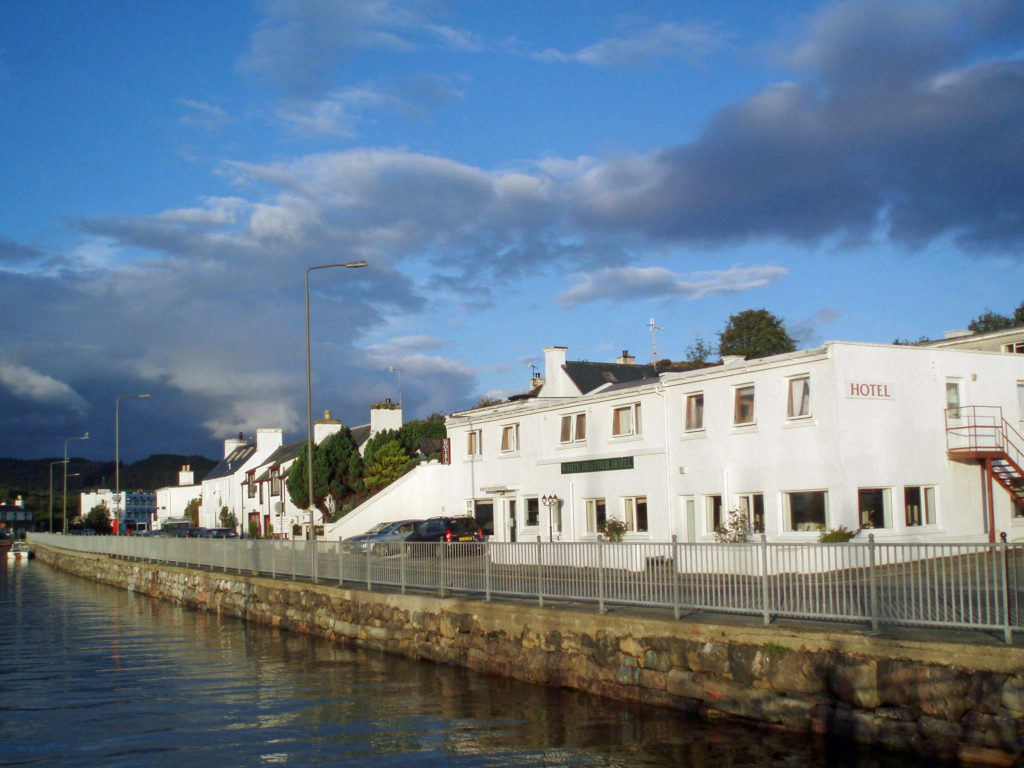
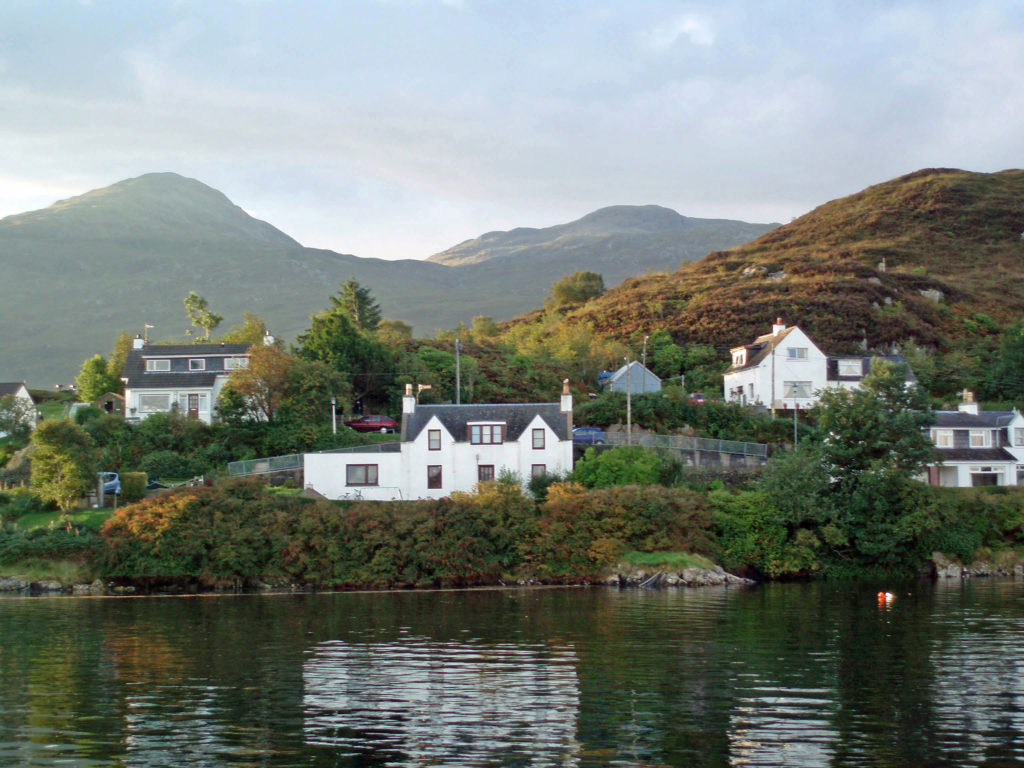
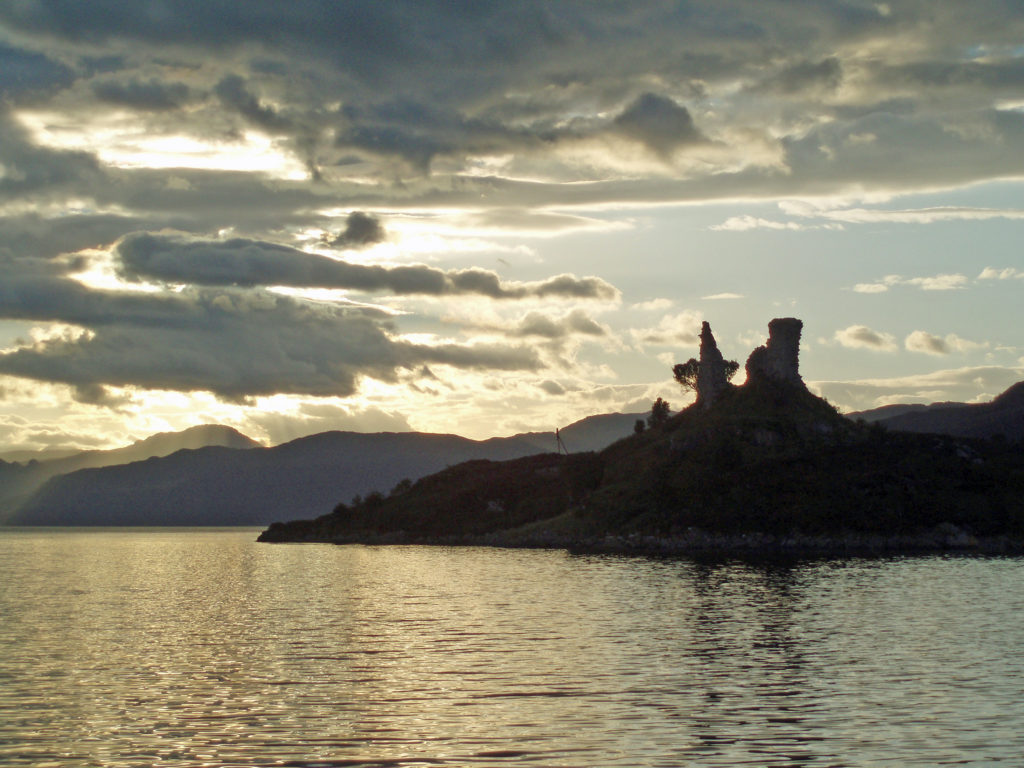
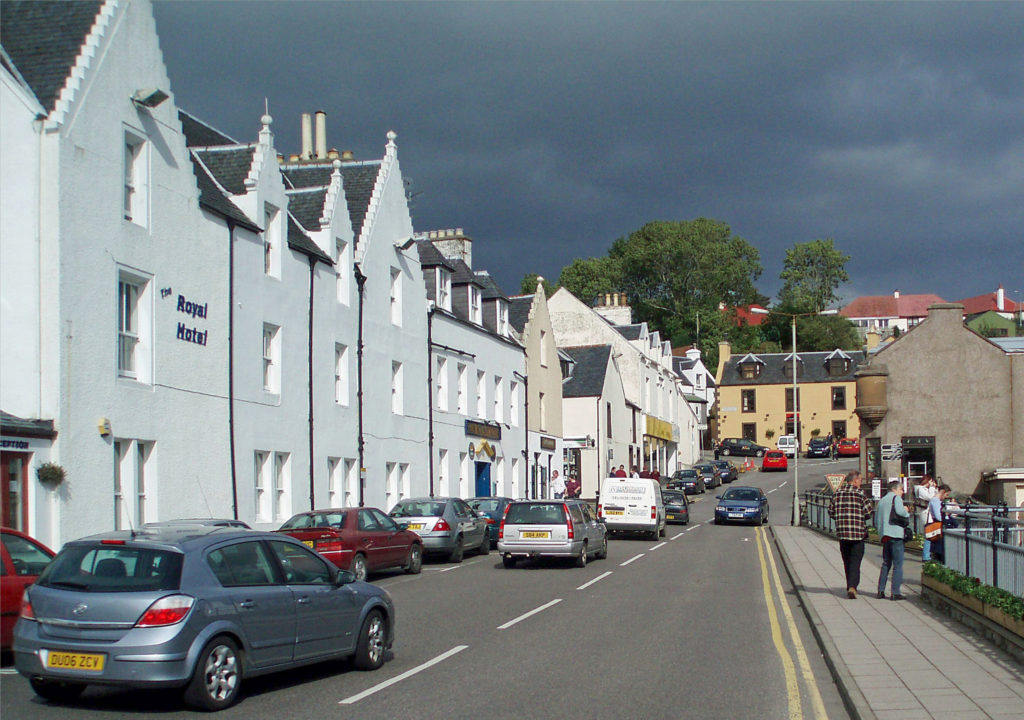
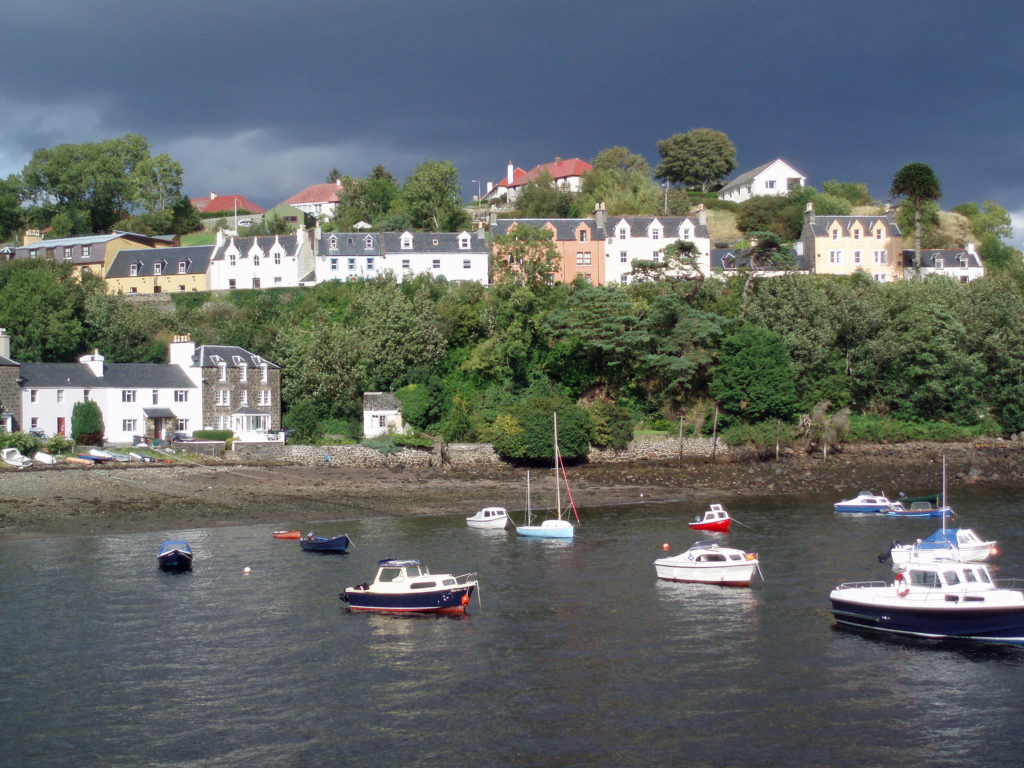
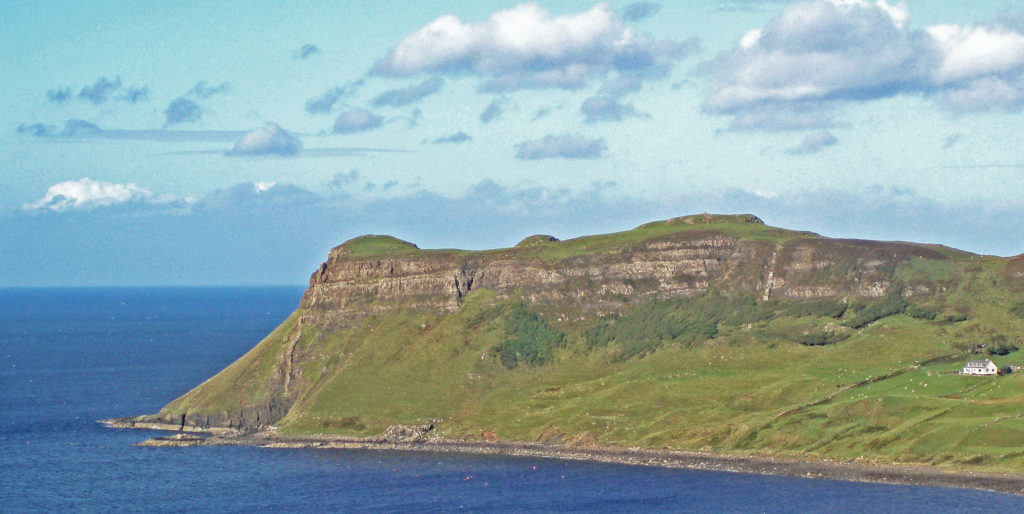 I have no hesitation in recommending the Isle of Skye as a destination that should be on your bucket list. It’s a wonderful place and Scotland as a whole was a great place to start our explorations in Europe. Scotland is both different enough from the U.S. to be interesting and a bit exotic and alike enough to be comfortable and inviting.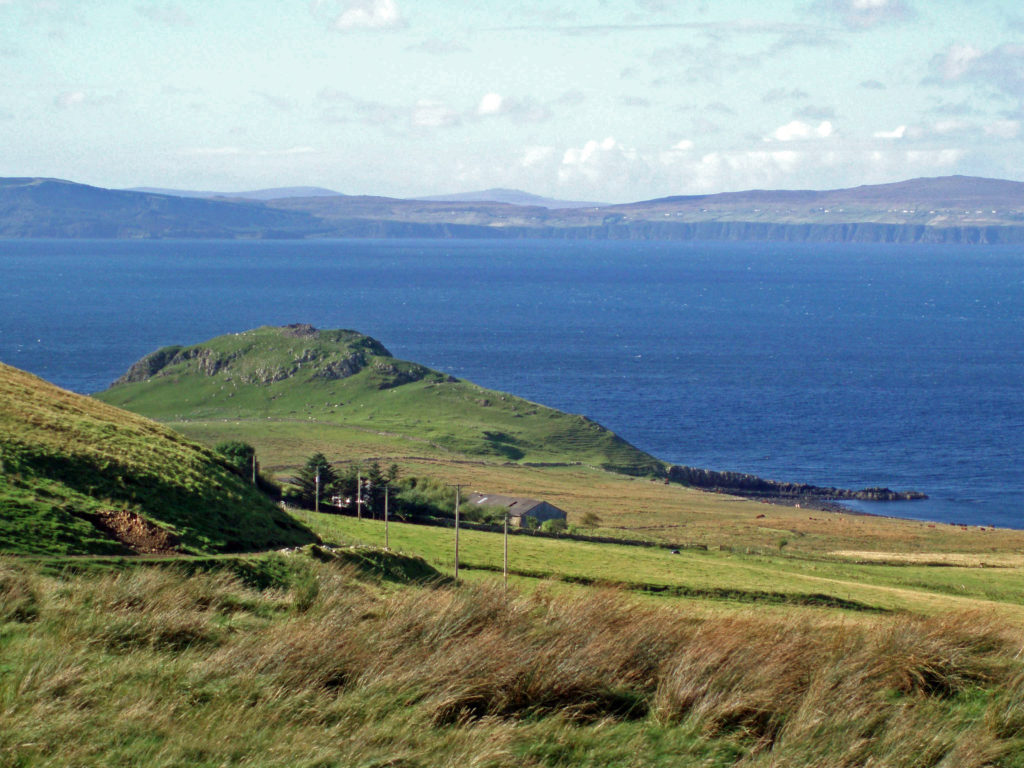
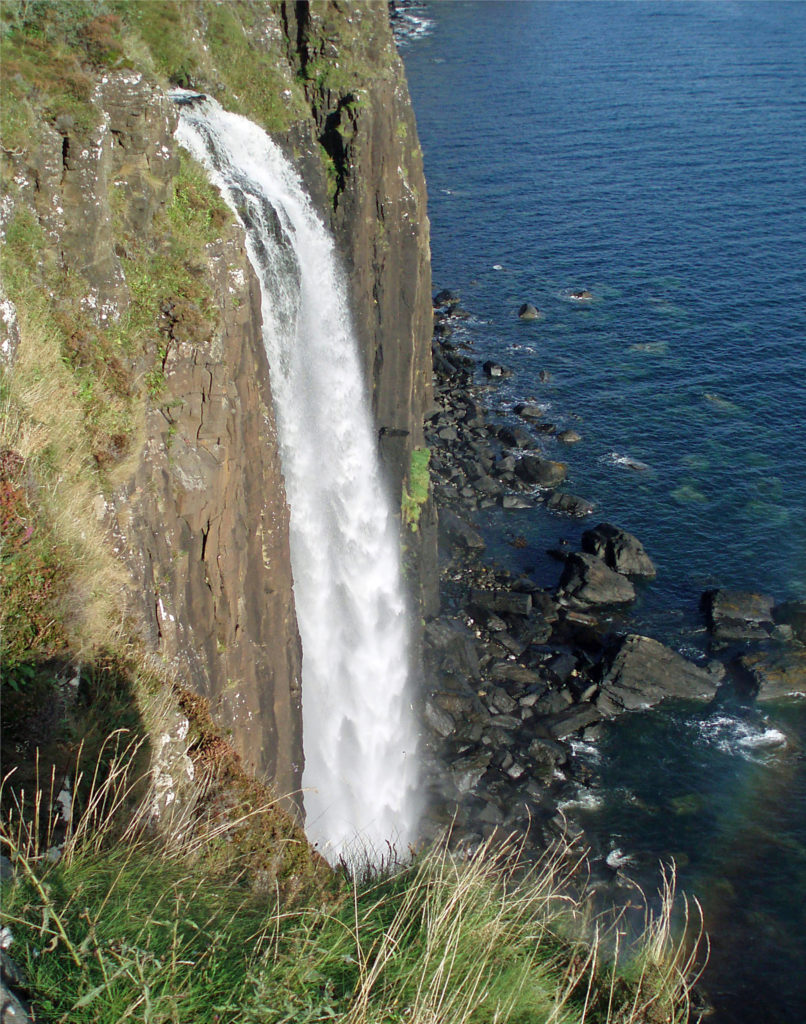
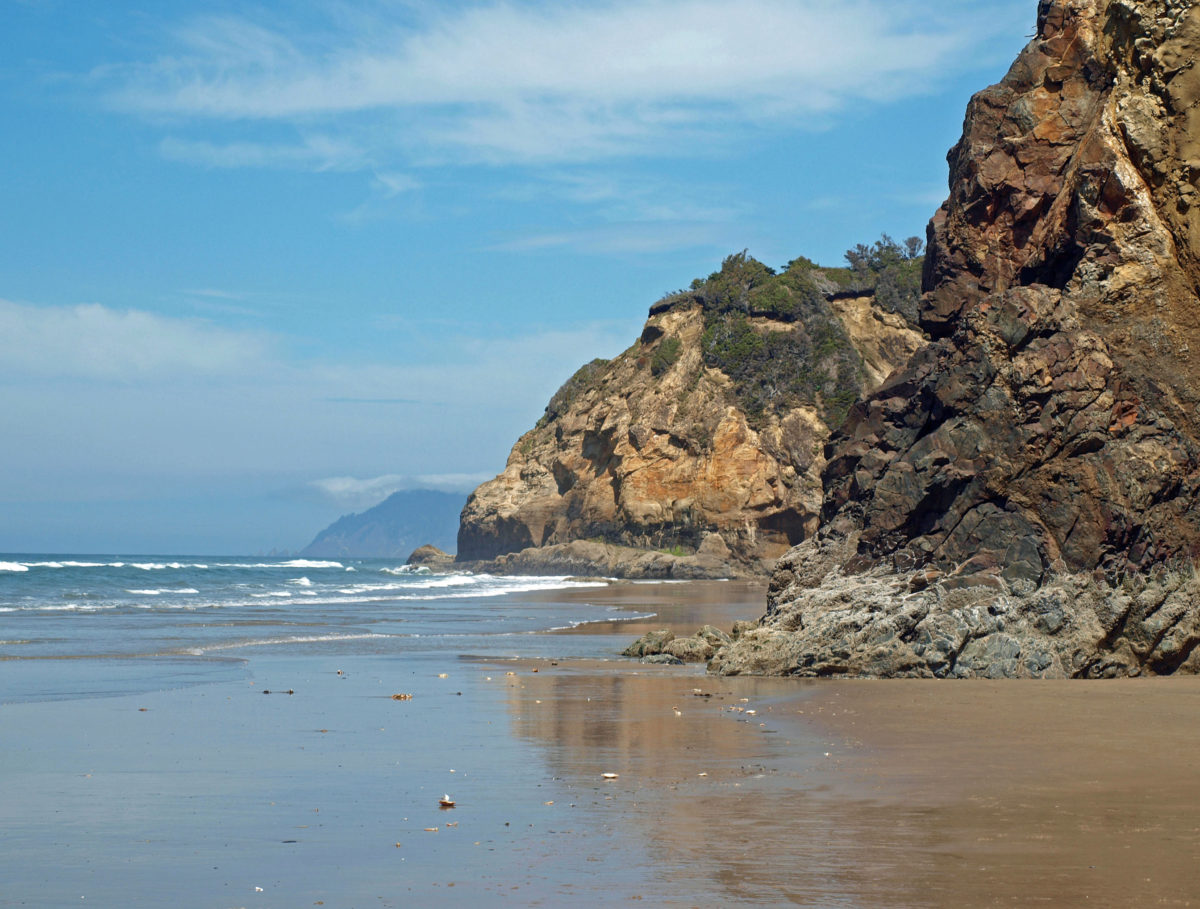
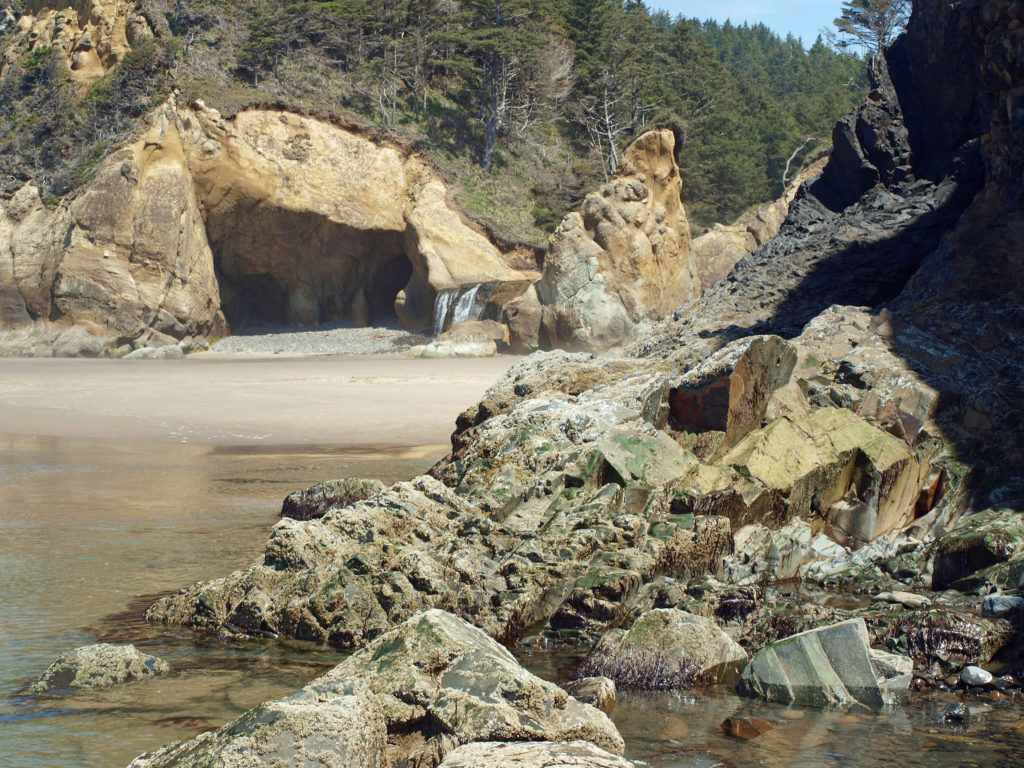
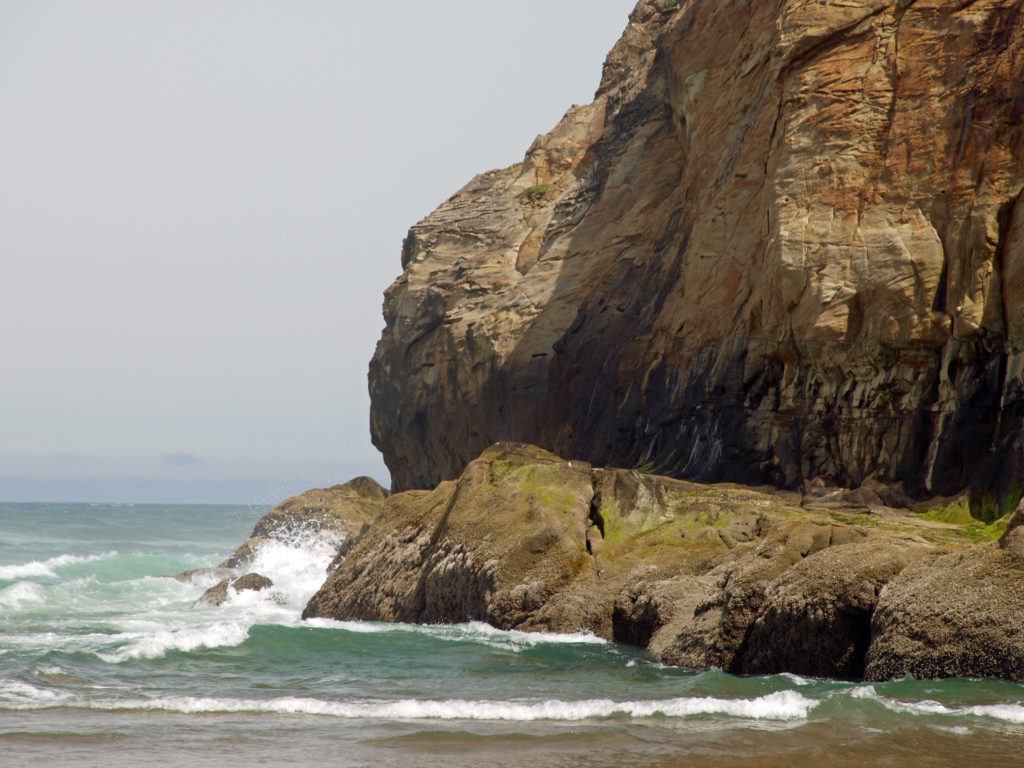
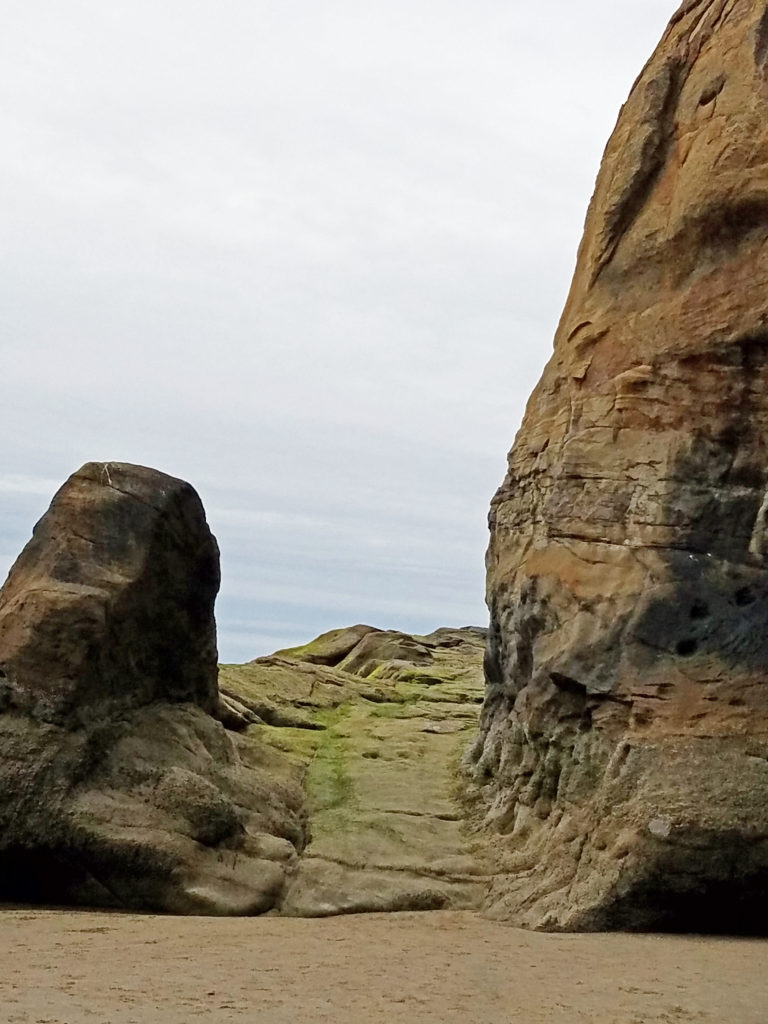
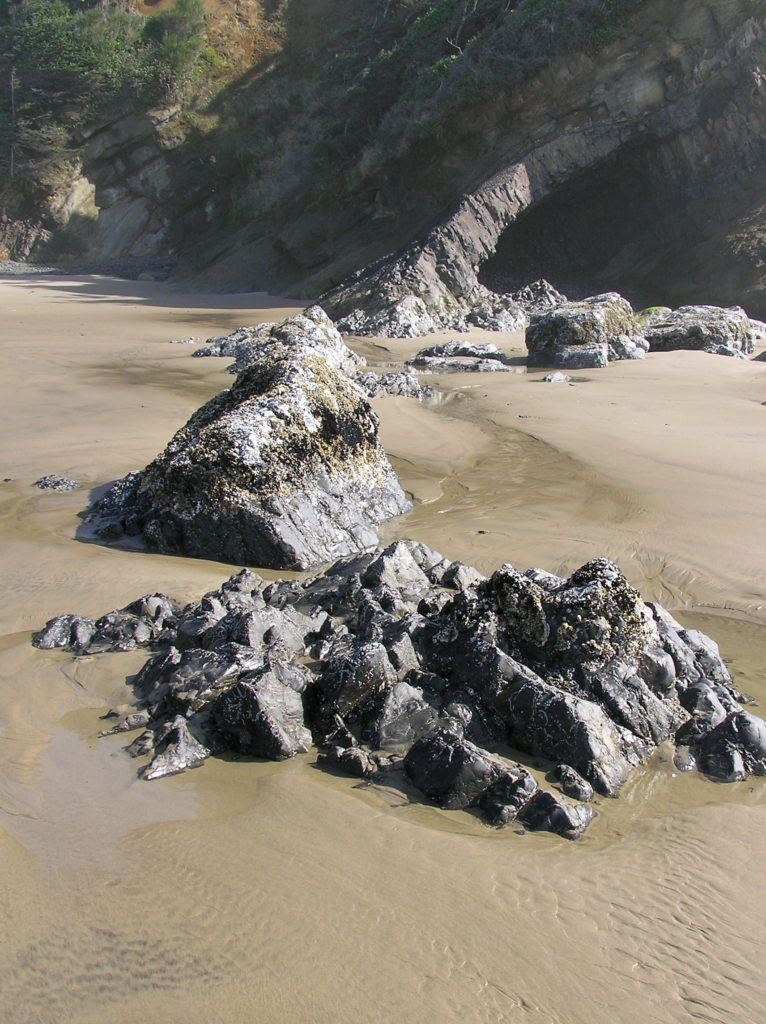
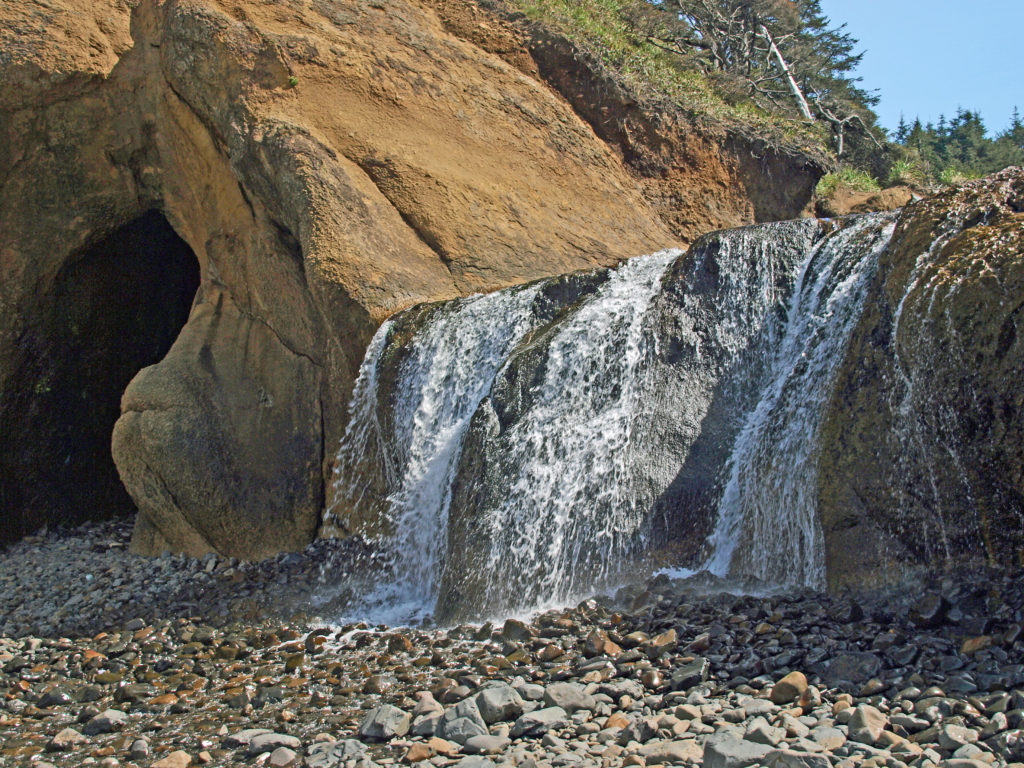
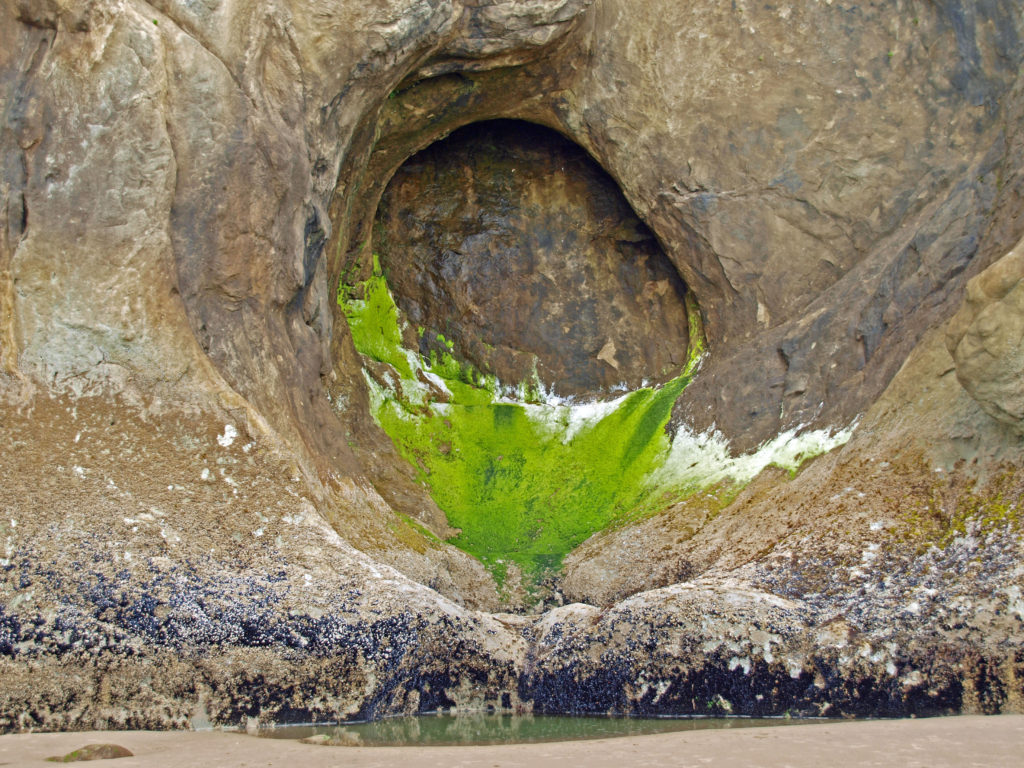
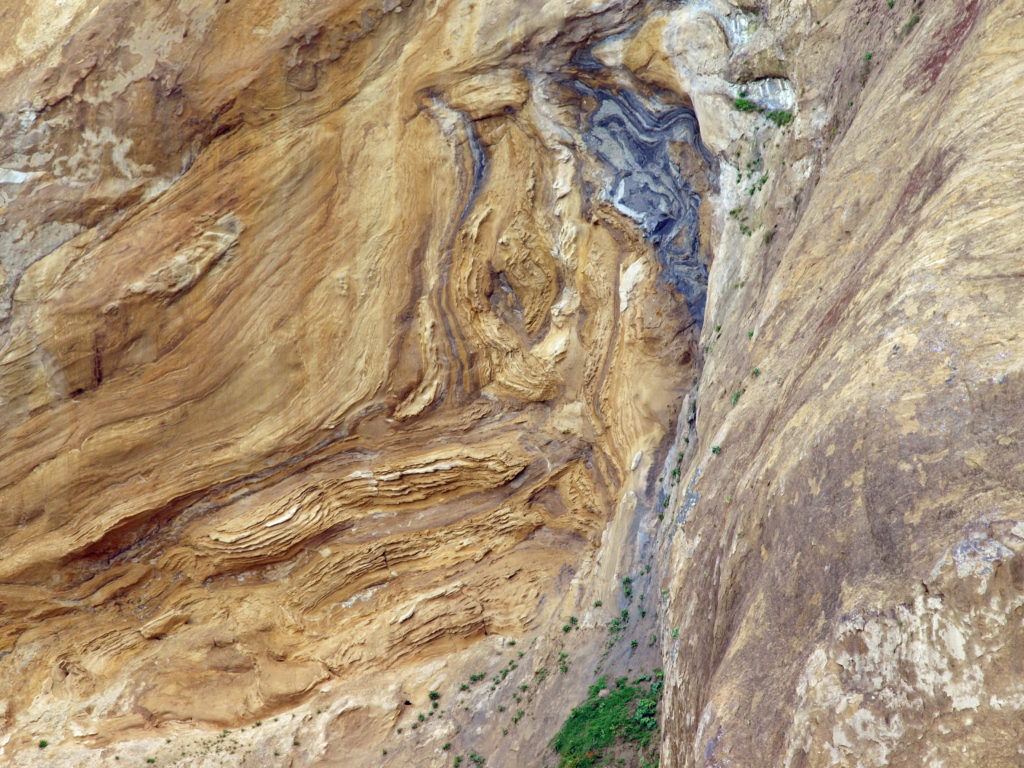 I love the eroded sandstone rock formations found at Hug Point. The layered sandstone of the point has been warped and folded by tectonic processes and eroded by wind and water into fantastic formations. The tidewater rocks are covered in green algae and seaweed, barnacles, and mussels. The rocks, sand, colorful vegetation, waves, and ever changing light make for great photo opportunities.
 Hug Point State Park is located about five miles south of Cannon Beach. The point can also be reached from Arcadia Beach State Park, about a mile to the north. It’s an easy day trip from the Portland area, but there many other attractions in the area, so many visitors spend a weekend or longer in the area.
 The nearby towns of Cannon Beach, Seaside, and Manzanita all have numerous motels, BNBs, and other accommodations, as well as many restaurants and cafes serving fresh seafood and other locally sourced foods.
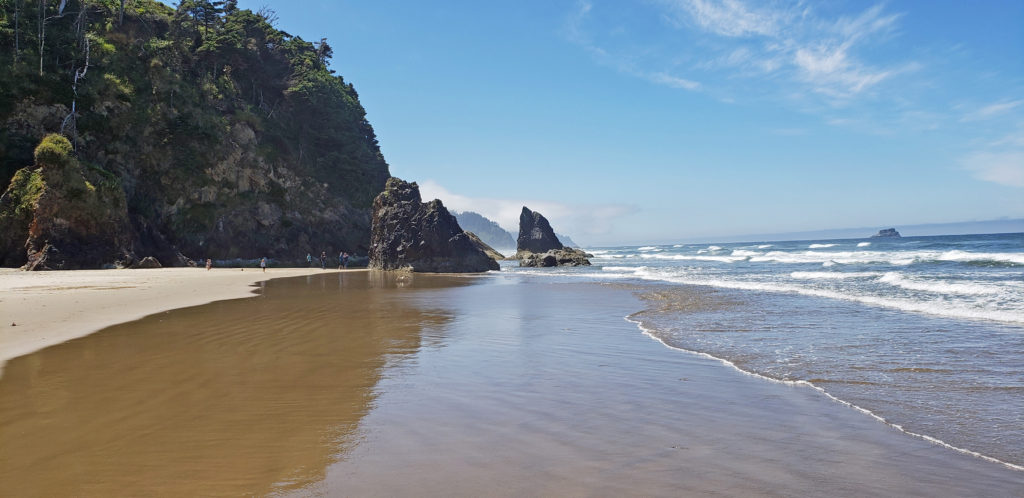
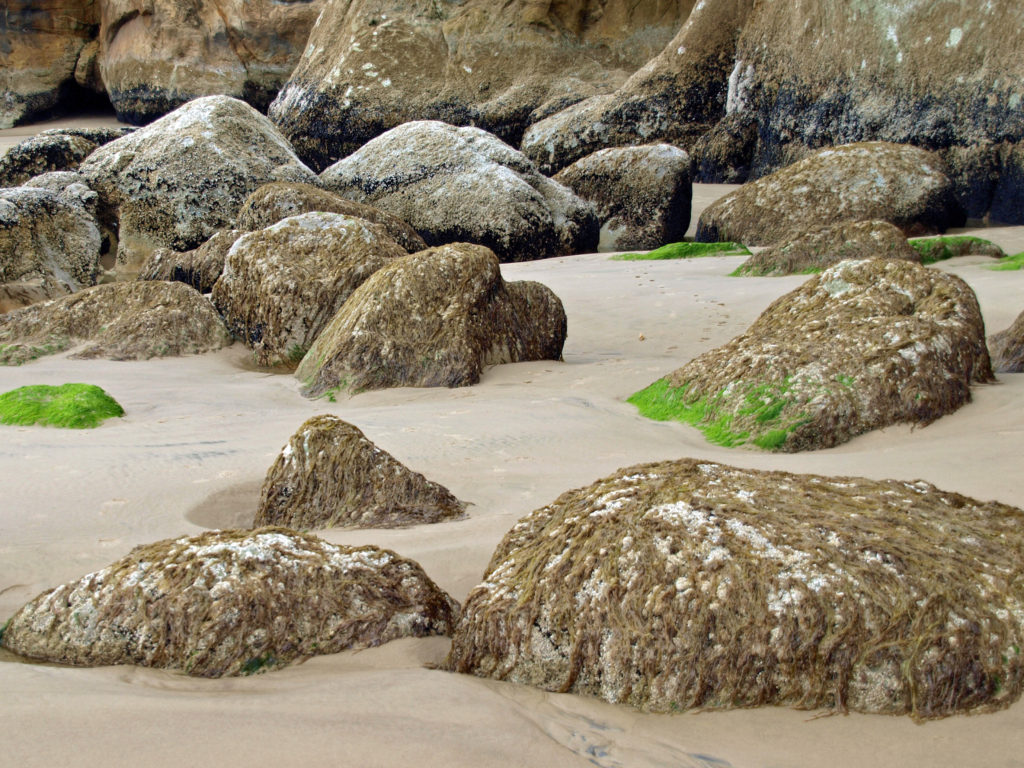 One note of caution, though. If you go, pay attention to the tides. The waterfall and caves that draw most of the visitors to Hug Point State Park are nestled between Adair Point, immediately north of the beach access, and Hug Point itself. At high tide it can be difficult or impossible to get around these two points, so it is possible to get trapped between them.
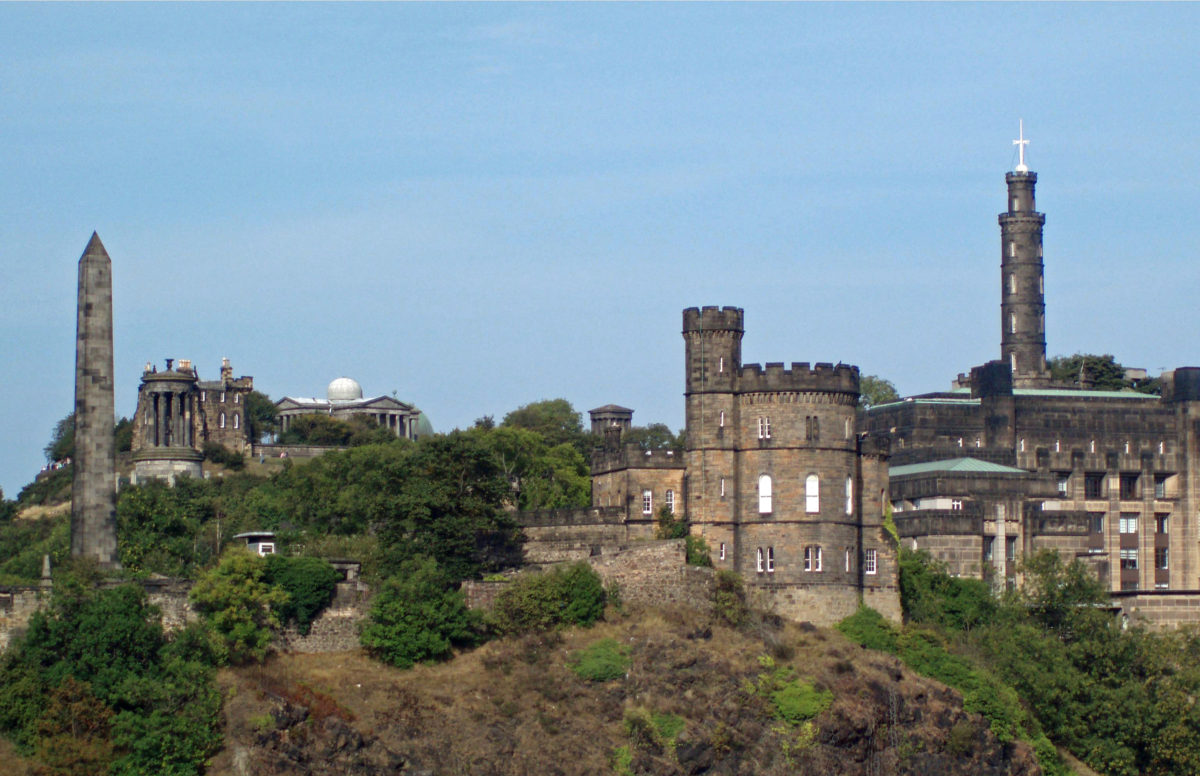
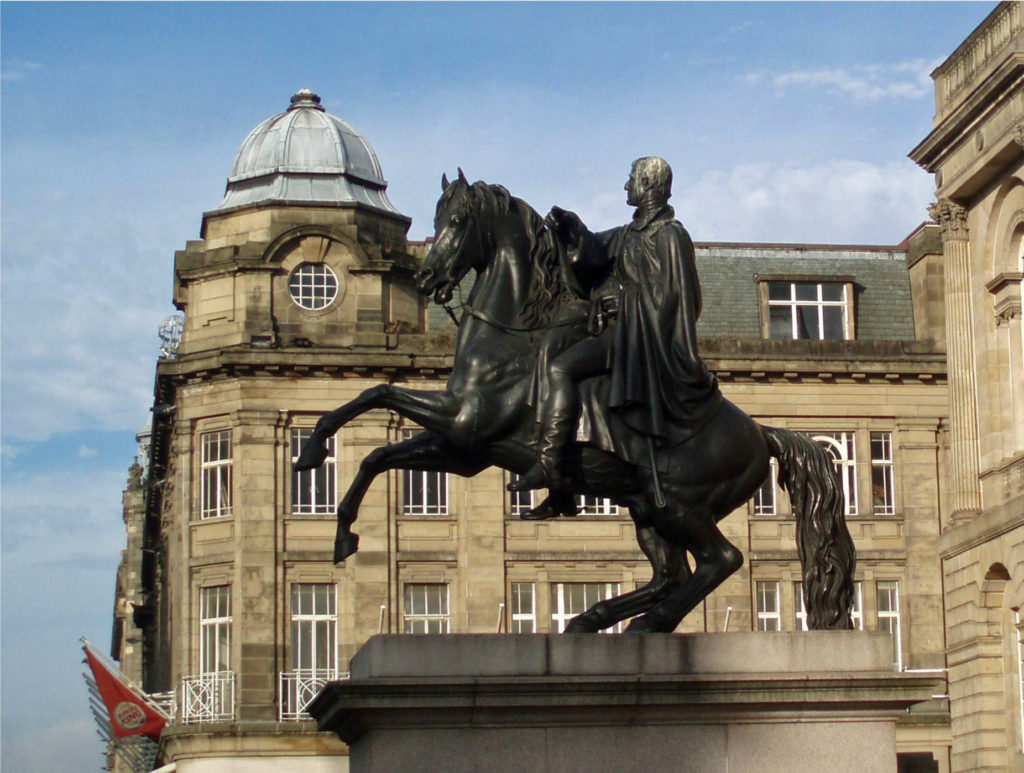
 That trip was more than 15 years ago and some things may have changed greatly since then, so I won’t go into much detail as to what to do, where to stay, where to eat, what things cost, and so forth. But there’s much to Edinburgh that is timeless, and undoubtedly has not changed in the years since our visit.
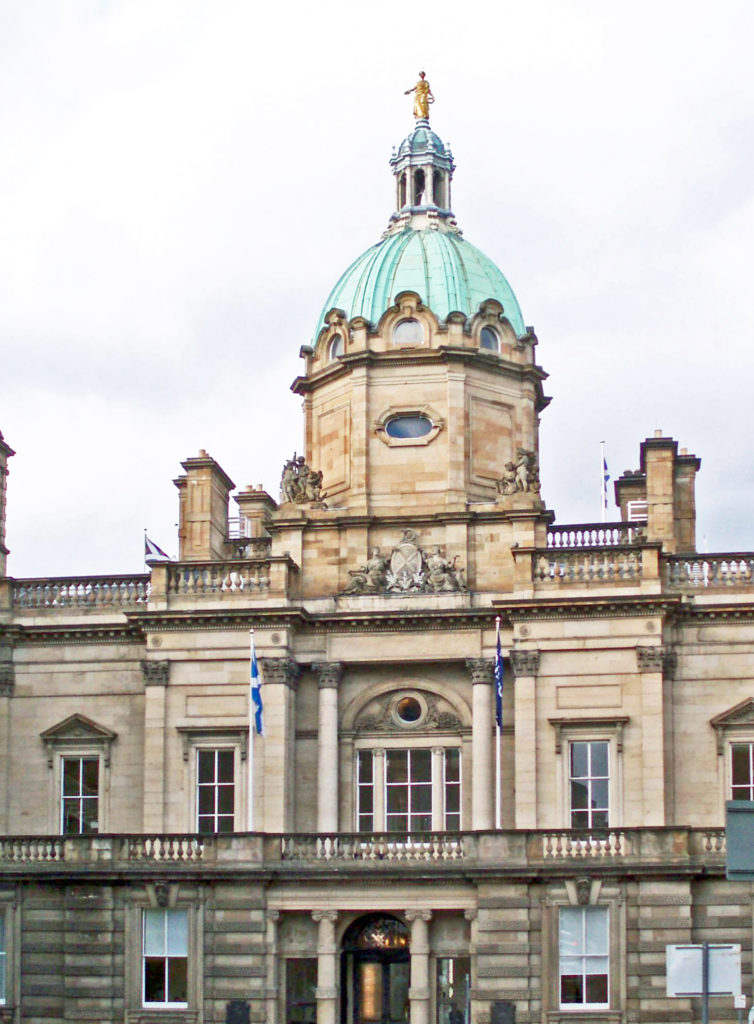 Central Edinburgh is divided into the Old Town and the New Town. The Old Town includes Edinburgh Castle, the Palace of Holyroodhouse, the Royal Mile connecting the two, and the area to the south. The New Town stretches from Princes Street Gardens, directly below the Castle, to Queen Street Gardens and the adjacent area to the north. The Old Town is the historic center of Edinburgh, and also the site of the present-day Parliament. As far as the New Town goes, new is a relative term since construction of the New Town began in the 1760s.
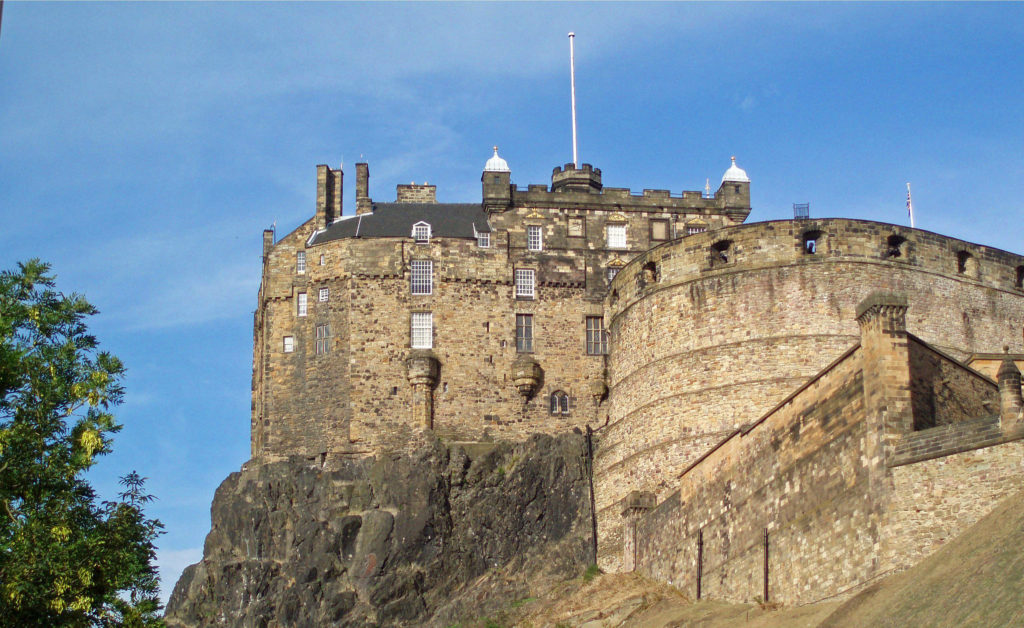 Both the Old Town and the New Town have their charms, and both deserve at least some of your attention. We spent most of our four days in Edinburgh exploring the Old Town, so I’ll focus on that part of the city.
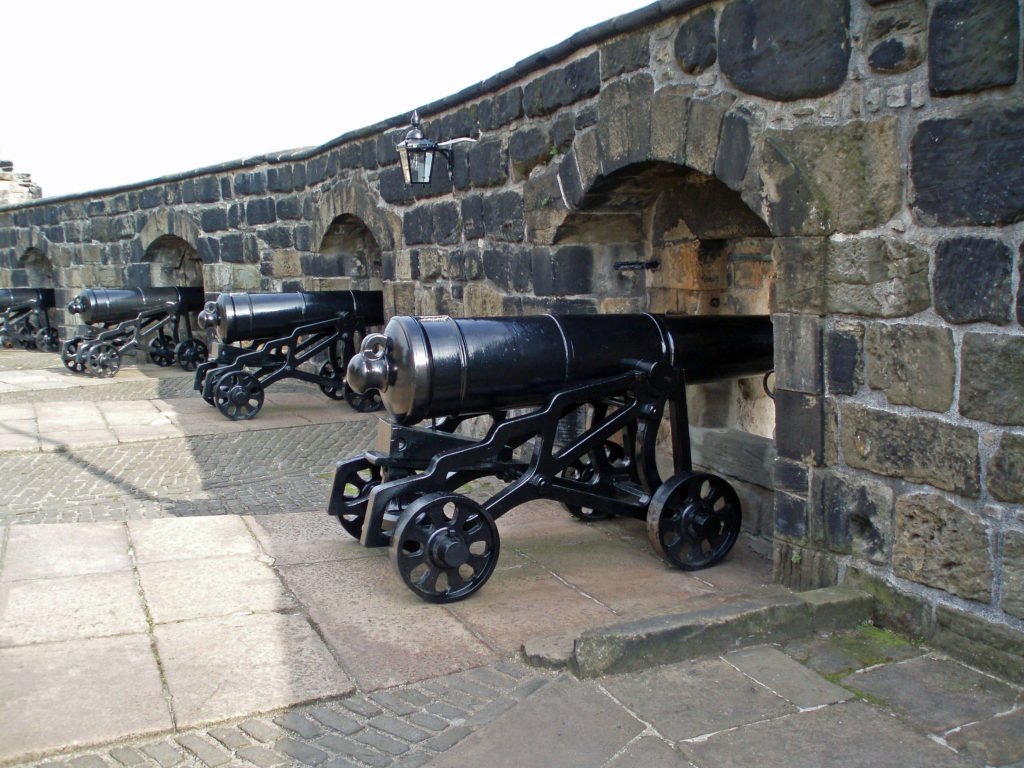
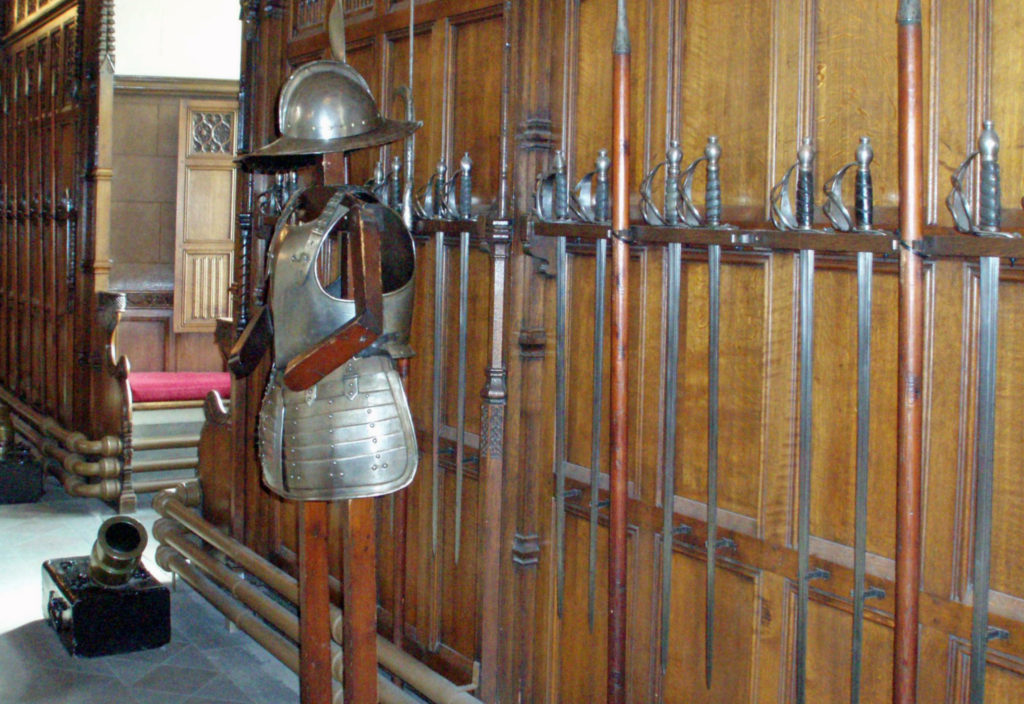
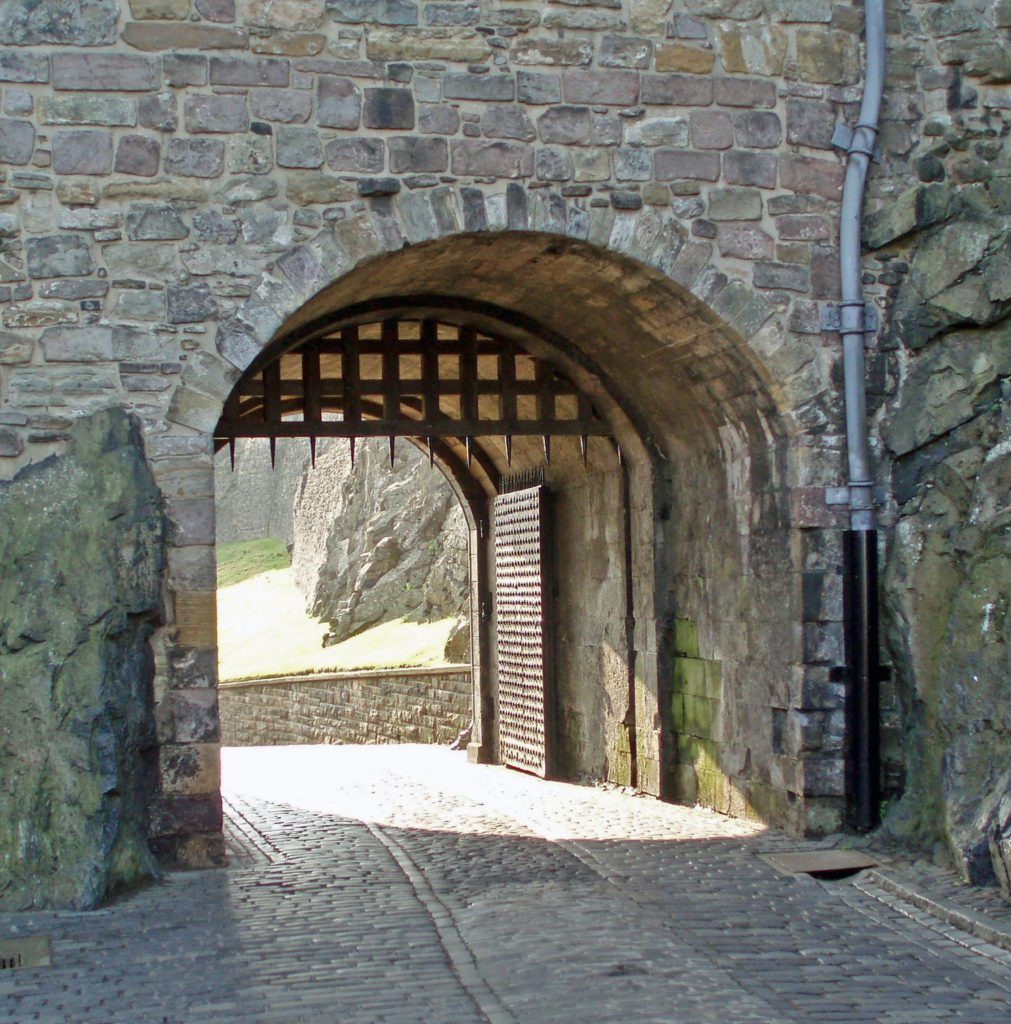
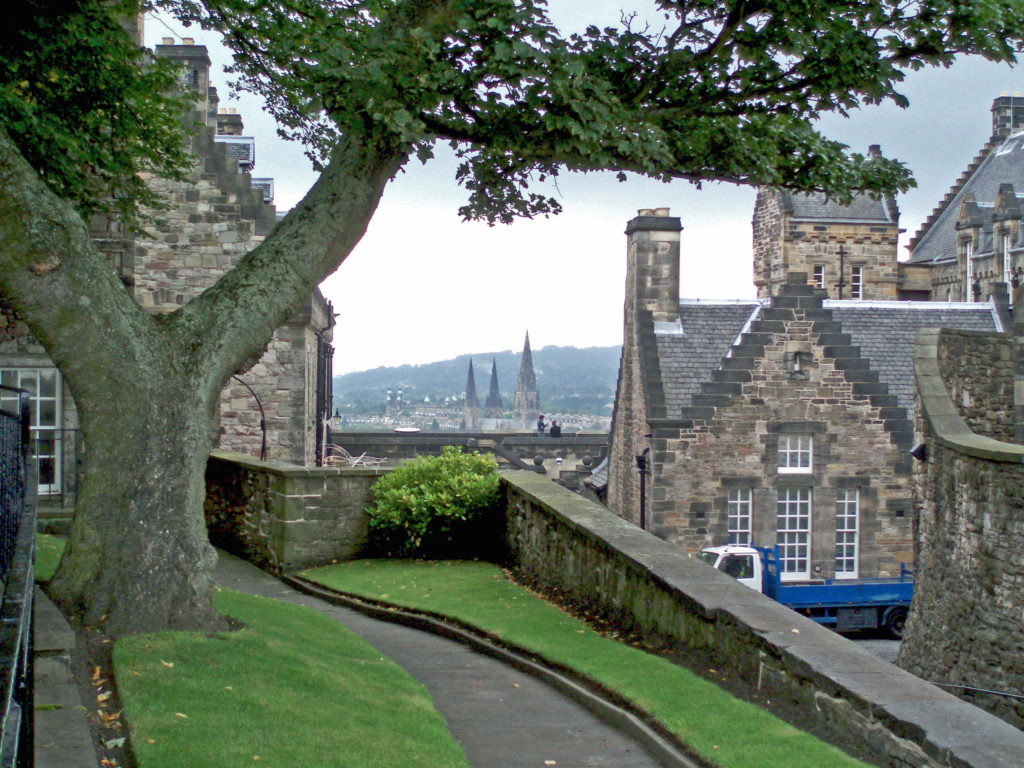
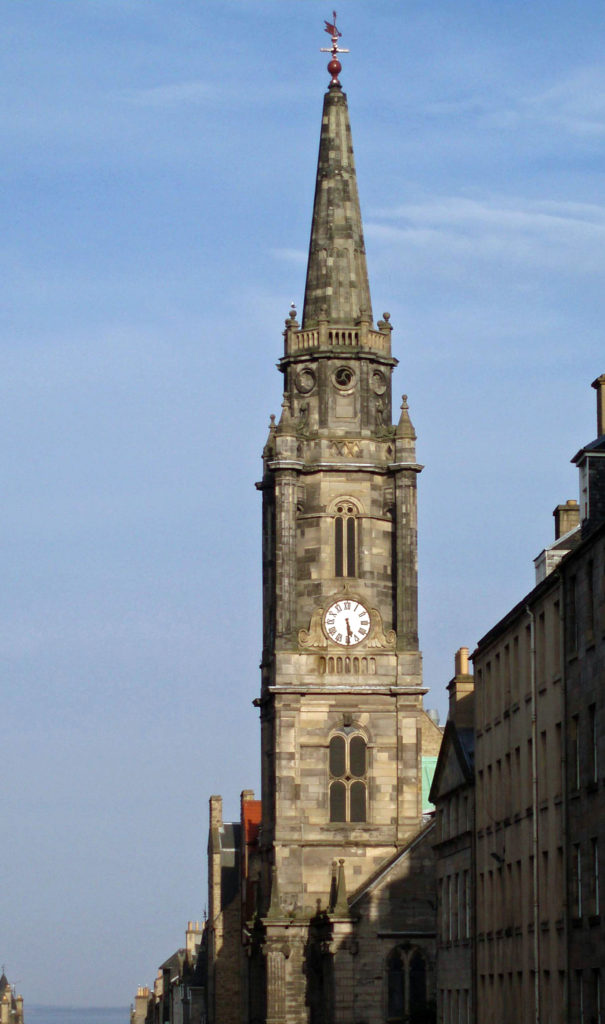 Although we didn’t go inside, St. Giles Cathedral, also known as the High Kirk of Edinburgh, is a magnificent structure that predates most of the structures in Edinburgh Castle. The cathedral was built between the late 14th and early 16th centuries. Entrance to the cathedral is free, but a small donation is requested.
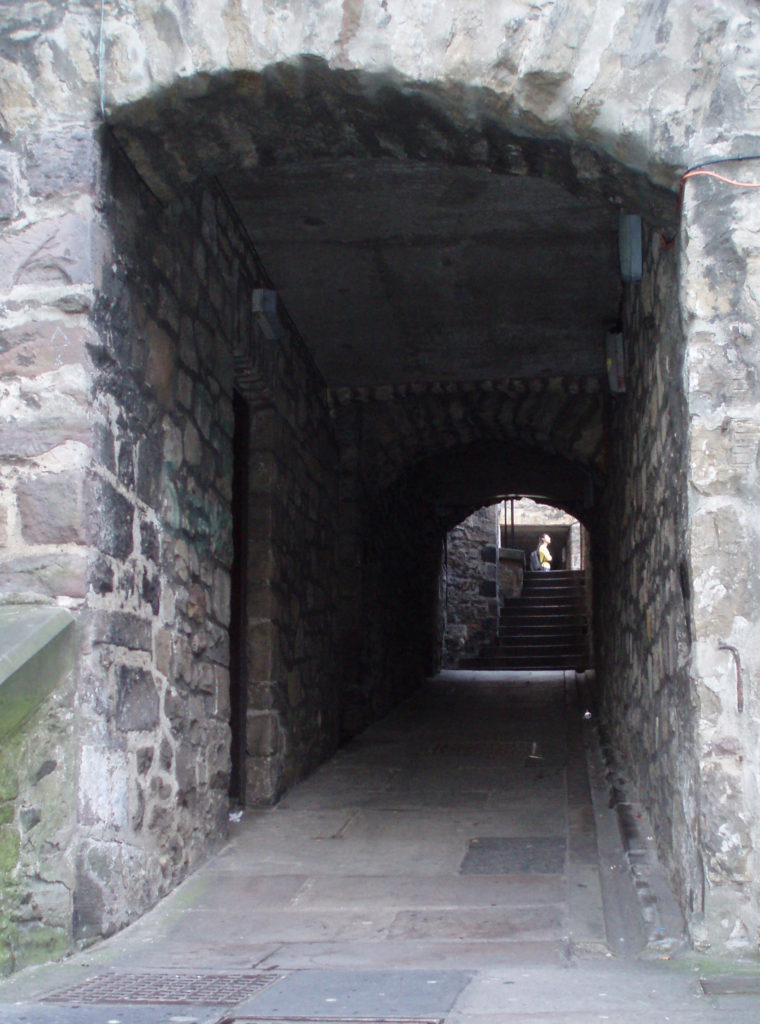 One of the attractions of the Royal Mile are the “closes,” underground passageways that were once narrow streets or walkways between houses. The upper floors of some the houses were demolished and the lower stories used as foundation for the Royal Exchange, built in the mid 18th century, leaving the closes below ground. Some of the closes remain as passages between the Royal Mile and the streets to the south, and organized tours of some of the more subterranean closes, such as the
  Other attractions of the Royal Mile include the John Knox House, the Writers’ Museum, the Huntly House, and The People’s Story, a museum housed in the historic Canongate Tolbooth, built in 1591.
 You will also find the Scottish Parliament buildings at the lower end of the Royal Mile near Holyroodhouse. Their contemporary, modernist design stands in stark contrast to the traditional and historical structures around them. And while I in fact like the design, to me they look out of place in their setting.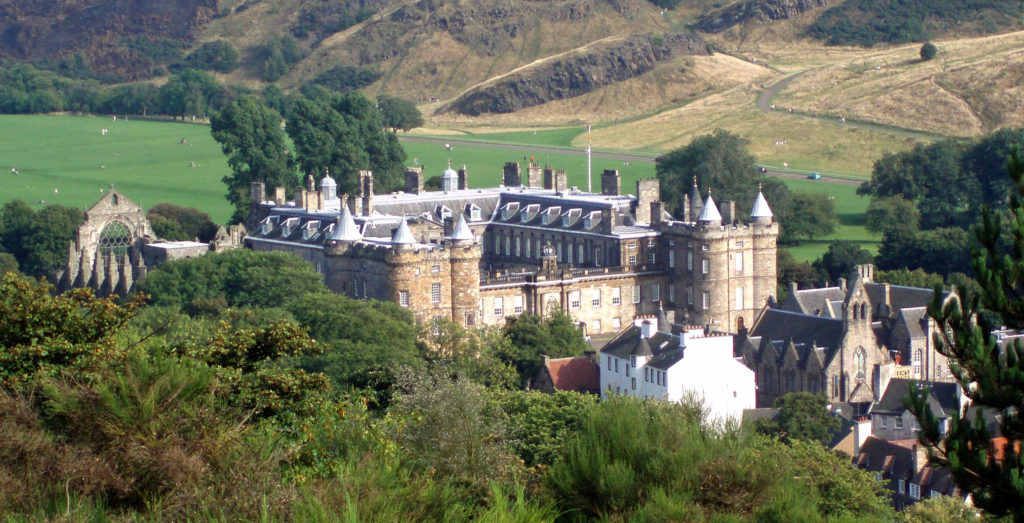
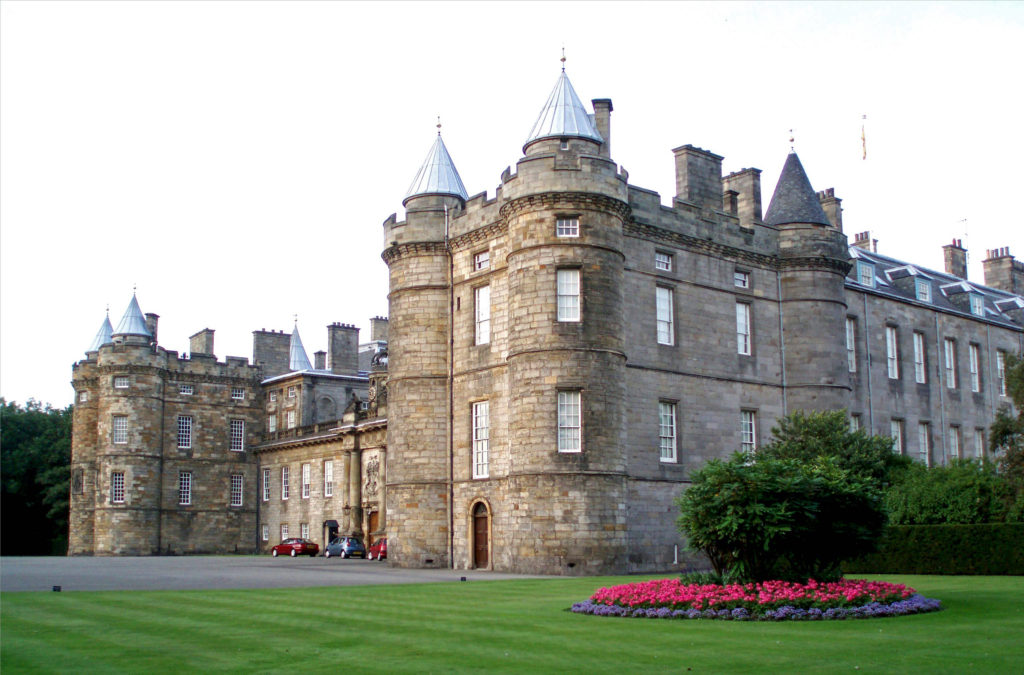 The Palace of Holyroodhouse is the official residence of the Monarchy in Scotland, but the palace is open to the public when King Charles III is not in residence. We did not tour the interior, but it comes highly rated. You can visit the Throne Room, the Picture Gallery, and the King’s Bedchamber, and Tour the King James Tower, where Mary Queen of Scots lived. For more information, check the Royal Collection Trust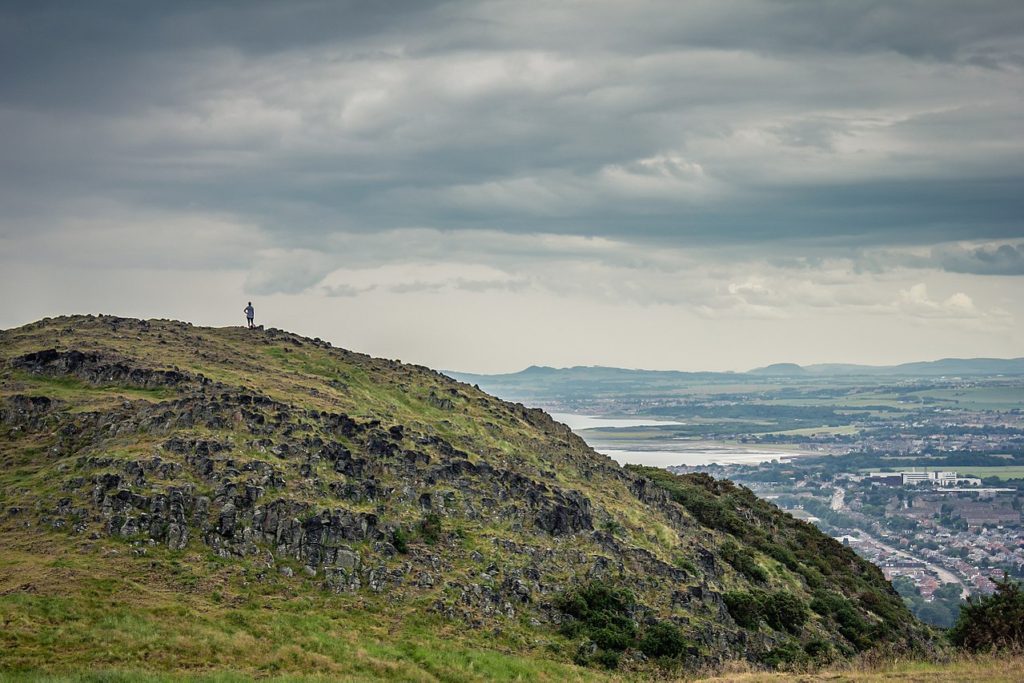
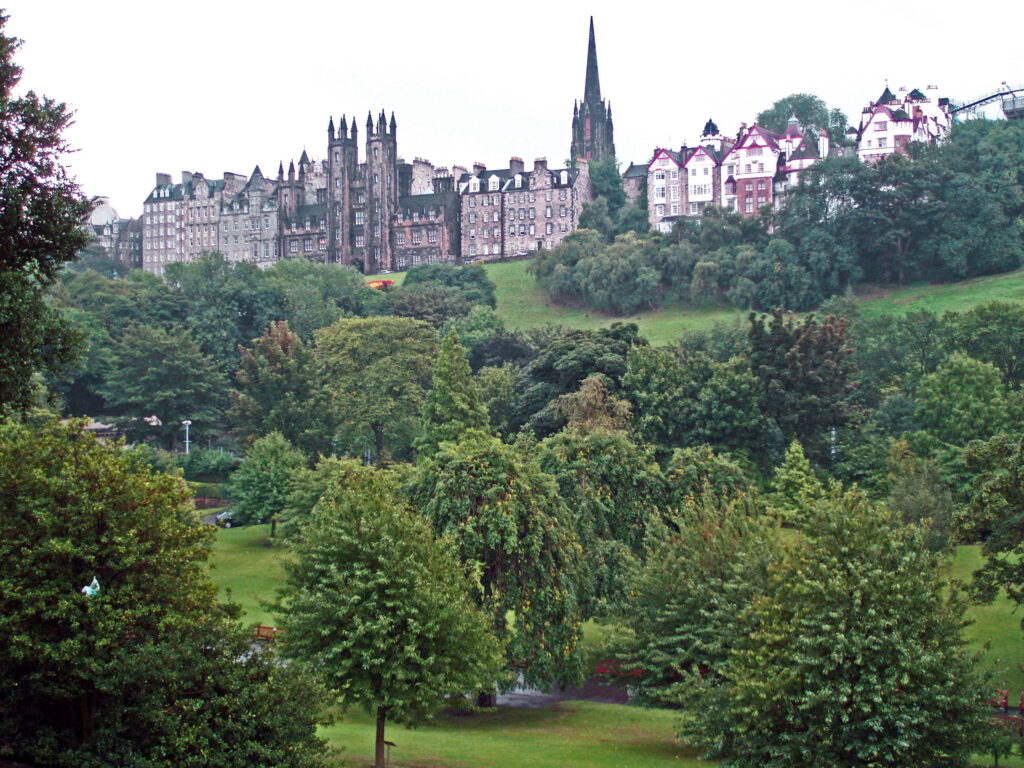
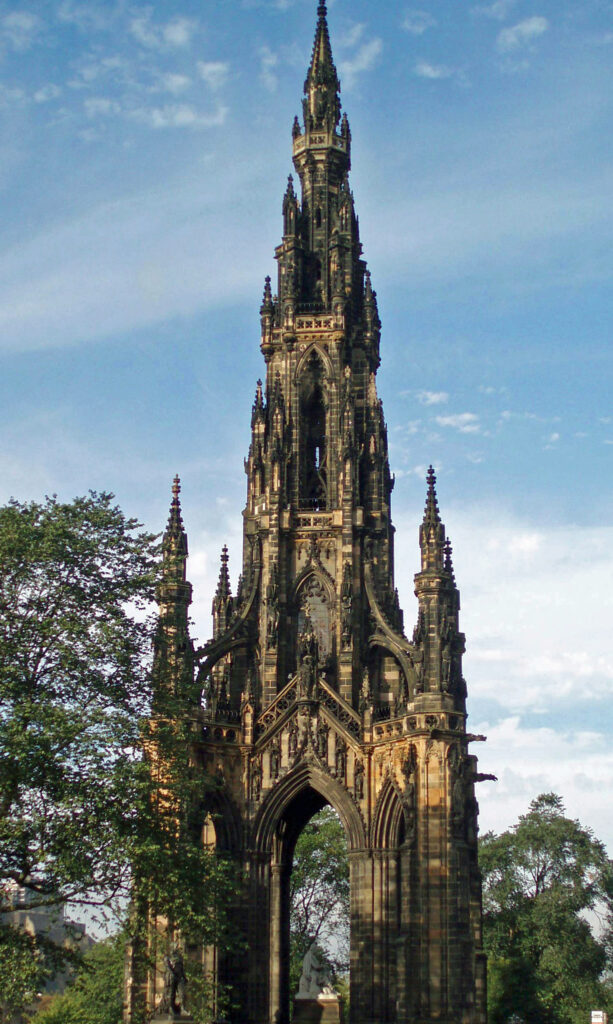 We didn’t make it to Queen Street and Queen Street Gardens, but the photos I’ve seen and the guidebook descriptions make me think we missed something there.
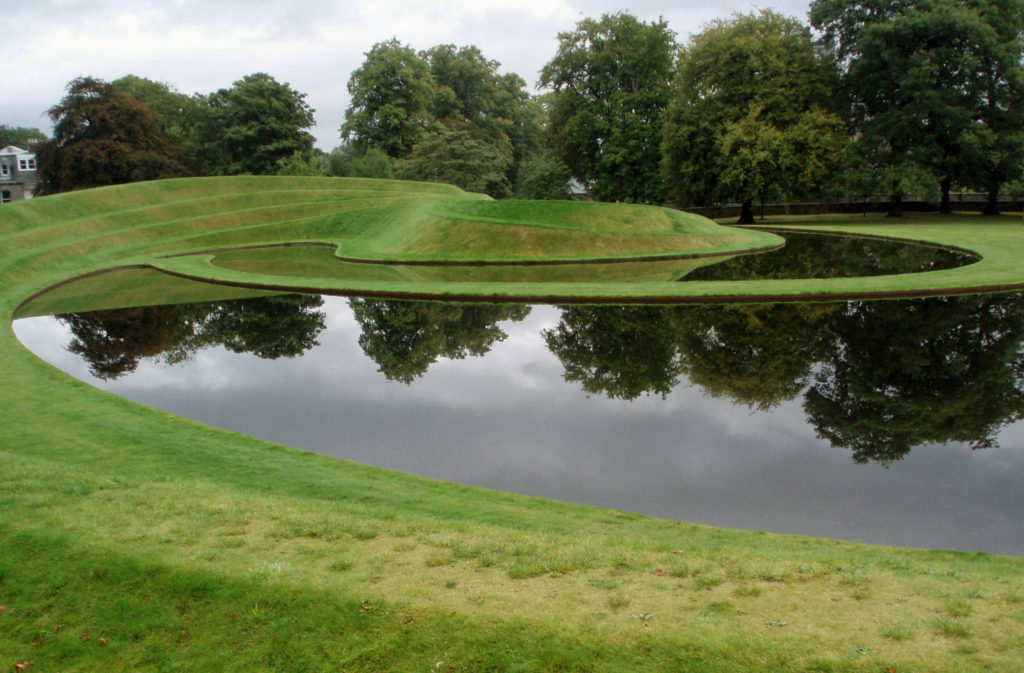 A little farther afield in the West End, though within easy walking distance of the New Town, is the
  On the walk back we discovered a path along the Water of Leith that took us to
 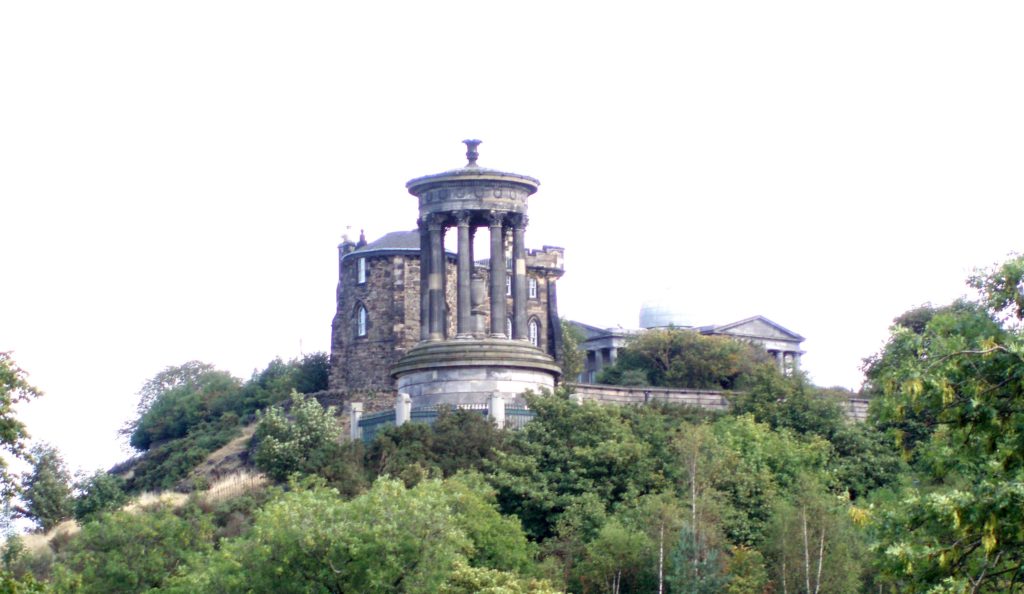 On our visit we stayed at an old hotel just east of Calton Hill. With its many monuments, including the Nelson Monument and the Lincoln Monument (which is in fact dedicated to Abraham Lincoln), Calton Hill is one of the more scenic and picturesque locations in Edinburgh. From the top of the hill you have a panoramic view over the city and to the Firth of Forth and the Port of Leith, where the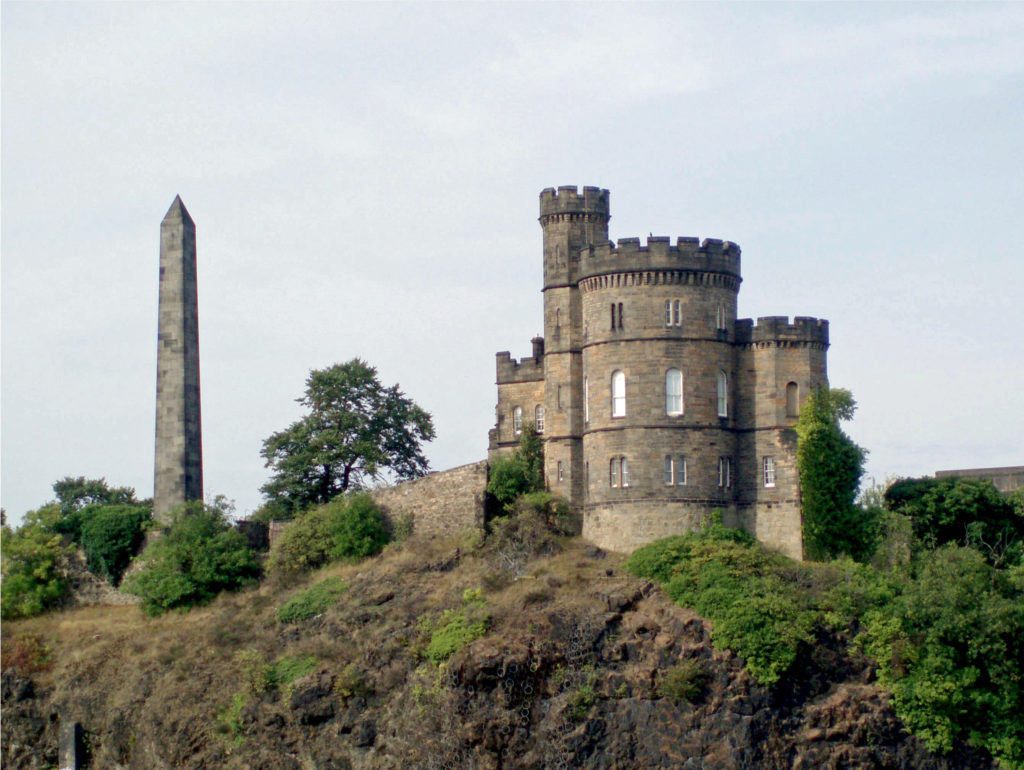
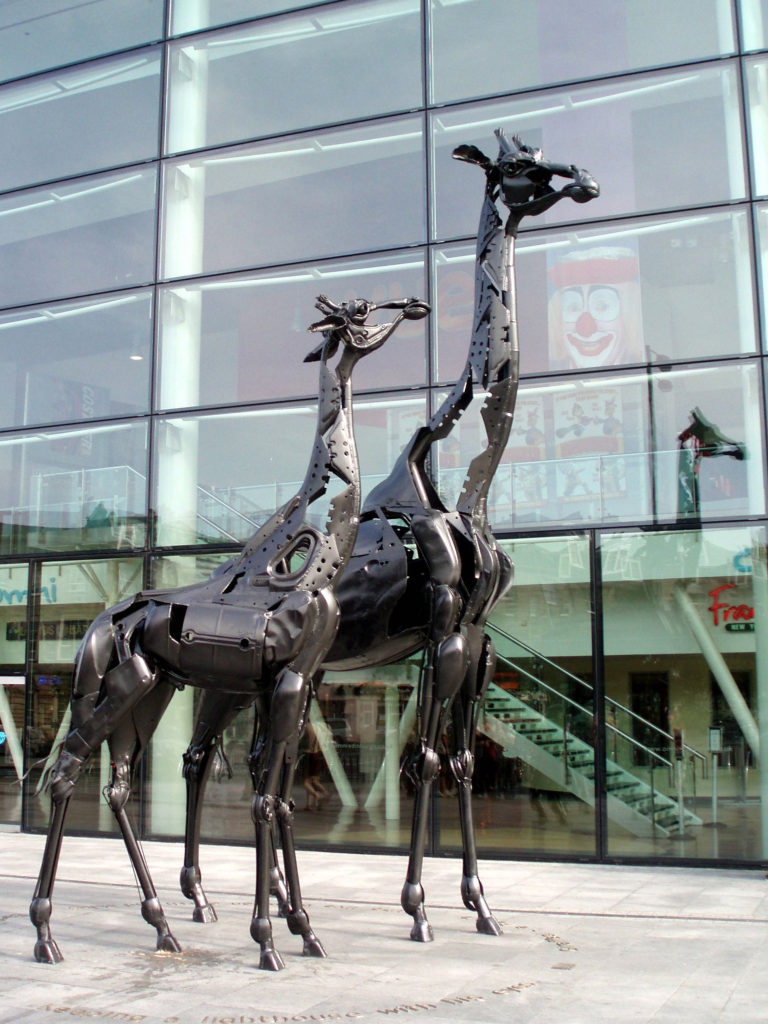

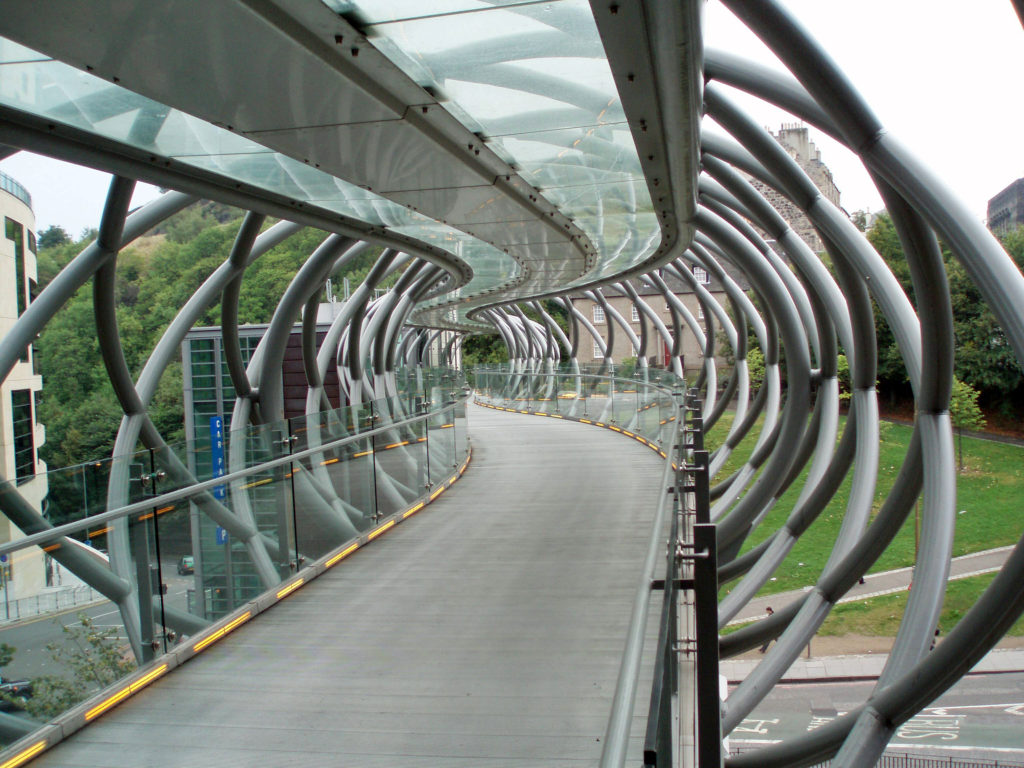
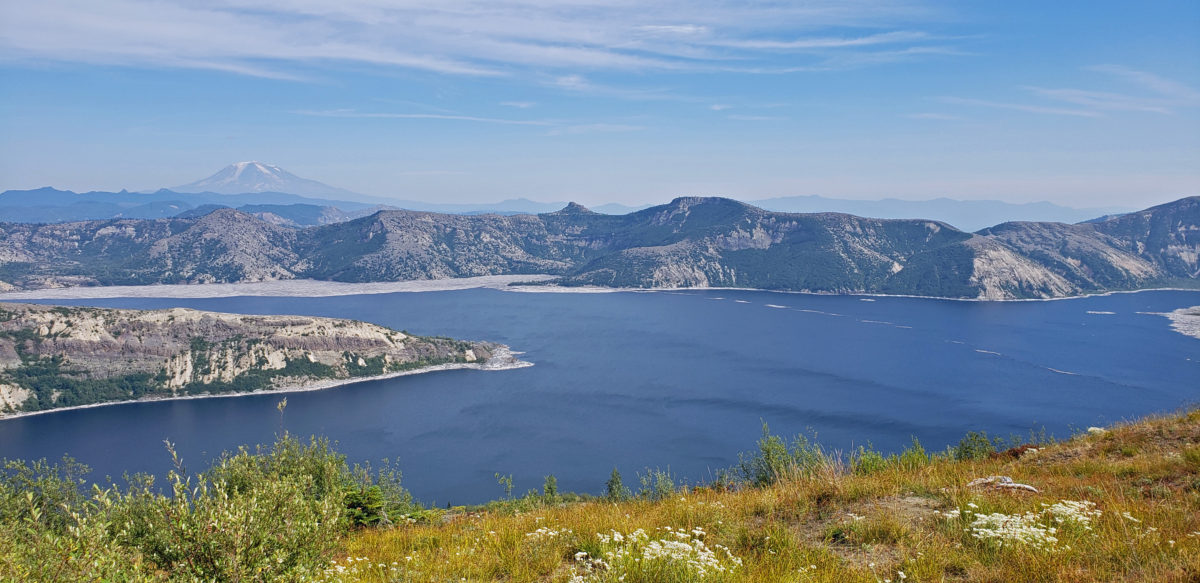
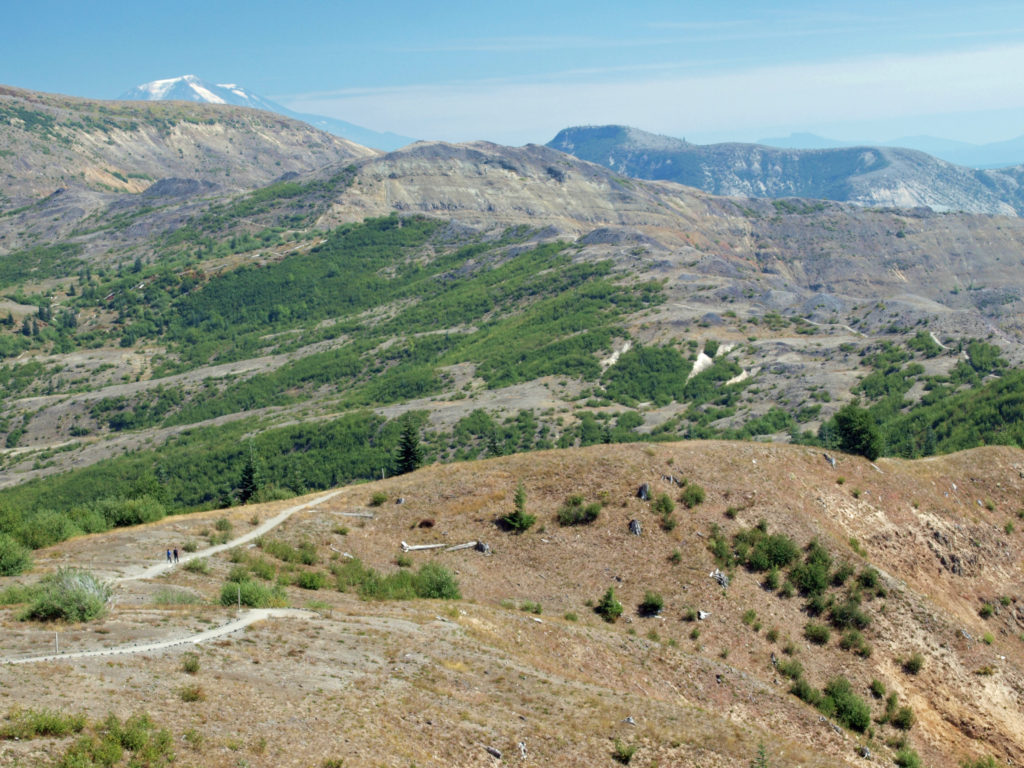
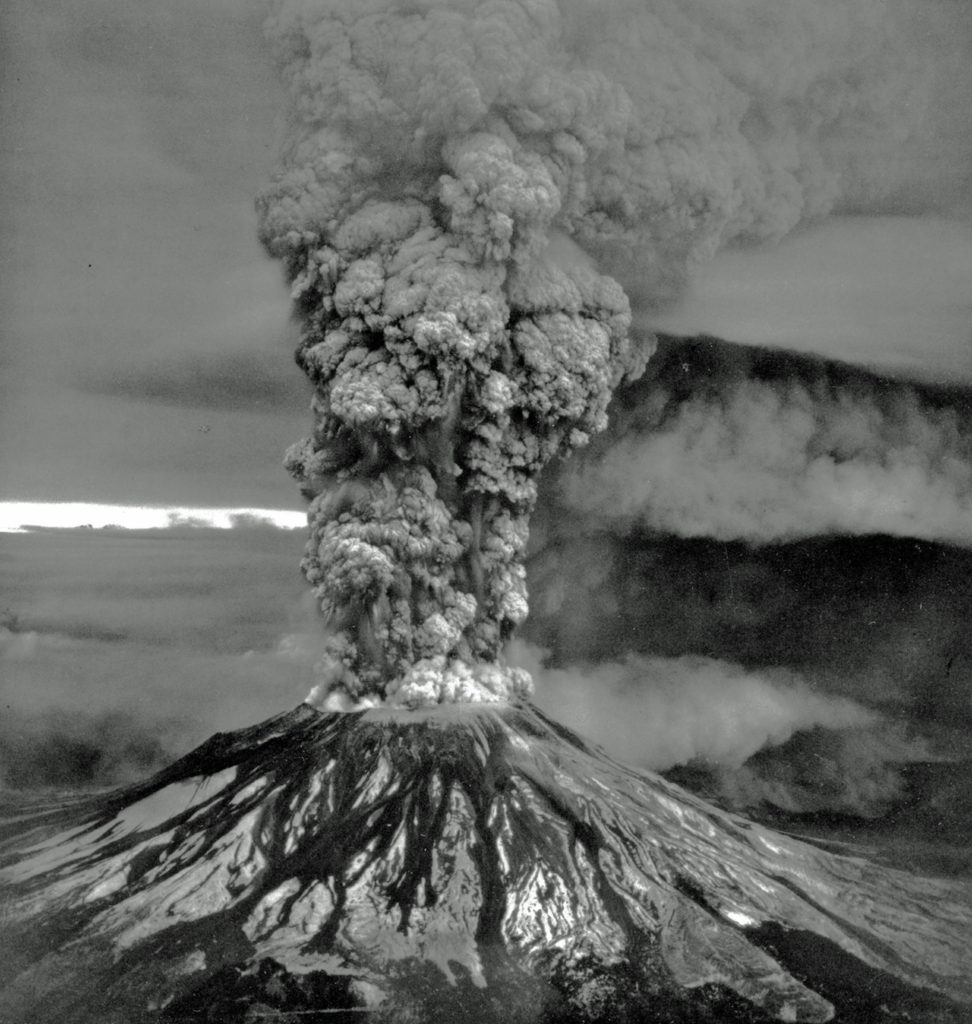
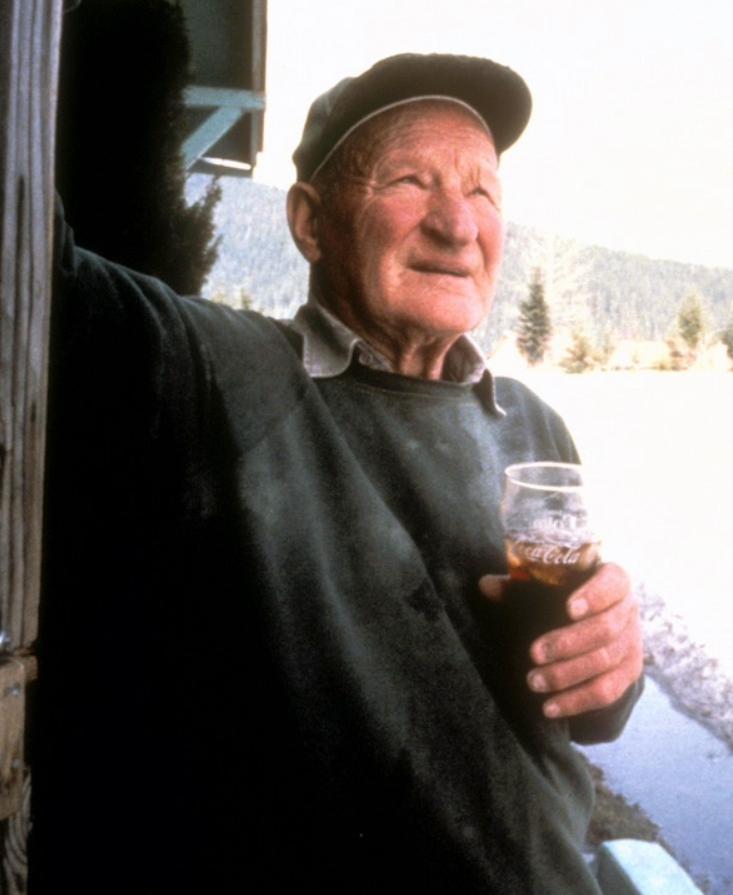
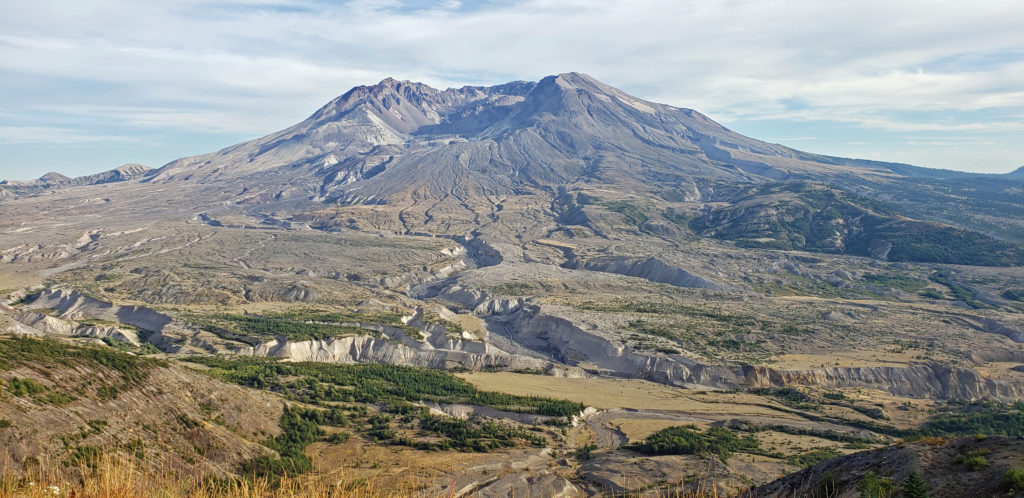
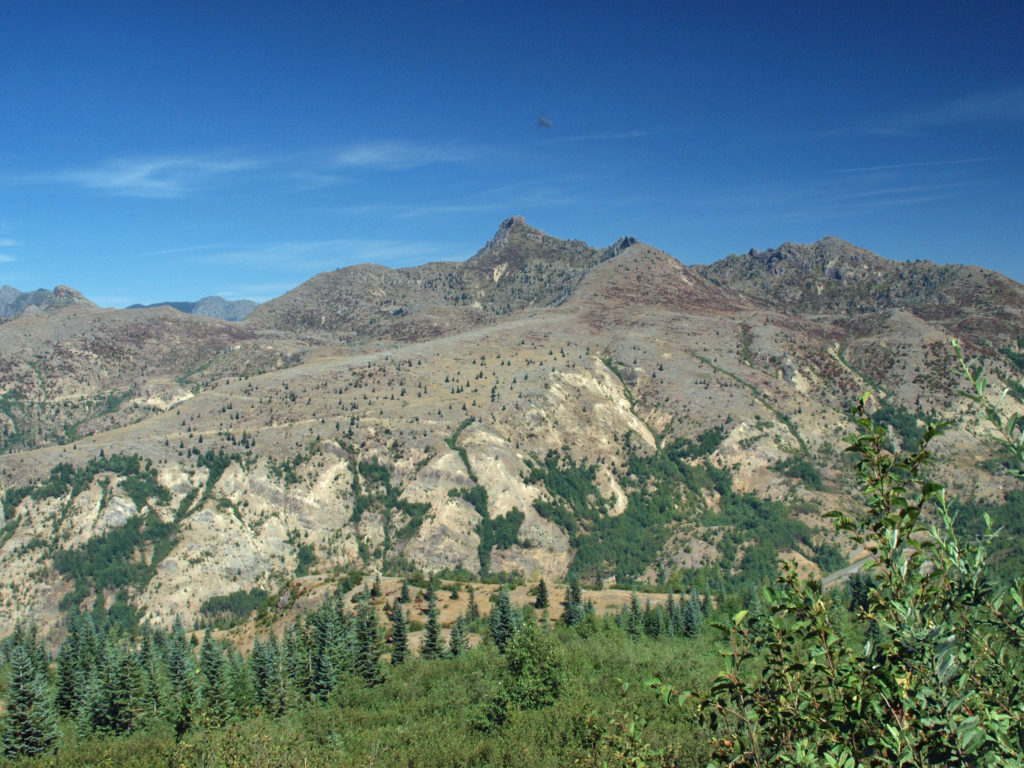
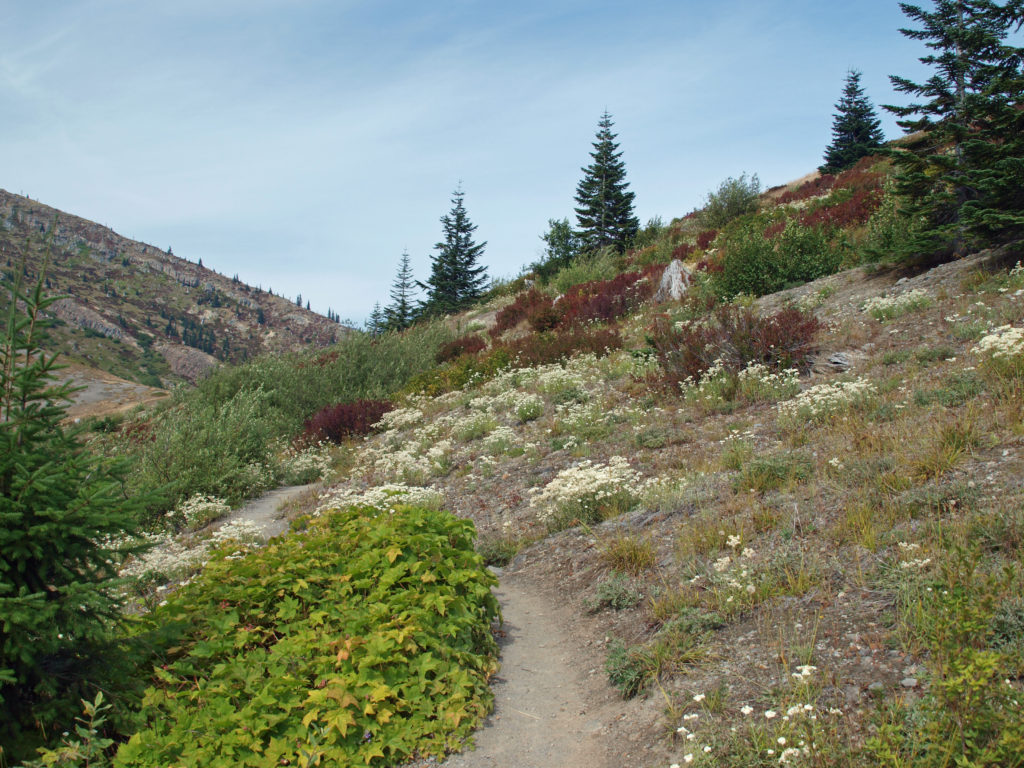
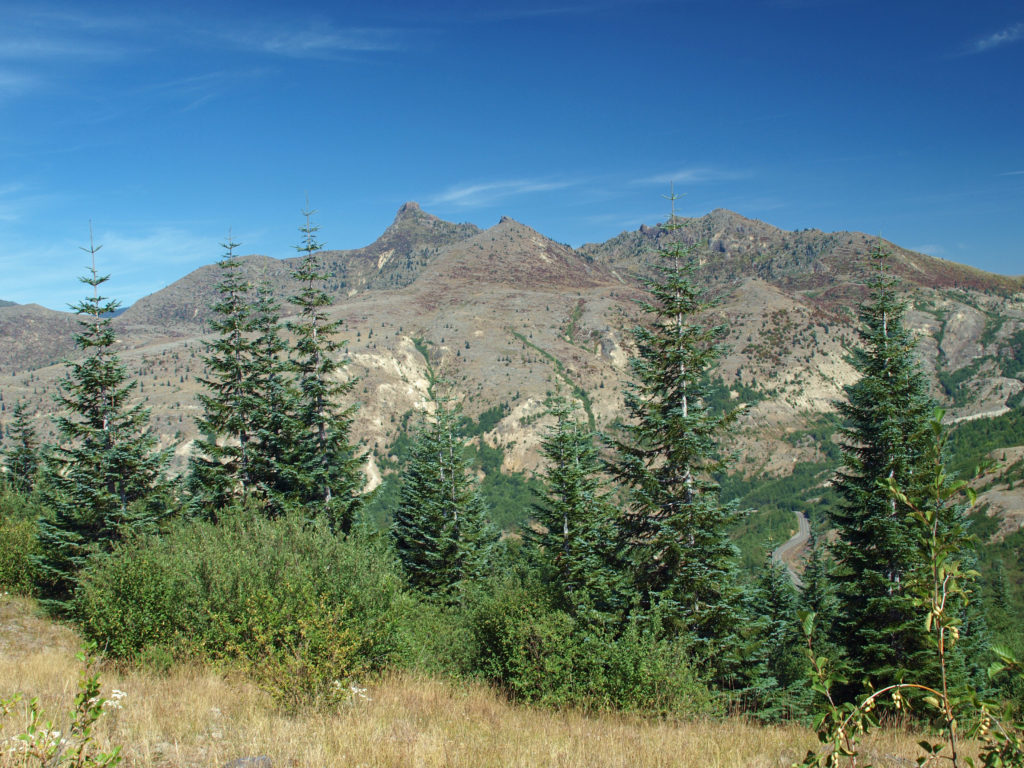
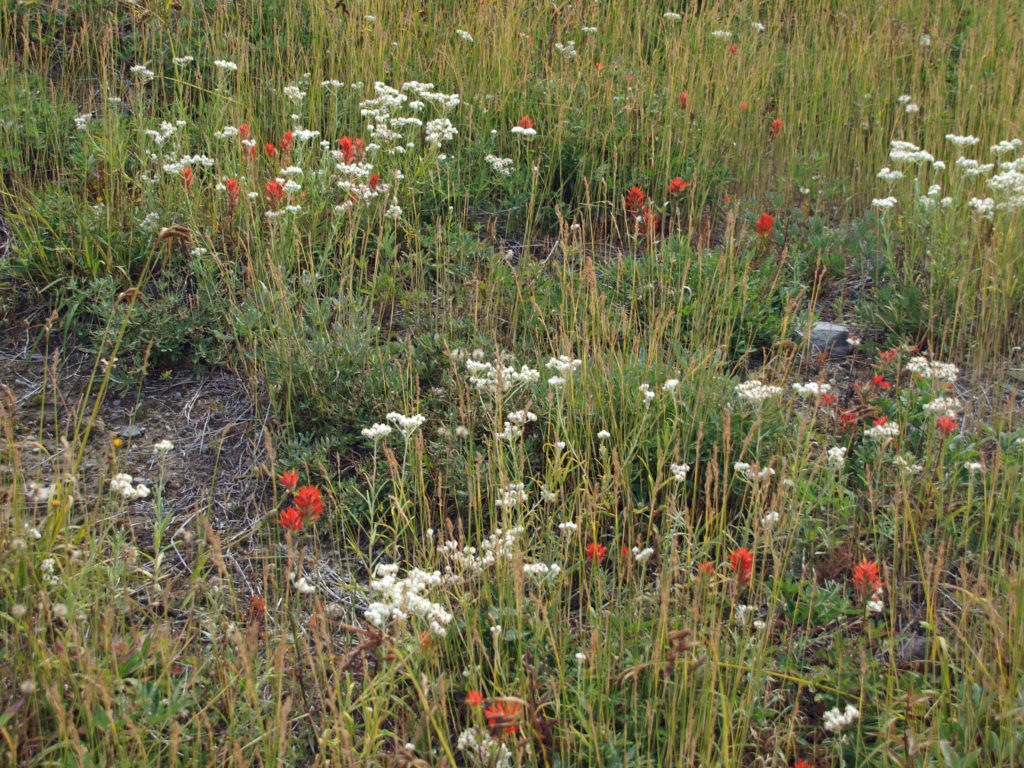
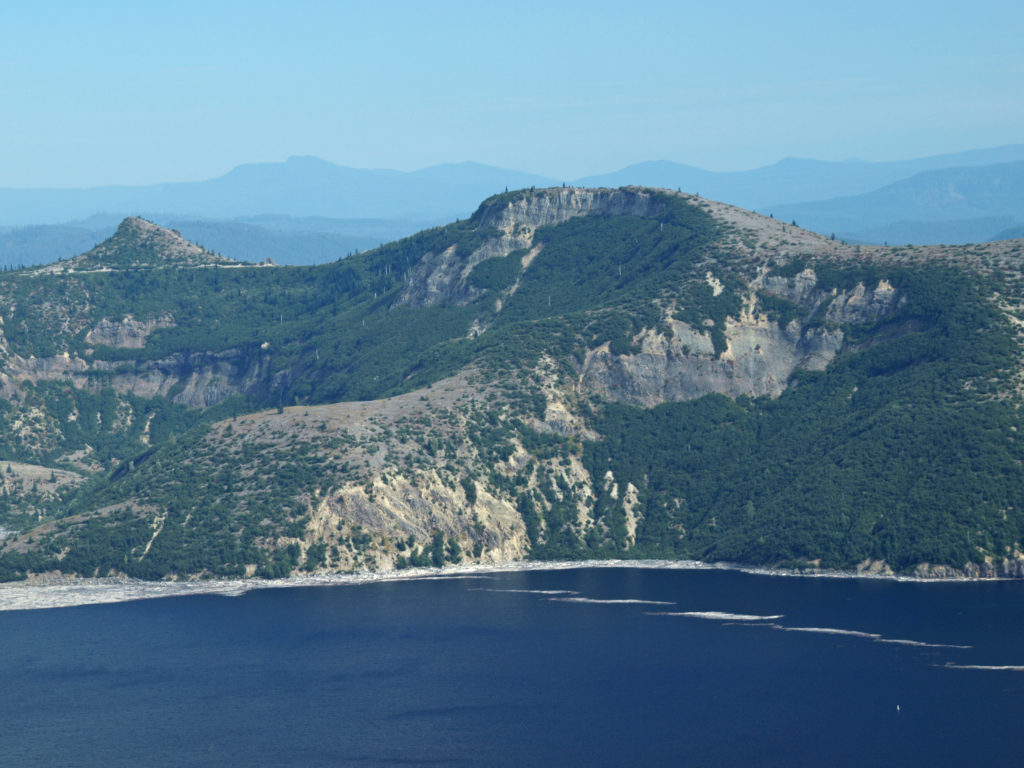
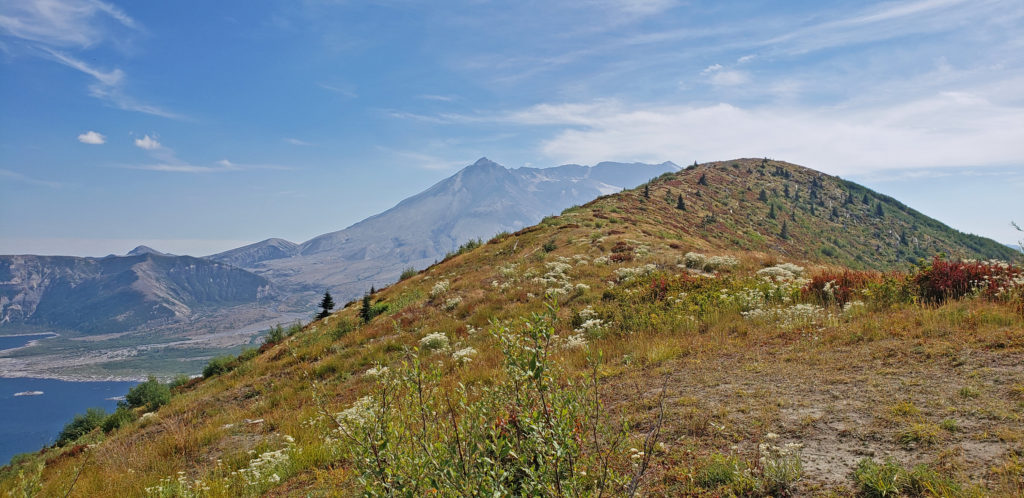
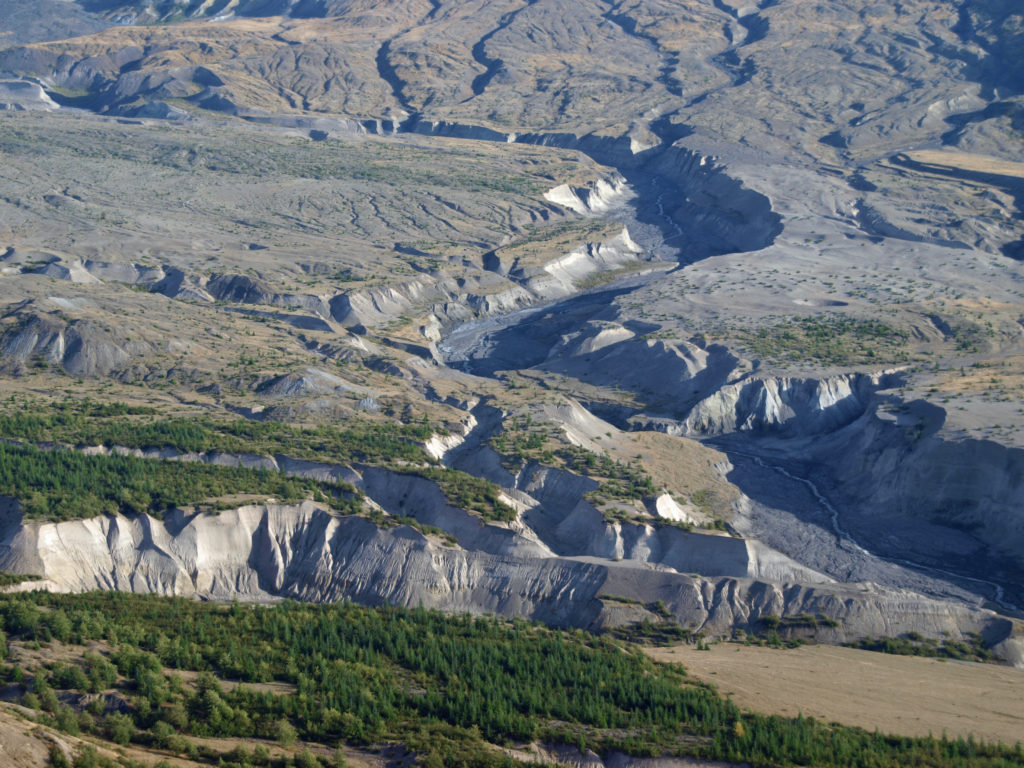
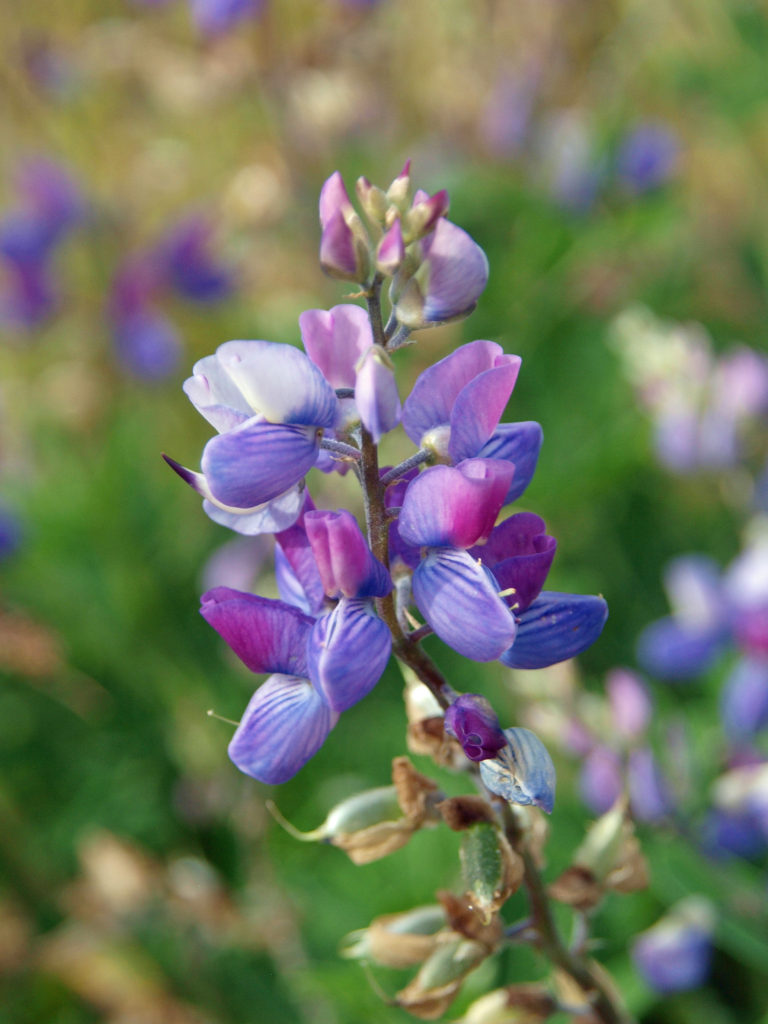
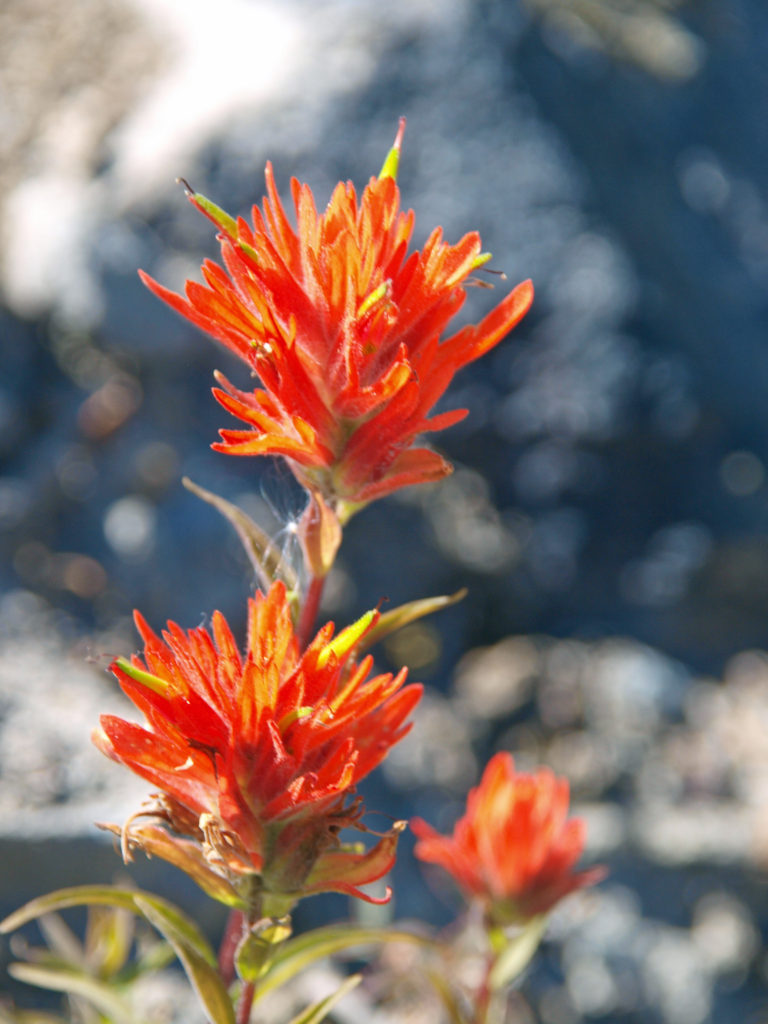
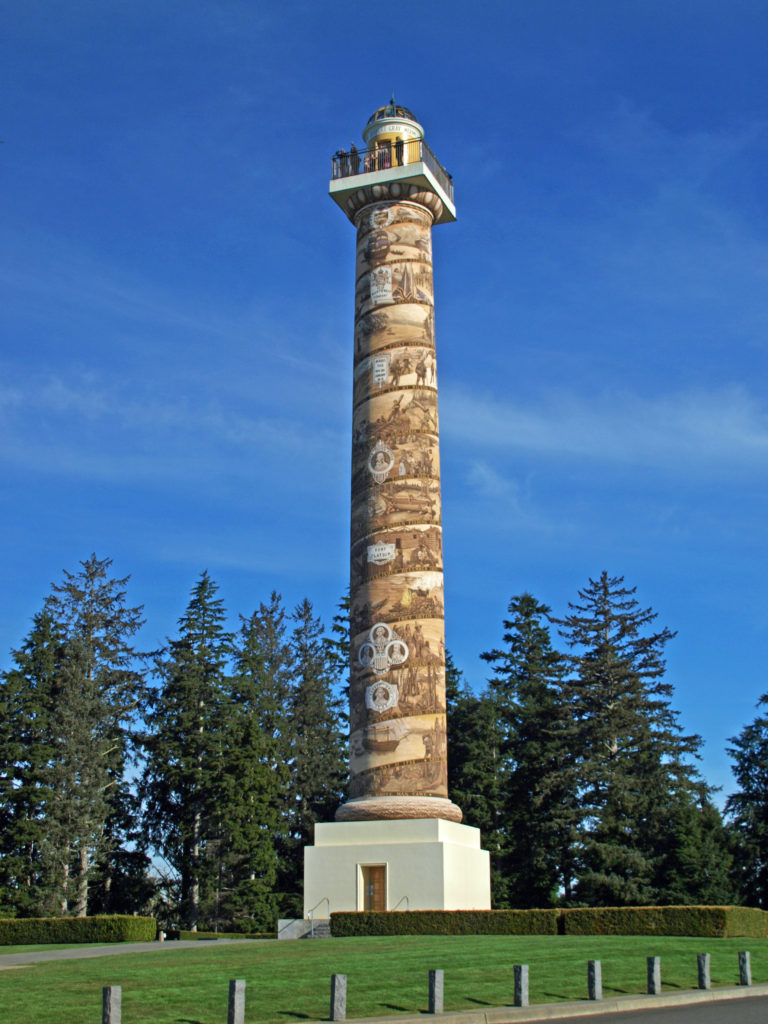


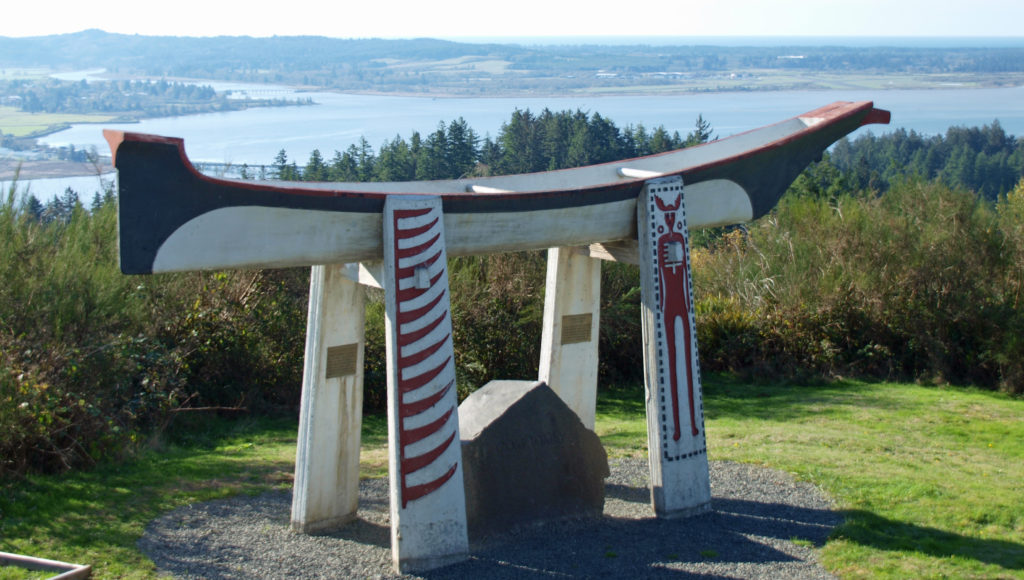

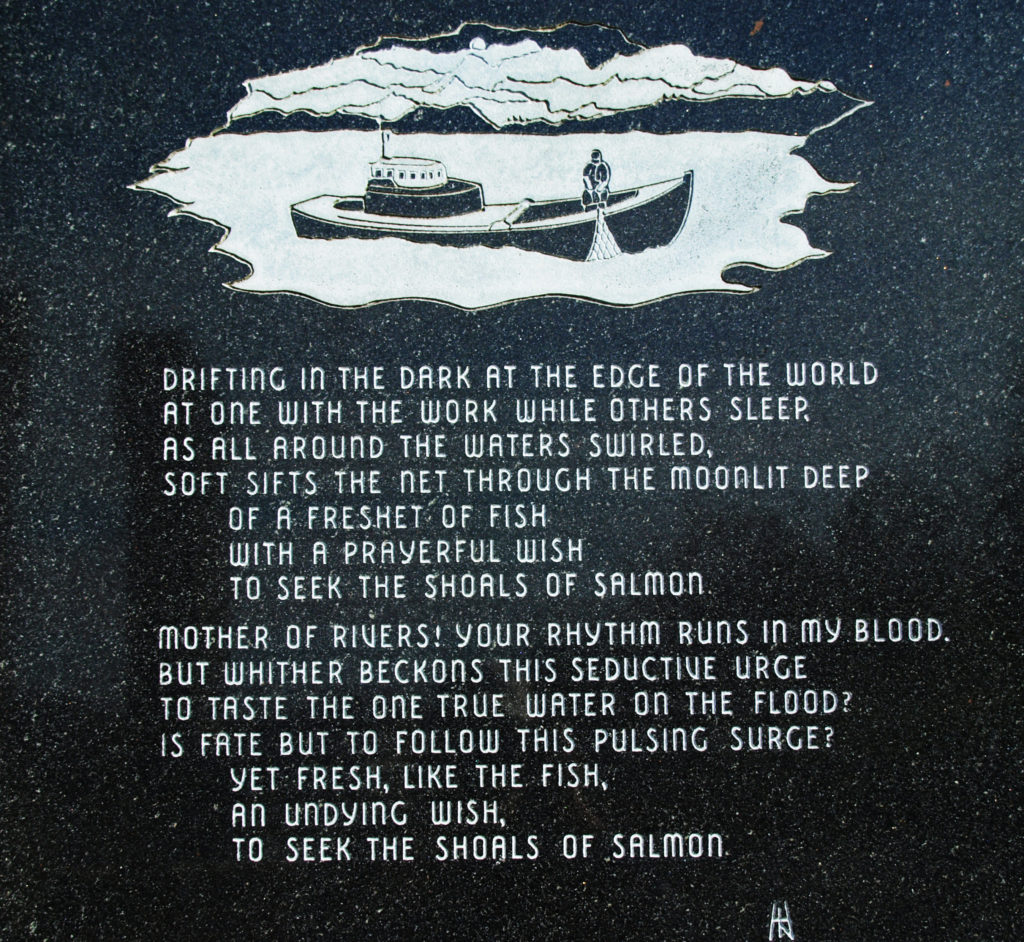
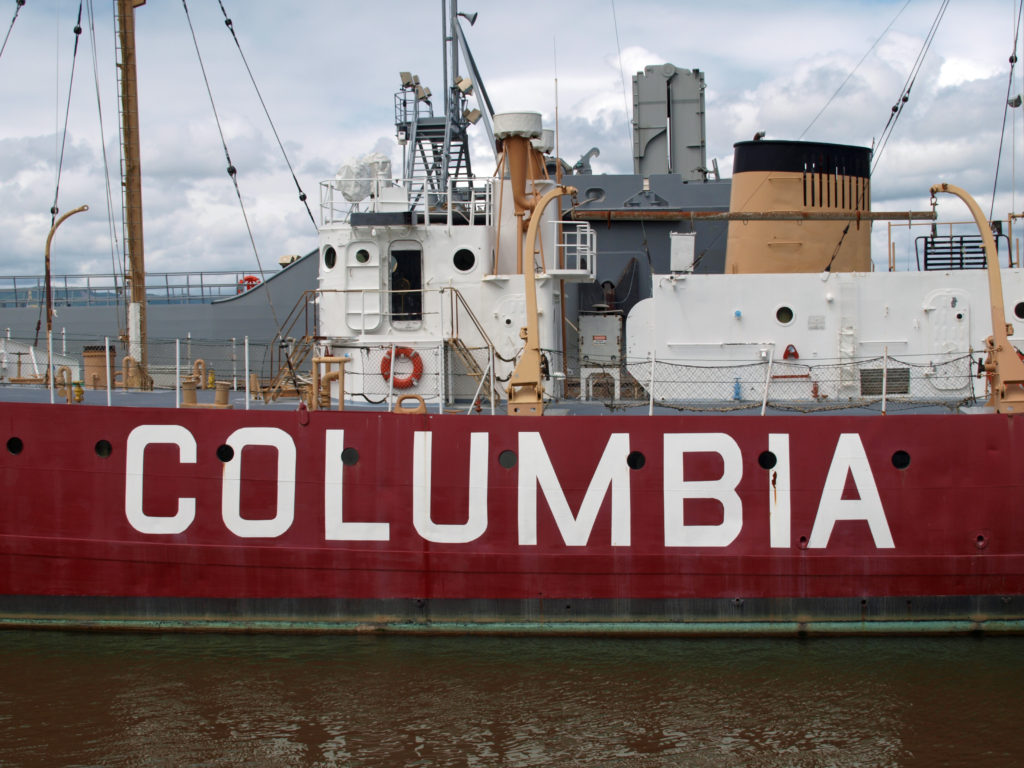

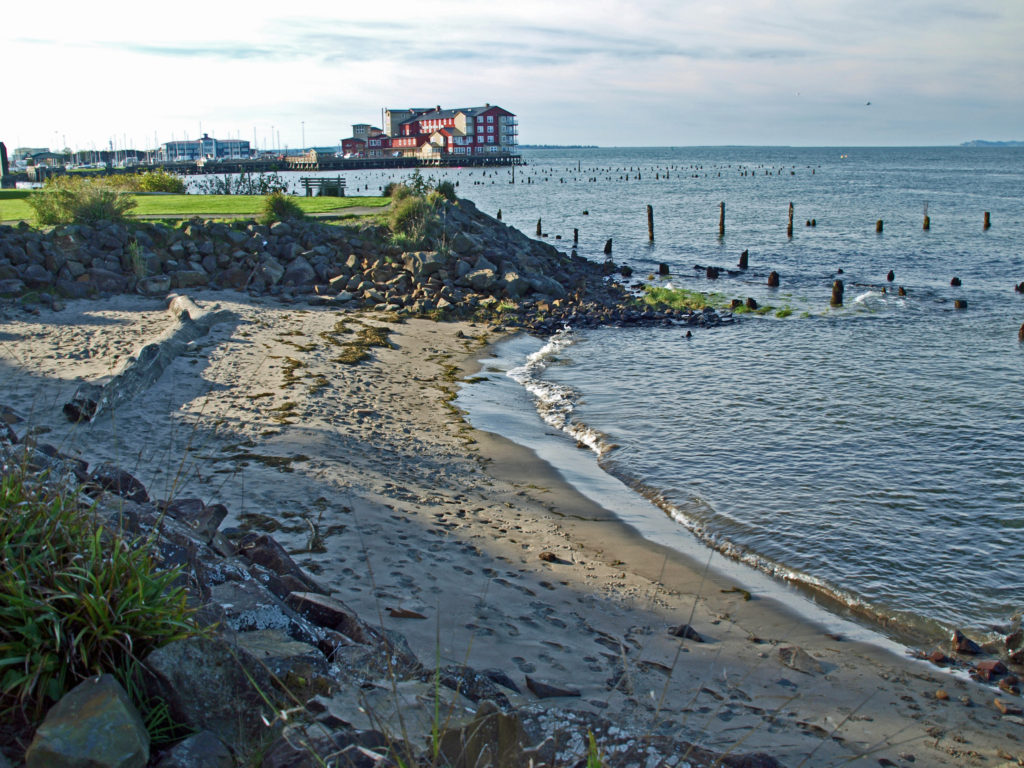

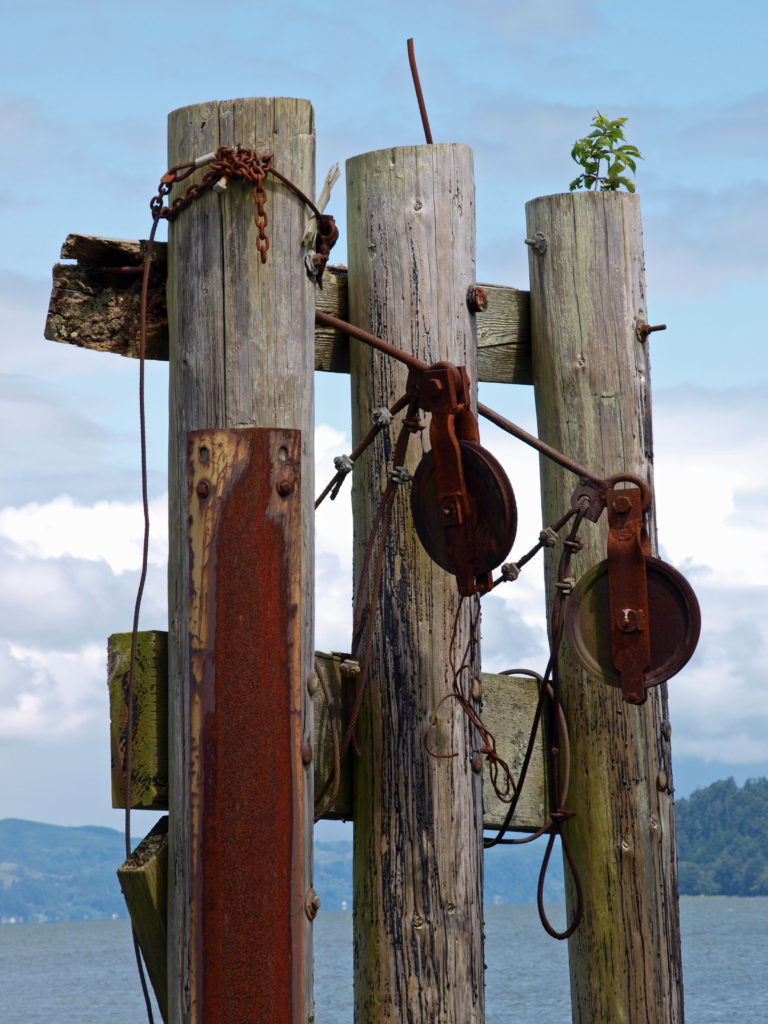

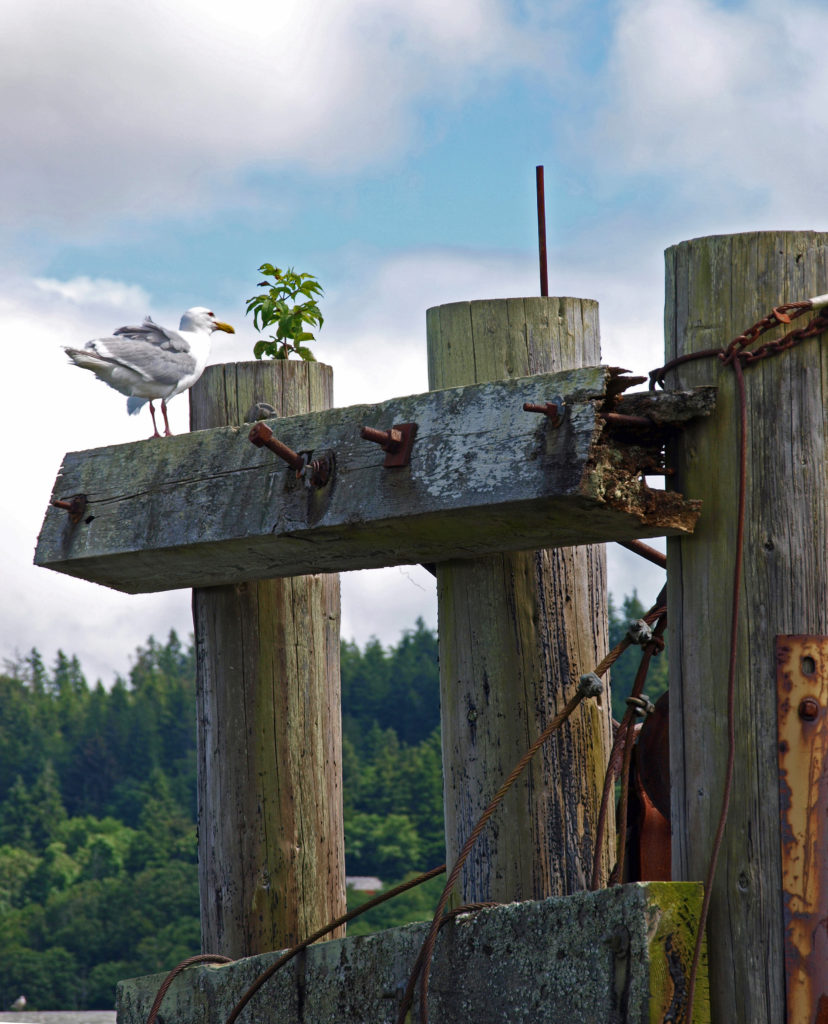
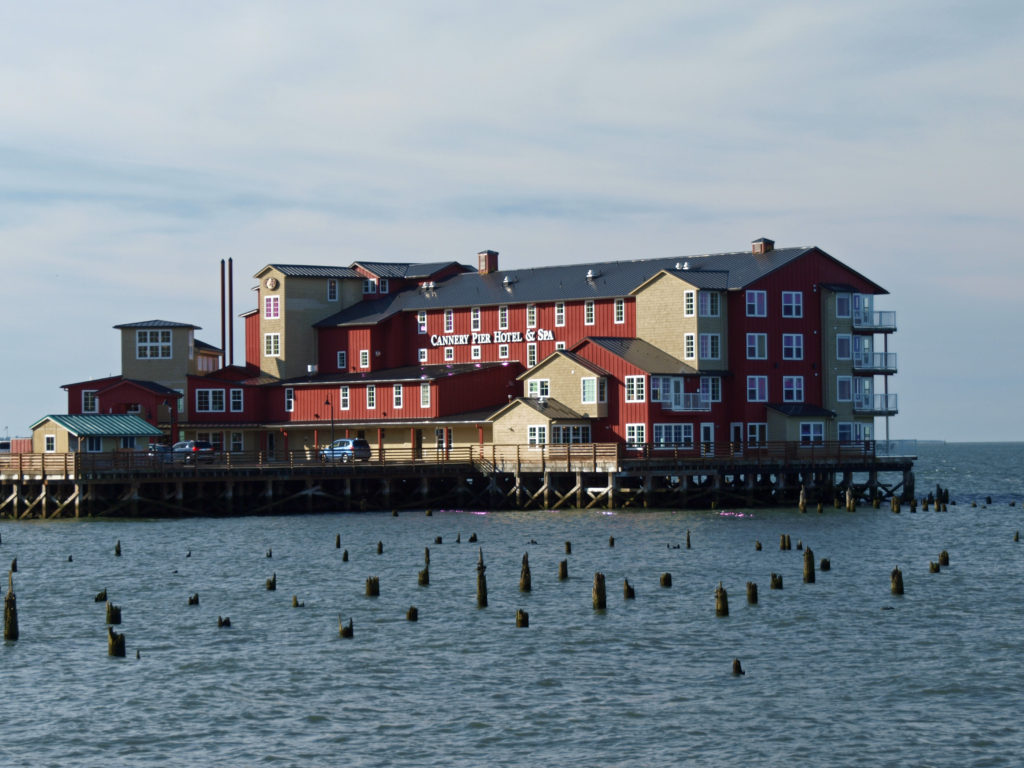
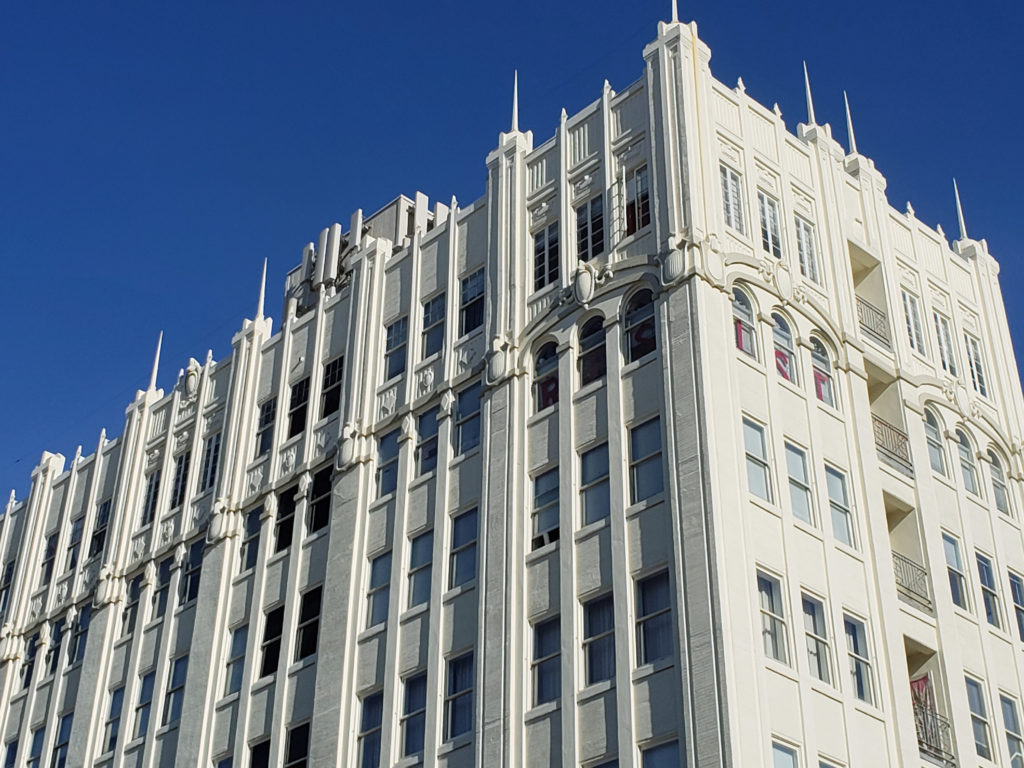
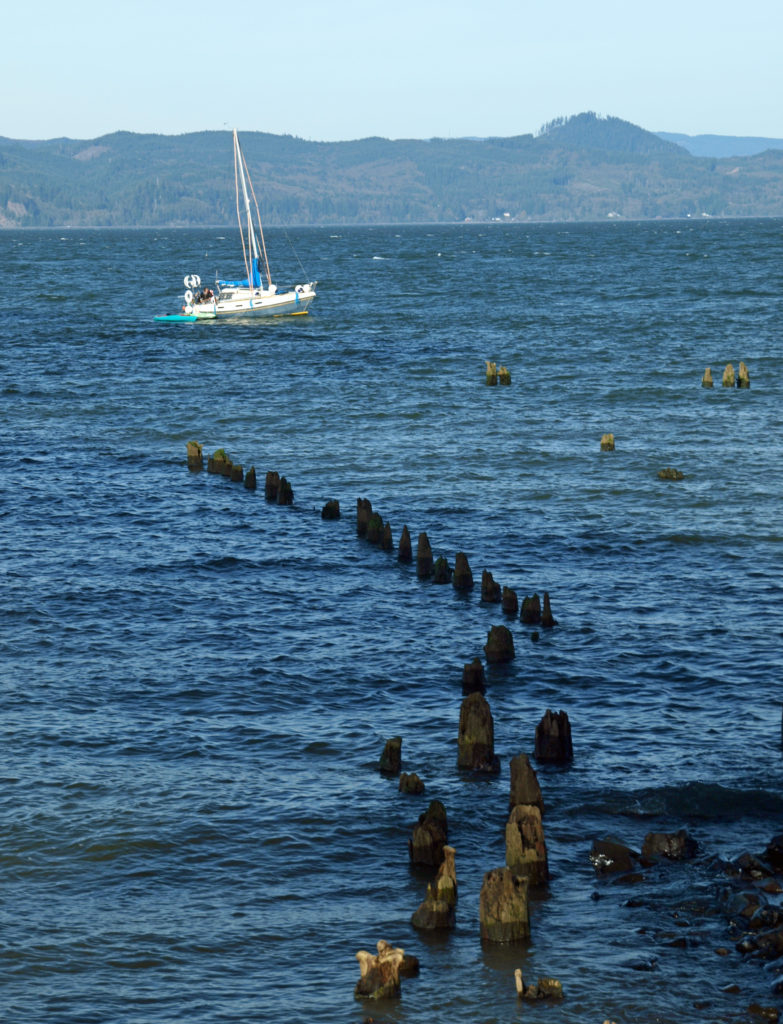
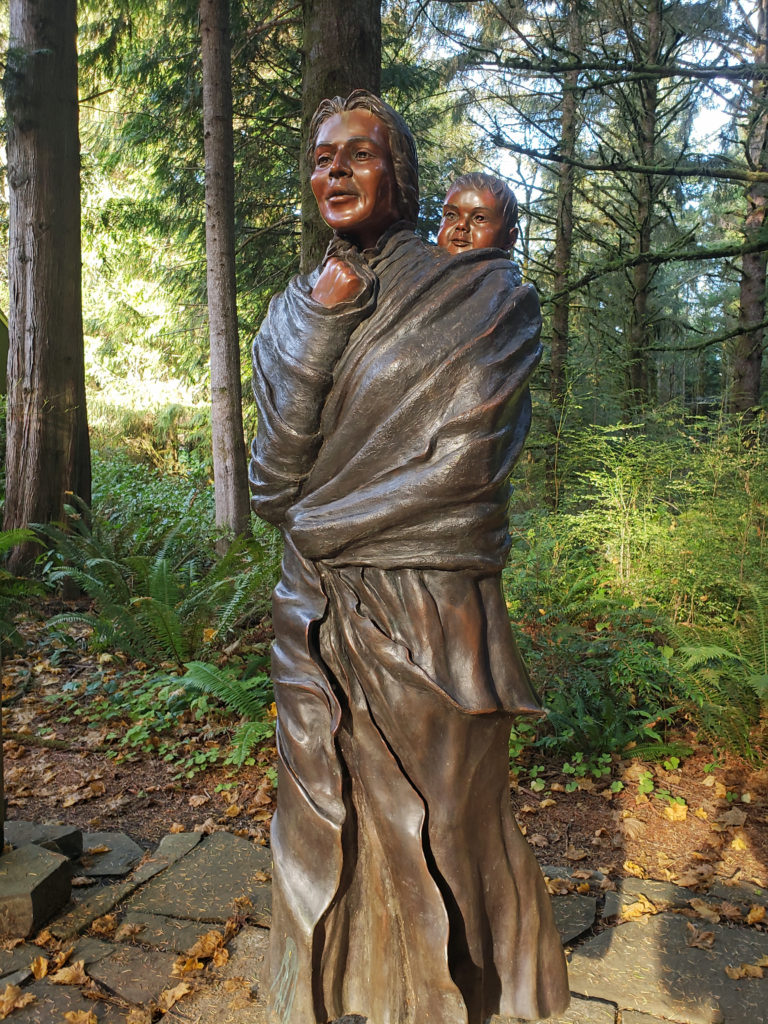


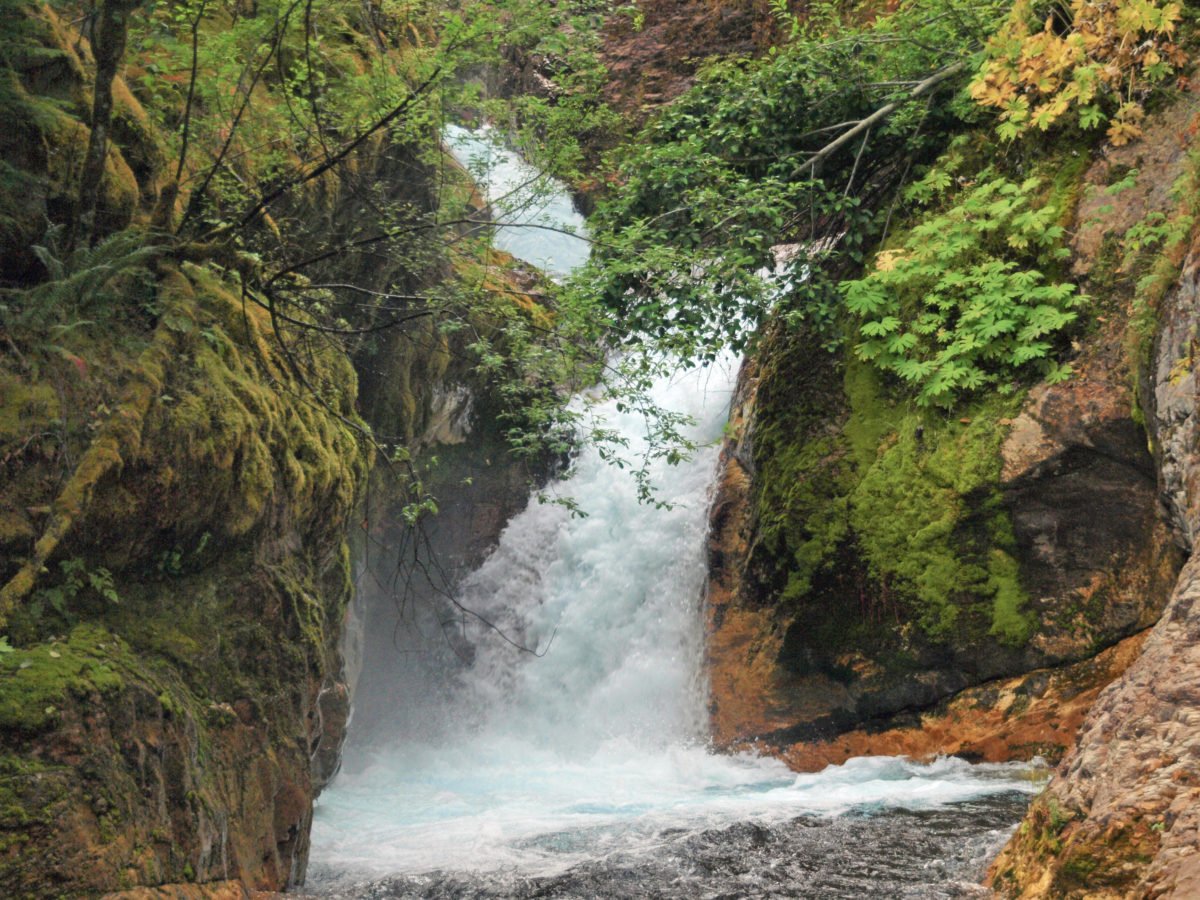
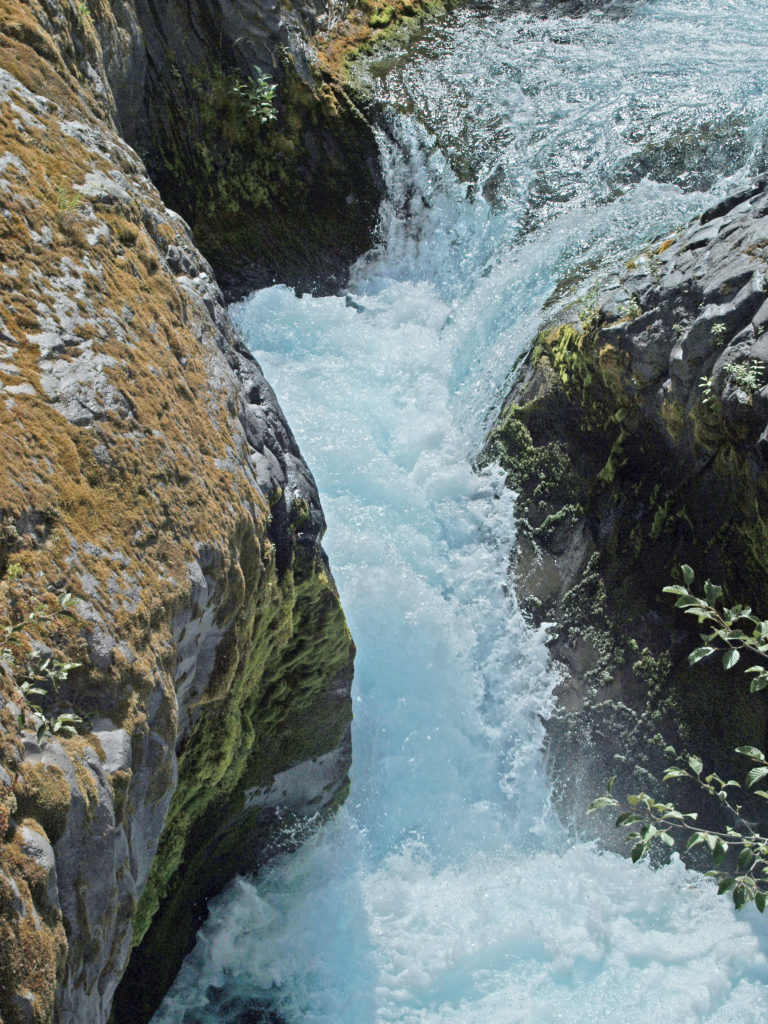 Overview:
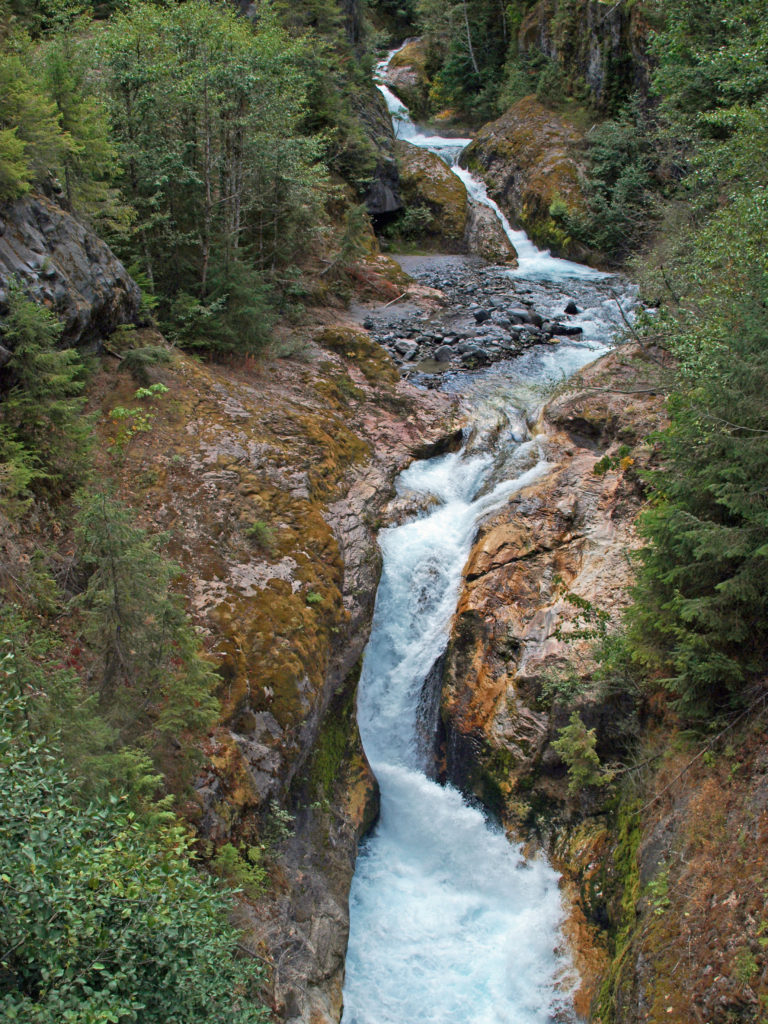 The history of Lava Canyon begins about 3500 years ago when an eruption of Mount St. Helens sent a flow of lava down the old valley of the Muddy River, destroying the forest and filling the valley with molten rock. Over the intervening years, the Muddy River cut a new course through the lava flow, and the canyon gradually filled with sediment. Then came the 1980 eruption, which melted the summit glaciers and sent a huge lahar (volcanic mudflow) down the valley, destroying the rebuilt forest and scouring out the built-up sediment, exposing the remnants of the earlier lava flow. What was left is a steeply descending canyon with an almost continuous series of spectacular waterfalls and cascades. (For more information on the 1980 eruption, see my
  Getting there:
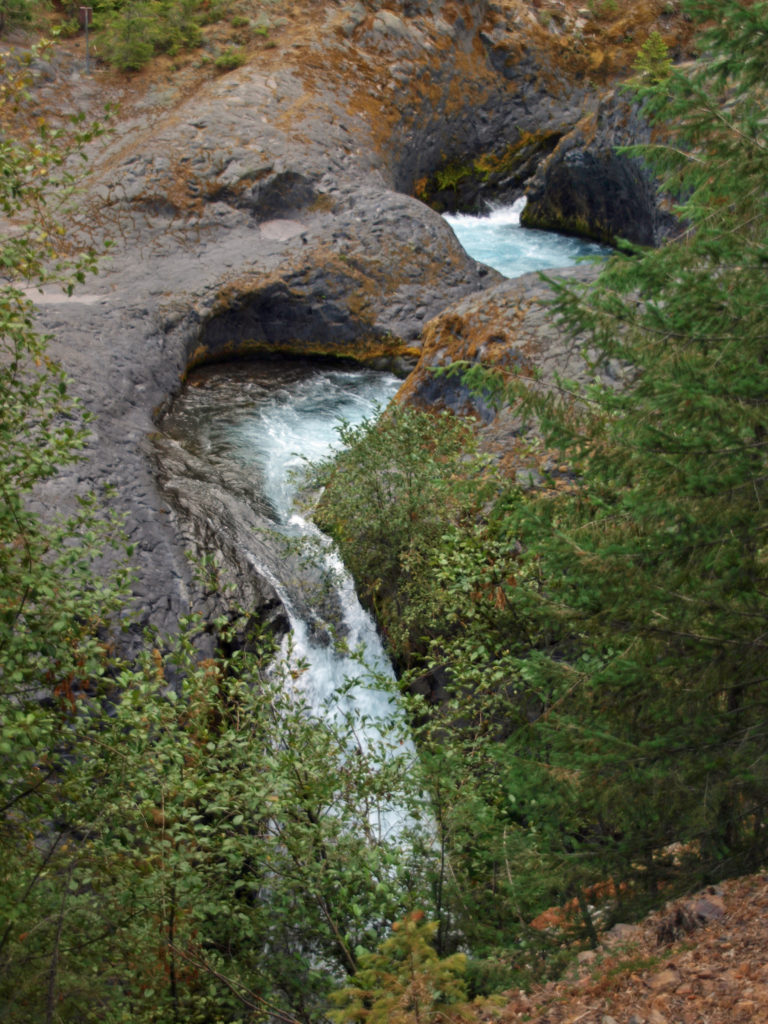 Trailheads:
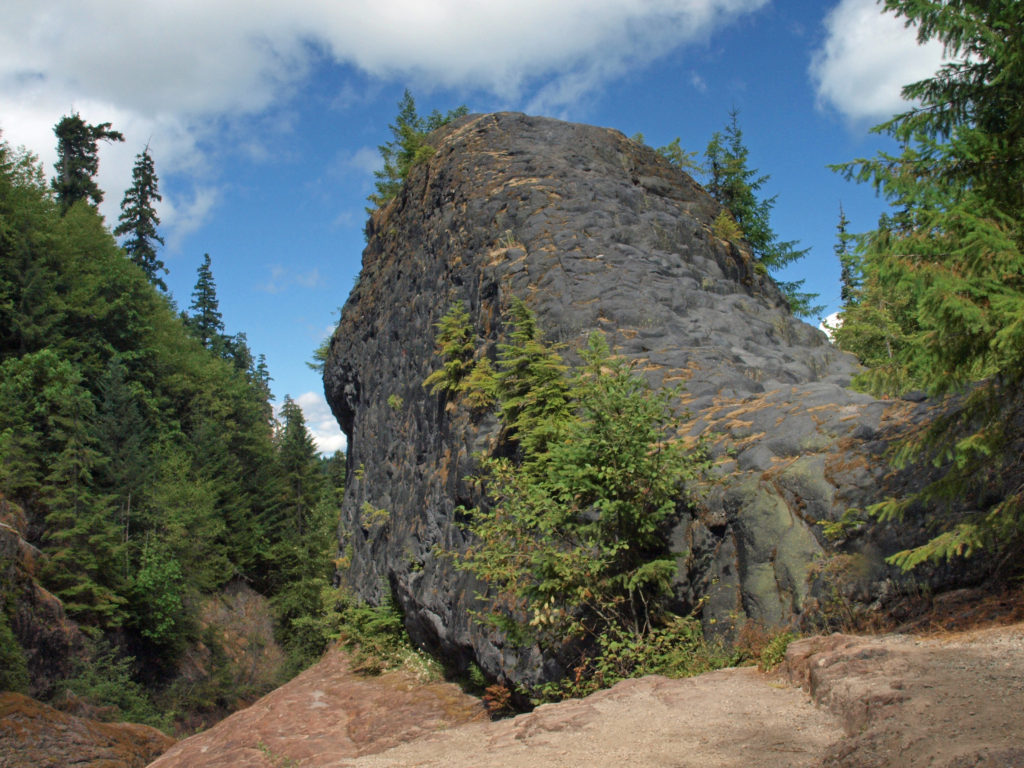 The hike:
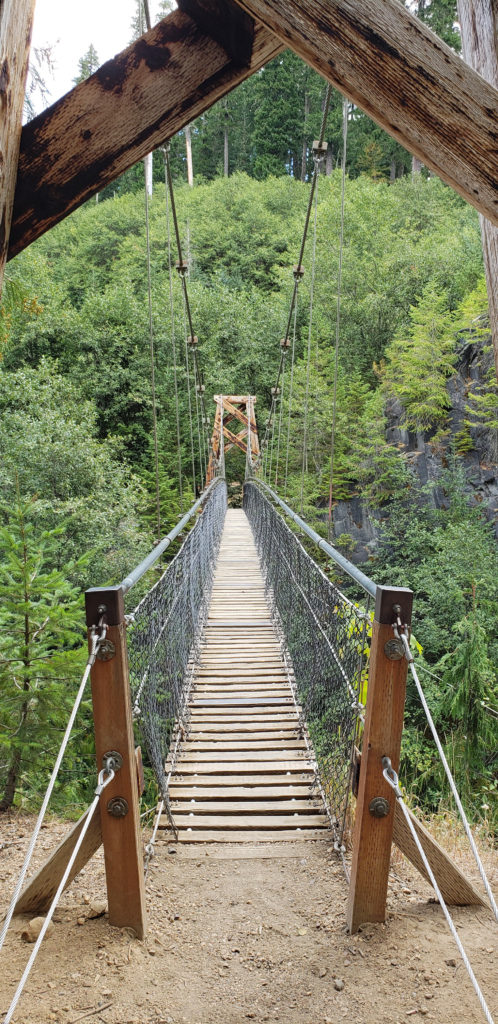 Below the overlook, the path is rock and dirt, steep in places. After another three tenths of a mile, you come to another side trail and a suspension bridge over the river that gives a bird’s eye view of the canyon and waterfalls. On the other side of the bridge is a connecting trail that takes you back to the upper bridge, making for a 1.4-mile loop. (Update: As of June 2023 the suspension bridge is closed. Check the National Forest Service’s
 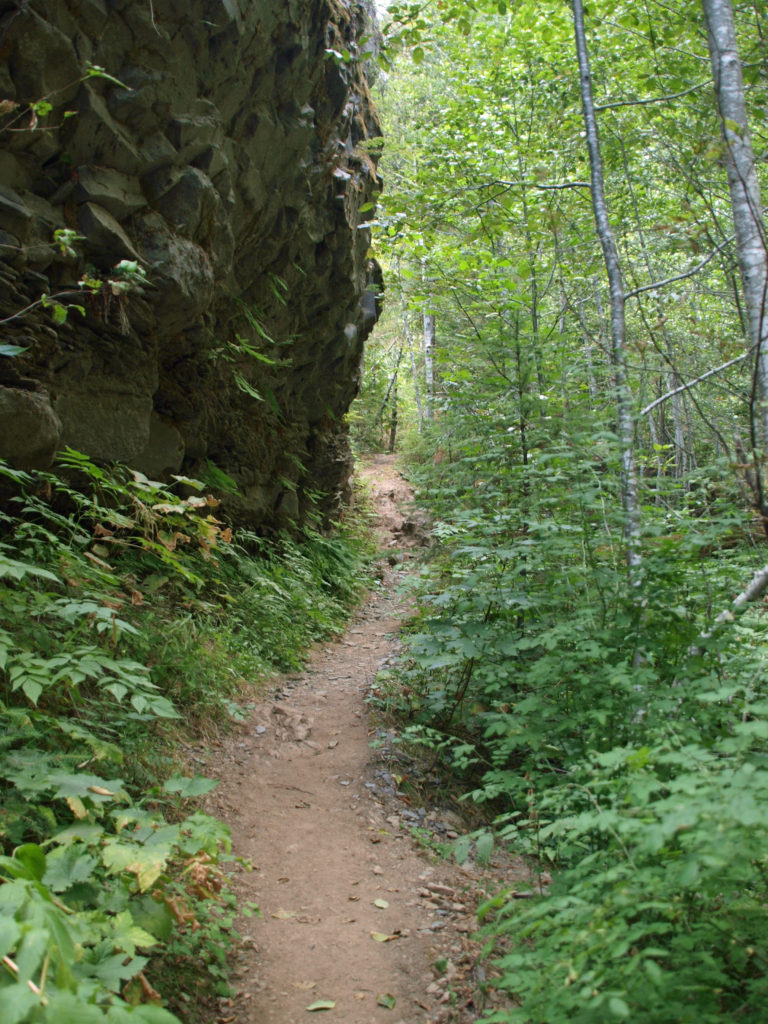 At about the 1.3-mile mark, the trail descends a 40-foot ladder to the base of the rock formation known as The Ship. Before 1980, sediment filled the canyon to the top of The Ship, to give you an idea of how much sediment was scoured out of the canyon. A short but steep side trail (and another ladder) leads to the top of The Ship.
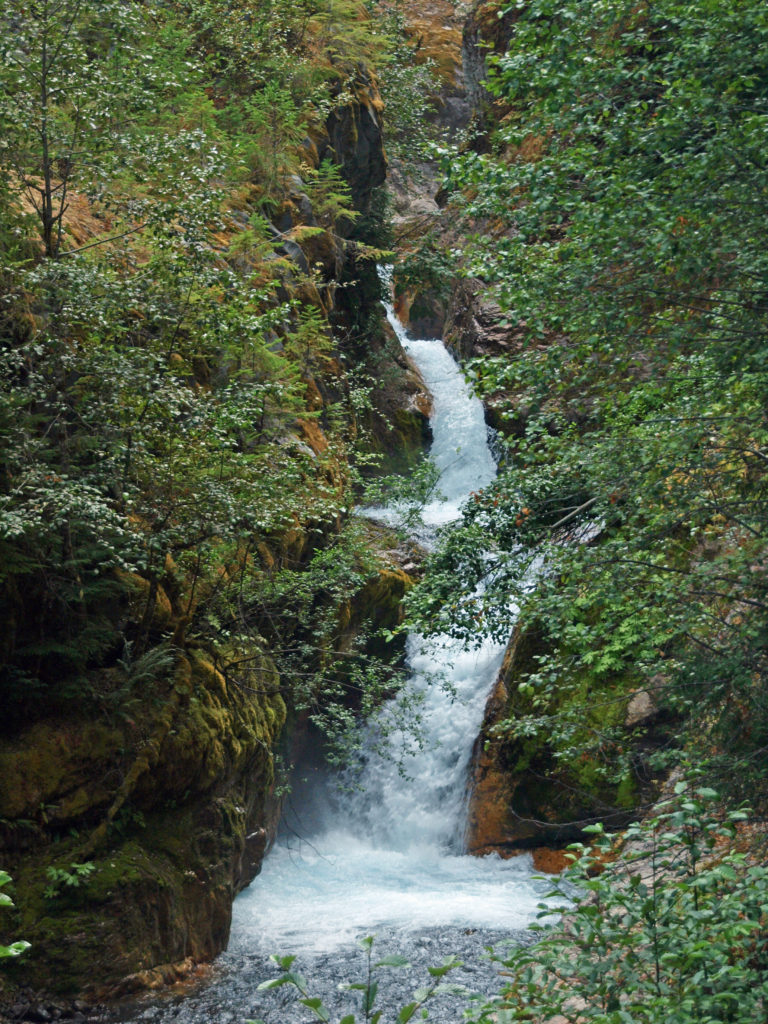 (Below The Ship, the trail continues another 1.5 miles to the lower trailhead. The entire hike from upper to lower trailhead and back is about six miles and the elevation gain coming back is 1350 feet.)
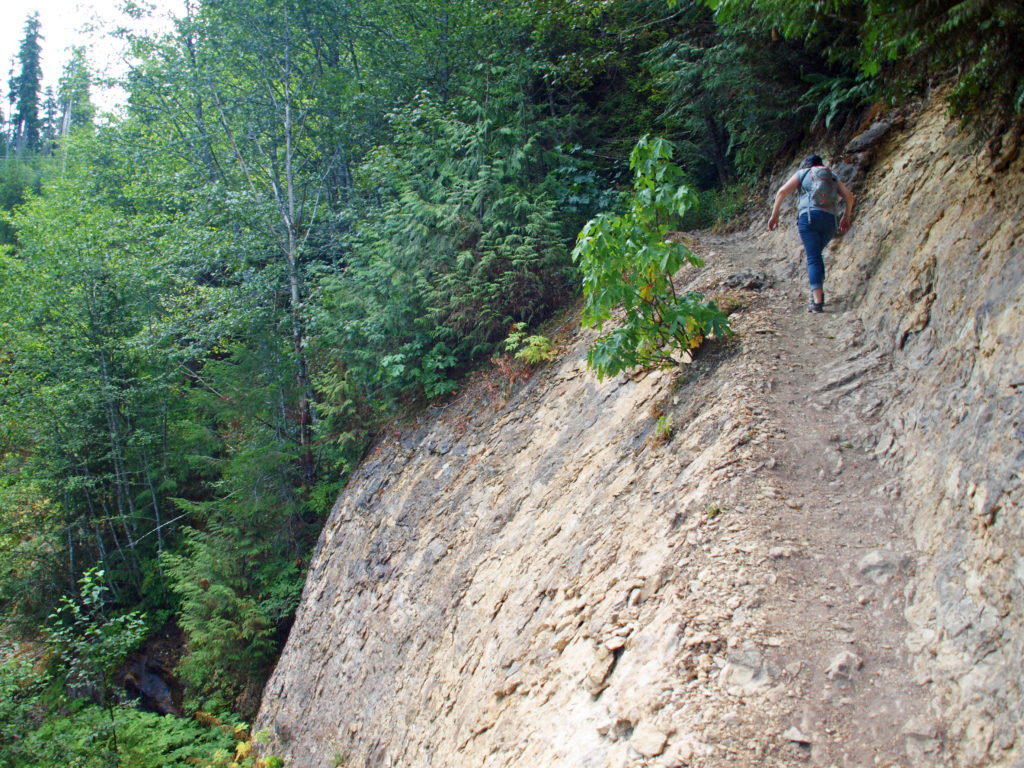 Return from The Ship the way you came. Cross the suspension bridge if it is open and take the trail on the opposite bank to the upper bridge and re-cross the river. The two bridges both give you great views of the river and canyon below.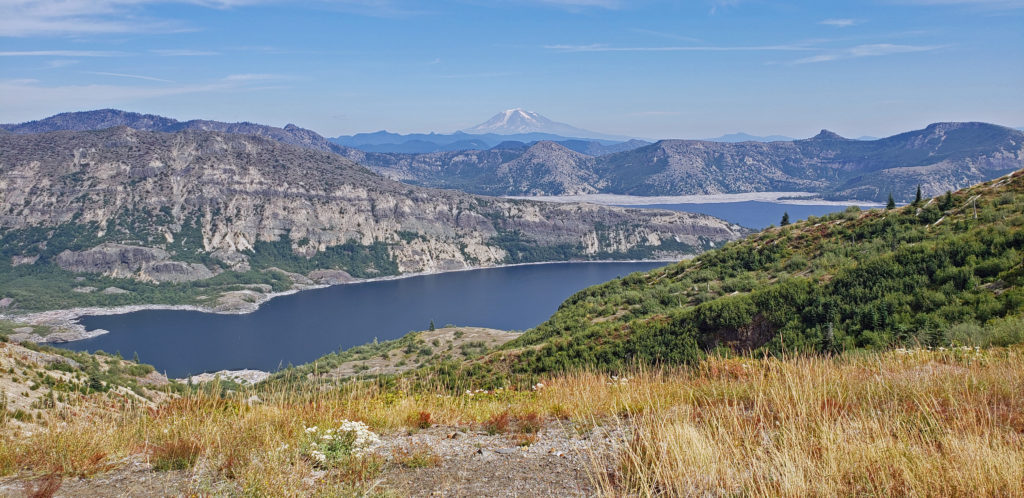
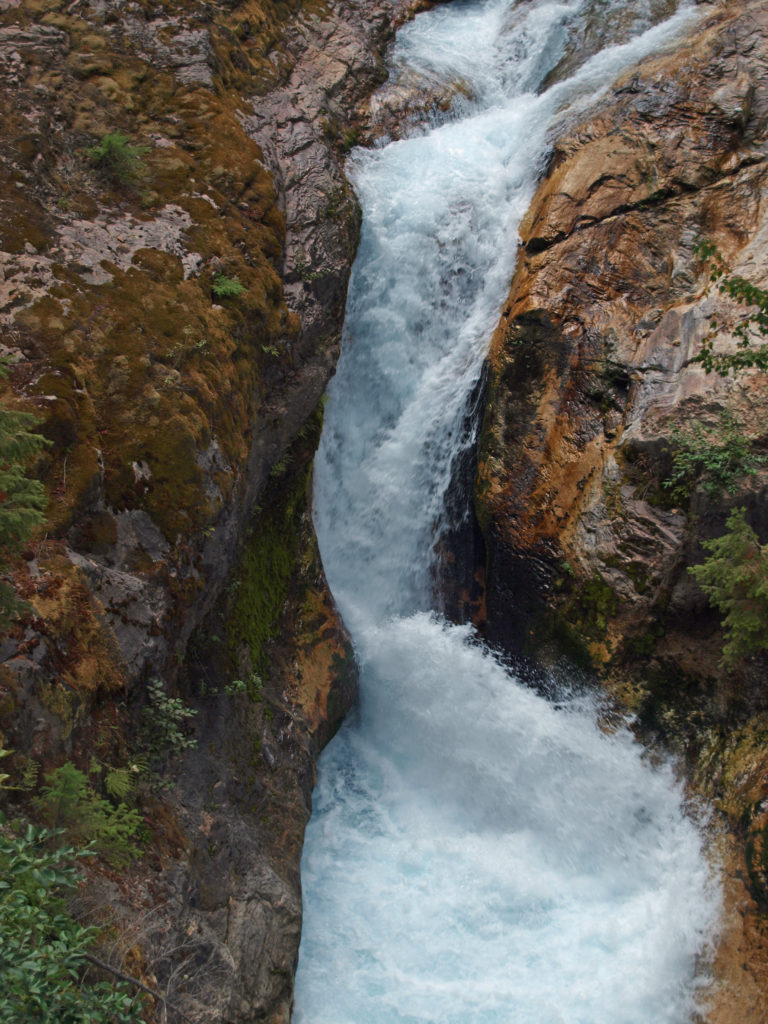 Originally posted in a different format September 29, 2018 by Alan K. Lee. Updated and re-posted March 23, 2021. Edited, updated and posted in this format June 29, 2023.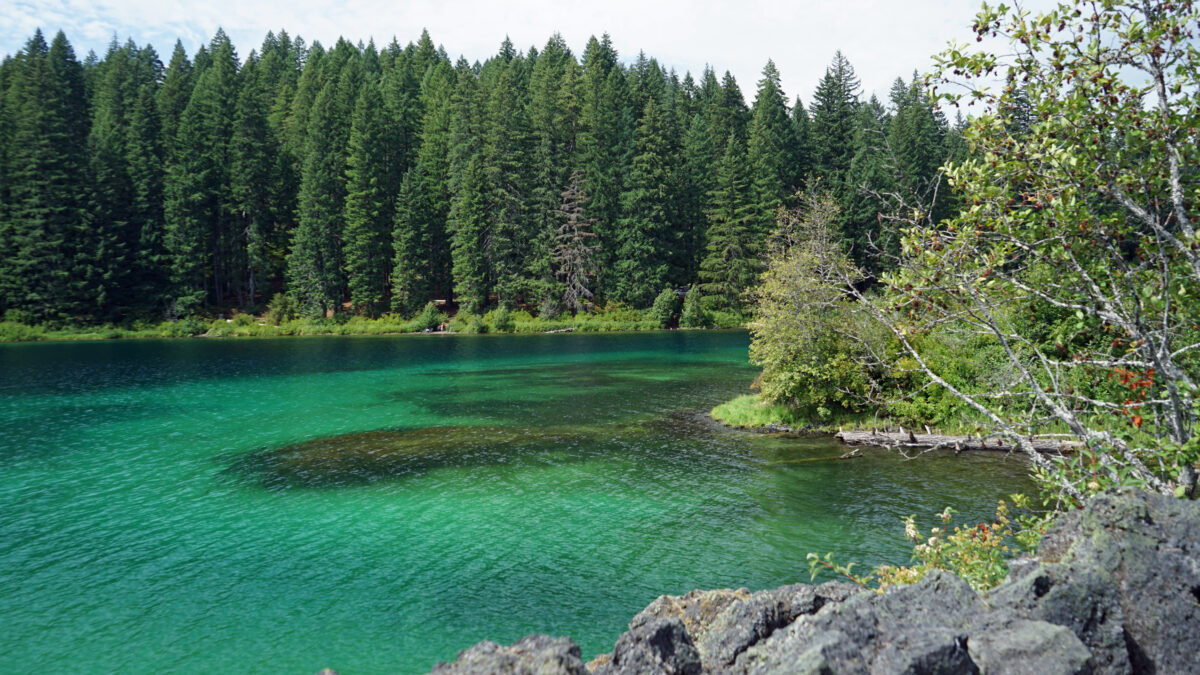
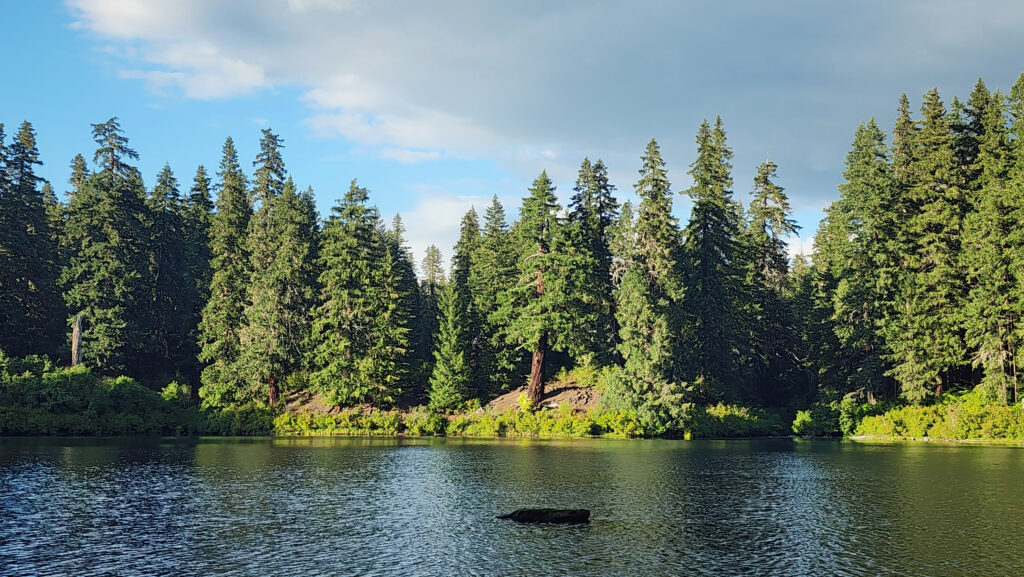

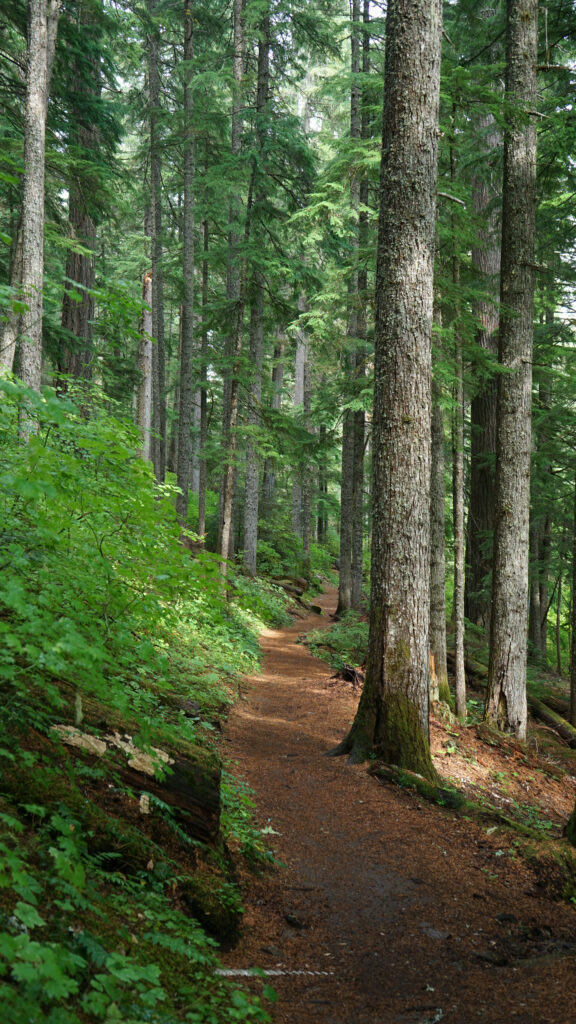
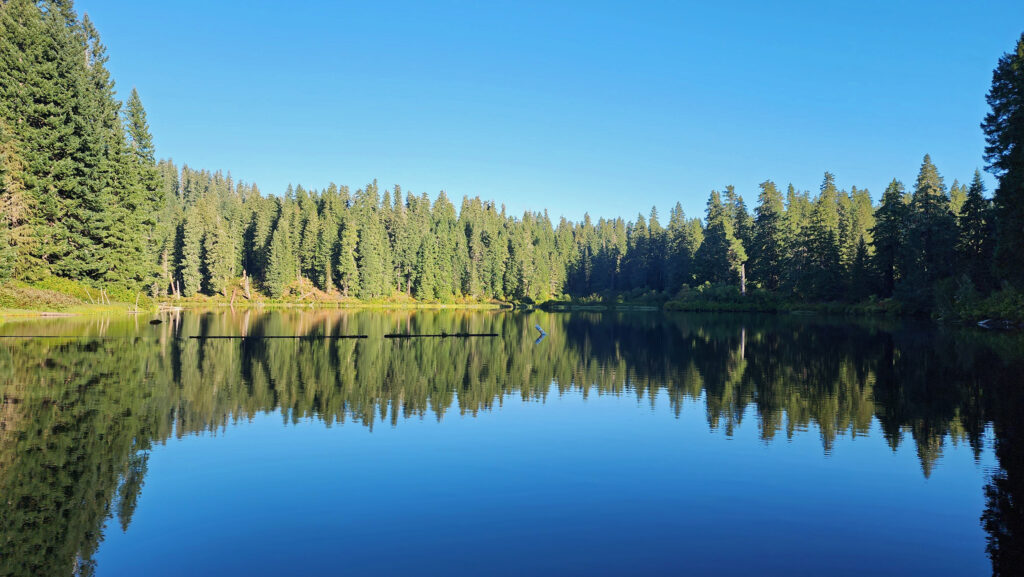
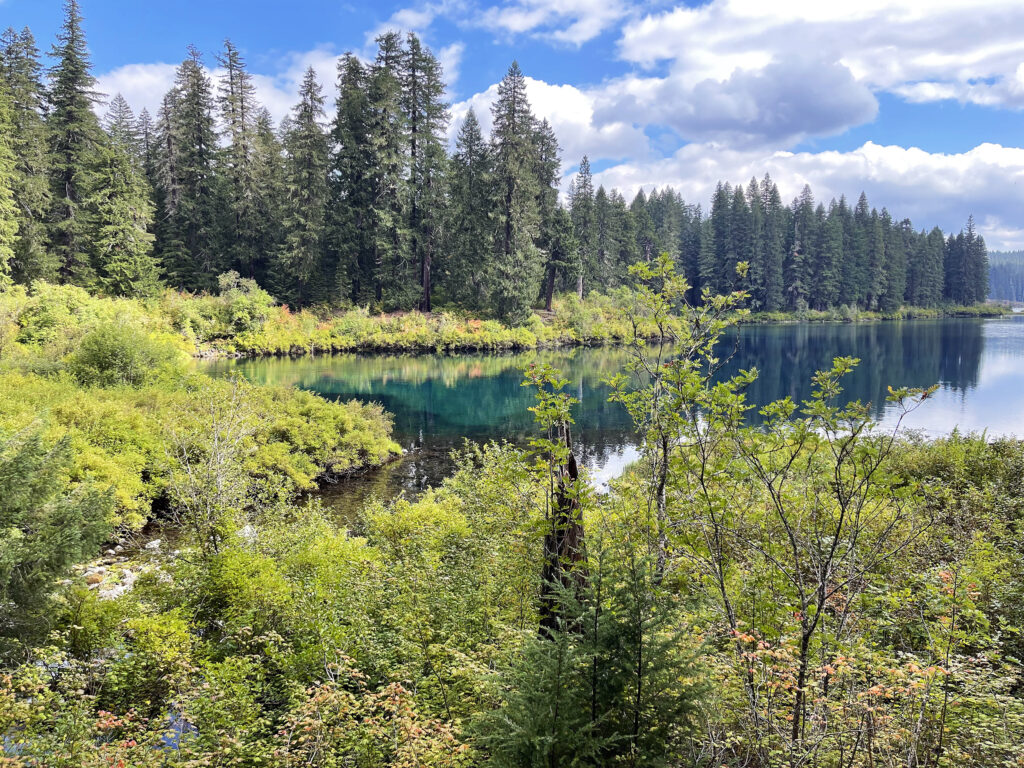
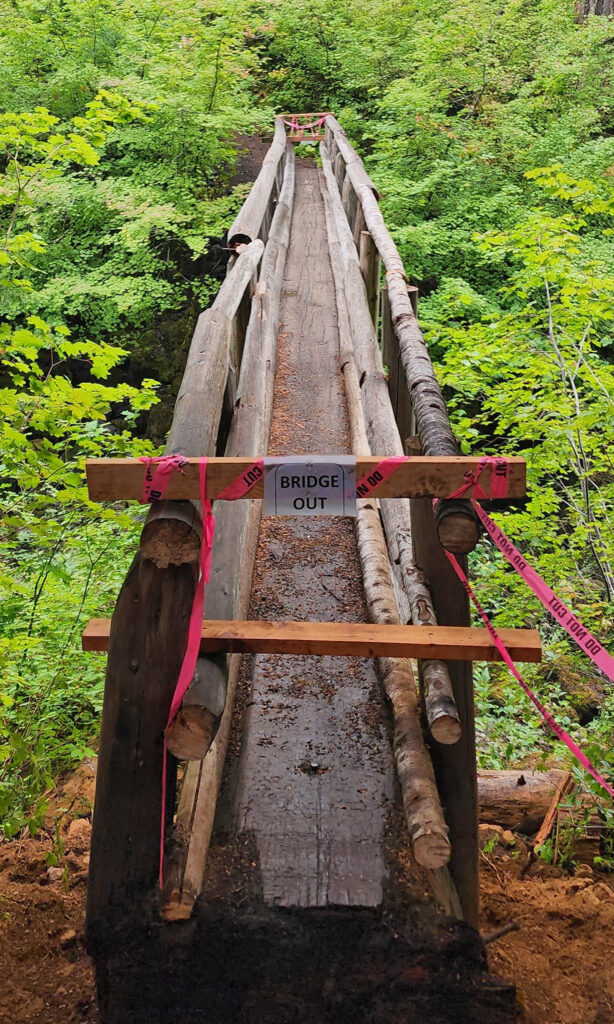
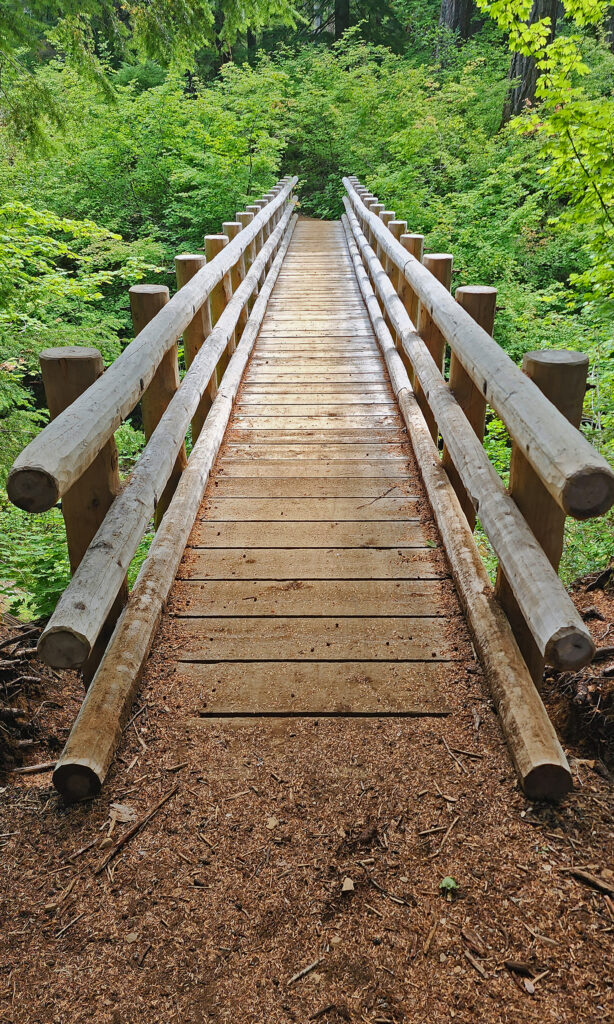
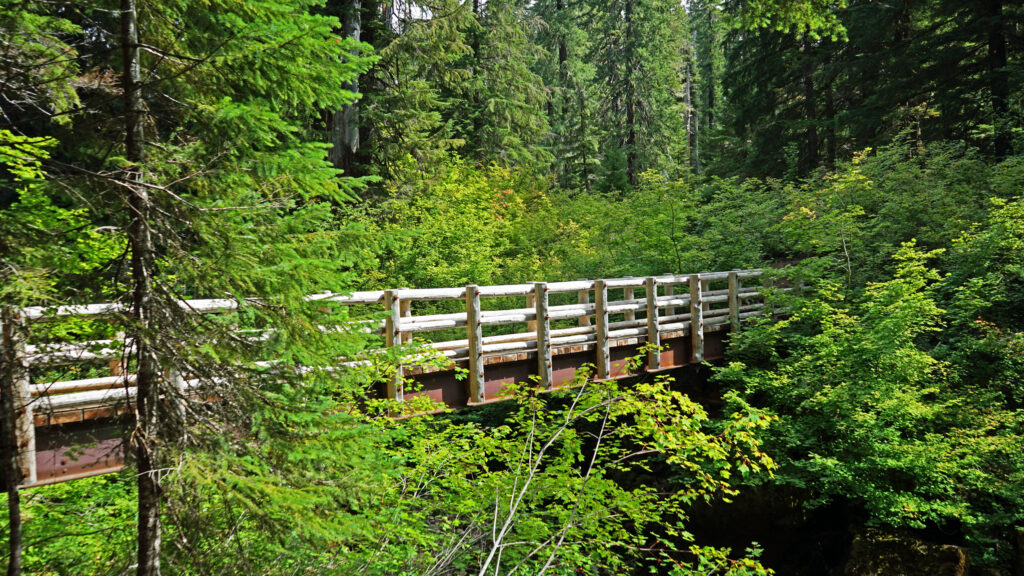
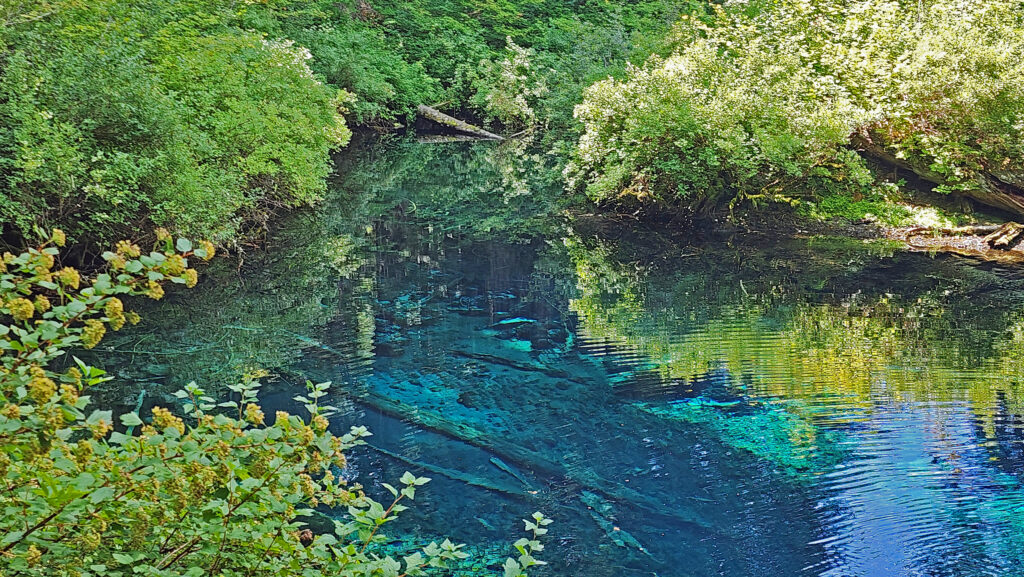
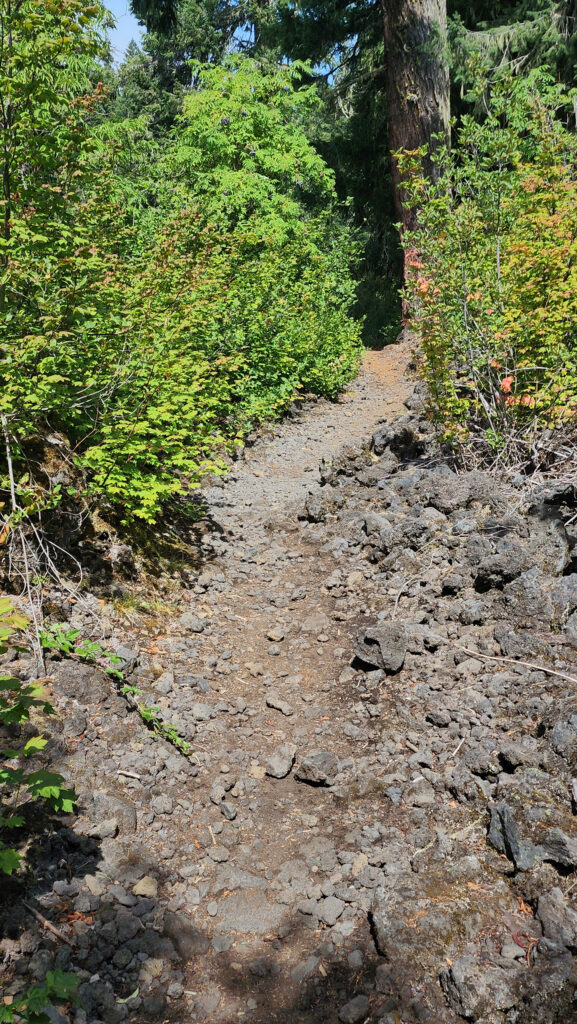
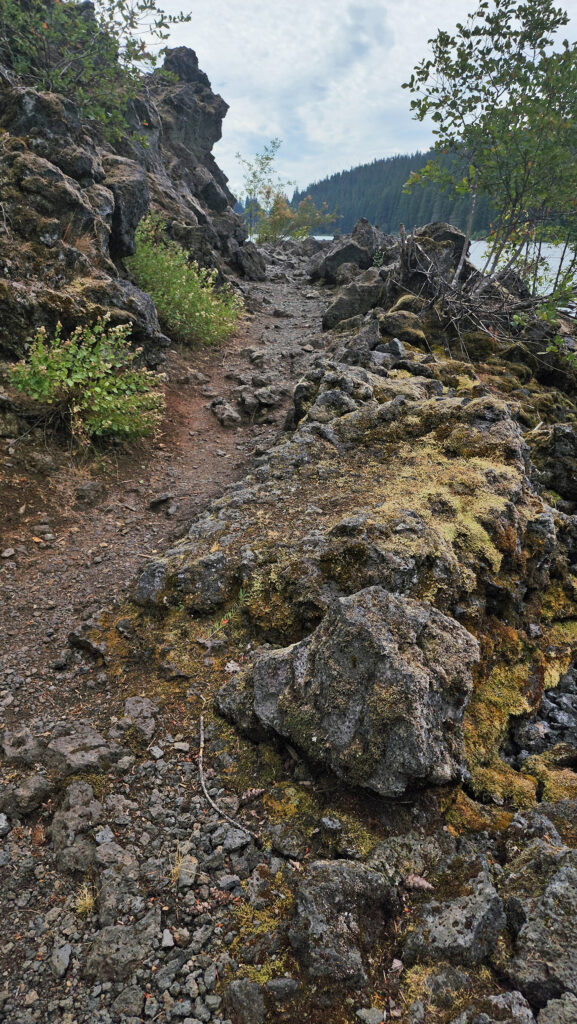 From the Great Spring the trail follows the east shore through the lava fields and forest. Parts of the trail are pretty rough. Good quality hiking boots are advised, although I did this hike in sneakers on my latest visit. But open toed sandals or flip flops are definitely not acceptable footwear on this section of the trail.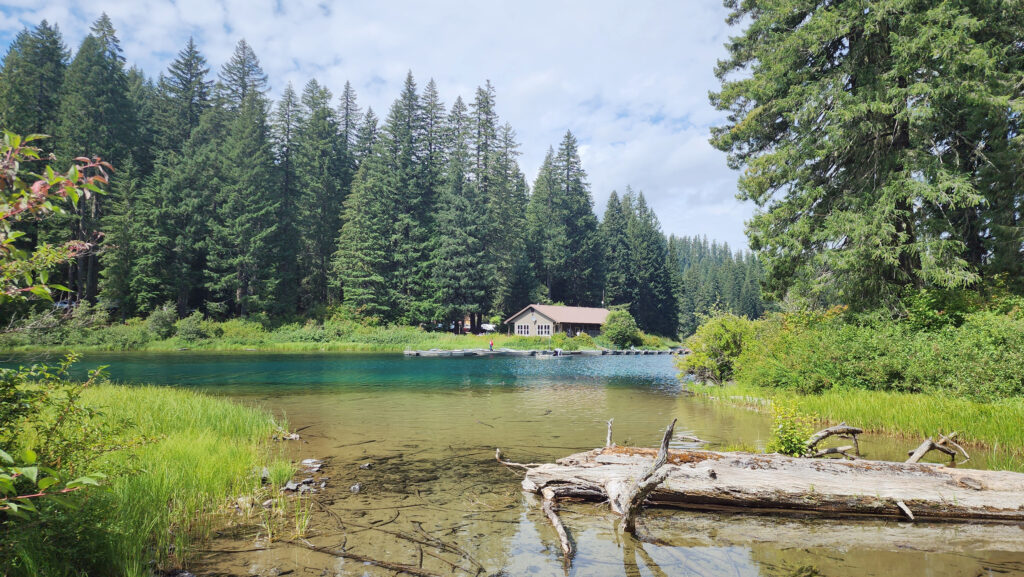
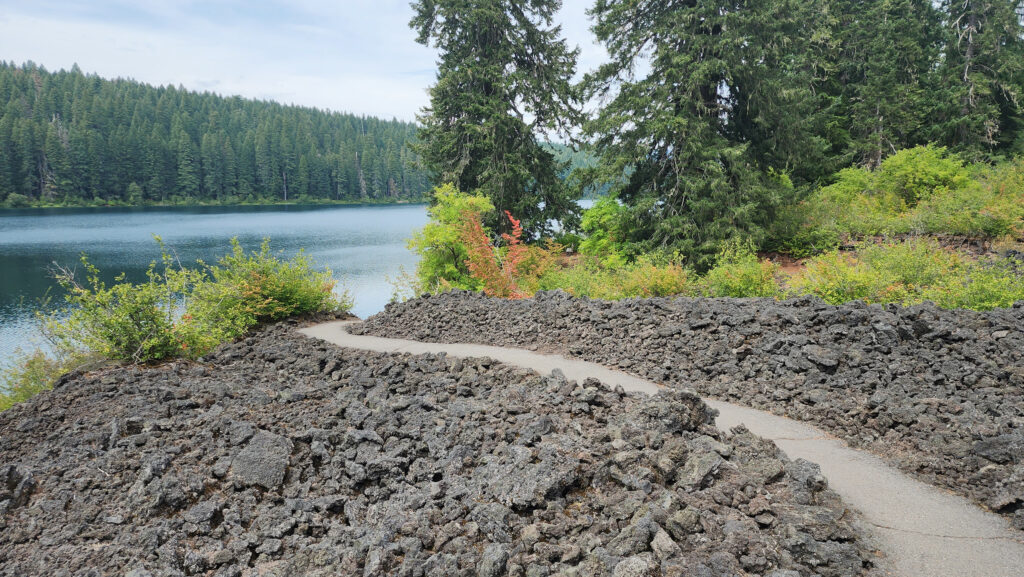
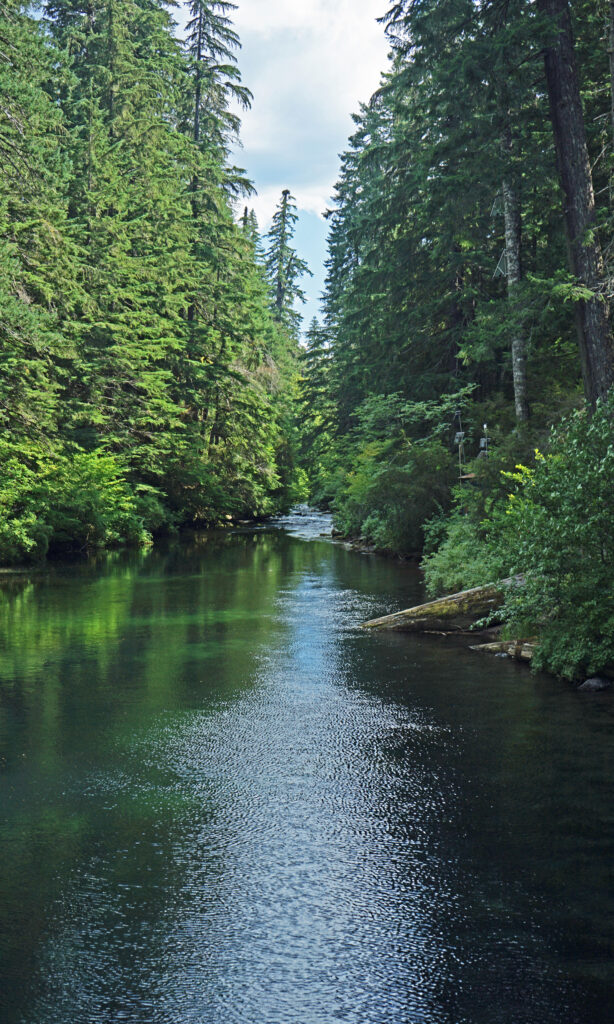
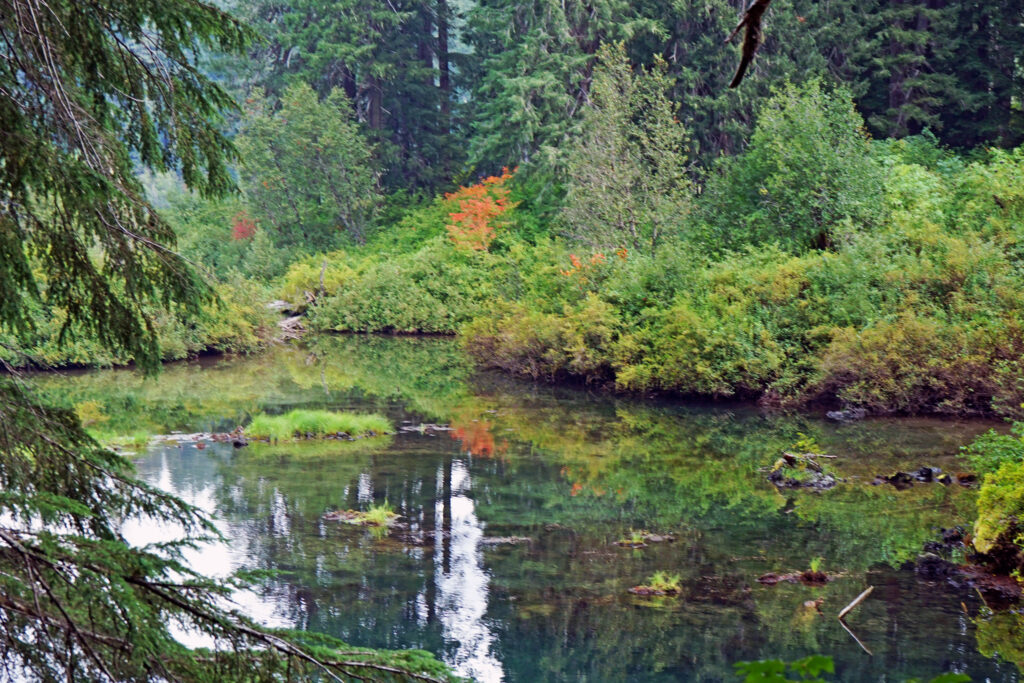
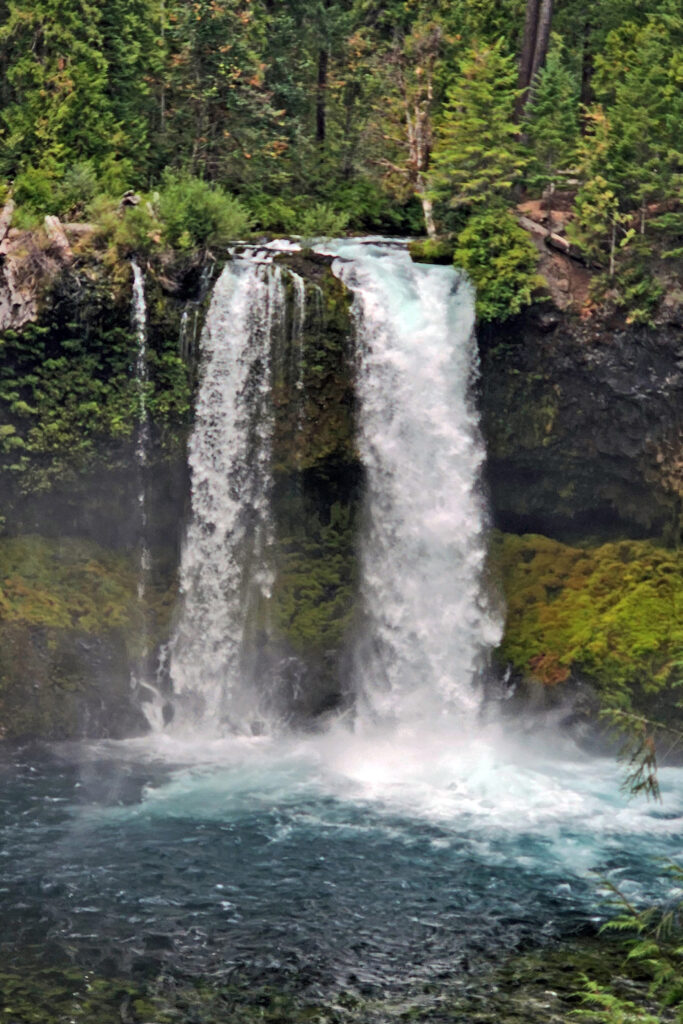
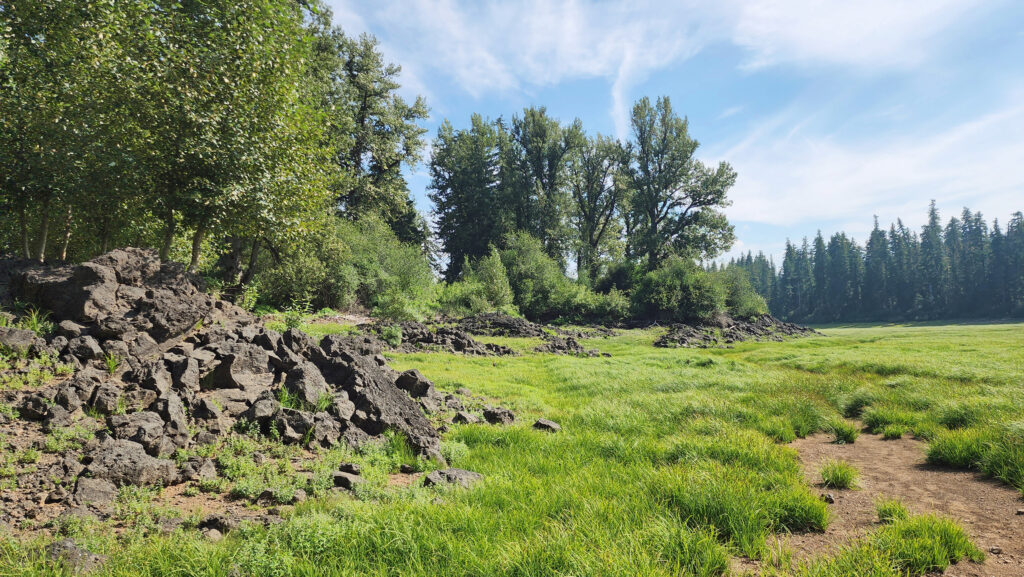
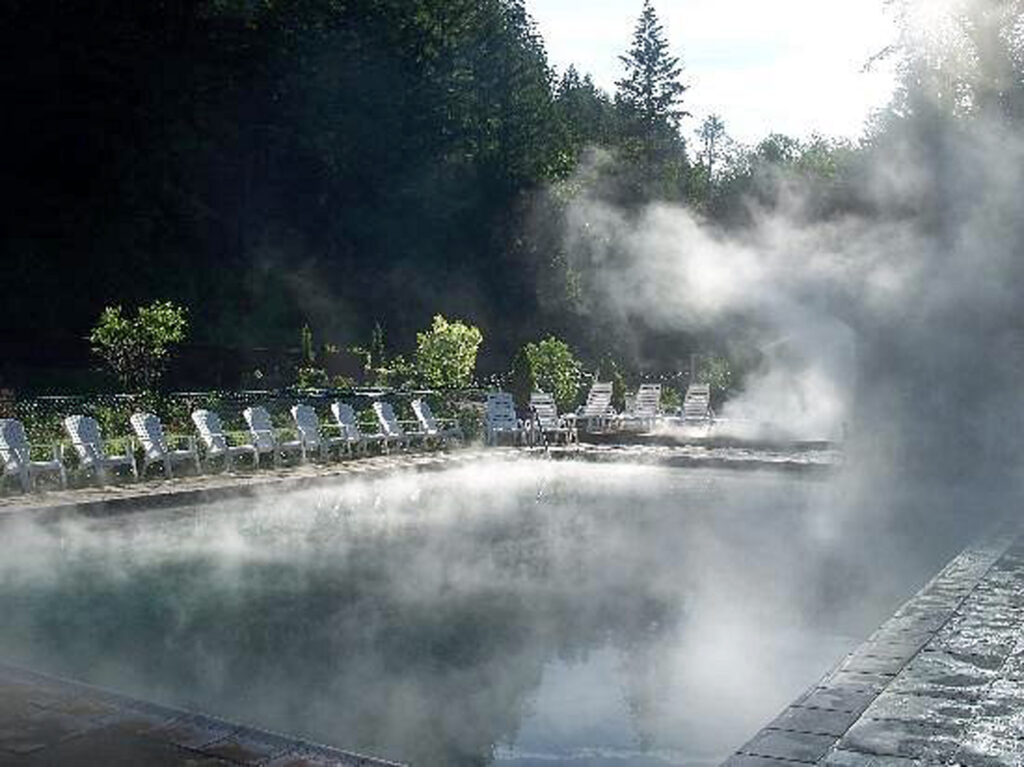
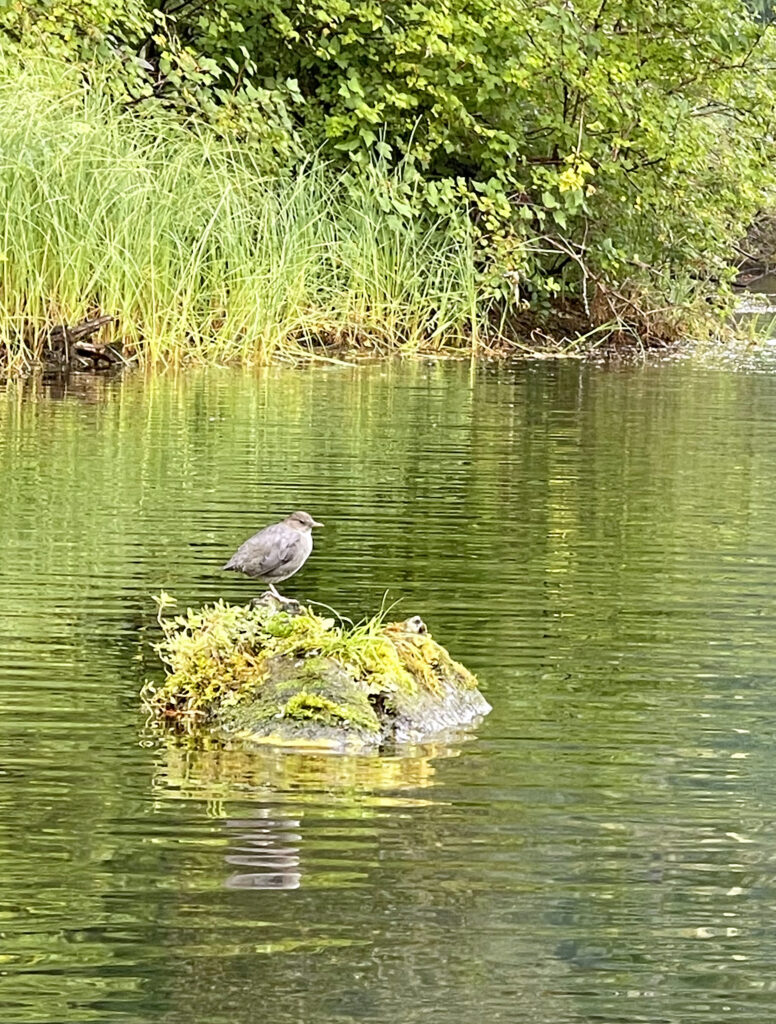
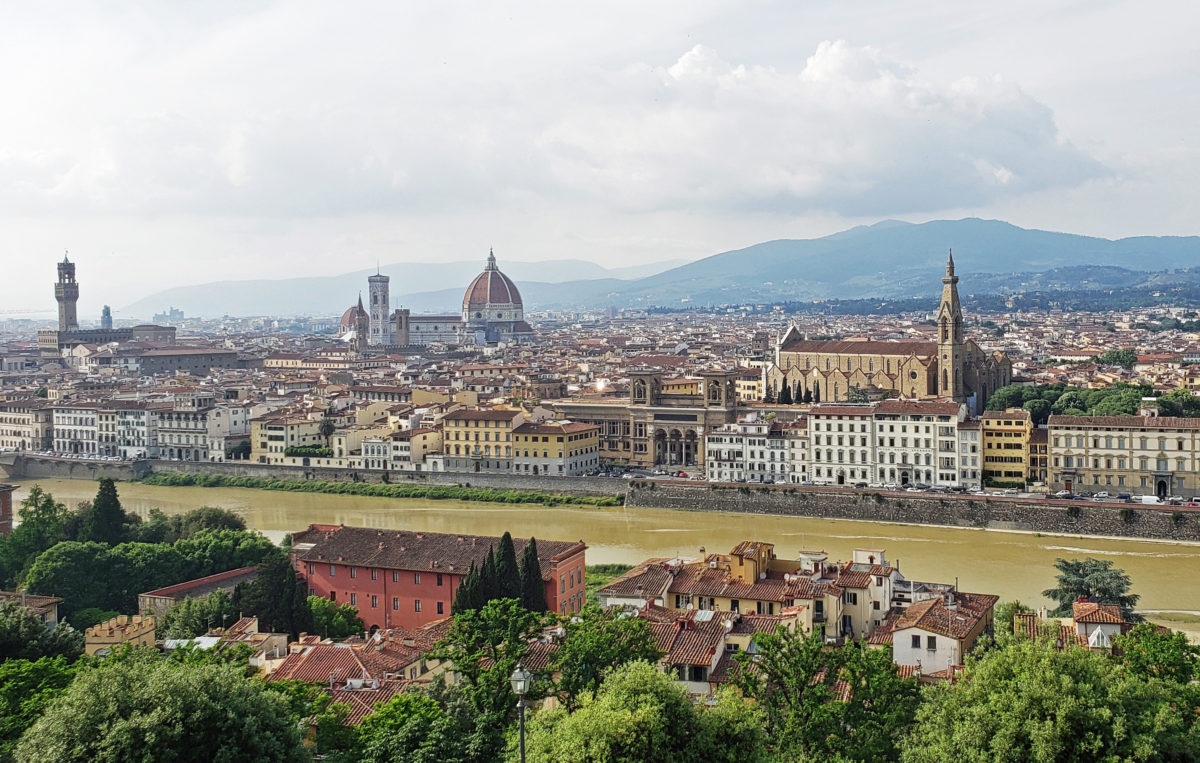

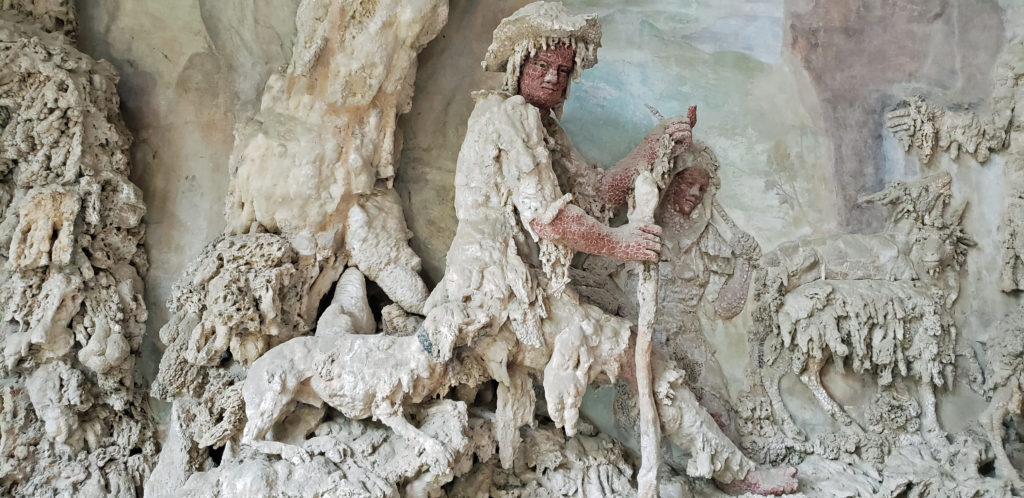



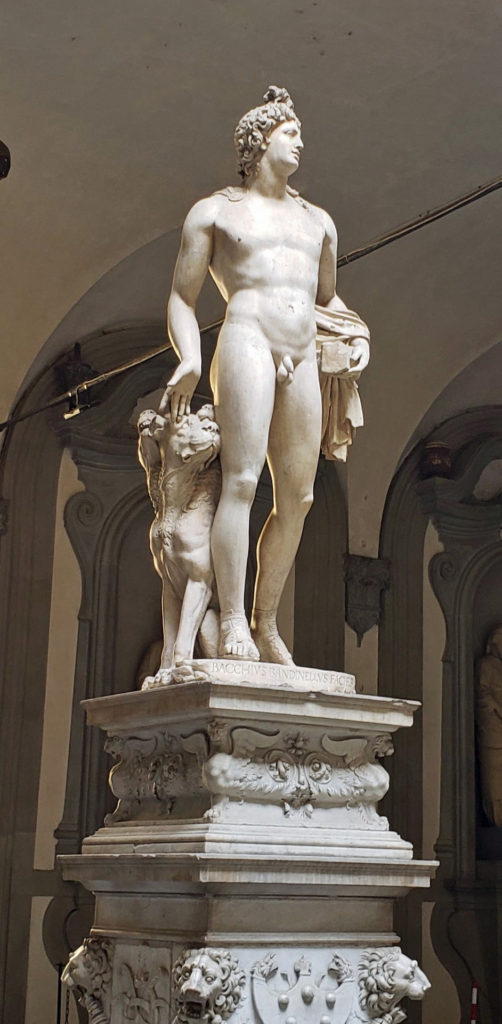
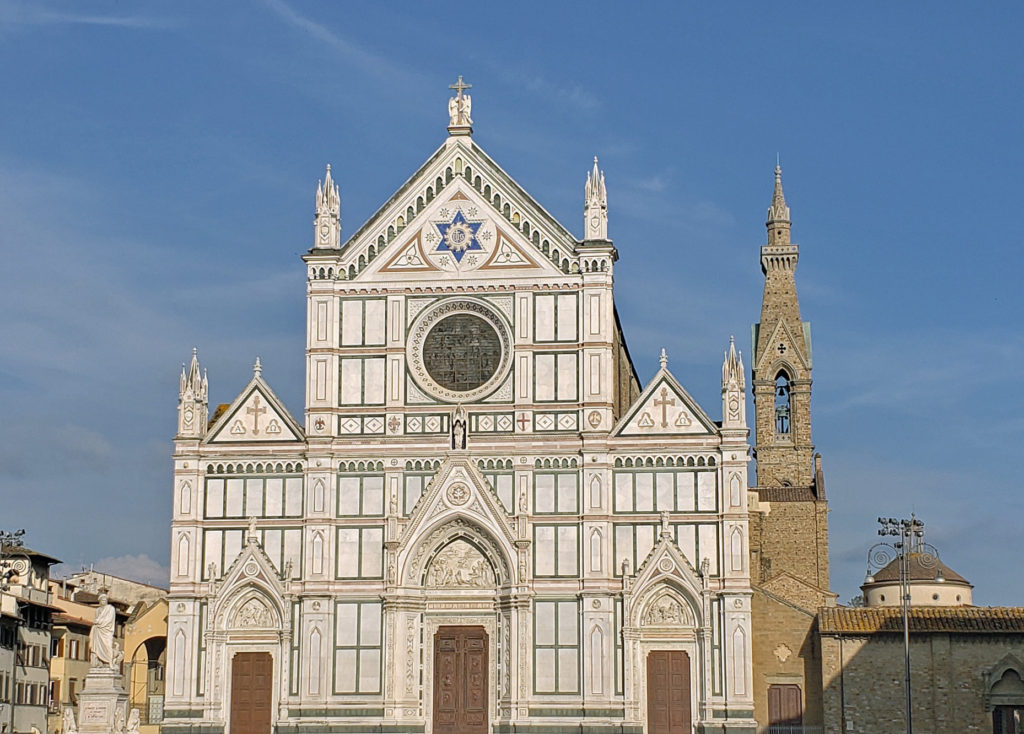
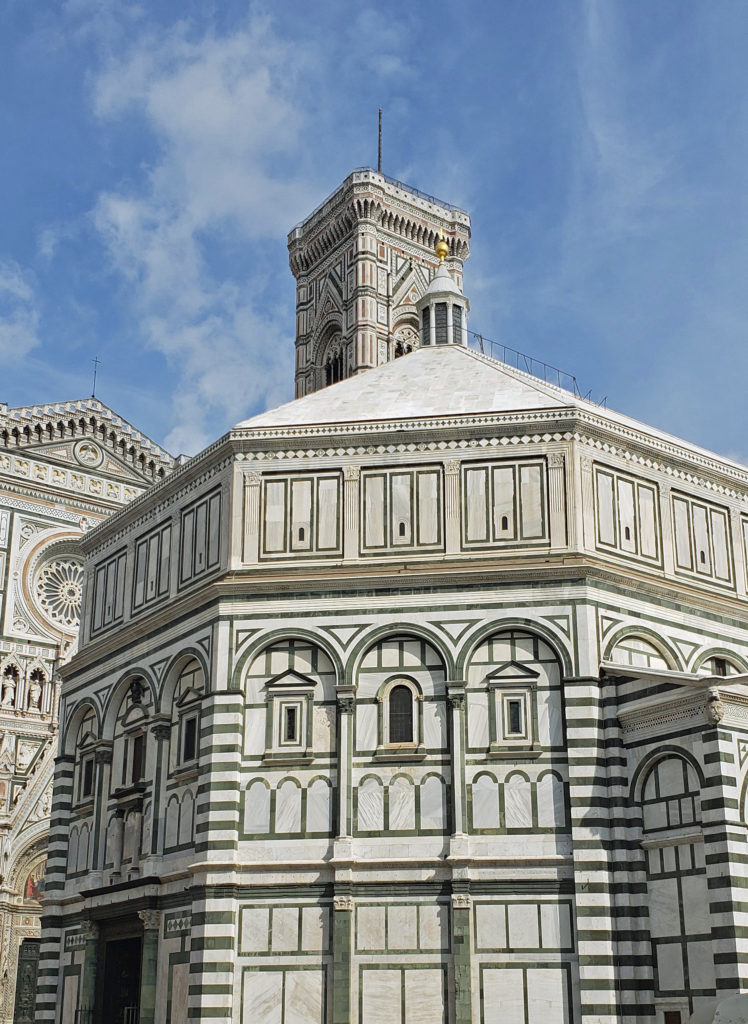
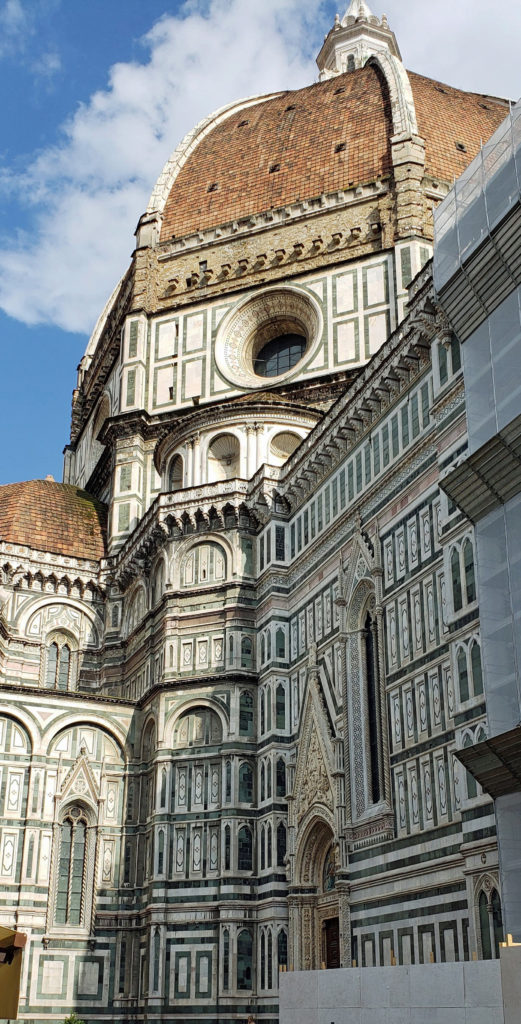
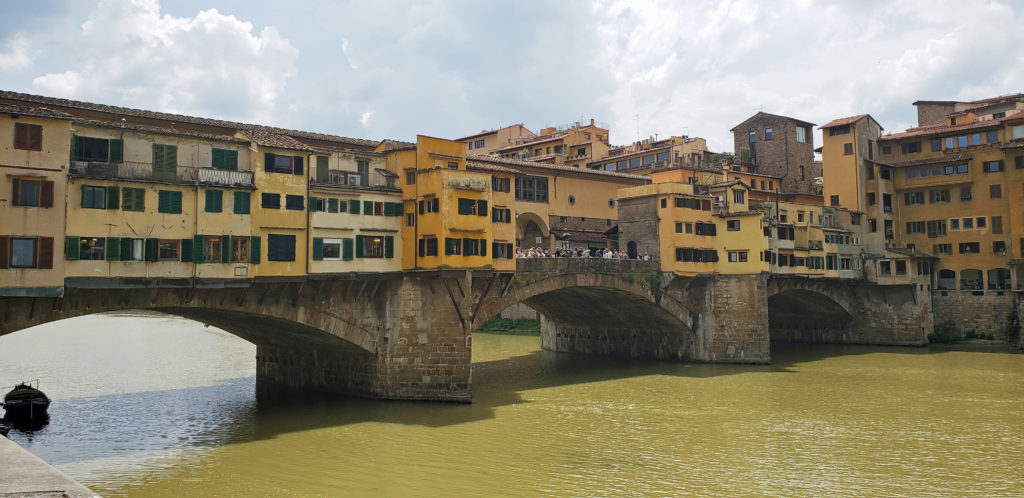
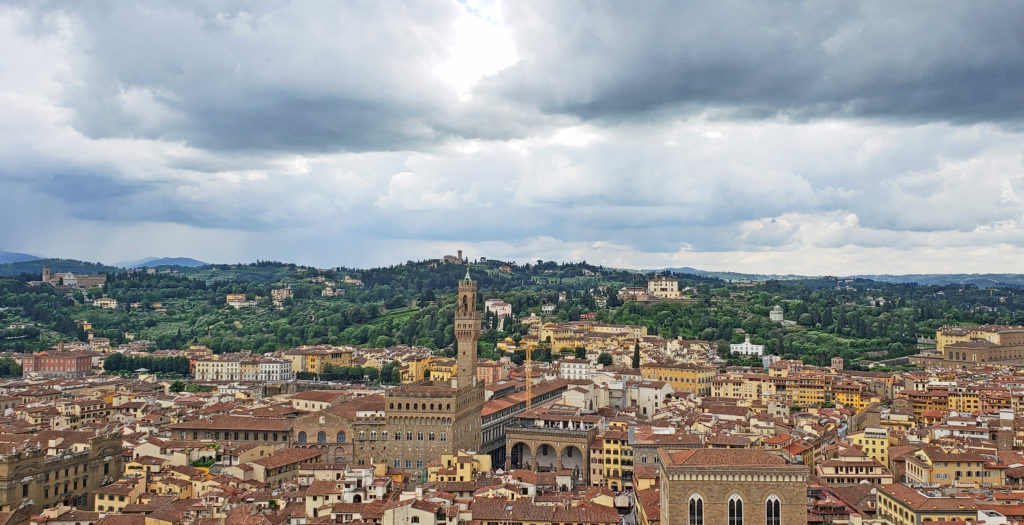
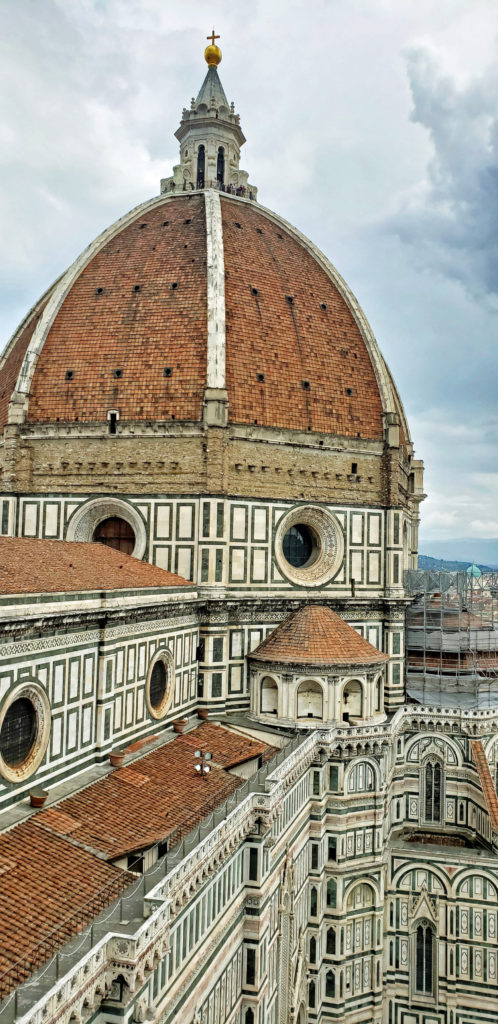

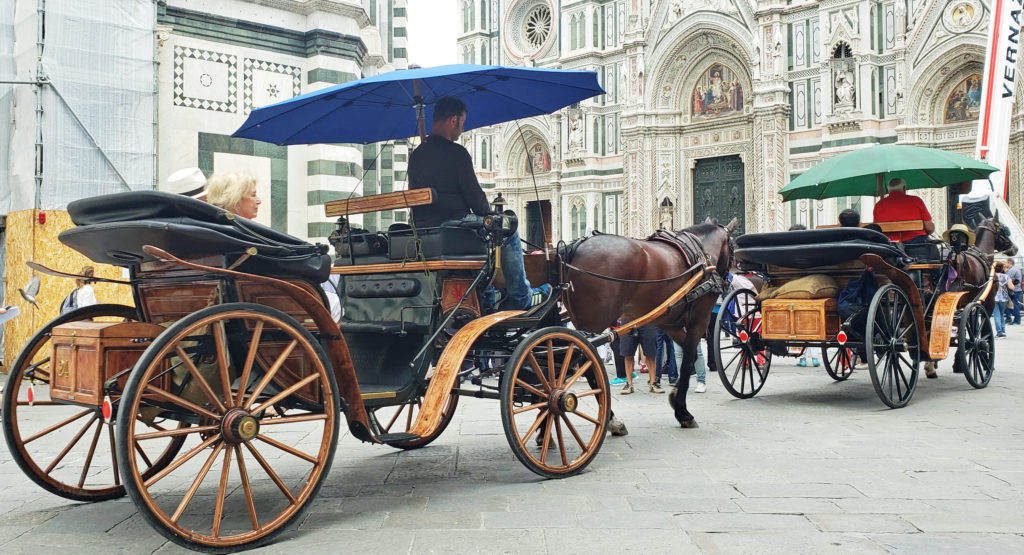

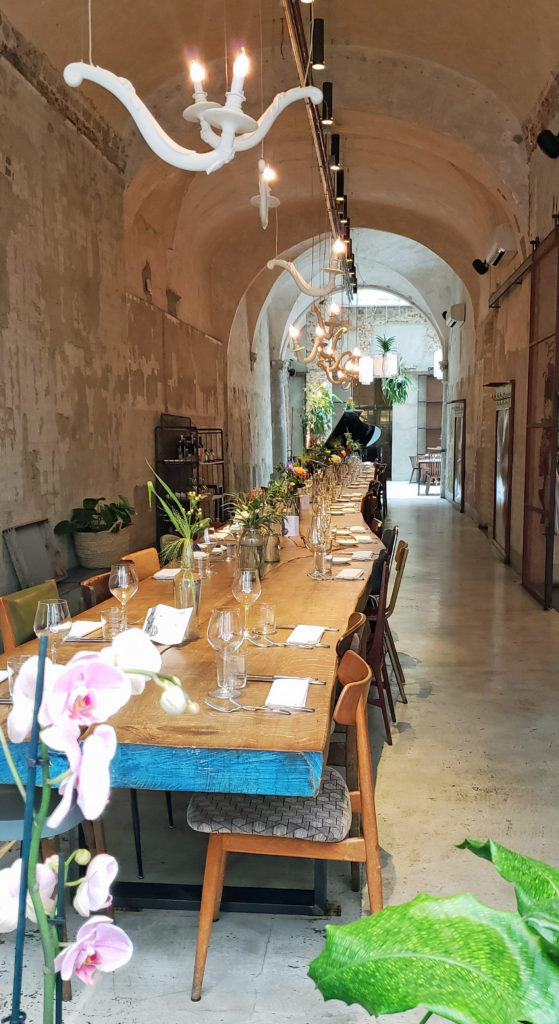

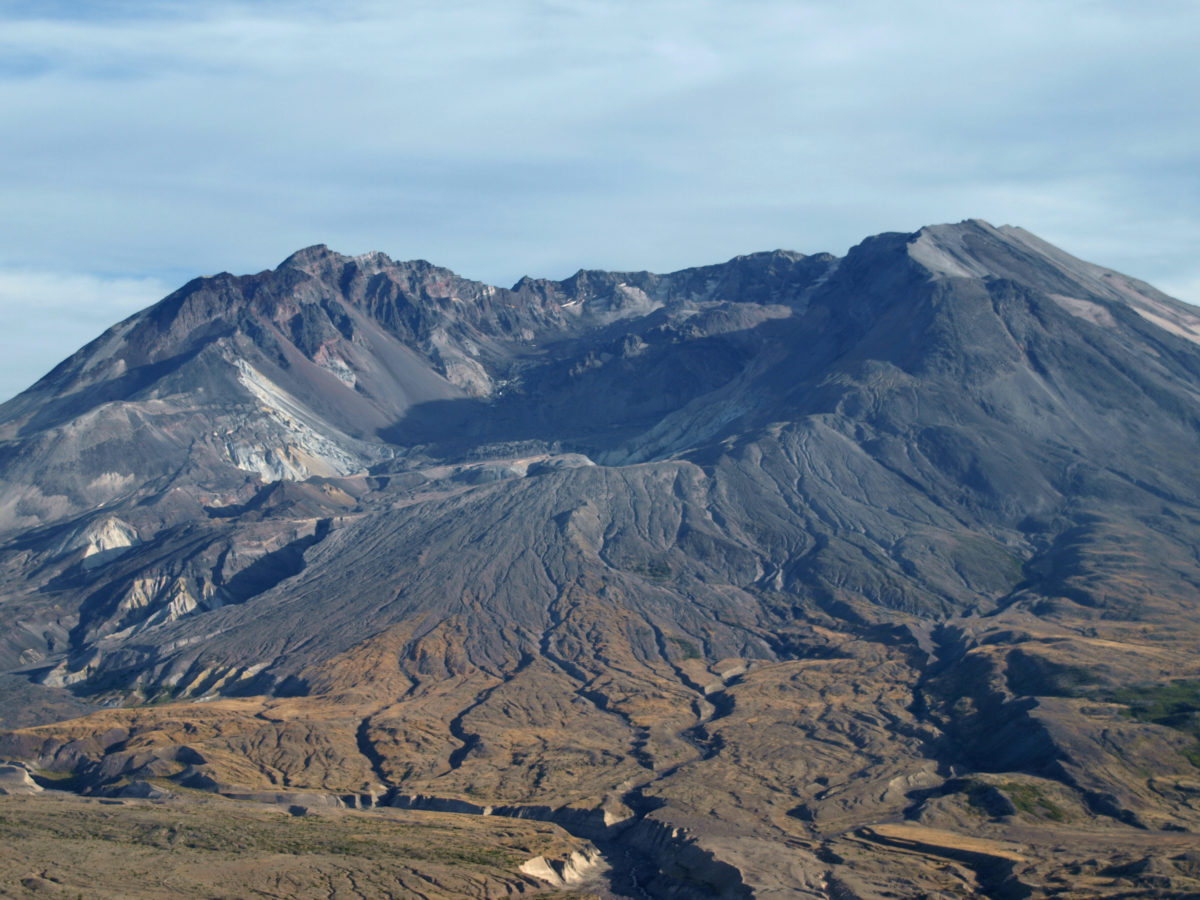
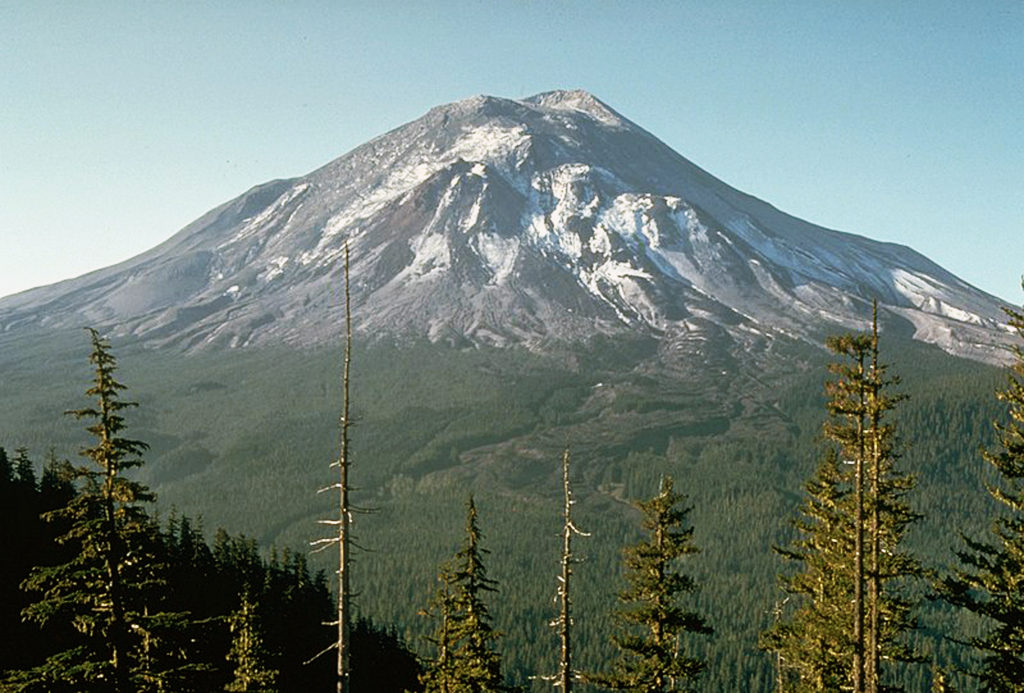
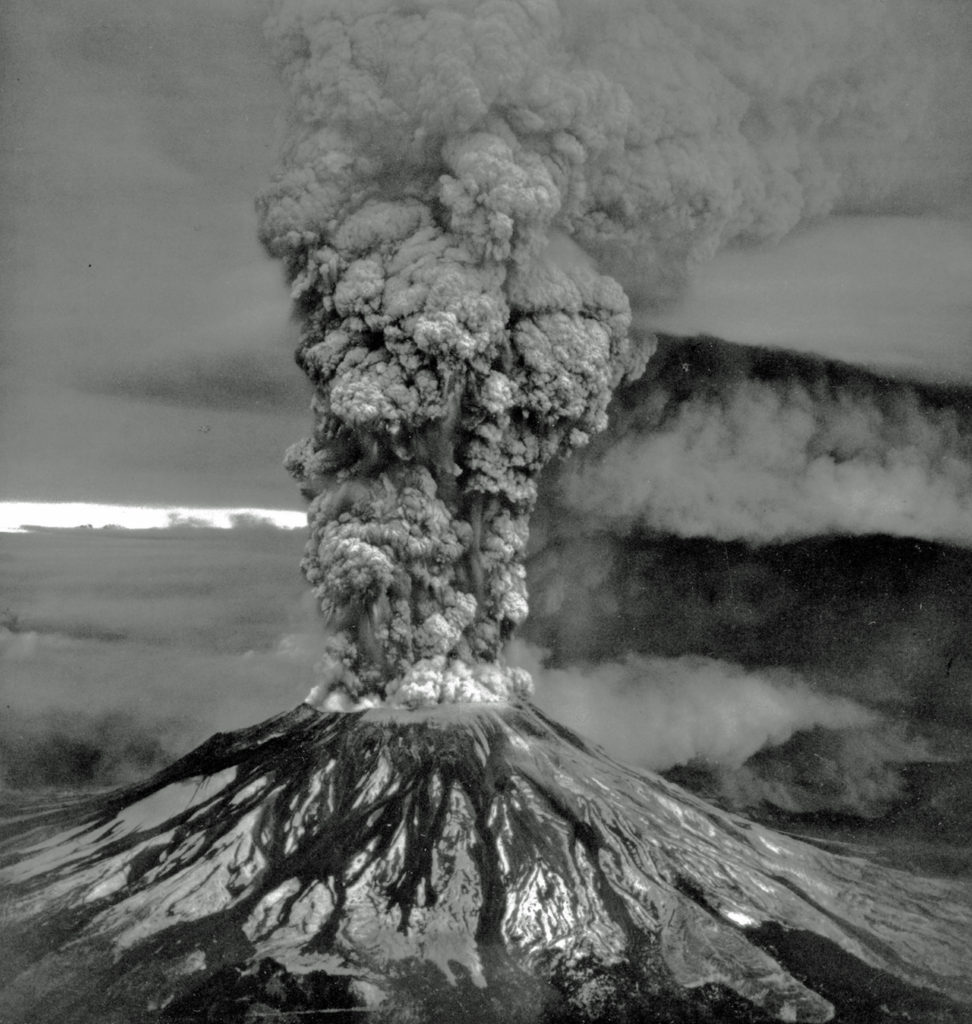

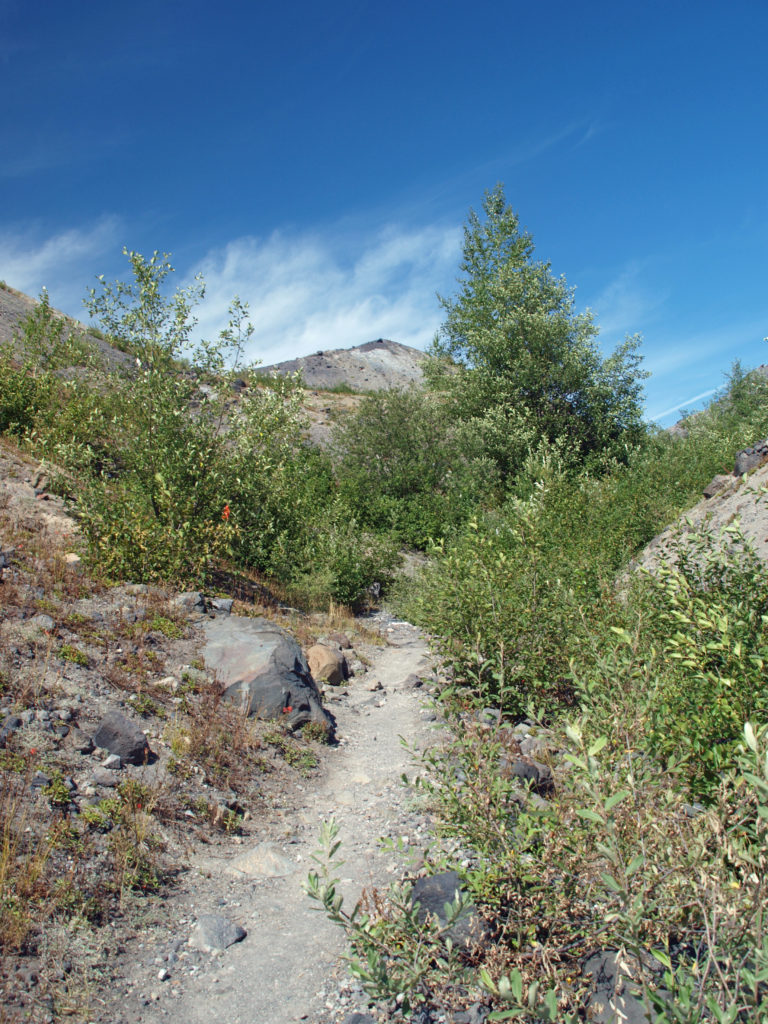
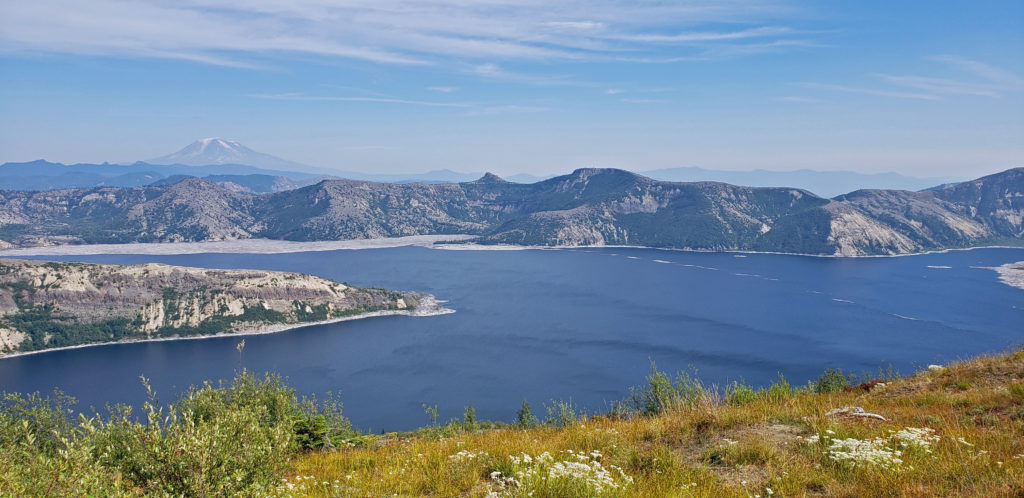
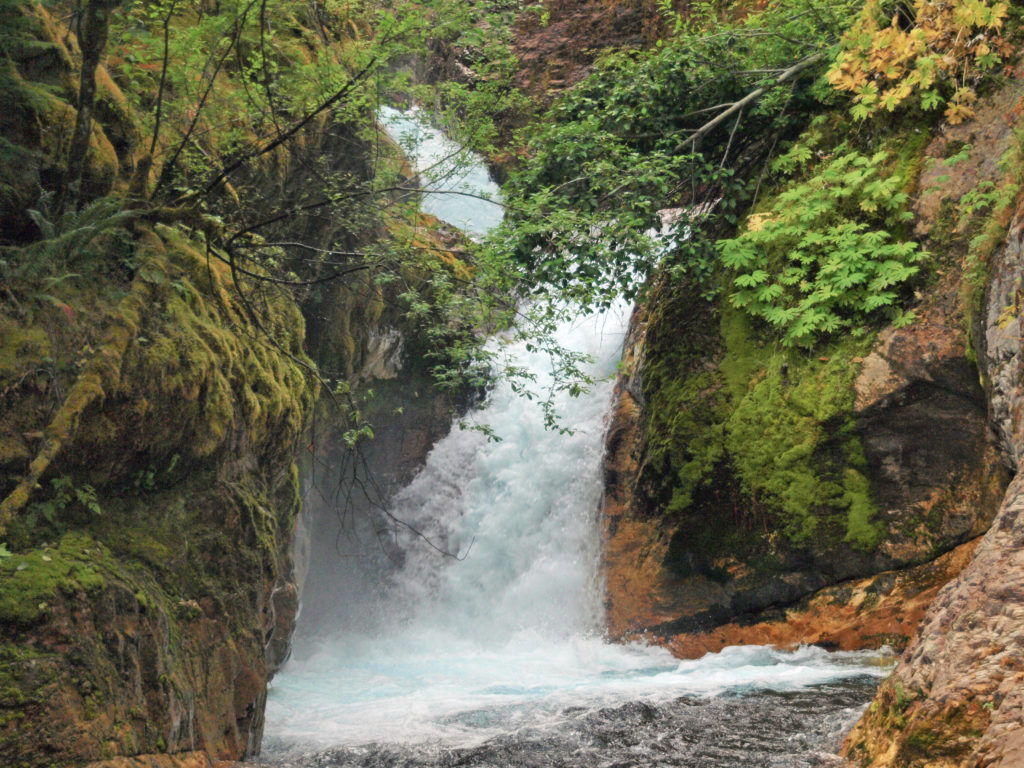
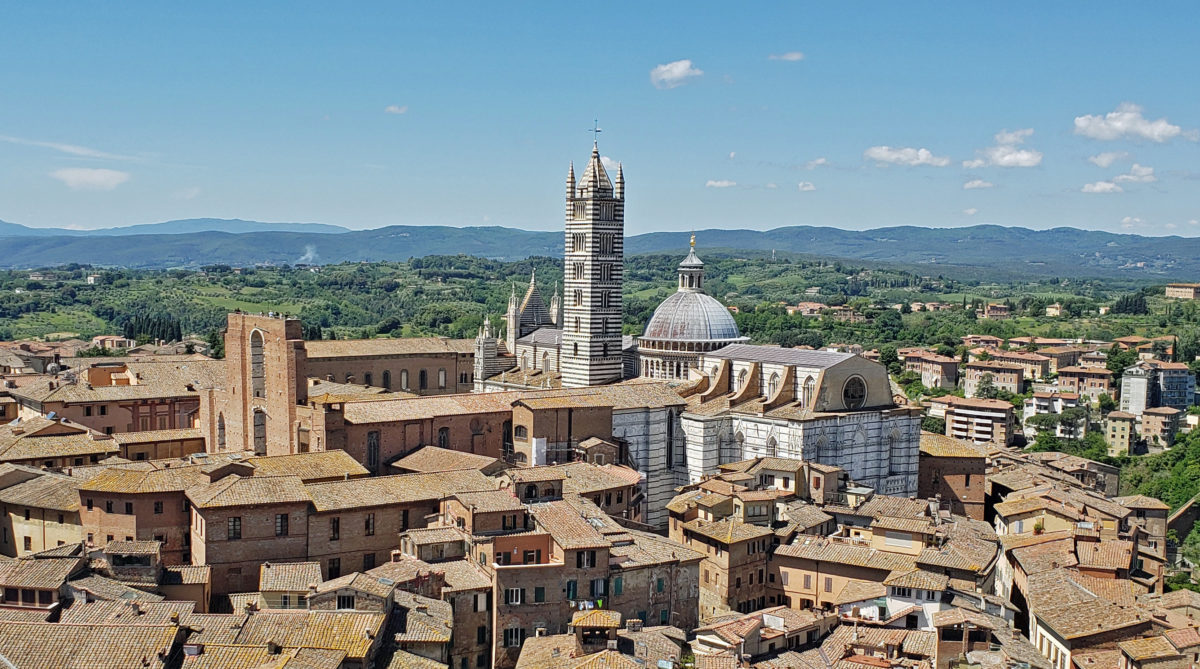
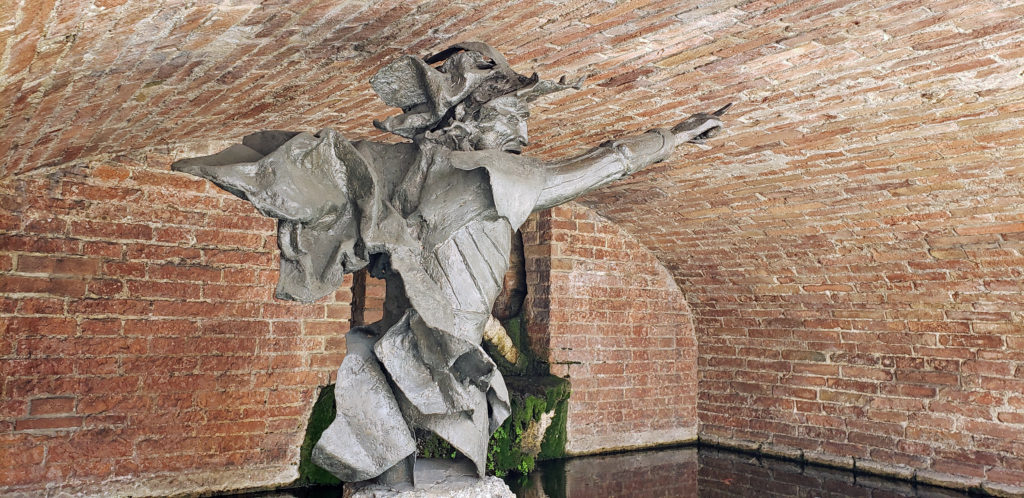
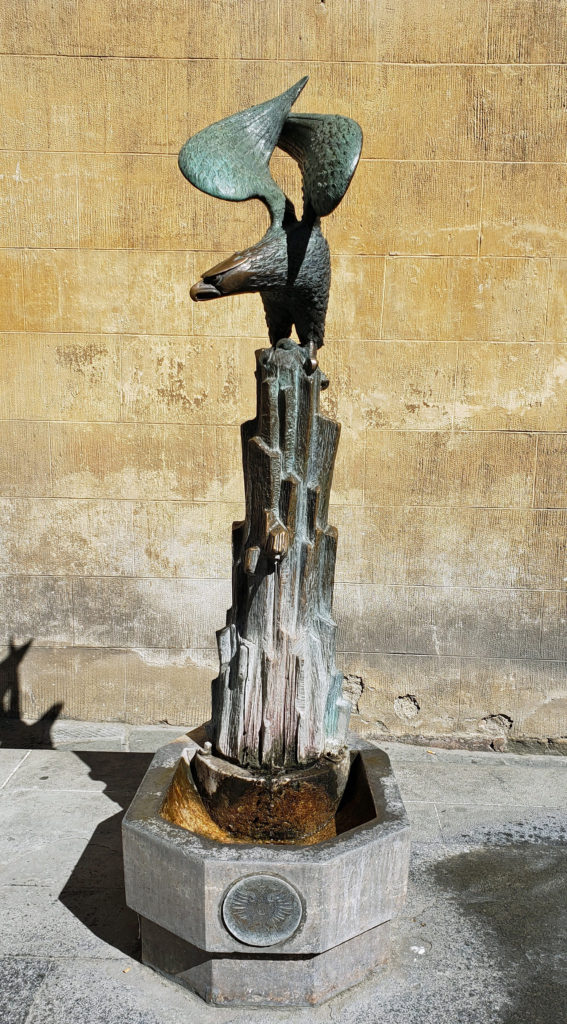




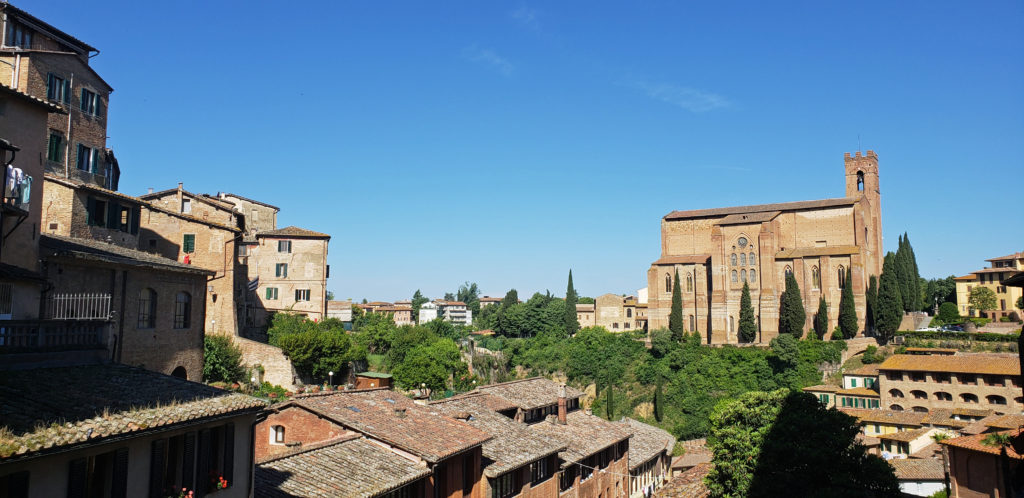
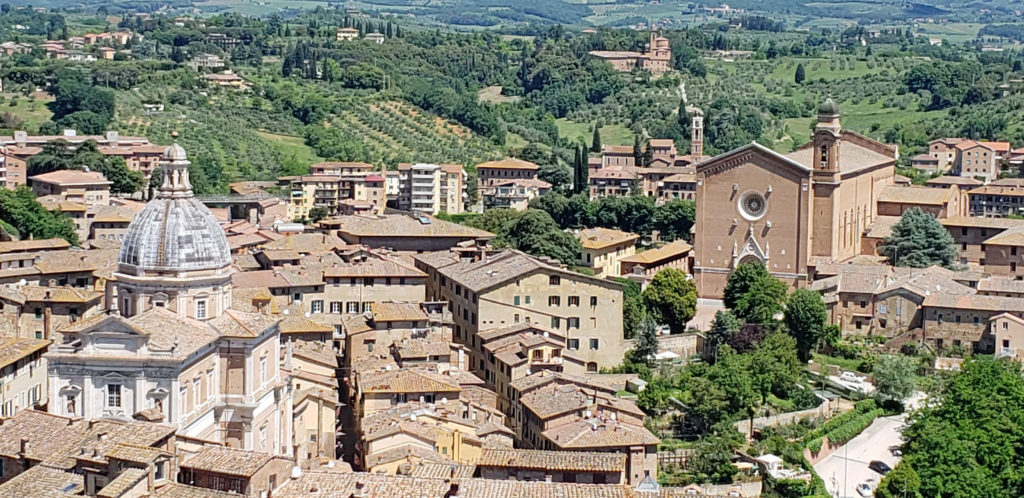
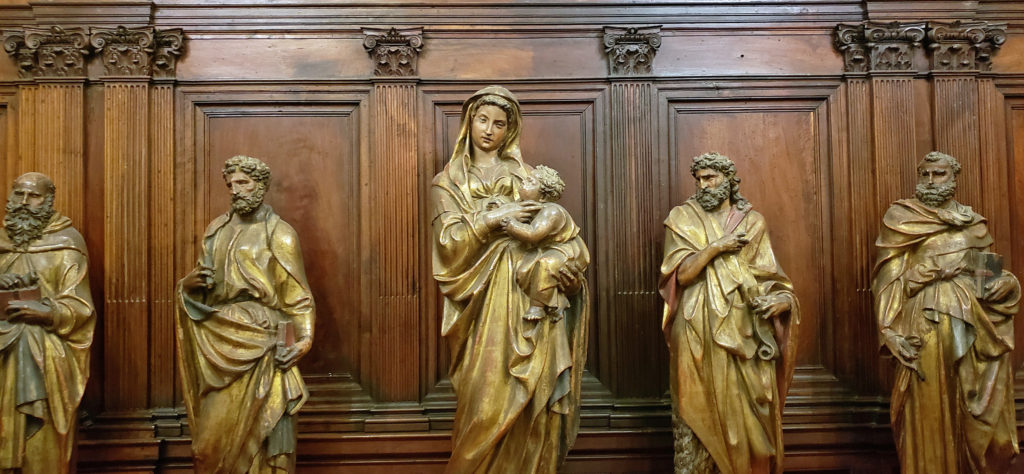

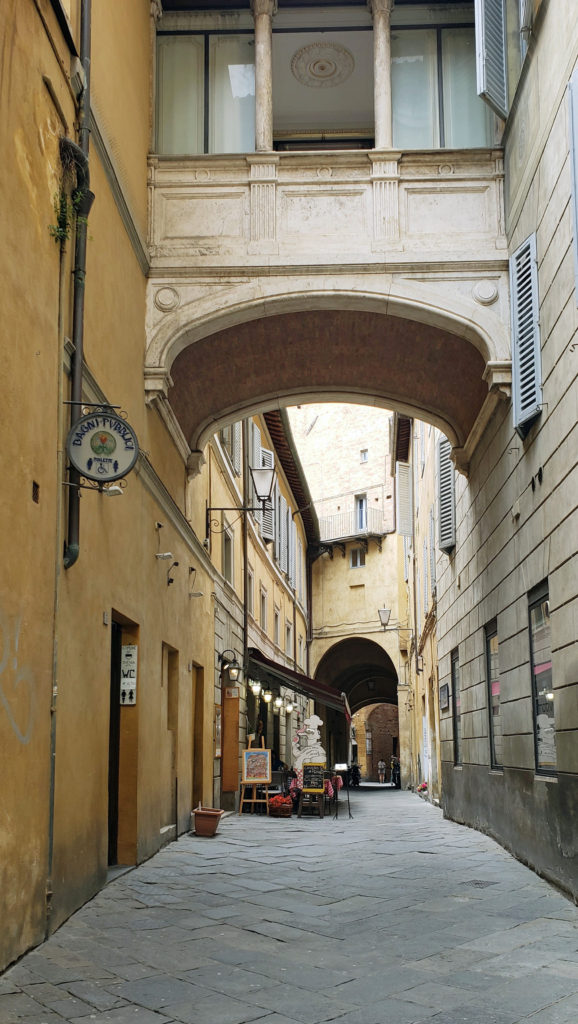
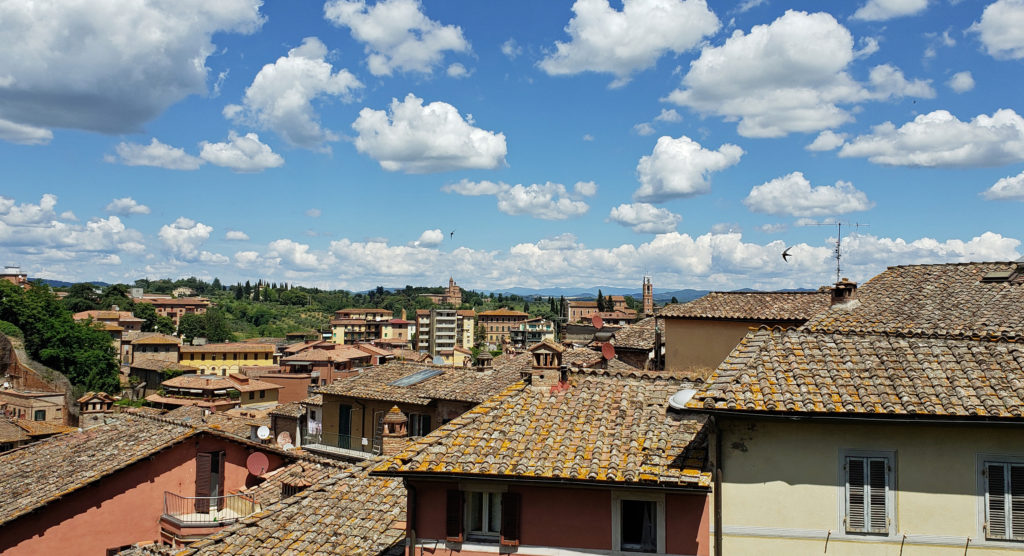


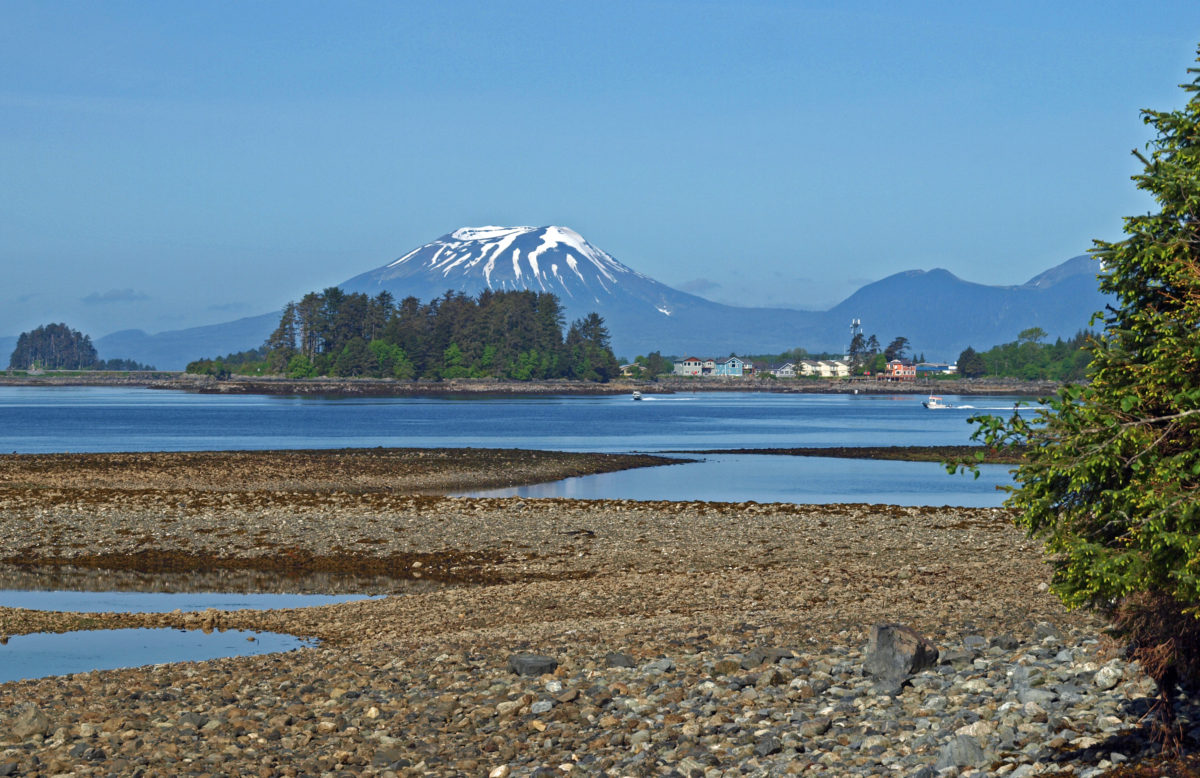


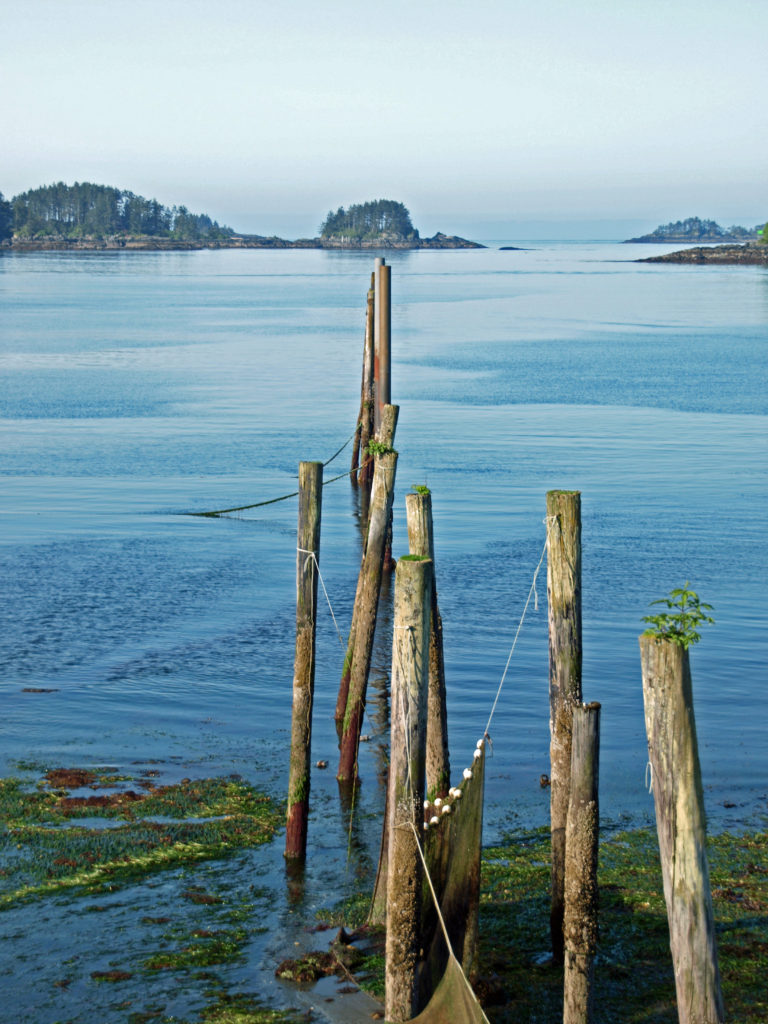
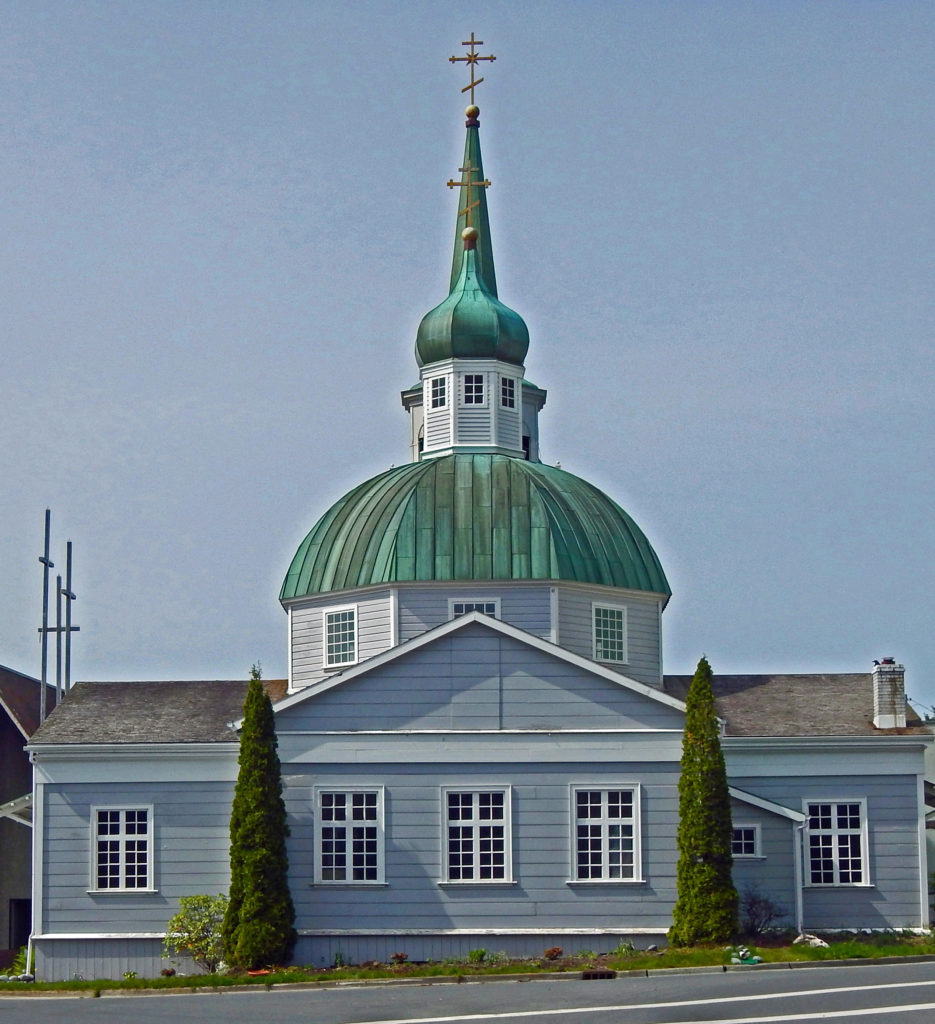
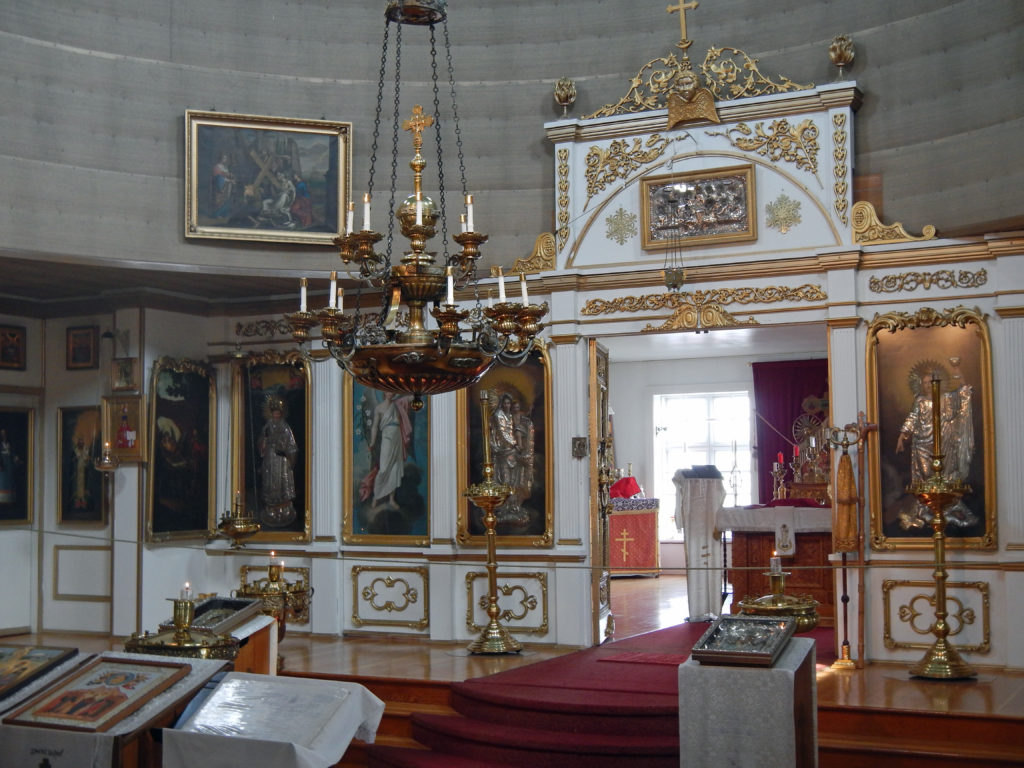

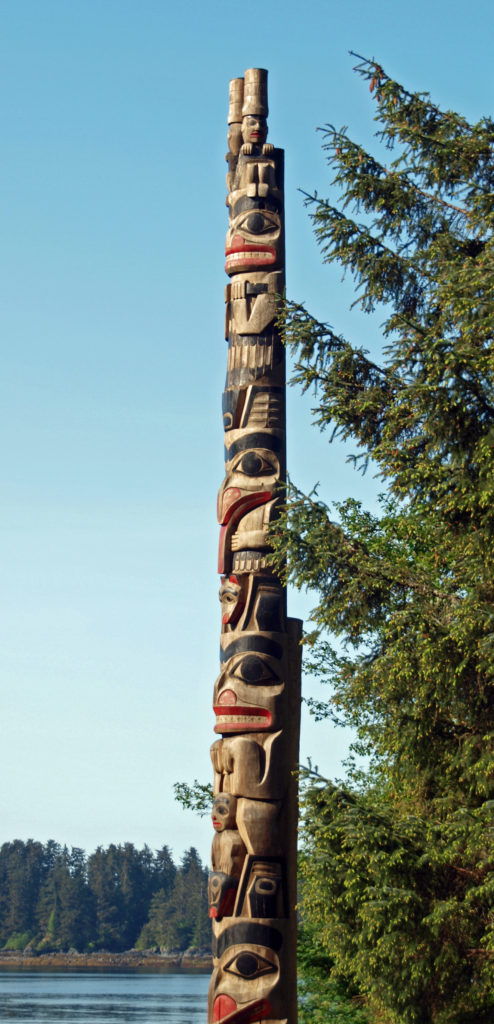

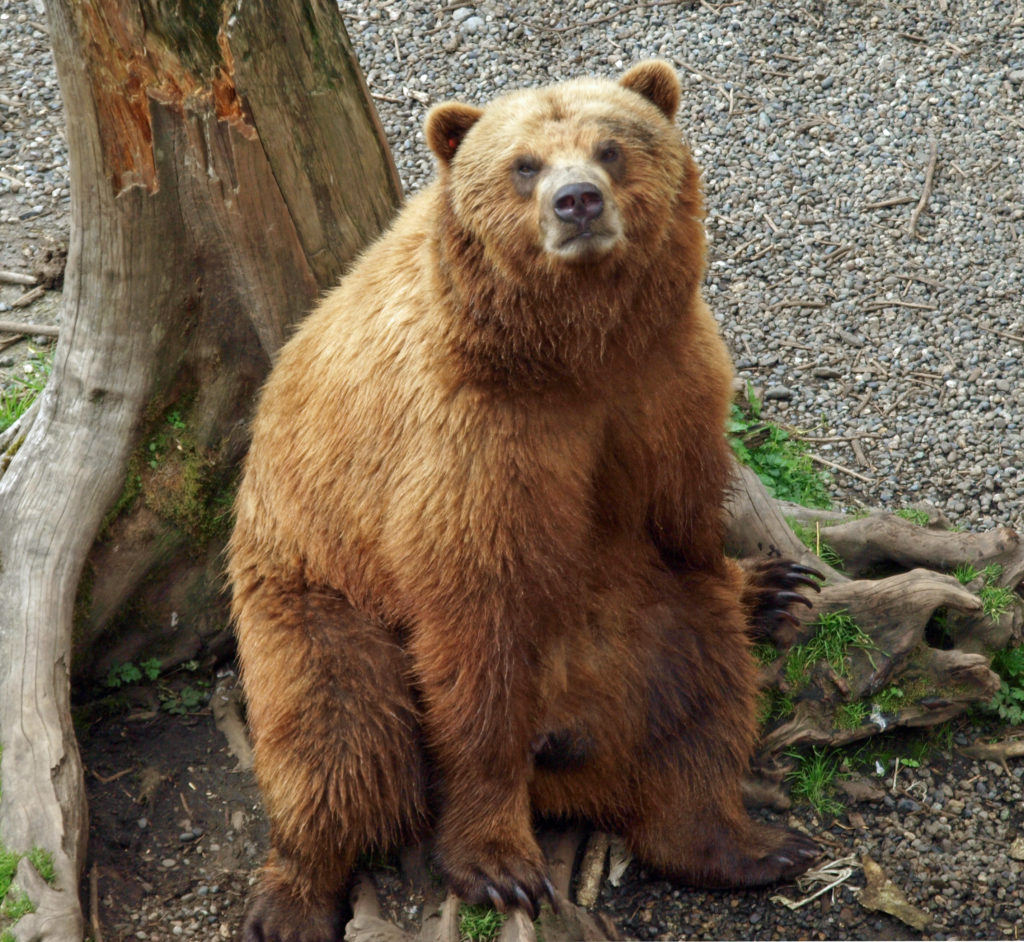
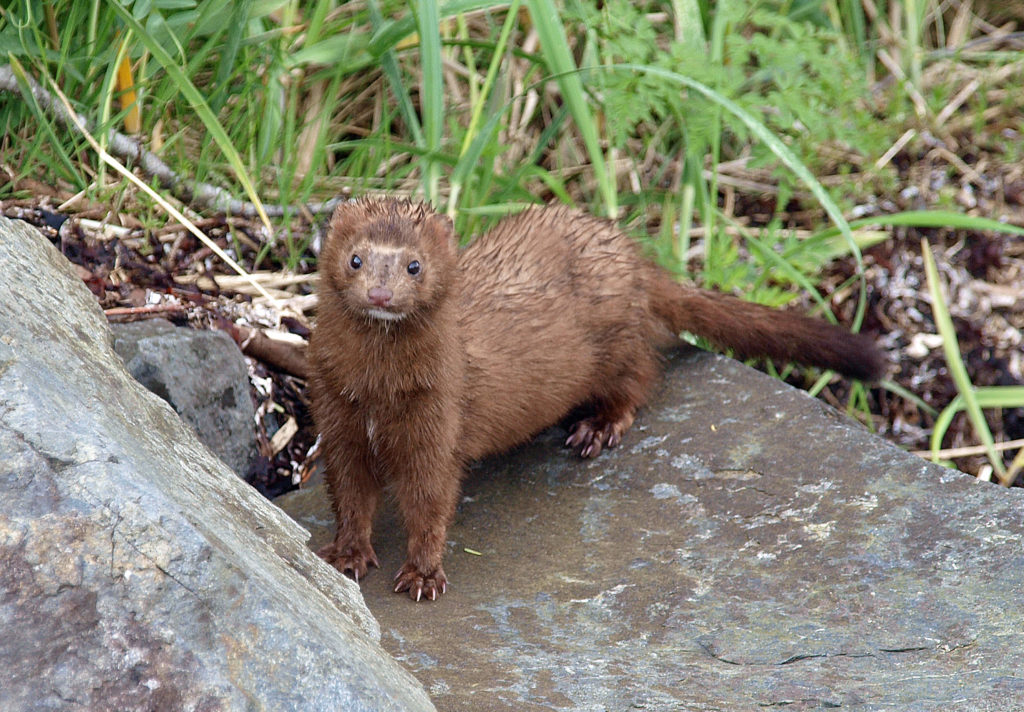

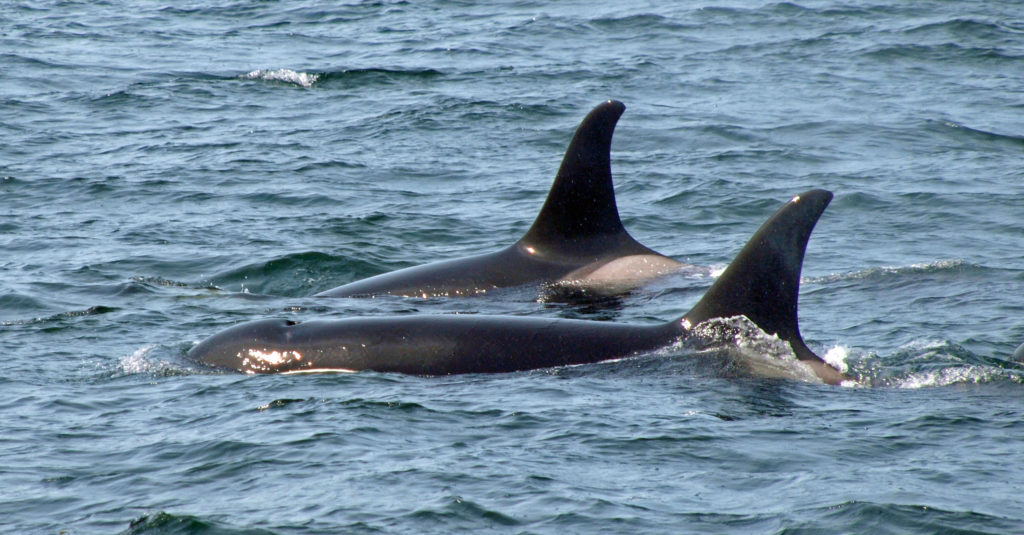
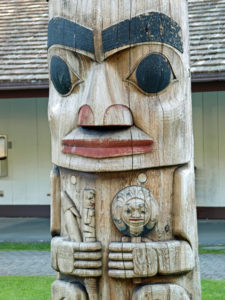

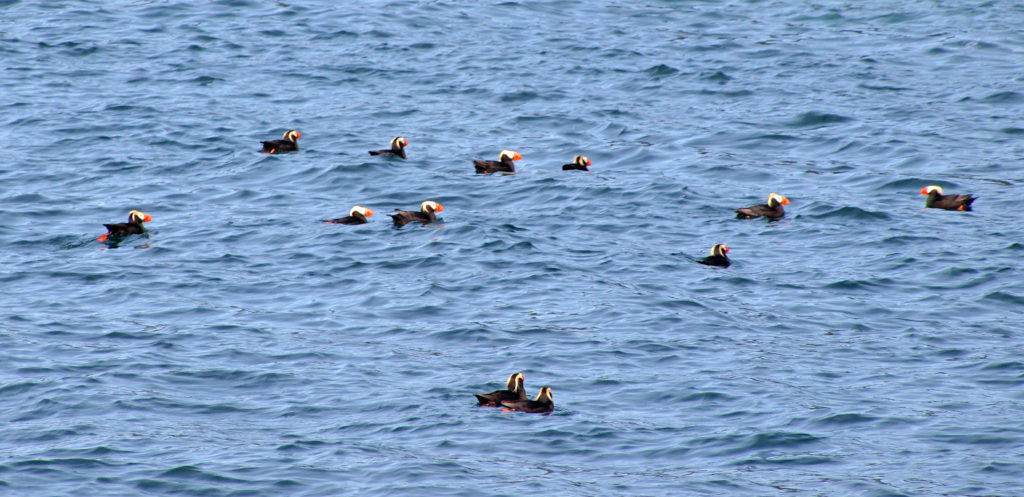
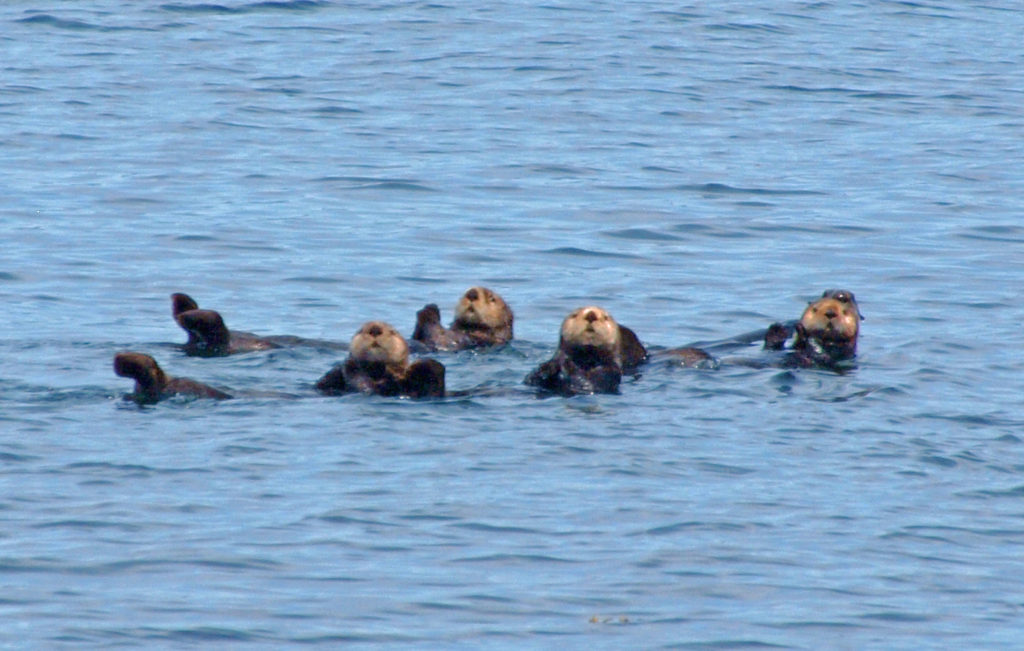
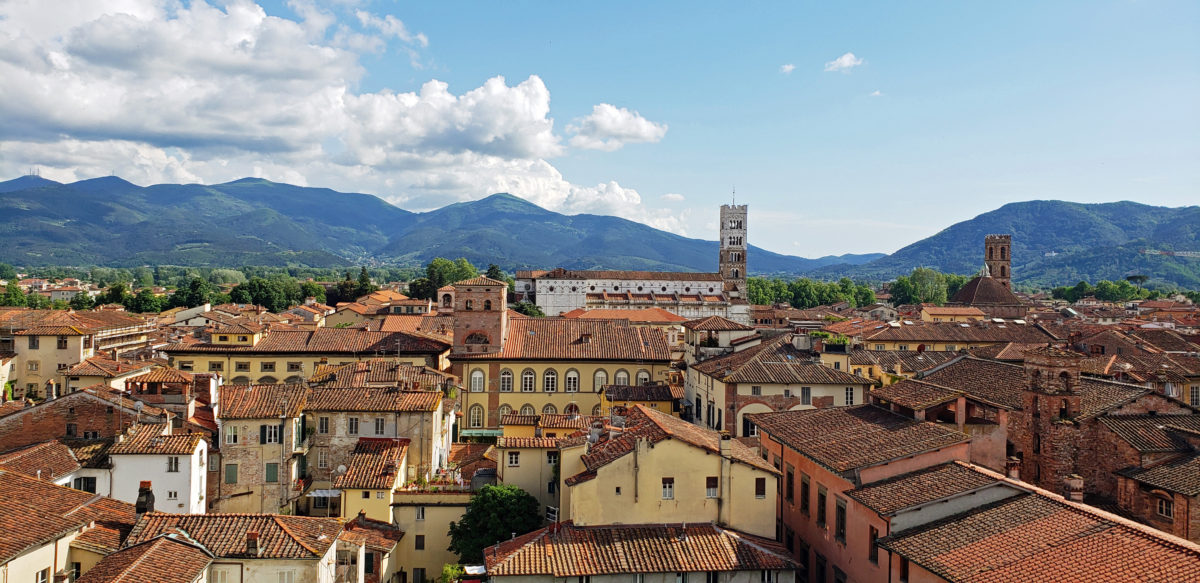
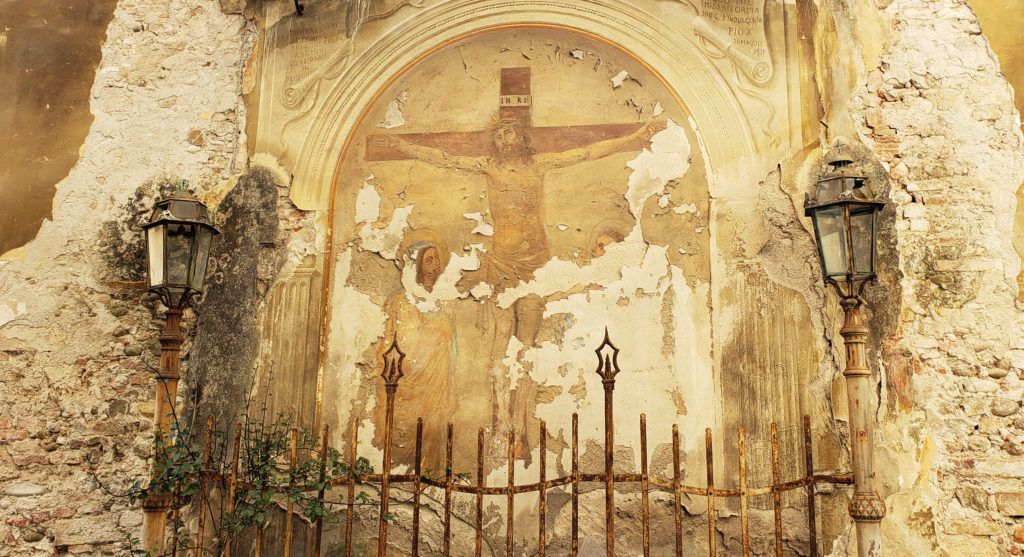 Lucca, Italy is a modern city of about 85,000 people, located about ten miles northeast of Pisa and 40 miles west of Florence. But the old walled city was what my wife and I came to see. Lucca has one of the most intact medieval city centers you will find anywhere in Europe. The historic center, or centro storico, is relatively compact, easily walkable, and almost unchanged from medieval times.
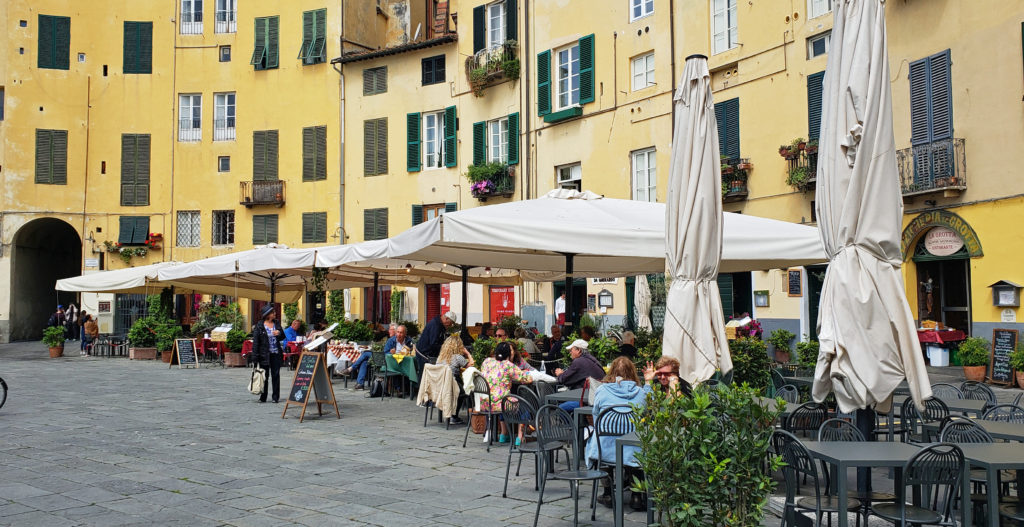 Lucca is an ancient city, founded by the Etruscans, probably on the site of an earlier Ligurian settlement. It became a Roman colony in 180 BC. Little remains of the Roman city, though. Most of the old city is of medieval origin, but some of the streets date to the Roman settlement, and a hint of the Roman amphitheater can be seen in the Piazza dell’ Anfiteatro. The popular Piazza San Michele occupies the site of the old Roman forum.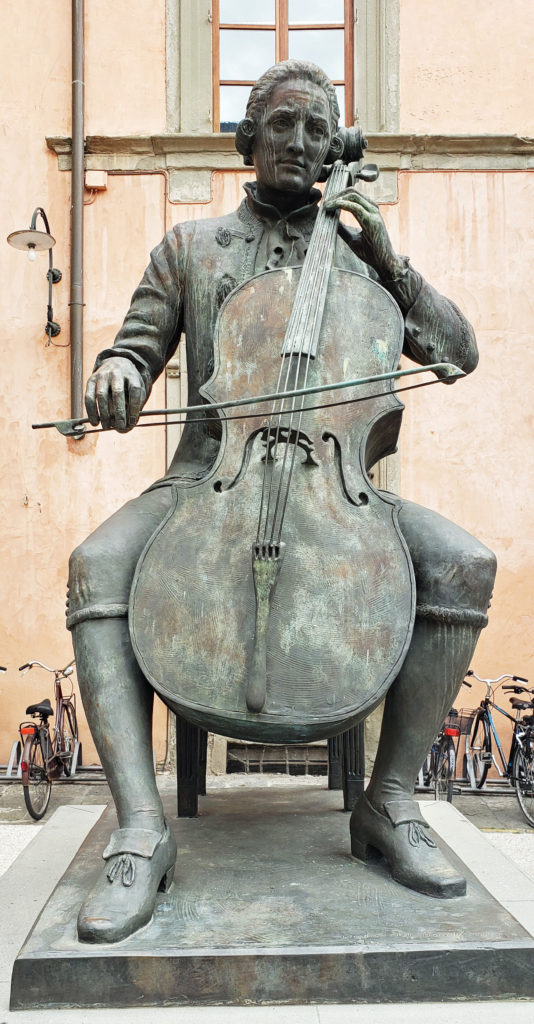
 Lucca became an independent state in 1160 and retained its independence for 500 years. In the Middle Ages Lucca grew rich from the silk industry. Banking was also an important source of wealth for the city. More recently, the city was conquered by Napoleon and given to his sister Elisa Bonaparte Baciocchi in 1805. It later became part of the Grand Duchy of Tuscany, then the Kingdom of Sardinia-Piedmont, and finally the modern Italian State in 1861.
 One of the attractions of Lucca is the medieval city wall. Lucca is one of the few ancient cities in Europe with an intact wall. The wall is a wide earthen structure faced with brick, constructed between 1550 and 1650. The top of the wall is now a tree-lined park with a wide pedestrian/bicycle path. The 2.5-mile-long path is a popular walking, jogging, and cycling path.
 Bicycles can be rented for about €5/hour or €20/day at several shops in the old city. Riding or walking the wall is a good way to get a view of the city, and a good place to people watch, too. You will see many locals, as well as fellow tourists, walking and riding the walls or just relaxing on park benches. There are also several places where there are tunnels inside the structure of the wall that are surprisingly interesting and well worth seeking out.
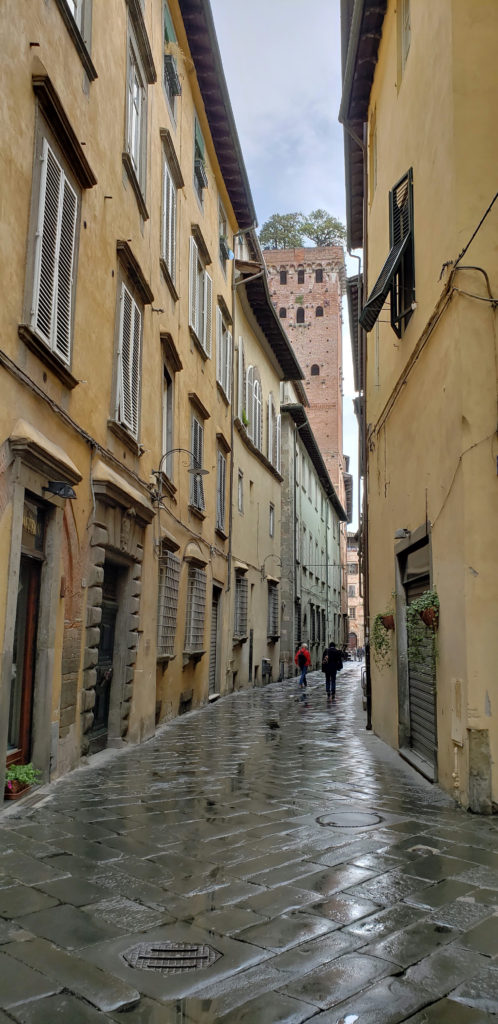 Inside the walls, the old city has many fine old churches, plazas (piazzas), palaces (palazzos), and villas. Getting around can be confusing, as the streets are narrow and lined with tall (4-6 story) buildings, and some much taller towers that block out any visual reference points. On a cloudy day it can be difficult to orient yourself. You may come out onto the street and have no idea which way is north. A city map and a good guidebook are essential. Rick Steves’ guide to Florence and Tuscany has a chapter on Lucca and is a good reference. His walking tour is a good way to see the major sights.
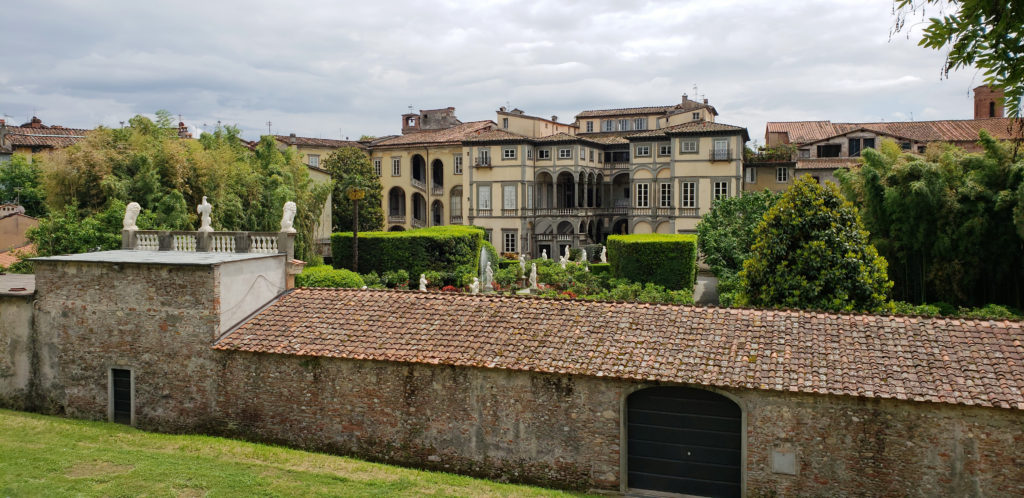 We wandered around without a set itinerary and got lost on several occasions. Wandering aimlessly and getting lost has a certain appeal, but one time we couldn’t find the side street where we had left the bikes that we borrowed from the owner of the Airbnb we were staying in. Eventually we figured out that we were on the opposite side of the city than we thought we were. We retrieved the bikes and rode back to our rental, but only after walking almost all of the 2.5-mile wall.
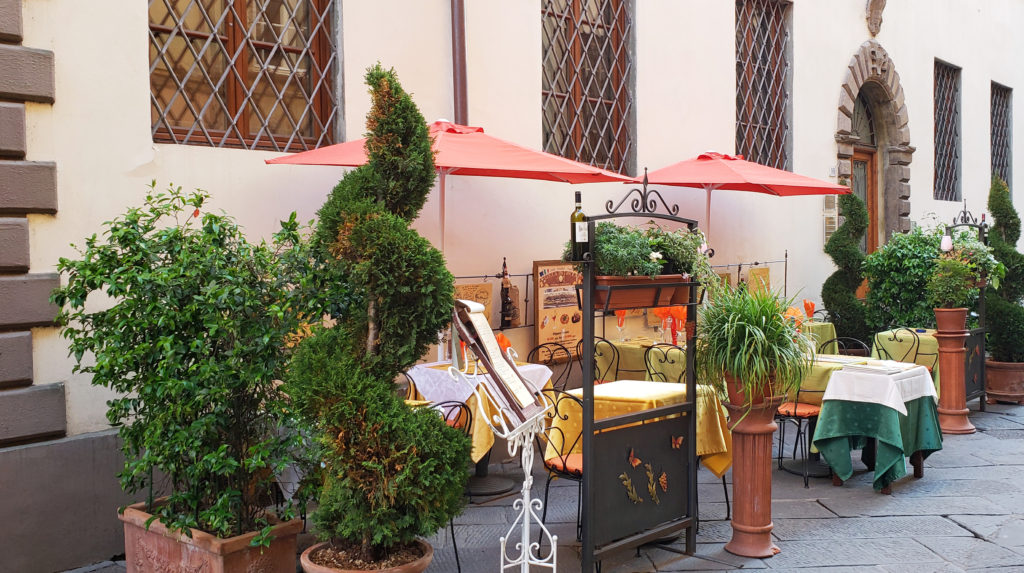 Some of the major attractions in Lucca are the Piazza San Michele and the Church of San Michele (Chiesa di San Michele), the Cathedral Museum (Museo della Cattedrale), the Guingi Tower (Torre Guingi) and Villa Guingi, the Casa di Puccini (the birthplace of the opera composer Giacomo Pucccini), the San Martino Cathedral, the San Giovanni Church, the Church of San Fediano, the Pallazzo Mansi, and the Palazzo Pfanner. All of these are described in the Rick Steves guide, as well as other guidebooks.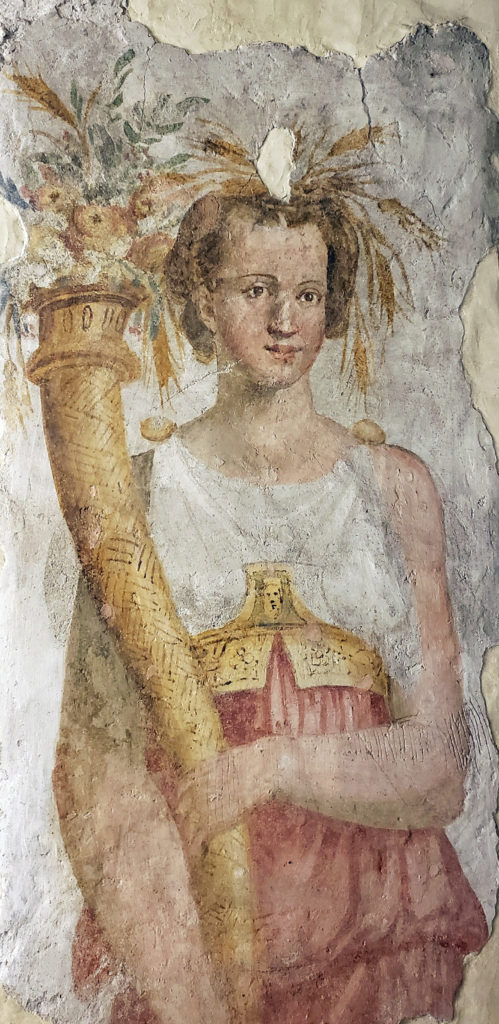
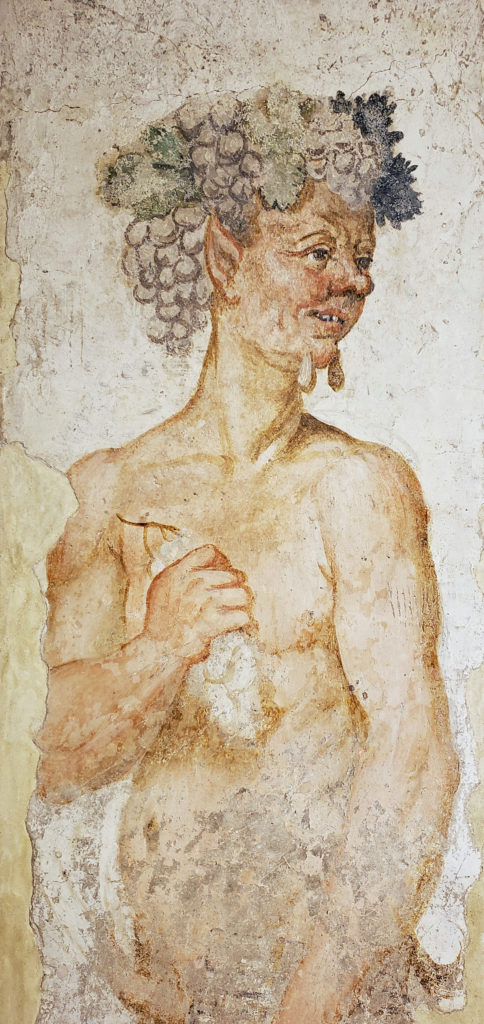 Climbing the 220 steps of the Torre Guinigi gives you a good view of the city and you’ll find an interesting little grove of trees growing on the summit of the tower. This was the first of our tower climbs during our trip. More would come in Siena and Florence, culminating with our back-to-back climbs of the Duomo and Campanile (Giotto’s Tower) in Florence (both 400+ steps). Lucca once had 160 towers like the Torre Guingi, all private residences of wealthy merchant families. Only a few remain. A combination ticket that gets you into both the Torre Guinigi and the Clock Tower costs less than €10. Most of the other attractions in Lucca are similarly inexpensive, mostly between €5 and €10.
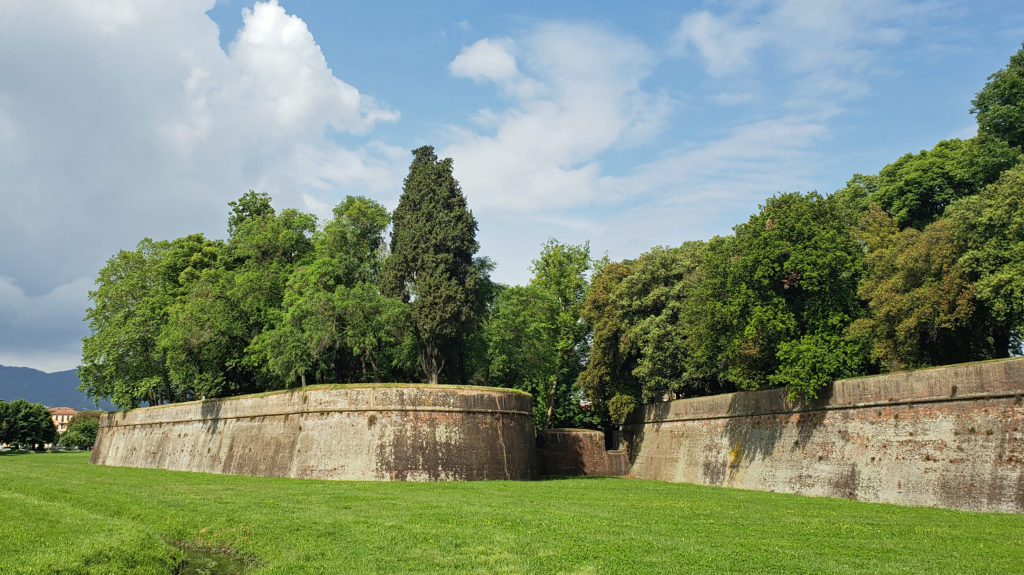 There are no shortages of places in Lucca to get a good meal, something we found true everywhere we went in Italy. There are some fine dining establishments that are recommended the guidebooks, but we found the sidewalk and piazza cafes that are so abundant all had very good food at surprisingly affordable prices. It’s hard to go wrong, wherever you choose to dine. Gelato is serious stuff in Lucca, too, as it is everywhere in Italy.
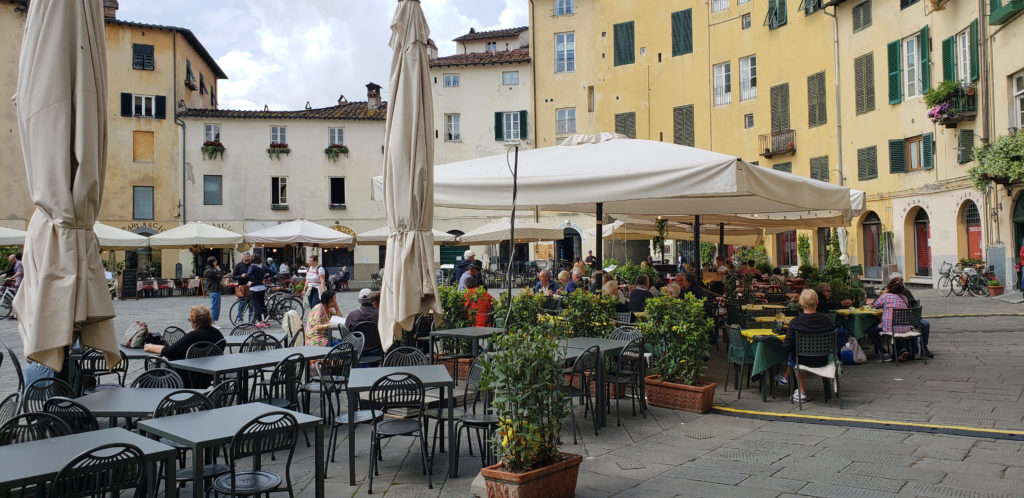 If you’re visiting Tuscany, Lucca should be on your itinerary, even if you only have an afternoon to explore it. Siena is prettier, and Lucca doesn’t have the history or art and culture of Florence, but it is more authentic and much less touristy, and has its own appeal. You won’t regret it.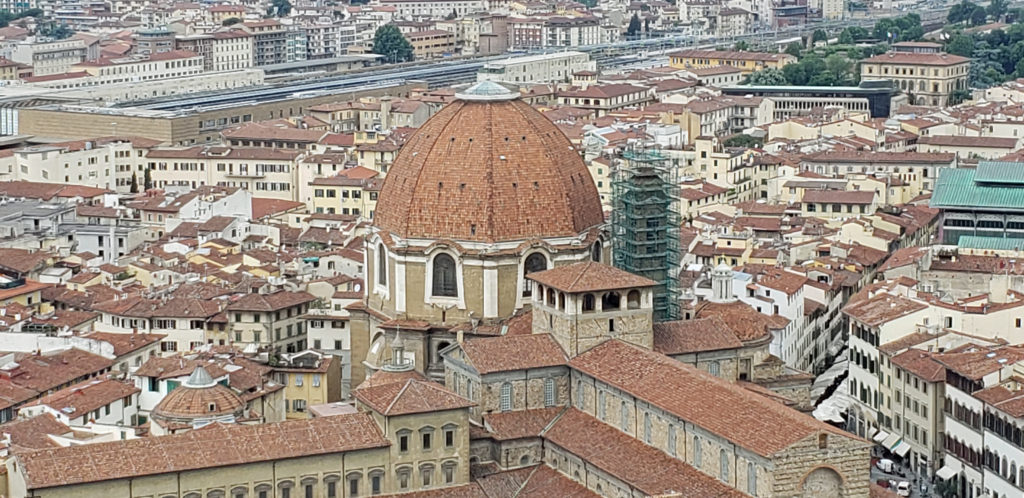
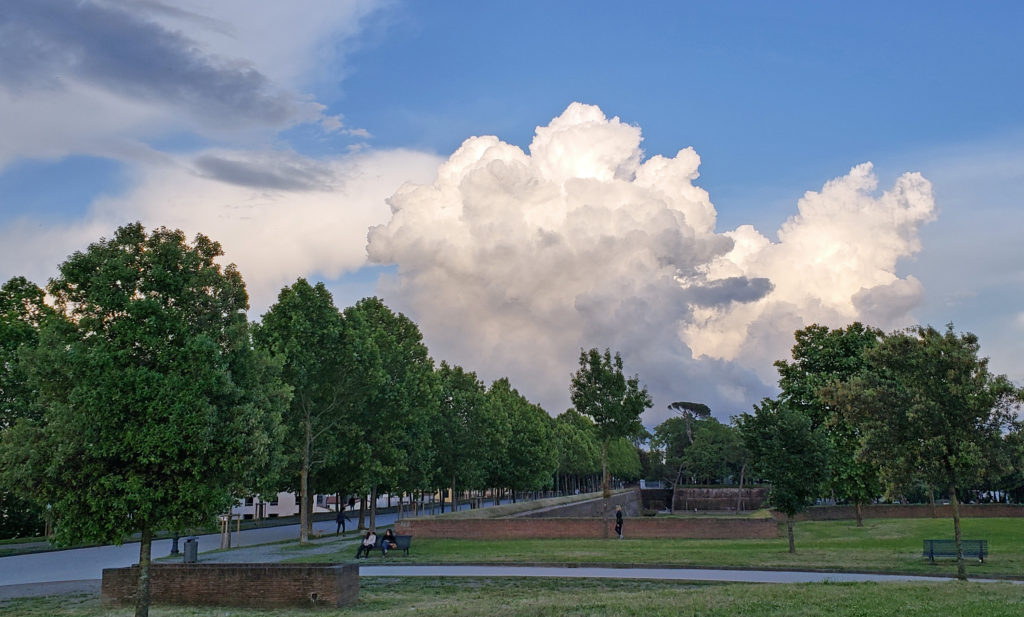 Originally posted September 17, 2018. Updated and re-posted April 14, 2021 and May 21, 2023.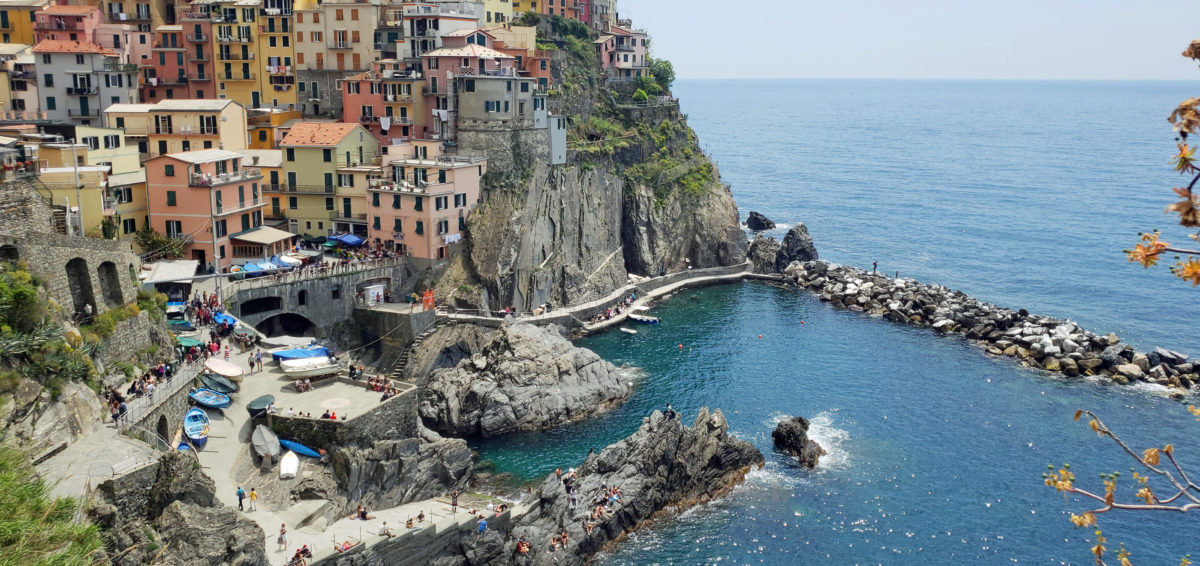
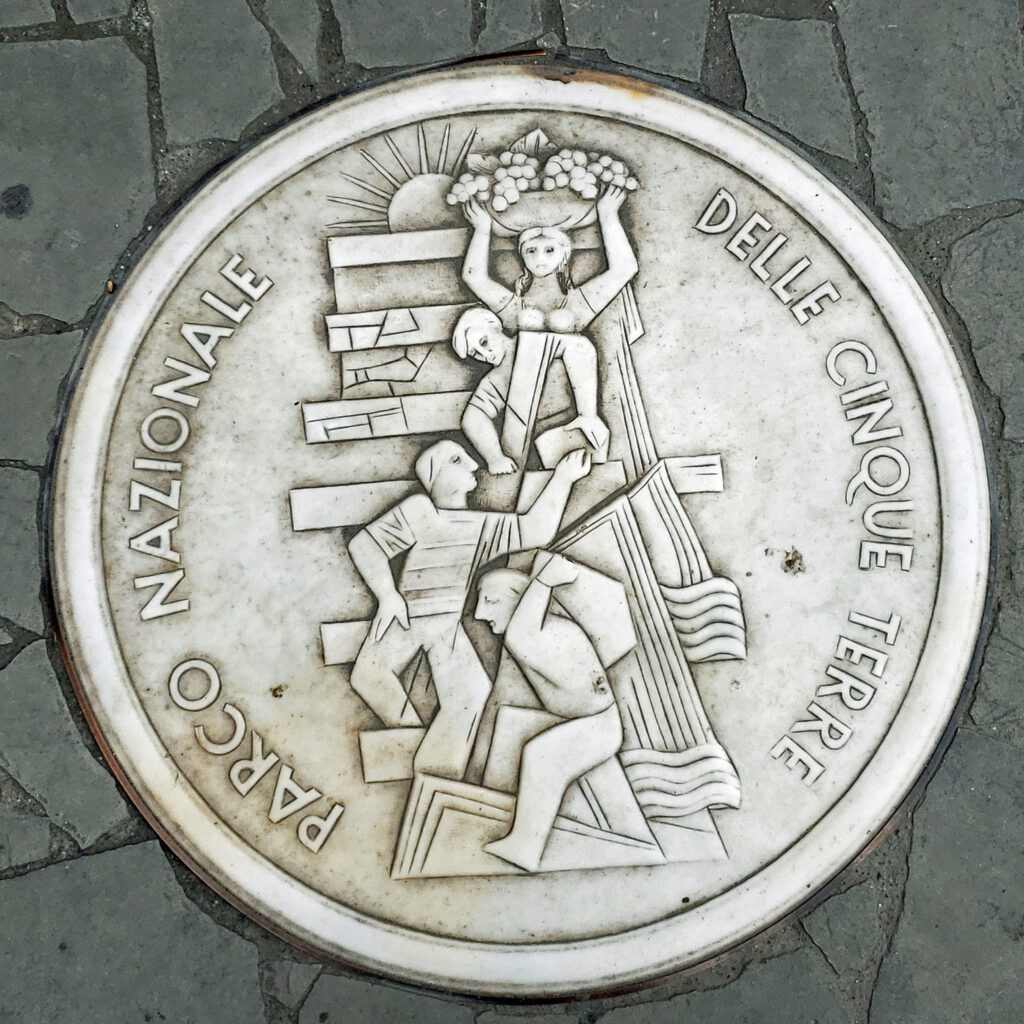 The following is an expanded and updated version of an August 2018 post on this site.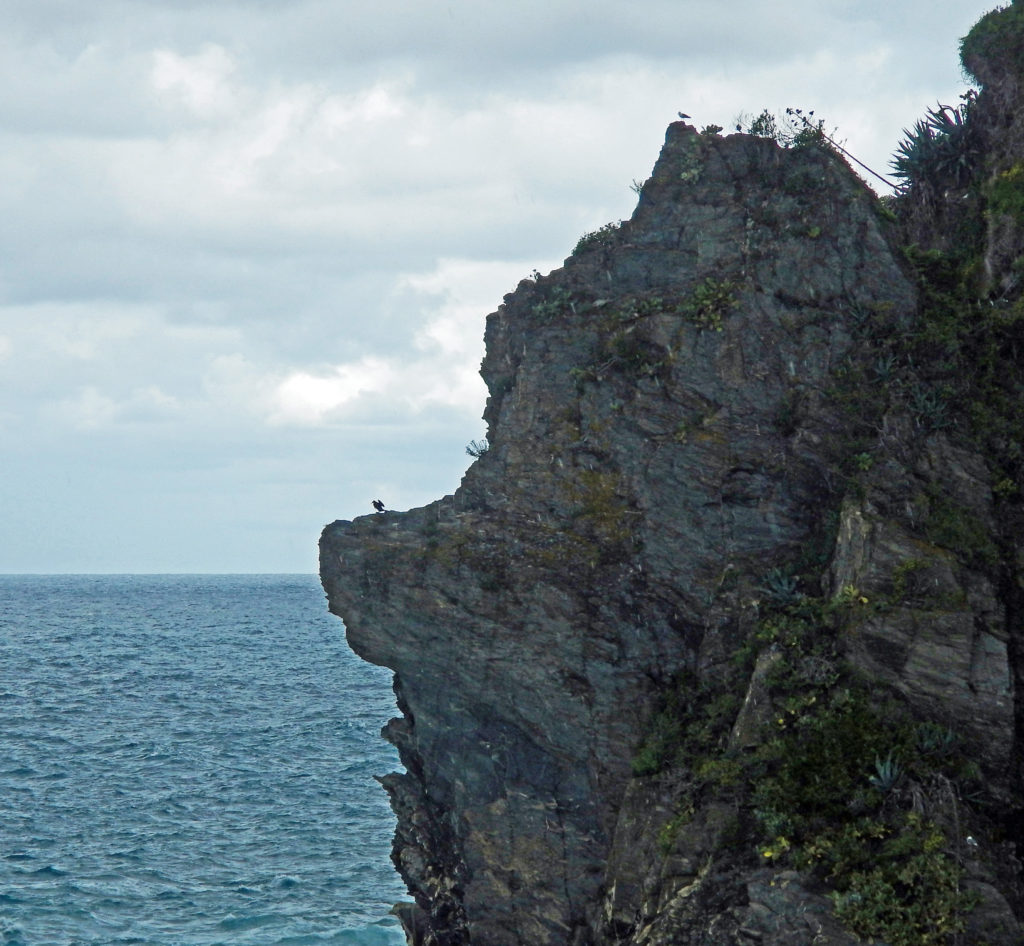
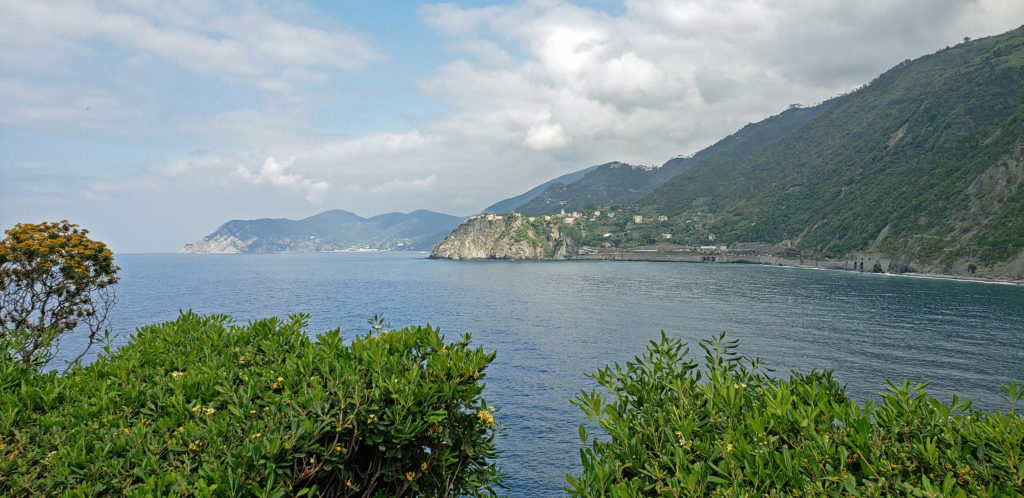
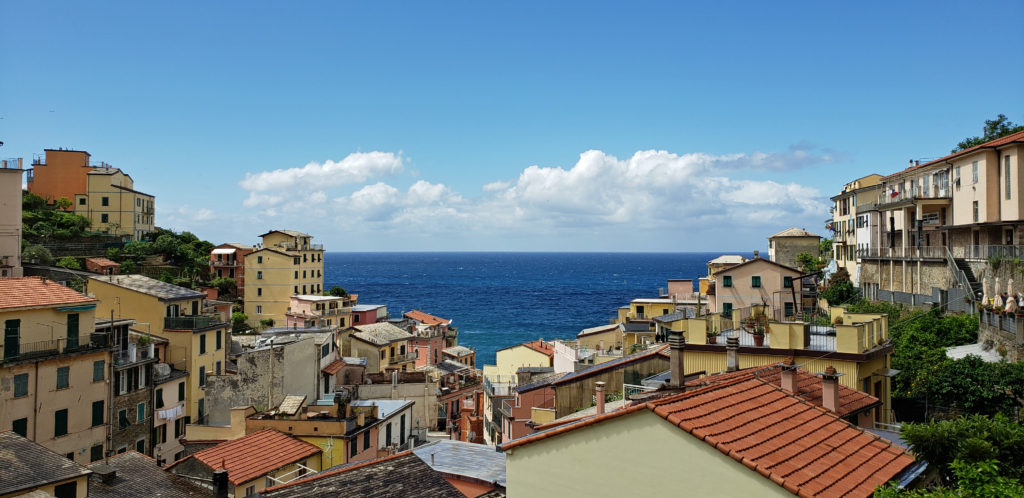
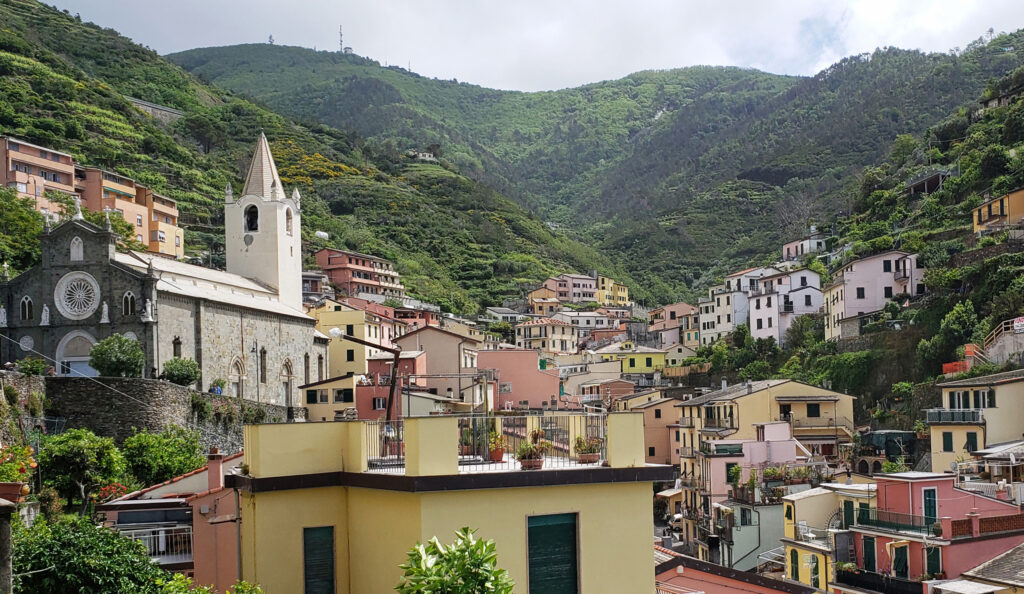
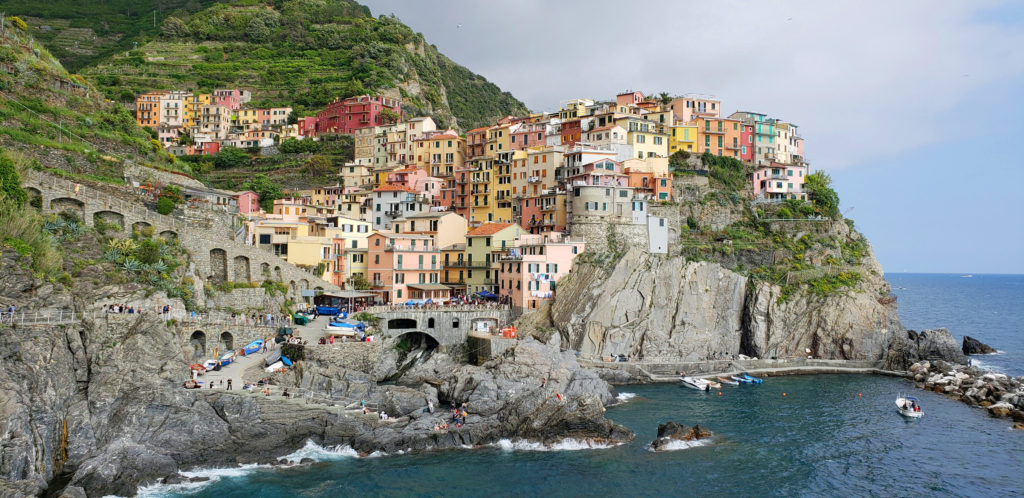
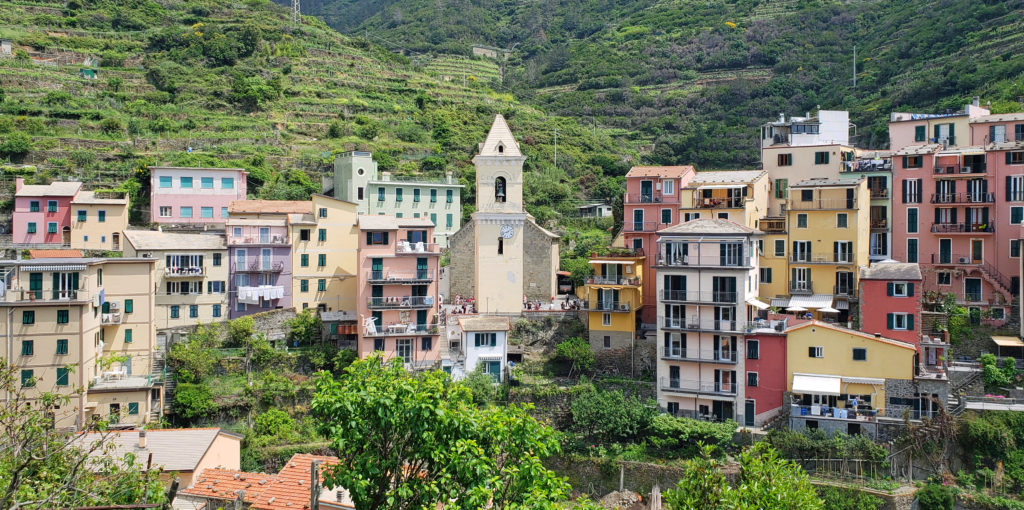
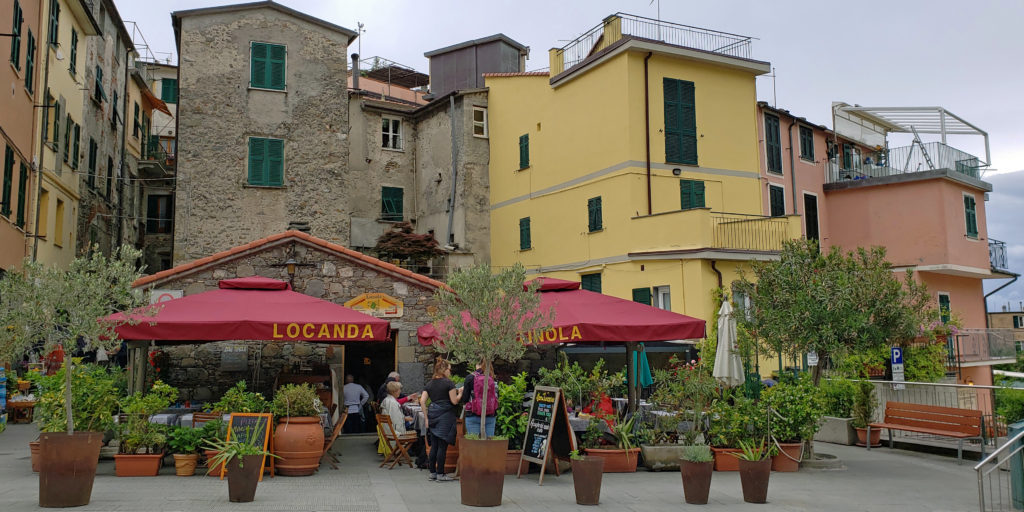
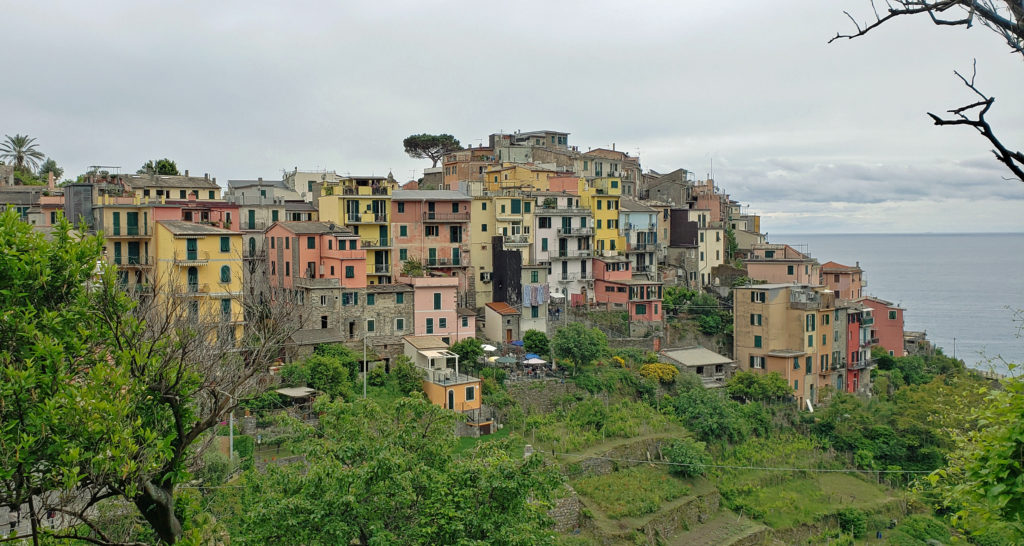
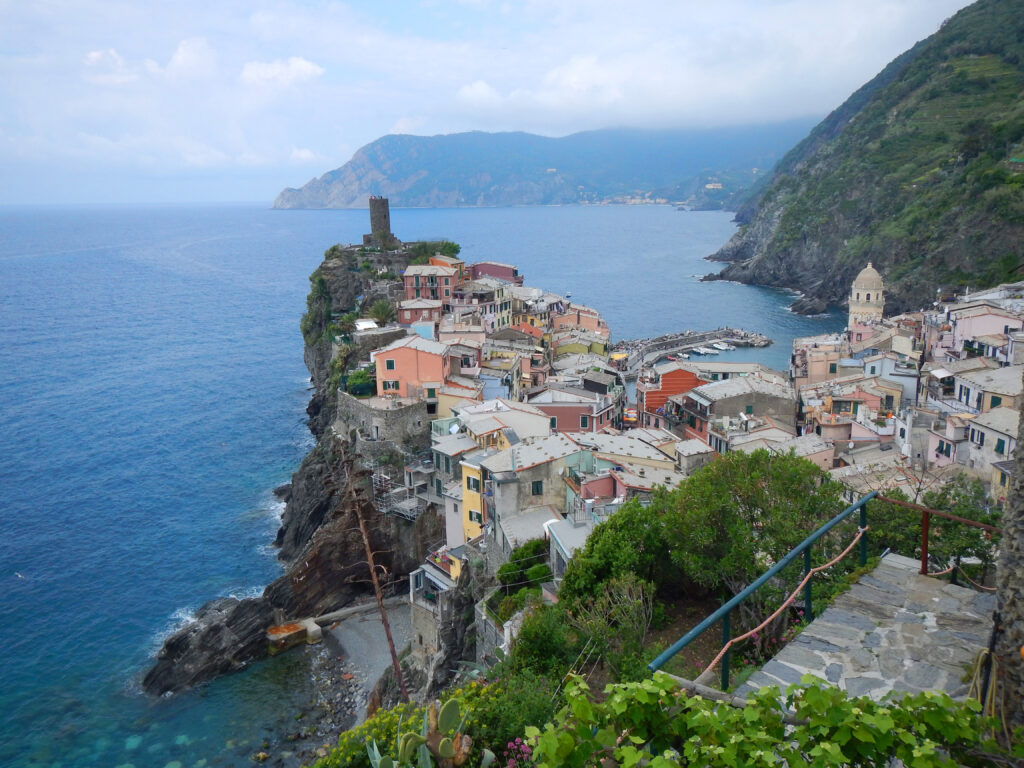
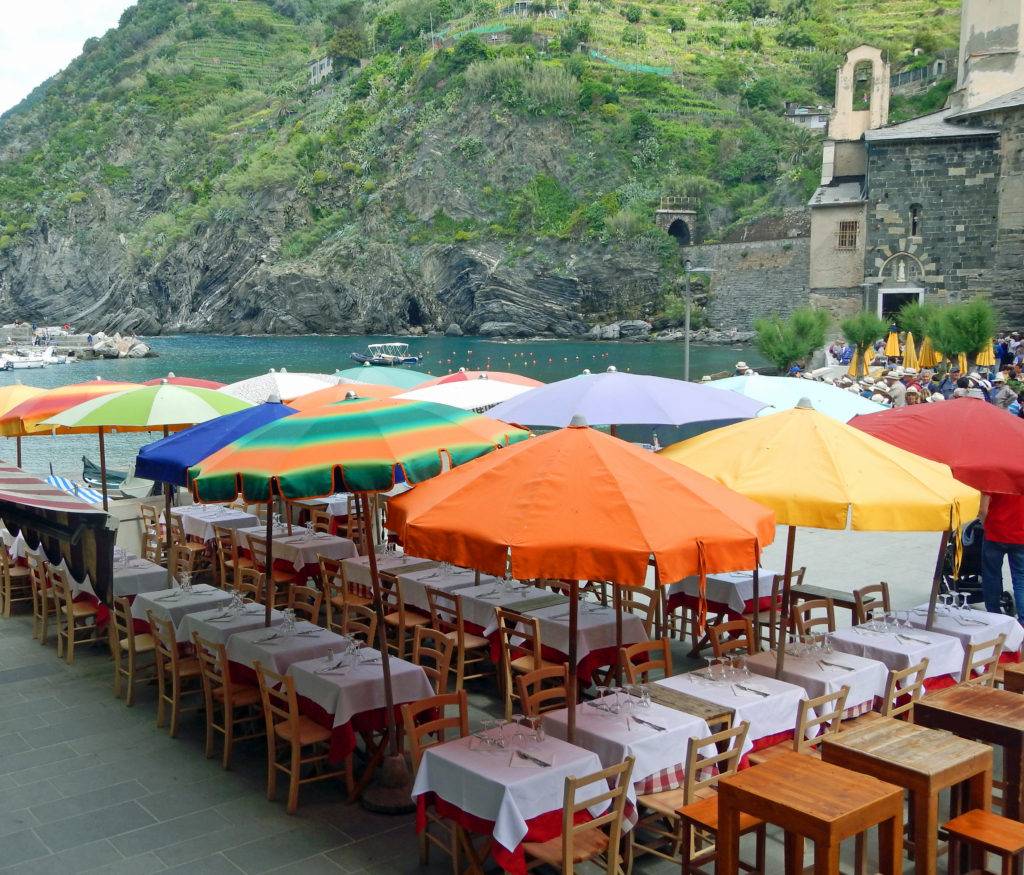
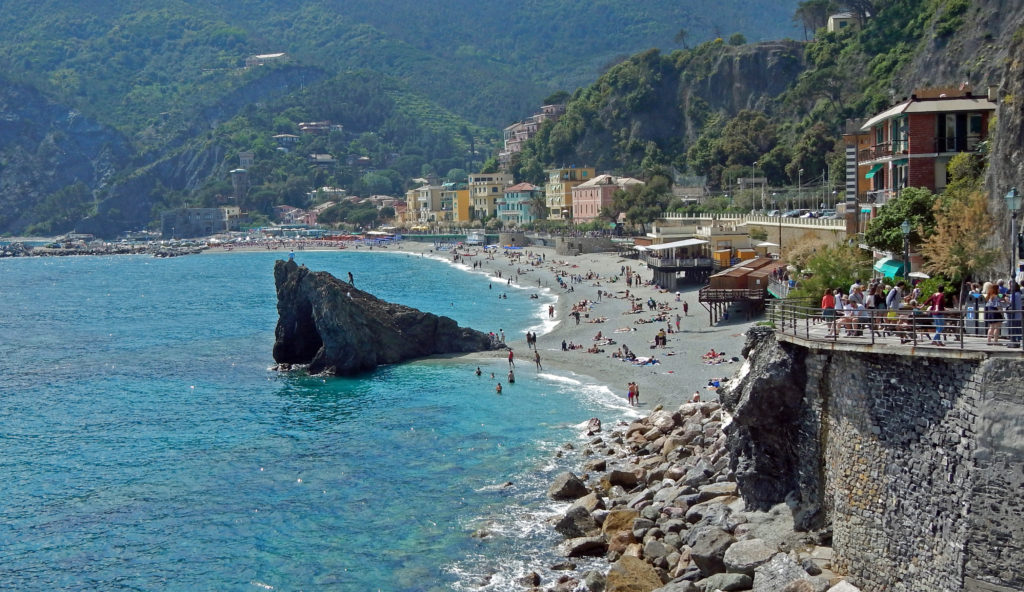
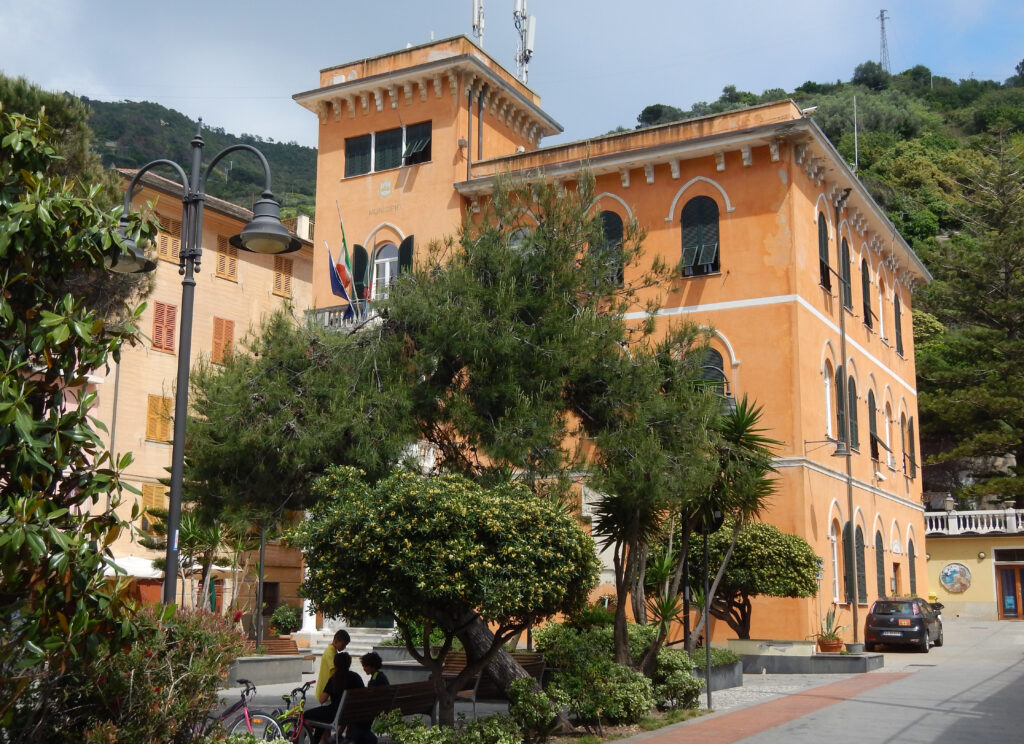
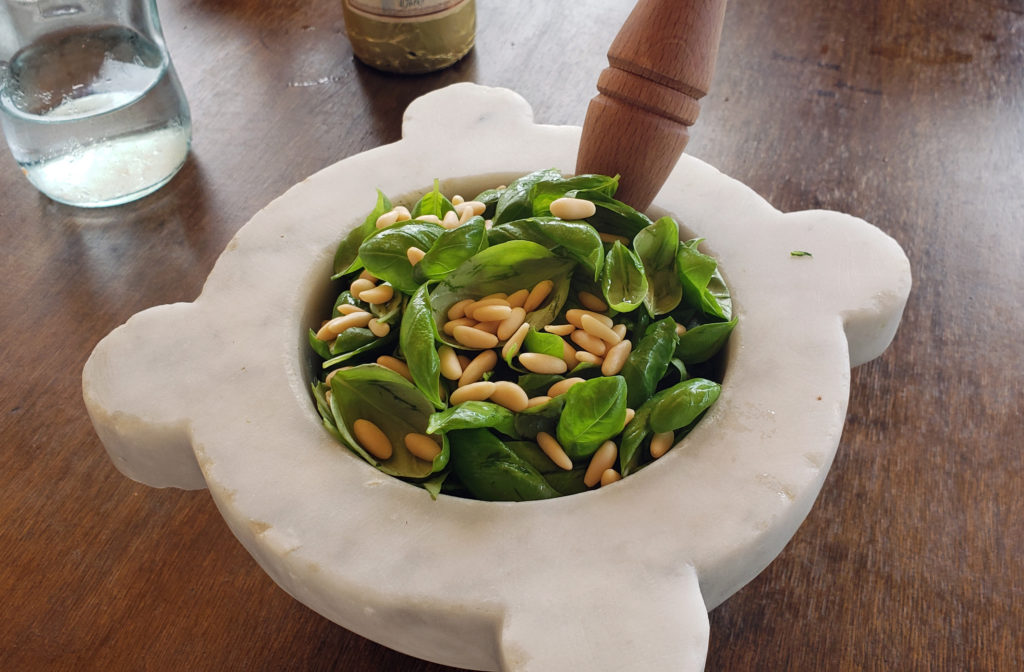 Because we would not be home on Mother’s Day, my two stepdaughters bought my wife (and me) tickets to a pesto making class and lunch at the Nessum Dorma Restaurant in Manarola, something I would not have done on my own, but which turned out to be both a good introduction to Italian cuisine and loads of fun. And the food was very good, including the pesto that we made ourselves.